
The Ultimate Guide to Play Surfacing
Everything you need to know about playground surfacing.
Find your next play surface.
When it comes to playground projects, there can be a lot of confusion on what the best surface is for your needs.
We have come up with a quick guide for the main play surfaces used in playgrounds all over New Zealand. We will walk you through the different types, application areas, what their safety surfacing requirements are, as well as the pros and cons of each surface type.
Generally, we recommend for play spaces to include both artificial and natural type surfaces to gain the maximum benefit from each. The surfaces should encourage flow and should allow access for as much of the year as possible.
Wet Pour Rubber Granules
Artificial Turf Mulches, Bark, and Wood Chips
Wet Pour Rubber Mulch
Pea Gravel and River Stones
Sand Timber Resin Set Stone
Concrete, Asphalt and Pavers
Natural Lawns
Natural Stone
Playground Tiles
10
16. 18. 20. 22. 24. 26.
4. 6. 8.
12 14
Surfacing Guide
Ultimate
Wet Pour Rubber Granules
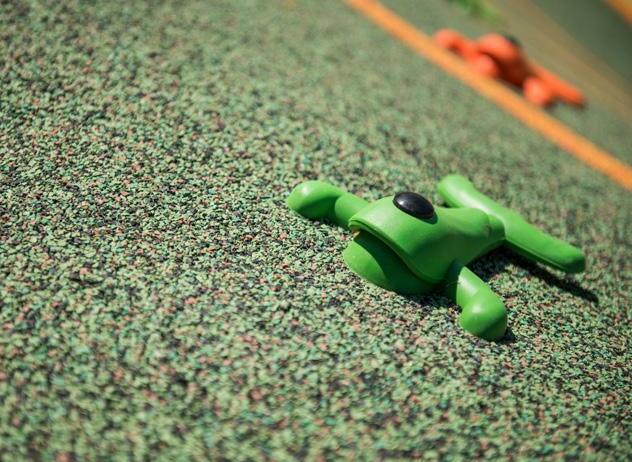
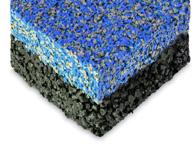
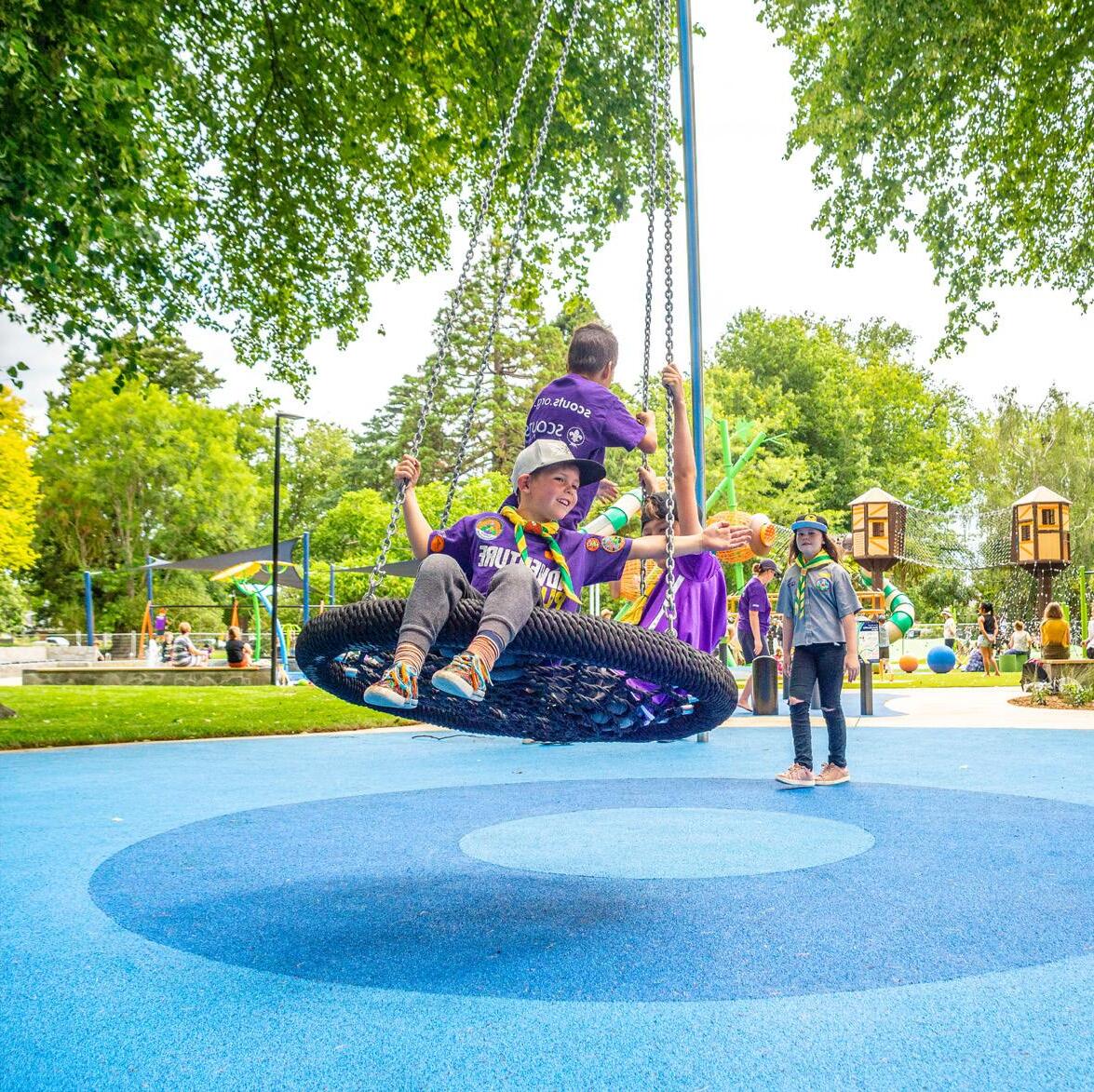
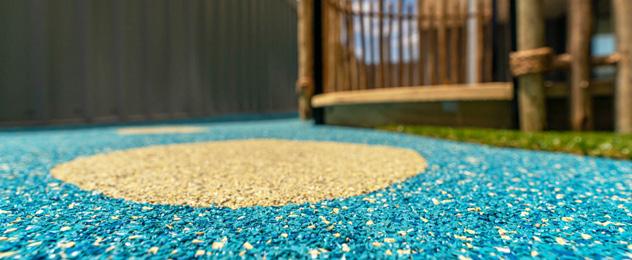
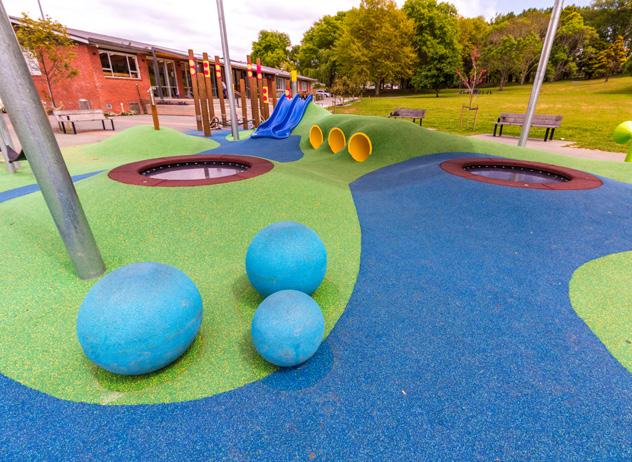
Wet pour rubber surfacing is a longlasting playground surface for almost every application. Consisting of an impact absorbing shock pad underlay as well as a coloured rubber granule top layer, it’s a great all-round safety surface. Rubber surfacing has soundproofing and insulating abilities making it a viable option for both indoor and outdoor use.
In most settings rubber surfacing is resistant to scratches, ultra-violet, weather extremes, and damage. Poured in place as one piece and permeable to water, it’s extremely low maintenance and with a large range of colours, pattern designs and sloping terrain options, it’s a highly adaptable product.
Options/Types
Shock pads usually consist of recycled tyre rubber installed at a variety of depths depending on Critical Fall Height (CFH) requirements.
SBR (Styrene-Butadiene Rubber) is a cheaper and lower quality rubber that usually consists of colour coated black rubber granules. In high traffic areas this coloured coating wears away revealing the black under layer.
EPDM (Ethylene Propylene Diene Monomer) is a medium quality coloured top layer rubber, with increased colour retention consistency throughout the granule rather than just at the top layer.
TPV (Thermoplastic Vulcanised) is a premium quality coloured top layer rubber, with maximum colour retention consistency throughout the granule and the highest levels of UV resistance.
Applications
Under small and large playground structures, seating areas, climbing areas and wet play areas.
Safety Surfacing
Rubber surfacing with varying shock pad depth meets NZS 5828:2015 surfacing requirements of fall heights up to 3m. Rubber surfacing with varying shock pad depth meets NZS 5828:2015 surfacing requirements of fall heights up to 3m.
Important Links
numatrec.co.nz/product/pournplay numatrec.co.nz/pour-n-play-colour-mixer
Pros
Colourful design options
Extremely shock-absorbent
Lasts for 10+ years
Wheelchair accessible and physical disabilities friendly
TPV granules keep their colour over time
Cons
Requires professional installation
SBR granules can lose colour over time
4 5 Ultimate Surfacing Guide
numatrec.co.nz | 0800 686 124
Numat Certified Installation Numat Safety Certified Numat Product Warranty
Artificial Turf
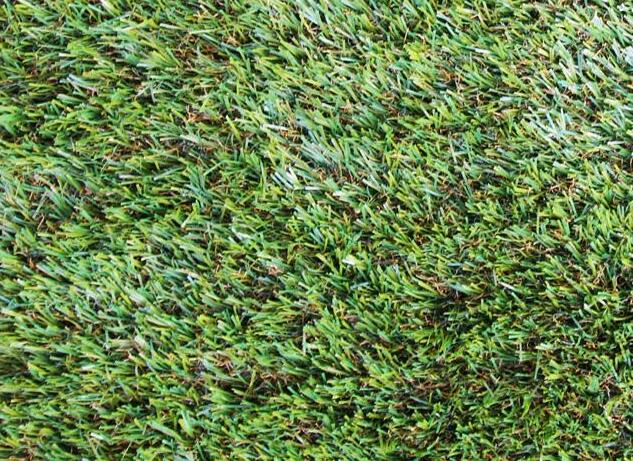
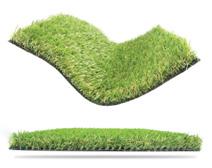
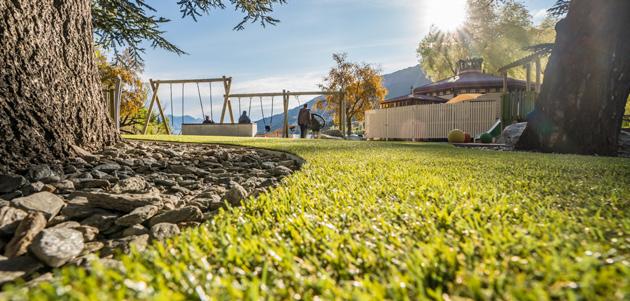
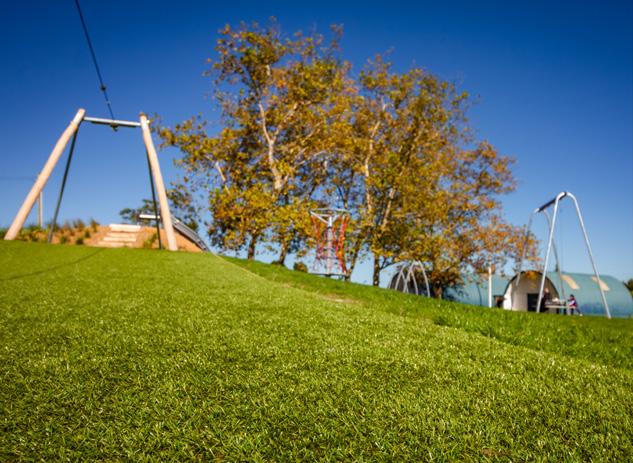
The main benefit of artificial turf is the natural appearance of grass with little to no maintenance. There are important considerations when installing artificial turf. It needs to be laid relatively flat to avoid seam splitting. Also, it often gets hotter than more natural solutions and shade should be
considered in exposed areas. It is low maintenance and usable all year-round, compared to natural grass. It also has the benefit of being hard-wearing. High-quality artificial turf can be exceptionally lush and soft to touch.
Options/Types
Artificial Turf can come as is with no additional underlay surfacing if no impact attenuation is required.
Turf with a shock pad underlay can be used under playground equipment up to 3m depending on depth.
To help with heat absorption in hot weather, special water absorbing sand is usually added to turf as a thermoregulator.
Applications
Playgrounds, sports courts, and outdoor learning environments.
Safety Surfacing
Artificial Turf with the appropriate shock pad underlay meets the NZS 5828:2015 surfacing requirements of fall heights up to 3m.
Important Links
Pros
Realistic natural look and feel
Non-allergenic, safe for small children
Soundproofing and insulating abilities
Cons
Requires professional installation
Can become hot in direct sunlight
Environmental impact
6 7 Ultimate Surfacing Guide
numatrec.co.nz | 0800 686 124 numatrec.co.nz/product/permaturf
Numat Produc Warranty 5 Yr Numat Certified Installation Numat Safety Certified
Mulches, Bark, and Wood Chips
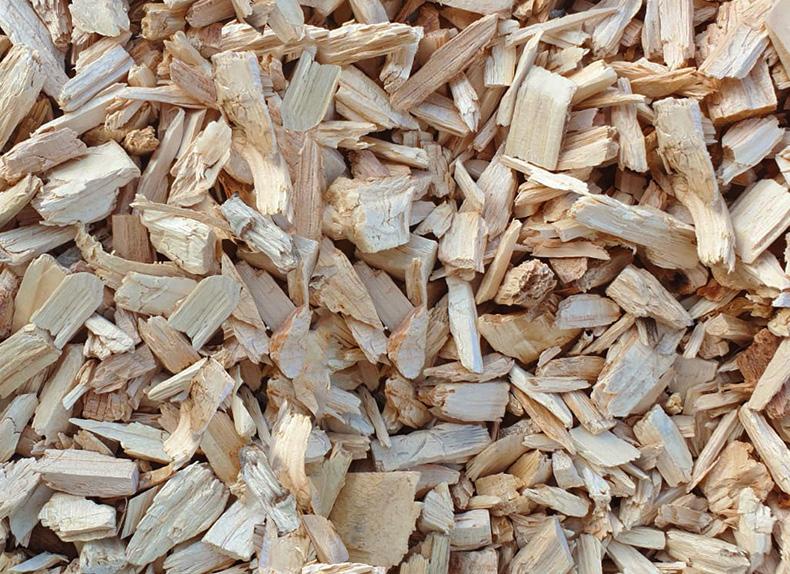
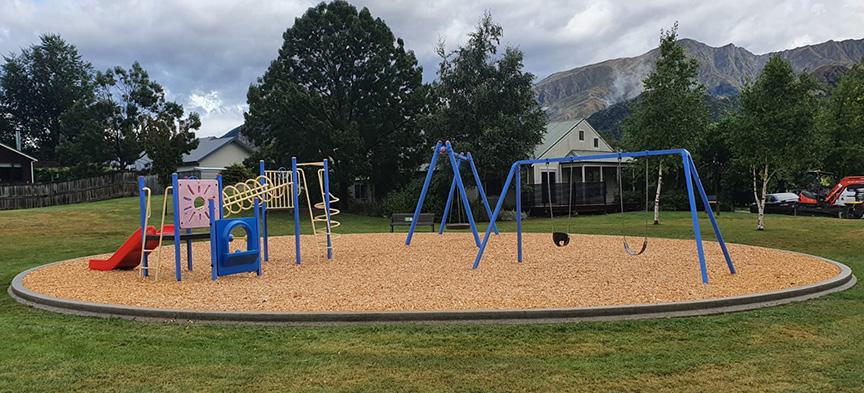
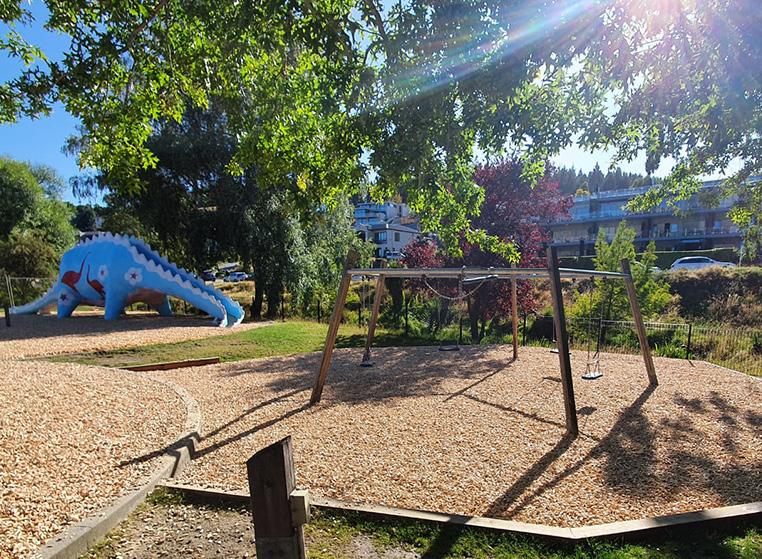
Wood Chips are a great all-round, trusted safety surface. As a recycled timber and 100% biodegradable product, wood chips have high ecological benefits and are also free-draining, and easy to install. On the negative side, loose-fill surfaces tend to travel, especially on slopes, and a high amount of maintenance is
required. Annual top-ups are recommended and do add up in overall cost compared to more permanent solutions. Research into the source of your woodchips is also important to make sure they haven’t been treated with harmful chemicals.
Options/Types
Mulch is a shredded by-product from the lumber and paper industries. It usually comes in smaller pieces than bark or chip, and it may compact and break down over time.
Bark as a safety surface consists of larger nuggets of tree bark with sun blocking abilities reducing weed shoots. Its larger sizing makes it harder to compact creating a longer lasting surface.
Woodchips are small to medium sized pieces of wood that are formed from cutting or chipping larger pieces of wood, making them a great all-round impact-attenuating surface.
Applications
Under play equipment, garden beds and pathways.
Safety Surfacing
Wood Chips as a safety surface can have a Critical Fall Height (CFH) of up to 3 metres depending on its depth, meeting the requirements set by the NZS 5828:2015 playground standard.
Important Links
Pros
Environmentally friendly
Free-draining and quick-drying
Heat resistant
Cons
Raking maintenance required
Annual top up recommended
Full replacement every couple of years
Not suitable for wheelchair access
8 9 Ultimate Surfacing Guide
numatrec.co.nz | 0800 686 124 numatrec.co.nz/product/topchip
Numat Certified Installation Numat Safety Certified
Wet Pour Rubber Mulch
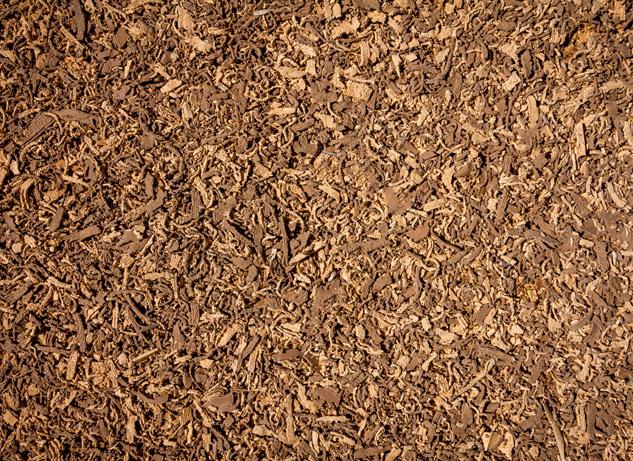
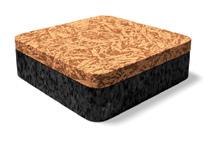
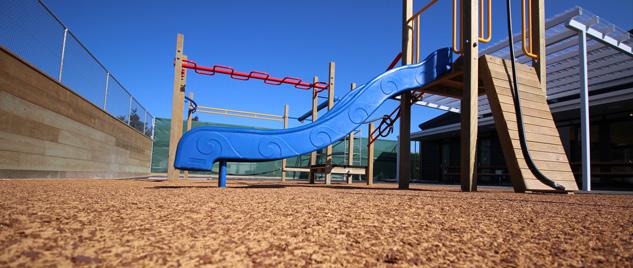
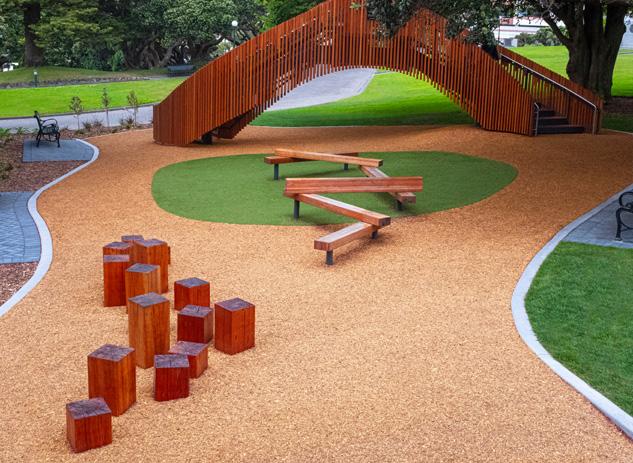
Wet pour rubber mulch is the ‘natural look’ alternative to wet pour rubber. A great playground safety surface as well as adding a natural texturized look. Usually made from recycled tyres the larger rubber pieces are a water permeable surface as well as a suppressor of weed growth. Unlike loose fill safety surfaces, wet pour rubber rubber
surfacing doesn’t compact over time, making it a superior safety surfacing option. When selecting a wet pour rubber mulch surface make sure to check that it’s non-staining, odour-free and non-toxic. Wet pour rubber surfaces are smooth and seamless making them accessibility friendly for wheelchair users and people with mobility issues.
Options/Types
Rubber mulch is mixed with a durable resin and poured into place making it a long lasting, consistent surface that can be used on slopes and shaped to meet design requirements.
Applications
Playgrounds, pathways, seating areas, sloped playground areas and around tree/garden beds.
Safety Surfacing
Wet pour rubber mulch is a certified safety surface with varying shock pad depths to meet NZS 5828:2015 surfacing requirements of fall heights up to 3m.
Important Links
numatrec.co.nz/product/mulchset
Pros
Soft springy surface
No maintenance required
Environmentally friendly
Cons
Requires professional installation
10 11 Ultimate Surfacing Guide
numatrec.co.nz | 0800 686 124
Numat Product Warranty Numat Certified Installation Numat Safety Certified
Pea Gravel and River Stones
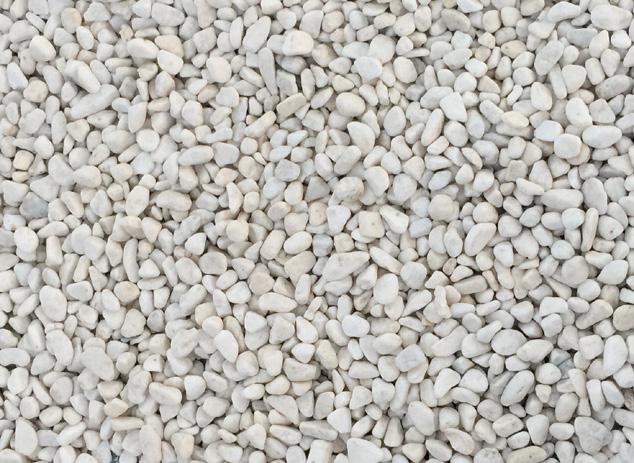
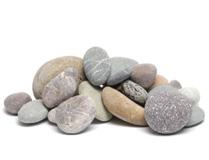
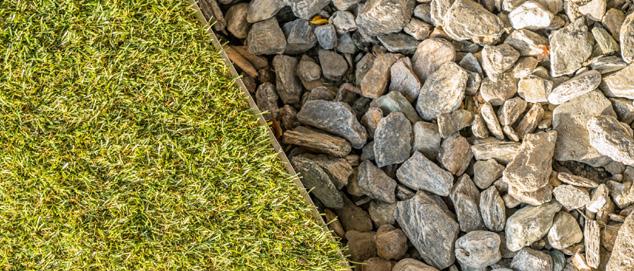
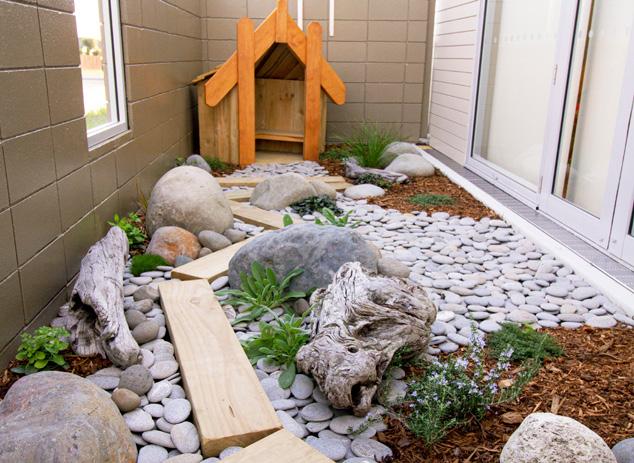
Loose fill materials like pea gravel and small river stones are a low-cost safety surface, but they do tend to travel around a site. If upkeep is not maintained, inconsistencies like mounds and trenches can appear compromising its overall Critical Fall Height (CFH). Furthermore, dust can accumulate in the surface over time and lead to surface compaction and hardening. In modern designed playgrounds, coloured pebbles are often used for their play value rather than as a safety surface solution.
Pros
Options/Types
Pea gravel is a common stone choice which is long-lasting and provides excellent impact attenuation. It can present a choking hazard for very young children compared to other larger pebble solutions.
River rocks are a flatter, larger, smooth stone not used in playground safety surfacing but mainly in pathways and garden beds.
Applications
Under low playground equipment, pathways and garden beds.
Safety Surfacing
Pebbles and other loose fill safety surfacing can meet Critical Fall Height (CFH) for NZS 5828:2015 standards depending on its depth requirements.
Cons
Easy install process
Comparably lower initial cost
Effective draining which prevents rainwater build up Regular inspections are necessary
Not suitable for wheelchair access
Not appropriate for young children
Becomes quite hard in cold temperatures
12 13 Ultimate Surfacing Guide
numatrec.co.nz | 0800 686 124
Numat Safety Certified
Sand
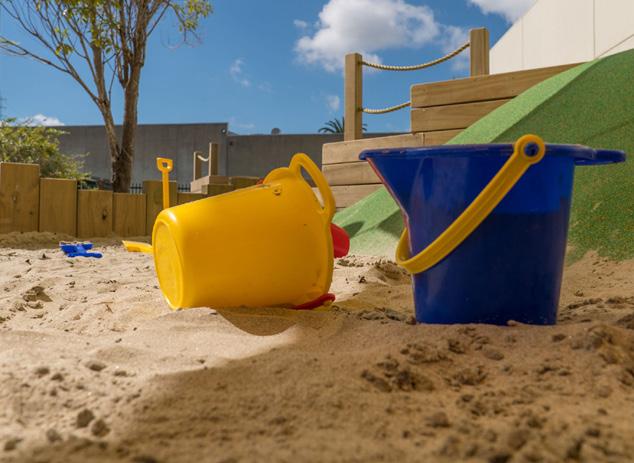
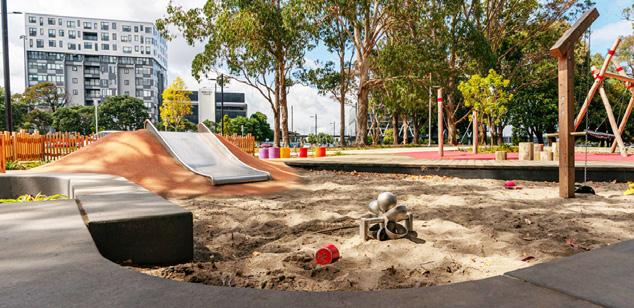
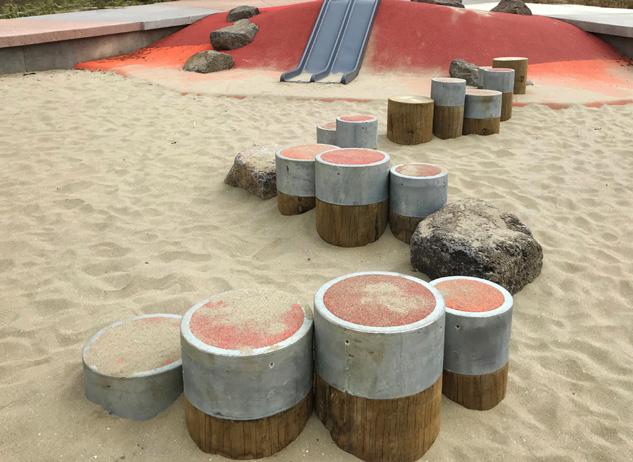
Sand is an attractive natural choice for impact absorption, as well as being a play element in its own right. With its texture and changing consistency when wet or dry, sand adds a great sensory dimension. Because sand is such a fine material it doesn’t compact together
under pressure like some other loose-fill surfaces. A draw back for sand is its increase in firmness as it gets wet, meaning it must have adequate sub-surface drainage. Regular maintenance is required to avoid build up and compaction and remove any foreign objects.
Options/Types
When selecting sand, it’s important to choose the right type. Builders sand and other construction sands are not suitable for playground surfacing as they bond together in wet conditions, creating dangerous lumps.
Coarse sand which has a larger particle size is often better for moulding and easier to contain.
Finer sand is quite light and quick drying, but it is also harder to contain, especially in windy conditions.
Applications
Under small and large play structures, sandpits, and impact zones.
Safety Surfacing
Sand is a reliable safety surface meeting NZS 5828:2015 surfacing requirements of fall heights up to 3m depending on depth.
Pros
Low initial cost
Easy to install
Additional play value
Cons
May conceal hazardous objects
Not great in windy conditions
Not suitable for wheelchair access
Attractive to animals
14 15 Ultimate Surfacing Guide Numat Safety Certified
numatrec.co.nz | 0800 686 124
Timber
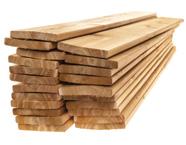
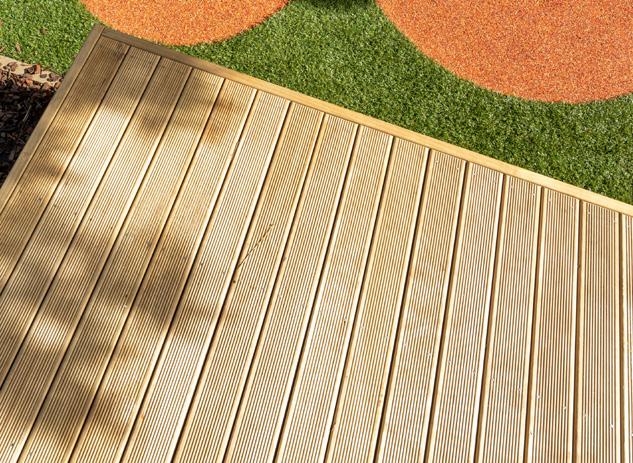
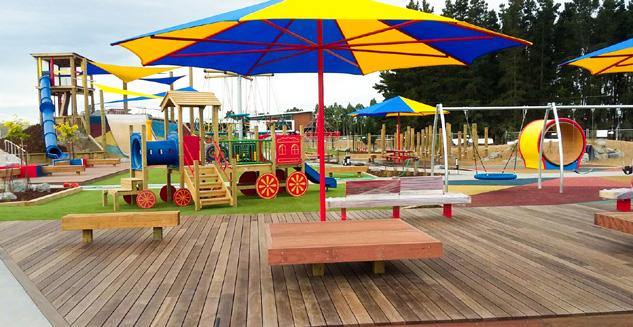
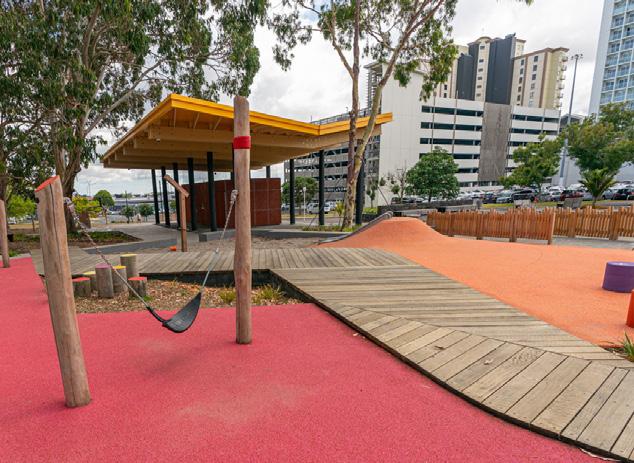
Timber decking as a playground surface is a costlier option with more aesthetic appeal.
Timber doesn’t retain heat as much as other surfaces. It does usually need preserving treatments to increase longevity and protect
the timber from decay, fungi, and wood boring insects. As a relatively low maintenance and long-lasting material, timber is used as a feature element to help create flexibility, as well as improve flow in a play space.
Options/Types
Hard Wood is a long-lasting attractive timber. Due to it’s slow growing capabilities hard wood is usually denser, this makes the timber richer in colour and generally more expensive. This density also makes the wood more susceptible to splitting. Research is needed for most hard woods as they can come from illegal logging in rain forests.
Soft Wood is a cheaper timber that grows at a faster rate making it lighter in colour. This means that soft timber requires more maintenance and isn’t as long lasting. It is usually easier to install as the softer wood won’t splinter as much.
Applications
Pathways, seating areas, flexible play areas.
Safety Surfacing
Timber decking can not be used as a safety surface around playground equipment.
Natural appearance
Low maintenance
Not suitable for around play equipment
Can become slippery when wet
Can be susceptible to swelling and shrinkage
An expensive option
16 17 Ultimate Surfacing Guide
numatrec.co.nz | 0800 686 124 Pros Cons Foster Park timber decking by McLenaghan Contracting Hayman Park timber decking by John Filmore Contracting
Resin Set Stone
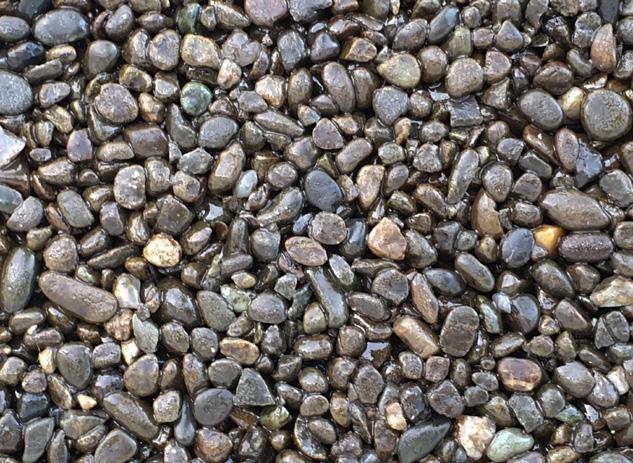
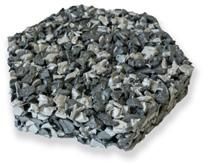
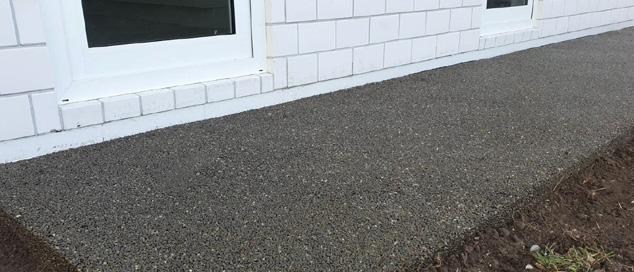
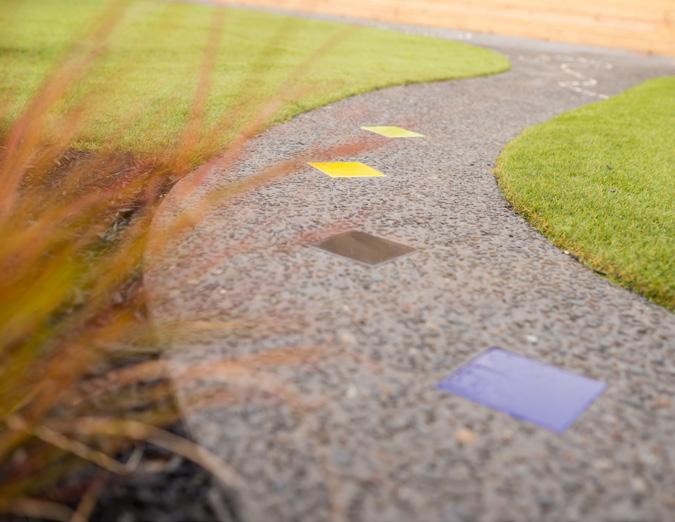
Resin set stone is a great permanent solution to gravel or pebbles. Set stone is often used to add a textured attribute to a playground space and is mainly used for pathways or seating areas. Resin set stones can reduce weed growth with little to no maintenance needed. As a porous free draining product, it
reduces water build up as well as being very easy to clean. A great surface for crawling on, wheelchair access and accessibility. Resin set stone can be installed on a gradient without worry of slippage or movement. As a durable, long-lasting product resin set stone is both an attractive and strong surface solution.
Options/Types
With light, dark and colour options available the colour blends are limitless.
Sizing options are available from fine pebbles to large stones. Can be used as edging around a loose fill material to help keep it contained.
Applications
Steppingstones, pathways, seating areas, around tree/garden beds.
Safety Surfacing
Resin set stone is not considered a safety surface as it has no cushioning effect. It is often used as a complementary element to a playground space with additional certified safety surfacing.
Aesthetically pleasing
No maintenance required
Extremely durable
Requires professional installation
Cannot be used around play equipment
18 Ultimate Surfacing Guide
numatrec.co.nz | 0800 686 124
Pros Cons
Concrete, Asphalt and Pavers
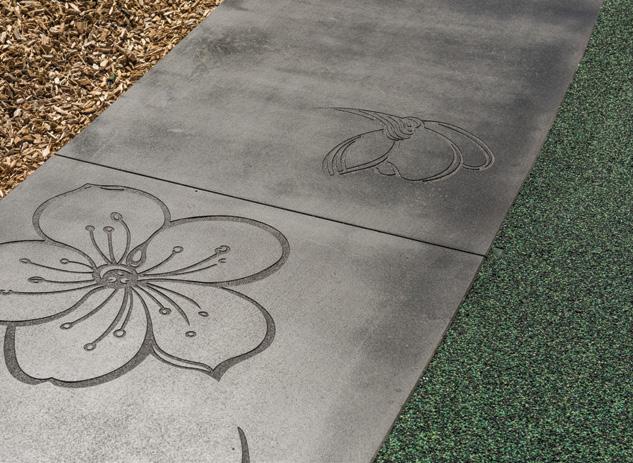
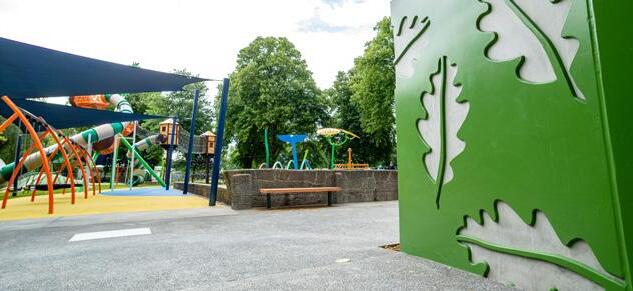
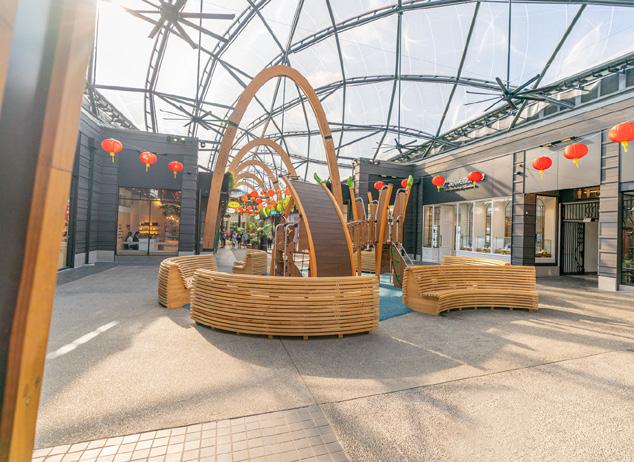
Concrete, asphalt and pavers are ideal surfaces for sport courts, fitness equipment and pathways. As a hard and permanent surface, they provide good traction in wet conditions and can be easily maintained. Additional play value can be added with painted surfacing coatings.
Concrete and pavers are not recommended as a playground surface due to them being hard to fall on and rough to crawl on. They should be used sparingly throughout a play space with additional appropriate safety surfacing used under play equipment.
Options/Types
Concrete, like most surfaces, needs some preparation before the pouring begins to ensure a level surface. Concrete may also need to be sanded or bead blasted to increase surface texture and grip. Asphalt is a great permanent surface solution that is easy to install and maintain. It is slightly softer and easier to repair than concrete but does deteriorate faster.
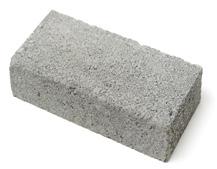
Pavers are a permeable surface solution that help to reduce water build up while providing a level walking surface. They are available in a range of colours and sizes.
Applications
Sports courts, pathways, bike tracks and seating areas.
Safety Surfacing
Concrete, asphalt, and pavers cannot be used as a safety surface but are still recommended as a complementary element for providing paths and structural elements.
No maintenance required
Can be painted with shapes, numbers, and games
Extremely durable
Cannot be used around play equipment
Harsh to stand or walk on for long periods of time
20 21 Ultimate Surfacing Guide
numatrec.co.nz | 0800 686 124 Pros Cons Botany Town Centre concrete by Flex Group Margaret Mahy Family Park paving by Firth
Natural Lawns
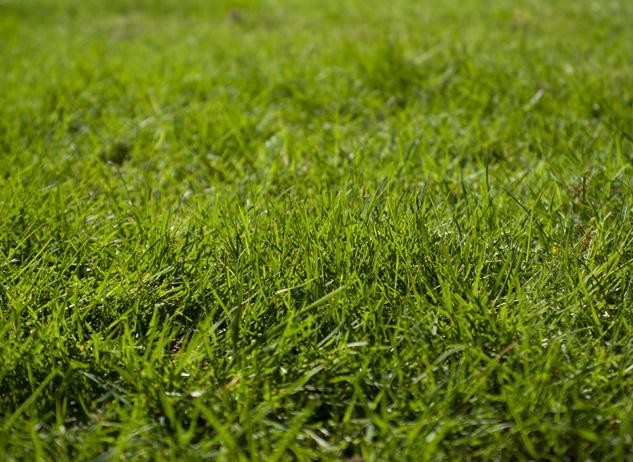
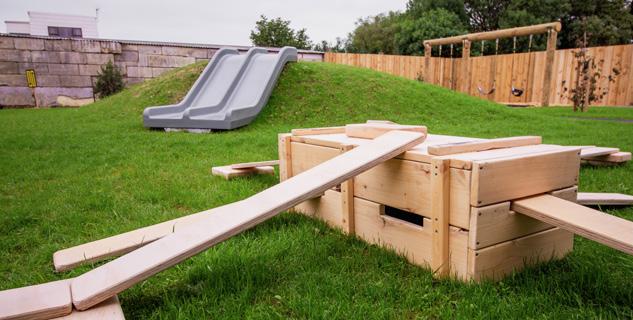
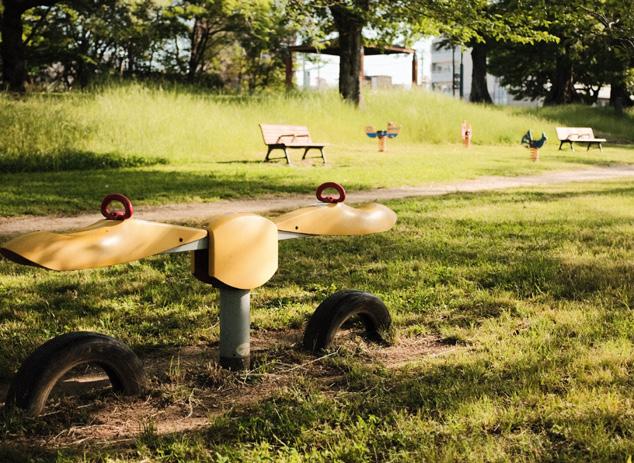
Natural grass has a low initial cost and looks great making it a popular play surface option. But be warned - it is not for every area. Wet, shady, or high traffic areas will suffer, and ongoing maintenance costs should be
considered when choosing this option. It is important to realise that your natural lawn might not be usable for parts of the year and will need aerating and re-sowing over time.
Options/Types
For North Island locations where humidity is higher, choose hardy varieties such as Kikuya, Couch, or Tall Fescue.
South Island locations are suited to a greater variety of grasses, but Rye grass is generally considered an excellent option here. If timing is critical, ready roll grass is the best option. However, it comes with added cost.
Applications
Lawns, playing fields, flexible play areas
Safety Surfacing
Natural grass can be used as a safety surface for equipment up to 1 metre high. This makes it a suitable choice for under low moveable equipment.
Natural
Low cost installation
Some impact attenuation
High maintenance cost
Not suitable for shaded, wet, or high traffic areas
Often not usable when wet
22 23 Ultimate Surfacing Guide
numatrec.co.nz | 0800 686 124
Pros Cons
Natural Stone
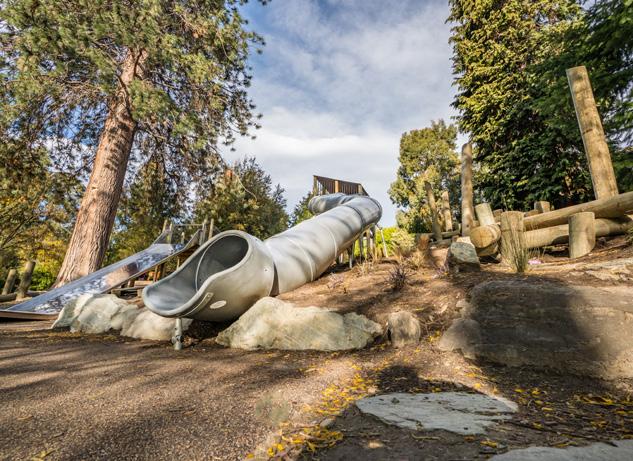
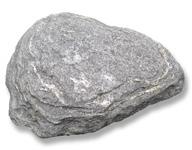
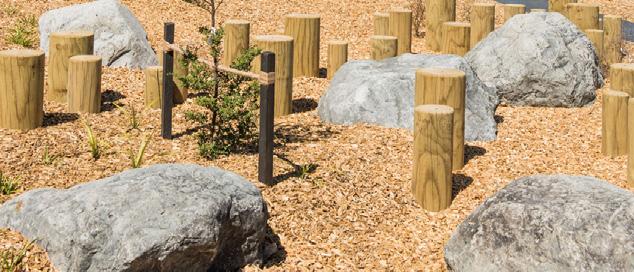
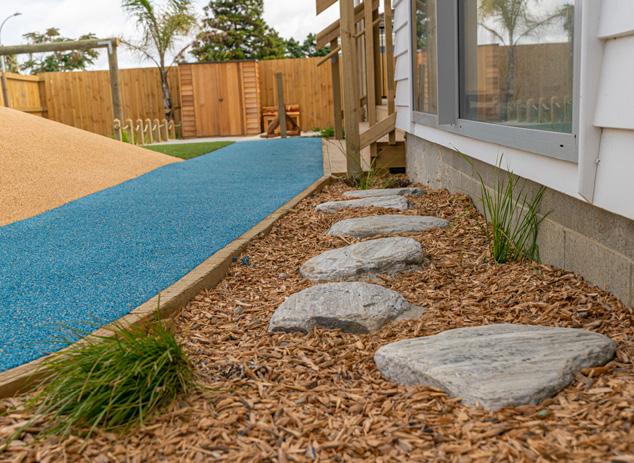
Natural stones are often used as features in playgrounds. They can be expensive and hard to install due to their weight. That is why it is usually best to buy local. Care is needed when choosing stones as they come in different shapes, sizes, and colours. The positioning of each stone should also be considered.
In a natural looking installation, stones are often positioned in a group with a variety of shapes and sizes. Stones are often added to a playground to provide a natural feature, but they can also be used as a play element for jumping, sitting on, and playing on.
Options/Types
Stones with raised profiles offer a range of shapes - tall, low, arching or reclining. Each has its own benefits for creating an overall composition.
Flat stones are usually less than a foot tall with a flat top surface. This makes them ideal for water edges, walkways, and steppingstones.
Applications
Steppingstones, pathways, additional play value and seating areas.
Safety Surfacing
Stones are not used as a safety surface but can be combined with other surfaces to create a designed stone composition in a play space.
Pros
Adds additional play value
No maintenance required
Natural looking
Cons
Cannot be used around play equipment
24 25 Ultimate Surfacing Guide
numatrec.co.nz | 0800 686 124
Playground Tiles
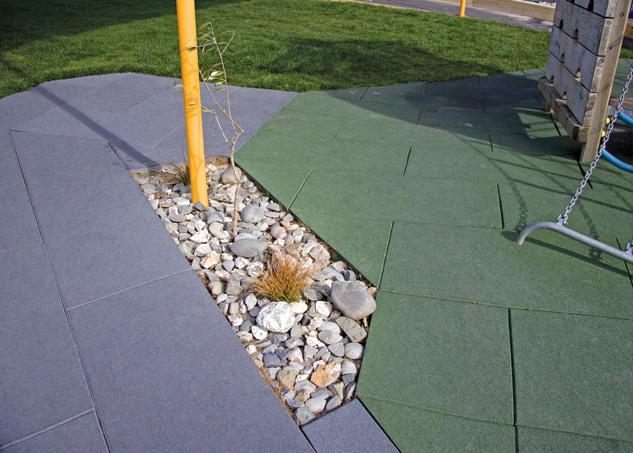
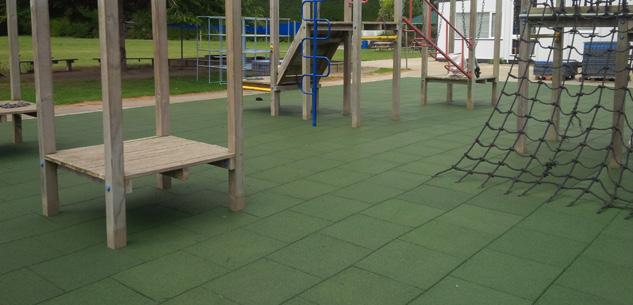
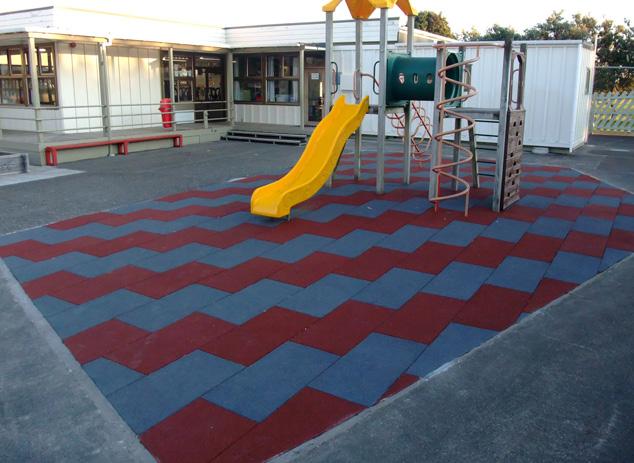
Playground tiles can be a great low-cost alternative to rubber granule surfacing. Their joining abilities make them easy to DIY install. As a permeable, fast drying surface, playground tiles are good for most playground applications. They can be installed over a variety of sub surfaces without shifting or moving like most loose fill materials. Additional play value can be added to the tiles with painted shapes, numbers, and games.
Options/Types
Square edged play tiles have a clean finish with lots of design capabilities and are usually joined with a peg and gluing system.
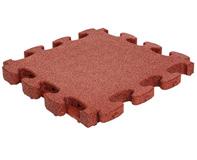
Puzzle edged tiles can be easily laid with no extra gluing required. With their tight joined puzzled edging there is no chance of movement or separation occurring between the tiles.
Applications
Playgrounds, outdoor learning environments and wet play areas.
Safety Surfacing
Playground Tiles with the appropriate shock pad underlay meets the NZS 5828:2015 surfacing requirements of fall heights up to 3m. Pros Cons
Easy DIY installation
Cost effective solution
Can be painted for added play
Many joins introduces many points of failure where mats come apart over time
26 27 Ultimate Surfacing Guide
numatrec.co.nz | 0800 686 124
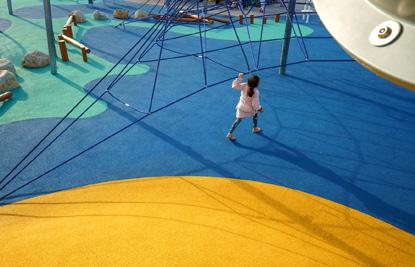
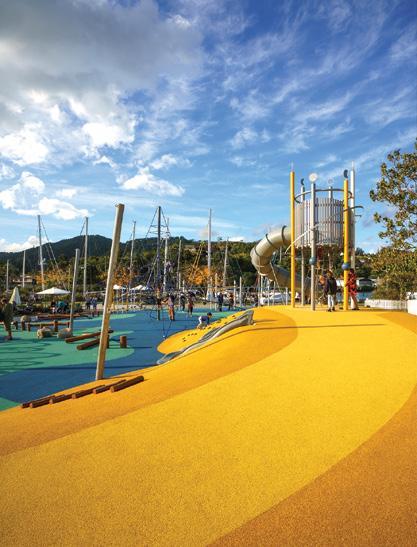
In playgrounds across New Zealand, we assess, design and install a wide range of surfaces and playground accessories as part of our work, providing the very best in play landscapes. Our friendly New Zealand-based customer service team are ready to chat on 0800 686 124 Visit our website: numatrec.co.nz or email us: info@numat.co.nz Give us a call!