25 ways to school.spaceunderutilisedactivateinyour creospace.co.nz
Becausesponsorship.ofthis, we think these spaces deserve a second look.
Another great thing about these types of spaces is that getting the most out of them can often be done with small changes that are achievable through working bees, small fundraising efforts, or a grant or
Many schools have ended up with odd spaces between, behind, and beside these buildings - areas that are hard to utilise and of little value if left as they However,are.
These ideas cover many of the typical areas we see that once transformed, can change an underutilised space into a favourite playspace.
while they are a challenge, these spaces are also an opportunity and with a little creativity, can be transformed into useful, engaging, and fun Essentially,environments.they
Simple ideas go a long way and to help you get started, we’ve listed twenty-five such options in the pages of this book.
When approached from this perspective, you’ll find that these often-overlooked spaces provide a world of opportunity. Not only to transform a school’s character, but also to offer a wider range of play and learning experiences.
While it won’t substitute for a whole school masterplan, taking on the redevelopment of an underutilised space can lead to some quick wins and a growing sense of ownership, achievement, and pride in your school.
This has led to the building of many temporary classrooms, which in many cases have become the long-term solution they were never intended to be.
What’s the big space.strainbySincebook?behindideathis2000,NewZealand’spopulationhasgrownaroundamillionpeople,placingtremendousonschoolstoprovidemoreclassroom
force us to think outside the square and come up with new ways to make use of them. They help us be more creative!
Playspace Design + Build
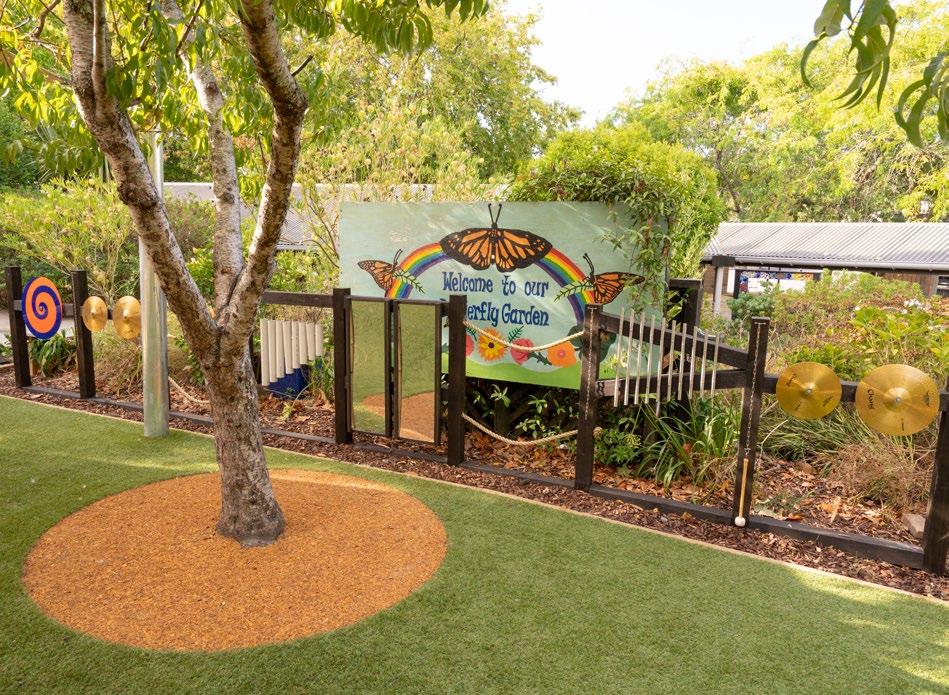
Introduce your students to the elements of music with your very own music wall. Percussive elements such as old pots and pans, chimes, and xylophones provide the opportunity for students to explore rhythm and melody.
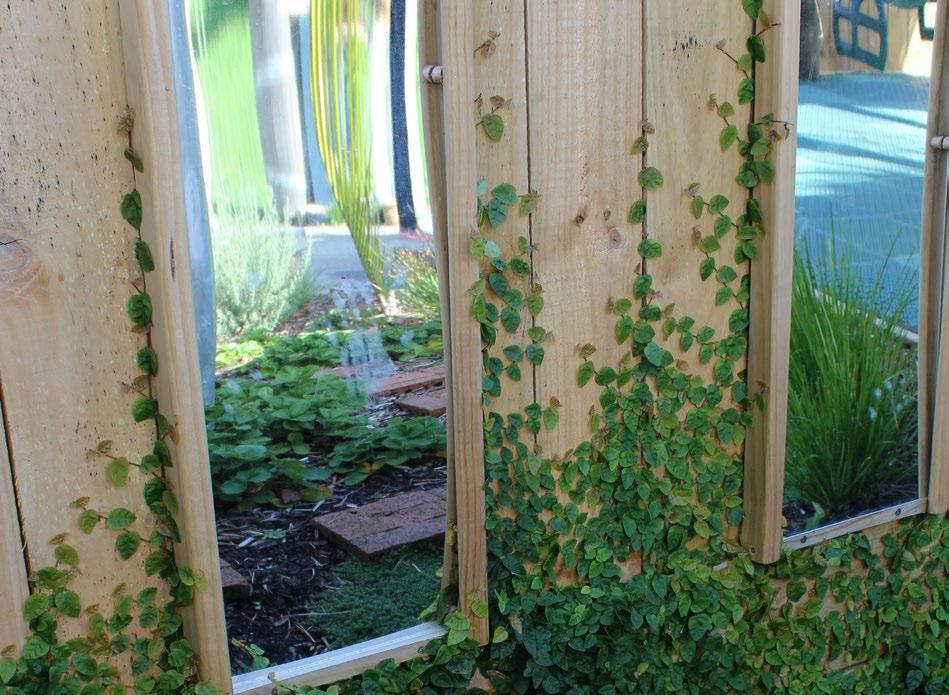
6. Mirrors
Something as simple as a target with a bullseye can form the basis of many fun games. Simply add a tennis or soccer ball and let the students do the rest.
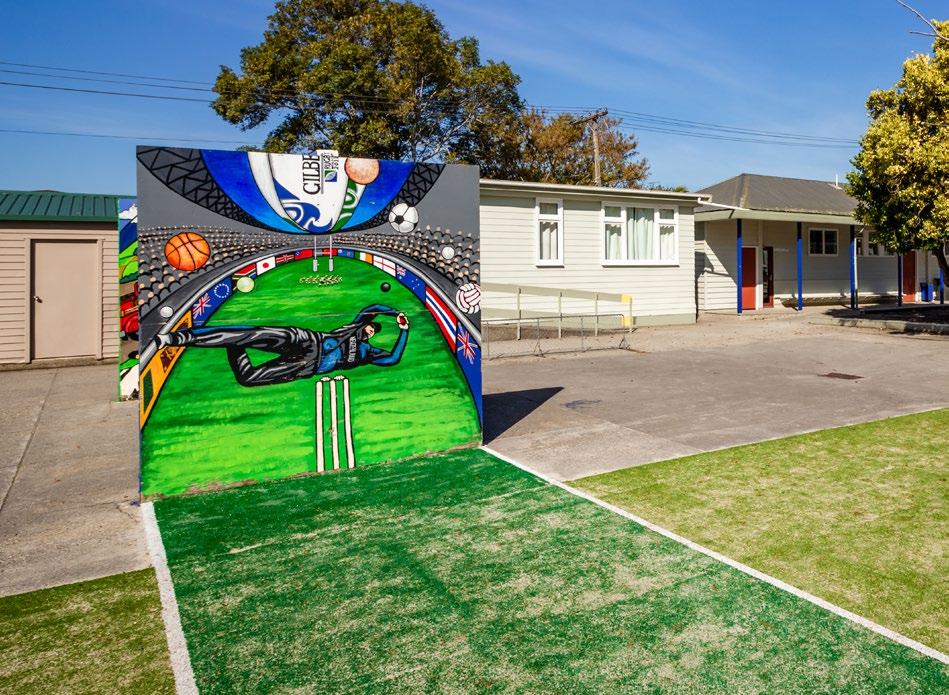
1. Murals
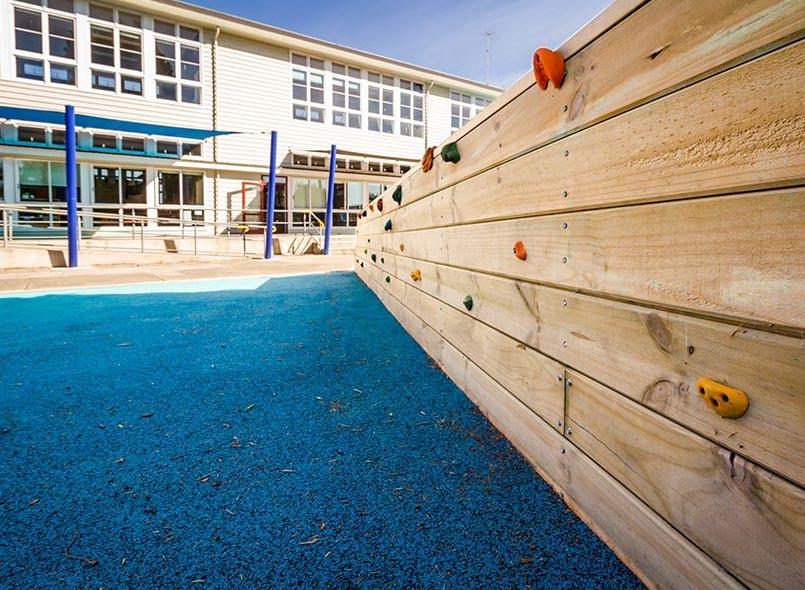
Adding bolt-on climbing holds to a concrete wall turns an otherwise unused space into a fun climbing challenge for your students. Keep in mind that you’ll need safety surfacing for climbing walls where the fall height is greater than 600mm, but you can set up the grips so that students climb along rather than up.
is not only a great way to improve the aesthetic of bare walls, but also a great way to get your students thinking about the environment and participating in the planting. No need for expensive systems; your green wall can be constructed from inexpensive timber and recycled plastic bottles. Plants can even be shaped for added interest or be part of a mural.

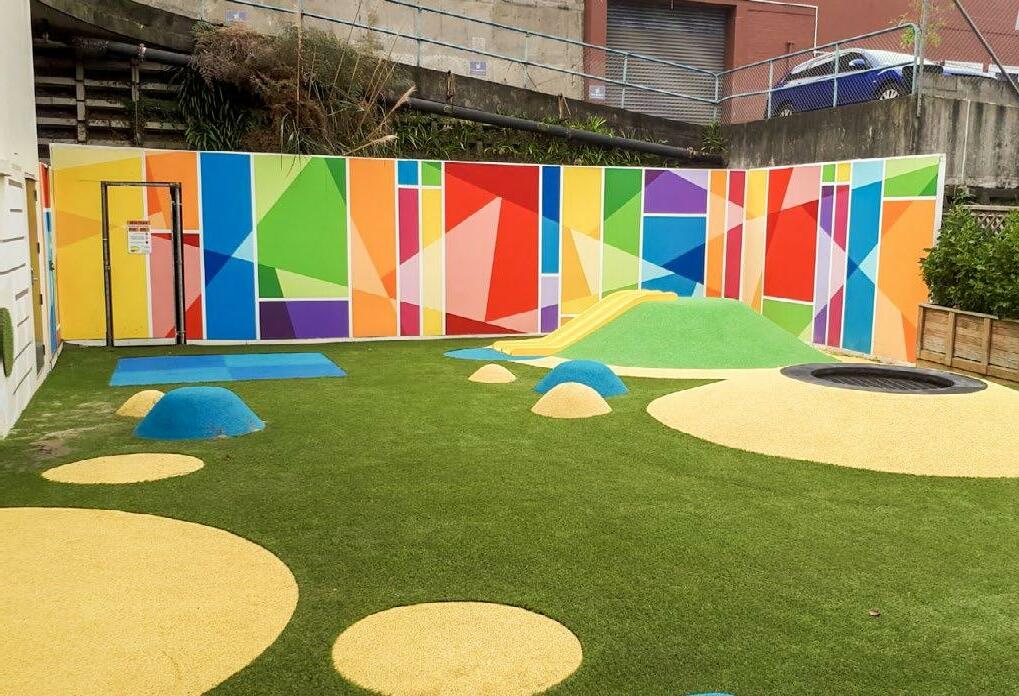
Invite artistic parents or local artists to come and do a mural painting workshop with your students or have your students design and create their own
4. Music Wall
3. Plants (Green Wall)
5. Ball Target
Mirrors add interest to your space and encourage imaginative home-type play. Add a mix of normal, concave, and convex mirrors for students to investigate how light reflects off various surface types, or how the mirrors can change their appearance.
Playspace Design + Build
Walls2.RockClimbing Wall
Plantingmurals.vertically
Playspace Design + Build
13. Paint it a Different Colour
7. Painted Sports
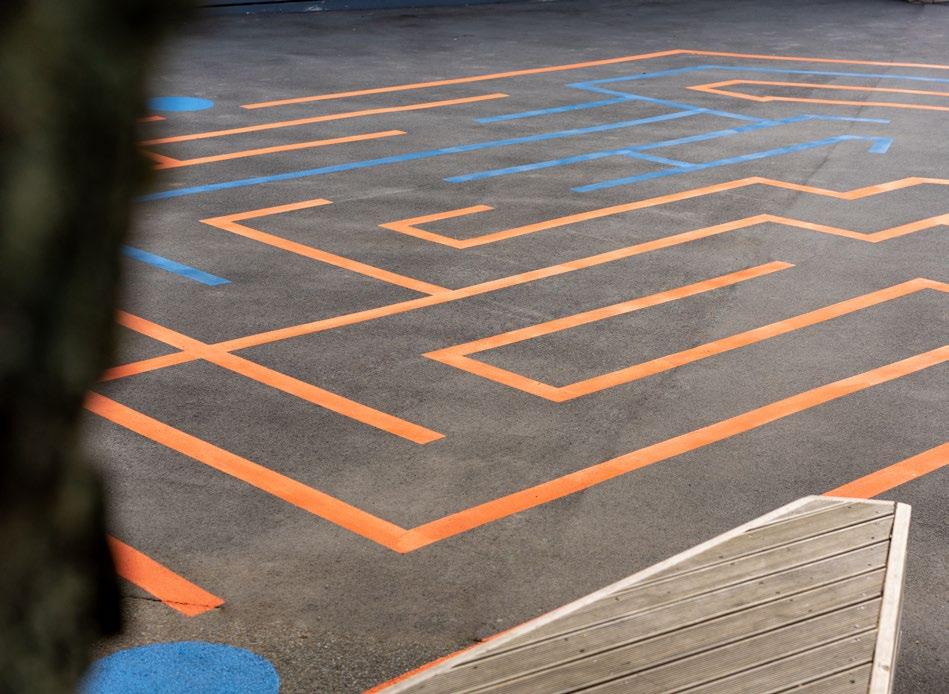
Mazes are a great way for students to test and develop spatial cognitive mapping skills… and they’re a lot of fun. They are also a good place for students to develop their own challenging ‘tag’ games.
Add a few lines in the right places and you can create many types of ball game space. Handball, netball, tennis, basketball, soccer – just to name a
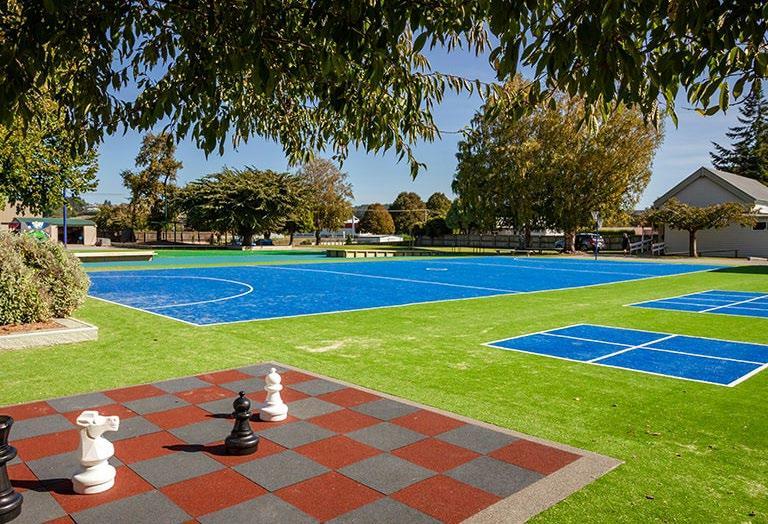
9.CourtPainted Scooter Track
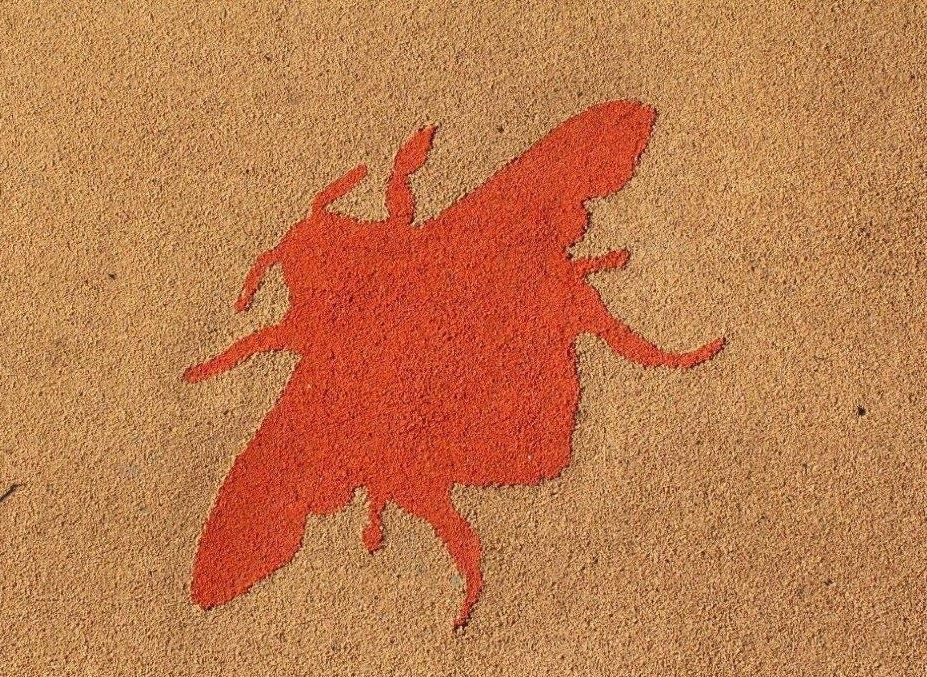
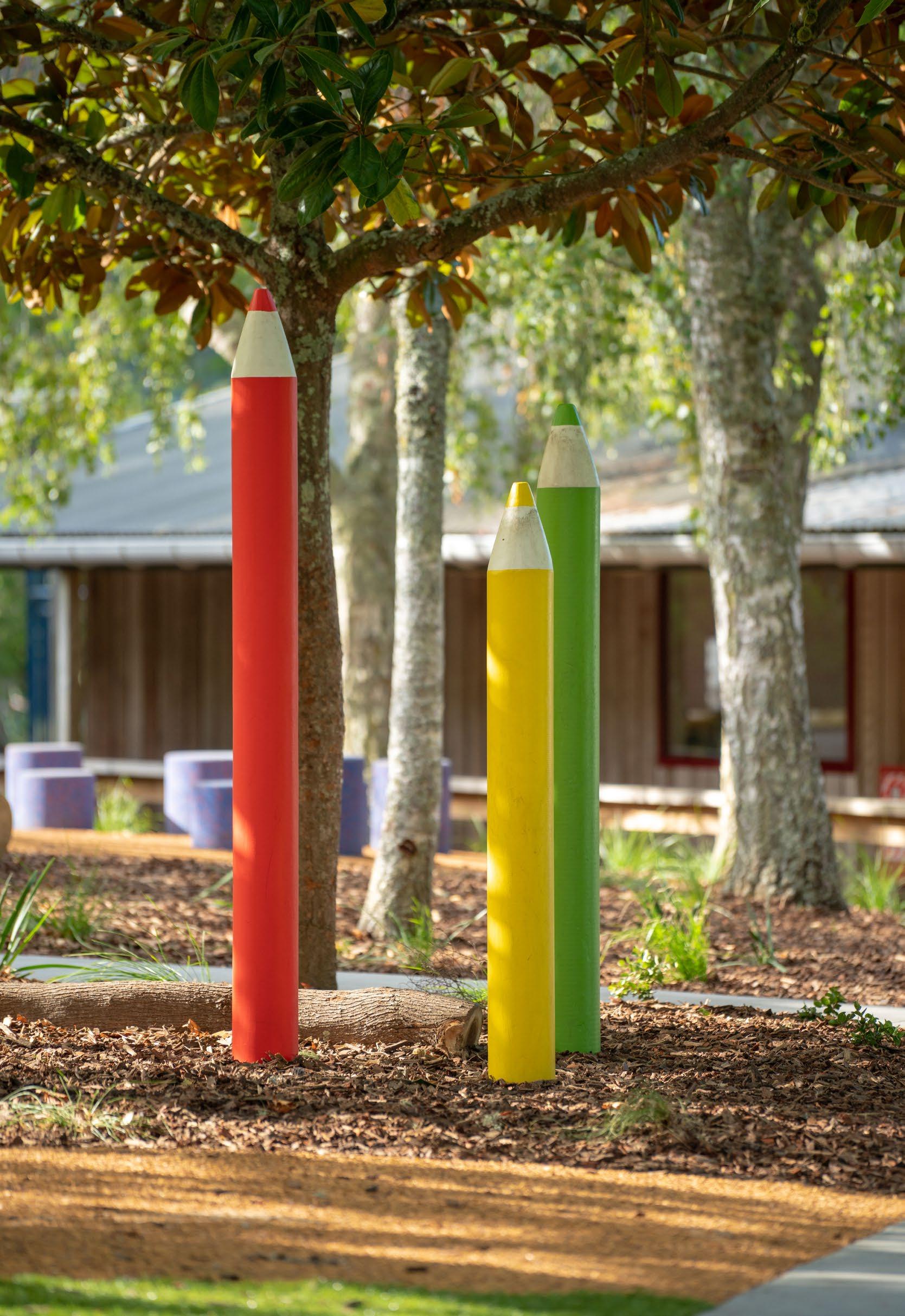
Colour can make all the difference to the mood of a space. Painting with reds and oranges encourages action and play, greens are more subdued, relaxed and peaceful. Alternatively, paint using your school’s colours, whanau’s, houses, syndicates, etc. to really bring out your school’s character.
11. Animals and Nature
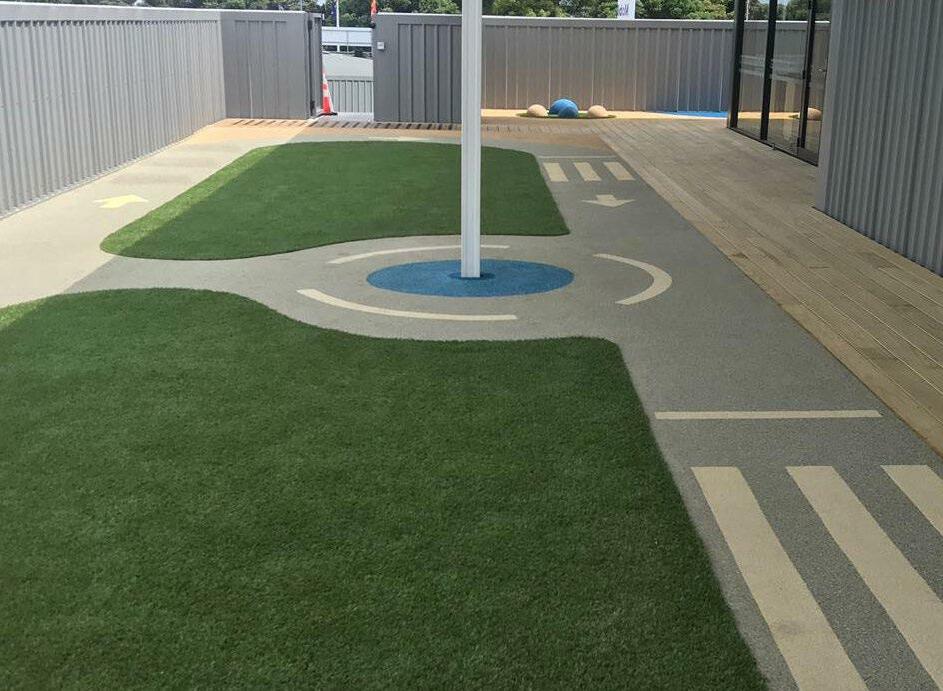
to ride scooters and bikes on painted tracks. Not only can they be introduced to provide loads of entertainment, but they can be used to help young children familiarize themselves with the road rules they will use on public roads.
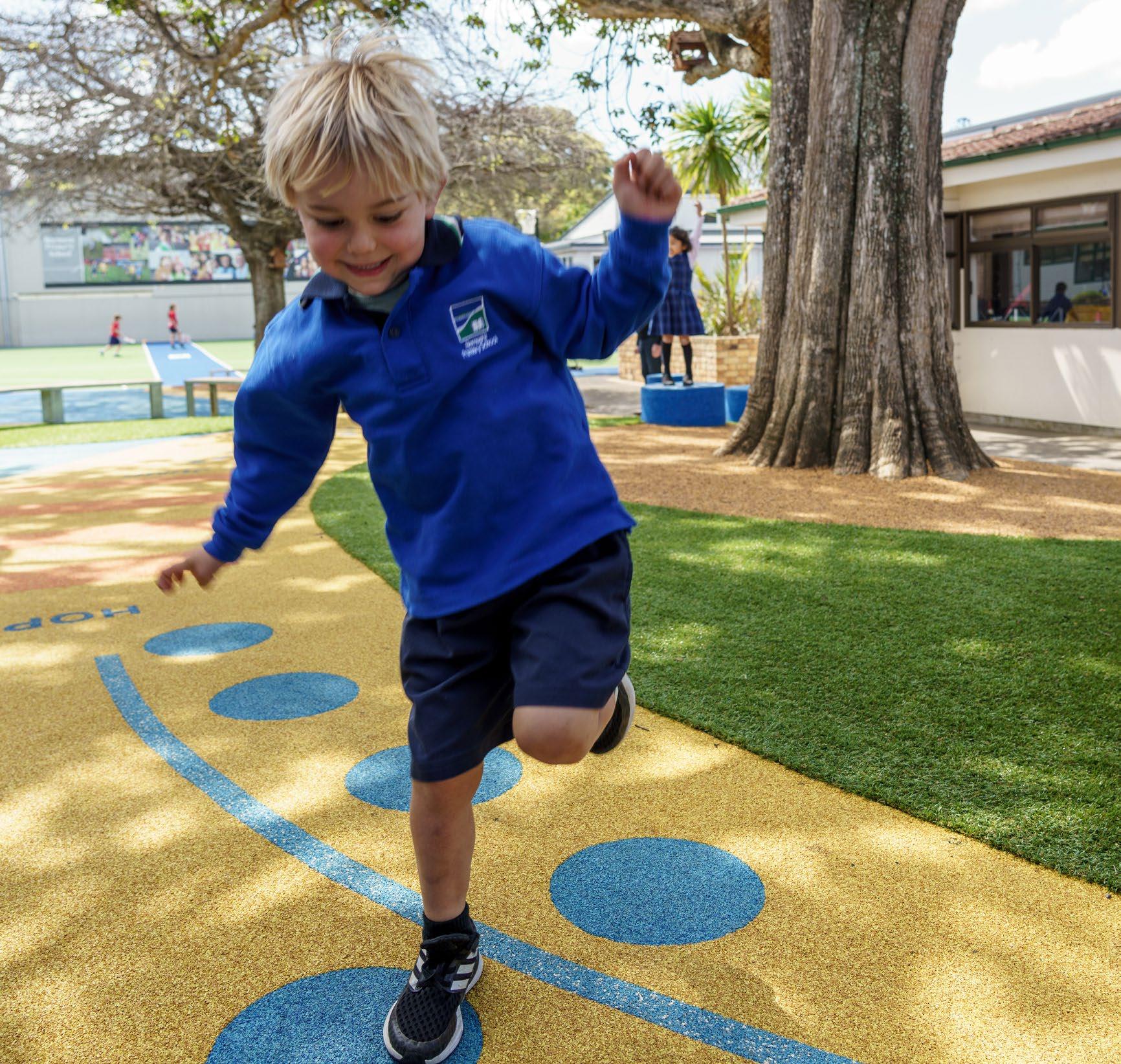
Simply paint a scale on the ground and the words, ‘How far can YOU jump?’ next to it. Children will naturally want to test their abilities and challenge themselves to jump further each time they try. This idea works for walls as well, and another variant is how tall are you compared to…?
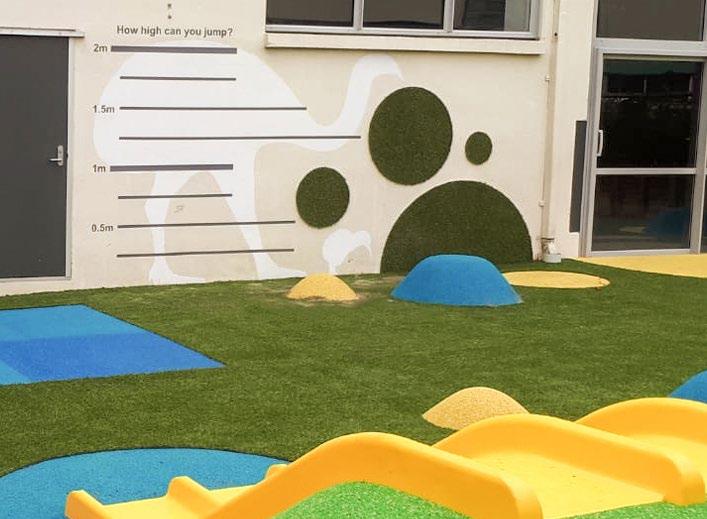
10. How Far Can You
Kidsfew.love
12.Jump?Cover a Section with Artificial Turf
Surfaces8.GroundMazes
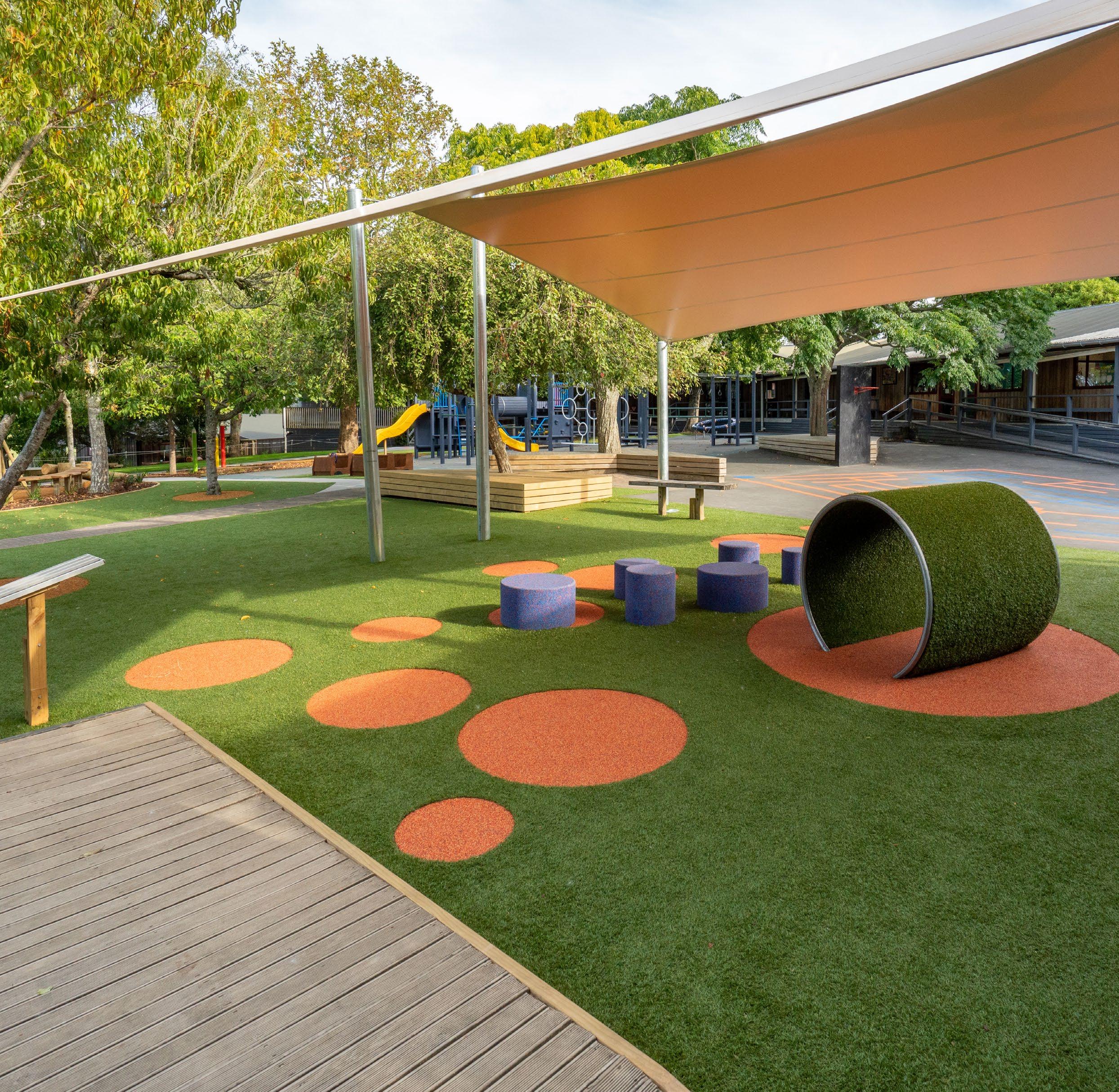
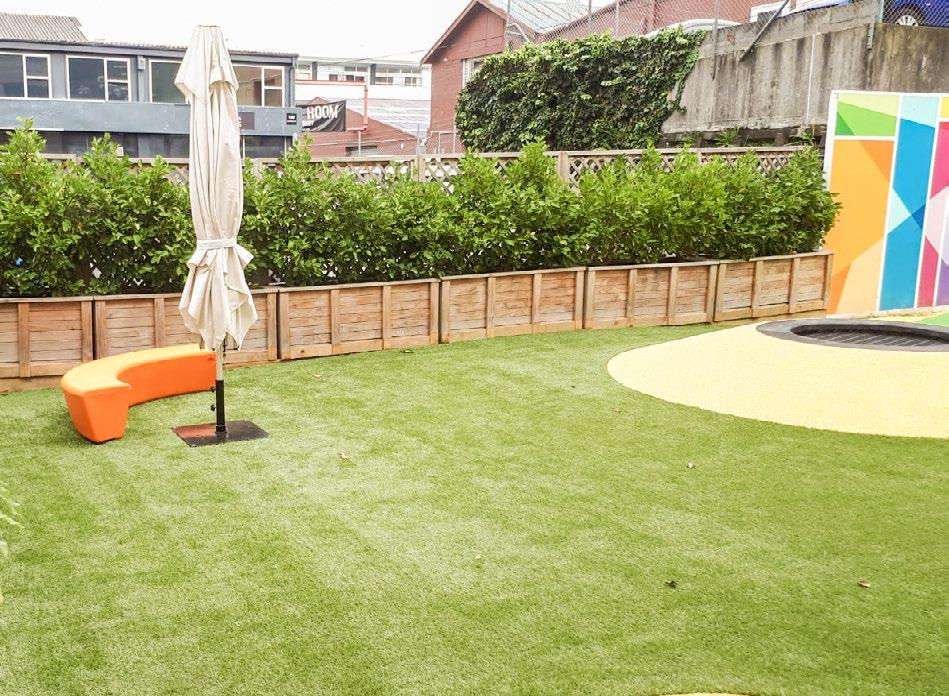
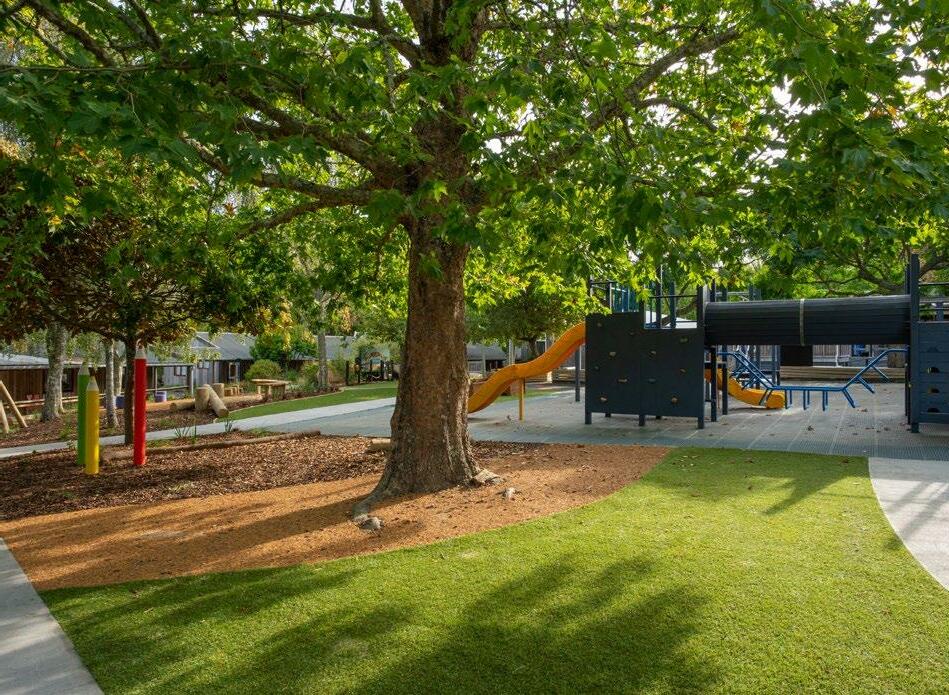
Artificial turf provides a softer, safer surface where games can be played, or outdoor classwork undertaken. They are great for sitting and laying on, or for dedicated eating areas. Turf in a courtyard can also be used to create quiet zones. These spaces are also an excellent alternative to grass during wet weather conditions.
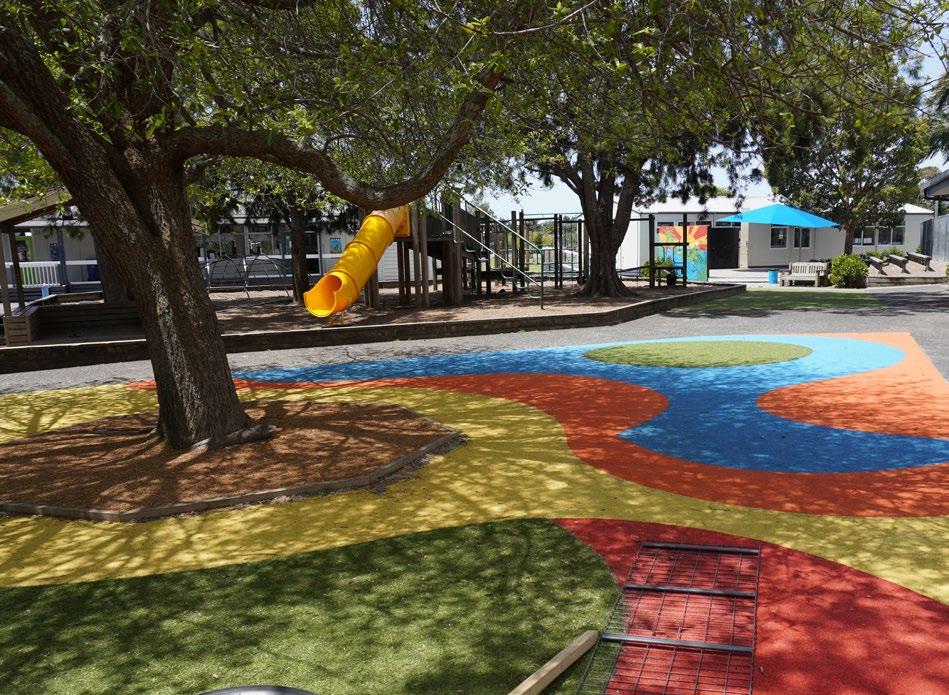
Colourful animals and plants, painted on the surface, are a good way to add fun to an underutilised spot. They can also be incorporated into games, for example, becoming the ‘home base’ in tag and hideand-seek games. Different native leaves/flowers or birds can be painted on the ground to reflect different Whanau groups or syndicates within the school.
Playspace Design + Build
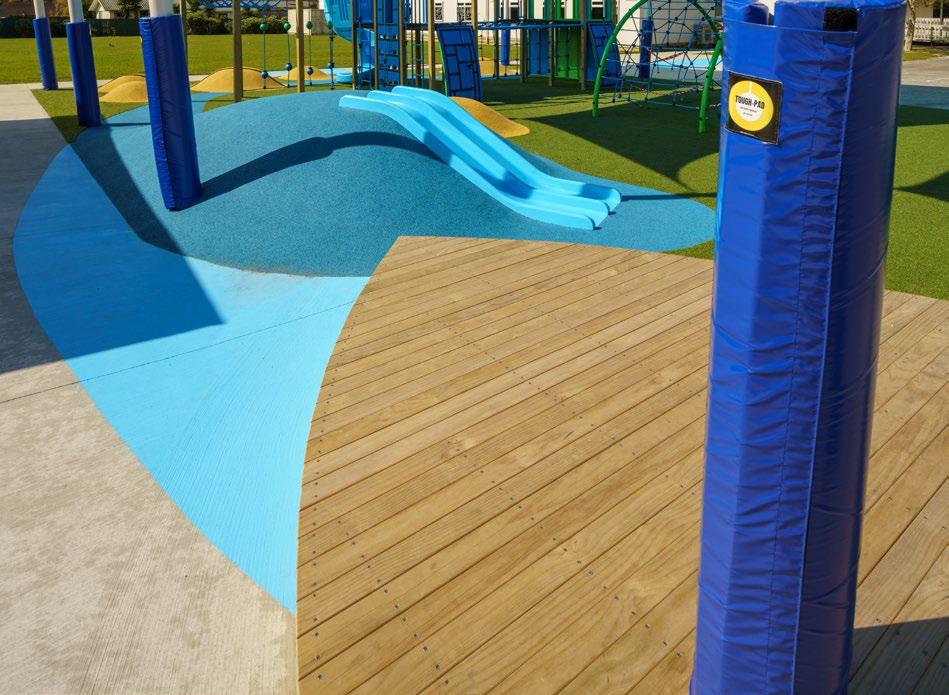
If you have an established tree, it can be a good place to build a surrounding timber deck. These platforms are multi-purpose, lending themselves to games, drama, outdoor teaching, and social activities. Your tree will provide natural shade making it a great place to play on hot days. The deck will provide the added benefit of covering any dirt patches where grass struggles to grow.
If there’s one thing most children love to do, it’s to put on a show! Providing a small stage with a backdrop is a fantastic way to encourage them to develop their theatrical talents and can be a good way to fill a space that would otherwise go unused. If you don’t have space, why not paint the curtains or frame on a wall and an outline of the stage on the ground?
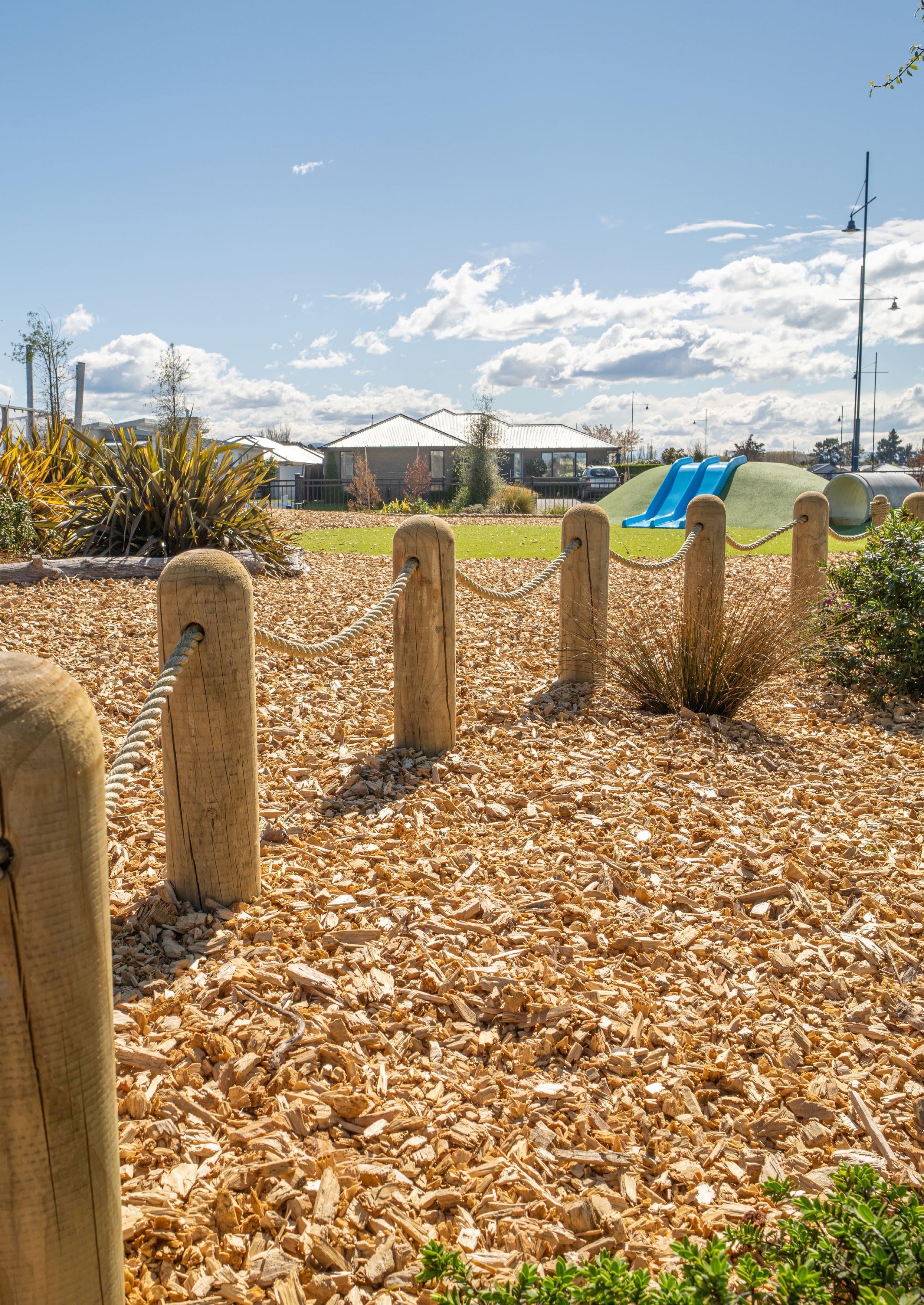
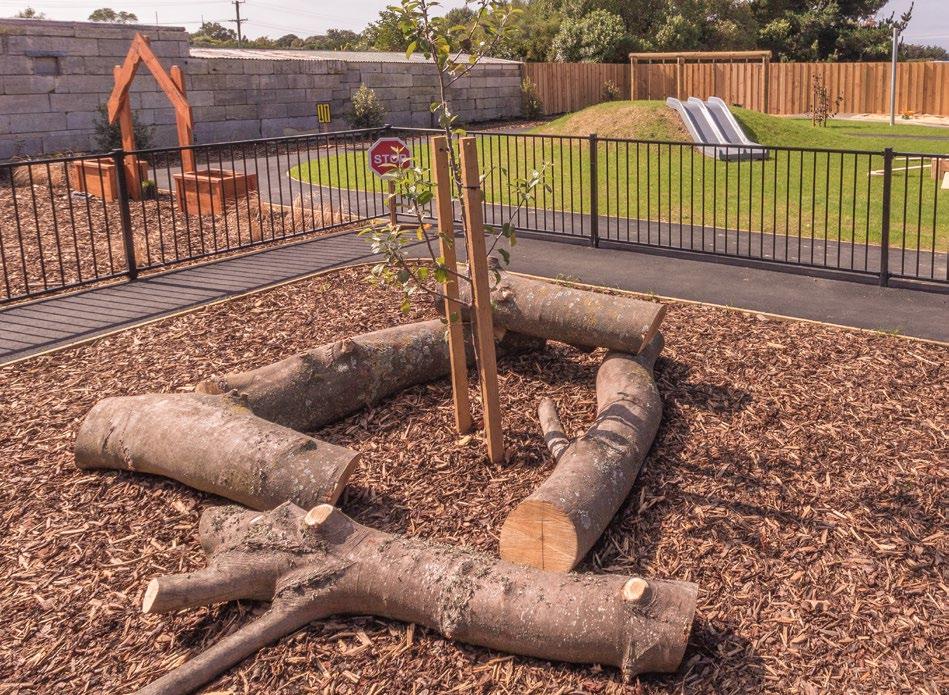
Natural elements such as logs and rocks can be added to your grassy space to provide balance play and seating options. Items under 600mm don’t need fall surfaces if they have 1.5m of clear space around them. A large log can provide a great seating/balancing item. You might have a tree on site that needs to be cut down or contact with a local arborist. Over time, these natural elements will become home to insects, providing another source of learning opportunity.
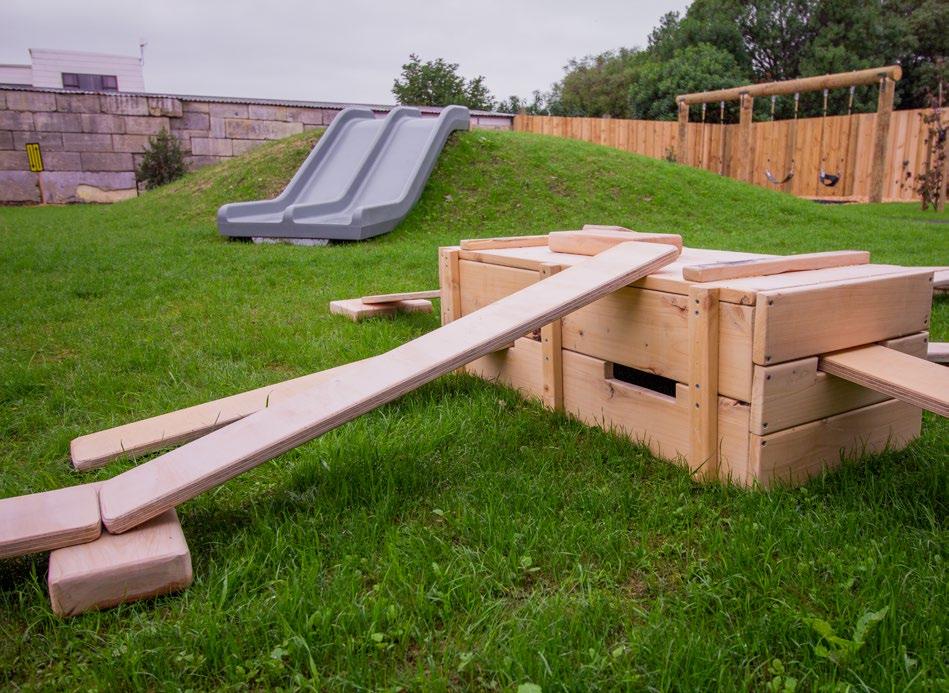
One great thing about natural grass is that it can be used as a safety surface for fall heights of up to 1 metre. This makes grass areas a great place to set up low play equipment such as balance beams, boxes and spinning bars. Grass mounds also are a popular favourite with children for imaginative games.
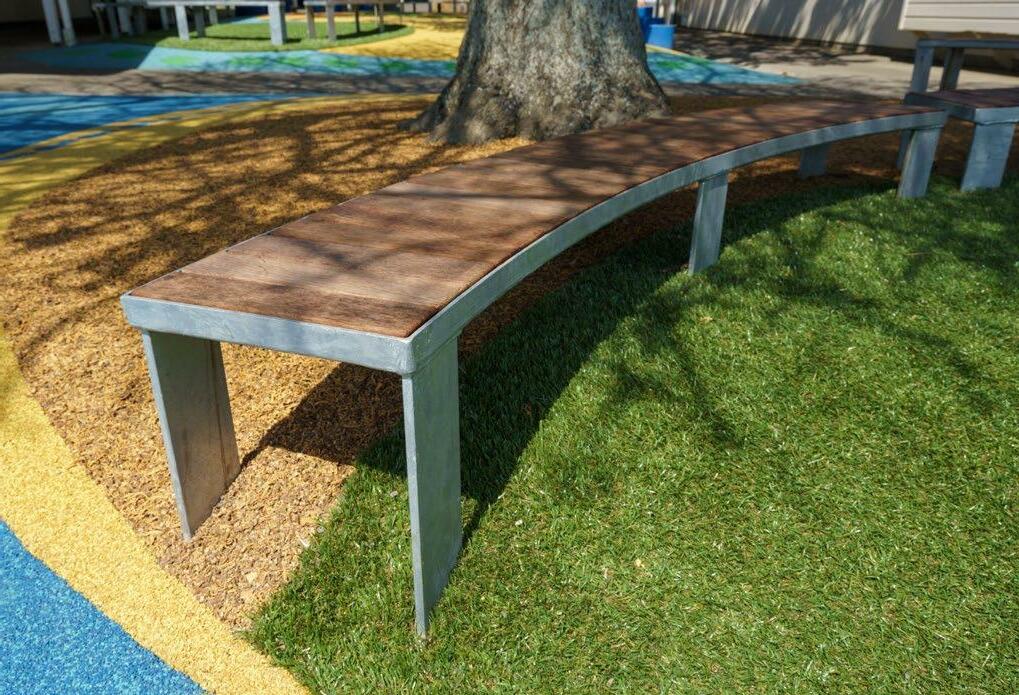
Sometimes, fixing an unused space is as simple as providing a seat for students to stop and rest, or a low deck that can be used for imaginative games such as a fort or boat. Especially applicable when the dead space has a pleasing outlook or vantage point to spectate other activities.
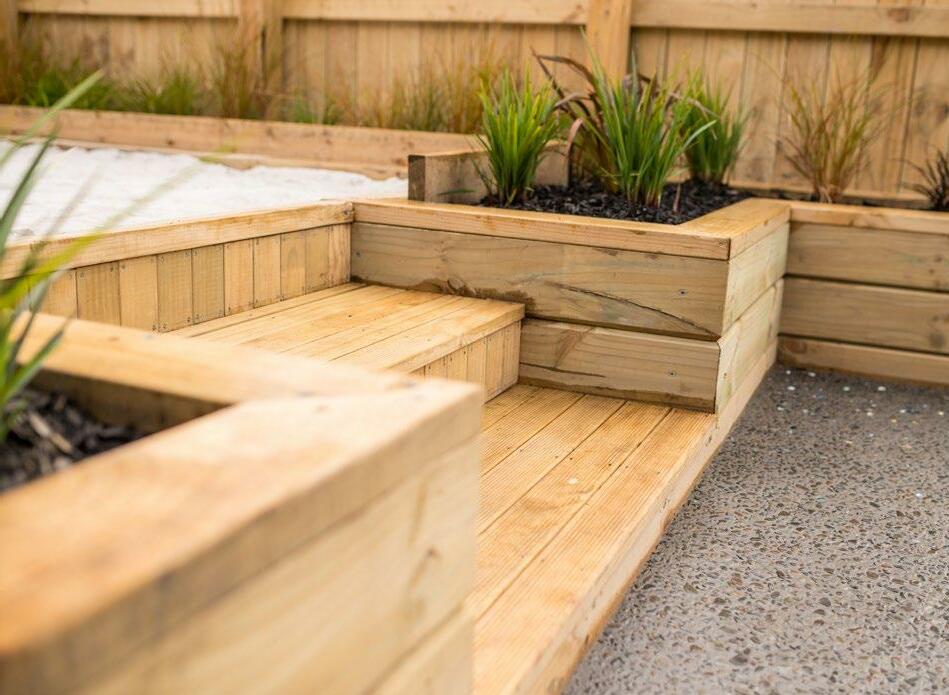
If your space has good sunlight, it could make the perfect small garden. With some basic tools and materials (timber, nails, hammer, saw), you can create a raised garden bed that your students can plant and if you have a wide capping this can double as a seating area or as a divide between spaces.
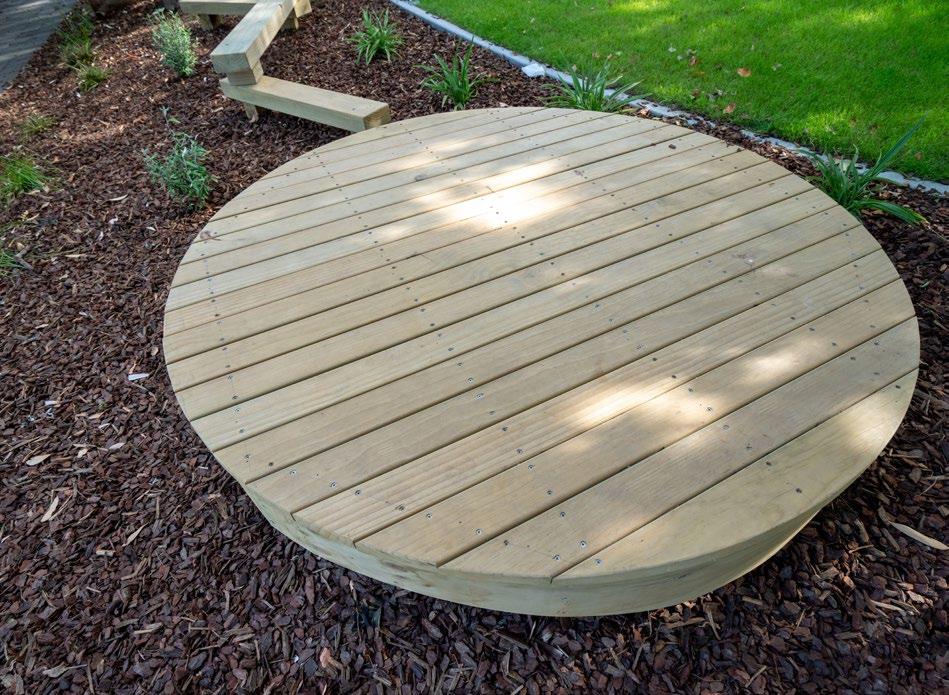
17. Logs and Nature
Fixed & StructuresMoveable15.Stage14.AddMovable or Fixed Seating
18. Small Deck / Platform
Playspace Design + Build
19.PlayAdd Low Play Equipment
Playspace Design + Build
16. Add a Raised Planter
20. Butterfly Gardens
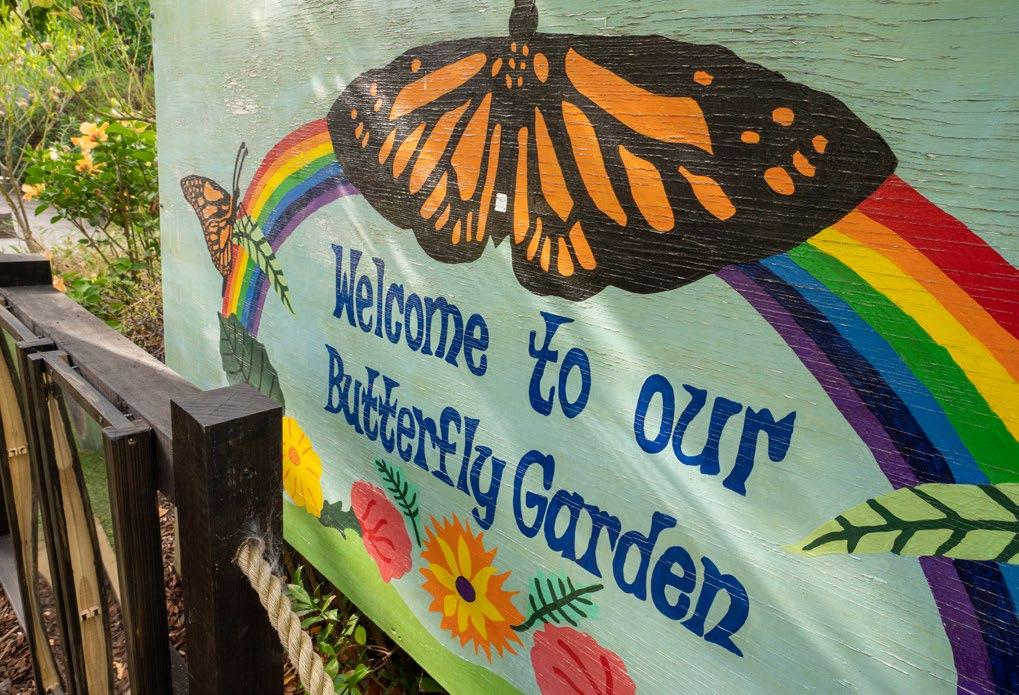
A butterfly garden does take some work and time, but once it’s established, your students will delight in watching butterflies while they bask in the sun and visit the flowers. To get it started, choose a sheltered spot and add some flat rocks, a container for water (such as a bird bath), and some butterfly attracting flowers such as asclepias (swan plant), agastache rugosa, or coreopsis tinctoria.
23. Art Works
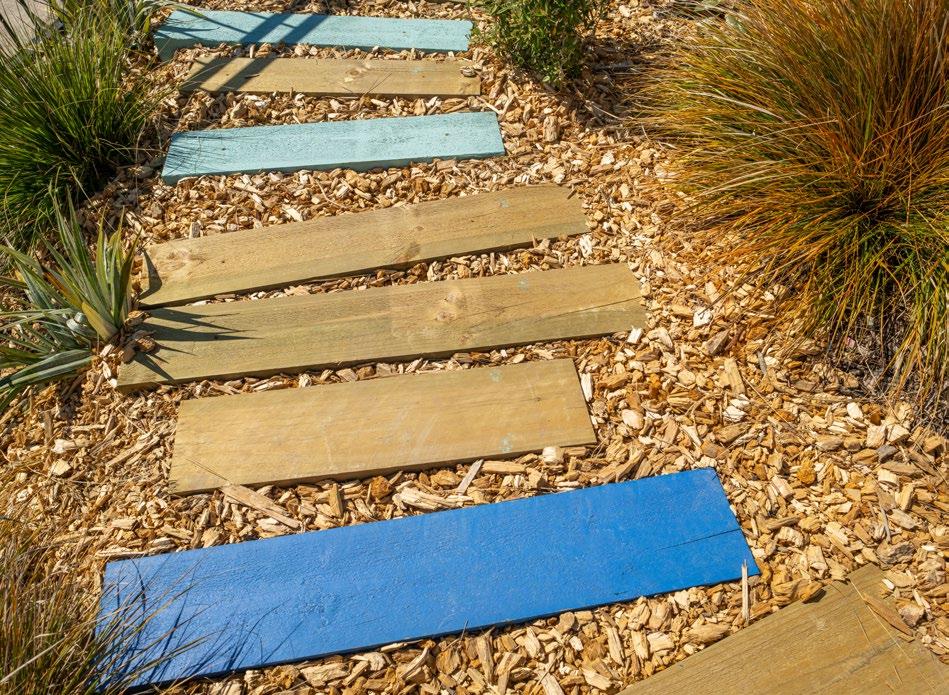
If you have a larger planted space, you can cut a path into it to create a trail. Use stone or log steppers to add challenge and fun or decorate with student artworks such as mosaics and sculptures.
Playspace Design + Build
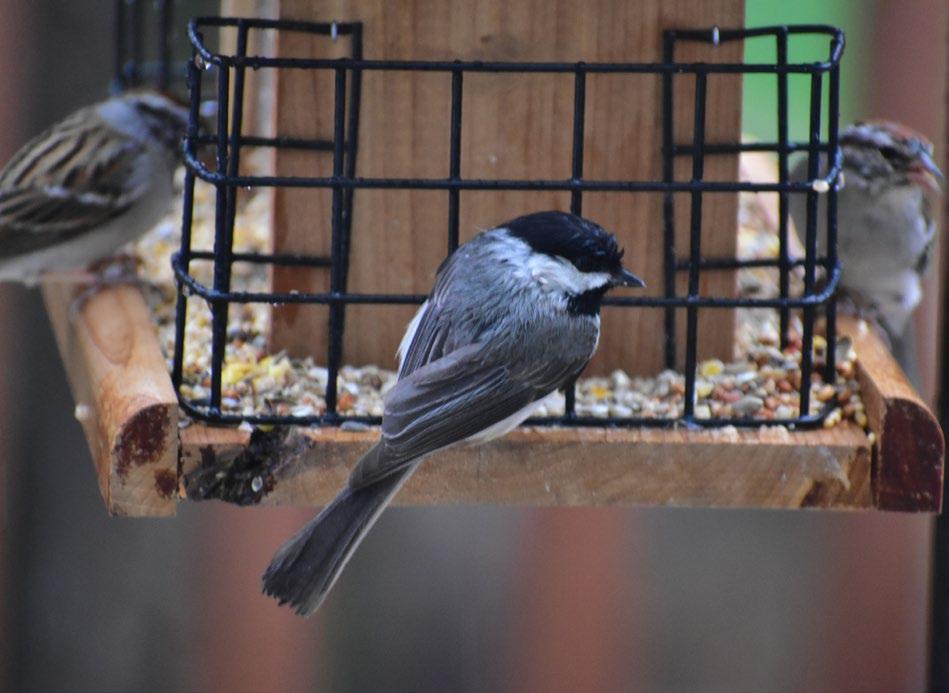
25. Bird Feeders
Playspace Design + Build
24. Add a Trail
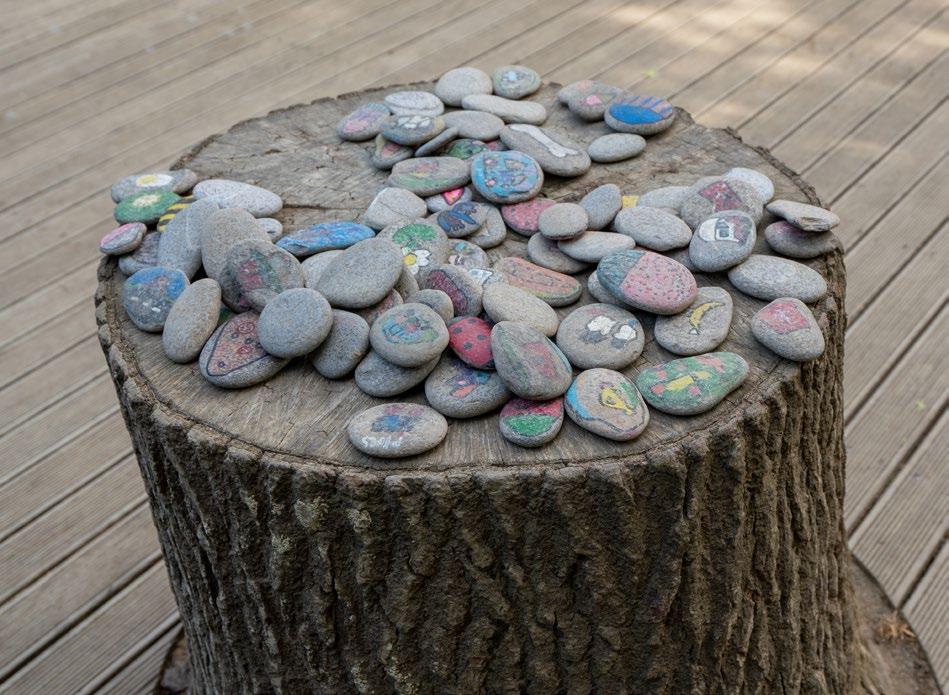
Nature areas can be used to display your student’s artworks in surprising and unexpected ways which will encourage students to use the space. Mosaics can be hung from trees or set in concrete. Sculptures can be added amongst the plantings.
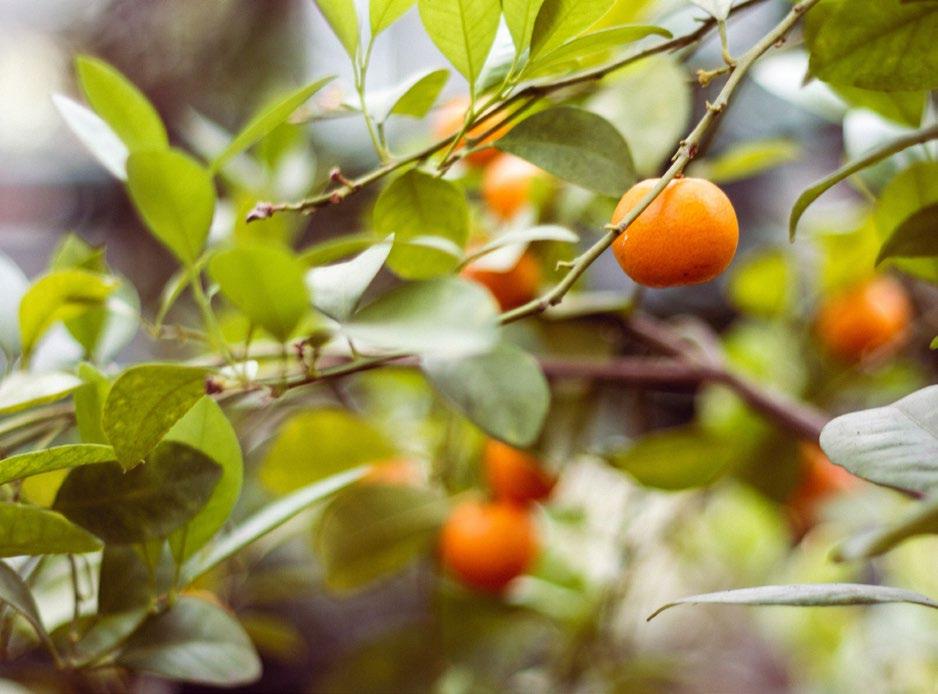
Growing a school orchard is a wonderful way to get your students into horticulture. Not only does it provide the opportunity for students learn the practical skills needed to establish and maintain productive fruit trees, but it also provides the opportunity to learn about the ecosystem of maintained gardens.
22. Improve Visibility by Removing Low Branches and Shrubs
Removing the lower branches of trees allows for better access and supervision. Once children can access an area under trees, they will find all manner of games to play around the tree trunks. Add some mulch under trees to provide an inviting space for play.
Bird feeders are great for attracting all sorts of birds into your school and providing another great learning opportunity for your students. Remember that different types of food attract different types of birds. Check the Land Care Research website (https://bit.ly/2PdcapA) for a list of suitable foods before serving your avian visitors.
Gardens21.FruitTrees
Need some help seeing the big picture? We can help with a school masterplan. Available nationwide. Contact us on 0800 000 334. creospace.co.nz 40 Onehunga Mall, Onehunga, Auckland 0800info@creospace.co.nz1061000334