REVIEW
By Famous Hispanic Authors
Many Hispanic authors are not well known very well, here is a review of popular books written by Hispanic authors. Discover new books that might fit your liking. From childrens book to adult books are included, with various different adventures in stories.
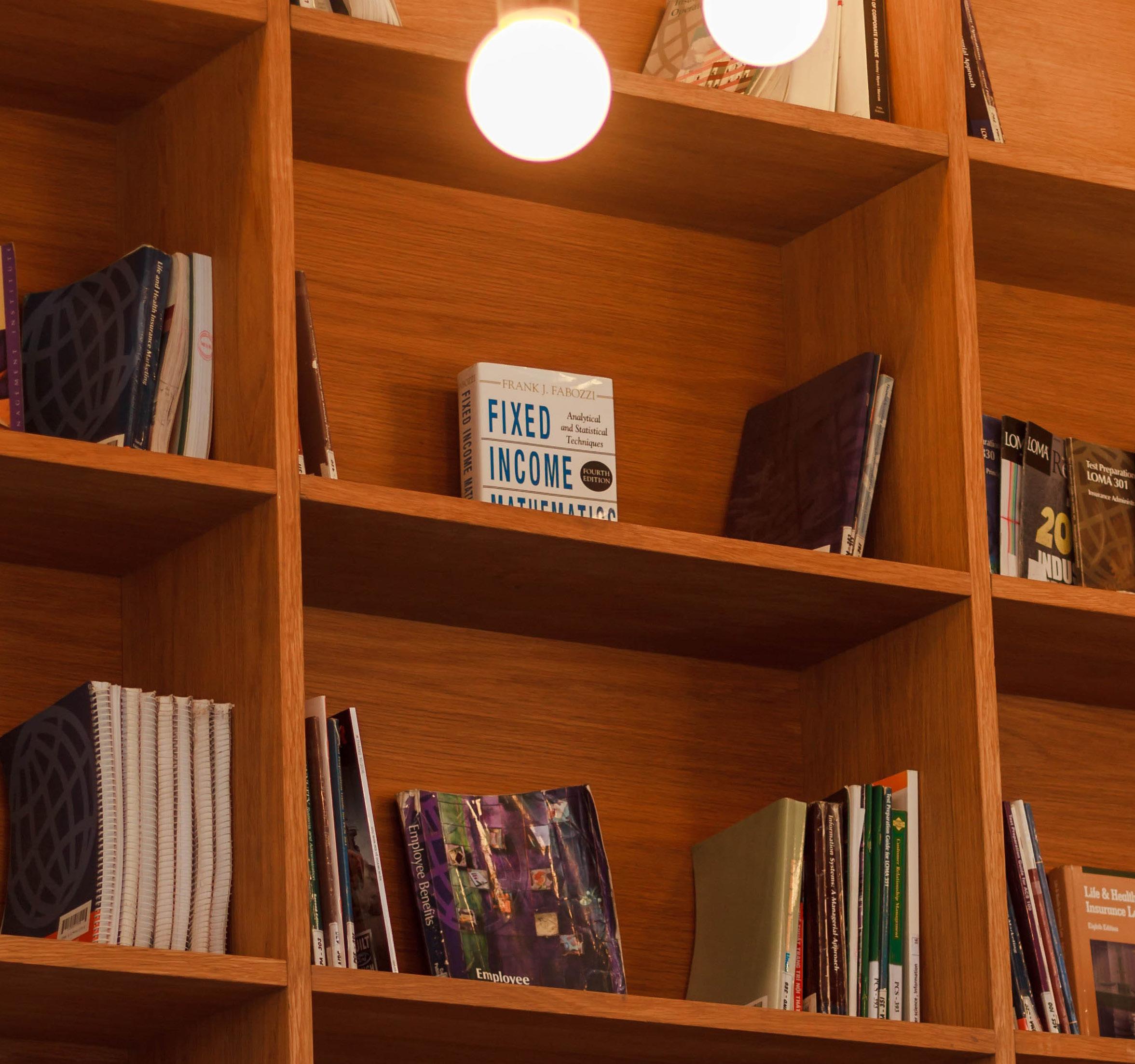
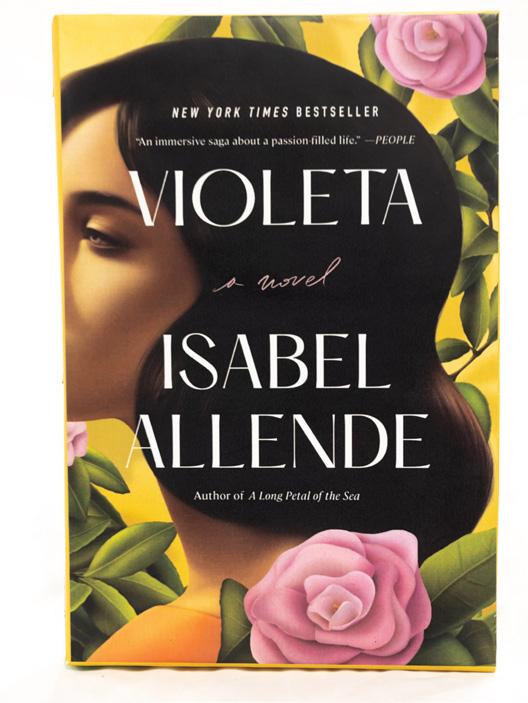
Violeta Esperanza Rising
By: Isabel Allende
By: Esperanza Rising
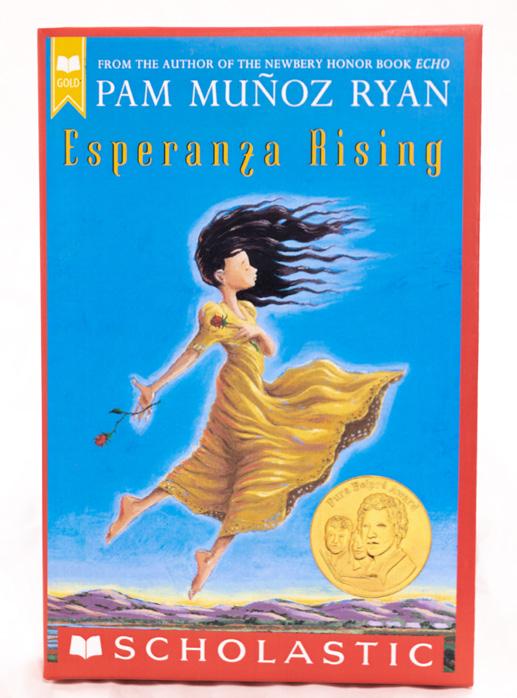
Release Date Release Date
2022
The only daughter of wealthy Mexican parents, she follows the events after her father’s murder. With no money, Esperanza, her mother, and her former domestic worker fled to California during the Great Depression, where they found low-paying farm work.
2002
4 BOOK REVIEW
//
CAMINO
Ary is pregnant with twins, but, in childbirth, one of the babies dies. Diagnosed with postpartum depression, the woman enters a spiral of neurosis, especially when she discovers the stories about a demonic being that feeds on mothers and newborns.
Claire Randall, a nurse, lives in Scotland with her husband, Frank, after the end of World War II. They’re trying to rebuild their marriage after the war, while Frank studies his family tree, including a big-bad ancestor Jonathan “Black Jack” Randall.
A coming-of-age story that shares one year in the life of Esperanza Cordero, a young Chicana struggling with questions of identity. Living in a Latinx neighborhood, Esperanza attempts to come to terms with her surroundings.
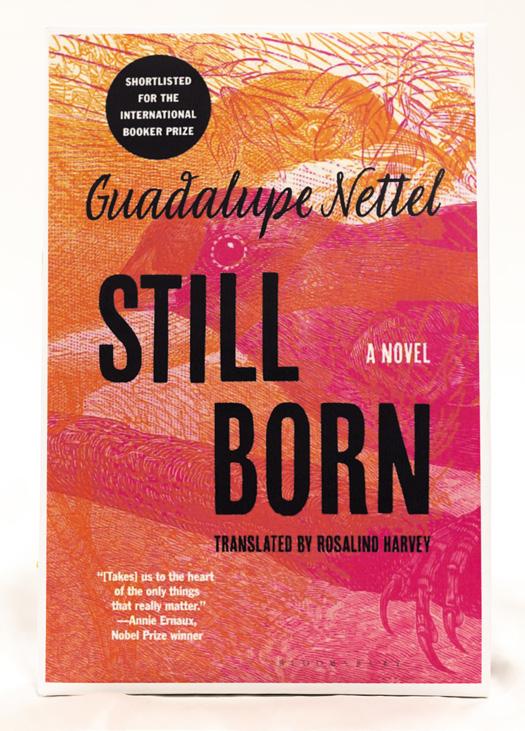 By: Guadalupe Nettel
Release Date
2020
Still Born Outlander
 By: Diana Gabaldon
Release Date
1991
The House on Mango Street
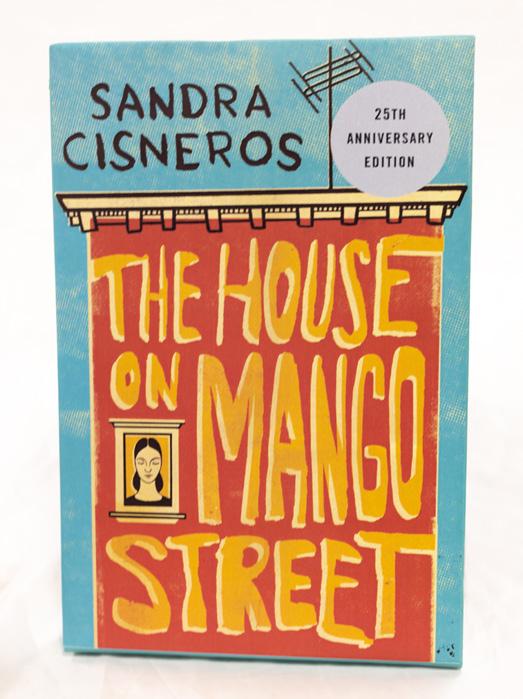 By: Sandra Cisneros
Release Date
1983
5 CAMINO BOOK REVIEW //
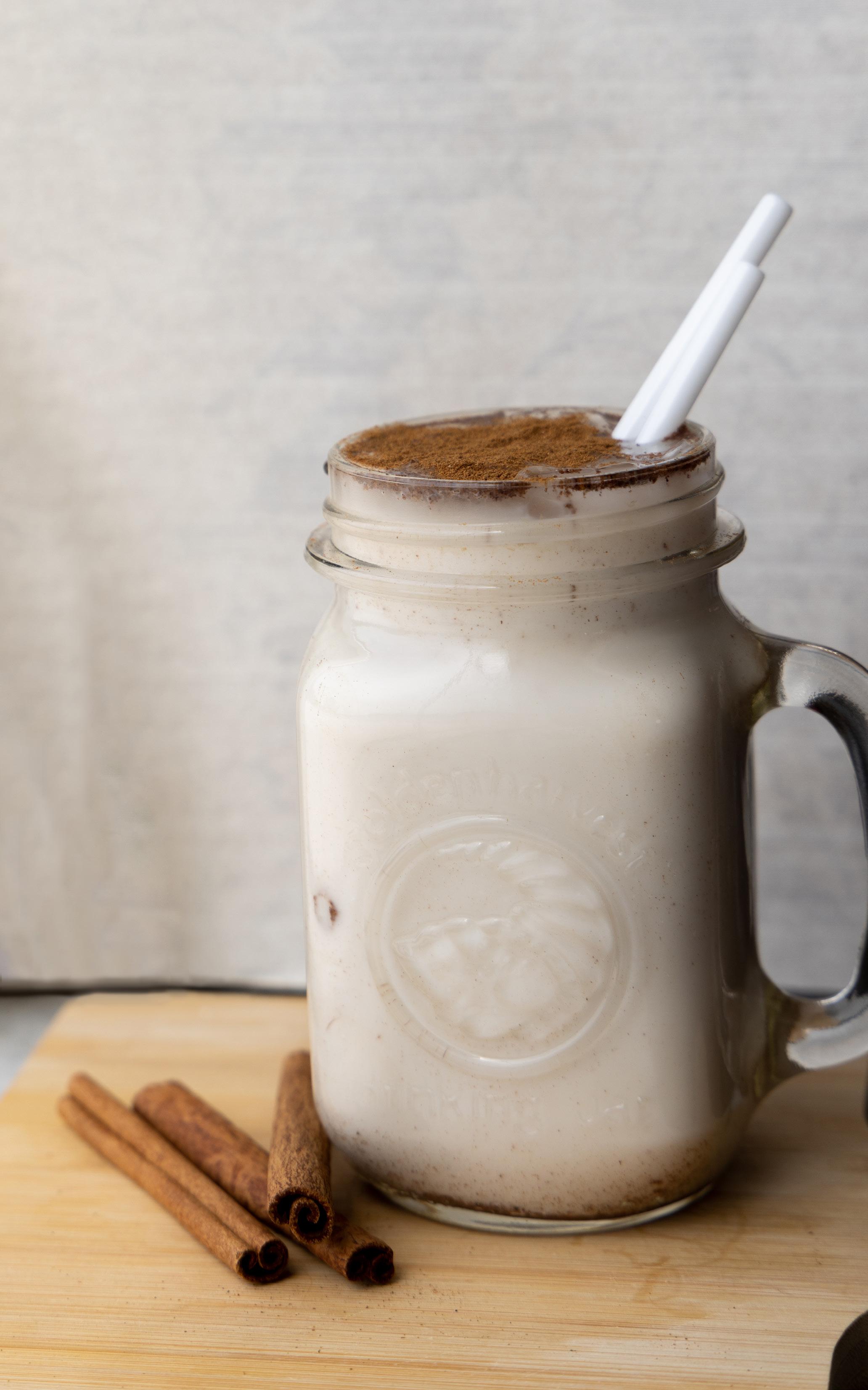
HOW TO MAKE
TRADITIONAL MEXICAN HORCHATA
There are many Hispanic people who leave their homes for a variety of reasons. They are sometimes even forced to leave everything behind. This magazine is intended to make those people feel
Heres what you’ll need:
1 cup uncooked white rice
2 cinnamon sticks
1-12oz can evaporated milk
1-12oz can condensed milk
8 cups of warm water divided
Sugar to taste
Ground cinnamon to garnish (optional)
1/2 teaspoon vanilla (optional)
SERVINGS: 12 CUPS
CALORIES: 170kcal
PREP/TOTAL TIME: 20 MINUTES
9 CAMINO HOW TO MAKE HORCHATA //
Wash and drain the rice. Place the rice, cinnamon sticks (see note #1 below) and 4 cups of water into a bowl. Cover the bowl and refrigerate overnight (preferably) or a minimum of 4 hours.
Blend the rice in two separate batches by adding 1/2 of the rice & water with some of the cinnamon stick left behind. Puree until it’s very smooth and it forms a paste like texture. About 4 minutes long. 03
Once you’re ready to blend the rice, remove most of the cinnamon sticks but it’s okay to leave small pieces with the rice. 02
Repeat this process for the rest of the rice, water & cinnamon mixture. 05
Using a very fine strainer (or some cheese cloth) pour the blended mixture over a pitcher. Strain out as much liquid as possible, pushing on the solids with a spatula or spoon. 04
Taste and add more sugar or water if needed. 07
Stir in the milks, vanilla (0ptional), and 4 cups of water. Stir well. 06
Chill and stir before serving over ice. 08
01
10 HORCHATA CAMINO //
essentials I’ll be needing. My uncle had told me that I should not bring a lot of things to my trip because it will be heavy since I’ll be walking and sometimes even running. I had one backpack to carry and it was not really in good condition, so I hoped that they would last me at least this one journey. My baby was a big part of the reason I had to make this decision, I couldn’t imagine losing him, I would feel so alone. This pregnancy gave me some sort of comfort, the assurance that I am not alone. I know for a fact that this baby is what kept me from not backing out.
After many sleepless nights the day finally arrived for me to leave for the US. It was nighttime around 10pm. I grabbed my bag and said my goodbyes to my mother and uncle. I knew that after I left there was a high chance I would not be able to see them again and they won’t be there for the birth of my son, so with tears in my eyes I remember running back to hug my mother and her telling me the journey will not be easy but God will protect me and my baby. This gave me a lot of courage as I left on the road with my dad. The drive lasted around thirty minutes, my dad kept preparing me for what I might experience during my journey although he was never really an affectionate person but I knew that he was worried and cared for me. That was the last time I saw him. It was about 12 people who would be on this jour-
ney as well. Majority of these people were young men and a mom with her child. The man who would be leading us was named Roberto. As we were in a small bus, where we’ll be for most of the trip, Roberto informed us about the rules and warnings and so our journey began. I was seated in the corner of the back. The bus was full with all 13 of us in there, the only times we stopped was to use the restroom. After the first few days of being in the bus I remember feeling nauseous
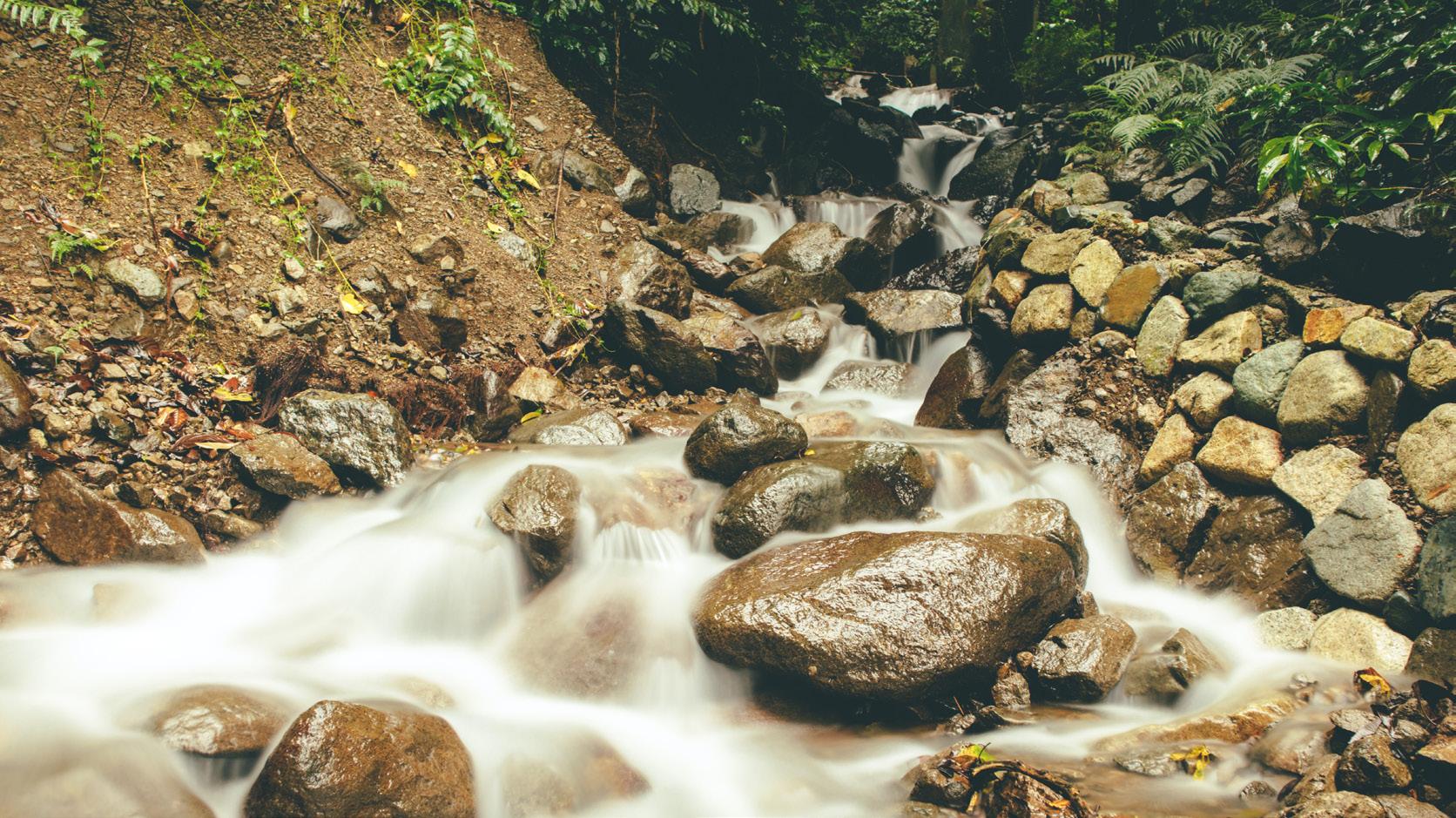
because of the weather. It was very hot and with no air conditioning or space to breathe fresh air. Going to the restroom was the only way to breathe properly and remember what the sky looked like. The lady who was with her child would keep me company and make sure my baby and I are feeling ok. I remember quietly crying myself to sleep
11
CROSSING BORDERS //
“Daughter, you are very brave, may God be with you.”
CAMINO
thinking about my parents and family I left behind. Although I never saw them again, they would always be in my heart.
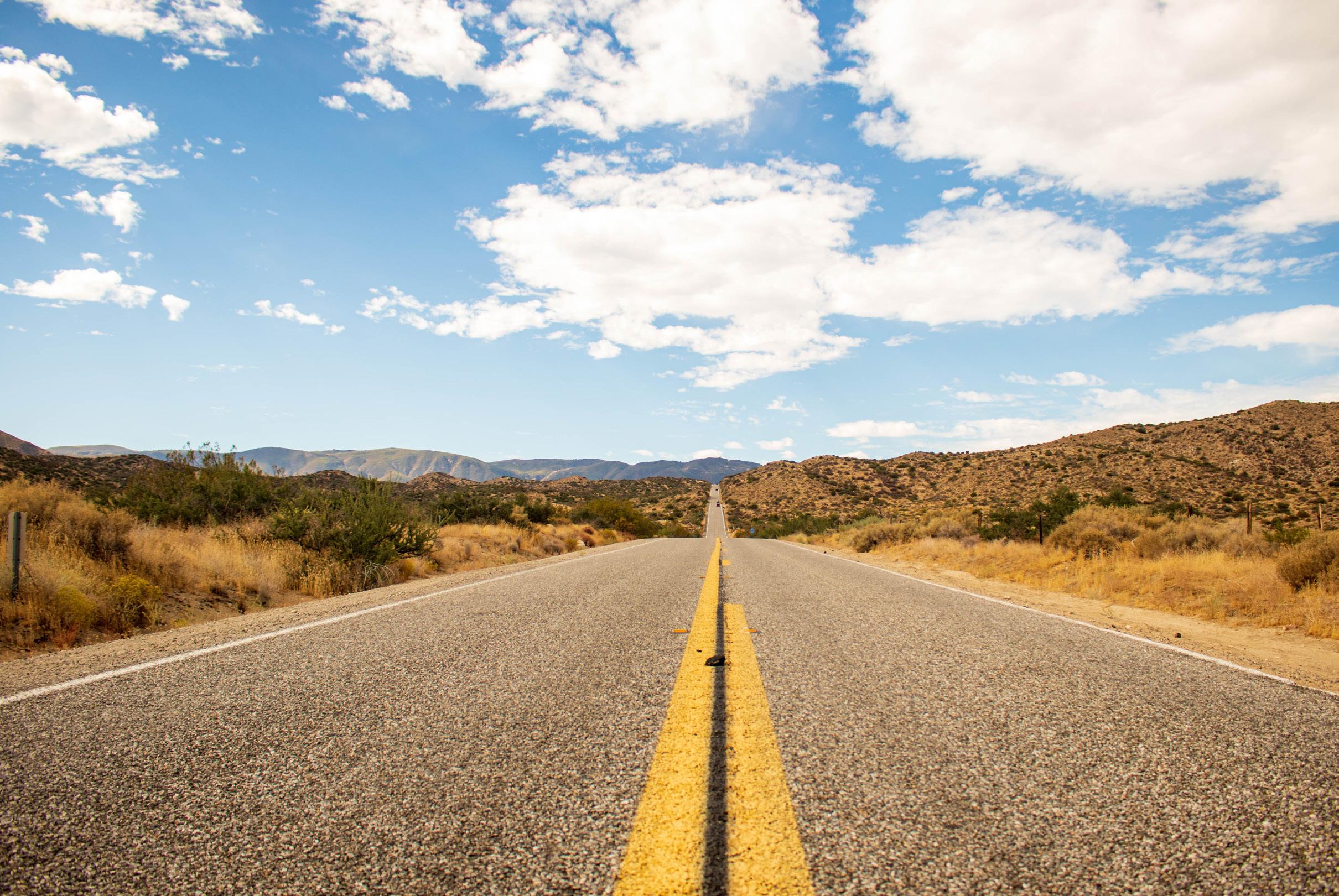
When we finally arrived near the border Roberto instructed us to get off the bus and begin the walking portion of this journey. I was preparing myself mentally because I knew from my uncles that this was the hardest part. We walked for hours and only took breaks at night.There was a point where we had to hide because we saw a patrol car driving past us, and at that moment I knew we were nearing the border. We hid behind bushes and rocks. I remember feeling so afraid because we almost got caught one day in the middle of the night. We ran away from the patrol until they lost sight of us.
Crossing the river must have been the hardest part for me. I did not know how to swim so I had to be dragged through the strong current by one of the men. We were hallway across the River when I tripped and lost grip of the man. I panicked and tried to swim but the current was too strong and the water was above my shoulders. I thought this was the end because of the stories I heard of people crossing this river. But with the help of the other people
with me, I got dragged out of the river by a long stick. We had then successfully crossed the river, which meant the next stop was the border. It was almost dark outside in the evening as we quietly walked towards the border. Roberto had left us before crossing the river, which meant we were
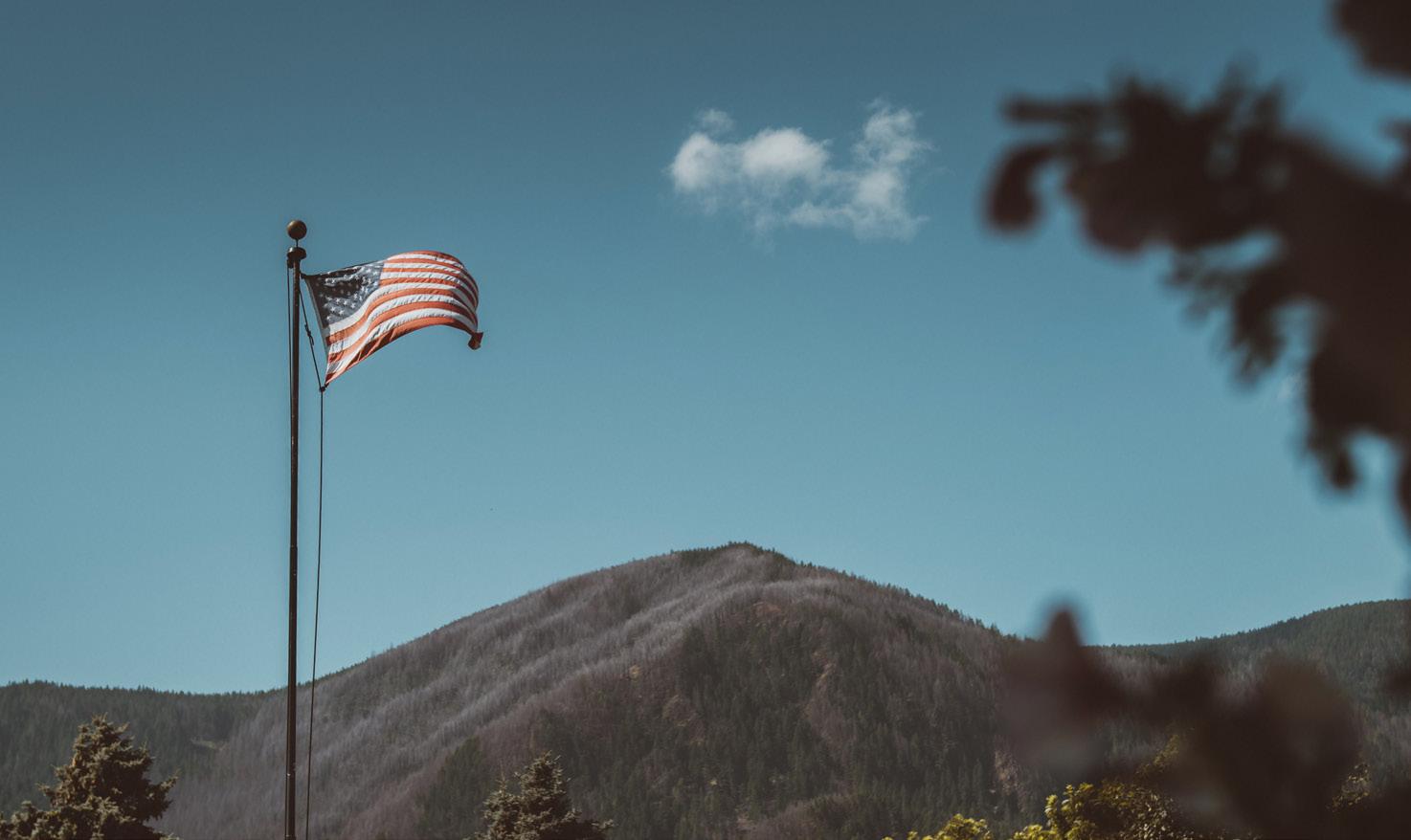
now on our own. I remember feeling adrenaline because I was finally going to have this opportunity come to life. We eventually crossed the border successfully, and the first thing engraved in my memory was the American flag standing high, the relief I felt was so surreal, my journey has come to an end. I had finally made it to the US, I looked back and could still see the desert of my beautiful country. That was the last time I saw Mexico. Now a new life awaited for me with many new opportunities for my son and I.
12
“There was no turning back, a new life awaits”
CROSSING BORDERS CAMINO //
 Santa Ana
Laredo Miami 13
Tubac CAMINO
4 US CITIES //
Population: 309,441
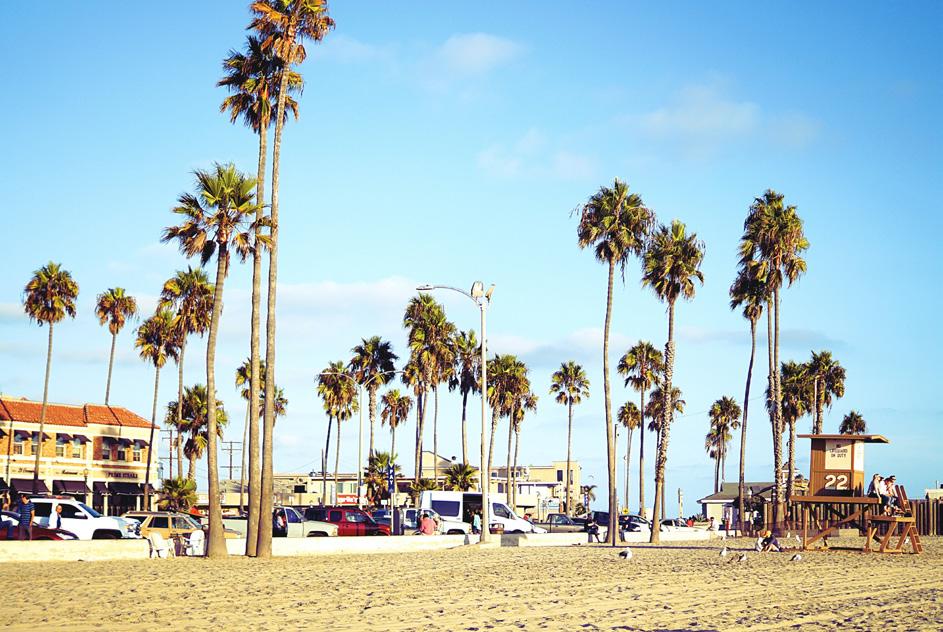
With more than half of Santa Ana’s population being at least Hispanic, the city celebrates its culture with multiple annual events and festivals.
Population: 256,153
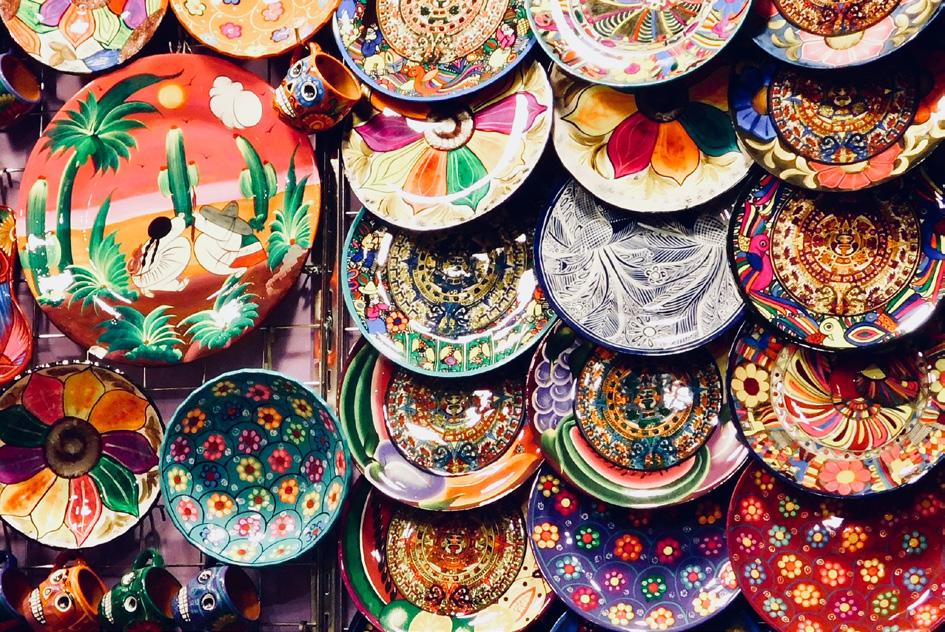
Laredo city has one of the highest population of Mexican-American in the US. Perfect blend of culture, language, and historical architecture.
Miami, FL
Population: 439,890
There are rum bars and music venues, and the vibrant neighborhood is lined with culturally-inspired restaurants, bakeries, fruit stands, and murals.
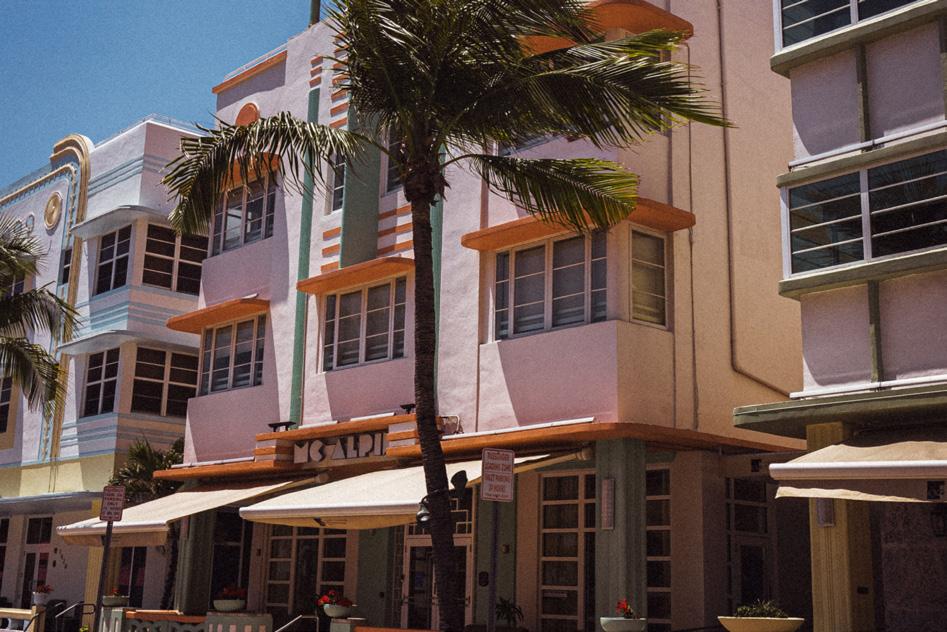
Tubac, AZ
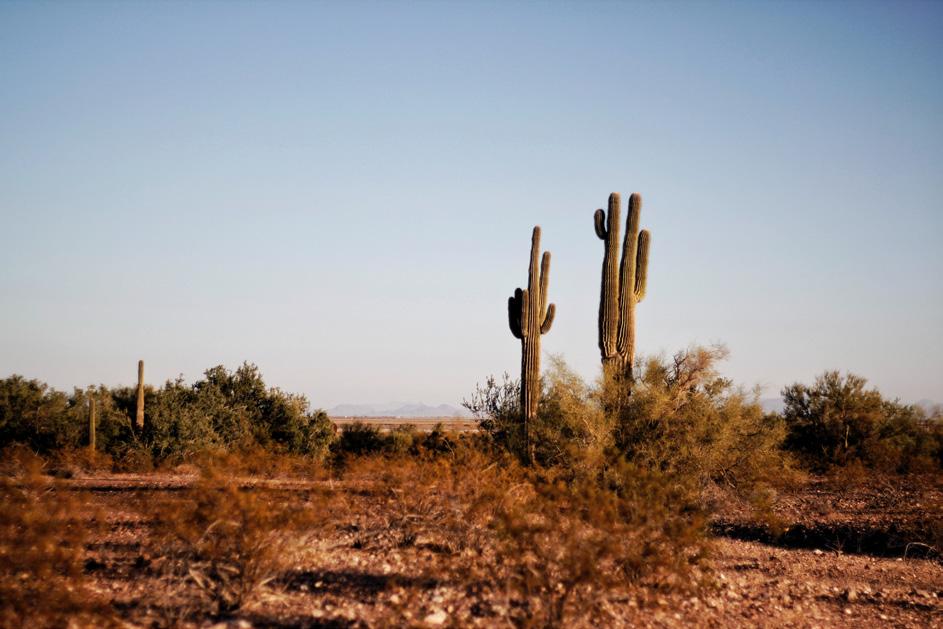
Population: 1,223
Tubac keeps their Hispanic heritage alive by hosting cultural festivals and celebrations, serving traditional dishes, and supporting local Latino artists.
 Santa Ana, CA
Laredo, TX
Santa Ana, CA
Laredo, TX
01 03 02 04 14
Q: A:
What helps you not miss your country?
When my family comes to visit us from Peru. They usually stay for months, but throughout those months I feel like a piece of my country is here with us. The way they act is very different from Hispanic people who live here in America, and I think it is really cool to see that.
What are you proud of most about your country?
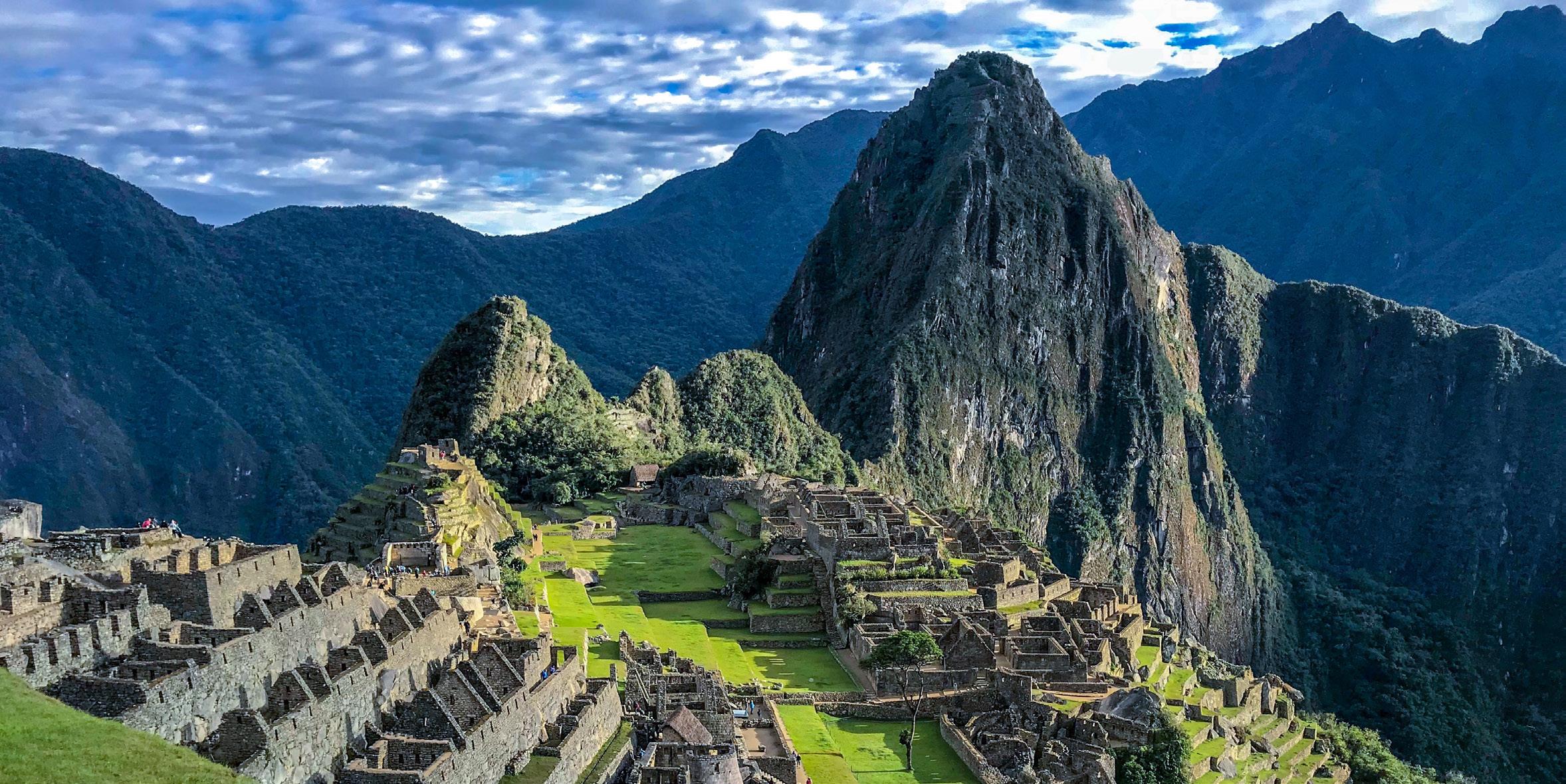
Machu Picchu and our food. I think it is because we have variety in our food, which also makes our food loved around the world.
Machu Picchu is one of the seven wonders of Peru, which I think is really cool.
Nicole, 20, was born in Peru. South America but raised in the US. She is a student at the university in Nebraska and is very passionate about her Peruvian culture and heritage.
What makes you feel closer to your culture while living in the US?
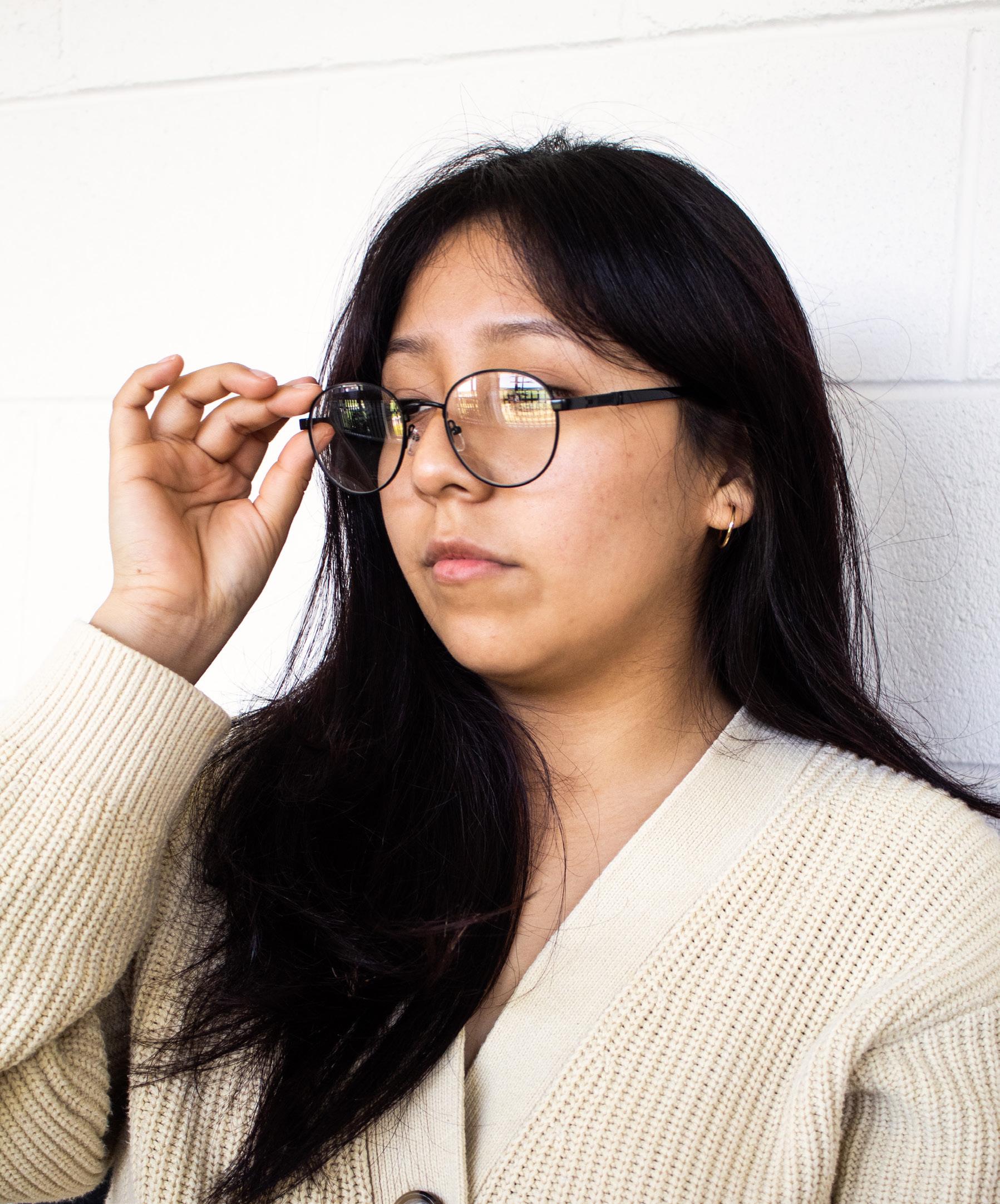
I feel closer to my culture when I go to my church at home. I go to a Hispanic church so being surrounded by people who saw me grow up makes me feel comfortable and at home.
Q: A:
How do you celebrate your country’s Independence Day while living in the US?
In Perús independence day we usually get together with our family and friends who are Peruvian and eat food with folklore Peruvian music in the background the whole time. Sometimes we even go to events that a small group of Peruvian people organize, we dance, eat and hangout there with many other Peruvian people.
What is the most important thing you have learned from your parents?
The most important thing I learned from them is to treat everyone the same. Be friends with everyone and be kind. To always be proud of my culture and not embarrassed.
15 CAMINO Q&A //
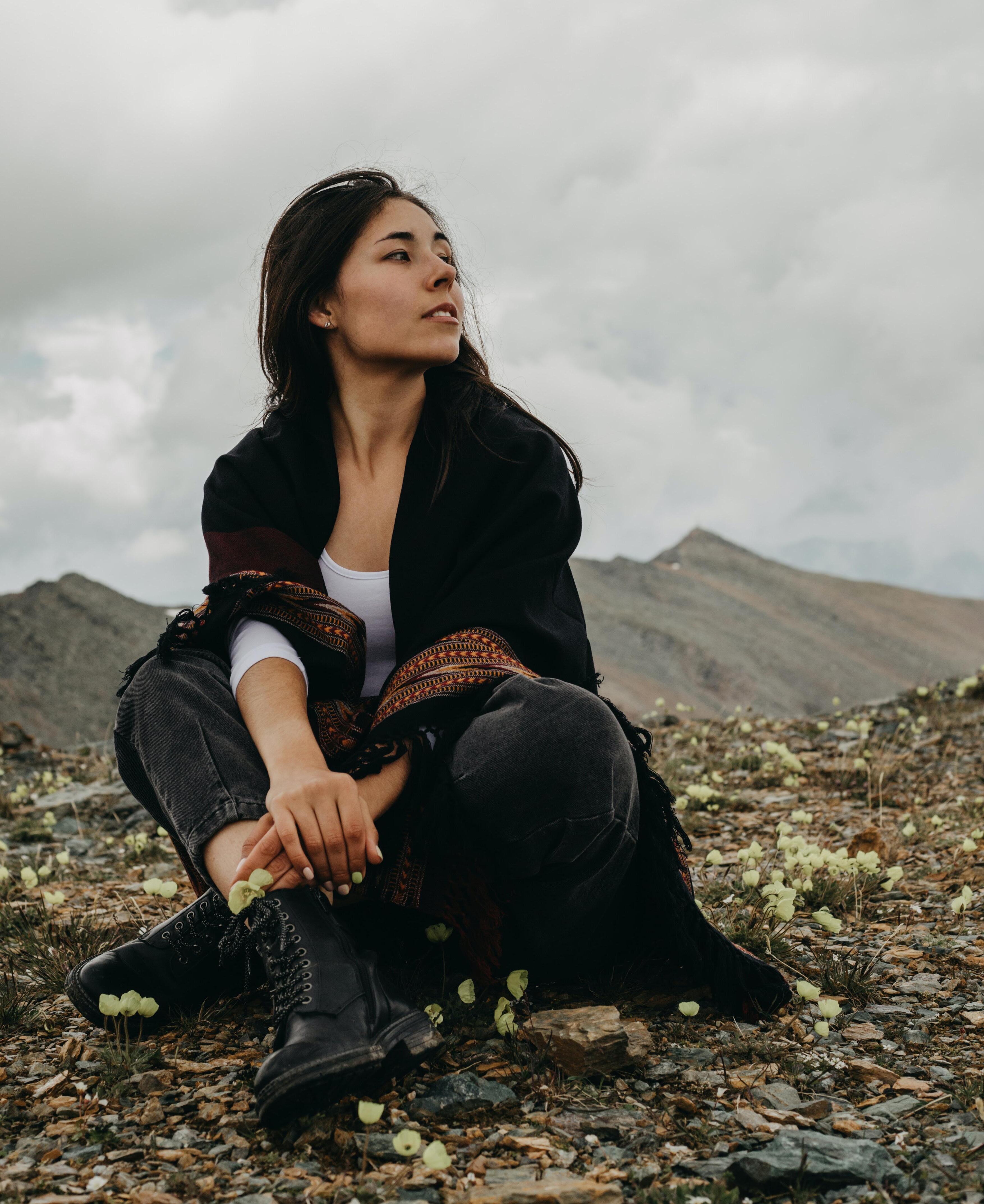
My greatest strength is knowing who I am and where I come from, homeland Guatemala.
Out of all the Americas, South America is known to have many indigenous languages. Over millions of people still speak those languages today.
AYMARA
Peru and Bolivia
2.5 million speakers
Official language in Bolivia and Peru. It is believed that the original homeland of Aymara was Peru, and that the language later spread into neighboring areas of Bolivia, Chile and Argentina.