Undergraduate Peer Tutor Research Symposium
Wednesday, April 8, 2026
9:30AM-12PM
O’Hara Student Center
Dining Room

Zachary Alberico, “Agree to Disagree? The Effects of Ideological
Dissonance on the Tutoring Session”
Learn about how the mere presence of significant tensions based on grounds of political ideology, worldview, or value system can disturb the writing tutoring session in various ways and degrees, and how we might go to remedy this issue.


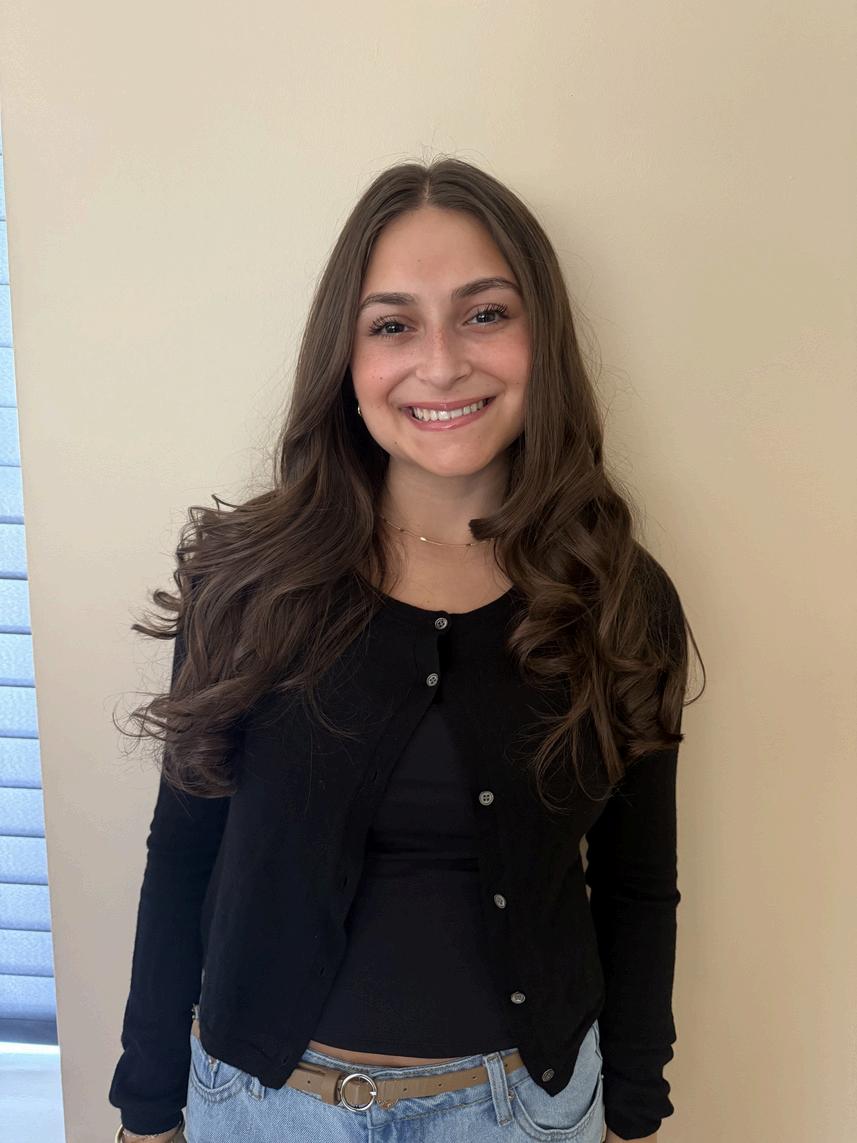
Renee Arlotti, “Adapting the Writing Center to International Students from China”
Chinese students represent the largest group of international students at Pitt. My project explores cultural differences and how we can bridge these gaps in the Writing Center.
Joelle Blankenship, “WC Online and Digital Accessibility”
My research focuses on digital accessibility for those with vision related disabilities, particularly in terms of WC Online, which can be difficult to navigate for those with low or no vision due to the lack of text.
Sophia Bowman, “Teaching vs. Policing: AI Productivity in the Writing Center”
Artificial Intelligence has become a policed and criticized element in education. With a wide range of policies and negatives surrounding AI, tutors may not understand how it can be used to their advantage. My research explains the policing that occurs and suggests productive methods to work with AI rather than working against it.
Molly Figas, “Fostering Linguistic Confidence in ESL Writers”
ESL students face many different challenges in a writing center, one of which is having the confidence needed for a successful session. This poster explores options for tutors on how to best foster confidence in these students.
Emily Harris, “Low-Cost Strategies for Cognitive Accessibility”
This project explores how low-cost changes make meaningful improvements for cognitive accessibility. Minor adjustments may create a more flexible and affirming environment for neurodivergent writers in the writing center. This poster encourages accessibility to be the default, not a requested accommodation, specifically considering online appointment setups and tutoring tools.
Emily Hegedus, “Advertising the Writing Center and Exploring Reputation and Intention”
My research focused on the ways Writing Centers advertise. It explores how advertising interacts with the Writing Center’s ethos, the most effective approaches to advertising the Center, and how students on Pitt’s campus understand the Writing Center and what it offers to them.
Susan Mattson, “Helping Students Understand AI Usage: Breaking Down Motivations in the Writing Center”
As AI continues to evolve and become increasingly prevalent, the writing center should work to understand AI, its limits, and why students are turning to it to help with their writing process.
Anna Radzinski, “Modern Social Media in the Writing Center ”
My research examines social media usage in Writing Centers and how social media has changed since COVID. There has been a shift in what platforms are popular and what content is most effective. The Writing Center can update its usage to align more with the goals of social media, building engagement both online and in-person.
Patrick Ryan, “How Contract Grading Shapes Student Motivation and the Writing Process”
This poster examines how different writing course grading systems––particularly contract grading––affect students' motivation, confidence, and willingness to revise. The research explores contract grading and applies the findings to writing center practice.
Emily Saggio,”Beyond Writing: Tutoring to Build Student Confidence”
My research explores the importance of building student confidence in the writing center and offers techniques tutors can use to create a supportive and nonjudgmental space.
Bezawit Yitnalem, “Improving Neurodivergent Accessibility in the Writing Center”
In writing centers, students with learning and neurodevelopmental disabilities continue to face barriers due to limited research and education. My poster looks at these barriers and how we can increase accessibility in tutoring sessions. This can include fostering self-advocacy, implementing UDL, and utilizing tutoring strategies to best help neurodivergent students.
Thank you for attending the