ADVANCING EQUITY, EXCELLENCE, AND EFFICIENCY
FUTURE-READY FACILITIES PLAN
PREPARED AND PRESENTED BY
DR WAYNE N WALTERS, SUPERINTENDENT
FUTURE-READY FACILITIES PLAN
PREPARED AND PRESENTED BY
DR WAYNE N WALTERS, SUPERINTENDENT
Dear Board of Directors,
I am pleased to provide this comprehensive update to our initial feasibility report In our ongoing commitment to equity, excellence, and efficiency, this update addresses critical questions and insights requested by the Board and community, ensuring clarity, transparency, and alignment with our shared priorities.
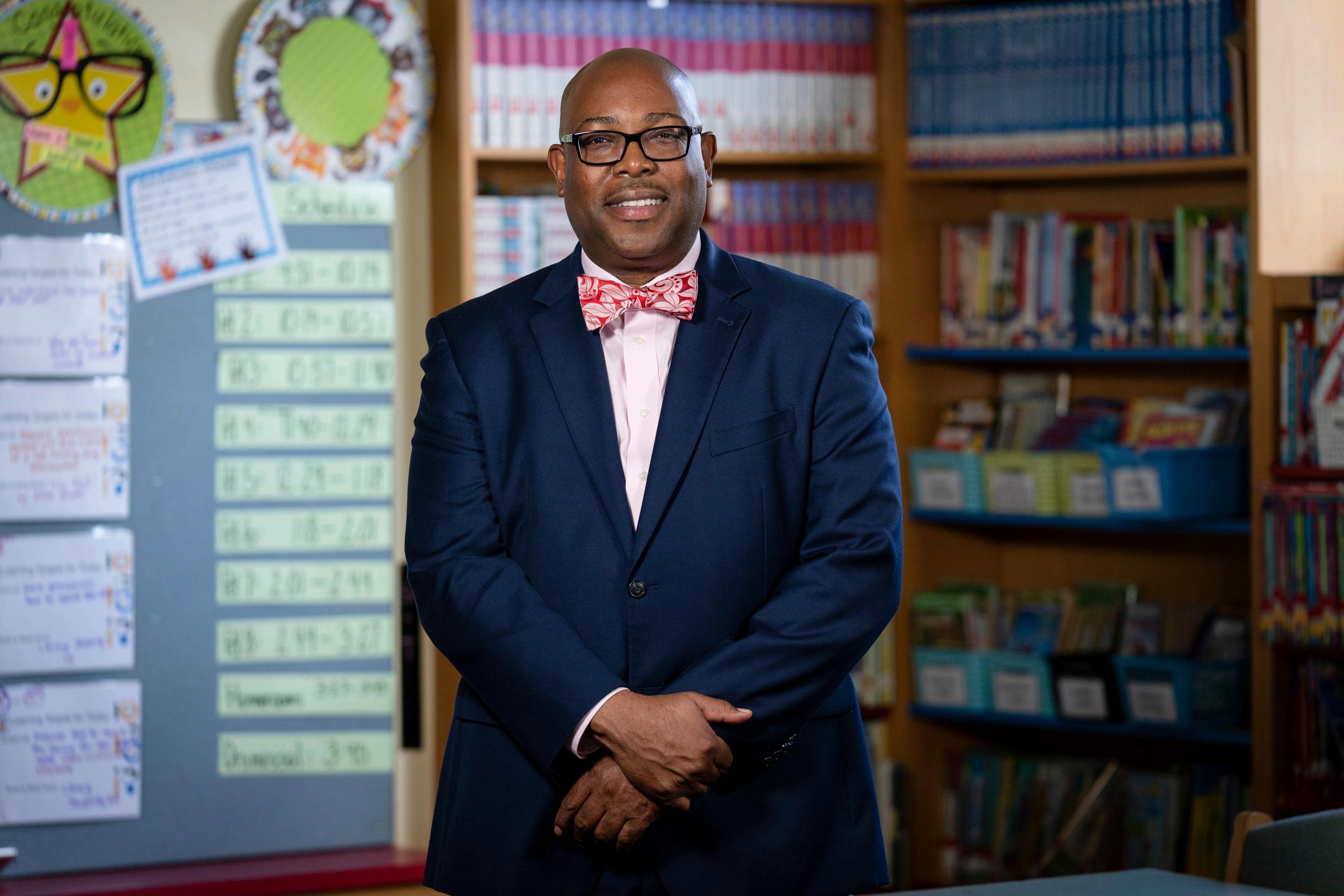
This report expands upon our initial feasibility study, incorporating essential feedback from stakeholders and updated analyses. Specifically, we have refined our original recommendations by considering instructional quality enhancements, equitable access, optimized scheduling, and evidence-based practices proven to foster student success Our intention is to clearly illustrate how implementing this plan will significantly enhance student outcomes and enrich their educational experiences across the district
Additionally, we have included detailed summaries of necessary capital investments to improve school facilities and district infrastructure, ensuring our learning environments adequately support student outcomes and experiences Transportation considerations have been closely reviewed to understand the logistical impacts on students, families, and operational efficiency.
Financial implications associated with our recommendations are clearly outlined to provide a transparent picture of potential impacts on our district’s resources and fiscal responsibilities
Our goal remains clear: to equip the Board of Directors with thorough, actionable information, enabling informed decision-making that prioritizes the best interests of our students, families, and community.
Thank you for your continued dedication and thoughtful engagement
Respectfully,

Dr Wayne N Walters
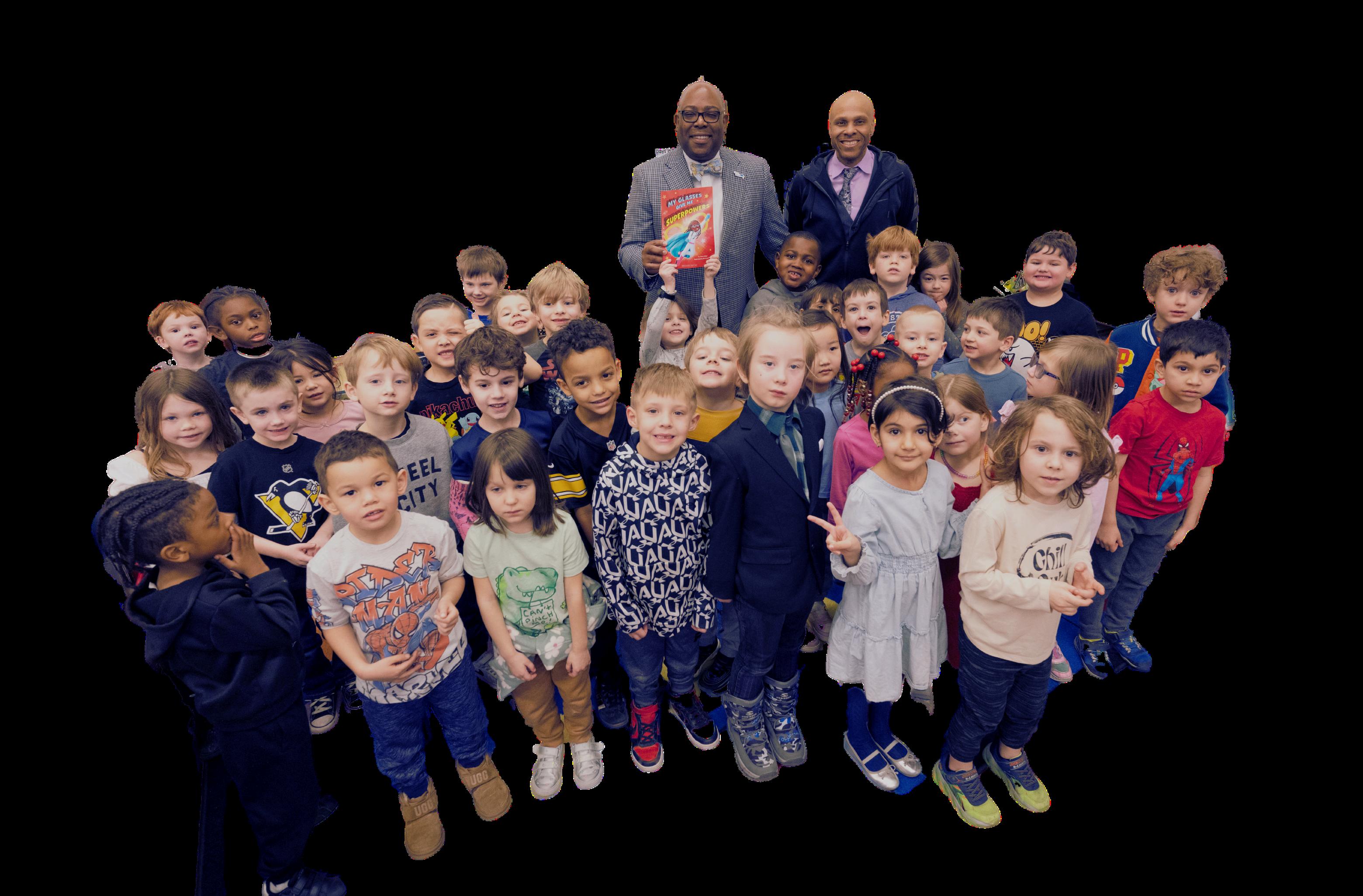
Change does not happen by chance it is built through vision, strategy, and bold commitment. We are shaping environments where students don’t just learn; they thrive. Our journey is about breaking barriers, unlocking potential, and paving the way for every student to experience success on their terms
The future isn't given to us. It's built one bold step at a time.
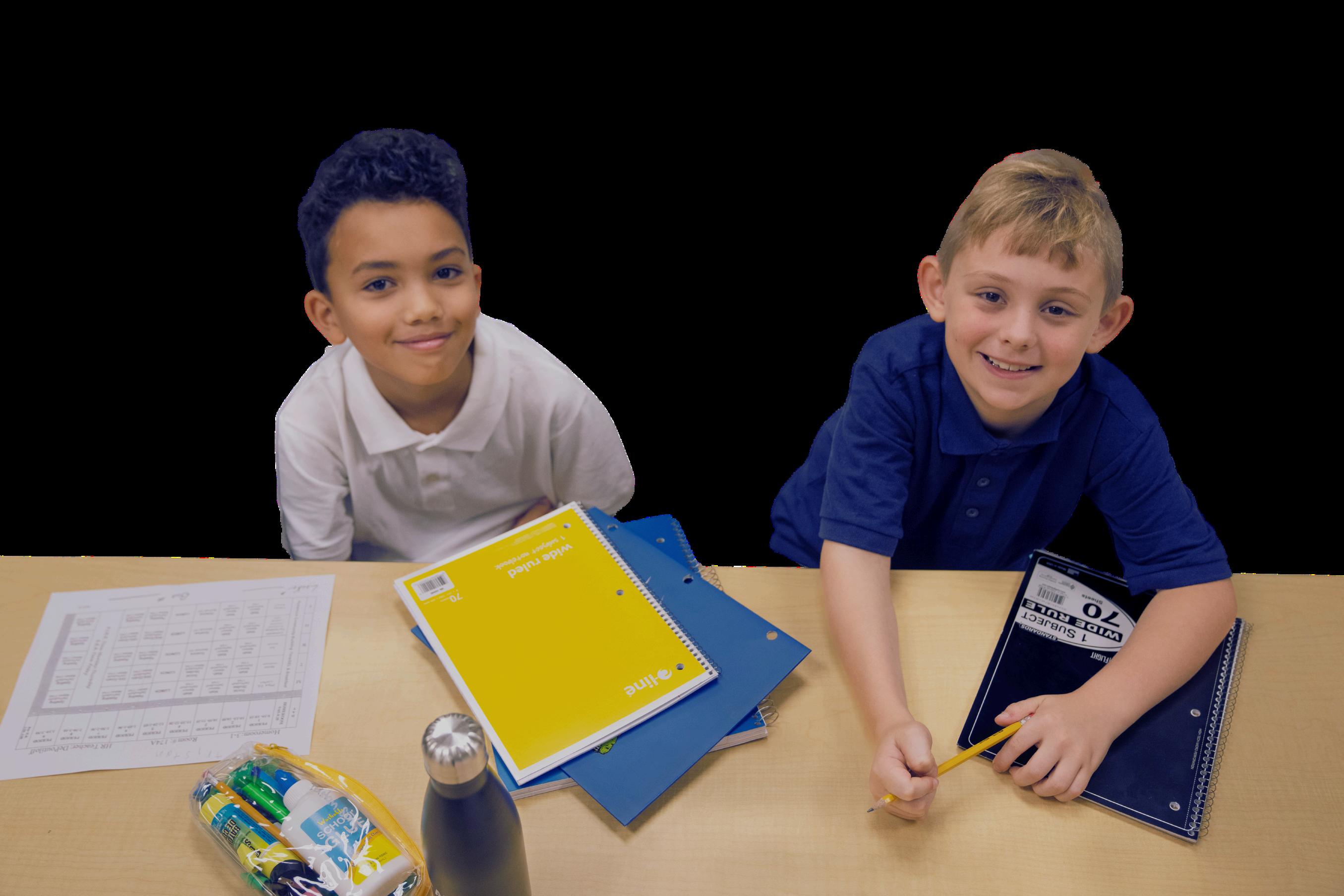
Pittsburgh Public Schools (PPS) currently educates approximately 20,000 students in a facility footprint originally designed to serve 40,000. Today, the District operates five schools with fewer than 149 students and 16 schools with fewer than 249 students enrollment levels that make it increasingly difficult to provide comprehensive academic and extracurricular programming for all students.
To address these longstanding challenges, District leadership presented a Proposed Facilities Utilization Plan in April 2024. This proposal reimagined how PPS uses its facilities to better support student success. It outlined 12 key recommendations aimed at optimizing the use of District buildings and enhancing the learning environment across all schools Core elements of the plan include transitioning to a streamlined grade structure (K–5, 6–8, and 9–12), reviewing feeder patterns, and creating safer, modernized, and more effective learning spaces for students
The final recommended Facilities Utilization Plan is grounded in six months of data analysis and community engagement, which generated more than 6,298 data points As part of this process, the District’s consultant, Education Resource Strategies (ERS), presented its final recommendations for a strategic restructuring plan focused on optimizing school configurations, improving resource allocation, and expanding educational opportunities for all students These recommendations formed the establishment of a a clear, scalable pathway to student success.
Key recommendations included:
Reconfiguring Schools: Transitioning from the current structure of PreK–5, PreK–8, 6–8, 6–12, and 9–12 schools to a more streamlined model consisting of foundational elementary schools (PreK–5), developmentally responsive middle schools (6–8), and innovative, academically rigorous high schools (9–12).
Expanding Access to Magnet and STEM Programs: Increasing access to high-quality options by expanding programs such as Obama International Baccalaureate and Sci-Tech, and creating a new STEM pathway for students on the North Side.
New Schools and Program Relocations: Opening three new schools and strategically relocating programs to ensure they are better aligned with student needs and community demographics
Facility Closures: Closing 14 schools and 10 additional facilities due to low enrollment and aging infrastructure, with the goal of moving students into better-equipped, modern learning environments.
At the request of the Board of Directors, the Superintendent and District leadership developed a Feasibility Report to evaluate the potential impact and practicality of ERS’s recommendations. Presented in February 2025, the Feasibility Report analyzed building capacity, enrollment trends, infrastructure readiness, and other key factors to assess the viability of the proposed plan
Following the February presentation, Board members and community stakeholders requested additional data and analysis. In response, Superintendent Wayne N Walters asked the Board to postpone its vote to open the state-required public comment period related to the proposed facility closures.
This additional time was used to expand the Feasibility Report to incorporate the requested information. The updated report now includes detailed financial analysis, a preliminary transportation assessment, a review of capital investment needs across the District, and alignment to instructional practices aimed at improving outcomes and experiences. These updates have helped refine the final set of recommendations and informed the development of a proposed phasing plan for the Board’s future consideration.
Overviewoftimelineuntilthispoint
As Pittsburgh Public Schools embarks on one of the most consequential system redesigns in its history, this Feasibility Report Update serves as both a response to urgent realities and a reflection of deep listening, thoughtful analysis, and strategic planning What follows is more than a refinement of recommendations it is a comprehensive response to the questions raised by our Board, staff, students, families, and community partners. This document was shaped by a single driving objective: How do we create a more efficient, equitable, and student-centered school system that delivers high-quality learning experiences no matter where a child lives or attends school?
To answer that question, this report examines five essential domains that intersect to influence the student experience:
Instructional Quality and Academic Design: How can we ensure all students have access to rigorous, joyful, and equitable learning environments?
Bringing ideas and innovation to life through technology
Building Utilization and Capital Investment: How do we align our physical footprint to maximize opportunity, efficiency, and sustainability?
Pupil Transportation and Access: How do we guarantee students can safely and efficiently access the opportunities our schools offer?
Financial Impact: What are the long-term fiscal implications of these decisions, and how can savings be redirected to enrich classrooms and learning?
Community Engagement: How do we ensure the voices of those most impacted shape the decisions we make and continue to shape their implementation?
Building upon the Feasibility Report with a more detailed and intentional examination of enrollment patterns, facility readiness, fiscal sustainability and broader conditions that impact educational equity, the District has made adjustments to ERS’s recommendations The analysis reinforces the pressing need for change, highlighting the risks of inaction to student opportunity, access, and system-wide sustainability
Hard decisions, purpose student-Center

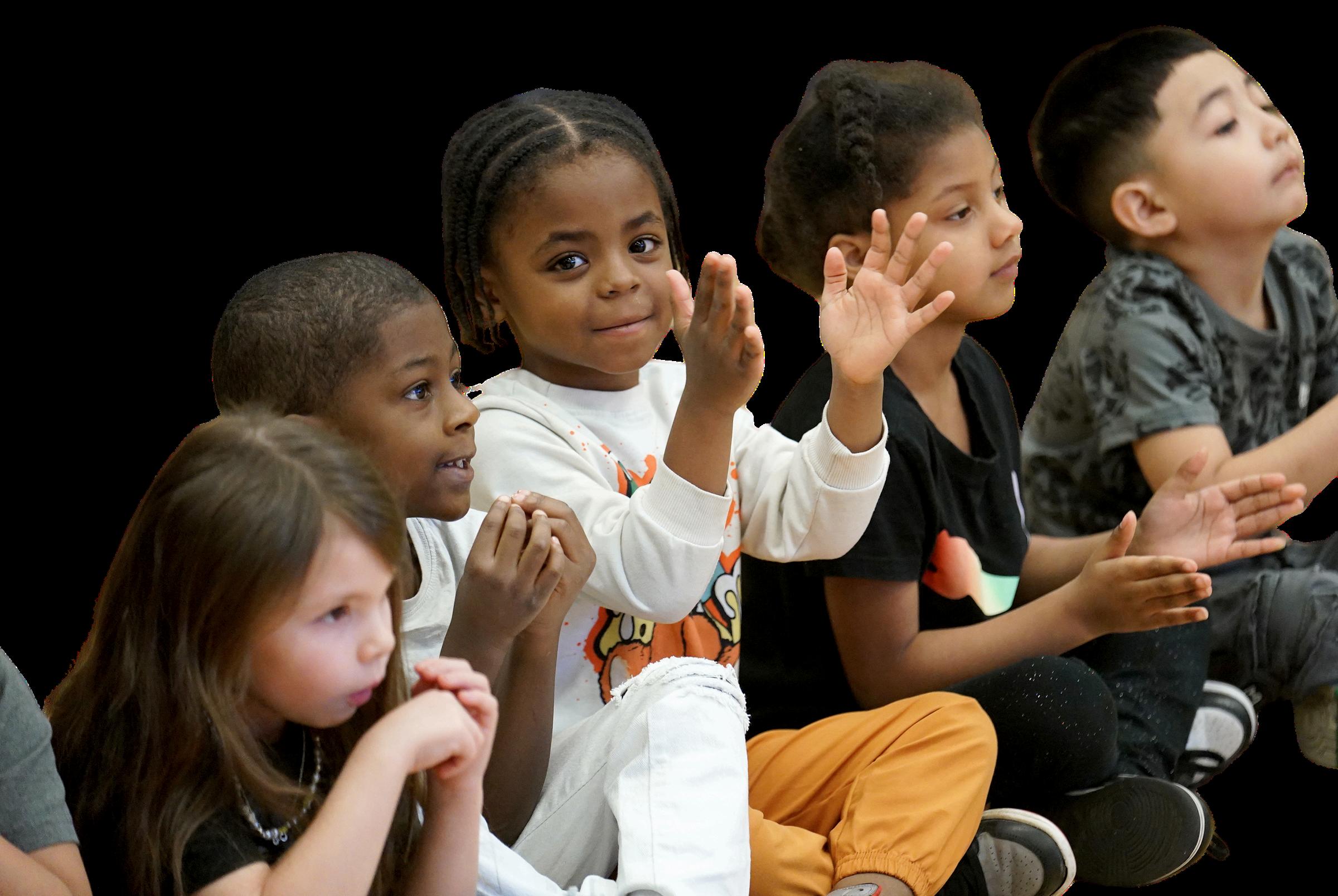
Building on the foundation of the original Feasibility Report, this next section will provide an expanded analysis aimed at presenting a more comprehensive and deliberate evaluation of the recommendations before the Board. Grounded in the District’s unwavering commitment to putting students first, this update reflects not only a thorough review of building capacity, enrollment trends, and infrastructure readiness, but also deeper consideration of the factors critical to sustaining high-quality, equitable learning environments across Pittsburgh Public Schools.
The expanded analysis reconfirms the urgent need to move forward It makes clear that we cannot maintain the status quo without continuing to compromise student experience, equitable access, and operational sustainability.
Bringing ideas and innovation to life through technology
In the sections that follow, we present a cohesive, sequenced pathway for Board consideration one that is informed by data, refined by expertise, responsive to community voice, and deeply aligned to the District’s strategic priorities Together, this work charts the course toward a future where every student, in every school, experiences excellence.
Following further financial analysis, capital investment needs, clarity regarding student outcomes and experiences requested by the Board, and additional community input, District Leadership largely maintains its support of the following key recommendations:
The District supports transitioning six K-8 schools (Brookline, Greenfield, Langley, Mifflin, Morrow, and Sunnyside) to K-5 models, converting three PreK-8 schools (Arlington, Carmalt, and Colfax) into dedicated 6-8 middle schools, and shifting three 6-12 schools (Obama, SciTech, and Westinghouse) to 9-12 high schools. These changes will enhance building utilization, standardize academic pathways, and improve student programming.
Expansion of Obama 6-8 IB Program at Arsenal 6-8
The District supports expanding the Obama International Baccalaureate (IB) Middle Years Program at Arsenal 6-8 While underutilization remains an issue, additional space can be used to create a vibrant community hub by advancing the community schools model with tutoring, mental health services, after-school programs, and community partnerships The team will work closely with the legal department to assess the best approach to ensure program continuity.
Three new Teacher Centers (K–5, 6–8, and 9–12) will offer six-week immersive learning cycles, providing teachers with sustained coaching and mentorship from a experienced educator to strengthen planning, instruction, and student engagement.


The District supports transitioning Allegheny PreK-5, Dilworth PreK-5, and Liberty PreK-5 from full magnet programs to neighborhood schools to strengthen a more robust foundational K-5 school model ensuring stronger access and opportunity for all
CAPA: The District recommends maintaining CAPA at its current due to significant facility investments for ming arts spaces. However, further exploration is feasibility of operating CAPA as two separate me facility while preserving program lly, magnet enrollment procedures will be quitable access, particularly for middle school
rict supports maintaining Montessori PreK-5 s a full magnet program and relocating it from the Friendship acility to Linden due to the $16.5 million in renovations outlined in he 7-year capital plan The move will support the Montessori model’s unique instructional approach, which includes multi-age assrooms, self-directed learning, and Montessori-certified ducators
The District supports proposed changes to special education schools, online learning, and center programs:
Online Academy: The team supports the relocation of Online Academy. Gifted Center: Leadership does support transitioning Gifted Center services to students’ home schools, as 65% of the District’s K-8 gifted students are clustered in just 8 out of 46 schools.
Oliver Citywide Academy: ERS provided no recommendations, so future programming and satellite locations remain under District review.
ChangestoRecommendationsforSchoolClosuresandConsolidations
Based on its review of capital investment needs, community input, and ERS’s recommendations for two new schools on the North Side at the Manchester (6–8) and Northview (K–5) facilities, the District recommends the following changes to the plan for the North Region:
Schiller 6–8 would transition to a neighborhood school located at the Allegheny facility This move would allow the District to build upon the successful and established STEM pathway on the North Side. The Allegheny building—a former high school and middle school offers an ideal setting, with existing science labs, a pool, an auditorium, and other key amenities to support a strong developmentally responsive academic middle school program
This adjustment also responds to feedback from Northside residents, who expressed a preference for a centrally located middle school with greater access to amenities and public transportation. Utilizing the Allegheny facility to support an expanded Schiller 6–8 program will save the District an estimated $356 million, which would have been required to establish a 6–8 program at the Manchester facility. These renovations did not include the addition of a pool and auditorium
Allegheny K–5 would relocate to the King facility, preserving a beloved, highperforming school program within the North Side community The King facility, a current K-8 school, offers an air-conditioned facility with dedicated music room, large gym with stage, library, and dedicated teacher spaces
The Northview facility would undergo significant renovations and/or a complete rebuild to open as a new elementary school, creating a modern, high-quality learning environment for students in the North Region. This new school would also serve as the new English Language Development K-5 site
In response to meaningful feedback from staff and families, the District will no longer recommend relocating Pittsburgh Conroy. While this decision honors the strong sense of community and commitment to the current location, it’s important to note that the extensive repairs required for the District’s oldest facility will limit the ability to significantly modernize the space or introduce new, innovative programming and supports
These changes would result in the following school and facility closures.
School Closures: Allegheny 6-8, King PreK-8, Manchester PreK-8 and Spring Hill K-5
Facility Closures: Manchester, Schiller and Spring Hill
Based on its review of capital investment needs and school capacity, the District recommends maintaining Pittsburgh Roosevelt K–5 to help relieve enrollment pressures at other schools and avoid the need for a costly building addition at Grandview, totaling approximately $20 million.
Due to this change, the Pittsburgh Online Academy would now relocate to the Greenway facility.
School Closures: South Brook 6-8 and South Hills 6-8
Facility Closures: None

As part of our ongoing efforts to enhance educational access, equity, and operational efficiency, Pittsburgh Public Schools is conducting a strategic review of attendance zones the geographic boundaries that determine which school a student attends.
In line with recommendations from Education Resource Strategies (ERS), the District issued a Request for Proposals (RFP) to hire a demographer to support this work. Of the two proposals received, one exceeded $200,000 and lacked local knowledge, while the other priced at over $270,000 ultimately could not fulfill the full scope outlined in the RFP
Given these limitations, the District has chosen to move forward with an in-house approach While this adds responsibilities to internal teams, we are confident that our staff, equipped with local expertise, historical data, and advanced tools, is well-positioned to lead this work This approach is not only more cost-effective, but also more responsive to the specific needs of our students and communities.
The review will be guided by clear priorities: supporting strong academic programs, honoring the diversity of our District, and aligning enrollment with building capacity to ensure long-term sustainability
Our internal team will develop recommendations Using the following considerations:
Maintain Sustainable Enrollment: Balancing enrollment across schools with an ideal target of 75% to 85% of each building’s capacity to provide equitable access to vibrant academic and extracurricular programs.
Support Student Success: Strengthening feeder pathways to promote consistent instructional models and minimize disruptive transitions between schools
Maximize Facility Use: Aligning enrollment with building capacity and operational needs to improve efficiency and enhance the quality of educational experiences
Correct Legacy Misalignments: Addressing attendance boundaries that result in students bypassing a nearby school to attend one farther away or schools located within another’s feeder pattern.
Respect Geographic Realities: When possible, minimizing the need for students to cross significant geographic barriers, such as rivers or major interstates.
Inconsistent Enrollment Patterns: Wide variations in enrollment across different areas of the District.
Demographic Imbalances: Overrepresentation or underrepresentation of student groups in certain schools due to neighborhood populations Changing Community Needs: The necessity for flexible attendance zones that can adapt as neighborhood demographics and enrollment trends shift over time.

The feeder pattern for schools located in the East has been developed to support smooth student transitions and strengthen school communities. *School assignments are based on factors such as proximity, enrollment patterns, and geographic considerations
NOTE: This map does not represent the final PPS attendance zones as the District Team continues to finalize individual school enrollment.
NOTE: This map does not represent the final PPS attendance zones as the District Team continues to finalize individual school enrollment.
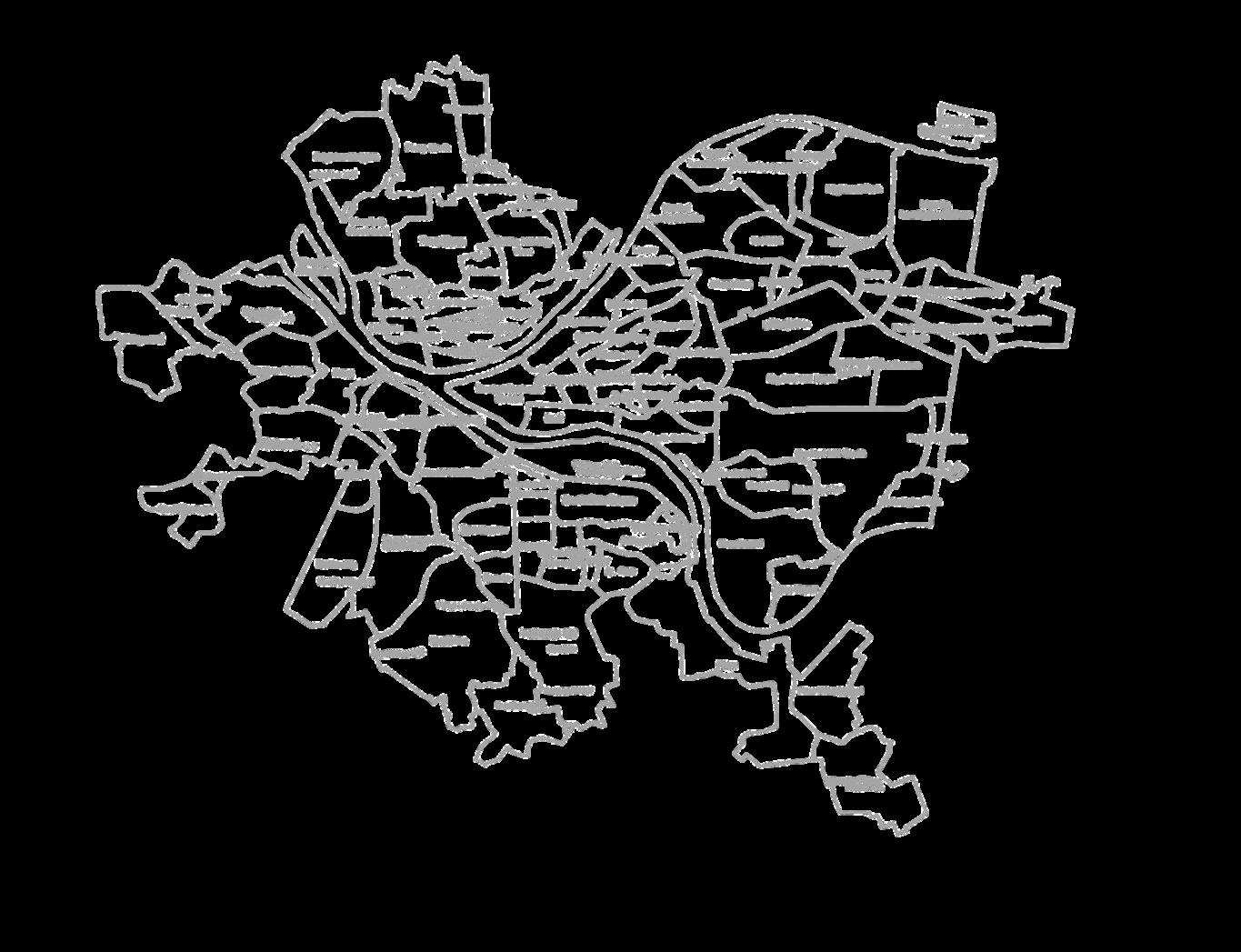
NOTE: This map does not represent the final PPS attendance zones as the District Team continues to finalize individual school enrollment.

NOTE: This map does not represent the final PPS attendance zones as the District Team continues to finalize individual school enrollment This neighborhood map includes all schools, but the attendance zone boundaries shown are specific to high schools only
Once a final plan is approved by the Board, the District will implement a phased approach to school consolidations and realignments to optimize resources, ensure equity, and improve educational opportunities for all students. This thoughtful, multi-stage process allows District staff to carefully manage student transitions, minimize disruptions, and respond to community feedback along the way. By consolidating under-enrolled schools, realigning grade configurations, and adjusting attendance zones, the District will better match student enrollment with building capacity, strengthen academic programming, expand access to critical services, and create more sustainable, vibrant learning environments across the city of Pittsburgh.
Each phase of implementation will be guided by our commitment to transparency, proactive communication, and ensuring that every student experiences a smooth and supportive transition.
To support students, staff, and families as they navigate changes, come together as new school communities, and adjust to new learning environments, the District will develop a detailed, comprehensive transition plan In addition, District staff will continue engaging families, staff, and students throughout the transition process, offering regular updates, feedback opportunities, and support services to ensure that changes are implemented thoughtfully, collaboratively, and with the best interests of students at the center of every decision
ArsenalK-5* SchoolCloses
Arsenal6-8*
ColfaxK-8
DilworthPreK-5
FultonPreK-5
GreenfieldPreK-8
LibertyPreK-5
LindenPreK-5*
MifflinPreK-8*
RemovesK-5
Receives6-8Studentsfrom SunnysideandObama MagnetEnds StudentsreturntoFeeder PatternSchools OpensasNeighborhood SchoolwithFultonFeeder Students
Removes6-8
Receives6-8Studentsfrom GreenfieldandMifflin
ReceivessomeColfaxK-5 Feeder;6-8Studentsmove toColfaxMS MagnetEnds MontessoriOpensin Building
Removes6-8
6-8Studentsmoveto ColfaxMS
The District is reimagining what instructional time, support, and space can and should look like to ensure every student receives an engaging, rigorous, and equitable education. Through strategic redesigns in scheduling, staffing, and facilities paired with expanded coaching and instructional resources these efforts aim to close gaps, elevate learning, and build the future-ready classrooms our students deserve
Redesigning the instructional day isn’t just about time on the clock it’s about creating time that counts for every learner, in every school, every day.

As we work to transform learning experiences for all students, this section addresses a foundational question: What must be true in every school to ensure that all students regardless of where they live or attend school have access to rigorous, joyful, and equitable instruction that leads to meaningful outcomes? Through our expanded feasibility analysis, we examine how instructional time, space, staffing, and curriculum can be realigned to elevate teaching and learning across Pittsburgh Public Schools. This section answers:
How are we ensuring that this plan supports the delivery of a high-quality education for all students and leads to improved student outcomes?
What are the instructional benefits of reconfiguring schools into K–5, 6–8, and 9–12 grade bands?
What is our plan for gifted education, ensuring that high-achieving students continue to be challenged and supported?
What might a redesigned schedule look like for district students once the plan is implemented?
How will scheduling changes improve access to new student experiences?
How will the District support and manage staffing transitions resulting from school consolidations and reconfigurations?
How is the District investing in English Learner (EL) students, and what new centers or supports are being established to meet their growing needs?
How will the District’s investment in coaching, professional learning, and specialized programming like teacher centers prepare educators to deliver high-quality instruction in modern, inclusive classrooms?
What is the District’s plan for community schools, and how will these proposed changes support their potential expansion?
By focusing on these questions, we reaffirm our commitment to instructional excellence, while making the case that facilities changes are not just operational they are instructional, student-centered, and equity-driven.
The Facilities Utilization Plan is a transformative initiative centered on equity, innovation, and whole-child development. Its goal is to ensure that every student in Pittsburgh Public Schools learns in a safe, inclusive, and engaging environment one that reflects both modern educational research and the lived experiences of students and educators.
By aligning time, space, and resources with instructional priorities, the plan seeks to move the District from a model of maintenance to a future-ready system rooted in joy, identity, and access.
Pittsburgh Public Schools envisions schools as dynamic spaces designed to promote access, engagement, and joy. This vision is grounded in Gholdy Muhammad’s Five Pursuits Identity, Skills, Intellect, Criticality, and Joy. It incorporates student feedback for modernized, equitable learning environments
The plan reimagines schedules and school spaces to support academic excellence, creativity, and socialemotional wellness Every element from building design to daily routines is focused on creating learning experiences where all students feel seen, valued, and supported

By rethinking how time is structured for both students and educators, we can create more inclusive, balanced schedules that support academic growth, creativity, and emotional well-being. The proposed scheduling changes are designed to foster greater engagement, equity, and joy across our school communities.
Daily schedules provide consistent access to foundational subjects like literacy and math
Time is allocated for enrichment, play, and exploration to support career awareness and creativity.
The whole-child approach blends rigorous academics with opportunities for joy, movement, and real-world learning
Instructional responsibilities are streamlined to reduce fragmentation. Middle school teachers will focus on single-grade bands to deepen content expertise and foster stronger team collaboration
Teacher Centers, led by experienced educators will offer immersive sixweek coaching cycles to support lesson development, strategy sharing, and professional growth.
BY GRADE LEVEL
At the heart of this proposal is a commitment to access, rigor, and responsiveness to student needs. A common curriculum framework will ensure that all schools offer consistent and high-quality instruction. Academic coaching in math and literacy especially in middle grades will reinforce instructional alignment and elevate academic expectations across the board.
Students, regardless of their school or zip code, will gain access to instructional opportunities that have previously been limited, including World Languages, STEM, Algebra 1, and robust arts programming. W.I.N. Time will offer student-specific, data-driven support and enrichment, creating space to close achievement gaps and accelerate learning
Through the proposed Facilities Utilization Plan expands all elementary schools will gain access to dedicated STEM programming, addressing the growing demand for science and technology skills in Pittsburgh and across Pennsylvania, where STEM jobs are projected to grow by over 9% through 2026. Early exposure to hands-on STEM learning equips students with the problem-solving and critical thinking skills needed to thrive in a tech-driven economy.
In addition, the plan ensures every 3 - 8 grade student engages in world language and library instruction two areas currently limited by staffing and scheduling constraints. Research shows that early language learning enhances academic achievement and cultural understanding, while strong library programs improve literacy, digital fluency, and equity By integrating these subjects into the daily schedule, PPS is creating well-rounded, futureready learners who are equipped to succeed in school and in life.
k-5recommendedschedulingandtimeallocation
Currently, just two elementary schools offer STEM programming. Under this plan, every elementary school would feature dedicated STEM courses and labs, giving all students hands-on experiences that build critical thinking and spark innovation
World Language instruction is available in only three schools today. The proposed expansion brings early language learning and the cultural awareness it fosters to every elementary school
Career exploration would begin earlier, helping students connect classroom learning to real-world futures.
Library access is also uneven, with only 76% of K–5 students enrolled in a library course and frequency varies by school. This plan guarantees consistent, high-quality library instruction for all students.
Goal: To create a more equitable, engaging, and holistic learning experience by incorporating daily routines and enriching opportunities that support academic and social-emotional development.

Community Time: A daily K–5 practice that fosters belonging, empathy, and identity development. Structured morning meetings support relationship-building and inclusive dialogue, aligned with Gholdy Muhammad’s (2020) framework and culturally responsive practices (Gay, 2018).
Playlab: A research-informed, equity-driven model that bridges the false divide between joy and academic rigor. Playlab integrates purposeful play into instruction to develop skills in problem-solving, communication, and resilience (PZ Pedagogy of Play, 2023).

W.I.N. (What I Need) Time: A flexible instructional block providing argeted support or enrichment. System-wide implementation supports ifferentiated instruction for multilingual learners, students with isabilities, and advanced learners.
NEXTPAGE: ADDITIONAL K–5TIME RECOMMENDATIONS
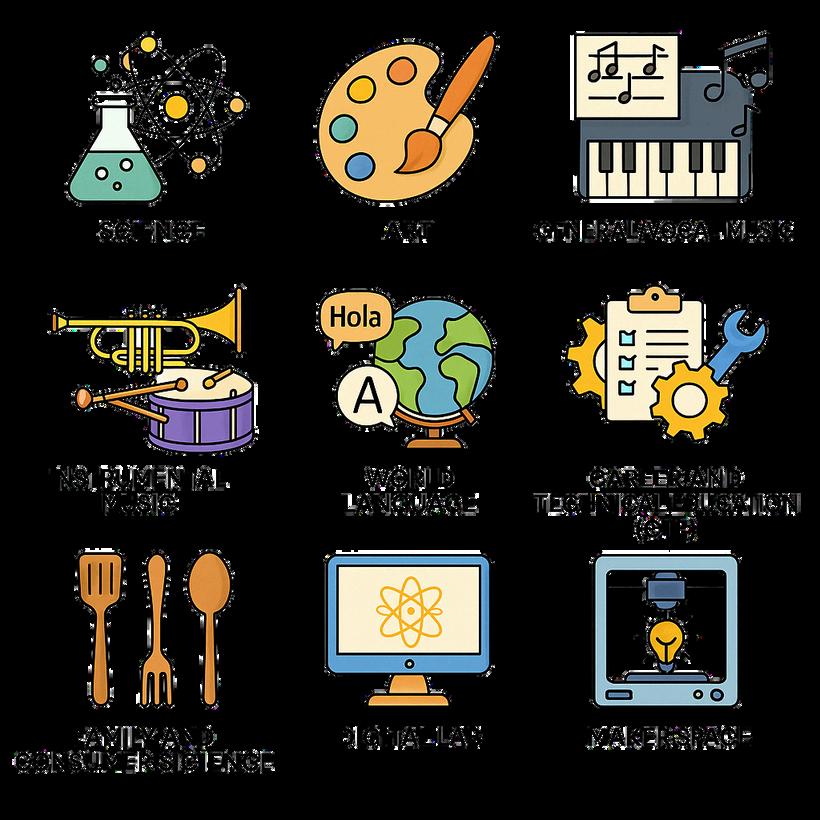
World Languages: Currently offered in just four schools The plan expands access to all elementary students, supporting early language acquisition, global awareness, and cognitive benefits.
Career Exploration: Early career-connected learning introduces students to pathways and possibilities from a young age.
Library Services: Currently, only 70% of K–8 students access library programming, with significant variation in frequency. The proposed plan ensures all students receive consistent, annual library instruction by embedding research and literacy skills directly into classroom instruction across subjects. Research shows that strong school library programs improve literacy outcomes and support lifelong learning (Lance & Kachel, 2018; AASL, 2018)

COMMUNITYTIME → space to build belonging, explore identity, and engage in meaningful dialogue
ARTand MUSIC → offered two days each and PHYSICAL EDUCATION and W.I.N → offered one dayeach on a 6-dayrotation
COMMUNITYTIME → space to build belonging, explore identity, and engage in meaningful dialogue
ARTand MUSIC → offered two days each and PHYSICAL EDUCATION and W.I.N (and CareerExploration)→ offered one dayeach on a 6-dayrotation.
Middle school should be a time for exploration, discovery, and building the foundation for future success. The proposed plan reimagines the middle grades with intentional opportunities that prepare every student academically, creatively, and socially for what comes next
Career exploration will be thoughtfully woven throughout the curriculum through Career and Technical Education courses, field trips, guest experts, and hands-on projects that connect learning to real-world possibilities
This redesigned schedule expands access to high-quality courses that were previously limited to only a few schools without reducing time or opportunity for students in underserved communities. In fact, it increases access to enrichment for all students. For example:
Today, only 7 of the 23 schools serving middle grades offer World Language instruction reaching just 24% of students. Under the new model, every middle school student would have the opportunity to study a World Language
Just 3 schools (4% of students) currently provide STEAM courses. The new plan brings STEAM including robotics, programming, and forensics to every middle schooler
Algebra 1 is offered in only 14 middle-grade buildings. The updated model ensures all students have access to at least one Algebra 1 course in 8th grade, expanding pathways to advanced coursework.
Library access, too, is uneven. Only 58% of students in grades 6–8 currently participate in a library course, often limited by part-time staffing and scheduling challenges. The new plan guarantees every middle school student will engage in a library or media course each year supporting literacy, research, and digital citizenship
Goal: To enhance middle school education through a balance of rigorous core instruction and supportive structures that promote well-being, identity, and agency.
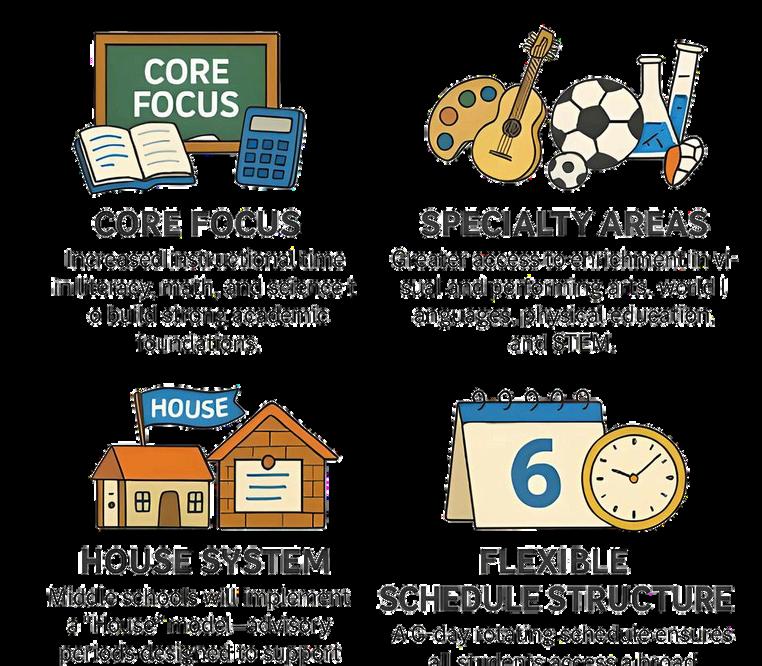
Core Focus: Increased instructional time in literacy, math, and science to build strong academic foundations

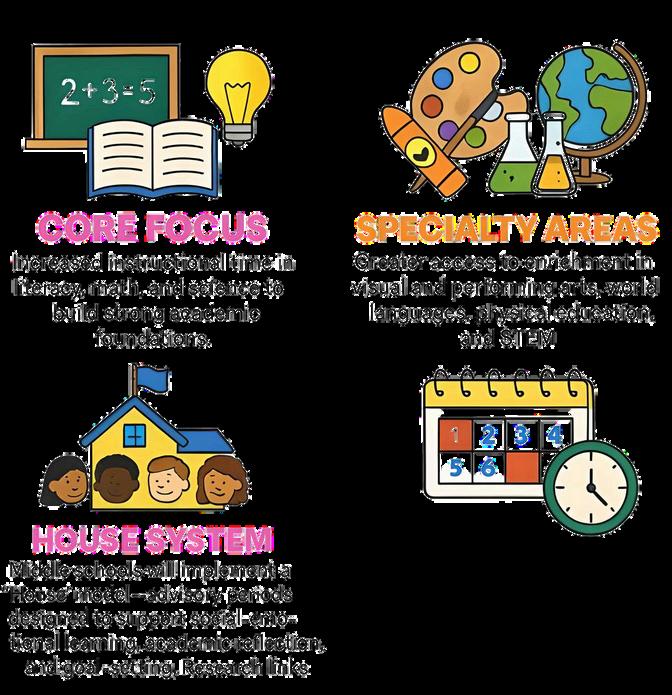
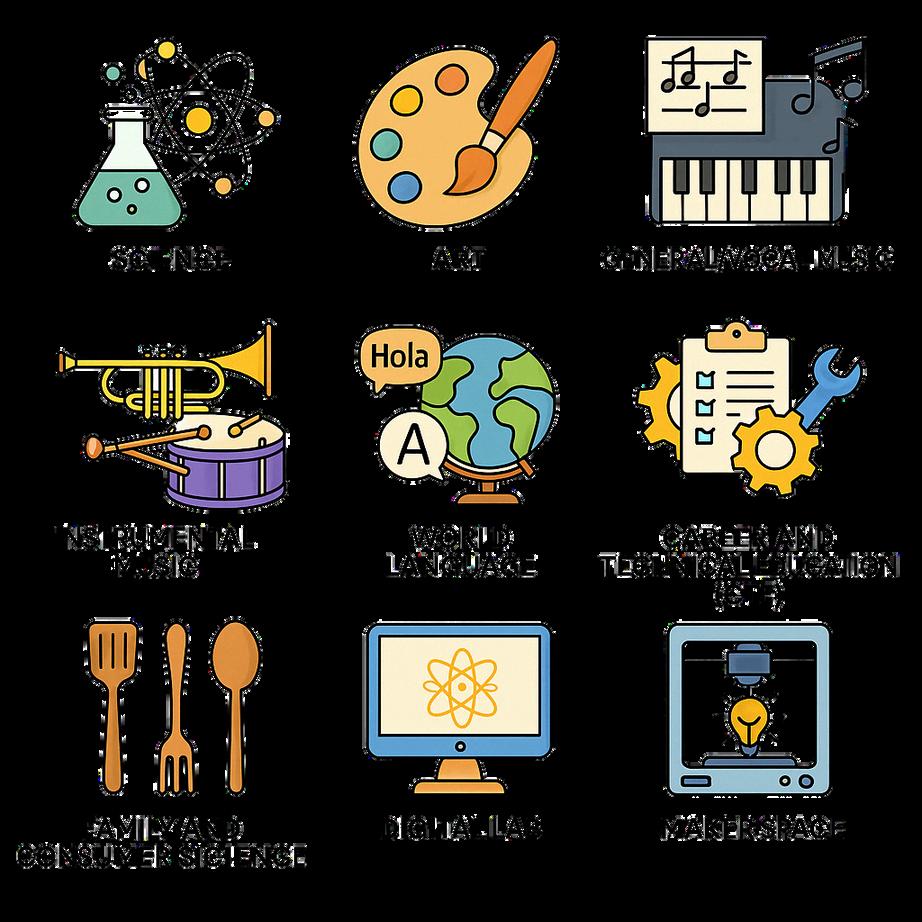
Specialty Areas: Greater access to enrichment opportunities in visual and performing arts, world languages, physical education, and STEM to support a more well-rounded student experience
House System: Middle schools will implement a "House" model advisory periods designed to support social-emotional learning, academic reflection, and goal-setting Research links advisory systems to improved attendance and academic outcomes (AMLE; Enriching Students).
Flexible Schedule Structure: A 6-day rotating schedule provides students with access to a broad, well-rounded curriculum while preserving instructional time for core content areas.
Tech Ed & Maker Space Integration: Career and Technical Education (CTE) at the middle school level introduces students to foundational skills in engineering, design, and technology By incorporating Maker Space principles hands-on, project-based learning environments CTE courses will foster creativity, problem-solving, and real-world application, helping students explore career interests while building essential 21st-century skills.
W.I.N. (What I Need) Time: To support differentiated learning for multilingual learners, students with disabilities, and advanced learners, schools adjust the bell schedule once per week shortening each class period by 5–7 minutes to create a dedicated instructional block. During this time, students may engage in targeted interventions, enrichment activities, small-group instruction, or independent learning based on their individual needs.
HOUSE → system adapted from the Ron ClarkAcademythat strengthens school culture by building character, relationships, and school spirit.
ART, MUSIC, PHYSICAL EDUCATION,TECH EDUCATION and LIBRARY→ offered on a 9-weekrotation.
Note: Art, Music, Physical Education, andTech Ed teachers deliverinstruction to multiple student cohorts each quarter While students rotate through these subjects quarterly, the same teacher serves several classes across grade levels during each quarter, not just a single group
* MUSIC ELECTIVES (Band, Chorus, and Orchestra) → offered as an alternative to Period 5 courses

W.I.N.TIME → once perweekduring a revised bell schedule On these days, each of the en class periodswill be reduced by5-7 minutes to create a dedicatedWI N period forall udents System-wide implementation supports differentiated instruction formultilingual learners, studentswith disabilities, and advanced learners
To ensure alignment across all schools and equitable access to high-quality learning experiences, the plan introduces several systemwide academic and structural improvements:
Standardized Instructional Blocks: All schools will implement consistent instructional blocks to promote equitable access to core subjects and enrichment opportunities, support effective scheduling, and ensure the efficient use of staff and resources.
6-Day Rotating Schedule: A district-wide rotation will maximize access to enrichment subjects such as the arts, world languages, physical education, and STEM, without reducing instructional time for core content areas.
Expanded Staffing in Key Content Areas: Staffing increases are planned in STEM, World Languages, and Literacy to ensure all students benefit from a well-rounded, future-ready curriculum.
Increased Coaching Supports: Every school will have a dedicated literacy coach, with additional math coaches added to support instructional growth, accelerate learning, and close achievement gaps.
Scheduling Refinements: Elementary schedules will be revised to include 40-minute instructional blocks and 45-minute lunch periods modeled after effective practices already in use (e.g., Concord). The structure will include eight periods per day, incorporating time for both intervention and enrichment.
Teacher Center Coverage Planning: To ensure uninterrupted instruction during job-embedded professional learning cycles, the District will develop and implement coverage models such as strategically deployed replacement teachers
The Facilities Utilization Plan is not just about buildings it’s about community opportunity, and transformation Pittsburgh Public Schools is laying the groundwork for stronger student outcomes and more enriching educational experiences. Rooted in our five-year strategic plan, this work reflects our commitment to equity, whole-child supports, and academic excellence By aligning facilities, scheduling, and instructional priorities, Pittsburgh Public Schools is building a stronger, more equitable foundation for the future Through thoughtful reinvestment and intentional design, this plan ensures that every school is a joyful, inclusive space where students feel a sense of belonging and are empowered to succeed
Pittsburgh Public Schools is expanding course offerings for elementary and middle school students to create richer, more engaging learning experiences The new scheduling models are designed to provide students with greater opportunities to explore subjects beyond traditional core areas, stimulating intellectual curiosity, developing critical thinking skills, and enhancing overall academic achievement.
The new elementary and middle school schedules incorporate Project Zero’s Pedagogy of Play (PoP) model, emphasizing the role of meaningful play in promoting deeper learning Playful learning environments support creativity, collaboration, and critical thinking key skills for lifelong success. Research shows that incorporating play into classrooms not only boosts academic achievement but also fosters social-emotional development, as students learn to experiment, problem-solve, and connect with peers in joyful, low-stress ways (Hennessy, 2020).
While English Language Arts, Math, Science, and Social Studies remain central, the addition of specialized courses strengthens students’ academic foundation:
STEM and Technology Education courses give students hands-on opportunities to apply scientific and mathematical concepts, promoting problem-solving and real-world thinking
World Languages cultivate cultural awareness, communication skills, and cognitive development enhancing memory, multitasking ability, and overall academic performance (Hattie, 2009)
Art and Music are offered to every elementary student, nurturing creativity, emotional expression, and an appreciation for diverse cultures. Studies have shown that arts education also strengthens critical thinking and problem-solving skills (National Arts Education Association, 2017)
Research affirms that culturally responsive and holistic education models can significantly improve educational outcomes for African American students. Schools that integrate cultural relevance, community engagement, and inclusive teaching practices foster higher achievement and a stronger sense of belonging among African American learners (Hammond, 2015).
Expanded access to a diverse and engaging curriculum helps affirm students' cultural identities while promoting academic excellence, supporting Pittsburgh Public Schools’ ongoing commitment to equity and student success
We remain committed to preserving the community schools model. All schools that are currently “designated community schools” will keep their status Any proposed school additions will be brought before the Board for consideration. Our priority is to ensure that all schools function as vibrant community hubs, with support structures that resonate with students and reflect their needs, identities, and experiences.
Pittsburgh Public Schools is making important changes to the Program for Students with Exceptionalities (PSE) to better support students with diverse learning needs across the District.
Through the Facilities Utilization Plan, the District is working to create a more inclusive and accessible school experience by expanding services and making resources available at more neighborhood schools This ensures that students receive the right support closer to home, promoting equity and stronger school communities.
Balancing Inclusion (Least Restrictive Environment) and Supplemental Programming: The goal is to make sure students with exceptionalities can learn and grow alongside their non-disabled peers whenever possible, while still getting the individualized support they need to succeed.
Regional Services for Students: By expanding services across different neighborhoods and regions, students will be able to access the support they need without having to travel long distances. This helps families stay connected to their community schools while ensuring specialized services are available nearby.
Improving Elementary School Support (K–5): Aligning supplemental programs to K-5 to avoid unnecessary transitions and provide the continuum of services in neighborhood schools with timely, targeted help when and where they need it most
Expanded Services for Middle and High School Students: Students at the middle and high school levels will have access to both part-time and full-time specialized programming, depending on their needs. In addition, a stronger focus on transition services will help prepare students for success after graduation whether that means college, career, or independent living
Pittsburgh Public Schools is making important changes to our Gifted and Talented Program to better support students' strengths and expand access to high-quality learning opportunities across all schools. The District aims to ensure that every student with outstanding abilities and potential — no matter their race, background, economic status, language, or disability can flourish
As part of the District’s Facilities Utilization Plan, the District is working to create a more equitable and accessible system for gifted education by providing services directly at students' home schools, expanding identification efforts, and strengthening support for both students and educators
Stronger Identification Efforts: Starting in 2nd grade, PPS will use the NNAT3 screener to identify the top 10% of students at each school for Tier 2 enrichment services This screener focuses on students' potential, helping to address historic inequities in gifted identification, especially for African American students. A new, district-wide referral form will also make it easier for teachers and families to refer students for gifted evaluation.
Training for Teachers: Regular classroom teachers and school leaders will receive training on how to recognize and refer gifted students Gifted and Talented educators will complete additional professional learning to strengthen their skills and meet state requirements under Chapter 16 Gifted Services for Students in Grades K-8: Instead of traveling to a separate location, gifted and talented students will now receive services right at their home schools This change keeps students connected to their peers and school community while providing specialized support through pull-out programs, enrichment activities, and cross-curricular learning experiences
New Learning Opportunities: Schools will offer cross-curricular thematic courses for gifted students in grades K–8. These exciting, hands-on programs will connect subjects like math, science, and language arts, encouraging creativity, collaboration, and problem-solving.
Middle and High School Supports: Gifted and Talented Educators in middle and high schools will continue to provide enrichment opportunities, monitor student progress, and support students' academic and social growth High school Gifted Case Managers will also help students with college and career planning and managing Long-Term Projects that encourage deeper learning
Resources for All Schools: A virtual webspace will be created to ensure that all schools who need gifted education resources, have access to them
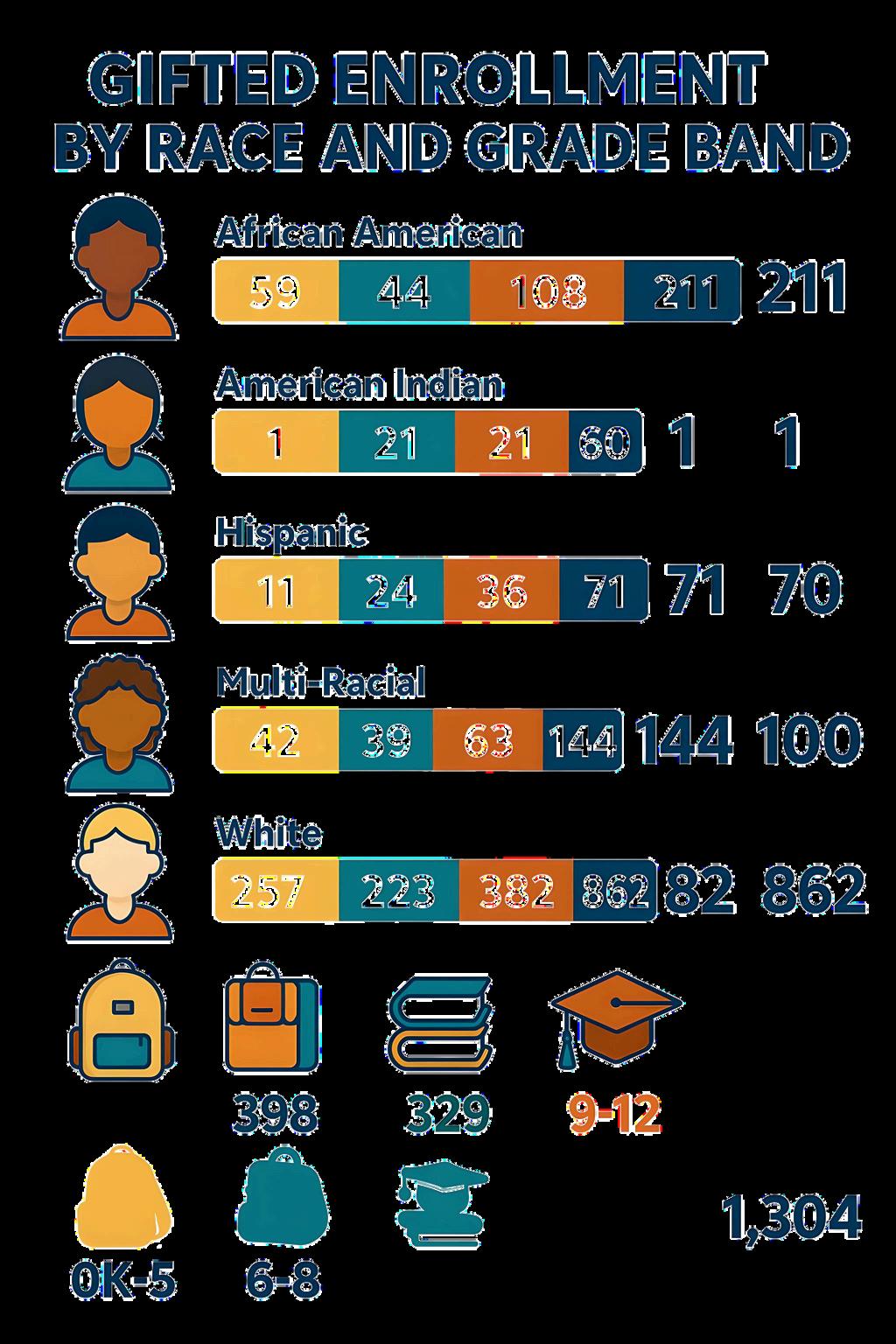
Currently, 65% of the District’s K-8 gifted students are clustered in just 8 out of 46 schools By expanding gifted services to every school, PPS can ensure that more students across Pittsburgh have access to the enrichment and support they deserve close to home, every day
Gifted Enrollment by Race and Grade Band
Transition planning to expand and strengthen services for high-achieving students is underway to bring gifted education directly into all schools. Under the proposed transition plan, students will be able to receive targeted enrichment, advanced coursework, and individualized support within their home schools helping them stay connected to their school communities while continuing to be challenged and nurtured academically
Gifted and talented students are found in every community regardless of race, income, ability, language, or background The District is committed to ensuring that all students have equitable access to identification, high-quality programming, and the resources they need to thrive As part of the Facilities Utilization Plan, gifted services will be expanded to support a more inclusive and accessible educational experience. By placing specialized programs and resources across schools and regions, this approach creates more opportunities for students to develop their talents and achieve excellence. The following outlines the proposed model for students in K–5 and 6–8 schools
Dedicated Gifted and Talented Educators would deliver pull-out enrichment services at each school, focusing on the top 10% of students identified through a Multi-Tiered System of Supports (MTSS) model.
Educators would collaborate with classroom teachers, track students’ academic progress, complete Gifted Individualized Education Plans (GIEPs), and offer enrichment experiences. A dedicated position would oversee compliance with state mandates and support schools by organizing Gifted Multidisciplinary Evaluation (GMDE) meetings for students needing specially designed instruction.
Gifted and Talented Educators would continue to provide pull-out enrichment services, support GIEP development, and work closely with teachers to ensure students stay on track. Advanced coursework such as Algebra 1 and Geometry would be available at home schools and/or through online learning options. Students would also have opportunities to participate in academic competitions and enrichment activities to deepen engagement and foster academic risk-taking.
Planned cross-curricular units would offer enrichment through hands-on, interdisciplinary projects at students’ home schools These opportunities would strengthen critical skills like creativity, collaboration, and problem-solving, while supporting differentiated learning and peer interaction across grade levels
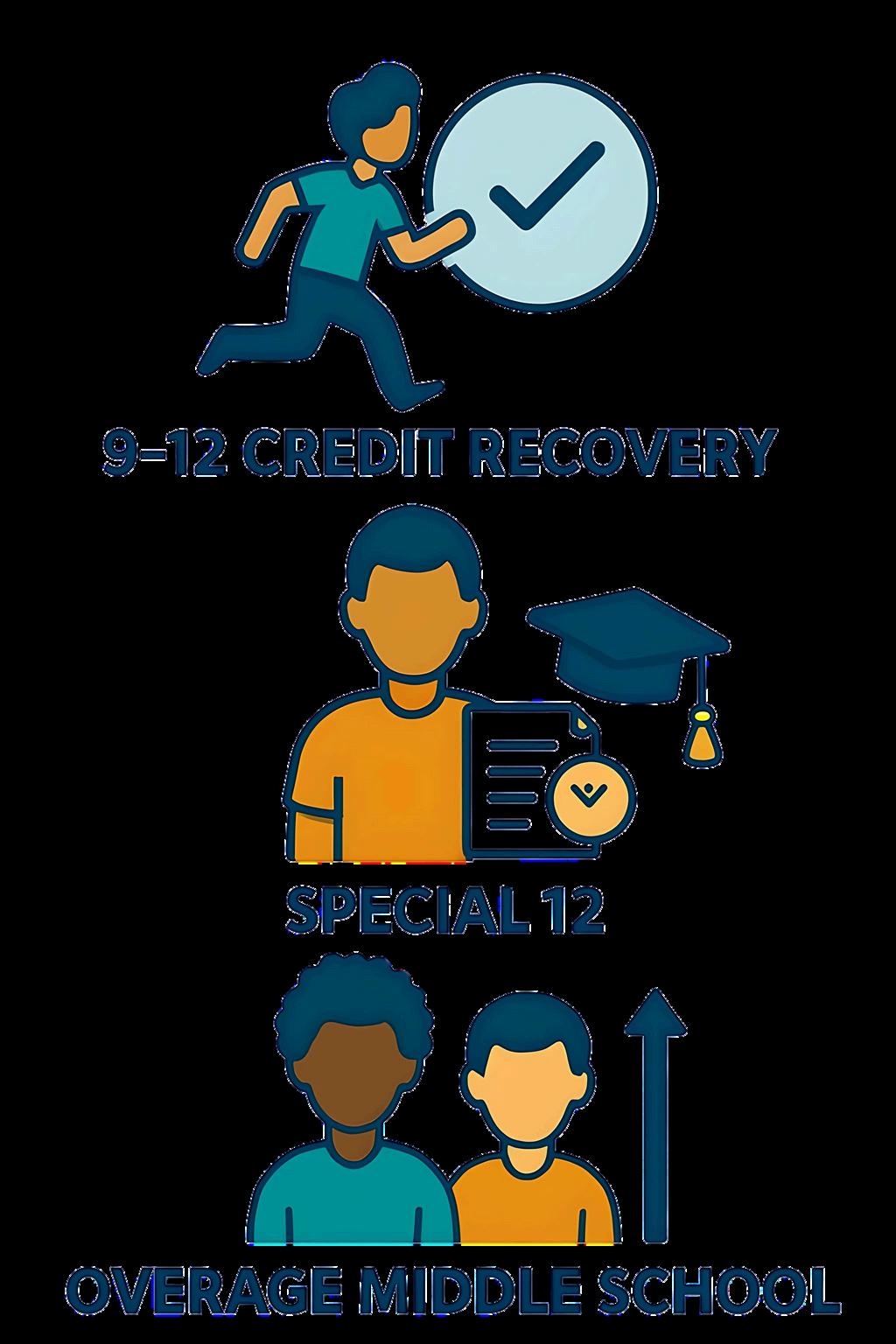
nt Achievement Center (SAC) serves three groups of
Credit Recovery students working to regain course dits
cial 12 students needing additional support to mplete graduation requirements rage Middle School students who are older than the cal age for their grade level
While the SAC has provided critical support, the current credit recovery model often requires students to transfer away from their home schools, leading to disruptions in their educational experience and a loss of connection to their school communities
There is growing recognition of the need for a more progressive, studentcentered approach to credit recovery that keeps students engaged and supported within their home school environments. Keeping students connected to their home schools promotes a sense of belonging, strengthens academic engagement, and improves student outcomes.
Stronger School Connections: Maintaining students’ ties to their home schools to support consistent academic progress and social engagement
Flexible Credit Recovery Options: Expanding credit recovery opportunities within home schools to reduce disruption and better meet individual student needs.
Expanded Alternative Education Pathways: Offering a range of services and supports to help students stay on track for graduation through individualized plans and accelerated coursework options.
Improved Student Retention: Strengthening alternative education programming to reduce student departures to external providers, such as charter schools.
Through the Facilities Utilization Plan and future program enhancements, Pittsburgh Public Schools is building a more inclusive, flexible, and supportive alternative education system, ensuring all students have the opportunity to stay connected, succeed academically, and graduate prepared for their next steps.
Magnet schools have long been a valued part of Pittsburgh Public Schools, offering students opportunities to explore their interests and talents At the same time, feedback from families across the District has raised concerns that magnet programs can unintentionally deepen inequities between schools.
To address these concerns while preserving the strengths of magnet programming, several updates have been proposed following recommendations presented by Education Resource Strategies (ERS) this fall:
Magnet programs will primarily be offered at the middle (grades 6–8) and high school (grades 9–12) levels, where students are beginning to explore future academic and career pathways in greater depth.
Pittsburgh Allegheny PreK–5, Dilworth PreK–5, and Liberty K–5 will transition to neighborhood schools. This transition will allow families residing nearby to be guaranteed a seat, fostering stronger neighborhood connections
The partial magnet program at Pittsburgh Phillips will also conclude.
Due to its nationally recognized Montessori model featuring multi-age classrooms, self-directed learning, and Montessori-certified staff, Pittsburgh Montessori PreK–5 will continue operating as a specialized K–5 magnet school
Neighborhood magnets offer specialized programming while also guaranteeing access for neighborhood students Unlike partial magnets, neighborhood magnets ensure consistent access to programming for all students within the attendance boundary and from across the city
Proposed neighborhood magnets include:
Arsenal 6–8 (existing building)
Obama 9–12 (existing building)
SciTech 6–8 (to relocate to the Milliones building)
SciTech 9–12 (existing building)
Pittsburgh CAPA 6–12 will remain the District’s only full 6–12 magnet program. CAPA’s nationally recognized curriculum integrates academic rigor with world-class training in dance, instrumental music, literary arts, piano, production technology, theater, visual arts, and vocal music.
Current partial magnet programs and Career and Technical Education (CTE) offerings at high schools throughout the District will continue to operate.
Additional magnet programs are recommended for:
Pittsburgh Carrick High School
Pittsburgh Westinghouse Academy
Alongside these changes, additional reviews are underway to strengthen fairness and accessibility within magnet programs. Areas under review include lottery weights, eligibility criteria at the time of application, and rescission policies These updates aim to maintain diverse, high-quality learning opportunities while ensuring greater equity across Pittsburgh Public Schools.
English Learners (ELs) represent one of the fastest-growing student populations within Pittsburgh Public Schools (PPS) Currently, PPS serves 2,044 EL students, making up approximately 11% of the District’s total enrollment. Over the past three school years, the number of EL students has increased by 48%, growing from 1,214 to 1,798 based on October 1, 2024 data
Total English Language Learners in the District through the Years
This growth mirrors broader demographic shifts across the city of Pittsburgh and Allegheny County According to reports from Axios Pittsburgh and the Pittsburgh Post-Gazette, the greater Pittsburgh region welcomed 10,000 new immigrants between 2023 and 2024 Within PPS, English Learners represent a vibrant and diverse group, speaking 59 different languages The five most common languages spoken by PPS EL students are Spanish (39%), Swahili (11%), Arabic (8%), Uzbek (5%), and Pashto (5%)
Enrollment trends show that English Learners are remaining within Pittsburgh Public Schools at similar rates to non-EL students over multiple years, highlighting the importance of strengthening services for this growing population
As part of the recommendations developed by District consultant Education Resource Strategies (ERS), Pittsburgh Public Schools would expand the number of English Language Development (ELD) Centers from 11 to 15. This expansion is designed to provide greater access to high-quality, targeted instruction for multilingual learners across the District.
A review of current enrollment patterns shows that while the number of English Learners continues to grow across many areas of the city, the existing ELD Regional Centers no longer adequately reflect where EL students reside. Increasingly, EL students are enrolling in neighborhood schools that do not have designated ELD Centers In these cases, travelling ELD teachers are assigned to multiple schools sometimes serving more than 15 students at varying levels of English proficiency across different locations.
Expanding the number of ELD Regional Centers will help address these challenges by:
Improving Student Support: Offering more consistent and comprehensive ELD services within students' home neighborhoods. Strengthening Family-School Connections: Reducing travel distances and promoting stronger ties between families and their local school communities
Enhancing Instruction: Reducing the reliance on travelling ELD teachers and allowing students to benefit from dedicated, full-time ELD programming within their school building
The chart below outlines the proposed expansion, increasing the number of ELD Centers from 11 to 17.
Location indicated with is a new ELD Center.

This strategic increase ensures that more students can attend schools with dedicated ELD programming within or closer to their home neighborhoods, reducing travel time and fostering stronger connections between students, families, and their school communities
To truly transform student outcomes, we must invest in the people who make learning possible - our educators and staff. That’s why the District is proposing the creation of three dedicated Teacher Centers, one each for elementary (K–5), middle (6–8), and high school (9–12), designed to serve as hubs for professional growth, collaboration, and innovation.
At the heart of each center will be six-week immersive learning cycles, where teachers engage in hands-on, job-embedded coaching led by an accomplished educator with deep expertise in instruction, planning, and adult learning. These cycles go beyond traditional professional development by providing sustained, personalized support that accelerates teacher growth and translates directly into stronger classroom instruction and better outcomes for students
But the impact will not stop with teachers. Non-professional staff will also benefit from the resources offered at the Teacher Centers, including training in effective use of technology and access to coaching that enhances daily productivity and performance.
These centers represent a powerful shift in how the District supports and uplifts our school communities. By investing in its people, PPS will be investing in the future of every student.
Teachers participating in the Teacher Centers will engage in personalized coaching, lesson modeling, and collaborative lesson development to deepen their practice and build confidence in delivering high-quality instruction. As a result, students will benefit from stronger, more engaging classroom experiences that support deeper learning and better outcomes Schools, in turn, gain instructional leaders who bring their learning back to their communities, fostering a culture of continuous improvement.
The Teacher Centers will support the implementation of effective professional learning by providing the following experiences for adult learners:
Authors: Linda Darling-Hammond, Maria E Hyler, Madelyn Gardner Published by: Learning Policy Institute, June 2017 newdocs opendeved net
SIX WEEKS

The District is committed to supporting impacted teaching professionals and all staff through transitions due to consolidations and reconfigurations. Pittsburgh Public Schools has multiple collective bargaining agreements that guide staffing changes such as voluntary/involuntary transfers and reductions in force. As the District moves forward with school closures, consolidations, and other organizational changes, the Office of Human Resources will work closely with bargaining unit leaders to ensure that all staffing actions align with contractual obligations Where existing language does not apply, Memoranda of Understanding (MOUs) will be developed to support smooth and equitable transitions for staff.
To minimize employment disruptions and involuntary movement, every effort will be made to place impacted staff into available vacancies with minimal moves. This streamlined approach is designed to meet key staffing deadlines, including the August 1 timeline for teaching and other professional roles. As new grade configurations and academic programs take shape, staffing needs particularly for specialized certifications will become clearer. The District will implement targeted recruitment strategies in collaboration with academic content leaders to fill identified vacancies
Over the past four academic years, the District has had an average teacher vacancy rate of 45 positions at the start of the school year During the annual staffing adjustment process on October 1 each year, that number has varied only slightly, with the 4-year average teacher vacancy rate of 43 positions. ,
NEXTPAGE: VACANCYANDSTAFFINGADJUSTMENTCHART
While the sequence of staffing movements and reassignments are unfolding for positions impacted by school reconfiguration, it is very likely that vacancies occur in various positions through voluntary resignation and retirement across the District Within the Pittsburgh Federation of Teachers (PFT) Professionals unit alone there are 228 employees eligible for retirement effective 8/31/2025. Currently, there are 19 retirements slated for the end of this school year. These numbers are not staggering but are indicative of constantly changing workplace staffing challenges
Timing is a critical factor in managing staff transitions. Human Resources will require clear timelines for school closures and changes to staffing structures This will ensure alignment with annual transfer processes or allow for adjustments that are clearly communicated and understood by all impacted employees across bargaining units and roles.
As assignments are finalized, all transitioning staff will be supported through a comprehensive onboarding and transition plan. Whether a veteran employee or new to a role, individuals moving into new work environments will benefit from guidance on school culture, expectations, and available resources. A thoughtful, supportive transition process is essential to setting staff up for success in the new school year.
How we use our buildings reflects how we value student opportunity.
By aligning space, enrollment, and investment with academic goals, we can turn underutilized facilities into engines of access and opportunity, efficiency, and excellence. This section explores how building utilization is not just a facilities issue it’s a lever for systemwide transformation
Every square foot should work just as hard as every student and educator inside it.
By aligning space, enrollment, and investment with academic goals, we can turn underutilized facilities into engines of access, opportunity, efficiency, and excellence. This section explores how building utilization is not simply a facilities issue it is a strategic lever for system-wide transformation that impacts equity, instructional quality, and long-term sustainability. This section answers key questions at the heart of the Board’s inquiry:
Are our current capital investments sufficient to create modern, future-ready learning environments for students and staff?
What are the projected cost savings for suggested school closures?
How will updating learning environments provide more opportunities for student achievement?
How are we measuring the appropriate student capacity for each building?
What capital investments are needed to ensure that remaining schools are modern, safe, and capable of supporting 21st-century learning?
How can we prioritize those investments in a way that advances equity and maximizes return for students and communities?
By addressing these questions, we outline a path toward a more efficient, student-centered, and fiscally responsible district footprint one that supports high-quality learning experiences for every child, in every neighborhood.
As Pittsburgh Public Schools explores capital investments aligned with the Facilities Utilization Plan, it is essential to communicate a clear and transparent narrative one that acknowledges the current 7-Year Capital Plan is primarily centered on major maintenance, rather than modernization or educational enhancements.
Currently, capital investments are focused on addressing critical infrastructure concerns that directly affect the health, safety, and comfort of students and staff. These include failing boilers, leaking roofs, outdated electrical systems, and aging HVAC units repairs necessary to keep schools operational. While essential, these efforts are not transformational in nature.
Access to air-conditioned classrooms highlights the intersection of equity and urgent maintenance. Significant disparities exist in the availability of temperature-controlled learning environments across the District. Over the next seven years, measurable outcomes should reflect:
The expansion of air conditioning access
The students and campuses that have benefited Outstanding needs and remaining gaps
Reductions in heat-related closures and improvements in indoor air quality
This work is not about constructing new buildings, but rather about ensuring that all students can learn in safe, dry, and climate-controlled environments.
AIR-CONDITIONING
AFTER RECONFIGURATION and 7-year capital plan: SCHOOL BUILDINGS WITH AIR-CONDITIONING
The current capital strategy is largely composed of necessary but incremental repairs roofs, HVAC systems, plumbing rather than comprehensive upgrades. These investments sustain basic building functionality, but fall short of delivering modernized, future-ready learning environments. As a result, students and staff remain in facilities that meet minimum operational standards rather than the evolving demands of 21stcentury education
If the District proceeds with proposed school closures and consolidations, there is an opportunity to reallocate resources from basic upkeep to modernization. Reducing the number of underutilized facilities would enable deeper investment in remaining schools
This strategic shift would support:
Renovation and reimagining of classrooms to foster collaboration and innovation
Expanded access to air conditioning and updated infrastructure
Creation of flexible, technology-enabled spaces that support personalized learning
Equitable access to facilities intentionally designed for current and future educational needs
The District currently invests approximately $40 million annually in maintaining the basic upkeep of all school buildings. Under the Facilities
Utilization Plan, the strategic consolidation of underutilized schools will allow these limited capital resources to be reallocated toward significant upgrades in the remaining facilities
The chart on the next page details the savings that can be realized in the capital plan through strategic consolidation of underutilized facilities:
As part of the Facilities Utilization Plan, we are not only evaluating how to better align our buildings with enrollment trends and instructional needs but also identifying opportunities to reinvest in the learning environment itself
Our goal is to ensure every student has access to safe, modern, and engaging spaces that support their academic and social development To do so, we will use savings generated from school consolidations and operational efficiencies to fund the following improvements:
Building Refreshes & Room Upgrades: Targeted investments in physical infrastructure will help us modernize classrooms, address deferred maintenance, and refresh aging spaces to support 21st-century learning.
Classroom Modernization: Learning spaces will be outfitted with updated furnishings and technology to promote flexible, studentcentered instruction
Expanding Classroom Spaces: Renovations will be designed to optimize room usage and accommodate growing student populations where needed
Specialized Learning Areas: We will invest in purpose-built spaces for music, science, visual arts, and gifted education to ensure students have access to a full and enriching curriculum.
Improving Accessibility: Several of the buildings proposed for closure are among the least accessible in the District. By shifting students to more accessible campuses, we can better meet the needs of all learners especially those with mobility challenges or specialized support needs
These updates represent a shift toward greater equity in educational spaces and will help ensure that all students learn in environments designed for excellence
Functional capacity refers to how many students a building can support for general classroom use but it does not include specialized rooms like Art, Science, or Music That does not mean those rooms cannot be used as homerooms; they are just not counted in the standard calculation method the District has followed since 2008.
Focused on creating better learning environments for all students, the Leadership Team guided by community input created a “wish list” of specialized classrooms for elementary and middle schools to support stronger educational programming The District’s Operations Team then used that list to explore how these ideas could work in each school building
To keep families informed, early draft documents were shared publicly, even though they were not final. Since then, the Leadership Team has updated and refined its list of priorities for specialized classrooms based on further planning and feedback.
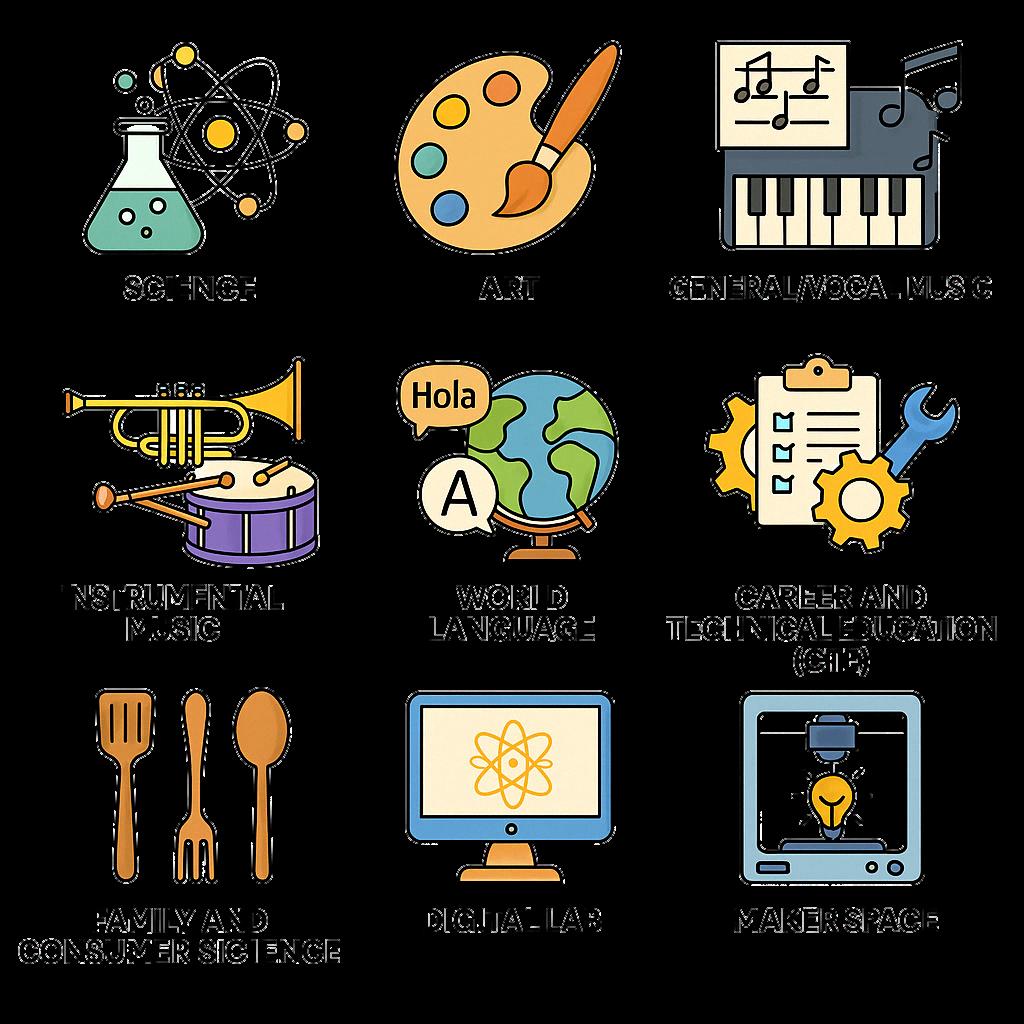
At the middle school level, these spaces include:
This equates to seven rooms desired at the middle school level to support the District’s vision for modern educational programming.
Functional Capacity is the total number of students a school can hold, based only o t d d l not specialized ro ence.
Each window = one classroom

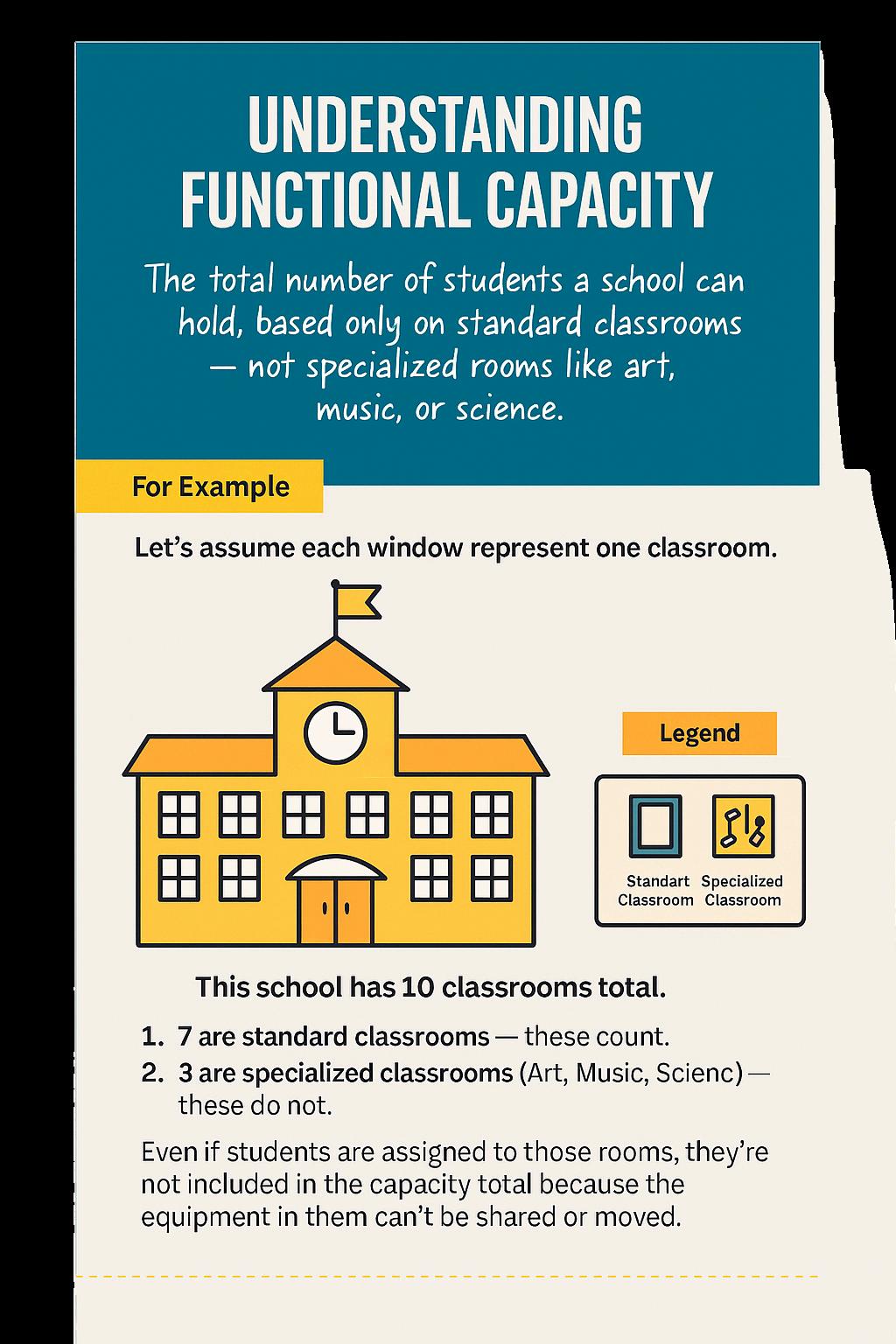
This school has 10 classrooms total: 7 Standard Classrooms | 3 Specialized (Art, Music, Science) Classrooms
Even if students are assigned to Art, Music, or Science rooms, they are not included in the functional capacity total because specialized rooms have equipment that can’t be shared or moved.
Under the ERS model, Sterrett's enrollment is projected to increase from 183 to 379 students With a middle school classroom capacity of 28 students per room, this equates to a need for 14 classrooms. An additional three rooms are required for Special Education services, bringing the total to 17.
Sterrett currently has 21 full-sized classrooms, making this plan feasible with four rooms to spare. However, incorporating all seven specialized spaces would leave a shortfall of 3 rooms. This challenge is common across our older buildings, many of which are nearly 90 years old and require modernization to meet current educational needs
Our models compare actual capacity to the most desirable conditions, recognizing that not every school will have all specialized spaces. Similarly, while an ideal middle school would include an outdoor field, auditorium, and pool, budget and site constraints make this impractical in every location.
This analysis does not suggest that capacity is infeasible but highlights locations where adjustments may be needed. To address these needs, we must consider various capital investment strategies, including:
1 Using specialized classrooms (Science, Art, Music, Gymnasium, etc) as homerooms in capacity calculations
2. Combining or repurposing spaces (e.g., repurposing the Computer Lab to the Maker Space) to maximize efficiency
3. Placing specialized Special Education, Early Childhood, and ESL programs in schools that offer available space and closer proximity to the students they serve.
4. Constructing building additions (e.g., Northview proposal)
5 Keeping an additional building open to ease building enrollment (eg, Roosevelt proposal)
6. Adjusting attendance zones


including Specialized Classrooms
Although Sterrett has several classrooms designated for specialized subjects (like Art or Gym), all instructional spaces can bescheduled flexiblythroughout theday. This means classrooms can serve multiple purposes, such as homeroom, core classes, or enrichment sessions.
Sterrett’s building capacity includes morethan enough fullsized classrooms to meet the needs of projected enrollment even when accounting for specialized instruction.
Functional capacity is a planning metric and does not limit how classrooms are used throughout the school day.
At Sterrett, all instructional spaces including specialized rooms can be used for homerooms or general instruction as needed The school has theflexibility and space required to meet projected student enrollment.
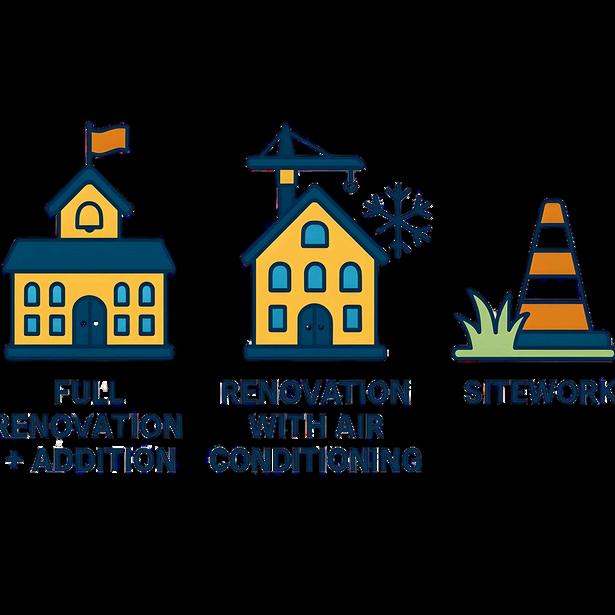
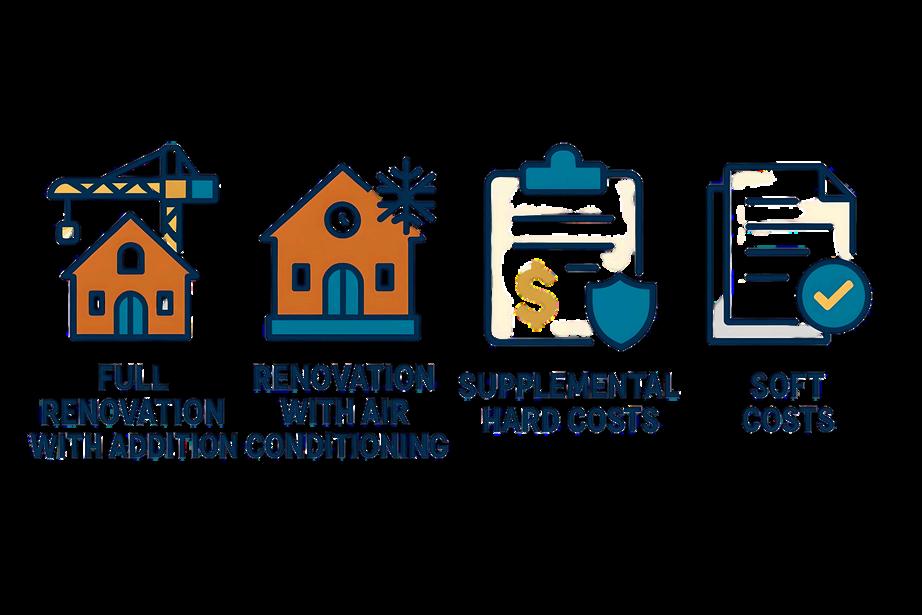
The plan directs savings from school consolidations into major capital improvements that modernize learning environments across the District These investments are designed to ensure every school supports high-quality instruction and equitable access to resources.
The District aims to modernize all of its schools with updated with modern furniture, finishes, and integrated technology to enhance flexibility, comfort, and engagement creating spaces that reflect the demands of 21st-century teaching and learning.
Strategic renovations will optimize building layouts to better accommodate enrollment, improve room configurations, and enhance the overall learning experience specializedlearningareas
Dedicated rooms for science, music, art, gifted education, and career exploration will be expanded and upgraded to ensure all students benefit from hands-on, inquirydriven learning.
Three of the buildings-- Friendship, Morrow Primary, and Student Achievement Center - proposed for closure are among the least accessible in the District’s portfolio Investments will prioritize facilities that meet ADA standards and are geographically closer to the students they serve.


Transportation is foundational to access— not just a way to get to school.
Transportation plays a critical role in how students access learning. From eligibility criteria to strategic cost reductions, the following pages highlight how Pittsburgh Public Schools is reimagining transportation systems to improve efficiency, ensure student safety, and reinvest resources where they matter most.
Every mile we and a dolla reinvest in ou learning, wel future.
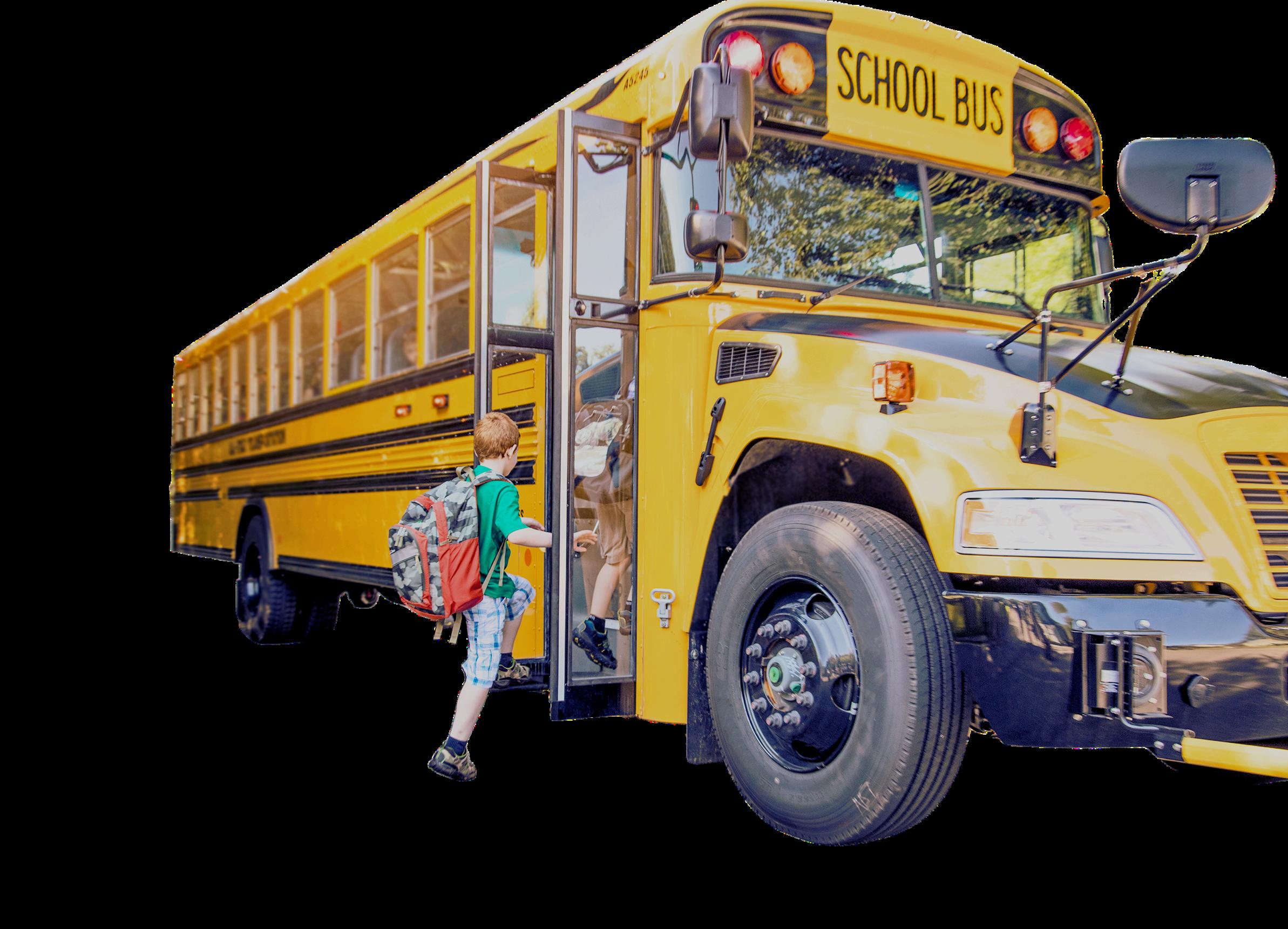
Transportation plays a critical role in how students access learning and how equitably they experience it. From eligibility criteria to operational costs, this section examines how Pittsburgh Public Schools is reimagining its transportation systems to improve efficiency, ensure student safety, and reinvest resources where they matter most. This section addresses several guiding questions central to the Board’s review:
Should this plan move forward, how would student transportation be impacted across the District?
How is the District preparing for potential public transit service changes that could affect student transportation? How will shifting from elementary magnet programs to a neighborhood schools model impact transportation efficiency and costs?
What are the financial implications of transporting students to specialized programs, and how could program redesign reduce costs while improving access?
What infrastructure or vendor capacity constraints must be addressed to ensure the feasibility of these transportation changes?
By answering these questions, this section connects facility and program decisions to the daily lived experience of students and families highlighting how transportation can serve not only as a logistical service, but as a lever for access, equity, and operational sustainability.
As part of the Facilities Utilization Plan, Pittsburgh Public Schools is adopting a more strategic, student-centered approach to transportation By reducing its reliance on costly, cross-city travel for specialized programs such as gifted education and widespread magnet offerings - it can redirect significant resources back into neighborhood schools and classrooms.
The proposed closure of the standalone gifted center and the consolidation of select magnet programs will enable more efficient, zone-based student placement. This shift is expected to significantly reduce the need for longdistance bus routes, generating an estimated $5.5 million in annual transportation savings.
Final cost savings will depend on the determination of new attendance zones and bell schedules. These elements are essential for refining transportation needs and may further enhance both service delivery and cost-efficiency. Ongoing planning efforts will provide the data needed to confirm the financial benefits and ensure alignment with the District’s long-term goals
Across city streets and neighborhoods, Pittsburgh Public Schools moves more than 17,000 students daily connecting education to every corner of our community.
Importantly, this shift also promotes equity by bringing high-quality educational opportunities closer to students' homes By minimizing lengthy commutes, the District can improve attendance, reduce student fatigue, and support greater engagement in learning. While the financial savings are substantial, the true value lies in reinvesting in students’ time, well-being, and educational experience Transportation will continue to serve as a vital link to learning, and these changes reflect PPS’s commitment to operational efficiency, fiscal responsibility, and equitable access for all students across Pittsburgh
Kindergarten through 8th grade students qualify for transportation if they reside more than 15 miles from their school, as per Pennsylvania state law In addition, students may qualify for transportation if they live within 1.5 miles but are determined to be on a hazardous route. Hazardous routes may include, but are not limited to, areas with unsafe road conditions, high traffic volumes, or lack of sidewalks, as determined by PennDOT.
Grades 9-12 students qualify for transportation if they live more than 2 miles away, in accordance with state regulations. Similarly, students in this grade range may qualify for transportation if their route is deemed hazardous
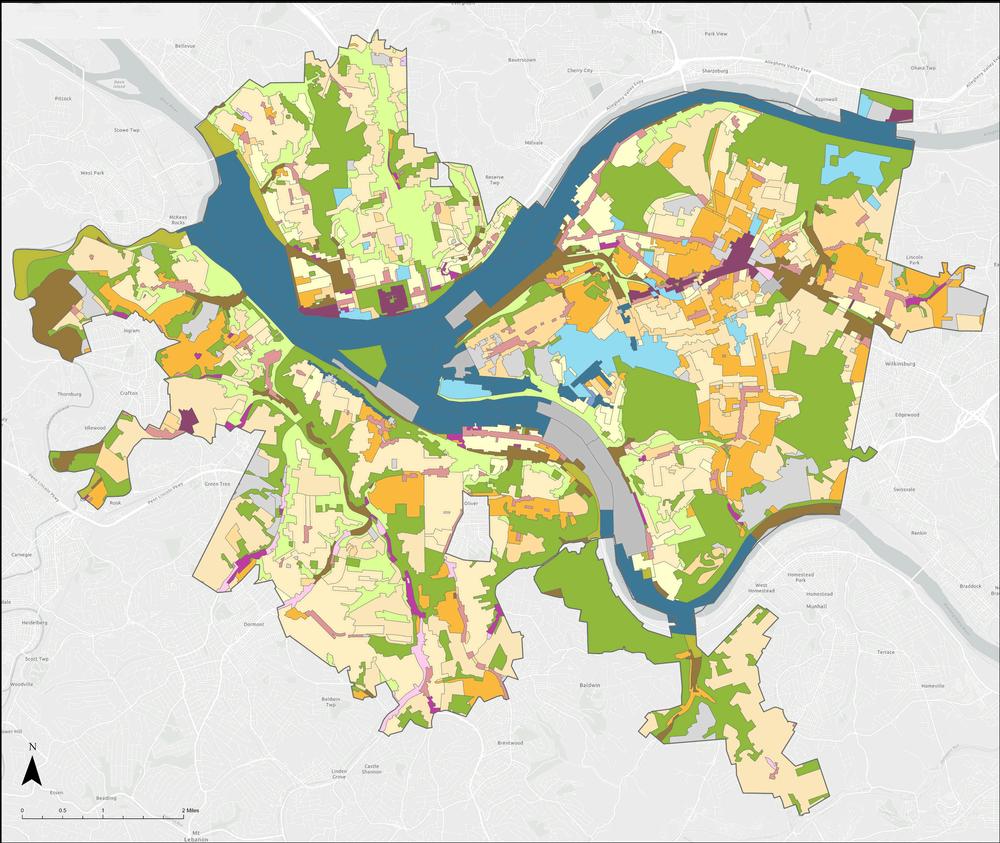
PRT is the primary transportation provider for students in grades 6-12, contingent upon the system’scapacity and accessibility.
Distance is measured from the nearest private road connection to a public road at the school
This ensures distance-based eligibility is applied fairly and consistently across all students
Pittsburgh Public Schools’ Pupil Transportation Department is actively working with Pittsburgh Regional Transit (PRT) to stay ahead of potential service changes that may impact student travel. By maintaining regular communication with PRT, Pupil Transportation receives advance notice of any proposed route modifications, allowing it to proactively develop transportation solutions that minimize disruption.
In the event of route reductions or eliminations, PRT continues to offer alternative travel options that students may be able to access. To support continuity of service, the District has implemented interim strategies, including:
Rerouting Students: Identifying nearby bus stops or transit connections to minimize impact on student commutes
Alternate Transportation Options: Leveraging school-based or third-party transportation resources when necessary
Ongoing Coordination with PRT: Maintaining clear and timely communication to manage changes and mitigate any adverse effects.
These efforts are designed to ensure students continue to have reliable access to school during PRT’s transition period
Should PRT implement more significant service cuts, the District is prepared to respond with the following strategies:
Proactive Communication: Sharing transportation data with PRT to help inform their planning and advocate for student needs.
Timely Family Notifications: Providing parents and guardians with prompt updates about changes and available alternatives.
Flexible Routing Solutions: Exploring substitute routes and optimizing existing transportation services to maintain access.
Student-Centered Planning: Prioritizing student safety, consistency, and convenience in all adjustments made
By closely monitoring transit developments and planning accordingly, Pittsburgh Public Schools is committed to ensuring all students have uninterrupted, dependable transportation to and from school.
To efficiently route students onto school transportation vehicles, we employ a structured approach that incorporates key data points and operational tools. The following elements are integral to this process:
Student Information: Address, grade level, and transportation eligibility
School Locations: Understanding geographic placement and designated attendance zones
Attendance Zones: Defining transportation eligibility based on District boundaries.
Transportation Fleet: Availability and deployment of school buses and other vehicles.
Route Optimization Software: Utilizing technology to enhance efficiency and minimize travel time.
Traffic and Infrastructure Data: Factoring in road conditions, congestion, and safety considerations
Regulatory Compliance: Adhering to district and state transportation policies.
Parent and Guardian Communication: Ensuring families receive timely updates on transportation changes.
Staffing Information: Managing personnel resources to support transportation operations
Transitioning from elementary magnet programs to a neighborhood schools model presents an opportunity for significant transportation savings across the District As more students attend schools closer to home, the District anticipates an increase in the number of student walkers, reducing the reliance on bus transportation. Additionally, this shift enables the District to implement a more efficient, tiered routing structure within defined regions, allowing for better utilization of available buses, reduced fuel and maintenance costs, and improved on-time performance These savings can be reinvested into classroom instruction, enrichment opportunities, and critical student supports.
Let’s compare 2 current K-5 scenarios.
Neighborhood schools keep students close, minimize transportation costs, and strengthen communities Magnet schools require high-cost, long-distance transportation, leading to fragmented neighborhoods and rising expenses

The proposed school closures, consolidations, and grade configuration changes are expected to contribute to a reduction in transportation costs. As part of the District’s analysis of transportation-related savings under the proposed Facilities Utilization Plan, transportation for students assigned to the standalone gifted center and select magnet schools was reviewed
$316,800.00 $5,156,325.00 $5.473M
$5,156,325.00
These figures highlight the significant costs associated with transporting students across the city to access specialized programs. Redesigning program placement to prioritize proximity and zone-based access can lead to substantial savings, while also enhancing the student experience and improving operational efficiency
Specifically, the closure of the Gifted Center and the elimination of most elementary magnet programs could result in an estimated $55 million in savings However, this estimate does not account for the additional costs that may be incurred to transport former magnet students to their new school assignments.
Additional cost-saving measures and revenue enhancements will still be necessary to achieve long-term financial stability
A strong financial outlook is essential to supporting the District’s mission: to prepare all children to achieve academic excellence and develop the strength of character needed to thrive in every aspect of life. Long-term financial stability allows the District to invest in the structures, staff, and supports that make high-quality learning possible. This includes creating strong foundational K–5 schools, developmentally responsive middle schools, and high schools that equip students for success in college, career, and life. By aligning financial resources with educational priorities, the District can ensure every student has access to the opportunities they need to reach their full potential.
Financial strength empowers every child to dream, grow, and achieve.

Understanding the financial implications of these recommendations is essential to making informed, responsible decisions that serve both students and the longterm fiscal health of the District. This section provides a high-level analysis of potential cost savings, investment requirements, and areas for reinvestment tied to the reconfiguration, closure, and expansion of schools and programs It responds to critical questions raised by the Board and stakeholders:
What is the estimated range of annual cost savings from the proposed school closures and reconfigurations?
What is the financial urgency behind these recommendations, and how can the proposed changes help stabilize the District’s budget while reinvesting in student experience?
What are the estimated financial impacts of various implementation scenarios, and how do they support the District’s goal of expanding access to high-quality, equitable learning environments?
What are the District’s plans for managing and repurposing closed school facilities, and how will these closures impact operational costs and future asset use?
How can these financial shifts create opportunities to reinvest in instructional quality, student experience, or school safety?
This financial analysis reinforces the case for thoughtful change not simply to reduce expenses, but to strategically reinvest in the conditions that matter most for student success
A
Pittsburgh Public Schools (PPS) is committed to ensuring that all students no matter where they live have access to the high-quality education they deserve.
While the recommendations from Education Resource Strategies (ERS) included estimated cost reductions as included in the initial Feasibility Report, the District has since been tasked with conducting a more detailed financial assessment to evaluate the full impact of those recommendations This assessment outlines a range of scenarios to identify cost-saving opportunities and includes a review of school-level budgets, custodial services, utilities, building maintenance, and capital improvements
Over the past decade, PPS has faced operating deficits in seven of the last ten years. The District is once again projecting a deficit for 2025 estimated at $281 million Without meaningful changes, these recurring structural deficits will deplete the District’s financial reserves by 2027.
While the proposed changes will not fully resolve the financial challenges, they are designed to ease the strain and allow the District to redirect resources toward enriching student experiences such as art, music, physical education, world languages, and career exploration.
The proposed facility closures are designed to reduce operating costs and better allocate resources across the District. While we recognize these changes may impact community accessibility, they are intended to support long-term sustainability and improve student experiences Staffing decisions have not yet been finalized, but future reassignments will focus on increasing operational efficiency and supporting student learning
One of the key academic shifts in the plan is the elimination of doubleblocked instructional time in core subjects like Math and English Language Arts in grades 6–8. Past student achievement results show that extended class time did not lead to significant academic gains By shifting to a more balanced schedule, the plan aims to provide a well-rounded curriculum that includes access to Art, Music, Physical Education, World Languages, and Career Exposure, especially in middle schools.
Reducing the number of aging buildings will also ease the District’s maintenance burden, allowing us to concentrate resources in fewer, betterequipped schools. This includes prioritizing air conditioning upgrades to minimize weather-related disruptions to learning
These changes are rooted in increasing access and opportunity. The plan ensures that all K–5 and 6–8 schools will have full-time Art, Music, and PE teachers and that students will benefit from improved teacher scheduling and access to specialized programs, such as World Language.
The current budget for all 50 schools in the 2025–26 school year is $228,437,559. The options provided below compare projected annual costs under different scenarios to this baseline. Because actual enrollment numbers by grade and school were not yet available during the analysis, we assumed students would be evenly distributed across grade levels in each school These estimates will be refined once final enrollment data is confirmed.
Each scenario reflects the estimated cost of implementing the proposed plan, with two of the three scenarios including changes to the current service delivery model. All are focused on improving access to high-quality instruction in modern, safe, and equitable learning environments.
All scenarios listed above do not include estimated savings from closing the Gifted Center and the Student Achievement Center.
The three proposed teacher centers are projected to cost $2,076,948 annually to operate. This estimate is based on a staffing model that includes a cohort of five teachers per center who work a reduced schedule Cohort members will be backfilled by building-based substitutes to maintain classroom coverage.
The chart below outlines the projected annual cost reductions, excluding transportation, associated with various budgetary adjustments resulting from the Facilities Utilization Plan. Key savings include a $7.69 million reduction in school-based budgets and $358,481 in utility savings These savings are strategically reinvested to support teaching and learning, including additional literacy coaches (approximately $3.6 million) and the development of Teacher Centers ($2 million) to strengthen professional development and instructional support. After accounting for these investments, the net annual cost reduction totals approximately $2.4 million.
For any buildings that are closed, all usable supplies such as furniture, IT equipment, and textbooks will be repurposed for use in other schools or auctioned off. Utility usage will be scaled back to the minimum levels necessary to protect the buildings, and custodial coverage will be reduced accordingly. If a building is not slated for future use by the District, desirable equipment and materials will be redistributed before the property is listed for sale
In 2024, the 10 facilities identified for closure had a combined utility cost of $638,347
If the proposed closures move forward, the District estimates a utility cost reduction of approximately $358,481 representing a 3% decrease from the projected 2025 utilities budget, based on 2024 usage. This estimate is based on an 80% reduction in water, sewage, and electricity usage, and a 10% reduction in gas and steam usage for the closed buildings.
The District currently maintains four closed school facilities: Knoxville, Northview, Bon Air, Fort Pitt, with Knoxville currently serving as a storage site. Renovations are recommended at Northview to support a new PreK-5 school on the North Side. If the proposed plan is approved, the total number of closed facilities will increase to 12
The closure of school buildings will result in reduced utility and custodial costs. Valuable assets such as furniture, IT equipment, and textbooks will be repurposed for use in other schools. For buildings not slated for repurposing, the District will prepare them for sale or other uses once they are cleared
In accordance with Board Policy No. 814 and the Pennsylvania School Code, any building disposition will follow established procedures Upon the closure of the 10 additional facilities, the District will engage a real estate firm to assess the value of, market, and manage the sale of these properties. The District will also collaborate with the Urban Redevelopment Authority and other local government entities to explore opportunities for reuse or redevelopment of these buildings
PHASE TWO PHASE THREE
Any proceeds from ital improvements or pa ania School Code.
When a school building is sold, the proceeds can only be used for two purposes:
Proceeds cannot be used for salaries, programs, or other operational costs
A strong school district begins with a strong partnership between schools, families, and the community Community engagement is essential to executing a plan that reflects shared values, meets the diverse needs of students, and builds trust through transparency. By listening to and working alongside families, staff, and community members, Pittsburgh Public Schools can ensure the Facilities Utilization Plan not only addresses current challenges, but also lays the foundat

Throughout this process, Pittsburgh Public Schools has remained committed to listening, learning, and leading with transparency Community engagement has played a central role in shaping this updated feasibility report from public hearings and town halls to direct feedback from families, staff, and students. This section outlines how the District has elevated stakeholder voice and how that input continues to inform both the recommendations and the process by which they are implemented. This section answers several key questions:
How will the District keep families and staff informed and engaged throughout the implementation of the Facilities Utilization Plan? How did the District engage stakeholders following the release of the initial feasibility report? What themes emerged from community feedback, and how were they incorporated into the updated recommendations?
How will PPS continue to engage families, educators, and partners throughout implementation?
By answering these questions, this section demonstrates that our path forward is not only guided by data but grounded in dialogue.
As Pittsburgh Public Schools advances its long-term Facilities Utilization Plan, it is essential that families and staff remain informed and engaged throughout the process. Recognizing the impact that school reconfigurations may have on students and communities, the District is committed to transparent, timely, and accessible communication at every stage
The Communications and Community Engagement Plan is structured across four key phases and utilizes a combination of District-owned platforms such as the website, newsletters, and social media and paid outreach tools, including direct mail and targeted advertisements This multi-channel approach ensures information reaches families through the formats they use most.
Each phase provides regular updates, clear explanations, and multiple opportunities for stakeholders to ask questions, share feedback, and remain connected From school-specific updates to translated messages and neighborhood-based engagement, the plan is designed to ensure families are supported and fully informed every step of the way.
phase1|May-october2024:listeningandlearning
Over six months, in partnership with ERS, we gathered input from thousands of students, families, staff, and community members. This included surveys, student-led focus groups, community meetings, and online submissions. All of this feedback helped shape the consultant’s final recommendations delivered last October.

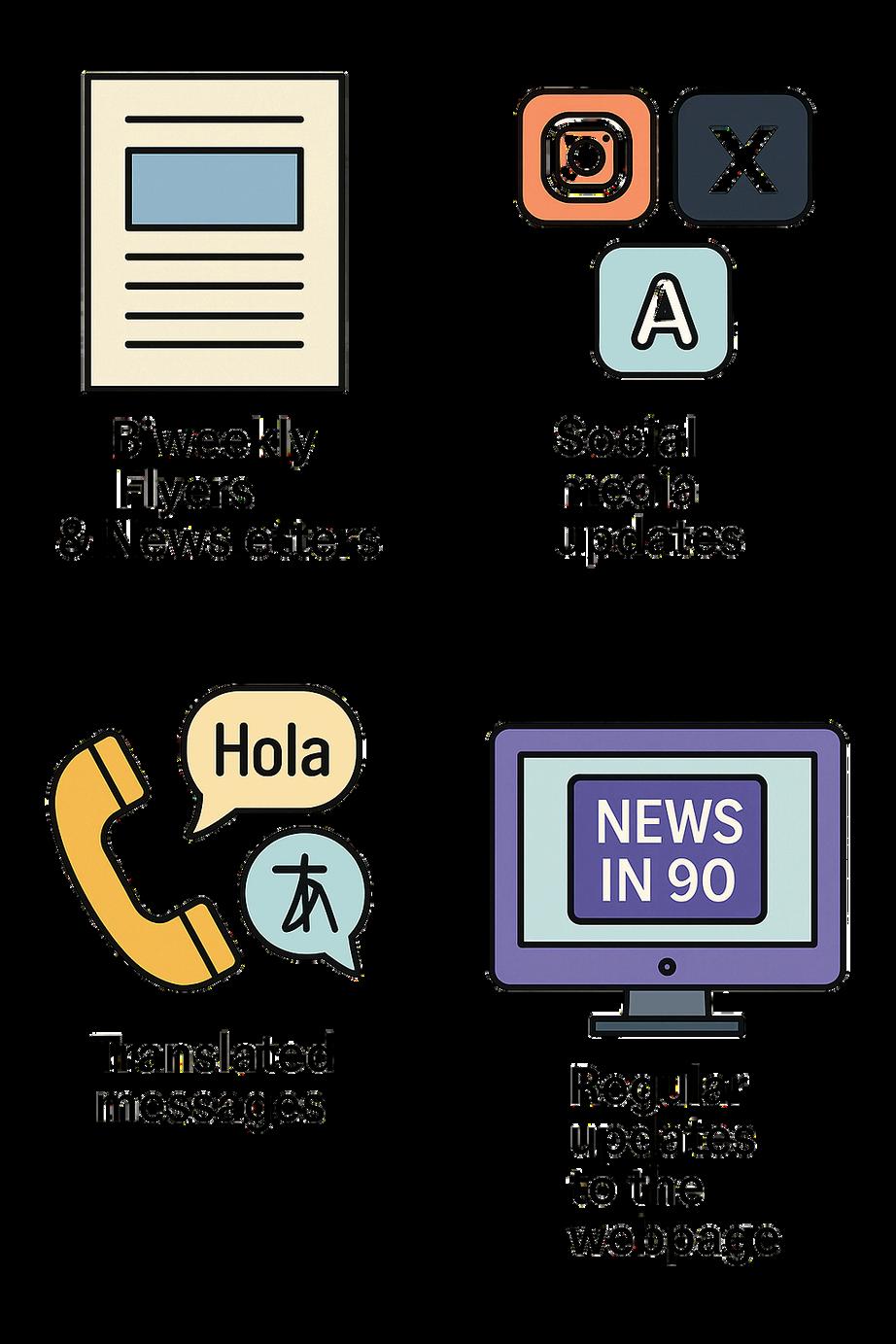

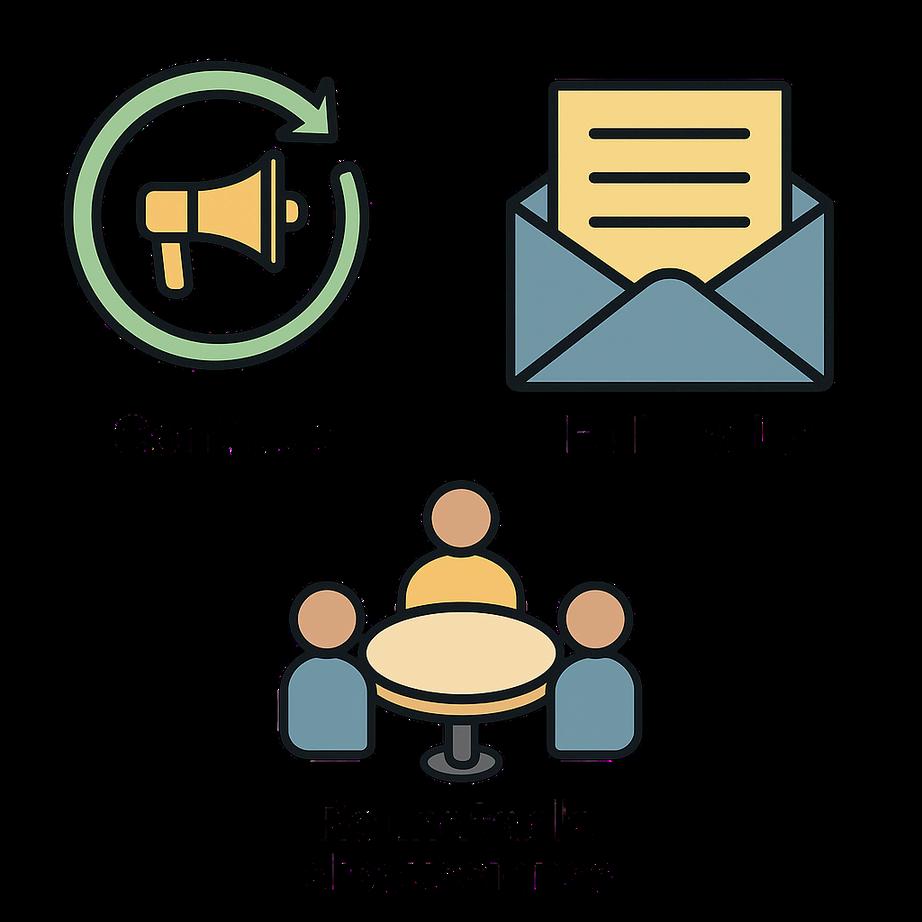
phase4:AfterBoardApprovalofFinalRecommendation

Families at impacted schools will receive Detailed Information about what comes next
School Welcome Packets and other materials for families impacted by closures from receiving schools
Mobile Engagement Unit will visit neighborhoods to share information and answer questions
Capital Plan Website to keep public updated on renovations, facility updates and building refreshes
Lasting change h all take owners comes next.


public comment
first always, in all ways!
Pittsburgh Public Schools remains steadfast in its commitment to responsible planning, community collaboration, and equity-driven decision-making As the Leadership Team worked to refine the Feasibility Report, the focus has remained clear: to create a sustainable path forward that strengthens instructional quality, enhances student experiences, and aligns resources to support long-term success for all learners
This updated Feasibility Report represents more than a facilities assessment—it is a reflection of the District’s values and vision for the future. It builds on the original analysis conducted by Education Resource Strategies (ERS) and integrates valuable input from families, educators, staff, and community stakeholders. By incorporating this feedback, the revised plan offers a deeper understanding of how proposed changes may impact students, staff, and operations not only in terms of physical space, but in the quality of education provided across all neighborhoods.
These final recommendations are not simply about managing buildings—they are about creating access and opportunity for all students Each recommendation is designed to ensure that schools offer engaging, inclusive, and rigorous learning environments where students can thrive both now and in the future
As the District moves forward, Pittsburgh Public Schools will continue to prioritize open communication, clear timelines, and meaningful engagement. The work of building a stronger, more equitable school system depends on shared responsibility, collaboration, and a collective belief in the potential of every student. We remain Students First Always, In All Ways!