
“Family - The Ties that Bind”

www.pioneers-uk.org ISSUE 26 | SPRING 2024
02 WE ARE FAMILY A LETTER FROM THE EDITOR
03 A LIFE ON MISSION
06 A HOUSE DIVIDED
10 ON A (PARENTING) MISSION
12 SINGLE MISSIONARY
14 HELPING WITH MY PARENTS’ MINISTRY: MY EXPERIENCES AS A TCK
16 PARENTS OF MISSIONARIES
18 A LIFE-LONG FRIEND
20 RESOURCES
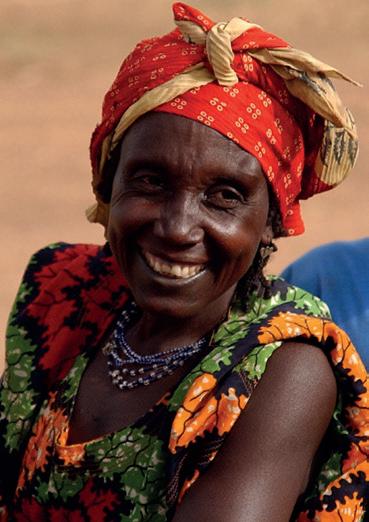
All unattributed photos are either owned by Pioneers or free for public use. The following photos were taken from unsplash. com: cover - Annie Spratt; 3 - Addy Mae, Emir Saldierna, Jezael Melgoza; 4 - Steven Roussel; 5 - Fraser Cottrell; 6 & 9 - Bogomil Mihaylov; 7 - Tim Mossholder; 8 - Arty; 12 - Conscious Design; 13 - Priscilla du Preez; 15 - Eric Masur; 16 - Logan Weaver.


We are Family
Psalm 68:6 says “God sets the lonely in families...” but he never specified exactly what that family would look like!
Families come in all shapes and sizes. Some of us came from familes with two parents and a number of siblings. Others of us came from single-parent homes or are only children. Still others may be part of a web of family including step-parents and half-siblings and all kinds of interconnected family relationships, and others might not have a relationship with their biological family at all. One thing is certain, though, whatever it looks like, we all have family of some kind.
Our Pioneers field workers are no different. Within Pioneers, serving on the field today, we have couples with no children, couples with multiple children, single men & single women, widows & widowers and empty nesters. We have Pioneers whose family support them, and Pioneers whose family don’t. We have babies and grannies and everything in between.
‘Family’ is an important aspect of life on the mission field, whatever ‘family’ might look like for any given person. In this edition of Reach, I thought it might be interesting to hear from Pioneers with all sorts of perspectives on family: from parents to singles, from mission kids to parents of missionaries, and even one child of a missionary who grew up to serve on the same mission team as her dad! We’ve got lots of familial ground to cover, so let’s get started!
2 Reach
Happy reading!
Contents
Amanda
A Life on Mission
BY SARAH, PIONEERS MISSIONARY TO THE UK

Summer 2008
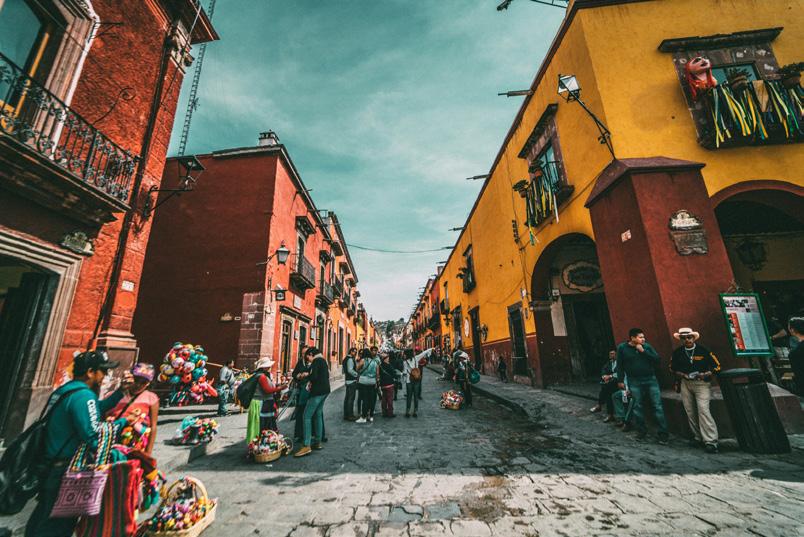
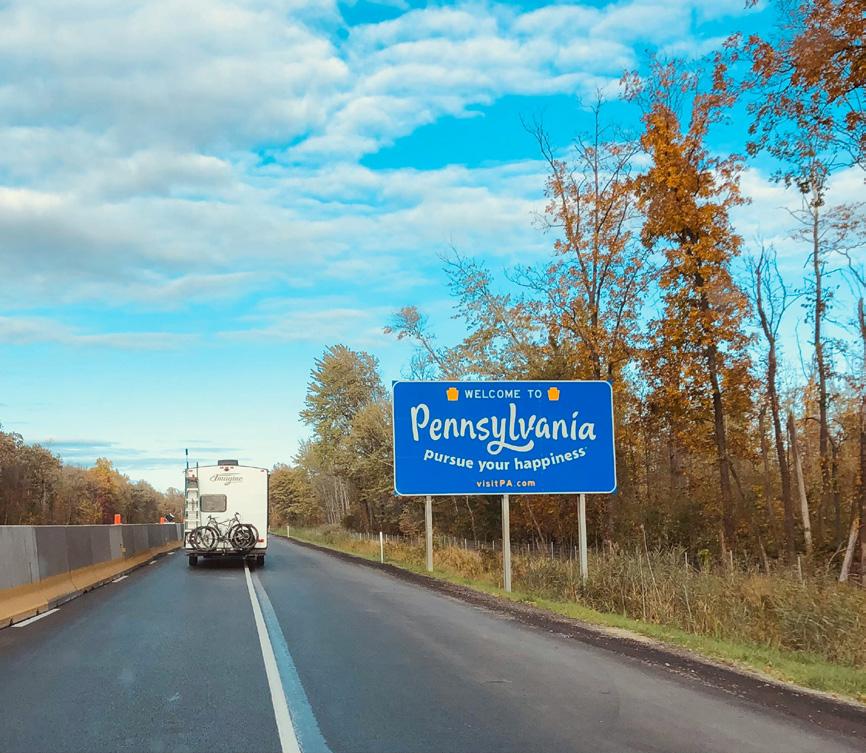
Nearing my eighteenth birthday, I lay in bed, awake in the sticky heat of an apartment in Pennsylvania, USA, talking to Jesus with tears on my face. My family had just said goodbye to our home for the past five years in the heart of Mexico: our dear friends, our beloved pets, neighbours who became family, the man who would cycle around our neighbourhood shouting, “Tamales!” (we’d often run out to our gate to buy some of those delicious tamales before he cycled on), and a backyard of rolling hills ripe with nopales and fields of feathery pink flowers that we loved exploring.
Now in limbo, we were waiting on a visa to a country we hoped would one day become home for us, and then we would board a plane with our twelve suitcases (remember the days of two free checked bags per person?) and cross the Atlantic to the UK for another new chapter in our family’s story.
Reach 3
As I lay in bed talking to Jesus, I vividly remember this being the first move of my life where I felt autonomy in making a decision about a move. For the past eighteen years, I’d followed my parents through various moves between four countries on three continents - frequent big life changes - but this time, I was making the decision in this big life change, learning to listen to Jesus and trust Him as I took the steps to follow His lead. With this move, I was able to experience God as my Provider, my Companion, my Friend, my Good Shepherd, not just that of my parents.
Eventually, our visas granted, we escaped sticky Pennsylvania and crossed the pond to a surprisingly hot England (where was the rain that was promised?). We couldn’t understand why the British people we saw were allowing their skin to roast to shades of bright pink and red, but after the heat wave subsided, it didn’t take us long to finally understand when our own skin began to feel Vitamin D-deprived.

Autumn 2017
Nearly a decade later, I was on the precipice of another formational moment as I stepped out in faith to cross the Atlantic again, this time to join my father’s team working with a multicultural church plant in the diverse UK city that my family had moved to in 2008. During my teenage years, I remember resolving to never enter my parents’ line of work in full-time vocational ministry, and yet, here in my late twenties, I was doing the very thing I had resolved not to.
My teenage resolution stemmed from a few different reasons, mainly due to some of the challenges of growing up as a third culture kid (TCK). For TCKs, each upbringing can be a mixed bag of experiences, and when people ask me what my childhood was like, it can be hard to give a simple answer (but I do appreciate the question!). My story carries the tension of loss and grief from our frequent relocations with the ongoing struggle to understand my cultural identity and where I belong, held in tension with the blessing of the diverse richness from the places and people that shaped me into who I am today and a worldview that can hold cultural differences in tension (informing so much of my work today!).
Those challenges still reveal themselves as I navigate life these days, but looking back, I can see glimpses of the way the diverse settings and experiences of my childhood have woven together into the story I’m getting to write with God now, and the pieces that felt so scattered are fitting together into a puzzle I couldn’t even imagine as a teenager in Mexico wondering where life would lead.
Exploring my cultural identity as an adult ignites curiosity to learn more about not just the physical context where my life played out but also the people who shaped me. Flashing back to my childhood, in Jonah: A Veggietales Movie, there’s a little caterpillar named Khalil who introduces himself by saying, “I
4 Reach
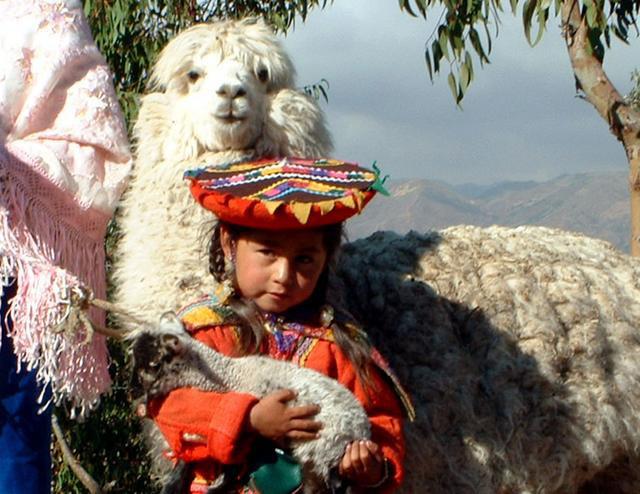
am a caterpillar. Well, that is only half true. My mother was a caterpillar. My father was a worm. But I am okay with that now.”1 As someone who is mixed, I felt so seen by Khalil’s statement. My father is from Peru, and my mother was a Mexican-American from California. But I am okay with that now (or learning to be!).
My parents’ lives and their decisions as they followed Jesus (both also crossing oceans in their late twenties) weave through my story, with its gifts and challenges and everything in between.
In her late twenties, my mother said goodbye to everything familiar—work, family, friends, “stability”—to say “yes” to Jesus and move to the Middle East, working as a housekeeper across the globe to be present to share God’s love with unreached people. A couple years later, attending language school in another country in the Middle East, she met my dad (who’d also left a life of familiarity and forgone his dream of entering his country’s diplomatic foreign service to serve in his Father’s “foreign service”), and now together, they followed Jesus, later being trailed around the world by four kids.
Last year marked a decade since my mother went to be the Lord after a quick battle with an aggressive form of brain cancer, and after living nearly a third of my life without my mother here in the flesh, now in my early thirties, I’ve been reflecting often on what her life must have looked like when she was around the age I am now because my life and story are intimately connected with hers (my belly button is a good reminder of this). 2
Last year, I ran into two different people at the same event who’d known my mother (one recognised me because of my face—she said I looked like both my mom and dad, and she’d been at their engagement party in the Middle East in 1989!). Both said I reminded them of my mother, and that meant so much to me to hear. “Our particularity is not the absence of context, but embedded in it.”3 I can see both of my parents in who I’ve become and who I’m becoming.

Winter 2024
I’ve served alongside my father and his wife/my stepmother (my dad remarried in 2016) in the UK for over six years now. In my pre-field interviews, people often asked me what it would be like to work with my dad. I think my answer might have been a bit naive at the time, but now my answer carries the experience of the past six years, the ways we’ve had to relearn one another, navigating communication through cultural differences and conflict resolution, finding healthy ways of working together. We’re still learning. But as I look back at my story, I’m grateful for these two humans, my mom and my dad, and I’m so grateful to have witnessed and been formed by their faithful life postures of “yes” to Jesus that laid the foundation for this TCK to get to know, love, and follow the Good Shepherd into everything He has in store for us.4
1 Jonah: A Veggietales Movie, directed by Phil Vischer and Mike Nawrocki (2002, Big Idea Productions).
2Kelly M. Kapic explores the interconnectedness of our identities (and why our belly button reminds us of this) in the chapter, ‘Is identity purely self-generated?’ from his book, You’re Only Human: How Your Limits Reflect God’s Design and Why That’s Good News, pp. 72-94.
3Kelly M. Kapic, You’re Only Human: How Your Limits Reflect God’s Design and Why That’s Good News, Brazos Press, 2022, p. 78.
4“For we are God’s masterpiece. He has created us anew in Christ Jesus, so we can do the good things he planned for us long ago.” (Ephesians 2:10)
Reach 5
Reach
A House
Divided
 BY JANET B, VETERAN MISSIONARY TO AFRICA
My mum was an incredibly capable woman. Mother to three children, she worked full time as a teacher and also managed to fit in running the local Girl Guide company on a Friday night. By the time I headed overseas, she was the head teacher of the largest primary school in Liverpool! My dad was a sales manager. He was as honest as the day is long, generous and could charm anyone. Neither of them were Christians. In fact, none of my relatives – aunts, uncles, grandparents, cousins – were Christians.
Reach 6
I became a Christian when I was 15, visiting the Yorkshire Dales. When I returned to Liverpool I knew no other Christians….but that’s another story! My introduction to mission and my call to mission came when, aged 20, I went on a 2-week mission trip to Spain. There I met “ordinary people” doing extraordinary things and there God challenged me to “Go and bear fruit, fruit that will last.” The challenge continued over the next months, with God reminding me that I didn’t choose Him, but He chose me, for a purpose.
My pastor confirmed my calling, saying that he and the church had been praying for someone to go from within the church, to serve overseas. I contacted a mission agency working in an Eye Hospital in Northern Nigeria, since I was by now an almost-qualified Orthoptist. All moving smoothly and rapidly, BUT….
….How would I tell my parents? How would they react?? Previous conversations about faith hadn’t gone well. I cannot forget the time, when talking to my mum about Heaven and Hell, she announced that she would rather go to Hell, since that’s where everyone else she knew would be going!!
Their reaction was pretty much as expected – anger “You are throwing away your career”; confusion “Aren’t there people in the UK who need to hear the good news of Jesus – why go overseas?”; concern “How will you live? Do you know what you are letting yourself in for?”; fear “What if something bad happens?”
It was a very difficult time for them, and for me. But I knew God was asking me to go and He’d already spoken to me about “losing mothers, fathers, brothers, sisters for His sake”…was this all part of the deal? Maybe I was just being
“Maybe I was just being ‘uncaring’, ‘pig-headed’, ‘obstinate’… and other words used to describe me ...”
“uncaring”, “pig-headed”, “obstinate”….and other words used to describe me by friends of my parents who felt it was their duty to get involved.
Looking back now, I think I was naive and didn’t realise what my parents were going through at the thought of losing their child to something they didn’t, or couldn’t, understand.
As time drew near to leaving, they bought me a mosquito net and made sure I knew what to take and my dad even packed my suitcase for me. That must have hurt so much! They drove me to Heathrow for my flight and waved me off

Reach 7
at the barrier. I barely dared to look back in case I changed my mind! I was on my way to Nigeria for 2 years – my first time at an airport, let alone my first flight.
Six weeks into my time in Nigeria, I got the message to say that my dad was ill, could I call? A 4-hour drive to a phone booth brought the bad news that my dad had had a “heart valve seizure”, and was in hospital but recovering.
Three weeks later I had a letter from my mum – dad was home and she had broken her arm….but she’d also found Jesus! Her realisation that she couldn’t even dress herself properly, let alone look after dad, caused her to ask for God’s help! Wow!
Six weeks into my time in Nigeria, I got the message to say that my dad was ill, could I call?
Fast forward 17 months, and another message came asking me to phone home. Another 4-hour drive to make a call, this time with the devastating news that dad was critically ill and unlikely to live, “Please come home”… Back in Kano, before flights had been arranged, a radio message was received and I was handed a piece of paper with the words: “…your father died this morning. Your pastor led him to the Lord on Monday night.”
Mum and dad had both become Christians while I was away….but oh such painful circumstances!
Should I have stayed home? Would they have come to know Jesus if I had?? I don’t know…
Would I advise others with non-Christian parents to do what I did? Probably not….
But I have learned a few things in the years since that time and, I hope, gained a bit more wisdom through life experience. Here are a few thoughts for those who might find themselves in a similar situation:
First, if your family are not Christians and they don’t understand your calling, it’s helpful to remember that they don’t understand because they can’t understand - just as people don’t grasp the gospel until they really grasp the gospel, people who don’t know the Lord won’t be able to fully understand your call. Give them grace in that.
Second, your family love you, and this deep love is the source of any anger or fear they might be expressing. Years after my dad’s death, my sister said to me, “You know what? Dad was proud of you.” That made all the difference. It

8 Reach
8
“There needs to be a real certainty of God’s calling, but somehow balanced with loving and honouring your family.”

helped me see that my parents’ reaction was an outflow of love and care for me, however challenging it felt at the time.
Somewhere along the line, it occurred to me that Jesus experienced the same challenges. His family didn’t always understand the work he was doing and even tried to pull him away from his ministry (see John 2:1-4 and Matthew 12:4650). But somehow, Jesus managed to perfectly balance following the Father’s call on his life with graciously loving his family. Even as he was dying on the cross, he called out to his mum and John, making sure that John would care for her as if she were his own mother. Jesus never stopped caring for his family, but he didn’t necessarily let them dictate what he did.
Jesus was certain of his calling, and we need to be certain of our calling too, especially when our family is not supportive. When I became a Christian at 15, I didn’t know any other Christians and I wasn’t a part of a church. My RE teacher gave me a few books - stories about the persecuted church...Richard Wurmbrand, Brother Andrew, that sort of thing. So right from the start, I believed that to be a Christian meant doing what God wanted you to do, whatever the the cost or the consequence. By the time I went to Nigeria, I had a strong sense that God had clearly
asked me to go, and that overrode everything else. So there needs to be a real certainty of God’s calling, but somehow balanced with loving and honouring your family.
Finally, it’s important to note that every family is different. Sometimes, it’s important to go no matter what. Sometimes, it’s important to stay home until your family can support you in your call. Either way, there will be consequences. Ultimately, the decision whether to stay or to go is yours alone. But be sure you make that decision with lots of prayer, wisdom from the Word, and the godly counsel of your church community.
In the end, this is just my story. Each of us needs to write our own story, trusting God to lead us even if the path is hard.
Janet and her husband Dave, along with their children, spent several decades in service to the Lord in a variety of African nations. They now serve our field members as part of Pioneers’ member care team.
Reach 9
Reach 9
ON A MISSIONV parenting
What’s it like trying to be a parent and a mission worker at the same time? How can you possibly be good at both? We caught up with a few of our mission workers, some long-term, some shorter-term, to find out how in the world they manage it. Here’s what they had to say...
On Education
J: Taking your children out of school is not as easy as it used to be but there are ways and means, and we certainly were able to do so. We homeschooled our children while we were away and it was fantastic.
A: The education system is a big challenge for us. In comparison to undeveloped countries I’m sure our country’s education system is probably a dream, but in comparison to what we’re used to in Britain, it’s a very weak system. So it’s a challenge to determine how we can add to that, to append the things our children do in school and keep them up to date with British standards, such that if we did have to go home and they did have to go into British schools, they would be able to cope.
H: We’ve kind of been freed from British culture, and the aspects of British culture that we don’t want our children growing up with. We don’t have to teach them the things that British schools teach that we don’t agree with.
On Kids and Mission
J: One really great benefit of taking children on mission is that children always play with other children and they form relationships. Because they do that you can form relationships with them as well and with their parents. Having children with you really enhances the main thing involved in missionbuilding relationships with people.
H: Having the kids with us here has been great, for us and for the mission. Often they open up conversations. People will often stop and talk to us in the street or in the shops who possibly wouldn’t otherwise want to have anything to do with us. Quite often people stop and talk to them and fuss over them and ignore me! Having them with me makes people take more notice, I guess. When we go to our local supermarket, the girl at the checkout counter is always fussing over the boys. But yesterday I went by myself and the girl stopped and chatted to me as well and wanted my phone number and wanted to meet up for coffee!
A: The children lend a real legitimacy to our life in the eyes of our neighbours, especially in this cultural context, where family is so important.
Reach 10
On Missing Family
J: Missing the wider family, especially grandparents, is a big issue. But to be honest, the grandparents feel it more than the children do. But we had fantastic communication links and we were in the jungle! We were able to have great video calls with our parents, the children’s grandparents. And there was great joy as well when we were all reunited. It’s not a massive problem, it’s just something to work through.
They often join us in praying for their friends and teachers, that they might come to know Jesus.
On Work/Life Balance
A: Maybe it’s more about the difference between having a full time job outside the home and full time ministry, where the line between private and professional life or work and play and family time is blurred. It’s difficult to say “this is work time; this is family time,” because you can’t leave work at work. And so the idea of “Dad is at work now but he’s just in the next room” is hard. They can always come in and say, “Hey Daddy, can you help me with this or that,” and that’s difficult for them.
On Security
J: Is anywhere safe in the world these days? I don’t think so, really. We found that, actually, our children felt safe and secure wherever mum and dad were. Their security is not in their home, not in their school, not even in this country. They were secure and safe wherever we went.
On How Being a Mission Kid is Shaping Them
H: I think a big thing is that they’re growing up bilingually, and that is really helpful for a child. They’re growing up as “citizens of the world.” They’re not just seeing one corner of the world and one school and one set of children. They’re meeting children from other backgrounds who live in a different culture. We still keep a fairly British culture in our home, so they often spot the differences between the children in their school and what the other families are doing, and we get questions. It’s just good that they can learn that people live in different ways and there are different ways of doing things. It opens them more to other people, I think.
A: I think they are quite on board with what we’re doing and why we’re doing it. We do a family worship time, so we’ve been learning about the Bible and they’re learning how important it is to go out with the gospel to other people and share it with them. They often join us in praying for their friends and teachers, that they might come to know Jesus. I think that’s really important for children, as well. They understand why we’re here, and I think they see it as important.
On How to Pray for Mission Kids
H: I guess the number one, which is the same for every parent, is that they come to know Jesus for themselves, that they develop their own strong relationship with Jesus and don’t go off the rails when they move away from home. That they don’t abandon their faith but that it stays strong throughout their lives. That’s got to be every parent’s number one. I guess more specific for our situation is that they learn the language well and make friends—friends who are good for them.
Reach 11
missionary SINGLE
BY KERRY, VETERAN PIONEERS WORKER IN WEST AFRICA
“Kerry, it’s such a shame God made you a woman. It would at least have been better if you were married, then God could have used you so much more in ministry!” This was not the first time wellmeaning Cameroonian male friends had made such comments to me. After many years of hearing comments regarding my marital status and gender, I responded with a smile, “Well brother, it’s not my fault that God made me a woman and sent me here without a husband, but I do know he invited me to be here and join in what he is doing.”
Being a single woman has certainly been a regular topic of conversation during my years of living in Cameroon, often to an annoying and exhausting degree as day after day I had to justify why I was not married and did not have children. When I first came to Cameroon as a young woman the assumption was I would be getting married soon, that my father had chosen a husband for me at home or that I would gratefully accept the offer of marriage from the many proposals that came my way from Cameroonians. As I got older, the proposals got less and the assumptions revolved around me having a secret husband and children back in the UK or that I was a Catholic nun. The culture I was living in just did not have a place for mature single women unless they were women of ill repute or had chosen singleness for religious reasons. Neither was true for me! I was viewed as not being a ‘real’ woman as I had no husband or children, neither was I a man even though I had an education, a profession and could drive a car. I was somehow a mysterious ‘third sex’!
12 Reach
It therefore took me a while to learn how to interact with people from the dominant Muslim culture I found myself in. It was important for me to learn how to demonstrate that I was a woman of morals, a believer in God and follower of Christ, a woman who could be trusted, according to the understanding of the people I had come to serve. Dressing modestly, learning how to greet men without making eye contact, not touching men even to shake their hand unless they initiated it. A harder aspect to learn was how to react when Muslim men found it was amusing to joke with me about being single. This disrespect, which would not have been shown to a married woman because she would have been seen to be ‘protected’ by her husband, was a constant wearying annoyance!
“Discovering that being ‘alone’ does not have to mean feeling lonely was an important lesson for me.”
communicating to those around me that I was under male protection from my ‘big brother’ male team colleagues helped fill the social void that locals perceived.
However, it was not all doom and gloom. I did learn to recognise that my single state as a woman in ministry in Cameroon had some special advantages. I was able to be less distracted and more focussed on the ministry of bringing the good news of Jesus to people who had not yet heard it. Not having dependents (a husband or children) meant my time and space was more flexible, rendering a certain freedom. My home was a safe place for women to come to — and many of them visited at all times of the day — where they could relax, talk freely and not be wary of a male presence. It was a wonderful privilege to be able to provide a refuge and safe space for these women who were often worn down by oppression and poverty. Among my team members I also perceived I had a particular role in that I could become like an ‘Aunty’ to the missionary children. I wasn’t always aware of this role but recognise now the value and responsibility that I had to these children that God had brought into my life. On a practical level, being a ‘family of Alongside this, there were practical consequences that being an unaccompanied woman seem to generate in many circumstances. Feeling vulnerable, especially when traveling and in times of national insecurity have been some of my most anxious times. Discovering that being ‘alone’ does not have to mean feeling lonely was an important lesson for me. Learning to know what my triggers were to feeling lonely helped me to find ways to deal with it. For me, it was not necessarily being physically alone that made me lonely, but rather being in a crowd of marrieds who I didn’t know well, or attending a wedding, or making a long journey on my own and having to troubleshoot along the way when things didn’t go to plan. Finding ways to have meaningful relationships with my team members and local people, and receiving visitors from home to take holidays with all helped to ward off loneliness. Also,

Reach 13
one’, I was relatively to cheap to run! My financial support needs were perhaps not quite so overwhelming as a family with children. However, I have sometimes sensed that single missionaries can become sidelined for the very same reason; just because you don’t have a spouse and 4 children to travel with does not mean your needs are any less important or that your call by God to serve among the unreached is less worthy. Sending churches, please don’t let the money needs dictate how you communicate support to your people.
So, being single on the mission field does not have to be the thorn in your side. It can be used by God for his glory if you are willing to let him teach you through the challenges along the way. I would suggest to people who are sensing the call from God to mission that the life of obedience is ultimately the goal of a follower of Jesus, whether married or not. But if singles are so preoccupied with the desire to be married and have children, it is best to acknowledge it before going overseas because they will only resent it more when they are there! Personally, it helped me to pray about it for a year, asking God to give me a husband if that was his will — even though it hasn’t happened, it at least took the urgency away from me. I presented my desire to God and left it with him, feeling free to get on with what he planned for me. And for the record, I would not have had it any other way as I look back on all that God has done during my time in Cameroon. To God be the glory. ~

HELPING with MY PARENTS’ MINISTRY
My Experiences as a TCK*
Kerry served as a physio and church planter in West Africa for 20 years, and now serves field members as part of Pioneers’ member care team. Read more about Kerry’s experiences in her fantastic memoir, “Blood, Sweat & Jesus” which you can buy online or by contacting us at hello@pioneers-uk.org.
BY JACOB, A PIONEERS TCK
I am a 13 year-old boy and from England. When I was just three years old, my family and I moved out to a small country in the Balkans called Kosovo. We didn’t know the language or culture, nor did we have many friends there, but we knew that that was where God wanted us. Now, 10 years on, we have learnt the language and made many friends. We are settled and feel part of the local culture. However, even with good friends, some still mistrust us, but we try hard to show that we are trustworthy and that we want to serve the community.
A month after we moved to Kosovo, I joined a nursery where I struggled with Albanian (the language spoken here). After moving to a small town,
14 Reach
14

I attended a different nursery, gradually learning little bits of the language. I later entered the local school system, significantly improving my Albanian over six years. This experience not only improved my language skills, but also helped me to form close friendships. Simultaneously, my parents made friendships with other parents in the school community. My brother and I always did a degree of homeschooling because the local school only lasted four hours.
As part of my parents’ ministry, we partake in a robotics competition. School students form teams of four to compete in programming challenges, aiming to optimise the robot’s performance. A few years ago, it was great to be able to form a team with three of my best friends from
school. We have been really successful, and have won several times on a national level. As a result of coming first in one of these competitions, we even got to go to an international round, competing against countries from around the Balkans!
I feel that both my younger brother and I have played an important role in our parents’ ministry, through forming new relationships, and helping and participating in activities that they organise. For example, every summer,
“As part of my parents’ ministry, we partake in a robotics competition.”
we hold a day camp in our centre, where we do lots of activities related to science. It is designed for primary school age children and until two years ago, I was participating along with my friends. Since then, being too old for the camps, it has been really fun to be helpers, meaning we can still be included and often still partake in some of the activities!
Throughout my life as a missionary, I have had challenges and struggles with school, language and friends. It isn’t always easy being so far from the rest of your family, but I know that God is always with me no matter where I am. ~
* A TCK (Third-Culture Kid) is a young person who has spent their formative years in a country outside their parents’ passport country.
Reach 15
Reach
Parents of Missionaries
 BY ELLEN LIVINGOOD, DIRECTOR OF CATALYST SERVICES
What do almost all missionaries have in common? They have said goodbye to a mum and/or dad, leaving the most precious members of their extended family thousands of miles away in order to obey the call of God to serve in missions. Another experience common to many overseas workers is that their sending church or the church their parents attend (which often is a different congregation) is totally oblivious to the pain of separation that both the missionary and their parents suffer as a result of their obeying the call to go. Of course, churches can’t take the place of a far-away son, daughter, or grandchildren, but a sensitive church family can be of great service by acknowledging the cost and easing some of the burden.
But how?
The first step in ministering to parents of missionaries is to find out who they are. If you have sent out missionaries who grew up in your church, you know their parents. But other parents of missionaries may attend your church without your being aware
they have missionary children. Their loneliness is compounded by the fact that their church family is unaware of their sacrifice. A simple announcement in the church service or newsletter can help you discover parents of missionaries you hadn’t previously identified. Listen to Them
Even the most godly, committed parents are going to struggle with the pain of physical and emotional separation from their children and grandchildren. The first plea from parents of missionaries is to not expect them to always live on a spiritual high where the joy of seeing their children serving God erases this pain. It doesn’t. Acknowledge that saying goodbye for months or years at a time is always hard. It never gets easier. At the same time, it is important not to turn a missionary parent into a martyr. Constantly assuming an “I’m sure you are miserable” attitude doesn’t help and isn’t generally true. Sensitively blend sympathy and encouragement.
16 Reach
Diane Stortz (co-author with Cheryl Savageau of the book, Parents of Missionaries) wrote recently, “The biggest thing is rejecting the idea that there’s something wrong with parents of missionaries for grieving. Faith-filled, dedicated, supportive parents grieve and must adjust to a BIG new normal. It’s critical for parents of missionaries to have others acknowledge that.
“As our kids got closer to departure, I received comfort from people who were sensitive to our feelings,” Diane continues. “My small group said some less-than-helpful things to me, but they were clearly trying to be empathetic and that meant a lot. For a while, they tiptoed around talking about my daughter,” she adds. “But they opened up when I told them, ‘It’s okay; it helps to talk about her!’ A friend of our daughter came to me during an event close to sendoff and said, ‘I want you to know that your daughter’s friends are grieving too. We’re really going to miss her.’ She just wanted to let me know that I wasn’t alone.”
Invite Them to Share About Their Children
Like any parents, parents of missionaries love to talk about their kids and grandkids. Yet many times, even if the missionary son or daughter is sent out by their parents’ church, it is the pastor or missions team who updates the congregation or other groups in the church. It is likely that no one in the church is as well informed about what is going on as the missionaries’ parents. Following a parent’s visit to the field or some type of special event or need, the parent may be able to provide an inside viewpoint of the situation that would assist the missions team to better understand their workers. Many would love to be invited to share with the church family.
Remember Special Days
Churches might consider sending cards or gifts to their missionaries’ parents on special occasions like birthdays or major holidays. These may be times when the pain of separation
is most acute. If the parent struggles with technology, help them connect on special days with their missionary family via a video call.
Pray for Them
As you pray for your missionaries, pray for their parents too. Pray for their emotional and spiritual strength as they deal with the separation from their children. Pray for their protection and health. Pray that your missionaries’ siblings will step up to help fill the gap created by their physical absence (and remember that siblings are also struggling with their own loss in the separation). Sadly, a significant number of missionaries are forced to leave the field at the stage where their work is most valuable in order to meet the needs of their parents back home. Churches might set up a prayer team who will intercede consistently for missionaries’ parents, and might send encouraging texts, cards or emails confirming that they’ve been prayed for.
Be Aware of Their Needs
No one can take the place of a son or daughter who is living on the other side of the globe, but churches can proactively relate to parents of missionaries and meet needs wherever possible, stepping up to be ‘surrogate children,’ especially when parents of missionaries are elderly. Perhaps members of your church can fix a leaky tap, mow the lawn, or provide lifts to doctors’ appointments. It is also an encouragement to your field missionaries if you provide an update about the wellbeing of parents, especially those who are in their senior years. Be the eyes and ears of your workers as you sensitively try to assess how they are doing.
For more great advice for both churches and parents of missionaries, Diane Stortz and Cheryl Savageau’s Parents of Missionaries is a good place to start. To find out more, visit www.dianestortz.com/books/parents-of-missionaries.
Condensed and used by permission of Catalyst Services. https://catalystservices.org
Reach 17
A Life-long Friend to our Mission Family
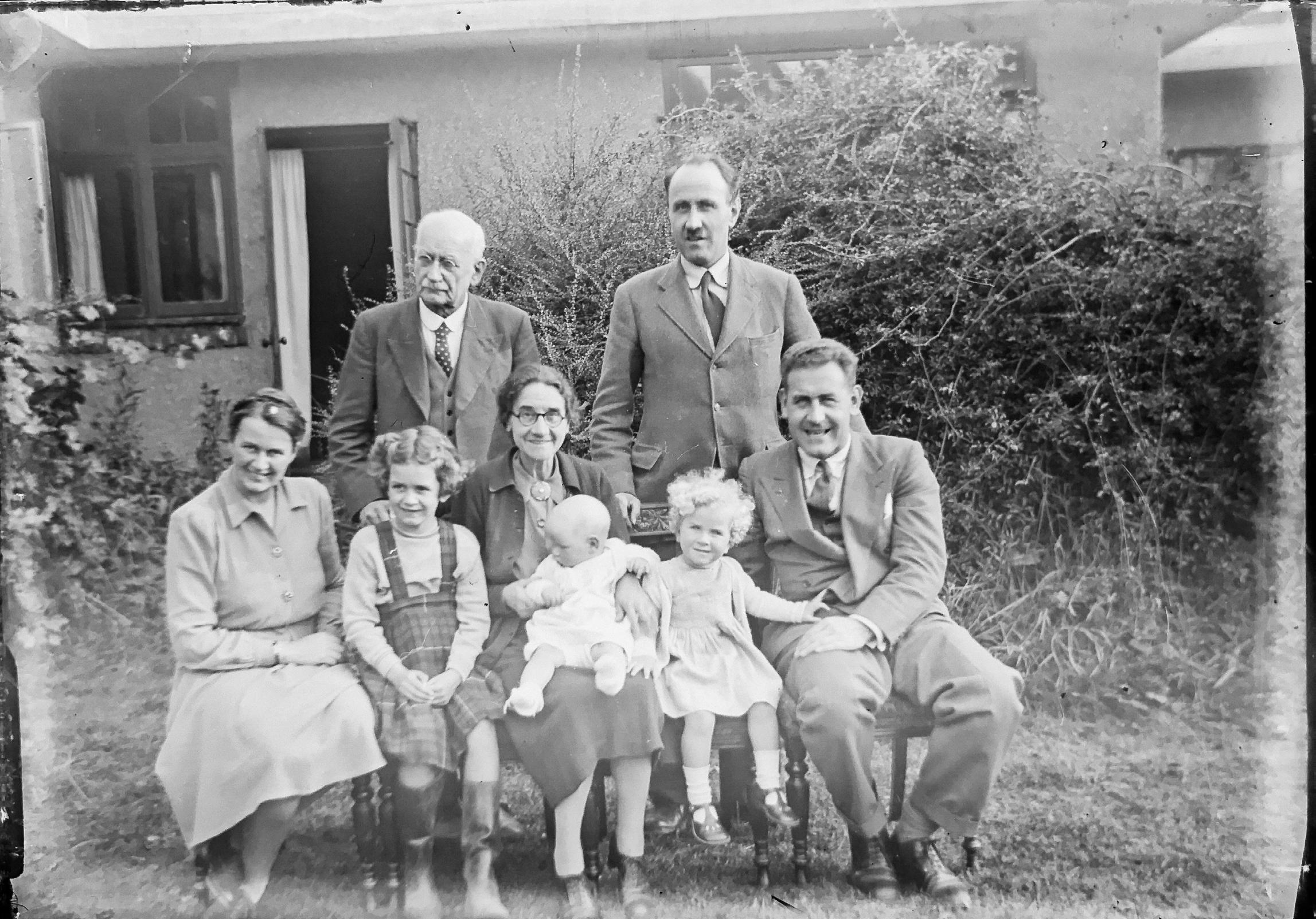
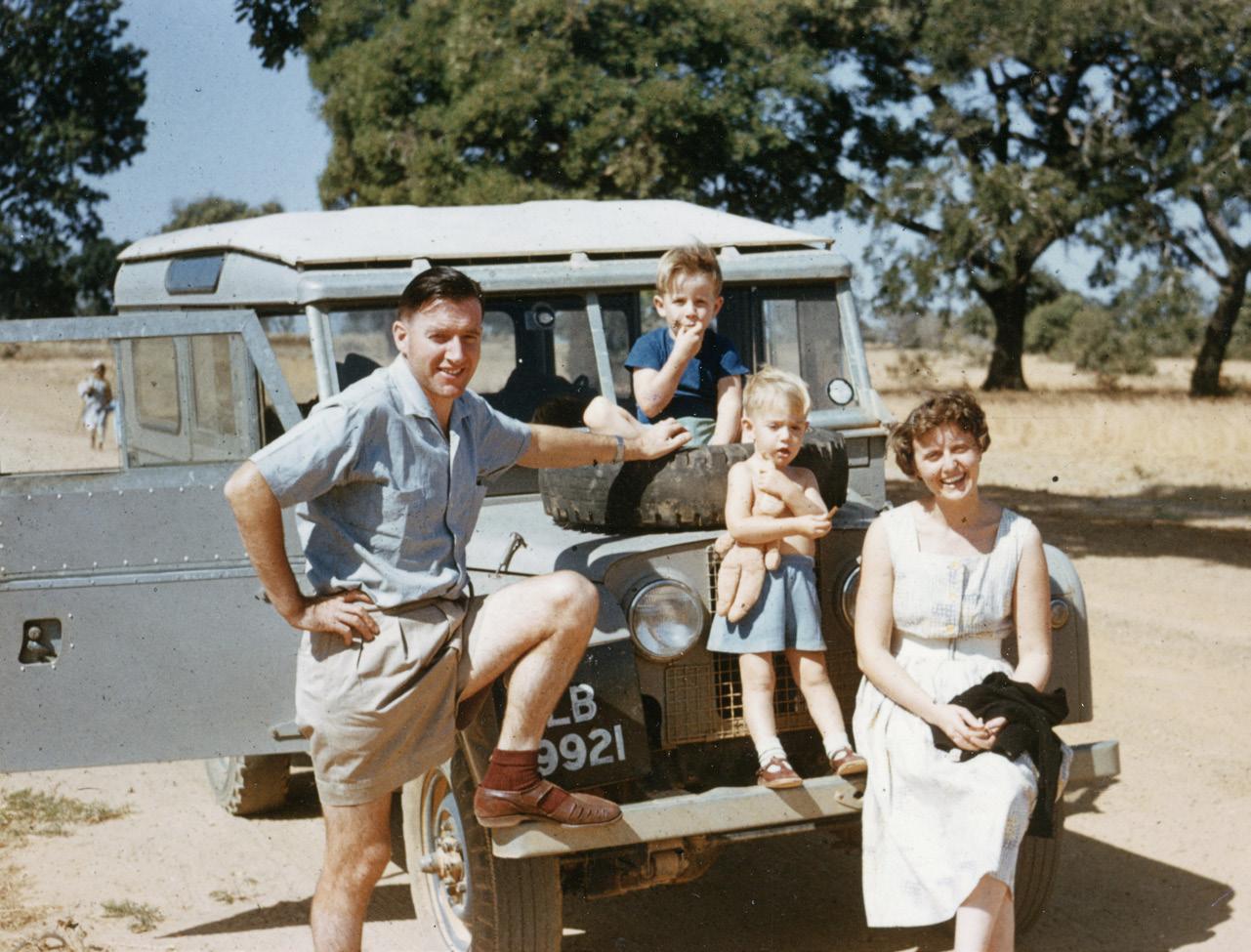
It is always encouraging to hear of folk who, while not being sent by SUM/Pioneers, have stood alongside us over their lifetime and even beyond. One such person was Margaret Bishop (formerly Norrie). Margaret, who passed away in July 2022, had been an active supporter of SUM since the 1950's when she and her husband George, an agriculturalist, lived in northern Nigeria for 9 years in and got to know various SUM workers. On return to the UK in the early 60's, they regularly hosted SUM missionaries on furlough. She instigated local missionary prayer meetings and was always trying to encourage new supporters. She continued to have a heart for Nigeria, staying in touch
with what was going on there until her dementia became advanced. Leaving a gift in her Will was a tangible way of continuing that love of God's work.
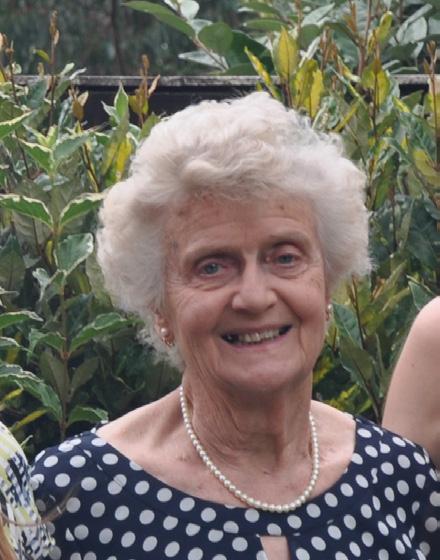
We thank God for Margaret and people like her who have supported our work in various ways and have considered leaving a simple gift in their Will, however small or large.
Our sincere thanks to Elizabeth Smith, Margaret’s daughter, for these details and photos.
18 Reach
Recommended Resources...
Here are a few books and digital resources that will help you learn more about our diverse mission family and how to support them.
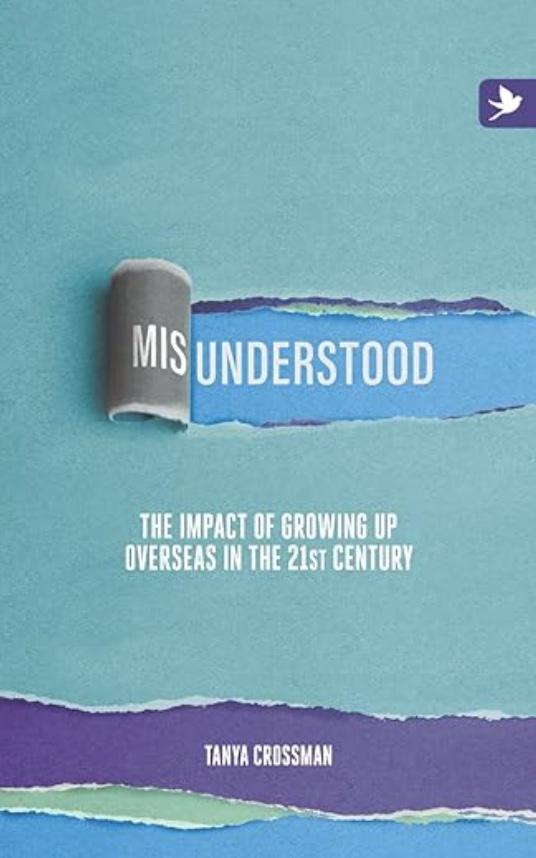
Misunderstood:
The Impact of Growing up Overseas
by Tanya Crossman
Tanya Crossman introduces the ‘Third Culture’ through the personal stories of hundreds of individuals. Misunderstood will equip you with insights into the international experience, along with practical suggestions for how to offer meaningful care and support.

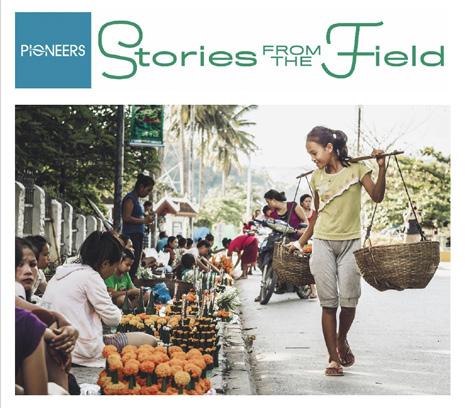
Our monthly Stories from the FIeld e-newsletter is filled with up-to-date stories and prayer requests from our missionaries.
Sign up to recieve Stories from the Field here:
https://mailchi.mp/pioneers-uk.org/newsletter-signup
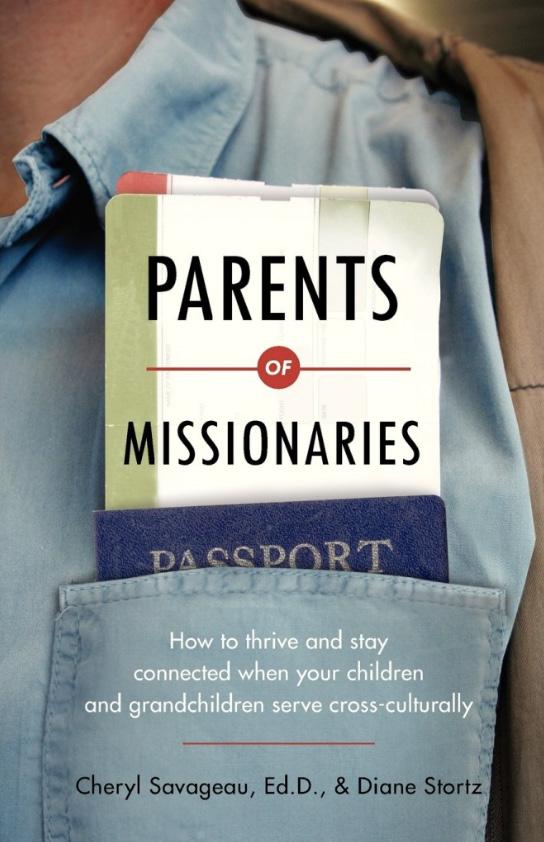
Parents of Missionaries
by Cheryl Savageau & Diane Stortz
Combining a counselor's professional insight and a parent's personal journey, plus ideas and stories from dozens of missionaries and their parents, Parents of Missionaries is a valuable tool for mission mobilisers and educators as well as parents.
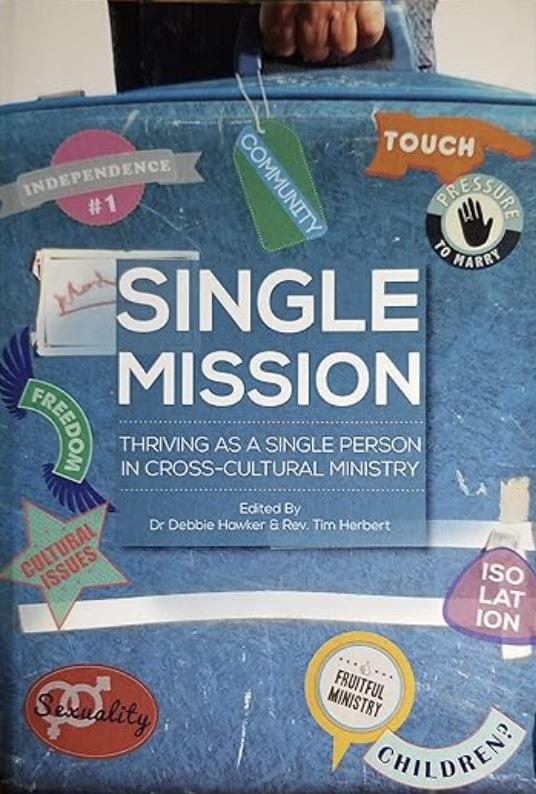
Single Mission
by Debbie Hawker
Single Mission aims to encourage and equip single mission personnel, and to help them be strong in their faith, effective in their ministry, resilient and content with their lifestyle. If you care about mission personnel who are single, read this book so that you can support them better in their ministry.
Our Prayermate feed provides you with daily prayer requests from our field members. Use your smartphone or tablet to keep track of our members’ prayer requests by signing up here: http://praynow4.org/pioneersuk
Our annual Prayer Directory is your guide to our field members and the ministries they’re involved in. Arranged as a 30-day guide, use the Prayer Directory to inform your daily prayers as you pray for Pioneers around the world. Email hello@pioneers-uk.org to get your free copy today.
Reach 19
2024 PRAYER DIRECTORY PLEASE DO NOT LEAVE IN A PUBLIC PLACE
More from Pioneers...
Reach` 19


20 Reach PioneersUK www.pioneers-uk.org hello@pioneers-uk.org Pioneers UK Ministries Registered Charity No 1037154 and a Company Limited by Guarantee registered in England & Wales Registration No 2917955. You are free to reproduce any article in this magazine, providing acknowledgement is made to Pioneers UK. Tel. 01302 710 750 The work of Pioneers is sustained thanks to your gifts and legacies. You may unsubscribe to this mailing at any time by emailing hello@pioneers-uk.org or ringing 01302710750. pioneers_uk **Please recycle me.** SHORT-TERM MISSION TEAMS 2024 NORTH AFRICA IRELAND SPAIN THE UK THE BALKANS Learn more at www.pioneers-edge-teams.org
