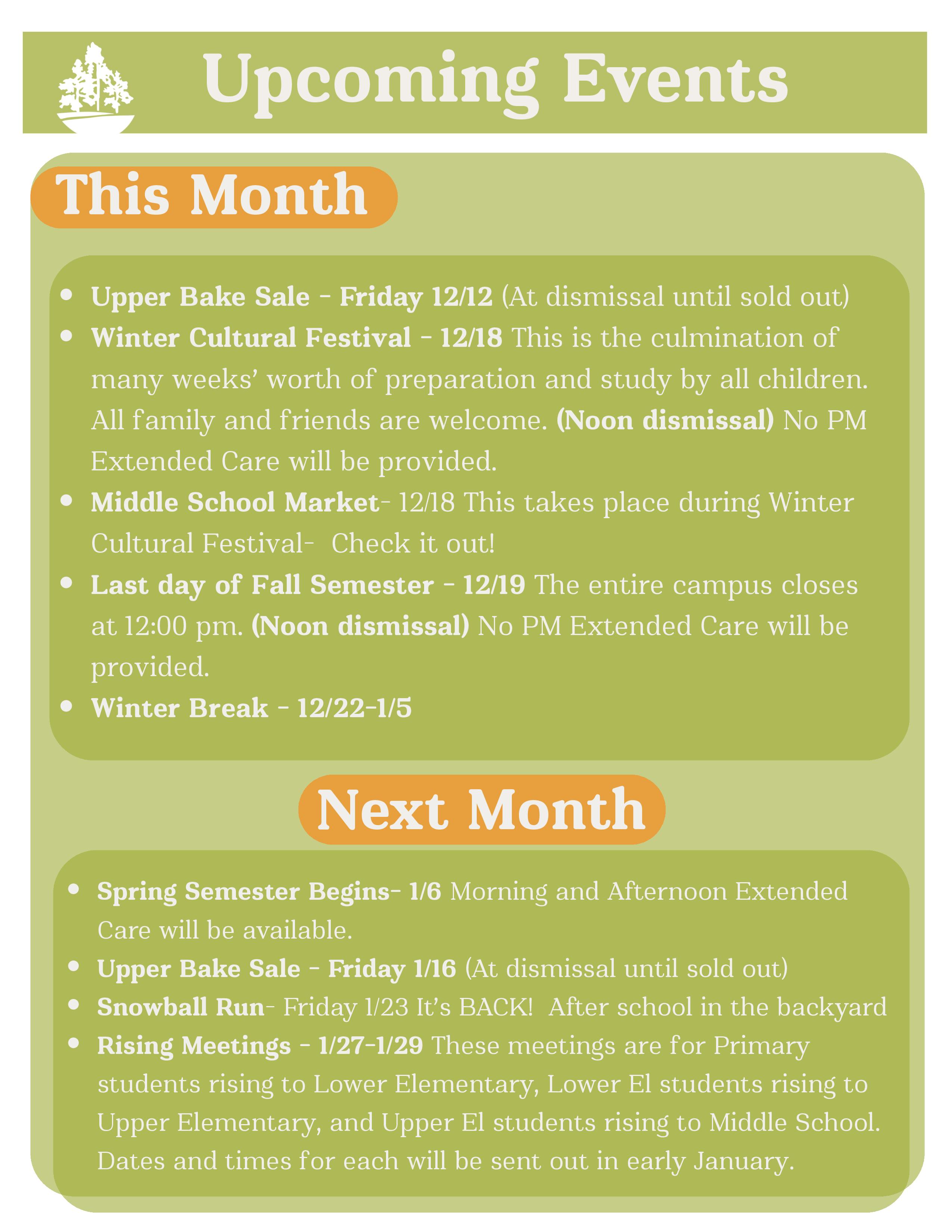

Pines Montessori School Connections
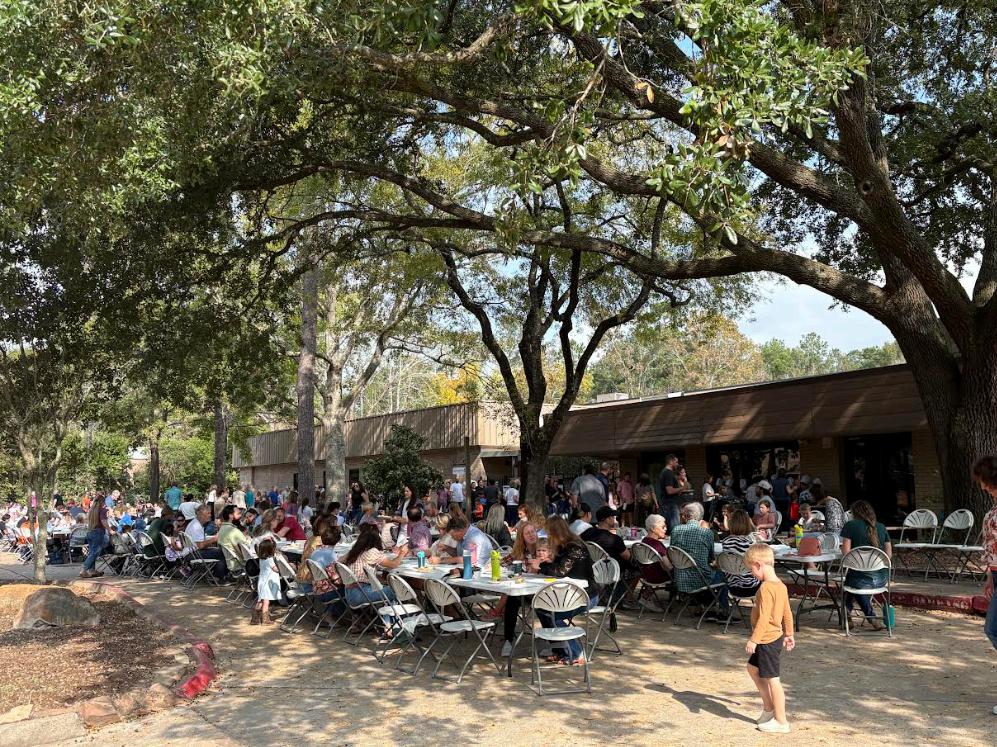

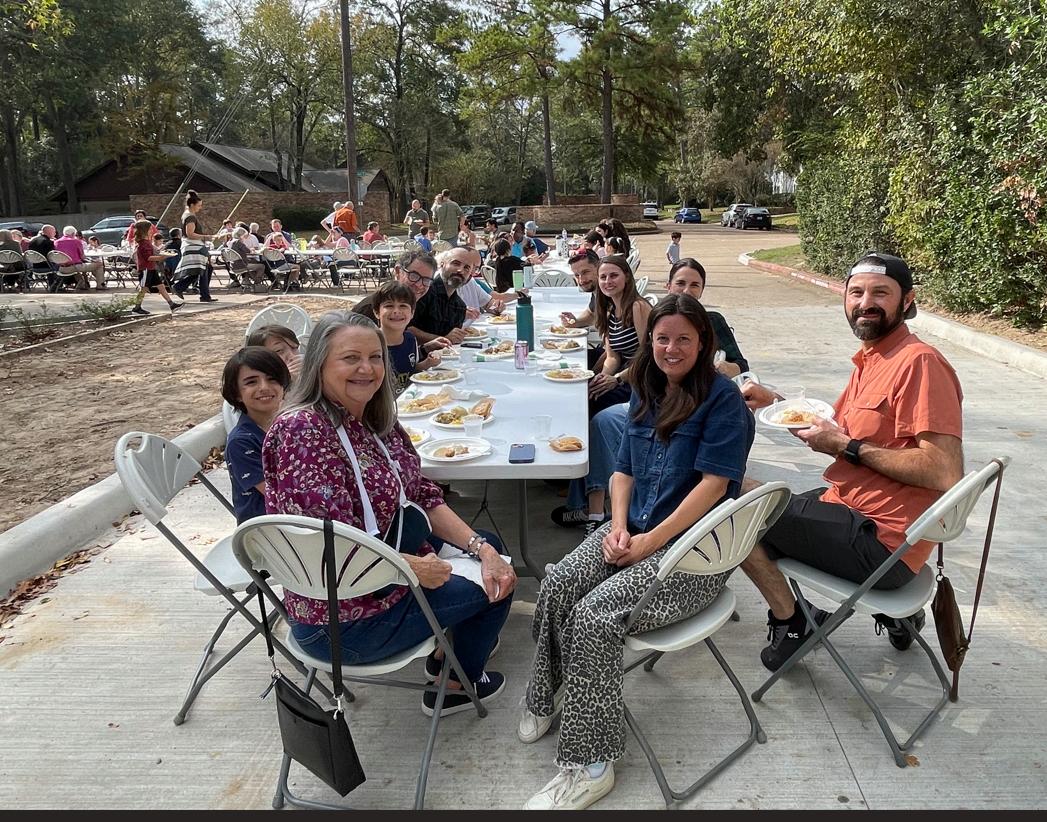
Thanksgiving Feast
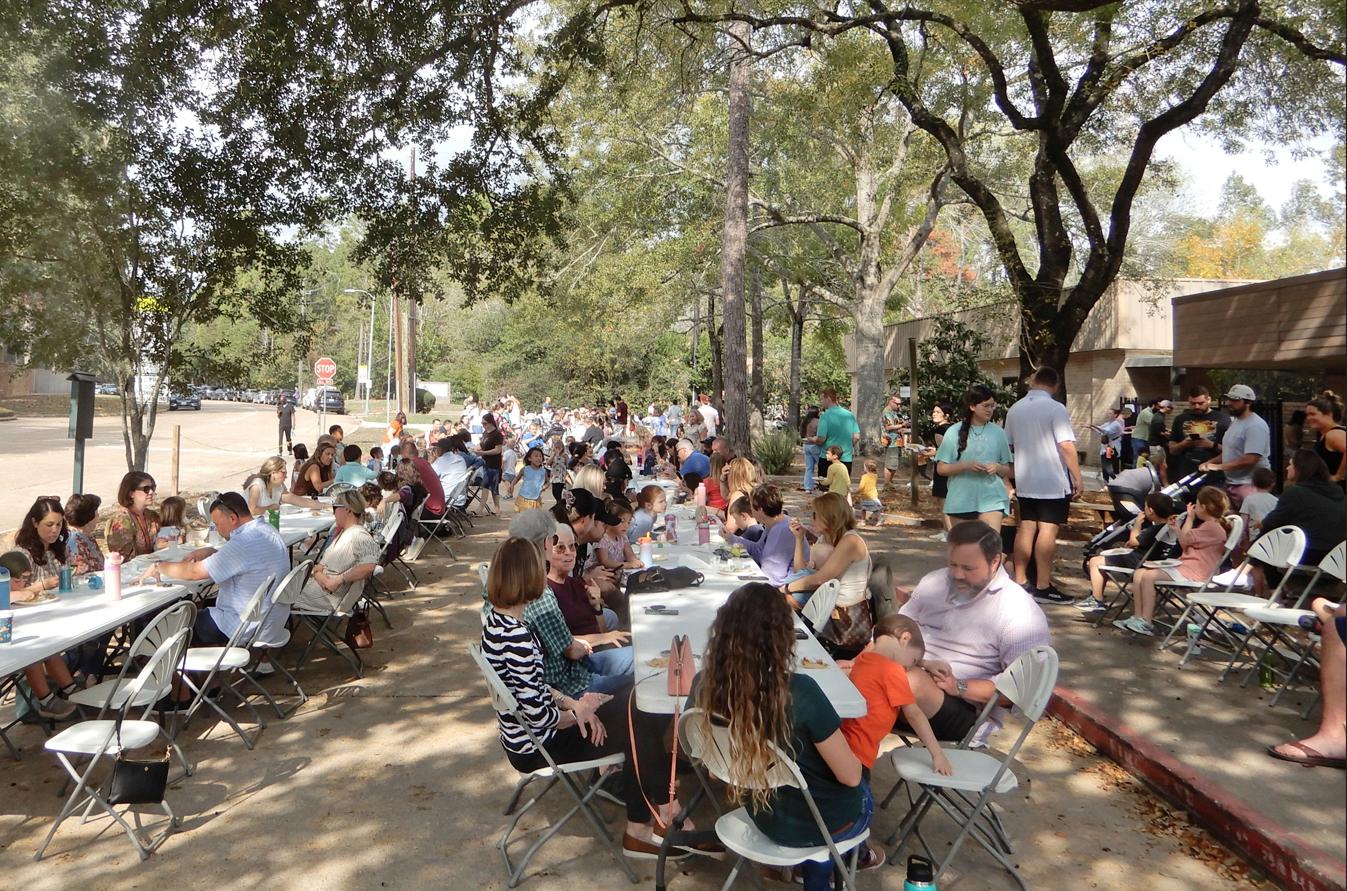
They saw each other for the first time in over 20 years at the Thanksgiving Feast!

Kathleen White and Jürgen Schröder, were past Pines Trustees are now PROUD Pines grandparents!
Thank you for making Pines the school we love!

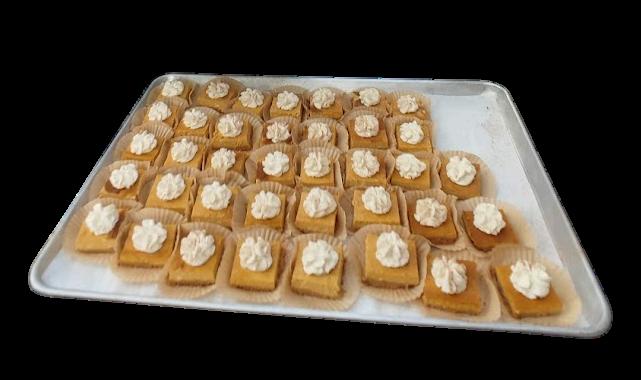

Bake Sale Time: 3:00-4:00 Play in the Park 3:15-4:30
Parentsarewelcometopickuptheirchildrenand participateinBakeSale.Studentsinaftercareshouldbring $1-2perperson,teacherswilltakestudentstoBakeSale.




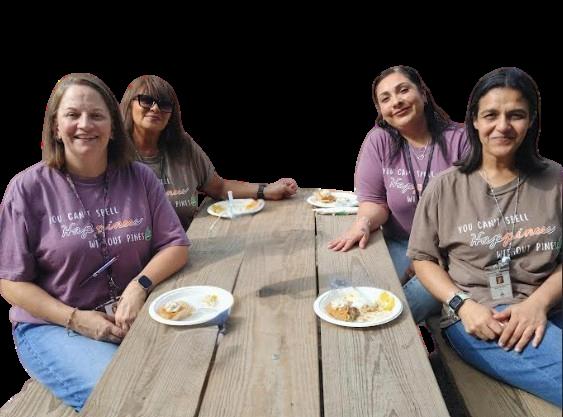
This Years Swag!

Dr. Maria MontessoriThe Original Influencer!
kidsare wearingit!

Family’s at Pines...
Use the App Family’s at Pines... Use the App


Click below Outside of Pines...we didn’t about you!
Outside of Pines...we didn’t forget about you!
Click below
Hoodies
T-shirts

Teacher Experiences
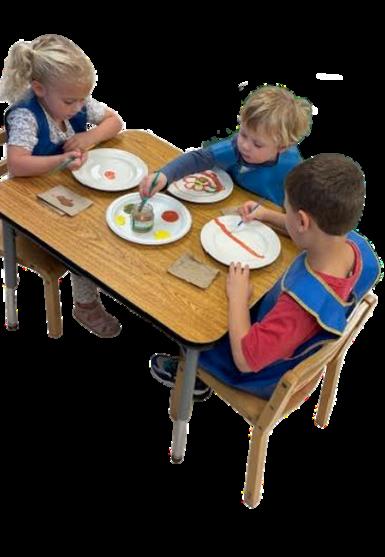
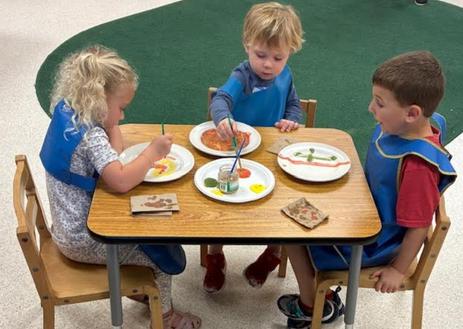
Plate Decorating
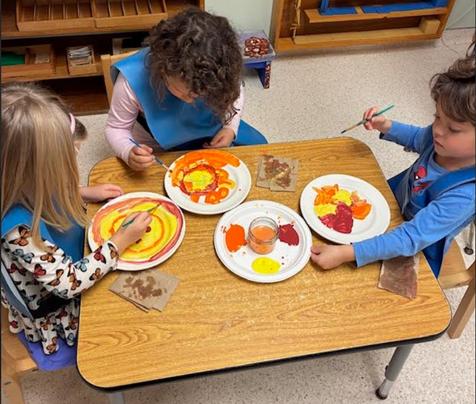
Ms. Shanila and Ms. Linda provided fall colors for a plate decorating class. Each plate was certainly a one of a kind! The EVENT


Kitchen Connections
Baked Winter Vegetables
Embrace the cold with this deeply comforting dish. A colorful array of root vegetables and crisp greens, seasoned simply with fresh herbs, this dish highlights the earthy beauty of the season.

Ingredients
4 turnips
4 carrots
2 leeks
Olive oil Salt
For the Herb sauce
Olive oil
The juice of 1 lemon
Chopped garlic clove
½ cup fresh herbs (parsley, chives a g la)
Instructions
Preheat the oven to 350 F.
Prepare a baking sheet lined with parchment paper. Clean and wash the vegetables. Cut the leeks lengthwise, the turnips into quarters, the parsnip into sticks, and the carrots into slices on the bias.
Spread them on the baking sheet. Season them with olive oil and salt and toss gently.
Bake for 30 minutes.
Meanwhile, prepare the sauce; in a nder or food processor, mix all the redients and set aside.

Serve the vegetables hot and enjoy!



is a NEW date :)
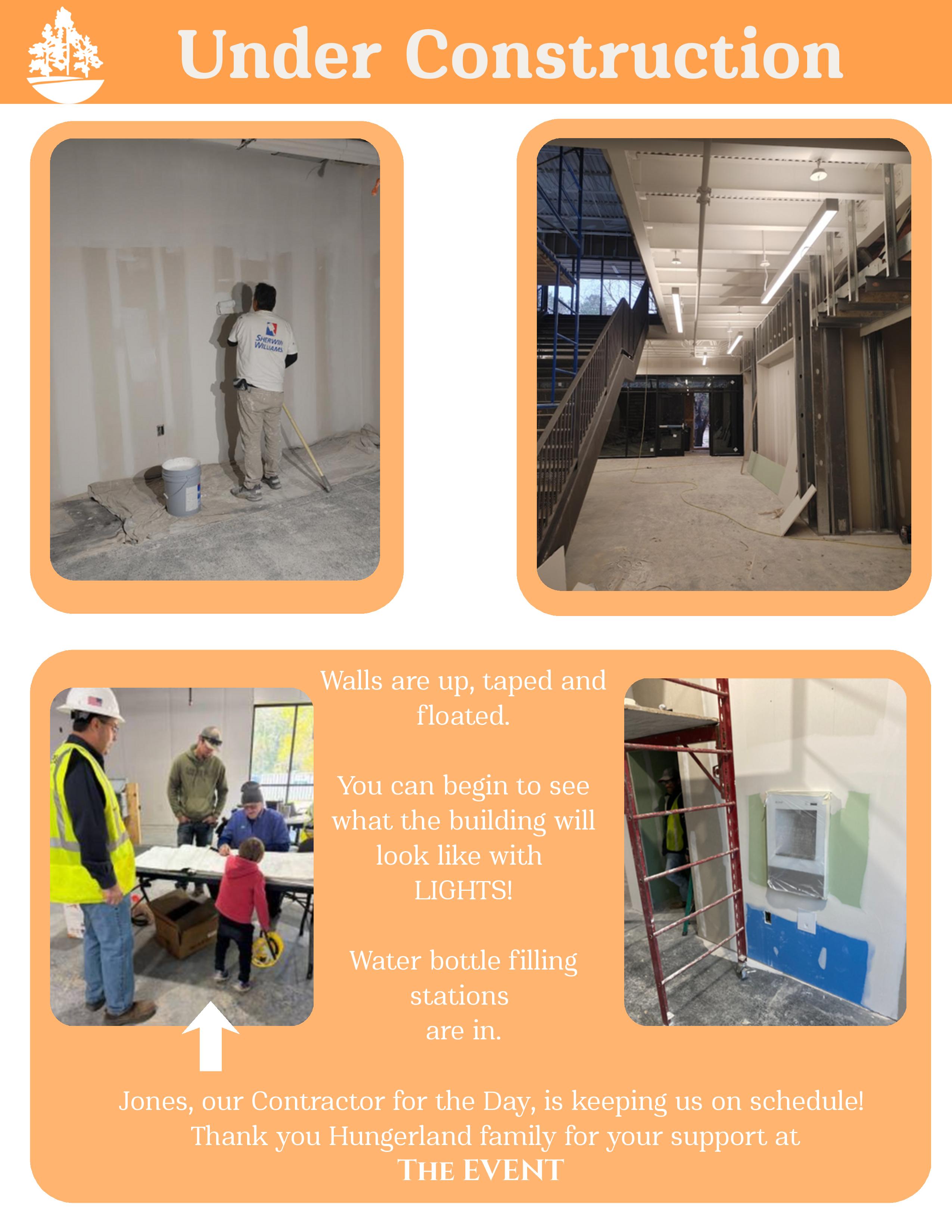
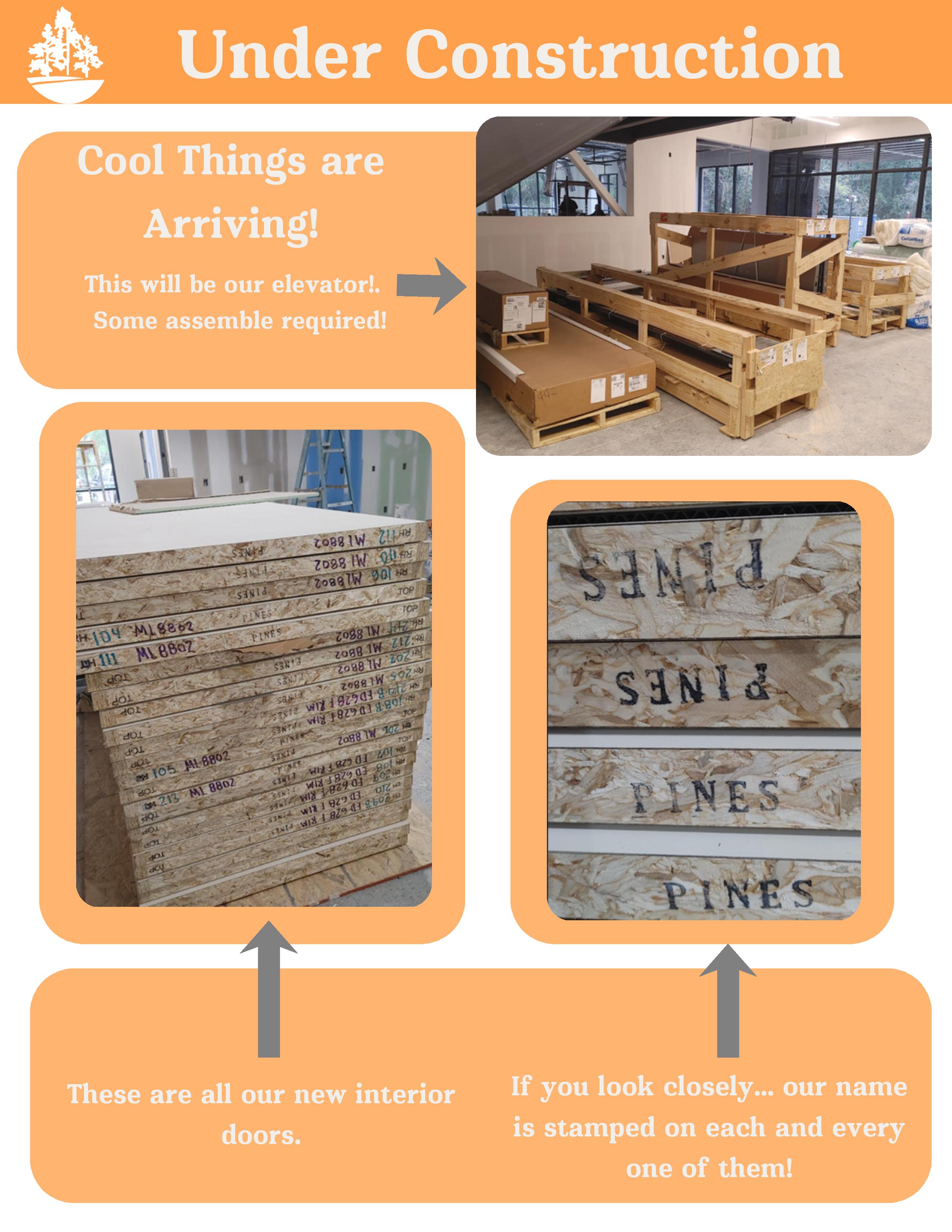
MIX AND MINGLE WITH THE FOLKS THAT MADE THIS BUILDING A REALITY AND SEE WHAT’S UP NEXT! IF YOU ARE READING THIS... YOU ARE INVITED!!!!

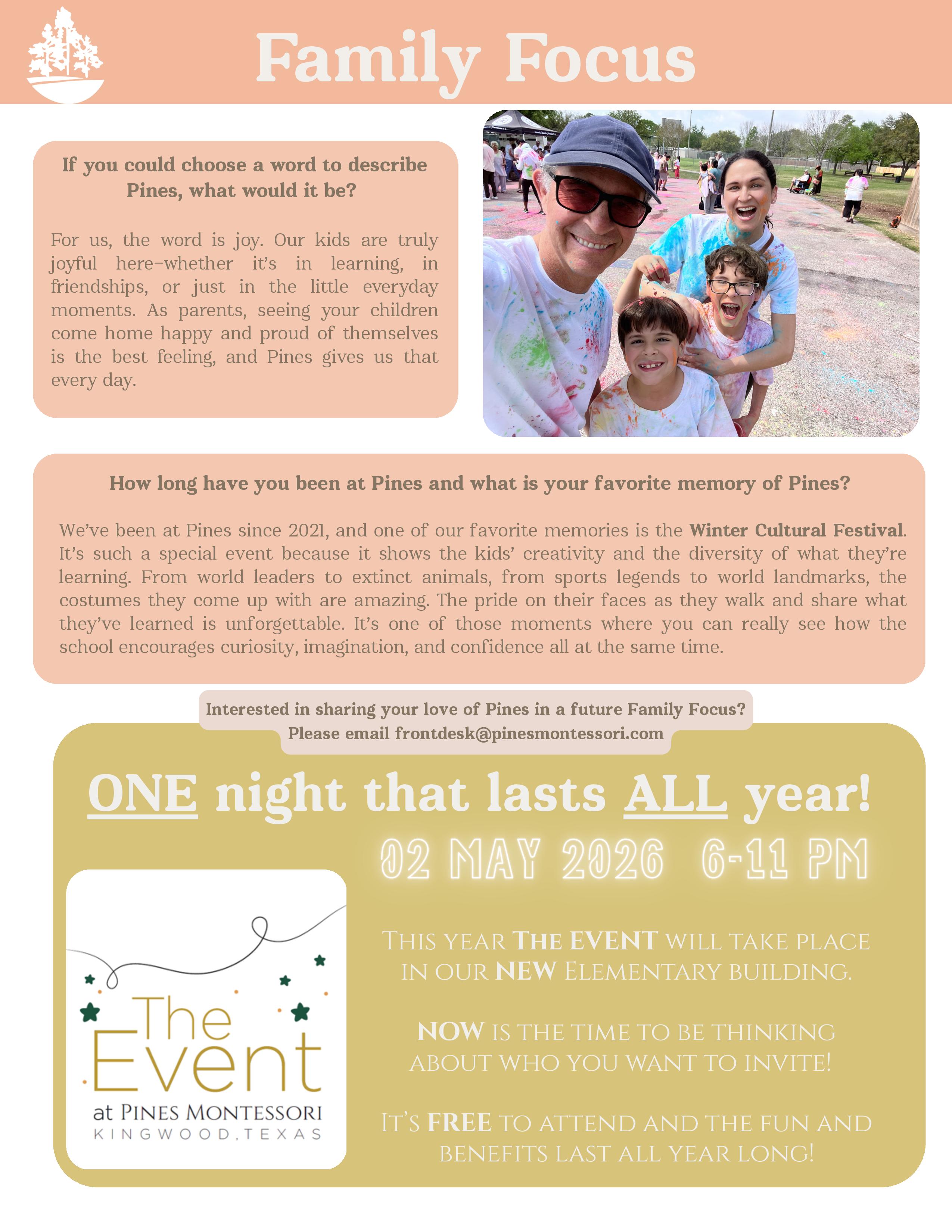
Family Focus


WhatisyourfavoritePineseventandwhy?
WeloveTheEVENT!It’salwayssomuchfun,and atthesametimeit’ssuchanimportantwayto support the school The auction is hilarious there’salittlebitofhealthycompetitionforthe familieswhocangobig,andit’sjustasexciting forthoseofuscheeringfromthesidelines.What wereallyappreciateisthattherearesomany waystobepartofit.Youdon’thavetobe wealthytoparticipatewhetheryou’rebidding, playingagame,buyingaticket,orjustbeing there, everyone is included, and that’s what makesitsospecial
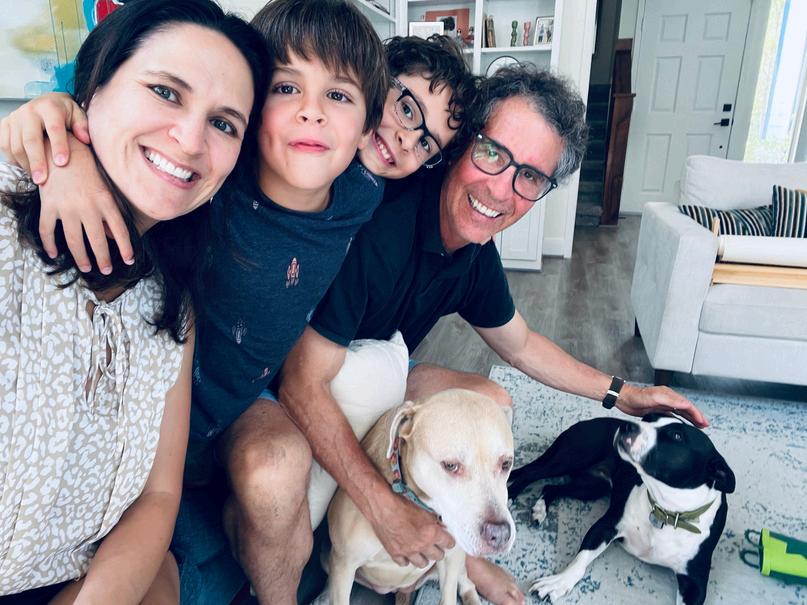
The Forero family had 10 questions to choose from. Here are the 5 they picked.
Are there any specific Montessori activities or materials that your children enjoy?
Matias and Lucas especially enjoy the practical life activities that mirror real life. Since they were little, they’ve had access to child-sized tools, trays, and materials in the classroom that allowed them to safely practice skills like pouring, cutting, sweeping, and organizing. Because they started so young, these tasks now feel completely natural to them as they grow older. At home, we see the results every day they know how to safely use kitchen utensils, sort and recycle, and even take initiative with laundry, dishes, and setting the table. More than anything, they’ve developed an attitude of “I can do it” or “let me try,” which reflects the confidence and independence Montessori has nurtured in them from the start.
How do your children describe their school day?
They come home excited every single day At 8 and 10, they don’t always give us a play-by-play anymore it’s more little snippets here and there. But what we do notice is how happy they are when they walk through the door. Sometimes they’ll tell us about something funny that happened with friends, a bug they spotted on a nature walk, or a random history fact that even we didn’t know. Other times it’s just a silly joke they learned during an activity. They may not share everything, but the way they talk and even more, the way they feel shows us that school isn’t just where they go to learn. It’s where they feel connected, curious, and proud of themselves, and that joy comes home with them every day.

Hosted by our Teachers
We have developed a series of roundtable discussions on varying topics. We will meet at the Middle School on the 2nd Thursday of each month, 6:00 PM - 7:00 PM Childcare is provided but you MUST sign up in the App
Growing Up Today: A Recap of Our November
Round Table
Our third Parent Round Table, focused on Growing Up Today: Rites of Passage and Milestones It was a lively blend of idea sharing, and reflection as we explored how children move from one stage of development to the next, and how families can mark these important transitions with intention.
We began by defining rites of passage as meaningful moments that signal growth or change in a child’s life. In Western culture, many traditional rites have faded, leaving only a few age-based markers like getting a driver’s license or the right to vote. Some families still honor cultural traditions such as a bar/bat mitzvahs or quinceañeras, but many modern families find themselves creating their own meaningful milestones.
Why These Moments Matter
In today’s fast-paced world, acknowledging milestones is vital for healthy child development. We celebrate early achievements such as sitting up, trying solid foods, taking those first steps, but as children grow older, these celebrations often become less intentional. Yet these moments continue to shape identity, belonging and confidence.
Throughout history, rites of passage have helped children understand who they are and what responsibilities come next. Without them, children and adolescents may try to create their own, sometimes through risky or impulsive behaviors to feel grown-up
Our discussion highlighted how modern culture often accelerates academic expectations while delaying social and emotional independence In this gap, children need clear, supportive markers that signal “You’re ready for the next step.”
We also talked about how these milestones do not follow a universal schedule. They arrive at different times for every child and every family. What matters is not the age, but the readiness and the message of trust behind it. These moments also give children something to look forward to; anticipation becomes part of the ritual and reinforces their sense of growth. i
Hosted by our Teachers
Shared Stories
Parents shared personal memories: being allowed to wear makeup, stay out later, order their own meals at a restaurant, or get their ears pierced These experiences were simple yet powerful, offering a clear message: “You’re growing. We Believe in You.”
They reminded us that rites of passage do not need to be elaborate; they simply need to be intentional.
Want some ideas for your child? See the list below for some simple suggestions.
Ages 3–6 (Early Childhood)
Being responsible for feeding a family pet with supervision
Graduating to real glass cups or real silverware at meals
A special outing with a parent when transitioning to a new classroom level
Choosing their own hairstyle or clothing for the first time
Receiving their first small “grown-up” chore, like watering plants
Ages 6–9 (Lower Elementary)
Staying up a little later on weekends
Walking into the school building independently
Learning to safely cook a simple meal
Getting their first personal journal or sketchbook as a symbol of inner life and responsibility
Being responsible for packing their lunch or school bag
Ages 9–12 (Upper Elementary)
Staying home alone for short periods (when appropriate)
Managing their own alarm clock and morning routine
Beginning to make personal goals and tracking progress
Being entrusted with a family tradition or recipe
Planning and preparing part of a family meal
We hope you’ll join us Thursday, December 11 @ 6:00pm in Middle School for another encouraging and practical conversation as we continue supporting our children, and ourselves, through every stage of growth.
Looking ahead: December’s Round Table
Next month, we’ll tackle a topic every parent knows well boredom. We’ll explore how to help children experience healthy boredom without losing your own sanity. Together we’ll look at why boredom is a powerful tool for developing creativity, resilience, and problem solving, and how to survive the inevitable, “But there’s nothing to do!”