Bioplastic Protocols
MODULE 5
BIOPLASTICS & SUSTAINABLE FUTURES
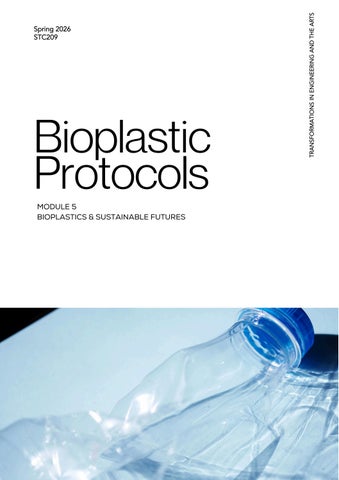
Red algae polysaccharides dissolved in hot water to release linear chains, which then undergo gelation and hydrogen bonding into 3D network upon cooling
Ingredients:
10 mL distilled water
1.5 grams starch (potato or corn)
0.5 - 1.5 grams glycerin (more glycerin increases flexibility, but too much makes it sticky)
1 mL vinegar
Instructions:
1.Mix the starch, water, glycerol, and vinegar
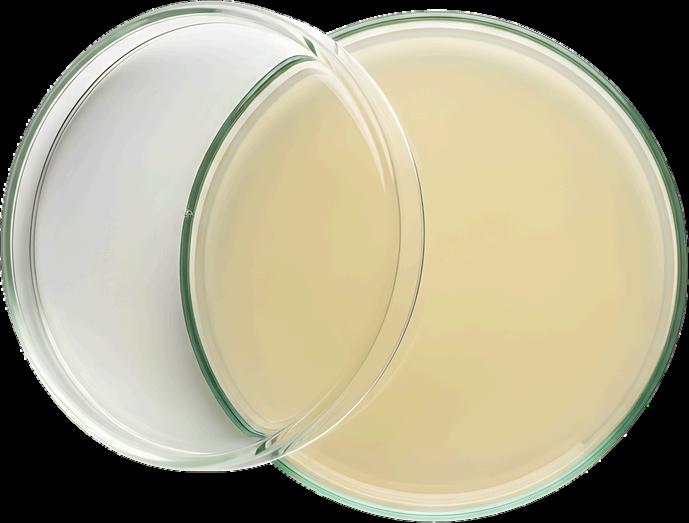
2.Heat the mixture gently while continuously stirring.
3.Continue heating until the mixture thickens into a gel-like, viscous consistency (gelatinization).
4.Pour the mixture onto a non-stick surface (e.g., petri dish, aluminum foil) and allow to dry
Ingredient Role
Starch (Corn or Potato)
Distilled Water
Glycerol (Glycerin)
White Vinegar
Main biopolymer (amylose/amylopectin)
Solvent for dissolving and gelatinizing the starch.
Plasticizer, increasing flexibility and reducing brittleness.
Catalyst to help break down starch chains (acid hydrolysis).
Alginate is a naturally occurring linear polysaccharide extracted primarily from the cell walls of brown algae (seaweed). When alginate (sodium alginate) meets a calcium source (like calcium chloride), the calcium ions ����2+ act like "glue" that sits between the polymer strands.
Ingredients:
12 g Sodium Alginate
400 mL Water
20 g Glycerin
10% solution CaCl2 (1g in 10mL water)
Instructions:
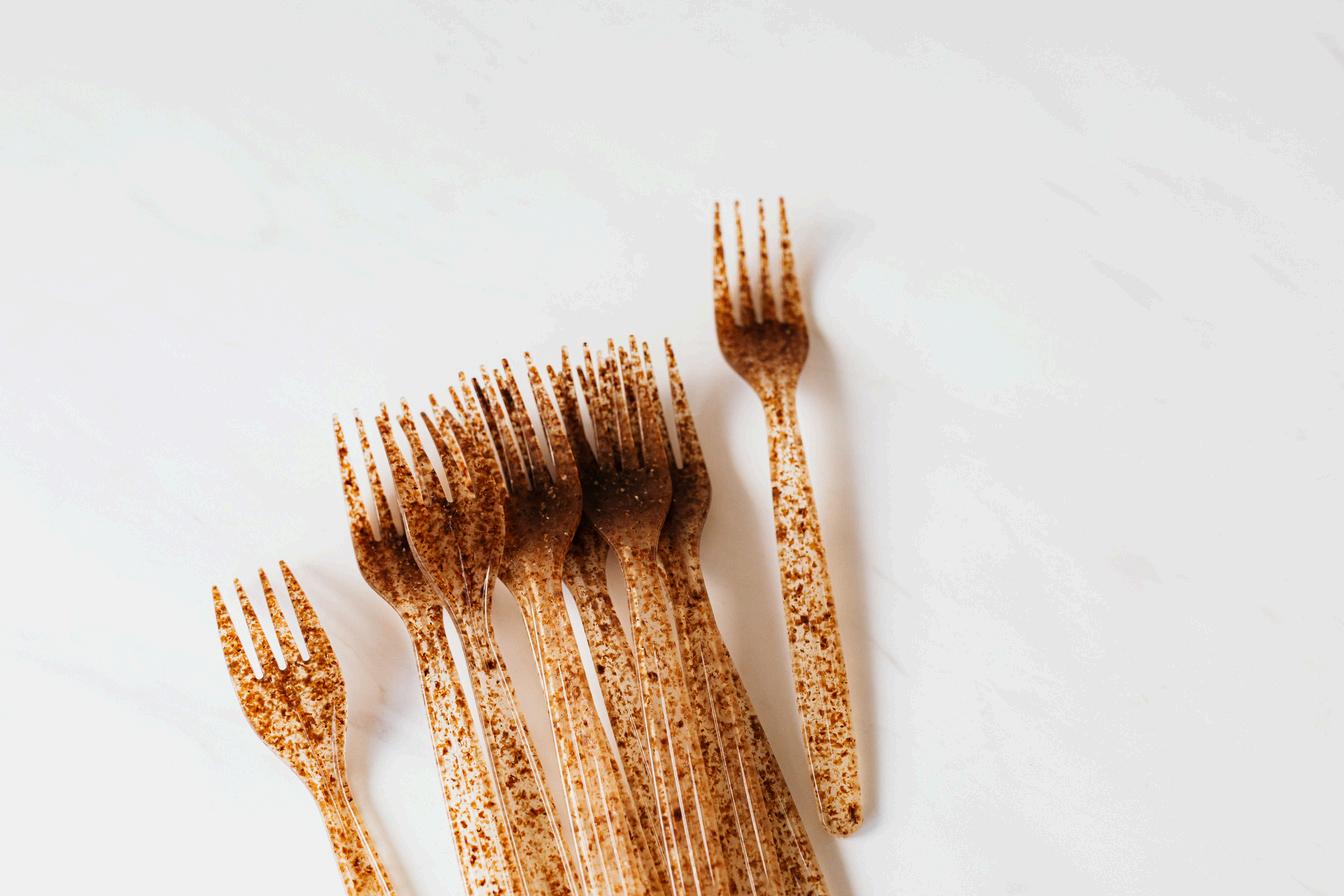
1. Dissolve sodium alginate in water (this will take lots of time and blending)
2.Prepare CaCl2 in a separate tube
3.Fill a syringe or dropper with the sodium alginate solution
4.Slowly drip the alginate solution into the calcium chloride bath- The drops will instantly form spherical hydrogel beads
This is a simple synthesis of a thermoplastic by disrupting the structure of starch granules and cross-linking the polymer chains
Ingredients:
10 mL distilled water
1 g starch (corn or potato)
1 mL glycerin (or sorbitol, see below)
1 mL vinegar
Instructions:
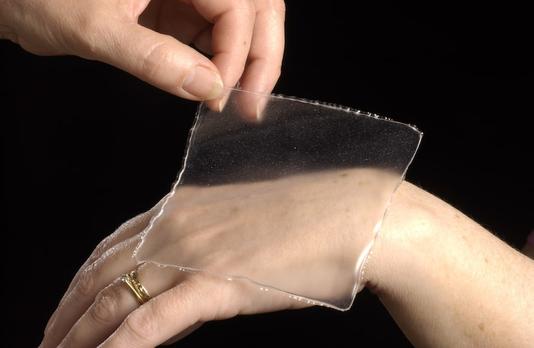
1 Combine all ingredients in a heat-safe beaker or pan
2 Stir until smooth (no clumps)
3 Heat over medium-low until the mixture thickens and becomes translucent
4 Pour onto petri dish and let dry
Note: Sorbitol can be substituted for glycerin as a plasticizer
Glycerin → softer, stretchier
Sorbitol → firmer, glossier finish
Ingredient Role
Starch (Corn or Potato) Main biopolymer (amylose/amylopectin)
Distilled Water
Glycerol (Glycerin)
White Vinegar
Solvent for dissolving
Plasticizer, increasing flexibility and reducing brittleness
Catalyst to help break down starch chains (acid hydrolysis)
This recipe utilizes a protein, gelatin (derived from collagen), which forms crosslinked structures when heated and then cooled
Ingredients:
60 mL hot water (distilled)
12 g gelatin powder
3 g glycerol
Instructions:
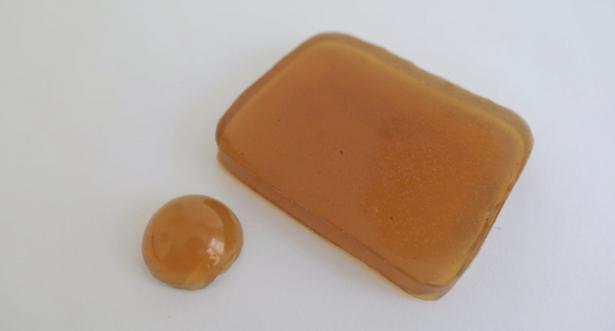
1 Combine the gelatin, hot water, and glycerol
2 Heat the mixture over a medium heat, stirring until the gelatin fully dissolves and the solution thickens slightly Avoid boiling
3.Pour the warm solution onto a flat, non-stick surface
4.Allow to set and dry
Ingredient Role
Starch (Corn or Potato)
Distilled Water
Glycerol (Glycerin)
White Vinegar
Main biopolymer ()
Solvent for dissolving and gelatinizing the starch
Plasticizer, increasing flexibility and reducing brittleness
Catalyst to help break down starch chains (acid hydrolysis)
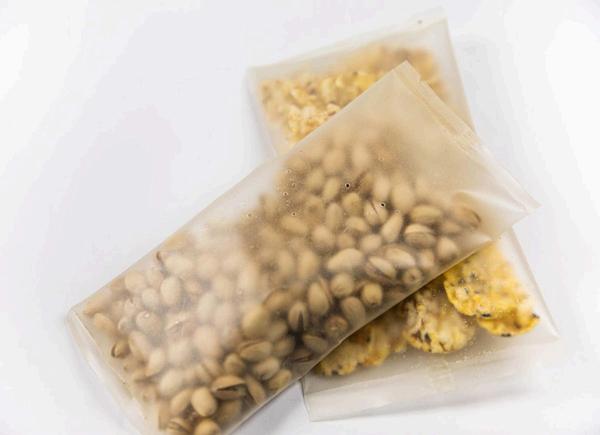
This recipe utilizes a protein, gelatin (derived from collagen), which forms crosslinked structures when heated and then cooled
Ingredients:
60 ml water
6 grams starch
6 grams gelatin
6 grams glycerin (3 grams makes a stiffer sheet)
Instructions:
1 Mix all ingredients in a small pot
RISD Nature Lab
2 Heat at medium, stirring continuously
3 Continue stirring until mixture begins to turn whitish and thickens slightly
4. Remove from heat
5. Carefully pour liquid into tray
Notes:
Overheating or rapid stirring will cause bubbles to form that will impact your results
Depending on temperature and humidity, bioplastic will take 4-7 days to cure
After making your base bioplastics, experiment with additives and reflect on the key concepts below
Try adding one of these to your recipe before heating:
Spirulina Powder a blue-green cyanobacteria rich in protein and phycocyanin pigment May make films stiffer and darker Color is less sensitive to pH
Beetroot Powder is rich in a red-purple pigment called betacyanin and also contains fiber Color is pH-sensitive:
In acidic recipes (like starch + vinegar), beet pigment shifts toward orange-brown
In neutral recipes (like gelatin or agar), it stays bright red-purple
Sorbitol a sugar alcohol that acts as a plasticizer, softening the polymer by spacing molecules apart Produces a smooth, glossy film with moderate flexibility Often yields a slightly firmer texture than glycerin
Glycerin a polyol plasticizer that increases flexibility by helping polymer chains slide past each other Produces a soft, elastic, and sometimes tacky film More hydrophilic than sorbitol
Feedstocks: Bioplastics can be made from starch, protein, or polysaccharide sources
Processing: Heat and acid help form or reform polymer chains
Additives: Plasticizers (like glycerin or sorbitol) increase flexibility; catalysts (like vinegar) change how polymers form
Structure–Property Link: The type of molecule and additive affects flexibility, strength, and solubility
pH Effects: Pigments and proteins can behave differently under acidic vs neutral conditions, changing both color and structure
Reflection
Which material showed the best combination of flexibility and strength? How did the additives affect mechanical and aesthetic properties?