FIRE + ESD DESIGN


PGAL is dedicated to enhancing the safety, security, and wellbeing of communities through exceptional service and innovative design. With a commitment to quality, we create spaces that leave a lasting impact, reflecting the unique needs of the people and organizations we serve.
As a leader in public safety design, PGAL has an extensive portfolio of police, fire, and emergency operations facilities. Our collaborative, client-focused approach ensures each project is delivered on time, within budget, and tailored to the functional, aesthetic, and financial requirements of the community.
With over 79 years of experience, PGAL combines a rich legacy of expertise with a forward-thinking mindset. We take pride in planning and designing environments that empower communities to thrive while meeting the critical demands of public safety.
alexandria • atlanta • austin • boca raton
dallas/fort worth • denver
hoboken • houston • las vegas • los angeles • salt lake city • san diego
PGAL has delivered hundreds of public safety facilities across the country—from municipal fire stations and 9-1-1 centers to multiagency complexes, EOCs, and training towers. We understand how thoughtful design can improve response times, enhance security, and support the wellness of first responders.
We work closely with law enforcement, fire, and EMS teams to plan secure, high-performance spaces that reflect real-world operations. Our designs prioritize durability, intuitive layout, and long-term adaptability.
With expertise in hardened construction, NFPA and DOJ compliance, secure access planning, and LEED strategies, PGAL delivers facilities that are resilient, efficient, and built to grow with the communities they serve.
location: austin, texas
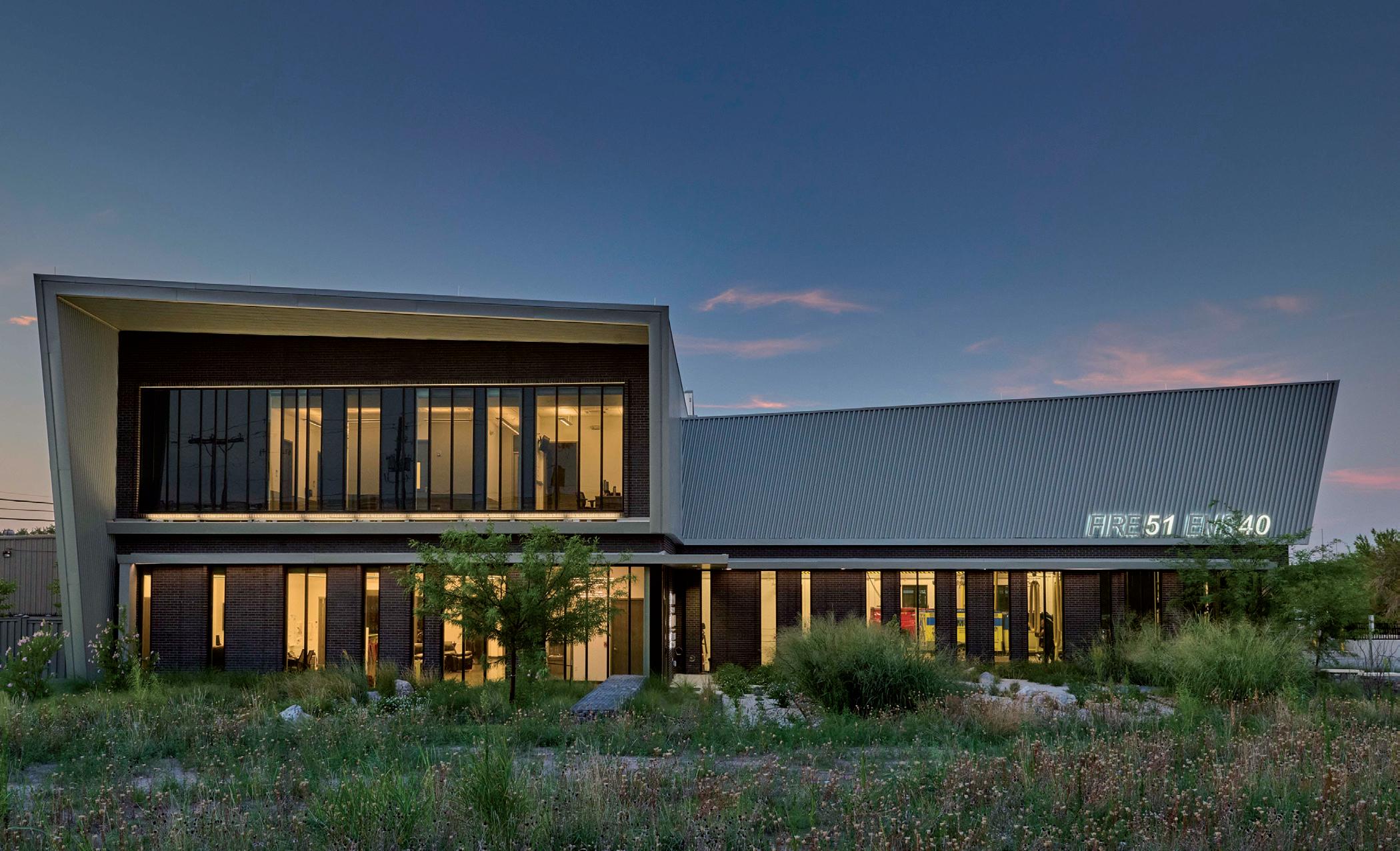
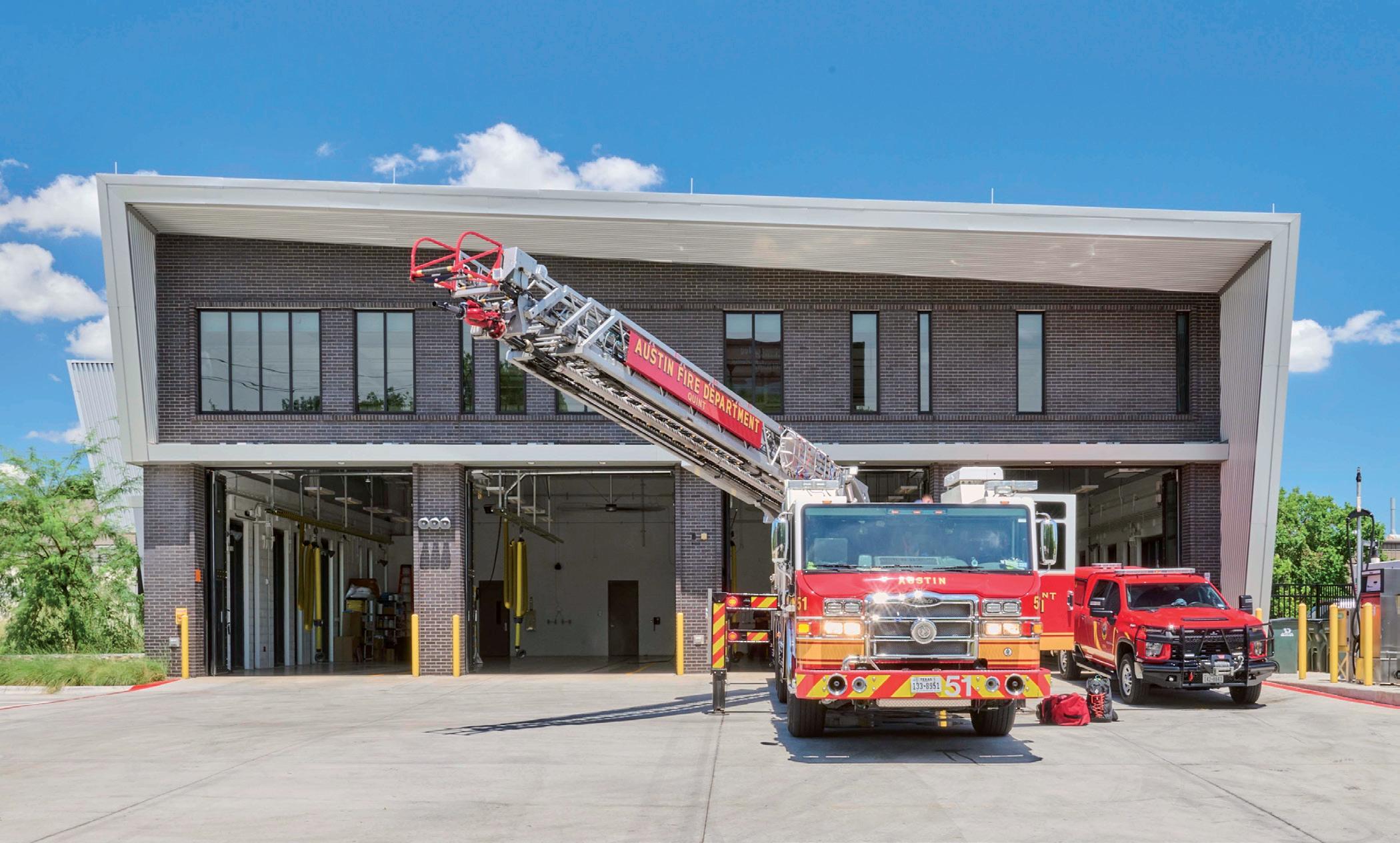
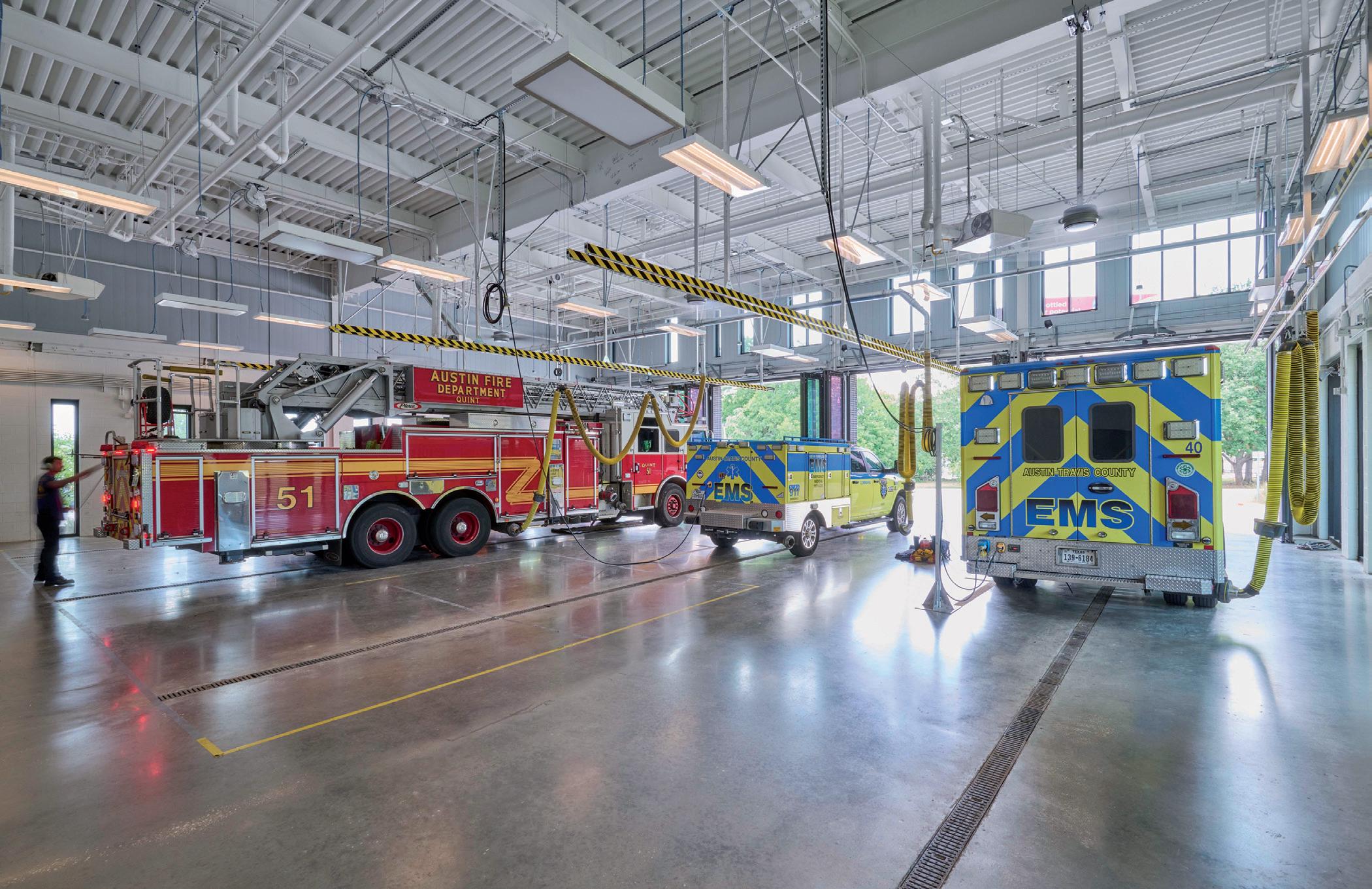
Travis Country Fire + EMS Station is the second facility in Austin’s five‑station initiative to expand emergency coverage. Located on a compact site, the 15,000‑square‑foot station uses a vertical layout—pairing a single‑story bay with two‑story living quarters to reduce its footprint.
The modern design reinforces civic presence while supporting 24‑hour operations. Programmed features include four back‑in apparatus bays, a fueling station, and a three‑story training stair. Crew accommodations support
dual staffing models and include 14 sleeping rooms, six full restrooms, a gym, 1,000‑square‑foot kitchen, dayroom, and exterior lounge.
Balancing function, comfort, and readiness, the building offers a clean, contemporary response to site constraints and service demands.
location: houston, texas
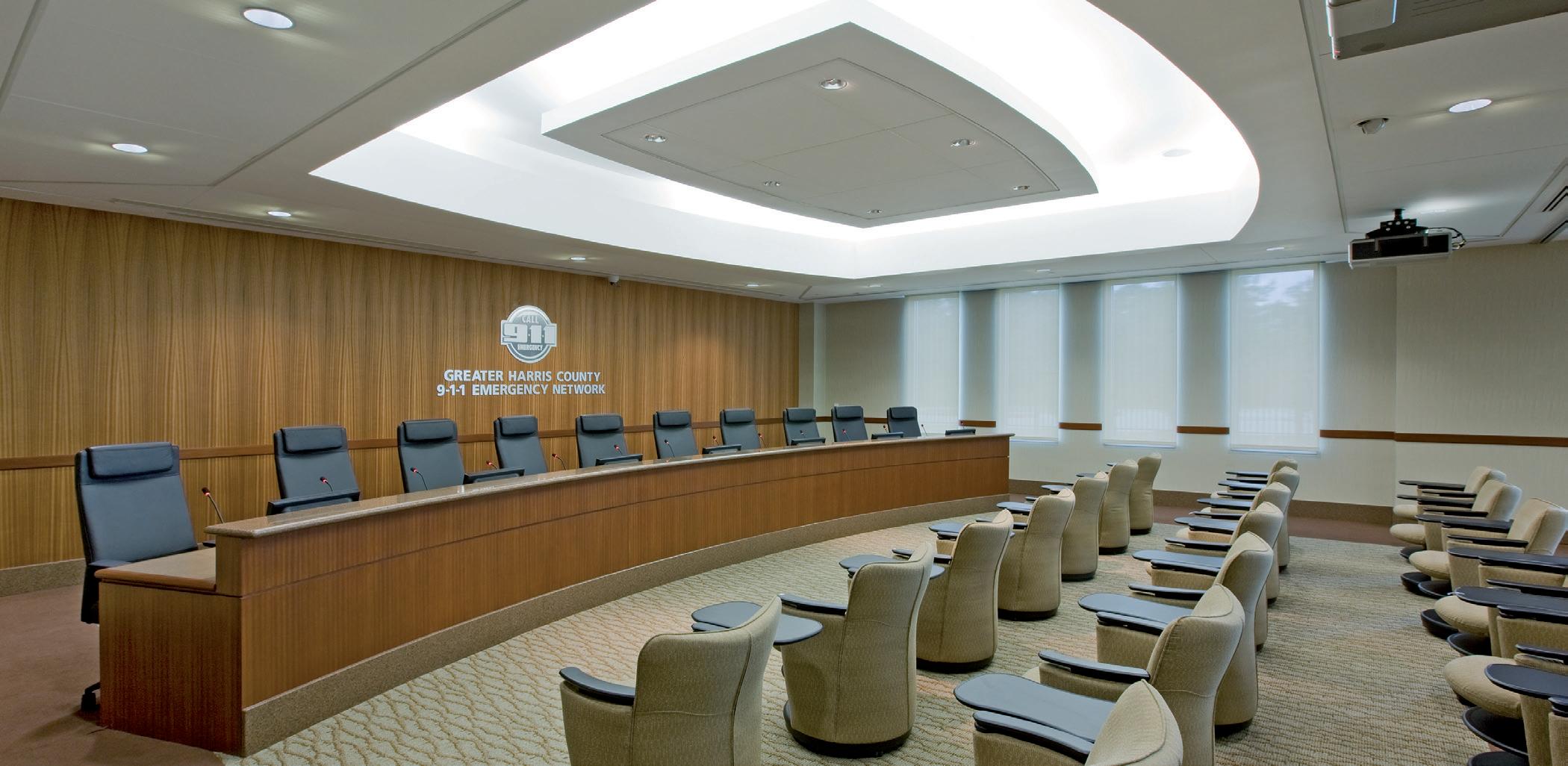
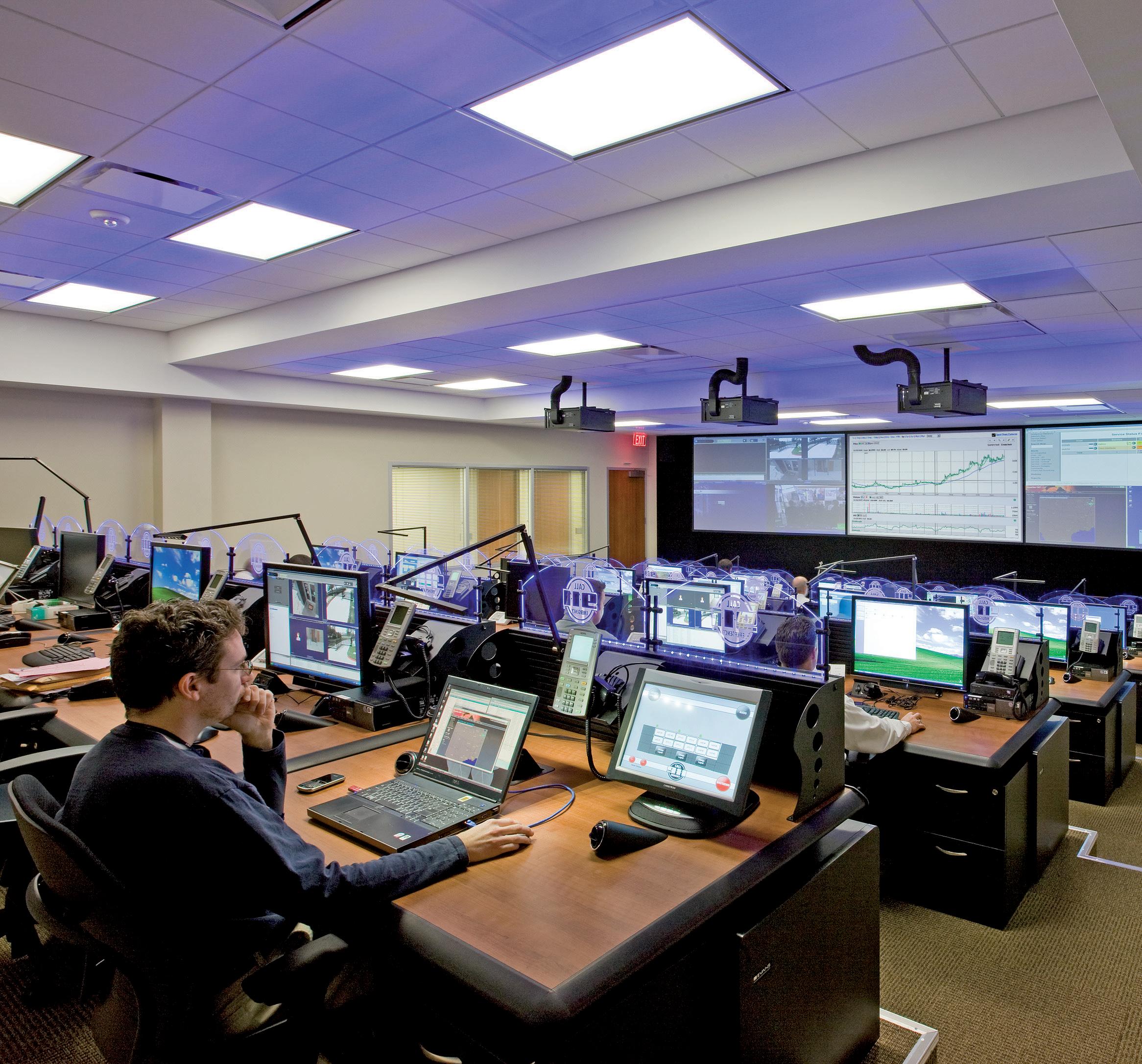
PGAL partnered with the Greater Harris County 9‑1‑1 Emergency Network to deliver a 45,000‑square‑foot mission critical facility that centralizes training, administrative, and emergency response operations into one secure, high‑performance environment.
Sited on an 11.3‑acre campus, the Tom Bass Building enhances regional coordination by supporting all public safety answering point (PSAP) operations across Harris County. Key features include a two‑bay Emergency Management garage, a dedicated mobile command unit space, an emergency generator shelter, helipad, and a 125‑foot communications tower.
The design team prioritized resilience and continuity of operations. The building provides ample parking, achieved LEED Silver, and ensures uninterrupted service during high‑demand events.
This collaborative solution enables rapid deployment, reliable service, and trusted coordination—when it matters most.
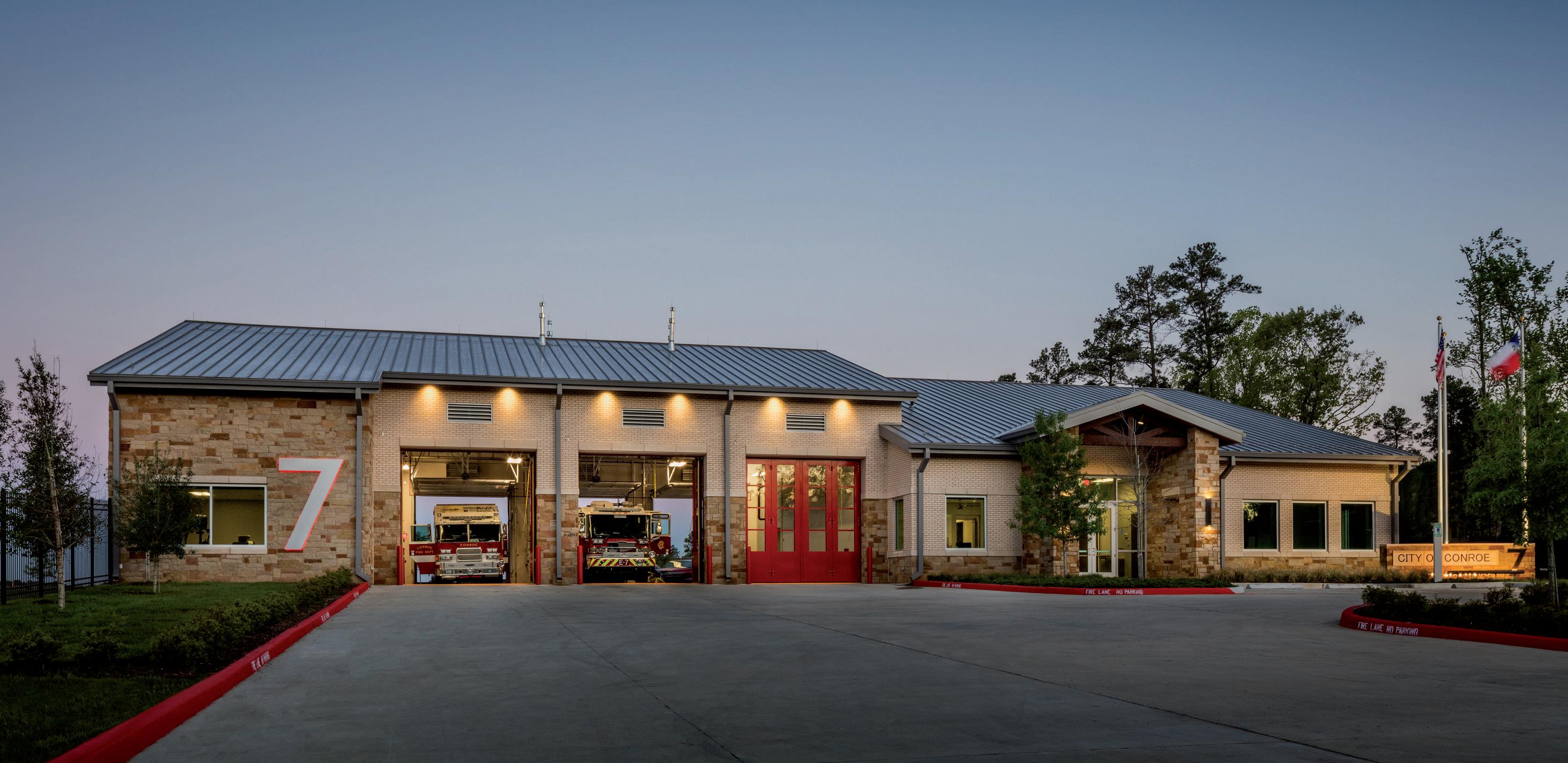
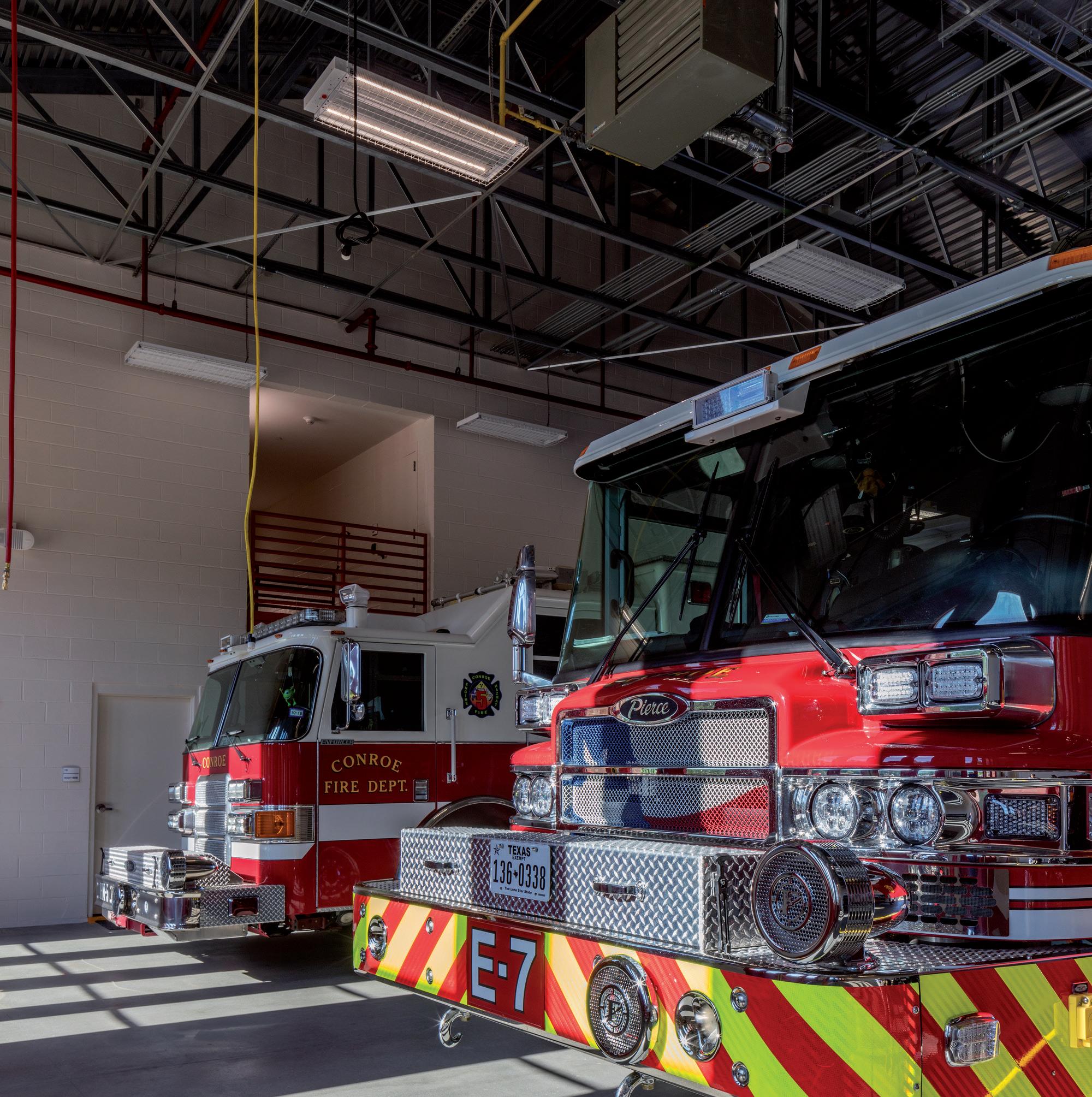
location: conroe, texas
The 11,000‑square‑foot Fire Station No. 7 is a key addition to the City of Conroe’s public safety network, designed to support firefighter wellness and operational readiness.
Its durable stone‑and‑brick exterior integrates with nearby residential neighborhoods while emphasizing civic identity through exposed trusses, natural materials, and custom signage. Fire‑engine red bay doors and large timber elements add warmth and visibility.
The station includes three 80‑foot drive‑through apparatus bays, a high‑performance exhaust system, and a flexible day room with a stainless‑steel island kitchen.
Private sleeping quarters feature integrated lockers, desks, and access to a dedicated fitness space—promoting rest, recovery, and resilience.
Together, these features deliver a livable, high‑functioning station that balances performance with comfort.
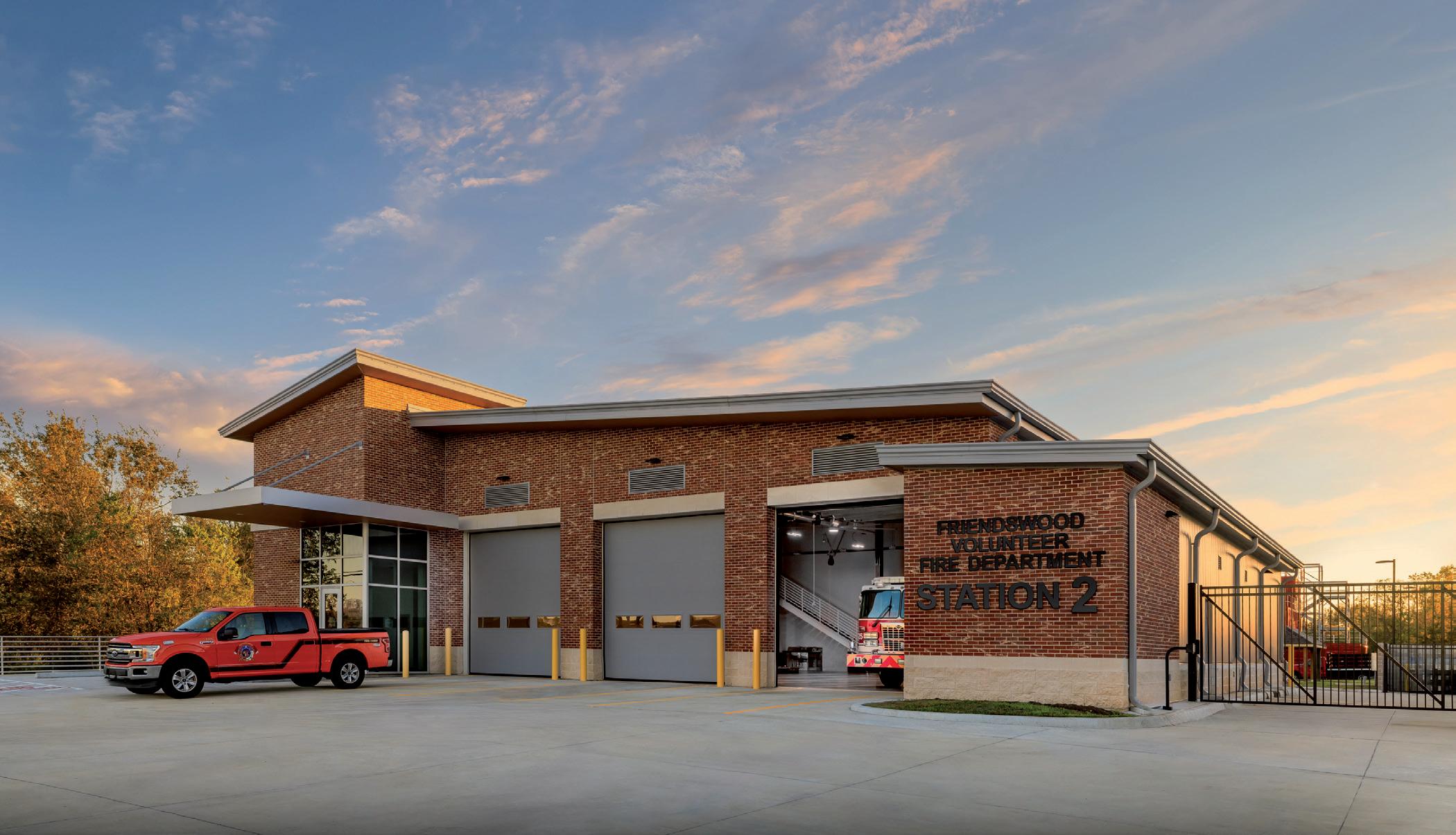
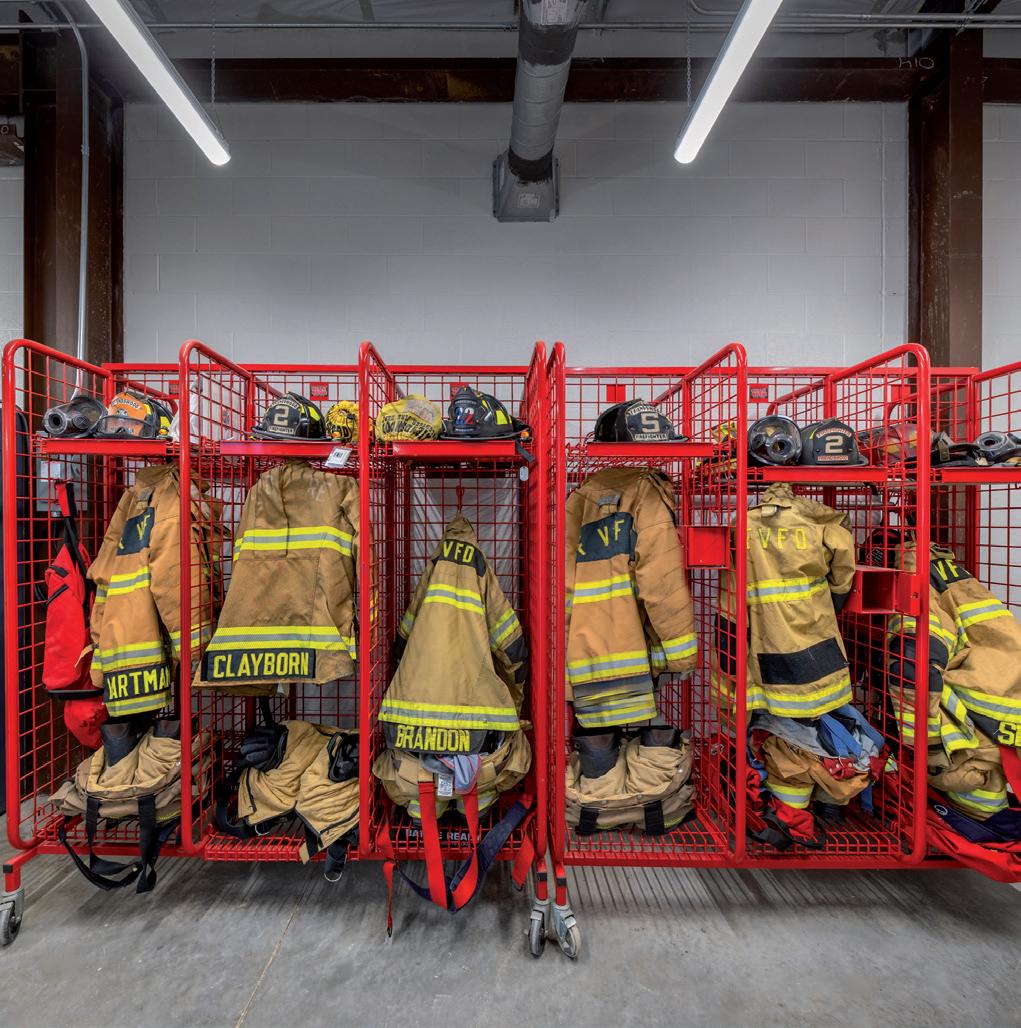
location: friendswood, texas
To replace its aging facility and expand firefighter training capacity, the City of Friendswood approved a $4.1 million bond to construct a new Fire Station No. 2 and training field on the existing site.
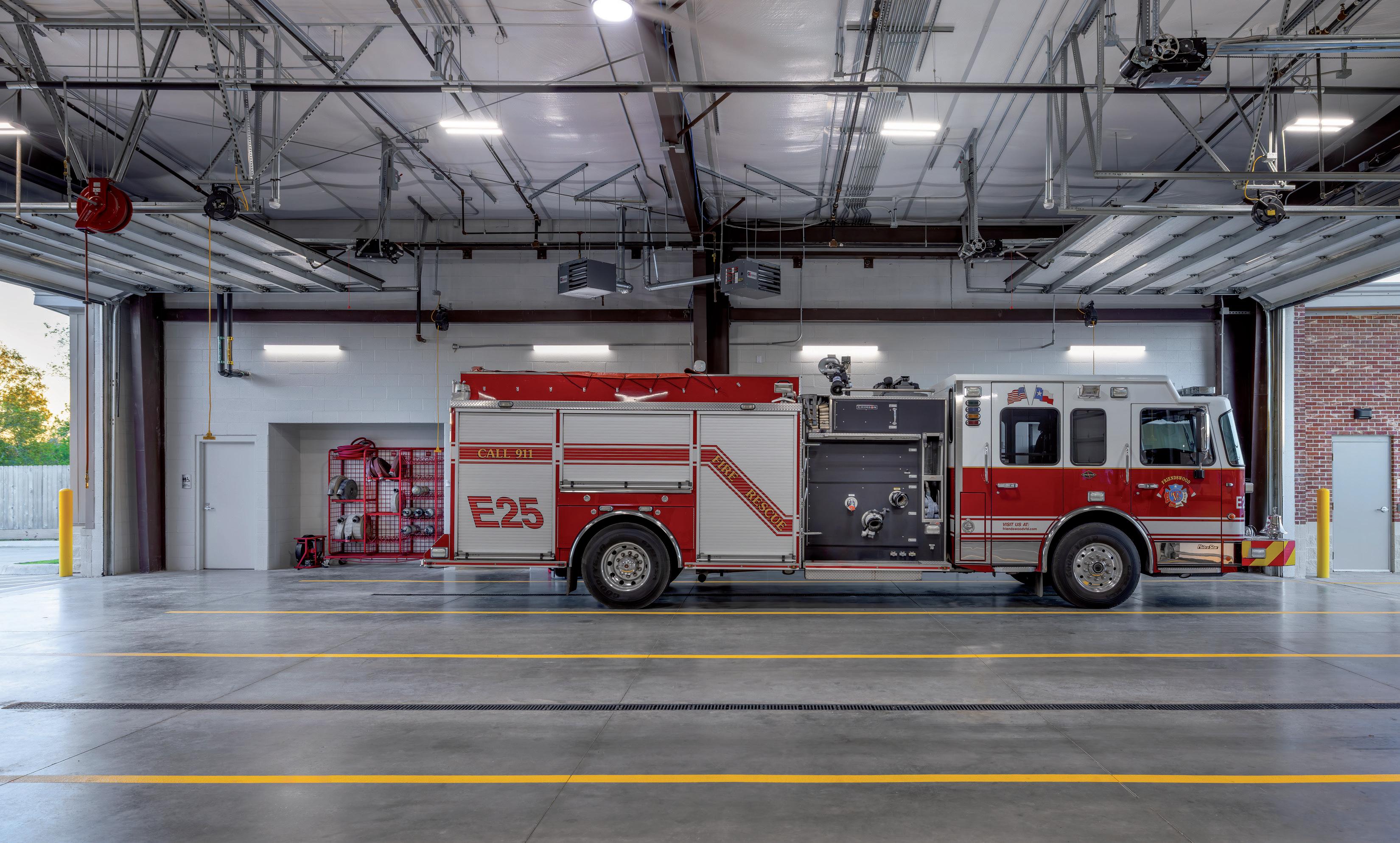
The 7,700‑square‑foot facility was built in place of the original station, which was fully demolished. The design includes three back‑in bays with folding front doors, apparatus support spaces, a kitchen, dayroom, dorms, showers, and a mezzanine‑level office and lobby. Public and secure parking is provided, along with perimeter fencing for added safety.
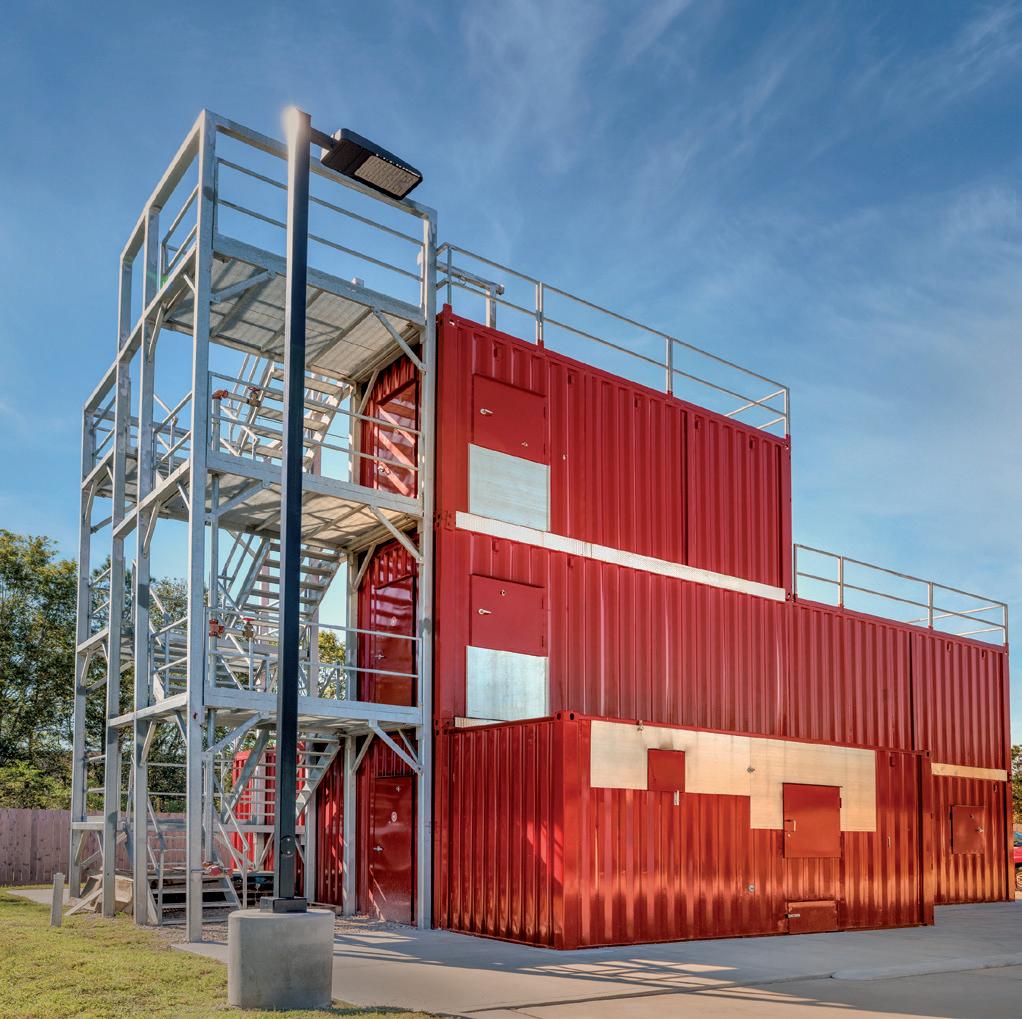
The adjacent training field enhances readiness through new support structures, including a roof prop, storage buildings, a propane tank, and a gravel pad for apparatus simulation and drills—creating realistic, high‑functioning emergency response scenarios.
location: bellaire, texas
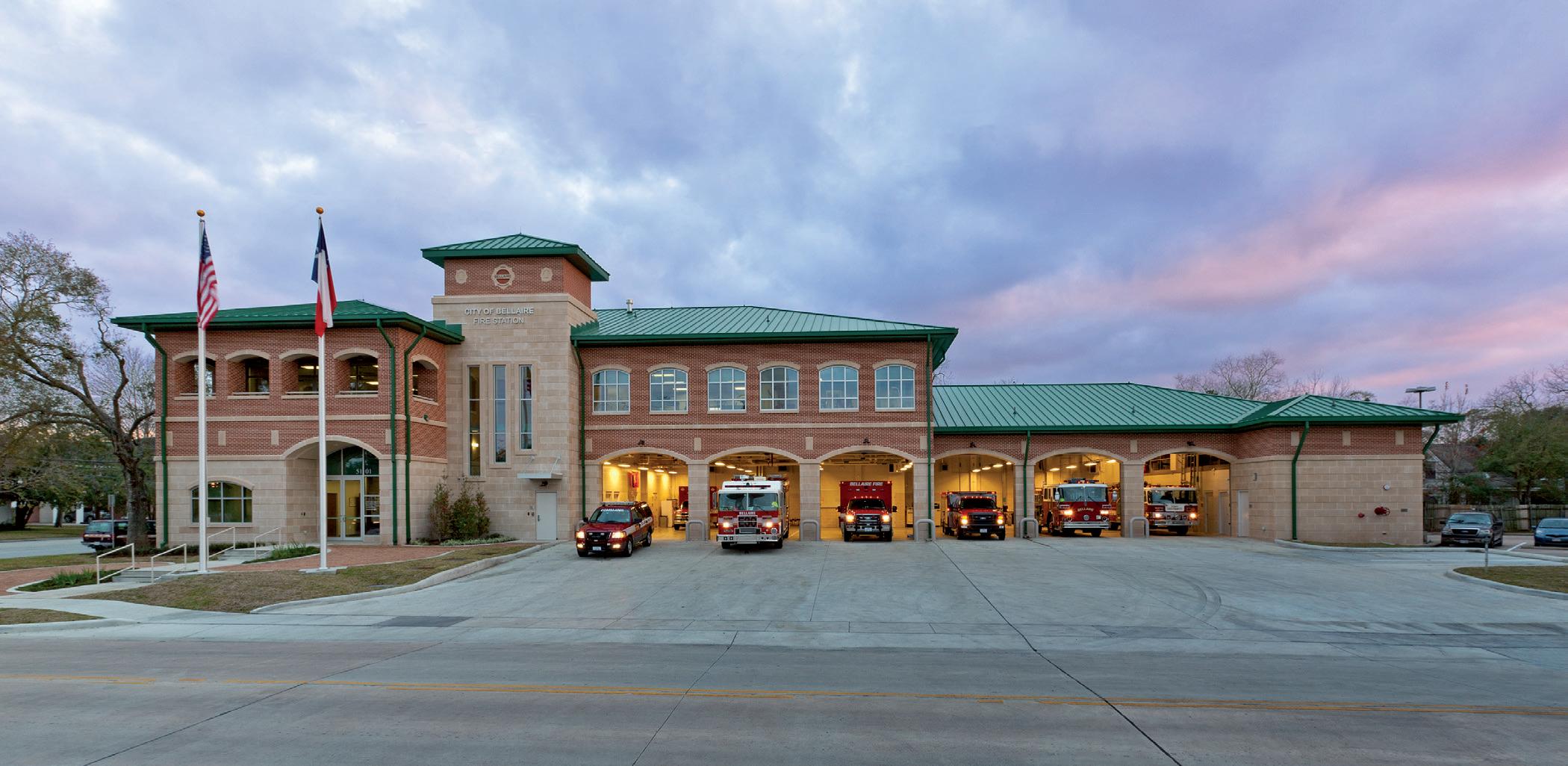
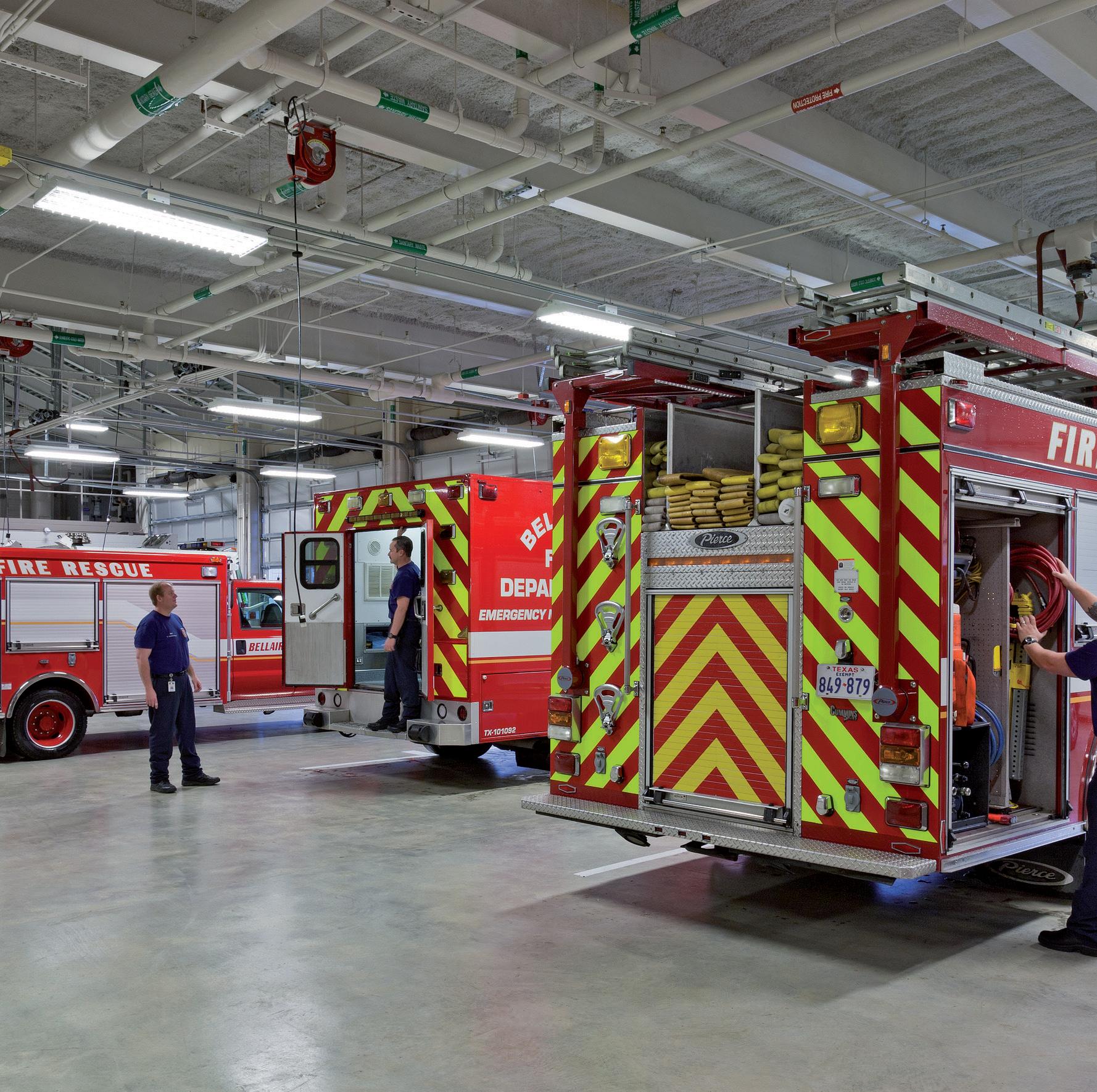
Strategically located on a high‑visibility corner, the new six‑bay, 18,000‑square‑foot fire station and emergency operations center enhances Bellaire’s public safety infrastructure and reinforces neighborhood identity.
PGAL’s design honors the city’s traditional architectural language while meeting modern operational needs. Brick façades, tower elements, and civic detailing blend with clean lines, state‑of‑the‑art systems, and contemporary interiors—creating a balanced facility that reflects local pride.
The building houses full emergency response capabilities and stands as a long‑term investment in the city’s public safety mission: visible, functional, and built to serve for decades to come.
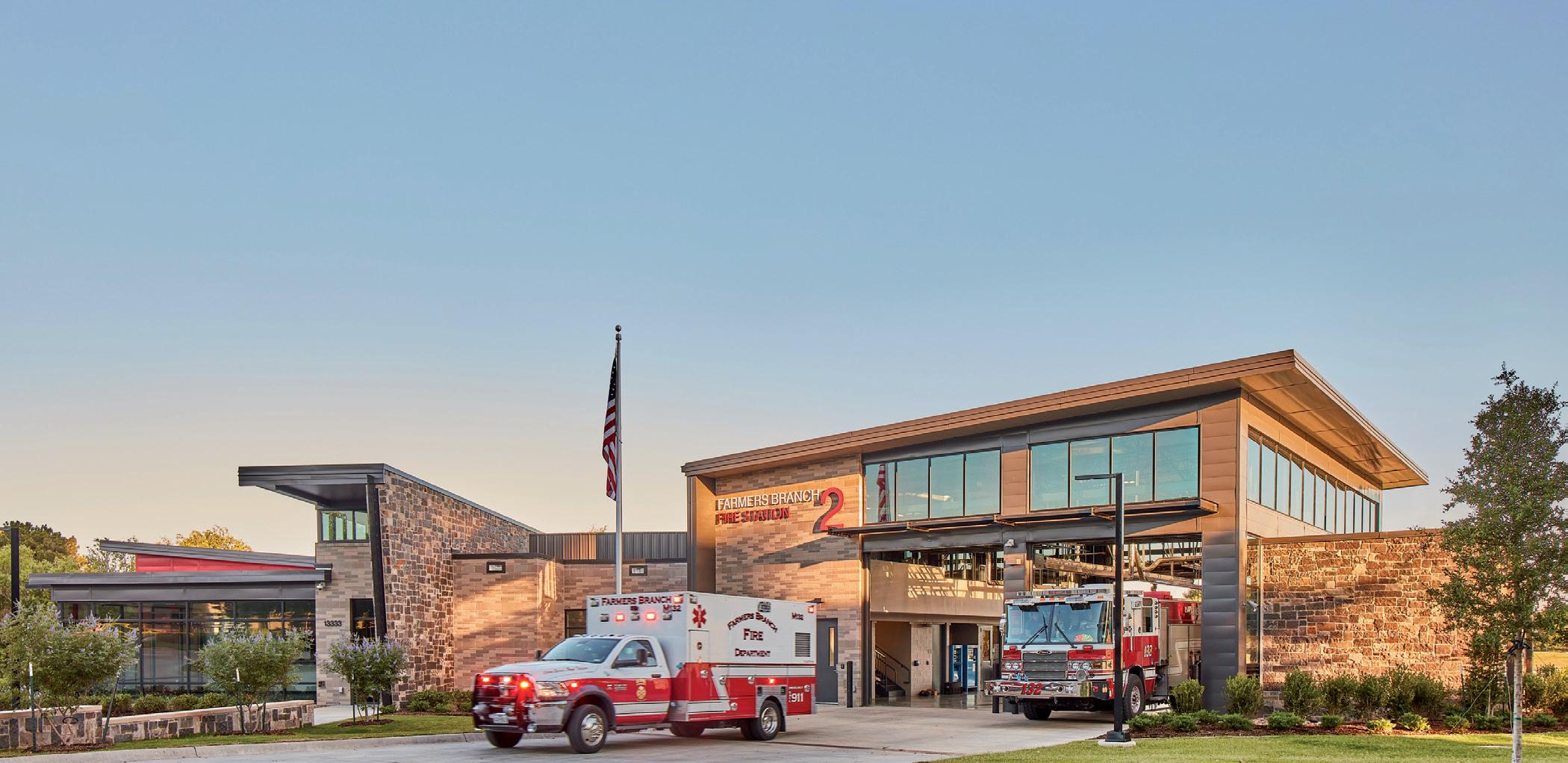
location: farmers branch, texas
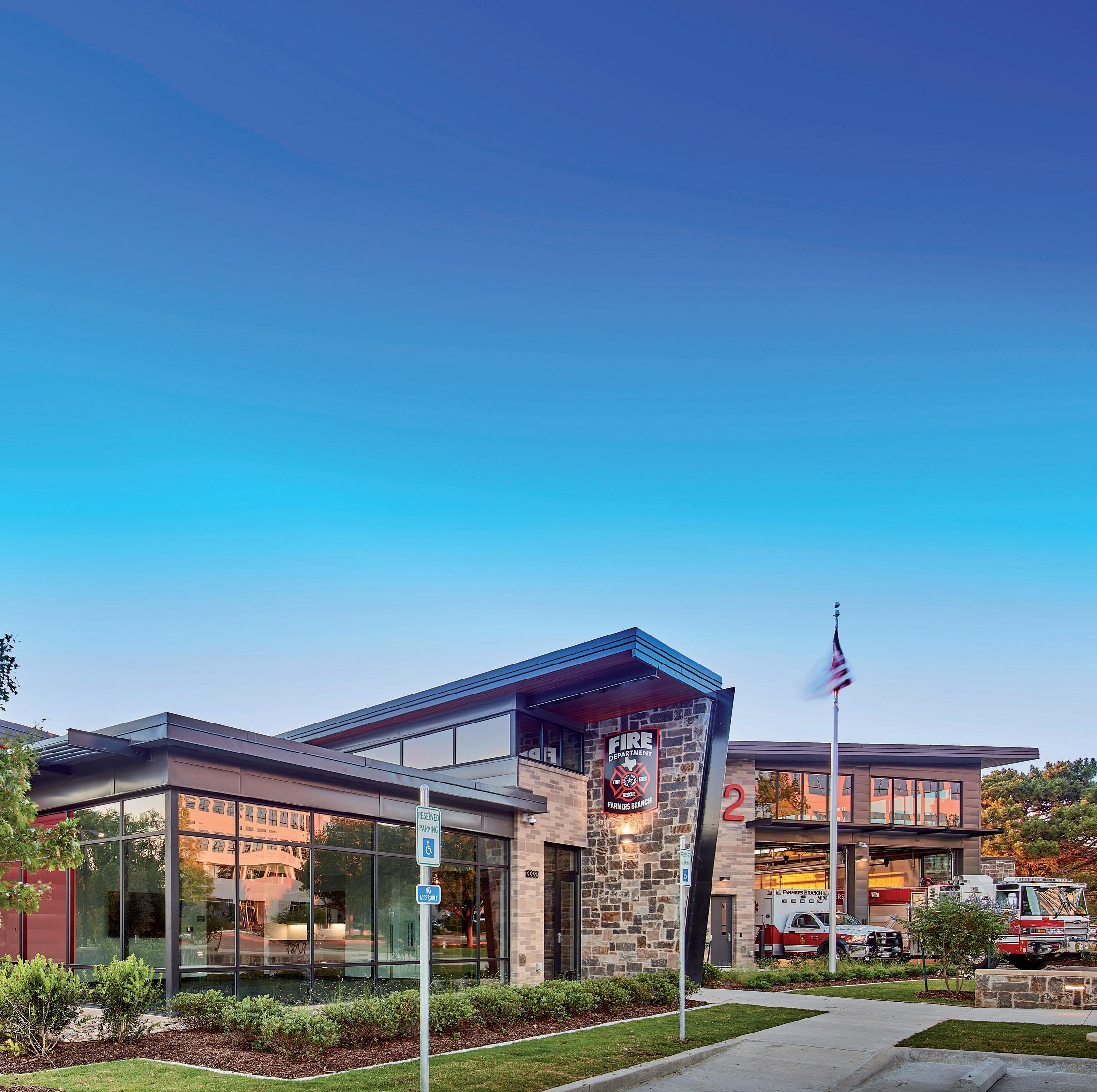
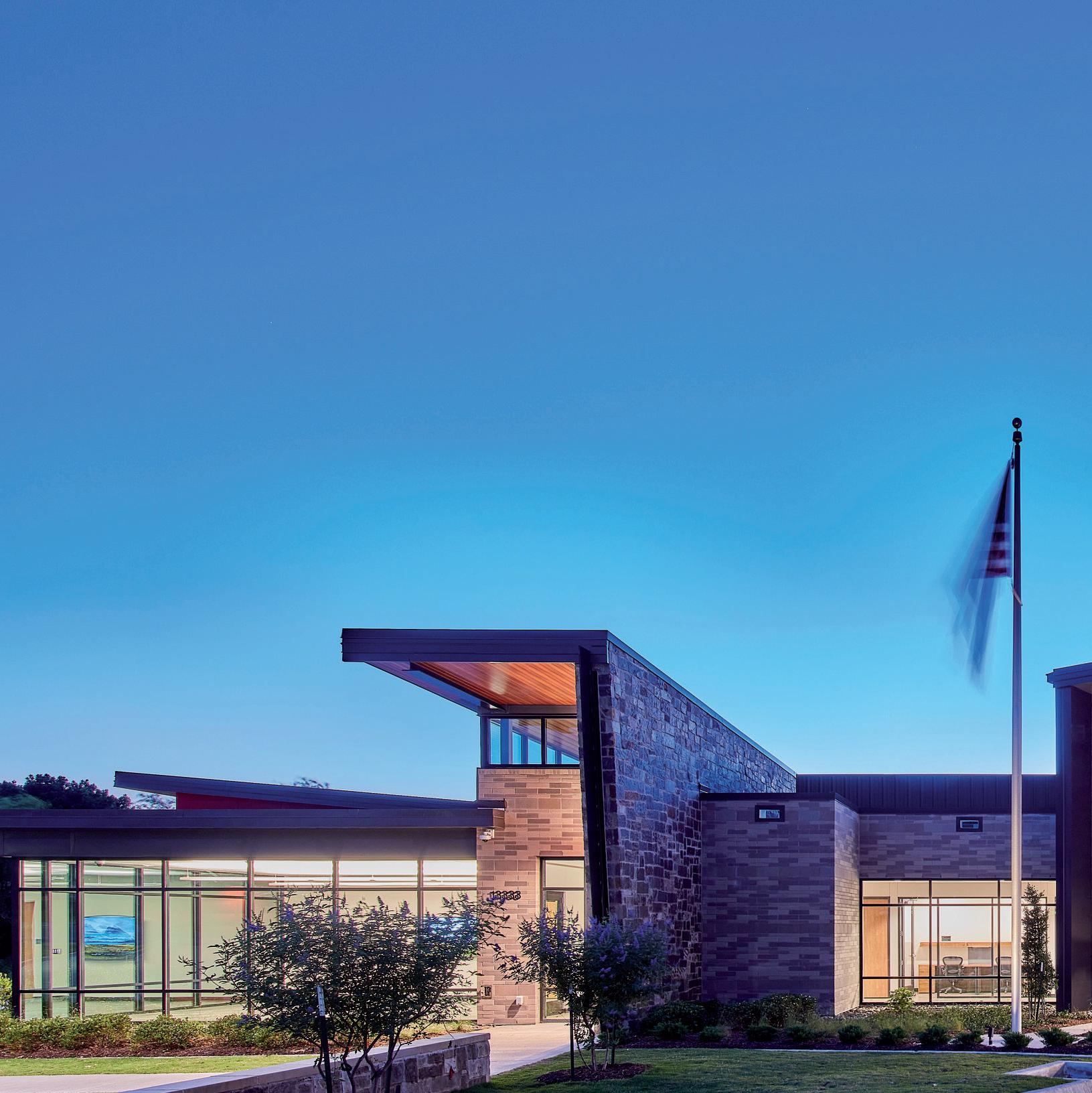
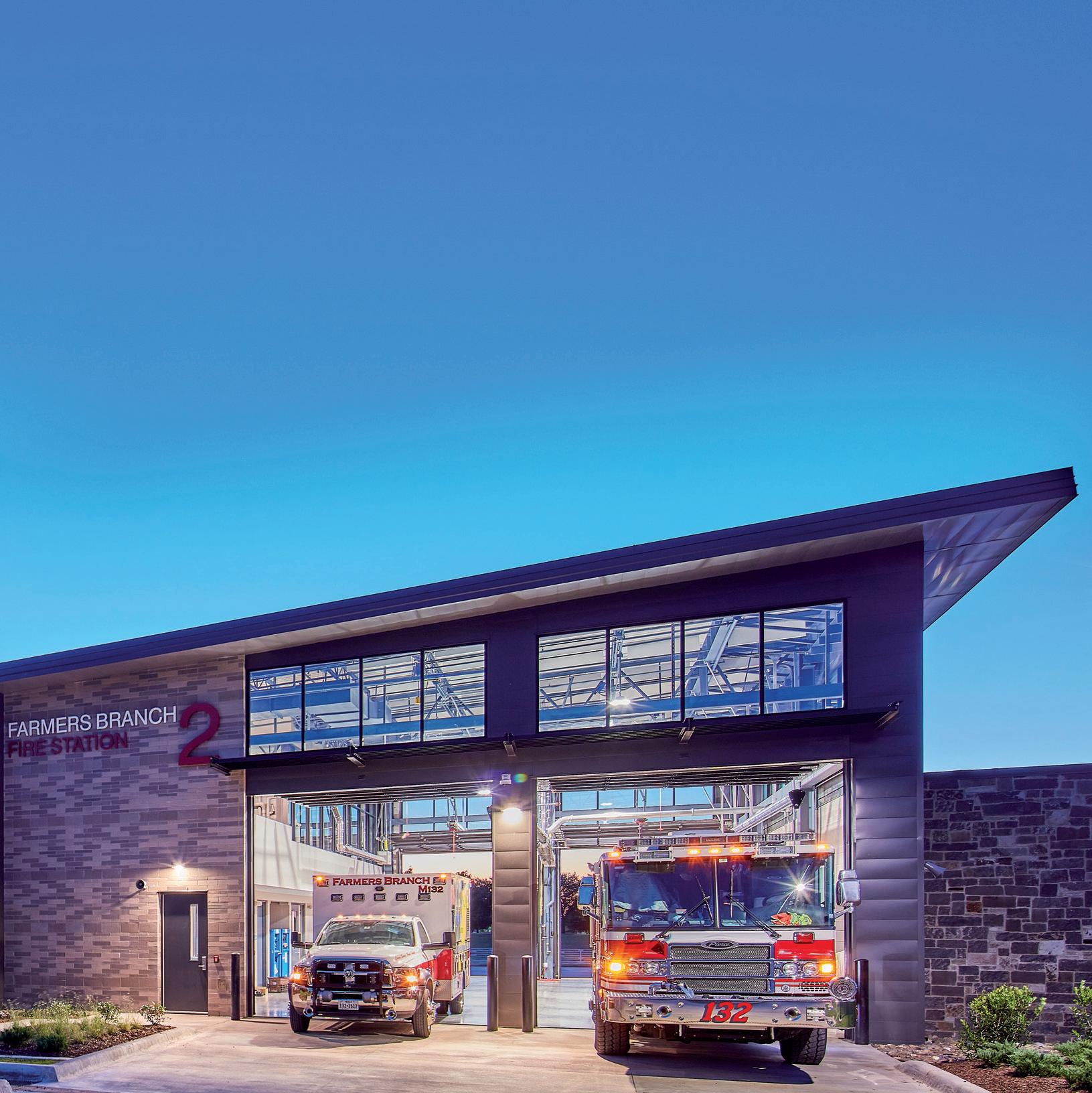
Fire Station No. 2 was relocated to a prominent triangular site in Holiday Park to better serve Farmers Branch’s civic and residential core. The 11,000‑square‑foot, two‑bay facility anchors the site’s northern edge to reduce impact and maximize response time.
Designed for efficiency and integration, the station supports eight full‑time firefighters and includes apparatus support spaces, a storm shelter, community room, and indoor/outdoor links to the adjacent park.
Natural light animates the compact layout through full‑height and clerestory windows, with each elevation tailored to its surroundings. The result is a responsive, high‑performance station that fulfills civic duty through resilient, site‑specific design.
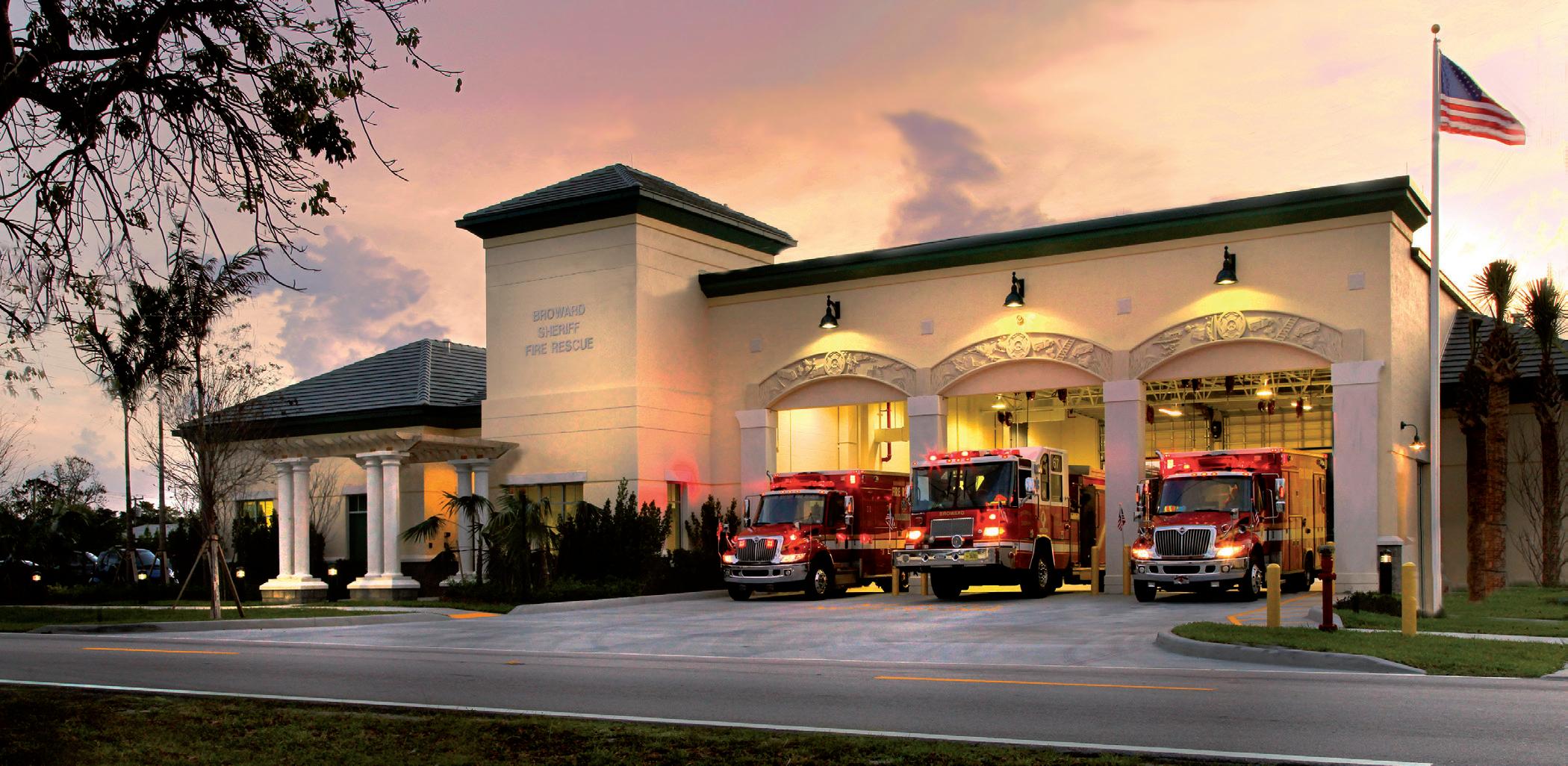
location: west park, florida
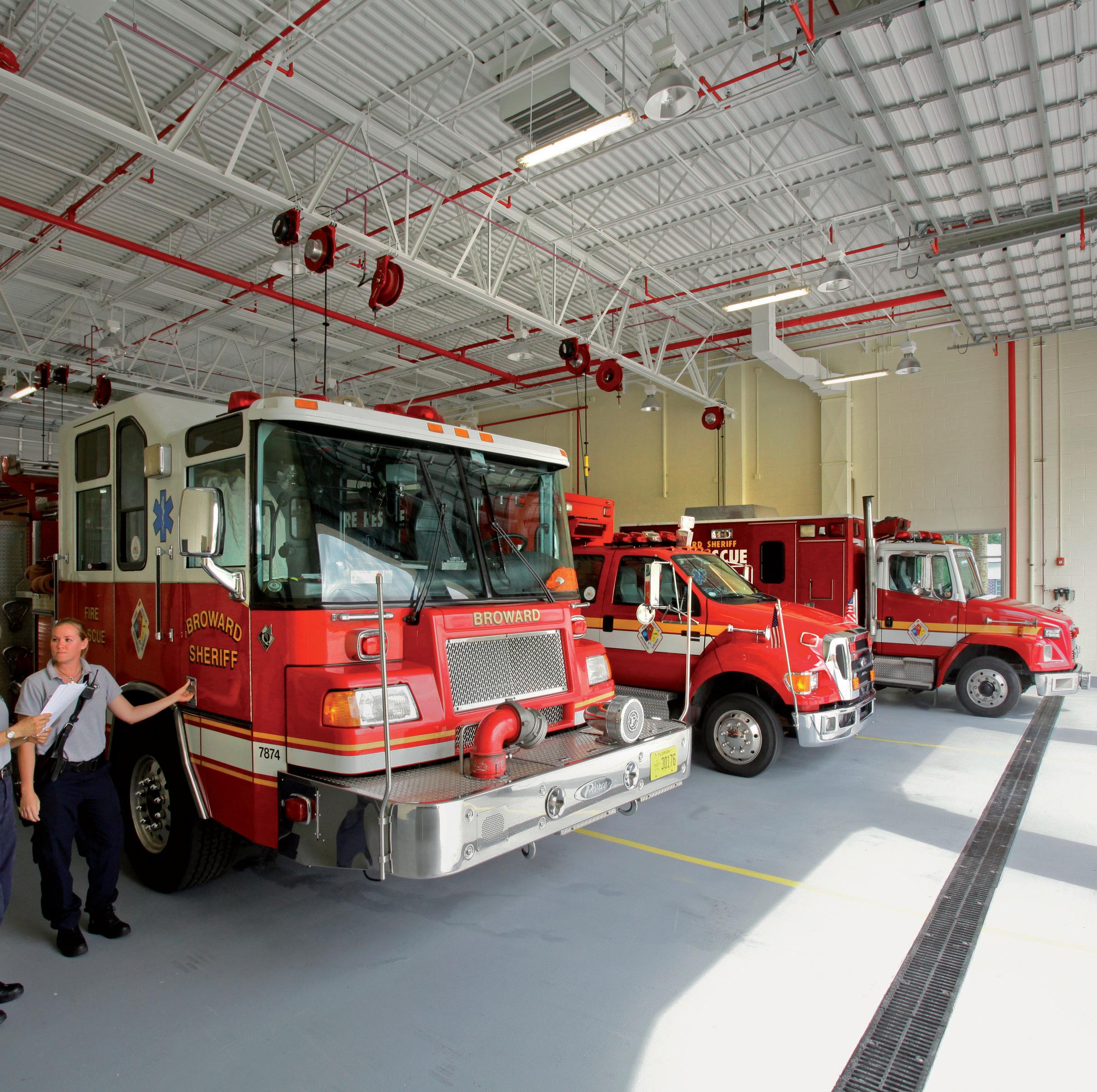
One of four prototype stations for the Broward Sheriff’s Office, this 11,400‑square‑foot, three‑bay fire station serves dual jurisdictions and enhances rapid response capabilities across neighboring communities.
Designed for resilience, the facility provides 100 percent emergency power, backup fuel storage, and full apparatus support. It accommodates a complete crew—four lieutenants, fire‑rescue staff, a Battalion Chief, and EMS personnel. Dedicated spaces include a medical treatment room for walk‑in patients and a fully equipped command center.
Community‑facing amenities add flexibility and comfort: a commercial‑grade kitchen, multipurpose room, and outdoor barbecue area promote wellness and engagement.
By blending operational strength with thoughtful design, this station delivers a high‑functioning, adaptable asset for the City of West Park.
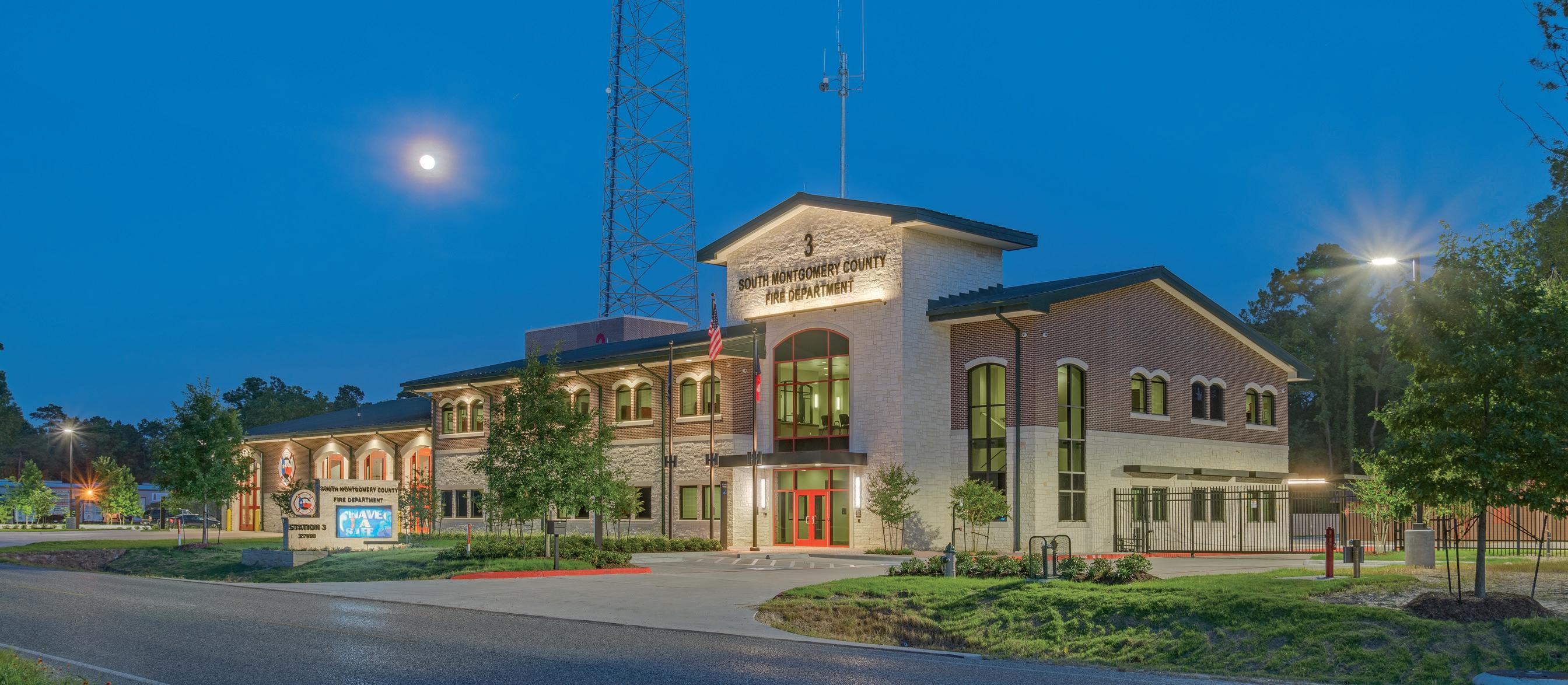
location: spring, texas
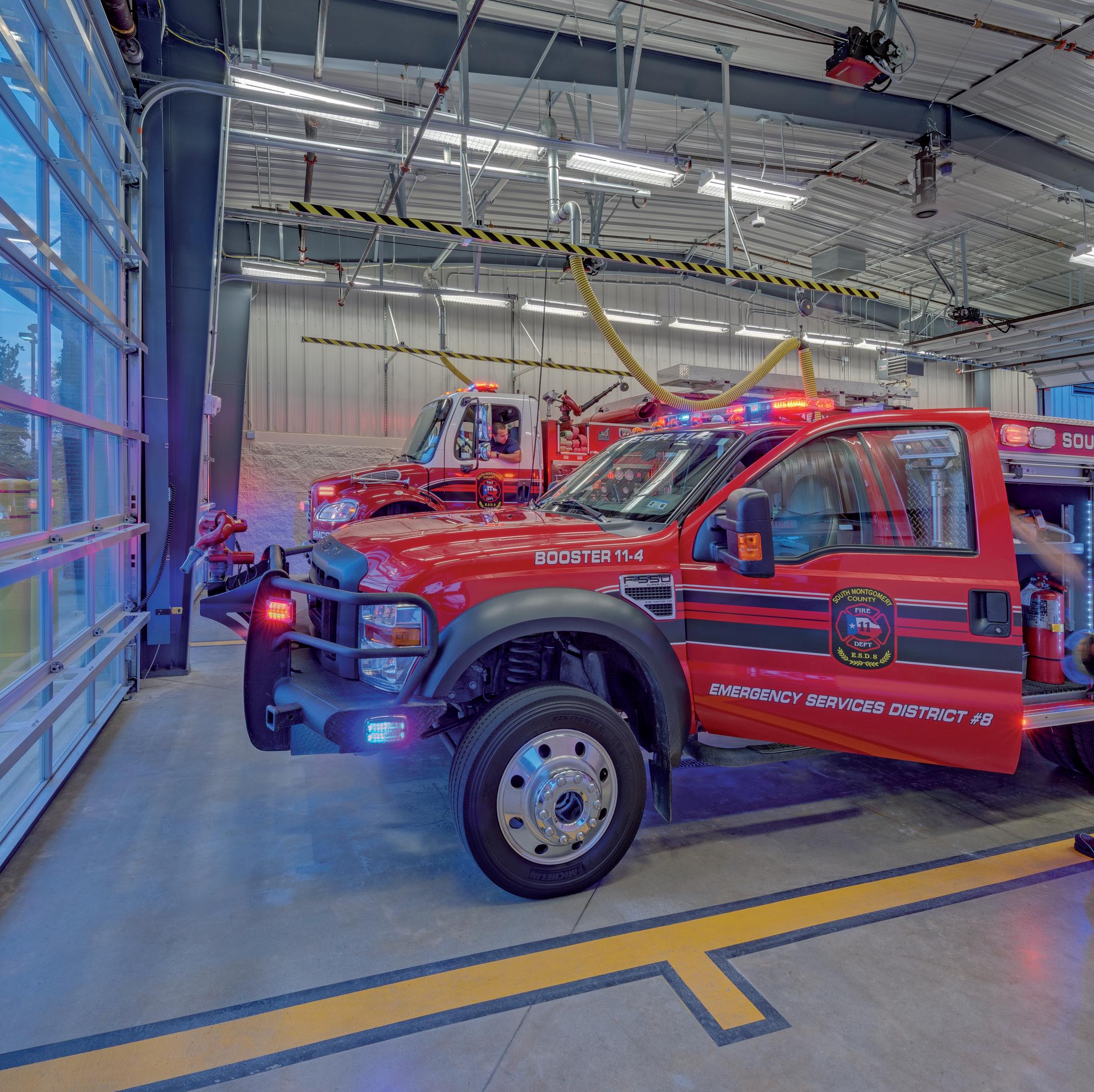
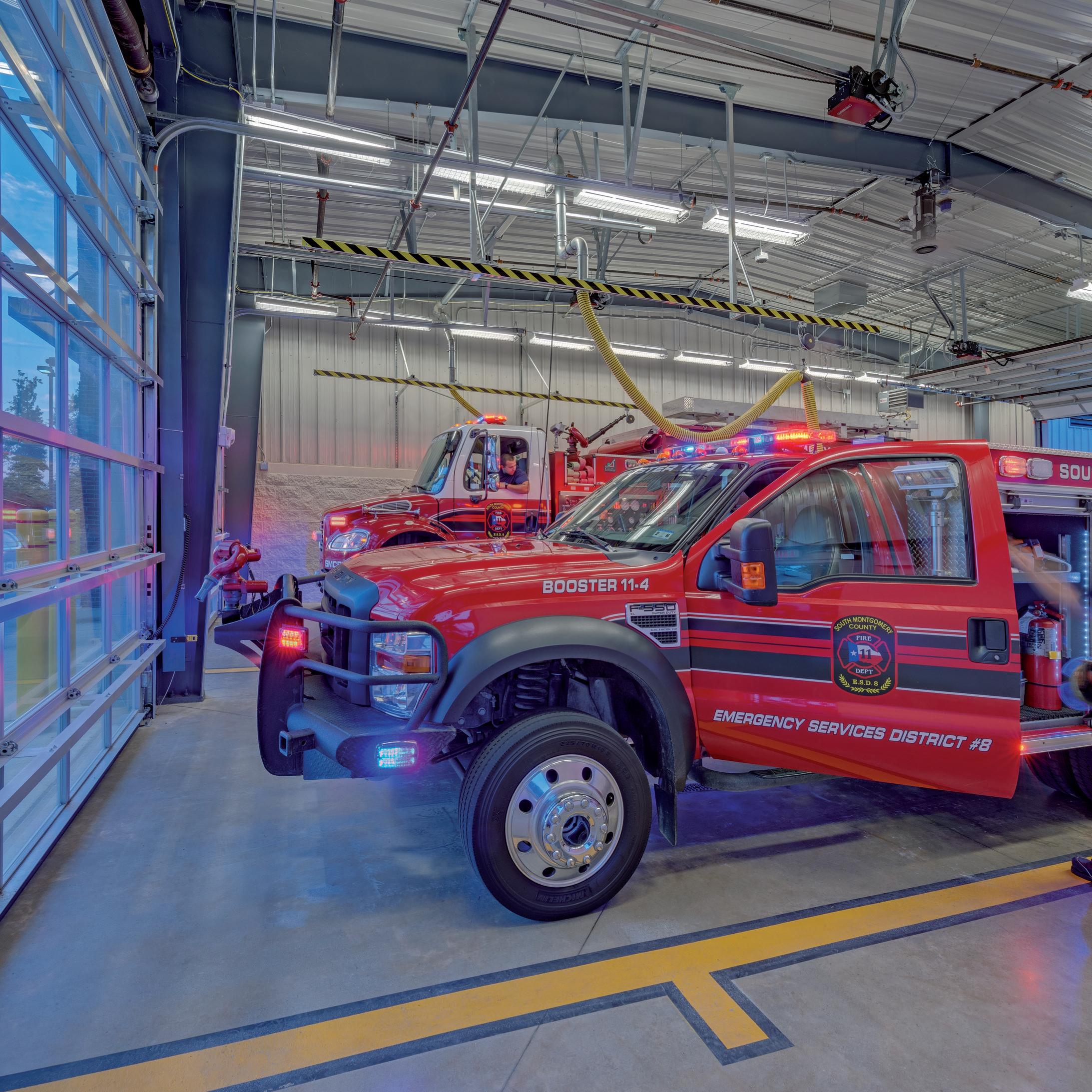
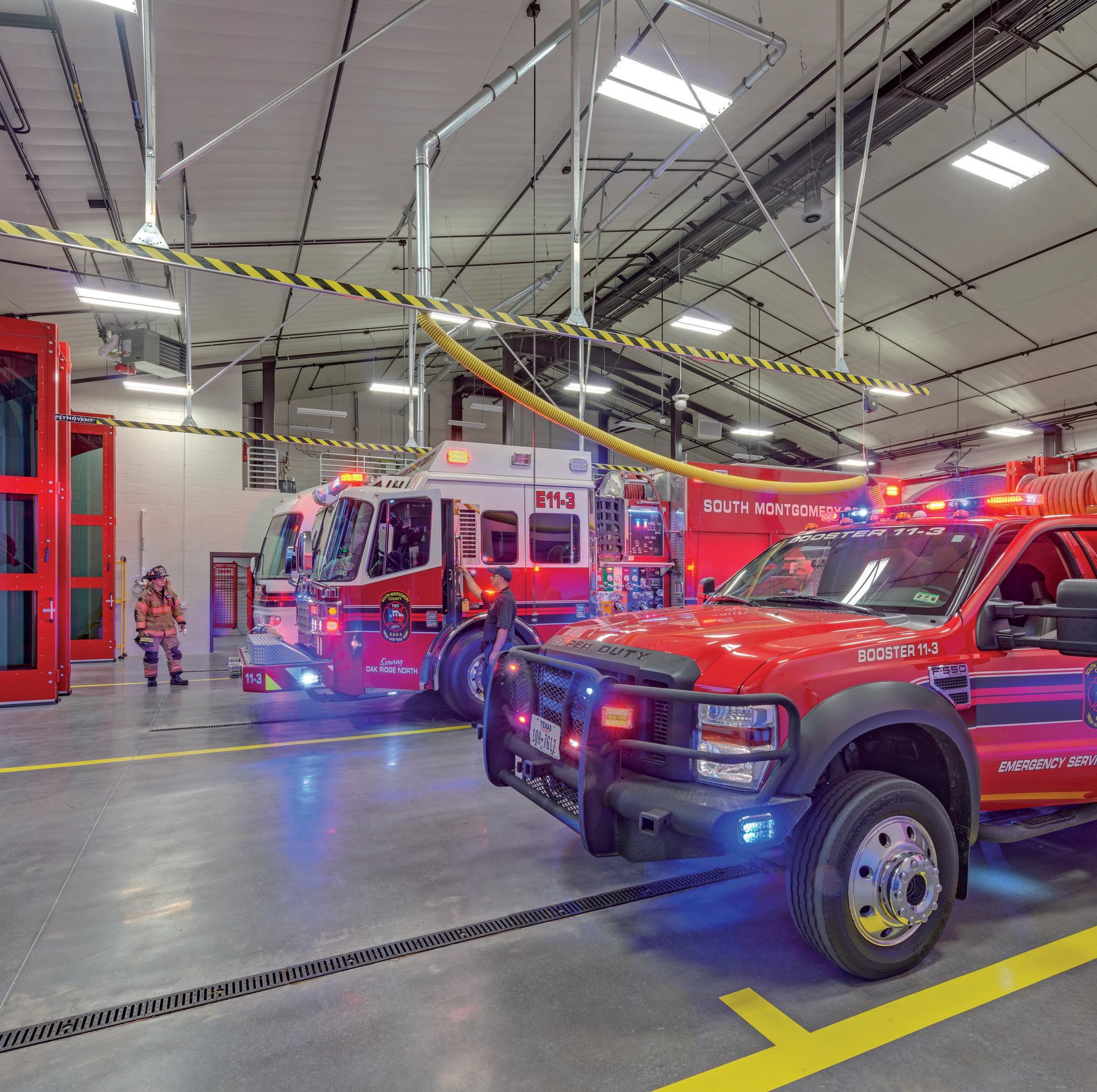
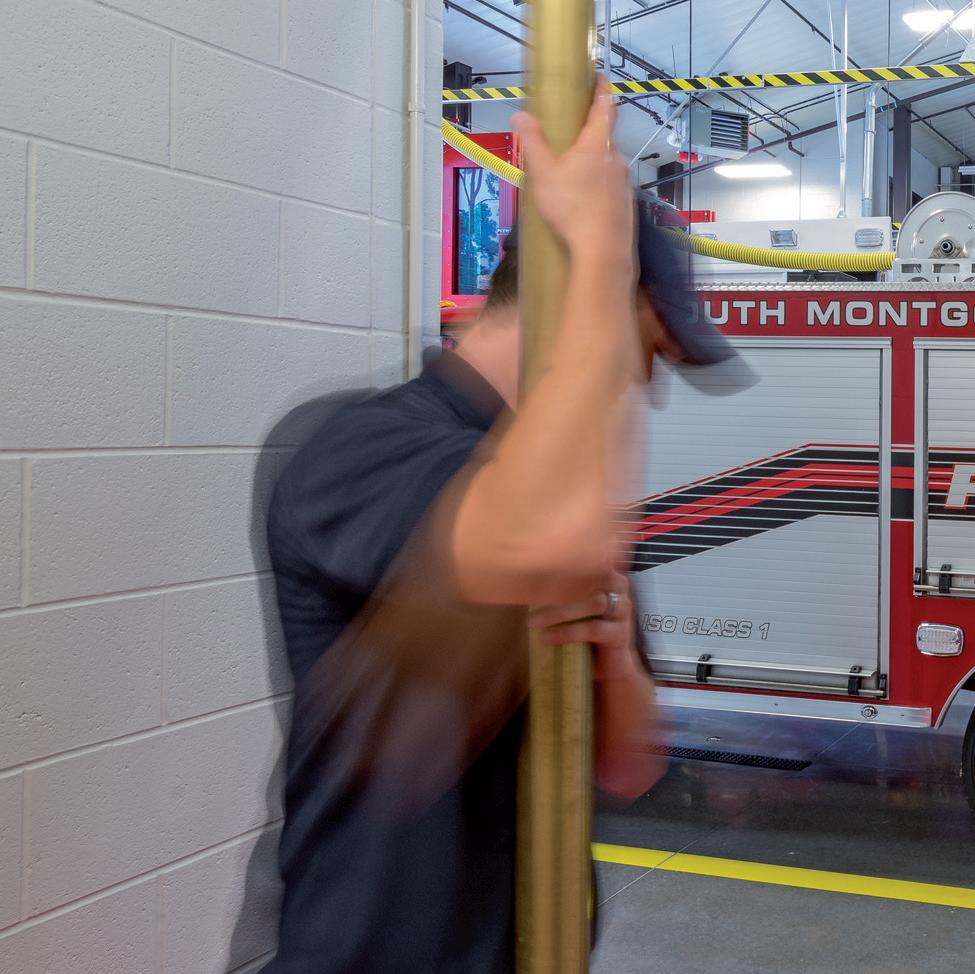
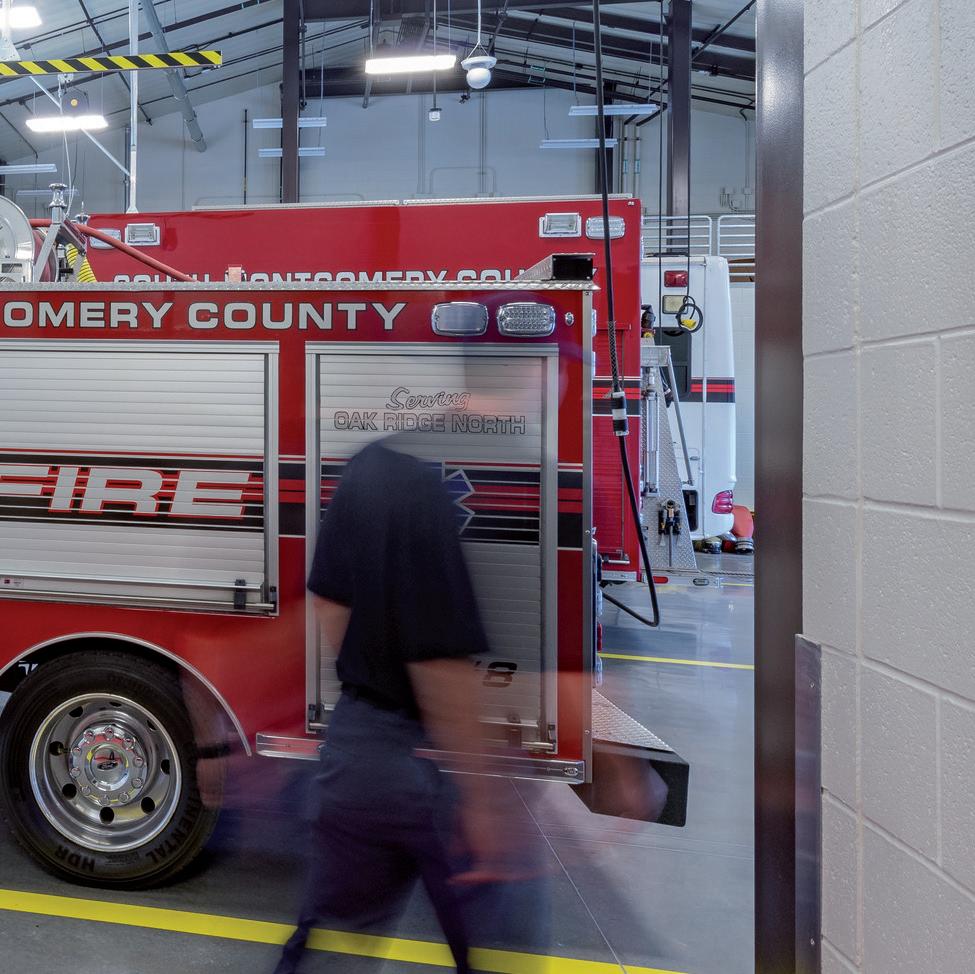
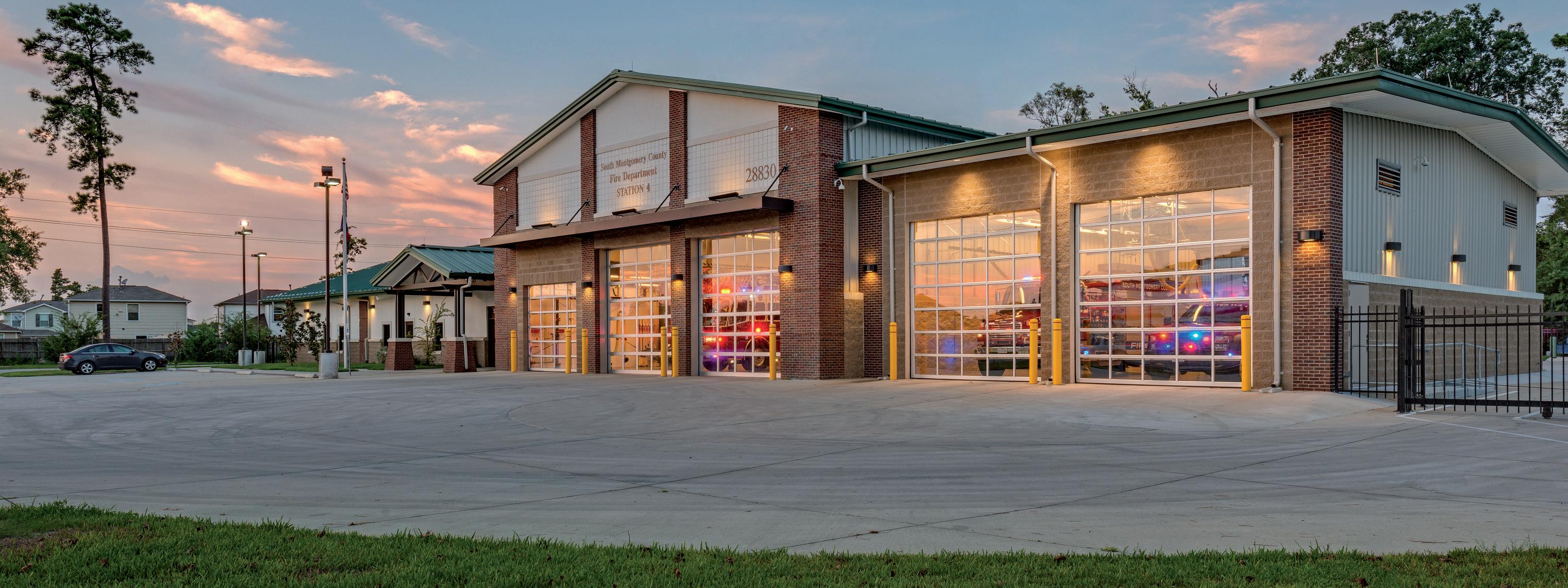
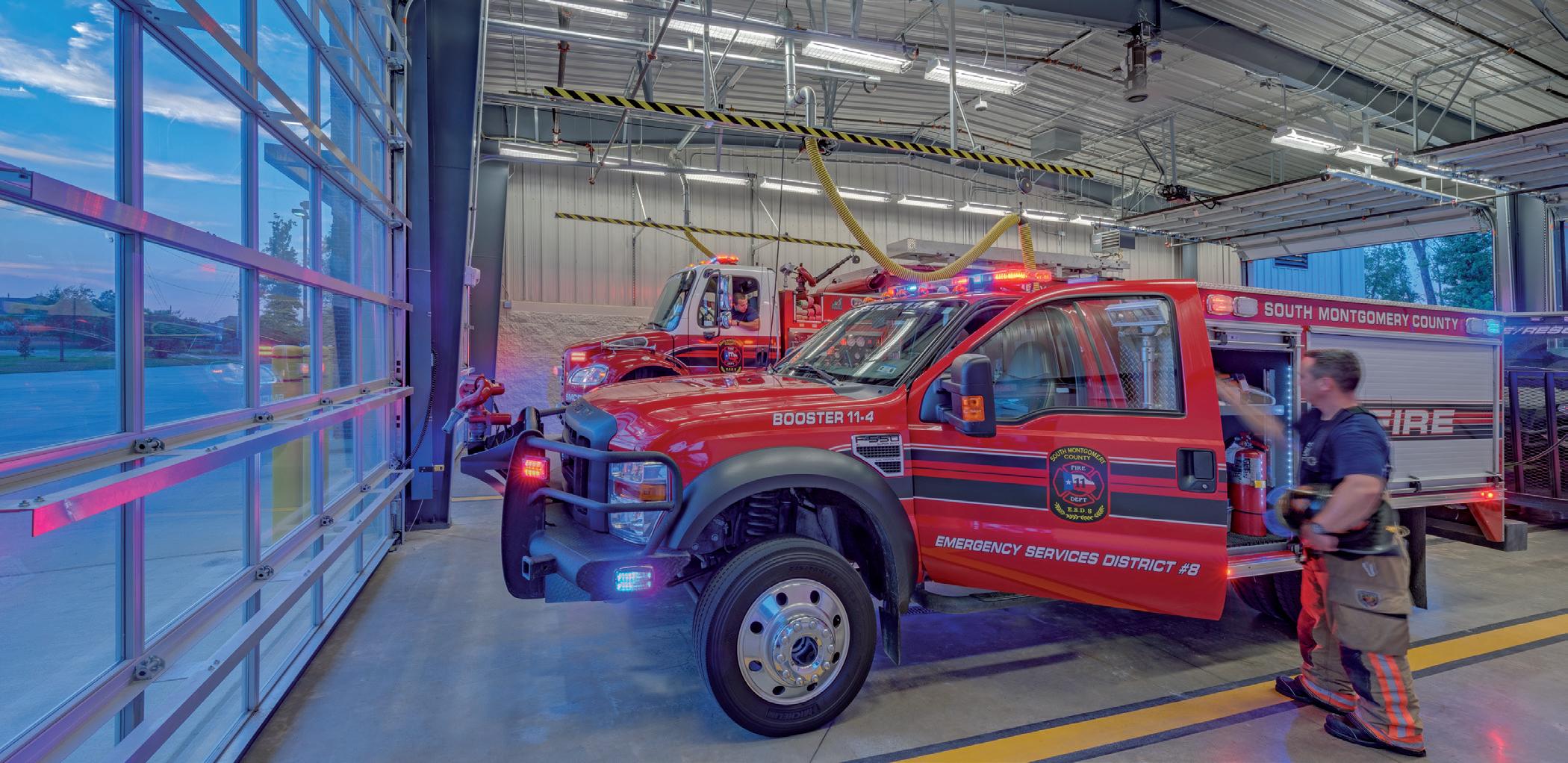
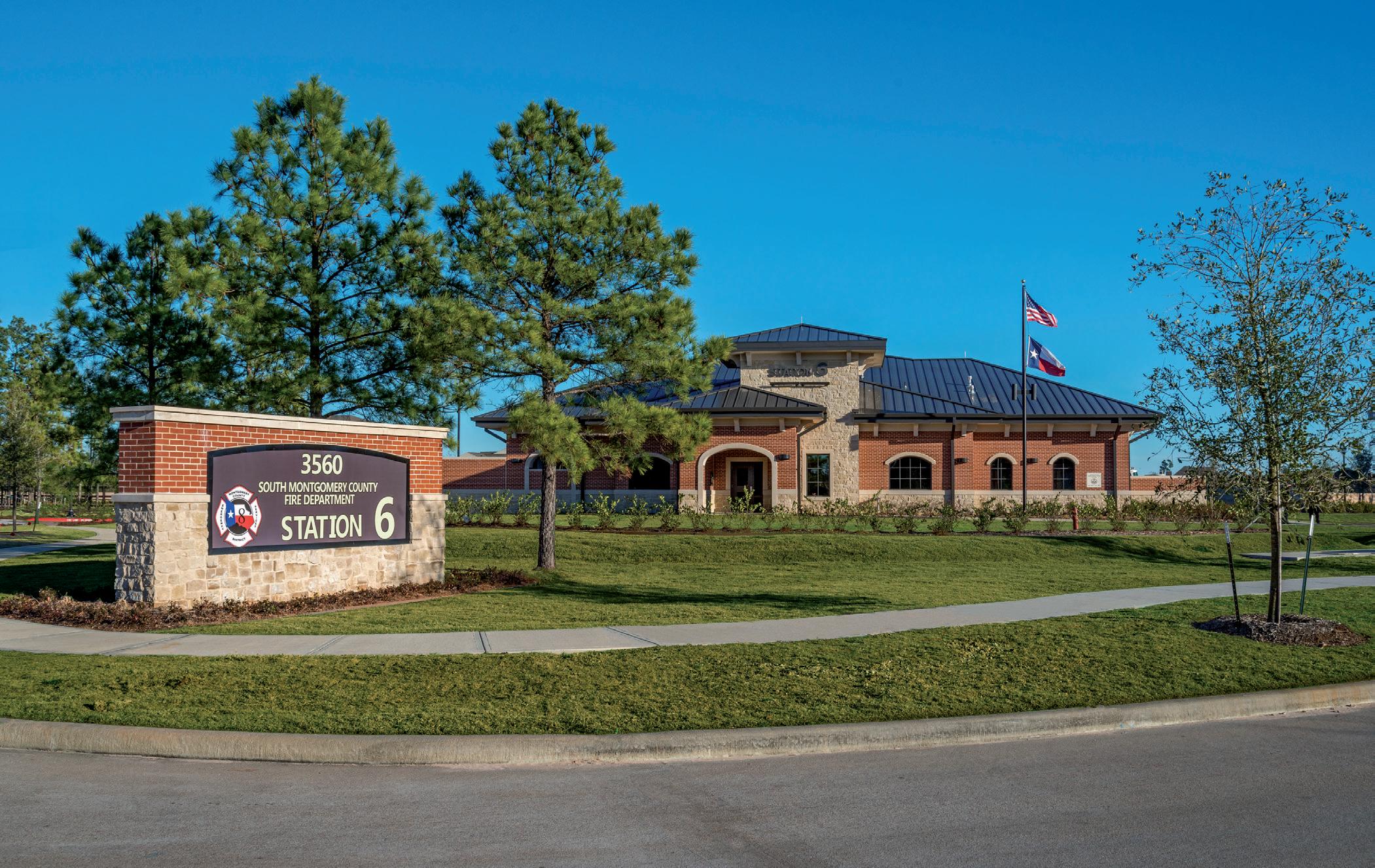
To replace an aging facility off I‑97, South Montgomery County ESD No. 8 developed a 30,000‑square‑foot, two‑story station to meet the district’s ISO Class 1 rating and growing response needs.
The design includes three double‑depth bays, a maintenance bay, and four‑fold fire‑engine red doors for rapid access. Glazed segmented doors bring daylight into the apparatus area, while arched elements honor the original station’s design.
Inside, the facility supports operational readiness with sleeping quarters, a fitness area, kitchen, safe room, report
room, and laundry. Shared‑use spaces include a dayroom, tool and turnout room, and secure storage. Administration and command functions span two levels, linked by a slide pole for fast deployment.
Additional features include a board room, mechanical space, 100‑foot monopole antenna, and a pump test pit— ensuring robust service delivery now and into the future.
location: spring, texas
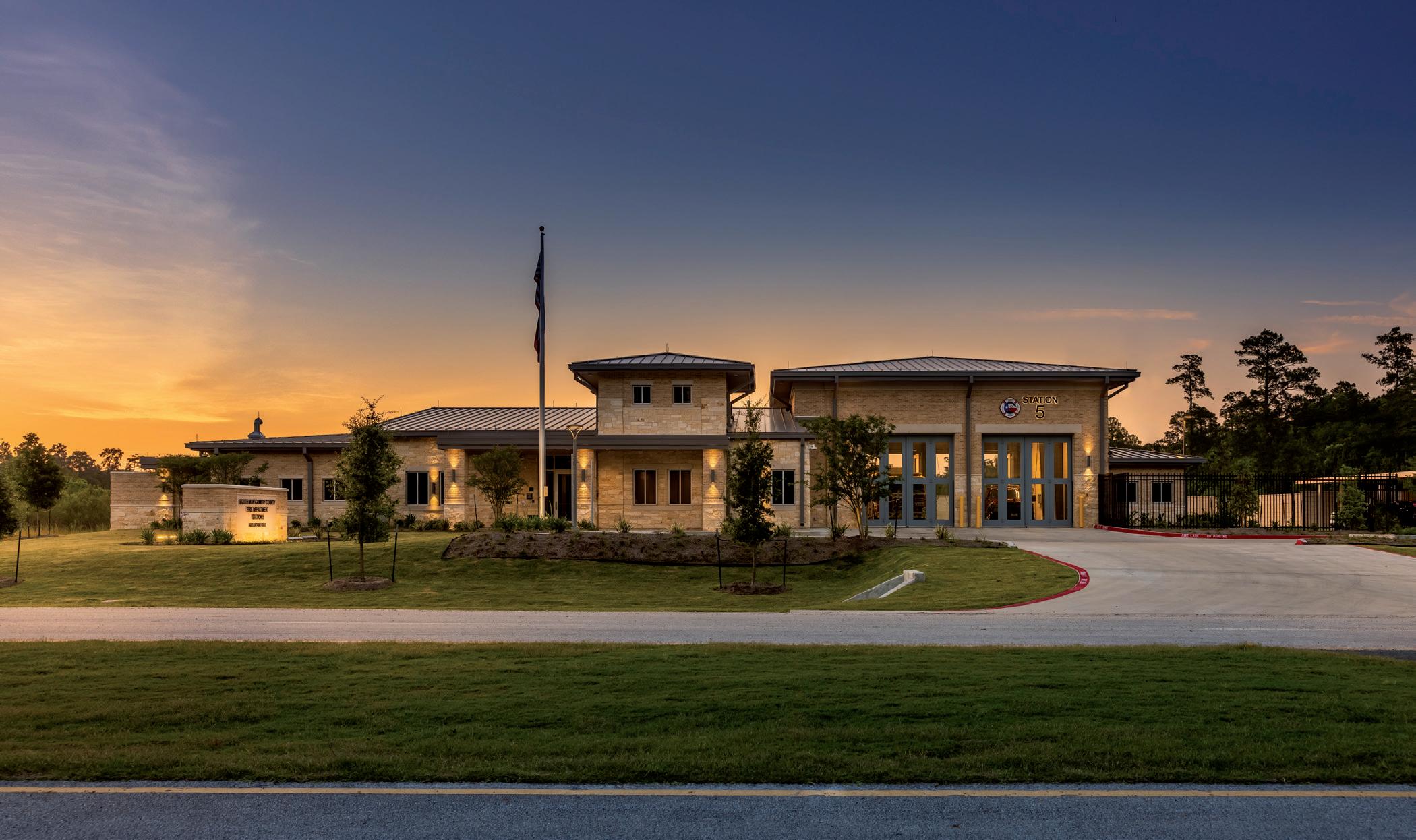
Located in the Bender’s Landing subdivision, Station 11 5 is the latest addition to Montgomery County ESD No. 8’s growing network of fire stations. PGAL collaborated with the ESD and local HOA to design a facility that blends with the surrounding natural landscape and neighborhood aesthetic.
The 9,000 square foot station includes two full length apparatus bays, living quarters for a crew of five, and essential support spaces—dayroom, kitchen, workout room, and laundry. A warm buff toned stone façade reflects regional materials and complements the wooded setting.
Set on a two acre rural site, the project required full perimeter fencing and the installation of a septic system. Its efficient layout and community conscious design support rapid response and long term service to the area’s expanding population.
location: dallas, texas
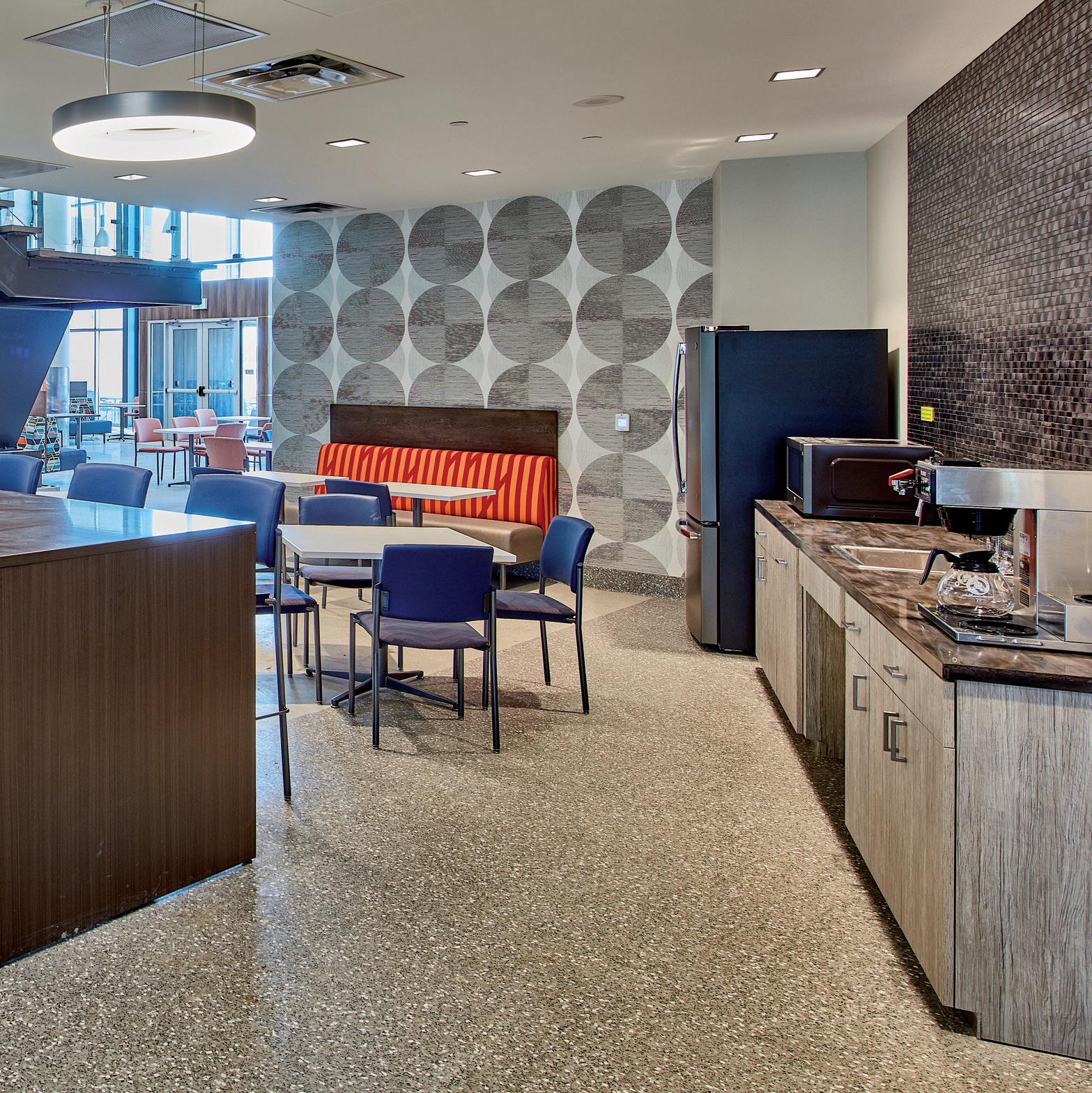
The 140,000‑square‑foot Department of Public Safety Headquarters at DFW International Airport consolidates police, fire, and emergency services under one roof— streamlining coordination, security, and response.
PGAL worked closely with airport leadership to align operational needs with a forward‑thinking, space‑efficient design. The facility includes a detention center, IT room, forensic lab, Faraday conference room, canine kennels, evidence storage, interrogation rooms, a SWAT armory, and multiple offices.
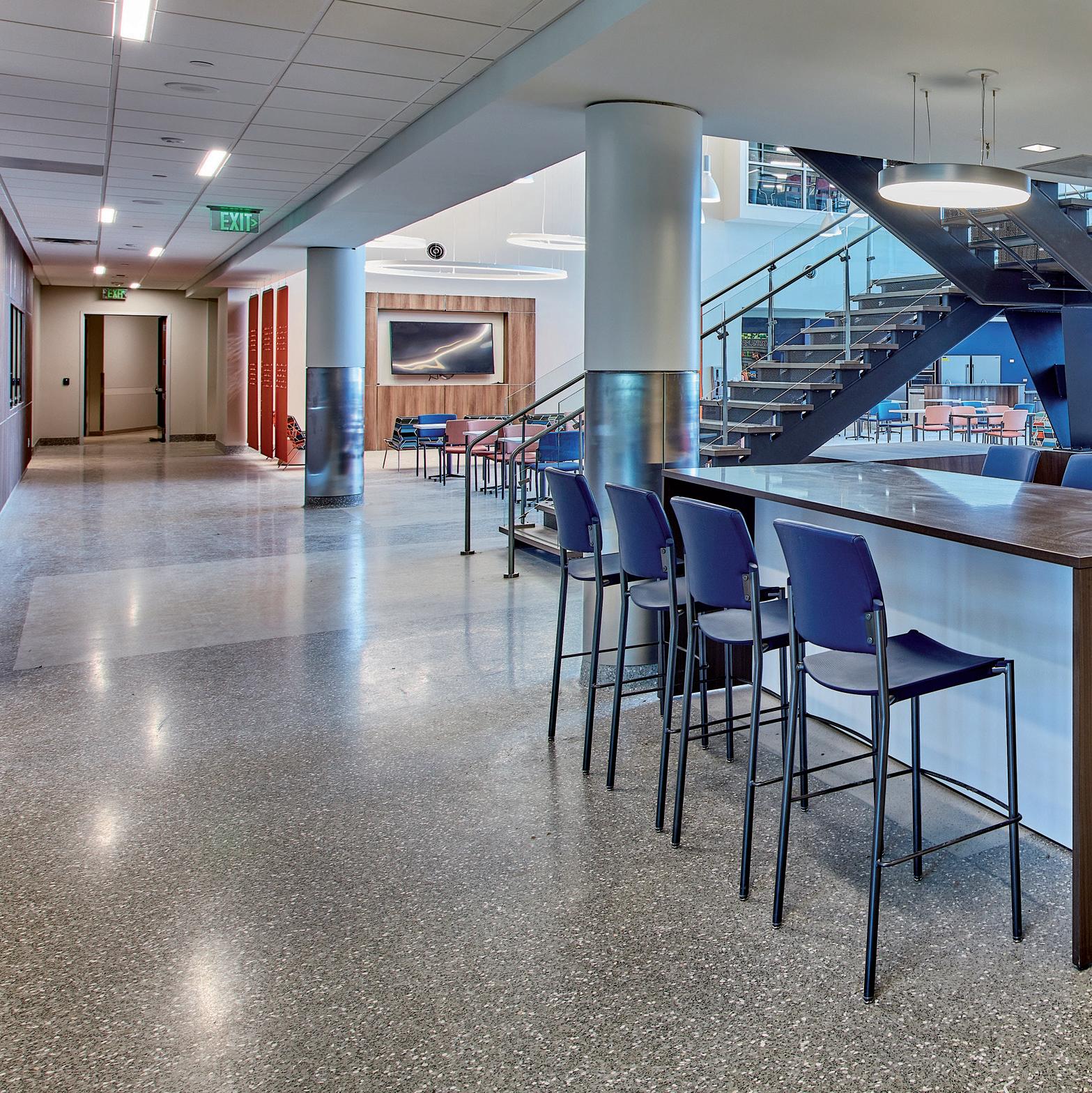
Support spaces include a sally port, apparatus bay, fitness center with defensive tactics training, locker rooms with showers, private report‑writing stations, and a café with outdoor patio access.
This state‑of‑the‑art facility enhances emergency readiness while providing a secure, unified environment for critical public safety functions.
location: fort lauderdale, florida
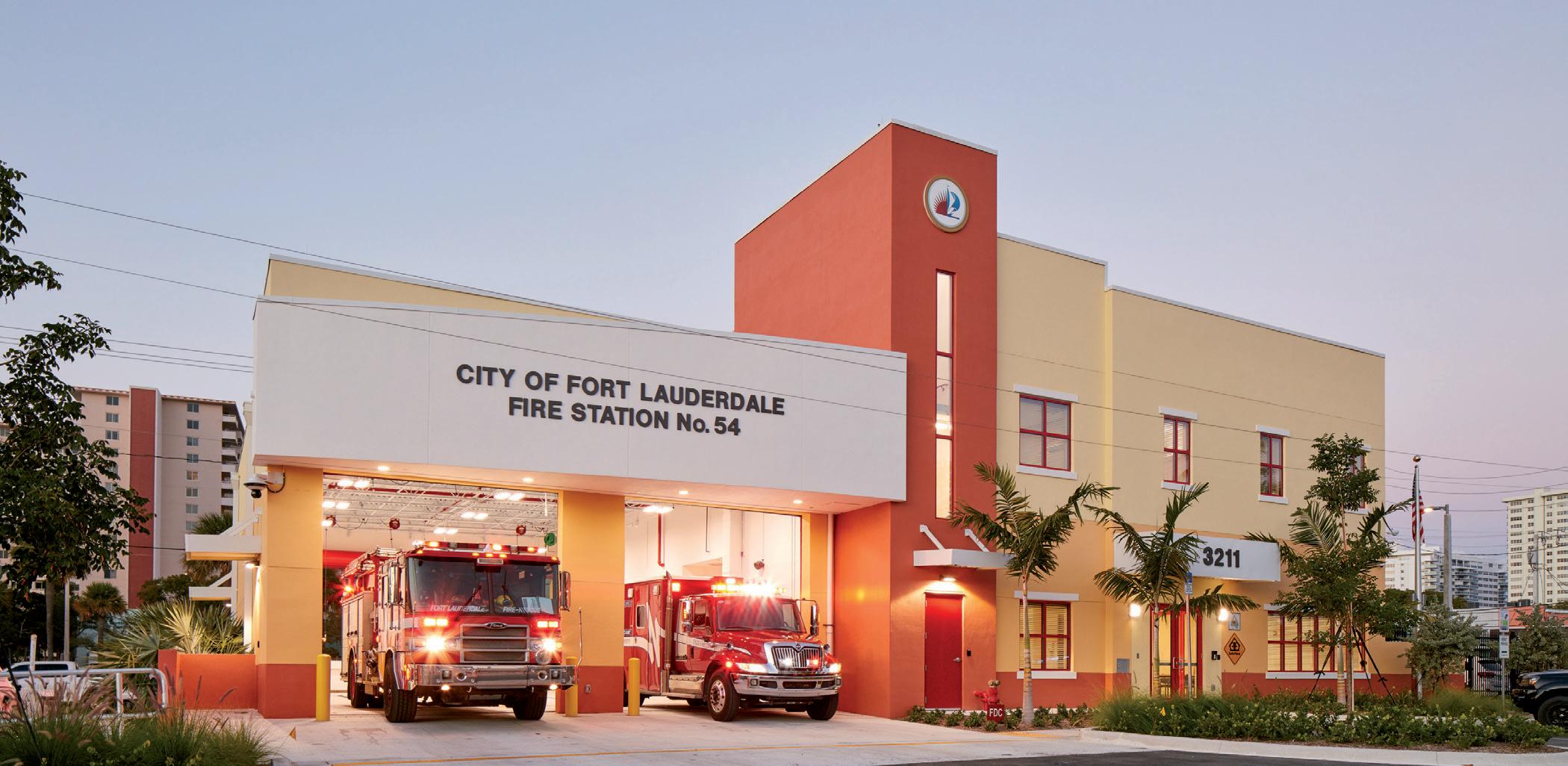
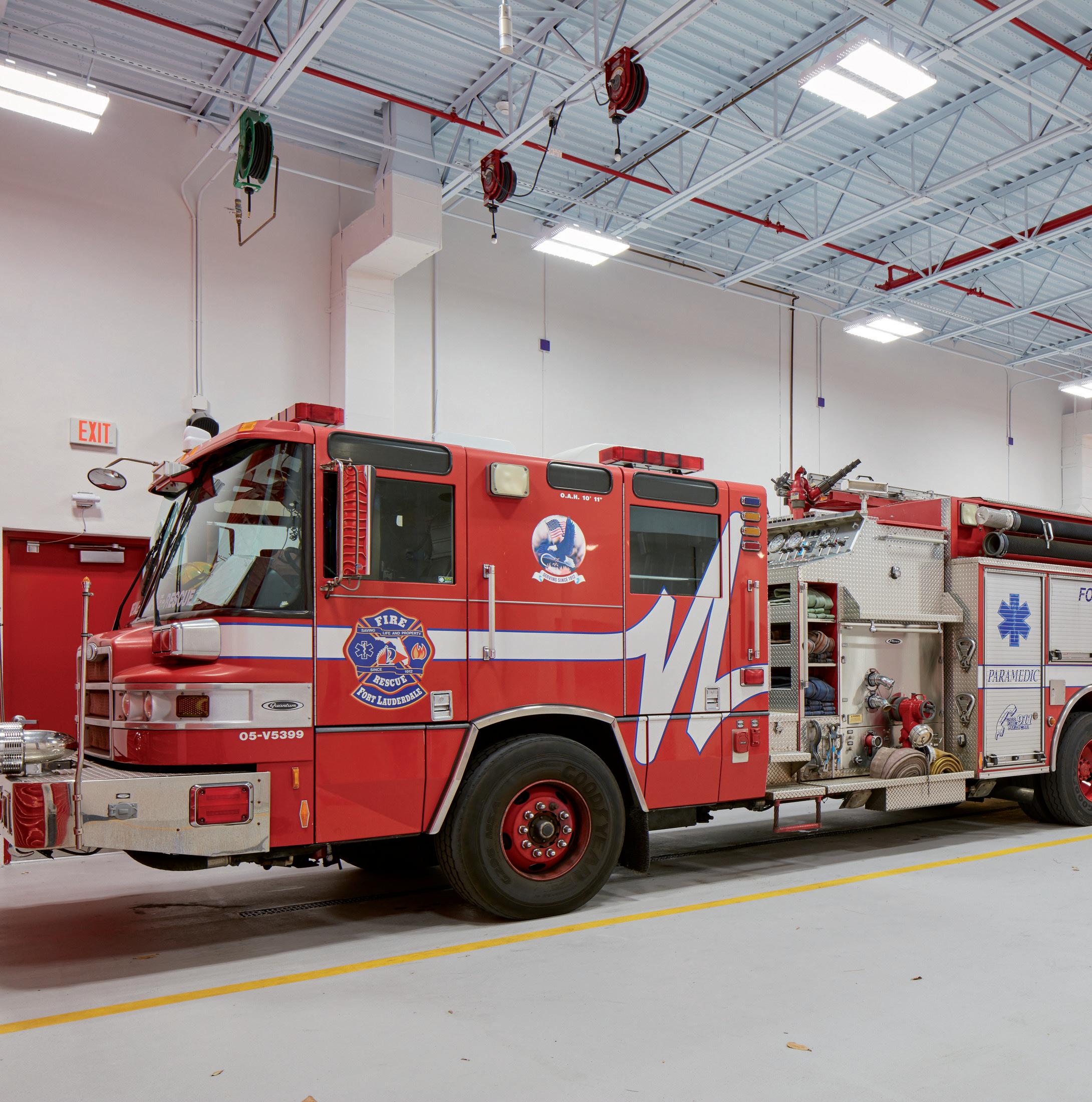
To replace an aging barrier island facility, the City of Fort Lauderdale commissioned a new 10,000‑square‑foot fire station elevated above grade for flood resilience and storm surge protection. The project also required full redevelopment of the adjacent right‑of‑way to ensure emergency access in extreme conditions.
The two‑bay apparatus room supports ladder and rescue trucks, with dedicated space for bunker gear, medical storage, and a multipurpose community area with restrooms. A training tower enhances preparedness with live drill capability.
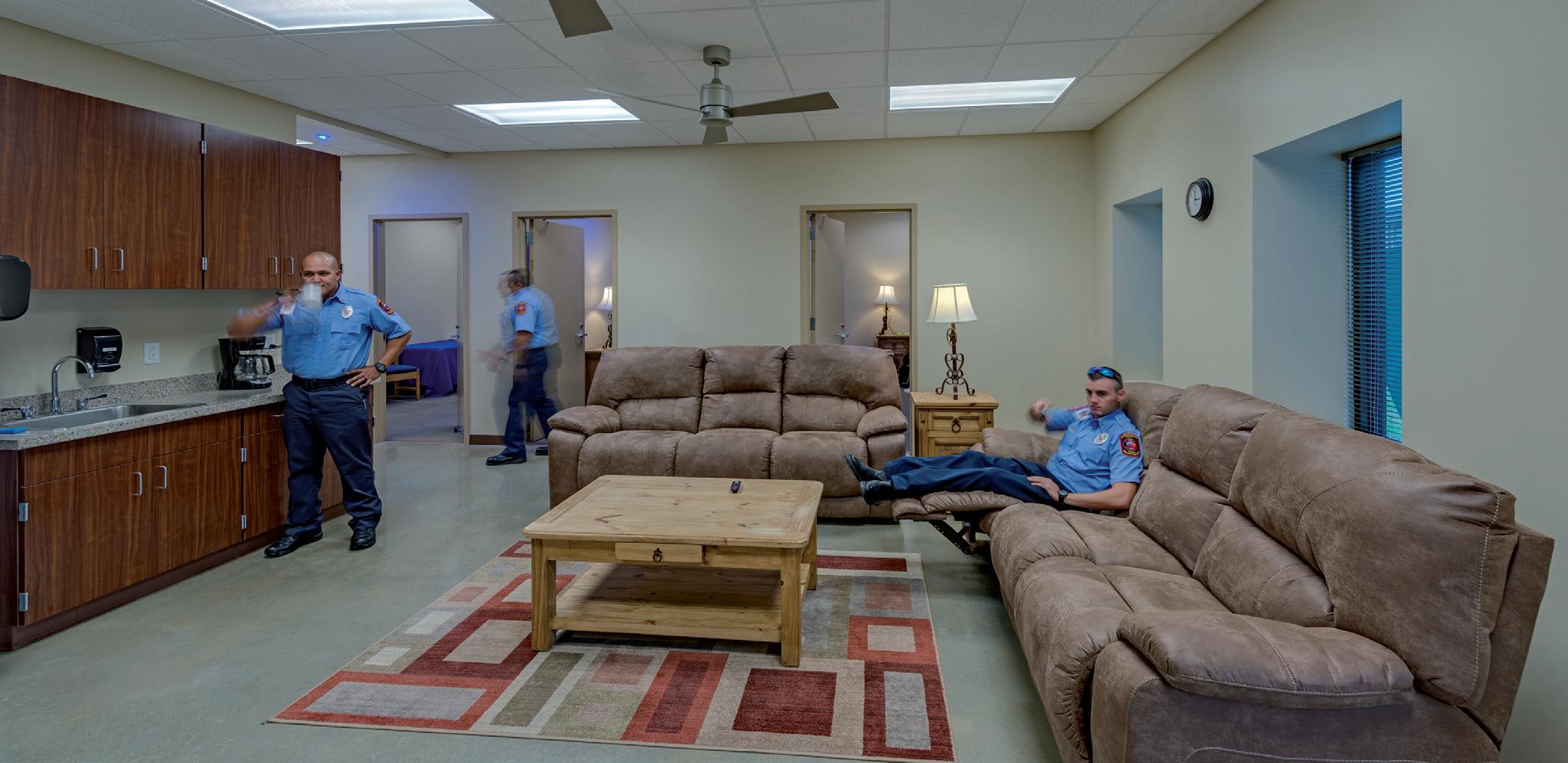
Living quarters on the second level include a full‑service kitchen with a commercial‑grade hood, dining room, recliner‑equipped dayroom, laundry, and a covered outdoor patio. The design balances comfort and durability—ensuring rapid response, even under rising water.
location: spring, texas
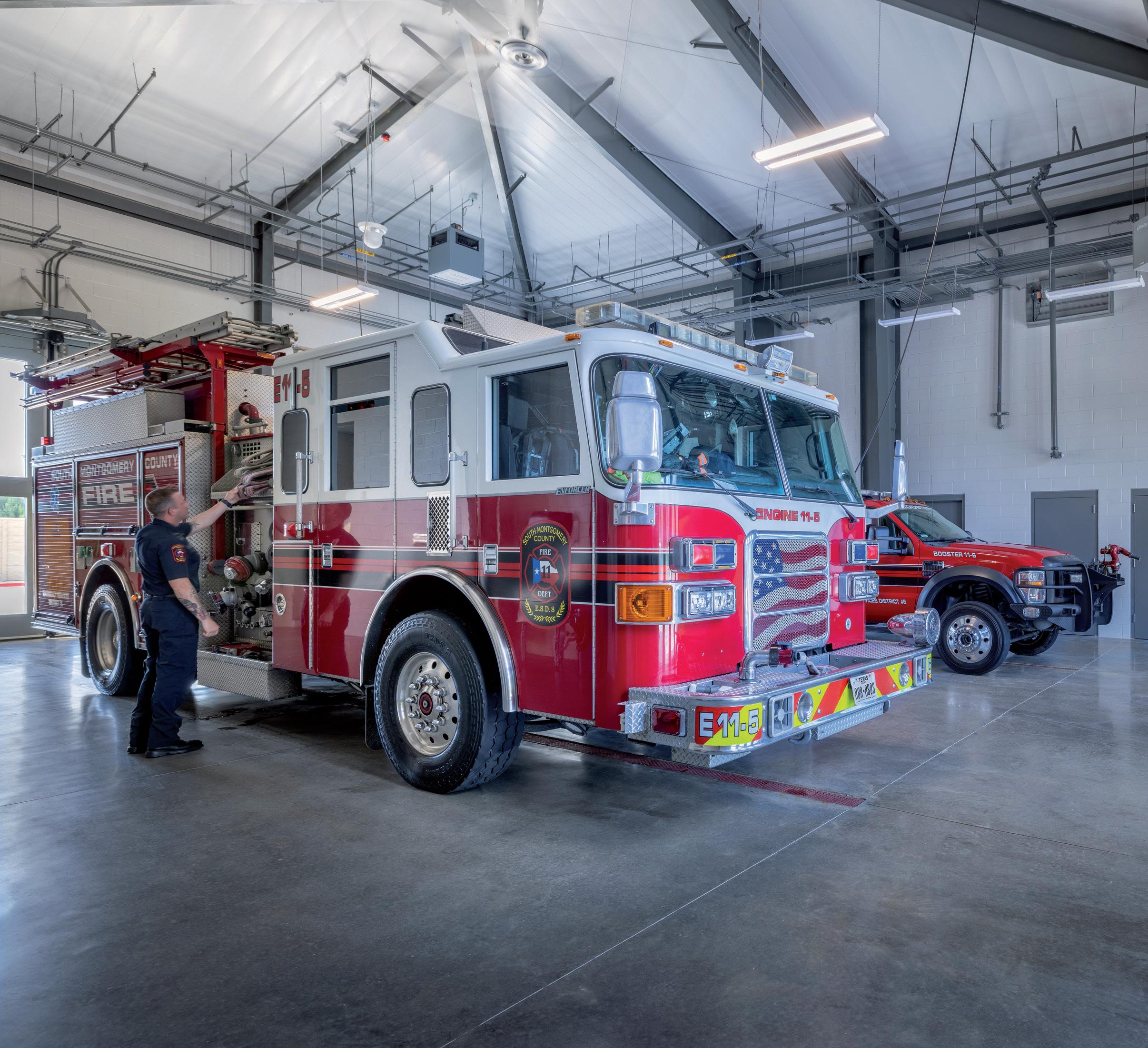
PGAL provided full architectural and site design services for South Montgomery County ESD No. 8’s newest ground up station, Fire Station 11 6.
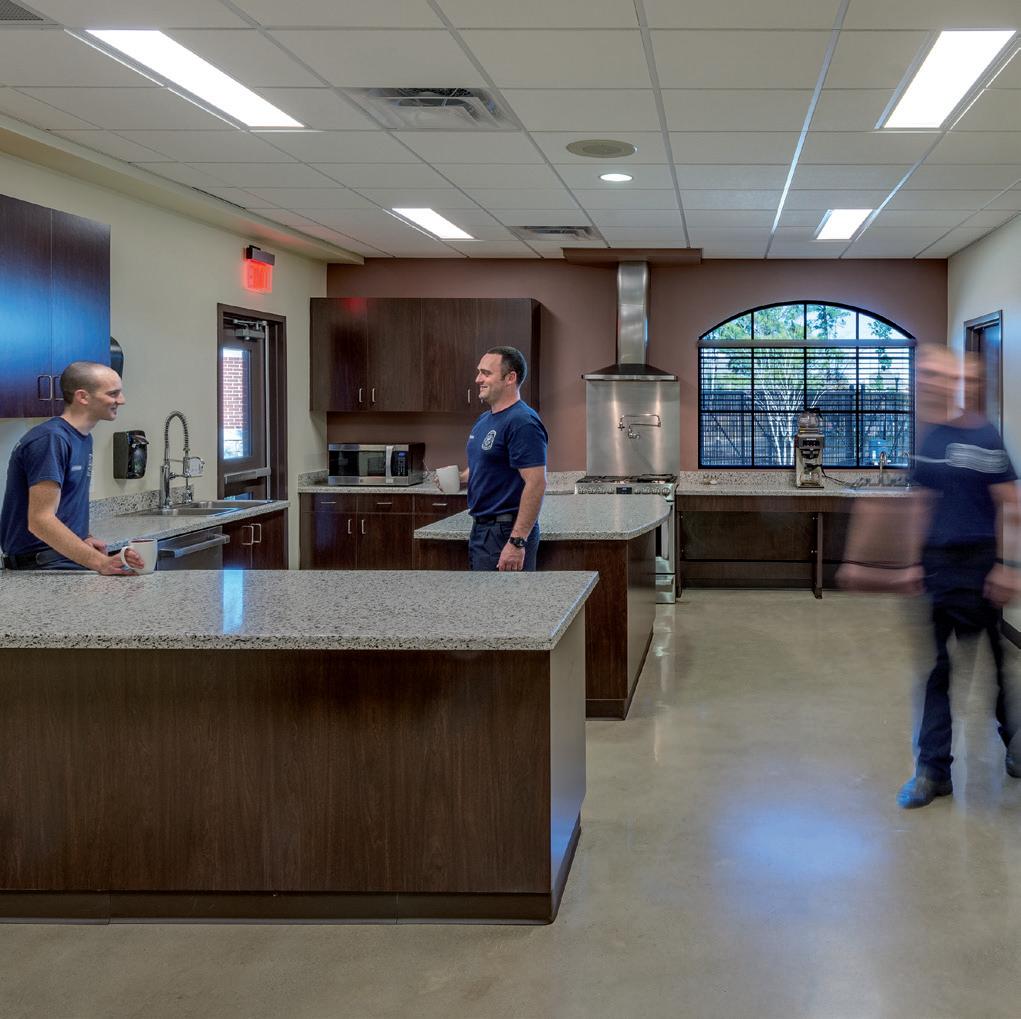
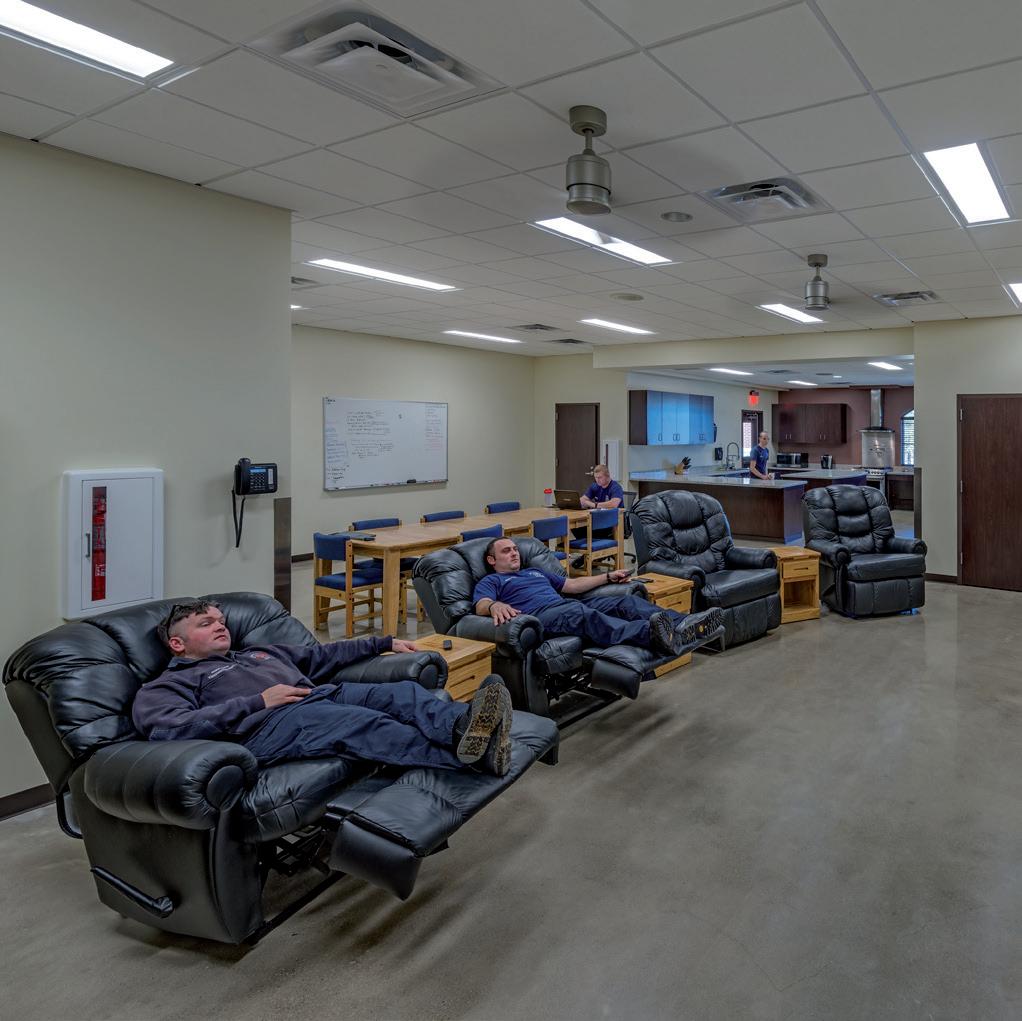
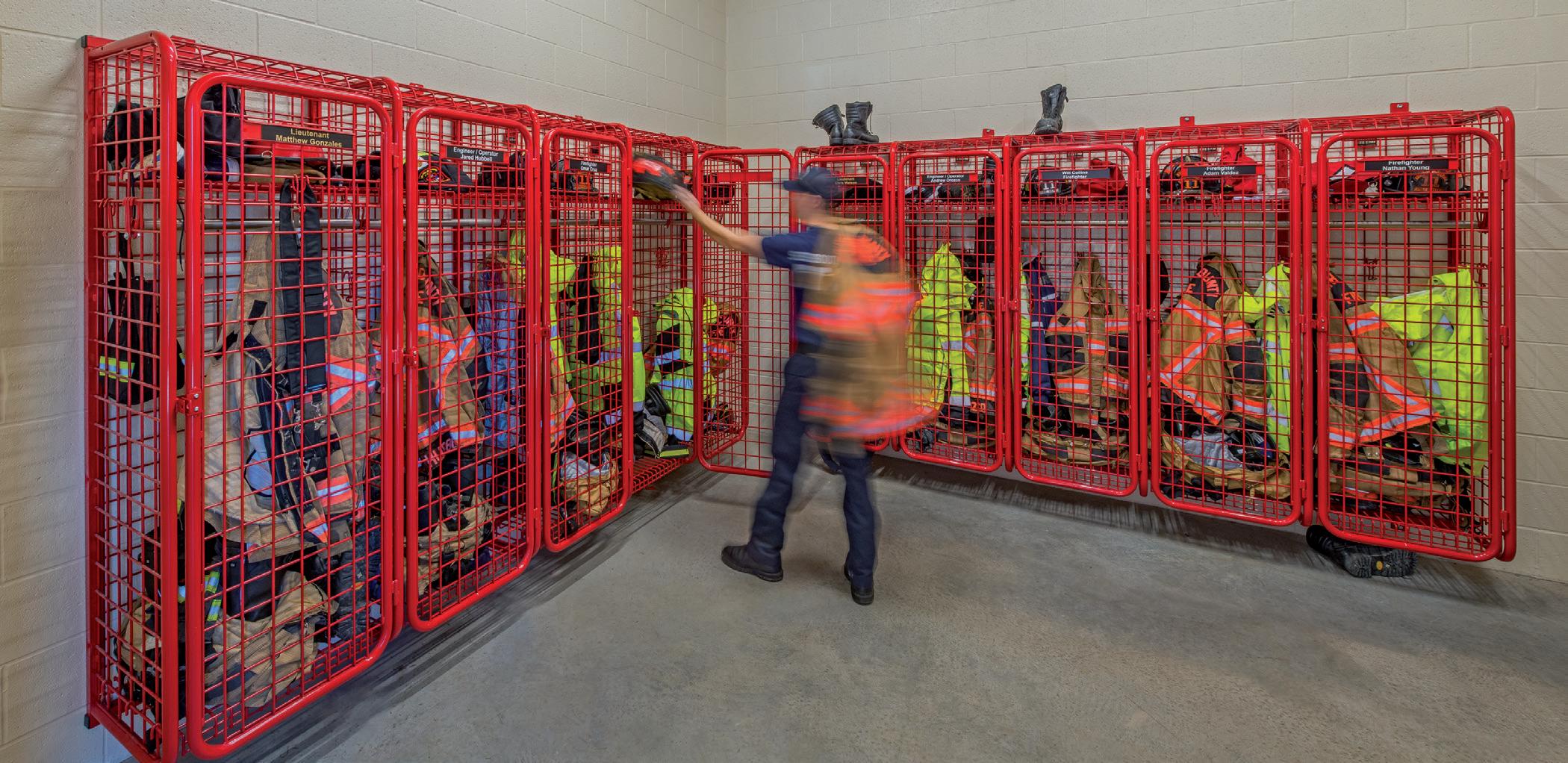
The 8,500 square foot facility includes two secured drive through apparatus bays and supports five full time personnel. Living quarters feature a full kitchen, sleeping areas, living space, and administrative offices. The masonry exterior reflects the character of the surrounding master planned community, creating an iconic civic presence.
Site work included planning for the undeveloped 2.24 acre parcel at Discovery Creek Boulevard and Tara Lane.
The new access route provides efficient connectivity for emergency vehicles while supporting long term growth in the service area.
location: channelview, texas
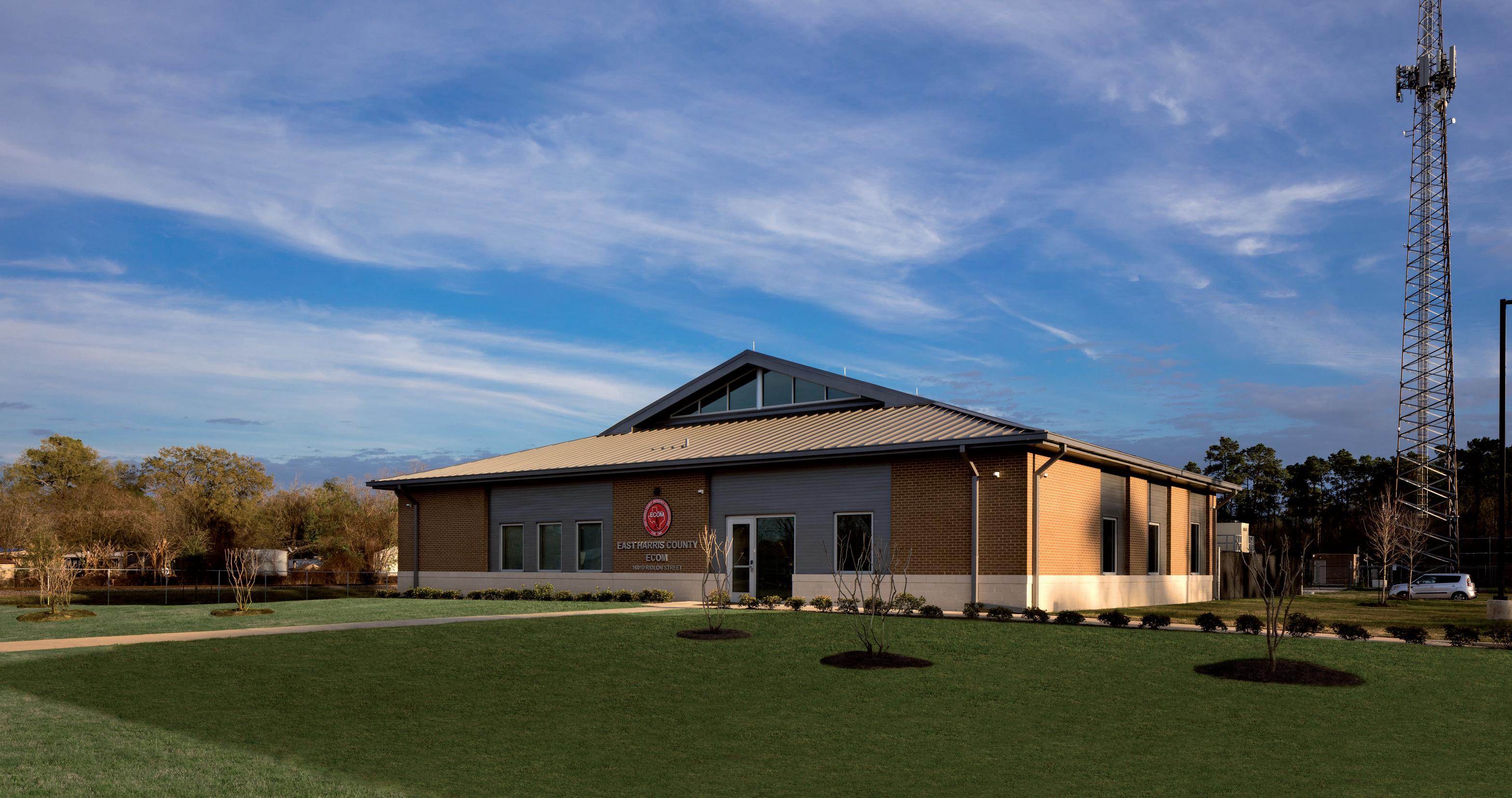
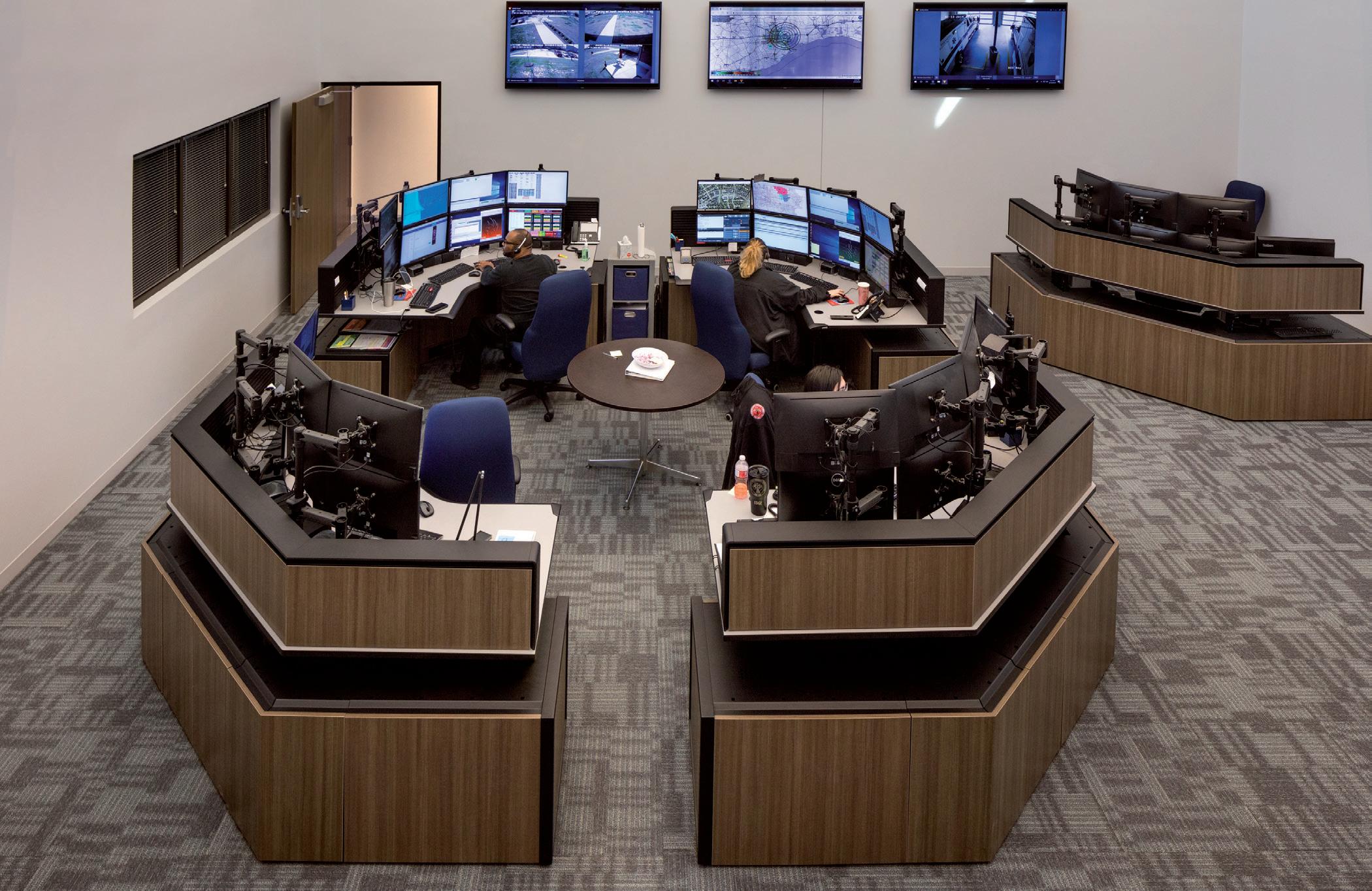
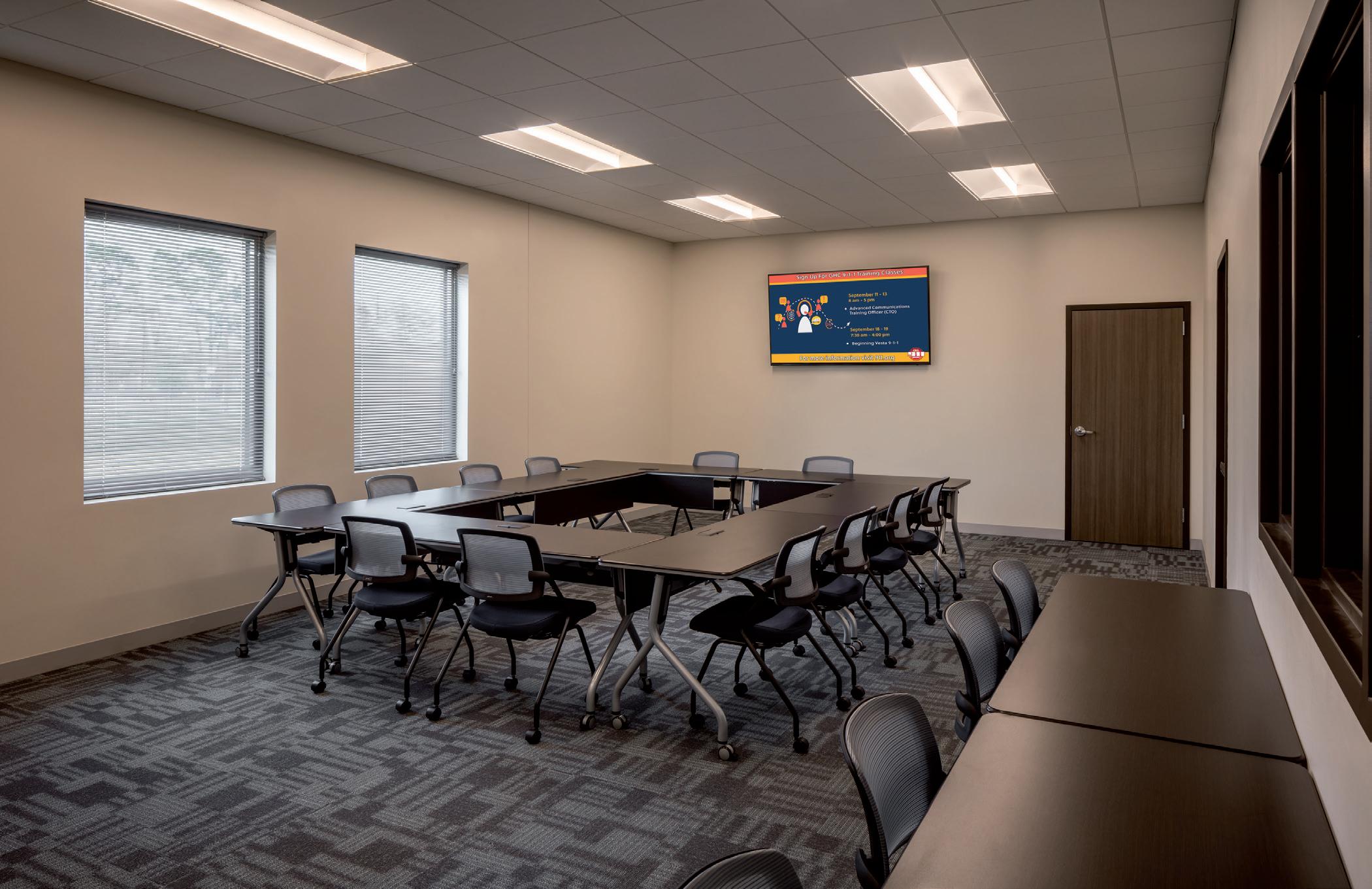
The 5,500 square foot East Harris County Emergency Communications Center supports 9 1 1 call taking and dispatch services for five local agencies within the Greater Harris County 9 1 1 network.
The center opened with six call taker stations and was planned for future expansion to 12 as demand increases. Ballistic rated perimeter walls and redundant power, mechanical, and communications systems ensure uninterrupted 24/7 operations, while the hardened structure is engineered to withstand hurricane force winds.
Clerestory windows bring natural light into the workspace without compromising security. The center also integrates with an existing antenna tower to streamline emergency communications across all serviced agencies.
location: delray beach, florida
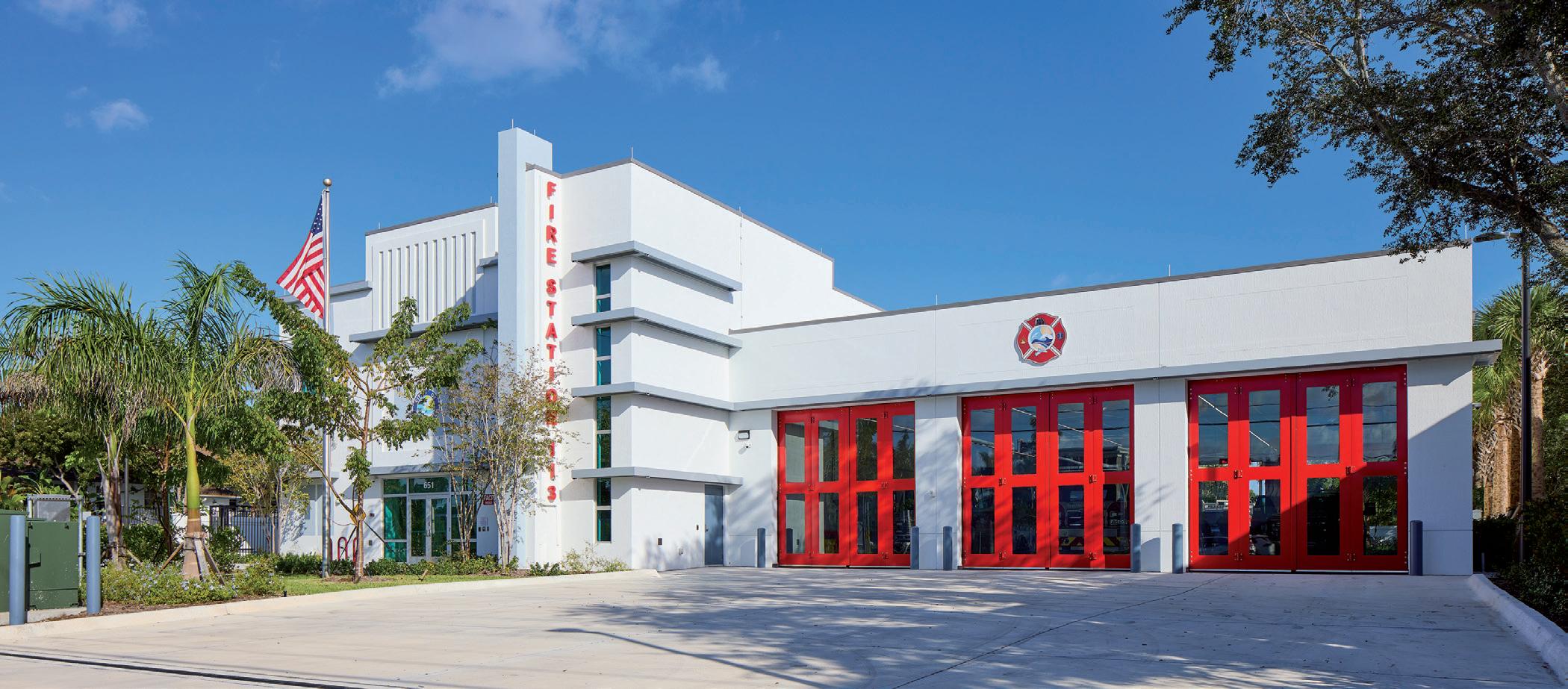
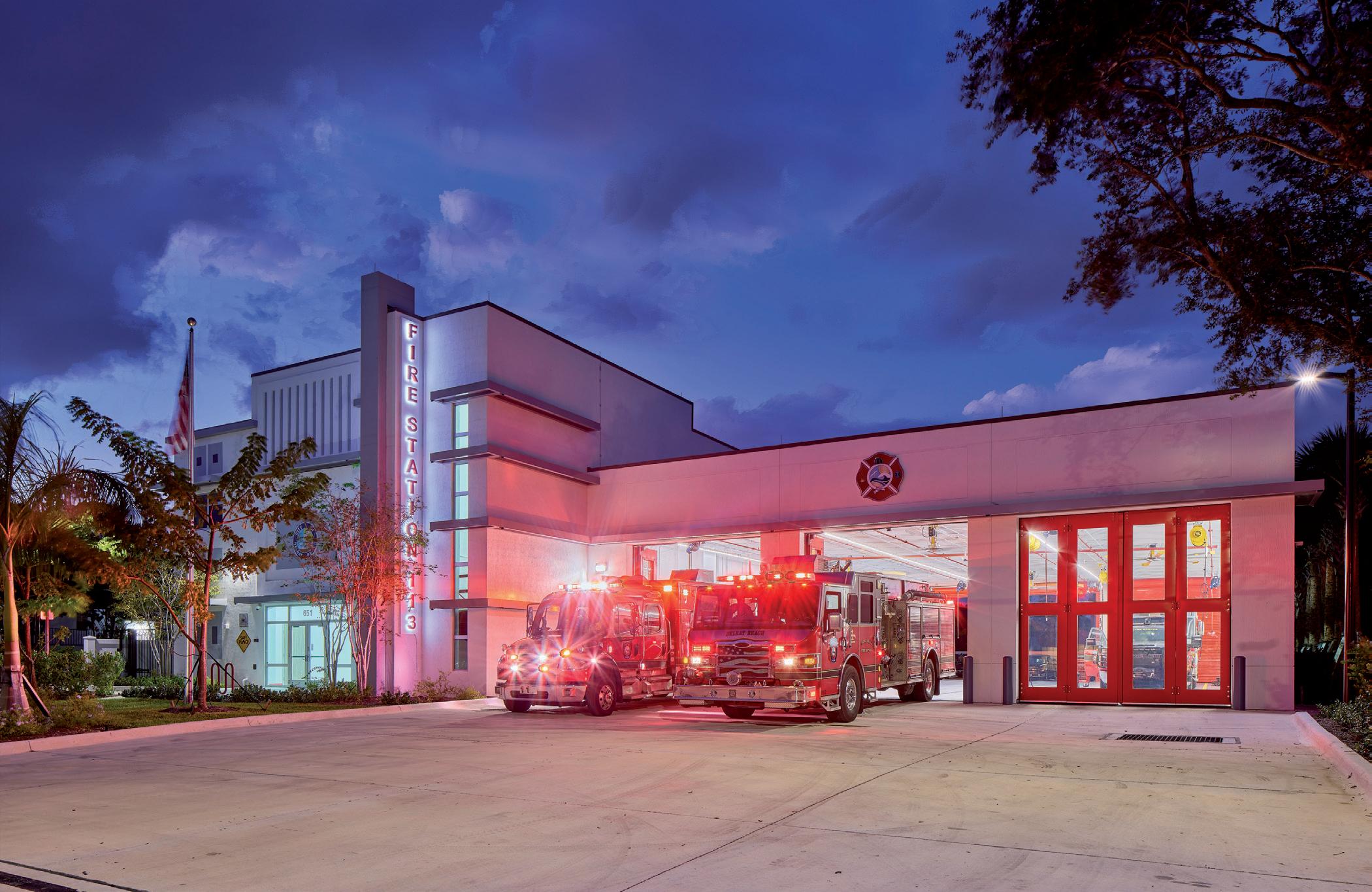
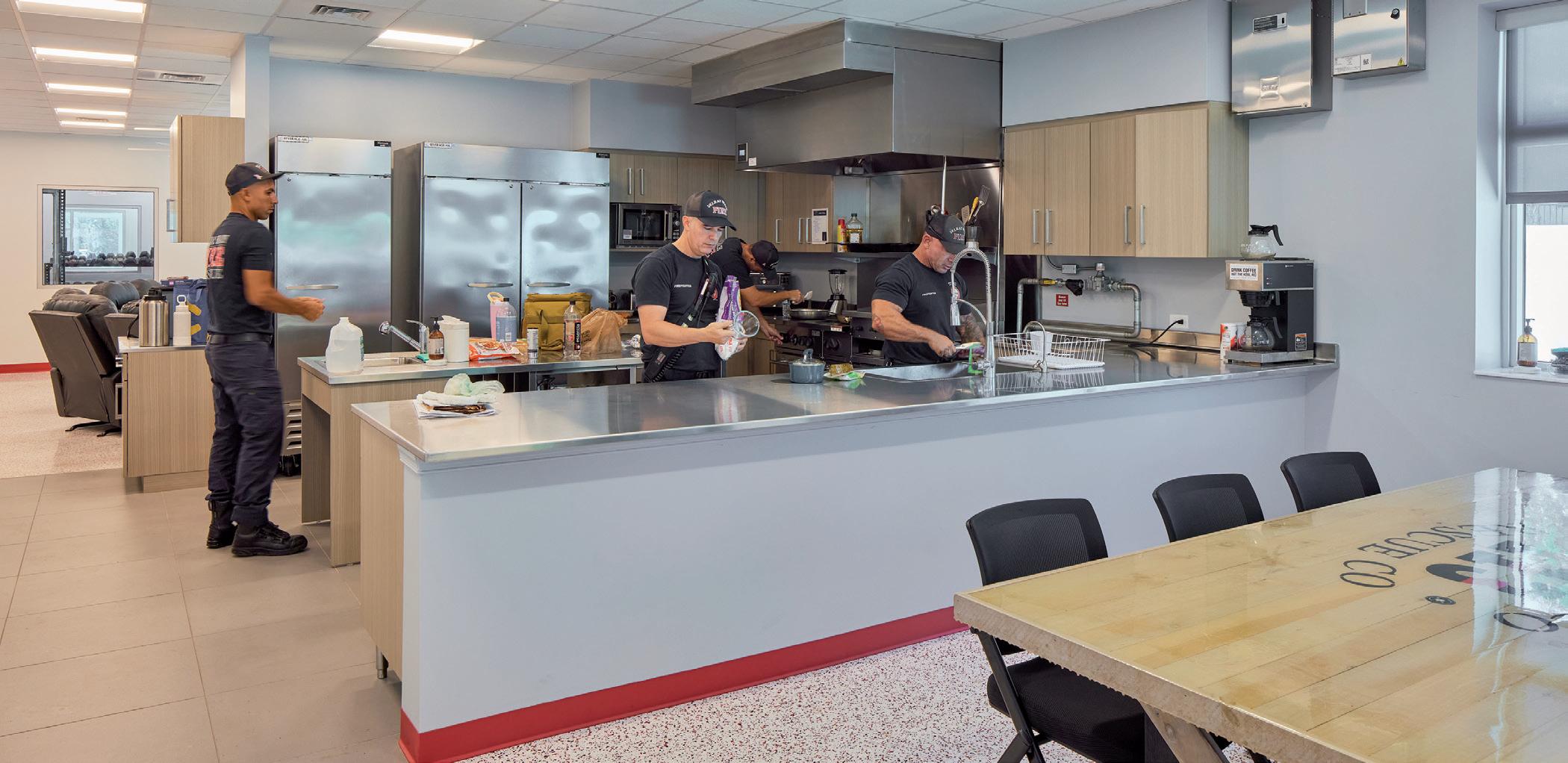
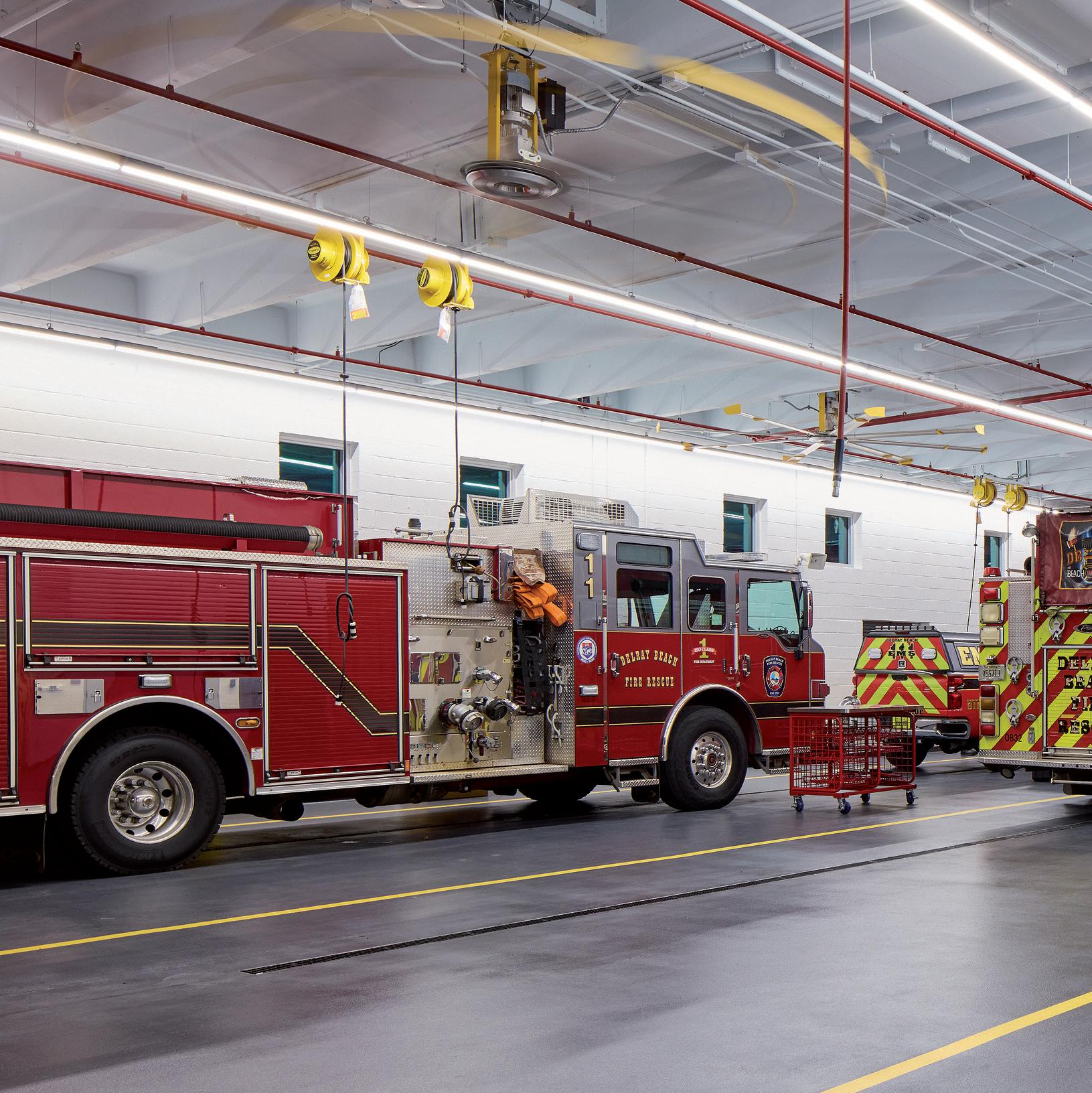
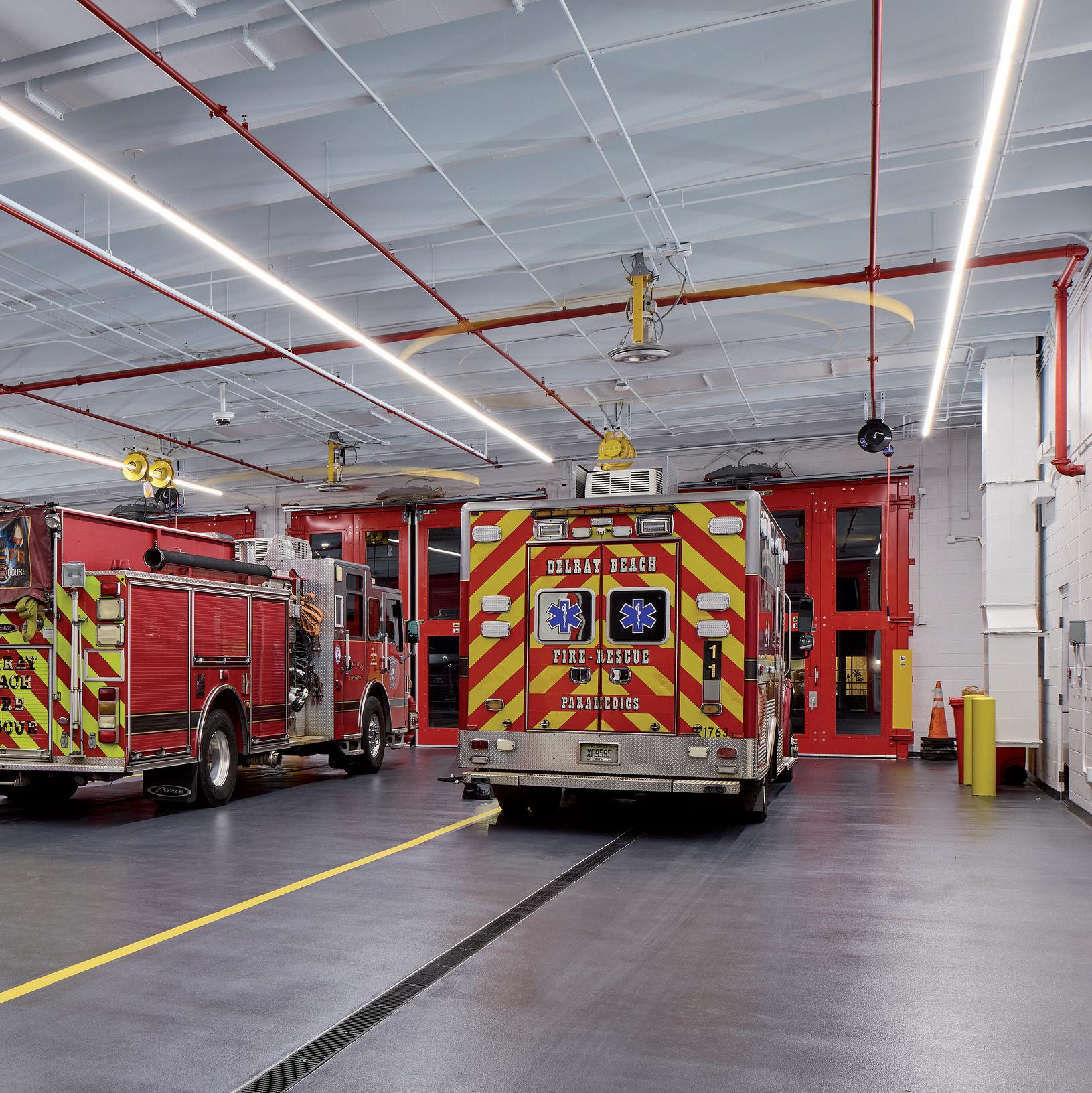
This 15,900‑square‑foot tilt‑wall facility houses Fire Station No. 113 and a fully integrated Emergency Operations Center (EOC). Designed for fast deployment and high performance, the station includes three drive‑through bays and a two‑level living and administration wing.
The building replaces a 1990s‑era structure and adds fitness deflection reinforcement for long‑term durability. PGAL organized the facility into four zones—apparatus bay, support spaces, office/admin, and dormitory‑style living—with two interior stairs and an exterior stair providing direct access to the bays for rapid response.
The EOC component is designed for seamless integration and includes site lighting and a minimum of 14 vehicle spaces, some reserved for emergency teams. The result is a durable, responsive facility that enhances safety, access, and performance for fire‑rescue and emergency operations in Delray Beach.
location: deer park, texas
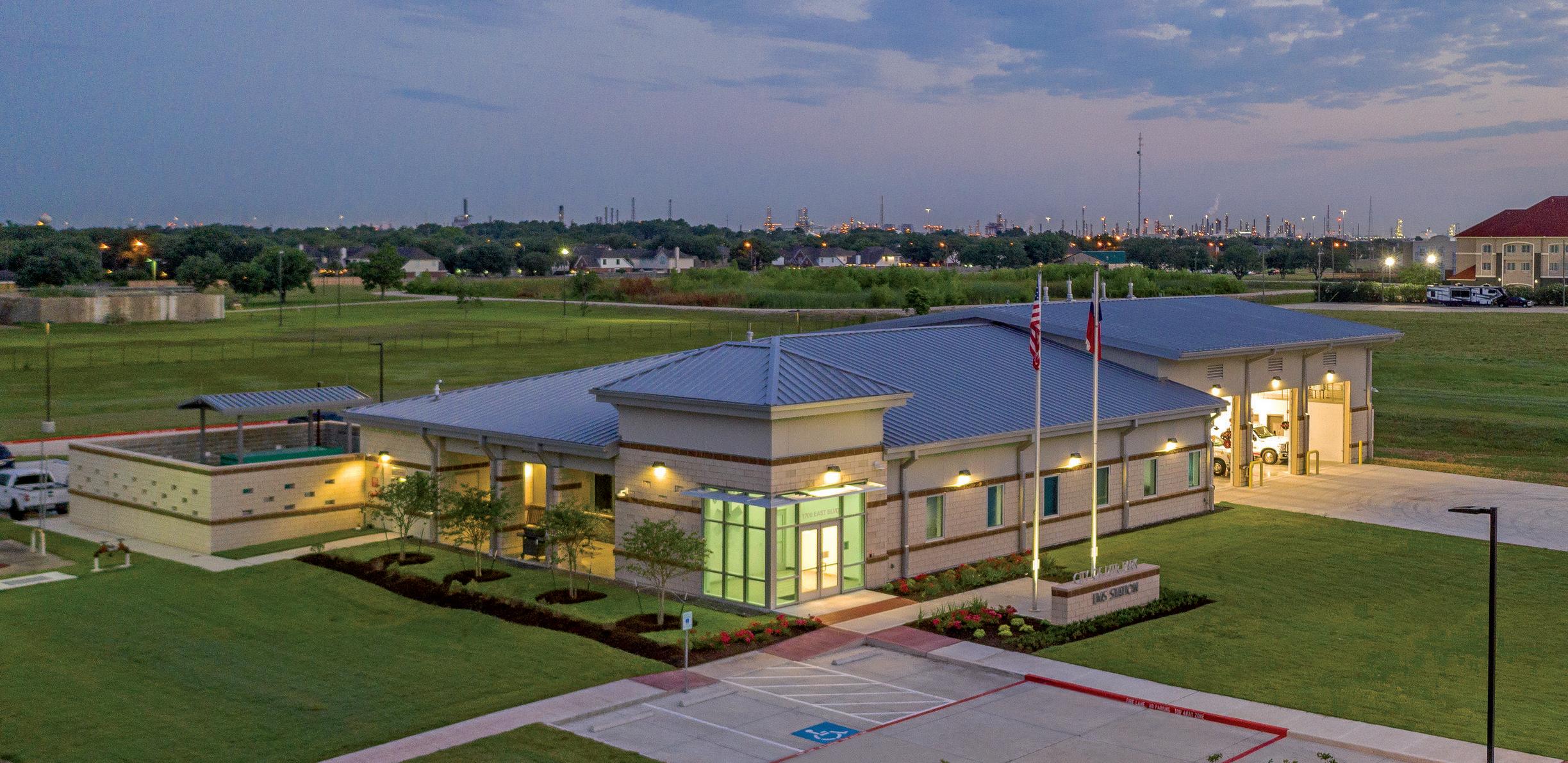
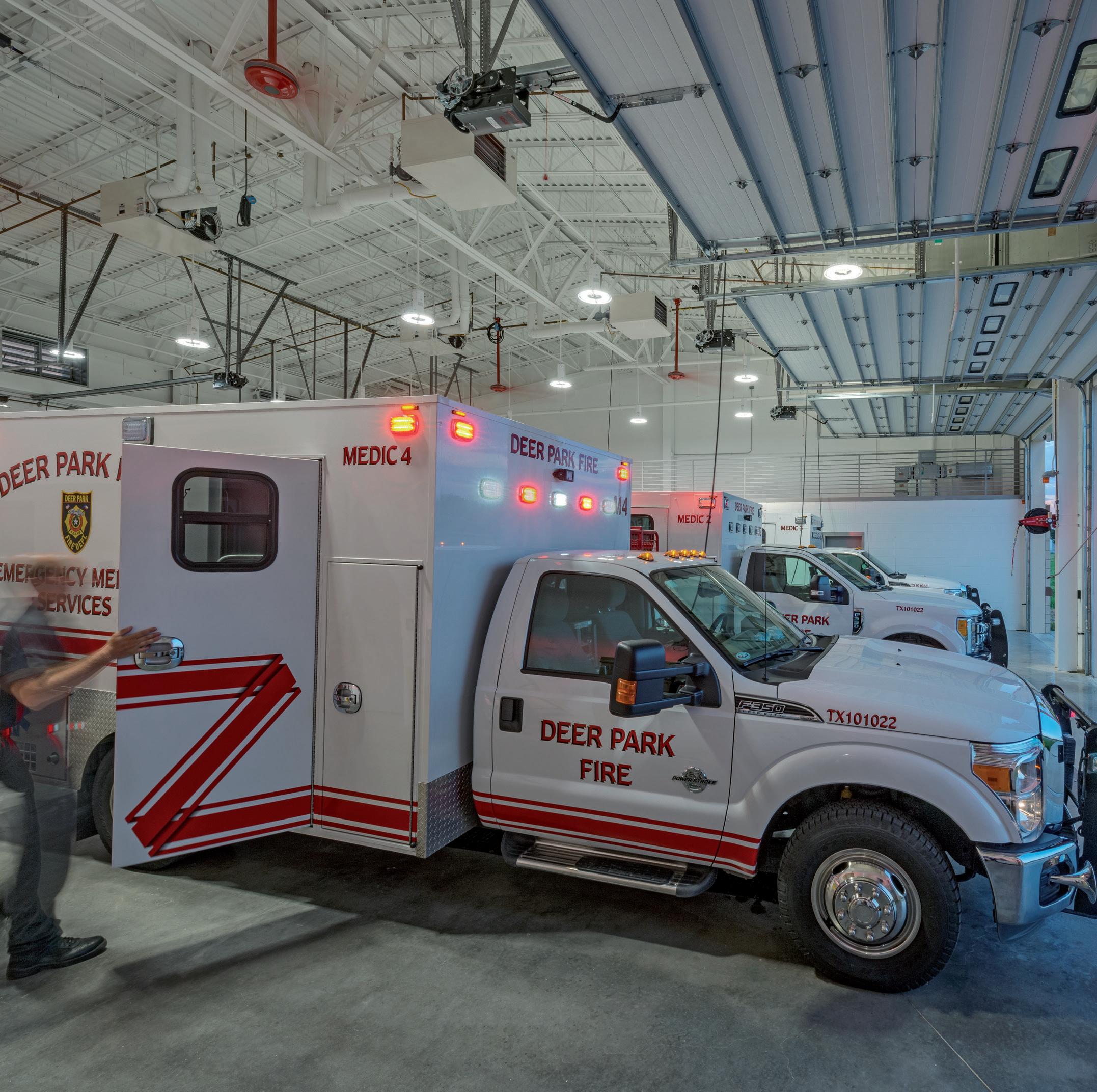
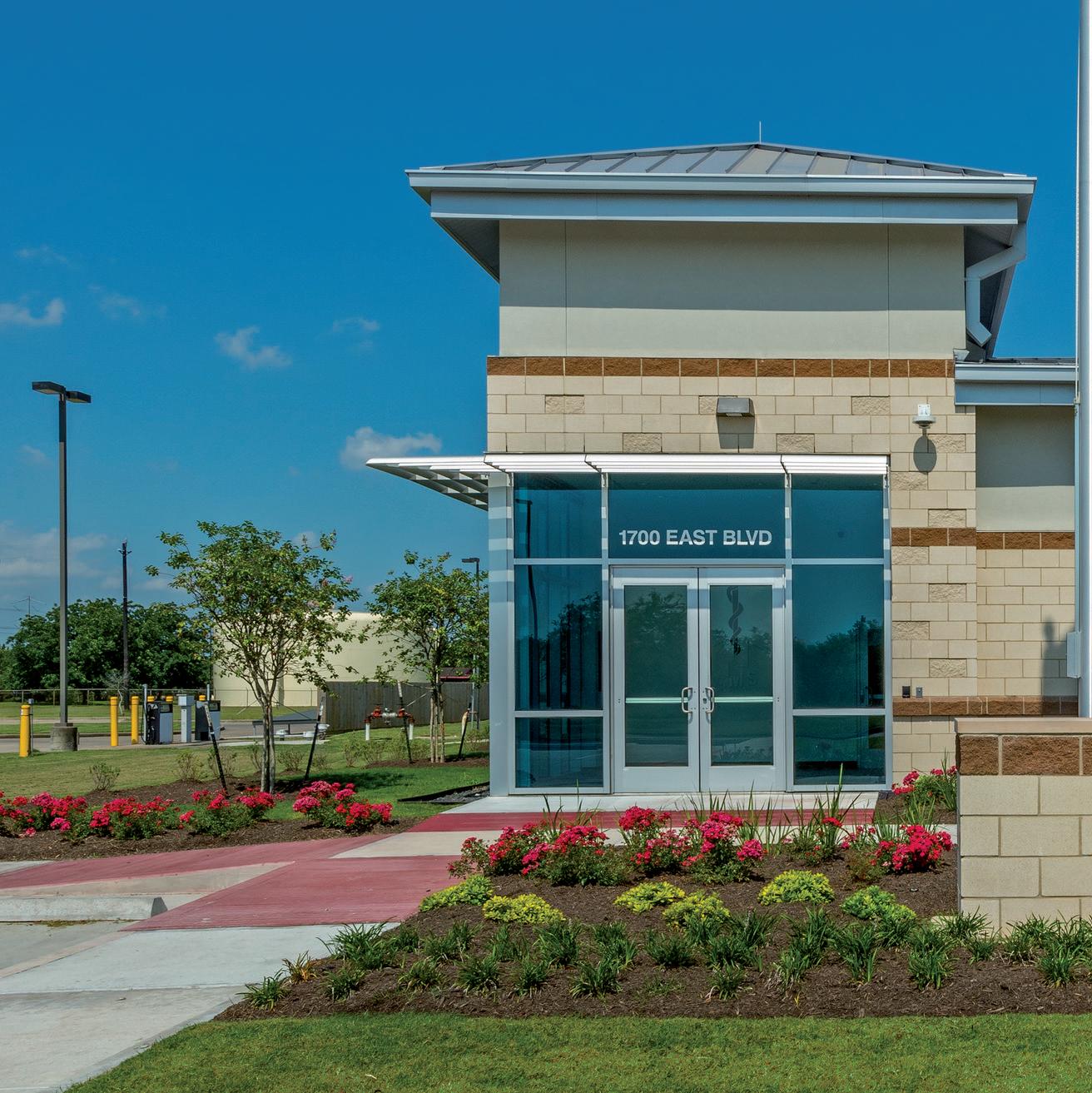
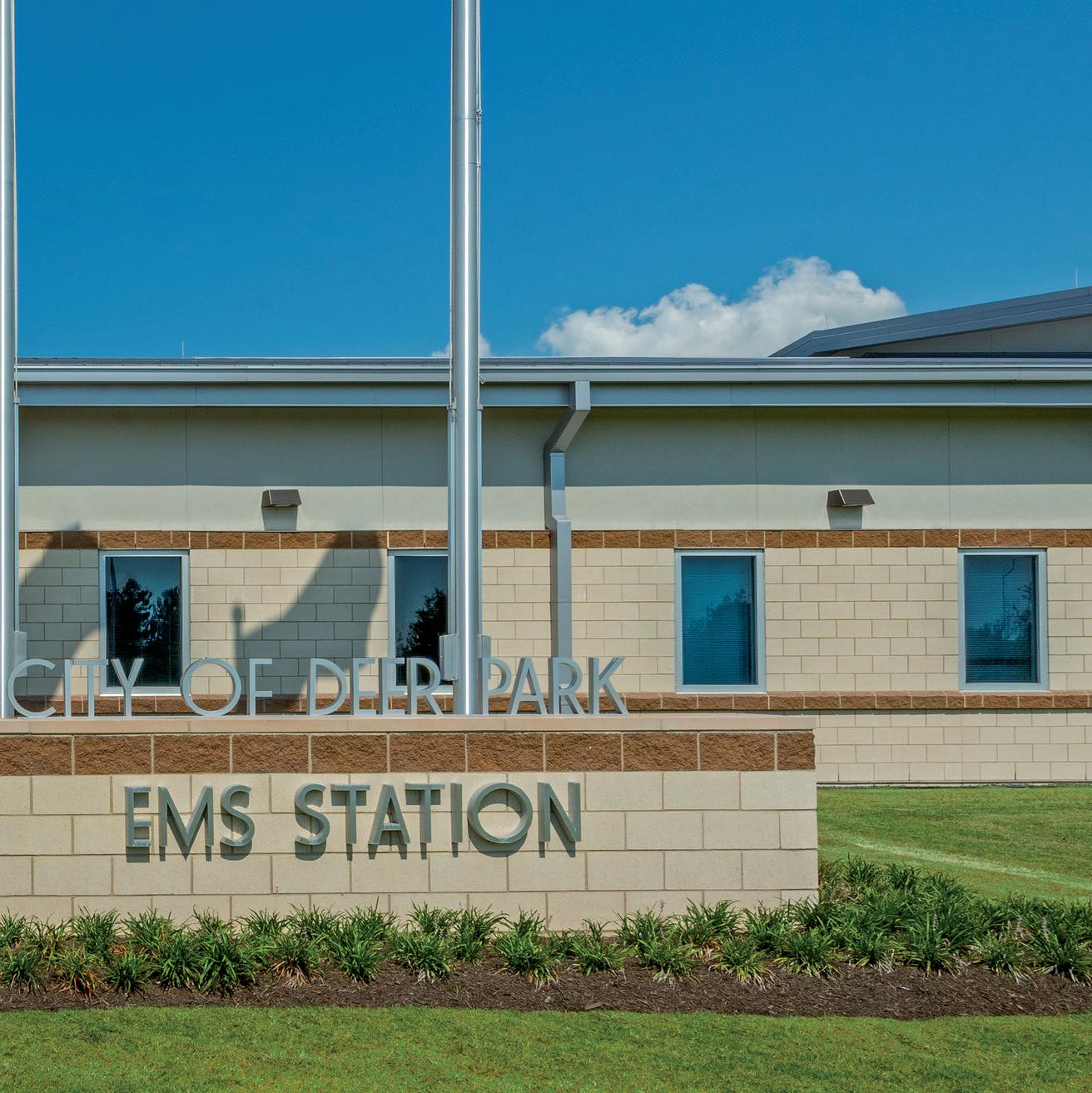
The 10,500‑square‑foot Deer Park EMS Annex was purpose‑built to serve the City’s EMS department, providing dedicated space for staff, vehicles, and future expansion.
Located adjacent to Fire Station No. 2, the facility includes three apparatus bays, living quarters, a dayroom, kitchen, shower/restrooms, conference room, and EMS‑specific storage. A dedicated report‑writing room and tool room enhance operational efficiency.
Designed through a collaborative planning process, the layout supports EMS workflows while delivering a clean,
modern architectural identity. Split‑face masonry, stucco, and standing seam metal roofing visually align with the adjacent fire station while distinguishing the annex as a facility tailored for EMS needs.
location: city of stuart, florida
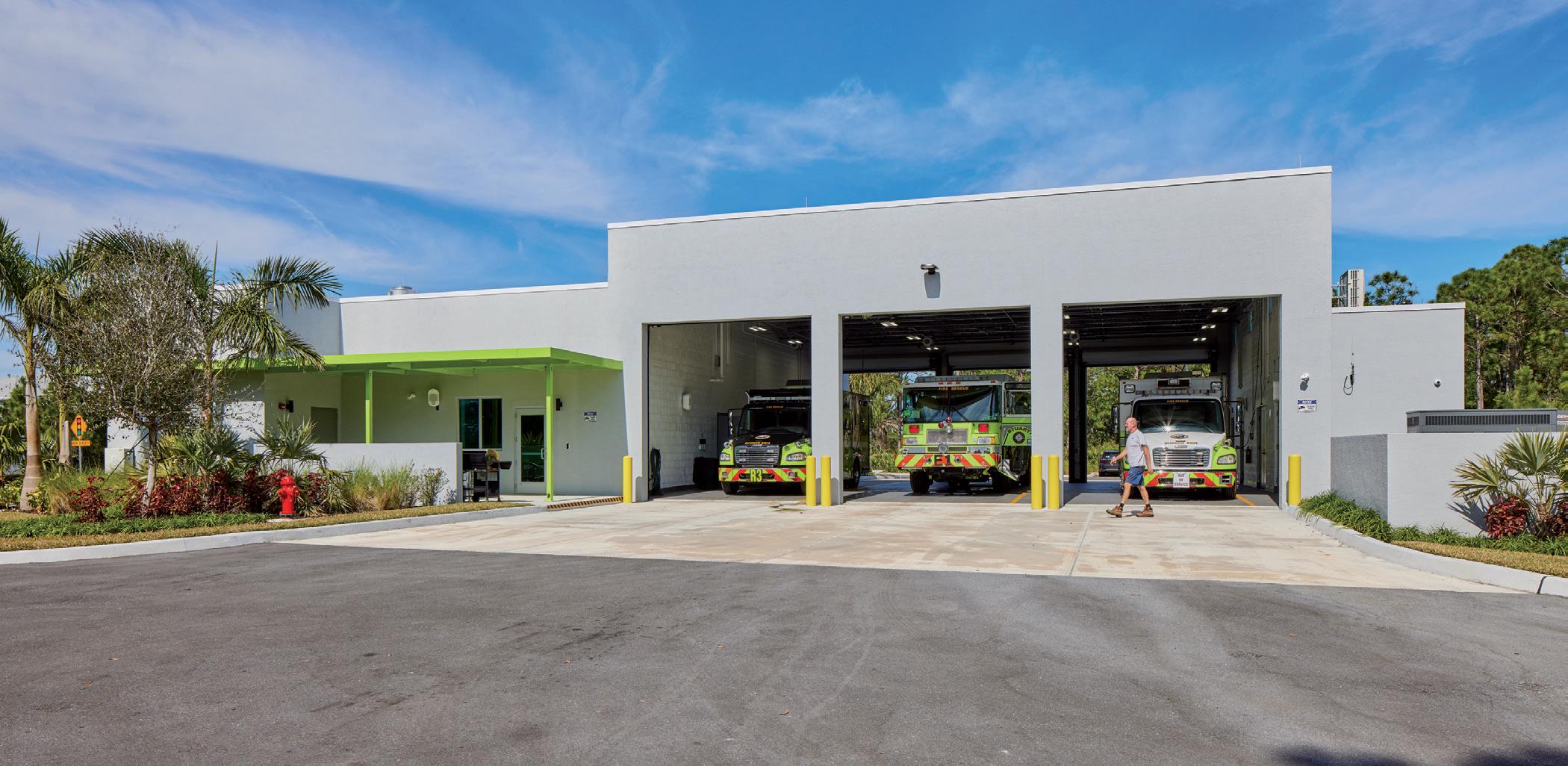
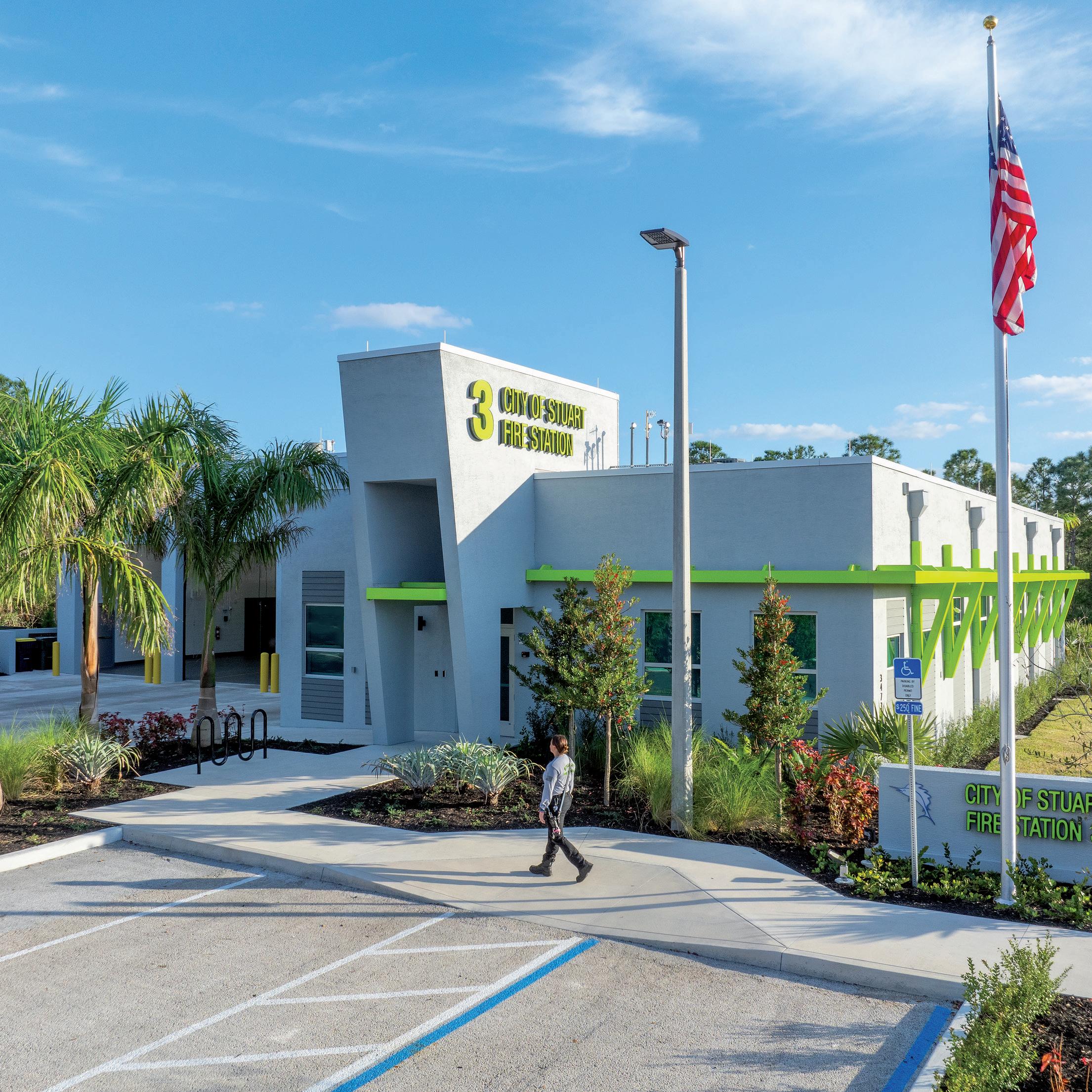
City of Stuart Fire Station No. 3 is a 6,700‑square‑foot, single‑story facility designed to serve the city’s north region. Sited on 1.8 acres, the building includes three drive‑thru apparatus bays and houses six firefighter/ paramedics per shift.
The station provides 100 percent emergency power and includes a medical room, lobby, and meeting space to support public needs before, during, and after storms. Elevated construction and enhanced envelope design allow the facility to withstand wind speeds up to 183 miles per hour.
Bunk rooms feature built‑in desks, fans, and lighting for privacy. A shared dayroom, kitchen, and dining area encourage team interaction. Designed to meet National Fire Protection Association (NFPA) 1500 standards, the station prioritizes safety, health, and contamination control—supporting a resilient, wellness‑focused operational environment.
location: allen, texas
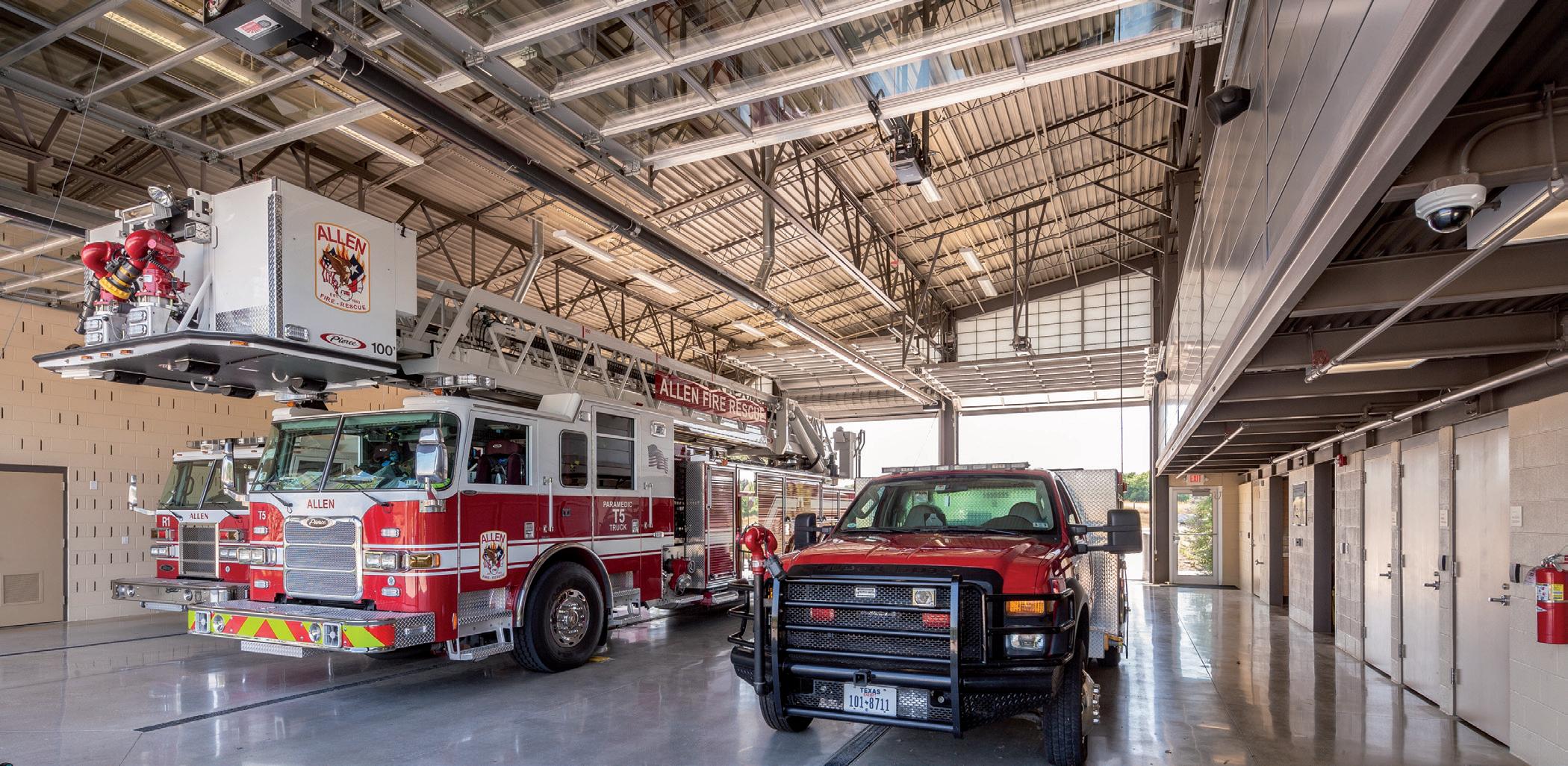
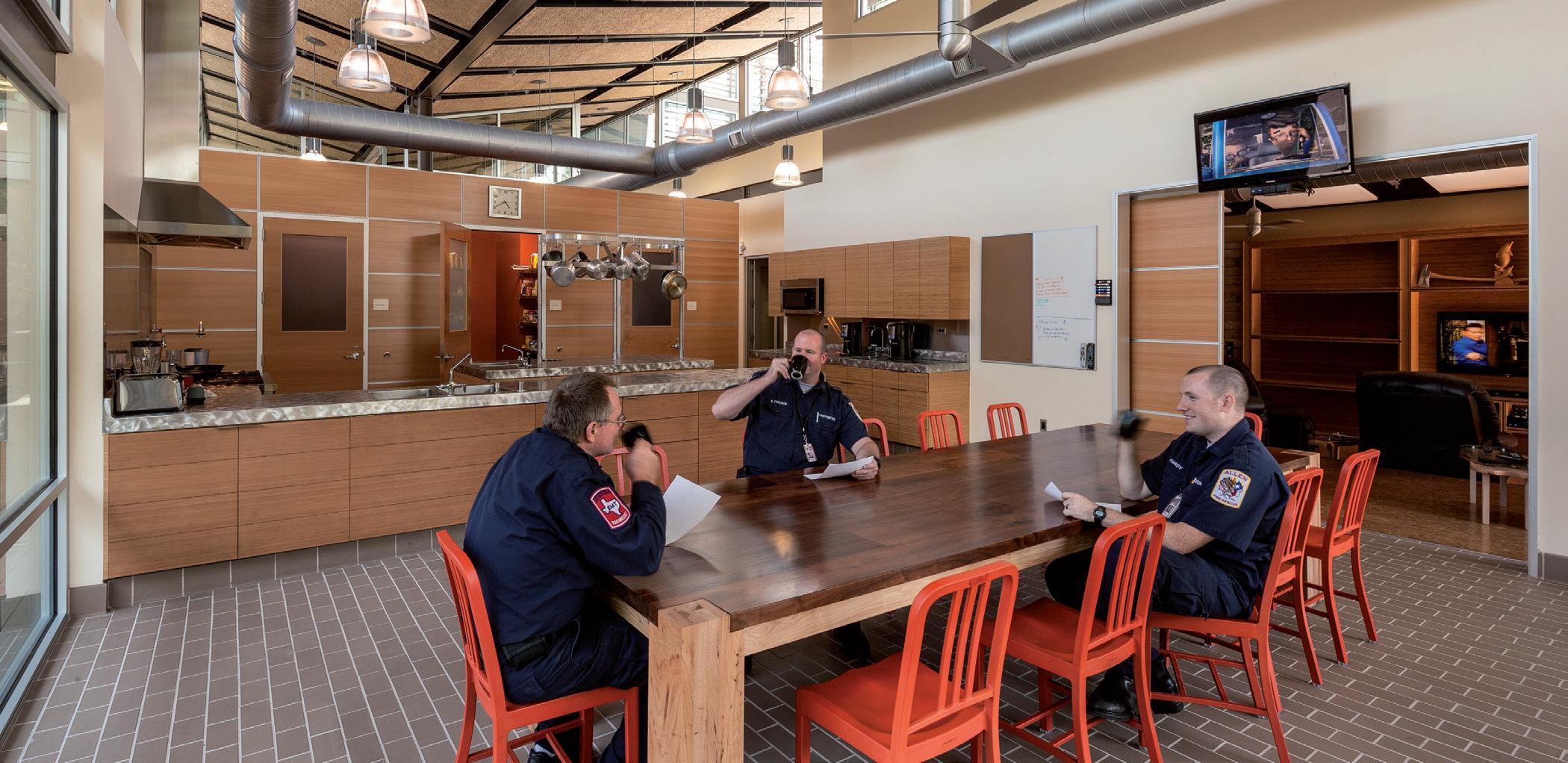
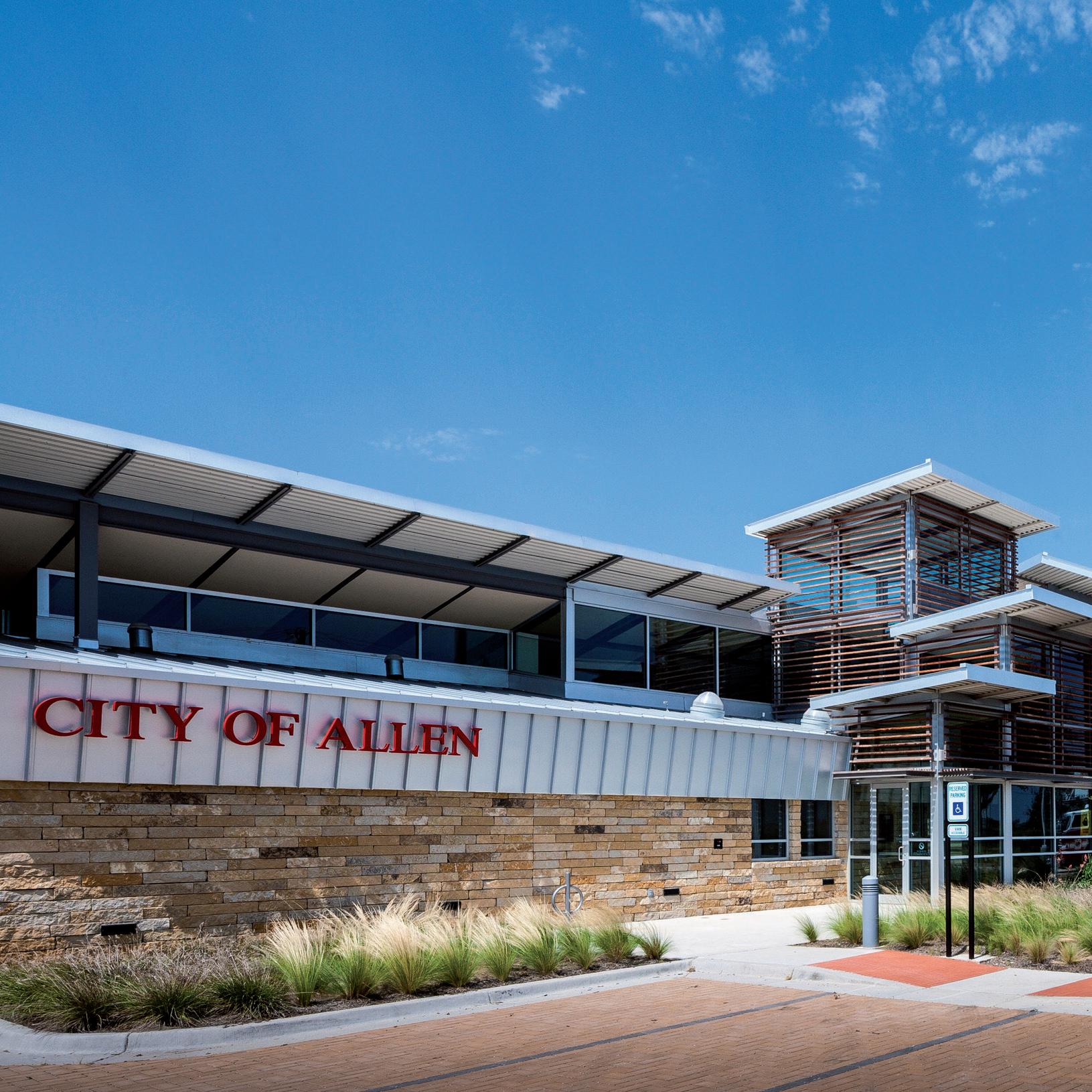
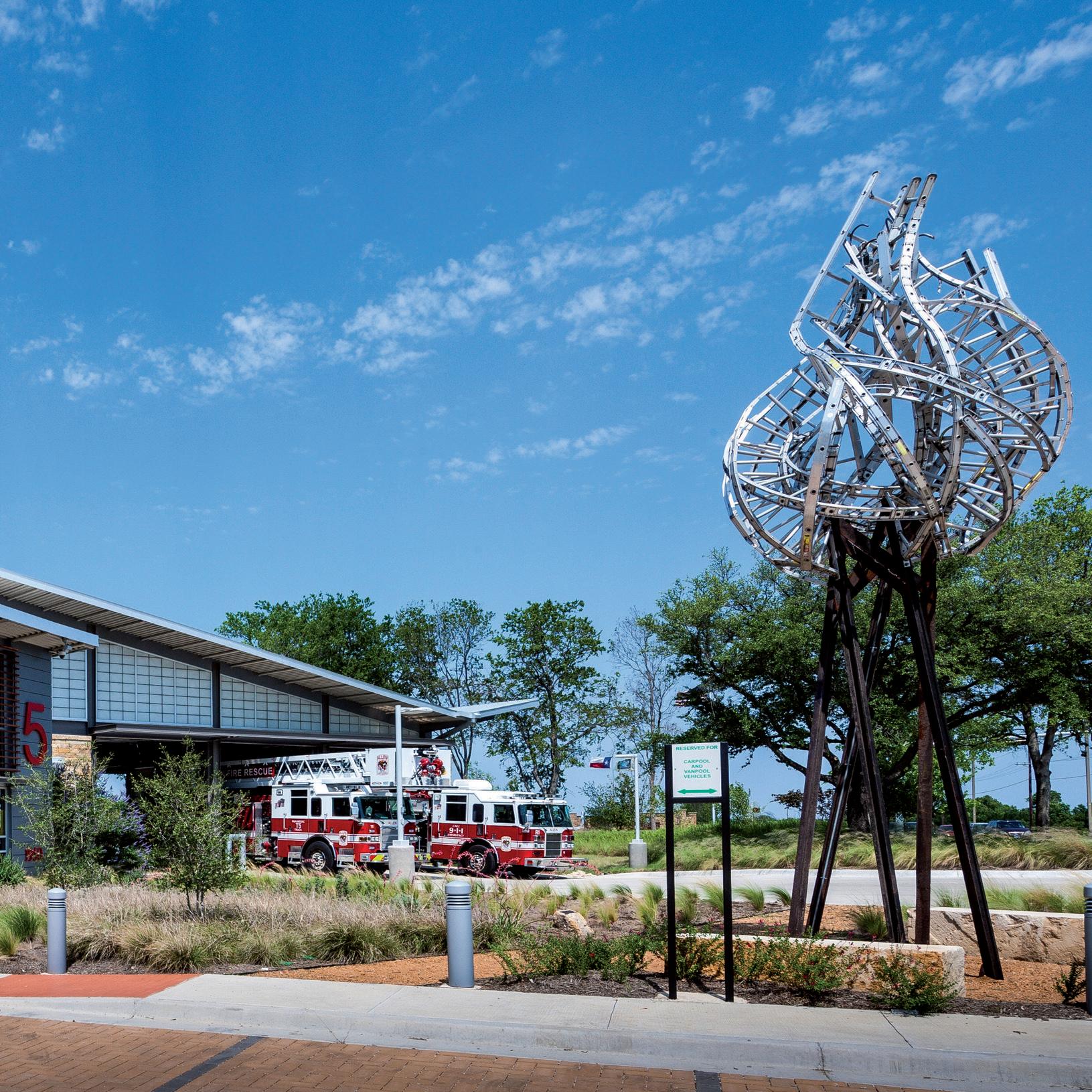
This 10,500‑square‑foot, LEED Platinum‑certified fire station is a fully equipped, three‑bay prototype and sustainability showcase for the City of Allen. Designed for eight firefighters at full capacity, the facility includes all support spaces required for daily operations.
As a learning tool, the station supports tours, seminars, and hands‑on education—helping the city and its residents explore green building strategies and future LEED goals.
The signature butterfly roof fills the space with daylight through north‑facing clerestory windows and is engineered to collect rainwater for landscaping. Visibly
sustainable from the inside out, the station reflects Allen’s forward‑thinking commitment to high‑performance civic infrastructure.
location: fort lauderdale, florida
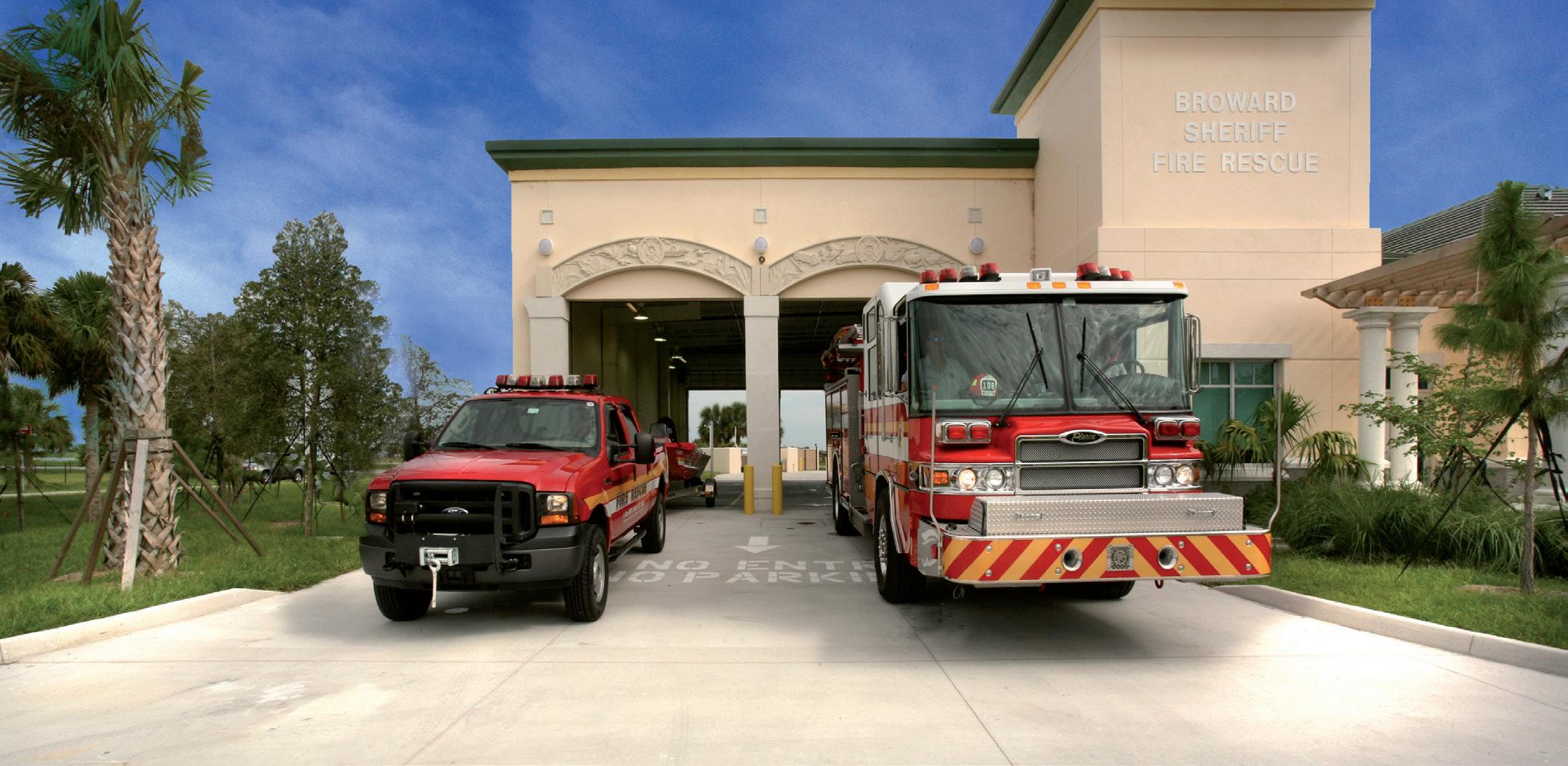
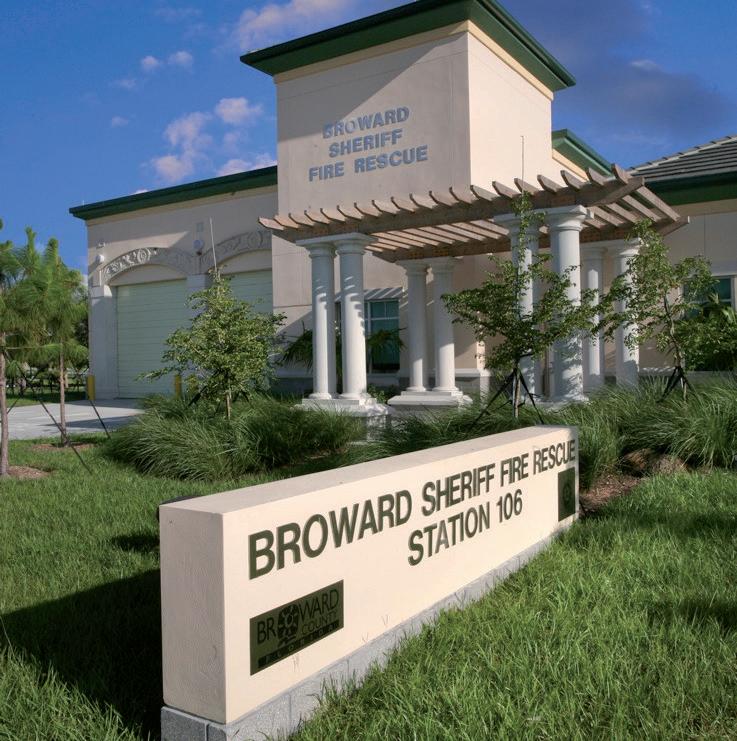
Located in the Everglades, this 6,900‑square‑foot, two‑bay fire station is one of four Broward County prototypes designed for resilience and adaptability across remote terrain.
The station supports a wide range of emergency operations and houses a heavy rescue truck, pickup truck, ATV trailer, and air‑boat trailer. Staffed by three fire‑rescue personnel, a sheriff’s officer, a battalion chief, and EMS support, the facility includes medical treatment rooms, a commercial kitchen, and an outdoor barbecue area.
Built with future expansion in mind, the station strengthens coverage in hard‑to‑access areas while supporting extended field deployment in extreme conditions.
Let me know if you’d like to create a field‑operations‑focused version or highlight specific vehicle bays and support zones.
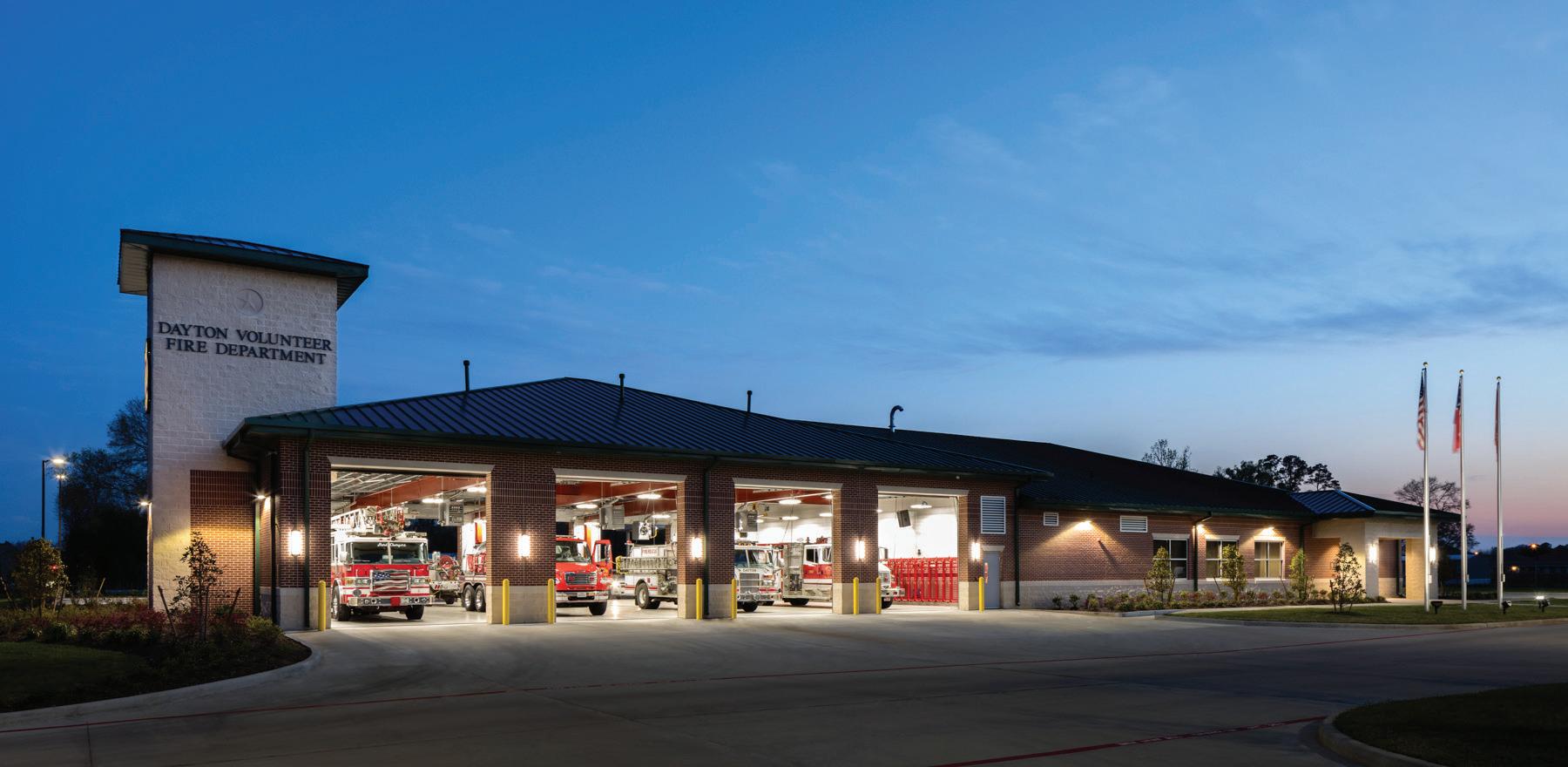
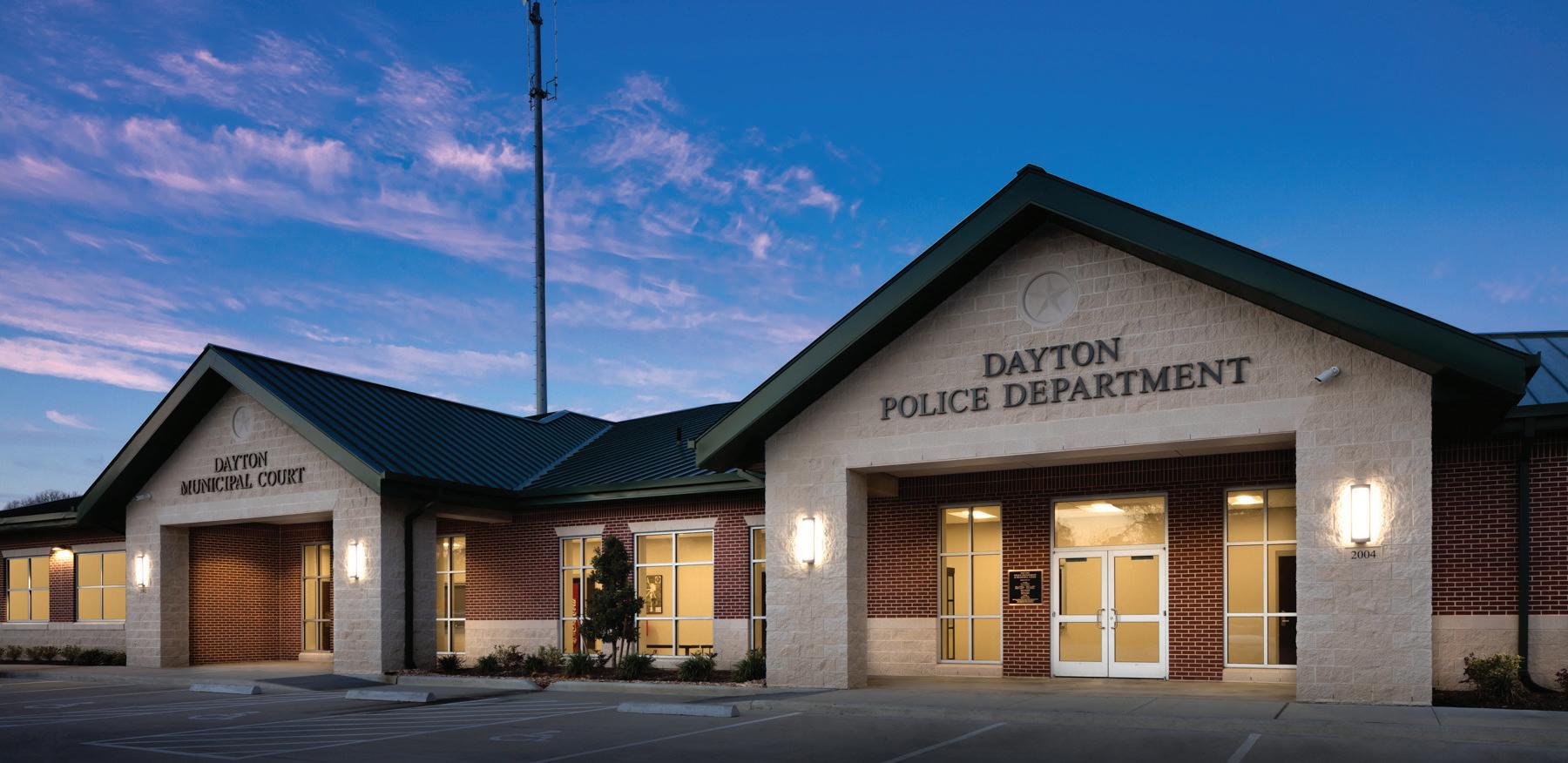
location: dayton, texas
The City of Dayton Public Safety Complex unifies police, fire, and municipal court departments on a 30,000‑square‑foot campus near downtown. The two‑building site was designed to foster collaboration while maintaining clear operational separation.
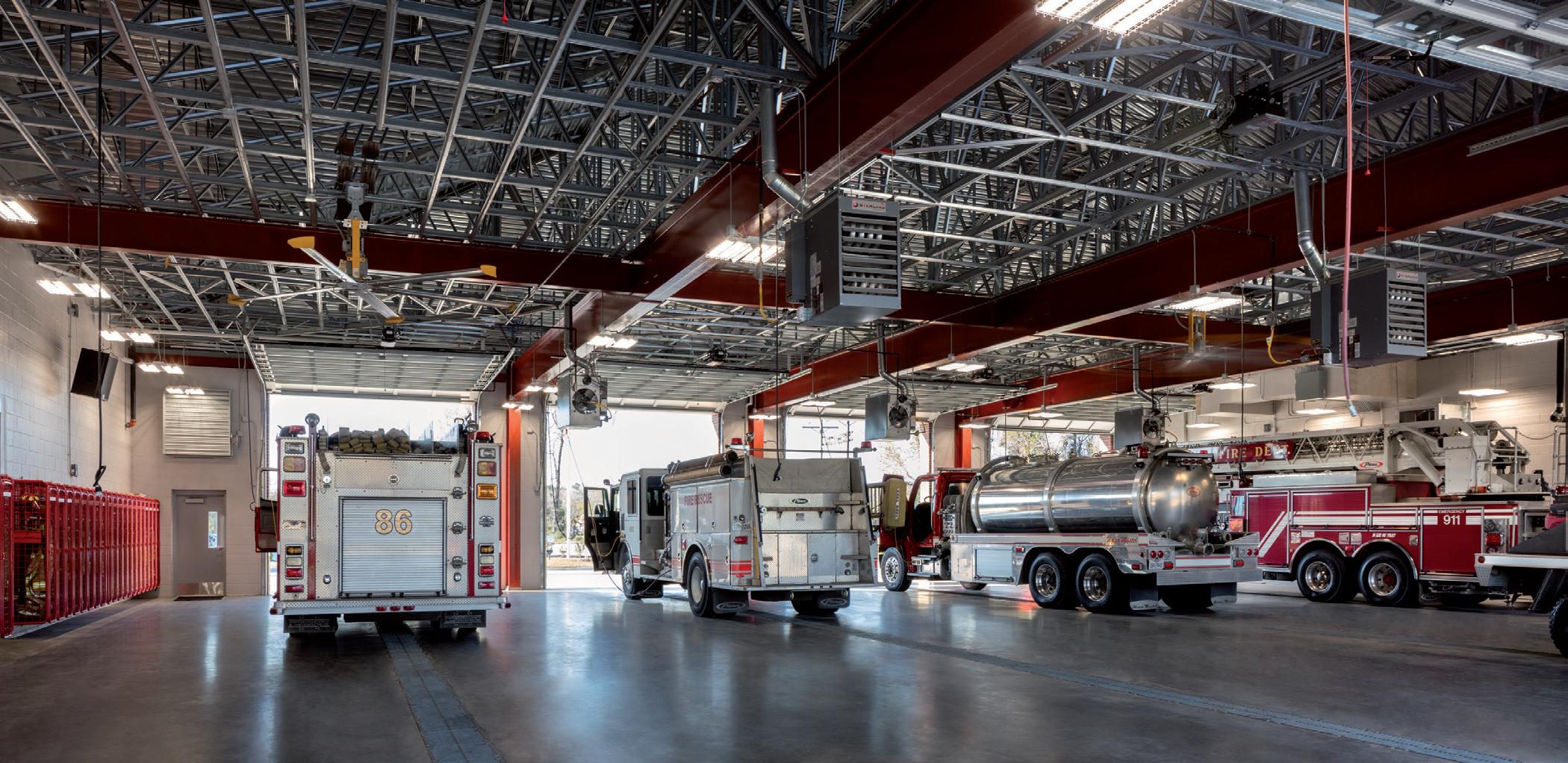
The police and court building features a sally port, personnel offices, and a flexible training room that also serves as an Emergency Operations Center. The adjacent fire station includes four apparatus bays and consolidates all city fire vehicles on site—supporting both professional staff and Dayton’s volunteer department.
A shared commercial kitchen and large meeting space offer flexibility for community gatherings and emergency coordination. The result is a civic resource that strengthens daily services and citywide resilience.
location: houston, texas
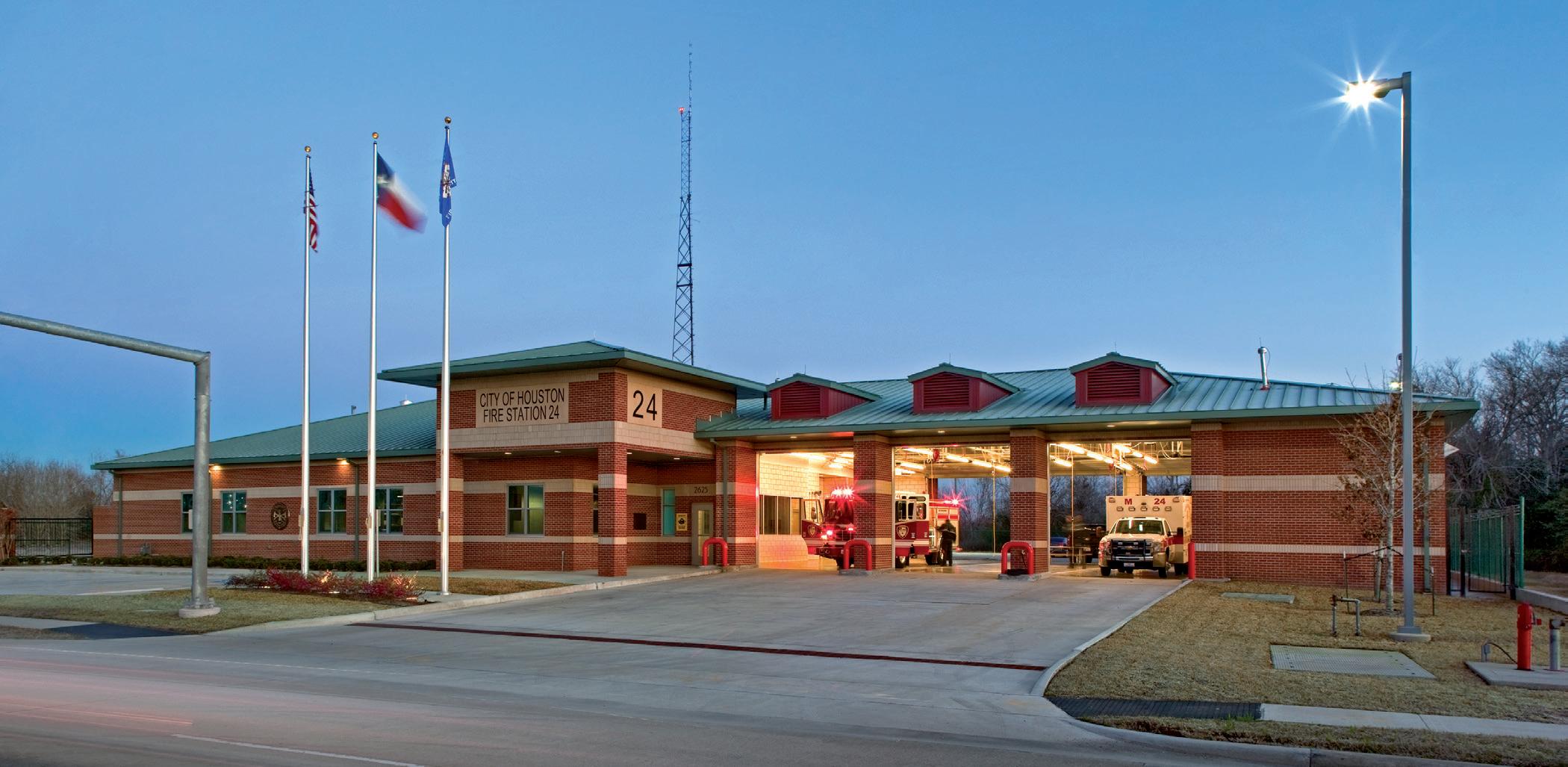
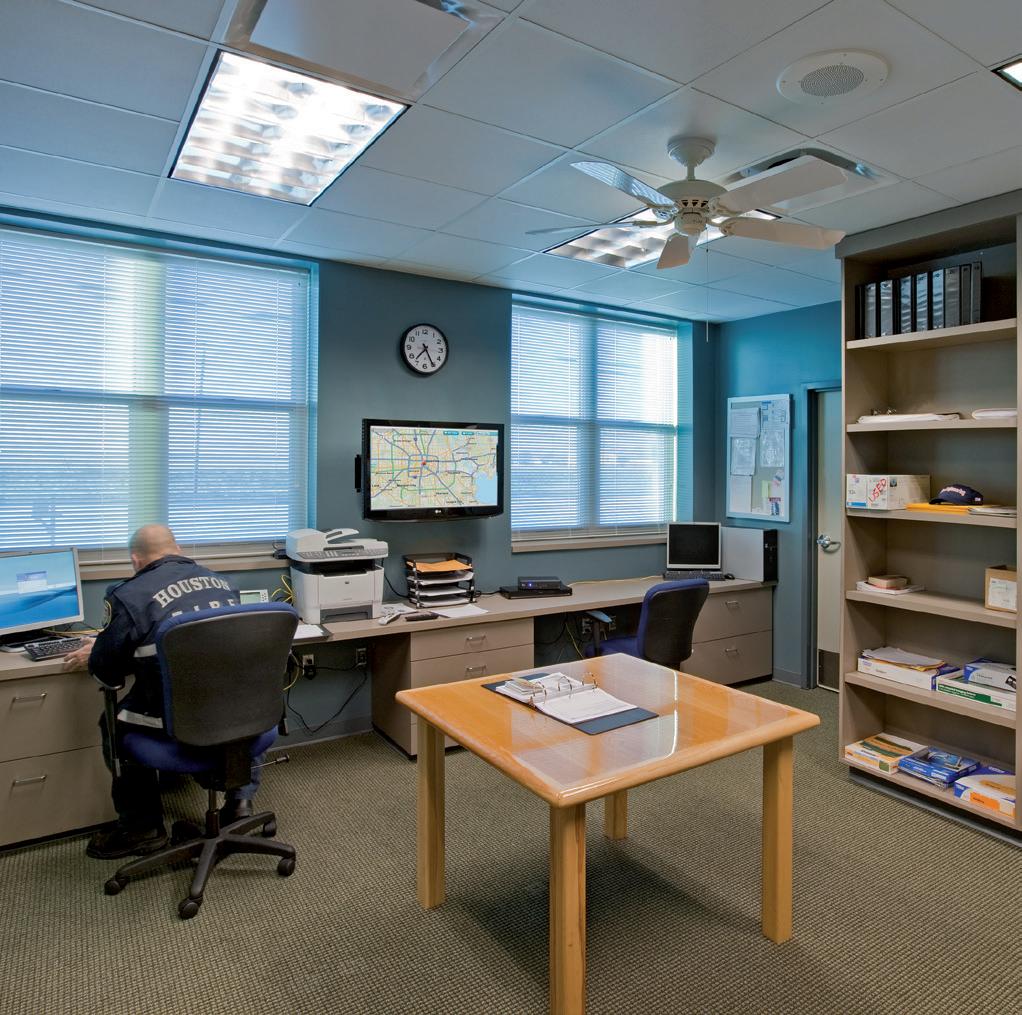
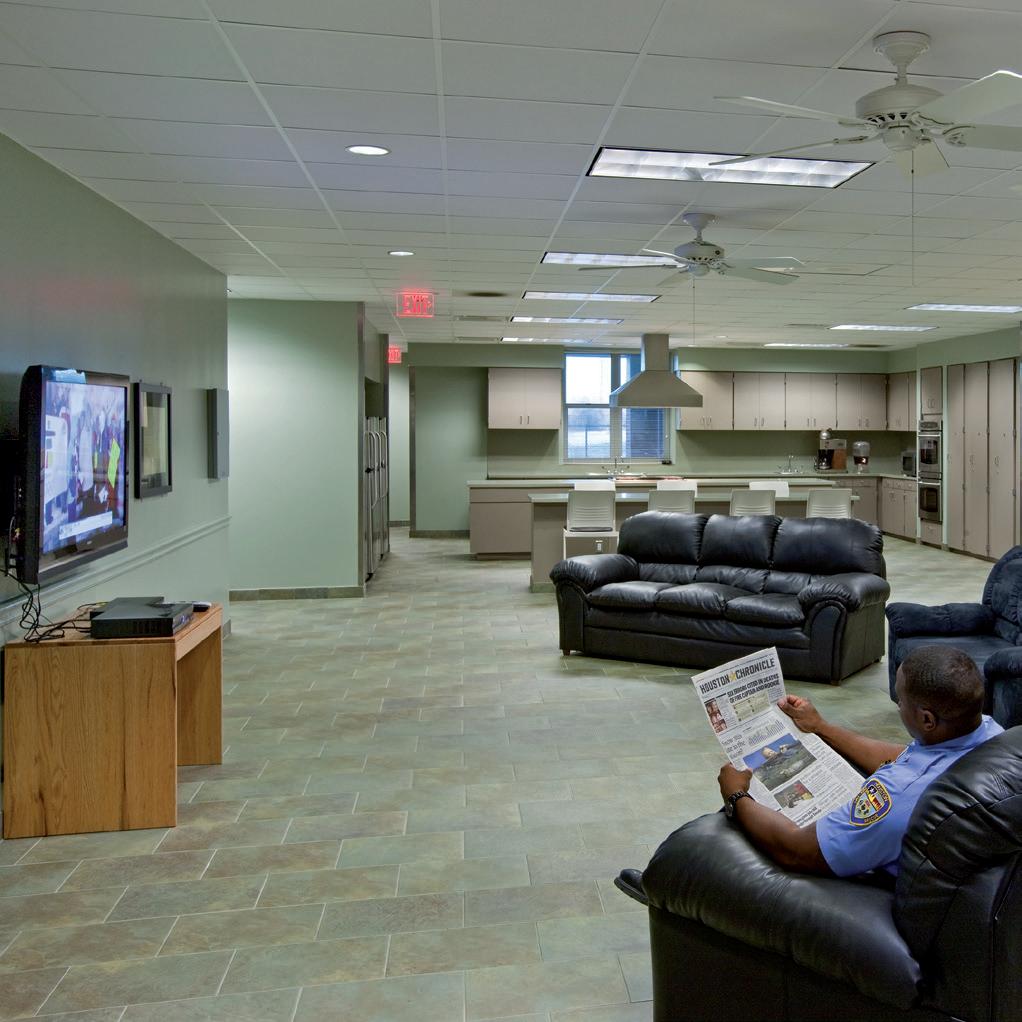
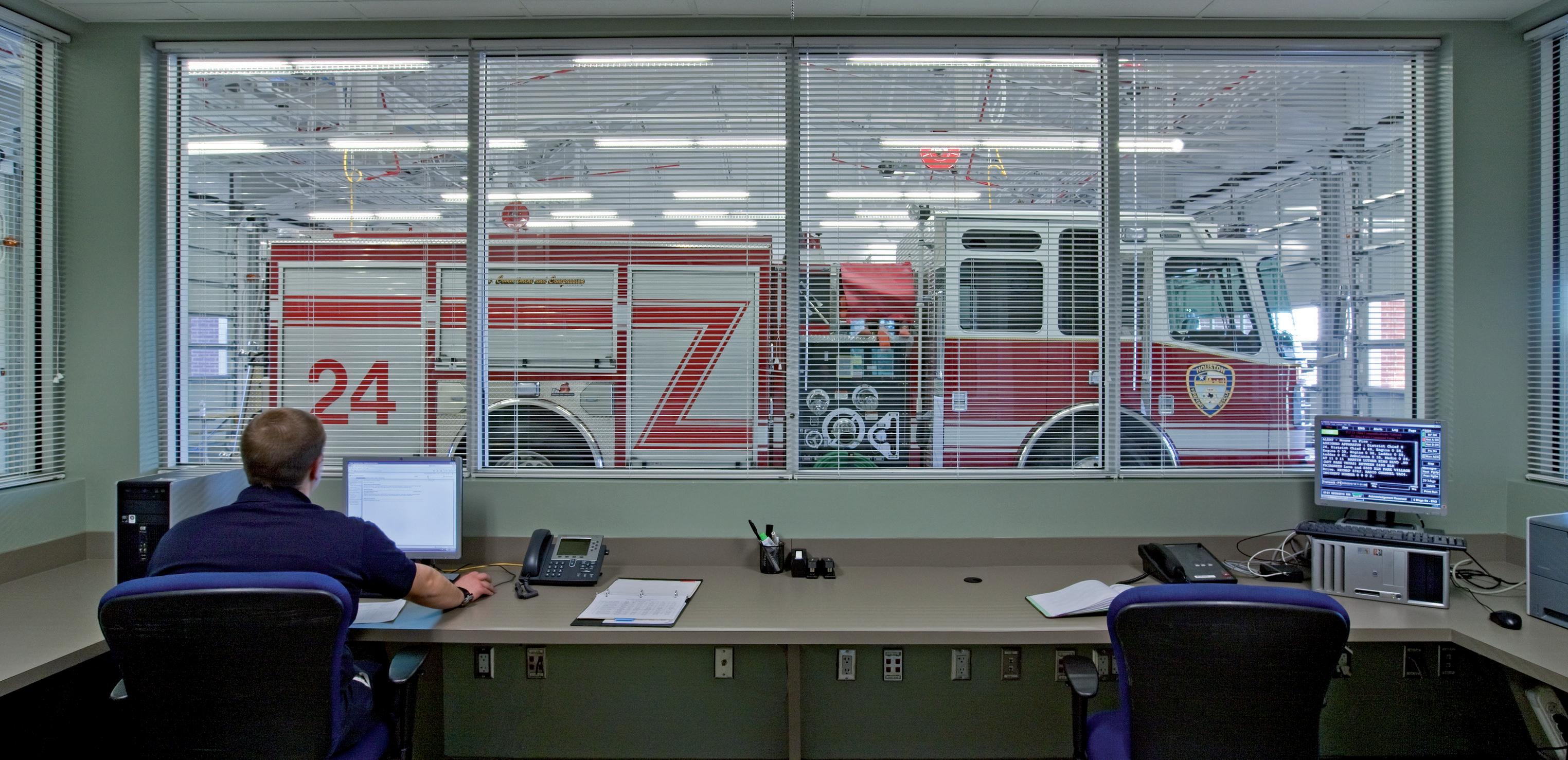
The City of Houston partnered with PGAL to design a single‑story, three‑bay fire station housing an engine, ambulance, and squad vehicle. The facility features 15 bunk beds, a workout area, locker rooms, quiet zones, and a team meeting space—creating a safe, comfortable home for on‑duty firefighters and paramedics.
Amenities include a commercial kitchen, interactive lounge, and a clean room for gear sterilization. Designed for rapid deployment, the station enhances accessibility for the public during emergencies.
The facility is equipped with 24/7 technology, redundant systems, and backup power to ensure uninterrupted service. PGAL’s scope also included an underground detention pond, parking zones, a communication tower, and traffic signal coordination to support full operations.
location: coppell, texas
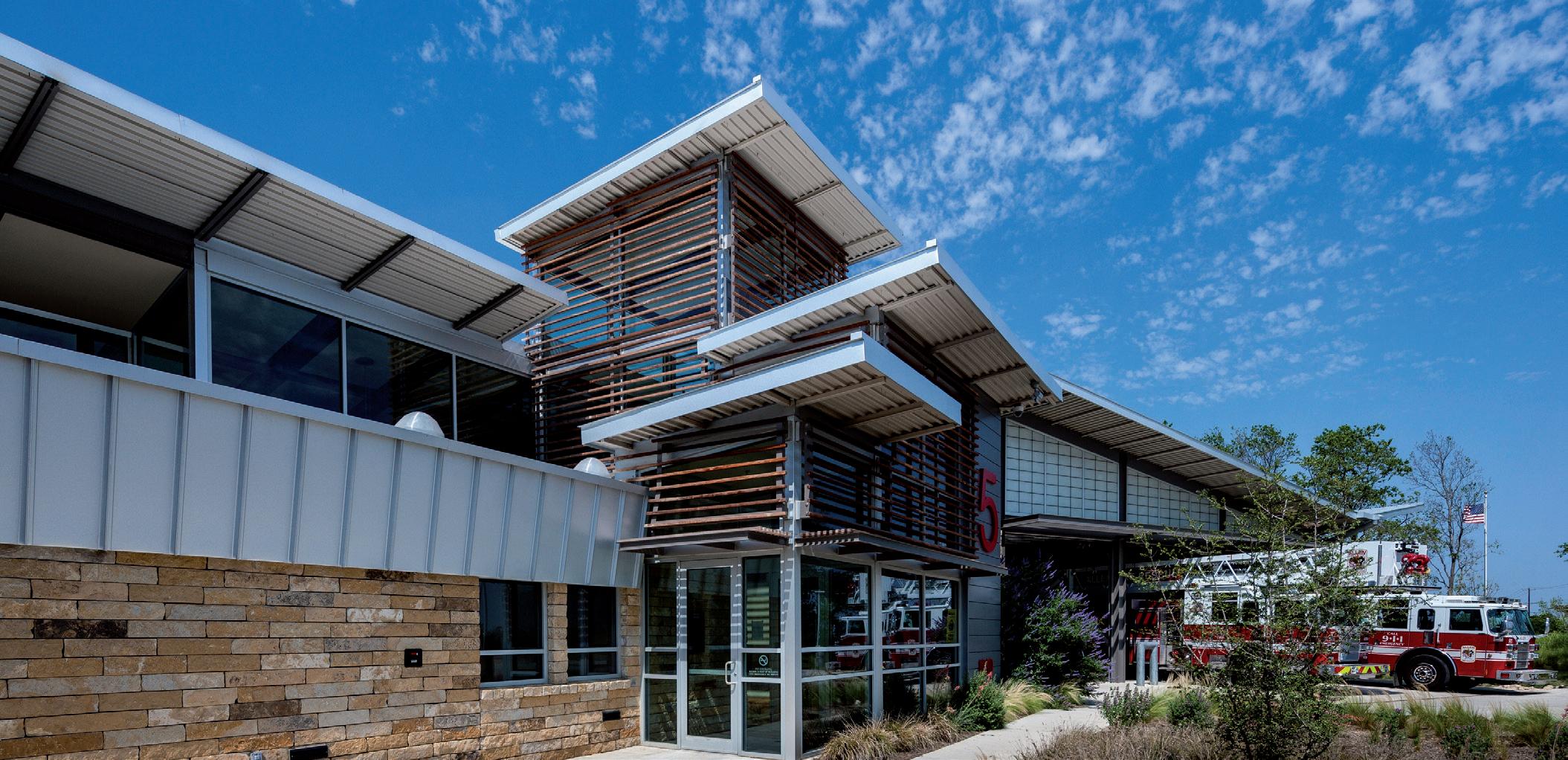
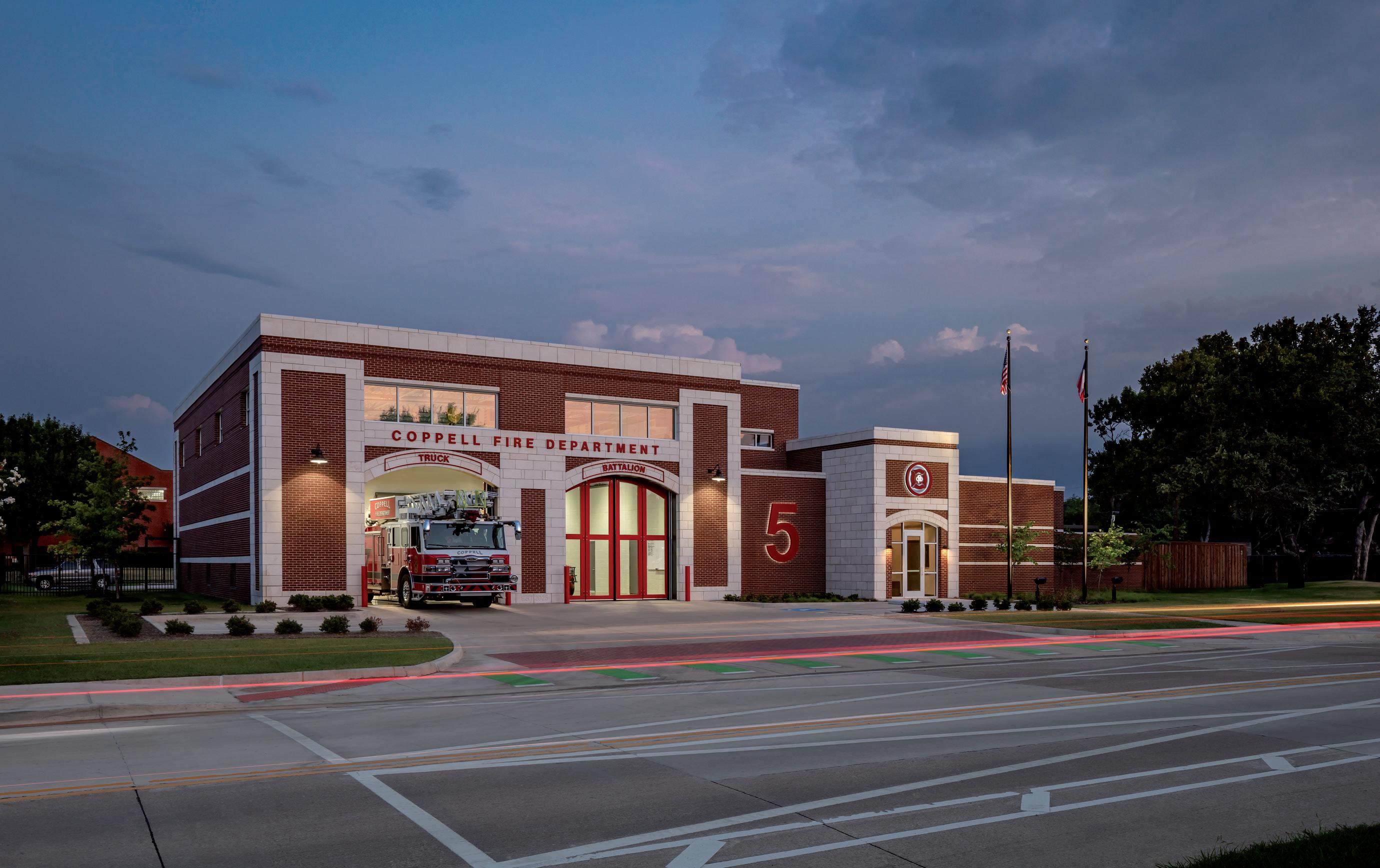
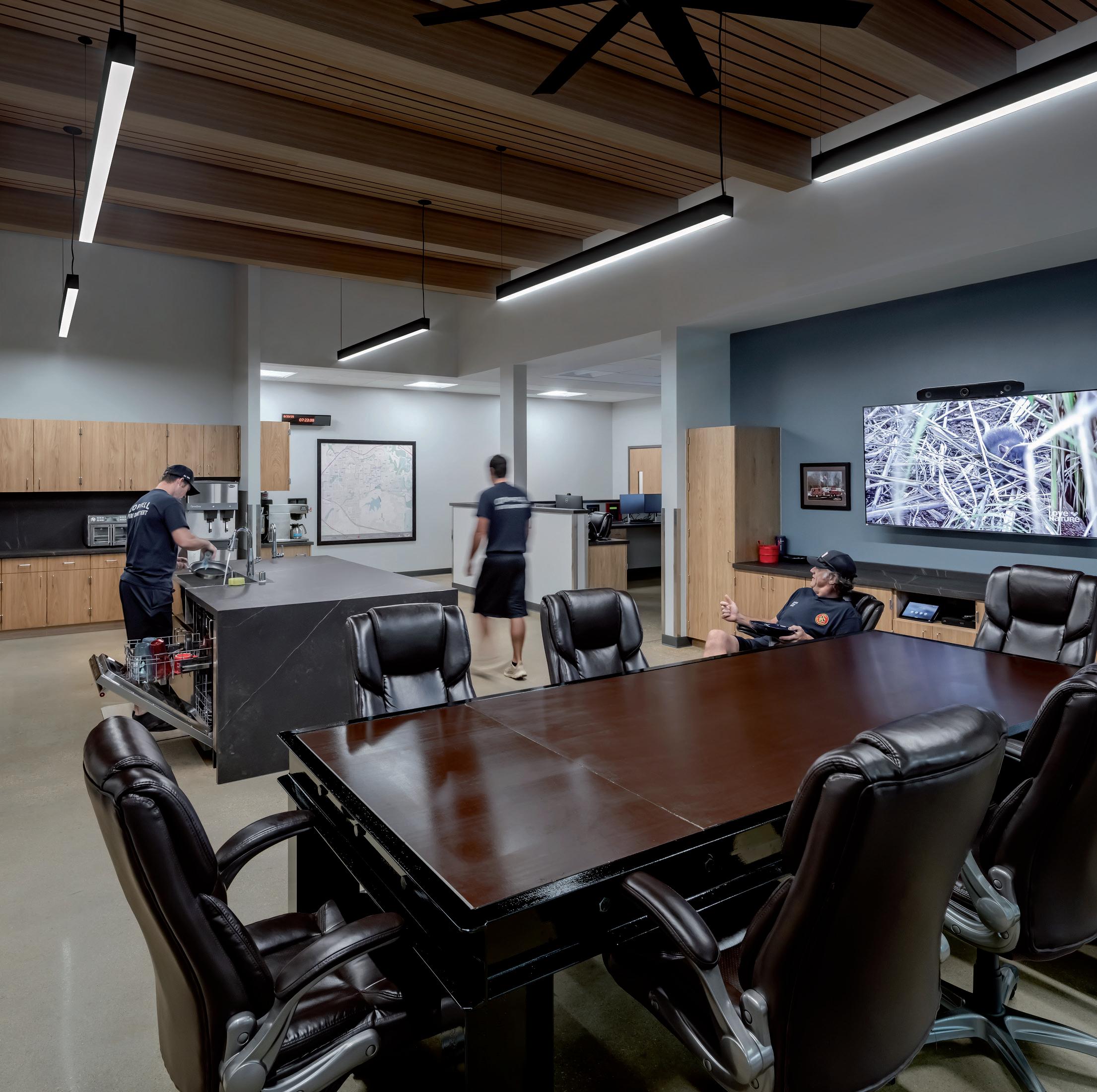
Fire Station No. 5 replaces the City of Coppell’s decommissioned Station No. 2 with a 12,000‑square‑foot, two‑bay facility built for modern response. The station supports a tractor‑drawn aerial, battalion chief vehicle, and reserve unit.
Designed for a crew of seven, including two officers, the station features an open kitchen/dining/reporting suite, separate dayroom, and large fitness room. Living areas are paired with zones for equipment maintenance, bunker gear storage, and a fully isolated decontamination room.
Set in a residential neighborhood on a prominent site, the design reflects civic pride while integrating seamlessly into its surrounding context.
location: conroe, texas
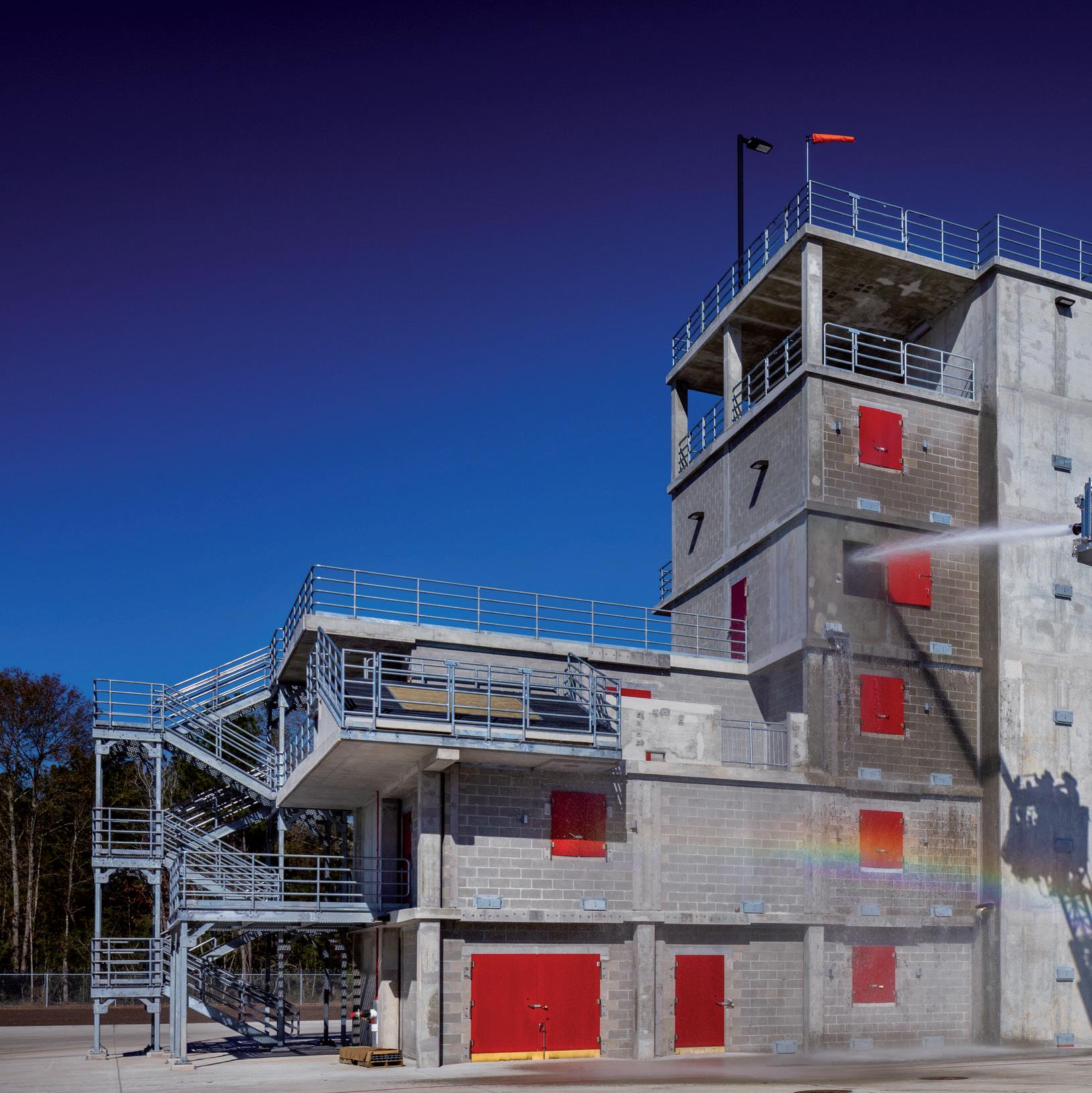
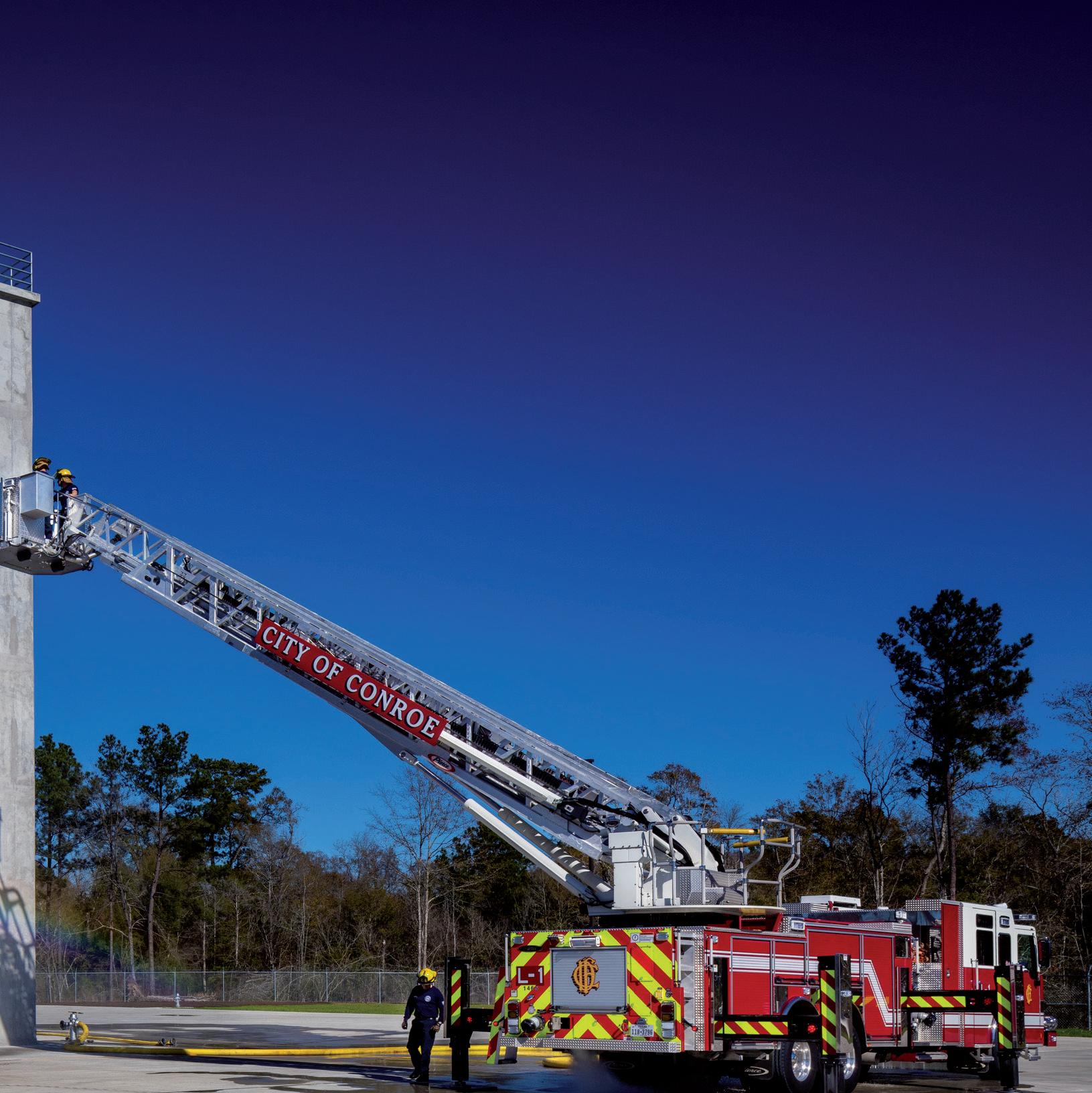
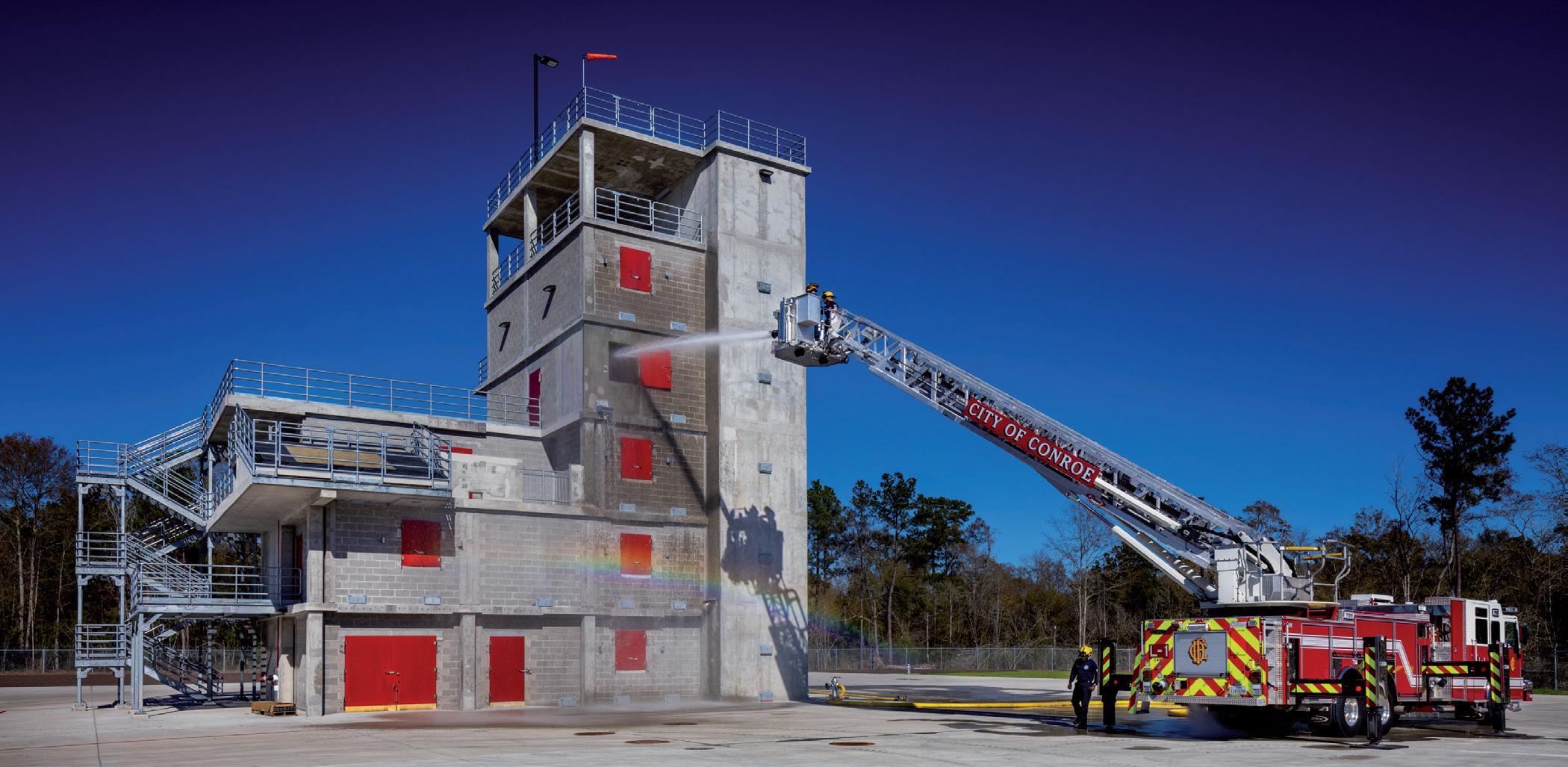
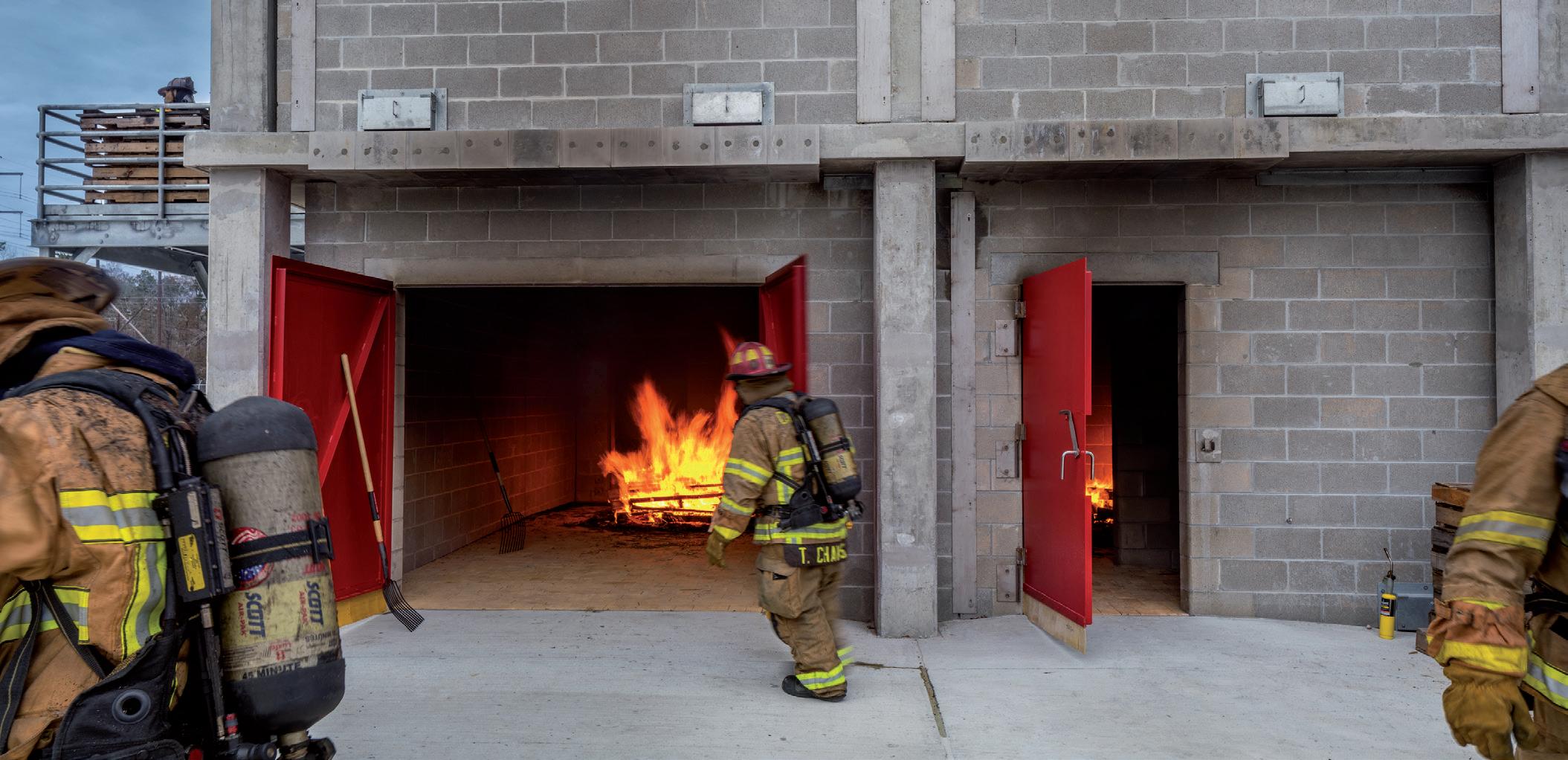
The City of Conroe Fire Training Center sits on a 2.1‑acre site dedicated to in‑service firefighter training and recruitment. The facility includes an 8,000‑square‑foot Class A burn building and a six‑story training tower.
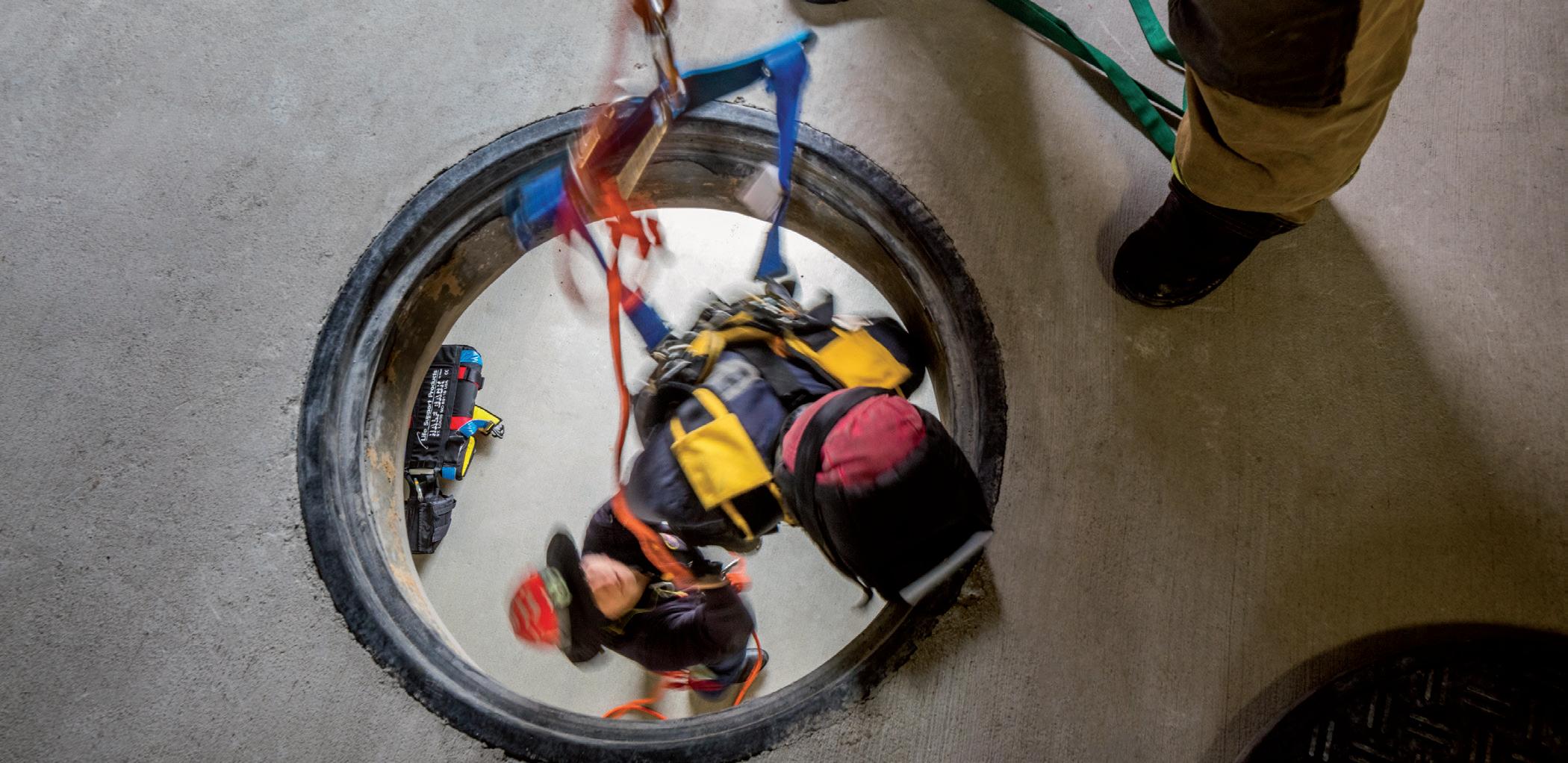
Designed to replicate residential and commercial structures, the tower supports live‑fire scenarios in 12 configurable rooms. Its 60‑foot top platform incorporates a wide range of features—roof and balcony props, a pitched ventilation roof, upper‑level window entries, and multiple rappel tie‑off points.
With a 2,000‑gallon‑per‑minute flow from an aerial master stream, the tower enables advanced tactical drills in a controlled, high‑performance environment.
location: dallas, texas
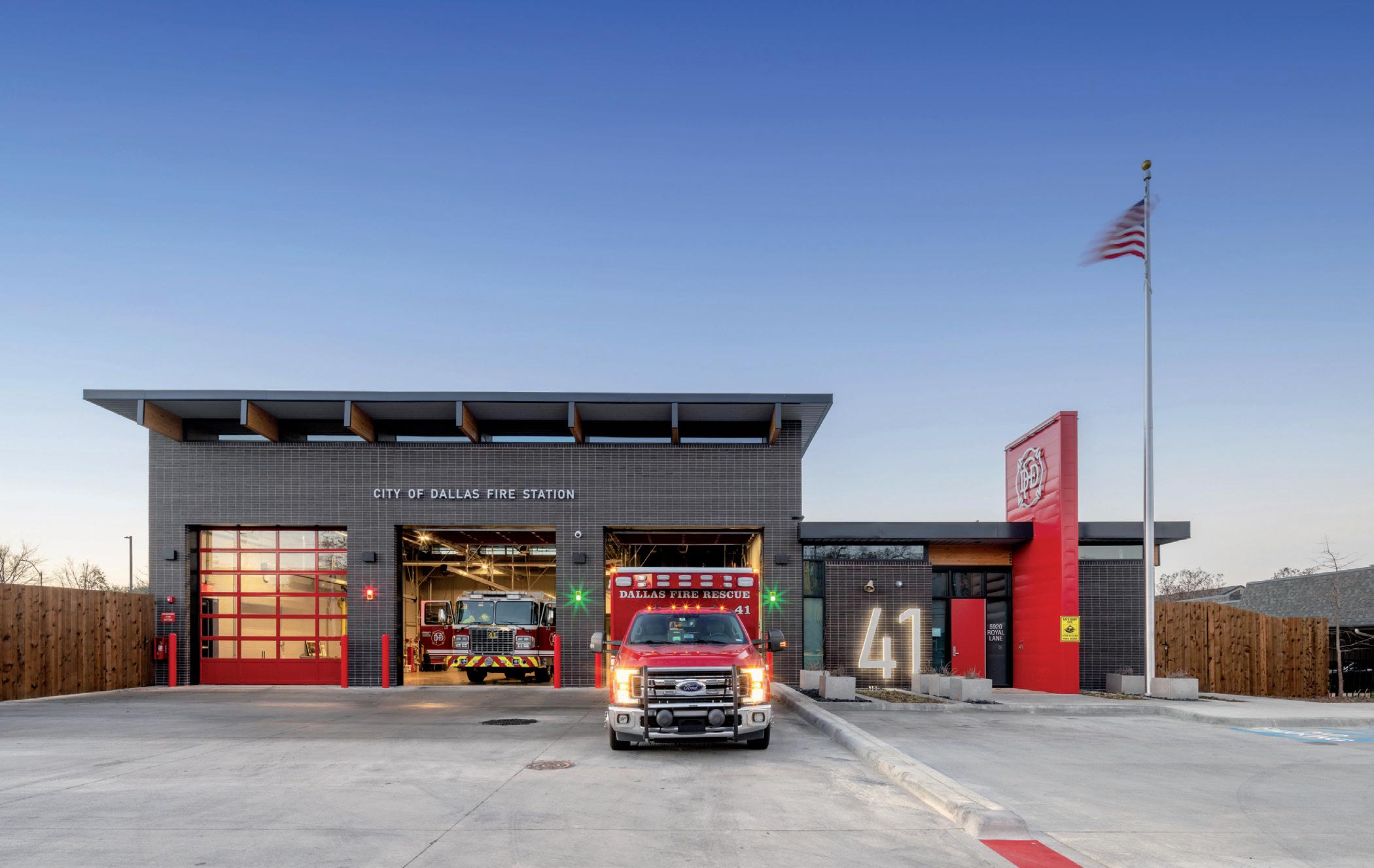
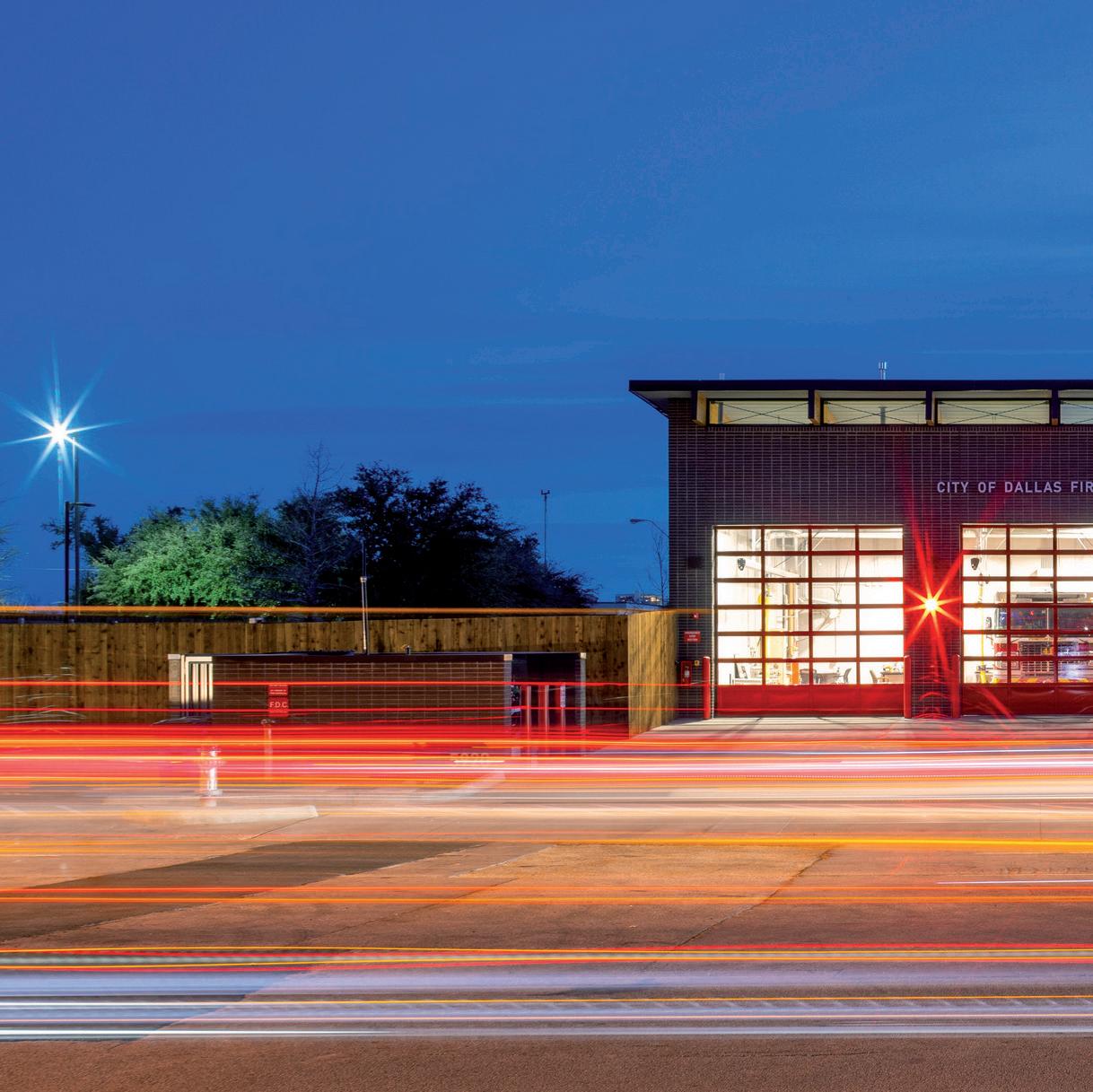
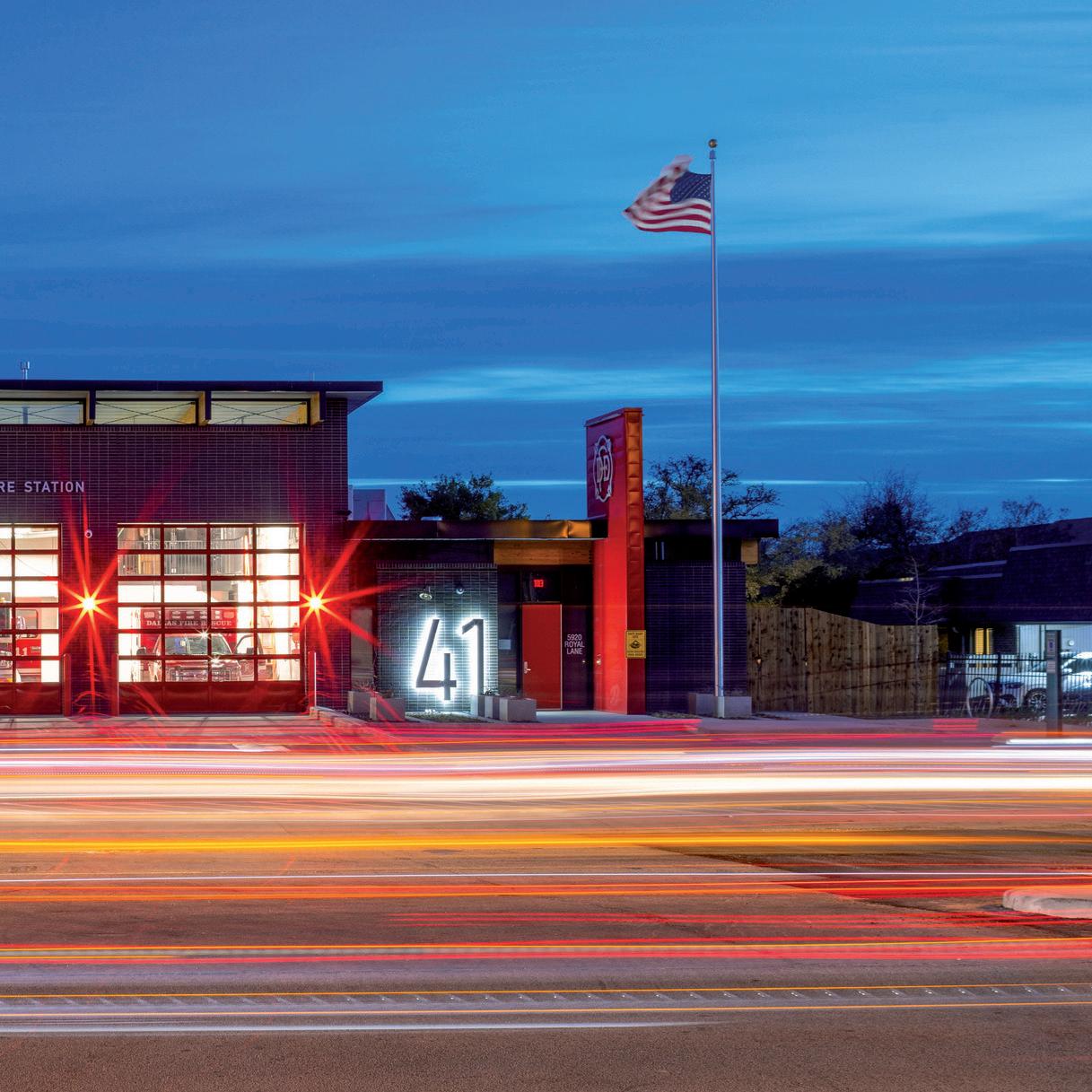
After an EF3 tornado destroyed Dallas Fire Station No. 41 in 2019, the city commissioned a like‑for‑like replacement. With no as‑built documents available, PGAL used laser scans of nearby Station No. 45—believed to be nearly identical—to model the new facility accurately.
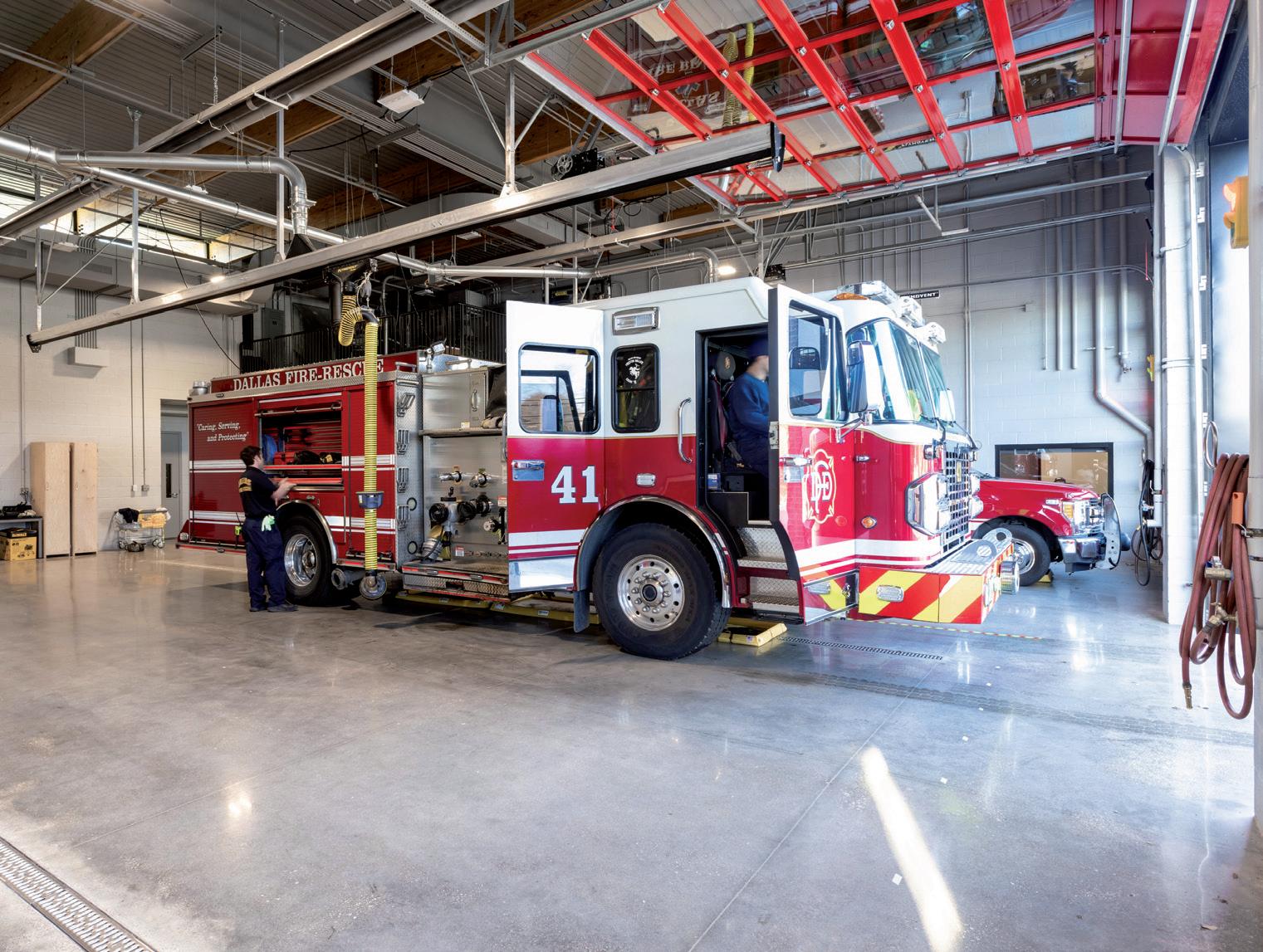
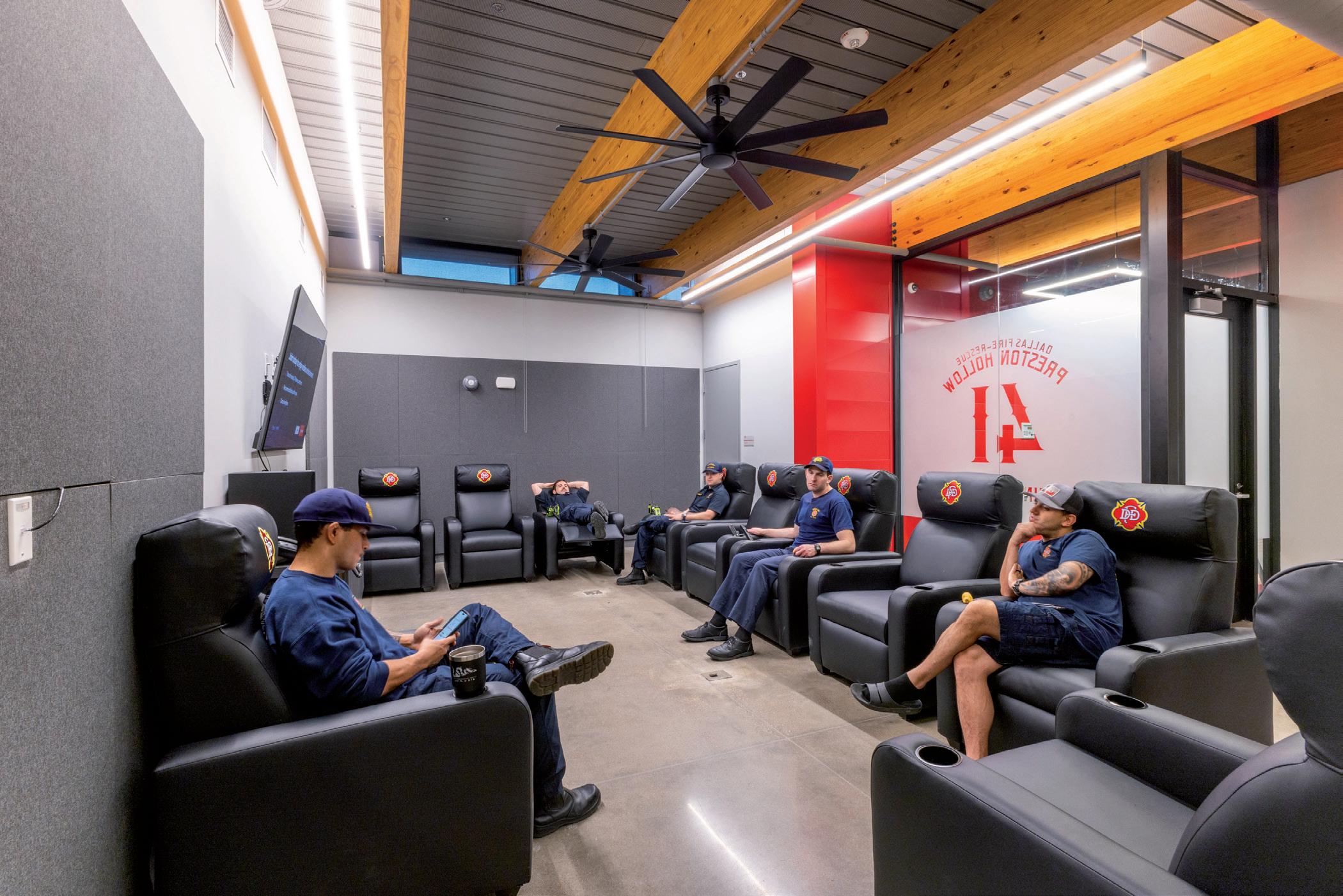
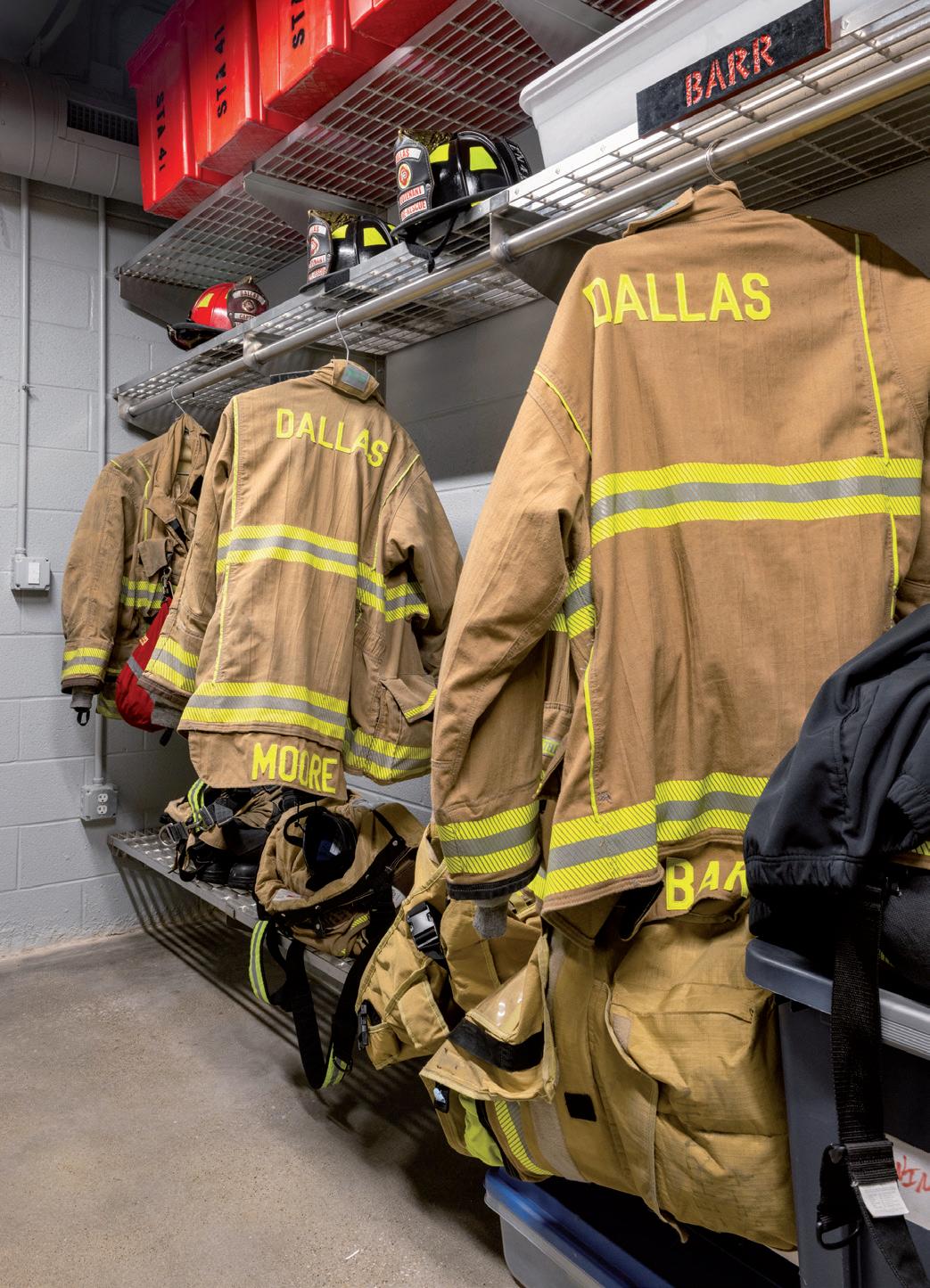
The replacement includes three bays, modern apparatus support areas, and a reconfigured layout for the watch room, kitchen, and dayroom—all designed to match the original footprint. Site setbacks were adjusted to accommodate larger fire apparatus, and parking was expanded for crew and visitor access.
While honoring the civic role and proportions of the original, the updated station introduces ADA compliance and modern construction standards. PGAL’s reconstruction pays tribute to the station’s legacy— preserving its identity while enhancing its performance for the future.
location: webster, texas
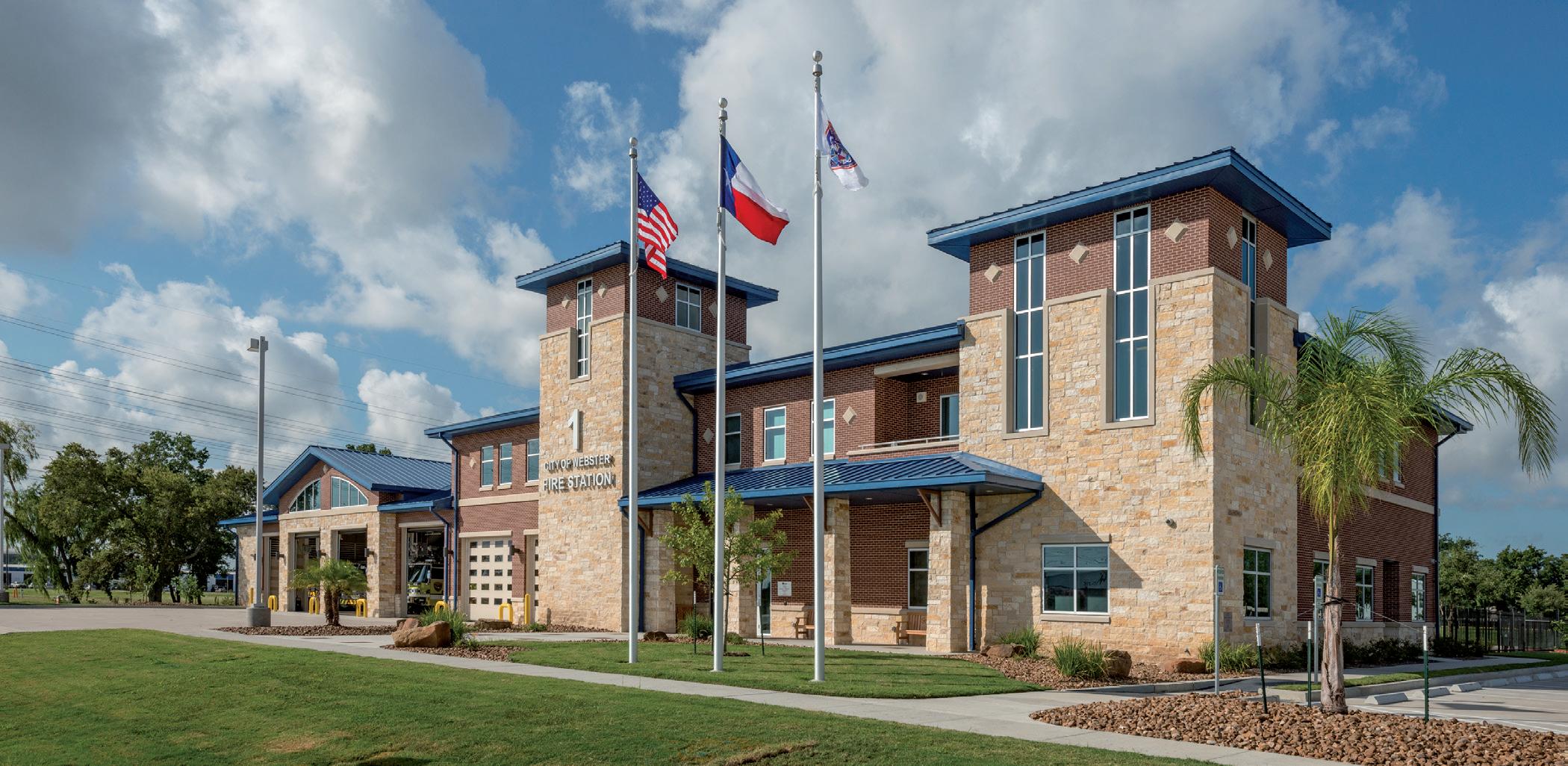
This 18,000‑square‑foot, mission‑critical fire station and training tower adds a civic presence aligned with Webster’s contemporary City Hall and police station.
Designed in a lodge style, the facility features six apparatus bays, administrative offices, public spaces, and training rooms. A covered porch with stone‑faced columns marks the entry, while tower elements support training and extend the building’s stature. Limestone and brick cladding, concrete pavers, and a blue metal roof connect visually to neighboring municipal facilities.
Upstairs, firefighters have access to a kitchen, laundry, storage, fitness center, and private sleeping quarters— supporting future 24‑hour staffing needs.
Architectural elements like clerestory windows, a defined roofline, and cast‑stone accents enhance long‑term functionality and reinforce the station’s civic identity.
location: baytown, texas
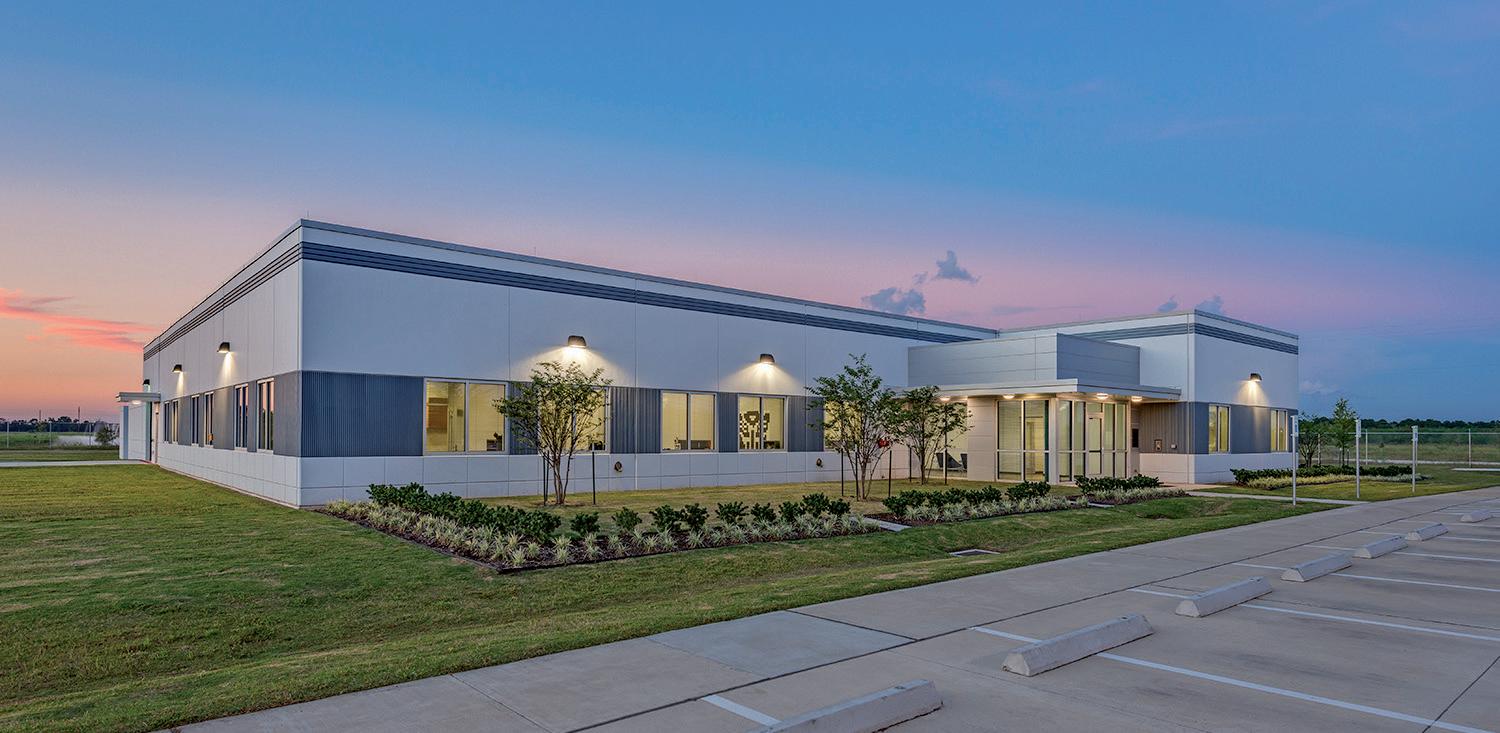
PGAL designed this Tier‑2 operations center to support 24/7 emergency communications for the City of Baytown—strategically located outside the 500‑year floodplain and near major roadways for reliable access.
The facility includes a 9‑1‑1 Emergency Communications Center, data center, and shared support areas for the city’s Information Technology Services Department. The communications wing features 18 dispatch workstations, a consolidated radio/equipment room, supervisor offices, a quiet room, and a conference room for coordinated oversight.
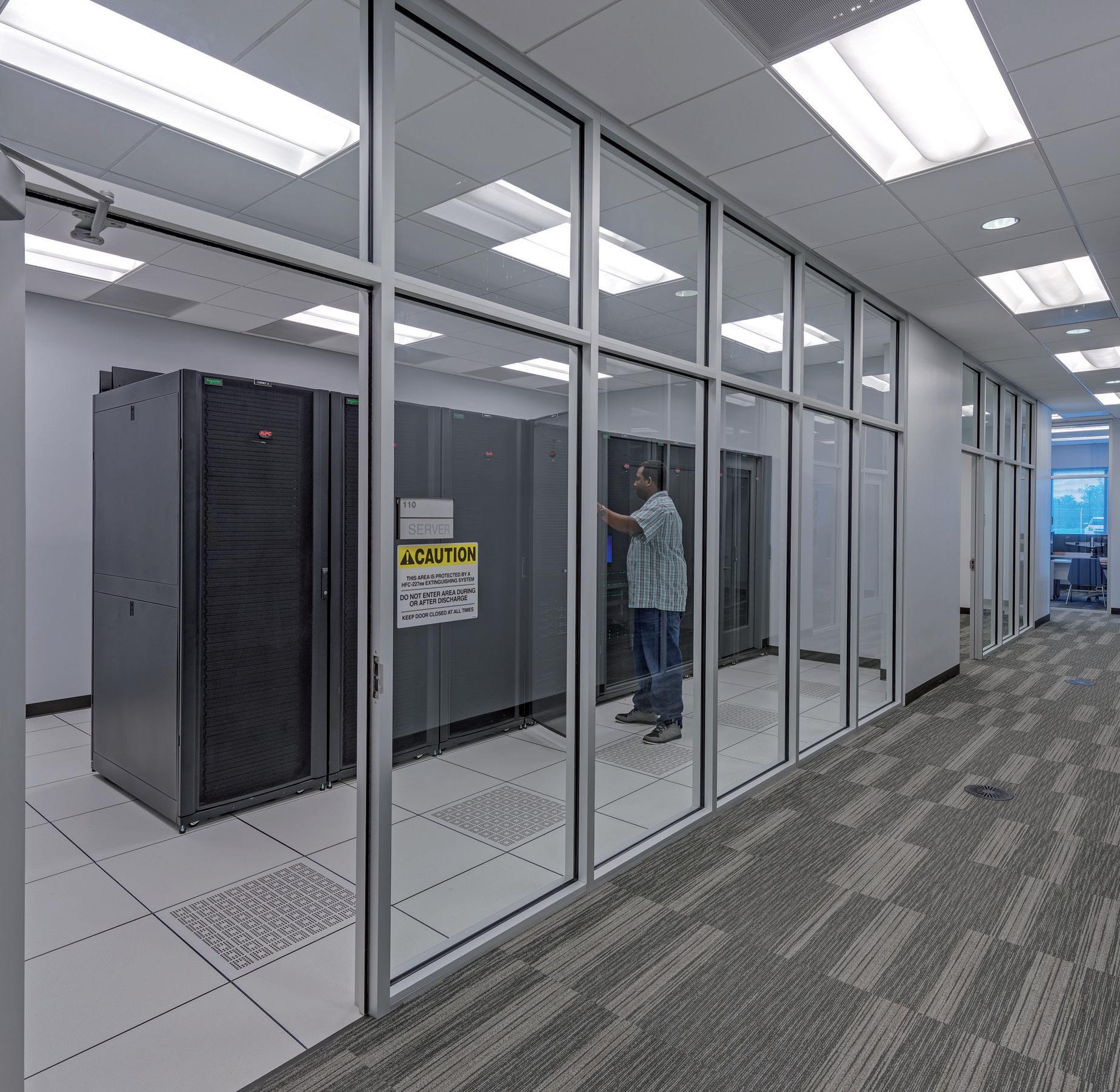
Data infrastructure is housed in a secure, glass‑front server room that centralizes network services for all municipal buildings. A large breakroom and adjacent conference space support both departments.
Designed for resilience, the center combines robust systems with a calm, modern interior—supporting continuous operation during critical events.
location: arlington, texas
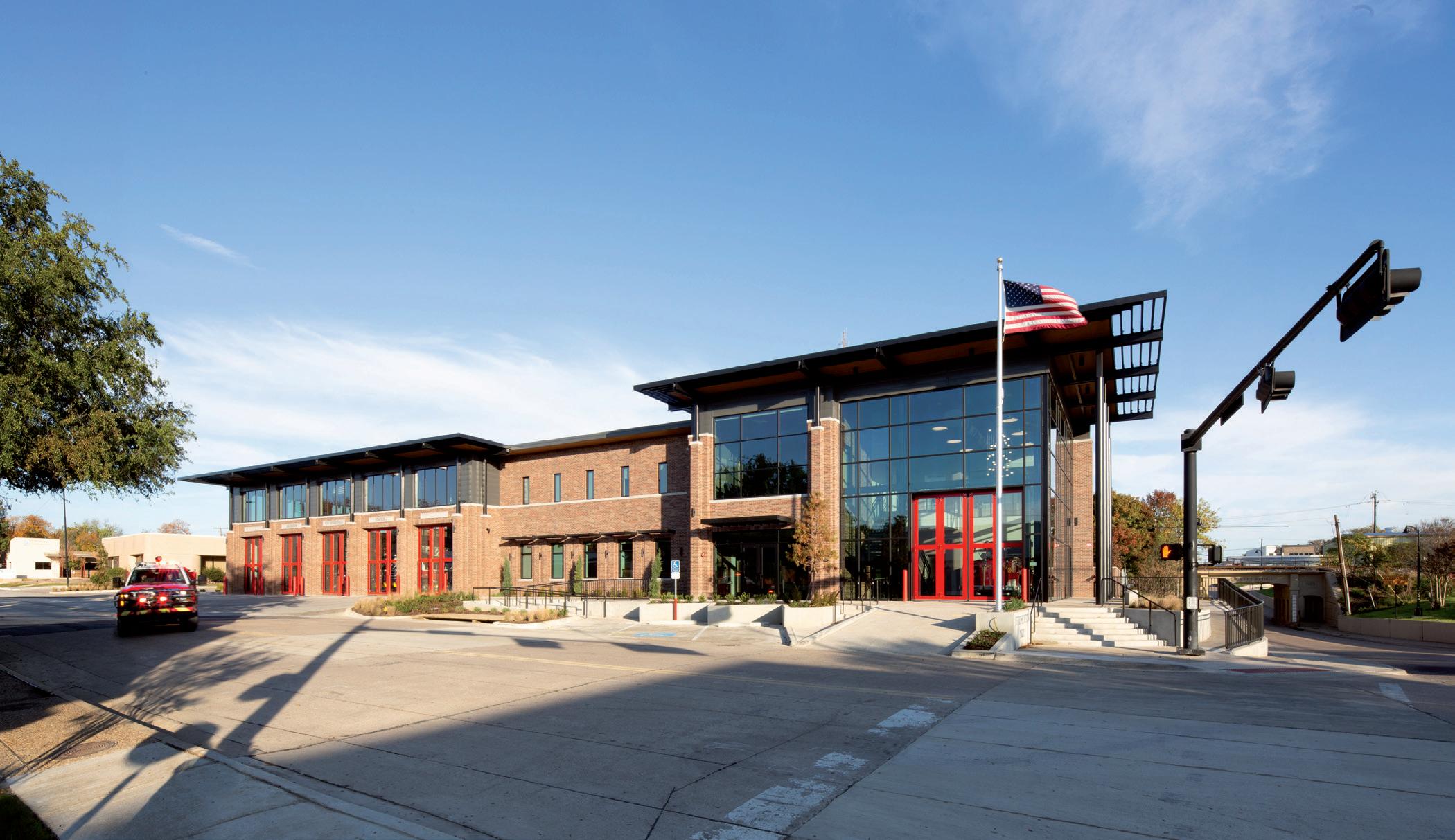
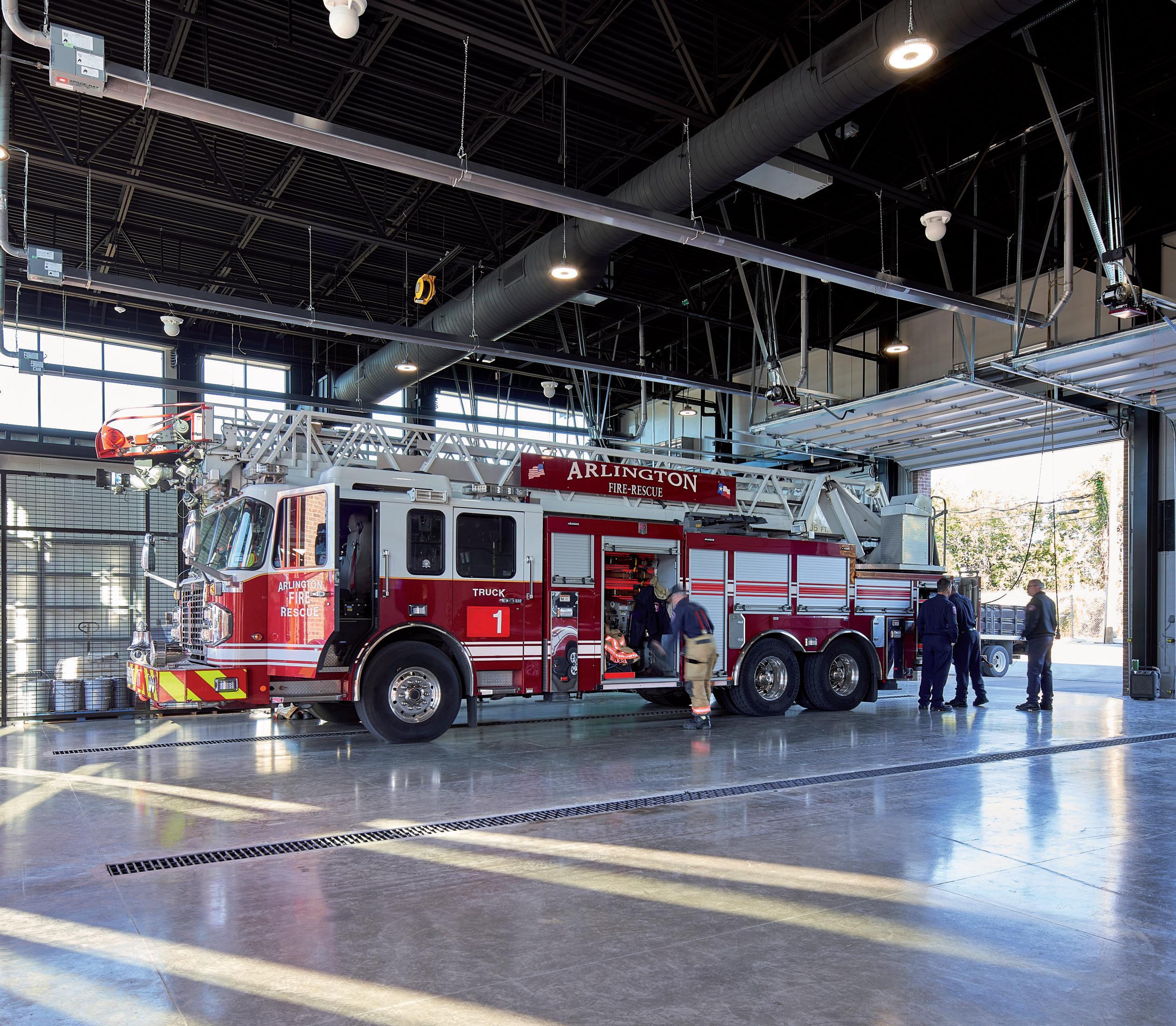
Located in Downtown Arlington, this 17,300‑square‑foot, five‑bay facility replaces the city’s original 1950s‑era Fire Station No. 1. The two‑story station houses administrative and operations offices for both Fire and Fire Prevention on the ground floor, with 12 sleeping quarters above.
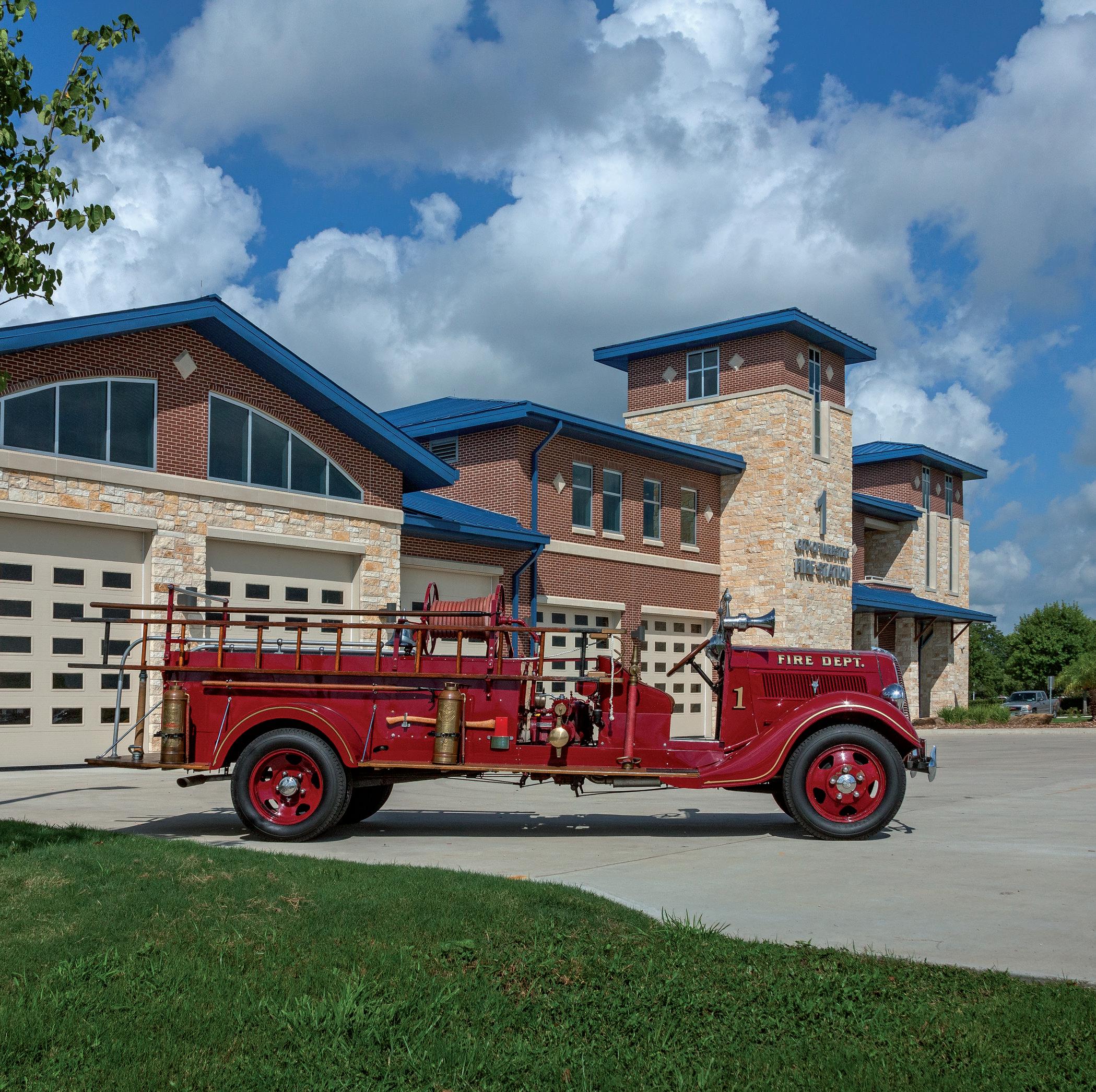
The first floor also preserves Arlington’s historic Fire Engine No. 1 and showcases memorabilia honoring the city’s firefighting heritage while supporting next‑generation emergency operations.
To address site constraints and keep the adjacent prevention building active during construction, the design shifted crew quarters and public‑facing areas to the south, maximizing natural light and street visibility. The architecture honors downtown proportions through a modern civic vocabulary—balancing legacy and progress.
location: houston, texas
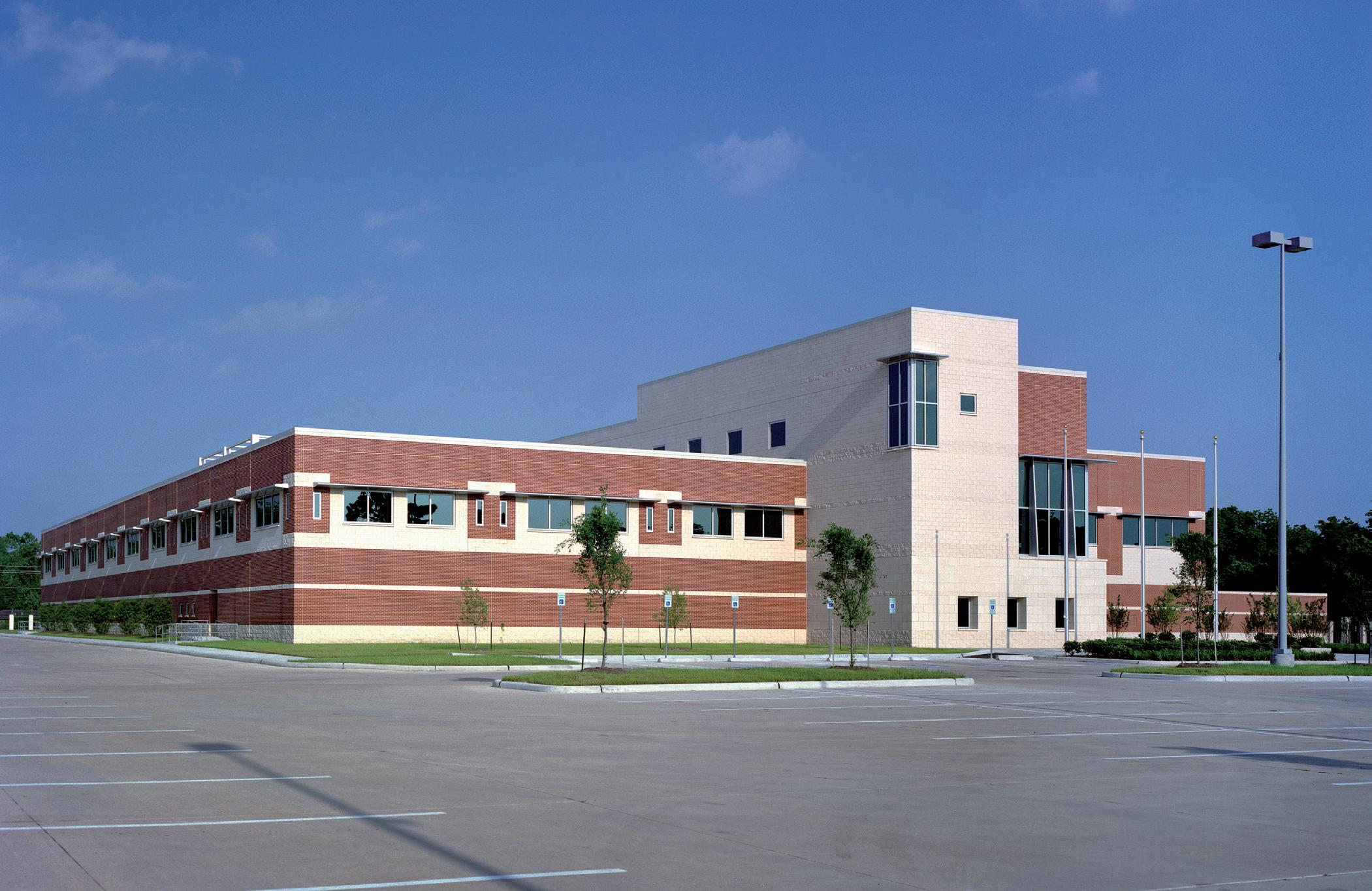
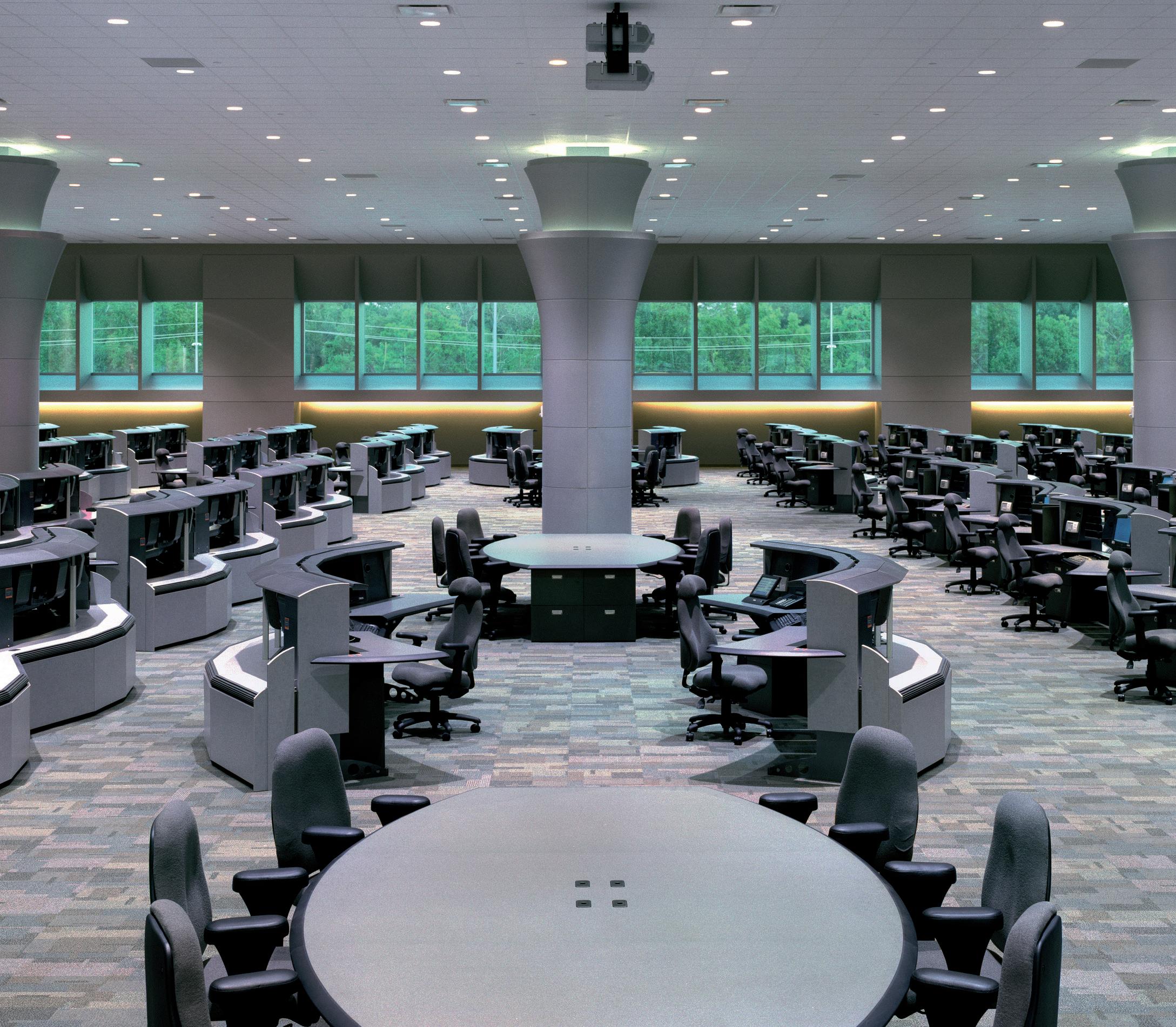
The 128,000‑square‑foot Houston Emergency Center is the nation’s largest 9‑1‑1 call and dispatch facility—consolidating police, fire, EMS, and emergency communications to support over 3.6 million calls annually. Designed for 20 years of future service growth, it anchors the city’s public safety infrastructure.
This Tier‑IV complex features 24/7 N+2 redundancy across all systems to ensure uninterrupted operation. A centralized situation room enhances response coordination, supported by technology‑rich workstations, administrative zones, a press area, and auditorium.
Durable exterior materials—brick, stone, and concrete— reflect the building’s civic importance, while the design delivers long‑term resilience and performance.
location: austin, texas
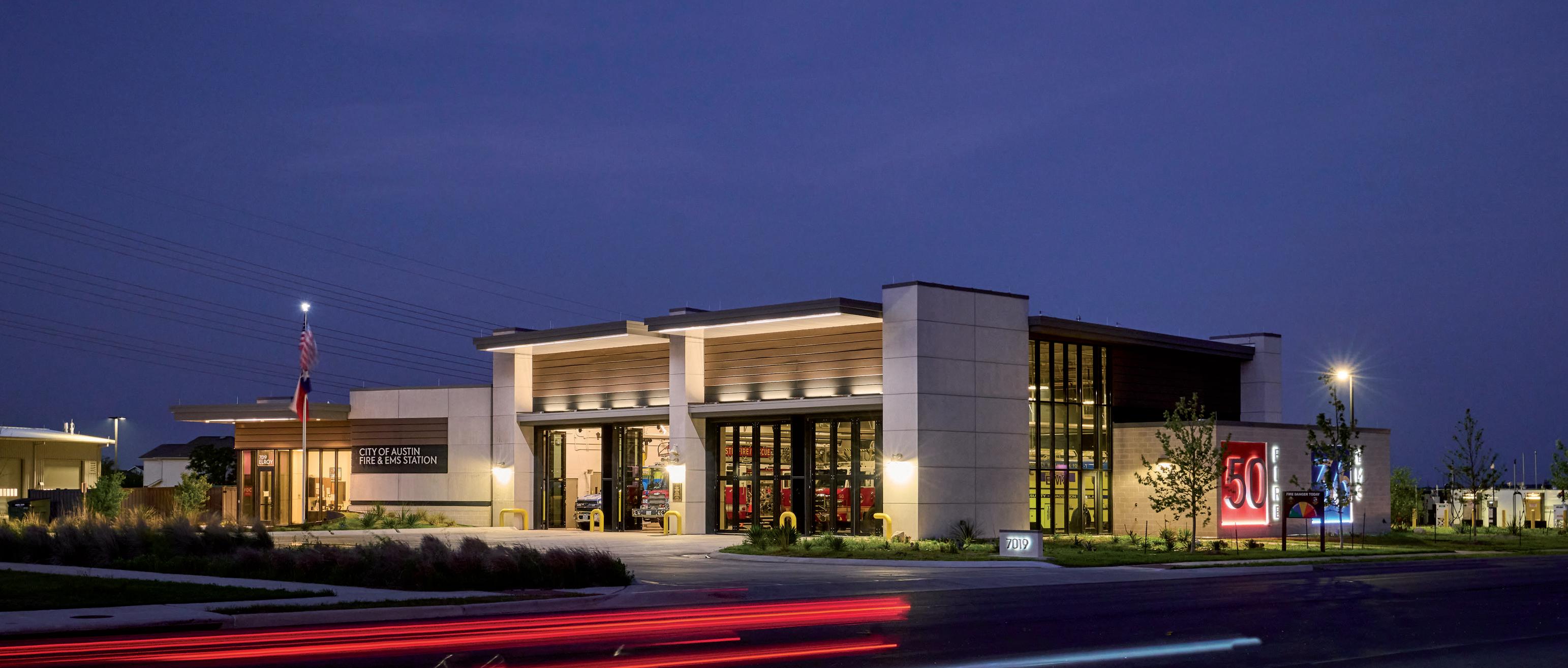
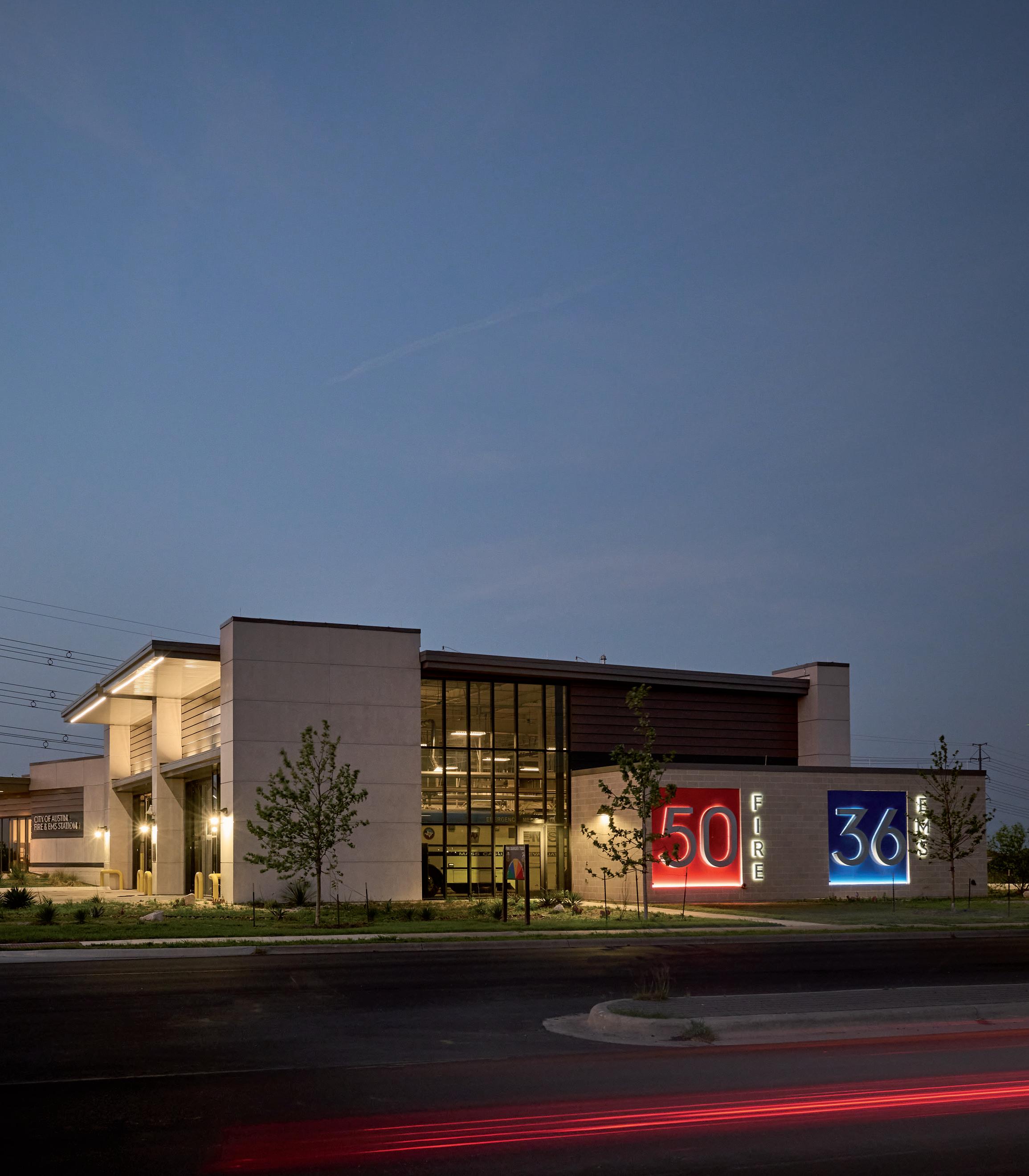
The Del Valle Fire + EMS Station is the first of five planned facilities serving underserved areas in Austin and Travis County. Grouped under one contract and design team, the stations follow a rolling delivery schedule over five years.
This 12,500‑square‑foot station includes four drive‑through apparatus bays and a detached 6,000‑square‑foot pre‑engineered metal building for EMS vehicle storage—supporting large events at nearby Circuit of the Americas.
Designed for 24/7 staffing, the building includes 12 two‑bedroom suites, a gym, dayroom, 100‑square‑foot kitchen, five restrooms, and a large covered deck. Its bold, modern design supports operational needs while establishing a strong civic identity for this growing neighborhood.
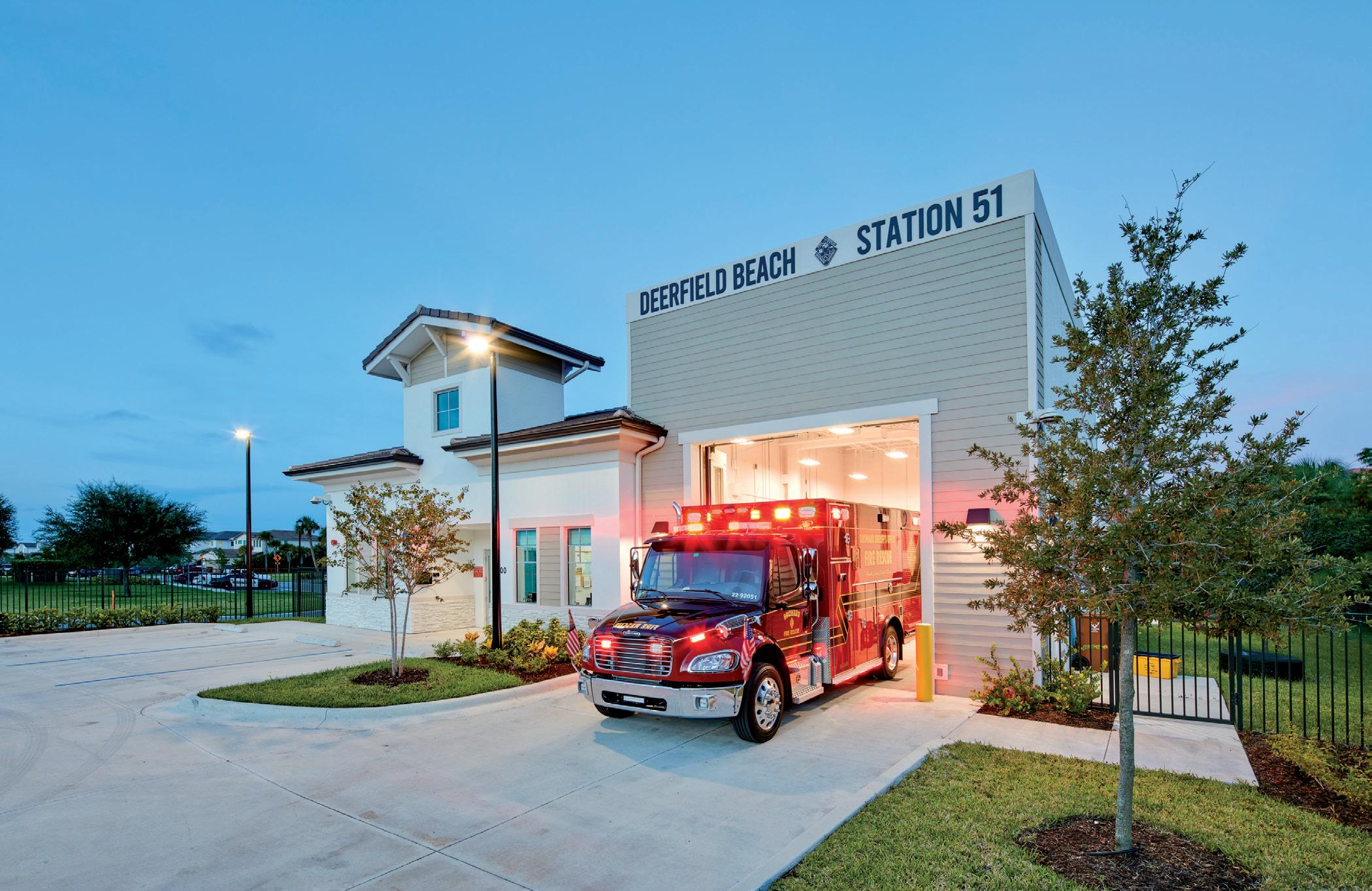
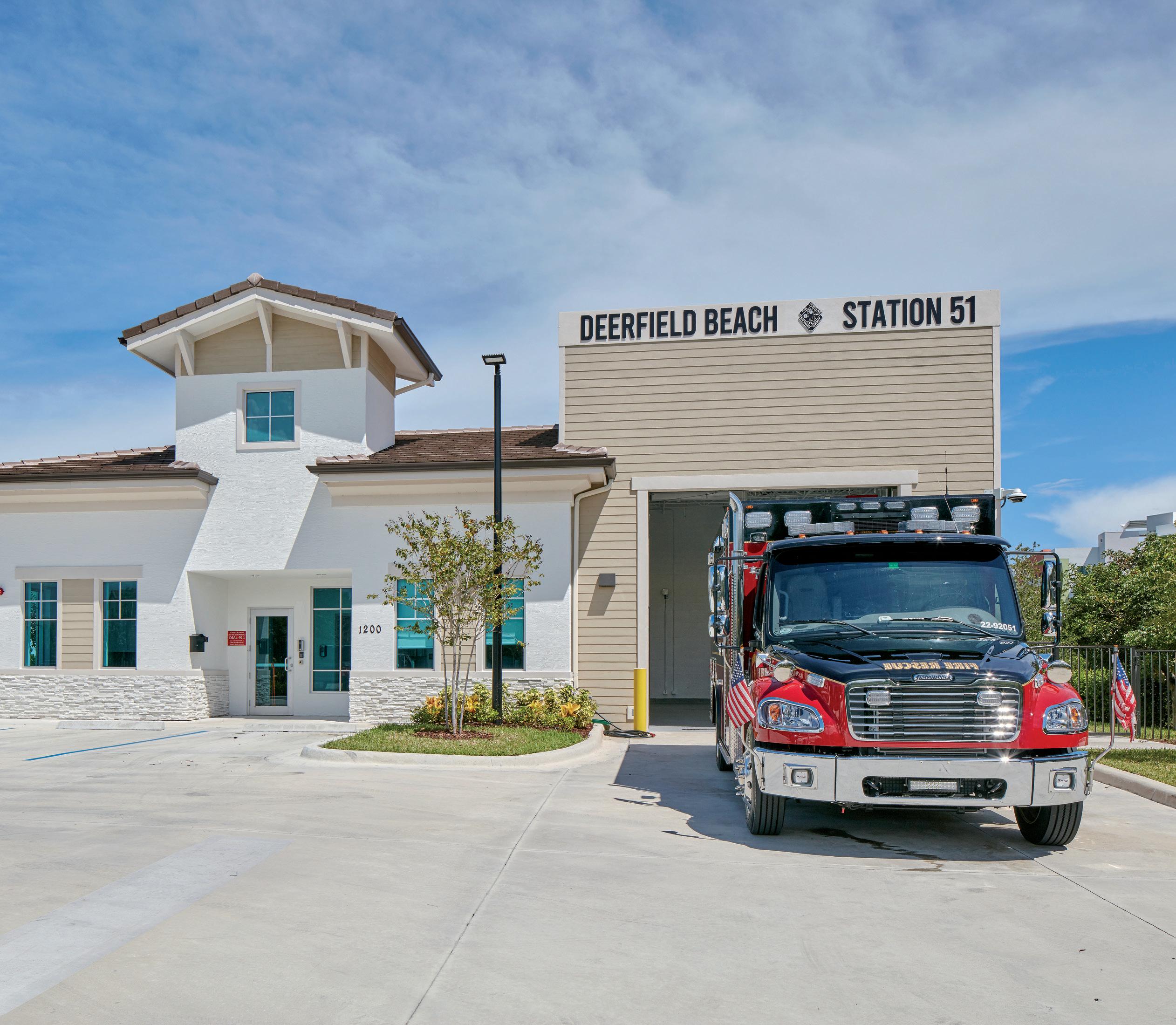
location: deerfield beach, florida
Located in the Veleiros community at Crystal Lakes, this 3,500‑square‑foot, single‑story EMS station was delivered under a Broward County agreement to serve a growing residential area.
Designed for four personnel, the layout includes one apparatus bay, living quarters, and expansion capacity for future needs. Built to meet county resilience standards, the facility features impact‑resistant openings and can withstand 140‑mile‑per‑hour winds. A diesel‑powered generator supports 48 hours of continuous use, while propane powers the kitchen, water heater, and outdoor barbecue.
With a residential‑scale roofline and exterior finishes that reflect the surrounding neighborhood, the station balances civic visibility with community fit—supporting fast response and long‑term readiness.
location: las vegas, nevada
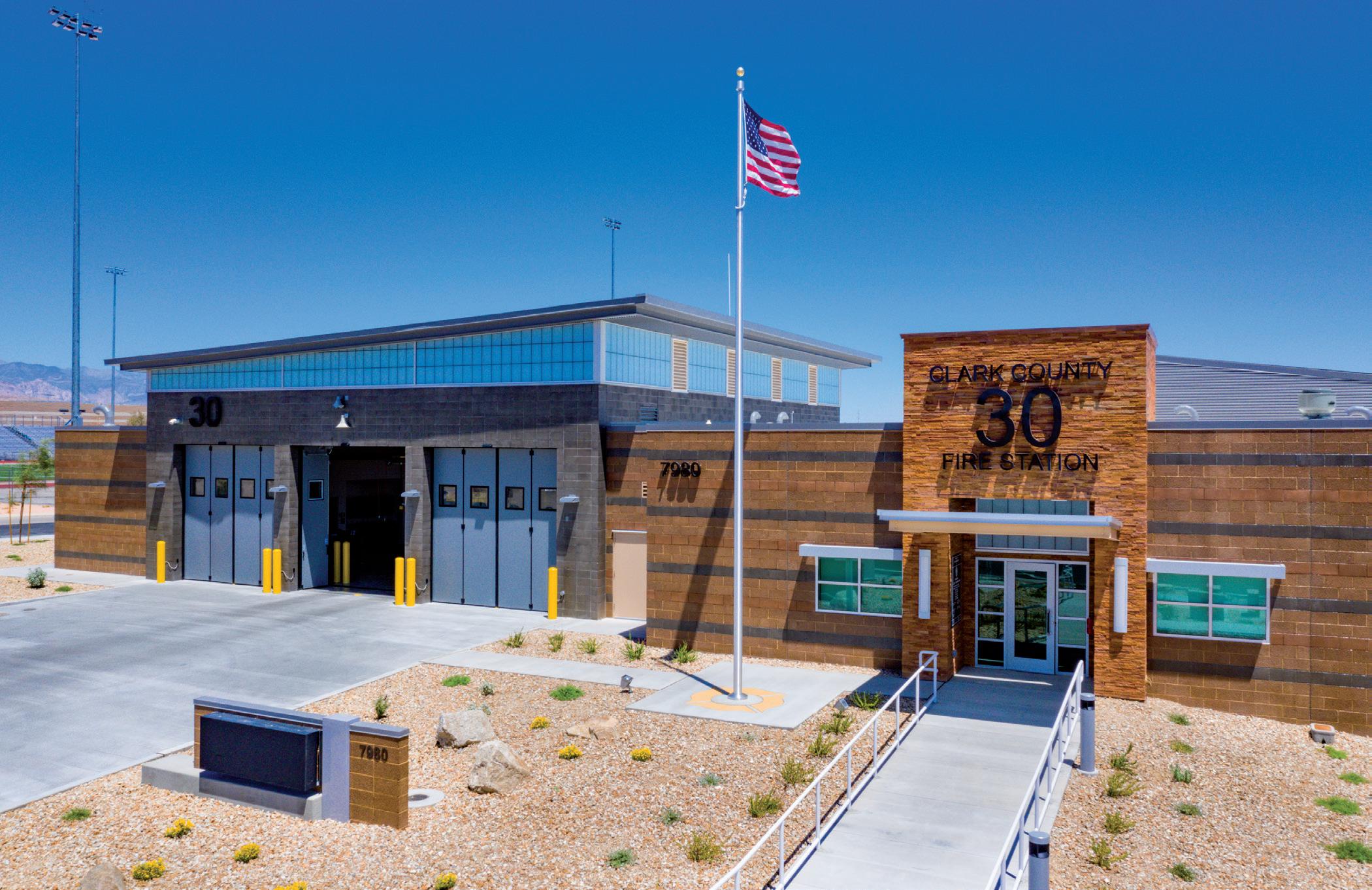
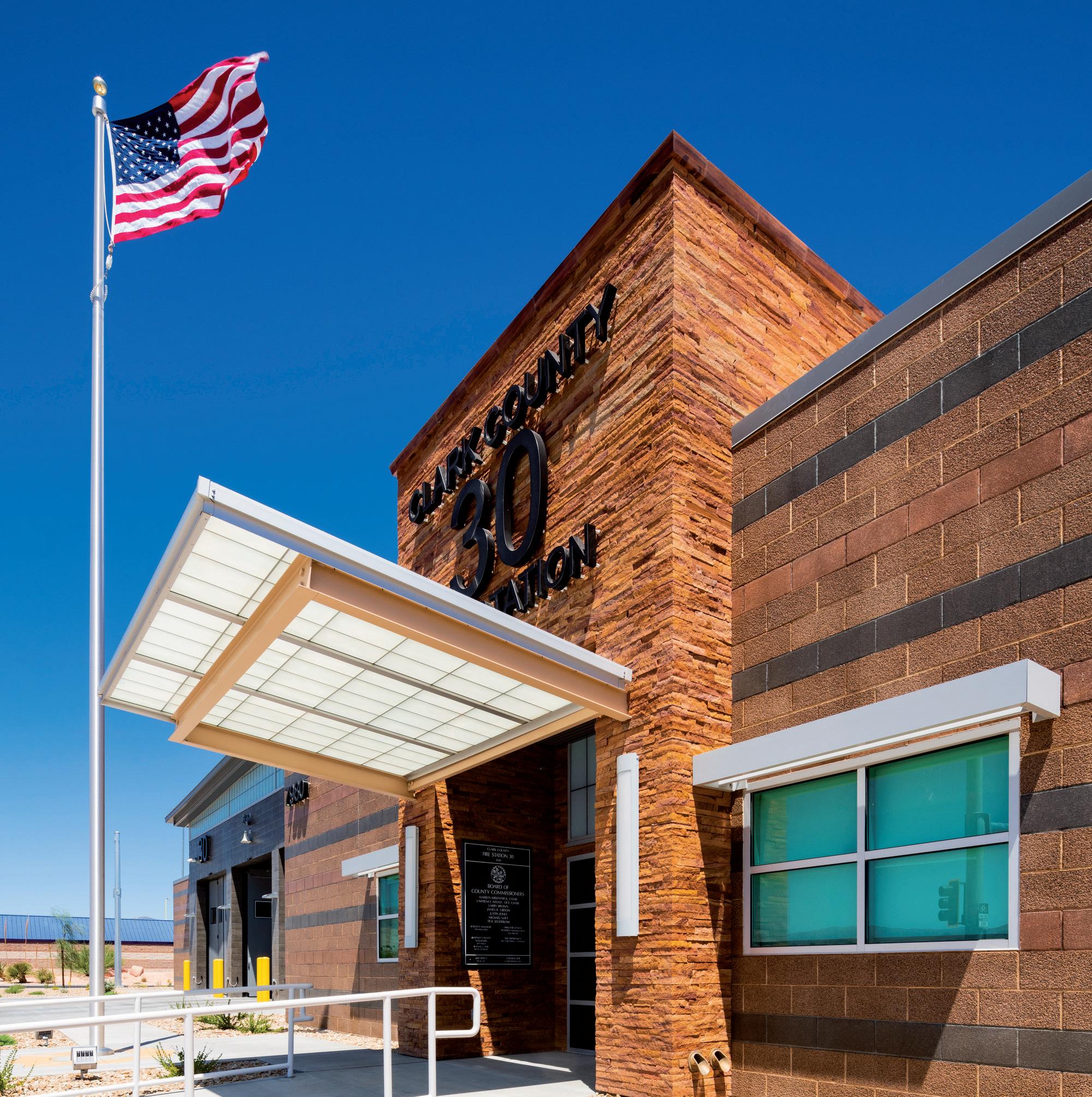
Clark County’s Fire Station No. 30 replaces a 20‑year‑old facility with a modern 10,535‑square‑foot prototype tailored to evolving service needs. As the second facility built under PGAL’s updated design, the station improves operational flow and staff support.
The building includes three apparatus bays, a captain’s office, fitness room, janitor’s closet, and shared support areas. Central to the layout are a kitchen, dayroom, and dining space, with a separate dorm wing housing eight sleeping rooms, private restrooms, and dedicated EMS offices.
The station also includes acoustically isolated telecommunications and data rooms for focused tech operations. A covered patio with a built‑in barbecue offers space for team downtime.
Durable materials and a clear civic presence reinforce Station No. 30’s mission—enhancing safety, readiness, and public outreach in its new location.
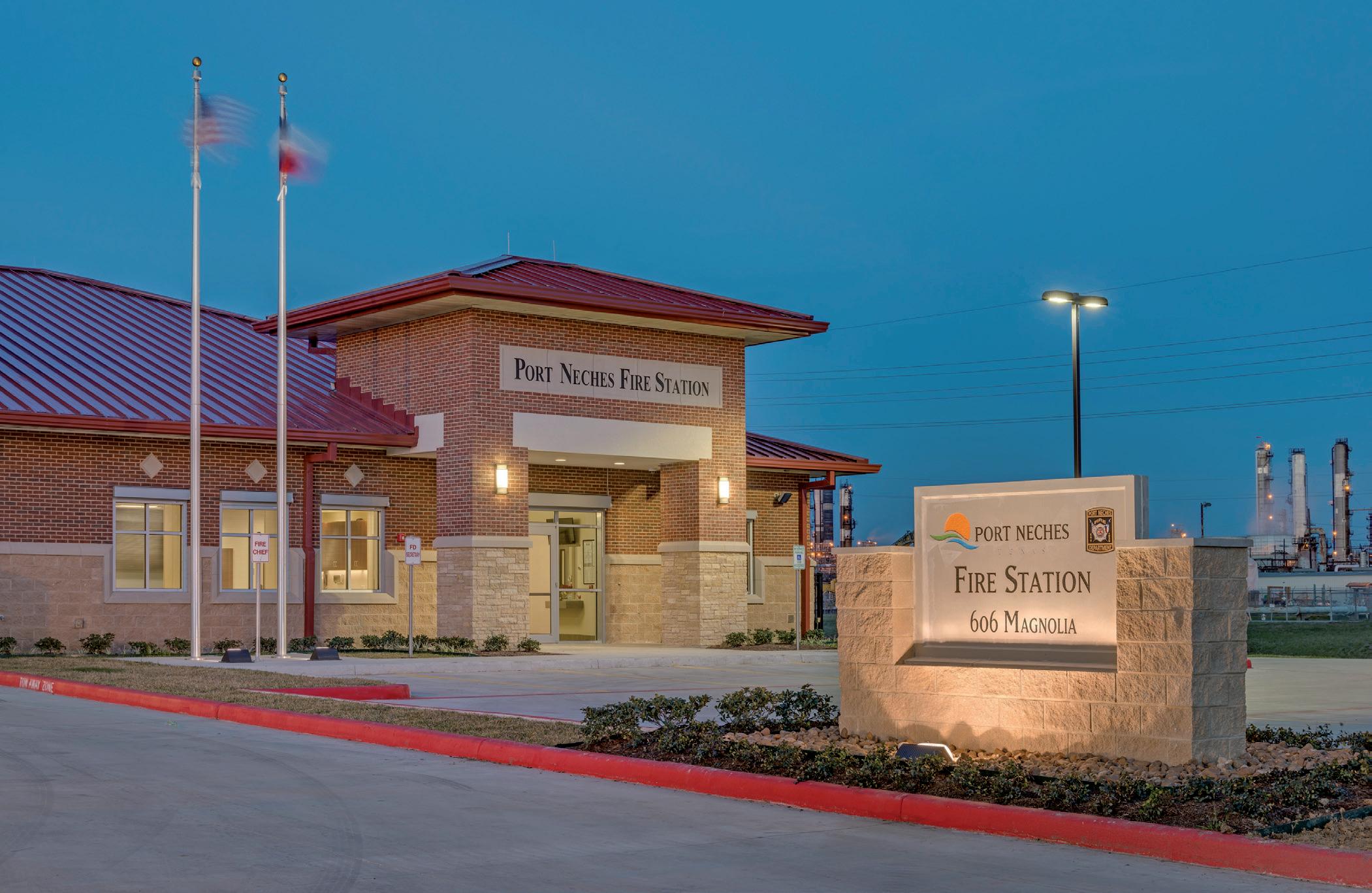
location: port neches, texas
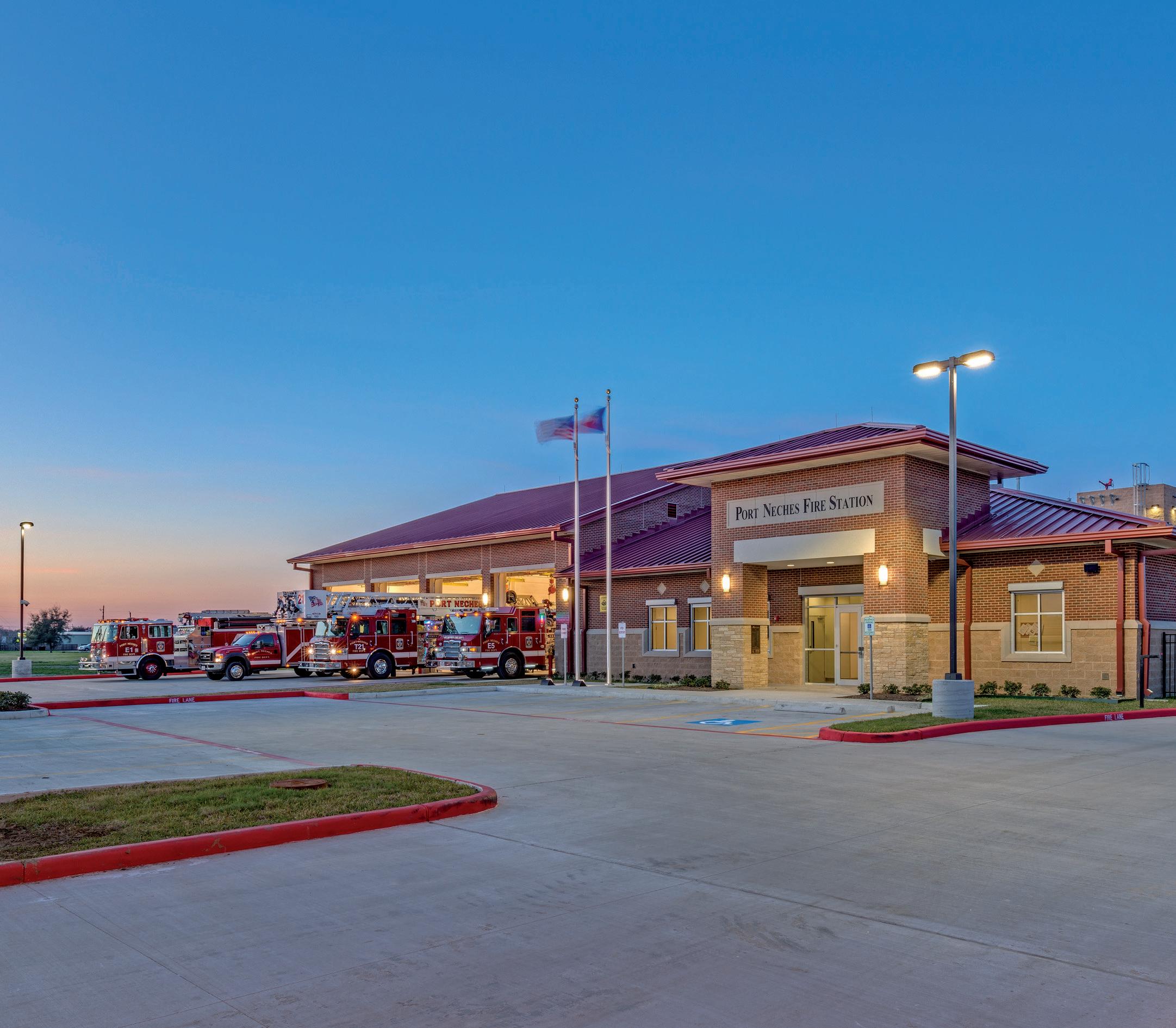
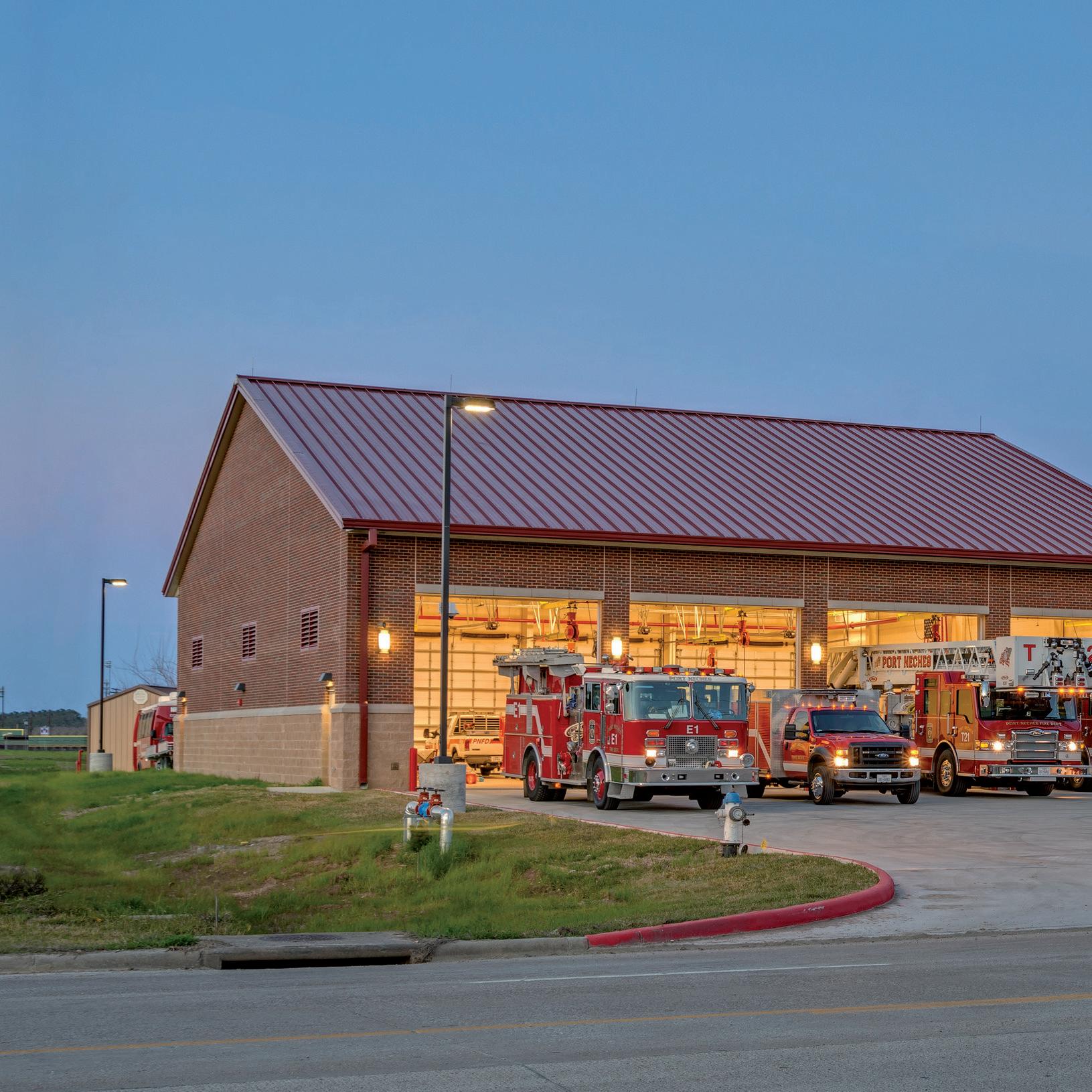
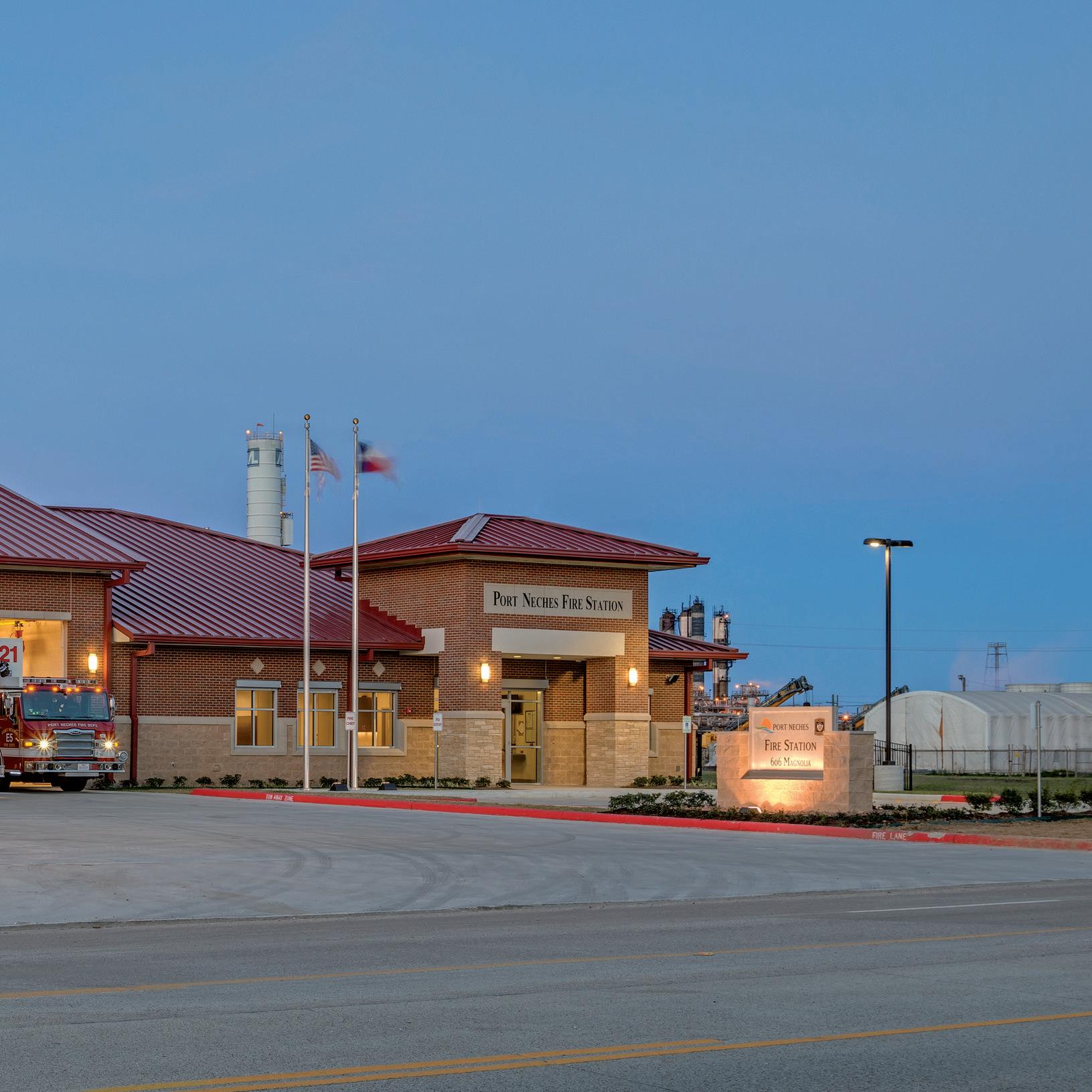
To replace its aging 1972 facility, the City of Port Neches commissioned a resilient, 11,773‑square‑foot fire station built to withstand Category 4 hurricane winds and support modern fire training and emergency response.
The building includes four apparatus bays, offices for fire leadership, a finance area, and a training room that doubles as the city’s EOC. Support spaces include a cascade air pack room, documentation storage, bunker gear lockers, and a full‑service kitchen. Four dorm rooms offer private showers and toilet areas.
A three‑story training tower with interior stair, manhole, standpipe, and a caged roof ladder provides simulated emergency environments. Impact‑resistant doors and windows complete the hardened envelope—ensuring continuous operations during extreme events.
location: fort lauderdale, florida
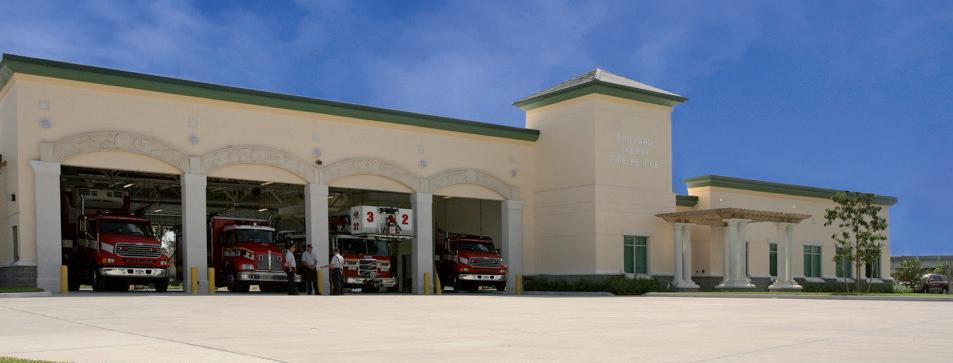
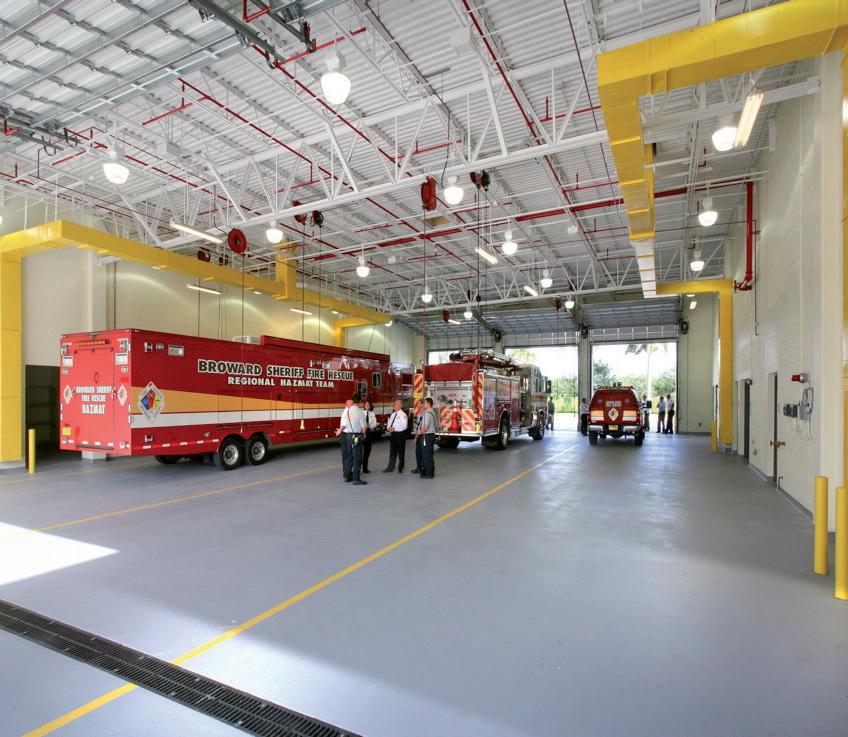
This 16,700‑square‑foot, four‑bay facility near Fort Lauderdale–Hollywood International Airport serves as a hazmat response station, training center, and logistics warehouse for the Broward Sheriff’s Office.
Designed for 24/7 readiness, the station supports 12 fire‑rescue personnel, four lieutenants, a battalion chief, and a 40‑hour crew with five additional responders and two captains. A six‑story training tower delivers realistic drills for repelling, ladder rescues, elevator shaft scenarios, and confinement tactics.
Programmed spaces include a medical exam/treatment room, commercial kitchen, command center, outdoor barbecue area, and a multi‑purpose community room— supporting operational flexibility and training under one roof.
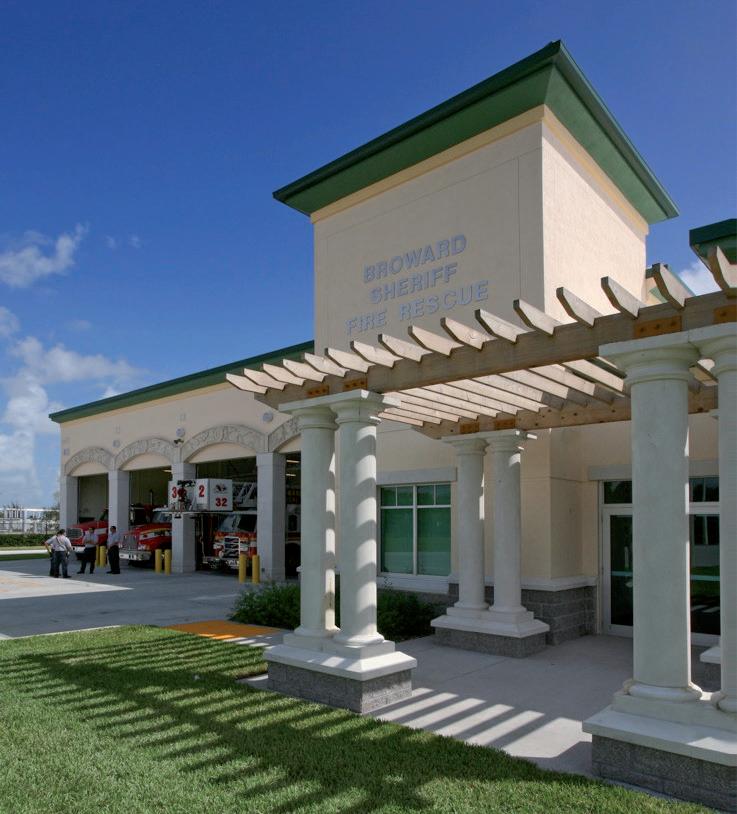
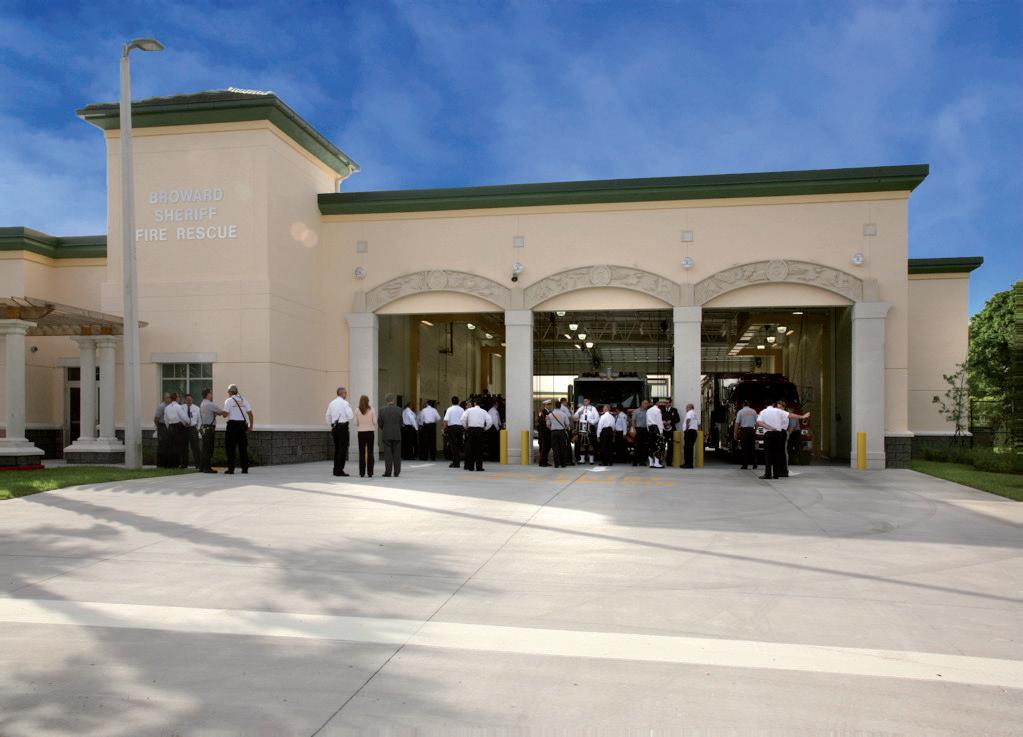
Located near Fort Lauderdale–Hollywood International Airport, this 15,500‑square‑foot, three‑bay fire station and adjacent 24,000‑square‑foot logistics warehouse provide 24/7 emergency response and training for the Broward Sheriff’s Office.
The station supports a full‑time crew of seven, plus three officers, and a 40‑hour team including five responders, four lieutenants, and a captain. Designed for expansion with minimal disruption, the facility integrates seamlessly into high‑demand air and seaport operations.
Amenities include a 32‑seat training room, medical exam and treatment space, commercial‑grade kitchen, and an outdoor barbecue area—balancing mission readiness, comfort, and resilience in one purpose‑built facility.
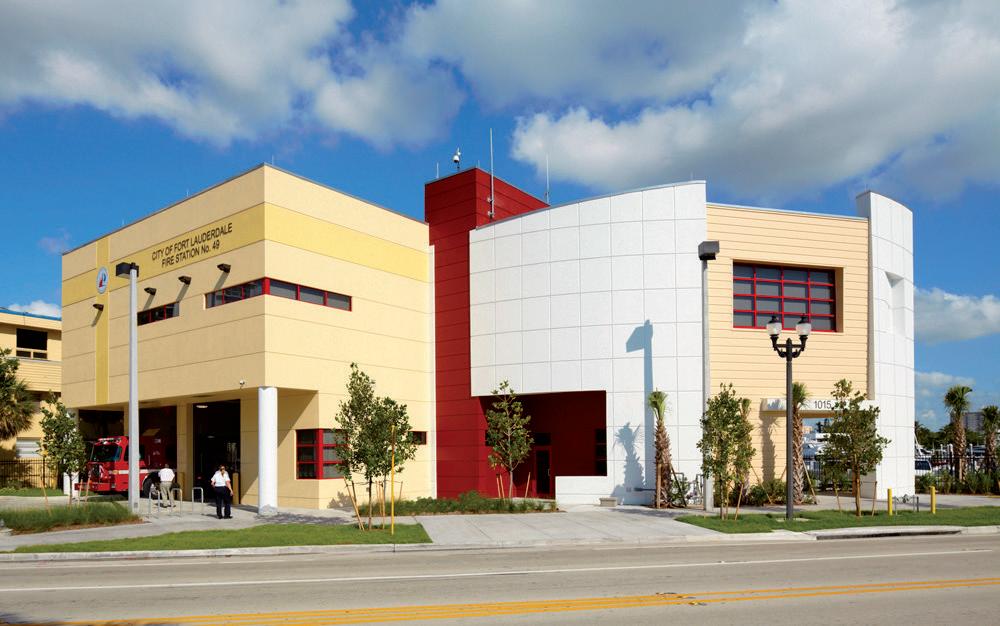
location: fort lauderdale, florida
Strategically located along the bay, Fire Station No. 49 is a 12,000‑square‑foot, two‑story facility serving Fort Lauderdale’s high‑rise residential district and marine operations.
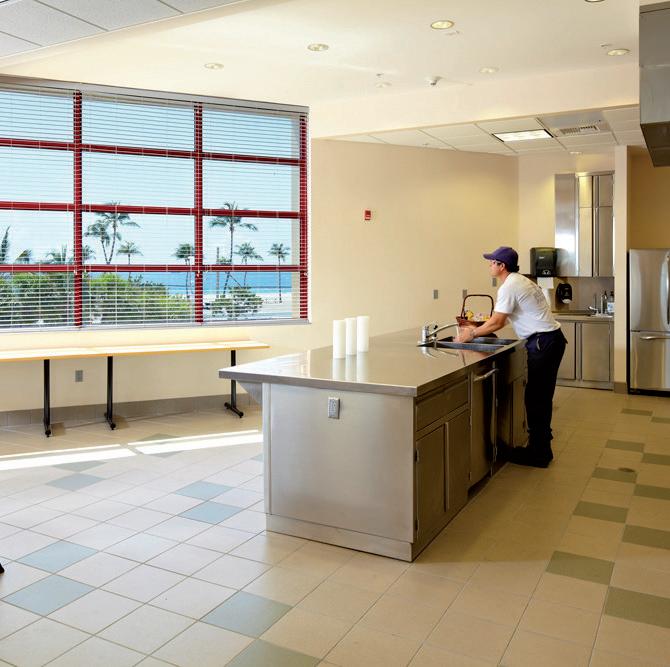
Designed for coastal resilience and operational flexibility, the station includes two apparatus bays, living quarters for seven, a medical exam room, dayroom, and full commercial kitchen and dining area. Additional spaces include a fitness room, administrative offices, and a multipurpose community room.
A dedicated boat lift supports rapid response for water‑based rescue operations, complementing land‑based emergency coverage. Expansive glass and waterfront views enhance daylighting while reflecting the city’s coastal identity—creating a high‑performance, future‑ready civic asset.
location: allen, texas
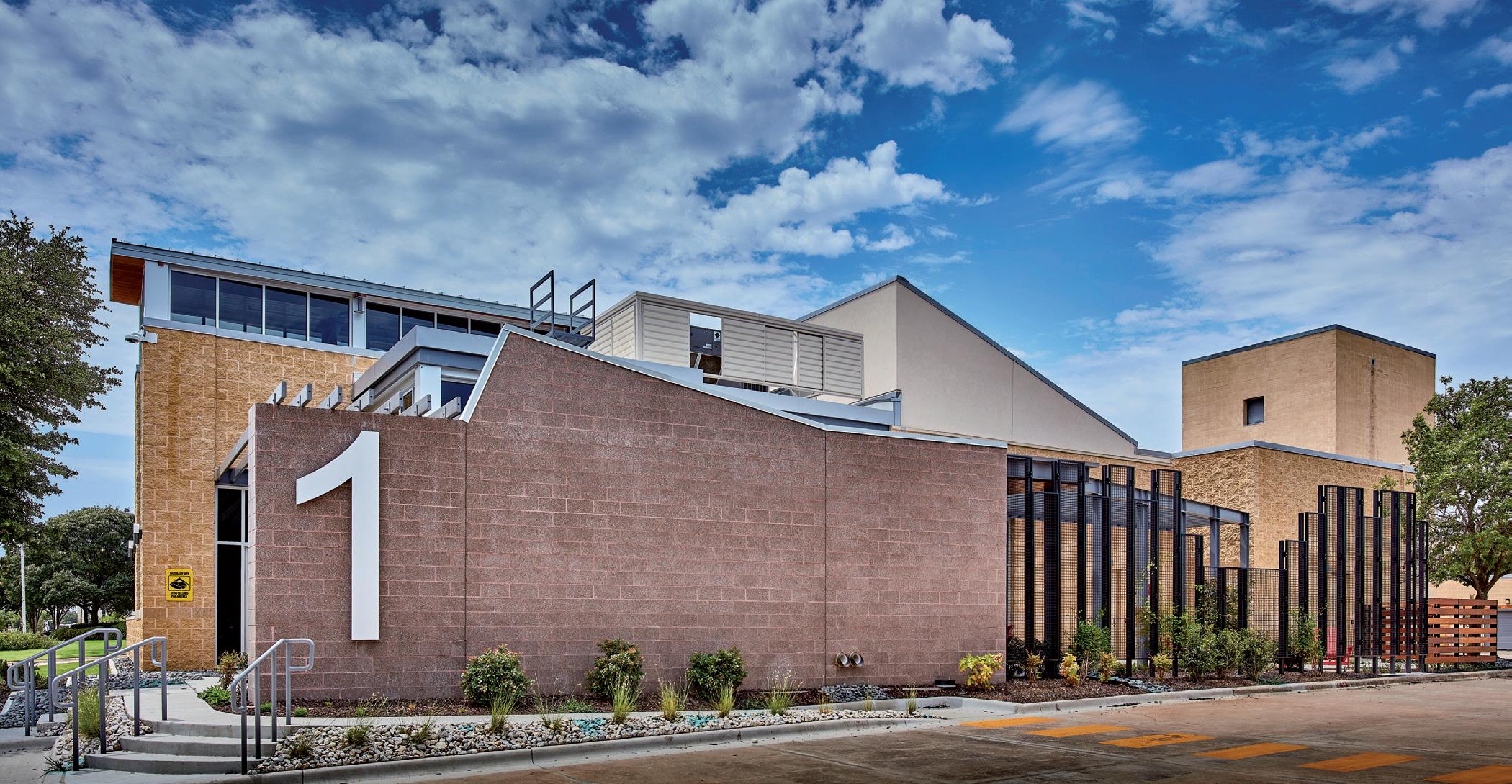
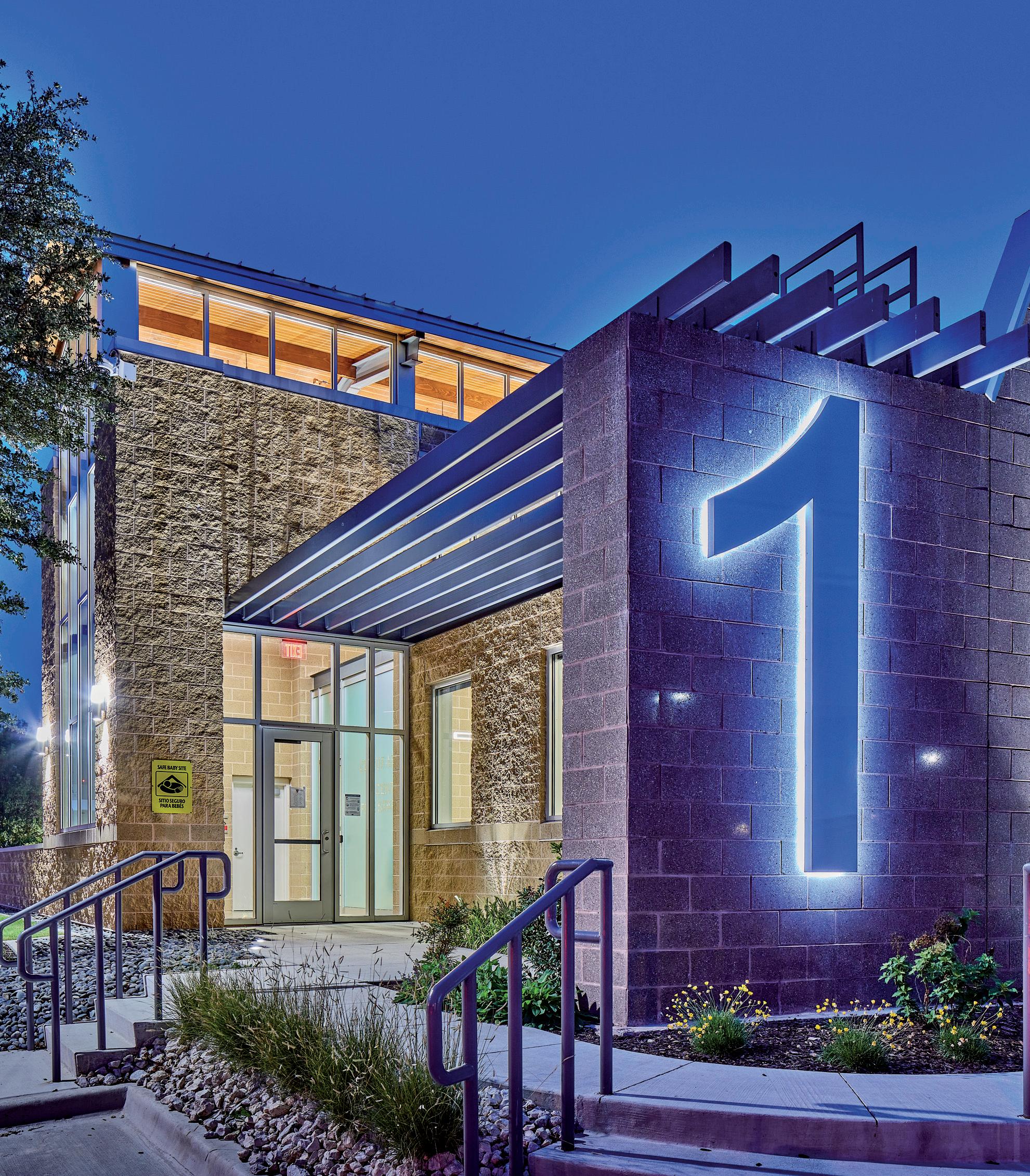
Allen’s 14,188‑square‑foot Central Fire Station underwent a major renovation and expansion to modernize operations, improve circulation, and provide new sleeping quarters for fire personnel.
The redesign resolved issues from the original 2002 layout—relocating the active firehouse to the north side of the site and reconfiguring public‑facing areas for improved wayfinding, access, and visibility. A prominent Station No. 1 marker now anchors the entrance, while a new reception area helps guide visitors.
Interior upgrades include a dining area, kitchen, bathrooms, dayroom, and an outdoor barbecue patio— enhancing comfort for 24‑hour staffing. The project delivers a functional, future‑ready space that supports Allen’s fire teams while strengthening community interaction.
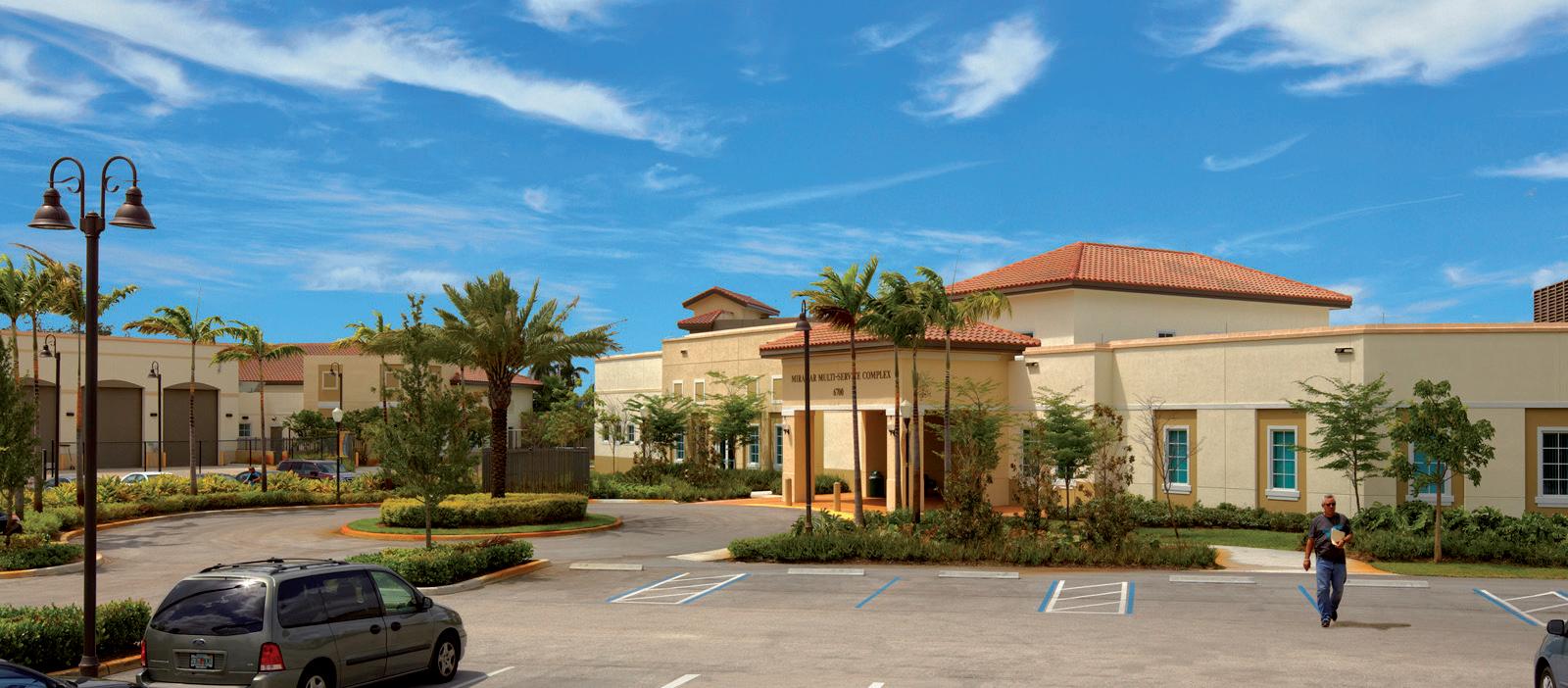
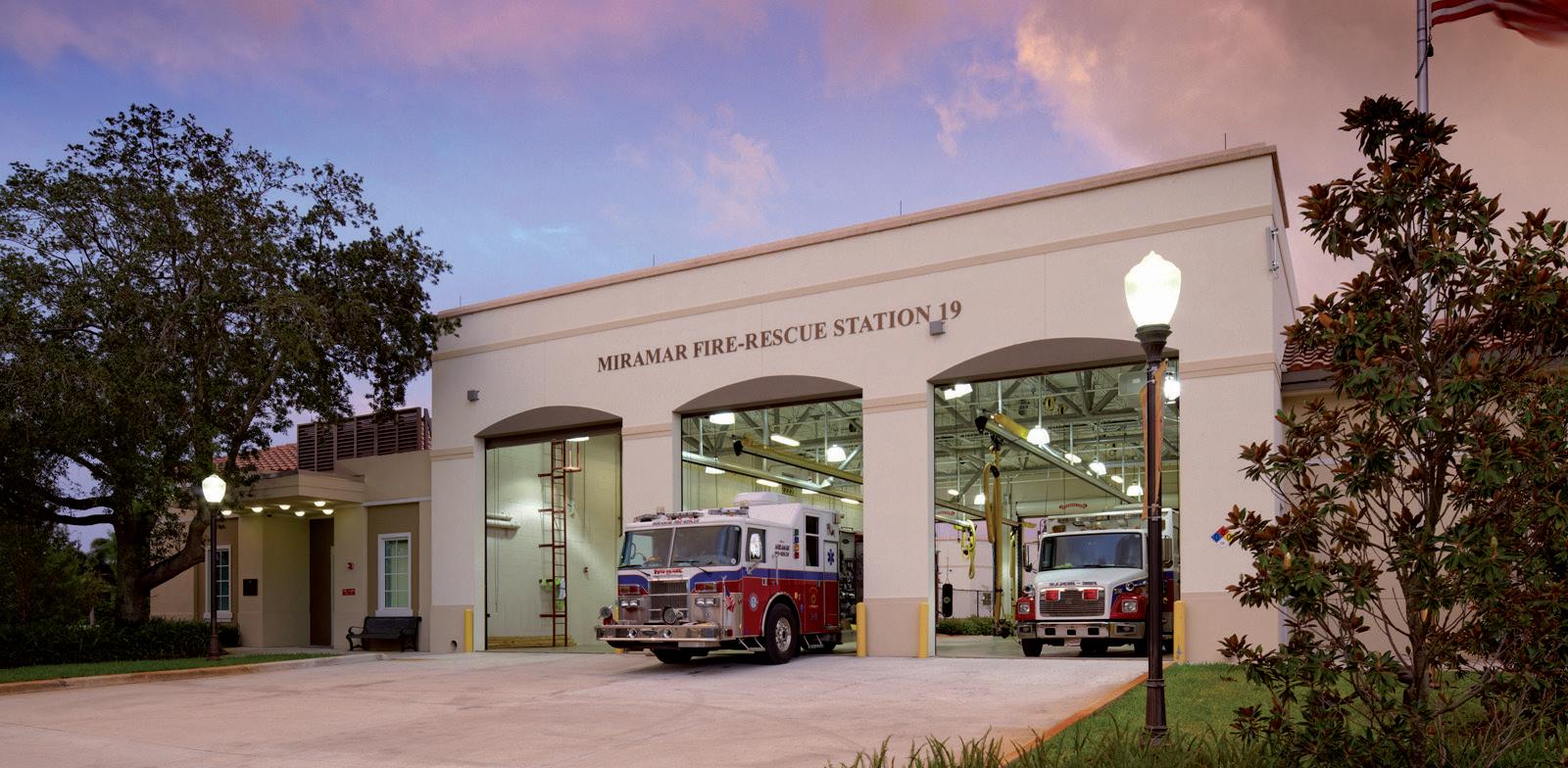
location: miramar, florida
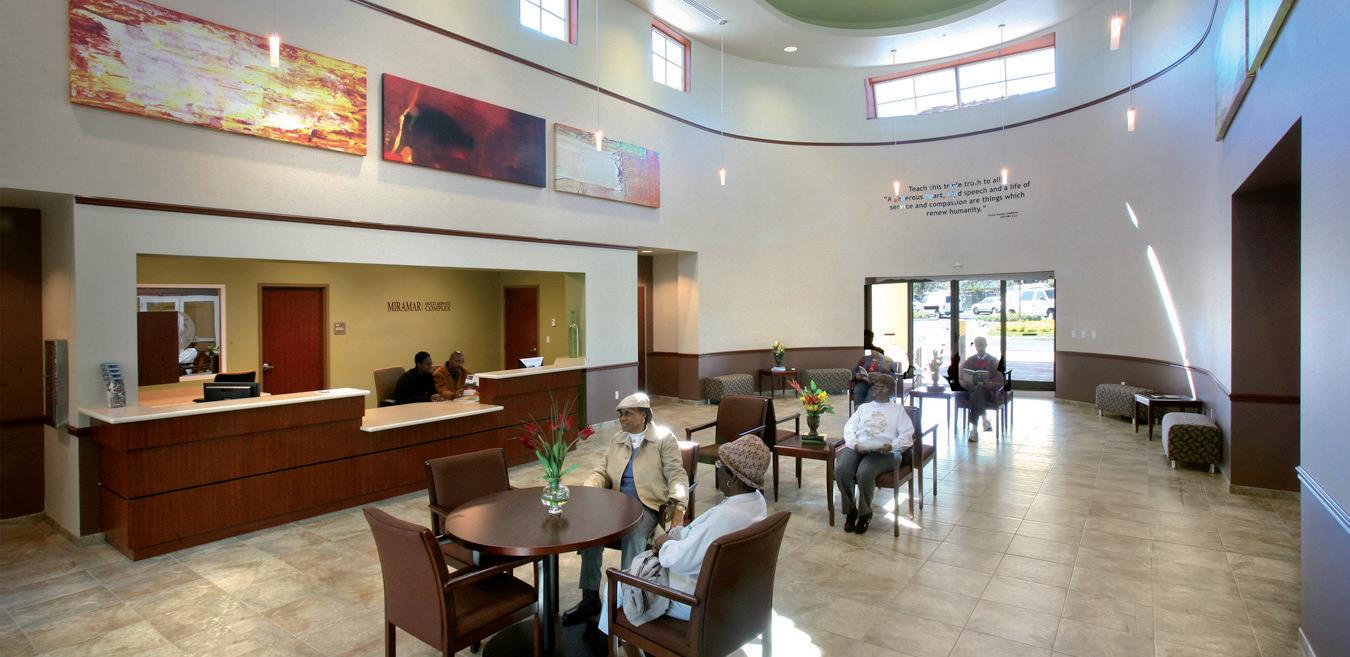
Fire Station No. 19 is a 12,536‑square‑foot, one‑story facility serving Miramar with essential fire‑rescue and public safety services. The station includes three apparatus bays, a commercial kitchen, dining area, dayroom, medical exam room, and living quarters for a 10‑person crew.
The project is part of a broader 38,000‑square‑foot multi‑use senior center campus. Shared with a neighboring community facility, it offers health counseling, classrooms, and game rooms for residents with medical needs.
Together, these elements form a resilient, community‑oriented complex that supports emergency response while delivering educational, wellness, and social services for the Miramar community.
location: highland beach, florida
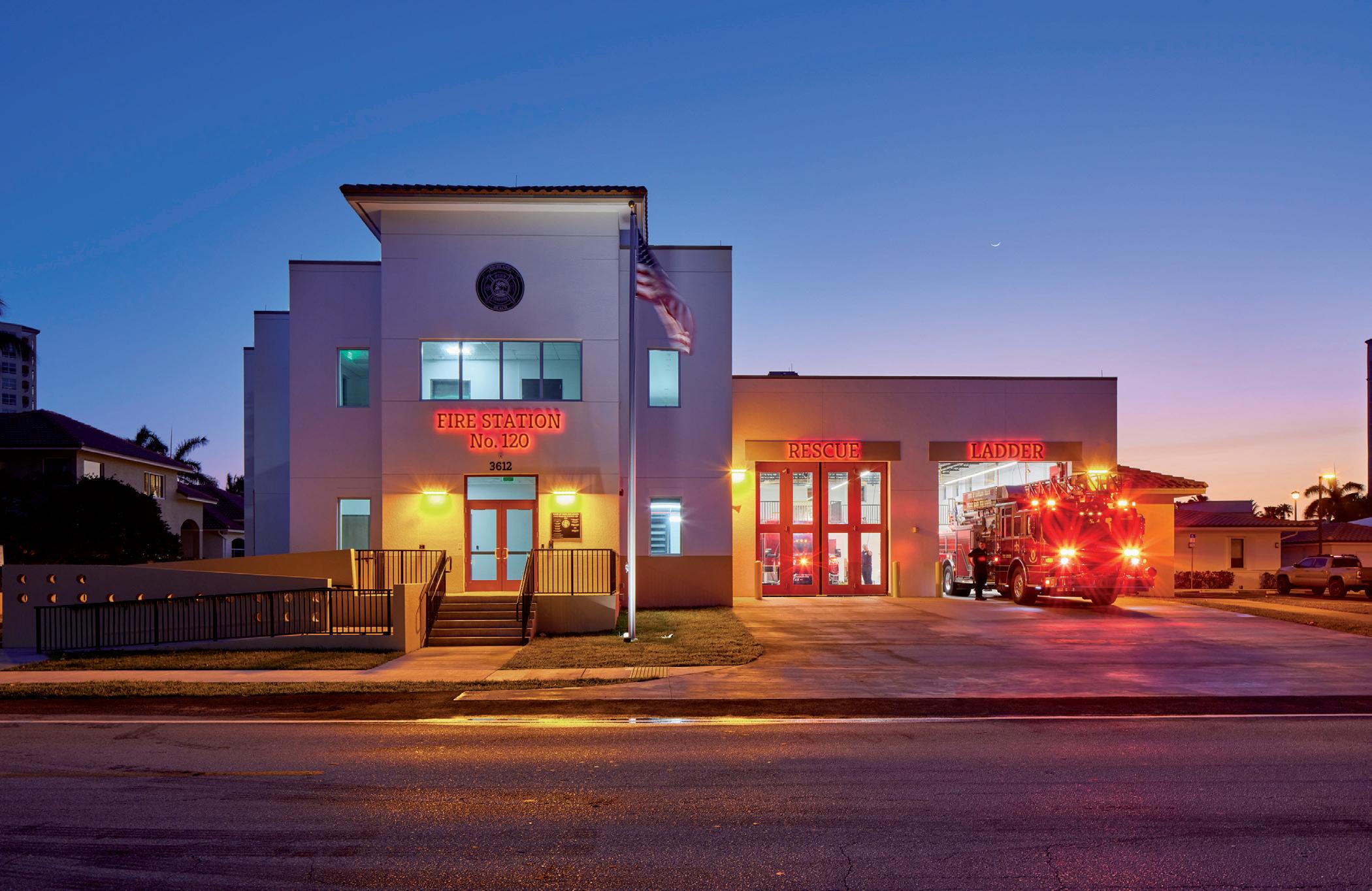
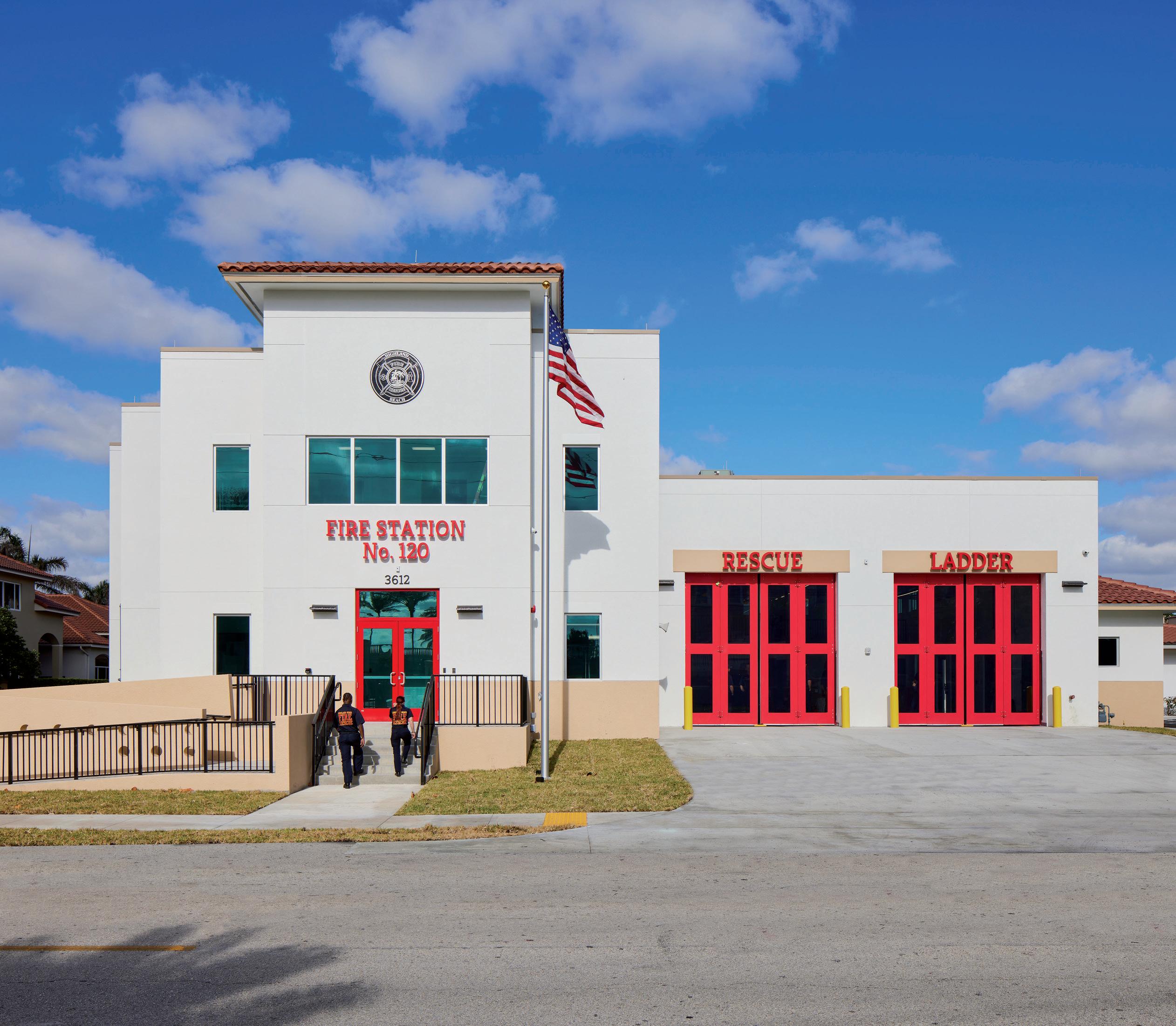
Highland Beach Fire Station No. 120 marks the Town’s transition to an independent Fire Rescue Department.
Replacing a 1970s facility last renovated in 1995, the new two‑story, 9,500‑square‑foot station is located just south of Town Hall for seamless municipal connection.
Engineered to withstand 186‑mile‑per‑hour winds and elevated above the floodplain, the facility includes a two‑bay apparatus wing, seven bunks, officer’s quarters, and a contamination‑controlled vestibule. Shared interior spaces—dayroom, dining area, kitchen, and gym—are configured in an open plan to encourage collaboration.
Upstairs, the station houses administrative offices with ocean views, a training room, and an exterior patio that also serves as a secondary EOC and public meeting area.
location: princeton, texas
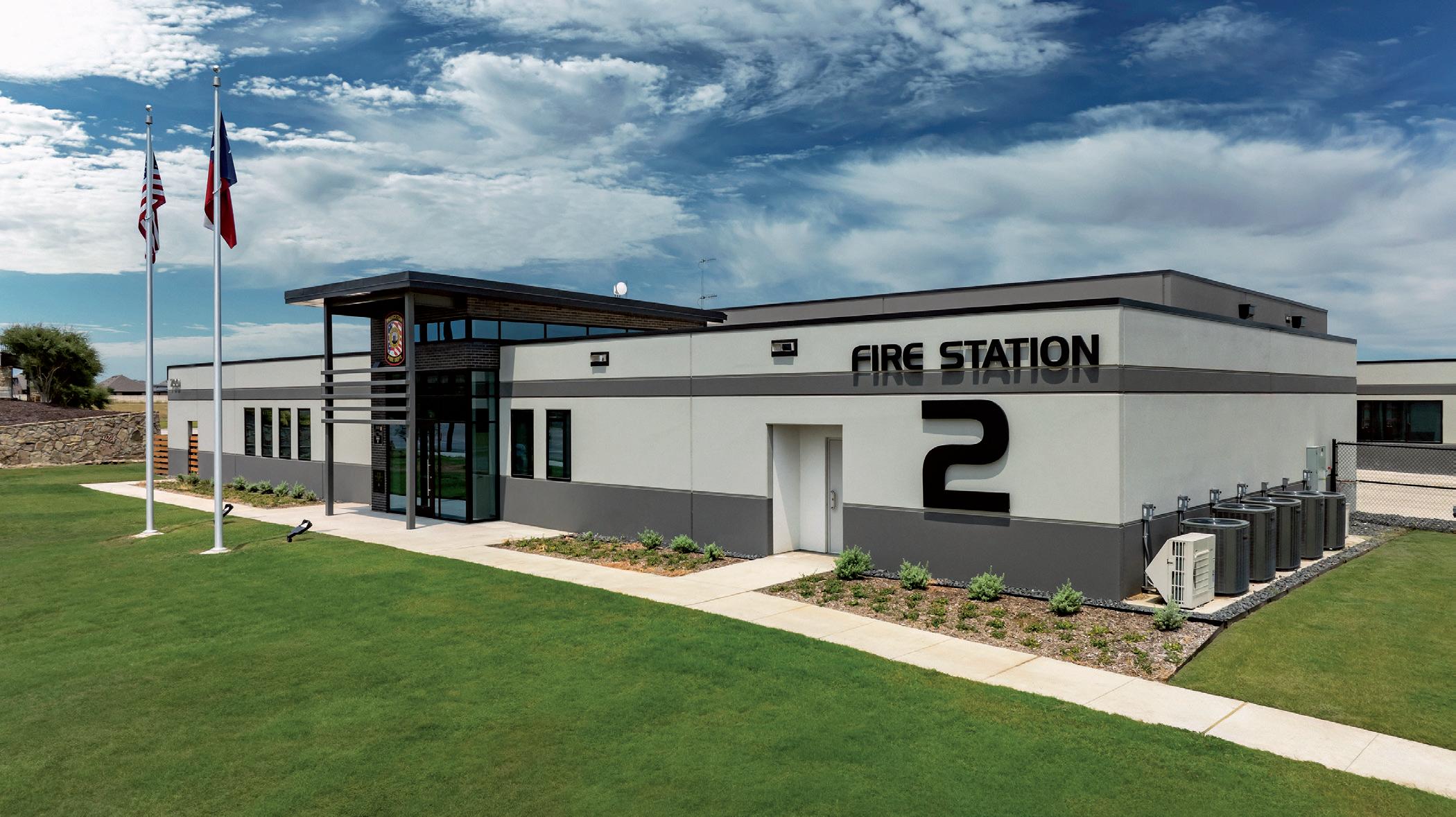
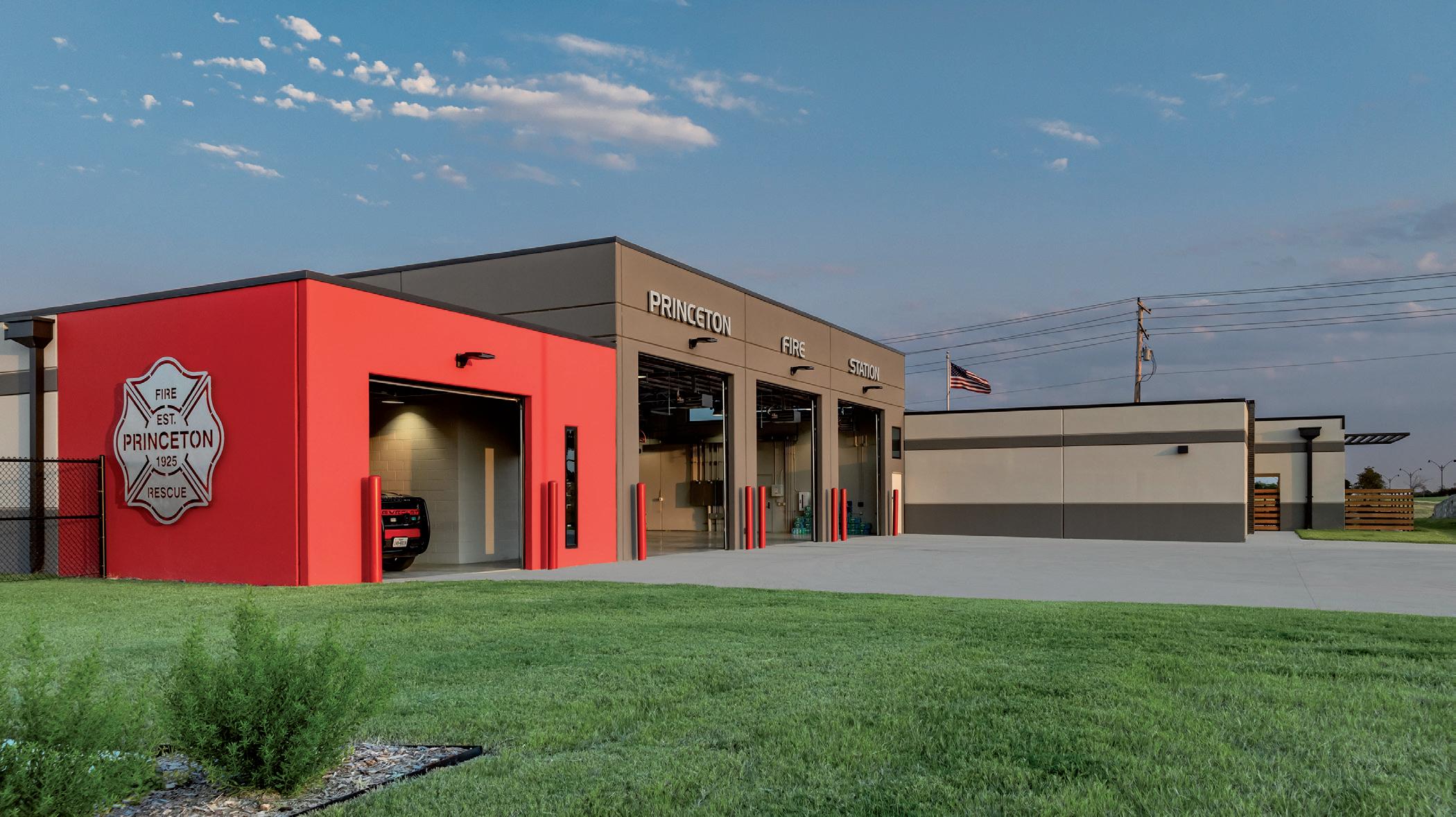
Princeton’s new Fire Station No. 2 replaces an outdated facility with a modern, tilt‑up concrete structure designed for efficiency, resilience, and firefighter wellness.
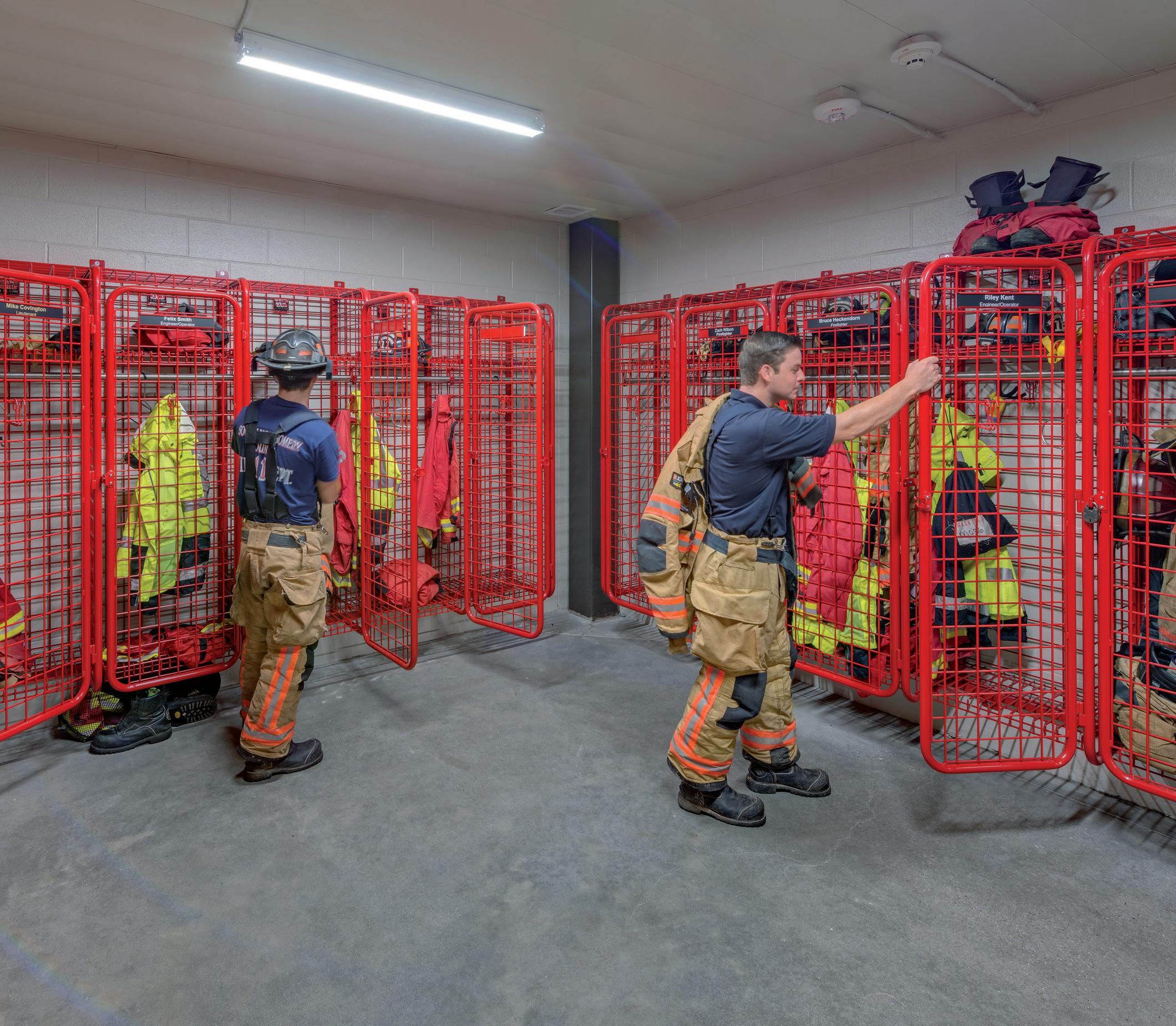
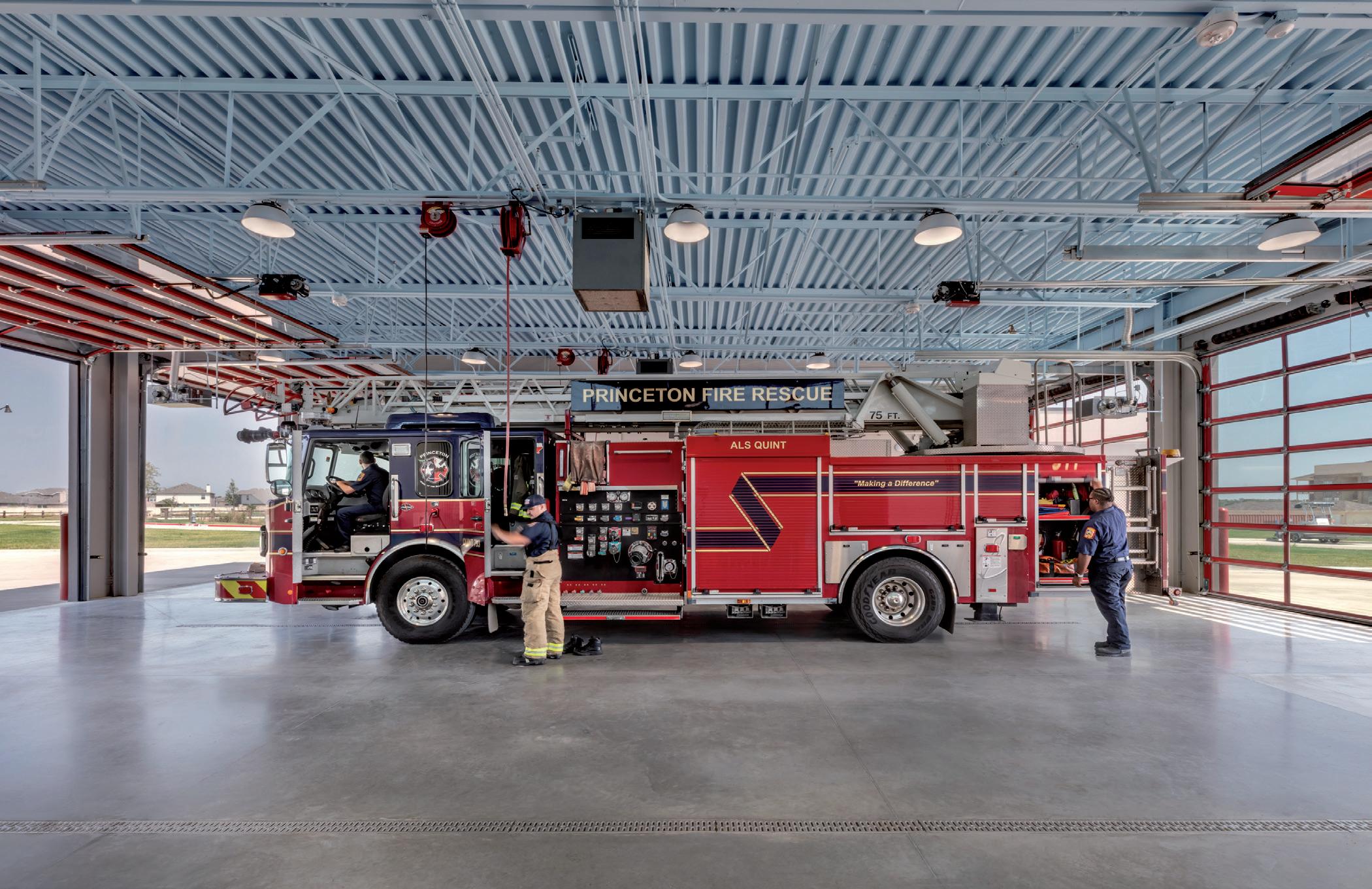
PGAL partnered with Crossland to deliver the three‑bay station, which includes ventilated gear lockers, a gear washer/extractor, decontamination room, and half‑bay for emergency vehicles. A decompression area supports firefighter health, while a private outdoor patio offers space for rest.
The drive‑through apparatus layout minimizes contamination by separating living quarters from
high‑traffic zones. A hardened storm shelter ensures safety during severe weather, including tornadoes.
Designed for performance and durability, the station strengthens Princeton Fire Rescue’s ability to serve its fast‑growing community.
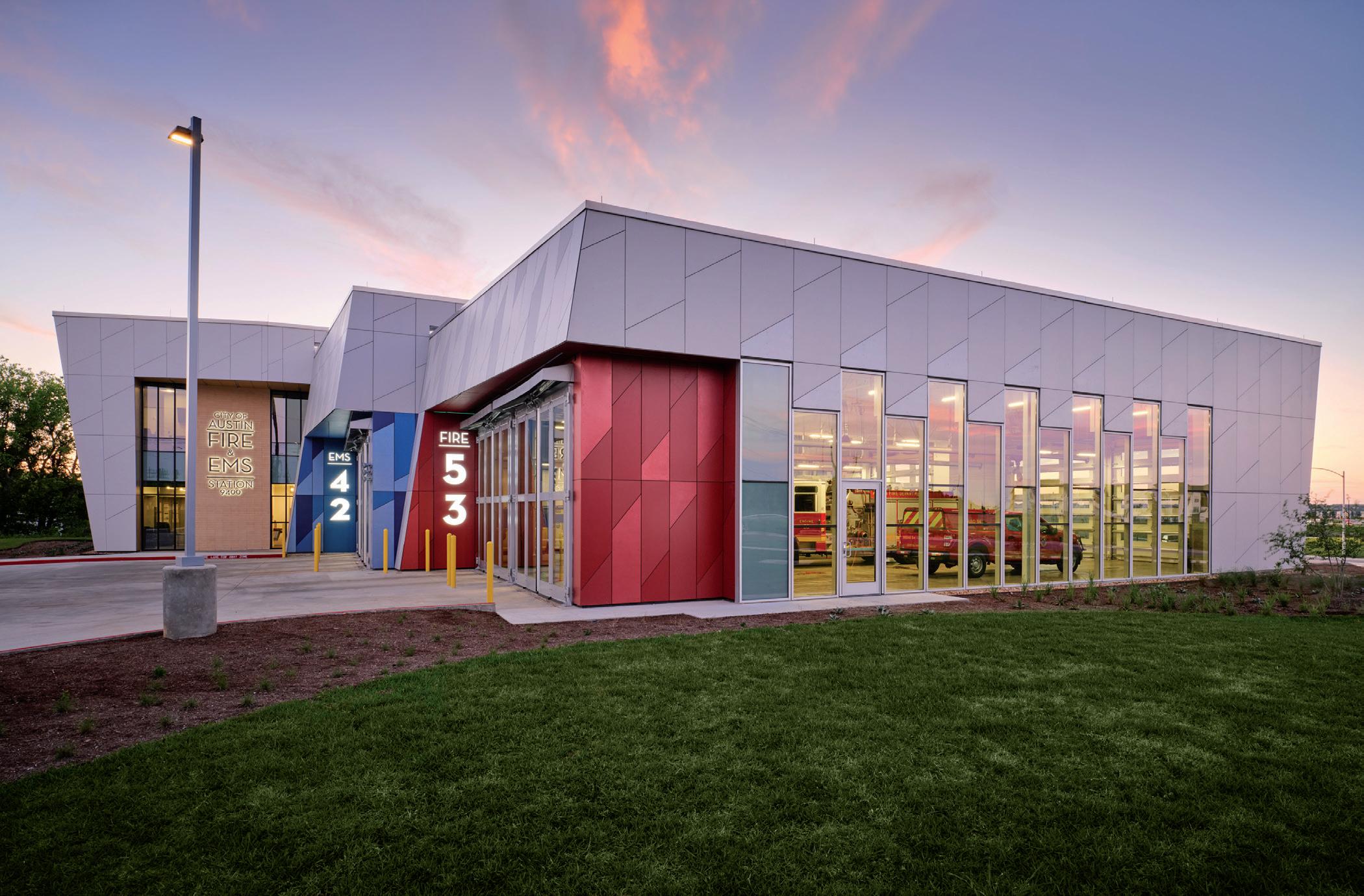
location: austin, texas
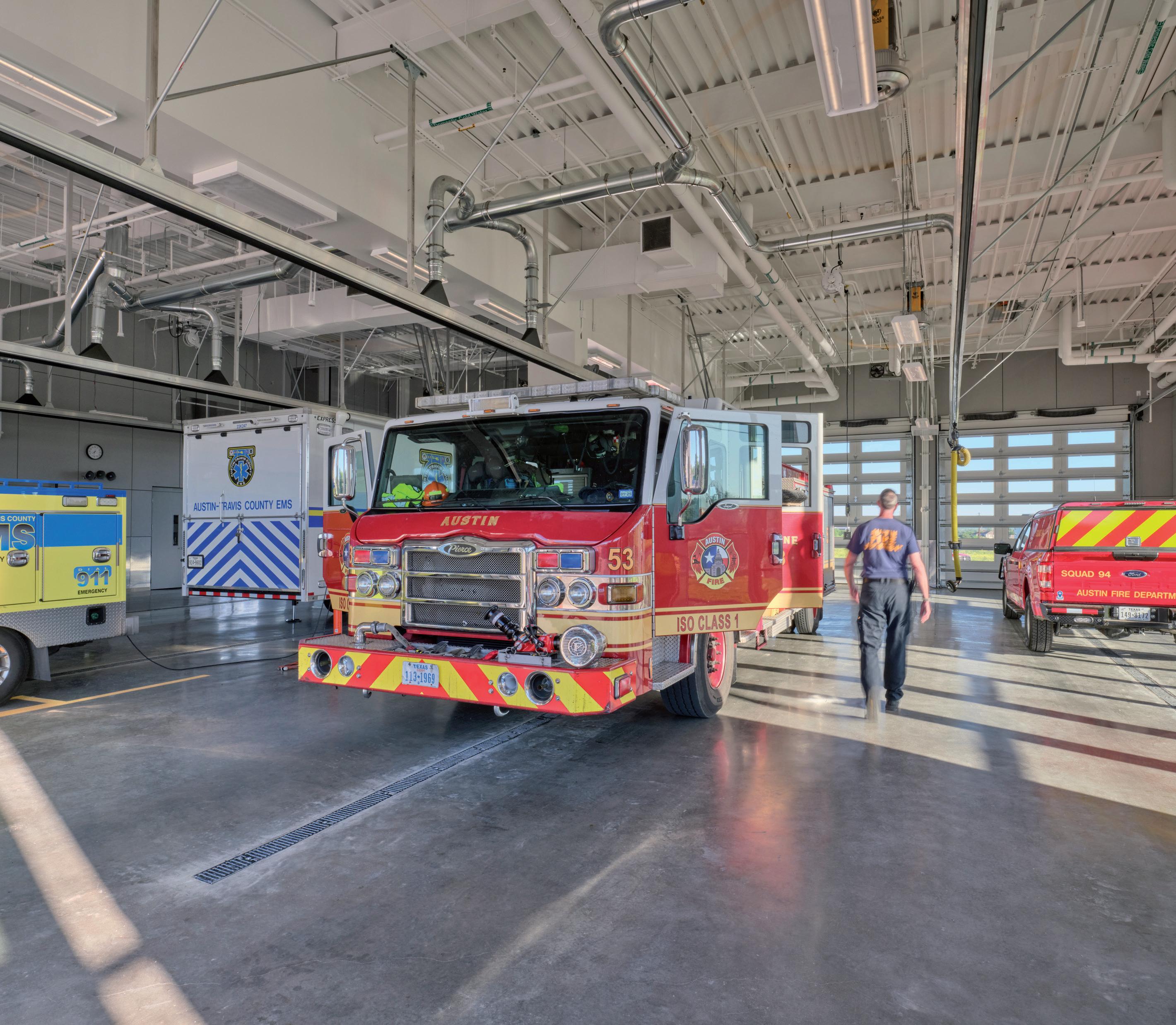
The Canyon Creek Fire and EMS Station is the final facility in a five‑station rollout by the City of Austin—merging modern architectural identity with tested functional performance.
Located along Highway 620, the station serves a growing residential area and features a solar‑ready roofline and distinctive limestone façade. The bold form provides shading while establishing the station as a civic landmark aligned with Austin’s sustainability goals.
Engineered for 24‑hour operation, the station includes 14 sleeping rooms, a 1,200‑square‑foot kitchen, dayroom,
shaded lounge areas, fitness space with outdoor access, four back‑in bays, and an integrated fueling station— ensuring full‑service readiness for both fire and EMS crews.
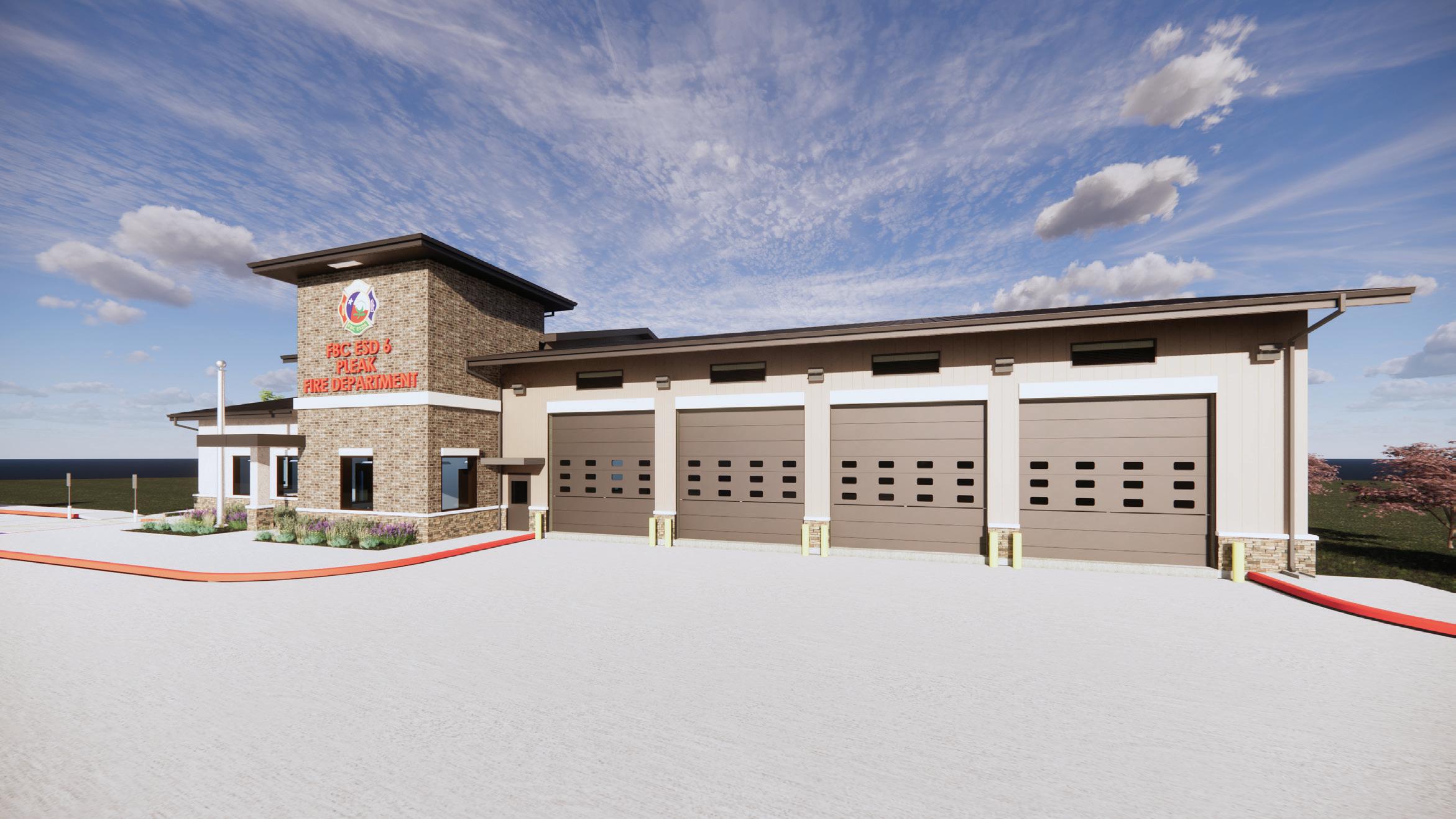
location: pleak, texas
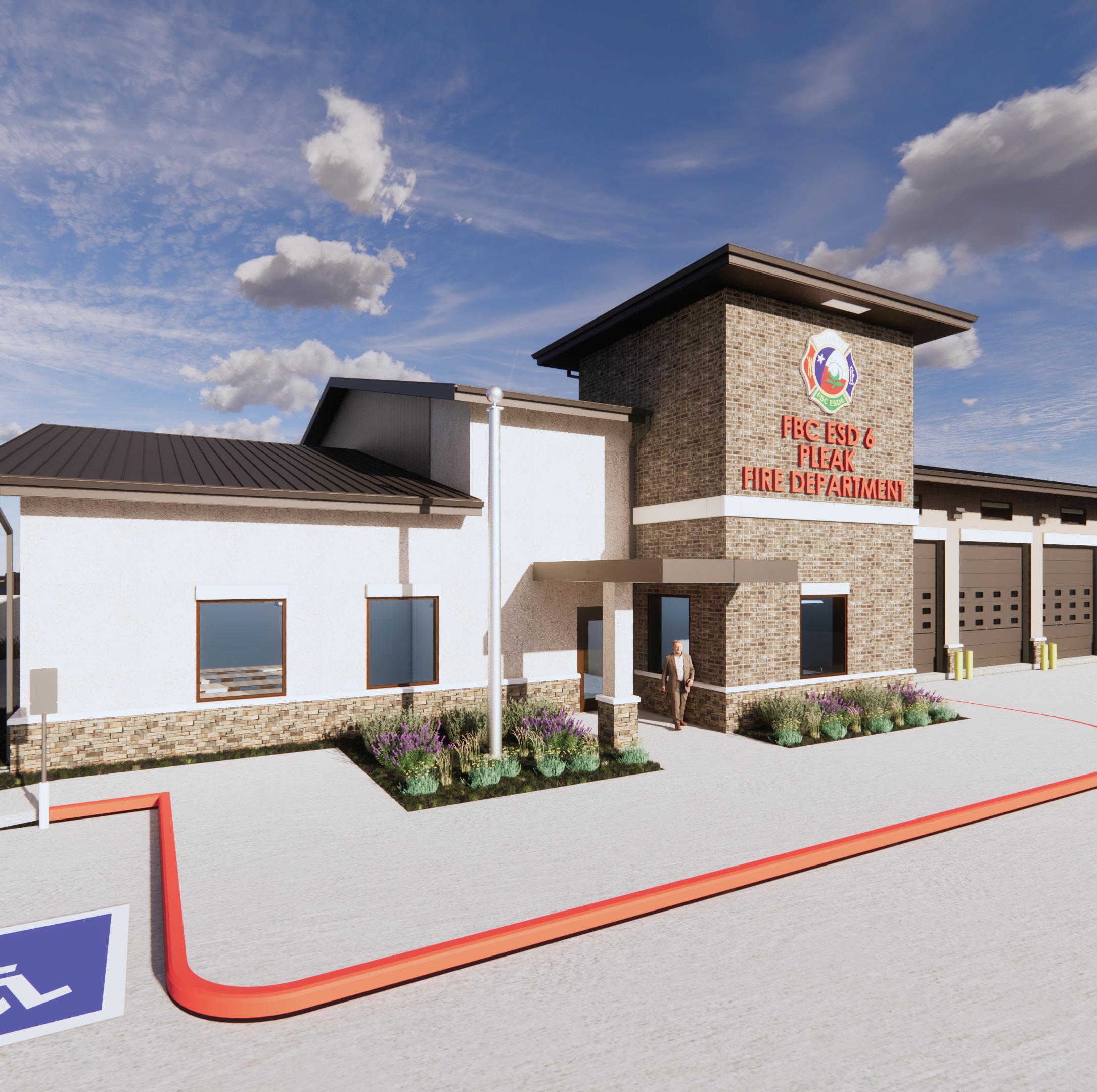
This new 13,000 square foot fire station will be a major improvement and expansion for the Village of Pleak EMS and the ESD 6. The building is located down the street from their current facility and located on a new 1.5 acre piece of land located at the intersection of a major highway and accessible to the local community.
The facility will consist of a four bay fire station with support spaces including a mezzanine for storage and training space, and a fitness area at ground floor. The adjoining residential facilities will include space for 6 dorms, kitchen, dayroom with generous patio, 3 offices, and a training room.
When completed the fire station will serve roughly 24 square miles and be an asset to the growing community for the foreseeable future.
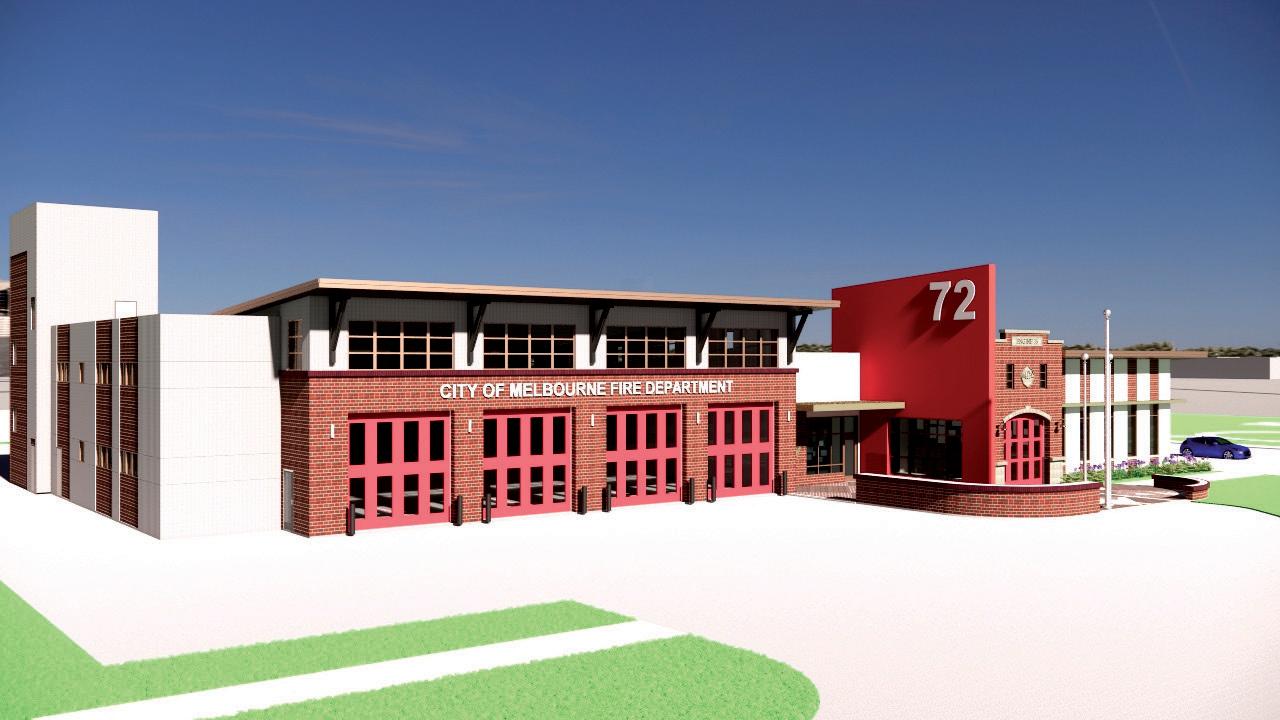
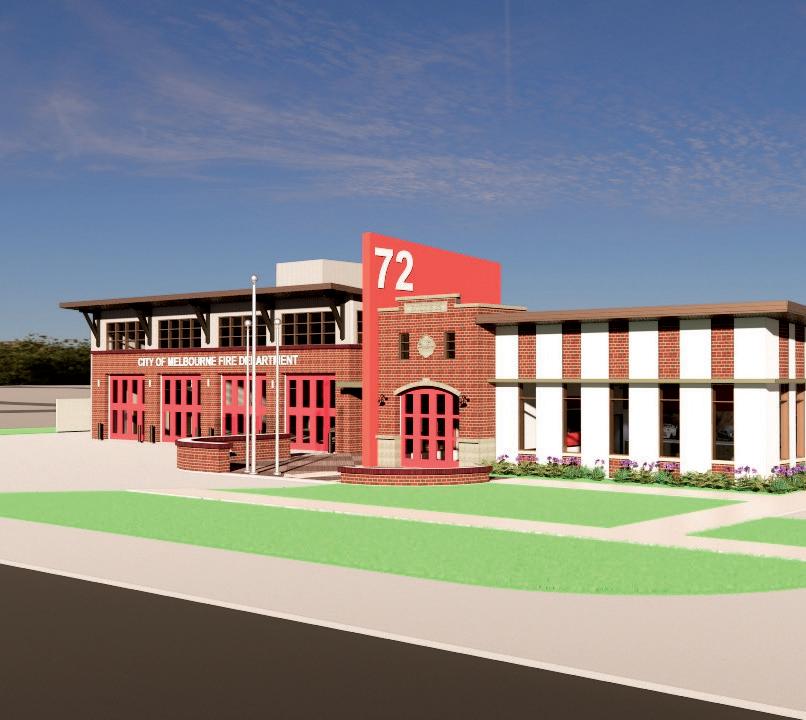
location: melbourne, florida
The City of Melbourne will replace four aging 1970s fire stations, beginning with Fire Station No. 3—an 18,500‑square‑foot facility designed for resilience, efficiency, and firefighter wellness.
This single‑story station includes four drive‑thru bays, a regional training room, 24‑hour operations space, and a community room that doubles as a storm shelter. Built to withstand 186‑mile‑per‑hour winds, it also showcases historical displays, including the department’s restored 1935 fire engine.
The station will meet NFPA 1500 and FEMA‑compliant design standards, incorporating Red‑Yellow‑Green Zones for contamination control, acoustically enhanced living quarters, low‑glare lighting, and flexible restrooms. The layout is optimized to improve response times while supporting long‑term crew comfort and health.
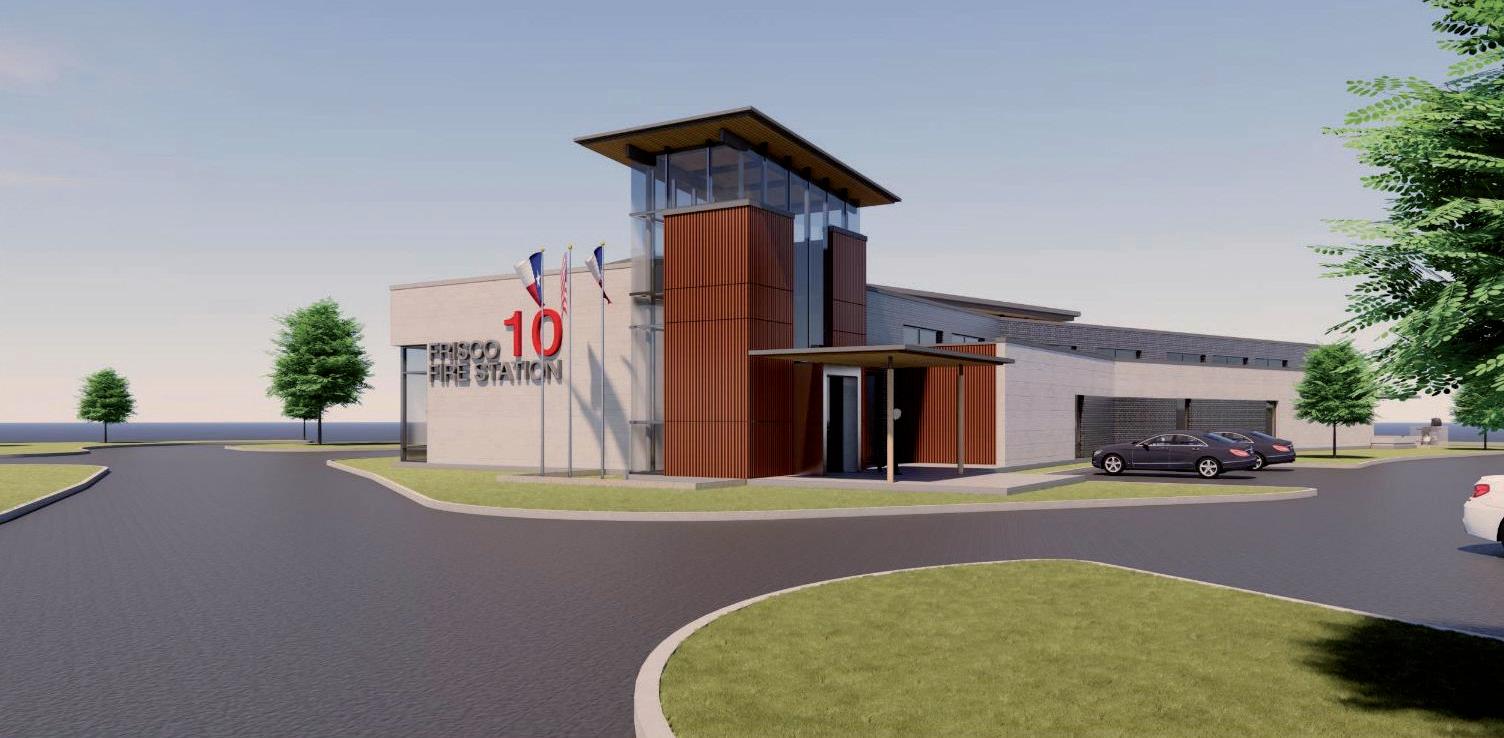
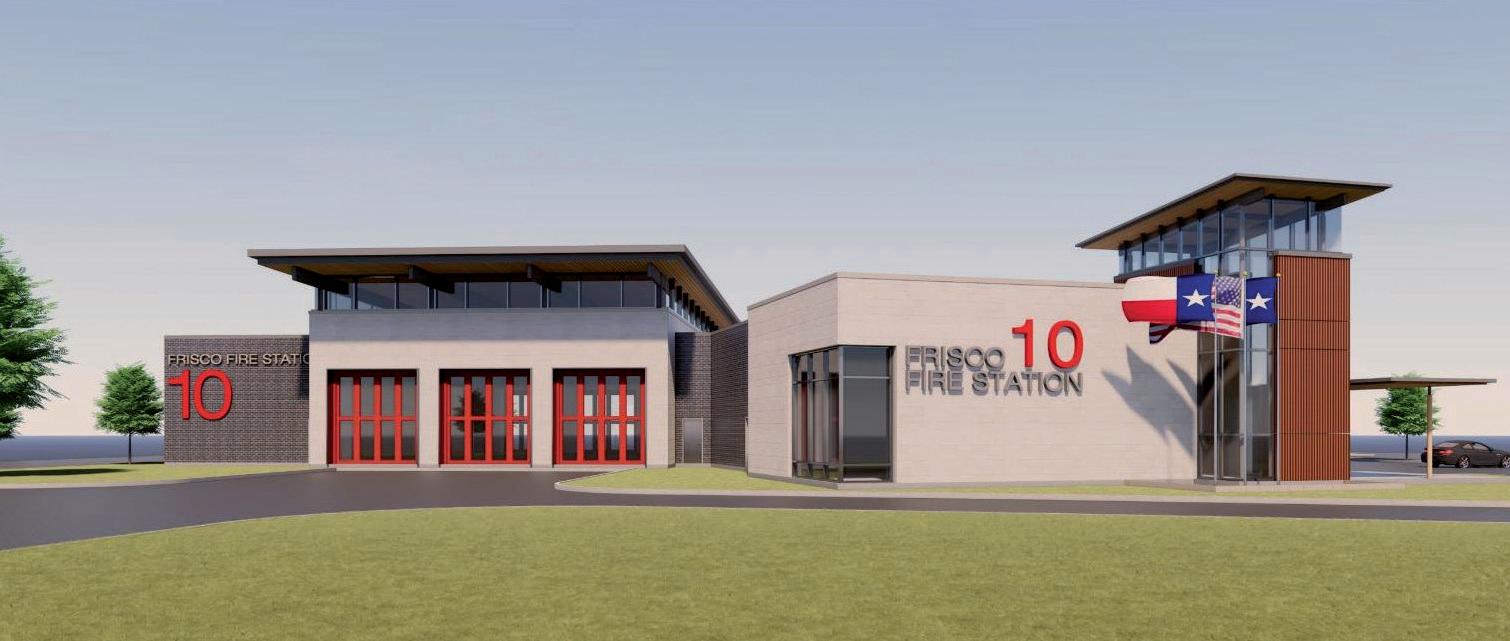
location: frisco, texas
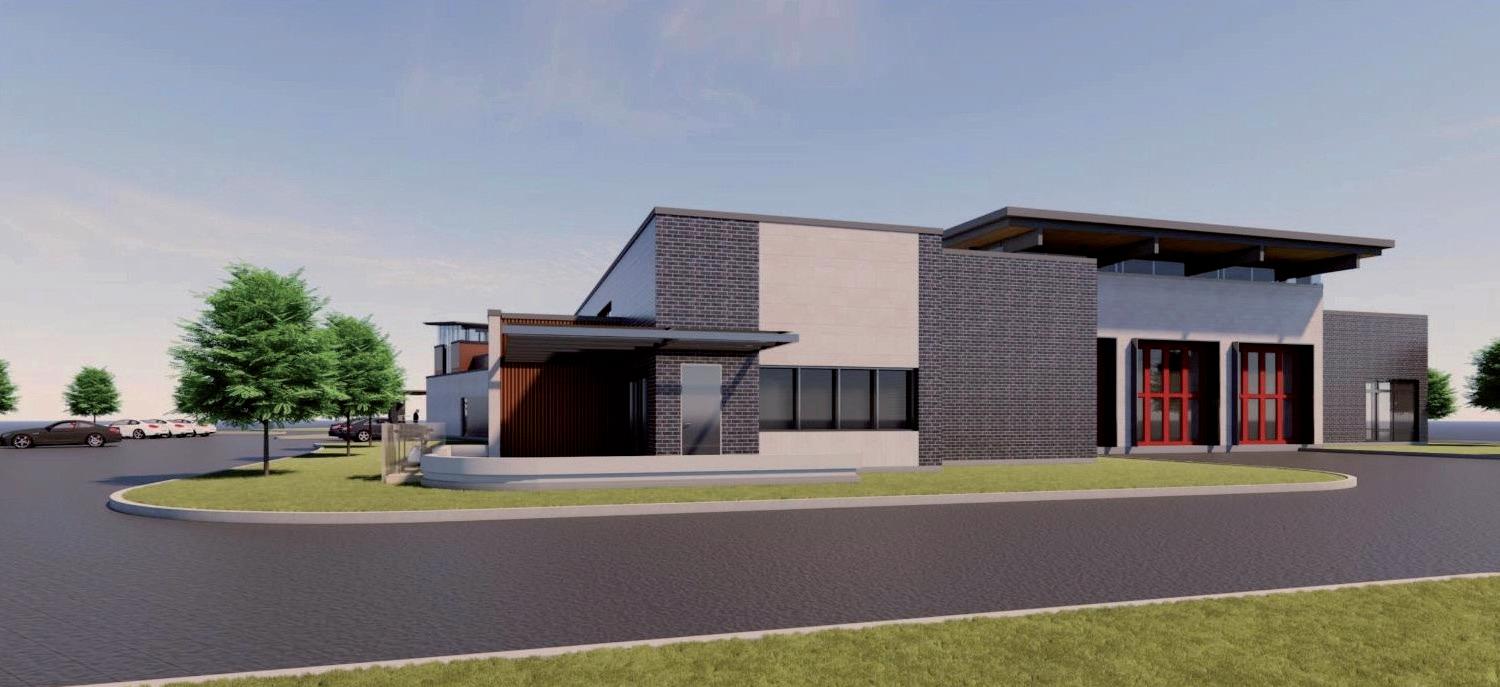
Fire Station No. 10 expands Frisco’s public safety network with an 18,000‑square‑foot, single‑story facility designed for one of the fastest‑growing cities in the U.S. PGAL delivered a high‑functioning layout to meet high‑volume response demands with cost‑efficient, long‑term flexibility.
The station includes a 12‑person dormitory, kitchen, dining area, dayroom, fitness space, and storm shelter. Three drive‑through bays with a canopy ensure rapid deployment, while the training room doubles as a public voting center.
To accommodate a 14‑foot grade change across the site, PGAL implemented a single‑level solution that maintains operational ease. The design supports 80 to 90 parking spaces for staff and community members.
location: fulshear, texas
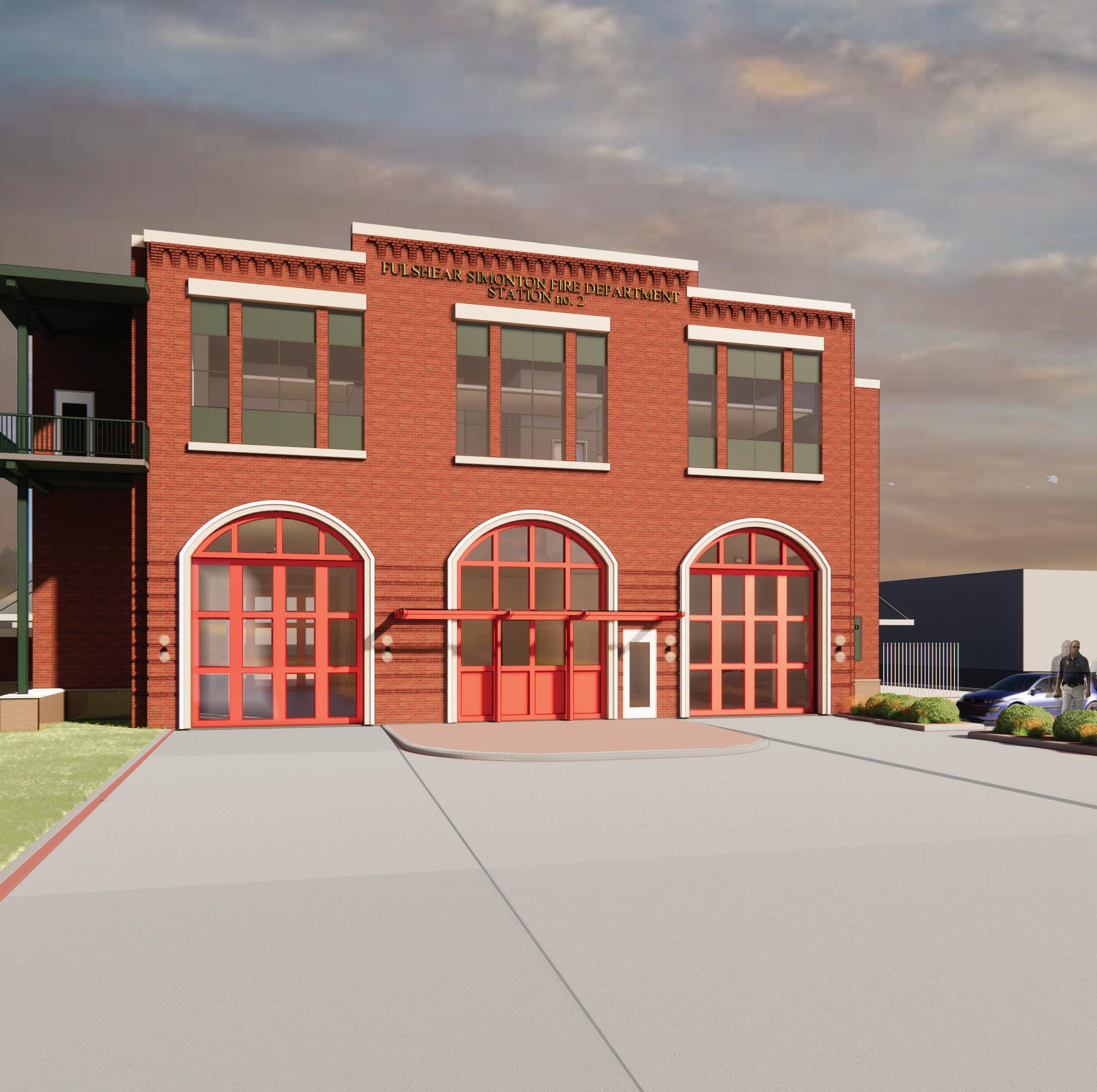
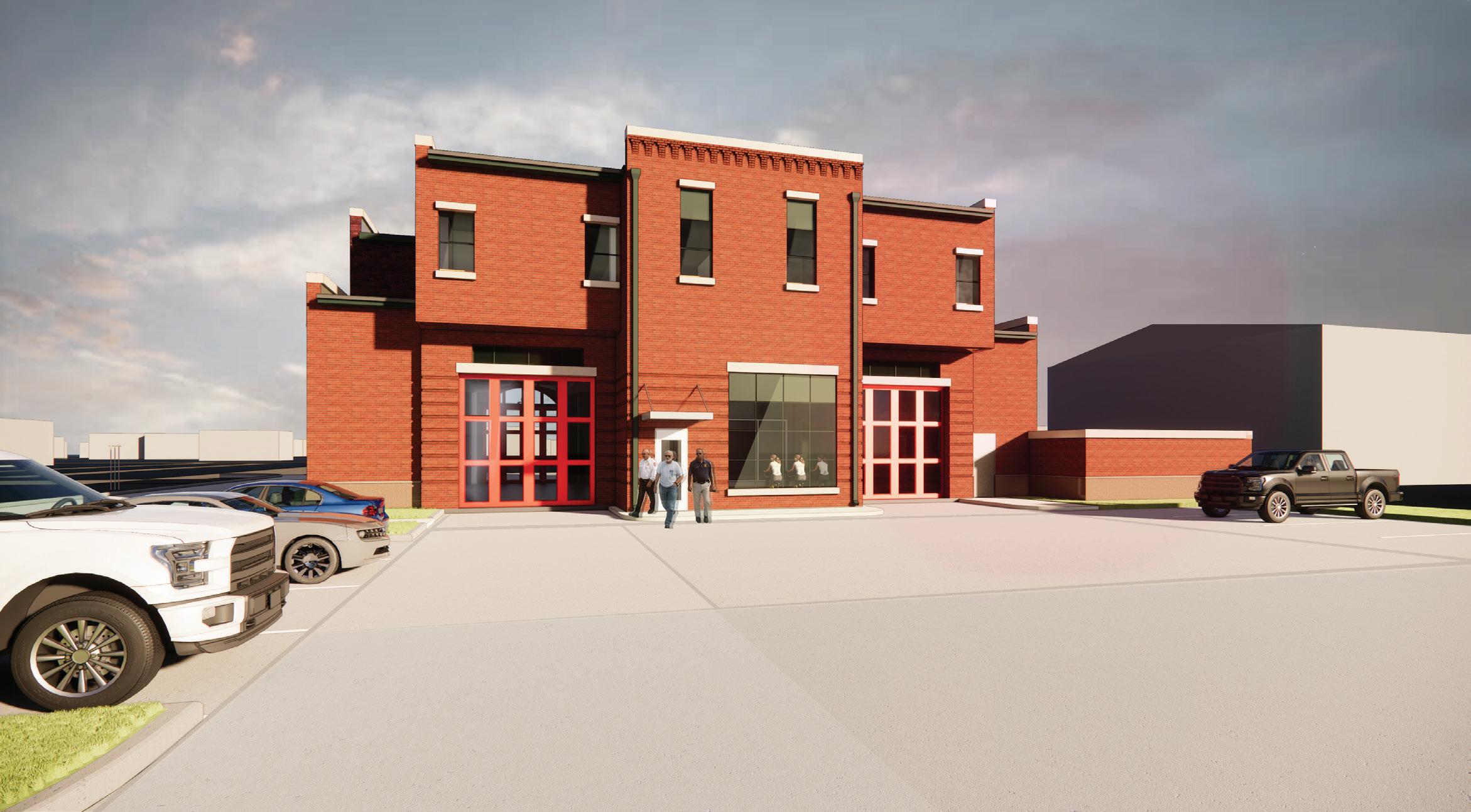
Set in the heart of Downtown Fulshear, Texas, PGAL worked with Fort Bend ESD no. 4 to envision a fire station that would serve as a nod to the city’s historic past, having been founded by a member of the Old 300, as well as a catalyst for renewed interest for development within their mile square downtown. The project sits on nearly 2 ½ acres and is set along 5th Street, two blocks off Main Street. The project is a two story red brick clad building with historical elements and materials, including steel framed windows, cast stone headers, and polished brass lettering at the building signage.
The building houses two apparatus bays split by the watch office and gear locker facilities and is also equipped
with a workout room and other utility spaces, such as a workshop on the ground level. The upper floor contains eight dormitories, four showers/restrooms, a tiered day room, dining, kitchen, and pantries to satisfy full crews of eight on four shifts. There is also a step out balcony sleeping porch adjacent to the kitchen that gives the relatively symmetrical layout a nice balance.
The main features of the façade are marked by the three archways that form the apparatus bay exits onto 5th Street, mimicked at the center bay containing the watch office that was a nod to former fire stations that contained a dispatch.