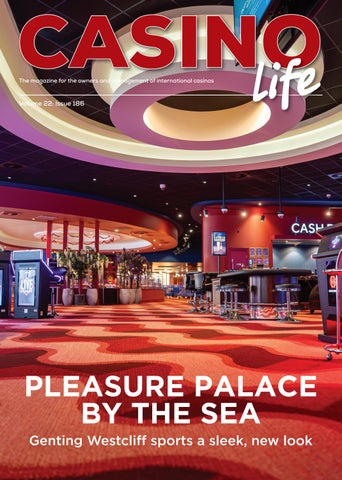
Genting Westcliff sports a sleek, new look







Publisher: Peter White
Tel: +44 (0) 1892 740869
Mob: +44 (0) 7973 273714 peter@outsourcedigitalmedia.com
Editorial:
Editor in Chief : David McKee dmckee@huntingtonpress.com
Editor EMEA: Damien Connelly damien@outsourcedigitalmedia.com
Associate Editor Asia: Bill Healey healeywe@gmail.com
Online iGaming Editor: Mark McGuinness mark@outsourcedigitalmedia.com
Columnist: Raymond Chan ymrchan@hotmail.com
Associate Editor EMEA: Andrew Behan a.behan@librasgroup.com
Las Vegas Correspondent: Ryan Slattery RyanSlats@gmail.com
International Correspondent: Lyudmyla Kyrychenko lyudmyla.kyrychenko@outsource digitalmedia.com
Production:
Designer: Stewart Hyde stewart@de5ign.co.uk www.de5ign.co.uk
Accounts: Helen Holmes accounts@outsourcedigitalmedia.com
IT Director: Pasha Kuzminskiy pasha@outsourcedigitalmedia.com
Currently, subgroups within the gaming industry are butting heads in Maryland. They surely don’t need to.
At issue is SB639, which would legalize ‘historical horse racing machines’ (HHRs) in the Free State. These are parimutuel devices that re-run old horse-racing footage, upon which players bet against each other, not the house.
SB639 is the brainchild of sports book owner Alyse Cohen and a bipartisan group of lawmakers. It’s been tried before and is currently being heard before the Maryland Legislature. It would permit as many as 5,500 HHRs in the state (including in its six casinos), which would be an obvious boon to game manufacturers.

Casinos are less than thrilled. Part of the sticking point is taxation. Cohen’s proposal pegs HHR taxation at 40 percent — less than what most Maryland casinos already pay. They are also fear HHRs at off-track betting parlors would dilute their own winnings.
They’ve got a point. Maryland is a patchwork of casino-tax rates on slot rates, negotiated piecemeal. They’re as low as 42 percent at Rocky Gap Resort and as high as 61 percent at the big boys. A 40 percent impost on HHRs might give the OTBs an unfair advantage.
Proponents says deploying 500 HHRs apiece to 11 sites would generate a tax haul on the order of $200 million a year, helping to prop up the Free State’s horse-racing industry “Maryland horse racing is constantly asking for subsidies. This year it’s $9 million. I believe it’s $7 million in perpetuity,” Cohen told me.
She and her allies are also looking to the OTBs’ bottom line. Cohen says her Long Shot’s book has lost 40 percent of its revenue since online sports betting was incepted in Maryland three years ago. She says, “We’re really at a crossroads. We need to innovate or we need to shut down. So we’re trying to legislate [HHRs] as a means to preserve our businesses.”
But since HHRs are Class II gaming, they’re not much of a lure to the half-dozen Class III casinos in Maryland. Why would players compete against one another on an HHR device when they can beat the house at a slot?
Also, while Maryland casinos are already green-lit for 16,000 slots, only 10,000 have been deployed, suggestive of saturation. Nor do casinos welcome new competition, likening the advent of HHRs as equivalent to opening a new gambling palace on their collective doorstep.
There is clearly room for compromise here. Maybe a higher HHR tax rate would satisfy all. It does not seem that one faction must lose for another to win. As state Sen. Paul Corderman says, “There is definitely interest … It’s just trying to figure out a way that everyone can coexist.”
David McKee Editor


Unless otherwise stated, articles appearing in this publication remain the copyright of the publishers and may not be reproduced in any form without the publisher’s written consent.
They say a good casino visit should leave you feeling a little dazzled and, over the past three and a half months, that’s exactly how I’ve felt. I’ve had the pleasure of visiting some of the United Kingdom’s leading leisure and entertainment casino venues.
My journey began with the launch of the Hippodrome’s Paddy’s Sports Book, a lively new space where sports fans can combine the thrill of betting with the classic casino experience. Think of it as the perfect marriage of chips and goals.
From there, I visited the impressively refurbished Horizon Casino in Leicester Square. A seamless blend of contemporary design and traditional casino elegance makes for a truly welcoming environment.
Next up was the launch of Aristocrat on the Square at the Metropolitan Gaming Empire Casino, also in Leicester Square. It was an excellent example of how big brands can refresh a venue, adding new excitement to the gaming floor without losing the core appeal.
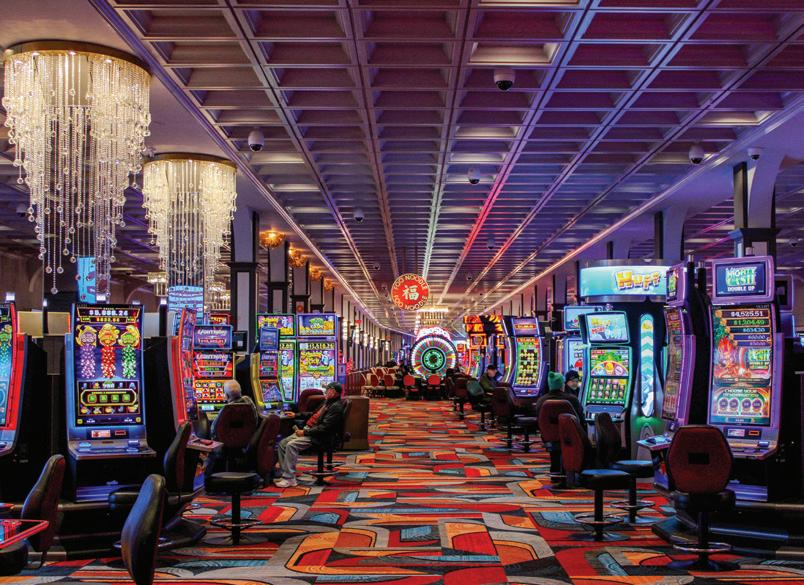
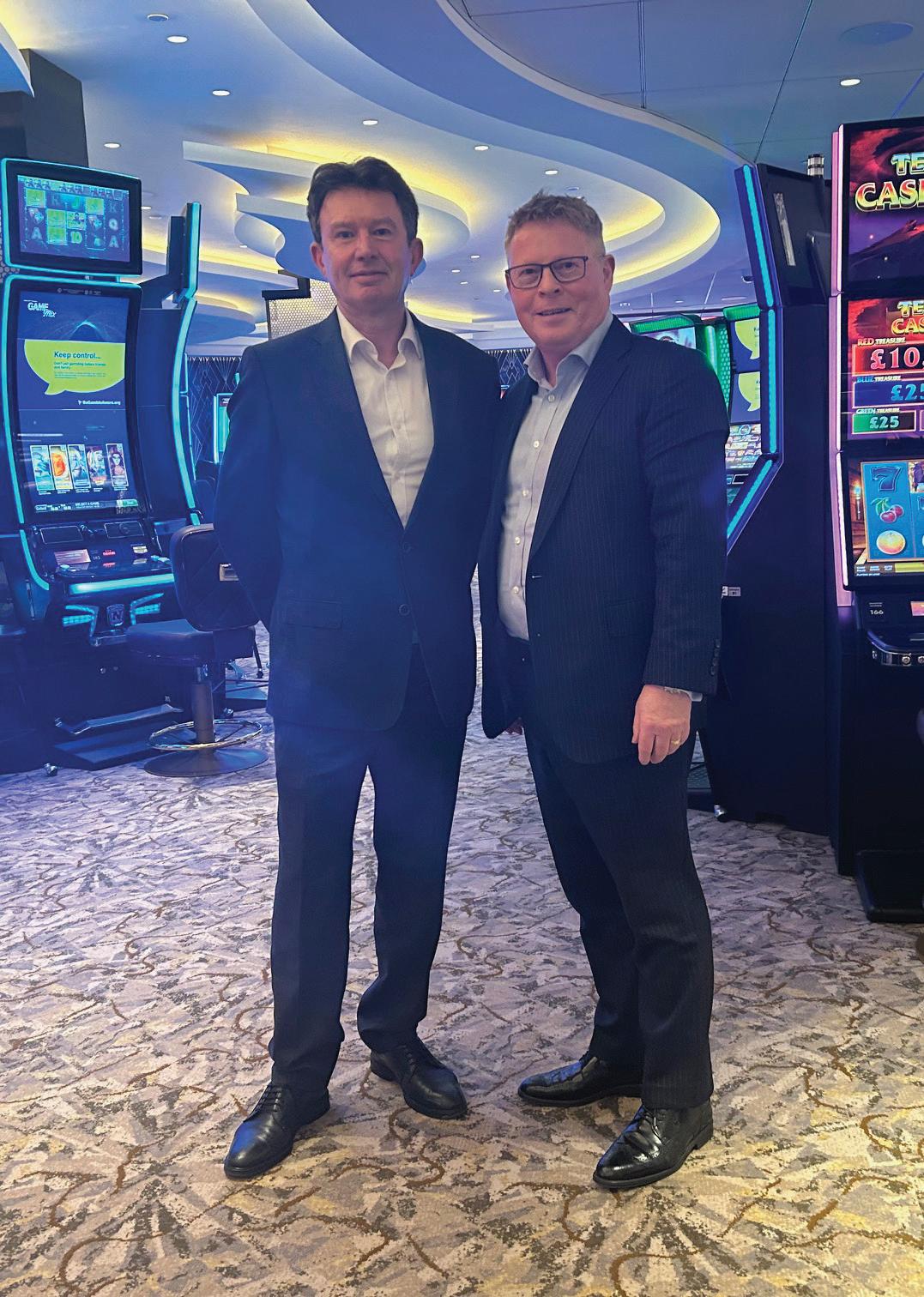
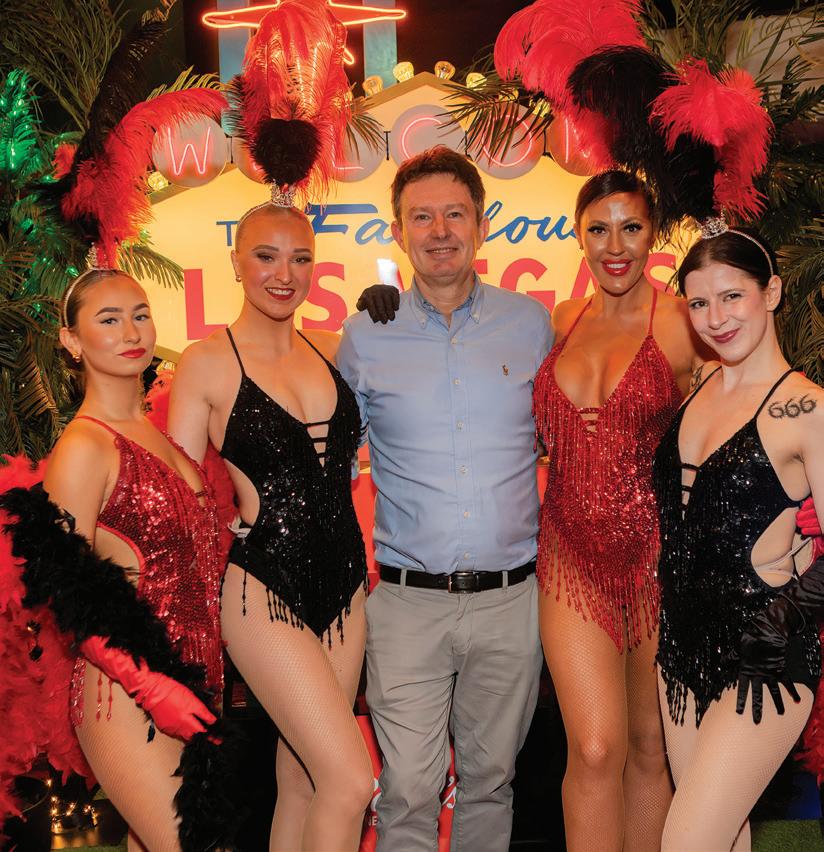
Then I drove down to the refurbished Genting Westcliff Casino in Southend. There, upgraded slot machines and live entertainment confirmed the growing trend of creating multi-faceted destinations that cater to all kinds of visitors.
Heading north up the M1, I attended the opening night of Bally’s Newcastle, a venue that impressively combines cutting-edge gaming technology with vibrant atmosphere.
My final stop was back in London at the Grosvenor Victoria. The venue continues to excel at blending high-quality gaming with top-notch hospitality and entertainment.
Across all these visits, one thing is clear: UK casinos have found the right mix of gaming and entertainment under one roof. Most have expanded their slot machine offerings and, with just one exception, all have integrated sports books seamlessly.
These casinos are proving that it’s about creating experiences. And if that’s not dazzling, I don’t know what is.
Britain’s slot machine expansion examined. By Andrew Tottenham, international gaming consultant
or decades, casinos in Great Britain operating under 1968 Gaming Act licenses have lived with a familiar constraint: no more than 20 gaming machines per license. That ceiling has shaped business models, floor layouts and revenue strategies across the country.
FNow, that long-standing limit is finally shifting.
Under the new allowance, qualifying casinos will be able to operate up to 80 Category B machines, subject to a sliding scale based on gaming area and table numbers. The gambling area must be at least 280 square meters and the total number of machines must not exceed five times the number of gaming tables in use. To reach the full 80-machine entitlement, a casino will require 500 square meters of gaming space.
But before anyone starts measuring floor plans in earnest, the commercial reality deserves closer scrutiny. The key question is not whether operators can install more machines but whether they should Britain is not unusual in the European landscape. Casino slots are already competing in a crowded ecosystem. Compare that with Portugal and France, the two European jurisdictions with the largest number of machines in each casino and some of the strongest casino-slot-performance metrics. Both restrict slot machines to casinos.
The result is a concentration of machine-gaming demand within the casino environment. Britain’s more liberal machine-distribution model inevitably dilutes that concentration. While arcade and pub machines carry lower stakes and prizes than casino B1s, they nonetheless compete for the same leisure pound.
That competitive reality raises an uncomfortable possibility: Simply adding more machines does

not automatically generate more demand. In some venues, it may simply redistribute existing play across a larger estate.
The physical requirements alone may prompt difficult decisions. Not all 1968 Act casinos currently meet the 280-square-meter threshold and fewer still will have 500 square meters readily available. Some operators may need to reconfigure gaming floors. Others may consider relocation. In major metropolitan markets such as London, Birmingham and Manchester, multiple operators are likely to pursue expansion, potentially intensifying competition further.
None of this is to downplay the significance of the reform. Greater flexibility is, in principle, welcome. It provides operators with strategic choice and room to evolve their product mix.
But the new allowance is not a guaranteed windfall. It is an opportunity and, like all opportunities in gaming, its value will ultimately be determined not by regulation but by demand.
The point is not whether the cap has been lifted but who can make it pay.
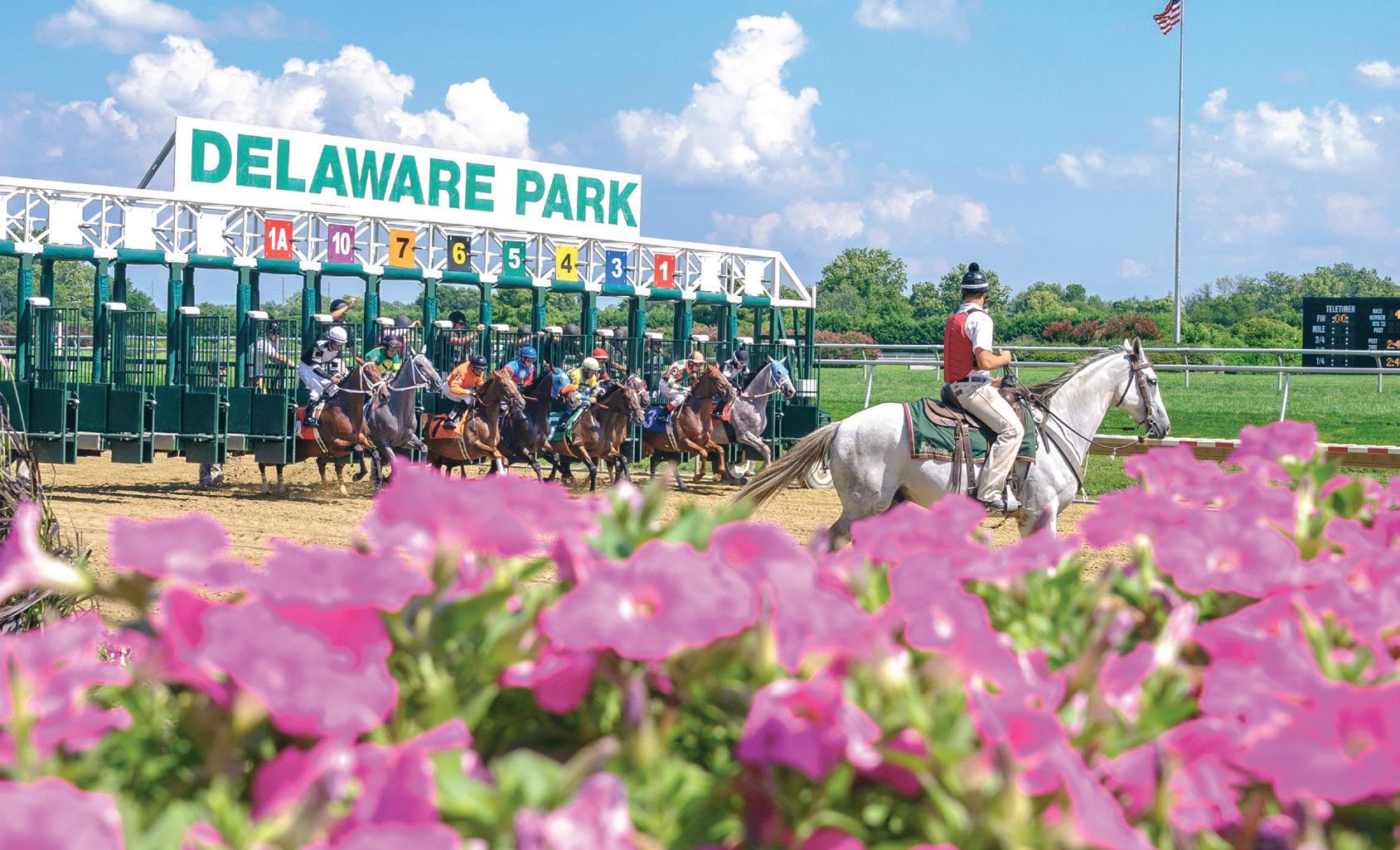
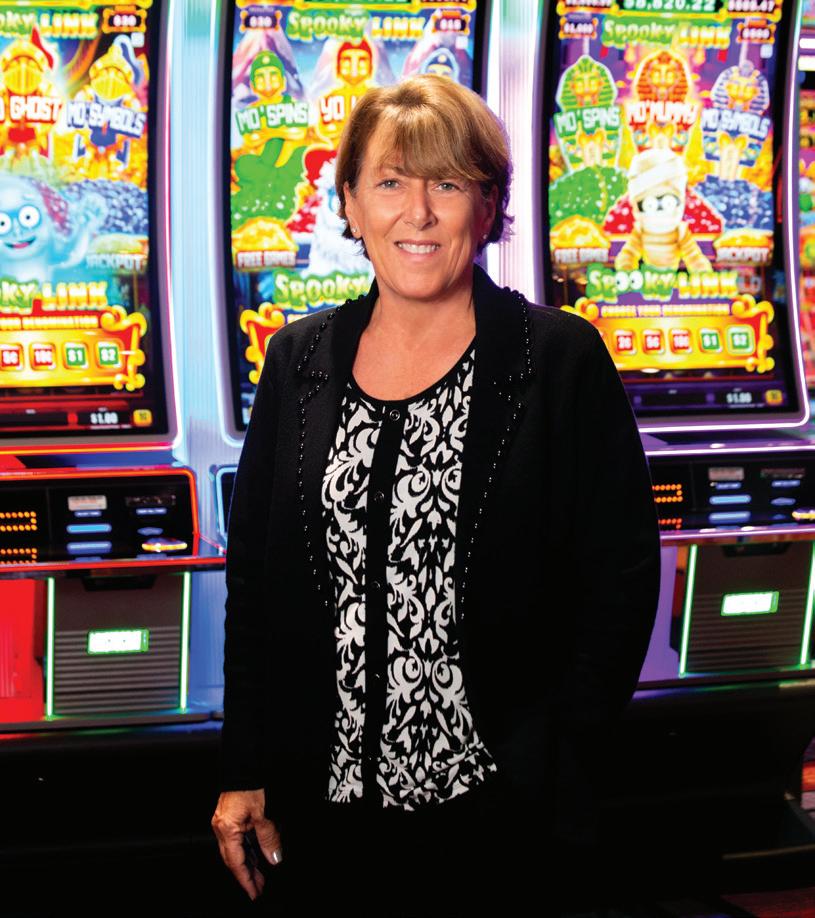
Delaware Park is the very model of a modern racino. President and General Manager Terry Glebocki reveals the strategy behind its success. By Peter White
As regional gaming markets across the United States become increasingly competitive, racinos are being forced to rethink what success really looks like. For properties with deep roots in racing and casino entertainment, the challenge is no longer simply about gambling performance but about delivering a complete, modern experience that keeps guests choosing an inperson visit over an expanding array of digital options.
At Delaware Park Casino, that shift has driven a period of significant reinvestment and strategic evolution. From a multi-million-dollar casino renovation to the introduction of outdoor gaming spaces and expanded operations, the property is redefining how a racino can compete in today’s saturated regional markets.
In this exclusive conversation with Casino Life, Terry Glebocki discusses the changing dynamics of the U.S. gaming sector, the importance of operational precision, and why agility, guest relationships and community roots remain central to Delaware Park’s long-term strategy.
Has the definition of a successful racino changed over the past five years and how has Delaware Park adapted to that shift?
Absolutely. Five years ago, success centered on gaming performance and racing operations. Today, with expanded land-based competition, the rise of iGaming and mobile sports betting stretching entertainment budgets, the environment is far more complex.
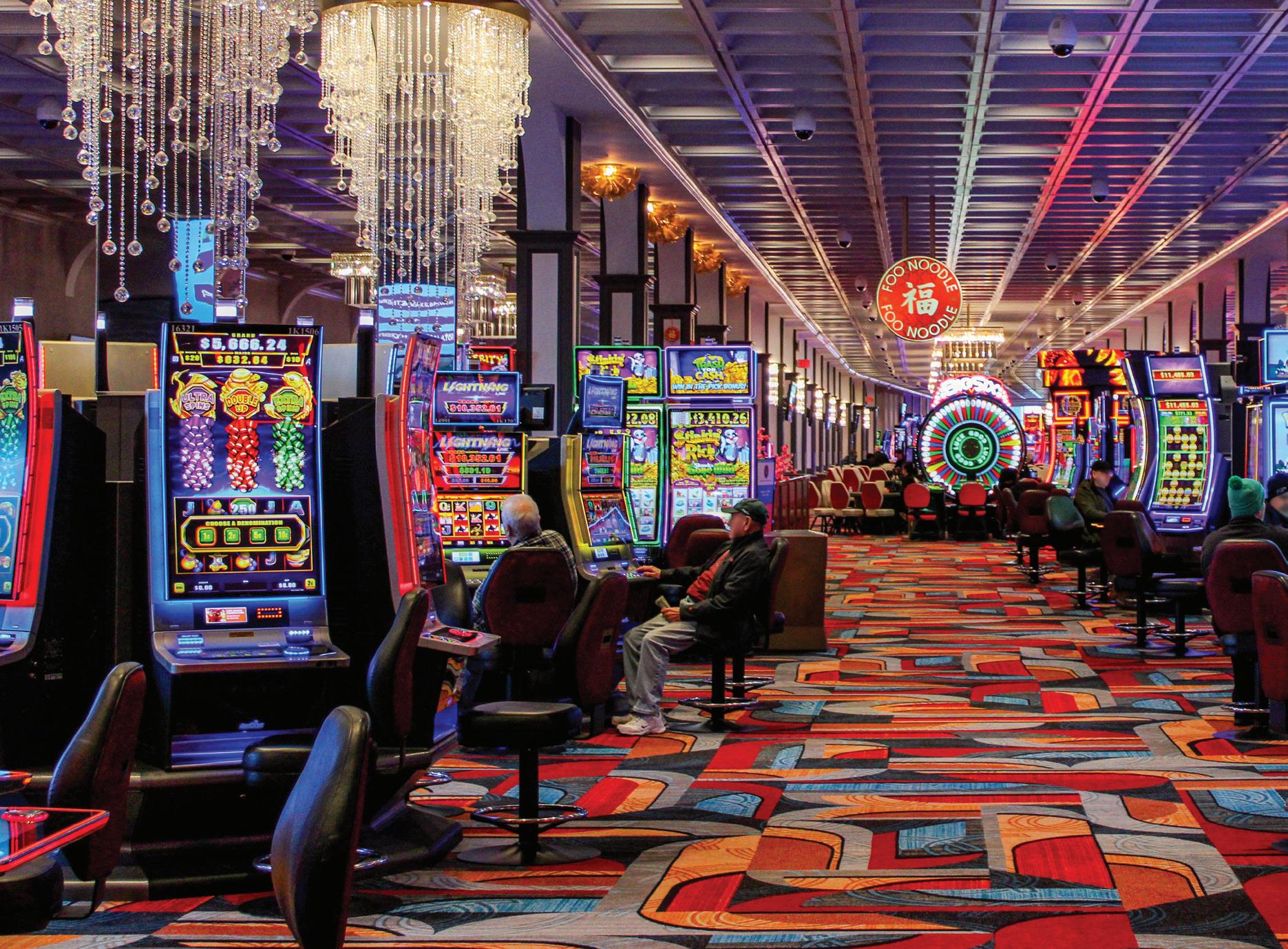
In response to this, we’ve elevated the on-site experience in ways digital channels cannot match. We completed a $10 million renovation of the entire first floor of our casino, modernizing decor, amenities and overall flow to give guests a compelling reason to choose an in-person visit.
We also added a 10,000-square-foot, outdoor, slot patio with more than 250 of the newest slot themes, where smoking is permitted. It allows us to serve guests who prefer a smoking environment while keeping our indoor casino smoke-free, as it has been for more than 20 years.
These investments reflect how “success” has shifted: Racinos must deliver versatility, comfort and a modern entertainment environment while staying true to their core identity.
Regional gaming markets in the U.S. are becoming increasingly saturated. Where does the competitive advantage truly lie today: scale, experience or operational precision?
The advantage comes from the intersection of all three factors. The differentiator is how well a property turns them into guest value. Scale helps if it supports a broader entertainment ecosystem. Experience matters when it’s consistent and emotionally resonant. Operational precision is essential when it enhances the guest experience.
The winners combine these into a seamless, guestfocused model. For us, operational precision has the greatest daily impact: fast lines, friendly service, the right game mix, well-maintained facilities and a team that anticipates needs. Scale can be replicated and experiences can be advertised. But disciplined execution earns loyalty.
Many properties speak about differentiation but few achieve it. How does Delaware Park differ structurally from its competitors?
We operate with the mindset of a nimble regional leader, making decisions quickly and adjusting product mix, amenities, service approach, and
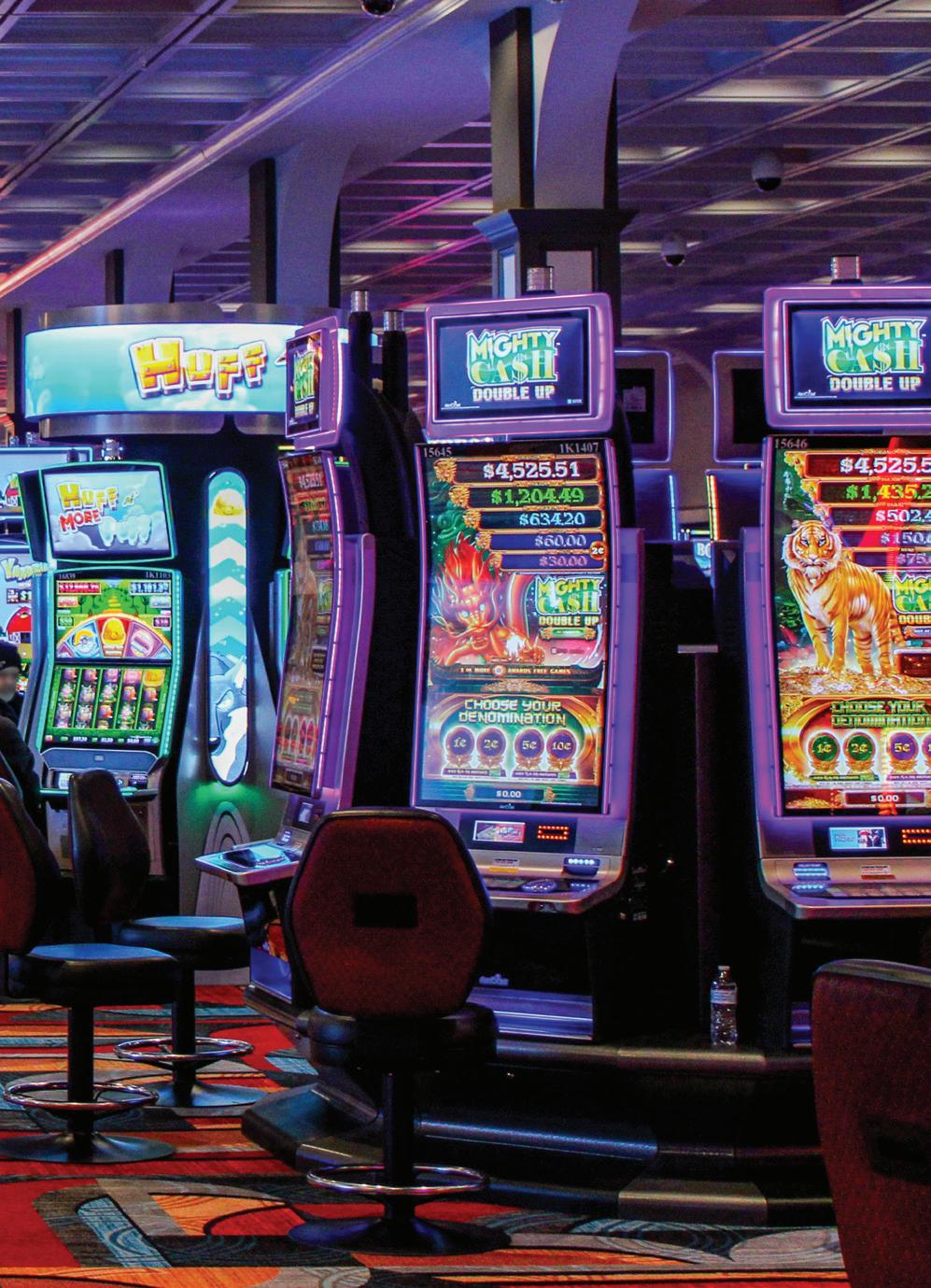
partnerships in real time. This agility is a meaningful advantage.
Continual investment also sets us apart. The property has undergone a multi-year revitalization across the casino floor and dining portfolio. Guests feel the results the moment they walk through the door.
Relationship-driven hospitality is another defining strength. In a close-knit market, knowing our players allows us to tailor offers and experiences based on real data and genuine relationships, rather than through mass-marketing programs.
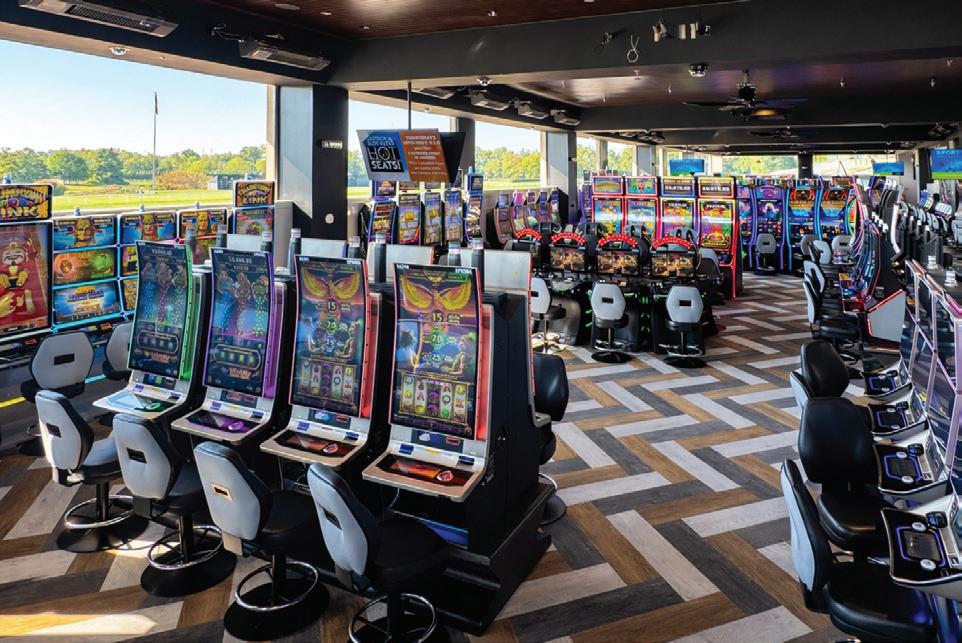
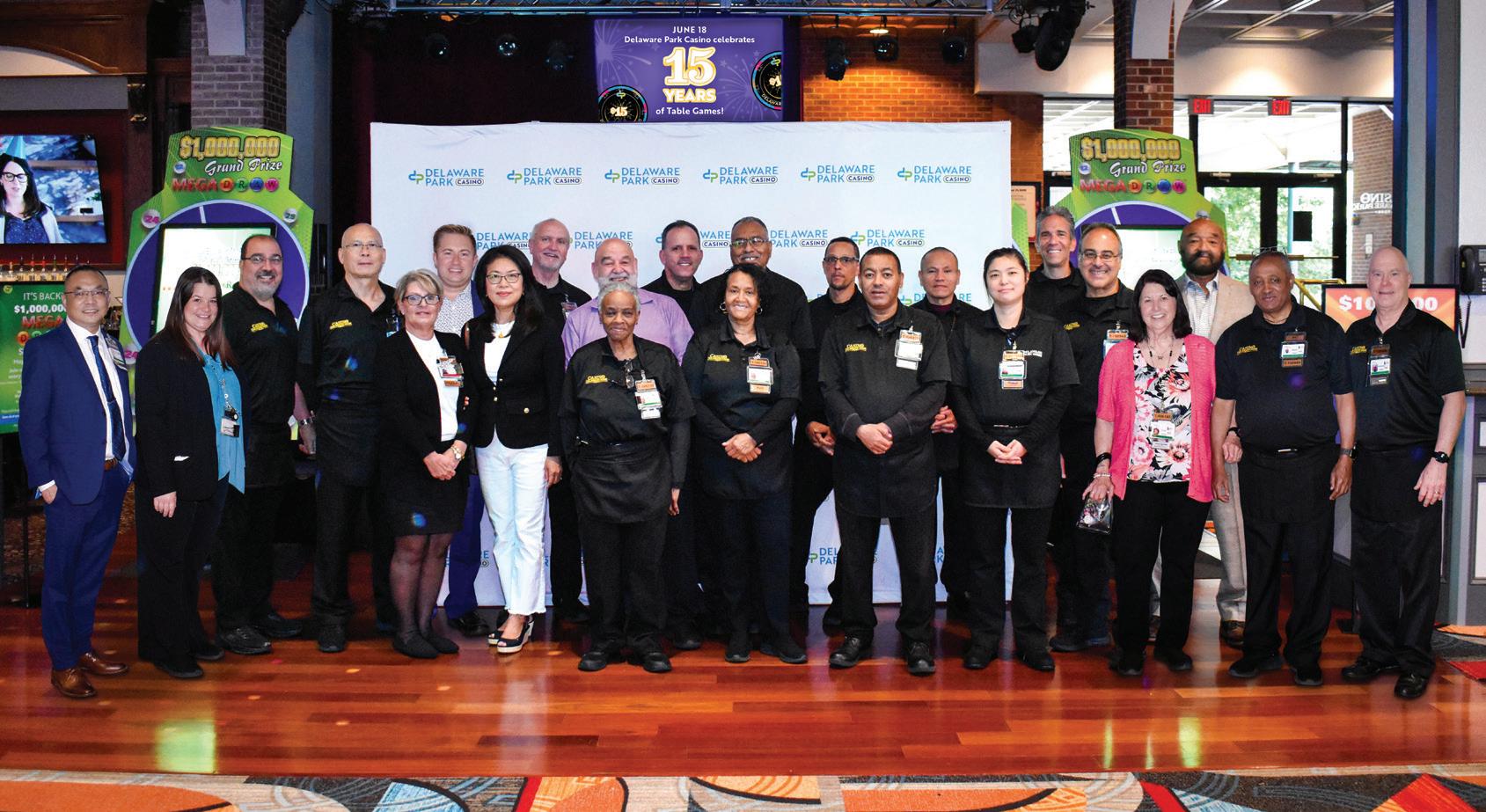
This approach is reinforced by the loyalty and expertise of our long-tenured workforce. When we recently celebrated 15 years of table games at Delaware park, 50 team members who started with us on Day One were still part of the team. Their dedication brings continuity, trust and familiarity that elevate the guest experience. Our structure reinforces these strengths by keeping the organization agile, personal and consistently focused on improving every aspect of the guest experience.
Do you see regional destination properties becoming more specialized in their offerings or more diversified as entertainment hubs?
Regional properties are moving toward broader entertainment mixes, since guests want dining, sports viewing and social experiences in addition to gaming. Diversification works best when a property stays rooted in what it does best.
For Delaware Park, that means leading with gaming, hospitality and racing, then adding the right complements. Events like Parktoberfest and the Festival of Lights bring energy to the property and give guests more reasons to stay longer, without attempting to be something we are not.
The future is balance: Diversify thoughtfully while staying anchored in core strengths.
The expansion of outdoor gaming, and 24/7 table and slot play reflects confidence in sustained demand. What data or behavioral signals gave you the conviction to invest at that scale?
We watched guest behavior, tracked the competitive landscape and leaned into the momentum created by our recent upgrades. Reduced hours made sense during the ownership transition and construction. Once the work was complete, late-night slot demand and guest feedback clearly pointed us back to full operations. Restoring 24/7 slot play validated the move and building the table-games team extended the same experience to the pit.
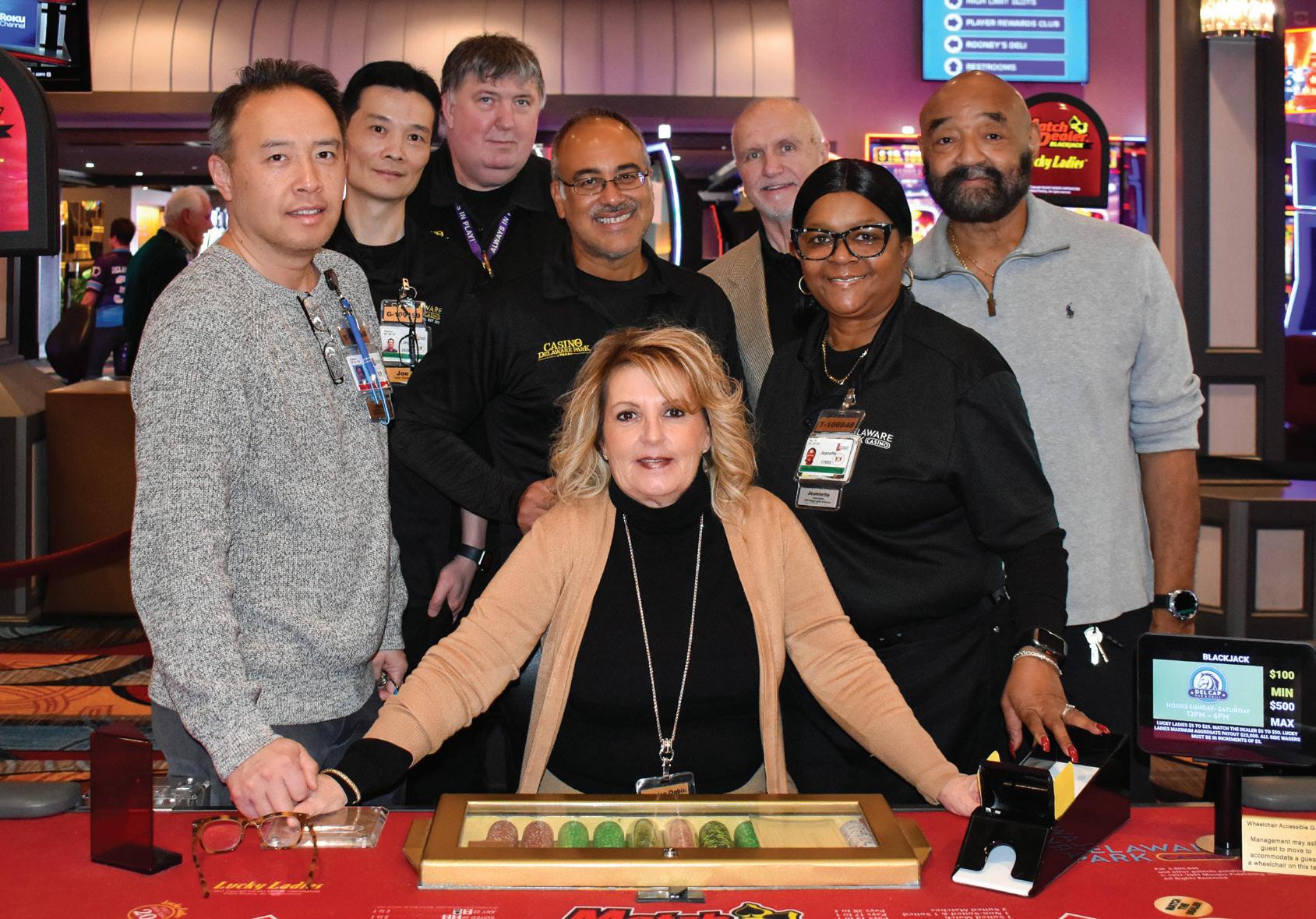
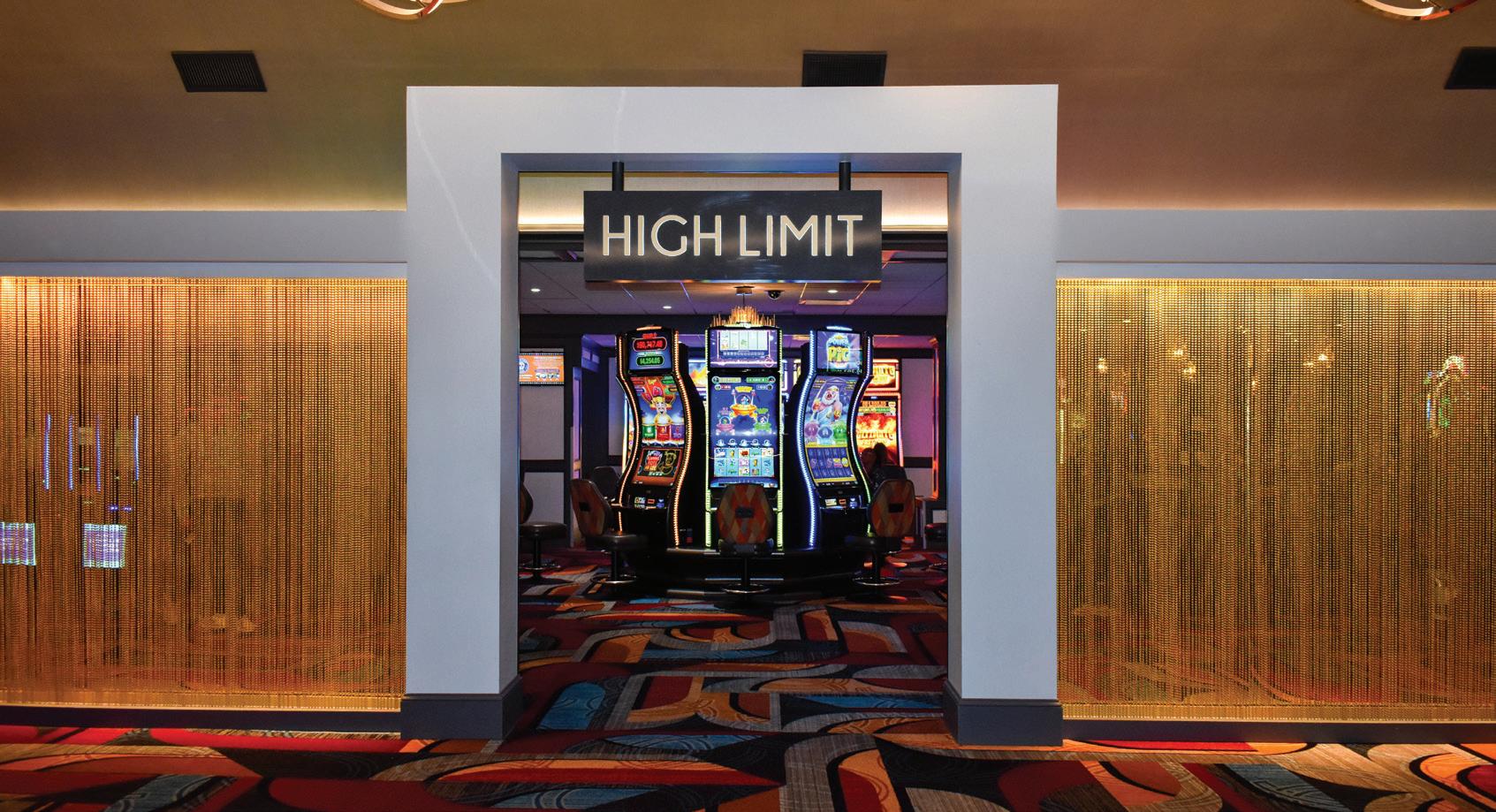
The outdoor slot patio addressed a different need. Competitors in neighboring states allow indoor smoking, while in Delaware we have been smoke-free indoors since 2002. The new, 10,000-square-foot, open-air patio meets that demand while preserving our smoke-free indoor environment.
These were timely responses to meet demand and adapt to competitive realities. Enhancements like this position us well for continued growth.
Are you seeing a generational shift in how players engage with gaming floors? What operational adjustments have you made?
Younger guests visit more frequently but for shorter periods and they want experiences that combine gaming, socialization, and convenience. Longtime, core players still value comfort, familiarity and personal relationships with the team.
Our response is to serve both well: a fresher slot mix; a contemporary look and feel; more open social spaces across the floor; and faster, moreseamless service throughout the property. The shift is not away from gaming but toward gaming as part of a broader night out.
To what extent are large jackpot wins still a meaningful driver of visitation versus broader entertainment value?
Large jackpots still matter. They create excitement and great stories. The change is that jackpots alone do not sustain visitation. Guests want a complete experience: a modern, comfortable atmosphere; an engaging slot mix; appealing dining; and consistent, personal service. Jackpots attract attention, while the overall experience creates loyalty.
That’s why we invested in upgrades throughout the property and expanded to 24-hour operations: to ensure that guests are enjoying themselves before, during and after the big moments.
How do you balance capital investment between visible, guest-facing enhancements and behind-thescenes operational technology?
With discipline and intention. The guest experience begins at the door. It’s supported by systems and infrastructure that guests never see. We invest in visible enhancements that elevate the visit. We also invest in technology and core systems that drive reliability, efficiency and consistency. The balance is simple: Make improvements guests can feel today while strengthening the foundation for tomorrow.
In the current economic climate, what defines a “smart” gaming investment versus an attractive but risky one?
A smart investment delivers clear value, supports longterm competitiveness and aligns with demonstrated guest demand. For us, that means visible improvements to the guest experience, measurable revenue or efficiency gains, greater flexibility to adapt and stronger operational reliability. Our recent renovation and the outdoor slot patio meet that standard.
Risky investments look exciting on paper but lack proven demand. They might add long-term costs without a clear return. Or they might distract from what guests value most. This is a time for focus, not fads.
Community engagement is often discussed in broad terms. How do you measure its tangible impact on long-term brand trust and loyalty?
For us, community engagement is a long-term strategy that strengthens relationships and trust. We serve a highly frequent, very local guest base. We’ve been part of this community for 90 years, first as a racetrack, and now as a combined casino and racetrack. Guests notice how we show up and how we connect with our neighbors. We support a different charitable organization every single month. When we invest in local organizations, sponsor events and partner with nearby businesses, it creates shared pride and loyalty. Loyalty to our community shows we’re invested in
more than just the business. We’re invested in the people and neighborhoods around us. When the community wins, the brand wins.
As gaming expands across more jurisdictions, how important is regional identity in maintaining relevance with local audiences?
It’s critical. When guests feel understood on a personal level, we maintain relevance. Regional identity means knowing how our guests like to spend their time and what makes them comfortable. It means creating an atmosphere that feels like home. It also guides decisions about game mix, amenities and updates that matter most to the people we see every day. Staying true to who we are keeps Delaware Park grounded, relevant and welcoming.
If you could challenge one widely held assumption about regional casinos, what would it be and why?
The idea that regional casinos succeed only because they’re close to home. Proximity may start the relationship, but familiarity, comfort and personal connection sustain it. Our guests visit because they know the atmosphere, the team and the experience they will have. Regional properties can create genuinely welcoming environments where people choose to spend their time because they enjoy the experience.
Responsible gaming is increasingly central to operational strategy. How has that priority influenced decision making at a leadership level?
It’s a core part of how we operate, not just a compliance requirement. Responsible gaming influences decisions about communication, offers, game placement and team training. Our goal is to create an environment where guests enjoy themselves safely and where our staff feels confident supporting them when needed.
We also view responsible gaming as part of being a good neighbor. Proactive, supportive and accessible practices help maintain the trust we have built over decades.
What structural change in the U.S. gaming sector do you believe operators are still underestimating? Labor dynamics. The traditional model of large teams,
specialized roles and reliable labor pools is not returning. The hospitality labor pool is smaller and more competitive. Employees expect clearer growth paths, better balance and modern work environments. Cross-training and flexibility matter more than rigid staffing models. This affects scheduling, training, service delivery, recruiting, retention, and even floor design and department structure.
We have adapted by rethinking staffing and investing in culture, communication and flexibility. A strong, stable workforce directly supports the guest experience and long-term performance.
How should operators think about resilience in a market shaped by economic cycles and evolving regulation?
Resilience is responsiveness, not resignation. If targets are not met, we adjust by revising promotional strategies, reevaluating product mix and ensuring accountability throughout the process. Delaware Park’s advantage is nimbleness. Without long decision cycles, we can pivot quickly when the market shifts.
Economic and regulatory changes are constant. The question is whether you treat them as excuses or as signals. We choose signals. They help us sharpen the operation, not slow it down.
What leadership lesson has the past year reinforced most strongly for you?
Stay close to the business every day. The best
decisions come from seeing what’s happening on the floor by interacting with the team and with our guests in real time. Move with intention. Don’t wait for perfect information. Communicate clearly and act. Trust the team. When people are supported and empowered, they respond with accountability and ownership that transfers to the guest experience.
How is technology shaping operational efficiency and the guest journey across the property?
Technology helps us remove friction for guests and complexity for teams. Operationally, we use systems and reporting to improve reliability, speed up decision making, and align staffing with demand. For guests, we focus on faster service, clearer information, and simple, consistent interactions from arrival to departure. The goal is straightforward: more time enjoying the property and less time waiting or wondering.
Looking ahead, what single development would most accelerate Delaware Park’s strategic trajectory?
A development that expands guest choice and extends time on property, whether through additional gaming options or as an amenity that broadens the entertainment mix. The real accelerator is the opportunity to give guests more reasons to choose Delaware Park, paired with our ability to execute quickly.
What does success look like for Delaware Park over the next five years?
Success over the next five years means delivering a consistently strong experience for our guests and a consistently strong operation behind it. For us, this includes a stable and engaged team, continued growth in market share and a racing program that complements the casino in a meaningful way. It also means staying disciplined with capital, investing where it genuinely improves the visit and maintaining the nimbleness that allows us to respond quickly to shifts in the market.
If you had to summarize Delaware Park’s philosophy in one sentence, what would it be?
Our philosophy is simple: Listen to our guests, invest in what matters and always move forward.
When industry observers look back at this period of Delaware Park’s evolution, what do you hope they will identify as the defining decision?
Ownership’s confidence in this market and their commitment to continually invest in the property. That belief has allowed us to modernize with purpose. It has given the team the tools to move faster and set the foundation for the next decade of growth.
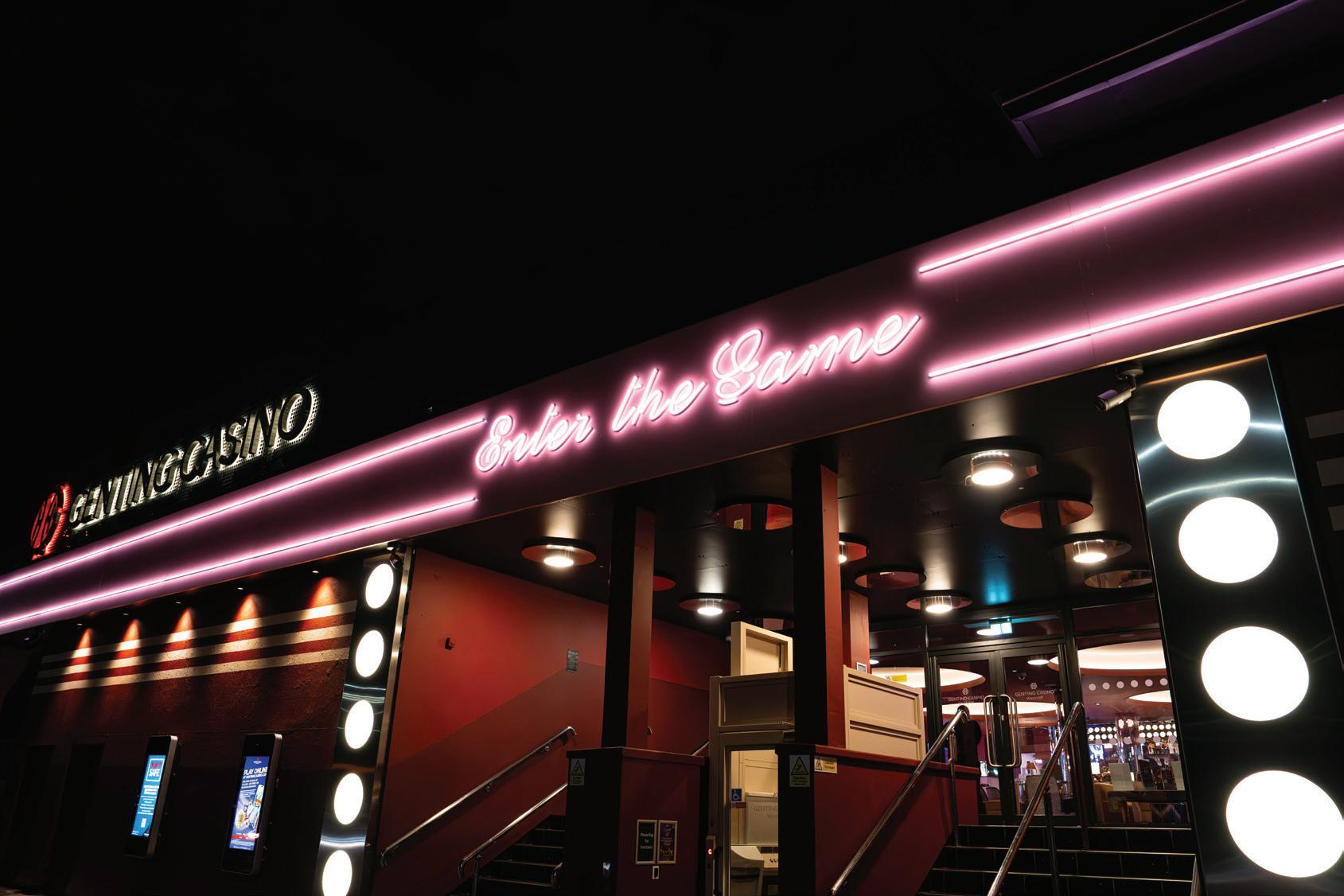
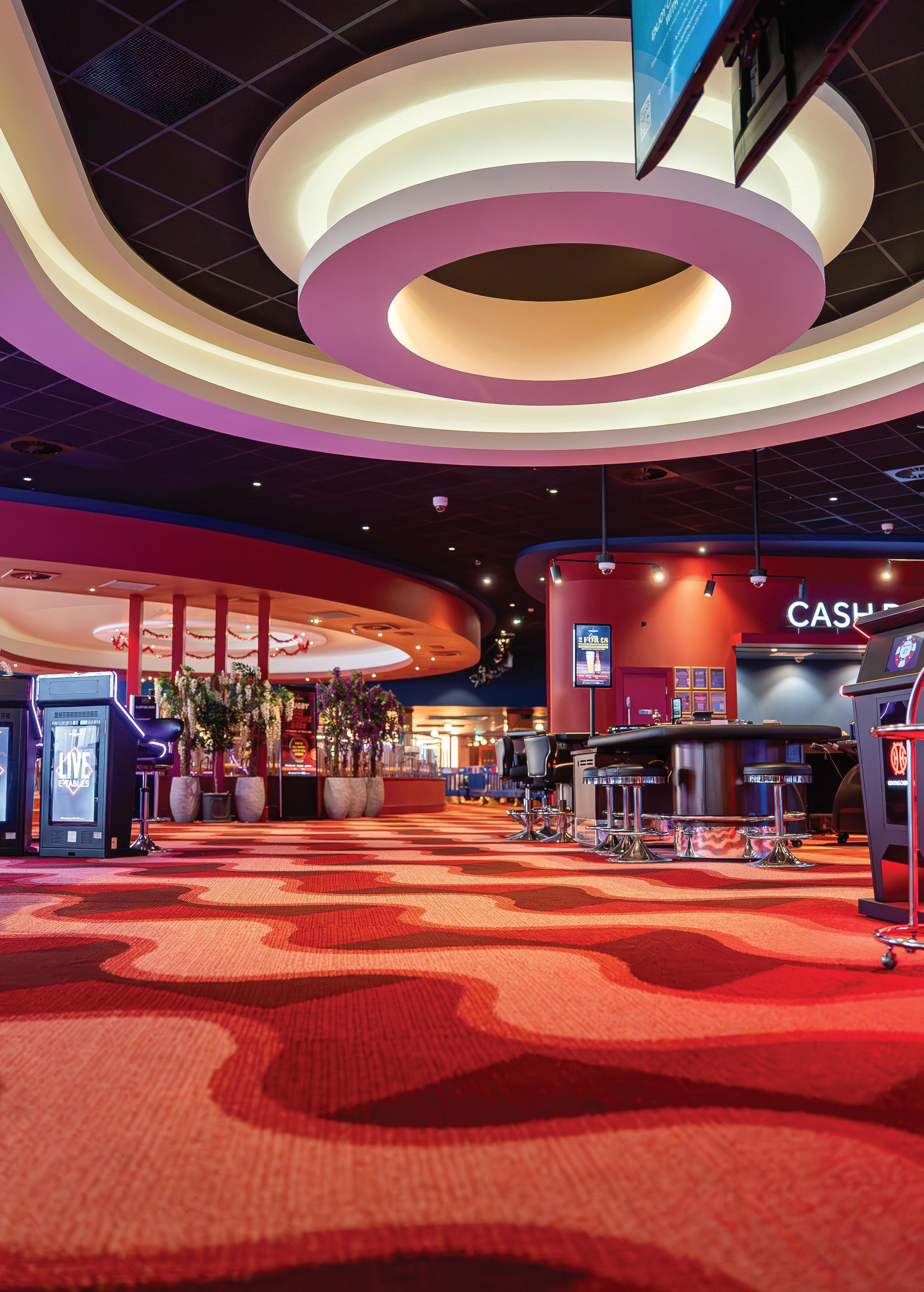
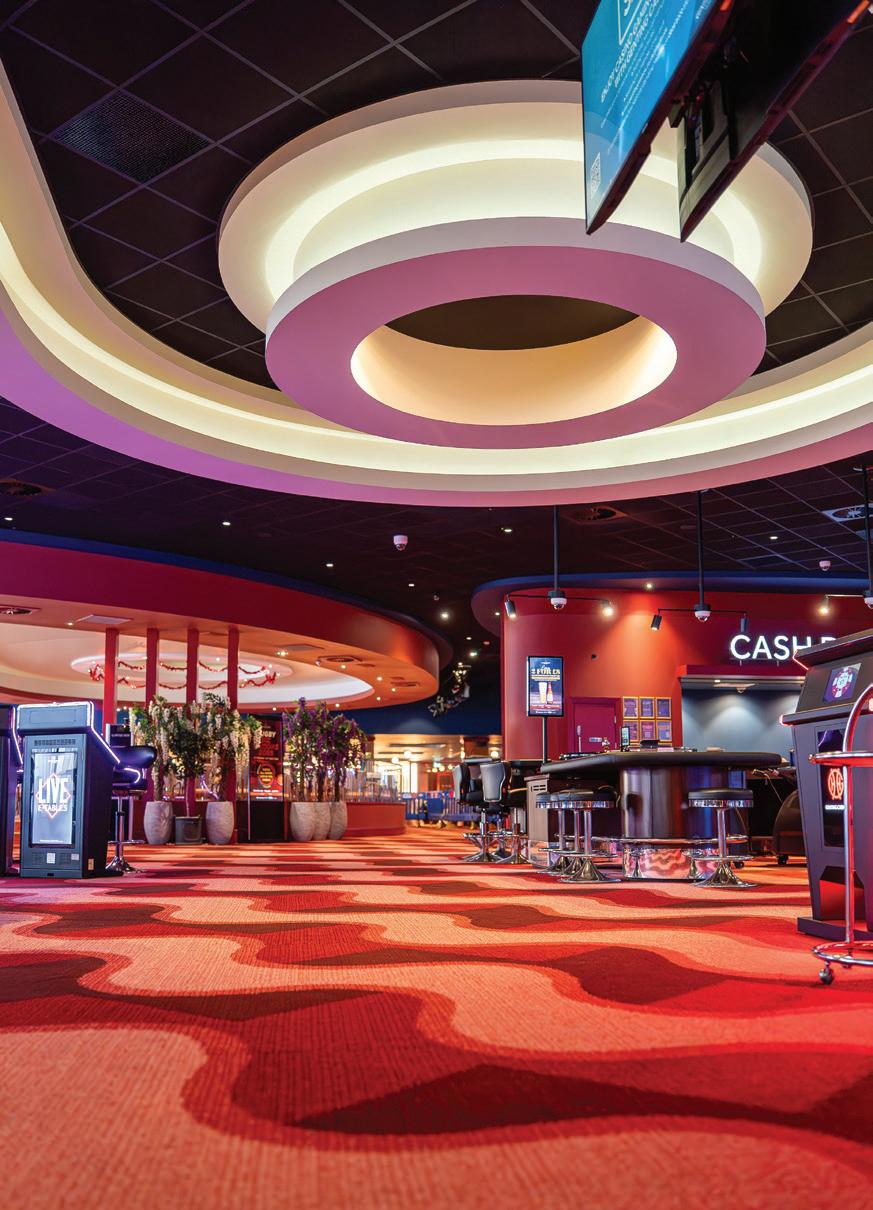
outhend-on-Sea isn’t the first name that comes to mind, perhaps, when thinking of casino destinations. But it’s the home of Genting Casino Westcliff, which looks out on the River Thames from the city’s Western Esplanade. Fifty years ago, it took the place of an outdoor swiming pool and originally operated under the aegis of Brent Walker. Eventually, Genting UK snapped it up for £30 million and hasn’t looked back.
Well, there has been one hiccup. In November 2023, reinforced autoclaved aerated concrete, or RAAC, was discovered in the building, which descends three floors underground. This forced a temporary closure and gave Genting reason to revamp the casino. Casino Life Publisher Peter White visited with Stuart Green, general manager of Genting Westcliff, to learn about the property’s new lease on life.
Can you give us a brief overview of the history and significance of Genting Casino Westcliff within the local entertainment scene?
Genting Casino Westcliff has long been an integral part of the local entertainment landscape. It has been serving not just as a gaming venue but also as a vibrant social hub that contributes to the cultural fabric of the area. Westcliff has always adapted to meet the evolving tastes and preferences of its visitors, solidifying its status as a landmark destination on the Essex coast.
Its significance lies not only in its longevity but also in its ability to reinvent itself over the years – whether that is through hosting live music events, themed evenings or charity fundraisers. It remains a central gathering place for community engagement. This adaptability is a core reason why it has continued to thrive. By consistently refreshing its offerings, the casino has shown a commitment to maintaining a
lively atmosphere where memorable experiences are created, making it a cherished part of local nightlife.
How does Westcliff differ in personality and customer base compared to other venues in the Genting portfolio?
Each casino in the Genting portfolio has its unique character and charm, and Genting Casino Westcliff stands out for its intimate yet vibrant personality. It is significantly shaped by its local community, fostering a strong sense of familiarity and ownership among guests who may visit regularly. This “big but small” atmosphere creates a welcoming environment where guests feel like they are part of a close-knit community.
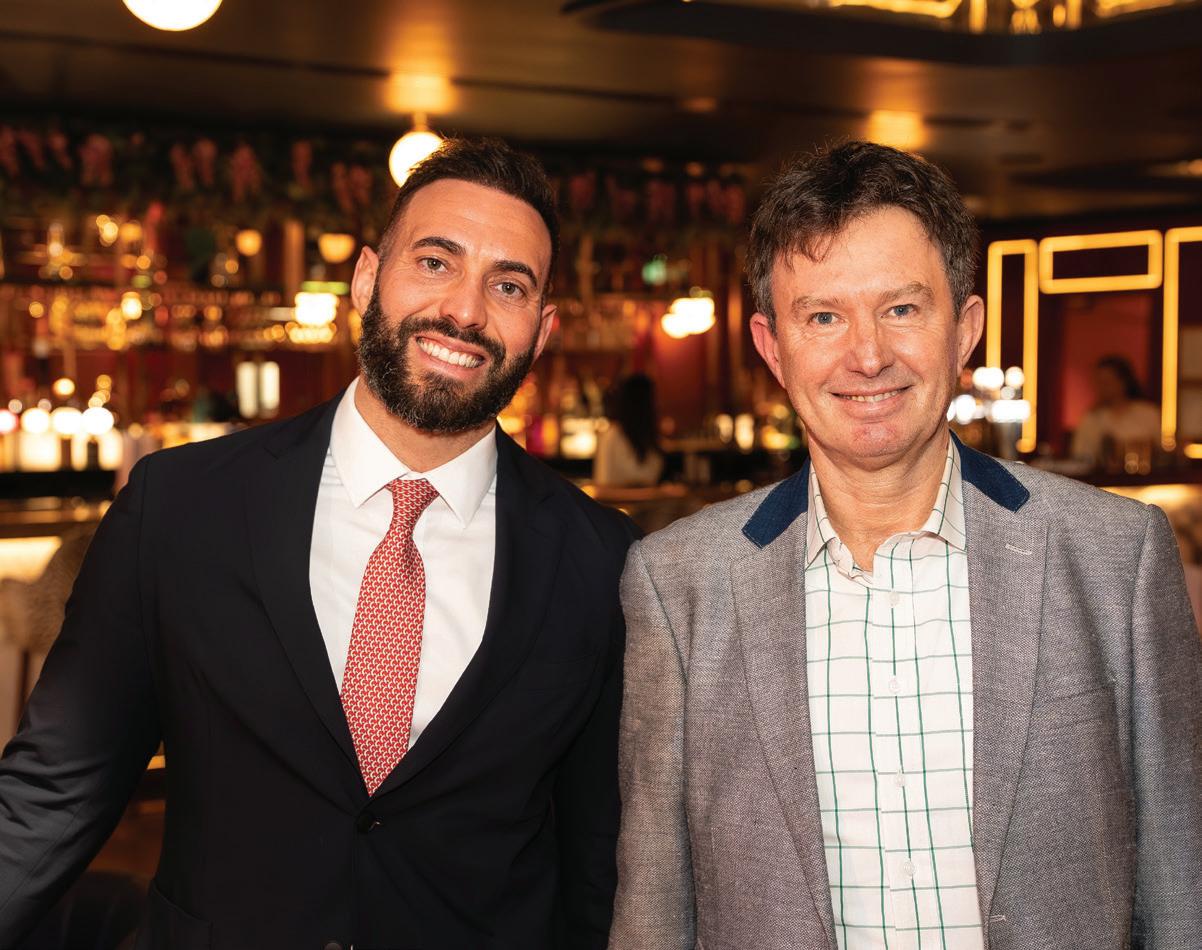
The casino appeals to a diverse customer base, from local residents to visitors seeking a new experience. The warmth and welcoming nature of Westcliff’s environment cultivate lasting relationships between the venue and its guests.
At what point did the restoration project evolve from a structural repair into a full transformation? Initially, the restoration work was solely prompted by the discovery of RAAC in the roof, which required urgent attention. However, as the project progressed, it became clear that there was a unique opportunity to think beyond just structural repairs. The vision evolved and we realized we wanted to return with more than just a new roof. We aimed to provide an improved atmosphere for our customers.
This project became a chance to give back to the community by enhancing the casino’s offerings and facilities. By embracing this broader vision, we could ensure that the venue was not just a repaired space but a revitalized destination that reflects the pulse of local life.
What were some of the biggest challenges during the restoration process?
One of the primary challenges was continuing to operate the casino throughout the refurbishment and roof repairs, particularly managing the roof replacement in two phases. It was crucial for us to maintain the exceptional customer experience that
Westcliff is known for, even amid significant disruption. The project and operational teams navigated numerous challenges throughout the project, but we worked so well as a team to work through them all. We genuinely appreciated our loyal customers during this time. Their patience and understanding played a vital role in enabling us to successfully overcome obstacles, and to keep the atmosphere welcoming and engaging throughout the renovation process.
Were there particular design principles guiding the refurbishment?
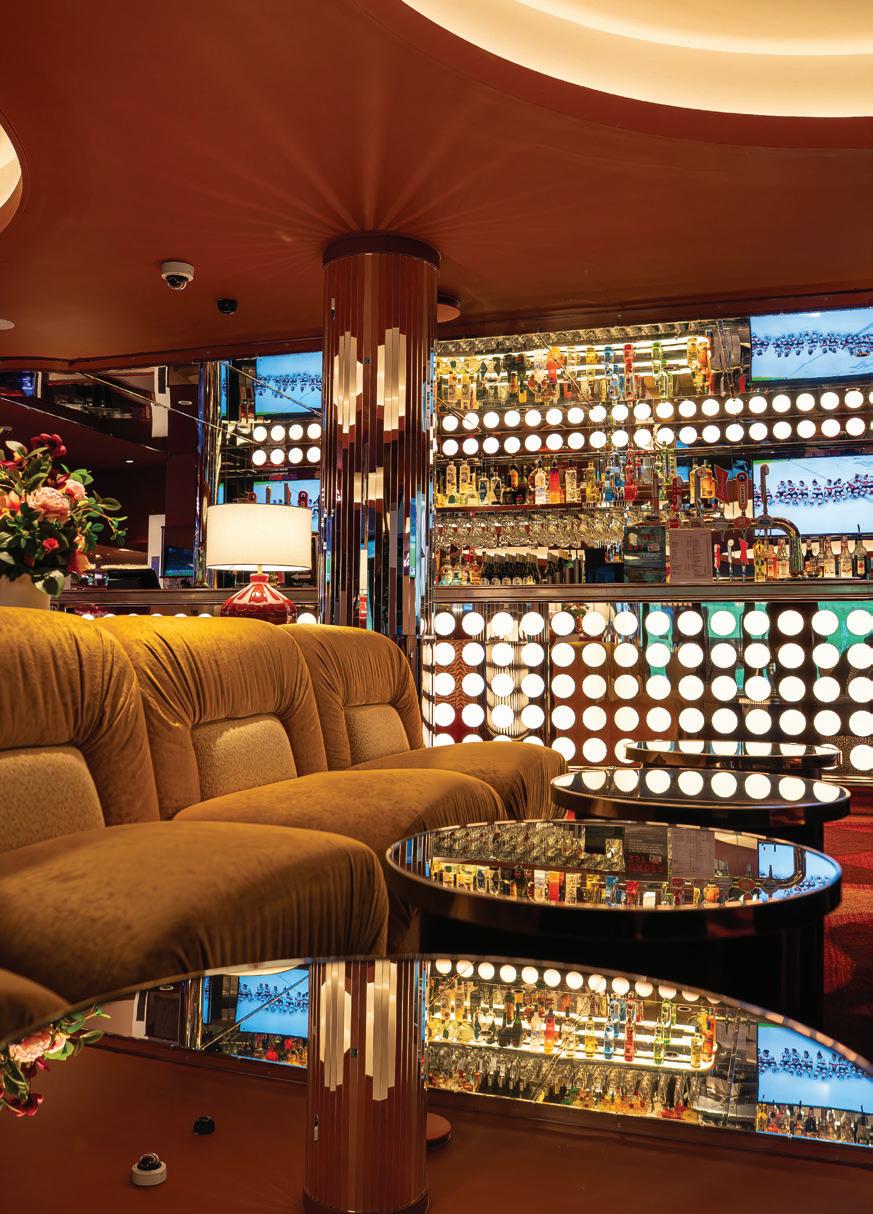
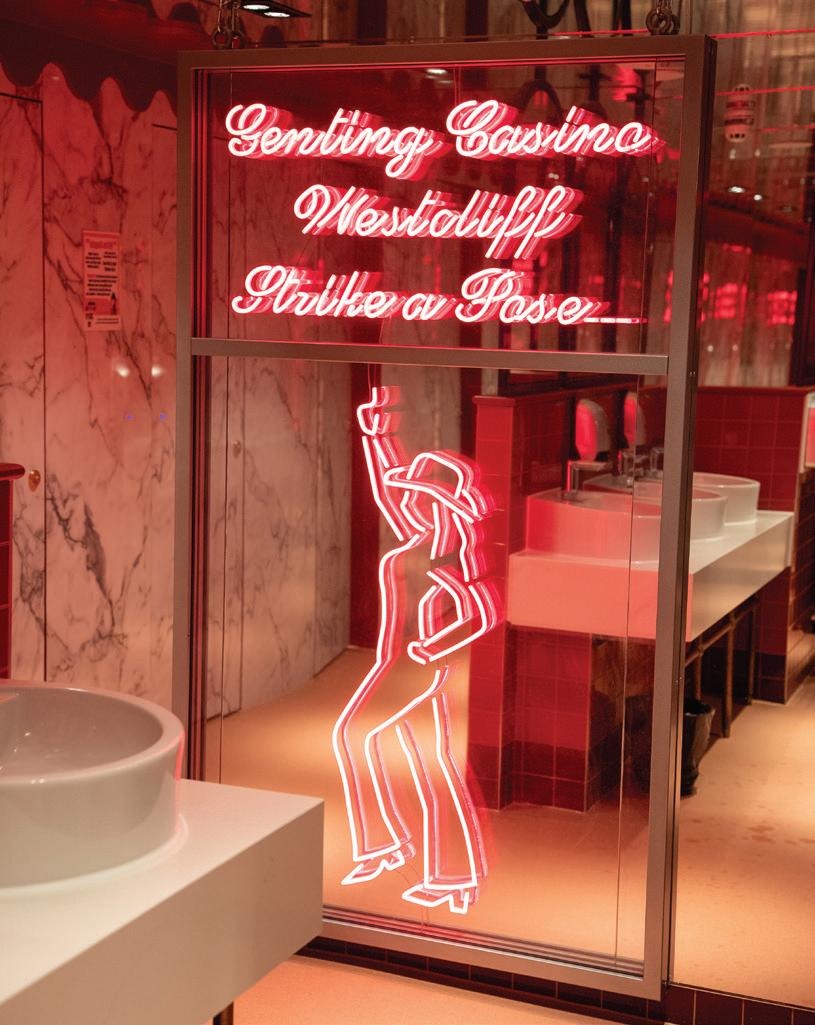
Once we recognized the structural issues with RAAC, it opened up an exciting pathway for investment in the overall business. We all collaborated closely with our designers to ensure that we could elevate the destination while remaining true to the unique essence of Westcliff. Our approach took into account the local community and its aesthetics, ensuring that the design was both modern and sympathetic to our neighbors. The end result is an elevated environment that showcases the very best of what Westcliff has to offer, combining elements of modernity with a nod to its rich heritage.
How closely involved were you personally in shaping the new look and feel of the casino?
The exec team, our teams and the designers all worked together on this project. We aimed for

something distinctive, recognizing that our location allowed us to push boundaries. I enjoyed being a part of such a significant investment; it was not just about enhancing the physical space but also about creating an environment that resonates with our guests on a personal level, reinforcing the unique character of Genting Casino Westcliff.
How has the mix of gaming been rebalanced between electronic gaming and traditional table games with the new gaming floor?
Recent changes in licensing have permitted the introduction of additional slot machines, allowing us to further enhance the gaming experience at Westcliff. The increased number of machines has improved customer satisfaction by meeting the demand for greater access, thus reducing wait times for customers.
At the same time, we remain committed to offering traditional table games, which play a crucial role in delivering a varied and rich gaming experience. Many customers still value the theatre of live gaming and we have structured our offerings to ensure that everyone – whether they’re drawn to electronic games or the classic table experience – feels catered to.
How important are gaming machines in attracting a broader and younger customer demographic today?
Many of our customers now include gaming machines as a feature of their night out. Westcliff has always been a destination that attracts a diverse group of customers. Younger customers appreciate the casino because of its atmosphere. The fact that we provide entertainment that caters to a wider spectrum of preferences, ensuring that everyone can find something they enjoy. This includes not only gaming machines and traditional table games, but also the overall social environment. It’s a place where people can relax, socialize and engage in a variety of activities. The general atmosphere is lively and welcoming, making it appealing, whether guests come for the thrill of gaming or simply to enjoy a fun night out with friends.
Importantly, our approach does not focus solely on prioritizing a younger demographic. Instead, we strive to create an environment that appeals to a broad range of ages and backgrounds. By doing so, we ensure that Westcliff remains a vibrant and engaging venue for all, regardless of age or experience of gaming. Our commitment is to deliver an experience where everyone feels included and valued, reinforcing our reputation as an entertainment destination that truly has something for everyone.
Beyond gaming, what role does the refreshed restaurant and hospitality offering play in positioning Westcliff as a full entertainment destination?
Hospitality is truly at the heart of the Westcliff experience and we’ve certainly felt its absence. With the unveiling of our refreshed restaurant, we are excited to operate at our fullest potential again. Our guests have always deeply appreciated the hospitality aspect of their visits, which complements the shows we host and enhances their overall night out. The varied party groups we see on any given night reflect our aim as a destination venue, where everyone can find enjoyment under one roof.
Are there any standout design features or areas of the venue that you think will surprise returning guests?
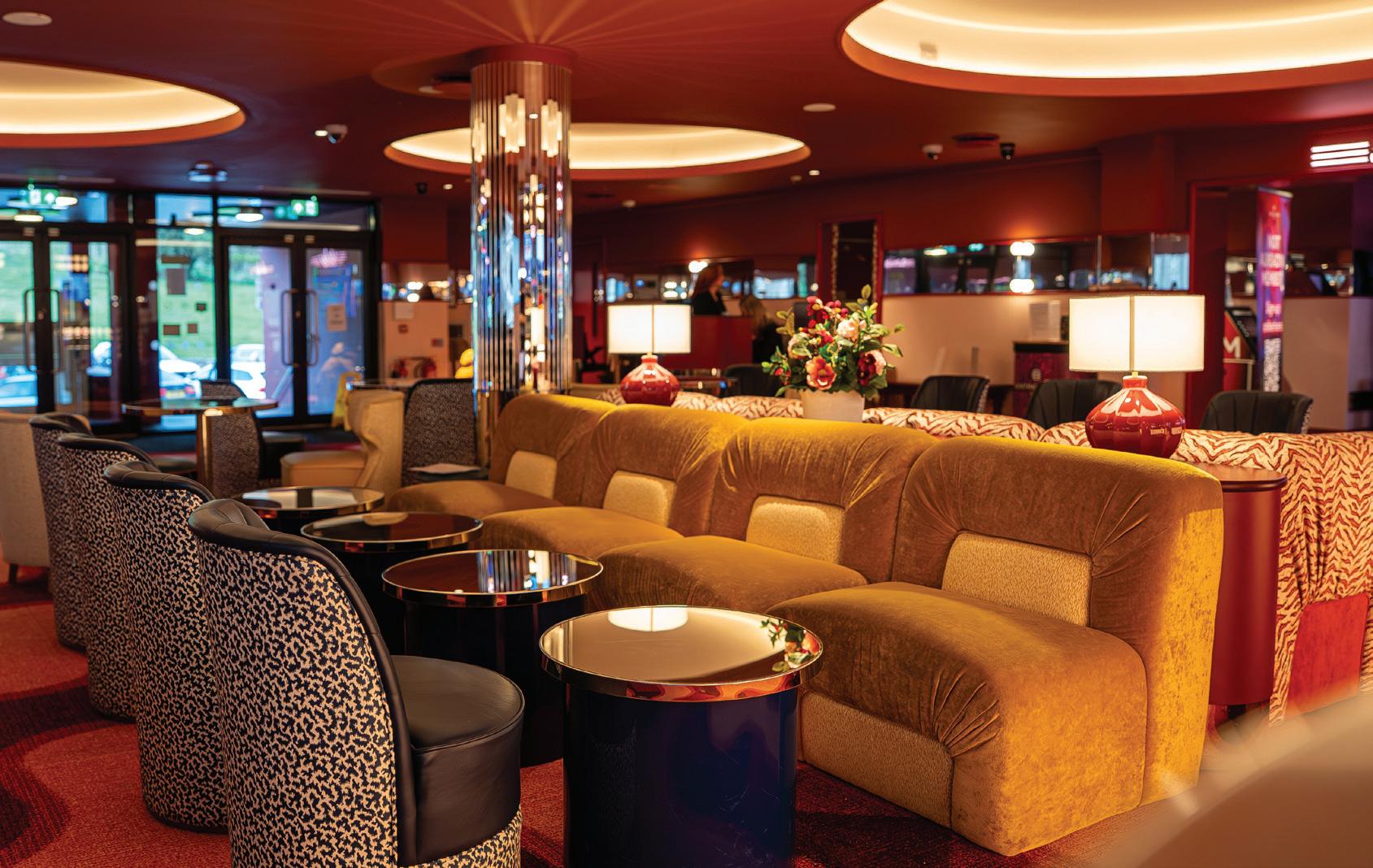
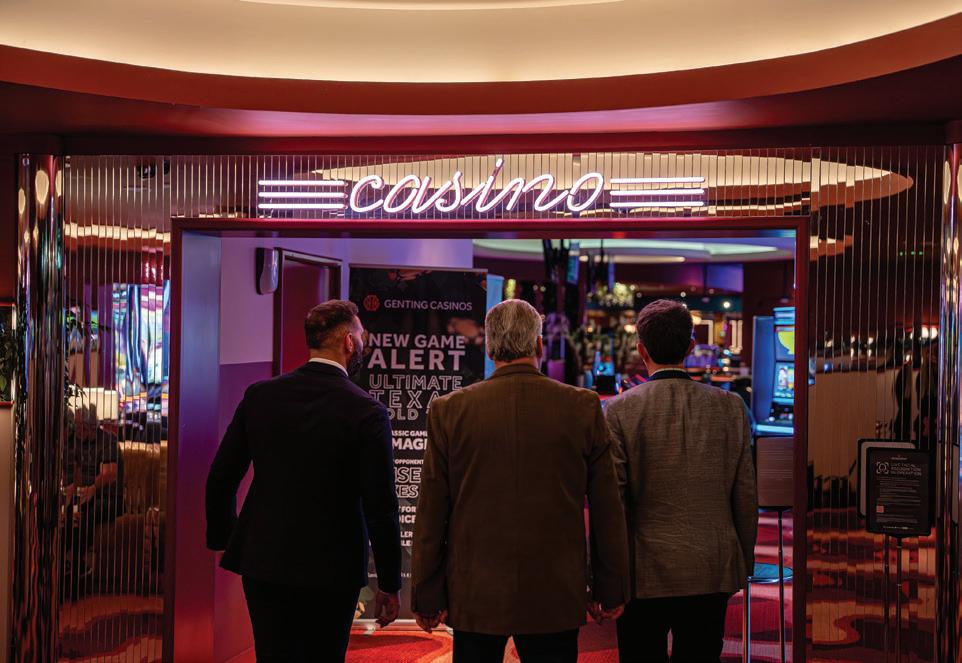
One of the most significant alterations our returning guests will notice is the welcome entrance. We’ve completely transformed this area to create a more natural flow, instantly enhancing the first impression. As guests walk in, they’ll be greeted by a sleek, new bar that incorporates a more familiar vibe found in other popular nightlife destinations. This change has generated excitement within the team and customers seem to have enjoyed the new entrance feel.
Westcliff-on-Sea has a strong local identity. How important is the casino to the local community and night-time economy?
The role of the casino in the local night-time economy cannot be understated. We are proud to be one of the busiest venues in Westcliff, but beyond that, the casino fosters a sense of community. Many local residents feel a deep connection to the venue and we take this responsibility seriously. Our commitment to supporting local charities and initiatives is a testament to our dedication to the community we serve.
Did the restoration create new employment opportunities or training for staff?
We are already a significant employer in Westcliff and the restoration project has increased the number of jobs available. We’ve created additional job opportunities and are committed to providing training for staff as we prepare for our relaunch. This initiative has opened pathways for progression and development within our team. Within the last year in the run up to re-launch we have seen a significant increase in internal progression. Our investment in the venue aligns with our investment in the people who make it thrive, leading to an environment filled with new opportunities.
How have local customers reacted to the news of the reopening so far?
The response has been overwhelmingly positive, sparking a tremendous wave of excitement and anticipation. Many of our customers are genuinely eager to see the revamped venue come to life once more. The loyalty we’ve received from our customers has been amazing. We have an engaging lineup of relaunch events, such as SML and “The Magic of Motown,” that promise something for every taste.
What trends are you seeing in customer behavior on the gaming floor?
We’ve noticed a shift, with more guests seeking variety and choice in their experiences. There’s a heightened focus on better service and being able to enjoy a safe venue. Importantly, guests are placing greater emphasis on the social aspect of their time here, viewing gaming as part of a broader, event-led evening out.
How important is innovation and modernization in keeping land-based casinos competitive with online gaming?
Whilst innovation and modernization are important, what truly sets venues like Westcliff apart is their vibrant atmosphere, exceptional service, and the shared experience we cultivate. While online gaming boasts convenience and a certain level of anonymity, the personal touch, the lively ambiance and the sense of fun we provide create an immersive experience that cannot be replicated online.
When the doors officially reopen on March 20th, what do you most want customers to experience or feel when they walk in?
At its core, we are an entertainment venue designed for leisure and enjoyment. When customers step through our doors, I want them to feel instantly welcomed and comfortable. We aim for them to enjoy outstanding service and, above all else, have fun! I hope that after their visit, they leave our venue buzzing with excitement, reflecting on the great time they had while here.
After overseeing such a significant transformation, what moment are you personally most looking forward to once the casino is fully operational again?
I am particularly looking forward to witnessing the venue brimming with energy once again. Seeing customers and staff enjoying themselves, the team bringing the space to life, and that atmosphere – it’s what truly defines Westcliff. We have missed part of that lively spirit over the past 12 to 14 months and I cannot wait to experience it again.
If you had to describe the new Genting Westcliff in five words, what would they be?
I would describe the new Genting Westcliff as friendly, fun, social, energetic and trusted. The décor serves as a canvas upon which the lively experience is painted, creating an environment that reflects those qualities.
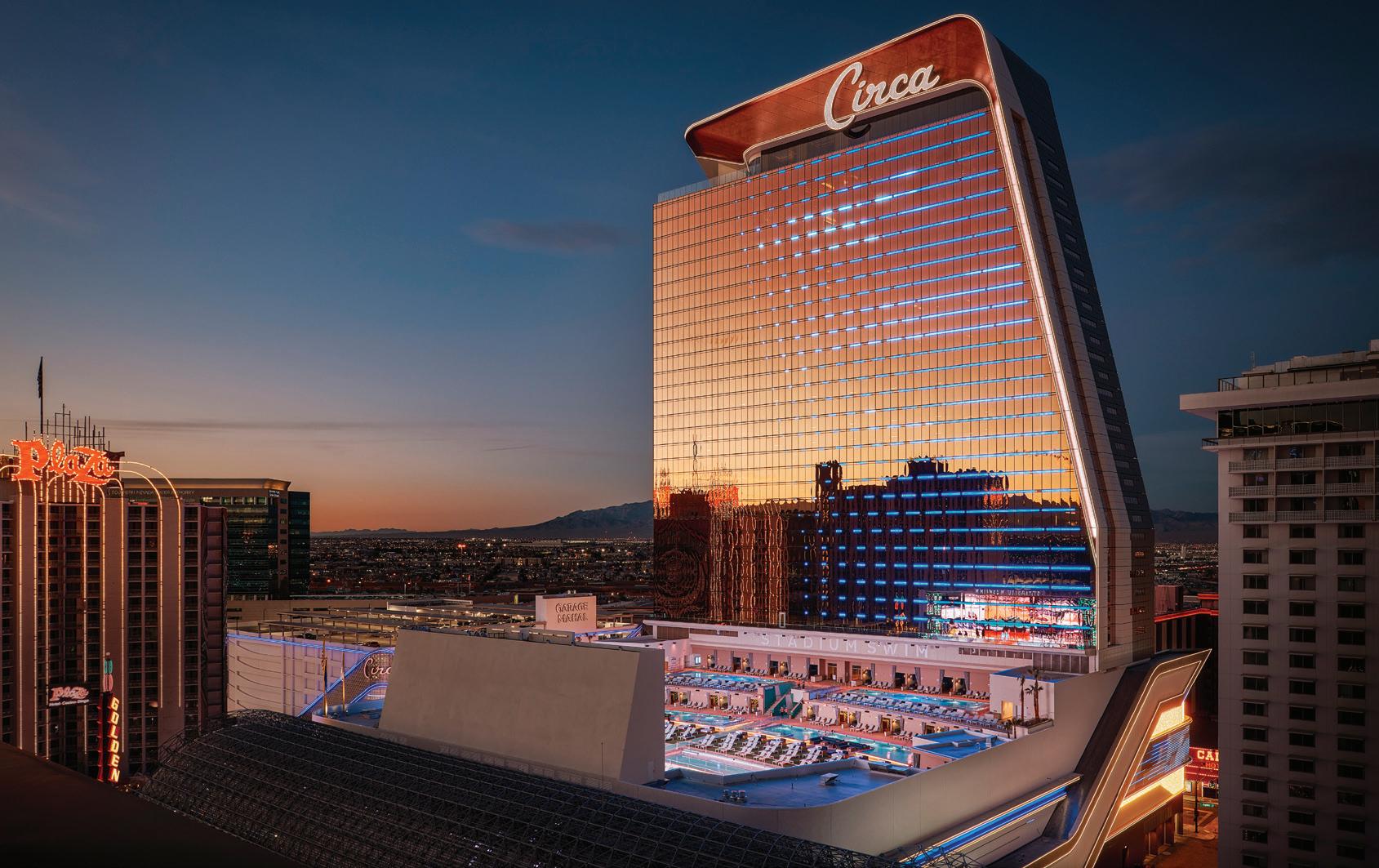
Derek Stevens rolls out the welcome mat for Canadian dollars. By Ryan Slattery
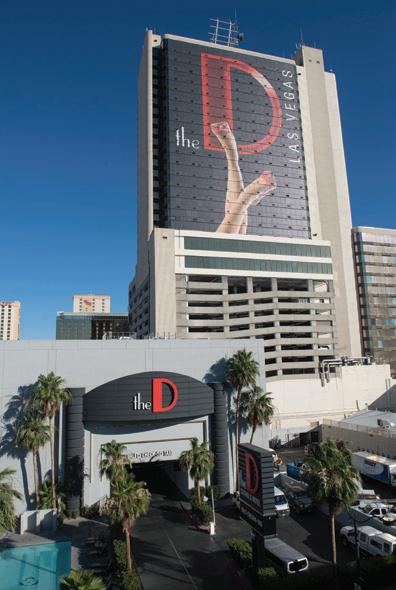
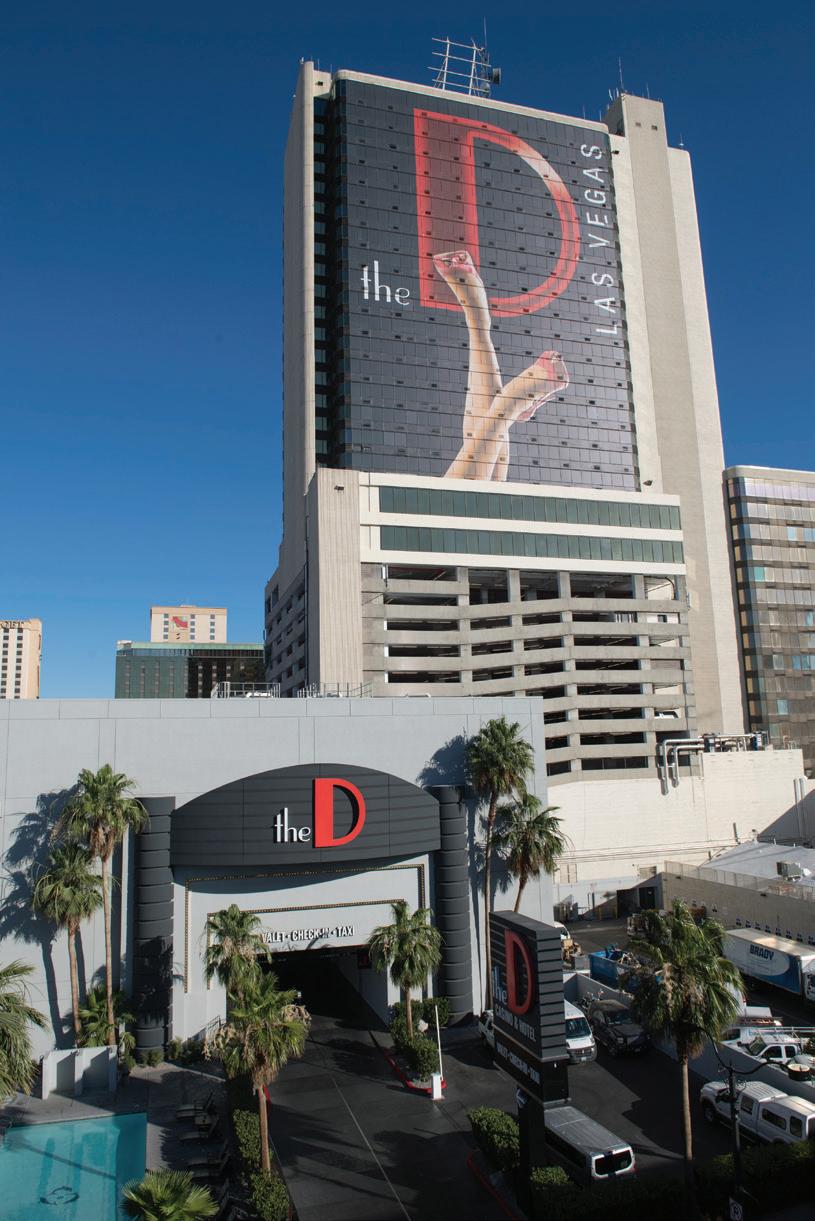
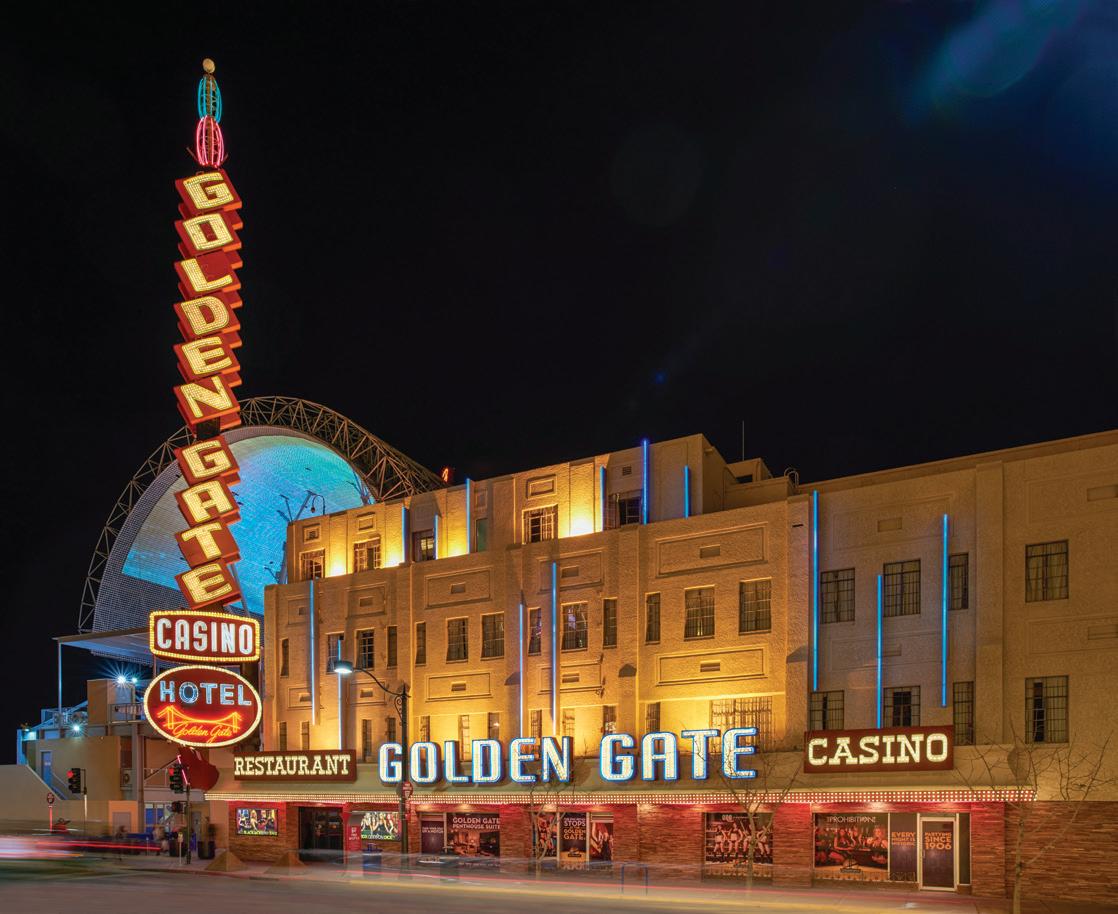
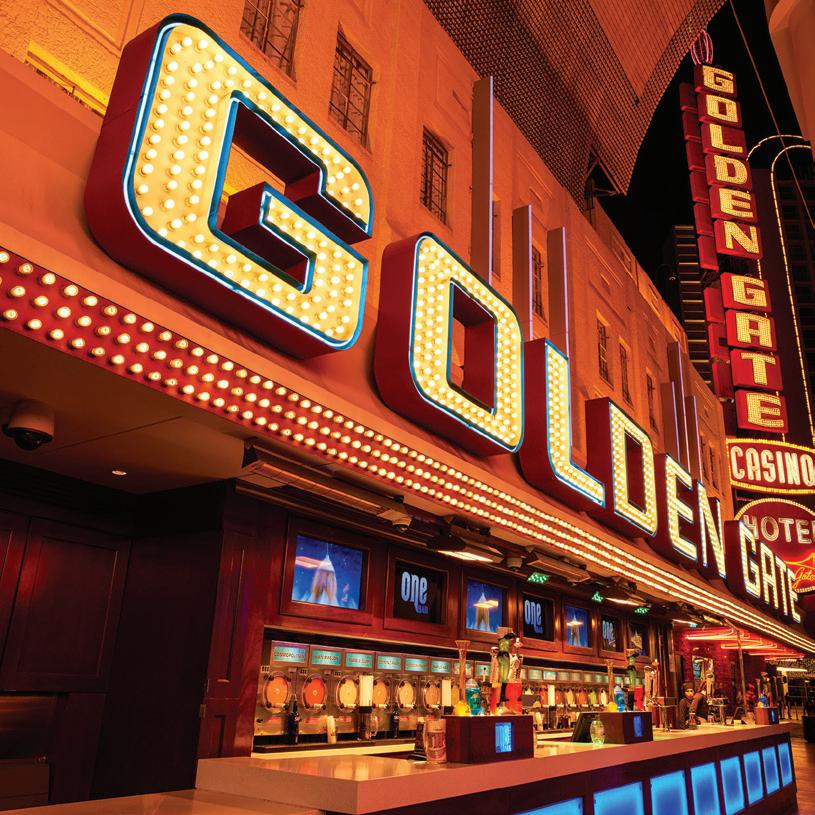
Responding to a sharp drop in tourism, Las Vegas casino mogul Derek Stevens is ready to welcome Canadian tourists back with a rather generous promotion. His three downtown properties – Circa, Golden Gate, and The D – are now offering a one-for-one exchange that treats the Canadian and U.S. dollar as equals for everything from hotel room bookings, bar tabs and even slot play.
“We’re putting our money where our mouth is,” Stevens said in a phone conversation with Casino Life. “What we’re saying is ‘Hey Canada, we want you back.’ We want them to know that they’re welcome. That they have some friends out here in the desert. And we think we’re giving Canadians a pretty great deal.”
Under the promotion, called the “At Par” program, Canadian visitors with proof of citizenship (either a passport or a government-issued ID) will receive $1 U.S. dollar in value for every $1 Canadian dollar spent, regardless of daily exchange rates. At launch,
the Canadian dollar, or “Loonie,” stood at 73 cents in comparison to the U.S. equivalent. The promotion is scheduled to run through August 31.
“It’s a pretty good bump in value,” Stevens said. Canadian guests benefit from the At Par program in the following ways:
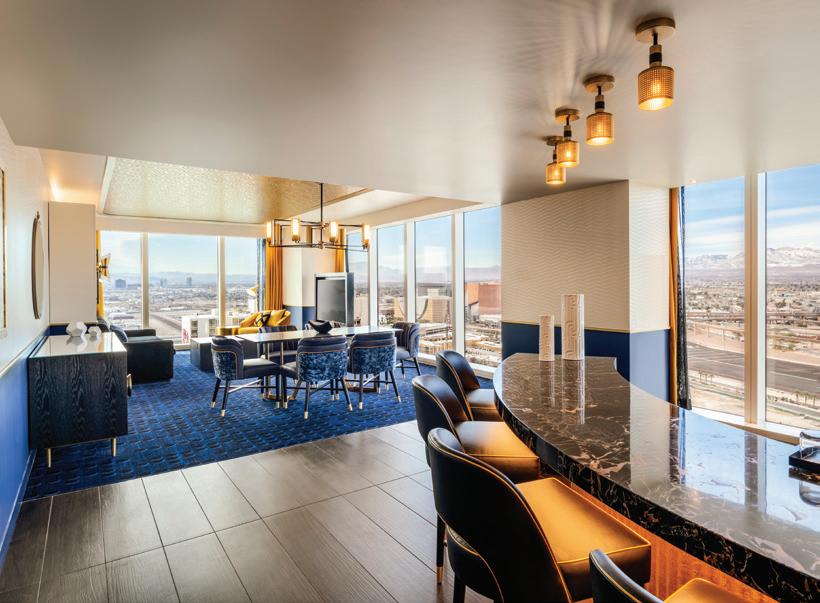
Hotel Stays: Canadian guests staying at Circa, The D or Golden Gate who book directly on the resort’s website will receive the At Par converted rate at check-in, paying the same rate shown in U.S. dollars, charged directly in Canadian dollars, with no exchange rate applied. The offer applies only to room rates for stays during the promotional period.
Beverage Discounts: Stevens says that even guests accustomed to staying at other hotels in Vegas, can take advantage of the program because drinks are cheaper at select bars. Canadians ordering beverages at Overhang at Circa, Bar Prohibition at Golden Gate or BarCanada at The D will have their drinks discounted at the appropriate rate.
Slot Play: To get his slot offer approved, Stevens worked with the Nevada Gaming Control Board to iron out the details. In this case, Canadians can redeem up to $500 Canadian at full U.S. dollar value, by visiting the Club One desk. Play will then be loaded onto their club card and can be used on designated slot machines. “It gives you a good jump on things,” Stevens says.
Stevens grew up in the Detroit suburb of Grosse Pointe, just a river crossing away from the Canadian border. Thus, the promotion is not only a direct response to try to jump-start visitation at his properties during a tough year for tourism, but it’s a personal plea as well as he looks to invite his neighbors to north back to Sin City.
“I loved crossing over for places like Tunnel Bar-B-Q, Don Cherry’s and Tim Hortons,” Stevens recalls. “And my lifelong love of hockey is part of
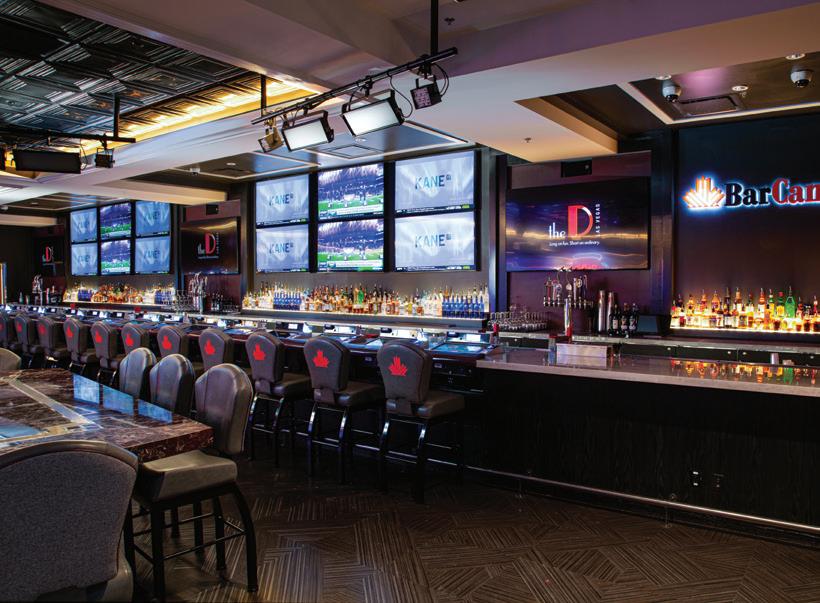
why we created Bar Canada downtown [at The D], as a place to celebrate that culture year-round. Those experiences shaped how I think about welcoming Canadian guests.”
According to the Las Vegas Convention & Visitors Authority (LVCVA), 38.5 million people visited Las Vegas in 2025. That’s a 7.5 percent decrease when compared to 2024. The drop was even more dramatic in year-over-year numbers for December, with visitation totaling 3.1 million visitors in 2025, down 9.2 percent from December 2024.
Despite visitation tumbling, LVCVA CEO Steve Hill spun the numbers. He sent out a January press release arguing that Las Vegas still had a solid year and pointing out that occupancy rate of the destination’s approximately 150,000 hotel rooms finished the year at 80.3 percent, in comparison to the U.S. hotel occupancy average of 62.3%.
“Despite a challenging environment, convention demand remained steady, the events calendar remained strong, and the destination continued to adapt in real time,” says Hill as he projects a
bounce-back year for 2026. “Our focus will continue to be providing value to our visitors and delivering experiences that elevate our place as the leading leisure and business destination.”
While not a large drop – the annual hotel occupancy rate was down 3.3 percent over 2024 – there was a time when Las Vegas would routinely average close to 90 percent occupancy, a remarkable feat.
What could be more alarming for 2026 is a further international boycott related to high costs, safety and politics. International tourists generally book trips far
in advance, up to a year in many cases, meaning the 2025 numbers could reflect bookings made in 2024, prior to events triggering the tourism drop. Moving forward, visitation to the U.S. in 2026 could see an even more dramatic decline this year in response to the current administration – troubling news for not only Las Vegas but U.S. tourism in general.
International air passenger tallies to Las Vegas were down 7.4 percent last year, while Canadian airlines reported carrying 25 percent fewer passengers to the U.S., according to LVCVA consultants at Ailevon Pacific. While the airport data offers a helpful snapshot, the numbers include a mix of residents, visitors and connecting passengers meaning the figures provide a general indication of international visitation but should not be considered official counts.
But even though Las Vegas saw its fewest visitors since 2021, gaming revenue on the Strip remained steady at $8.8 billion. Downtown Vegas grew by 2.1 percent to $951.2 million and gaming revenue was slightly up statewide, coming in $15.8 billion, up 1.2 percent over 2024.
“Gaming revenue was $15.8 billion, so Vegas is humming, so that part’s good,” Stevens says. “But within that, when you peel back a couple layers of the onion, you notice that some groups are way up, some groups are flat and others are down.”
Stevens, however, is optimistic that Canadians will embrace his At Par promotion and return to Las Vegas. He says early response has been split among the people he’s spoken to.
“A lot of Canadians said they just didn’t feel welcome because our countries are in a fight and won’t be back right away,” Stevens says. “But I believe that this offer will bring quite a few Canadians back. Our economies are so integrated with one another. The United States and Canada are better together. I’m certainly hopeful that this spat is shortterm in nature.”



Why land-based casinos must own their engagement layer in 2026. By
Shaun McCamley
For decades, the global casino industry has competed on the same battlefield: bigger properties, larger gaming floors, better entertainment and more ambitious integrated resorts. Across Southeast Asia, that model produced some of the most spectacular casino destinations ever built.
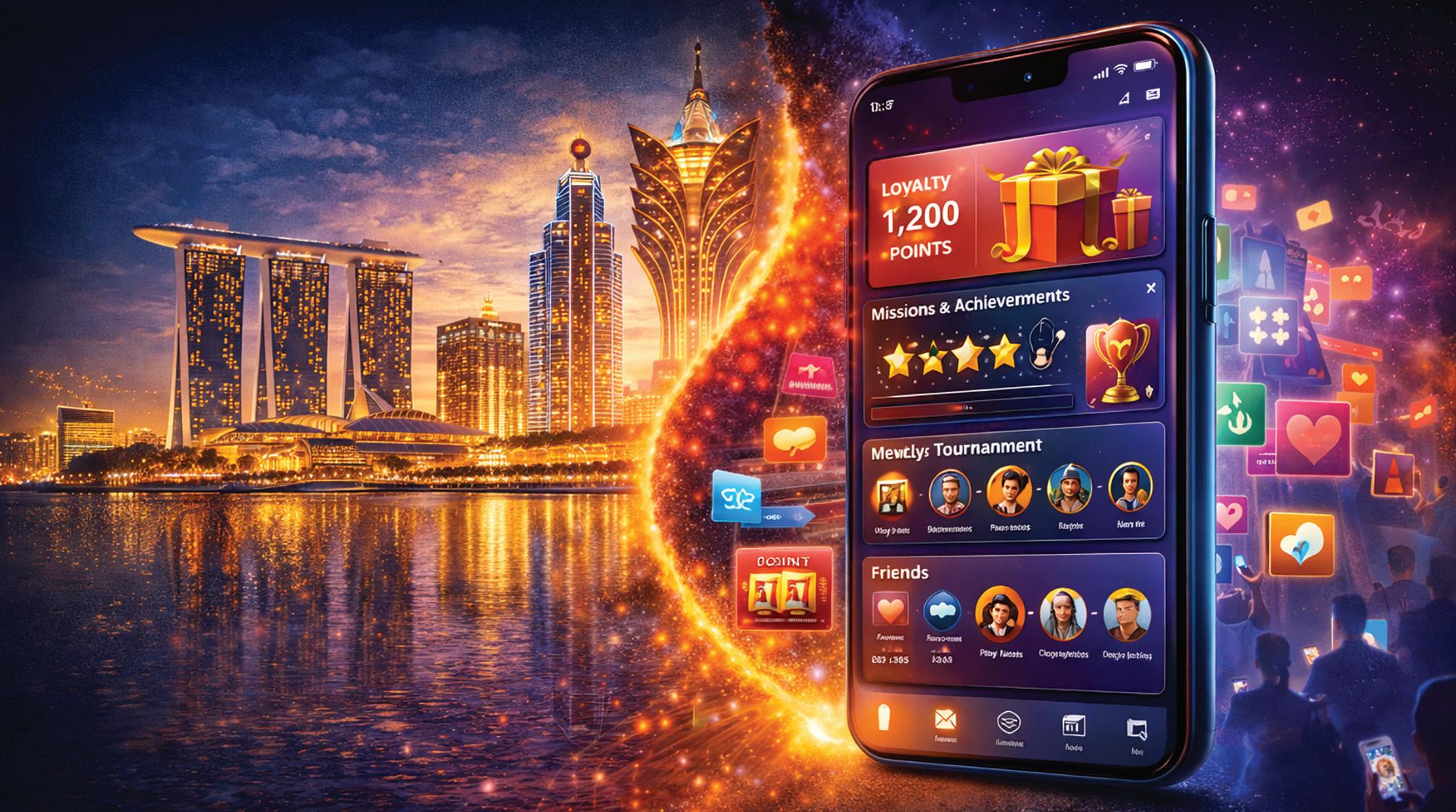
But a new battleground is emerging – and it does not sit inside the casino. It sits inside the smartphone.
Today’s customers interact with entertainment brands every day through digital ecosystems that deliver personalized experiences, rewards, community interaction and constant engagement. Casinos, by contrast, still operate largely on a model built around the physical visit.
The industry is beginning to recognize that this gap is no longer sustainable.
A new competitive layer is emerging above the casino floor – one that will define how operators build
relationships with their players in the years ahead. And increasingly, the question operators must answer is simple: Who owns that engagement layer?
The modern casino customer behaves very differently from the casino customer of 20 years ago. Across Southeast Asia, particularly in markets such as Singapore, the Philippines, Macao and emerging regional destinations, a new generation of consumers is shaping the future of entertainment. These audiences are digitally native, mobile-first and accustomed to interacting with brands continuously. They expect:
• Instant access
• Personalized rewards
• Gamified engagement
• Community participation
• Seamless mobile experiences
These expectations were not created by the casino industry. They were created by the digital entertainment economy.
Streaming platforms engage users daily with personalized recommendations. Airlines maintain continuous relationships with travelers through mobile loyalty ecosystems.
Retail brands build digital communities that interact with customers long before and long after a purchase. For casinos, this represents both a challenge and an opportunity. The traditional model of customer engagement that is centered almost entirely around the property visit is increasingly out of step with broader consumer behavior.
Players may visit a casino a few times a year but they interact with digital entertainment platforms every day. The gap between those two realities is where the industry’s next opportunity lies.
One of the most-misunderstood dynamics of modern integrated resorts is the composition of their visitor base. Contrary to popular perception, the majority of visitors in many of Asia’s leading integrated resorts are not there to gamble.
They come for restaurants, retail, entertainment, conferences, nightlife and tourism experiences. Across several large properties in the region, these visitors account for 70 to 80 percent of total foot traffic.
For casino operators, this reality has long presented a strategic puzzle. This audience interacts with the brand, enjoys the property and contributes to the broader resort economy – but most will never become casino players.
That is perfectly acceptable. The objective should not be to convert this audience into gamblers.
For many visitors, gambling simply does not form part of their entertainment preferences. However, that does not mean they are irrelevant to the casino’s longterm, brand ecosystem. What this audience represents is something different – a large community of guests who are already comfortable interacting with the resort brand but whose engagement largely disappears once they leave the property.
Historically, casinos have had few mechanisms to maintain meaningful interaction with this segment once the physical visit ends. Digital engagement platforms provide a new way to bridge that gap. Through social gaming environments, gamified

loyalty experiences and digital communities, operators can create forms of entertainment that keep these visitors connected to the brand without requiring them to gamble. In doing so, casinos extend their brand into a broader entertainment ecosystem – one that includes gaming customers, non-gaming visitors and digital participants alike.
This shift recognizes a simple reality about integrated resorts. The future of the industry will not be built only on gaming customers. It will also be shaped by how effectively operators engage the much larger audience that already interacts with their properties.
One factor that has slowed digital innovation in parts of Asia is the regulatory complexity surrounding online gambling. Across Asia, regulated, real-money iGaming remains the exception rather than the rule. Outside the Philippines, most jurisdictions either prohibit it outright or confine it to legal gray zones. As a result, some casino operators have approached digital strategy cautiously, concerned about potential regulatory overlap.
However, digital engagement platforms are not synonymous with online gambling. In fact, many of the most successful digital casino engagement environments operate entirely outside the real-moneygaming framework.
These platforms are built around social gaming and entertainment-driven experiences rather than financial wagering. Players interact using virtual currencies, loyalty points or promotional rewards rather than real money.
The objective is not to replicate the casino floor online. Instead, the objective is to create a digital
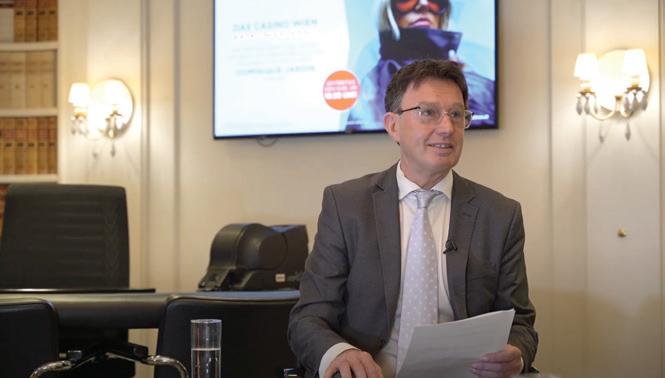
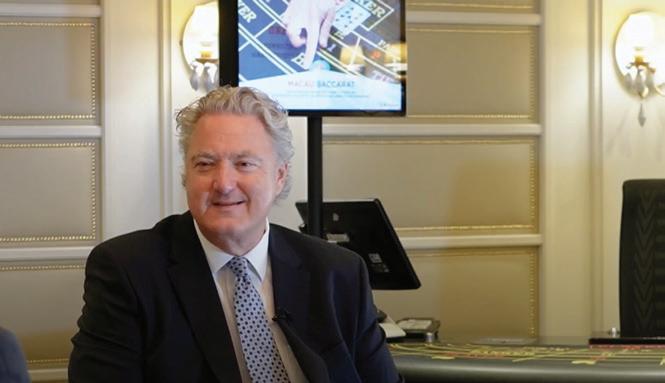
Get Into Casino Life & Sports Betting Operator TV and gain insights from Presidents, CEOs, Owners and Senior Management at the World’s Leading Resort Casino and Sports Book Operators along with latest developments from manufacturers and Suppliers along with Gaming Equipment and Systems providers from Senior representatives at a select number of leading organisations in the Global Gaming Industry.

environment where players can interact with the brand, participate in games, complete challenges and earn rewards.
This distinction is critical. Social-gaming platforms do not compete with the physical casino. They extend the relationship between the casino brand and its audience.
Importantly, these environments are structured as entertainment platforms rather than wagering channels. They enable operators to build digital engagement and brand loyalty while creating a substantial new revenue vertical in its own right – all without encouraging or requiring real-money gambling participation.
Globally, social gaming has become one of the fastest-growing sectors in digital entertainment. Major publishers generate billions of dollars annually from social-casino games that operate entirely outside the real-money gambling environment.
These platforms succeed because they tap into fundamental elements of human psychology: competition, achievement, progression, community and entertainment
Players return not because they are chasing financial outcomes, but because the experience itself is engaging. For casino operators, the strategic value of social gaming lies in its ability to create persistent engagement.
Rather than interacting with players only during occasional property visits, operators can create digital environments that encourage daily participation. Players can log in to collect bonuses, complete missions, participate in community events or simply enjoy casual gameplay. Over time, this sustained interaction builds stronger brand affinity and deeper relationships with customers.
Casino loyalty programs have long been a cornerstone of the industry. Players earn points through gaming activity and redeem them for rewards such as hotel stays, dining experiences or entertainment. While these programs remain effective, they were originally designed for a world where most engagement occurred on the property. Digital platforms allow loyalty programs to evolve into something far more dynamic. Instead of being limited to gaming activity, loyalty engagement can now extend into a broader range of interactions:
• Daily log-in rewards
• Missions and challenges
• Promotional competitions
• Community events
• Social-gaming participation
This shift transforms loyalty from a passive reward system into an active engagement ecosystem. Players are no longer simply accumulating points. They are participating in a dynamic environment where progress, achievements and rewards create a sense of ongoing interaction with the brand.
As casino operators begin exploring digitalengagement platforms, an important strategic question inevitably emerges. Should the digital ecosystem surrounding the casino brand be owned and controlled by the operator – or outsourced entirely to third-party platforms?
For many years, outsourcing digital services appeared to be the simplest option. Vendors offered ready-made platforms, managed content and handled the technical infrastructure required to launch digital products quickly.
For operators focused primarily on land-based gaming operations, this model was often appealing. It reduced operational complexity and allowed casinos to introduce digital features without building internal expertise.
However, as digital engagement becomes a central component of customer relationships, the limitations of this approach are becoming increasingly visible. When the engagement layer sits entirely within a vendor-controlled ecosystem, the operator’s influence over that environment can be limited.
Platform roadmaps may be driven by vendor priorities rather than operator strategy. Access to customer-behavior data may be restricted or filtered. Commercial structures may gradually shift value away from the operator over time.
In other words, the casino brand may appear to have a digital presence, while the underlying strategic control resides elsewhere. This dynamic is particularly visible in white-label digital models. There, the operator effectively rents a pre-packaged platform rather than building a digital ecosystem around their own brand.
While these models may offer speed to market, they also introduce a structural weakness. Over time, operators relying entirely on white-label platforms risk becoming tenants within someone else’s digital infrastructure, rather than owners of their own engagement environment.
In many cases, the operators that rely most heavily on fully outsourced or white-label solutions may ultimately find themselves at a competitive disadvantage. This is not because the technology is inadequate but because the strategic control of the customer relationship sits elsewhere.
Across other industries, companies have learned this lesson through experience. Retail brands increasingly invest in their own digital-commerce infrastructure rather than relying entirely on marketplace platforms. Airlines maintain direct control over their loyalty ecosystems. Sports leagues build proprietary digital channels to engage fans directly.
The reason is simple: The platform that owns the customer interaction ultimately owns the customer relationship.
For casino operators, the implications are significant. Digital engagement platforms are not merely marketing tools. They are the infrastructure through which customer relationships are built, maintained and monetized.
Operators that control the engagement layer retain control over the experience, the data and

the commercial value generated through digital interaction. Those that do not may eventually discover that their most valuable customer relationships are being mediated by someone else’s platform.
As digital engagement ecosystems expand, data becomes one of the most valuable assets generated through player interaction. Every digital activity creates insight into behavior, preferences and engagement patterns.
Which games do players enjoy? How frequently do they return? What rewards influence participation? Which promotions drive loyalty?
These insights allow operators to personalize experiences and refine marketing strategies in ways that were never previously possible. However, the strategic value of this data exists only if the operator retains ownership of it. Without that visibility, casinos risk losing one of the most powerful advantages that digital engagement can provide.
Another reason digital engagement is becoming strategically important is the changing nature of competition. Casinos no longer compete solely with other casinos. They compete with the entire digital
entertainment ecosystem for the consumer’s time and attention.
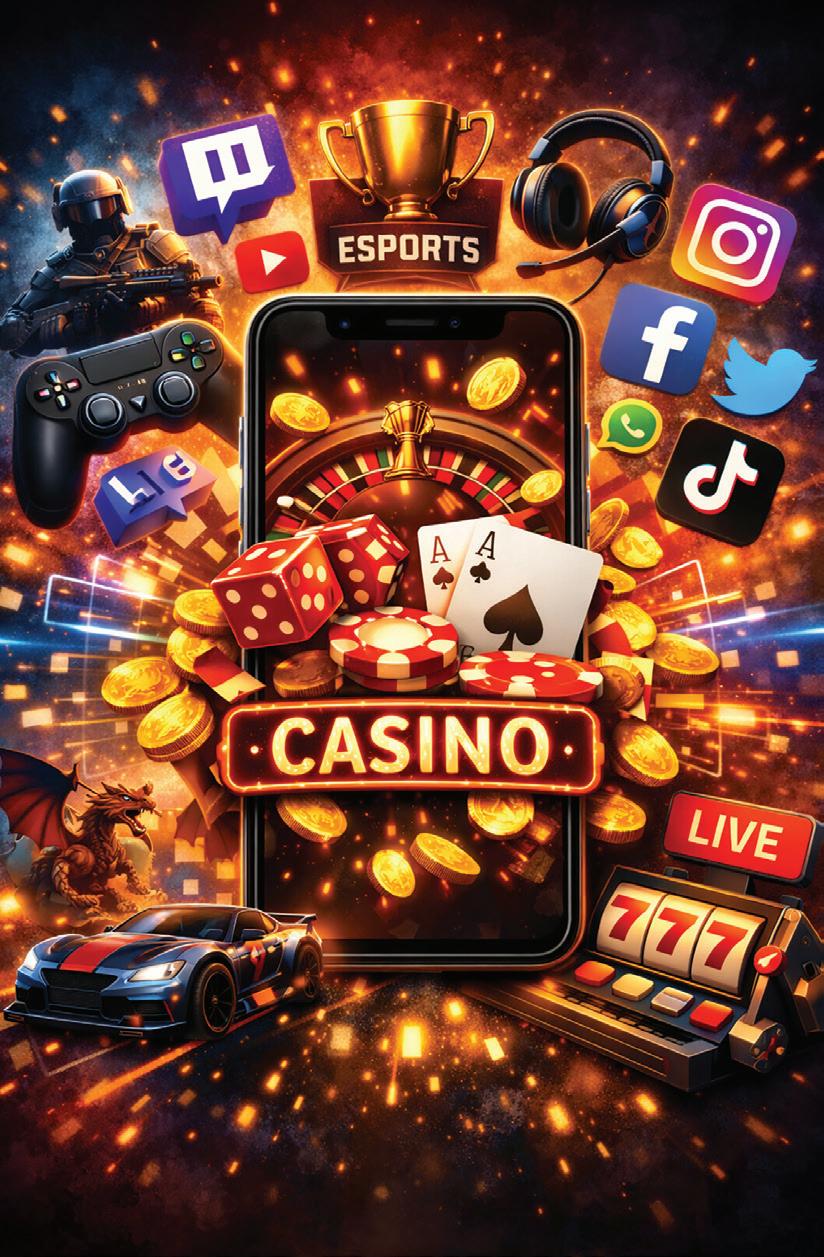
Mobile games, streaming platforms, social media, sports content, esports are their rivals. These industries have mastered the art of daily engagement. For casinos, participating in this broader engagement economy will increasingly determine their ability to remain relevant to the next generation of customers.
For more than 50 years, the casino industry has perfected the art of building extraordinary destinations. But the future of the industry will not be defined only by the destinations we build.
It will be defined by the relationships we create.
The casinos that thrive in the next decade will not simply operate gaming floors. They will operate communities. They will not interact with their customers a few times a year. They will engage them every day.
And they will not outsource the most valuable asset in their business, their database. They will own it.
Because in the digital era, the most powerful casino in the world is no longer just the one with the biggest property. It’s the one that owns the player relationship.

Unlicensed, online gambling is sapping a major European industry. By Eugene Gerden
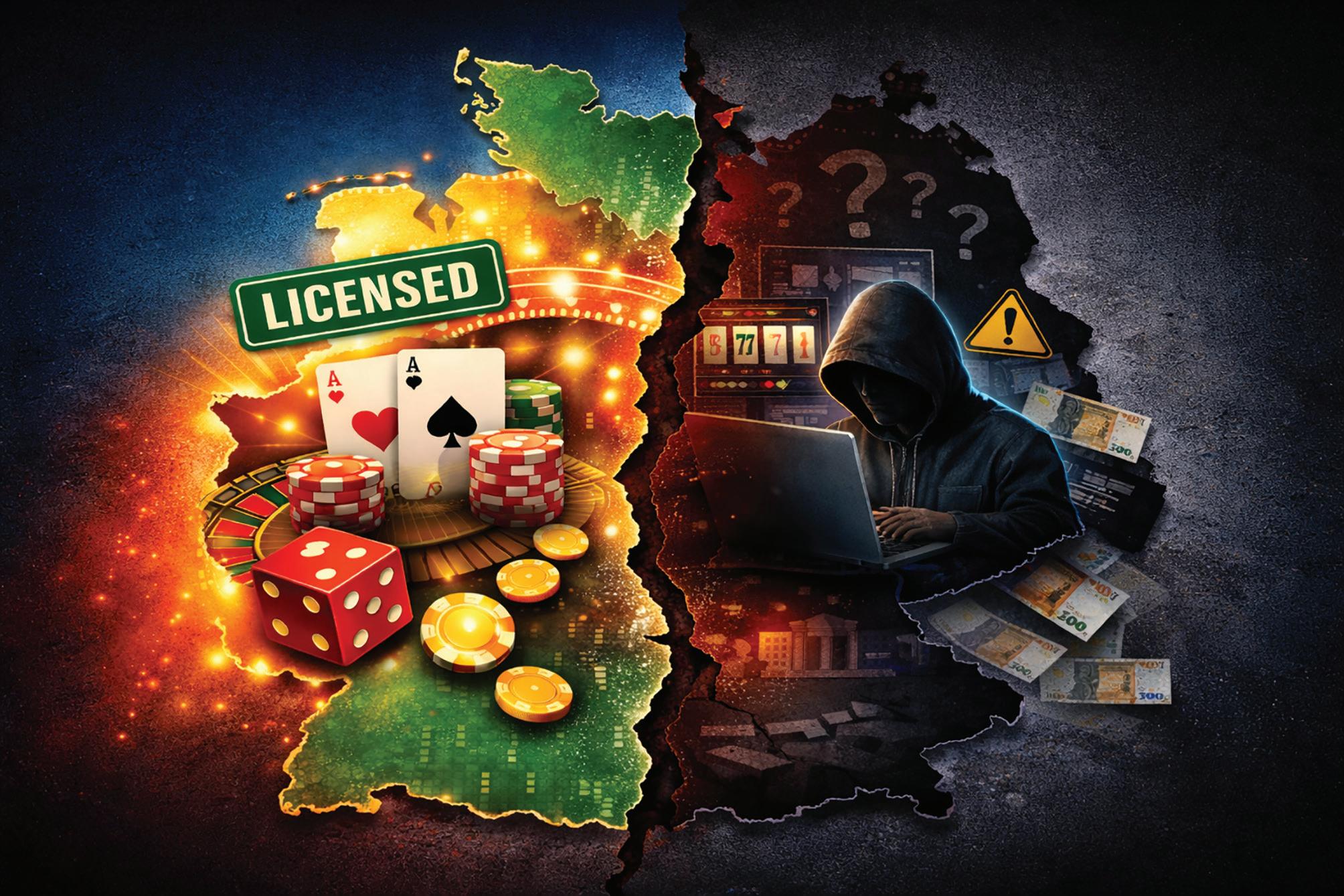
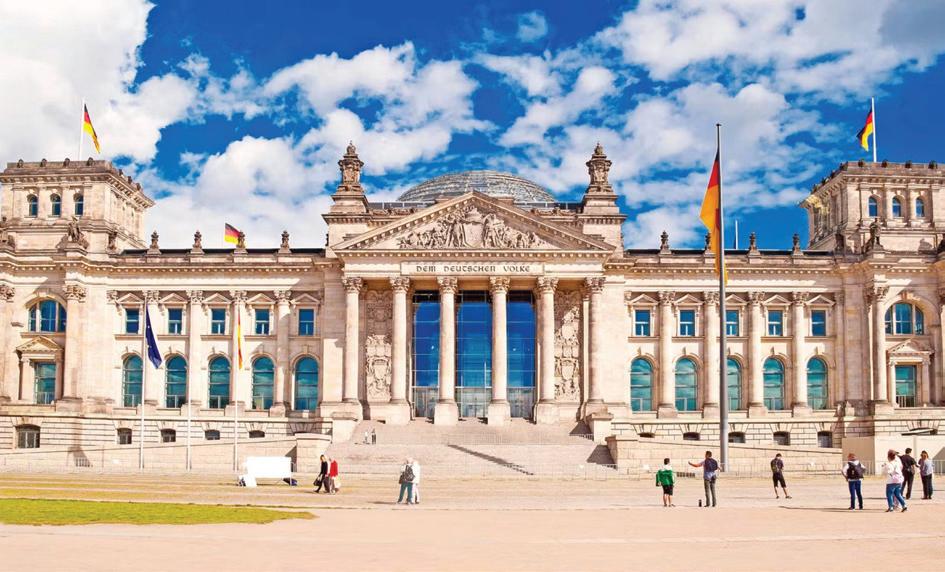
Germany’s government is considering ways to reduce of the share held by the illegal sector in the domestic gambling industry. Unlawful gambling has significantly increased in recent years, following liberalization of online sector.
According to the German Gambling Atlas of 2023, 30 percent of the people in Germany participate in gambling. This means that the sector has a strategic importance for the country’s national economics.
In recent years, however, the state’s tax revenues from the gambling sector have significantly declined. This has sparked serious concerns from the German federal government. The biggest worries are related to online casinos.
Online gambling in Germany has been legal since 2021, through the adoption of the Interstate Treaty on Gambling (GlüStV). That means that gambling
providers, operating within the territory of Germany, have been licensed by the Joint Gambling Authority of the German states.
Still, despite such legalization, tax revenues from online casinos have declined over the past two years.
According to data of the German Federal Statistical Office, the decline was about 50 percent in recent years. The figures for sports betting were less severe, with a decline of collected taxes of only 5.2 percent and 7.5 percent in the case of poker.
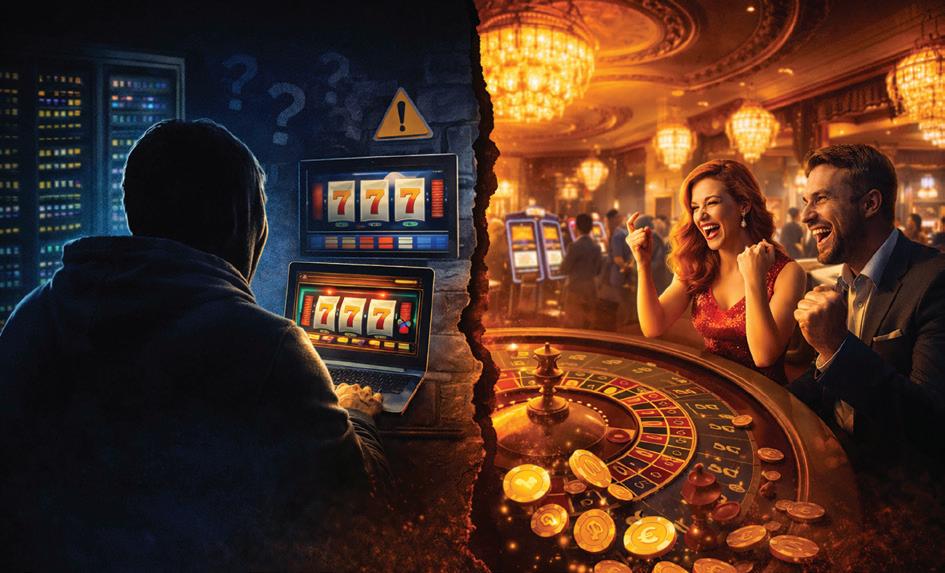
One of the reasons for these declivities is that up to half of gambling activities in Germany — primarily in the online segment — are managed by unlicensed providers, most of whom are registered abroad. At present, the annual revenue of online casinos in Germany is in the range of €3.3 billion to €3.5 billion … a significant part of which is not a subject of any taxes.
An earlier investigation conducted by the Südwestrundfunk, a regional public broadcasting
corporation serving the southwest of Germany, the federal budget loses hundreds of millions of euros every year at illegal casinos (mainly those operating online). This is mainly due to numerous loopholes in the existing legislation, regulating the domestic gambling sector.
As revenues from online gambling activities are declining, the hopes of the German federal government and the authorities of major states are on the lottery segment. At present, the situation in this segment is much better.
In terms of structure of the market, traditional lotteries dominate in Germany, with a significant part of the local population participating regularly. In 2024, state-run gambling companies belonging to the LottoToto bloc generated €8.6 billion in revenue.
The highest revenue comes from the classic “Lotto 6 aus 49,” which is played on Saturdays and Wednesdays in Germany. The official results for 2025 have not yet been announced. However, most local analysts expect revenue to exceed the €9 billion mark.
In recent years there has been a significant growth in the revenues of land-based casinos in Germany, which

are permitted to offer the full range of casino games (compared to online casinos, which are limited to slot machines and online poker).
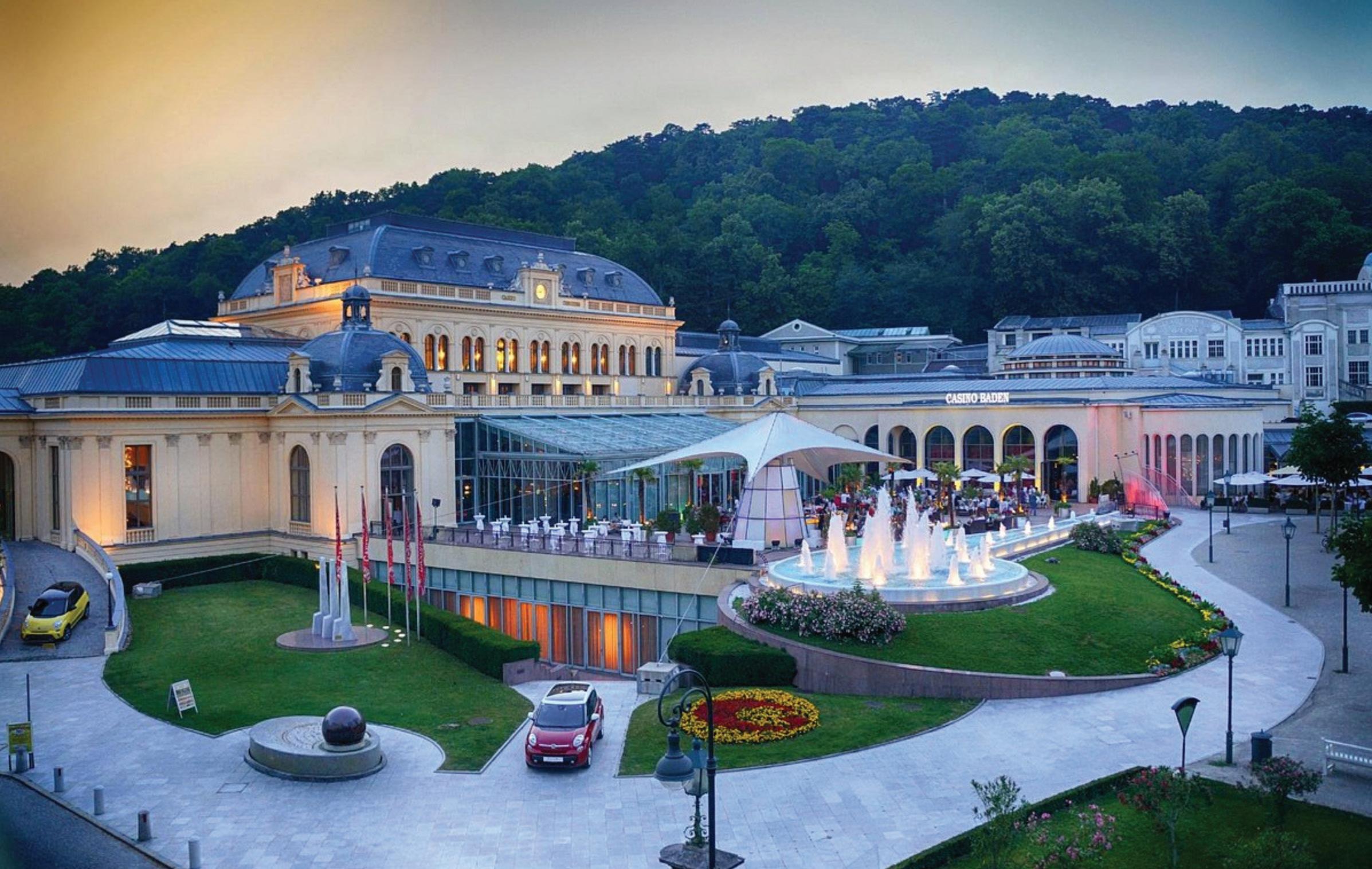
There are a total of 63 casinos in Germany, 53 of which offer table games. The largest casino is located in Baden-Baden. Regulations vary by state; the minimum age for entry is 18, except in BadenWürttemberg and Bavaria, where the minimum age is 21.
Despite increasing competition from online casinos, land-based casinos experienced significant growth in recent years. At present the annual number of players, who visits these establishments exceeds seven million

people, with annual growth rates of up to 20 percent.
Many casinos used the forced closures during the Covid-19 pandemic to optimize their facilities and expand their gaming offerings. After the lockdown ended, this attracted not only existing customers but also interested new customers from across society.
At the same time the number of establishments with slot machines, including restaurants and clubs has significantly declined in Germany in recent years. This is mainly due to tightening of state restrictions in this field and the rise of rents, which led to the outflow of part of gamblers to land-based casinos.
It is planned that most of the measures to combat the illegal segment of the market will be included in the Interstate Treaty on Gambling. This is one of the most important legal acts, as it will regulates gambling activities in Germany. A new version should be adopted by 2028.
7,435
4,330




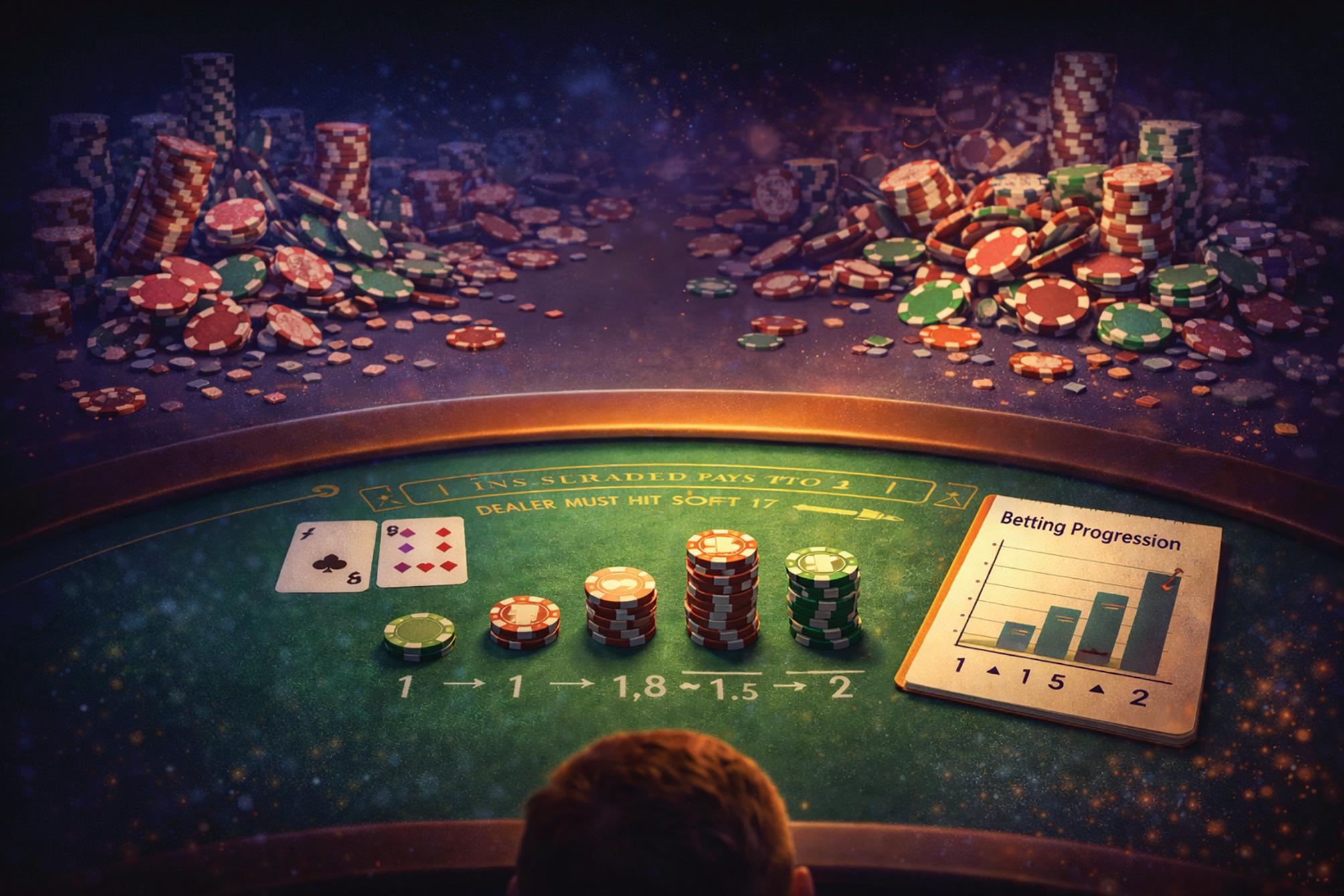
n my last few articles, I have been writing about several betting strategies for noncard counters and (more importantly) what is wrong with them. The Martingale System, also known as double-up/catch-up, will wipe you out with one losing streak; the Lambert System will erode your stack in the long run, and the Fibonacci System can wipe you out on one hand with multiple splits and double downs.
IIt is very easy to be a Monday-morning quarterback with these systems but what system would I use? I have two that I can share with you for your enjoyment.
These systems have the following things in common. They do not increase your bet during losing streaks. You never want to chase your losses. Secondly, increase your wager on winning streaks but do not increase it so much that you cannot take full advantage of double-downs and splits. Splits and
double-downs are the way you make money at this game. If your bet is too high and the split or double is too expensive, you are playing beyond your bankroll with scared money. Lastly, set a modest goal with win and loss limits, and have the courage to walk away. That last point is the hardest.
Without further ado, here are some simple betting strategies for non-card counters that I would recommend. The first one is something I call the one-two system. Bet the table minimum (or one unit) when you are losing and bet two units when you are winning. It is as simple as that. It will slowly grind your profits so long as you have the same number of winning and losing streaks.
Here is the problem with this. You will not get rich on this. It is boring but you sacrifice the thrill for a consistent, low profit. If you are a slow-and-steady guy, this system will appeal to you.
There is one other problem with the one-two system. If the table is choppy, you are losing. If you win one hand, lose the next, win one, lose one, your stack will be eroded away. That is because you are losing two units for each unit you win. If the table is not choppy, go for it. However, to combat the choppy table, there is another system I have for you.
I do not have a name for this system other than to call it my slow grind. The betting sequence on winning streaks is simply this. The first hand, you bet one unit. If you win, bet one again. If you win two in a row, increase your bet to one and a half units and if you win three in a row, bet two units on this hand and each hand thereafter. At any time along the way, when you lose, you go back to betting one unit and start the progression again.
Pretty boring right? Yes, it is. This is why I call it my slow grind. But let me tell you the advantages of this progression. First, it is defensive. A good defense is a good offense. When you go on a losing streak (not if, but when), you lose the minimum.
Second, if it is a choppy table where you win one and then lose one, you are breaking even. Third, this system allows you to take full advantage of all splits and double-downs without risking a significant portion of your stack You can split three times and doubledown on each without losing your shirt, should the dealer pull a miracle and win everything.
The next thing is the most difficult thing to do in the casino: When do you walk away? This is the biggest mistake players make. If they lose their original buy-in, they go to the ATM and come back to chase their losses, only to lose more.
Or they are on a winning streak and greed has clouded their judgment, so they stay at the table too long, giving back their winnings plus their original buyin. What is the solution? First, play with money you can afford to lose. Leave your debit and credit cards at home, so you cannot be tempted. If you lose, take it like a man and walk away.
My suggestion is what I call the 25 percent rule. If you are up 25 percent from your buy-in, take your buy-in off the table and put it in your pocket — and do not
bring it out. If you lose that 25 percent surplus, walk away. You broke even.
I cannot stress this enough. You did not lose. If you have not lost that 25 percent surplus, continue playing as long as you like. Each time you are ahead by another 25 percent increment, take that 25 percent increment off the table and put it in your pocket. These are your profits that you do not give back to the casino. Eventually you will lose that 25 percent increment. That is your signal to walk away from the table. You gave some money back to the casino but you are an overall winner.
These systems may not appeal to all players. They may be too boring, too conservative or require too much discipline — but they can be very effective. Are they guaranteed to win? Absolutely not. After all, this is called gambling. The casino industry has done the math. The odds are against you.
The only way the odds are in your favor at blackjack is if you are a card counter and bet accordingly. These money-management strategies are for noncard counters, to make you a tougher player while maximizing your wins and minimizing your losses.
Remember, if you fail to plan, then you plan to fail. Good luck at the tables and don’t forget to tip the dealer.
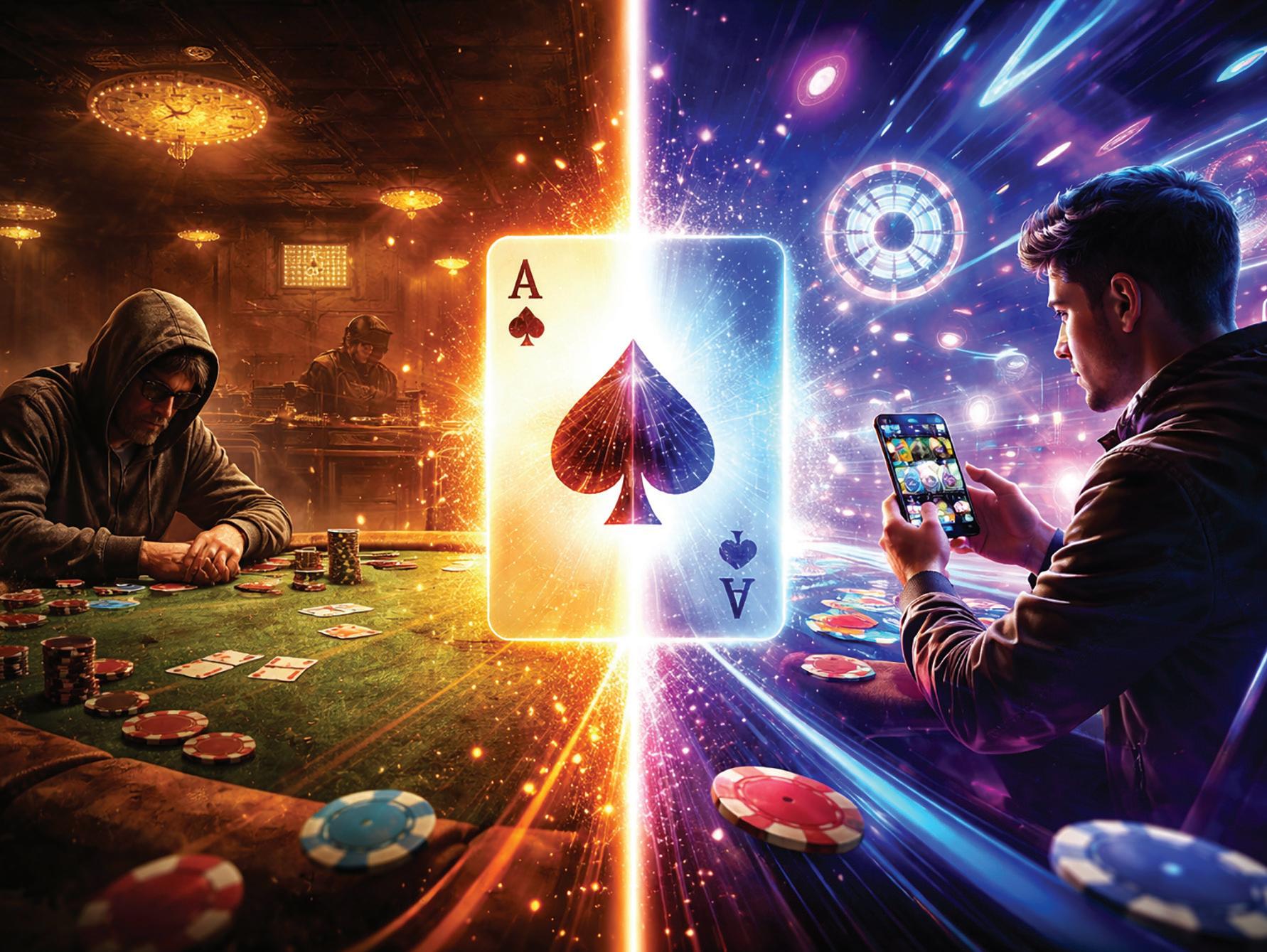
raditional poker’s narrative is undergoing a painful, structural correction in the public spotlight. For 20 years, the industry relied on a linear growth model, fueled by televised “boom” aesthetics and a seemingly bottomless well of recreational liquidity.
THowever, recent indicators from the sector’s largest incumbents – and specifically the visible contraction of Flutter and Entain’s poker verticals as reported in Poker Industry News – suggests that the old guard is no longer steering the ship. It is merely managing the wreckage.
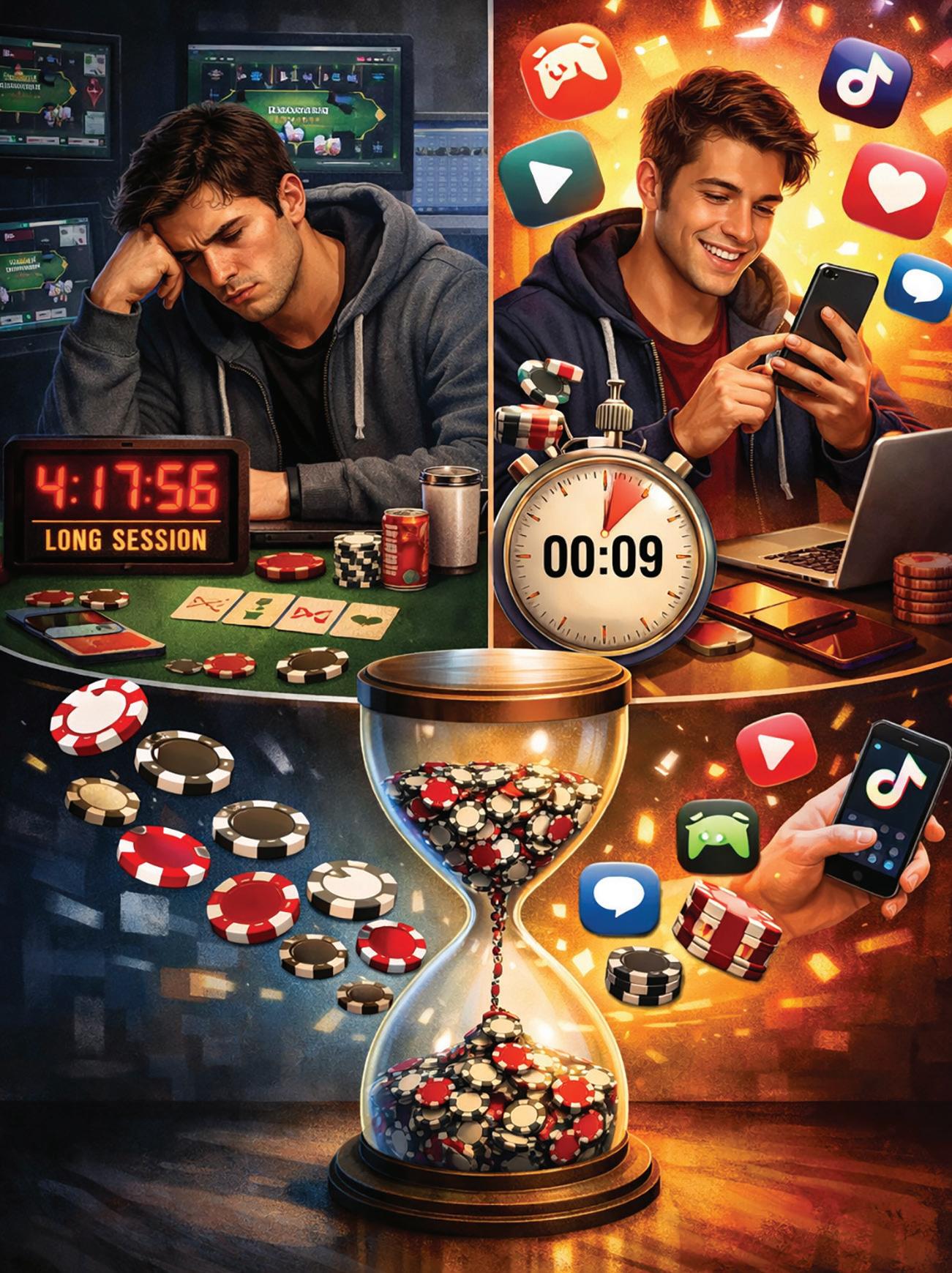
In 2026, the primary threat to poker is not a lack of interest but a deficit of time. We are operating in an
“attention economy” where the modern digital native has no appetite for the four-hour grind of a standard poker tournament. The recreational player is migrating to “crash” mechanics and to games where the “time to result” (TTR) is measured in seconds, not hours.
The data is uncompromising. When PokerStars’ flagship SCOOP prize pool compresses from a $150 million peak to a $52 million reality, we are witnessing the erosion of a brand’s gravitational pull. For the C-suite, the message is clear: The “liquidity-atall-costs” model is reaching a point of diminishing returns.
People aren't just bored; they're busy. If you ask a 25-year-old to sit still for six hours to maybe win a prize, they’ll laugh and open TikTok. We are fighting for minutes, not hours.
In this climate of corporate stagnation, the revival of the Devilfish poker brand offers a necessary counter-narrative. Founded by the late Dave "Devilfish" Ulliott, one of the industry's first true influencers, before the term was even a thing, the brand was built on a foundation of panache, swagger and accessibility.
Ulliott didn’t just play the cards; he “played the man.” He brought a sense of theatre and rock-star energy that modern, sterile, mathsheavy platforms have completely lost. He made the game look like fun, not a homework assignment.
Today, the brand continues to push that ethos as a free-to-play (F2P) gateway to learning poker at the grassroots level. This is where the 200-year-old game meets 2026 technology.
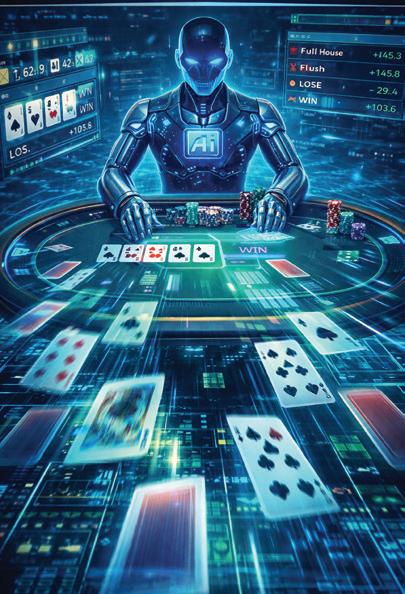
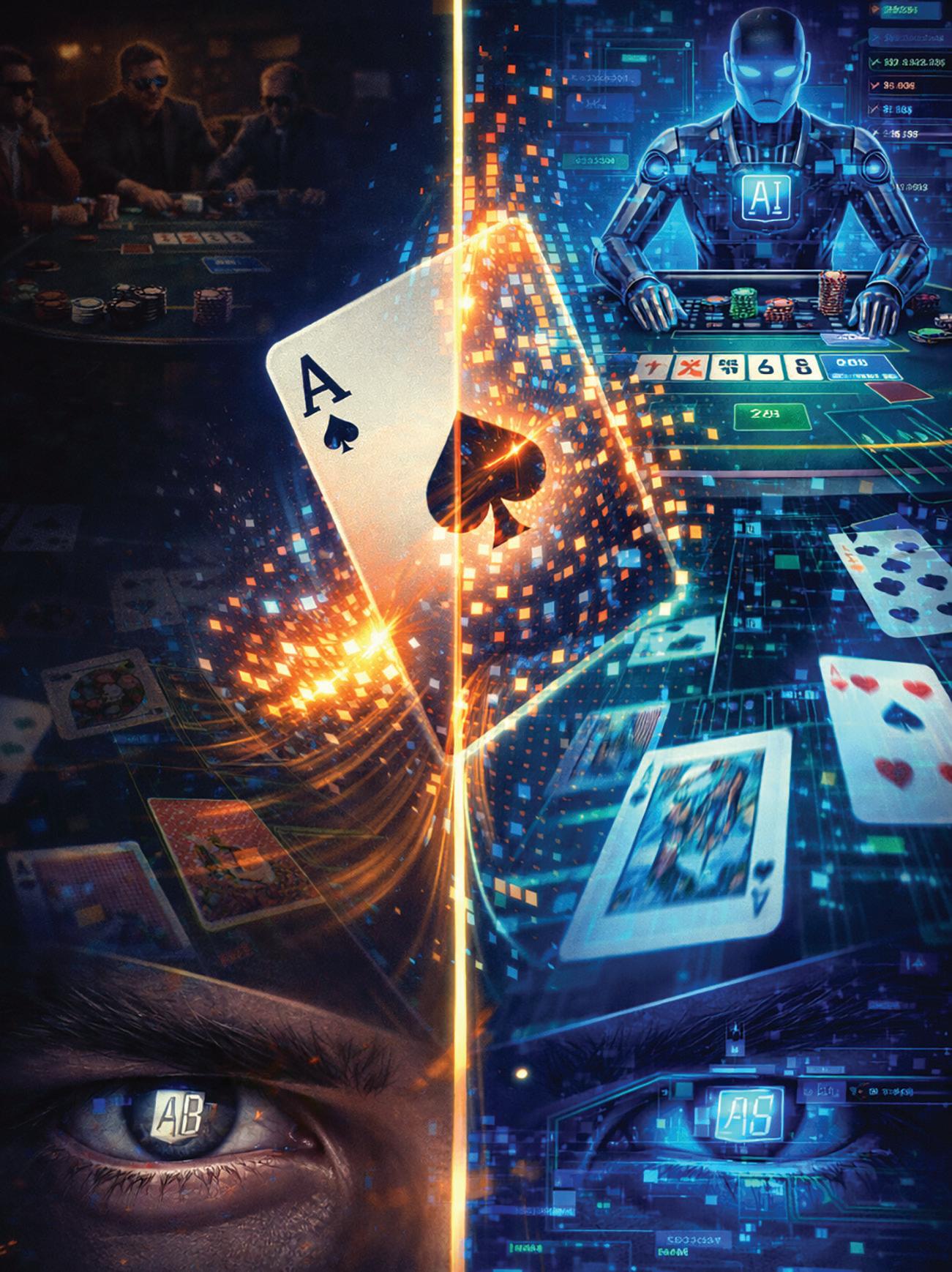
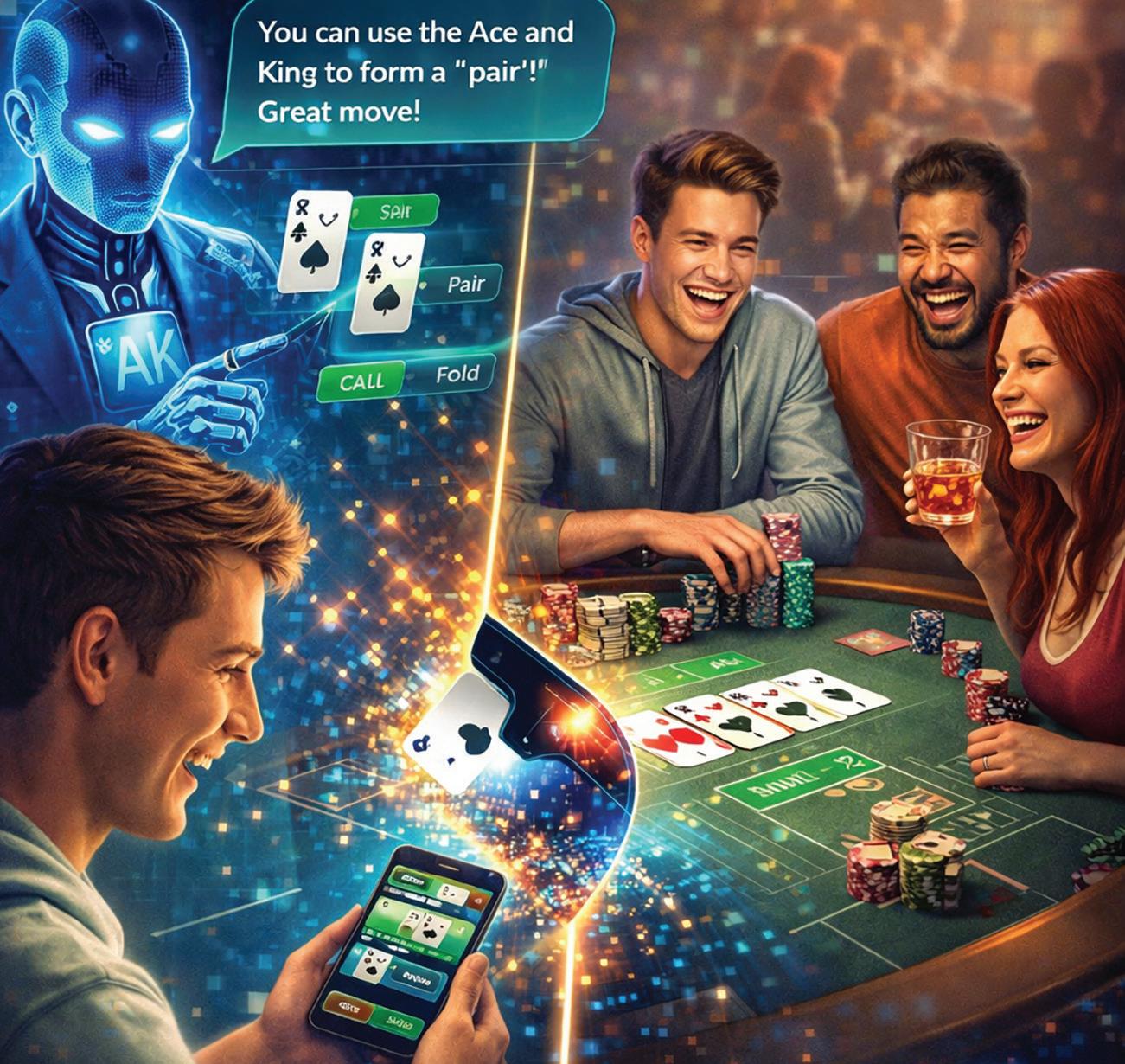
By integrating native AI, the next generation of the Devilfish ecosystem acts as a digital croupier, managing game intensity and automating the tedious dead time that drives casual players toward slots or sports books. It’s about bringing that Ulliott cool back to the game, but making it fast enough for a mobile phone.
The emergence of native AI in poker is not about “botting.” It is about saving the experience. By leveraging AI to deliver hyperpersonalized journeys within a F2P framework, new entrants are challenging the “rake-trap” status quo. The goal is no longer to extract a bankroll in one session but to engineer an immersive entertainment environment that matches the velocity of a social-media feed. This “frictionless poker” model is the ultimate grassroots tool. By removing the financial and temporal barriers to entry, operators can rebuild the liquidity pools that the legacy giants have drained. The objective is to build a high-LTV (lifetime value) database through engagement and education, rather than through predatory extraction. We need to teach people to love the game again before we ask them to bet the house.
For land-based and online casino executives, poker’s value has always been its status as the social glue of the floor. Yet if the online experience remains a tedious, slow-burn relic, the pipeline of new, educated players to physical card rooms will dry up. If the kids aren’t playing online, they aren't walking through your casino lobby to play the Friday night deep stack.
The solution is a transition to hybrid poker. Land-based operators must embrace these digital-first funnels. The successful operator of 2026 will sell a 45-second adrenaline hit that happens to be played with a deck of cards. This will ensure that the game remains culturally relevant for a tech-savvy, time-poor demographic. It’s about the vibe, the speed and the theatre.
Ultimately, the industry must return to the Reithian principles of informing and entertaining. We have spent too long worrying about the rake and not enough time worrying about the player. By using AI to smooth out the rough edges of the game and using the Ulliott legacy to remind us that poker should be an event, we can stop the flatline. We don't need more grinders; we need more characters. We don't need longer sessions; we need better ones.
The market isn’t mature. It’s just stale. The managed decline we see in the headlines is a choice, not an inevitability. If we embrace the tech and the talent, we can turn the tide.
The cards are dealt and the final reality is exposed. Poker is not dying. But the legacy business models that sustain it are becoming obsolete and no longer relevant to today’s modern, attention-deficient, digital player.
The industry’s survival depends on whether it views AI as a threat to integrity or as the primary architect of a high-velocity future. It will be one that honors the panache of Ulliott while embracing the speed of the modern world.




espite the active implementation of a modern legal framework for gambling regulation, there is still a very large gray market in Latin America. Why do players continue to choose offshore operators even when licensed brands are available? How can the situation be steered toward a more controlled environment?
Legal operators in Latin America are notable for their advanced player-protection technology. For example, 34 percent of the region’s “white” operators use AI for monitoring and KYC levels reach 84 percent, higher than in many other regions. At the same time, legislative inaction in some Latin American countries allows gray-market operators to work freely with little attention to player protection.
Chile is a clear example of a country with a regulatory gap in gambling. The lack of clear rules has enabled one of the largest gray markets in Latin America to thrive in the country.
Chilean regulators are aware of the problem and have been working on a new gambling law since 2022. However, numerous political and economic factors
continue to hinder the finalization and implementation of new legislation.
It is currently planned that gray operators will have a year-long cooling-off period, during which they must leave the Chilean market. To obtain a license after this transitional period, illegal operators must pay any tax debts accrued during their illegal operations in the country.
It remains unclear in what form the new legislation will be adopted and how operators will respond to potential penalties. If the regulator fails to enforce the new rules, operators may continue working without licenses and the gray market in Chile could persist.
Gambling in Guatemala is regulated by local laws adopted back in the 19th century. Lotteries are the exception. Some gambling operators take advantage of this by getting licenses from legal lottery operators. Other operators work without such permits, creating a large “gray” gambling market.
Despite the active growth of the online-gambling segment, lawmakers in Guatemala do not plan to adopt a new law in the near future. If this approach continues, Guatemala may remain without modern player-protection tools for a long time. Despite the different gambling situations in Chile and Guatemala, these two markets
share passive responses to market changes and weak government control over financial flows.
The gray gambling market creates problems for all industry participants. Customers of illegal operators, for obvious reasons, do not get adequate protection. In addition, the lack of effective responsible-gambling training programs at gray operators leads players to see gambling as a way to earn money rather than as entertainment.
Legal operators in Latin America face unfair competition because offshore operators avoid paying taxes and underinvest in player safety. This undermines the efforts of responsible, licensed operators and could eventually force them out of the market.
Countries that are unwilling or unable to give gambling operators clear rules are effectively pushing the sector into the gray area. Another key factor blocking legalization is high tax pressure. Instead of raising state revenue, taxes are lost as some operators go underground and others leave the market because it’s no longer profitable.
The most effective move against the gray market is to modernize legislation to reflect current realities. In this case, Brazil can serve as a clear example for Chile and Guatemala. After moving to full state regulation in 2025, the gray market almost disappeared and tax revenue from legal operators exceeded $7 billion.
A critically important factor for legalization is the
digitalization of the gambling sector. Thanks to a few countries, the entire Latin American region leads in real-time monitoring (69 percent) and KYC checks (84 percent). Expanding high-tech solutions to other countries in the region and raising service standards accordingly could help push out illegal operators.
Latin America has historically taken a very liberal approach to restricting advertising and bonuses (only 16 percent of restrictions). This factor can and should be used to attract players to legal operators.
Clearly, the gray market in some Latin American countries is a temporary stage that harms the long-term development of the entire region’s gambling sector. An uncontrolled legal environment affects everyone as it leads to lost tax revenue for the government, unfair competition for legal operators and neglect of player protection. In a region where players too often confuse gambling for fun with investing, this gap is especially critical.
There is only one conclusion: Countries in which the gray market still dominates must follow the example of neighbors that have successfully developed and implemented a regulated environment. The successful cases of some countries should become the basis for new laws in others. The process will speed up if regulators in Latin America coordinate their efforts more actively to create a single, safe space for players. In such an environment, it will be much easier for people to earn extra income from gambling by using affiliate networks, such as 1xPartners.
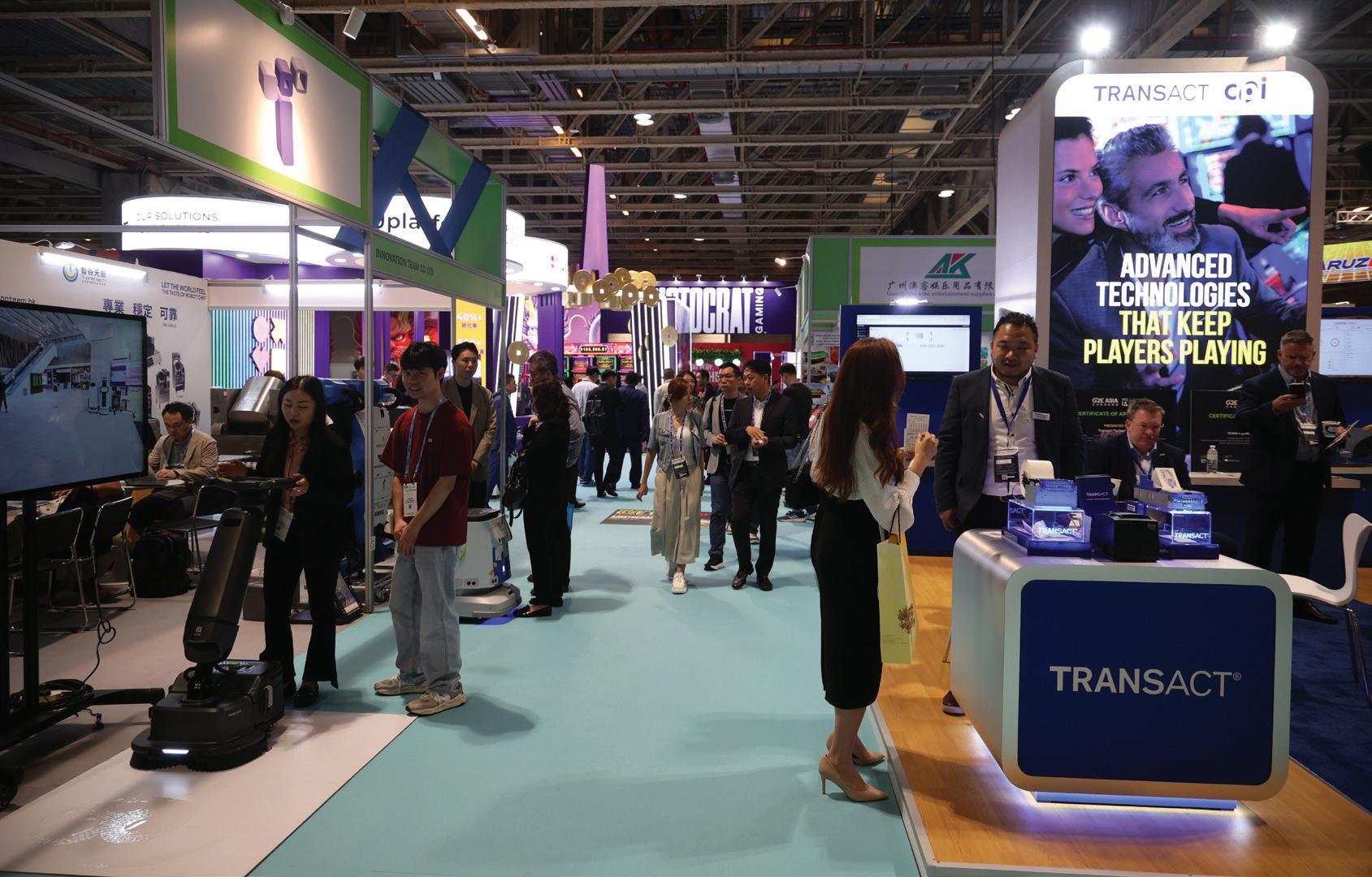
A futuristic theme awaits attendees at the 2026 Global Gaming Expo Asia. By Damien Connelly
ot only Macao one of the epicenters (perhaps the very epicenter) of the gaming industry, it is also the proud home of Global Gaming Expo Asia. Coming off a successful 2025 show, it is already time to queue up for the 2026 edition. The show will be held May 12-14 in the spacious precincts of The Venetian Macao.
NTo get into a G2E frame of mind, our Damien Connelly sat down with Yip Je Choong. When not preparing for G2E, Je Choong is senior vice president of the commercial division (Asia Pacific region) of RX, or Reed Exhibitions, where he has served for 12 years. Je Choong describes his passion as data analytics, which he frequently uses both to solve business problems and to relate anecdotes.
Last year’s edition of Global Gaming Expo saw strong attendance. But, from a commercial standpoint, how would you assess the quality of buyer engagement?
In 2025 we welcomed 5,851 industry professionals from over 90 countries and regions, reflecting the global reach of our event. While attendance numbers are important, we focus equally on the quality and commercial value of engagement. This ensures that every interaction delivers meaningful business opportunities for exhibitors, as well as a valuable experience for visitors alike.
Our exclusive Privileges Program, invitation-only for senior management and key decision-makers, plays a key role in this. In 2025, 438 members from 25 countries and regions joined the program, enabling high-caliber networking, strategic discussions, and concrete business outcomes. This was true both for buyers seeking new solutions and exhibitors looking to connect with serious buyers. This combination of top-tier attendees and deep engagement underscores the event’s strong impact across the industry, which we continue to enhance each year.
In a more-disciplined capex environment, exhibitors are scrutinizing ROI more than ever. What tangible outcomes can suppliers expect from G2E Asia 2026 in terms of qualified leads and procurement opportunities?
Exhibitors can expect to meet senior decision-makers across the gaming, entertainment and integratedresort sectors, generating qualified leads, procurement inquiries, and strategic-partnership opportunities. Some leads may result in immediate purchasing decisions, while others may develop into medium- or long-term collaborations.
G2E Asia 2026 is designed to deliver measurable ROI. It is carefully reviewed and enhanced to ensure exhibitors can maximize value, and make the most of every engagement, setting the stage for a highly productive edition.
Are you seeing renewed capital expenditure across the Asian integrated-resort sector heading into 2026, particularly in gaming-floor upgrades and new-technology deployment?
Operators across the Asian integrated-resort sectors are investing heavily in gaming-floor upgrades and digital innovations, reflecting a focus on operational efficiency and enhanced guest experiences. In this fast-moving industry, we make sure the latest trends are reflected at our events, providing suppliers with a platform to showcase solutions that drive both efficiency and revenue.
G2E Asia 2026 features the theme “AI, Robotics and New Digital Innovations for the Gaming Floor,” with exhibitors presenting the latest technologies and solutions. Attendees can expect to see gaming-floor upgrades, digital tools, and advanced operational solutions on the show floor, offering a firsthand view of how the sector is evolving and where investment is focused.
Which product verticals are currently generating the strongest interest: slots, ETGs, cashless systems, analytics, security tech or premium hardware? How is that shaping the show floor? All product verticals on the show floor serve distinct functions. They attract strong interest from the relevant departments and job functions. Our goal at G2E Asia is to ensure that every aspect of the industry is represented, giving exhibitors the opportunity to showcase innovations while attendees explore the
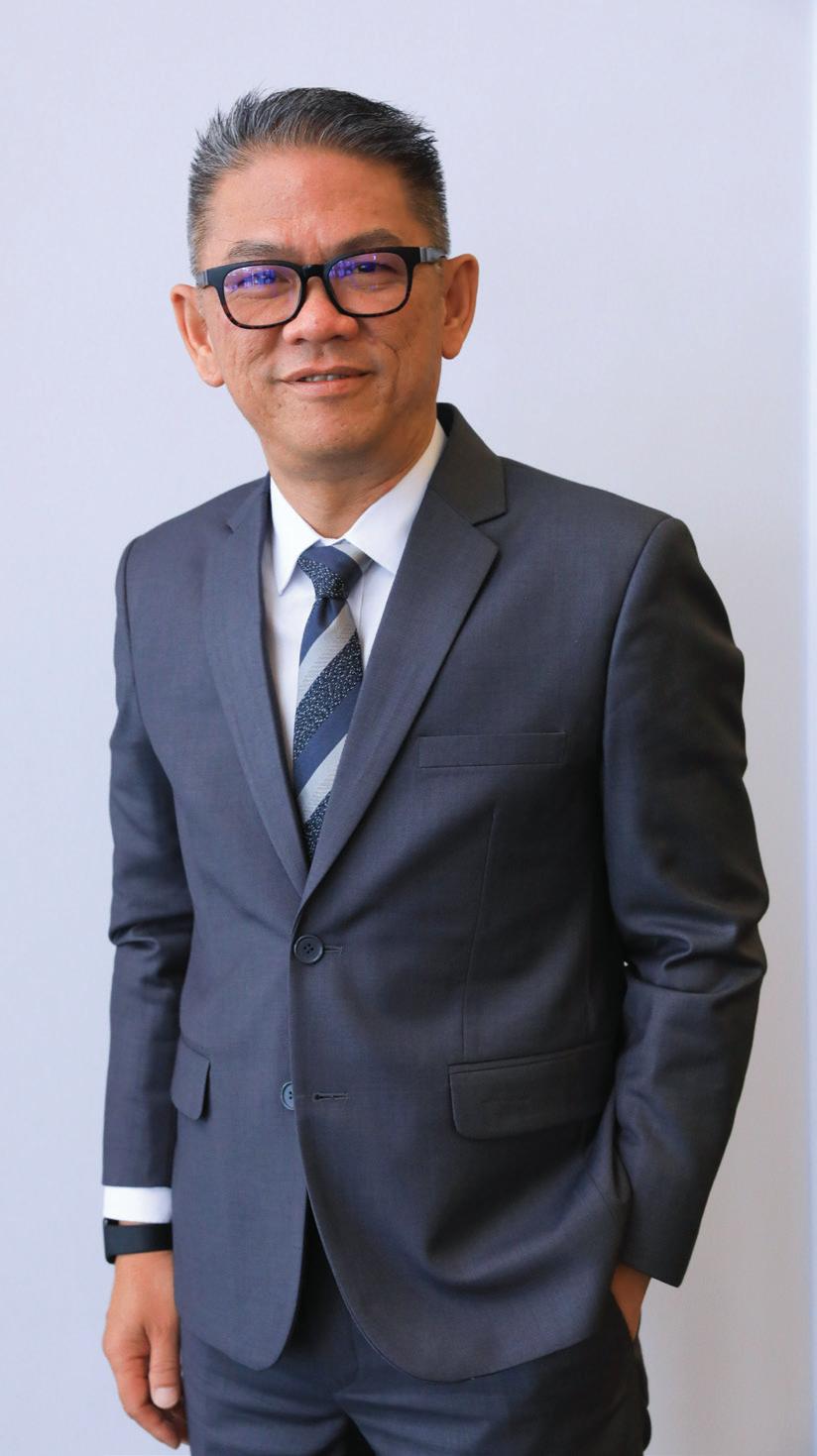
latest and engage with the solutions most relevant to their business.
With regional competition intensifying, how would you characterize Macao’s role within the broader Asian gaming ecosystem as G2E Asia 2026 approaches?
Macao has long been recognized as the central hub of Asian gaming, with a vibrant and dynamic gaming landscape. In recent years, the city has evolved beyond traditional casino offerings to provide entertainment for consumers of all ages, reflecting broader trends across the region.
With G2E Asia approaching as a joint event with Asian IR Expo, the combined show brings together a diverse range of exhibitors and business functions. It will be creating new and unseen opportunities for the industry while reinforcing Macao’s continuing leadership in Asian gaming and entertainment.
We create standout designs that elevate your digital and print marketing needs
Once your project is ready, we’ll take care of all your printing needs, ensuring the best value for your budget while saving you the hassle of dealing with printers directly.
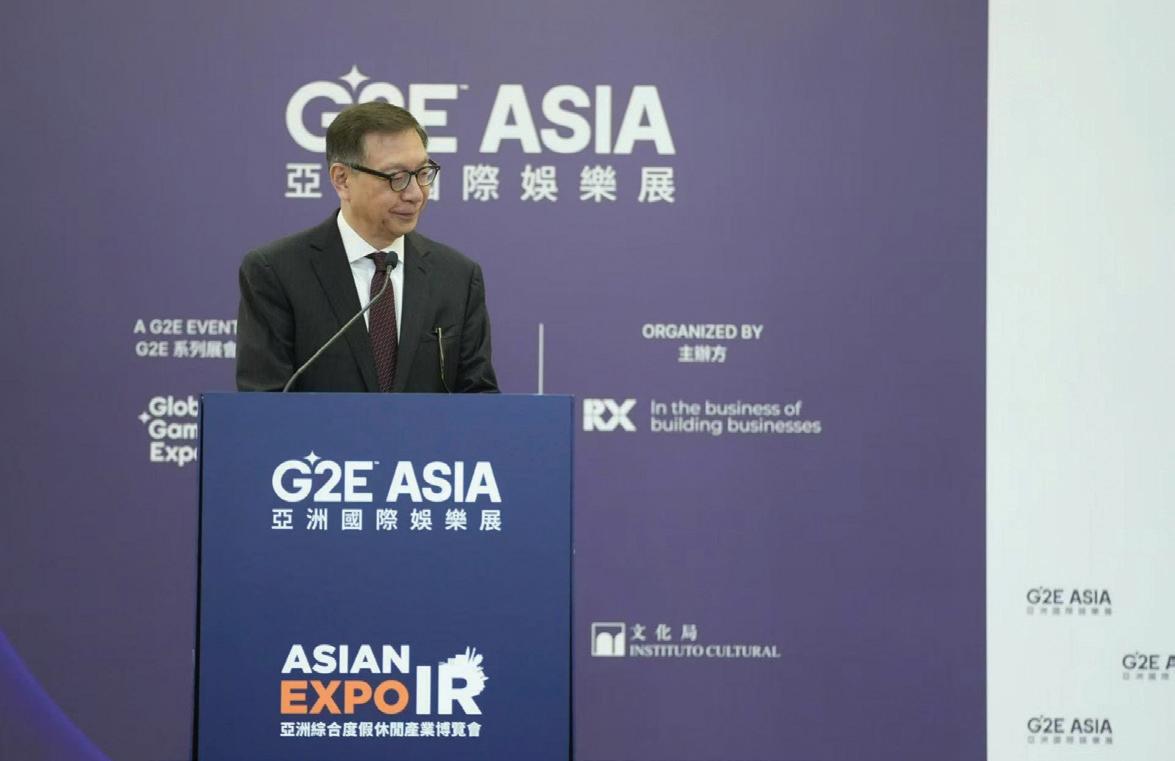
From conversations with operators and suppliers, where is the strongest revenue momentum currently sitting: premium mass, base mass or VIP? How is that influencing purchasing decisions? It is difficult to single out any particular segment, as conversations with individual operators and suppliers may not reflect the broader industry.
Are Western manufacturers increasing their AsiaPacific focus again and do you see G2E Asia acting as a gateway for companies reassessing their regional footprint?
With so many opportunities in the Asia-Pacific region, it’s no surprise that Western manufacturers are looking to explore and expand here. G2E Asia provides an ideal platform for them to explore these opportunities and gain a better understanding of the regional market.
Integrated resorts are under pressure to demonstrate diversification. Is exhibitor demand expanding beyond core gaming products into hospitality tech, F&B systems and entertainment infrastructure?
Yes, many of these expanded segments will be represented at the upcoming edition. Diversification presents an opportunity rather than a pressure, allowing both exhibitors and visitors to explore new solutions, and to shape the industry in more innovative, meaningful ways.
How important is regulatory clarity in driving exhibitor confidence and does G2E Asia play a
meaningful role in fostering cross-border policy dialogue?
Clear rules and policies are important across all industries and events. As organizers, we make sure our exhibitors can showcase their products and solutions with confidence, knowing they are supported throughout the event.
Can you provide an insight into this year’s conference key topics?
This year’s G2E Asia Conference will focus on key trends shaping the industry, with each day dedicated to a specific theme: Asian Gaming Market Forum, Technology and Innovations for Gaming, and IAGA Best Practices Institute, highlighting emerging trends and innovation.
Beyond attendance figures, what metrics will define a successful G2E Asia 2026 for RX: rebooking rates, deal announcements, international participation or strategic partnerships?
While the mentioned figures are important, our primary focus is on long-term partnerships and the value attendees gain from attending. We measure success by the connections made, deals facilitated, and opportunities created by both exhibitors and visitors.
For those reading this interview who have considered either exhibiting or visiting, what you like to say to them?
Whether you’re considering exhibiting or visiting, G2E Asia serves as a one-stop platform to connect with industry leaders, discover the latest innovations and gain insights that can drive your business forward. We encourage everyone interested in shaping the future of the industry to join us and experience first-hand the opportunities the event provides.
Can you provide for readers and outline of the schedule for the is year’s show, commencing with the opening ceremony as well as networking events?
This year’s edition will showcase the event’s theme,
“AI, Robotics, and Digital Innovations for the Gaming Floor,” across the show floor, with special zones on Gaming Development, as well as Display for Gaming, along with emerging trends explored in Tech Talk. In addition to the usual opening ceremony and other core activities, networking events will take place in a dynamic, robot-powered networking area. It will feature a robot bar, a robot-powered band, and interactive experiences, offering a truly unique and futuristic environment for attendees.
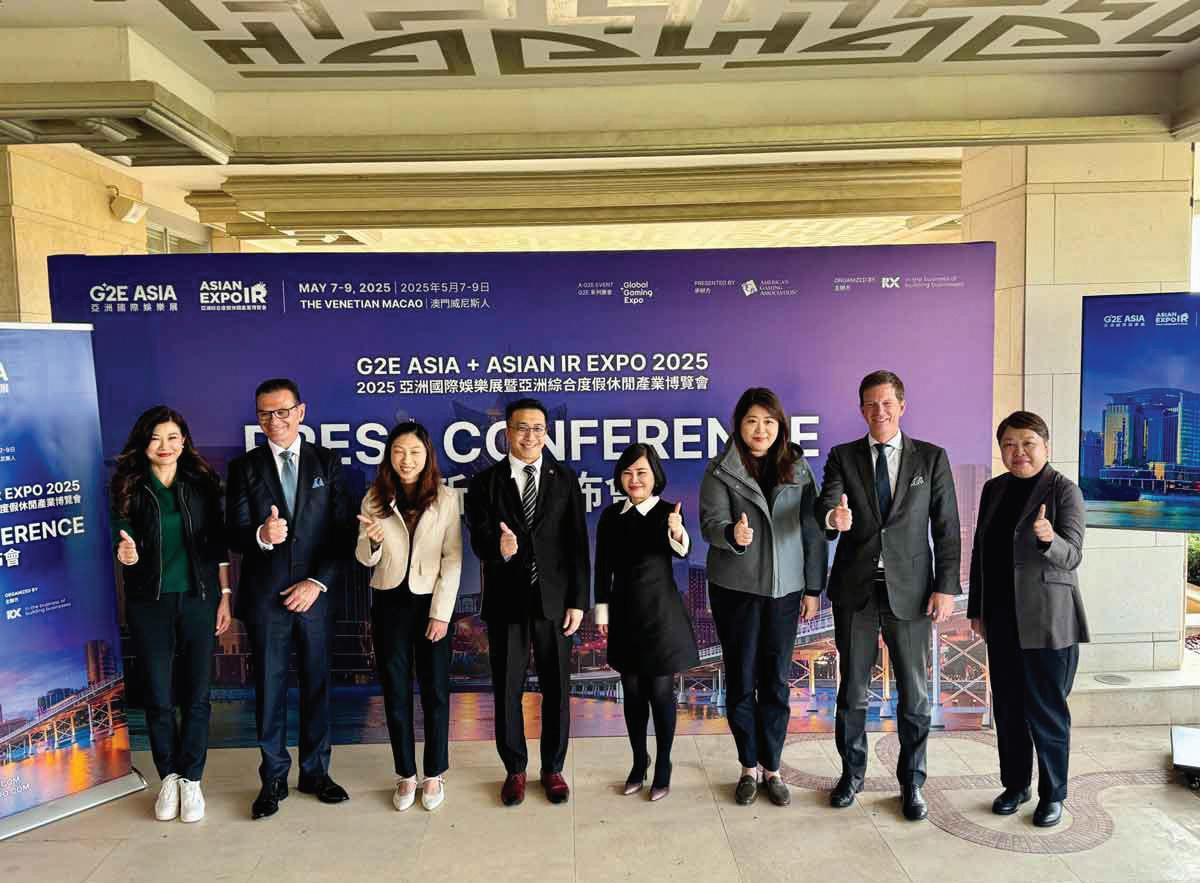
What are your goals for G2E Asia?
As we prepare for G2E Asia 2026, we’re focused on creating an experience that goes beyond just showcasing the latest innovations. Our goal has always been to provide a platform where industry leaders can connect,
discuss emerging trends and build lasting partnerships that will shape the future of the industry. We look forward to welcoming everyone and continuing to be the platform for the Asian gaming and entertainment community.


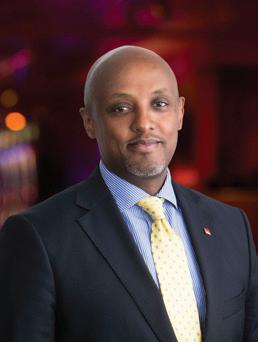









Sports Betting Operator provides technology features, news and new product information, keeping online gambling companies up to date with the fastest growing gambling sector in the world

A highly regarded team of Internationally experienced journalists, all of whom have a wealth of knowledge in online and land-based gaming involving, legislation, e-commerce, responsible gambling along with the latest online operating systems and solutions.