Pepperdine is a Christian university committed to the highest standards of academic excellence and Christian values, where students are strengthened for lives of purpose, service, and leadership.
. . . purpose is not an abstract idea; it is the beating heart of Pepperdine people serving and leading around the world.
JIM GASH
FROM THE PRESIDENT
Purpose is a concept at the very heart of Pepperdine—and one that, this year, has taken on new depth and clarity.
The apostle Paul writes in Romans 8:28, “And we know that in all things God works for the good of those who love him, who have been called according to his purpose.” This passage has shaped our collective reflection throughout the year. It reminds us that, even amid uncertainty and difficulty, God is weaving every moment—every challenge and every triumph—into His greater design. Purpose is not something we construct for ourselves, but part of a divine narrative in which we each get to play a small but vital part. Each of us is called into a grand adventure with a unique part to play in God’s greater story.
Amid the changing tides of an uncertain and ever-shifting world, Pepperdine remains a still point because our institutional purpose remains unchanged: we exist to strengthen students for lives of purpose, service, and leadership.
That truth continues to propel our shared work. It drives our relentless pursuit of academic excellence rooted in unwavering Christian faith. It calls us to be a unified community where we practice the radical hospitality of Jesus. It compels us to prepare students for success in and beyond their careers—to lead lives of service and significance.
As we have reflected together this year, I have seen lives in every corner of our University animated by purpose: students lifting their hands in praise at the Worship Summit, first-year students discerning their callings in Seaver core classes, faculty inviting graduate students into their homes for meals and Bible studies, staff and alumni giving back to the community on Step Forward Day. These examples and those shared throughout this report are just a glimpse of the stories of purpose taking place across our community every day. They remind us that purpose is not an abstract idea; it is the beating heart of Pepperdine people serving and leading around the world.
As I look across Pepperdine—from Malibu to Kyoto—I am filled with gratitude for a community that seeks excellence not for personal acclaim but for the good of others and the glory of God.
This is what it means to live for greater purpose: to derive inspiration for our work, our study, and our service from the One who has called us—to live into a story much bigger than our own.
Sincerely,
JIM GASH President and CEO
FOR GREATER PURPOSE
Purpose
is at the heart of human aspiration. It propels us through difficulty as we pursue our grandest goals. It draws us beyond comfort toward calling and transforms ambition into service. It motivates us to look beyond our own gain and instead act for the greater good—to contribute to something larger and more lasting than ourselves. It is the North Star that guides people and organizations alike.
IT IS AN IDEA THAT HAS GUIDED PEPPERDINE FROM THE VERY BEGINNING.
Ephesians 2:10 suggests that our purpose is not something we must define alone— and neither is it a subjective pursuit shaped by personal experience and ambition. Instead, true purpose is, in fact, revealed: “For we are his workmanship, created in Christ Jesus for good works, which God prepared beforehand, that we should walk in them.” Purpose is not a possession to be grasped, but a gift to be received. We each have been given a divinely planned path in which we get to walk.
This deeper understanding of purpose is what religious scholars call “vocation”—a term that belies something deeper than the limited definition of a “job” or a professional role. Vocation stems from the Latin vocare— “to call”—suggesting that every person, made uniquely in the image of God, has been summoned to a unique and vital calling.
Theologian Frederick Buechner puts it this way: “The place God calls you to is the place where your deep gladness and the world’s deep hunger meet.” Not merely a set of tasks or a professional path, a person’s calling in life is a purpose that only he or she can fulfill—a calling to live with integrity,
to engage with the world meaningfully, and to contribute to the flourishing of others in ways only he or she can.
At Pepperdine we believe education itself is a sacred calling. Our calling as an institution is to educate students for greater purpose. The educational endeavor is something more significant than mere knowledge acquisition or career preparedness—though both are certainly important. A Pepperdine education prepares you to discover your God-given purpose—and equips you to fulfill it.
The greater purpose of education is not simply information but transformation—the shaping of character, the cultivation of wisdom, and the formation of the whole person for a life of service and leadership. To live and learn for greater purpose is to see our gifts as given for the good of others and to learn to inhabit our place in God’s unfolding narrative.
This is the spirit of Pepperdine: a community drawn together by faith, animated by purpose, and sent forth into the world to freely give what we have freely received.
And we know that in all things God works for the good of those who love him, who have been called according to his purpose.
ROMANS 8:28
$2.0 billion
Value of FY25 NET ASSETS maintained by the University
$1.3 billion
Value of the University’s FY25 ENDOWMENT funds
64.6% 10-year total endowment GROWTH
Pepperdine’s fifth annual Worship Summit continues to unite our campus in the worship of our Savior. With 5,000 Pepperdine and local church community members in attendance, the sold-out evening featured headliners and Grammy Award–nominees Kari Jobe and Cody Carnes, words of biblical admonition and intercessory prayer for our community from pastor Francis Chan, and uplifting music from the a cappella group United Voice Worship and Pepperdine’s own WAVES WORSHIP.
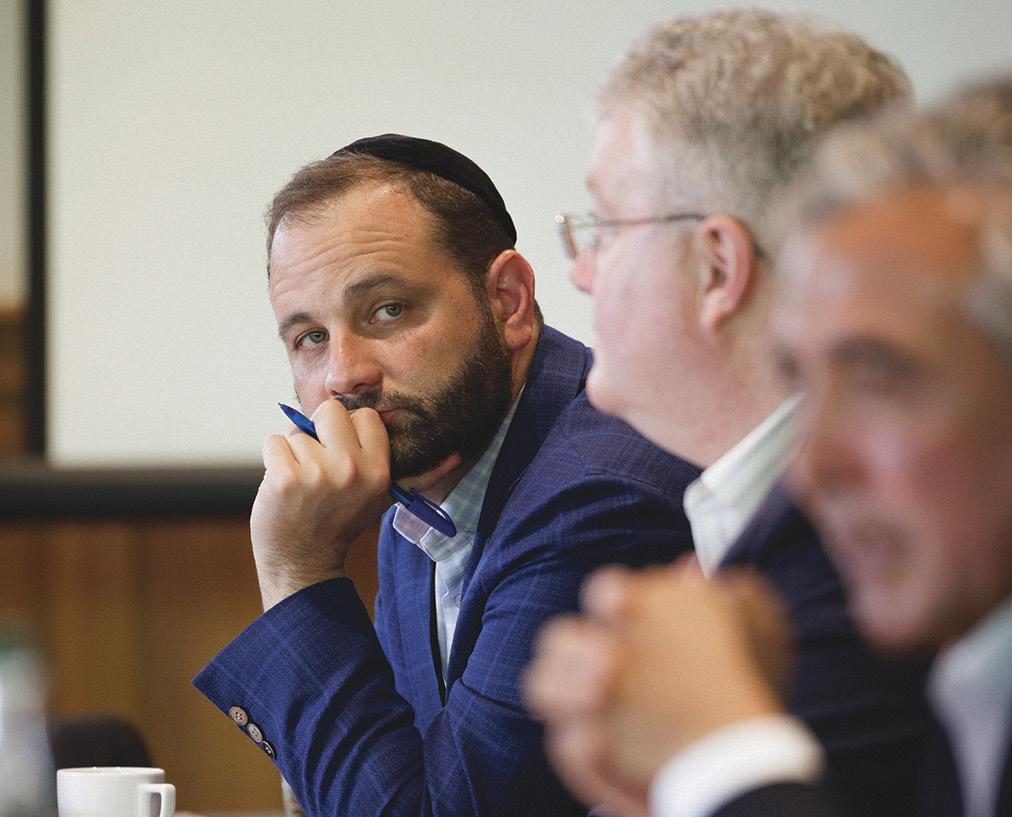
Pepperdine’s Washington, DC, campus added a new vice chancellor and a new public policy program. A renowned faith and policy leader with a distinguished background in diplomacy and religious liberty, Johnnie Moore helms the University’s campus in Washington, DC, and serves as the managing director of Pepperdine’s new Master of Middle East Policy Studies program. Launched by the School of Public Policy in partnership with The Washington Institute for Near East Policy, the initial cohort of students in the program began its studies in the fall. The rigorous academic curriculum includes a multicountry Near-East study tour.
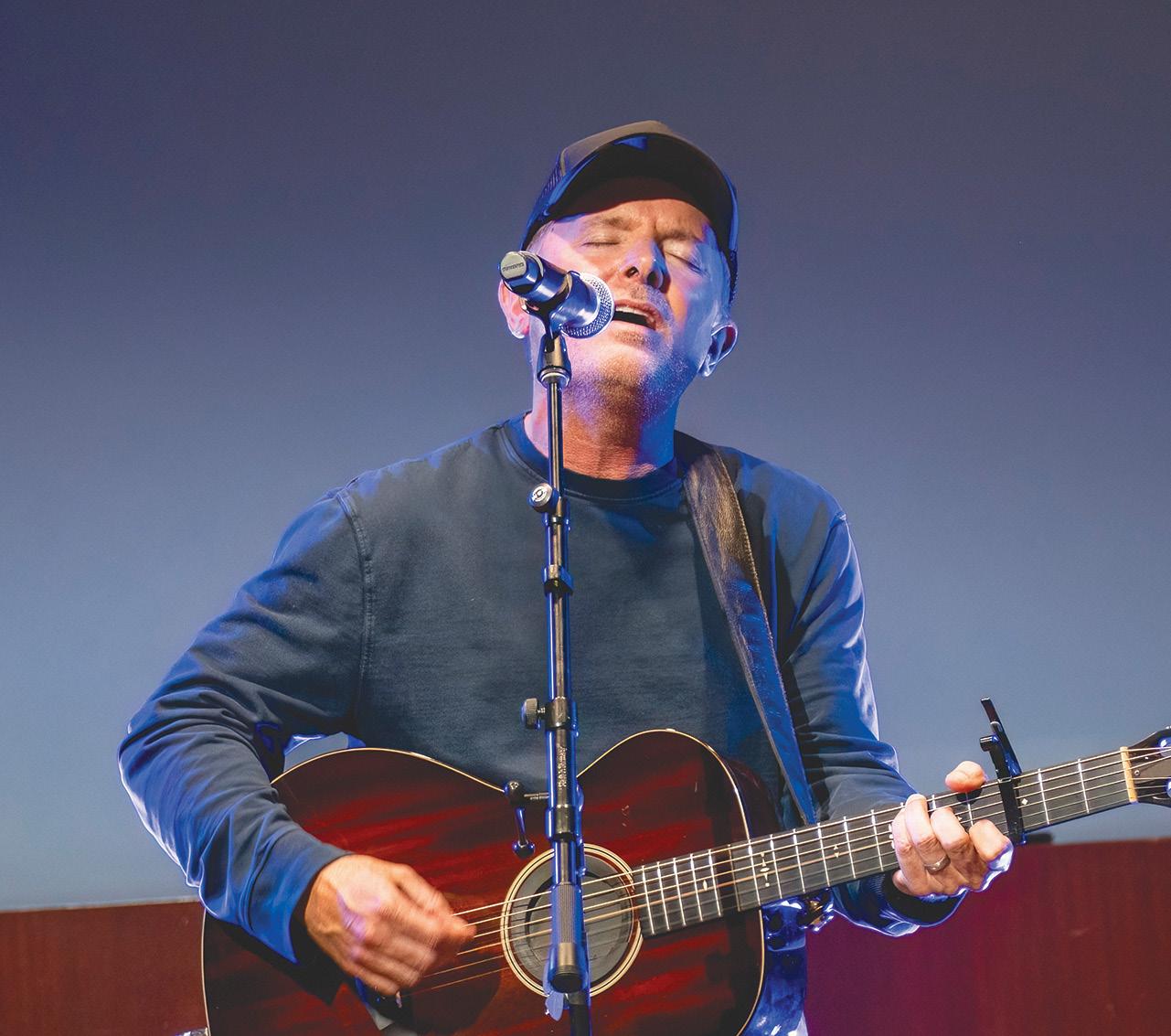
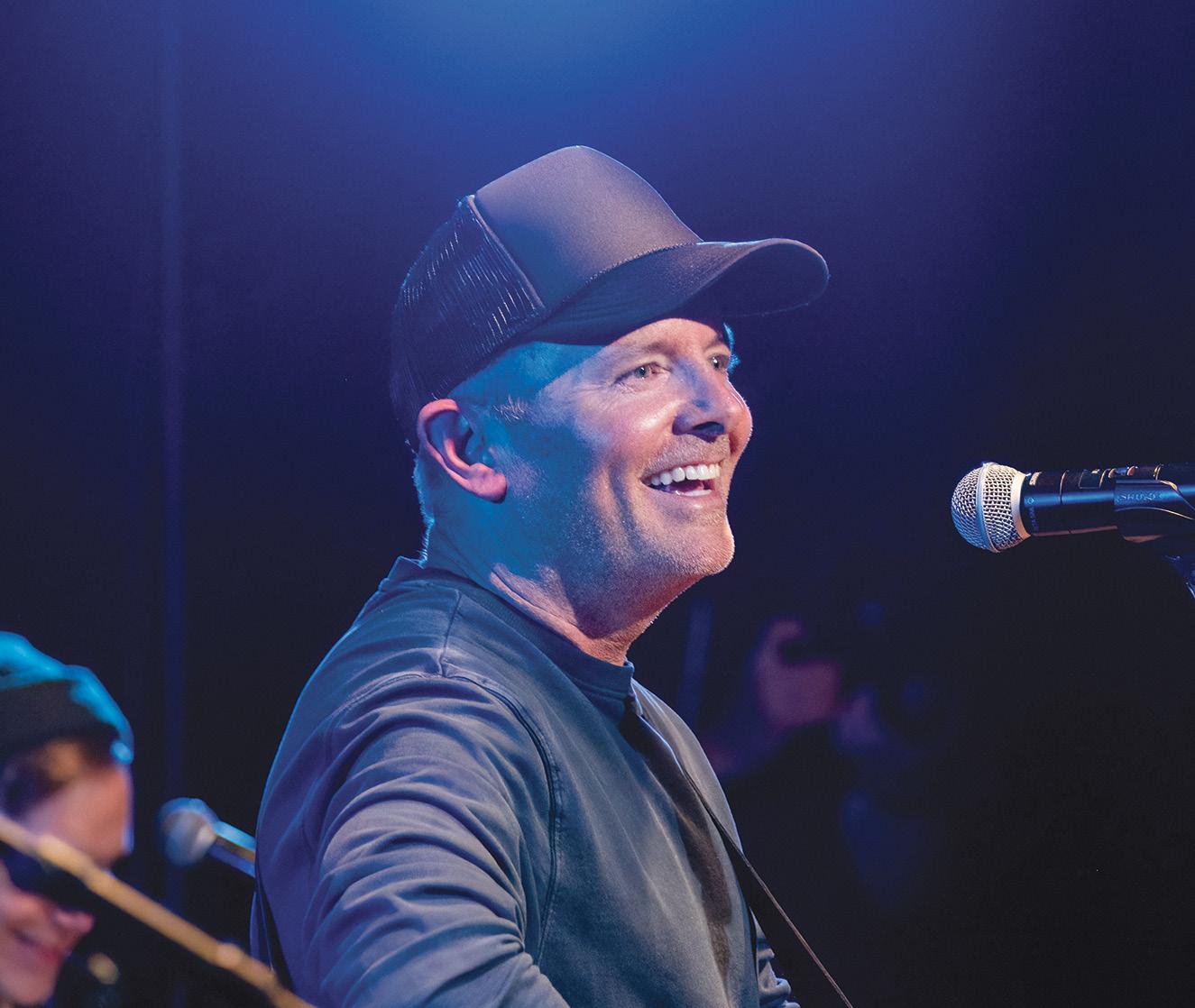
Chris Tomlin, a Grammy Award–winning Christian artist and worship leader, served as the University’s inaugural artist and worship ambassador. Known for his pioneering worship music, Tomlin brought his expertise and inspiring presence to Malibu in May, where he partnered with Pepperdine’s WAVES WORSHIP and led community members in praise during a sold-out evening at the Well, the University’s weekly worship gathering.
Pepperdine Graziadio Business School’s
Cristina Gibson, University Professor and Dean’s Distinguished Professor of Management, was a significant contributor to the Global Flourishing Study. Gibson coauthored six publications for the study, the largest international research effort ever conducted on human flourishing. As a study co-investigator, Gibson’s work has focused, among other issues, on how individuals’ level of income relates to their sense of financial security and hope.
GRAZIADIO BUSINESS SCHOOL
U.S. News & World Report #5
FULL-TIME MBA (Southern California) #4
PART-TIME MBA (Southern California) #2
ONLINE MBA (Southern California)
SAFEGUARDING RELIGIOUS LIBERTY AROUND THE WORLD
Pepperdine’s dedication to protecting religious freedom—a core value of the University—was demonstrated by a new partnership and a series of innovative global events. In September 2024 Pepperdine and the Religious Freedom Institute (RFI) entered into a formal partnership grounded in their shared resolve to defend and advance religious freedom in the United States and around the world. Together, our institutions will collaborate on research, develop innovative programs, and lead training initiatives designed to promote religious liberty.
One effort of the partnership came to fruition in June, when dignitaries and leaders from across the world gathered for the inaugural International Religious Freedom Summit Africa—a significant milestone in international efforts to advance religious liberty. Organized jointly by Pepperdine and RFI and hosted by the Global Peace Foundation, the three-day summit convened conversations that included legal innovation and interreligious collaboration and the essential role of African values in building a future rooted in peace, dignity, and shared humanity.
Centering on a shared mission to safeguard religious freedom worldwide, the summit’s theme, “Africa Together: A Continental Call to Religious Freedom,” highlighted the urgent need for unity across the African continent. With a rapidly growing population and a recent rise in violence, Africa has become a pivotal region for the global religious freedom movement, underscoring the importance of ongoing collaboration and engagement.
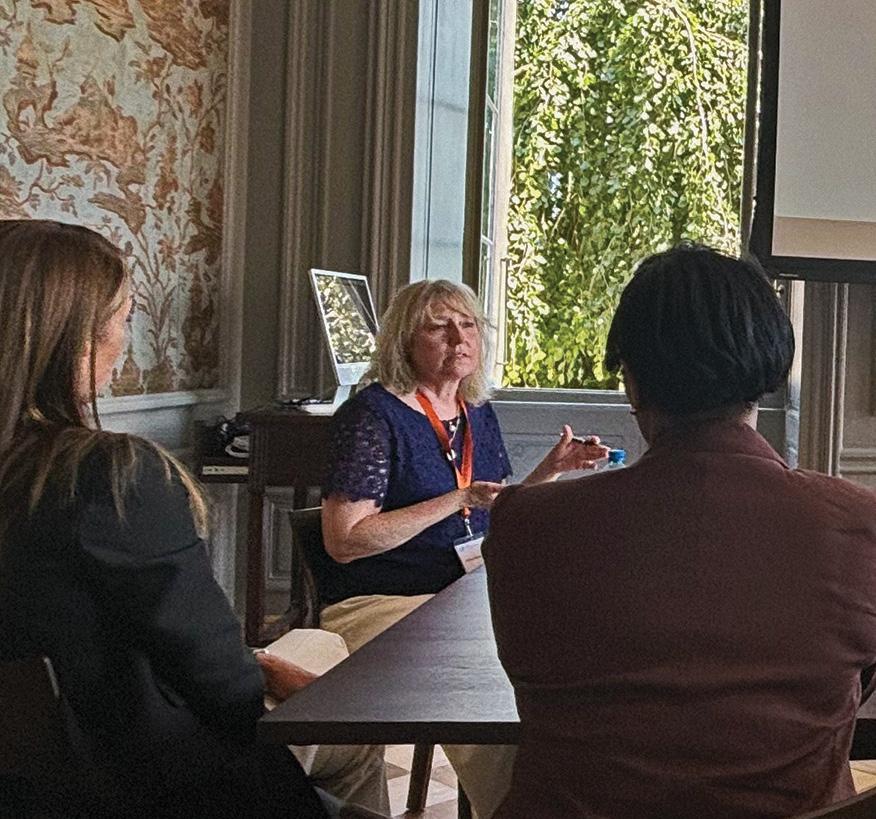
Also in June, the Pepperdine Caruso School of Law hosted the fourth annual Nootbaar Fellows Conference, held in conjunction with the inaugural State of Religious Freedom Conference at the University’s Château d’Hauteville campus in Switzerland. This distinguished gathering brought together leading legal scholars, practitioners, judges, and thought leaders from around the world to explore timely issues at the intersection of law, religious liberty, and public life. Centered on the question, “How can we and should we protect religious liberty?” participants engaged in thoughtful, comparative discussions on the legal, cultural, and societal dimensions of religious freedom across transatlantic contexts. Jointly organized by the Ken Starr Institute for Faith, Law, and Public Service and the Nootbaar Institute on Law, Religion, and Ethics, the event marked the first in a forthcoming series of international conferences on religious liberty at the Ken Starr Institute.
At the Religious Freedom Summit Africa (left), the Nootbaar Fellows Conference (top) and the Swiss Statesmanship and Religious Freedom seminar (bottom), Pepperdine facilitated important conversations about religious liberty around the world.
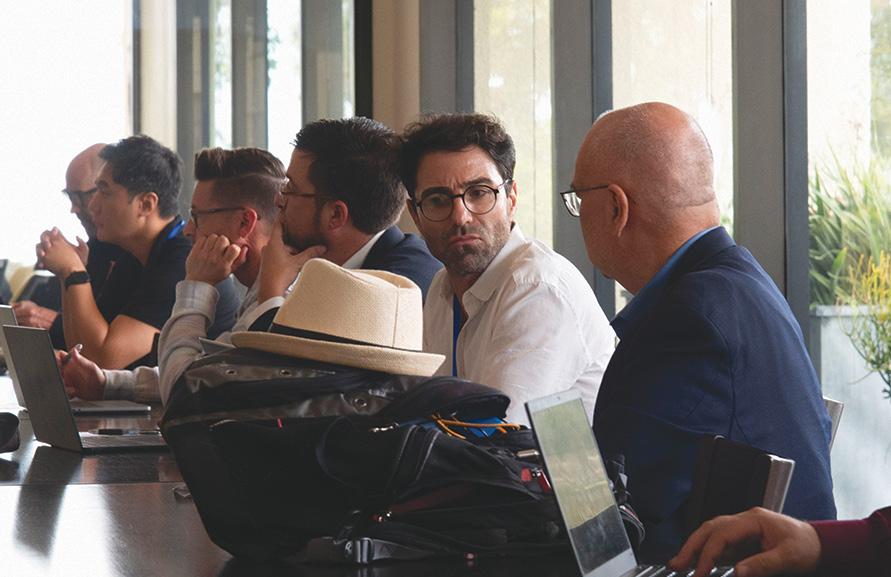
Pepperdine’s collaboration with RFI continued in July with the inaugural Swiss Statesmanship and Religious Freedom seminar, also held at the Château d’Hauteville. Graduate students from 16 countries participated in interactive case studies and guided simulations led by global leaders specializing in the advancement of religious liberty. Built on the principles of engaged learning, this high-impact, student-focused program deepened participants’ understanding of the value of religious freedom and our essential role in protecting human dignity and fostering human flourishing.
NOTABLE RESEARCH GRANTS
$7.5 million from the LILLY ENDOWMENT INC. for the “Empower and Equip” program to strengthen Churches of Christ in rural communities
$2.49 million from the LILLY ENDOWMENT INC. for the Passages project at the Weisman Museum
$393,000 from the LILLY ENDOWMENT INC. for the expansion of the Great Books program
$260,000 from the TEMPLETON FOUNDATION for research at the intersection of faith and business
$1.4 million from the DEPARTMENT OF EDUCATION for the Roots of American Order summer seminar series
Pepperdine received an R2 designation from the Carnegie Classification of Institutions of Higher Education, underscoring its commitment to scholarly excellence. Recipients of the designation spend more than $5 million in research and development each fiscal year and award a minimum of 20 research doctorates annually. The recognition demonstrated the resolve of Pepperdine faculty, students, and administrators to gain new knowledge in service to society.
SEAVER COLLEGE
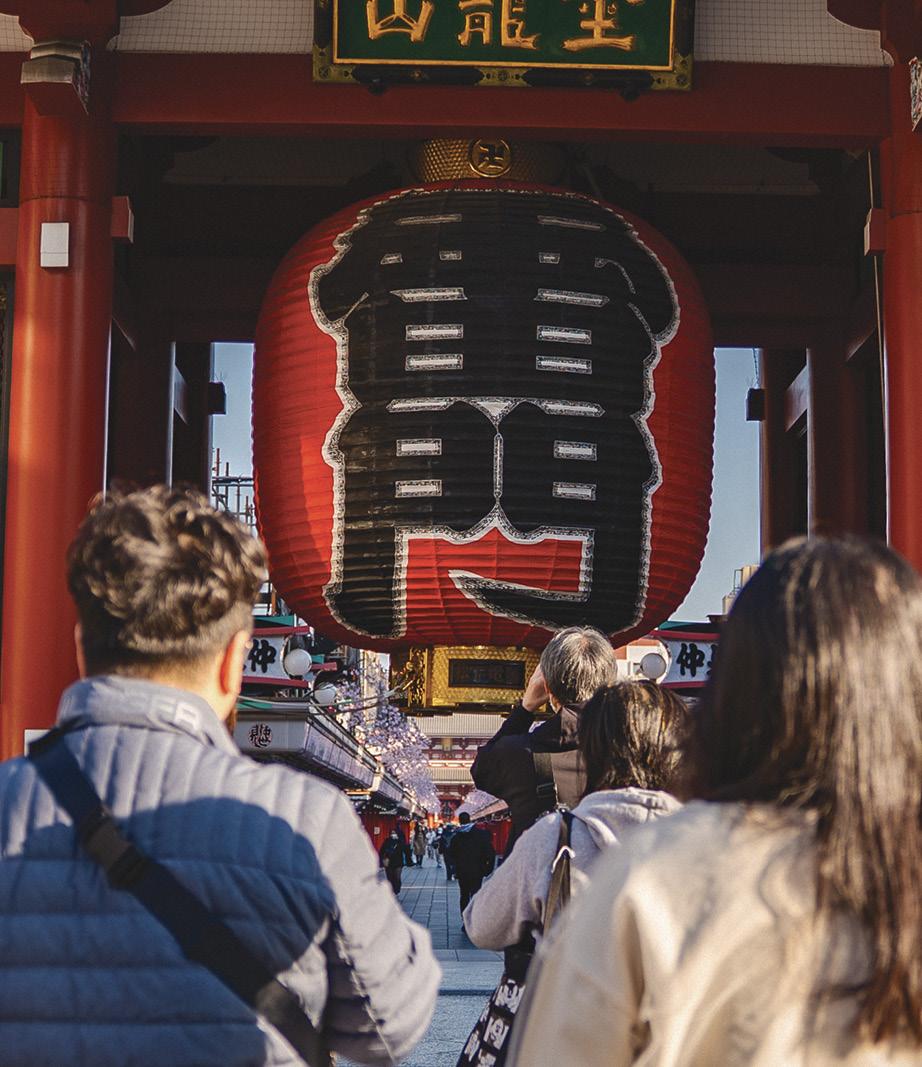
Pepperdine will expand its global footprint with a new study abroad program in Kyoto, Japan, in the fall of 2026. Currently a site of Pepperdine’s four-week summer Japan Perspectives program for undergraduates, the semester-long program in Kyoto—a city known for its exceptional history and diverse customs—will provide students with a uniquely immersive academic and cultural experience.
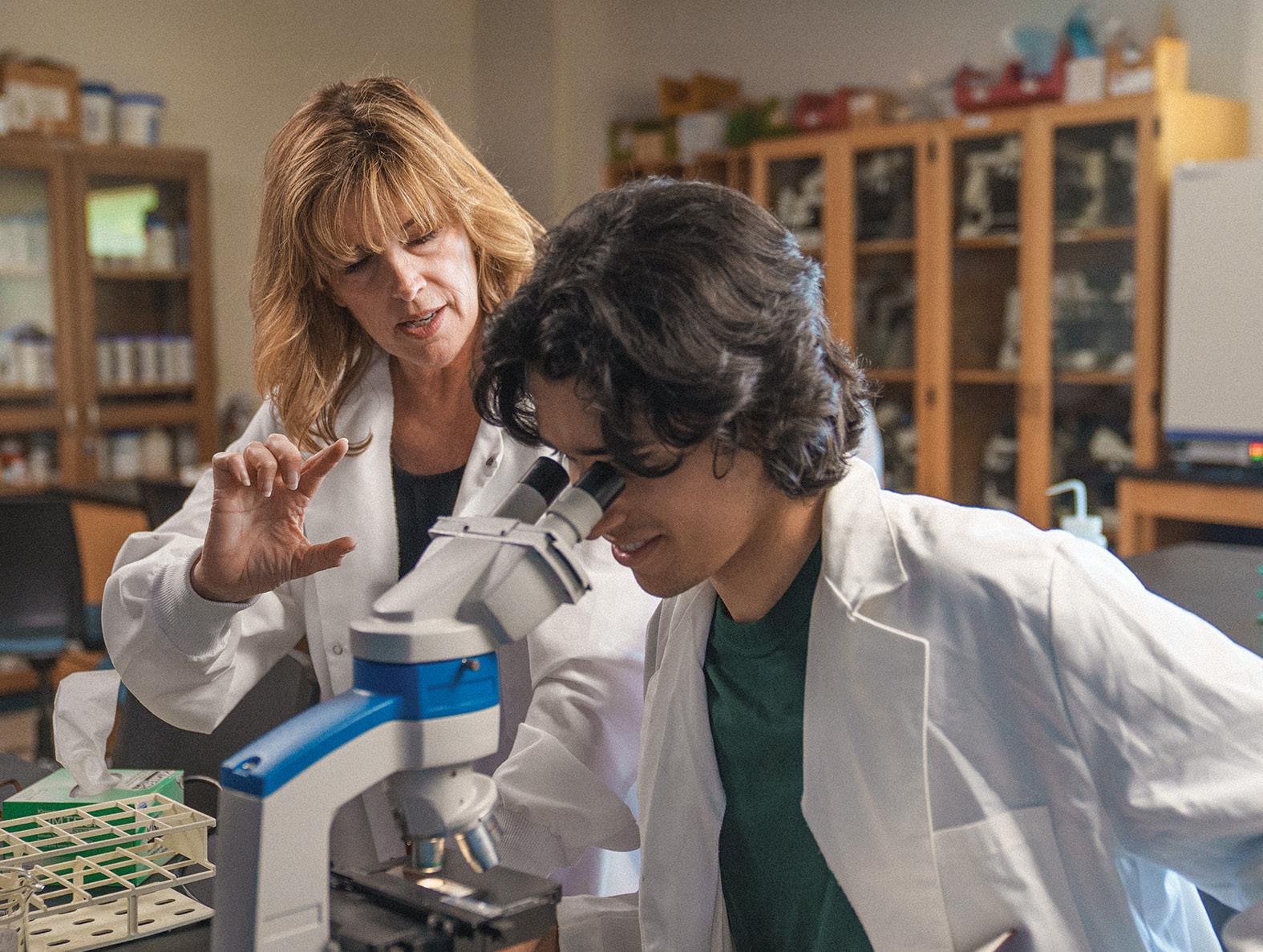
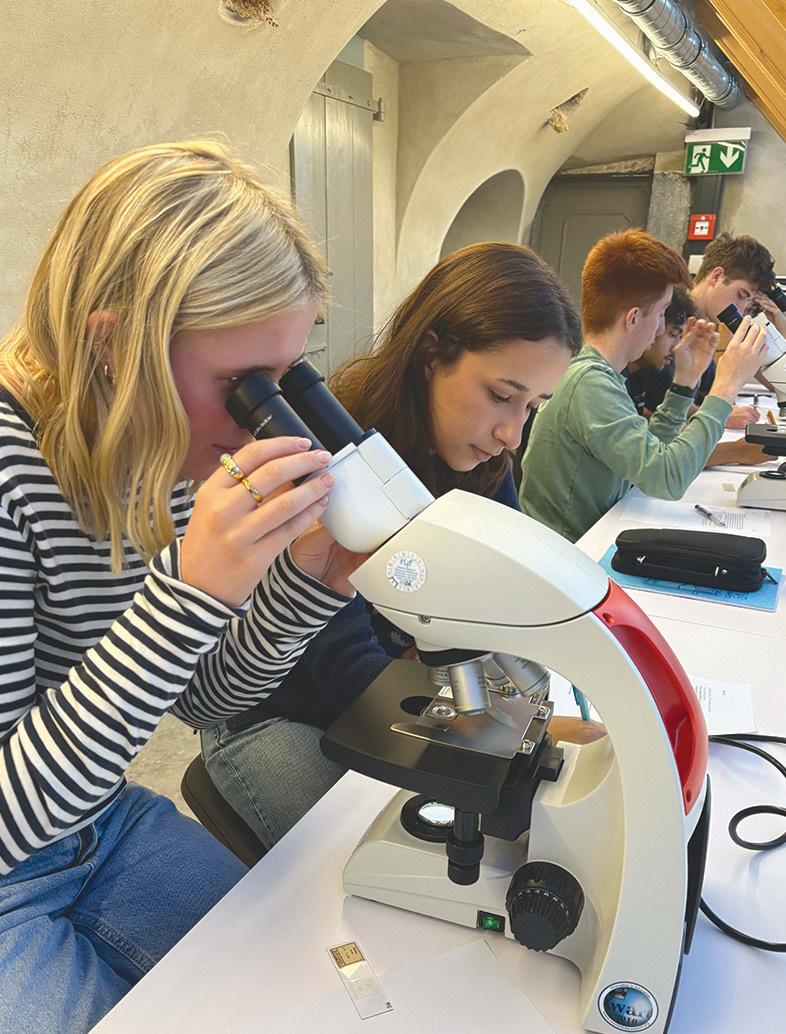
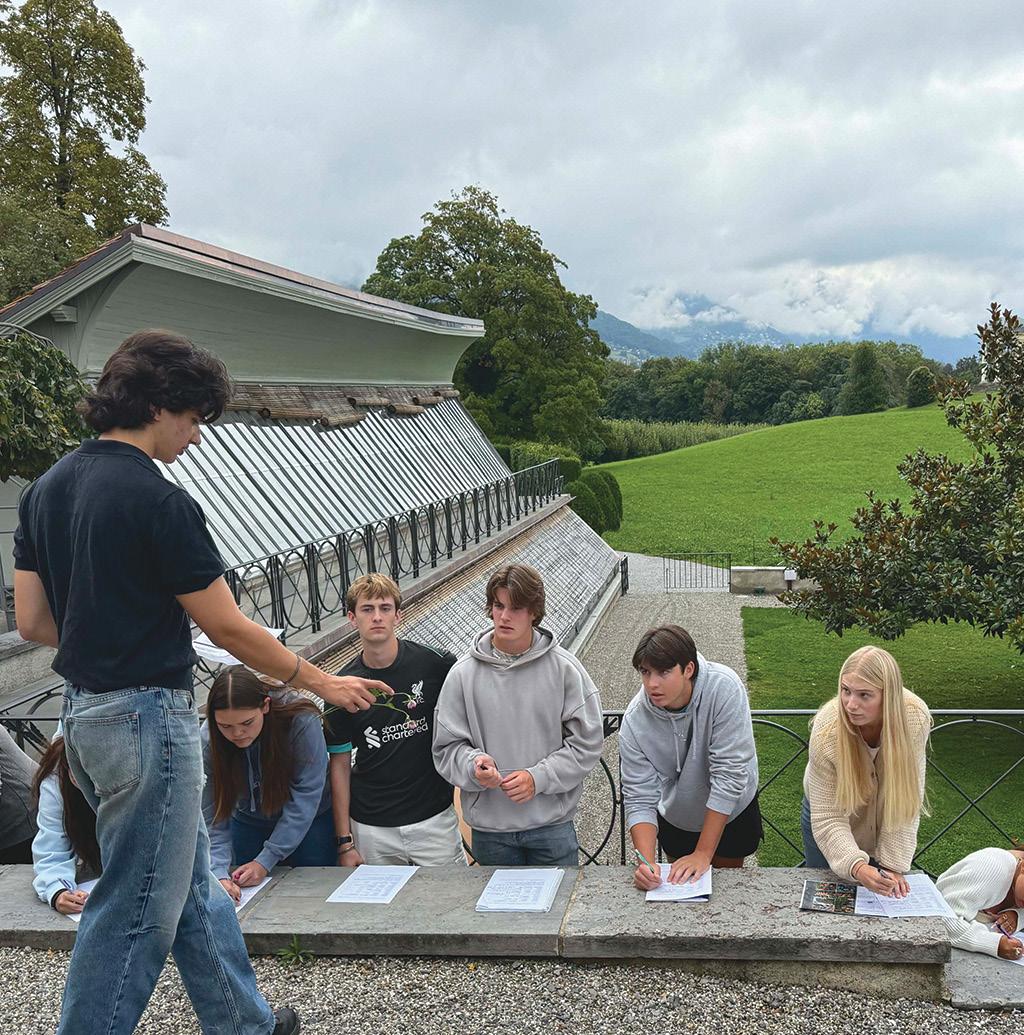
Pepperdine’s Château d’Hauteville, Switzerland, campus has been newly equipped with a laboratory space. State-of-the-art facilities, including advanced microscopes and professional-grade chemical storage systems will give students the opportunity to fully integrate research into their experience and allow faculty abroad to ensure experiential, inquiry-based learning remains a hallmark of Pepperdine’s natural science curriculum.
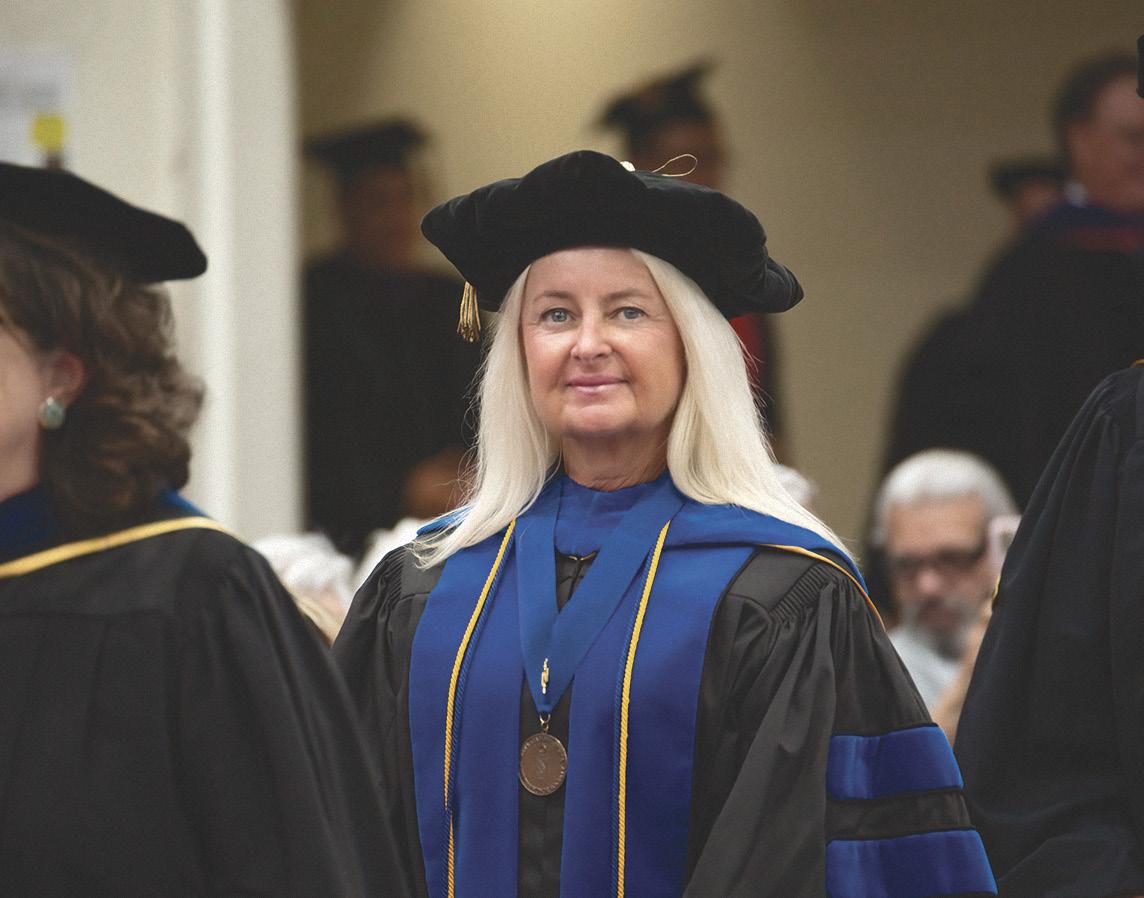
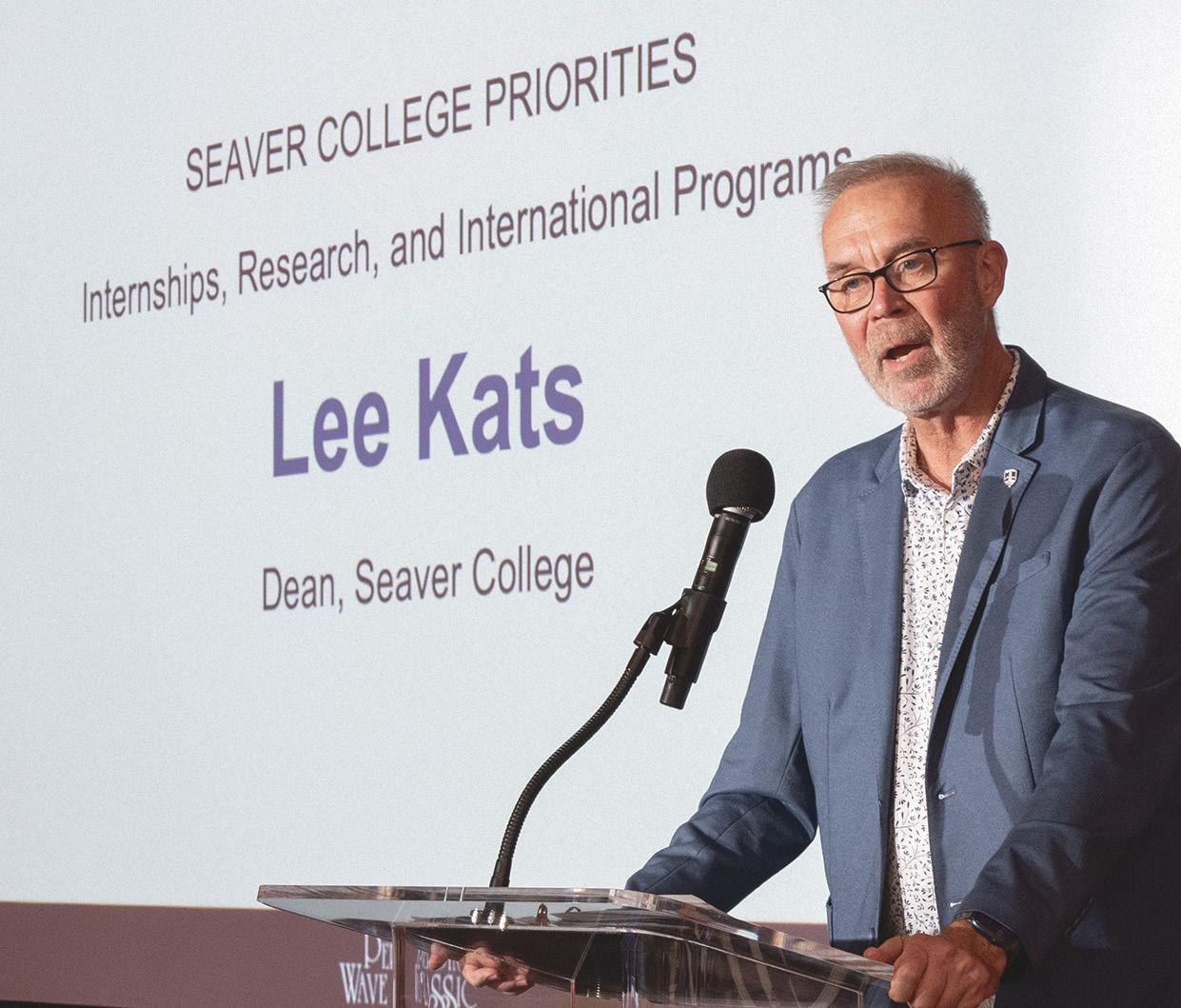
Lee Kats was appointed the new dean of Seaver College in May after a nationwide search for exceptional candidates. Kats, professor of biology and the Frank R. Seaver Chair in Natural Science, has served Pepperdine for more than 30 years. His exemplary commitment to the University’s Christian mission and his leadership as an educator and researcher are demonstrated throughout his tenure as associate dean of research, vice provost of the University, and most recently as interim dean of Seaver College. His contributions to the school include dramatically furthering the research capabilities of faculty and students. In his first three years as vice provost, the University saw a 90 percent increase in research publications.
PEPPERDINE LAUNCHES THE RISE INSTITUTE
Pepperdine launched the RISE Institute in June in response to an increasing need for resilience-skill training in young people around the globe. The new RISE (Resilience-Informed Skills Education) Institute is led by vice chancellor and executive director Connie Horton (’82), who, in her prior role as vice president for student affairs, was a founder of the program in 2019. As the institute’s leader, Horton oversees the expansion of the RISE offerings to further resilience development in university and K–12 educational institutions, churches, corporations, and community organizations.
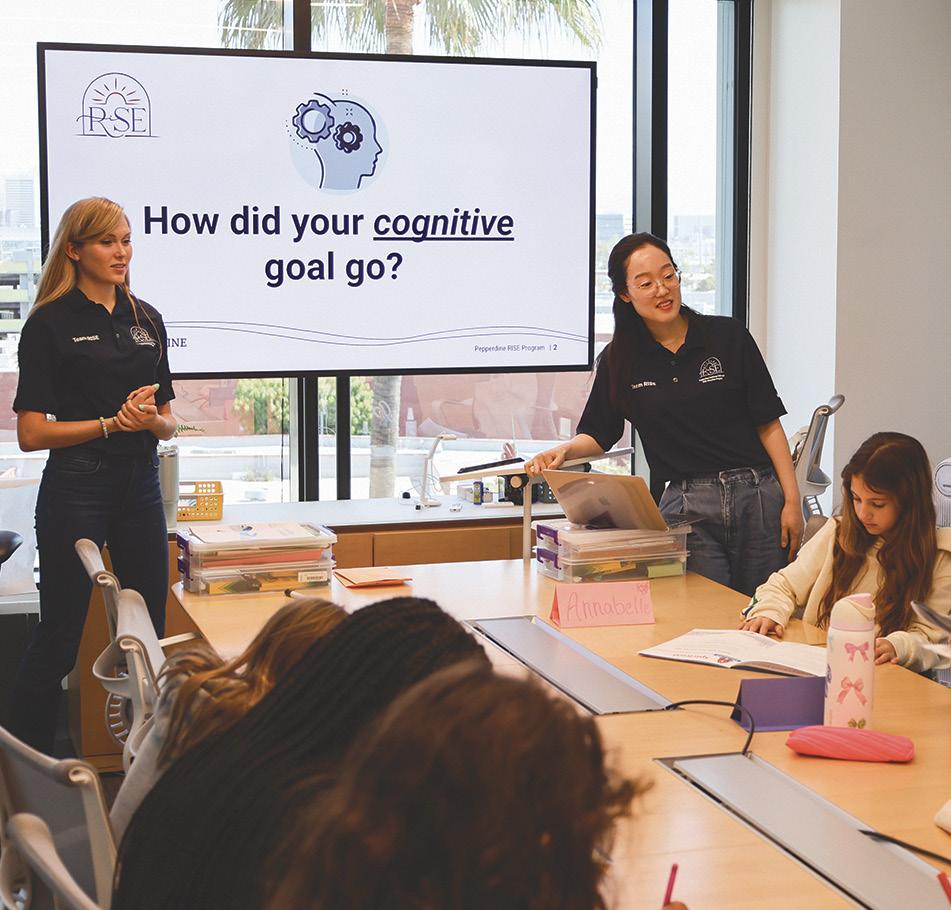
The RISE program, which seeks to build resilience among people through the development of their physical, social, cognitive, spiritual, service, and life skills from a Christian perspective, has proven successful at preparing students to meet the challenges of college life and beyond. It has also proven adaptable and effective in a variety of environments, affirming the value of the institute’s work.
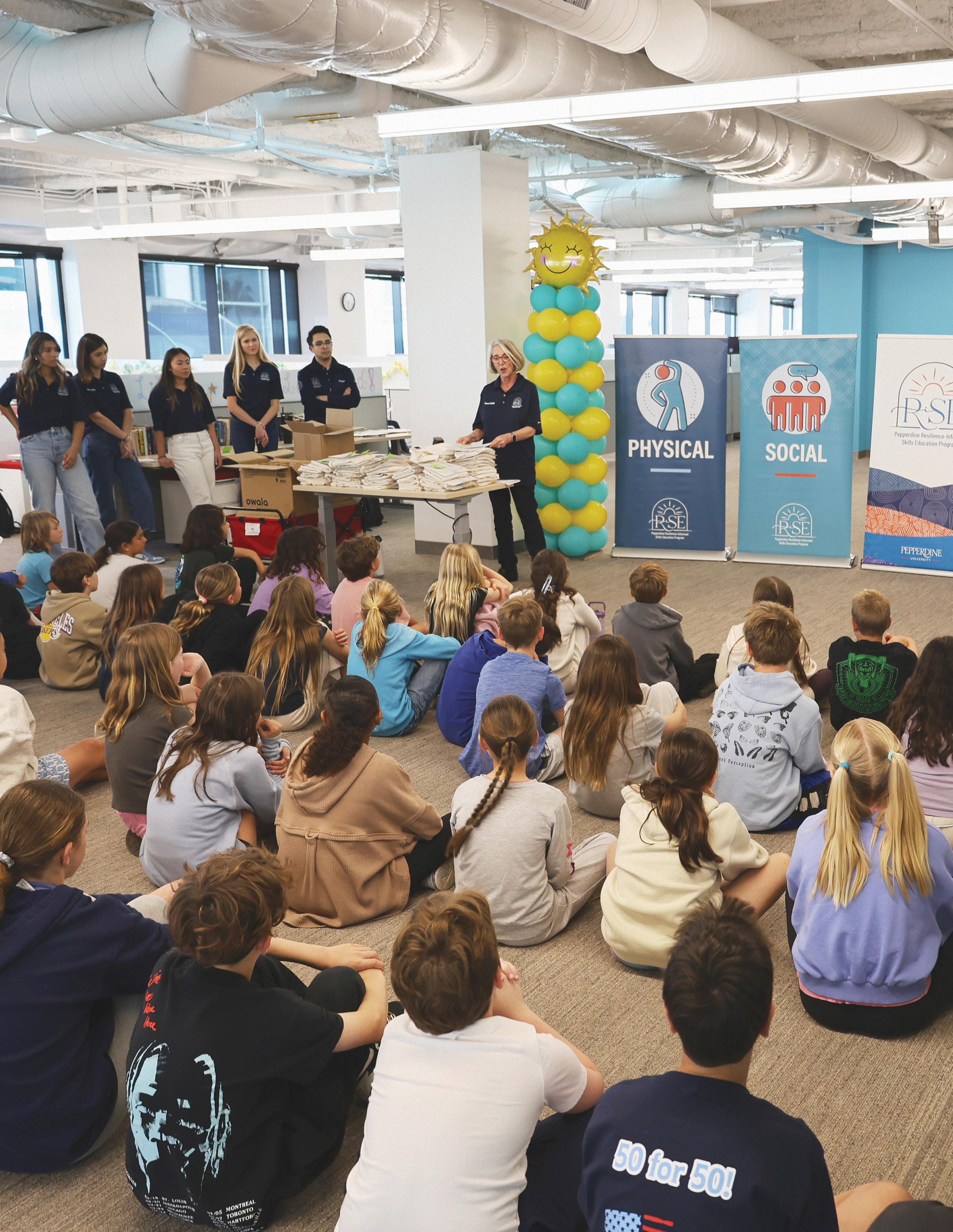
In March Horton and her team delivered a four-week, youth-oriented version of RISE’s resilience-development course to elementary and middle-school students at the nearby Calvary Christian School. The school had relocated due to significant damage from the then-recent fires in Los Angeles and some of the children had lost their homes in the disasters. Small groups of students, paired with RISE staff and RISE-trained student leaders, were first taught the key concepts of the program followed by activities and demonstrations of the skills’ application.
“RISE has provided our students with practical tools to process adversity, foster connection, and strengthen their inner capacity to navigate challenges with confidence,” said Calvary Christian’s head of school, Vincent E. Downey. “Our students are not only recovering— they are being empowered with lifelong wellness habits that will serve them well into the future.”
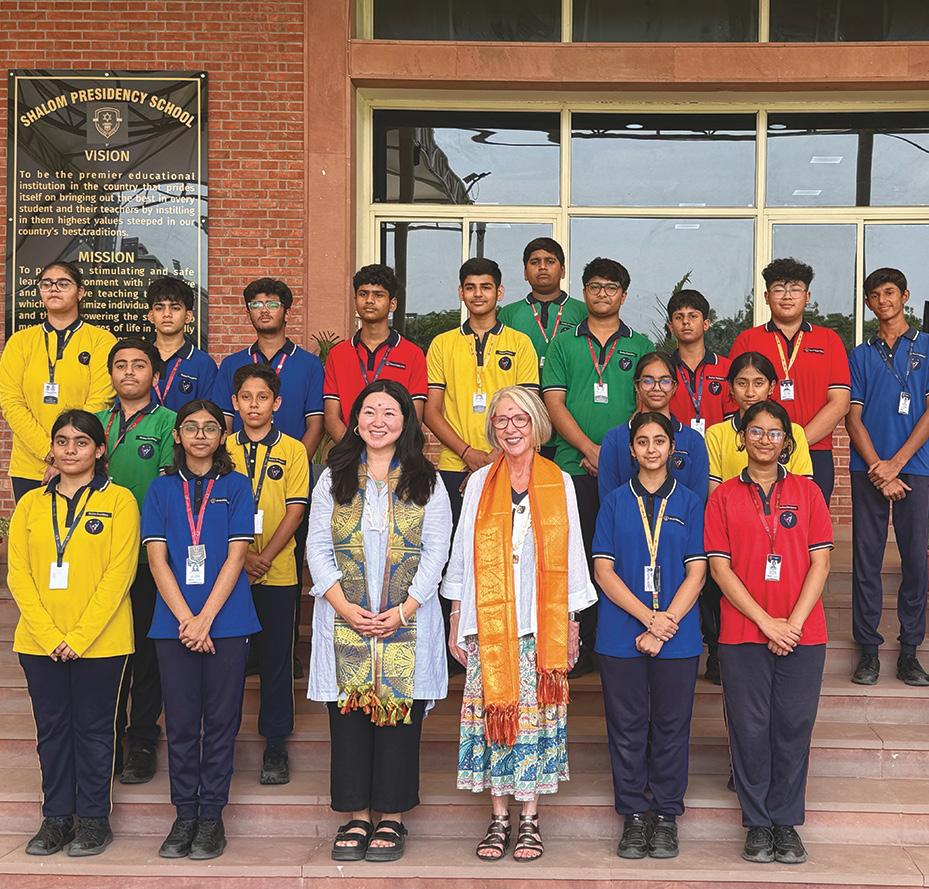
RISE principles also resonate with students globally. Horton and RISE director Stacey Lee Gobir (’15, MDR ’17) responded to a request from educators in India to share the RISE program in five schools this past summer. Notably, the Indian students reported many of the same mental health concerns seen in students in the US—particularly anxiety and stress—challenges that are exacerbated by a rigid testing system that wholly determines their academic trajectory. The team was encouraged to see the students internalize concepts and apply the skills, and even receive a follow-on request from a school for a formal “training the trainer” course to assist faculty and staff at other institutions in providing follow-up resilience programs.
These outreach experiences are a testament to the strength of the RISE program itself, and the institute’s efforts to share the skills reflect on Pepperdine’s commitment to elevate its impact locally and globally.
The RISE Institute staff shared their resilience-skills program with students at Calvary Christian School (left and top) and with a number of schools in India this summer (bottom).
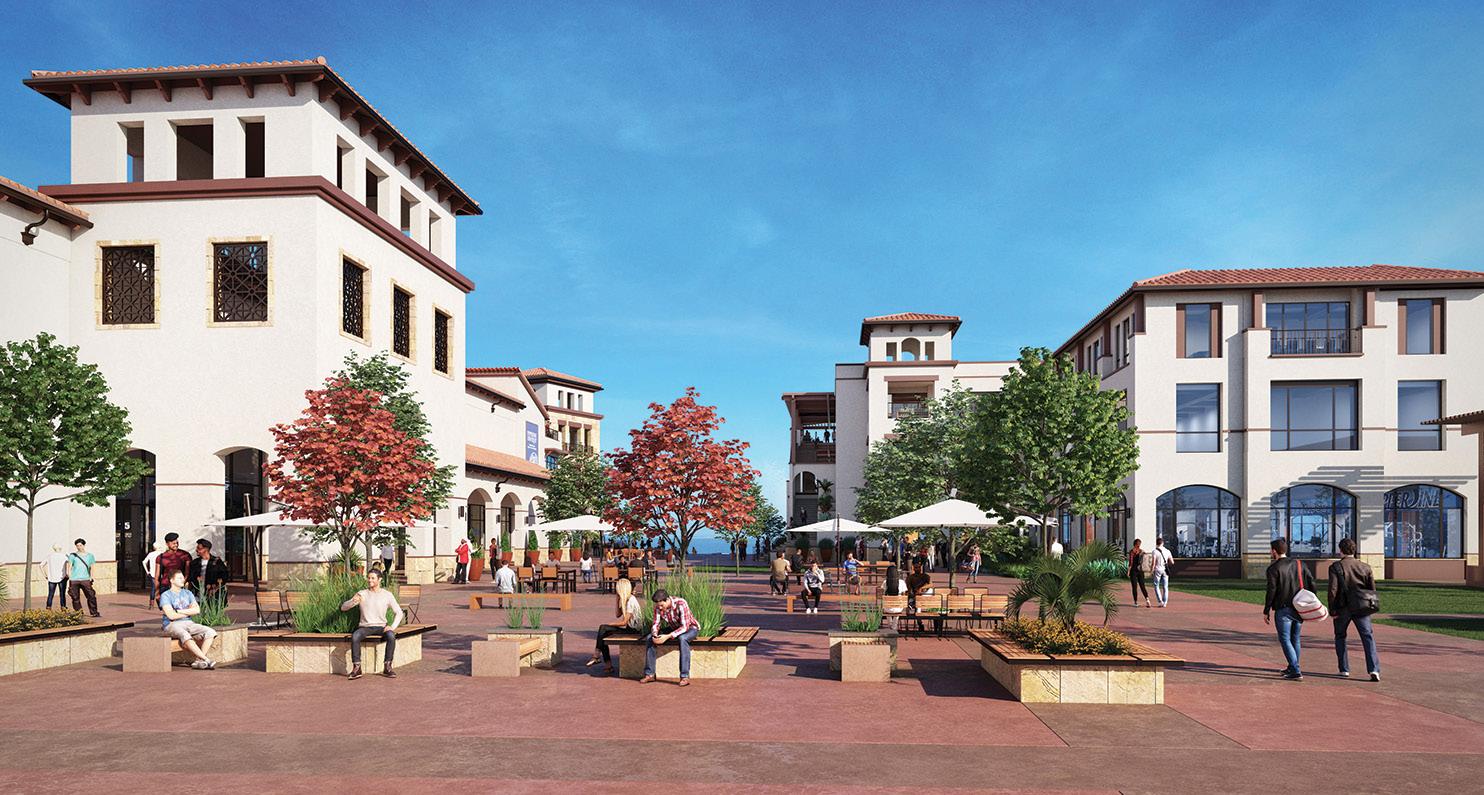
Construction of the Mountain at Mullin Park, a state-of-the-art athletics, events, fitness, and wellness complex in the heart of our Malibu campus, is well underway. To the delight of the Malibu campus community, the new parking structure opened in January, followed by a topping-out ceremony in May celebrating the completion of the highest structural point of the new events center. The Mountain is on schedule to open in late 2026.
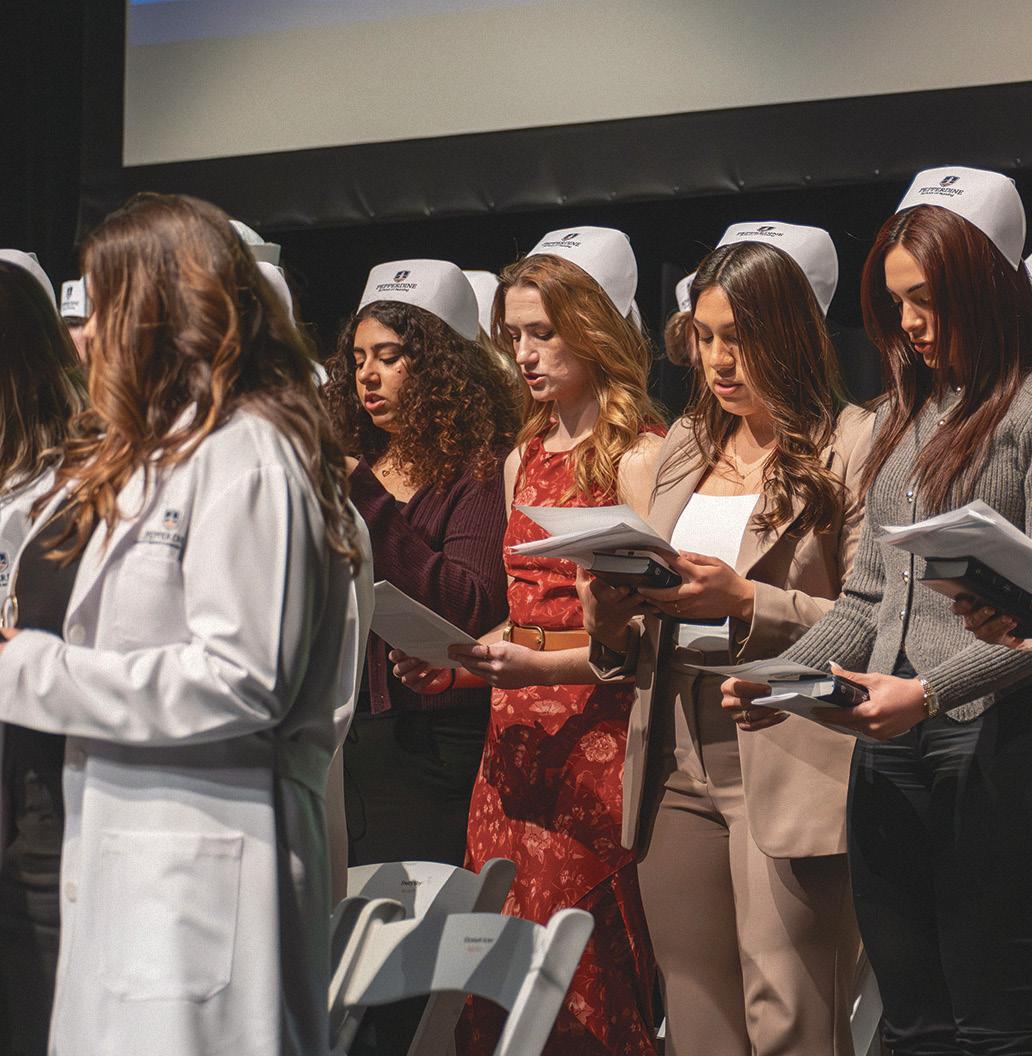
The Pepperdine College of Health Science held its inaugural student dedication ceremony in September. At the event, each of the college’s first cohort of nursing and speech-language pathology students received a Bible and their white caps or coats. The college’s new 30,000-square-foot facility in the Calabasas campus is serving as both a state-of-the-art healthcare-education complex and a welcoming space for students to gather and study. In May the founding dean of the new School of Physician Assistant Studies, Amy Bronson, began her tenure with Pepperdine in preparation for the addition of a physician assistant program in the fall of 2026. Alongside a demonstrated heart for service, Bronson’s extensive experience includes practice as a physician assistant and the direction of three different academic physician assistant programs.
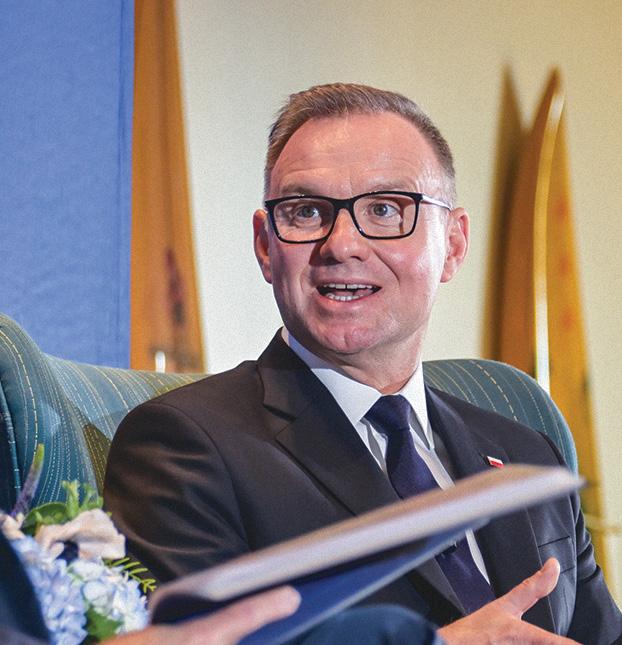
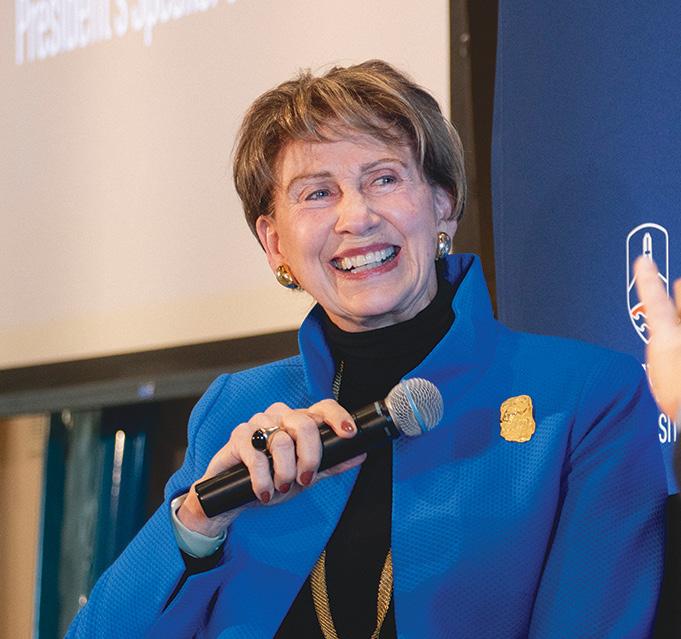
Thought leaders shared their experiences and insights at this year’s President’s Speaker Series. Distinguished guests included the former president of Poland, Andrzej Duda, who reflected on his transition from academia to government and examined Poland’s role in the international arena, particularly its relationships with Russia and the US; psychologist and author Dr. Jordan B. Peterson, who explored how biblical stories shape human conduct, impact the development of the social order, and illuminate the nature of human identity; and former secretary of the US Air Force Barbara Barrett, who described how her upbringing in rural Pennsylvania prepared her to serve as an advocate for women and to promote freedom as an attorney and a military leader.
The Graduate School of Education and Psychology held its ninth annual Research Symposium at the Château d’Hauteville this summer. The annual symposium served as a forum for GSEP alumni and faculty to share their research findings with one another and with members of the global education and psychology community. More than 40 representatives of the school presented their work in education, psychology, leadership, and social impact in the stunning setting of the château and its environs.
The Quattrone Wrongful Convictions Appellate Clinic at the Caruso School of Law was established to offer law students hands-on experience in appellate practice. With significant support from Frank Quattrone and Denise Foderaro, and under the auspices of the Ken Starr Institute for Faith, Law, and Public Service, the clinic will oversee students’ work with seasoned attorneys in seeking justice for those wrongfully convicted. The clinic’s first annual conference, “The Science of Justice: Evidence, Error, and Exonerations,” held in October, featured scholars, attorneys, and advocates steeped in the practice of seeking justice for the innocent.
CARUSO SCHOOL OF LAW
90.6% California Bar FIRST-TIME PASS Rate July 2025
99.5% RECORD-HIGH
“Full-Credit” Employment Rate for Class of 2024
Top Law Schools for HUMAN RIGHTS LAW National Jurist preLaw magazine
CREATIVE AND CONSCIENTIOUS USE OF AI
Forging the future of AI in higher education, Pepperdine University is at the forefront of exploring AI’s potential to improve the world around us.
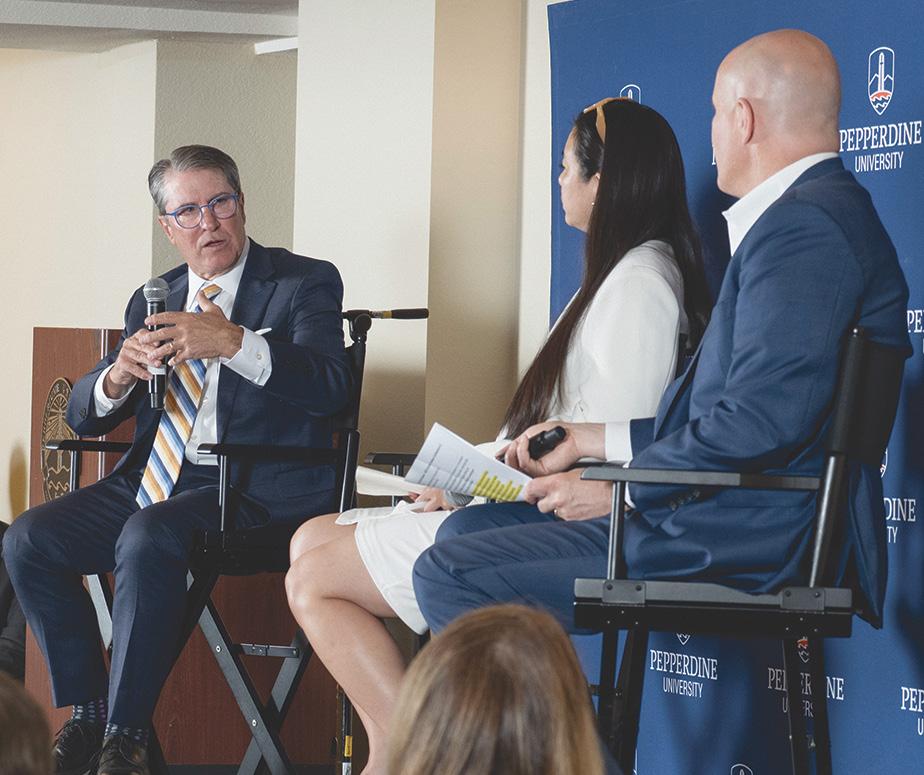
To support our faculty as they employ AI in their research and classroom settings, Pepperdine hosted a daylong discussion of the tool’s rapid development at its annual faculty conference this fall. Alongside keynote addresses and panel discussions from experts in the field, breakout sessions relating to each of Pepperdine’s diverse academic disciplines helped prepare University professors to take advantage of AI in their work by launching an important dialogue focused on technology, pedagogy, and faith.
Fabien Scalzo, associate professor of computer science and director of the Artificial Intelligence in Imaging and Neuroscience Lab, has initiated research to apply the new technology across several disciplines. Contributing to the medical field, Scalzo has employed AI to quantify average recovery in those recuperating from strokes, along with the development of noninvasive monitoring of intracranial pressure. In the process, he has also developed innovative ways to involve undergraduates in research. As director of the Keck Institute for Data Science at Pepperdine’s Malibu campus, Scalzo empowers Pepperdine students to learn more about AI and play a direct role in the quest to discover new knowledge that could go on to save lives.
Gerard Fasel, associate professor of physics, has begun using AI software to expand photographic data collection of the aurora borealis. Engaged in research of the magnetic interactions between the sun and Earth, Fasel uses data from auroras—celestial displays occurring when energy from solar winds interacts with our terrestrial atmosphere—as visual indicators of energy exchanges.
Both Scalzo and Fasel have purposed funds from a $10 million grant from the W. M. Keck Foundation to curate AI software that discerns cloud formation from auroral light in photos, winnowing valuable data. The pair recently involved Seaver College undergraduates in the development process, guiding students on thoughtful adoptions of AI. This breakthrough in technology will expand the pool of data Fasel uses in his current research initiatives, including ongoing collaborations with NASA.
The thoughtful application of AI was at the center of Pepperdine’s annual faculty conference (top), has been practiced with great success by Seaver College professors Fabien Scalzo (center left) and Gerard Fasel (center right) and is a scholarly theme of the Graziadio School’s Cole Short (bottom).
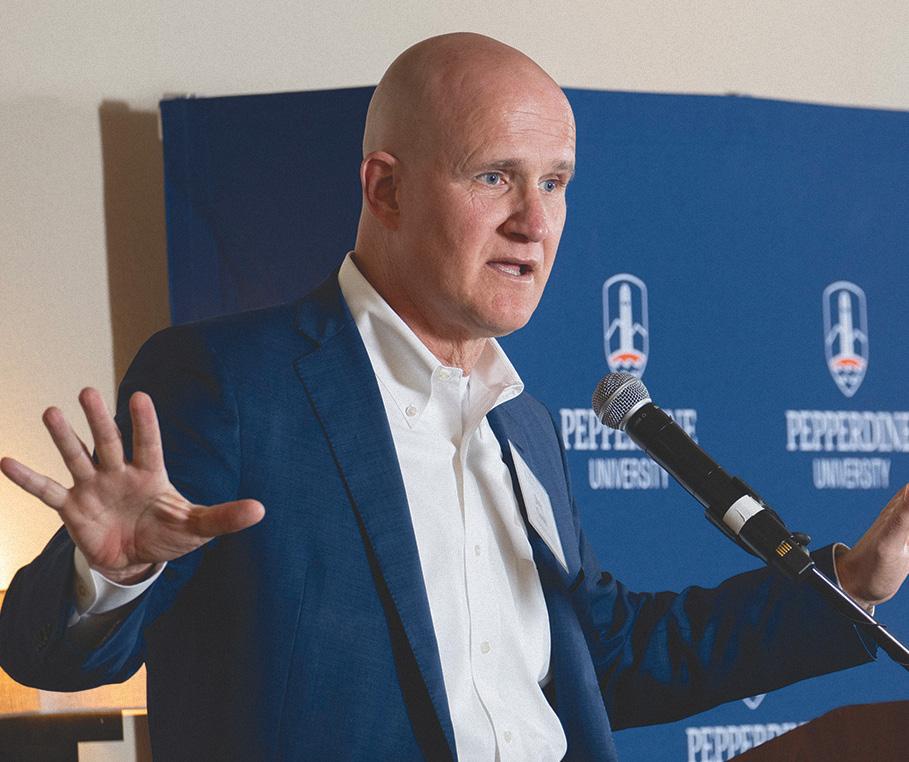
The University’s commitment to use AI ethically and conscientiously is shared by the faculty at the Pepperdine Graziadio Business School. Cole Short, associate professor of strategy and a leading advocate for the ethical usage of AI, was honored with the AI 2030 Award. Recognized for his transformative strides in the responsible development and deployment of AI technologies, Short’s work on the technology includes coauthoring a significant publication that positions AI not as a replacement for human capability but as a technology to support human creativity and thought.
Five Conference Championship Wins: ATHLETICS
WOMEN’S SOCCER WCC Champions
WOMEN’S SWIMMING AND DIVING MPSF Champions
MEN’S GOLF WCC Champions
MEN’S VOLLEYBALL MPSF Champions
WOMEN’S TENNIS WCC Champions
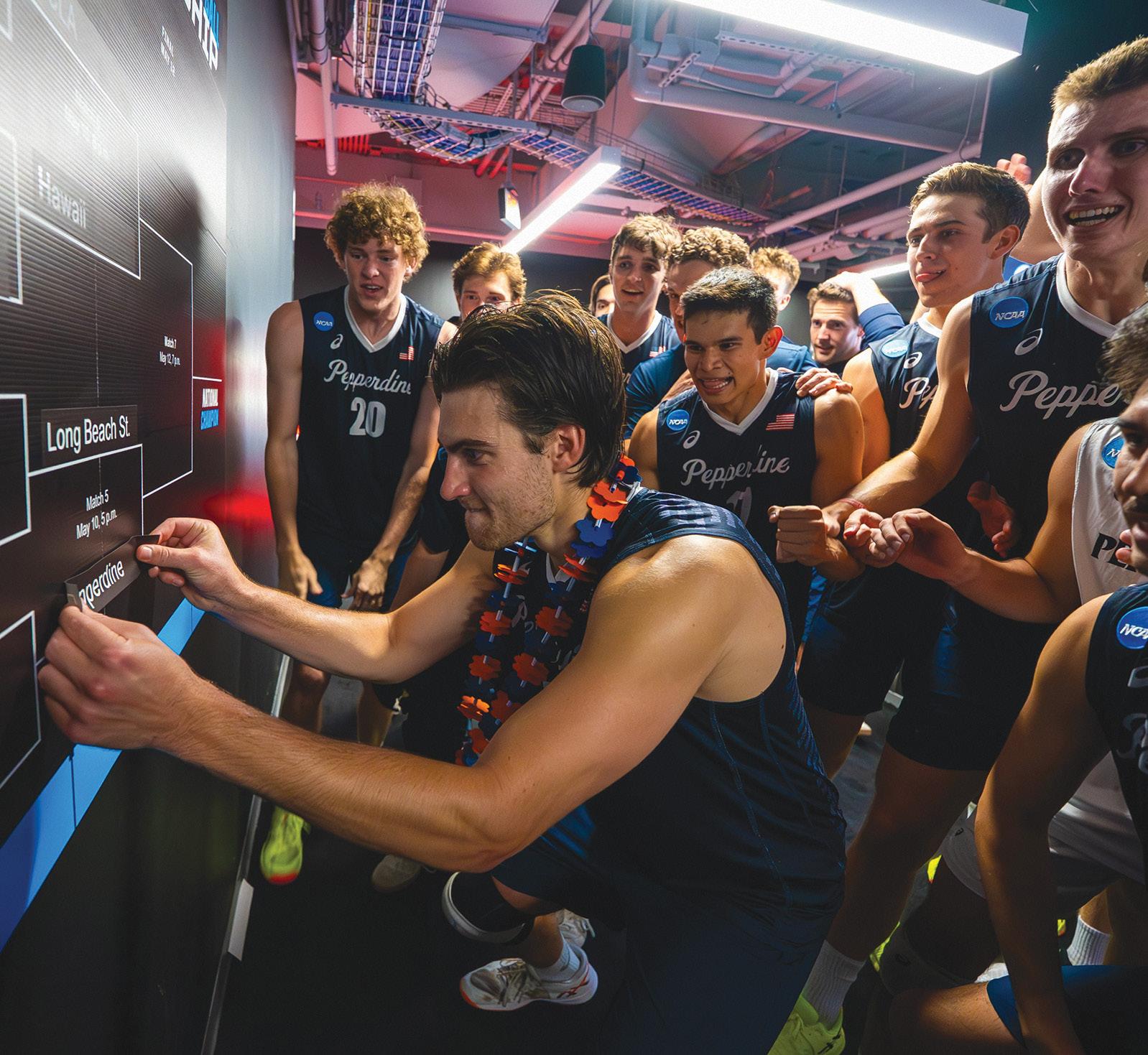
Pepperdine men’s volleyball delivered a historic season highlighted by a return to the NCAA Final Four and a deep postseason run that placed the Waves among the nation’s elite. After capturing the MPSF championship, Pepperdine advanced through the NCAA tournament and earned a quarterfinal victory on the sport’s biggest stage. The season also featured exceptional individual excellence, with Ryan Barnett earning AVCA First Team All-America honors and Cole Hartke and Jacob Reilly named to the Second Team. Together, these achievements reflected the program’s competitive depth, discipline, and national stature. With much of the core returning, the Waves appear poised to build on that success, having been ranked in the national top 10 since the opening weeks of the current season.
The successes of Pepperdine student-athletes were notable this year for their variety. In addition to the extraordinary postseason run by the men’s volleyball program, the excellent performance of the women’s teams garnered Pepperdine its seventh WCC Women’s All-Sports Award. Individually, women’s tennis standout Savannah Broadus earned All-American honors, underscoring the University’s strength at the highest levels of collegiate competition. These achievements were all the more impressive when noting that Pepperdine student-athletes earned a record 3.33 departmental GPA for the 2024–25 year—the highest in Pepperdine Athletics’ history.
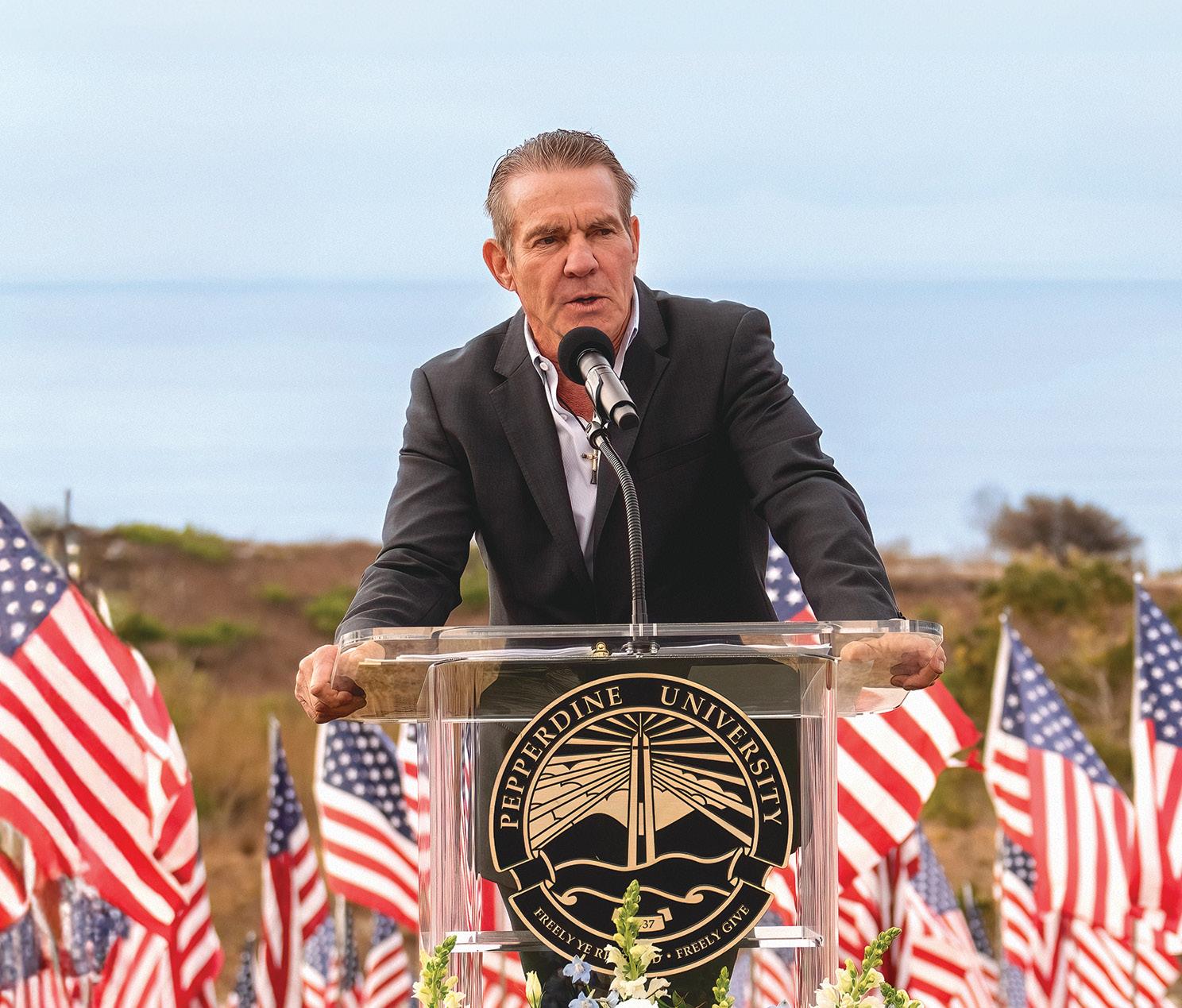
Actor Dennis Quaid gave the keynote address at Pepperdine’s 17th annual 9/11 Remembrance Ceremony. Speaking before 400 attendees and nearly 3,000 flags that make up the University’s annual Waves of Flags display on Alumni Park, Quaid hailed the selflessness and bravery of those who responded to the disaster, recognizing their willingness to risk their own lives to save those of strangers. Following remarks from administrators and students, Quaid joined Eric Leshinsky, Pepperdine director of student veteran affairs and Jennifer Seetoo, a commander of the Los Angeles Sheriff’s Department, in a ceremonial planting of the final flag.
Pepperdine launched its Institute for Diplomacy, Security, and Innovation. Helmed by professor Kiron Skinner, the School of Public Policy’s Taube Family Chair of International Relations and Politics, the institute bridges the gap between intellectual and policy ideas and decision making in a rapidly evolving global order. The institute convenes scholars, policymakers, and diplomats to exchange ideas to further a secure and stable country in a time of great geopolitical flux, and publishes research-based and opinion essays in its Journal of Diplomacy, Security, and Innovation
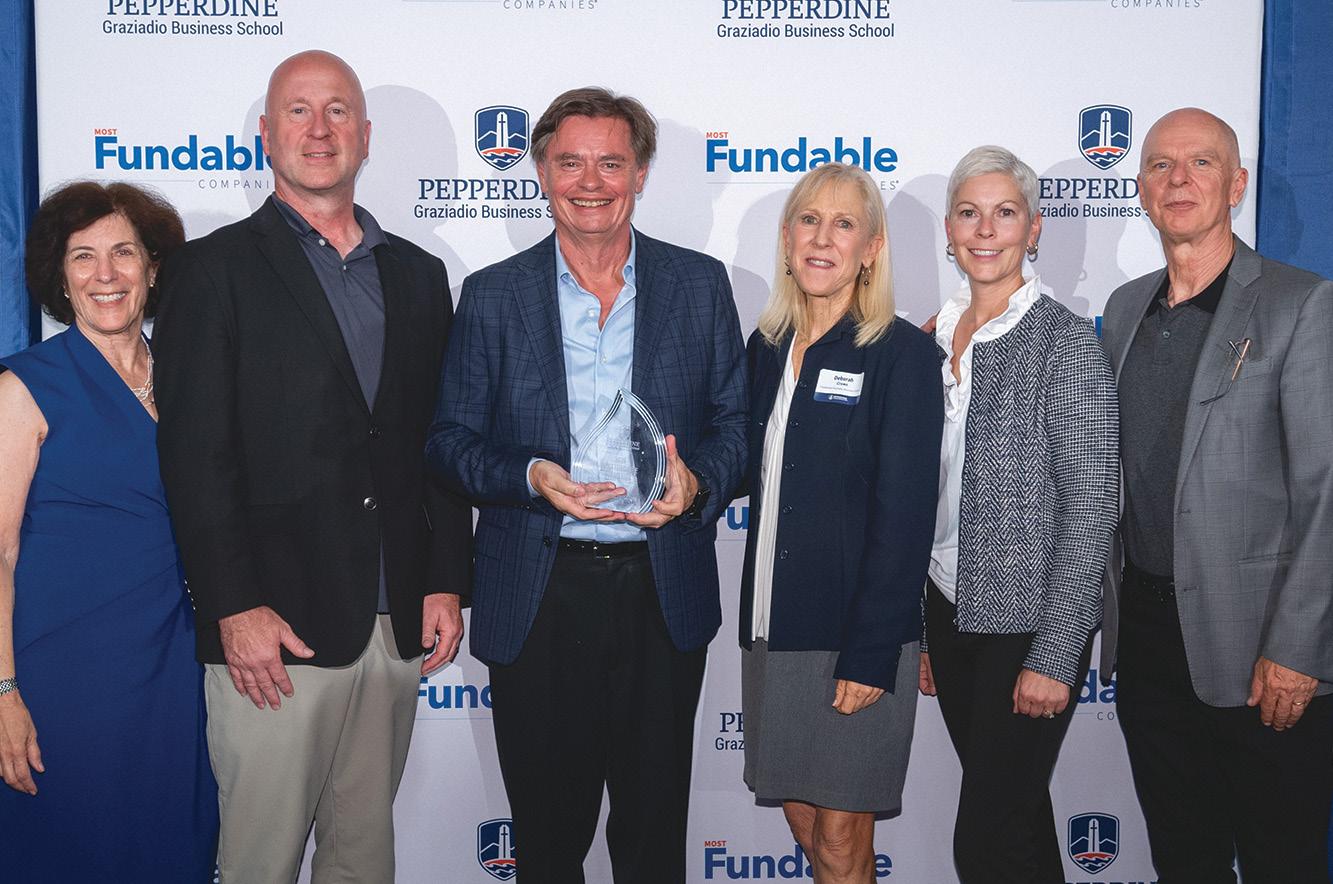
A Graziadio Business School alumnus was one of the 14 winners of the school’s eighth annual Most Fundable Companies showcase in the fall. Gene Eidelman (MBA ’19, PKE 142) and cofounder Ross Maguire’s Azure Printed Homes, Inc., a startup devoted to providing sustainable and scalable housing, was recognized by the judges along with three Los Angeles-based startups founded by women of color. More than 130 judges chose from 2,300 plus competitors across all 50 states, spanning the fintech, agtech, healthcare, aerospace, and consumer packaged goods industries. Since 2018 Pepperdine has featured 142 most fundable companies, and these entrepreneurs have collectively raised more than $480 million in financing.
LEADERSHIP IN THE DEFENSE OF ACADEMIC FREEDOM
The protection and advancement of academic freedom was a focus of the University this year. Such freedom, the ability of community members to pursue knowledge without concern of cancellation or condemnation, has recently been at the core of a national conversation about the state of higher education. Accordingly, Pepperdine was encouraged to convene, and in some respects lead, the discussion about academic freedom from its perspective as a Christian university.
Pepperdine hosted an Academic Freedom Colloquium on Faith and the Academy in May. The event served as an exceptional forum to welcome scholars and leaders from an array of religiously affiliated institutions, including Santa Clara University, Brigham Young University, the University of Notre Dame, Emory University, and Wheaton College. Attendees engaged in thoughtful, candid, and yet charitable conversation about the importance and future of academic freedom at institutions of faith. Through vigorous debate, seminar-style discussion, and live-action workshops, participants examined how rigorous inquiry, moral clarity, and faithful conviction can coexist—and strengthen one another.
At Pepperdine we know that truth is rooted in the character of God and revealed to us in Christ, and we can inquire relentlessly, debate honestly, and welcome difficult questions. The freedom to confidently explore any topic, and the commitment to encourage fulsome conversation are furthered by our faith, and I was grateful to have the opportunity to share these ideas in a U.S. News & World Report editorial published in June. I wrote, “With a firm institutional faith in God, we are not afraid of scientific and intellectual investigation, because we are confident that such inquiry will reveal truths about God’s character and world.”
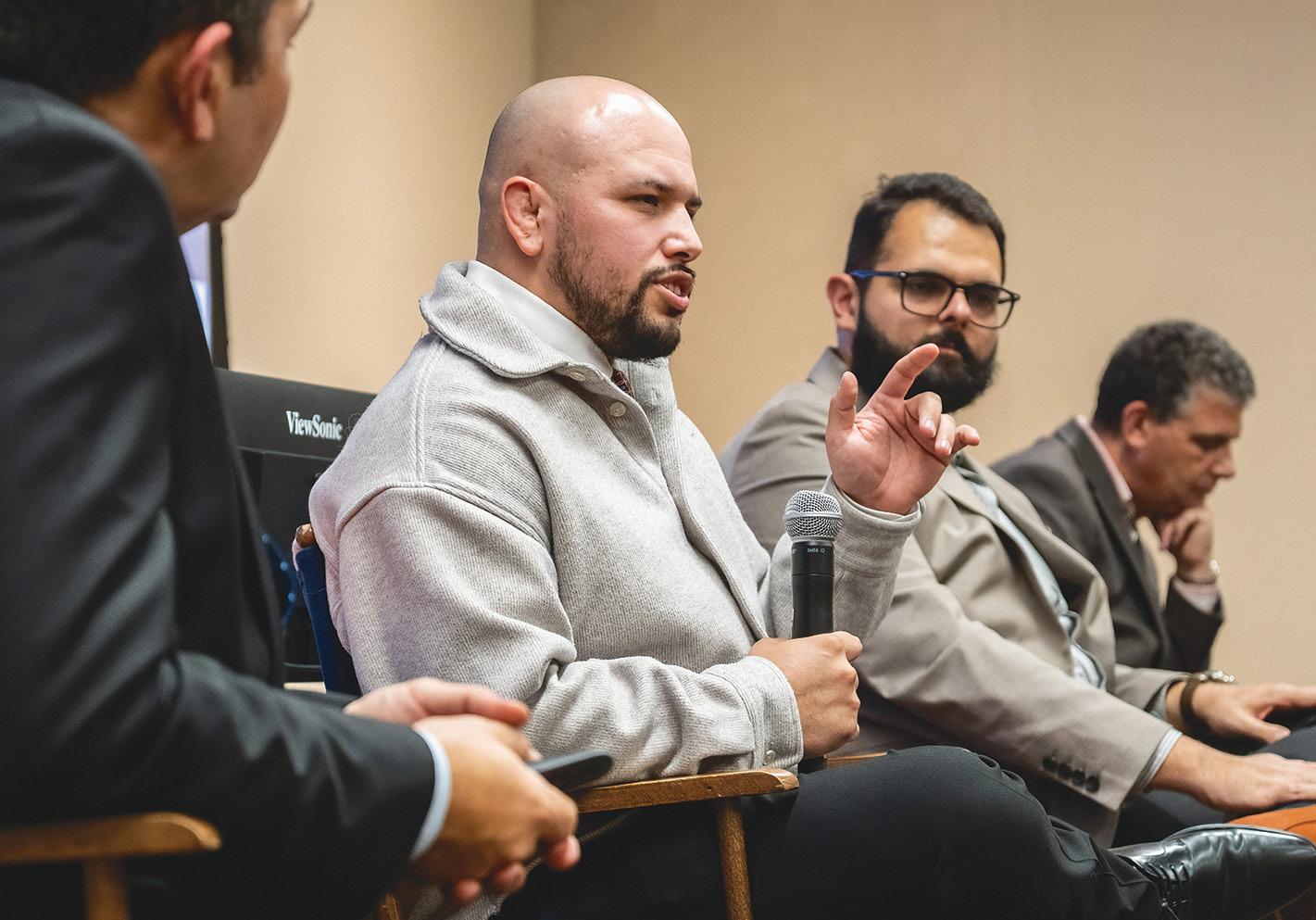
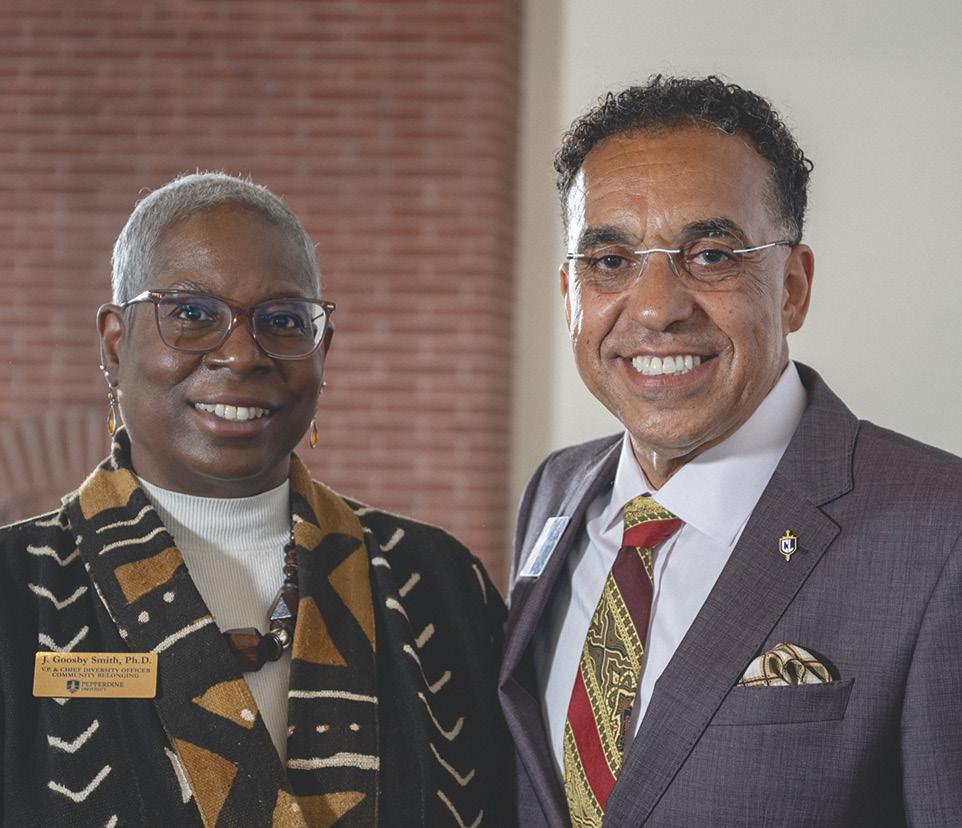
Pepperdine’s Academic Freedom Colloquium on Faith and the Academy engaged representatives from religiously affiliated universities across the country, including keynote speaker Patrick Deneen, professor of political science at the University of Notre Dame (top); President Gash (center); and J. Goosby Smith, Pepperdine vice president for community belonging and John A. Nunes, president of California Lutheran University (bottom).
UNIVERSITY ADMINISTRATION
University administration works with the Board of Regents to shape policy and direction for the University.
EXECUTIVE LEADERSHIP
James A. Gash (JD ’93) President and Chief Executive Officer
Sara Young Jackson (’74) Chancellor
Jay L. Brewster Provost and Chief Academic Officer
Sharon M. Beard (’94, MDR ’01) Interim Vice President for Student Affairs
Sean Burnett
Senior Vice President for Integrated Marketing Communications and Chief Marketing Officer
Lila McDowell Carlsen Vice Provost
Lauren W. Cosentino (’97, MBA ’12) Vice President for Advancement and Chief Development Officer
Daniel J. DeWalt
Senior Vice President for Global Impact and Chief of Staff
Thomas H. Knudsen (’91) General Counsel
L. Timothy Perrin
Senior Vice President for Strategic Implementation
Phil Phillips (’88, JD ’92) Executive Vice President
Greg G. Ramirez (’03) Chief Financial Officer
Jeffrey Rohde (’10) Chief Investment Officer
J. Goosby Smith
Vice President for Community Belonging and Chief Diversity Officer
Tim Spivey (’97, MS ’00, MDiv ’00) Vice President for Spiritual Life
Nicolle Taylor (’98, JD ’02) Senior Vice President and Chief Operating Officer
ACADEMIC DEANS
Lee Kats
Dean
Seaver College of Letters, Arts, and Sciences
Paul L. Caron
Duane and Kelly Roberts Dean Caruso School of Law
Deborah Crown
Dean Graziadio Business School
Farzin Madjidi (MBA ’88, EdD ’91) Dean
Graduate School of Education and Psychology
Pete N. Peterson (MPP ’07) Dean
School of Public Policy
Mark S. Roosa Dean of Libraries
Michael E. Feltner Founding Dean College of Health Science
BOARD OF REGENTS
The Board of Regents is the legal governing body and chief policy board of the University. Life Regents are recognized and honored for their extraordinary service as past regents.
Dee Anna Smith (’86) Chair
Frederick L. Ricker Vice Chair
Jay S. Welker Secretary
John T. Lewis (’83)
Assistant Secretary
Dale A. Brown (’64)
Shelle Ensio
James A. Gash (JD ’93)
Seth A. Haye (’02)
Jeremy L. Johnson (’02, MBA ’04)
Peter J. Johnson, Jr.
Dennis S. Lewis (’65)
Kimberly J. Lindley
Anna H. Mergele
Virginia F. Milstead (JD ’04)
Michael T. Okabayashi
Kasey S. Pipes
John L. Plueger
Christopher Rudd
Stephen M. Stewart
Charlie Walker (JD ‘15)
Eric S. Wolford (’88)
LIFE REGENTS*
Joe R. Barnett
Sheila K. Bost
Jerry S. Cox
Terry M. Giles (JD ’74)
Michelle R. Hiepler (JD ’89)
Gail E. Hopkins, (’66, MA ’74)
Jerry E. Hudson
John D. Katch (’60)
Eff W. Martin
James R. Porter
Russell L. Ray, Jr.
Travis E. Reed
Susan F. Rice (EdD ’86)
Carol Richards
Rosa Mercado Spivey
William W. Stevens, Jr.
Thomas J. Trimble
J. McDonald Williams
* Nonvoting Regents
UNIVERSITY BOARD
The Pepperdine University Board comprises business, professional, and civic leaders who demonstrate their confidence in the University’s distinctive mission. Quarterly meetings provide an opportunity for members to offer counsel and guidance on important policy matters and to hear timely reports from the president, administrators, professors, and students.
Pat Boone
Co-Chair
Marlyn Day (’90, JD ’94)
Co-Chair
Robert J. Barbera
William W. Beazley (MBA ’81)
Paul F. Bennett
Ronald Berryman (’62, MBA ’67)
Paula Fong Biggers
Stephen Birch (MDR ’17, EdD ’18)
Jeffrey E. Bjork (’95)
Viggo Butler (MBA ’80)
James A. Cardwell, Jr.
Nachhattar S. Chandi
Frank W. Cornell III (MBA ’78, EdD ’04)
Lindsay A. Costigan (MBA ’07)
Maureen Duffy-Lewis
Christopher W. Elliott (’06)
David F. Fernandez (BSM ’07)
Jordan R. Fish (JD ’17)
Christian S. Fong
Blair
Franklin (MBA ’92, DBA ’21)
Hank Frazee
James A. Gash (JD ’93)
Sara Young Jackson (’74)
Grant Johnson (’96)
Katherine C. Keck
Mary Anne Keshen
Carl J. Lambert (’78)
Dina Leeds
Takuji Masuda (’93, MFA ’17)
Steven K. McClurg (’02, MBA ’09)
Martha Molina Bernadett (MBA ’01)
John F. Monroe (’79)
Sharon Mullin
Gary Oakland
Joshua K. Oder (’98)
Stephen E. Olson (MBA ’73)
Joseph O. Oltmans II
Gregory M. Outcalt (’84)
Michael C. Palmer
Darren D. Pitts (MBA ’95)
Kelly Roberts
Reed S. Ruschhaupt (’10)
Eric B. Saxvik (’93)
Joseph J. Schirripa
Benjamin J. Schuppel (JD ’16)
Jonathan R. Schwartz (’01)
Charles W. Shields (’86)
Lisa Smith Wengler
Richard L. Stack
Dianne Taube
Deborah D. Weiss (’85)
Ellen L. Weitman
Jeremy N. White (MA ’94)
Christa Zofcin Workman (’97, MBA ’00, JD ’01)
ORGANIZATIONAL VALUES
We see the image of God in every person we encounter.
02 Academic excellence requires development of both the mind and spirit.
Students are at the heart of everything we do.
We are united in our pursuit of truth, even when we disagree.