UniversityofPennsylvania
The Plan A Blueprint for the Future
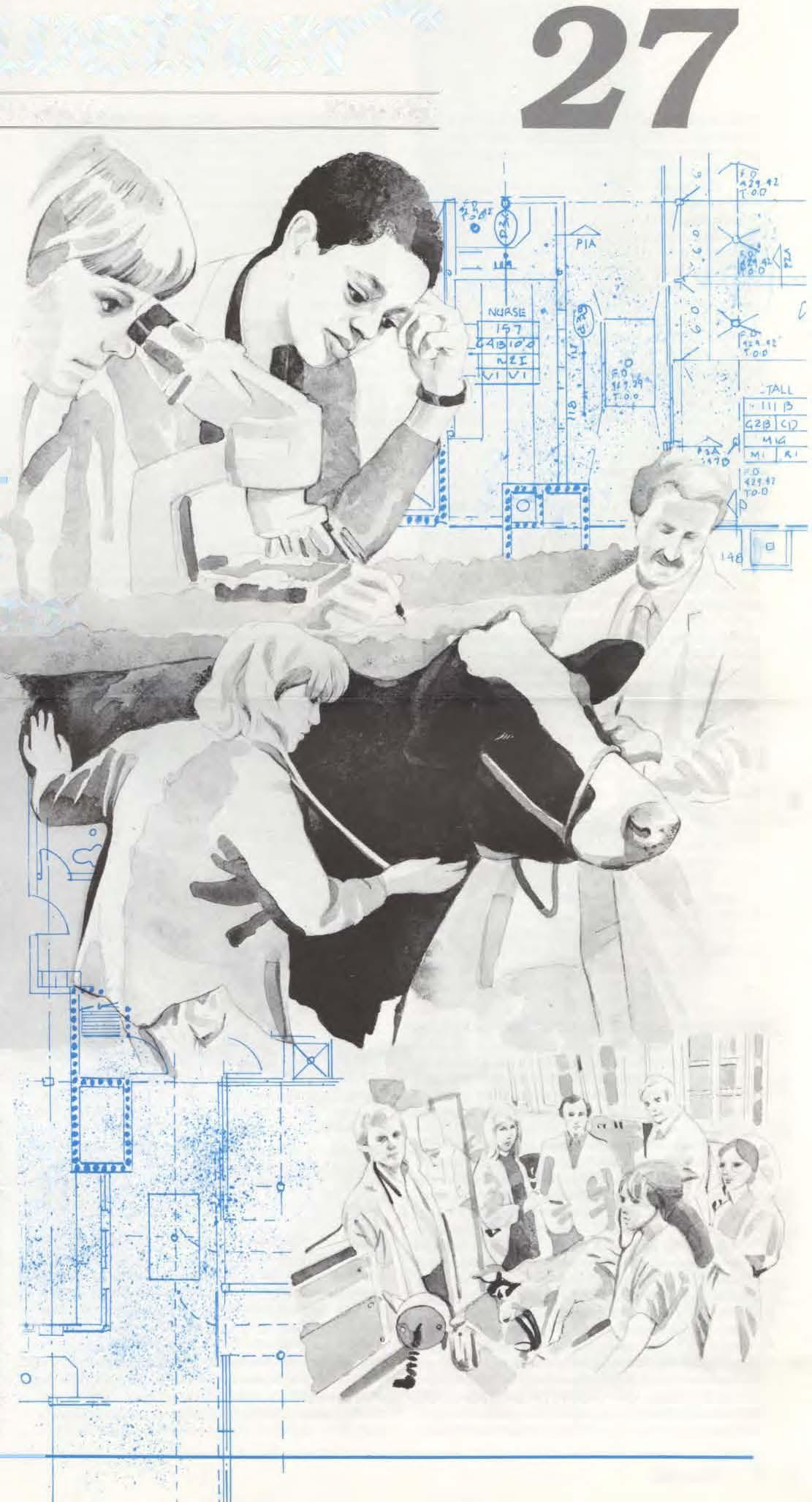
OverthelastseveralyearsIhavewritten aboutanumberoftopicsandoftenreferred to our strategic planning process as one of the most critical tasks to be accomplished.


ThePewCharitableTrusts,inPhiladelphia, have given focused attention to national and societal dimensions of health care. As such, they initially concentrated theireffortsondentalmedicine.Threeyears ago the Pew initiative was broadened to include veterinary medicine, primarily from the vantage point of re-shaping veterinary education and how these changes might mold the future of the profession itself.
IntheUnitedStates, thereisatendency to define an issue, have someone provide fundingtoaddressthatissue,andmakethe simple decision: ''we will do a strategic plan."Butonemightwellask, withoutthat national focus or a means of funding, why would one want to do such a plan?
Iwasrecentlyinvitedtodiscussthisvery issue at a national conference held in Palm Beach, Florida, on "The 21st Century University",andthemessageIrelayedisthat verygoodreasonsexistfordoingastrategic plan.
Strategic planning is the ability of an organization to understand the effect of outside influences on the institution as its chartsfuturedirections.Itforcesanorganizationtolookatitself,itsfacilities,staffand resources:itisanopportunitytoexaminethe operations-aretheyefficientorwastefulin today's environment of dwindling resources andincreasing external pressures? Strategic
NewsmagazineoftheSchoolofVeterinaryMedicine ellwether
i . I '�J .lnt�
Winter1989
planningoffersaninstitutiontheopportunitytomap a strategy to attain leadership or to maintain a pre-eminentposition.Simplyput,strategicplanning provides a vision of what can be.
Theheydayofpublicsubsidyforhighereducationisover.Competitionamongschools,collegesand universities for funding, students, top-notch faculty or public attention isincreasingly intense. Future growthwill be difficult or impossible without an internalredirectionofstrengths,resourcesandpriorities.Howcanonebegintochangewithomthebenefit of aplanto guidethosecriticaldecisions?
A strategic plan isnot a panacea; it wiU not provideallofthesolutions-indeed,itmaynoteven identifyallof the problems, butit does ultimately providea blueprint- "the plan". The plan is nothingmorethanonestepinacontinuousprocess,a guide to allow tacticians todo theirjob. It equally signalsaconstantneedtoreevaluategoalsinlightof the original assumptions or changes intheenvironment that influences the institution.
How one goes about strategic planning isperhaps not as important as what onedoeswiththe results.Fortheformerismerelylogistical,whilethe latteris the keyto success or failure.
Thelogisticsinvolveaseriesofprocedures,here simplified, but in reality painfully time consuming. The logistics require introspection- an analysisof self worth, at best adifficulttask for academic institutions.Theyalsorequireananalysisofconstituentsandtheirneedsandaspirations.Istheinstitutionfulfillingitsmission?Bywhosemeasure-the institution's or theredpientconstituents?
New Bolton Center at Saratoga
One also hasto evaluate innate strengthsand weaknesses oftheorganization. What are the resources available in faculty, staff, discretionary dollars,facilities,programs,uniqueassets,expertise, geographiclocale,and soforth?
Oncetheanalysisiscompleteandcontainedina writtendocument,"theplan",whatdoesaninstitution dowithit?

Theplanmustbeusedtodeveloptheagendafor thechangesneeded toachievegoals;inourcase, definiteleadership inveterinarymedicine, research andeducation.ltalsomustbeusedtoensurethatthe processwillcontinuedynamically,creatingadialogue withour constituencies and ameans of challenging ourdirectionthroughannualreviewsofouroriginal assumptions and thechangingenvironment that influences all that we represent.
Ourstrategic plan is referredtoas a strategic goalsdocument. Itis amarvelous document which succinctly articulates sixgoals and it forcesus to focuson a vision of leadership. The strategicgoals are:
Promote growthandexcellence in education. Promotegrowth andexcellencein research. Maintain and promoteexcellence in service. Improve the qualityof student life.
Establish and promote selected specialty areas. Strengthen and improvethe performance of administrators, faculty and staff.
Whatthat means forthe Schoolof Veterinary MedicineattheUniversityofPennsylvaniaisthatwe cannolongerbesatisfiedwith''being''atthecutting
edge-nowwemustbehoningthatedge.ltmeans we can no longer be "state-of-the-art"- wenow must have "state of vision.''
Aswe areconsideredLeadersinthepresent, we mustextendourselves logarithmicallytooutpace those other clearlycapable institutions in their similar aspirations for leadership.
Thehealthsciencecenterofthefutureiswhatwe will be-aschoolof vision withmultidisciplinary programs of veterinaryeducationcoupledwith researchprogramsonequal par withmedica!frontiers. Our clinical programs willextendfromthe expected tertiarycaretoa level of quaternary care now emerging inhuman medicine, and asyet unknown in theveterinaryprofession.
However, we will not emulate oursister professionas we havesojudiciously in the last decades. Ratherwe,asaSchoolofVeterinaryMedicine,and, more importantly, the unqualified Leader of our profession,willleapbeyondtothepositionofleading thedirectionofbiomedicalscienceitself.Whatbetter profession thanveterinary medicine to aspireto such alevel withitsobjective and comparative approachtolife,scienceandthenecessaryinterplay of humanity andthe environment?
I challengeyou, as 1 havemyselfandmy institution, tobecome partners inthisexcitingventure,forwithyourhelpandenthusiasticsupport,the vision can befueled.
Onlythedaringand trulycommitted need step forward.
EdwinJ. Andrews, V.M.D., Ph.D.
NewBoltonCenterwenttotheracesatSaratoga RacecourseonAugust10.Thefestivedayincludeda 20vehicleCarriageParadeandsevenracesnamedin honor of famous horses from the past as well asa luncheon in a railside marquise. TheNewBolton CenterDay at the Races Commitree was chaired by Mrs. J. Maxwell Moran.
Theday began when guests ascended thecarriages and were driventothe Saratoga Racecourse fromtheAvenueofthePines.Mr.FrolicWeymouth ledtheparadeina3/4ParkDragtoafour-in-handof Standardbreds. AttheRacecourse, luncheon was servedwhileguestswatchedandwageredontheraces.
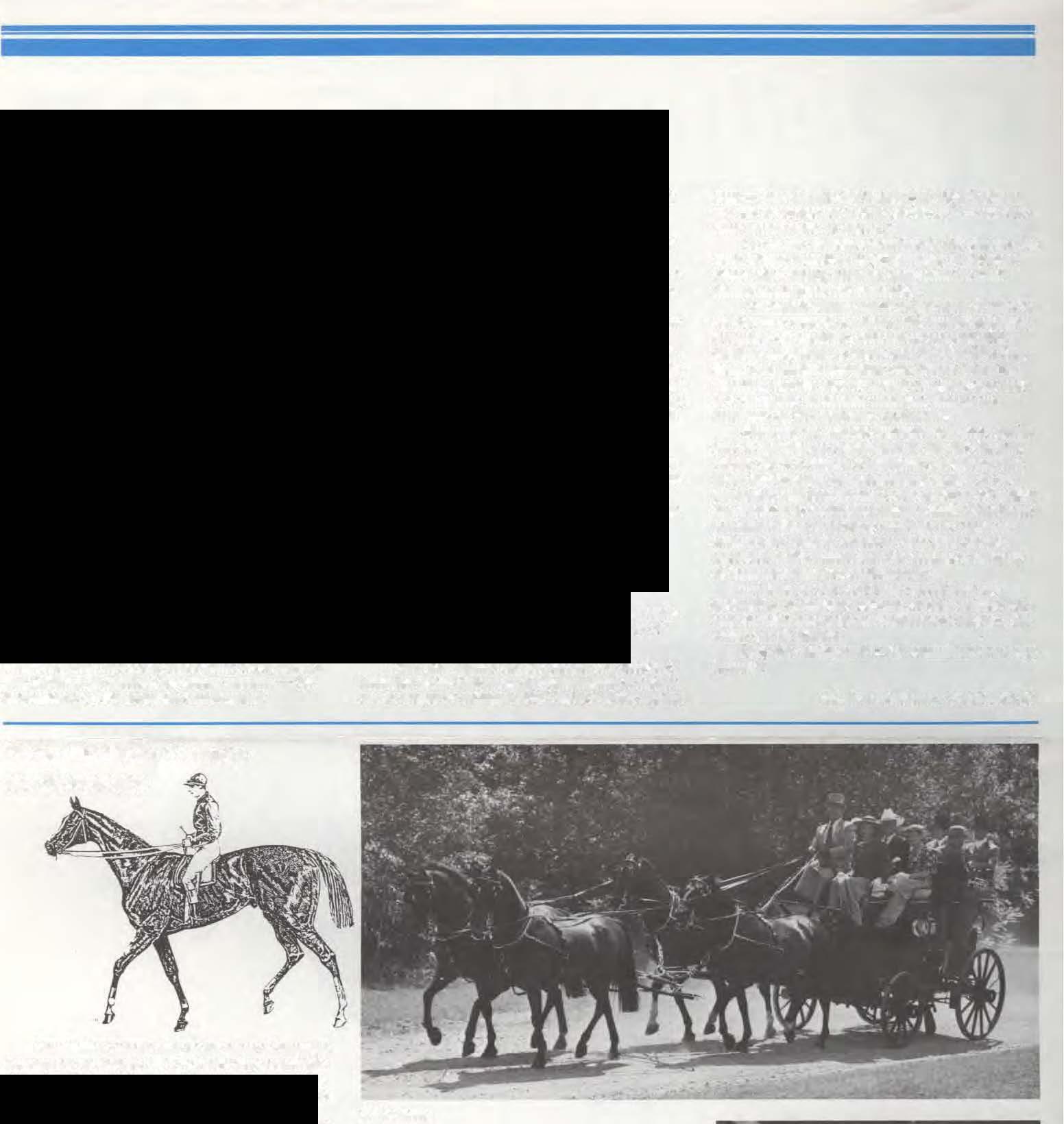
Spanning fourdecades, the50's,60's,70'sand 80's,thenamesoftheracesreflectedthesuccessesof a gamegelding(Creme Fraiche), aEuropean grass champion (Sagace), a well known steeplechaser (Lucky Boy)and a stakes producing mare (Royal Dilemma).Theyalsoechoedtheaccomplishmentsof those who helped makeoutstandinghorses-the owners, the lateMr. andMrs. CartwrightWetherill (Kingmaker), and the trainers, suchasMr. William A.Croll(Parka).Abovealltheyprovidedafascinatingglimpseinto the history of New York Racing includingtheoriginofatrophyfortheHopefuland
To the races
Hannibal's exciting part in it. Several of these outstandinghorsesarenolongerlivingandtherefore thedayoffered1beopponunitytopause,paytribute totheirmemoryandthemanyexcitingmomentsthey gaveto racing.
This celebration of racing'sachievements benefitted theindustry as well.Proceeds of theNew BoltonCenterDayattheRacesarehelpingfundsuch equine research efforts asDr. David Nunamaker's studiesonbuckedshinsandalsoprovidingstate-ofthe-an equipment for the new Connelly Intensive CareUnit/GrahamFrenchNeonatal Section. A cerural part ofthisfacility, the nursing station, has beennamedtohonorthewinnerofthe1985Belmont StakesandtwotimewinneroftheJockeyClubGold Cup, CremeFraiche. The event raised more than $45,000.
2 BeUwelher
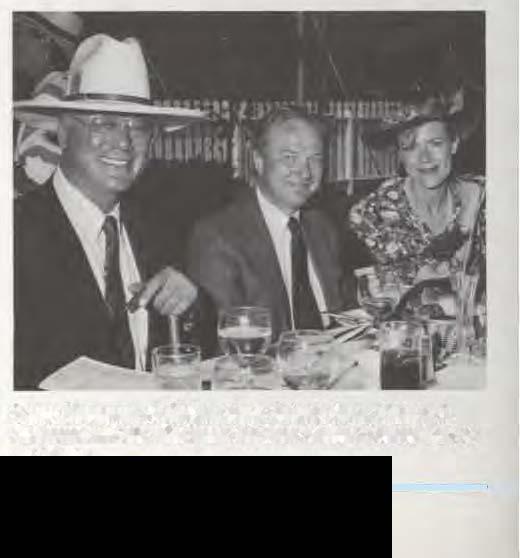
Larry Hagman of Dallas fame joined Dean Edwin J. Andrewsand his wifePaula forNewBoltonCenlerDayat theRaces
Veterinary Dentistry at Penn
Veterinarydentistry,oneof the most recent veterinaryspecialties,isgenerating agreat deal of interest amongpractitioners,according tothe AVMA.OnSeptemberltbenrstfull-timeresidentin veterinarydentistryanywherebeganherdutiesatthe University of PennsylvaniaSchoolof Veterinary Medicine.Dr.JamieAnderson,arecentgraduateof theUniversityof California Veterinary Schoolat Davis,andaformerRegisteredDentalHygienist,will spendcwoyearshereinaprogramdesignedtomeet theentryrequirement�of the American Veterinary DentalCollege.Jamiecomesfroma"dentalfamily, -herfather1sadentist,andhermotherandsisterare dentalhygienists.
Penn's VeterinarySchool isanatural choice as thesiteoftheftrstveterinarydentistryresidency.DL ColinHarvey,professor ofsurgeryhere.has beena movingfo�inthefield.Hewasinstrumentalmthe development oftheAmerican Veterinary Dental Society,started13yearsago,andisoneoftheeight chartermembersoftheAmencanVeterinaryDental College,recentlyrecogniz.ed by theAVMA.
Thenewrestdeocyprogram issupported byan anonymous grant and by grants from Nabisco Brands, Inc.andHenry Schein, Inc. Dr.Anderson workswithDr.Harvey,a board certified veterinary dentist andsurgeon.Sheseespatientsduring the Mondayoral,dental,nasaldiseasesclinicsand participatesinthediagnosisandtreatment ofthe animals.Duringherresidencysbewillrotatethrough thespecialtiesof anesth�ia,radiology,softtissue and orthopedicsurgery.tnaddition,shewillspend timein theoncology andsmall animalmedicine clinicsas well asat the PhiladelphiaZoo. Dr. Anderson participatesin roundsat VHUPand will tak-epartinclinicaldiscussionsaltheDentalSchool. andwillconduct adental researchproject.
Dogsandcatswithoraldiseasesareseen at VHUPbyappointment,generallyby Dr.Harvey or byamemberofthemedicinestaffiftheoralproblem ispart ofawiderclinical problem.Orthopedic problemsaffectingthejawsaresometimesseenbythe orthopedicstaff,and problemsduetocranialnerve diseasesoftenstanout in theneurologyclinic. In additiontoDrs.Harvey andAnderson,the current dentalstaffat VHUPincludesMs.Marcia Venner,a full-timedemal bygJenist/technician.The clinicians performperiodontic,endodontic,restorative and orthodonticprocedures, andmany oralsurgical procedures-radicalmaxlllectomiesandhemimandibulectomiesarecommonastreatmentoforalneoplasms,someofwhicharefollowed-upwithradiation and/orchemotherapy.
Manyof thetechniquesused in veterinary dentistryarethesameasinpeople.'teetharecleaned. enracted,and,I�frequendy,capped.Malocclusion maybecorrected,ifnecessaryfortheanimal's comfort,andpalatedefects arerepaired.However, whilethehumanpatient isconsciousduring dental treatment,theanimalpatienttSnot.Fullanesthesiais generallyrequired,whichaddsahealthriskandisa costconsiderationwhentreatingananimaLA veterinarydentistcan not ask thepatient Lo return weekafterweek for further treatment.So, when workingonadogorcal,asmuchaspossiblebasto berepairedorcorrectedduringone visit, with one anesthesia.
Theforemostdentalproblemindogsandcatsis periodontaldisease.wheregumsbecomeinflamed duetoplaqueandcalculusbuild-up.Thissetsthe stagefor bacterialinfections.Theinflamedgum tissuepullsaway fromthebone,pocketsformand sooninfectionmayspreaddeeply,affectingtheroot. lnsomecats,gumdiseao;ecausestheforma1ionof
ulcers,makingitanextremelypainful condition wheretheanimalisreluctanttoeatorgroomitself. Thiscanbe life-threateningif left untreated.
Most ofthepatientsin thedental clinic are middle-agedorold animals.Often ateethcleaning anddeepscalingalonewon'tcornet1heproblemand severelyaffededteethhaveto beremoved.Owner's aretheninstructedhowtobrushtheirpet'steethto prevent arecunenceofgumdtsease. Dogs arenot pronetocaVIties,sodrillingandfillingaredone rarely.DentaJproblemsalsoaffectlargeanimalslike horsesandsheep,thoughnotmuchresearchhasbeen done in thisarea. Zooanimalstoo areimportant patientsofveterinarydentists,againitisafieldwhich is initsinfancy.
MuchoftbedentaJresearchatPenn's Veterinary Schoolcenterson periodontal disease. Dr.Harvey and collaboratingveterinarians,dentistsandother scientistshaveconductedpioneeringresearchinsuch aresaseffectivenessofplaqueretardantsindogs;the pathological, bactenological,andimmunological featuresofgingivitis-stomatitisindogsandcats;the
Vascular Graft Helps Horse
GORE-TEX�,familiarto mostasafabricfor outerwear,isalsoamaterialforvasculargraftswhich have beenusedtoreplacediseasedbloodvesselsin humans.NowaGORE-TE�vasculargrafthasbeen implantedin ahorse.
Reisman, ashowhorse. wasbrought toNew BoltonCenterlastsummer.Hisrightjugularveinwas completelyoccluded andhisleftjugular veinwas partiallyoccluded.Hewasseriously ill andwas unabletoexercisestrenuouslybecauseofswellingof hisbead andheadshalting. Dr.William Donawick. theMark.WhittierAllamand LilaGriswoldAllam Professorof Surgery,attemptedtounblock the left jugularveinby..drilling"throughtheblockage.The procedure wasonlypartiallysuccessful and did not permit sufficient venousreturnfromtheheadto alleviate theswelling.
Dr. Donawick rlleocontactedtbe manufacturer ofRinged GORE-TEX® VascularGrafts lo determinewhetherthistechniquemightbeusedinahorse. Healsoconsulted with Dr.Anthony Comerota,a vascularsurgeonat'TempleUniversityHospitalwho
epidemiology of periodontaldisease in dogs,and other areas. Becausesomeanimaland humanoral diseasessharepathologtcalsimilarities,thisresearch maydirectly benefithumanhealth. In addition the dentalteamisexamining the efficacy of dentifrices (toothpaste)foranimalsandoraldeviceswhichaidin the natural cleaning of teeth, suchas chew toys for dogs.made from a floss-like material.
Veterinary scudentsat Penn rotatethroughthe dentistryclinic.TheyaJsocantakea16-hourlecture seriesasan elective.About 50percent of eachcl� parucipates. Veterinarydentistryisapopulartopicin theContinuingEducationscoursesoffered bythe School,reflectingtherisinginterestofpractitioners.
Dr. Harveyislookingto<=X"pandthedental program and toincreasethecollaborationwith Penn'sDentaJSchooltoenabletheSchooltooffera fullprogram in veterinary dentalmedicine. The addition of adental residencyis just a first stepas Penn seeks tocontinuein its leadership roteof veterinary dentistry.
badimplantedanumberofsuchgraftsUlhumansto replace lostjugular veins. Dr.Comerota agreed to assist Dr. Donawick intrying to replaceHeisman's cloggedright jugular veinwith a2.0emGORETEXSgraft.The manufacturer,W.L. Goreand Associates,Inc.,MedicalProductsDiv-ision,donated aGORE·TEXflExpandedPTFE Vascular Graft.

DuringafourhourlongoperationonJuly11the rwo surgeonsremoved the25em longoccluded sectionof theright jugular '<'einandimplantedthe Ringed GORE-TEX• graft.Toensureacontinuous bloodflowthroughoutthegraft,ashuntwascreated betweentherightcarotidarteryandtheundamaged portionofthejugularvein.Heismanwokeupfrom theanesth�iaingoodorderandwalkedbacktohis stalljustonehouraftertheincisionbadbeenclosed. Shortlythereafterheatehishay.
Heis borne now inMaryland.bale and hearty, withagoodbloodflowthroughhisreplacementvein. Theswelling of hisheadand hisheadshakinghave passedandheisintrainingtoresumehiscareerinthe show ring.
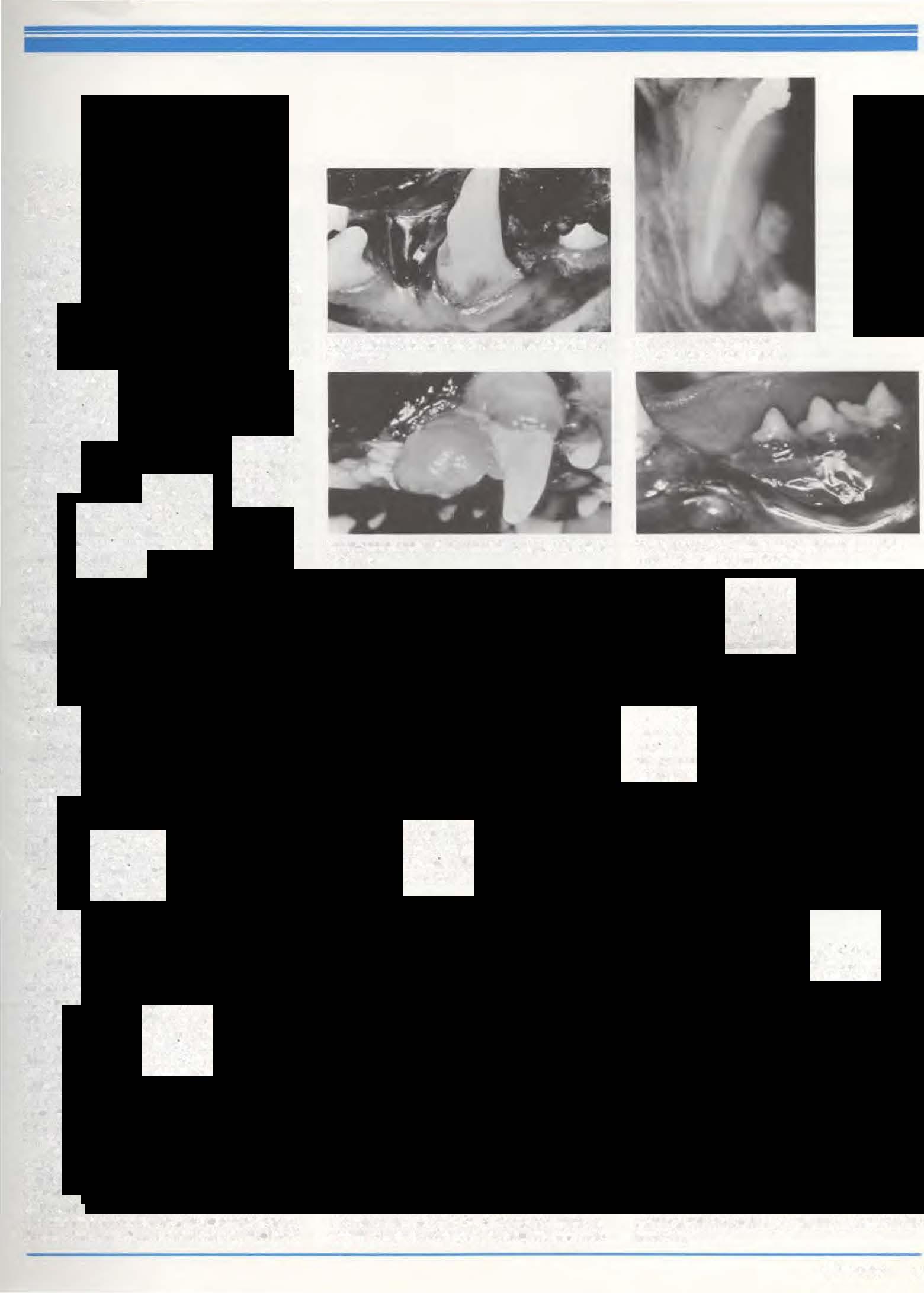
Lowu canine foolh Chat bas been rrowned �itb stainless steel aown.
Severegingivalhyper))las:i•surrouudlngupperauai.ne tooth of a dog.
Upper canine loolb of a dog following rool canal treatmeoC.
Lowerjaw of a ttl with severe &lngj�l inflAmmation affecting Cbe first premolar roolb.
Wlnler 1989 3
PrenatalProgramfor''High-Risk''Mares
Thelasteightyearshavewitnessedthebirthand rapidgrowthofequineneonatology,anewsubspecialtyinveterinarymedicinefocusingonthestudy ofnewbornfoals.
Inthespringof1984,aneonatalintensivecare unit(NICU)forfoalswasestablishedatNewBolton Center.Equippedwithpiped-inoxygen,atemperature-controlledenvironment,paddedfloors,ventiJators,infusionpumps,andavarietyofmonitoring devices,theNICUprovided24-hour-a-daynursing careforcriticallyillfoals.
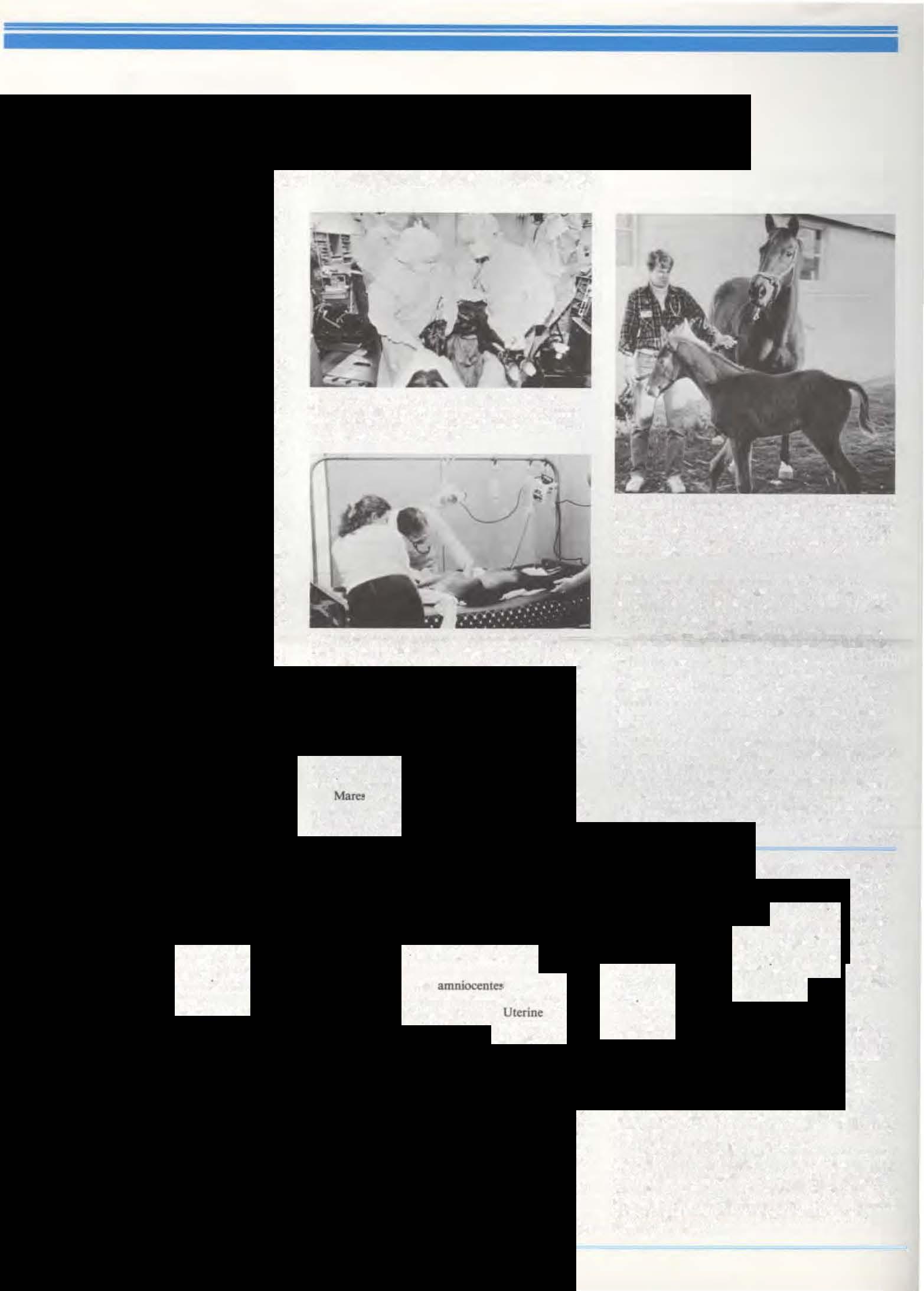
lnitiaJiy,adramaticimprovementinfoaJsurvivaJ ratesaccompanieddevelopmentoftheintensivecare facility.ButasthenumberoffoaJsadmittedtoLbe unitinc�ased,sodidtheseverityoftheiriUnesses. Neonatalsurvivalratesbegantoplateau.Successful treatmentofthemoreseve�lycompromisedfoals wasbecomingincreasinglymoredependentonhow quicklytheproblemwasrecognizedandhowrapidly andefficientlythesefoalswerestabilizedandtransportedtotheNICU.Itbecameapparentthat hospitali1.ationofthemareatriskofhavingan abnormalpregnancyordifficultdeliverywouldallow earlierdetection,u-eatmentorpossiblepfl!\.-entionof diseaseinthenNbornfoaL
During1988and1989foalingseasons,clinicians fromthesectionsofmedicine.reproduction,surgery andanesthesiabegantocollaborateonaperinataJ programdesignedtoidentifyamimanagemareswith "highrisk"pregnancies.Eventshavingaprofound effectonthe newborn'shealthandsurvivalinclude lackofoxygenbeforeorduringbirth,infection causedbybacterinorviruses,andinadequatedelivery ofnutritiontotheunbornfetus�hinginabnormal developmenr.
Lackofoxygencanproduceseriousorgan damage,aswellasdealh,andistheprimarycauseof the"dummyfoal"syndrome..Viralorbacterial infectioncanresultinabortion,prematuredeliveryof asickfoal,ordeathofafull-termfoalwithintheirrst weekoflife. Inadequateinuteronutritioncanoccur whenthedamisseriouslyillorwhenevertheplacenta isdamagedorcompromised.Possibleoutcomes includeabortion.prematuredelivery,excessivelylong gestationlength,orthebirthofasmall, growthretardedfoal.
Exampl�of'"high-risk"pregnanciesinclude broodmaresexperiencingseveresystemic disease, endotoxern.ia,abdominalsurgeryandgeneralanesthesia,abnormalvaginaldischarge,ttighfevers,severe anemia,malnutrition,excessivedrugadministration, pelvicinjuriesresultinginfracturesorneurologic deficitsinthehindend,or long-distancetransportationduringtheupregnancies.Prematuredetachment oftheplacentaduringbirth(i.e."redbag")produces var)ingdegreesofbirthasphyxia(oxygenstarvation) inthe foal.Abnormaldeliveriesjeopardiz.efoal survivalandincludeprematuretabor,mductionof labor,Cesareansection,anddystocia.
Dystociaisanabnormaldeliverythatcannot proceednaturaJiyduetothefoal'slargebodysizeor theabnormalpositioningofthefoalwithinthebirth canal(e.g.breechdelivery,headorlimbstwisted). SeveredystociasusuaJJyresultinasphyxiationand deathof thefoalunlessthefetuscanbeproperly positionedoranemergencyC-sectionperformed. Birthtrauma,twinning,congenitalanomaJies(i.e. birthdefeclS),prematurity,andfail�ofthenewborntoingestenoughfoodqualitycolostrumare othereventsthatthreatenthefoal'ssurvival.
Maresa1riskforproblempregnanciesare bospitaliledandgivenacompletephysicalexaminationincludingrectalpalpation.Avaginalexamis performedonJyifindicated.RoutineanaJysis includesacompletebloodcountandmeasurementof creatinineandfibrinogen.Themare'svitaJsigns
TbefoalisrestlatoaanairmanJUSatop a specially de<�lgnedst.a.lnlas�� bydrwullc foal bed. A beat lulp pro,ide:sadditions!wumt•. Aatlotnn�nou.s catbeterbasbfto�rududroDD�rdtoa"*IC)fOoids SUSptJtded O�l' tbe foal.
(temperature,pulseandrespiration)arerecorded daily.Theconcentrationsofcalciumandmagnesium inhermammaryglandsecretionsarcmonitoredto helpassessherreadinesstofoal.Dailypaddoc:k exerctseisprovided.
MarewearaBreedeT-AJerthaltermonitorthat transmitsac;ignalto�motepocketpagerswhenever themarelaysdown.Foalingstallsareequippedwith closed-circuittelevisionmonitors.Inadditionto electronicsurveillancemaresareobserveddayand nightbynursesandclinicians.

Fetalmovement,clarityoffetalfluids,andfetaJ heartrateareevaluatedeveryfewdaysusingtransabdominalultrasonography.Prolonged absenceof fetalmovement,abnormallycloudyfluids,oraslow, irregularfetalheartratearesignsoffetaldistress.If thesesignspersist,induceddeliveryorCesarean sectioncanbeconstderedtotryandp�entdeathof thefetus.
Ultrasound-guidedamniocemeis,acommonly useddiagnosticaidinhumanobstetrics,isalsobeing developedforuseinpregnantmare:i.Utennecontractionmonitonngdevices,usedtodetectpremature laborinwomen,arebeinginvestigatedforusein maresatriskfordeliveringearly.
Allfoalingsareattendedbyveterinariansfrom thesectionsofmedicineandreproduction.Incasesof severedyMocia.themarecanbequicklyanesthetized andaC-sectionperformed.Foalsasphyxiatedduring birthareresuscitatedandgivensupplementaJoxygen. Eachfoalreceivesacompletephysicalexamandbas routinebloodworksubmitted.Ifthefoalshowssigns ofmfeaion,bloodcult�saresubmittedandantibiotictherapyiniliated.
Tbequalityofthemare•scolostrumisevaluated bymeasuringtheconcentrationofantibodjesit contains.Within 18hoursof birththeantibody concentrationinthefoal'sbloodismeasuredtobe
Anorou&bbredaaarrwitbber14-houroldfeW.This�DJU"r badapoorrrprodocti�historythatladodedlosioaWRft1 foelJsuffuh"'fmmIW
certainenoughcolostralantibodieshavebeen absorbedtoprovideprotectionagainstbacterialand viralinfections.Criticallyillfoalsareadmittedtothe NlCUforcontinuedtreatment.
Duringthe1989foalingseason,18maresdeliveredwhileho�>pitalized.Thedeliveriesincludedsix Cesarean�ections,threedystocias,andoneinduce� delivery.Problemsafflictingsomeofthemares includedpelvictrauma.tongbonefracture,uterine infectionandneurologicdisease..Thomareshad historiesofdeliveringsickand/or··dummyfoals'· duringpastp�gnancies.Aswecontinuetofocus attentionontheeventssurroundingthebirthof abnormalfoalsandstudythereproductionhistoryof mareslosingfoalslateinpregnancy,wehopeto improveourabilitytodetect p�gnanciesinuouble.
Ourgoalistocontinuetoreduceperinatalfoal mortalitrthroughearlydetectionandinterventionof problemsbefore,during,aswellasafterbirth.
Hnw.11E.ltlala,V.M.D.
Poultry Research Awards
ThePennsylvaniaDepartmentof Agriculture hasfundedanumberofresearchprojectspertaining 10poultry.Drs.CharlesE.BensonandRobertJ, Eckroadereceiveda$65,350one-yeargrantfortheir project"EvaluationofTreatment Regimesinthe Resolutionof Salmonella enreritidts Infectionsin Poultry.""DNAprobetoDistinguishPathotypes andStrainsofLaryngotracheitisVirus"V.'8Sfunded fort"oyc:anthrougha$81,367grant.Theim-estigaLorsare Dr5.LindaKeUer,BensonandSherrill Dav1son.
Drs.Eckroade,KellerandMarianoSalem receivedaone-yeargramfor$14,740tostudythe •'EpidemiologyofVenicalltansmissionofReticuloendotheliosisinPreviouslyExposedandSusceptible ThrkeyHens.•· Atwo-year$83,480grant was awardedtoDrs.EckroadeandDavisonforthe project "Controlof Mycoplasmagallisepticum in PennsylvaniaPoultryFlocks."Drs. Bensonand Eckroadereceivedathree-year$168,241gramfora studyentitled''CharacterizationofSo/monel/aenteritidisInfectioninEgg-laying Hens."
Drs.BensonandEckroadereceivedathree-year $300,000gmntfromUSDAtostudy ''Ttan.smission of So/monel/a enteritidisinanEgg-layingAock." Dr.Kellerreceivedaone-year$4,067USDAgrantfor herstudy"ImmuneMechanismsandComponentsof JMV-ICulture Supernatant Protectiveagainst PoultryDiseases.·•
4 lkll"elhu
Drs.BenMartlatmdGret Staller ddJ�era foaJ ..U Cesarua �eelioa.Th� foaJ lssuspeadtdtoalloweuus nuldtodrainfromlls'lungs.n�foal'tiUbt'stabilizedia aaadjaceat lnteuhe care stall.
Dr. Joa Palmer aiUilbtaa nnl'bona fual foUowlaJ CesataaJtKtioa.
..diUIUII)'foal"Qadrome.Sllewas admill� toSnt BoltonCdu�r10 foal oulinl988aJSd agaloin 1989.Botb foals arralhtaadb�.
New'freatmentProtocolforFelineOralSquamousCellCarcinoma
Squamous cell carcinoma is the most common oropharyngealtumorseenintheoldercat.Thisvery aggressivediseaseistreatablebysurgeryinonlyabout 50percent of the patients because it involves the tongueorirsbase.Themediansurvivalratefromtime ofdiagnosis isonetothree months becausethe animals areeutbanizedat that timebecauseof the inability toeat.Thetumor isusually not diagnosed untilit hasprogressedsubstantially. Owners first noticesomethingis amiss when thecat isnot groomingitselfandisreluctanttoeat.Thistumoris very similar toadvanced bead and neck cancer in humans, whichtoohasa very poor prognosis for treatment. OnJy 15 to 30percent of patients with advancedbeadandnecklivefiveyearsormoreafter diagnosis.
Dr. Sydney Evans. assistant professor of radiologyattheSchoolofVeterinaryMedicine,University of Pennsylvania, isinvestigating a treatment protocol for feline oral squamous cell carcinoma, usinga newcell sensitizing drug and radiation treatments.Catswiththesetumors, whentreatedby mdiation alone, have a median survival rate of four months. "It bas long been suspected thatthe low success rate of radiation treatment for these tumors has been due tohypoxic tumor cells whichare radiationresistant," saidDr. Evans. ''Hypoxic cells are oxygenpoor and they arenot easily killed by radiation.Onecanmakeahypoxiccellmorereceptve toradiationbyadministeringdrugswhichchangethe cells' stateof oxygenation." Unfortunately, these drugs,when given inquantity, are neurotoxic and cause damageto central and peripheralnerves. Becausethistumorinthecatcanrepresentananimal modelfor humanhead and neck cancer, new treatmentmodesusedinanimalscanprovideagreatdeal ofinformationfornewtreatmentofhumanpatients.
Dr.Evansandhercolleaguesstudiedtheeffects of etanidazole when it isinJected directly into the rumor bearing tissue to see whether thismethod could improve the outcome ofradiation therapy.
Elevencatswithmeasurableoralsquamouscell tumors were entered in theclinicalstudy.Thoracic radiographs were performed. as well as blood tests. The tumors were biopsied andstaged.Seven of the catsalsobadskullradiographswhilefourreceivedan MRl.Eachcatreceived12radiationtreatments,given threetimesaweekover16weeks.Betweentreatments mostoftheanimalswereathomewiththeirowners.
Foreachtreatmenttheanimalswereanesthetized sothatthey wouldremain still during radiation. Thirtyminutes prior to radiation treatment, the tumor, as well as surrounding normal tissue, was injectedat5mmintervalswithetanidazole.Thefirst fourcatsstudied received thedrug prior to every other treatment. The fifth cat received thedrug injectedintothetumorandintravenouslyonalternate treatments.Because nosignificant toxicity was observed. theamount of the drug injected was increased for the remaining cats, and the drug was administered prior toeachradiation treatment.

In addition, pharmacokineticstudies were conductedinfourcats It wasobservedthatdruglevelsin theplasma peaked 14minutes after intratumor injection.Some of the patients developed selflimitingfeversand leukopenia (low white blood ceU count). After radiation treatments ended, cats were seenat regularintervals for examination and/or biopsy of thetumor site.
Inallcats,tumorregressionoccurredduringthe courseof therapy. In most cats this correlated with theresolutionofanorexia.returnofgroominghabits and stabilization of weight. "The local tumor responsebas beenencouraging, especially in those catswithtonguesquamouscellcarcinoma,"saidDr. Evans."Forthesixcats withthelesionoforunder
Th�sam�site after tl'eafment.


thetonguewhocompletedtheprotocol,themedian timetoprogressionandsurvivalasofearlySeptember was 122days This compares favorable with the data from prvious studies in which the median survival ratefor cats with tongue squamous cell carcinoma is 31 and 91 daysrespectively."
Of the 11 cats treated, three remain without
Coping with Loss
It's3:30 on a Thesday afternoon, anda small groupofsad lookingpeoplearegatheredinaroomat theSchoolofVeterinaryMedicine.There'stheyoung motherwho,four weeksago,badhermuch-loveddog eutbanized; it was leaking urine all over the bouse; afteraweekofrelief,thewomanwasdraggeddown byanoverwhelmingguiltaboutherdecision.andnot givingthedogapropergoodby.Herhusbandsits at her side.
There's a woman whose20-year-old cat screamedevery night, for no reason that bad ever beendiagnosed.The woman, whoseapartment echoeswithquietnow,stillfeelsbadlythatshedidn't comfortthecatwhen,riddledwithcancer,itwasput tosleep; that wasseveralmonths ago.
There'sanotherwomanwhocriedsohardwhen hercatdiedthatsheburstabloodvesselinher lung andbadtobehospitalized.Thiswasthecatthathad sustained her when her husband died, 12 years ago; thecatwhichhadsatwithheratthedinnertableand onthesideofthebathtub,whichhadevenaccompaniedheronatriptoParisandcruisedwithherdown the Seine.
Andwhatthey'realldoingissharingtalesabout theanimalsthattheylovedasdearlyaspeople-and whosedeathshaveleftthemwithaholeintheirUves, andapalpablegriefthatfeelslikeit justwon'tletup.
"It's important to talk to people whohave animals,"saysKatb1eenDunn,M.S.W.apsychiatric socialworkerat theUniversity of Pennsylvania School of Veterinary Medicine. Sheleads the Pet Bereavement Support Group at the SchooL.oneof fewsuchgroupsintheUnitedStates.''Otherpeople wiUtolerateyouforawhile,butthenwilloftensay
evidence oflocal tumor progression. Five cats have had local recurrence at 55, 125, l39, 202, and 331 daysposttreatmentandhavebeeneuthanized.Three catsdied,oneduetopulmonarymetastases,pulmonarythromboembolismandpneumonia,oneduetoa tracheal obstruction, and one due to osteonecrosis. Thiscanbecomparedtopreviousstudiesofradiation alone,where the recurrence is reported at 46 to 142 daysfollowingdiagnosis.Sixanimalswereautopsied andviableandnecroticrumorcellswerefoundatthe treatment site.
•'We chose toinvestigate the IT route of drug administrationbecauseweexpectedittoresultinan optimal ratio of tumor response to normal tissue toxicity,..saidDr.Evans."TheITrouteforradiosensitizerswasofparticularinterestinlightofprevious datawhichsuggestedthatfailuretoimproveoutcome resultedfromtheinabilitytoachieveadequatetumor drug levels beforedose-limitingneurotoxicity.•' Whilethistreatment does not offer a cure, it does providea longer quality Life for these feline patients. Whenthe tumor recurs,no further treatmentisgivenandtheanimaliseuthanized.Dr.Evans saidthat"thepresentstudyhadencouragedcontinuedtechnicalanddosingmodificationofITetanidazoleadministrationinfelinesquamouscellcarcinoma and other animal tumor models. While IT therapy alone is promising as a route of administration in easilyaccessible,wellvisuali.zedlesions,itmay,inthe future, have an evenmore important role in supplementing systemic administration, particularly of bulky, hypoxictumor sites." The study was a joint project with theFox ChaseCancerInstitute. Jn addition to Dr. Evans,Ur. Stuart Helland and Or. Thomas Van Winkle, and Deborah Allen, from the Veterinary Schoolworked on the project. somethinghurting,like'Itwasonlyananimal;why not get another one'?''
Althoughoften incomprehensible to non-pet owners, apet's death can be as devastating as the deathofanimportanthumanbeing. "Peoplesometimesfeelasadnesssoterriblethattheythink they'll never get over it," saysDunn, who is "on call" 24-bours a day for emergency cases.
Thereasonforthispainisthedepthofthebond that's formed between most pet owners and their animalcompanions.·'Whathappenswhenyouselect apetisthatyougetveryattached,"Dunnsays,"The relationshipconsistsoflotsofloveandjoyandfun -and,asIhearalot,theuncondiHonalloveyouget backfromyourpet.Becausethisbondissodeep,the animalbecomesapersontoyou,partofthefamilysortofaperennialtwo-year-old.Andiftherelationshipisthreatenedbydeathorillness,it'slikeachild dying.Itdoesn'tmatterthatwhatdiedwas'only'an animal; a loss is a loss is a loss."
The death of an animal can also stir up the memories of losing animportant human being. "Someone in the group might say; 'I'm feeling as bad, or worse,than when my mother died," Dunn says.Thestagesofthemourningandgrievingprocess that a pet owner goesthrough is analogous to the process made famous by death-and-dying expert ElizabethKubler-Ross. Pet ownersoftenexperience anger,eitherattheveterinarianwhocouldn't"save" theirpet,oratthemselvesfornottakingcertainsteps that might haveprevented their animal's demise. At another point theymay feel guilty, because they didn'tfollow their veterinarian'sadvice exactly, or becausetheychosetoeuthanizeafailinganimalthat
A squamouscellc.arclooma prio1 to treJllment.
Winter1989 S
might ha,•e lived awhilelonger. Other petowners worrythatthey'regoingcrazybecausetheythinkthey see orheartheirdeceasedanimals.
Other factors maycause upsetting feelingsas weU,suchasimportantanddifficultdecisionsincludinghowtodisposeofthepet'sbody.Dunnapproves oftheprocedureattheSchoolofVeterinaryMedicine inwhichananimal'sbodyisheldatthehospitalfor threedaysafteradecisionhasbeenmade,incasethe owner changes his mind andchoosesto bury or cremate the animal privately.
'•Buteventhoughtherearecommonthingsthat manypeople feel, thewaypeoplerespondto their pet'sdeath is very individual,.. Dunn says.
Somepeoplerespondbyeatingorsleepingeither too much or too little. Others findthey havea difficult timeconcentratingoneven themostmundaneoftasb,wbilesomepeopleseeksolaceindrugs oralcoholtolesseorbepain. Infact.Dunnencourages grievingpet owners whohavechronicmedical conditionstocheck withtheirphysicians;thetossofa petisastresssoseverethat1tcantriggeranattackor relapse.
\.1en and womenoften respond differently toa pet'sdeath.·•womentendtotalkmore,"saysDunn. "Menmaypace,orsmashtbearfiststogether.They're just as upset, but they showitdifferently." Thlk:ing with othergrievingpetowners is probablythemost powerfulcomponentofhealing;tearsofempathyand nodsofunderstandingoften punctuate thesession. Peoplesometimes bring photos oftheirpetsto the group,wbjJeotherssharewritingorartworkthey've created to honortheiranimals.
ButDunn'sapproachISmulti-faceted: Sheurges group members to keep busy. She tellsthem to exercise.Shesuggeststheywriteletterstotheirpets, andtokeepadiaryofhowthey'reteelmg.Sbealso
Parenteral Nutrition
Young, critically illcalvesposea special chaJ. lenge for the veterinarian. Theirenergy reservesare slim. and this, coupled with the demands ofrapid growth andcopingwithcold temperatures, can becomea criricaJ factor whensuchyounganimal becomesill. Energyreserves arequickl)'depleted, particularlyif the animalhasdiarrhea, acommon ailmentamongyoungcalves.Thendehydrationisan additionaldanger,andtheinabilitytotoleratenormal amountsofmilkfeedingsfurtherlimitswhatcanbe done tosave thecalves.
Inrecentyearsparenteralnutrition(PN),longin useinhumanmedicine.hasbeenadaptedforusein animals. PN for calves, a specially formulated solution ofdextrose, amino acids, sodium bicarbonate, lipids and multiple B vitamins, is administered lntra\lenously.IthelpsthecriticaUyillanimaltoretain weight and reversedehydration.
lWorecentstudies at New Bolton Center, the largeanimalfacllityoftheUniversityofPennsylvania School ofVeterinaryMedicine.byDr. Thomas Divers, associate professorofmedicine.and his coUeagueslookedatLheeffectsofPNoncriticaUyiU calves.Onerandomizedretrospectivestudyexamined IIclinicalcases.whiletheother.acontrolledsrody, examined two groups ofcalves with diarrhea, one placedonPN,andonereceivingconventionaltreatment, as a control group.
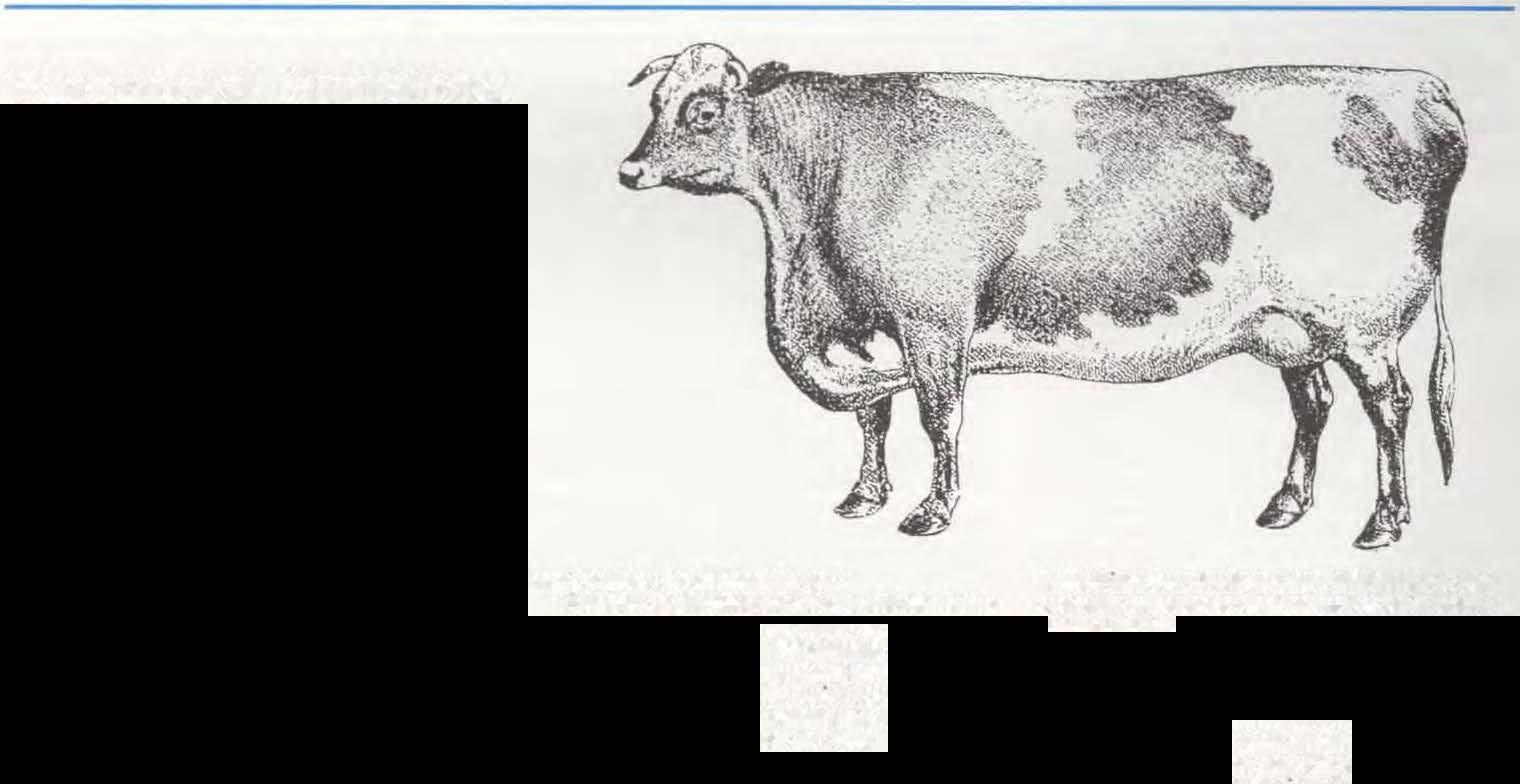
''The 11 calvesstudied,agefour days tosix weeks at hospital admission, received PN forthree daysor more.,, explained Dr. Divers. "All had diarrheaastheirprimaryclinicalsign.Thediarrhea was believed to bedueto Rotavirus and Cryptosporidia in mosl ofthecalves. Onecalf was confirmed tohave Bovine virus diarrhea; nonewere
encourages them to re-claim experiences, with the support ofan understanding friend, that had been sharedwiththenow-deceasedanimal;forinstance,to walklhesameparkpaththatusedtobethefavorite stroUWith the dog.
Anotherusefulresourceis When YourPetDies: HowtoCopeWith YourFeelings.byJamieQuackenbush,M.S.W.whowasaffiliatedwiththeSchoolof Veterinary Medicine. Thesupport group began in July l987.
Dunnscreens prOspectivegroupmembers to makesurethatagroupexperiencewouldbethemost effectiveformoftreatment.Aho,shetriestochoose memberswhowillstayfocusedonpetbereavement. "Somepeople,wbomighthavemoreseverepsychiatricproblems.usetheanimaltogethelp,"shesays. "And it's sometimeseasierto ask for helpbecause yourpet hasdied."
Thegroup i.b appropriate for peoplewhose animalsareterminalJyill.asweltasforpeoplewhose petshave diecJ. "Thegroupisopenended," says Dunn,whoisafrequentlectureraboutpetbereavementattheSchoolofVeterinaryMedicine. "Youcan comeasoften as you want.''
Dunn teUsofamotheroffourteenagers, who joinedthegroupwithhertwoolderchildrenafterthe familyhadhad the familycollieeutbanized.This alreadydifficult situation was compounded byrhe fact that thedogwastheonly Jiving creature responded to by thewoman'c; mother. who bad Al.zbeimer's Disease.
"Althoughthemajorityofpeoplewhocomeare dealing with arecent loss, wesomeume get people whosepetsdiedquiteawhileback-andsometimes they'vealready gollen a new pet (not that getting a new dogerasesthememoryofFido or Rover). But theyfeelit'stheonlyplacetheycantalkabouttheir
pets who'vediedwith otherpet owners who would understand."
Dunnsharesanexcerptofaletterwrittentoher byawomanwhojoinedtllegroupafterherdogdied ofcancer. ..Astheone-yearanniversaryofmyloss approaches,IcanhonestlysaythruIfeelmypainwill alwaysbewithme,butthegrouphastaughtmehow todealwithit. Threemonthsago,rwouldneverhave thought orowning another dog, and 1amnowthe owner ofaseven-month-old puppy. Shewill never replaceButcttie,butIknow1willgrowtoloveher.''
Another letterwas written by awoman who joined thegroup while herdog was terminallyill: "ThegriefJwasabletosharewithothersinmysame situation allowed me tovoice my true feelingsand demonstrateaselfic;h outcry, something I am rarely abletodo. A yearaftermy dog's passing, I f'md myselfstill involved with thegroupto honorhis lovingmemory."

BecausethereareonlyahandfulofpetbereavementgroupsintheUnitedStates,groupparticipants havecome from as fara\\'8)'as AtlanticCity and Baltimore. StudentS at theSchool ofVeterinary Medicinesometimesattendrhegroup,learningcopmg skills that they'll need as theyprogressin lhe profession.••tsomelimesseestudentsontheelevator who aretakinga body ro the morgue. and they're crying.'' Dunn says. "I te!J them thesearetearsof love."
Thegroup, which is free. meets everyother Tuesday from 3 to 5 p.m. II isopentothepublic; grievingpetownerl.neednothavehadtheiranimals treated at theSchool ofVeterinaryMedicine. Dr. LouiseShoemaker,ProfessorattheSchoolofSociaJ Work,UniversityofPennsylvania,istheConsultant forthe Group.
JanttR.Fa/on
round posidve for Sulmonellu sp.••
Durationofdiarrheapriortohospitaladmission ranged from two lo fourdays. Fourofthecalves could notstand at the timeofhospitaladmission becauseofweakness.AllcaJ\'eshadbeenhousedin sometypeofoutdoor"hutch"pnortohospitalization,eightofthecaseswereadmittedtothehospital duringthe periodof January to April.
Six oftheanim.alshada fever at thetimeof admissjonor developed it within24hours thereof. Two calves had mild pneumonia andonecould not suckle. Routineblood work wasperformed. The parenteral nulrition, formulated foreach calf, was administeredcontinuouslyinto1hejugularveinfora meanof5.8days(3-11days).InadditionthecaJves receivedmilk,fedattwopercentoftheirbodyweight,
dividedantofourfeedingsaday.Milkfeedings\\ere graduaUyincreasedtoeightpercentofbod}weight/ daypriortodiscontinuingPN.Allcal\'eswereoffered oral electrolytes freechoice. Calves alsoreceived antimicrobial drugs viathesame catheterused for PN.
orthesec.:alvesnine�urvi�ed and continuedto dowellafterdischargefromthehospital.Twocalves died,onewithBVDandonewithperitonitisassociatedwithan urachal infectton. Thecalvesgained wdght on PN, thosegaining weight most rapidly needed to be on PN for theshorrer times.
Intheotherstudycalveslessthanthreeweeksof agewithdiarrheawerepurchasedfromfarmers.They were free ofSalmonellasp. and were randomly assignedtooneoftwogroups,onegroupwasplaced
6 Belhtttber
Parents and Partners
Raindidnotdampenthespiritoffamily membersofthestudentsoftheClassof1993.On Saturday,September 16theSchoolhosted165 parentsandpannersofincomingfreshmantoprovideanoverviewoftheveterinaryeducationat Penn.Themorningsessionincludedtopicsonthe curriculum,studentfinancialaidandthesmall animalhospital'semergencyservice;toursofthe hospitalfollowed.
FollowinglunchandapleasantbusridetoNew BoltonCenter,Dr.ElaineHammelandDr.James Orsinipresentedanoverviewofthelargeanimal facilityandconductedtoursofthevariousbuildings aswellasbustoursofthegrounds.
Attheconclusionoftheday,studentsrejoined theirfamilymembersforconversationandrefreshments.
Dr. Abt Appointed Marshak Term Professor
DonaldA.Abt,professorofepidemiologyand biostatisticsattheUniversityofPennsylvaniaSchool ofVeterinaryMedicine,hasbeennamedtheRobert R.MarshakTermProfessorofAquaticAnimal MedicineandPathology.Thechairisthenation's firstinaquaticanimalmedicinetobeestablishedata veterinaryschool
Asbolderofthechair,Abthasbecomethe directoroftheLaboratoryforMarineAnimalHealth (LMAH),adiagnosticlaboratoryestablishedin1981 byPennandtheNewYorkStateCollegeofVeterinary MedicineatCornellUniversitythatisapartofthe world-renownedMarineBiologicalLaboratory (MBL)inWoodsHole, Mass.
Foundedprimarilytostudydiseasesofmarine animalsusedinresearch,thelaboratorybasincreasinglybeencalledupontoparticipateininvestigations ofenvironmentalandecologicalproblems. Ithas describedmorelban40previouslyunknowndiseases affectingmarinelifesinceitsinceptioneightyears ago.

Doris Boucher Honored
ForalmoslhalfacenturyPenn'sveterinary studentshavebeenthebeneficiariesofDoris Boucher'sbakinganddessertmakingskills.Newly marriedin1940sheandherhusbandBill(V'40) openedtheirWestPhiladelphiahometostudents. Later,whentheBouchersmovedtoUpperDarby. theirhomebecameafocalpointforthemany studentswhocametotheSchoolduringthewar years.
Abt,agraduateofPenn'sVeterinarySchoolwho joinedthefacultyin1961,isdirectoroftheAQUAVETprogram,anintensiveintroductorycoursein aquaticveterinarymedicineinwhichtheLMAH playsavitalrole.Theannualcourse,heldatthe MBL,coversabroadsamplingoftopics,ranging fromecologyandanatomyofmarineinvertebratesto marinemammalhealth.
InannouncingAbt'sappointmenttothe Marshakchair,EdwinJ.Andrews,deanofthe VeterinarySchool,said,''Itismostfittingthatthe individualwhopioneeredourAQUAVETprogram andtheSchool'sfocusonaquaticanimalmedicine andpathologybeawardedthishonor.Hebringsto thispositionhisenthusiasmforthisspecialtyarea.his encyclopedicknowledgeoftheSchooland,indeed, veterinarymedicineacrossthenation."
Abtisamemberofnumerousprofessional organizationsincludingtheAmericanVeterinary MedicalAssociation,theUnitedStatesAnimal HealthAssociatonandthelntemarionalAssociation forAquaticAnimalMedicine.Heservedonthe researchadvisoryboardoftheinstituteofEnvironmentalMedicineatPennfrom 1978until 1986and theJ.F. KapnekCharitable'Dustsince 1985.
PhyllisHoltvnan
onPN,limitedmilkfeedingsandelectrolytes, while theotherreceivedmilkfeedingsandelectrolytes.All calvesalsoreceivedanantimicrobialdrugfor14days.
Thesurvivalrateforcalvesinbothgroupswas thesame,however,calvesreceivingPNbadan increasedweightgainandimprovedappearanceand attitudethandidthecontrolgroup.Dr.Diversfeels thatparenreralnutritionappearstobeaneffective meansofprovidingalargeportionofthecaloric needstocalvesthatcannottakeappropriateamounts ofmilkorally.
''TheamountofPNadministeredintraVenously isprobablyonlysupportiveforthesickcalfaswe don'tknowtheexactmetabolicneedsofeachsick calf,''hesaid.''PNhelpstopreventtheskidsooften seeninseriouslyillyoungcalves,andthefeedingof somemilkprovidesadditionalenergyandprotein alongwithvitaminsandmineralsandhelpsmaintain intestinalenzymeactivity.''
Dr.Diverspointedoutthattheprimarybenefit ofPNisseenincalveswithentericdiseasethatdonot havelife-threateningdiseasesofotherorgans.He stressedthatnursingcareandaproperenvironment mustbepartofthePNtreatment.Itisnota treatmentdoneeasilyinthefield.ratheritrequires closemonitoringandsupervisiontodetectany changesinthestatusoftheanimal
Parenteralnutritionforcriticallyillpatientsis usednotonlyforcalves,butalsoforfoalsat New BoltonCenteraswellasforthetreatmentofcatsand dogsatVHUP.Thistechnology, "borrowed" from humanmedicine,issavingcountlesslives,particularlywhenthepatientsareveryyounganimals.
Thefieldstudyoftheeffectsofparenteral nutritionwasdoneinconjunctionwithresearchers fromtheUniversityofWisconsinandBaxter Laboratories.
«WebadanopenbouseThesdaysandSundays," reminiscedDorisBoucher.''Studentscameoverfor dessert,wewouldtalkandsometimeshavejam sessions." WhentheBouchersmovedtoMediain 1945whereDr.BoucherbeadedtheAmbulatory Service,seniorstudentsrotatingthroughtheservice livedinthesamebouse.In1950theBouchersmoved acrossthestreet,andhereDr. Boucherwouldbold oralcasehistoriesandoncetheworkwasoutofthe way,dessertwas servedandmusicwasmade.The traditioncontinueduntil1984atNewBoltonCenter wheretheBouchersmovedin1967,heretheinterns wereincludedinthe'Ibesdaytbrong.
in1981,whenDr.Boucherretiredfromthe faculty,DorisbeganherThursdaybakesalesatNew BoltonCenter.Thefundsraisedthroughthisactivity aredonatedtotheDorisandWilliamBoucher scholarshipfund.
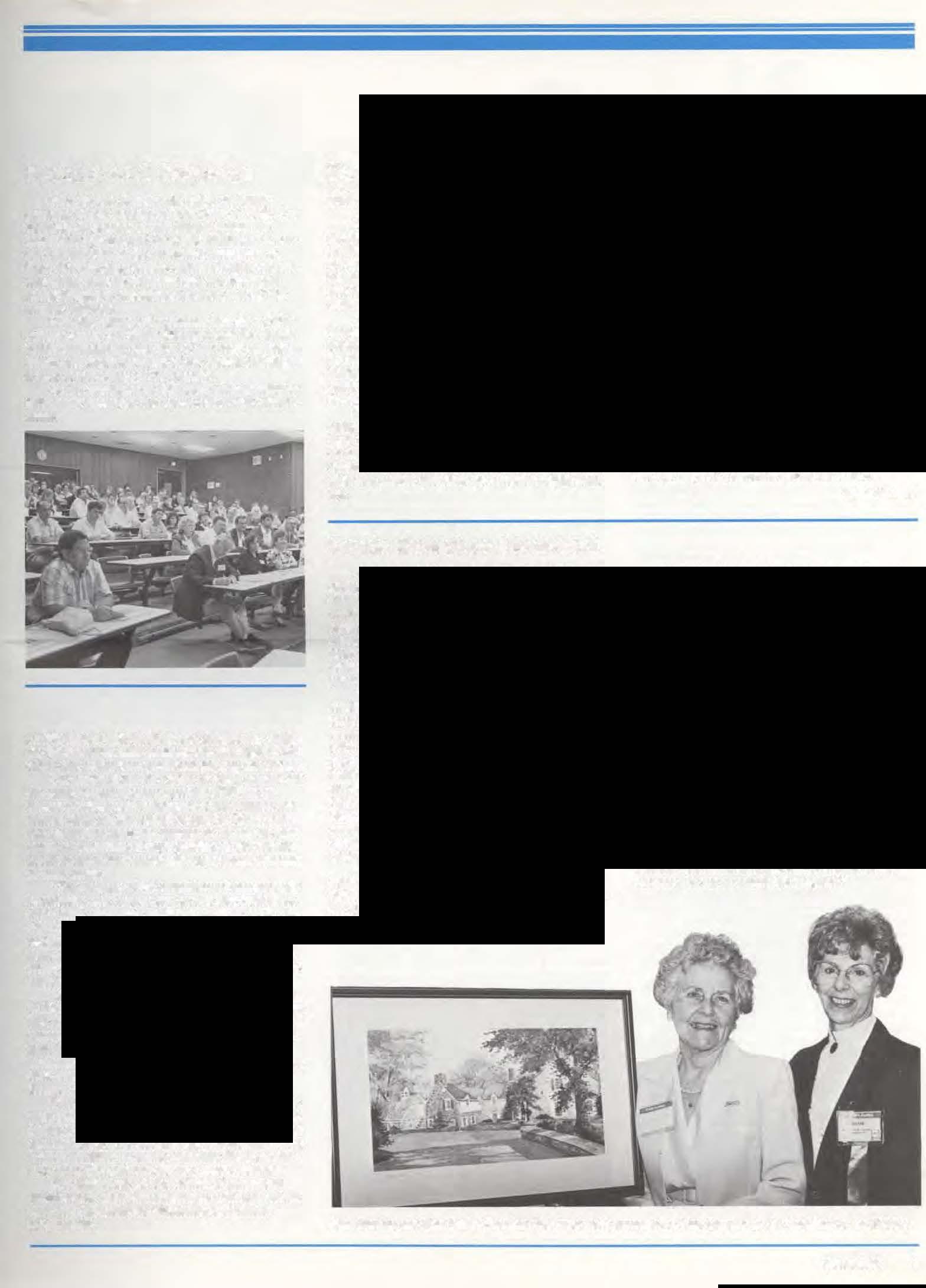
DorisBoucher'sdedicationtogenerationsof PennVeterinarystudentswasrecognizedbythe AuxiliarytothePennsylvaniaVeterinaryMedical AssociationattherecentPVMAmeetingheldinLancaster.DuringaspecialluncheonAuxiliaryPresident Mrs.JanetH. DoughertypresentedMrs Boucher withawatercoloroftheAllamHouse,paintedby RotheGuenther,wifeofFredR.Guenther(V'52). TheAuxiliaryalsomadeadonationtoMrs. Boucher'scookiefund.Thecitationread"Thisisin recognitionofyourCookieSaleProjectatthe WidenerHospitalatNewBoltonCenter, forfunds whichyoudonatetobeusedforstudentloans.Itis alsoinappreciationofyourmanyyearsofhospitality forstaffandstudentsoftheVeterinarySchoolofthe UniversityofPennsylvania.Youhavebeenatrue helpmatetoyourhusbandandhisprofession.'•
WhenMrs Boucherandherhusbandsetoutfor LancasteronOctober14,shehadnoideathatshe wastoattendaluncheoninherhonor.•'Jthought Billwastakingmetoanantiqueshowaspartofa birthdaycelebration.ImaginemysurprisewhenIwas whiskedintotheroomandfoundmyselfasthe honoree. Itwasawonderfulsurprise!"
Winter 1989 7
Mrs. Boncberand Mrs. Rothe Guentherwithwatercolorpresented toMrs Boucherby the Auxilliary to tbe PVMA.
False Pregnancy
FalsePregnancy(Pseudo-Pregnancy,Phantom Pregnancy,Pseudocyesis)iscommoninthedogand sometimesoccursincats.Itoccnrsafterthebeat periodinanimalswhichmayormaynothavebeen bred.Themostnoticeablesignisenlargementofthe mammaryglandssixtotwelveweeksafterestrus. Theremaybesecretionofawateryfluidorevenmilk. Thebitchoftenbecomesrestlessandmaymakeanest andmothersinanimateobjectssuchastoysor slippers.Usuallytheconditionwilldisappearwithout treatment.Insomecases,asedativeandalternating botandcoldcompressesontheengorgedmammary glandsmaybehelpful.Therearereportsofthese bitchesbeingusedasfostermothers.
Falsepregnancymayoccurinyouranimalsafter theirfirstestrualcycle.Itmayfolloweverycycleor occuronlyoccasionally.Veterinariansmayrecommendovariohysterectomyinbitcheswithrecurringor severefalsepregnancy.
Itisadvisabletocheckwithyourveterinarian. Thereisthepossibilitythatthebitchmightbe pregnantortheremaybeadiseaseoftheuterus (pyometra).
Book Review
TheAtlasofDogBreedsofthe World,byBonnie Wilcox,D.V.M.andChrisWalkowicz(TFHPublications,lnc.,NeptuneCity,NJ07753,$100).
Thisbigbook,weighingovertenpounds,hasa fullhistoryanddescriptionofover400breedsfrom allovertheworld.Thereareover1100full-color photographs.Itisanidealbreedidentificationguide. Theauthors'beliefisthatpetsshouldbechosen throughknowledgeofthebreed.Breedinformation "willhelpdogownersseewhatcausesthepleasing characteristics-asweUastheonesthatirritate them.Ingrainedbreednatureinstillsthesweetness. inte!Ugence,loyalty,sturdiness,workingandprotectivequalitiesthatwedesireinthevariousbreeds.This verynaturealsomotivatesdigging,yappingterriers; chasing,yelpingherddogs;aggressive,barkingflock guardsandmastiffs;straying,howlinggunhounds; andindependent,aloofsighthoundsandpariahs."
Breedsaredividedintoeightgroups.Thereare 23flockguardsincluded-onlythree(Komondor, KuvaszandgreatPyrenees)areAKC-recognized. Whiteisthepreferredcolorforflockguardsdistinguishingthedogfromthewolf,allowingthem acceptanceintotheflockandmakingthemvisible fromadistancewhenapartfromthesheep.
Thereare36mastiffbreeds,17recognizedby AKC,includingmastiffs.greatDanesandSaint Bernards,aswellasbulldogs,boxers,bullterriersand pugs.Rottweilersarealsointhisgroup.
Thereare96scenthounds,68guodogsand46 northernbreeds.TheAkits,Samoyed,chowchow andPomeranianareAKCbreedsinthenorthern group.Thereare56herdingdogs,47terriersand38 southerndogs.Thesighthounds,pariahsandhairless breedsareinthesoutherngroup.
Asinterestin"rare"breedsincreases,thisbook isanidealsourceofinformation.Inthedescription ofeachbreed,thecountryororigin,weight,height, typeofcoat,colorandbreedregistry(ifany)are given.Thereisaglossaryandbibliography.One omissionistheaddressforbreedregistries(AKC, CKC.FCI,etc.)However,itisthebestreferencefor identifyingallknowndogbreeds.

Holiday Hazards
Christmasmaybeahazardoustime.Lightcords, breakableornamentsandtinselmaycauseinjury. Holly,mistletoeandpoinsettiasaretoxicifeaten. Chocolatecontainsacompoundtoxictopets,causing vomiting,diarrhea.muscletremors,seizures,rapid breathinganddisorientation.Evenonechocolatebar maybetoomuchforasmalldog.
Agiftpuppyshouldnotbedeliveredjustat Christmas.Therewillbemoretimetogiveitthe attentionitneedsaftertheholidays.Givealeashand collarandanotesayingthepuppywillarrivesoon.
Cold Weather Notes
SomedogsandcatsLiveoutdoorsallthetime. However,specialcareisnecessaryincoldweather. Windproofandwaterproofshelterisnecessary.It shouldbesmallwithplentyofbedding.Checkwater atleasttwiceaday.Extracaloriesareneededtohelp keeptheanimalwarm Catsmayclimbupintoa warmengineofaparkedcar.Iftherearecatsinyour neighborhood,knockonthecar'shoodbefore startingtheengine.Garagedoorsareanotherhazard forcats.
Indoorhousingisnecessaryforsomebreedsthat cannottoleratecold.YowJgpuppies,olderanimals anddogswithhealthproblemsshouldbekeptina warmplace.
Indoorpetsrequireafewspecialarrangements. Asweaterisagoodideaforwalksinextremelycold weather,especiallyforsmaJJ,short-haireddogs.Dry offthedogafterawalkintherainorsnow.Rocksalt andotherproductsusedtomeltsnowandicecan irritatethepaws.inspectthepawsforsnowand chemicalsafterawalk-wasbanddryifnecessary.
Indoorpetstendtohavelessexerciseduringthe wintermonths,sotheymayneedlessfood.Catsmay prefertosleepandshouldbeencouragedtoexerciseplayingwithtoys,etc.
Bewareofantifreeze.Dogsandcatsareattracted toitandmaylapuptbesweetstuffspilledona garagefloor.Immediateveterinarycareisnecessaryif antifreezeisingested.Manypetsdieasaresult.
Veterinary Schools
Thereare27D.V.M.IV.M.D.degreeprogramsin theUnitedStatesandfourinCanada.In1988-89, therewere8,574studentsintheU.S.and1,144in Canada.Ofthetotalenrollment,femalestudents outnumbermalestudents57.5%to42.5%,atrend thatbeganinthe1985-1986academicyear.Enrollmentconrinuestodecline.
Theclassof1993attheUniversityofPennsylvaniaSchoolofVeterinaryMedicinehas110students,74(67%)womenand36(33%)men.The averageageis26.6years.103haveundergraduate degrees{32BAand71 BS)andsixhavegraduate degrees(oneMA,fourMSandtwoMBA).Only sevenstudentsmatriculatedaftertheirthirdyearof college.72(65%)oftheclassarePennsylvania residents.21(19%)comefromcontractstates,two fromConnecticut,onefromDelaware,fourfrom Maryland,onefromMaine,12fromNewJerseyand onefromVermont.TherearethreefromCalifornia. onefromMichiganandeightfromNewYork. Prioritiesarechanginginveterinarypractice. Companionanimalsarebecomingimportanttothe
well-beingoftheirowners.Amonglivestock,disease maybemanifestedbydecreasedproductivityrather thanillness.Diseasemayberelatedtonutrition, managementandenvironmentalfactors.Manyofthe infectiousdiseaseswhichwereofgreatimportancein thepasthavebeenbroughtundercontrol.Foodbornediseasesarecausingsicknessinpeopleand economiclosses.Theveterinaryprofessionshouldbe concernedaboutthesafetyoffoodsofanimalorigin. Animalownershavecometoexpecttheveterinarian tohelpkeepanimalshealthyandproductive.Genetic problems,metabolicandchronicdiseases,alongwith skindisease,havebecomeimportantinsmallanimal practice.Aspetslivelonger.geriatricproblemsare morefrequent.
VeterinarymedicinehasbecomeachaJJenge. Specializationisincreasing.rtstilloffersarewarding andproductivecareer.
Ferrets
Thedomesticferret(Mustelepuroriusjuro)bas becomequitepopularasahouseholdpet.Itis estimatedthat6to8millionarekeptinthiscountry Mailordercataloguesofferproductsforferretsshampoos,groomingbrushes,carryingbags,toysand aspecialharnessandleash.
Somestates(California,Georgia,NewHampshire)prohibitthekeepingofferretsandthereare lawsregulatingpossessioninotherstates.Checklocal lawsbeforeobtainingoneasapet.TheAmerican VeterinaryMedicalAssociationwarnsthatferrets maybedangeroustoinfantsandsmallchildrenattackingandbitingthemwithoutprovocation.Be sureaferretwiDfitintoyourlifestylebefore consideringitasapet.
FemaleferretsarecalledjiUsandthemalesare bobs.Theyneeda"ferret-proofed"home.Theycan crawlthroughopeningstwoinchesindiameter,and shouldbekeptundersupervisionwhennotcaged. Theycanbetrainedtousealitterbox.Commercial ferretdietsareavailable.Watermustalwaysbe available-ahangingwaterbottlepreventsspillage. Theytendtocachefoodsodryfoodispreferableto canoedproductsandtablescraps.
Bodyodorisaproblemwithferrets.Theanal sacsmustberemovedsurgicaJJy-apetferre.twill emptyitsanalsacswhenfrightenedandtheodoris fouLNeuteringisindicatedforthepetferret.Inthe hob,castrationdecreasesinappropriateurination. decreasesaggressionandhelpscontrolbodyodor.If thejillisnotmated,shewillremainincontinuous estrus,causingbonemarrowhypoplasiaanddeath. Thepetjillshouldbespayed.Neuteringmaybedone atfivemonthsofage.
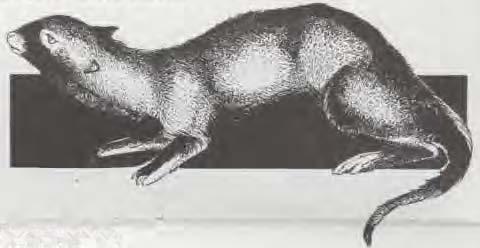
lnadditiontoneutering,ferretsmustbebathed onceortwiceaweektokeepbodyodorunder control.
Ferretshavebeendomesticatedforcenturies. Understandthespecialproblemsandrequirements andbesureyoucanbearesponsibleowner.Toomany ferretshavebeenabandonedbydisenchantedowners.
8 BeUwelher
AluJrtfll a1lil .. eontittttlf1:g f.ducatiort CQrrter
Come One, Come All to the 1990
Penn Annual Conference on Wednesday 4 Thursday, January24&25 at the Adam's Mark Hotel
Thisyear'sprogramwillinclude;
Dr. David1\vedt,ColoradoStateUniversity
l. GastricandEsophag.ealDiseaseinSmall Animals. Revit:wofcommonuppergastroesophagealdisorders,diagno�isandtheirtreatment. Caseexamples wlUbegiven.
ll. Asystematicapproachtothepatient with chronicdiarrhea.Diagnostictechniques.differential diagnosisandtreatment willbegiven.

Dr.StepbeoD. White.ColoradoStateUniversity
Athoroughbut:succinctdiscussionofantibiotics,corticosteroids.nutritionalsupplements, and otheroralandsystemicdrugsutilizedinsmallanimal veterinarydermatology.Topi�andotictherapywill alsobediscussed.All hormonaldiseaseswhichcan havecutaneoussignswillbediscussedinregardto theirpresentation,diagnosisandtherapy.
Dr.KatherineQuesenberry,AnimalMedicalCenter, NewYork
Basicdiagnosticandtreatmenttechniquesused inthemedicineandsurgeryofpopular exoticpets willbeoutlined, includingpetbirds, ferretsand rabbits.
Dr. PeterJ. Timoney, UniversityofKentucky
HerpesandInfluenza VirusInfectionsinthe Horsewillbereviewedwithregardtotheirrespective clinical, virologic, diagnosticandepidemiologic features.Currentpreventivestrategiesforeach diseasewillalsobeconsidered.
Dr.JohnStick,MichiganStateUniversity
PracucaJapproachtodiagnosisofsurgicalproblemsoftheheadandneckofthehorse.videoendoscopyofairwayproblems,recentadvancesinsurgery oftheairwayandesophagus.
Dr.J.F. Prescott,UniversityofGuelph
Dr. PrescottwilldiscussthecontrolofRhodacoccusequipneumoniainfoalsandleptospirosisin caHieandhors�.
Dr.FranklynGarry,(privatepractitioner,Colorado), wiiJdiscussrominal disorders incowsandcalves.
Lastyear700veterinariansattended-don'tbeleft outthisyear.Manymorespeakersandlecturesare scheduled. Watchforyourbrochureinthemail!
Scholarships
KatrinaJackson was awatdedtheWestminster KennelFoundation 1989/90Scholarship.Lori Basonisistherecipientofascholarshipofferedbythe SomersetNewspapers. lnc., Somerset, PA. The NorthwesternConnecticutDogClub,Inc.awardeda scholarshiptoAIQYL.Grice. Ms. Griceisalsothe recipientofaCareerAdvancement Scholarship offeredbythe BusinessandProfessionalWomen's Foundation.
DianeMorris,RobinPullen,TiffanyBogartand KenThmeraretherecipientsofscholarshipsoffered bytheNewJerseyVeterinaryEducationFoundation. ScouJohnsonreceivedtheTownofThomastonDierz scholarship.Thomastonisin Maine. TheWilliam Goldman fuundationhasawardedscholarshipsto CynthiaDiBuono,GregoryErdmanandKarenHoffman. TheMispillion KennelClubbasawardedthe WilliamE.SpenceD.V.M.VeterinaryScholarshipto CorinneDunagan.StC\;-enMUdenistherecipientofa scholarshipofferedbytheUnionCountyK.C.
JudithPalmhasbeenawardedascholarshipby TheN�YorkFanners,1nc.CathyScbweingruberis thefirstrecipientofascholarshipfromtheAFRCat Club.
GwynGromanreceivedascholarshipfrom the Mid-SusquehannaValley KennelClub, Inc.
Dr. Palace H. Seitz Memorial Dean Scholar Fund
RandySlikerhasbeennamedtheDr.PalaceH. SeitzDeanScholar.TheendowmentoftheDr.Palace H.SeitzMemorial DeanScholarFund was made pos&iblebyalargebequestmadetotheSchoolbyDr. Seitz.Interestfromthefundwillbeusedtoprovide financialassistancefortuition, livingexpensesand othercoststoafreshmanstudentwhowillcontinue astheDr.Seitz.DeanScbolarforhis/herfouryearsat theSchool.Anewstudentwillbeselectedeveryfour years. Dr. Seitzwhograduated fromtheSchoolin 1930servedassecretary-treasurerofthePVMAfor 28�-ears. Hediedin 1988.
Penn Celebrates 250th Throughout 1990 - Key Events Slated for Alumni May 16 to 20
In 1990, theUniversityofPennsylvaniawill celebratethe2S0thanniversaryofits foundingby BenjaminFranklin,withayear.longagendaof festive, historicandeducationalevents.
Theyearofcelebrationwill beginon Ben Franklin'sbirthday,January17,1990,withaspecial note,asbellsoncampusandthroughoutthecity chimeincommemoration.AspecialexhibitofBen Franklin'swritings,portraitsofFranldinandhistoric memorabiliawillopenwithareceptionattheArthur RossGallerythateverung. President Hackneywill hostabirtbdaydinnertowhichrepresentativesofall partsoftheUniversity,communityandcityorganizationswillbeinvited.
Foralumni,festlvttiesreachtheirheightduring "PeakWeek,"May16to20,openingwithapicnic andfU"eWorksonWednesdaythe16th.Theeveningof May 17,therewill beasoundandtightshow,gala dinner,dancingand musicalentertainment. Friday, May 18, basbeensetasideforgraduateand professionalschoolsandreunionclassreceptionsand diners.OnSaturdaynight,May19,nationaltheater and filmstars will sharethestagewith Penn performersat theCivicCenter.
Jnaddition,threeplenarysessionsonissuesof globalimportancewillbepresentedbyinternationaUy knownleadersonMay17,18,and19.RonaldReagan willpresenttheMay 18scs6ion.
AJsoduring"PeakWeek,"distinguishedscholarsfromPennandotheruniversitieshereandabroad willtakepartinaseriesofthreecolloquiaonsuch subjectsasMassandEliteCulturesintheArts, MolecularBiologyandMedicalTherap1es,andThe EmergingGlobalMarketplace.
Universityalumniandfacultywillconduct 90 AluiDD.i/FacultyExchangesonthemorningand afternoonofeachofthethreedays,May17,18and 19.Thetopics will include: Classand Sportin Philadelphia,AgingasaCreativeExperience, African-AmericanPoetry,ChanaandtheSov1etUnion, RevitalizingAmerica'sCitjes,AdvancesinCancer Treatment.BusinessCodeofEthics, andTheBrain andtheImmuneSystem.
TheFallFestival,scheduled forOctoberand Novemberof1990, will featureperformancesby campusandlocalartisticgroupsandexhibitionsby someofPhiladelphia'sleadingcultural institutions.
Canine Symposium
TheTh-entiethAnnualCanineSymposium Your VeterinarianandYourDogswillbeheldonJanuary 27,1990attheVeterinaryHospitaloftheUniversity ofPennsylvania, Philadelphia.

Theday-longeventbegins9:30a.m.Dr.ColinE. Harvey,professorofsurgery,willdiscussCanine Demtistry.HeisfollowedbyDr.RobertJ.Washabau, lecturerinmedicine,whowillspeakaboutDiagnostic andTherapeuticEndoscop)inSmallAnimal Medicine.
1ntheafternoonDr.MerylJ.Littman,assistant professorofmedicine,wiUdiscuss�..NmeDisease.The fmalprogram, LiverDiseasein Dogs, wiJIbepresentedbyDr.JerryR.Waddle,lecturerinmedicine. Thecostoftheprogramis$40.Itincludeslunch andparking. Spaceislimitedandreservationsare required.TheycanbemadebycontactingDr. M. JosephineDeubler,VeterinaryHospital,3850Spruce Street, Phlladelpnia, PA19104.
Winter 1989 9
AVMA President Samuel Strahm visitedNew Bolton Center campus prior to attendingthePVMAmeetingin Lancaster.Or.SlrabmIsshownherewithDeanAndrews.
Dr. Virginia Pearce (V'87) has been appointed directorofthe Laboratory ofPathologyat Lhe PhiladelphiaZoologicalGardenfollowingtheretirementofDr.RobertSnyder.Dr.Pearcehasalsobeen appointed adjunct lecturer in clinical studies at VHUP.
Dr.AdrianR.Morrison,professor,andbead,laboratoriesofanatomy,hasbeenelectedtotheBoardof Directors oftheNationalCoalition for Research in NeurologicalandCommurucativeDisorders,agroup ofover 50professional andvoluntaryorganizations dedicated tosecuringincreased medical research funding for the neurological and communicative sciences.
Mrs. Eileen P. Conner, secretaryto thelaboratories ofanatomy, won asecond prize in the national contest sponsoredbytheNational Association of CollegeandUniversityBusinessOfficers(NACUBO) forhercostsavingideaofhavinglaserjetcomputer printer ink cartridgesreconditionedinsteadofpurchasingnewones. Mrs. Conner received a prize of $7,500 forthedepartment ofanimal biology at an awardsluncheonin July.

The qualifyingexaminationsforthe American CollegeofVeterinary Internal Medicine were passedby Dr. Barbara Chapman, lecturerinmedicine, Dr. BetsyDayreU-Bart(V'83),lecturerinneurology,Dr. ElizabethFarrar,lecturerinmedicine,andDr.Leslie King, lecturer in medicine.
Dr.CoHnJohnstone,associateprofessorofparasitologyinepidemiologyandhealtheconomics,hasbeen appointedchairmanoftheAgricultureLandPreservation Board ofChesterCounty.

Dr. VictoriaA. Hampshire (V'88) hasjoined the CommissionedCorpsandisaclinicalveterinarianin theComparativeMedicineUnit,VeterinaryMedicine andSurgerySection, VRB, DRS, NTH.
Dr.ClaraJ. Witt (V'81)hasjoined theOffice of LaboratoryScience,NationalCancerInstitute_NIH, asaclinical veterinarian.
Dr. Yvette M. Davis (V'76) bas beenselected asan epidemiologyfellowin the Division ofBiometric Sciences, OfficeofScienceand Thchnology, Center forDevicesandRadiologicHeallh(CDRH),FDA,as part ofthe PHS Epidemiologyll'ainingProgram.
Dr.DavidMein(V�S4)hasbeenelectedtotheAVMA HouseofDelegatesCouncilonEducation.representing privateequinepractice.
Dr. Michael Aronsobn (V'70) bas been named chairmanofthedepartment ofsurgeryat Angell Memorial Hospital in Boston. Dr. Aronsobn, who completedhissurgicalresidencyattheUniversityof Pennsylvania, is aDiplomate oftheAmericanCollegeofVeterinarySurgeonsandisaclinicalassociate professorofsurgeryat Tufts University School of Veterinary Medicine.
Dr. Curtis Schelling (V'85), lecturerinradiology, passedhisspecialtyboardandisaDiplomateofthe American CoUege ofVeterinary Radiology.
Dr. DeanW. Richardson, assistant professor of surgeryandCharlesW. RakerScholarin Equine Surgery,receivedagrantfromtheGraysonFoundation for aresearchproject "The Biochemistryand MorphologyofEquineArticularCartilageinDegenerative Joint Disease andtheirRelationship to Subchondral Bone Stiffness.''
Dr.PatriciaA.Murphy(V'89)hasjoinedthestaffof the Woburn Animal Hospital, Woburn, MA.
Dr. Janet&metta(V'8S) has beennamed chairperson-electoftheNewJerseyHealthProductsCouncil, a nonprofit information andpublicaffairs agency composed ofNew Jersey's major research-oriented healthproductcompanies.Dr.Remettaismanagerof issuesmanagementforSandozPharmaceuticalsCorporation in Easr Hanover,NJ.
DeanEdwinJ.Andrews(V'67)wasadinnerspeaker attheconferenceon"ResearchandTesting:Animals, Alternatives, Responsibilities," sponsoredby the CorporateOfficeofScienceandThchnology,Worldwide Council ofResearchDirectors, CORD BioresearchSubcommittee.Theconferencetookplacein Septemberat New Brunswick, NJ. Dr. Donald Abrutyn (V'61), director, Research Foundation. Johnson andJohnsonHealth CareCo., chaired Session ll ofthisconference.
TheAnnualmeetingofthePVMAfeaturedanumber ofspeakers fromPenn, theywere: Dr. Darryl N. Biery,professorofradiologyandchairman,Department ofClinical Studies (Philadelphia), Dr. Jeffrey Wortman (V'69), associateprofe..sorofradiology, Dr. SydneyEvans(V'77), assistant professorof radiology, Dr. Mark Saunders(V'81), Lecturerin radiology, Dr. DanielCoben, adjunct professorof epidemiology,Dr.WendyA.Freeman(V'85),lecturer in field service. Dr. Charles Newton, professor of surgery,Dr.GailK.Smitb(V'74),associateprofessor ofsurgery, and Dr. Raymond W. Sweeney (V'82), assistant professor ofmedicine. TheDr. Palace H. Seitz memorial Lecturewasdelivered by Dr. Jobn DePlanque(V'73) whospokeabout ''The Great AlaskanDog Sled Race'' where heservedas a veterinarian twoyears ago.
Dr. William Moyer, associateprofessorofsports medicine, and Rob Sigafuss, farrierat New Bolton Center,willparticipateinthe1990BluegrassLaminitisSymposiuminJanuaryatLouisville,KY.Thetwo werealso featured speakers at the Second Annual Mid-Atlantic Farrier'sSymposium, held in October at Doylestown, PA.
Dr. WilliamAdams(V'54} bas retired from his position asassociate deananddirectorofhospital servicesattheCollegeofVeLerinaryMedicine,North CarolinaState University.
Dr. RobertM.Schwartzman(V'Sl), professor of dermatology, was a featured speaker at theFirst InternationalVeterinaryDermatologyCongressheld in September inDijon, France.
The SeeingEye, Inc., through the Morris Animal Foundation.hasfundedathree-yearstudy,''Canine HipDysplasia:Herit.abilltyandBreedingValuesfrom Clinical Measurement of Hip Joint Laxity", by Dr. GailK.Smith,Dr�DarrylN.BjeryandEldonLayton. Ph.D.
Dr. Susan K. McDonough (V'68) was featured in a "PracticeProfile"intheOctoberissueofVeterinary Economics.Dr.McDonoughownstheCalHospital of Philadelphia.
Dr.MarvinNorcross(V'S9),deputyadministratorof science,FoodSafetyandInspectionServices,United StatesDepartmentofAgriculture,wasamongthetop federalworkershonoredbyPreside.ntBushasoneof thewinners ofthe 1989 Presidential Rank Awards. Theawardsrecognizeexcellenceinthefederalgovernment's SeniorExecutive Service and arepresented annually to federal managersforsustained exceptional performanceingovernment.
TheAcademyofNatural SciencesinPhiladelphia featuresanexhibitoncows.Dr.RobertR.Marshak, professorofmedicine,and Dr. William Chalupa,
professorofnutrition, actedasconsultants forthe exhibitwhichrunsthroughJanuary15andfeaturesa walk-through model ofacow's stomachs.
Dr. David K. DetweJier (V'42),professorofphysiology,receivedtheDistinguishedPntctitiouerAward from the PVMA at the annual meetingheldin October. Dr. Detweileralsowasappointedtothe National Academies of Practice, agroup ofdistinguishedpractitionerswhoadviseCongressonhealth care needs. Other Penn Veterinary School members are Dr. William Donawick, Mark Whittierand Lla GriswoldAllamProfessorofSurgery,Dr.RobertR. Marshak, Dr. Donald R. Patterson, CharlotteNewtonSheppardProfessorofMedicine,andDr.Robert Whitlock,MarilynM.SimpsonProfessorinEquine Medicine.
ABaptismalfont wasgivento St. Paul's Episcopal ChurchinElkinsPark,PAinmemoryofDr.Akarue Amachi (V'67). The font, createdbyceramicist William Daly, features 20animals, representing the beasts from Noah's Ark.
Dr.VjncentJ.Cristof11lo,professorofbiochemistry anddirectoroftheCenterfor theStudyofAging, wasrecentlyelectedpresident-electoftheGerontological Society ofAmerica.
Dr. Linda B.KeiJer, researchassistantprofessor of avianmedicineandpathology,gaveapresentationon "ProtectionagainstRECC.CU60tumorcelldevelopmentinJMV-1culture-supernatant-treatedchickens" at the AVMA Annual meeting in July. Thatsame monthshe presented a paper "Characterzation of uniqueintestinalcytoxiccellsandlymphokinesassociatedwith hosrdefenseagainstaviancoccidiosis'' at theSecondinternationalVeterinarySymposium,held in Hannover, West Germany.
Dr. Keller, Dr. CharlesE. Benson, professorof microbiologyandchairman,DepartmentofClinical Studies (New Bolton Center), Dr. Sherril Davison (V'23),lecturerinavianmedicineandpathology,and Dr. Robert J. Eckroade, associateprofessor of poultrypathology,presentedapaper,1'DNAFingerprintcomparisonofPennsylvaniaFieldIsolatesand VaccineStrainsofLaryngotracheitis"at61stNortheasternConferenceonAvianDiseasesatBlacksburg, VA in June. Drs. Robert Eckroade, Cbarles E. Benson, and David Kradel, wereinvited speakersat theFood Research Tnstjture Annual Meetingat Madison,W1inMayandattheAVMAJointSession ofPublicHealth/AvianMedicineatOrlandoinJuly. Theyspokeon"TheSalmonella enteritidis situation in poultry.'' Drs. Eckroade andBenson also were invitedtospeakattheUSAHAmeetinginLasVegas, NVon''Currentinformationon Salmonellaenteritidis:Naturallyinfectedflocksandpathogenic characteristics.''
TheNewYorkFarmerspresentedDr.Eckroadewith their medalwhich is uawardedforoutstanding achievementin agriculture.'•
Dr.Martin M. Kaplan(V'44)presentedthe 1989 Isaac J. WtstarLecture atThe Wistar Instituteof AnatomyandBiologyon Dec. 1. in Philadelphia. Dr. Kaplan's lecture was titled: "TowardstheZero Level for Nuclear, Chemical and Biological Confrontation.'
Dr.DavidNunamaker(V'68),JacquesJenny,ProfessorofOrthopedicSurgery,presentedfourpapersat theASIFBasic Course in Stockholm, Swedenin October.
tO Bellwether
Japanese Students Visit
Computer Link
TheLaboratoryofPathologyattheUniversity ofPennsylvaniaVeterinarySchoolevaluatesmore than18.000biopsysamplesannually.Practitioners needtheresultsrapidlyinordertoadvisetheirclients. Tospeedupthetransmissionofpathologyresultsto practitioners,thelaboratoryhasinstalledacomputerbasedreportingsystem.Veterinarianscannowobtain biopsyresults24hoursaday,sevendaysaweek.
AllAlum111toAttend a Reception andDinnerInHonorof DonaldA.Abt, V.M.D.
Agroupofsixteenstudentsandtwofaculty membersfromAzabuUniversityinKan�gawa-Ken. Japan,visitedVHUPforoneweekinAugust.The students,allineithertheirfifthorsixthyearin veterinaryschool,wereassignedtocllfferentclinicsat VHUPandjoinedtheirAmericancounterpartseach day.
Thereare15veterinaryschoolsinJapan,five, includingAzabu,areprivate,wbiletheremainingten arestateschools.StudentsinJapanenterveterinary schoolrightafterhighschoolandtheprogramlasts six years AtAzabuthereareabout 120studentsin eachyear'sclass Thefirsttwoyearsattheuniversity arespentingeneraleducationcoursesandthe remainingfouryearsaredevotedtoveterinarysubjects.Apparentlythereisagreatemphasisonfood animalsandhorses.withcompanionanimalstaking thebackseatAtAzabuUniversityagreateremphasis isplacedoncompanionanimalsandtheschoolis strivingtobecomeacenterforsmallanimalmedicine.Thestudentsonthetripallintendtobecome smallanimalveterinariansaftergraduation.
Theexchange,thebrainchildof Dr. Kenneth BoveeandDr.YosbitoWakaoofAz.abuUniversity, wasfirsttalkedabouttwoyearsagowhenDr.Bovee lecturedattheJapaneseschool.Thesixteenstudents, inadditiontostayingatPenn,alsovisitedtheAnimal MedicalCenterinNewYorkfortwodaysanddida bitofRandRinSanFrancisco.Theypaidthetrip expensesthemselves.
Dr.BoveeandDr.Wakaohopethatthiswasjust thefirstofmanyexchanges.Duringareceptiongtven bytheJapanesegroup,giftswereexchangedandDr. WakaopresentedachecktoDr.Bovee.This,accordingtoDr.Bovee.willprovideseedmoneyforfurther studemvisitsbetweenthetwoschools.
Thenewreportingsystemisaccessiblethrough anypersonalcomputerormostdataterminalsthat arecurrently used inpractice.Adial-inprocedure enablesthepractitionertoaccesshissecuritycontrolledaccountat any time,andthesystemis updatedonceadaywithnewresults.Allresultsare accessibleonarepetitivebasi$fortwoweeksbefore beingremovedfromthesystem.Practitionershowever willcontinuetoreceivewrittenreportsforeach specimen/casesubmitted.
Thisnewautomatedsystemisdesignedto replacethedirectpbon�inmethodofobtaining pathologyresultsandtoimprovetheresponsiveness ofgettingtheseresultstopractitioners.Thedirect phone-inmethodwillstillbeavailableforanycase aboutwhichapractitionermayhavequestionsor concerns.
Thenewprocedurewasdevelopedandissupportedby10•2000Incorporated.PractitionersinterestedinutHizingthereportingsystemshouldcallthe ID•2000CustomerSupportCenterat(609)768-5525. Arepresentativewillexplainthesystemandreview therypeofeqUJpmentthepractationermaycurrently have.ThiswillenableID•2000tosendapersonalized proceduremanualandsetupapersonalaccounton thenewsystemwithasecuritypasswordprovidedby thepractitioner.
Forthosepracticesthatmaynothaveanytypeof dataprocessingequipment,m•2ooohasputtogether aspeciallypricedmMcompatiblepersonalcomputer forthisserviceaswellasotherpracticesoftwarea practitionermaywishtouse.
Thisnewprocedurewillbeamajorenhancement oftheSchool'sservicetopractitioners.Inthemonths tocomeothernewfeatureswillbeadded.
1988-89 Pet Memorial Program
Euthanasiaofacompanionanimal,evenwhenitis theclearlythemosthumanecourse,isaverydifficult decisiontomakeforbothownerandveterinarian.In 1982weinstitutedthePetMemorialProgramasa meanstomakeamemorialgifttohelp lessen the owner'sgrief.Sinceitsinception,wehaveseenthe
LoyC.Ackerman.V.M.D.
FredericK. Barf,V.M.D.
CurtBarnett. D.V.M.
MidlelleC.Bartus, V.M.D.
MicheleB. Belisle,VM.D
WilliamE.Bcsl,V.M.D.
RaymondK. Birclwd,V.M.D.
W Blazejewski. V.M.O.
Frank A. Borzio, V.M.D.
HarveyA.Braaf, V.M.D.
Ow1esE.Brown,V.M.D.
�Bush.V.M.D.
C�.D.V.M.
W.Cldand,V.M-D.
KevinP.Coopn,V.M.O.
EvelynM.Crish.V.M.D.
HenryL.Croft,V.M.O.
1tobcrtP.CUsaono,V.M.O.
programgrowenormously:over24%inthepastyear alone.Weareproudtoannounceour1988-89totalof Sll,062donatedby90veterinariansfromlSstates.
ThePetMemorialProgrambenefitsmanydifferentpeople.Witheachgiftveterinariansstrengthentheir relationshipswithclients,expressconcernfortheirtoss,
PaulW. Donovan, V.M.D.
DianeRuthEigner, V.M.O.
DorisScUEmerson, V.M.D.
William G.Farrell, V.M.D.
Paul Fenster,V.M.O
FredFemich, V.M.D.
Juan L. FerrerPerez,V.M.O.
RandallC.Fcrtebncs,V.M.D.
SusanFlSber, VM.D.
HerbertS. Freiman,V.M.D.
l.aV!Tel'l(ZJ.Gerson,VMD.
GeotJeGlan.zberg. V.M.D.
GresoryW.Godon.V.M.D.
Carol A.Gray,V.M.O.
Stephen l.. Gross, V.MD.
MarkB.Guiie,V.M.O.
M.B. Gulick,V.M.D.
JohnR.Gulliford, V.M.O.
E.JdfericsHathaway, V.M.D.
Petes-H. Herman. V.M.D.
KimA. Herrman. V.M.D.
MariaIannone,V.M.D.
SusanIreneJacobson,V.M.D.
RichardA. Jaffe,V.M.D.
StephenR.Jarman. D.V.M.
JamesG. Jeffers,V.M.O.
PamelaJennings, D.V.M.
Michad H. Kenfield,V.M.O.
BetsyK.Kennon,VM.D
TheodoreJ. Leif,V.M.O.
StevenA.Levy.VM.D
lawrenceJayUnnett,VM.D.
HowardM.Unman,V.MD
VaderLoomis, D.V.M.
AMW Lucas, V.M.D.
RobertD. MacMillan,V.M.D.
RobertR. Marshak Term Professor inAquaticAnimalMedicineandPathology joinusaswecelebrateDon's 19 Years ofServiveandAchievement asAssocialeDeanto
TbreeGenerationsofDeans
Twsday.january23. 1990
Reception:6:00p.m. Dlm�er:7:00p.m. Adam'sMark Hotel
CityLineandMonumentAvenues Pbiladelpbia, PA
R.S.V.P. byjanuary 15, 1990
r------------------------�
11/Wewill�nmdlhcReceptionandDinnerInHonoror I Dr. Donald A. Abt.
' I Number InParty
I NameofCiucs&.(S)
1 I
I 1EnclosedIsm�checkror$ (S4S00perJX'fS(ul)for I dfnna
I I EnclosedL'lmycheckfor� as�contributionforthe Ipurcha.o;cofa spcci2lgifttobepre!lenredtoDr. Abt. I I
1 N:unc:(Pie2SC:Print) l

LPk::iscnt2ke211checkspayabletotheTrusteesofthe I UtuvcrsltyofPennsylvania I - - - ----
andenableusattheSmallAnimalHospitaltoprovide state-of-the-artservicestocountlessothers.
Our thankstothefoUowingveterinarianswho havebeen sogenerous:
CarolynM. Mcl>anjel, V.M.O.
Michael K. Moss,V.M.O.
JosephA.Nebzydoski, V.M.D.
PeterD.Nelson, V.M.D.
JoanB. O'Brien,VM.D.
ScottE.Palmer,V.M.D.
JeanM.Persia.V.M.D.
FrederickD.Piper,V.M.D.
BruceS.Putchal, V.M.D.
Cbarle$L.Putman, V.M.D.
GaryJ.Quinn, V.M.D.
NealC. Ralston, V.M.D.
MichaelP Ratner, V.M.D.
LeonS. Riegel,V.MD
AnhurRichards,Jr., V.M.D.
LeonS. Riegel,V.M.D.
RichardP.Rogoff, V.M.O.
JamesR. Rummel, V.M.D.
AlbertSchaffer. D.V.M.
AmyM. Sclarsky, VMD
IraH. Silver, V.M.O.
JohnC.Simms,V.M.D.
LeeSimpson,D.V.M.
Susan RogersSpreat.V.M.D.
RaymondW. Stock, V.M.D.
KentonS.Stokes,V.M.D.
JospehM. Stoyak,V.M.D.
JohnS.Stratton. V.M.D.
BarbaraR.Straus5, V.M.D.
CynthiaJ.Swm&)e.VMD
BrettA.Sylvester, V.M.D.
GregoryM.Thibodeau, V.M.O.
JohnR. Walter,Jr.• V.M.D.
AnnaE. Worth, V.MD
Stephen F.Wunt, V.M.D.
DeanEdwin}.Andrews oftbe UniversityofPennsylvania ScboolofVeterinaryMedicine Cordiallylwites
--
Wuuu 1939 11
Bell-wether 27
Belltt-etbtrispublished by theSchoolof VetermaryMedicineoftheUniversityofPennsylvania.
Editor.
Dlustrator:

Helma JJ'eeks MarieGarofano
Writers: Photographers:
Dr.M Josephine AdamGordon
Deubler(AnimalCrackers) LynneR. /(/under Janet R. Fallon Anthony Wood
PhyllisHoltzman NewHollonUJiison: Helma Ueeks CatherineLarmore
We'dlike to hearyourpraise, criticsmsor comments. Please addressyourcorrespondence to:
HelmaWeeks, University ofPennsylvania, Schoolof VeterinaryMedicine, 3800 Spruce Street, Philadelphia, PA 19104-6010(215) 898-1475
Noneofthesearticlesaretobereproducedin anyform withoutthepermissionoftJreeditors of Bellwether.1989Copyrightbytile1iustees ofthe University ofPennsylvania.

Bellwether
University of Pennsylvania
School of Veterinary Medicine
3800 Spruce Street
Philadelphia, PA 19104-6008
Printedonrecycledpaper. Nonprofit Organization US Postage PAID Philadelphia, PA Permit No. 2563 Address correction requested
