prospectus 2026
Department of Historic Preservation
Prospectus is a publication of the University of Pennsylvania Weitzman School of Design Department of Historic Preservation. It presents an overview of the academic program, a sampling of student work, and current research. Each issue is centered on a critical theme challenging and shaping the historic preservation field.
Edited by Kecia Fong
Produced by Micah Dornfeld, Cassandra Dixon, and Laney Myers
115 Meyerson Hall
210 South 34th Street
Philadelphia, Pennsylvania 19104-6311
Phone: 215.898.3169
Web: design.upenn.edu/historic-preservation
Email: pennhspv@design.upenn.edu
Unless otherwise noted, image credits are included in the original reports from each project/ studio.
Copyright 2026
Trustees of the University of Pennsylvania
Chair’s
Curriculum
Student
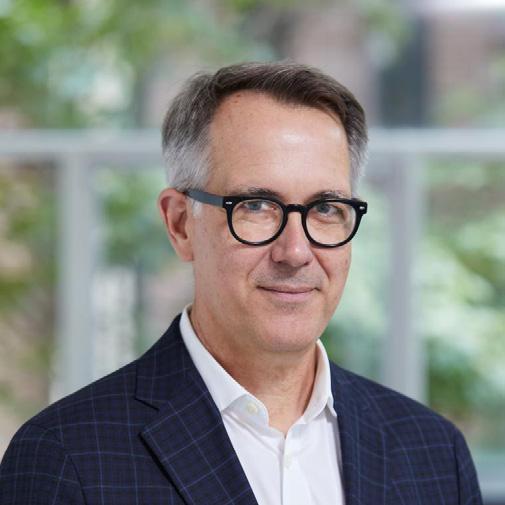
Randall Mason Chair & Professor
We are thinking a lot about care.
The work of historic preservation requires many ways of thinking— we research, debate, and practice through varied epistemologies from the humanities, arts, sciences, craft, and design. Drawing on so many disciplines, the preservation field has its goals (even its raison d’être) cast in very broad, supra-disciplinary terms like “sustainability,” “recycling,” “curation,” “interpretation,” or “social justice.” These days, the larger goal of “care” seems like an apt description of preservation’s once and future practices.
“Care” communicates the breadth of the historic preservation field’s means and ends. Practically, care is manifest in maintenance, repair, adaptation, stewardship. Ideally, it translates into empathy, responsibility, ethical practice.
Through the varied kinds of work that make up historic preservation,
we care for buildings and places, we care for communities, we care for organizations that connect people and their built environments. As advocates for our field, we care that the rhetorical, political, and practical concerns of historic preservation matter to others— to the publics we represent and serve. How, we might ask ourselves, would an historic preservation field consciously committed to care (in all its senses) differ from the one we’ve been accustomed to?
These days, Penn’s Department of Historic Preservation is also thinking about care in myriad ways, public, personal, and community-grounded. We lean into the responsibilities of care for our field (as culture war attacks and political pressures continue) as we care for our own Department and School community. Given the long-time colleagues we’ve recently lost and the new students we welcome every year, Weitzman Preservation is committed to care in all these senses.
Historic Preservation and an Ethic of Care
It was 1994, I was a student in the Penn Graduate Program in Historic Preservation, and I was seated at the computer in the corner of the fourth-floor Architectural Conservation Microscopy Lab in Meyerson Hall in what was then called the Graduate School of Fine Arts. Computers were not as ubiquitous at that time and email was still relatively new. Taking a break from my lab analysis, I seized the opportunity to benefit from the school’s powerful modem connection to email a friend in New York who was pursuing her graduate degree in musicology. We were trying to make sense of the societal value of our respective career pursuits. After a series of exchanges, we arrived at a response that holds to this day. One of us, I don’t remember who, wrote, “We are taking care of culture.” This simple statement resonated with me and still does. I have never looked back.
Historic preservation, or conservation as the term is used more globally, is a profession oriented by care. We care for culture as expressed in the built environment and for the invested efforts of those who came before us. We care about the materials extracted from the earth and assembled into constructions and what they convey about labor, intentions, resource distribution, and beliefs. We care about the communities who live within and alongside our inherited pasts both monumental and the everyday. And ultimately, we care about maintaining the social and material fabric that holds us together and honors our common humanity, for better and for worse.
Over the centuries, care has carried the dual meaning of troubles and worries as well as the sense of holding an other (person, idea, community, object, or place) with compassion, attention, and humility. Both are central to the human condition, but it is the latter by which we realize our full humanity. Philosopher Milton Mayeroff wrote about the ways in which caring is an act of service that connects us to others,
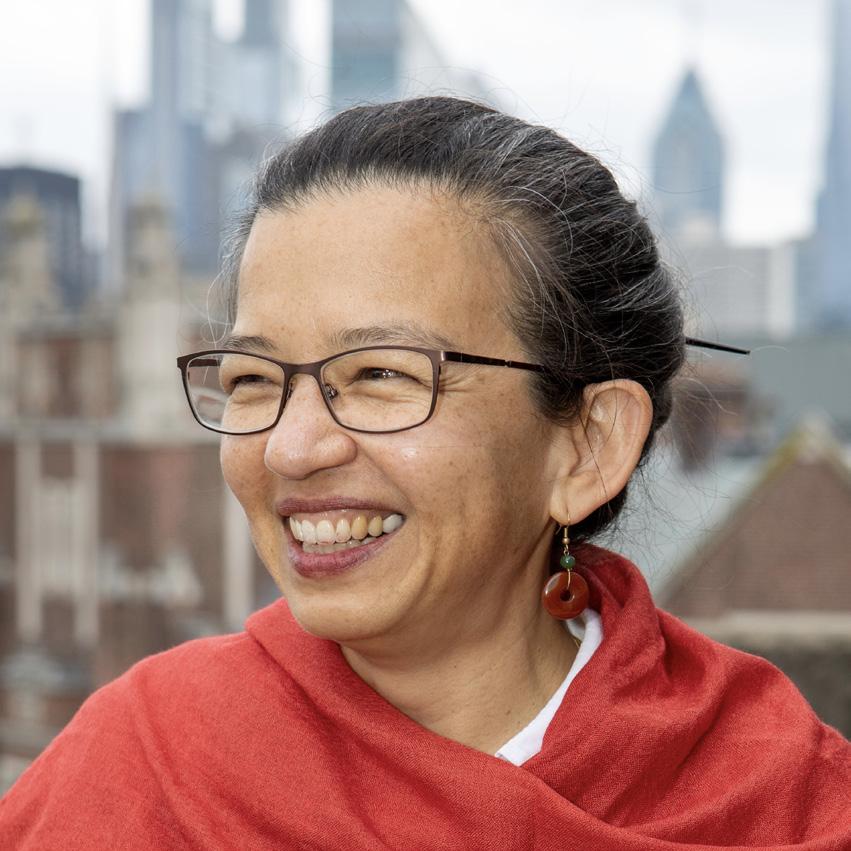
Kecia Fong Senior Lecturer
cultivates meaning, and deepens our sense of being in-place.
Any direction [or support] that I may give the other is governed by my respect for its integrity and is intended to further its growth, and I show that respect by the interest I take…and by [allowing myself to be] guided by what I find.
Instead of becoming estranged from my past…[I] recognize myself in it…the self I have been is thus enlarged and enjoys a more expansive life.
In Mayeroff’s writings I find the essence of historic preservation and conservation – care, being in-place, a communal self, and hope. This lived practice and associated values are reflected in what and how we teach at Weitzman Preservation, from the breadth of the curriculum to the concentrations and the range of instructional formats. The throughline is an ethic of care, professionalism, and a pursuit of integrity that extends from how, why, and for whom we practice to upholding significance as embodied in a building, landscape, or place.
Tending to our collective heritage entails humility or a practice of paying or giving over our attention, listening, quietly observing, and actively seeking (researching) to learn what we do not know about the other and one’s self. With humility as a starting point, we teach students the methods for developing nuanced understandings about a place, its histories, meanings, and uses. We encourage students to seek out previously unacknowledged evidence where the archive is thin and the built forms less enduring due to the ephemerality of materials or societal inequities. In so doing, we cultivate what Simone Weil characterizes as “attentive knowledge.” In historic preservation, this means paying attention to what endures and what is missing and asking why. For it is only through such a disciplined practice of attentive knowledge that equality and justice can be achieved.
Preservation methodology requires us to know the object or place before intervening, from there, guided by what we have learned, we take the next leap of courage to advocate for and propose strategies of care – maintenance, repair, adaptive use, and interpretation. This brings us to hope and courage, ‘ingredients’ Mayeroff views as integral to care. He outlines the two accordingly:
Hope implies that there is or could be something worthy of commitment. Courage is… present in going into the unknown [and by] following the lead of the subject matter. Courage is not blind: it is informed by insight…and it is open and sensitive to the present.
Hope takes courage and the two are linked in risking an investment in the possibility of growth. It takes hope and courage to act. Hope and care are antidotes to apathy as expressions of a belief that something matters. My community of Penn colleagues, students, and alumni believe that heritage matters, and we practice historic preservation as a discipline of care in our own communities and beyond. Through preservation we strengthen the fabric of our material, social, and temporal relations. We act on the premise that, at its best, historic preservation cultivates being inplace and connects us more fully to life around us. Mayeroff states, that while caring is not always easy or gentle, it ultimately “results in a harmonizing of the self with the world that is deep-seated and enduring.” I am inclined to believe him.
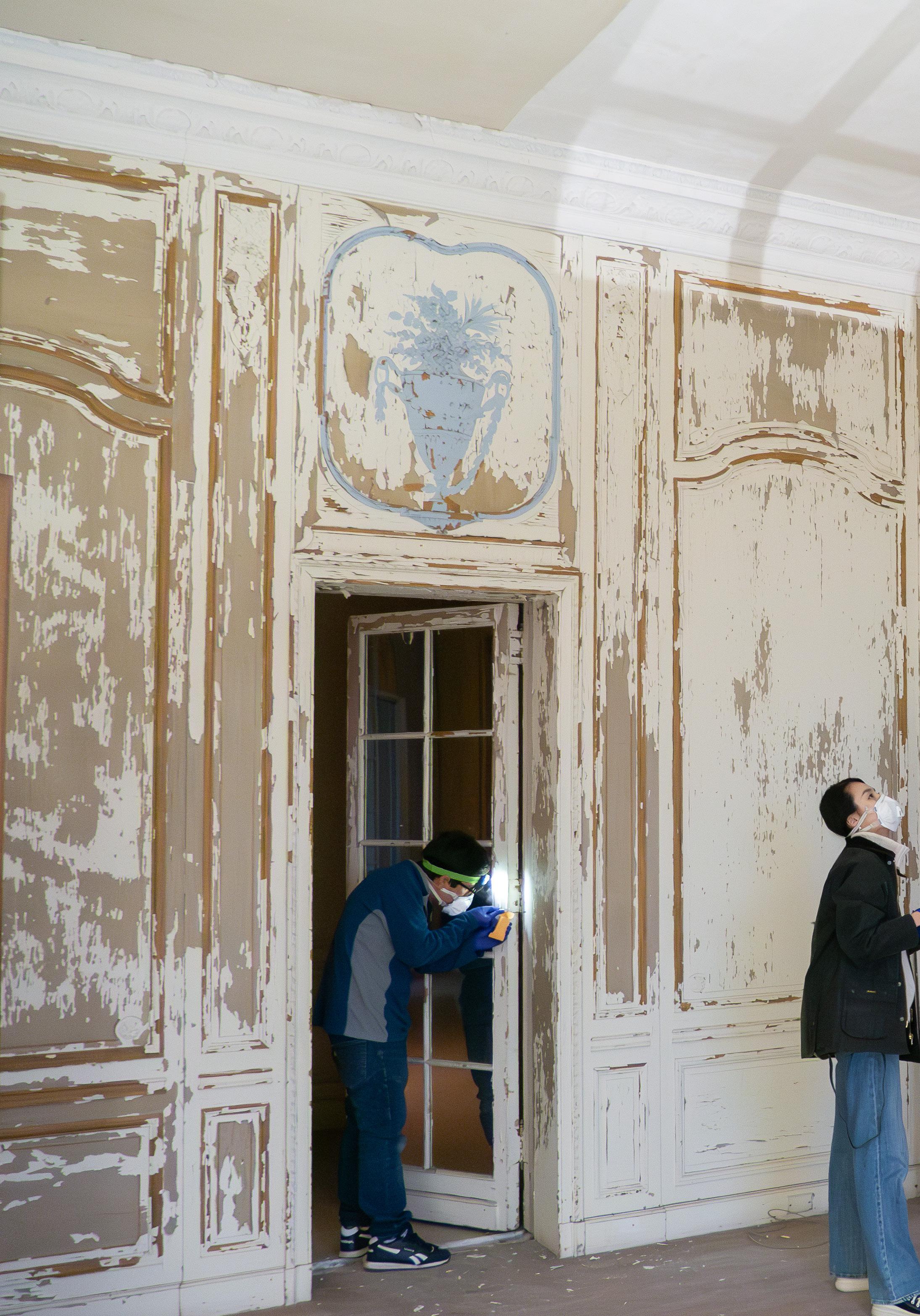
curriculum
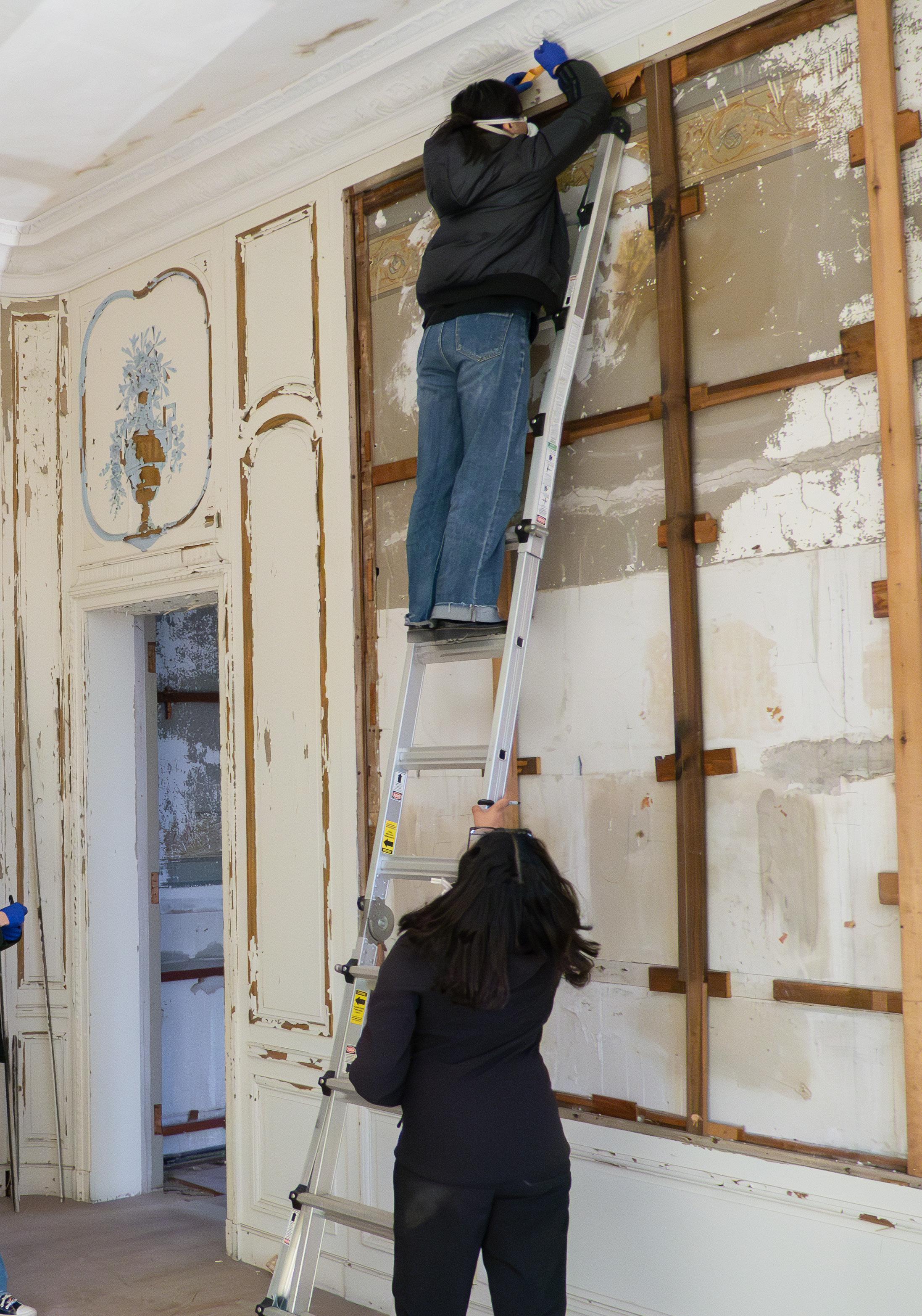
Master of Science in Historic Preservation MSHP
The identification and analysis of historic fabric, the determination of significance and value, and the design of appropriate conservation management measures require special preparation in history, theory, technology, and planning. These subjects form the core of the Master of Science in Historic Preservation program. Within this framework, students individualize their coursework to define an area of emphasis, such as architectural conservation, public history of the built environment, preservation planning, or preservation design. The curriculum stresses mastery of the research process along with the marriage of theory and practice.
In coursework, studios, and laboratories at the School of Design, as well as through partnerships with other national and international institutions and agencies, students have unparalleled opportunities for study, internships and sponsored research. Graduates can look toward careers focused on the design and preservation of the world’s cultural heritage, including buildings, engineering works, cultural landscapes, archaeological sites, and historic towns and cities.
The MSHP degree is earned in four consecutive semesters (two years), with students taking four to five courses per semester for a total of 19 Course Units. A professional internship is required in the summer between the two years of study. The MSHP degree may be pursued in conjunction with other Weitzman School departments and Penn schools as part of established dual-degree programs. MSHP students are required to select a curricular concentration which encompass the various dimensions of professional practice.
Concentrations
• Architectural Conservation
• Preservation Design
• Preservation Planning
• Public History of the Built Environment
Course Sequence
Summer Year 1
Fall Year 1
Spring Year 1
Summer Year 2
Historic Preservation Summer Institute
The American Built Environment
Documentation, Research, Recording I
Digital Media I
Theories of Historic Preservation I
HSPV Elective I
Documentation, Research, Recording II
Digital Media II
Theories of Historic Preservation II
HSPV Elective II
HSPV Elective III
General Elective I
Internship
Thesis Track
Fall Year 2
Spring Year 2
Preservation Studio
Thesis
General Elective II
General Elective III
Thesis II
HSPV Elective IV
HSPV Elective V
General Elective IV
Capstone Studio Track
Preservation Studio
HSPV Elective IV
General Elective II
General Elective III
Capstone Studio
HSPV Elective V
General Elective IV
Degrees
Master of Science in Design with a Concentration in Historic Preservation MSD-HP
The one-year Master of Science in Design with a concentration in Historic Preservation (MSD-HP) complements Weitzman’s longstanding two-year MSHP degree. The MSD-HP directly addresses the needs of practicing professionals seeking post-professional training, specialization, or change in career path. The MSD-HP curriculum requires 10 course units and spans one calendar year—two full-time semesters. Personalized curricula can accommodate advanced thesis research or additional studios.
MSD-HP students must possess a professional degree in design or planning fields (architecture, landscape architecture, interior architecture, urban planning, urban design, engineering, building science, or other related fields) from an accredited University, and at least three years of professional experience.
Course Sequence
Fall Spring
The American Built Environment
Digital Media I
Theories of Historic Preservation I
Contemporary Design in Historic Settings
HSPV Elective I
General Elective I
Digital Media II
Theories of Historic Preservation II
Capstone Studio
HSPV Elective II
General Elective II
Certificate in Historic Preservation
The Certificate in Historic Preservation provides an opportunity for students enrolled in other graduate degree programs in the University of Pennsylvania to gain expertise in historic preservation while completing requirements for their professional degree programs. A total of 5 HSPV course units, including HSPV 6600/6610 Theories of Historic Preservation I and II (0.50 cu each), are required for the certificate, and are selected in consultation with the HSPV faculty to develop an area of professional focus.
Architectural Conservation Laboratory
The Architectural Conservation Laboratory (ACL) of the Department of Historic Preservation supports the program’s curriculum in a state-of-the art facility where conservation science and technical studies come together to advance teaching and research in Architectural Conservation. The ACL was founded by Professor Frank Matero upon his arrival at Penn in 1991 to provide the necessary scientific facilities for teaching the newly launched curriculum in the technical conservation of the built environment. Since then, both the field and Penn’s role in educating its leaders have greatly expanded through innovative approaches to documentation, recording, field survey, material analysis, condition assessment, and treatment evaluation of historic structures and sites. The ACL is currently led by Roy Ingraffia and José Hernández is the lab manager.
The ACL supports a materials-based inquiry in courses dedicated to the study of historic and traditional building materials and construction systems, including their characterization, diagnosis, and treatment, both remedial and preventive. This includes providing the
necessary dedicated space and equipment for the Department’s specialized courses in building conservation science and its seminars in masonry, wood, finishes, and other architectural materials and systems. It also provides a technical support facility for the Center for Architectural Conservation.
The ACL also houses the School’s comprehensive historic building materials study collection, an encyclopedic resource for conservators, scholars, and all design students who desire first-hand exposure to the materials and materiality of traditional architecture and buildings ranging from early mudbrick of the first cities to contemporary terracotta rainscreen. Recent acquisition of the Vermont Marble Company’s international archives and stone collection and the historic 19th-century plasterwork collection from the Alhambra add focused collections to its already vast examples of stone, brick, terracotta, mortar, metals, and painted finishes.
Visit the ACL website to learn more and access the Historic Building Materials Collection (HBMC). https://acl.design.upenn.edu/
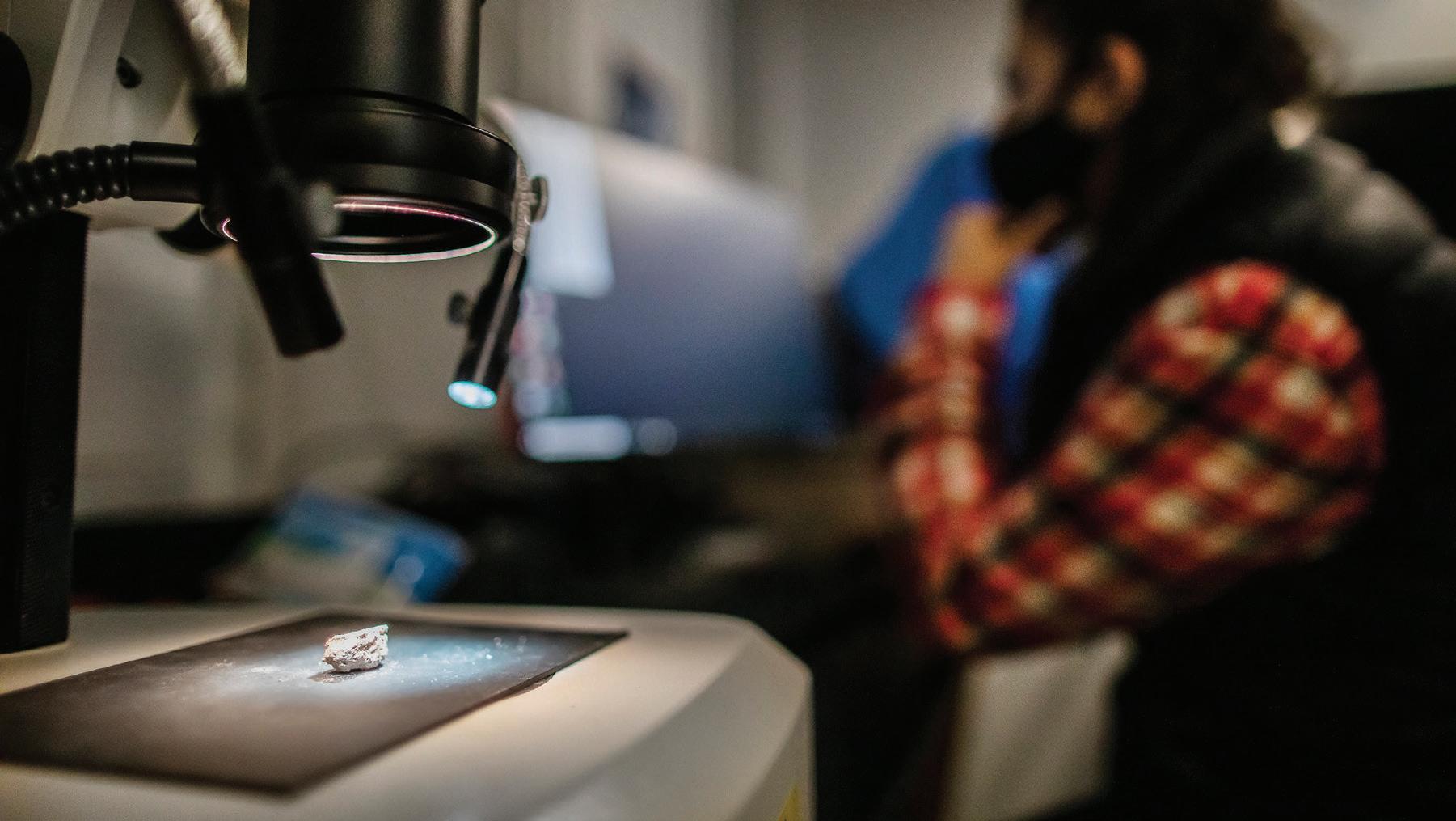
Architectural Conservation
Architectural Conservation encompasses the physical documentation, analysis, conditions diagnosis, testing, monitoring, treatment, and preventive maintenance of buildings, structures and sites. It is the technical means by which a wide spectrum of preservation interventions are conducted on all built heritage to address a broad range of issues from material deterioration to historical interpretation. As one specialization within the broader field of Historic Preservation, it is distinguished by the application of scientific method in the study of historic buildings and sites in accordance with a clearly defined theoretical and methodological approach. Work opportunities within this specialization include private practice such as architectural and technical consulting firms as well as public institutions such as federal and state agencies and non-governmental organizations that own or manage heritage places.
Required Electives
HSPV 5550 Architectural Conservation
HSPV 5510 Building Pathology
Choose two of the following:
HSPV 7400 Conservation Seminar: Finishes*
HSPV 7380 Conservation Seminar: Wood*
HSPV 7390 Conservation Seminar: Masonry
HSPV 7410 Conservation Seminar: Concrete*
*offered every other year
Preservation Design
The Preservation Design concentration prepares students with previous training in design, engineering, and planning to apply preservation principles and methods to design practices. Unlike typical graduate-level design programs, Weitzman School’s concentration applies these tools to the existing built environment, in a manner informed by current historic preservation theory and practice. In the last decade, the preservation and design fields have evolved much more complex and intense points of engagement – reflected in the ascendance of the creative reuse of historic structures and places as design problems, greater focus on technical understanding and modelling of the performance of existing buildings, and, at the scale of community, landscape and urbanism, much greater attention to conservation as a tool to achieve resilience.
This concentration prepares students for careers in architecture, interior design, landscape architecture, engineering and planning, as well as project review at the local, state or national level or with non-profits.
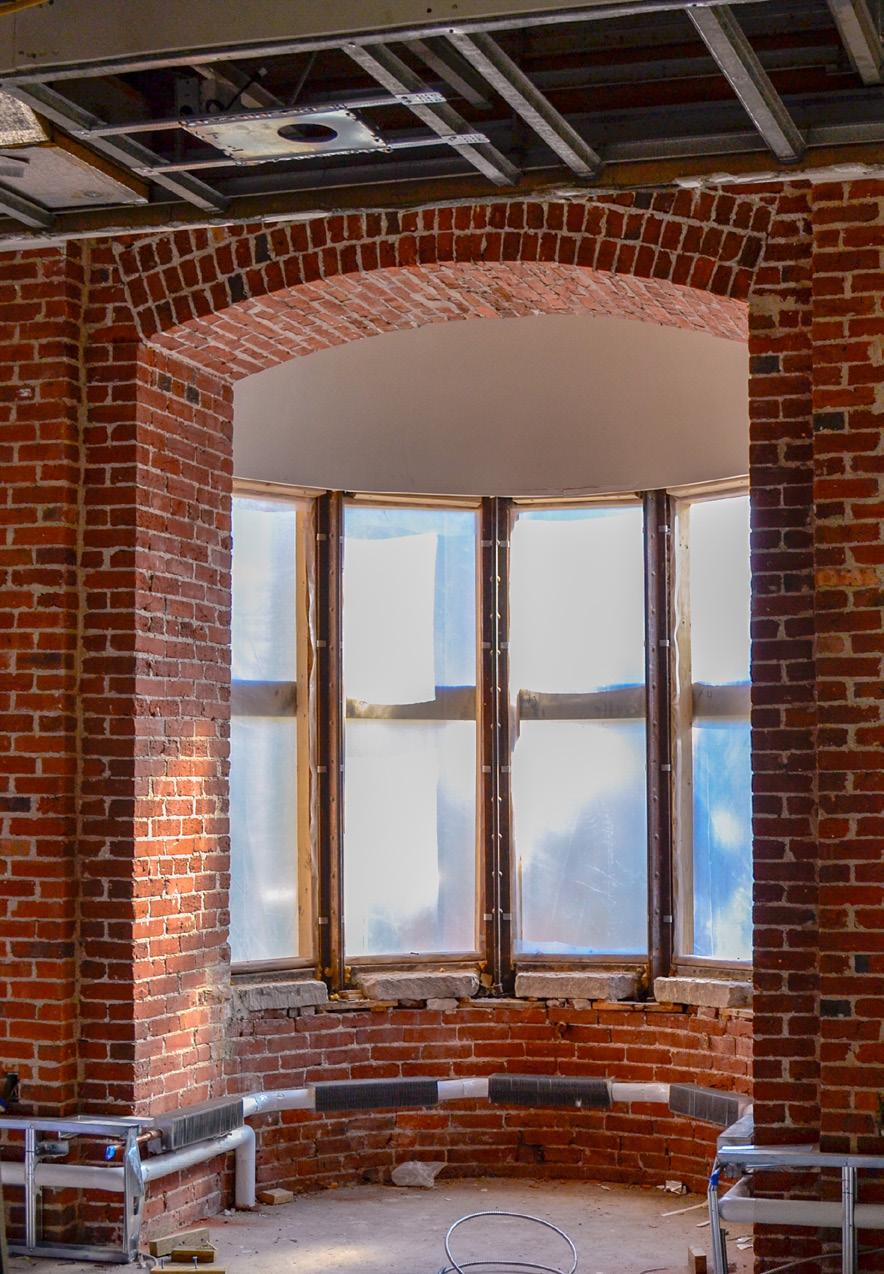
Required Electives
HSPV 6400 Contemporary Design in Historic Settings
HSPV 5510 Building Pathology
Choose two CUs of the following:
HSPV 7030
HSPV 7050 Advanced Research Studio
HSPV 7210
HSPV 5720 Preservation Through Public Policy
HSPV 6250 Preservation Economics
Selected ARCH Courses
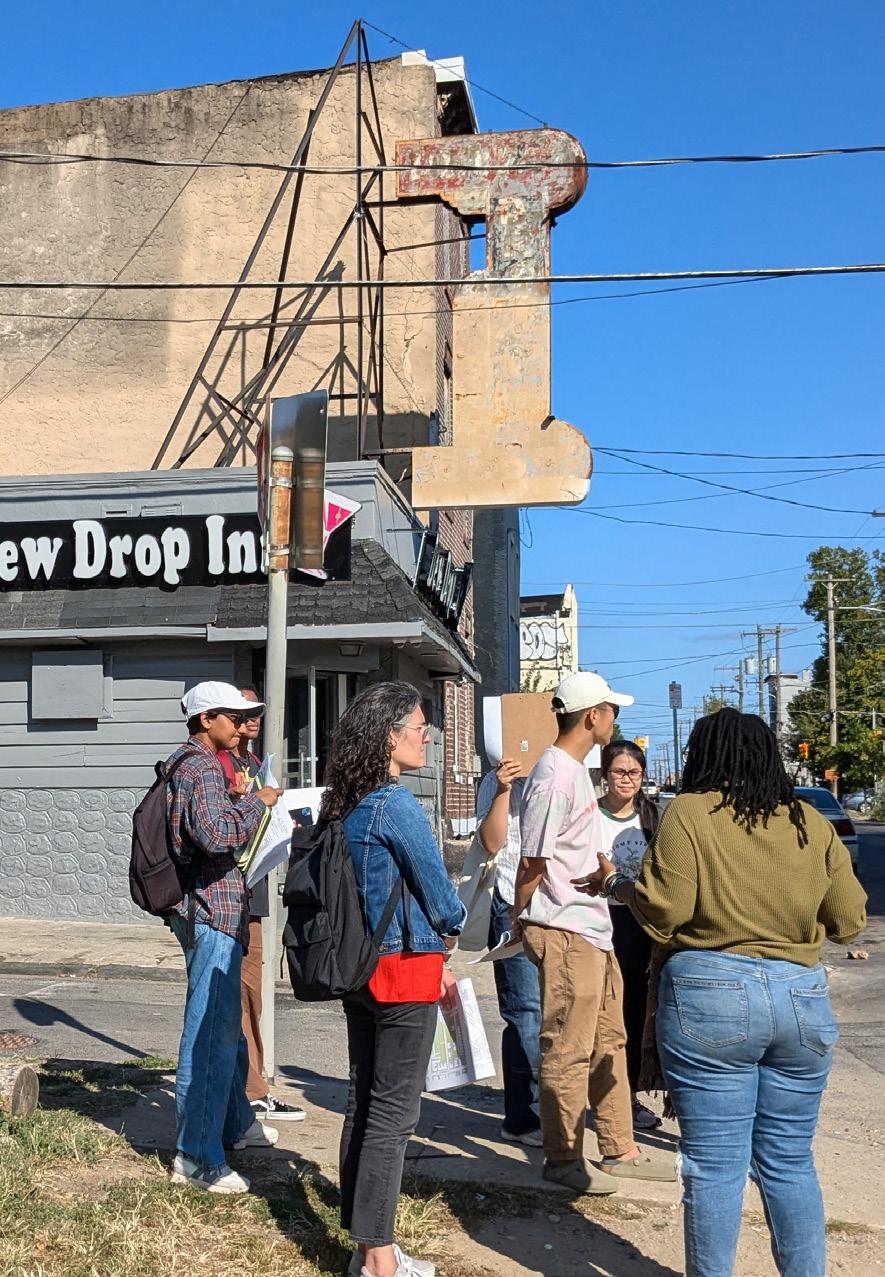
Preservation Planning
Preservation Planning uses policy and planning tools to carry out preservation at larger scales—of neighborhoods, cities, towns, and cultural landscapes. Issues of larger-scale preservation—and how they connect with other planning, development, environmental and social issues—continue to grow as strategically important parts of preservation practice.
Work in the preservation planning concentration focuses on decision-making processes relating to the management and financing of heritage places through time, as well as the integration of heritage values into territorial planning and policy systems. Community planning, adaptive reuse proposals, policy analysis and innovation are typical project types. The professional pathways for those focusing on preservation planning include: public policy (including regulatory and survey work), city and town planning (including urban revitalization, economic development and community development), real-estate development and consulting, advocacy, and creative placemaking.
Correspondingly, preservation planning graduates secure jobs in a broad range of organizations: governmental agencies, nongovernmental organizations, foundations, not-for-profit corporations, developers, and consulting firms.
Required Electives
HSPV 5720 Preservation Through Public Policy
HSPV 6250 Preservation Economics
HSPV 6710 Preservation Law*
Choice of approved GIS Course
*offered every other year
Public History of the Built Environment
The Public History of the Built Environment (PHBE) concentration prepares students to put the study of urban and architectural history in service to publicly-oriented historic preservation practice. Unlike more general graduate-level public history programs, Weitzman School’s concentration focuses on the built environment, in a manner informed by other aspects of current historic preservation practice. Our emphasis is on the American cultural landscape—using Philadelphia as our laboratory—but the tools and skills covered will be relevant for international application across diverse geographies. This concentration prepares students for careers in government such as the National Park Service (NPS), State Historic Preservation Offices (SHPOs), public history museums, historic sites, archives, cultural resources management (CRM) firms, and design offices specializing in Historic Preservation.
Required Electives
HSPV 6060 Historic Site Management
HSPV 5340 Public History of the Built Environment
Choose two of the following:
HSPV 5310 American Domestic Interiors*
HSPV 5380 Cultural Landscapes & Landscape Preservation**
HSPV 6200 Seminar in American Architecture
HSPV 6380 Special Topics in Historic Preservation Seminar
HSPV 5720 Preservation Through Public Policy
HSPV 5840 World Heritage in Global Conflict
HSPV 5850 Ruins & Reconstruction
HSPV 6500 Material Histories and Ethnographic Methods
HSPV 6530 Archive Philadelphia: Architectural History & Cultural Institutions
HSPV 8200 Readings in Urban and Planning History**
*offered every other year **not offered every year
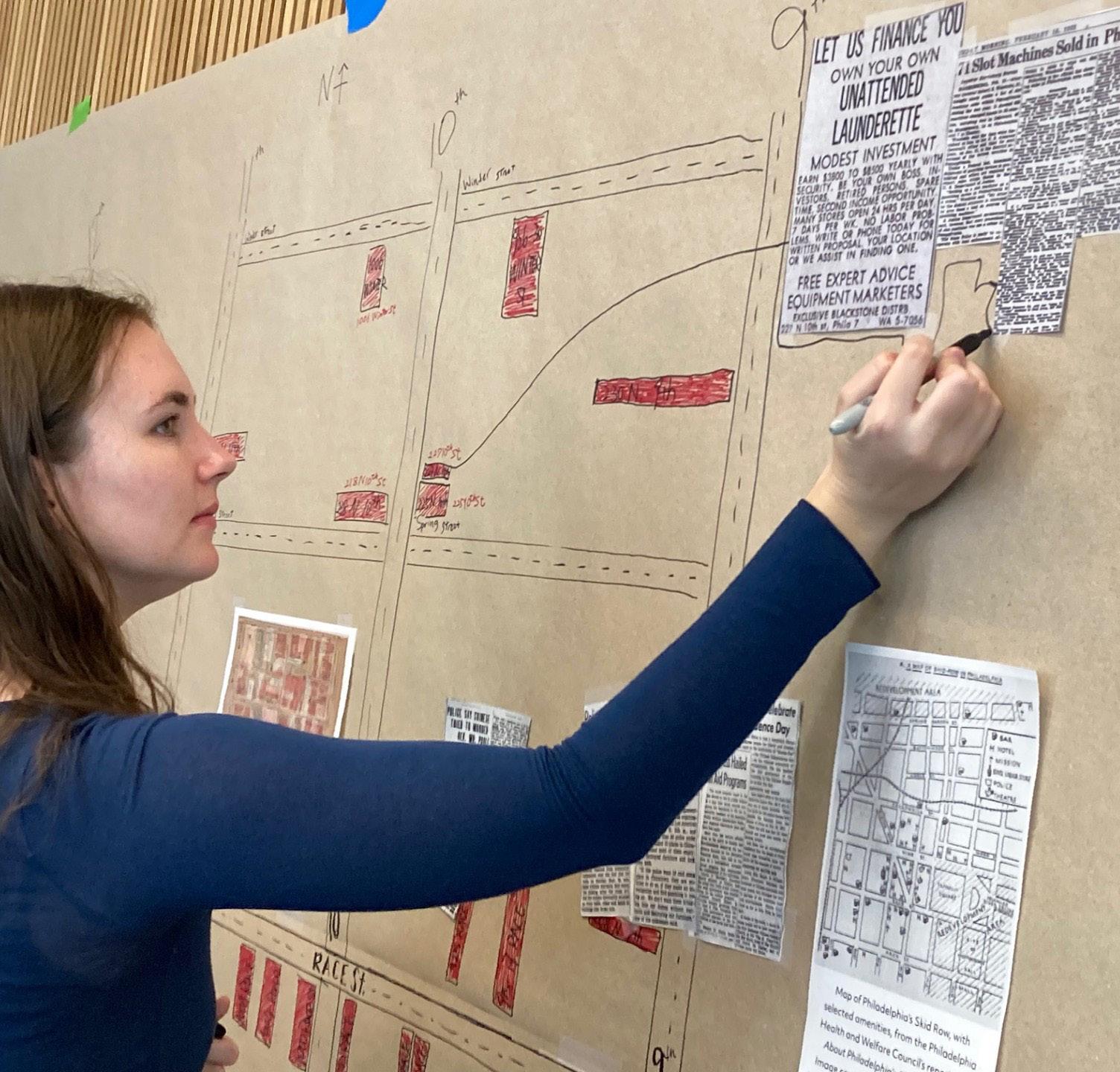
The courses offered within the Department of Historic Preservation are multidisciplinary by definition and centered equally on theory and practice. Divided into two categories, core courses and electives, the MSHP and MSDHP curriculum covers the professional skills required for established career paths in the field. Weitzman Preservation students gain field-based experience—internationally and domestically—through our innovative seminars and studios. Led by faculty from across the curriculum, our 30+ courses push the edges of scholarship, practice, and advocacy in the field.
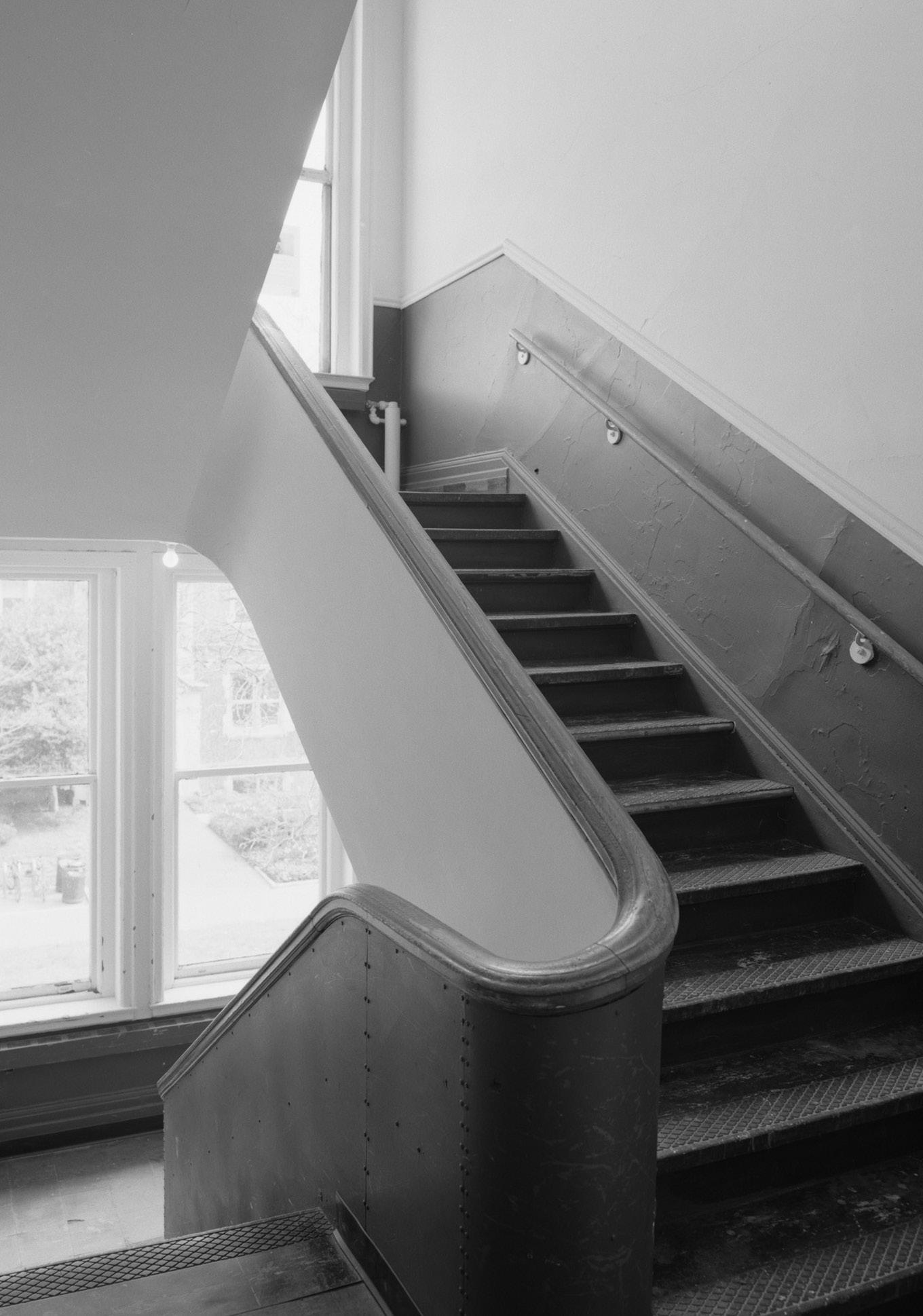
Courses
First Year Core MSHP Curriculum
Summer Institute
HSPV 7900
Kecia Fong
The Summer Institute is a required orientation course designed to prepare incoming, first-year students for the rigors and expectations of graduate studies in historic preservation and to expose them to some of the critical resources, issues, methods, and skills at the center of the MSHP curriculum. Other objectives of the course include introducing students to the different expressions of professional preservation practice; familiarizing them with the resources of Penn and Philadelphia; and providing students with the opportunity to develop relationships with Preservation faculty as well as their first- and second-year cohorts. This non-credit course employs lectures, in and out of classroom exercises, site visits, and fieldwork. We meet with an array of conservation professionals, scholars, and alumni who share their insights and experiences of the field and whose work reflects the various dimensions of the HSPV curriculum concentrations.
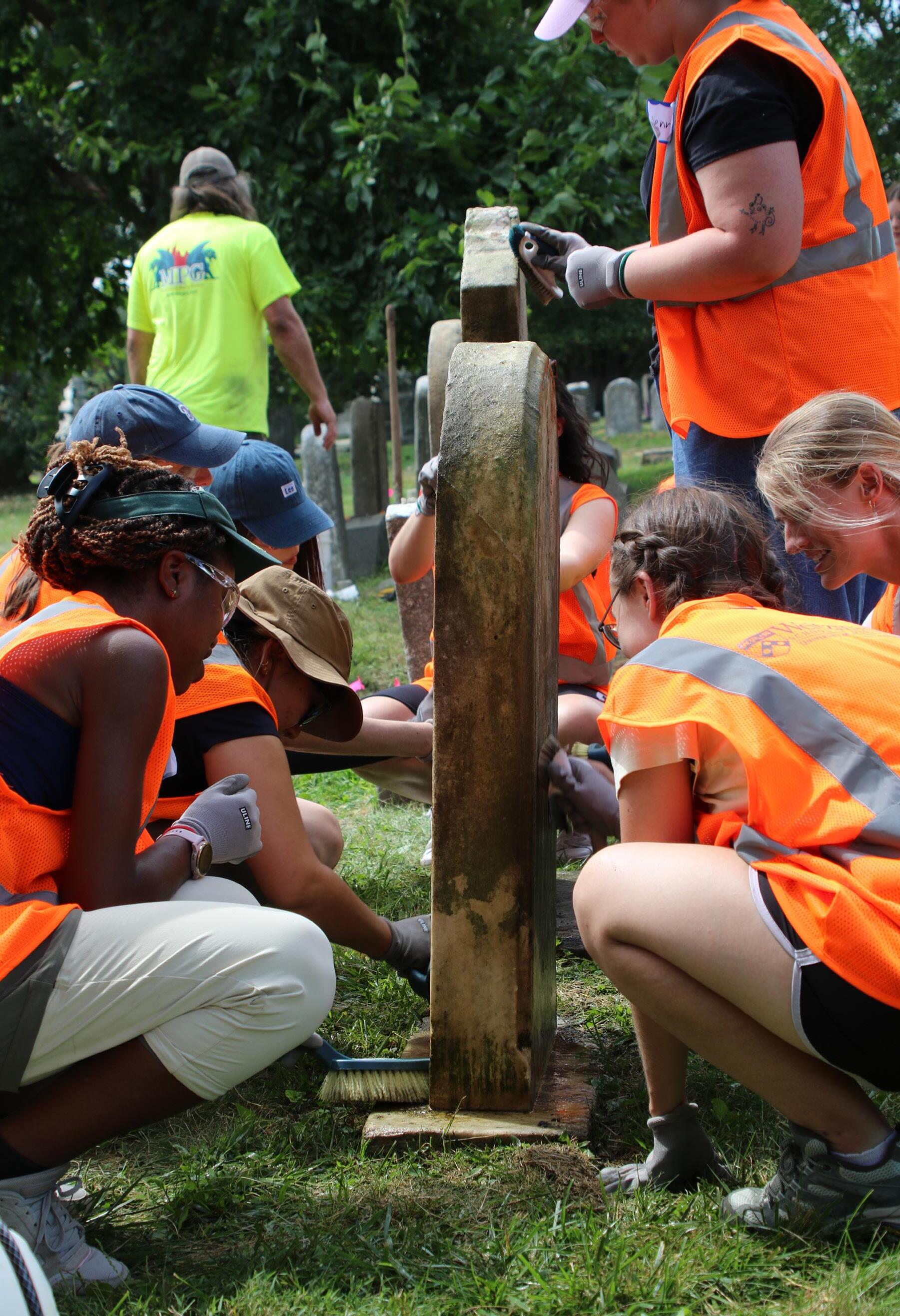
The American Built Environment HSPV 5210
Brian Whetstone
This course is a survey of architecture in the United States. The organization, while broadly chronological, emphasizes themes around which important scholarship has gathered. The central purpose is to acquaint you with major cultural, economic, technological, and environmental forces that have shaped buildings and settlements in North America for the last 400 years. To that end, we will study a mix of “high-style” and “vernacular” architectures while encouraging you to think critically about these categories. Throughout the semester, you will be asked to grapple with both the content of assigned readings (the subject) and the manner in which authors present their arguments (the method). Louis Sullivan, for instance, gives us the tall office building “artistically considered” while Carol Willis presents it as a financial and legal artifact. What do you make of the difference? Finally, you will learn how to describe buildings. While mastery of architectural vocabulary is a necessary part of that endeavor, it is only a starting point. Rich or “thick” description is more than accurate prose. It is integral to understanding the built environment—indeed, to seeing it at all.
Documentation, Research, & Recording I HSPV 6000
Francesca Ammon & Sarah Lopez
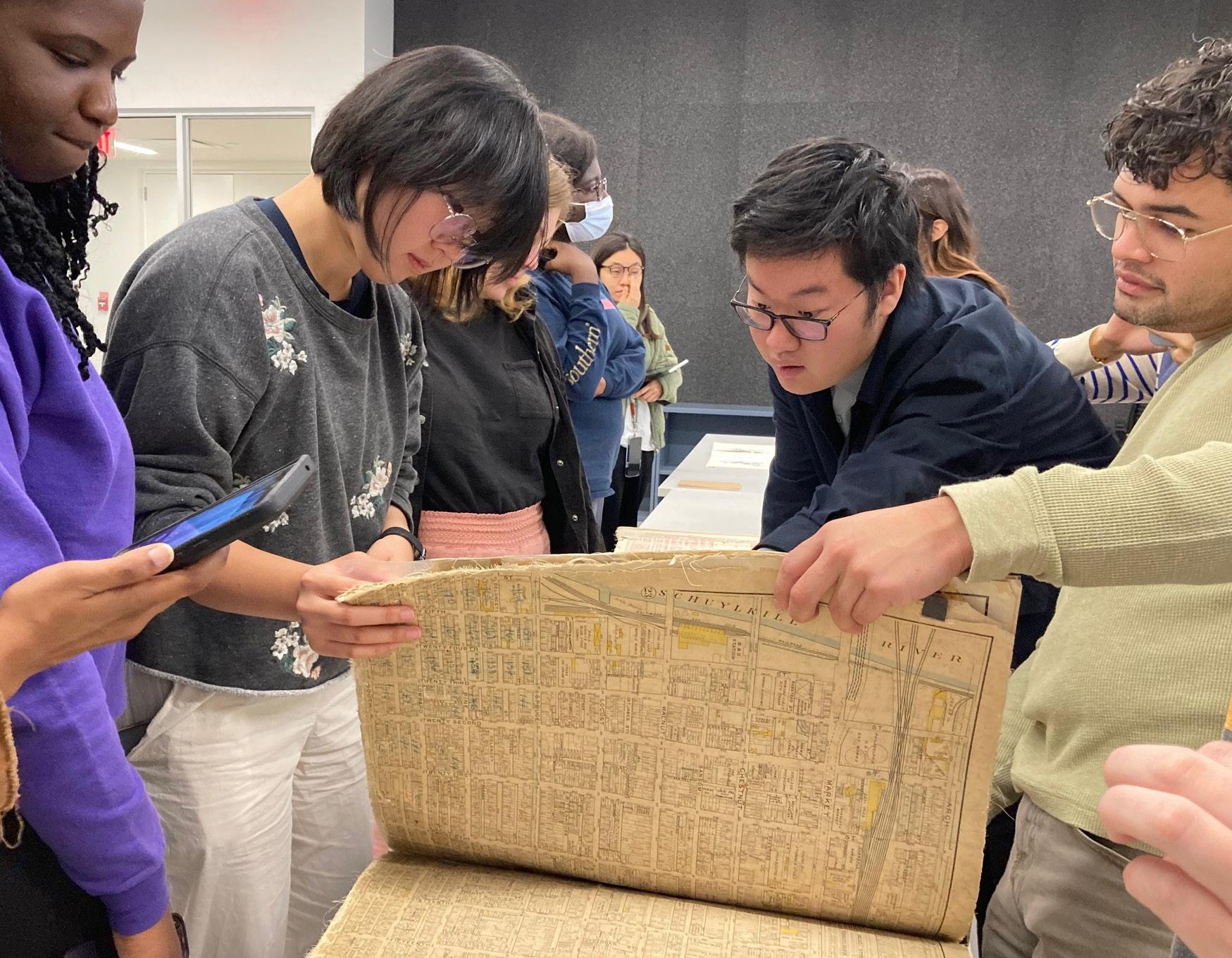
The goal of this course is to help students learn to research and contextualize the history of buildings and sites. In order to gain first-hand exposure to the actual materials of building histories, we will visit our neighborhood research sites and several key archival repositories. Students will work directly with historical evidence, including maps, deeds, the census, city directories, insurance surveys, photographs, and many other kinds of archival materials. After discussing each type of document in terms of its nature and the motives for its creation, students will complete a series of projects that develop their facility for putting these materials to effective use. Philadelphia is more our laboratory than a primary focus in terms of content, as the city is rich in institutions that hold over three centuries of such materials; students will find here both an exposure to primary documents of most of the types they might find elsewhere, as well as a sense of the culture of such institutions and of the kinds of research strategies that can be most effective. The final project is the completion of an historic register nomination.
Documentation, Research, & Recording II HSPV 6010
John Hinchman & Joseph Elliott
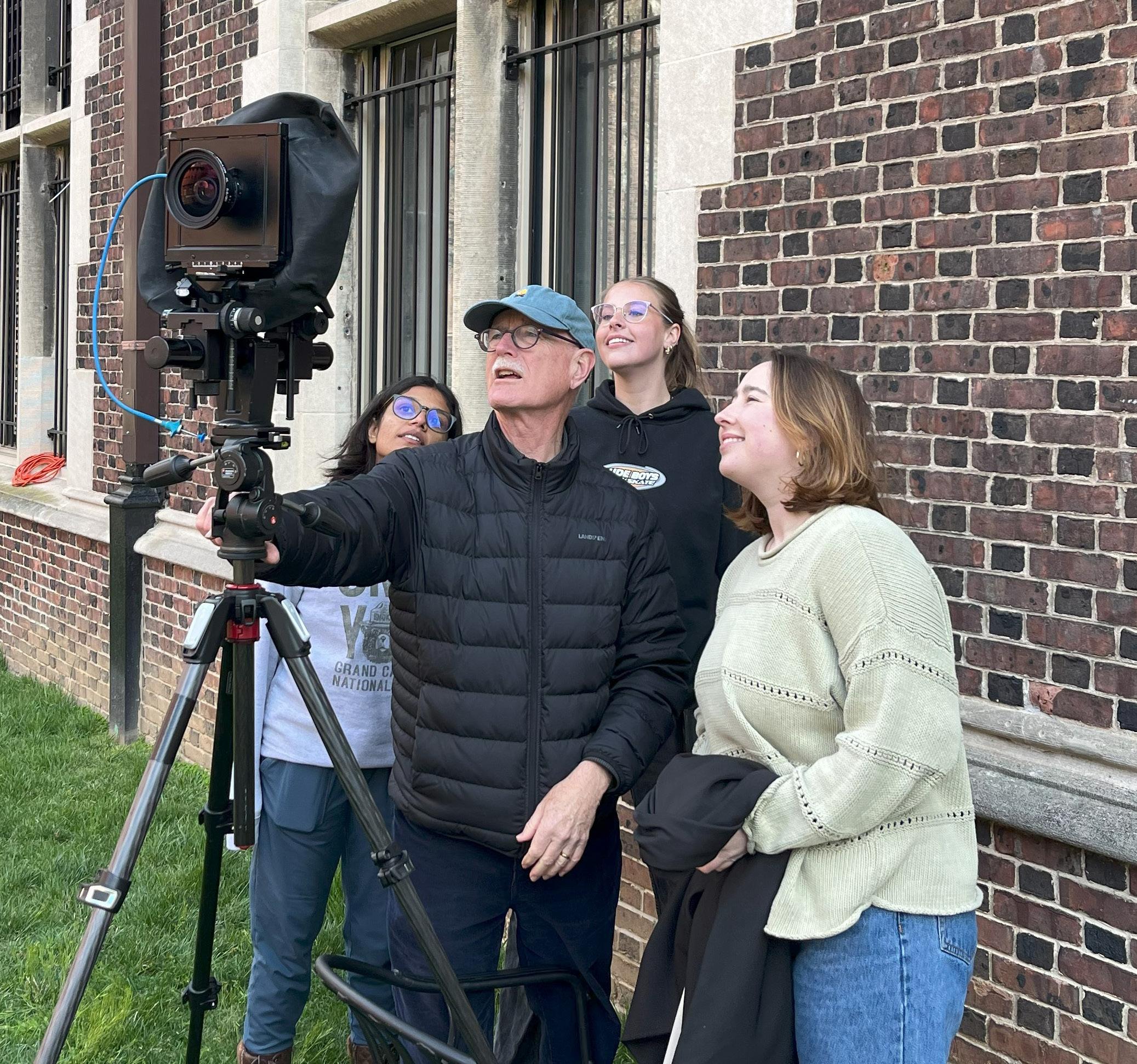
This course provides an introduction to the survey and recording of historic buildings and sites. Techniques of recording include traditional as well as digitally-based methods including field survey, measured drawings, photography and rectified photography. Emphasis is placed on the use of appropriate recording tools in the context of a thorough understanding of the historical significance, form and function of sites. Required for first-year MSHP students; others by permission.
Digital Media for Historic Preservation HSPV 6240A & 6240B
John Hinchman
A two-part required praxis course designed to introduce students to the techniques and application of digital media for visual and textual communication. Techniques will be discussed for preservation use including survey, documentation, relational databases, and digital imaging and modeling. This course requires a weekly laboratory period (1.5 hours), must enroll in both lecture and lab sections to successfully register. Must complete HSPV 6240A in the Fall and HSPV 6240B in the Spring.
Theories of Historic Preservation HSPV 6600 & 6610 Randall Mason
Theories of historic preservation serve as models for practice, integrating the humanistic, artistic, design, scientific, and political understandings of the field. HSPV 6600, taught in the fall, examines the historical evolution of historic preservation, reviews theoretical frameworks and issues, and explores current modes of practice. Emphasis is placed on literacy in the standard preservation works and critical assessment of common preservation concepts. In addition to readings and lectures, case studies from contemporary practice will form the basis for short assignments. Professional ethics are reviewed and debated. HSPV 6610, taught in the spring, engages advanced topics such as cultural landscape theory, economics of preservation, sustainability and environmental conservation, social justice, and urban design. In addition to readings and lectures, case studies from contemporary practice will be used to examine theories in practice.
Second Year Core MSHP Curriculum
Historic Preservation Studio HSPV 7010
Randall Mason & Staff
The Preservation Studio is a practical course making architectural, urban and landscape conservation operations, bringing to bear the wide range of skills and ideas at play in the field of historic preservation. As part of the core MSHP curriculum the Studio experience builds on professional skills learned in the first-year core. The work requires intense collaboration as well as individual projects. The Preservation Studio centers on common conflicts between historic preservation, social forces, economic interests, and politics. Recognizing that heritage sites are complex entities where communities, cultural and socioeconomic realities, land use, building types, and legal and institutional settings are all closely interrelated, the main goals of the studio are (1) understanding and communicating the cultural significance of the built environment, (2) analyzing its relation to other economic, social, political and aesthetic values, and (3) exploring the creative possibilities for design, conservation and interpretation prompted by cultural significance. Studio teams undertake documentation, planning and design exercises for heritage sites and their communities, working variously on research, stakeholder consultation, comparables analysis, writing policies and designing solutions. Students work in teams as well as on individual projects. Study sites will be announced in the fall before the semester starts.
To view past Historic Preservation Studio projects, see page 52.
Thesis I & II HSPV 7100 & 7110 Kecia Fong
The Department of Historic Preservation’s Thesis course is a two semester capstone. The goal of the Thesis is demonstrated mastery of the research process by exploring a question of academic/professional relevance to the preservation field and convincingly communicating an argument and findings through writing. Thesis I and II span the academic year, beginning with HSPV 7100/Thesis I in the fall semester and, pending successful completion, continuing in the spring with HSPV 7110/Thesis II. Thesis I is dedicated to developing a successful thesis research proposal, writing a literature review, and identifying source material and research methods in pursuit of answering their thesis research questions. During Thesis II, students focus on implementing their research proposals, analyzing their research findings, writing, and peer review. Throughout the year, and in conjunction with the course, students work closely with their individual thesis advisors.
To view featured thesis projects, see page 64.
Studio HSPV 7210 Jules Dingle
The Department of Historic Preservation’s Capstone Studio course is a one-semester 2 CU course taken instead of HSPV 7100/7110 Thesis to fulfill the MSHP capstone requirement. This is a research studio that builds on the core curriculum completed in the first year. The work requires intense collaboration as well as individual projects. A studio topic will be chosen and announced each year.
To view past Capstone Studio projects, see page 80.
Capstone
Electives
American Domestic Interiors HSPV 5310
Laura Keim
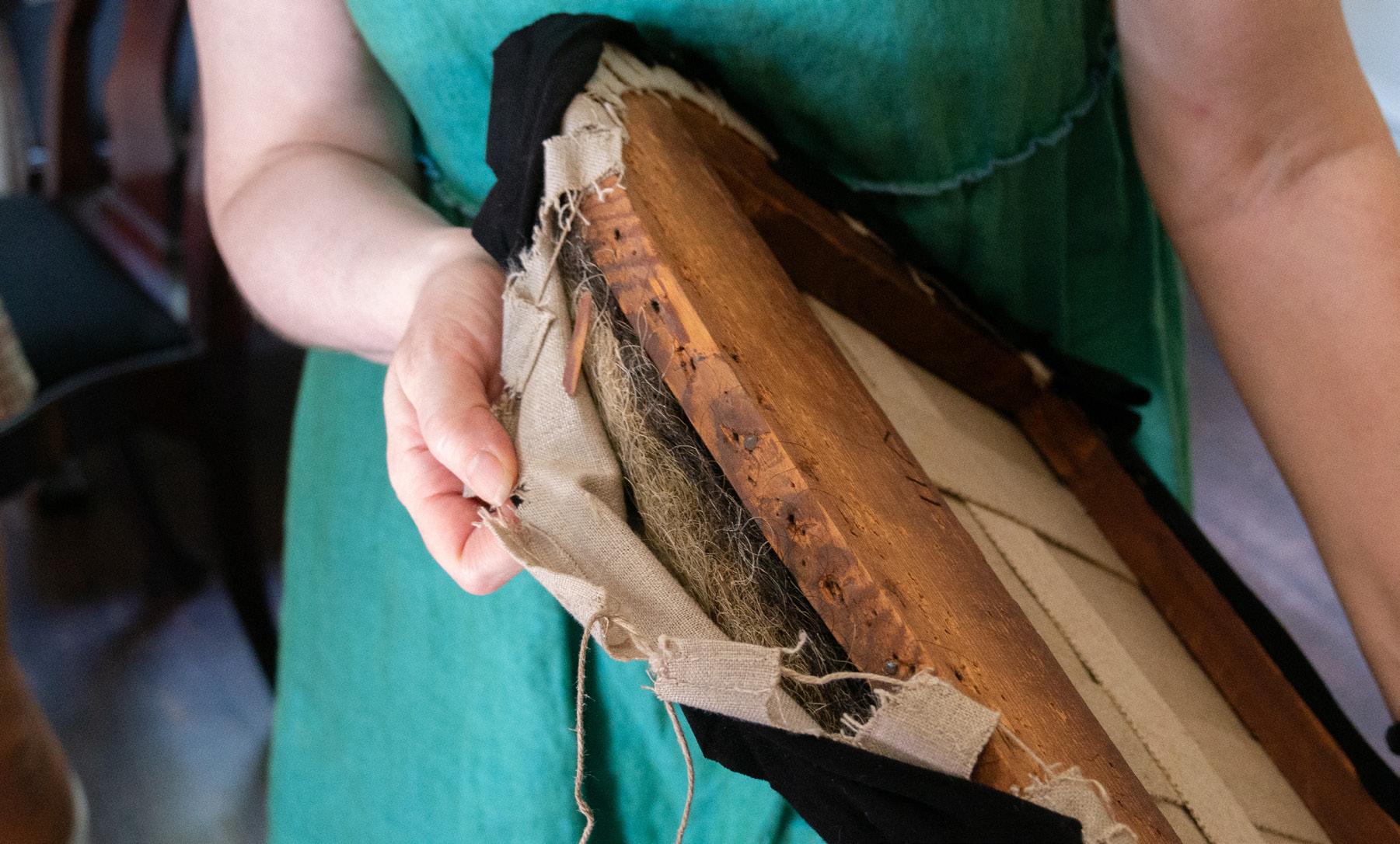
This course will examine the American domestic interior from the seventeenth through the twentieth centuries with emphasis on the cultural, economic, and technological forces that determined the decoration and furnishing of the American home. Topics covered include the evolution of floor plans; changes in finish details and hardware; the decorative arts; floor, wall, and window treatments; and developments in lighting, heating, plumbing, food preparation and service, as well as communication and home entertainment technologies. In addition to identifying period forms and materials, the course will offer special emphasis on historic finishes. The final project will involve re-creation of a historic interior based on in-depth documentary household inventory analysis, archival research, and study. Students will create a believable house interior and practice making design and furnishing choices based on evidence. Several class periods will be devoted to off-site field trips.
Public History of the Built Environment
HSPV 5340
Brian Whetstone
This course explores the ways history is put to work in the world. It focuses primarily on how communities shape their relationship to and understanding of the built environment. A core premise of this course is that practicing public history requires a distinct professional outlook, set of skills, and ethical stance beyond what is required of historians, preservationists, planners, architects, or designers. As such, our course will analyze the role of public historians in shaping the relationship between communities and the built environment through oral history, museums, historic sites, and national parks; on the internet through digital humanities projects and the evolving role of AI; and explore how the built environment acts as an agent in popular and public understandings of the past through interventions like monuments, memorials, and historic markers. We will consider how versions of the past are created, institutionalized, and communicated through and with the built environment. Ultimately, we will engage key ideas, themes, and practical concerns confronting public historians and preservationists in a variety of professional and institutional settings.
Cultural
Landscapes
& Landscape Preservation
HSPV 5380
Randall Mason
The course surveys and critically engages the field of cultural landscape studies. Over the semester, we will explore cultural landscape as a concept, theory and model of preservation and design practice; we will read cultural landscape historiography and creative non-fiction; we will examine a range of types (national parks, community gardens, designed landscapes, informal public spaces), and we will map the alternative preservation, planning and design methods that ground cultural landscape studies practically. Readings, class discussions, and projects will draw on cultural geography, environmental history, vernacular architecture, ecology, art, and writing.
Building Pathology HSPV 5510
Holly Boyer
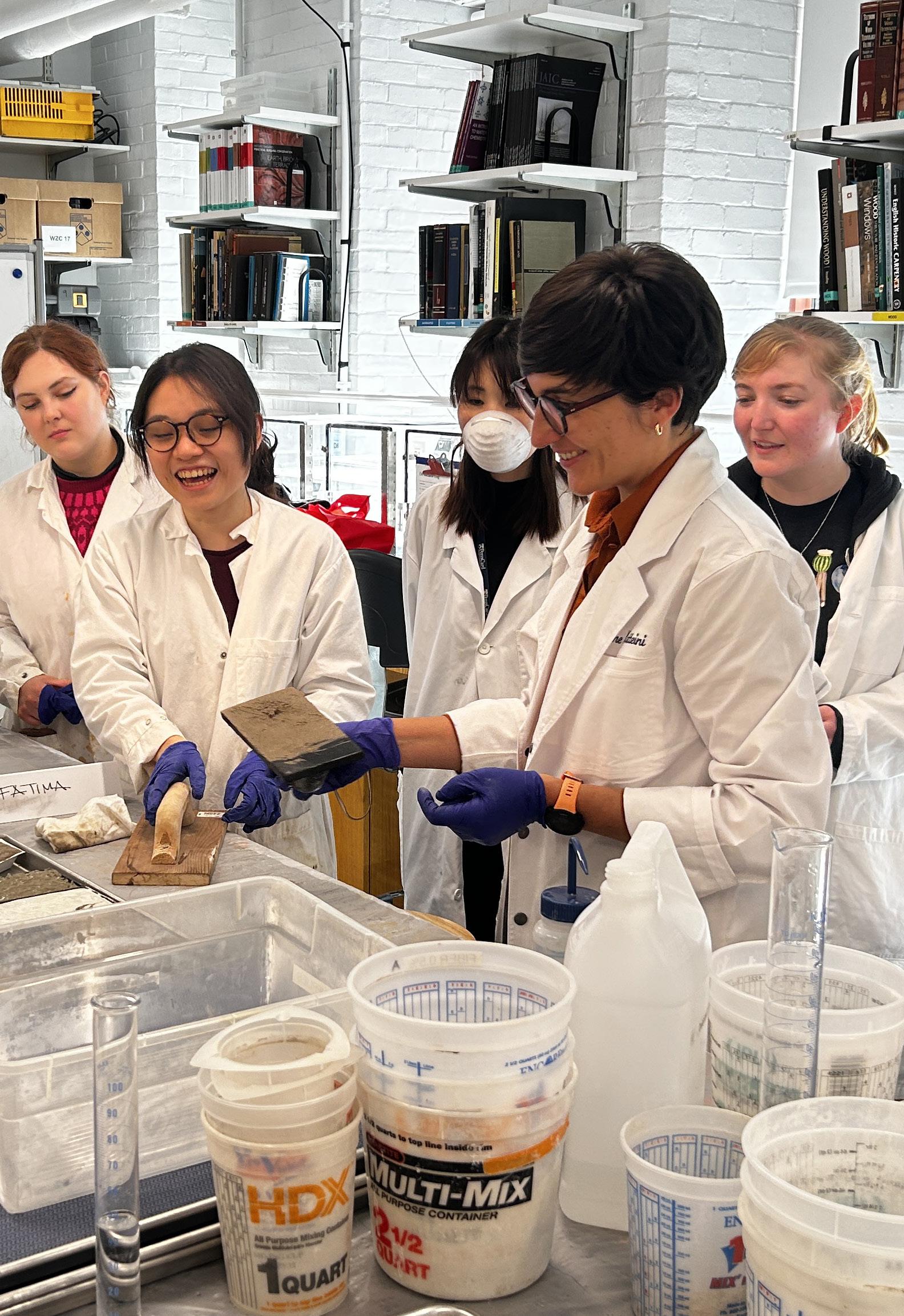
This course addresses the deterioration of buildings—their materials, assemblies, and systems—with emphasis on mechanisms of deterioration, enabling factors, material durability, and functional longevity. Construction details and assemblies are analyzed for existing and potential deterioration pathologies and their impact on function and performance. Lectures cover: concepts in durability; building environment and microclimate; psychrometrics; soils and soil moisture; physics of moisture in buildings; systems thinking; wall and roof systems; structural systems; building services systems; introduction to hazardous materials and non-destructive evaluation; and diagnostic thinking. Students with BArch or BEngr degrees, including ARCH majors, may waive the HSPV 5510 prerequisite. Email the HSPV Department for a permit.
Architectural Conservation HSPV 5550 Roy Ingraffia
Architectural Conservation is an introduction to the technical study of traditional building materials. This knowledge is essential preparation for any professional engaged in the conservation and adaptive reuse of structures built before the mid 20th century. The course focuses on these materials’ properties, performance, and especially weathering, and the basic laboratory-based methods that can be employed for their study, characterization, and specification for restoration. Lectures and coordinated laboratory sessions introduce the history of use, composition, and deterioration mechanisms of a wide array of traditional building materials including earth, stone, brick, terra cotta, concrete, mortars and plasters, metals, wood, and paints. The course provides a basic knowledge of the major building materials in use before the Second World War in industrialized as well as pre-industrial traditional contexts. Undergraduate level students may enroll. Basic undergraduate level understanding of chemistry recommended.
Preservation Through Public Policy
HSPV 5720
Cory Kegerise
Historic preservation in the United States occurs within a network of laws and policies created by the Federal, state, and local governments. This framework includes regulations and programs that restrict, regulate, frustrate, encourage, and incentivize preservation of a broad range of cultural resources. Preservation professionals, no matter their specialization, need a basic understanding of how this framework enables, constrains, and supports their work. This course explores the origins, purposes, and functions of the most common and influential programs and policies related to historic preservation in the United States, examining the power structures, funding sources, and regulations developed specifically for preservation purposes as well as ancillary policies that both support and challenge preservation.
Ruins & Reconstruction HSPV 5850
Lynn Meskell
This class examines our enduring fascination with ruins coupled with our commitments to reconstruction from theoretical, ethical, sociopolitical and practical perspectives. This includes analyzing international conventions and principles, to the work of heritage agencies and NGOs, to the implications for specific local communities and development trajectories. We will explore global case studies featuring archaeological and monumental sites with an attention to context and communities, as well as the construction of expertise and implications of international intervention. Issues of conservation from the material to the digital will also be examined. Throughout the course we will be asking what a future in ruins holds for a variety of fields and disciplines, as well as those who have most to win or lose in the preservation of the past.
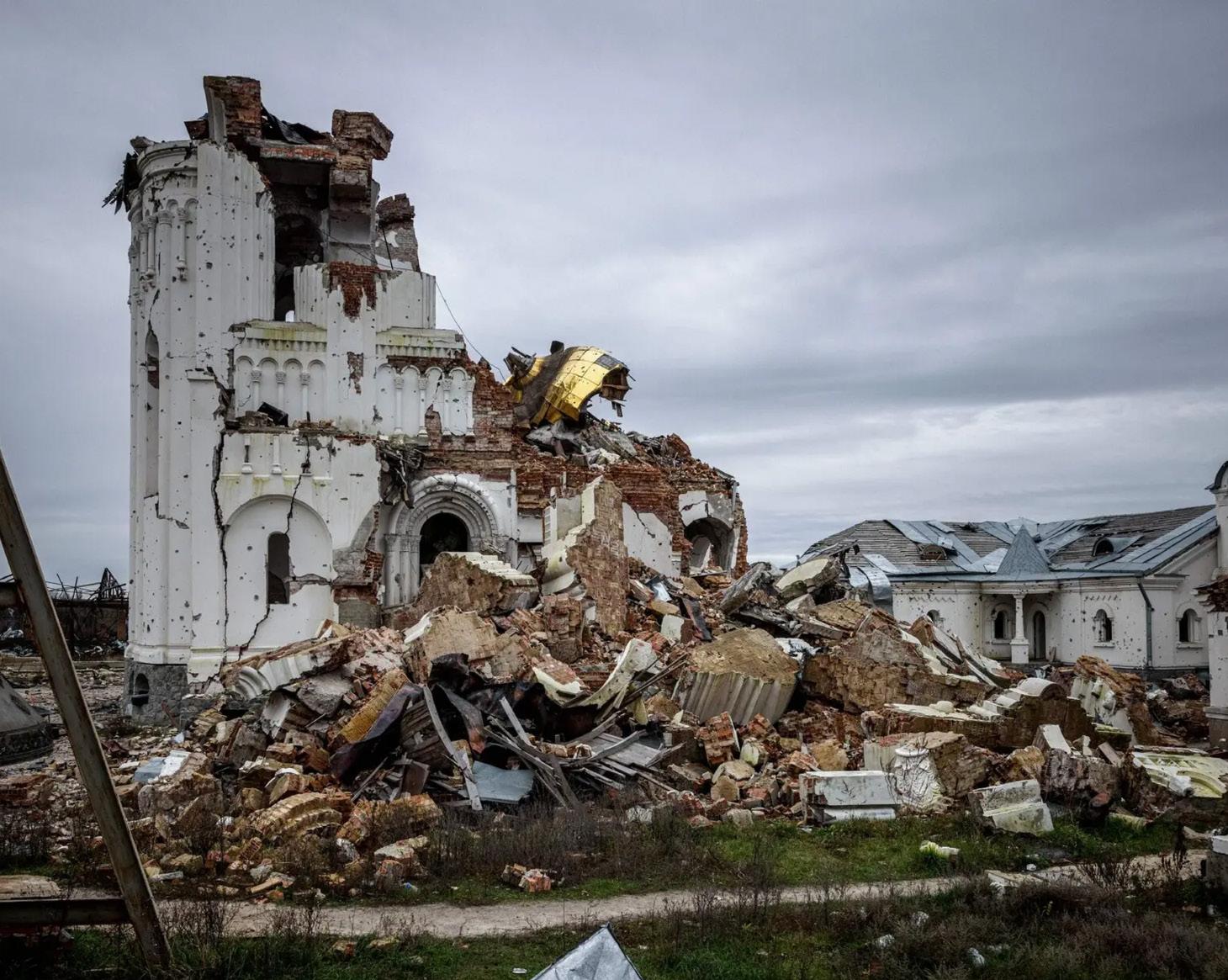
World Heritage in Global Conflict
Heritage is always political. Such a statement might refer to the everyday politics of local stakeholder interests on one end of the spectrum, or the volatile politics of destruction and erasure of heritage during conflict, on the other. If heritage is always political then one might expect that the workings of World Heritage might be especially fraught given the international dimension. In particular, the intergovernmental system of UNESCO World Heritage must navigate the inherent tension between state sovereignty and nationalist interests and the wider concerns of a universal regime. The World Heritage List has over 1200 properties with many such contentious examples, including sites in Iraq, Mali, Syria, Crimea, Palestine, Armenia and Cambodia. As an organization UNESCO was born of war with an explicit mission to end global conflict and help the world rebuild materially and morally yet has found its own history increasingly entwined with that of international politics and violence.
Contemporary Asia & The Historic Built Environment
HSPV 5880
Kecia Fong
What place does the historic built environment have in contemporary Asia and what does its enduring care and conservation express about perceptions and values of heritage in daily life? What happens when the historic and the contemporary are treated as separate and distinct categories? This course examines what we will refer to as built heritage in contemporary Asia for what it reveals about the legacies of conservation (indigenous and colonial) and the centrality of heritage to an array of historical and pressing concerns. While heritage conservation in Asia has always been integral to cultural continuity, governance, and spiritual practice, it is increasingly implicated in phenomena of rapid urbanization, rising religious and ethno-nationalism, regional alliance building, the aggressive pursuit of developmental modernism, and resilience strategies in light of climate change. We will investigate how heritage conservation practices in Asia have and continue to shape the built environment and the ways in which they are challenging longstanding conservation discourse erroneously considered as international norms. Through an analysis of regional case studies, a wide array of source materials, and discussions with invited scholars and heritage conservation practitioners from the region, we will address questions such as: What are the genealogies of national heritage legislation and what has been their impact on national prevailing attitudes towards conservation and international best practices? As a practice enacted in the public realm, how are heritage and its conservation leveraged as a form of governance and a medium for public production and subject formation? Who are the principal agents of conservation; what forms of expertise are privileged; and with what outcomes? In what ways are the design philosophies and material building practices of the past resources for contemporary challenges in Asia as outlined above and what can we learn from these experiences?
Historic Site Management HSPV 6060
Brian Whetstone
This course focuses on management, planning, decision making, and interpretation for heritage sites, from individual buildings and historic sites to whole landscapes and historic objects. Class projects ask students to analyze historic site operations and interpret objects. Course material will draw on model approaches to management, as well as a series of domestic and international case studies, with the goal of understanding the practicalities and particularities of site management. Topics to be examined in greater detail might include histories of historic sites, collections and conservation policies, interpretation, tourism, social justice, community engagement, and strategic planning, in addition to fundraising and financial management. The course emphasizes making historic sites meaningful, relevant, and sustainable in the present.
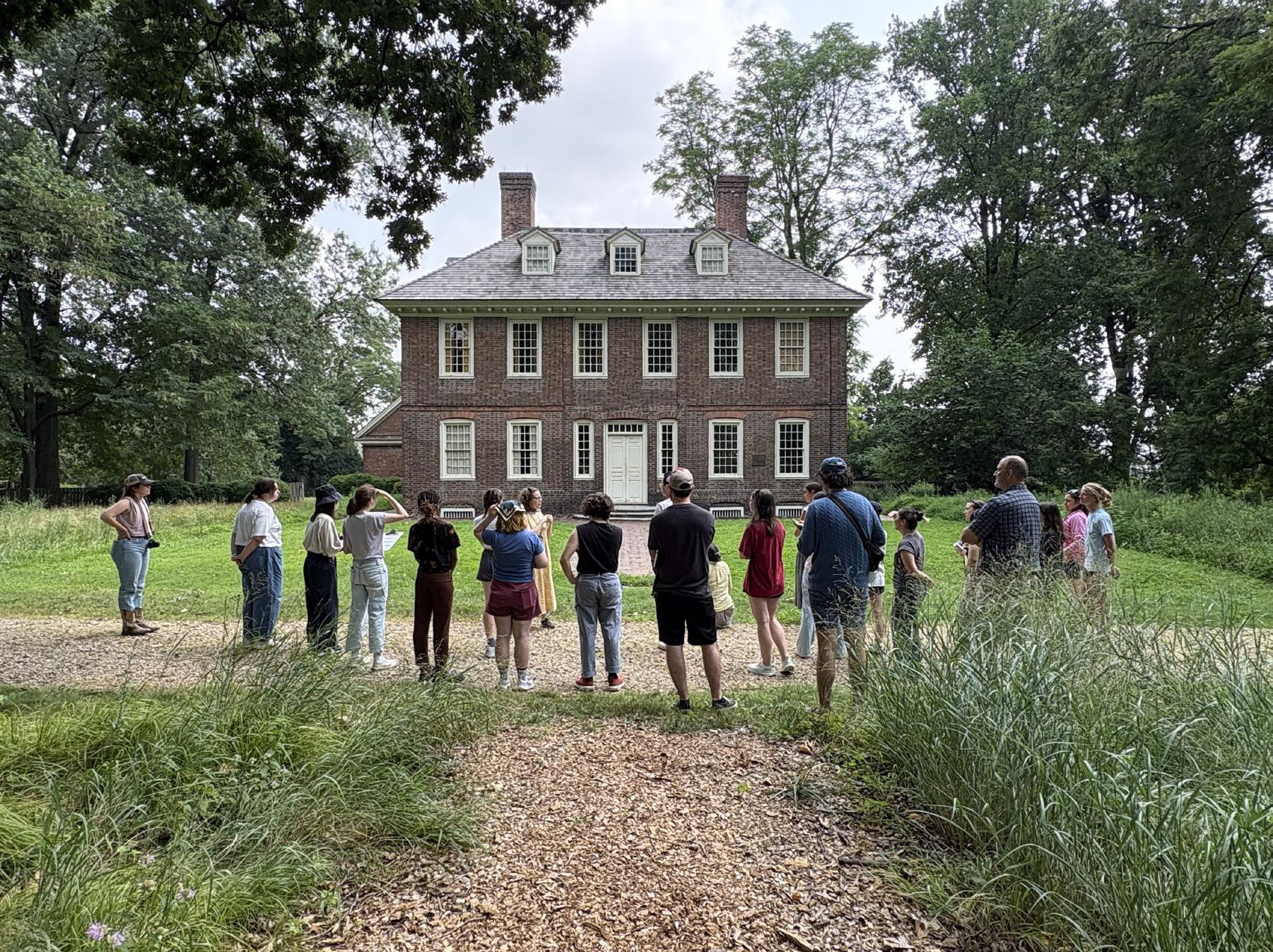
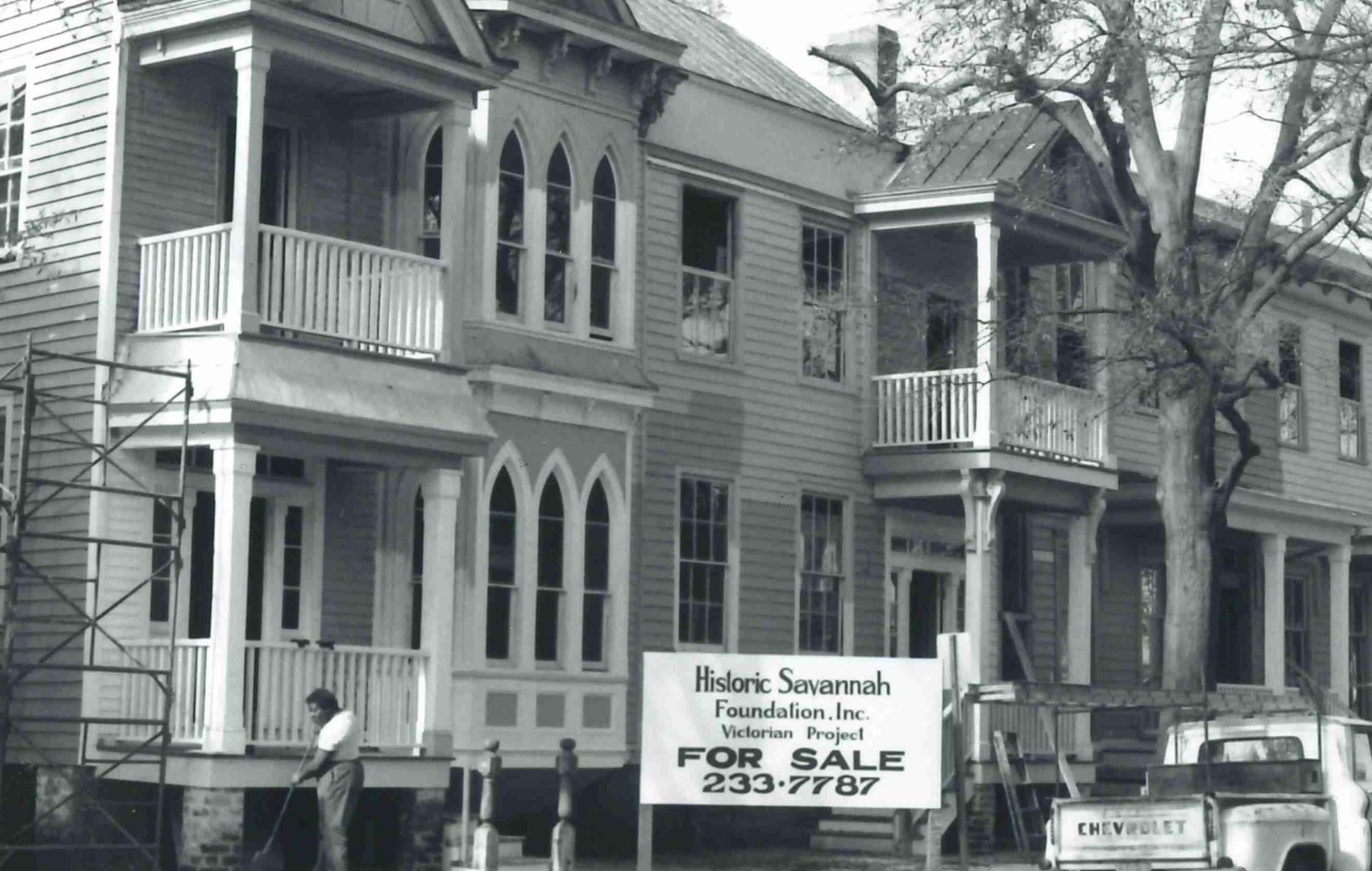
Heritage, Housing, and Labor in the United States HSPV 6200
Brian Whetstone
This seminar explores the housing and labor practices of the American heritage sector. Our course will focus closely on the ways museums, national parks, historic sites, and preservation organizations have engaged with real estate, capitalism, and urban development over the nineteenth and twentieth centuries to sustain heritage work in the United States. How does an interdisciplinary analysis of housing and labor rooted in architectural and urban history, material culture, and labor studies offer new insight into the contemporary work of historic preservation and public history? We will visit local historic sites and host guest speakers engaged in historic preservation and public history work that examines the field’s housing and labor practices. In surveying the historical and contemporary landscape of the broader heritage sector, our course will interrogate the social and political responsibilities of heritage sites and professionals working to address issues such as housing justice, labor and pay equity, gentrification, and the interpretation of these topics to public audiences. Finally, our course will explore how the provision of housing has animated the labor arrangements structuring the workplaces of public historians, preservationists, and heritage professionals.
Image: 105 W. Duffy Street, 1980, Victorian District Collection, 1978 - 2005. Historic Savannah Foundation Archives.
Heritage & Social Justice HSPV 6210
Randall
Mason
This course will explore connections between heritage, historic preservation (and related design, planning and artistic practices) and the pursuit of social justice. How do historic preservation and other design and humanities professionals contribute to more equitable and just societies? How can our work be organized to result in greater equity, access and social justice? The course will focus on conceptual and theoretical work (how we think about built heritage and social change; how we conceptualize social justice) and practical examples of advancing social outcomes through preservation and design (how social justice concerns reorganize projects, practices, and organizations). We’ll draw on work by: designers; historians; public intellectuals; geographers, anthropologists and other social scientists; heritage organizations; artists; entrepreneurs; and more. Subjects will include traditional preservation, reparative practices, creative placemaking, public art, memorialization, and organizational-managerial social innovation. Cases will be drawn from the US and abroad. The course will progress through a series of weekly topics, often including guest practitioners and scholars. Students will have significant agency in helping flesh out the topics and cases; final projects (individual and group) will be envisioned as a statement (in the form of an exhibition or publication) of how social justice concerns have reshaped practice and how they could reshape our fields in the future.
Preservation Economics
HSPV 6250
Donovan Rypkema
The primary objective is to prepare the student, as a practicing preservationist, to understand the language of the development community, to make the case through feasibility analysis why a preservation project should be undertaken, and to be able to quantify the need for public/non-profit intervention in the development process. A second objective is to acquaint the student with the measurements of the economic impact of historic preservation and to critically evaluate “economic hardship” claims made to regulatory bodies by private owners.
Photography & the City
HSPV 6380
Francesca Ammon
How do photographs shape perceptions of what cities are, have been, and should be? This seminar will survey the intersecting social and cultural histories of photography and the urban and suburban built environment. We will consider the ways in which photographs – through their creation, dissemination, and reappropriation – have influenced cities across time. In the planning and design fields, in particular, images have helped to celebrate, document, critique, and reform. Throughout the course, we will consider the photograph as both of a reflection of the city and an agent of its transformation. Students from all departments are welcome.
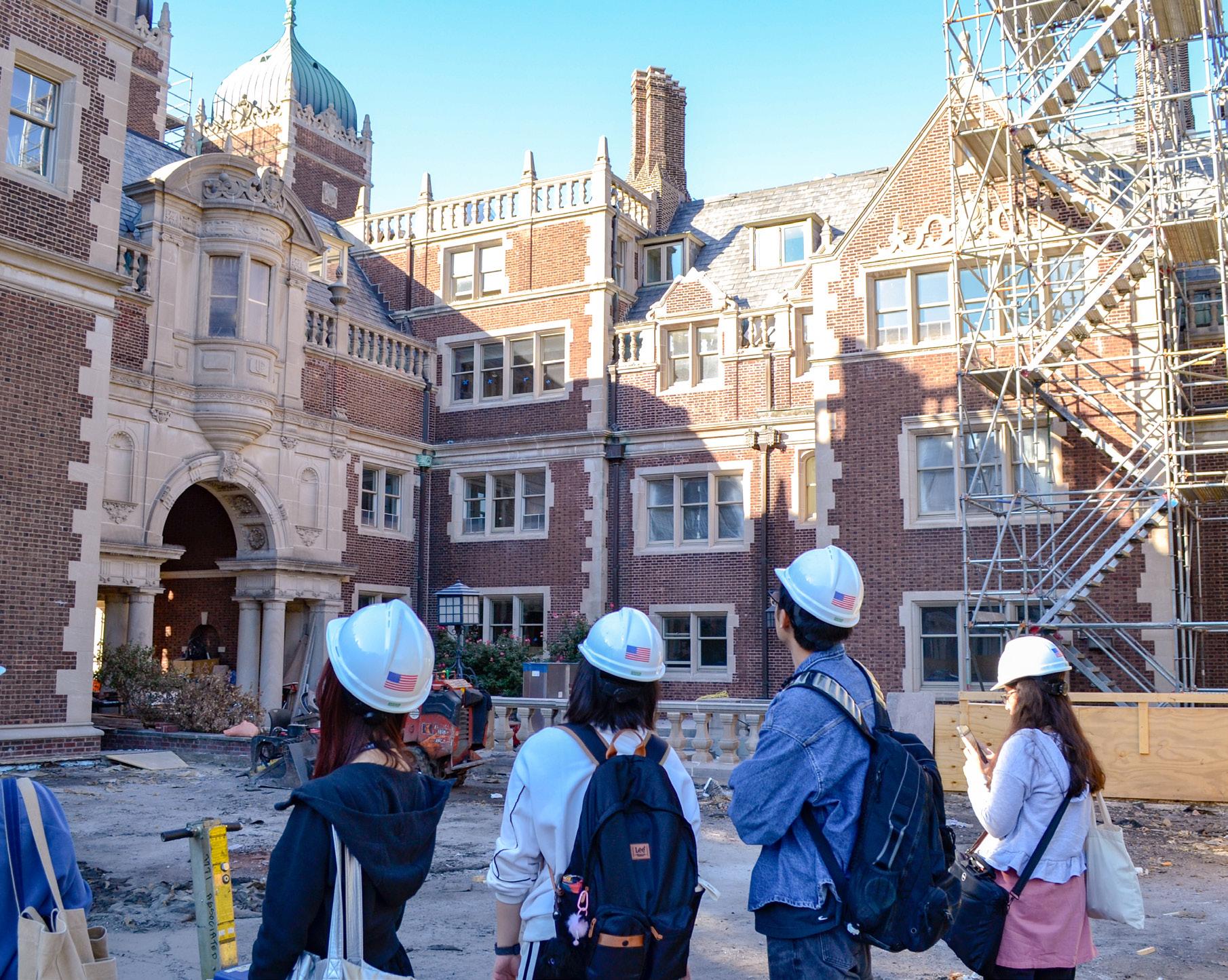
Contemporary Design in Historic Settings
Contemporary design can contribute value and meaning to historic settings of any age or scale, from individual landmarks to landscapes and neighborhoods. In turn, engaging in a rigorous dialogue with history and context enriches contemporary design. This seminar immerses designers, planners and preservationists in the challenges of designing amid existing structures and sites of varying size and significance. Readings of source materials, lectures and discussions explore how design and preservation theory, physical and intangible conditions, and time have all shaped the particular realm of design response to historic context, as well as the political, cultural, and aesthetic environments that influence its regulation. Through sketch analytical exercises set in Philadelphia and outstanding case studies from around the world, students will learn to communicate their understanding of historic places, critique propositions for design intervention, and conceptualize a range of potential design responses. No prerequisites.
Material Histories and Ethnographic Methods
HSPV 6500
Sarah Lopez
What does it mean for students in the spatial disciplines (outside of anthropology, sociology, and history) to engage human subjects as primary sources of evidence? How can students in design, planning, and preservation both learn from the social sciences and transform classic ethnographic and historical methods to address the unique contexts of buildings, landscapes, and cities? This class focuses on how to conduct built environment research that views human subjects as repositories of knowledge and critical sources of primary evidence. We will explore research on the history of the built environment (dependent on maps, plats, documentation of sites) and human centered research as we design—collectively—best practices and spatially oriented interview and observation techniques. We will address multiple scales (sidewalks, commercial store fronts, post offices, neighborhoods) as we problematize human experience, perception, and knowledge of the built world.
Migratory Urbanism: The Spaces of Transnational Subjects in US Cities and Beyond
HSPV 6510
Sarah Lopez
Migration is an inherently spatial phenomenon; the study of migration is the study of places, people, processes, and the state. This course addresses the history of 20th and 21st century international migration through the lens of the built environment, place, material culture, space and society. The aim of this course is to bring migration theories and histories into the realm of places and planning to equip spatial practitioners (planners, architects, and preservationists) with tools for thinking through how contemporary movement interfaces with the production of space. An interdisciplinary approach to the study of migration will incorporate urban and architectural histories, political economy, urban theory, migration theory, ethnographies of individuals, families, and communities, material culture, and film to explore how cities, towns, and hinterlands are influenced by the continuous flow of people, ideas, dollars, and desire. We will engage concepts such as assimilation, transnationalism, diaspora, spatial violence, spatial practices, ritual infrastructure, spatial hybridity, and urban design from below. We will investigate international remittance development, multiscalar migrant neighborhoods, prisons, housing, and more.
Archive Philadelphia: Architectural History & Cultural Institutions
HSPV 6530
Sarah Lopez
This course combines the idea of a walking seminar with an investigation of how Philadelphia’s cultural and scientific institutions and archives have shaped its urban environment and its cultural and social milieu. Taking advantage of the rich history of archiving and collecting in Philadelphia, we turn from the nineteenth century to ask questions of the twentieth and twenty-first: 1) When (and how) does a body of knowledge crystalize into an archive? 2) How do archives function not only as a reservoir of knowledge but also as an urban catalyst for change? We begin with the foundational ideas and built legacy of Philadelphia’s 19th (and turn of the 20th) century institutions like the Wagner Free Institute of Science, the Mütter Museum, the Free Library, and Ethical Society of Philadelphia. We then explore a collection of alternative “archives” and institutions, mostly from the 20th century, such as the Mother Bethel Church, the Clef Club, the Wooden Shoe Anarchist Bookshop and the Norris Square Neighborhood Garden. What does the arc of archiving in Philadelphia from the 19th to the 21st centuries tell us about how knowledge is stored and shared and the relationship between “archives,” community and urban space? How important are buildings to archives and cultural institutions? What opportunities and what limitations do buildings impose on these organizations? How does gender, race, and class play into the creation and cultivation of archives and institutions past and present? Do these institutions play a role in cultivating a civic imagination and social orientation? If so, how?
Historic Preservation Law
Anne Nelson
This course provides an introduction to the legal mechanisms used to protect historic resources in the built environment, focusing on the legal principles underlaying preservation laws, including constitutional issues related to governmental regulation of real property, as well as federal, state, and local historic preservation laws. Students will gain an understanding of the legal and advocacy tools, strategies, and responsibilities of public and private organizations in the historic preservation field, and will be able to identify legal issues, communicate effectively with attorneys, and be stronger advocates.
Conservation Seminar: Wood HSPV 7380
Andrew Fearon
Globally, spanning ancient history to present day, most structures found in the built environment rely upon wood as a primary material for both structural and finish components. An understanding of the physical properties as well as the historic application of this organic material provides the basis for formulating solutions for a broad spectrum of contemporary conservation issues. As the scope of preserving wooden structures and wooden architectural elements is continually expanded, new methods and technology available to the conservator together allow for an evolving program—one that is dependent upon both consistent review of treatments and further study of craft traditions. This course seeks to illustrate and address material problems typically encountered by stewards of wooden built heritage; among them structural assessment, biodeterioration, stabilization, and replication techniques. Through a series of lectures and labs on subjects of wood science, diagnostics, entomology, engineering, and archaeology, theoretical and practical approaches to retaining wooden materials will be examined with the goal to inform the decision-making process of future practicing professionals.
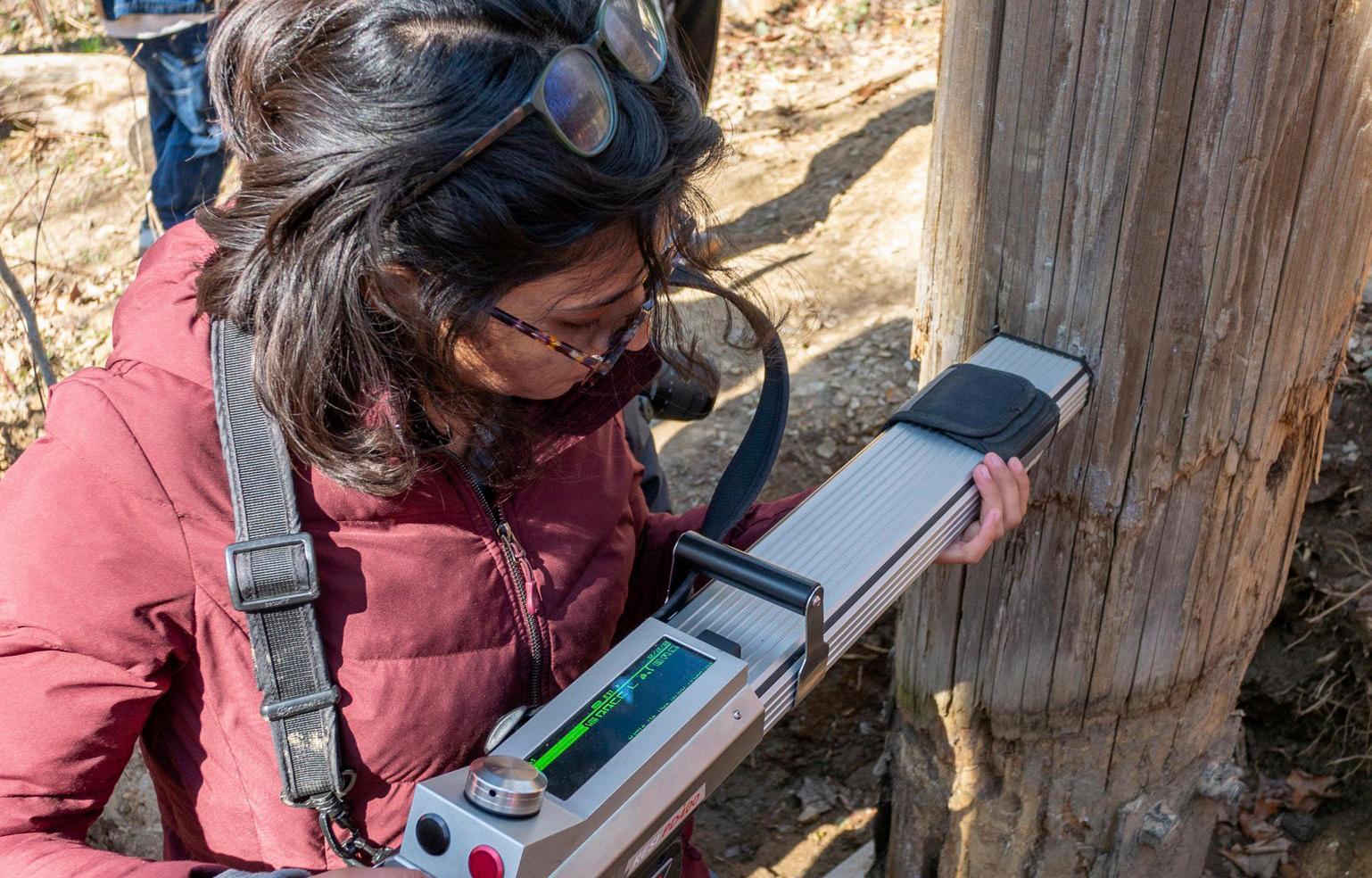
Conservation Seminar: Masonry HSPV 7390
Roy Ingraffia & Casey Weisdock
This seminar will offer an in-depth study of the conservation of masonry buildings and monuments. Technical and aesthetic issues will be discussed as they pertain to the understanding required for conservation practice. Part 1 will address a broad range of materials and masonry construction technologies, and deterioration phenomena; Part 2 will concentrate on conservation methodology as well as past and current approaches for the treatment of masonry structures. The subject will be examined through published literature and case studies. Students will gain practical experience through lab and field exercises and demonstrations. The subject matter is relevant to interested students of conservation and preservation, architecture, landscape architecture, architectural history, and archaeology.
Conservation Seminar: Finishes
HSPV 7390
Catherine Myers
In this biennial seminar students will gain proficiency in research, analysis and treatment of architectural finishes and, to a lesser extent, interior plaster. In a combination of lectures, lab exercises and site work, the course addresses the history and technology of architectural finishes focusing primarily on the American context but also considering other geographies and cultures. Students will have the opportunity make and apply various types of finishes and to hone their microscopy skills preparing and analyzing cross sectional samples, reading stratigraphies and analyzing paint constituents. We will also cover types of instrumental analysis used in specific cases to confirm results of microscopical analysis. Small assignments, labs and quizzes will complement lectures and reading assignment and build knowledge and skills. What is learned in the classroom will be put to the test on at least one case study (see Weitzman website for specific site each year) that address the architectural construction, conditions, causes of deterioration and analysis of finishes culminating in a proposed plan for treatment appropriate for the specific case study. Working as a group, students will produce a professional quality presentation for a selected audience, which includes “the client” and a written report including each of these subjects while also discussing the theoretical rationale for the chosen approach. Prerequisite: HSPV 5550: Introduction to Architectural Conservation. Suggested prerequisite: Knowledge of American architecture and building technology. Building diagnostics and pathology, microscopy and chemistry.
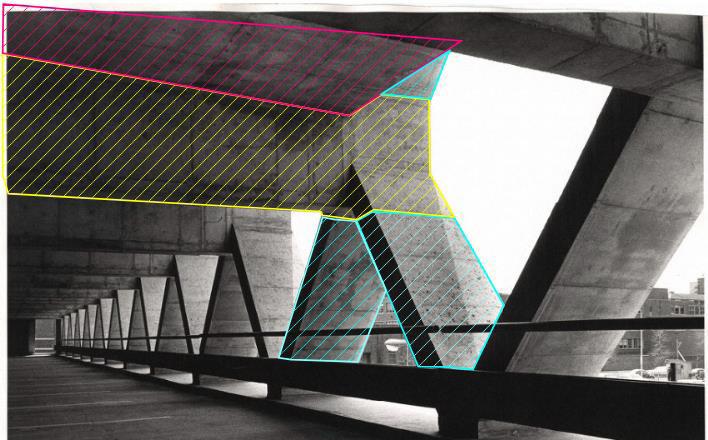
Conserving Modern Concrete HSPV 7410
Frank Matero & Irene Matteini
With over a century of modern concrete structures, the topic of concrete conservation and modern heritage has become a central subject amongst design and heritage professionals. This seminar will offer an in-depth study of modern concrete and its conservation. The course will provide an overview of the history of concrete technology and its applications, and through case studies, lab and field applications, students will learn about its deterioration mechanisms, assessment techniques and repair methods. International guests and experts will participate in the seminar to provide different global perspectives on the challenges and issues related to the conservation of concrete heritage. The seminar will also reflect on concrete conservation in relation to today’s demanding topic of sustainability and ecological transition. As part of the course, students will participate in fieldwork on the concrete desert masonry at Frank Lloyd Wright’s Taliesin West in partnership with the Frank Lloyd Wright Foundation.
Image: Sallishah Ali’s (MSHP’25) conditions assessment of Mitchell & Giurgola’s 32 Walnut Garage.
Preserving Wright HSPV 7410
Frank Matero & Irene Matteini
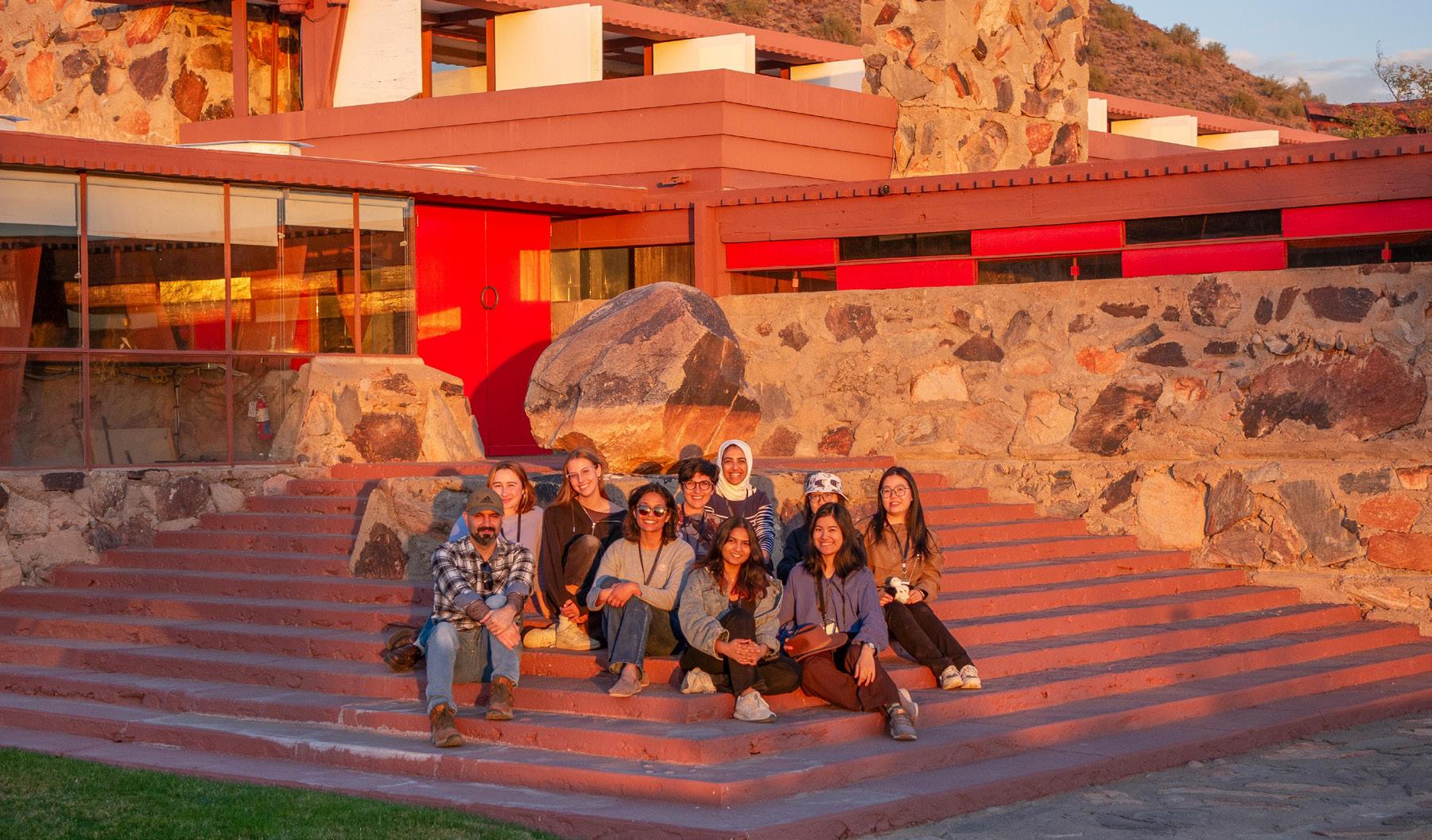
HSPV 7410 is an advanced seminar designed to explore the material realities of built heritage and especially issues related to meaning, performance, durability, aging, and transformation and repair. The work of Frank Lloyd Wright provides a rich context to explore these issues given his many published writings, drawings, and built works. Taliesin West, Wright’s winter home and studio, will provide the field site to explore these concepts firsthand. Using the rubric of a professional office, course participants will consider the concepts of design intent and construction realities over time as well as life cycle analysis, emergy, and the role of preservation and maintenance as key components of sustainable design practice. Taliesin and Taliesin West are famously ‘of the place’, thereby allowing a complete consideration of the chaine operatoire involving people, materials, and processes from source to installation and beyond. Students will investigate the design and evolution of the complex through using archival and physical building evidence, prepare a set of measured drawings and 3D models to analyze construction and material conditions, and make recommendations for needed repairs and longer-term preservation and reuse. The information will be gathered into a Historic Structure Report, a standard tool for assembling all relevant information about historic properties in preparation for future interventions.
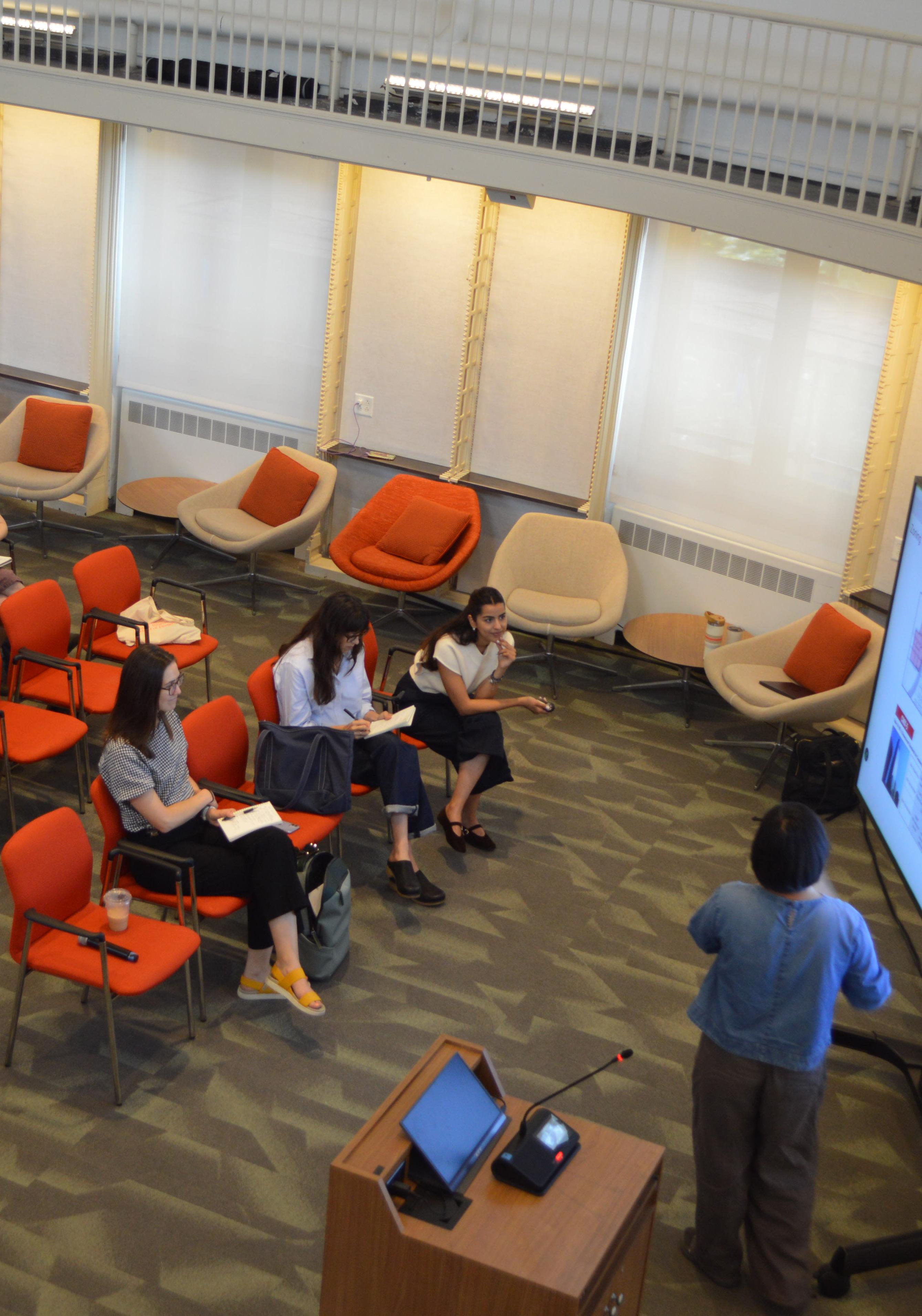
student work
HSPV 7010 Preservation Studio is required in the fall of the second year of the MSHP program. The Studio centers on the importance of sound and creative decision-making as a hallmark of every preservation professional’s practice. Known internationally as “conservation planning,” this is common methodology in the field. Though they take many forms, conservation plans are used to guide decisions about all kinds of heritage places across a range of management situations. As a common methodology used to advise clients, recommend public policies, shape development and curate sites of cultural significance, conservation planning is part of the core MSHP curriculum.
The Studio calls on many of the ideas, skills, and issues covered in the first year of the MSHP curriculum. Students apply preservation ideas, tools and methods to real sites and the processes shaping them. Research, field work, consultation, analysis and design are brought to bear, formulating strategies, plans and interventions to advance the preservation of our subject sites and the roles these sites play in community context.
Guiding owners, public officials, advocates, and other site stewards in making decisions is a central competency for any preservation professional. The Studio projects therefore give students practice with making decisions in complex and real situations, and pitching preservation as both an end in itself (for reasons commemorative, archival) and a means to achieve clients’ other goals quite directly (economic prosperity, community well-being, social justice, affordable housing, environmental benefits, etc.).
Preservation Studio
Whitesbog Village Fall 2024
Studio lead: Julie Donofrio
Student team: Priyanka Amin-Patel, Shailee Bhagat, Ke-An Chiang, Dara Epison, Chen Hong, Anna Veilleux, Yuzheng Wu, Weizi Yu, Hechen Yuan
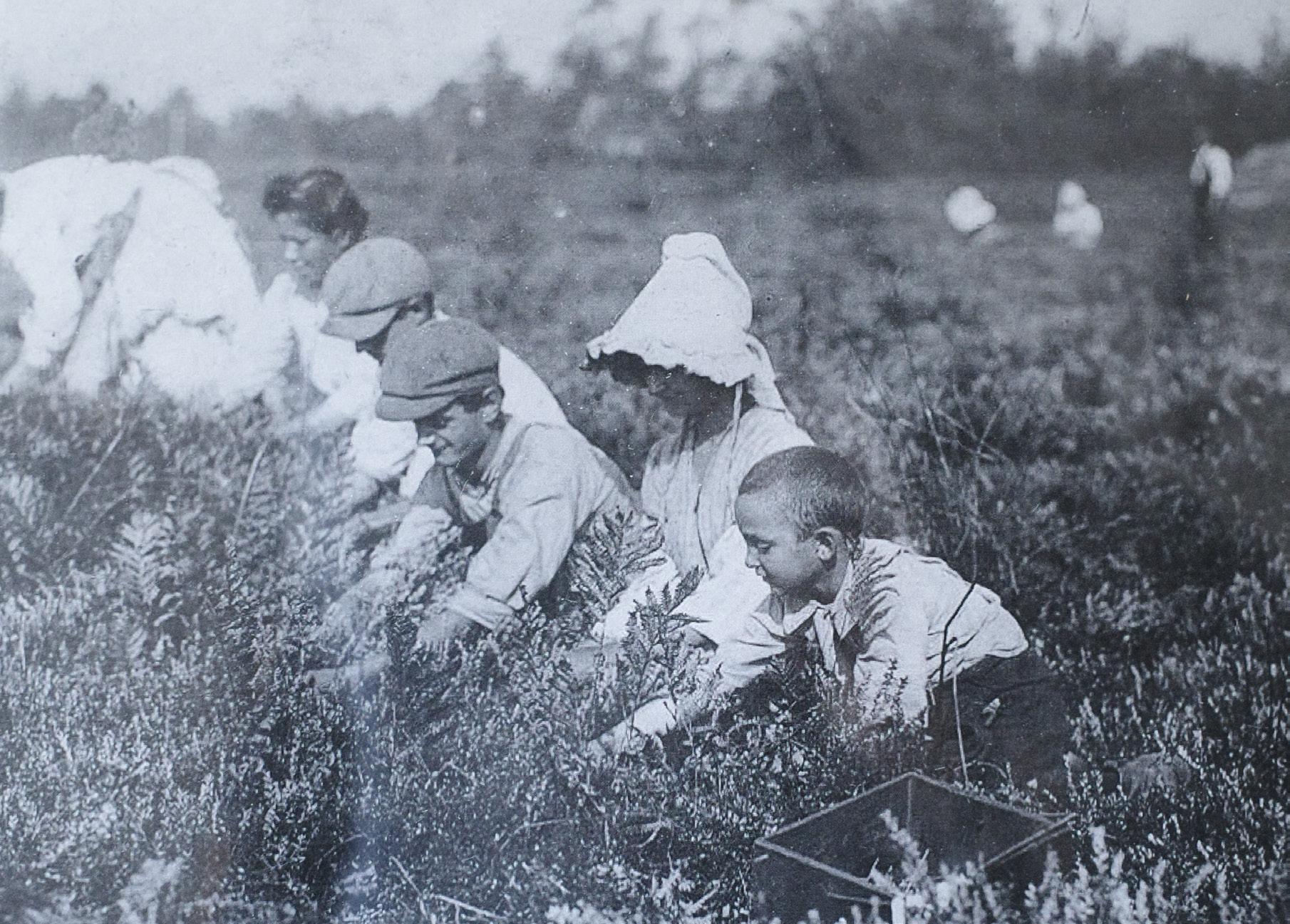
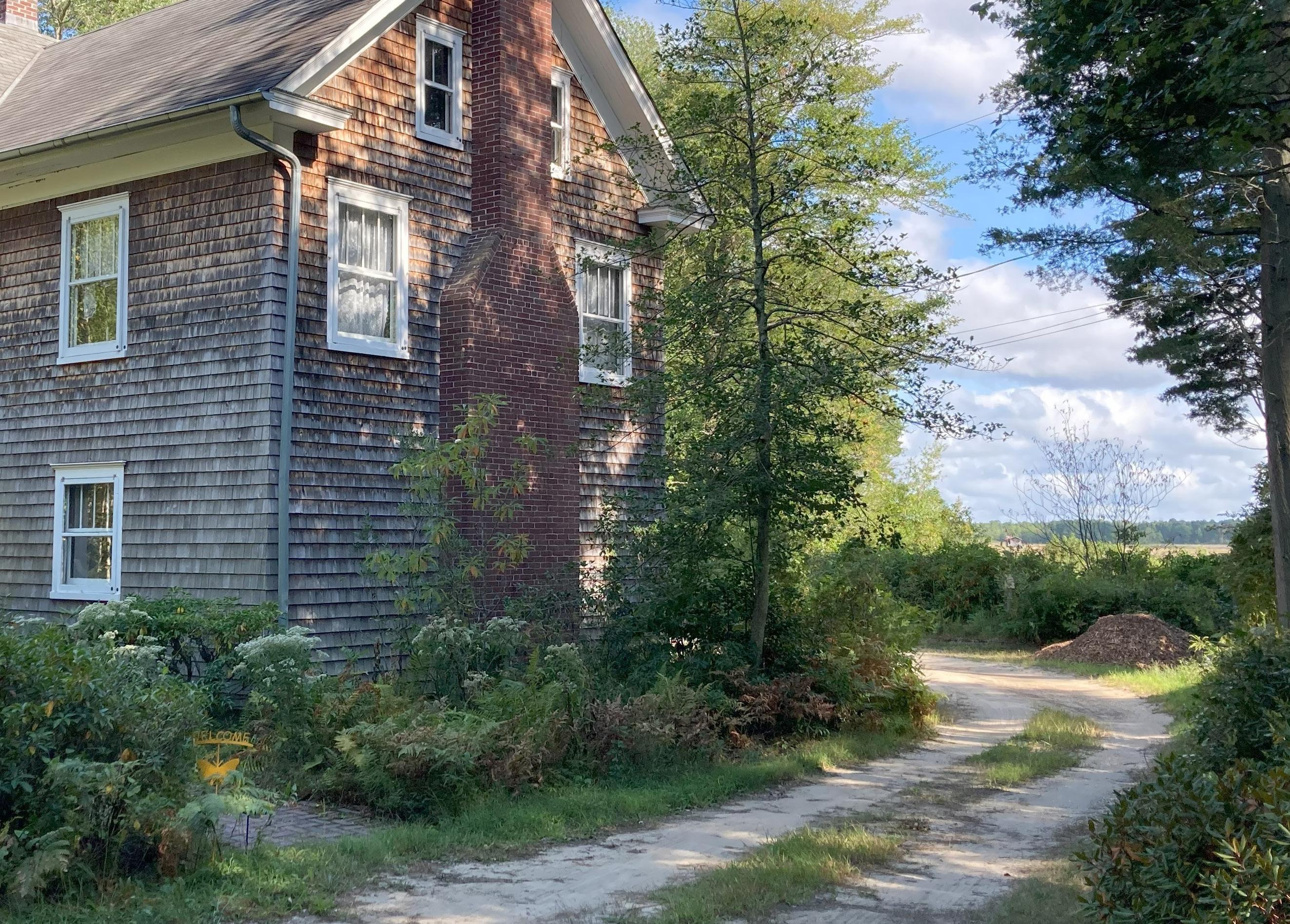
Near the geographic center of New Jersey, within the Pine Barrens National Reserve, Whitesbog Historic Village is a historic berry farm and a publicly accessible natural landscape. It is best known as the home and laboratory of Elizabeth White, the original cultivator of the commercially viable highbush blueberry. During her tenure at the farm, Whitesbog produced numerous innovations in cranberry and blueberry harvesting, collaborated with USDA botanist Frederick Coville, and revolutionized berry agriculture on a national level. White’s original testing fields and the initial patented inventions of the Whitesbog farm are preserved on the site as tangible connections to the past. In addition to the legacy of Elizabeth White, Whitesbog contains a multilayered history, starting with the first Indigenous inhabitants who began the propagation of cranberries. The site is inseparable from the contributions of the Black, Italian, and Puerto Rican field personnel, including children, responsible for planting, growing, and harvesting fruits from the farm. Whitesbog’s extant buildings and ruins are vestiges of their experiences, telling the story of migrant and child labor practices as well as the widespread expansion of commercial agriculture typical of the early twentieth century.
Today Whitesbog Village has a core of century-old buildings, and has come to serve as a community hub for nearby residents, offering educational experiences, community events, and access to the outdoors. Its preservation ensures that the intertwined legacies of agricultural innovation, women and labor history, ecological stewardship, and education continue to inform and inspire future generations.
Whitesbog’s dedicated team of volunteers and staff members have grown the site into a cherished landmark for generations of local community members. However, a lack of resources has hindered further efforts for improvement, stalling preparation for the impacts of climate change, compensation for a lack of diverse interpretation, and improvements in public infrastructure.
The potential to deepen community engagement, diversify interpretive efforts, build strategic partnerships, and create a more flexible and enriching visitor experience are all explored in the studio’s preservation plan. Whitesbog is a place that sustains emotional connections, serves as a community hub, fosters an intergenerational learning environment, and stands as a model of resilient landscape adaptation.
Image (top): Families picking cranberries. Courtesy Whitesbog Preservation Trust.
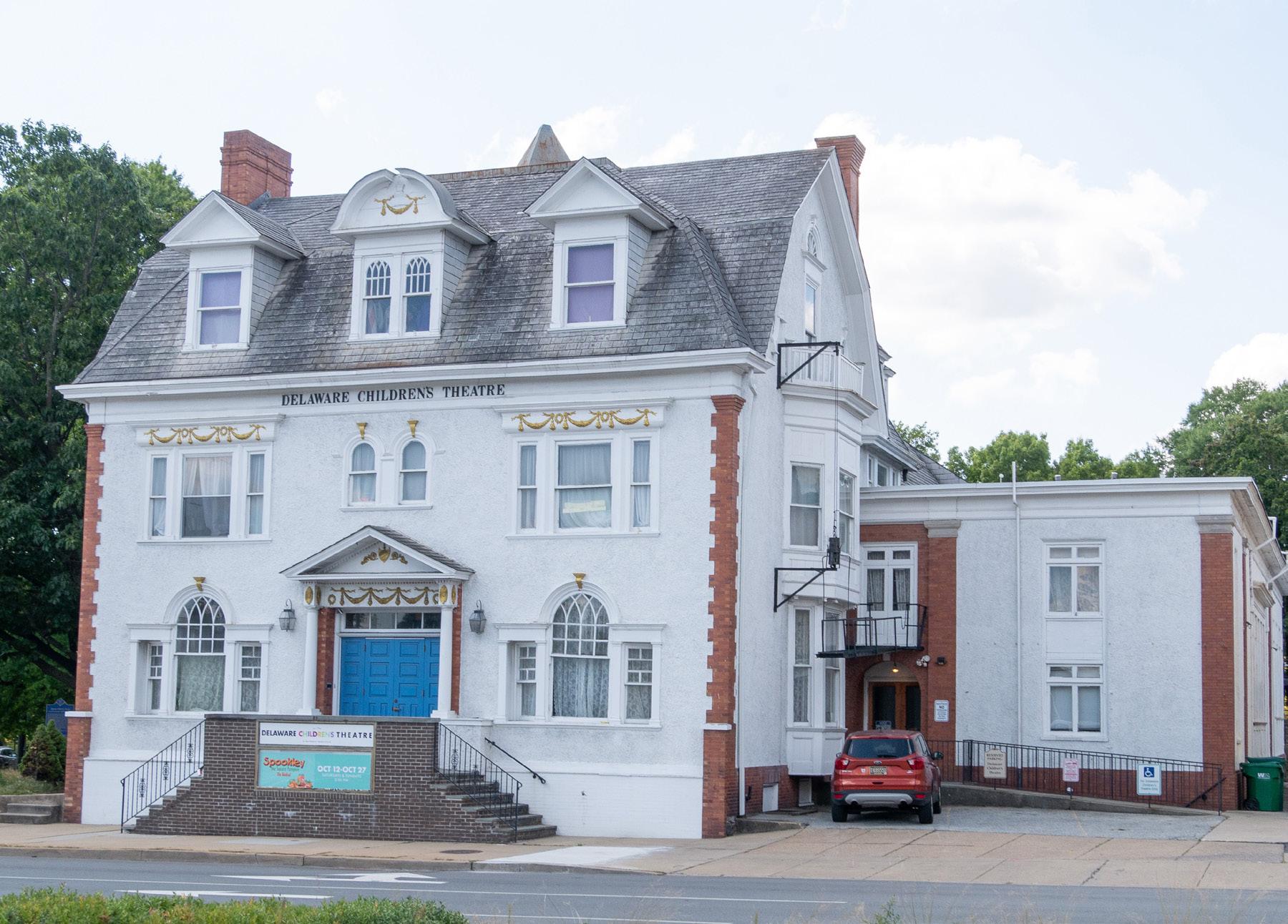
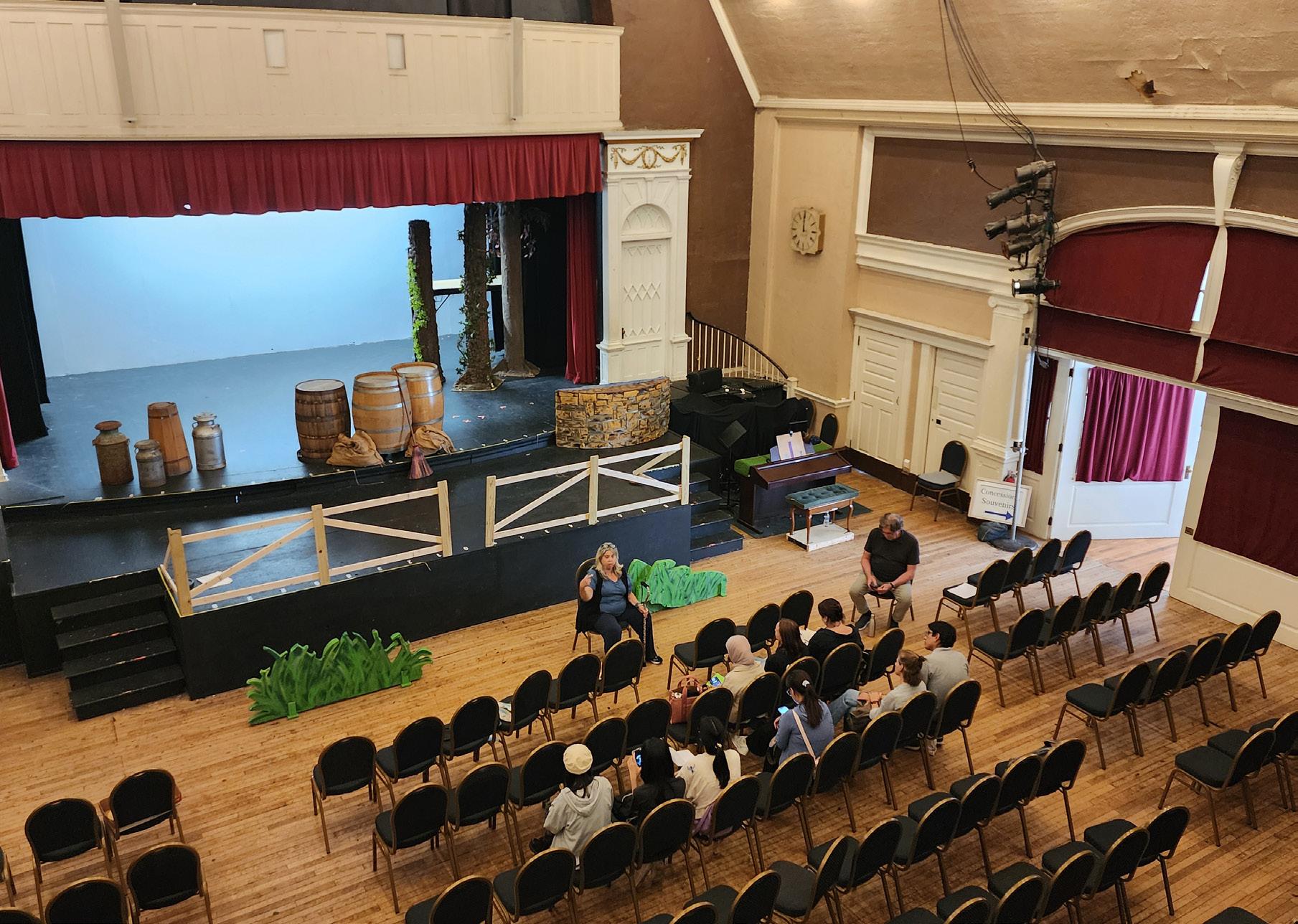
Delaware Children’s Theater Fall 2024
Studio lead: Molly Lester
Student team: Daniel Saldaña Ayala, Donglin Chen, Franny Hutchins, Nour Jafar, Kate WhitneySchubb, Laurie Wexler, Di Wu, Yanjie Zhang, Siqi Zhao
The Delaware Children’s Theatre (DCT) is an important part of Wilmington’s cultural and architectural history, holding significance at both the local and state levels for its architectural heritage and role in social reform. Built in 1892, the Colonial Revival style and well-preserved architectural features of building showcase the only surviving public commission of Minerva Parker Nichols, one of the first female architects in the United States.
Originally built for the Wilmington New Century Club, the building played a key role during the Progressive Era, especially in promoting women’s rights and social reforms. Led by figures like Emalea P. Warner, the Club advocated for causes such as compulsory education, child labor laws, and women’s suffrage, making the building an important hub for social activism in Delaware during a major change in American history. Since 1982, the building has been home to the DCT, offering a wide range of artistic and educational programs for children and families in the region. Despite significant urban changes, including the construction of the I-95 highway in the 1960s, the building remained resilient. This focus on community engagement highlights the theater’s role as more than just a performance venue, demonstrating a continuity of use that ties back to its original purpose as a community centered space.
The significance of the DCT building extends beyond its architectural and historical features; it is a vibrant cultural center that connects Wilmington’s rich history with its present artistic scene. The building has preserved its historic character through adaptive reuse while evolving into a modern theater, maintaining the overall integrity of its original design while adapting to modern needs.
The studio documented the building’s original design and evolution, identified conservation issues, and proposed strategies for site management. Throughout the semester, students explored opportunities for public history interpretation, developed a preservation plan with treatment recommendations, and identified methods for securing funding and external support to ensure the theater’s continued stewardship for future generations. Individual projects created by the team members, informed by the treatment recommendations, provide DCT with a concrete roadmap for future steps.
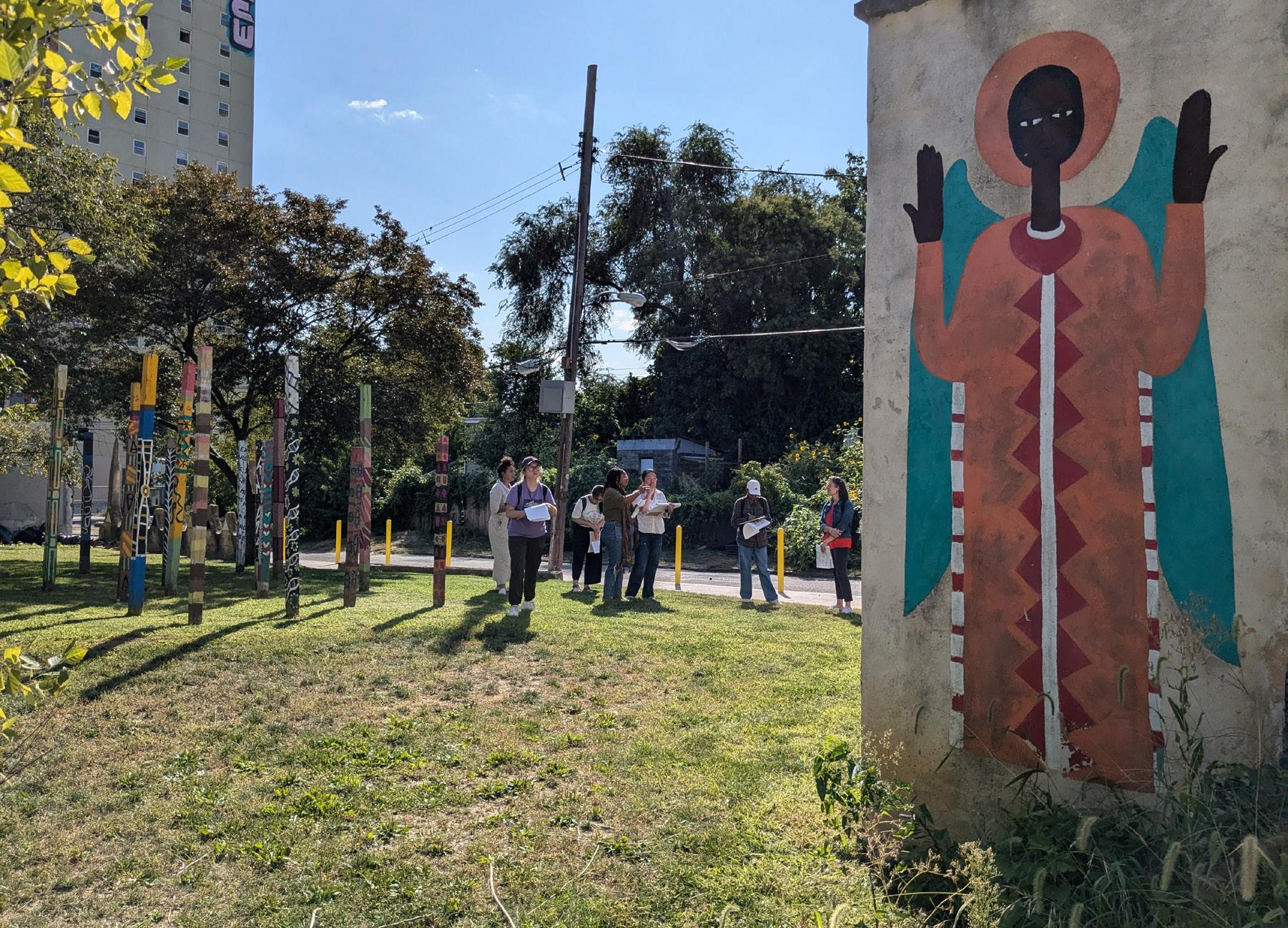
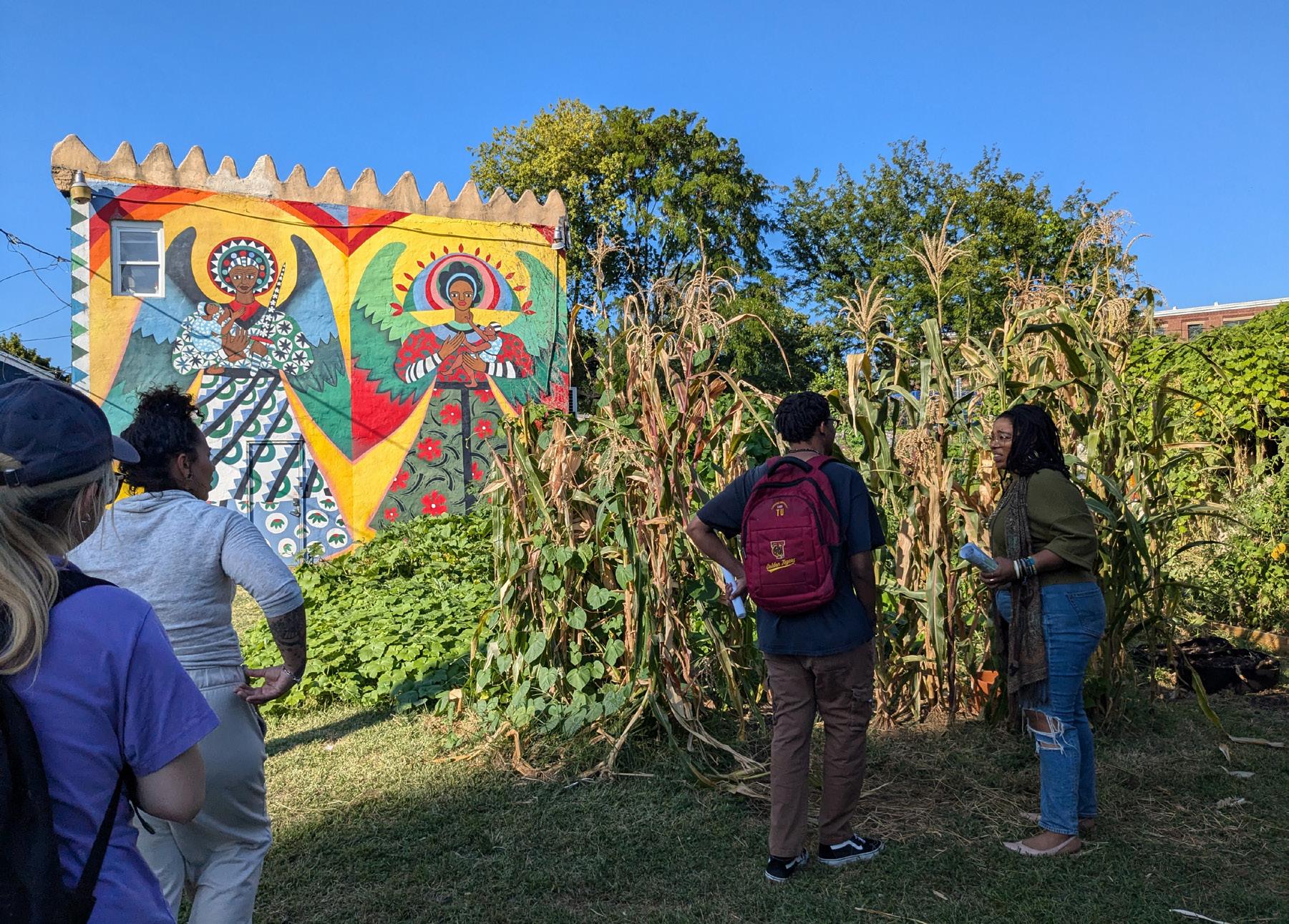
Village of Arts and Humanities Fall 2024
Studio lead: Ashley Hahn
Student team: Sallishah Ali, Qingrou Dai, Marian Glebes, Robert Killins, Yuexin Liu, Dan Lu, Junxian Xu
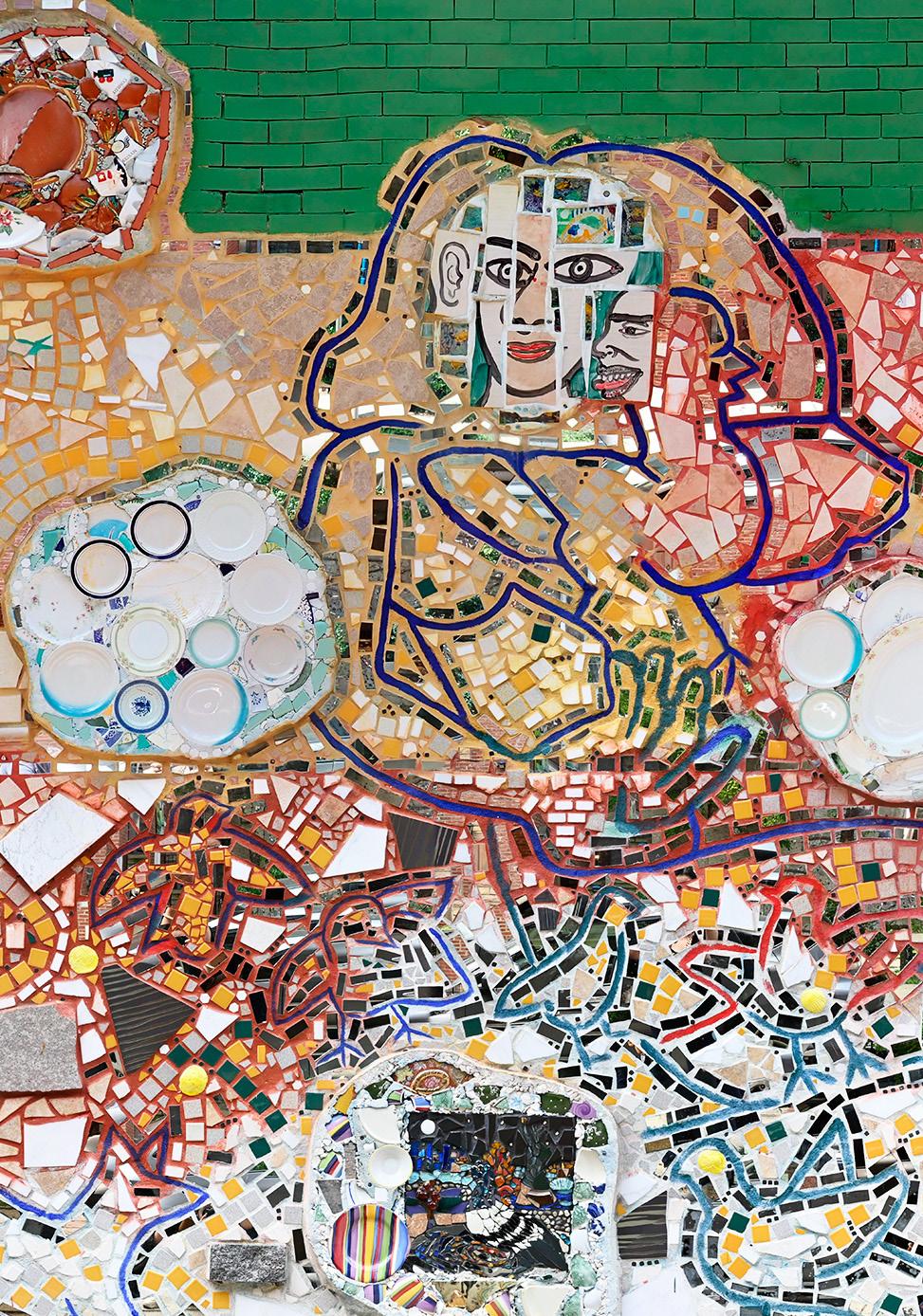
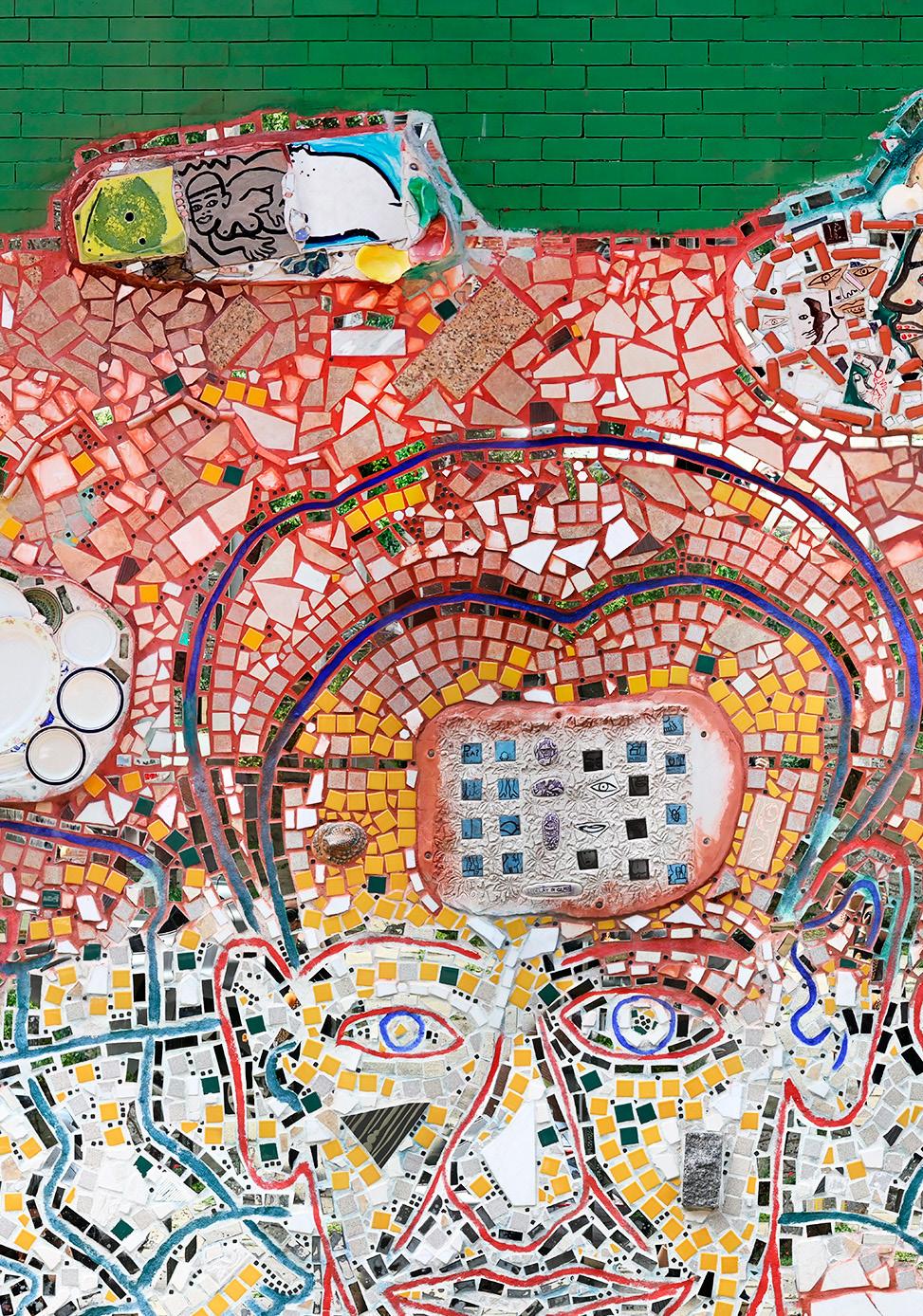
Choreographer and civil-rights activist Arthur Hall opened the Ile Ife Black Humanitarian Center (2544 Germantown Avenue) in 1969 as the home to the Afro-American Dance Company, which he founded and directed, becoming a center for creativity and community. Rooted in the Black political, social, and cultural movements of the time, Ile Ife (or “house of love”) became an important Afrocentric hub for the city, an antidote to the structural racism and deliberate disinvestment affecting North Philadelphia. Any and all were invited to learn dance and drumming regardless of experience. In the mid-1980s, Hall invited artist Lily Yeh to work with community members to imbue the surrounding landscape with art, building sculptures on vacant lots and creating murals together. In 1986, Yeh founded The Village of Arts and Humanities at this site, beginning a new era of collaborative creativity that would continue the spirit of Arthur Hall’s Ile Ife Black Humanitarian Center. Led by Yeh, using accessible media like mosaic, paint, and organic cement forms, neighbors participated in public art making, often using imagery referencing the African diaspora. These artworks are monuments to collaborative creativity and power, rendered by many hands and reflecting the community’s experiences and sense of identity.
Today the Village is a 4.5-acre, non-contiguous network of green spaces, art environments, and buildings. Its core mission is to “support artists and Black community residents to imagine, design, and build a more just and equitable society.” Its youth programs (dance, music, photography, creative writing) and urban farm tie to broader goals for social justice, equitable redevelopment, and artistic expression. One of The Village’s strategic objectives is to “preserve evolve, and amplify our neighborhood’s history of Black centered arts, activism, and community development.” This studio’s work centered on these challenges, with particular emphasis on The Village’s art environments and their histories.
The Village is an oasis of community memory, care, power, and joy amid otherwise challenging neighborhood conditions. As a collective, the studio group recognized that addressing preservation questions at The Village involves blending respect for the site’s memory, active community engagement, and sustainable conservation practices. Together, the studio proposed a framework rooted in three core areas: creating a Community Archive, developing Conservation Strategies, and providing guidance for participatory practices. These recommendations provide a framework for decision-making about future use, care, conservation, and preservation of The Village.
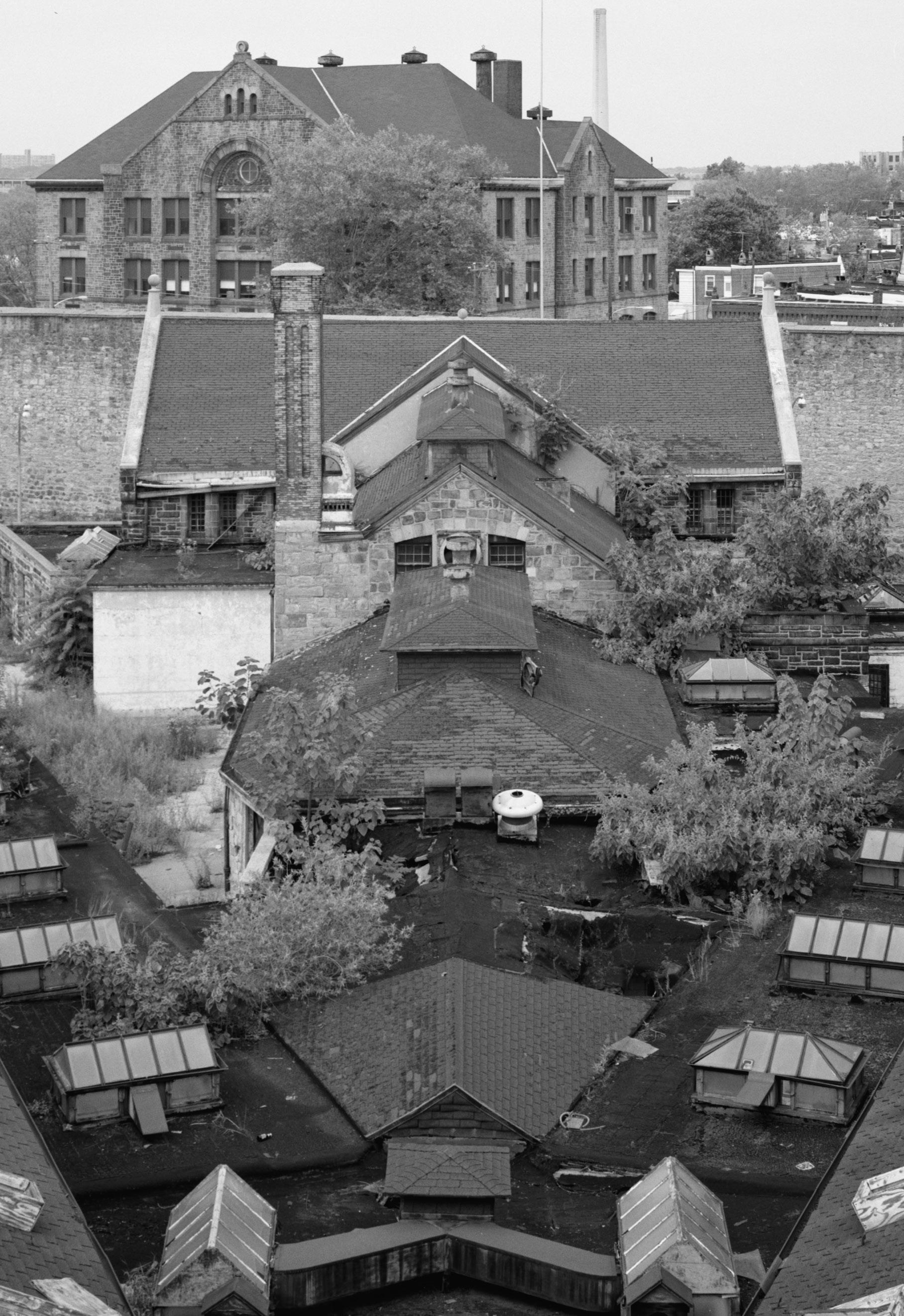
Eastern State Penitentiary’s Kitchen Complex
Fall 2025
Studio lead: Liz Trumbull
Student team: Amanda Barnette, Yuqi Chen, Louis Kuilan, Camilla Meeker, Esosa Osayamwen, Claire Puckhaber, Grace Ragosa, Chuan Zou
Opened in 1829, Eastern State Penitentiary was the world’s first penitentiary, a prison designed to inspire true regret, or penitence. Situated in Philadelphia, the birthplace of American democracy, Eastern State brought to life the ideological debates central to the nation’s founding questions. Tracing its 140-year history as an active facility demonstrates a nation constantly wrestling with notions of how to uphold, or remove, citizens’ liberty, while the physical campus continually evolved to implement these changing ideals with varying success.
The story of the Kitchen Complex within Eastern State clearly demonstrates this evolution, reflecting institution-wide change within a single quadrant. A massive production center, by 1923 the Kitchen Complex facilitated the preparation of food for over 1,400 people multiple times a day, who ate in communal mess halls.
Through archival research and analysis of the remaining fabric, students interrogated how changes to the kitchen complex reflect broader changes in prison administration, labor, and daily life at Eastern State. They used the history of food at to better understand themes of health, diet and human dignity.
Students developed a preservation plan for the Kitchen Complex that balanced the short- and long-term preservation of the deteriorating structure with proposed uses for this underutilized space. Recommended interventions centered food as a universal human experience, leveraging this point of connection to foster dialogue about prisons today.
Image: Kitchen Complex photographed 1933, Historic American Buildings Survey. Accessed via Library of Congress.
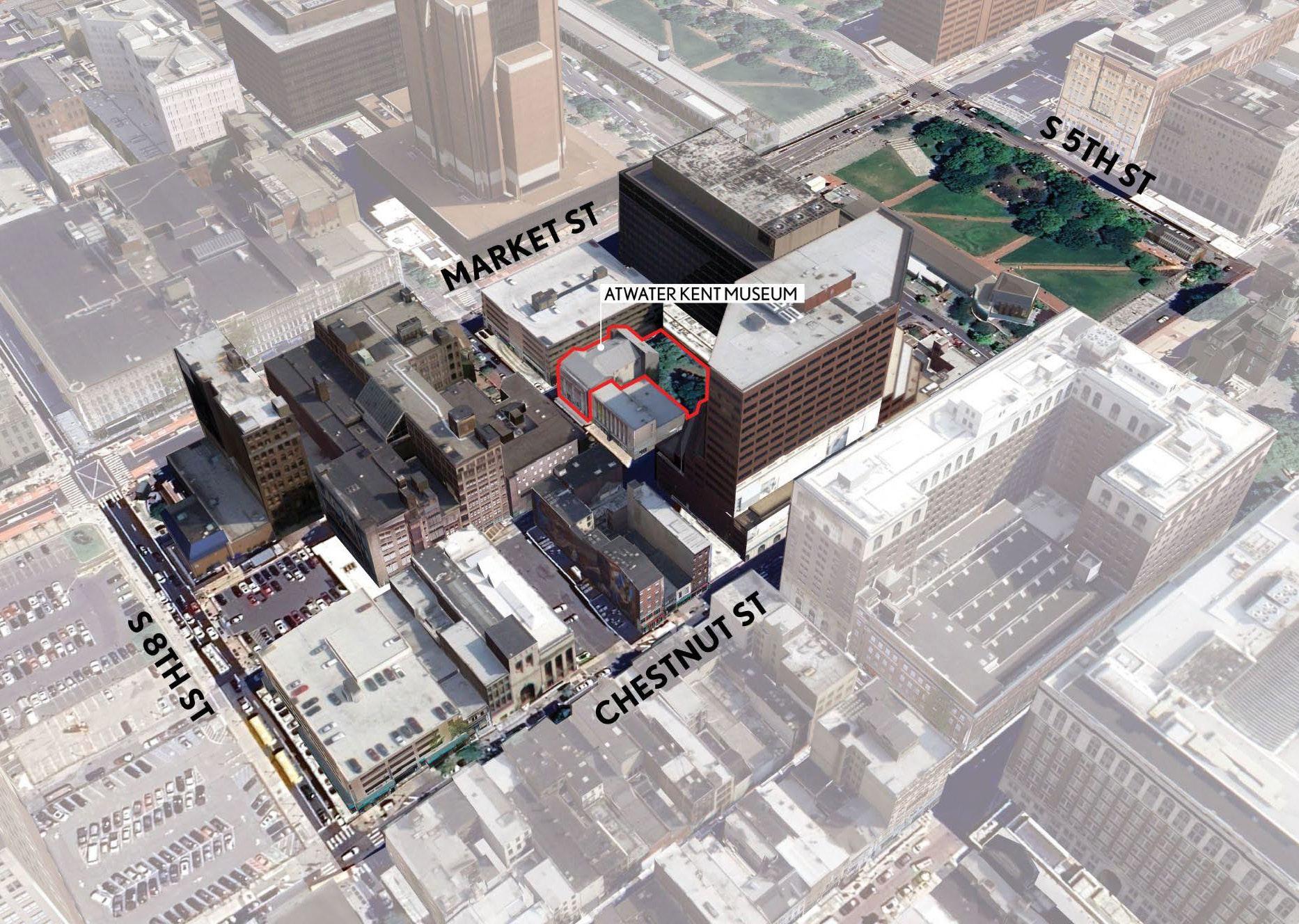
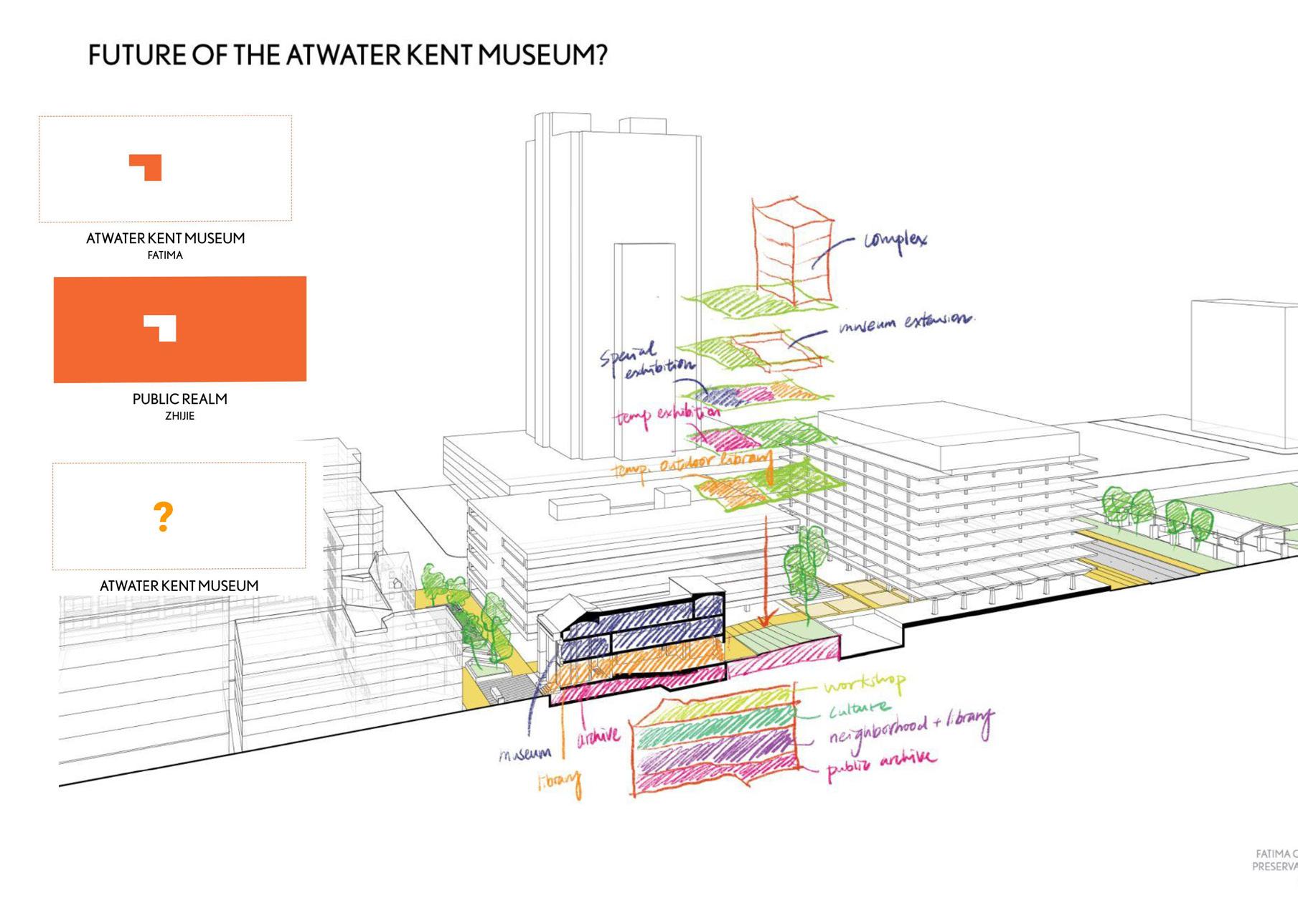
Philadelphia’s Market East Fall 2025
Studio lead: Randall Mason
Student team: Fatima Caceres Arar, Shen-Tzu Chen, Caroline Griffis, Yuming Jin, Iqra Khalid, Eleanor Schnarr, Junxi Sun, Zhijie Wang, Jian Wei, Shufan Xiao, Kaiyue Yang
High Street is among Philadelphia’s oldest streets. Known today as East Market Street -- or the area of Market East -- High Street was the first center of historic Philadelphia in the 17th and 18th centuries. As the city grew more extensive and more complex in the 19th and 20th centuries, East Market Street has transformed yet remained one of the commercial and civic cores of the city. The area is characterized by the historic city plan, evolving public space networks, and heritage buildings marking important eras of the city’s commercial and civic evolution (City Hall, Independence Hall, and Independence National Historical Park), 19th-century commercial buildings, large department stories, and civic landmarks such as the former Atwater Kent Museum and Federal courthouses.
Market East is under intense redevelopment pressure these days - most strikingly seen in the political and developmental firestorm around the proposed basketball arena development aimed at transforming Market East and threatening Chinatown. This was just the most recent in a long litany of redevelopment proposals -- stretching back centuries and continuing into the future -- that have marked the evolution of this center city district. Redevelopment proposals and interventions are a throughline of High Street/Market East’s history and evolution – and have shaped the place’s values and its cultural significance to the city (and the country).
Today, the broad commercial thoroughfare of Market Street is marked by quite a variety of buildings and sites representing several periods of redevelopment, valuable works of architecture, and intensely used public spaces: large hotels and department stores; shopping malls; 19th and 20th century smaller commercial buildings; large civic structures; empty blocks resulting from urban renewal; and a mostly uniform grid of streets centered on Market Street itself.
This studio celebrated the preservation, commercial, memorial, and public-space histories of High Street/Market Street and detailed 11 sets of proposals for adaptive reuse, public-space and building activation, historical interpretation, and public policy reform. Together, the students’ work presented an alternative, preservation-positive redevelopment vision for Philadelphia’s main street.
Thesis is one of two capstone options required to complete the Master of Science in Historic Preservation. The goal of the thesis is demonstrated mastery of the research process by exploring a question of academic and professional relevance to the preservation field and presenting the results of the study in accordance with the highest standards of scholarly publishing.
Thesis topics are chosen according to several criteria: the topic is relevant to an individual’s interests and capabilities; it reflects the preparedness acquired through the program’s core and elective courses; it contributes to the intellectual advancement of the preservation field. Theses are built on original research, and in some cases original design work or laboratory experimentation.
Individually and collectively, the hundreds of Penn Preservation theses represent an impressive intellectual achievement—and a good reflection on the intellectual and practical questions driving preservation practice. The featured projects earned the Anthony Nicholas Brady Garvan award for outstanding thesis.
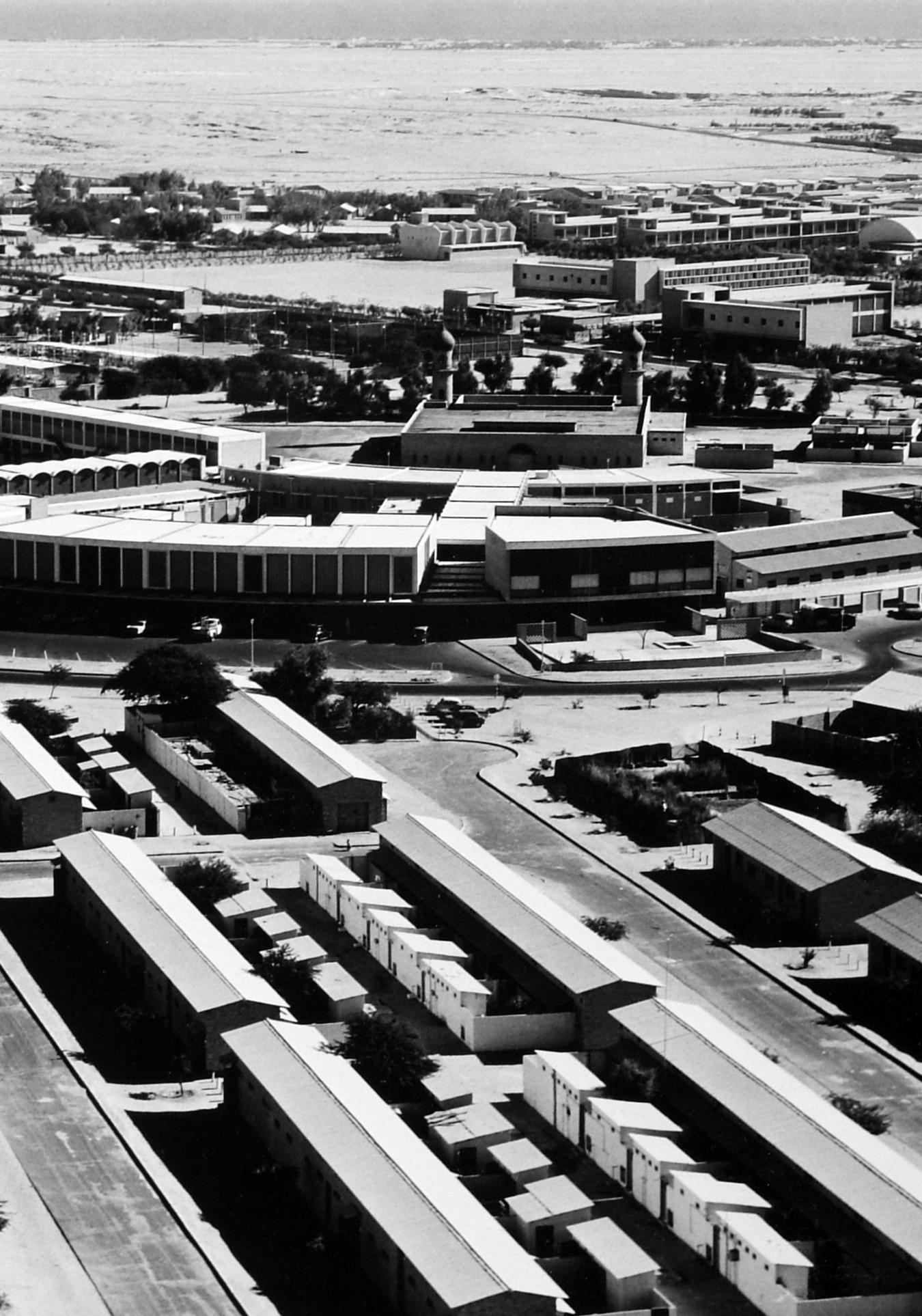
Image: 1962 photograph of the Ahmadi Shopping Centre, subject of Nour Jafar‘s (MSHP’25) thesis, “Markets and Modernity: A Case Study of the PostColonial Oil Town Shopping Experience at the Ahmadi Shopping Centre.” Courtesy Kuwait Oil Company Archives.
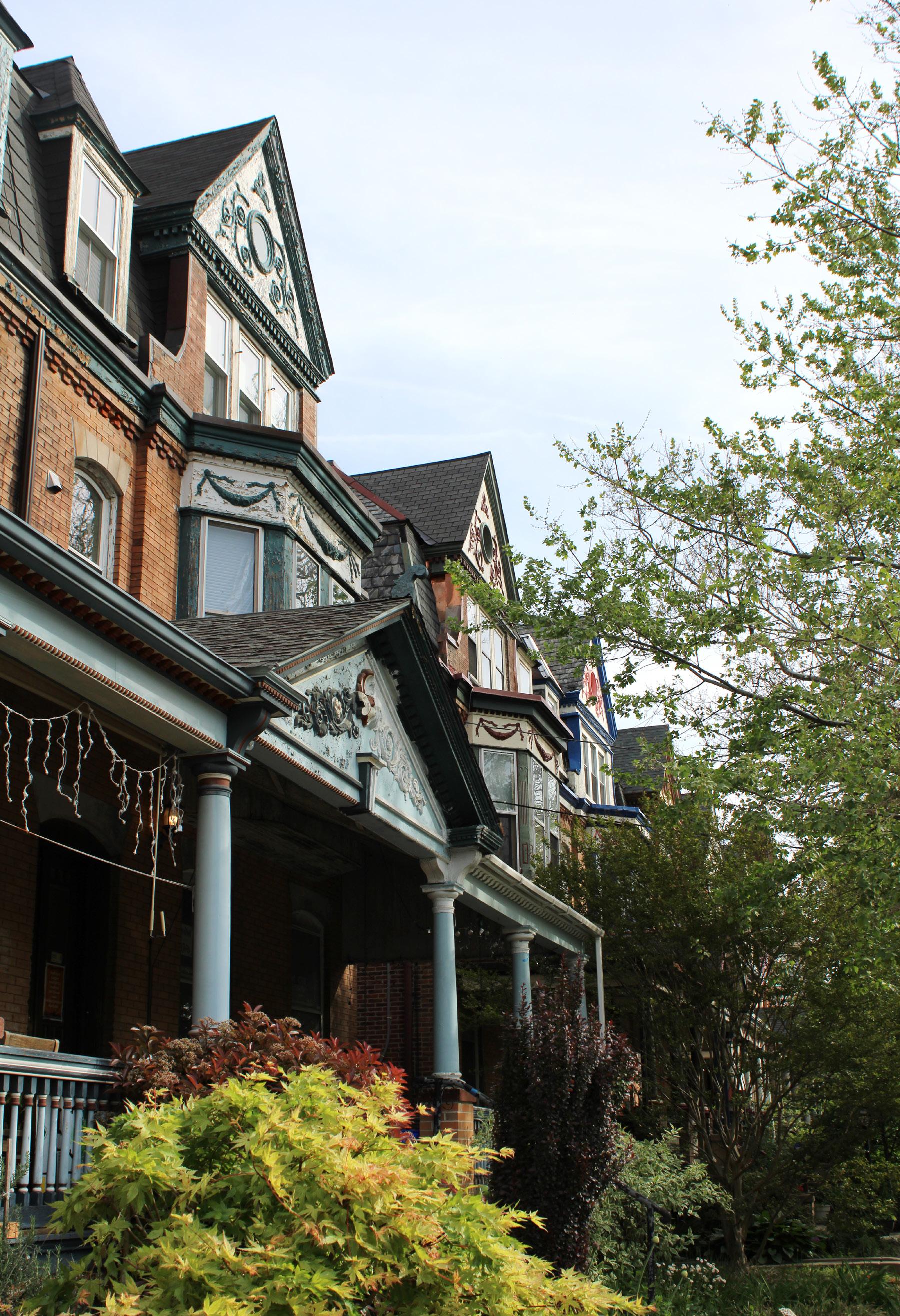
Arden Jordan Community-Building as Neighborhood Preservation: A Case Study of Cedar Park in Postwar West Philadelphia
This thesis explores community-led efforts in Cedar Park, a West Philadelphia neighborhood, to ‘stabilize’ the community in the wake of white flight, between 1960 and 1990. As Cedar Park shifted from a primarily white neighborhood to a racially diverse community, two groups—Cedar Park Neighbors, a neighborhood civic association, and the Movement for a New Society, a radical pacifist group—applied varied volunteer efforts to stabilize and revitalize Cedar Park. These included: housing rehabilitation and related education, establishment of a community land trust, a block association to improve community safety, and a food co-op to address food insecurity. While contemporaneous urban renewal efforts in Philadelphia pursued preservation through regulation, Cedar Park Neighbors and Movement for a New Society realized preservation through these alternative means. By focusing on community-building and tending to the social, economic, and physical challenges of the neighborhood, these groups helped maintain both the social and physical fabric of the neighborhood. As the preservation field expands the connection between preservation and neighborhood planning in the twenty-first century, looking back at twentieth-century community-building efforts through the lens of preservation can help clarify what is preservation. By analyzing past practices, new preservation practices are suggested including: apply existing zoning overlays; utilize funds for rehabilitation and implement education programs; advocate for zoning variations beyond traditional family structures; create permanently affordable housing; and maintain abandoned houses and vacant lots. As Cedar Park faces new challenges in the twenty-first century, these tools can help build community and manage change for the future.
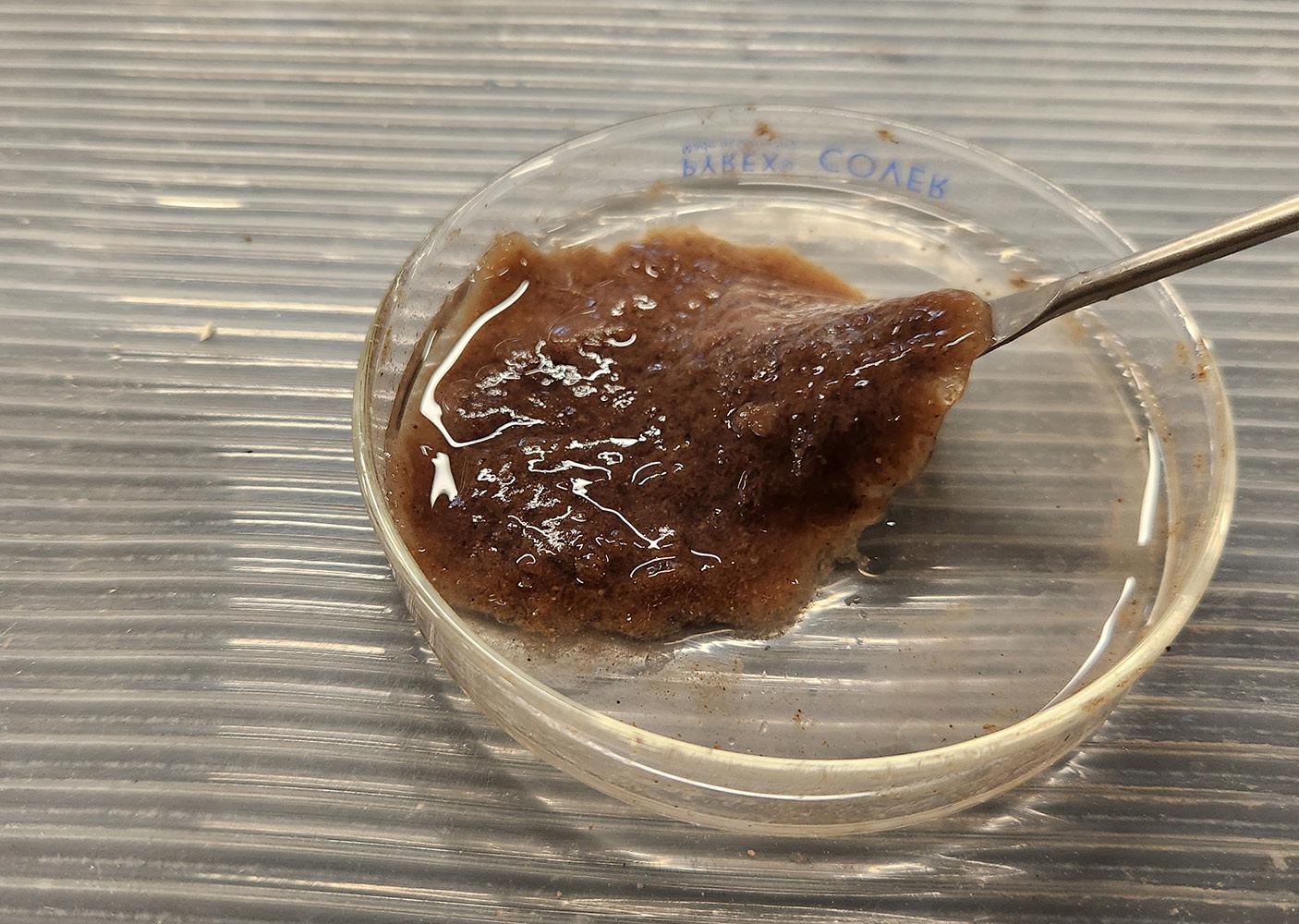
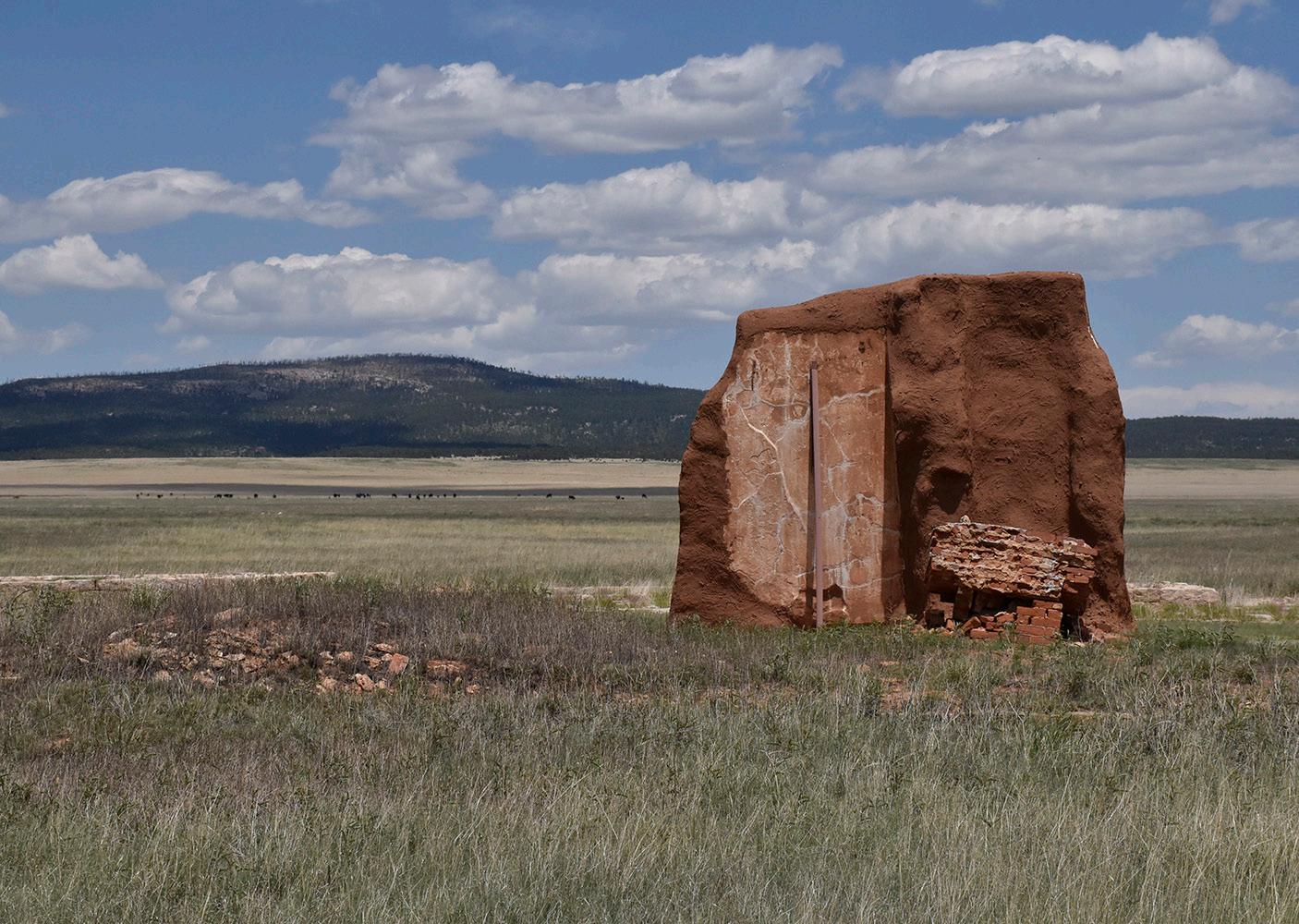
Jiwen Fan
Psyllium Husk as a Biological Amendment for Soil-Based Shelter Coat Protection of Earthen Structures
This research examines the physico-mechanical properties of soils amended with psyllium husk, a commercially available plantpolysaccharide-based soil stabilizer, used as a biological amendment and sustainable alternative to synthetic amendments for soil-based shelter coats. Common to all raw-earth-based construction, local availability, low cost, and low environmental impact are important aspects; however, earth is also highly sensitive to moisture. The increasing intensity of a single rain event due to climate change thus threatens the viability of earthen heritage in traditionally arid areas. For over 5 decades, synthetic organic polymers have been used to amend earthen materials; however, the success of these materials depends on the composition and moisture content of the soils. Incompatibility, irreversibility, and low sustainability further prompted reconsideration for alternatives to cope with diminishing resources and a changing climate. Among the possible alternatives are biological materials. With roots in traditional building practices, biological materials have been recently researched to reinforce soil in infrastructure and agronomy. Lab-engineered materials provide promises for artificially controlled quality beside environmental-friendliness. This research emphasizes two aspects of biological materials: water damage resistance and wide availability and low cost for immediate implication of site implementation. Psyllium husks are selected for further evaluation through laboratorybased testing designed for the desired properties. X-ray diffraction and SEM-EDS analysis shed more light on soil clay mineralogy and soil microstructure. Overall, psyllium husk presents high capacity in improving the resistance and durability of shelter coating materials against water-related damages. Further research on both psyllium husk and other biological materials is embarked.
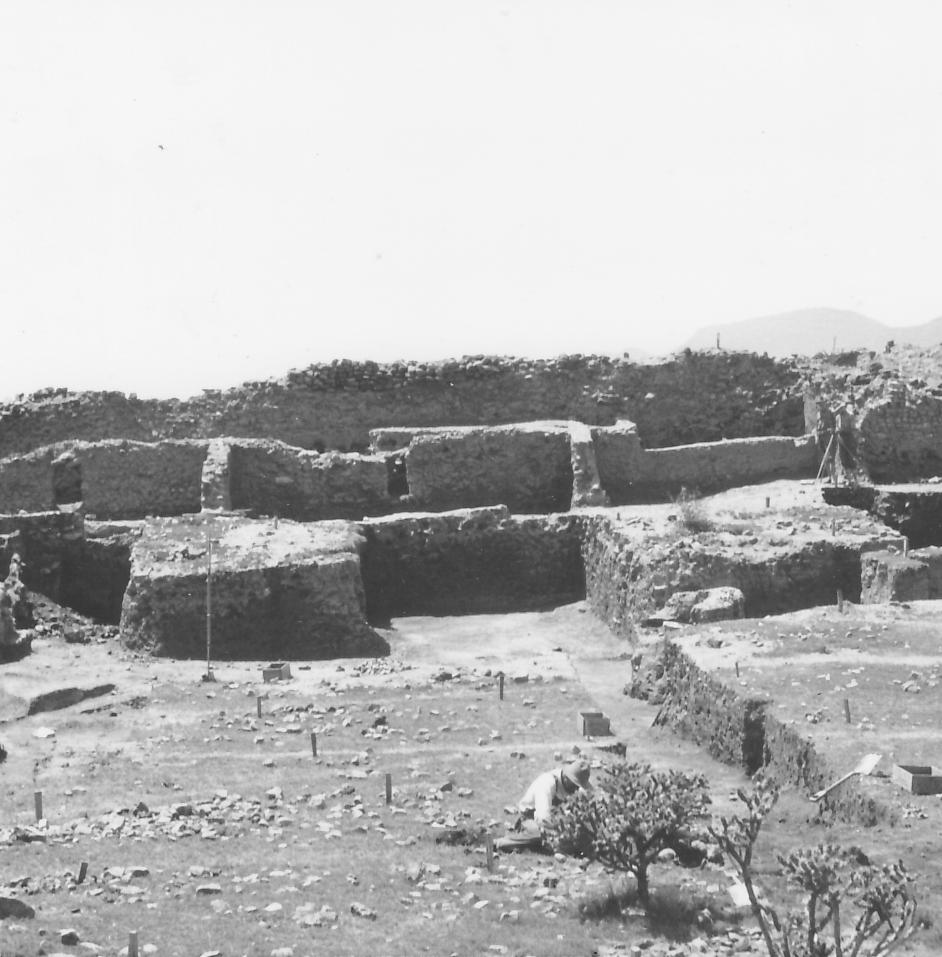
Priyanka Amin-Patel Visualizing the Past: Conservation and Interpretive Display at Pecos National Historical Park
The Ancestral Puebloan and Spanish colonial sites of Pecos National Historical Park illustrate the ways in which archaeological sites are made, not found. The legibility of excavated landscapes is shaped by two forms of intervention: first by archaeological research moderated by its objectives and data recovery method, and second by the preservation mechanisms deemed suitable to impart the values of the site to the visiting public. Though these forms of intervention into the fabric of a ruinous site can have diverging consequences, both engage on principle with the communication of meaning and significance to an academic or public audience. The century of excavation and conservation work at Pecos demonstrates that the intent of visual communication programs defined by park employees, tendentious archaeologists, the federal parks system, and even members of Congress—typically considered secondary in sequence to archaeological and conservation work— can come to define the objectives of archaeological and conservation work and profoundly shape the results and visual outcomes of these projects. This thesis seeks to demonstrate the complex entanglement of archaeology and conservation at Pecos, the ways in which archaeological and conservation decisions have been fundamentally enmeshed with regional drives in historical and archaeological production, and how the results of these decisions have profoundly impacted the history narrated today through the site’s extant architecture and landscape.
Image: Black-on-white House in the North Pueblo after its excavation in 1916 and prior to its reburial. Alfred V. Kidder, 1916. Courtesy Pecos National Historical Park Archives.
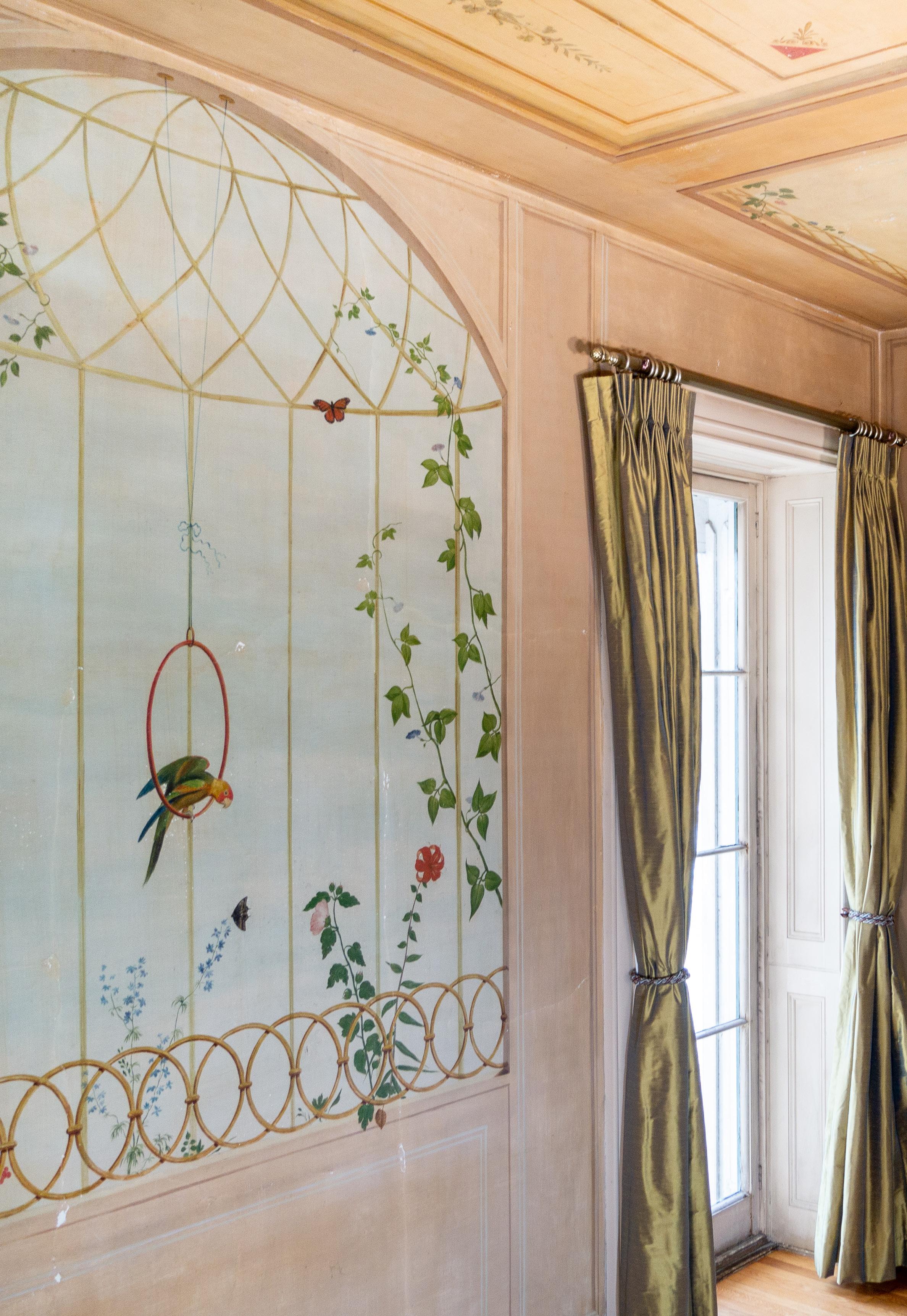
Frances Hutchins A Technical and Historical Analysis of the Decorative Paintings by Nicola Monachesi in the Richard Alsop IV House
The Richard Alsop IV House in Middletown, Connecticut, is significant in American architectural history for its mid-19th-century villa design and exceptional first-floor murals. Attributed to Italian émigré Nicola Monachesi, these murals are one of only two surviving works by the artist and have undergone minimal intervention since their creation. The most significant treatment occurred after Wesleyan University’s acquisition of the property in 1949, when a varnish—now discolored— was applied between 1950 and 1954. While previous conservation reports have focused primarily on varnish removal, this paper offers the first comprehensive analysis of the original paintings.
Building on previous studies, this thesis examines Monachesi’s design sources and use of engravings. It also revisits prior attribution discussions and explores why Monachesi was chosen for the commission, placing the project within the broader context of his American career.
The research explores Monachesi’s complete painting process, integrating practical elements like scaffolding, lighting, and the involvement of assistants, with technical analysis of sampled surface finishes. Onsite investigation includes raking-light photography to assess surface texture, brushwork, and design transfer. Laboratory analysis uses cross-sectional microscopy and advanced instrumental techniques to identify pigments, binding media and painting stratigraphy.
The conservation history of the Alsop House paintings is also explored, with a focus on challenges such as overpainting, material preservation, and past interventions. Beyond offering guidance for future conservation work, the photographic documentation and analysis serve as valuable resources for scholars, adding to our knowledge of Nicola Monachesi and early 19th-century decorative painting techniques.
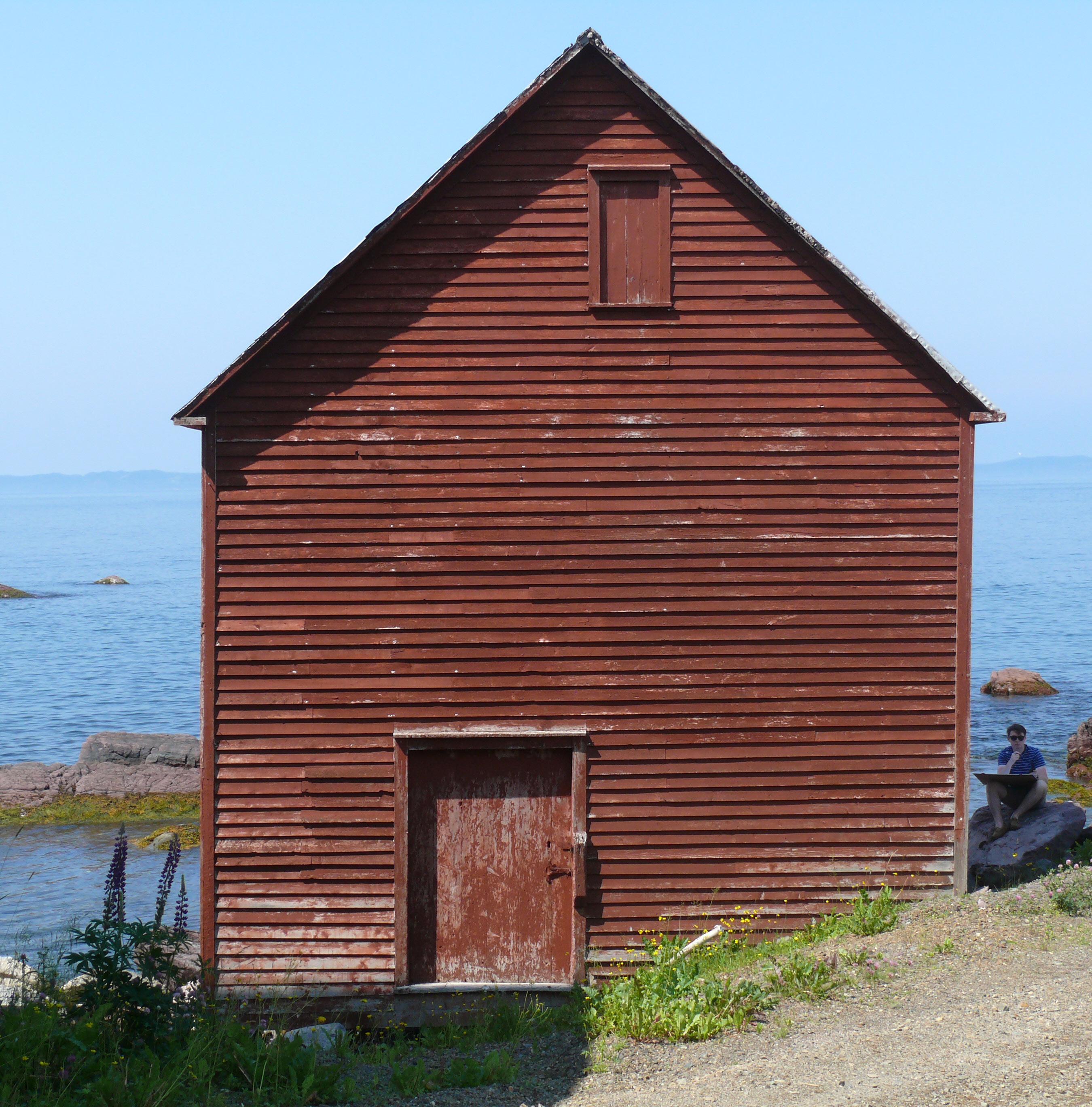
Anna Veilleux
An Evaluation of Fish Oil as a Low Environmental Impact Alternative Paint Binder System: A Review Of North American Fish Oil Production and Use
This thesis explores the feasibility of reintroducing Atlantic Codliver (Gadus morhua) and Menhaden (Brevoortia tyrannus) oil as a low-environment-impact alternative to conventional polymer-based paint binders. The architectural paint formulations commonly used in North America heavily depend on petroleum-based compounds and organic solvents that are non-biodegradable, contribute significantly to pollution, and contain substances detrimental to the health of humans and wildlife. A compelling alternative to this system emerges through an examination of the history of fish oil, tracing its origins from Indigenous precontact practices to a primary ingredient in the height of industrial scale 20th-century production. The research is structured around three themes: the physical properties of fish oil and its performance as a material preservative, the environmental impact of fish oil compared to other paint binders, and its cultural significance in heritage contexts. Collecting scientific literature and oral histories illuminates fish oil as a durable, water-resistant, and rust-inhibiting coating. Environmental studies indicate that fish oil can be sourced from fish byproducts, minimizing ecological impact and avoiding additional harm to fish populations. Cultural case studies focusing on Newfoundland, Canada, elucidates the historical and cultural value of fish-oil production and usage as an endangered intangible cultural heritage that warrants retention through scientific study. Through this investigation, it was illustrated that fish oil has shaped the built environment, material culture, community identity, and memory. This work offers an assessment of fish oil’s potential to serve as a more sustainable, physically effective, and culturally valuable alternative to conventional paint binders in heritage conservation.
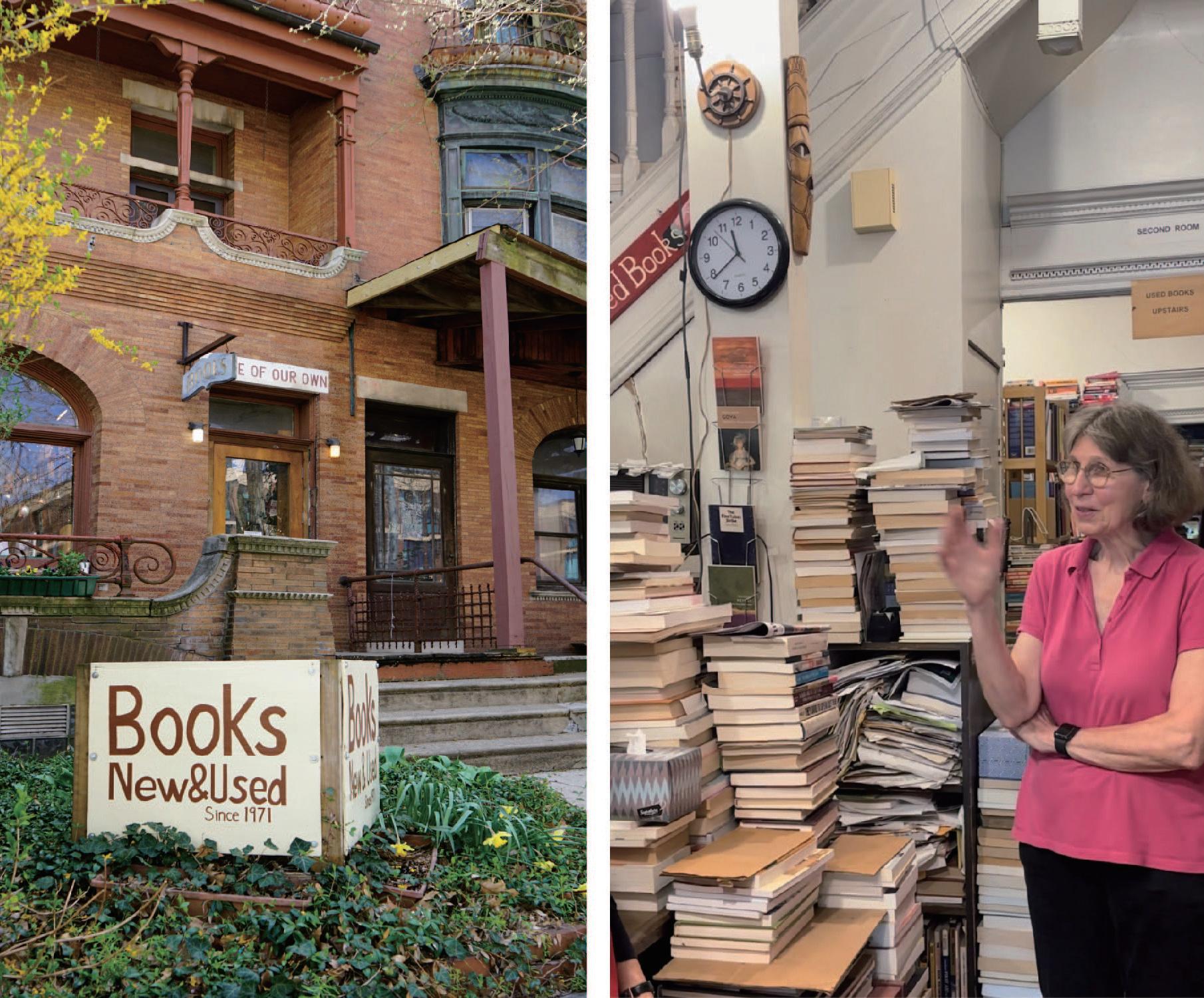
Yuzheng (Rachel) Wu Preserving the Cultural and Historical Significance of Philadelphia’s Legacy Used Bookstores as Living Heritage
Legacy used bookstores represent a distinctive and underexamined form of urban cultural heritage. These small-scale, independent businesses embody layered histories of literary circulation, community formation, and spatial memory. However, compared to the well-documented resurgence and increasing scholarly attention devoted to independent new bookstores as retail and community spaces, traditional secondhand bookstores remain significantly underrepresented in both practice and research. This thesis investigates the evolution, cultural significance, and preservation challenges of Philadelphia’s legacy used bookstores, tracing their development from the colonial period through the twentyfirst century. It traces three detailed case studies through archival research into newspapers, city directories, and government documents, as well as GIS mapping, on-site observation, and interviews. These case studies demonstrate how used bookstores function as living archives, third places, and enduring expressions of living heritage. Situating used bookstores within broader processes of urban transformation, the study identifies the vulnerabilities they face amid rising rents, shifting consumer habits, redevelopment pressures, and marginalization within preservation discourses. It advocates for values-centered preservation strategies that recognize the cultural, social, and economic meanings embedded in these spaces, proposing adaptive approaches to sustain their continuity and relevance. The proposed strategies include enhancing community-engaged documentation, forming partnerships with cultural organizations, securing institutional tenancy models, and promoting inclusive legacy business programs that broaden the recognition of long-standing, often overlooked businesses such as used bookstores. Although grounded in Philadelphia, the findings offer broader insights into preserving small-scale, community-rooted businesses as vital components of contemporary urban heritage.
Thesis Projects 2024
Olivia Brogan: “Widening Perspective: An Examination of Edith Standen, the Art Secretary to the Widener Art Collection at Lynnewood Hall”
Jiwen Fan: “Psyllium Husk as a Biological Amendment for Soil-Based Shelter Coat Protection of Earthen Structures”
Arden Jordan: “Community-Building as Neighborhood Preservation: A Case Study of Cedar Park in Postwar West Philadelphia”
Anusha Khansaheb: “The Hindu Center of Charlotte, North Carolina: Immigrant Place Making Through Religious Space in the US”
Jingyi Luo: “Architectural Concrete Vulnerability and Climate Change: I.M. Pei’s National Center for Atmospheric Research (NCAR) and the Everson Museum of Art”
Carrick Reider: “Poseidon’s Peripeteia: A Post-War Transatlantic Ocean Liner and The Retention of Her Legacy, The SS United States”
Mojtaba Saffarian: “Advancing Cultural Heritage Preservation Through Digital Documentation: A Case Study of George Nakashima’s Family House Using Historic Building Information Modeling (HBIM)”
Agatha Basia Sloboda: “Jim Crowing Martha Washington: The Architecture of a Separate Black Public School in Philadelphia, 18811937”
Qunxi Wang: “Performance Evaluation of Chemical Poultice Removal of Silane & Siloxane Water-Based Water-Repellent Treatments on HandMolded Brick”
Priyanka Amin-Patel: “Visualizing the Past: Conservation and Interpretive Display at Pecos National Historical Park”
Shailee Snehalbhai Bhagat: “Redefining Urban Heritage: The Case of Chauta Bazaar, Surat”
Donglin Chen: “An Investigation of the Stucco Mural of the Wharton Esherick Museum Silo: Material Analysis and Conservation”
Ke-An Chiang: “The Efficacy of Micro-Abrasive Cleaning for Historic Brick: Investigating Graffiti Removal and Surface Changes”
Qingrou Dai: “A Technical Study of Fish Collagen-Based Binder for Architectural Polychrome Painting in Jiangsu Province: History and Application”
Frances Hutchins: “A Technical and Historical Analysis of the Decorative Paintings by Nicola Monachesi in the Richard Alsop IV house, Middletown, Connecticut”
Nour Jafar: “Markets and Modernity: A Case Study of the Post-Colonial Oil Town Shopping Experience at the Ahmadi Shopping Centre”
Daniel Saldaña Ayala: “Of Brick and ‘Chuna’: Technological Tradition and Innovation at the Fort Cornwallis Powder Magazine in Penang, Malaysia”
Anna Veilleux: “An Evaluation of Fish Oil as a Low Environmental Impact Alternative Paint Binder System: A Review Of North American Fish Oil Production and Use”
Laurie Wexler: “A Preservation Framework for American Jewish Built Heritage”
Kate Whitney-Schubb: “The ‘Gill System’: Analyzing Irving Gill’s Concrete Construction Methods in Southern California”
Di Wu: “Negotiating Heritage: Cultural Identity, Community Practice, and Preservation Politics in Toronto’s Chinatown”
Yuzheng Wu: “Preserving the Cultural and Historical Significance of Philadelphia’s Legacy Used Bookstores as Living Heritage”
Siqi Zhao: “Compatibility and Durability of Concrete-Stone System: The Desert Masonry at Taliesin West”
The Capstone Studio is one of two curricular options that allow graduating MSHP students to demonstrate mastery of their chosen field. In contrast to the independent academic research required by the Thesis, the Capstone Studio enables students to apply the knowledge and skills of their elected concentration toward professional problem-solving. The Capstone Studio is a requirement for completion of the MSD-HP degree.
New studio topics are offered each spring and incorporate each of the four curricular concentrations: architectural conservation, preservation design, preservation planning, and public history of the built environment. The goals of studio work include gaining practical experience in researching, documenting, and analysis, engaging in teamwork and collaborations with experts, and delivering professional-quality presentations and documents, all under the constraints typical in practice.
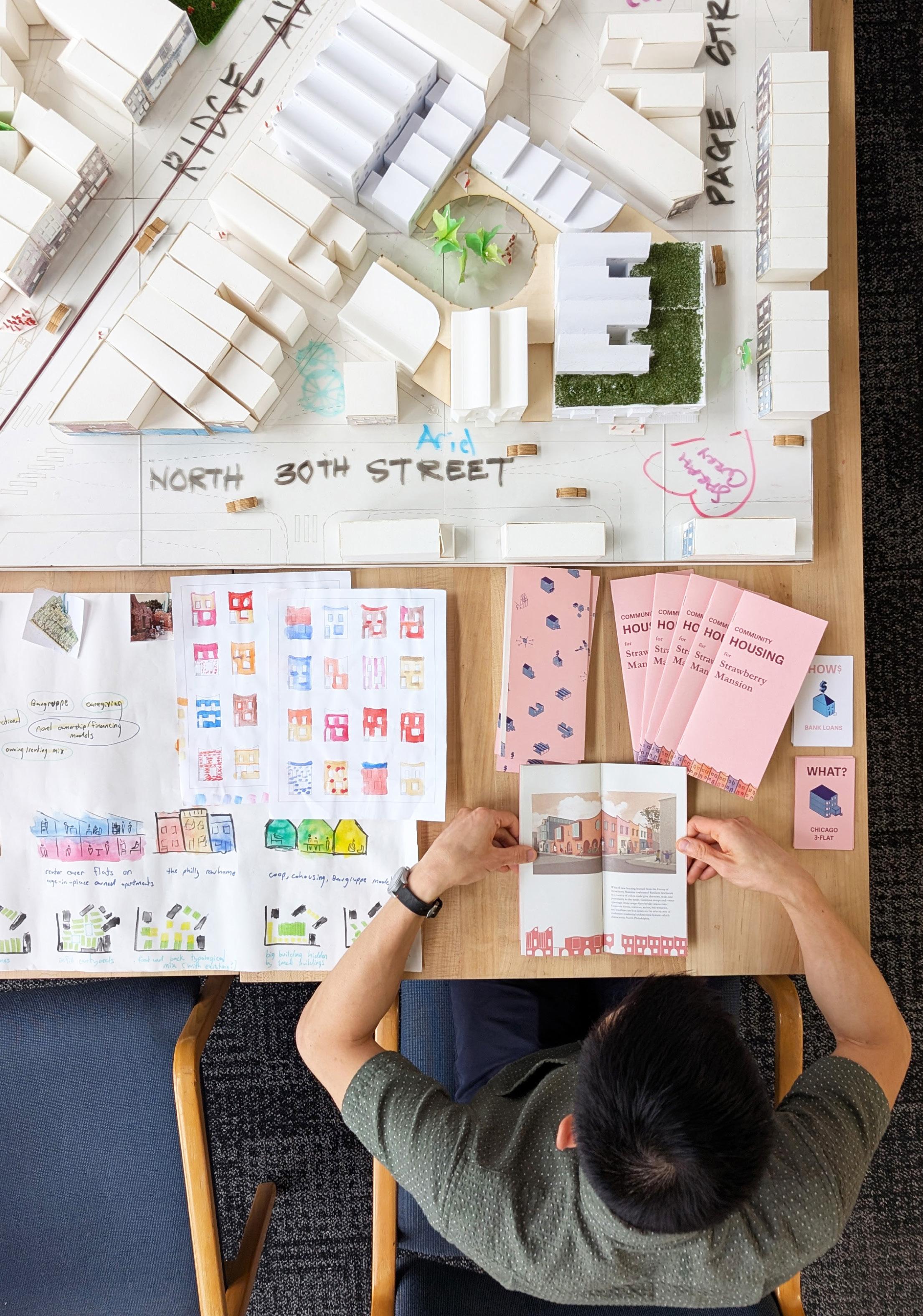
Capstone Studio
Managing Change: Preservation Design as a Catalyst for Community SelfDetermination Spring 2025
Studio lead: Jules Dingle
Student team: Sallishah Ali, Sarah Curry, Carlotta De Bellis, Dara Epison, Amy Alexis Gonzalez, Chen Hong, Robert Killins, Ariel Koltun-Fromm, Breland Land, Yuexin Liu, Dan Lu, Junxian Xu, Weizi Yu, Hechen Yuan
The North Philadelphia neighborhood of Strawberry Mansion—rich in history, social networks, and built and natural amenities— has long been jeopardized by disinvestment, resulting in deteriorating historic building stock, elevated levels of poverty, and disconnection from development happening in the city’s central core. Today, the neighborhood is facing a new threat to its historical and cultural identities, inequitable development, and displacement caused by gentrification.
During the 2025 Spring Term, the Capstone Studio was convened to consider the broader needs of the Strawberry Mansion community with a focus on a single neighborhood block—2900 Diamond Street. The block is bisected by a commercial corridor—Ridge Avenue—and includes historic buildings, vacant lots, and an important heritage site— the Henry Ossawa Tanner House. Students were encouraged to study the daily life of the site, learning from the lived experience of community members (past and present) to
develop recommendations for incorporating aspects of historic and contemporary cultural significance into site adaptation, management, and care. The studio enabled students to work on pressing design issues of their choosing by applying theory and methodologies gained through coursework to real design problems in the field. Emergent themes included, but were not limited to, commercial corridor redevelopment, recreation opportunities, public health, job training resources, new models of urban infill, aging in place, and innovative affordable housing models.
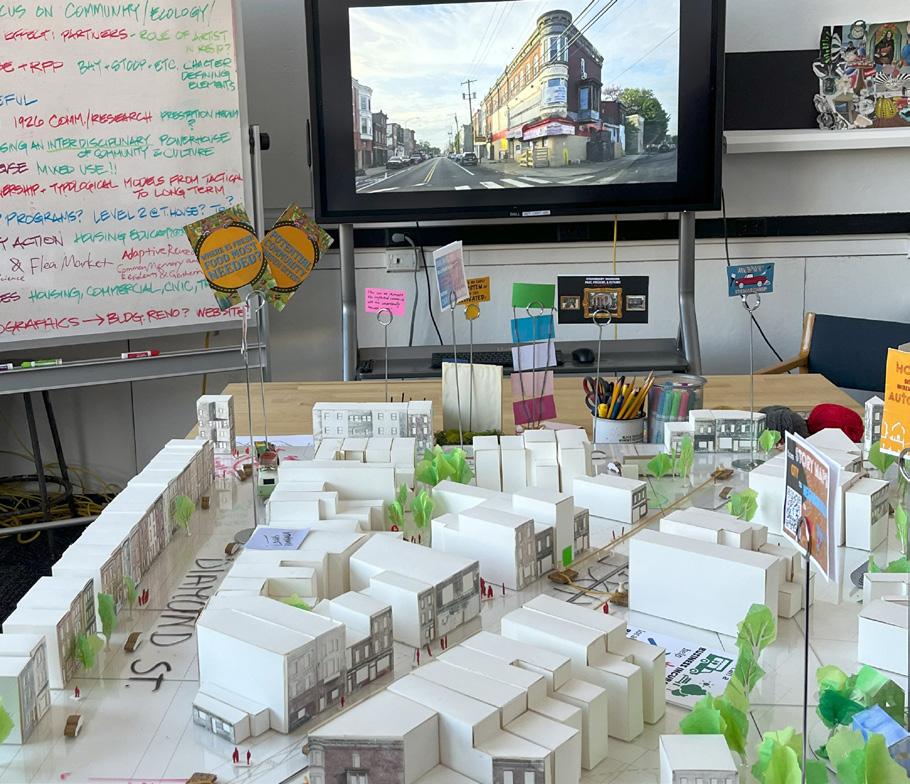
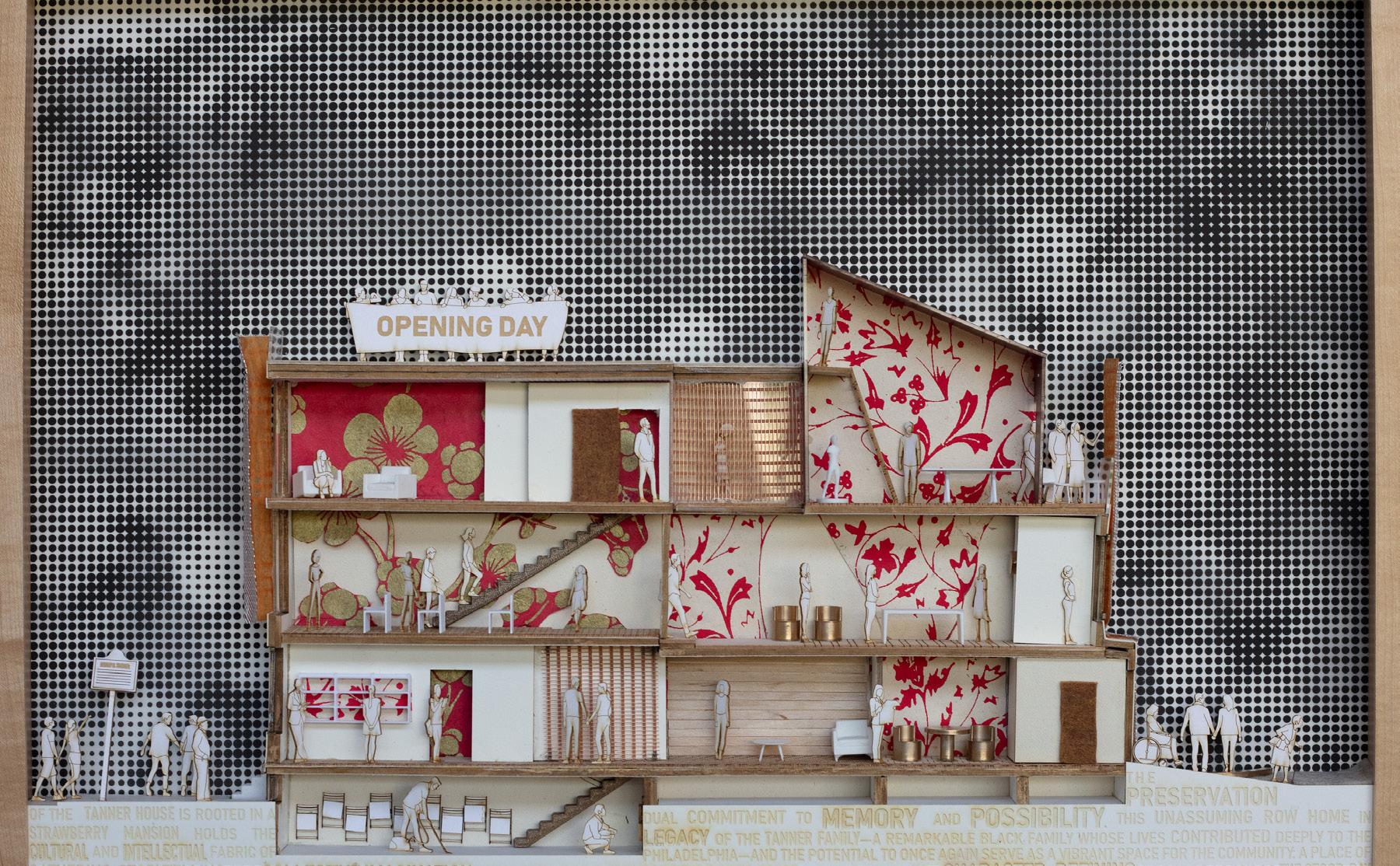
The refinement of these themes was aided by the studio’s central design requirement: an architectural model of the study area featured in this exhibition. This 3/32” scale physical model was designed and built collaboratively by students from architecture, city planning, and historic preservation. Preservation students used rectified photographs to add texture and visual context, avoiding a sterile “architectural object” and instead creating a living, layered representation of the neighborhood. Measuring approximately 4x4 feet and split into two portable sections, the model was designed for mobility and interaction. An acrylic surface allowed community members
to write directly onto it, sharing their visions and priorities for the future of Strawberry Mansion. Lightly glued building forms enabled students to test different interventions, fostering an iterative and participatory design process. This model reflects the studio’s commitment to engaging with residents, understanding the neighborhood’s complex history, and envisioning futures that honor cultural identity while addressing urgent needs. Beyond a design artifact, it functioned as a platform for dialogue—inviting new forms of care, stewardship, and collaboration in imagining the next chapter for Strawberry Mansion.
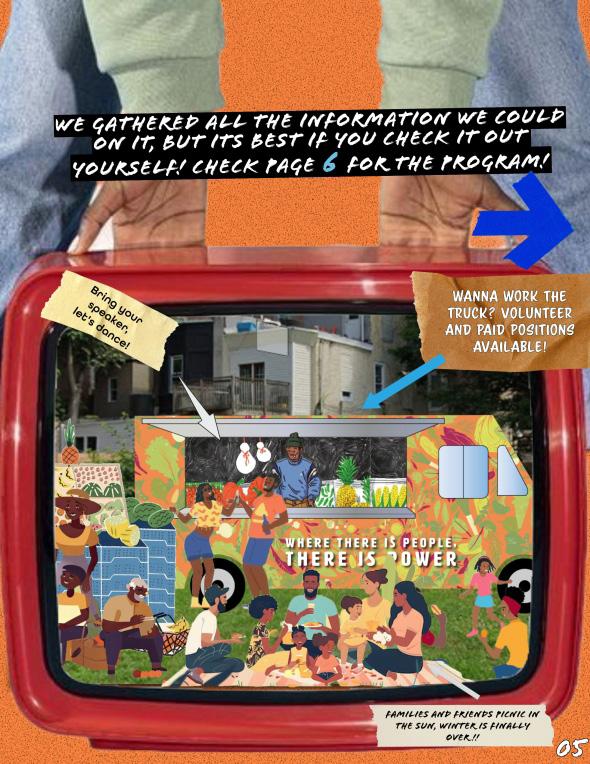
Amy Alexis Gonzalez The People’s Mansion, Volume 3
Amy Alexis Gonzalez (MSD-HP’25) won the Anthony Nicholas Brady Garvan Award for an Outstanding Thesis/Capstone for her studio project.
The People’s Mansion is a fictional zine and community publication that reports on community news, services, and initiatives in the Strawberry Mansion neighborhood in Philadelphia. Historically, underground and local forms of information sharing have been essential to community preservation and activism. If we keep our neighborhoods informed and prepared, we create strong mutual aid networks.
By providing essential services, we are preserving our communities in real time. The best way to preserve a community in the long term is to preserve the ability of its existing population to thrive in place. Strawberry Mansion, like many neighborhoods all over the country, has inequitable access to fresh produce. By addressing food insecurity, the stories, people, and culture that make up Strawberry Mansion can grow.
Volume 3 of The People’s Mansion reports on the mobile food access program mysteriously spotted around town. It provides free food, meals, and hosts community cookouts. The programming supports several types of events, but its main ones include a mobile farmers market, which makes three stops a week at locations determined where food access is the scarcest.
The truck hosts community cookouts, where local restaurants are welcome to donate food in exchange for word-of-mouth advertisement, circling back to the local economy. These cookouts can be opportunities for activism, education, and community building.
Managing Change: Preservation Design as a Catalyst for Equitable Community Growth Spring 2026
Studio lead: Jules Dingle
Student team: Alexander Barnes, Amanda Barnette, Sepideh Bayat, Yuqi Chen, Sherry Faryadi, Xuefei Guo, Yuming Jin, Iqra Khalid, Louis Etienne Kuilan, Annie Liang-Zhou, Ruby Nwaebube, Eleanor Schnarr, Mike Thron, Yiren Yuan
The North 33rd Street corridor is a remarkable urban edge condition where the density of Philadelphia’s Strawberry Mansion neighborhood meets the pastoral landscapes, historic mansions, and recreational spaces of Fairmount Park. Both sides of this key north–south artery have developed a strong cultural and architectural identity shaped by cycles of migration and community resilience. Despite its rich cultural history, the neighborhood has suffered from sustained disinvestment and now faces displacement pressures associated with gentrification.
The studio addressed the broader needs of the Strawberry Mansion community and its relationship to East Fairmount Park—an essential neighborhood amenity that both anchors community life and, simultaneously, attracts development pressures that challenge long-term residents seeking to remain in place. Students studied the everyday life of the site and developed proposals that incorporate both historic and contemporary cultural significance into approaches for site adaptation, stewardship, and care.
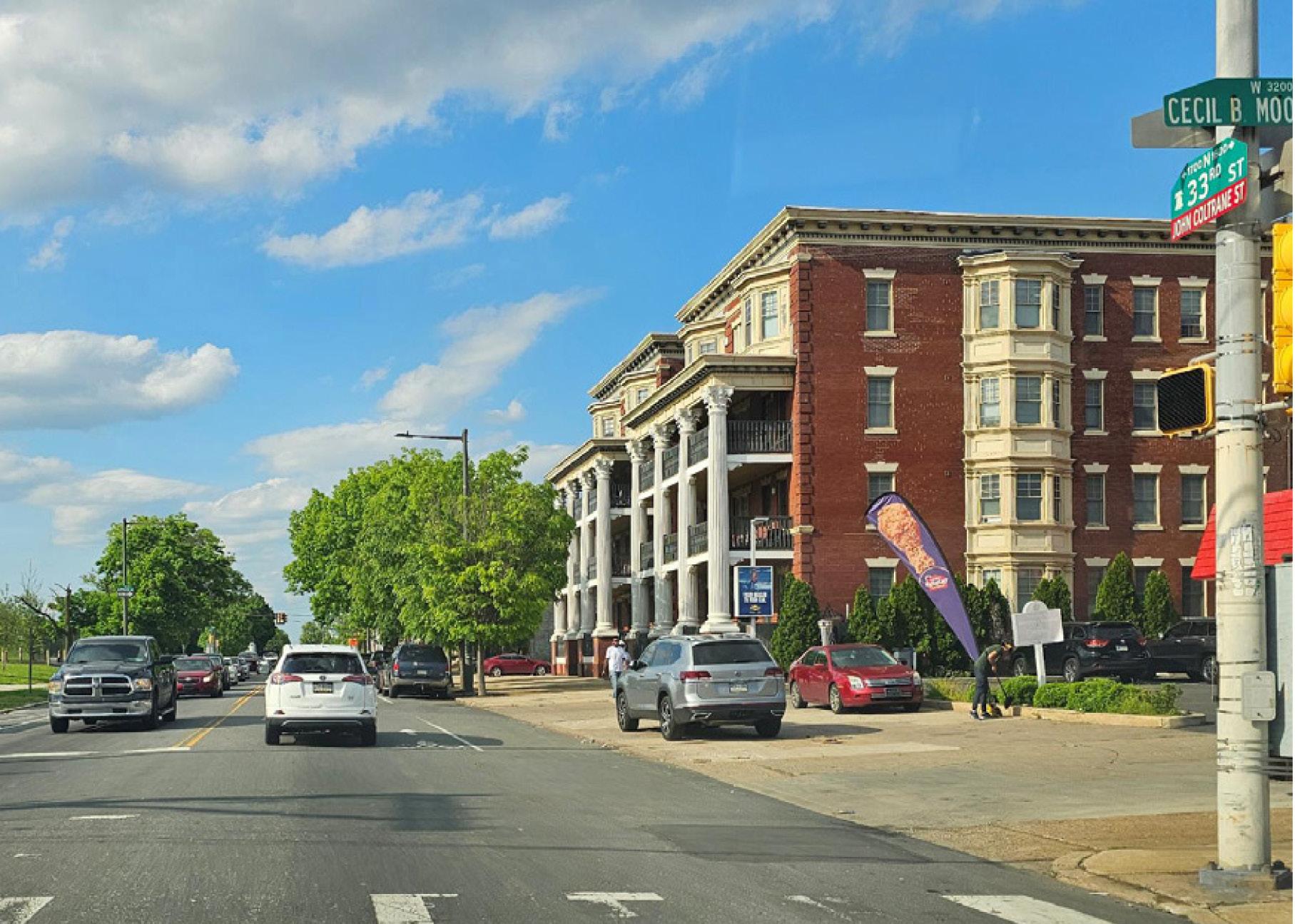
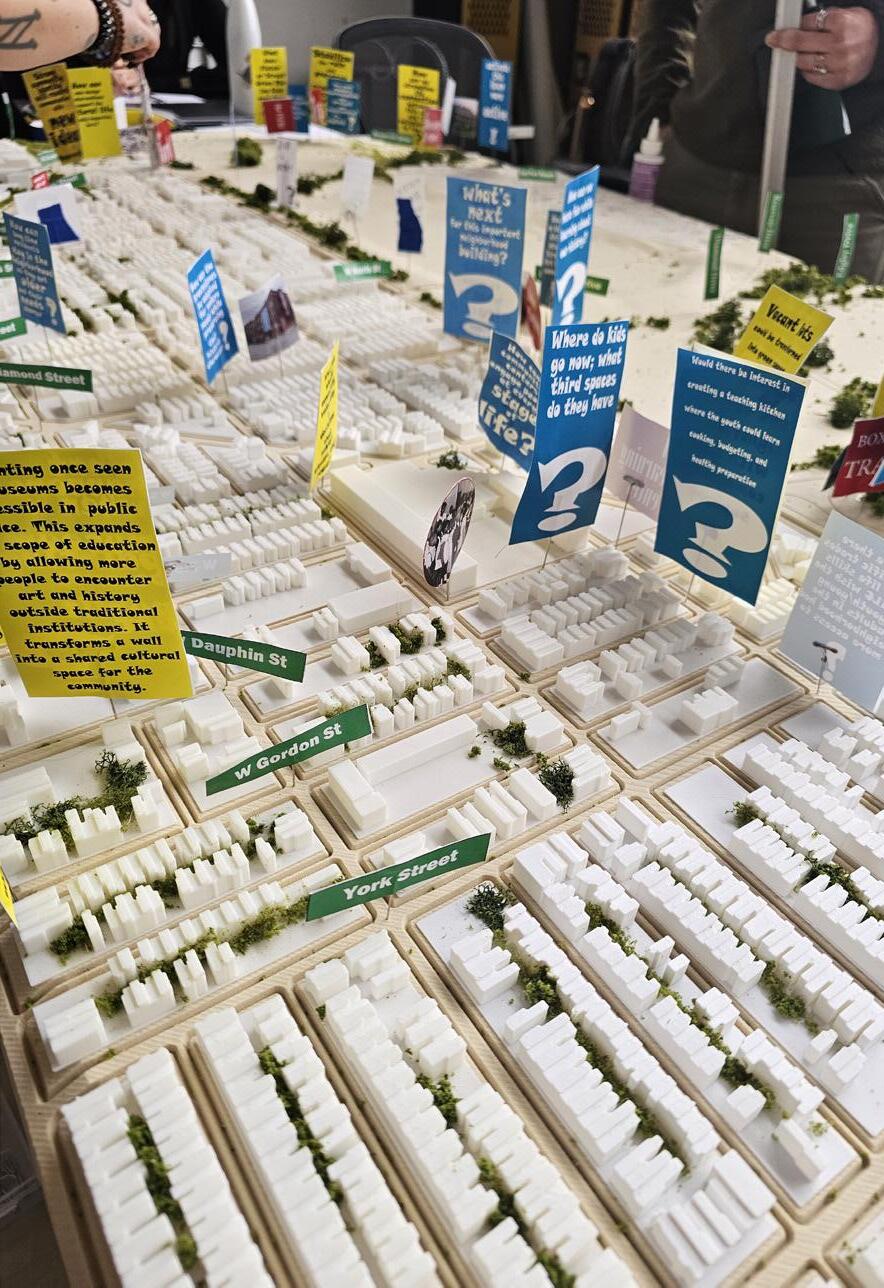
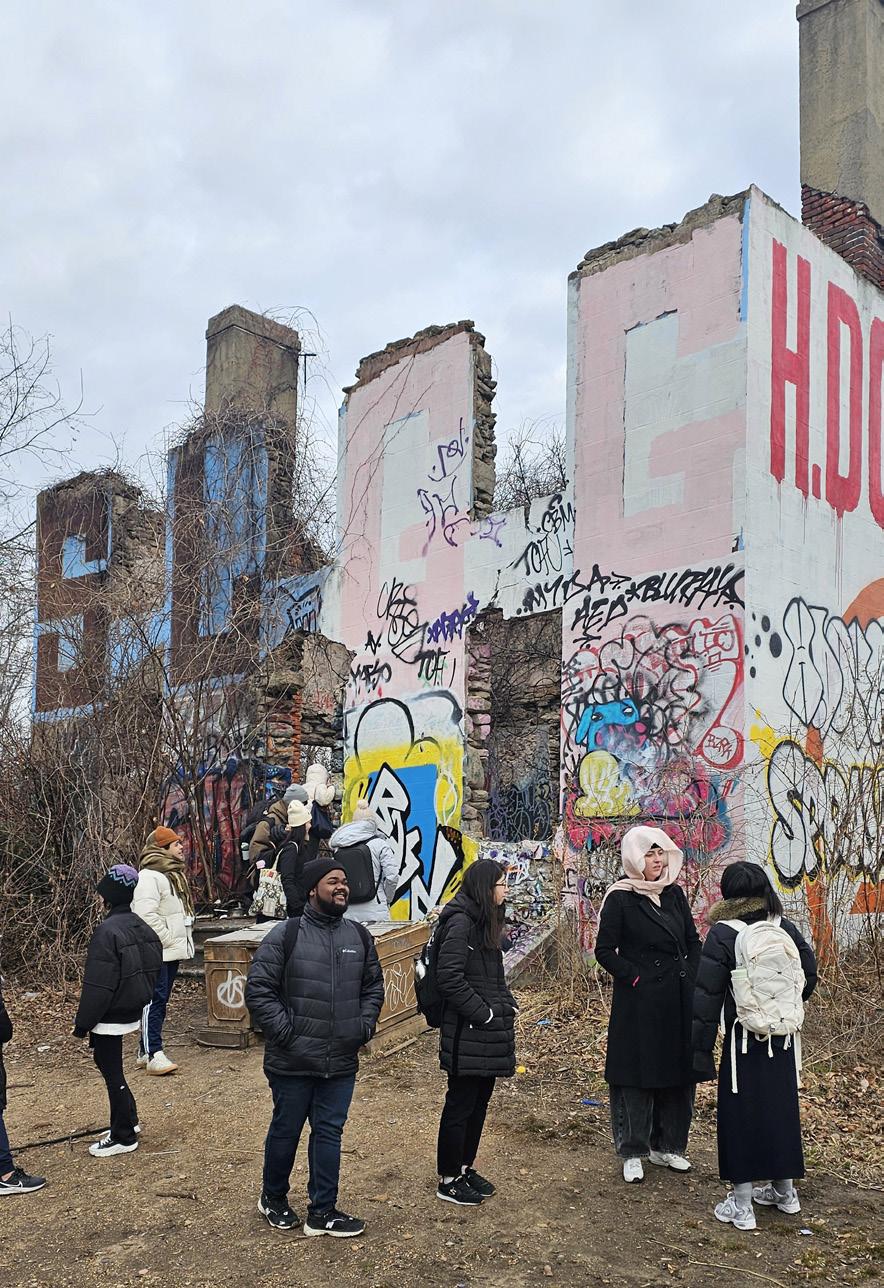
Studio Travel
For Studio Travel Week, the 2025 and 2026 Capstone studios traveled to Los Angeles for a week of research-based investigation connected to the urban issues being studied at their project site in North Philadelphia.
During the trip, students have visited the professional offices of Kevin Daly Architects, OLIN Studio, and Architectural Resources Group, and met with conservation thought leaders at the Getty Conservation Institute and the Conservation Center at LACMA. They also explored a range of heritage sites and innovative urban conservation, preservation, and infill projects that serve as community catalysts, including the Watts Towers Arts Center.
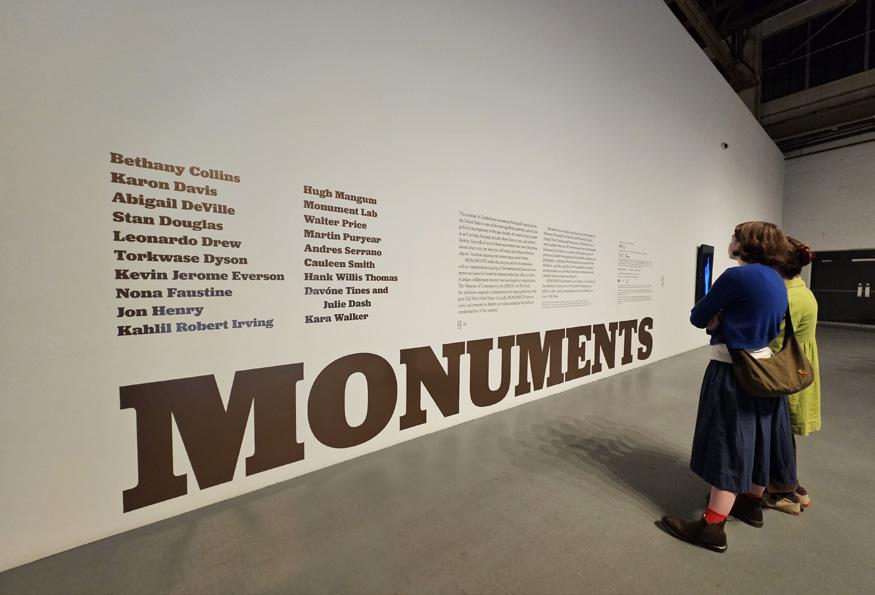
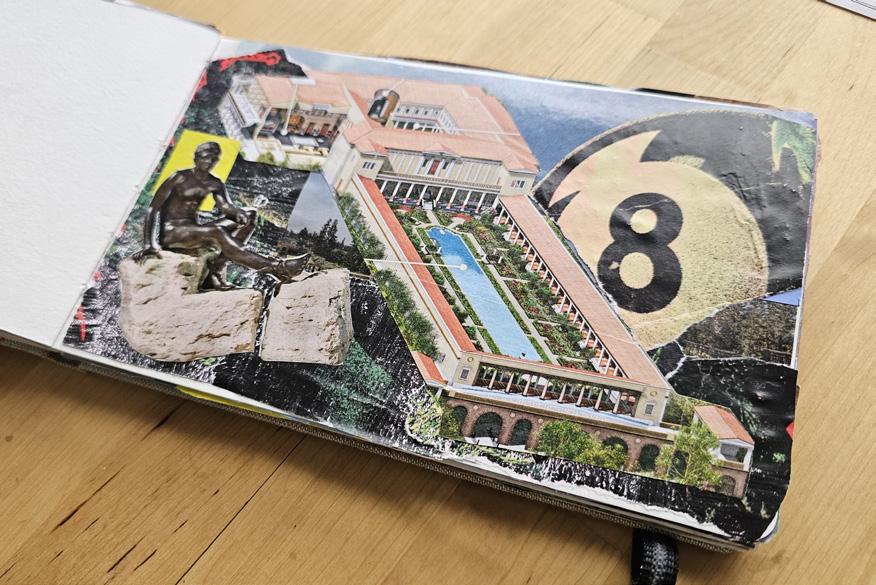
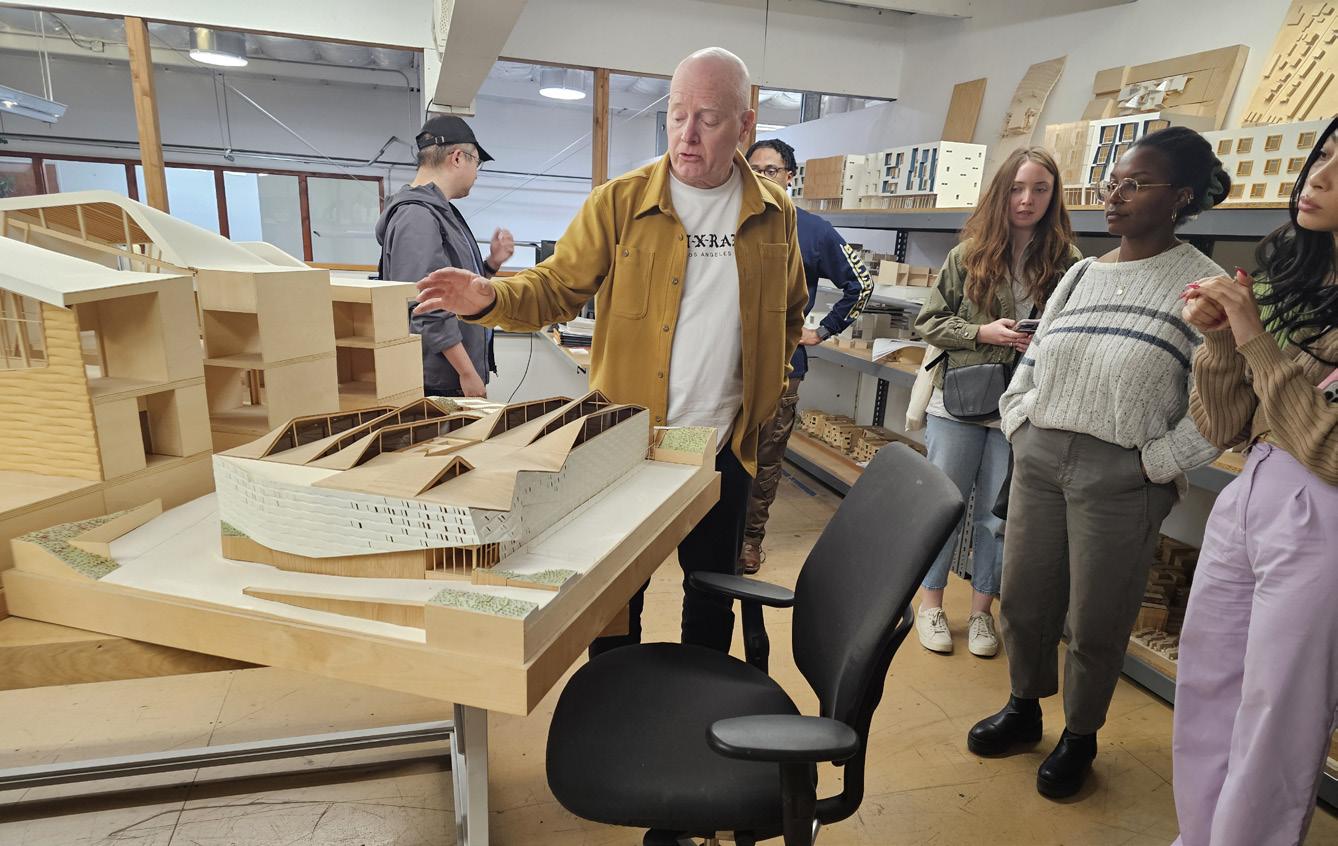
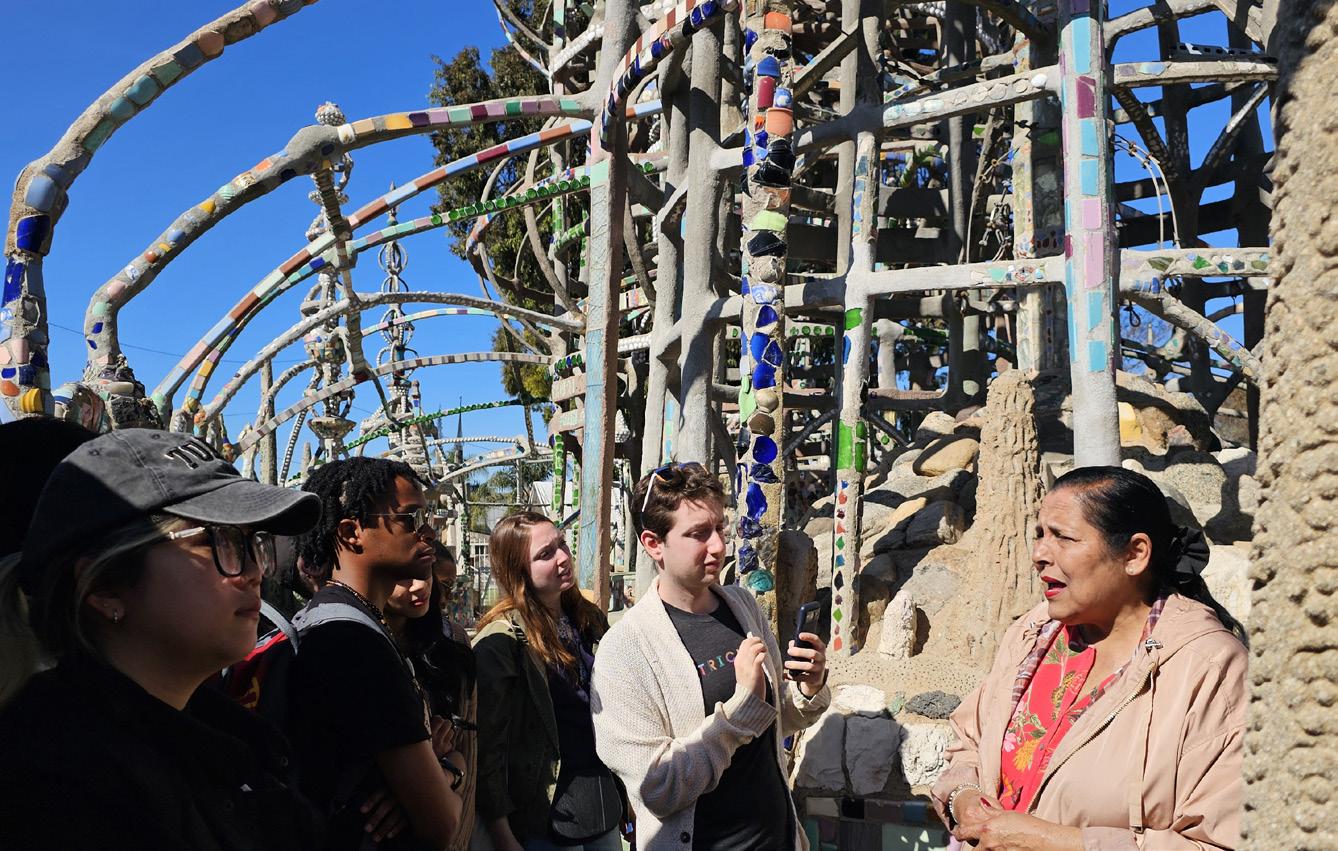
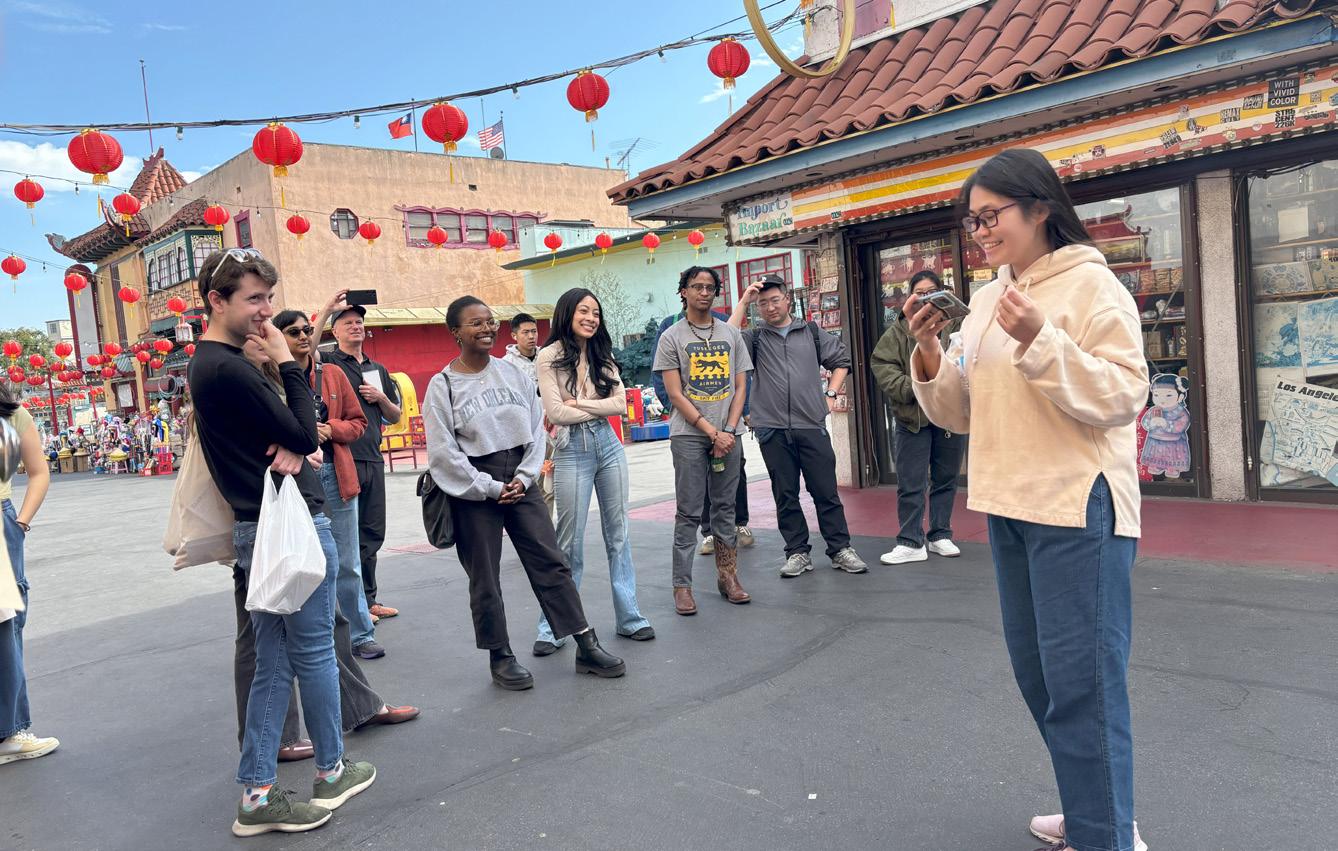
Throughout the week, students conducted site research and led discussions at significant cultural and historic sites across the city, including Pico-Union, Chinatown, Koreatown, Little Tokyo, Wilshire Boulevard Temple, the Eames House, the Hollyhock House, the Siqueiros mural on Olvera Street, and Bunker Hill. The trip also included visits to several museums and galleries—such as MOCA Geffen, The Brick, the California African American Museum, and the Hammer Museum—where students engaged with contemporary installations that intersect with current themes in preservation and cultural heritage.
Internship is a requirement for the MSHP degree, completed between the first and second years of study and is an important aspect of a professional education. Internship opportunities vary; students typically perform site and condition surveys, documentation, inventories, mapping, historical research, feasibility studies, material analysis and treatment, etc. The internship exposes students to the realities of practice in advance of their entry into the professional world.
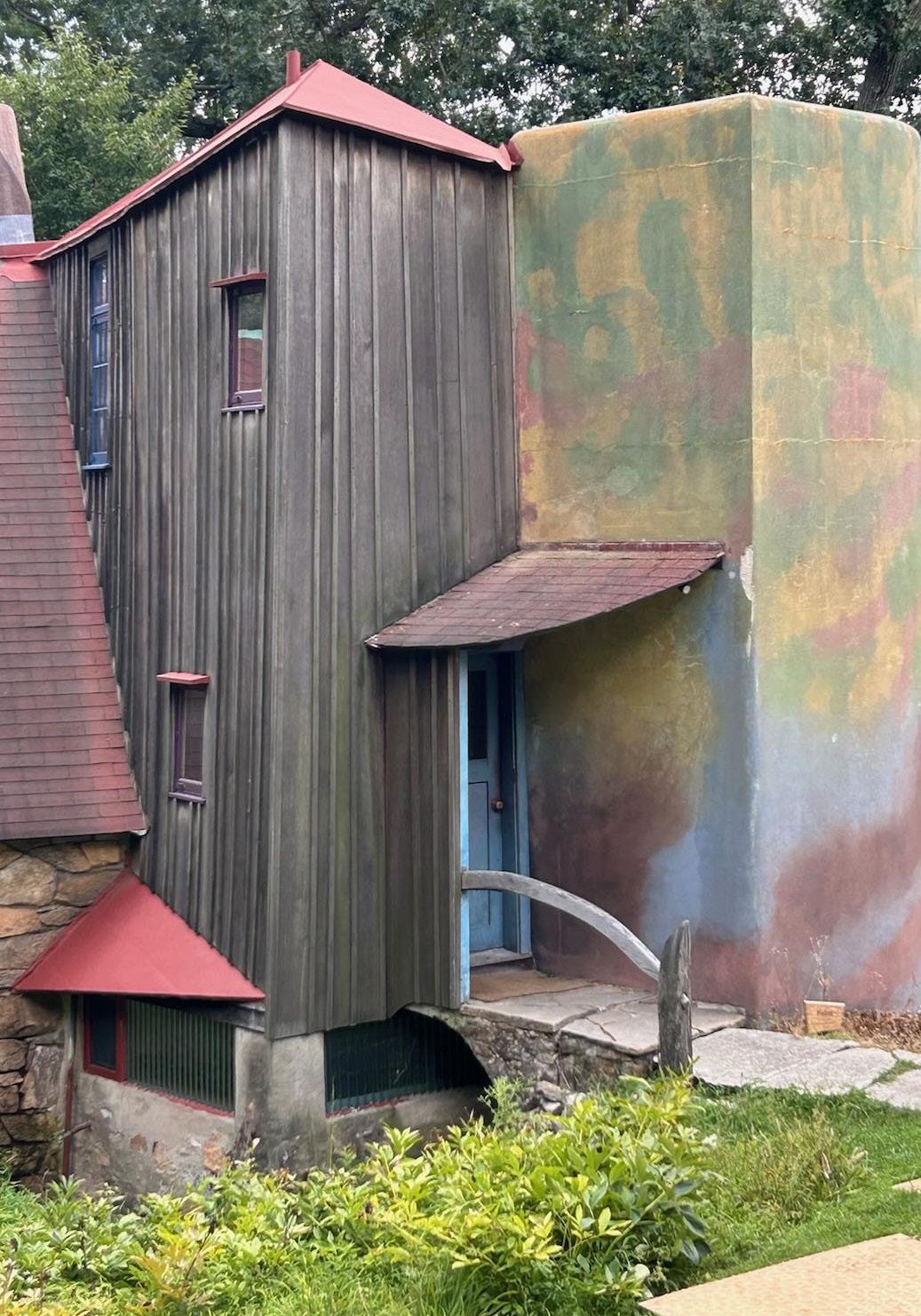
Internship
Fatima Caceres Arar
Beyer Blinder Belle Architects & Planners
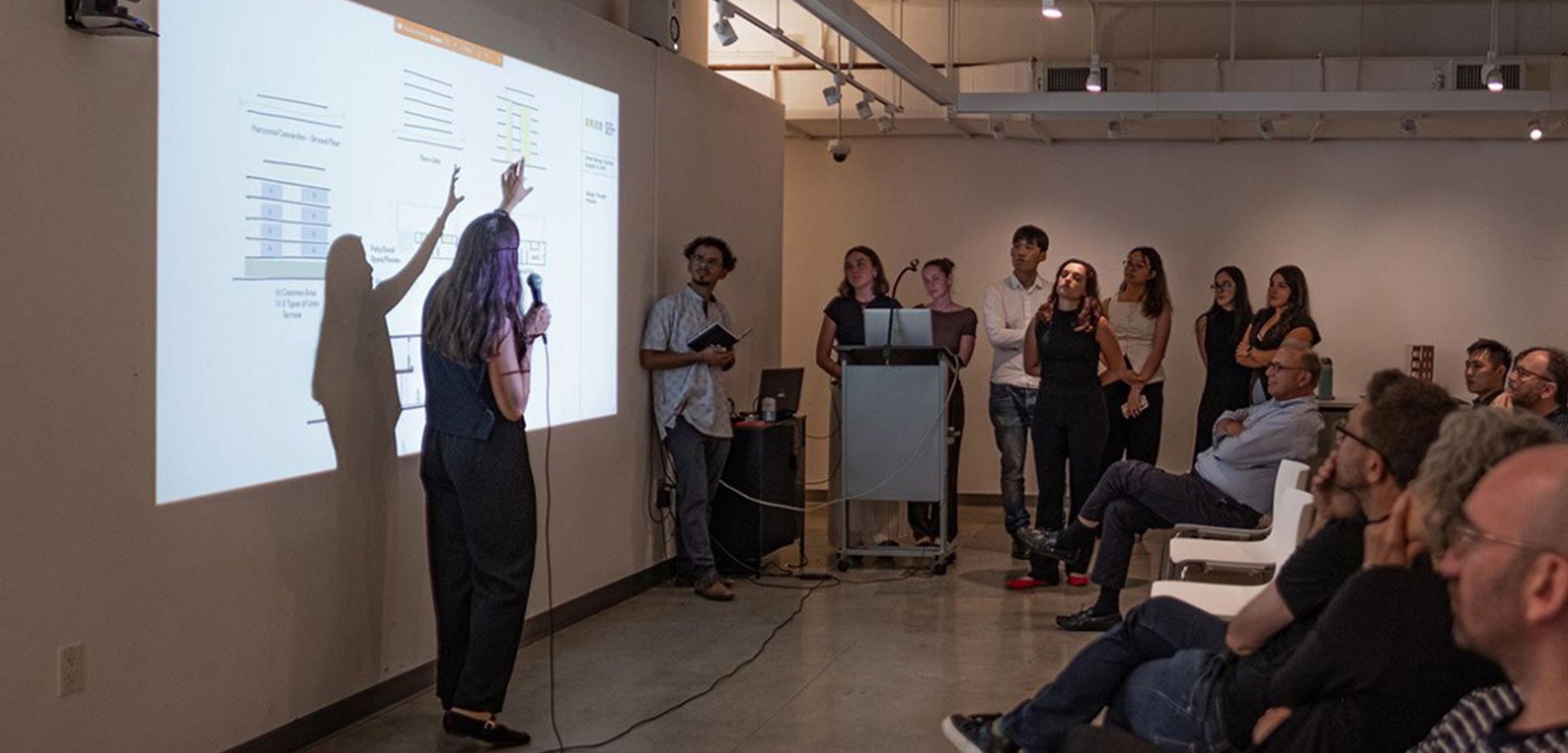
“
The courses I took in my first year gave me a strong foundation for the internship.”
BBB works on preservation, adaptive reuse, and contemporary intervention projects that often extend beyond individual buildings, forming part of larger urban-scale master plans. As part of the preservation studio, Caceres Arar had the opportunity to take part in both research and design tasks that supported a variety of ongoing projects. She assisted with project documentation, design intervention, and condition assessments. They frequently visited project sites, where she participated in surveys, documentation, and client meetings. The firm was very collaborative and multidisciplinary, and she often had the chance to connect with professionals and interns from the New York, Boston, and Washington, D.C. offices. Caceres Arar became more confident
working in Revit, which was used to produce the deliverable documentation for projects. She also learned how to put together sets for projects submission and clear presentation materials to communicate ideas. The internship also offered valuable opportunities for professional development. She worked with architects, planners, and preservationists across the firm, many of whom shared their career paths and how they ended up working in these projects. Through the projects she was involved in, she engaged with a wide range of preservation challenges—from stabilizing historic ruins and exploring adaptive reuse strategies to preparing building condition assessments.
Ke-An Chiang
Hennebery Eddy Architects
The Historic Resource Group (HRG) at Hennebery Eddy Architects handles a diverse array of projects—ranging from cultural and civic rehabilitation to providing condition assessments, treatment recommendations, and assisting with historic building nomination reports aimed at tax credits. Chiang was responsible for creating a digital model for the historic barn in Revit, which will be instrumental in future rehabilitation considerations. In several other NPS rehabilitation projects, she assisted in completing architectural service reports and the 70% CD construction drawings set.
Two long-term tasks related to the company’s
I had the opportunity to work with some truly wonderful people who were always eager to answer my questions about work tasks, their career paths, and how I can further my career goals and interests.” “
professional development goals also occupied her time. First, she helped HRG establish a wood microscopic identification process by capturing microscopic images of various Pacific Northwest wood types to expand the identification database. Second, Chiang researched a topic on resilience, focusing on substitute materials for existing and historic buildings under wildfire threats, aligning with the company’s long-term environmental goals. Through this internship, she honed skills such as using microscopes for softwood section observation and paint analysis, and she gained a deeper understanding of how weathering affects masonry, concrete, and wood structures, along with the resulting conditions.
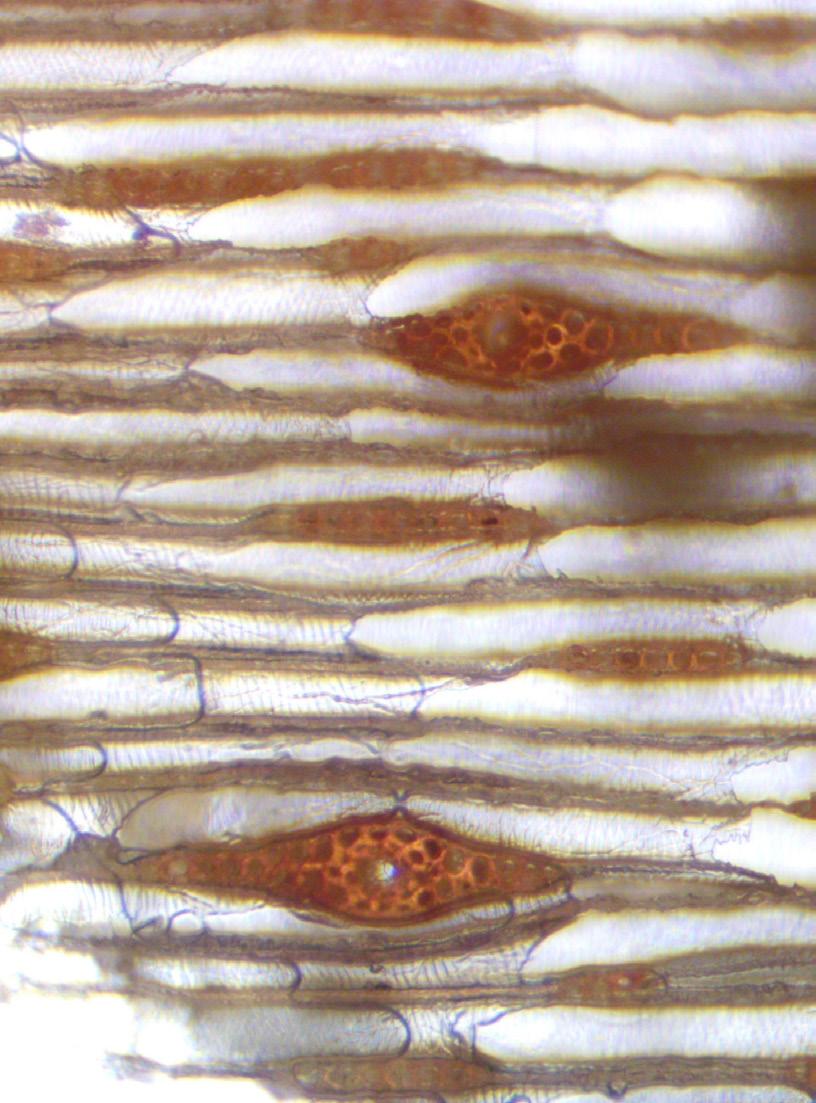
Jian (Tom) Wei Philadelphia Chinatown Development Corporation Philadelphia
The primary objective of Wei’s internship at PCDC was to assist in the creation of the upcoming Chinatown history exhibit. He spent most of his time constructing clear historical narratives, building on existing knowledge and using new research for the textual content for all three sections of the exhibit. He reviewed secondary sources to compile a list of major events in Chinatown and provide detailed descriptions for some of them. Working with a team, Wei refined the event and object selection to better fit the event space. From structuring and conducting the interview to calibrating the recording equipment, he helped to record oral history interviews with long-time community members. In addition, he also helped to plan community outreach
events that tried to raise awareness of the project while capturing a larger set of voices. They were able to collect stories, accept material and object donations, and connect with community members who were eager to share. Finally, Wei was tasked with creating a finding aid for PCDC’s internal archive. With close to sixty years of history, PCDC has an enormous backlog of documents, amounting to 4 different storage locations filled with binders, drawers, boxes, and loose files. He petitioned for two high school interns that PCDC received as part of the WorkReady program to help in digitizing photographs and cataloging existing documents. He then trained them in using software like Adobe Bridge and creating a finding aid.
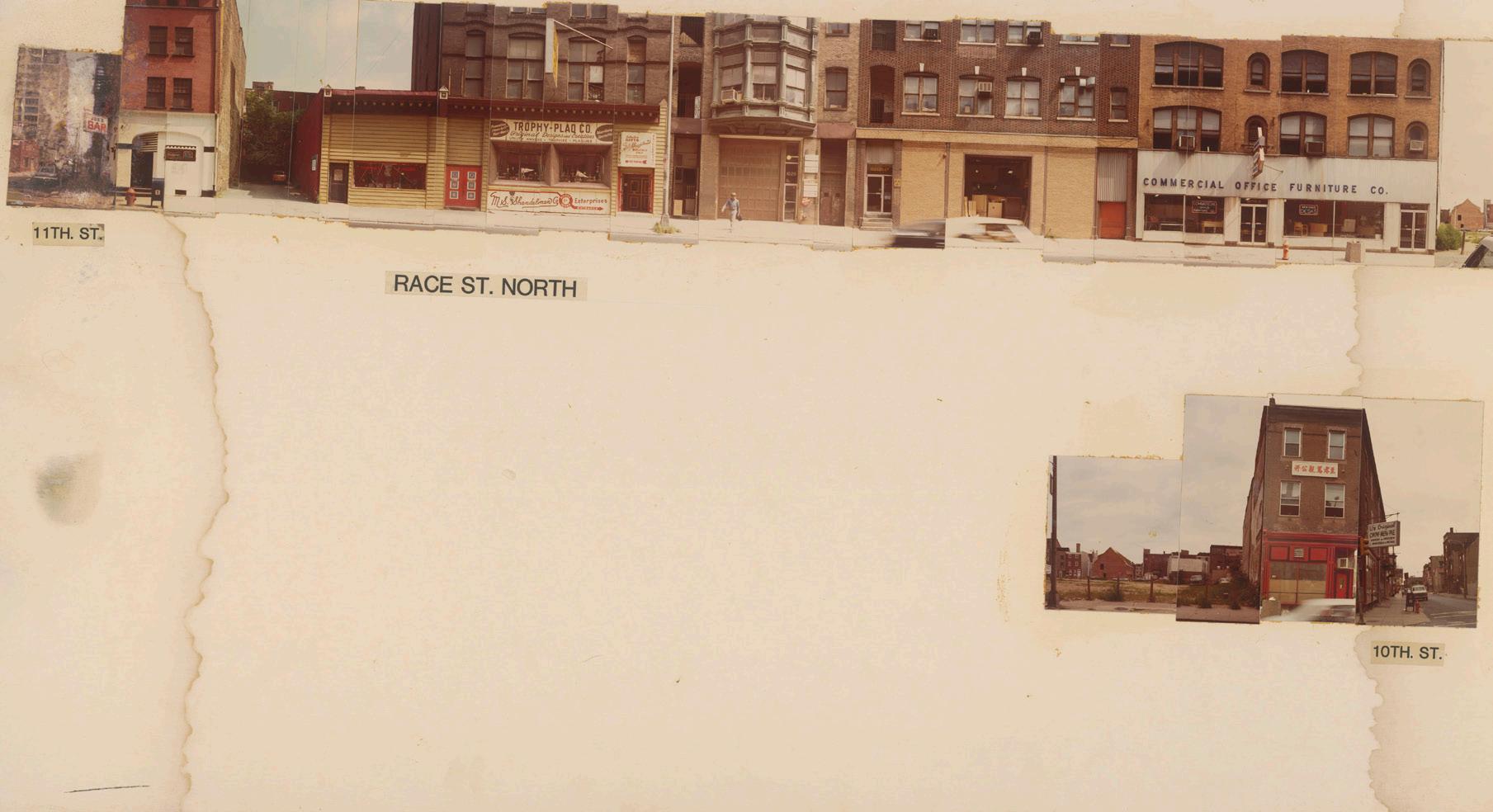
“
Through this experience, I was able to form a more detailed grasp of Chinatown’s history. More importantly, I was able to build relationships with many community members.”
Franny Hutchins
The Tileworks of Bucks County
The Tileworks of Bucks County is a historic tile factory in Doylestown, Pennsylvania, founded by Henry Chapman Mercer between 1911 and 1912. Today, the building functions as a “working history” museum, where the traditional methods, materials, and tools are used to produce Mercer’s hand-crafted tiles while preserving the principles of the American Arts and Crafts Movement.
Hutchins’s role in tile production was highly interdisciplinary. She mixed local clay using the original 1903 mixer, assisted in pressing tiles using plaster molds based on Mercer’s original designs, and participated in glazing tiles, using Mercer’s original glaze. She also guided visitors through the historic equipment and tile making process and gave demonstrations on how the tiles are pressed today. Hutchins
gained extensive knowledge about pottery and tile production, including clay handling, glazing techniques, glaze creation, and the kiln firing process. She observed and participated in numerous demonstrations, such as making plaster molds using Mercer’s original designs and creating ceramic mosaics.
Penn coursework on earthen materials was directly applicable to understanding the properties of clay soil particles, including their size, texture, and effects on the quality and consistency of clay during mixing. It also gave insight into the deterioration of building materials, which was crucial for understanding the maintenance needs of the factory’s concrete building and the preservation of its architectural elements and historic tools.
“ This experience highlighted the dual importance of preserving both the material aspects of the museum site and the methods used in its operation.
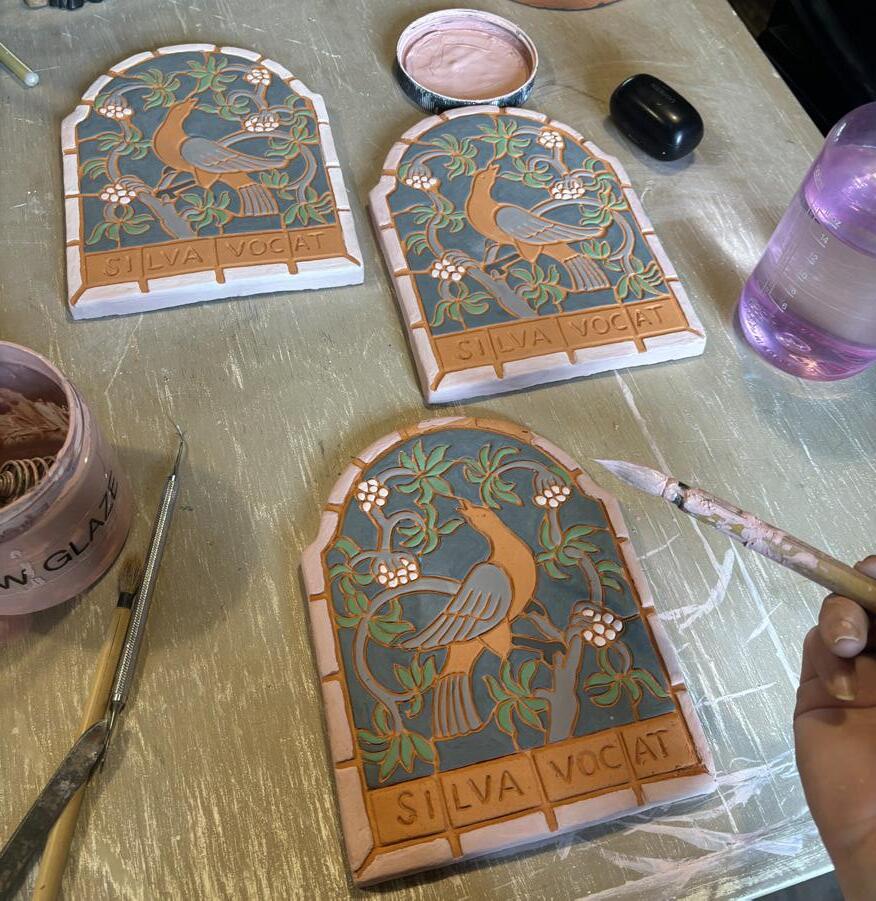
Kaiyue Yang The Palace Museum
In the Forbidden City of Beijing, the Palace Museum is a 13th century palatial complex that served as the home of the emperor for centuries and is now one of the most visited museums in the world. Over the summer, Yang contributed to the completion of a booklet documenting collected samples from the Mental Cultivation Hall, ensuring the material was clearly archived and deepening her appreciation of how systematic documentation underpins longterm preservation work. Building on this, she undertook a literature review of scholarship and critiques of the Mental Cultivation Hall over the past fifty years, analyzing how perspectives in preservation shifted in the past few decades.
Yang also helped restructure the department’s records from the past decade and designed a new filing system for digitalized materials, including multimedia recordings and firsthand preservation archives. She redrew technical drawings and graphics so that they corresponded neatly to the reorganized files.
Examining the Forbidden City as a case study, Yang proposed a new approach to evaluating the authenticity of palace architecture complexes. Encouraged by her mentors, she subsequently drafted an independent funding proposal, which has since been submitted for review. Yang’s daily tasks included documenting ongoing preservation work, particularly related to wooden structure conservation. Through careful observation and record-keeping, she not only learned about traditional construction techniques but
It gave me firsthand insight into how theory, practice, and institutional collaboration intersect in the field of heritage preservation.”
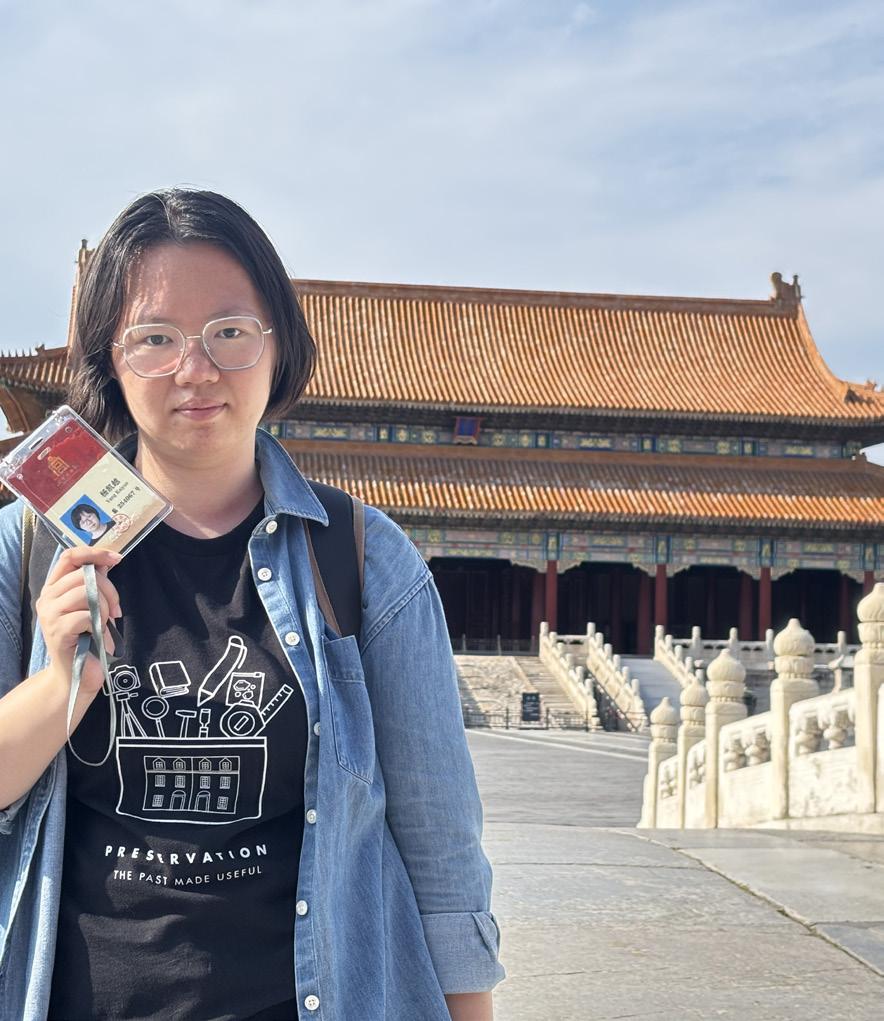
also contributed to the archival continuity that will guide future preservationists in identifying areas of past intervention.
Shailee Bhagat
Center for the Preservation of Civil
The work not only deepened my understanding of civil rights, but also equipped me with the tools necessary to advocate for the preservation of cultural heritage in future professional endeavors.”
Rights Sites
Bhagat conducted literature reviews and began building a comprehensive bibliography, engaging with primary and secondary sources to contextualize the civil rights movement within Philadelphia’s unique historical landscape. In the third week, she shifted focus to identifying civil rights sites within Philadelphia. This involved analyzing the Society to Preserve Philadelphia African American Assets’ list of potential sites and determining their eligibility for inclusion in the AACRN. She examined the accessibility and physical existence of AACRN sites, identifying those that are privately owned or no longer accessible to the public. Bhagat began the process of prioritizing civil rights sites for potential inclusion on the National Register of Historic Places or the AACRN. This involved developing a rubric for site prioritization and visiting key sites on the AACRN potential list. In the final weeks, she concentrated on completing and submitting AACRN applications for two selected sites. The two sites she chose to write the nomination for AACRN were the Church of the Advocate and Girard College. These submissions marked the culmination of the research and site assessment work completed throughout the internship.
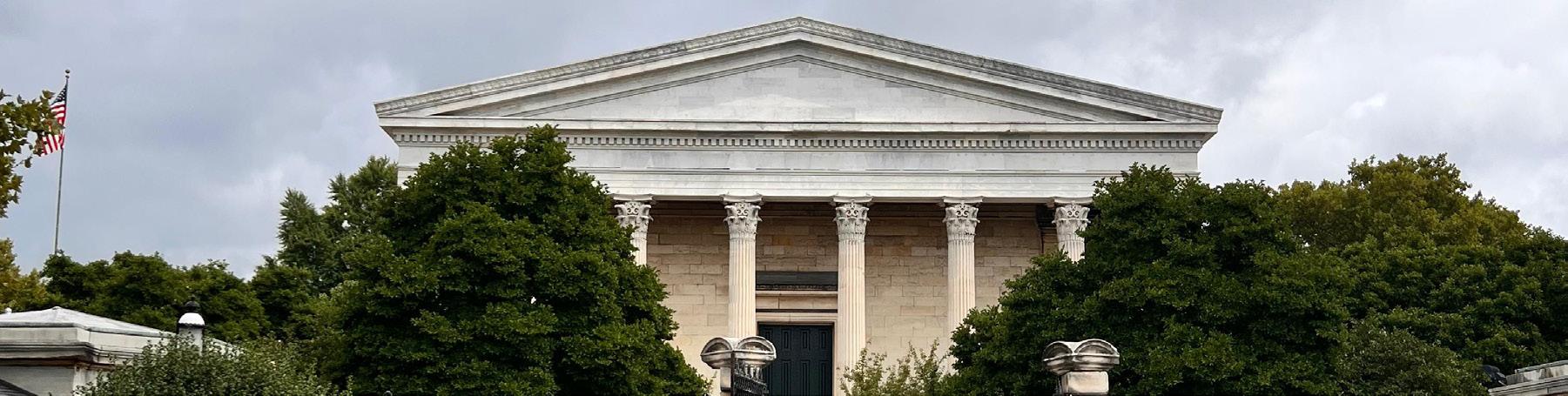
Daniel Saldaña Ayala Center for Architectural Conservation, Aga Khan Trust for Culture, and Think City
Saldaña Ayala worked at Fort Cornwallis, an 18th century military complex in the heart of George Town Historic City of Penang, Malaysia. This imposing historic structure safeguarded the maritime trade along the Strait of Malacca in the 19th century, fought against the Japanese Invasion during World War II, and is now a major cultural asset of the city.
Initially the team worked on the documentation of the old Gunpowder Magazine, a military storage building. This task required numerous activities: historical research, interior and exterior wall measurements, obtaining elevations using a water level, sketches of elevations and walls, photographic documentation, and the study of the old drainage patterns surrounding the structure. Next, Saldaña Ayala worked to document the archeological findings of the old bridge supports and brick drainage system during the West Moat excavation activities with the CAC team. He obtained wall measurements and elevations that were plotted in AutoCAD to plan future interventions and tested different mortar mixes on site.
Finally, windows were opened under the supervision of Giòvanni Santo, the main conservator at Fort Cornwallis. The team identified and documented the numerous layers and took wall samples to be analyzed at Penn’s Architectural Conservation Laboratory. This research will expand the knowledge about old European construction techniques in tropical contexts.
“
The residents of George Town had numerous stories related to the Fort, not just as a legacy of a colonial past, but also as a symbol of resistance during war times.”
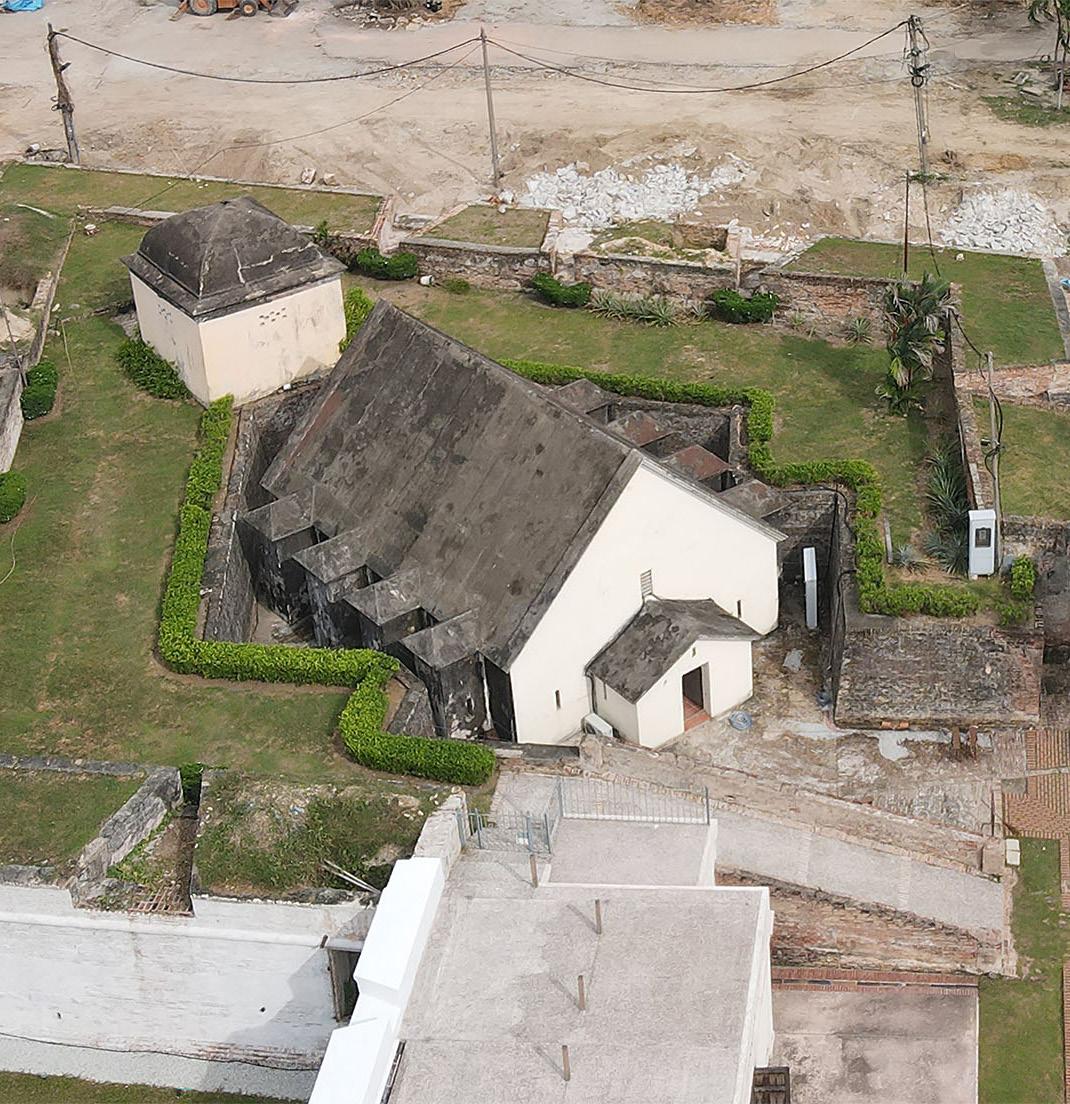
Working on an international project like Fort Cornwallis presented unique challenges, especially in a melting-pot city like George Town. However, this complexity is what makes this place an urban laboratory for preservation where knowledge can be shared and transmitted from Malaysia to the world.
This experience was instrumental and practical in deepening my understanding of the complex processes involved in world heritage management.”
Hechen Yuan ICOMOS China
Yuan was involved in much of the preparation for the 46th session of the World Heritage Committee. With the guidance of a mentor, she familiarized herself with the potential discussion topics, including but not limited to draft decisions, tentative lists, and final decisions from previous sessions. In July, she had the opportunity to work closely with Marie-Noel Tournoux, an expert and program director from WHITRAP Shanghai (World Heritage Institute of Training and Research for the Asia and the Pacific Region), including accompanying her to the Ming Dynasty Culture Forum, an annual event set at the Ming Tombs. Yuan was responsible for planning the itinerary and coordinating with the site managers. Together, they conducted a site visit to the Ming Tombs and the Juyong section of the Great Wall. She also contributed to a report on the interpretation of world heritage sites in China and the development of their museums.

research
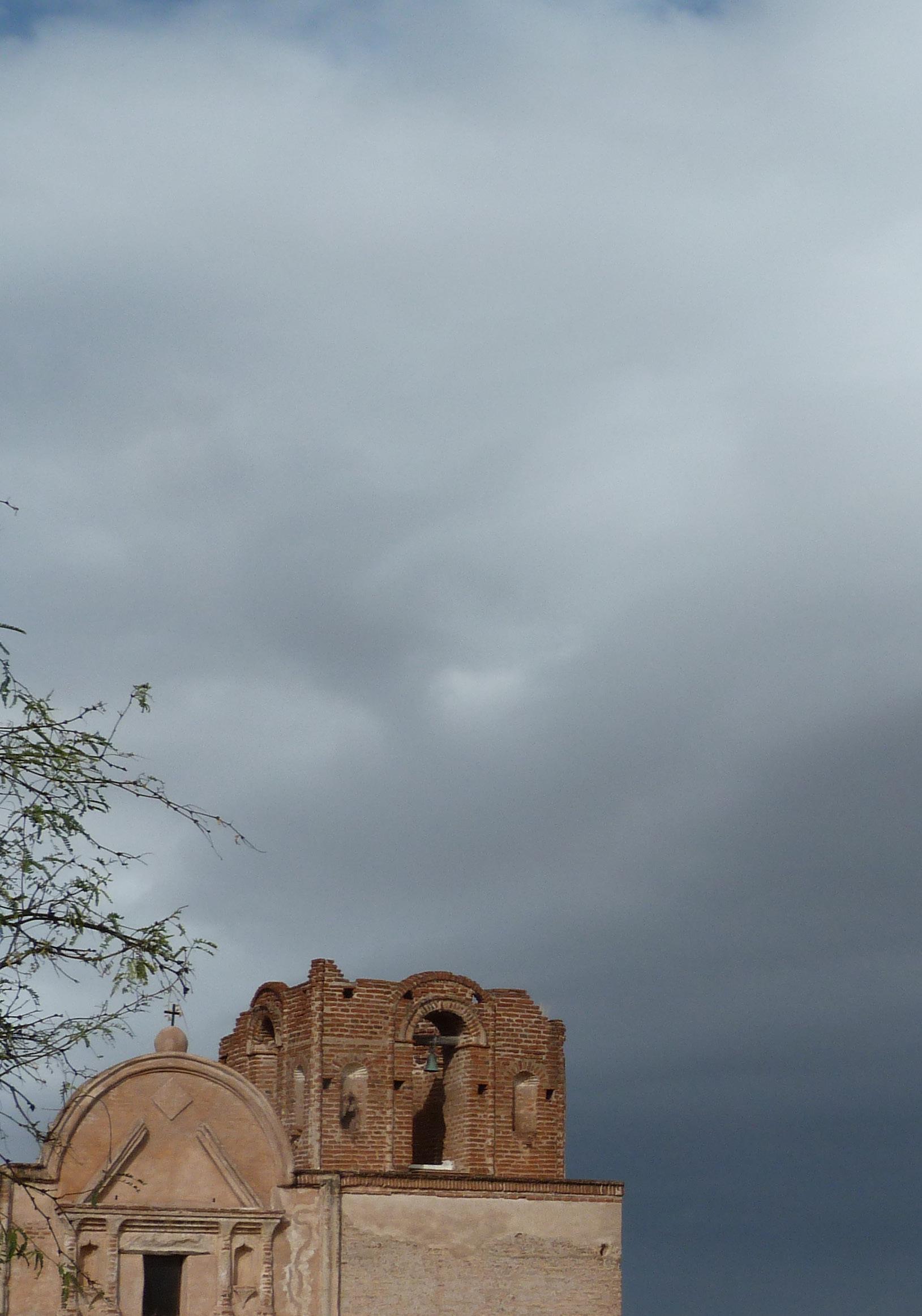

The Preservation Research Collaborative at Penn is the research and practice platform of the Department of Historic Preservation at the Weitzman School of Design. PRCP enables faculty, staff, and students at Weitzman to lead research and practice projects at the intersection of built heritage, cultural landscapes, community values, and societal change.
Our platform connects, supports, and expands on the department’s longstanding research initiatives, including the Urban Heritage Project (UHP), the Center for Architectural Conservation (CAC), and the Center for the Preservation of Civil Rights Sites (CPCRS). We work domestically and internationally with partners at all scales, including governmental and NGO clients such as the National Park Service, World Monuments Fund, the Mellon Foundation, Monument Lab, Tuskegee University, the Rwandan government, and grassroots heritage organizations in Philadelphia, Washington, DC, the Alabama Black Belt, the American Southwest, and elsewhere around the world.
Selected Research Partners & Clients
Alabama African American Civil Rights
Heritage Sites Consortium, Inc.
Ars Nova Workshop
David Rubin LAND Collective
Friends of the Tanner House
John Milner Architects
Monument Lab
Nakashima House + Studio
National Park Service
▪ Intermountain Region
▪ National Capital Area
▪ National Heritage Areas Program
▪ Northeast Regional Office
▪ Olmsted Center
▪ Vanishing Treasures Program
National Trust for Historic Preservation
Newfields / Miller House
North Carolina State University
OLIN Studio
Paul Robeson House/West
Philadelphia Cultural Alliance
Rwandan Ministry of National Unity & Civic Engagement
Tuskegee University
University of Virginia
Unknown Studio
World Monuments Fund
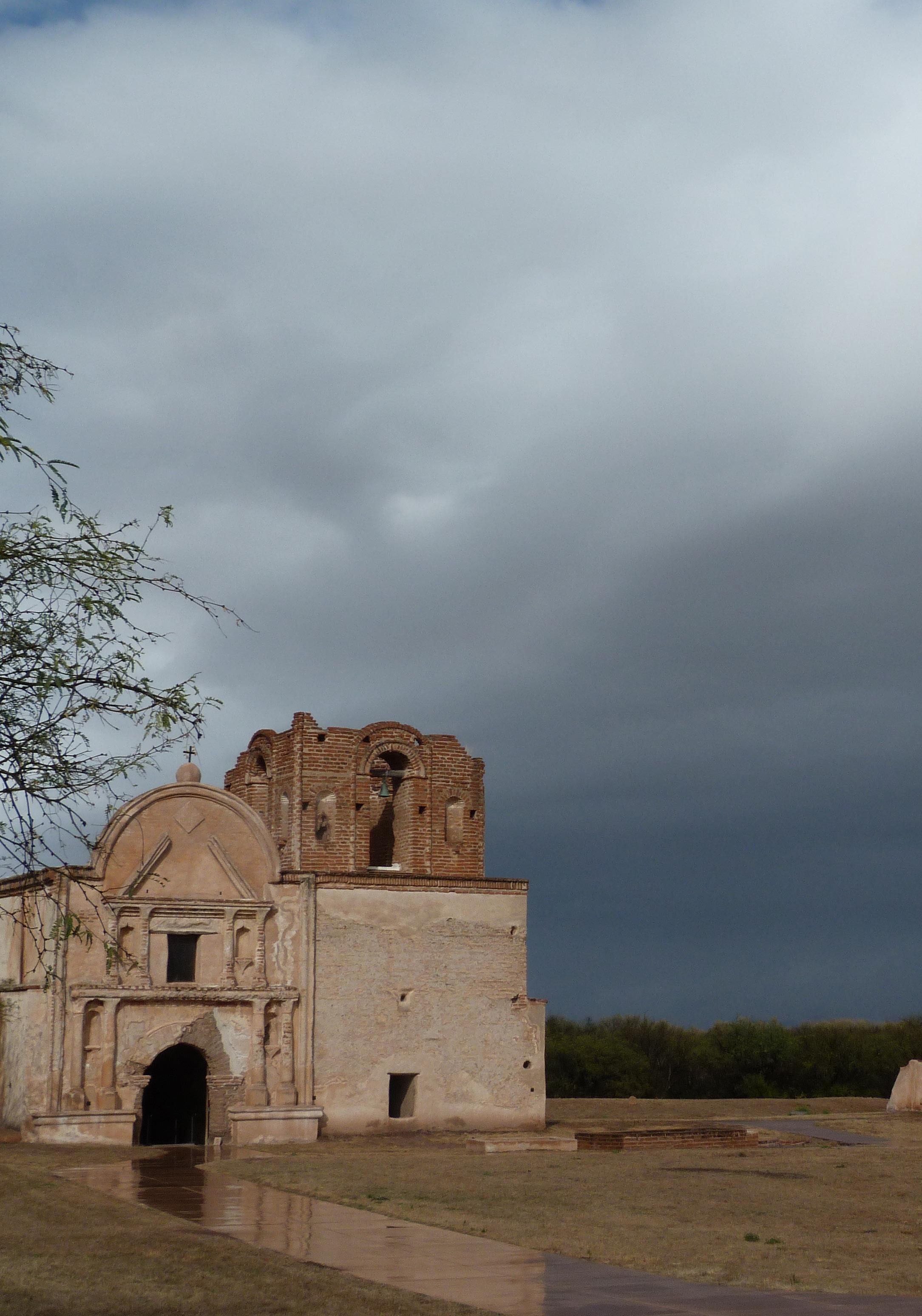
Preservation Research Collaborative at Penn
People

Randall Mason Faculty Director
Frank Matero (1953-2025) Director, CAC
Molly Lester Managing Director
John Hinchman Senior Research Associate
Jacob Torkelson Senior Research Associate
Meg Frisbie Research Associate
Ha Leem Ro Research Associate
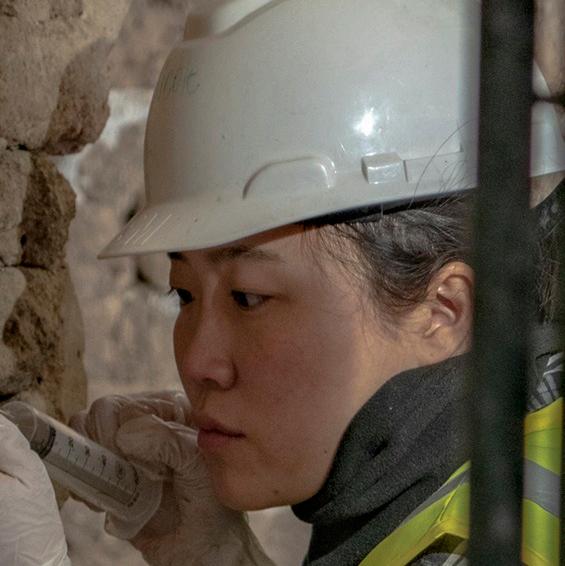
Jiwen Fan Research Associate

Lia Schifitto Manager of Research Initiatives, CPCRS
Recent Research Staff
Emily Holloway (2025-2026)
Mojtaba Saffarian (2024-2025)
Mariam Williams (2024-2025)
Elizabeth Donison (2023-2024)
Stephanie Garcia (2023-2024)
Amber Wiley (2023-2024)
Sarah Lerner (2020-2023)
Areas of Research & Practice
Cultural Landscapes
The Urban Heritage Project explores the history and significance of cultural landscapes at all scales. UHP’s purpose is always to understand deeply the evolution of these historic landscapes and to connect them to the lives, needs, and desires of contemporary communities. Adapting cultural landscape frameworks and preservation planning models to contemporary challenges, UHP regards its work as research that explores new, more engaged modes of cultural landscape preservation and design.
Architectural Conservation
The Center for Architectural Conservation encourages cross-disciplinary collaboration on contemporary issues—including issues of sustainability—related to the conservation of culturally significant buildings, monuments, and sites throughout the world. CAC faculty and staff lead research and teaching initiatives dedicated to documentation, recording, field survey, material analysis, condition assessment, risk analysis, and the development of new treatments and treatment evaluation of historic structures and sites.
Civil Rights Heritage
PRCP’s Center for the Preservation of Civil Rights Sites seeks to preserve the heritage of civil rights in all its forms. This includes iconic places already recognized as heritage sites, vernacular buildings and landscapes, and cultural memories of spaces no longer accessible. CPCRS strives to honor and support our organizational partners’ traditions of education, storytelling, and community stewardship, to remember the profound and significant civil rights stories—tragic and triumphant—across the country.
Preservation Planning & Design
PRCP projects respond to preservation challenges by designing new solutions to manage, conserve, and adapt historic buildings and cultural landscapes. Informed by extensive research, fieldwork, analysis, and stakeholder engagement, PRCP staff use design as a catalyst to creatively rethink a site’s physical resilience, public interpretation, cultural connections, and stewardship context.
Archaeological Site Preservation
PRCP has led projects at several archeological sites, applying a conservation lens to their stabilization and a cultural landscape preservation approach to their broader historical, geographical, social, and management contexts. This research includes documentation and assessment, analysis of site formation and degradation processes, field-based learning with descendants and Indigenous youth, and the design of strategies for their long-term conservation, stewardship, and interpretation.
Monuments & Memorialization
PRCP research staff have led several projects that explore public memory, monuments, and contested heritage in the built environment and public space. In contexts that range from Philadelphia to Rwanda, this research examines both the monuments themselves, as designed places with memorial function, and the practice of memorialization as a complex social process of imagining, creating, interpreting, and sustaining these commemorative places.
Student Research Experience
The Preservation Research Collaborative at Penn creates interdisciplinary research assistant positions across all projects, offering students paid opportunities to gain skills, experience, and connections across departments and disciplines.
Working at the Center for Architectural Conservation allowed me to apply my coursework to real preservation projects, and to design effective and creative solutions for archaeological and historic sites. I worked with cutting-edge conservation methods and technology, which allowed me the freedom to both explore my own personal interests and test my own ideas in a real-world setting.
Priyanka Amin-Patel MSHP’25
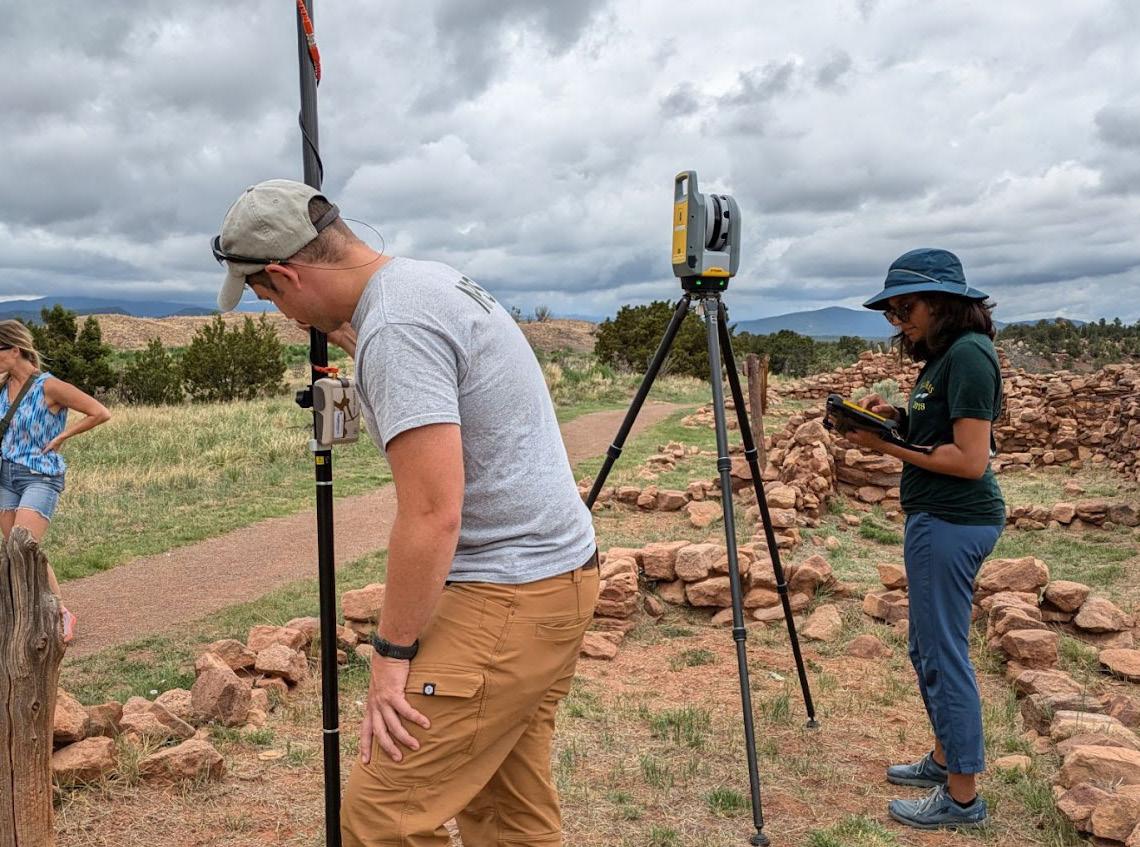
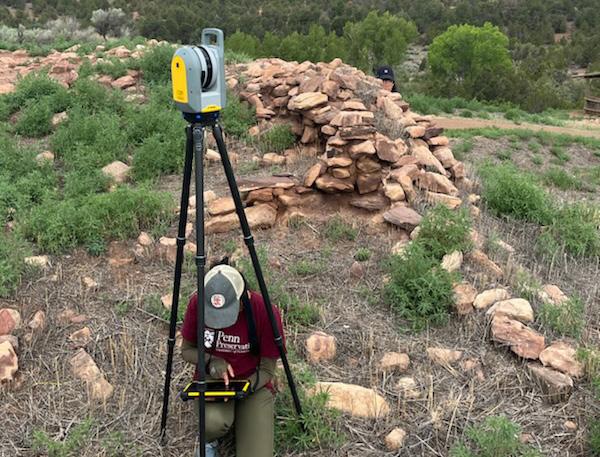
Working with the Urban Heritage Project aligned directly with my interest in how and what we choose to memorialize, celebrate, and preserve in public space. I learned innumerable lessons in research methods, contextual interpretation, archival deep-diving, and site visits, positioning me perfectly for a new postgrad memorialization project in my hometown of Memphis, TN.
Annie Parker MCP, MLA’26
I worked with the team on two different projects (Camp Round Meadow at Catoctin Mountain and Skyline Drive), spending time in the field, talking with land managers, and reading landscapes facing climate and management challenges. The experience reshaped how I think about managing change in the landscape, shifting my focus toward preserving functions and relationships and helping me connect cultural landscape ideas to real-world practice.
Zhijie Wang MSHP, MLA’26
As a planning student looking for practical experience related to parks planning, the Urban Heritage Project’s work offered the perfect opportunity. UHP’s research helped me to hone my technical GIS data collection and mapping skills while providing a thorough introduction to cultural landscape assessment.
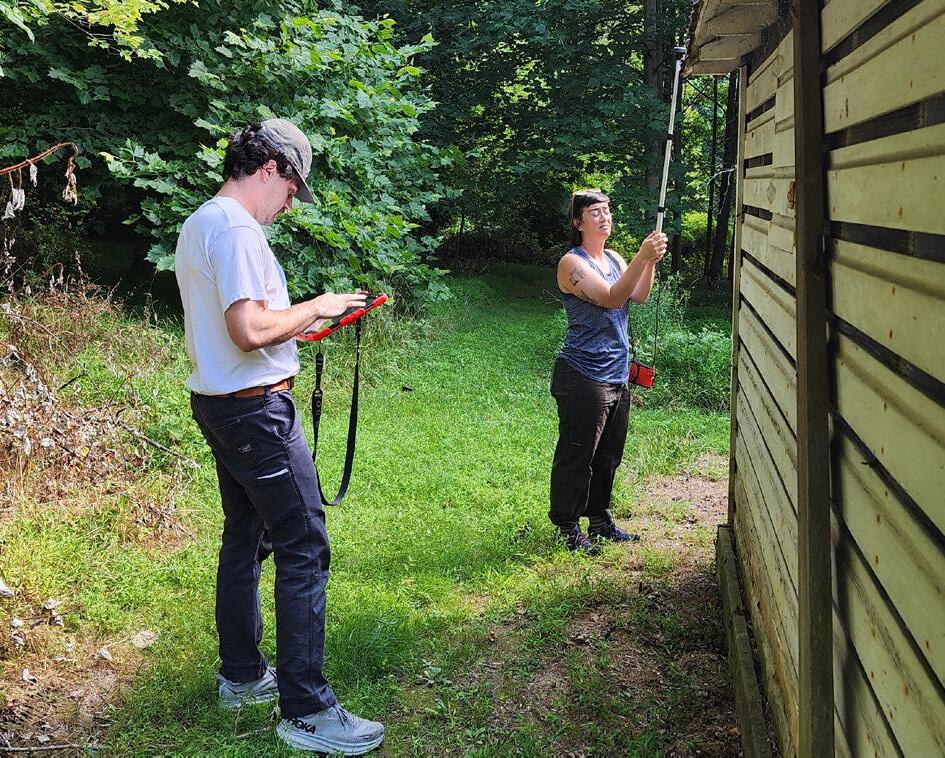
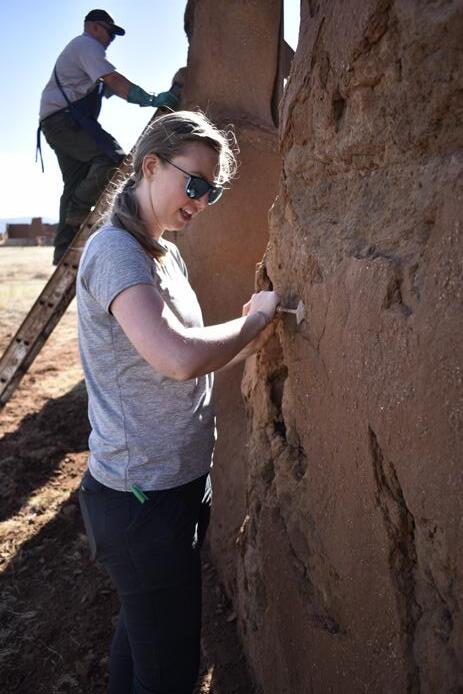
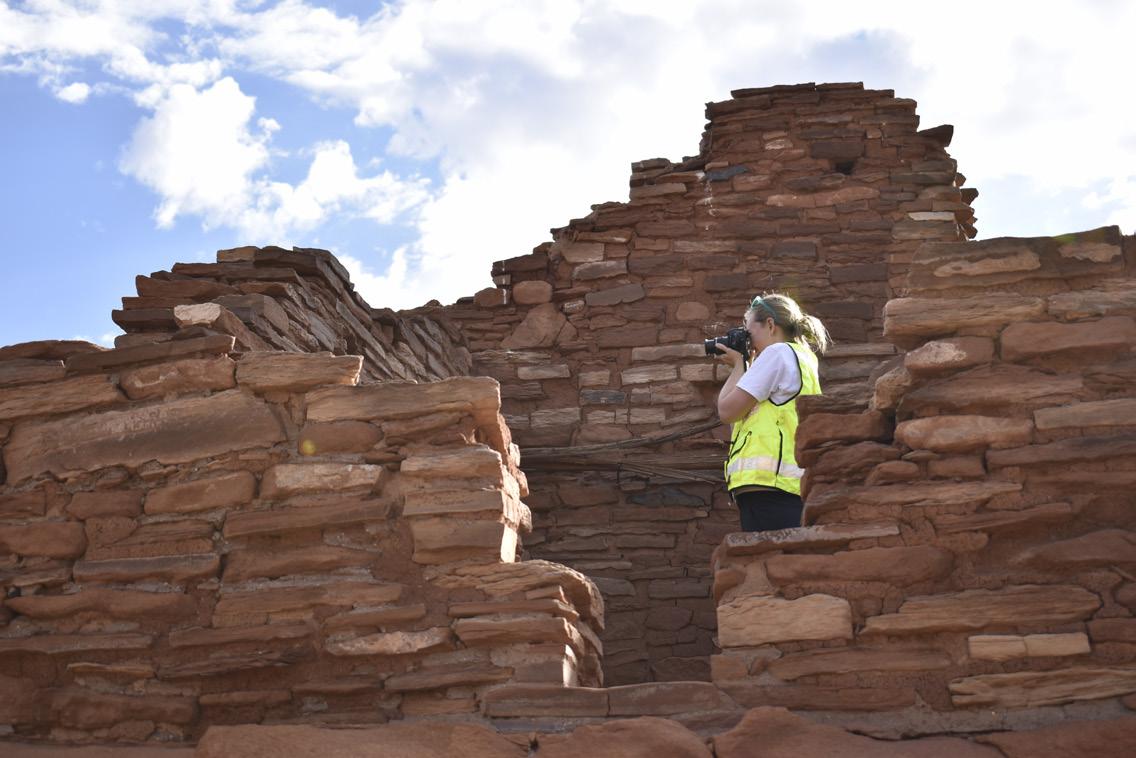
My time at the Center for Architectural Conservation proved to be incredibly valuable to my future career. I learned how to plan and execute projects from start to finish, contributing to the research, on-site work, documentation, and reporting elements of a preservation project. My work included time in the office, but the most beneficial aspect was weeks of field work at multiple historic sites in the southwest, which prepared me for a career working as a preservation specialist in private practice.
Zachary Somberg MCP’25
Cameron Moon MSHP’23
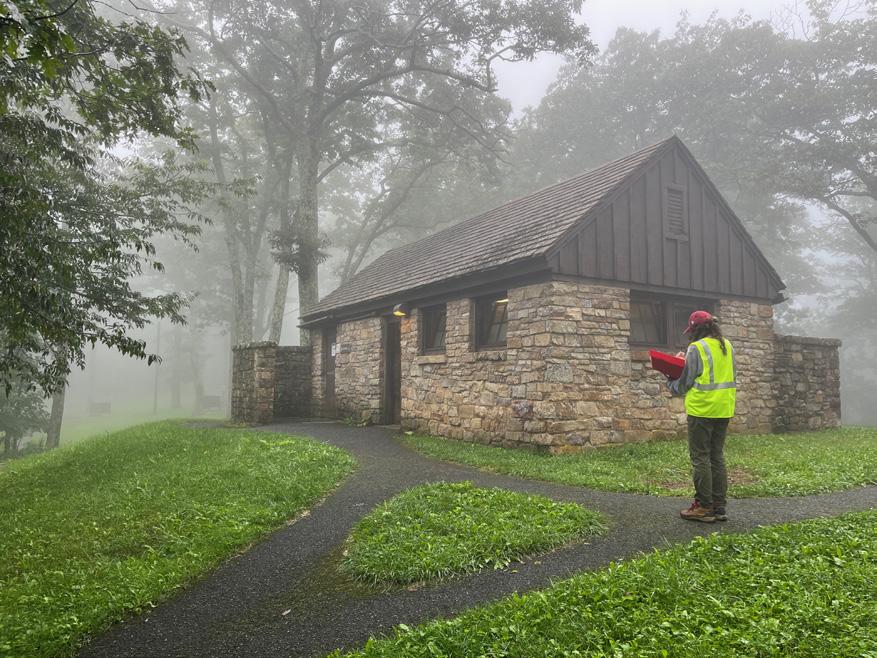
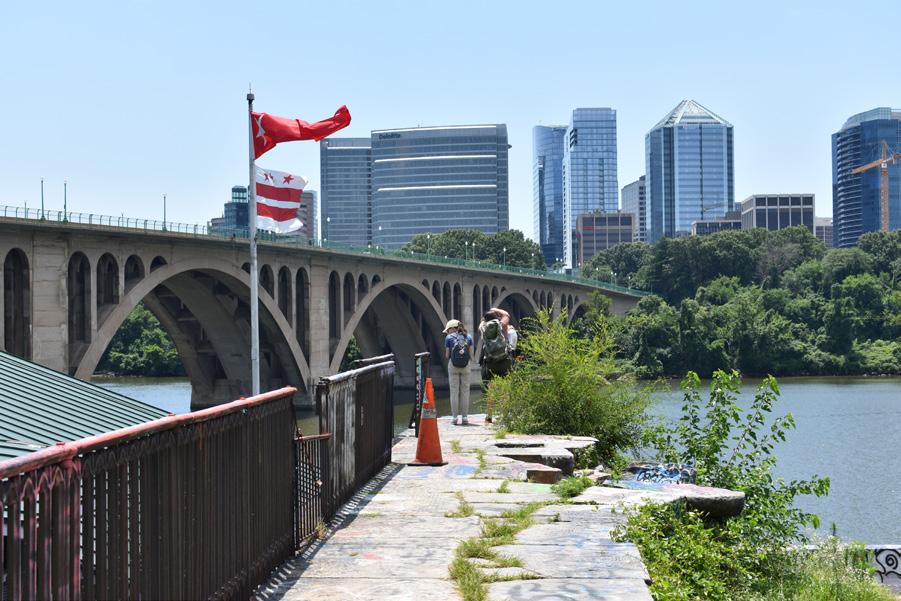
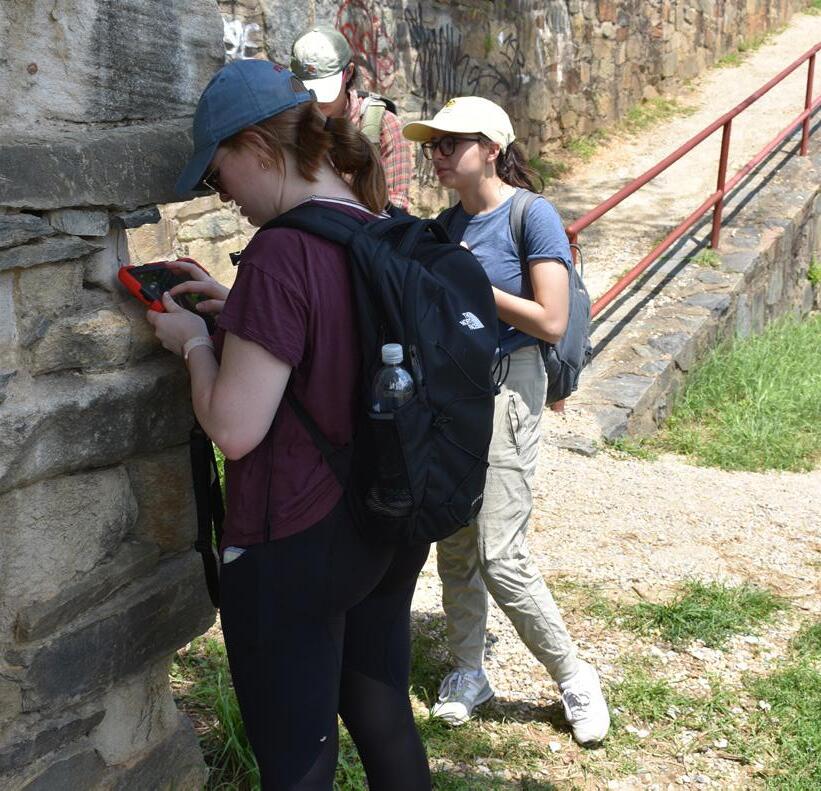
As a research assistant with the Urban Heritage Project, I designed interpretive materials about the historic Hickory Ridge community for a public-facing audience. Working with archival and genealogical records, mapping historical patterns, conducting field research, and collaborating with descendants and the National Park Service allowed me to advance my skills as a designer and researcher. This experience has been integral to my professional development, deepening my understanding of how storytelling can reinforce meaningful relationships between communities and place.
Autum Jeter
Research Methods
Archival Research & Documentation
Each PRCP project relies on multiple preservation research methods to build an understanding of a historic building or cultural landscape. As projects vary in scope and geography, these methods illuminate different contexts, but all of these approaches adapt the department’s coursework for practical application and real places.
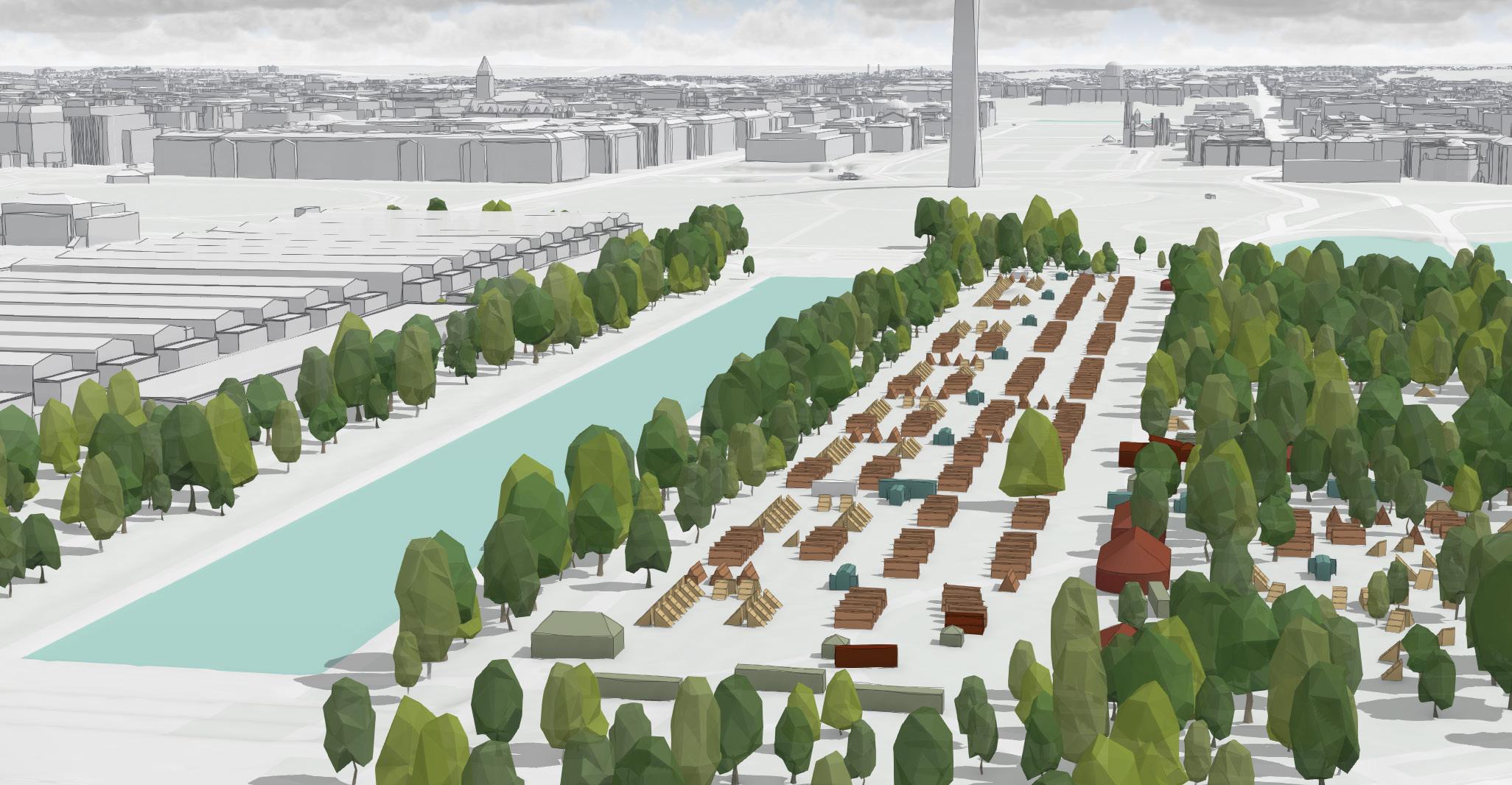
Resurrection City
Digital Atlas
Washington, DC
Center for the Preservation of Civil Rights Sites
PRCP Proect Team:
Randall Mason
Lia Schifitto
Elizabeth Donison
Emily Holloway
The Urban Heritage Project and the Center for the Preservation of Civil Rights Sites collaborated to create the Resurrection City Digital Atlas. Resurrection City was a landscape of protest occupying the National Mall from May 13 to June 23, 1968, as part of the Poor People’s Campaign (PPC). The PPC, initially led by Dr. Martin Luther King Jr. and the Southern Christian Leadership Conference (SCLC), intended to bring economic justice to the forefront of political and civil rights issues. Created in partnership with Louisiana State University and the National Park Service, the Resurrection City Digital Atlas recovers this cultural geography through 3D-mapping and creative archival media visualization, interpreting now-absent aspects of the protest and reintroducing this site to the cultural landscape of the National Mall.
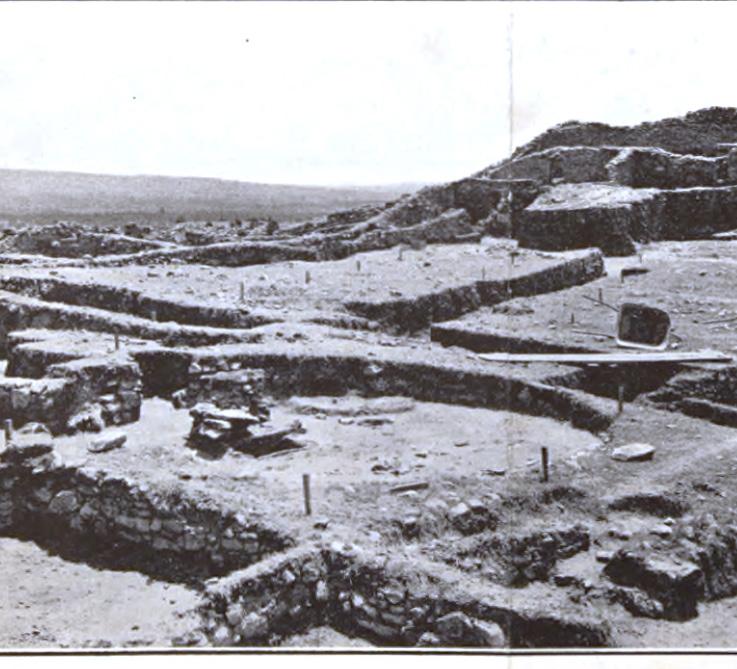
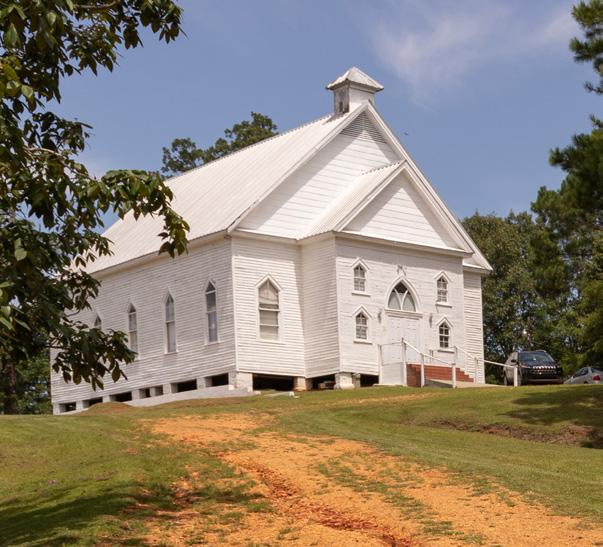
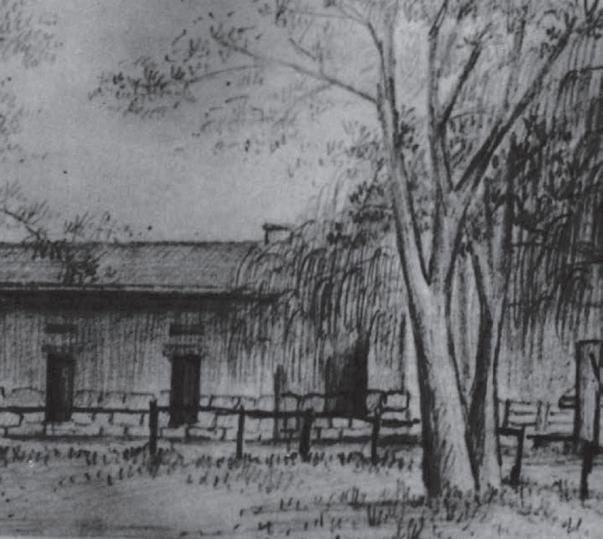
Additional Projects
Pecos Pueblo Historic Structure Report
Pecos National Historical Park, NM
Center for Architectural Conservation
Ramah Baptist Church National Register Nomination Letohatchee, AL
Center for the Preservation of Civil Rights Sites
Arlington House Cultural Landscape Report Washington, D.C.
Urban Heritage Project
CAC Vermont Marble Quarries (West Rutland, VT)
UHP DC Small Parks Project (Washington, DC)
CPCRS St. Paul Baptist Church (Tuskegee, AL)
CAC Lyles House (Want Water) (Fort Washington, MD)
UHP Bartram’s Garden (Philadelphia, PA)
CPCRS The Armstrong School (Tuskegee, AL)
CAC Fort Union National Monument (Watrous, NM)
UHP Mary McLeod Bethune Council House (Washington, DC)
UHP Memorial Avenue Corridor (Arlington, VA & Washington, DC)
Research Methods
Field Survey, Recording, & Mapping
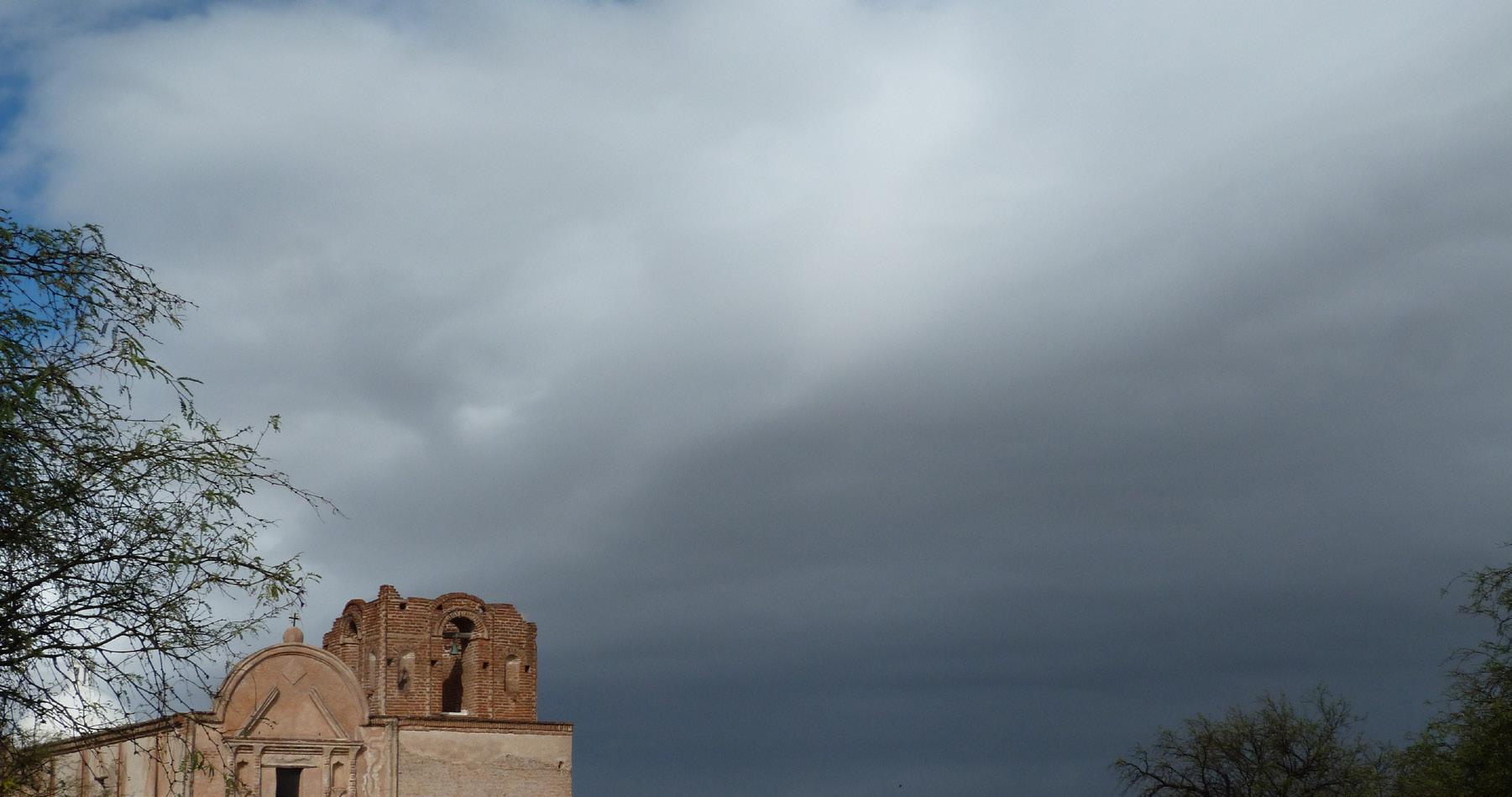
Catoctin Mountain Park
Cultural Landscape Inventory
Thurmont, MD
Urban Heritage Project
Project Team:
Randall Mason
Molly Lester
Meg Frisbie
Zachary Somberg
The Urban Heritage Project prepared a Cultural Landscape Inventory (CLI) for the full extents of Catoctin Mountain Park—an area that spans 5,100 acres and includes several cabin camps and campgrounds, adirondack shelters, picnic areas, overlooks, and the ruins of a historic stone house. Created in the 1930s as a “Recreation Demonstration Area” (a program of the New Deal), the park was later a pilot site for the federal government’s “Job Corps Conservation Center” employment program in the 1960s. To prepare the CLI, Urban Heritage Project staff and research assistants surveyed the full park, recording location data, photographs, and condition descriptions for every built feature and significant natural features. The CLI serves as essential baseline documentation for park staff, providing research and analysis to inform their management decisions.
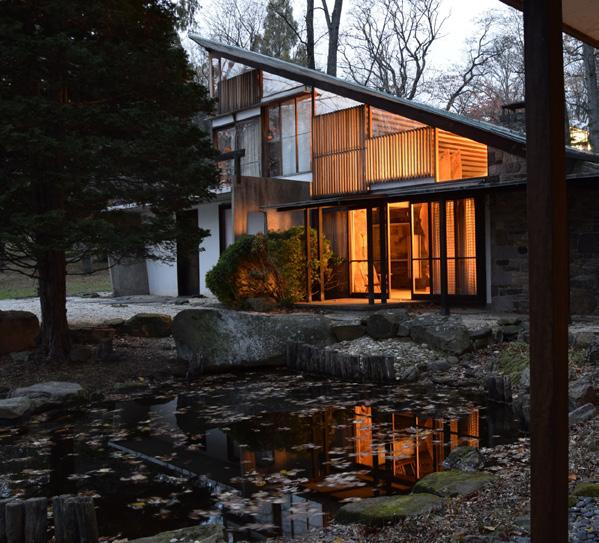
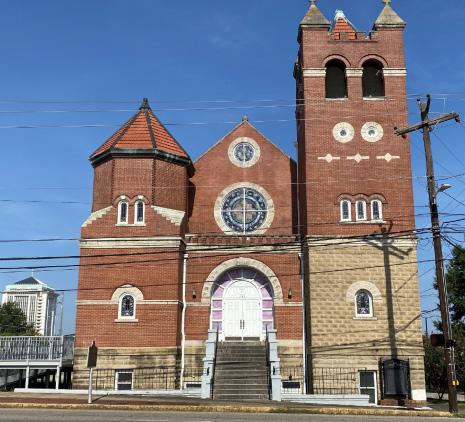
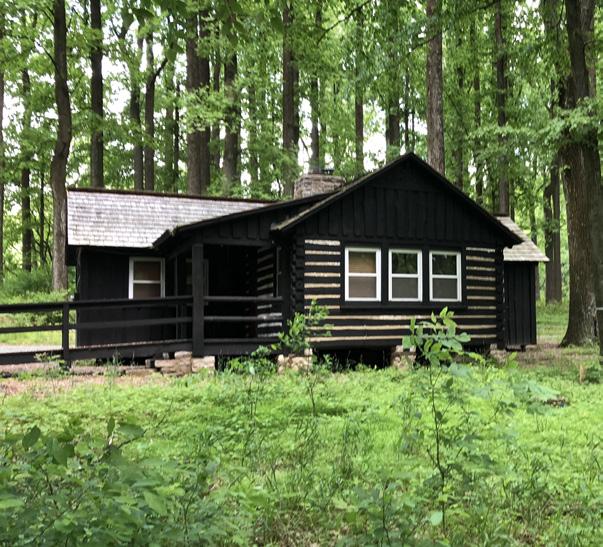
Additional Projects
Nakashima House + Studio
Historic Structure Report
New Hope, PA
Center for Architectural Conservation
First Baptist (Brick-a-Day) Church
Sustainable Site Assessment
Montgomery, AL
Center for the Preservation of Civil Rights Sites
Camps Misty Mount & Greentop
Cultural Landscape Report + Preservation Maintenance Guide Thurmont, MD
Urban Heritage Project
Center for Architectural Conservation
UHP C&O Canal (Carderock, MD & Washington, DC)
CPCRS St. Paul Baptist Church (Tuskegee, AL)
CAC Pecos National Historical Park, Church and Convento (Pecos, NM)
UHP Skyline Drive (Shenandoah National Park, VA)
CPCRS The Armstrong School (Tuskegee, AL)
UHP Mifflin House (Wrightsville, PA)
CAC Wupatki National Monument (Flagstaff, AZ)
UHP Memorial Avenue Corridor (Arlington, VA & Washington, DC)
UHP DC Small Parks Project (Washington, DC)
Research Methods Material Analysis & Conditions Assessment
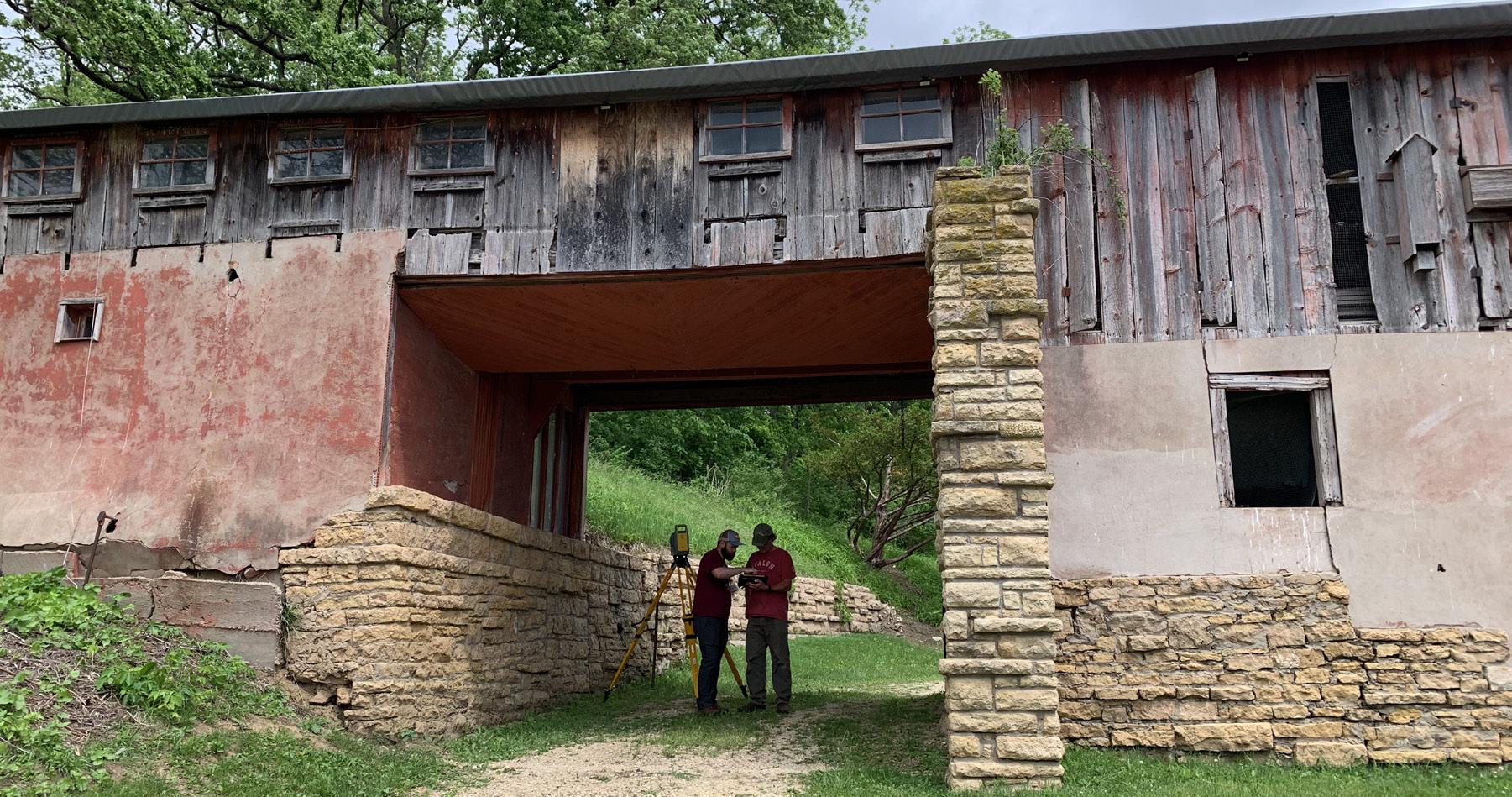
Midway Barn, Taliesin
Historic Structure Report
Spring Green, WI
Center for Architectural Conservation
Project Team:
Frank Matero
John Hinchman
Ha Leem Ro
Alison Cavicchio
Colin Cohan
Yi-Ju Chen
Caitlin Livezey
Gregory Maxwell
Qianhui Ni
Shixin Zhao
Taliesin was designed by architect Frank Lloyd Wright as his home, studio, and farm. Within the site—now recognized as a National Historic Landmark and part of the Frank Lloyd Wright UNESCO World Heritage Site—Midway Barn was the agricultural center of the landscape. It is the clearest reflection of Wright’s appreciation for agrarian life and work-life balance. The Center for Architectural Conservation conducted extensive 3D scanning, producing a highly accurate point cloud of the complex. Equipped with this visual data, the research team transformed that point cloud into a usable 3D model and architectural drawing set, determining the barn’s construction sequencing up to the present day. The CAC’s work culminated in a historic structure report that identified condition issues and priorities for future maintenance work.
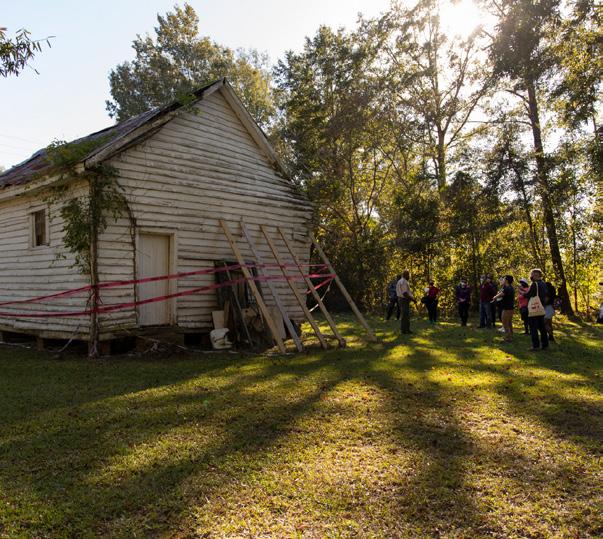
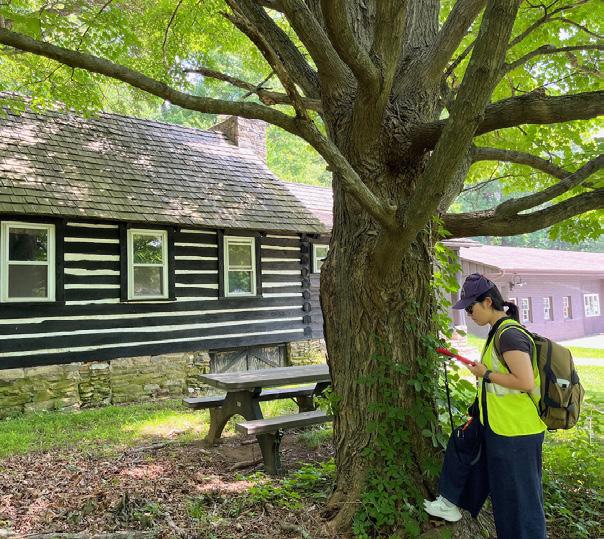
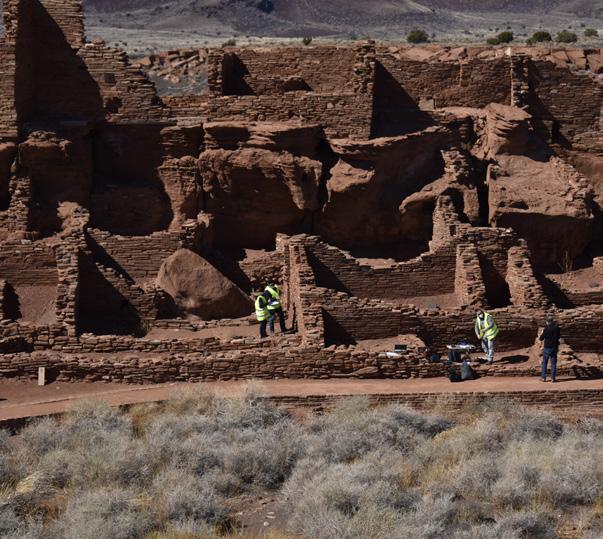
Additional Projects
Armstrong
School Conditions Assessment Macon County, AL
Center for the Preservation of Civil Rights Sites
Camp Round Meadow
Cultural Landscape Inventory & Cultural Landscape Report
Thurmont, MD
Urban Heritage Project
Wupatki National Monument Preservation Management Plan Flagstaff, AZ
Center for Architectural Conservation
CPCRS Paul Robeson House (Philadelphia, PA)
UHP C&O Canal (Carderock, MD & Washington, DC)
CAC Vermont Marble Quarries (West Rutland, VT)
UHP Memorial Avenue Corridor (Arlington, VA & Washington, DC)
CAC Tumacacori National Monument, Tumacacori, AZ
UHP Manassas National Battlefield Park (Manassas, VA)
CAC George Nakashima Home + Studio (New Hope, PA)
UHP Mifflin House (Wrightsville, PA)
UHP Nyamata Memorial Conservation Training (Nyamata, Rwanda) CPCRS
Research Methods
Community Engagement & Ethnography
Place Stewardship Toolbox
Digital Humanities Project
Center for the Preservation of Civil Rights Sites
Project Team:
Randall Mason
Lia Schifitto
The Center for the Preservation of Civil Rights Sites worked with community partners to design the Place Stewardship Toolbox, a freeto-use public website. Created to support an institutional partnership with Tuskegee University, the Toolbox provides tailored templates and other resources to small-scale heritage organizations to help them ensure organizational effectiveness, longevity, and sustainability for their immediate and longterm place stewardship needs. The Toolbox was developed in partnership with local Black heritage organizations, including Friends of Henry Ossawa Tanner House and the Paul Robeson House & Museum, as well as the national African-American Cultural Heritage Action Fund, an initiative of the National Trust for Historic Preservation.
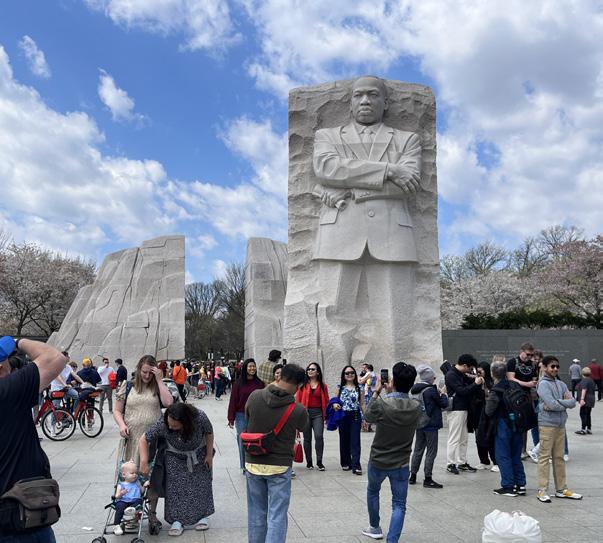
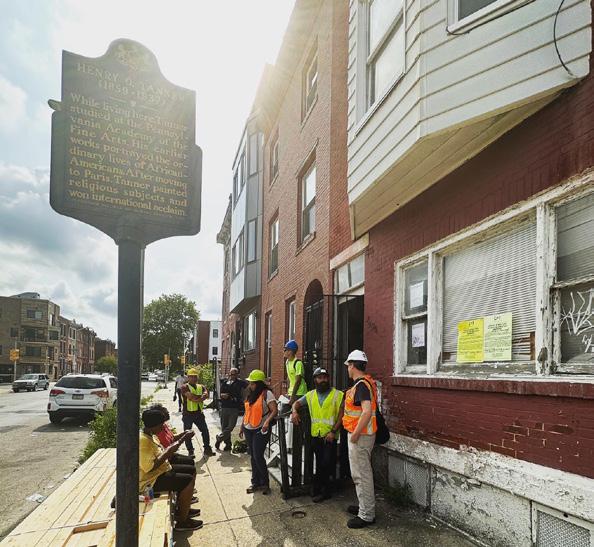
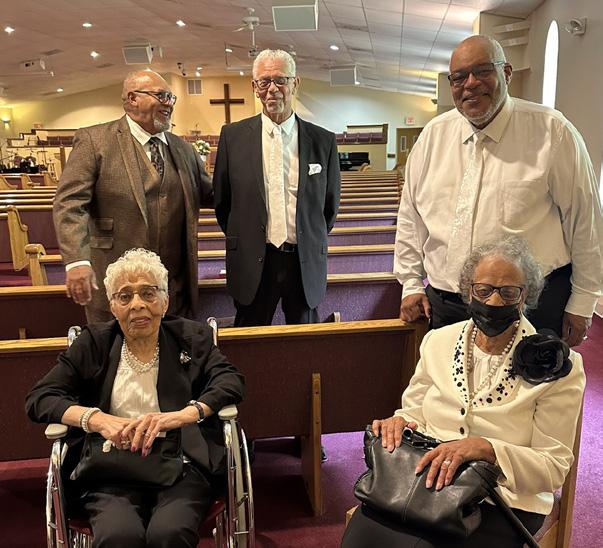
Additional Projects
Martin Luther King, Jr. Memorial Cultural Landscape Report & National Register Nomination
Washington, D.C.
Urban Heritage Project
Henry Ossawa Tanner House Community-Led Preservation Planning Philadelphia, PA
Center for the Preservation of Civil Rights Sites
Hickory Ridge Public Outreach Study
Prince William Forest Park, VA
Urban Heritage Project
UHP Lewis Mountain (Shenandoah National Park, VA)
CAC Wupatki National Monument (Flagstaff, AZ)
UHP Nyamata Memorial Conservation Training (Nyamata, Rwanda) CPCRS
CPCRS Paul Robeson House (Philadelphia, PA)
CAC Vermont Marble Quarries (West Rutland, VT)
UHP DC Small Parks Project (Washington, DC)
CAC George Nakashima Home + Studio (New Hope, PA)
UHP Bartram’s Garden (Philadelphia, PA)
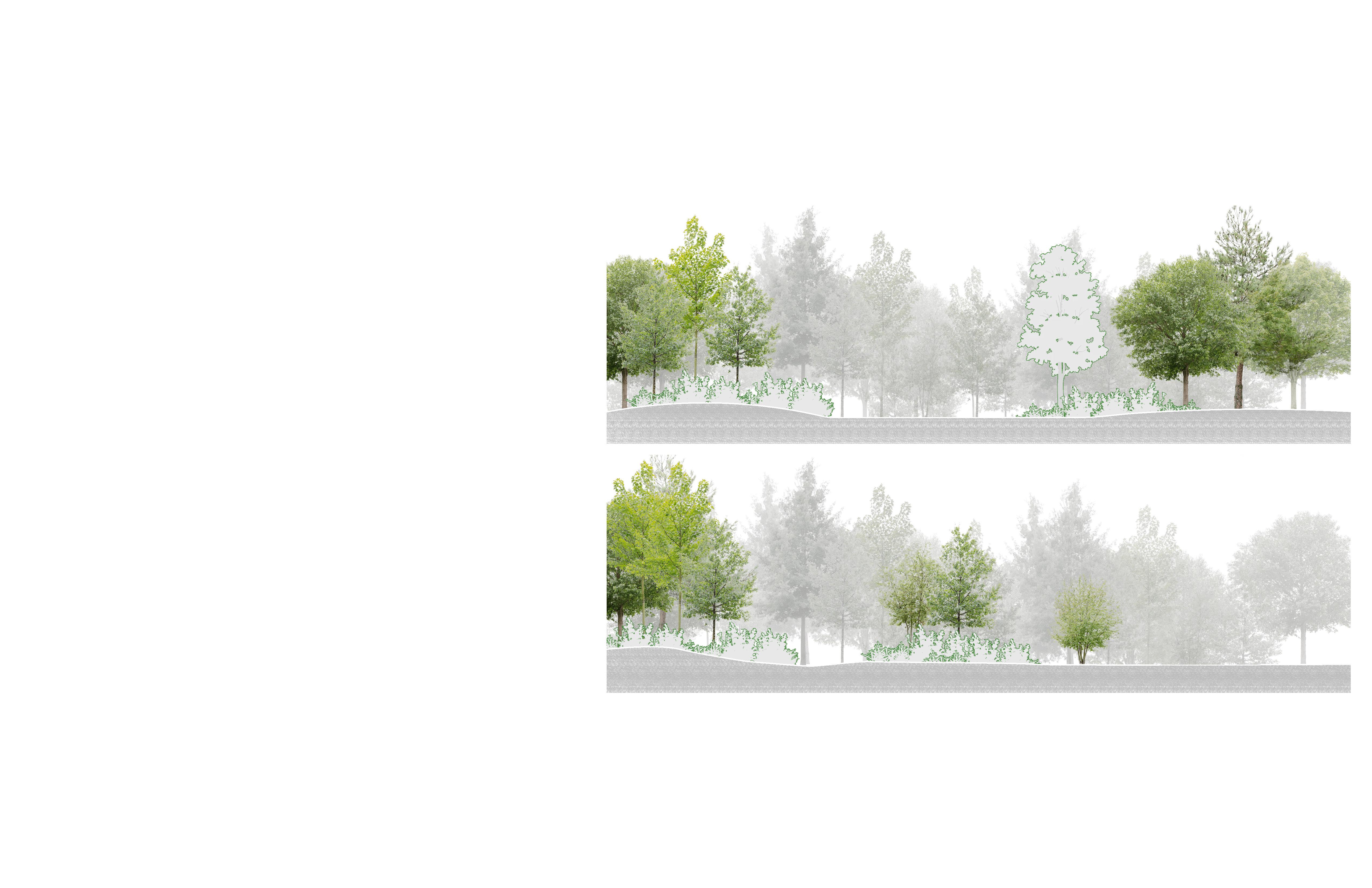
Heritage Project
Randall Mason
Molly Lester
Jacob Torkelson
Ruth Penberthy
Scott Shinton
Zhijie Wang
Blake Troxel (Consulting Forest Ecologist)
for all five camps, which remain in active use today. Over time, these camps have suffered from erosion, soil compaction, over-mowing, and vegetation loss. The CLR provided the park with innovative strategies and clear design guidance to restore each camp’s historic rustic character, reintroduce native plants, and reduce excess turf.
Urban
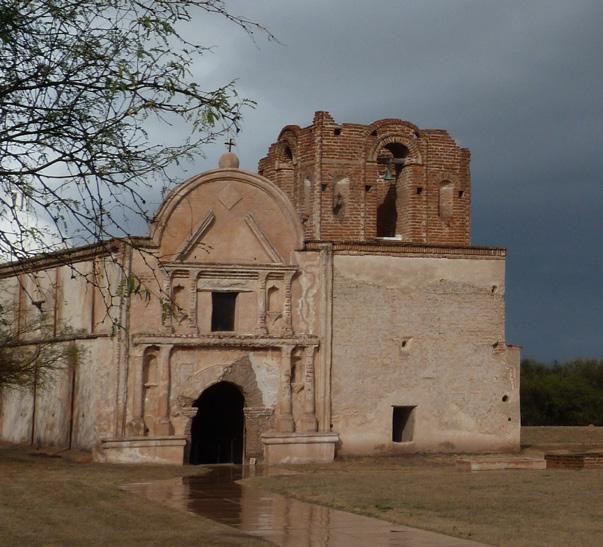
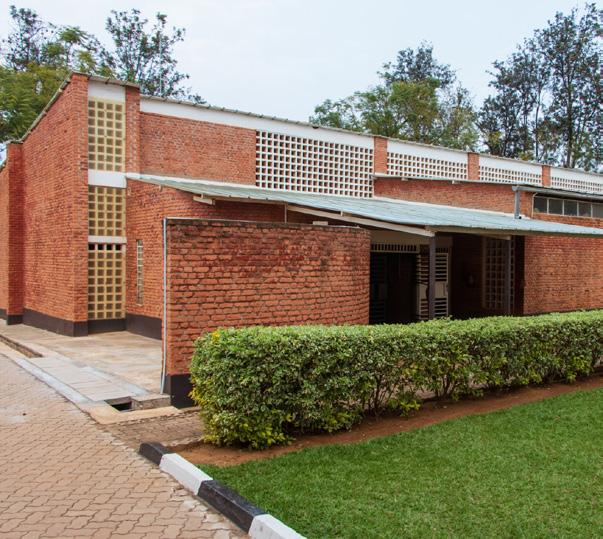
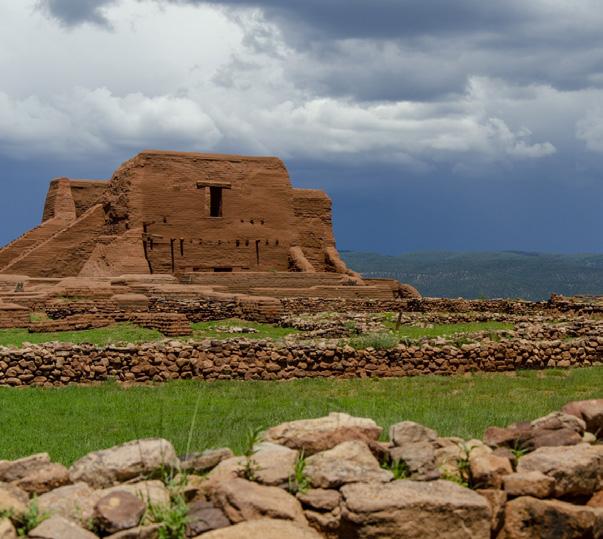
Additional Projects
Mission San José de Tumacácori
Conservation of Interior Finishes Tumacácori National Historical Park, AZ
Center for Architectural Conservation
Nyamata Memorial Conservation Training
Nyamata, Rwanda
Urban Heritage Project
Center for the Preservation of Civil Rights Sites
Pecos Mission Church Climate Vulnerability Study
Pecos National Historical Park, NM
Center for Architectural Conservation
CAC Fort Union National Monument (Watrous, NM)
UHP Public Gardens and Landscape Vision Plan (Philadelphia, PA)
CPCRS Place Stewardship Toolbox (Digital Platform)
CAC Wupatki National Monument (Flagstaff, AZ)
UHP William H. Gray 30th Street Station (Philadelphia, PA)
UHP Cedar Creek and Belle Grove National Historical Park (Middletown, VA)
CPCRS Tanner House Preservation Planning (Philadelphia, PA)
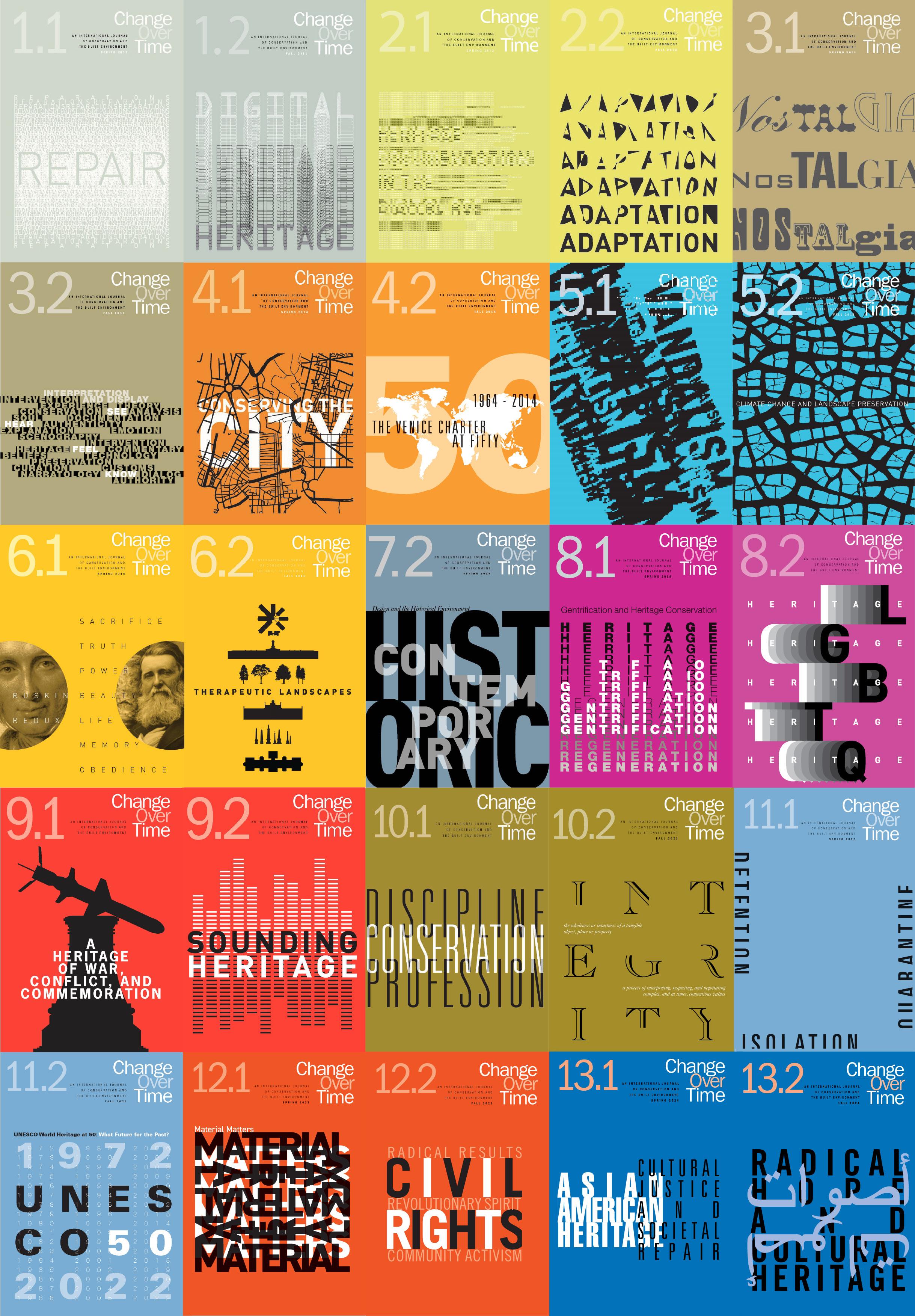
Change Over Time is a peer-reviewed, semiannual journal dedicated to the history, theory, and praxis of conservation and the built environment. The journal promotes multidisciplinary critical discourse between scholars and practitioners on contemporary conservation issues. Topics are examined at all scales and from diverse contexts, from the global, regional, and microscopic to the social, environmental, and material. The underlying premise upon which the journal was founded asserts that conservation is a complex cultural act of interpretation that has both informed and been informed by its social, cultural and physical contexts and that to evolve, the field requires robust and challenging dialogue as to its means, methods and goals.
Past Issues
1.1 Repair
1.2 Digital Heritage
2.1 Heritage Documentation in the Digital Age
2.2 Adaptation
3.1 Nostalgia
3.2 Interpretation
4.1 Conserving the City
4.2 The Venice Charter at 50
5.1 Vandalism
5.2 Landscape and Climate Change
6.1 Ruskin Redux
6.2 Therapeutic Landscapes
7.1 Landscapes of Extraction
7.2 Design and the Historical Environment
8.1 Gentrification and Heritage Conservation
8.2 LGBTQ Heritage
9.1 A Heritage of War
9.2 Sounding Heritage
10.1 Conservation: Discipline & Profession
10.2 Integrity
11.1 Legacies of Detention, Isolation, and Quarantine
11.2 UNESCO World Heritage at 50
12.1 Material Matters
12.2 Civil Rights
13.1 Asian American Heritage
13.2 Radical Hope: Stories from the Arab Region
Kecia Fong Editor, Change Over
Time
Change Over Time

Preserving Society Hill is a digital humanities project that documents the urban renewal history of Philadelphia’s Society Hill neighborhood. The project demonstrates what both urban renewal and historic preservation meant, in practice, during the formative decades of the 1950s-70s.
The project uses historical maps to spatially index parcel-level data at the 1500+ sites in the redevelopment area, including historical photographs; changing land uses; urban renewal processes of demolition, restoration, and new construction; and architectural history details, including construction date, architect, style, and physical alterations. Layered upon these filterable maps are oral history interviews conducted with over 90 residents of the area from before, during, and after urban renewal; as well as multiple selfguided walking tours.
Preserving Society Hill has benefited from support from the Price Lab for Digital Humanities, University Research Fellowship, and numerous Historic Preservation research assistants. Check out the website in progress to explore for yourself!
https://preservingsocietyhill.org/
Francesca Ammon Principal Investigator
Preserving Society Hill
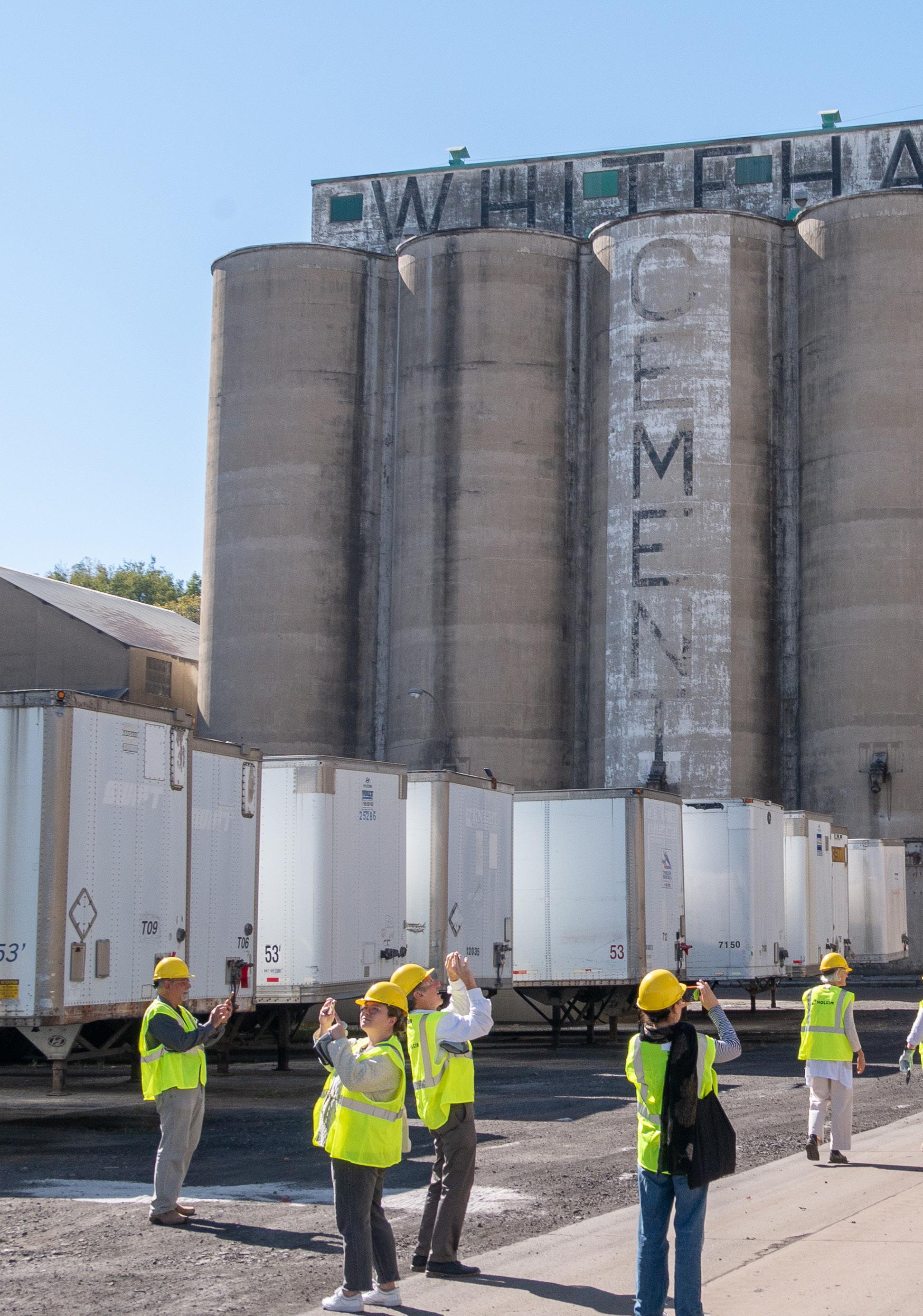
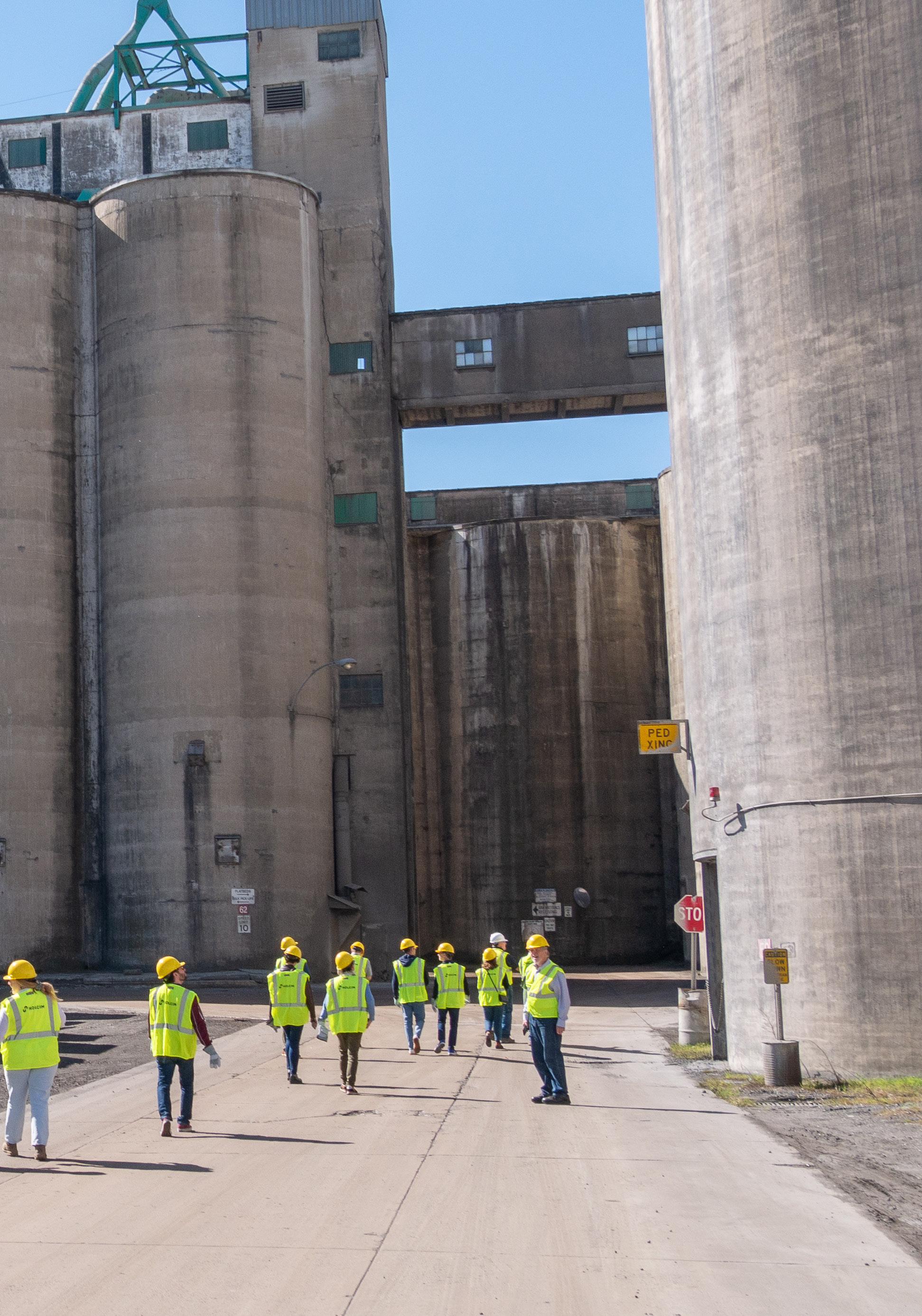
lectures & events
Fall 2024
9.13.24
In Practice
Aislinn Pentecost-Farren
10.10.24
A Dialogue in 4 Acts: Mobile Community Brick Factory & Monument
Marian April Glebes
10.24.24
Creative Erudition and the Drawing Plate: Architect Liang Sicheng’s Documentation Methods in China
Lori Gibbs
11.7.24
Building Ghosts: Past Lives and Lost Places in a Changing City
Molly Lester & Michael Bixler
11.21.24
New Building in Old Cities: Writings by Gustavo Giovannoni on Architectural and Urban Conservation
Steven W. Semes & Jeff Cody
Spring 2025
1.23.25
Preservation Challenges: Interpretation and Replication of Historic Paint Finishes
Dorothy Krotzer
2.13.25
Mortared and Dry: Masonry’s Intangible Heritage
Lara Davis
3.6.25
Change Over Time Dialogues Civil Rights Work as a Global Strategy of Resistance and Resilience
Dr. Kwesi Daniels, Chrislyn Laurore, Ian Smith, Khayla Saunders, Jacqueline J. Wiggins
Fall 2025
11.13.25
Second-Order Preservation
Erica Avrami
Spring 2026
1.29.26
The Black Space Project
Charles L. Davis II
3.5.25
Expanding Knowledge, Deepening Impact: The Future of Preservation
Jonathan S. Bell and Randy Mason
3.19.26
Salt Weathering of Built Heritage Materials: How Scientific Research Can Better Support Practical Conservation
Davide Gulotta
3.26.26
Stop Asking for Permission: Shifting Preservation’s Power Dynamics
Sarah Marsom
Cement Age/Concrete Nation
2024 marked the 200th anniversary of the introduction of artificial Portland cement. No other building material since the Industrial Revolution has so transformed the built environment, ushering in the modern age. As the main ingredient in concrete, cement is the most widely used substance on Earth after water. It is also recognized as the third largest carbon dioxide emitter in the world.
The technology and use of concrete in engineering and architecture have evolved greatly from its introduction in the 3rd century BCE by Roman engineers to its reemergence in the 19th century and prominence as the signature material of modern architecture and the development of 20th century cities. With over a century of building, modern concrete ‘heritage’ is now a critical topic of interest for design and preservation professionals alike.
Cement Age/Concrete Nation offered an in-depth study of the origins of modern concrete heritage, its conservation issues and methods, and current demands for sustainability and ecological transition. Philadelphia, by virtue of its rich collection of concrete architecture by influential architects and engineers spanning the 20th century, and its proximity to the Lehigh Valley, birthplace of American artificial cement in 1871, provides a unique setting for the celebration of this milestone in building technology.
This symposium ran Friday October 4 and Saturday October 5. optional Sunday tours of 2 historic cement producers in the Lehigh Valley: Whitehall Plant and Coplay Cement Company Kilns.
Day One | Technical and Regional Histories
Technical Histories
“Accounting for Concrete: Social and Labor Relations in United States Construction History”
Amy Slaton, Drexel University
“Constructing Concrete: The Power of Discourse across the 19th and 20th Centuries”
Sarah Nichols, EPFL
“A Microscopic View of Portland Cement: Its Evolution and Diversity of Uses in the United States
During the Nineteenth and Twentieth Centuries”
John J. Walsh, Highbridge Materials Consulting
The Evolution of Historic “Cast Stone”
Richard Pieper, Columbia University Graduate School of Architecture, Planning, and Preservation
“Schokbeton: From Dutch innovation to architectural impact in the USA”
Jack Pyburn, Lord Aeck Sargent Planning and Design & Wido Quist, Delft University of Technology
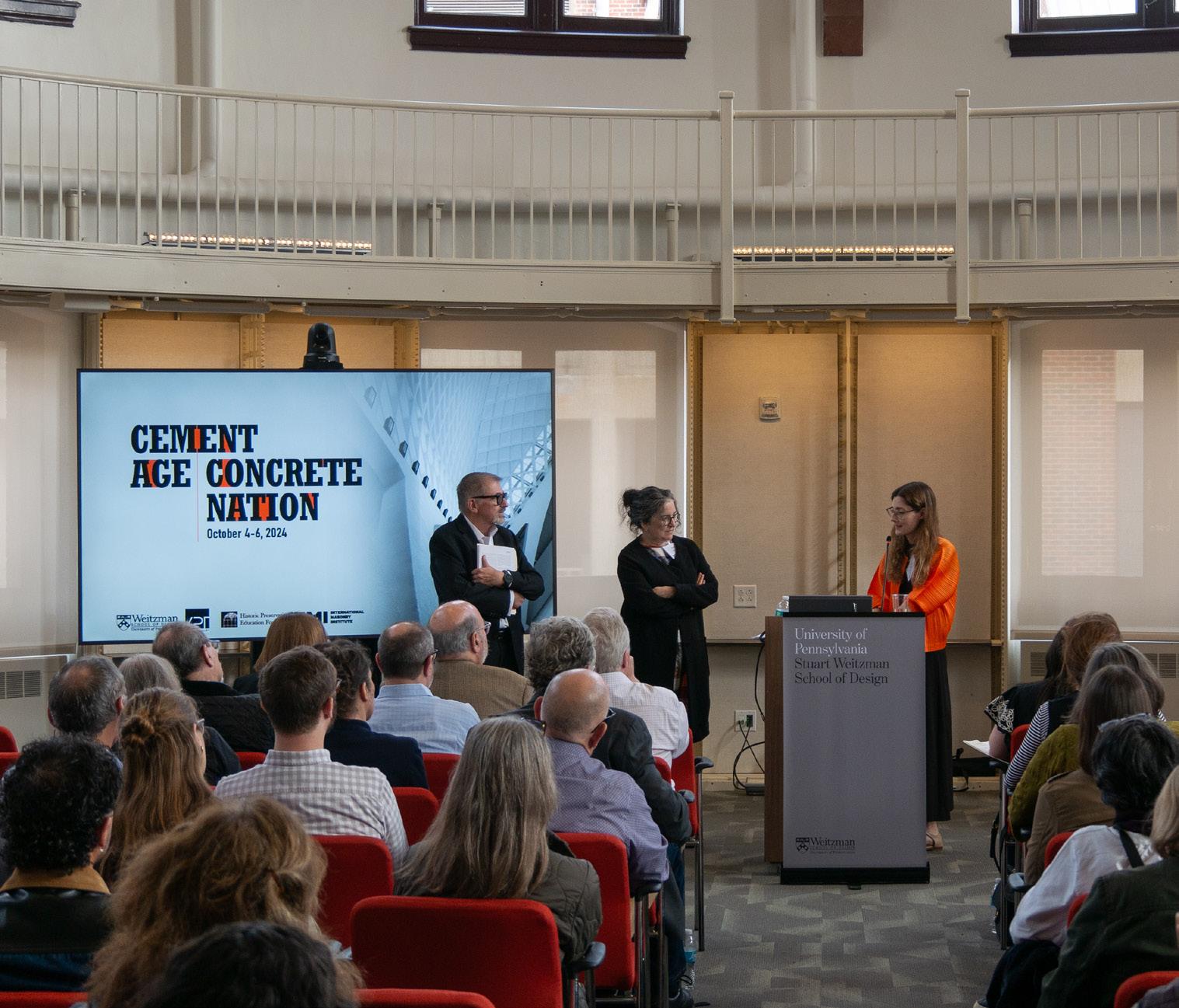
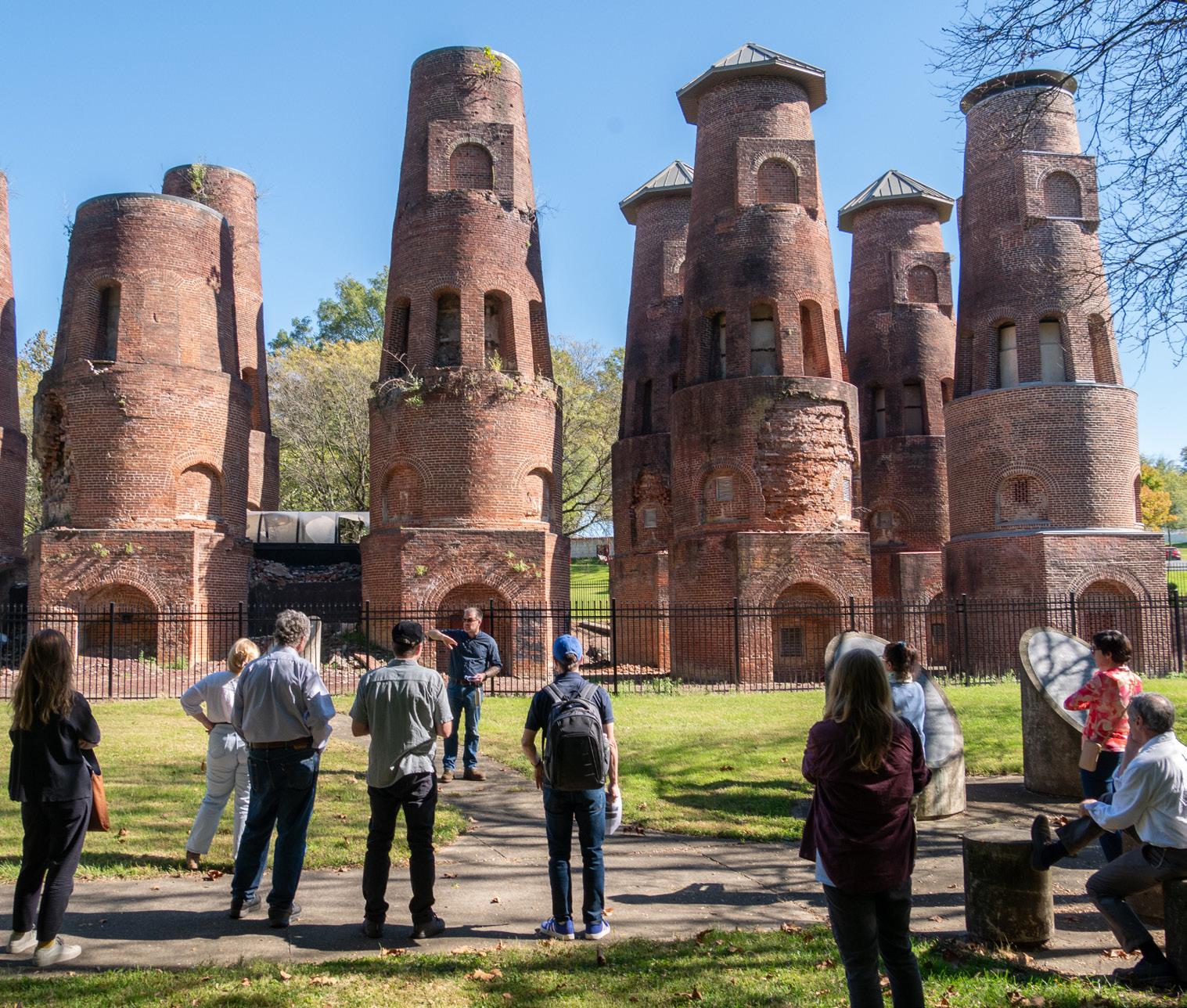
Regional Histories
“Thin-Shell Concrete in the Pacific Northwest: Material of Innovation”
Tyler Sprague, University of Washington
“The Genesis of Cement Use in Cuba, Puerto Rico and the Dominican Republic”
Beatriz del Cueto, Pantel del Cueto & Associates
“Concrete in India”
Bhawna Dandona, Meaningful Design Labs
Day Two | Selected Projects, Education, and Concrete Futures
Selected Projects
“From Analysis to Intervention Issues: Exposed Concrete at the Brion Memorial by Carlo Scarpa”
Greta Bruschi, Università Iuav di Venezia
“Beautiful Concrete — John J. Earley, the Baha’i Temple and its Restoration”
Bob Armbruster, The Armbruster Company
“Restoring the Exterior Concrete of Unity Temple”
Gunny Harboe, Harboe Architects & Blake Rago, RH Ward & Associates
“A “Virtuoso Performance” in Pre-stressed Concrete: The US Science Pavilion at the 1962 Seattle World’s Fair”
Tyler Sprague, University of Washington
Preservation Case Studies
Deborah Slaton, Wiss, Janney, Elstner Associates, Inc.
Katherine Frey, Mills + Schnoering Architects, LLC
Keith Kesner, Simpson Gumpertz & Heger, Inc.
Joshua Freedland and Tim Redar, Bulley & Andrews
Justin M. Spivey, Axiom Project Development Services, LLC
Jingyi Luo, University of Pennsylvania and RWDI
Elizabeth Davidson, The National Trust for Scotland
Edward FitzGerald, Jablonski Building Conservation, Inc.
Education
“Advancing the Concrete Conservation Field: Contributions from the Getty Conservation Institute”
Ana Paula Arato Gonçalves, Getty Conservation Institute
“International Masonry Training and Education Foundation: Technical Expertise for Historic Concrete Repair”
Alexander (Pete) Kohl, International Masonry Institute National Training Center
“CONCRETO Academy”
Irene Matteini, University of Pennsylvania Weitzman School of Design
Concrete Futures
“Cements of the U.S. in the 21st Century”
James Farny, Portland Cement Association
“Unlocking Pervasive Decarbonization Strategies in Cement-Based Products By Looking at Use and End-of-Life Opportunities”
Randolph Kirchain, Massachusetts Institute of Technology
“The Evolution and Application of Biological Concrete Materials”
Mija Hubler, University of Colorado Boulder
“The Role of Non-Destructive Evaluation in the Engineering and Preservation of Concrete Structures”
Thomas Schumacher, Portland State University
Concrete On Paper
While the practice of combining gravel, sand, and a mineral binder such as clay or lime for construction dates back millennia, the invention of Portland cement in 1824 was the catalyst necessary for the revival of concrete as a construction system by the late 19th century. Concrete on Paper follows concrete’s reintroduction, first through scientific papers on hydraulic materials and specialized imitation stone products in the late 18th century to popular do-it-yourself house building manuals of the mid-19th century.
As with any new material and construction process (reinforced concrete was both), concrete’s reception was shaped first by practical and aesthetic concerns about its use and treatment. With the rise of the cement industry, professionals demanded material standards, and the industry was keen to comply, creating a plethora of commercial literature and trade journals for suppliers and users. As the material rose in popularity, engineers and architects required textbooks, and contractors needed manuals to properly design and execute the work, while the public sought advice through the many popular shelter magazines that advocated concrete as a modern choice for modern living.
Concrete is here to stay. As the industry explores more sustainable production and high performance building practices, including material recycling, the vast volume of existing concrete structures and infrastructure demand our attention, through both retention of the everyday and preservation of the exceptional landmarks.
Curated by Frank Matero and Irene Matteini with graduate assistants Daniel Alonso Saldaña Ayala, Kate Gunn Whitney-Schubb, and Siqi Zhao.
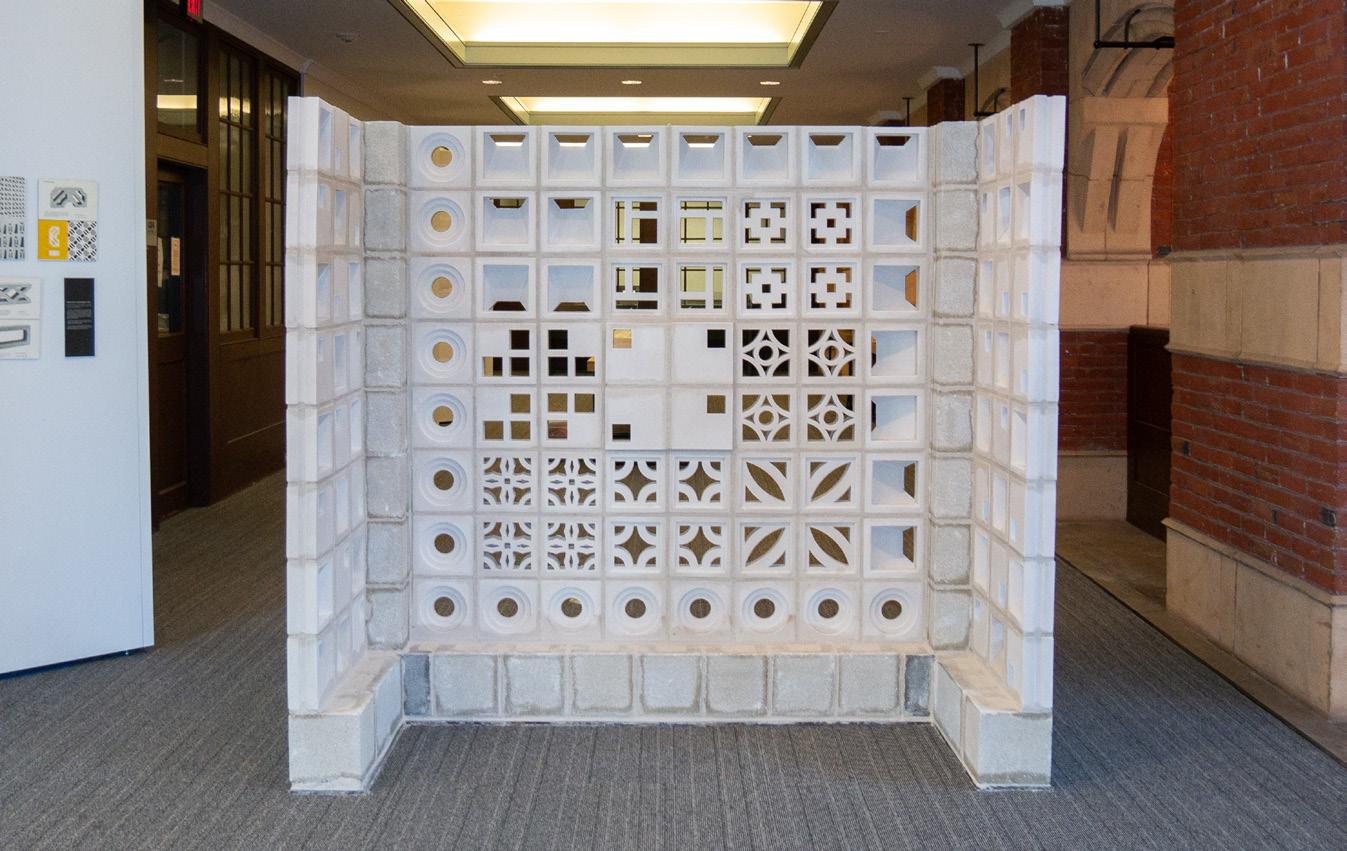
Special thanks to Tesselle for the use of their concrete blocks in the exhibition space.
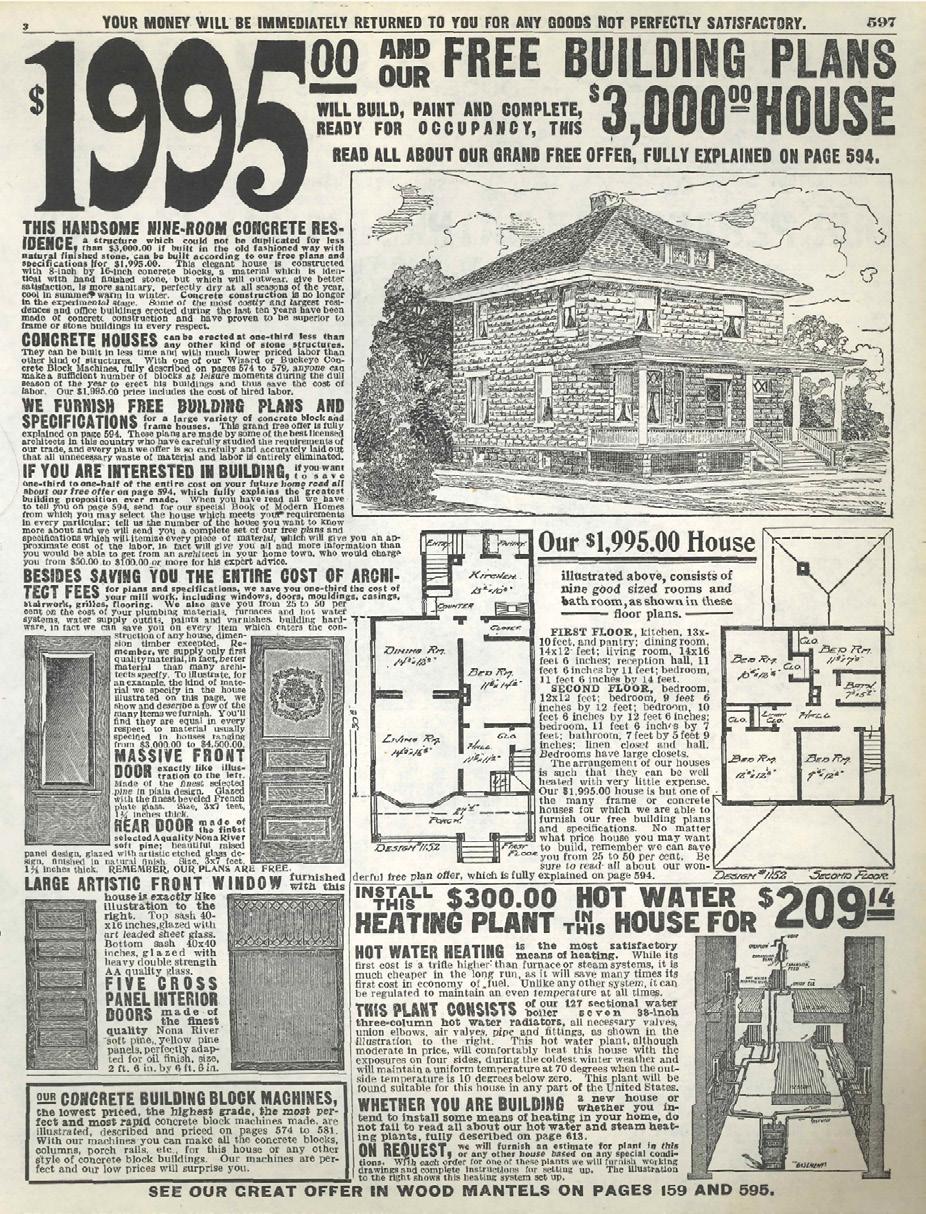
Images: From the collection of Frank Matero
What is the Future of Cultural Landscape Preservation?
The practice of cultural landscape preservation presents big opportunities to expand the reach of preservation. Cultural landscape thinking reckons with the complexity of places continuing to evolve through time and space, and challenges professionals to bring historical, scientific, social, and design intelligence to bear holistically on the future of these places. As both an established idea and as a critical means of reform, cultural landscape ideas and practices have unrealized potential and deserve deeper exploration.
In Spring and Fall 2024, the Urban Heritage Project presented three virtual talks and an in-person symposium on the state of cultural landscape preservation—in theory, policy, and practice. The program began with a series of virtual events convening academics and practitioners to delve into the critical aspects of preserving cultural landscapes today, including the challenges and models for future work. The symposium on Penn campus gathered practitioners, scholars, National Park Service partners and the UHP team to explore the potentials of cultural landscape preservation and design.
Virtual Conversations
5.1.24
Paradoxes of Cultural Landscape Preservation
Laura Alice Watt in conversation with Randall Mason
5.28.24
Inclusion and Collaboration in Cultural Landscape Practice
Brenda Williams, FASLA (Principal, Quinn Evans) and Samantha Odegard (Upper Sioux Community
Pezihutazizi Oyate, part of the Dakota Oyate [Nation]) in conversation with Jacob Torkelson.
9.25.24
Cultural Landscape Practice in the National Park Service
Jennifer Hanna and Julie McGilvray in conversation with Meg Frisibie and Molly Lester
Day One
11.14.24
Keynote addresses:
• Randy Mason, Urban Heritage Project, “Cultural Landscape is a Powerful Idea”
• Andrea Roberts, PhD, University of Virginia, “Just Noticing Isn’t Enough: “Survival Poetics” for Cultural Landscape Preservation”
• Robert Melnick, FASLA, University of Oregon, “Cultural Landscapes in an Uncertain Future”
Session 1: Emerging Perspectives in the National Park Service Cultural Landscape Program
• Allison Kennedy, Intermountain Region - National Park Service
• Noel Lopez, PhD, National Capital Region - National Park Service
• Julie McGilvray, National Capital Region - National Park Service
• Randy Mason, Urban Heritage Project - University of Pennsylvania (Moderator)
Session 2: Cultural Landscape Work in Design
• Kofi Boone, FASLA, North Carolina State University
• Laurie Matthews, MIG/University of Oregon
• David A. Rubin, FASLA, DAVID RUBIN Land Collective
• Thomas Woltz, FASLA, Nelson Byrd Woltz
• Catherine Seavitt, University of Pennsylvania (Moderator)
Day Two 11.15.24
Session 3: Indigenous Communities and Cultural Landscape Collaboration
• Samantha Odegard, Upper Sioux Community Pezihutazizi Oyate
• Lisa Prosper, ERA Architects
• Brenda Williams, FASLA, Quinn Evans
• Jacob Torkelson, Urban Heritage Project - University of Pennsylvania (Moderator)
Session 4: Bridging Theory and Practice - What is New and Next in Research?
• Manish Chalana, PhD, University of Washington
• Azzurra Cox, University of Pennsylvania
• Beth Meyer, FASLA, University of Virginia
• Thaïsa Way, PhD, FASLA, Dumbarton Oaks / Harvard University
• Randy Mason, Urban Heritage Project - University of Pennsylvania (Moderator)
Closing collaborative session: Articulating Futures for Cultural Landscape Preservation
• Gretchen Hilyard Boyce, Groundwork Preservation
• Sean Dunlap, Land Tangles
• Angelina Ribeiro Jones, National Capital Region - National Park Service
• Jenny Lauer, Nelson Byrd Woltz
• Megan McPherson, New South Associates
• Meg Frisbie, Urban Heritage Project - University of Pennsylvania
• Molly Lester, Urban Heritage Project - University of Pennsylvania
• Jacob Torkelson, Urban Heritage Project - University of Pennsylvania
people
Randall F. Mason
Chair, Department of Historic Preservation
Professor, Historic Preservation / City & Regional Planning / Landscape Architecture
Lynn Meskell
Richard D. Green University Professor Penn Integrates Knowledge Professor
Francesca Russello Ammon
Associate Professor, Historic Preservation / City & Regional Planning
Sarah Lopez
Associate Professor, Historic Preservation / City & Regional Planning
Brian Whetstone
Assistant Professor, Historic Preservation
Jules Dingle
Professor of Practice, Historic Preservation Principal, DIGSAU
Michael C. Henry
Adjunct Professor, Historic Preservation Principal, Michael C. Henry, LLC
David Hollenberg
Adjunct Professor, Historic Preservation
Cory Kegerise Lecturer, Historic Preservation
Holly Boyer
Lecturer, Historic Preservation Historical Architect, Independence National Historical Park (NPS)
Charlette M. Caldwell
Predoctoral Fellow, Lecturer, Historic Preservation
Presidential Postdoctoral Fellow, Rutgers University
Julie Donofrio
Lecturer, Historic Preservation Associate, OLIN OLIN Labs Coordinator
Joseph Elliott
Lecturer, Historic Preservation
Michael Emmons
Lecturer, Historic Preservation
Director of Historic Preservation & Architectural Research, Historic Deerfield
Andrew Fearon
Lecturer, Historic Preservation Principal Conservator, Heritage Conservation Collective
Kecia L. Fong
Senior Lecturer, Historic Preservation Editor, Change Over Time
Ashley Hahn Lecturer, Historic Preservation Writer/Researcher
Starr Herr-Cardillo Lecturer, Historic Preservation
John Hinchman
Lecturer, Historic Preservation Senior Research Associate, Center for Architectural Conservation
Roy Ingraffia
Director of Architectural Conservation Lecturer, Historic Preservation National Director of Industry Development and Technical Services, International Masonry Institute
Laura C. Keim
Lecturer, Historic Preservation Curator, Stenton
Irene Matteini
Lecturer, Historic Preservation Scientific Director, CONCRETO ACADEMYPier Luigi Nervi Foundation
Elizabeth Milroy
Lecturer, Historic Preservation
Professor Emerita of Art & Art History, Drexel University
Professor Emerita of Art History, Wesleyan University
Catherine Myers
Lecturer, Historic Preservation Founder, Myers Conservation
Anne E. Nelson
Lecturer, Historic Preservation Preservation/Museum Attorney
Nathaniel Rogers
Lecturer, Historic Preservation Partner, Director of Historic Preservation, Beyer Blinder Belle Architects & Planners
Eduardo Rojas Lecturer, Historic Preservation
Donovan Rypkema Lecturer, Historic Preservation Principal, PlaceEconomics
Liz Trumbull
Lecturer, Historic Preservation Senior Director of Preservation and Operations, Eastern State Penitentiary Historic Site
Casey Weisdock
Lecturer, Historic Preservation Director of Industry Development and Technical Services, International Masonry Institute
David G. De Long Professor Emeritus of Architecture
José Carlos Hernández Lecturer, Historic Preservation Architectural Conservation Lab Manager Research Associate
Jiwen Fan Research Associate
Meg Frisbie Research Associate
Molly Lester Managing Director, Preservation Research Collaborative at Penn
Ha Leem Ro Research Associate
Lia
Schifitto
Manager of Research Initiatives, CPCRS
Jacob Torkelson Senior Research Associate
William Whitaker Director, Architectural Archives
Faculty

Hometown: Baltimore, MD
Education Background: BA in History, Columbia University
Why did you choose Penn?
I chose Penn because of the opportunities to explore historic preservation in diverse contexts and the emphasis on communitycentric work. I was impressed by the program’s close collaboration with the National Park Service, the experience and research of the faculty, and the program’s focus on translating preservation knowledge into practical, real-world impacts. I felt confident that at Penn I would have the bandwidth to expand my skills and develop expertise in the areas that most interested me.
Hometown: Toa Alta, Puerto Rico
Education Background: BA Environmental Design
What do you like best about Philadelphia?
What I enjoy most about Philadelphia is the city’s duality. In just a few minutes, you can go from the bustling city center to a quiet residential neighborhood. Despite being an urban area, green spaces are easily accessible. For an art lover like me, the Philadelphia Museum of Art offers an impressive collection of works by prominent artists. Overall, Philadelphia is a vibrant city with diverse options to suit various lifestyles.
Andrea Floersheimer MSHP’27
Louis E. Kuilan MSHP’26

Hometown: Changsha, China
Education Background: Bachelor of Engineering, Tongji University – Architecture Pilot Class, Historic Preservation
How did you get interested in your field?
When I entered the architecture department, NotreDame de Paris was engulfed in flames. At that moment, I felt that architecture has its own destiny amidst historical changes, and those distant stones, like people, were also struggling against the weight of history. This experience sparked a deep interest in architectural preservation. The following year, I traveled to various historical sites across China, including magnificent temples, pagodas, and traditional Chinese gardens, which left a profound impression on me. These experiences made me realize that creating new architecture is only one aspect of Architecture; the preservation and reflection on old buildings is another important part.
Student Ambassadors
Selina Chuan-Zou MSHP’27

Hometown: Philadelphia, PA / Ciudad Juárez, MX
Education Background: AA, Camden County Community College; BA in Archaeology, University of Pennsylvania
What are your career ambitions?
I hope to work for the National Park Service and, ultimately, to manage or consult on a historic site that is an active part of its surrounding community. My goal is to create spaces where preservation is not only about safeguarding the past, but also about enhancing the present and future for the people who engage with the site as part of their quotidian landscape. I am especially committed to ensuring that historic sites are welcoming, accessible, and shaped through community action and collaboration.
Hometown: Jacksonville, FL
Education Background: BS in Urban & Environmental Planning, University of Virginia
What was your background before coming to Penn?
I graduated from the University of Virginia in 2019 with a Bachelor of Science in Urban & Environmental Planning. After graduating from college, I worked in the City of Baltimore, working in a planning office for a summer, then eventually worked at a non-profit historic preservation organization, Preservation Maryland, co-facilitating the Smart Growth Maryland Program to advocate for better preservation policies within the local, state, and federal level.
Arielle Pierson MSHP’27
A. Ruby Nwaebube MSHP, MArch’26
Hometown: San Luis Obispo, CA
Education Background: BA in Classics and Chemistry
What was your background prior to coming to Penn?
I graduated from the College of the Holy Cross in 2022 and moved back to my hometown. I worked at a donut shop and took art classes at the local community college until I decided I was ready to apply for grad school.
What kinds of activities and/or organizations are you involved in?
Outside of class, I work as a research assistant for a professor in my department and I’m looking forward to taking part in the events that the Preservation Student Association puts on.
Augusta Holyfield MSHP’27
Weitzman Preservation has graduated over 800 alums, who have gone on to rewarding careers across the globe. They work in the private sector at design, conservation, or consulting firms; in non-profit heritage organizations and museums; and in the public sector with local, state, or national government agencies in the United States or abroad. In the six months after graduation, 83% of Historic Preservation students report finding a full-time or part-time job. Below is a list of just some of the places that have employed Weitzman Preservation alumni over the last four decades.
• 20th Century Preservation
• Abu Dhabi Department of Culture & Tourism
• Adapt | re:Adapt Preservation and Conservation
• Adirondack Architectural Heritage
• AECOM
• Amtrak
• APIAHiP: Asian & Pacific Islander Americans in Historic Preservation
• Aplenc Preservation Counseling
• Architectural Preservation Studio
• Architectural Resources Group
• Archway Preservation
• Association for Preservation Technology DC Chapter
• Association for Preservation Technology International
• Atkin Olshin Schade Architects
• Atkinson-Noland & Associates
• Ayser Saint Gross
• Beyer Blinder Belle Architects and Planners
• Boston Architectural College
• Bridges Associates
• Bucks County Parks and Recreation
• Building Conservation Associates, Inc
• Bulley & Andrews Masonry Restoration
• Carnegie Mellon University
• Centro de Conservación y Restauración de Puerto Rico - CENCOR
• Christopher Mills Conservation Services
• City & County of San Francisco Planning Department
• City of Austin, TX
• City of Berkeley, CA
• City of Hammond, IN
• City of Newburgh, NY
• City of Philadelphia, PA
• City of Portland, OR
• City of Raleigh, NC
• City of Santa Ana, CA
• Clemson University
• Connect10Strategy Real Estate & Design
Marketing & Growth Advisory
• Cultural & Heritage Museums—Historic Brattonsville
• Cultural Heritage Administration
• CVM Professional
• DBVW Architects
• Design Innovation Centre, Islamic University of Science and Technology
• Dewberry
• DLR Group
• Dupont
• Eastern State Penitentiary
• Econsult Solutions
• Environmental Research Group
• Environmental Science Associates
• Escuela Taller de Conservacion y Restauracion del Patrimonio Historico de Puerto Rico
• Esri
• EverGreene Architectural Arts
• FEMA
• Friends of the Rail Park
• Gensler
• Geosyntec Consultants
• Getty Conservation Institute
• Groundwork Planning & Preservation
• GTG Consultants
• Harvard University
• Heritage Consulting Group
• Historic Building Architects
• Historic Restoration Services
• HMR Architects
• ICF
• Indian Institute of Science Education and Research (IISER), Pune
• Indiana Landmarks
• Inskip Gee Architects
• Integrated Conservation (ICR-ICC)
• International Masonry Institute
• J&M Preservation Studio
• Jacobs
• Jamestown
• John G Waite Associates, Architects
• Joseph K Oppermann
• JVA
• Kate Cowing Architect
• Kathmandu Institute
• Klein and Hoffman
• Kleinfelder
• Kreilick Conservation
• L.R. Aument
• Lake Worth Beach
• Langan Engineering and Environmental Services
• Latinos in Heritage Conservation
• Laveer Logix
• Lehigh University
• Live Nation Entertainment
• Local Initiatives Support Corporation
• Louvre Abu Dhabi
• Marstel-Day
• MASON
• McGinnis Chen Associates
• Meadors, Inc
• Metropolitan Area Planning Council (MAPC)
• Minute Man National Historical Park
• MTFA Architecture
• National Park Service
• National Trust for Historic Preservation
• National University of Science and Technology
• New Ecology, Inc
• New Jersey Historic Trust
• New Jersey Department of Environmental Protection
• Newport Restoration Foundation
• NTM Engineering
• NYC Department of City Planning
• NYC Department of Parks & Recreations
• NYC Landmarks Preservation Commission
• Ohio History Connection
• Ontario Ministry of Citizenship & Multiculturalism
• Pacific Gas and Electric Company
• Page & Turnbull
• Parks Canada
• Peking University School of Archaeology and Museology
• Pennsylvania Historical and Museum Commission
• Perspectus Architecture
• PlaceEconomics
• Post Oak Preservation Studios
• Preservation Alliance for Greater Philadelphia
• Preservation Company
• Preservation Design Partnership
• Public Archeology Laboratory (PAL)
• Quinn Evans
• Philadelphia Chinatown Development Corporation
• RDH Building Science
• Real Property Capital
• Refugia Design/Build
• Rensselaer Polytechnic Institute
• Resnicow and Associates
• Rincon Consultants
• RLA Conservation of Art & Architecture
• Rojas Historical Research (RHR) Services
• RWDI
• Seramount
• Shanghai Jiao Tong University
• Simple Design Studio-Architects
• Simpson Gumpertz & Heger
• Site Sounding Office
• Sixteenfifty Creative Intelligence
• Sound Point Capital Management
• SP Murphy
• Spies Historic Preservation Consultants
• Stantec
• Stenton Museum
• Stokes Architecture
• Stromberg/Garrigan & Associates
• The Royal Commission for AlUla
• Thomas Jefferson Foundation
• Thomas Jefferson University
• TIGRIS Architecture + Preservation
• Treanor
• U.S. Department of State
• U.S. General Services Administration
• Vizcaya Museum & Gardens
• Voith & Mactavish Architects
• Walter B Melvin Architects
• Walter Sedovic Architects
• Washington Trust for Historic Preservation
• Wiss, Janney, Elstner Associates
• WRT
• Wynnefield Capital
• World Heritage Institute of Training and Research for the Asia and the Pacific Region
Employment
Frank Matero (1953-2025)
Frank Matero, Gonick Family Professor in the Department of Historic Preservation received his education in anthropology, architectural preservation, and material conservation. As an educator and conservation practitioner, Frank shaped architectural conservation discourse and practice in the US and abroad for over 35 years. At Penn, he was the Director and founder of the Center for Architectural Conservation, a member of the Graduate Group in the Department of Art History, and Research Associate of the University Museum of Archaeology and Anthropology. Previously he was an Assistant Professor at Columbia University and Director of the Center for Preservation Research. He was the founder and editor-in-chief of Change Over Time: An International Journal of Conservation and the Built Environment published by the University of Pennsylvania Press. Frank served on numerous editorial, non-profit, and government organization boards, including the National Institute for Conservation, US/ICOMOS, the American Institute for Conservation, Journal of Architectural Conservation, Conservation and Management of Archaeological Sites, and Cultural Resource Management. He was a Professional Associate of the American Institute for Conservation of Historic and Artistic Works, a former Co-chair of the Research and Technical Studies Group, and an Expert Member on the Advisory Council on Historic Preservation.
Frank studied at SUNY Stony Brook, Columbia University and the Institute of Fine Arts/New York University and was visiting faculty at the International Center for the Study of Preservation and the Restoration of Cultural Property (ICCROM/UNESCO), the Polytechnic University of Puerto Rico, Yale University, and Carleton University and was a visiting scholar at the Getty Conservation Institute and the Museum of New Mexico. He was appointed the first Architectural Conservator for the National Park Service and served as Scientific Director for the Aga Khan Historic Cities Support Program for the Ayyubid Wall, Cairo and Director of Conservation for the Gordion Archaeological Project/Penn Museum.
Through his boundless energy, enthusiasm, and vision, Frank helped evolve the Penn Preservation program into a leading center for architectural conservation education and research. His teaching and projects addressed the conservation of historic buildings and sites, with an emphasis on masonry and earthen construction, the conservation of archaeological sites, and issues related to interpretation, preservation, and appropriate technology for traditional societies and places. His later work focused on developing a framework for material and site risk vulnerability related to climate change. He published extensively on a wide range of topics addressing conservation history, building technology, ethics, and professional practice. Awards included the G. Holmes Perkins Award for Distinguished Teaching, the Oliver Torrey Fuller Award for multiple publications, and the American Institute of Architects Education Honors Award and the Sheldon and Caroline Keck Award for excellence in the education and training of conservation professionals.
He trained and inspired generations of students who carry his legacy forward. More than an eminent figure in conservation, Frank Matero was a dear colleague, generous teacher, and friend. We miss him.
Image: Frank and his Airstream at Bandelier National Monument, 2001. Photo by Joseph Elliott.
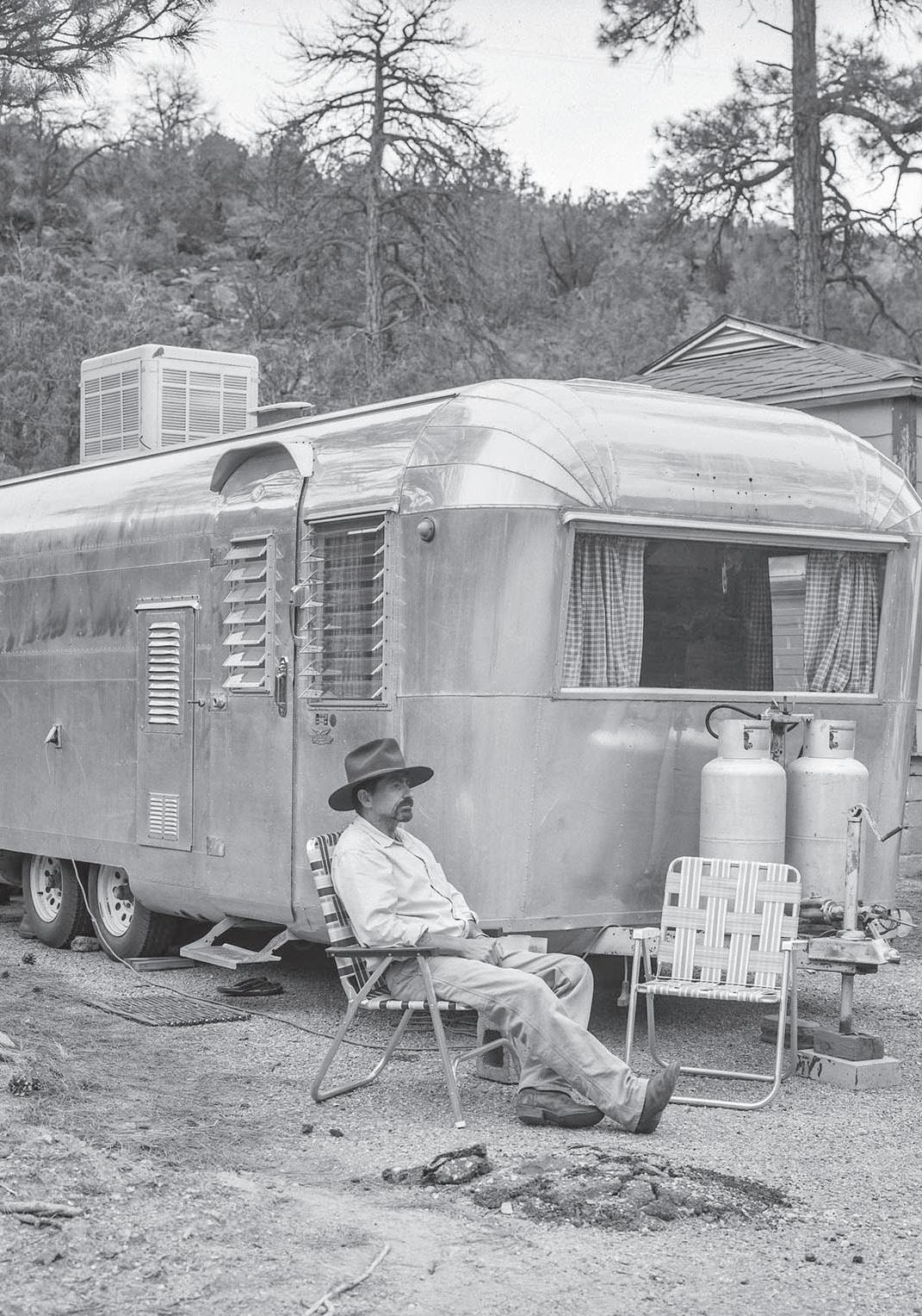
In Memoriam
Aaron Wunsch (1970-2024)
Aaron Vickers Wunsch, associate professor in the Department of Historic Preservation received his education in architectural history and historic preservation. He was an award-winning architectural historian, a committed teacher, and a preservation activist. Educated at Haverford College, the University of Virginia, and the University of California Berkeley, Aaron made significant scholarly contributions to the understanding of American architecture, landscape, and urbanism. Prior to Penn, Aaron worked as an historian at the Historic American Building Survey (HABS); the experience generated many of the scholarly interests that would last his entire career. His research interests spanned 19th century domestic and religious architecture, the rural cemetery movement, and the deployment of monumental architecture by utility companies in the early 20th century.
For his public work and preservation advocacy, Aaron received numerous awards and recognitions including Preservation Virginia’s Outstanding Domestic Project Award, the Preservation Alliance of Philadelphia’s Public Service Award for Preservation in the Public Interest, the University City Historical Society’s Michael Hardy Preservation Initiative Award, and the Henry J. Magaziner Award from the Philadelphia chapter of the American Institute of Architects. He held fellowships at Harvard University’s Dumbarton Oaks Research Center, the Winterthur Museum Garden and Library, The Library Company, the Athenaeum of Philadelphia, and the McNeil Center for Early American Studies.
Aaron helped develop the public history concentration in the Penn Historic Preservation department, thereby inspiring generations of students in American architectural and landscape history, public and community history, and neighborhood, site, and building documentation. Equally at home in the classroom, the archives, public forums, or on a roof, Aaron embodied his beliefs in the implicit value of historic preservation. For Aaron, historic buildings and places offered a boundless resource for strengthening the fabric of community, and for forging rich links between a critical understanding of heritage, contemporary politics, and visions for the future of society, culture, economy, and place. He took stewardship seriously and felt strongly that society owes it to our ancestors and future generations to treat heritage respectfully and to responsibly maintain and pass on the best of what we have inherited. Aaron was the founder of RePoint Philadelphia, a grassroots civic nonprofit dedicated to protecting and celebrating Philadelphia’s historic resources through advocacy. In his unwavering commitment to historic preservation, Aaron inspired countless others to join him in the pursuit. We are all richer for it.
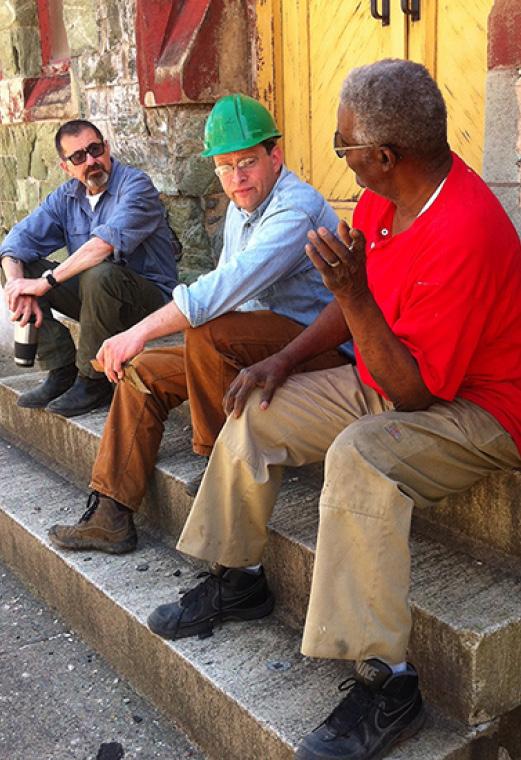
In Memoriam