Tōtara Pegasus Health Pānui
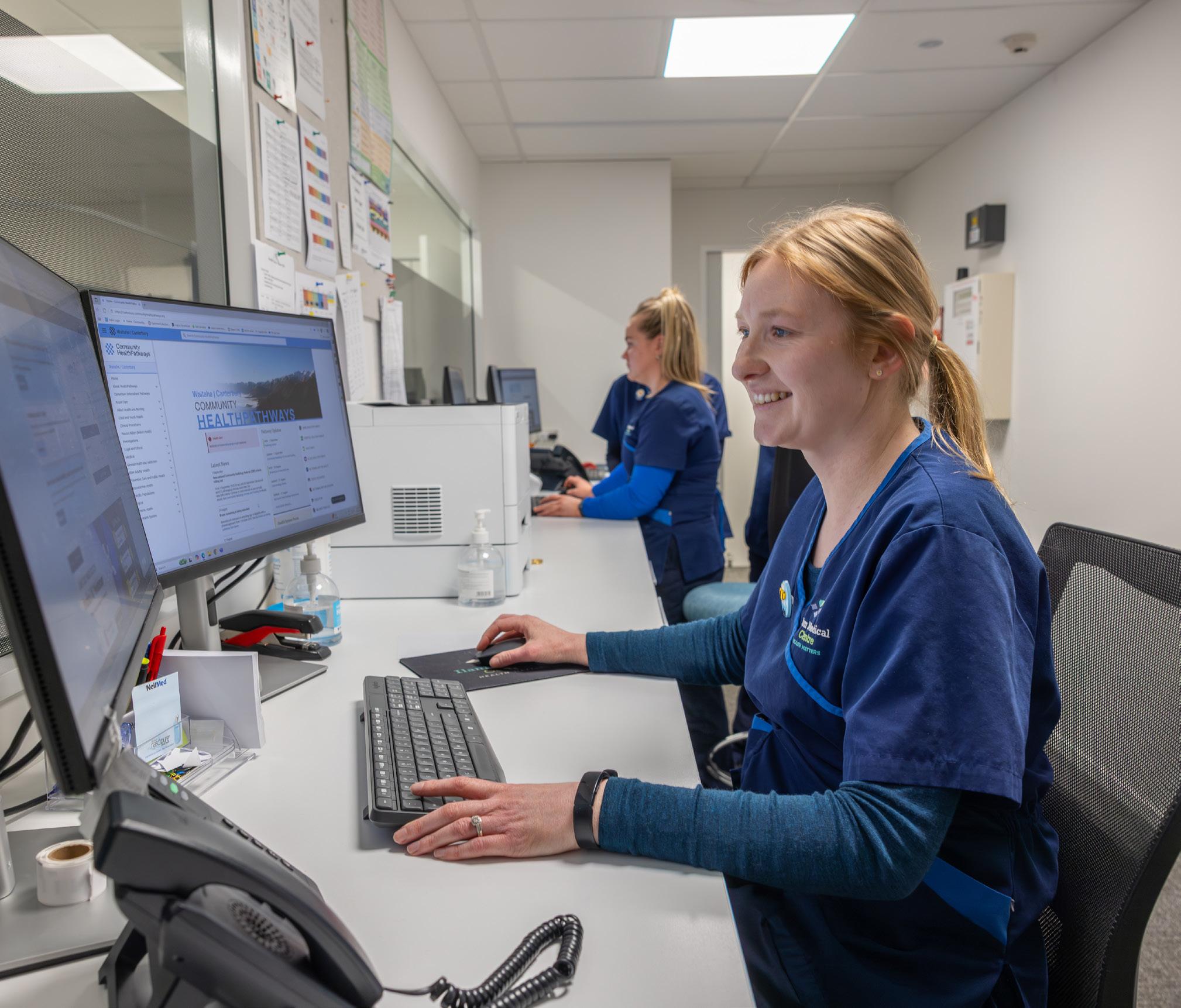


Hakihea | December 2025
Putanga | Issue 09

Hakihea | December 2025
Putanga | Issue 09
Pegasus House stands on land which was previously a dense Tōtara forest. The name Tōtara honours our home’s past. Just like the Tōtara tree thrives in the forest, soaring towards the sky and Ranginui, we create this newsletter with the aim of highlighting excellence in primary care and to support others to similarly flourish and strengthen.
Each issue of Tōtara Pegasus Health Pānui features stories, interviews, and new initiatives from across Waitaha Canterbury.
If you have a story, you would like our team to cover, please email communication@pegasus.health.nz
Tōtara Pegasus Health Pānui is produced by the Communications Team at Pegasus Health. Content within Tōtara Pegasus Health Pānui has been included with the approval of content providers. If you wish to reproduce, alter, or transmit any of the information or images contained within, please contact communication@pegasus.health.nz.
Pegasus Health (Charitable) Ltd is one of the Aotearoa New Zealand’s largest and most progressive PHOs and practice networks, supporting general practice in Waitaha Canterbury and the health system throughout the South Island.
At our core we exist to support practices – and through this to help provide better health outcomes to people living in Waitaha.
Our purpose is by 2030, the health outcomes for people in our takiwā have improved substantially with a
significant reduction in inequities in access and outcomes.
Our values of Inclusive, Strive, Connection, and Integrity, are underpinned by our guiding principle of Manaakitanga, to create the fabric of our ways of being as an organisation.
Pegasus has a commitment to ensure that we overtly, purposefully, and strategically thread equity and Te Tiriti o Waitangi through all we do and how we operate.
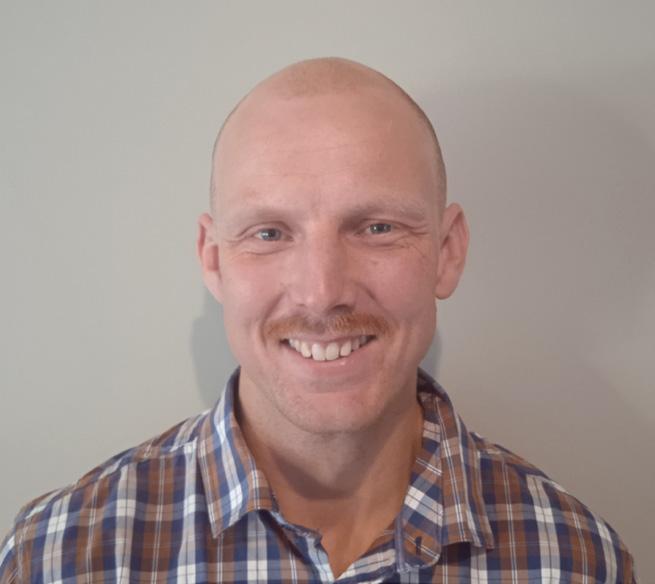

Kia ora koutou,
As we head toward summer and the Christmas period, it feels timely to reflect on the year. Across our network, general practice teams have continued to respond to sustained demand and workforce pressure. Many of you will be working through the holiday period to ensure patients and whānau remain supported. I want to acknowledge that ongoing commitment.
Included in this issue is a look at Te Aranga Community Health, where Practice View is giving the team clearer insights into their population and how care needs are shifting. With accurate and usable data, the practice can plan earlier and deliver patientcentred care with confidence.
We also share insights from Dr Rob Seddon-Smith, whose work in Hei Hei and Sumner highlights how local communities shape the GP role and the way each practice operates. His reflections reinforce the importance of funding approaches that recognise complexity and relationship-based care.
At Ilam Medical Centre, professional supervision is strengthening confidence and leadership within the nursing team. With support from Pegasus Health Nursing Advisor Joanne Butfield, Nurse Prescriber Kate Boys demonstrates the value of clinical support and workforce development in growing capability across our network.
This issue also explores the evolving role of telehealth. Drawing on his experience in general practice and
telehealth with Practice Plus, Dr Justin Fletcher outlines how telehealth can complement traditional general practice, ease pressure, and improve access.
We finish with the opening of Edgeware Health, a new independent practice that reflects the strength of locally owned, community-based general practice. It is encouraging to see ongoing commitment to community care in a period of change.
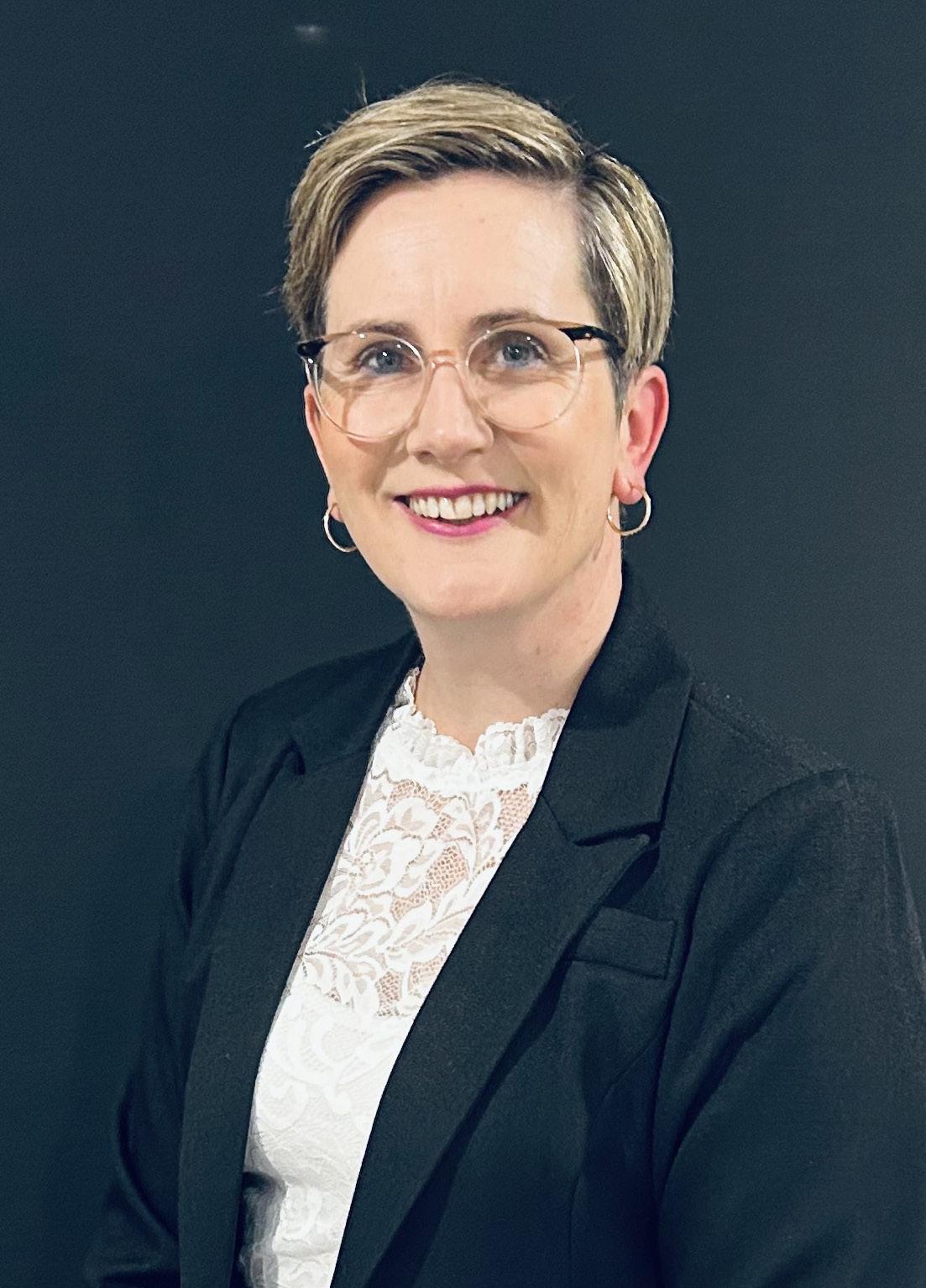
Together, these stories show a network that remains responsive and focused on community wellbeing.Ngā mihi nui, Kim Sinclair-Morris Manukura | CEO Pegasus Health (Charitable) Ltd.
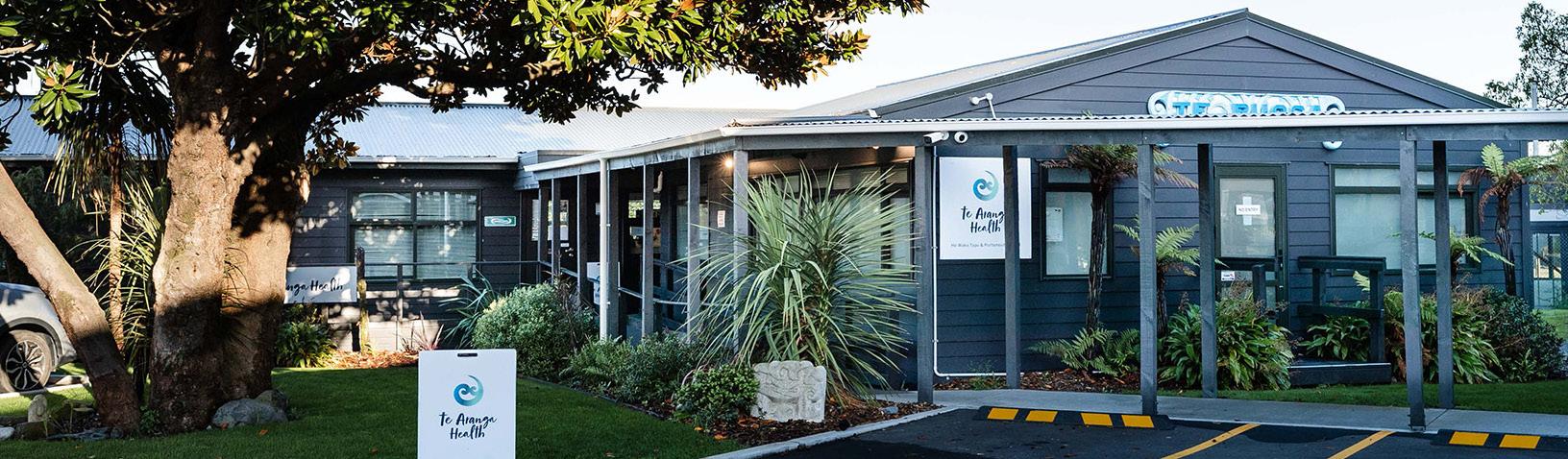
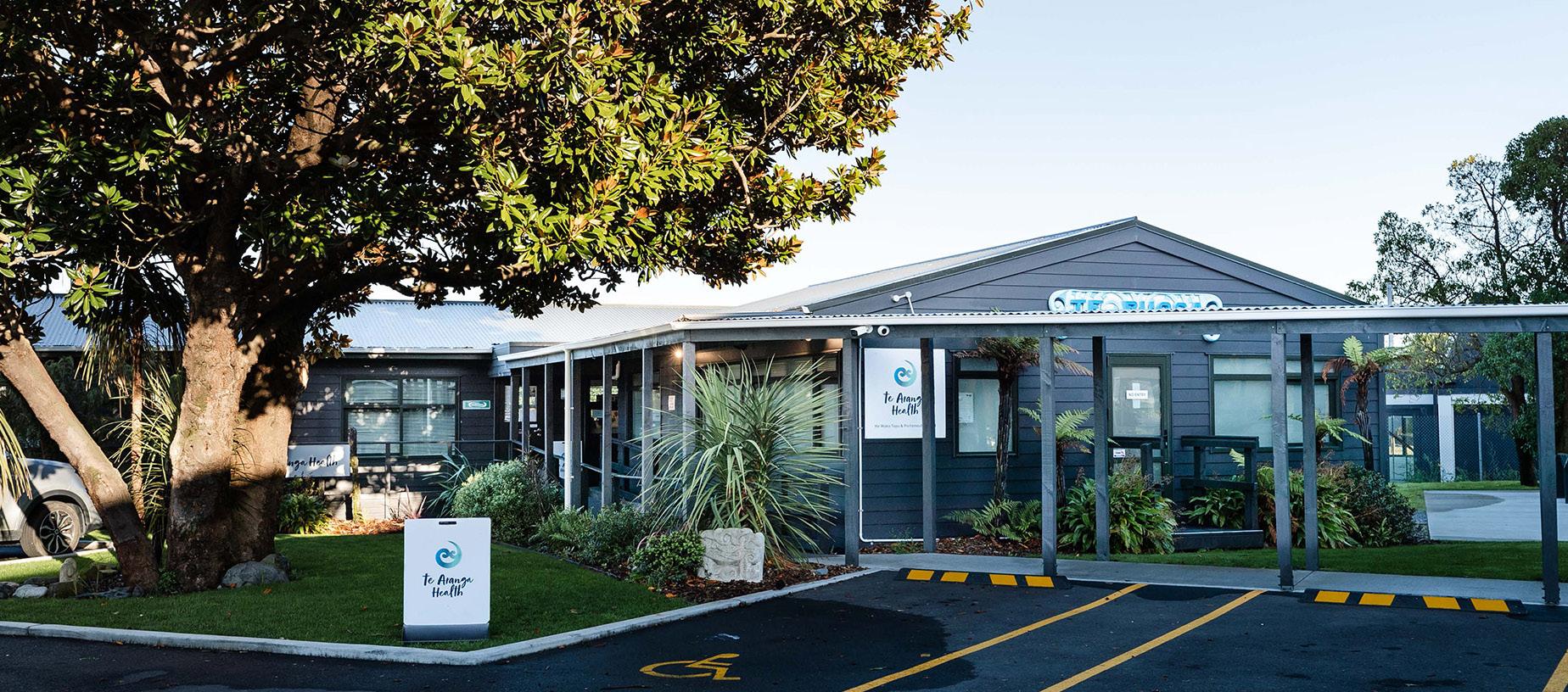
Outside Te Aranga Community Health
At Te Aranga Community Health, a Very Low Cost Access (VLCA) practice in Wainoni, Practice View is providing clearer insights into their community and where care needs are shifting.
Practice View, the Pegasus Health reporting portal, offers comprehensive information on capitation funding, claiming, enrolment management, diabetes, cardiovascular risk assessment, and immunisation, all in one place.
General practitioner (GP), Dr Jane Heatherington, values the visibility of their fast-growing enrolled population for the practice team.
“We can easily see how many patients are under each GP. We aim for 115 per tenth for each to ensure a balanced load,” Jane said. “We can also look at patient demographics, our typical patient would be a 25-44 year old Māori man, which is very different to a lot of practices.”
A clear overview of enrolment patterns is also valuable, helping the practice ensure they are appealing to all the different demographics in their community.
Practice View’s cardiovascular risk assessment (CVDRA) and diabetes
dashboards support earlier, more proactive follow-up. These reports help the practice’s Health Coach identify when checks are overdue and when a patient may be starting to disengage.
“We can often identify disengaged patients based on outstanding CVDRA and diabetes checks. Often, they’ve also stopped taking their medication and coming in for appointments,” Jane said.
The immunisation dashboard has also been helpful for the practice, supporting outreach to patients who are open to immunisation but require reminders.
The practice has used the prescribing dashboard to safely reduce the number of patients on the “triplewhammy” combination of an ACE inhibitor, a diuretic, and an antiinflammatory, supporting safer prescribing across the practice.
For the Te Aranga team, Practice View is a practical, everyday tool that strengthens clinical oversight and helps them respond to their community with more confidence and clarity.

Hei Hei Health Centre (above) and Sumner Health Centre (right).
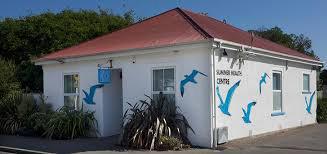
In Christchurch, a single doctor has spent fifteen years straddling two worlds. Dr. Rob Seddon-Smith owns both Hei Hei Health Centre, one of Pegasus Health’s most socioeconomically challenged practices, and Sumner Health Centre, one of its most affluent.
Each clinic serves roughly three thousand patients and operates under the same leadership, systems, and philosophy. “It’s a natural experiment,” he said. “The same management, same systems, same doctor. The only thing that changes is the postcode.”
At Sumner, the practice is stable and financially healthy. “We never really lose money,” he said. “Even in a bad month, we’re fine.”
At Hei Hei, every dollar stretches further and the workday runs longer. The patients, he said, are “sicker, poorer, and more complicated.” They face conditions that medicine alone can’t fix; asthma made worse by damp
housing, chronic stress tied to insecure work, depression that comes from exhaustion rather than chemistry.
“When people are surviving, not thriving, it’s much harder to focus on prevention,” he said. “You can tell someone to walk thirty minutes a day, but that doesn’t mean much if they’re working double shifts or don’t have safe places to walk.”
The contrast between the two suburbs reveals what Rob called the geography of health, a quiet but persistent inequity. “You need more doctors in high-need areas,” he said, “but it’s harder to earn an income there. The funding models are the wrong way up.”
Despite their differences, both practices share the same principles. All employees, whether cleaning crew, administration or clinical, receive at least the living wage, and the clinics sponsor local sports teams and projects to support their communities,

owner, Dr Rob Seddon-Smith
beyond the practice door.
“It’s proof you can run an ethically effective practice without losing money,” Rob said. “But it’s not easy.”
The financial gap between the two clinics mirrored the emotional one. “Sumner patients are organised and they take your advice,” he said. “In Hei Hei, people want to listen, but life keeps getting in the way. They’re not lazy or careless. They’re tired.”
The difference shows up not only in patient care but in paperwork. At Hei Hei, Rob estimates there’s 60 to 70 percent more administrative work by count, and roughly three times as much by time. There are more results to review, more letters from hospitals and specialists, and more of them that need action rather than simply noting that a patient is fine. “It takes me about an hour a day to clear the Hei Hei inbox,” he said. “Sumner takes twenty minutes.” More prescriptions, more controlled drugs, more medication changes, the invisible weight of care that never appears in consultation statistics.
Rob has seen the toll this imbalance takes on his profession. Recruiting doctors to low-income areas is hard and keeping them is harder. “It’s not because they don’t care,” he said.
“It’s because they burn out. You can’t sustain the workload when the funding model rewards quick consults instead of complex care.”
He was equally cautious about the rise of corporate telehealth and “efficiencyfirst” models that promised speed but risked detachment. “If I can do fifty percent more consults in a day by phone, I make more money,” he said. “But the patient gets less care. You lose the relationship. You lose the chance to spot the small things that matter.”
To him, medicine was most effective when it was personal, when trust had the opportunity to grow over years. “People think general practice is about diagnosing disease,” he said. “Mostly, it’s about knowing someone well enough to notice when something’s changed.”
After fifteen years of working both ends of the spectrum, Rob strongly believes the system itself needs to change. “We talk about equity all the time, but we don’t fund it,” he said. “You can’t expect fairness from a model that pays the same for easy patients as it does for complex ones.”
He believes general practice should be built around time, trust, and fairness — values that couldn’t be automated or scaled. “If you want to keep doctors in this country, pay them enough to stay,” he said. “If you want them to care, give them the time to care.”
“The system’s built the wrong way,” he said. “But we still manage to do some good.”
For Rob, that quiet persistence is what keeps him going. The work is hard and often thankless, but it still matters, especially in the places that need it most.
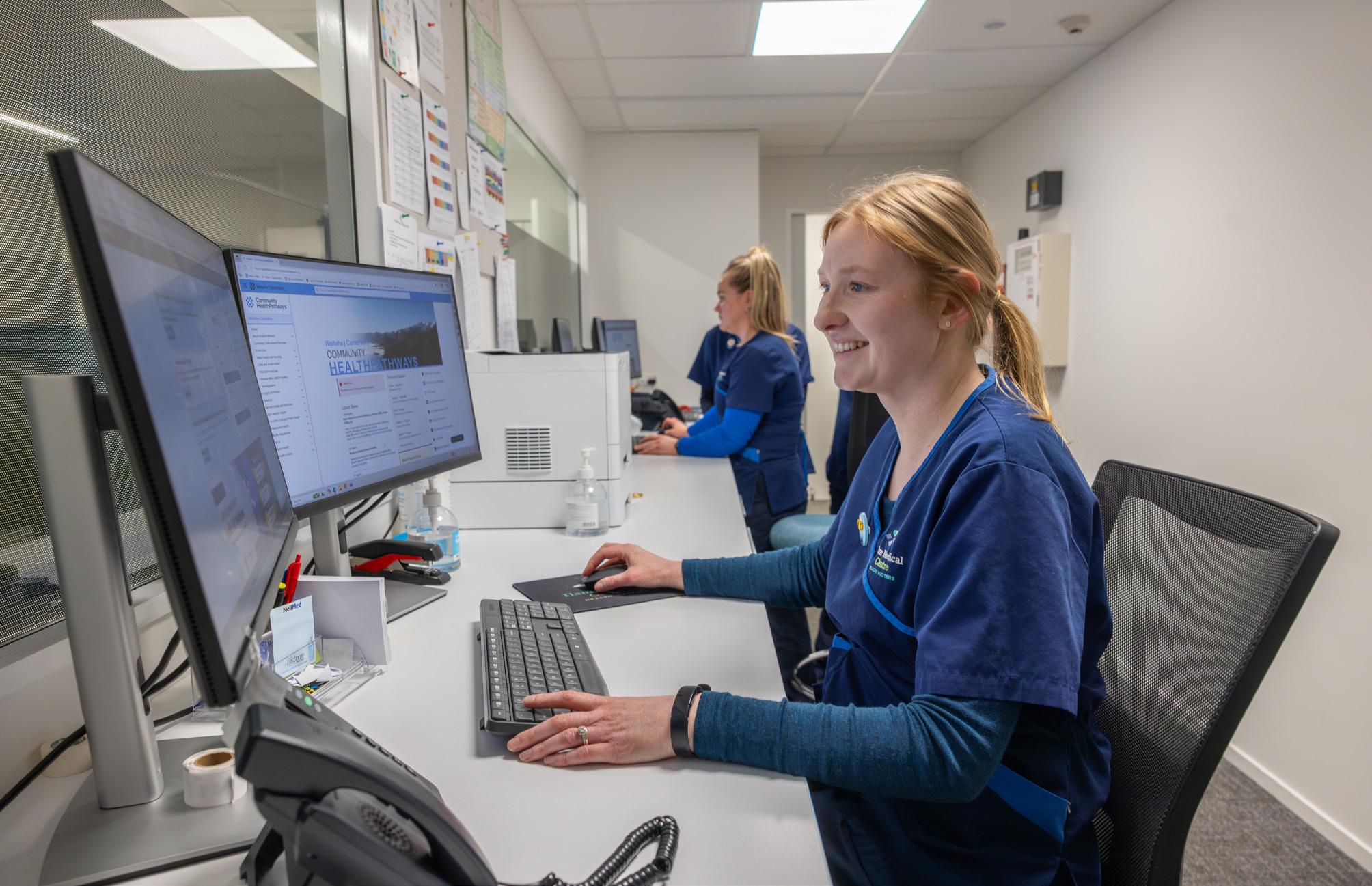
For Ilam Medical Centre Nurse
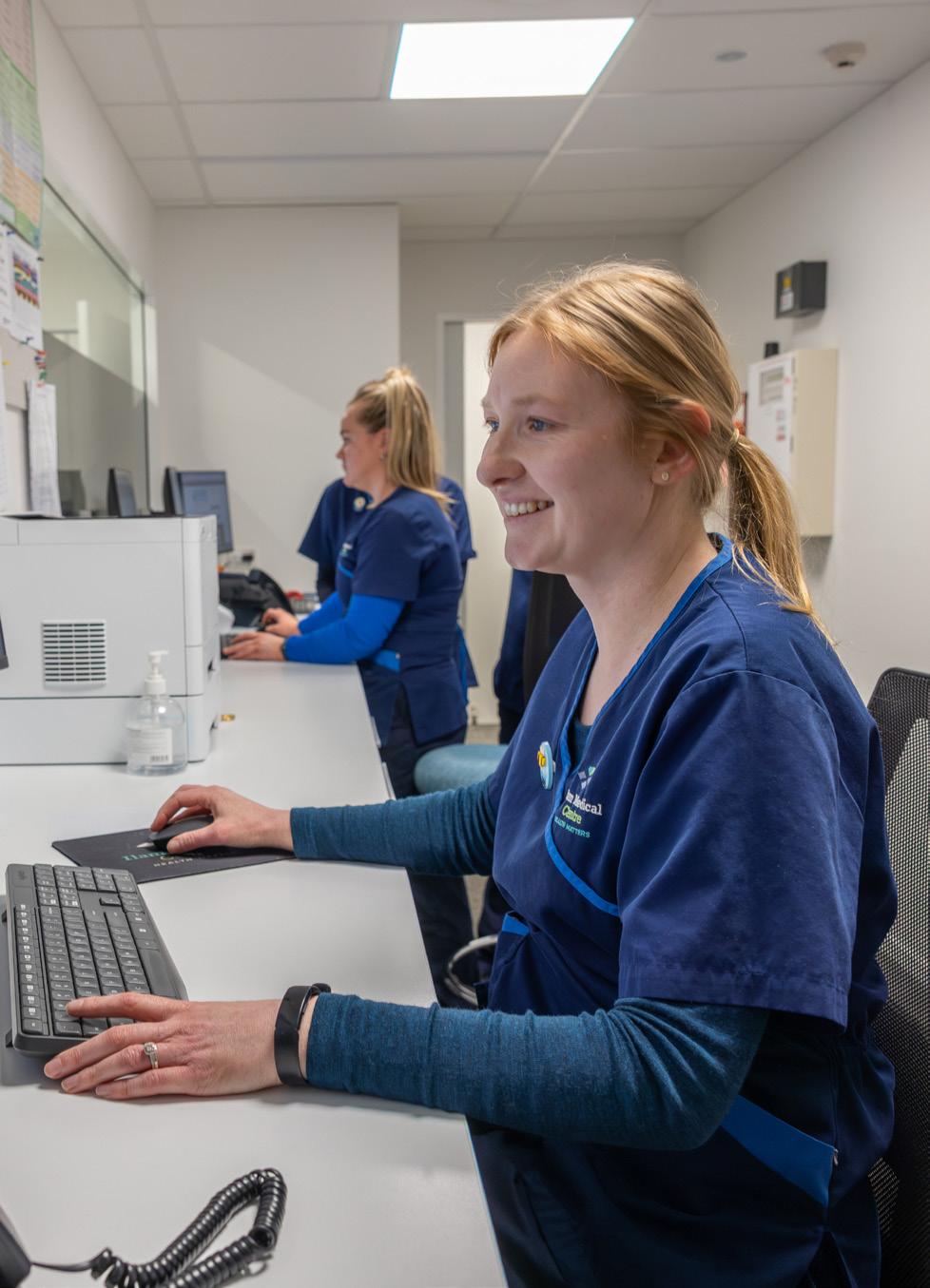
Prescriber Kate Boys, professional supervision has become an important part of her practice and leadership. Kate has been meeting regularly with Joanne Butfield, Pegasus Health Nursing Advisor, for more than two years.
“I needed some support as lead nurse, as I was feeling overwhelmed, finding it hard to switch off, and I was taking it home with me,” Kate said.
Supervision, she explained, feels “kind of like mentoring, coaching, and guidance.” It provides space to reflect, gain perspective, and build confidence.
“It’s made me more reflective and more resilient. It’s helped me be a better leader and more responsive to the team. I have found myself
confidently leading conversations that were previously anxiety provoking. It gives you tools for the next time a situation arises,” Kate said.
Having a supervisor who understands nursing and the realities of primary care has made a big difference.
“It helps that Jo is at Pegasus Health. She knows the nursing role well and understands the current climate of primary healthcare,” Kate said.
Her message to other nurses is simple: “Just do it. Supervision’s not a big scary thing and the support it can bring you is significant. It can give you confidence and leadership skills, which is important for all nurses, not just team leaders,” Kate said.
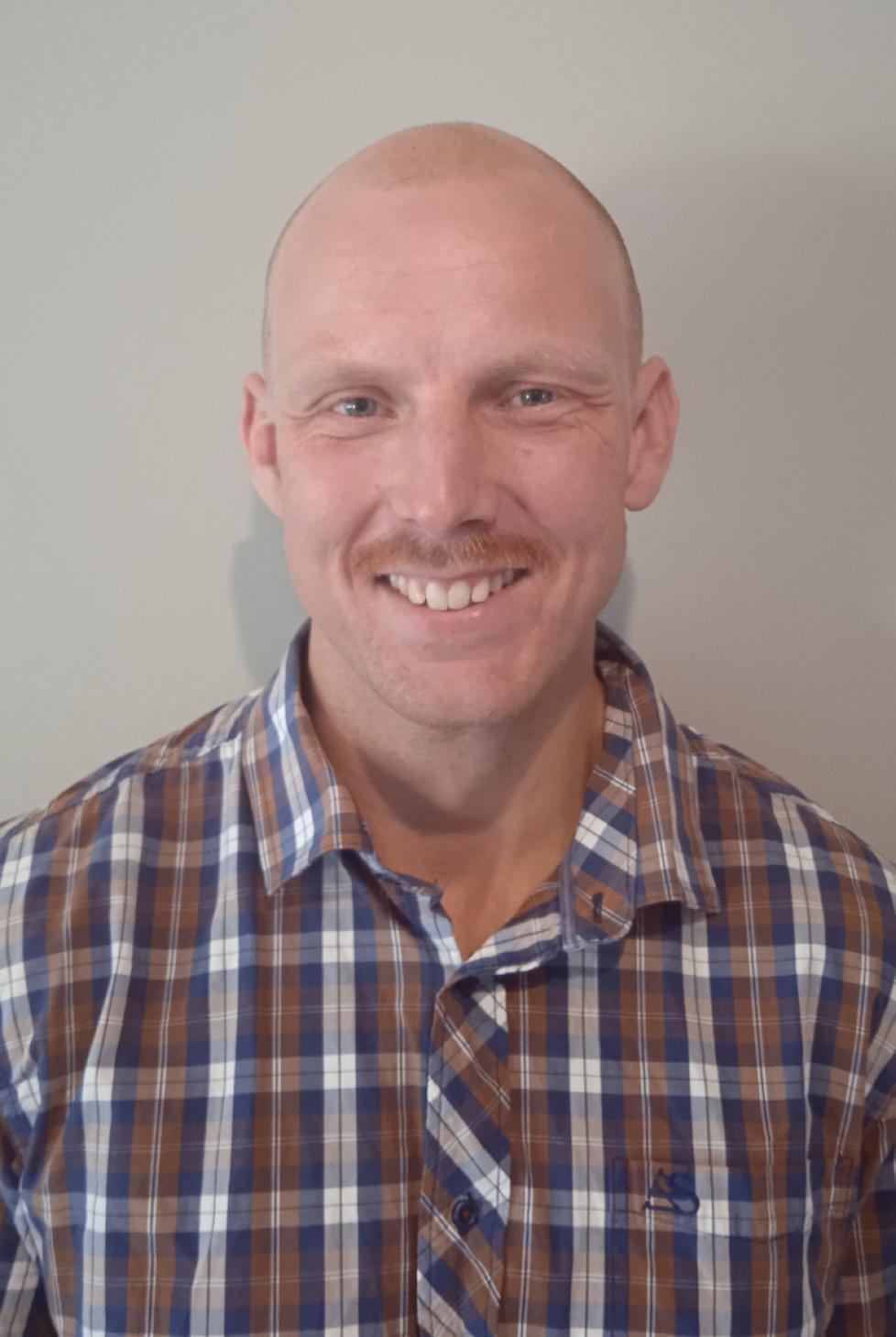
General Practitioner, Dr Justin Fletcher
Dr Justin Fletcher’s work across telehealth and general practice has highlighted the practical role virtual care now plays in primary care.
Since July, Justin has been working with Practice Plus, a telehealth service developed by Tū Ora Compass, Pinnacle, THINK Hauora, Pegasus Health, and Western Bay of Plenty PHOs, while also locuming across several practices. He says the mix strengthens his clinical practice, with telehealth supporting rather than competing with in-person care.
“Staying in face-to-face general practice while you’re involved with Practice Plus is only an advantage, as
you pick up quite different skills from both,” Justin said. “Practice Plus is a support to face-to-face providers, not a replacement. We provide interim care for people who can’t see their GP and receive referrals from busy clinics and EDs.”
Telehealth helps patients access timely care and eases pressure on general practice and urgent care, but it also has limits.
“You obviously can’t do a hands-on examination,” he said. “Abdominal symptoms are really problematic, the hand on the abdomen often makes the difference. The social interaction is different too. You’re sitting at your laptop talking to someone who could be hundreds of kilometres away. There’s excellent support, but it’s all virtual, so there’s less walking down the corridor and more sending messages in the team chat.”
Telehealth also gives clinicians more flexibility in how they structure their work and home life.
“I often opt to work out of hours for Practice Plus. My days are then free to play with my preschool-aged children,” he said.
As general practice evolves, Justin sees telehealth as one part of an adaptable workforce model that supports connected, high-quality care in the community.
Learn more about Practice Plus at practiceplus.nz
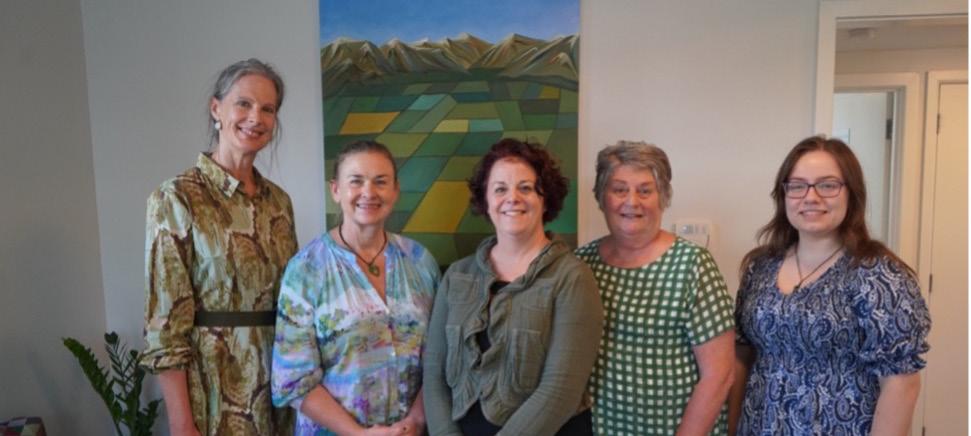
Edgeware Health, a new general practice owned by general practitioner (GP) Dr Caroline Christie, celebrated its opening on 5 November.
Located on the corner of Barbadoes and Warrington Streets in Edgeware, the practice has been established to strengthen access to care in this growing suburb on the fringe of central Ōtautahi Christchurch.
For Caroline, a long-time Christchurch GP and current Deputy Chair of the Pegasus Health Board, opening her own practice came about somewhat unexpectedly.
“Last year, I was visiting general practices across Christchurch. We spoke extensively about the critical role of small and local general practice in delivering for our communities,” Dr Christie said.
While out walking her dog, Caroline discovered a medical clinic available for lease; from there, the idea of Edgeware Health was born.
“When I told my husband I was thinking about opening the practice, he said I should have done it 30 years ago,” Caroline said.
“It’s terrific to see growth in local, independent general practices across Ōtautahi,” Pegasus Health Operations Manager – Provider Services, Rachel McAllum, said. “Practices like Edgeware Health affirm the value community-based teams bring to patients. They know their neighbourhoods, they adapt quickly, and they offer continuity of care to their patients.”
The practice is already focused on building relationships and embedding its approach.
“The team and I are looking forward to connecting with the community, growing our enrolled population and delivering care based upon our shared principles and a patient-centred approach,” Caroline said.
Pegasus House
Closed from 5pm, Wednesday 24 December 2025 reopening 9am, Monday 5 January 2026. Reception and phones will not operate during this time.
This shutdown period also applies to the following services:
• Refugee Health Service
• Primary Mental Health Services
• Tautoko Hauora
• Child and Whānau
• Immunisation Coordination Team
ERMS and HealthOne
Available every day except weekends and public holidays. Available through Service Desk.
Service Desk
The Pegasus Health Service Desk will be working through the Christmas and New Year period, everyday except weekends and public holidays, they will be operating with fewer staff and slightly reduced hours of 8.30am - 4.30pm
Here Toitū
Closed from 5pm 24 December 2025 – 5 January 2026, and on weekends and public holidays. Available all other days. Phone calls (0508 437 386) and emails (HereToitu@pegasus.org.nz) will be monitored.
If you require immunisation support during non-stat days, while we are closed, please contact IMAC clinical advice on 0800 466 863. If you have cold chain issues, please check your organisations cold chain policy in the first instance and follow IMAC’s updated cold chain breach flow chart. Otherwise please contact the Pegasus Health Immunisation Coordination Team on 5 January 2025.

Wishing you a safe and happy summer!
If you have feedback on this issue or would like to share a suggestion for a story in our next issue please contact communication@pegasus.health.nz.
Tōtara Pegasus Health Pānui is produced by the Communications Team at Pegasus Health. Content within Tōtara Pegasus Health Pānui has been included with the approval of content providers.
If you wish to reproduce or alter and transmit any of the information or images contained within, please contact communication@pegasus.health.nz