
JULY TO DECEMBER 2025 ISSUE

To our Gender Equality Champions,
Happy New Year! As we welcome 2026, we remain steadfast in our commitment to advocate for gender equality not only in our personal lives but also in our professional spaces.
I’d like to take a moment to reflect on the journey of PBCWE Lead. Conceived two years ago as a simple email newsletter, it has evolved into a staple digital publication for our business coalition.
Today, it serves as a valuable resource on Diversity, Equity, and Inclusion (DEI) in the workplace sharing best practices from over 50 member companies and highlighting local, regional, and global trends that shape gender equality across industries.
Now in its 5th edition, this issue covers key activities and milestones from July to December 2025. Inside, you’ll find stories of how we welcomed new members such as NTMA, our first
higher education institution member, strengthened engagement through GEARS assessments, and demonstrated how datadriven strategies help companies become better employers
We won’t give away too much, you’ll have to explore the pages yourself! By opening this issue, you’ve already taken the first step toward creating a world where everyone has the space to thrive.
Thank you for reading, and we look forward to featuring you soon!
Yours truly,
Carlo Abayon Communications and Marketing Manager

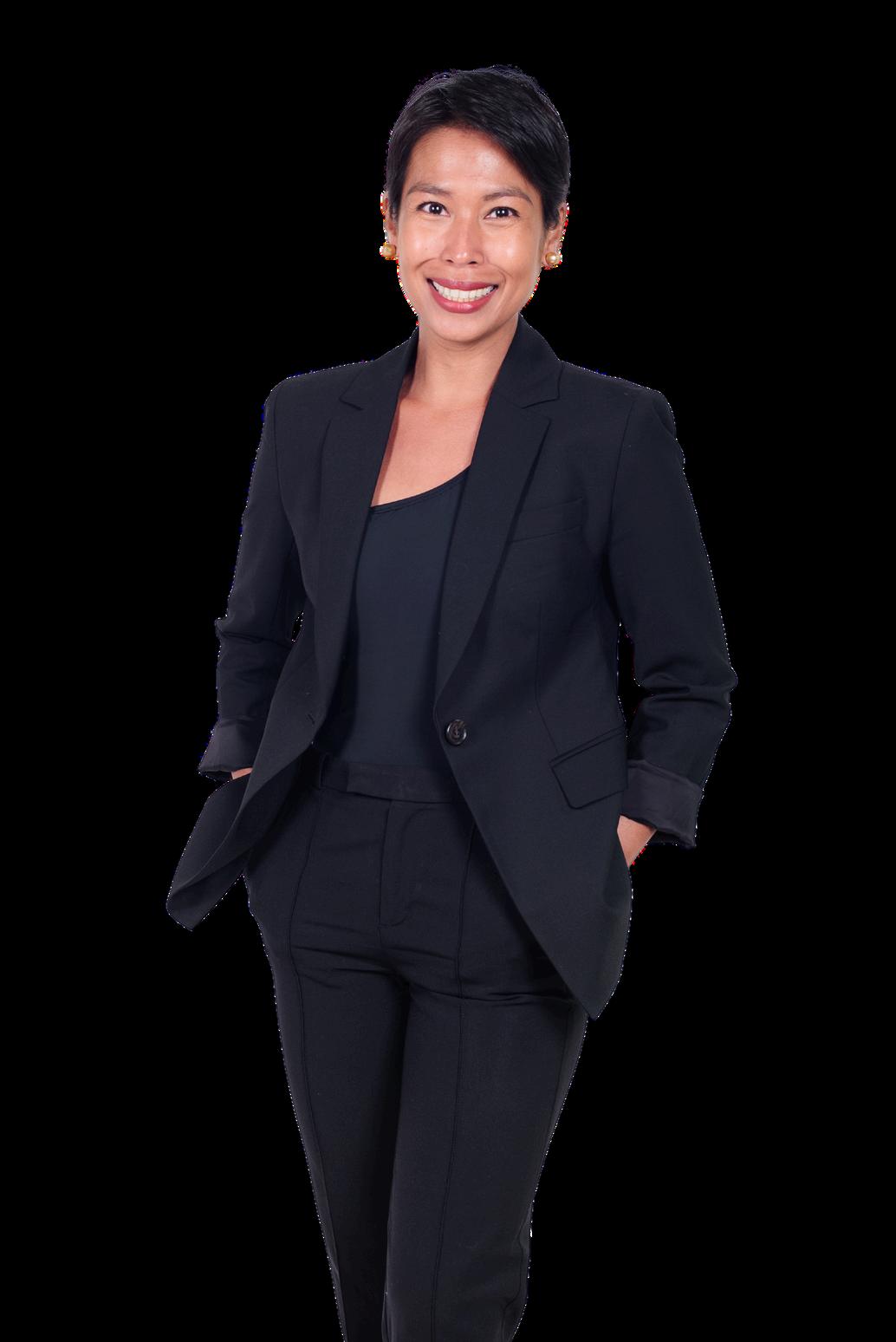
To our members and partners,
We are excited to share the 5th edition of PBCWE Lead!
2025 was a year of growth and innovation for PBCWE, and this issue highlights the milestones we achieved together in advancing gender equality in the workplace.
A key development was the launch of our new membership packages Standard, Ally, Champion, and Visionary—designed to meet diverse needs and strengthen our impact through expanded membership inclusions that build a solid foundation for understanding gender equality and workplace diversity, equity, and inclusion (DEI).
We also welcomed over 50+ new member companies from sectors including professional services, IT-BPO, banking, and utilities each committed to fostering gender equality
With this growth, we conducted more GEARS assessments, promoting evidencebased strategies for holistic organizational transformation
Additionally, we supported the development of a learning management platform for one of our member companies, paving the way for innovative learning solutions
As we look ahead, we envision 2026 as a year of transformation continuing to champion DEI and expand our influence locally, regionally, and globally.
Yours truly,
Julia Abad Executive Director
Dear Members and Partners,
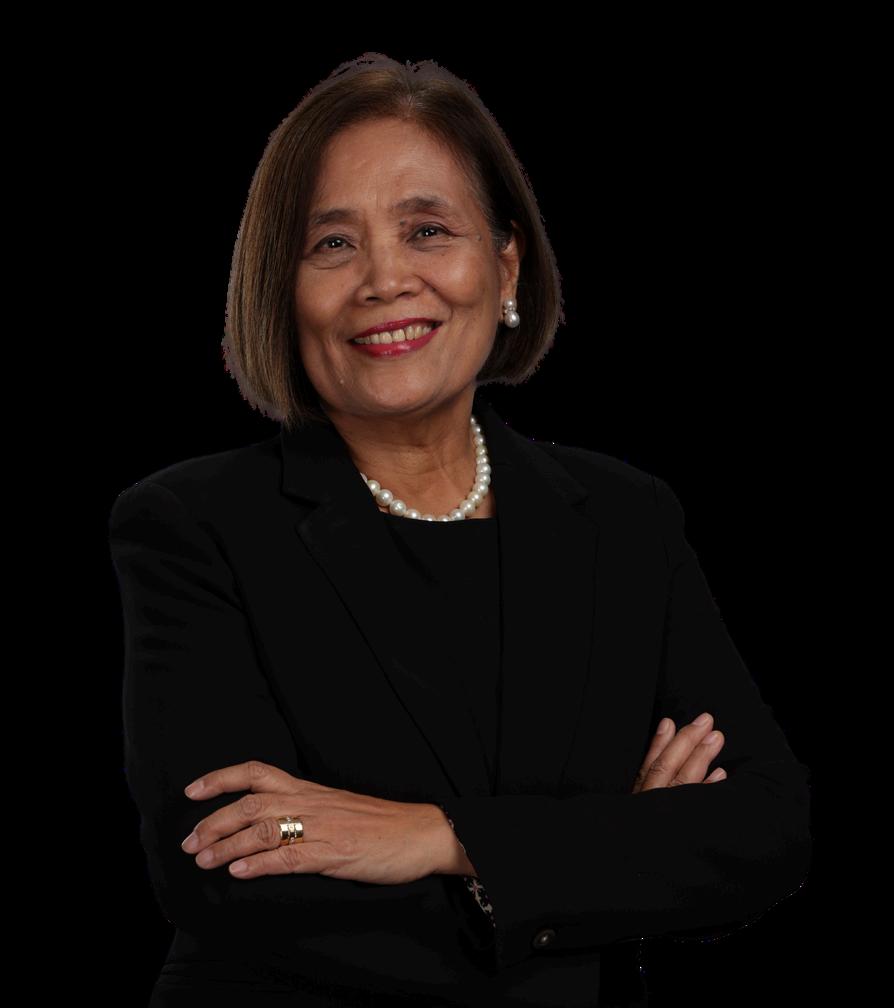
As we usher in a new year, it is but fitting that we take time to recognize and celebrate what we have accomplished. 2025 was a year of growth, expansion, and perseverance in our commitment to championing women in business PBCWE itself underwent significant changes, and our continued increase in membership is a clear testament to that progress
Looking back, it is remarkable to see how much we have achieved together as a coalition When communities come together with purpose, meaningful impact follows
Beyond growth, 2025 was also a year of preparation particularly as we laid the groundwork for the Philippines’ ASEAN Chairship in 2026 ASEAN’s role is often understated, especially in business circles, yet both PhilWEN and PBCWE have long believed in the power of regional participation.
Our involvement in the ASEAN for the Peoples Conference 2025 demonstrated the strength of civil society and underscored the vital role of both the public and private sectors in ASEAN decision-making.
As we look ahead to 2026, PhilWEN, being a Focal Point of the ASEAN Women Entrepreneurs Network, remains committed to advancing women’s economic empowerment and promoting gender mainstreaming across the region
With pivotal 2026 ahead, I call on all of us to continue working together strengthening our collaboration, deepening our impact, and staying true to our shared goal of uplifting and supporting women in business
Yours truly,
Ma. Aurora “Boots” Geotina Garcia PhilWEN Founding Chairperson and President
PBCWE
Governing Council Chairpreson
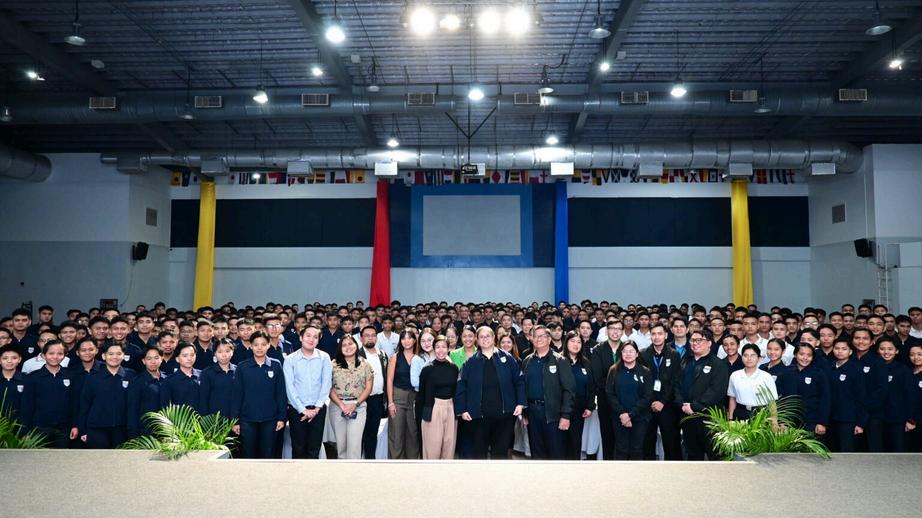
PBCWE officially welcomed NYK-TDG Maritime Academy (NTMA) as its 52nd member during a welcome event held at the NTMA campus in Canlubang, Laguna The event brought together the academy’s senior leadership team, PBCWE staff, and over 380 cadets to celebrate a significant milestone in advancing Diversity, Equity, and Inclusion (DEI) in one of the country’s most maledominated industries
Ma. Aurora “Boots” Geotina-Garcia, Founding Chair of the Philippine Women’s Economic Network (PhilWEN) and Chair of the PBCWE Governing Council, commended NTMA’s trailblazing efforts:
“NTMA breaks barriers in maritime education appointing its first woman president and welcoming female cadettes in 2024 Joining PBCWE marks a bold step toward DEI. Together, let’s build a more inclusive Philippines. Welcome aboard!”
NTMA President January Asuncion, the academy’s first women head, emphasized the significance of the partnership with PBCWE and the school’s ongoing transformation:
“I’m very excited about this collaboration with like-minded organizations such as PBCWE. As you may know, we recently welcomed our first women cadets to NTMA a reflection of our commitment to building inclusive education in the maritime sector
At NTMA, we are proud to contribute to this progress because we believe women can thrive in traditionally male-dominated fields like maritime. Partnering with PBCWE will help us strengthen this mission and create a more inclusive future for maritime education ”
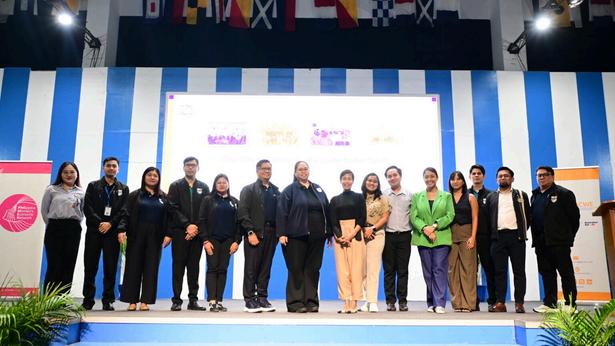
Maya Juwita, Director of Workplace Gender Equality (WGE) at Investing in Women, an initiative of the Australian Government, highlighted the global challenges faced by women in the maritime workforce and praised NTMA’s bold strides toward DEI:
“Women comprise just 1–2% of the maritime workforce, mostly in nontechnical roles. They face barriers such as discrimination, harassment, certification difficulties, and workplace isolation Addressing these challenges requires stronger policies, institutional support, and cultural change. Maritime academies like NTMA can lead by offering scholarships, inclusive curricula, mentorship, and a strong equality framework ”
NTMA’s membership in PBCWE signals a new era for the academy one that recognizes the value of women’s leadership and talent in driving innovation, productivity, and sustainable growth in a traditionally male-dominated industry.


“Joining the GEARS initiative at Asialink Finance Corporation highlighted the our strong commitment to Diversity, Equity, and Inclusion (DEI) Through our membership with PBCWE, Asialink has taken bold steps toward Workplace Gender Equality (WGE), creating a safe and supportive environment for all. The assessment shaped actionable strategies such as preventing harassment, strengthening policies, and promoting flexibility marking a key milestone in building a truly inclusive workplace ”
Frederick Allan Labog Chief Risk Officer and Sustainability Officer

“We’re honored to be recognized by PBCWE as the first member company to achieve leading practice results in all 12 focus areas of the GEARS assessment. This milestone reflects our holistic approach to DEI and the unwavering commitment of our people With equality at the heart of our mission, we will continue to innovate and lead in fostering a barrier-free workplace for all.”
Ira Reyes Country Managing HR Director

“TP Philippines, the country’s first Great Place To Work-certified company since 2018, continues to champion a positive workplace culture for its 60,000-strong team Through engagements with gender development experts like PBCWE and initiatives such as GEARS, we’ve strengthened policies, addressed gender gaps, and empowered TP Women to lead critical conversations advancing our commitment to inclusion and holistic growth.”
Hector Teodoro Miranda Organizational Development Senior Manager
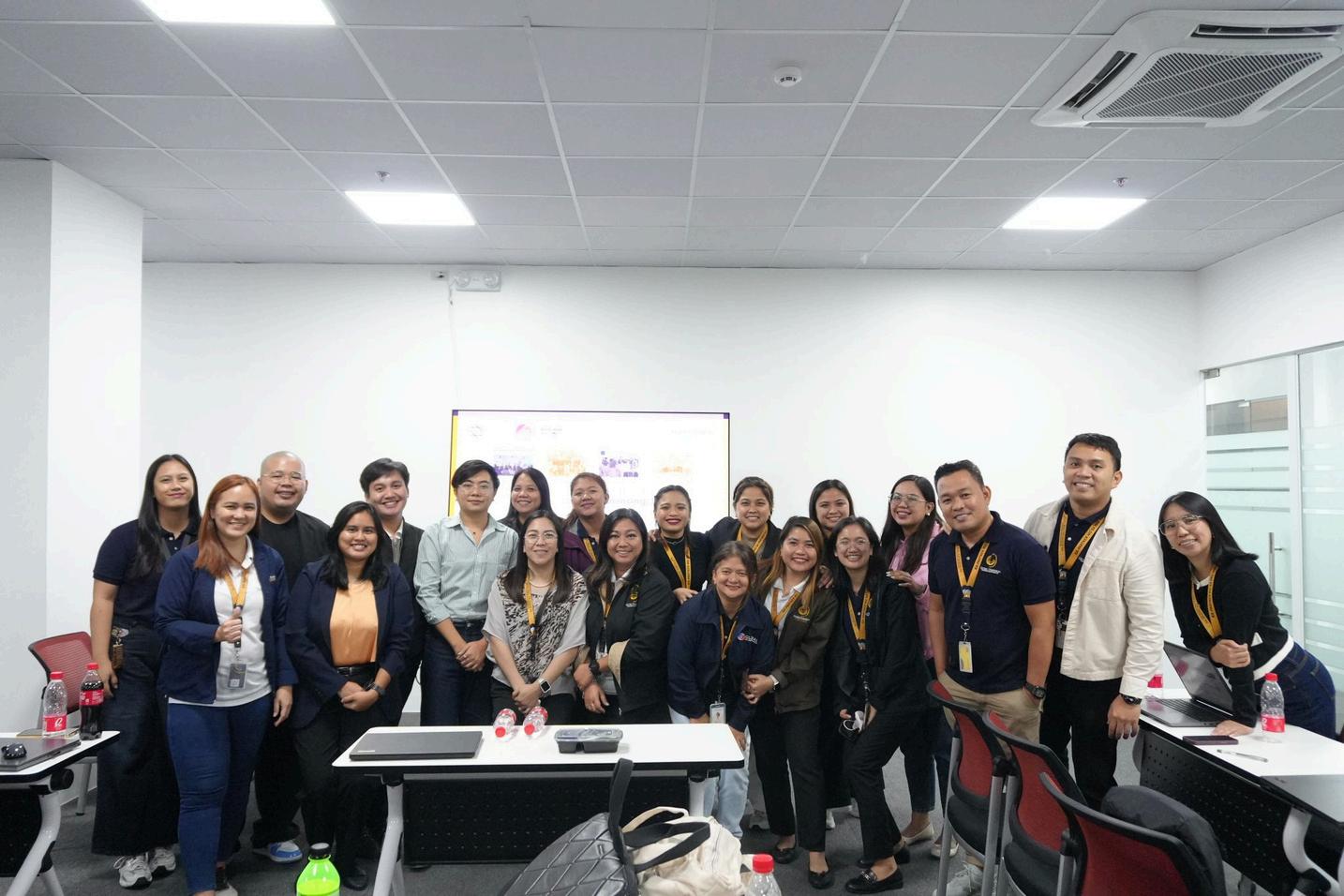
Last October 28, Global Dominion Financing, Inc hosted PBCWE for a GEARS Action Planning session GEARS is a diagnostic tool that helps organizations measure progress on gender equality and provides actionable recommendations to build more inclusive workplaces.
Based on the assessment results, Global Dominion is on track to foster a safer, more respectful, and inclusive environment by addressing key areas such as reasonable accommodation for persons with disabilities, strategic alignment of gender equality with business priorities, gender pay equity, and prevention of gender-based harassment. These efforts reflect Global Dominion’s strong commitment to advancing workplace gender equality and creating a culture of inclusion.
On November 25, PBCWE conducted a Action Planning session with South Asialink Finance Corporation (SAFC), reinforcing our shared commitment to WGE and DEI
This engagement brought together key stakeholders for a dynamic discussion focused on creating lasting impact through actionable strategies. The session highlighted several critical GEARS focus areas (FAs) that will help shape a more inclusive workplace:
FA 10: Workplace Gender Equality Training – Building awareness and capability across all levels
FA 5: Flexible Work – Promoting work-life balance and inclusive practices.
FA 1: Strategic Alignment of Gender Equality and Business Priorities – Embedding equality into the core of business strategy
FA 12: LGBT+ Inclusion – Ensuring a safe and supportive environment for everyone
Through these focus areas, we aim to strengthen policies, foster inclusivity, and embed gender equality into everyday business practices creating a workplace where everyone can thrive
PBCWE continues its mission to advance Workplace Gender Equality (WGE) through its 2025 Course Guide and Training Suites
These programs help companies view capacity building as a strategic initiative, with each module building on competencies strengthened by the previous ones They offer practical, evidence based learning designed to help organizations create inclusive and respectful work environments
The Course Guide features modules such as Gender 101, Safe and Respectful Workplace, and Diversity, Equity & Inclusion (DEI), which build foundational awareness and compliance with laws like the Safe Spaces Act
Complementing these are specialized Training Suites, including Gender-Sensitive Corporate Communication and Financial Literacy, which empower employees and leaders to integrate gender-responsive practices into everyday operations
By combining baseline education with targeted skills development, PBCWE equips companies to implement policies, close gender gaps, and foster cultures of equity and inclusion ultimately driving women’s economic empowerment and organizational success. To access both resources, please visit https://issuu.com/PBCWE.
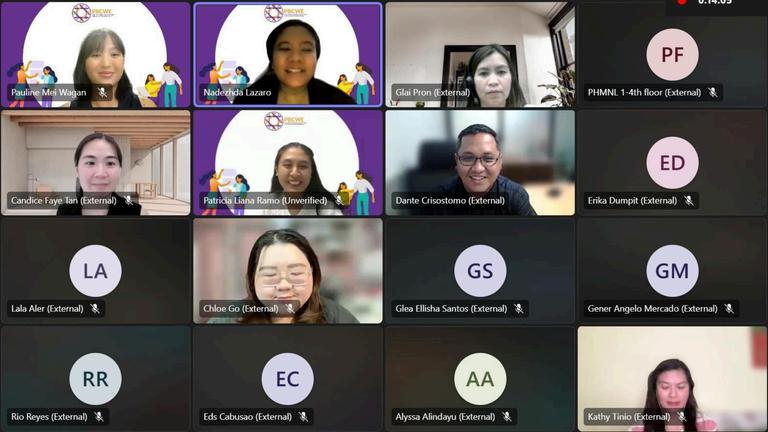
On September 25, 135 team members from Dentsu Philippines joined a transformative session on Creating Safe and Respectful Workplaces, facilitated by PBCWE The training opened meaningful discussions on bullying, discrimination, and inclusion, empowering participants to foster a culture of respect.
Many described the session as “insightful” and “well-structured,” noting that it helped them gain a clearer understanding of key concepts.
At PBCWE, we believe that respect, safety, and equity are the cornerstones of thriving workplaces and Dentsu is setting a strong example by championing these values.
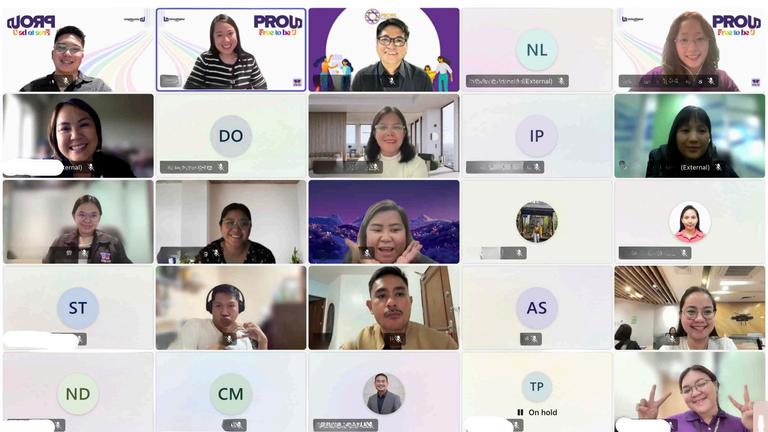
On June 30, UnionDigital Bank hosted an engaging online training session attended by 38 participants, featuring JR Santiago from PBCWE as the speaker.
The session, titled “Embracing Gender Equity in the Workplace,” explored practical strategies for creating inclusive work environments and advancing equity
JR shared powerful insights on fostering diversity and inclusion, while also emphasizing PBCWE’s role in supporting member companies in their collective pursuit of Workplace Gender Equality (WGE), Women's Economic Equality (WEE) (WEE), and Diversity, Equity & Inclusion (DEI)
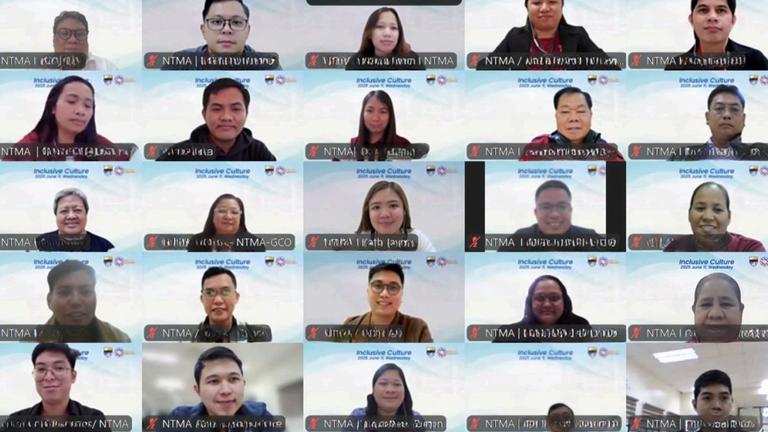
On June 11, NYK-TDG Maritime Academy (NTMA) hosted an online training session on Inclusive Culture, attended by 298 participants. The session aimed to deepen awareness and understanding of Diversity, Equity, and Inclusion (DEI) within global academic environments
This initiative underscores NTMA’s strong commitment to fostering a culture of belonging and respect across its international operations, ensuring that inclusivity remains at the heart of its educational and organizational practices
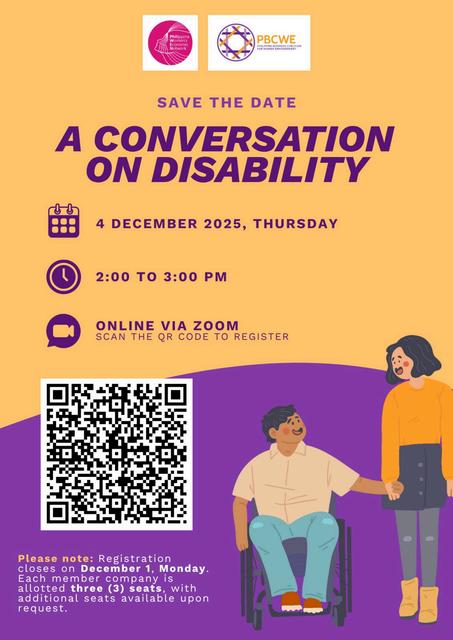
In celebration of the International Day of Persons with Disabilities, PBCWE brought together DEI champions for a powerful webinar on disability awareness and inclusion on December 4, 2025
As part of our commitment to building inclusive and gender-equal workplace cultures, this session formed a key component of our coalition-wide initiatives for collective learning and collaboration.
Led by PBCWE Training Lead Nadya Lazaro, the webinar engaged 64 participants in meaningful discussions on lived experiences, disability etiquette, practical approaches, and actionable steps toward creating workplaces where everyone belongs.
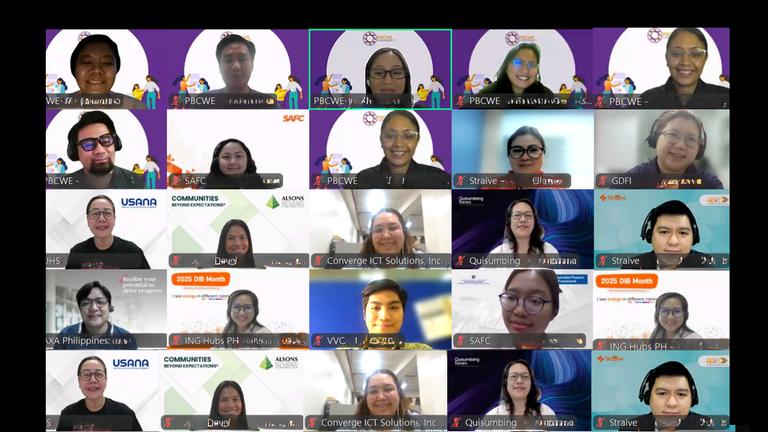
We extend our appreciation to all participating companies and organizations Your dedication strengthens our shared vision: workplaces and communities where every voice is heard and every person is valued.
Let’s continue advancing workplace gender equality and fostering inclusive business environments guided by the principle: “Nothing About Us Without Us.”

On October 29, PBCWE successfully hosted its inaugural Peer Exchange Session, bringing together member companies from the IT-BPO and professional services sectors for a dynamic and collaborative dialogue.
This landmark event featured active participation from leading organizations, including Carelon, Teleperformance, Capital One, and Athena from the IT-BPO sector, alongside PwC AC Manila, Villaruz Villaruz & Co , SGV & Co , and KPMG from professional services
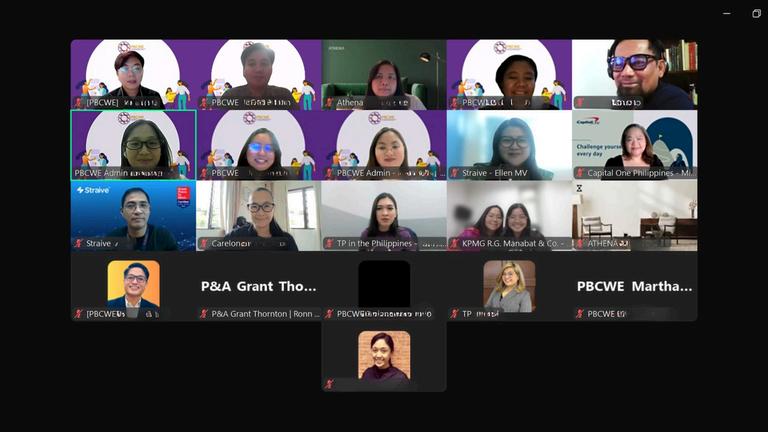
More than just a meeting, the Peer Exchange served as a safe, pre-competitive space for open discussion and knowledge sharing reflecting our collective commitment to building workplaces rooted in equity, respect, and opportunity
Through focused breakout sessions, participants explored sector-specific challenges such as employee retention, pay equity, and policy alignment These conversations generated actionable insights that will help shape more inclusive and sustainable workplace practices moving forward
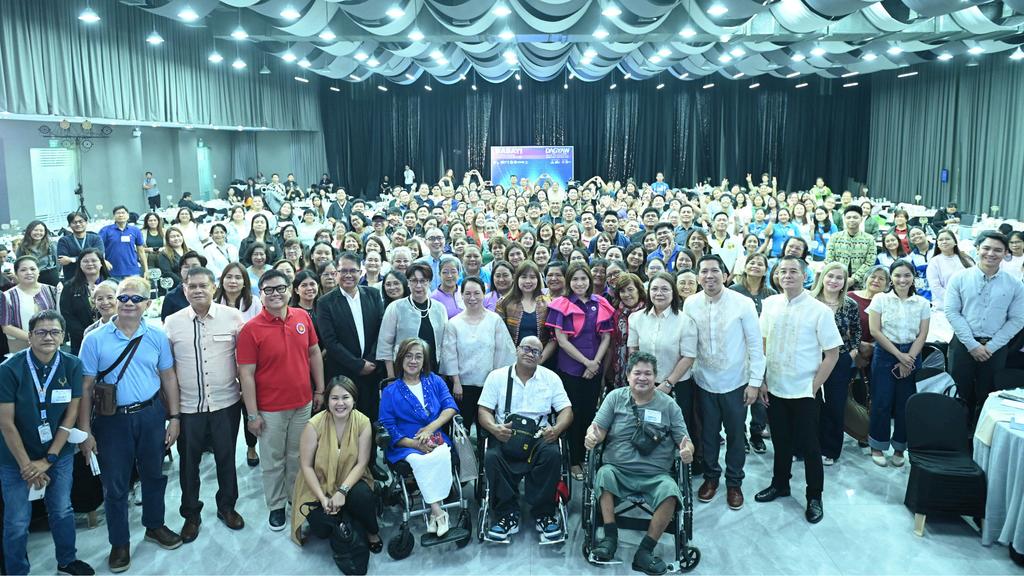
PhilWEN and PBCWE Partner with DILG for Dagyaw 2025: Championing Women-Led MSMEs
With the theme “BaBaYi: Kababaihan Bagtasin ang Ekonomiyang Likas-Kaya,” the Philippine Women’s Economic Network (PhilWEN) and PBCWE co-hosted the 2025 Dagyaw Open Government and Participatory Governance Town Hall Meeting to highlight and strengthen the role of women-led Micro, Small, and Medium Enterprises (MSMEs) in driving the country’s economy
The event brought together over 500 sectoral representatives and featured an exhibit showcasing products and services from women-led enterprises.
Through Dagyaw 2025 and the BaBaYi initiative, the organizers aimed to equip women entrepreneurs with essential tools for success, creating an inclusive space where their voices are amplified and their businesses can thrive sustainably
PBCWE Program Manager Reuben James Barrete joined Justitia Lab’s “Breaking Barriers for LGBTQ+ Young Professionals” in Makati City as a presenter and panelist The event convened LGBTQ+ professionals, HR leaders, legal advocates, and rights defenders to discuss workplace inclusion
The panel tackled systemic challenges in heteronormative fields like law, sports, and academia such as discrimination, limited career growth, and leadership exclusion It also emphasized closing policy gaps, strengthening labor protections, promoting inclusive hiring, and ensuring sustained diversity training and accountability across sectors.
On November 21, the PBCWE Governing Council met to set strategic priorities, approving updated membership packages, pricing, and plans to boost engagement through welcome events.
These actions reinforce PBCWE’s commitment to scaling impact, fostering inclusive workplaces, and sustaining gender equality efforts across Philippine businesses
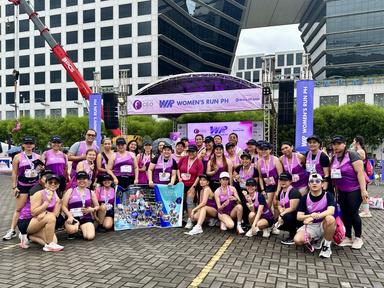
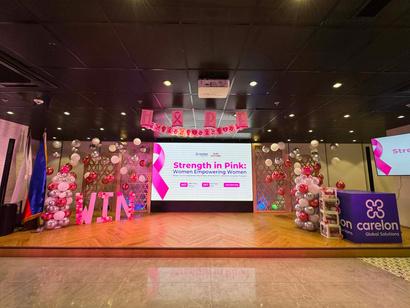
In January 2025, Carelon Global Solutions Philippines took a major step forward in promoting diversity, equity, and inclusion with the introduction of its Women’s Inspired Network (WIN) This network was created to empower women and foster a workplace culture of support, quickly drawing nearly 200 members from diverse roles within the organization, from frontline associates to supervisors and leaders
WIN was launched with a powerful and clear vision: to help women achieve their fullest potential by fostering an environment of inclusivity, body positivity, and leadership opportunities across all facets of the workplace This vision propelled Carelon's initiatives throughout 2025, acting as the cornerstone for building a strong community dedicated to shared growth and empowerment
Riding on this momentum, Carelon fortified its dedication to gender equity by joining forces with the Philippine Business Coalition for Women Empowerment (PBCWE) By becoming its 50th member on May 23, 2025, Carelon has tapped into valuable insights on workplace challenges faced by women and gained access to guidance on designing impactful initiatives This collaboration has sharpened WIN's strategic focus, ensuring that its programs remain relevant and impactful, informed by best practices and the evolving needs of women in the workplace
During 2025, WIN spearheaded a suite of initiatives designed to promote confidence, leadership, wellness, and community among women and their allies within Carelon. A highlight of this year was Carelon's participation in the Women’s Run PH, in collaboration with the Filipina CEO Circle (FCC), across its Manila and Iloilo circuits. Nearly 200 employees took part in this wellness event, where Carelon was recognized for having the largest delegation in the Iloilo leg on July 20, 2025. Whether under the sun or rain, many participants pushed through their first races, returning with medals, new friendships, and a renewed commitment to personal fitness goals. The event's success laid the groundwork for future wellness runs under the BRG's leadership
In October 2025, as part of Breast Cancer Awareness Month, WIN organized several onsite activities including a “Breast Cancer 101” educational session and an open forum where employees shared touching personal stories These efforts promoted awareness, compassion, and solidarity within the organization Complementing these activities were onsite self-defense classes and consultations on women's health and mental health, all of which saw enthusiastic participation
Carelon’s membership in PBCWE has also facilitated collaboration across various industries to tackle significant issues like disability awareness and reproductive justice in the Philippines These interactions empower Carelon's leadership to learn from industry experts, adopt best practices, and continuously refine policies to nurture a more inclusive and progressive workforce
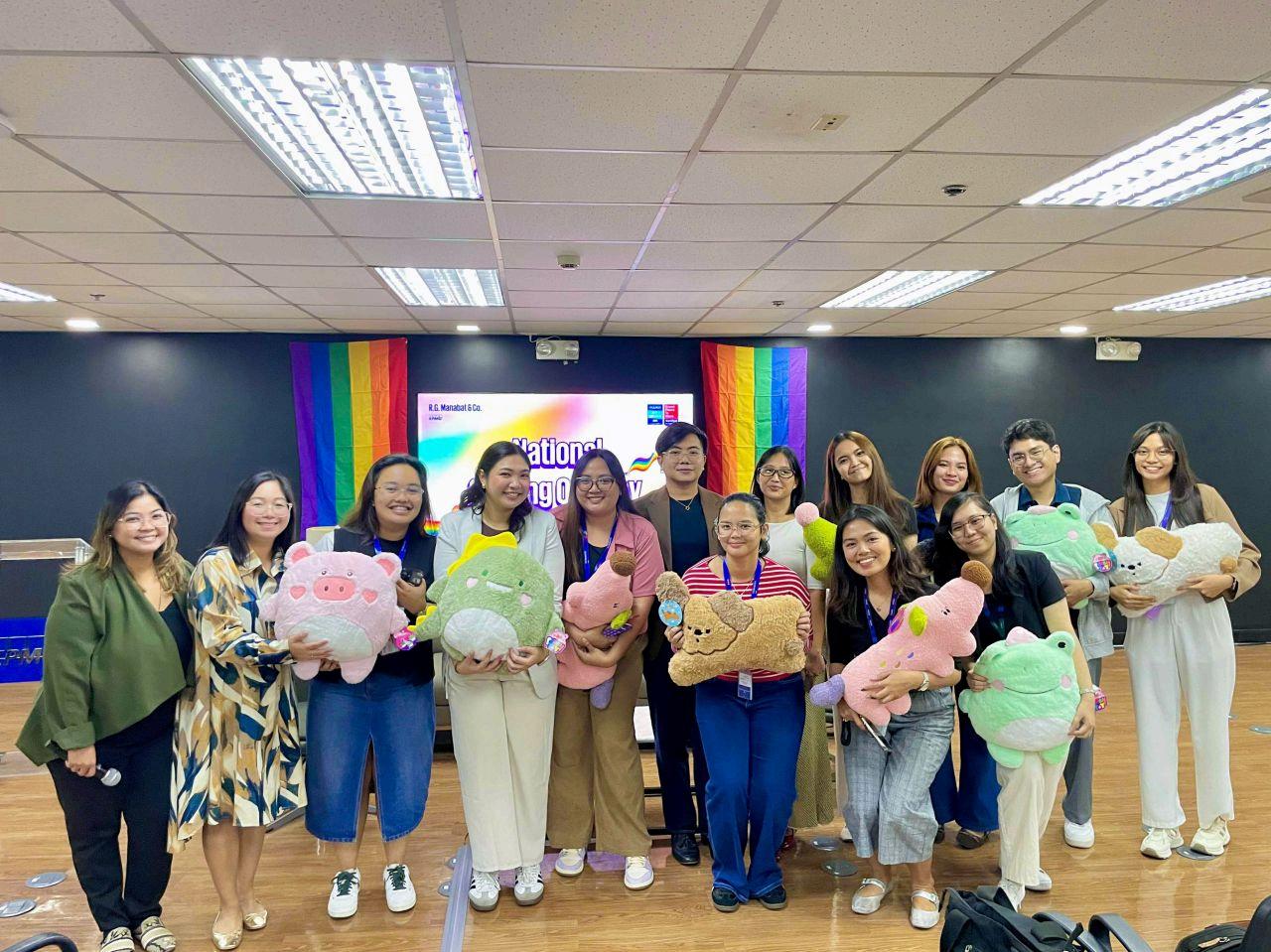
In celebration of National Coming Out Day and World Mental Health Day, KPMG R.G. Manabat & Co. hosted a meaningful session on October 10, bringing professionals together to reflect on stories of acceptance, self-discovery, and mental well-being
Led by PBCWE Senior Program Manager RJ Barrete, the discussion offered valuable insights on workplace inclusion, diversity, and Sexual Orientation, Gender Identity, Gender Expression, and Sex Characteristics (SOGIESC). His message underscored the importance of embracing authenticity and creating safe spaces where everyone can thrive
This initiative reinforces PBCWE’s commitment to advancing Sustainable Development Goals (SDG) 5 (Gender Equality) and 10 (Reduced Inequalities) through inclusive workplace practices that empower individuals of all identities.
The Philippine Women’s Economic Network (PhilWEN) proudly participated in the inaugural ASEAN for the Peoples Conference, a gathering of hundreds of civil society organizations across Southeast Asia united to champion inclusive regional development.
During the panel discussion on “Closing the Gender Gap in Southeast Asia,” PhilWEN Founding Chair and PBCWE Governing Council Chair Ma Aurora “Boots” D GeotinaGarcia highlighted the Philippines’ progress in advancing gender equality and emphasized the collaborative efforts of PhilWEN and PBCWE in promoting women’s economic empowerment and workplace gender equity.
As the Philippine focal point for the ASEAN Women’s Entrepreneurs Network, PhilWEN reaffirms its commitment to building a people-centered ASEAN especially as the country prepares for its 2026 chairship
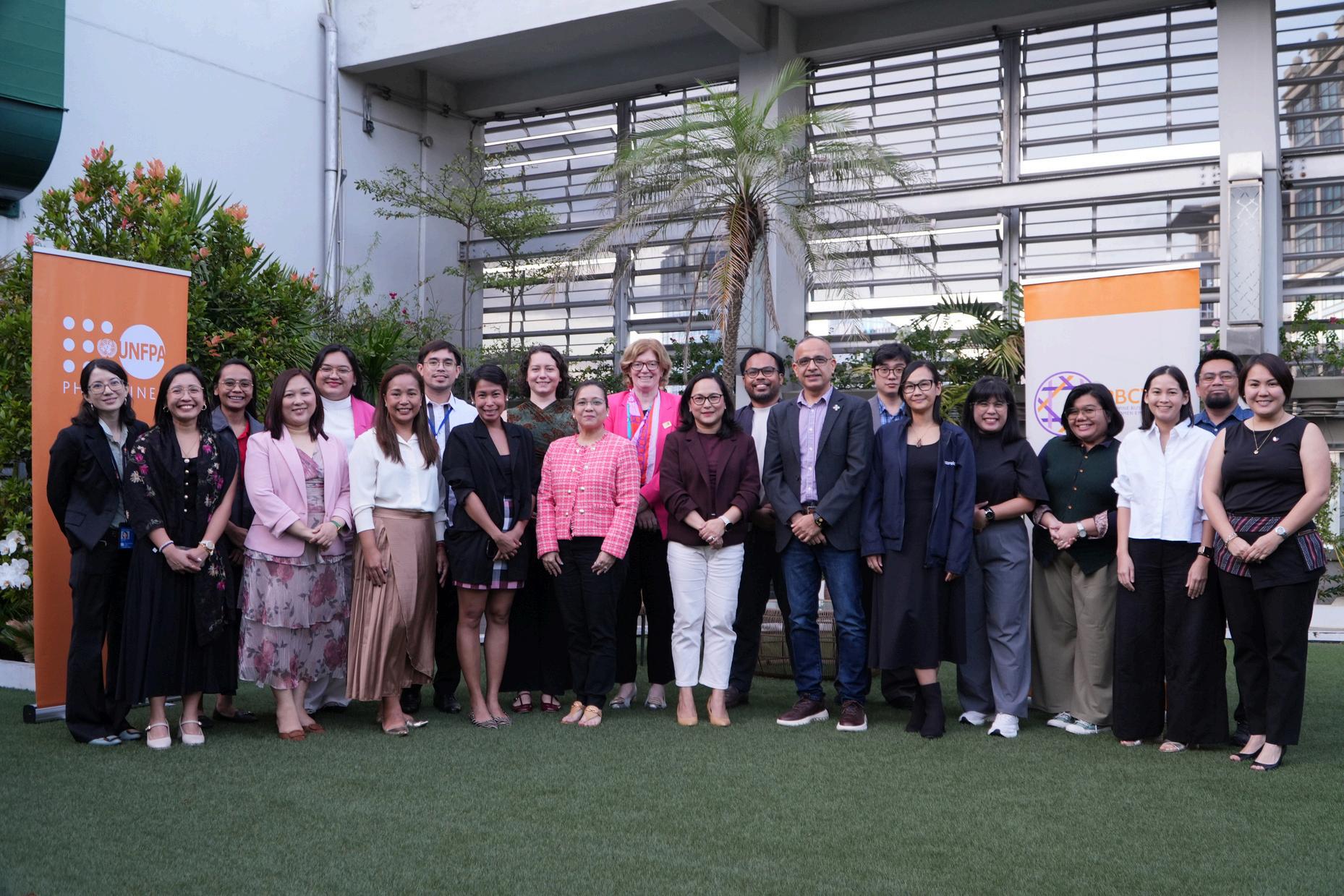
On November 18, PBCWE joined the Coalition for Reproductive Justice in Business (CRJB) roundtable, held in collaboration with the United Nations Population Fund (UNFPA) Philippines The event convened leaders from the private sector and development organizations to envision a future of work that prioritizes women’s health, rights, and overall well-being.
The discussion highlighted how companies, including large and small, across diverse industries, are sharing best practices and learning from one another to create workplaces where women thrive The evidence is clear: a healthy workforce drives productivity and business success. By championing these initiatives, PBCWE reinforces its mission to help businesses make smart, people-centered investments that foster gender equality and empower women in the workplace
Together with the Philippine Women’s Economic Network (PhilWEN), PBCWE is proud to partner with UNFPA in launching CRJB. This initiative aims to integrate Sexual and Reproductive Health and Rights (SRHR) policies and practices into the workplace by:
Strengthening maternal health support
Expanding access to family planning
Promoting zero tolerance for gender-based violence
Through collaboration with PBCWE member companies across various industries, we are committed to creating inclusive, equitable, and sustainable workplaces where gender and health are central to business success
Reproductive justice should not be a privilege for the few, it must be a standard for all. We envision a future where the Philippine private sector leads with care and inclusion, setting the benchmark for lasting progress
Through CRJB, we support companies in integrating SRHR into their corporate strategies and workplace practices. Organizations from all industries and sectors are welcome to join by completing the Membership Expression of Interest Form at no cost.
On September 4, PBCWE joined the 2X Global Summit in Manila, contributing to the session “Redesigning Workplaces for Equity,” hosted by Vivriti Asset Management and Investing in Women
Represented by RJ Barrete, Senior Program Manager, and Amica Laine Francisco, Monitoring, Evaluation and Learning (MEL) Manager, PBCWE shared practical strategies for fostering inclusive workplaces from supporting working mothers to sustaining flexible work arrangements
RJ also participated in a panel on LGBTQ+ inclusion and intersectionality, underscoring PBCWE’s commitment to breaking down barriers and creating environments where diverse talent can thrive.
On November 12, PBCWE Executive Director Julia Abad joined a panel at the UN Global Compact Network Philippines’ Sustainability Summit 2025, themed “Creating Shared Value: The Role of Gender Equality and Living Wages in Business Performance.”
Julia emphasized that advancing gender equality and ensuring fair pay are not only ethical imperatives but also strategic drivers of resilience and growth These principles reflect PBCWE’s commitment to helping businesses adopt inclusive policies that boost performance and foster sustainable economic development in the Philippines.
On September 18, 2025, Ma Aurora “Boots” D Geotina-Garcia, Founding Chair of PhilWEN and Governing Council Chair of PBCWE, spoke at the Employers' Confederation of the Philippines (ECOP) Executive Session on Male Allyship.
She stressed that “Male allyship is not just support, it’s ”leadership in action,” urging men to actively champion gender equality and inclusive workplaces PhilWEN and PBCWE reaffirm that gender equality is a shared responsibility key to building high-performing, thriving workplace cultures.
From November 4–6, PBCWE took part in a regional learning event in Jakarta, Indonesia, organized by Investing in Women, an initiative of the Australian Government. The convening brought together business coalitions from the Philippines, Indonesia, Myanmar, and Vietnam to exchange strategies, share best practices, and strengthen collaboration in advancing workplace gender equality across Southeast Asia
The discussions focused on practical approaches to embedding gender equality in business operations, highlighting how inclusive policies drive performance and resilience.
This engagement reinforces PBCWE’s commitment to fostering workplaces where diversity is valued and equality is a core business priority contributing to sustainable growth in the region.
PBCWE, represented by Monitoring, Evaluation & Learning (MEL) Manager Amica Laine Francisco, contributed valuable insights as a resource speaker at the APEC Workshop on Sustainability Practices and Reporting for Women-Owned MSMEs (Micro, Small, and Medium Enterprises) held on November 11–12, 2025, in Kuala Lumpur, Malaysia.
During the session, Amica discussed practical ways businesses can integrate sustainability through a gender lens, drawing from PBCWE’s experience in partnering with the private sector.
She emphasized that this approach should extend beyond large corporations to MSMEs, which make up a significant share of businesses globally and in the Philippines By embedding gender-responsive sustainability practices, MSMEs can strengthen resilience, enhance competitiveness, and contribute to inclusive economic growth

By: Ma. Aurora “Boots” Geotina-Garcia
In today’s fast-evolving world, women are breaking barriers and making significant strides across various industries
Whether in corporate leadership, entrepreneurship, health care, technology, or the creative industries, business education can play a vital role in equipping women with the skills, knowledge, and confidence to navigate challenges, foster innovation, lead with purpose, and be successful.
A recently published book “Wowsome Women of the UP School of Business” authored by my marketing professor at the University of the Philippines College of Business, Dr Victoria Jardiolin-Villa, highlights the remarkable journeys of UPCBA alumni who are driving change across
various industries and sectors. I’m honored to be featured among these inspiring leaders, sharing how I champion women’s empowerment through the organizations I lead Reading the stories of other thriving women in the book was both enlightening and empowering it deepened my appreciation of how access to business education can significantly contribute to developing women business leaders who can contribute to our broader socioeconomic progress I wish to share my own reflections on how our business training has helped us become successful
1 Building foundational business acumen. Regardless of one’s profession, understanding business fundamentals, such as finance, marketing, and operation, is crucial. Business education provides women with insights into economic principles, organizational management, and market trends to help them make informed decisions
2 Strengthening leadership and decisionmaking skills. Leadership is essential in every profession, and business education cultivates strong leadership qualities. Women who
undergo business training develop the confidence to take initiative, manage teams, and drive strategic planning Effective decision-making is another key component business education sharpens analytical thinking, allowing women to assess risks, seize opportunities, and navigate complex situations with clarity.
3 Empowering women for entrepreneurship Many women aspire to establish their own businesses, and business education provides them with the essential tools to be successful entrepreneurs From understanding financial management to mastering marketing strategies, an education in business prepares women to build sustainable enterprises.
4 Enhancing financial literacy and independence Financial literacy is critical for personal and professional success Business education helps women grasp key financial concepts, such as budgeting, investment, and funds management With this knowledge, they can effectively manage their income, grow their assets, and secure financial independence.
5 Opening doors to diverse career opportunities.
A strong foundation in business broadens career prospects across industries Women with business knowledge can venture into roles in management, consulting, finance, human resources, and beyond. Additionally, business education complements specialized careers—health professionals can enhance their medical practices, engineers can launch innovative tech startups, and artists can build sustainable creative ventures.
6 Bridging the gender gap in leadership Despite progress, gender disparities still exist in leadership positions across industries Business education equips women with the expertise and confidence to assume executive roles and advocate for greater inclusivity By fostering networking opportunities and mentorship programs, business training helps women connect with influential leaders and position themselves for high-impact roles
7. Driving social change and economic growth Educated women contribute to economic development and social progress. Business training enables women to lead sustainable businesses that create jobs and uplift communities
Additionally, business education promotes ethical leadership and corporate social responsibility, ensuring women in business prioritize environmental sustainability and social impact.
Business education is more than just a pathway to success it is a catalyst for transformation.
Equipping women with essential business skills, financial knowledge, and leadership capabilities, empowers them to excel in diverse careers and create meaningful change
Whether launching a business, leading a corporation, or innovating in a specialized field, women with business education have the tools to thrive and inspire future generations
In the words of the author, “I hope these narratives of women who have succeeded in challenging the gender-based barriers to personal growth should inspire the young female generation to persevere in their chosen field of work and be brave enough to confront or challenge male-dominated norms and values ”
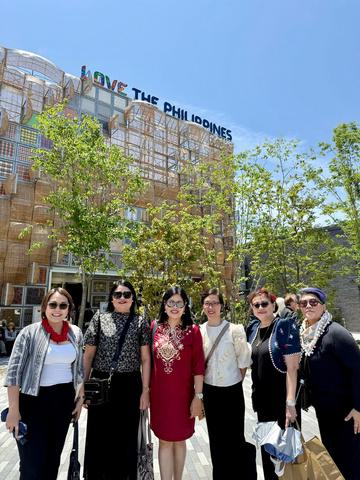
By: Ana Bobadilla
In February 2025, the Philippine Women’s Economic Network, Inc (PhilWEN) had the privilege of being hosted once again by FICCI-FLO, or the Federation of Indian Chambers of Commerce & Industry Ladies Organization, in Mumbai and Bangalore
This marked our second engagement with FICCIFLO, following our initial visit in September 2024, when we explored Hyderabad and New Delhi Both visits were truly eyeopening experiences, where we dived into the rich culture, entrepreneurial spirit, and countless business opportunities that a Philippine-India exchange can offer.
More importantly, it opened up important conversations about how women entrepreneurs in both nations can collaborate to thrive and grow together We Connect
Fast forward to May 2025, PhilWEN was honored to be a proud partner of WEConnect International, one of the most dynamic organizations in the women’s empowerment space. This organization champions the cause of empowering womenowned and women-led businesses globally through market access and connections to large corporate buyers The WEConnect International APAC Summit 2025, held in Osaka, Japan, brought together a powerful mix of business leaders, suppliers, and changemakers from many nations
The Philippine delegation was composed of five dedicated women leaders: Rosario Juan of Commune, Lourdes Myren Garcia of MBCI Events and current vice president of PhilWEN, Mikaela Luisa Teves of Spark Philippines, Betty and Bernice Aw of Big GUSTO, and yours truly. Given the difference in our entrepreneurial journeys, we came together with a shared mission: to connect, collaborate, and contribute to the growing ecosystem of women-led enterprises across the region, especially in the Philippines.
The three-day gathering was rich with opportunities to learn, engage, and be inspired. It featured a comprehensive
lineup of presentations, indepth panel discussions, dynamic pitch sessions, and valuable networking opportunities with corporate member buyers
These sessions were not merely academic or theoretical, but very much actionable activities that geared toward real-world results like business-tobusiness contract opportunities, facilitating insight-sharing on international trade, and highlighting the best practices that corporations are implementing to promote inclusive sourcing
In every session we attended and every group we engaged with, we had the honor of meeting remarkable businesswomen, each with a unique story and vision, each contributing their own perspective and energy to the collective goal of gender-inclusive economic growth.
At PhilWEN, the concept of “empowerment” is multidimensional For us, empowerment also means creating spaces where women can share best practices, cultural insights, innovative ideas, and hard-earned lessons It also means opening doors to collaboration and providing platforms where those connections can grow into long-term partnerships.
It’s about equipping and enabling women who need that subtle push to help jumpstart their mission
Wherever we go, whether it’s India, Japan, or any other economy we engage with, we make it a point to bring home the lessons we’ve learned We aim to translate global insights into localized strategies in order to serve as tools that entrepreneurs in the Philippines can use to expand their network and enrich their mindset, with the hopes of improving their operations While we recognize that we can’t take every step for them, we can certainly provide a bridge that connects our local businesses to global networks through partners like FICCI-FLO and WEConnect International
In today’s evolving economic landscape, it is important to pause and identify accessible opportunities, especially those low-hanging fruits that are often within reach but overlooked. This is what PhilWEN can provide
At PhilWEN, we are always ready to support you on your journey. Whether you’re a budding entrepreneur or an established business owner, we are here to help you connect with our network of global partners
and explore how far your business can go. We strongly believe in the power of collaboration and the importance of creating inclusive, sustainable growth that benefits not only women but the broader communities they serve

By: Ma. Aurora “Boots” Geotina-Garcia
Recent posts in social media claim that women are undeserving to be in leadership positions because they “destroy shareholder value ” This assertion reflects the gender bias which continues to prevail. It is not only discriminatory as there are data which support the impact of female dealers and is also dangerously misleading.
At the Philippine Women's Economic Network (PhilWEN) and the Philippine
Business Coalition for Women Empowerment (PBCWE), our work is evidence based, as we believe in the power of data to drive change We work with 54 member companies to advance Workplace Gender Equality (WGE), Women's Economic Equality (WEE) (WEE), and Diversity, Equity, and Inclusion (DEI).
We provide tools like the GEARS (Gender Equality Assessment, Results, and Strategies), conduct research, and support companies in building inclusive cultures that drive innovation and growth.
Thus, we launched the Census on Women in Executive Leadership Teams in Philippine Publicly Listed Companies, a landmark study that provides clear, evidence-based insights into the role of women in corporate leadership:
Women comprise 40% of executive leadership teams (ELTs) in publicly listed companies in the Philippines a significant increase from 2020 to 2022
Board representation is rising, with women holding 21% of board seats in 2022, up from 18% in 2020
Female CEOs are increasing, with 32 women CEOs in 2022 compared to 24 in 2020 Companies with gender-balanced leadership are more likely to report stronger sustainability practices and longterm performance.
These numbers reflect progress not failure They show that women are not only capable of leading but are actively shaping the future of Philippine business
Leadership Is Not based on Gender but on Skill
The performance of any company is influenced by a multitude of factors: market conditions, strategic decisions, operational efficiency, and innovation To attribute a company’s stock performance solely to the gender of its CEO is not just simplistic it is not fair and just
In fact, global research consistently shows that companies with women in senior leadership roles outperform their peers A Korn Ferry study found that female CEOs score higher in humility, collaboration, and emotional intelligence traits that are increasingly recognized as essential for modern leadership.
Based on the 2023 Grant Thorton survey, the Philippines leads in gender diversity , ranking #1 globally in the percentage of women in senior management, with 43% of leadership roles held by women . This is not a coincidence it is the result of decades of advocacy, policy reform, and corporate commitment to gender equality
Let us reject outdated stereotypes and embrace leadership based on merit, vision, and impact Women leaders are assets not liabilities and data proves it.
tahanan” the light of the home.
The phrase captures her role as moral compass, financial steward, disciplinarian, nurturer, and adviser all at once.
She balances warmth with wisdom, compassion with firmness, ensuring families stay the course even in times of difficulty. The light she brings is both practical and symbolic, guiding households through storms and triumphs alike.
Increasingly, women are bringing the same values and leadership qualities to corporate boardrooms. They are no longer just the light of homes; they e also the light of mpanies, guiding ganizations with the me empathy, prudence, d discipline that have chored Filipino families r centuries

By: Lizanne Uychaco
From breadwinner to boardroom, Filipinas are powering both the home and the workplace
For generations, the Filipino woman has been called “ang ilaw ng
om household governance to corporate governance Consider how women traditionally run households They manage budgets with precision, stretching every peso for education, food, health, leisure, and emergencies They enforce discipline while showing compassion, shaping character while keeping relationships intact
In truth, they act as the family’s chief financial, risk, human resource, and operating officers all at once These household governance skills, once invisible, are the same qualities companies now seek in independent directors Women’s ability to weigh short-term needs against long-term stability, to manage risk without stifling ambition, and to ensure fairness and accountability makes them natural stewards of good governance.
Women at work The Philippines has long been recognized for strong female participation in the workforce Women make up nearly 47 percent of jobs nationwide, a higher share than many Asean neighbors. In publicly listed companies, women hold 40 percent of executive roles and 21 percent of board seats (PBCWE Census, 2022). From banking to retail, government to entrepreneurship, women are participating and leading.
Indeed, the Philippines consistently ranks among the world’s better performers in gender equality. In the 2023 World Economic Forum Gender Gap Report, the country placed 16th globally, ahead of most of its Asian peers.
Filipino women are lawyers, engineers, scientists, CPAs, CFOs, CISOs, CEOs, and entrepreneurs shaping industries They are household breadwinners as well as corporate decision-makers.
The EQ edge What makes women stand out in leadership is not just technical skill but emotional intelligence EQ the balance of head and heart allows leaders to inspire, empathize, and unite. IQ may open doors, but EQ determines how far one climbs
A TalentSmart survey found that 90 percent of top performers score high in EQ, and leaders with strong emotional intelligence build trust, resolve conflict, and sustain performance. Women, often more attuned to empathy and collaboration, bring these strengths to both families and companies.
On boards, this translates into more inclusive decision-making, sharper risk awareness, and greater alignment with stakeholder needs
Why companies with women do better The impact of women leaders is not just cultural it is financial Research shows that companies with women in leadership perform better:
An IFC study (ASEAN, 2019) found firms with over 30 percent women directors reported return on assets of 3 8 percent vs 2 4 percent and return of equity of 6.2 percent vs. 4.2 percent compared to all-male boards
Credit Suisse found that companies with at least 30 percent women directors delivered nearly 19 percent higher cumulative returns between 2019 and 2024
McKinsey noted that moving from no women in leadership to 30 percent representation correlated with a 15 percent increase in profitability.
Clearly, empowering women in the workplace is not just a social good—it smart business.
Lighting the way forwar The Philippines is we positioned to lead th shift. With women alrea holding a significant sha of executive and boa seats, the foundation is strong Networks like PhilWEN, PBCWE, NOWCD/Women Corporate Directors and ICD are building pipelines of board-ready women, ensuring that talent is never the barrier.
From home to nation Women are not only the light of the home, they are also the ilaw ng kumpanya, illuminating boardrooms with integrity, empathy, and discipline. Their presence ensures governance is grounded in values, ambition tempered by perspective, and profit pursued alongside purpose.
Today, behind every successful company and nation stands the Filipina, powering both the office and the home, her light shining far beyond the family table into boardrooms and industries that shape our future.
Truly, the Filipina is no longer just the light of the home; she is the light that guides companies, industries, and the nation toward a brighter tomorrow

From Policy to Practice: PBCWE’s Guide to Gender Equality at Work
By: Mavic Conde
When sincere and not performative, gender equality policies create real value for businesses and their people
Q&A: How the Philippine Business Coalition for Women Empowerment helps companies build gender-inclusive workplaces
Why should businesses care about gender equality?
A: Studies show that gender-inclusive companies perform better, attract top talent, and foster innovation. Equality improves employee engagement and strengthens company reputation When done right, it’s also good for business.
What does the gender gap look like in Philippine workplaces?
A: Women remain underrepresented in leadership roles, and the gender pay gap persists across industries. Many face barriers to promotion, limited access to flexible work, and unconscious bias These gaps affect not just individuals, as they hold back business performance and innovation
“Fair pay is very important for women workers in the Philippines, but it’s just one piece of a bigger challenge the gender pay gap ”
This gap reflects the overall difference in average earnings between men and women, shaped not only by unequal pay for equal work, but also by structural and cultural factors
What common mistakes do companies make?
A: A major misstep is treating gender equality as a box to tick Some companies introduce policies but don’t apply them in everyday work. Without support from leaders, clear responsibility, and real changes in workplace culture, these efforts can feel like empty gestures and won’t meet what employees truly need
How does PBCWE help companies go beyond compliance?
A: The PBCWE helps companies create fairer workplaces for all genders One of its key tools is GEARS or Gender Assessment Results and Strategies, which lets businesses check how they’re doing on gender equality and find ways to improve PBCWE also runs workshops on leadership, anti-harassment policies, and flexible work setups.
“Many women leave their jobs at mid-career because of caregiving duties shaped by social norms Offering flexible work, mentorship, and support has helped women move up and take on leadership roles. These changes also benefit employees of all gender identities who have family responsibilities.”
Companies are starting with small steps, like gender awareness sessions and seeing real progress. Addressing pay gaps and promoting inclusion has also boosted employee satisfaction and improved how companies are seen by clients and investors.
For instance, DDB Group Philippines, one PBWCE member that applied the GEARS approach, saw the need for all-staff gender training and targets for balance at all levels Likewise, Teleperformance saw the need for mandatory gender training and planned to integrate in talent management and succession planning.
What does real commitment to gender equality look like?
Promoting women into decision-making roles
Conducting regular pay audits
Offering flexible work options
Training staff to recognize and address bias
Tracking progress with data, not just intentions
One example from a PBCWE member is Insular Life’s gender-inclusive maternity policy, which offers maternity care for female staff and spouses of male employees, boosting retention as parenthood shifts priorities
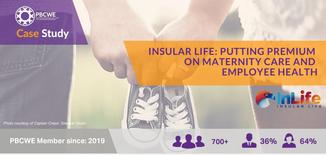
According to a PBCWE’s report, “parenthood can drastically change the priorities of employees and may lead them to leave work or seek better opportunities that will allow them to meet the financial and non-financial responsibilities of having child.”
Another member, t Philippine National Ban has taken steps strengthen its sexu harassment policy clarifying what constitut unacceptable behavior, establishing a whistleblower channel, and forming a dedicated investigation committee.
From 2018 to 2020, five complaints were filed (mostly by employees aged 30 and below) with 80 percent resolved within the given period
Notably, male complainants also came forward, suggesting growing confidence despite societal stigmas The PBCWE’s report found that men also struggle with being perceived as homosexual, especially when the perpetrator is male. This added stigma can discourage reporting and silence their experiences
How can companies get involved with PBCWE?
A: Businesses can reach out to PBCWE to join the coalition, access resources, and collaborate on initiatives. It’s a chance to learn from peers, share best practices, and be part of a movement that’s reshaping the future of work in the Philippines.
By: Maica Teves
Much has been said about women’s strength and resilience in the face of adversity, but women are also more prone to certain types of mental health conditions such as depression, anxiety disorders, eating disorders, post-traumatic stress disorder, and perinatal and post-partum depression.
The causes are varied, ranging from physiological to psychosocial and societal. Factors include poverty, abuse, trauma, and even the isolation that comes with caregiving responsibilities
Social media plays a role, too, with unrealistic beauty standards and curated content that affect women and girls’ body image and personal satisfaction Olivia Rodrigo’s song “Pretty Isn’t Pretty” mirrors what it’s like for young women trying to conform to societal expectations ushed by the internet

2025 study released in e European Journal of ychotraumatology led, “A Meta-analysis on ender Differences in evalence Estimates of ental Disorders following Exposure to Natural Hazards” found that women were over 80 percent more likely to report post-traumatic stress while over 50
percent were more likely to report major depression than men. As we live in a country reeling from a succession of tropical storms and floods, keeping women’s mental health in focus is vital in how households and communities recover and rebuild from natural disasters
It is alarming to note that in September 2025 alone, there were two reports of women who attempted suicide by jumping off a bridge onto a busy highway. One incident was on an overpass along Edsa; the woman was saved just in time by an alert bystander. The second was on a bridge over the South Luzon Expressway Motorists below held their breath as first responders swung into action, literally, on ropes to rescue her I pray that they are getting the support they need
Mental health is embedded in the UN’s Sustainable Development Goal 3: good health and well-being However, there are still gaps that need to be addressed, such as the lack of access to support and the stigma that is a barrier to treatment
Spark! Philippines recognizes the need to address these gaps, along with the unique challenges faced by women.
There is a need to create gender-specific policies that consider women’s needs, including access to specialized care and support networks through workplace and community support.
It starts with awareness and education This will ease the stigma that prevents people from accessing help. It will dispel misconceptions, such that a depressed person is just “sad,” or that someone with anxiety is just “overreacting,” and they are told to “get over it,” and other wellmeaning but misguided advice
We cannot afford to lose more lives to the stigma that persists in our society about mental health issues. We have to start putting more interventions in place to reach those who are experiencing mental health challenges at different stages of their lives.
We held a three-part series of “Spark! Conversations Mental Health Talk Series,” focusing on the topics of single working mothers and the structural disadvantages they tend to experience. These include financial insecurity and lack of social support, and the struggles of balancing what they can
offer to others while also looking after their own needs.
Spark! Philippines takes the conversation online, using its platforms, like Facebook, to remind the public of the importance of mental health, promote breaking stigma, and encourage listening and compassion as acts of hope.
To ensure that even the most marginalized sectors in our society have awareness and access to mental health education, we conducted outreach activities at the Quezon City Female Jail and the Correctional Institution for Women that included motivational talks to persons deprived of liberty, aside from the distribution of food packs and hygiene kits.
Then, of course, we continue to build on our women’s empowerment initiatives. Spark! Philippines supports women’s empowerment as a cross-cutting concern that impacts equity, economic progress, and health, and works to create opportunities for women’s financial independence
Roy Dahildahil from #MentalHealthPH emphasizes that societal support and government policies are vital for mental health advocacy.
“Awareness is the first crucial step toward mental well-being,” he states. It serves as a lifeline for those who feel alone, creating spaces for healing and recovery
Let’s advocate for compassion and understanding regarding mental health Together, we can foster an environment free from stigma and encourage help-seeking behavior
Start today by checking in with a woman in your life.
A simple, sincere “Kumusta ka?” could make all the difference

By: Julia Andrea R. Abad
Abusive behavior can take place even in the most unlikely places.
A few years ago, at a holiday-themed school event for my daughter, it happened to me. I was
going around doing my Christmas shopping when I bumped into an elderly former colleague
The atmosphere was festive and everyone was warmly greeting one another, so imagine my shock when after I greeted him, he started alluding to me—unprovoked, unwarranted and totally off-topic, as a woman of ill repute
He went on to make jokes about this to my other coparents, who gave him funny looks, hoping he would understand that his behavior was off-putting However, despite how offensive he was, nobody, myself included, had the courage to actually tell him to stop
If this elderly colleague could have the audacity to behave the way he did in person, in the presence of children and school teachers, shielded by the privilege afforded by his age and status as a member of a prominent family, imagine how emboldened similar personalities could be, cloaked in the anonymity afforded by the digital spaces and online platforms
The world is witnessing an alarming rise in the use of technology and online platforms to target individuals on the basis of gender.
Technology-facilitated gender-based violence (TFGBV) refers to acts of abuse or harassment that are committed, assisted or amplified through digital technologies
Underreporting is the norm
TFGBV is rooted in gender inequality and discrimination, often intersecting with other forms of bias based on race, sexual orientation or gender identity. While it disproportionately affects women and girls, LGBTQIA+ individuals and others who challenge traditional power structures are also frequent targets.
These attacks transcend physical boundaries, spilling into homes, schools and workplaces, and can escalate into offline violence, forming part of a broader continuum of genderbased abuse.
Beyond just personal harm, TFGBV undermines rights, safety and participation with lasting mental, social and economic consequences for individuals, their families and communities
In Philippine workplaces, this includes online harassment, cyberstalking, sharing of private images and gossip on
digital platforms
Underreporting is the norm due to stigma and fear of retaliation
On the bright side, workplaces looking to create safer spaces for their employees can look to a supportive policy environment:
Safe Spaces Act (Republic Act No. 11313) penalizes gender-based sexual harassment in streets, public spaces and online platforms, including workplace cyber harassment
Anti-Violence Against Women and Children Act (RA 9262) covers psychological abuse through digital means
Data Privacy Act (RA 10173) protects personal data and sanctions unauthorized sharing of private images
However, despite the enactment of these public policies, many companies still lack specific digital gender-based violencerelated clauses in their antiharassment policies Consequently, human resource (HR) departments are not ready to handle TFGBV complaints.
TFGBV can occur on personal and professional platforms, and its impact
on the workplace is significant. Globally, the United Nations Population Fund reported that around 60 percent of women have experienced online violence in the form of hate speech, inappropriate content or sextortion.
Inaction on the part of companies is unacceptable: like the offensive tito at my daughter’s school, silence and inaction only serve to embolden perpetrators
As such, it is important that protocols to respond to digital harassment be clearly and intentionally embedded in HR systems. Productive, innovative workers can only thrive in spaces that offer them physical and psychological safety.
It is important, therefore, for employers to:
Integrate TFGBV definitions into antiharassment policies;
Provide employees with anonymous reporting channels and ensure that these result in informed, appropriate and consistent action;
Conduct regular and mandatory digital ethics and consent training for all levels of employees; and
Regularly audit use of internal digital tools, channels and platforms for potential abuse
Policymakers can support these initiatives by strengthening the enforcement of RA 11313, specifically its coverage of workplace TFGBV They can also push for Department of Labor and Employment-issued guidelines on TFGBV reporting in private companies.
Perpetrators of abusive behavior hide behind privilege and anonymity They thrive on the inability of victims and bystanders to challenge their behavior and in environments that allow their behavior to go unchecked
To this day, I regret being unable to stand up for myself on that day in my daughter’s school: I often replay the incident in my head with me calling out the offensive behavior and being supported loudly by my coparents and teaching staff
As my experience clearly shows subtle cues and a supposedly safe environment do nothing to deter abusive behavior Communities and organizations must be unequivocal about their stand against this type of violence and provide clear repercussions for transgressors.
Then and only then can we create and sustain spaces th t f i l i d
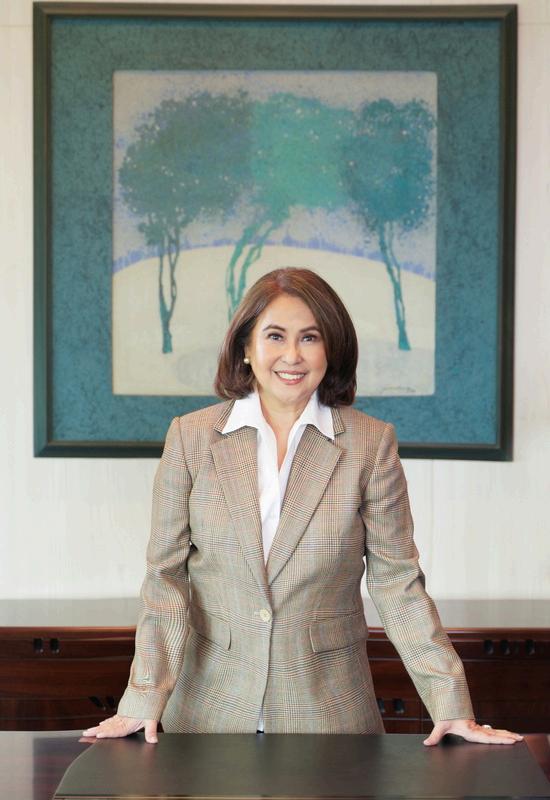
By: Noel Andres M. Perdigon
In Philippine society, the strength of women is not learned It is inherited Long before colonization, our culture viewed women and men as equals Babaylans, datus, queens, princesses, mothers, and daughters shaped our communities. Even when patriarchy arrived, the Filipino family remained firmly matriarchal Women have always been at the heart of who we are.
At InLife, the resurgence of this “Pinay Power” reached a defining moment when Nina Aguas assumed the helm as executive chair. Nina has long exemplified the brilliance, resilience, and leadership of the Filipina In every chapter of her high-charged corporate journey culminating
in her leadership of InLife she has shown, beyond question, that women lead with both strength and vision
Yet what makes her story even more compelling is how she has balanced this demanding career with the equally profound calling of managing a home and raising children. She has shown that success is not confined to one’s career; it is also reflected in the quiet triumphs of motherhood, the discipline of nurturing a spiritually oriented family, and the grace of creating harmony between work and life Her life shows that success can thrive in both the boardroom and the household With heart, purpose, and unwavering resolve, a woman can lead at the highest levels while keeping her family at the center of her world
At InLife’s 115th anniversary celebration at the Shangri-La The Fort on Nov. 25, 2025, Nina addressed a distinguished full house audience with a message that captured both history and hope:
“One hundred and fifteen years When you sit in this chair, you feel the weight of that number in a particular way. It is not only a milestone in our corporate life It is the story of lives lived with purpose Because of you, this institution did more than survive. It mattered.”
Her tenure reshaped the composition of leadership at InLife. Women now hold four of nine board seats In our management committee, 13 of 23 leaders are women Here, glass ceilings do not simply crack they do not exist At InLife, merit is earned through performance, not by gender.
Women’s empowerment at InLife is a shared value embedded in our systems, leadership, and everyday decisions. In our daily operations, women comprise 61 percent of our employees Our human resources team ensures inclusivity through strong antibullying, antidiscrimination, and antisexual harassment protocols These help ensure that empowerment is grounded in safety and dignity Flexible work arrangements support working mothers Nursing stations and support groups foster belonging. These commitments have earned us recognition from HR Asia, affirming that women’s empowerment at InLife is practiced, not proclaimed.
Our agency force reflects the same story Women make up 70 percent of our agency population, of which 72 percent are financial advisors and 59 percent are agency leaders They are builders of businesses, advocates of protection, and partners in nation-building
Our impact goes beyond our walls. Our multiawarded Sheroes program has touched the lives of 11 3 million Filipinas Sheroes equips women with financial education, health literacy, entrepreneurial opportunities, and protection solutions, such as SheCares and Entrepinay. Empowered women transform their families’ financial futures
The InLife Foundation reaches marginalized women. We help victims of violence regain confidence through job readiness programs We offer training on baking, wellness, financial literacy, data analytics, and artificial intelligence so they can earn from home
Our Data Science Scholarship has already produced 78 Filipina graduates, many now earning triple their previous income Every initiative is anchored on giving women access to opportunities that change lives
Our advocacy for women is part of our commitment to sustainability. InLife’s environmental, social, and governance sustainability division helps integrate sustainability across the company. Women’s empowerment is a pillar of responsible, future-ready governance
Our promise of “A Lifetime for Good” is not just a tagline; it is a cherished mission When we empower women, we strengthen families, uplift communities, and help build a more inclusive Philippine future.
For 115 years, we have remained faithful to this promise. And as we enter our 116th year, and futureproofing InLife, we all share in Nina’s vision that “the century ahead be even more worthy of the trust that built the first.”

By: Julia Andrea R. Abad and Carlo Abayon
A little boy caught my eye at a restaurant this weekend. While waiting for their food to arrive, he was quietly playing with a toy saucepan, pretending to cook some plastic vegetables. His father was keeping watch close by
Forty years ago, that saucepan would most likely have been a toy car, and the parent watching the child would have more likely been his mother
The Philippine Daily Inquirer was founded four decades ago during a time of political turmoil, championing truth and accountability.
In that same period, Filipino women were navigating a workplace landscape defined by strict gender norms, limited opportunities and systemic barriers
As the Inquirer celebrates this milestone, it is fitting to reflect on how women’s roles in the workplace have transformed and what challenges remain
The 1980s: Breaking ground amid patriarchy
In the mid-1980s, women’s participation in the labor force drifted around 47 percent, a figure that barely moved for decades
The Labor Code of 1974 had provisions protecting women, but cultural expectations kept many confined to domestic roles Marriage and childbearing were strong predictors of women leaving the workforce.
At the time, leadership positions were overwhelmingly maledominated, and
discriminatory practices, such as “no-marriage” policies, had persisted until later reforms outlawed them
Legal milestones: From protection to empowerment
The past four decades saw landmark legislation that sought to establish greater gender balance in the workplace
Here are the crucial Republic Acts:
• Republic Act No. 6725 (1989) prohibited discrimination in employment based on sex
• RA 7192 (1992) opened equal opportunities for women in development and nation-building
• RA 7877 (1995) addressed sexual harassment in workplaces
• RA 9262 (2004) and RA 9710 (2009 Magna Carta for Women) institutionalized gender equality as a national priority
Most recently, the Philippine Department of Labor and Employment (Dole) Department Order 251-25 (2025) strengthened enforcement against gender-based discrimination, signaling a renewed push for equity
These laws, combined with Constitutional guarantees under the 1987 Charter, created a framework for equality
Three more significant pieces of legislation further address issues that women face as they seek to enter, advance and thrive in the workplace:
The Safe Spaces Act, or RA 11313, protects people from genderbased sexual harassment in various public and private settings, including streets, online spaces, workplaces and educational institutions. It broadens the definition of harassment to include acts like catcalling, stalking and cyber harassment, applying to anyone, regardless of motive or power imbalance
The Telecommuting Act or RA 11165 institutionalizes telecommuting as a work arrangement for private sector employees, allowing them to work from an alternative location, such as home, using telecommunications and computer technologies. Studies have shown that flexible work arrangements like telecommuting have proven to be effective
in helping employees remain in the workforce despite their care and domestic concerns
The Responsible Parenthood and Reproductive Health Act or RA 10354 promotes responsible parenthood and provides universal access to reproductive health care services, including family planning, maternal care and sexual education
In addition to improving health outcomes, empowering individuals to make informed choices about family planning and ensuring access to necessary information and services also allows families to better balance their care and professional responsibilities.
These policies seem to yield some positive results: the representation of women in executive leadership teams (ELTs) in Philippine publicly listed companies has been on the rise, marking progress in gender diversity. Women now hold 40 percent of ELT positions, a notable achievement
Attitudes regarding care work and breadwinning have also shifted among younger generations
A 2020 survey among urban millennials in the region reveals that most young professionals aspire to share both care and earning responsibilities equally with their partners
In the public sector, the last 40 years saw the election of two female Presidents, and the unprecedented appointment of women in previously maledominated roles: Chief Justice of the Supreme Court, Bureau of Internal Revenue Commissioner, Commission on Audit chief, Ombudsman and Secretary of Justice
But still a long way to go
Despite these milestones, gender gaps persist in workforce participation, promotions and leadership roles.
Female labor force participation in the Philippines is one of the lowest in the Association of Southeast Asian Nations (Asean) From 47 percent in 1990, it rose marginally to 49 9 percent in 2024, even dipping during the pandemic years. Recent DOLE data show improvement to 52 9 percent in 2025 but the gap with men remains wide.
Cultural norms, caregiving responsibilities and lack of child-care support continue to limit women’s economic engagement.
The corporate world has evolved, but gender stereotypes endure. A recent study by the Philippine Business Coalition for Women Empowerment (PBCWE), “Census on Women in Leadership Roles in Philippine Publicly Listed Companies”, reveals that women still face barriers such as the “glass ceiling” and “glass walls,” which restrict advancement to executive roles
While representation in ELTs of publicly listed companies improved from 38 percent in 2020 to 40 percent in 2022, only 30 percent of these firms are gender-balanced.
Moreover, women are more likely to occupy functional rather than line roles positions critical for ascending to top leadership Female CEOs remain underrepresented at 13 percent
The role of PBCWE: Catalyzing change
Launched in March 2017 through Investing in Women, an initiative of the Australian government, in partnership with the Philippine Women’s Economic Network (PhilWEN), the Philippine Business Coalition for Women Empowerment (PBCWE) has been working with industryleading companies to improve gender equality within their organizations
and influencing other businesses, including those in their supply chains, to become better employers of women
Through initiatives like GEARS (Gender Equality Assessment, Results and Strategies), we support companies institutionalize diversity, equity, and inclusion and provide training and capacitybuilding programs, policy consultation and knowledge resources to close gender gaps, dismantle stereotypes and create inclusive cultures.
From seven founding members to 56 thriving lifetime member companies, which is a remarkable 700 percent increase since the coalition’s inception
This growth is a strong testament to companies’ collective commitment to advancing gender equality in Philippine workplaces
Why inclusion matters
The economic case for inclusion is clear: increasing women’s labor participation by just 0.5 percentage points annually could boost gross domestic product (GDP) per capita by 6 percent by 2040 and nearly 10 percent by 2050.
Women are also at the forefront of two critical issues: climate change and corporate governance.
In the Philippines, women make up 80 percent of those displaced by climate-related disasters, highlighting their vulnerability to environmental risks These figures underscore the need for genderresponsive climate policies and stronger efforts to achieve parity in corporate decision-making.
According to the International Finance Corporation, companies with greater board and gender diversity are 60 percent more likely to reduce the intensity of energy consumption, 39 percent more likely to reduce greenhouse gas emissions, and 46 percent more likely to reduce water use On top of these, companies with more than 30 percent female board membership were also associated with greater company financial performance
Women also play a vital role in the Philippine public sector, making up 50 88 percent of the governmen workforce, according t the Civil Servic Commission. The dominate second-leve positions includin professional, technical an managerial roles at 57 percent, and hold 4 percent of executive-level posts, reflecting progress in gender representation
However, challenges remain in achieving full parity in top leadership and decision-making roles
Looking ahead: A shared commitment
As the Inquirer transitions into its digital future after four decades of journalism, its legacy reminds us that progress requires persistence.
The same holds true for gender equality Laws and policies have laid the foundation, but cultural transformation and corporate accountability will determine whether Filipino women can fully realize their potential at work in the public and private spheres
The journey of the last 40 years tells a story of resilience and reform. The next 40 must be about acceleration where inclusion is not aspirational but operational, and where every woman is able to thrive in the workplace.
By: Ma. Aurora “Boots” Geotina-Garcia
Women entrepreneurs have been flourishing in the Philippines They continue to be innovative, resourceful, and able to break barriers. However, numerous challenges still stand in the way: digitalization, access to funds and markets, and multiple other hindrances. Data from the Philippine Commission on Women (PCW) in 2025 shows that 66% of MSMEs and 62% of newly registered Department of Trade and Industry (DTI) businesses are owned by women
While the contributions of Filipina entrepreneurs have been recognized, women’s participation in the Philippine economy should be examined more broadly as not all women are entrepreneurs
Women in the informal sector

Women are not just Entrepreneurs
It is estimated that 70% of Filipinos work in the ormal sector with a proportionate amount ng women. The ormal sector is wide, ging from small home inesses, contractual s in the manufacturing d service sectors, and er under-developed sectors of the economy.
Women make up a significant portion of this informal workforce, often
working in unstable and low-paying jobs without any legal protections or social security as their work does not give them access to fair wages, benefits, or job security
Despite their hard work and contributions to the economy, they do not receive even a minimum amount of care or social and legal protection. Lack of data and the lack of attention given by lawmakers deny women their basic rights as workers. Nonetheless, they continue to work and contribute to the economy; without benefiting from the fruits of their labor.
In 2024, the Philippine Statistics Authority (PSA) reported that one million women entered the workforce, driven by the growth of the digital economy and emerging sectors. Women reach higher levels of education, such that the share of male and female employment in high-skilled jobs is almost equal.
The services sector, made up of education, human health and social work, are dominated by women
Apart from women’s participation in the domestic workforce, women Overseas Filipino Workers (OFWs) also contribute significantly 2023 PSA statistics show that of the 2.16 million OFWs, 1.20 million were women Women make up a large number of the OFW populations, still dominating in the services sector. This number equates to larger remittances to the Philippines, supporting their families and boosting the economy.
Workplace gender equality is necessary as the inclusion of women in decision-making positions demonstrates good governance and innovation. Gender equality and diversity in the workplace poses numerous benefits for individual companies, society, and the economy
Numerous barriers for working women remain: discrimination, lack of access to skills training, existing wage gaps, care responsibilities, and societal beliefs and attitudes towards working women Women want to work and continue to fight for the ability to work and be properly compensated for it.
Two organizations I lead, the Philippine Women’s Economic Network (PhilWEN) and the Philippine Business Coalition for Women Empowerment (PBCWE), published the Census on Women in Executive Leadership Teams (ELTs) in Philippine Publicly Listed Companies (PLCs), which looked at women’s corporate leadership
The census showed that women’s participation and
The sustained barriers for women in the work force are often overlooked, thus preventing their greater economic participation and their potential contribution
Women are nurses, doctors, lawyers, and teachers, among many other professions representation is improving; 2022 statistics reveal that 13% of CEOs in Philippine PLCs were women; women hold 22% of board seats; women make up 40% of the ELTs in Philippine PLCs in 2022. These data prove that the visibility and decisionmaking power of women in the corporate sector is steadily on the rise. While not as quantifiable, women having such influence in corporations in the Philippines attests to their roles in and contributions to the Philippine economy.
One key burden is unpaid care work which women have to perform in addition to the work they do to gain income A 2025 study by the Philippine Institute for Development Studies (PIDS)
concluded that unpaid housework negatively impacts the economy, owing to women being prevented from economic participation because of care work
Women typically tend to outperform men in housework and often cite that as the reason they cannot seek employment. When they do get employed, they receive lower pay due to their marital status, in comparison to their married male counterparts. Patriarchal and social constructs contribute to women being forced to do unpaid care work, making unpaid care work a norm.
Uplifting Women, Uplifting the Nation
Women want to work and continue to fight for the ability to work and be properly compensated Women should not be boxed into certain roles Economic participation beyond entrepreneurship, and the recognition of women’s roles challenges is a forward in empow women. The challeng women’s participati the economy insurmountable, bu simple acknowledg that these issues exi light the spark to change The entire women’s economic empowerment should be a priority.
We can focus on policies and programs that boost economic participation, such as improving the rights of workers in the informal sector through the passage of the Magna Carta for Workers in the Informal Economy, providing alternatives for care work, and addressing gendered social norms that affect women’s participation in the economy We must ensure that women across all sectors are given the support they need.
Women already make significant contributions, which can be improved to not only boost the economy but also to support and protect women Support for women means that their children, families, and communities are equally supported. It is imperative that women who represent almost 50% of our population are prioritized —after all, nations that uplift their women uplift the whole nation.
Join PBCWE
We’re thrilled to welcome EastWest and Filinvest Business Services Corporation (FBSC) as the newest members of PBCWE

By joining the coalition, EastWest and FSBC strengthen our shared commitment to advancing workplace diversity, equity, and inclusion

These principles are at the heart of PBCWE’s work— g organizations e policies and ces that foster ive, respectful, and wering environments . decision to become bers marks another cant step toward ng workplaces where every voice is heard and valued.
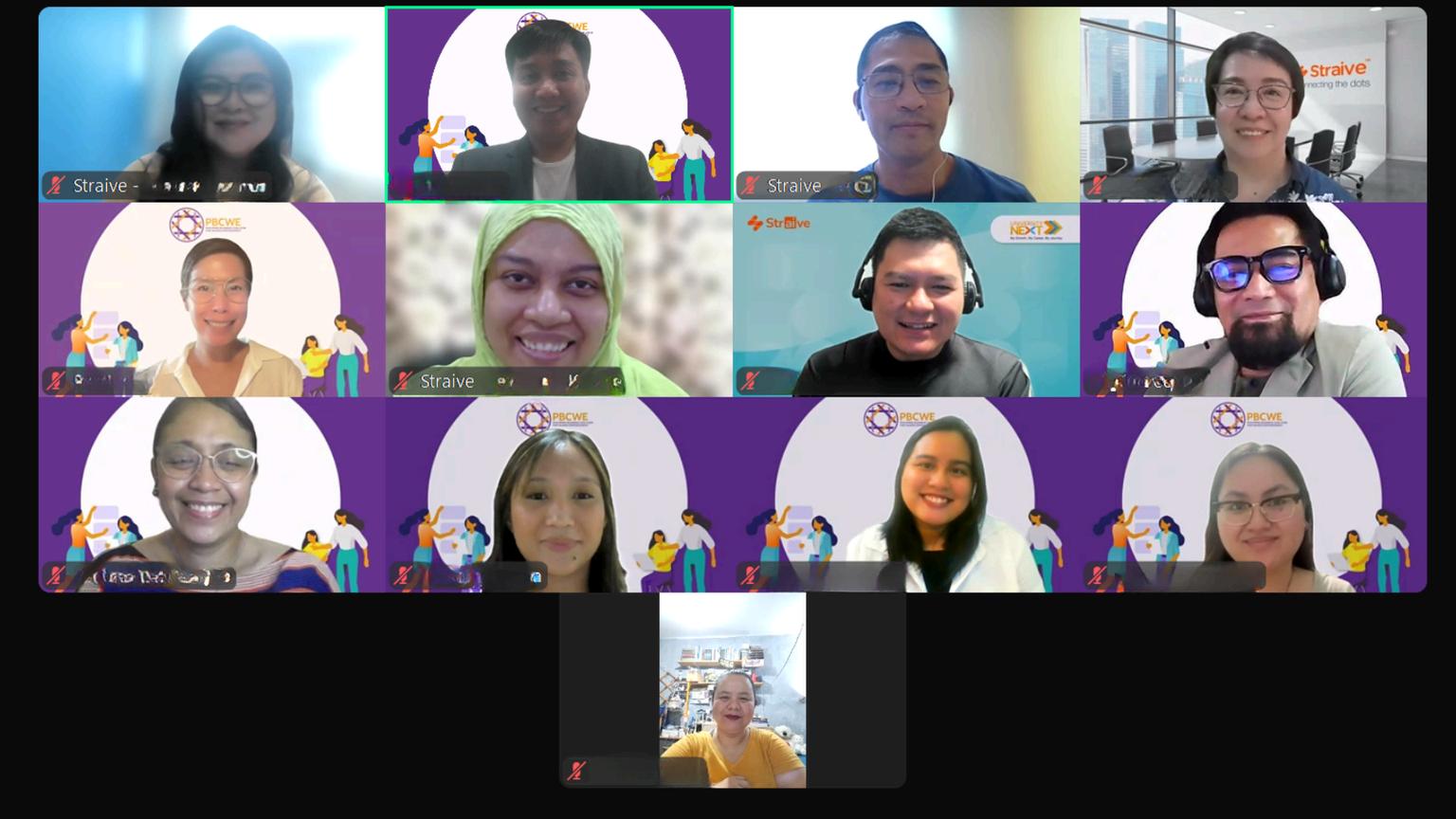
On November 18, 2025, PBCWE welcomed Straive formerly SPi Global as its 51st member during an online event celebrating shared commitments to Workplace Gender Equality (WGE), Women’s Economic Equality (WEE), and Diversity, Equity, and Inclusion (DEI)
Straive is a global content and data technology company providing data services, AI and analytics solutions, and technology expertise across industries.
Anna Chua-Norbert, Chief Culture Officer of DDB Group Philippines and the Vice Chairperson of the PBCWE Governing Council, commended Straive’s efforts to advance women’s participation and inclusive growth, while Maya Juwita of Investing in Women highlighted the partnership’s role in driving systemic change and sustainable growth.
Straive supports gender equality through inclusive talent strategies, women-focused leadership programs such as LeadHER and EmpowHER, and REIGNITE, a second-career program for women returning to work
It also supports parents through dedicated employee groups and uplifts communities through scholarships and livelihood programs for women and girls
By joining PBCWE, Straive reinforces its commitment to building a safe, respectful, and equitable workplace As Vice President for ESG Lea Villanueva shared, empowering women and fostering equality are essential to building a better future demonstrating that gender equality is both a moral imperative and smart economics.
This study examines the evolving demand for care services across Southeast Asia specifically in Indonesia, the Philippines, and Vietnam. Developed by the Global Institute for Women’s Leadership (GIWL) at Australian National University in collaboration with Investing in Women and local research partners, the report identifies critical gaps in knowledge and policy, with a focus on driving gender equality and inclusive economic development Learn more here
This study examines the evolving demand for care services across Southeast Asia specifically in Indonesia, the Philippines, and Vietnam Developed by the Global Institute for Women’s Leadership (GIWL) at Australian National University in collaboration with Investing in Women and local research partners, the report identifies critical gaps in knowledge and policy, with a focus on driving gender equality and inclusive economic development Learn more here
This study examines the evolving demand for care services across Southeast Asia specifically in Indonesia, the Philippines, and Vietnam Developed by the Global Institute for Women’s Leadership (GIWL) at Australian National University in collaboration with Investing in Women and local research partners, the report identifies critical gaps in knowledge and policy, with a focus on driving gender equality and inclusive economic development Learn more here
his brief highlights the vital synergy between Workplace Gender Equality (WGE) and Environmental, Social, and Governance (ESG) practices. It explores how embedding gender-specific metrics into ESG disclosures improves both social impact and corporate value Learn more here
This highlights the measurable progress PBCWE made in advancing workplace gender equality throughout the year From growing its network of committed member companies to strengthening capacity building programs and supporting gender responsive policies, these milestones reflect the coalition’s expanding influence in promoting inclusive, equitable, and high performing workplaces across the Philippines.
55 Lifetime Member Companies
11 Partnerships Sealed
16 Trainings Conducted

9 Member Companies Assessed
22 Speaking Engagements
1,361 Participants Trained
PBCWE Lead is a publication of the Philippine Business Coalition for Women Empowerment (PBCWE). Some content is credited to PBCWE’s partners and stakeholders, while other materials are sourced from royalty-free platforms.
© 2025-2026 Philippine Business Coalition for Women Empowerment All rights reserved
JULY TO DECEMBER 2025 ISSUE