A14 Print Design -- final file

Page 1


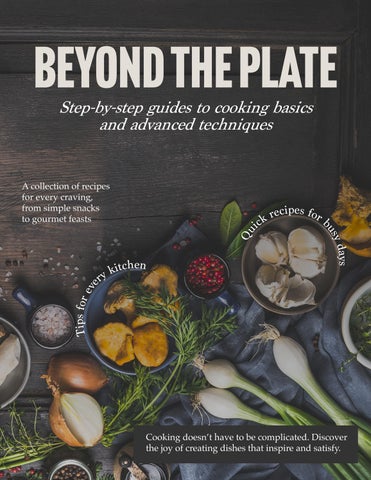
Beyond the Plate

Step-by-stepguidestocookingbasics andadvancedtechniques

A collection of recipes for every craving, from simple snacks to gourmet feasts

Quick recipes forbusy

T i p s for everykitchen

Cooking doesn’t have to be complicated. Discover the joy of creating dishes that inspire and satisfy.

Table of Contents

1. Cooking: A Vital Skill for Collage

2. Classic Meat and Potato Casserole

3. Rainbow Fresh Salad with Zesty Lime Drizzle

4. The Role of Vegetables in a Diet

5. Why Vegetables Are Essential

6. The Benefits of Enjoying Pasta Carbonara and Tips for Cooking It

7. Mastering the Art of Sushi

8. Breaded Pork Cutlets

9. Argentinian Asado

10. A Taste of Spain Cuisine: Iconic Dishes

11. Creating Flavorful Salads

12. The Role of Legumes in a Diet

Cooking: A Vital Skill for Collage

Cooking is much more than a means to satisfy hunger; it is a life skill that holds immense value for college students navigating the challenges of academic and personal independence. Learning to cook empowers students to make healthier choices, manage their budgets, and embrace self-sufficiency—skills that lay a foundation for lifelong well-being.

Health and Wellness at the Core

College life often comes with irregular schedules, tight deadlines, and the temptation of fast food or processed snacks. While convenient, these options can lead to poor nutrition, fatigue, and decreased focus—outcomes that directly impact academic performance. Cooking at home allows students to take control of their diet, ensuring they consume balanced meals rich in nutrients. Whole foods like vegetables, lean proteins, and whole grains support sustained energy

levels and mental clarity, which are crucial during long study sessions or exams.

Budget-Friendly and Customizable

Dining out or relying on pre-packaged meals can be costly over time. For students on a budget, cooking is an economical alternative. Buying fresh ingredients and preparing meals in bulk not only reduces expenses but also offers the flexibility to cater to personal tastes and dietary needs. Whether a student is vegetarian, lactose-intolerant, or simply prefers less salt in their food, cooking at home makes it easy to customize meals to suit their preferences.

A Path to Self-Sufficiency

For many college students, leaving home is the first step toward independence. Cooking builds confidence and independence by teaching students

how to care for themselves in a fundamental way. Beyond survival, cooking fosters creativity, mindfulness, and a sense of accomplishment. Trying new recipes or preparing a dish from scratch can be deeply rewarding, offering a welcome break from academic stress.

Building a Community Around Food

Food is also a powerful social connector. Inviting friends over for a home-cooked meal or collaborating on a recipe can create shared experiences and strengthen bonds. In a college environment, where friendships and networks are vital, cooking can play a surprising role. In conclusion, cooking is an essential skill for college students, offering benefits that extend far beyond the kitchen. From promoting healthy eating habits and saving money to encouraging creativity and community, it is an investment in both current and future well-being.

Classic Meat and Potato Casserole

Ingredients

500g (1 lb) ground beef or minced meat

4 medium potatoes, peeled and sliced into thin rounds

1 medium onion, finely chopped

2 garlic cloves, minced

1 cup shredded cheddar cheese

1 can (400g) diced tomatoes, drained

1/2 cup beef or vegetable broth

2 tbsp olive oil

1 tsp paprika

1 tsp dried thyme

1/2 tsp black pepper

1/2 tsp salt (adjust to taste)

Steps to Cook

1. Preheat the Oven: Preheat your oven to 180°C (350°F). Prepare the Meat Mixture: Heat 1 tbsp of olive oil in a skillet over medium heat.

2. Sauté the onion and garlic until fragrant. Add the ground beef and cook until browned. Stir in diced tomatoes, paprika, thyme, salt, and pepper. Cook for 5 minutes, then set aside.

3. Prepare the Potatoes: Toss the potato slices in 1 tbsp olive oil, lightly seasoning with salt and pepper.

4. Assemble the Casserole: In a baking dish, layer half the potatoes at the bottom. Spread half the meat mixture over the potatoes. Add another layer of potatoes and top with the remaining meat. Pour the broth evenly over the dish.

5. Bake: Cover the dish with aluminum foil and bake for 30 minutes. Remove the foil, sprinkle shredded cheese on top, and bake for an additional 15-20 minutes until the cheese is melted and golden.

6. Serve: Let the casserole rest for 5 minutes before serving. Garnish with fresh parsley if desired. Enjoy your hearty and delicious meat and potato casserole!

Rainbow Fresh Salad with Zesty Lime Drizzle

Ingredients

2 cups fresh lettuce (mixed greens or romaine), chopped

1 cup cherry tomatoes, halved

1 small cucumber, thinly sliced

1/2 red onion, finely sliced

1/2 cup sweet corn (canned or fresh)

1/4 cup black olives, sliced

1 avocado, diced

2 tbsp crumbled feta or goat cheese (optional)

3 tbsp olive oil

1 tbsp lime juice (freshly squeezed)

1 tsp honey or maple syrup

1/2 tsp Dijon mustard

1/4 tsp garlic powder

Salt and pepper to taste

Steps to Prepare

1. Prepare the Base: In a large salad bowl, layer the lettuce as the foundation.Add the Vegetables: Arrange the cherry tomatoes, cucumber slices, red onion, sweet corn, and black olives on top of the lettuce. For a visually appealing look, group each ingredient separately in sections.

2. Top with Avocado and Cheese: Add diced avocado and sprinkle crumbled feta or goat cheese if using.

3. Make the Dressing: In a small bowl or jar, whisk together olive oil, lime juice, honey, Dijon mustard, garlic powder, salt, and pepper until emulsified.

4. Combine and Serve: Drizzle the zesty lime dressing over the salad just before serving. Toss gently to combine or leave layered for a stunning presentation. Enjoy your vibrant and refreshing “Rainbow Fresh Salad” as a healthy appetizer or side dish!

The Role of Vegetables in a Diet

College life is often a whirlwind of late-night study sessions, tight deadlines, and social activities. Amid this chaos, maintaining a healthy diet can be challenging, yet it is crucial for success both academically and personally. Vegetables are an essential component of a balanced diet and offer unique benefits that can empower college students to thrive.

Vegetables are nutrient-dense, providing a wide array of vitamins and minerals that are essential for energy production and brain function. For instance, leafy greens like spinach and kale are rich in iron, which supports oxygen transport in the blood, reducing fatigue. Vegetables high in vitamin C, such as bell peppers and broccoli, strengthen the immune system, ensuring students can stay healthy and focused.

The stress of college life can take a toll on mental health. Vegetables high in folate, like asparagus and Brussels sprouts, are known to support brain function and improve mood. Additionally, antioxidants found in colorful vegetables, such as carrots and sweet potatoes, combat oxidative stress, which has been linked to mental fatigue and depression.Establishing healthy eating habits during college sets the stage for lifelong well-being. Vegetables are low in calories and high in fiber, helping to maintain a healthy weight and reduce the risk of chronic diseases like diabetes and heart disease.

Incorporating vegetables into meals not only fuels academic performance but also teaches students the value of self-care and healthy living. Quick meals like stir-fries, salads, or veggie-packed wraps are easy to prepare and fit well into a student’s hectic schedule. Frozen or canned vegetables are budget-friendly and just as nutritious as fresh options. Developing these habits now will benefit them long after graduation.

Why Vegetables Are Essential

Vegetables are a cornerstone of a healthy diet, offering unmatched benefits for physical health, mental well-being, and long-term vitality. For individuals navigating busy lives—such as college students or professionals—incorporating vegetables into daily meals is a simple but impactful way to enhance overall quality of life.

Vegetables are rich in essential vitamins, minerals, and fiber, providing the nutrients the body needs to function optimally. For instance, leafy greens like spinach and kale are packed with iron, which boosts energy and reduces fatigue. Brightly colored vegetables, such as carrots, bell peppers, and tomatoes, deliver antioxidants like beta-carotene and vitamin C, strengthening the immune system and protecting against diseases. Fiber, found in nearly all vegetables, aids digestion and promotes a healthy gut.

Eating vegetables isn’t just good for the body; it’s crucial for the mind. Nutrients like folate, found in broccoli and asparagus, support brain health and can help alleviate stress and anxiety. Additionally, magnesium, present in vegetables like spinach and Swiss chard, has been linked to improved focus and better sleep—essentials for managing the demands of modern life. Regularly consuming a variety of vegetables reduces the risk of chronic conditions such as heart disease.

Vegetables are budget-friendly and versatile, making them accessible to everyone. Fresh, frozen, or canned options provide the same nutritional benefits, and their adaptability makes them easy to include in any meal. Whether it’s adding spinach to a smoothie, roasting vegetables for dinner, or preparing a quick salad, there are countless ways to enjoy them. In conclusion, vegetables are essential for maintaining health, and boosting energy.

The Benefits of Enjoying Pasta Carbonara and Tips for Cooking It

Benefits of Eating Pasta Carbonara

Pasta Carbonara is a beloved Italian dish known for its rich flavors and satisfying texture. For college students, it offers several benefits:

High in Protein: The combination of eggs and cured meat like pancetta or guanciale provides a good source of protein, essential for muscle repair and overall health. Energy Boosting

Carbohydrates: Pasta is rich in carbohydrates, supplying the energy needed for studying, physical activity, and daily tasks. Nutrient-Rich Ingredients: Eggs and cheese add important nutrients like calcium, vitamin D, and B vitamins, which support bone health and metabolic functions.

Quick and Easy to Prepare: With simple ingredients and a straightforward cooking process, Pasta Carbonara is perfect for busy students seeking a homemade meal.

Affordable and Filling: The dish uses cost-effective ingredients that are readily available, making it a budget-friendly option that keeps you full.

Cultural Experience: Preparing and enjoying this classic recipe offers a taste of Italian culinary tradition, enriching your cultural appreciation.

Tips for Cooking Perfect Pasta Carbonara

Creating an authentic and delicious Pasta Carbonara is easy with the right approach. Here are some tips to help you master this classic dish:

Gather Quality Ingredients: Use authentic ingredients like guanciale (cured pork jowl) for the best flavor. If unavailable, pancetta or bacon are good substitutes. Choose fresh eggs and high-quality pasta, preferably spaghetti or linguine. Opt for freshly grated Pecorino Romano or Parmigiano-Reggiano cheese.

Cook Pasta Al Dente: Boil the pasta in salted water until it’s al dente (firm to the bite). This texture holds up better when combined with the sauce.

Prepare the Sauce Base: While the pasta cooks, sauté the guanciale in a pan over medium heat until crispy. Remove from heat to prevent burning. Mix Eggs and Cheese Separately: In a bowl, whisk together eggs and grated cheese. This mixture will become the creamy sauce without the need for cream.

Combine Off the Heat: Drain the pasta, reserving a cup of pasta water. Add the hot pasta to the pan with guanciale. Off the heat, pour

the egg and cheese mixture over the pasta, tossing quickly to prevent the eggs from scrambling.

Adjust Consistency with Pasta Water: If the sauce is too thick, add reserved pasta water a little at a time until you reach the desired creaminess.

Season to Taste: Add freshly ground black pepper. Taste before adding salt, as the cheese and meat are already salty. Serve Immediately: Pasta Carbonara is best enjoyed hot. Serve it right away to experience the optimal texture and flavor. Avoid Common Mistakes: Do not add cream; traditional Carbonara relies on eggs and cheese for creaminess. Ensure the eggs do not scramble by combining them with the pasta off the direct heat.

Experiment with Add-ins (Optional): While not traditional, you can add peas or mushrooms for extra flavor and nutrients.

By following these tips, you’ll create a satisfying Pasta Carbonara that’s both delicious and nourishing—a perfect meal to support your college endeavors. These tips and appreciating the nutritional value of its simple ingredients, you can elevate Pasta Carbonara from a meal to an indulgent culinary experience! Don’t waste your time cooking pasta carbonara without using these helpful tips and learn about its realization and other tips.

Ingredients

Sushi Rice - Sticky Japanese Base

Mastering the Art of Sushi

Sushi, a cornerstone of Japanese cuisine, is celebrated worldwide for its delicate balance of flavors, textures, and presentation. At its core, sushi combines vinegared rice with fresh ingredients such as raw fish, seafood, vegetables, and sometimes tropical fruits. This dish is not just a meal but an art form, with chefs spending years mastering the skills to create perfectly rolled maki, artfully shaped nigiri, or intricately prepared sashimi. Beyond its elegance, sushi reflects Japan’s respect for natural ingredients and seasonality, with an emphasis on freshness and quality.

Rice Vinegar - Sweetened Flavor Enhancer

Nori Sheets - Crisp Seaweed Wrap

Sushi-Grade Fish - Fresh Raw Protein

Cooked Shrimp - Delicate Seafood Option

Cucumber - Crunchy Green Vegetable

Avocado - Creamy Healthy Addition

Soy Sauce - Savory Dipping Condiment

Wasabi - Spicy Green Paste

To cook sushi successfully, start by rinsing the rice thoroughly until the water runs clear to remove excess starch, then cook it with the correct water ratio for the perfect texture. Season the cooked rice evenly with a mixture of rice vinegar, sugar, and salt, letting it cool to room temperature before use. Use sushi-grade fish and fresh ingredients to ensure safety and the best flavor. When rolling sushi, place a sheet of nori shiny side down on a bamboo mat, spread the rice thinly and evenly, and avoid overfilling to make rolling easier. Keep a bowl of water nearby to dip your fingers or knife, preventing sticking and ensuring clean cuts. Patience and practice are key to mastering sushi-making!

Sushi-making is both an art and a science, requiring attention to detail and high-quality ingredients. Always use sushi-grade fish for safety and the freshest flavor, and pair it with properly seasoned rice to achieve a perfect balance. When spreading rice on nori, keep it thin and leave a border to ensure easy rolling. Use a bamboo mat wrapped in plastic for smoother rolls and prevent sticking. For cutting rolls, use a very sharp knife dipped in water for clean slices without tearing. Experiment with fillings like cucumber, avocado, or cream cheese for variety, and remember that presentation is as important as taste in sushi! With time and creativity, you can master the craft and make sushi uniquely your own.

Step 1: Preparing the Rice

The foundation of good sushi lies in perfectly cooked rice. Start by rinsing short-grain sushi rice thoroughly under cold water until the water runs clear, removing excess starch. Cook the rice using a rice cooker or on the stovetop with the correct water ratio, ensuring a fluffy yet sticky texture. Once cooked, transfer the rice to a large, non-metallic bowl and gently mix it with a seasoning made of rice vinegar, sugar, and salt. Let the rice cool to room temperature, covering it with a damp cloth to prevent it from drying out.

Step 2: Preparing the Fillings

While the rice cools, prepare your fillings. Use sushi-grade fish for raw options like salmon or tuna, slicing them into thin, even strips. For vegetarian options, cut cucumbers, avocados, and carrots into thin, julienned slices. If using cooked ingredients, such as shrimp or imitation crab, ensure they are prepared and ready to use. Organize your ingredients neatly to make the rolling process smooth and efficient.

Step 3: Rolling the Sushi

Place a sheet of nori shiny side down on a bamboo mat. Spread a thin layer of rice evenly over the nori, leaving about an inch of space at the top for sealing the roll. Arrange your fillings horizontally across the middle of the rice. Using the bamboo mat, carefully roll the nori from the bottom edge, applying gentle pressure to create a firm, even roll. Seal the edge with a little water if needed and

set the roll aside. This step is one of the most important ones.

Step 4: Cutting and Serving

For clean, professional slices, use a very sharp knife dipped in water to prevent sticking. Cut the roll into bite-sized pieces, wiping the knife between cuts. Arrange the sushi pieces on a platter with garnishes like pickled ginger, wasabi, and soy sauce for dipping. Serve immediately to enjoy the fresh flavors, or chill briefly if preparing for a group. With practice, you can experiment with different fillings and styles, from classic nigiri to intricate maki rolls.

Breaded Pork Cutlets, or milanesas, are a classic dish loved for their golden, crispy crust and tender, juicy interior. This recipe combines high-quality ingredients like fresh pork loin, fragrant spices, and golden bread crumbs to create a dish that’s both flavorful and satisfying. Perfect for a quick weeknight meal or a special family dinner, these cutlets are easy to prepare and versatile enough to pair with a variety of sides like mashed potatoes, fresh salads, or roasted vegetables. With its crunchy texture and rich taste, this timeless dish is sure to become a favorite on your table.

Breaded Pork Cutlets

Ingredients

Fresh pork loin cutlets

Golden crispy bread crumbs

Large fresh eggs

All-purpose wheat flour

High-quality extra virgin olive oil

Whole garlic cloves, peeled

Smoked sweet paprika powder

Fine table salt for seasoning

Pink Himalayan salt crystals

Dried aromatic oregano leaves

Freshly chopped parsley leaves

Steps to Prepare

Step 1: Preparing the Pork Cutlets. Start by seasoning the pork cutlets with fine salt, pink Himalayan salt, and oregano. Pound them gently if needed to ensure even thickness and set them aside to rest.

Step 2: Breading the Cutlets. For the Breaded Pork Cutlets, set up three bowls: one with flour, one with whisked eggs, and one with bread crumbs mixed with paprika. Coat each cutlet in flour, dip in egg, and finish with breadcrumbs, pressing to adhere.

Step 3: Frying the Cutlets. Heat olive oil in a skillet and fry the Breaded Pork Cutlets for 3-4 minutes per side until golden brown. Drain on paper towels to remove excess oil.

Step 4: Serving the Pork Cutlets. Serve the Breaded Pork Cutlets hot, garnished with parsley. Pair with mashed potatoes, roasted vegetables, or a fresh salad for a delicious, complete meal.

Enjoy your crispy and flavorful “Breaded Pork Cutlets” as a satisfying main course or family favorite!

Argentinian Asado

Ingredients

For the meat:

Beef ribs (asado de tira) – 2-3 kg

Chorizo sausages – 4-6

Morcilla (blood sausage) – 2

Matambre (flank steak) – 1 kg

Chicken pieces (optional) – 1 kg

For the sides:

Chimichurri sauce (homemade or store-bought)

Provoleta (grilled provolone cheese) – 200 g

Sal parrillera (coarse salt)

For the fire:

Charcoal or firewood (preferably quebracho or similar hardwood)

Steps to Cook

1. Prepare the Fire: Light the charcoal or wood. Let the flames die down until you’re left with hot embers. This can take about 30-40 minutes. Spread the embers evenly under the grill to ensure steady, moderate heat.

2. Season the Meat. Generously sprinkle coarse salt on both sides of the meat cuts. Let the meat rest while the grill heats up.

3. Heat the grill: Position the grill about 25-30 cm (10-12 inches) above the embers. The heat should be moderate; you should be able to hold your hand above the grill for about 4-5 seconds without discomfort.

4. Cook the Meat: Start with larger cuts like the beef ribs and matambre, placing them bone-side down. Cook slowly, turning occasionally. After 20-30 minutes, add the chorizos, morcilla, and chicken if using. Adjust the position of the embers to control the heat as needed. The cooking process typically takes 1.5–2 hours.

5. Grill the Provoleta: Place the provolone cheese in a small grill-safe dish or directly on the grill (use a metal sheet to prevent melting loss). Grill until the cheese softens and develops a golden crust.

Enjoy your hearty and delicious asado like if you were in Argentina!

A Taste of Spain Cuisine: Iconic Dishes

Spanish cuisine is a celebration of bold flavors, fresh ingredients, and centuries-old traditions. It is deeply rooted in regional diversity, with each area offering unique specialties. Iconic dishes like croquetas, creamy béchamel-based fritters filled with ingredients like ham or chicken, showcase the country’s knack for turning simple ingredients into culinary masterpieces. Another classic is the tortilla de patata, a rich and hearty Spanish omelet made with potatoes and eggs, often considered a symbol of Spanish comfort food. These dishes embody the country’s emphasis on sharing meals and enjoying them in a relaxed, social atmosphere.

From the northern region of Galicia comes pulpo a la gallega, or Galician-style octopus, a dish that highlights Spain’s love for seafood. Tender slices of octopus are seasoned with olive oil, paprika, and coarse salt, and traditionally served over boiled potatoes. This simple yet flavorful dish reflects the qual-

ity of Spanish ingredients and the influence of its coastal geography. Together, these dishes paint a picture of Spanish cuisine’s diversity, where traditional recipes and fresh, local produce come together to create unforgettable flavors.

Spanish cuisine is also renowned for its vibrant tapas culture, which embodies the art of sharing and socializing. Tapas are small dishes served as appetizers or snacks, ranging from olives and almonds to more elaborate creations like patatas bravas—crispy potatoes topped with spicy tomato sauce and aioli. This tradition of grazing through small, flavorful bites is deeply ingrained in Spanish social life, often enjoyed with a glass of wine or beer in bustling bars and terraces.

A cornerstone of Spanish cooking is the use of fresh, high-quality ingredients. Olive oil, often called “liquid gold,” is a staple in nearly every dish, from salads to frying. Fresh seafood, seasonal vegetables,

and cured meats like jamón ibérico play key roles in creating Spain’s distinctive flavors. These ingredients are often sourced locally, reflecting the country’s agricultural richness and commitment to preserving traditional farming and fishing methods. Spanish cuisime has incredible natural flavors.

Spanish desserts are equally delightful and steeped in tradition. Favorites like churros, crispy fried dough often dipped in thick hot chocolate, are a testament to the country’s love for sweet indulgence. Another classic is flan, a creamy caramel custard dessert that melts in your mouth, offering a perfect way to end a meal. Regional specialties, such as tarta de Santiago, an almond cake from Galicia, add a sweet touch to Spain’s diverse culinary repertoire.

Finally, Spain’s rich culinary history is deeply tied to its cultural and historical influences. The Moorish presence in the Iberian Peninsula introduced incredible ingredients.

Paella is one of Spain’s most iconic dishes, originating from the Valencia region on the eastern coast. Traditionally cooked in a wide, shallow pan called a paellera, this dish showcases the country’s love for fresh, locally sourced ingredients. The base of a good paella is bomba rice, a short-grain variety known for its ability to absorb flavors without becoming mushy. Saffron, the signature spice, gives the dish its vibrant golden color and a subtle, aromatic depth. The preparation of paella is as much a ritual as it is a meal, often enjoyed during festive gatherings with family and friends.

The beauty of paella lies in its adaptability, with regional variations that reflect the culinary diversity of Spain. Paella Valenciana, the traditional version, includes ingredients like rabbit, chicken, and snails, along with green beans and other local vegetables. In coastal areas, seafood paella is popular, featuring mussels, clams, shrimp, and squid. Mixed paella combines elements of both, incorporating meat and seafood for a heartier dish. Each variation emphasizes the importance of balancing flavors, ensuring every bite captures the essence of Spain’s rich culinary traditions.

Beyond its delicious flavors, paella is a symbol of Spanish culture and togetherness. It is often cooked outdoors, over an open flame, allowing families and communities to gather and bond during its preparation. The dish’s communal nature, with everyone serving themselves directly from the pan, reflects Spain’s emphasis on sharing and enjoying food as a social experience. Whether served at a local fiesta or a fine-dining restaurant, paella remains a beloved dish that represents the heart and soul of Spanish gastronomy.

The global popularity of paella has turned it into a symbol of Spanish cuisine, but its preparation remains deeply tied to tradition and regional pride. Authentic paella-making is considered an art form, with chefs and home cooks alike adhering to techniques passed down through generations. Festivals such as the Concurs Internacional de Paella Valenciana in Valencia celebrate this culinary heritage, showcasing the skill and passion behind creating the perfect paella.

Ingredients

Ripe avocado slices

Cherry tomatoes halved

Toasted almond slivers

Fresh spinach leaves

Steamed broccoli florets

Lemon juice dressing

Red onion slices

Shredded parmesan cheese

Crispy cucumber slices

Creating Flavorful Salads

Salad, a staple of global cuisine, is celebrated for its versatility, freshness, and vibrant flavors. At its core, a salad typically combines crisp greens with an array of vegetables like tomatoes, cucumbers, and carrots, often enhanced with proteins such as chicken, tofu, or beans. This dish is more than just a side; it can be a complete meal, offering endless possibilities with toppings like nuts, cheese, or fruits and dressings ranging from tangy vinaigrettes to creamy blends. Beyond its simplicity, salad reflects a commitment to healthy eating and the creative use of seasonal ingredients.

To prepare a perfect salad, start by selecting fresh, high-quality ingredients to ensure vibrant flavors and textures. Wash all vegetables thoroughly under cold water to remove dirt or residues, and pat them dry to prevent a soggy salad. Use a variety of greens like spinach, arugula, or lettuce as the base, then add colorful vegetables such as cherry tomatoes, cucumber, and bell peppers for balance. Enhance the texture with toppings like toasted nuts, seeds, or croutons, and include a protein such as grilled chicken, chickpeas, or boiled eggs if desired. Prepare a simple dressing using olive oil, lemon juice, vinegar, or yogurt, and toss it gently with the salad just before serving to maintain freshness. Experiment with combinations to create a salad that is as visually appealing as it is delicious!

Salads are an essential part of a healthy diet, offering a refreshing way to incorporate nutrient-rich ingredients into your meals. Packed with vitamins, minerals, and antioxidants from fresh vegetables and leafy greens, salads support overall health and well-being. They are a great source of dietary fiber, which aids digestion and helps maintain a healthy weight by promoting fullness. Adding proteins like chicken, beans, or nuts makes salads a complete meal, while healthy fats from ingredients like avocado or olive oil boost heart health. Salads also encourage creativity, allowing endless combinations of flavors and textures to suit any palate. By including salads regularly, you not only improve your nutrition but also enjoy a versatile dish that can be tailored to your lifestyle and taste preferences.

Step

1: Preparing the Ingredients

The foundation of a great salad lies in fresh, high-quality ingredients. Start by washing the fresh spinach leaves, cherry tomatoes, red onion, and cucumber under cold water to remove any dirt or residue. Pat them dry with a clean kitchen towel or spin them in a salad spinner to avoid excess moisture. Steam the broccoli florets until tender but still crisp, and let them cool completely. Slice the cucumber and red onion thinly, halve the cherry tomatoes, and cut the avocado into ripe, creamy slices, ensuring all ingredients are ready for assembly.

Step

2: Assembling the Salad Base

Begin by layering the fresh spinach leaves on the base of a large salad bowl or serving platter. Arrange the halved cherry tomatoes, sliced cucumber, and red onion evenly across the spinach. Add the steamed broccoli florets for a pop of vibrant green and a delightful crunch. Spread the ripe avocado slices gently over the top, ensuring they are evenly distributed for a balanced flavor and creamy texture in every bite.

Step 3: Adding Texture and Flavor

Sprinkle toasted almond slivers generously over the salad to add a nutty crunch that contrasts with the softness of the vegetables. Follow this with shredded Parmesan cheese, which provides a salty, umami-rich finish. These ingredients elevate the salad by enhancing both texture and flavor, making each bite dynamic and satisfying.

Step 4: Dressing and Serving

Drizzle the lemon juice dressing over the salad just before serving to keep the greens crisp and fresh. Use a light hand to ensure the flavors of the dressing enhance the natural ingredients without overpowering them. Toss the salad gently to combine the flavors evenly, or serve it as is for a beautiful presentation. This versatile dish is perfect as a side or a standalone meal and can be customized with additional proteins or toppings to suit any occasion. For an extra burst of freshness, garnish with a few sprigs of herbs like parsley or basil. Serve immediately to enjoy the full crunch and vibrancy of the ingredients.

The Role of Legumes in a Diet

Legumes play a vital role in a balanced diet due to their rich nutritional profile and versatility. They are an excellent source of plant-based protein, making them a valuable dietary staple for vegetarians, vegans, and those looking to reduce their reliance on animal products. Along with protein, legumes are packed with essential nutrients like dietary fiber, folate, iron, magnesium, and potassium, all of which contribute to overall health.

Incorporating legumes into a diet can also promote sustainable eating habits. Compared to animal protein sources, legumes have a significantly lower environmental impact in terms of water usage, greenhouse gas emissions, and land requirements. This makes them an eco-friendly choice for individuals striving to adopt a diet that aligns with environmental conservation.

Beyond their nutritional and environmental benefits, legumes are incredibly versatile in the kitchen. From lentils and chickpeas to black beans and peas, they can be used in a wide range of dishes, such as soups, salads, stews, curries, and dips. Their mild flavor and varied textures allow them to complement an array of spices and ingredients, making them suitable for diverse cuisines. By incorporating legumes into daily meals, individuals can enjoy their health benefits while adding variety and creativity to their diet.

Legumes are fascinating for their ability to naturally enrich soil through nitrogen fixation, promoting sustainable farming. They have been dietary staples worldwide for centuries, featuring in iconic dishes like hummus, dal, and black bean soup. From lentils and chickpeas to soybeans and peanuts, their versatility and cultural significance make them essential to global cuisine.

Why Green Beans Are Essential

Green beans are an essential part of a healthy diet due to their high nutrient content and low calorie profile. Packed with vitamins such as A, C, and K, as well as minerals like iron, calcium, and magnesium, green beans support overall well-being. Vitamin C boosts the immune system, vitamin K aids in blood clotting and bone health, and iron helps combat fatigue by improving oxygen transport in the blood. Their high fiber content also promotes digestive health.

In addition to their nutritional benefits, green beans are a versatile and accessible vegetable that can fit into various dietary preferences and restrictions. Whether eaten raw, steamed, sautéed, or roasted, they retain their natural crunch and fresh flavor, adding texture and color to meals. They pair well with a variety of ingredients, from simple olive oil and garlic to more complex stir-fry sauces or creamy casseroles.

Green beans also play a role in sustainable eating, as they are relatively easy to grow and require fewer resources compared to other crops. They can be grown in a variety of climates, making them a reliable source of nutrition year-round. For those interested in reducing their carbon footprint, green beans are a smart choice as they are locally available in many regions and can often be sourced from nearby farms. By incorporating green beans into your meals, you not only enhance your health but also contribute to eating.

Green beans are fascinating for their versatility and role in sustainable agriculture. They are easy to grow and thrive in various climates, making them a reliable crop worldwide. Known for their vibrant color and crisp texture, green beans are staples in dishes like casseroles, stir-fries, and salads across many cuisines.

Turn static files into dynamic content formats.

Create a flipbook
Issuu converts static files into: digital portfolios, online yearbooks, online catalogs, digital photo albums and more. Sign up and create your flipbook.