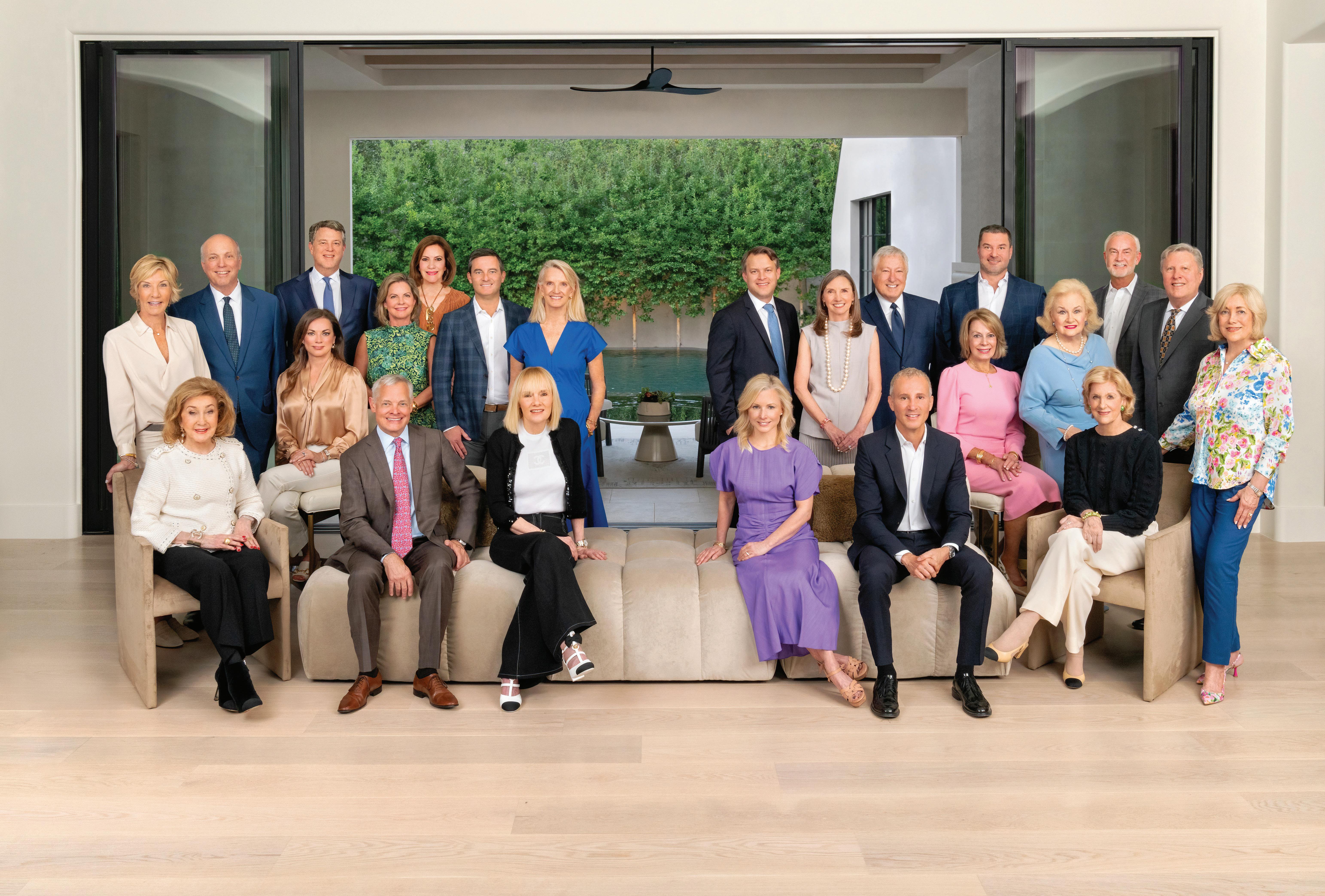
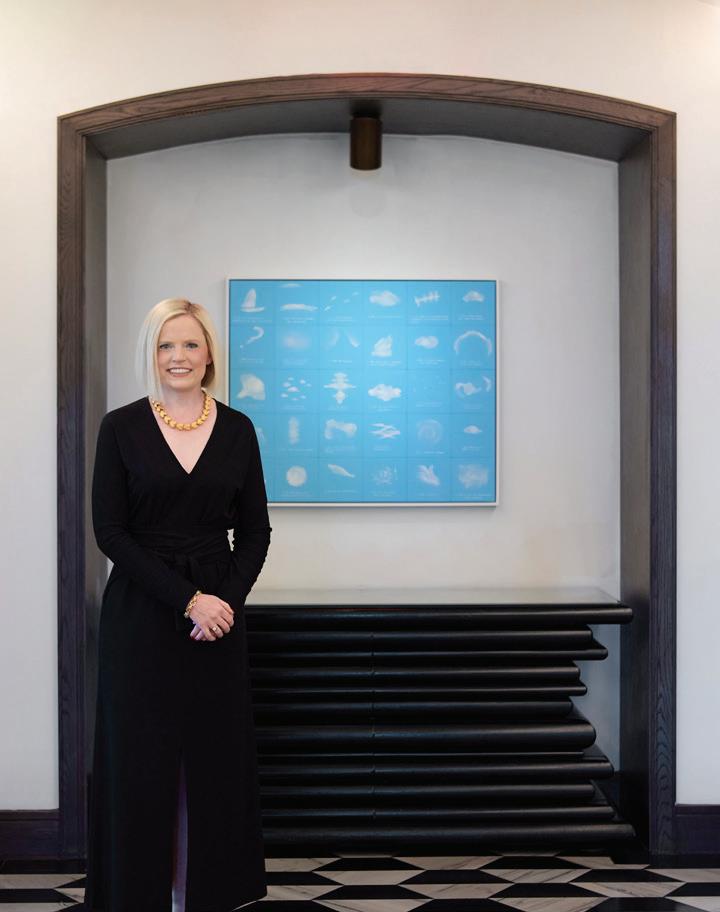
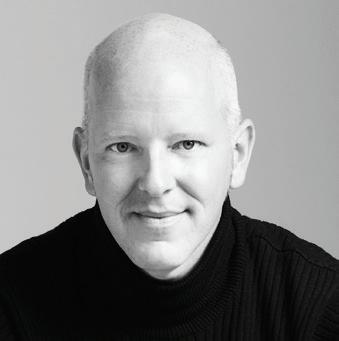
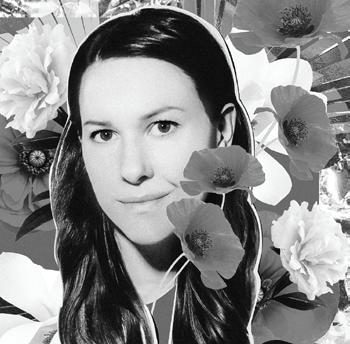
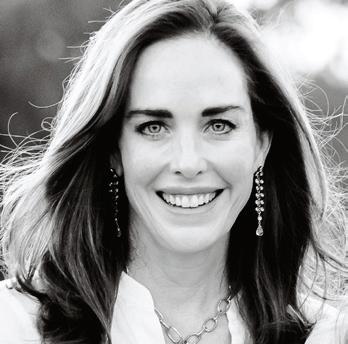
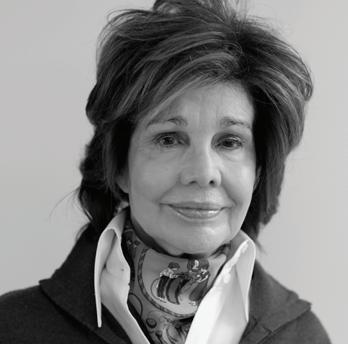
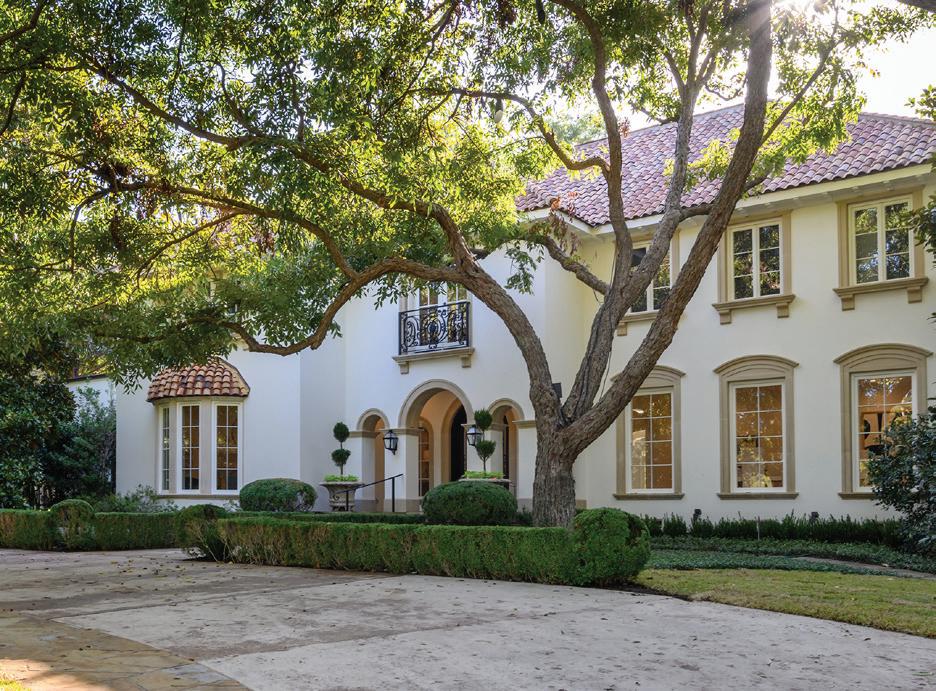
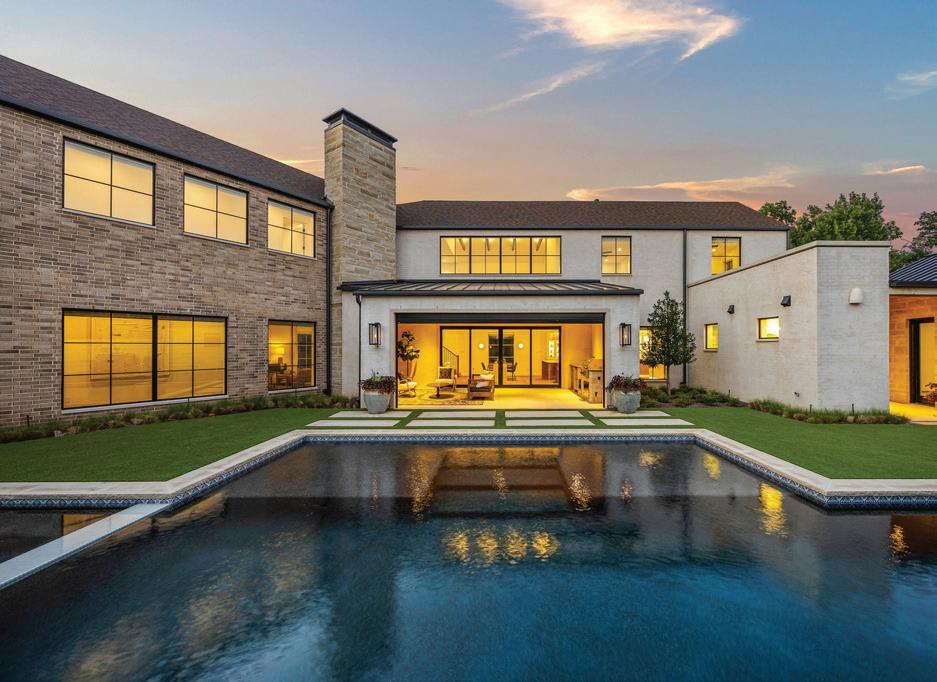
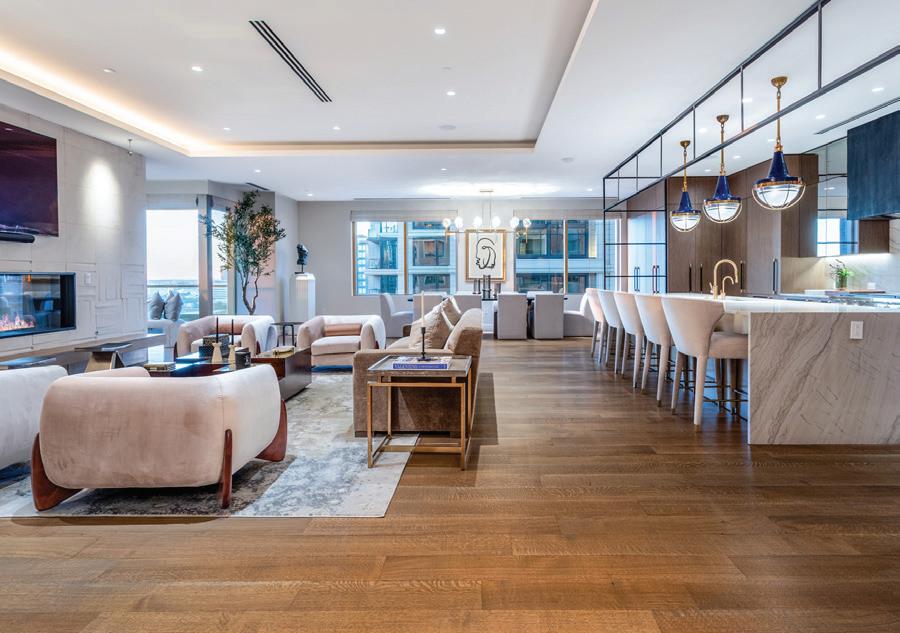
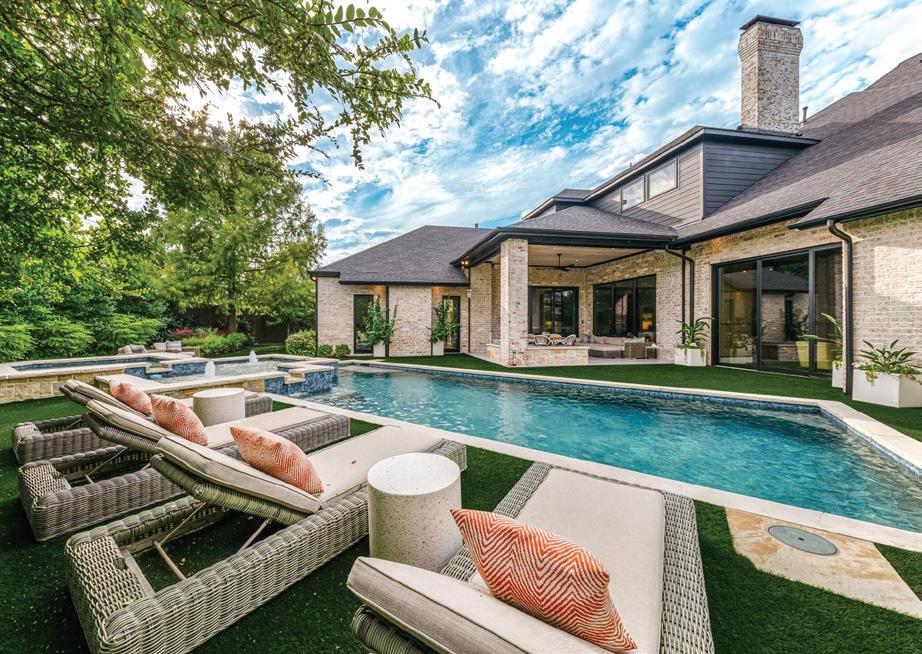
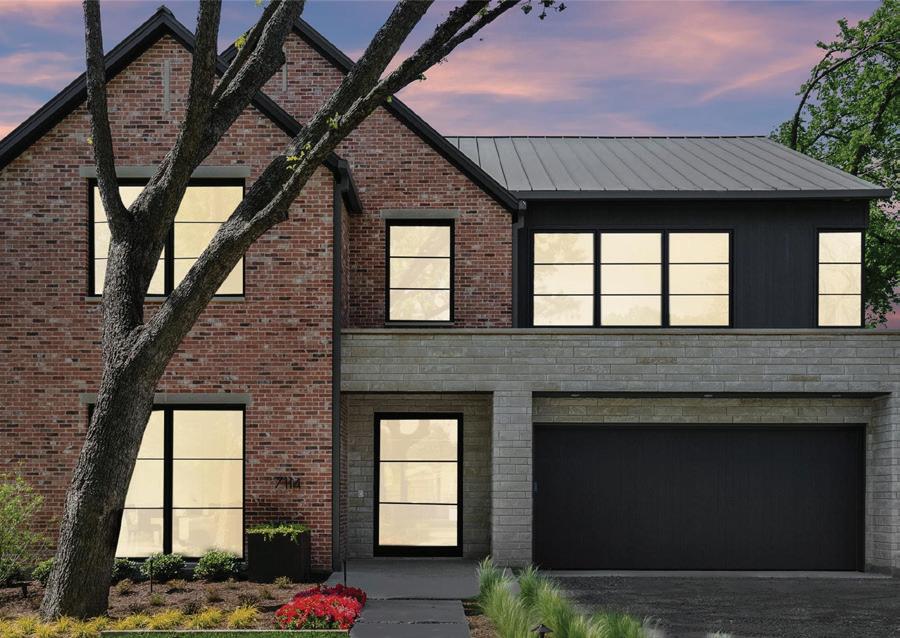
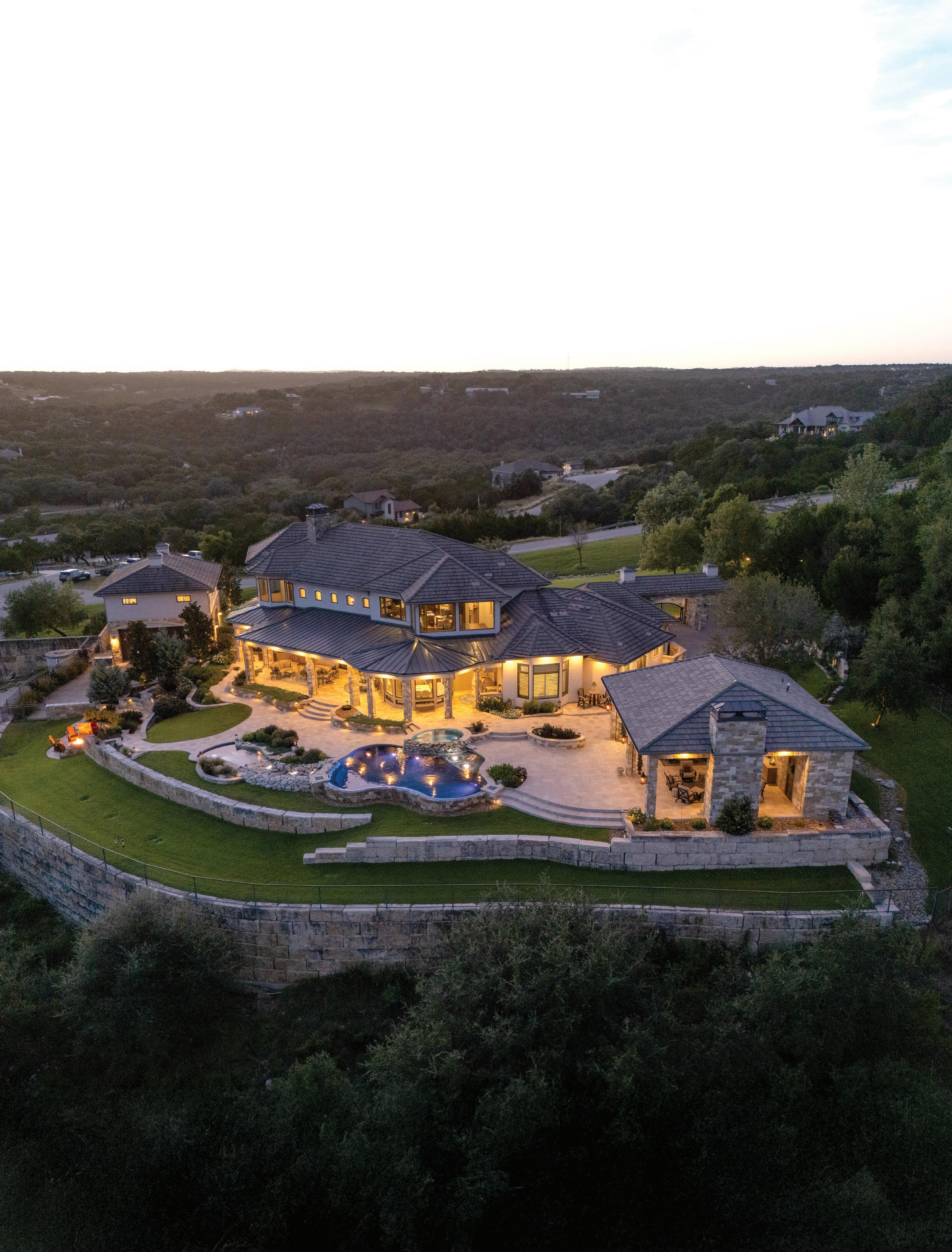
PLUG IN TO ONE AGENT. LIGHT A NETWORK OF 23. They bring this city to life like no other group. In a spirit of collaboration that has propelled some of Dallas’ most legendary real estate transactions, this premier networking group continues to do what it does best—connect people and properties. What does that mean for you? A more expertly facilitated sale of your prized property. A more perfectly matched home for your next move. Twenty-three of the most admired and knowledgeable real estate professionals in Dallas come together to put their resources and their vast experience to work for you. Insider information, off-market properties, Dallas’ most exquisite estates—all leveraged for your benefit. Thinking of a change? Put the Masters of Residential Real Estate to work for you.
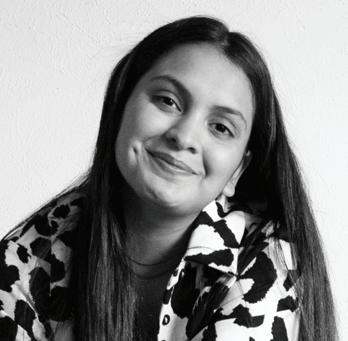
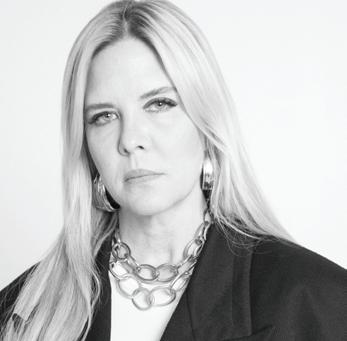
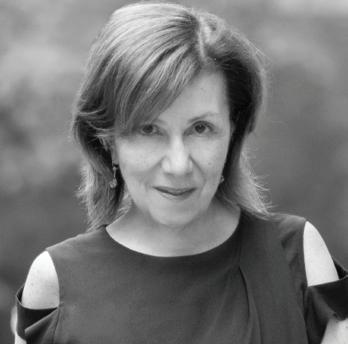
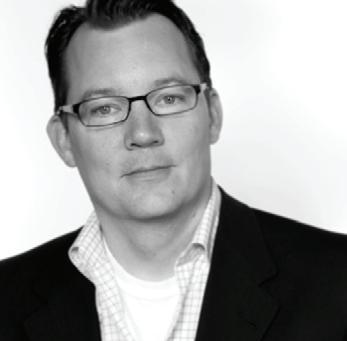
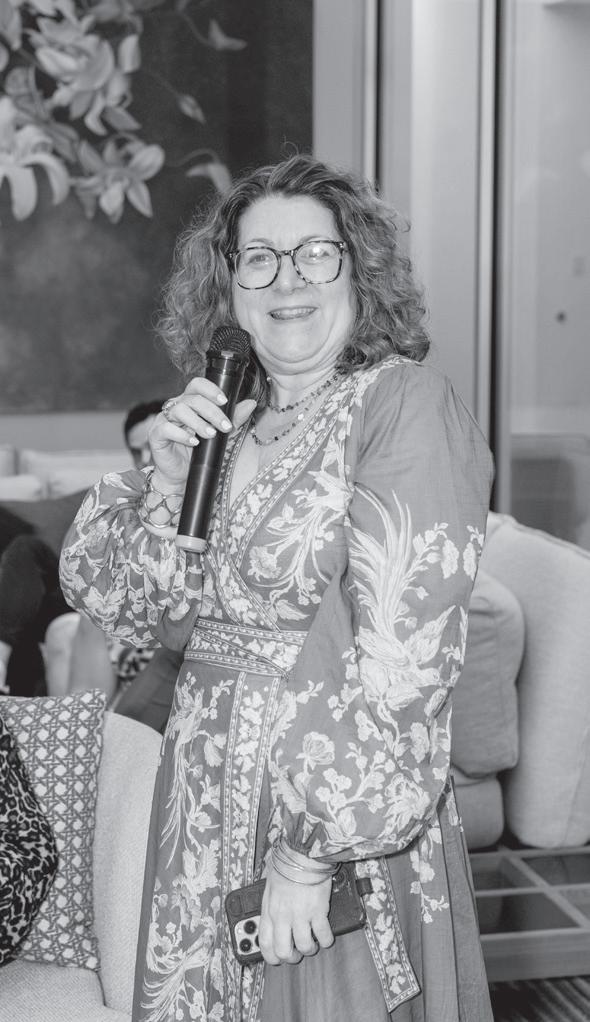
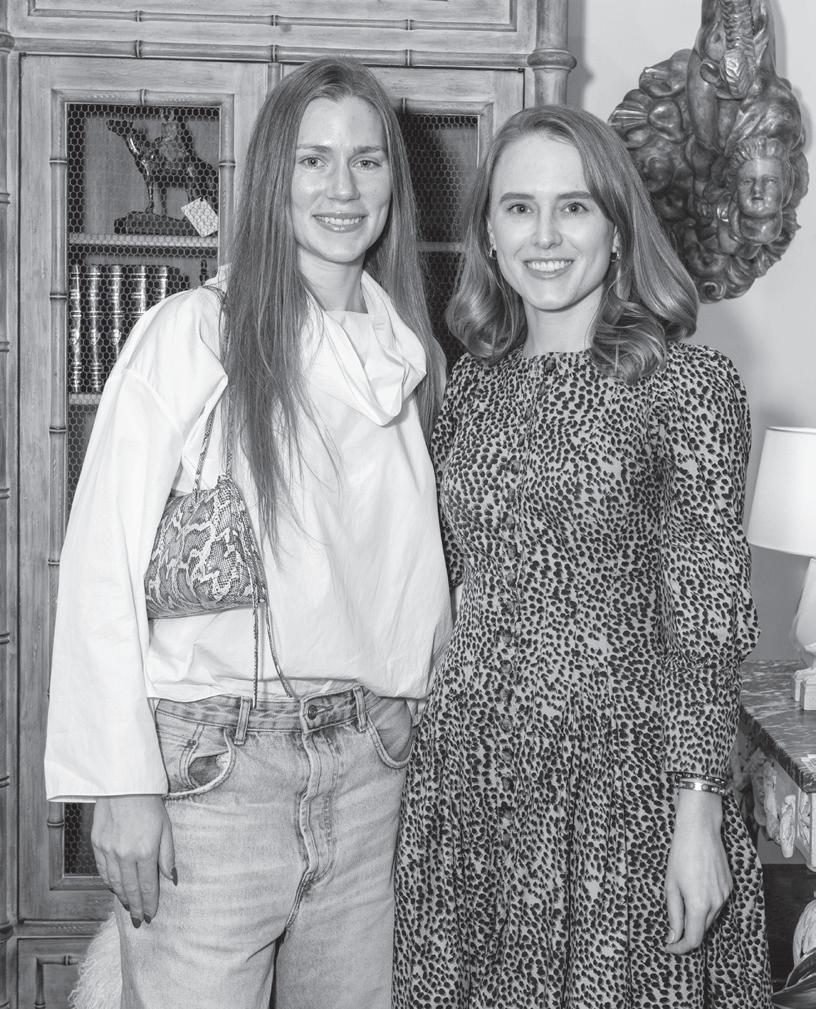
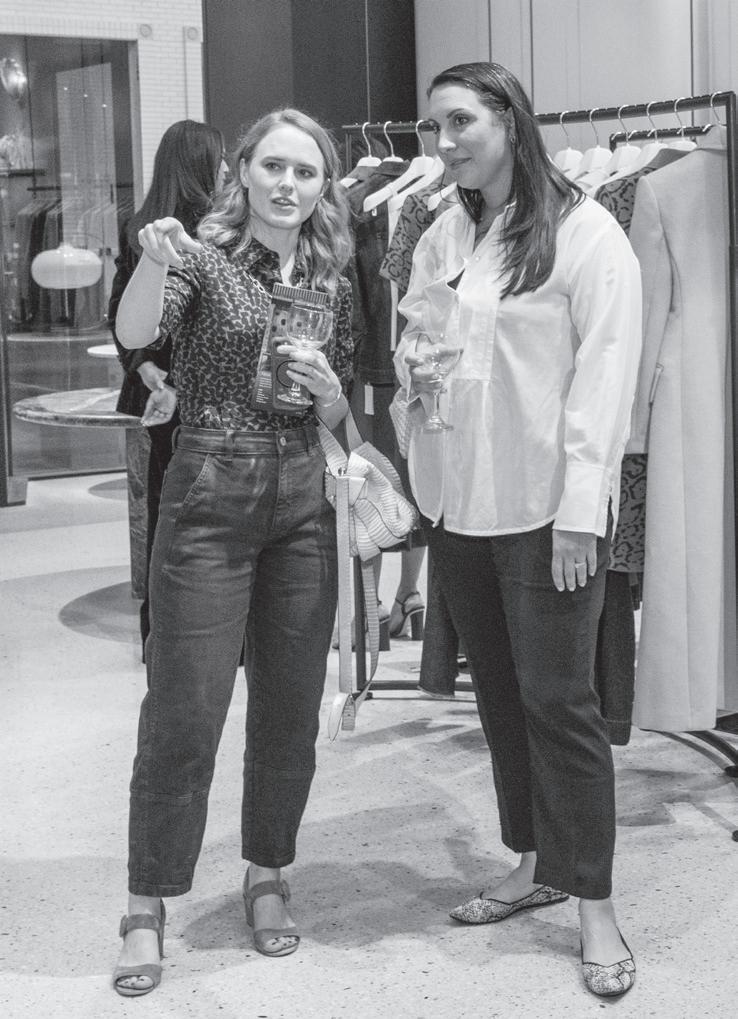
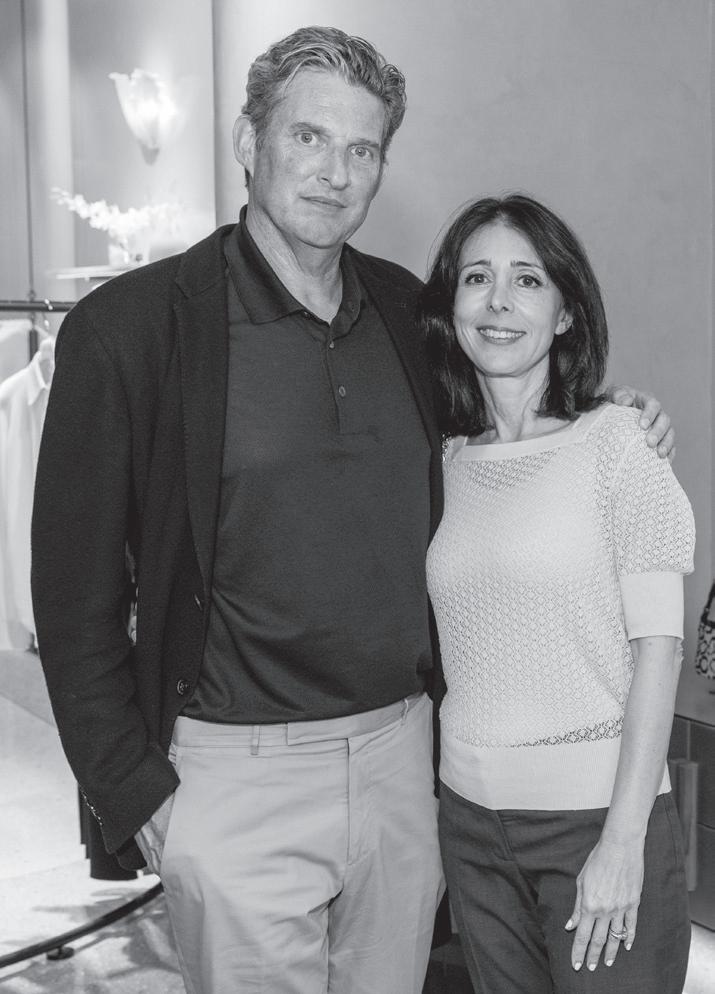
Allman and Assoc. AMY DETWILER , Compass FAISAL HALUM , Compass JOAN ELEAZER , Compass SUSAN MARCUS , Briggs Freeman Sotheby’s
STANDING : BECKY FREY, Compass KYLE CREWS , Allie Beth Allman and Assoc. TOM HUGHES , Compass MICHELLE WOOD, Compass EMILY PRICE CARRIGAN , Emily Price Carrigan Properties CHAD BARRETT, Allie Beth Allman and Assoc. MADELINE JOBST, Briggs Freeman Sotheby’s RYAN STREIFF, Dave Perry-Miller Real Estate SUSAN BALDWIN , Allie Beth Allman and Assoc. FRANK PURCELL , Allie Beth Allman and Assoc. JONATHAN ROSEN , Compass PENNY RIVENBARK PATTON , Ebby Halliday Realtors MARK CAIN , Compass STEWART LEE , Dave Perry-Miller Real Estate JACKIE MCGUIRE , Allie Beth Allman and Assoc.
EDITOR’S NOTE
December 2025 / January 2026
TERRI PROVENCAL Publisher / Editor in Chief terri@patronmagazine.com
Instagram terri_provencal and patronmag
As the curtain falls on 2025, Patron celebrates the year’s finale with this issue’s release while the creative calendar is just beginning to shimmer. Across North Texas, the performing and visual arts promise a winter alive with possibility and world-class talent.
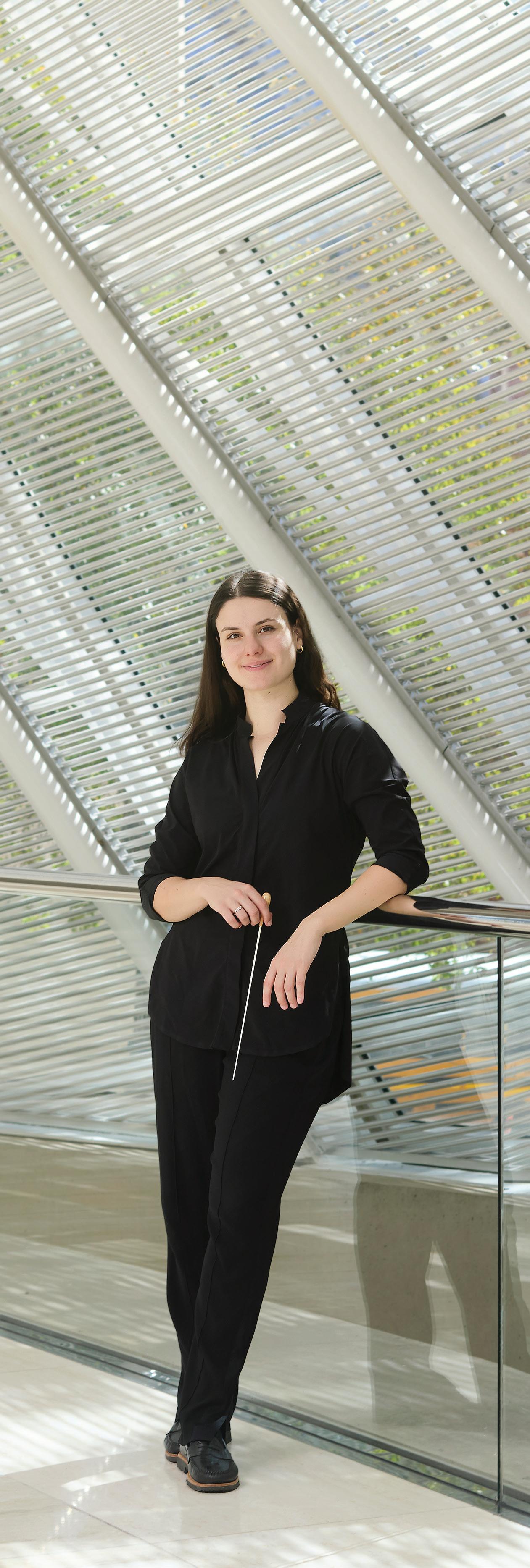
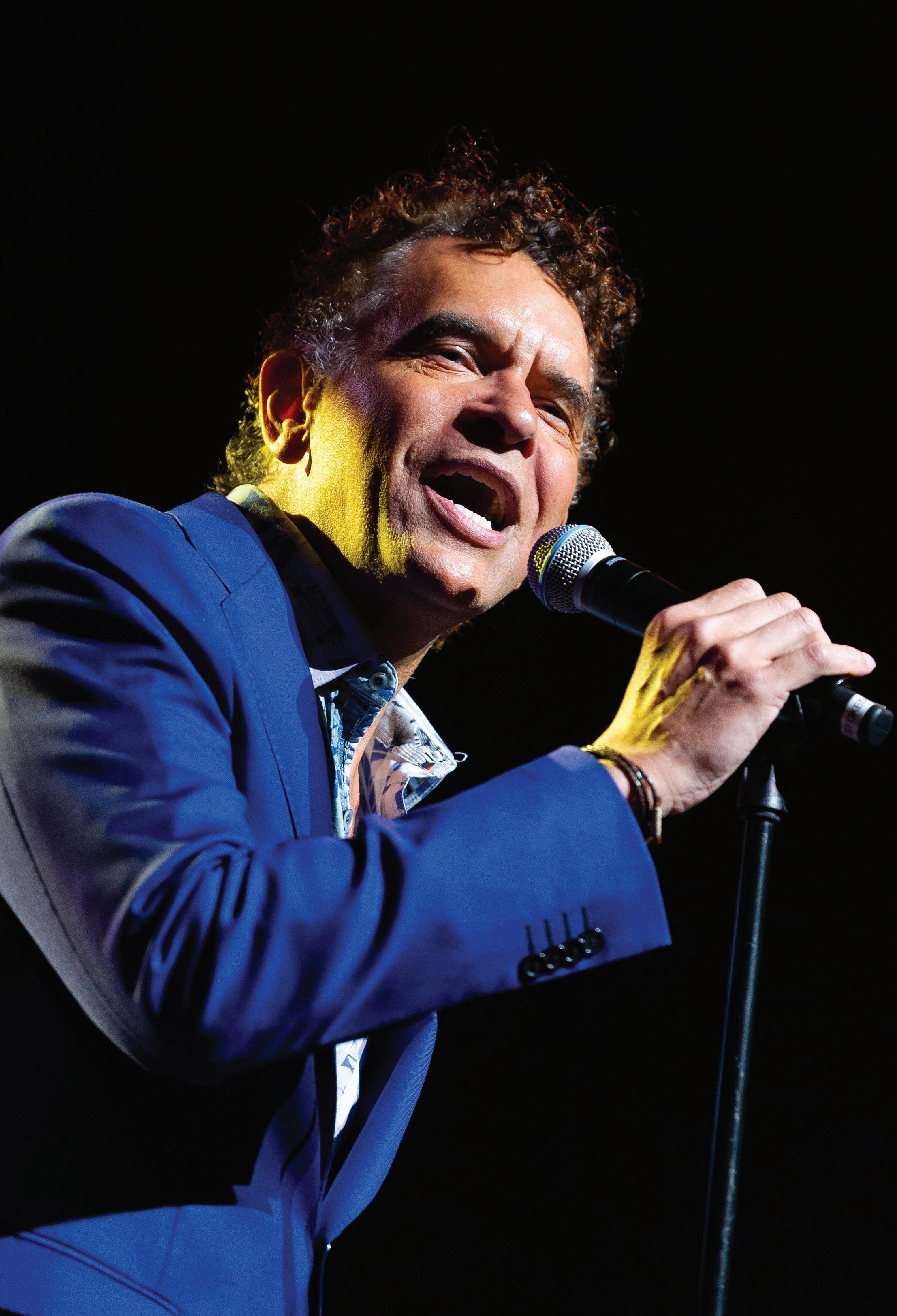
Lee Cullum sets the stage, exploring an extraordinary lineup of performing arts companies that prove the region’s cultural pulse rivals any global capital. From TITAS she captures the alchemy of movement and imagination through Moses Pendleton, the visionary founder of MOMIX and this year’s Richard Brettell Award honoree. At the Dallas Symphony, Lee encounters another kind of brilliance in assistant conductor Shira Samuels-Shragg and associate principal viola Sarah Sung, artists whose refined musicianship and forward-looking sensibility are contributing to the orchestra’s identity with fresh and fearless perspectives. She delights in a conversation with Sylvia D’Eramo, a soprano known for her performances with The Dallas Opera. Lastly, she sits down with Broadway legend Brian Stokes Mitchell, who imparts enthusiasm for both an upcoming residency at SMU’s Meadows School of the Arts to lead master classes with students and his work with Dallas Theater Center’s cast on Ragtime
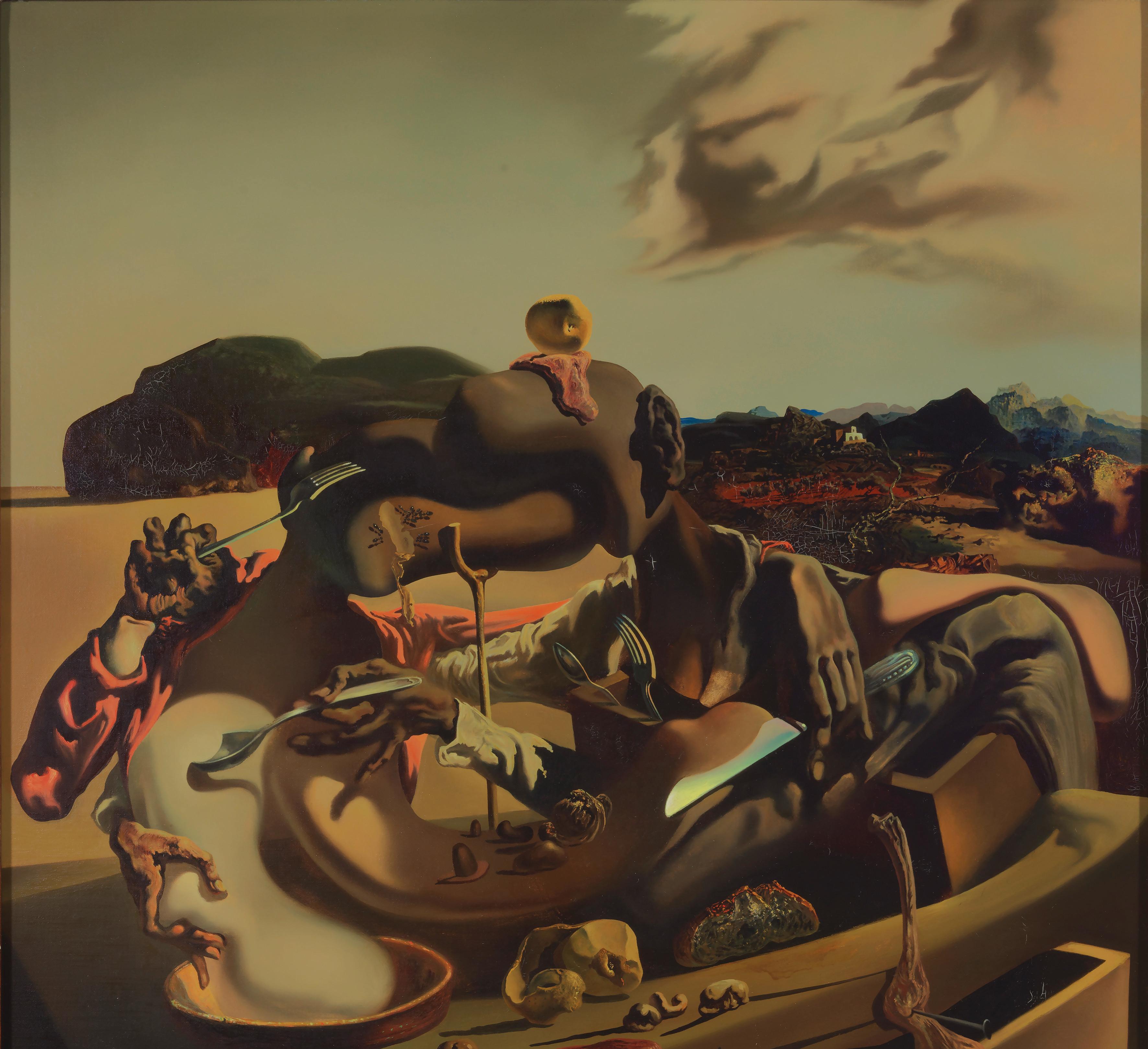
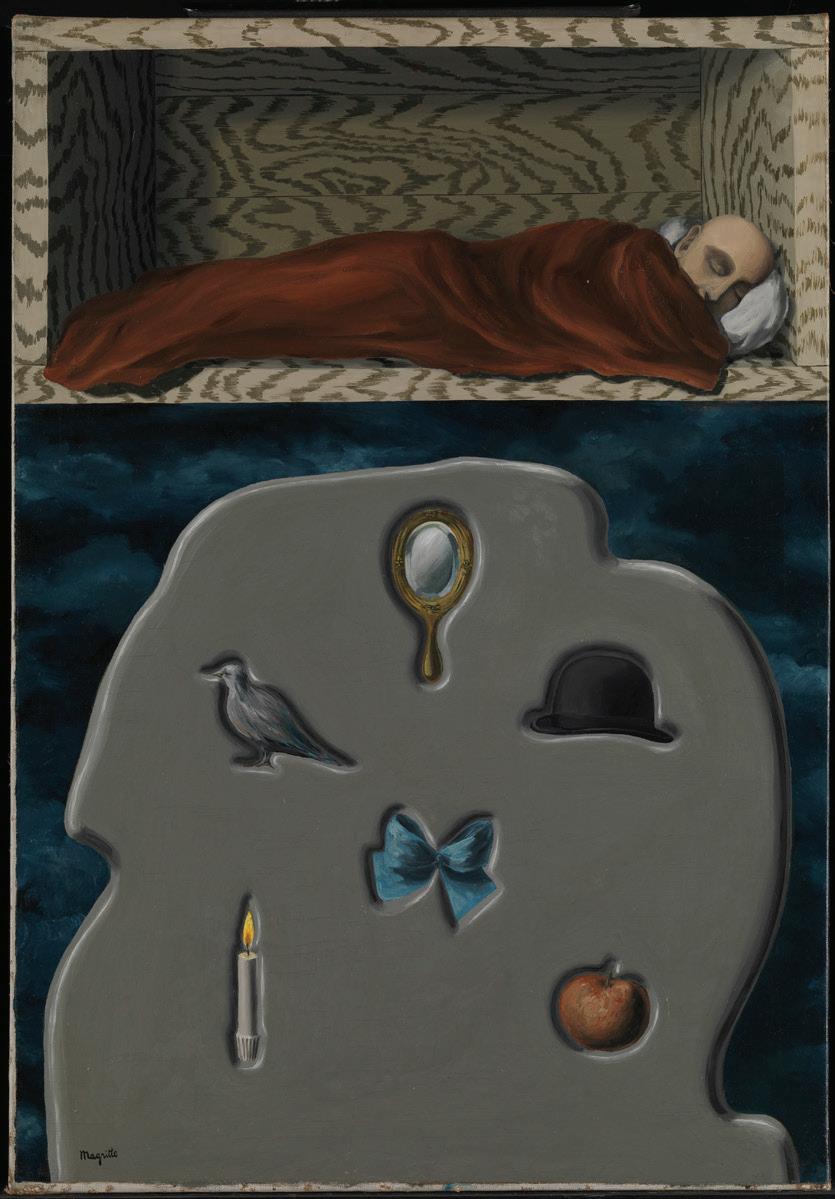
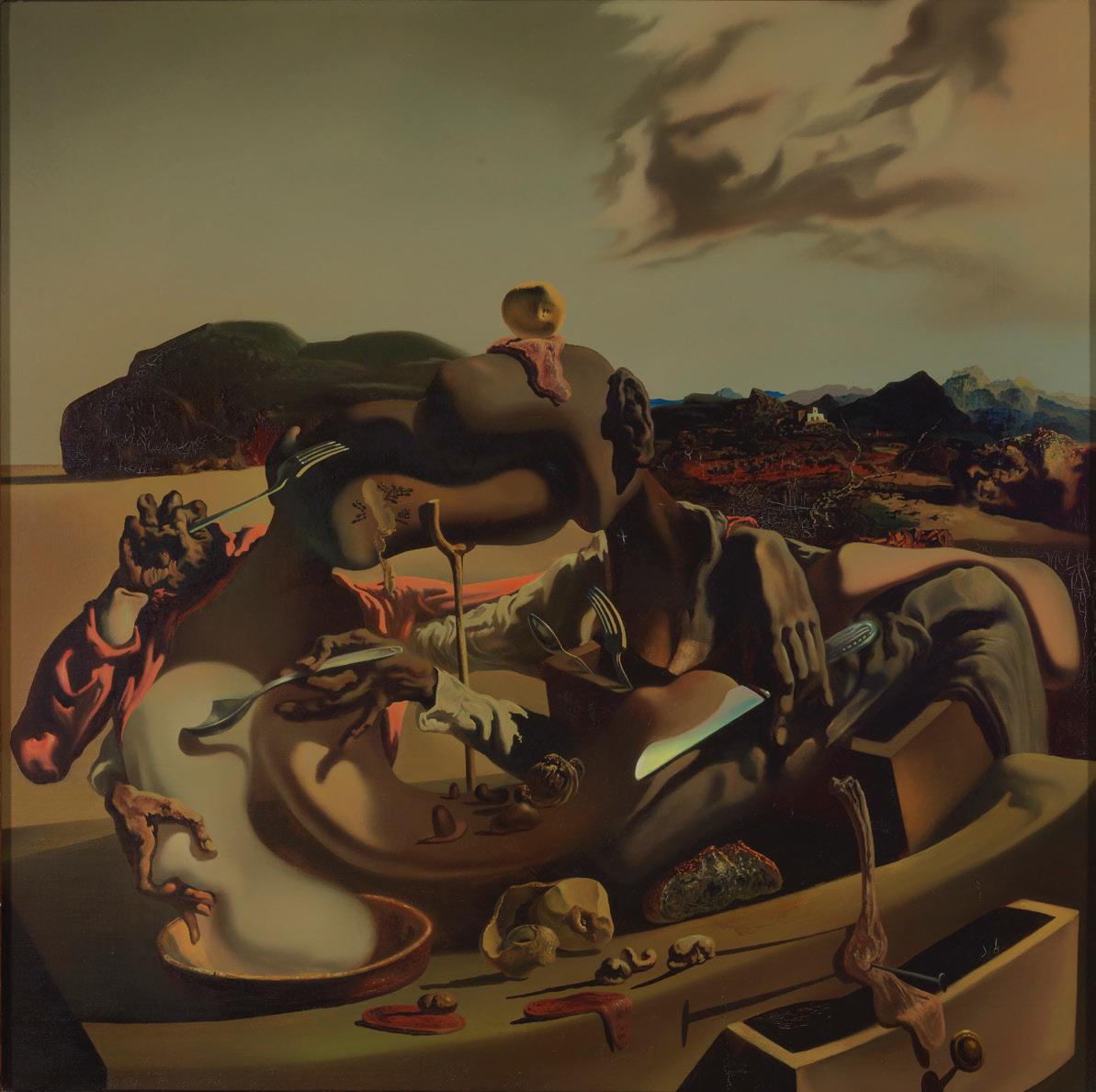
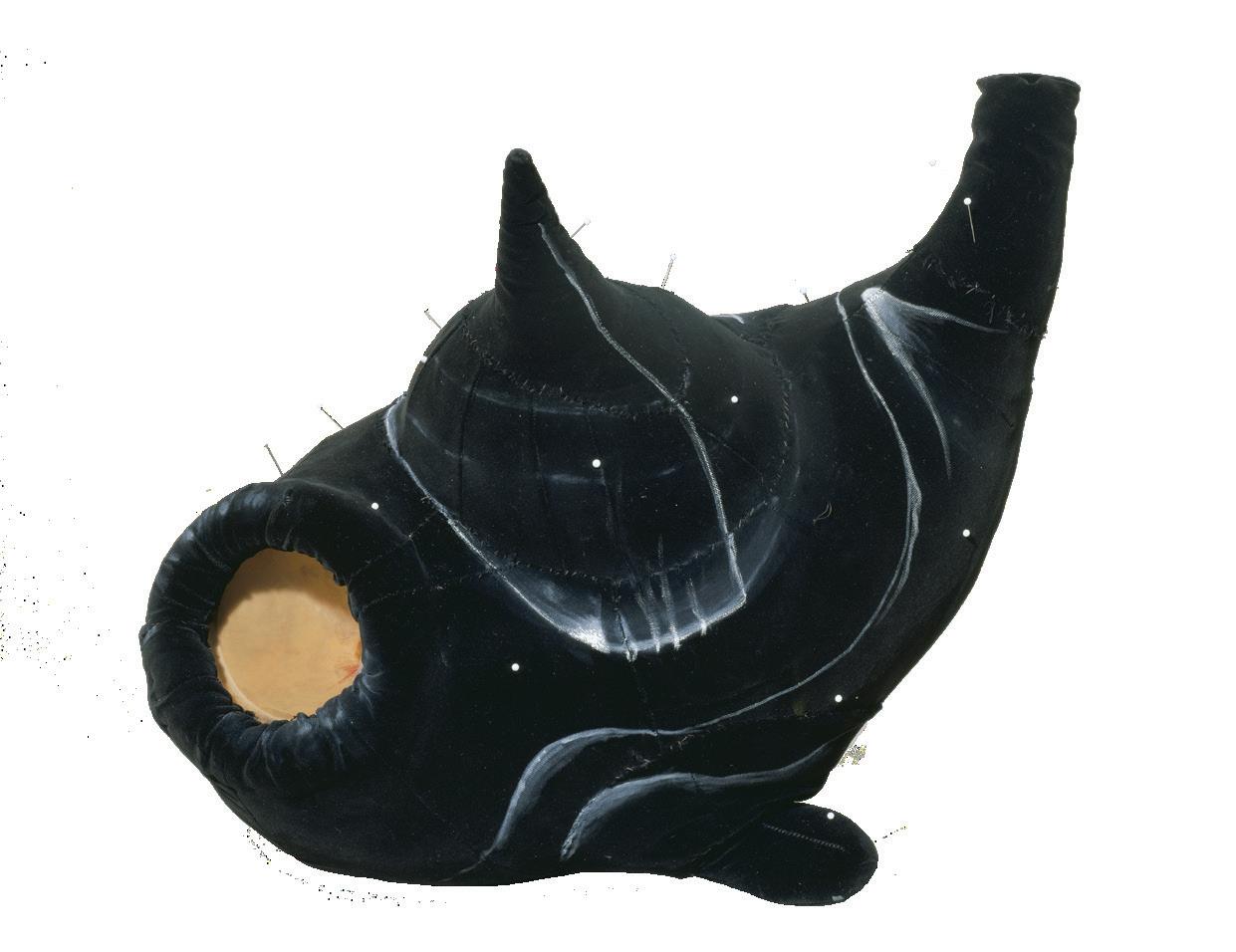
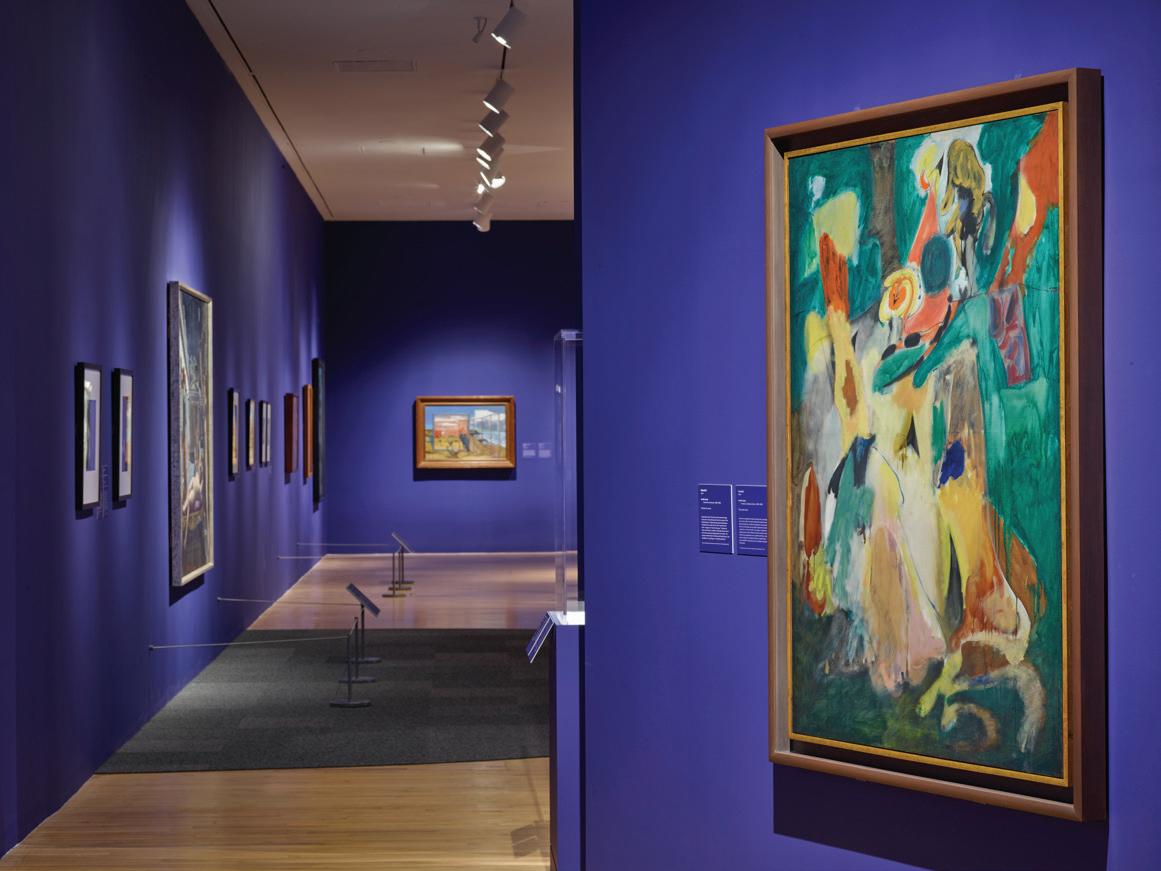
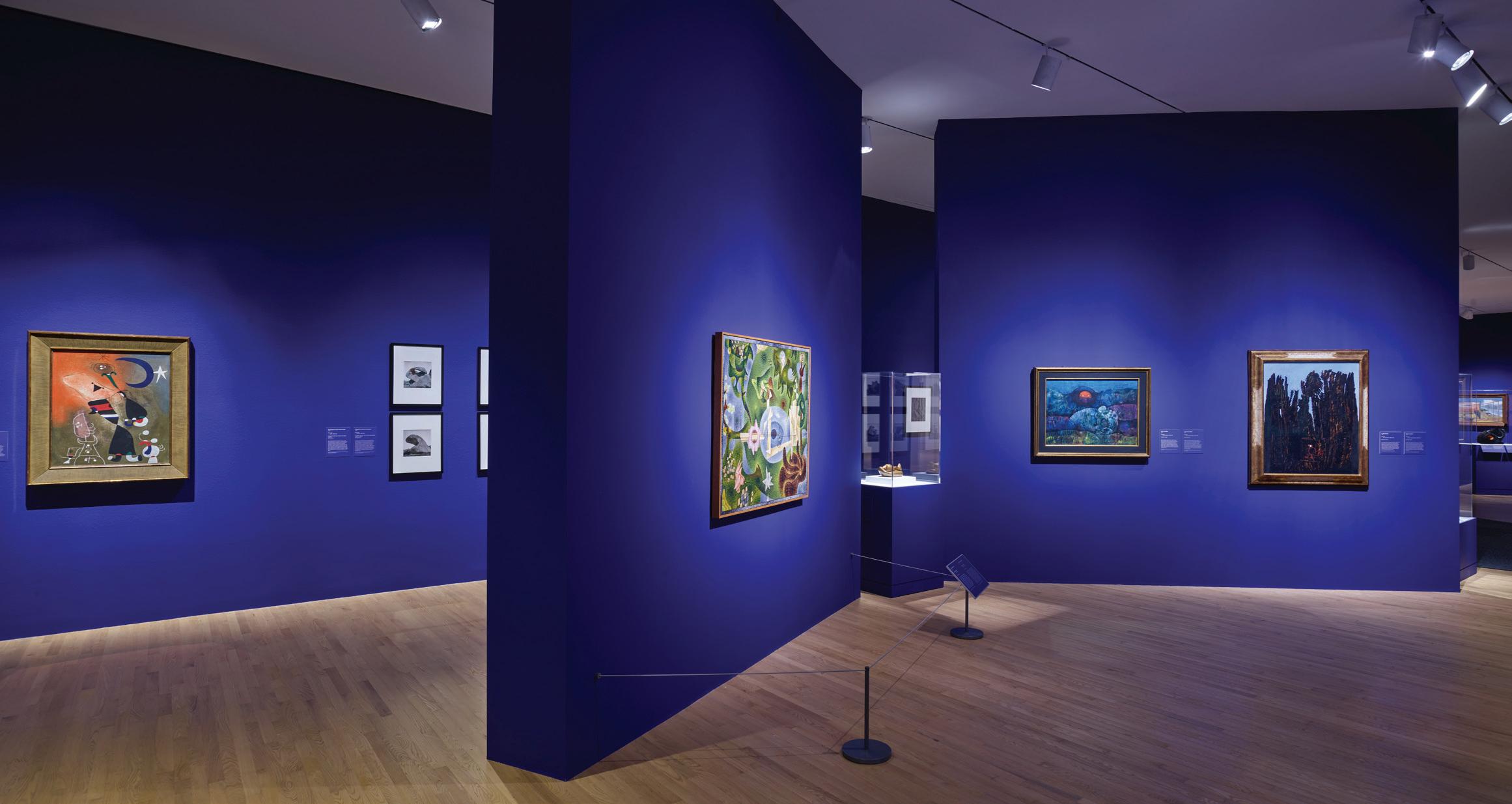
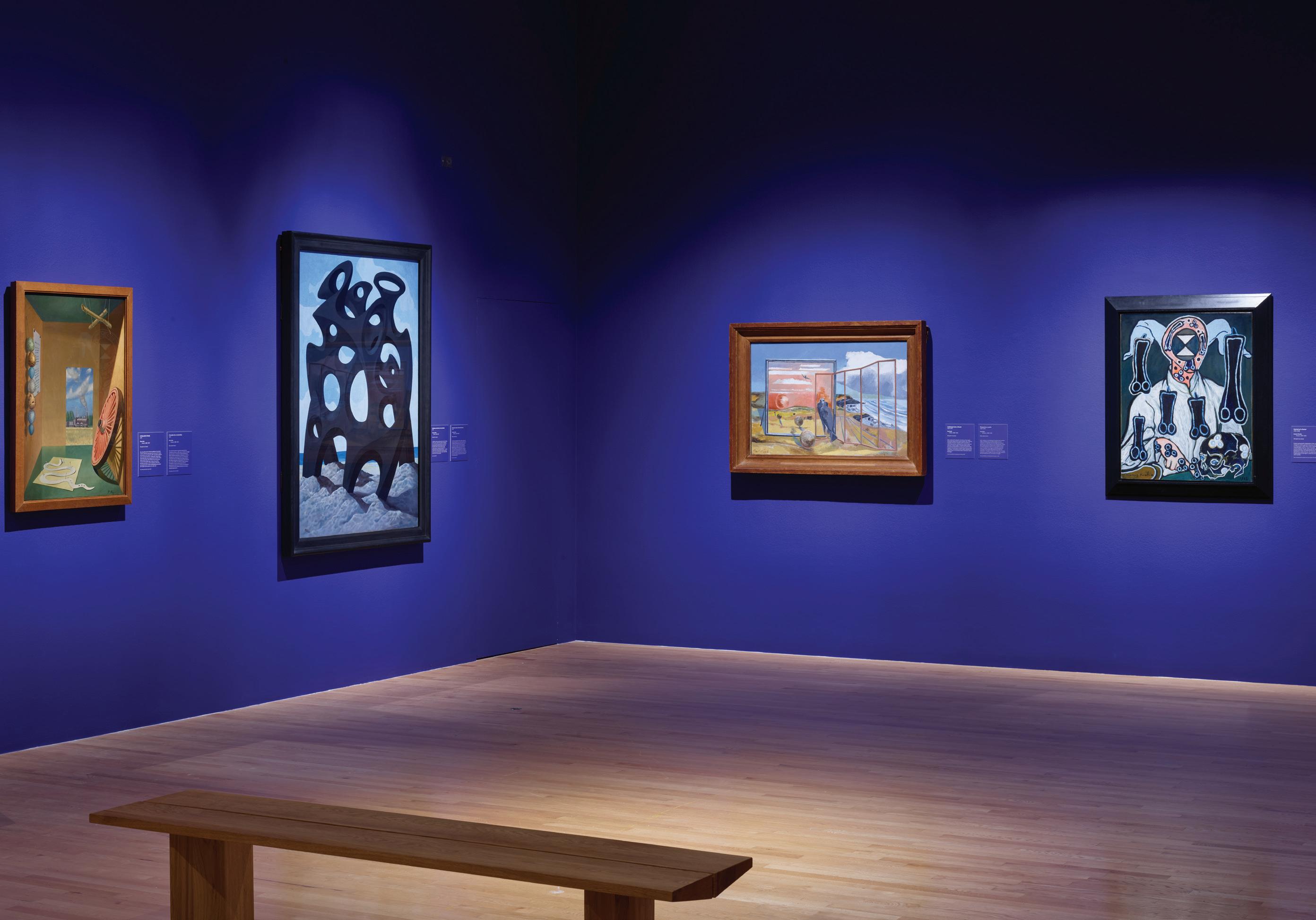
In the world of visual arts, our contributors traverse an extraordinary landscape of imagination and mastery. Danielle Avram digs into the psyche and the sublime in her feature Revolutions of the Mind, exploring International Surrealism at the Dallas Museum of Art. In a sensory exploration, SV Randall, assistant professor of performing and visual arts at UT Dallas, and Sara Dittrich, a Baltimore-based interdisciplinary artist, drew from New Mexico’s Tularosa Basin, capturing visual and sonic impressions to inform [________] Mirage Nancy Cohen Israel takes readers to the Crow Museum's UT Dallas campus in Between Worlds
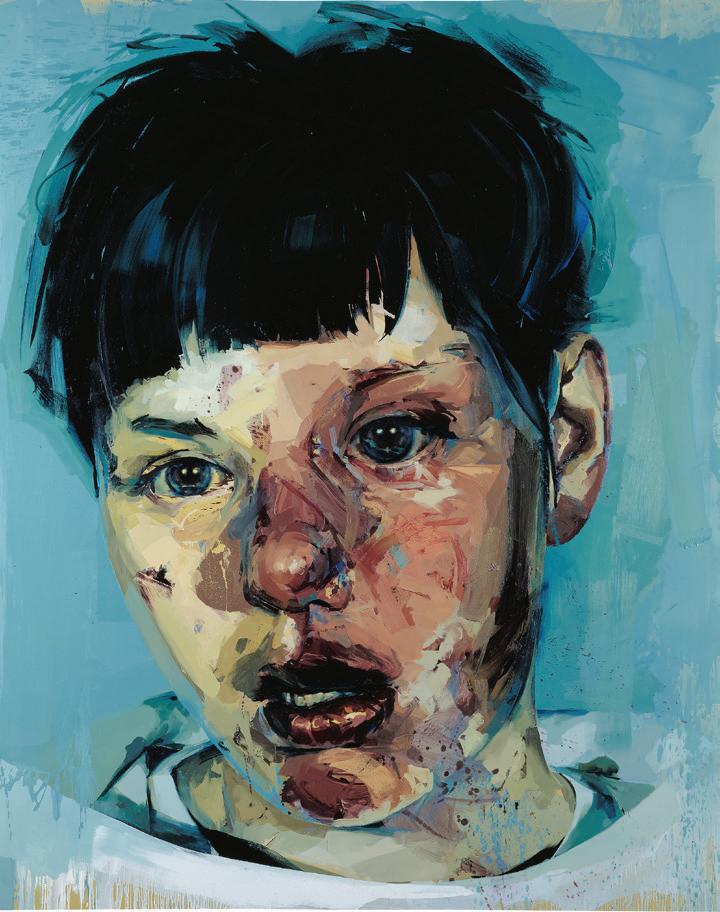
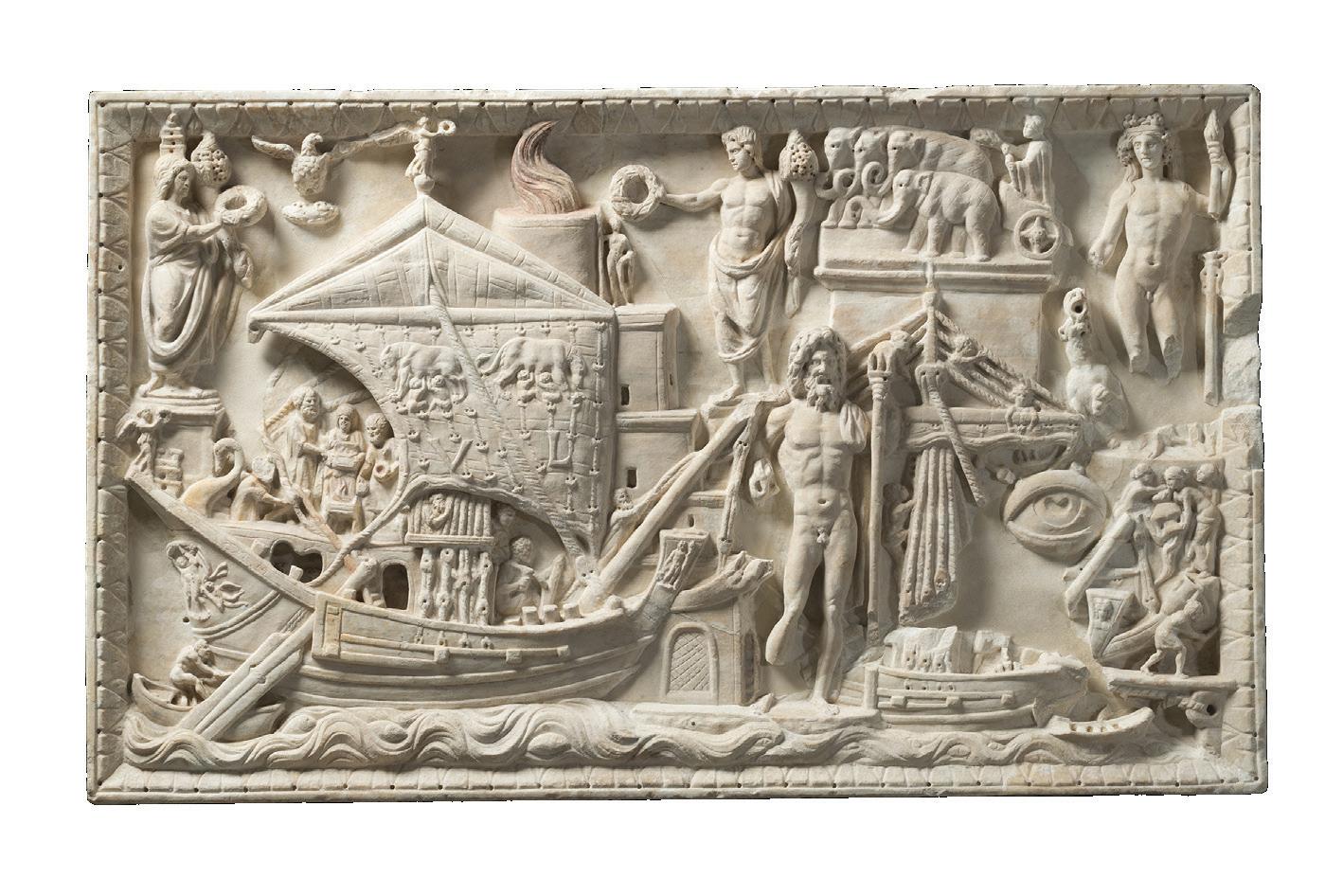
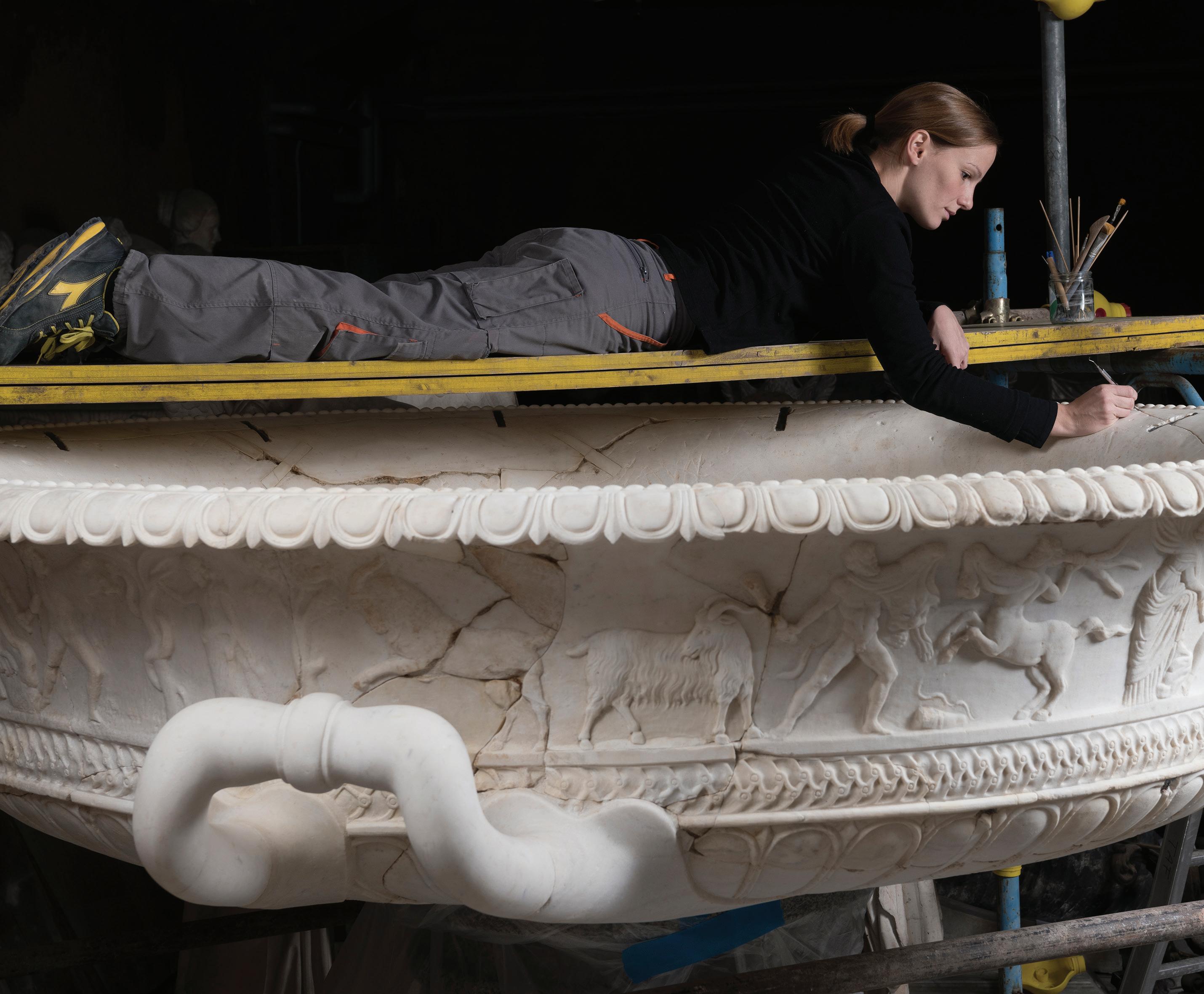
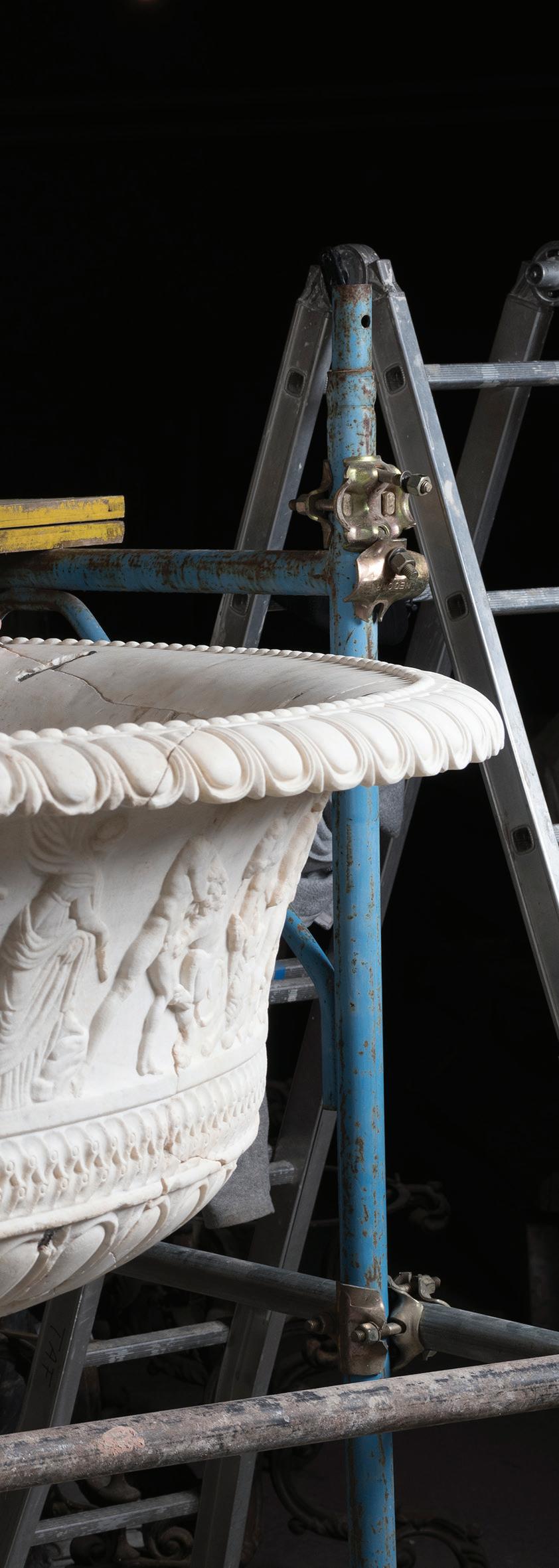
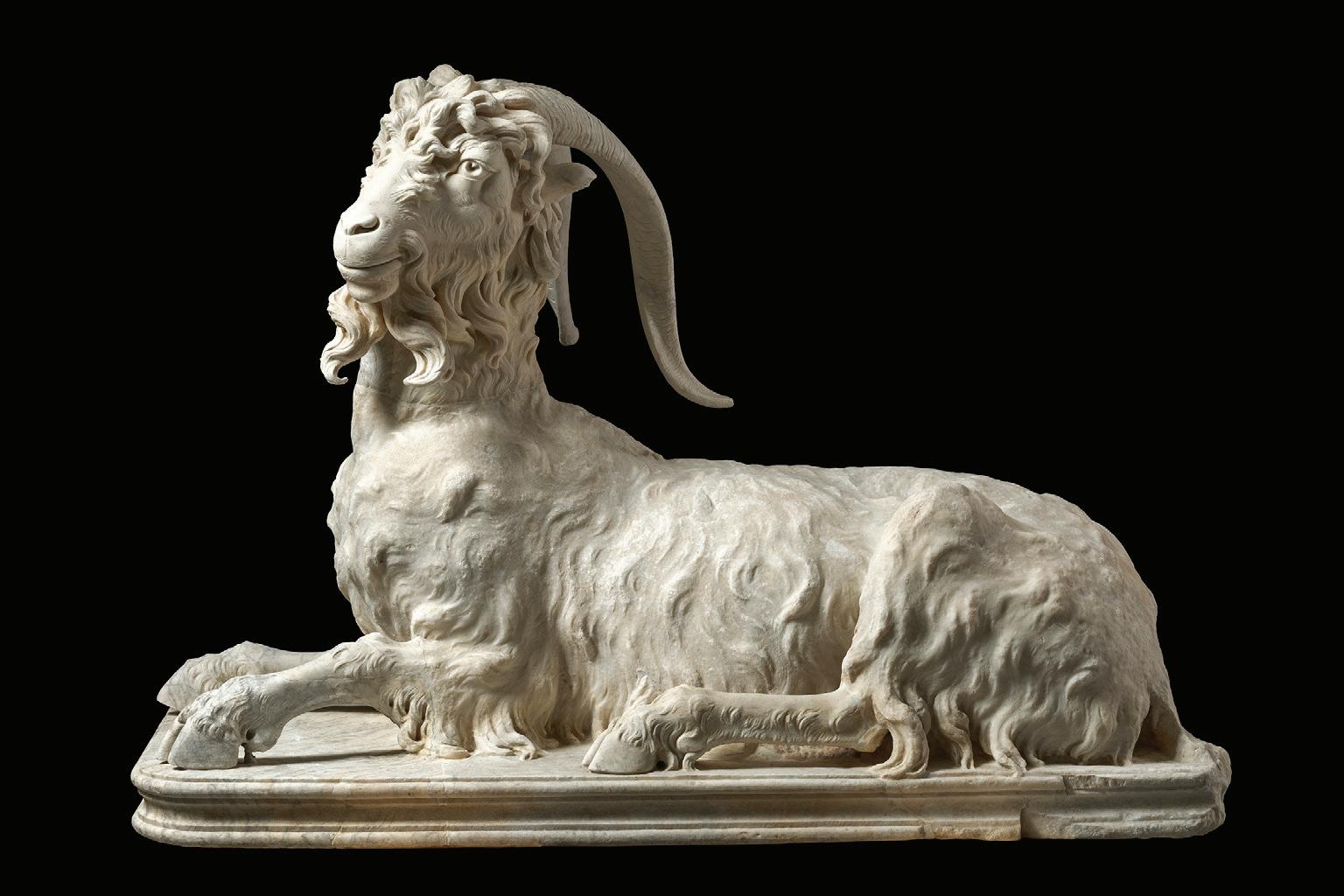
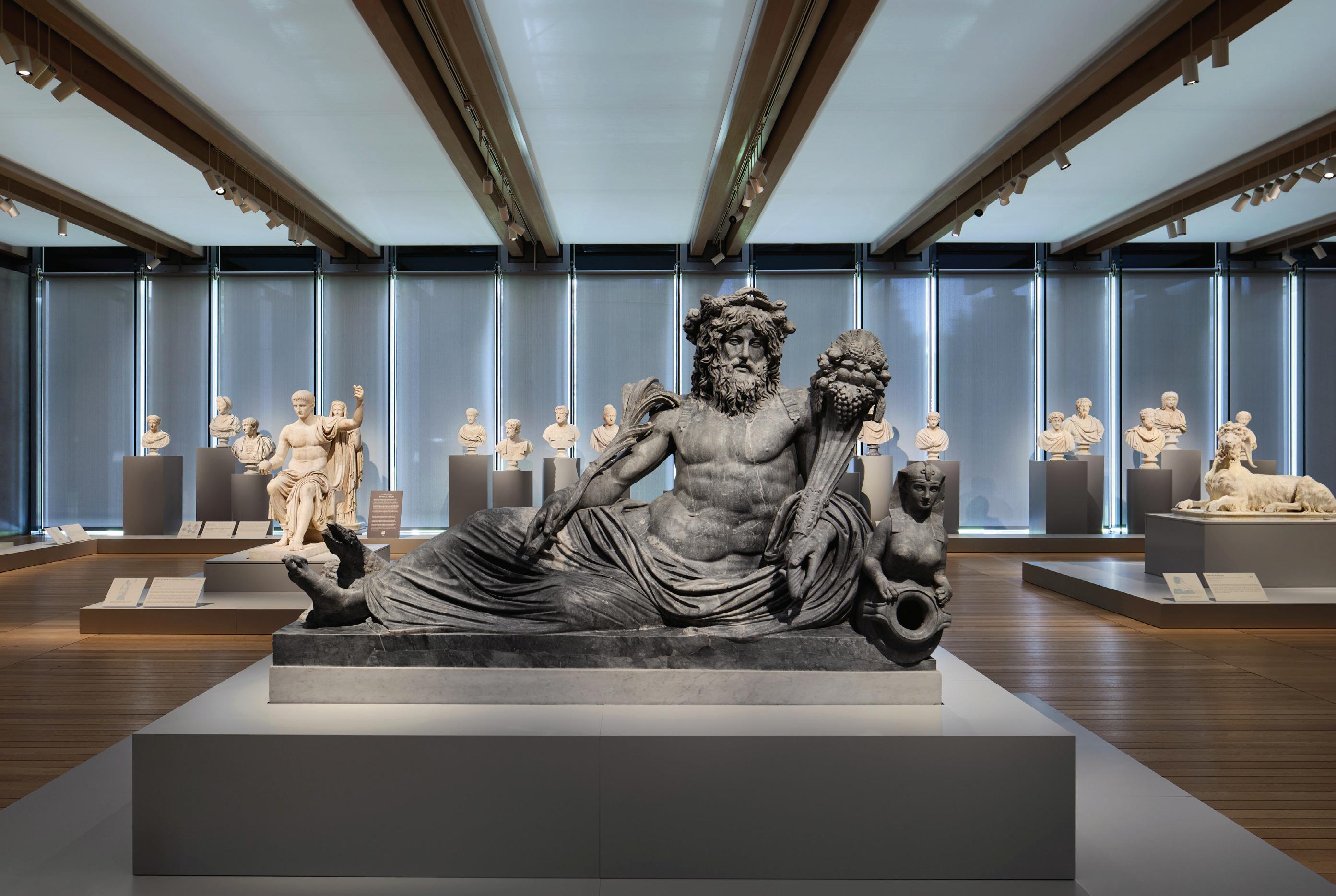
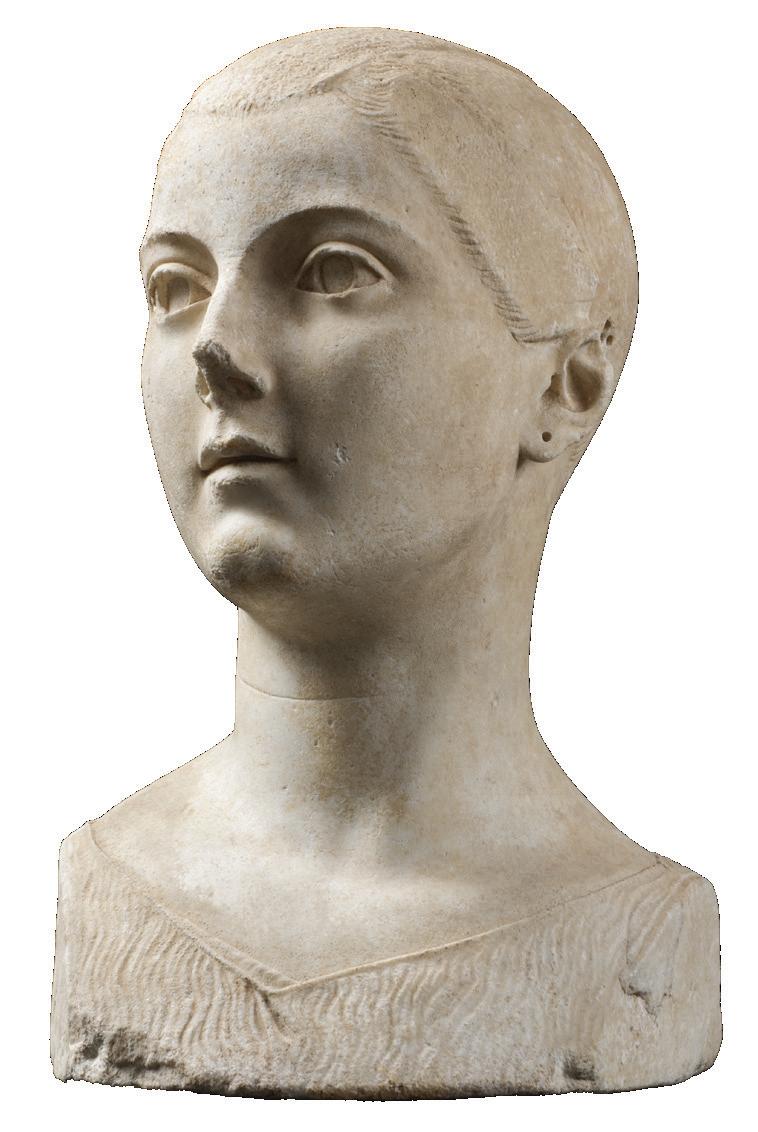
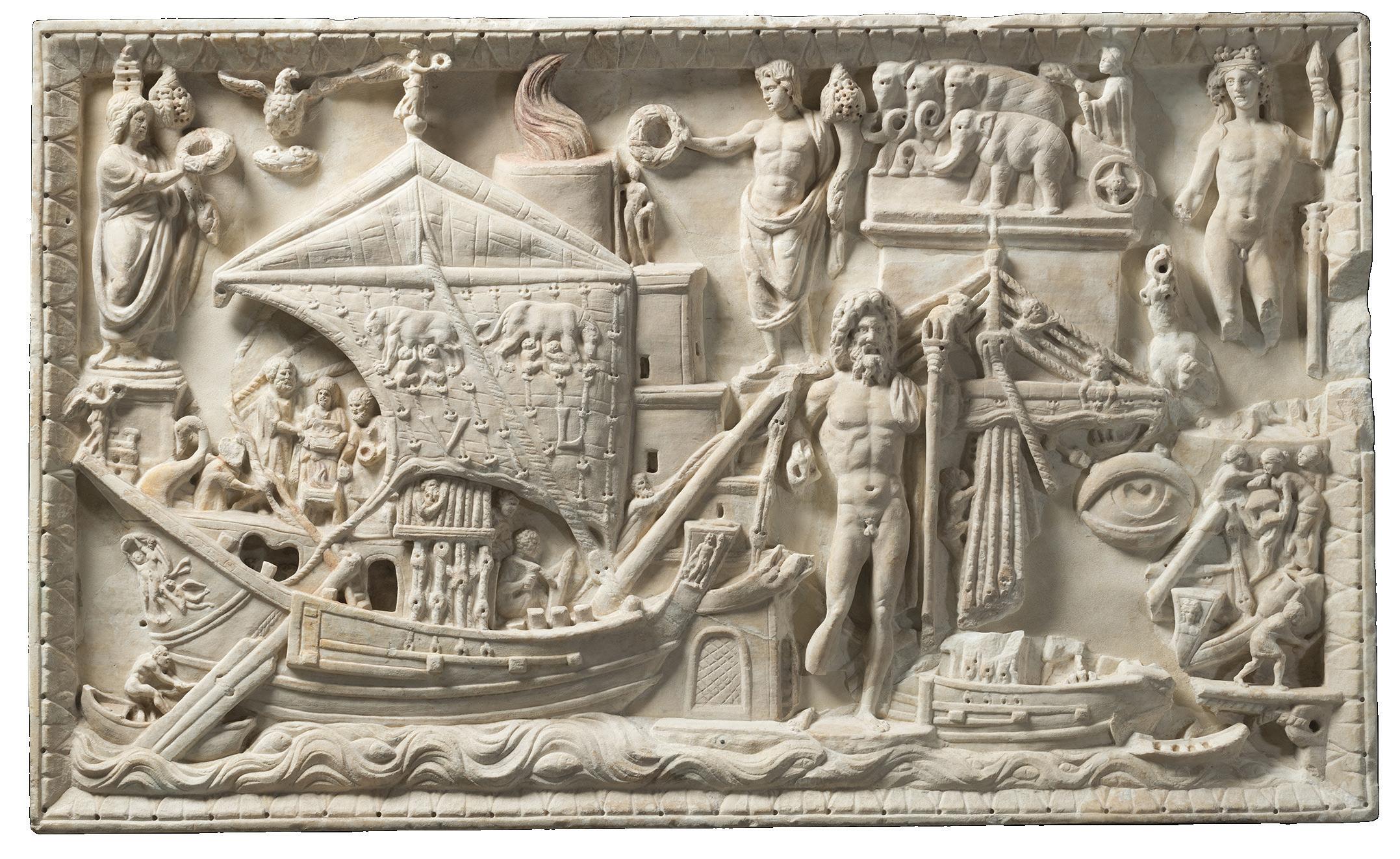
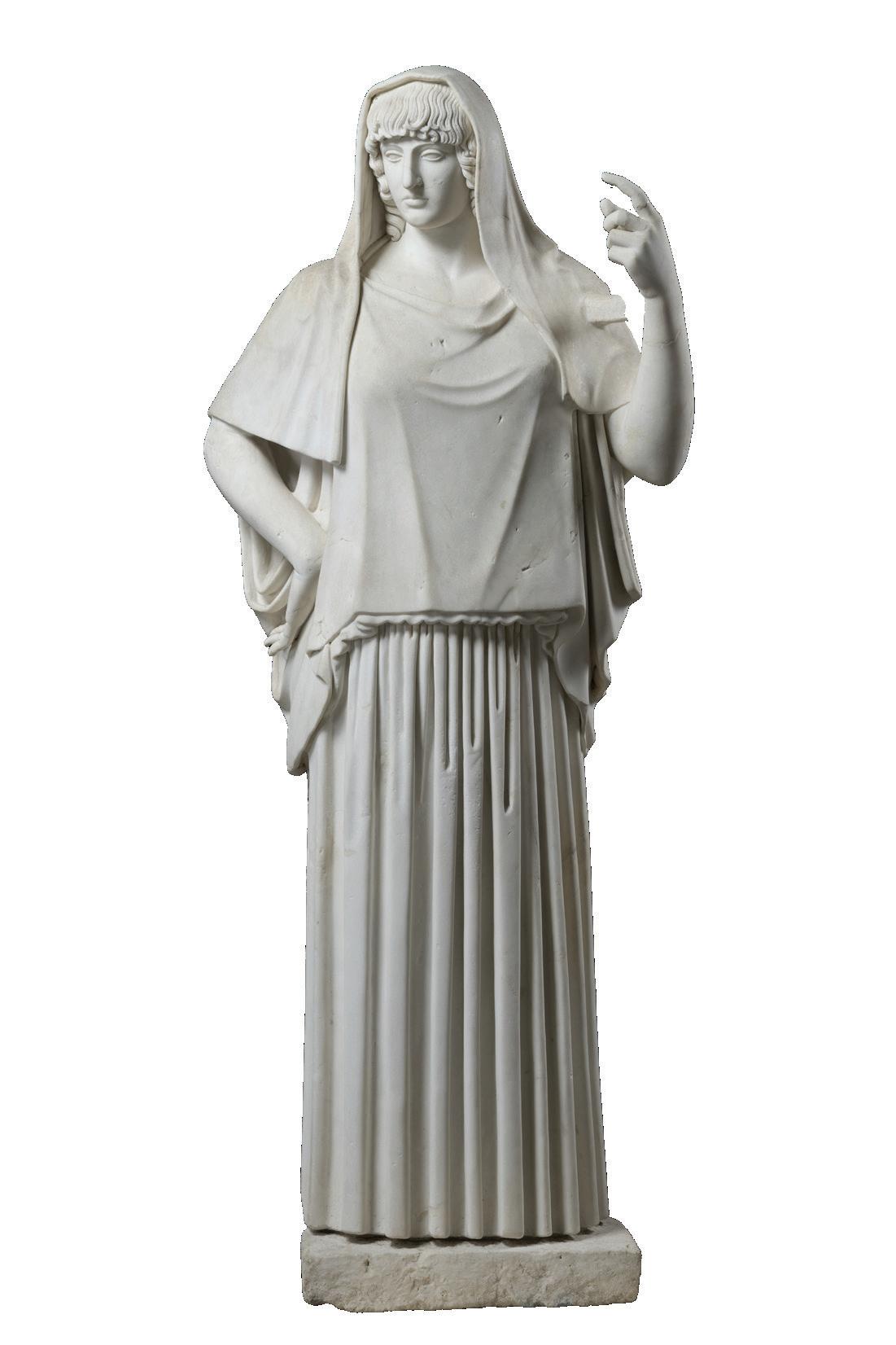
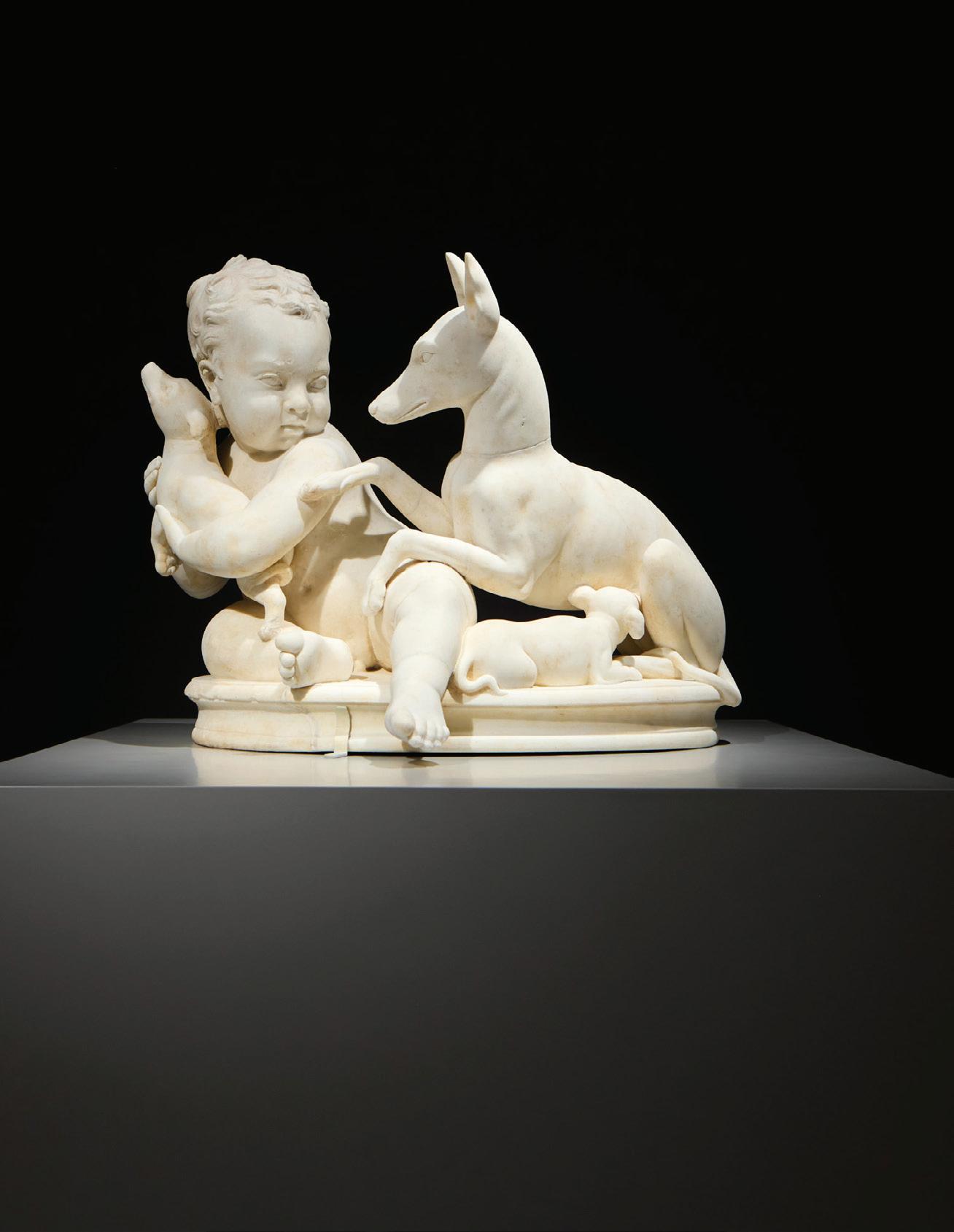
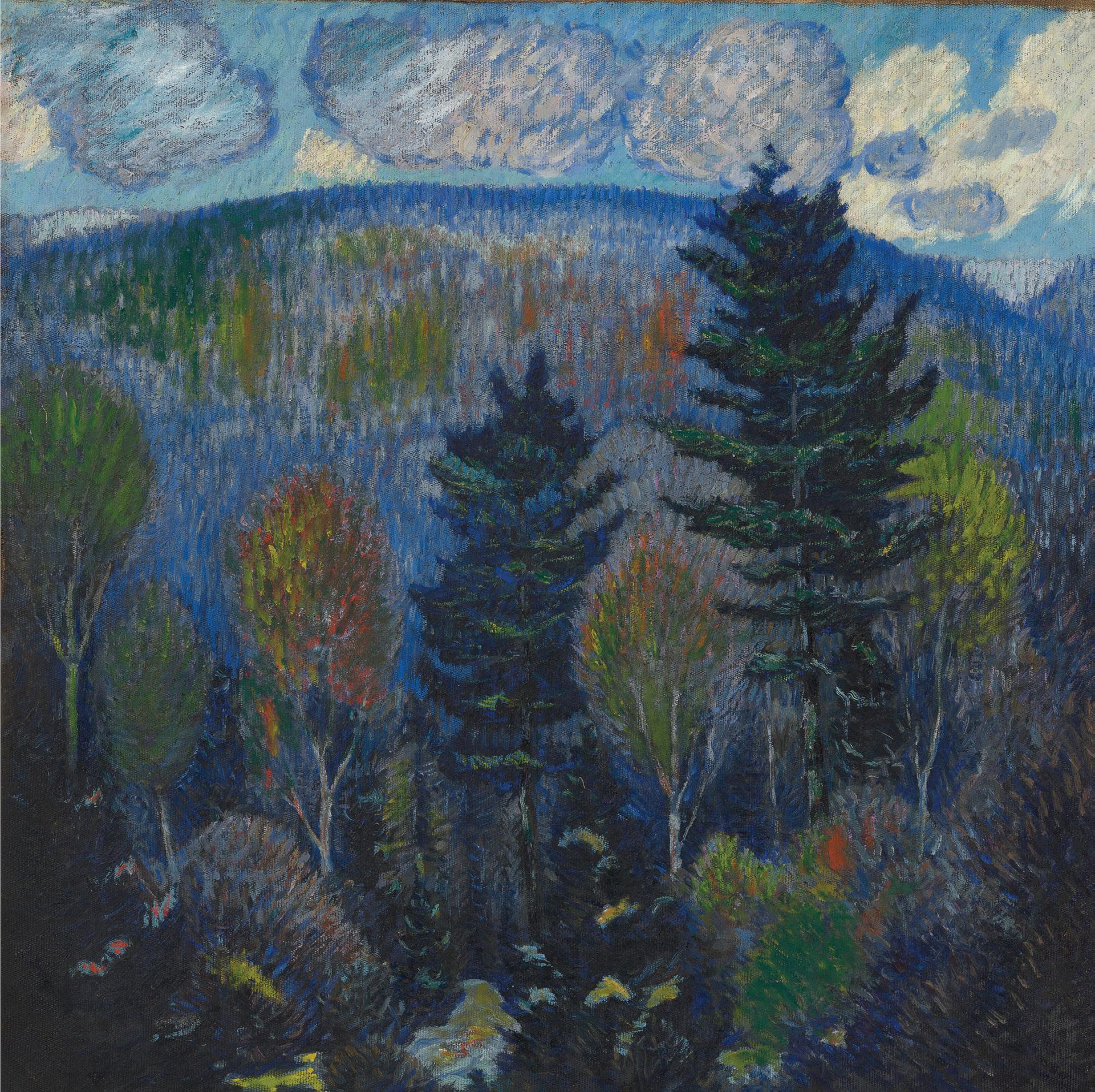
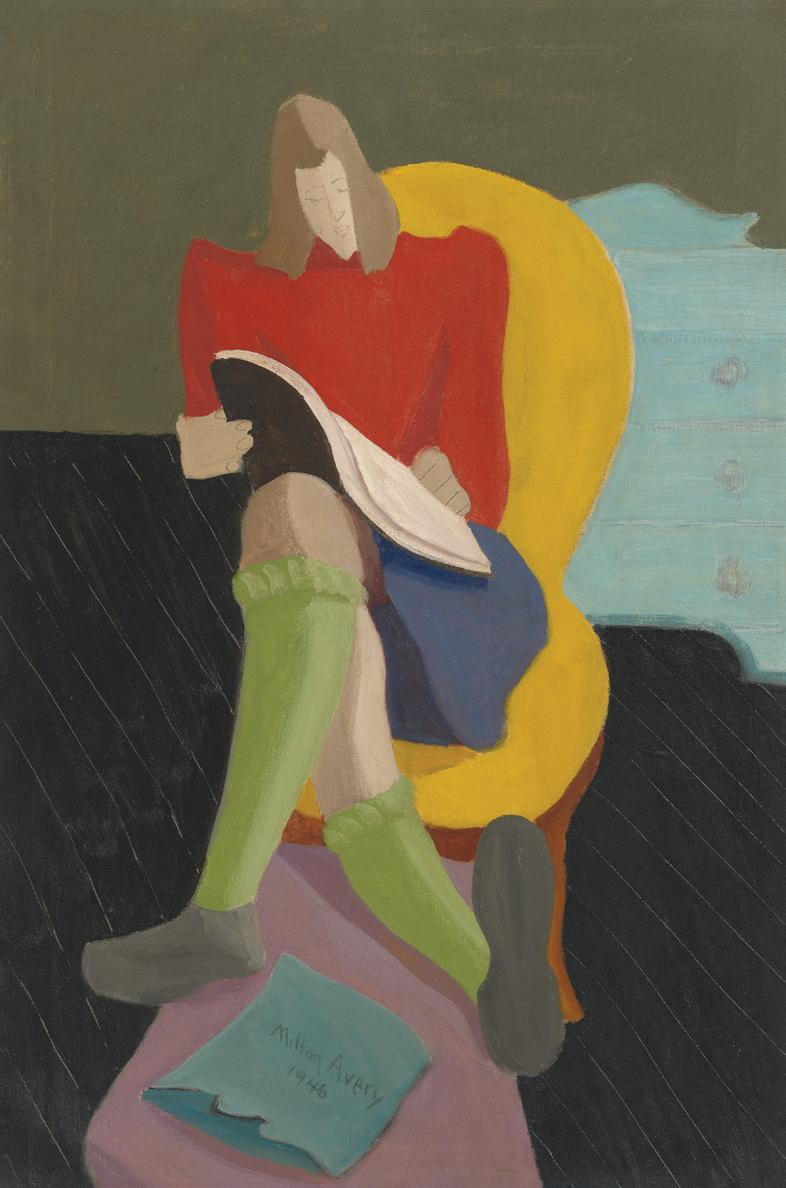
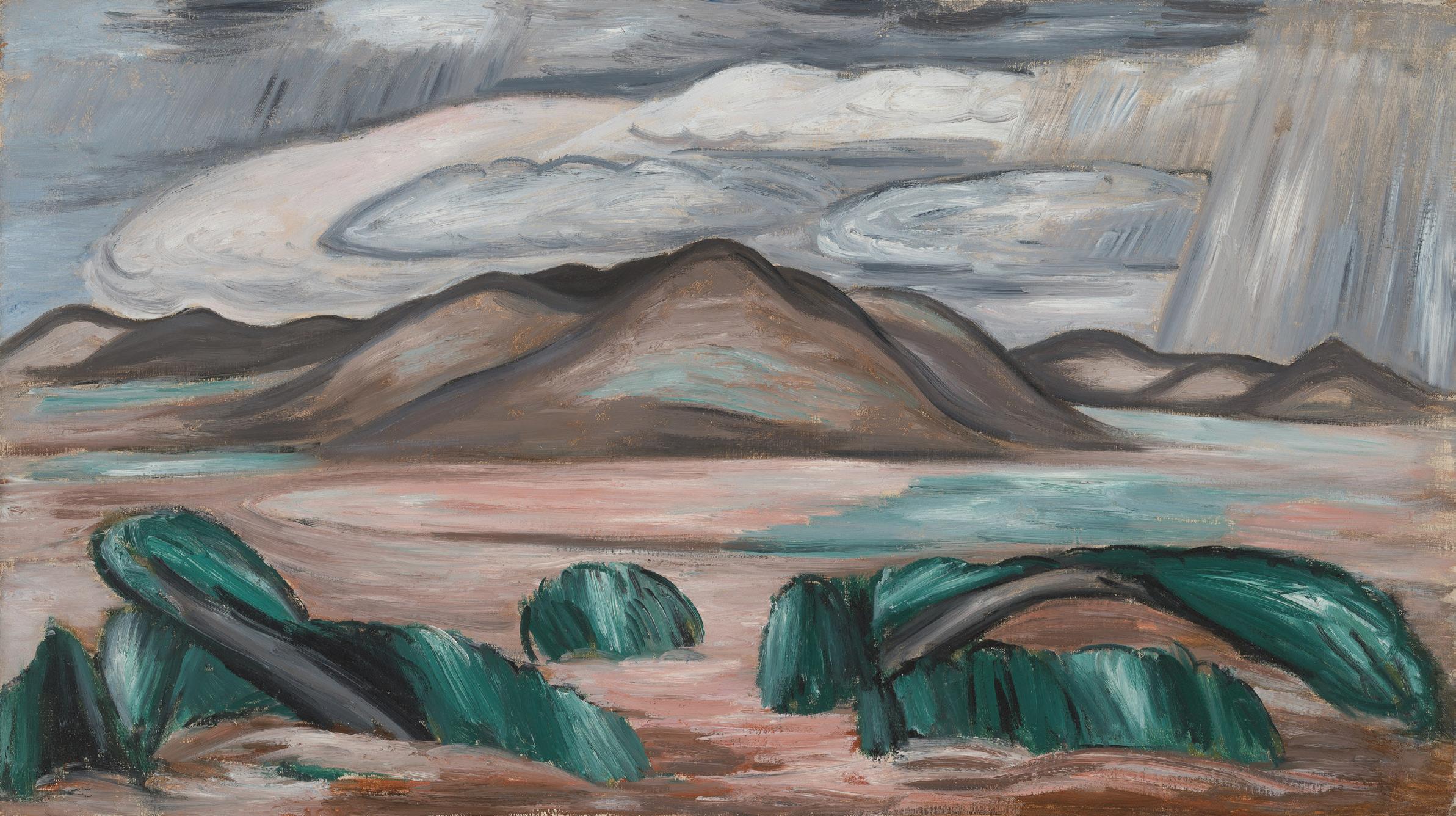
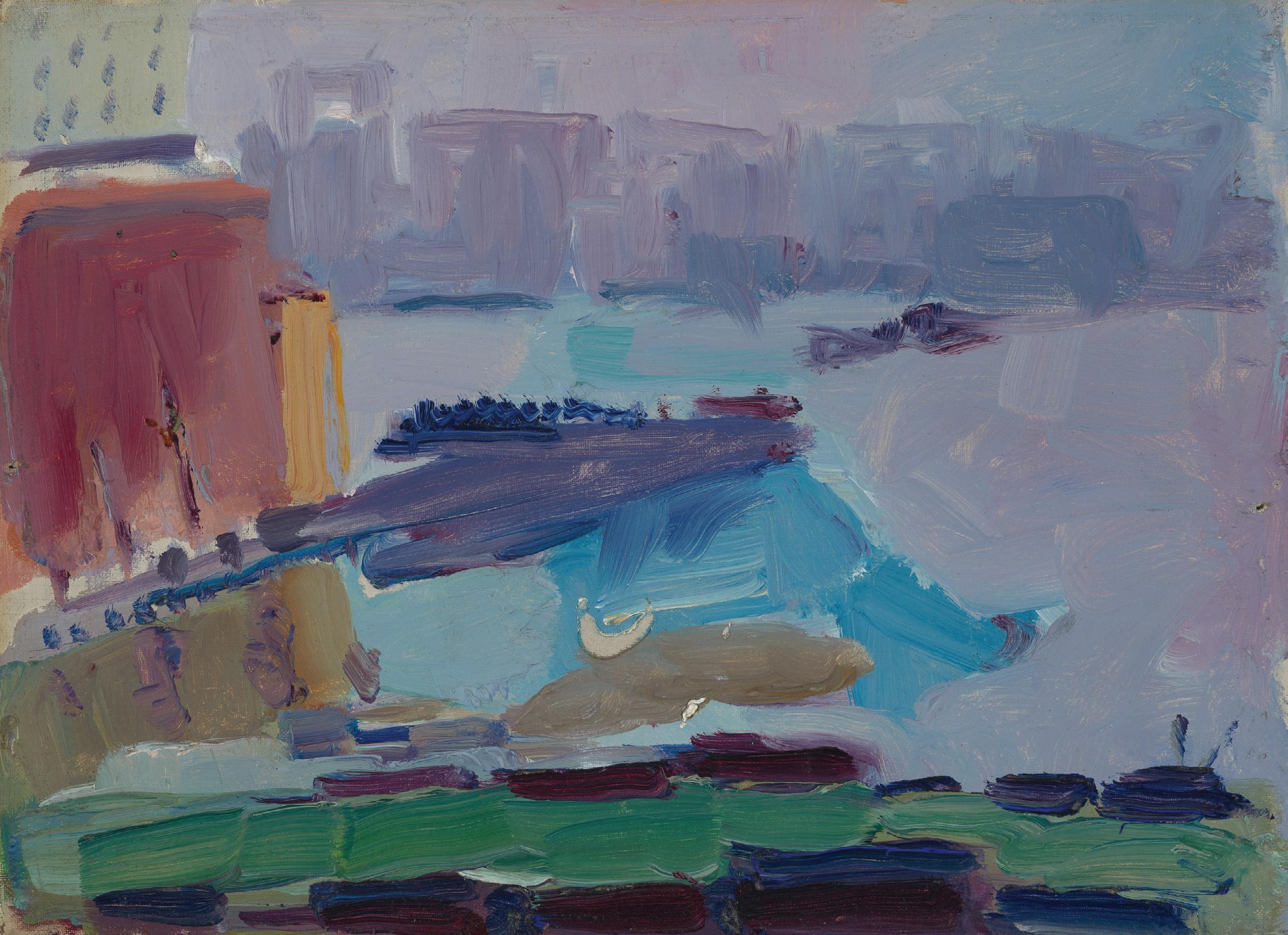
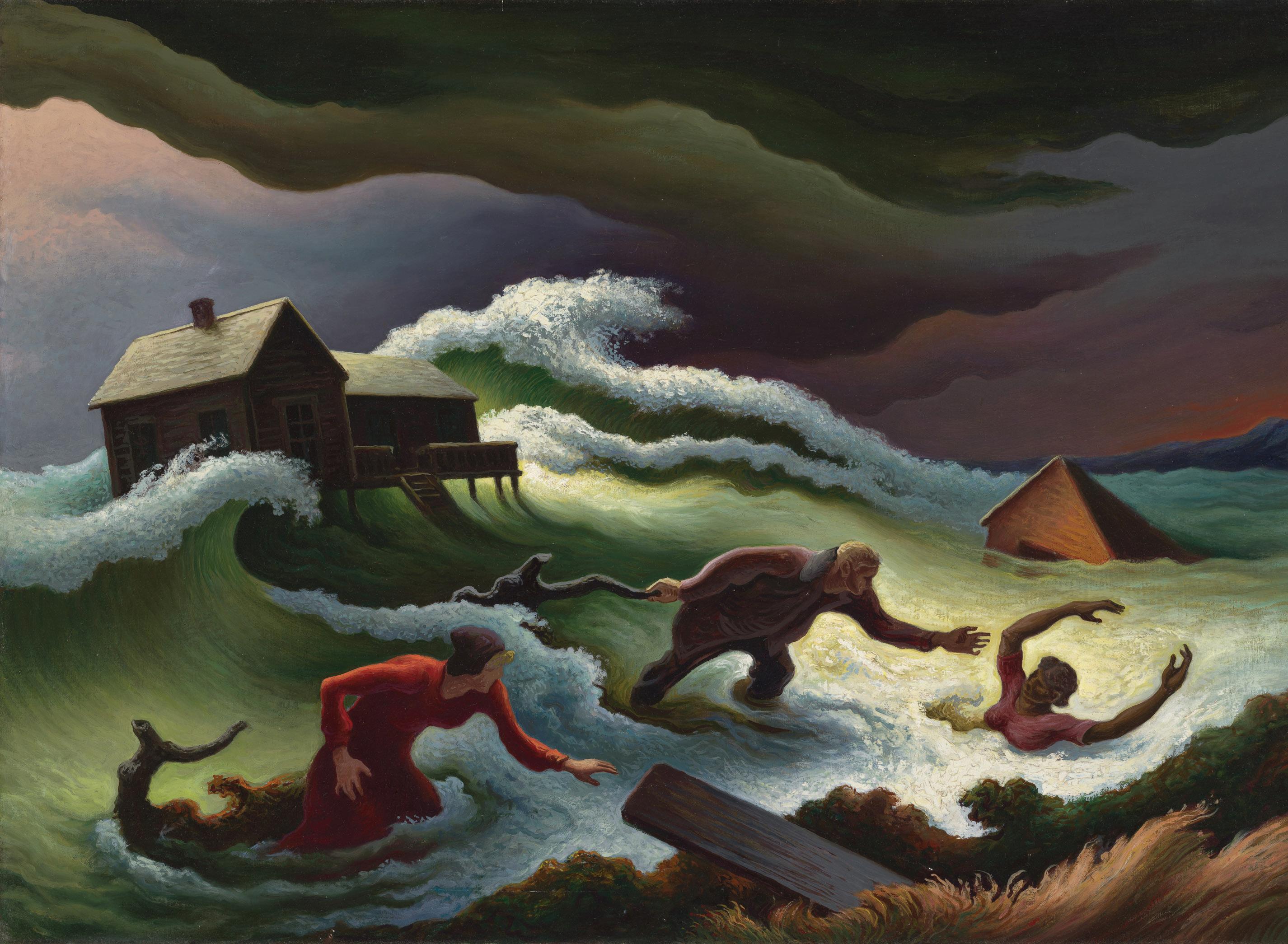
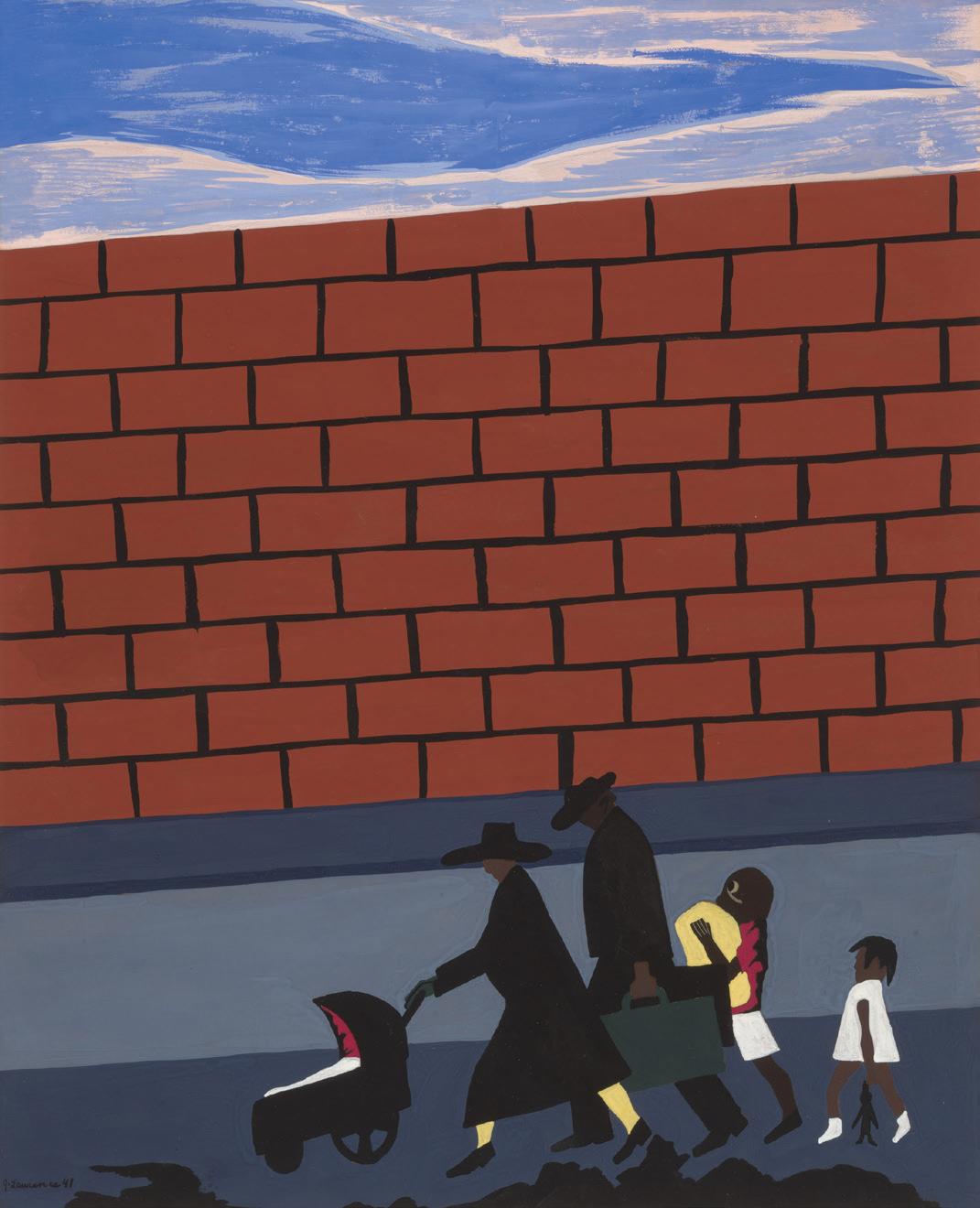
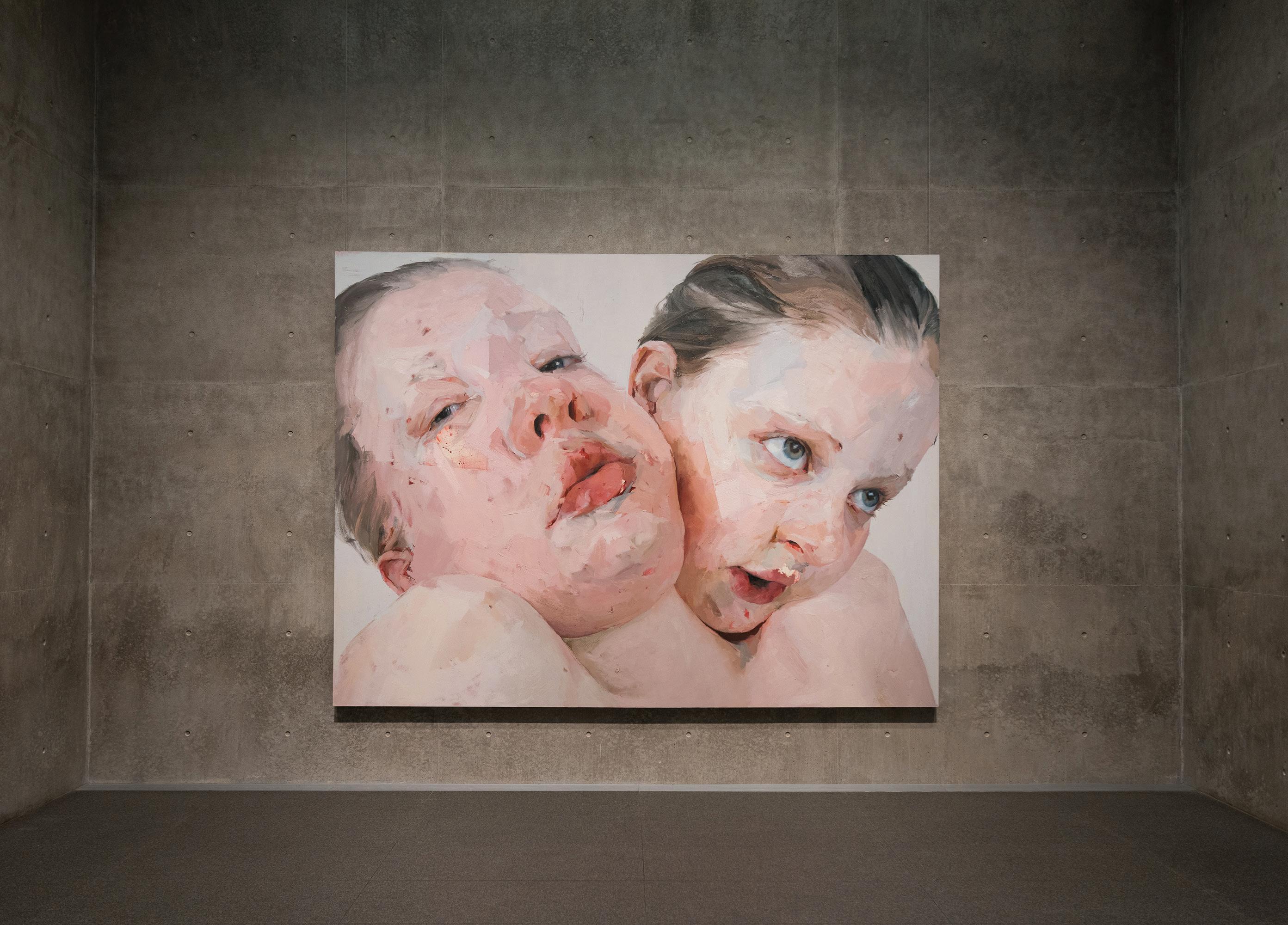
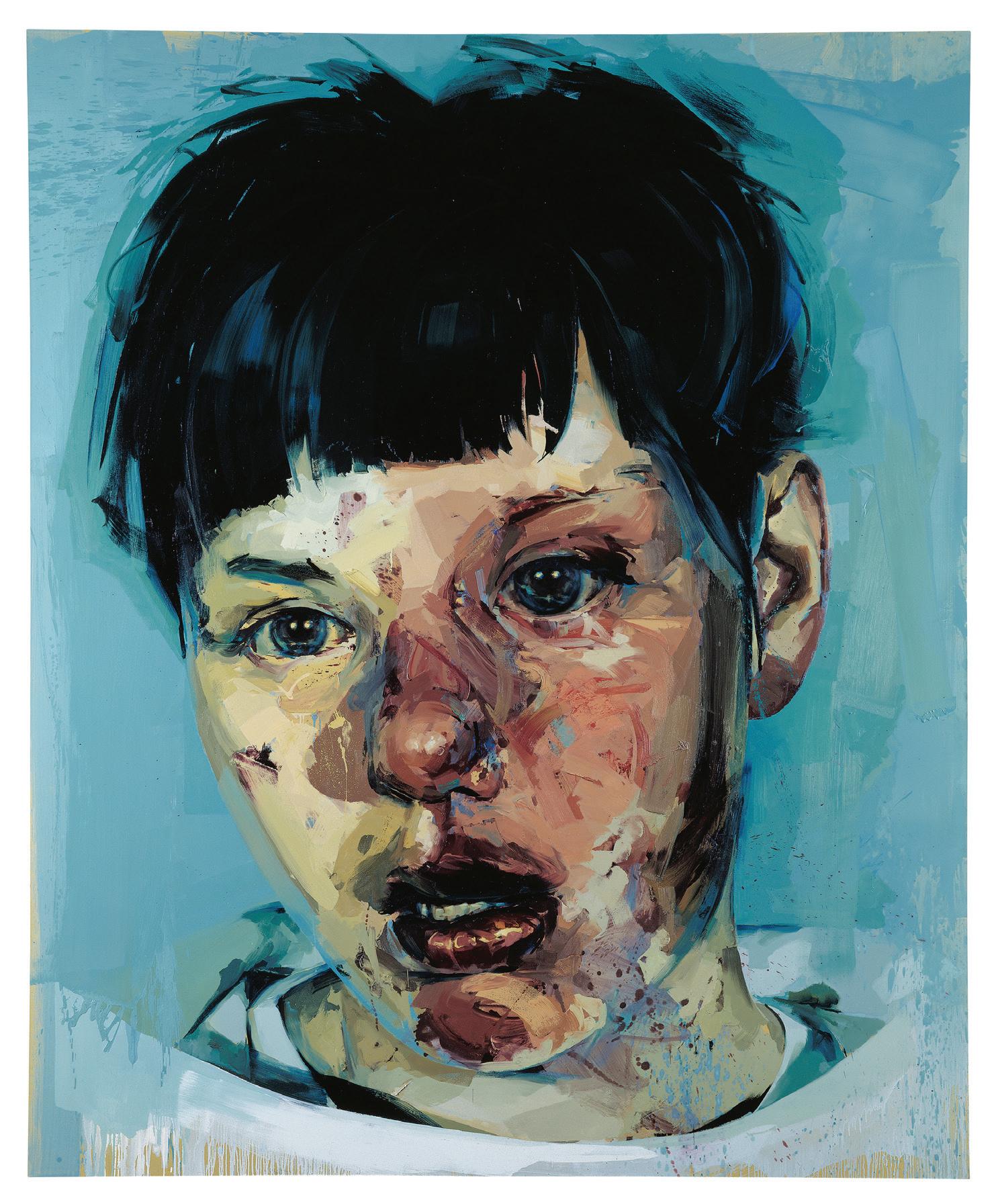
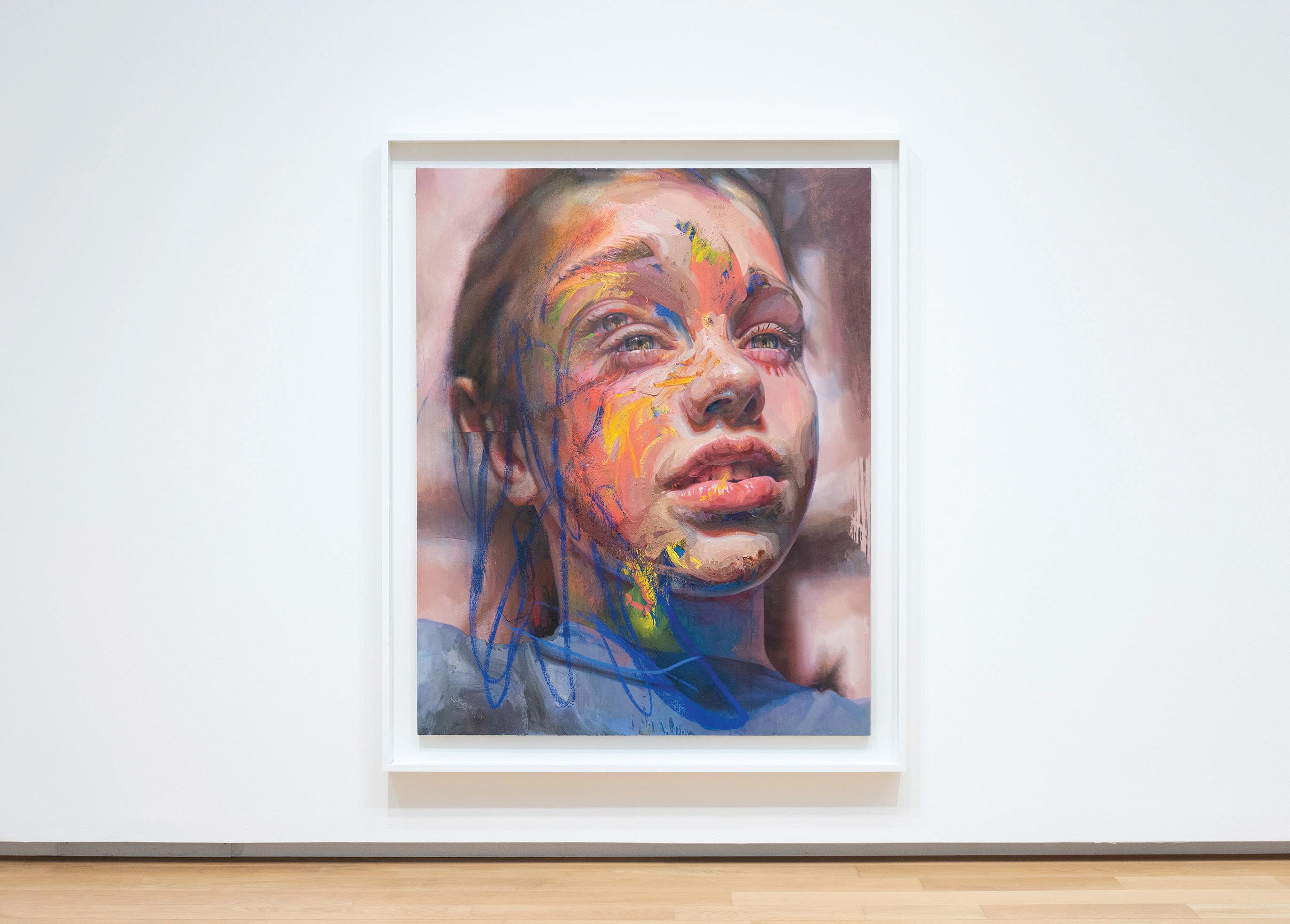
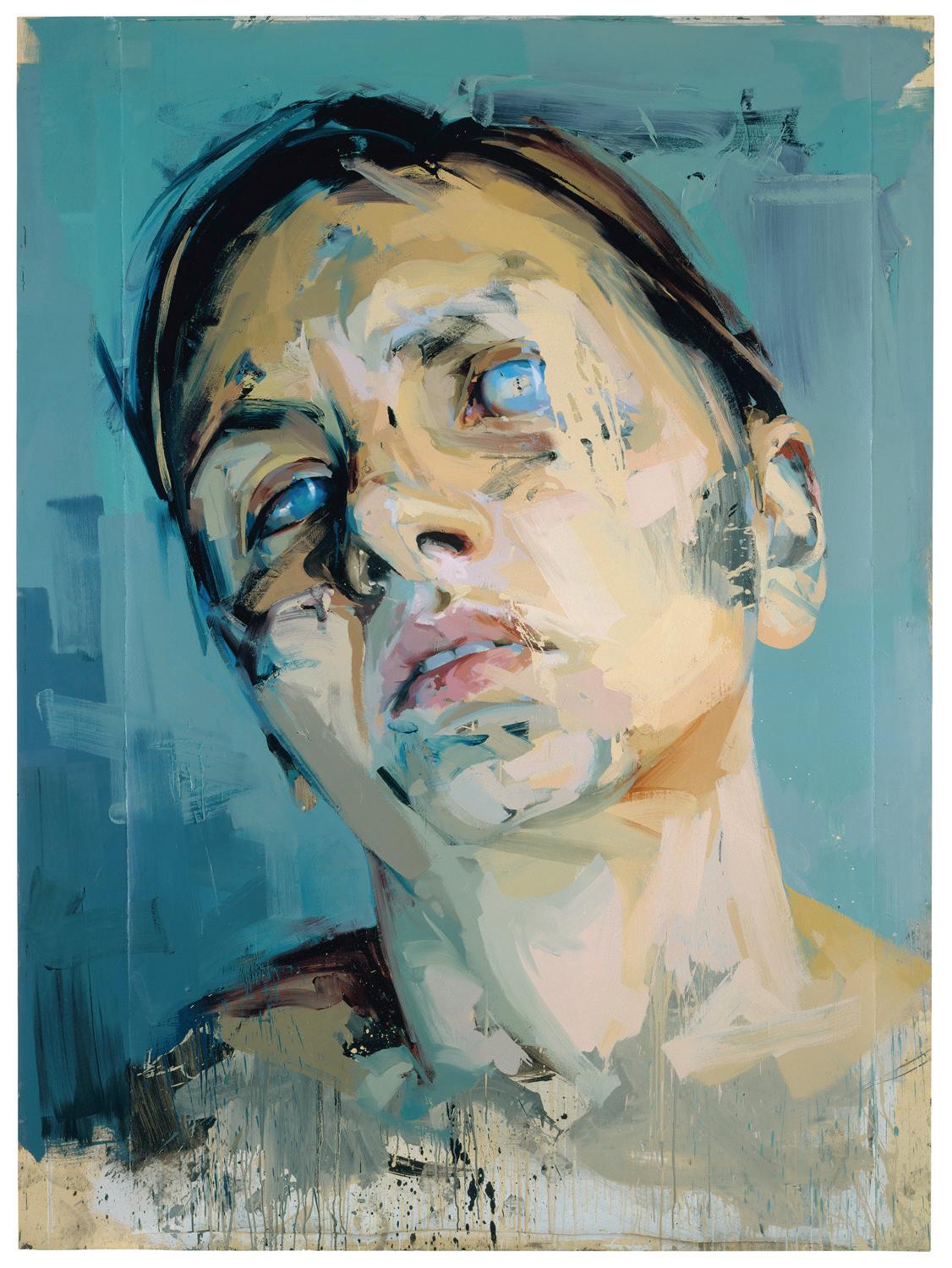
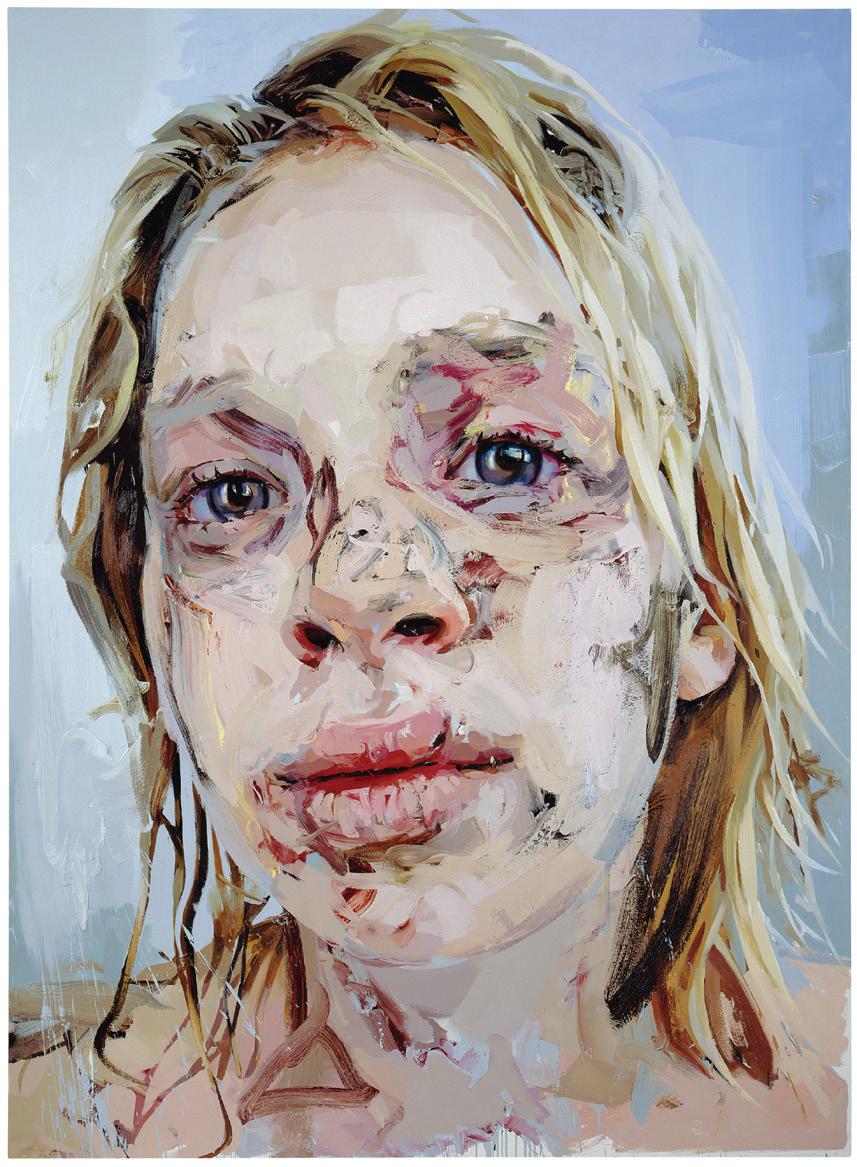
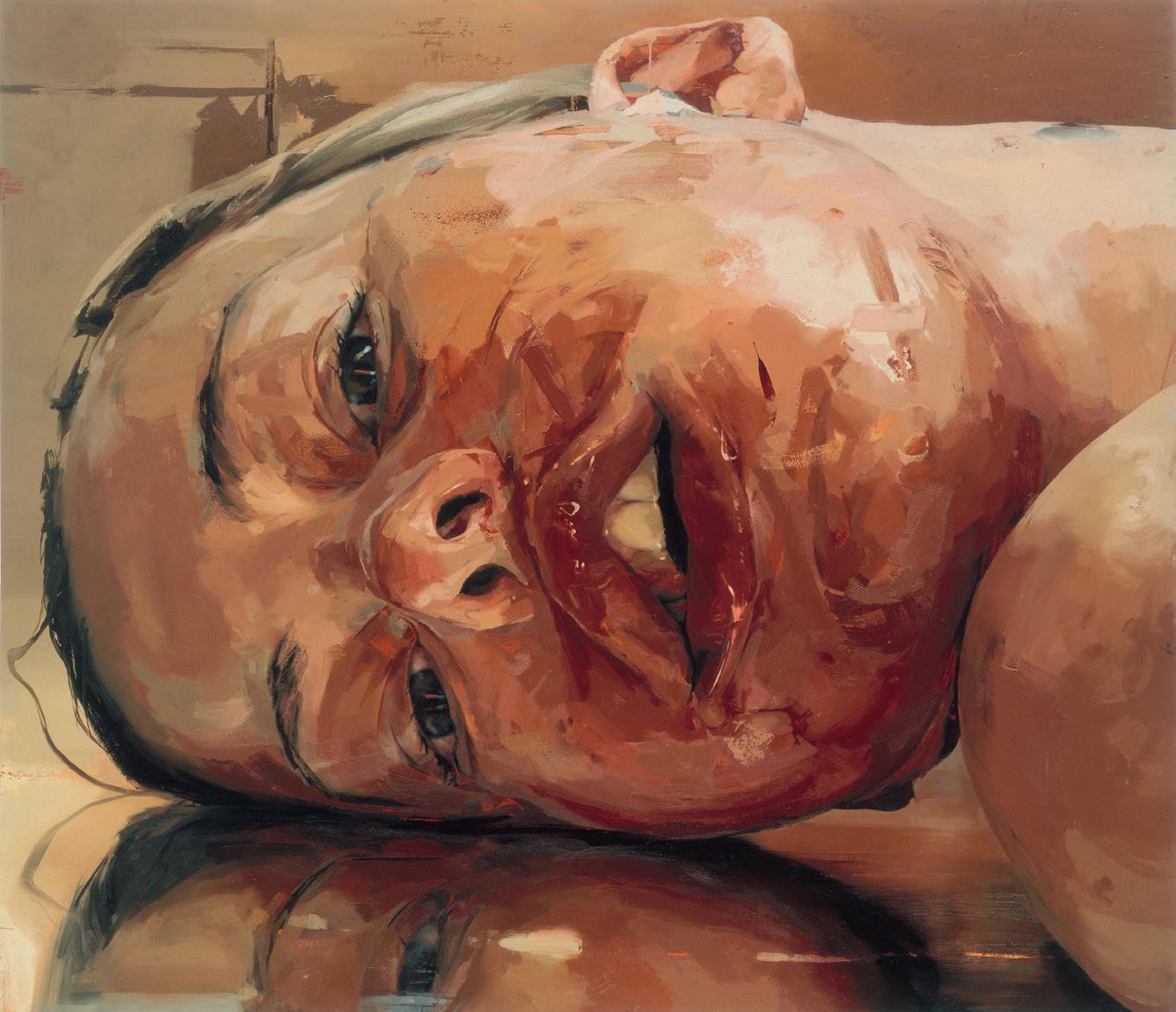
Over in Fort Worth, Brandon Kennedy reflects on the raw grandeur of Jenny Saville’s monumental exhibition at the Modern, while Matthew Bourbon uncovers layers of history in American Modernism: The Charles Butt Collection at the Amon Carter Museum. Completing the circuit, Rob Brinkley journeys through time, discovering the painstaking conservation of the ancient Torlonia Collection in Myth and Marble, on view at the Kimbell Art Museum. Mission: Impeccable offers a master class in the art of precision.
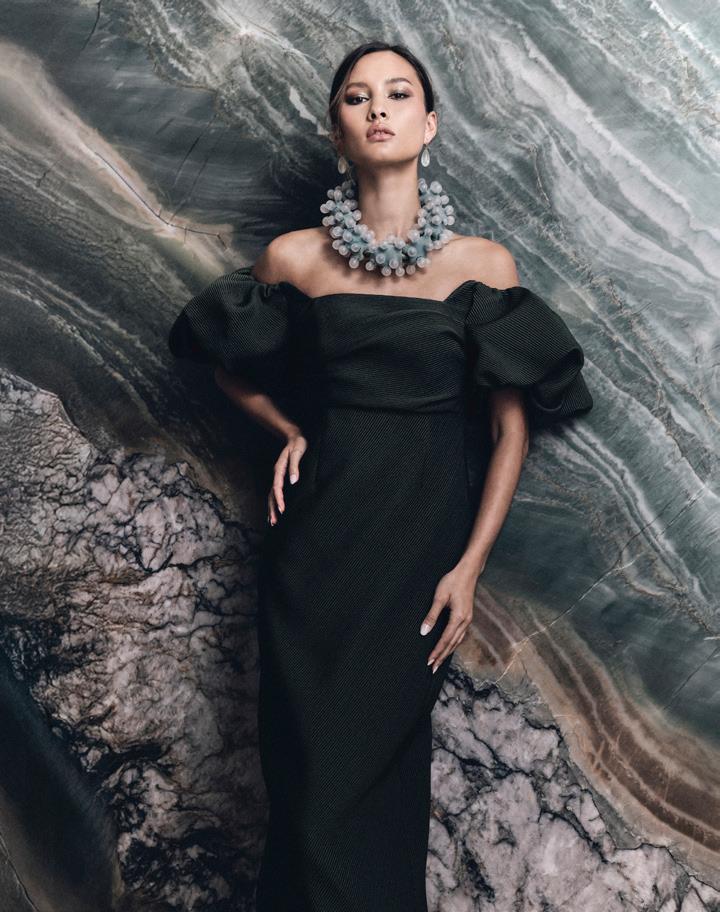
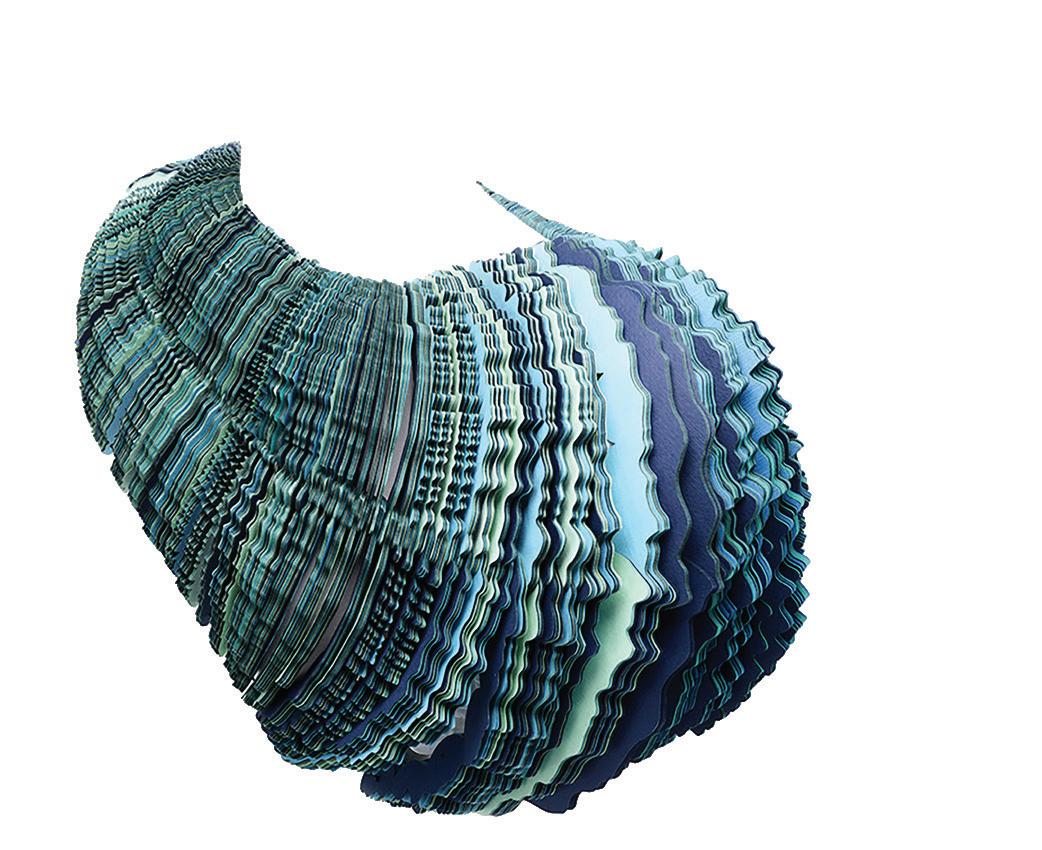
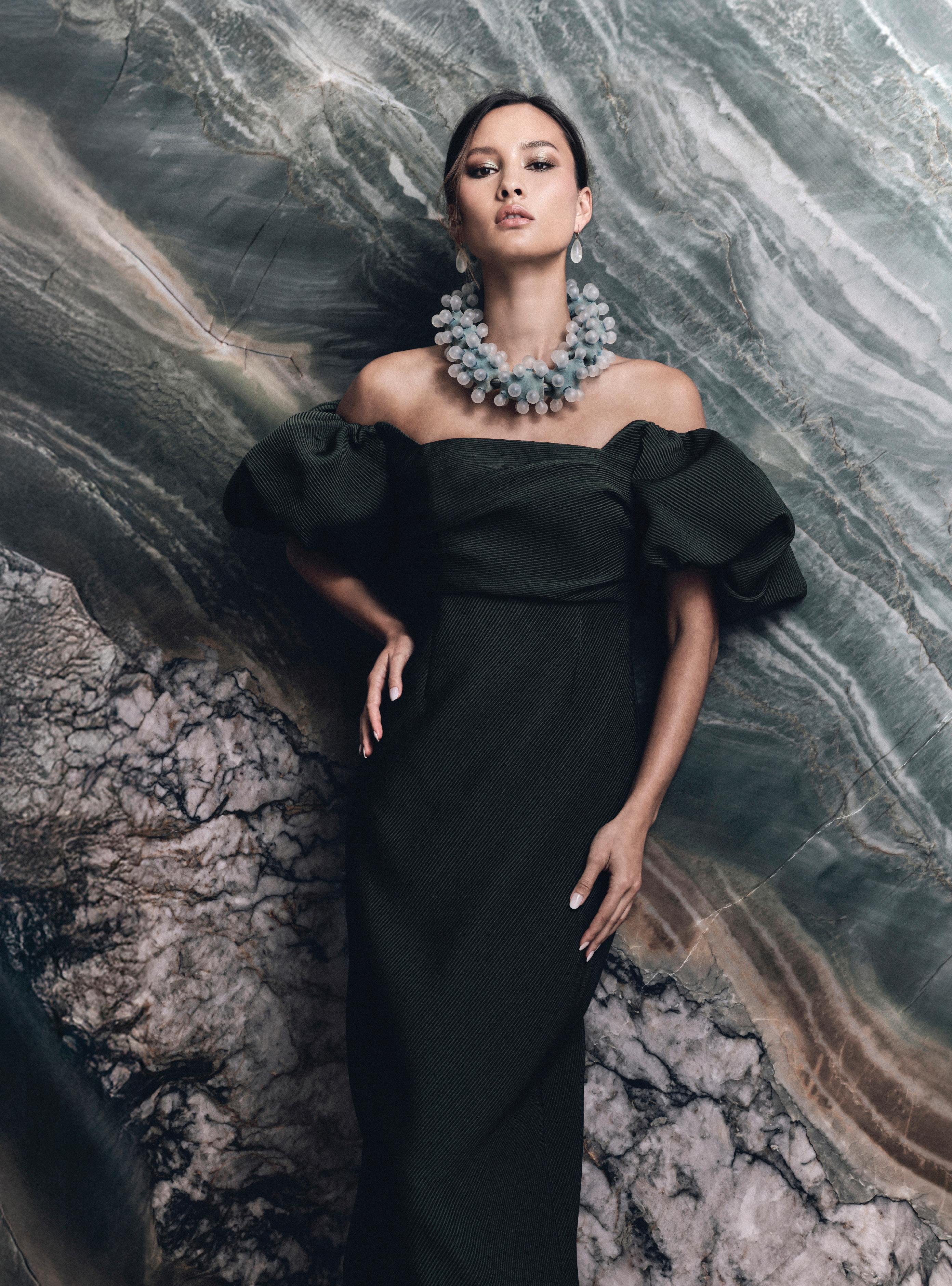
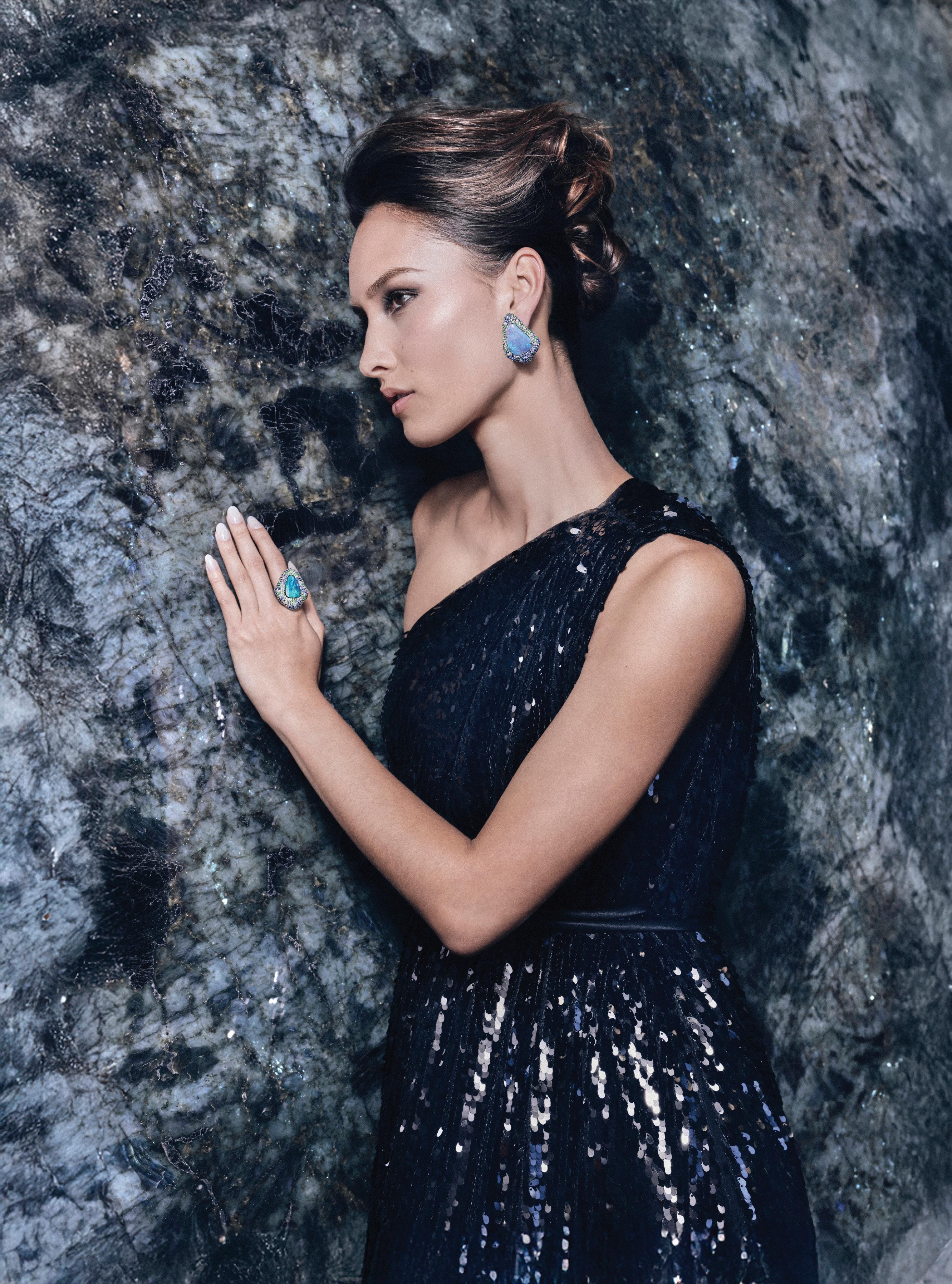
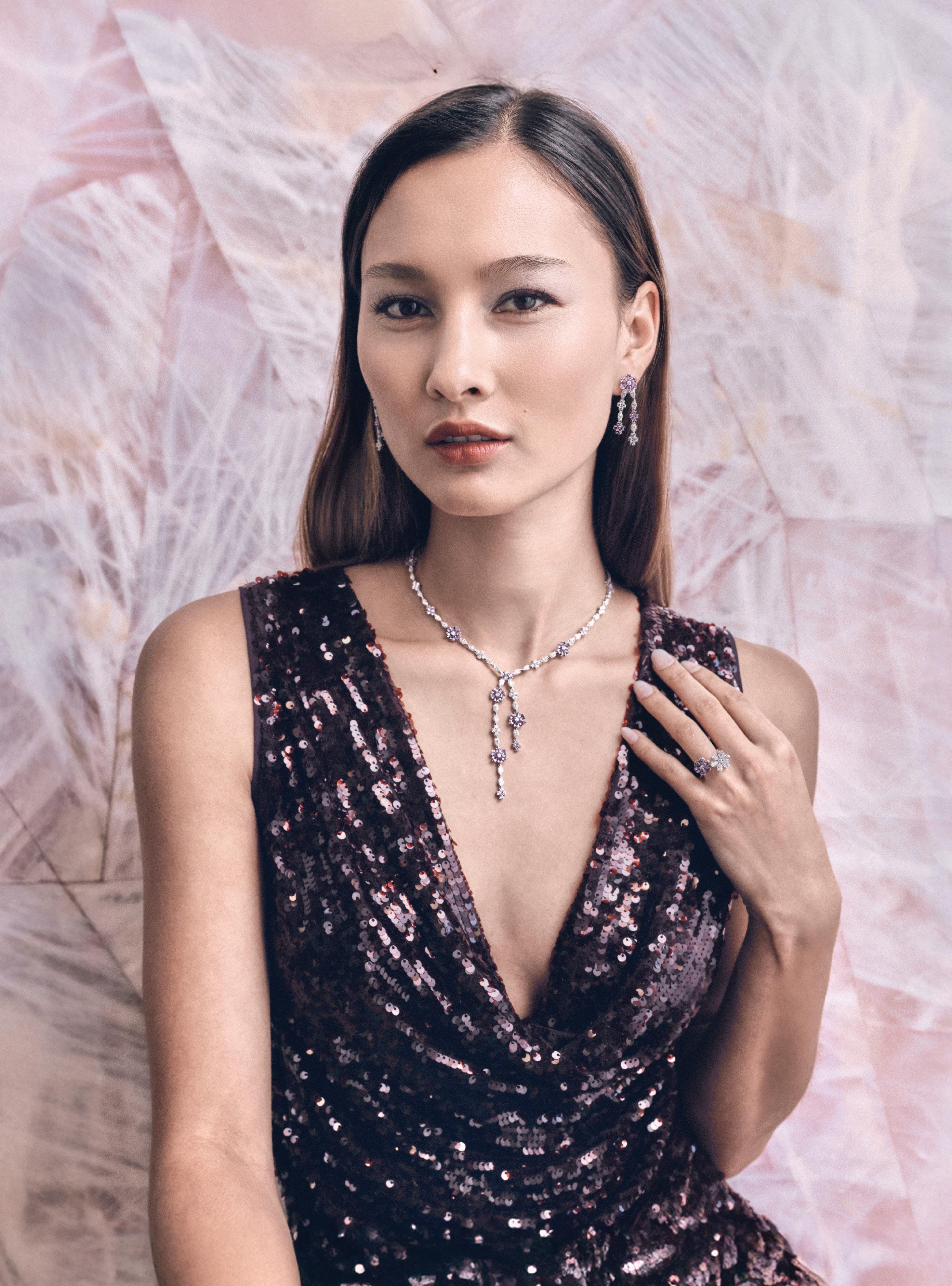
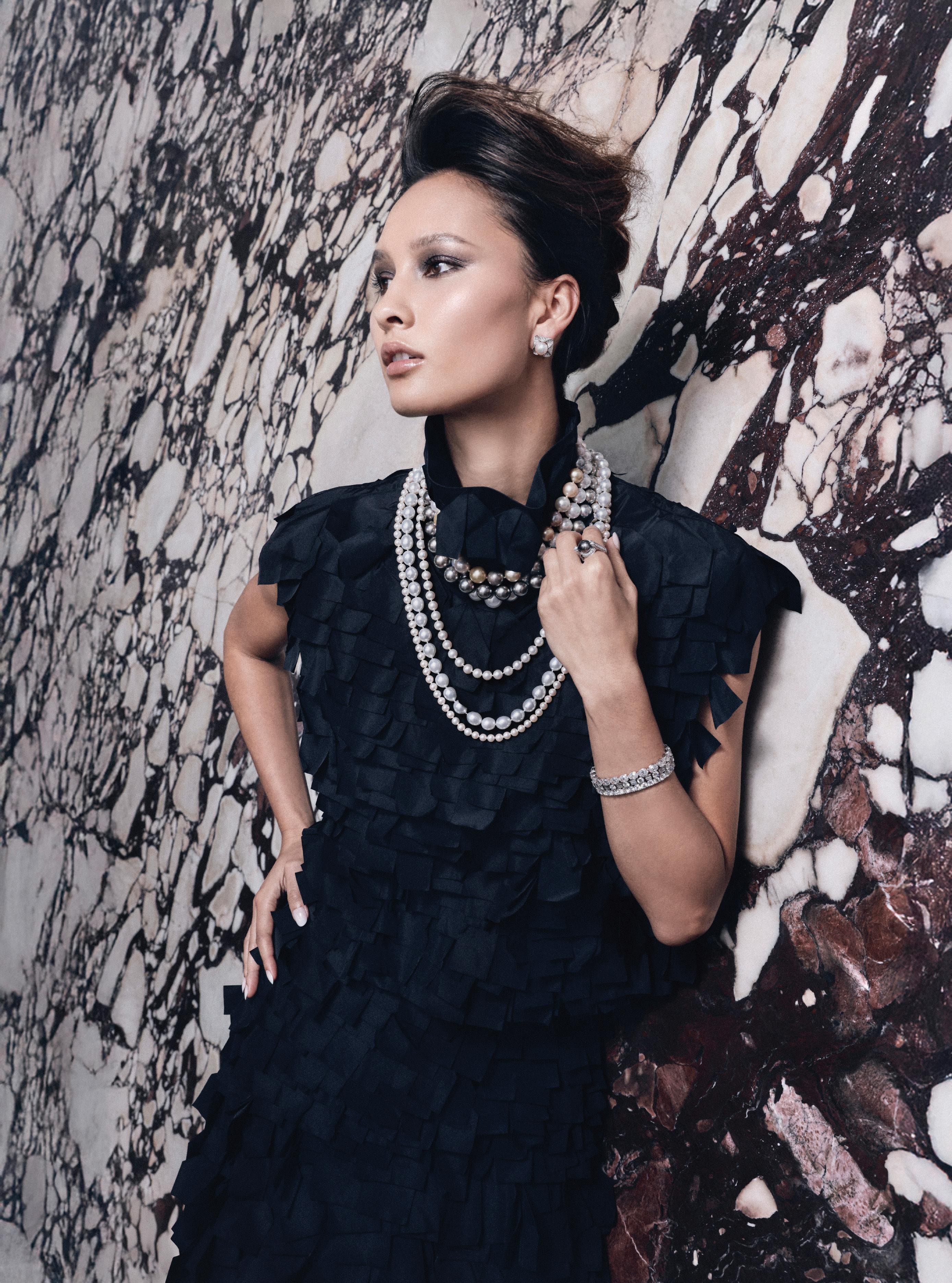
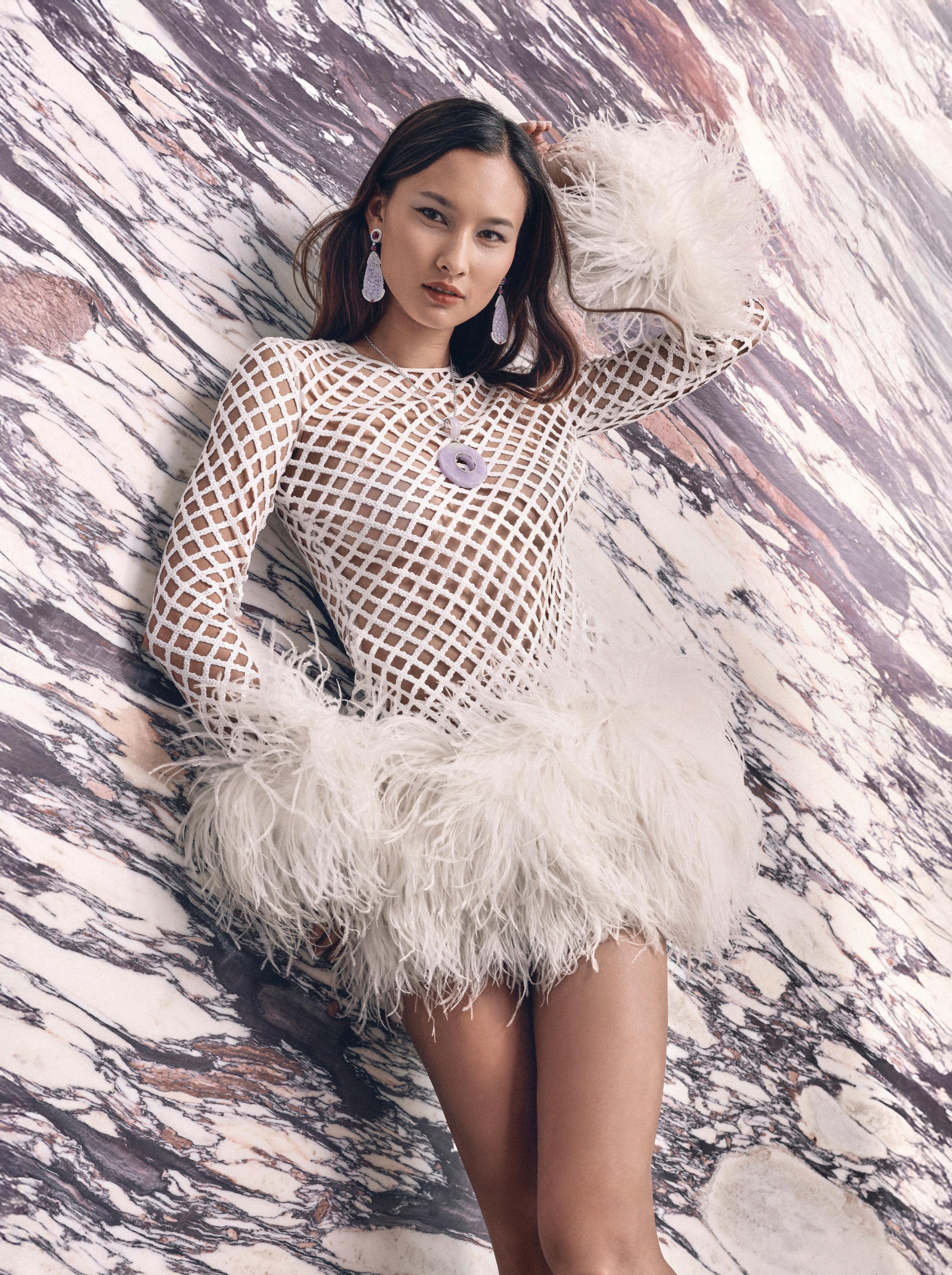
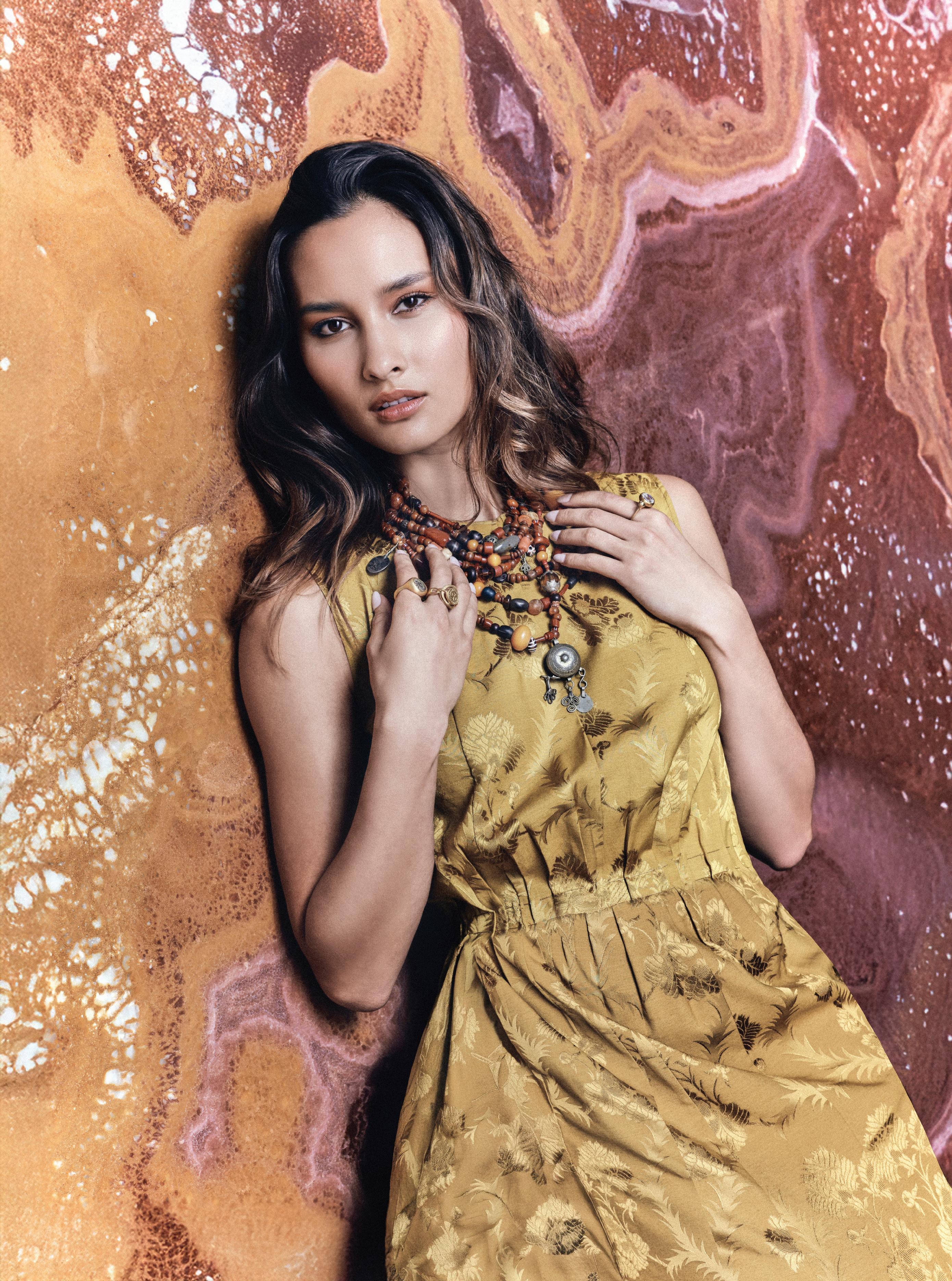
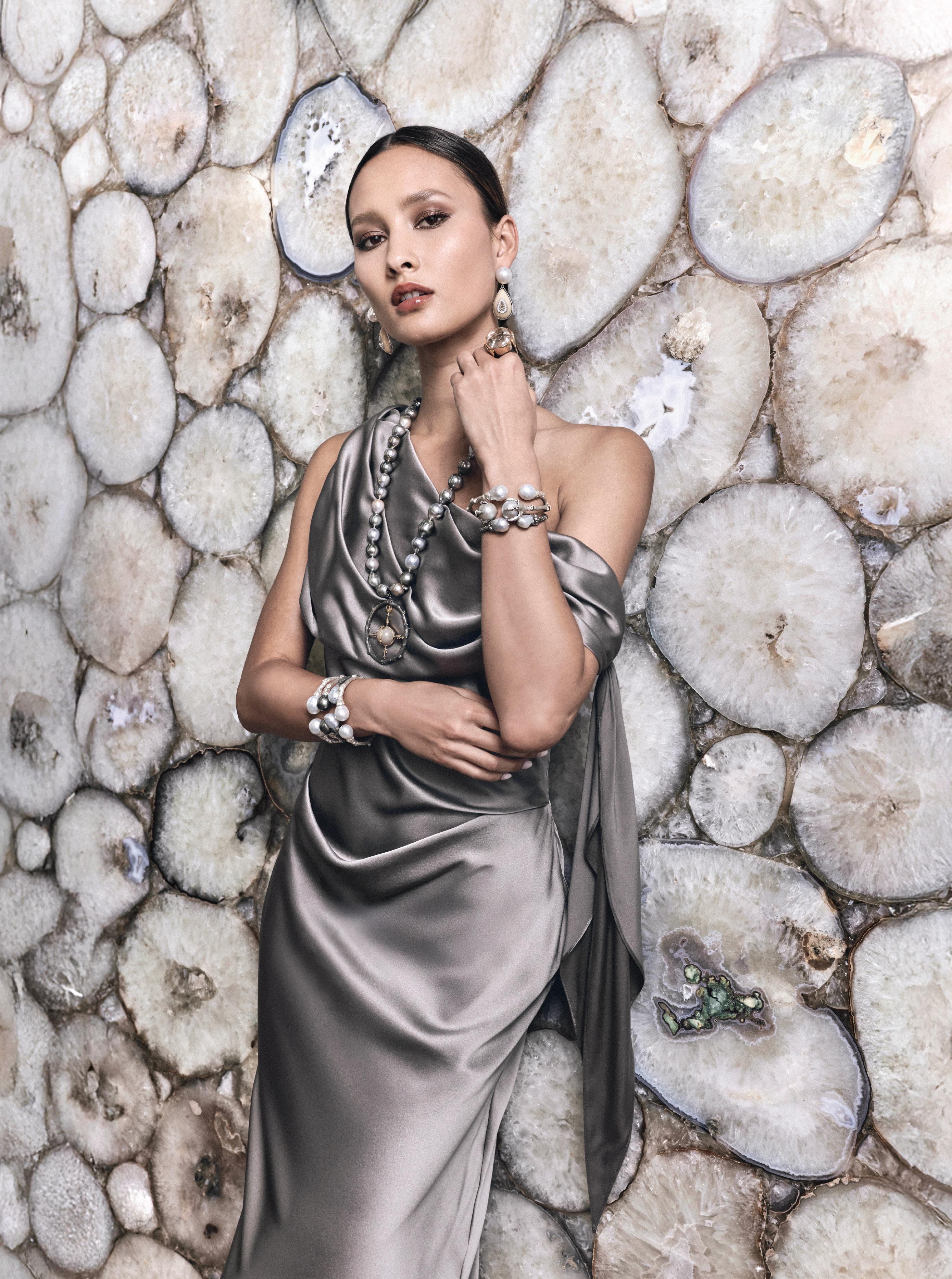
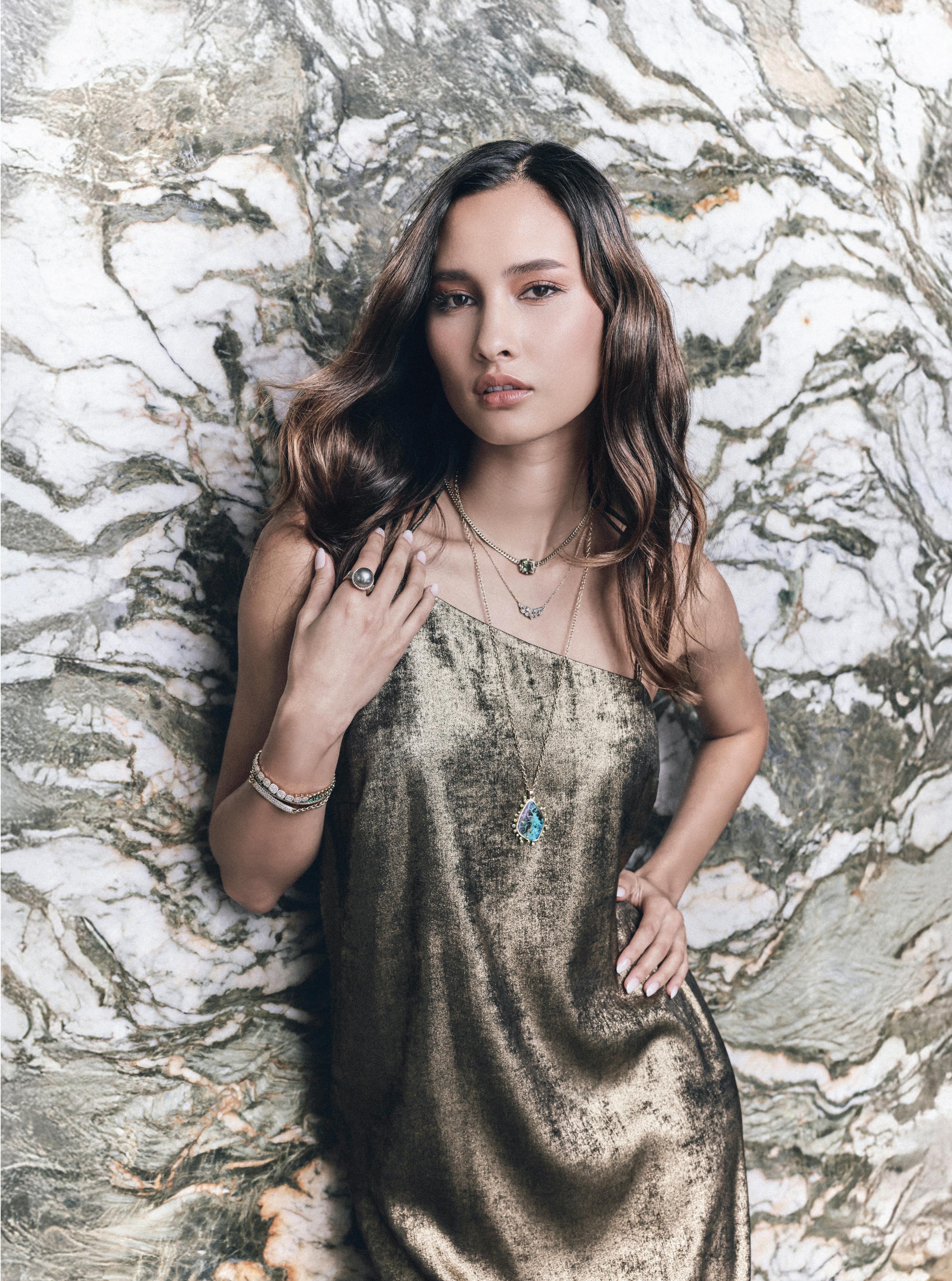
Style meets substance in Dazzling Encounters, where fashion and fine jewelry converge, highlighted by a striking necklace from Deedie Rose’s private collection, a glittering nod to Constellations at the DMA. Photographer Mindy Byrd and creative director Elaine Raffel drew from marble and stone elegance available among a plethora of choices at Texas Counter Fitters. You’ll want to redesign your kitchen as much as your wardrobe.
Elsewhere, Jennifer Klos takes us on a curatorial journey through Park House Dallas and Houston, as well as Citizen House in Oklahoma City, where her exhibitions spotlighted in Ace of Clubs reveal how art enlivens every environment. Tastemaker Elizabeth Hooper O’Mahony continues the odyssey in An Invitation to Explore, visiting Kurt Bielawski’s newly opened retail design showroom, KD Biel, a testament to innovation, craft, and vision.
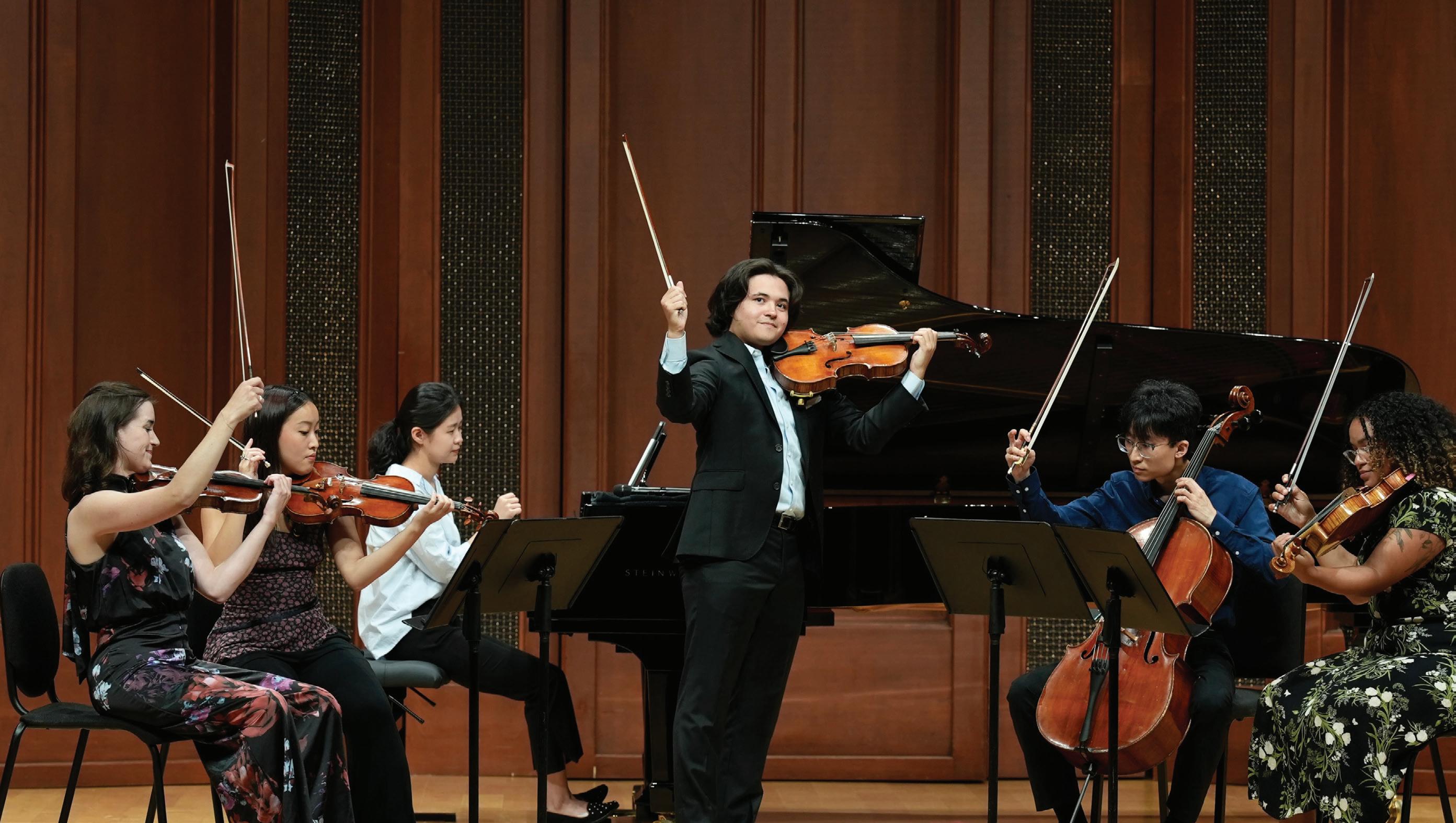
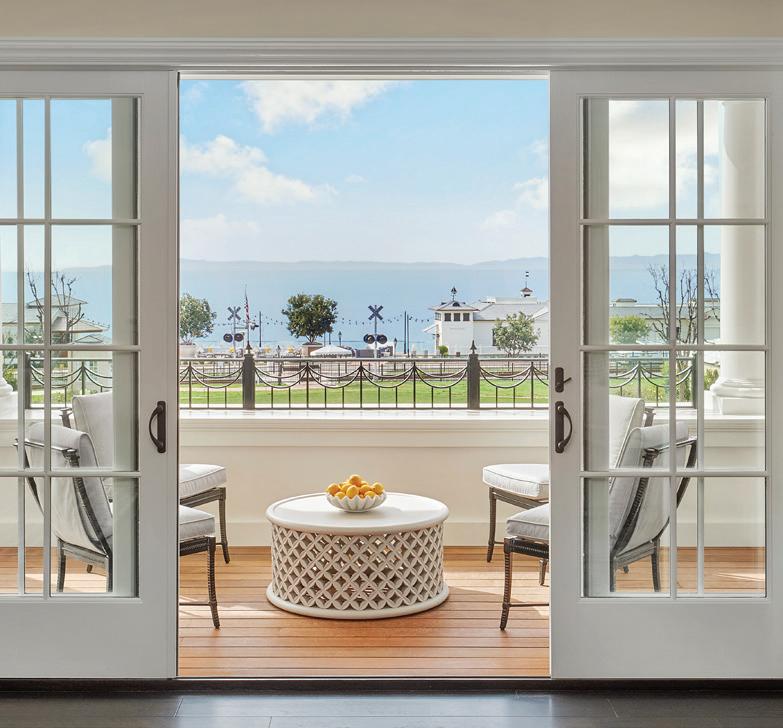
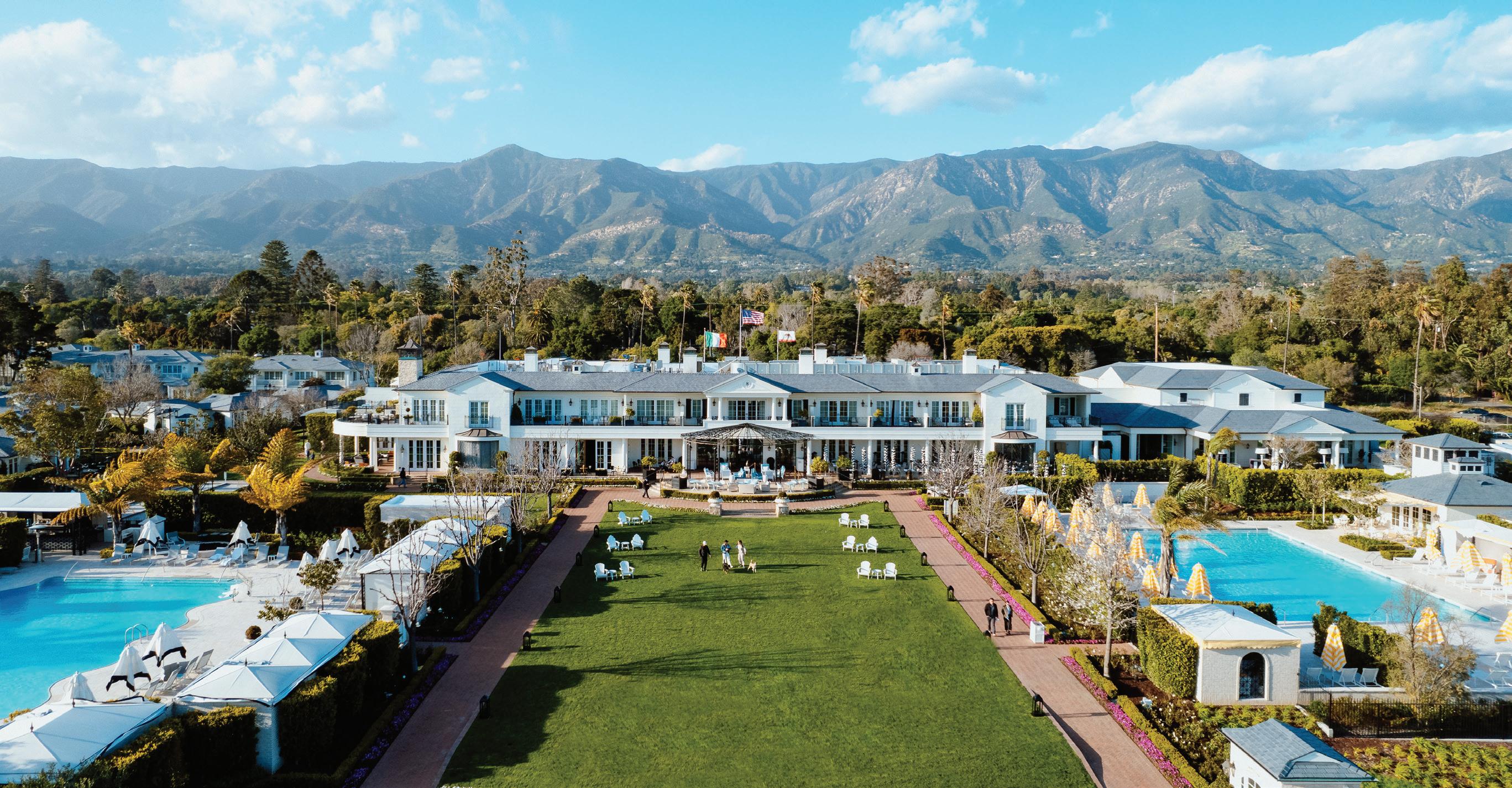
Our travel feature, Coastal Crescendo, whisks readers to California’s coast and into the Music Academy of the West in Santa Barbara, an institution renowned for shaping the next generation of classical musicians and vocalists. And for those seeking the perfect stay, we highlight the serene luxury of the Rosewood Miramar Beach in nearby Montecito, which boasts an impressive art collection, five-star service, and Pacific views.
We close the issue as we began—with performance. Lee turns her discerning eye to Fort Worth Opera’s Hattie Mae Lesley Resident Artists Coleman Dziedzic and Melissa Martinez, whose artistry and ambition foretell the next generation of opera. In their voices she discovers not only potential, but the exhilarating spark of promise that defines the season and new year ahead.
–Terri Provencal
Portrait Tim Boole,
Doyle, Stanley Korshak
LADY DAMASK’S RESOLUTIONS FOR HOLIDAYS, HOME AND HOSPITALITY, ANNO DOMINI ——
TO FINISH MY HOLIDAY GIFT LIST WITH PANACHE. FINDING THE UNIQUE AND UNEXPECTED BRINGS JOY TO THE RECIPIENT AND, OF COURSE, TO ME. GIVING IS NOT A COMPETITION, BUT I DO LOVE TO WIN.
TO HOST FEWER DINNERS, BUT MAKE THEM MORE MEMORABLE. I WOULD RATHER HAVE SIX GUESTS WHO TALK BRILLIANTLY THAN TWENTY WHO MERELY CHEW.
TO KEEP FRESH FLOWERS IN THE MORNING ROOM YEAR-ROUND, AND AVOID DISCUSSING HOW VERY EXPENSIVELY UNSEASONAL THEY ARE.
TO MASTER THE ART OF THE SURPRISING TABLE SETTING, INCLUDING—THIS YEAR—COUPES AND STEMMED GLASSWARE FOR EVERYTHING AND A SINGLE THEATRICAL CENTERPIECE, PREFERABLY SOMETHING ALIVE.
TO SPEAK WELL OF OTHERS AT LEAST UNTIL THE FIRST COURSE IS SERVED. AFTER DESSERT, ANYTHING MAY BE FORGIVEN.
TO GIVE EVERY ROOM A UNIQUE SIGNATURE SCENT— MY VERSION OF A CALLING CARD IN THE AIR. AND ONE WILL KNOW ONE’S LOCATION BLINDFOLDED.
TO ENSURE EVERY GUEST LEAVES BELIEVING THEMSELVES THE MOST FASCINATING PERSON IN THE ROOM— THOUGH OF COURSE, THAT DISTINCTION WILL ALWAYS REMAIN MINE.
52 REVOLUTIONS OF THE MIND
Born of psychic rebellion, Surrealism continues to redraw borders between vision, politics, and desire at the DMA.
58 MISSION: IMPECCABLE
Inside the high-wire world of the Torlonia marble restorers.
By Rob Brinkley
62 THE COMPLEX LEGACY OF AMERICAN MODERNISM
At the Amon Carter, the Charles Butt Collection highlights how artists sought relevance, reckoning, and renewal.
By Matthew Bourbon
68 FLESHING IT ALL OUT
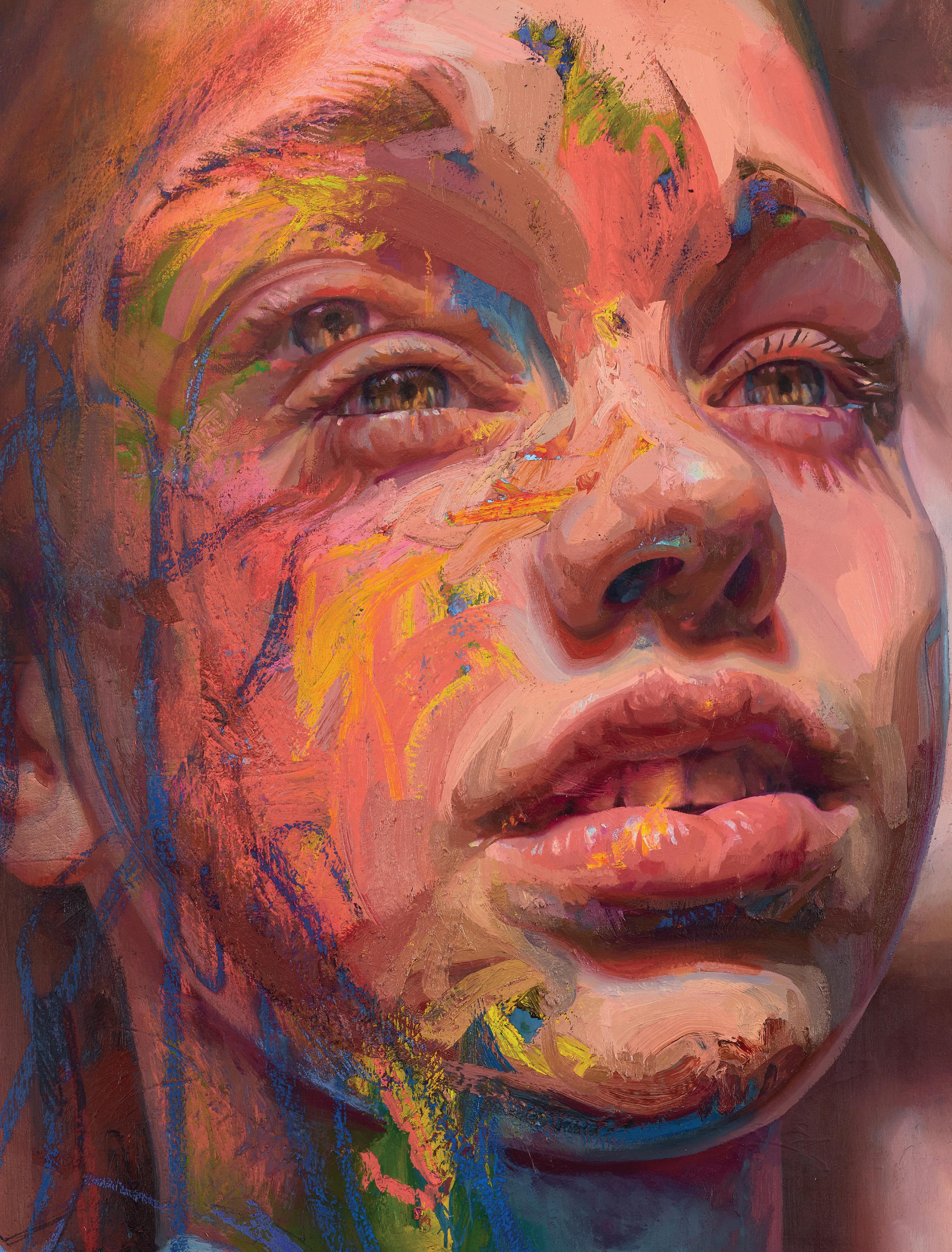
Jenny Saville’s first major stateside exhibition at the Modern Art Museum.
By Brandon Kennedy
72 DAZZLING ENCOUNTERS
High jewelry meets holiday glamour at Texas Counter Fitters. Photographs by Mindy Bryd; Creative direction by Elaine Raffel
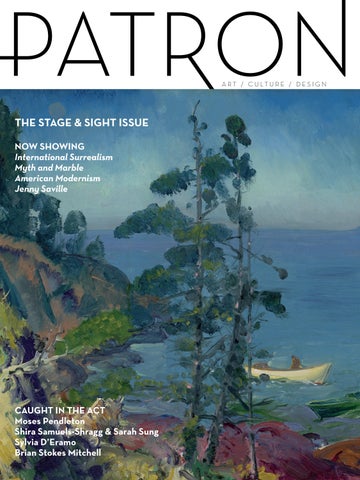
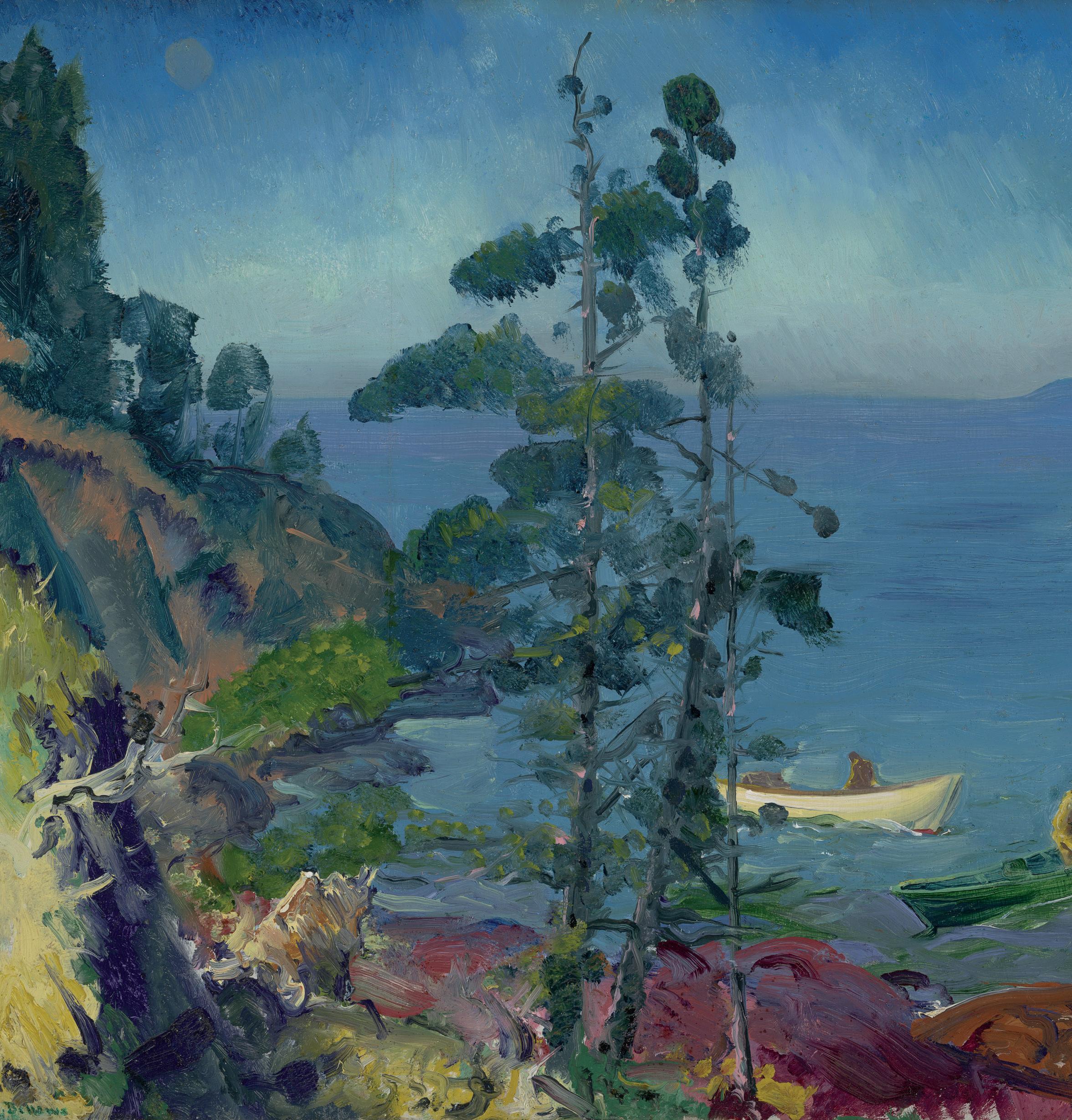
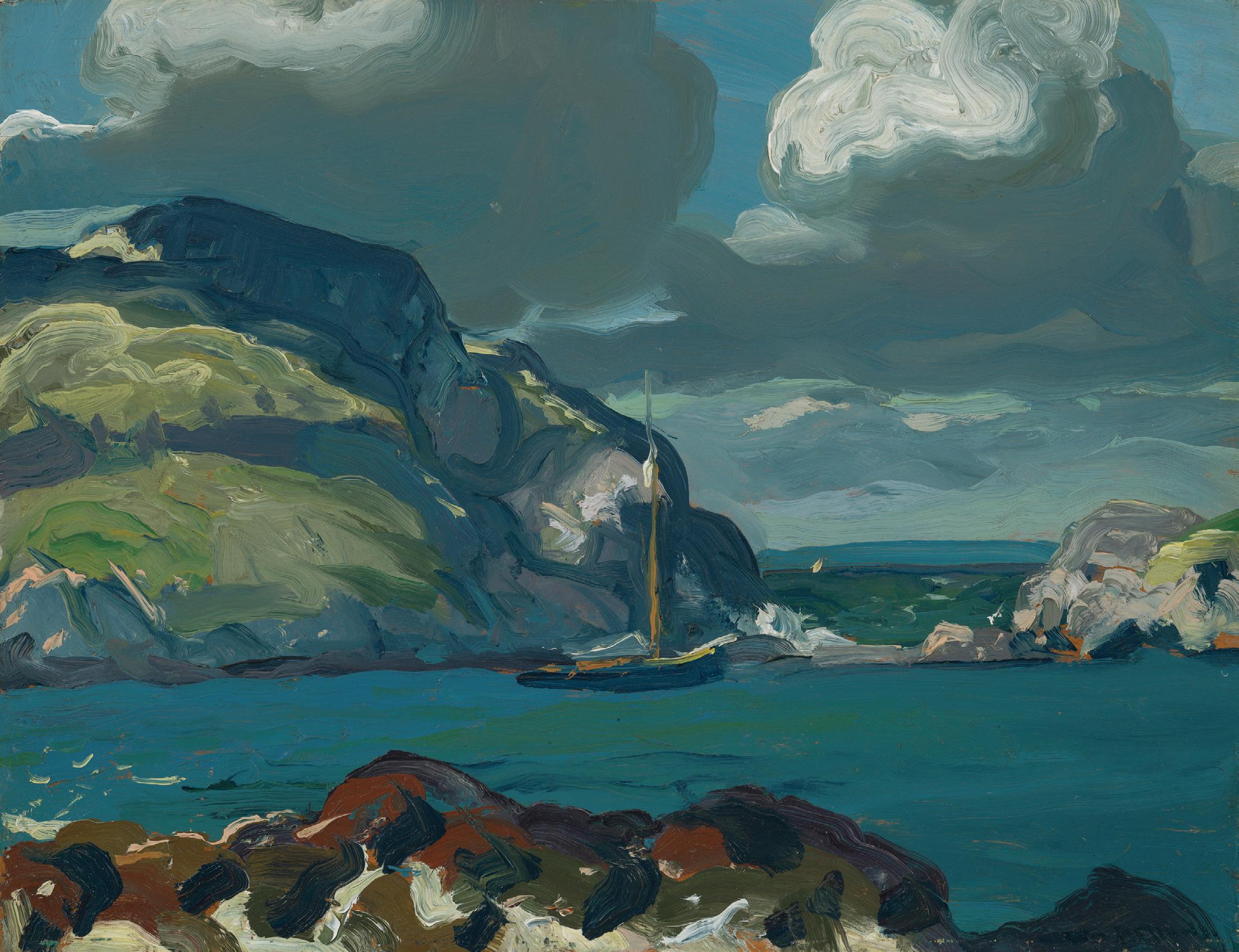
On the cover: George Bellows (1882–1925), Evening Blue (Tending the Lobster Traps, Early Morning), 1916, oil on panel. Collection of Charles Butt. Courtesy of the Amon Carter Museum of American Art, Fort Worth
On view through March 22, 2026
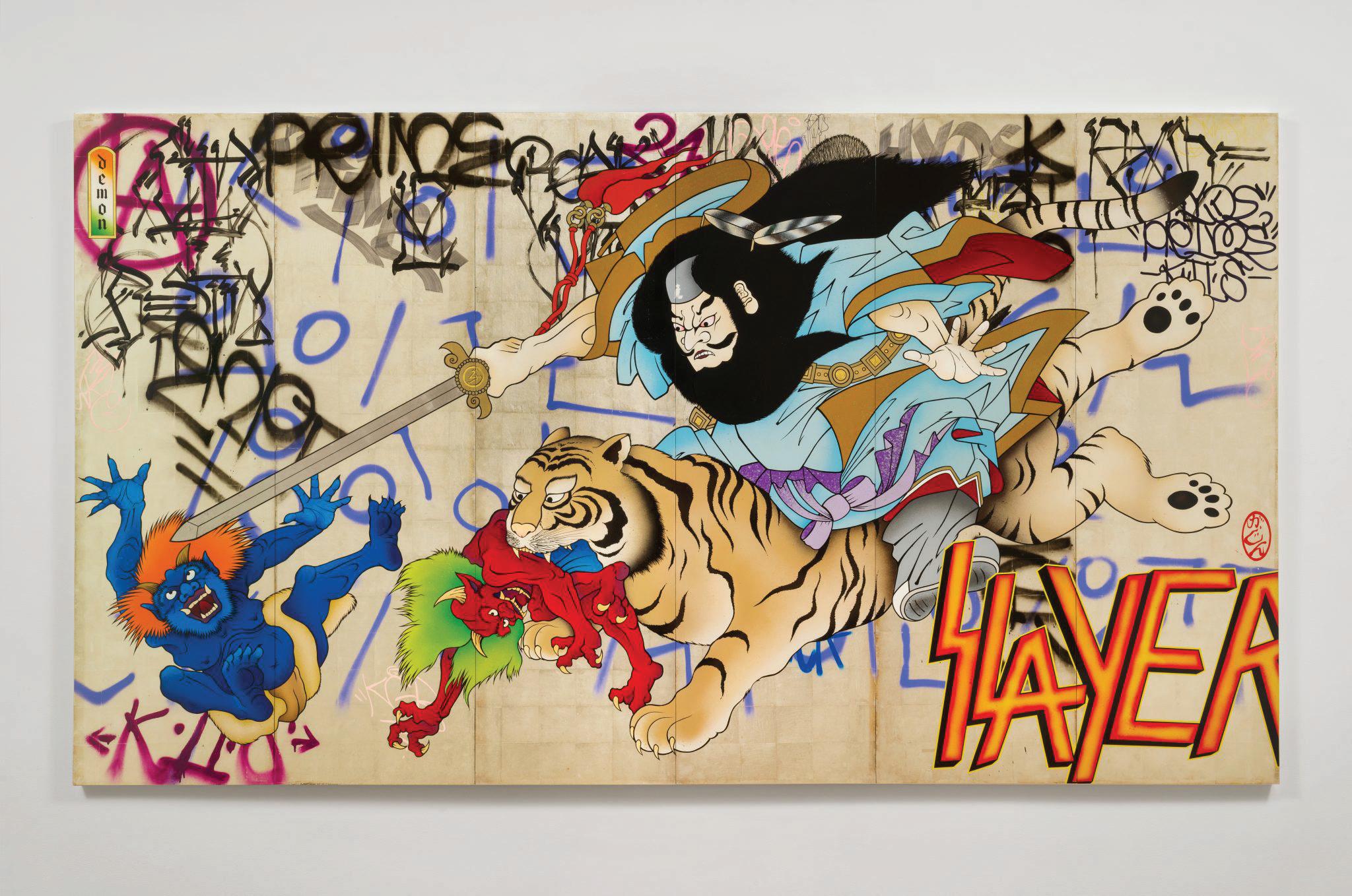
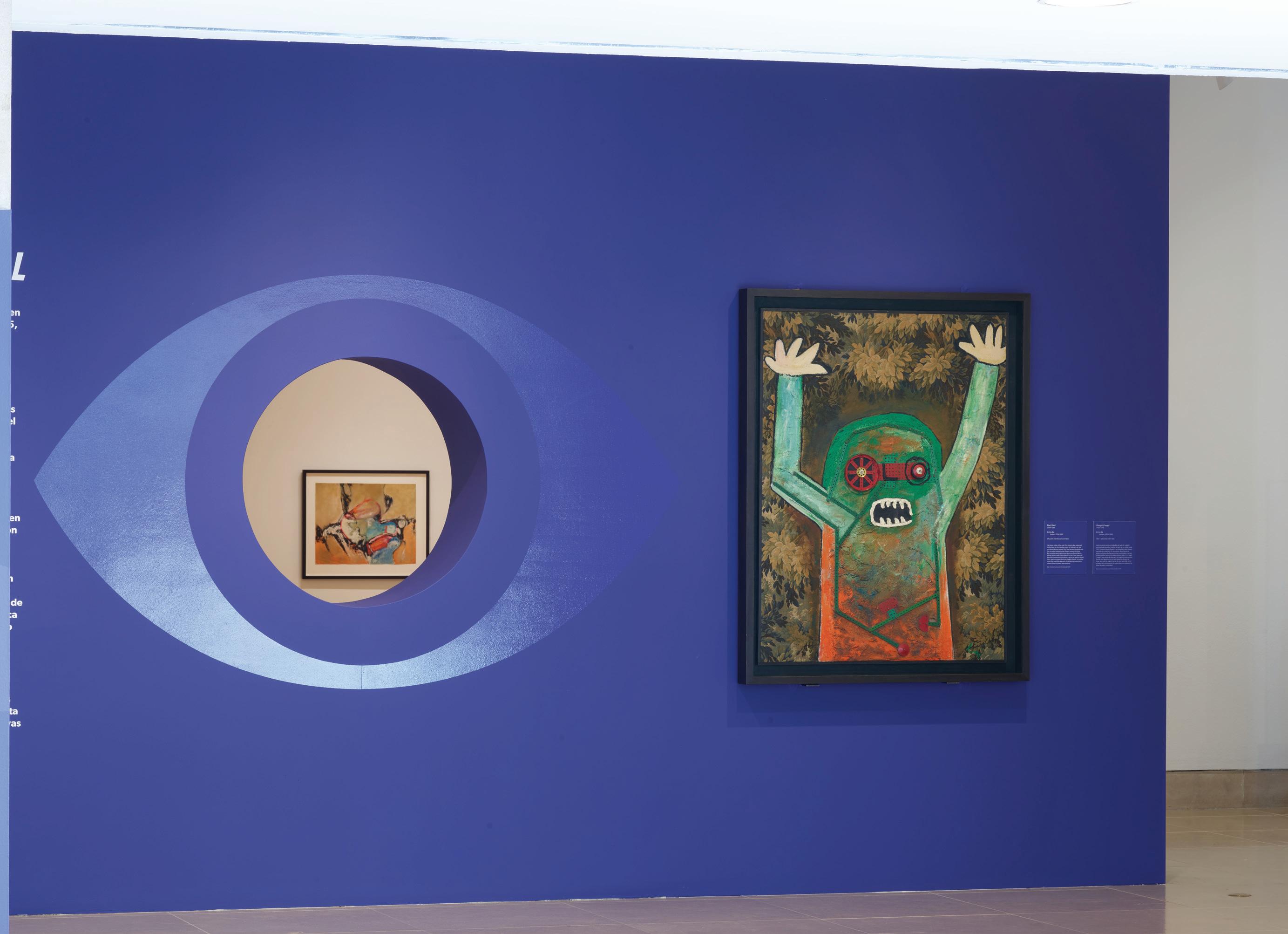
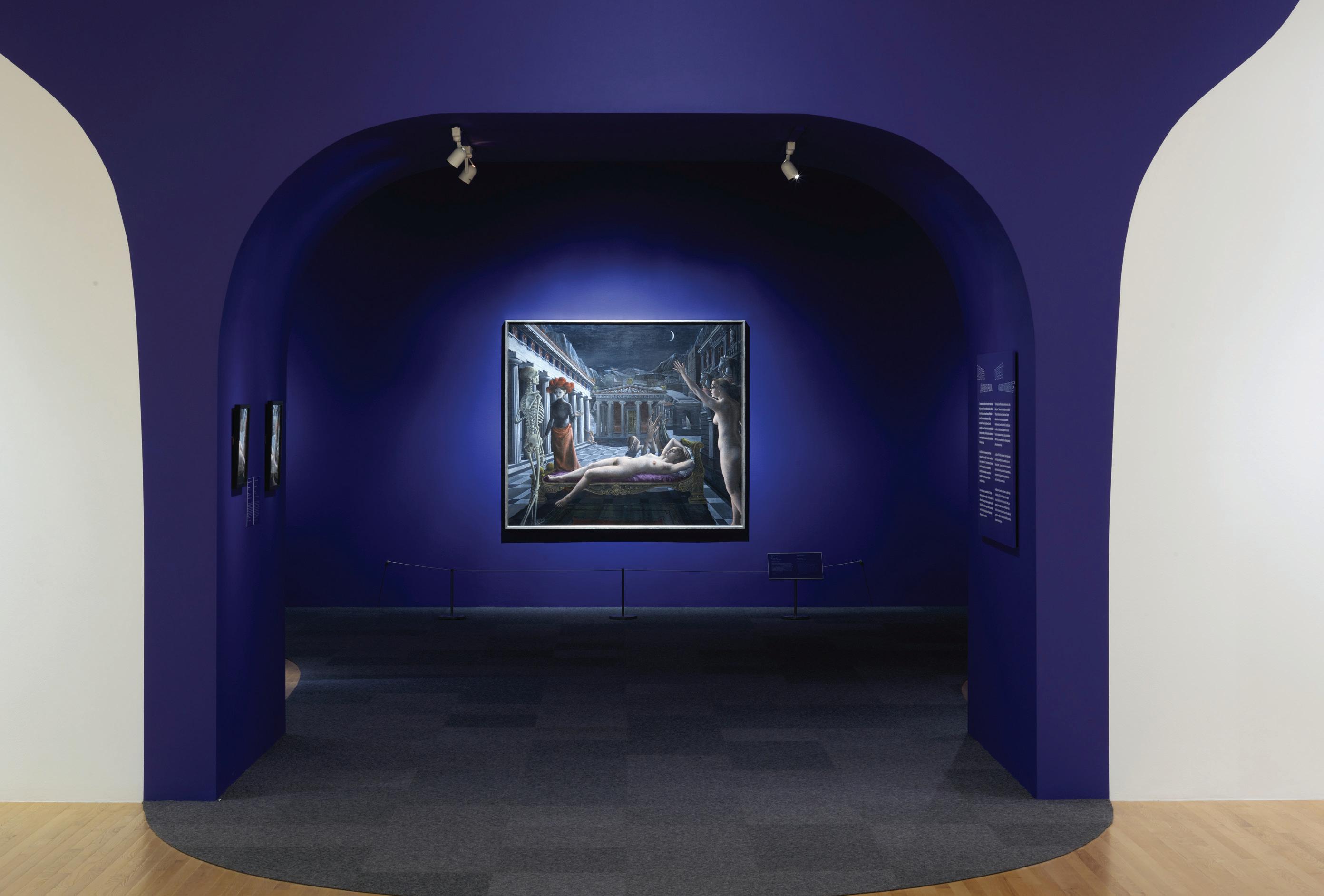
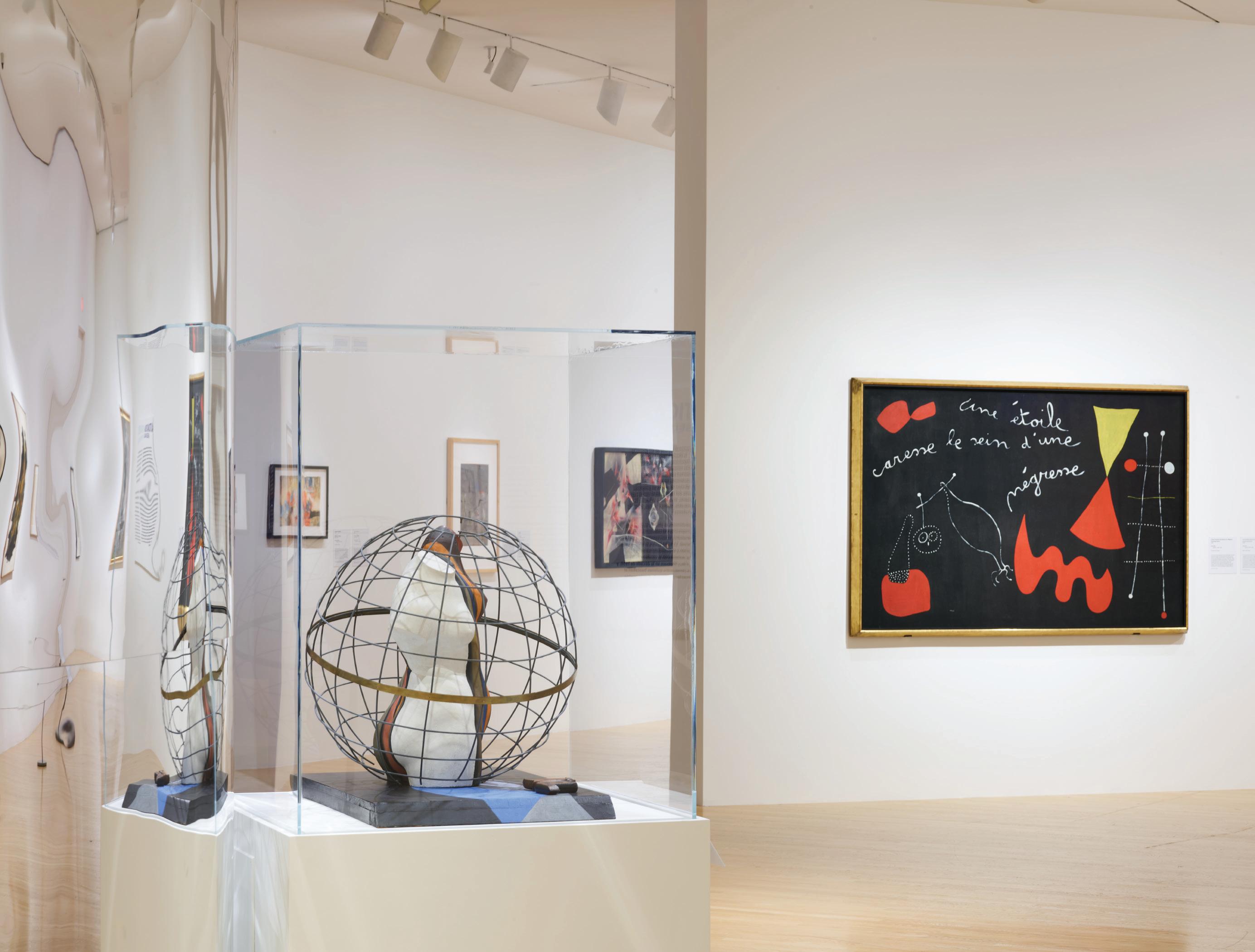
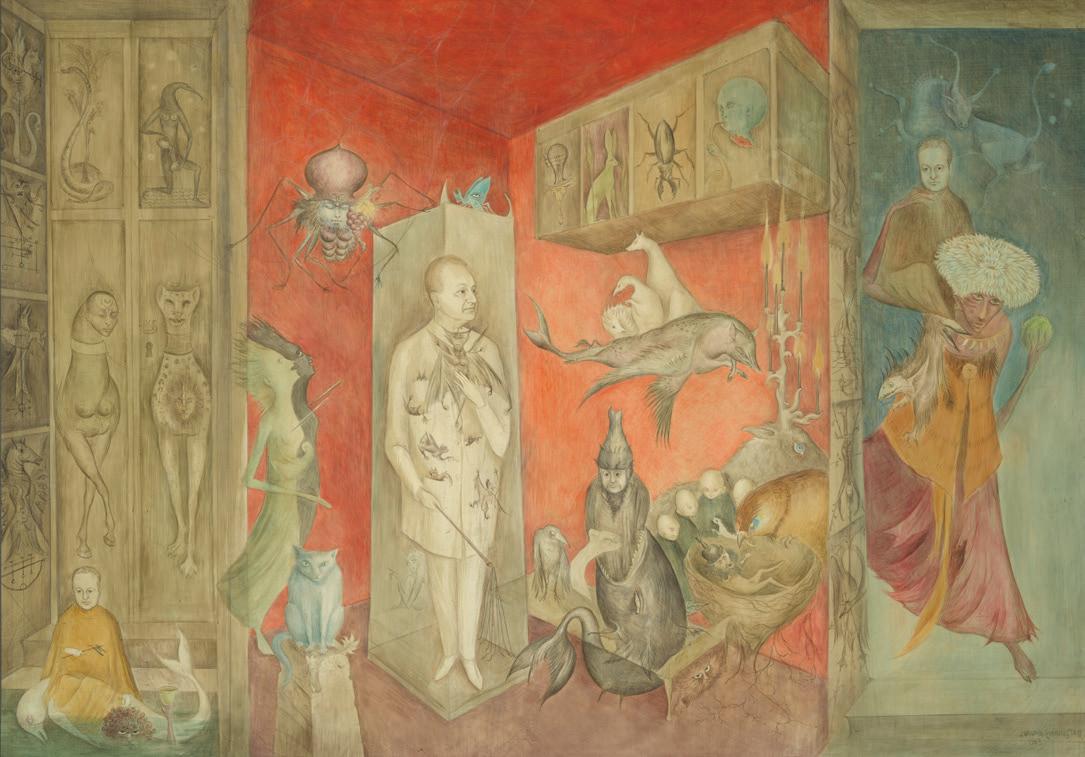
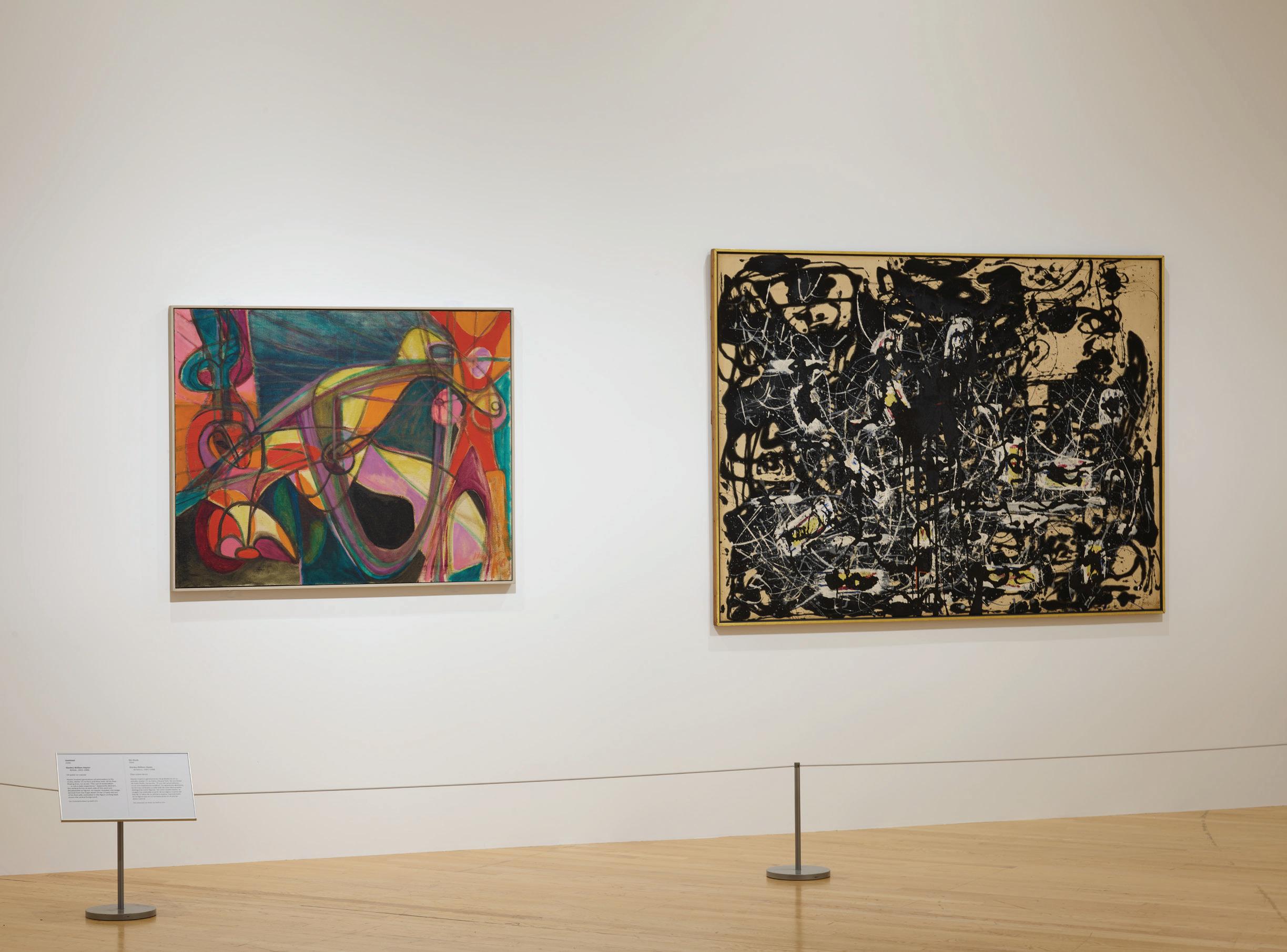
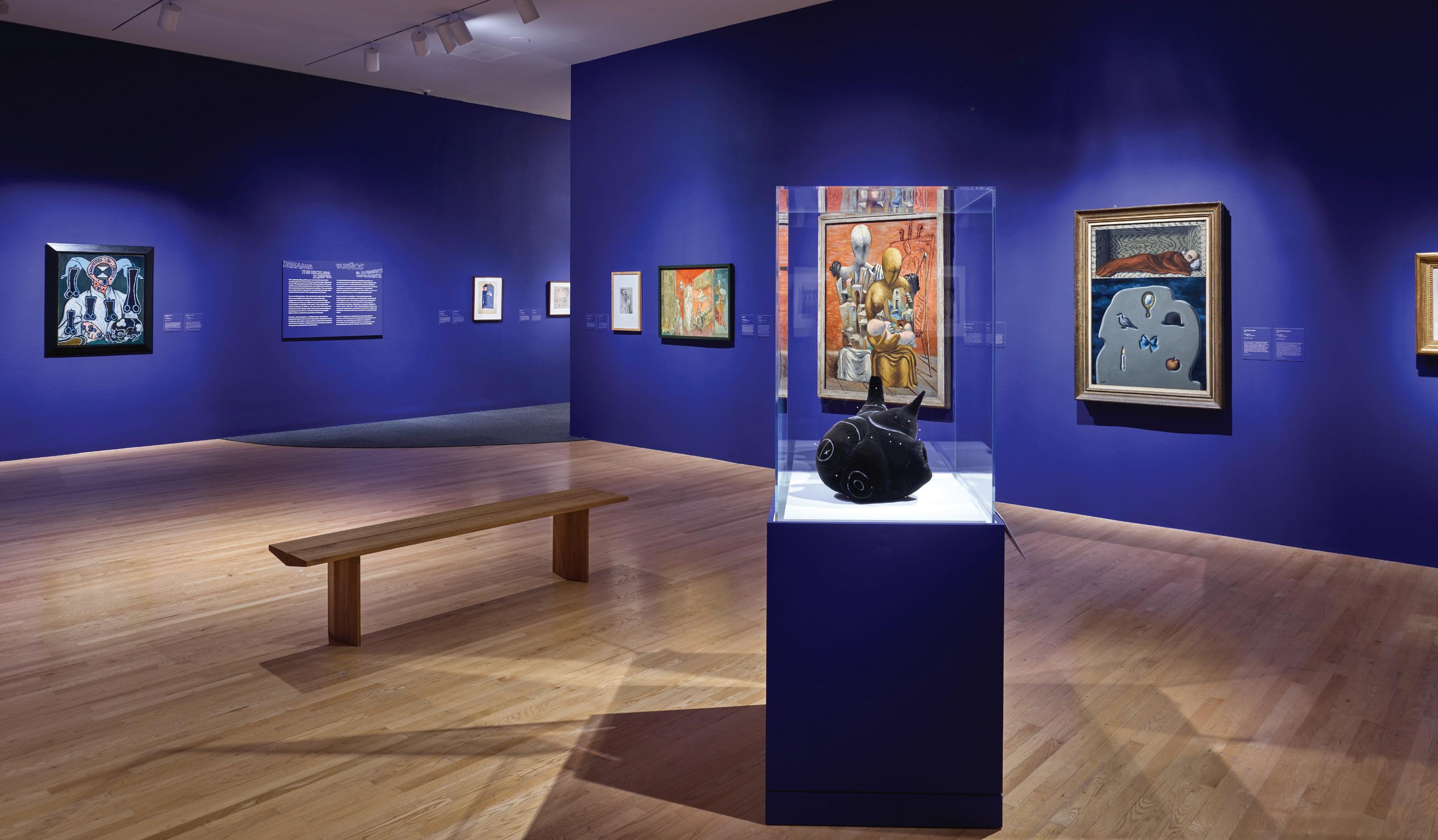
A trip into the bizarre, International Surrealism plunges audiences into the mind-bending dreamscapes of the Surrealist movement. Featuring artists including Salvador Dalí, René Magritte, and Leonora Carrington, this exhibition highlights the wide range of practices and techniques from around the globe that define Surrealism through over 100 works from Tate. Learn more at dma.org.
International Surrealism is organized by the Dallas Museum of Art in collaboration with Tate. This exhibition is presented by Texas Instruments. We are grateful for support from Cindy and Howard Rachofsky. The Dallas Museum of Art is supported, in part, by generous DMA Members and donors, the Texas Commission on the Arts, and the citizens of Dallas through the City of Dallas Office of Arts and Culture.
LEADERSHIP SUPPORT
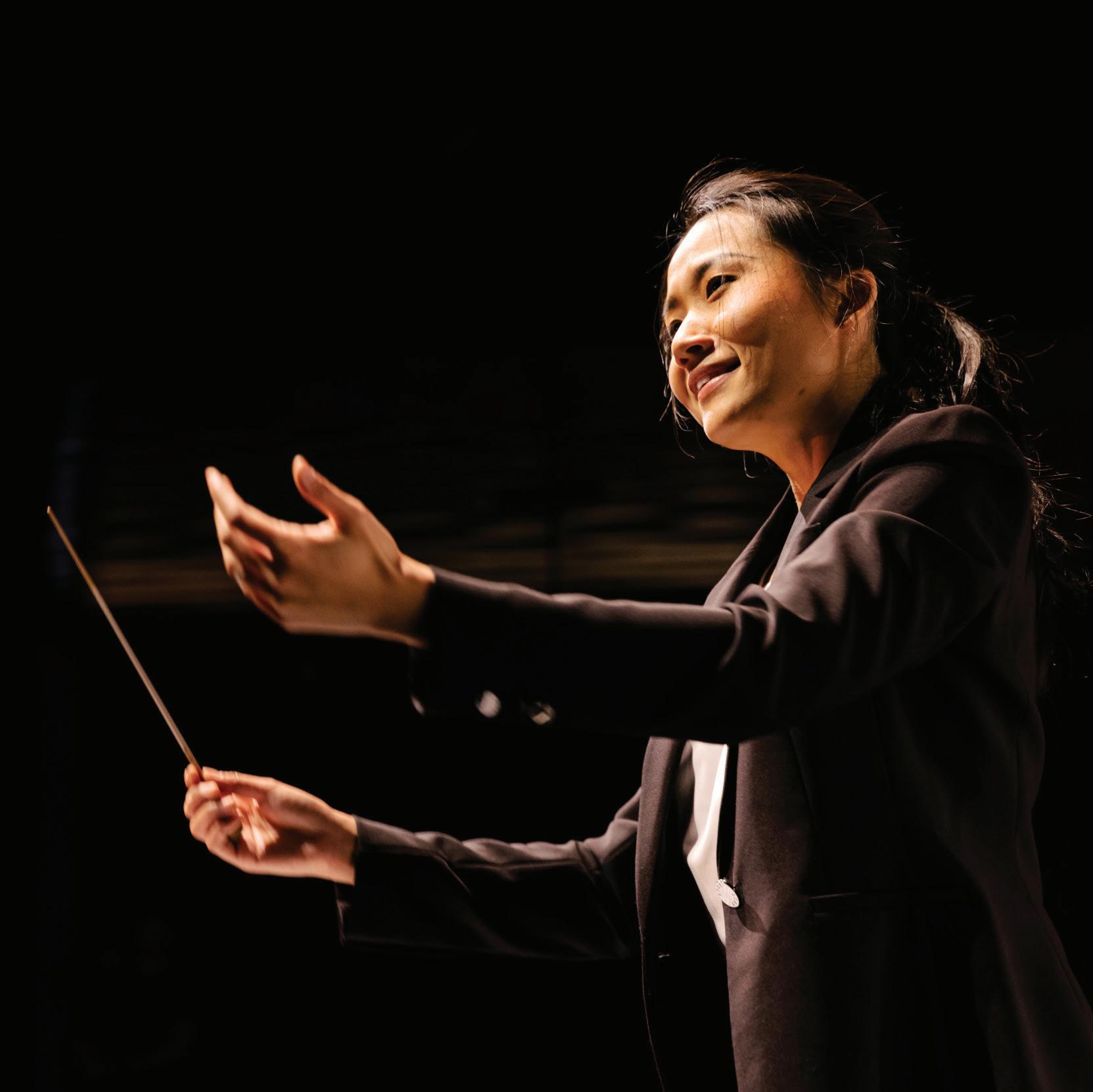
DEPARTMENTS
08 Editor’s Note
14 Contributors
22 Noted
Contemporaries
36 ACE OF CLUBS
Jennifer Klos leans into her curatorial work at Park House and Citizen House.
By Terri Provencal
38 BETWEEN WORLDS
SV Randall and Sara Dittrich explore reality’s fragile edge in [________] Mirage.
By Nancy Cohen Israel.
Performance
42 MOSES PENDLETON LETS IT FLY
The dance visionary receives the Brettell Award for his art of motion and illusion.
By Lee Cullum
44 FROM JUILLIARD TO THE DSO
Meet associate principal violist Sarah Sung and assistant conductor Shira Samuels-Shragg.
By Lee Cullum
46 SYLVIA D’ERAMO’S DREAM SITUATION
An American soprano’s voice soars from Dallas to the Alps and back again.
By Lee Cullim
48 TOO MANY BRIANS, ONLY ONE STOKES
Broadway’s baritone brings his Ragtime spirit to Dallas.
By Lee Cullum Space
50 AN INVITATION TO EXPLORE
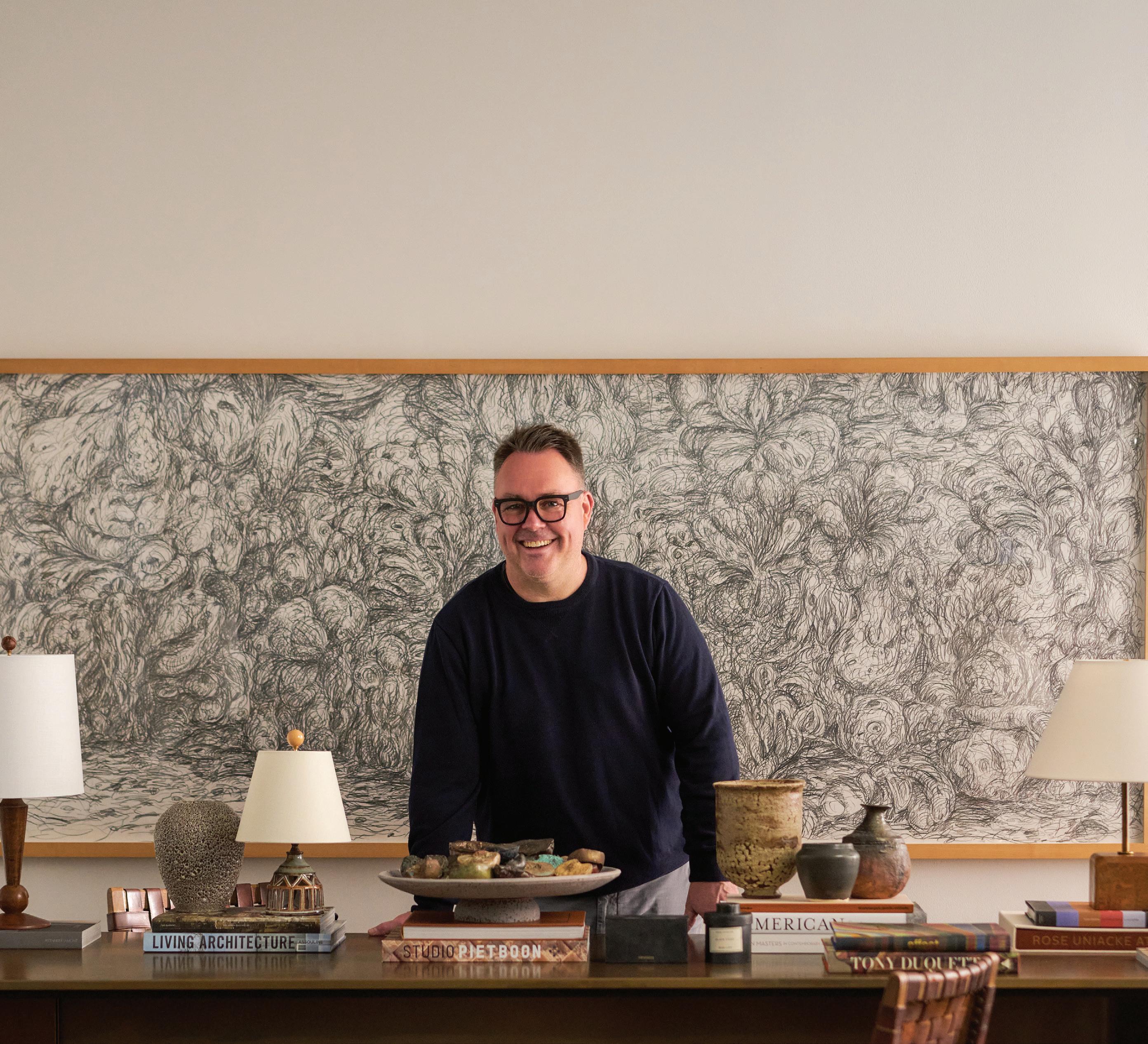
Kurt Bielawski redefines design retail with KD Biel.
By Elizabeth Hooper O’Mahony
80 COASTAL CRESCENDO
Music Academy of the West convenes the world’s most promising musicians and vocalists.
By Terri Provencal
84 CAMERAS COVERING CULTURAL EVENTS
Furthermore
88 THE LESSONS BETWEEN THE NOTES
Fort Worth Opera’s young voices take their talent to the classroom and concert hall.
By Lee Cullum
Assisting individuals with gem and timepiece liquidation for over 60 years. By appointment, in your home, your bank, or our salon at NorthPark Center. For more information please contact Michael Johnson at 214.369.6100.
CONTRIBUTORS
DANIELLE AVRAM
is an independent curator and writer, assistant professor of contemporary galleries and exhibitions at UT Dallas, and the director of SP/N Gallery. She is also a writer, curator, and project manager who has held positions at Texas Woman’s University; Southern Methodist University; The Power Station; and The Pinnell Collection. In Revolutions of the Mind, Danielle plumbs the breadth and depth of International Surrealism at the Dallas Museum of Art.
ROB BRINKLEY
is a writer, editor, and creative director in the worlds of magazines, social media, short films, and books. He has written about design for national shelter publications and is the co-author of the Assouline book Domestic Art: Curated Interiors. In Mission: Impeccable, Rob discovered the painstakingly delicate conservancy of the ancient Roman marbles within the Torlonia Collection, which is on view at the Kimbell Art Museum.
MATTHEW BOURBON
is an artist, art critic, and professor of art at the University of North Texas’ College of Visual Arts and Design. Matthew’s own artwork was featured in two solo exhibitions in 2024: Transmission Voices at San Antonio College and Where Sameness and Difference Meet at Kirk Hopper Fine Art in Dallas. For Patron he reviewed American Modernism from the Charles Butt Collection, on view at the Amon Carter in Fort Worth.
MINDY BYRD is a Dallas-based multidisciplinary artist whose practice bridges photography and collage. She combines her two creative worlds in the form of handmade cutout patterns and shapes paired with her original photographs for a dynamic finished pieces. In Dazzling Encounters, photographed at Texas Counter Fitters, Mindy investigates the harmonic fluidity and rich interplay of mineral tones of nature with the elegance of high jewelry and fashion.
LAUREN CHRISTENSEN
has over two decades of experience in advertising and marketing. As a principal with L+S Creative Group, she consults with nonprofit organizations and businesses in many sectors, including retail, real estate, and hospitality. Lauren is a Dallas native and a graduate of SMU with a BA in advertising. Her clean, contemporary aesthetic and generous spirit make Lauren the perfect choice to art direct Patron
LEE CULLUM covers economics, politics, and public policy, but her greatest pleasure is writing about the arts. In the Performance pages, she spotlights the artistry of MOMIX founder Moses Pendleton, Dallas Symphony’s assistant conductor Shira Samuels-Shragg and violist Sarah Sung, soprano Sylvia D’Eramo, and actor and baritone Brian Stokes Mitchell. In Furthermore she delights in the talent of Fort Worth Opera’s Hattie Mae Lesley Resident Artists.
NANCY
COHEN ISRAEL
is an art historian, arts writer, and educator at the Meadows Museum. Though trained in Renaissance and Baroque painting, she is keenly interested in new media. In Between Worlds for the current issue, she enjoyed writing about SV Randall and Sara Dittrich’s [________] Mirage, the latest immersive installation at the Crow Museum of Asian Art at the University of Texas at Dallas.
VICTORIA GOMEZ
is a Dallas-based freelance photographer dedicated to storytelling through powerful, image-driven narratives. A graduate of the University of North Texas, she works across editorial and fine art photography and works as a staff photographer for Corgan. In From Juilliard to the DSO, her talent for portraiture is on view in evocative photographs of Dallas Symphony’s assistant conductor Shira Samuels-Shragg and associate principal violist Sarah Sung.
ELIZABETH HOOPER O’MAHONEY
is a jewelry designer who owns and founded Elizabeth Hooper Studio. A former English teacher, she is an art collector and active member of the community, contributing to fundraising efforts for Booker T. Washington High School and serving on the advisory board of Friends of the Children. She brings her trained eye to Kurt Bielawski’s highdesign showroom, KD Biel, in Curiosity Curated.
BRANDON KENNEDY
is a Dallas-based artist, book scout/ collector, and freelance curator/writer. He is the proprietor of 00ps b00ks, a project charting the margins and overlaps of used/ rare/collectible art/ books/culture and the persistent demands of commerce. In Fleshing it All Out, Brandon explored Jenny Saville: The Anatomy of Painting , on view at the Modern Art Museum of Fort Worth.
ELAINE RAFFEL
is a creative director and stylist with a passion for anything sparkly. Inspired by the natural iridescence found in stone, she drew on her years of experience in luxury retail to collaborate with Richardsonbased Texas Counter Fitters. Culled from an expansive inventory, each stone—chosen for its unique veining, color, and luminosity—served as a stunning backdrop for fine and artisan jewelry with seasonal fashion in Dazzling Encounters
JOHN SMITH is a photographer whose architecture background lends a sculptural sensibility to capture spaces as living expressions. His appreciation for projects by architects, interior designers, and artists is evidenced through his twenty-five years of experience behind the camera. For Patron, he photographed art advisor Jennifer Klos at Park House within the rotating art exhibition featuring Michael Dumontier and Neil Farber, who are represented by Toronto’s Patel Brown.
ROAMING MEXICO LAURA
On View September 14, 2025–January 11, 2026
WILSON
These exhibitions have been organized by the Meadows Museum and are funded by a generous gift from The Meadows Foundation. Promotional support is provided the Dallas Tourism Public Improvement District and by NBC 5/KXAS, and Telemundo 39/KXTX.
ADVERTISING info@patronmagazine.com or by calling (214) 642-1124
PATRONMAGAZINE.COM
View Patron online @ patronmagazine.com
REACH US info@patronmagazine.com
SUBSCRIPTIONS
patronmagazine.com/subscribe
One year $48/6 issues, two years $60/12 issues
For international subscriptions add $15 for postage
For subscription inquiries email info@patronmagazine.com
SOCIAL
@patronmag
I N T H E H E A R T O F I T A L L
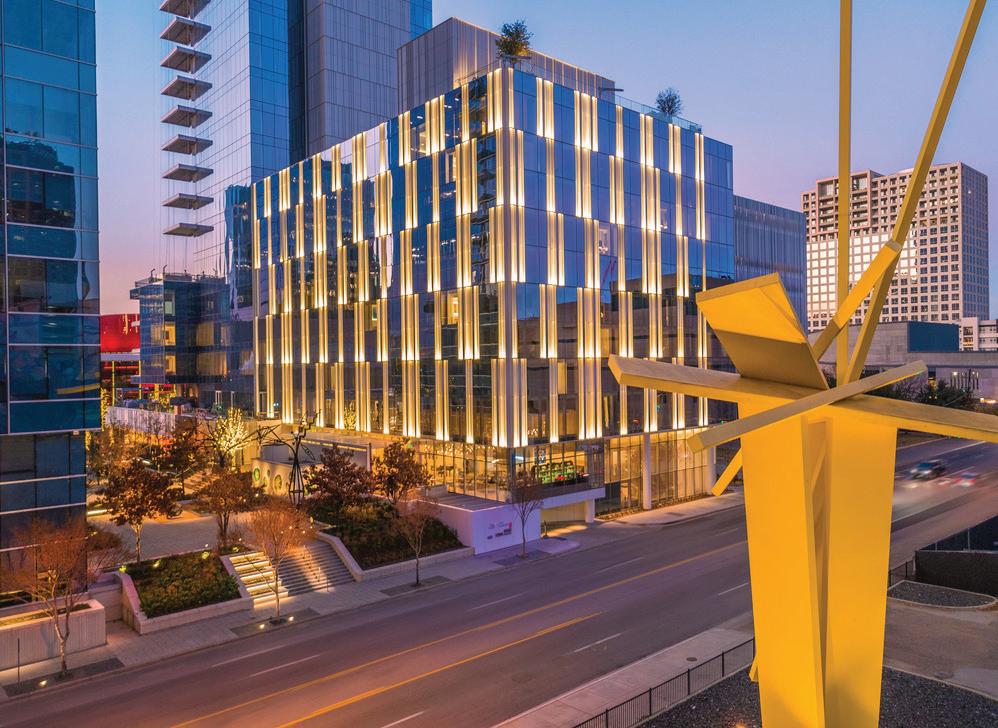
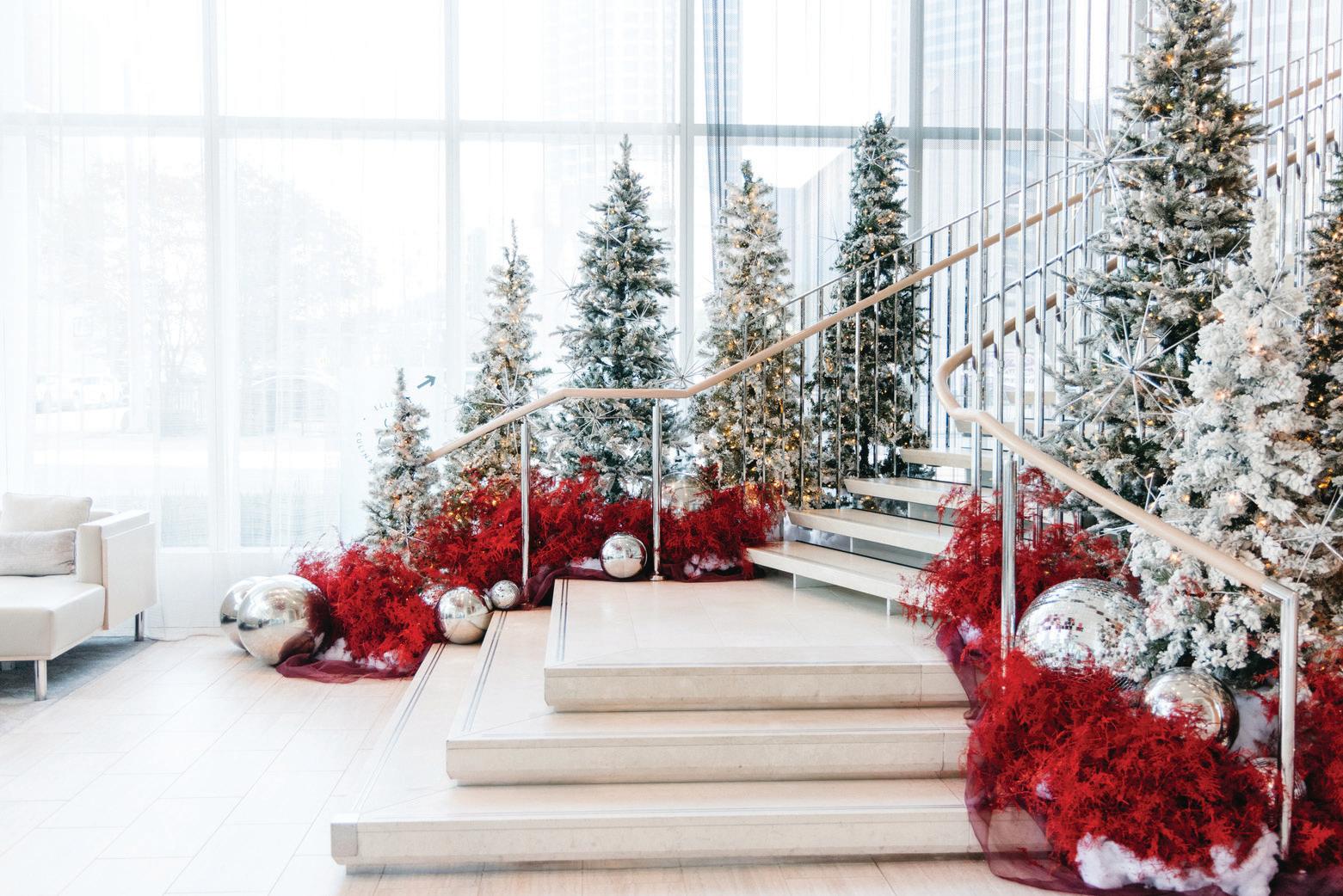
HALL Arts Hotel is the premier holiday destination in the Dallas Arts District, where festive cheer, art, and luxury come together Celebrate the season with inspired dining and cocktails at Ellie’ s, explore our curated art collection, or enjoy world-class holiday performances just steps away.
Experience the magic of the season at HALL Arts Hotel
NOTED
THE LATEST CULTURAL NEWS COVERING ALL ASPECTS OF THE ARTS IN NORTH TEXAS: NEW EXHIBITS, NEW PERFORMANCES, GALLERY OPENINGS, AND MORE.
01 AFRICAN AMERICAN MUSEUM
Protecting Cultural Memory highlights the conservation of works by the late Gregory Warmack, known as Mr. Imagination, whose large-scale sculptures made from recycled materials reflect his life and legacy in folk art; through Jan. 2. Visual Thoughts: The Visual Language of Morris Yanger features over 35 sculptures and paintings exploring improvisation, memory, and the spiritual depth of his practice; through Jan. 2. aamdallas.org
03 CROW MUSEUM OF ASIAN ART OF THE UNIVERSITY OF TEXAS AT DALLAS
At the Crow Museum Dallas Arts District Eliza Au: Squaring the Circle continues through Mar. 1 alongside Cecilia Chiang: Don’t Tell Me What To Do, on view through Mar. 10, 2026 At UT Dallas a full slate of exhibitions include Mountain Jade with Lam Tung Pang and Echoes of the Earth, on view through Jun. 28, 2026; Groundbreakers: Post-War Japan and Korea from the Dallas Museum of Art and The Rachofsky Collection continues through Jul. 26, 2026; Mounds and Mist: Kondo Traditions in Clay through May 31; Whiskers and Paws: Cecilia Chiang Oct. 4–Mar. 8; and [ _____ ] Mirage (Blank Mirage) continues through Mar. 1. crowmuseum.org
04 DALLAS CONTEMPORARY
Pam Evelyn: Salvaged Future displays the London-based artist’s
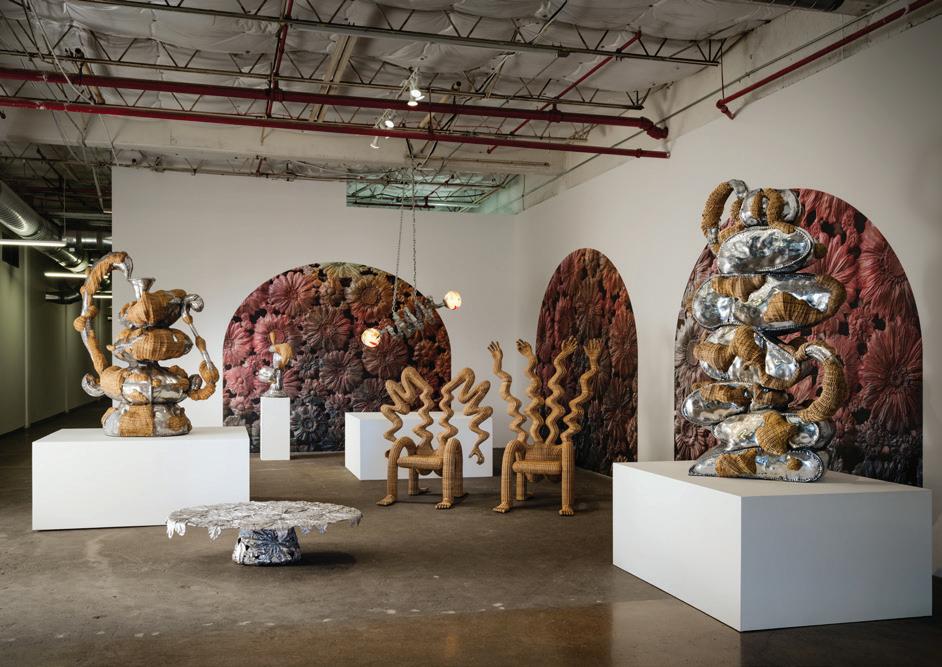
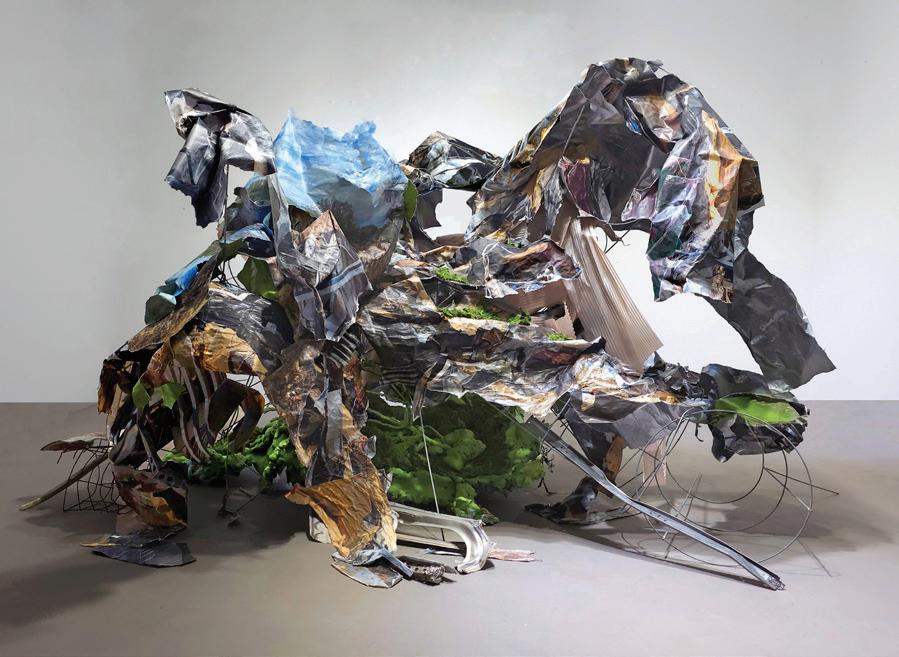
abstract canvases that explore nature, the body, and materiality, curated by DC’s executive director Lucia Simek; through Mar. 15. Chris Wolston: Profile in Ecstasy, curated by Glenn Adamson, shows congruently through Feb. 1. This major exhibition showcases the American designer’s vibrant practice spanning furniture, lighting, installation, and sculpture rooted in material and environmental awareness. Image: Chris Wolston: Profile in Ecstasy installation view. Photograph by Joe Kramm. Courtesy of The Future Perfect. dallascontemporary.org
05 DALLAS HOLOCAUST AND HUMAN RIGHTS MUSEUM
Kindertransport—Rescuing Children on the Brink of War traces the ninemonth rescue that brought thousands of unaccompanied children from Nazi-occupied Europe to the United Kingdom, told through personal artifacts, stories, and firsthand testimony, on view through Feb. 15. dhhrm.org
Experience the holidays at the George W. Bush Center with Merry & Bright Night and the Young Professionals Holiday Party on Dec. 5, 2025, followed by the Holiday Tea at the Bush Center on Dec. 17–18. bushcenter.org
08 KIMBELL ART MUSEUM
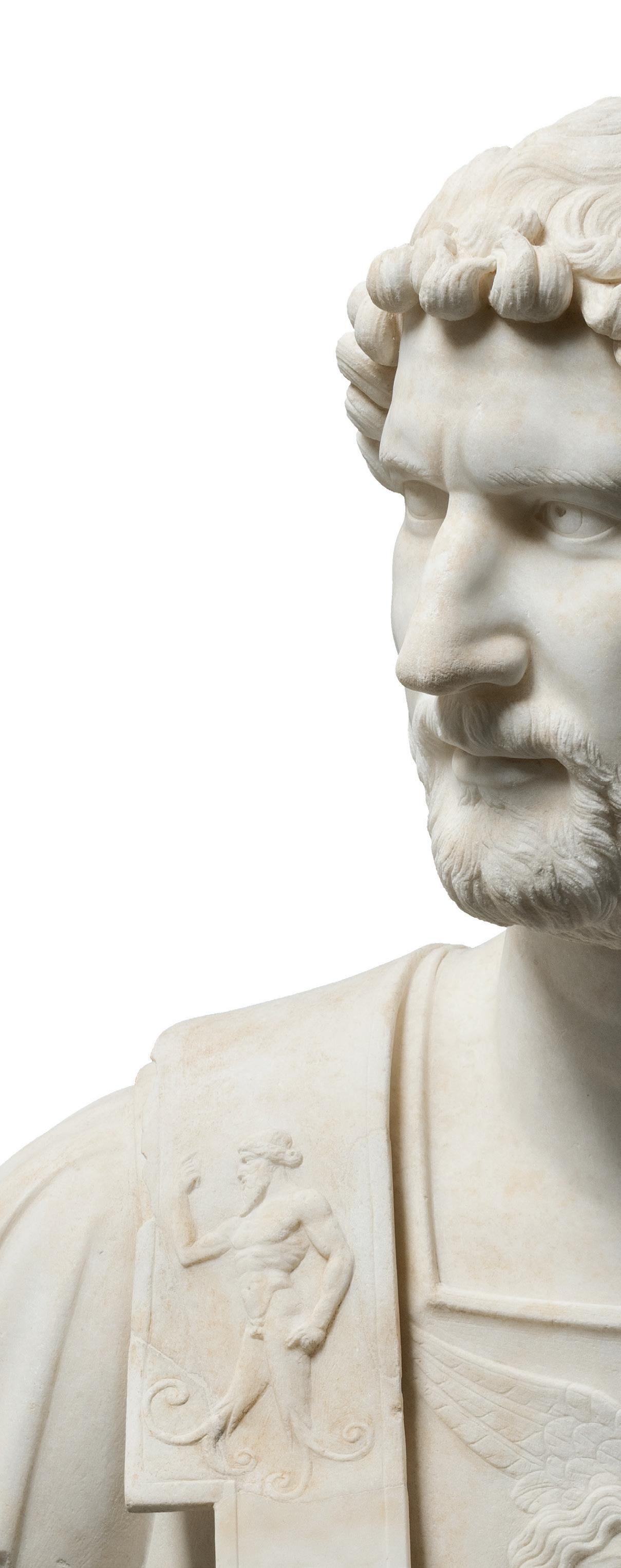
The Torlonia Collection is the world’s most important private collection of ancient Roman sculpture. Myth and Marble: Ancient Roman Sculpture from the Torlonia Collection brings the greatest
of these works to the United States for the first time, including superb portrait busts, large-scale figures of gods and goddesses, magnificent sarcophagi, and other relief carvings; on view through Jan. 25. Additionally, the Kimbell welcomes a very special guest of honor: Caravaggio’s monumental canvas Judith Beheading Holofernes, on loan from the Gallerie Nazionali di Arte Antica, Palazzo Barberini, Rome; through Jan. 11. kimbellart.org
09 LATINO CULTURAL CENTER
Mark your calendars for Quince Latinas, a group exhibition curated by Viola Delgado, on Jan. 25. lcc.dallasculture.org
10 OAK CLIFF CULTURAL CENTER
Bonny Leibowitz: Adventures in Plunderland displays Dec. 6, 2025–Jan. 10, 2026. An opening reception takes place Dec. 6, followed by an artist talk and nature hike on Dec. 13. Image: Bonny Leibowitz: Adventures in Plunderland installation view. occc.dallasculture.org
11 MEADOWS MUSEUM
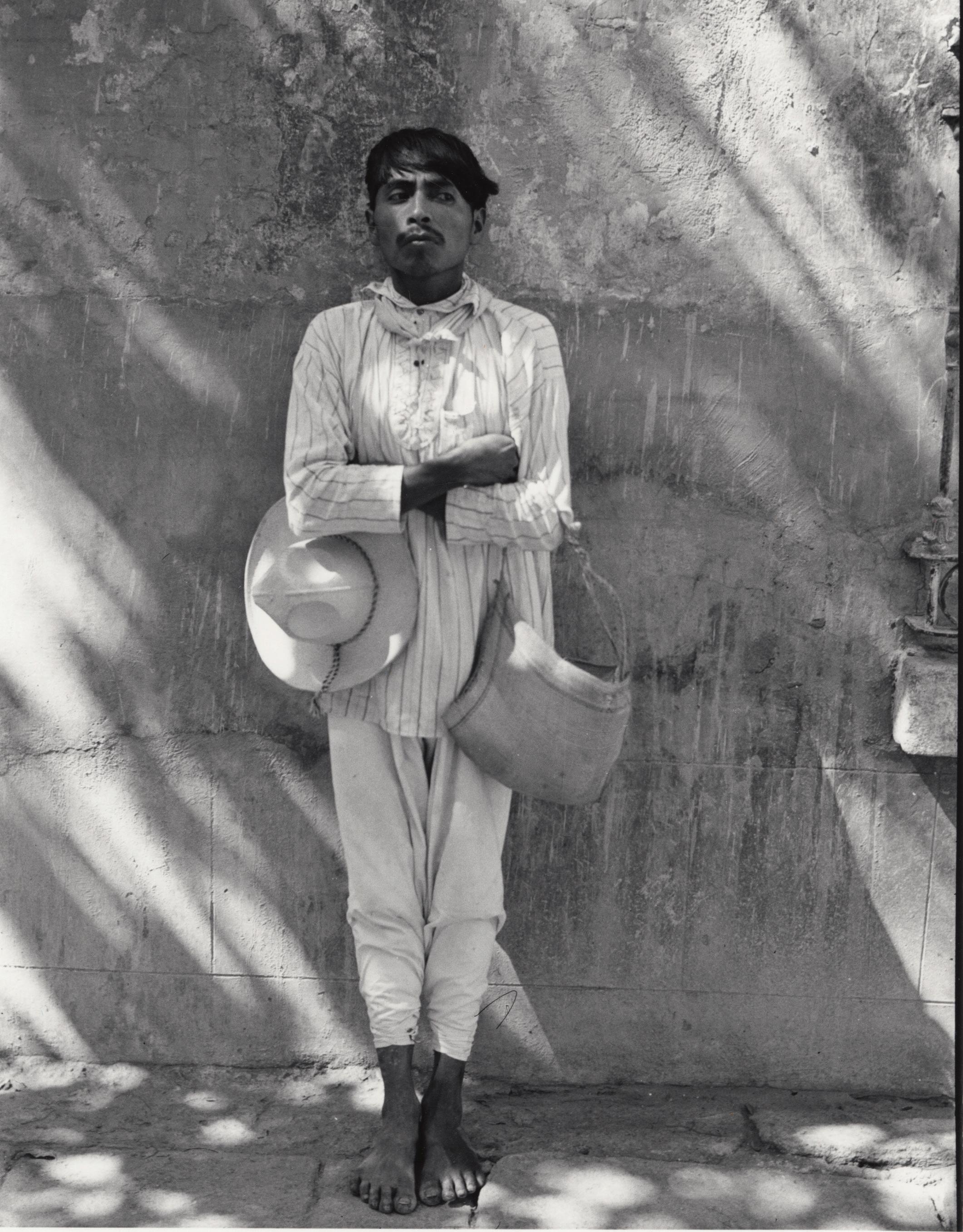
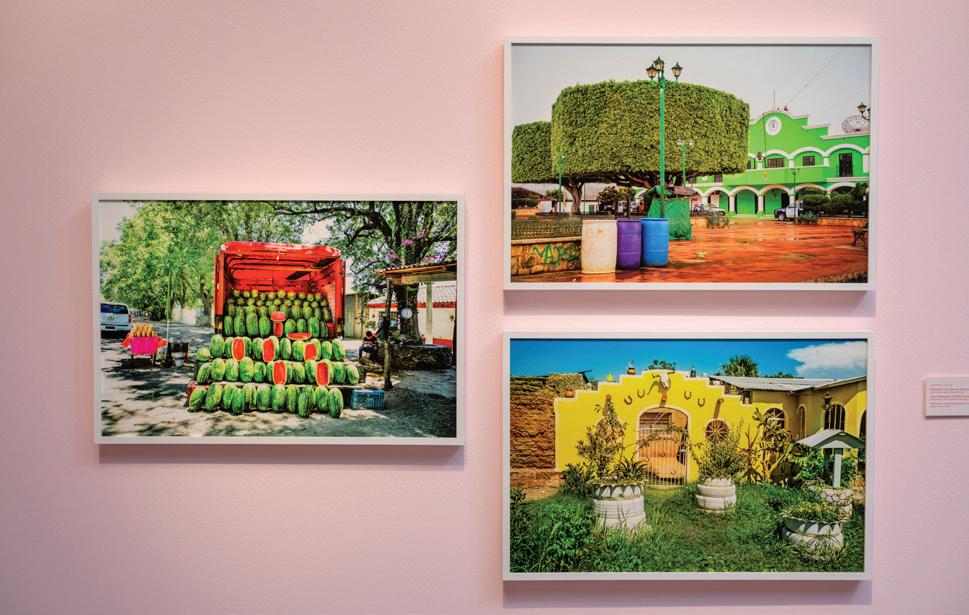
Roaming Mexico: Laura Wilson presents Dallas-based documentary photographer Laura Wilson in an exhibition that will introduce viewers to a more comprehensive , if deeply personal, vision of our southern neighbor. It brings together over thirty years’ worth of images documenting Wilson’s sojourns across Mexico and areas just beyond its northern border. Some work she created as recently as this year and especially for this exhibition. The nearly 90 photographs, which are presented in an accompanying book, offer a unique perspective of a multifaceted Mexico seen through Wilson’s eyes. Manuel Álvarez Bravo: Visions of Mexico is an intimate exhibition featuring the work of the influential Mexican photographer, one of the most important artists in 20th-century Latin America. Bravo’s work captures the soul of Mexico through striking compositions that blend surrealism, modernism, and documentary traditions. Both exhibitions close Jan. 11. Image: Laura Wilson: Roaming Mexico installation view. Photograph by Guy Rogers III. meadowsmuseumdallas.org
12
MODERN ART MUSEUM OF FORT WORTH
Jenny Saville: The Anatomy of Painting remains on view through Jan. 18. themodern.org
13 MUSEUM OF BIBLICAL ART
On view this winter, special exhibitions include Voice (Chong Keun Chu), Holocaust Heroes: Fierce Females (Linda Stein), Transitions & Traditions: A Brad Abrams Retrospective, and a Salvador Dalí presentation, plus galleries within the National Center for Jewish Art featuring the SWED Collection, George Tobolowsky’s The Elements of Hanukkah, and Barbara Hines’ Celebration of Survival biblicalarts.org
Moody Family Children’s Museum is reopened and reimagined, including expanded Toddler Area for safe, age-appropriate play; Creative Makery for design and engineering exploration; Immersive Imaginarium offering multisensory discovery; Enhanced Outdoor Space with natural elements and programmable waterfall; and an iconic climbing structure by Toshiko MacAdam blending art and physical play. Recently opened, Bug Lab is a captivating exhibition exploring the remarkable genius of insects, offering an unparalleled opportunity to experience the world from a bug’s perspective. Developed by Te Papa, New Zealand’s groundbreaking national museum, and the five-time Academy Award–winning Wētā Workshop, the exhibition transforms visitors’ understanding of insects by highlighting their genius-level capabilities through dramatic, larger-than-life models and interactive learning stations; through Jan. 4. perotmuseum.org
16 SIXTH FLOOR MUSEUM
The Sixth Floor Museum presents Colorful Memories, November 22 Through a Child’s Eyes through Jan. 4. Filmmaker and writer Richard Snodgrass embarked on a unique project to document how young children perceived and processed the historic event. Partnering with Sacred Heart School in Prescott, Arizona, Snodgrass worked with a diverse class of first-grade students, capturing their verbal responses and their illustrated memories. jfk.org
17
TYLER MUSEUM OF ART
Assembled: A Look at Contemporary Collage focuses on the work of four different Texas-based collage artists: Jerry Jeanmard and Kelly Moran from Houston, Lance Letscher from Austin, and Ellen Frances Tuchman; through Jan. 4. tylermuseum.org
01 AMPHIBIAN
Winter’s Cabaret, Dec. 12–13, stars local favorites Amber Marie Flores and Zak Reynolds, with music direction by Vicky Nooe. Amphibian Stage’s annual holiday tradition returns for an evening of humor, warmth, and song, a cozy celebration of the season. amphibianstage.com
02 AT&T PERFORMING ARTS CENTER
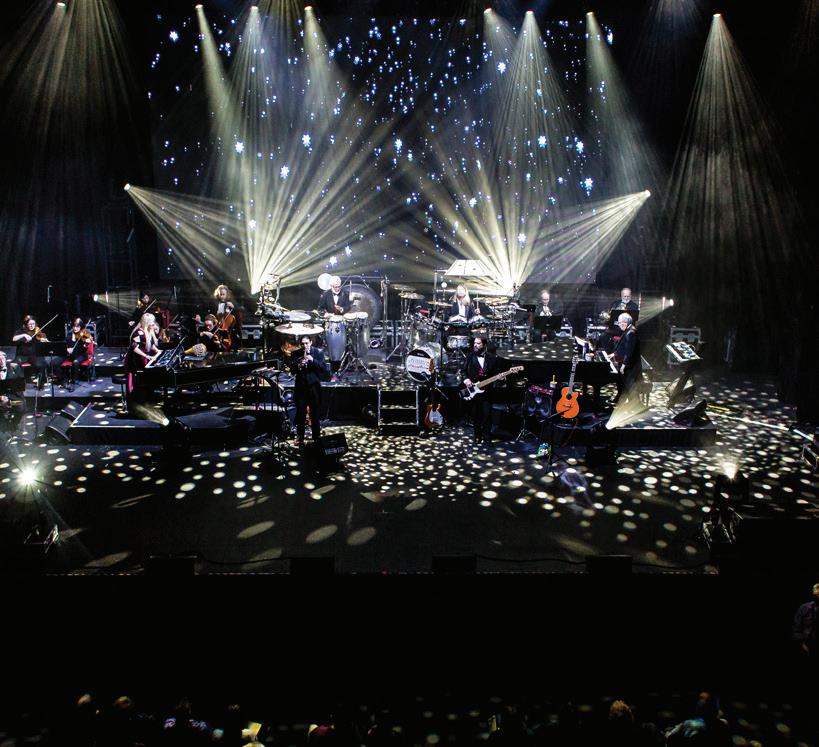
December comes alive with Andrea Bocelli, Dec. 4; Avant Chamber Ballet: The Nutcracker with Live Orchestra, Dec. 5; FLOW / Naruto Rock Tour, Dec. 11; Pink Martini: A Season of Stars, Dec. 14; A Soulful Christmas with KEM, Dec. 19; Leslie Odom, Jr., Dec. 20; Sarah Brightman: A Winter Symphony, Dec. 21; GENTRI Christmas, Dec. 22; Broadway at the Center: Mrs. Doubtfire, Dec. 26; and Mannheim Steamroller Christmas, Dec. 29. The new year brings Grand Kyiv Ballet: Snow White, Jan. 8; Mr. PIXIE: Selfie-Conscious, Jan. 9; Dungeons & Dragons: The Twenty-Sided Tavern, Jan. 20; Mac Welch: Lungs, Jan. 22–25; Macho Flamenco: Boys Don’t Dance, Jan. 30–Feb. 1; The Choir of Man, Jan. 30; and Blade Runner LIVE closes out the month, Jan. 31. Image: Mannheim Steamroller Christmas. Courtesy of AT&T Performing Arts Center. attpac.org
03 BASS PERFORMANCE HALL
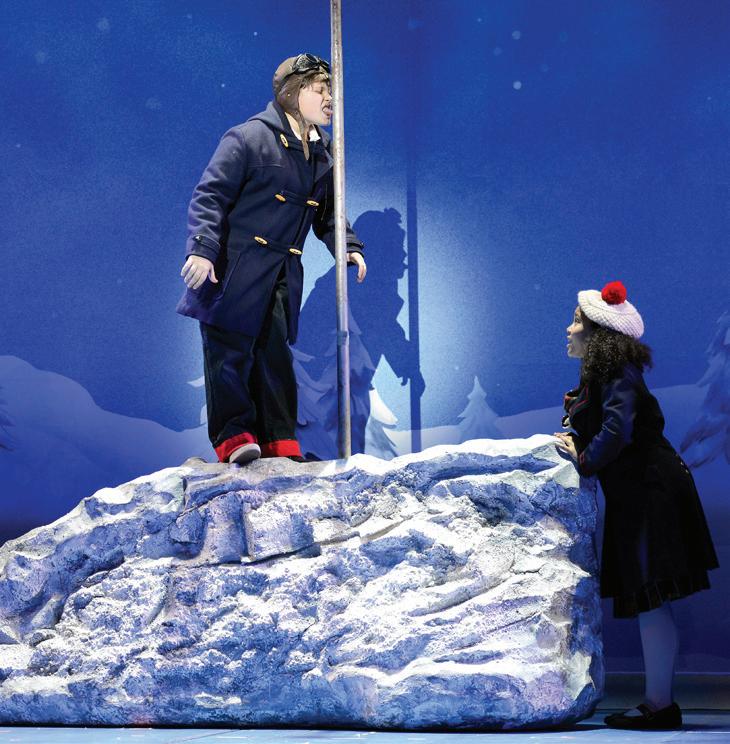
Mariachi Herencia de México: A Mariachi Christmas brings the two-time Latin Grammy–nominated ensemble from Chicago to Fort Worth for a festive evening celebrating the vibrant sounds of mariachi’s next generation, Dec. 2. Performing Arts Fort Worth presents A Christmas Story: The Musical, the Broadway adaptation of the beloved 1983 film, returning with all the humor and heart of the classic tale, from Ralphie’s Red Ryder dreams to the infamous leg lamp, Dec. 5–7. Image: Christian Dell’Edera as Flick and the cast of A Christmas Story: The Musical. Photograph by Gary EmordNetzley. basshall.com
04 BROADWAY DALLAS
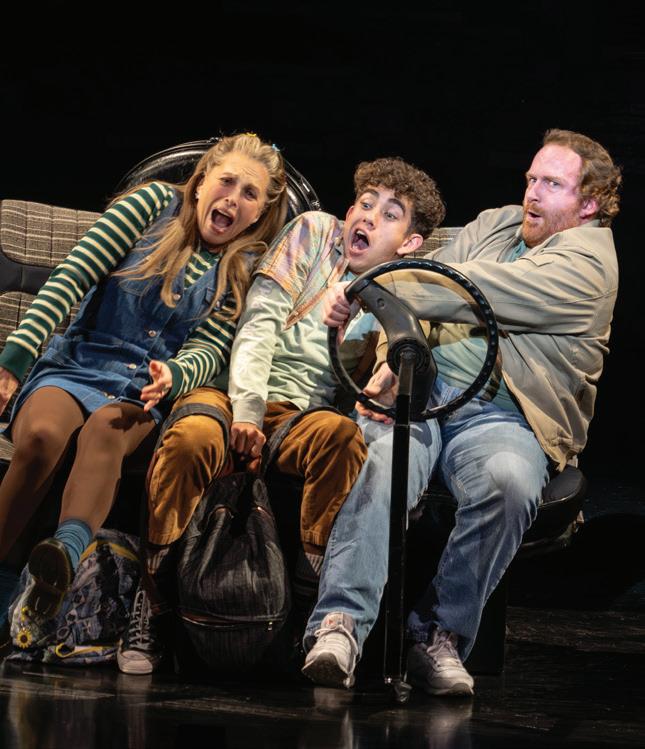
Celebrate the holidays with Broadway Dallas featuring Vienna Light Orchestra: Christmas Tour 2025, Dec. 6; Nutcracker! Magical Christmas Ballet, Dec. 12–13; followed by Beauty and the Beast: The Musical from Dec. 16–Jan. 4; Kimberly Akimbo, Jan. 6–18 at the Winspear Opera House; and SIX, Jan. 27–Feb. 1 at the Music Hall at Fair Park. Image: Carolee Carmello, Miguel Gil and Jim Hogan, national tour of Kimberly Akimbo. Photograph by Joan Marcus. broadwaydallas.org
05 CASA MAÑANA
Rudolph the Red-Nosed Reindeer continues through Dec. 23. A Rock ‘n’ Roll Christmas brings holiday cheer with high-energy performances of festive favorites from Elton John, The Eagles, Pat Benatar, and more , Dec. 2–21 at the Reid Cabaret Theatre. The Wizard of
Oz follows Dorothy and Toto down the Yellow Brick Road in this beloved musical about friendship, courage, and finding your way home , Jan. 23–Feb. 15. casamanana.org
06 DALLAS BLACK DANCE THEATRE
On Dec. 4, dancers flip the script and become choreographers, sharing original works in an intimate setting in Black on Black . On Dec. 13, join Clara’s magical journey on Christmas Eve brought to life by Dallas Black Academy students for Espresso Nutcracker dbdt.com
07 DALLAS CHILDREN’S THEATER
The Pigeon Gets A Big Time Holiday Extravaganza! sees a world premiere bringing Mo Willems’ Pigeon, Elephant , Piggie , and pals to a new musical party with catchy tunes, silly stories, and audience antics through Dec. 21 The Very Hungry Caterpillar Show brings Eric Carle’s beloved illustrations to life with 75 colorful puppets in a vibrant celebration of imagination and artistry, Jan. 24–Mar. 1. dct.org
08 THE DALLAS OPERA
Holiday Concert at the National Shrine Cathedral of Our Lady of Guadalupe returns for its fourth year, featuring festive favorites performed by Dallas Opera soloists and orchestra musicians in a free community celebration, Dec. 13. Hart Institute for Women Conductors: 10th Anniversary Concert marks a decade of advancing women on the podium, with five alumnae maestri leading The Dallas Opera Orchestra and guest singers in a special showcase performance , Jan. 25. dallasopera.org
09 DALLAS SYMPHONY ORCHESTRA
Dallas Symphony presents Home Alone in Concert, Dec. 5–7; Christmas Pops, Dec. 12–14, and 18–21; Family Christmas Pops, Dec. 13; and Brassy Christmas, Dec. 16. Next, hear the Bill & Shirley McIntyre Park Chamber Concert, Dec. 18 (free event); Shira Samuels-Shragg will conduct the high-spirited concert New Year’s Eve featuring principal second violin Angela Fuller Heyde. In January, experience Puccini’s Madama Butterfly, Jan. 9 and 11; Luisi Conducts Bruckner’s Ninth, Jan. 15–16; Holst’s The Planets, Jan. 22–24; Symphonic Sounds of Home: Music of the United States, Jan. 28–29; and La Vida Loca, Jan. 30–31. mydso.com
10 DALLAS THEATER CENTER
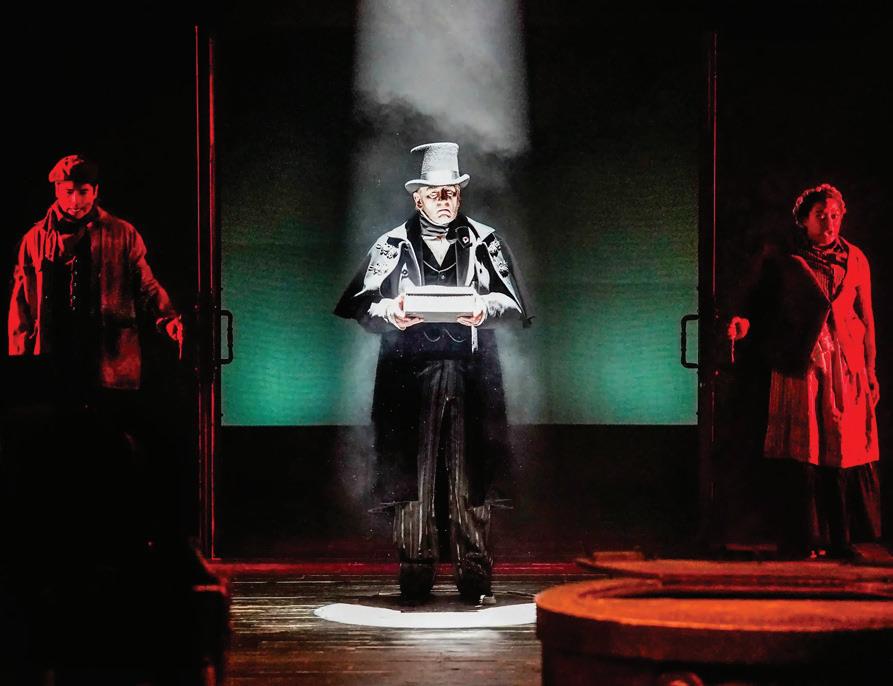
Holiday tradition returns with A Christmas Carol, adapted by Kevin Moriarty, directed by Alex Organ, and choreographed by Joel Ferrell, through Dec. 27. Next, the regional premiere of Fat Ham takes the stage Jan. 30–Feb. 8. Image: A Christmas Carol. Courtesy of Dallas Theater Center. dallastheatercenter.org
jan 9 & 11
No one leaves Madama Butterfly without being deeply moved. The story lingers, the music haunts and the experience remains unforgettable. Don’t miss this heartbreakingly beautiful opera-in-concert conducted by Music Director Fabio Luisi.
SECURE YOUR SEATS FOR THIS EPIC MUSICAL EXPERIENCE VISIT DALLASSYMPHONY.ORG/BUTTERFLY
11 DALLAS WINDS
Dallas Winds returns with Asleep at the Wheel on Feb. 17. dallaswinds.org
12 EISEMANN CENTER
For the holidays enjoy Christmas with the Rat Pack, Dec. 2; Christmas Spectacular presented by Vocal Majority, Dec. 4–5 and 7; Holiday Classics with the Richardson Symphony Orchestra and First United Methodist Church Richardson Choir, Dec. 6; Keyboard Conversations: The Romantic Music of Chopin, Dec. 8; The Nutcracker presented by Dallas Repertoire Ballet, Dec. 12–14; Holiday in Blue! with the US Air Force Band of the West, Dec. 15; Rocky Mountain High Experience: A John Denver Christmas, Dec. 19; Girls Night: The Musical, Dec. 20; The Nutcracker presented by Tuzer Ballet, Dec. 20–21; Sister’s Christmas Catechism, Dec. 21; and Campana Sobre Campana: Christmas in Mexico, Dec. 27. The new year unfolds with Shine On: Pink Floyd Laser Spectacular, Jan. 8; Sonia De Los Santos, Jan. 24; and Neil Berg’s 50 Years of Rock & Roll, Jan. 30. eisemanncenter.com
This winter, The Happiness Gym offers an experiential event based on the science of well-being. Participants take part in a curated theatrical experience meant to boost their sense of happiness, joy, and feelings of connection. This project will be the soft opening of Kitchen Dog’s new theater and will take place all over the entire facility. kitchendogtheater.org
15 LYRIC STAGE
A beloved classic, Forever Plaid: Plaid Tidings returns to the Lyric Stage Studio from Dec. 5–21. lyricstage.org
16 MAJESTIC THEATRE
See Josh Turner: This Country Music Thing Tour on Dec. 3; Tommy
Emmanuel, Dec. 4; The Dallas Conservatory Presents: Rockefeller Christmas at The Majestic, Dec. 6–7; Demetri Martin: The Quick Draw Tour—Christmas Edition, Dec. 11; Mariachi Sol de Mexico Presents: José Hernandez’s Merry-Achi Christmas, Dec. 14; World Ballet Company Presents: The Nutcracker, Dec. 17–18; It’s a Wonderful Life Film Screening, Dec. 19; and The Polyphonic Spree, Dec. 20. This new year see Paul Chowdhry on Jan. 22; MANIA: The ABBA Tribute, Jan. 23; The Choir of Man, Jan. 24; Blade Runner LIVE, Jan. 30; and Sam Harris: Truth & Consequences on Jan. 31. majestic.dallasculture.org
17 TACA
TACA is dedicated to making the Dallas arts community one of the strongest in the nation by investing in the arts community. taca–arts.org
18 TEXAS BALLET THEATER
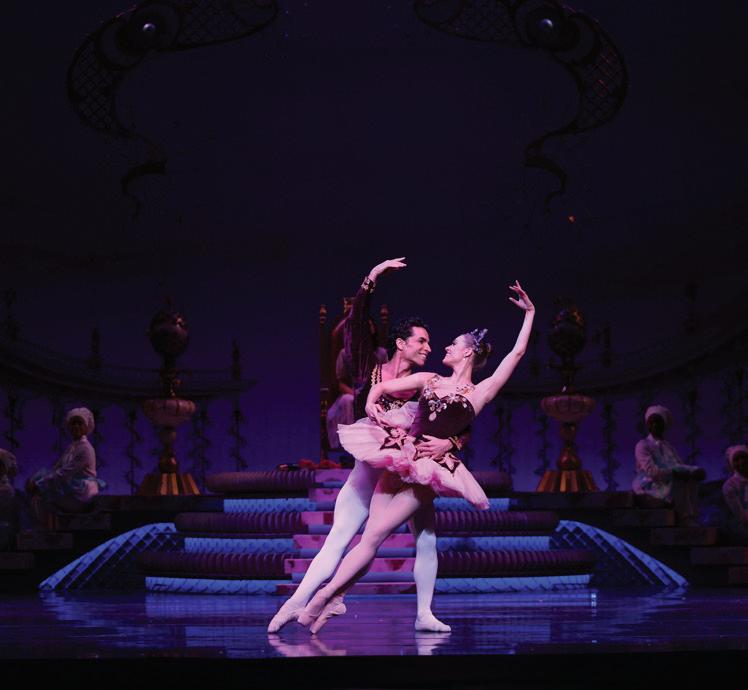
TBT’s holiday tradition, The Nutcracker, highlights the stage in Dallas Dec. 4–7 at the Winspear Opera House , and in Fort Worth at the Bass Performance Hall Dec. 12–28. Image: Andre Silva and Paige Nyman in The Nutcracker. Photograph by Amitava Sarkar. texasballettheater.org
19 THEATRE THREE
The Lion in Winter by James Goldman, directed by Matthew Gray, reimagines royal family drama as a sharp-witted holiday gathering where love, betrayal, and political ambition collide , Dec. 4–28. In Theatre Too: Goblin Market by Polly Pen and Peggy Harman brings a darkly sensual musical world to life as two sisters revisit childhood fears. Through Dec. 7. theatre3dallas.com.
20 TITAS/DANCE UNBOUND
Experience electrifying movement when Hung Dance/Birdy from Taiwan commands the stage at the AT&T Performing Arts Center on Dec. 13. titas.org.
21 TURTLE CREEK CHORALE
All Is Bright Holiday Tour returns for its 45th year, celebrating light, hope, and harmony through classic carols, new works, and heartfelt performances, Dec. 11–15. turtlecreekchorale.com
22 UNDERMAIN THEATRE
Sam Shepard’s Action is a darkly funny, post-catastrophe chamber piece in which four friends stave off dread with domestic rituals and surreal pastimes; ends on Dec. 7. undermain.org
23 WATERTOWER THEATRE
The Graduate brings the cult classic novel and film to the stage in a witty, provocative adaptation that revisits Benjamin’s coming-ofage misadventures and Mrs. Robinson’s unforgettable allure , Jan. 20–Feb. 8. watertowertheatre.org
01 12.26
Solo exhibitions by Ava McDonough and Erin Morris open Dec. 13, presenting new bodies of work from the two emerging artists; on view through Jan. 24. gallery1226.com
02 AKIM MONET FINE ARTS
Time Capsule–Rodin–The Sculpted Voice brings together studio casts, intimate studies, and monumental bronzes produced under the stewardship of Musée Rodin. akimmonetfinearts.com
03 ALAN BARNES FINE ART
Fine 19th & 20th Century Paintings and Sculpture Autumn–Winter 2025 will be on view at the gallery through 2025. alanbarnesfineart.com
04 ARTSPACE111
The Painter’s Garden, a solo exhibition by Erika Huddleston, features new plein air works painted within the artist’s own un-irrigated, self-designed garden. Exploring the ecology of “urban wilderness,” Huddleston captures the coexistence of species through matrix planting and the intimacy of cultivated nature; through Jan. 3. artspace111.com
05 BARRY WHISTLER GALLERY
John Pomara: Split_screen-_//-/... presents new paintings and multimedia works that extend Pomara’s exploration of digital error, abstraction, and the aesthetics of technological distortion; Jan. 10–Feb. 20. barrywhistlergallery.com
06 BEATRICE M. HAGGERTY GALLERY
More Rhythms, More Rhymes brings together Emily Bayless and Justin Schwartz, whose ceramic, fiber, and mixed-media works explore shared rhythms of color, texture, and form through years of creative dialogue; through Dec. 5. The gallery will return with programming after winter break. udallas.edu/gallery
07 CADD
Contemporary Art Dealers of Dallas hosts gallery days, happy hours, scholarships, and other events supporting galleries and artists in the North Texas area. caddallas.org
08 CHRISTOPHER MARTIN GALLERY
Established in Dallas in 1995, Christopher Martin Gallery displays the reverse-glass paintings of Christopher H. Martin along with 25-plus mid-career artists who work within painting, photography, mixed media, and sculpture. christophermartingallery.com
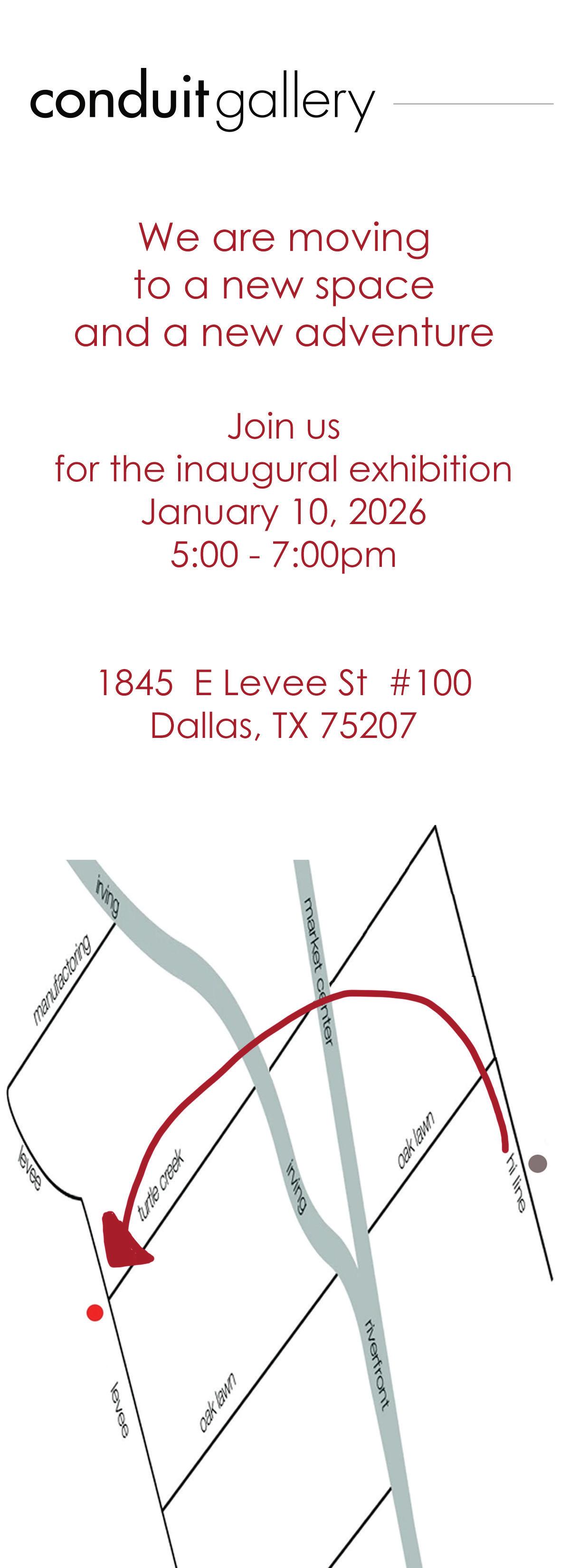
09 CONDUIT GALLERY
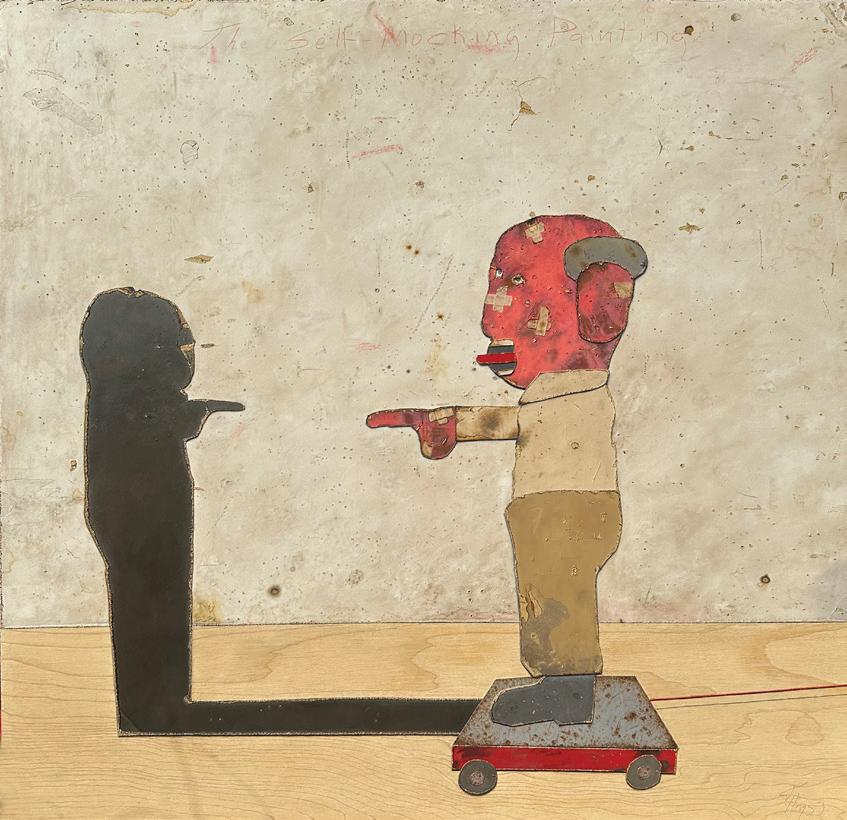
Conduit Gallery will open its first exhibition in its new location at
1845 Levee Street on Saturday, Jan. 10 with new paintings by Kirk Hayes. The Fort Worth–based artist is well known for his trompe l’oeil paintings that illustrate the human condition and resilience. Also on view will be a group exhibition of gallery artists . Image: Kirk Hayes, The Self-Mocking Painting , 2025, oil on sign board, 48 x 40 in. conduitgallery.com
10 CRAIGHEAD GREEN GALLERY NEXT
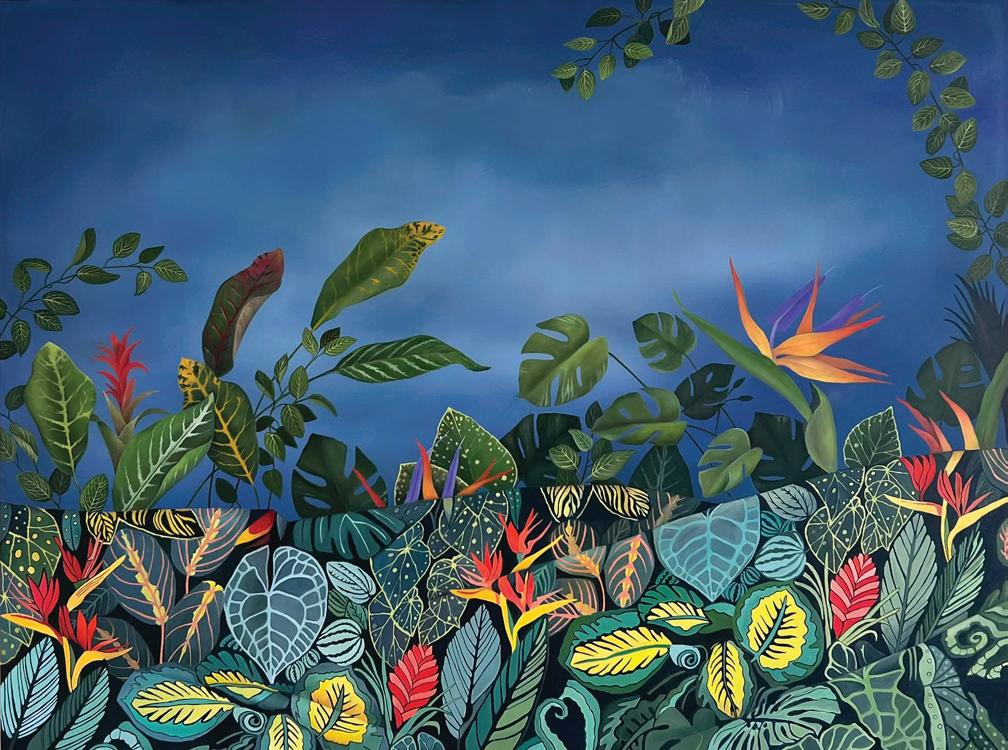
Jessup, McCall, Suárez features Duets by Faith Scott Jessup, Rituals and Private Moments by Linda McCall, and Kinetic Landscape by Damian Suárez. Each body of work examines how personal experience shapes perception through realism and invention, spiritual reflection, and kinetic abstraction; Dec. 6–Jan. 10. Opening Jan. 17, Reality Is Only Your Perception will feature works by Damian Suarez, Marla Ziegler, Chris Stewart, Shawn Smith, Kelsey Irvin, and Adam Ball. Through these six distinct artistic positions the exhibition will explore how personal perception inform and transform our understanding of the environment. Image: Faith Scott Jessup, Jungle, oil on panel, 2022, 30 x 40 in. craigheadgreen.com
11 CRIS WORLEY FINE ARTS
Harry Geffert: In the Garden presents sculptural works that merge nature and form in Geffert’s distinctive cast bronze and mixed-media style. Ruben Nieto: Quantum Entanglement of a Supernova continues Nieto’s vibrant fusion of comic aesthetics and abstract expressionism. Both continue through Dec. 30. Opening Jan. 10, new paintings by multimedia artist Celia Eberle and large-scale inflated steel sculptures by William Cannings fill the exhibition space through Feb. 14. Image: Celia Eberle, Eden, 2024, acrylic, mixed media on insulation foam board, 72 x 144 in. crisworley.com
12
CVAD, UNT COLLEGE OF ART AND DESIGN GALLERIES
Through Dec. 12, the main gallery hosts the Faculty/Teaching Juried Exhibition featuring works juried by Jade Powers, Hugh Kaul Curator of Contemporary Art at the Birmingham Museum of Art. The gallery will return after winter break. cvad.unt.edu
13 DAVID DIKE FINE ART
David Dike Fine Art has specialized in Texas, American, and European art since 1986. The gallery is located in Alpha Plaza. daviddike.com
14 ERIN CLULEY GALLERY
Solo exhibitions by Riley Holloway and Preetika Rajgariah explore identity, culture, and the narratives embedded in material and gesture; on view through Dec. 20. Motherhood, a group exhibition,
will include work by Kaleta Doolin, Megan Hildebrant, Riley Holloway, Leila Jeffreys, Catherine MacMahon, Madelyn Sneed-Grays, and Jessica Volrath, opening on Jan. 10. erincluley.com
15 FERRARI FINE ART GALLERY
Ferrari Gallery is dedicated to the intersection of art and community, creating a space where creativity thrives and connections are made. ferrarigallery.net
16 FORT WORKS ART
Through Jan. 17, The Marks We Make , a juried exhibition celebrating the human figure in contemporary art, features 24 artists selected from over 400 submissions. Presented in dialogue with the Modern Art Museum of Fort Worth’s Jenny Saville exhibition, it highlights the expressive and emotional depth of figurative work today. fortworksart.com
17 FWADA
FWADA sponsors the annual Fall Gallery Night and Spring Gallery Night for members and friends, along with an annual show featuring submitted artworks from member institutions. fwada.com
18 GALLERI URBANE
Rachel Hellmann: Daylight features new geometric abstractions exploring color, light, and spatial rhythm. Stephen D’Onofrio: Fruit Roll Out, Gift Edit(ion) 2025 presents playful still lifes and editions celebrating form and humor. Both through Dec. 27. galleriurbane.com
Dallas-based artist Michelle Rawlings presents new works, continuing her meticulous exploration of intimacy, memory, and the aesthetics of everyday life; Dec. 6–Jan. 3. jamescope.biz
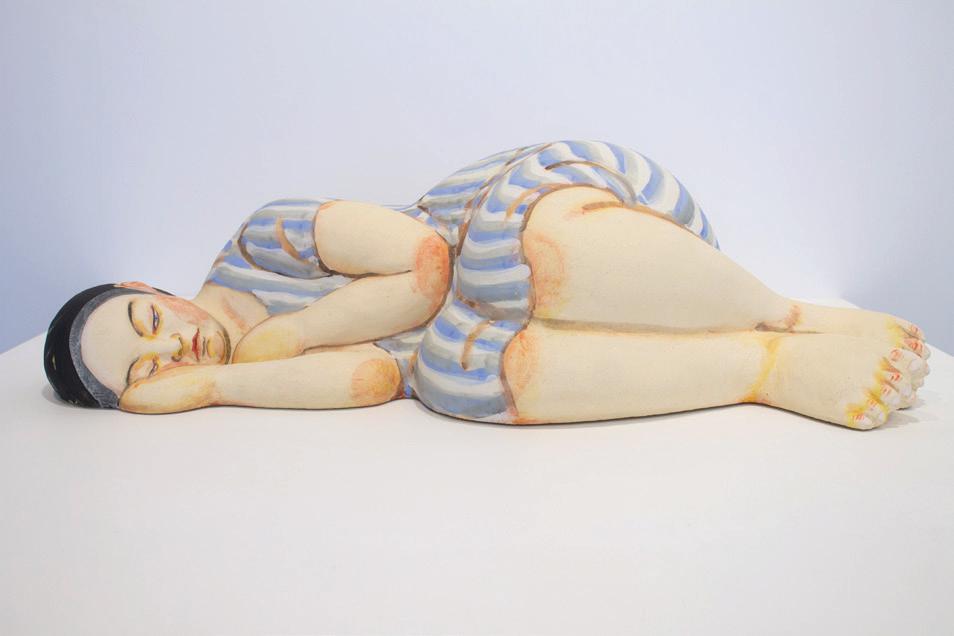
Akio Takamori: Soul Image and Face Time: Joey Brock, Gary Hill, and Mickalene Thomas remain on view through Dec. 18. Austin Lewis: New Sculpture marks the artist’s first solo exhibition since earning his MFA from TCU, featuring new mixed-media works created from found materials, on view Jan. 17–Feb. 2. Image: Akio Takamori, Sleeping Woman in Striped Dress, 2013, stoneware with underglazes, 10 x 34 x 17 in. jamesharrisgallery.com
22 KEIJSERS
KONING
Gary Panter: Grey Lagoons marks the artist’s first Dallas solo exhibition since 2007, showcasing new works in his distinctive, genre-defying style. The show features a series of drawings and works on canvas that explore the fusion of representational narratives with abstraction. These compositions challenge our sensibilities and dismantle conventional notions of the norm; through Dec. 19. keijserskoning.com
23 KIRK HOPPER FINE ART
Bryan Florentin / H. Jennings Sheffield presents new works by the two artists in dialogue through Jan. 3. kirkhopperfineart.com
24 KITTRELL/RIFFKIND ART GLASS
The annual Holiday Treasures exhibition will be on view through Jan. 1. The gallery will return to programming in early spring. kittrellriffkind.com
25
LAURA RATHE FINE ART
Between Two Points features new works by Nina Tichava and Steff Ross exploring the balance between structure and spontaneity through layered, light-driven compositions; through Dec. 20. Parallel Perspectives pairs artists Anna Kruhelska and Michael Schultheis in a dialogue of geometry, form, and perception from Jan. 10–Feb. 7. laurarathe.com
26 LILIANA BLOCH GALLERY
Liliana Bloch Gallery concludes its 2025 programming with three concurrent solo exhibitions: Abigail Reyes : Sutura, Jaime Acker: Observer Observed, and C.J. Davis: Selected Works Together the shows explore themes of healing, identity, intimacy, and the transformative power of art; through Dec. 27. In January, a solo show for Misty Keasler mounts in the main gallery alongside selected works by Francesca Brunetti and Saba Besier. lilianablochgallery.com
Kittrell Riffkind
27 LONE GALLERY
Lone Gallery showcases a diverse array of artists including painters Bradley Kerl, Danny Joe Rose III, and Camille Woods, alongside mixed-media artists such as Cruz Ortiz and Heather Sundquist Hall. lonegallery.com
28 MELIKSETIAN | BRIGGS
Representing conceptual artists, Meliksetian|Briggs will show new work by Meg Cranston in a solo booth at Untitled Art Miami Beach, Dec. 3–7. meliksetianbriggs.com
29 NATURE OF THINGS
The gallery will return with programming in February. natureofthings.xyz
30 PENCIL ON PAPER
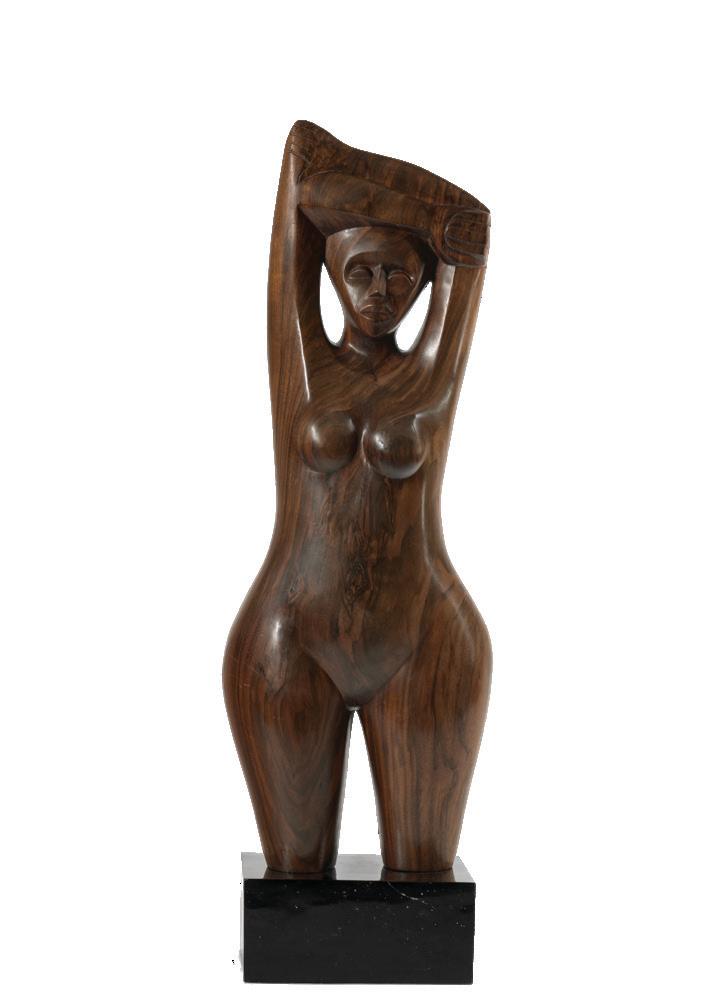
From Jan. 10–Feb. 28, Dawn Okoro presents a series of nude portraits exploring Black womanhood through a lens of honesty and empowerment. Drawing from Elizabeth Catlett’s sculptural language and the ancient Mumuye figures of Nigeria, Okoro bridges cultural lineage and contemporary identity in works that honor individuality and collective strength. pencilonpapergallery.com
31 PHOTOGRAPHS DO NOT BEND
Art Is in the Basement is a group exhibition featuring gallery artists alongside works from PDNB’s collection of vernacular photography and unexpected gems. On view Dec. 13–Jan. 24. pdnbgallery.com
32 THE POWER STATION
The Power Station presents Cabinet Pictures through winter, featuring Nate Antolik , Nicholas Bierk, Pat de Groot, Louis Eisner, Jeronimo Elespe, Karol Palczak, Marjorie Norman Schwarz, Ellen Siebers, Joanna van Son, and Yui Yaegashi. powerstationdallas.com
33 RO2 ART
Ro2 Art champions artists who challenge the boundaries of contemporary art—those whose work commands attention, provokes thought, and advances the cultural conversation. The gallery represents artists, both emerging and established, who take bold risks and remain uncompromising in their vision. ro2art.com
34 SAMUEL LYNNE GALLERIES
Samuel Lynne Galleries, established in 2008 by artist JD Miller and entrepreneur Philip Romano, showcases a curated selection of contemporary artists with unique visions, including Tyler Shields, Lea Fisher, and Brandon Boyd. samuellynne.com
35 SMINK
A showcase of fine design and furniture, SMINK is a purveyor of quality living products. The showroom also hosts exhibitions featuring Robert Szot, Gary Faye, Richard Hogan, Dara Mark, and Paula Roland. sminkinc.com
36 SOUTHWEST GALLERY
Opening Dec. 6, Harold Kraus presents 30 new works blending contemporary floral imagery with elements of cubism and pop still life, showcasing the artist’s vibrant color palette and inventive approach to form. swgallery.com
37 TALLEY DUNN GALLERY
Ori Gersht: Amalgamation and Eva Lundsager: Time is Very Quick , remain on view through Jan. 10. In the viewing room, Distant Histories displays work by David Bates, Ciara Elle Bryant, Leonardo Drew, Joseph Havel, Letitia Huckaby, Sedrick Huckaby, Linda Ridgway, and Julian Schnabel, through Dec. 13. talleydunn.com
38 TUREEN GALLERY
The Chasing Game, showcasing work by Tommy Xie, closes Dec. 13. The gallery presents a solo exhibition by New York–based artist Eli Coplan, marking the gallery’s first show of 2026, from Jan. 24–Feb. 28. Image: Tommy Xie, Confusion 1, 2025, oil on canvas, 16 x 20 x 1.5 in. tureen.info
39 VALLEY HOUSE GALLERY
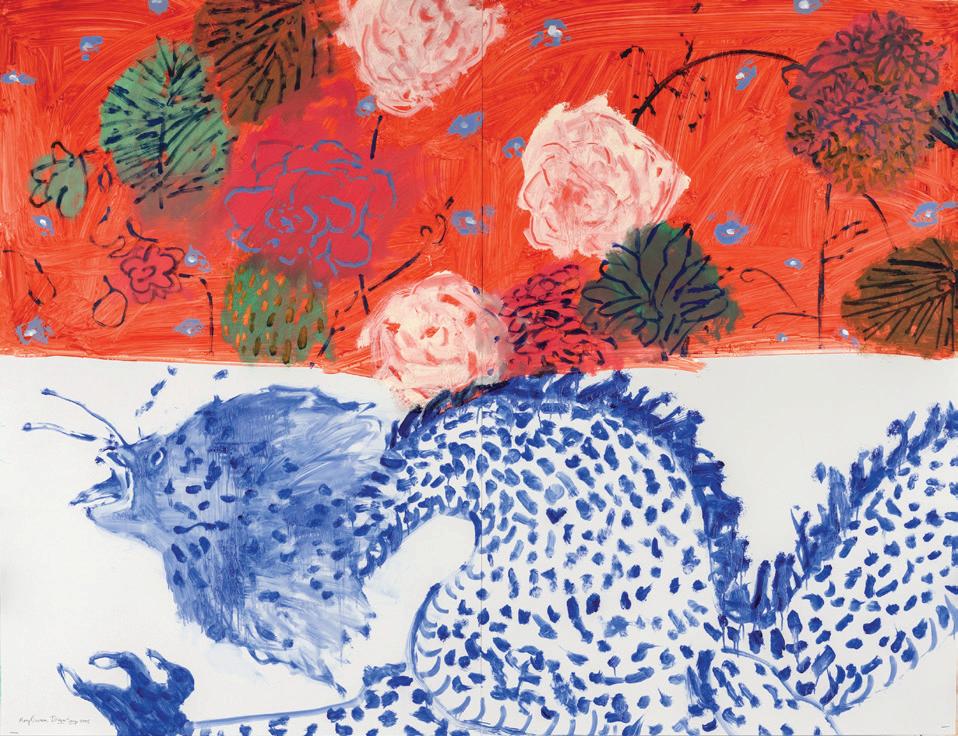
Mary Vernon: Paintings features new works by the esteemed Dallas painter and longtime SMU professor whose explorations of color, geometry, and memory merge landscape and still life traditions; Dec. 6–Jan. 10, with an opening reception Dec. 6 and an artist talk Dec. 13. Bob Stuth-Wade: No Separate Piece opens Jan. 17, presenting new paintings, watercolors, and mixed-media works by the Texas artist known for contemplative depictions of landscape and light. Image: Mary Vernon, Dragon Song , 2025, oil and acrylic on Yupo, 40 x 52 in. valleyhouse.com
40 THE WAREHOUSE
Natural Mystics at The Warehouse, on view through Jan. 31, 2026, draws from the Rachofsky and Hartland & Mackie / Labora collections and beyond. The show explores cosmic symbolism and the interplay between nature and mysticism in contemporary art. thewarehousedallas.org
41 WEBB GALLERY
Webb Gallery champions contemporary, self-taught, and visionary artists whose work embodies the grit, humor, and heart of true Southern culture. Housed in a historic 1902 building, the gallery presents rotating exhibitions alongside an eclectic mix of folk art, books, and curiosities. Its sister space, Webb’s Fair & Square in Fort Davis, extends this ethos to West Texas with regular art and music events. webbartgallery.com
42 WILLIAM CAMPBELL GALLERY
Through Lines and Loose Ends by Tom Hollenback explores material, structure, and light through layered sculptures of acrylic, wood, Plexiglas, and steel that shift between solidity and transparency; through Dec. 13. Grit & Grace returns Jan. 15–Feb. 7 with a group exhibition celebrating the strength and beauty of the American West, coinciding with the Fort Worth Stock Show & Rodeo. Image: Heith A. Banowetz, Cowboy Drinking Coffee, Pearl District, 2024, ink, colored pencil, and graphite on paper, 30 x 44 in. williamcampbellcontemporaryart.com
AUCTIONS AND EVENTS
01 DALLAS AUCTION GALLERY
Acquired in 2023 by David Lewis, Patrick Jones, and Reyne Hirsch, each brings a wealth of experience in the fine art and auction world to Dallas Auction Gallery. The auction house is moving in 2026. dallasauctiongallery.com
02 HERITAGE AUCTIONS
December highlights include Decorative Art Signature Auction, Dec. 3; Urban Art Showcase Auction, Dec. 3; Photographs by Todd Webb from the Collection of Hal Gould, Dec. 9; Depth of Field: Photographs Showcase Auction, Dec. 10; Fine & Decorative Arts Showcase Auction, Dec. 11; and In Focus: KAWS Urban Art Showcase Auction, Dec. 12. Rounding out the month is The Art of Disney Signature Auction, Dec. 12–15. January opens with Urban Art Showcase Auction, Jan. 7; Fine & Decorative Arts Showcase Auction, Jan. 8; Depth of Field: Photographs Showcase Auction, Jan. 14; and Tools at Play: The Hechinger Collection: Modern & Contemporary Art, Jan. 28. For a full list of upcoming auctions, visit ha.com
This exhibition is supported in part by Frost. Promotional support provided by American Airlines, NBC 5/Telemundo 39, and the Fort Worth Report.
The exhibition is co-organized by the Art Institute of Chicago and Fondazione Torlonia, in collaboration with the Kimbell Art Museum, the Montreal Museum of Fine Arts, and the Museum Box.
Jennifer Klos leans into her curatorial work at Park House and Citizen House.
BY TERRI PROVENCAL
ACE OF CLUBS A
rt evangelist Jennifer Klos is a constant presence in the cultural sphere—working, researching, curating, and advising. With over 20 years navigating the art world as a curator and an art advisor through her company, Collector House, she’s keen to share the wisdom she’s gathered along the way.
Recognizing her exceptional knowledge and enthusiasm, Deborah and John Scott and Megan and Brady Wood, the founding owners behind Park House, brought Klos on to help curate and advise for the Dallas and Houston clubhouses. Wood and her husband, Brady, also engaged her to shape the art program at Citizen House, a Woodhouse brand in Oklahoma City. The role proved a perfect match, drawing on Klos’ experience as a former curator at the Oklahoma City Museum of Art, a fitting connection to her hometown.
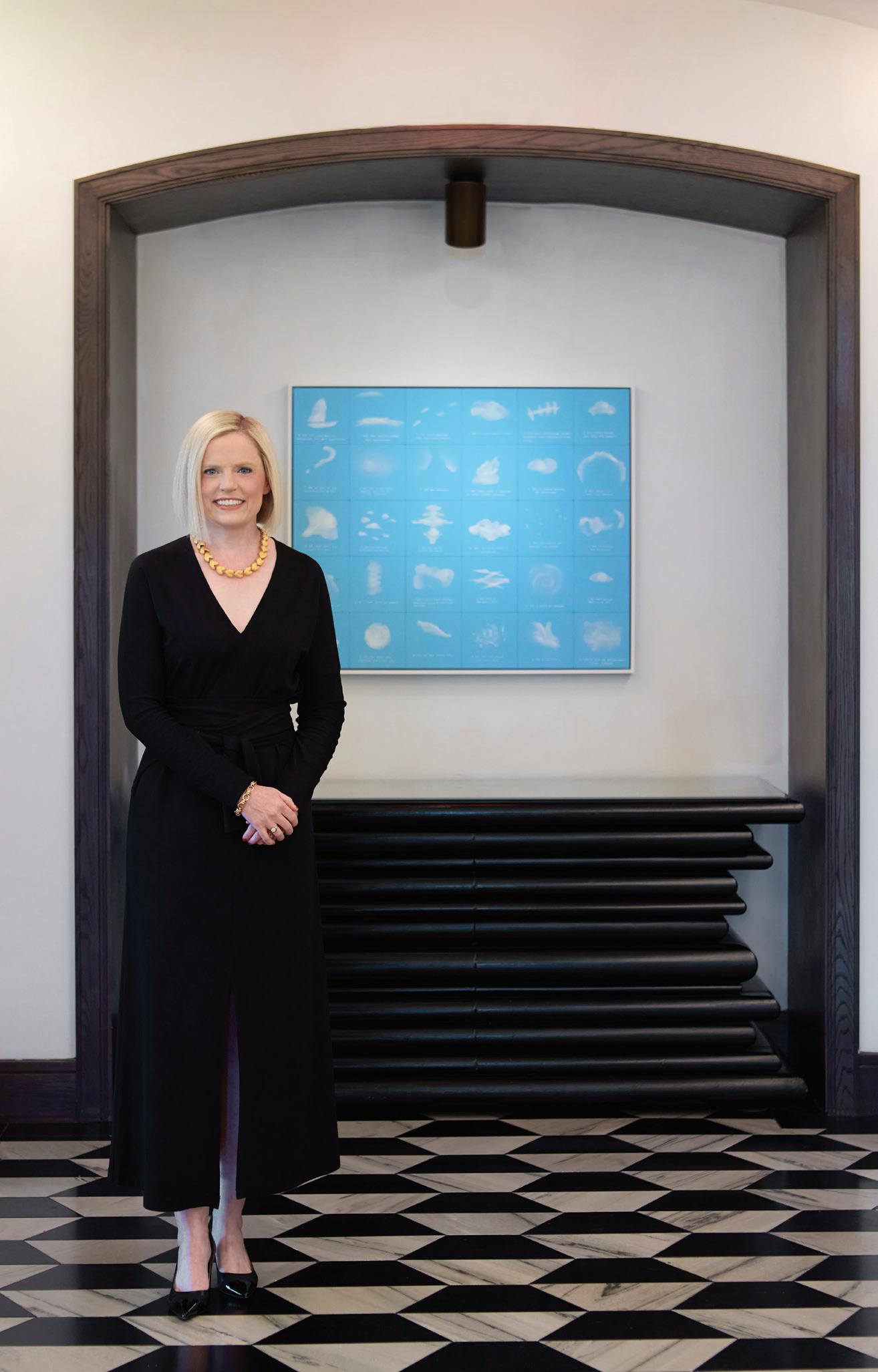
For the Dallas clubhouse, Klos worked with Patel Brown, a fiveyear-old Canadian gallery and an ongoing Dallas Art Fair exhibitor. Here she produced a solo show in the corridor for the duo Michael Dumontier and Neil Farber, who were founding members of the Royal Art Lodge from 1996–2008. The pair still actively collaborates in addition to their individual practices. “They are one of the most well-known Canadian duos,” Klos enthuses. “We knew there was an audience in Dallas for the work,” she continues, pointing out that “Megan is an enthusiast—she acquired a work for her own collection.”
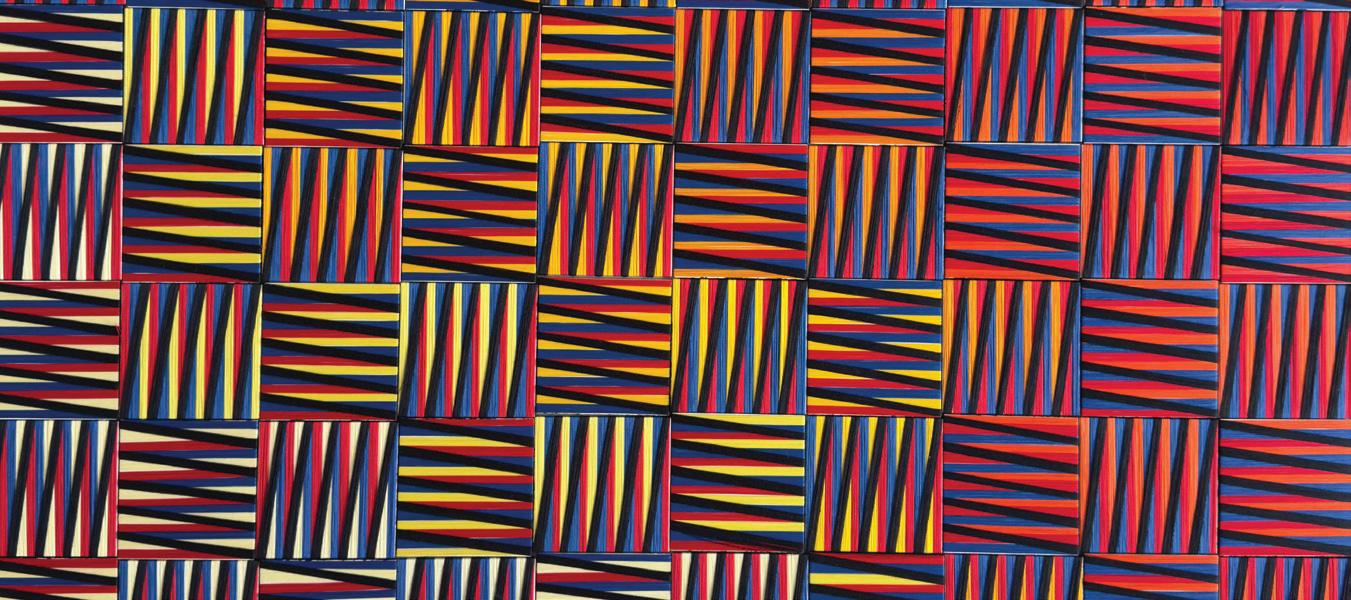
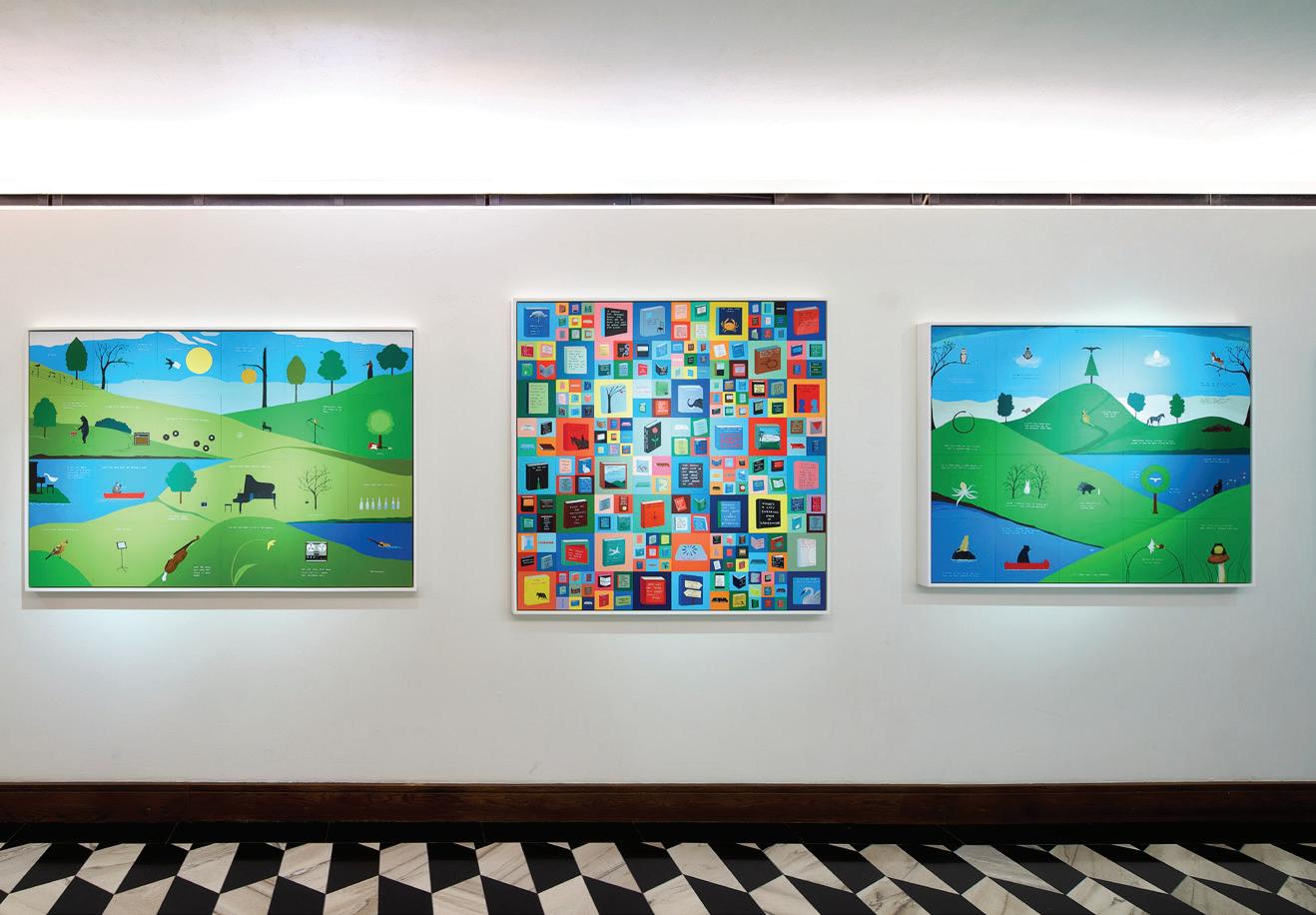
In the exhibition, Library 21 is one of their signature works. Here they’ve turned the humble book cover into a stage for absurdist humor and quiet reflection. With witty titles, each painted cover feels like a wink from the artists—a reminder that even the simplest objects can hold surprising truths. Comprising adaptive block paintings (Library 21 has 500 pieces) the works are interchangeable. “They are quite known for this Library series,” says Klos. In their practice, “Michael is known for making the actual paintings,” though “it’s Neil who is very good with literature, and words, and poetry—and he is the one that’s applying these phrases to the works.”
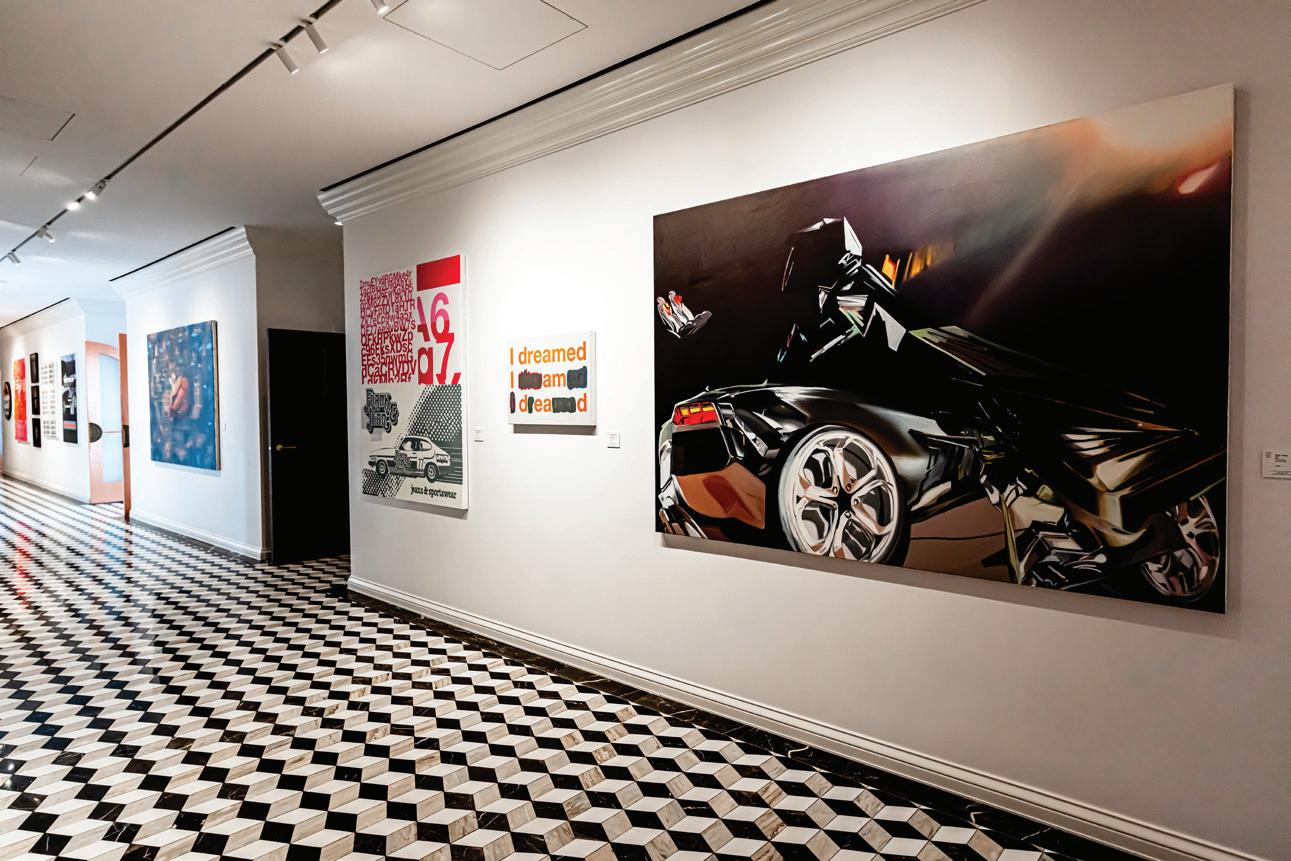
In Houston, Klos worked with Meliksetian|Briggs curating the work of three artists who have never shown together before. Presented in a hallway that is longer and wider than its Dallas counterpart, the show, titled Ephemeral Traces: Time, Memory, and Perception, “is about this interplay between the concepts shown in the paintings but also this reference back to us as humans and the way we think,” Klos says. For this grouping, she first thought of Yifan Jiang, who had been part of the Core Residency Program in Houston. “It was an opportunity to showcase her work among two other fantastic artists: Cody Trepte and Johannes Wohnseifer.”
Jiang’s animative sensibility reflects in her paintings, which appear ephemeral and in motion; conceptual Austin-born artist Trepte
Park House Houston featuring Yifan Jiang’s Drive, and work by Johannes Wohnseifer. Photograph by Kirsten Gilliam.
Art advisor and curator Jennifer Klos at Park House Dallas. Photograph by John Smith.
examines the “interplay between the way he looks at life and physics and astronomy and philosophy,” Klos explains. “They have this bold reference to numbers and texts, in contrast to these more ethereal vignettes that we see with Yifan Jiang, addressing elements of dreams and fantasies.” German artist Wohnseifer, the most established of the three, draws from “Pop-oriented nostalgia and icons around the world. We’ve got these bold images that tell a story,” like Flash Back , conceived as a discotheque sign, or his Password-Painting (Rolex Daytona). “It was a fun time for me to start a new dialogue between their work and for this to be an interesting visual story,” says Klos.
At the three-story Citizen House, developed by businessman Bond Payne and entrepreneur Renzi Stone, which includes a 16-room boutique hotel on the top floor and a special exhibition space, Klos says she “started curating from the construction phase, in the winter of 2024,” prior to the opening in November of that year. “I enjoyed getting to collaborate with the interior designer Michaelis Boyd, who is based in New York and London,” and “to really be part of the creation of the overall look and feel and how the art would contribute to the space.” The project’s name is a nod to “We are all citizens of the world,” says Klos. “By curating the work, we wanted to look at humans and the human condition and how we all play a part.”
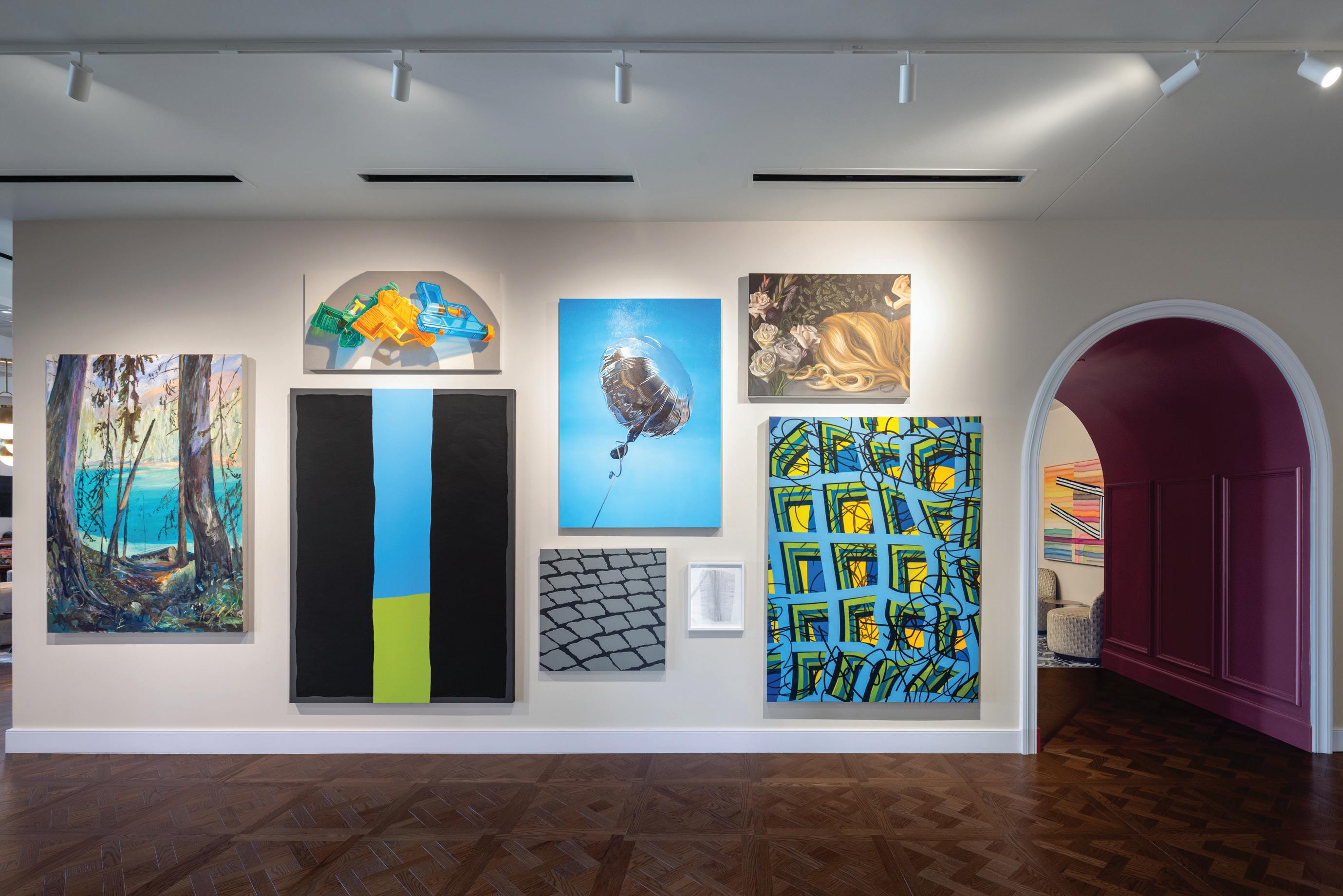
For the current exhibition, Klos worked with longtime Dallas gallery Cris Worley Fine Arts, culling the work of disparate artists for a salon wall. “I was looking for works in a variety of scale and subject matter, and the colors I wanted to all be somewhat balanced with one another. Color is a guiding force in how I curate.” Featuring standout artists from Worley’s roster, “In this space,” Klos says, she was “looking at some commonality between these artists. I call this In Between Moments —these times of stillness. Everything’s at rest, but then there’s this dynamic sense of movement within the works
themselves: Johnny DeFeo painting outdoors, capturing this quiet moment of the landscape. Paul Winker with his wonderful approach to color and texture, as seen in his abstract canvas Dragonfly, 2020. Shannon Cannings with her more hyperrealist work of water guns and a playful balloon.”
As with all her curatorial work, Klos says, “It’s about introducing these artists to a new market through education and art talks.” P
At Citizen House a salon wall features selections from Cris Worley Fine Arts. Photograph by Mel Willis.
Michael Dumontier and Neil Farber's You'll Forget, But You'll Also Remember hangs in Park House Dallas. Photograph by John Smith.
BETWEEN WORLDS
SV Randall and Sara Dittrich explore reality’s fragile edge in [________] Mirage.
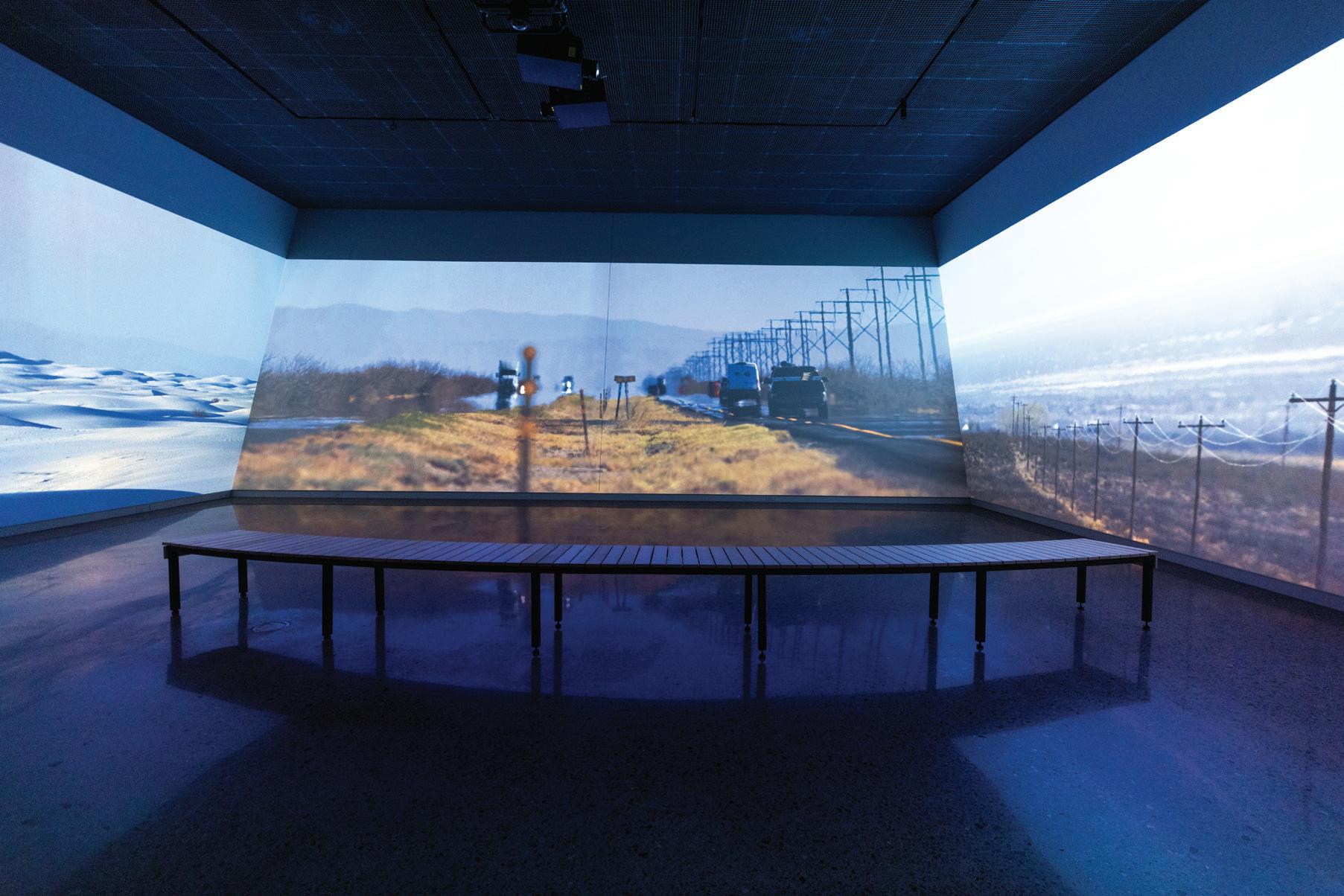
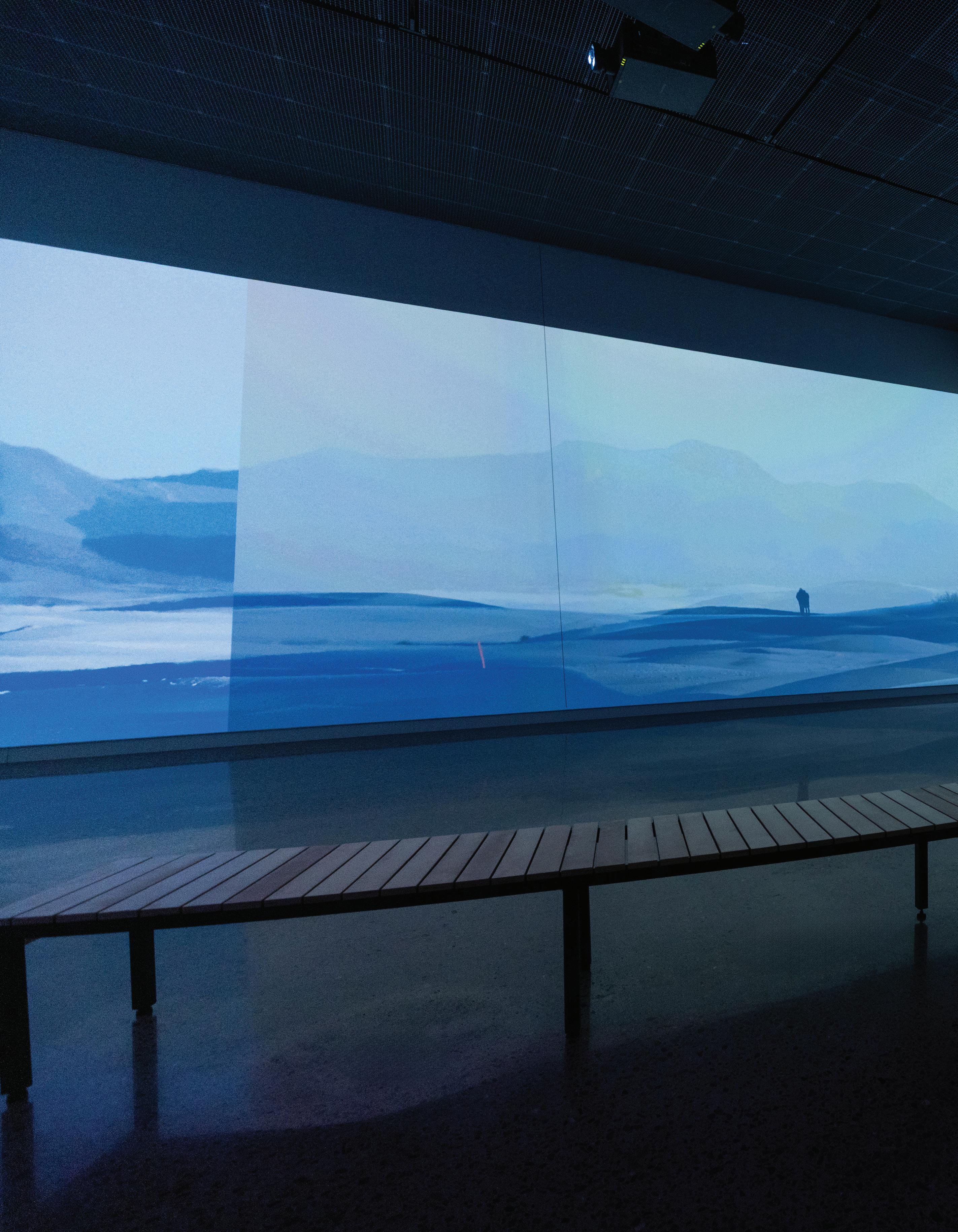
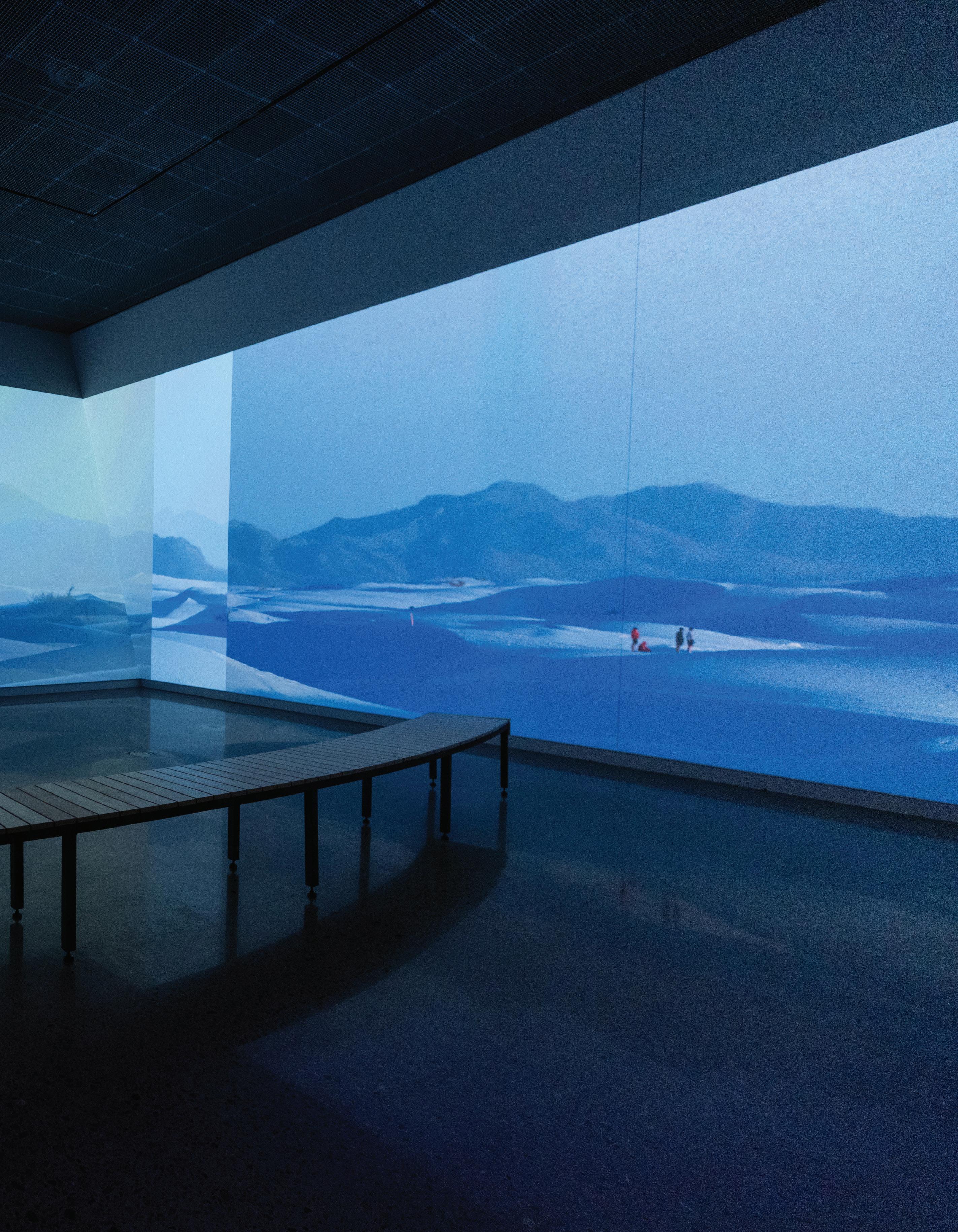
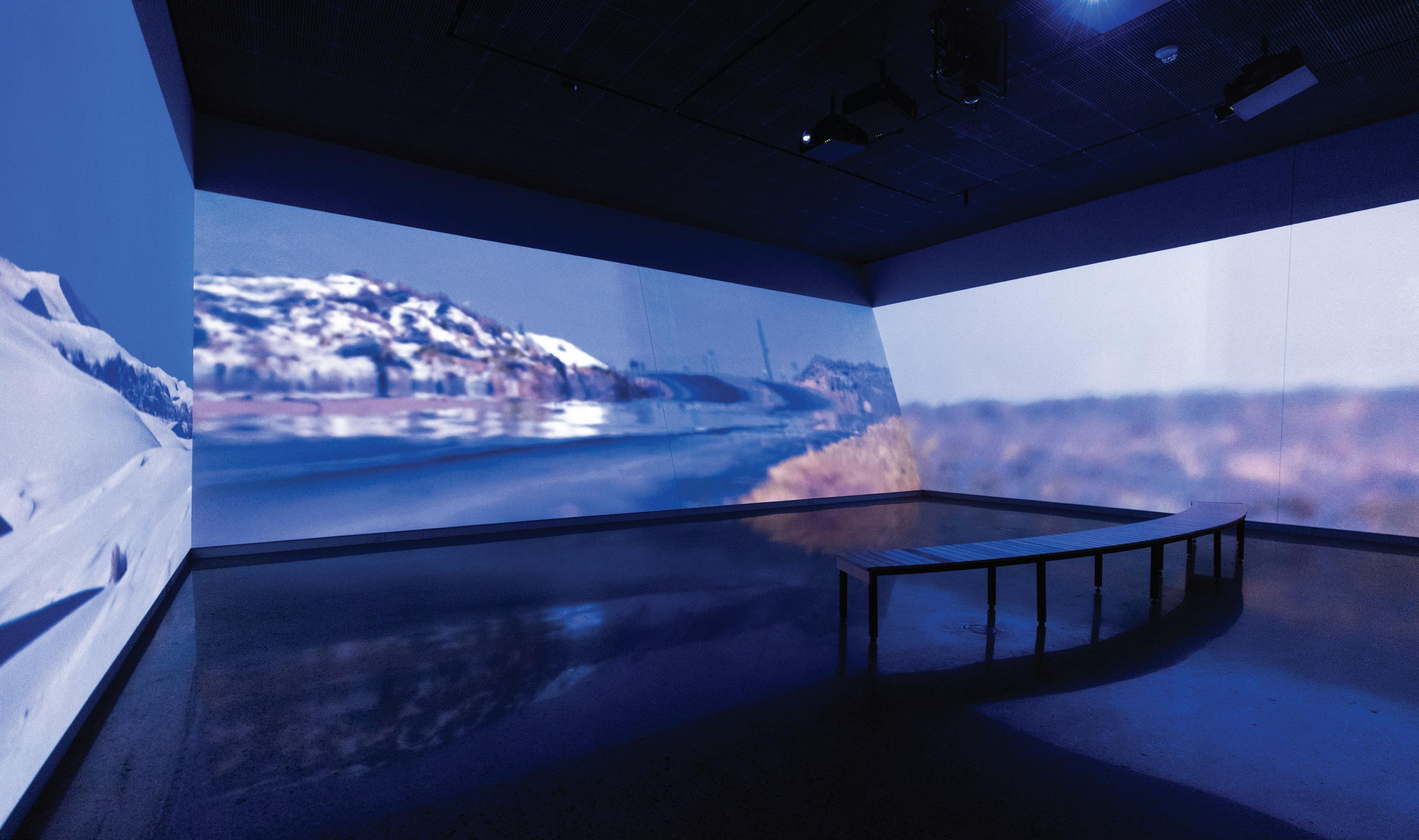
Sometimes to reach the future, we must walk through the past. At the Crow Museum of Asian Art at The University of Texas at Dallas, this journey is literal. Jade and porcelain galleries reflecting centuries of innovation and craftsmanship line the path to the present and into a gallery dedicated to new media. Entering through thick black curtains, visitors are drawn to [ ] Mirage (pronounced Blank Mirage), an immersive video and audio experience.
In its commitment to work collaboratively with the university community, the museum commissioned SV Randall, assistant professor of performing and visual arts at UT Dallas; and Sara Dittrich, a Baltimore-based interdisciplinary artist, to create the newest installation for this space. With its exploration of reality and perception, [________] Mirage speaks directly to our time.
Randall and Dittrich met during a seven-month residency in 2018. While both work in sculpture, their interests also lie in pushing boundaries. “I knew I wanted to work with Sara because
it felt like both of our practices are centered around an idea of space and time as well as thinking about locality and the specifics of a particular region as we work,” Randall explains.
At one point in his career, Randall commuted between New Mexico, Texas, and Virginia. “One of the things that became a daily part of my life was looking out the windshield and becoming very in tune with the landscape,” he notes. Mirages were a part of that scenery. “It felt like this weird kind of optical glitch in a way. As you were getting closer to it, it would shift and undulate in interesting ways. It felt like a perfect stand-in for our relationship to technology and maybe the idea of the virtual,” he says, adding, “The mirage is an optical phenomenon. But it also seems like a taunting illusion in that it always alludes to something that can’t be attained. It can’t be reached. It can’t be materialized. It offers the promise of sustenance in a form that ultimately doesn’t exist. So I liked that idea of grappling with the idea of the immaterial vs. the material, the virtual vs. the tangible. That was a good starting
point.” The best way to explore these ideas, he knew, was in a timebased work. Dittrich’s own practice, which includes the use of sensors, added a layer of complexity.
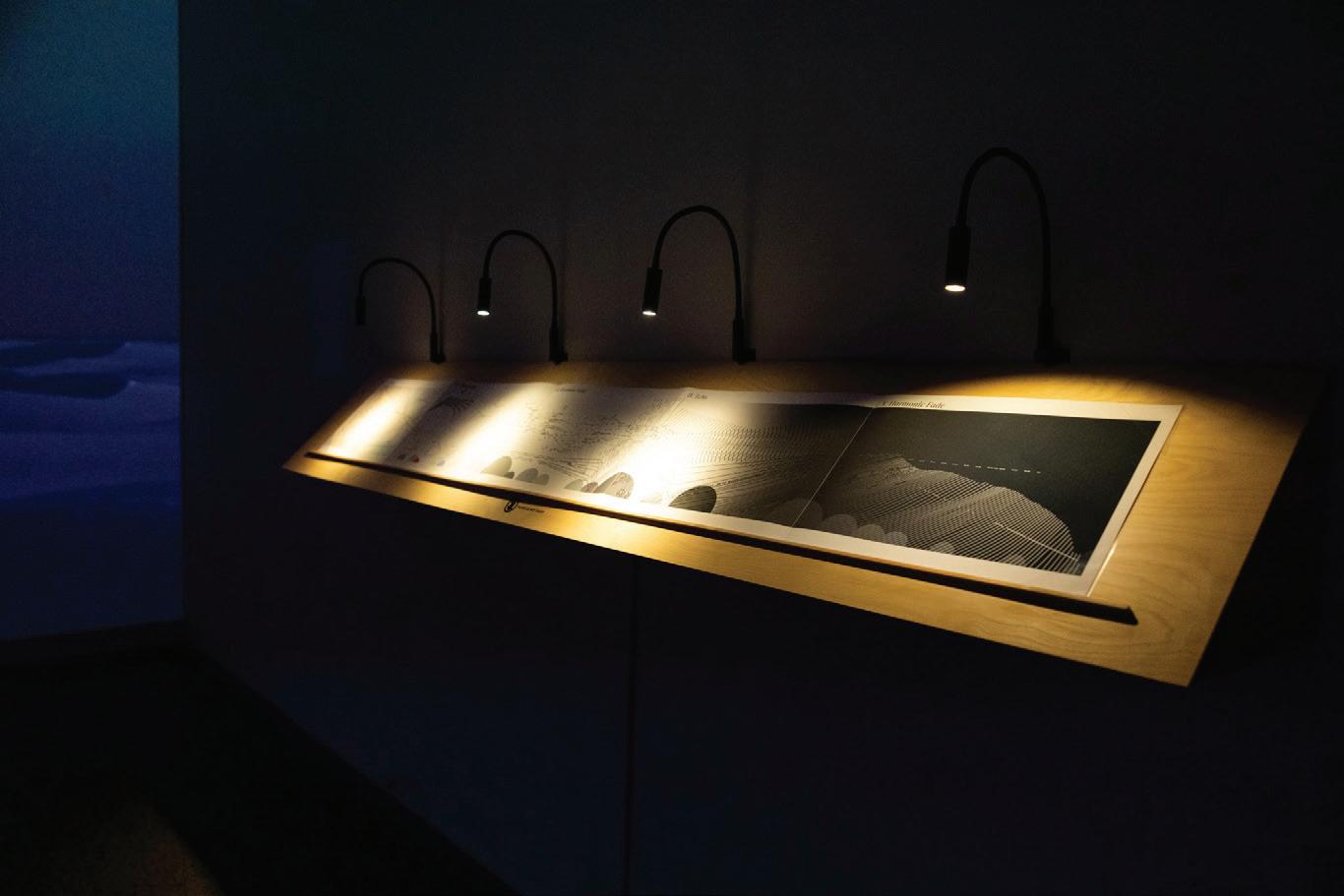
In their search for the ideal landscape for this project, they selected New Mexico’s Tularosa Basin. Well-known for its mirages, it offered the perfect spot to take visual and audio recordings of this unique environment. Over the course of a week they documented everything, including the light, humidity, and temperature. “We started playing around with how that could turn into some kind of musical notation,” says Dittrich, adding, “From there, it was a bit of a back and forth between the video and the score. After playing around with the footage, we started thinking about what the audio component was going to be with the work.”
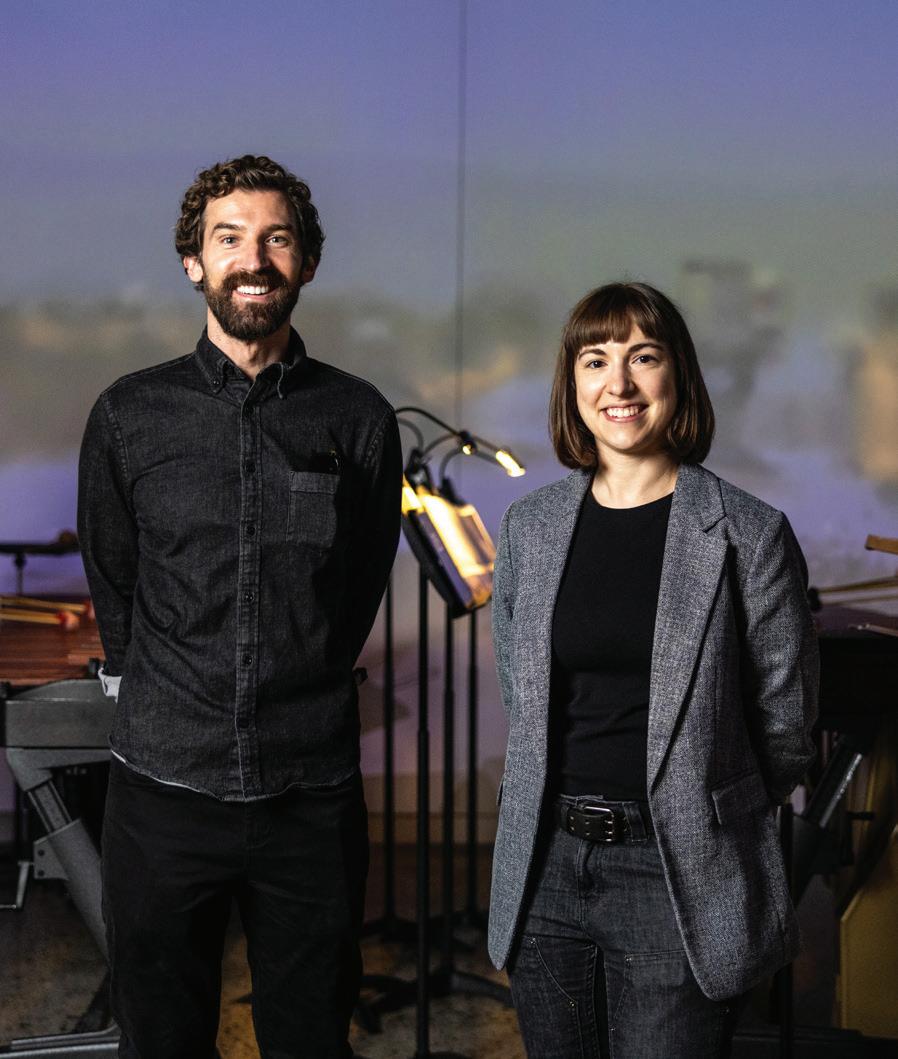
With their own backgrounds in music, the artists began to see a direction for the audio element. “The whole concept of the mirage is of these two air bodies interacting, so we really liked the idea of having two musicians kind of feeding off of each other,” says Randall. With Dallas percussionists Drew Lang and Roland Muzquiz, the project started to fall into place. After the musicians received an overview and saw raw footage, Dittrich explains, “They suggested creating a structure of five three-minute movements.” The musicians composed for marimba,
an instrument with a broad tonal range that is perfectly adapted for the human ear. Having this framework helped Randall and Dittrich organize their voluminous footage into a tidy, 15-minute installation. With the musical structure in place, they created the score, on view in the gallery, as well as five distinct video movements. The combined effect is enveloping while also creating that sense of elusiveness.
As the first building of The Edith and Peter O’Donnell Athenaeum recently celebrated its one-year anniversary, the galleries on the east side were newly reinstalled. A partnership exhibition with the Dallas Museum of Art and The Edith O’Donnell Institute of Art History features Groundbreakers: Post-War Japan and Korea from the DMA and The Rachofsky Collection. The remaining galleries are dedicated to the exhibition Mounds and Mist: Kondo Traditions in Clay, curated by Delwyn Davis, curatorial assistant at the Crow.
With a foothold on the campus of a university founded to educate engineers, the Crow Museum is leaning into technology-driven work. As Crow Museum curator Dr. Natalia Di Pietrantonio explains, “Our students focus on technology and sciences, so it is important that we incorporate science and art in our museum.” In [________] Mirage, Randall and Dittrich weave innovation and inspiration into an ethereal mediation on technology in our time. P
Luxury isn’t just a market we operate in — it’s a world we intimately understand. With decades of experience, we’ve honed our expertise to become the foremost authority in luxury real estate, guiding discerning buyers and sellers through every nuance of the high-end market. From the finest architectural features to the most coveted locations, we know what defines value in luxury real estate — and how to leverage that knowledge to your advantage.
DISCOVER THE DIFFERENCE THAT EXPERTISE MAKES.
9700
5
MOSES PENDLETON LETS IT FLY
THE DANCE VISIONARY RECEIVES THE BRETTELL AWARD FOR HIS ART OF MOTION AND ILLUSION.
BY LEE CULLUM
Moses Pendleton was named for his grandfather, the founder of the American Woolen Company, the largest of its kind at the time. Today’s Moses, however, has gravitated to something entirely different: dance. Creator of two wildly experimental companies, Pilobolus and MOMIX, he broke the rules of convention, gravity, and aesthetic sensibility to give the world an art never before imagined, much less seen.
This makes the current Moses Pendleton the perfect recipient of the Richard Brettell Award in the Arts, a $150,000 prize given by the University of Texas at Dallas in honor of Dr. Rick Brettell, who was a favorite of the gods of the new. Dr. Carol Brettell, Rick’s widow, points out that he and Moses were “exact contemporaries, both graduating from Dartmouth and Yale, respectively, in 1971.” She adds that Rick would have loved the way Moses “uses the bodies of dancers to make dance sculptures.”
It was at Dartmouth that Moses stumbled into dance. Sports had been his obsession, especially skiing, but a broken leg sent him searching for something else. He found it in choreography, and though his leg healed eventually, and he certainly could have returned to the slopes, his destiny was set. Dance—as demanding of the body as most athletics—would be his life.
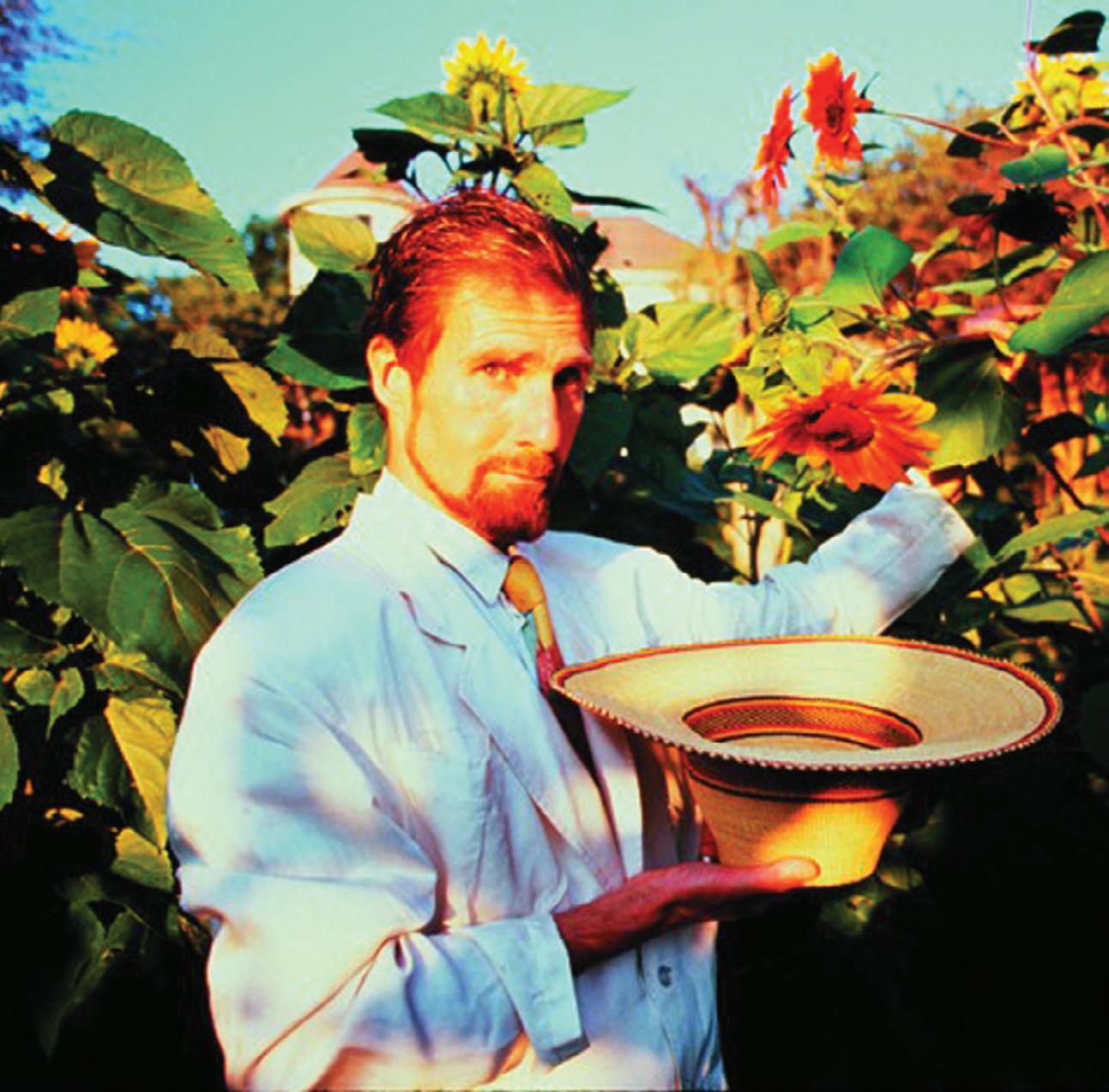
Moses Pendleton. Photograph by Jack Vartoogian.
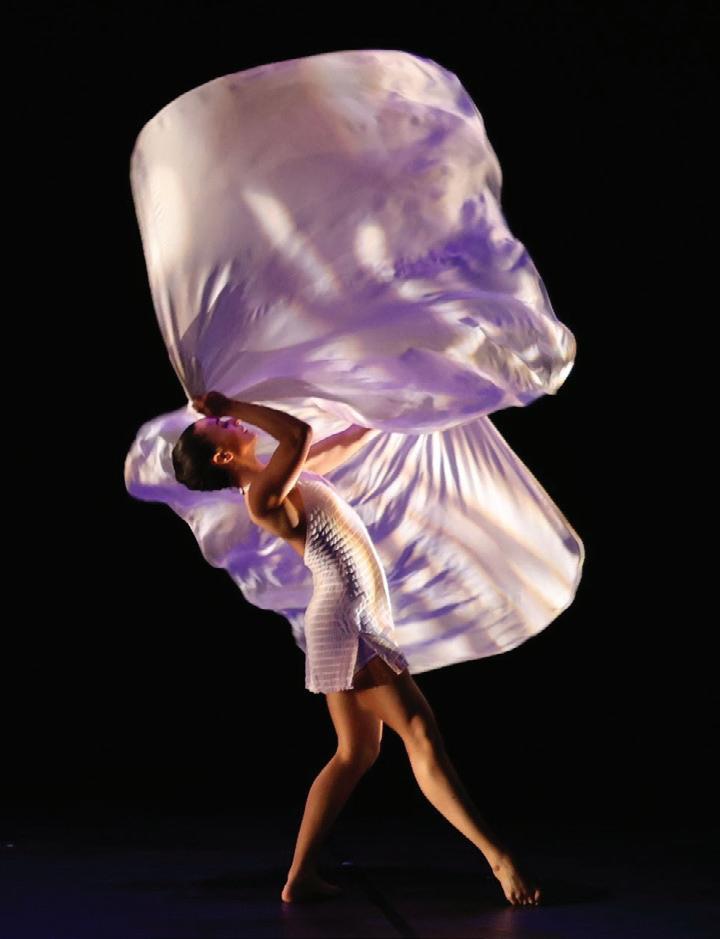
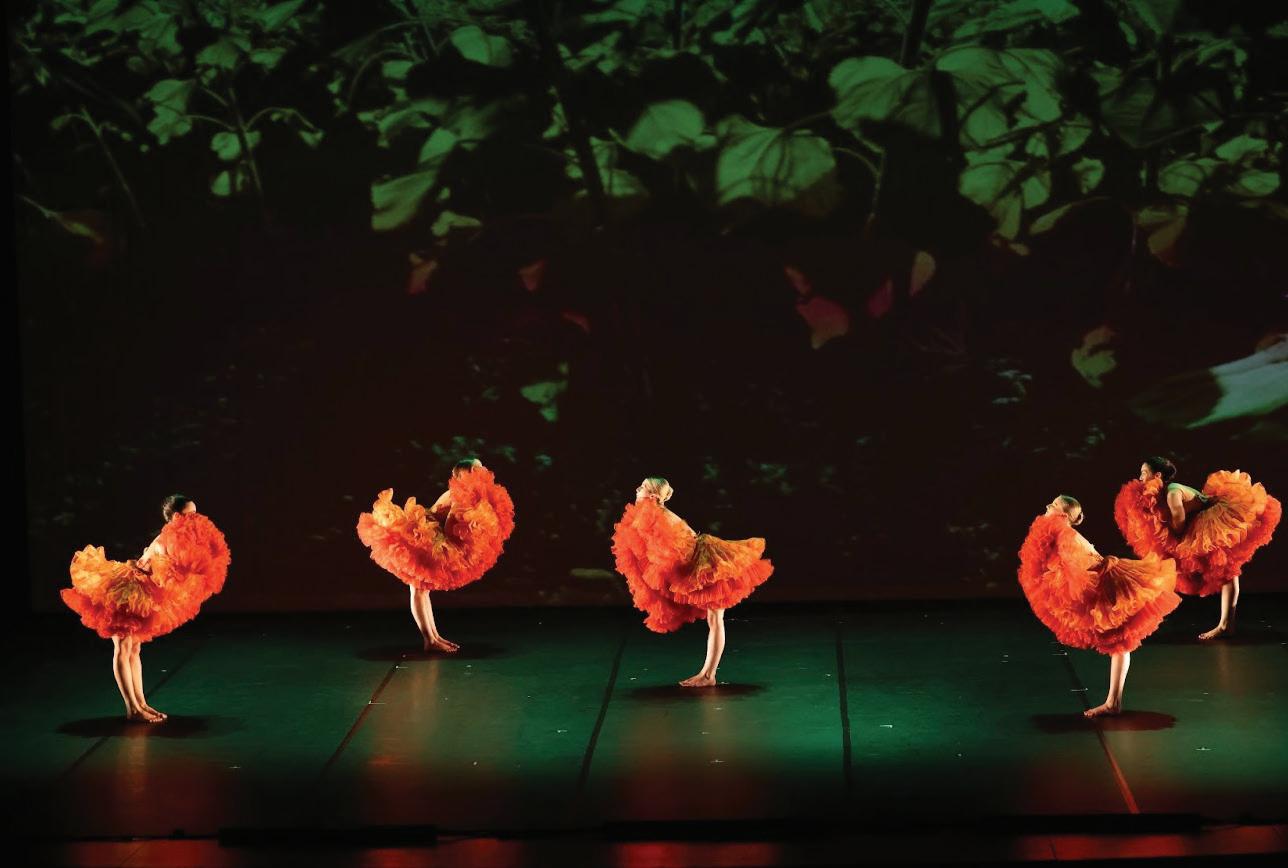
MOMIX’s Botanica. Photograph by Quinn Pendleton.
Moses has taken choreography to places it has never been before. To start with, he incorporated his family’s Holsteins into some of his dances at the Pendleton farm in Vermont. These are the friendly looking black-and-white dairy cattle valued for their abundant milk production. Moses would put on a white sheet and beckon the cows to follow him, which they gladly did. This gave audience members seated outside the sensation of a herd of cattle thundering toward them, though Moses—a cowographer he calls himself—would somehow maneuver the cattle to a lower level so the scene was dramatic but completely under control. “He revels in the ‘what if’ and why not’” observes Charles Santos, whose TITAS/ DANCE UNBOUND has long made a point of bringing MOMIX to Dallas.
Though grounded in nature, essential for Moses, his work sometimes soars to the tune of unexpected sources, such as rock/ pop/jazz wizard Frank Zappa, who inspired the birth of Pilobolus. Moses calls it “visual, physical theater.” Intensely acrobatic, these dances are the body sculptures Carol Brettell is talking about. Pilobolus was getting nowhere when a Congregational pastor in Boston invited the troupe to perform in the regular morning service at his church. They danced around the altar and greatly impressed a critic from the Christian Science Monitor, who said it was like being in a rock band. “It was half music,” Moses explains. “The dancers, not really musicians, made music. They played a honey jar filled with
water. They played a saw.” The dancing was “more Charlie Chaplin than Balanchine.” It was sensational, and “it was an accident how it all happened.”
Was it on a whim that Moses left Pilobolus and invented MOMIX? Who knows? It’s just that he never stays anywhere forever. While he remains tethered to nature and grows thousands of sunflowers in his garden in Connecticut, he nonetheless now wants to levitate, to “leave the weight of life and let it fly.” In videos the dancers do indeed seem to be floating. How does he do this? I ask. The answer is no answer at all: It’s a “secret…an illusion of another gravity.”
Moses sees his work today as “grounded and light at the same time. [He is] pushed to go deep into it, [to the] unconscious [where there is] danger.” Then “an umbilical cord pulls [him] back.” The Dallas audience can get a taste of MOMIX on June 6, 2026, when the company will dance a new version of Moses’ Botanica at the Winspear.
For now Moses is immersing himself in Rick Brettell’s books on Impressionism and preparing not only to lecture but to spend time with students. Dr. Michael Thomas, director of UTD’s Edith O’Donnell Institute of Art History, is clearly delighted. “His selection speaks volumes,” he notes, “about the significance of this honor and the growing reputation of the arts at UT Dallas, as we welcome an artist of his stature to our campus.” P
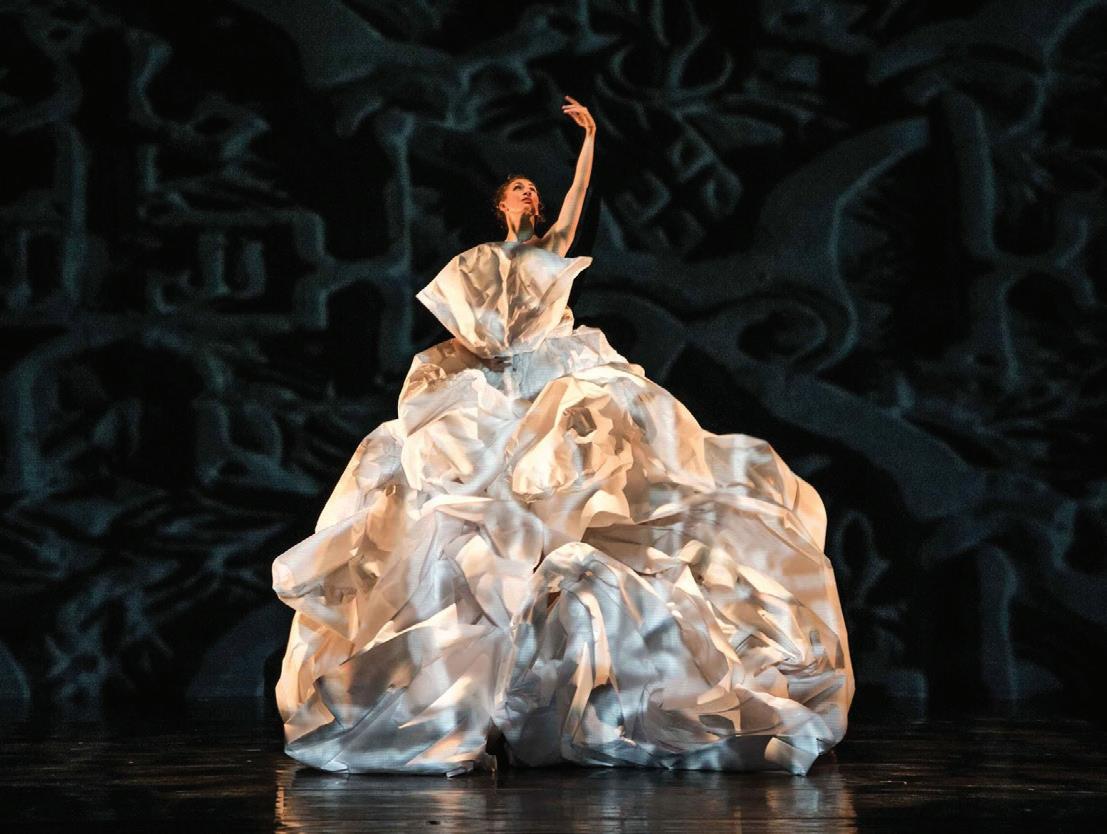
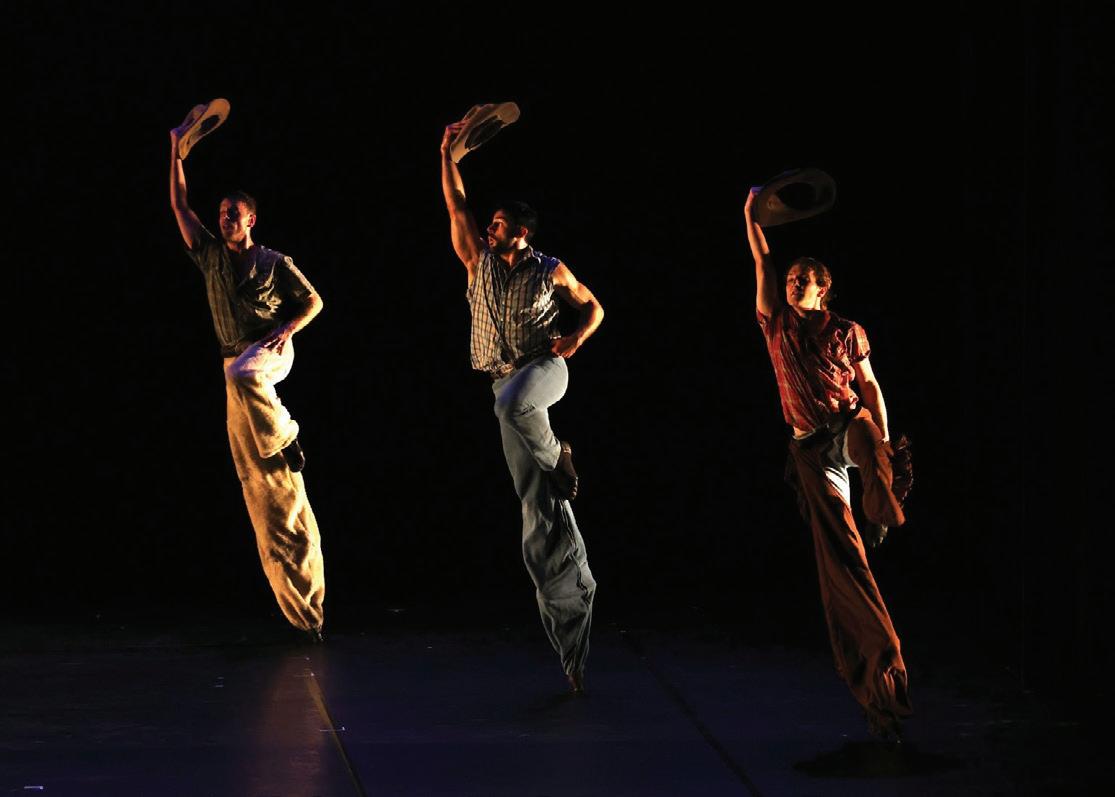
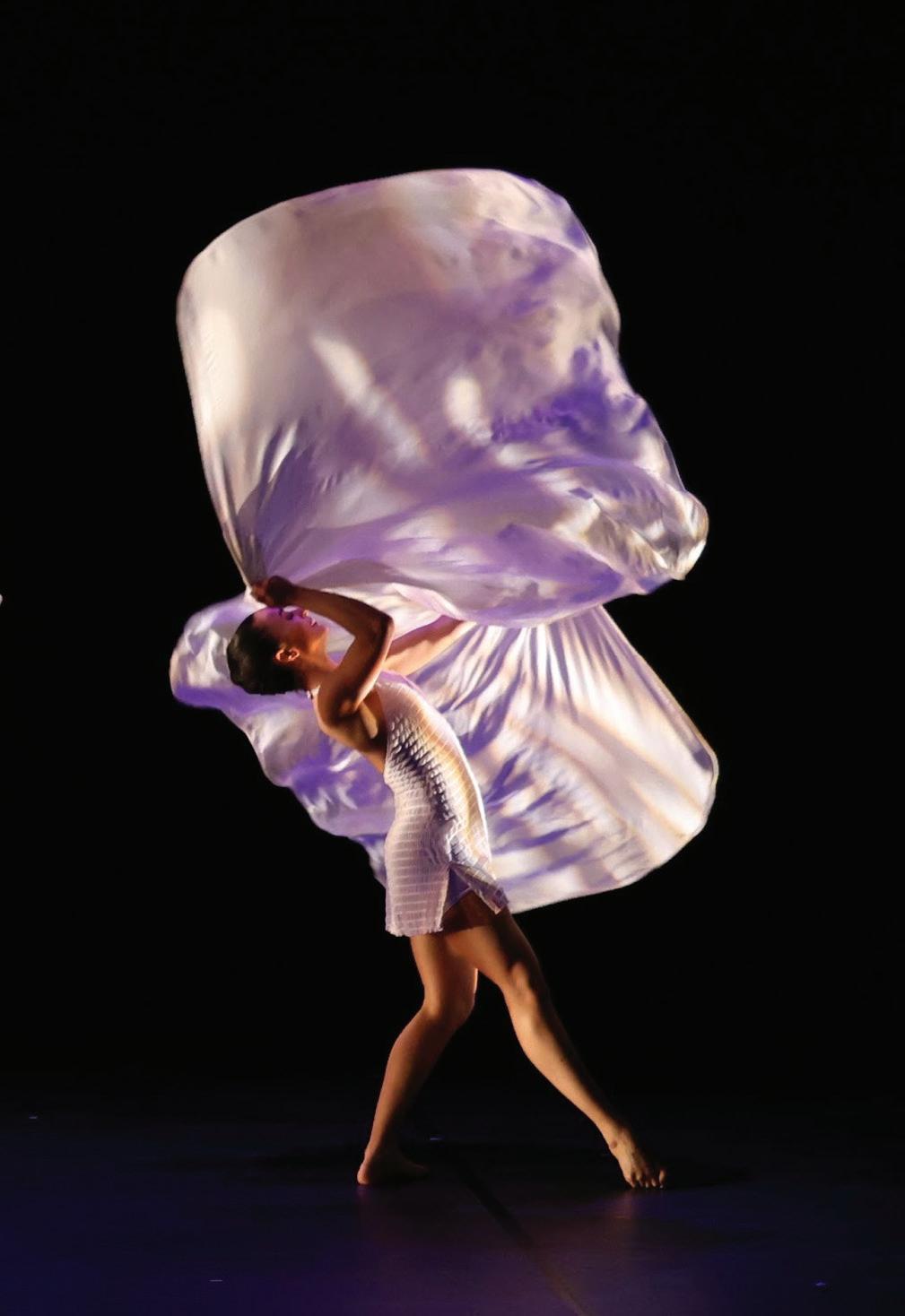
Daddy Long Legs 35th Anniversary. Photograph by Max Pucciarello
Paper Trails 35th Anniversary. Photograph by Max Pucciarello
Baths of Caracalla ReMIX. Photograph by Quinn Pendleton.
FROM JUILLIARD TO THE DSO
MEET ASSOCIATE PRINCIPAL VIOLIST SARAH SUNG AND ASSISTANT CONDUCTOR SHIRA SAMUELS-SHRAGG.
BY LEE CULLUM
PHOTOGRAPHS BY VICTORIA GOMEZ
When I dial Shira Samuels-Shragg, assistant conductor of the Dallas Symphony Orchestra, for an interview, I find her out walking in Uptown, where she lives. Of course I like her immediately, since walking, I believe, is a perfect time to catch up on phone calls. She thinks so too. What I hear on the other end of the phone is a young woman who is on her way to an important career in music.
Fresh out of Juilliard, Shira has known since she was 13 that this is what she wants to do. Her instruments are piano and viola, “the inner voice” of the orchestra, she says, that “fills in the harmony” while the violins prance about in a volley of extroversion. Shira grew up in Los Angeles, and from preschool through her senior year went to Highland Hall Waldorf School, where a special curriculum emphasizes creativity, although she left briefly in the ninth and tenth grades to try an Episcopal prep school “to see if she could do well in a normal environment.”
She did later master the normal environment of Swarthmore College, finding a mentor in music as she always does, but also learning about the world. “You need to know a lot about the context in which music is written,” she tells me. “About history and politics. In conducting,” she adds, “there is so much knowledge to acquire. You need a lot of time for that. You come back to a piece [and find] fresh perspectives,” she explains, “specific [aspects] you missed before. There are no shortcuts. If the conductor were not there, would the piece sound the same? Is the conductor bringing something to it?”
Devoted to Maestro Fabio Luisi, she notes that “there is never a moment that he is not asking for something specific with his hands. He doesn’t let the music play itself.” Neither does Shira Samuels-Shragg. See for yourself when she conducts the DSO on New Year’s Eve, including Ravel’s Tzigane. The score’s gypsy fire and rhythmic elasticity require a collaborative flexibility in which the conductor must both follow and frame the soloist, (in this case, violinist Angela Fuller-Heyde), sculpting an atmosphere that feels both spontaneous and meticulously poised.
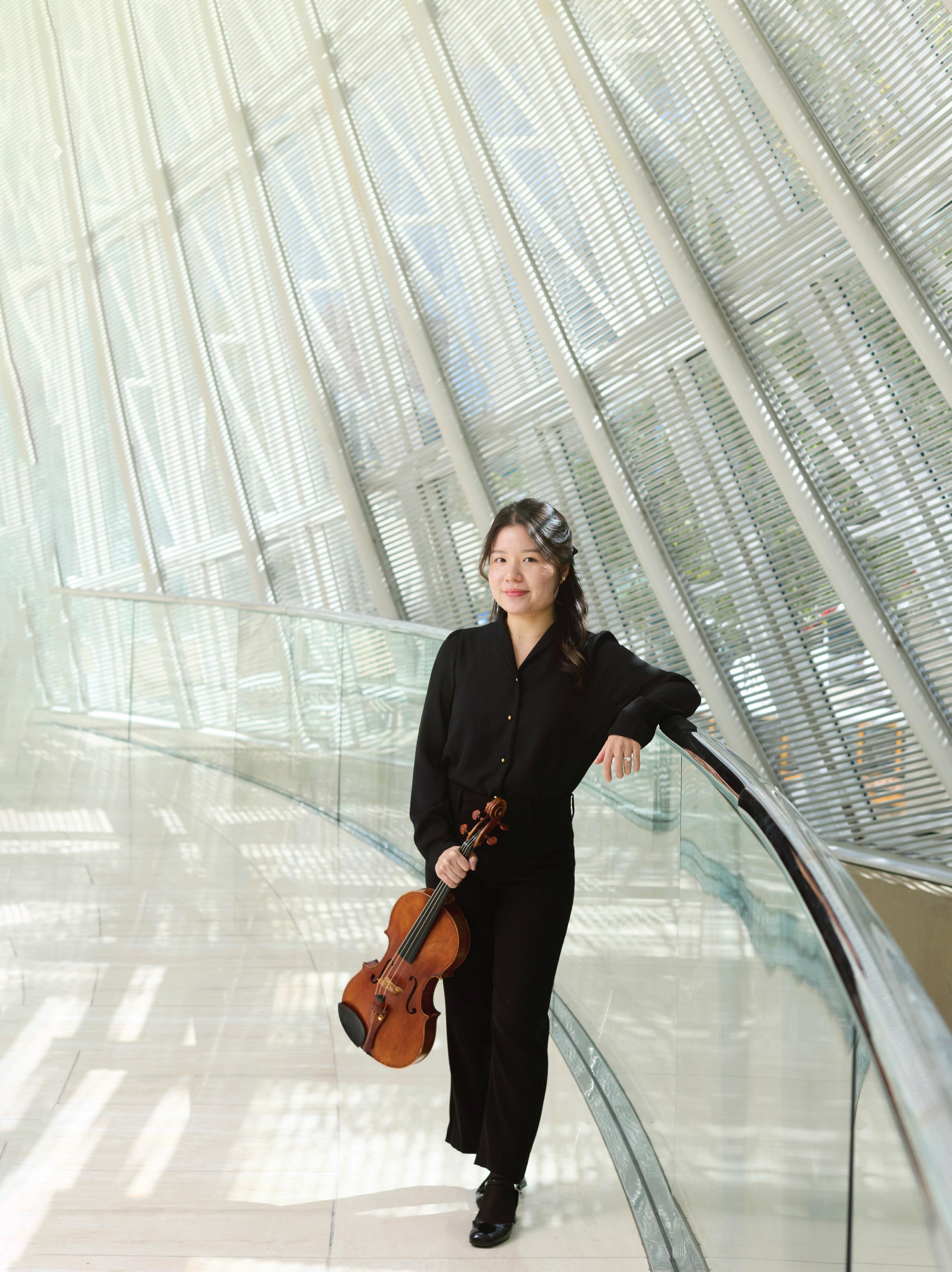
If Sarah Sung, an Australian Korean violist, had not been good enough to win a strenuously competitive audition to be named associate principal viola at the Dallas Symphony Orchestra, she probably would be running an agency devoted to social work. While at Juilliard, pursuing both bachelor’s and master’s degrees, she joined forces with a couple of friends to found the VISION Collective. With grants from wherever they could find them, they formed a string trio and played in refugee camps in parts of Germany that she can’t disclose— understandably since Germany then, as now, was wracked with anti-immigrant frenzy. All she will say is that they were a pretty long drive from cities.
Sarah and her compatriots did not just take their own music to refugees in Germany: they commissioned new work from a Juilliard composer drawn from the cultures of the Syrians, Pakistanis, and Nigerians who lived in these camps. For Sarah it was a passionate awakening— “unforgettable.”
Why, I ask her, did she choose the viola, also the instrument of conductor Shira Samuels-Shragg? “Because” Sarah says, “it reflected the register [alto] of my voice and reflected my personality as well. I am not very extroverted. I am more introverted, introspective.” So a career in musical performance is perfect for her. “At work,” she explains, “you play more than you talk.”
The daughter of a pianist mother, Sarah nonetheless gravitated at an early age to the viola, a bold choice given that, since she stands at barely five feet, the viola is heavy for her. More arm weight is necessary to play it, and this she does with obvious success despite small hands. Do you exercise to stretch them, I want to know. “I pray,” she replies.
Sarah has found a church she loves (The Light House Church in Richardson), a neighborhood she loves (Uptown, probably not far from Shira), a leader she reveres (Maestro Fabio Luisi), and a new husband she loves to hang out with, even if it means learning pickleball. They were married last summer in her home city of Sydney, Australia. P
Shira Samuels-Shragg is the Assistant Conductor Marena & Roger Gault Chair of the Dallas Symphony.
Sylvia D’Eramo’s Dream Situation
AN AMERICAN SOPRANO’S VOICE SOARS FROM DALLAS TO THE ALPS AND BACK AGAIN.
BY LEE CULLUM
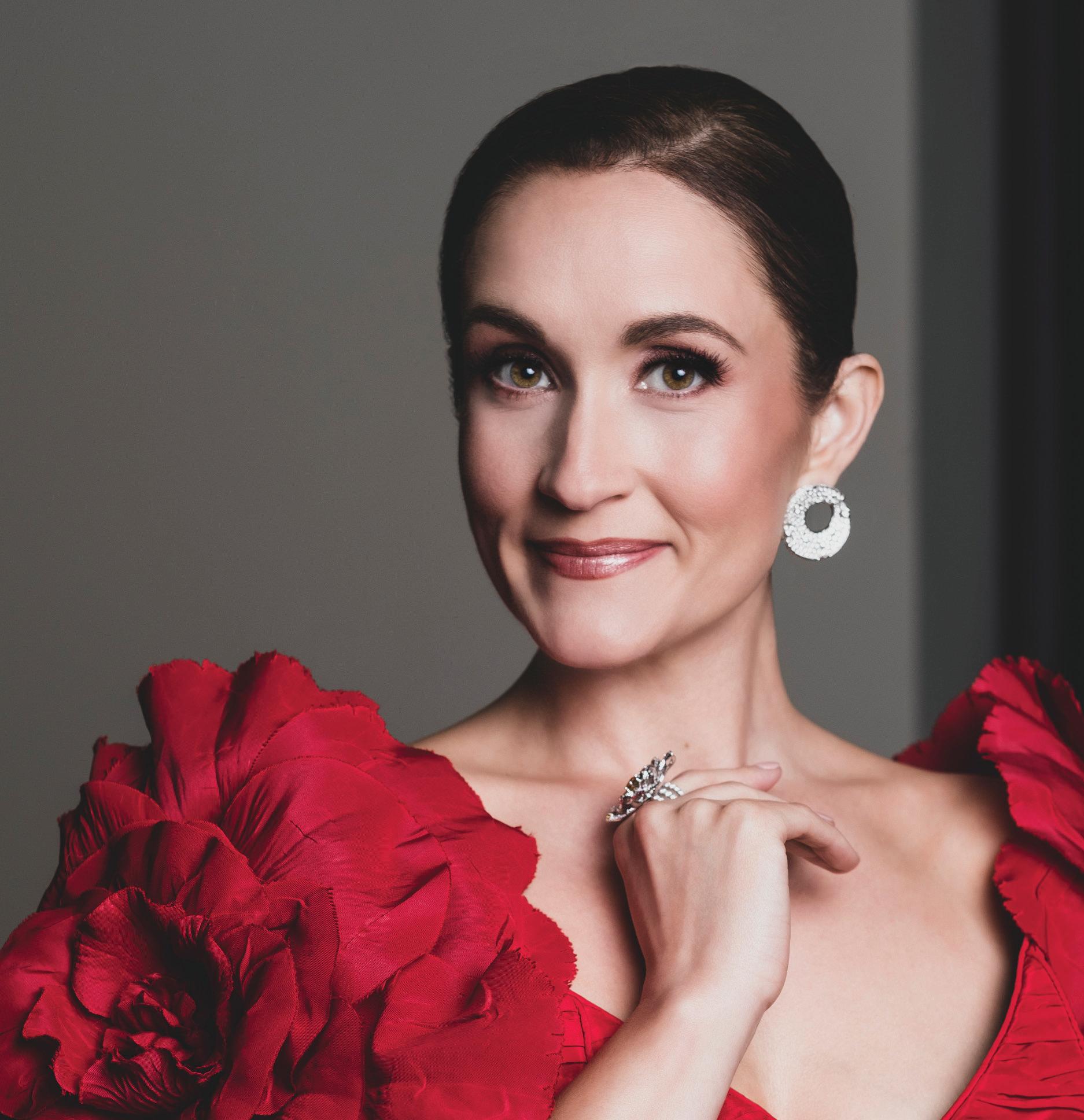
Sylvia D’Eramo has come a long way from Tyler, Texas, “a great town to grow up in,” she says. Now she lives in St. Gallen, a glorious cultural and commercial center in Switzerland. On one side are mountains, perfect for hiking, and on the other, a glistening lake. Sylvia calls it a “dream situation.” What’s more, she loves having a home company that offers reliable work while allowing her to sing with operas in Dallas, Houston, and Santa Fe, plus the Met in New York, where she has had notable success.
In St. Gallen she sings repertoire as varied as La Bohéme and Lili Elbe, which is a new work about a woman—formerly the painter Einar Wegener and among the first to undergo transition surgery— and her wife, sung by Sylvia, who stuck with her. Sylvia will take the role to Santa Fe next summer. “The core of it is love,” she explains, and “the unchanging nature of their connection. It was an amazing success” in St. Gallen, she adds, “with a sold-out run.”
Sylvia loves to do new opera—“my favorite thing”—even though it’s “difficult to learn,” and she really loves singing in English because she doesn’t have to then “translate to English in my head to know what I’m saying.” Still, her favorite composer is Strauss. “He writes so beautifully for sopranos,” she observes. His music “sits so gorgeously with the voice.” Mimi in Puccini’s La Bohéme, nonetheless, seems, so far, to be her emblematic role. Certainly she enchanted Dallas Opera audiences with it last season, followed by another triumph in Santa Fe.
This is a testament to the psychological insight she brings to the women she sings. Mimi, Sylvia points out, may be ill, but she is “just as full of life as Musetta,” a Bohéme coquette Sylvia has sung at the Met. “Rodolfo talks about himself as a poet,” and Marcella as a painter, but “the true artist is Mimi,” who expresses herself through embroidery. “There is poetry flowing out of her. She can’t control it. She has inner strength and brings joy to others in the room. I learn from her.”
Wherever she goes, Sylvia travels with her nearly one-year-old son, Cassius James Carbin. He was three months old when he came to Dallas for her stint in Bohéme. I ask if he has any relation to the Cassius who plotted the murder of Julius Caesar in Shakespeare’s play by the same name. Not at all, is the answer. And not to Cassius Clay, the great boxer, either. “I like alliteration,” she explains, [and as a Texan] I love double names.” James has been dropped from regular usage, however, and in one message to a friend, Sylvia referred to him as Cash.
The D’Eramo road show also includes her husband, Christopher, a bass whom she met when both were singing at the Palm Beach Opera, and the two fell instantly in love. They spent Covid together, she remembers, and when it was over, he was the first to get a gig but found he didn’t like being away from her for so long. So now Christopher is working in artistic management, which means he can be wherever Sylvia is singing and help look after Cassius. Sometimes her mother pitches in as well; Cassius is, after all, her first grandchild. “It all came back together,” after the birth, Sylvia relates. Her “breath control was stronger;” she was “vocally warmer, more full. Maybe there was extra love floating inside.”
Sylvia took a roundabout way to get to opera. She grew up dancing but realized she was not a prima dancer; one of her brothers is a lot better. While still in high school she took voice lessons at Tyler Junior College, thinking to do musical theater. But the teacher told her that her voice was better suited to opera. “I hated the idea,” she relates. “I had never seen an opera.” But her parents wouldn’t permit her to quit. So if opera is an acquired taste, she finally went whole hog, studying at the Yale School of Music after undergraduate work in music at State University of New York (SUNY) at Purchase. Now she divides her time “about 50-50” between Europe and the US with frequent returns, I hope, to Dallas, which, after all, was present at the creation. P
Sylvia D'Eramo. Photograph by Dario Acosta.
Brian Stokes Mitchell in concert at Adrienne Arsht Center for the Performing Arts of Miami-Dade County.
TOO MANY BRIANS, ONLY ONE STOKES
BARITONE BRINGS HIS RAGTIME SPIRIT TO DALLAS.
BY LEE CULLUM
He calls himself Stokes because, he says, there are too many Brians. He speaks the way he sings: in a deep, rich baritone. He operates on a need-to-know basis, so when I ask Brian Stokes Mitchell the dates of his residency in Dallas as part of the Meadows Award, he must consult his calendar to find out: March 2026. Then Stokes will be on the Southern Methodist University campus, leading master classes with students, presenting a concert, and working with the cast of Ragtime in a co-production of the Dallas Theater Center and Meadows School of the Arts.
There is no one who knows Ragtime better than Brian Stokes Mitchell. He worked on this American extravaganza for three years, from the first workshop, and was nominated for a Tony for the role of Coalhouse Walker Jr., a jazz pianist who is better at the keyboard than he is in life and love. “It’s an important show,” Stokes says in a Zoom interview. He is at home in New York, dressed in a simple blue-gray T-shirt with a background blurred to abstraction, making sure it gives away nothing Stokes does not want to impart.
“Ragtime is an important show,” he explains. The issues are the same today: “…immigration, racial identity, the wealthy versus the poor. It’s up to the individual,” he adds. “What do you want to do with your life? What do we believe in?”
So the congenial Brian Stokes Mitchell, ebullient in so many ways but cautious in others, inevitably reveals himself, bit by bit. He is on the cover of Town and Country, he tells me, in an assemblage of four Broadway mainstays talking about philanthropy in their world. Stokes has been on the board of the Entertainment Community Fund and Black Theatre United and has performed generously for American military forces abroad. He prefers describing work like that as “giving service” rather than philanthropy. “We can give our time, our mind, our wisdom,” he exhorts. “There are all kinds of ways to give to people.”
He was born in Seattle but his family moved to Guam early on, then to the Philippines, where his father, one of the Tuskegee Airmen in World War II, worked for the navy, though he harbored distant dreams of being a jazz saxophonist. In time they returned to the US, moving to San Diego. Stokes learned the piano and the violin (because his mother made him) and got involved in theater. This took him to Los Angeles and eventually work on television, which continues today with his role as the patriarch of the Kirkland family in The Gilded Age. He’s been back and forth between LA and New York ever since.
Musical theater is where he made his strongest impact however— in Ragtime, of course, but also in Kiss me Kate, (a revival produced in part by Roger Horchow of Dallas) and Man of La Mancha. With his powerful voice, opera was bound to emerge for him at some point. Indeed, the Metropolitan Opera did ask him to sing Sportin’ Life in Porgy and Bess, but at the same time he was offered a leading role in Oh, Kay! “I had to make a choice between opera and musical theater,” he recalls. “I chose musical theater.”
“Theater,” Stokes observes, “is like a good church. You should feel better when you leave—levitate.” A concentrated interest in religions and the spiritual life is essential for him. It guides his reading and turns his time away from work into a serious pursuit of “the nature of consciousness.” Raised in the Methodist church, as he notes, he has branched out in search of larger understanding and deepened his roots in what a theologian called “the ground of being.” All this comes out when he relates in passing that he was in Texas two days before. Where in Texas? I ask. He doesn’t want to go into it but relents and says Graham, for a retreat.
This takes us back to a few minutes earlier, when I notice a red bracelet he is wearing. “It’s a Tibetan Buddhist bracelet,” he says, “a gift from a friend.” The connection between Tibet and Graham, Texas, is of central significance if you want to understand Brian Stokes Mitchell. The active life of the spirit, of consciousness, he says, “feeds my music and my soul.” P
BROADWAY’S
AN INVITATION TO EXPLORE
Kurt Bielawski redefines design retail with KD Biel.
BY ELIZABETH HOOPER O’MAHONY
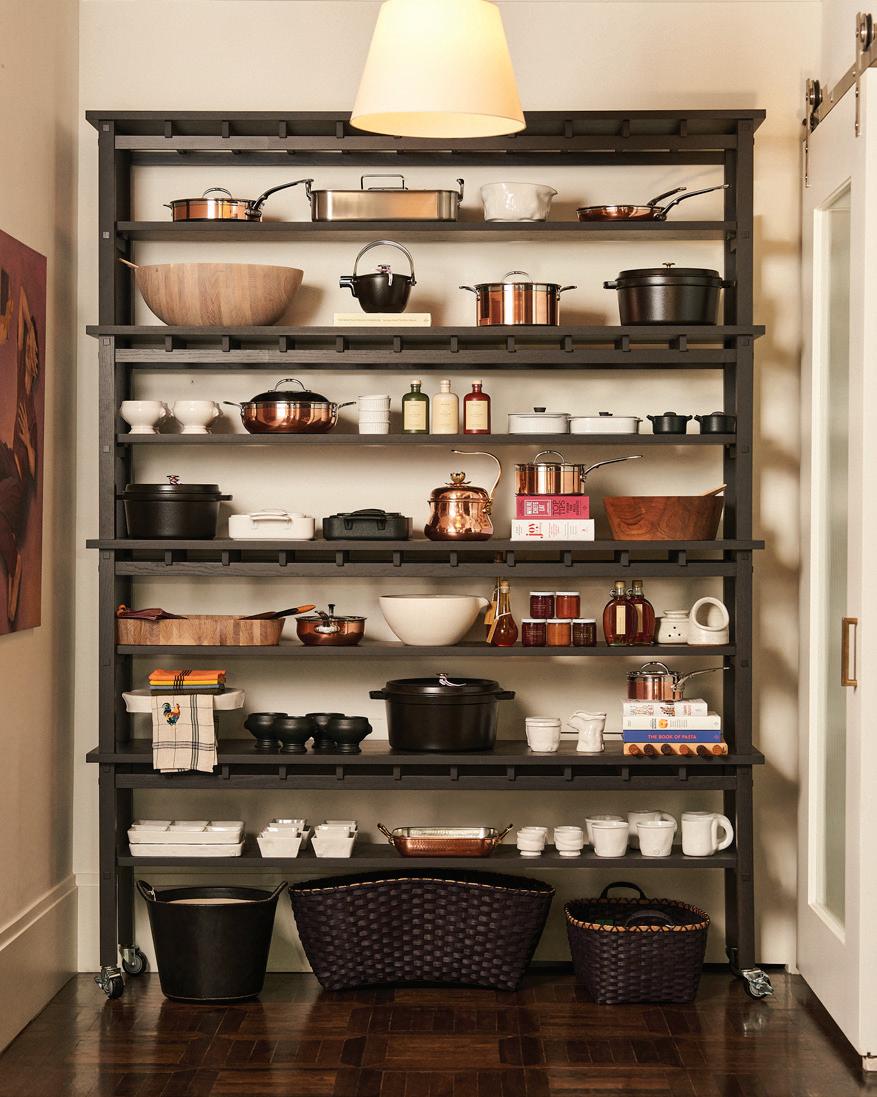
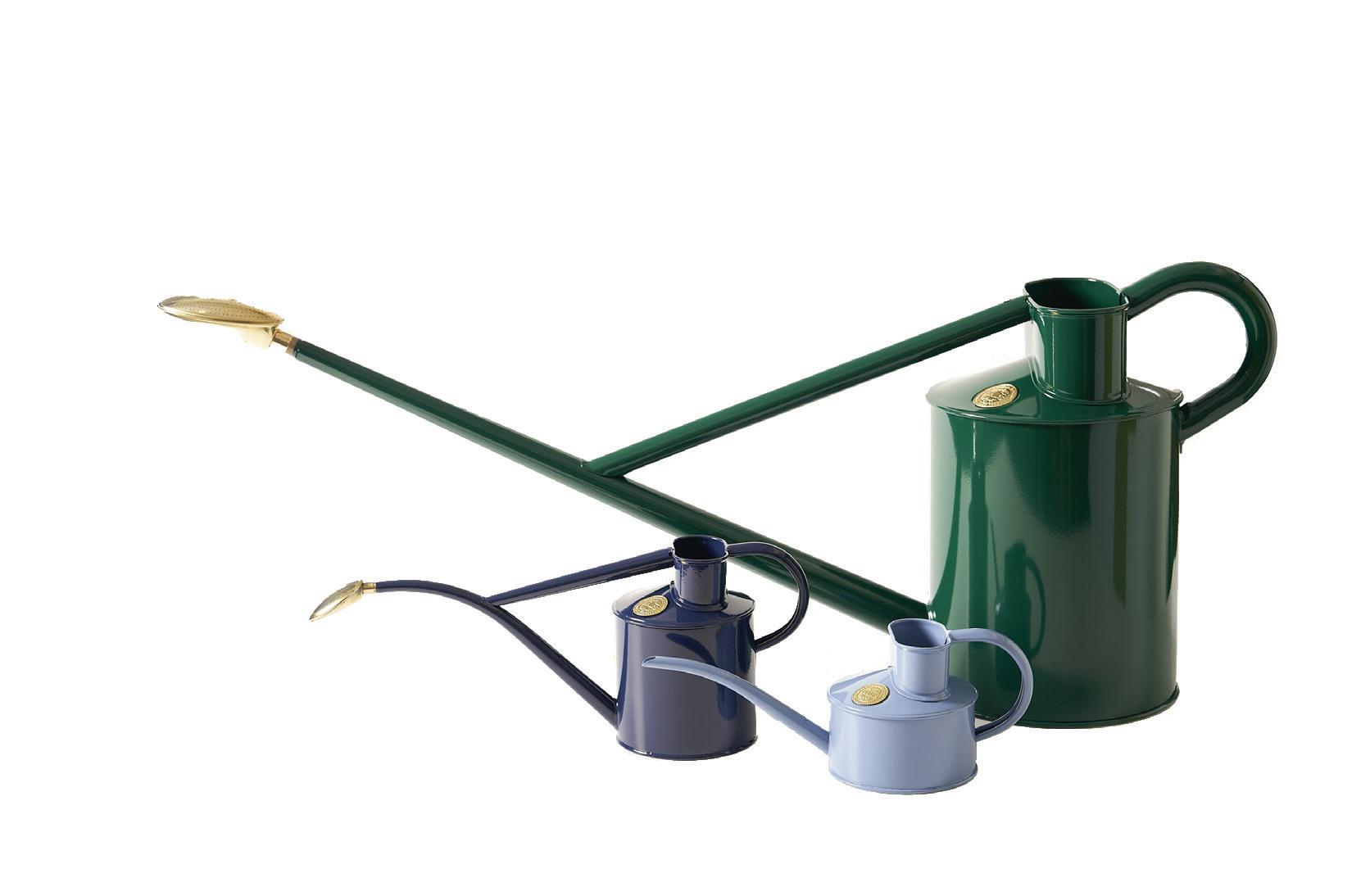
Above: Kurt Bielawski at KD Biel. Photograph by Stephen Karlisch; Left: The Utmost Kitchen. Photograph by Jonas Park; Below: A gardening trio by Haws includes the two-gallon Warley Fall watering can, a Fazeley Flow Bluebell Meadow one-pint watering can, and one-liter in British navy.
Kurt Bielawski has a story to tell. From the buying offices at Marshall Fields and Neiman Marcus to his own luxury design and construction firm, MORE Design + Build, Bielawski has displayed a keen eye for quality. With his new project on Slocum Street, KD Biel, Bielawski is merging his lifelong passions for architecture, design, and the art of living well.
What began as a plan for a small, online capsule collection quickly evolved into a physical destination, one that reflects his deeply personal design philosophy. “I was going to do it online only,” Bielawski recalls. “But most of the vendors I wanted to carry didn’t want their products sold online, so that pushed me to open a store.”
The result is KD Biel, a meticulously curated space that bridges fine design and accessibility—a place meant to feel as personal as it is aspirational.
KD Biel’s concept emerged from both necessity and inspiration. “I realized there was a gap here in Dallas: the city is quite sophisticated and needed a place to experience beautiful, functional design in person.” He envisioned a destination store for home goods and design where the tactile experience of materials and craftsmanship takes center stage. Bielawski’s approach is rooted in the belief that luxury goods can be beautiful, accessible, and serve a purpose. “I asked myself ‘How can we make this a destination where you discover something that you love that is well made, has great style, and is beautiful?’” he explains. “Everything here is artisanal; I’m concerned about quality, and I’m concerned about design.”
Walking into KD Biel feels less like stepping into a store and more like entering an artist’s studio. The objects—ceramics, linens, furniture, and glassware—speak a coherent aesthetic language that is refined yet approachable. Bielawski avoids trendiness in favor of timeless authenticity. “If you buy timeless things, I don’t care if it’s modern or traditional, it’s going to be beautiful forever.”
Much of the inventory is not available anywhere else in Dallas, including David Mellor flatware, Arcolaio Italian textiles and throws, and Perfumer H fragrances and candles from Britain. KD Biel champions artisans and niche creators, offering design lovers a space to explore. “This is supposed to be a place to come and discover something new and learn,” Bielawski emphasizes. “I don’t want the store to feel like a museum or too precious. Things here are supposed to be touched and talked about.”
Part of KD Biel’s appeal lies in Bielawski’s personal vision. Far from being just a retailer, he sees himself as a designer, curator, and storyteller, and he has a growing collection of in-house products. “I
developed my own sheet line, candles, honey, and jams,” he shares. These products reflect his ethos of design as a function of personal expression. Bielawski is also passionate about creating a shopping experience that feels human, where conversation and education are part of the process. “I think it’s fun to go into a store and find something you’ve never seen before; what a kick.” This philosophy is evident in the store’s design: warm lighting, open layouts, and approachable room displays invite customers to linger, touch, and ask questions. The store is set up as a series of rooms—garden, living, study, bedroom, kitchen, dining, and butler’s pantry—reflecting Bielawski’s love for the home. Passionate about art, he partners with Conduit Gallery to curate select artworks in his refined showroom.
Even in its early days, KD Biel has ambitions beyond Dallas. “My big goal is that I want this to be a destination store, not only for Dallas, but also for the entire country or world!” Bielawski enthuses. His plans include pop-up shops in vacation destinations and continued product development in collaboration with artisans and apothecaries. “I’m working on some products from one of our apothecary vendors that’ll be just here,” he adds, hinting at an expanding in-house collection.
And for the holidays, he’s introduced The Utmost Kitchen—a gourmand’s emporium “born out of my home use—but developed with as much a focus on design as there is on utility.” Stocked with a Hestan copper induction-safe 10-piece cookware set, it’s designed to impress. “I love to cook. At home we have an open shelving unit that is the workhorse of our kitchen,” Bielawski explains. This system “actually stacks, allowing for optional heights, and the fact that it’s on locking wheels adds flexibility…” Once the shelving was perfected, he asked, “What would blow me away if I were to get this as a gift?”
His answer: “Copper cookware that’s beautiful and functional, chic bake-and-serve ware, an array of nowhere-else items—from KD Biel pantry staples to handmade leather oven mitts and cookbooks you’ll actually use. The utmost, to say the very least.”
Ultimately, KD Biel reflects a philosophy of discovery through design—a belief that the home should tell a story of both the maker and the owner. The store is an invitation to explore beauty through materials, narrative, and craftsmanship. “When something’s made with care, you feel it. That’s what I want people to experience,” Bielawski says, echoing the spirit that drives his work. For Bielawski, design is not about decoration; it’s about connection—to process, to history, to the tactile world we live in. With KD Biel, he has created more than a store: he’s built a stage for design to speak for itself, quietly but powerfully, one handmade object at a time. P
The vast array of kitchen products includes the Revol lion-headed soup bowls and Marius Fabre liquid soap.
Photograph by Paola Monreal.
Aldo Londi stencil vase.
Revolutions of the Mind
BORN OF PSYCHIC REBELLION, SURREALISM CONTINUES TO REDRAW BORDERS BETWEEN VISION, POLITICS, AND DESIRE AT THE DMA.
This month marks the 100th anniversary of the first exhibition of Surrealist art at Paris’s Galerie Pierre, just one year after the publication of Andre Breton’s Surrealist Manifesto. Over the past year, exhibitions celebrating the occasion have taken place across the globe, with the Dallas Museum of Art being the latest institution to honor the movement’s origins and legacy with International Surrealism, on view through March 22, 2026. The exhibition is a joint effort between independent curator (formerly of the Tate) Matthew Gale, and Sue Canterbury, the Pauline Gill Sullivan Curator of American Art at the Dallas Museum of Art.
Culled from the collection of the Tate in London, the exhibition features over 100 works that explore the vast reach, in terms of practitioners, media, and geographic locations, of the Surrealist movement, and the depths to which it continues to permeate contemporary art and culture. The works also span nearly 70 years of Surrealism, from its origins to the early 1990s, demonstrating the timelessness and timeliness of the movement’s themes and aesthetics. At 100, Surrealism is setting record sales at auctions, including the recent $100 million sale of Pauline Karpidas’ London collection, which featured a number of Surrealist works.
Born out of the chaos of Dadaism, a nihilistic, anti-art response to the instability wrought by World War I, Surrealism took the foundations of its predecessor—chance, the unconscious, sexuality, politics, readymades—and built upon them with concepts inspired
by Sigmund Freud’s dream theory. “There are parallels between what the Surrealists were responding to and what is happening now, such as the rise of nationalism and post-pandemic life. It’s interesting that it’s 100 years on, and it’s almost as if we’ve looped back,” says Canterbury. “Surrealism became an international movement, but it wasn’t accomplished in a day. It spread around the world, and it persisted, and I would say its influence persists because it really freed up artists to basically move away from the observed object, to really think of what they’re seeing in new ways.”
The exhibition opens with an eyeball cut into the title wall, which provides a direct sightline to Paul Delvaux’s 1944 painting Sleeping Venus and serves as an homage to the Surrealists’ concern with perception and the question of whether what we see is truth or a construct. Directly next to the eye is “Fire! Fire! ” by Italian artist Enrico Baj, which features a monstrous figure with lopsided eyes rendered in oil paint and Meccano construction toys. The work provides a sense of urgency and encapsulates recurring Surrealist motifs: wonder, confusion, otherworldly characters, humor, political undertones, and unconventional materials.
International Surrealism is divided into six overlapping sections: “Automatism,” “Dreams,” “Desire,” “Uncanny Nature,” “Objects,” and “Politics.”
Automatism was a central tenet of Breton’s manifesto, in which he defined Surrealism as “psychic automatism in its purest state.” In other words, adherents to Breton’s vision needed to relinquish
conscious control of their actions, eschewing premeditated representation in favor of chance occurrences and abstract symbology. Major artists in this section include Joan Miro, whose A Star Caresses the Breast of a Negress (Painting Poem) showcases the artist’s lyrical use of shapes and color, and Jackson Pollock with Yellow Islands, in which the artist’s signature drips and pours are punctuated by splashes of bright yellow. A standout is Judit Reigl’s 1961 painting Mass Writing , which she created by scraping into a field of colored paints, leaving behind oil and yellow slashes emerging from a field of black.
“Dreams” and “Desire” are rife with the sort of provocative and unsettling imagery most readily associated with Surrealism. While the movement’s focus on dreams unlocked the unconscious as a source of inspiration, its prioritization of love and sexual freedom meant the perpetuation of the female form as an object of desire. Explains Canterbury, “The women Surrealists could be viewed as passive objects or as muses all for the erotic fantasies of the men they worked alongside. This is one social convention the male artists didn’t seem to realize they were enslaved by.” This is pointedly addressed in the exhibition by a display of Hans Belmer’s The Doll sculpture—a grotesque reimaging of the female form— and photographic studies, punctuated by a watercolor by Leonor Fini in which the artist depicted herself stabbing a male victim, much like a female praying mantis devours its mates, post-sex.
“Uncanny Nature” and “Objects” showcase the Surrealists
International Surrealism November 2, 2025, through March 22, 2026, at the Dallas Museum of Art, installation view. Courtesy of the Dallas Museum of Art.
International Surrealism November 2, 2025, through March 22, 2026, at the Dallas Museum of Art, installation view. Courtesy of the Dallas Museum of Art.
interest in the destruction and abundance of the natural world and the totemic potential of everyday objects. A suite of photographs of rock formations by Eileen Agar demonstrates the conceptual power of the camera frame, echoing the nearby sculptural forms of Jean Arp. Knife Couple by Louis Bourgeois reduces human figures to large-scale sharpened forms, reminiscent of weapons or sacred objects. Gordon Onslow-Ford’s stunning A Present for the Past marries an undulating, enlarged version of pointillism with geometric forms to imagine a cosmic jungle landscape. OnslowFord’s inclusion also underscores the global nature of Surrealism, as the artist, like many others, bridged Europe, Mexico, and the United States.
“Politics” further explores the movement’s internationality and foundational connection to personal and social freedoms. As
European nationalism rose in the buildup to World War II, many artists fled to the United States and Mexico while others confronted the unrest in their native countries. Says Canterbury, “The Surrealist mindset was really a way of life more than anything else; that’s why each artist’s response is so individualistic. But all these ideas and concepts were also being carried abroad.” Yet no matter how widespread the movement became, adherents to its doctrine could only be pushed so far. Case in point is Salvador Dali, who, despite being the poster boy for Surrealism, was expelled from the group in 1939 largely because of his interest in fascism, which directly contradicted their anti-fascist stance. It’s a fitting reminder of the circuitous nature of art and politics as we find ourselves in a resurgence of Surrealism while once again confronting the darker side of real-world politics. P
International Surrealism November 2, 2025, through March 22, 2026, at the Dallas Museum of Art, installation view. Courtesy of the Dallas Museum of Art.
International Surrealism November 2, 2025, through March 22, 2026, at the Dallas Museum of Art, installation view. Courtesy of the Dallas Museum of Art.
International Surrealism November 2, 2025, through March 22, 2026, at the Dallas Museum of Art, installation view. Courtesy of the Dallas Museum of Art.
International Surrealism November 2, 2025, through March 22, 2026, at the Dallas Museum of Art, installation view. Courtesy of the Dallas Museum of Art.
MISSION: IMPECCABLE
INSIDE THE HIGH-WIRE WORLD OF THE TORLONIA MARBLE RESTORERS.
Aconservator is stretched out, prone, on a stack of narrow planks of wood, a cleaning tool in the hand of an outstretched arm. That wood is suspended across a scaffolding cobbled together from metal pipes, a bit like an Erector Set. All of this—conservator, pipes, planks—is gingerly placed over the mouth of what looks to be a gargantuan white-marble loving cup or footed bowl. One false move and the conservator goes tumbling into a fragile vessel that has witnessed about 500 years of history. But as she performs her painstaking work, she is remarkably steady. Tom Cruise in Mission Impossible, face down and hovering by thin cables above a pressure-sensitive CIA vault floor, has nothing on her.
Such is the reverence for the sculptures in the Torlonia Collection in Rome. For centuries they have recorded the ambitions of emperors and popes, of sculptors and scholars. But no collection of Roman sculpture carries quite the same aura as the Torlonia marbles— more than 600 works assembled by the Torlonia princes over the 19th century and long hidden from public view. Once known only to a privileged few who entered the family’s private museum, the collection is today considered the most important private trove of ancient sculpture in existence: a collection encompassing works from the Giustiniani, Cavaceppi and other noble lineages, as well as marbles excavated from the Torlonia estates themselves. That this empire of antiquity survives at all, gleaming and whole, is due to the stewardship of the Fondazione Torlonia—and to a laboratory culture as quietly meticulous as any in the art world.
The Torlonia Collection has been called a bridge between the private passions of Rome’s aristocracy and the modern notion of public heritage. Its sculptures—portraits, sarcophagi, mythological scenes—offer not only artistic beauty, but also a layered history of
collecting itself. As scholar-curator Carlotta Loverini Botta, director of the Fondazione Torlonia, has written, they represent “a collection of historic collections” tracing the evolution of taste, archaeology, and restoration from the 17th century onward. When the family’s Museo Torlonia closed after World War II, the works remained famous but unseen. Since 2020 a series of exhibitions—first in Rome, then at the Louvre, next in Chicago, and now in Fort Worth at the Kimbell Art Museum through January 25, 2026—has reunited masterworks such as the Hestia Giustiniani and the Statue of Resting Goat with audiences long deprived of them, “marking a moment of extraordinary international openness for this one-of-a-kind heritage,” says Loverini Botta. Each venue brings its own astonishment. “It’s a joy to see the surprise in the people,” says Alessandro Poma Murialdo, president of the Fondazione Torlonia. “Especially in Texas, because Chicago has a bit of Roman sculpture in its Art Institute, but here, people are really curious to see such artworks.” In bringing nearly 60 pieces from the collection, he says, “we’ve basically constructed an antiquity museum in Fort Worth.”
Within the Torlonia Laboratories, light is filtered through high windows, the soundscape an occasional murmur or the soft scratch of a brush. The laboratory, says veteran conservator Anna Maria Carruba, “is a calm and harmonious environment, where each restorer maintains a direct relationship with the work they are treating, learning to know it—and to listen to it.” (It’s not all libraryquiet, though. “At times, while we work,” she says, “we like to listen
to music.”) Each restoration begins with study. Says Loverini Botta: “Contemporary restoration offers a moment of insight in which new light is cast on the history of the works. For each, a dossier is compiled containing restoration data and drawings, documenting its conservation story through photographs, technical analyses, and descriptions of materials and methods.” Depending on the condition of the marble, various cleaning approaches are adopted, alternating between mechanical, physical, and chemical methods. Among these: gentle sponges dipped in ammonium carbonate; brushes under magnification; and endless patience. The process reveals hidden stories—remnants of Bernini’s intervention on the Resting Goat, or traces of pigment on the Relief of Porto Bas-Relief with View of the Portus Augusti. As Carruba’s colleagues often note, you can see the previous restorations “like in a history book.”
For Poma Murialdo, the greatest challenge is the sheer scale of the endeavor. With more than 620 works, “in one year of work, we manage to select and restore 20 or 30 pieces,” he says. The foundation must plan exhibitions and restorations simultaneously. Logistics add another layer of complexity. “It’s difficult to organize restoration, storage, bringing the marbles to the laboratories, and having the technicians working on them. The scientific part of the work alone is very complicated.” And the Italian public watches closely. “Many people, even many journalists, pay a lot of attention to the restoring procedures. ‘Are you restoring too much? Not enough? Are you showing what is restored and what is not?’ As a foundation, we have
to find our way—what we think is the correct way—and try to apply that to all the pieces to have continuity.”
Supporting this work is a remarkable partnership between the Fondazione Torlonia and the Fondazione Bvlgari, a meeting of art and craftsmanship, marble and jewelry, spearheaded by Poma Murialdo about 10 years ago. “We share the same values and purpose,” says Matteo Morbidi, managing director of the foundation of the famed jewelry maker. “The mission of the Fondazione Torlonia is to present and promote the collection. That’s very similar to the mission of the Fondazione Bvlgari: to preserve and promote beauty.” For Morbidi, the connection is organic. “The craftsmanship behind the construction of the jewelry can be put in parallel with a piece of art.”
The Torlonia marbles certainly travel like precious cargo. Says Loverini Botta: “Each work is packed in double or triple crates and transported exclusively in vehicles equipped for the transfer of artworks, in full compliance with international protocols.” Each movement is overseen by a representative of the Italian Ministry of Culture, a restorer, two representatives of the foundation, and a transport manager—“the same expert who has overseen the marbles’ movements for years and knows their specific needs.” So precious to Italy—and to the art world as a whole—are the Torlonia marbles that they never travel together, Loverini Botta says. Losing them all would be unthinkable. “For the first time in their history, they have left Europe and crossed over the Atlantic—on multiple cargo flights.” P
AT THE AMON CARTER, THE CHARLES BUTT COLLECTION HIGHLIGHTS
HOW ARTISTS SOUGHT RELEVANCE, RECKONING, AND RENEWAL.
BY MATTHEW BOURBON
Marsden Hartley (1877–1943), Autumn Impressional, ca. 1906-08, oil on canvas. Collection of Charles Butt.
The Charles Butt Collection on view at the Amon Carter Museum of American Art is a show framed around contemporary artmaking during the 20th century. Modernism, as the story goes, is a taxonomical phrase meant to corral the ideas and methods emerging in the early 1900s from different thematic and experimental activity. American Modernism, while indebted to European innovations, also developed new approaches specific to the American milieu, particularly in its stylized renderings of the landscape.
When we think of the beginnings of modern artistic invention, the poet Ezra Pound is often quoted to demonstrate the artistic ethos; he notoriously adapts a Chinese source to state “make it new” as a kind of prevailing rally cry. This slogan, while part of the impetus for much art of the time, is perhaps an unfortunate reductionism that now feels like an advertising slogan—useful, but also vague enough to be adapted to myriad fashions and purposes.
George Bellows (1882–1925), Giant Sky, 1913, oil on board. Collection of Charles Butt.
The “make it new” dictum in some ways seems worthy of the general artistic impulse seen in much of the artwork, with many examples in the show illuminating the artist’s efforts to make paintings relevant to the time of their making—but the art-historical framing only does so much work. The proof is in the artworks themselves.
Unfortunately, this Modernist insistence on the new was not always at the service of humane purposes. Occasionally, bad actors twisted the meaning of Modernism toward fearmongering and a selectively positive or a wholesale disapproval of the past. At its worst the “make it new” call to arms led to political claims that all cultural legacies should be upturned—think of the Futurist painters who reveled in the machine as an avatar for “creative” destruction, or, much later, the Chinese Cultural Revolution and its insistence on purging the past to make way for Maoism. In 2025 we see a different kind of hunger to eliminate all things contrary to what the government deems worthy of its power-wielding ambitions.
The current authoritarian sickness is not very dissimilar from the story of how Modernism emerged. In the early days of Modernism, artists rightfully reacted to the horrors of World War I, partially rejecting the old forms of art that were part of a culture that led to the trenches and the shocking poison-gas destruction unleashed on combatants. On the other hand, the general suspicion of cultural norms and traditions allowed some Modernists to support a toxic mix of aesthetic valorization and historical eradication. What gets supported in the “make it new” battle cry is decided by a revolutionary spirit that with certain commitments is laudable, but with other political loyalties is blind to its cruel idealization of upheaval and violence.
All this is backdrop to understand this collection of varied artworks showing artists trying all sorts of methods to find a way
of making paintings that feel connected to historical tradition without being trapped by stale formulas or staid ideas. The artists in this exhibition have not veered off into revolutionary fervor but have attempted to find ways of putting paint to surface in a manner that allows for a reckoning with their assorted concerns. The diversity of paintings in this show could fall under categories like industrialization, race and class, figurative and abstract experiments, Cubism in the US, American regionalism, and the landscape of the West. What’s clear is that the Modernism frame is mostly a catch-all term that tries to address a more complex story told by the artists whom Charles Butt happened to collect. The “make it new” dictum in some ways seems worthy of the general artistic impulse seen in much of the artwork, with many examples in the show illuminating the artist’s efforts to make paintings relevant to the time of their making—but the art-historical framing only does so much work. The proof is in the artworks themselves.
The standout artworks are mostly about the landscape or the stylization of the figure. Marsden Hartley’s Autumn Impressional (1906-08), for instance, is an early attempt by the artist to find a fresh way of painting the land. It is still strongly tied to the manners of Impressionism, but we see him reaching for a new visual vocabulary, especially in the clouds. George Bellows’ Giant Sky (1913) has a mushy wet-on-wet use of oil paint that presages the gestural looseness we associate with mid-century abstraction as seen in another work in the collection: Joan Mitchell’s Landscape for a Friend (1977). In the
Marsden Hartley (1877–1943), New Mexico Recollections, No. 8, 1923, oil on canvas. Collection of Charles Butt.
John Marin (1870–1953), Weehawken Sequence, 1916, oil on canvas board. Collection of Charles Butt.
Weehawken Sequence (1916) by John Marin one notices how the artist is painting both the city and the land together. Marin is using a spare and direct use of his brushes to calligraphically build relationships among ground, sky, and the modern city. In a slightly later work we again have Marsden Hartley finding his groove as he paints New Mexico Recollections No. 8 (1923). In this fabulous work, Hartley is discovering a way of painting that feels uniquely American in its plainness mixed with a sensitivity and dexterity of touch.
The Butt collection also has figurative works of significance. Thomas Hart Benton is included with Flight of the Thielens (1938), in which we see Benton’s elongated figures struggling against a Midwest deluge. The drama is heightened by the artist’s use of theatrical colors, such that the painting feels novel while still reverential to the history of painters of dramatic light such as Caravaggio or Rembrandt. In Jacob Lawrence’s The Wall (1941) a stark social commentary meets a simplicity of flat color counteracting a lightly rendered sky. There’s something industrial and oppressively pressured in the looming brick
wall separating the walking family from the blue expanse above. In the 1946 Milton Avery painting Homework is another stylization of the figure, different but equally effective as Lawrence’s technique. In Avery’s case he cares little for proportion or scale logic but instead seeks a kind of free and casual way of depicting a reading teenager. Something of Matisse’s presence is carried forward with Avery’s love of pattern, shape, and the depiction of everyday life inside our homes.
The overt or sometimes veiled revolutionary American spirit present in much of the work in this exhibition demonstrates an attitude of persistent looking forward to new ways of seeing ourselves. I hope we can keep that part of the Modernist philosophy alive in our cultural and civic life while vigilantly opposing any misuse by those less careful with our American project. Perhaps this is the hidden lesson of this meandering exhibition. In an interview for the monograph accompanying the show, Charles Butt states, with what at this particular moment feels like a touch of hopeful yearning, that “It would be wonderful if the arts could bring us together.” P
JENNY SAVILLE’S FIRST MAJOR STATESIDE EXHIBITION AT THE MODERN ART MUSEUM IN FORT WORTH.
BY BRANDON KENNEDY
Installation view Jenny Saville, Hyphen, 1999, oil on canvas, 108 x 144 in., Jenny Saville: The Anatomy of Painting, Modern Art Museum of Fort Worth, October 25, 2025–January 18, 2026. Photograph by Evie Marie Bishop.
Iwas looking for the image that started it all. The artist’s trajectory. The painting that was reproduced in the paper that the prominent collector saw while the artist was just graduating from university.
The painting was Propped (1992) by Jenny Saville. The school, Glasgow School of Art. The London paper, The Times weekend supplement. The collector, advertising mogul Charles Saatchi, the name synonymous with the cementing of the Young British Artists (YBA) movement.
However, I didn’t know of this fabled moment of inception until I was perusing the handsome catalog a few weeks later, published to accompany the Anatomy of Painting exhibition that traveled from the National Portrait Gallery in London to the Modern Art Museum of Fort Worth. British-born Saville produced several such moments for me in those heady YBA days, mostly in Frieze or Flash Art or the rare overseas exhibition catalog.
Propped provokes with a nude female figure perched on a high sewing stool, shoulders slumped, forearms crossed, and fingers clawing at lap flesh. Slippered feet provide a counterbalance, tucked behind the tapered seat. The canvas is chiefly composed of a soft,
graduated background; the flesh fills up only the central third. Almost legibly crawled over the top of the composition in reverse script is a passage by French feminist philosopher Luce Irigaray: “If we continue to speak in this sameness, speak as men have spoken for centuries, we will fail each other. Again, words will pass through our bodies, above our heads, disappear, make us disappear.”
A not-so-subtle air of provocation and a hopeful encroachment upon the viewer and their expectations find their way from the very beginning of Saville’s career. These career-defining paintings were all made before the painter was twenty-five, a cocksure feat pulled off with stylish aplomb.
I remember feeling some discomfort initially viewing reproductions of these early works, chiefly from my vantage point as a male viewer, but fully and curiously—even willingly—expecting a similar conundrum the next time I had the opportunity.
Now, just barely into the first gallery of the exhibition on view at the Modern Art Museum of Fort Worth, curated by National Portrait Gallery’s Senior Curator of Contemporary Collections Sarah Howgate in collaboration with the Modern’s Chief Curator, Andrea Karnes, I was already caught up in a pre-digital nostalgia for the immediacy
and effectiveness of images from my time as an undergrad art student. There was a weightiness present in these paintings, and actual waiting required to view them, whether in a monthly periodical or eventual in-person viewing. We weren’t inundated just yet; we were probing, eager, and contemplative, viewer and work alike.
The flesh of female figures began to layer, stack, and flutter about, Saville often brandishing a sensitive handling of paint within a carving-out of implied form. Paint as flesh: roaming, uneven surfaces; a covering ever-changing. Intuitive, haunting as the act of looking.
Since her time in Glasgow, the Oxford native has painted from photographs rather than using live models. This studied methodology eventually gave way to Saville’s use of medical photographs as imagery, sometimes loosening up reddened passages into total abstraction, or fixing upon a subject’s gaze for the last time, irrevocably.
Some of the larger canvases fold into almost complete abstraction at turns, utilizing De Kooning’s dry brushwork, blown-out with flashes, irises ablaze. With oversized works such as Reverse (200213), focus shifts to the immediacy of a young woman’s head in a prone position, partially mirrored on the surface below. The shifting values of her ruddy complexion expressed abstractly in bold strokes and blobs of color draw the viewer deep into her full, parted, and sanguine lips.
Saville’s work focuses slightly more on coloration and painterliness at this moment in the early aughts, opening up the planes of the face and beyond into wandering, exploratory gestures. Focus dials in on the expressive faces of Saville’s subjects. Countenances dissolve and everything shifts back to the gaze, as in Bleach (2008). The entire Stare series is unflinching, ghostly, or otherwise plainly persistent.
The Anatomy of Painting retrospective—which is more or less chronological—pulls the zoom back again by looking at historical antecedents. Saville travels to Italy for a spell and looks intently at the work of Old Masters, borrowing their figural juxtapositions and compositions, contemporizing locales and politics.
We’re met with a slew of impactful images rendered in grisaille, echoes of the Italian Renaissance. Opening up again to sketches of entangled bodies, mothers and their children, culminating in an eventual pietà, reeking of war and in reverse. There’s a flurry of markmaking on display here: instinctive, foundational, gentle and loving amid tragic times.
An immediacy sets in within this gallery, an unfurling of linear searching, yet grounded in revered subjects and configurations, built out within the sphere of the unknown present. Dual histories that the painter reclaims as her own through both incisive drawings and ruminating paintings, small studies to oversized canvases.
This roaming investigation of visual ideas beautifully executed is almost an exhibition unto itself. Beginning in the early 2010s and encompassing a decade, it reads as a deep examination of the artistic self’s relation to that of a larger history, culminating in five concurrent exhibitions in Florence in 2021–2022 celebrating Saville in conversation with her figural Renaissance forebears.
From here to present, time speeds up as Saville again scans faces and paint again sputters and pops with line, color, and movement. We see these images as screens and through them. Features are covered over or cut away and reconfigured. A redoubled essence pouring through overwrought eyes. Vision stuttering, superfluous details meeting broad strokes of gesture and subtle definition.
Oracle (2019-23) floats in marvelous, open-eyed wonder, brandishing a trio of light-catching eyes, mouth agape in a similar fashion, ready to impart. Largely portraits of feminine youth, the images read of both loss and hope simultaneously, with a mature sense of playfulness and discovery.
This is a rare moment to witness the range of a painter’s painter holding court. Represented by Gagosian since 1999, a YBA featured in the noteworthy Sensation! exhibition, Saville was also elected a member of the Royal Academy in 2007. The Modern Art Museum of Fort Worth is the only US venue to host Jenny Saville: The Anatomy of Painting , which originated at the National Portrait Gallery, London, earlier this year. The exhibition runs through January 18, 2026, and demands a long first look, if not a second visit. P
HIGH JEWELRY MEETS HOLIDAY GLAMOUR AT TEXAS COUNTER FITTERS.
PHOTOGRAPHS BY MINDY BYRD, THE PHOTO DIVISION
CREATIVE DIRECTION BY ELAINE RAFFEL
HAIR AND MAKEUP BY SUSIE JASPER, SEAMINX
MODEL KYLA SELLS, KIM DAWSON AGENCY
Lela Rose textured satin Thelma gown, Lela Rose, Highland Park Village; Evert Nijland, Venezia, 2017, glass, flock, silver, textile, necklace with Ted Muehling earrings, from the collection of Deedie Rose; layered and luminous botanic quartzite from Brazil through Texas Counter Fitters, Richardson.
Scanlan Theodore black sequin one-shoulder dress, Scanlan Theodore, NorthPark Center; deBoulle Estate Collection earrings with opals, Tsavorite garnets, sapphires, and diamonds in 18k white gold; deBoulle Estate Collection ring with an opal, Tsavorite garnets, sapphires, and diamonds in 18k white gold, all through deBoulle Diamond & Jewelry; iridescent and dramatic Lemurian blue labradorite from Madagascar through Texas Counter Fitters, Richardson.
LaPointe mulberry sequin cowl neck top, Tootsies, Plaza at Preston Center; Harry Winston Forget-Me-Not floral pink sapphire lariat necklace, drop earrings, and Twin Ring in platinum, all Harry Winston, Highland Park Village; serene and radiant Heart Stone, Brazilian rose quartz through Texas Counter Fitters, Richardson.
Akris black techno taffeta ribbons stand-collar sleeveless top and asymmetrical maxi skirt with side slit, Akris, Highland Park Village; Bachendorf’s Collection 18k white gold and diamond art deco button earrings, 18k white gold and diamond art deco ring, platinum diamond straight-line bracelets, 18k white gold South Sea pearl necklaces and Akoya cultured pearl necklaces, all through Bachendorf’s; sophisticated and striking Breccia Viola Italian marble, through Texas Counter Fitters, Richardson.
Dolce & Gabbana mesh paillettes feather-trim mini dress with micro lace and tulle soft-cup triangle bra, all Dolce & Gabbana, NorthPark Center; Eiseman Jewels Estate Collection 18k white gold and carved lavender jade earrings with six rubies and 104 round brilliant-cut diamonds circa 1990s and 18k white gold and purple jade open circle pendant and necklace, Eiseman Jewels, NorthPark Center; veined and sculptural Calacatta Viola Italian marble through Texas Counter Fitters, Richardson.
Etro leafy jacquard sleeveless midi dress, Etro, NorthPark Center; Anna Trzebinski necklace with antique African trade beads and silver, Cultus Artem 18k yellow diamond earrings with spessartite garnets and sunstone, and Eli Halili 22k gold rings, all through Grange Hall, Travis Street; fiery and bold Red Vulcan onyx from Turkey, through Texas Counter Fitters, Richardson.
The Sei asymmetrical drape gown with tie, Tootsies, Plaza at Preston Center; K. Brunini 18mm Tahitian South Sea pearl necklace, green diamond Compass pendant with opal center, Tahitian and white South Sea pearl bracelets, white South Sea pearl with Tagua nut drop and diamond earring, Objects Organique ring, all Stanley Korshak, Crescent Court; tranquil and translucent white Brazilian agate through Texas Counter Fitters, Richardson.
Gold textured asymmetrical gown, Gracity by Geoffrey Henning, Carefully Created Luxury; Nan Fusco Australian opal and diamond pendant, Diamond Wings necklace, green tourmaline and 14k gold necklace, Tahitian pearl halo ring, graduated diamond bracelet, pave diamond ID bracelet and emerald eternity bracelet, all Nan Fusco at Carefully Curated Luxury; vivid and textural Green Fascination Brazilian quartzite, through Texas Counter Fitters, Richardson.
COASTAL CRESCENDO
Music Academy of the West convenes the world’s most promising musicians and vocalists.
On the bluffs above the Pacific, the Music Academy of the West (MAW) has been training young musicians and vocalists for more than 70 years. Each summer the Santa Barbara campus becomes a self-contained world of rehearsals, master classes, and performances, a place where talent meets discipline and where the next generation learns what it means to make a life in music.
MAW was founded in 1947 by a group of artists who wanted to build something rare for the West Coast: a conservatory that could match the rigor and stature of Europe’s great institutions. Among the founders were the soprano Lotte Lehmann and the violinist Roman Totenberg, both emigres who believed in the power of community as much as technique.
Each year roughly 150 fellows are chosen from a pool of thousands of applicants worldwide. Their tuition, housing, and
meals are fully funded—a tradition that allows them to focus entirely on their work. Once they unpack their instruments and step onto the Miraflores campus, they find themselves part of something larger than individual talent: a living ecosystem of music. Over eight weeks, they move between the practice rooms, classrooms, and performance spaces of the 10-acre estate, an old Spanish-style property known for its lush gardens and soaring trees.
While the setting is idyllic, the training is intensive. “They need to be challenged while they’re here—we are trying to create that next level of musician,” says Shauna Quill, the academy’s president and CEO. MAW is ranked among the top summer classical music festivals in the world, Quill says, adding, “The ratio of faculty to student is very low so we’re giving that specialized level of attention and care individualized to need. You can’t do that in a bigger festival.”
The fellows stay at nearby Westmont College, a 111-acre campus perched on the hills of Montecito overlooking the ocean and Santa Ynez Mountains. A hallmark of the festival, the MAW’s Compeer Program pairs fellows with local families or individuals, fostering connections that unite the community around music.
Many of the diverse group of instrumentalists and singers are in their early twenties, standing on the threshold between student and professional life. The daily routine is demanding but exhilarating: master classes led by world-renowned performers, individual lessons, ensemble rehearsals, and frequent public concerts at the Granada Theatre in downtown Santa Barbara.
Many alumni have gone onto distinguished careers. Quill refers to William Short the 15-year principal bassoonist at the Metropolitan
Music Academy of the West Chamber Music. Photograph by Emma Matthews.
MAW Main House exterior. Courtesy of Music Academy of the West.
Music Academy of the West president and CEO Shauna Quill. Photograph by Phil Channing.
Opera Orchestra, a three-year alumnus and teaching fellow. “He has a full body of knowledge,” says Quill. “I really think he is a nerd in the best way,” she says with a laugh. And mezzo soprano Sun-Ly Pierce performed as Rosa Saks in The Amazing Adventures of Kavalier & Clay at The Metropolitan Opera.
For the fellows of Music Academy of the West, the summer festival marks a defining chapter in their artistic lives. Says Quill, “I always say look to your right and look to your left, and these are the people you will know for the rest of your life.”
WHERE TO STAY
On the sunlit shores of Montecito, Rosewood Miramar Beach stands as both a seaside retreat and an open-air museum. Opened in 2019, the resort was built on the site of a beloved 20thcentury inn, Miramar by the Sea, and was reimagined by owner Rick Caruso as a place where coastal California elegance meets timeless design. A Los Angeles developer famed for his shopping centers, Caruso has handpicked a selection of luxury boutiques, including Brunello Cucinelli, Loro Piana, Bottega Veneta, and Zegna, to further elevate the experience.
Throughout its manicured lawns and bright pavilions, art is everywhere as part of the story. Guests walking through the grand foyer pass under a sweeping staircase modeled after original architect Paul Revere Williams’ design; his drawings are displayed like heirlooms. The collection includes vintage photography by Slim Aarons that captures a golden era of leisure alongside paintings by Fernando Botero and Mel Bochner displayed in the Manor Bar. Other art heavyweights such as Marc Chagall, Picasso, Hans Burkhardt, and Frank Stella are displayed throughout the main hotel.
Caruso’s art collection—more than six hundred pieces strong— was curated to evoke California’s mix of nostalgia and modern polish. At the Michelin-starred restaurant, Caruso’s, where the locally sourced prix-fixe menu with wine pairings is a must, work by Rashid Johnson hangs above the banquettes that overlook the ocean.
Book a beachside bungalow with a private balcony and reflect on quieter works that mirror the tranquility of the ocean. P
A painting by Rashid Johnson hangs in Caruso’s. Courtesy of Rosewood Miramar Beach.
Rosewood Miramar Beach is nestled between the Santa Ynez Mountains and the Pacific Ocean. Courtesy of Rosewood Miramar Beach.
The Manor Bar. Courtesy of Rosewood Miramar Beach.
Beachside bungalow. Courtesy of Rosewood Miramar Beach.
2025 DALLAS CONTEMPORARY GALA PRESENTED BY HEADINGTON COMPANIES & ANN AND JOHN MCREYNOLDS
Tori Mulford, Ross Mulford, Ross Jr. Mulford, Dial Mulford, Margot Mulford
DSO 2025 SYMPHONY GALA AT MEYERSON SYMPHONY CENTER
Marena Gault, Roger Gault
Myrna Schlegel, Bob Schlegel
James Hallam, Kristin Hallam
David Cain, Vanessa Cain
Groove Sinfonico
Michelle Miller Burns, Gary Burns
Elias Gonzalez, Annie Fallows
Carl Thoma, Marilyn Thoma, Erin Matthews, Ruth Ruhl
Leonidas Kavakos and Fabio Luisi take a bow
Vanessa Stuart, Larry Stuart, Andy Smith, Paul von Wupperfeld
PHOTOGRAPHS BY TAMYTHA CAMERON AND SYLVIA ELZAFON
CURATED AN EVENING OF ART + DESIGN AT THE MUSE & PLEIN AIR ATELIER
PHOTOGRAPHS BY PEYTON MIXON
Ramon Longoria, Ivan Parra, Roger Koen
Dale Cohen
Melissa Gerstle
Hannah Schöndorf-Vásquez, Anna Jordan
Jenna Herzog
Bryan Yates, Lloyd Princeton
John Bobbitt, Aaron Osborn, Virgil Barber
Collette Flowers, Simon Waranch
Jean Liu
AN EVENING WITH TACA AT SCANLAN THEODORE, NORTHPARK CENTER
Deborah McMurray, Mike Dilbeck
Jade Heslop, Stephanie Trevino
Michael Briggs, Anna Meliksetian
Grace Parsons
Priscilla Nance, Wendy Mulas
Adrienne McMurtry
Anna Jordan, Maura Sheffler
Collette Flowers, Simon Waranch
Scanlan Theodore
PHOTOGRAPHS BY PEYTON MIXON
The Lessons Between the Notes
Fort Worth Opera’s young voices take their talent to the classroom and concert hall.
BY LEE CULLUM
Four promising young singers have been named Fort Worth Opera’s 2025–2025 Hattie Mae Lesley Resident Artists, during which they will experience total immersion in performing, training, producing, and building bridges to music for as many communities as possible. During their residency, they will perform lead and supporting roles in bringing opera to classrooms, festivals, and public spaces across North Texas.
Among this year’s talented cohort are Coleman Dziedzic and Melissa Martinez, two artists whose journeys illustrate the breadth of experiences and dedication the Hattie Mae Lesley residency program nurtures.
Coleman Dziedzic is a tenor with many talents. From acting in high school theater and playing guitar in a folk-rock band, he went on to fall in love with opera at the University of Georgia. Now he is singing Romeo with Melissa Martinez as Juliet in a tour of Fort Worth high schools. He also will play the registrar in Madama Butterfly and cover for Goro, who arranges the ill-fated marriage of Cio-Cio San and Pinkerton, in a performance by the main company in Bass Hall, an opportunity that is a big deal for Coleman. What’s more, he’ll be singing his first Puccini. “On the page it doesn’t look like much,” he observes. It’s as if Puccini were saying, “I wrote it; now you’ve got to figure it out from here.”
Coleman is always figuring it out. While in graduate school at Roosevelt University in Chicago, he got caught up in Gilbert
and Sullivan and now dreams of next joining a program at Ohio Light Opera. That’s not all: Coleman is newly married and wants to “set up a home base” with his wife in Atlanta. He calls himself “a bit of a nerd,” but no doubt knows well the saying, “make no small plans.”
Melissa Martinez, a soprano from Miami, is partway through her eight-month stint at the Hattie Mae Lesley Resident Artists program. From a family that can’t help making music, she tells me by phone about growing up in a Colombian household with a trumpeter brother and flutist sister.
Fresh from the Cleveland Institute of Music, Melissa is living in an apartment not far from downtown Fort Worth with her fiancé, a trumpeter/pianist in pursuit of entertainment and event management, while she sings Juliet in a production pared down for schools. Students can join in the chorus and one of them, in time, gets to sing Juliet. There is much to learn in this role, Melissa says. This ill-fated woman, excruciatingly young, “has to grow up so much in this opera, in a matter of days.”
Melissa and her fellow residents will move from Gounod to The Three Little Pigs!, plus a new opera in English and Spanish composed by Mary Alice Rich with Claudia Jameson’s libretto. This will take them to more schools and then, eventually, to Cowboys & Culture, a one-night extravaganza of opera put on by the Amon Carter Museum and the Fort Worth Stock Show. P
Coleman Dziedzic in rehearsal for The Three Little Pigs! Courtesy of the Fort Worth Opera. Melissa Martinez rehearses The Three Little Pigs! Courtesy of the Fort Worth Opera.