More than 8 in 10 Americans believe the arts can help address key health challenges in their lives and the lives of their loved ones.
The Laurie M. Tisch Illumination Fund's Arts in Health
Initiative - Progress Report 2018 - 2024
October, 2025
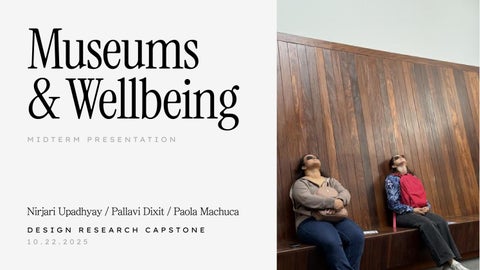
Museums & Wellbeing
Recap
Research Objective
What we’ve done so far
Keywords / buckets
Insights
Research Question
Audience
Looking forward
Recap : Objective
Make museum-based wellbeing accessible and scalable .
Primary interviews
Pattern spotting
& analysis
Choosing a demographic
2 What we’ve done so far
65 Conferences attended
47 Survey responses
12 Case
studies
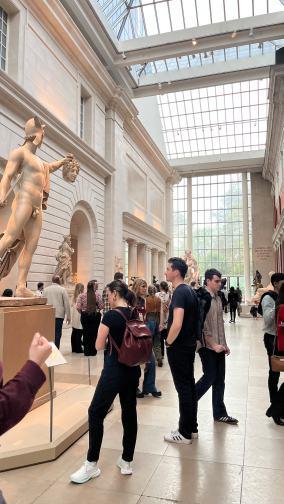
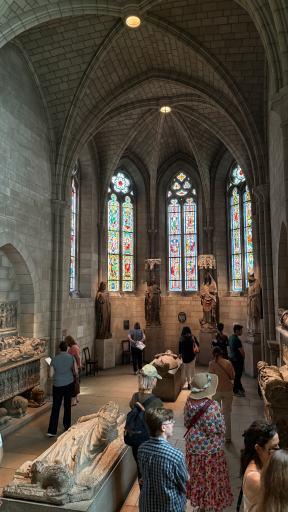
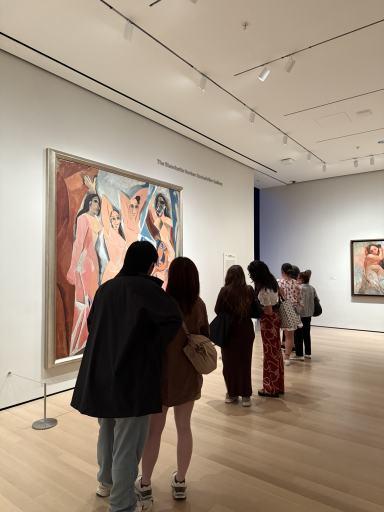
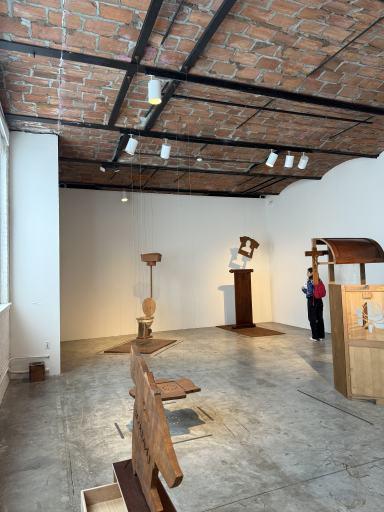
6 Museums
(observations & reflections)
Primary Interviews
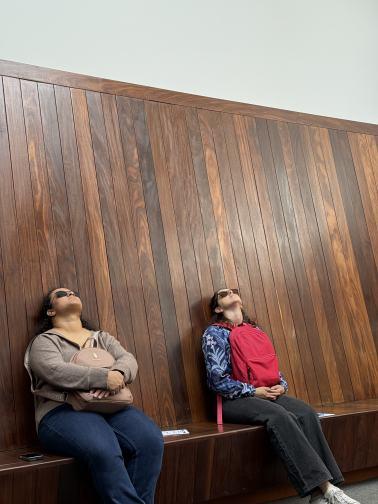
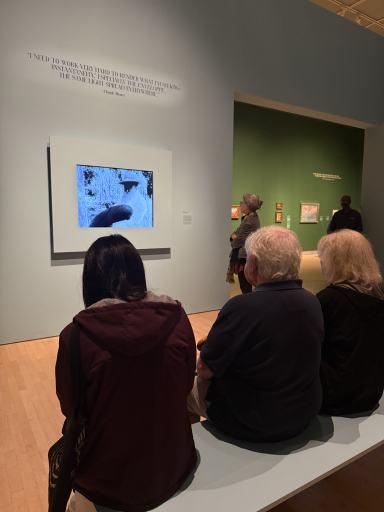
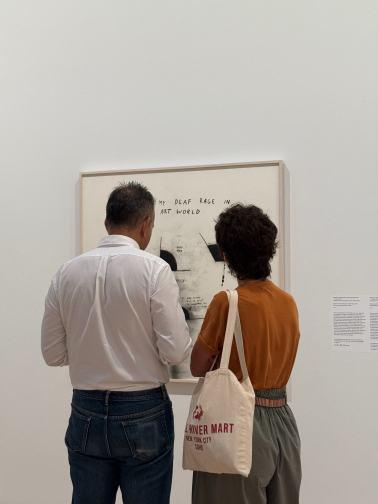
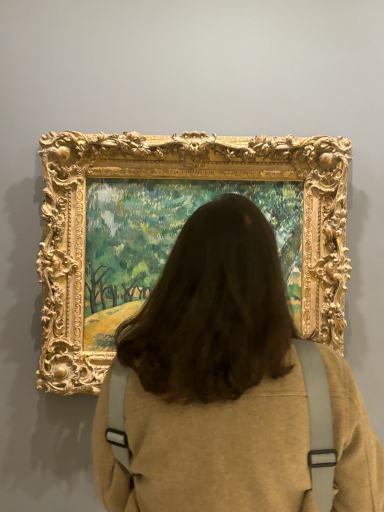
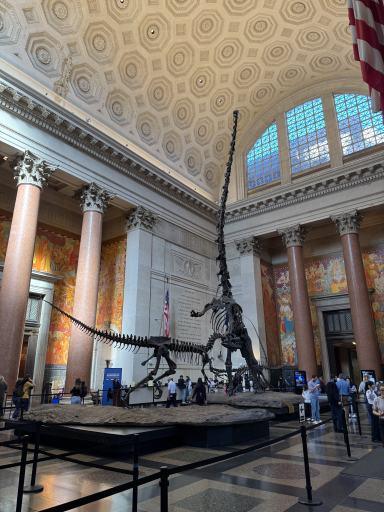
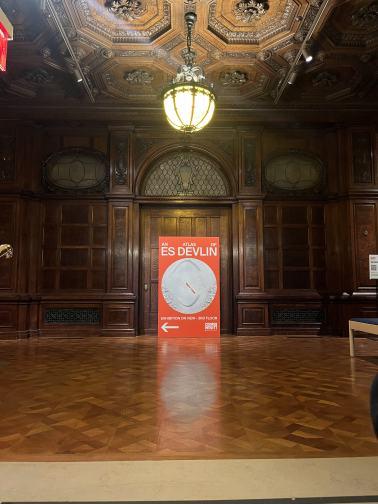
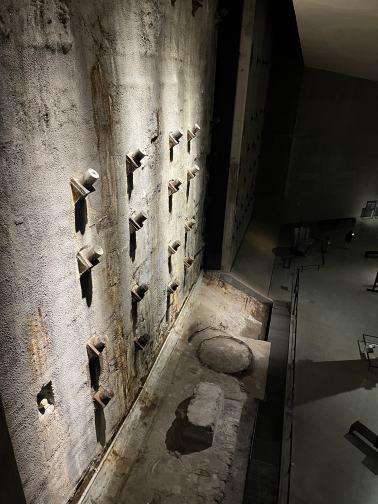
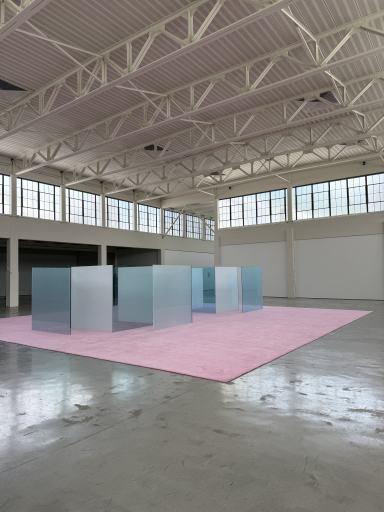
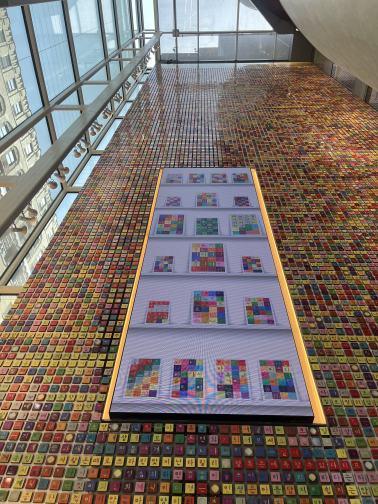
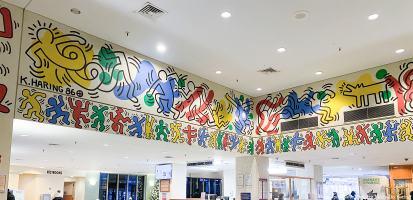
What we’ve done so far: Museums
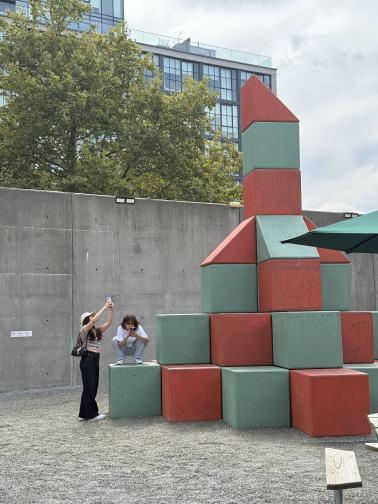
What we’ve done so far: Museums
What we’ve done so far: Museums - Takeaways
1.
Many museums offer meaningful programs and initiatives, yet they often remain hidden in plain sight, discovered only by those who happen to encounter them during a visit.
2.
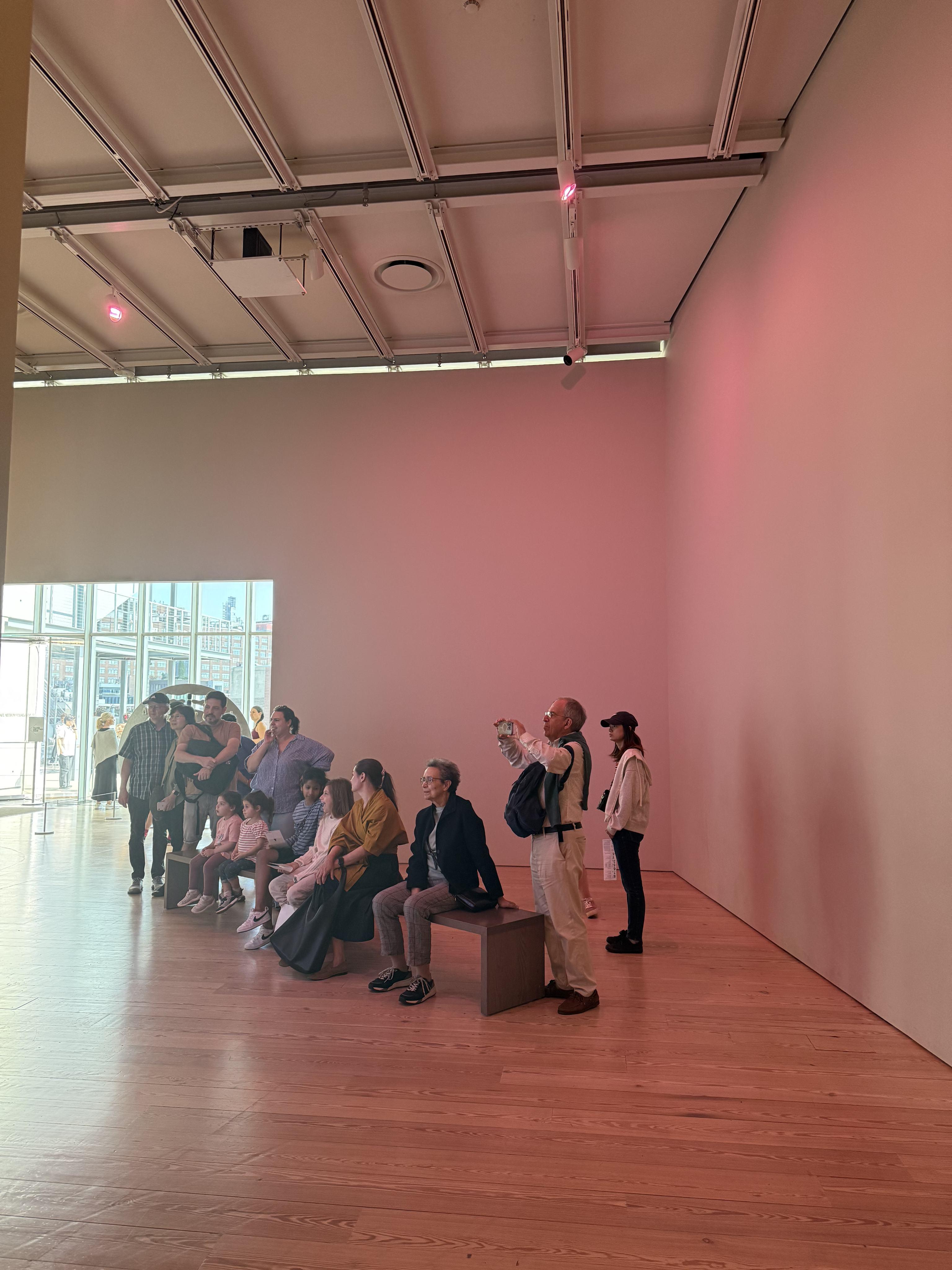
People from all ages come. In groups, individually, in couples, grandparentsgrandchildren, and the experience is different for every single person.
3.
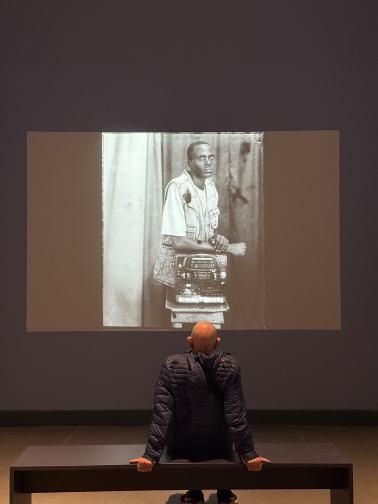
People visit museums for varied reasons, from curiosity to social obligation, shaping their level of engagement and often turning the museum into a leisure or social “third place”.
What we’ve done so far: Interviews
What we’ve done so far: Interviews
Joannah
What we’ve done so far: Interviews
PROGRAM
PRODUCTION COORDINATOR
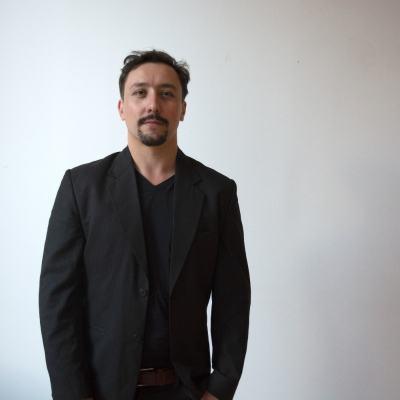
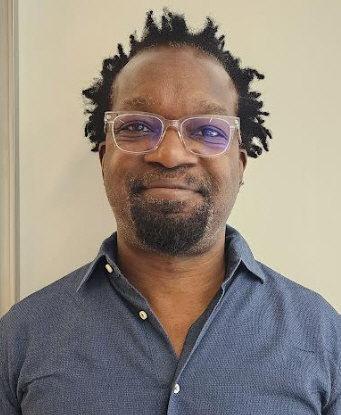
JuanCaicedoPablo Ellen Tepfer
Leda Costa Van Putten Adegboyega Adefope
Akhila
Khanna
Astha Sethi
What we’ve done so far: Interviews - Takeaways
What we’ve done so far: Conferences & Talks
UNGA HEALING
ARTS WEEK 2025
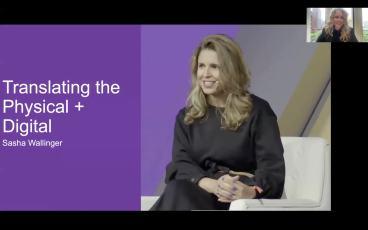
TRANSLATING THE PHYSICAL + DIGITAL WITH
SASHA WALLINGER, MIT MMUSEUM
What we’ve done so far: Conferences & Talks - Takeaways
Arts in healthcare go beyond recreation, when integrated into hospitals and patient-centred programs, activities like music, gardening, and murals foster healing, connection, autonomy, and community for patients and staff.
Despite their benefits, arts based healing faces barriers like stigma, poor coordination, and institutional constraints (like insurance, software, and policy), highlighting the need for systemic support and reimagined healthcare frameworks.
Sense of agency and self determination. Existing app but they integratecan’tit into the system
The future of design depends on creating harmony between human experience, physical space, and digital technology, where storytelling, craft, and emotion come together to build immersive and connected worlds.
Museums must become dynamic, human-centered public labs that break boundaries between disciplines and audiences, using curiosity and participation to turn cultural spaces into living systems of innovation.
TRANSLATING THE PHYSICAL + DIGITAL WITH
SASHA WALLINGER, MIT MMUSEUM
UNGA HEALING
ARTS WEEK 2025
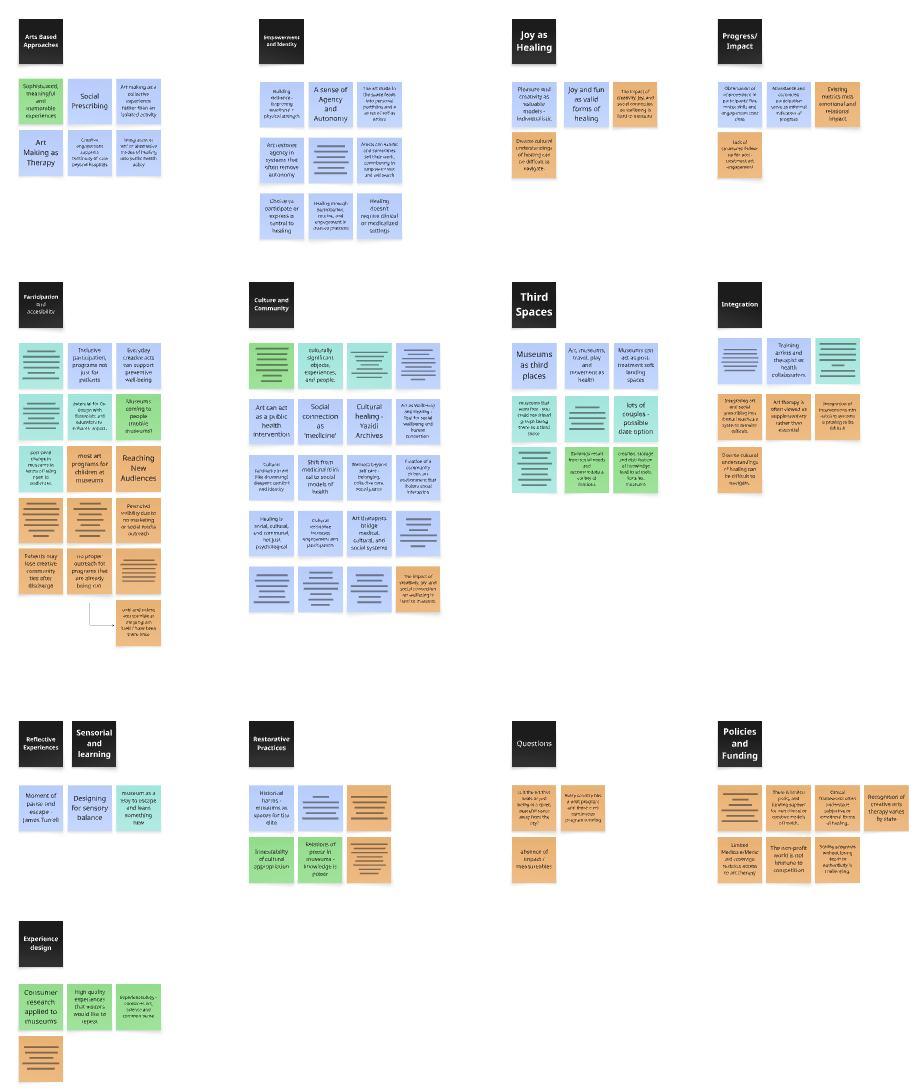
Key words / buckets
Key words / buckets
Key words / buckets
Empowerment and Identity
Arts Based Approaches Joy as Healing
Progress/ Impact
Progress/ Impact
Restorative Practices Experience design
Participation
and accesibility Culture and Community
Reflective Experiences Policies and Funding Third Spaces
Integration
Key words / buckets
Empowerment and Identity
Progress/ Impact
Arts Based Approaches Joy as Healing Integration
Participation
and accesibility Culture and Community
Progress/ Impact
Restorative Practices Experience design
Reflective Experiences Policies and Funding Third Spaces
Key words / buckets
Insights
1.
Museums are expanding community and wellness programs to enhance social impact, and the lack of consistent evaluation frameworks prevents them from measuring outcomes effectively, limiting their ability to demonstrate value and plan future improvements.
Museums often separate targeted community programs from public ones to create safe, focused environments, and this lack of coordination limits outreach, shared learning, and opportunities for inclusive, cross community engagement.
Museums and hospitals are increasingly collaborating through social prescribing and arts based therapies that foster healing and autonomy, yet institutional barriers and poor integration limit their impact, underscoring the need for stronger cross sector collaboration and shared frameworks to establish art as a core element of holistic healthcare. 2. 3.
Research Question
How might we leverage successful
within museums to and effectively? communitymeasureprogramsimpact promote wellbeing
AUDIENCE
Whitney Museum of American Art
SUB-AUDIENCE
Community groups the Whitney works with
Possible
collaborations
The Living Museum
Creedmoor Pscyhiatric Center
NYU Graduate student
NYU Langone’s Empathy Project, health professionals
Attend ‘Gallery Conversations for Younger Adults’ at Whitney - November 7th
Attend ‘Symposium for Practitioners in Arts and Health’ at MoMA - November 18th-19th
2.
4.
Take interviews with varied individuals across the stakeholder map - Ongoing (5 interviews lined up)
Researching impact frameworks and toolkits -
Daisy Fancourt's book "Art Cures"
6.
Visit The Living Museum and connect with Dr. Mitra Reyhani Ghadim - TBD
Analyze survey results - Conducted a survey to understand museum visitor behavior