
Book Launch: My Fight with PD
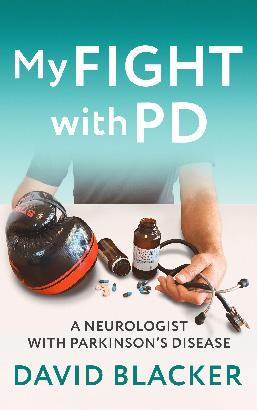
On Friday, 5th September 2025, over 90 guests gathered at The Niche for the official launch of My Fight with PD, a deeply personal and powerful memoir by David Blacker. Hosted by Parkinson’s WA, the event brought together clients, carers, medical professionals, friends, and supporters for an inspiring afternoon that highlighted the strength of the human spirit in the face of adversity.
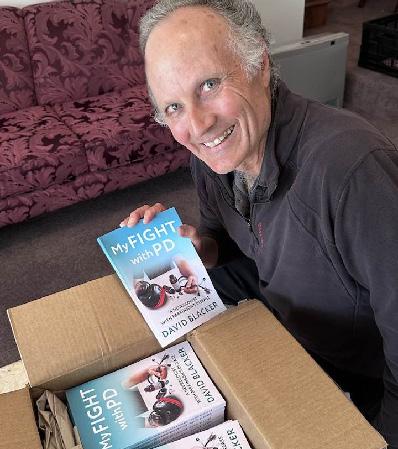
David Blacker’s book chronicles his journey following a Parkinson’s diagnosis — from the initial shock and challenges to unexpected breakthroughs, personal growth, and moments of triumph. With clarity and emotional honesty, David shares how he reshaped his life, including partnering with a former national boxing champion Rai Fazio to develop innovative exercise programs tailored to those living with Parkinson’s.
The afternoon began with a warm welcome from Yasmin Naglazas, CEO of Parkinson’s WA, followed by remarks from Sue Walters, Manager of Clinical Services at the Perron Institute. Both speakers highlighted the importance of community support, research, and personal storytelling in empowering those living with Parkinson’s and raising awareness about the condition.
The highlight of the afternoon came when David Blacker took to the podium. Speaking with both humility and humour, he shared insights from his journey and read excerpts from his book, offering the audience an intimate look into his experience. His words resonated deeply, striking a chord with many in the room who have faced their own health challenges.
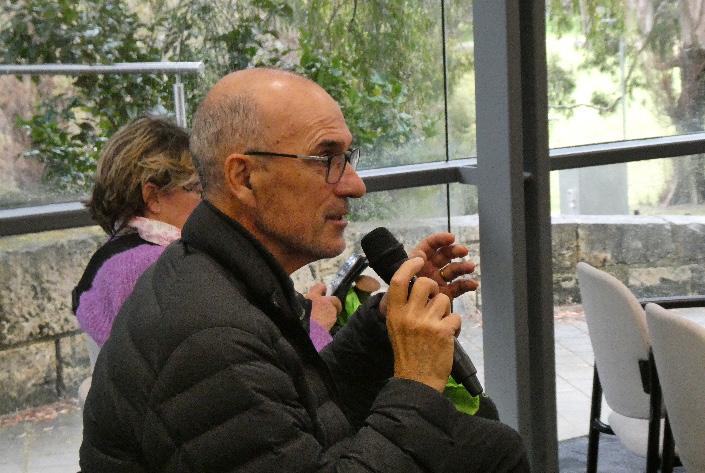
Following his talk, David engaged in a Q&A session, where audience members asked thoughtful questions about his journey, and sought advice. The conversation was heartfelt and inspiring, sparking meaningful dialogue between attendees.
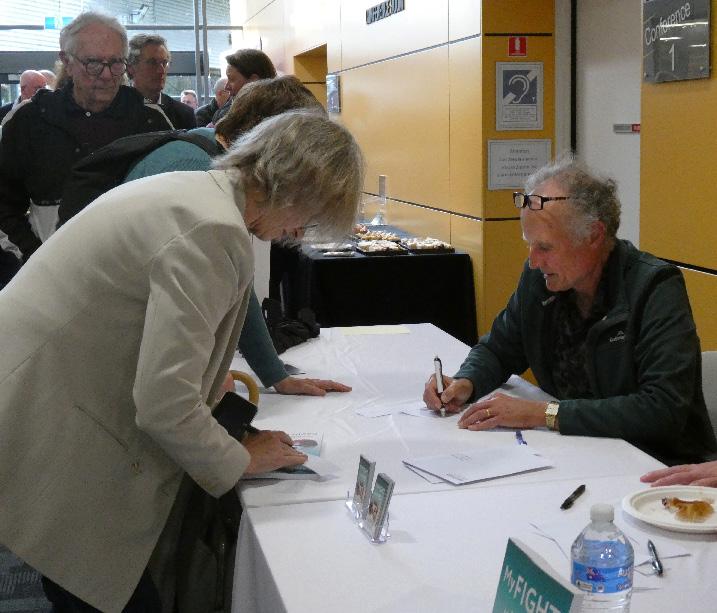
Guests had the opportunity to purchase signed copies of My Fight with PD. David and his wife Kirsten were on hand to meet attendees, sell books, and personally connect with readers. The atmosphere was one of warmth, support, and
continued on page 11...
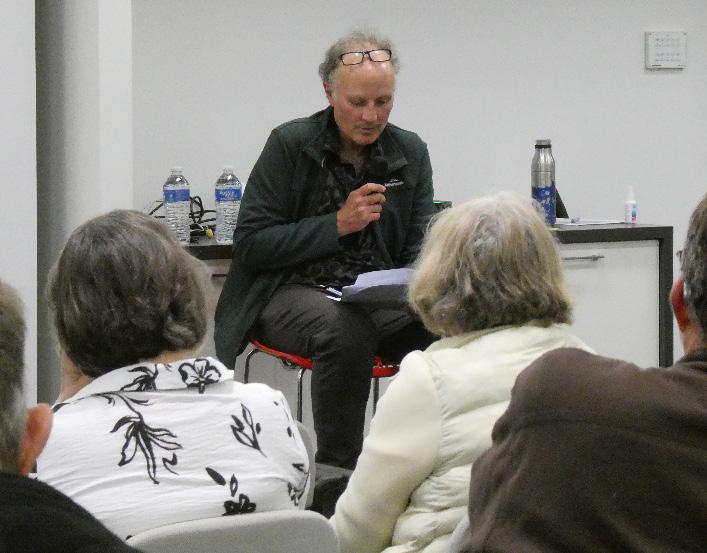
David reading from his book.
LOCATION/POSTAL ADDRESS
The Niche, 11 Aberdare Road, Nedlands, WA 6009
TELEPHONE (08) 6457 7373
FAX (08) 6457 7374
FREECALL 1800 644 189
EMAIL info@parkinsonswa.org.au
WEBSITE parkinsonswa.org.au
Chair Gary Steinepreis
Deputy Chair
Professor Natalie Gasson
Treasurer Peter Roberts
Secretary Tamlyn Lennox
Board
Clinical Professor David Blacker, AM, Kate Roberts, Geoff Waldock
Chief Executive Officer
Yasmin Naglazas
Clinical Lead Sheree Ambrosini
Business Partner, Marketing and Fundraising Kerrin Girando
Business Partner, Finance Manager Salil Koonja
Business Support, Office Manager Toby Gummer
Parkinson’s Nurse Specialists
Amanda Coultous, Fiona Roscoe, Jo Chadwick, Kayleigh Rawle, Donna Mallaby, Tina Williamson
Business Support, Clinical Service Development, Governance, and Research Laurie Dyer
Business Support, Marketing and Fundraising Jessica Wenham
Project Officer, Support Groups
Rhiannon Girando
Business Support, Finance Roselyn Brough
ADVERTISING ENQUIRIES
fundraising@parkinsonswa.org.au
Disclaimer - Parkinson’s Western Australia Inc has endeavoured to ensure that the information in this newsletter is accurate; however, we accept no responsibility for any errors, omissions or inaccuracies in respect to the information contained in the material provided by Parkinson’s Western Australia Inc. Nor is the provision of material by Parkinson’s Western Australia Inc. to be construed as any representation that there is no other material or information available in relation to the information provided. Further, Parkinson’s Western Australia Inc. accepts no responsibility for persons who may rely upon this information for whatever purposes.
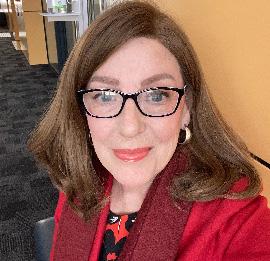
FROM THE CEO’S DESK
As we step into the final months of 2025, I’m pleased to share the momentum we’ve built—and the progress that continues to define our path forward.
A key highlight of the past few weeks was celebrating Professor David Blacker’s appointment as Honorary Medical Director at Parkinson’s WA. This milestone reinforces our standing as a leader in neuroscientific excellence, and I’m excited to build on this momentum in the months ahead.
Reconnecting & Engaging Our Community
Our commitment to delivering accessible, inclusive support remains unwavering. Whether through our metropolitan and regional Support Groups or our tailored tele-services, we are continuously listening, learning, and adapting to meet the evolving needs of people living with Parkinson’s across WA.
Through both in-person meetings and virtual forums, we are strengthening connections and ensuring that every member of our community feels seen, heard, and supported.
Spotlight: Regional Success & Volunteer Dedication
Our regional presence continues to grow from strength to strength. The Busselton Support Group is just one inspiring example—fostering connection and shared experience in the heart of regional WA. Across the State, our volunteers and support leaders remain the soul of our organisation, offering compassion, commitment, and community in every interaction.
National Recognition & Broader Influence
Recently, I was honoured to be appointed to the Board Finance Committee of the National Parkinson’s Alliance (NPA). This role presents a valuable opportunity to contribute to national advocacy, strategic financial sustainability, and enhanced collaboration in research and care. It’s a recognition of the leadership and trust that Parkinson’s WA holds—and a platform through which we can elevate our collective voice.
Shaping the Future: Our Strategic Priorities
Guided by our Strategic Plan, we remain focused on key priorities: early diagnosis, innovative care models, self-management support, research collaboration, and long-term sustainability.
This quarter, we’ve made progress across several important areas:
• Streamlining client intake processes to ensure faster, easier access to support—regardless of background or location.
• Strengthening data systems and referral pathways to improve collaboration with neurologists, GPs, and allied health professionals.
• Deepening research and partnership efforts, regionally and nationally, including with leading institutes.
• Enhancing digital engagement and fundraising to secure financial resilience and amplify our storytelling and reach.
Looking Ahead
As Christmas approaches, there is a renewed sense of energy and purpose across our organisation. With strong community engagement, growing regional innovation, and rising national influence, Parkinson’s WA is firmly aligned with its purpose: to support, empower, and advocate for all Western Australians affected by Parkinson’s.
continued on page 3...
From the Nurses’ Desks
I can hardly believe we’re already approaching the end of the year, again! It feels like 2025 only just began, and yet here we are, reflecting on everything that’s happened and looking ahead to what’s next. Time really does fly when you’re part of a community as active and inspiring as ours.
This year has been rich with meaningful moments. As a Parkinson’s Nurse Specialist with Parkinson’s WA, we have had the privilege of walking alongside many incredible individuals and families. From home visits and support groups to clinical outreach, it’s been a busy year, but the kind of busy that fills your heart
We’ve celebrated some wonderful milestones, including hosting Dr David Blacker’s book launch, partnering with Perron for the newly diagnosed clinics, and continuing the yoga sessions that bring both movement and mindfulness to our clients. These additions have deepened our approach to care and connection.
We’ve also enjoyed Twilight Sailing, hosted engaging seminars, and proudly celebrated the first nurse to complete the Experiential Learning Pathway in Parkinson’s Care. On the staffing front, we welcomed Tina to the Northwest Metro area, and Laurie into the office to support our nursing team. With the addition of our new triage nurse support, we’re seeing real improvements in the client experience, and that’s something we’re incredibly proud of.
continued from page 2...
One of the biggest disappointments this year was having to cancel A Walk in the Park due to poor weather. It’s such a special event for our community, a chance to come together, raise awareness, and celebrate the strength and resilience of those living with Parkinson’s. I know how much many of you were looking forward to it, and I was too. Thank you to everyone who had planned to attend, volunteer, or fundraise. Your commitment means the world to us, and we’re already looking forward to next year’s walk being bigger, better, and hopefully much sunnier!
I’ve seen clients embrace life in ways that are truly inspiring, whether it’s planning trips for new adventures, finding joy in movement and discovering new strengths, or simply enjoying a quiet moment with loved ones. Parkinson’s may shape someone’s experience, but it never defines who they are. That’s something I’m reminded of every day.
I hope the end of the year brings you rest, joy, and time with the people who matter most. I’m looking forward to reconnecting in 2026, whether it’s during a home visit, at an outreach clinic, when you drop by the office for a quick chat, or simply out and about at one of our community events.
Warm regards,
Sheree Ambrosini
Thank you for walking this journey with us. Your support, dedication, and shared belief in our mission are what drive us forward.
As we enter the festive season, I encourage you to take time to rest, reconnect with those close to you, and recharge. You’ve earned it.
On behalf of the Parkinson’s WA Board and Management, thank you for everything you’ve contributed in 2025. We look forward to a promising and purposeful 2026—together.
Wishing you and your families a joyful, peaceful Christmas and a healthy, prosperous New Year.

Adj Professor Yasmin Naglazas Chief Executive Officer
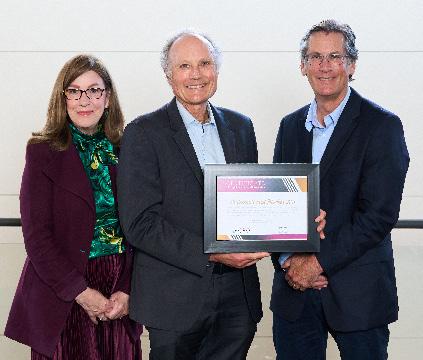
Adj Professor Yasmin Naglazas with Professor David Blacker and Gary Steinepreis
Nurses’ Updates
Bloating, Gas, and Digestive issues in Parkinson’s
Digestive symptoms such as bloating, gas, nausea and changes in appetite are common in Parkinson’s, yet they are often overlooked. These symptoms can affect comfort, nutrition, and overall quality of life — but with the right strategies, they can often be improved.
Why Do These Symptoms Occur in Parkinson’s? Parkinson’s doesn’t just affect movement, it can also impact the nervous system that controls digestion. The gut relies on a network of nerves (the enteric nervous system) to move food along and in Parkinson’s, these signals can slow down. This can lead to:
• Delayed stomach emptying (gastroparesis) — food stays in the stomach longer, causing fullness and bloating.
• Slower bowel movement — which may cause gas build-up and discomfort.
• Reduced sense of smell and taste — contributing to reduced appetite.
Managing Bloating and Gas
Small daily changes can make a big difference:
• Peppermint tea or ginger – Both can relax the digestive tract and reduce discomfort.


• Abdominal twists and gentle stretches –Movements like seated twists or lying on your left side, knees-to-chest can help release trapped gas.
• Natural positioning – Sitting upright while eating, and staying upright for at least 30 minutes afterward can improve digestion.
• Slowing down at mealtimes – Eating more slowly reduces swallowed air and gives your digestive system time to work.
Nausea and Reduced Appetite
Nausea and lack of appetite can lead to reduced food intake and unintentional weight loss.
• Identify medication timing issues – Nausea may improve if levodopa is taken with a small carbohydrate snack (unless your specialist advises otherwise).
• Lemon-Lime bitters – A splash of lemon-lime bitters in sparkling water can stimulate the appetite and aid digestion.
• Ginger – In tea, lozenges, or fresh form, can ease nausea.
• Small, frequent meals – Rather than three large meals, try four to six smaller ones to reduce pressure on the stomach.
Kayleigh Rawle, Parkinson’s Nurse Specialist
DEAR NURSES,
Dear Nurses, I’ve noticed lately that my walking has become a bit unpredictable, especially in the evenings. Sometimes I feel like my feet are stuck to the floor, and I just can’t get going. It’s frustrating and a little scary. Is this something other people with Parkinson’s go through? And is there anything I can do to make it easier?
Wobbly but Wise
Dear Wobbly but Wise,
Thank you so much for reaching out. What you’re describing, feeling like your feet are stuck and struggling to get moving, is something many people with Parkinson’s experience. It’s often called “freezing,” and while it can be frustrating and even a bit unsettling, you’re definitely not alone.
Freezing tends to happen more when you’re tired, stressed, or moving through tight spaces like doorways. It can also be more noticeable in the evenings. The good news is that there are ways to manage it. Some people find it helpful to use rhythm, like counting “1-2-3” before stepping, or walking to music with a steady beat. Others imagine stepping over a line or object on the floor to help get going again. These little tricks can make a big difference.
It’s also worth having a chat with your physiotherapist or Parkinson’s nurse. Sometimes freezing is a sign that your medication might need adjusting, and your specialist can help with that. And of course, making sure your home is safe and free of trip hazards is really important too.
Please know that you’re not alone in this. We’re here to support you, and there are lots of strategies we can explore together to help you stay safe and confident on your feet.
Yours
The Nurses
Research News
Parkinson’s WA Awards Two Groundbreaking Research Grants to Support Western Australians Living with Parkinson’s
Parkinson’s Western Australia is proud to announce the awarding of two significant research grants to projects that promise to make a lasting impact on the lives of Western Australians living with Parkinson’s.
Thanks to the generosity of our community, tireless fundraising efforts, and the support of benefactors who believe in a better future for people with Parkinson’s, we can invest in innovative, WA-based research that delivers real-world solutions and global advancements—right here at home.
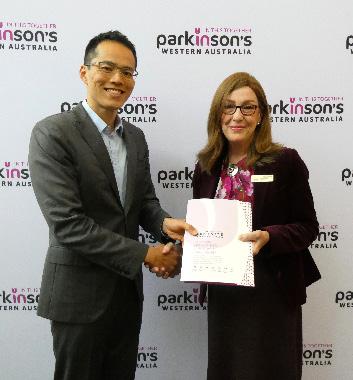
Parkinson’s WA CEO
Yasmin Naglazas with Dr Wai Yan Yau
A New Era of Parkinson’s Diagnosis in WA
Researcher: Dr Wai Yan Yau – Perron Institute
Parkinson’s WA is funding a pioneering pilot study that brings a world-class diagnostic tool—the alpha-synuclein seed amplification assay—to Australia for the first time. This highly sensitive test can detect misfolded alpha-synuclein protein, a hallmark of Parkinson’s, potentially enabling earlier and more accurate diagnoses.
The study will also explore genetic variants linked to monogenic Parkinson’s and investigate new
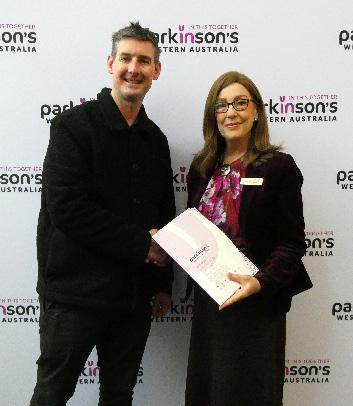
Parkinson’s WA CEO
Yasmin Naglazas with Travis Cruikshank
Brain Bites: Nutritional Meal Boxes Designed for Parkinson’s
Researchers: Dr Travis Cruickshank & Dr Jo Rees – Edith Cowan University
Parkinson’s WA is funding an innovative study focused on the feasibility and impact of a co-
therapeutic approaches, including antisense oligonucleotide therapy.
“This project represents a major advancement in our mission to improve the lives of people living with Parkinson’s,” said Adjunct Professor Yasmin Naglazas. “By supporting innovative diagnostic and genetic research, we are helping to bring world-class science to Western Australia, with the potential to transform care nationwide.”
These research grants are a direct result of your continued support. Together, we’re creating a future where people with Parkinson’s have access to better tools, earlier diagnoses, and improved quality of life. Thank you for being part of this journey.
To learn more about these projects or to learn more about our research funding or to support Parkinson’s WA, please visit www.parkinsonswa. org.au designed meal box called Brain Bites. Developed to support the unique dietary needs of people with Parkinson’s, the boxes aim to improve nutritional intake, support independent cooking, and enhance quality of life.
“This project aligns perfectly with our goal of supporting everyday independence through practical, evidence-based tools,” said Adjunct Professor Yasmin Naglazas, CEO of Parkinson’s WA.
By addressing real-life challenges in the kitchen, this research could deliver a scalable, sustainable solution to help people live better, longer.
Celebrating Our First Nurse to Complete the Parkinson’s Experiential Learning Program
Marie, a Registered Nurse, is the first candidate to participate in our 10-week Experiential Learning Program. Marie’s Dad has Parkinson’s and she understands the increasing need to support individuals and families affected by the condition in Western Australia.
1. How did it feel to be the first nurse to complete the Experiential Learning Program with Parkinson’s WA?
I was so excited to find out that I had been selected to participate in the Experiential Learning Program. Having completed, I’m even more excited for future participants to experience the same opportunity.
2. Can you tell us a little about your nursing background?
I started my nursing career working in rural Health Services/Hospitals in WA. I then made my way up to the top end where I worked predominantly in Alcohol and other Drugs across a range of roles, but mostly in the youth and adolescent space. I also have surgical and orthopaedic experience, which is where I currently work.
3. What drives your passion for nursing?
Being trusted to care for people is a real privilege. I hope to make a difference and help patients and families achieve positive health outcomes.
4. What inspired you to take part in the Experiential Learning Program at Parkinson’s WA? Has it deepened your interest in Parkinson’s care? I had been looking to broaden my understanding of Parkinson’s when the program was advertised, so it was the perfect opportunity!
As well as being aware that diagnoses are growing, I see many patients living with Parkinson’s in my current role. I wanted to increase my knowledge so I could provide appropriate care and share Parkinson’s awareness within my workplace and the wider community. The program has definitely deepened my interest in further learning to provide
the best possible care for patients and their families living with Parkinson’s. The experience of seeing the Nurse Specialists and Team provide such beneficial care and support for those living with Parkinson’s and their families is truly inspiring!
5. What were your goals going into the program? I wanted to increase my own knowledge and skills to enable advocacy for the individual and their family, as well as sharing better care practices and awareness around Parkinson’s within my workplace and the wider community.
6. What specific skills or knowledge did you hope to gain that will support your current role?
I hoped to gain knowledge to better recognise and respond to the specific needs of people with Parkinson’s in a hospital setting, particularly in post op care. Medication management is sometimes disrupted when in hospital. Understanding the impacts on the patient and being able to advocate and support is vital to enable a smoother recovery.
7. How did you find the overall experience? What aspects did you enjoy most?
I found the entire program extremely beneficial. The theoretical component of the MOOC was very useful, and the seminars provided a great source of knowledge. The Duodopa education day was a completely new and valuable learning experience for me. What really rounded out the program was attending home visits, the Newly Diagnosed Clinic, and hearing lived experiences through the MOOC, Q&A sessions at seminars and insights provided by the Parkinson’s nurse specialists – all experiences I wouldn’t normally have had the opportunity to be part of.
continued on page 16...
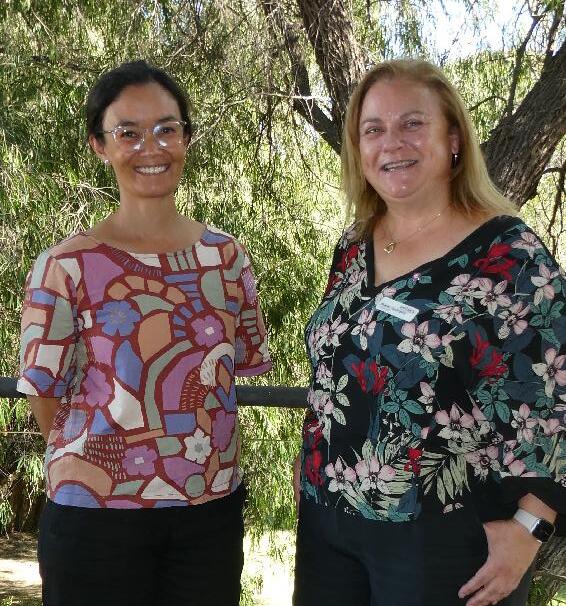
Marie with Clinical Lead
Sheree Ambrosini
Q & A with Professor David Blacker Author of my Fight with PD
• What inspired you to write My Fight with Parkinson’s? Was there a particular moment that pushed you to share your story?
At Christmas time in 2020 I read Michael J Foxes book, “No time like the future.” I had read his previous books before my own diagnosis, so from the perspective of a Neurologist. This was the first time I’d read one as a person with Parkinson’s, and I was struck by how much more impactful it was. That got me thinking that, perhaps other people with Parkinson’s, might find my situation interesting.
• As a Neurologist, you’ve likely treated many patients with Parkinson’s. How did your perspective change after your own diagnosis?
I felt there was a lot more I could offer, especially when sharing my experience. To be able to truly understand what someone else is going through because I had been through it myself, and then share it, is one of the most powerful aids in medical consultation I have ever had.
• What were your first thoughts or feelings when you received the diagnosis? How did it impact you personally and professionally?
I was quite surprised how deep the impact was, even though I was expecting it, and had been reasonably sure about it for more than a year.
On one level, there was almost a relief, because I’d started to worry about other pathologies such as Motor Neurone Disease. It also vindicated my self-diagnosis. Part of the reason for the delay in me seeking help was a concern that I was just imagining the symptoms.
The worst thing was the sense of uncertainty the diagnosis brings, and the sudden alteration of what my perception of my future life was going to be like. The image of a fulfilling and active retirement was suddenly shattered.
• Was it difficult to write about such a personal and vulnerable experience? What helped you get through it?
Not really; I’ve never been too concerned about revealing the details. In fact, I had worried that writing an autobiography could be seen as a little self-indulgent. When I realised how powerful it could potentially be to help other people with Parkinson’s and their families, as well as influencing my medical colleagues, I felt a sense of obligation, that this was something I must do.
• Were there any stories or moments that were especially hard to revisit or share in the book?
The toughest story is about a brief moment of suicidal ideation that I had when receiving the confirmation that my prostate biopsy showed high grade cancer. I learnt this after arriving in Melbourne (travelling solo) for a conference. I was alone in a Melbourne hotel on a cold desolate night after a long day and already stressed about the presentation I was there to make. My surgeon was only trying to get me the news quickly, but the timing was poor; I had planned to hear the results when I got back to Perth, so my wife Kirsten could be there for support. At that time, I’d recovered from several other medical issues over the preceding year, including COVID, depression
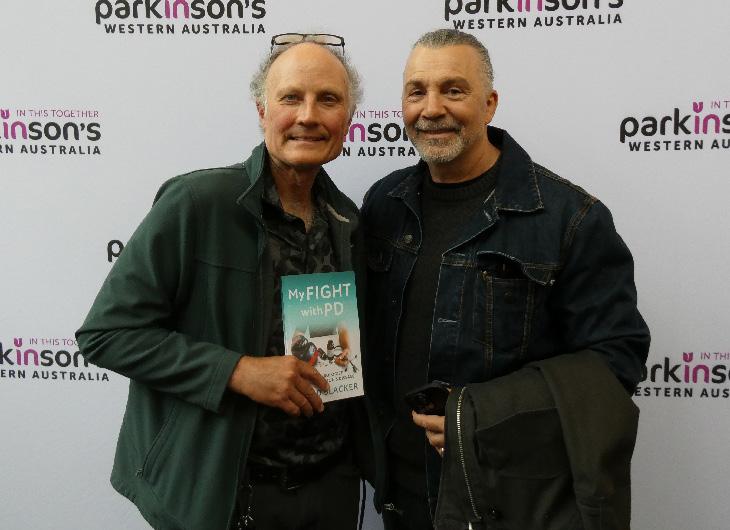
David with Rai Fazio
and 3 eye operations. All these had impacted on my Parkinson’s, and just when I felt I was getting well again, suddenly the cancer diagnosis. I was overwhelmed and exhausted to be facing yet another challenge.
I was concerned that this might be distressing for people to read, but suicide is a big issue for people with Parkinson’s, with at least twice the risk of the general population. There are also important lessons to learn from this regarding communication of bad news.
• What central message do you hope readers— both patients and non-patients—take away from My Fight with Parkinson’s?
The central message is of hope and optimism. There are many things that can be done, such as adequate dosing of medication, exercise, psychological support, education about Parkinson’s, stress reduction, minimization of alcohol, sleep hygiene and dietary modification, that can improve overall health and reduce Parkinson’s symptoms. I believe that putting all these together, “healthspan” can be improved, and the course of Parkinson’s can be modified.
There are “silver linings’, in the form of
unexpected pathways in your life that may well not have happened without Parkinson’s.
• Did writing the book help you better understand or come to terms with your condition?
Most certainly. It provided strong motivation to keep up with the latest research, as well as helping me personally from the aspect of journalling the experience. The title of FIGHT, might now be a little incorrect. I feel like I am still “fighting PD”, especially the big picture outside my own case. Personally, I am fighting, but also adapting and accepting.
• What surprised you the most while writing My Fight with Parkinson’s?
I was surprised by how much I enjoyed the writing process. Many years ago, when I was doing my fellowship at the Mayo clinic, I had a couple of months where I could just read and write up papers. I could focus and write productively for hours. For the next two decades there never seemed to be the time to do that, or the ability to focus. During the writing process, I have found I could do that again. For example, I became so engrossed in the paraquat issue, I could spend three hours (a whole dose cycle) reading information.
• If you could go back and speak to your newly diagnosed self, what would you say?
I regret procrastinating between the time when I was sure I had Parkinson’s, to when I obtained an opinion from a Neurologist. That was more than a year, during which time I could have had a better quality of life if I had been on medication.
I also regret working so hard and stressfully in 2019 by taking on the Head of Neurology Department role at SCGH. I had just started medications, and was feeling almost normal. I felt like I had
continued on page 10...
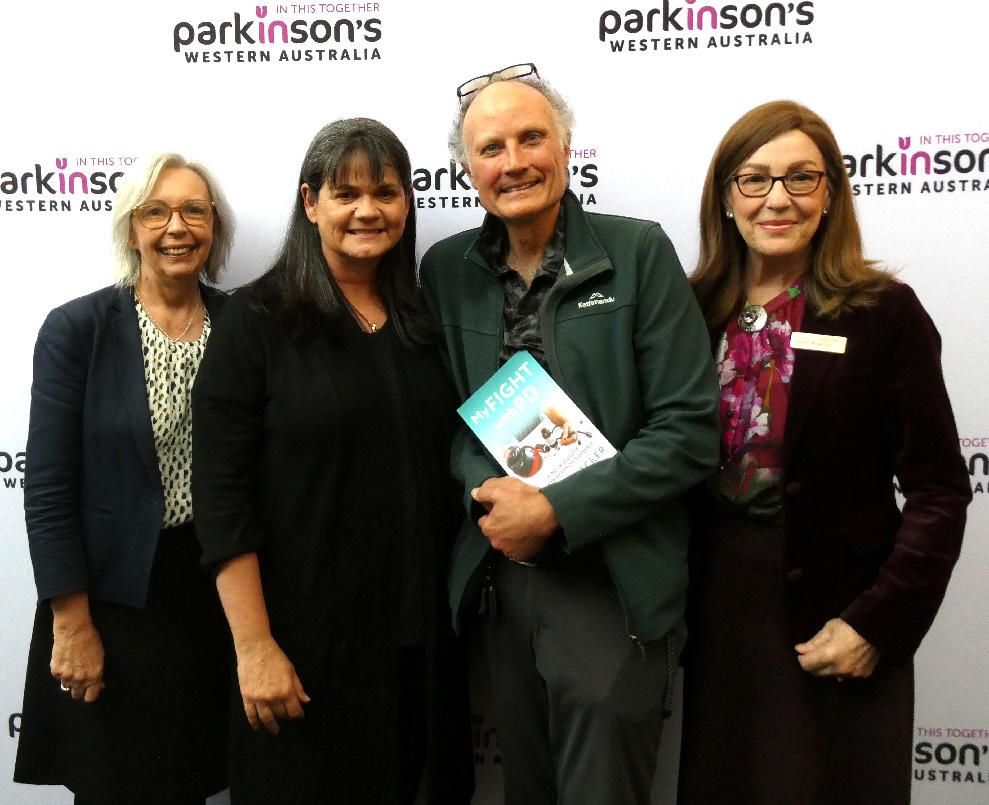
Sue Walters, Kirsten and David Blacker and Yasmin Naglazas
to cram in as much as I could. In retrospect I should have taken more care of myself.
• What advice would you give to someone newly diagnosed with Parkinson’s disease?
Acknowledge that Parkinson’s is life changing, but not necessarily for the worse. At the start it will be tough. Give yourself some time at the to take it all in, and seek advice and support, such as that available through Parkinsons WA. Ensure you have time to adapt to a new view of the world. I think it takes about two years to get to terms with it all.
Have no qualms about claiming income protection insurance or NDIS if these are available to you.
Don’t feel hurt if people say things like “you don’t look like you have Parkinson’s”. Most times, they mean well and just don’t know what to say, and not realise they are being insensitive. For
example, “oh I know someone who died with Parkinson’s”!
There are unexpected benefits such as;
It’s a great excuse to stop doing things you don’t really want to be doing.
It gives you the power to say “No” to things. It forces you to slow down; use this to appreciate things and savour life.
It’s a great motivator for you to live well and look after yourself.
The Parkinson’s community is extremely supportive and informative; don’t be afraid to join it and make new connections.
Relationships can actually be enhanced, but make sure your loved ones get a break if you depend on them for care.
My Fight with PD Book Review
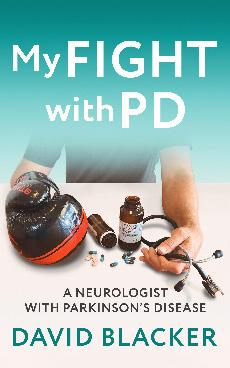
David Blacker has been many things in his long career in the medical profession - neurology registrar, director of research institute, stroke expert, and head of a department of neurology. Now he can add to his list of accomplishments – writer. As he explained in a recent talk that he gave at the launch of his book, “My Fight with PD” he has always done a lot of writing for patient reports and academic papers. But this autobiography is written for a wider audience with a light touch which makes for an entertaining read.
With Parkinson’s being the focus of his story, David very succinctly summarizes his childhood and teenage years in a couple of paragraphs. Under the heading of “BEFORE THE FIGHT” he details his experience as a medical student, a junior hospital doctor and a trainee neurologist and his interest in sport and exercise. A keen golfer, he also takes on the challenge of running marathons. But even at this young age Parkinson’s is starting to show itself
with foot dystonia and tremor in his right hand when stressed.
As his Parkinson’s symptoms progressed, David was keen to investigate using exercise to fight the disease. Fate led him to collaborate with boxing champion Rai Fazio, who has been the subject of a movie “Two Fists One Heart” and the developer of the Fightmaster training machines. How Rai and David, together set up a clinical trial to prove the effectiveness and safety of Rai’s boxing training techniques in Parkinson’s is an important part of this book.
In the last section, “the FIGHT is not over”, David describes his battle in 2022 with COVID, depression, eye surgery and prostate cancer. Despite all these medical setbacks he thinks of his fellow Parkinson’s sufferers when in 2024 he sets up a multi-disciplinary clinic for the newly diagnosed. This concludes what is an insightful look at Parkinson’s from both the viewpoint of the doctor and the patient.
by Susan Hall - Parkinson’s WA Community
shared resilience, as guests mingled over light refreshments.
The launch of My Fight with PD was more than a book event, it was a celebration of strength, a gathering of community, and a testament to the power of sharing one’s story.
Congratulations to David Blacker on this incredible achievement!
My Fight with PD is now available and is a mustread for patients, carers, medical professionals, and anyone seeking courage and inspiration in the face of life’s uncertainties.
You can order the book online through the Parkinson’s WA website here: https://www. parkinsonswa.org.au/parkinsonswa-store/MyFIGHT-with-PD
About the Author
Professor David Blacker AM, MB BS, FRACP has dedicated four decades to medicine, neurology, and pioneering advances in stroke care. Following his Parkinson’s diagnosis in 2018, he redirected his career towards research, advocacy, and developing exercise-based therapies that are now improving lives across the Parkinson’s community. His collaboration with former boxing champion Rai Fazio led to the ground-breaking FIGHT-PD program. In 2023, David was awarded a Member of the Order of Australia (AM) for his service to medicine and neurological research.
Share Your Story
We would like to reach out to you, our community and ask if you are willing to share your Parkinson’s story. You can be a patient, a carer or a loved one, we want you to share your thoughts and experiences. By sharing your experience, you can help provide understanding, encouragement and hope to others. Please visit our website to see some of the amazing stories that our community have already shared - https://www.parkinsonswa.org.au/stories
To share your story please reach out to: marketing@parkinsons.org.au or call on 6457 7373
David signing books after the event.
SOUTHWEST News
Parkinson’s WA Expands Services with New Southwest Regional Office
Since the last update, the Parkinson’s Nurse Specialist team in the Southwest has continued
to deliver dedicated and compassionate support to people living with Parkinson’s across the region.
Our work has taken us into homes, hospitals, aged care facilities, and now, for those who prefer a clinic setting, we are pleased to offer monthly appointments at our new office space. If you would like to book a clinic appointment with the team, please do not hesitate to get in touch.
We have also been actively involved in facilitating community support groups in Bunbury, Busselton, Collie, and Margaret River, where people living with Parkinson’s and their families can connect, share experiences, and hear from a variety of guest speakers.
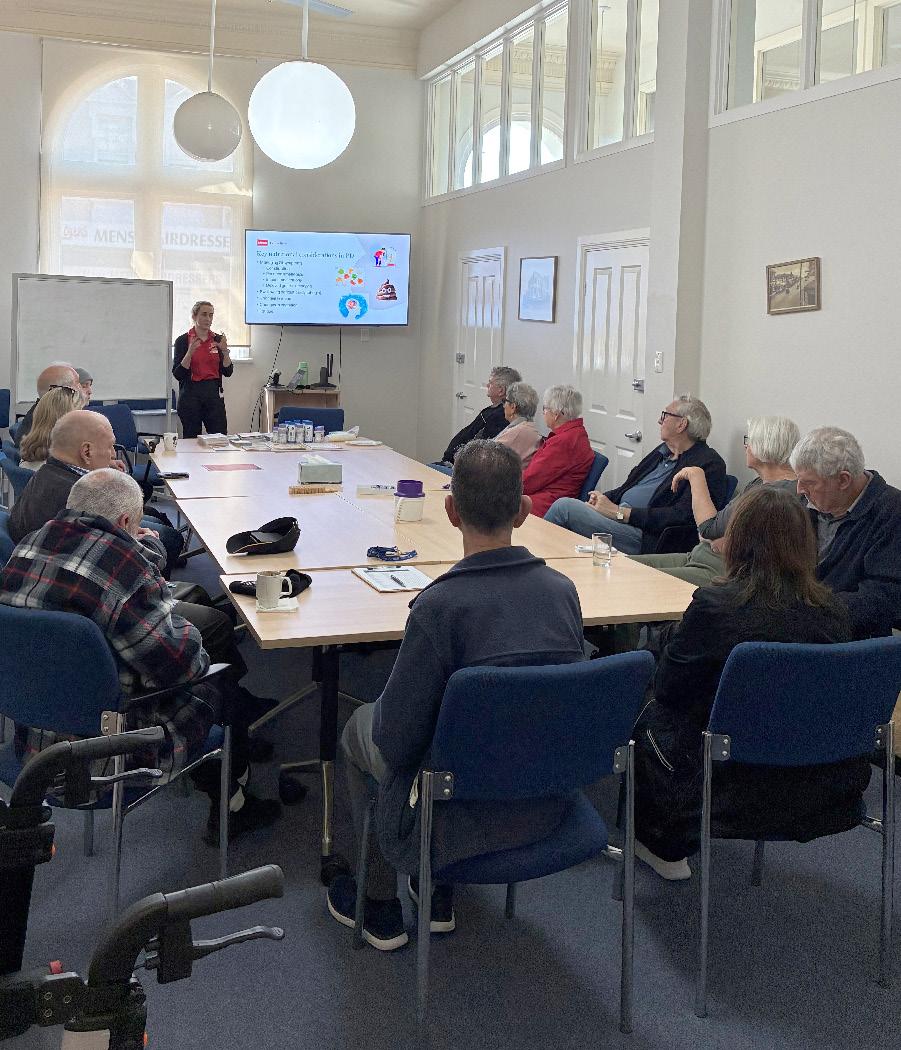
Recently, we have welcomed expert presentations from a Dietitian, Speech Pathologists, and a Physiotherapist, who have shared valuable insights into nutrition, communication, and movement strategies for Parkinson’s management.
Our support groups are always evolving, and we are grateful for the involvement of community members. If you are interested in helping out at one of our local support groups, we would love to hear from you.
In September, we held our final Carers’ Meeting for 2025. We thank everyone who participated throughout the year. Please keep an eye out in the New Year for some exciting changes to the carers’ group format as we look forward to creating more flexible and supportive options in 2026.
continued on page 13...
...continued from page 12
Fiona, has been working closely alongside Dr King at the outpatient clinics at Busselton Hospital. These joint appointments are a valuable opportunity to provide coordinated care and ensure patients and their families have access to timely support.
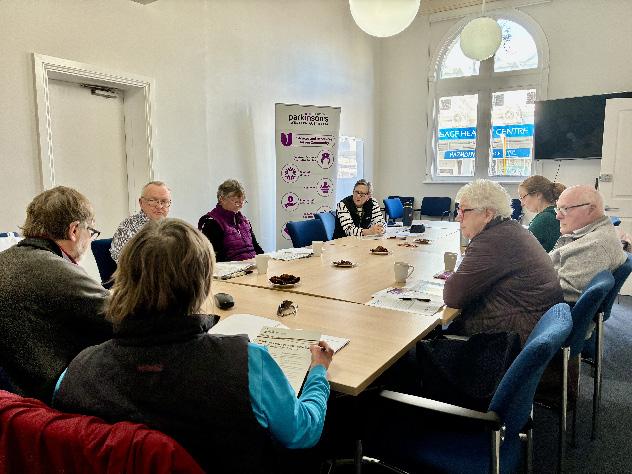
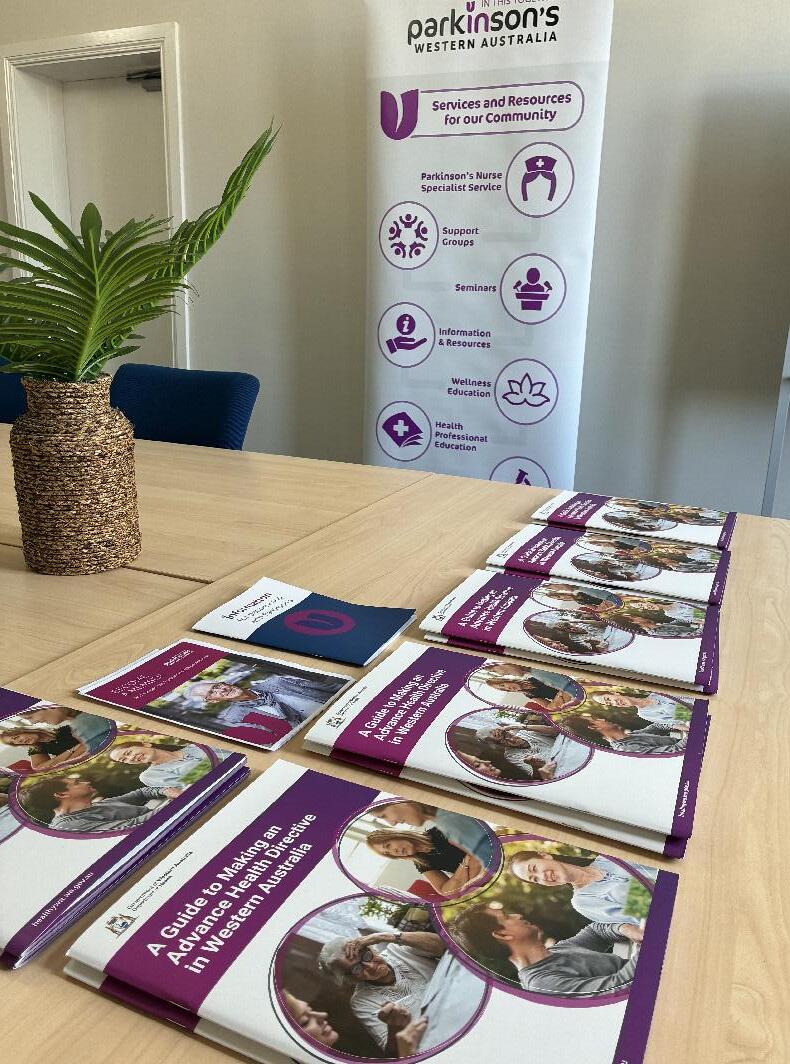
In collaboration with Southwest Compassionate Communities, we also recently hosted another Advance Health Directive (AHD) Care Planning session. These sessions aim to empower individuals and families to understand their healthcare choices and prepare for the future in a supportive environment.
Finally, we are proud to share that Donna was recently invited to lecture at the WACHS Southwest Registered Nurse Graduate Education Day. Her presentation highlighted the complexity of Parkinson’s disease and the critical role nurses play in supporting people living with Parkinsons. It is a privilege to contribute to the growing knowledge of our regional healthcare workforce.
Thank you to all who continue to support our team and the Parkinson’s community in the Southwest. We look forward to continuing this important work together into the New Year.
Donna and Fiona: Your Southwest Parkinson’s Nurse Specialist Team.
Community Spirit Shines Through the Storm
A WALK IN THE PARK 2025
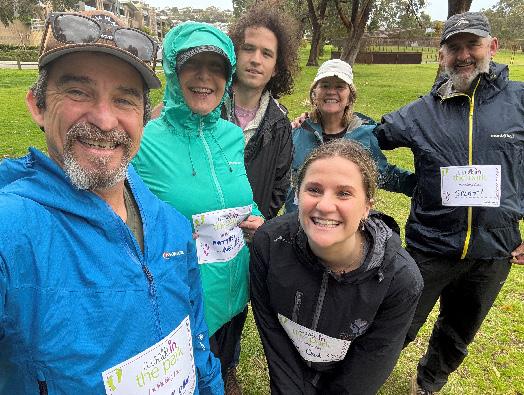
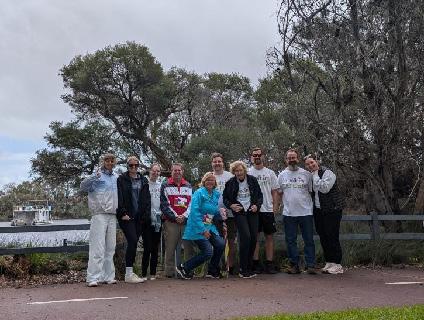
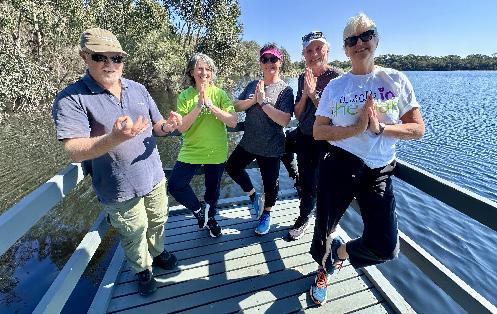
Saturday, September 14th was meant to be a sea of lime and white t-shirts, smiling faces, and shared purpose as hundreds of supporters gathered for our signature event, A Walk in the Park. But in an unfortunate turn of events, wild weather forced us to make the difficult decision to cancel the event.
While the skies didn’t cooperate, the community certainly did.
The outpouring of support from our walkers, fundraisers, and volunteers has been nothing short of inspiring. Some chose to brave the wind and rain, walking solo or in small groups, determined to honour the cause— walking for those who couldn’t. Others have postponed their walk, waiting for a patch of sunshine to complete their own meaningful
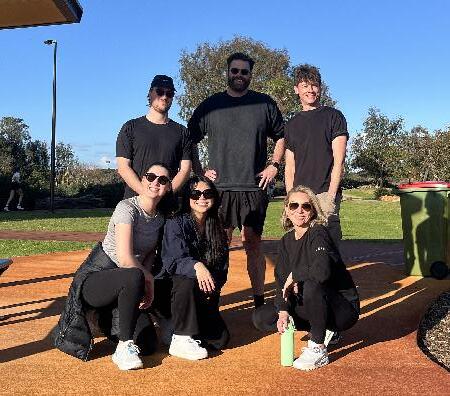
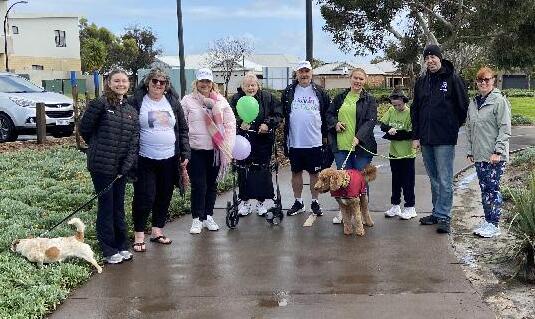
journey. No matter how or when they walked, their message was loud and clear: Parkinson’s doesn’t stop for the weather, and neither do we.
Even without the official event going ahead, the fundraising efforts have continued to grow. People have dug deep and rallied their networks because they understand just how crucial these funds are. Every dollar raised supports Parkinson’s WA’s specialised nursing services—lifesaving, community-based care that reaches those living with Parkinson’s across Western Australia.
To every walker who showed up—on the day, before, or still planning to—we thank you. To those who donated, shared our message, or simply stood with us in spirit, we are deeply grateful. The weather may have cancelled A Walk in the Park, but nothing can cancel the strength of this community.
Together, we keep walking—rain or shine. Thank you for walking with us.
Give Parkinson’s the Axe
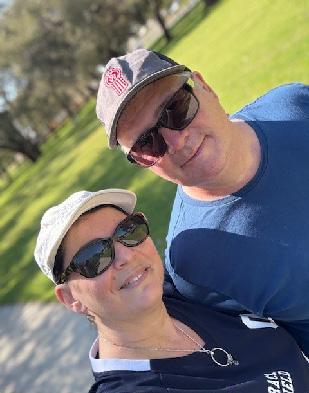
When wild weather forced the cancellation of the 2025 A Walk in the Park, we were heartbroken not to gather with our amazing community at the park. But as always, the spirit of the Parkinson’s WA community proved unstoppable — and so did the fundraising! Instead of walking, we picked up axes.
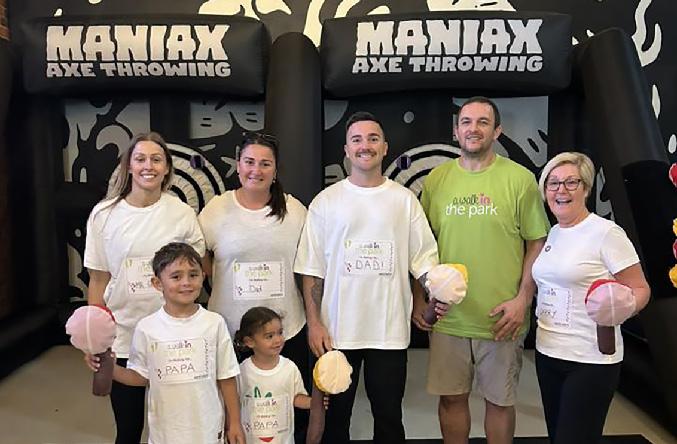
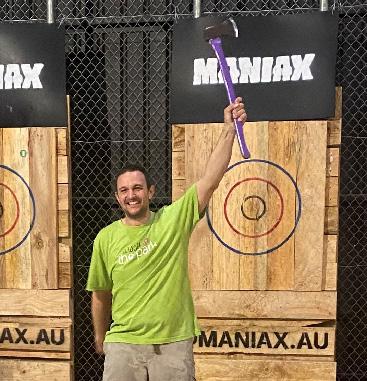
Client Tristian Campbell invited the community to Give Parkinson’s the Axe and took over Maniax Northbridge on Sunday 14th of September, supporters came together for a one-of-a-kind event: Give Parkinson’s the Axe — an energetic, empowering axe-throwing fundraiser at Maniax in Northbridge. The goal - To throw 3,000 axes — one for every person in Western Australia living with Early Onset Parkinson’s, of which Tristian is one.
And we did it.
Families, friends, and first-time axe throwers of all ages showed up with incredible energy, turning a rainy disappointment into an unforgettable day of action and connection. Entry was free, and the atmosphere was electric.
Benjamin, Age 14, Brewed Up Something Special
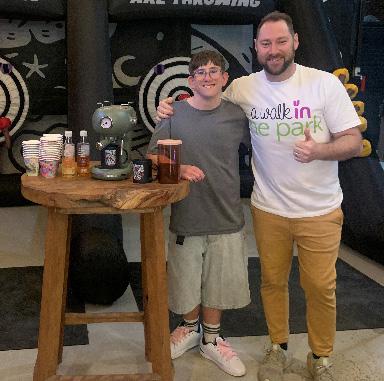
One of the standout stories from the day came from 14-year-old Benjamin, who took fundraising into his own hands. After convincing his mum to bring her coffee machine to Maniax. Benjamin set up a coffee stand and began making and selling coffees — all to support Parkinson’s WA.
Write your Will for free
Parkinson’s affects 150,000 Australians, with numbers expected to grow. For 25 years, Parkinson’s Western Australia has been dedicated to offering specialised nursing, education, support, and research, empowering West Australians to live their best lives.
By including a gift in your Will, you can help safeguard future generations from this life-altering disease.
We’ve partnered with Gathered Here, a trusted online Will provider, to give our supporters access to a free online Will, with unlimited updates for life. https://wills.gatheredhere. com.au/c/Parkinsons

Denmark-Walpole Football Club Took the Plunge for Parkinson’s WA
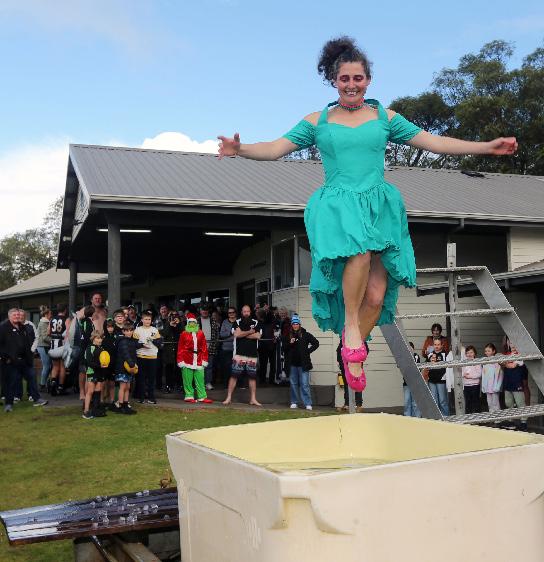
The Denmark-Walpole Football Club came together for one of their rounds of football and also tackled the conversation of Parkinson’s head-on with a “Big Splash”.
The community were invited to come down and get behind the cause, with a dunk tank, raffles, and other activities all aimed at raising money for Parkinson’s WA — a cause that hits close to home for many at the club.
Event organiser Ray Benson said the club chose Parkinson’s WA because the disease has deeply impacted members of the Denmark-Walpole football community.
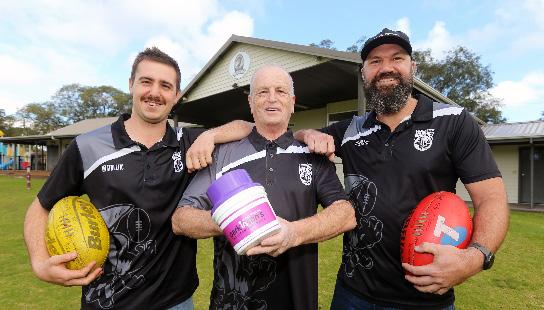
Denmark-Walpole league captain Banjo Watkins, event organiser Ray Benson and reserves captain Brad Pope preparing for the big splash. All photos credit: Albany Advertiser
...continued from page 7
8. How do you think the program will influence your professional practice?
The program has given me greater confidence to recognise and respond to Parkinson’s related challenges with empathy and adaptability. It has also strengthened my ability to advocate for patients and ensure they receive the best possible care in hospital.
9. How do you plan to apply what you’ve learned in your day-to-day work?
I hope to share my knowledge with my colleagues, so together we can provide Parkinson’s-appropriate care that supports a smooth recovery, a positive experience, and helps patients return to physical activity and living (and loving) life!
10. Would you recommend this program to other nurses?
Most definitely. The Experiential Learning Program was incredibly educational and inspiring. It showed me the real difference that knowledgeable, compassionate care can make for patients and their families living with Parkinson’s, and it has motivated me to apply what I’ve learned in my own practice and share these insights with my colleagues.
Haven’t
If you’ve noticed a quiet inbox or no SMS updates from Parkinson’s WA, you might have accidentally unsubscribed.
We’d love to stay in touch and keep you updated with news, events, and support services.
→ Please contact us at marketing@parkinsonswa.org.au or
→ Call us on 6457 7373 to check your subscription status.
Let’s stay connected

Musical Bingo Night Hits a High Note for Parkinson’s WA
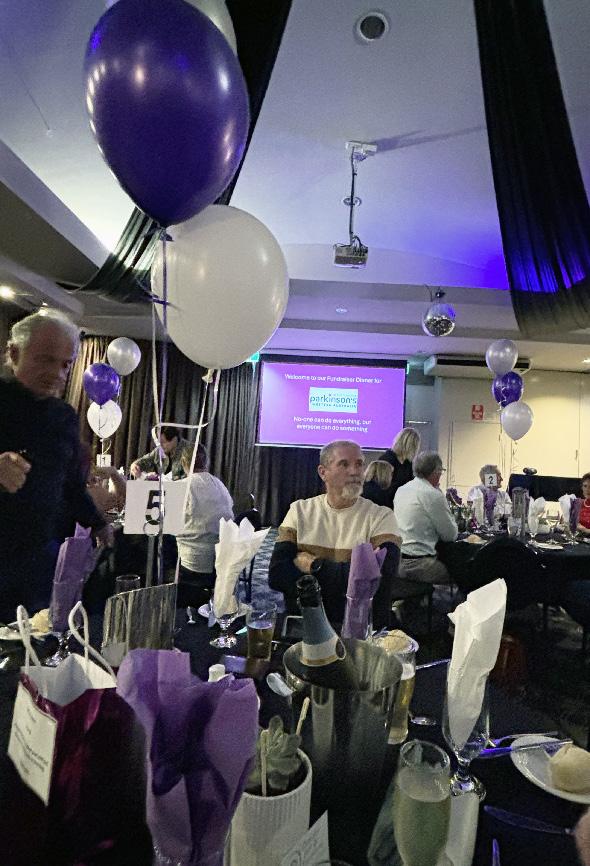
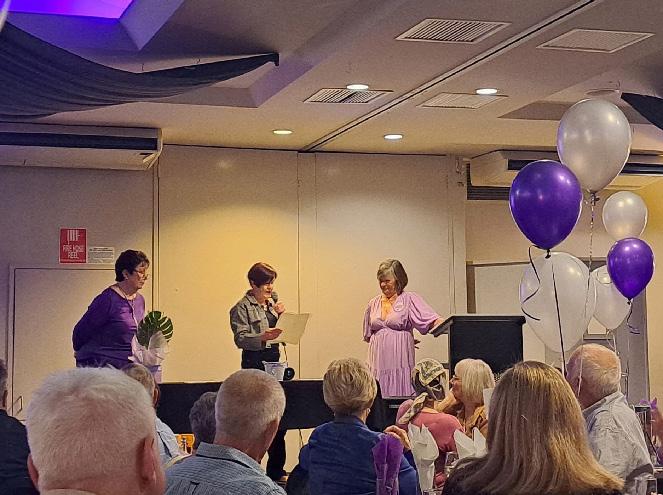
On 22nd August, Ruth Forbes of Stretch and Restore Yoga hosted a vibrant Musical Bingo Night at the Woodvale Reception Centre in honour of her client Cheryl. The event brought together a lively crowd for an evening of music, fun, and fundraising — all in support of Parkinson’s WA. Thanks to the incredible generosity of attendees, the night raised an impressive $4,625. Ruth’s dedication and community spirit shone throughout the evening, turning a night of entertainment into meaningful impact. A heartfelt thank you to all who contributed to this special cause.

Learn more about Parkinson’s disease and the treatment options available. https://www.medtronic.com/au-en/patients/ conditions/people-with-parkinsons.html
Volunteer Spotlight - Bev Hannan
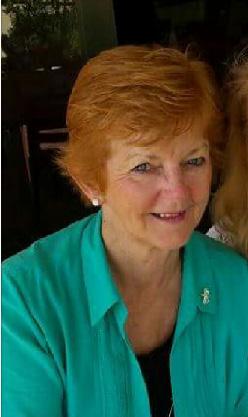
1. How long have you been volunteering for Parkinson’s WA I have been volunteering with Parkinson’s WA Kingsley Support Group since 2019 (almost 7 years).
2. What part of volunteering for Parkinson’s WA do you love the most?
I love all parts of this position especially meeting newcomers and learning of their story with Parkinson’s. Long term friendships are evolving from the Group.
3. Who or what inspired you to of volunteer for Parkinson’s WA?
My husband, Jeff - had a Stroke in 2018 and said we needed to feed in with folks in similar situations (as well as his Parkinson’s), so we searched and found Helen King who was Leader at the time of the Kingsley Support Group, very welcoming and so nice to feel part of a lovely group of people - we’ve since increased our

numbers to approximately 50 regular members attending meetings.
4. Favorite place you’ve travelled?
Our favourite place we have travelled is Singapore, we just love it and favourite is Santosa Island, it is just gorgeous and so relaxing.
5. Describe what a perfect day would look like for you?
Our family lunches and dinners, there are nine of us in total and we love and enjoy every minute of being together, amidst busy lives, our time together is just so precious.
6. Share a fun fact or your favourite quote: My favourite quote - I always say - “I do what I love and love what I do” – relating to the Kingsley Parkinson’s Support Group as I feel quite enmeshed with involvement of lovely people and helping them through their journey with Parkinson’s. I continue to try as hard as I can since my stroke in November 2023 but mostly am coping with the help of our Collective Committee.
Office closure over the Christmas Period
The Parkinson’s WA office will be closed from 22nd December, and will reopen on 5th January 2026. Stay safe over Christmas and the holiday period.
Just a reminder that Parkinson’s WA is not an emergency service. The phone and emails will be unattended during this time of leave. Messages will be responded to by staff in the new year.
If medical intervention is required at this time, please consult your Medical Practitioner for patient-specific information, Health Direct on 1800 022 222
In case of emergency, present to your local Emergency Department or contact 000.
Parkinson’s Support Groups
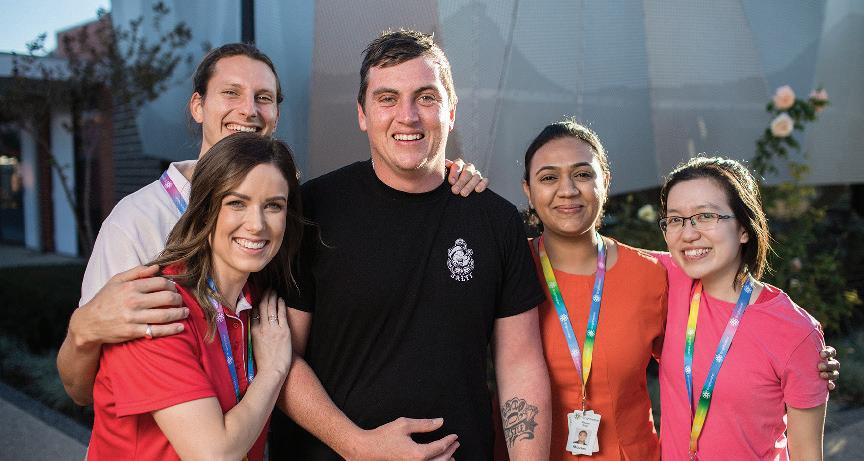
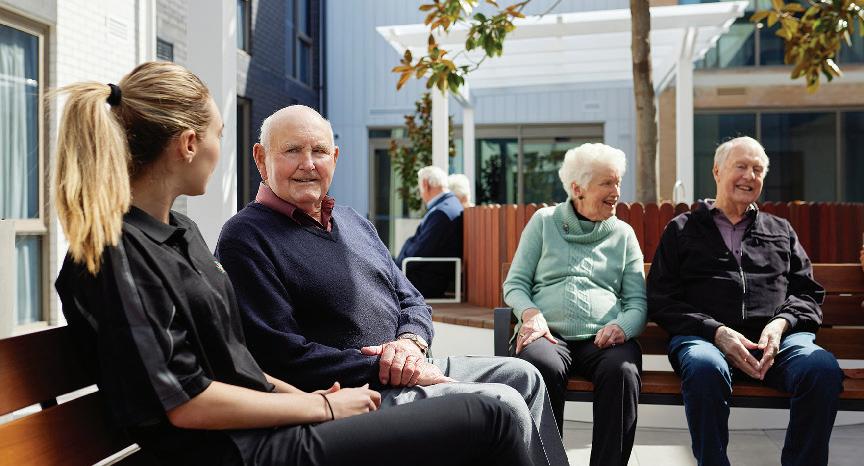
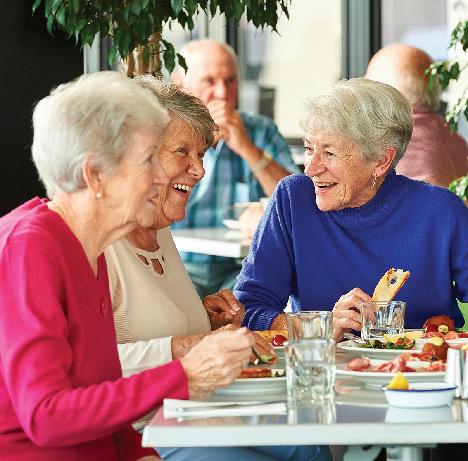
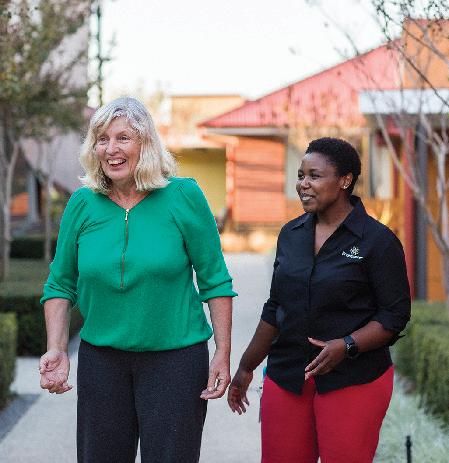
These have been an exciting few months for our Support Groups! Recently, we have had two new regional groups start, one in Beverley and one in Esperance.
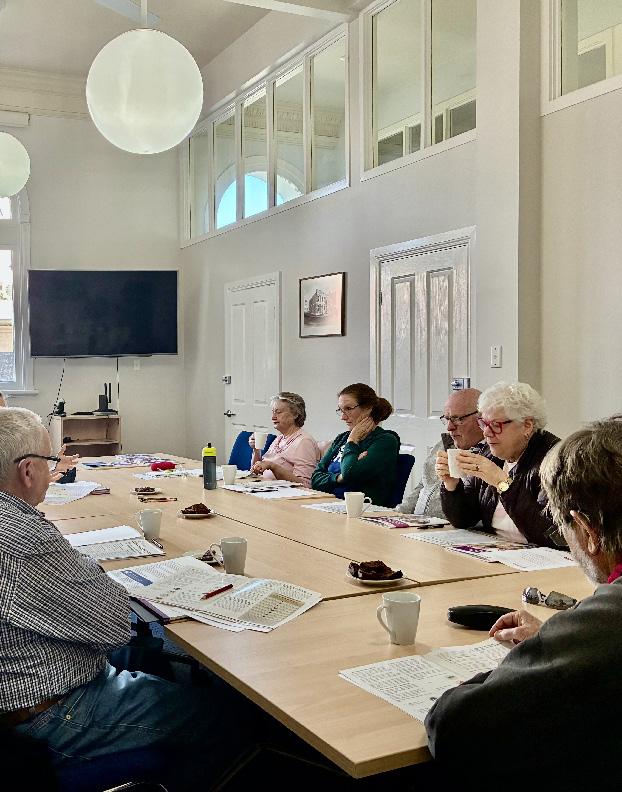
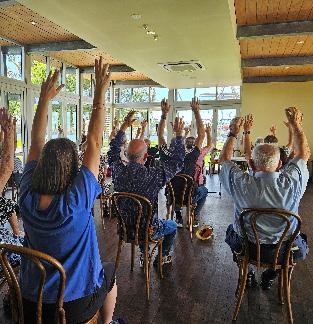
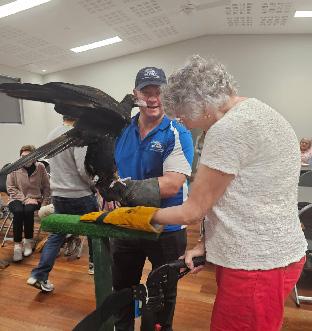
Some topics discussed at meetings were Medication in Parkison’s (Margaret River), the importance of diet (Bunbury) and assistive technology (Western Suburbs). We have been visited by some incredible guest speakers, including dieticians, physiotherapists and our own Parkinson’s Nurse Specialists. Our Support Groups like to have fun as well as learn. Chair yoga is an activity many of our groups enjoy. It’s a gentle, accessible, fun way to exercise and bond. The Midland Support Group decided they wanted a little more excitement in July and they were visited by the WA Birds of Prey Centre. The awe and joy these beautiful creatures inspired was special to witness.
Rhiannon Girando Project Officer – Support Groups
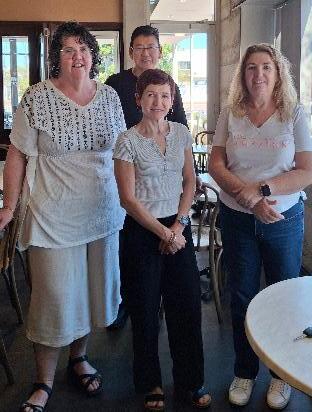
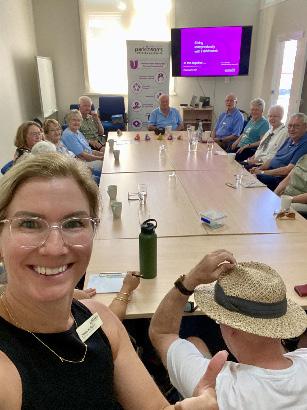


Under 65 Butler Coffee Catch Up Bunbury Support Group
Chair Yoga - Melville Support Group
Birds of Prey - Midland Support Group