












In Every Issue Play List 30
Local Resources
Schools + Preschools 9
Montessori Schools 12
Birthdays 17
Camps + Activities 26
EDUCATION
Busy Morning Breakthroughs 10 6 steps to simplify your school morning routine
Living That Montessori Life 12 Fold learning into everyday activities the Montessori way
CELEBRATIONS
Creating Birthday Party Magic 18
A guide to perfect party planning — without the pressure
RAISING GREAT KIDS
Practical Solutions for Absent-Minded Kids 22 Kids struggling to keep track of their stuff? How to help without losing your mind

Cover images L to R:
It’s Family Tune-Up Time 7
We’re dusting off the old playbook so you can run your household like a pro
Spring Arts Guide 14 There’s still time to snag tickets to the hottest shows and festivals around
OUT + ABOUT Little Boxes With Big Hearts 24
Uncover the expansive Little Free resources universe just waiting to be explored
March Play List
Sidestep spring showers with 15 family activities that can be enjoyed in any weather
INSIDE! 2026 Summer Camps + Activities Guide

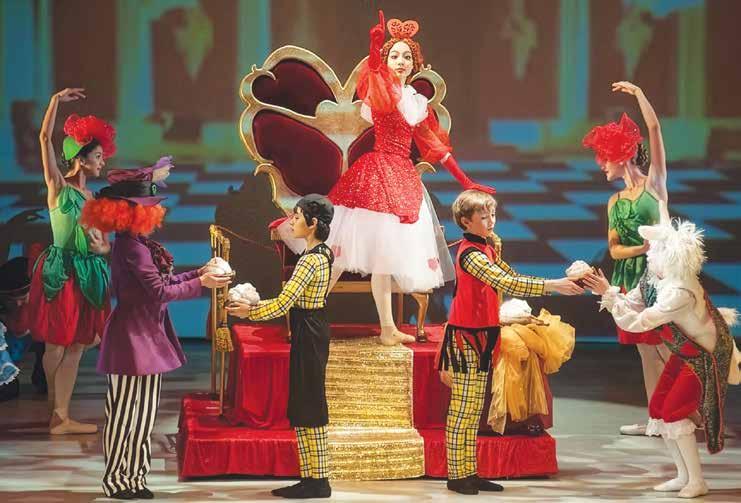
“Alice in Wonderland”. Photo courtesy ibtbellevue.com


“Alice in Wonderland.” Photo courtesy ibtbellevue.com
“Momotaro.” Art courtesy Pacific Northwest Ballet
Alex Zerbe. Photo courtesy moisturefestival.org
Kaleidoscope Dance Company. Photo by Bronwen Houck Photography
“Don’t Let the Pigeon Drive the Bus! The Musical!” Art courtesy olyft.org
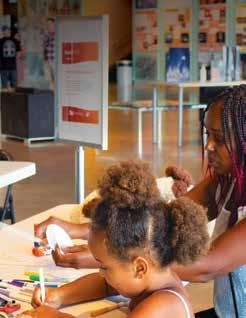
These little boxes are wonderful reminders of the kindness of strangers, ways to make neighborhoods feel stronger and more connected.
Is it me or has March started to feel like the calm before the storm, that deep breath before we all make a mad dash toward summer: our glorious reward for surviving Maycember’s chaos? It’s the point in the year where our annual resolutions are a little too far in the rearview to see anymore (congrats if you’re still on that train, though), and summer’s urgency is nibbling at our heels, propelling us forward whether we go willingly or not. It’s the anxiety that fuels that innate need to clean, organize and make all the plans — in a good way.
So I’m proposing leaning in with a family reboot. Not a complete lifestyle overhaul. No. What I’m proposing is doable, manageable, practical. Something that will make everyone in your family feel a little lighter and a little more accomplished. I’m talking things that will reset your family’s vibe and point everyone in the same direction. Like bringing order back to your mornings if they’ve gotten a little too frazzled recently. And reestablishing homework routines so there’s less conflict after school. Like I said, doable.
In this issue, you’ll find fresh takes of all kinds to shore up your family systems and create space for more connection before your summer calendar fills up wi — oops! Too late. Dive in anyway as writer Alex Frost walks you through the steps to revamp those tired practices (p. 7). And professional organizer Evelyn Long shares tips for getting the kids out the door on time to complement your overall reboot (p. 10). Find even more advice to help make your spring orderly when you read Sandi Schwartz’s article on ways to help kids keep track of their stuff (p. 22). It’s a real page turner, especially if you’ve got ADHD kids like mine.
On the fun front, West Seattle mom Sharon Mead takes to the streets in search of Little Free magic, and she’s sharing all her favorite locations so you and your kids can find them too (p. 24). Arts writer Gemma Alexander has the ultimate performance and festival lineup just in time for spring (p. 14). Plus, the monthly Play List is all queued up with Julie’s newest picks for your reading pleasure (p. 30).
Lastly, don’t forget our annual Camps + Classes Guide tucked inside this issue. There are more than a few pages worth dog-earing to stay ahead of the game.
Here’s to making March intentional, not just inevitable.
— Allison Sutcliffe, managing editor
MARCH 2026, VOL. 23, NO. 3
PUBLISHER Alayne Sulkin
EDITORIAL
HEAD OF CONTENT + STRATEGY
Kristen Russell
MANAGING EDITOR
Allison Sutcliffe
ASSOCIATE EDITOR
Kari Hanson
FAMILY FUN EDITOR
Meredith Charaba
CALENDAR EDITOR
Julie Dodobara
CONTENT PRODUCTION COORDINATOR
Onkarpreet Chatha
COPY EDITOR
Kari Hanson
CONTRIBUTORS
Gemma Alexander, Shannon Dean, Alex Frost, Evelyn Long, Sharon Mead, Sandi Schwartz
DIGITAL MARKETING
MARKETING DIRECTOR
Lindsey Carter
MARKETING DESIGN SPECIALIST
Angela Goodwin
EMAIL MARKETING SPECIALIST
Devon Hammer
SOCIAL MEDIA SPECIALIST
Brooke Collins
ADVERTISING SALES + PARTNERSHIPS
DIRECTOR OF COMMUNITY
PARTNERSHIPS +
ADVERTISING SALES
Jessica Collet
SENIOR ADVERTISING AND PARTNERSHIPS MANAGER
Ida Wicklund
EVENTS + COMMUNITY
PARTNERSHIPS SPECIALIST
Brenna McCown
ADVERTISING CLIENT SERVICES MANAGER
Mallory Dehbod
CLIENT SERVICES ADMINISTRATIVE ASSISTANT
Bronwyn Jones
DIGITAL ADVERTISING + MARKETING SPECIALIST
Taryn Weiner
PRODUCTION COORDINATOR
Tamryn Nell
ART + PRODUCTION
SENIOR DESIGNER
Amy Chinn
ADMINISTRATION
BUSINESS MANAGER
Carolyn Brendel
OPERATIONS ASSISTANT
Erika Widjaja
CONTACT INFORMATION
Advertising information
206-709-9026 or advertising@parentmap.com
Fax 206-709-9031
Calendar submissions
calendar@parentmap.com
Editorial submissions
editor@parentmap.com
Distribution distribution@parentmap.com
‘Fess up: Where do you hide your secret mess?























By Alexandra Frost
When I was teaching, we called students’ sluggish motivation that starts in February and runs through April the “spring slump.” As a parent, I find it’s not much different: My partner and I drag our five kids through these dim and dark winter months when everyone is sick of homework, slacking on their chores and generally feeling apathetic toward our family routines.
The beautiful thing about parenting is that each season brings a new moment to pause, determine what’s working and what isn’t — which kid needs to be dug out of their laundry hole, who hasn’t been brushing their teeth nearly enough and who needs a homework reset in the worst way. To help get tips on a family reboot, I talked to Julietta Skoog, parent coach, founder of Sproutable and mom of three kids ages 8 to 16. She suggests thinking of a reboot like an Etch-a-Sketch: “So just … shake it up. It’s just a chance to really shake up the routine.”
She reminds parents nothing in child development is meant to last, from your well-intentioned chore chart to your kid’s Minecraft obsession. So don’t feel bad if your family’s systems need a reset.

Reset your own parenting standards
As a mom of five, I often joke the only parenting standard I have is to lower my standards then lower them again. But Skoog suggests this is a time when you can do some introspection to evaluate how parenting is really going for you, as you head into the first weeks of spring. “It’s been harder for them to get the fresh air, get the sunlight that actually helps the rhythm of sleep and wake up. So it’s requiring us as grown-ups to actually have some more follow-through and firmness,” she says, clarifying that firmness means confidence, not meanness, and “sturdy follow-through and boundaries.”
Start with your morning routine Nothing sets the tone for the day like a hectic morning — and we’ve all had
them. But Skoog says it’s also the best place to start when it comes to rebooting your family dynamics and setting yourself up for success. She challenges parents to evaluate what their current routines look like, reflect on how everyone is feeling and then decide what you want to feel.
“Start at the beginning,” she says. “Do we want to walk to school? Do we want to drive? Then list out what all the things that we need to do are.” She aims for around five to seven steps to take, whether it’s clearing off the counter or finding their socks, to put in a set agreement about what will happen. She adds kids really love routines that give a clear “what’s next.”
And that collaboration is what can truly reset the way everyone starts the day.
continued from page 7
“For school aged kids, this concept of a rhythm is really stabilizing and grounding for them,” she says. Remember to keep it simple. Skoog says that parents can get caught up in making something visually appealing before it can be utilized. With clear parameters in mind, Skoog says parents are also set up for success and feeling less like they’re nagging all the time. “We are the model. If we’re helping, especially a tricky kid who struggles with some rigidity or difficulty with transitions or temperament, we still get to show up in a way that models that pathway forward.”
And while previous mornings might not have been the best foot forward in collaboration (don’t even get me started on the always-missing winter mitten!) reflecting can provide an opportunity to openly share with your kids that it’s not how you want the days ahead to look. Skoog recommends taking the time to connect first with your kids and “really take ownership [and say] ‘The fall was rough. I was probably nagging and yelling a lot, and the mornings didn’t feel so great for either of us,’; then there’s some hope.”
Simple steps to reset your family’s morning routine:
• Set a meeting to talk about what’s working or not in the mornings
• Make decisions together such as driving versus walking to school
• Create an agreement to show the steps everyone will take each morning (poster board works great, consider using photos of the steps for little kids)
• Cut the nagging and let kids use the new plan on their own
Reestablish your nighttime routine
While the morning might have a tendency to set the tone for the day, every tired parent knows that the night before — and the sleep that may or may
not have come with it — can make you question the morning. So Skoog says it’s important to include nightly routines as part of your spring reboot as well.
“One thing I recommend is really thinking about the environment at bedtime [to] minimize transitions,” she says. “If you’re already in the bathroom doing the bath, get the toothbrush in there, bring the jammies inside and minimize the tos-and-froms.”
I can personally attest to feeling like brushing teeth in the bath was the most mind-blowing parenting hack I’ve heard in a while. It works, and the kids think it’s hilarious.
Take the time to connect with your kids. While Skoog says parents can fear snuggles that last all night long, it’s okay to build them into the nighttime routine, especially when reading. “I’ve noticed that kids just need physical time, they need the snuggle time, they need the cuddle time.”
Steps to reset your family’s bedtime routine:
• Combine tasks by thinking through better placement (e.g. put the toothbrush near the bathtub and the pajamas in a bathroom drawer)
• Disconnect from screens earlier and replace them with a quiet-time activity such as a puzzle or book
• Build cuddle time into your routine so it doesn’t get rushed
• Rearrange activities to a different part of the evening to prevent late-night power struggles (e.g. moving homework to before dinner)
• Reassess the sleep environment: add a sound machine, reduce lights, ask kids if their beds are comfortable, etc.
Make screen time predictable Parents often find themselves trying to juggle screen time. With my kids,
I’m often convinced I’ve ruined them for life whenever I give them just one more episode, but Skoog says building screen time into the family routine can provide healthy boundaries for everyone.
“I actually love screens,” she says. “I love good shows. I think it just has to be in a predictable time, and not contingent on ‘I’m tired,’ or ‘You’ve been good,’ or anything like that. With littles at home, if screens are a part of your life, have them as a part of the afternoon, for example when they wake up from their nap. For school age kids, just keep it for the weekends, or have it be part of their after-school routine, once they finish with their homework.”
Finding what that time looks like for your family is another great opportunity for collaboration. Skoog says sometimes what parents see as “together time” in front of a screen is actually not what the kids want or need, and a card game or story could be preferred.
Skoog asks parents to “peer under the hood” and decide if screens are getting in the way of deeper connection time. “If this is your time with them, and you haven’t seen them all day, and then you’re also having the screen time, what does that mean? Is this what you want?” If not, a screen reboot is in order.
Steps to reset your family’s screen time routine:
• Decide if screens are a problem in your house by asking if they interfere with connection
• Determine key times where screens could be really helpful, rather than a headache
• Make screen time a group activity, such as a movie with popcorn night together, rather than a way to be disconnected on various individual screens
• Clearly define when screen time will be, involving the kids on what works
best for them, whether it’s specific days or screen time limits
Reclaim homework time
Homework can be a battle, and as expectations ramp up at school to prepare kids for the next grade, it can become a lot.
“The number one thing to decide as a family is: What is homework? Trusting your own instinct [because] you are the expert on your child, and you know if it’s worth it to argue for two hours just to get one little 10-minute piece of math done. So ask yourself what is homework? What are we agreeing to?”
Whatever you decide, Skoog recommends getting clear on expectations and involving the kids.
“Have a clear routine. We took all the things to do after school, and put them on little cards. [My daughter] wanted to just be the boss of her own time, so we put them on little cards, because then she could decide what she was going to do. So then she picks one, and she pushes through that one, and then she puts it in a bowl when she’s done,” she says. It doesn’t have to be fancy or Instagram-worthy to be effective. Simple todos in a small bowl suffices.
Steps to reset the kids’ homework routine:
• Clarify with the teacher, school, student and the adults in your house: What role will homework have? What level of importance should it carry? How much time will we spend on it?
• Determine when homework will happen and incorporate it into the evening routine to prevent power struggles
• Involve the teacher if your child is struggling with homework
No matter what routines your family needs to reboot, get specific on what you’re struggling with and start there. Within a few weeks, everyone might feel like a reset and fresh start was just the boost they needed to make it through the end of the school year. ■
Alexandra Frost is a Cincinnati-based freelance journalist, content marketing writer, copywriter, and editor focusing on health and wellness, parenting, real estate, business, education and lifestyle.




By Evelyn Long
At some point, your kids who won’t get out of bed, move at a snail’s pace and forget how to brush their teeth will miraculously turn into fully functioning humans who get to work dressed and on time. I know — hard to believe. In the meantime, if you’re a parent juggling breakfasts, backpacks, lunches and your own sanity, here’s how to create a more cooperative, faster morning flow.
1/ It’s (really) not their fault
Many children find transitions emotionally difficult, and the transition from warm, comfy bed to “Get moving, now!” is a biggie, even for adults. When your little one dawdles or your preteen makes excuses, they’re not doing it deliberately — they’re being kids. Staying calm and gentle as a parent is the first step.
2/ Make tomorrow easier today
Prepping clothes, backpacks, lunches and breakfast bits before bed reduces the number of decisions everyone has to make in the morning. For children, fewer choices equals less hesitation and fewer delays.
3/ Create a visual morning game plan Kids are not great at sequencing and may genuinely not remember what to do. I have a constant running checklist in my head, and I’m sure you do too. But your little ones? Nope.
A visual routine chart — simple pictures showing the order of tasks — will help. Knowing what comes next reduces resistance and supports independence, so eventually, children will need fewer reminders.
Remember that children don’t naturally sense how long 10 minutes is. Visual timers, clocks or countdown songs help them see or feel minutes passing. Physical clocks also facilitate learning how to tell time, which helps young minds work.
4/ Make it fun or rewarding I know what you’re thinking: “Not one more thing to gamify,” but we’re not talking full-on treasure hunt here. Try playing your child’s favorite upbeat song during dressing or creating a family persona — like “The Morning Ninjas” — that everyone wants to be. When kids are mo-

tivated, they’re more likely to cooperate.
5/ Help your kids feel capable
When we give kids tasks they can own, even little ones step up faster. Aim for age-appropriate independence, such as:
• Young toddlers: Picking out their clothes for the next day
• Elementary age: Packing their lunch and cleaning up afterward
• Tweens/teens: Managing their own wake-up alarm and outfit choices
Delegating manageable tasks reduces your own stress and cognitive load and gives the child a sense of accomplishment. Win-win.
6/ End with a connection ritual
Everyone’s ready, but before rushing out, share a group hug, high-fives or whatever works for your family. This shows youngsters that their efforts to be on time have helped the whole team.
From chaos to calm
Turning mornings into a fluid, connected start to the day needs a bit of a mindset shift from all concerned. By building a predictable and supportive routine, you can empower your kids and reduce stress all around. With this cooperative approach, even little snails can become morning ninjas and create good habits for life. ■
Evelyn Long is a writer who specializes in practical decluttering and home organization strategies, helping parents maintain tidy, stress-free homes.












































By Allison Sutcliffe
MMSiscommittedtoa high-qualityMontessori educationwithaffordable tuition,reachingan economically,racially,and culturallydiverse community.MMSengages inawholechild,place basedapproachtoour curriculum.Serving children15months to12years.
MMS is committed to a high-quality Montessori education with affordable tuition, reaching an economically, racially, and culturally diverse community MMS engages in a whole child, place based approach to our curriculum Serving children 15 months to 12 years
Ferndale,Washington meadowsmontessori.org @mms_wa 360.778.3681
Follow ParentMap on social for insider tips and the best kid-friendly adventures across Greater Seattle.
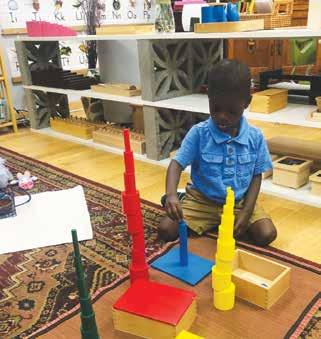
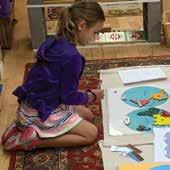
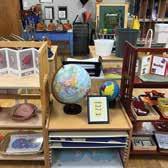
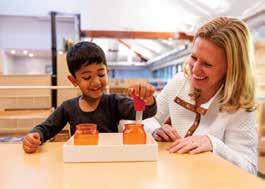
I had my first taste of what I like to think of as #MontessoriLife when I was working toward my masters in education more than two decades ago. Montessori’s five principles — respect for the child, the absorbent mind, sensitive periods, the prepared environment and auto-education — were innovative in their time. Now many are seamlessly folded into kids’ daily lives. And although the rigor around these ideas has waned over the decades as schools, families, museums and others have adopted them, their benefits for children persist. So I’m sharing a few simple ways families can use these ideas at home.
Think child-led
What it is: In a Montessori classroom, activities are structured around kids’ individual interests and developmental stages, where they choose activities they are interested in, rather than having an instructor choose for them.
Why it’s important: When kids direct their learning based on their interests, they are more invested in it, dive deeper and typically learn more about it. This is especially true for young children who are hard-wired to create meaning and develop ideas through open-ended play and exploration.
your home, it’s important to create a space that supports that idea. Find areas in your home that can be scaled for kids and help them build life skills.
Why it’s important: Creating spaces where kids can direct their own activities helps them to be independent, gain confidence in their skills and abilities, and it encourages them to to be responsible for their environment (in all its forms) as well.
Do it at home: Design spaces with independence and capability in mind. Place toys in labeled bins that kids can reach; have clothing drawers sorted and organized for accessibility; get step stools to help kids reach countertops and drawers; dedicate drawers and shelves at kid height in each room to kids’ needs, etc.
Foster independence and responsibility
What it is: Being capable and building life skills is a key element of Montessori education, and the end product of its design is having independent, responsible kids.
Why it’s important: As parents, we raise our kids with the goal of having them leave the nest, go out into the world and live their best lives (and hopefully return often, even if it means extra loads of laundry).



Do it at home: If the term “child-led” strikes fear in your heart, take heart. It’s not an invitation for kids to dominate. Instead, it’s an opportunity for them to choose a direction, within the limits parents set. Simply put, it’s putting kids in charge of the things they can handle, while you stand by and guide them through the process. Let them choose how they play at home and how they help out around the house. Then set the limits, add guardrails and let them loose.
Prepare your space
What it is: If you want to incorporate child-led learning and activities into
Do it at home: Allow kids the space they need to successfully complete tasks on their own. Allow them to fail, adjust and try again, and resist the urge to step in (unless your child’s safety is compromised). They will learn lots in the process, even (and especially) if they struggle. ■
Allison Sutcliffe is ParentMap’s managing editor. She holds a master’s in education, and is a mom to three great kids, two of whom attended Montessori preschools.








From memorable musicals to arresting art exhibits, this spring’s family-friendly arts lineup offers plenty of chances for kids and caregivers to experience artistic expression in ways that inspire their own creativity to blossom.
“Young Dragon: A Bruce Lee Story” Seattle Children’s Theatre commissioned local playwright Keiko Green to
By Gemma Alexander
pen this action-packed coming-of-age story about martial artist and actor Bruce Lee. The play focuses on Lee’s time in Seattle when, as a student at the University of Washington, he learns to navigate life in a new country and develop his personal philosophy of life and martial arts. SCT recently pulled out of a planned run at Kennedy Center (a decision endorsed by the Lee family), so additional local performances may be scheduled.
Location: Seattle Children’s Theatre, 201 Thomas St., Seattle
Dates: Feb. 19–March 15
Cost: $49 or pay what you can

A Room for Animal Intelligence
This exhibition that opened over the holidays and continues through November looks at the world through the eyes of animal artworks. The 100 pieces on display range from tiny ancient Egyptian figurines to giant contemporary sculptures. All the interpretive labels are written from the perspective of the critter in question, and guests are encouraged to write their own commentaries.
Location: Seattle Art Museum, 1300 First Ave., Seattle
Dates: Through Nov. 1
Cost: $30; free admission for members and on First Thursdays
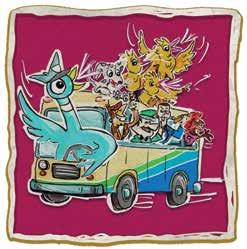
“Don’t Let the Pigeon Drive the Bus! The Musical!”
Mo Willem, the creator of the original Pigeon picture books, wrote this musical adaptation in which Pigeon finally gets a big chance when the bus driver meets a crisis that could make the passengers late.
Location: Olympia Family Theater, 612 Fourth Ave. E., Olympia
Dates: March 5–29
Cost: $25
Moisture Festival
Moisture Festival celebrates highly skilled performers with bizarre talents: aerialists, jugglers, magicians, come-

dians, dancers, bubble acts, clowns, acrobats, musicians and more. These weird and wonderful performers are keeping the vaudeville and variety traditions alive with family-focused matinees. (But save the Friday night shows for date night!)
Location: Broadway Performance Hall, 1625 Broadway, Seattle
Dates: March 19–April 12
Cost: Starting at $45 for adults; $22.50 for kids 12 and younger; pay-what-youcan pricing starts at $10
“Momotaro”
Created by the acclaimed choreographer Jessica Lang (best known to Seattle ballet fans for “Her Door to the Sky” and “The Calling”) and her husband, Alvin Ailey dancer Kanji Segawa, “Momotaro” brings the Japanese Peach Boy folk tale to life in this special family matinee premiere.
Location: McCaw Hall, 321 Mercer St., Seattle
Dates: March 21–28
Cost: $21–$83
“The Princess From the Moon”
Even if you’ve never seen Studio Ghibli’s beautiful film “The Tale of the Princess Kaguya,” this traditional Japanese fairy tale is captivating. With themes of home, family and belonging, it tells the story of a girl from the moon who grows up on Earth but needs to reconsider everything she knows when she receives a message from home.
Location: Bellevue Youth Theatre, 16051 N.E. 10th St., Bellevue
Dates: March 27–April 4
Cost: $13
April
“Annie Kids”
Teens take the reins on this production of the classic all-ages musical about the plucky orphan who melts the heart of a publicity-seeking billionaire. Billionaires with heart may require suspension of disbelief nowadays, but the songs are eternal earworms.
Location: Studio East, 10718 N.E. 68th St., Kirkland
Dates: April 4–5
Cost: TBA
Wicked Wiz of Oz
Seattle Men’s Chorus celebrates all the different versions of the “Wizard of Oz” with a concert featuring favorite songs from Judy Garland’s classic adaptation through “The Wiz” and “Wicked,” all performed under a colorful rainbow. An especially fun option for those who caught “The Wiz” at the Paramount in February.
Location: Venues in Everett, Mount Baker, Seattle and Tacoma
Dates: April 19–May 16
Cost: $44–$110
“Les Misérables”
This season’s Broadway at the Paramount lineup is strong, but not particularly kid focused. Among the offerings, “Les Misérables” is probably the most family friendly. Although the songs may be less familiar outside the theater than those of “Hamilton” or “Phantom of the Opera,” “Les Mis” is one of the most viewed musicals of all time and addresses the hard topics of poverty and social injustice with a message of kindness.
Location: The Paramount Theatre, 911 Pine St., Seattle
Dates: April 7–19
Cost: $73–$270, dynamic pricing
“Billy Goats Gruff and Other Tales”
A traveling production from Nova Scotia’s Mermaid Theatre that reimagines three beloved animal fairy tales — “Goldilocks and the Three Bears,” “The Three Little Pigs,” and “The Three Billy
continued from page 15
Goats Gruff” — as a raccoon and a mouse on their own quest unknowingly affect the course of the stories.
Location: Seattle Children’s Theatre, 201 Thomas St., Seattle
Dates: April 22–May 22
Cost: $43–$51 or pay what you can
“The Boy Who Cried Monster”
Bellevue Youth Theatre continues its Storybook Series this year with a magical reimagining of “The Boy Who Cried Wolf.” In their version, it’s not a wolf, but a magical creature. When no one believes a boy with a reputation for creative storytelling, he tries to bring his new friend home as proof.
Location: Bellevue Youth Theatre, 16051 N.E. 10th St., Bellevue
Dates: April 17–26
Cost: $13
“The Stinky Cheese Man”
Centerstage Theatre presents “The Stinky Cheese Man and Other Fairly Stupid Tales.” Hilarious, irreverent, all-ages retellings of once revered fairy tales adapted from the postmodern children’s book written by Jon Scieszka and illustrated by Lane Smith.
Location: Centerstage Theatre, 3200 S.W. Dashpoint Rd., Federal Way
Dates: April 8–18
Cost: $15
“A Midsummer Night’s Dream”
“A Midsummer Night’s Dream” is the most accessible of Shakespeare’s plays. No matter how opaque the Elizabethan English may be, all ages can enjoy its magical pranksters Puck and Oberon, and the ridiculous plot of a man turned into a donkey and the love potion that
makes him irresistible to the fairy queen.
Location: ManeStage Theatre, 116 W. Main, Puyallup
Dates: April 24–May 10
Cost: $33
“Alice in Wonderland”
Performed by the students at International Ballet Theatre’s preparatory school, this one-hour production based on Lewis Carroll’s classical nonsense novel is specially designed as an introduction to ballet that will appeal to younger children.
Location: Meydenbauer Theatre, 11100 N.W. Sixth St., Bellevue
Dates: May 9–10
Cost: $35–$45
“Legally Blonde the Musical, Jr.”
Generations have loved the empowering story of Elle Woods, who set a feminist example of showing up as your whole self no matter how incongruous you may seem with your circumstances. Armed with humor and big musical numbers, this all-ages adaptation of the Broadway musical performed by students from VCA’s Teen Musical Theatre Program continues the struggle to help people reconcile pink princess girliness with intelligence and competence. (The Auburn Community Players are performing the full version of the play in March at Green River College.)

“The Hobbit”
Thanks to Peter Jackson, many people have forgotten that J.R.R. Tolkien’s masterpiece started as a children’s story. Olympia Family Theater is ready to change that as the first community theater in the world granted permission to produce the epic journey of Tolkien’s first unlikely hero, Bilbo Baggins.
Location: Olympia Family Theater, 612 Fourth Ave. E., Olympia
Dates: May 14–June 7
Cost: $25
“Cinderella: Enchanted Edition”
Audiences are encouraged to sing and dance along with the classic Rodgers and Hammerstein musical of the beloved fairy tale.
Location: Bellevue Youth Theatre, 16051 N.E. 10th St., Bellevue

Location: Vashon Center for the Arts, 19600 Vashon Highway S.W., Vashon Island
Dates: May 8–9
Cost: $25; children younger than 12 years old, free
Kaleidoscope Spring Concert
Featuring dancers ages 7–17, Kaleidoscope, the resident performing company of Creative Dance Center, performs world premieres by local and national professional choreographers, as well as works by the dancers themselves. Tickets sell out fast.
Location: Broadway Performance Hall, 1625 Broadway, Seattle
Dates: May 8–10
Cost: TBA
“Giselle”
The narrative of this classic story ballet is bleak, and the atmosphere is spooky (its vengeful ghosts are the origin of the “the willies”). But what kids will care about is the ethereal white tutus and the elegant choreography of ballet’s founding father, Petipa.
Location: Edmonds Center for the Arts, 410 Fourth Ave. N., Edmonds
Dates: May 9–10
Cost: $24–$47
Dates: May 15–24
Cost: $13
The Abiqueños and The Artist
This spring is your last chance to see this special exhibition at the Tacoma Art Museum. Centered on a region of the Southwest made famous by the art of Georgia O’Keeffe, the exhibition presents O’Keeffe’s art in dialogue with photography by the notable Diné and Ho-Chunk artist Russel Albert Daniels.
Location: Tacoma Art Museum, 1701 Pacific Ave., Tacoma
Dates: Through May 31
Cost: Included with admission
TeenTix: Encourage your 13- to 19-year-olds to explore the arts on their own with a free membership to TeenTix. Members can purchase $5 day-of-show tickets at more than 100 partner organizations in the greater Puget Sound region, including museums, movie theaters, stage theaters, dance companies and symphonies. ■
Seattle-based freelance writer Gemma Alexander writes at the intersection of parenting and the arts.









For a limited time, subscribe to an entire year of ParentMap magazine for just $12.




















By Shannon Dean


Planning your child’s birthday can be exhausting. Pinterest boards, picture-perfect parties and birthday themes are everywhere you look. It’s easy to feel like every year has to be bigger, brighter, more expensive than the last. You want your child to feel special. You want them to feel joy. But you also want to actually enjoy the day instead of stressing over details or spending a fortune.
Here’s the truth: Kids rarely remember the bounce houses or the fancy decorations. What sticks are the moments full of warmth, attention and love.
When we stop thinking that “special” means “expensive,” birthdays can be simpler, easier and a lot more joyful. They become a celebration of your child, not a production, checklist or performance.
Simple, stress-free parties at home
If your child wants a friend’s party, it doesn’t have to be elaborate. Most kids really just want to play, laugh, eat cake and feel special. That’s it.









A few balloons, some streamers, a homemade cake and you’re done. One backyard idea that always works: a pizza-making party, finished off with ice cream. It’s easy, joyful and imperfect in all the right ways.
You don’t need a hired entertainer either. Classic games, a craft table or a small water play setup can be enough. Kids notice energy more than perfection. If the vibe is fun, relaxed and safe, they’re happy.
Birthday gifts can be stressful because too many presents can overwhelm a child and fill your home with clutter.
Some families stick to fewer, more meaningful gifts. Experiences, classes, museum passes or tickets often make a bigger impact than a pile of toys. Others give gifts that encourage creativity or
togetherness. Think art supplies, board games or projects you can do together.
The “one special gift” idea is growing, too. Letting a child pick one thing they truly want can calm the day and make it feel intentional instead of overwhelming.
Meaningful gatherings with purpose If your family loves hosting but also wants birthdays to reflect values, add in a little giving. It doesn’t need to be complicated.
Donate toys your child has outgrown. Help pack items for a local charity. Plant a small tree or flowers together. Small acts like this teach gratitude and sharing, and kids often remember them more than a balloon arch.
Some families also use birthdays to declutter. Let your child pick a few things to donate, making room for the new year ahead.
Sustainability can sneak in, too. Reusable decorations, plantable favors, or homemade treats can make the day feel meaningful without waste.
The magic is in the personal touches At the end of the day, what makes a birthday special is your child. Little personal rituals mean more than a theme ever could.
Decorate their bedroom door overnight. Make their favorite breakfast. Take turns sharing what you love about them. Let them make small choices, like picking the movie for family night, deciding what to eat or being in charge for part of the day. These moments say, “You matter, and I know you very well.”
Some families keep a birthday memory book, adding a photo or a note each year. Over time, it becomes a treasure chest of growth, change and love.
A child’s birthday isn’t a performance. It’s a celebration of their place in your family and in the world. Loud, expensive and polished? Not required. Time, attention and love are what stick. That’s the magic kids carry with them long after the cake is gone and the candles are blown out. ■
Shannon Dean is a freelance writer and the mother of two sons. She specializes in writing about families and women’s health.









Enroll in Seattle Children’s Research Study. Parking is free. Up to $200 compensation provided.





Hosted by Dr. Laura Kastner, Ph.D.
ParentMap is honored to present Laura Kastner as series host, guiding each speaker in an
Kastner is
professor of psychiatry and behavioral sciences at the University of Washington and author

The Boyhood Crisis: Raising Thriving Young Men in a Changing World
With social scientist and author
Richard Reeves
April 22, 2026

The EdTech Wake-Up Call: Rethinking Digital Learning for Kids
With neuroscientist and educator
Jared Cooney Horvath, Ph.D. March 10, 2026

The Family Tech Reset: Hope and Help for Rebuilding Connection
With Better Screen Time founder
Andrea Davis
May 12, 2026






By Sandi Schwartz
“What do you mean you don’t know where your new shoes are? You haven’t even had them for a week!” I screamed at my daughter as steam simmered out of my ears and my face burnt with rage.
Did I lose my temper in that moment? Yes. Did I feel badly about it? Only partially. I was furious that my daughter had no idea where her sneakers were that I just ordered a few days earlier. She went to camp the previous day with them on, but now she had no idea where they were. It is just so frustrating to have something you pay a decent amount of money for vanish into thin air. On top of that, I discovered that
they were missing two minutes before we needed to walk out the door to get to camp in the morning. Just a little bit stressful.
I screamed, I yelled, I threw a fit. My behavior was definitely overblown as a reaction to a 5-year-old losing a material item (I know, it’s just stuff!), but I also know that if she does not learn that this is a big deal, how will she ever learn responsibility for her belongings and the value of a dollar? I joked that she would have to find a way to earn the money to pay for new shoes. The bewildered look I got in return meant it was time to explore the best ways to
teach young children responsibility so that I do not have to experience that stressful scene again.
Are my expectations too high? According to child psychologist Cheryl Gilbert Mac Leod interviewed by Today’s Parent, young children are focused on so many things at once that it is common for them to lose their gear. We can expect children up to age 6 to lose their belongings at times. When they enter elementary school, they can begin to take on more responsibility and understand consequences for their actions. Set some rules with them about which

items you will replace, how many times you will replace them, and any other sacrifices they will have to make such as doing chores to “earn” things or giving up certain privileges like screen time.
Some kids may be naturally organized, but for the most part it is up to us to teach them how to keep track of their things and to realize the importance of responsibility. There are some simple practical solutions, but also some deeper, more lifelong lessons that we can teach our children about responsibility, respect and the value of a dollar.
Let’s start with some practical solutions to help our children keep better track of their belongings.
Set reminders based on their schedule. Talk to your children about their daily schedule and point out important actions to take throughout the day, such as putting their lunch box back into their backpack after their lunch period, putting their clothes in their backpack after a swim lesson, and keeping track of their water bottle throughout the day. Ask them to doublecheck that they have all their belongings before they leave school or camp at the end of the day. Forming these habits based on a consistent routine can be very effective and used in so many other situations down the road.
Label everything. Although it is a time investment up front, labeling your children’s belongings provides an insurance policy in case they forget or misplace something. Hopefully someone will find the lost item and take it to the lost and found so that you can retrieve it later. You can simply use a Sharpie marker or purchase some name labels online.
Make a checklist. Work with your children to write a list of their key belongings — such as a lunch box,
sweatshirt, sunglasses, hat, homework folder — that they need to make sure they have before they leave the house in the morning and before they come home at the end of the day. Review this list over and over again with them until it is ingrained in their memory. Be sure to review the list together so that you are also checking that they have everything they need.
Prompt them with specific questions. Yes, we parents are known to nag, but it is necessary at times. Be proactive by asking them questions based on the checklist you created. “Do you have your hat and sunglasses for the day? Don’t forget to put them in your backpack when you are not using them.” Eventually, they will hear your questions enough that they will come up with them on their own.
Make it fun. Today’s Parent offers a really clever tip: Try teaching your kids a catchy song, cheer or acronym to remember their gear.
The simple act of my daughter losing her new sneakers at camp prompted some important lessons that she can carry with her for a lifetime. Although I did not handle the moment as calmly as I should have, my daughter got the message that she was irresponsible and her actions had consequences. First, she felt uneasy that I was scolding her — she prefers a happy mommy. Second, she needed to understand that I was not going to immediately hop on Amazon and reorder those same $45 shoes just because she loved them. That day she wore her old, beat-up, slightly-too-small sneakers that she was so happy to leave behind when the new ones arrived. And when I asked her how she was going to earn the money to order new shoes, she realized that so much of what she has and loves costs money, and that needs to be earned by hard work.
I knew that if I simply “came to the rescue” my daughter would grow up with an entitled expectation. There has been a lot of talk about entitled children lately. These children grow up feeling privileged because their parents believe that they should be happy all the time and never face consequences for their actions. Marsha B. Sauls, Ph.D., a licensed psychologist, explains that these children become belligerent, angry, lazy, selfish, incapable of planning ahead and unable to understand how their behavior and choices impact others.
Instead, I am trying to raise responsible children who understand that there are consequences for their actions. This means my children won’t always be completely happy. They won’t automatically get things just because they want them. It’s not just that I want my kids to be responsible for material things; responsibility impacts so many aspects of their lives. If they learn to take care of their own toys and clothes now, then they will respect other people and their stuff, too. They will grasp the value of working hard to be able to pay for things, which will help them to manage their time and money more wisely. They will also begin to see the importance of helping people who do not have nearly as much as they do. Finally, they will feel empowered and develop selfesteem because they have control over their own behavior, which can help them achieve their goals and desires throughout life.
Back to those shoes. I am happy to report that we found the sneakers in a bin in the hallway at camp. But now my son lost his sweatshirt. ■
Sandi Schwartz is a freelance writer and mother of two. She has written extensively about parenting, wellness and environmental issues. Find her work at happysciencemom.com and sandischwartz.com.
By Sharon Mead
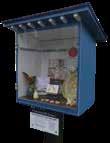
I can’t resist a Little Free Library. Whenever I happen across one, I have to open it. Maybe it’s the anticipation — will I find the cookbook I didn’t know I needed, or a book I’ve been meaning to read? Maybe it’s just plain curiosity. Whatever it is, I find myself drawn to the contents inside.
My kids love these tiny boxes, too. And they’re a wonderful reminder that these small, community-run “Little Free” resources help make neighborhoods
stronger, kinder and more connected. Plus, they’re fun.
What you’ll find inside is not limited to books. Across Greater Seattle, and throughout the region, there are thousands of specialized Little Free options, from bakeries and pantries to art galleries and seed libraries. (The Seattle Sidewalk Joy Map is a great place to start.)
Seeking out one of these communitywide collections is a great excuse for kids and families to explore their neighborhood, or you can search for something specific. Let’s take a tour of some of the favorites I’ve found, starting with the original.
Origins of the Little Free Library
Little Free Libraries blazed the trail. The idea began in the Midwest in 2009 as a tribute to a mother and teacher, and it quickly spread. Seattle’s first Little Free Library popped up in Wallingford more than a decade ago, and today there are over 1,100 registered Little Free Libraries in King County alone.
Let’s get started
Use the official Little Free Library app to find one near you. I promise there’s one just around the corner.
But if you’re looking for something different, try the Grievers Free Little Library at Zeitgeist Coffee in Pioneer Square (171 S. Jackson St., Seattle). It’s stocked with books offering comfort, support and healing for when things feel heavy.
Fun fact: The Port of Seattle even operates Little Free Libraries at SEA Airport. Next time you need a copy of “Goodnight Moon” before a flight, you know where to look.
Moving on from the expected (books) to the unexpected: Let’s talk sweet treats. Finding a Little Free Bakery is pretty much gold and might even be an incentive to get a child out the door. So, where do you find a little slice of heaven? Start with two of my favorites.
I’m happy to say that I scored a delicious chocolate and peanut butter cookie for my efforts at Little Free Bakeries South Magnolia (@littlefreebakerysouthmag), complete with recipes. Try the made-with-love cookies and baked goods for yourself. The bakery is freshly stocked on Sundays at 11 a.m.
Location: 2425 24th Ave. W., in Magnolia
Little Free Bakery Ballard is another worthwhile stop where families can find free baked goods for the taking. Check the IG stories @littlefreebakeryballard for dates and times when the goods will drop.
Location: Ninth Avenue Northwest and Northwest 59th Street, in Ballard
On the Eastside it’s hard to beat Violet’s Cookies and Treats (@eatvioletstreats) in Bellevue. Owner Shelly posts on her Instagram whenever her fresh treats are ready for sampling. Set your notifications and swing by.
Location: Southeast 29th Street and 162nd Avenue, in Bellevue
Little Free Pantries operate on the same honor-system model but focus on food and basic essentials. You know the drill and you’ve probably seen pantries stocked with nonperishable items such
as pasta, canned goods and peanut butter. Some even include personal hygiene items such as toilet paper, soap, period products and diapers. And while I found a few of these always-open pantries, the loss of SNAP benefits at the end of last year has taken a toll and many are empty.
Could your kids help stock a pantry? This simple project is an easy way to instill empathy for others and help with food scarcity in our community. While many food banks have age limits for volunteers, kids of any age can restock a Little Free Pantries in their neighborhood. Check your neighborhood for a pantry that could use some staples, or bring goods to two of my favorites:
Location: 7815 Dayton Ave. N., in Greenlake
Location: 30th Avenue Southwest, just south of Southwest Holden Street, in West Seattle
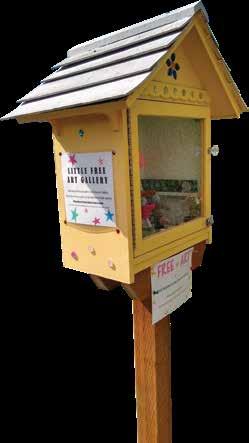
Little Free Art Galleries
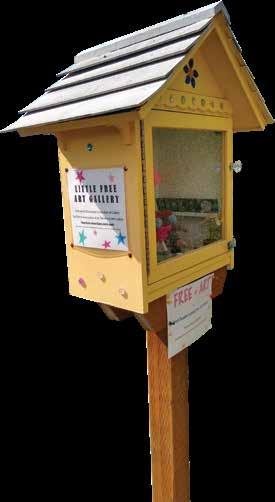
The first ever Little Free Art Gallery appeared in 2020 in Seattle’s Queen Anne neighborhood. Believing art is for everyone, artist Stacy Milrany places a tiny artwork in her mini exhibit space and invites others to give or take art, while leaving her piece for all to enjoy. Location: First Avenue North between Garfield and Galer streets in the Queen Anne neighborhood
Little Free Art Galleries invite young artists to share their creativity with the community. Do you have a child who might be inspired by a visit? Leave a piece of art and see what happens. You can even post about it on social media to celebrate your child’s first “exhibition”— we all have to start somewhere.
It’s also a great screen-free activity to add to your list, especially in the summer. Whether you’re making art or discovering it in your neighborhood, Little Free Art Galleries are a win. Take a peek inside, leave a piece or both.
Find more of my favorite free art in Seattle’s Madrona and Fremont neighborhoods.
Location: 33rd Avenue and East Union Street, Madrona
Location: At the top of the Fremont Avenue North and North 44th Street hill where you’ll find very appropriate artwork for this creative part of the city.
For more art of a literary style, try visiting a Little Free Poetry Library. Poetry is an essential outlet for emotions and self-expression. I found this apropos quote by Alice Osborn, “Poetry is like the Windex on a grubby car window — it bares open the vulnerabilities of human beings so we can all relate to each other a little better.”
Is poetry new for your child? That’s okay. Introduce them to a haiku at one or more of these boxes where someone’s favorite poem is posted. I challenge you to keep tabs on a box for new poem posts — for the love of this art. I found “As You Were” in the Central District box. Location: 20th Avenue East, south of East Union Street, in the Central District Location: Little Plum Poetry on 32nd Avenue West, north of West Barrett Street in the Queen Anne neighborhood
Location: Bryant Poetry Box at 30th Avenue Northwest, north of 60th Street in Bryant
Location: Madison Park Poetry at 41st Avenue East, north of Highland Drive in Madison Park
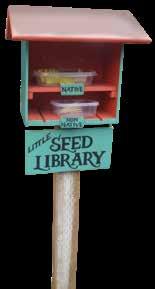
Free Seed Libraries and Little
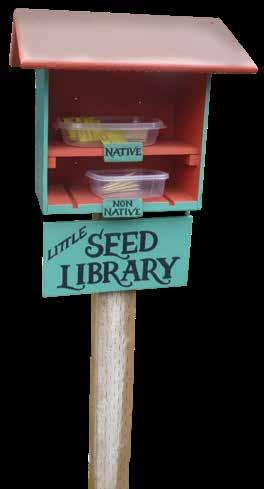
Seed libraries allow your little gardener to take or exchange packets of seeds for flowers, herbs and vegetables. These libraries often focus on local or heirloom varieties. Some also go beyond seeds and include plant starts and greenery. This is a seasonal Little Free option, but definitely a low-cost way to start family gardens. Growing food together can be an empowering and fun outdoor activity and responsibility for children. Here are a few of my favorite spots to pair well with spring or summertime.
Location: High Point Library, 3411 S.W. Raymond St., in West Seattle
Another intriguing library allows neighbors to exchange plant clippings and starts. Do you have a P-Patch? Have kids pick out some plants to fill out your plot. This is a seasonal library, so don’t bother stopping by until May or June.
Location: Seattle Plant Library on 18th Avenue East, south of East Highland Street, in the Capitol Hill neighborhood
Also, try visiting the Little Free Greenhouse at East Alder and 35th Avenue East, in Leschi. My visit there also came up empty but I should not expect spring growth before spring blooms. See if spring has sprung come April. Below are a few more to mark on your map for springtime.
Location: Plant Share Stand at 45th Avenue Northeast and Northeast 40th Street, in Bryant
Location: Little Free Seeds and Starts Library at 42nd Avenue South and South Dawson Street, in Seattle’s Columbia City
For families with pets, Little Free Pet Pantries — sometimes called Puppy Pit Stops — offer donated pet food, treats, toys and supplies. Pet pantries can be fun for dogs and for the family — both
continued from page 25
to find and maintain. Beyond the dog treat, try the Queen Mary Dog Library for something money can’t buy — the perfect dog stick!
Location: 2809 N.E. 55th St., in Bryant
Sometimes, pet pantries are combined with book libraries so there is something for furry family members, too. There is a Free Little Library in North Beach’s Olympic Manor that is a combined venture for both people and dogs. Check out these other human and pet locations, or start your own! Free Little Pet Libraries for cats can be a thing, too.

Location: 23rd Avenue Northwest and Northwest 87th Street, in North Beach Seattle
Location: Bone Appetit Pet Pantry, South Morgan Street, east of 39th Avenue South, in South Seattle
Little Free Puzzle Libraries
Do you put together the same puzzle more than once? Not usually in my house. We’re a one-and-done family. If your house is like mine, trade your finished puzzle in for a new one at a Little Free Puzzle Library. Puzzles come in a variety of options, and I found ones suitable for kids and adults and options for families to do together. In good times and hard times.
I was touched by a sticky note I found inside a puzzle library in West Seattle, thanking the Little Free Puzzle Library for helping their family process grief, one free little puzzle piece at a time. You never know how an act of kindness can help — even just offering something like a free puzzle creates more whole-

ness — and that was a beautiful discovery.
Location: Delridge Puzzle Library, 17th Avenue Southwest and Southwest Brandon Street, West Seattle
Location: 7342 30th Ave. S.W., West Seattle
Little Free Rock Libraries
What kid doesn’t love picking up rocks? Always, right? A compilation of rocks or shells or other earthy items can be the subject of a Free Little Library to inspire little collectors.
I’m glad I stopped to see this clearlyloved Free Little Rock Library in North Seattle. This may be the only one of its kind, but it warmed my heart that someone had carefully designed, arranged and curated a box of rocks, polished and rough alike. I picked up a pretty green rock because my daughter’s name is Jade. I felt seen.
Location: 4035 N.E. 92nd St., in the Lake City/Matthews Beach neighborhood
More creative Little Frees to find The Little Free concept keeps evolving to meet community needs, and expanding your search reveals some fun surprises around Greater Seattle. Continue searching for even more Little Free resources:
Little Free Sports Equipment Libraries let families pass along outgrown or unused gear like cleats, gloves, frisbees and basketballs. They’re especially helpful for families cycling through new sports each year. I spotted one at 12th Avenue Southwest and Southwest Myrtle Street, though it was empty, spring sports season is the perfect time to refill it. Anyone ready for a garage clean-out?
Little Free Toy Exchanges are ideal for swapping gently used toys and reclaiming closet space. Those extra stuffies or trucks might be another child’s treasure. Visit the Abracadabra Toy Libraries at the Northeast Seattle Tool Library, located at 10228 Fischer Pl. N.E. in Lake City or the Shoreline Tool Library located at 16610 Aurora Ave N., in Shoreline.
Little Free Craft Libraries offer patterns and supplies for knitting, crocheting and all kinds of creative projects. Leftover ribbon, beads, fabric scraps or crayons may be exactly what someone else needs. Art teachers: Keep an eye out or start one of your own! Try the Tea Cozy Craft Library at 5816 24th Ave. N.W., in Ballard or Seattle ReCreative at 8408 Greenwood Ave. N., in Greenwood.
The Little Free Bead Library at West 67th Street and 25th Avenue Northwest, is perfect for jumpstarting friendship-bracelet making. Also worth a visit: yəehaw Indigenous Creatives Collective at 9674 51st Ave. S., in Rainier Beach, filled with supplies, premade items and opportunities to learn about Indigenous artists.
For listeners of all ages, the Little Free Audio Library shares podcast recommendations via QR codes at 3733 34th Ave. S.W., in West Seattle. Music lovers can also check out the Good Place Pacific Vinyl Library near Earl Avenue Northwest, south of Northwest 83rd Street in Ballard — perfect for sharing records and discovering new sounds.
The free Phinney Blockbuster at Phinney Avenue North and North 72nd is filled with all genres of movies, including lots of kid faves (when I went and took a peek I saw “Cars,” “Captain America” and Bob the Builder’s “Hold Onto Your Hat!” just
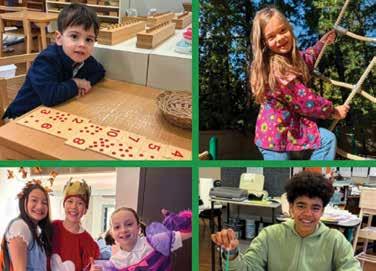

With Eton School’s Montessori accreditation (Age 3-Grade 3) and a strong Montessori foundation (Grades 4-8), your child will discover more than academics. They’ll discover themselves.


continued from page 27
to name a few). Grab as many movies as you’d like, return them when you’re done. No need to worry about late fees. Follow @phinneyblockbuster on Instagram for updates.
How to start a Little Free resource of your own
Starting a Little Free resource doesn’t have to be complicated or expensive. Many Little Free resources thrive when several families share responsibility.
1/ Choose a focus. Decide what would be most helpful in your area: books, food, pet supplies, art, seeds or toys. Or maybe something no one has done yet!
2/ Pick a spot. The most common spot is in your front yard or fence line. Have the kids pick a place near the sidewalk or fenceline with good visibility — and that you approve of, naturally.
Check with the powers that be first, but you can also consider putting one at your school, church or community building for even greater accessibility.
3/ Build or find a box. Repurpose a weatherproof cabinet or wooden box to make your Free Little corner of the world. If you want something new, try asking a local builder or scout group to build one for you. And of course, Home Depot or Lowe’s will have a premade box if your budget allows. Make sure it’s sturdy, clearly labeled and easy to open.
Maybe paint it in the colors of your favorite team or add a custom design or a mini sign that notes: “Take what you need. Leave what you can.”
4/ Stock it. Start small. Collect what you can from your house, Goodwill or neighborhood donations. Kids may want to shop for the pantries and pet boxes, so focus on nonperishable, unopened
items. No matter what the box, don’t be too picky about what’s in there as we want to celebrate our children’s contributions and creations.
5/ Maintain and share. Check in regularly to clean and restock. This can be tricky for kids to remember, but having a “job” like this can be as simple as a weekly peep in the box. You can always invite friends to contribute and make it a cul-de-sac or neighborhood project on your street. It can be a meaningful learning experience for children to see firsthand how small actions can help others. Restocking builds responsibility and community awareness and teaches empathy.
The goal isn’t perfection — it’s accessibility, fun and discovery. ■
Sharon Mead is a Seattle-born writer and true enthusiast when it comes to coffee, cooking, creativity and the Mariners.








By Allison Sutcliffe
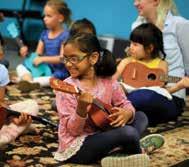
The end of the school year is in sight, and for many kids that means shedding the structure of the school day, trading academic rigor for a little fun and frivolity. Once the good weather hits, it’s time for them to let loose, nurture their passions and incorporate creative pursuits into their routines.
Research consistently shows that creativity is crucial to children’s development. It enhances social, cognitive and emotional growth. It gives kids the opportunity to test new ideas, and leads them to be better problem solvers and engaged, confident thinkers.
When your kids have down time, nudge them toward creativity:
• Tie-dye T-shirts, even better if you invite friends.
• Make nature art with sun print paper.
• Round up friends for a game of capture the flag or hide-and-seek.
• Set up sensory bins with beans, rice, foam, water or shaving cream.
• Play in a mud kitchen or a mud puddle.
• Build sandcastles and dams at the beach.
• Bike around your neighborhood.
• Whittle soap into simple shapes or animals.
• Load up the water squirters with colored water and paint.
• Keep a photo or written journal of your adventures.
• Drop into an art, cooking or dance class.
• Build paper airplanes or other simple machines.
• Bring toy dinosaurs on a park adventure.
• Create veggie stamp art. ■
Allison Sutcliffe is ParentMap’s managing editor.




















Check out many more happenings online at parentmap.com/calendar
By Julie Dodobara

Parents, march to it! It’s time to plan out your month of family fun. With spring in sight, be sure to make the most of added daylight with outdoor time, plus some indoor activities for the inevitable soggy days ahead as well. From floral, food and cultural fests to dance and music performances — and everything in between — we’ve got you covered.
� Chase spring all the way to the fields of Skagit Valley to find over 500 acres of the very symbol of spring itself — cheery yellow daffodils — at the La Conner Daffodil Festival. Bring the whole family to witness a sea of sunshine on foot or by bicycle and snap plenty of photos among the blooms. Mother nature determines the blooming schedule; the festival runs March 1–31.
� Time to bounce! Join the family Purim festivities at the Stroum Jewish Community Center where you’ll find nearly 1,000 square feet of inflatables, dancing and singing with
Baby Jam, Reptile Man, carnival games and more. Save by purchasing tix in advance — $20–$25 kids, $10–$12 adults or $50–$60 for a family pack of five — and show up Sunday, March 1, 11 a.m.–3 p.m.
� Nerd out with your crew and fellow fans over comics, gaming, anime, and all things pop culture at this year’s Emerald City Comic Con. Star Wars’ Hayden Christensen and Star Trek’s William Shatner will be making appearances at this annual all-ages party taking place Thursday–Sunday, March 5–8; tickets $45–$85 per day for adults; kids’ four-day pass $25 (ages 6–12).
� Experience the true spirit of community at Lacey’s Cultural Celebration, where you will find the world all in one place. This free fest showcases a variety of cultural traditions through music, art and dance, and features fun activities for kids. Head to Saint Martin’s University Saturday, March 7, 10 a.m.–6 p.m.
� Bring your budding artists to Kent Kids’ Arts Day where they will find a whole day of hands-on art and live music performances. Led by professional artists, kids can dig their hands into a wax project or at one of 11 other amazing craft sta-
La Conner Daffodil Festival
La Conner and surrounding areas
March 8 | Sunday
Holi Festival of Color
Redmond City Hall Park
The EdTech Wake-up Call: Rethinking Digital Learning for Kids Online
tions. The fun takes place at Kent Commons on Saturday, March 7 from 10 a.m.–3 p.m.; $10 admission per child; adults and ages 2 and younger are free.
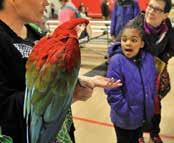
Seuss-tacular Spring Fling. Photo courtesy parkstacoma.gov
� Celebrate Dr. Seuss’s birthday and inspire young readers at this Seuss-tacular Spring Fling happening on Saturday, March 7, 11 a.m.–2 p.m. at Tacoma’s STAR Center. There will be themed crafts, activities and games in the spirit of everyone’s favorite writer of whimsical rhymes.
� If you’ve detected a spring in your step lately, that can only mean one thing — it’s time to get out and get moving in the great outdoors! Grab a jacket and depart to a scenic Washington state park on two Discover Pass free days, Monday, March 9, and Thursday, March 19. Head to Bridle Trails, Dash Point or Deception Pass State Park, to name a few.
� Worried about too much technology in education? Our ParentEd Talks series welcomes neuroscientist and educator, Jared
Cooney Horvath, who shares eye-opening impacts of EdTech on learning and attention and offers strategies to strike a healthier balance with digital learning. Tune in live on Tuesday, March 10, noon–1 p.m. or receive the recording to watch anytime. $10 per talk or $50 for the entire 8-talk series. Members of partner schools join for free.
� Welcome the arrival of spring and celebrate the joyful holiday of Holi at the largest color festival in the Northwest held this year at Redmond City Hall Park. Join the merriment, music and color-throwing fun on Sunday, March 8 from noon–5 p.m. Free admission. Colors and food for purchase.
� You’ll find it’s easy being green as you celebrate everything Irish this St. Patrick’s Day. Catch the annual parade, marching a new route this year along Alaskan Way from Pier 66 to Pier 58 Saturday, March 14, beginning at 12:30 p.m. Then attend the annual Irish Festival Saturday– Sunday, March 14–15, to be immersed in the music, food, dancing and history of Ireland. Free.
� Brighten the first day of spring with a free bouquet of the very symbol of the season itself — fresh daffodils grown by local family-run farms. Head to the Pike Place Market on Friday, March 20 between 11
a.m. and 2 p.m. to claim your bunch (while supplies last).
� Introduce your youngsters to the pageantry of ballet at a performance just for them! Pacific Northwest Ballet presents its new production, “Momotaro,” adapted from a popular Japanese folk story. Danced by students, the hour-long show is perfect for the whole family. Multiple showtimes Saturdays, March 21 and 28 at McCaw Hall; tickets start at $21.50.
� Seattle Children’s Museum, local families’ destination for fun and learning, is having a community birthday bash to celebrate its 46th year and you’re invited to join the fun! The day will be filled with hands-on art, sensory play, cooking activities and a special appearance by tunester, Mr. Bri Guy. Whoop it up, Saturday, March 21, 10 a.m.–5 p.m.; $5.
� Here’s a real no-brainer — budding scientists and anyone with a curious mind won’t want to miss a day of cerebral fun for all ages at Pacific Science Center’s BrainFest, Saturday, March 21, 10 a.m.–5 p.m. Compare a T-Rex brain to other animals, meet local neuroscientists and even touch a real brain! Included with admission.
� Embark on an adventure filled with swordfights, archery and humor as heroes fight for justice. Bring the crew to see “Robin Hood,” a high-energy take on a familiar classic tale brought to the stage by Seattle Children’s Theatre. Opening March 26 and running through May 10, this one-hour production is recommended for ages 8 and older. Tickets start at $27. ■
Julie Dodobara is ParentMap’s calendar editor.
SPONSORED EVENT
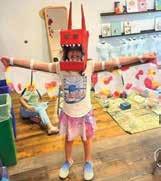
Weekly all summer Hands-on summer camps for ages 4–10 spark creativity through art, science, tinkering and play. Free Camptivities included with admission all summer! kidsquestmuseum.org/ Summer





See how affordable it is samisfoundation.org/jewish-day-school-affordability-seattle/ Families making up to $350k are eligible. See how affordable it is samisfoundation.org/jewish-day-school-affordability-seattle/ Families making up to $350k are eligible.