22, SHREEJI BHAVAN, 275-279, SAMUEL STREET, MASJID BUNDER (W), MUMBAI-4000 03, INDIA.
EMAIL: info@indiancosmetologistjournal.com
WEBSITE: indiancosmetologistjournal.online
PRINTED, PUBLISHED, EDITED AND OWNED BY DOM DANIEL
PRINTED AT SWASTIK PRINTER, GALA NO.9 & 10, VISHAL INDUSTRIAL ESTATE, BHANDUP (WEST), MUMBAI400078.
PUBLISHED AT 22 SHREEJI BHAVAN, 275/279, SAMUEL STREET,
MASJID BUNDER (WEST), MUMBAI - 400003. INDIA.
“INDIAN COSMETOLOGIST JOURNAL” TAKES NO RESPONSIBILITY FOR UNSOLICITED PHOTOGRAPHS OR MATERIAL
ALL PHOTOGRAPHS, UNLESS OTHERWISE INDICATED, ARE USED FOR ILLUSTRATIVE PURPOSE ONLY.
VIEWS EXPRESSED IN THIS JOURNAL ARE THOSE OF THE CONTRIBUTORS AND NOT OF THE PUBLISHER. REPRODUCTION IN WHOLE OR IN PARTS OF TEXTS OR PHOTOGRAPHY IS PROHIBITED. MANUSCRIPTS, PHOTOGRAPHS AND ART ARE SELECTED AT THE DISCRETION OF THE PUBLISHER FREE OF CHARGE (ADVERTISING EXCLUDED). WHETHER PUBLISHED OR NOT, NO MATERIAL WILL BE RETURNED AND REMAINS THE PROPERTY OF THE PUBLISHING HOUSE, WHICH MAY MAKE USE OF IT AS SEEN FIT. THIS MAY INCLUDE THE WITHDRAWAL OF PUBLICATION RIGHTS TO OTHER PUBLISHING HOUSES.
ALL RIGHTS RESERVED. REPRODUCING IN ANY MANNER WITHOUT PRIOR WRITTEN PERMISSION PROHIBITED.
PUBLISHED FOR THE PERIOD OF FEBRUARY 2026
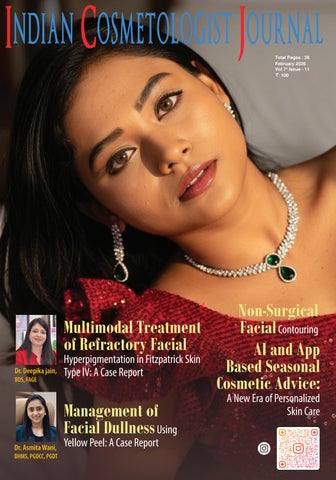
Personalized Beauty and Intelligent SelfCare: Innovations for the Modern Woman
This issue celebrates the evolving landscape of personalized and evidence-based beauty, where science, technology, and artistry converge to create tailored, impactful solutions for the modern woman. It emphasizes a shift toward precisiondriven aesthetic care, integrating clinical insight with innovative tools to support skin health, confidence, and long-term aesthetic outcomes.
IT EXPLORES THE MULTIMODAL MANAGEMENT OF REFRACTORY FACIAL HYPERPIGMENTATION IN FITZPATRICK SKIN TYPE IV, OFFERING NUANCED, CLINICALLY INFORMED STRATEGIES THAT ENSURE SAFE, PRECISE, AND EFFECTIVE OUTCOMES FOR COMPLEX PIGMENTATION CONCERNS.
It explores the multimodal management of refractory facial hyperpigmentation in Fitzpatrick Skin Type IV, offering nuanced, clinically informed strategies that ensure safe, precise, and effective outcomes for complex pigmentation concerns. AI- and app-based seasonal cosmetic guidance further empowers women to personalize skincare routines with confidence, enabling adaptive care that responds to climatic variations, lifestyle factors, and individual skin characteristics.
Advanced rejuvenation techniques, including yellow peels for dull and uneven complexions and non-surgical facial contouring methods that achieve natural lifting and sculpting, exemplify the fusion of innovative science with aesthetic finesse. Collectively, these insights promote intelligent self-care, radiant confidence, and the celebration of everyday elegance while highlighting the forefront of modern cosmetic innovation.
- DOM DANIEL EXECUTIVE EDITOR & PUBLISHER
06
Dr. Deepika jain
BDS, FAGE (exp 16 years)
Facial injector, Aesthetician & cosmetologist
AI AND APP BASED SEASONAL COSMETIC ADVICE: A NEW ERA OF PERSONALIZED SKIN CARE 08 MULTIMODAL ........ TREATMENT OF REFRACTORY
HYPERPIGMENTATION IN FITZPATRICK SKIN TYPE IV: A CASE REPORT
14
Fellowship in lasers Mastership in clinical Aesthetic MANAGEMENT OF
Dr. Asmita Wani
BHMS, PGDCC, PGDT
Post Graduation Diploma in Obesity Management
MULTIMODAL TREATMENT OF REFRACTORY FACIAL HYPERPIGMENTATION IN FITZPATRICK
SKIN TYPE IV: A CASE REPORT
INTRODUCTION
FDr. Deepika jain
BDS FAGE (exp 16 years)
Facial injector, Aesthetician & cosmetologist
Fellowship in lasers
Mastership in clinical Aesthetic
acial hyperpigmentation is a common aesthetic concern, particularly in individuals with darker skin types. Chronic and long-standing pigmentation is often difficult to treat due to the involvement of both epidermal and dermal melanin, melanocyte hyperactivity, and underlying inflammatory components. Monotherapy frequently produces suboptimal results and carries a risk of recurrence or postinflammatory hyperpigmentation. Current aesthetic practice favours combination treatment modalities that target multiple pathogenic mechanisms simultaneously. This report describes the successful management of long-standing facial hyperpigmentation using a combination of Q-switched Nd:YAG laser, microneedling, and platelet-rich plasma (PRP).
CASE REPORT
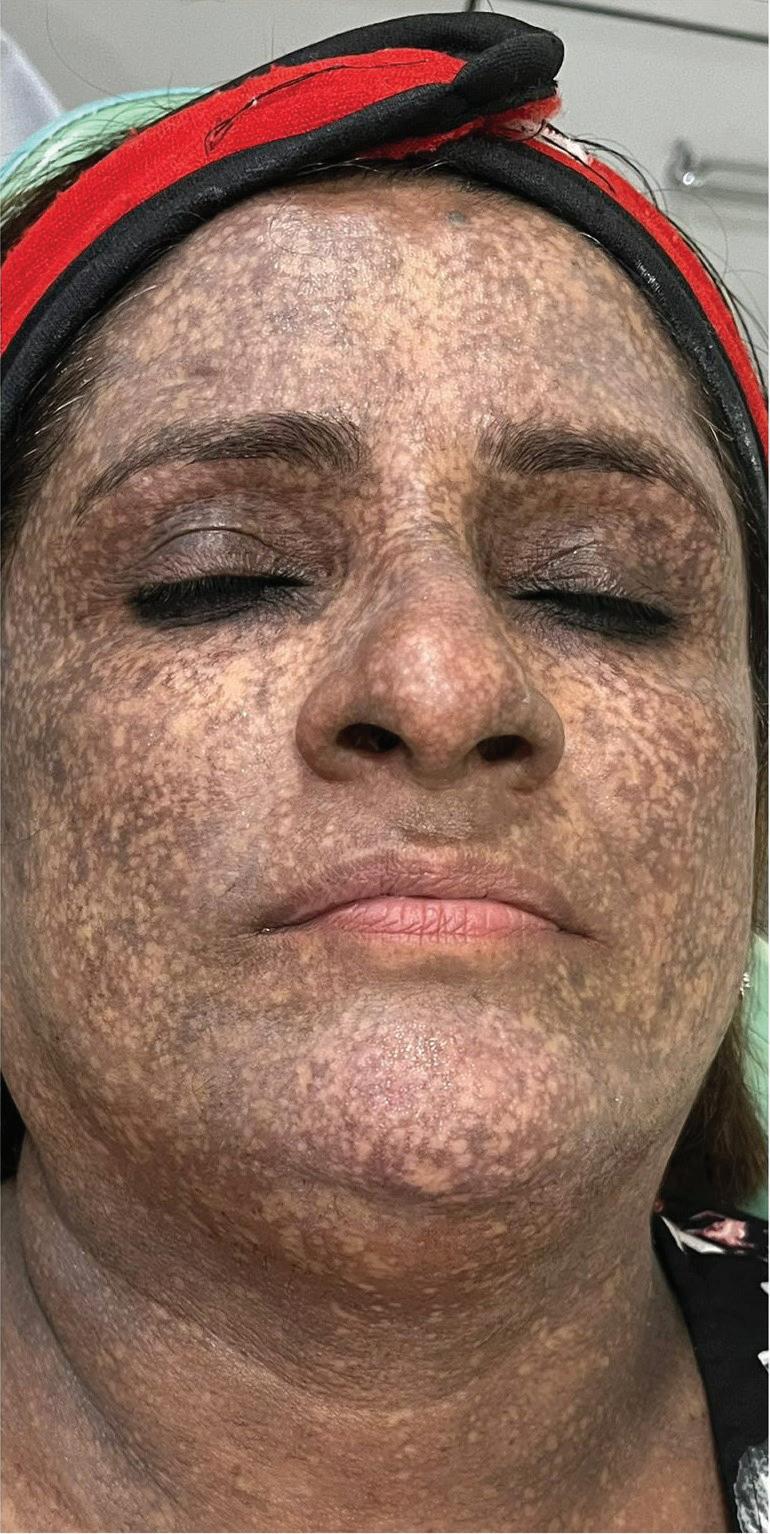
A 48-year-old female presented with diffuse facial pigmentation of 16 year duration. The pigmentation had gradually progressed over time and was refractory to multiple topical depigmenting agents. There was no history of systemic illness, hormonal therapy, photosensitizing medications, or previous laser treatment. On clinical examination, the patient exhibited diffuse, mottled brown to dark brown pigmentation involving the
forehead, periocular area, cheeks, nose, and chin. Skin texture appeared uneven with reduced luminosity. The patient sought treatment for cosmetic improvement.
Based on clinical presentation and chronicity, a diagnosis of long-standing mixed facial hyperpigmentation was made, consistent with chronic melasma with dermal involvement. The
patient was classified as Fitzpatrick skin type IV, indicating a higher risk of post-inflammatory hyperpigmentation and necessitating cautious selection of treatment modalities.
TREATMENT
A multimodal treatment approach was planned to target both epidermal and dermal components of pigmentation while minimizing adverse effects.
Q-SWITCHED ND:YAG LASER
Q-Switched Nd:YAG Laser with a wavelength of 1064 nm was used, employing a low-fluence, multiple-pass technique at session intervals of 3-4 weeks, with the objective of selective targeting of dermal melanin and reduction of melanocyte activity.
MICRONEEDLING
Microneedling was performed at a depth of 0.5-1.5 mm, adjusted according to facial area, with the objective to enhance epidermal turnover, stimulate dermal remodeling, and facilitate transdermal delivery of PRP.
PLATELET-RICH
PLASMA (PRP)
PRP was prepared using standard centrifugation protocol and administered intradermally and topically post-microneedling. The objective was to promote tissue regeneration, reduce inflammation, and modulate melanogenesis.
Strict photoprotection and maintenance topical therapy were advised throughout the treatment period. The patient tolerated the procedures well, with no reported adverse effects.
RESULTS
Following completion of the combination treatment sessions, the patient demonstrated significant
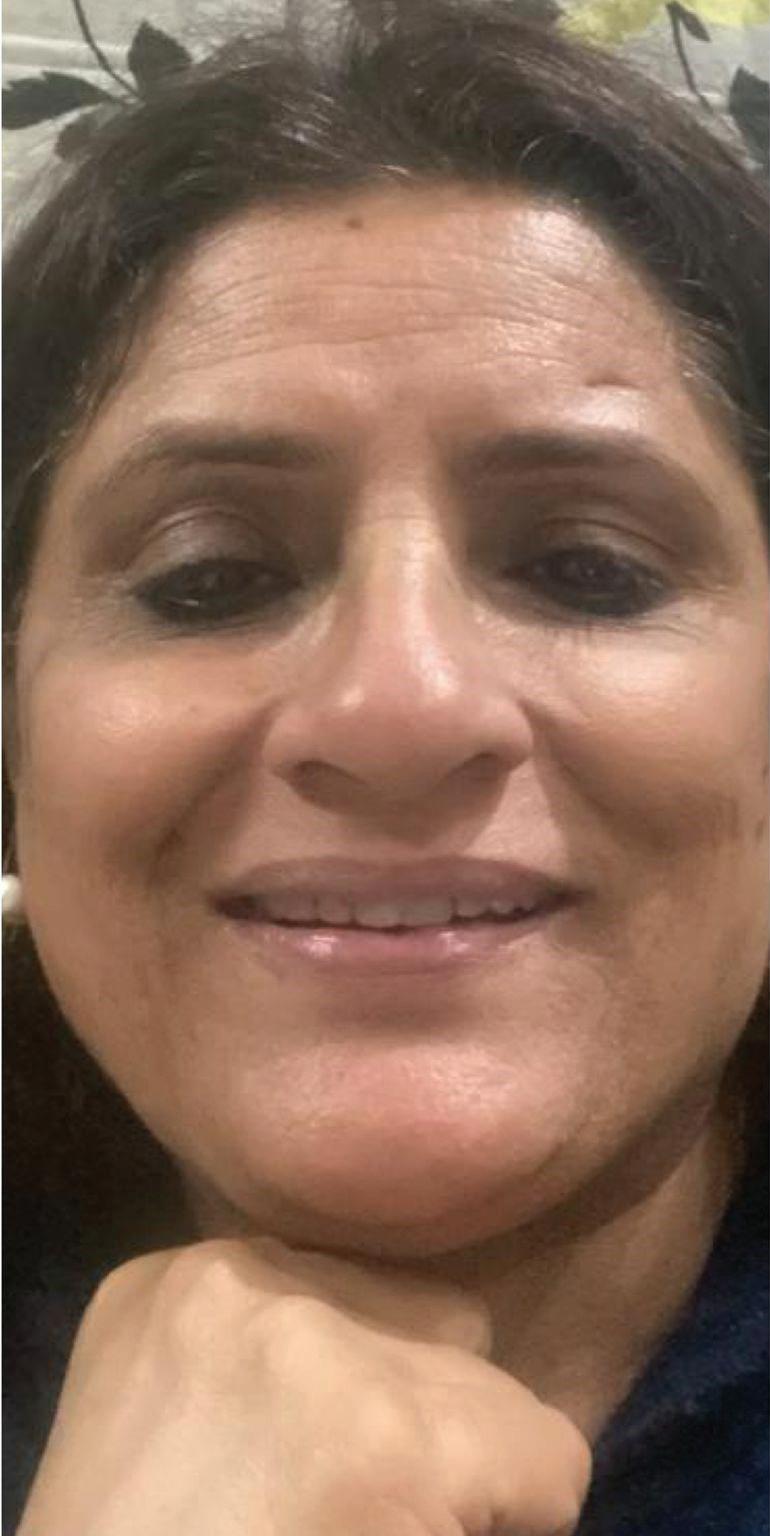
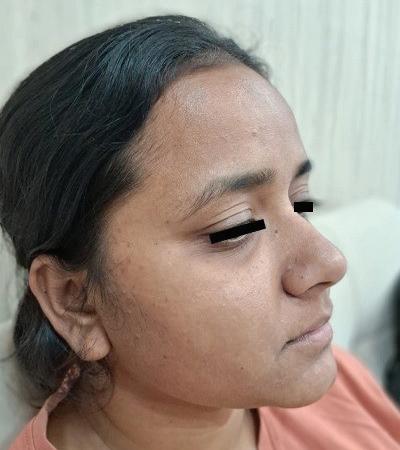
clinical improvement. There was a marked reduction in the intensity and distribution of facial pigmentation, with improved uniformity of skin tone. Skin texture and overall facial luminosity showed noticeable enhancement. No adverse effects such as post-inflammatory hyperpigmentation, scarring, or prolonged erythema were observed during or after treatment. The patient reported high satisfaction with the aesthetic outcome. Comparative clinical photographs confirmed substantial improvement from baseline.
Figure 2: Post multimodal treatment clinical improvement with complete resolution of facial hyperpigmentation and improved skin texture.
CONCLUSION
Long-standing facial hyperpigmentation remains a therapeutic challenge, particularly in darker skin types. This case highlights the effectiveness of a multimodal approach combining Q-switched Nd:YAG laser, microneedling, and platelet-rich plasma in achieving significant and safe aesthetic improvement. Targeting melanogenesis, dermal pigment, and skin regeneration simultaneously allows for enhanced outcomes while minimizing complications. Combination therapy should be considered a valuable option in resistant cases of chronic facial hyperpigmentation.
AI AND APP BASED
SEASONAL COSMETIC ADVICE: A NEW ERA OF PERSONALIZED SKIN CARE
INTRODUCTION
Artificial Intelligence (AI) is transforming the way we care for our skin and hair. While AI was once mainly used in clinical settings for professional assessments, mobile applications now make personalized
guidance accessible anytime and anywhere. Unlike standard skincare advice, which is often general, AI can provide recommendations tailored to individual skin and hair characteristics, lifestyle, and seasonal changes. By combining
personal information with realtime environmental data such as temperature, humidity, pollution, and sunlight, AI-based apps make cosmetic care more flexible, effective, and personalized.1
SEASONAL CHANGES IN SKIN AND HAIR
• Skin Hydration and Comfort2
➢ Seasonal changes can affect skin moisture levels.
➢ Natural moisturizers like glycerol and hyaluronan help retain hydration.
➢ Protective lipids support the skin barrier.
➢ Well-hydrated skin remains soft, smooth, and comfortable.
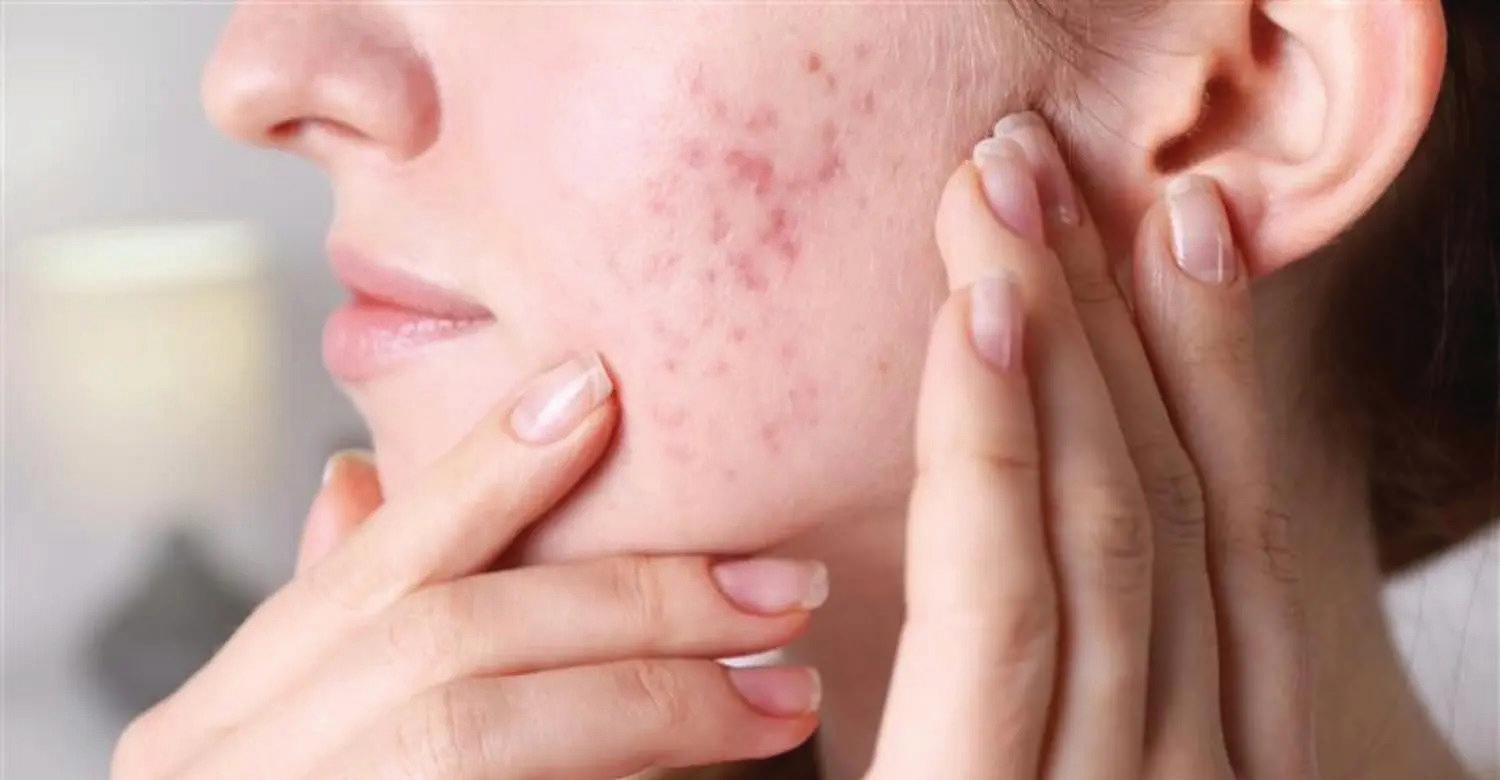
• Oiliness and Acne3
➢ Oil production can vary with seasonal changes.
➢ Fluctuations may lead to acne or breakouts.
➢ Personalized routines and topical care help control excess oil.
➢ Treatments are guided by safety and effectiveness.
• Pigmentation and Sun-Related Aging4
➢ Sun exposure can cause dark spots, uneven tone, and premature aging.
➢ Seasonal skincare adjustments help maintain an even complexion.
➢ Consistent sun protection is essential for healthy skin.
• Hair and Scalp Health5
➢ Healthy hair requires a balanced scalp environment.
➢ Weather, pollution, and lifestyle factors influence scalp condition.
➢ Seasonal variations may cause dryness, dandruff, or hair fall.
➢ Awareness of seasonal patterns helps select appropriate hair care routines.
PERSONALIZED SKIN AND HAIR PROFILING
AI-based cosmetic care begins with the creation of a comprehensive digital profile of an individual’s skin and hair, which serves as the foundation for personalized recommendations. This profile is designed to adapt over time, ensuring that care strategies remain relevant as intrinsic and extrinsic factors evolve.8 Key components of this profiling include:
• Individual Traits
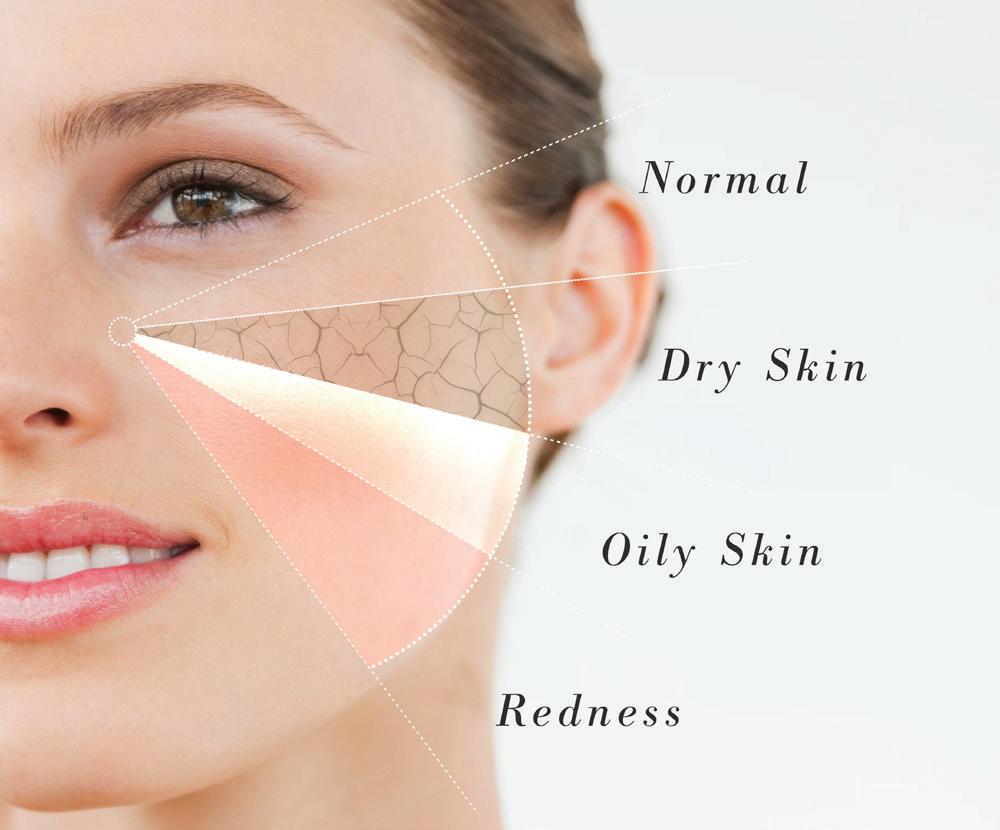
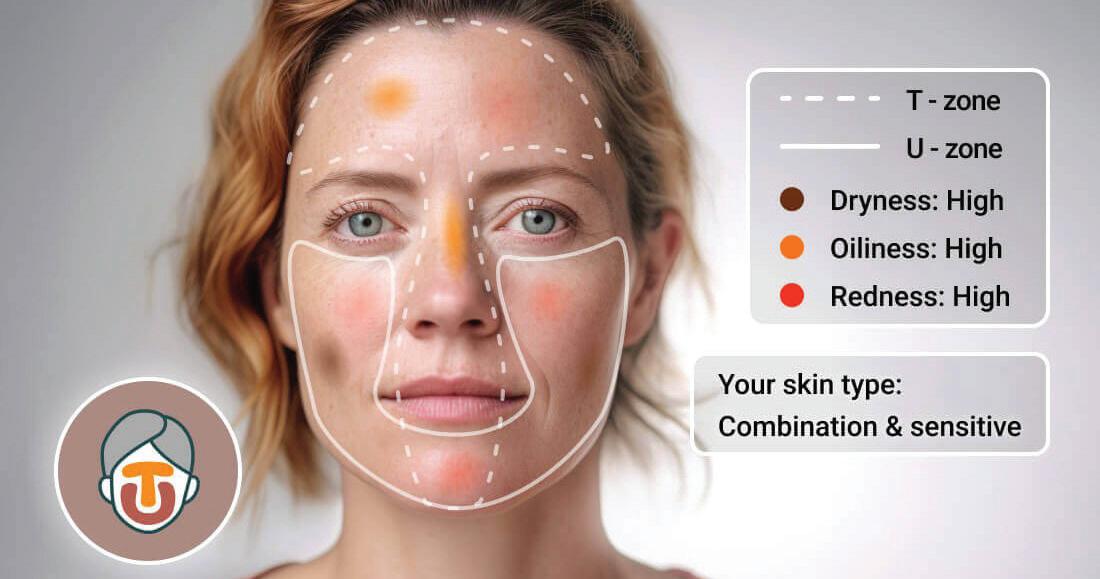
AI analyzes and maps essential skin and hair characteristics, including skin type (normal, dry, oily, or sensitive), hydration status, sebum levels, pigmentation patterns, hair texture, and scalp condition. This detailed assessment enables the development of tailored skincare and haircare routines aligned with individual biological needs.8
• Environmental and Seasonal Factors
As part of personalized skin and hair profiling, environmental and seasonal factors are taken into account to ensure individualized and adaptive care. General influences such as climate variations, sun exposure, and pollution levels are considered for their impact on skin and hair health. Incorporating these factors allows personalized recommendations to be adjusted across seasons, helping maintain optimal protection, balance, and overall skin and hair integrity throughout the year.8
• Lifestyle Considerations
Daily lifestyle factors, including diet, sleep quality, stress levels, and physical activity, are integrated into the profiling process. Understanding these elements allows AI systems to refine care routines and suggest preventive or corrective measures that align with individual lifestyles.8
• Dynamic Updates
The digital profile is continuously updated as skin and hair conditions change due to aging, environmental influences, or lifestyle modifications. Based on these changes, AI provides timely adjustments in routines, product recommendations, and preventive guidance, ensuring ongoing efficacy and personalization of care.8
HOW
AI SUPPORTS
SEASONAL COSMETIC CARE
AI-driven cosmetic platforms integrate individual skin and hair profiles with environmental context to deliver adaptive, season-appropriate care. Instead of static routines, these systems adjust guidance in response to changing conditions and user needs. Key functionalities include:
• Adaptive Personalization: Skincare and haircare routines are modified based on individual characteristics and seasonal variations.1
• Climate-Sensitive Insights: Factors such as temperature shifts, humidity levels, sun intensity, and pollution are considered to help minimize seasonal damage.1
• Ongoing Condition Tracking: Changes in skin hydration, oil balance, sensitivity, and hair quality are monitored over time to refine recommendations.1
• Intelligent Product Selection: Guidance on suitable formulations, active ingredients, and application schedules evolves according to environmental influence and user response.1
• Early Preventive Guidance: Timely notifications support proactive care during periods
of increased environmental stress, such as extreme dryness, heat, or UV exposure.1
Through this responsive and data-informed approach, AI helps maintain consistent, effective cosmetic care across all seasons.
ROLE OF MOBILE APPLICATIONS IN SKINCARE
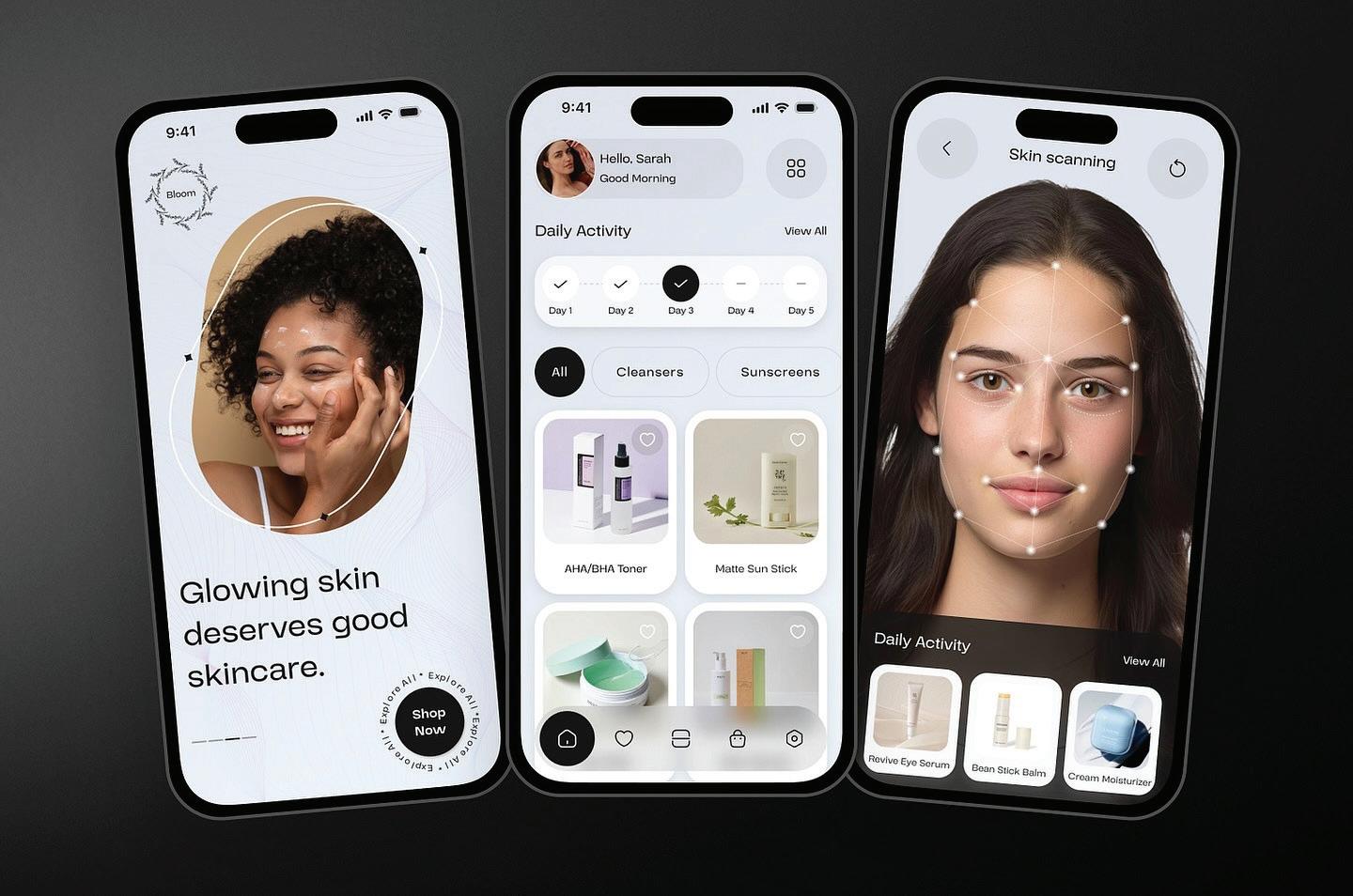
Mobile applications have emerged as an essential tool in modern skin and hair care, bridging advanced technology with both patient-centred and clinicianfocused approaches. These apps enhance accessibility, personalization, and efficiency, supporting prevention, monitoring, and treatment of a wide range of skin and hair conditions.1
Key Applications and Functionalities:
1. Digital Skin and Hair Analysis
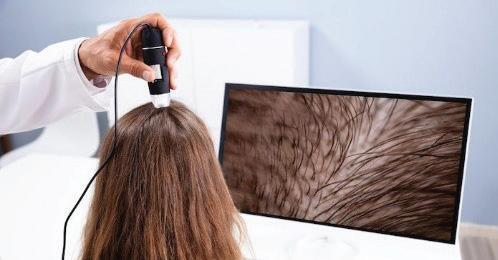
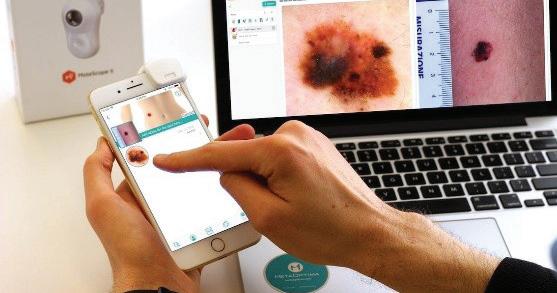
Mobile apps enable non-invasive evaluation of skin and hair using smartphone imaging and AI-assisted assessment. Parameters such as skin texture, hydration, pigmentation, lesions, hair density, and scalp health can be measured, providing accurate baselines for personalized care and treatment planning.6
2. Telehealth and Remote Monitoring
Apps allow patients to share high-quality images or participate in video consultations with Healthcare
Professional, supporting diagnosis, follow-up, and ongoing management. This facilitates care for patients in remote areas, reduces clinic visits, and improves continuity of treatment.7
3. Personalized Care and Routine Adjustment
AI-enabled platforms integrate patient-specific skin and hair characteristics with lifestyle and environmental factors (e.g., sun exposure, humidity, pollution, diet, stress). This enables dynamic, real-time adjustment of skincare and haircare routines, moving beyond generic or static recommendation.8
4. Decision Support for Clinicians
Specialized apps assist healthcare providers with reference materials, skin imaging tools, lesion tracking, differential diagnosis support, treatment guidelines, and clinical documentation. These tools improve diagnostic accuracy, streamline workflow, and facilitate evidence-based decision-making.7
5. Patient Education and Preventive Guidance
Mobile apps provide educational resources on skin health, sun protection, topical treatments, and behavioral interventions. They also offer preventive notifications and reminders, for example, regarding UV exposure, hydration, or adherence to prescribed medications.9
6. Monitoring Treatment Response and Symptoms
Apps can track changes over time, including lesion progression, skin hydration, oiliness, sensitivity, pruritus, and hair growth. This longitudinal monitoring helps patients observe trends and allows clinicians to adjust therapies proactively.
BENEFITS FOR USERS:
1. Personalized Care: Routines and product suggestions are tailored to your skin, hair and seasonal needs, making them more effective than generic advice.1
2. Better Understanding: Tracking changes over time helps you see how your skin and hair respond to weather, habits, and products.1
3. Early Support: Timely alerts prevent seasonal issues like dryness, oiliness, or breakouts before they worsen.1
4. Convenient Access: Expert guidance is available anytime on your phone, making it easier to follow routines consistently without frequent clinic visits.1
LIMITATIONS AND CHALLENGES
• Accuracy and validation: Not all AI tools are fully validated, and inaccurate analysis may affect recommendations.1
• Need for professional guidance: AI should support, not replace, expert advice, especially for ongoing or complex concerns.1
• Data privacy concerns: These platforms handle personal images and information, making strong data protection and transparency essential.1
• Inclusivity issues: AI systems trained on limited datasets may not fully represent diverse skin types, affecting reliability.1
APPLICATIONS IN COMMON COSMETIC CONCERNS
Seasonal changes like heat, humidity, and sweating can trigger breakouts. AI apps help adjust cleansing routines, oil-control measures, and product choices according to weather patterns. This proactive guidance reduces flare-ups and keeps acne under control.10
Sun exposure and environmental stress can lead to dark spots or uneven skin tone. App-based guidance encourages consistent sunscreen use and helps select suitable products during high-exposure periods, supporting a more even complexion year-round.10
Signs of aging, such as fine lines and dullness, are influenced by sunlight, pollution and seasonal changes. Digital platforms guide users to focus on protection during warmer months and nourishing or repairfocused care in colder or drier seasons, promoting healthier-looking skin over time.10
Weather, stress, and daily habits affect scalp comfort and hair strength. AI tools can suggest changes in washing frequency, monitor seasonal scalp issues, and track lifestyle factors like nutrition or stress, helping maintain strong, healthy hair throughout the year.10
CONCLUSION
AI- and app-based cosmetic guidance is transforming how we care for our skin and hair, offering personalized, season-specific support that adjusts to changing environmental conditions and individual needs. By encouraging timely adjustments and preventive measures, these tools help maintain healthier, balanced skin and hair throughout the year while promoting awareness and consistency in daily routines. When used responsibly alongside professional advice, and with attention to data privacy and inclusivity, AIdriven cosmetic care provides a practical and userfriendly approach to modern personal care.
1. Acne Management
4. Hair and Scalp Health
2. Pigmentation and Sun Protection
3. Anti-Aging Care
REFERENCES
1. Hash MG, Forsyth A, Coleman BA, Li V, Vinagolu-Baur J, Frasier KM. Artificial Intelligence in the Evolution of Customized Skincare Regimens. Cureus. 2025 Apr 18;17(4):e82510. doi: 10.7759/cureus.82510. PMID: 40385841; PMCID: PMC12085869.
2. Verdier-Sévrain S, Bonté F. Skin hydration: a review on its molecular mechanisms. J Cosmet Dermatol. 2007 Jun;6(2):75-82. doi: 10.1111/j.1473-2165.2007.00300.x. PMID: 17524122.
3. Endly DC, Miller RA. Oily Skin: A review of Treatment Options. J Clin Aesthet Dermatol. 2017;10(8):49-55. Kim JC, Park TJ, Kang HY. Skin-Aging Pigmentation: Who Is the Real Enemy? Cells. 2022 Aug 16;11(16):2541. doi: 10.3390/cells11162541. PMID: 36010618; PMCID: PMC9406699.
4. Kim JC, Park TJ, Kang HY. Skin-Aging Pigmentation: Who Is the Real Enemy?. Cells. 2022;11(16):2541. Published 2022 Aug 16. doi:10.3390/cells11162541
5. Hoover E, Alhajj M, Flores JL. Physiology, Hair. [Updated 2023 Jul 30]. In: StatPearls [Internet]. Treasure Island (FL): StatPearls Publishing; 2025 Jan-. Available from: https://www.ncbi.nlm.nih.gov/books/NBK499948/
6. Van Neste D, Trüeb RM. Critical study of hair growth analysis with computer-assisted methods. J Eur Acad Dermatol Venereol. 2006 May;20(5):578-83. doi: 10.1111/j.1468-3083.2006.01568.x. PMID: 16684287.
7. Kaliyadan F, Ashique KT. Use of Mobile Applications in Dermatology. Indian J Dermatol. 2020;65(5):371376. doi:10.4103/ijd.IJD_422_20
8. Akras Z, Dresser C, Ashworth H. Integration of Environmental Data Into Electronic Health Records for Clinical and Public Health Decision Making: A Viewpoint on Expanding Development in the United States. J Med Internet Res. 2025 Aug 29;27:e76396. doi: 10.2196/76396. PMID: 40882182; PMCID: PMC12396774.
9. Haykal D. Digital twins in dermatology: a new era of personalized skin care. Front Digit Health. 2025;7:1534859. Published 2025 Feb 10. doi:10.3389/fdgth.2025.1534859
10. Thunga S, Khan M, Cho SI, Na JI, Yoo J. AI in Aesthetic/Cosmetic Dermatology: Current and Future. J Cosmet Dermatol. 2025;24(1):e16640. doi:10.1111/jocd.16640
MANAGEMENT OF FACIAL DULLNESS USING YELLOW PEEL: A CASE REPORT
INTRODUCTION
FDr. Asmita Wani
BHMS , PGDCC, PGDT,
Post Graduation Diploma in Obesity Management
acial dullness, uneven skin tone, and superficial pigmentation are common aesthetic concerns influenced by lifestyle factors, environmental exposure, and suboptimal epidermal turnover. These changes are largely attributed to superficial melanin accumulation and delayed epidermal renewal, resulting in reduced skin luminosity and an uneven facial appearance. Although topical agents may provide gradual improvement, their effects are often slow and insufficient when timely, visible results are desired, particularly in pre-event settings. Consequently, procedural interventions that promote controlled exfoliation and epidermal regeneration have gained increasing relevance. Chemical peeling, especially with combination formulations such as yellow peel, offers effective management of superficial pigmentary concerns by enhancing skin brightness, tone uniformity, and texture. This article presents a case demonstrating the clinical utility of yellow peel for aesthetic facial rejuvenation.1
CASE REPORT
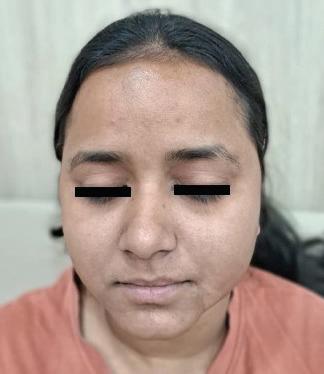
A 25-year-old female presented with concerns of facial dullness, uneven skin tone, and mild undereye dark circles. She was an engineer by profession with predominantly indoor work exposure and reported minimal sun exposure. The patient had normal skin type and was following a basic daily skincare routine. There was no history of
previous cosmetic or aesthetic procedures. Clinical examination revealed dull facial skin with mild superficial pigmentation and reduced luminosity. The periocular region showed early darkening without textural changes. No active acne, scarring, or inflammatory skin concerns were noted. The patient sought aesthetic improvement as part of pre-bridal skin preparation prior to her wedding.
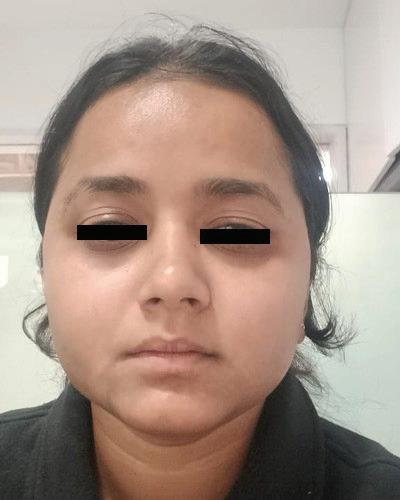
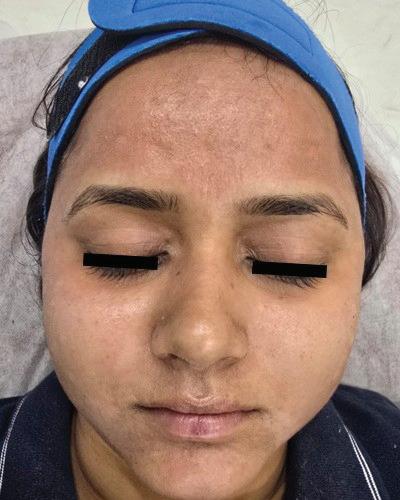
Baseline facial appearance showing uneven skin tone and diffuse hyperpigmentation.
Chemical Peels
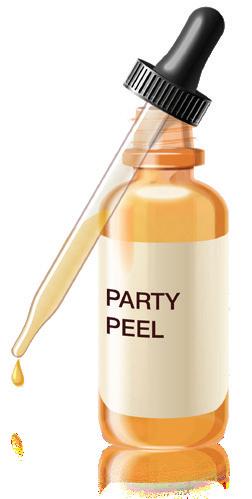
Party Peel
Instant Glow
Exfoliates dead skin cells, stimulates mild skin renewal, and brightens the complexion for an instant glow.
Blend of Arginine 20%, Lactic Acid 40%, Alantion 1%
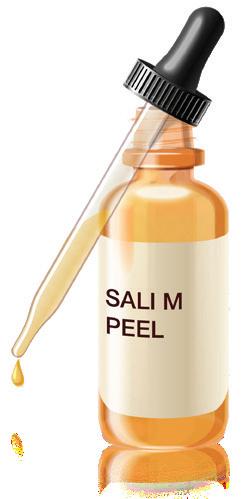
Sali M Peel
For Active Acne/Acne with Pigmentation
Penetrates pores to remove excess oil, reduces acne and inflammation, and promotes gradual skin renewal.
Blend of Salicyclic acid 20% and Mandelic acid 30%
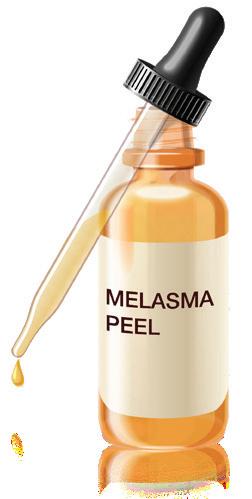
Melasma Peel
Epidermal Melasma/Hyperpigmentation
Targets excess melanin, gradually lightens dark spots, and promotes controlled, gentle exfoliation.
Based on clinical evaluation, the patient presented with facial dullness associated with mild uneven skin tone and superficial pigmentation, along with early periocular darkening. Cutaneous findings were limited to the epidermal level, characterized by reduced skin luminosity and mild dyschromia without evidence of dermal pigmentation, inflammatory skin concerns, or textural abnormalities.
TREATMENT
Chemical peeling is a common skin resurfacing procedure used in cosmetology to improve skin texture and appearance. It involves the application of a chemical solution to exfoliate dead surface cells, stimulate skin renewal, and enhance overall skin tone. Chemical peels are classified as superficial or medium depth and are effective in treating dullness, pigmentation, acne marks, uneven texture, and early signs of aging.1
YELLOW PEEL
Yellow peel is a medium-depth combination peel containing glycolic acid, salicylic acid, retinol, kojic acid, and supportive agents. These ingredients work together to brighten the skin, reduce superficial pigmentation, control excess oil, and improve skin texture. It is preferred for clients seeking visible results with minimal downtime.3
MECHANISM OF ACTION
Yellow peel promotes controlled exfoliation of the epidermis and increases cell turnover. The formulation helps reduce melanin deposition, calm inflammation, and improve skin clarity. Retinol supports cellular regeneration, while kojic acid aids in
pigmentation control, resulting in smoother, brighter, and more eventoned skin.3
PRE-PROCEDURE CARE
Before treatment, the skin was assessed for type, sensitivity, and contraindications. The procedure and post-care instructions were explained, and informed consent was obtained. The client was advised to avoid active skincare products, exfoliation, and excessive sun exposure for 3–5 days prior. Adequate skin hydration was maintained, and a patch test was performed when necessary.3
PROCEDURE
The face was cleansed and degreased thoroughly. The yellow peel was applied evenly over the facial area, avoiding sensitive regions such as the eyes and lips. The peel was left on the skin as per standard protocol to allow controlled exfoliation. The procedure was comfortable and completed in a short duration.
POST-PROCEDURE CARE
Post-treatment care included gentle cleansing, regular use of a soothing moisturizer, strict sun protection, and daily application of a broad-spectrum sunscreen. Clients were advised to avoid picking or peeling the skin.
BENEFITS
Yellow peel improves skin dullness, uneven tone, and superficial pigmentation. It enhances skin glow, smoothness, and texture with minimal downtime, making it suitable for clients seeking quick and effective aesthetic results.3
RESULT
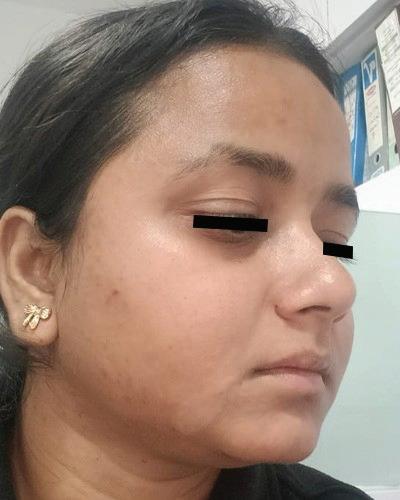
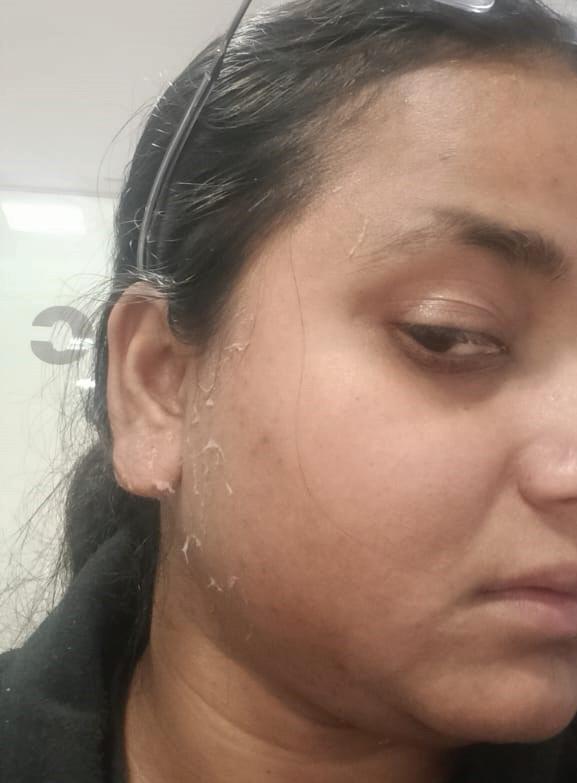
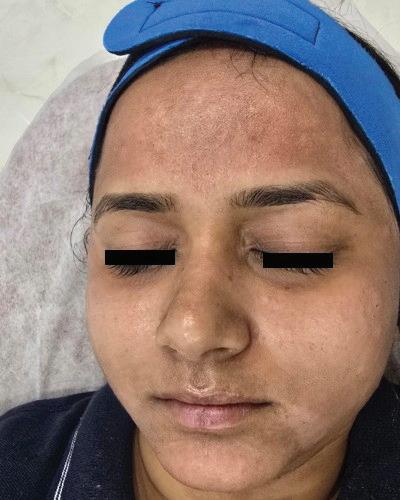
The patient showed a good response to the yellow peel treatment. By Day 5, mild and uniform peeling was noted, indicating effective surface exfoliation. On final assessment, there was visible improvement in skin brightness, more even skin tone, smoother texture, and reduction in superficial pigmentation. The procedure was well tolerated, with minimal discomfort and downtime.
Post procedure Day 1
Day 5
CONCLUSION
This case highlights yellow peel as a safe and effective option for treating facial dullness, uneven skin tone, and superficial pigmentation in young patients seeking aesthetic improvement with minimal
REFERENCES
After procedure
downtime. In individuals with predominantly superficial skin involvement and no prior cosmetic procedures, yellow peel provides controlled exfoliation, improved epidermal turnover, and visible enhancement in skin brightness and luminosity. Its combination formulation offers simultaneous depigmenting and rejuvenating benefits. Appropriate patient selection, protocol adherence, and strict photoprotection remain essential for optimal outcomes.
1. Samargandy S, Raggio BS. Chemical Peels for Skin Resurfacing. [Updated 2023 Oct 29]. In: StatPearls [Internet]. Treasure Island (FL): StatPearls Publishing; 2025 Jan-. Available from: https://www.ncbi.nlm.nih.gov/ books/NBK547752/
2. Soleymani, Teo et al. “A Practical Approach to Chemical Peels: A Review of Fundamentals and Step-by-step Algorithmic Protocol for Treatment.” The Journal of clinical and aesthetic dermatology vol. 11,8 (2018): 21-28.
3. Deda, Anna et al. “Cosmetic Benefits of Medium-Depth Chemical Peels for Moderate Acne Lesions and Atrophic Acne Scars: A Single-Arm Clinical Trial in Young Adults.” Journal of clinical medicine vol. 14,23 8598. 4 Dec. 2025, doi:10.3390/jcm14238598
NON-SURGICAL FACIAL CONTOURING
INTRODUCTION
Facial contouring focuses on enhancing the inherent structure and balance of the face, emphasizing overall harmony rather than isolated correction of individual features. Modern aesthetic practice has progressively embraced a comprehensive, full-
face perspective that recognizes the importance of proportion, symmetry, and facial cohesion. Through thoughtful and measured refinement, facial contouring can restore balance, improve perceived proportions, and create a refreshed yet authentic appearance.
Advancements in non-surgical and minimally invasive techniques have further positioned facial contouring as a cornerstone of contemporary aesthetics, enabling personalized, gradual enhancement that respects and preserves everyone’s unique facial identity.1
IMPORTANCE OF FACIAL CONTOUR AND SHAPE AGE-RELATED CHANGES AFFECTING
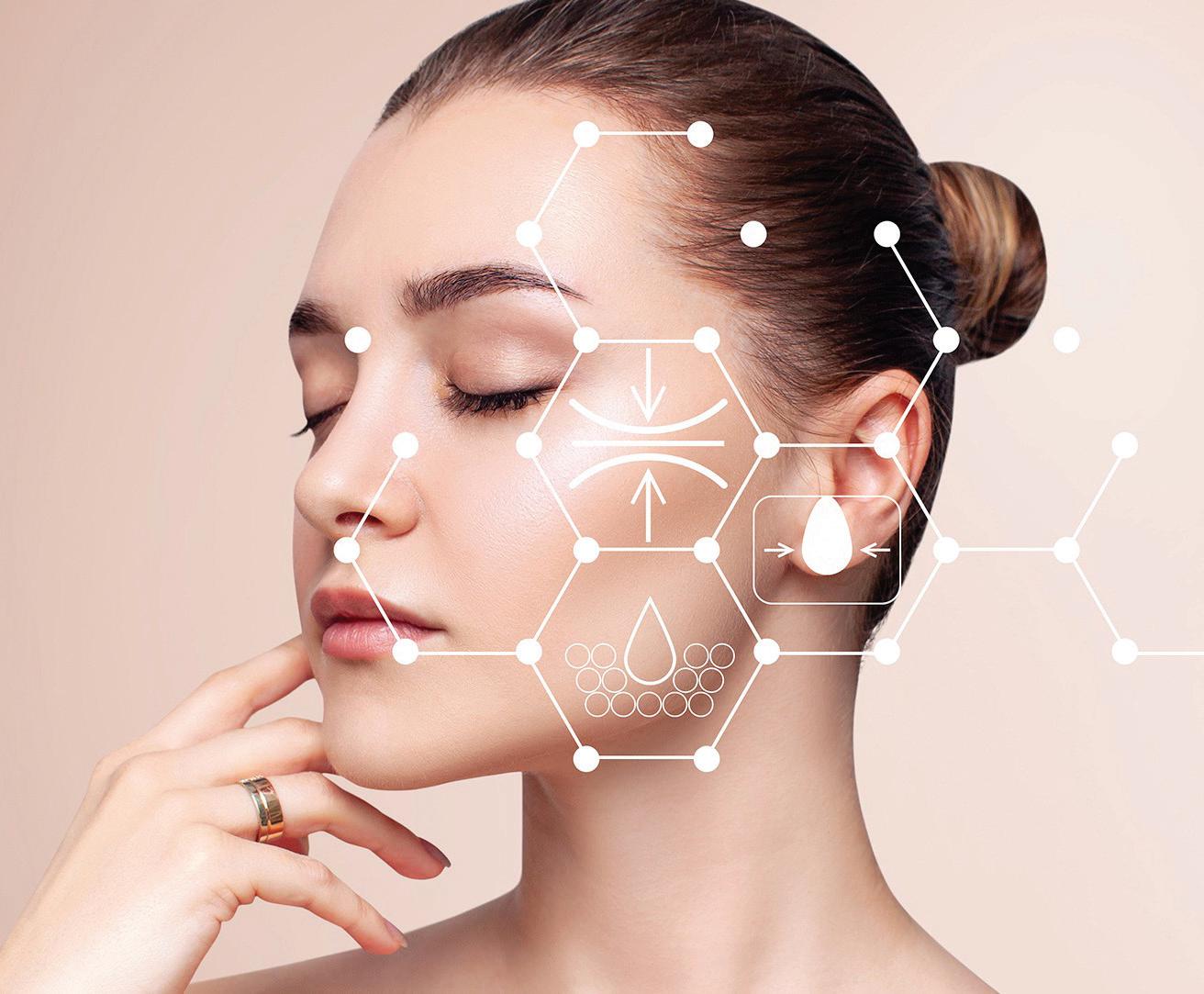
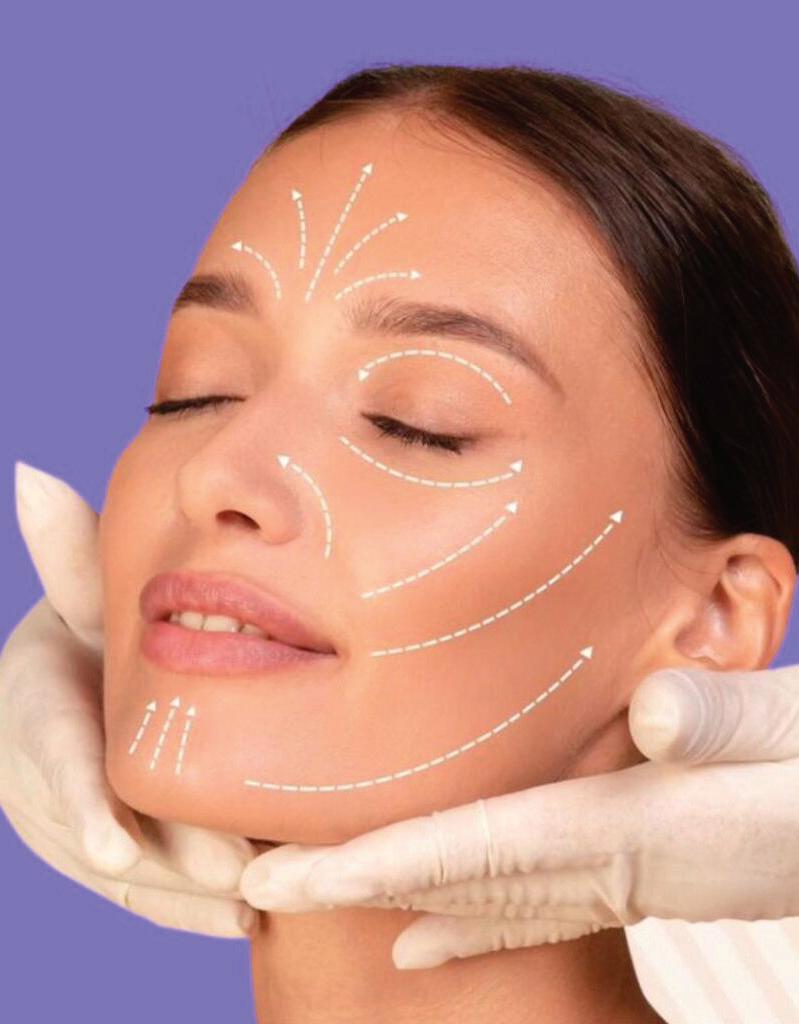
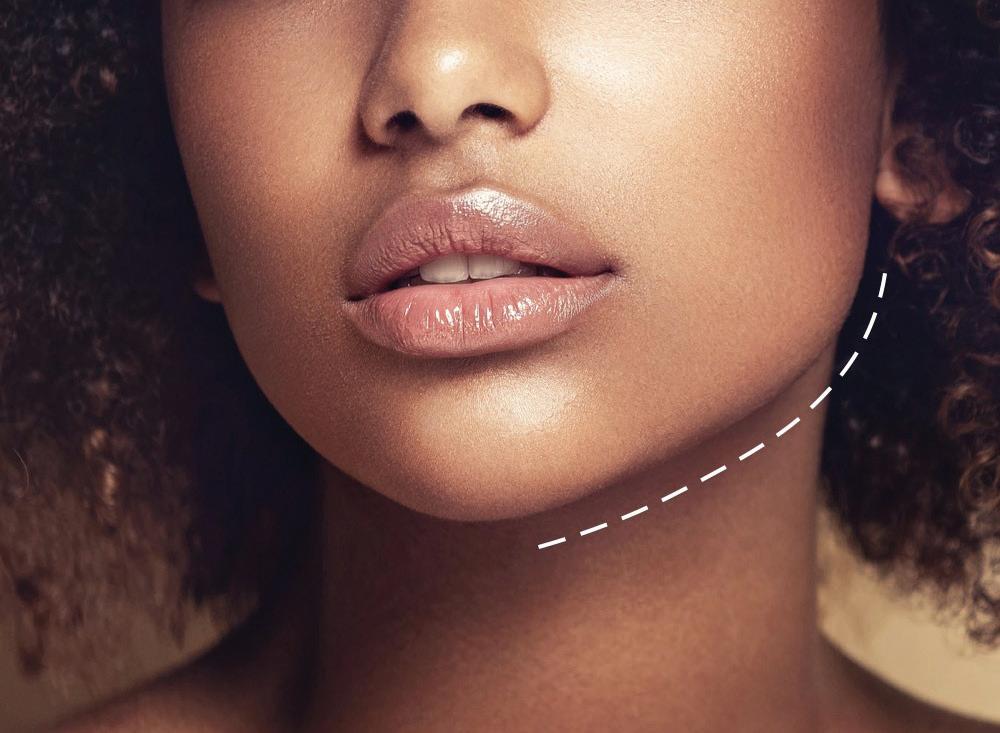
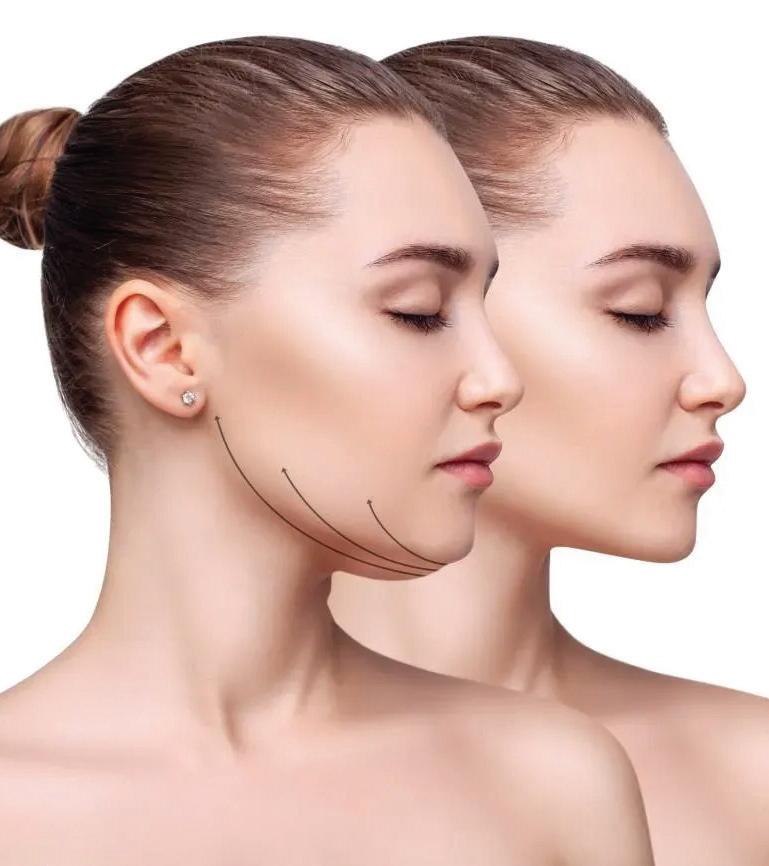
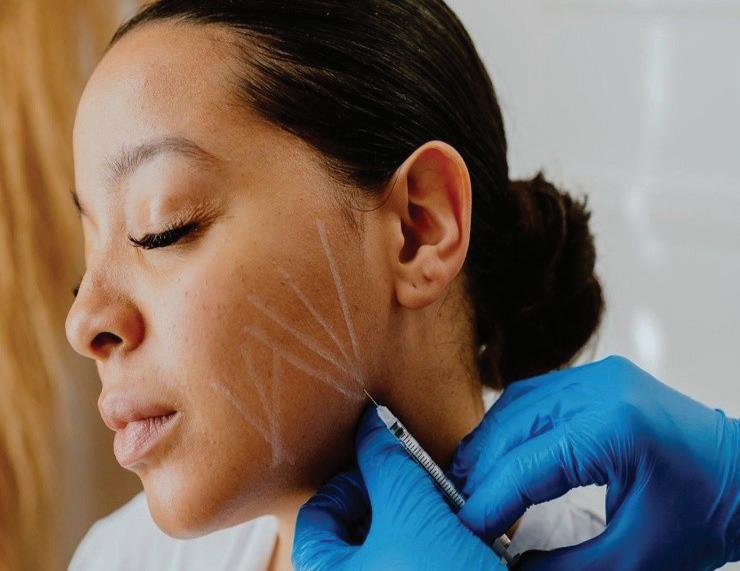
Holistic facial mapping: The delineated contour pathways spanning multiple facial regions visually underscore the concept of the face as a unified aesthetic entity, reinforcing the premise that modifications in one area can meaningfully influence overall facial balance.
Proportion and transitional harmony: The illustrated markings imply continuity and smooth anatomical transitions, closely aligning with the emphasis on proportion, symmetry, and balanced contouring rather than isolated, feature-specific enhancement.
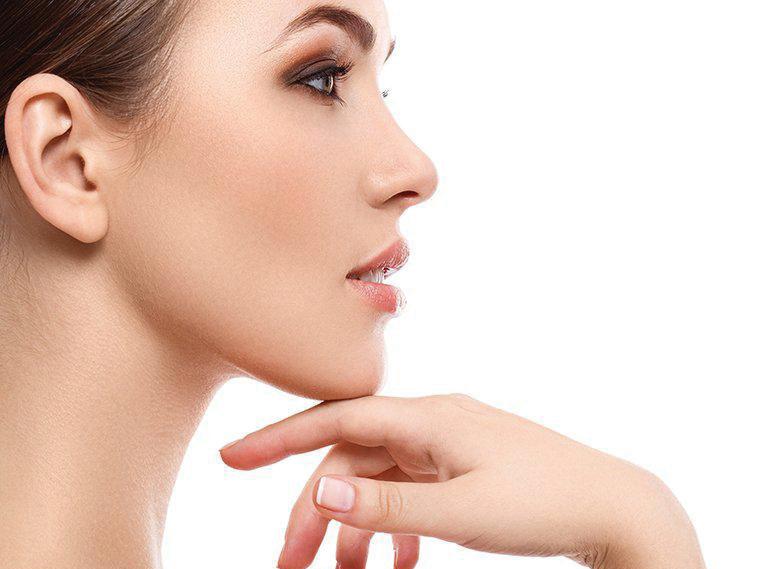
Structural focus on key regions: The supportive positioning of the hands at the chin, along with contour trajectories across the midface, subtly draws attention to critical structural zones that play a pivotal role in achieving harmonious and natural-looking aesthetic outcomes.
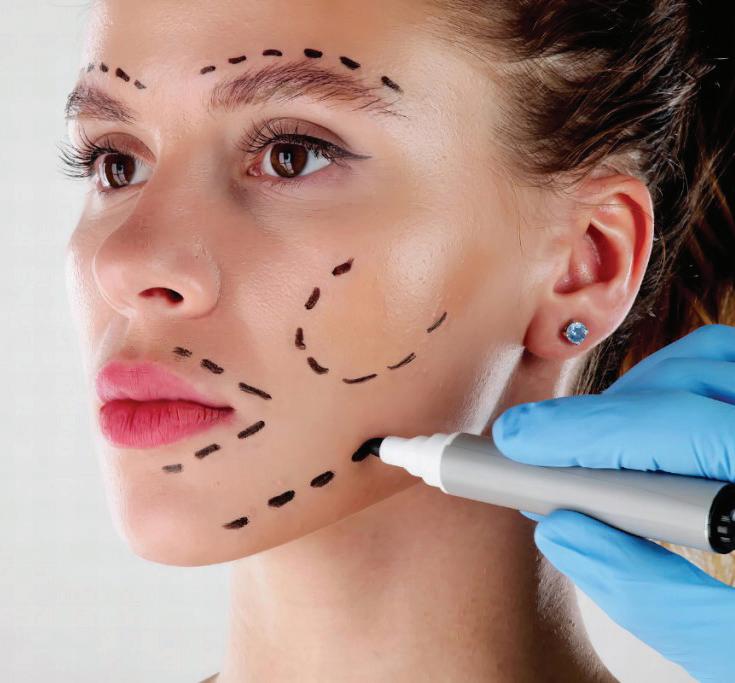
Contemporary aesthetic perspective: The presence of clinical gloves combined with schematic facial overlays conveys a modern, deliberate, and methodical approach to facial contouring, making the image particularly suitable for educational, conceptual, or journal-oriented aesthetic discourse.2
FACIAL CONTOURS
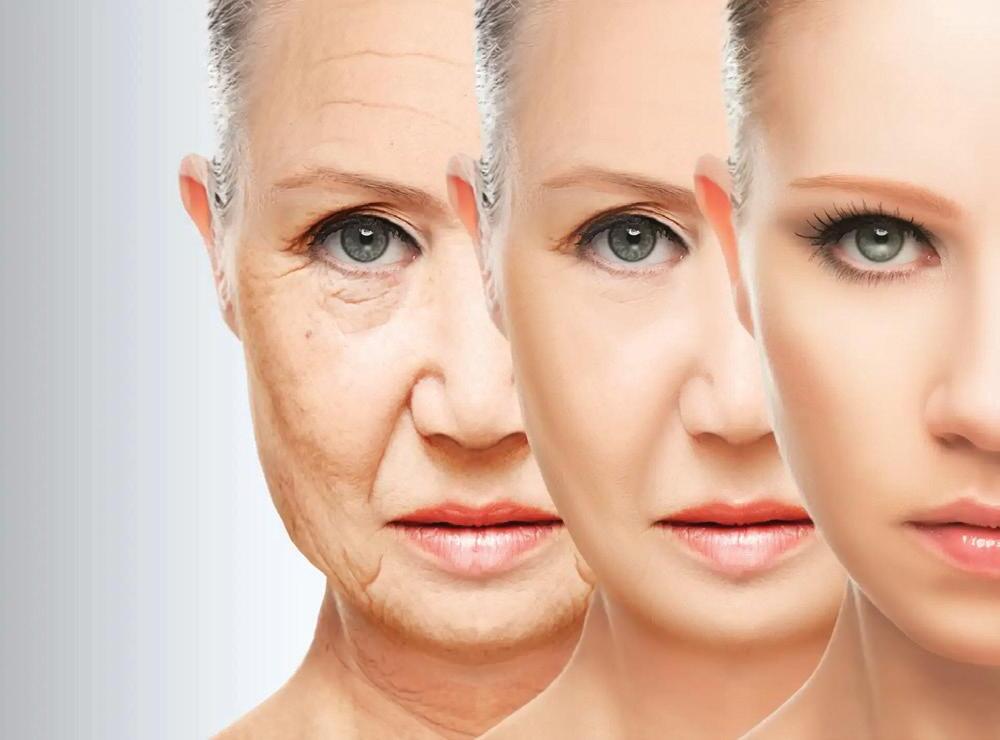
Facial aging is a complex, progressive process that affects the face at multiple levels, extending beyond the skin to involve deeper structural elements that collectively define facial form and proportion. Gradual changes in underlying support and soft tissue distribution contribute to alterations in facial contours, leading to loss of definition, softening of key boundaries, and disruption of the natural transition between facial regions. These changes may become apparent even in individuals without significant weight variation and can manifest at a relatively earlier age in certain populations. Contemporary aesthetic understanding therefore recognizes facial aging as an integrated, inside-out phenomenon, emphasizing the need for approaches that restore overall balance, preserve natural proportions, and maintain harmonious contours rather than addressing surface features in isolation.3
Key Facial Areas in Contouring
1. Forehead
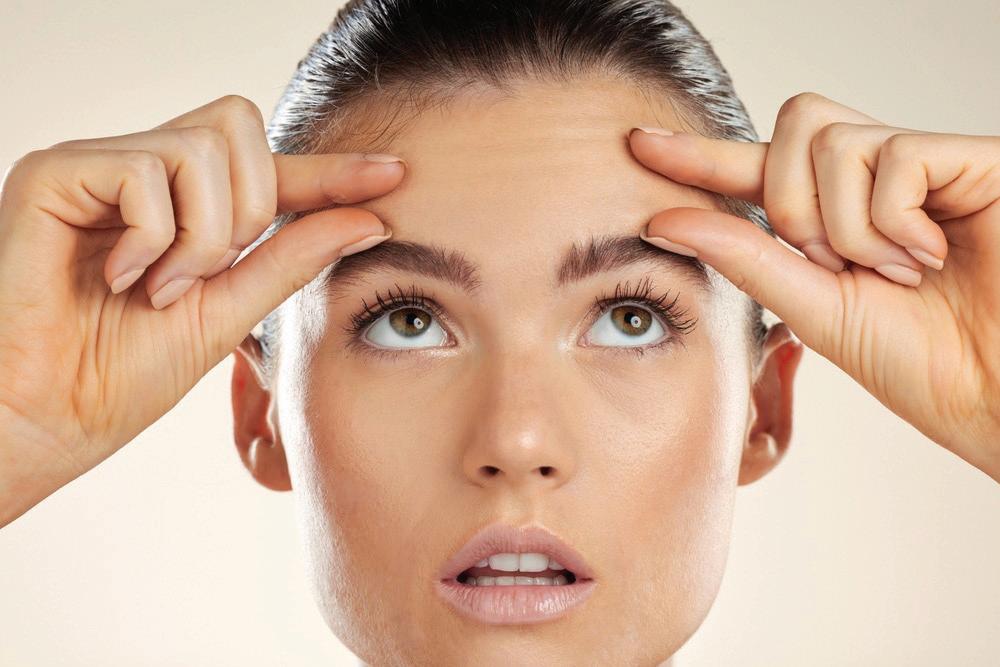
The forehead plays a pivotal role in upper facial balance and overall harmony. With aging, gradual loss
of youthful contour and support may lead to flattening or concavity, influencing brow position and facial proportions. Contemporary forehead contouring therefore emphasizes restoration of smooth curvature and balanced transitions rather than isolated line correction. Attention to gender- and ethnicity-related variations is essential to achieve natural, refined, and harmonious aesthetic outcomes.1
2. Nose
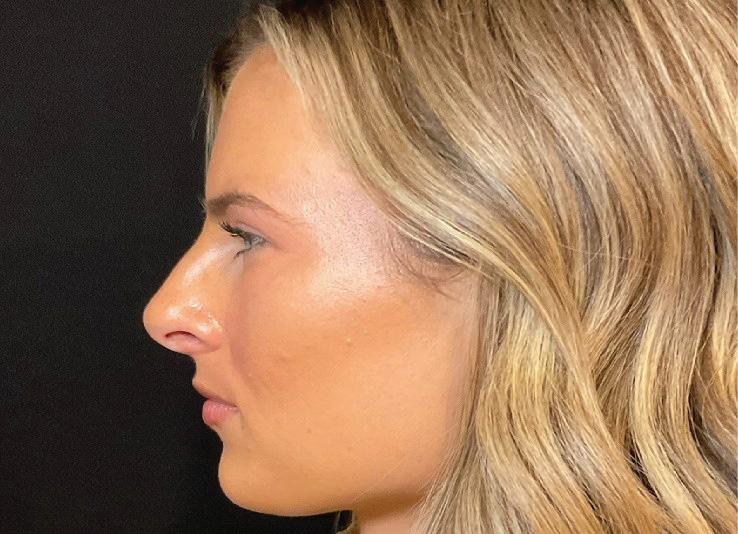
The nose serves as a central anchor of facial balance and midfacial harmony. Subtle age-related changes can alter nasal proportion and influence overall facial aesthetics. Contemporary nasal contouring therefore prioritizes restoration of proportion, alignment and seamless integration with surrounding facial structures rather than isolated shape modification. Careful consideration of facial ratios, profile balance, and gender-specific ideals is essential to achieve natural and harmonious outcomes.1
3. Lips
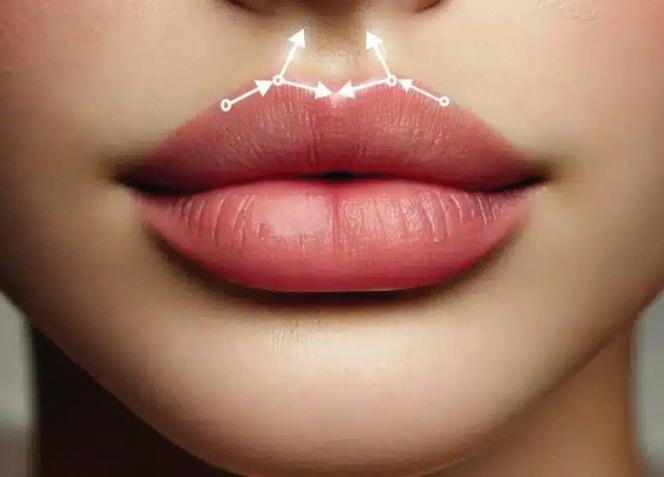
The lips are integral to facial expression and perceived youthfulness. Age-related loss of volume and definition can subtly disrupt facial harmony. Lip contouring therefore emphasizes restoration of proportion, softness, and balance rather than simple augmentation. Thoughtful consideration of lip shape,
upper–lower lip relationship, and harmony with surrounding facial structures allows enhancement that appears natural, expressive and well integrated within the overall facial context.1
The jawline is a defining element of facial structure, balance, and gender expression. With aging, gradual softening of this region can diminish definition and clarity of the lower facial contour. Jawline contouring therefore aims to restore a clean, continuous outline and reinforce harmony between the lower face and overall facial structure. Emphasis on proportion, angle refinement, and smooth transitions allows enhancement that preserves natural character while strengthening facial balance and definition.1
The chin serves as a key anchor of the lower face, influencing facial balance, profile harmony, and gender expression. Variations in shape, projection, or age-related change can disrupt lower facial proportions and definition. Chin contouring therefore focuses on optimizing projection, length, and symmetry in harmony with the lips and jawline. By emphasizing smooth transitions rather than size alone, a refined approach strengthens lower facial structure, enhances the profile, and supports overall facial harmony.1
4. Jawline
5. Chin
NON-SURGICAL FACIAL CONTOURING OF THE LOWER FACE CUSTOMIZATION AND TREATMENT PLANNING
• The lower face is a critical determinant of overall facial attractiveness, balance, and harmony.
• Jawline and chin definition play a central role in facial proportions and the face–neck transition.
• Aesthetic concerns of the lower face are common across age groups and are not necessarily related to body weight.
• Facial aging in this region reflects progressive changes in structural support, soft-tissue distribution, and skin quality.
• These changes contribute to softening of the jawline, formation of jowls, reduced chin projection, and loss of definition.
• Contemporary aesthetic practice emphasizes restoration of structural balance rather than isolated correction of individual features.
• Modern non-surgical approaches aim to enhance facial harmony while preserving natural expression and individual identity.
• Strategic use of injectable agents and supportive techniques allows gradual, balanced, and naturallooking refinement of the lower facial contour.4
Understanding facial changes
Facial aging affects skin firmness, contour definition, and volume distribution at different depths. Treatment planning should therefore be adaptable to address both surface appearance and deeper contourrelated concerns.
Individual facial assessment
Each treatment plan begins with an evaluation of skin laxity, facial contours, and localized fullness. Skin type and overall facial structure are considered to ensure the approach suits individual aesthetic needs.
Tailored treatment design
Adjustable radiofrequency (RF) frequencies and energy levels allow treatments to be customized based on treatment goals and facial areas. Different settings may be selected to refine skin quality or enhance contour definition.
Area-specific treatment delivery
Facial regions vary in tissue thickness and sensitivity. Treatment parameters can be adjusted accordingly, supporting balanced and consistent results across the face.
Supportive vacuum integration
Vacuum suction enhances tissue engagement and complements RF energy delivery, contributing to a more uniform treatment experience and improved tissue response.
Progressive treatment approach
Treatments are typically performed over multiple sessions, allowing gradual improvement and ongoing
evaluation. This phased approach supports naturallooking outcomes.
Safety-focused planning
Continuous skin temperature monitoring and careful selection help ensure controlled energy delivery and comfort across different skin types.
Outcome-driven customization
Combining structured assessment with flexible treatment parameters allows facial contouring to be personalized without complexity, supporting refined and predictable results.5
SAFETY AND AESTHETIC BALANCE
Facial contouring is guided by a careful balance between aesthetic sensibility and procedural safety. As
REFERENCES
perceptions of facial beauty vary with individual, ethnic, and cultural influences, a structured evaluation of facial form, balance, and symmetry forms the foundation of effective treatment planning. Modern non-surgical contouring techniques enable a tailored approach that respects facial shape and personal aesthetic goals. Comprehensive assessment, clear expectation setting, and a thorough understanding of facial structure are essential to achieve results that appear harmonious, natural, and refined while maintaining a high margin of safety.6
CONCLUSION
Non-surgical facial contouring has evolved into a comprehensive, individualized approach to aesthetic enhancement, with an emphasis on balance, proportion, and long-term refinement. By addressing age-related changes while respecting individual facial characteristics, practitioners can move beyond isolated corrections to achieve natural and cohesive results. A holistic facial assessment, customized treatment planning, and a strong commitment to safety remain essential pillars for achieving harmonious, reliable, and sustainable aesthetic outcomes.
1. Farollch-Prats L, Braz A, Urdiales-Gálvez F, de la Guardia C, Nazari A. Profiloplasty and facial contouring with injectables: A holistic, practical, and user-friendly approach. J Cosmet Dermatol. 2024 Oct;23(10):3158-3172. doi: 10.1111/jocd.16375. Epub 2024 May 20. PMID: 38769652.
2. Moradi A, Montes JR, Humphrey S, et al. A Unified Approach to Facial Contours and Volume Correction: The Role of the Cheek and the Chin. Plast Reconstr Surg Glob Open. 2024;12(10):e6219. Published 2024 Oct 4. doi:10.1097/GOX.0000000000006219
3. Swift A, Liew S, Weinkle S, Garcia JK, Silberberg MB. The Facial Aging Process From the "Inside Out". Aesthet Surg J. 2021;41(10):1107-1119. doi:10.1093/asj/sjaa339
4. Arora RT, Arora S, Kaushik I, Patil C. Non-Surgical Lower Face Contouring in an Indian Patient: A Case Study. Cureus. 2023;15(2):e35508. Published 2023 Feb 26. doi:10.7759/cureus.35508
5. Ehrenraich, Mimi et al. “Nonsurgical Facial Contouring With a Novel Radiofrequency and Vacuum Device: A Multicenter Retrospective Study With 33 Patients.” Journal of cosmetic dermatology vol. 24,4 (2025): e70127. doi:10.1111/jocd.70127
6. Braz A, Eduardo CCP. The Facial Shapes in Planning the Treatment with Injectable Fillers. Indian J Plast Surg. 2020;53(2):230-243. doi:10.1055/s-0040-1715554
India’s Skincare Industry Set for Rapid Expansion Through 2033:
Astute Analytica
India’s skincare market is witnessing sustained growth, driven by evolving consumer behaviour, urbanization, technological adoption, and increased awareness of sustainability. Growing attention to skin health, rising disposable incomes, and the influence of digital platforms on purchase decisions are key factors shaping the market. There is a clear shift toward clean and sustainable beauty, with consumers favouring natural and organic products, while traditional skincare continues to perform strongly. Male grooming is also gaining momentum, contributing to rising urban demand. E-commerce has emerged as a significant sales channel, supported by personalized recommendations, technology-enabled engagement, and strong preference for eco-friendly packaging. Urban lifestyles, coupled with exposure to pollution, UV radiation, and stress, are driving demand for multifunctional and anti-pollution products, while innovative formats are increasingly adopted. Digitally informed consumers actively compare products and reviews online, and rising incomes in metropolitan and emerging cities are fuelling demand for premium, targeted, and condition-specific solutions. Sustainability-led innovation is becoming central, with new launches emphasizing natural ingredients, waterless beauty formats, and environmentally conscious packaging. The market remains competitive and fragmented, characterized by frequent product launches, while specialized clinics and omnichannel strategies cater to growing demand for personalized skincare solutions. Facial care dominates among product categories, products for oily skin remain highly sought after due to urban pollution and climate factors, female consumers contribute significantly to overall revenue, and mass-market products continue to hold a substantial share. Regionally, West India leads due to higher urban concentration, advanced retail infrastructure, and climate-specific skincare needs, with environmental factors such as humidity, UV exposure, and aridity shaping demand for specialized formulations and positioning the region as a key growth hub for India’s skincare industry.
MUMBAI- 21st December'2025
Hands-on Workshop on Facial Injectables
Standardizing Excellence in Advanced Facial Injectable Techniques
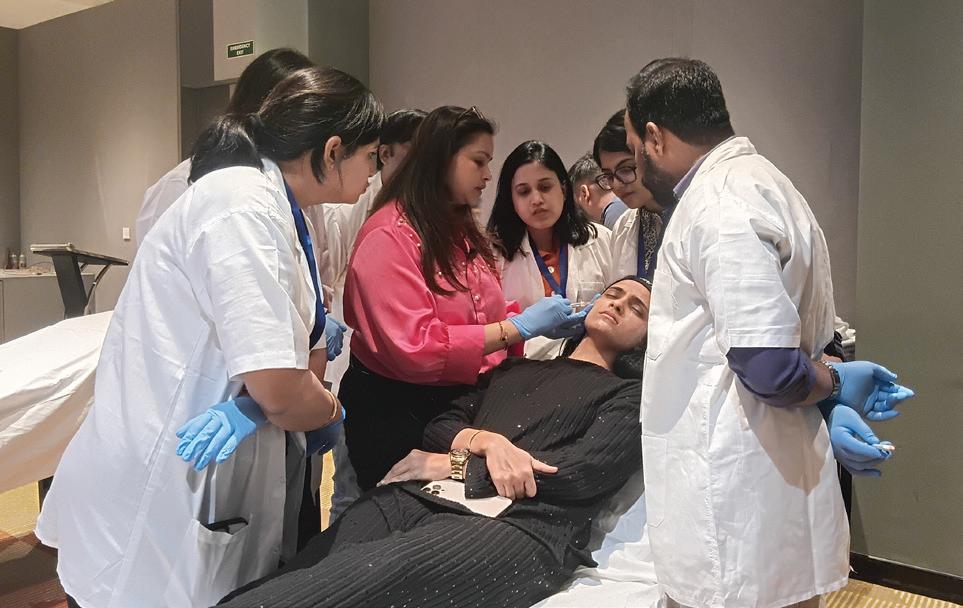
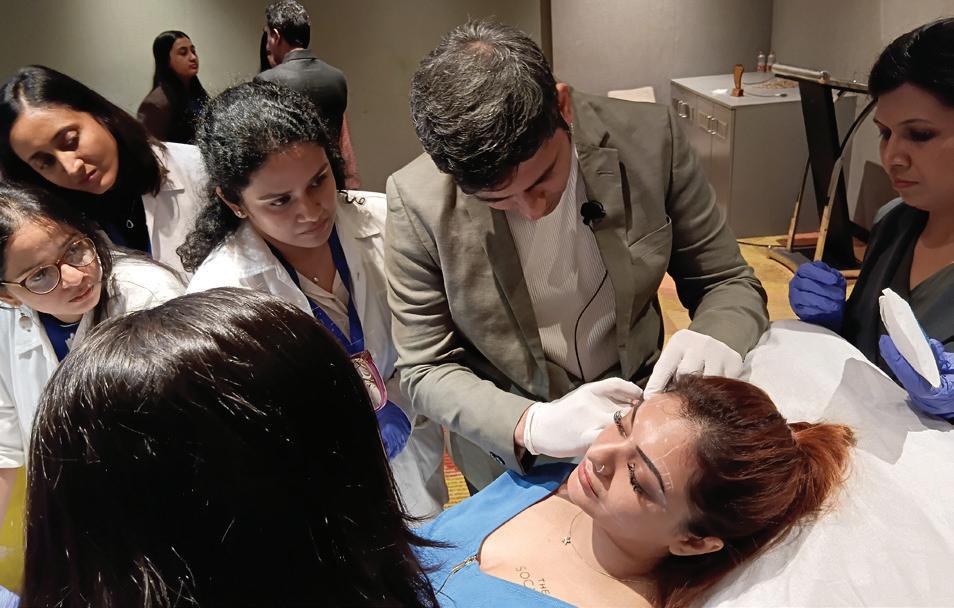
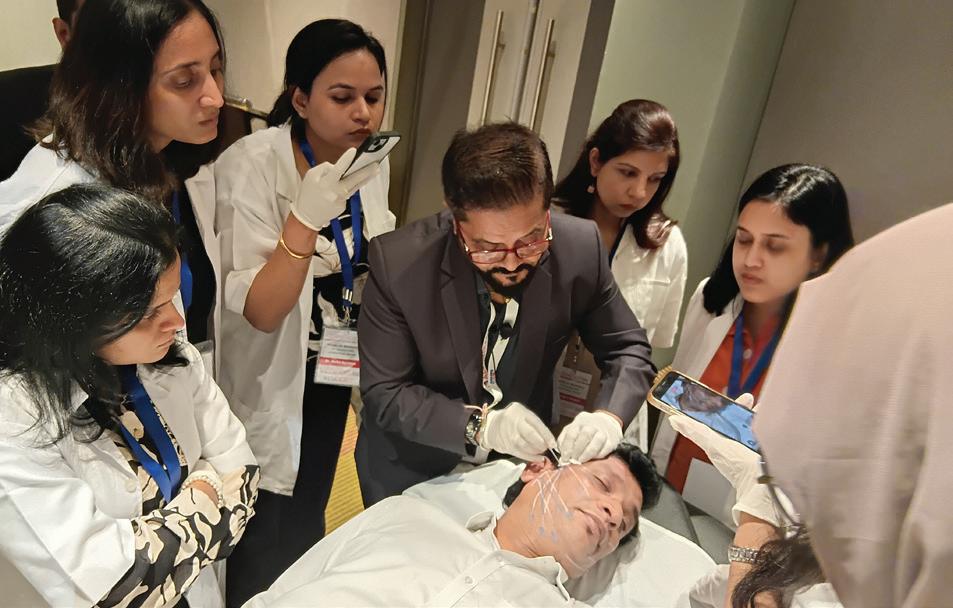
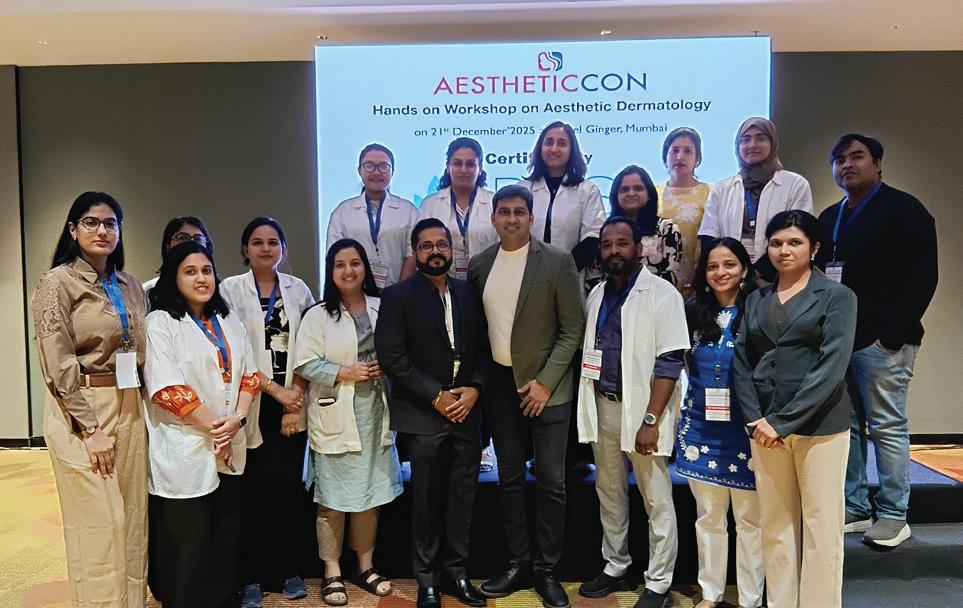
AESTHETICCON Mumbai, held on December 21st, 2025, the One-Day Hands-on Workshop on Facial Injectables offered participants DASIL certification. This workshop comprehensively covered key aesthetic modalities, including Bio-Remodeller, Skin Booster, Botulinum Toxin Type A and Threads. Attending Dermatologists gained valuable practical experience through structured hands-on sessions, supported by informative presentations and LIVE DEMONSTRATIONS. This integrated approach significantly enhanced clinical understanding, technical skills, and confidence in performing facial injectable procedures.
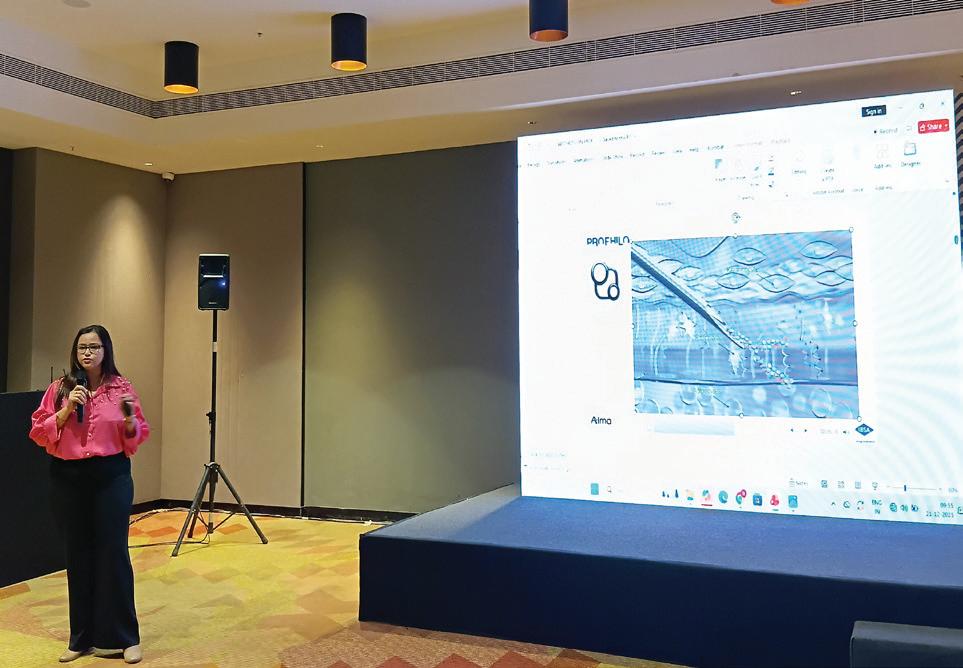
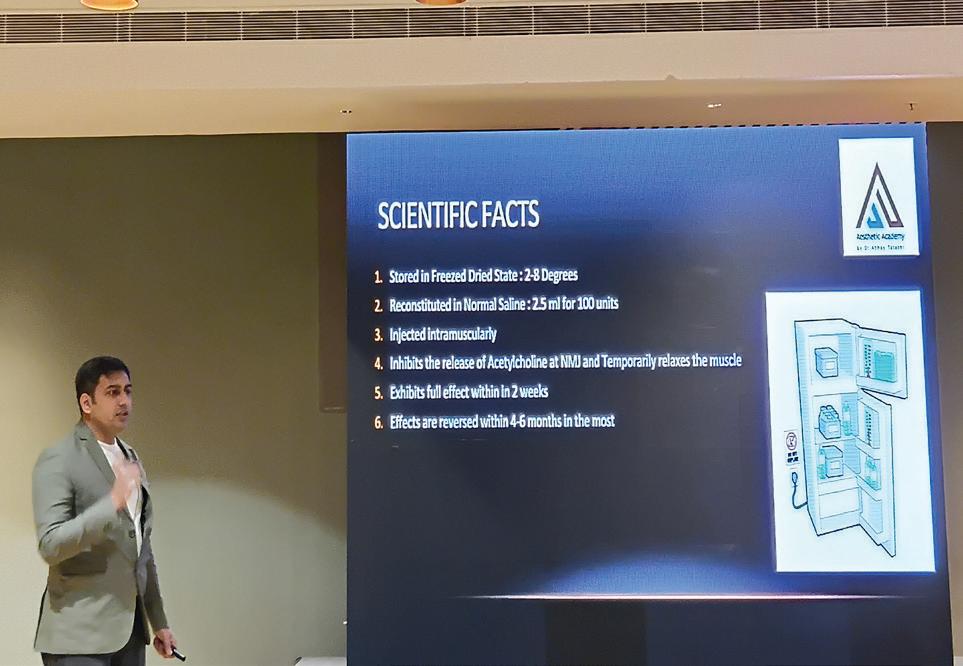
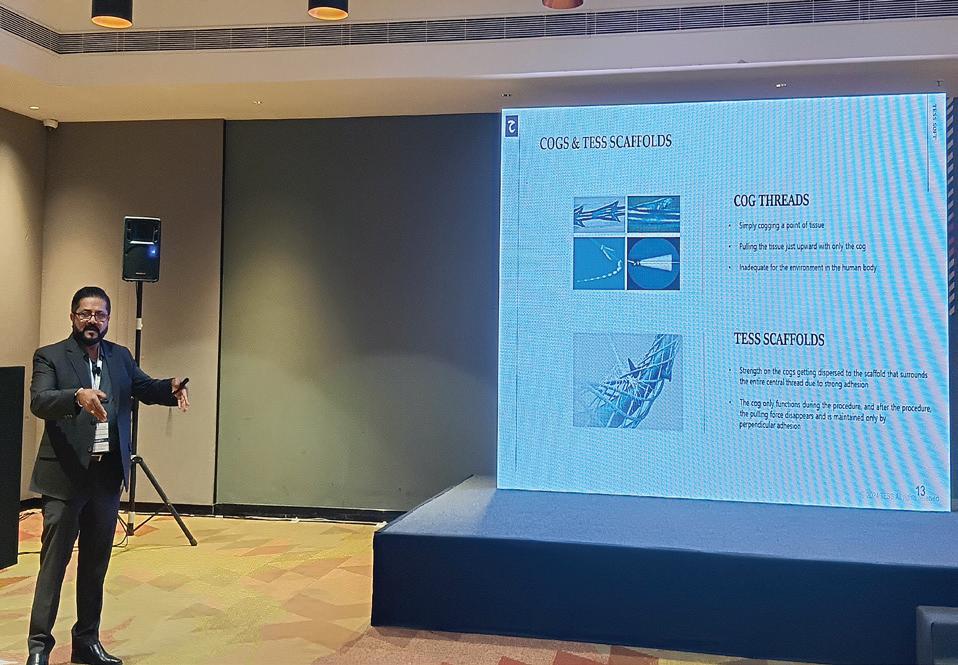
The event featured esteemed Dermatologists viz Bio-Remodellers and Skin Boosters discussed by Dr. Pallavi Sule, with emphasis on their role in improving skin quality and rejuvenation. The clinical applications of Botulinum Toxin Type A, including technique and safety considerations, were addressed by Dr. Abhay Talathi. Threads procedure, as an integral component of minimally invasive facial rejuvenation, were elaborated by Dr. Dattatray Sonawane.
Each of the faculties through Live demonstration showcased their expertise as they patiently guided the participants during the HandsOn session. The event concluded with the distribution of DASIL Certificate of Attendance to the participants.
Lecture on Bio-Remodeller & Skin Booster by Dr. Pallavi Sule, Faculty.
Lecture on Botulinum Toxin Type A by Dr. Abhay Talathi, Faculty.
Lecture on Threads by Dr. Dattatray Sonawane, Faculty.
Hands on session by Dr. Pallavi Sule
Hands on session by Dr. Abhay Talathi
Wrap up Session
Overview of Participant Responses and Impact from the AESTHETICCON Workshop
Overall Rating:
The event received highly positive feedback, with 33% of participants rating it as “excellent” and 60% as “very good.” Participants appreciated the effective combination of theoretical concepts with practical hands-on training, which enhanced understanding, procedural confidence, and clinical skills.
Satisfaction with Workshop Expectations:
The workshop successfully fulfilled participants expectations, with strong satisfaction noted regarding its structure, content, and hands-on practical approach, in alignment with current Aesthetic Dermatology standards.
Impact of Practical Learning on Facial Injectables Procedures:
Participants gained the skills and confidence to incorporate advanced facial injectable techniques like including Bio-Remodellers, Skin Boosters, Botulinum Toxin Type A, and Threads procedure into their clinical practice. The inclusion of live demonstrations and expert guidance further strengthened procedural
understanding, ultimately contributing to improved patient outcomes in facial aesthetic treatments.
Peer Recommendations to Colleagues:
Participants expressed a strong intention to recommend the AESTHETICCON workshop to colleagues, reflecting high satisfaction with the educational content, hands-on training, and overall arrangements and facilities. This positive response is expected to extend the impact of the event, positioning it as a valuable educational resource in Aesthetic Dermatology.
Feedback:
Dr. Srishti Nepal (Mumbai): “I found the Facial Injectables Workshop excellent, with the latest advances explained clearly and in a wellstructured way.”
Dr. Rituparna Basumatary (Mumbai): “The Facial Injectables Workshop was excellent, with a clear focus on practical clinical points and a well-structured hands-on approach.”
Dr. Jothsna Sirivelu (Hyderabad): “The workshop was very good, and I particularly appreciate the sessions on bio-remodelling injectables and botulinum toxin.”
Dr. Deepti Kataria (Ambala): “I rate the session as very good and appreciated the interactive nature of the event and the opportunity for actual hands-on experience, which enhanced my procedural understanding and confidence.”
Dr. Neha Koganti (Hyderabad): “Limited number of participants facilitated effective oneto-one interaction with the faculty, significantly enhancing the quality of learning and overall experience.”
Stay connected: The journey towards excellence in aesthetic dermatology education continues. Stay tuned for AESTHETICCON Mumbai 2026, where innovation and expertise come together!
@theaestheticconf — Where Dermatology Meets Aesthetic Innovation
Hands on session by Dr. Dattatray Sonawane
MUMBAI 2026
MUMBAI 2025
MUMBAI 202
1 Day Conference, Hands on Workshop and Exhibition
AESTHETICCON, a 1 Day Conference, Hands on Workshop and Exhibition focused on practical learning experiences in Aesthetic Cosmetology.
AESTHETICCON, a 1 Day Conference, Hands on Workshop and Exhibition focused on practical learning experiences in Aesthetic Dermatology.
Brought
Brought to you by “The Aestheticians Journal” serving you since 2010 with 12 years in print and digital publications and over a 100 educational workshops and conferences.
Hands on training by Masters in Aesthetic Cosmetology with International Certificate To the point: A unique knowledge sharing platform Skill up: Hands on training by Masters in Aesthetic Dermatology with International Certificate
yourself of the New Products and Latest Devices
AEESTHETICCON Mumbai is just the event for you with practical insights shared in the Conference, tips while training in the Hands on workshop and interaction with product and device manufacturers.
Spend the day catching up and meeting with your fellow Cosmetologists colleagues. Aestheticcon Mumbai 2025 a must attend event. For further detaills and to regisster for the conferrence and hands on workshop call us at +91 8928866175
OBSERVERSHIP IN AESTHETICS
3-Nights, 4-Days
Program Highlights*
2 Half-days
Lectures by DHA Certified Faculty 2 Half-days
Observership in Aesthetic Procedures with upto 6 DHA@CME Credits# CME Credits# with
Package to be announced shortly
Inclusions:
* 3-Nights 4-Days Stay, in a 4-STAR Hotel with breakfast and dinner, Lunch at Academy/Aesthetic Centre, To and fro - Hotel to Academy/Aesthetic Centre SIC◊
Exclusions:
Air fare to Dubai and back , airport transfer, Sight seeing etc.
@ DHA- Dubai Health Authority
# Proposed s/t confirmation
◊ SIC- Seat in Coach
Interested Drs kindly call for further details: +91