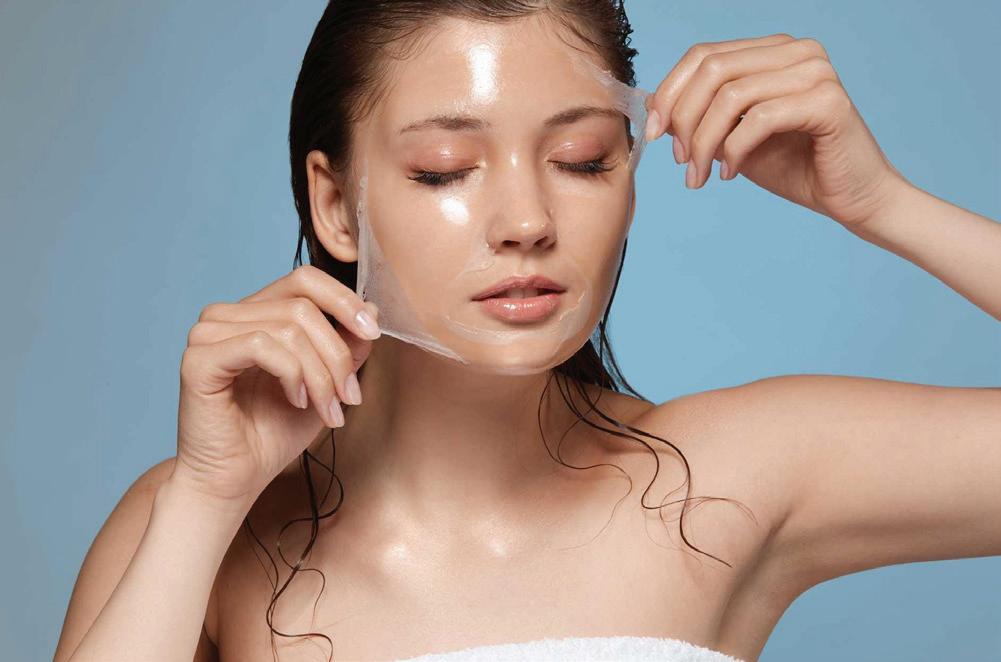
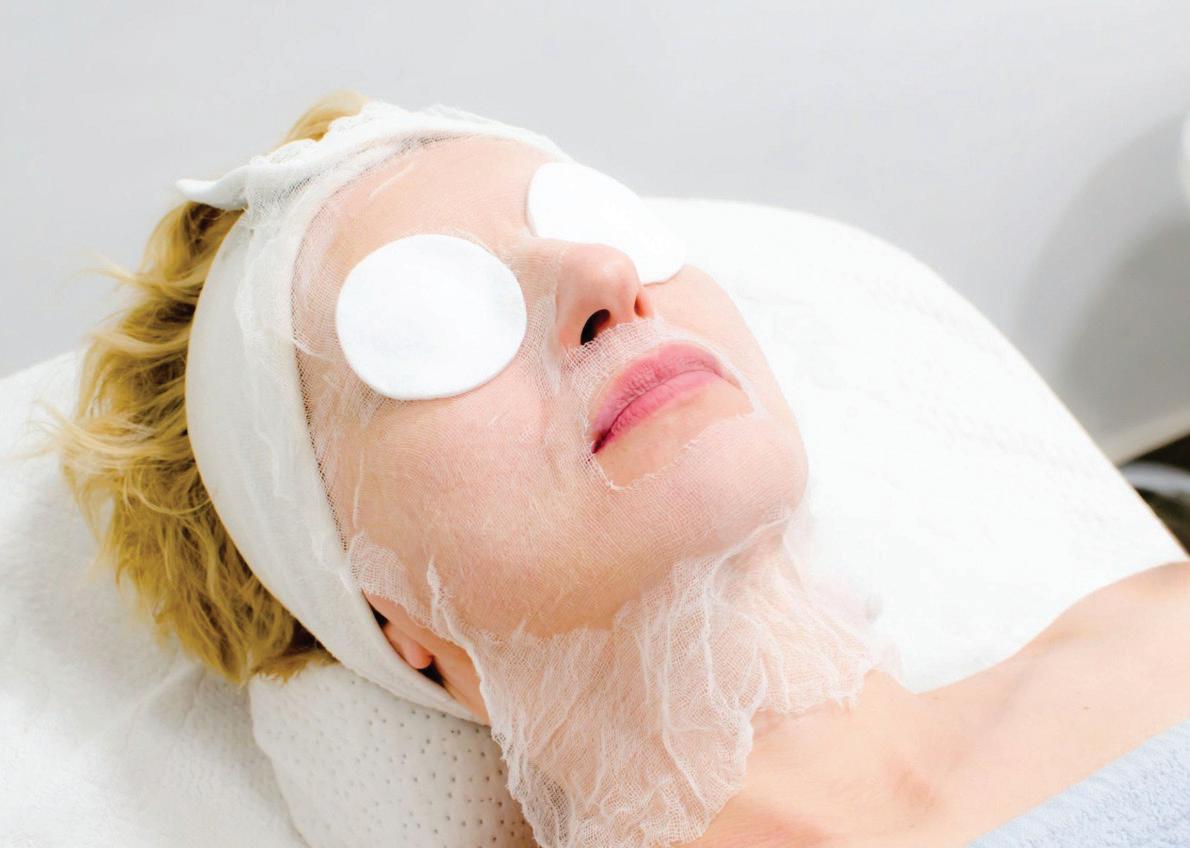
Maintaining Healthy Skin During Winter: Chemical Peels for Delicate and Dry Skin
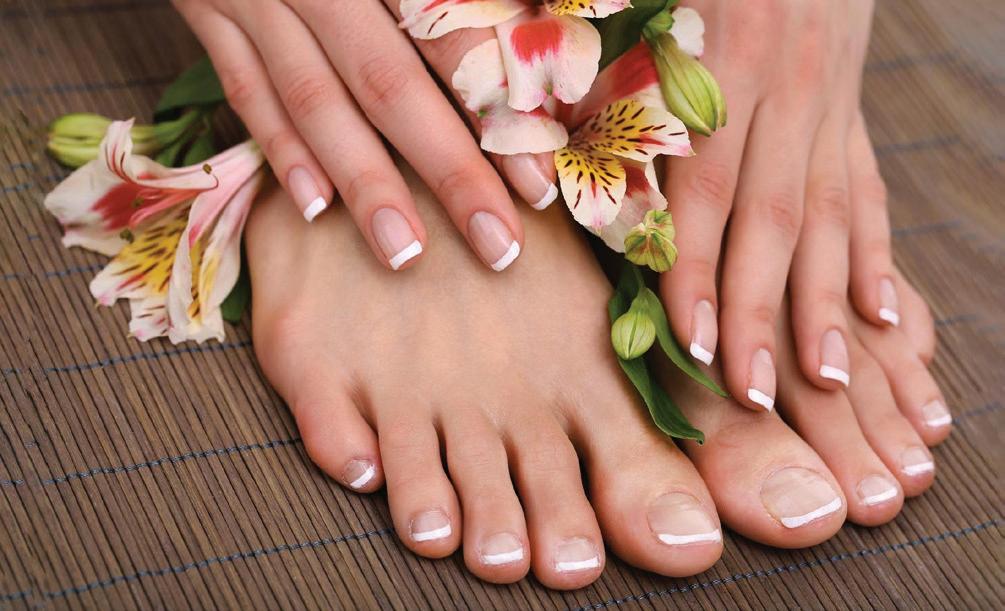
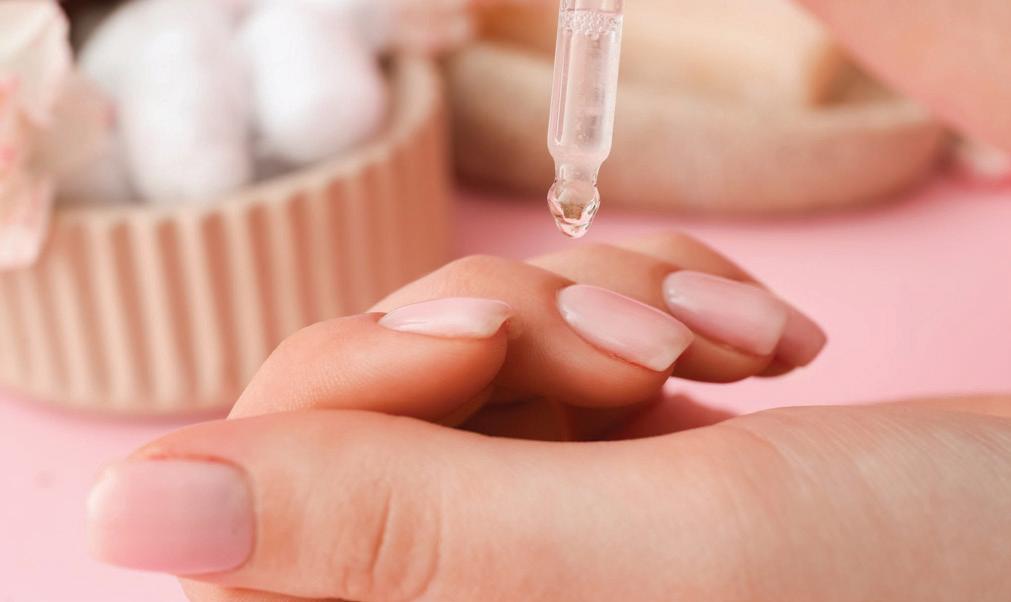
Winter Nail Health and Aesthetic Care: Understanding Seasonal Changes and Beauty Solutions
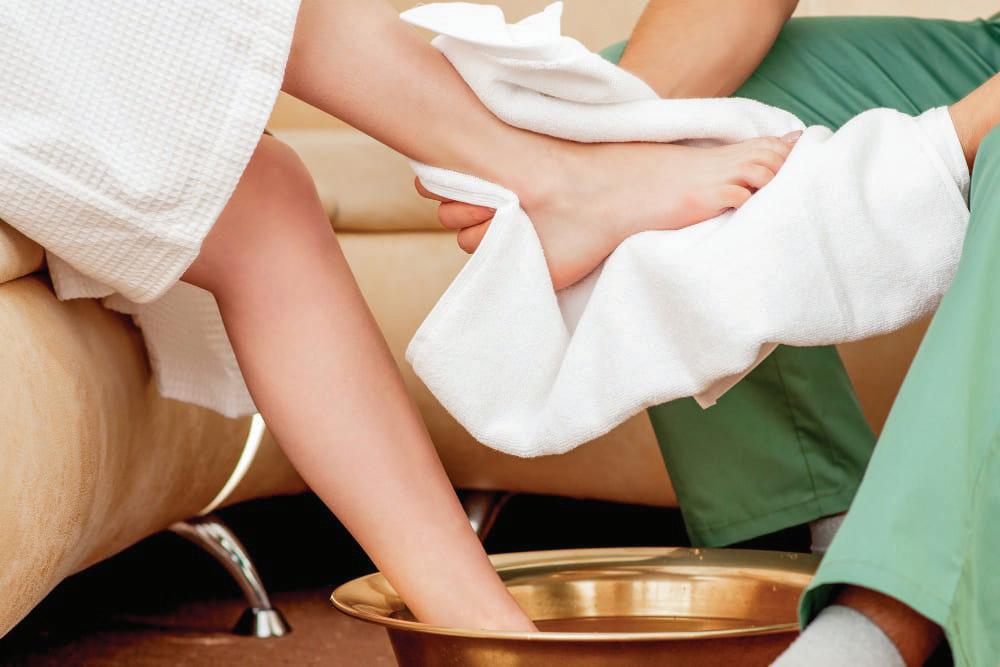
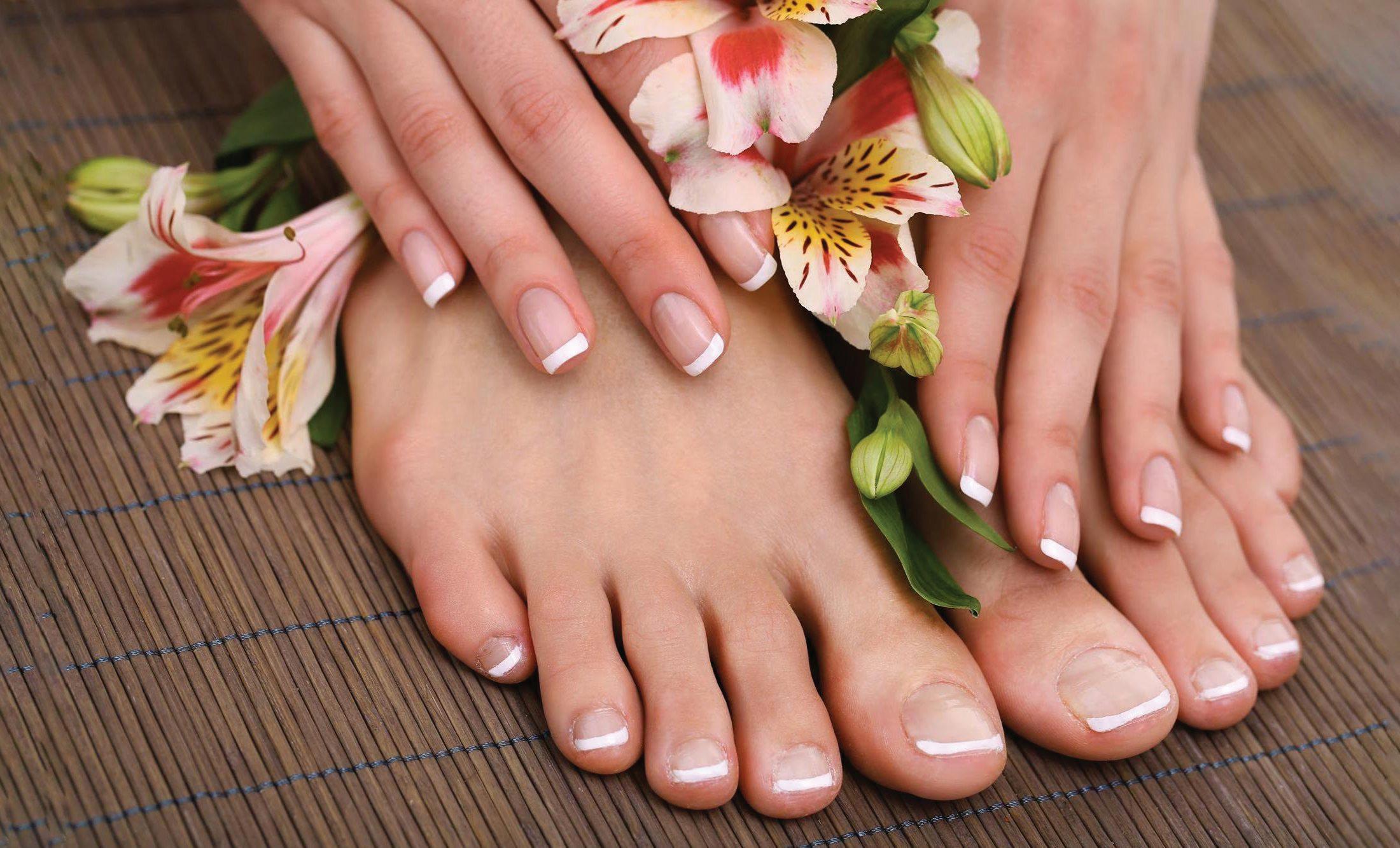
Common Winter Foot Issues and How to Care for Them
EXECUTIVE EDITOR & PUBLISHER DOM DANIEL
CORPORATE OFFICE
22, SHREEJI BHAVAN, 275-279, SAMUEL STREET, MASJID BUNDER (W), MUMBAI-4000 03, INDIA.
EMAIL: info@indiancosmetologistjournal.com
WEBSITE: indiancosmetologistjournal.online
PRINTED, PUBLISHED, EDITED AND OWNED BY DOM DANIEL
PRINTED AT SWASTIK PRINTER, GALA NO.9 & 10, VISHAL INDUSTRIAL ESTATE, BHANDUP (WEST), MUMBAI400078.
PUBLISHED AT 22 SHREEJI BHAVAN, 275/279, SAMUEL STREET,
MASJID BUNDER (WEST), MUMBAI - 400003. INDIA.
“INDIAN COSMETOLOGIST JOURNAL” TAKES NO RESPONSIBILITY FOR UNSOLICITED PHOTOGRAPHS OR MATERIAL
ALL PHOTOGRAPHS, UNLESS OTHERWISE INDICATED, ARE USED FOR ILLUSTRATIVE PURPOSE ONLY.
VIEWS EXPRESSED IN THIS JOURNAL ARE THOSE OF THE CONTRIBUTORS AND NOT OF THE PUBLISHER. REPRODUCTION IN WHOLE OR IN PARTS OF TEXTS OR PHOTOGRAPHY IS PROHIBITED. MANUSCRIPTS, PHOTOGRAPHS AND ART ARE SELECTED AT THE DISCRETION OF THE PUBLISHER FREE OF CHARGE (ADVERTISING EXCLUDED). WHETHER PUBLISHED OR NOT, NO MATERIAL WILL BE RETURNED AND REMAINS THE PROPERTY OF THE PUBLISHING HOUSE, WHICH MAY MAKE USE OF IT AS SEEN FIT. THIS MAY INCLUDE THE WITHDRAWAL OF PUBLICATION RIGHTS TO OTHER PUBLISHING HOUSES.
ALL RIGHTS RESERVED. REPRODUCING IN ANY MANNER WITHOUT PRIOR WRITTEN PERMISSION PROHIBITED.
PUBLISHED FOR THE PERIOD OF DECEMBER -2025
Embracing the Cold: Essential Winter Care for Skin, Nails & Feet
As winter sets in and the contrast between cold outdoor air and dry indoor heating becomes more noticeable, our skin, nails, and feet often face extra stress and dryness, making them more prone to irritation and discomfort. In this issue, we explore common winter skincare concerns, highlighting how delicate and dry skin can easily become flaky, tight, and lose essential moisture, and why it requires gentle, consistent care.
IN THIS ISSUE, WE EXPLORE COMMON WINTER SKINCARE CONCERNS, HIGHLIGHTING HOW DELICATE AND DRY SKIN CAN EASILY BECOME FLAKY, TIGHT,
ESSENTIAL
AND LOSE
MOISTURE, AND WHY IT REQUIRES GENTLE, CONSISTENT CARE.
We also explain how chemical peels, when chosen carefully and used correctly, can refresh the skin by removing dull surface layers, improving texture, and enhancing the effectiveness of moisturizers without causing additional dryness or sensitivity.
Additionally, we highlight the seasonal impact on nail health, including increased brittleness, peeling, and breakage due to reduced natural oil production and fluctuating temperatures, along with tips to help maintain strength and appearance. Our focus then shifts to winter foot care, addressing common problems such as cracked heels, rough skin, chilblains, and general discomfort caused by prolonged exposure to cold and tight footwear.
Throughout this issue, we provide simple guidance on hydration, protection, and seasonal care routines to help you stay comfortable and confident. Our aim is to ensure you are well-equipped to manage winter’s beauty challenges while keeping your skin, nails, and feet healthy, nourished, and well-maintained throughout the season.
- DOM DANIEL EXECUTIVE EDITOR & PUBLISHER
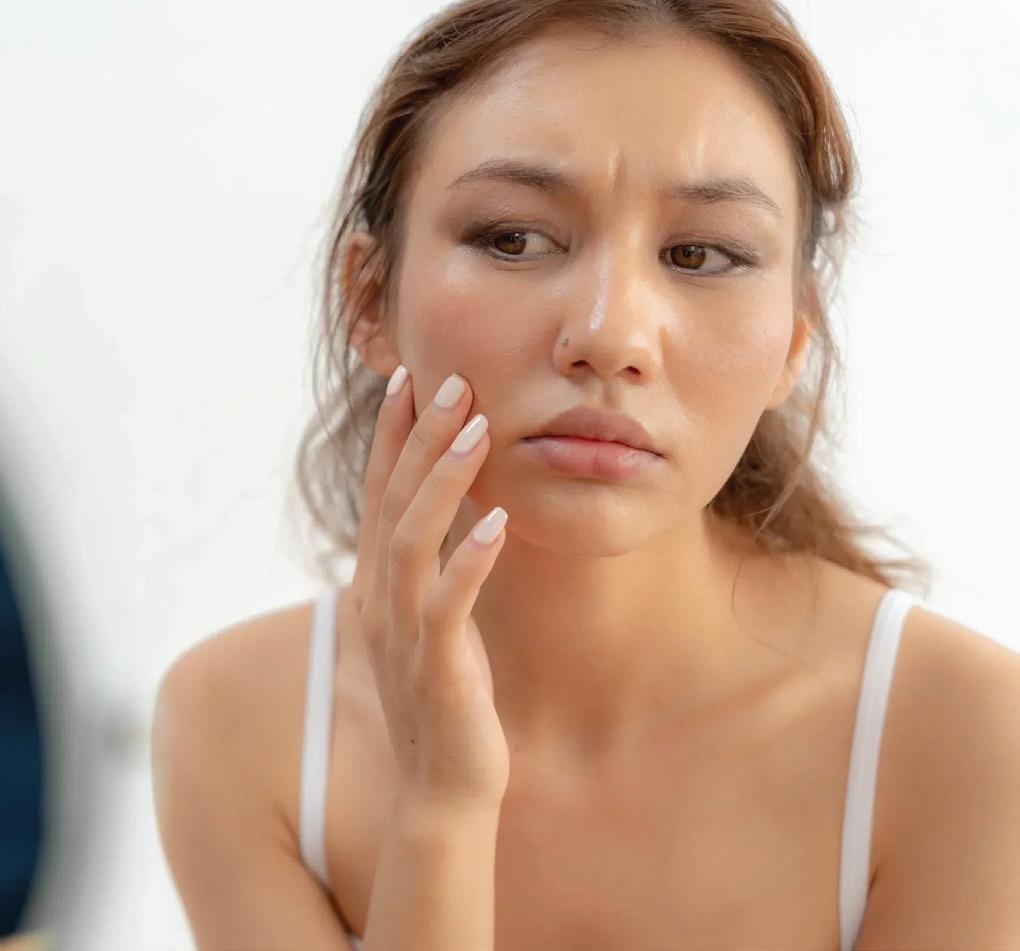
WINTER SKINCARE ISSUES
INTRODUCTION
Winter brings a unique set of challenges for the skin due to the combination of cold outdoor temperatures, low humidity, and the drying effects of indoor heating. These conditions often result in dryness, tightness, rough
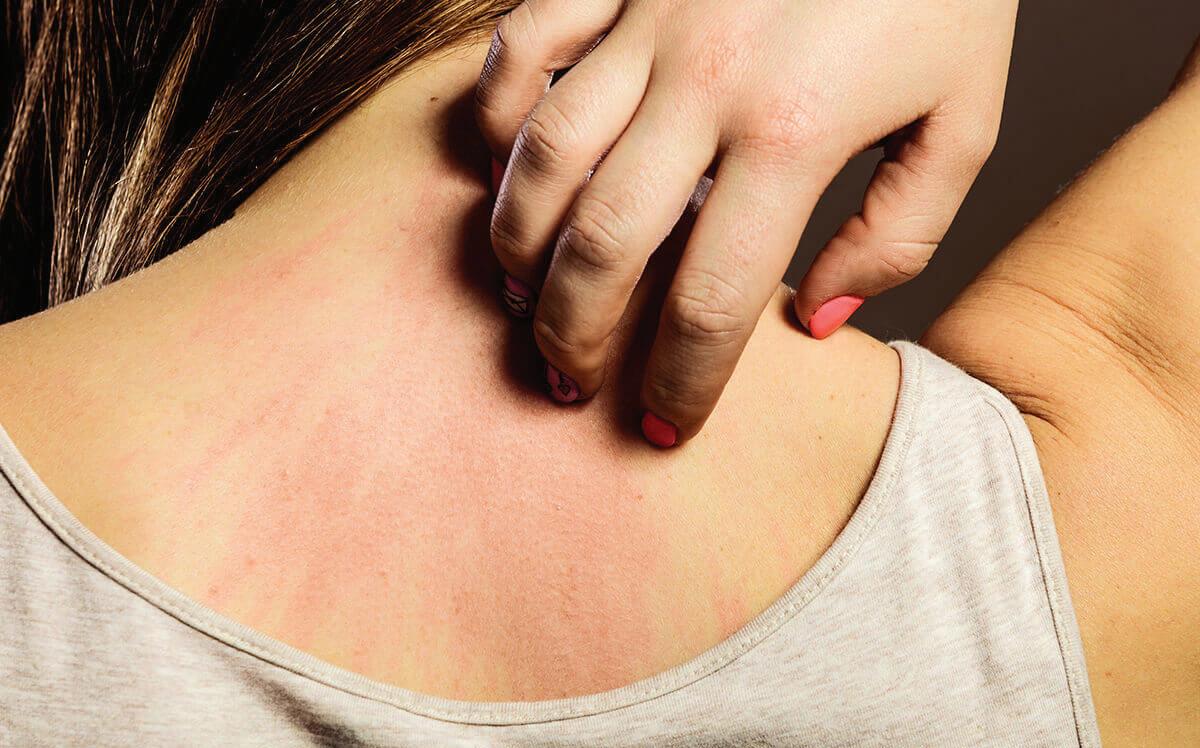
or flaky texture, and increased sensitivity or itchiness. Individuals with naturally sensitive skin or pre-existing conditions like eczema may experience more pronounced irritation, redness, or flare-ups. Prolonged exposure to harsh environmental factors
can compromise the skin barrier, leading to persistent discomfort, inflammation, and a dull, uneven appearance. Recognizing these seasonal changes early allows for timely care to maintain healthy, comfortable skin throughout the winter months.1
WHY SKIN SUFFERS
IN WINTER?
The air becomes cooler and loses moisture, making the skin feel stretched, dull, or flaky.
• Dry air pulls away the skin natural softness faster than usual.2
• Sitting near heaters, blowers, or warm indoor spaces adds to the dryness and tight feeling.2
• Even a few hours in such environments can make the skin look rough, tired, or uneven.2
• As dryness builds up, dead cells collect on the surface, making lines and pores look more noticeable.2
• Some people also feel sudden redness or a prickly, irritated sensation after long hours indoors.2
• Skin stays much more comfortable when cared for early with rich, nourishing creams that help lock in moisture.2
• Regular use keeps the skin soft, smooth, and protected throughout the winter season.2
HOW WINTER AFFECTS YOUR SKIN: THE
SEASON
MOST COMMON TROUBLES
Winter may look soft and inviting, but your skin often feels the exact opposite. The cold breeze outside and the dry, heated air indoors team up to steal away moisture, leaving the skin feeling tired, stretched and far more sensitive than usual. Each part of the body reacts differently, and understanding these changes makes it easier to protect your skin through the season.
Face
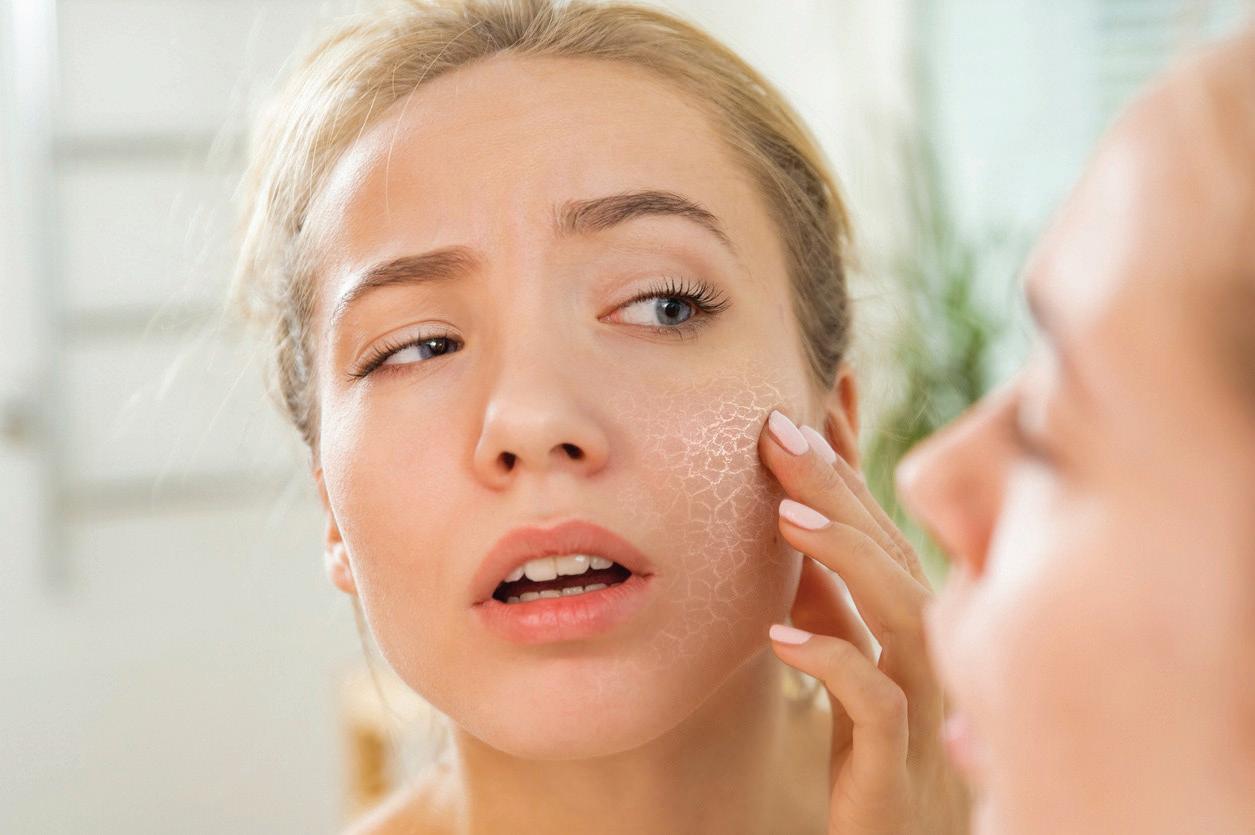
The face is the first place to show winter stress. The chilly air pulls moisture away quickly, making the skin feel tight, flaky, and low on radiance—even if you are diligent with moisturiser. As dryness builds up, dead
cells accumulate on the surface, dulling the natural glow and making fine lines and rough patches look more visible. Hours spent in heated rooms can intensify the discomfort, leading to sudden redness or a light stinging feeling because the air inside is just as drying as the air outside.3
Lips
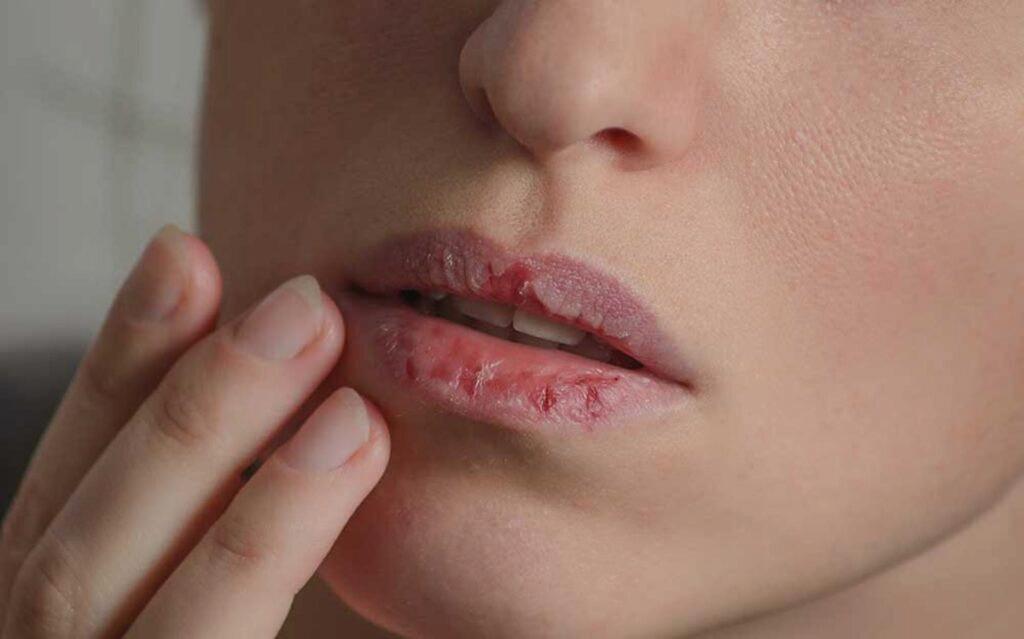
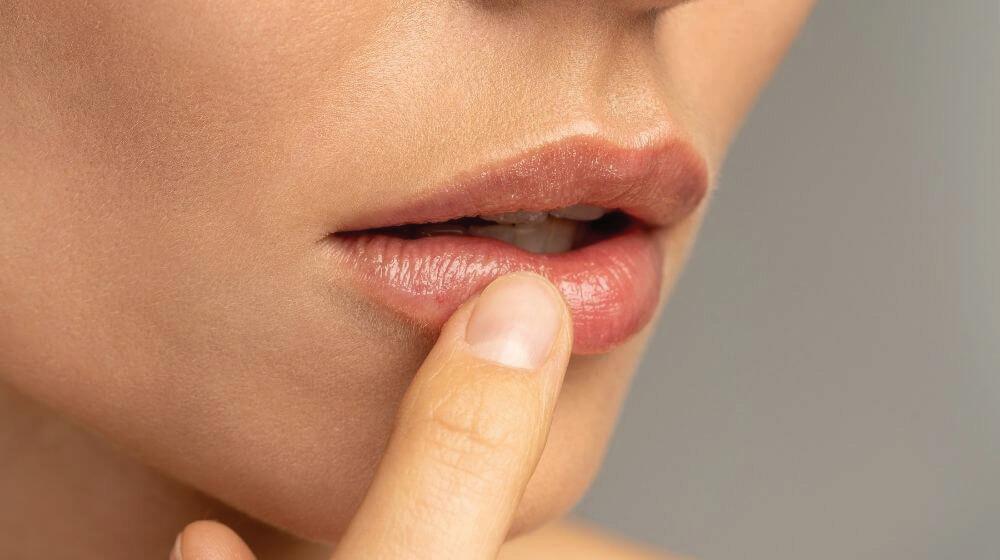
Lips are delicate and react almost instantly to winter. They lose moisture faster than the rest of the face, which is why cracking, peeling, and uneven colour show up so quickly. Even a short time outdoors without lip balm can leave them dry and chapped. Constant indoor heating only adds to the problem, making the lips feel sore and easily irritated.3
Hands
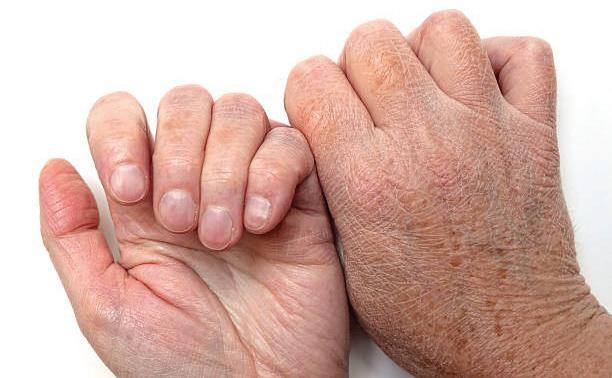
Hands experience some of the harshest winter effects. Frequent handwashing and exposure to cold air strip away their natural softness, leaving them rough, tight, and sometimes sore around the knuckles. Without regular moisturising, hands start looking flaky and older than they actually are. Gloves help, but nourishing care is what truly keeps them comfortable.
Body Skin
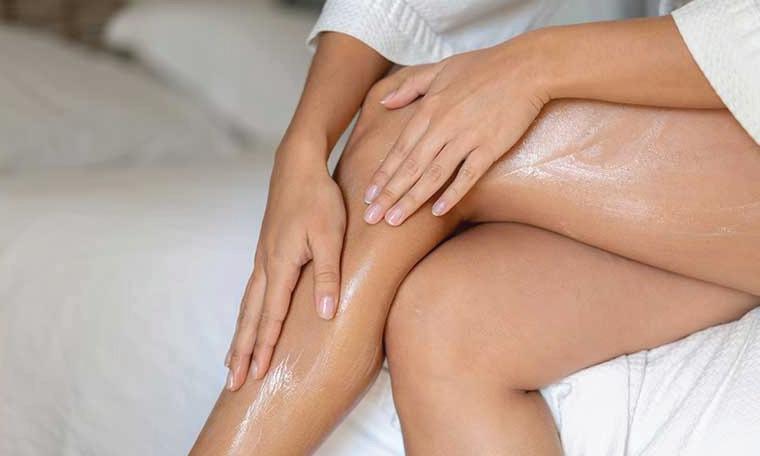
Arms and legs naturally have less oil, so winter affects them quickly. Long, comforting hot showers may feel heavenly but wash away essential moisture, making the skin uneven and rougher over time. You may notice dry spots or areas that feel slightly itchy because the skin struggles to stay hydrated for long.3
Scalp and
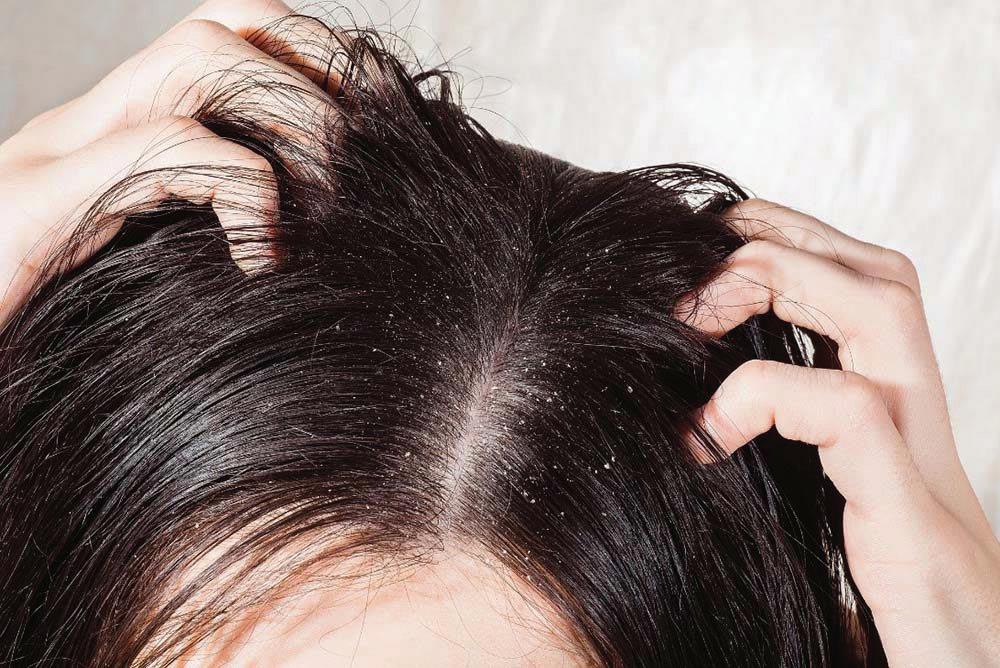
Your scalp also feels the season dryness. It can turn flaky or itchy when the temperature drops, and hair becomes more frizzy, dull, and difficult to manage. Constantly shifting between outdoor chill and indoor heating weakens the hair’s natural smoothness, leaving it flat or lifeless.3
ALONG WITH THESE EVERYDAY CHANGES, WINTER ALSO BRINGS A FEW SEASONAL SKIN TROUBLES THAT TEND TO FLARE UP MORE OFTEN:
Hands, feet, and legs may develop tiny cracks when moisture disappears too quickly. These small splits can sting and make the skin feel fragile, especially after spending time outdoors.4
Hair
Cold-weather skin cracks
Stubborn Skin Patches
Certain areas become more temperamental in winter. They may feel rougher, itchier, or more sensitive because cold air, indoor heating, and lower daylight hours disrupt the skin balance. Even low energy or winter sluggishness can make these patches feel harder to manage.5
Chilblains
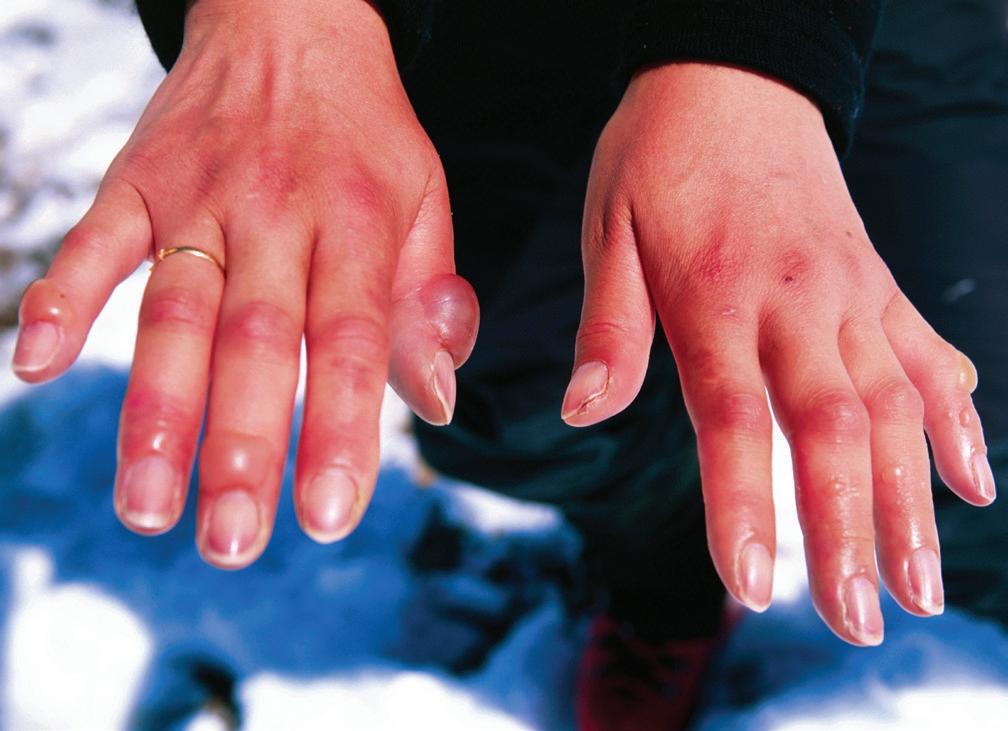
When your body warms up too quickly after being out in the cold, areas like the fingers, toes, ears, and nose may react with redness, puffiness, or a prickly, burning sensation. These spots can feel tender and extra sensitive for a while.6
Windburn
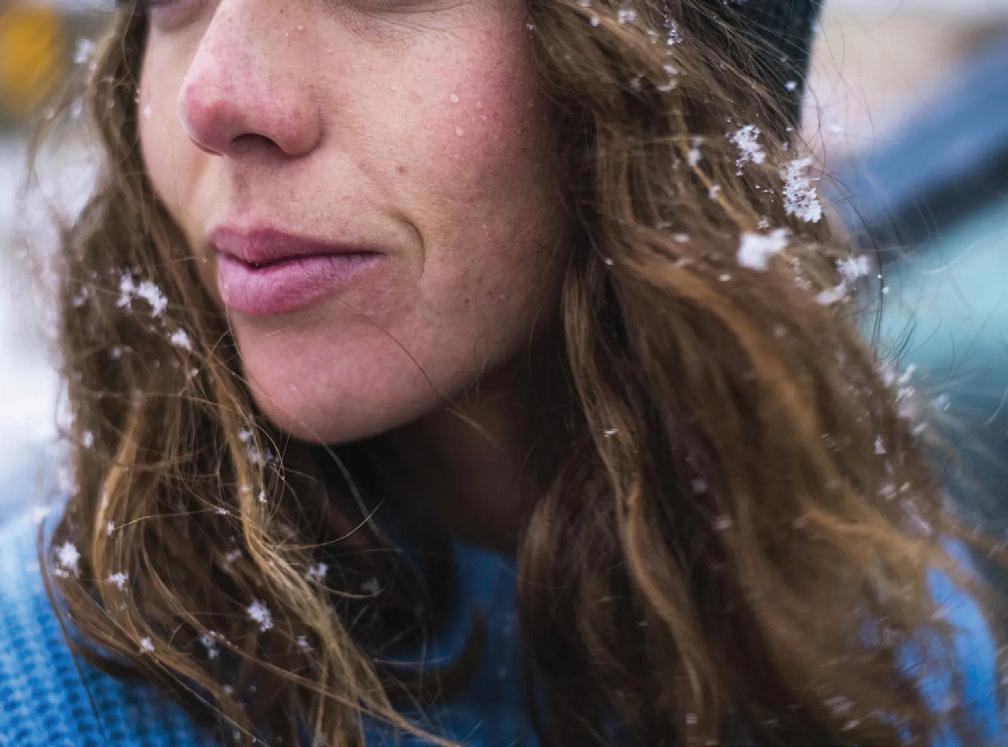
Cold winds can behave like a harsh brush across the face, leaving it red, warm, and slightly sore. The cheeks, nose, and chin react first, and even simple makeup may not sit well on days when the skin feels wind-tired. A protective layer and soft scarf can make a big difference.7
WINTER SKINCARE ROUTINE ADJUSTMENTS
Cleanse Gently
Choose a cleanser that feels soft and comforting on the skin. Harsh face washes can take away the skin natural softness and leave it feeling tight right after washing. A gentle, creamy cleanser keeps your skin fresh without making it dry or stretchy.8
Exfoliate Wisely (2-3 Times a Week)
Chemical exfoliation gently removes dull, dead skin and encourages fresh, healthy skin to come to the surface. It leaves the skin smoother, more even-toned, and naturally brighter — making it a popular pick for anyone looking for quick, visible radiance.9
Apply Hyaluronic Acid
Hyaluronic acid with peptides helps deeply hydrate the skin, smooth fine lines, and improve overall texture and brightness, especially for dry or photo-damaged skin. It also feels gentle and soothing, making it suitable for daily use.10
Use a Humidifier
Using a humidifier can make a big difference in winter. When the air indoors becomes too dry, your skin starts feeling tight and uncomfortable. A humidifier gently adds moisture back into the room, helping your skin stay soft, calm and comfortable. It reduces that itchy, stretchy feeling and keeps your natural glow from fading during cold, dry days.11
Winter skin needs extra nourishment. A rich moisturiser helps your skin stay smooth, cushioned
and glowing by sealing in hydration. Using a deeply hydrating cream after cleansing makes your skin feel calm and comfortable throughout the day and night.8
Do not Skip Sunscreen
Sunscreen remains essential for protecting the skin, even during winter. Proper use does not significantly lower vitamin D levels, confirming that daily application is both safe and necessary. This supports the recommendation to continue using sunscreen every day to maintain effective skin protection.12
Lip Balm or a Lip Mask is a must
A good lip cream does more than just soften—it shields your lips from harsh winter air, cold wind, and sudden dryness. This supports the idea that a lip balm or lip mask is non-negotiable in winter. Lips lose moisture fast, crack easily in the cold, and indoor heating only makes the flaking worse. Keeping a nourishing layer on them throughout the day keeps your lips smooth, comfy, and protected all season long.13
Hydrate From Within (Daily)
Winter skin loses moisture faster because the air is dry. Using a good hydrating product keeps skin moisturised for 24 hours, preventing tightness, roughness, and dullness — exactly what people experience in winter.14
CONCLUSION
Winter poses multiple challenges for skin health, as cold temperatures, low humidity, and indoor heating collectively weaken the skin barrier and accelerate moisture loss. These seasonal shifts often lead to dryness, flakiness, tightness, redness, and increased sensitivity, with lips, hands, the face, and body areas being especially vulnerable. Issues such as scalp dryness,
REFERENCES
cracked skin, and flare-ups of irritation also become more common during this time. Understanding how winter affects the skin allows for early and appropriate adjustments in daily care, helping maintain hydration, comfort, and barrier integrity throughout the season. With consistent attention and protective habits, most winter-related skin concerns can be effectively prevented or minimized.
1. Mackey S. (1995). Relieving Winter Skin Discomfort. The Physician and sportsmedicine, 23(1), 53–57. https://doi. org/10.1080/00913847.1995.11947732
2. Park, E. H., Jo, D. J., Jeon, H. W., & Na, S. J. (2023). Effects of winter indoor environment on the skin: Unveiling skin condition changes in Korea. Skin research and technology: official journal of International Society for Bioengineering and the Skin (ISBS) [and] International Society for Digital Imaging of Skin (ISDIS) [and] International Society for Skin Imaging (ISSI), 29(6), e13397. https://doi.org/10.1111/srt.13397
3. Engebretsen, K. A., Johansen, J. D., Kezic, S., Linneberg, A., & Thyssen, J. P. (2016). The effect of environmental humidity and temperature on skin barrier function and dermatitis. Journal of the European Academy of Dermatology and Venereology: JEADV, 30(2), 223–249. https://doi.org/10.1111/jdv.13301
5. Yang, J., Li, G., Yue, L., Dang, E., & Qiao, P. (2025). The Impacts of Seasonal Factors on Psoriasis. Experimental dermatology, 34(3), e70078. https://doi.org/10.1111/exd.70078
6. Nyssen, A., Benhadou, F., Magnée, M., André, J., Koopmansch, C., & Wautrecht, J. C. (2020). Chilblains. VASA. Zeitschrift fur Gefasskrankheiten, 49(2), 133–140. https://doi.org/10.1024/0301-1526/a000838
7. Crew, W. H., & Whittle, C. H. (1936). SUNBURN AND WINDBURN. Science (New York, N.Y.), 84(2179), 309–310. https://doi.org/10.1126/science.84.2179.309
8. Ananthapadmanabhan, K. P., Moore, D. J., Subramanyan, K., Misra, M., & Meyer, F. (2004). Cleansing without compromise: the impact of cleansers on the skin barrier and the technology of mild cleansing. Dermatologic therapy, 17 Suppl 1, 16–25. https://doi.org/10.1111/j.1396-0296.2004.04s1002.x
9. Grajqevci-Kotori, M., & Kocinaj, A. (2015). Exfoliative Skin-peeling, Benefits from This Procedure and Our Experience. Medical archives (Sarajevo, Bosnia and Herzegovina), 69(6), 414–416. https://doi.org/10.5455/ medarh.2015.69.414-416
10. Gold, M. H., Biron, J. A., Wilson, A., & Nelson, D. B. (2022). Efficacy and tolerability of a hyaluronic acid-based serum and a peptide-rich cream for the face and neck in subjects with photodamaged skin. Journal of cosmetic dermatology, 21(8), 3458–3463. https://doi.org/10.1111/jocd.14981
11. Byber, K., Radtke, T., Norbäck, D., Hitzke, C., Imo, D., Schwenkglenks, M., Puhan, M. A., Dressel, H., & Mutsch, M. (2021). Humidification of indoor air for preventing or reducing dryness symptoms or upper respiratory infections in educational settings and at the workplace. The Cochrane database of systematic reviews, 12(12), CD012219. https://doi.org/10.1002/14651858.CD012219.pub2
12. Neale, R. E., Khan, S. R., Lucas, R. M., Waterhouse, M., Whiteman, D. C., & Olsen, C. M. (2019). The effect of sunscreen on vitamin D: a review. The British journal of dermatology, 181(5), 907–915. https://doi.org/10.1111/ bjd.17980
13. Gfeller, C. F., Wanser, R., Mahalingam, H., Moore, D. J., Wang, X., Lin, C. B., Shanga, G., Grove, G., & Rawlings, A. V. (2019). A series of in vitro and human studies of a novel lip cream formulation for protecting against environmental triggers of recurrent herpes labialis. Clinical, cosmetic and investigational dermatology, 12, 193–208. https://doi. org/10.2147/CCID.S179430
14. Milani, M., & Sparavigna, A. (2017). The 24-hour skin hydration and barrier function effects of a hyaluronic 1%, glycerin 5%, and Centella asiatica stem cells extract moisturizing fluid: an intra-subject, randomized, assessor-blinded study. Clinical, cosmetic and investigational dermatology, 10, 311–315. https://doi.org/10.2147/CCID.S144180
MAINTAINING HEALTHY
SKIN DURING WINTER: CHEMICAL PEELS FOR DELICATE AND DRY SKIN
INTRODUCTION
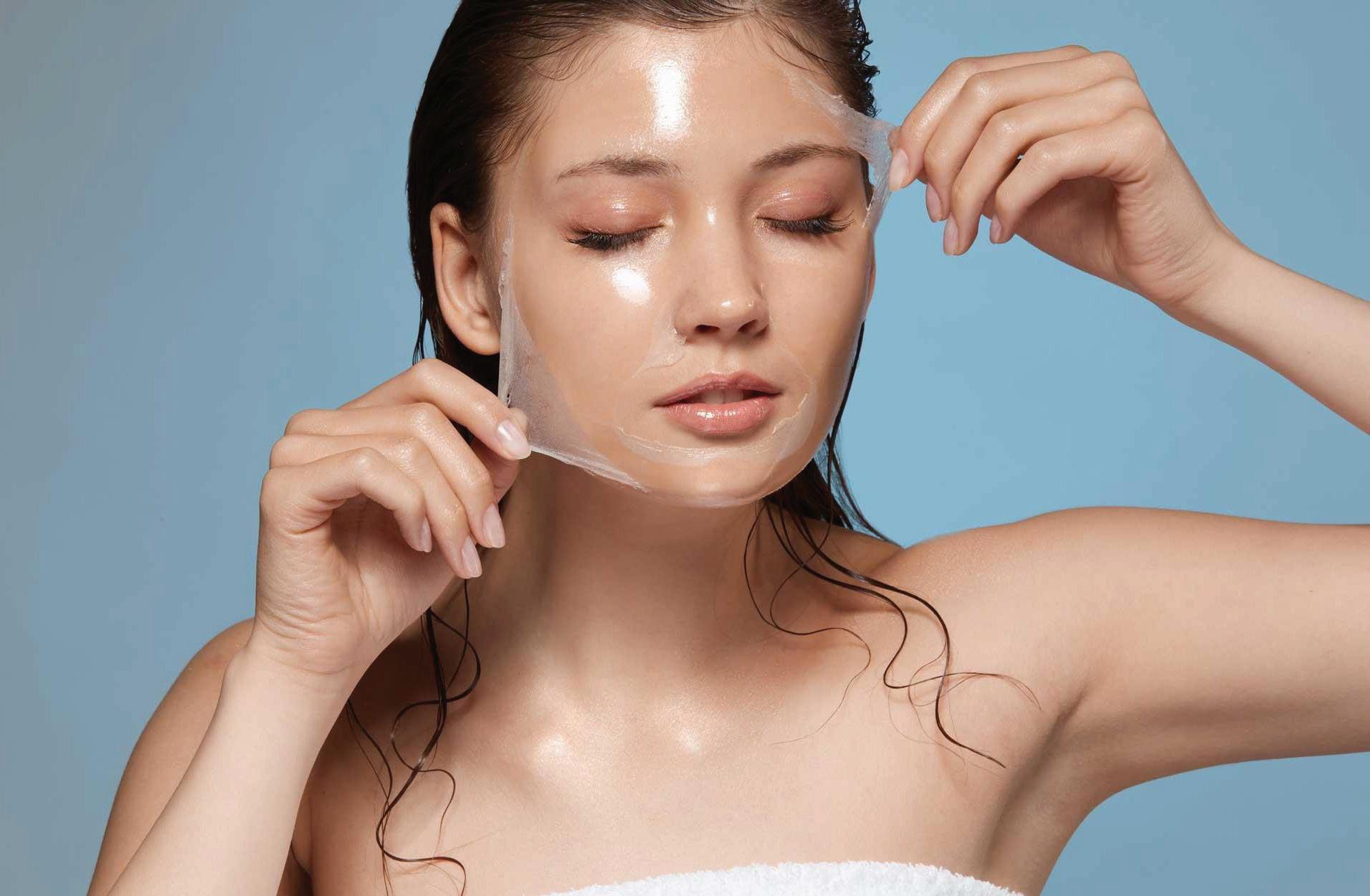
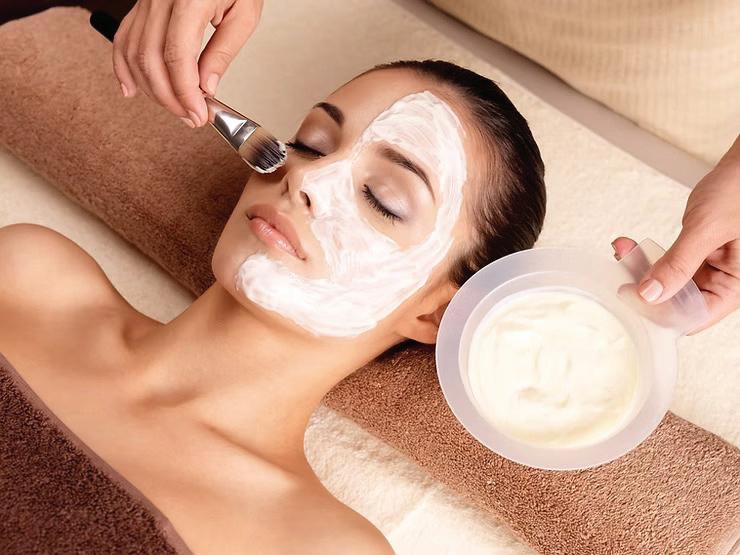
Chemical peels are a gentle and effective way to refresh dull skin and restore a soft, natural glow. By removing dry and tired surface layers, they help reveal smoother, brighter, and more even-looking
skin underneath. Many people turn to peels when they want clearer tone, fewer marks, and a healthy radiance that feels fresh and well cared for.
Winter, however, can be a
challenging season for the skin. Cold winds, indoor heating and low moisture levels often make the skin feel dry, flaky, and more sensitive than usual. This means that not all peels are suitable during the colder months—especially for
those with naturally dry or reactive skin. In winter, the skin needs kinder, more hydrating peel options that polish the surface without disturbing its comfort.
Choosing the ideal peel in this season is about listening to what the skin can handle and understanding what it needs to stay balanced. When done correctly, gentle winter-friendly peels can bring back brightness, softness, and a healthy glow— without irritation. Interestingly, winter can even be one of the best times to schedule a peel because reduced sun exposure often allows for better results and smoother recovery.1
This article will walk you through the safest peel choices for the season, how to match them to dry or sensitive skin, and the right aftercare steps to maintain your glow. With mindful selection and proper care, winter can truly become a time for calm, comfortable, and beautifully renewed skin.
CLASSIFICATION OF CHEMICAL PEEL:
1. Superficial Peels
Superficial peels offer a gentle, fuss-free way to refresh your skin and bring back its natural glow. Glycolic acid softly lifts away dullness for a brighter, smoother look. Salicylic acid dives into the pores to calm oiliness and keep breakouts in check. Jessner’s solution helps even out patchy tone and rough texture, giving the complexion a refined finish. Lactic acid, the most nurturing of all, exfoliates while hydrating— making it a favourite for dry or sensitive skin. These light peels are the perfect pick-me-up when your skin needs a quick, radiant reset.2
Medium-depth peels are ideal for times when your skin needs a more thorough refresh. TCA reaches a little deeper to soften fine lines, fade stubborn dark spots, and smooth out uneven texture, leaving the skin clearer and more refined. When paired with Jessner’s solution, the brightening effect becomes even more noticeable, while using glycolic acid beforehand helps the peel absorb evenly for a smooth, balanced result. The overall effect is skin that looks fresher, firmer, and naturally more radiant—like giving your winter skin the reset it truly deserves.2 Clinically, medium-depth peels improve moderate photoaging, epidermal dyschromia, actinic keratoses, and superficial scarring.
Deep peels using phenol–croton oil are the ultimate skin reset, working deep within the dermis to smooth etched lines, lift stubborn sun damage, and dramatically rejuvenate the complexion. Performed only by experts, these powerhouse peels deliver a striking, long-lasting glow that feels like a true skin transformation.2
2. Medium-Depth Peels
3. Deep Peels
POPULAR TYPES OF CHEMICAL PEELS
AHA Peels (Glycolic, Lactic)
Elegant, gentle, and consistently effective.
• Promote controlled exfoliation.
• Reveal smoother, fresher, more even-toned skin.
• Well tolerated by most skin types.2
BHA Peels (Salicylic Acid)
A hero for oily or acne-prone skin.
• Lipophilic, allowing deep pore penetration.
• Reduces blackheads and whiteheads.
• Calms inflammation and breakouts.2
TCA Peels
Ideal for more visible rejuvenation.
• Depth can be customized by adjusting concentration
• Improves pigmentation, fine lines, and uneven texture.
• Offers noticeable resurfacing outcomes.2
Combination Peels
(Jessner’s+ TCA, Glycolic prep + TCA)
• Multiple agents work synergistically.
• Enhance penetration and create uniform peeling.
• Improve dullness, pigmentation, and roughness more effectively.2
SKIN ASSESSMENT: UNDERSTANDING WHAT YOUR SKIN REALLY NEEDS
Before choosing any peel, it helps to pause and really listen to your skin. Winter can make your skin act differently—sometimes it feels tight, sometimes a little flaky, and sometimes just more sensitive than usual. Take a moment to notice how your skin behaves when you wash your face, apply a moisturiser, or step out into the cold.
If your skin feels dry, red, irritated, or easily uncomfortable, it is telling you it needs a gentler peel. On the other hand, if it looks dull, rough, or uneven, a mild brightening peel may be all it needs to bounce back.
This quick self-check helps you choose a peel that matches your skin mood and ensures your winter glow stays soft, calm, and beautifully refreshed.3
• Oil Levels
To understand how oily the skin is, a special absorbent film is gently pressed on the face. The amount of oil it picks up helps indicate whether the skin is balanced, slightly oily, or producing excess shine.3
• Hydration
Skin hydration is checked by measuring how much moisture the outermost layer of the skin can hold. Several readings are taken to get an accurate picture of how plump, soft, or dehydrated the skin truly is.3
• pH Balance
The skin pH level is measured by placing a small sensor on the face. This helps show whether the skin is leaning towards being too dry, too oily, or perfectly balanced.
• Texture
High-magnification images of the skin are captured to study its texture. This includes looking at how smooth
or rough the surface is, how refined the pores appear, and how even the skin natural pattern looks.3
• Sensitivity
To understand how reactive the skin is, a mild tingling test is done using a gentle solution on one side of the face and plain water on the other. The person then shares how strongly they feel any stinging or itching. This helps identify if the skin is sensitive or easily irritated.3
• Dryness & Flakiness
Tiny skin flakes are collected from the surface to check how dry or flaky the skin is. This gives a clear idea of whether the skin needs extra nourishment or exfoliation.3
• Moisture Loss
The amount of water naturally escaping from the skin is measured to understand how strong the skin barrier is. Higher water loss means the skin might be feeling dry, tight, or compromised.3
HOW WINTER WEATHER AFFECTS YOUR SKIN
Cold weather does not just make the air chilly—it quietly puts extra stress on your skin. People living in colder places often notice more dryness, tightness, and discomfort as winter sets in. That is because the drop in temperature and humidity takes away the skin natural moisture and weakens its protective shield. When this barrier becomes tired and overworked, the skin starts feeling sensitive and reacts more easily to products, fabrics, and even the environment. This is why winter flare-ups are so common, especially for anyone who already has dry or sensitive skin.4
THE SCIENCE BEHIND YOUR GLOW: HOW CHEMICAL PEELS REALLY WORK
➢ They gently lift away dull surface cells
A peel works by loosening fatigued, lacklustre skin cells and allowing them to shed in a controlled manner, revealing a fresher surface beneath.
➢ They reawaken the skin natural renewal cycle
As old cells are cleared, the skin naturally accelerates its regeneration process, bringing forward smoother and more radiant skin.
➢ They refine texture and even out tone
With regular renewal, the skin feels softer, fine lines appear diminished, pigmentation starts to fade, and the overall complexion looks more balanced.
➢ They encourage collagen production over time
The deeper layers receive a gentle nudge to create more collagen, enhancing firmness and lending the skin a well-rested, youthful appearance.
➢ Superficial peels are now the preferred choice
With advanced technologies taking over the role of deeper peels, lighter peels have become increasingly
popular for their effectiveness and safety profile.
➢ They complement today fast-paced lifestyles
These gentle peels deliver glow, clarity, and smoothness with minimal downtime—making them ideal for women who want visible results without disruption.
➢ Their ingredients are now part of everyday skincare
Mild versions of peel actives are commonly infused into cleansers, serums, and overnight treatments, making these ingredients both accessible and trusted.
➢ They remain a globally loved beauty treatment
Chemical peels continue to be one of the most requested procedures because they offer reliable, glowenhancing results without overwhelming the skin.5
POST-PEEL
WINTER SKINCARE:
MAINTAINING YOUR GLOW
1. Treat Your Post-Peel Skin with Patience and Protection
After a peel, especially in winter crisp, dry air, your skin enters a tender renewal phase. This fresh layer needs gentleness above all else. Avoid touching or picking at the peeling skin—letting it shed naturally
ensures an even, smooth result. Sun exposure should be kept to a minimum because newly revealed skin is more reactive. A broad-spectrum sunscreen becomes your constant winter companion, even on days when the sky looks grey and harmless. Think of this phase as giving your skin a quiet space to heal, settle, and reveal its glow at its own pace.1
2. Follow a Soft, Comforting Cleansing and Moisturizing Routine
Cleansing must be calm and minimal. Use a mild, non-foaming face wash and cleanse with slow, gentle motions—no rubbing, no tugging. After rinsing, pat your skin dry with a soft towel to avoid unnecessary friction. For lighter peels, a soothing, non-greasy moisturizer helps maintain hydration and comfort, followed by a mineral sunscreen during the day. If your peel was stronger, your skin may feel warm or tight for a couple of days. Cool compresses—like an ice pack or chilled vegetables wrapped in cloth—offer instant relief. A rich, fragrance-free emollient layered several times a day keeps dryness, flaking, and tightness under control.1
3. Give Deeper Peels Extra Support with Healing Soaks
For more intensive or deeper peels, simple home soaks work beautifully to support healing. A soft mixture of bottled water with a splash of white vinegar helps keep the fresh skin clean, calm, and balanced. Soak gauze in this gentle solution, place it on your skin for a few minutes, and let it soothe any lingering sensitivity. This nurturing approach transforms the days after a peel into a comfortable, restorative experience. With the right care, your winter post-peel journey becomes less about downtime and more about revealing skin that looks softer, clearer, and beautifully renewed.1
REFERENCES
CONCLUSION
Winter may feel harsh on the surface, but with the right peel and a little extra care, it becomes the perfect season for your skin to renew itself beautifully. Gentle, well-chosen peels bring back brightness, softness, and that quiet, confident glow we all love. When you listen to your skin needs and treat it with patience, the results speak for themselves—calm, radiant, refreshed winter skin that looks effortlessly well cared for.
1. Samargandy S, Raggio BS. Chemical Peels for Skin Resurfacing. [Updated 2023 Oct 29]. In: StatPearls [Internet]. Treasure Island (FL): StatPearls Publishing; 2025 Jan-. Available from: https://www.ncbi.nlm.nih.gov/ books/NBK547752/
2. Rendon, M. I., Berson, D. S., Cohen, J. L., Roberts, W. E., Starker, I., & Wang, B. (2010). Evidence and considerations in the application of chemical peels in skin disorders and aesthetic resurfacing. The Journal of clinical and aesthetic dermatology, 3(7), 32–43.
3. Lua, B. L., Ruan, L., Lyu, Y., & Liu, S. (2024). Understanding the causes of skincare product pilling. Skin research and technology : official journal of International Society for Bioengineering and the Skin (ISBS) [and] International Society for Digital Imaging of Skin (ISDIS) [and] International Society for Skin Imaging (ISSI), 30(8), e13828. https://doi.org/10.1111/srt.13828
4. Engebretsen, K. A., Johansen, J. D., Kezic, S., Linneberg, A., & Thyssen, J. P. (2016). The effect of environmental humidity and temperature on skin barrier function and dermatitis. Journal of the European Academy of Dermatology and Venereology : JEADV, 30(2), 223–249. https://doi.org/10.1111/jdv.13301
5. Soleymani, T., Lanoue, J., & Rahman, Z. (2018). A Practical Approach to Chemical Peels: A Review of Fundamentals and Step-by-step Algorithmic Protocol for Treatment. The Journal of clinical and aesthetic dermatology, 11(8), 21–28.
WINTER NAIL HEALTH AND AESTHETIC CARE: UNDERSTANDING SEASONAL CHANGES AND BEAUTY SOLUTIONS
INTRODUCTION
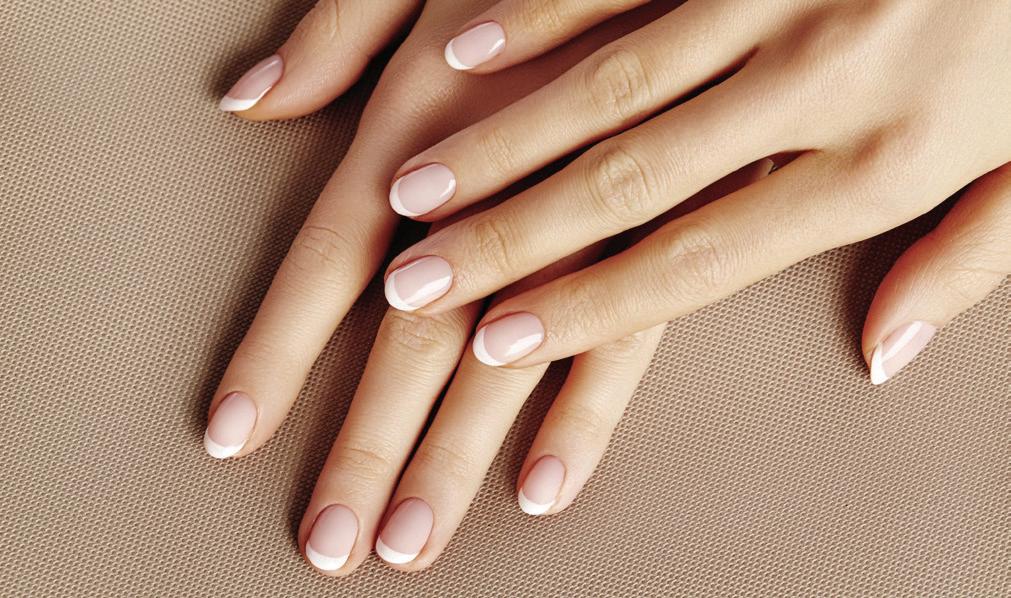
Nails serve as both functional protective structures and indicators of personal hygiene and style, with well-maintained nails reflecting self-care and confidence. The increasing popularity of nail salons, professional manicures, and decorative nail art underscores the value placed on aesthetically pleasing, healthy nails. However,
winter presents unique challenges due to cold temperatures, low humidity, and indoor heating, which can slow nail growth, reduce moisture, and predispose nails to brittleness, dryness, splitting, and dullness. Hands and cuticles are particularly affected, often feeling tight, rough, or irritated. Women who regularly undergo aesthetic nail treatments may experience
amplified effects, highlighting the need for targeted care. Awareness of seasonal impacts emphasizes the importance of adjusting nail care routines through hydration, protective measures, and gentle grooming to maintain nail strength, smoothness, and overall appearance while preventing common winterrelated nail disorders.1, 2
WHY NAILS SUFFER MORE IN WINTER
➢ As winter sets in, the body natural rhythm slows and our nails are often the first to reflect this seasonal shift.3
➢ Cold temperatures draw warmth away from the fingertips, leading to a natural slowing of nail growth.3
➢ Reduced circulation in the chilly months means the nail-forming cells receive less nourishment, leading to slower growth and a decline in nail quality.3
➢ The harsh winter air steals moisture from the nail surface, leaving it less smooth, less flexible and far more prone to chipping or peeling.3
➢ Indoor heating quietly adds to the dryness, pulling water from the nail plate and making brittleness almost unavoidable.3
These seasonal ups and downs are a reminder that winter calls for gentler grooming, deeper hydration, and nail nourishment.3
COMMON WINTER NAIL DISORDERS
When Nail Changes Signal Something
Nail changes are not just about looks—they can sometimes hint that something deeper needs attention. When a nail hurts, changes colour, or looks different for a long time, it can affect your daily comfort and even how confident you feel. One sign that should never be ignored is a dark line running down the nail. Most of the time it is harmless, but in rare cases it can be something serious, which is why getting it checked on time is always a wise move.
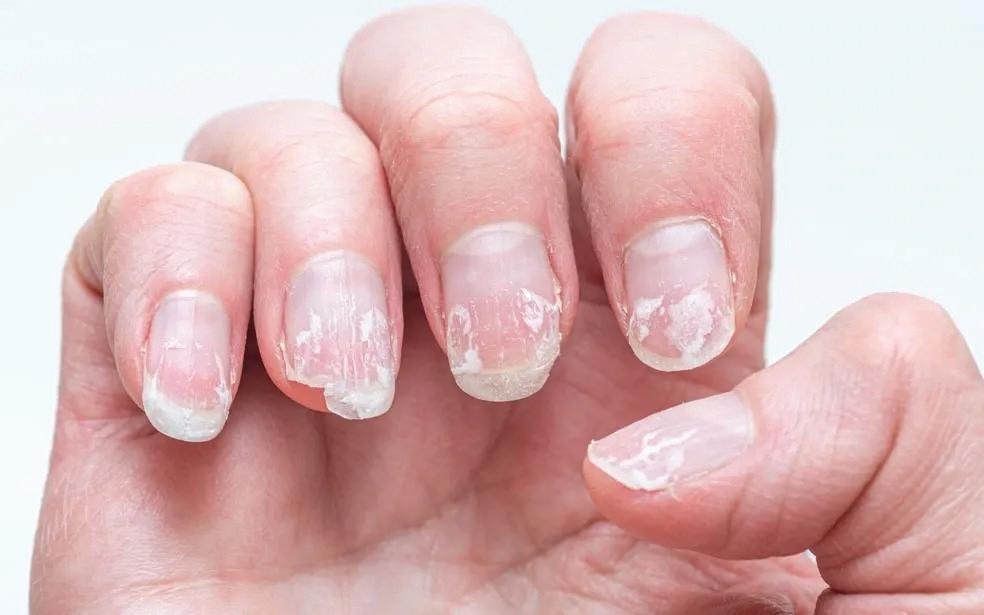
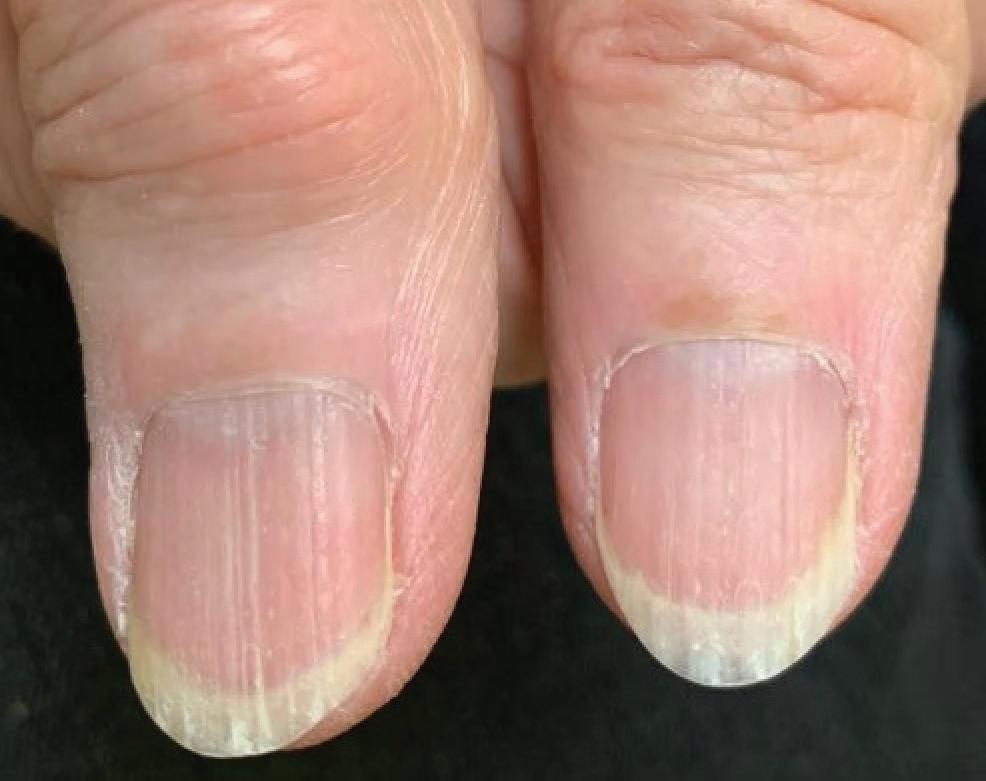
Brittle nails are a common concern—fragile, peeling, and breaking even with small pressure. Many people experience this, especially women. Since nails depend on a strong, compact structure to stay firm, anything that disturbs their balance, like ageing, frequent washing, chemicals, or daily wear and tear, can slowly
weaken them. Over time, the nails lose their natural strength, making breakage a repeated problem.4
Many women deal with brittle nails even without an obvious cause. This often happens when the nail natural keratin structure is disturbed and its protective lipids start to fade—elements that normally keep nails strong, smooth, and flexible. Once these bonds weaken or moisture drops, the nail plate becomes dry and fragile. Everyday habits quietly add to the problem. Frequent handwashing, harsh cleansers, cleaning agents, regular salon procedures, and even tiny repeated bumps can wear down the nail’s moisture barrier. As dehydration builds up, nails turn delicate, flaky, and prone to splitting with the slightest pressure.4
Brittle Nail
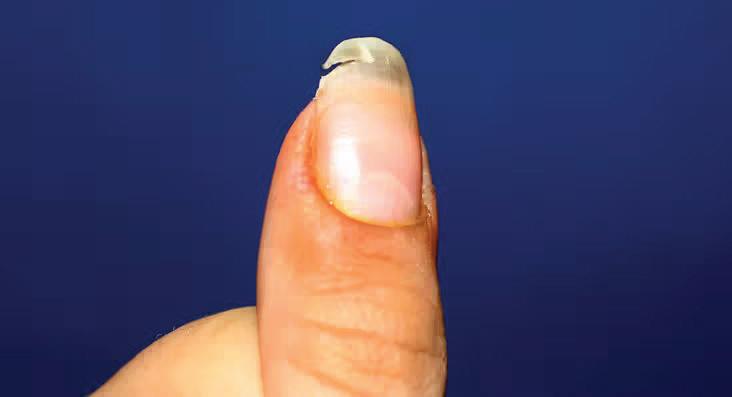
Idiopathic Brittle Nails
Nail splitting is surprisingly common in women, and everyday habits play a bigger role than we realise. Nails tend to become weak and flaky when they go through constant cycles of getting wet and drying out—something that happens easily with frequent handwashing, household chores, or the dryness of winter. Even mild chemicals can add to the wear and tear, but the real damage starts when nails repeatedly lose and regain moisture. The takeaway is simple: protect your nails, minimise repeated water exposure, and keep them well moisturised to maintain strength and prevent peeling.5
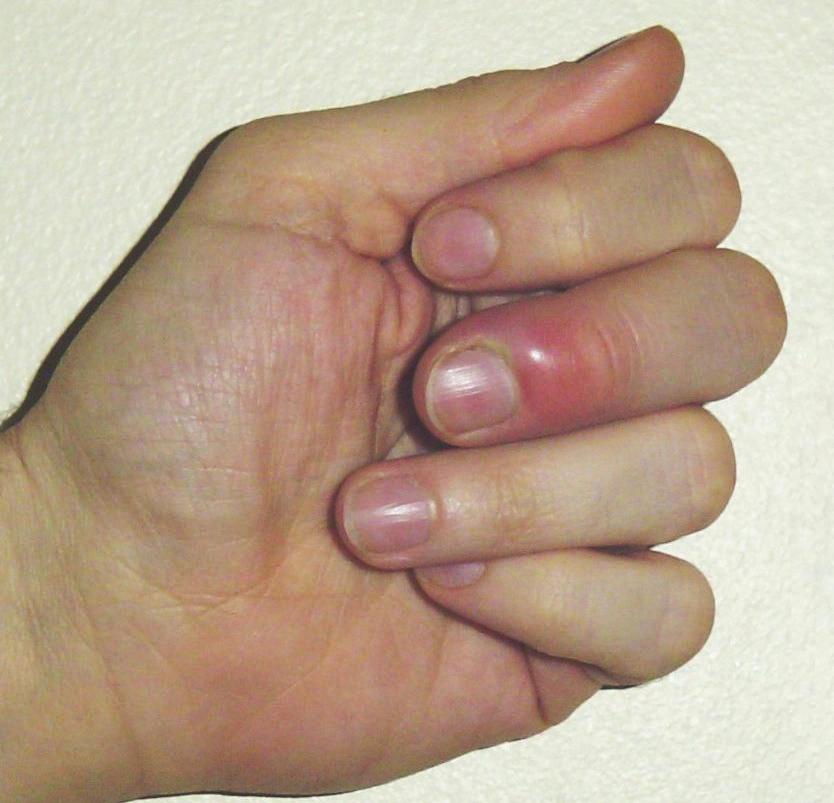
A nail fold infection is a common issue that affects the delicate skin around the fingernails or toenails— especially the tiny folds near the nail root and along the sides. It often appears after minor injuries, constant moisture exposure, or habits like picking or excessive grooming. This happens when the natural seal between the nail and the surrounding skin break, allowing germs to slip in and cause irritation or infection. A nail fold infection usually affects one nail at a time, though in rare cases—such as with certain medications—it can show up on multiple nails together.6
MODERN APPROACH TO AESTHETIC NAIL CARE
➢ Modern Aesthetic Nail Care Overview
Integrates medical, regenerative, and cosmetic strategies to improve nail health, strength, and appearance beyond traditional treatment of infections or structural damage.
➢ Primary Targets
Brittleness, splitting, ridging, thinning, surface irregularities, pigmentation changes, and loss of natural luster.
➢ Core Therapeutic Interventions
• Repair & Strengthening Systems: Penetrate the nail plate to mend micro-damage and enhance rigidity.7
• Keratin Infusion & Biotin/Growth Factor
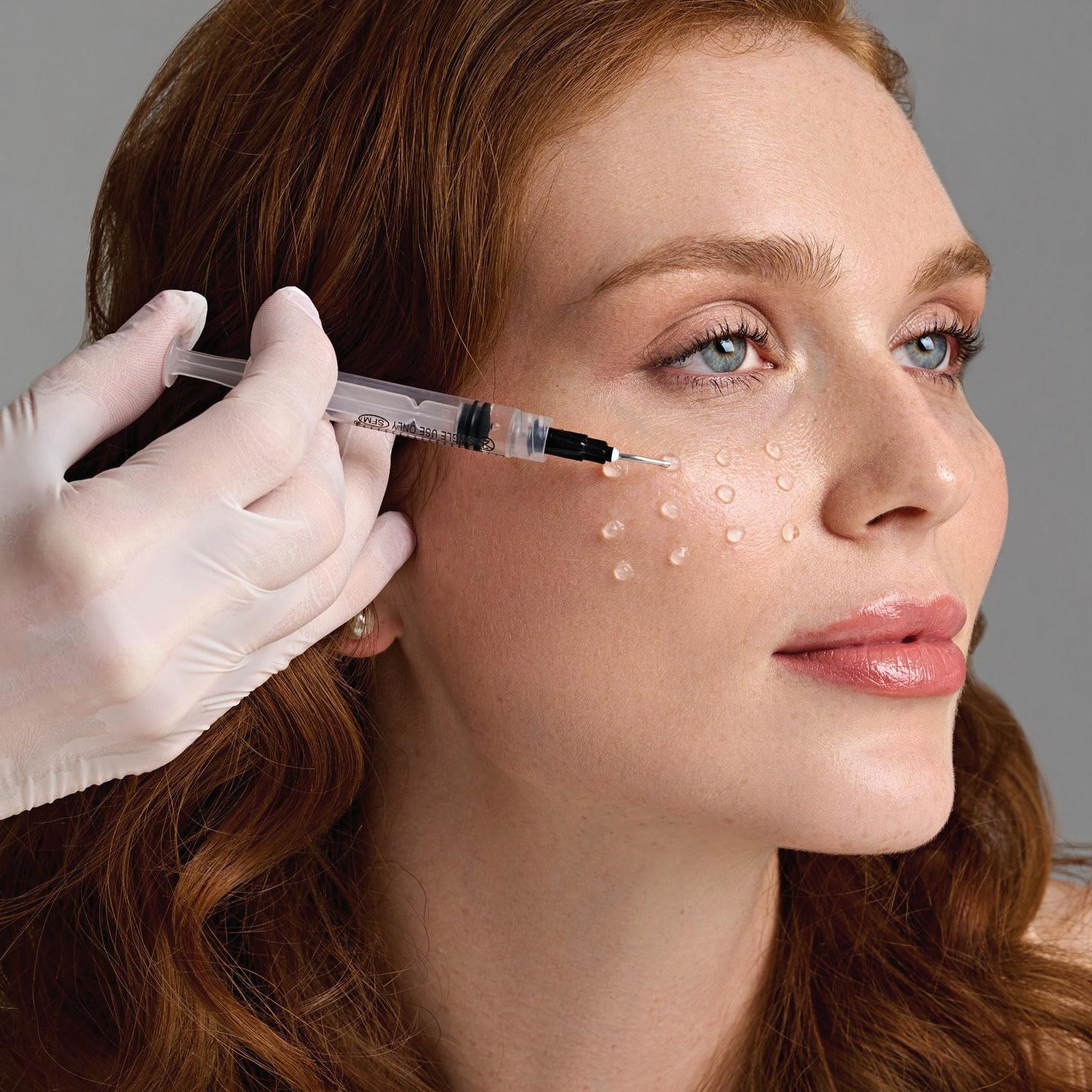
Mesotherapy: Replenish structural proteins and stimulate keratinocyte activity for healthier nail growth.7
• Regenerative Procedures:
■ PRP therapy and microneedling for matrix stimulation and improved texture.8
■ Medical nail peels for smoothing and brightening.6
■ Q-Switch, Pico and Nd:YAG lasers for dyschromia, texture irregularities and post-traumatic changes.9
➢ Structural Support Measures
Cuticle restoration, silk/fiberglass reinforcement, and medical-grade overlays to stabilize fragile nails and prevent recurrent injury.
➢ Adjunctive Care
Hydrating masks, strengthening gels, keratin rituals, hot oil/warm wax therapy, nail serums, silk wraps, and gentle buffing to optimize hydration, smoothness, and resilience.
Nail fold infection
➢ Overall Impact
Ensures stronger, smoother, healthier-looking nails with measurable aesthetic improvements, especially in individuals with chronically weakened or cosmetically stressed nails.
WHY NAIL CARE LIFTS YOUR MOOD IN WINTER?
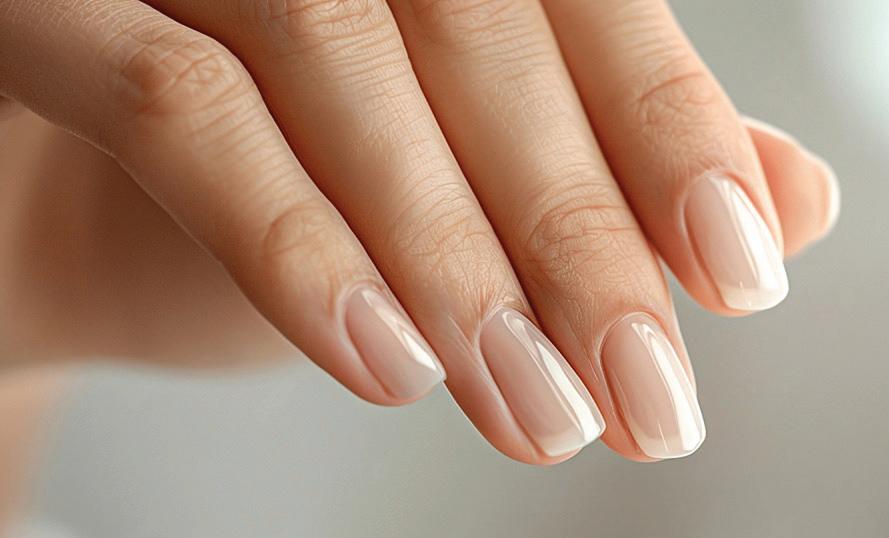
A quick nail ritual brings warmth and calm to the season. Even a simple trim or polish refreshes you, making you feel instantly cared for and uplifted.
➢ Enhances Physical Attractiveness
Neat, well-shaped nails subtly elevate your look. A clean finish or soft winter shade boosts confidence and
REFERENCES
helps you feel effortlessly put-together.10
➢ Psychological Benefits
Small touches like shaping, buffing, or a gentle polish create a sense of order. This tiny routine acts like a mood reset, helping you feel centred and in control.10
➢ Cosmetic Boost
Smooth, glossy nails add instant elegance. Because you see your hands all day, even a quick manicure brightens your mood and gives a feel-good beauty lift.10
CONCLUSION
Winter presents unique challenges for nail health, including slower growth, moisture loss, brittleness, and increased risk of splitting or infections. Understanding these seasonal effects allows for proactive care, including hydration, gentle grooming, and protective measures. Aesthetic nail treatments have evolved to not only address structural concerns but also enhance appearance, combining medical, cosmetic, and preventive strategies to restore strength, smoothness, and shine. Regular nail care in winter not only maintains nail health but also supports physical appearance and provides psychological benefits, offering a sense of self-care, confidence, and well-being during the colder months.
1. Bansal, S., Nanda, S., Bansal, S., & Grover, C. (2024). Dermatologist Driven Aesthetic Nail Enhancement. Indian dermatology online journal, 16(1), 72–80. https://doi.org/10.4103/idoj.idoj_504_24
2. Reinecke, J. K., & Hinshaw, M. A. (2020). Nail health in women. International journal of women's dermatology, 6(2), 73–79. https://doi.org/10.1016/j.ijwd.2020.01.006
3. Ishimoto, T., Kosumi, H., Natsuga, K., & Yamaguchi, Y. (2024). Nail growth arrest under low body temperature during hibernation. The journal of physiological sciences: JPS, 74(1), 27. https://doi.org/10.1186/s12576-024-00919-2
4. Lee, D. K., & Lipner, S. R. (2022). Optimal diagnosis and management of common nail disorders. Annals of medicine, 54(1), 694–712. https://doi.org/10.1080/07853890.2022.2044511
5. Wallis, M. S., Bowen, W. R., & Guin, J. D. (1991). Pathogenesis of onychoschizia (lamellar dystrophy). Journal of the American Academy of Dermatology, 24(1), 44–48. https://doi.org/10.1016/0190-9622(91)70007-o
6. Dulski A, Edwards CW. Paronychia. [Updated 2023 Aug 7]. In: StatPearls [Internet]. Treasure Island (FL): StatPearls Publishing; 2025 Jan- Available from: https://www.ncbi.nlm.nih.gov/books/NBK544307/
7. Kreutz T, de Matos SP, Koester LS. Recent Patents on Permeation Enhancers for Drug Delivery Through Nails. Recent Pat Drug Deliv Formul. 2019;13(3):203-218. doi:10.2174/1872211313666191030155837
8. Kaur I, Jakhar D. Intramatricial platelet-rich plasma therapy: A novel treatment modality in refractory nail disorders. Dermatol Ther. 2019; 32(2):e12831. doi:10.1111/dth.12831
9. Hałasiński P, Lubarska M, Lubarski K, Jałowska M. Lasers' Q-switched treatment in skin and subcutaneous lesionsreview. Postepy Dermatol Alergol. 2023; 40(2):181-186. doi:10.5114/ada.2023.127636
10. Kawakubo, A., & Oguchi, T. (2023). Salon nail care with superficial self-disclosure vitalizes psychological state. Frontiers in psychology, 14, 1112110. https://doi.org/10.3389/fpsyg.2023.1112110
COMMON WINTER FOOT ISSUES AND HOW TO CARE FOR THEM
INTRODUCTION
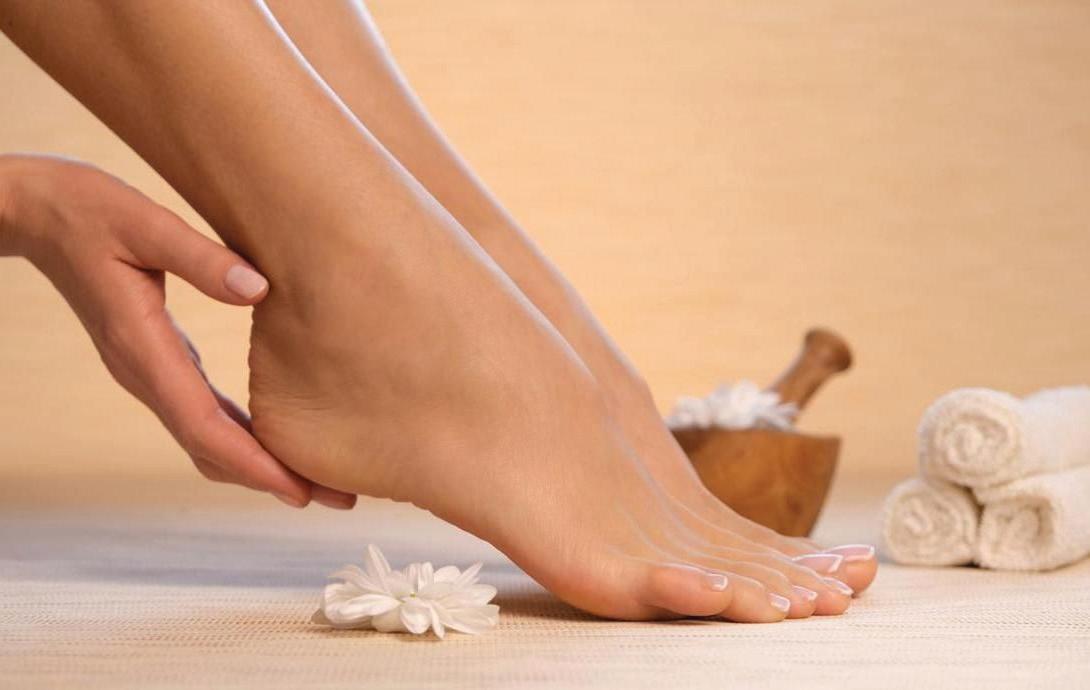
Most of us move through our day without giving our feet a second thought. They stay covered in socks and shoes, quietly supporting us through every step. It is only when something goes wrong that we suddenly realise how much we rely on them. In winter especially, the cold air, dry indoors and long hours in closed footwear can turn
small issues into uncomfortable problems that affect our daily routine. Our feet work harder than we notice. Each one carries a network of bones, joints, muscles and tiny connectors that help the body stay steady and balanced. They bear our weight, support our posture and keep us moving with ease. When winter dryness causes cracking, soreness or stiffness,
even simple tasks can feel difficult.
Paying attention to changes, discomfort or early signs of trouble helps keep the feet comfortable and protected during the colder months. With the right care and a little consistency, winter does not have to be a season of foot problems.1, 2
THE WINTER FOOT STRUGGLE: WHAT YOUR FEET GO THROUGH IN THE COLD
Winter is the season when our feet quietly go through the most stress. While we wrap our face in scarves and slip into cozy sweaters, our feet often stay neglected inside tight shoes — making them the first to feel the brunt of the cold.
Physiological Challenges
• In cold weather, the body prioritizes keeping the core warm, which reduces blood flow to the feet and hands. This can make the feet feel cold, numb or tingly.1
• Feet naturally have less fat padding and cushioning, so they lose heat more quickly and are more sensitive to cold surfaces.1
• Prolonged exposure to low temperatures can cause stiffness, discomfort, and tingling sensations, making movement and walking less comfortable.1
Moisture and Sweating Issues
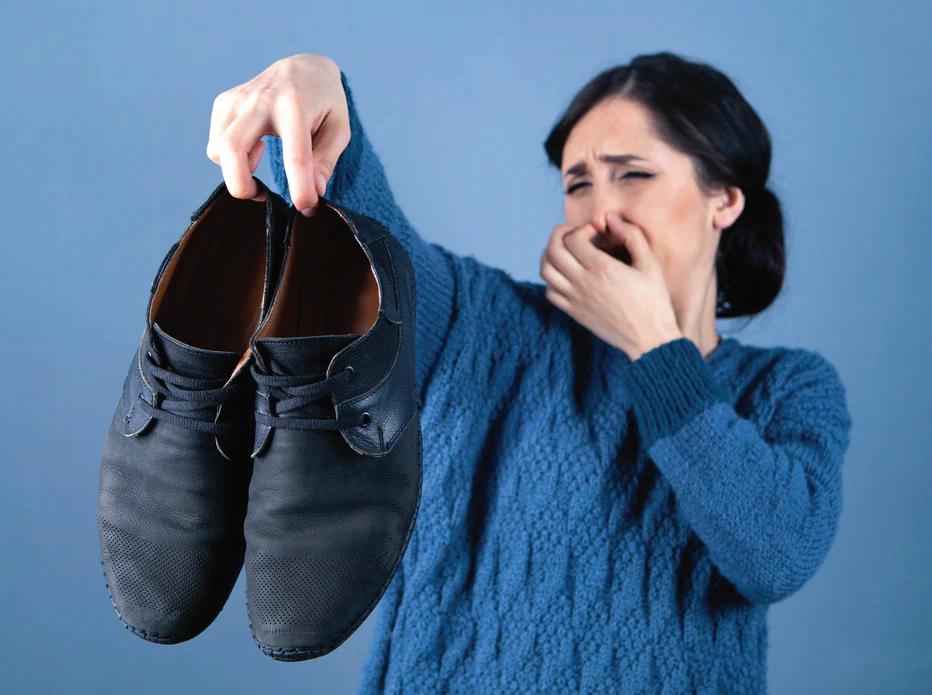
• Many winter shoes are warm but not very breathable, causing sweat to accumulate inside throughout the day.2
• Even a small amount of trapped moisture increases heat loss from the feet, making them feel cold, damp, and tired.2
• Excess moisture can also lead to skin irritation or infections if it is not managed properly.2
Environmental Stressors
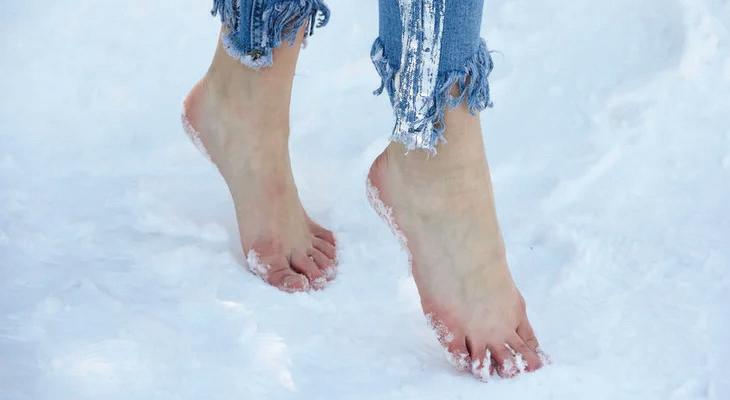
• Walking or standing on cold surfaces like tiles, marble, or pavements accelerates heat loss from the feet.3
• Wet conditions from snow, ice or puddles further increase the risk of cold-related problems, including frostbite, infections, or prolonged discomfort.3
Skin and Nail Effects
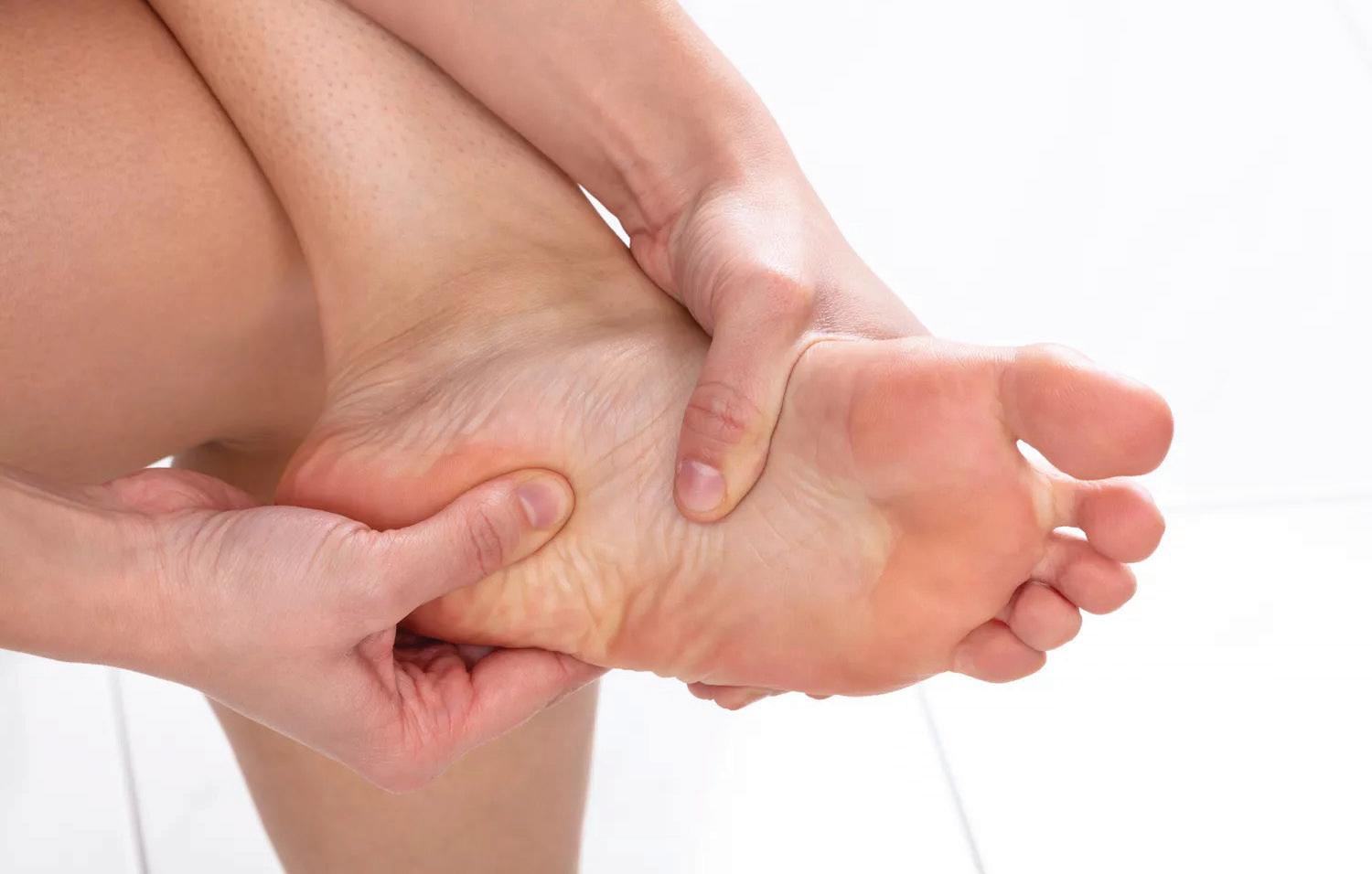
➢ Cold, dry air and reduced circulation can cause the skin on the feet to become dry, rough and prone to cracks, especially around the heels.4
➢ Nails may become brittle, dull, or weak due to dehydration and limited blood flow.4
➢ Minor foot issues, such as calluses, fissures or small injuries, may feel more painful or uncomfortable in winter.4
Footwear Challenges
• Choosing winter footwear is challenging because shoes need to be warm, breathable, cushioned and slipresistant at the same time.2
• Shoes that are too tight, not insulated, or poorly ventilated can worsen cold, trap moisture and lead to foot fatigue or discomfort over the day.2
COMMON WINTER FOOT PROBLEMS
Xerosis
➢ Cold air, low humidity, and frequent shoe use can deplete natural skin moisture, causing tight, flaky, or uncomfortable skin.5
➢ Walking can become painful, and small cracks may form if skin becomes excessively dry.5
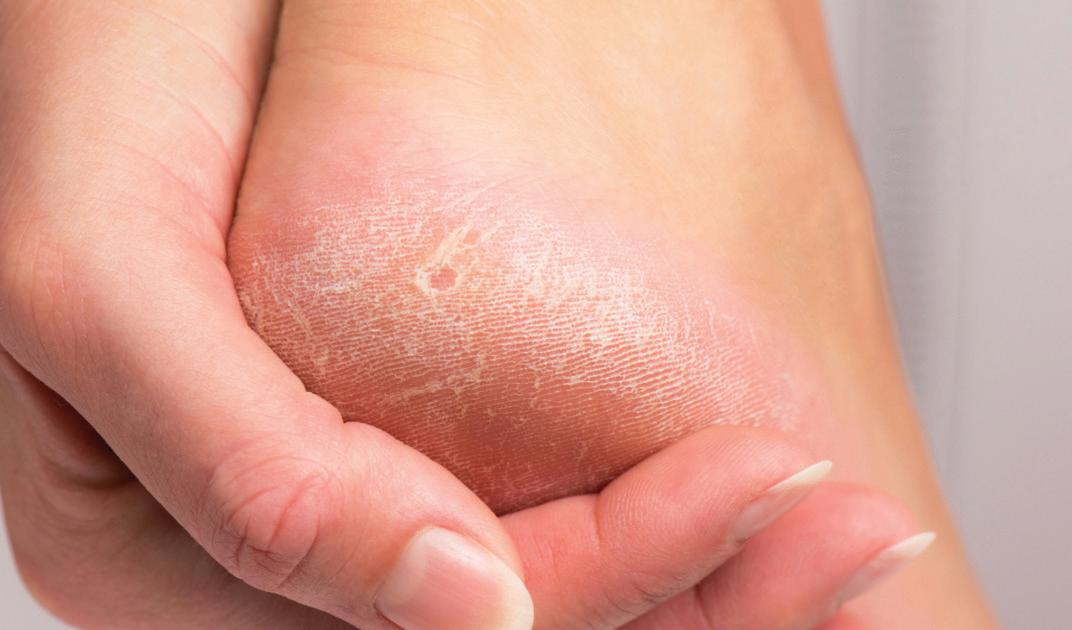
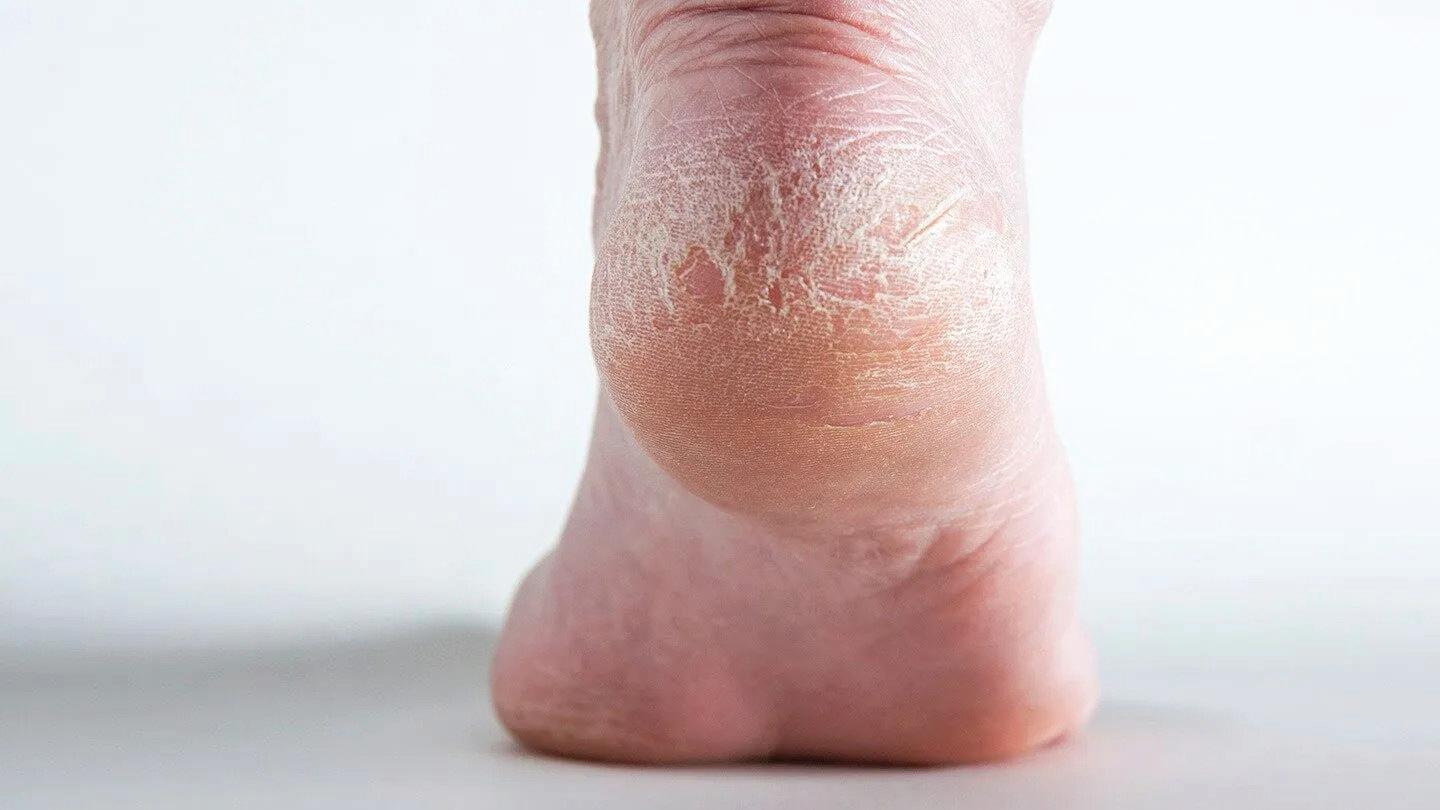
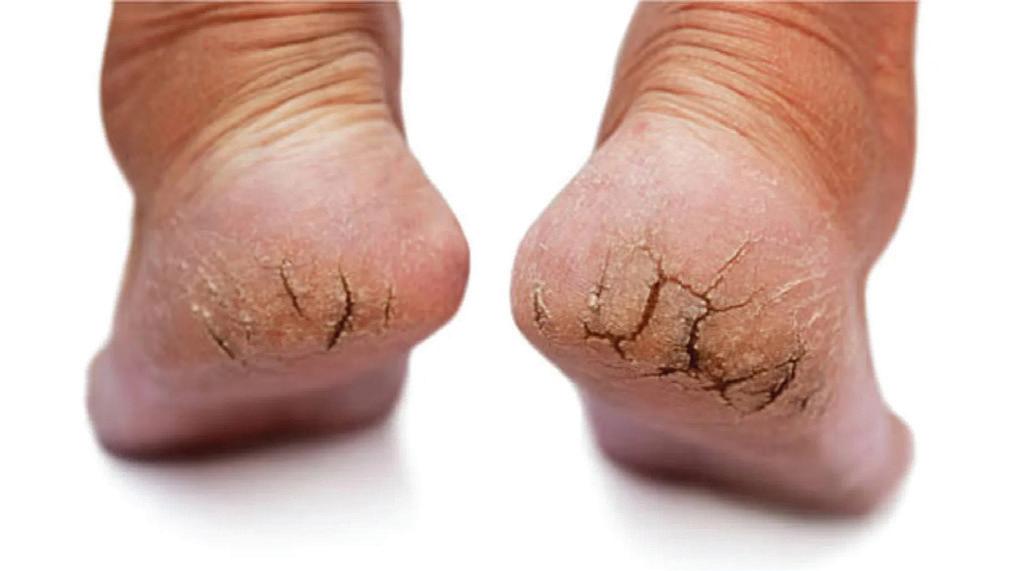
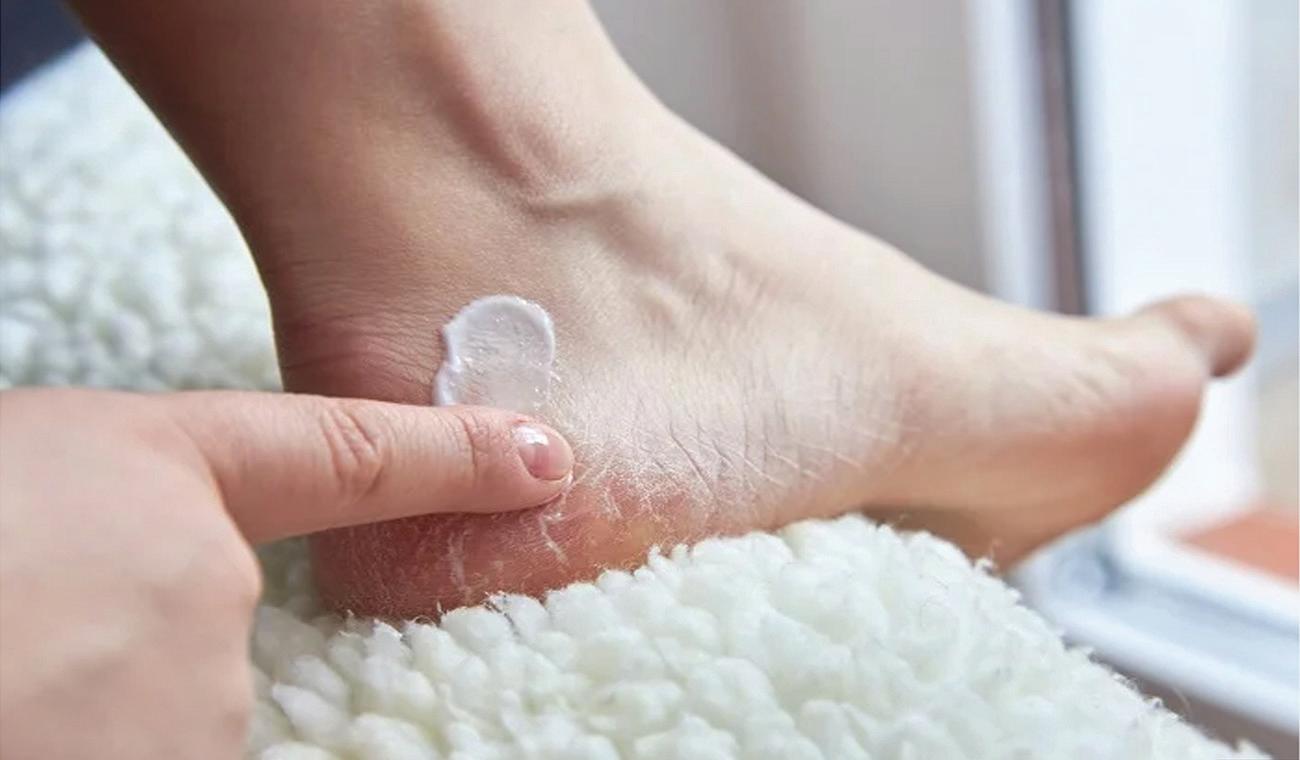
• Cracks often occur due to dry skin and are more noticeable in women but can affect anyone.5
• Small cracks may deepen if ignored, leading to discomfort while walking and an unattractive appearance.5
Foot Eczema
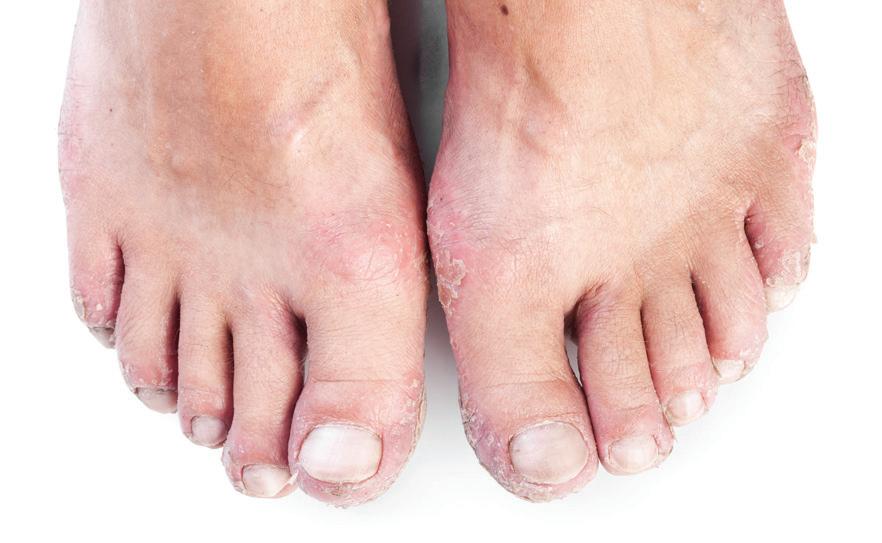
• Foot crisis in winter is a common problem where cold air low humidity and frequent exposure to moisture weaken the skin barrier leading to dryness cracks fissures and increased discomfort.6
• People who wear closed shoes for long hours or have conditions like diabetes or eczema often experience more severe symptoms.6
Chilblains
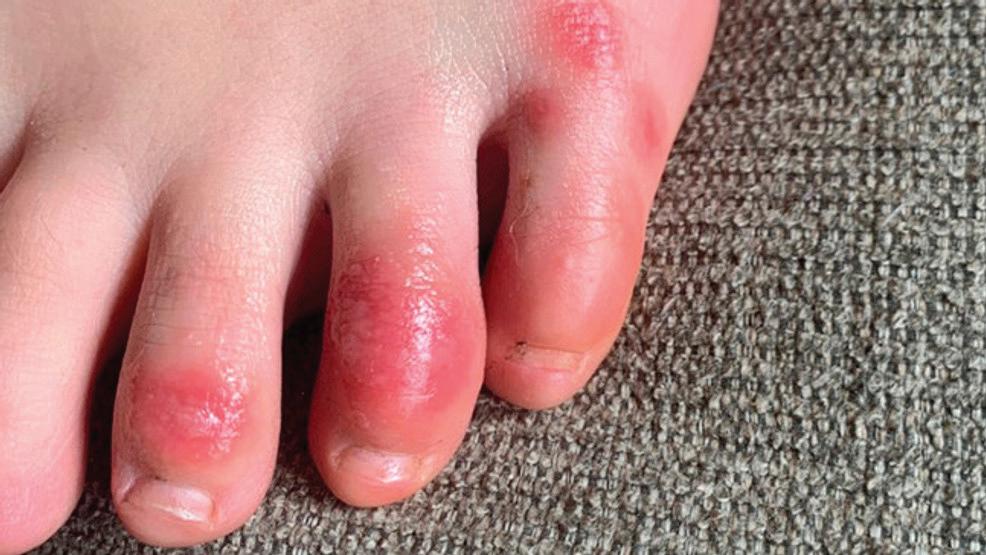
• Chilblains occur when toes or feet are exposed to cold and damp conditions, causing redness, swelling, itching, or soreness.7
• The condition happens when the skin cannot adjust quickly to sudden temperature changes, especially when cold feet are rapidly warmed.7
• Symptoms are usually uncomfortable but often resolve on their own.7
• Preventive measures include keeping feet warm, dry, and well-protected.7
Trench Foot
• Trench foot develops when feet stay cold and damp for long periods.8
• Wet socks, damp shoes, or exposure to chilly, moist conditions can make the skin soft, swollen and sore.8
• Over time, the skin becomes fragile, prone to cracking, irritation and infection.8
Cracked Heels
WINTER FOOT CARE MADE SIMPLE
Check your feet daily
Winter air dries out the skin quickly, so it is important to check your feet every day. Look for early signs of dryness, cracks, peeling or irritation. Spotting these problems early can help prevent them from becoming painful or serious during the cold season.9
Keep feet clean but avoid long hot soaks
Warm water feels comforting in cold weather, but soaking feet in hot water for too long can remove natural oils and worsen dryness. Wash your feet briefly with mild soap, and dry them gently, especially between the toes, to keep the skin healthy and protected.9
Moisturise regularly
Moisturizing is essential during winter, as cold air and indoor heating can deplete skin moisture, leading to dryness, tightness, and flakiness. Regular application of a nourishing cream helps maintain skin hydration, softness, and barrier function, protecting the feet from irritation and damage.9
Protecting Feet from Cold Floors
Walking barefoot on cold floors in winter can make feet cold and dry. Wearing soft, cushioned socks and well-fitting shoes helps keep feet warm, prevents dryness, and protects against slips, minor injuries, and irritation.9
Preventing Heat-Related Injury in winter
In winter, feet can become numb, making it hard to judge heat. Using hot water bottles, heating pads or very hot water can cause burns without you realizing it. Always use warm—not hot—temperatures and keep your feet covered when outdoors to protect them safely.9
Improve blood flow to your feet
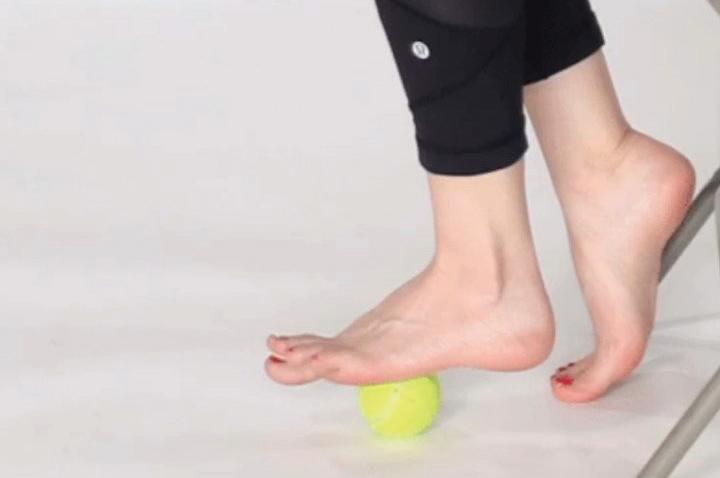
Cold weather slows blood flow to the feet, which can make them feel stiff or numb. Simple exercises like wiggling your toes, rotating your ankles or stretching a few times a day help improve circulation and keep your feet comfortable.9
CONCLUSION
With consistent care and attention, winter can be a season without dry, cracked or uncomfortable feet. Simple daily habits such as keeping feet warm and dry, wearing well-fitting socks and shoes, moisturizing regularly and performing light foot exercises can
REFERENCES
maintain skin hydration, improve circulation and prevent common winter foot problems. By adopting these preventive measures, you can ensure your feet remain healthy, comfortable and protected throughout the colder months, reducing the risk of pain, irritation and other winter-related foot issues.
1. Norrbrand L, Kölegård R, Keramidas ME, Mekjavic IB, Eiken O. No association between hand and foot temperature responses during local cold stress and rewarming. Eur J Appl Physiol. 2017; 117(6):1141-1153. doi:10.1007/s00421-017-3601-5.
2. Liu Z, Nie J, Yang F, Zheng Y, Ding L. Influence of shoe upper structure on shoe microclimate and human physiological characteristics during running. Technol Health Care. 2024;32(S1):487-499. doi:10.3233/THC248043.
3. Cheung SS. Responses of the hands and feet to cold exposure. Temperature (Austin). 2015;2(1):105-120. Published 2015 Feb 27. doi:10.1080/23328940.2015.1008890
4. Cheung, S. S., & Mekjavic, I. B. (2007). Cold-induced vasodilatation is not homogenous or generalizable across the hand and feet. European journal of applied physiology, 99(6), 701–705. https://doi.org/10.1007/ s00421-006-0383-6 9
5. Parker, J., Scharfbillig, R., & Jones, S. (2017). Moisturisers for the treatment of foot xerosis: a systematic review. Journal of foot and ankle research, 10, 9. https://doi.org/10.1186/s13047-017-0190-9
6. Priya, K. S., Kamath, G., Martis, J., D, S., Shetty, N. J., Bhat, R. M., & Kishore, B. N. (2008). Foot eczema: the role of patch test in determining the causative agent using standard series. Indian journal of dermatology, 53(2), 68–69. https://doi.org/10.4103/0019-5154.41649
7. Nyssen A, Benhadou F, Magnée M, André J, Koopmansch C, Wautrecht JC. Chilblains. Vasa. 2020; 49(2):133-140. doi:10.1024/0301-1526/a000838
8. Bush JS, Lofgran T, Watson S. Trench Foot. In: StatPearls. Treasure Island (FL): StatPearls Publishing; August 8, 2023.
9. Taking Care of Your Feet. (2021). Clinical diabetes: a publication of the American Diabetes Association, 39(2), 225. https://doi.org/10.2337/cd21-pe02
21st December'2025
Venue: Hotel Ginger, Near Domestic Airport, Vile Parle (East), Mumbai
Faculty for Bio Remodeller & Skin Booster
Dr. Pallavi Sule MBBS, DDV Dermatologist and Cosmetologist Dr. Pallavi Sule’s Clinic, Mumbai
Faculty for Threads
Dr. Dattatray Sonawane MD (Skin) Founder and Consultant Dermatologist La Peau Laser World, Thane
Registration Fees & Details
Registration
Registration
Aestheticconf Workshop
Faculty for Botulinum Toxin Type A
Dr. Abhay Talathi MD, DNB, FCPS, DVD Dermatologist and Cosmetologist SkinSpace Clinic, Mumbai