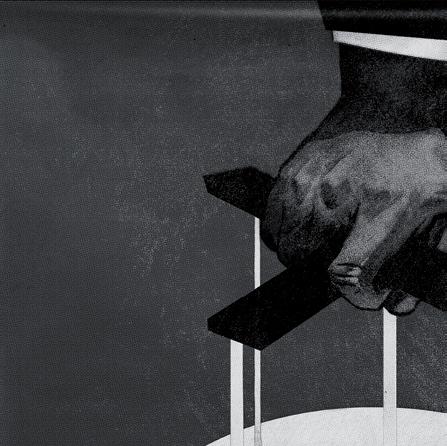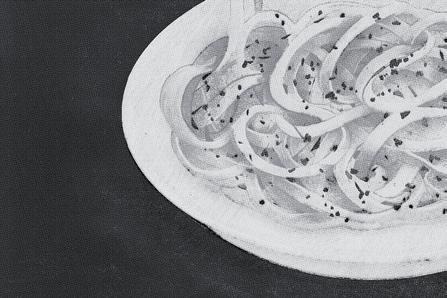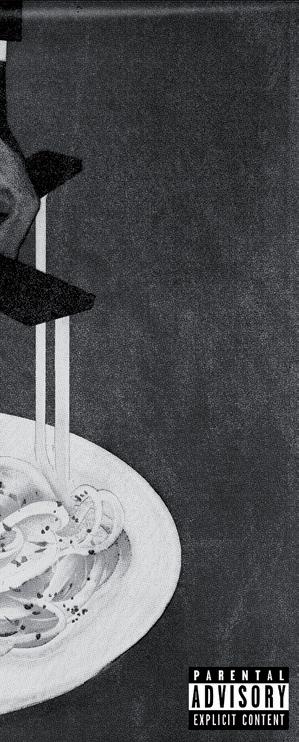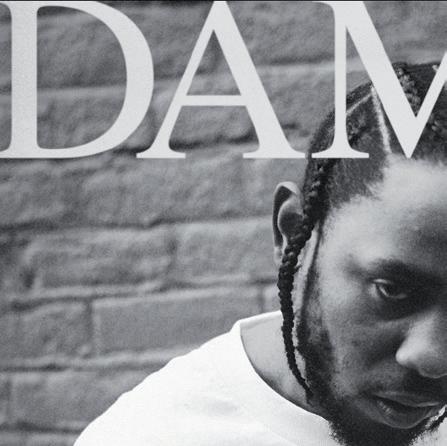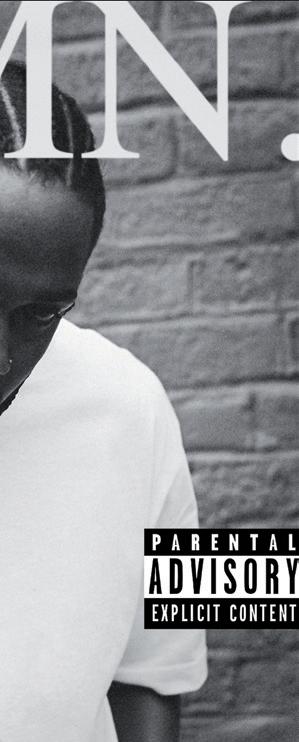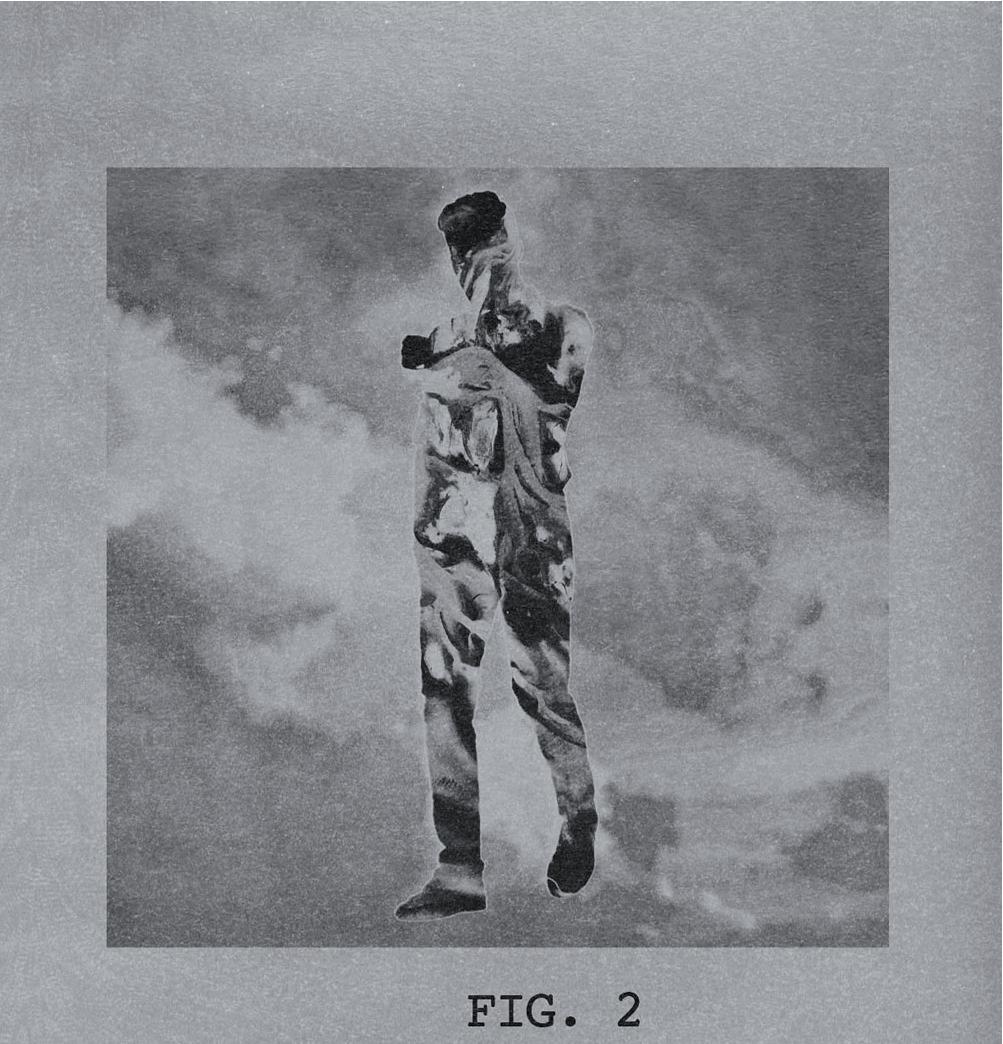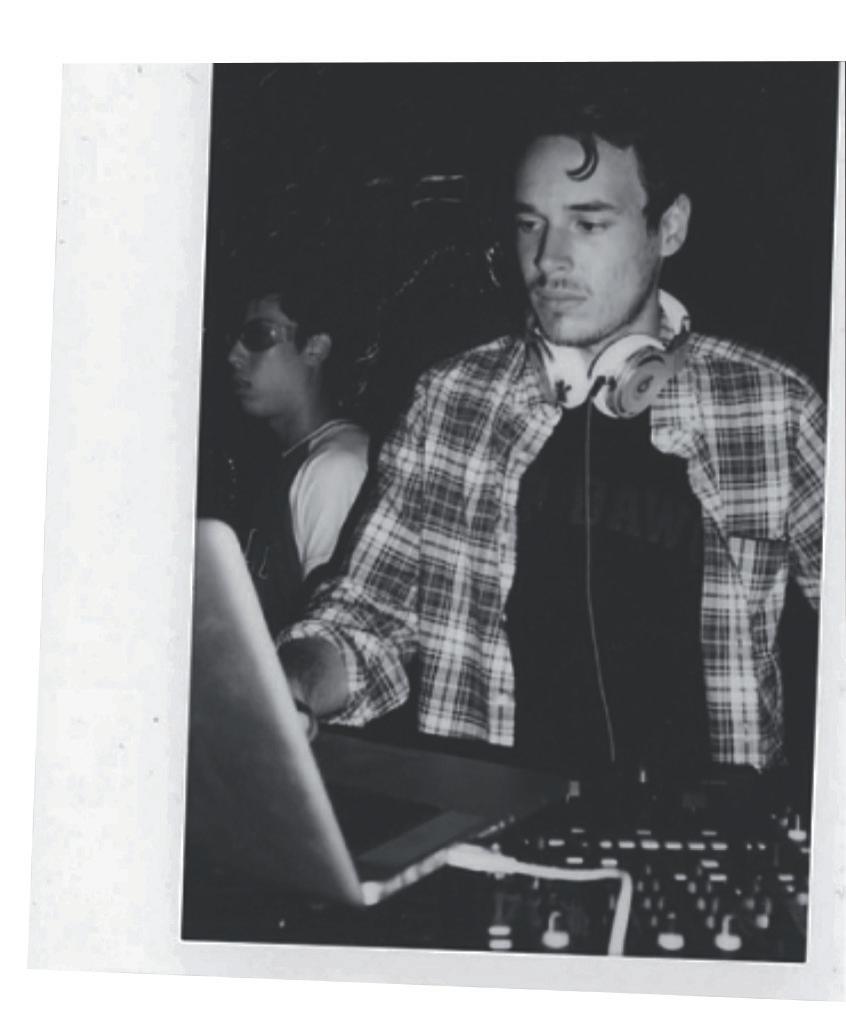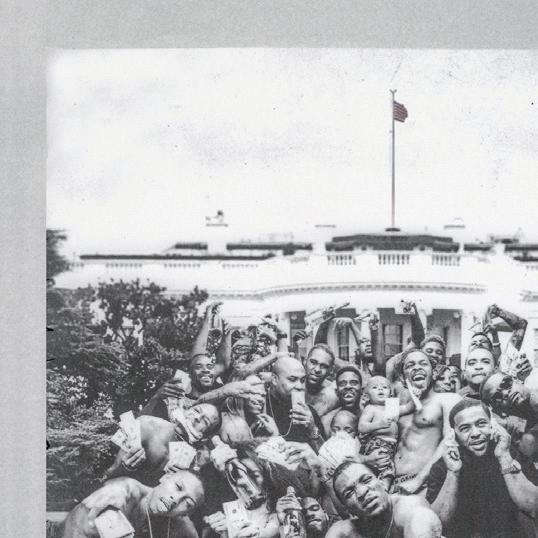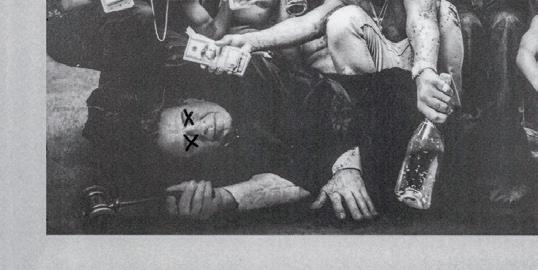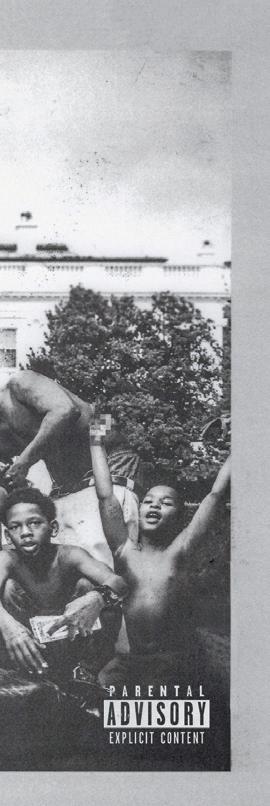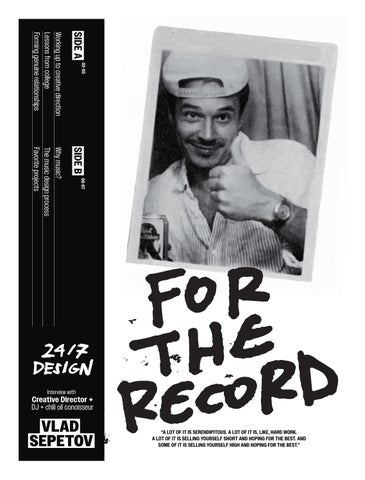

Vlad Sepetov is an LA-based creative director and consultant with 10+ years working in the music industry. He gained attention for creating album artwork for artists such as Kendrick Lamar, Schoolboy Q, and Freddie Gibbs, including the widely discussed cover for Lamar’s To Pimp a Butterfly
PAO: You’ve been in music for a while. You’re working in creative direction now. Could you tell me a little bit more about what you do now?
VLAD: Right now, I work at UMG Fame House. Essentially, my role is to come up with ideas for artists and labels that are innovative and interesting, and push the boundary of what that looks like. Be it a marketing strategy, be it a product strategy, be it a specific product. For example, I helped develop the Olivia Rodrigo trading cards. She didn’t want them, she didn’t know what they were. But we positioned it to colleagues. We pitched it to the label. We approved it. We went to Florida to look at the trading card company, spoke to them, got it all. That was a two year process.
P: How was the transition from working directly in design to working more on the big picture?
V: I sort of appreciate both sides. I think that in little picture, there was a sort of constant, sort of endorphin rush of “We made shit happen”. It felt more substantive. Whereas, when you’re working at a corporation or for like, bigger picture, the stuff that you do is more nebulous. It’s strategy. It’s concepting, so you don’t have tangible things to look at exactly. The role really is like, “Hey, you’re an artist. You should work with this producer,” right? Can you say that you made the song? No.
Do you miss the more hands-on work?
V: Of course, yeah, I miss doing stuff. also think that artists are significantly more fickle. They’ve been almost cursed with this ability to make amazing music, but then they can’t make a single decision to save their life about what font they want to use. So do I miss that part of the process where I’m sending a million drafts and they don’t like it? No, but sometimes you find an artist who gives you free reign, and that’s really empowering.

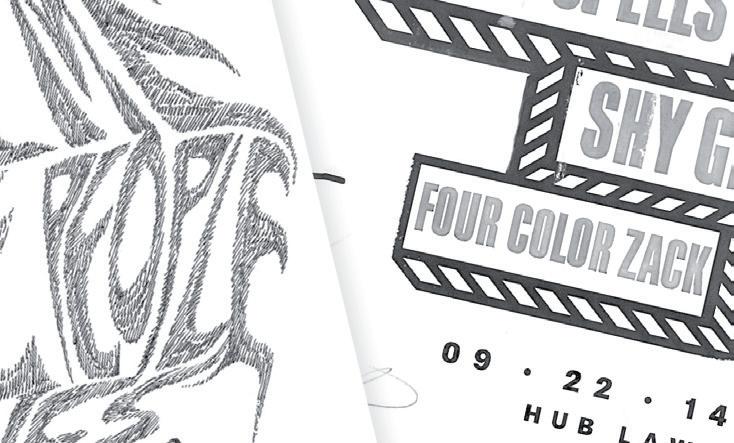
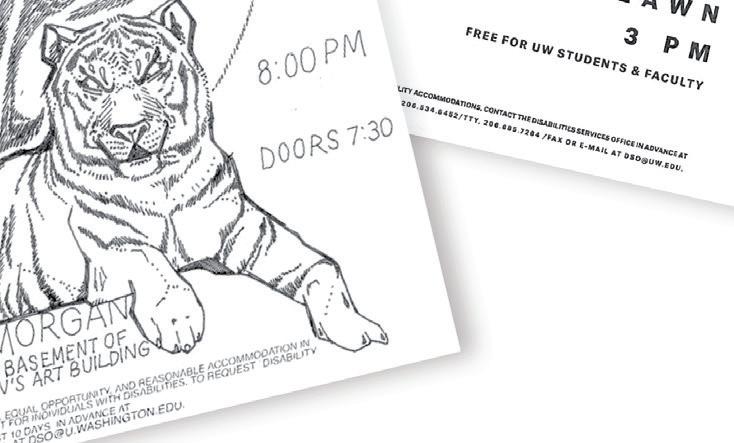
P: I read your LinkedIn and noticed you were in ASUW Arts+Entertainment during your time at UW. I’m actually doing that right now! How do you feel like your experience with A+E helped you move to the bigger entertainment industry?
V: I worked as the director [2014-2015]. I think that it just made me more cognizant of the way that the system worked. There’s a lot of movers and shakers in the process as it’s not as project-oriented or it’s like, “Hey, if you want to do this concert, you kind of need to get in touch with the booking agent. To get to the booking agent, you can’t just email agent@ca.com”. It’s a lot more complex than that, and I think that gave me a bit more insight to the process, which allowed for me to temper my expectations, and also get a better handle on how to approach relationships with people.
P: This may be a more personal question for me, as someone who is getting that sort of experience right now. What advice would you have to leverage that?
V: That is a hard question to answer. Honestly, I think there’s a lot of luck, and I think there’s also obviously a lot of skills involved. I think that the goal is to utilize your networking as much as possible. When I was booking at A+E, I remember we did a bunch of good shows, and Adam Zacks reached out and was like, “Oh shit. It’s like, actually, cool shows”.


The way that I know people get work is by not only creating some sort of platform for themselves to get noticed, but also positioning themselves to utilize that platform to build community. One reason why I got introduced to one of my first internships was because I did a poster and album cover for an artist in Seattle. That artist was opening for a band in LA that was performing at Neumos. And then, the manager of the artists performing from LA in Seattle was like, “Who made this poster?”.
I kind of hate people who do that “I’m gonna reimagine [so-and-so]’s album cover” thing. You’re doing that for yourself. That’s great, great for you. But, you’re not doing anything that puts the work that you do in the context of community and network. You’re sort of doing it like an echo chamber for yourself. I think that it really requires you to speak to the people performing around you, and speak to the community that’s around you.
P: How do you think someone starting out should break into working with artists in a meaningful way?
V: I think the opportunities for you to develop earnest relationships with an artist requires a degree of selflessness that isn’t always afforded when you are looking for money. If what you want to do is go with some artist on tour like you’re essentially part of the band, you’re going to be paid the amount of money that they have to offer you. There’s a conversation there to be had. There’s also the other part of it, which is, “How are they ever going to trust you?”
Sometimes it’s about finding an artist that you love that’s like, on the precipice of some sort of come up, building a brand with them saying, “Hey,
I’m down to sleep on your floor. I’m down to work late nights”. The work that I was doing for artists when I was in college, I was legitimately up until three in the morning— going out, printing stuff out, making booklets. It requires that sort of sacrifice. I think it also requires you to work with an artist at a level where they’re open to that.
Either find someone online that you fuck with, that you want to reach out to and see what’s up. You can also find someone locally, or find your homies.
(MORE ON SIDE
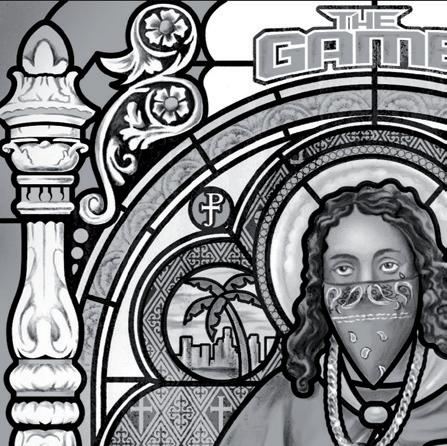
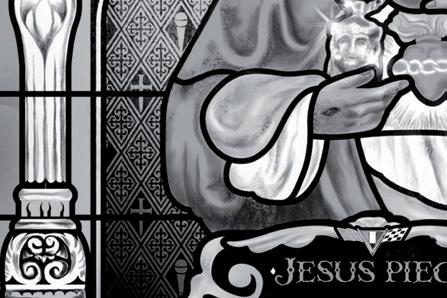
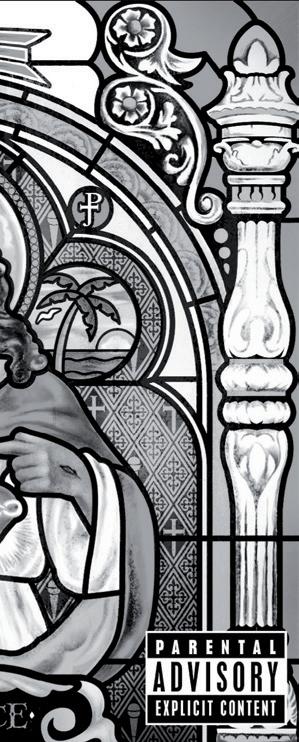
JESUS PIECE
THE GAME
(2012)
Vlad worked on this when he was still in UW. His first credited album work, this album cover received controversy for its depiction of Jesus.
The album is full of religious references, with songs titled “Heaven’s Arms,” “Church,” and “Hallelujah”. The cover art follows the church theme, depicting Jesus in a stained glass window, but as an African American “gangsta”.
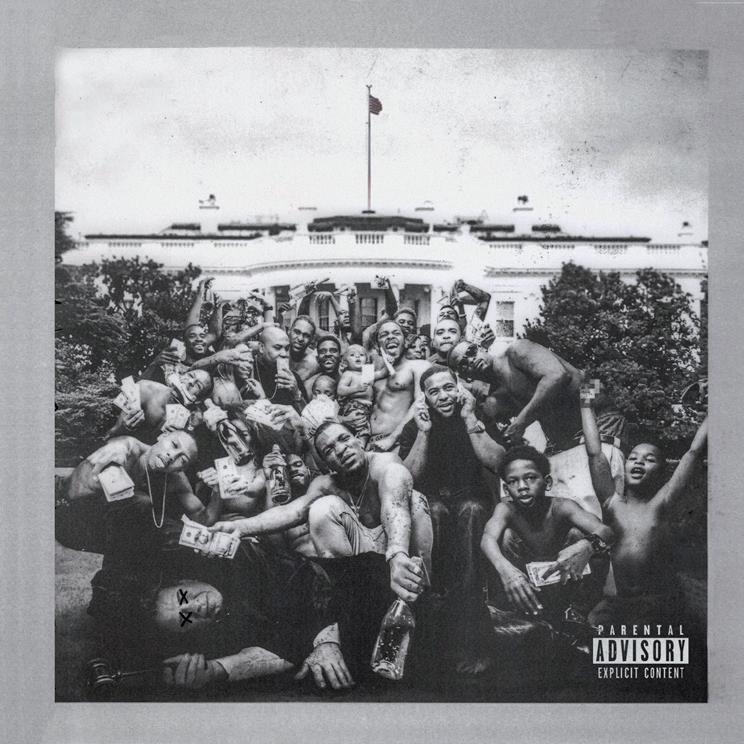
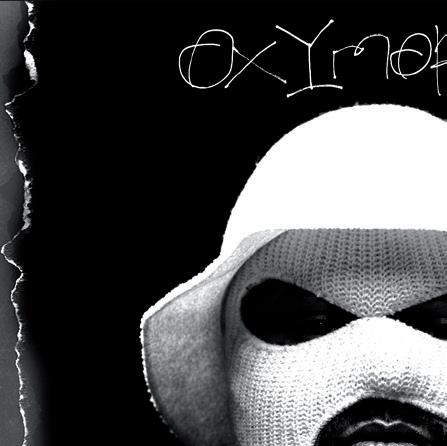
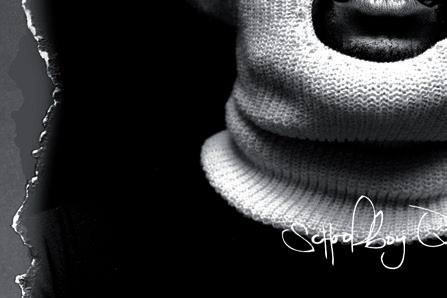

OXYMORON SCHOOLBOY Q
(2014)
At the time, this was Vlad’s biggest project to date!
PRINT Magazine writes, “The subtle touches of this cover make for a far more compelling image”.
Oxymoron went on to achieve commercial success, receiving praise from critics for its production and lyricism. It debuted on number one on the US Billboard 200, and received a nomination for Best Rap Album at the 2015 Grammy awards.