A guide for people with

DAILY HEART FAILURE SELF-CARE
• Take ALL medicine EXACTLY as prescribed.
• Weigh in AM after you “pee” and before breakfast. Keep daily log. Compare to yesterday’s weight.
• Limit sodium (salt) to 3,000 mg or less. Do not add salt at the table. Choose low-salt items if eating out. Avoid fast food.
• If advised, restrict total fluid intake to 2 quarts (64 ounces) per day.
• Check for swelling in your feet, ankles, legs and stomach.
• Walk or do physical activity as advised.
• Stop smoking and avoid or reduce alcohol.
• Assess your Heart Failure Zone and take action for any warning signs (yellow or red zones).
GREEN ZONE GO
YELLOW ZONE CAUTION
You feel pretty good and have none of the following:
• Shortness of breath
• Weight gain of 2-3 pounds in one day or 5 or more pounds in a week (or as advised _____ )
• Swelling in the feet, ankles, legs or stomach
• Belly bloating or feeling “full” too soon at meals
• Chest pain
• Normal activity level with the same amount of fatigue
Warning signs that your heart failure is NOT in control:
• Weight gain of 2-3 pounds in one day or 5 or more pounds in a week (or as advised _____ )
• Shortness of breath with less effort than usual
• Finding it harder to breathe when lying down
• Needing to sleep upright in a chair
• Waking up during the night feeling short of breath
• Swelling in the feet, ankles, legs, hands and/or stomach
• Feeling more tired/no energy
• Increased difficulty with normal everyday activities
• Dry, hacking cough or worse cough when lying down
• Dizziness
• Feeling uneasy (“something’s just not right”)
• Loss of appetite
RED ZONE STOP AND GET HELP
Symptoms of severe heart failure requiring emergency help:
• Struggling to breathe – unrelieved shortness of breath at rest
• Wheezing or chest tightness at rest
• Unrelieved or reoccurring chest pain after NTG
• Confusion or not thinking clearly
• Sudden weight gain
• Increased dizziness or almost passing out
• Staying in the green zone is your goal!
• Continue taking all your medicine. Keep your healthcare team appointments.
• Keep doing your daily heart failure self care.
WARNING: listen to your body. Call your healthcare team with your symptoms. Report any recent high sodium intake (fast food or eating out a lot).
NAME: ______________________
PHONE:
If you ACT NOW, you may be able to get back in the green zone and avoid a hospital or Emergency Department (ED) visit.
• CALL 911 NOW!
• Go to the ED for evaluation and treatment.
• Always see your healthcare team within a week after any heart failure hospital stay!
by
Barbara J.
Fletcher,
RN, MN, FPCNA, FAHA, FAAN
Sandra B. Dunbar, RN, PhD, FPCNA, FAHA, FAAN
Julia Ann Purcell, RN, MN, FAAN (Author Emerita)
Over 6.5 million Americans have chronic heart failure; close to 2 million cases are added each year. This book can help you and your loved ones understand and manage heart failure…living a longer, fuller life. You will learn how to:
take the medications exactly as prescribed
weigh daily to detect fluid buildup
avoid eating too much salt
check for swelling in your feet, ankles, legs, hands and/or stomach
balance exercise and rest
make less work for your heart by not smoking and getting rid of excess weight
control things like high blood pressure, diabetes, obesity, sleep apnea
Refer to the heart failure zones chart on the left page for a summary of the daily heart failure self-care routines and when to get help. This book should not replace your healthcare team’s advice or treatment.

A healthy heart pumps out enough oxygen-rich blood to feed all parts of the body. It should fully relax between heart beats to fill up with the incoming blood. Heart failure occurs when there are problems with either pumping and/or filling. Symptoms like shortness of breath, fatigue, swelling in the belly, hands, legs, ankles and feet are common.
Heart failure can range from mild (more common) to severe. There are many factors involved: the cause of your heart problem the way your heart pumps and fills how your body reacts to it any extra demands on your heart, like being overweight or having high blood pressure or other chronic health conditions
Most often, heart failure can be controlled with medicines, diet, rest and low-level exercise. Your heart failure symptoms may come and go or, in a few cases, go away completely.
As heart failure gets worse, you may notice some or all of these:
sudden weight gain ( 2-3 pounds in one day or 5 pounds or more in a week [or as advised _______ ])
swelling of the legs and ankles
your diuretics (water pills) seem less effective
swelling, bloating (you feel full much earlier at meals) or pain in the belly
trouble sleeping unless propped up on 2 or more pillows or sleeping in a chair (can be caused by problems other than heart failure)
shortness of breath (all of the time, with exertion or when waking up breathless at night)
frequent, dry, hacking cough (most often when lying down)
loss of appetite (or nausea)
You may also get tired from very little effort. This happens when blood flow is sluggish. You may wake up feeling tired or get drowsy in the afternoon. This is even more likely if you are not breathing well when you sleep. Your family may notice snoring or louder snoring than before.
Many of these symptoms can occur with problems other than heart failure. Your healthcare team will check your heart and lungs. Blood tests (and/or a sleep study) may help find out what is wrong.
Blood returns from the veins to the right side of your heart. It is then pumped to your lungs to pick up oxygen on its way to the left side of your heart. Then the left side of your heart pumps the blood out to your body arteries through the main artery (aorta).
If your heart failure is due to pumping weakness, it may start in the right or left side of your heart. But soon both left and right sides are strained.
When the right side of your heart has a pumping problem, blood backs up in your veins. You may not notice it, since veins can stretch and hold the extra blood.
Days or maybe weeks later, you may notice that your legs and ankles are swollen. You may also feel sore or swollen in the upper right side of your belly. And you may feel tired and not want to eat.
When the left side of your heart does not pump out all the blood it gets, fluid backs up into your lungs. You may:
feel short of breath
have trouble sleeping if you do not prop up on pillows
wake up feeling out of breath
have a dry hacking cough
You may also feel swollen or bloated. This is because your body is holding too much fluid. This adds to your heart’s workload. Your weak heart has to pump all of this extra fluid along with the blood.
A weak heart sends less blood to the kidneys. The kidneys think the body doesn’t have enough blood. They start saving more salt and water and pass less urine. This adds more blood volume for the heart to pump. It’s like a never ending circle.
A sudden weight gain is one sign the kidneys are holding back salt and water in your body. To check for this, weigh each morning after you “pee” and before eating or getting dressed. Write down your weight.
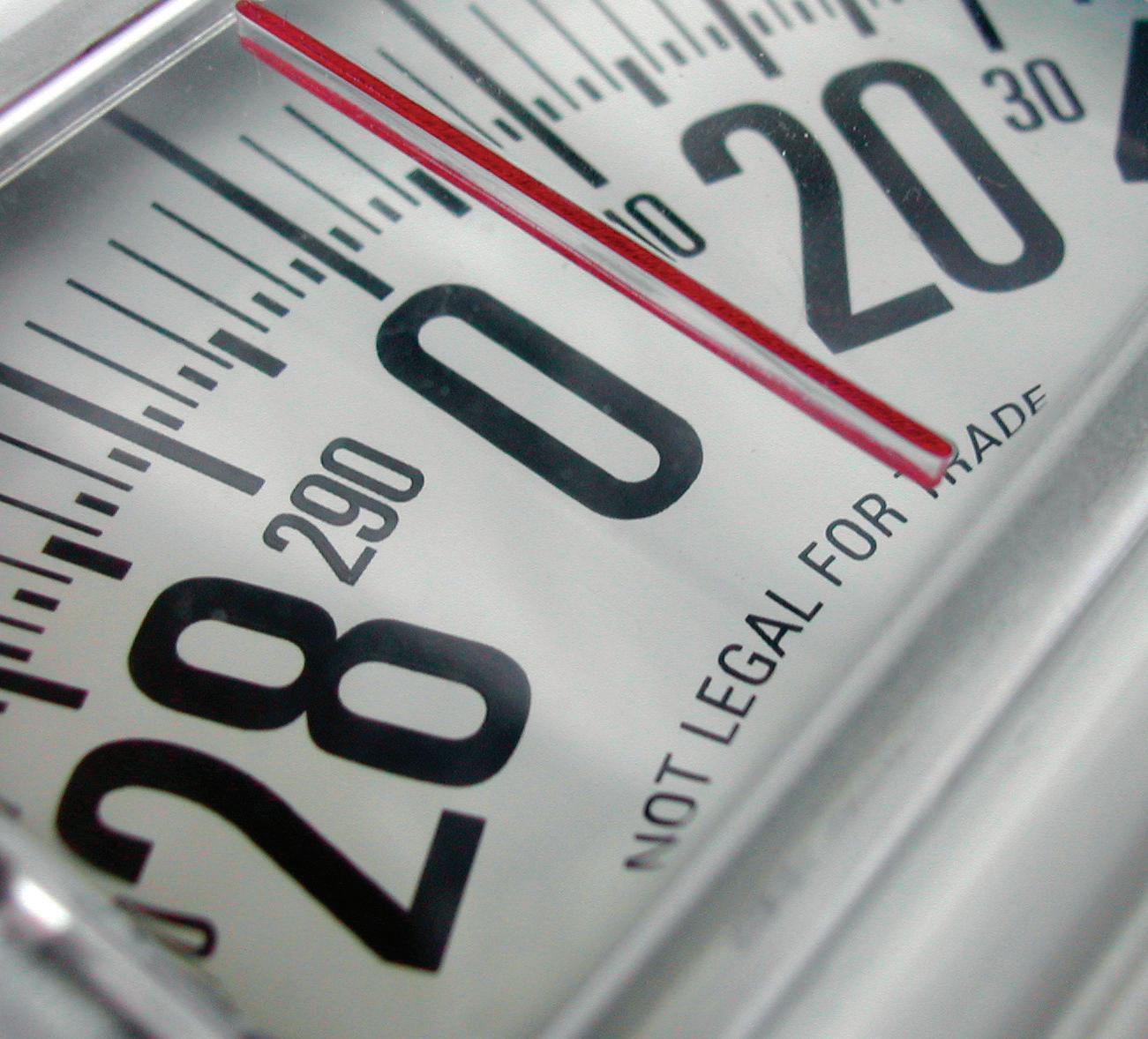
Each time you weigh, make sure your scale is set on a hard surface (not carpet) and adjusted to zero.
When checking your weight, think about how well you are eating. If you are eating less and losing pounds, you may not notice a gain from fluid.
If you gain more than 2 to 3 lbs in one day of normal eating, it is more likely due to fluid rather than food. Call someone from your healthcare team right away for advice to get rid of this extra fluid before it weakens your heart more. Often, you need more diuretic (“water pill”).
Always write down your weight and any diuretics taken in a notebook lined off like this:
Your healthcare provider will order an EKG and one or more of these tests to detect, monitor and/or choose the best treatment for you. Often these treatments make you feel better and improve how your heart works.
An echocardiogram is an ultrasound of your heart. Sound waves (sonography) are sent over your moving heart to show: problems with the heart muscle how well it pumps and relaxes the condition of your heart valves and the sac around the heart
A technician moves a hand-held scanner over your chest, taking pictures and recording them. You may feel some pressure as the scanner is pressed against your chest. Pictures can be made from several angles (two or three dimensional ECHO). These pictures show how the blood moves inside your heart and back and forth across your heart valves.
An echocardiogram also measures the heart’s ejection fraction (“EF”). A normal EF is 50% or more.
If you don’t know your EF, ask you health team!
My EF is _________%.

This test records your heartbeat, EKG and blood pressure at rest, during exercise and just after exercise. You may be asked to walk on a treadmill or ride a stationary bike.
As you exercise, your workload is slowly increased to see how your heart responds. You may also be asked to breathe through a tube or mask to measure how much oxygen your body uses.
A cardiac catheterization (heart cath) may be done to see one or both sides of your heart. Often pictures are made of any narrowing in the heart arteries. Ultrafast CT* scans can detect build-up of calcium in the heart arteries. Multi-slice cardiac CT scans take X-ray pictures of the heart, blood vessels, lungs and sac around the heart. Sometimes a “dye” is given (contrast) and pictures are made of the heart arteries.
Magnetic resonance imaging (MRI) may be needed to find the reason for heart failure. MRI offers more detail about the lower heart chambers. In some cases, an MRI is helpful to find out more about how well the heart pumps.
Nuclear scans can be used. Sometimes a positive emission tomography (PET scan) or a thallium scan is needed.
Blood tests for biomarkers may give useful details about how your heart is working. (BNP or NT-proBNP, cardiac troponin, etc.)
* Computerized tomography
Testing helps your healthcare team treat what’s going on in your heart. Each heartbeat involves a squeeze (pumping) and time for relaxing (filling). Heart failure often includes weak pumping and poor filling.*
weak pumping (reduced ejection fraction) The ejection fraction (EF) is an estimate of the heart’s pumping strength. Normal strength is 50% or higher. Less than 50% means reduced heart pumping.
poor filling (normal ejection fraction) Stiff lower chambers do not relax enough for good filling and stretching. If your heart failure is mostly due to poor filling, your EF may be normal (preserved*).
The heart muscle pumps well but doesn’t relax enough for good filling. Filling problems are common with heart failure due to high blood pressure but can also occur with both problems.
* Heidenreich PA, et al: 2022 AHA/ACC/HFSA Guideline for the Management of Heart Failure: Executive Summary Circ. 2022
weak pumping
stiff heart doesn’t relax well for filling
When your body doesn’t get enough oxygen-rich blood, stress hormones and nerve signals tell the body arteries to tighten. Tight arteries make it harder for your heart to pump. Stress hormones also keep salt and water from going out in your urine. This means fluid can build up in the tight blood vessels, making even more work for the heart. Extra salt, water and stress in the body will cause thirst but drinking too much fluid will make things worse.
Medicines to relax tight arteries (and remove any extra fluid) will make it easier for your heart to fill and pump out the blood. Most heart failure patients also need to eat less salt to avoid fluid buildup, reduce swelling and breathe easier.
These types of drugs are commonly used to treat heart failure and are called the pillars of heart failure medicine:
A drug to allow tight blood vessels to relax (Examples include: Ace inhibitor, an ARNI or an ARB) helps make the heart’s workload easier over time.
A beta- or a beta-and alpha-blocker also offers many long-term benefits to make your heart’s workload easier over time.
SGLT2 Inhibitors are a newer class of drugs (sodium- glucose cotransporter 2 Inhibitors). They decrease heart failure hospitalizations and slow progression of kidney disease, regardless of presence or absence of diabetes.
Mineralocorticoid receptor antagonist (MRA) (aldosterone blockers) are also used to help relax blood vessels. This helps get rid of extra fluid and makes it easier to breathe.
A diuretic helps your kidneys pass the extra fluid out in the urine. Removing this extra fluid reduces the workload on your heart.
See pages 27-37 for more details about these and other drugs used to treat heart failure at home and in the hospital. Your input in reporting possible drug side effects is vital to your healthcare team so they can adjust the dosage or change your medication.
step 1: take your medicines exactly as prescribed
Have a written schedule and a pill box or another way to remember your medicine.
Report any side effects to your healthcare team (dizziness, loss of appetite, nausea or changes in mental or sexual function). Do not stop taking any of your medicine on your own.
Take your diuretic as advised. If you take a diuretic twice a day, ask your doctor or nurse about spacing the second dose in the late afternoon.
If you miss a dose, don’t take extra to make up for it. But if you forget your diuretic in the morning, take it later in the day rather than waiting until the next morning.
Once you feel better, don’t stop any of your medicines! Many of them work best together for a good long-term effect on the heart and blood vessels.
Talk to your healthcare team before taking any herbs, other supplements or over the counter medicines. Some may interfere with your medicines, especially the blood thinner warfarin or, in a few cases, dabigatran (Pradaxa®).
Always take your medicine list to all appointments.
Check the zero point on your scale each time you use it.
When home, always use the same scale. Keep it adjusted to zero. Use it on a hard surface (not carpet) each time. When you travel, make sure you have a good scale to weigh on.
Weigh yourself one time each morning. Do this after you “pee”, but before eating or getting dressed. a written record to take to your healthcare team.
Report any rapid weight gain to your healthcare team (2-3 pounds in one day or 5 pounds or more in a week [or as advised _______]). Report this weight gain as soon as it happens.
If you have been eating the same amount of food, a quick weight gain is often a sign that fluid is building up and causing more work for your heart.

Follow your care team’s advice about a sudden weight gain. You may need more diuretic and/or potassium supplements. Do not take more without the advice of your healthcare team.
Since foods high in sodium (salt) make the body hold fluid, eat less of them. The average American takes in around 50% more sodium per day than recommended.* It’s easy to see why, since one teaspoon of table salt has about 2,300 mg of sodium. Most of our sodium intake doesn’t come from the salt shaker. We get large amounts in fast or processed food, large restaurant meals and highsodium spices. Read food labels and learn about packaged foods and the spices high in sodium. Most people with heart failure have to limit sodium to less than 3,000 mg/day. Ask your healthcare team what is right for you. Amount of sodium per day for you is ______mg.
Many people with heart failure have trouble with their body holding fluid. Being very thirsty is also common because diuretics take away the extra fluid. Even if you are thirsty, DO NOT replace all the fluid that diuretics have helped your body get rid of. Use small amounts of hard sugar-free candy or frozen grapes to help with a dry mouth.
Your healthcare team may tell you to have no more than 2 quarts (64 ounces) of fluid per day (or less in some cases). This includes all beverages, high-moisture foods/fruits, ice cream, ice cubes and yogurt (see page 20).
Following your healthcare team’s advice about sodium and fluids can help you control heart failure and take less diuretic.
* What We Eat in America, U.S. Department of Agriculture.
Do not cook with salt or add salt to foods at the table.
Eat fresh vegetables or unsalted canned or frozen vegetables. Don’t eat soup as most are high in sodium. Ask for sauces and salad dressing to be served on the side. These have less sodium than most processed foods. For example:*
Instead Of: Eat:
1 cup of regular canned peas: 400 mg of sodium
1 cup of fresh, cooked peas; 2 mg of sodium
*Sodium content of foods from USDA Handbook #456.
Season with fresh or dried herbs, vegetables or no-salt seasonings.
Bake, broil, boil, steam, roast or poach foods without salt. Eat out rarely, but when you do, order foods cooked without breading, butter or sauces. Ask that no salt be added. Don’t eat soups high in sodium. Go easy on the salad dressing as most are high in salt. Don’t eat at restaurants that cause you to have a sudden weight gain the next day.
Make your own sauces, salad dressings, vegetable dishes, soups and desserts when you can. Some patients make their own bread to further lower sodium intake.
Be careful with salt substitutes. They can be high in potassium.
When buying canned fish, low-sodium tuna or salmon is best. You can use water-packed tuna or salmon if you break it up and soak it for 3 minutes in cold water. Rinse, drain and squeeze out the water.
Keep track of your sodium intake each day. Make it a habit to buy and only eat foods with no more than 100 mg of sodium in the serving size you consume. (Follow the list on the next page to limit sodium.)
Low-sodium foods— examples of what you CAN eat if you have heart failure ( )
fruits and vegetables
fresh or frozen (check for sodium)
canned (unsalted)
drinks
fruit juices, fresh or frozen
canned low-sodium or no salt added tomato and vegetable juice
instant breakfast (all flavors but eggnog)— limit to 1 cup/day
frozen concentrate or fresh lemonade
dairy choices
up to 3 cups (24 oz) of your daily fluid
allotment in milk (1%, skim or homemade buttermilk using baking buttermilk powder)
no-salt added cottage cheese
ricotta—part skim, up to ½ cup (4 oz) a day
up to 2 Tbsp (1 oz) a day— hard cheeses like unprocessed Swiss, part-skim Mozzarella, Neufchâtel or string
soft margarine or mayonnaise (up to 2 Tbsp [1 oz] a day)
non-fat and low-fat sour cream and yogurt
meats, poultry, fish & meat substitutes
fish, fresh or frozen (not breaded); canned tuna and salmon (unsalted or rinsed)
chicken or turkey (not processed in salt solution)
lean cuts of beef, veal, pork, lamb
dried beans, peas, lentils (not canned unless low-sodium)
nuts or seeds (unsalted, dry roasted)
unsalted peanut butter, up to 2 Tbsp a day
tofu (soybean curd)
* Using homemade breads (no self-rising flour) can reduce sodium intake further.
loaf bread and yeast rolls (3 slices/ day)*
melba toast, matzo crackers
pita bread, taco shells or corn tortillas
cooked cereals (avoid instant):
corn grits, farina (regular), oatmeal, oat bran, cream of rice or wheat
puffed rice or wheat, shredded
wheat (or any cereal with 100–150 mg
sodium—limit to 1 cup/day)
wheat germ
popcorn (no salt or fat added)
rice (enriched white or brown) or pasta
cooking ingredients, seasonings
corn starch, tapioca
corn meal or flour (not self-rising)
fresh or dried herbs, salt-free
herb seasonings
lemons, limes, onions, celery
fresh garlic, ginger or vinegar
Louisiana-type hot sauce (1 tsp/day)
low-sodium baking powder, yeast, onion or garlic powder
tomato paste, unsalted tomatoes, unsalted tomato sauce
water chestnuts
carob powder, cocoa powder
low sodium salad dressings
sweets
flavored gelatins
frozen juice bars, fruit ice, sorbet, sherbet
sugar, honey, molasses, syrup
jelly, jams, preserves, apple butter
graham and animal crackers, fig bars, ginger snaps
Until you learn how to eat a low-sodium diet, add up the sodium content in all the foods and beverages you take in per day. Be sure it is less than your healthcare team has advised. Also ask about what to eat if you have other health issues. Tips to help you:
Buy products labeled low-sodium, sodium-free, or very low sodium. At present, a “low-sodium” food label means 140 mg of sodium* or less per serving size.
Pay attention to the serving size as you figure the amount you plan to eat. Sometimes the food label shows the sodium mg for only a tiny amount of food rather than a common serving size. Labels like “healthy”, “reduced sodium”, “unsalted”, “no salt added” or “without added salt” can be very misleading.
Always count the sodium content for the amount of food you plan to eat! Spread out your sodium in healthy foods that are filling. For example, choose a meat sandwich rather than a pickle.
Studies show that 75-80% of our daily sodium intake comes from processed and restaurant foods. When eating out, pick foods with fresh ingredients. Ask family or friends not to add salt to your food. Fast foods are high in salt. Don’t buy convenience foods like prepared or skillet dinners, deli food, cold cuts, hot dogs, most frozen entrees or canned soups. * www.fda.gov
vegetables
salted canned vegetables
sauerkraut
breads, cereals, grains, starches
self-rising flour and corn meal
prepared mixes (Ex: waffle, pancake, muffin, cornbread and all frozen waffles)
instant cooked cereals
dairy products
buttermilk (store-bought)
canned milk (unless diluted and used as regular milk)
egg substitute (limit to ½ cup/day)
eggnog (store-bought)
salted butter and margarine with transfat
certain cheese (American and other processed cheese, blue cheese, Parmesan, feta and regular cottage cheese) with more than 200 mg/serving
soups
bouillon (all kinds)
dry soup mixes
canned broth and soups* (with more than 350 mg sodium/serving)
drinks
athletic drinks (such as Gatorade®)
canned tomato or vegetable juice (unless unsalted)
sweets
prepared mixes or store-bought pies, puddings, cakes, muffins, etc.
* Even reduced sodium canned soups can be quite high in salt. Check the label.
meats and meat substitutes
canned meats and fish (sardines, unrinsed tuna and salmon)
cured meats (Ex: dried beef, bacon, corned beef) and any meat product processed with salt (ham, some chicken and pork)
all types sausage and hot dogs (Ex: beef, pork, chicken, turkey, Polish sausage, hot dogs, knockwurst)
rotisserie chicken
sandwich meats (bologna, salami, olive loaf, etc.)
regular peanut butter
salted nuts
cooking ingredients, seasonings, condiments, snacks
fermented miso and cooking wine pre-seasoned mixes for tacos, spaghetti, chili, etc.
coating mixes
preseasoned convenience foods
soy, teriyaki or Asian fish sauce
baking soda, baking powder (use low-sodium type)
olives, pickles (dill, sour, sweet gherkins) pretzels, chips, skins, etc.
light salt, seasoning salt, sea salt, meat tenderizer, garlic salt, monosodium glutamate (MSG), kosher salt, celery salt, onion salt, lemon pepper
Note: Check the label. Use less than 2 Tbsp a day of tomato sauce (unless unsalted), catsup, chili sauce, BBQ sauce, mustard or salad dressings.
Follow your healthcare team’s advice about limiting salt and fluid intake. Most people need to limit daily sodium to less than 3,000 mg/day to avoid fluid buildup.
Your healthcare team may ask you to limit liquids to 2 quarts (64 oz) a day. The liquid content of high moisture food has to be counted as well as all beverages, liquid with medicine and ice cubes. Ice cubes usually melt to half their size: 4 oz ice=2 oz fluid. Refer to the moisture content of the food examples in this list. Ask your healthcare team if you need more help keeping your total fluid intake to 2 quarts.
Food examples of liquid content/serving size:
½ cup ice cream or sherbet
3 oz popsicle
oz 15 grapes
oz ½ cup cherries or medium-size lemon
oz ½ cup fruited Jell-O® ½ cup pudding or custard
1 cup low-sodium broth-based soup
1 cup yogurt, or low-sodium cream soup or can of nutritional supplement
medium-size pear
½ cup applesauce, canned peaches, pears or pineapple
oz 1 cup watermelon 5 oz
Medium-size apple, nectarine, orange, or 1 cup strawberries
Even if you are NOT told to restrict fluids, avoid large amounts of high moisture foods.
Rest throughout your day. Put your feet up for a few minutes throughout your day. Consider a nap after lunch.

After talking with your healthcare team, begin walking or another exercise that you enjoy. Exercise often lessens bad feelings and gives you more energy and quality of life. Walking on a treadmill, bicycling and swimming allow you to use the large muscle groups. Find an exercise that doesn’t make you too tired and one that doesn’t keep you from talking while doing it. Don’t lift really heavy objects. Strength training is good but ask your healthcare team before you start.
Reduce high blood pressure. Ask your healthcare team for your blood pressure goal and how to reach it.
Work to get to an ideal body weight. Find healthy ways to lose fat (if needed) and keep your ideal body weight. Being overweight puts more demand on the heart.
Control diabetes by keeping your blood sugar (A1C level) in the range your healthcare team suggests. Ask if any of your diabetic drugs are likely to lead to fluid buildup.
Stop smoking!!! All tobacco products tighten body arteries and make more work for your heart. Talk to your healthcare team if you need help quitting.
If you snore or are sleepy throughout the day, tell your healthcare team. A sleep study is often done to see if you have pauses in breathing (sleep apnea).
Ask your healthcare team if you can have alcohol. Since alcohol weakens the heart, heart failure may improve if you stop drinking.
Reduce emotional stress. You may feel depressed, angry or anxious because you have heart failure. Talking about your feelings, exercise, meditation and/or medicine may help.
Avoid temperature extremes. The body works harder to keep a normal temperature when you’re too hot or cold.
Reduce high cholesterol levels to prevent fatty buildup and damage to your arteries. Many need to take meds to lower cholesterol.

Stay away from people who have colds, flu or other viruses. Ask your healthcare team to keep you up-to-date with vaccines.
Schedule routine preventive care such as flu shots and other vaccines that are advised.
Avoid blood clots. Regular walking and not wearing garters or hose with tight tops help improve blood flow in the legs. Your healthcare team may also tell you to wear special stockings. An irregular heart rhythm (atrial fibrillation) can occur along with heart failure, adding to the risk of a blood clot. You may be asked to take 1 or more drugs to prevent blood clots.
You have a very important role in heart failure control. Having a partner who supports you AND having a team of healthcare providers that specialize in heart failure can be very helpful. Write down what you are told for home care in the space below.
Take your heart failure medicines exactly as prescribed.
Keep a medicine chart. Note directions on your prescription bottles. Some may ask you to increase the dosage gradually.
Using the same scale and amount of clothing, weigh first thing each morning after you “pee”. Keep a written record. Follow your healthcare team’s instruction if you have rapid weight gain.
2-3 pounds in one day or 5 pounds or more in a week (or as advised _______ ).
Limit salt intake: less than 3,000 mg/day or _______________________
Limit fluid: ___ 2 quarts/day (64 oz)
Other diet advice:
Find the right balance in exercise and rest.
Ask your healthcare team about these exercises:
walking swimming bicycling treadmill
elliptical using weights or bands other
Make it easier on your heart by: not smoking
controlling high blood pressure, diabetes or breathing problems with sleep
getting rid of excess body weight
staying on your usual low sodium diet and limited fluid intake each day so your meds work better
Call your healthcare team if you have any of these new symptoms (or if they become more severe):
Weight gain of 2-3 pounds in one day or 5 pounds or more in a week (or as advised _______)
Shortness of breath with less effort than usual
Finding it harder to breathe when lying down
Needing to sleep upright in a chair
Waking up during the night feeling short of breath
Swelling in the feet, ankles, legs and/or stomach
Feeling tired/lack of energy
Increased difficulty with normal everyday activities
Dry, hacking cough Dizziness
Feeling uneasy (“something’s just not right”)
Go to the Emergency Department (ED) (and let your doctor know) if you have any signs of severe heart failure:
Struggling to breathe or unrelieved shortness of breath at rest
Wheezing or chest tightness at rest
Unrelieved or reoccurring chest pain after taking nitroglycerin
Confusion or not thinking clearly
Weight gain of 2-3 pounds in one day or 5 pounds or more in a week (or as advised _______)
Keep appointments for blood tests and other follow-up.
Electrolytes (sodium [Na+] and potassium [K+])
Protime (PT) with INR (if on warfarin)
Thyroid blood level and eye, liver and lung exams (if on amiodarone to control heart rhythm)
Other testing: _________________________
Next appointment: _____________________
Tell your healthcare team about anything that bothers you during daily activity. Let them know if symptoms are keeping you from doing things you’d like to do.


Your healthcare team uses guidelines* that show which drugs and procedures work best to control heart failure over time. Your healthcare team tailor the guideline to:
1. your medical history
2. how your heart failure symptoms affect your activity and
3. test results that show how well your heart fills and pumps blood (ejection fraction)
The guidelines* allow you to benefit from how other people with similar heart problems have fared. But how you respond to a drug or treatment is always the focus of your plan of care.
You play a key role in the day-to-day treatment of heart failure. Refer to the heart failure zones chart on the inside front cover as a reminder of the heart failure daily self-care routines and how to know when you need medical help. When you report early heart failure warning symptoms (“yellow heart zone”), your healthcare team can often intervene to prevent an ED or hospital stay. If you have acute symptoms (the “red heart zone”), call 911 and go to the ED immediately.
* Heidenreich PA, et al: 2022 AHA/ACC/HFSA Guideline for the Management of Heart Failure: Executive Summary Circ. 2022
These types of drugs are often used for heart failure:
A drug to allow tight blood vessels to relax (Examples include: ACE inhibitor, an ARB or an ARNI). Each of these help make the heart’s workload easier over time.
A beta- or a beta-and alpha-blocker offer many long-term benefits that also make your heart’s workload easier over time.
SGLT2 Inhibitors are a newer class of drugs (sodium- glucose cotransporter 2 Inhibitors). They decrease heart failure hospitalizations and slow progression of kidney disease, regardless of presence or absence of diabetes.
Mineralocorticoid receptor antagonist (MRA) (aldosterone blockers) are also used to help relax blood vessels. This helps get rid of extra fluid and makes it easier to breathe.
Diuretics help your kidneys pass the extra fluid out in the urine. Removing this extra fluid reduces the workload on your heart.
A brief description follows for these and other drugs that help control heart failure. Learn more about each of those you are taking. Refer back to this section or written resources from your healthcare team when you are given a new drug.
Report any side effects or concerns to your healthcare team. Some side effects can occur when starting a new drug(s) but go away with time. If side effects persist, dose changes or a different drug may be used. Do not change the dosage or stop a drug without your healthcare team’s input.
New medicines are coming to the market every day. Ask your healthcare team for information on what you are taking.
An angiotensin-converting enzyme inhibitor (ACEI) allows tight blood vessels to relax making less work for the heart over time. If you feel weak, dizzy or have a cough that seems to hang on, tell your healthcare team. A dosage or drug change may be needed.
An ARB is often used to relax blood vessels if someone can’t tolerate an ACEI. Look at your prescription dosage directions carefully. Your healthcare team is likely to increase the dosage over time until you reach the target dose (or have side effects).
enalapril (Vasotec®) captopril
lisinopril® ( Zestril® or Qbrelis®)
losartan (Cozaar®)
candesartan (Atacand®) valsartan (Diovan®)
An ARNI has a similar benefit in relaxing tight blood vessels as ACEIs and ARBs. Some patients benefit from being changed to an ARNI after they become stable on an ACEI or ARB. A waiting period of 36 hours is the norm after the last dose of an ACEI before starting an ARNI.
sacubitril and valsartan (Entresto®)

You should NOT stop taking your ACE inhibitor, ARB or ARNI drug without your healthcare team’s advice, no matter how good you feel. The benefits to the heart are very helpful in the long-term and should not be interrupted.
Non-steroidal anti-inflammatory drugs (NSAIDs) (even over-the-counter arthritis drugs) interfere with the benefits of an ACE inhibitor, an ARB (or an ARNI) and can worsen heart failure by causing fluid retention. Talk with your healthcare team before you take any NSAIDs, even over-the-counter ones like ibuprofen, Advil®, Motrin®, Aleve® and other arthritis drugs.
Beta- and alpha-blocker drugs block the effect of certain nerve signals and hormones (adrenaline and norepinephrine). When these are blocked, body arteries relax and your heartbeat slows down. As the heart pumps more blood to your kidneys, sodium and extra fluid are passed in the urine. Heart failure symptoms are likely to improve after 2 to 3 months.
When you first begin to use a beta-blocker, side effects such as holding fluid, feeling more tired, or a slower heartbeat or dizziness may occur. These side effects often stop and do not prevent long-term use of a beta-blocker.
Taking an ACE inhibitor (or a similar drug) and or beta-blocker improves heart failure over time (months and years).
Studies show that people with a weak heart muscle (ejection fraction less than 40%) will live better if they take an ACE inhibitor (or ARB or ARNI) as well as a beta-blocker plus a MRA and SGLT2.
Low doses are often used at first with slow increases (every 2 to 4 weeks) to get the most benefit with the least side effects.
beta- and alpha-blockers
dapagliflozin (Farxiga®)
empagliflozin (Jardiance®)
canagliflozin (Invokana®)
ertugliflozin (Steglatro®)
SGLT2 Inhibitors decrease heart failure hospitalizations with reduced ejection fraction and slow progression of kidney disease, regardless of presence or absence of diabetes. They do this by forcing more sodium and glucose to go into the urine and out of the body.
Aldosterone-blockers also help keep heart failure from getting worse by blocking an arterytightening stress hormone called aldosterone. Spironolactone (Aldactone®) and eplerenone (Inspra®) are examples. Besides helping relax blood vessels, these drugs also have a mild diuretic effect. They are known as ‘potassiumsparing’ because they don’t wash out potassium (K+) like the usual heart failure diuretics.
Blood tests to monitor potassium are needed, especially after the first 7 days of taking Aldactone® or Inspra®. Talk to your care team if you notice breast tenderness (can happen to women and men) as this may be a side effect of Aldactone® and is less common with Inspra®. Getting control of high blood pressure and/or taking an aldosterone-blocker can be very helpful when your heart doesn’t relax well enough for good filling. Finerenone is a new MRA used for people with kidney problems and diabetes.
spironolactone (Aldactone®)
eplerenone (Inspra®)
finerenone (Kerendia ®)

Vasodilators may be used to relax tight blood vessels in some heart failure patients. Hydralazine is a vasodilator that relaxes body arteries and is often used in high blood pressure. A long-acting nitrate (isorbide dinitrate) mostly relaxes the veins in your body. Often vasodilators are used when one can’t tolerate an ACE inhibitor, ARB or ARNI.
Hydralazine and a long-acting nitrate are sometimes used together.
Vasodilators
Diuretics (water pills) help the kidneys get rid of fluid buildup in the blood and body tissues. Diuretics can also decrease fluid in the lungs and help you breathe more easily. Diuretics have a strong effect and make it easier for minerals (and water) to be released by the kidneys into the urine. Examples of diuretics often used in heart failure include: furosemide (Lasix®), bumetanide (Bumex®) and torsemide. Diuretics are usually taken in the morning so the effect wears off before bedtime.
When the heart is not pumping well, the kidneys hold back fluid that would have gone out in the urine. This extra fluid makes more work for the heart. Taking a daily diuretic and limiting sodium (salt) help prevent this fluid buildup. Most heart failure patients are told to call their healthcare team if they have a weight gain of 2-3 pounds in one day or 5 or more pounds in a week (or as advised _______).
furosemide (Lasix®) torsemide
bumetanide (Bumex®)
hydrochlorothiazide
Microzide®
Always follow your healthcare team’s advice about diuretics. Taking too much diuretic on your own can cause serious dizziness and low blood pressure as well as life-threatening heart rhythm problems. If you are urinating a lot, but still holding fluid, eat LESS SALT, stop eating out, and notify your care team.

potassium supplements
Your body needs potassium. Heart rhythm depends on a normal blood potassium (K+). Many diuretics cause a loss of potassium in the urine. Often, food alone can’t replace the amount of potassium removed by the diuretic. A blood test is used to see if potassium supplements are needed. Most people who need supplements take them with their meals. MRA’s help your body keep potassium and decrease the need for supplements.
Blood tests also show if kidney function changes over time. This can happen with heart failure, causing you to need less potassium. Some people with heart failure do not need any extra potassium. They are told to avoid salt substitutes and sodium-free bouillon since both are high in potassium.
Remember–diuretics send extra body fluid out in the urine, often washing out potassium at the same time. Do what your healthcare team tells you to keep your potassium within healthy levels.
dried fruits raisins, prunes, apricots, dates
fresh fruits bananas, watermelon, cantaloupe, oranges, kiwi, nectarines
fresh vegetables avocados, potatoes, broccoli, greens, spinach, tomatoes, mushroom
dried vegetables beans, peas
fresh juices orange
canned juices prune, apricot
NOTE: Avoid canned juices, like tomato and V-8®, that contain salt. Read all labels for salt, sodium or sodium compounds (or NaCl, as salt is often written).
salt substitutes or sodium-free bouillon
NOTE: Check with your healthcare team before using salt substitutes or sodium-free bouillon. Most have a lot of potassium and in some people, too much potassium can be dangerous. (Often high in potassium)
Ivabradine (Corlanor®) is a newer drug that slows the resting heart rate of a normal heart rhythm in a different way from a beta-blocker. You may hear it called the “funny” (I-f ) channel. Studies show ivabradine can reduce the number of hospitalizations in some heart failure patients. Keeping your resting heart rate on the slower side of normal allows more rest between heartbeats. Your healthcare team needs to hear if you feel any new symptoms of weakness, dizziness or fatigue that might mean your heart rate is too slow.
Anti-arrhythmic drugs may be needed in heart failure to control or prevent an abnormal heart rhythm. There are 4 types of antiarrhythmic drugs. In addition to actions of beta-blockers, these other drugs affect the flow of sodium, potassium, or calcium in the heart’s electrical system. Ask your healthcare team what to expect with amiodarone. Follow-up testing is needed for many anti-arrhythmic drugs, especially with amiodarone.
Digoxin has been used to help a weak heart pump better or for irregular heart rhythms such as atrial fibrillation. If your doctor has ordered Digoxin, watch for signs of build-up in the body. These can include loss of appetite, distaste for food or a bad taste in the mouth, nausea or vomiting, blue or yellow vision, skipped heartbeats, palpitations or rapid beating. You may need your digoxin level checked.
Vericiguat may be used after a hospital stay for heart failure. It helps to relax and widen the blood vessels of the heart.
IV medicine
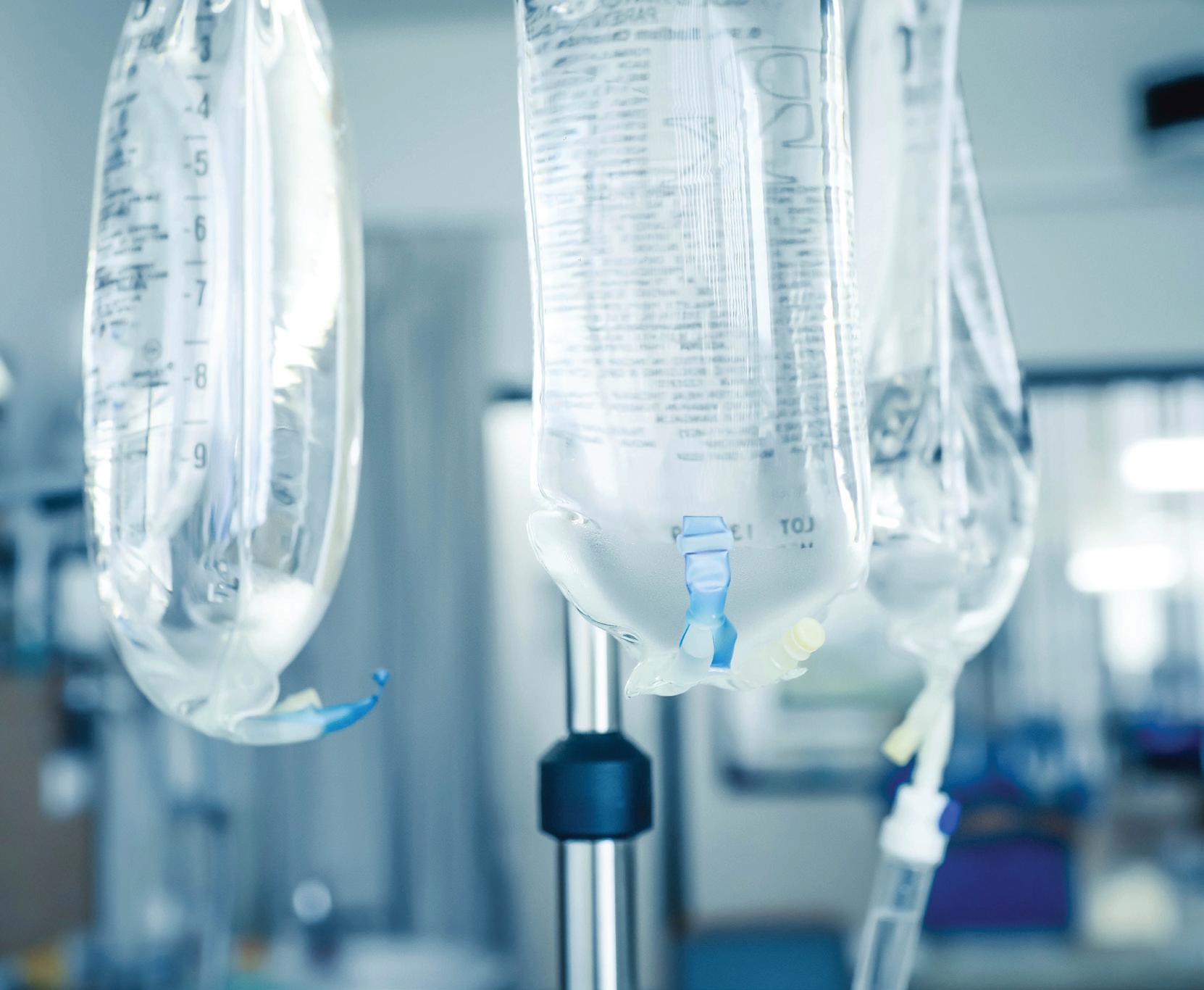
Sometimes intravenous (IV) drugs are used for short-term relief of severe or sudden onset heart failure. IV diuretics can help the kidneys quickly remove extra fluid. Drugs to prevent blood clots (example: Heparin) can be given by IV in the hospital. Blood tests are used to monitor the dose.
IV drugs like dobutamine and milrinone can make your heart beat stronger.
These drugs are given through a small tube in your vein. A pump controls how much medicine you get. Blood pressure checks are often needed when you get these IV drugs. Sometimes people with heart failure can receive IV medicines at home.
balloon
Pulmonary artery catheter
Pressure readings from lung and left atrium
Pressure readings inside a lung artery can help guide treatment in acute heart failure. A small catheter with a balloon on the tip can be guided through an upper body vein into the right side of the heart and out into a small branch of the lung (pulmonary) artery. The bedside monitor is connected to the catheter for continuous right heart blood pressure readings. The nurse can inflate the balloon near the end of the catheter for a few seconds every few hours to see just the pressure in the lung and upper left heart chamber (atrium). This ‘wedge-pressure’ (cardiac output) reading guides which drugs and the dosage needed to help your left heart work best. This temporary pulmonary artery catheter is removed once the left heart filling pressures are no longer needed.
Fluid build-up showing rapid weight gain (and other warning symptoms) guide home heart failure treatment in most patients. Some patients also need lung-artery pressure readings at home. CardioMEMS™ by St. Jude is a permanent pressure sensor that can be placed by a catheter into a branch of the lung artery. The pressure sensor is released into the wall of the artery and the catheter is removed. The device comes with an electronic unit that the patient uses daily to send readings to their team. Heart pressure changes often come before major heart failure symptoms, so early drug changes may avoid an ED or hospital stay.

Your doctor will let you know if your heart failure can be improved with a cardiac electrical device. This could include: a biventricular pacemaker to correct an electrical delay and/or an implantable defibrillator (ICD) to help stop a life-threatening heart rhythm
Often heart failure patients need a device that works as both a pacemaker and a defibrillator.
Some heart failure patients have an electrical delay in their heart muscle contractions. This delay may mean the heart chambers do not beat when they should. If you have this delay, a biventricular pacemaker can correct it, so the chambers can beat in normal sequence. This may improve your heart failure symptoms and give you more energy.
* Biventricular pacing is also known as cardiac resynchronization therapy (CRT).
An ICD is used to stop life-threatening heart rhythms. The device can tell when these rhythms occur. Within seconds, it can give a shock and try to stop the rhythm.
Recent studies have shown that an ICD can help someone with heart failure who is at risk for a life-threatening heart rhythm. Most ICDs can also pace your heart to help keep a normal rhythm.
A few precautions are advised if you have a cardiac device. Large electromagnetic fields (like MRI) may need to be avoided, especially if you have an ICD. Ask your healthcare team. More information is available on the device maker’s website and the Pritchett & Hull booklet, You Have a Pacemaker and/or ICD.
All cardiac devices require regular follow-up. Often wireless technology and/or phone lines allow you to send device readings from home to a secure internet server for your doctor or clinic to review. Your doctor is notified right away of important changes. Sometimes weight and blood pressure readings are also sent through the home monitoring system. Your healthcare provider can see changes in your readings and may be able to adjust your medication before you have major symptoms or need a hospital stay.
Sometimes heart bypass surgery can help blood flow to the heart when artery blockage threatens to cause heart damage. Although more blood flow doesn’t help areas of old damage (scar), bypass surgery can help limit new damage.

A ventricular assist device (VAD) refers to a small pump placed in the chest to boost blood flow from a lower heart chamber to a large body artery. A VAD may allow some patients with severe heart failure to get out of the hospital and live at home with family support. Many VAD patients often have more energy, fewer medications and an improved quality of life. A VAD can be implanted for long-term use (destination therapy) or as a bridge to transplant (BTT).
Heart transplants replace a failing heart that can no longer meet the body’s needs. The stress of heart transplant surgery and the side effects of anti-rejection medicine put a serious strain on certain body functions. So surgery is limited to those with severe heart failure who meet the criteria for transplant and otherwise have healthy body organs. Costly medicines and life-long medical follow-up are needed to prevent the body from rejecting the new heart. The need for heart transplants far exceeds the number of donor organs.
In some cases, a ventricular assist device (VAD) can be used as temporary support for someone who isn’t doing well enough to wait for a heart donor. In this case, the VAD is used as a “bridge” to transplantation.
Palliative care is helpful for those living with serious heart failure. Controlling the symptoms and stress of a serious illness can be difficult. If your doctor suggests palliative care, you can get extra help with:
• symptom management (anxiety; constipation, diarrhea or nausea; difficulty breathing, sleeping or eating)
• making difficult health decisions and finding community resources that can help you at home
A palliative care team often includes a doctor, nurse, social worker and/or chaplain. All can consult with your primary heart failure doctor as needed.
If the cause of heart failure is known, treatment can often be given for this heart problem. This offers the best long-term results. Heart failure can be temporary if the cause can be reversed. Having diabetes with or without heart disease or high blood pressure increases the risk of heart failure, especially in women.
If
you
Note: Heart failure can also occur in adults who were born with a heart defect including some of those who had a surgical repair.
Coronary heart disease (CHD) is a buildup of cholesterol and fatty deposits in the arteries that supply the heart muscle with blood and oxygen. As these arteries become clogged, less blood reaches the heart muscle.
Heart attacks damage the heart muscle. When large areas of the heart are damaged, the remaining ‘good’ heart muscle has to work harder pumping out the blood. Over time the heart chambers stretch (dilate) and the heart muscle gets larger (hypertrophy). This is called cardiac remodeling and can lead to heart failure. Studies continue to find ways to slow or prevent this.
• Do not smoke
• Control blood cholesterol levels
• Control blood pressure
• Keep a healthy weight
• Exercise regularly
• Control blood sugar (for diabetes)
• Reduce stress levels
• Eat a healthy diet
• Get proper sleep
blockage causes damage to heart
damage
healthy muscle
large damaged areas (heart attack) do not help pump
remaining healthy heart muscle tries to do all the pumping
* also known as coronary artery disease or ischemic heart disease.

The left lower heart (ventricle) pumps blood through the arteries carrying blood to all parts of the body. If pressure in the arteries is normal, they stretch easily and there is no extra strain on the left heart. If pressure in the arteries is high, the left heart has to pump harder to force out the blood. If blood pressure stays high for a long time, the heart muscle can weaken and heart failure can occur.
Your healthcare team will help you follow the latest high blood pressure guidelines. They will tell you your blood pressure goal. Write the numbers here:
Top Number___________Bottom number __________________
Follow their advice to keep your blood pressure at goal. This may include weight loss and following a diet low in saturated fat, cholesterol, and sodium and high in potassium rich foods (DASH** diet). Often exercise is advised. Alcohol may be limited or not allowed. Good blood pressure control limits the symptoms of heart failure. Check your BP regularly at home and at your doctor’s office. Over 100 million Americans (46%) have hypertension according to the 2018 Hypertension Guidelines.* Controlling HBP is the #1 way to prevent new heart failure.
* Whelton PK, et al. Guideline for the Prevention, Detection, Evaluation, and Management of High Blood Pressure in Adults: Hypertension. 2018
** DASH (Dietary Approaches to Stop Hypertension)
Cardiomyopathy is a general term for a disease of the heart muscle. You may be told that your problem is idiopathic (the cause is not known), or your doctor may say you have: dilated, restrictive or hypertrophic cardiomyopathy.
Dilated cardiomyopathy is the most common and refers to the heart stretching or becoming larger. A stretched heart does not pump as well as it should. It is like a rubber band that has lost its snap.
Viruses, the effects of alcohol or other toxic agents* or sometimes pregnancy can cause this. Studies show that some types of dilated cardiomyopathy run in families. Genetic testing is becoming more usual for finding who is at risk. If the heart becomes strained, it will most often appear enlarged on a chest x-ray.
Some things can also get into the heart muscle (example: iron, amyloid [body protein] or a tumor).
Restrictive and hypertrophic cardiomyopathy often begin by making it harder for the heart to fill. A chest x-ray may not show the problem. Other tests may be needed to find out what is going on and how best to treat it. New drugs are being developed for this.
Cardiac Amyloidosis (also ATTR-CM or Amyloid Transthyretin Cardiomyopathy)
ATTR-CM is a rare and not easily recognized form of amyloidosis. Amyloid is a type of protein in the body. In amyloidosis, the proteins build up and get trapped in tissues or nerves. Amyloid makes the heart stiff and can cause heart rhythm problems or the heart to be unable to pump normally. This can lead to heart failure. Amyloidosis can be passed down within families (genetic) or may occur due to aging or other causes.
* Examples of toxic agents include illicit drugs like cocaine, methamphetamine, as well as some cancer drugs such as anthracycline (Adriamycin®) or cyclophosphamide (Cytoxan), and Herceptin®, an antibody for breast cancer.
enlarged heart
ATTR-CM tends to affect those between the ages of 50 and 80 and affects more men than women. The most common inherited type is found more in African Americans than other populations. As new medicines are tested, there is hope for those who have this condition. The main treatment is to rid the body of extra fluid with diuretics and a low sodium diet. Medicines include tafamidis (Vyndaqel® and Vyndamax®) and patisiran (Onpattro®)
Abnormal heart valves are those that do not fully open or close during each heartbeat. The problem can be present at birth or due to other causes like an infection with rheumatic fever.
Normal heart valves act like doors. They open and close at the right time to move the blood forward and keep it from going backward. If a valve doesn’t open or close like it should, the heart muscle has to pump harder. If the work load becomes too great, heart failure results. Sometimes surgery is needed to replace or repair a heart valve. Other times, a catheter procedure is done to help open a tight valve (TAVI® or TAVR®).
Valve fails to close and some blood backs up in left atrium instead of going out through aorta
Heart muscle weakens from the work of extra pumping
Normal valve keeps blood from backing up
blood from body pulmonary artery blood backs up right ventricle has trouble pumping blood into pulmonary artery
Severe lung disease adds to the work of the heart. If you have a chronic lung disease, treatment for it is very important. As your breathing improves, it is easier for the heart to pump blood to your lungs and body. lung with chronic lung disease
baggy scarred floppy air sacs
Severe anemia means not having enough red blood cells to carry oxygen. The heart tries to move the small number of red blood cells at a faster rate. It can become very tired from this effort. Taking iron tablets (or IV iron medication for some) helps the body build more red blood cells. This may allow the heart to slow down and improve its pumping. Ferric carboxymaltose is being used for heart failure and anemia.
too few red blood cells
blood vessel
An overactive thyroid gland causes the body to work at a fast pace. Over time, the heart can have trouble keeping up. Once the thyroid hormone is down to normal levels, the heart is likely to pump at a normal speed.
An abnormal heart rhythm (arrhythmia) refers to the heart beating either too fast or too slow or in an irregular pattern. In either case, the heart may not be able to pump enough blood for all of the body. Sometimes strain or heart failure may occur.
Overuse of alcohol and/or substance abuse can weaken the heart’s pumping action. If you stop drinking alcohol early enough, the heart may return to its normal strength. Doctors often suggest heart failure patients reduce or stop alcohol intake altogether and seek help for drug abuse.
Research continues to find ways to: help a damaged heart heal itself (gene therapy and/or stem cell injections), wrap or reshape heart chambers, and perfect a mechanical device that will be fully implantable.
AUTHORS :
Barbara Johnston Fletcher, RN, MN, FAAN
Clinical Associate Professor, University of North Florida (Previous)
Brooks College of Health, School of Nursing Jacksonville, FL (Previous)
Sandra B. Dunbar RN, PhD, FAAN, FAHA, FPCNA
Research Professor
Charles Howard Candler Professor (Emerita)
Nell Hodgson Woodruff School of Nursing
Emory University, Atlanta, GA
Julia Ann Purcell, RN, MN, FAAN
Author Emerita
Clinical Nursing Specialist, Cardiology (1968–1996)
Emory University Hospital Atlanta, GA
REVIEWERS and CONSULTANTS:
Morgan Aldridge, MSPAS, PA-C
Lead Advanced Practice Provider Division of Cardiology Center for Advanced Heart Failure Therapy
Emory University Hospital Atlanta, GA
Divya Gupta, MD
Section Chief Heart Failure and Transplantation
Associate Professor of Medicine/Cardiology
Emory University School of Medicine Atlanta, GA
Sara Paul, DNP, FNP, FAHA, FHFSA
Director, Heart Function Clinic
Catawba Valley Cardiology Conover, NC
Anita Rich, RN, DNP, CHFN, CDCES, CGNC
Heart Failure Coordinator Diabetic Care and Education Specialist
Emory Johns Creek Hospital Johns Creek, GA
Kristin Wittersheim, RN, MSN, ACNP-BC
Manager, Ventricular Assist Device Program
Emory University Hospital Atlanta, GA
3440 Oakcliff Road, NE, Suite 126 • Atlanta, GA 30340-3006
1-800-241-4925 • www.p-h.com
Special thanks to previous reviewers of this book:
Beth Davidson, DNP, ACNP, CCRN, CHFN, FHFSA
Gerald F. Fletcher, MD, FAHA, FACC
Andrew L. Smith, MD, FACC
Wendy Book, MD
Laura Jacobson, RN, MSN
Barbara Beier, MS, RD, CDE