PALOMA CARDOSO
PORTFOLIOPORTFOLIO
I studied interior design - which was a differential when I entered college - and soon after I was approved at the most disputed university in my country, the University of São Paulo (Brazil).



HELLO THERE, I AM coursesconstructions.Sincecaptivatedevelopment.and,powerIInteriorIHELLOPALOMA!THERE,AMPALOMA!designerandstudentofarchitectureandurbanism.believethatarchitectureandurbanismhaveanimmensetotransformspacesandoccasions,towelcome,thrillaboveall,tobringqualityoflifetopeopleandcontributetoThesearepreciselythecharacteristicsthatmetofollowthisprofession.childhood,IwasalreadyaloverofdrawingsandtheartofThat'swhyIstartedlookingforprofessionalfromanearlyagebeforegoingtocollege.
In my fourth year of college, I applied for an exchange program at TU Munich, where I am currently studying, and I wish this period will be one of a lot of experience and learning! That's why I'm interested in a student job. So if you're interested in my work, don't hesitate to contact me!
In the first academic year, I joined research groups where I was able to develop individual and joint scientific initials, participate in symposia, assist and learn from the professors.
It can be incorporated into educational institutions for people with special needs; to public schools, for the low demand; in addition to being an individual or collective hobby.
Thus, rather than rethinking the design concept, it is inserting it as a tool that encompasses some of the 17 Sustainable Development Goals of the UN, such as responsible consumption and production, quality of education and health and well-being, enhancing the character of environmental and personal transformation through the project.
CUBOCUBO
The CUBO concept is based on the conception of a project that rethinks the creation of a mental image of what a project could be, attributing to a common three-dimensional shape that reveals the object's purpose inside. In this way, the stimulus created with the project is sensorial, in which the visual side is not the most important, hearing and touch prevail before that.
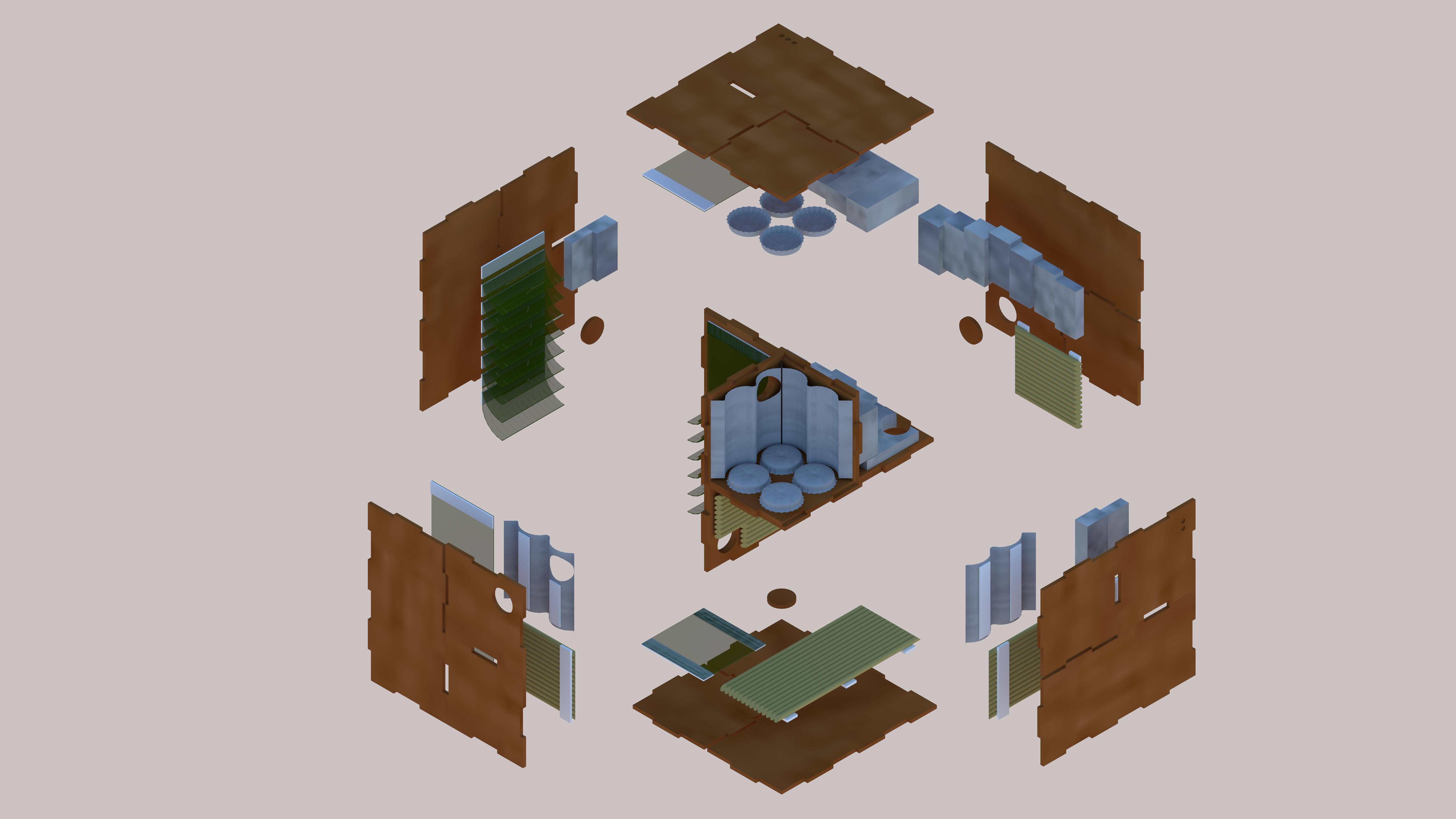
The dynamics of the 15 x 15 cm sensory labyrinth is that the user is able to make a ball pass through the 5 compartments covered with different materials, being guided only by sound, vibration and touch.
Thought and built with components that are being commonly discarded in Brazil, material density, texture and sound propagation were taken into account. To promote sustainable use and a better relationship with waste, CUBO encourages personal concentration, improvement of the senses, attention and relaxation, making it a product accessible to everyone, including people with some type of visual difficulty, motor and/or cognitive.
DEVELOPER(S): GROUP PROJECT OF THE UNIVERSITY OF SÃO PAULO SCOPE | YEAR: TOMIE OHTAKE LEROY MERLIN INSTITUTE DESIGN COMPETITION | 2019 VIDEO: https://drive.google.com/file/d/1GpRrHxAj8MNEHsfPOxiR0e6sJO6Ha9D2/view?usp=sharing
3 54321
As a form of reuse, the circles cut out of the MDF pieces will serve as barriers and emitters of sound and vibrations.
COMPARTMENT 5
COMPARTMENT 2
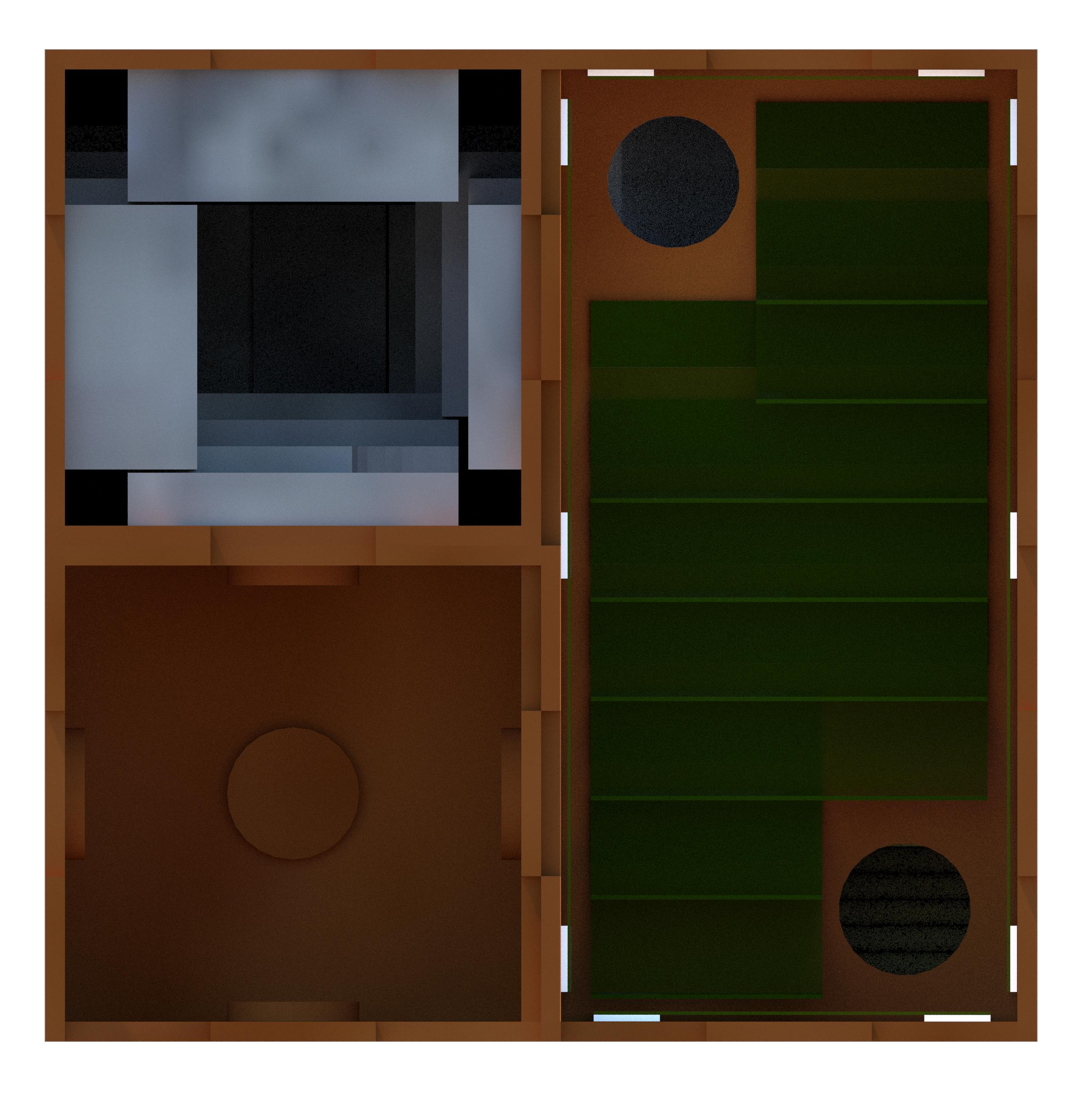
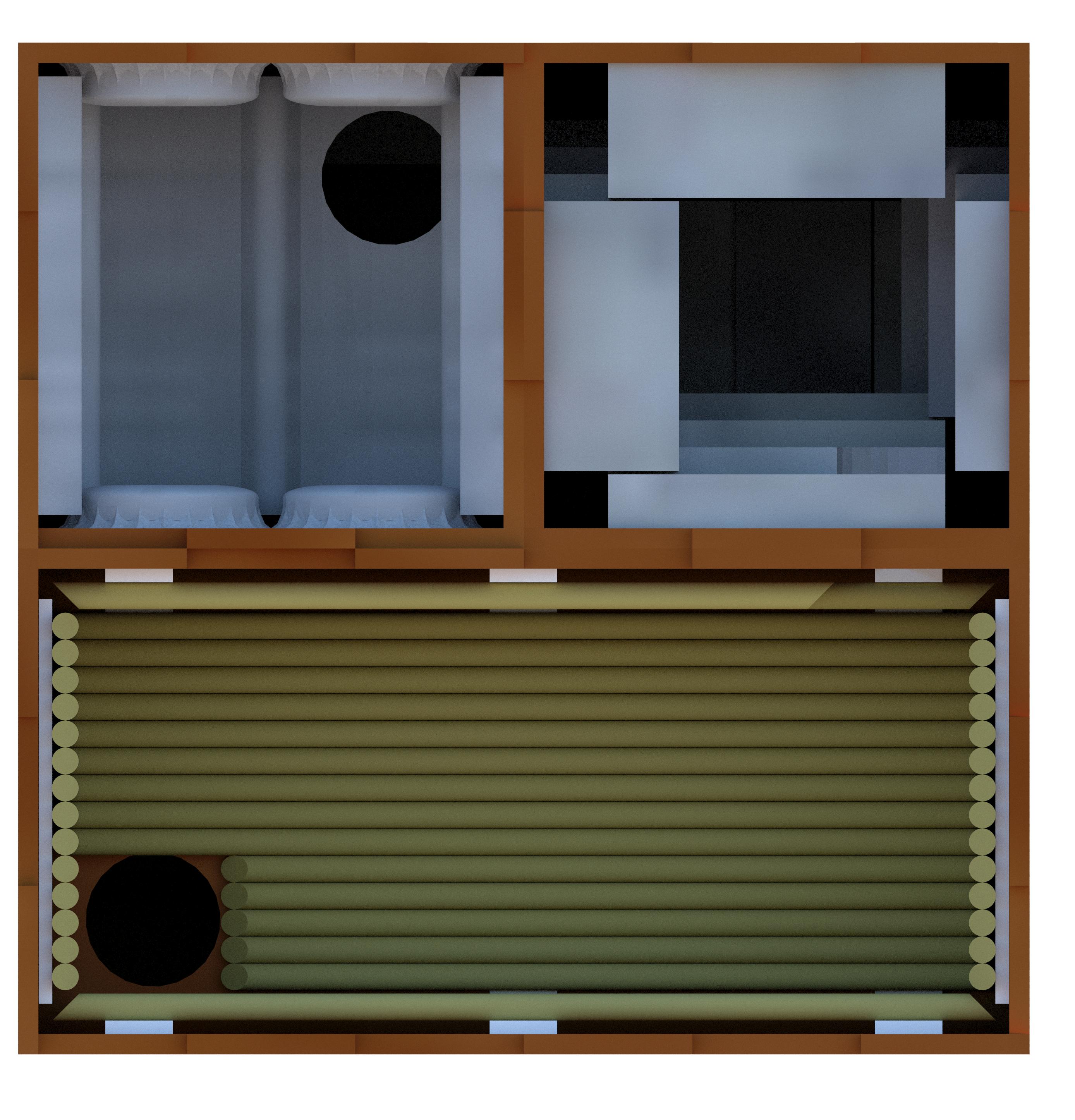
CUBOCUBO
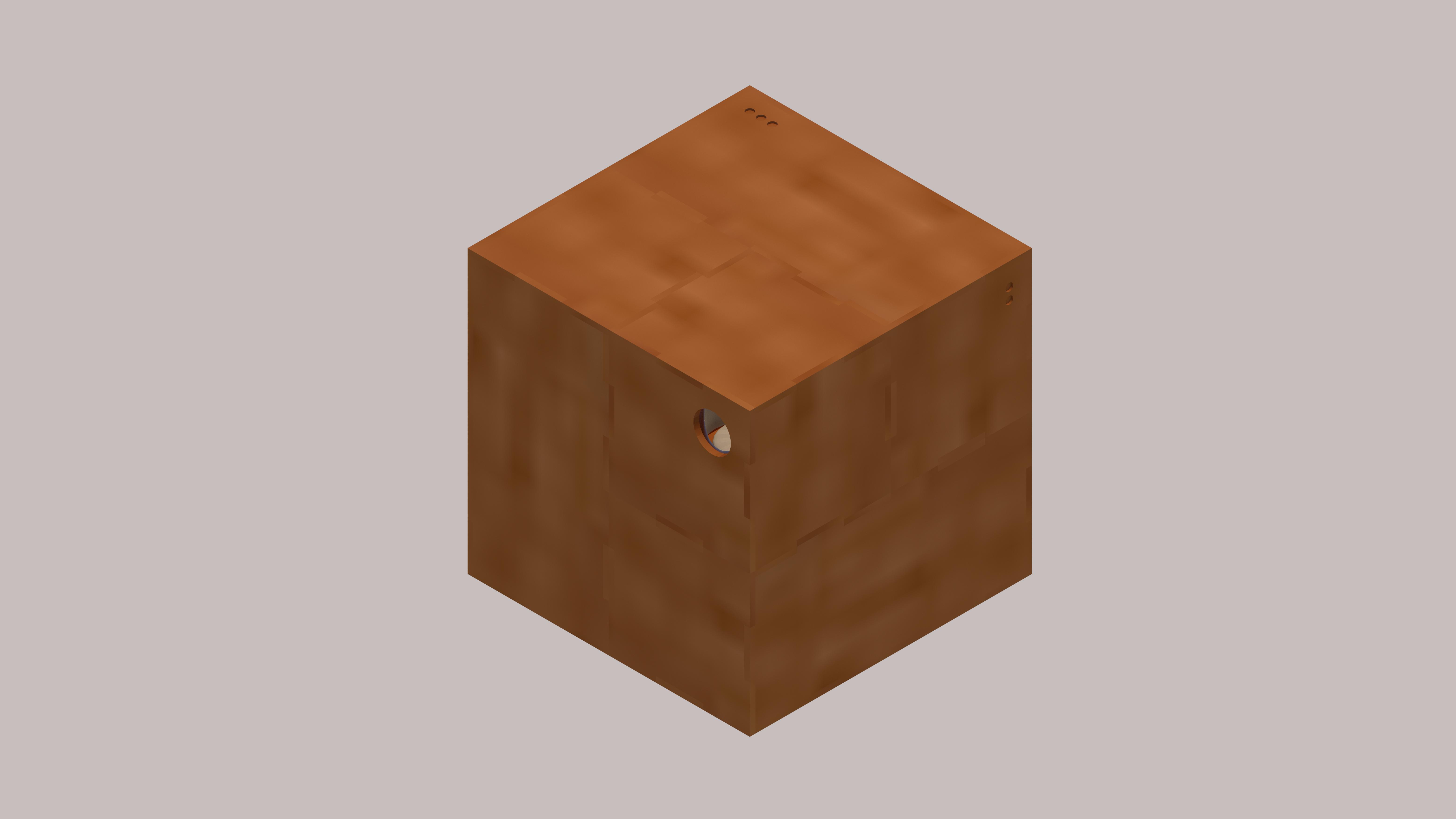
Pumice stone coating, natural and low cost product.
SENSITIVITY POINTS
They direct the user through the compartments and must be positioned at the bottom through the rotation of the CUBO.
COMPARTMENT 1
Made up of commonly discarded materials: lids and cans. Recycling such reduces CO2 emissions by 95%.
Composed of reusable PET bottle “fringes” (in order to reduce environmental impacts) on two of the larger sides and plastic plates on the other surfaces.
Use of bamboo sticks (sustainable natural material) spaced from the MDF surface to ensure sound propagation.
COMPARTMENT 4
COMPARTMENT 3
DEVELOPER(S): GROUP PROJECT OF THE UNIVERSITY OF SÃO PAULO SCOPE | YEAR: FAUUSP - SUBJECT OF ARCHITECTURE DESIGN | 2020

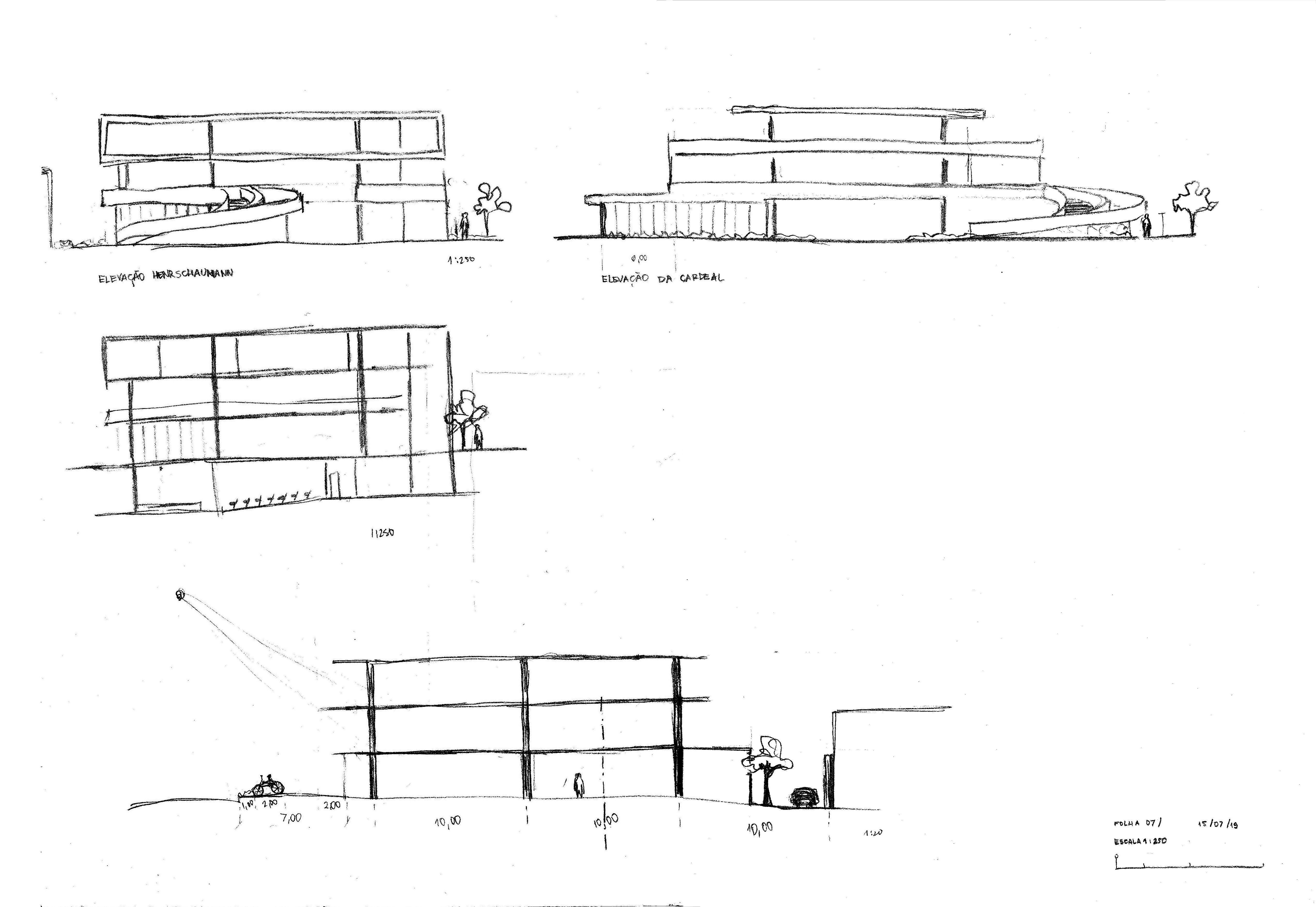
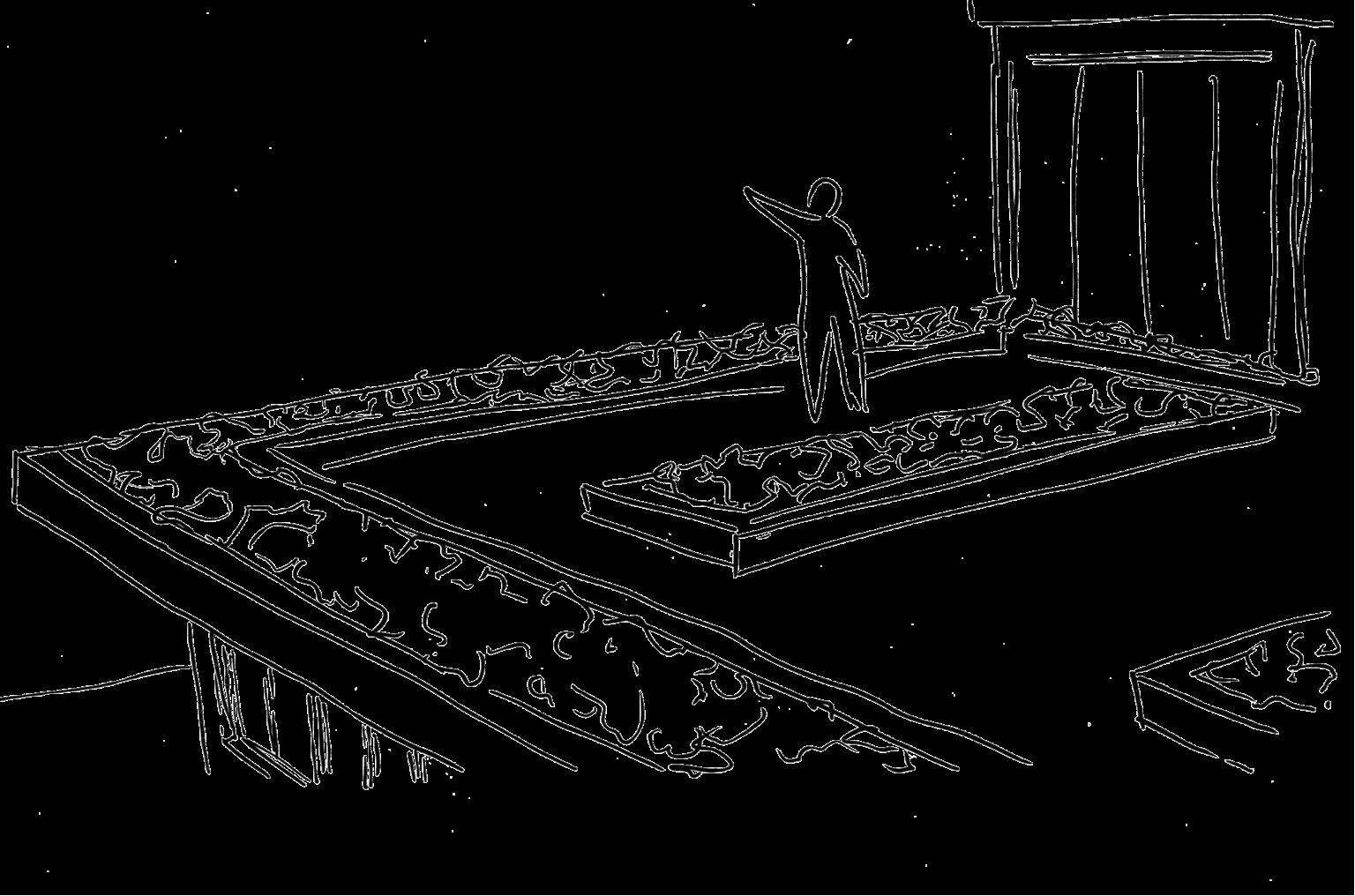
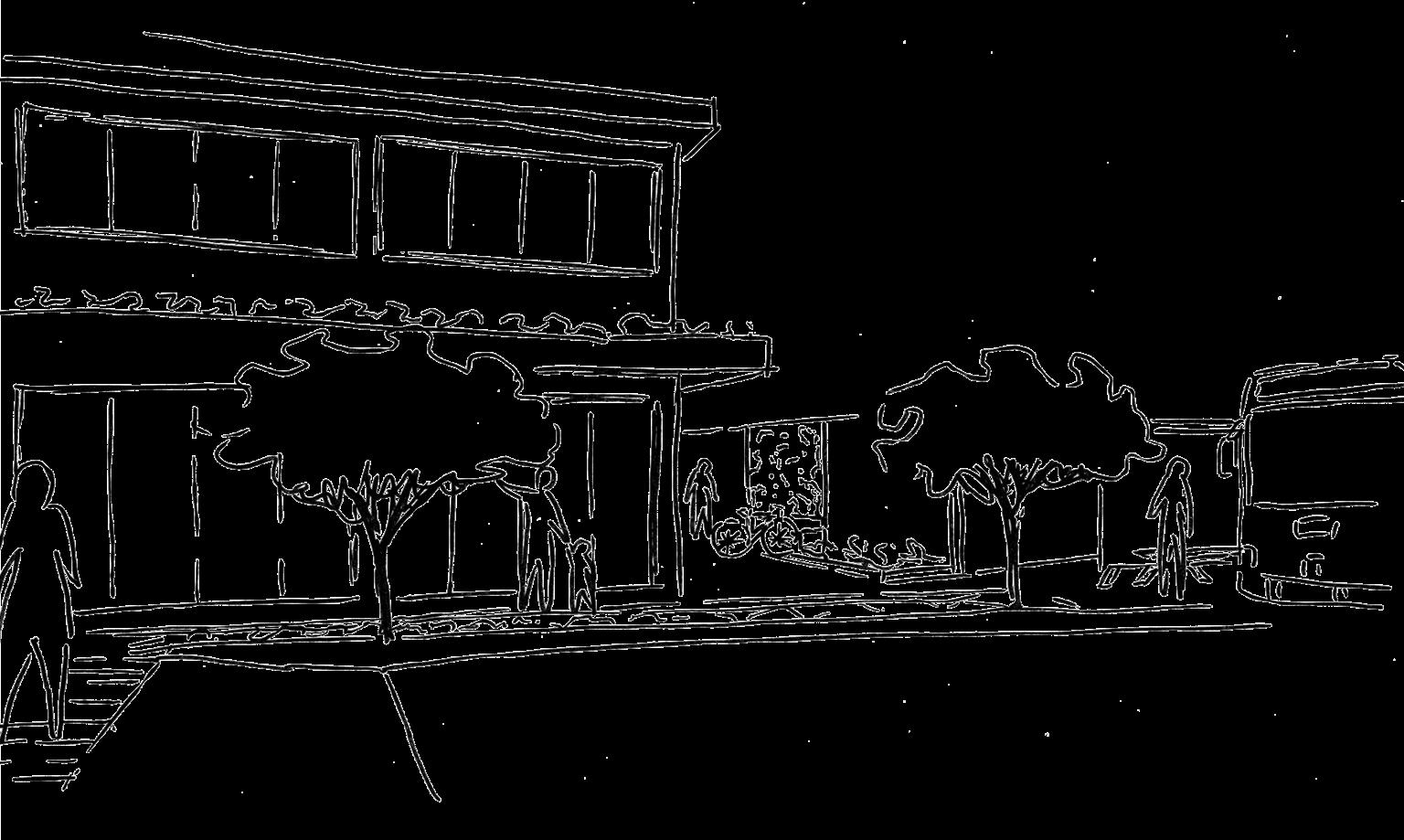
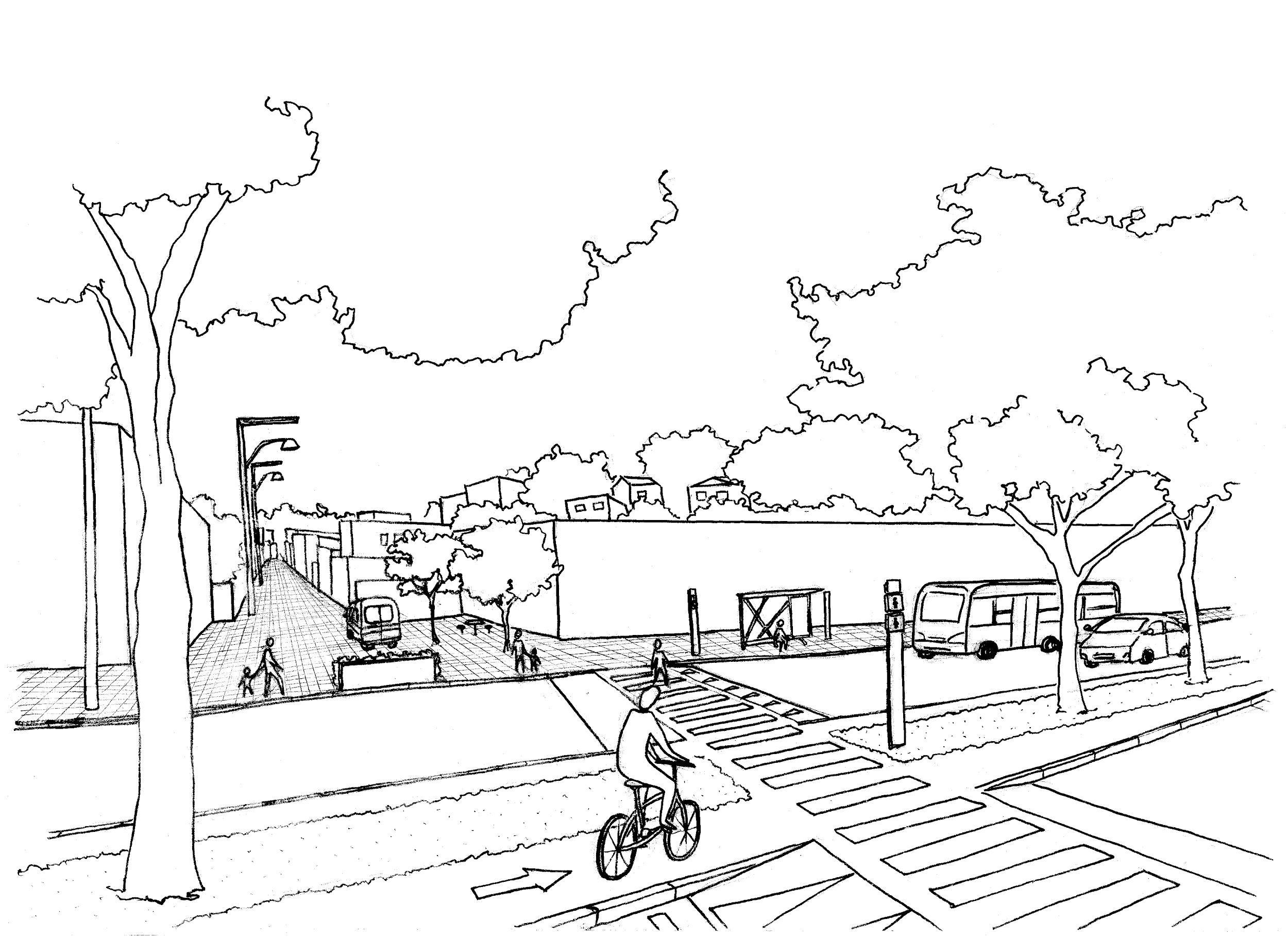
The project is located on Corifeu de Azevedo Marques Avenue - a long and predominantly commercial street - and from the beginning it sought an integrated language with the other proposals developed in the surroundings by the studio groups, such as the linear park and capillary equipment.
In this sense, the construction of the project in this area is beneficial because the city’s Master Plan currently allocates this land to the insertion of public housing. In addition, there’s good mobility infrastructure nearby, elementary and high schools, and public health and cultural facilities.
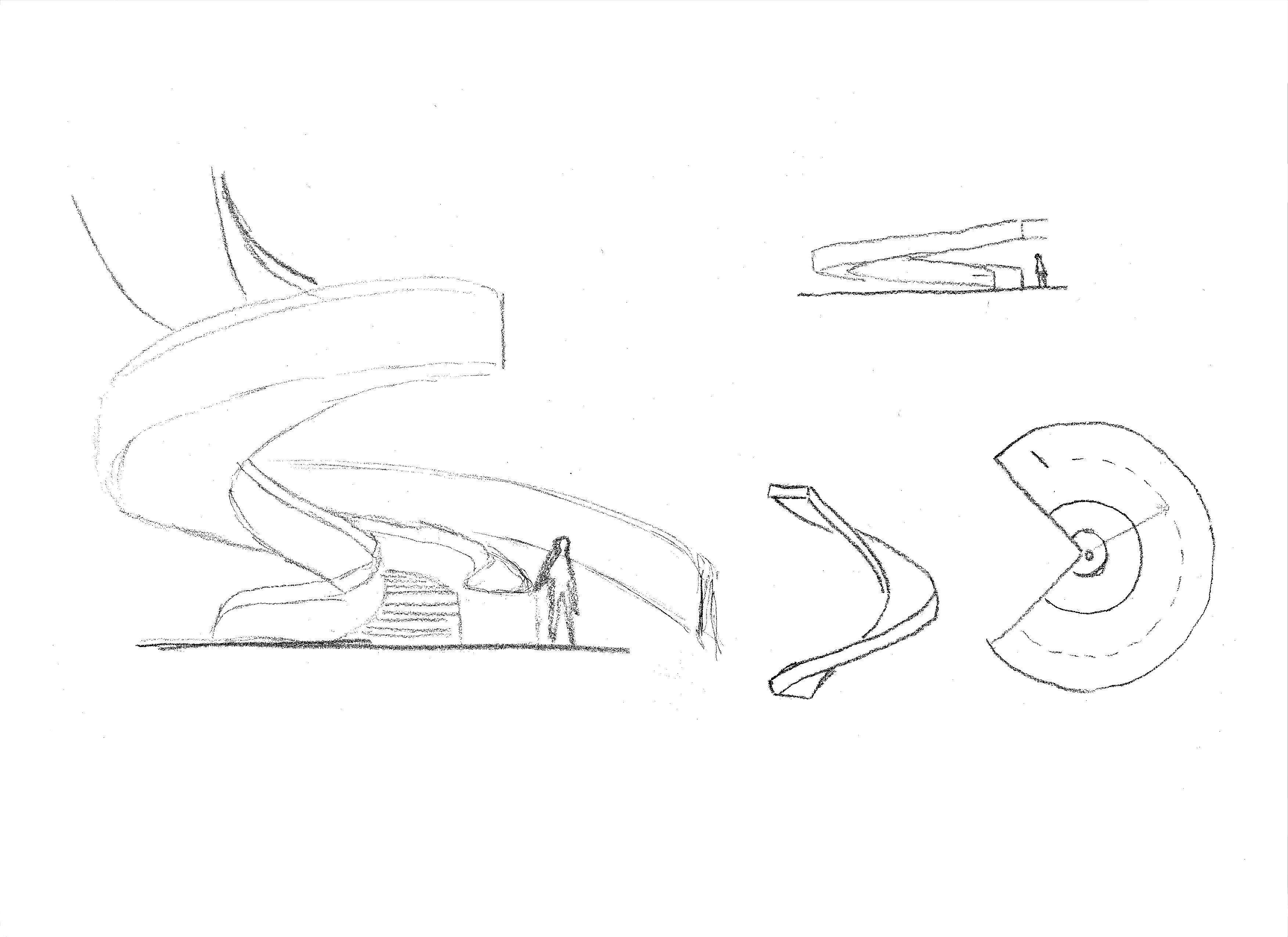
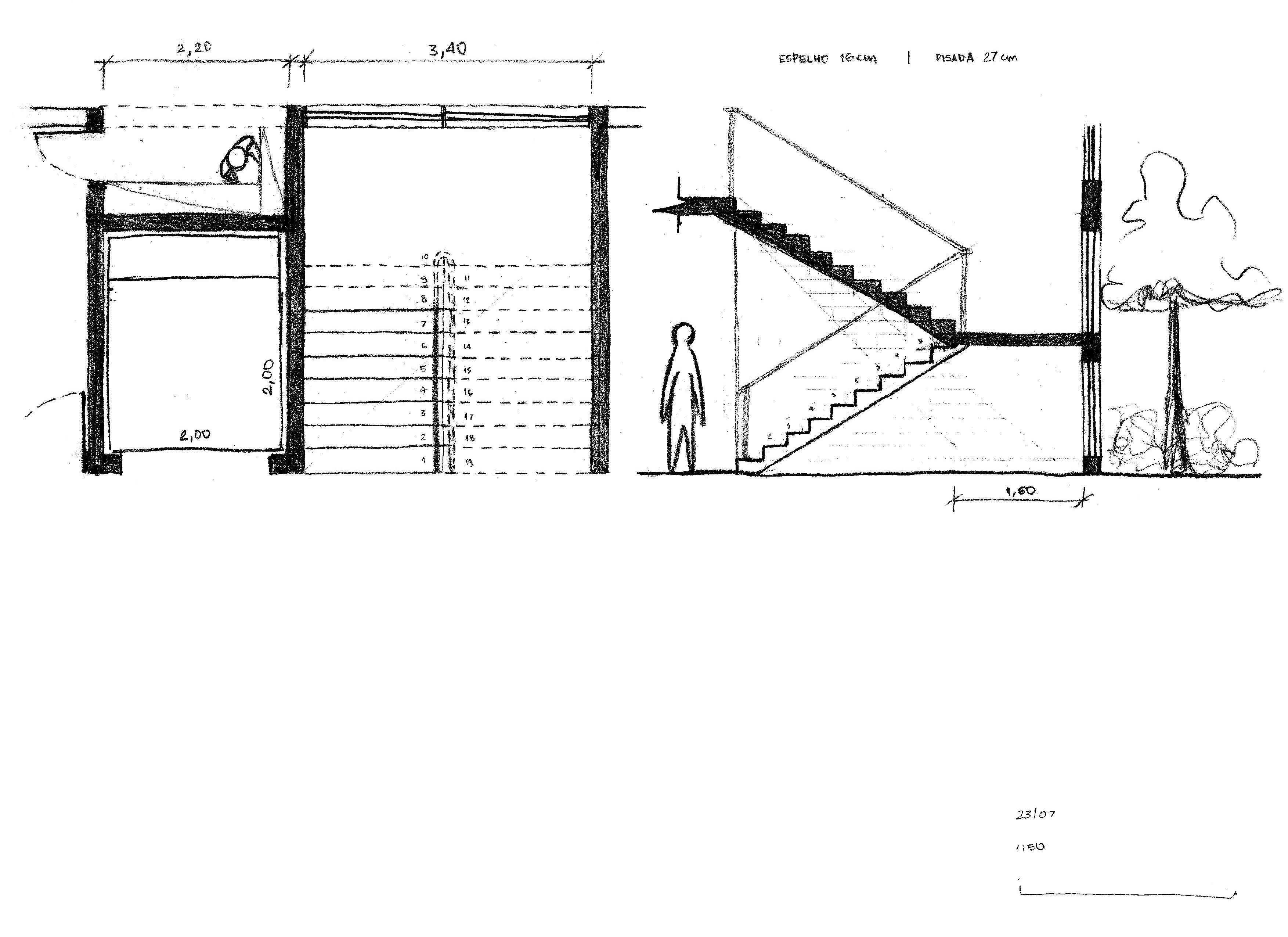
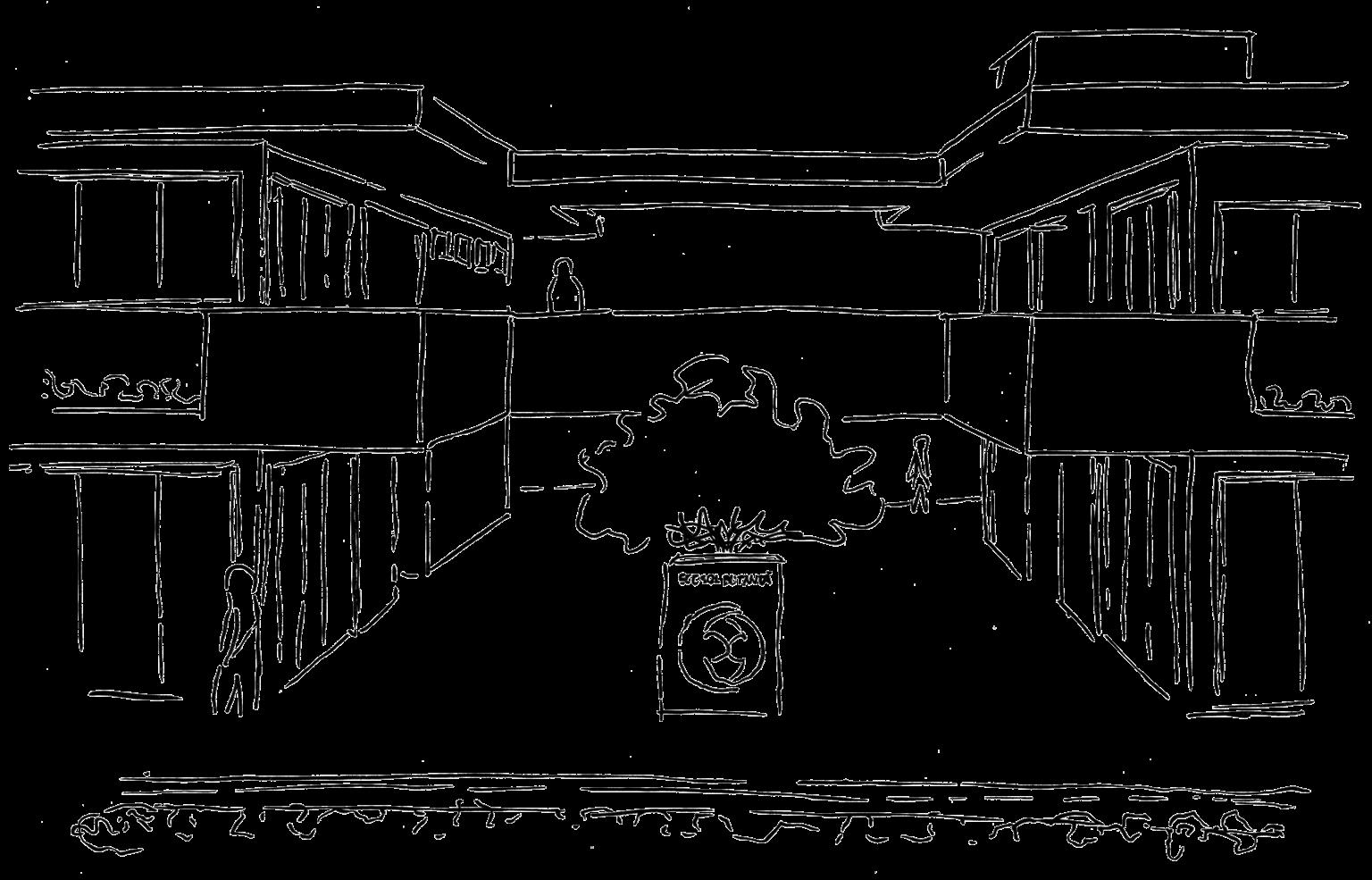
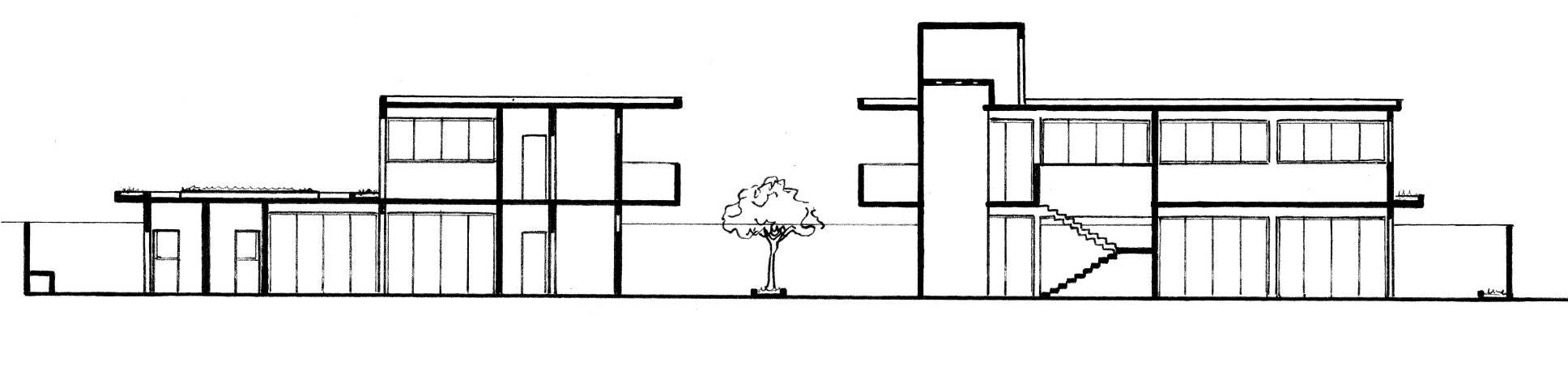
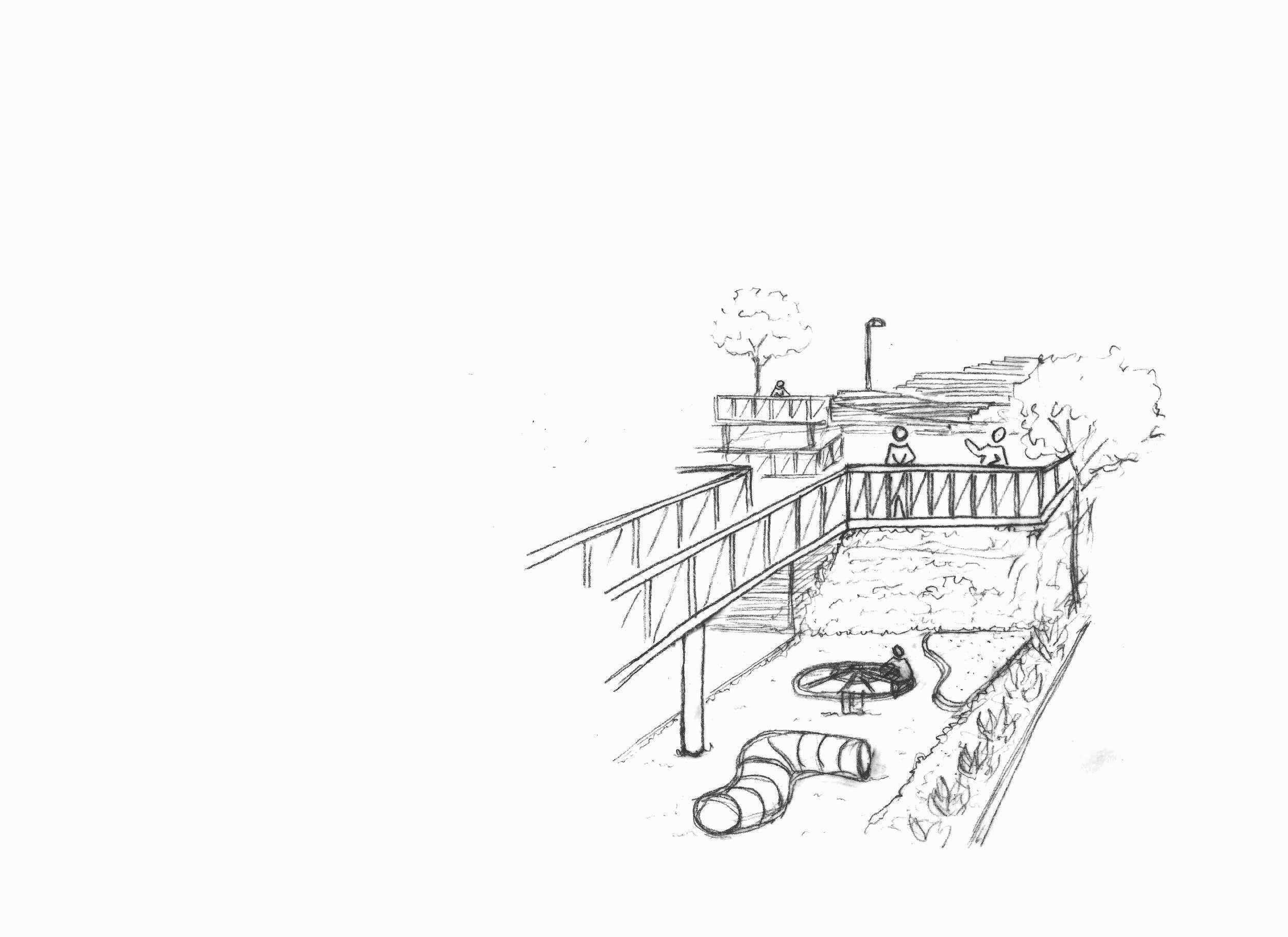
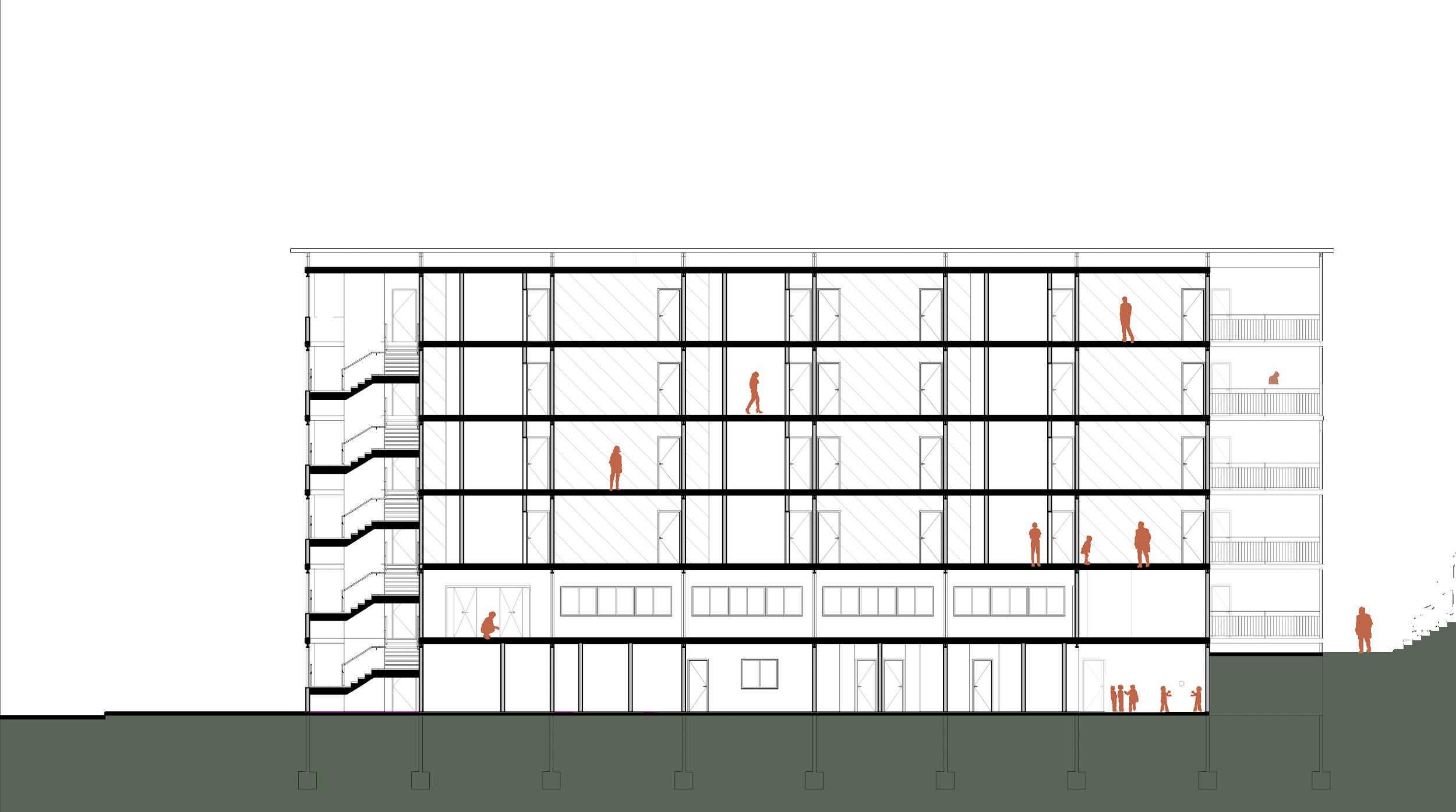
Regarding the site, the project is located on a sloping land, the back of which is an inaccessible street but with great potential to create a path. With that in mind, the section is designed to expand circulation with Avenida Corifeu through a ramp-staircase that gives access to the educational institution and also allows visits to the bike rack and the collective balconies of the standard floors.
SOCIAL HOUSING AND SOCIALNURSERYCORIFEUCAREHOUSINGANDCORIFEUNURSERYCARE
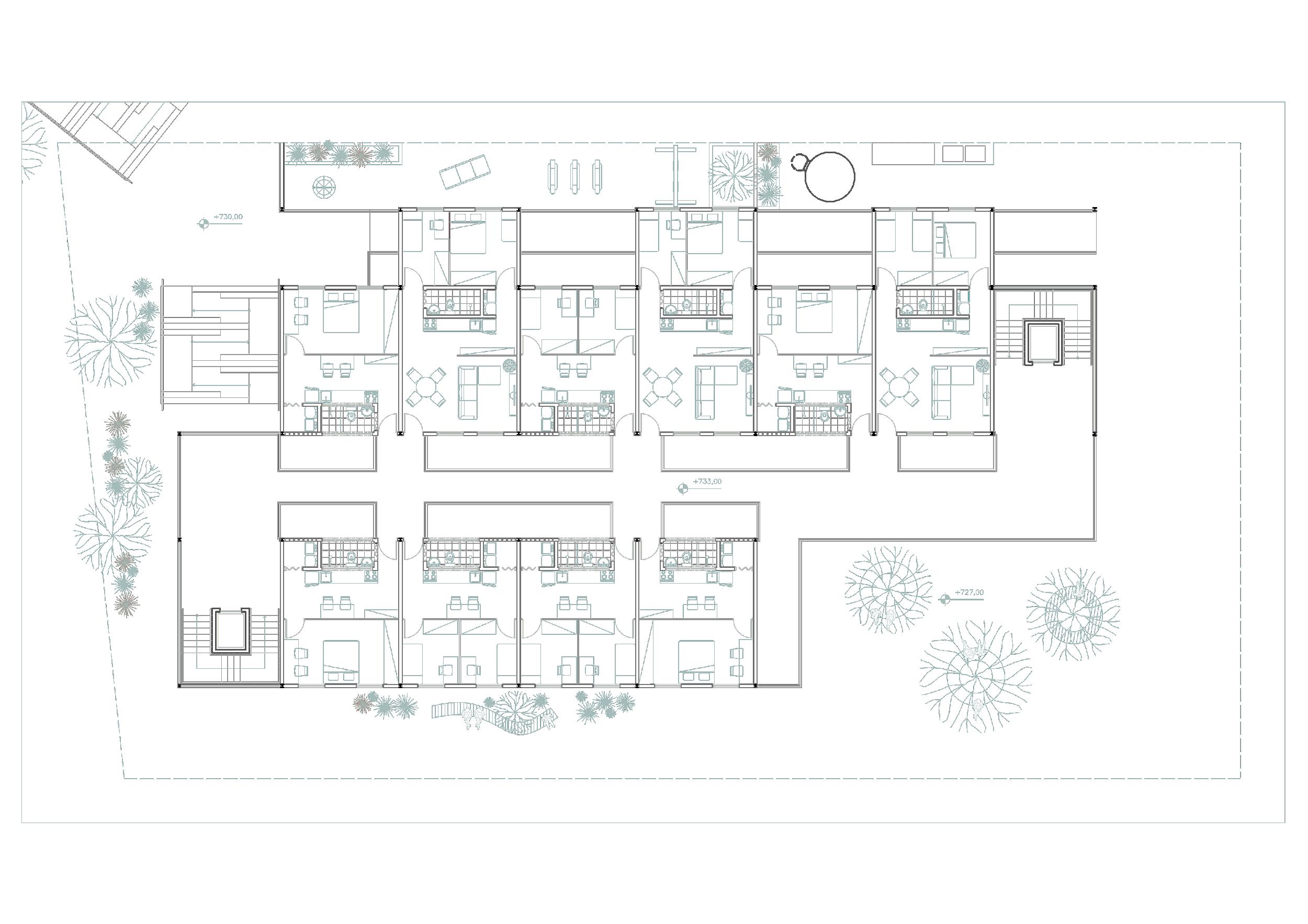
On the ground floor of the dwelling, the project includes a children school. In this way, the kids who were relocated and the others in the region will be able to enjoy the convenience of living close to the environment where they study.
The field visit and analysis of the region allowed us to understand the dynamics and list fundamental premises (named below). Among them, the most prominent are slums and precarious settlements in geological risk areas, which demand the relocation of these families.
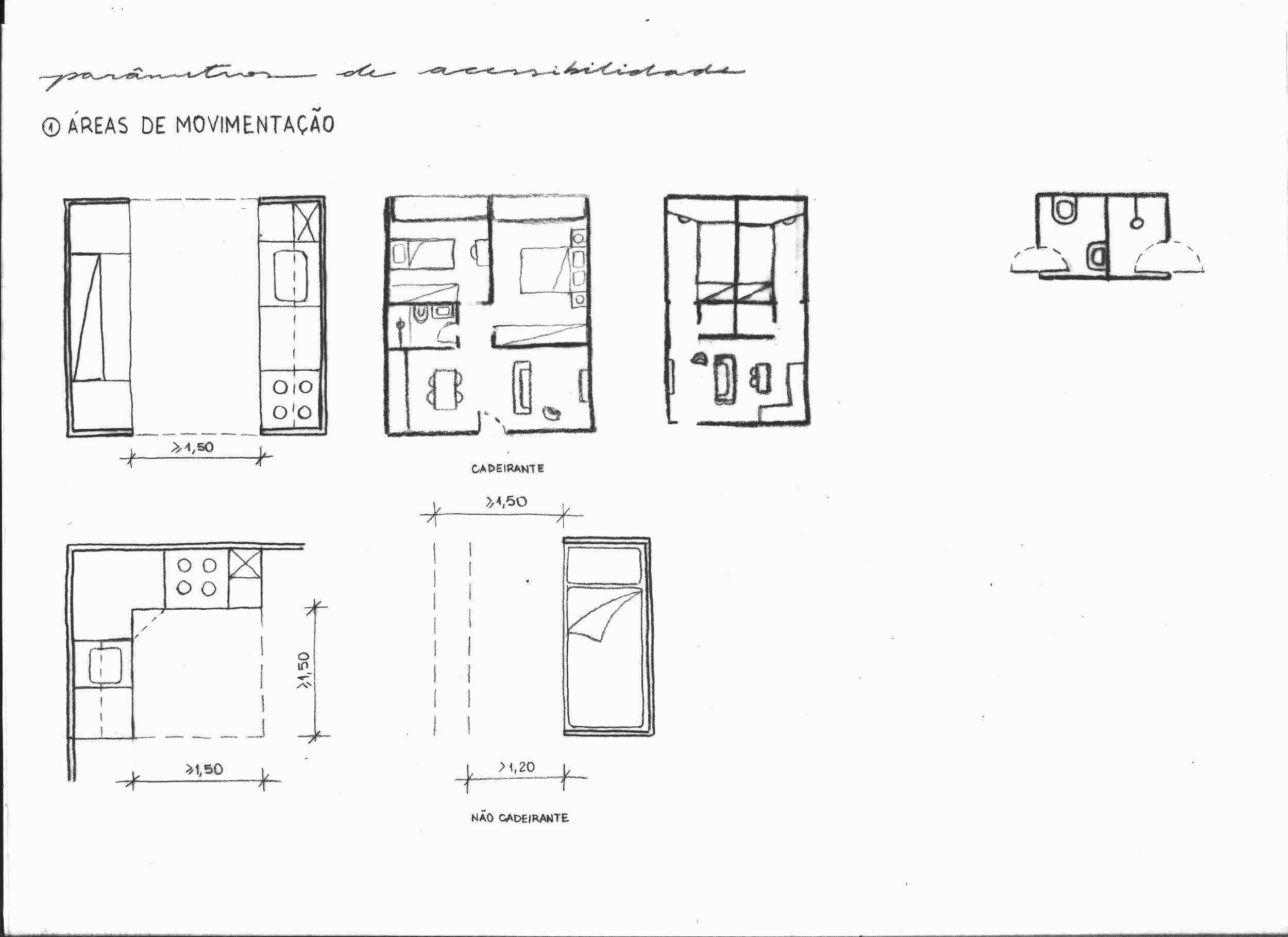
PLANT LEVEL 733 SECTION AA DENSITY allocate the numberinfrastructuresurroundingtoagoodofpeople 05 ACCESSIBILITY provide two modes of universal access to the upper floor: ramp and elevator 06 COMFORT position circulation towers so that all units have lighting and ventilation 04 VOLUMETRY impact of the volume with the surroundings with a maximum of 7 floors 02 VIEW value the view from the houses to the river park and make the community terrace 03 FLOWS distinguish flow from nursery care and social housing and integrate flows with neighboring projects 01
FRONT VIEW
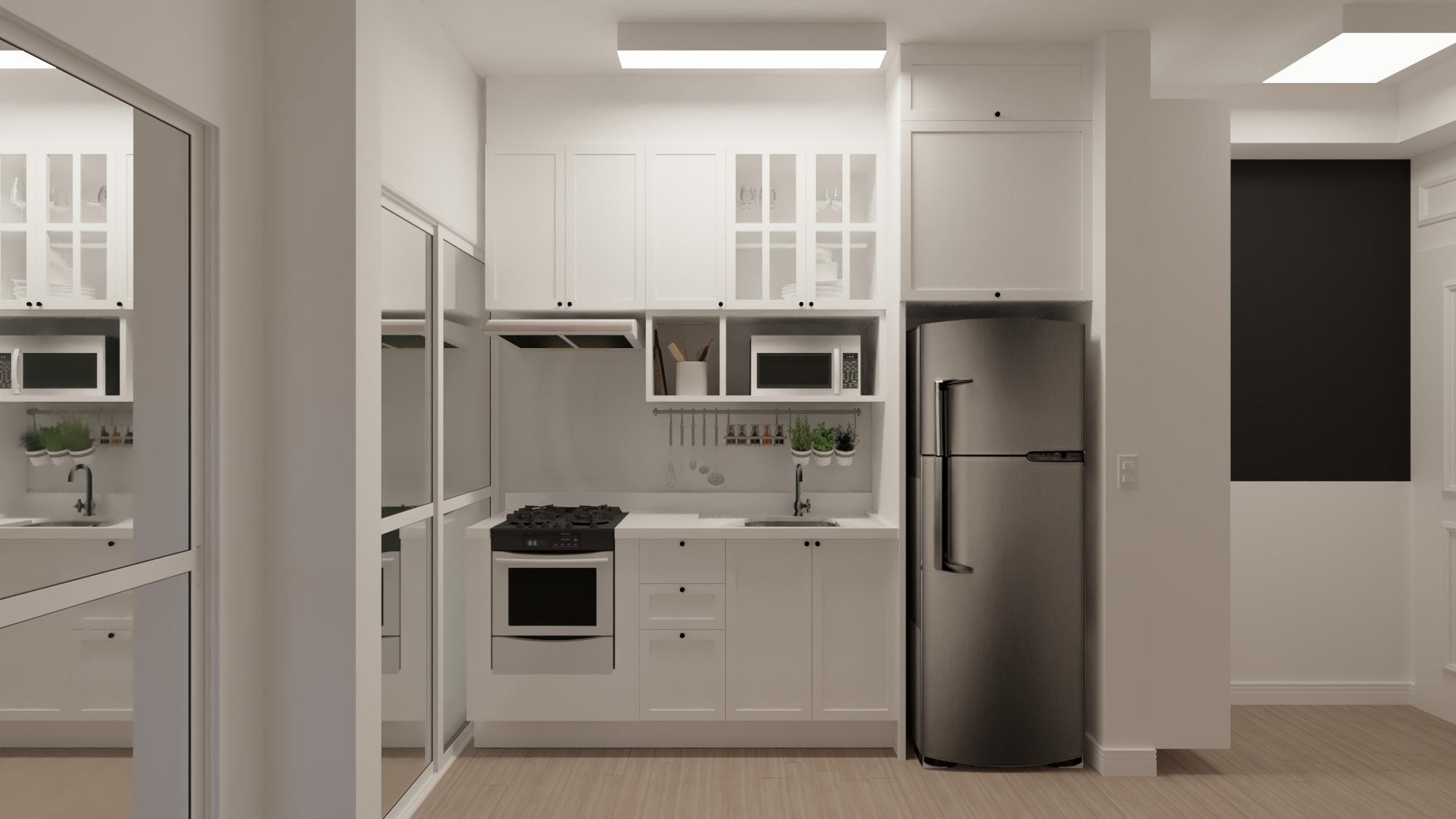
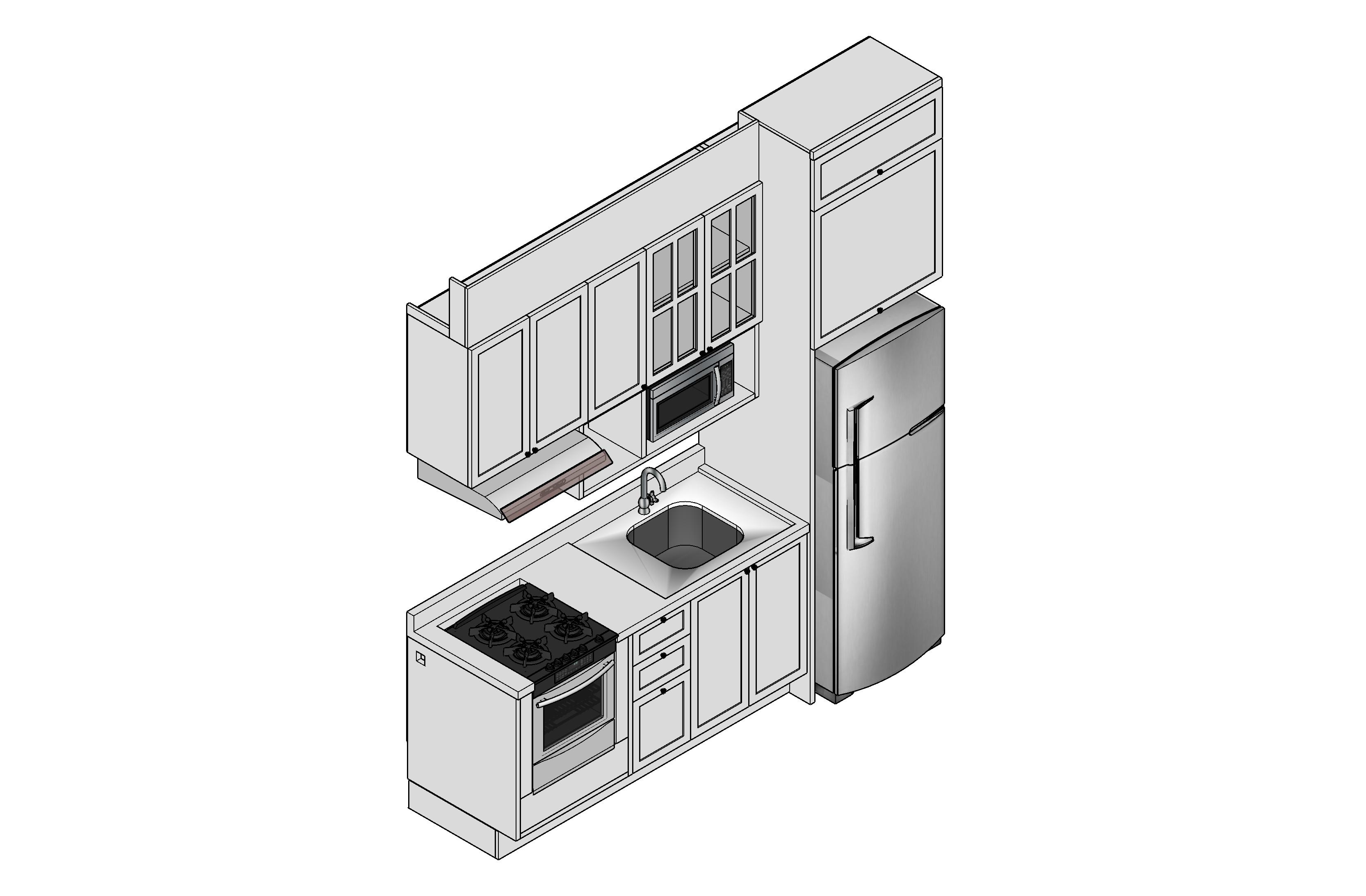
The kitchen project for apartment 32 is part of the interior design project developed for the apartment of a young couple in downtown São Paulo, Brazil. Both the design and the choice of materials and colors, were chosen according to the customer's profile and the list of requirements raised. Due to the small and rectangular area of the kitchen, it was proposed to create a linear kitchen, concentrating the service areas on a single wall. On the other side, there are shelves and a folding table built into the wall for quick meals. The use of white color was
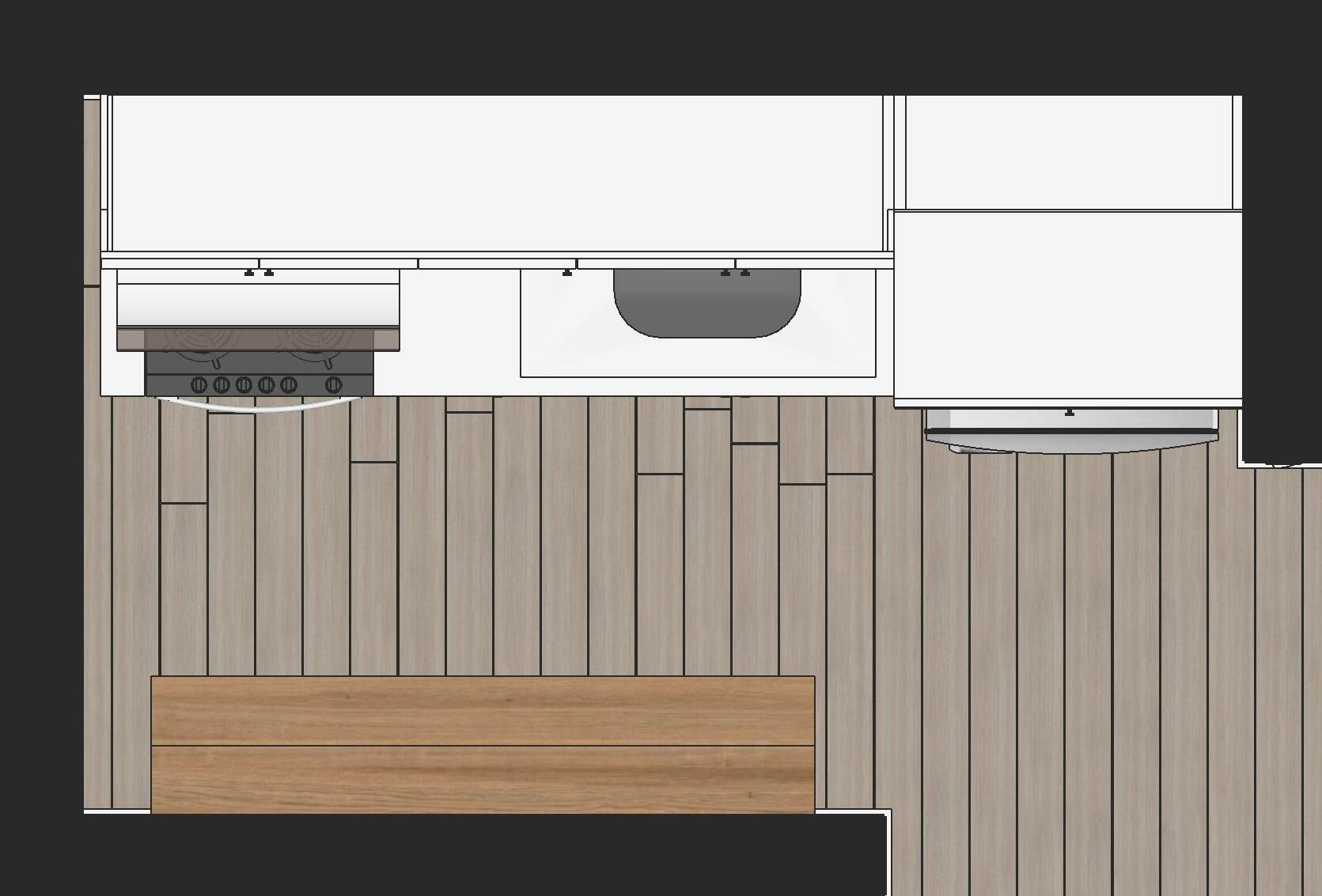
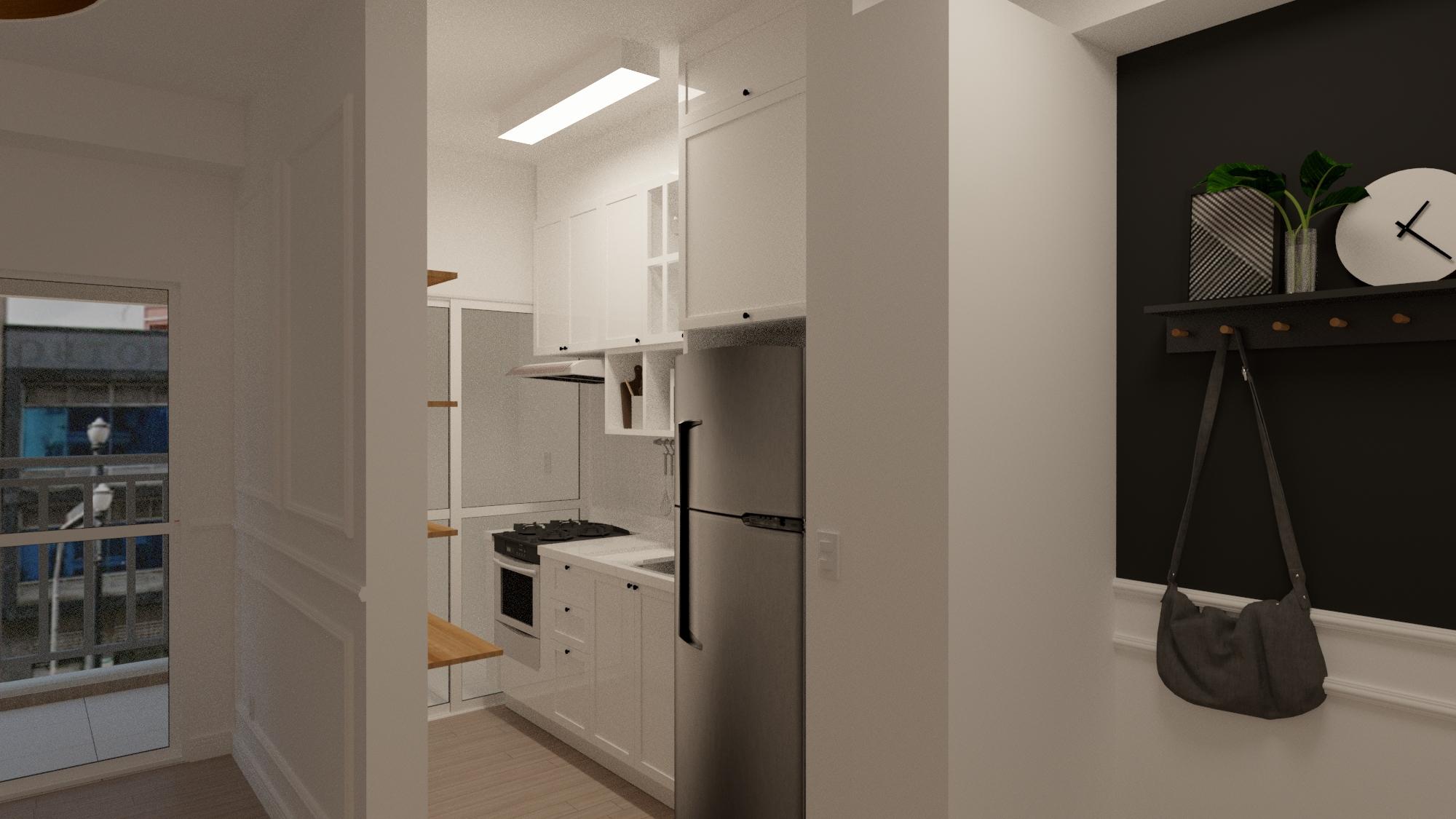
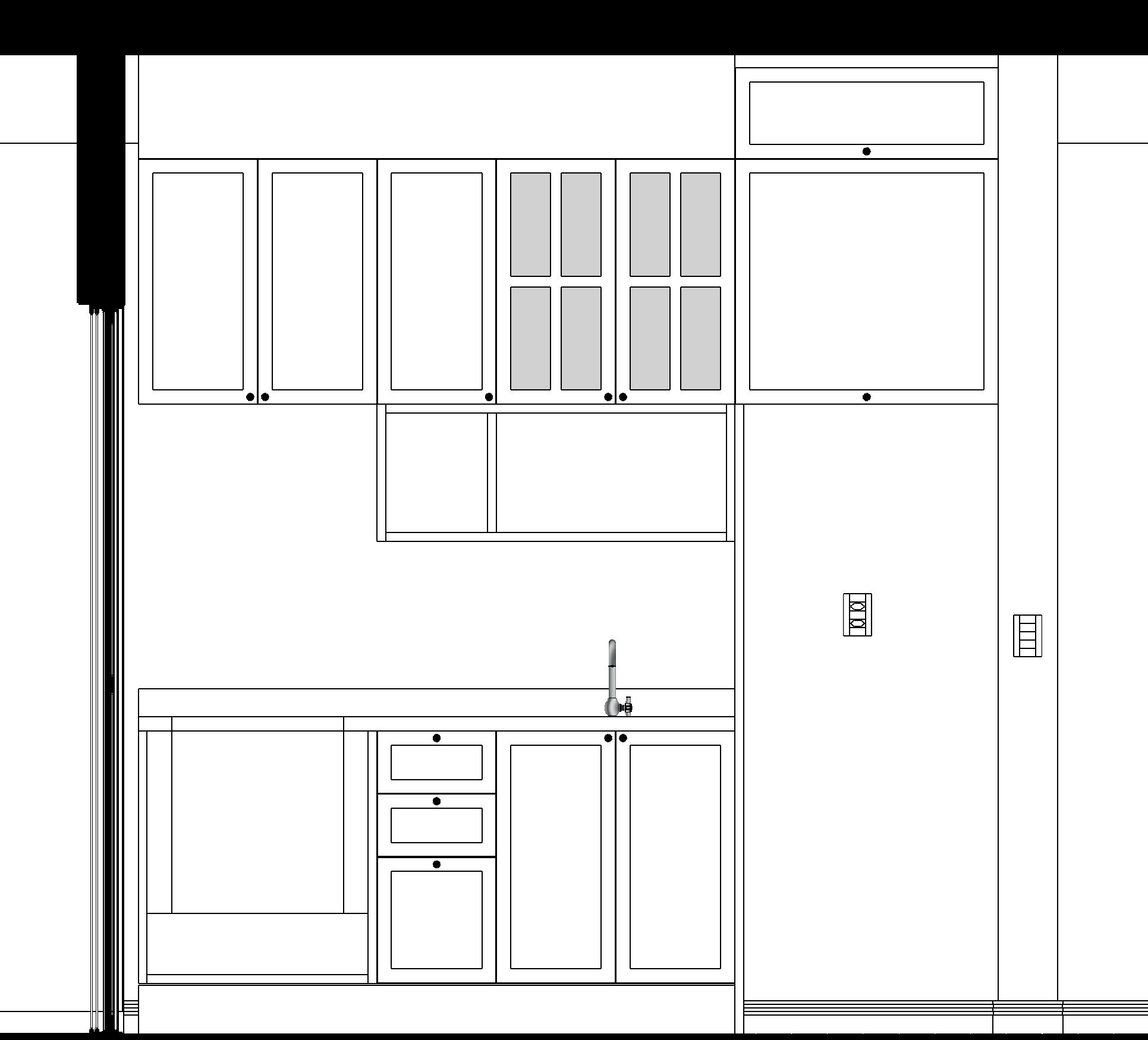
On top of the refrigerator, swing-up doors were placed so that the resident with smaller stature can easily access it. Since the piping network runs along the edges of the ceiling, the closet extends to the ceiling to cover it up.
AP32 UPTOWNAP32UPTOWNPROJECTAROUCHEPROJECTAROUCHE 34,00 34,00 34,00 34,00 34,00 102,00 75,00 170,00 34,0034,0034,00 0025, 0065, 75,00 170,00035,6 249,00 004,6
prioritized to provide the feeling of enlargement. The linear luminaire was chosen to ensure homogeneous lighting of the complete kitchen and they were also installed lights above the sink countertop. Below the sink cabinet is a long drawer for storing brooms and cleaning accessories.
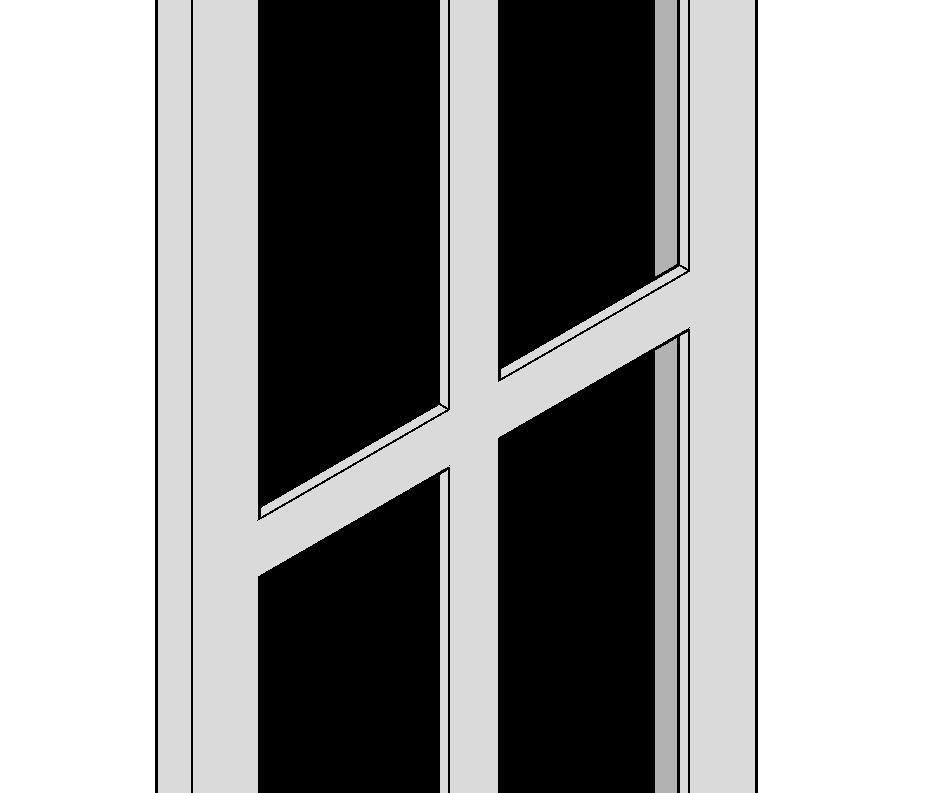
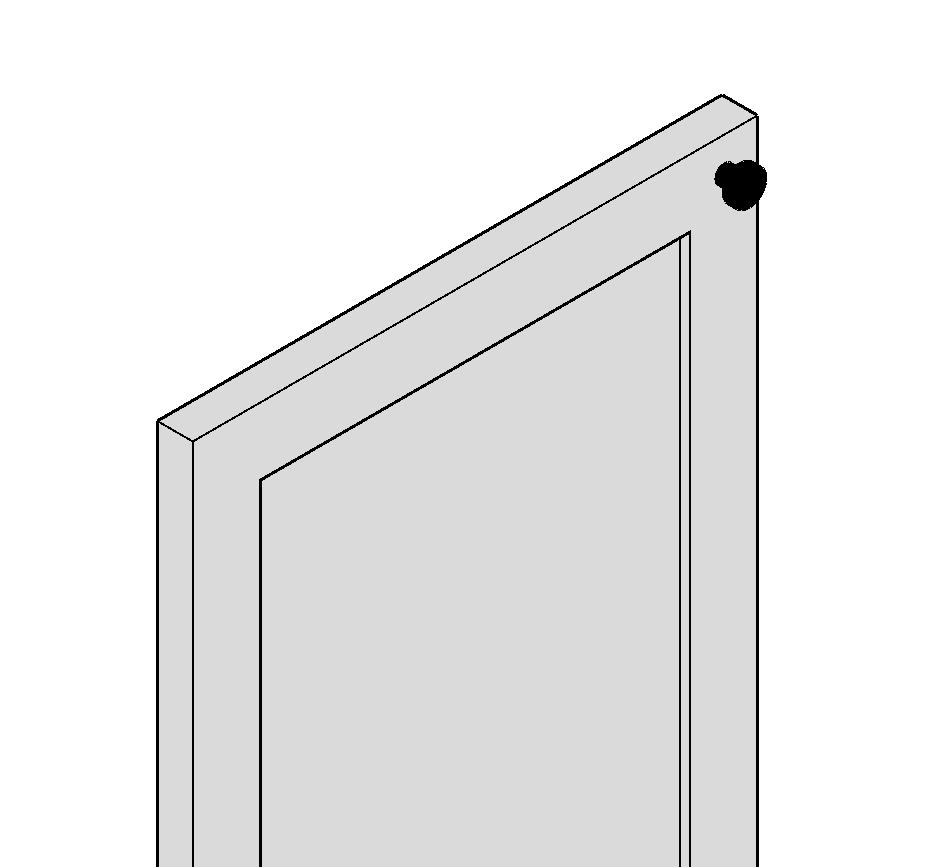
AP32 PROJECTAP32 PROJECT 2,10 4,00 4,00 MDF 1,5cm MDF 0,6cm 4,003,003,00 DETAIL OF DOOR 1 ESC.: 1:5 DETAIL OF DOOR 2 ESC.: 1:5 ISOMETRICESC.:1:20 SWING-UP DOOR SWING-UP DOOR SEALING TO HIDE PIPING MICROWAVE NICHE GLASS GAS INPUT STOVE MODULE LOWER DRAWER (INDEPENDENT) DEVELOPER(S): INDIVIDUAL PERSONAL PROJECT SCOPE | YEAR: RESIDENTIAL INTERIOR PROJECT | 2021
MAIN GOALS

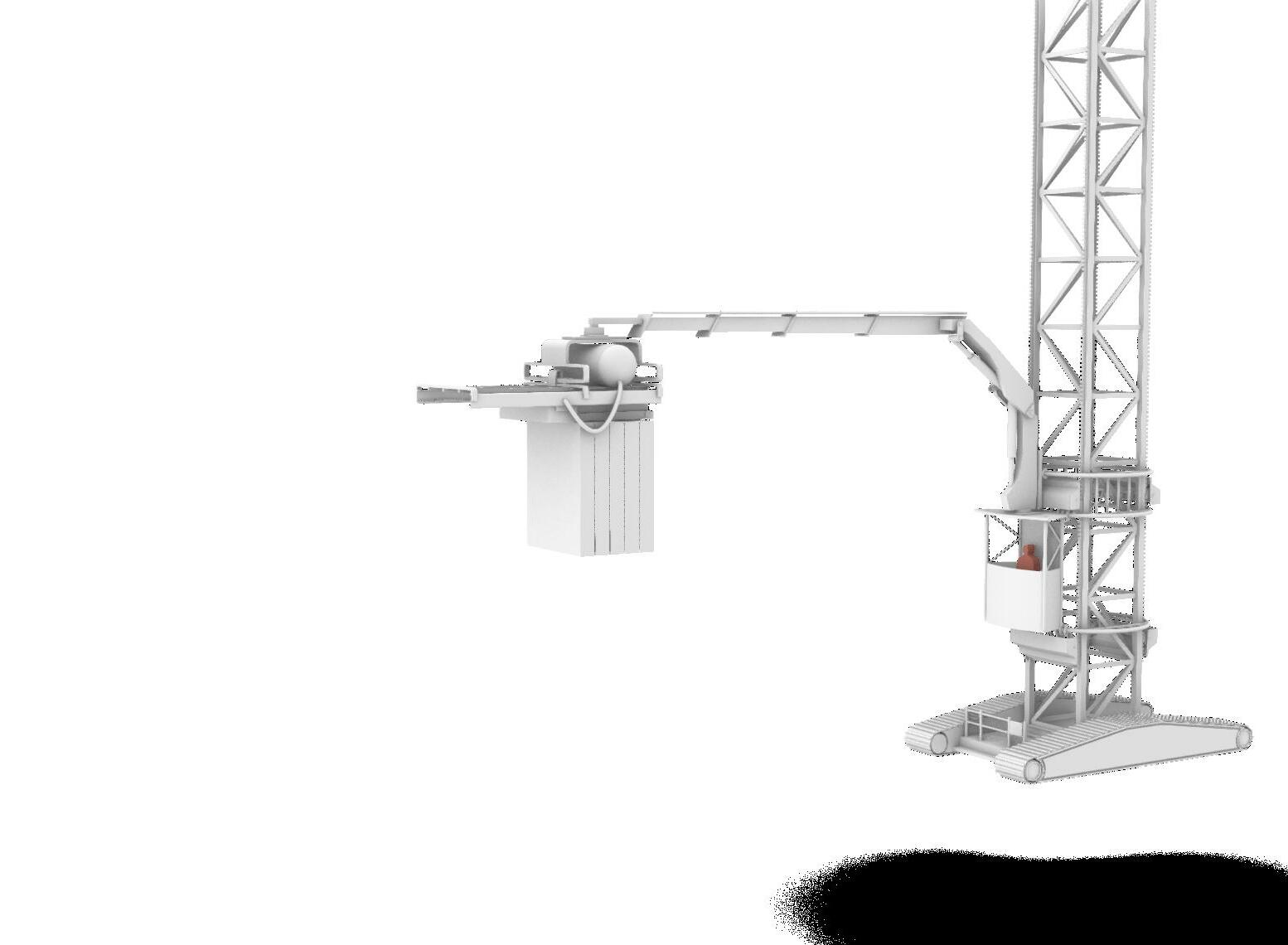
KP2 is a robot developed for the production of social housing provided by the Hong Kong Housing Authority. The robot has a crane tower and an intelligent task performer that speeds up production without causing waste. In addition to the tasks that it performs, a business plan was developed that idealizes the expansion of the range of tasks. When designingKP2, the main objective was to understand how to improve the existing construction industry using automation and advanced technologies. And above all, understand the principle of how to develop a robotic construction application from scratch.
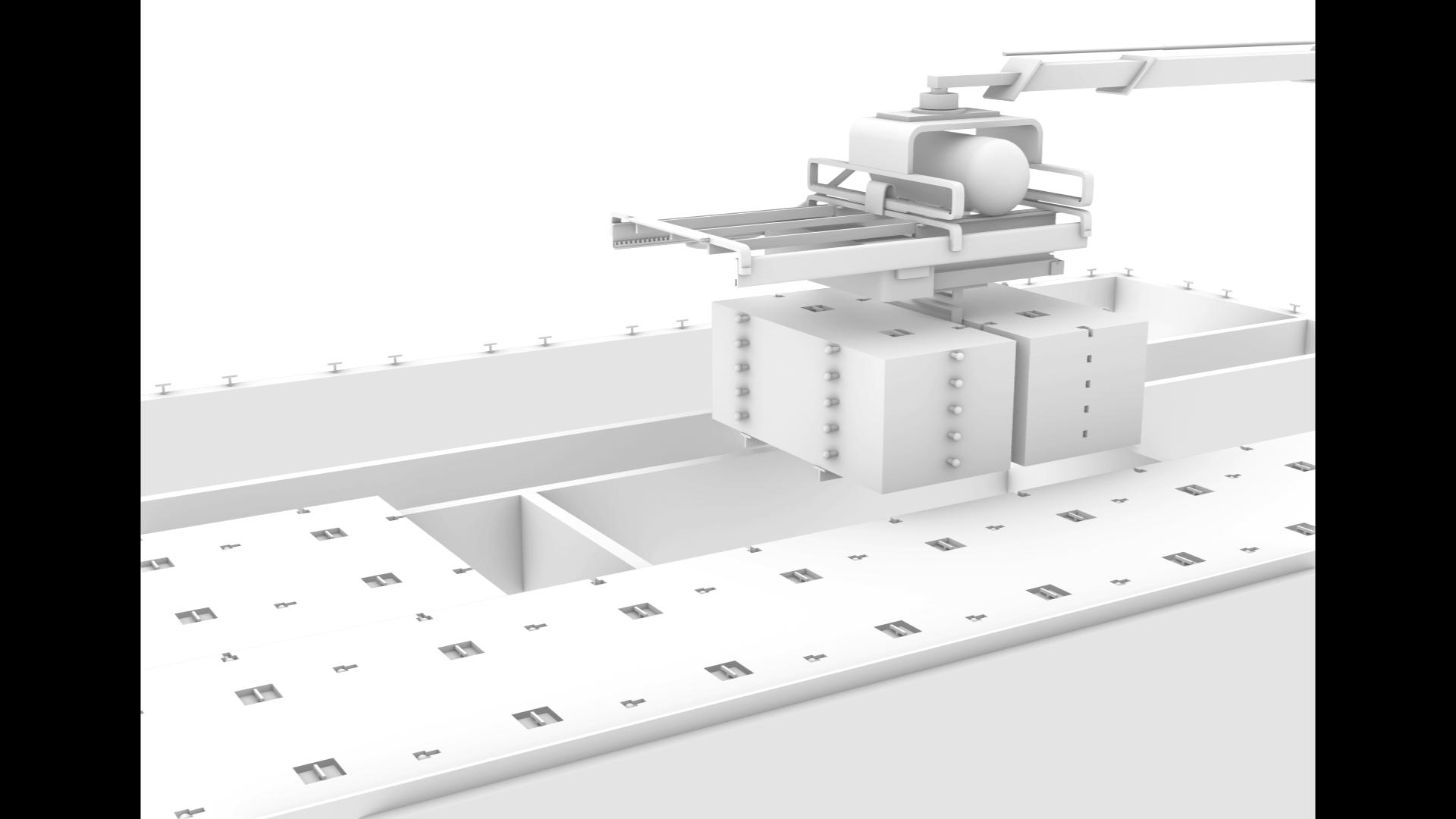
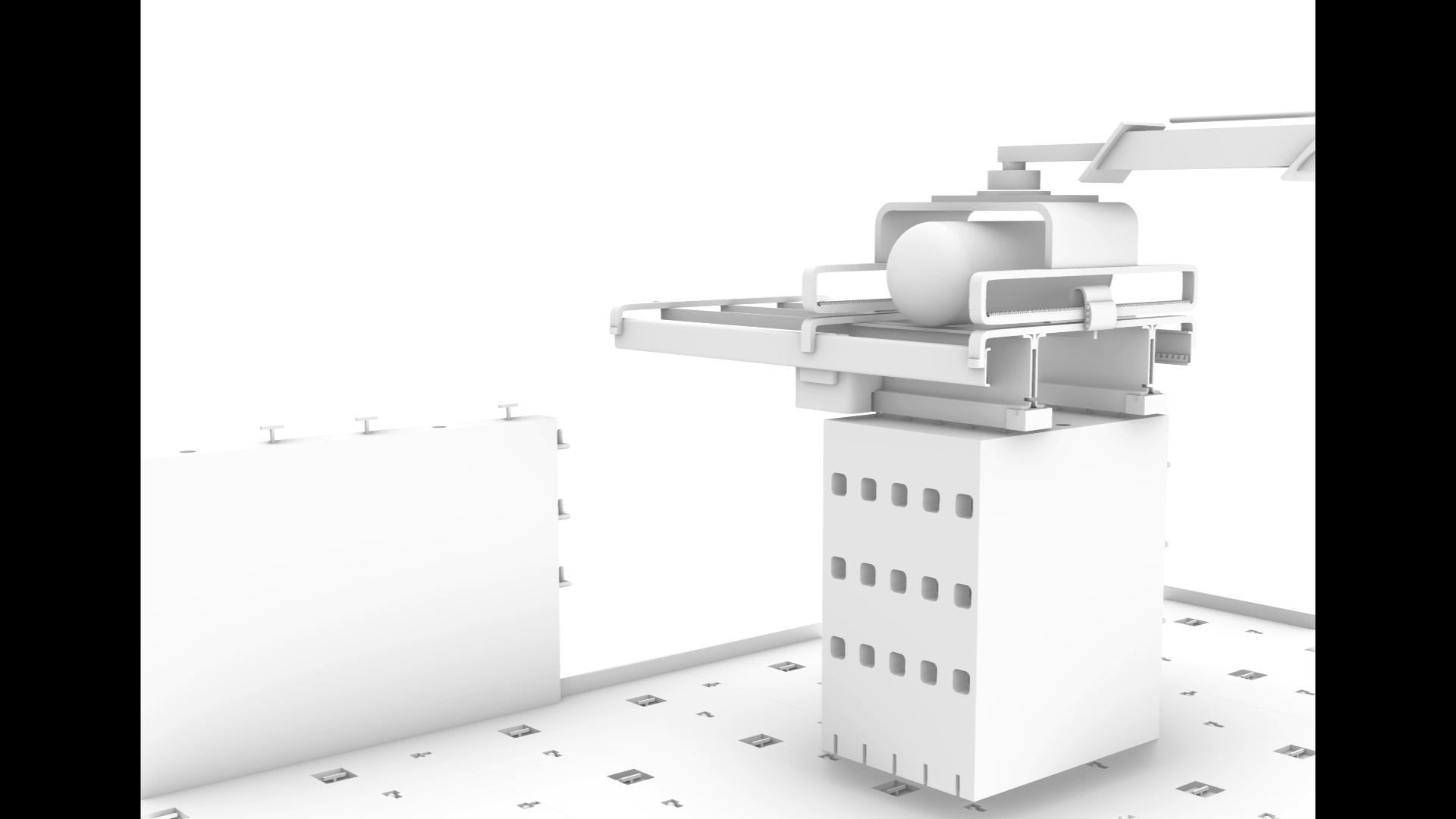
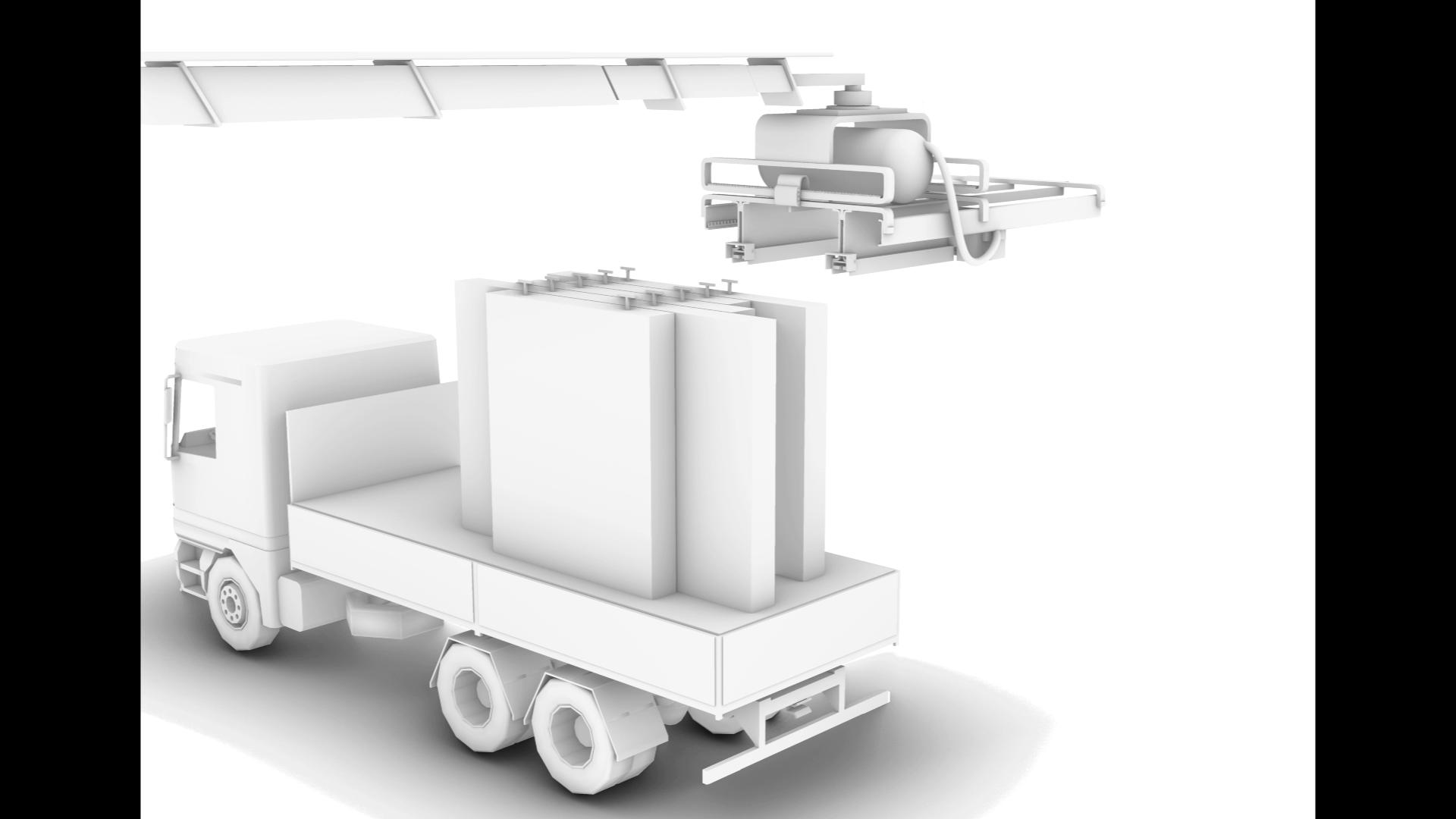
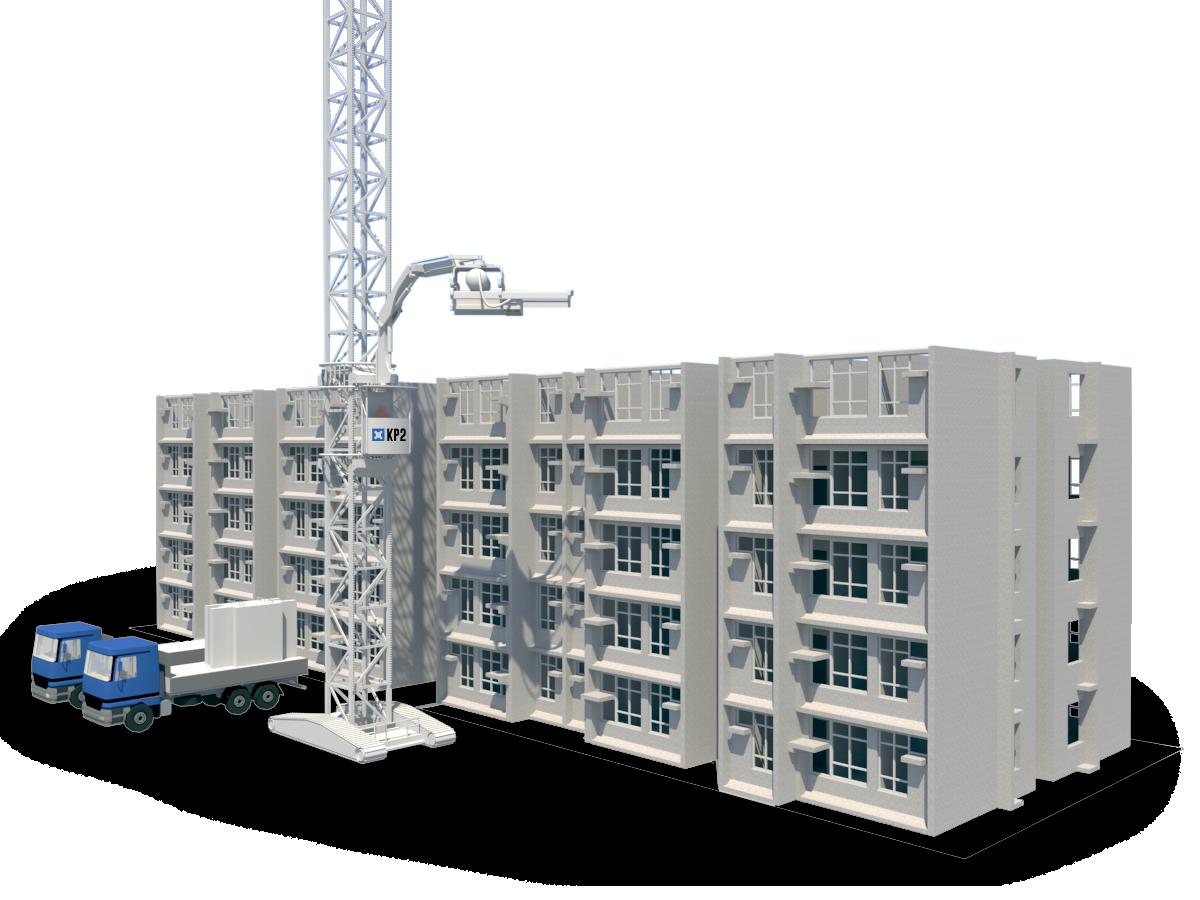
PROCEDURESBENEFITS60%CHOOSINGOFKP2: saving on wages 5x faster construction less space - more functions zero waste - no harm 01 02 03Unloading procedure Wall installation Ceiling installation maximizeproductivitysecurity,and reduce dust and use less area on the jobsite minimize waste and pollution in constructionsbuilding offer credibility and innovation to customersour DEVELOPER(S): GROUP PROJECT OF THE TECHNICAL UNIVERSITY OF MUNICH SCOPE | YEAR: TUM - SUBJECT OF AUTOMATION AND ROBOTICS IN CONSTRUCTION | 2022
ROBOTICSMULTITALENTKP2ROBOTICSMULTITALENTKP2


Mobile: +49 176 51988785 cardosopaloma13@gmail.com linkedin.com/in/palomacardoso13/