
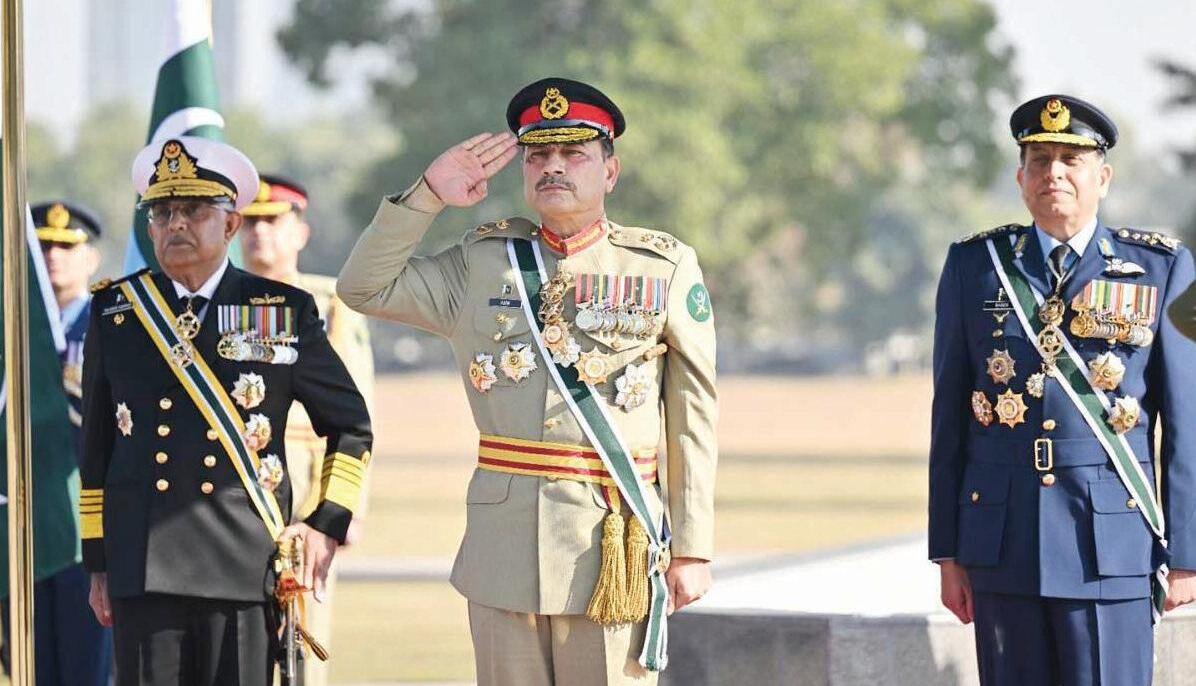
MUNIR VOWS UNIFIED COMMAND, PRESERVED AUTONOMY AFTER TAKING CHARGE AS FIRST CDF

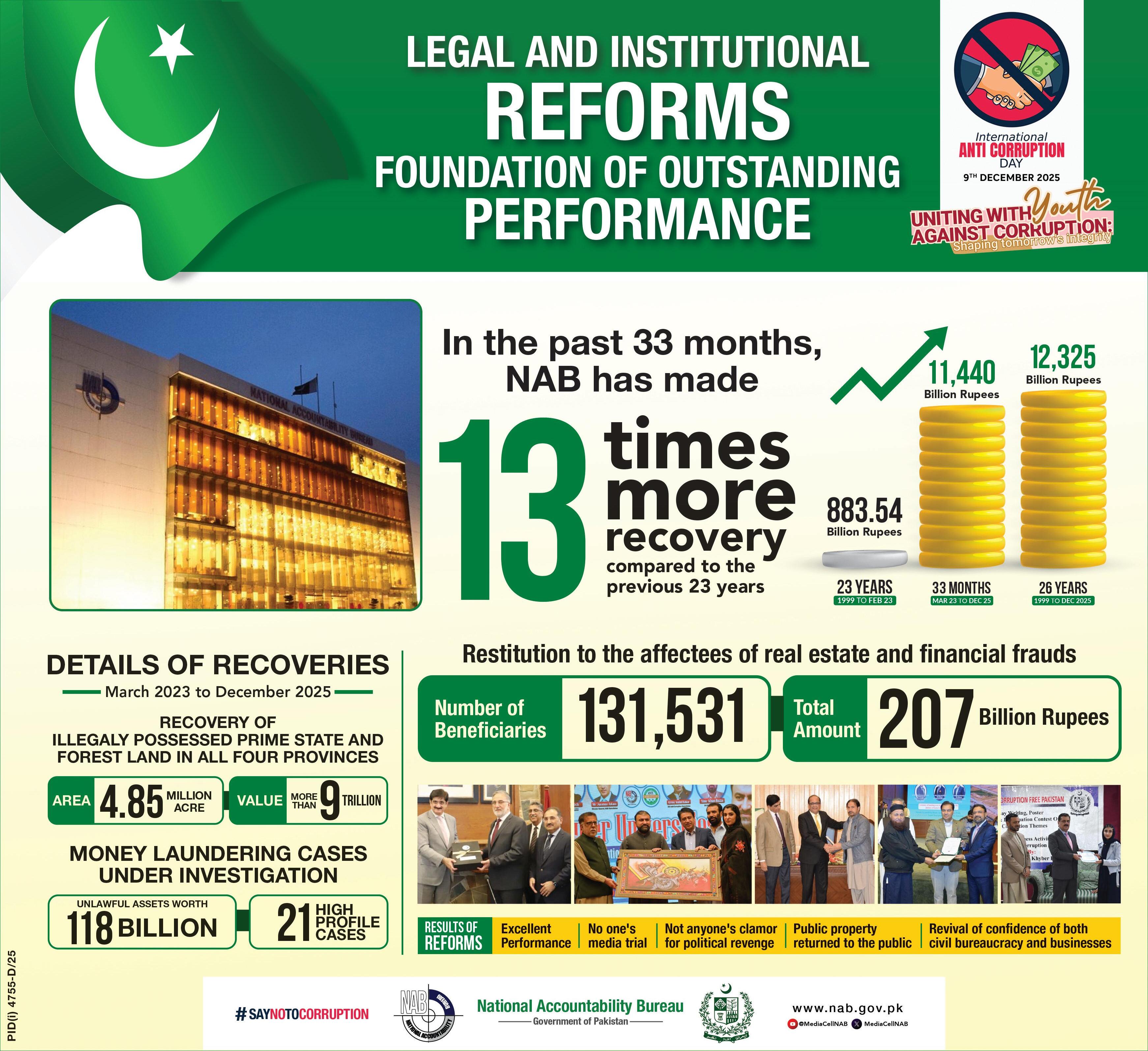

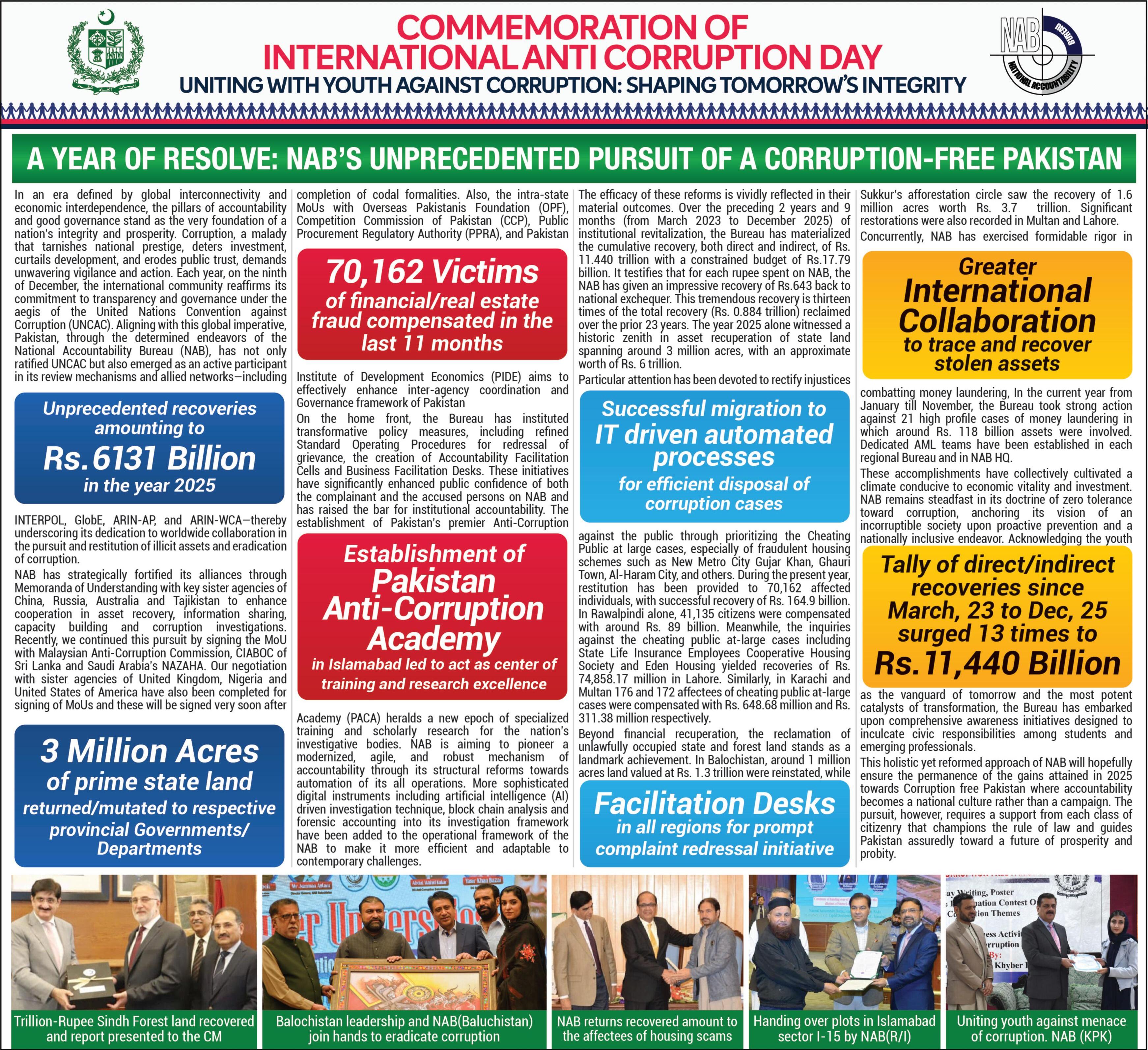
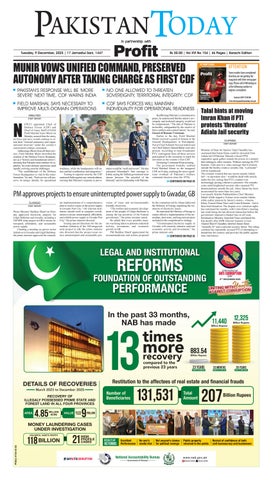
NAB claims Rs9 trillion recoveries in two years,
majority in seized land and non- cash assets


globally for an anti-corruption body Documents show the 2022 amendments introduced mandatory affidavits from complainants, replaced the term accused with defendant, and created a streamlined process for handling complaints

WRONGFUL TA X RETURN ALERTS TRIGGER CONFUSION; FBR BL AMES TELECOM GLITCH
Gas supply surges 26% amid winter demand
PM approves projec ts to ensure uninterrupted power supply to Gwadar, GB
prompt actions power supply disruptions in Gwadar had already been reduced by 42% After resolving outages a comprehensive plan has also been prepared to stabilize the voltage of supplied electricity in Gwadar within the next six months, the minister said adding that effective and productive steps were being taken to ensure electricity supply to domestic and commercial consumers in Gwadar Among short-term projects 9 7 megawatts of solar capacity will be installed in major government institutions within the next 8 to 12 months, while in the long-term projects for Gwadar a 40megawatt project will be installed to ensure sustainable power supply The meeting was informed that due to ongoing industrial and economic development, expansion of Gwadar Port, and growth in urban areas, electricity demand in Gwadar was expected to increase by 30% in the coming years

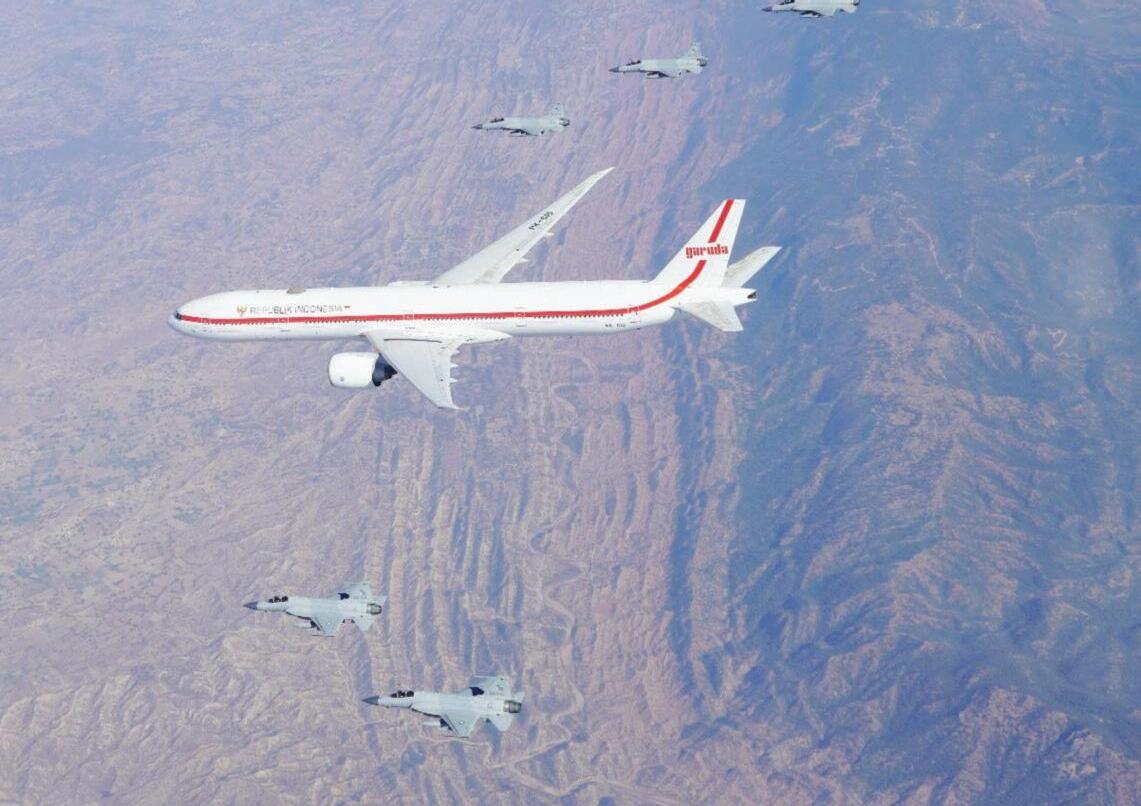
The 100-megawatt solar project in Gilgit-Baltistan consists of two components: an 18-megawatt rooftop solar program and an 82-megawatt utility-scale solar project The rooftop and utilityscale solar projects in Gilgit-Baltistan will be completed by 2027, the briefing said adding that joint projects between the Government of Gilgit-Baltistan and the Ministry of Energy will save the government Rs 1 billion annually Meanwhile President of the Republic of Indonesia Prabowo Subianto arrived here on Monday to a red-carpet welcome for a two-day official visit, at the invitation of Prime Minister Shehbaz Sharif Upon his arrival at Nur Khan Airbase the Indonesian president was warmly received by President Asif Ali Zardari and Prime Minister Shehbaz, along with the cabinet members and senior officials A smartly turnedout contingent of the Presidential Bodyguard presented a static salute to the visiting dignitary who was accompanied by a high-level delegation comprising key ministers and senior officials Clad in national dresses two children presented bouquets to the guest after a 21-gun salute boomed in the backdrop to herald his arrival A group of children was also lined up along the red carpet waving the buntings of both Pakistan and Indonesia
The main avenues and intersections of the federal capital were decorated with the flags of both countries, along
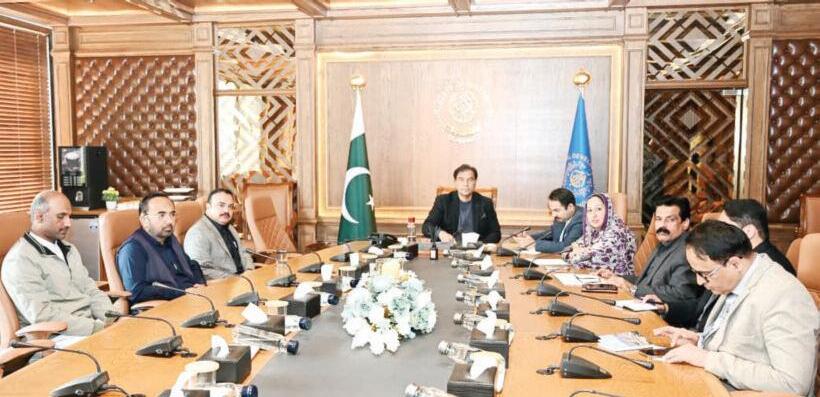
with the portraits of the visiting dignitary This is President Prabowo’s first visit to Pakistan since assuming office as the last presidential visit from Indonesia was undertaken by the thenPresident Joko Widodo in 2018 During his stay, President Prabowo will hold delegation-level talks with the Prime Minister Shehbaz, and meet President Asif Ali Zardari The Chief of Army Staff and the Chief of Defence Forces Field Marshal Syed Asim Munir will also call on President Prabowo Several Memoranda of Understanding (MoUs) are expected to be signed during the visit The visit carries added significance as it coincides with the 75th anniversary of the establishment of diplomatic relations between Pakistan and Indonesia The two sides will discuss a wide-ranging agenda aimed at further strengthening Pakistan-Indonesia relations and exploring new avenues of cooperation, including trade, investment, defence health IT climate education and culture as well as enhancing collaboration at regional and global levels PM Shehbaz for accelerating timely completion of development projects Prime Minister Shehbaz Sharif on Monday underscored that the transparent and timely completion of nationally important development projects remains the government s top priority as he chaired a high-level meeting to finalize a comprehensive roadmap for accelerating project delivery


TKP’s IFRP failure threatens Pakistan
AC R O S S the globe every sovereign nation faces the pressing challenge of managing migration while safeguarding its national security and resources For Pakistan this challenge has intensified over decades, particularly in the border province of Khyber Pakhtunkhwa (KP), which hosts one of the largest populations of undocumented foreign nationals primarily Afghan refugees Recognizing the urgency the federal government launched the Illegal Foreigners Repatriation Program (IFRP) in September 2023 a bold initiative aimed at orderly, phased, and comprehensive repatriation of all illegal foreign residents from Pakistani soil While the program’s nationwide progress has been noteworthy, with over 1 1 million undocumented individuals returned by April 2025 KP s provincial government has shown marked reluctance and inefficiency in enforcing the program thereby undermining Pakistan s broader goals of sovereignty, security, and social justice
The IFRP began with a period encouraging voluntary return but swiftly transitioned to compulsory deportation to ensure that no illegal foreign national could evade the law indefinitely Crucially the program targets no specific nationality but applies uniformly to all undocumented individuals reflecting a core principle of sovereignty: the right of a state to control who resides within its borders By late March 2025, nearly 470,000 Afghan nationals had crossed back into Afghanistan through the Torkham border This underscores federal resolve and operational capacity in managing the complex task of repatriation in a conflict-prone region However a glaring exception to this progress is KP which despite being the primary host to these populations, has repatriated a shockingly low number only 153 illegal migrants since April 2025 This provincial inertia is not merely a bureaucratic hiccup; it is a serious governance failure KP hosts an estimated 353 140 illegal Afghan nationals scattered across multiple districts including Peshawar, Haripur, Kohat, Swat, and others Many of these refugees reside in camps that were officially de-notified years ago, signaling a legal end to their recognized refugee status Yet, instead of dismantling these camps the KP government continues to allow their operation even providing essential services like electricity water and healthcare resources meant to serve Pakistani citizens Such actions amount to misallocation of public resources and signal an institutional disregard for the legal framework guiding immigration and refugee management It also breeds resentment among local communities who bear the brunt of stretched public utilities and social services More troubling is the discovery of an extensive network producing counterfeit Pakistani identity
cards, predominantly linked to Afghan nationals residing in KP This fraudulent activity compromises not only the integrity of national identity systems but also creates security vulnerabilities allowing illegal residents to access services and possibly engage in illicit activities undetected The involvement or tolerance of such networks raises questions about political or bureaucratic complicity, which further erodes public confidence in governance The KP government’s slow response to addressing this menace exacerbates these challenges and exposes the province to risks that go beyond simple administrative inefficiency The security implications of KP s laxity are particularly grave Terrorist attacks over the past years, some involving perpetrators who exploited refugee status as a cover, have rattled public confidence and raised alarm among security agencies Both domestic institutions and international organizations like the United Nations have acknowledged the threat posed by unchecked illegal residency especially in sensitive border provinces The failure to implement IFRP rigorously in KP thus does not only violate legal norms but actively undermines Pakistan’s fight against militancy and extremism The provincial government’s hesitance to cooperate fully with federal repatriation efforts amounts to an abdication of constitutional responsibility putting millions of citizens at risk and weakening national security architecture Compounding the issue is the overt political resistance to the federal repatriation policy by some provincial leaders In April 2025, former KP
l i
s u n i f o r m l y t o a l l u n d o c u m e n t e d i n d i v i d u a l s , r e f l e c t i n g a
c o r e p r i n c i p l e o f s o v e r e i g n t y : t h e r i g h t o f a s t a t e t o c o n t r o l
w h o r e s i d e s w i t h i n i t s b o r d e r s B y l a t e M a r
4 7 0 , 0 0 0 A f g h a n n a t i o n a l s h a d c r o s s e d b a c k i n t o A f g h a n i s t a n t h r o u g h t h e To r k h a m b o r d e r
B e n e a t h t h e S u r f a c e : S t r e s s a n d S o c i e t y i n P a k i s t a n
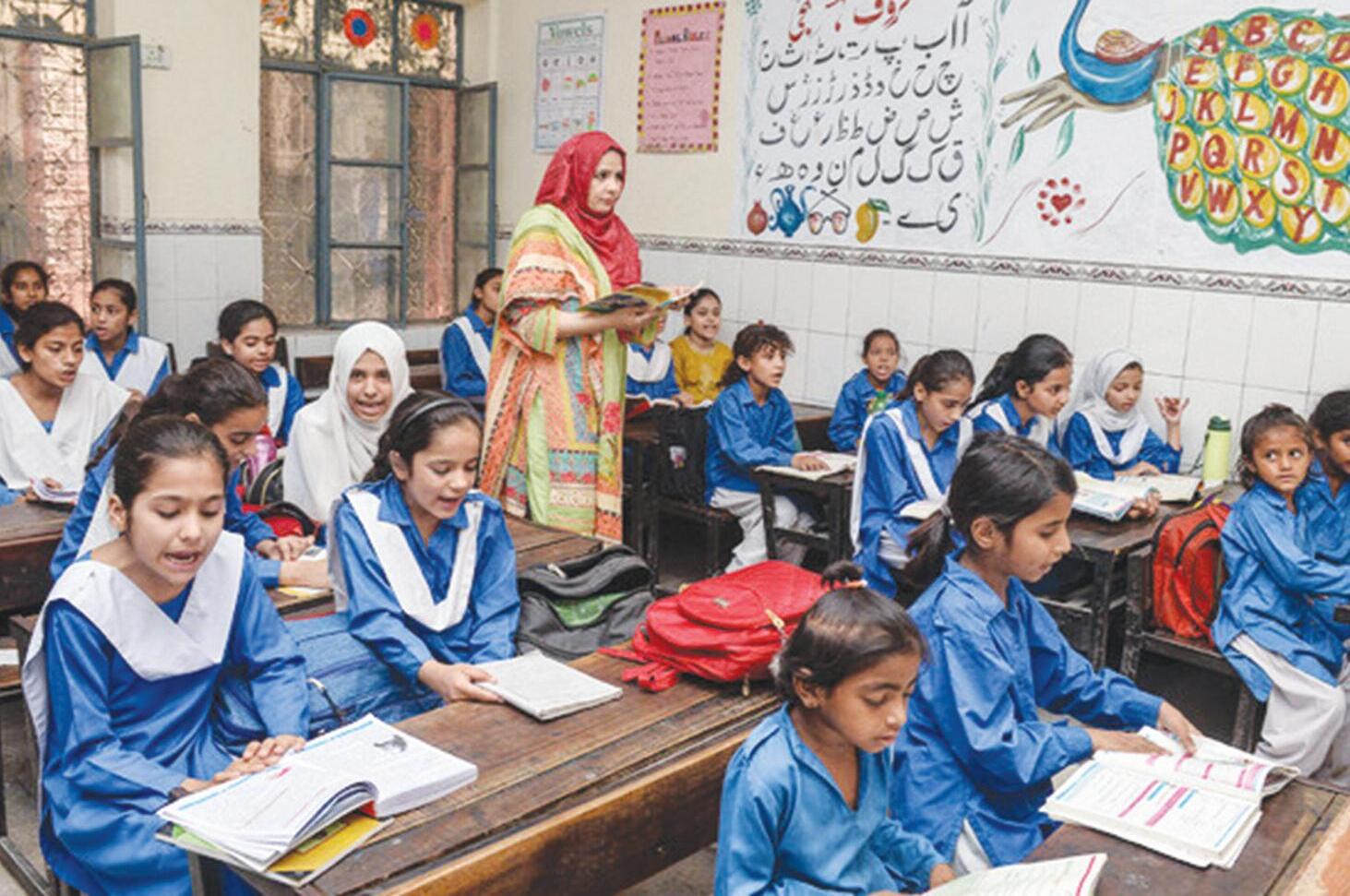
leges can provide counseling, career guidance, short mindfulness or prayer breaks and encourage creative activities Programs like the Dil Kholo
relaxing, staying connected with family and friends, and focusing on tasks they do well Families can support by talking openly about stress sharing responsibilities and guiding children and teens Schools and col-
tire society
The writer is a
mahnOOr raza

TH E 2025 G-20 Summit in South Africa will be remembered not only for the historic decisions taken, but equally for the loud, symbolic silence created by the absence of President Donald Trump and the United States’ high-level delegation It was a vacuum that everyone felt a political absence that lowered the temperature of the event diminished its traditional stature and yet, paradoxically, empowered the rest of the world to move forward without waiting for Washington’s approval A gathering once shaped, dominated, and animated by American leadership unfolded without it and the world did not stop In fact it moved with surprising confidence and determination proving for the first time in decades that global cooperation no longer revolves around a
of
Trump’s official explanation for skipping the
was both
and controversial He alleged that South Africa was maltreating harassing and killing its white population of
Europe, and the United States
and that the USA would therefore
gathering in
This justification
The South African president and
minister engaged in
vince Washington to participate
its
to
tional strength but their
The USA remained absent, and the G-20 moved on That moment alone signaled a
the world’s most influential economies were no longer willing to freeze or dilute their agenda because the USA chose not to show up In that vacuum the G-20 delivered several major breakthroughs Africa achieved its long-awaited elevation as a permanent force within the grouping Its seat was strengthened with new mandates for development, debt restructuring and large-scale infrastructure support recognition that Africa is no longer a peripheral player but a central actor in the global economy The summit also adopted the Global Debt Relief Framework 2 0, a comprehensive mechanism in which China, the United States (from the workinglevel side) and Europe aligned on a unified
system for restructuring debt for developing nations For the first time, the world s largest creditors agreed on the principles of transparency, fair burden-sharing, and predictable timelines a milestone that benefited dozens of struggling economies One of the most transformative decisions was the adoption of a global AI and digital governance pact The world finally agreed on a shared code of conduct for artificial intelligence development, data transparency, cybersecurity protocols, and cross-border data flows This was an agenda point expected to be heavily influenced by the United States yet its absence did not hinder progress The pact revealed a deeper truth: the world s technological future no longer depends solely on Silicon Valley s blessing Beijing, Brussels, Pretoria, New Delhi, and Brasília demonstrated their ability to shape norms that will define the digital age Yet the most ambitious and visionary outcome was the creation of a $120 billion Green Energy Transition Fund This fund aims to help developing and least-developed countries move away from fossil fuels and adopt solar, wind, hydrogen, and advanced battery-storage systems It promises not only financing but also technology transfer expertise and capacity building The symbolism was profound: while Washington debates climate strategies through the prism of tariffs and industrial protection, the G-20 chose global environmental responsibility as a collective mission, marking a sharp contrast with America’s inward shift The summit also produced a roadmap to reduce global tariffs a direct counterpoint to Donald Trump s aggressive tariff wars Leaders agreed that escalating tariffs undermine supply chains, inflate consumer prices, suffocate export markets, and weaken global economic stability By committing to reduce trade barriers and revive the core principles of the World Trade Organization the G-20 openly challenged the direction of U S trade
policy and reaffirmed that globalization though evolving, is far from dead Food security emerged as another defining pillar The G-20 endorsed a multi-continental fertilizer and grain corridor network that would ensure developing nations have the ability not only to access essential agricultural inputs but also to build their own production capacity The initiative aims to strengthen local seed development, introduce climate-resilient crops, and reduce dependency on vulnerable supply chains It was a reminder that global hunger is not caused by scarcity but by inequity mismanagement and geopolitics and that collective action remains the only antidote Pandemic preparedness also received unprecedented attention The G-20 agreed on a universal pathogen-sharing system, vaccine production guarantees for countries that cannot afford them and the creation of global emergency stockpiles COVID-19 had exposed the brutal reality that the world was divided between vaccine haves and have-nots This summit promised not to repeat that inequality, committing to a global health shield that can activate instantly in the face of new threats Even tax justice long a contentious issue saw real progress The G-20 endorsed a crackdown on tax evasion and illicit financial flows, expanding automatic exchange of banking data and creating stronger digital taxation systems capable of identifying hidden wealth and offshore transfers It was a direct strike against corruption financial secrecy and the long-standing loopholes that have drained developing nations of trillions What is extraordinary is that these decisions, perhaps some of the most consequential in G-20
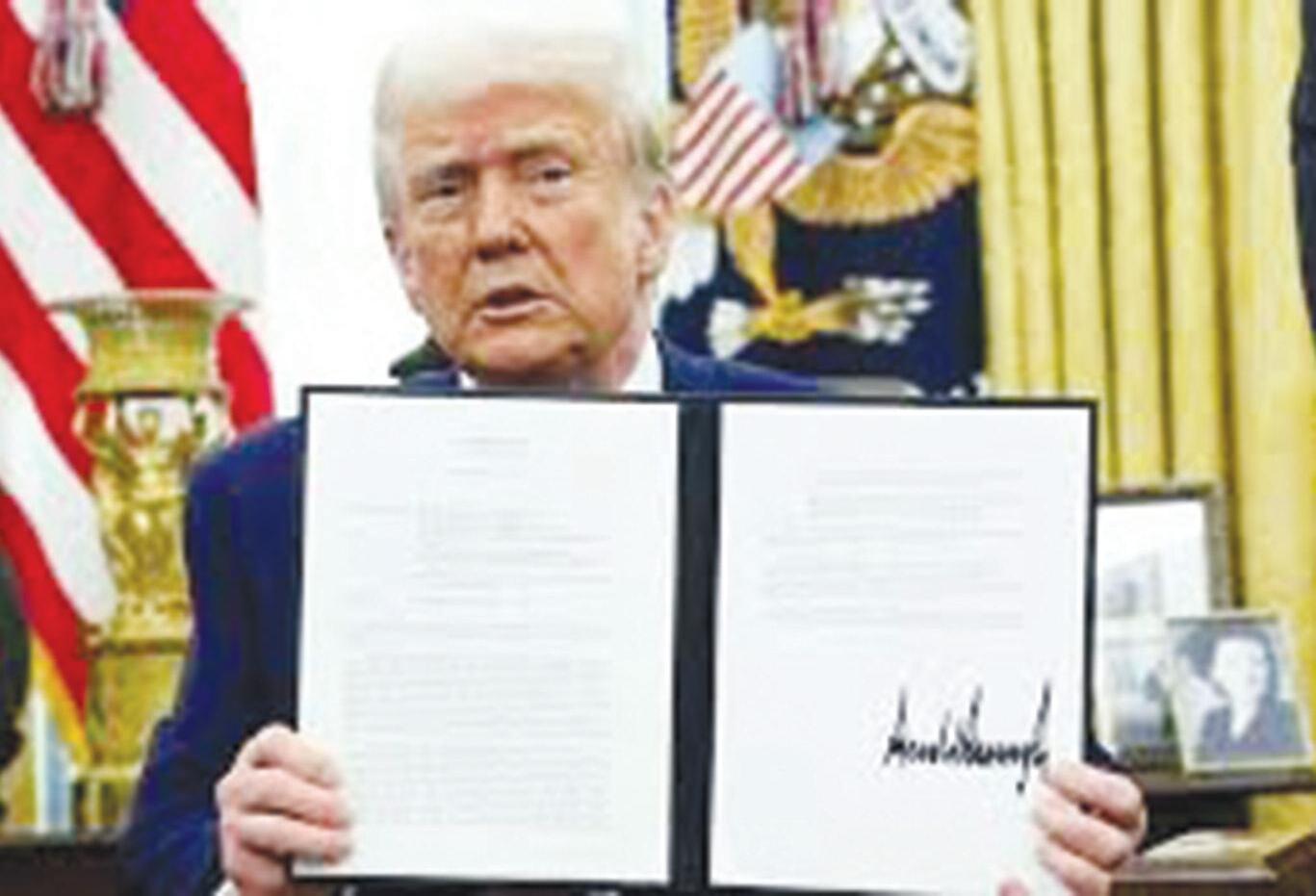
The summit also produced a roadmap to reduce global tariffs a direct counterpoint to Donald TrumpÊs aggressive tariff wars. Leaders agreed that escalating tariffs undermine supply chains, inflate consumer prices, suffocate expor t markets, and weaken global economic stability By committing to reduce trade barriers and revive the core principles of the World Trade Organization, the G-20 openly challeng ed the direction of U.S. trade policy and reaffirmed that globalization, though evolving, is far from dead


Tthat the Trump administration is fundamen-
tally different from its predecessors that its foreign policy course corrections correspond in many ways to our [Russian] views,” and that this fact offers a chance of “continuing constructive work on a peaceful settling of the Ukraine conflict as a minimum Peskov has also welcomed the National Security Strategy s aversion to NATO expansion as well as conflict in general and its stress on seeking dialogue and good relations At the same time, Moscow s spokesman added, things that look good on paper may not keep the American “deep state” from acting entirely differently that is obviously much worse In diplomatese that is much less than the outright and tragically misplaced enthusiasm with which late-Soviet leaders and diplomats, such as Mikhail Gorbachev and Eduard Shevardnadze, fell for big talk from Washington Moscow has long learned the hard lessons of American bad faith: naïve trust is not on the menu anymore and won t come back Yet Russia is also in a position –earned by its resurgence and resilience and, in particular, by its de facto victory over a Western proxy war in Ukraine – to allow itself to vigilantly explore opportunities
Let’s take a step back and get a sense of historical context too Washington – or to be precise the executive branch of the American government led by the presidency – has produced this type of official NSS for almost four decades
They have had two main purposes: to communicate a US president’s priorities to international and domestic audiences including to other parts and agencies of the American government In reality the effect of National Security Strategies has varied But if used with a will, they can be what a Fox News commentator has just called “the premier document” to shape defense and thus also foreign policy
Originally meant to be issued annually in reality National Security Strategies have appeared with delays and gaps Nonetheless, by now, we are looking back on twenty of them With the first one produced at the very tail end of the (first) Cold War in 1986, they have reflected very different international circumstances and American priorities
Many previous National Security Strategies are forgotten for good reasons: they were neither particularly innovative nor – by US standards – sensationally frightening to the rest of us on this planet But some have stood out for instance that of 2002 which codified the Bush Doctrine a toxic neocon mix of unilateralism regime change preemptive war and American Israel addiction that has cost millions of lives In 2010, the Obama administration falsely claimed to break new ground by stressing “democracy promotion” (that is,
regime change again) and counterinsurgency via yet another hearts-and-minds playbook of modernizing the occupied into submission The 2017 National Security Strategy, already under Trump, then US president for the first time offered a mix of the genuinely disruptive (in a good way) by recognizing the reality of pervasive geopolitical rivalry and the tritely conservative (in a bad way) by fingering big bad Russia and China as main threats What has happened now, though, is different Especially the shocked reactions among Western hardliners in particular in NATO-EU Europe attest that Trump s second National Security Strategy is – at least on paper – not an inconsistent compromise but an open assertion of fresh priorities and a programmatically different approach Regarding the groans of discomfort and even howls of pain from Western hawks and bellicists a small sample is enough to convey the general tone: Donald Trump s bleak incoherent foreign-policy strategy Allies may panic; despots will cheer (The Economist); a US strategy [that] turns against the European democracies” and constitutes a case of emergency (“Ernstfall”) for Europe (unfortunately prominent German mainstream-conservative hardliner Norbert Rottgen); and equally belligerent Green politician Agnieszka Brugger sees only one answer to the crisis: finally steal the frozen Russian assets ASAP From their self-cornered and obsessive perspective their panic is to be fair almost understandable Official NATO-EU Europe has worked for at least over a decade – since misusing the Minsk II agreements as a deception – on depriving itself of the last remnants of options, leverage, and credibility in its current non-relationship with Moscow Now, after plenty of clear signs of disfavor from Washington in the Trump-Reloaded version the hammer seems to be coming down from the other side of the Atlantic Just look at it with the sleepy, conceited, and ideologically deluded eyes of Brussels, Paris, London, and Berlin Here are the American “friends” and protectors not only sending another batch of détente signals to Russia and China – they are also declaring their firm intention to restore Europe s civilizational self-confidence and Western identity That may sound harmless, even protective As long, that is, as you don t translate it into plain English: The US will support Europe’s surging New Right not its shaky Centrist establishments Because the New Right is where Trump s Washington sees that self-confidence and identity As German uberhawk Rottgen fears, the US may start meddling seriously in Europe’s domestic politics Wakey, wakey, Norbert: They have
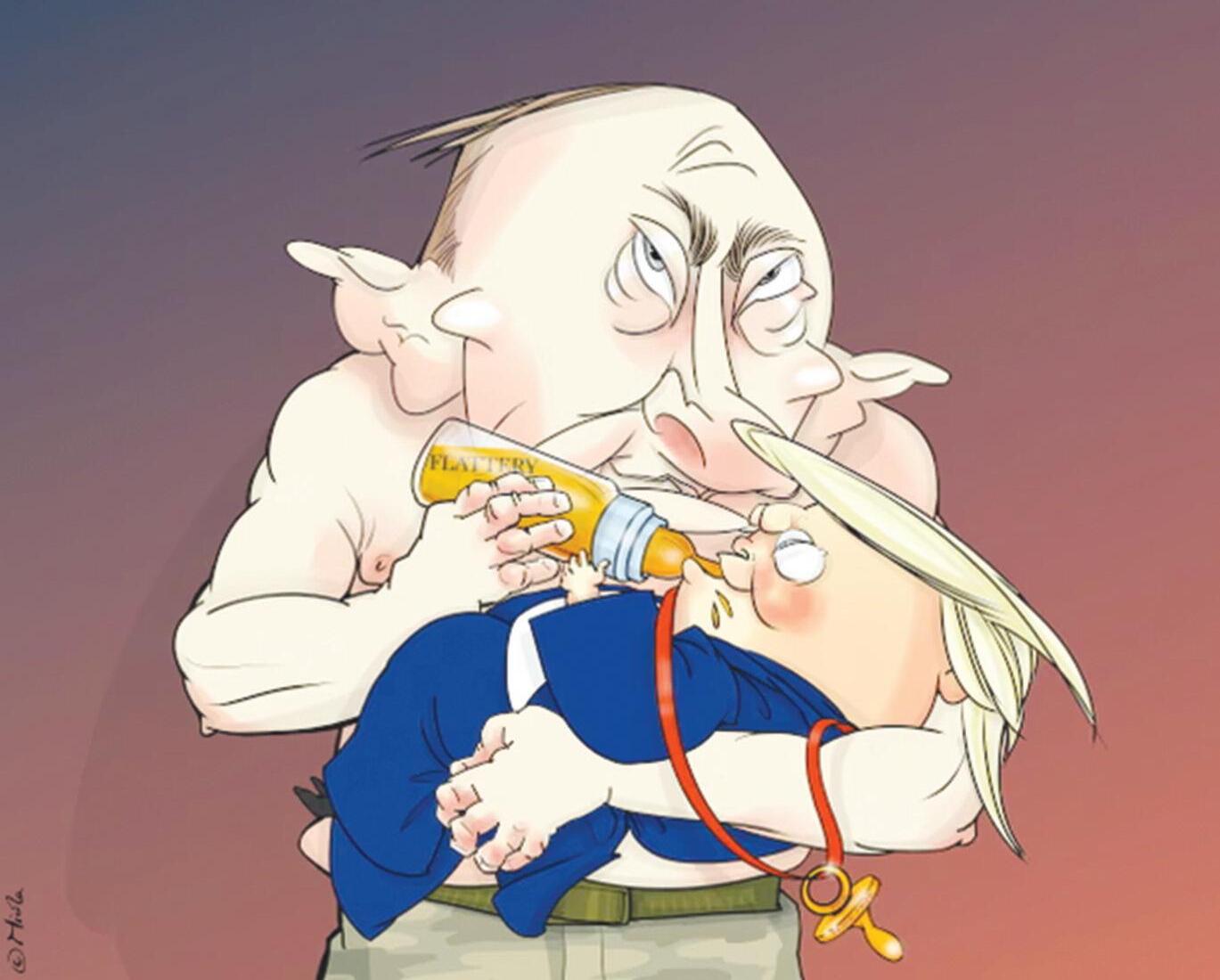
done so forever What’s new to you is that you are now not among their accomplices and favorites but their targets Say so that s what that feels like and enjoy the ride
The extreme boosterism of the new National Security Strategy, locating everything that is the most beautiful and the best in the US, and only there, is really as American as apple pie Trump is just tactlessly open about it Explicitly putting America first too isn t surprising Just more honest again than bygone Centrist pieties Yet when you are part of the European elite that has just been subjugated and trampled-on in a tariff war, forced

MAGNITUDE 7.6 QUAKE STRIKES OFF JAPAN, TRIGGERING TSUNAMI WARNING

UN calls on Taliban
to lift ban on Afghan women in its offices
KABUL a f p
The United Nations called on the Taliban authorities on Sunday to lift its ban
Netanyahu expec ts to move to G aza truce second phase soon
Israeli Prime Minister Benjamin Netanyahu announced Sunday he expected the second phase of the US-sponsored ceasefire plan for Gaza to begin soon, and said he would meet President Donald Trump this month
The truce in effect since October 10 has halted the war that began after Hamas s deadly attack on Israel on October 7, 2023
But it remains delicate as Israel and Hamas accuse each other of violations Under the terms of the ceasefire that entered into force on October 10 Palestinian militants committed to releasing the remaining 47 living and dead captives seized on their October 7, 2023 attack on Israel
All of the hostages have so far been released except for the body of an Israeli police officer
Speaking after meeting German Chancellor Friedrich Merz in Jerusalem, Netanyahu said: "We very shortly expect to move into the second phase, which is more difficult "
orders
Adil Raja to publicly apologise to Brig (R) Rashid Naseer LONDON ag e n c e s
The UK High Court has ordered YouTuber Major (retired) Adil Raja to make a public apology and pay around £310 000 in damages and legal costs to Brigadier (retd) Rashid Naseer in relation to the defamation case that Adil Raja lost in October this year Judge Richard Spearman KC made the order after a hearing in the London High Court, where Raja had sought to make an appeal against the original judgment Naseer asked the court to proceed with making the order following the judgment he obtained in his favour in October this year After hearing the arguments of Raja s lawyer Simon Harding, Judge Richard Spearman KC refused to entertain Raja s application for permission to appeal before him The Judge was critical of Raja’s lawyers, who did not engage with Naseer ’s lawyers in dealing with consequential matters The Judge has made the following orders to Raja: he must make a public apology for his defamatory statements towards Brig (retired) Naseer; this apology is to be posted for 28 days on Raja s Twitter, Facebook, YouTube accounts and the main page of his website; Raja has been ordered to pay £50,000 in damages and £260,000 costs upfront (and the rest to be assessed later) all to be paid by 22 December 2025; Raja has been issued an Injunction order not to repeat the defamatory statements; and permission to Appeal was not granted by the Judge In October this year, the UK High Court Judge ruled against Major (retd) Raja in the defamation case filed by Brigadier (retd) Naseer at the London High Court that Raja defamed Naseer, without any factual basis and evidence
The plan's initial steps saw Israeli troops withdraw to positions behind a so-called Yellow Line in Gaza though still in control of more than half the territory
Israel's army chief, Lieutenant General Eyal Zamir, said the de-
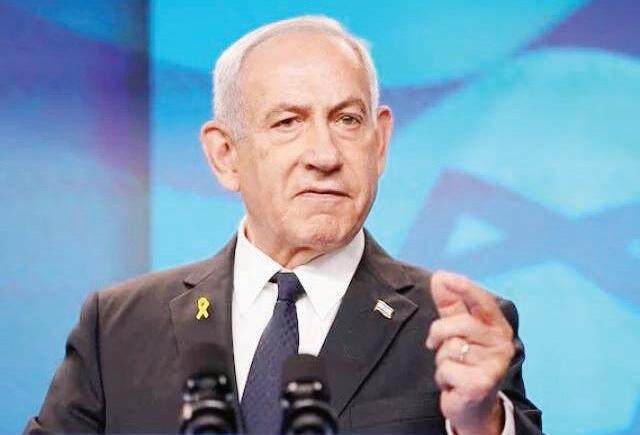
marcation line is a "new border line", the military quoted him as saying later Sunday
The second stage of the Gaza truce plan concerns disarming Hamas the further withdrawal of Israeli forces as a transitional authority is established, and the deployment of an international stabilisation force
A final goal of the agreement is the withdrawal of Israeli forces from Gaza in phases if certain conditions are met We have a second phase, no less daunting, and that is to achieve the disarmament of Hamas and the demilitarisation of Gaza," Netanyahu said Flurry of aid diplomacy Qatar and Egypt which helped
secure the long-elusive truce, called Saturday for the next steps to be taken including the withdrawal of Israeli troops Hamas said on the same day it was ready to hand over its weapons in Gaza to a Palestinian authority on the condition that the Israeli army's occupation ends Netanyahu also said he would meet Trump later in December to discuss "opportunities for peace" in the region The meeting is expected to take place in Washington after the premier s office said Trump invited Netanyahu to the White House during a phone call Monday Before Israel, Germany's Merz was in Jordan where he urged more humanitarian aid to flow into Gaza
The Political Bureau of the Communist Party of China (CPC) Central Committee convened on Monday to review the country s economic agenda for 2026 and examine new regulations aimed at enhancing the Party’s leadership over comprehensive law-based governance The meeting was presided over by Xi Jinping general secretary of the CPC Central Committee
Describing the current year as a pivotal moment in China’s modernization drive, the meeting noted that more proactive and effective macroeconomic policies had been implemented keeping the country on track to achieve its major economic and social development targets
According to the review, China has successfully weathered multiple shocks over the past five years strengthening its economic scientific technological and defense capabilities while also elevating its cultural and institutional soft power
For 2026, the meeting under-
scored the need to fully apply the new development philosophy, accelerate the formation of a new development pattern, advance high-quality growth and adhere to the overarching principle of seeking progress while maintaining stability It also called for better alignment between domestic economic goals and China s international economic and trade engagements
The leadership stressed the importance of coordinating development and security adopting more forward-looking and targeted macro policies expanding domestic demand, improving supply systems, and cultivating new quality productive forces tailored to local conditions Efforts to build a unified national market prevent and defuse major risks and stabilize employment businesses markets and expectations were identified as essential to ensuring a strong start to the 15th Five-Year Plan (2026–2030) Next year ’s economic work, the meeting emphasized must prioritize improved quality and efficiency supported by a more
proactive fiscal stance and a moderately accommodative monetary policy Domestic demand should remain the main growth driver, with innovation as the central engine Critical reforms will continue alongside measures to promote balanced urban-rural development, regional coordination and a nationwide green transition aimed at achieving carbon peaking and carbon neutrality goals
The leadership also called for putting people s livelihoods at the forefront of policymaking while maintaining a bottom-line approach to preventing major risks Strengthening the CPC s centralized and unified leadership was identified as fundamental to achieving these objectives
The Politburo further highlighted the importance of the newly reviewed regulations on the Party s leadership over law-based governance, describing them as vital for refining China’s socialist rule-oflaw system and advancing the construction of a more mature socialist legal state

Stakeholders call for unified national Extended Producer Responsibilit y framework as Pakistan advances toward circularit y
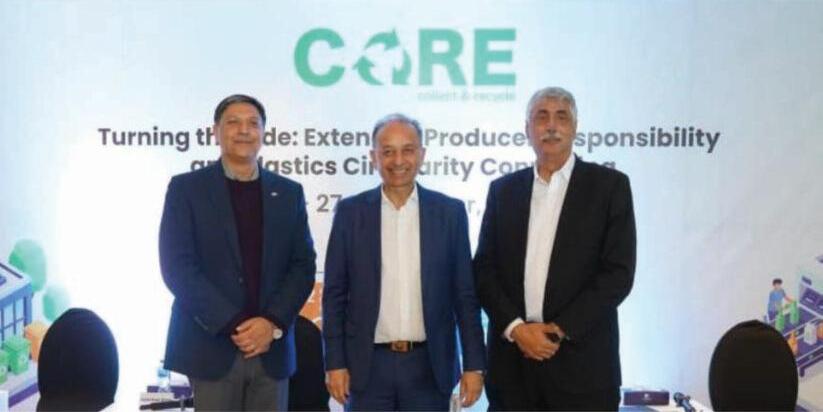
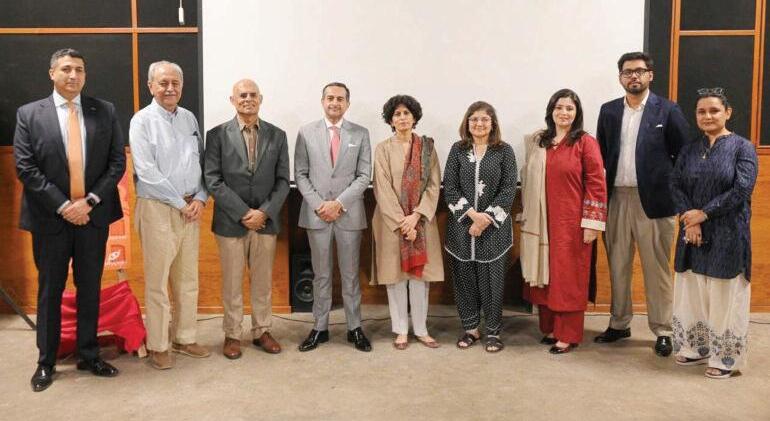
finance experts, development partners and academics convened to chart Pakistan’s next steps in plastics circularity While some territories have made steady progress on developing EPR frameworks participants stressed that a unified national system is essential to ensure scale, efficiency and predictable compliance for producers and recyclers The two-day convening,


Prabowo Subianto as his aircraft entered Pakistani airspace As a symbol of the strong ties and mutual respect between the two nations, the formation leader extended warm greetings to President Prabowo Subianto showcasing the commitment of Pakistan Air Force to strengthen bilateral relations The aerial escort served not only as a gesture of goodwill but also as a testament to the enduring friendship and bod of brotherhood between the two countries JF-17 Thunder is a state-of-theart 4 5 generation multi-role combat aircraft that reflects the advanced capabilities of Pakistan Air Force The ceremonial escort is a
to take ownership

IMF EXECUTIVE BOARD APPROVES $1.2BN TRANCHE FOR PAKISTAN
Justice Aurangzeb becomes permanent SC judge
Justice Miangul Hassan Aurangzeb has been sworn in as a permanent judge of the Supreme Court, with Chief Justice of Pakistan Yahya Afridi administering the oath during a ceremony held at the Supreme Court Aurangzeb who had been serving as an acting judge of the apex court was recommended for permanent elevation by the Judicial Commission on December 2 The oath-taking ceremony was attended by Chief Justice of the Islamabad High Court Sarfraz Dogar, along with Justices Mohsin Akhtar Kiyani, Babar Sattar, Tariq Jahangiri, Sardar Ejaz Ishaq, and Saman Rafat Imtiaz Justice K K Agha of the Federal Constitutional Court Federal Shariat Court Chief Justice Iqbal Hamid-ur-Rahman and Judicial Commission member Ahsan Bhoon were also present as were Supreme Court officers, staff, and other distinguished guests
Criticising the ongoing political commentary and press conferences Gohar said the current discourse only makes Pakistan s enemies happy adding that anyone who believes in democracy would find the situation deeply troubling He warned that the public was losing hope as political tensions intensify Addressing speculation about governor ’s rule in Khyber Pakhtunkhwa Gohar expressed surprise that KP Governor Faisal Karim Kundi was thinking about governor s rule He said the province needs stability, not political provocation He questioned why those advocating governor s rule had never advised the chief minister to address issues directly Everyone says governor s rule is coming is this how you treat the people’s mandate?” he asked Political tensions have escalated since ISPR Director General Lt Gen Ahmed Sharif Chaudhry criticised Imran Khan in a press conference, calling him a security threat and accusing him of promoting an “anti-army” narrative Following the remarks government ministers ruled out talks with PTI that include Khan Information Minister Attaullah Tarar announced a complete ban on meetings with the PTI founder, saying negotiations would take place only in parliament and without him