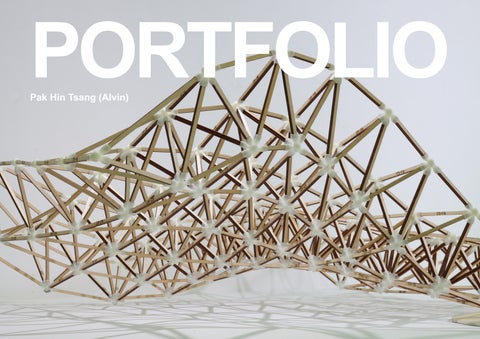
PORTFOLIO
Pak Hin Tsang (Alvin)
PROJECT X-X
Type: Self-directed study
Duration: November 2020 – July 2021 (9 months)
Software: Rhino, Grasshopper, AutoCAD, Chitubox
Production: Laser cutting, SLA resin 3D printing
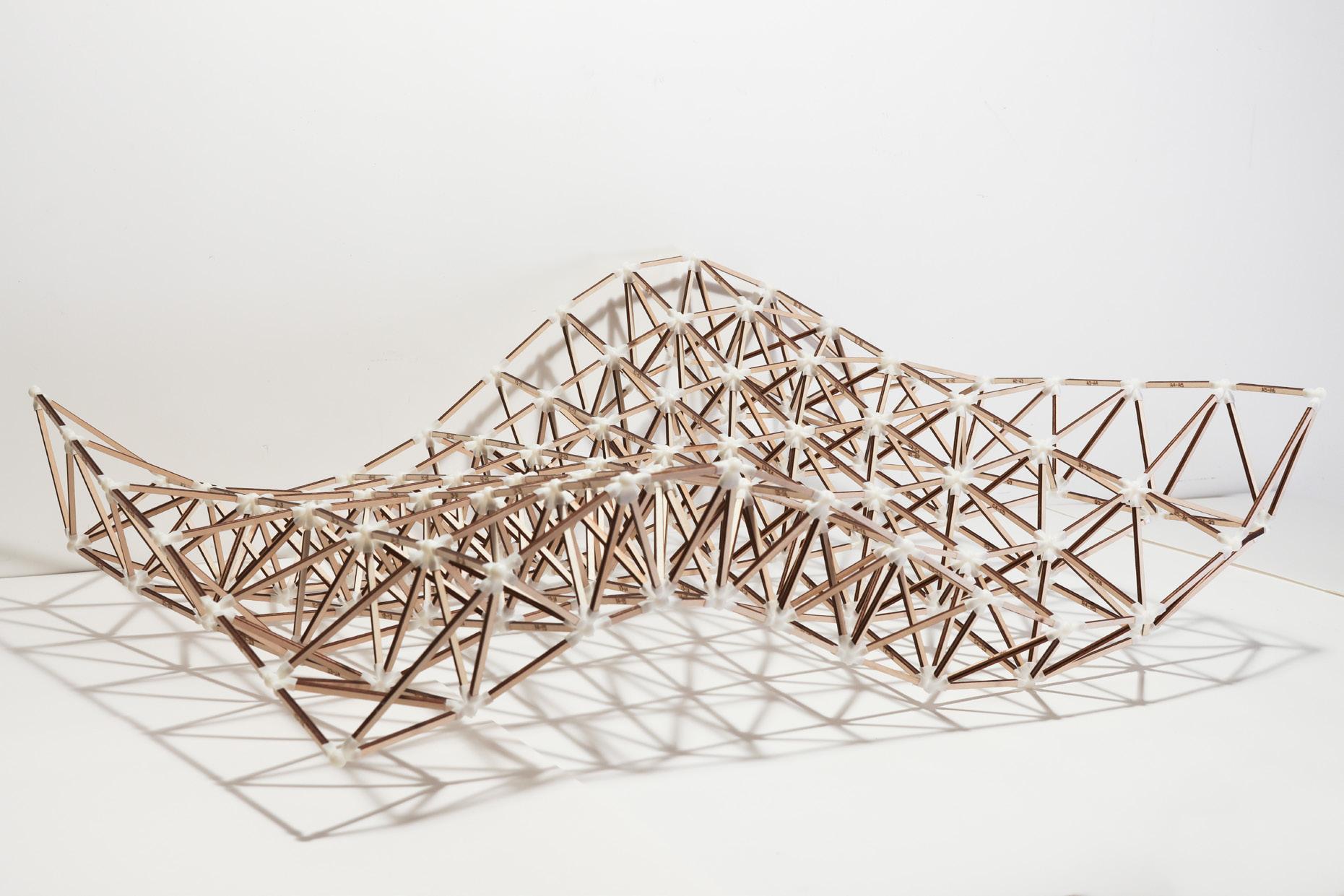
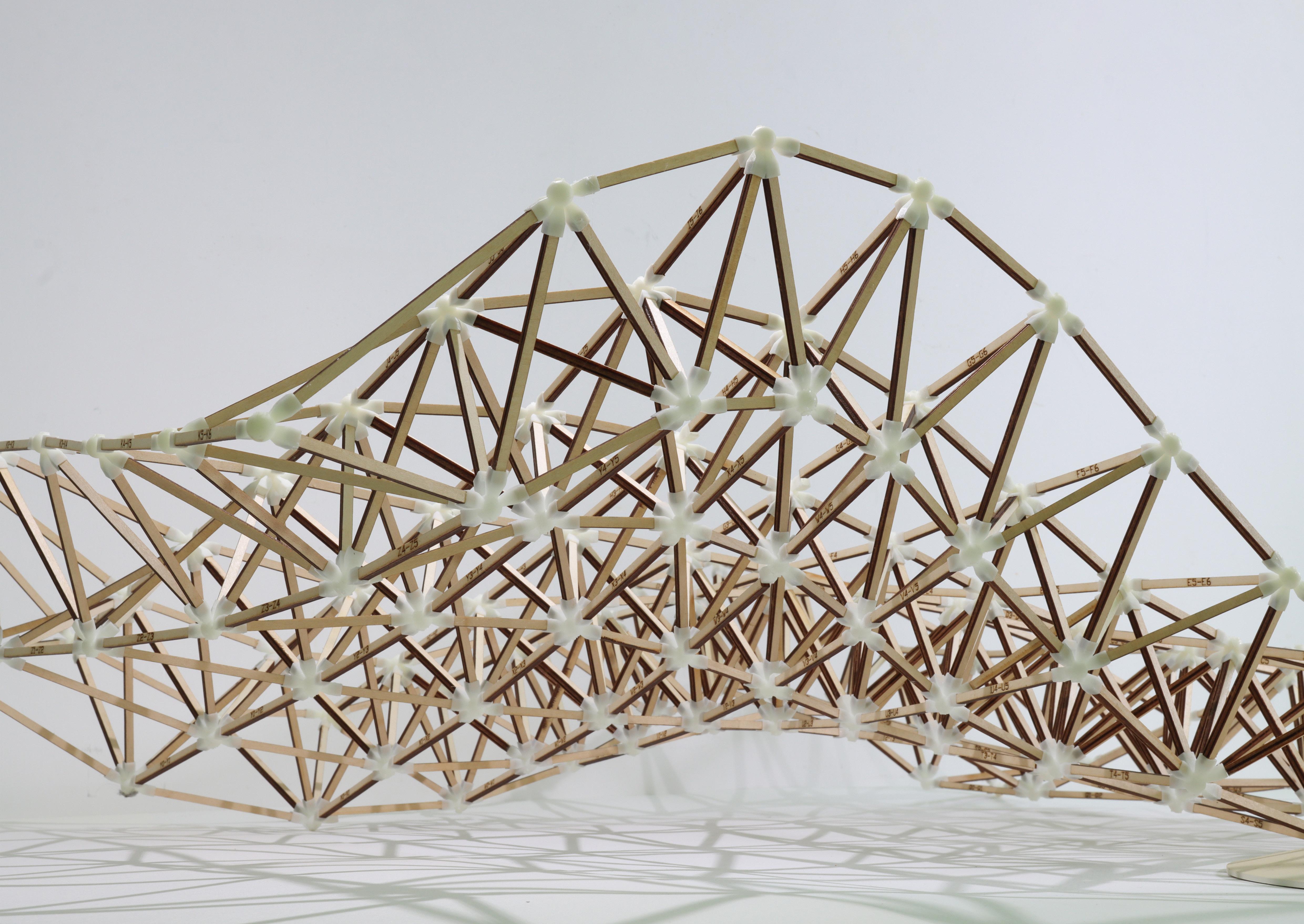
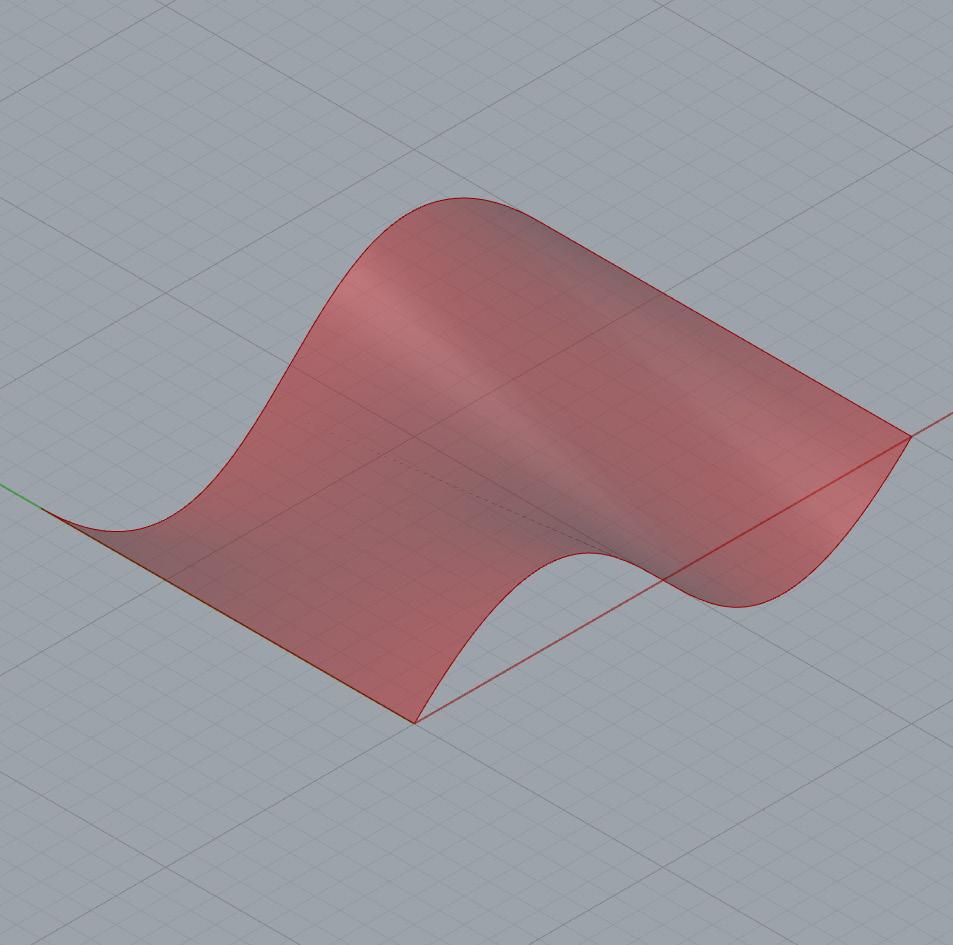
In ‘Project X-X’, the ‘X’ stands for one coordinate, and ‘X-X’ stands for from one coordinate to another.
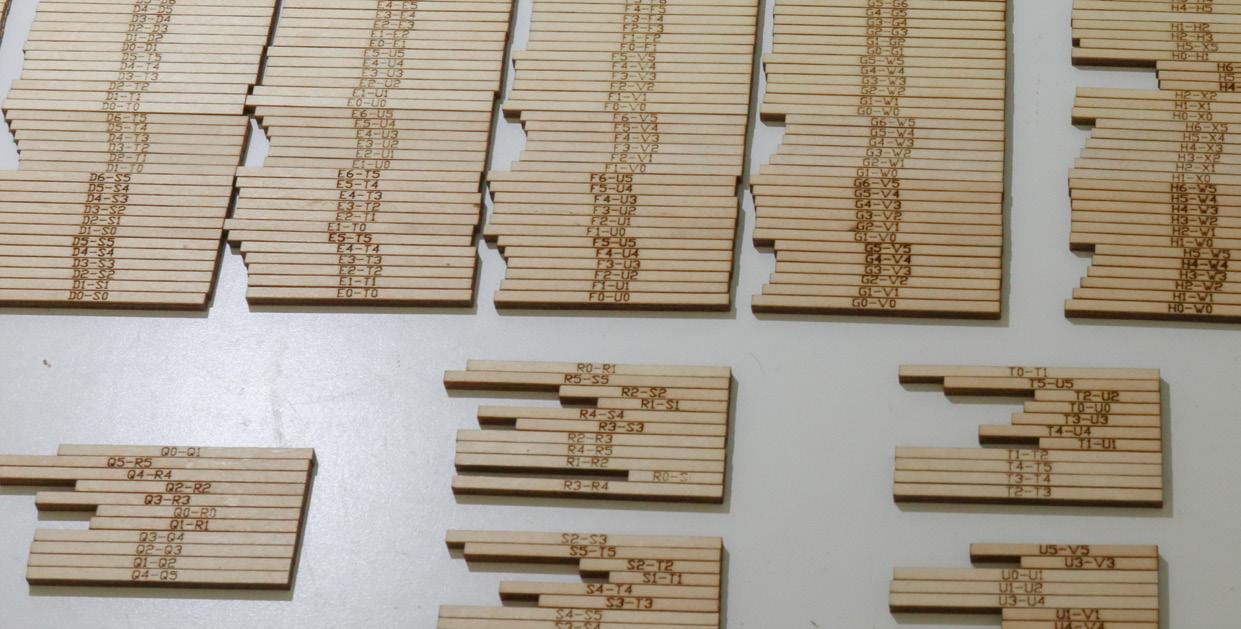
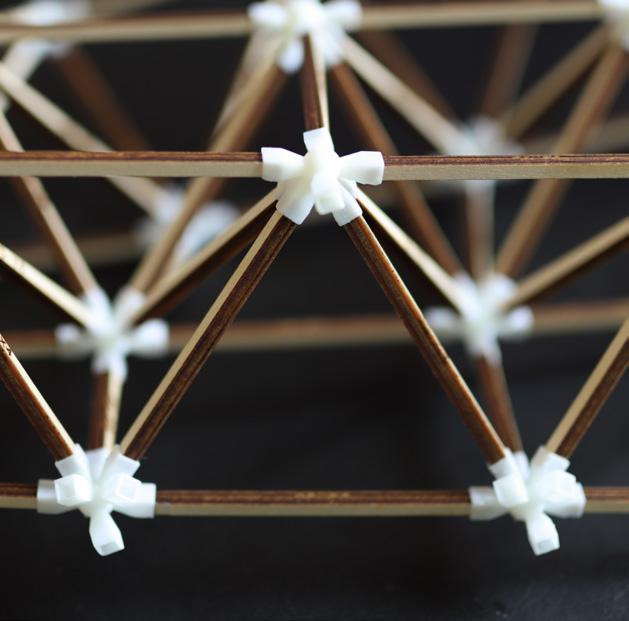
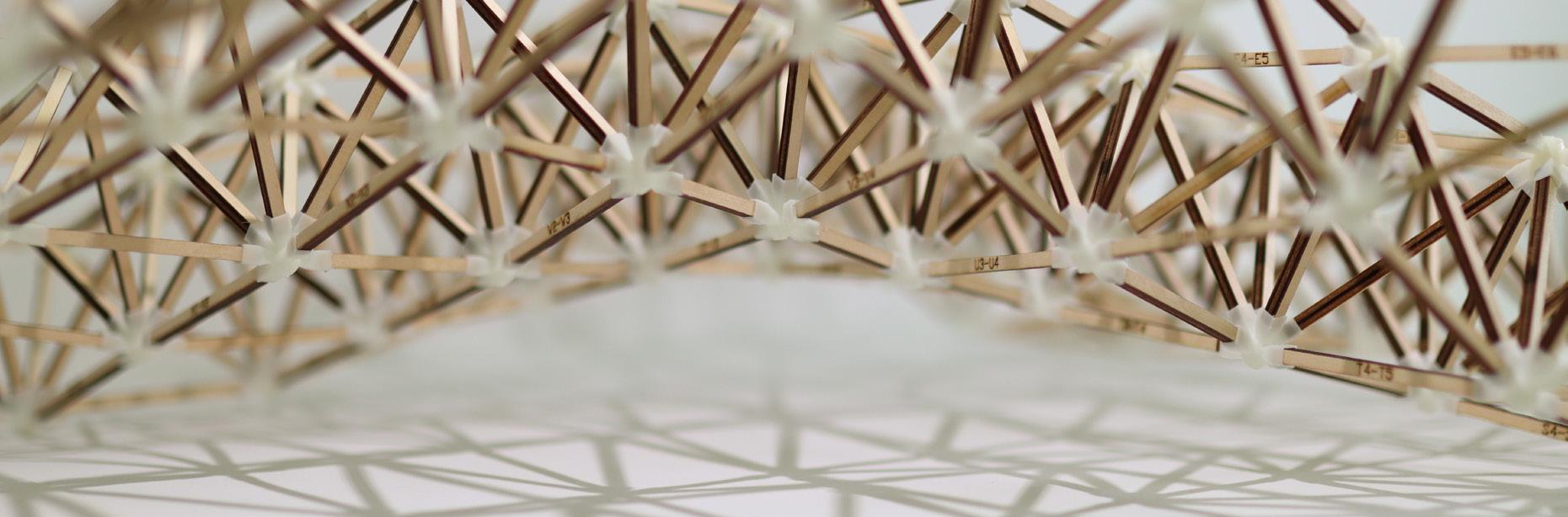
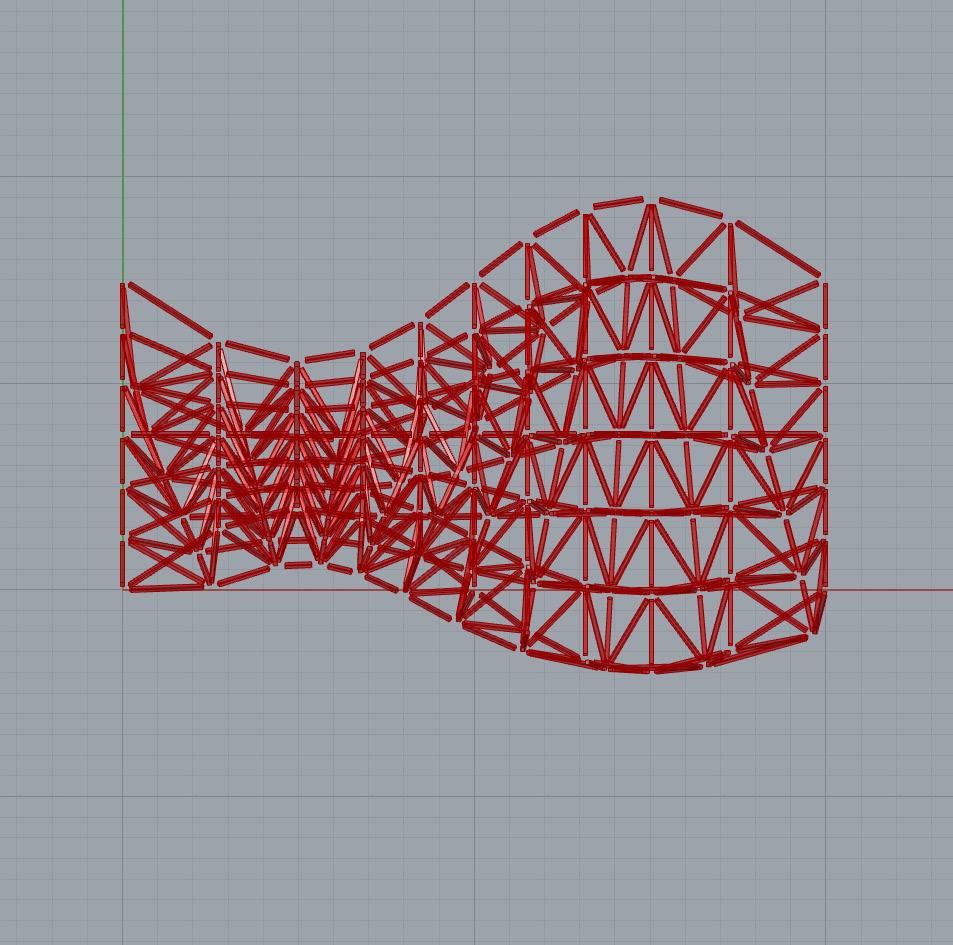
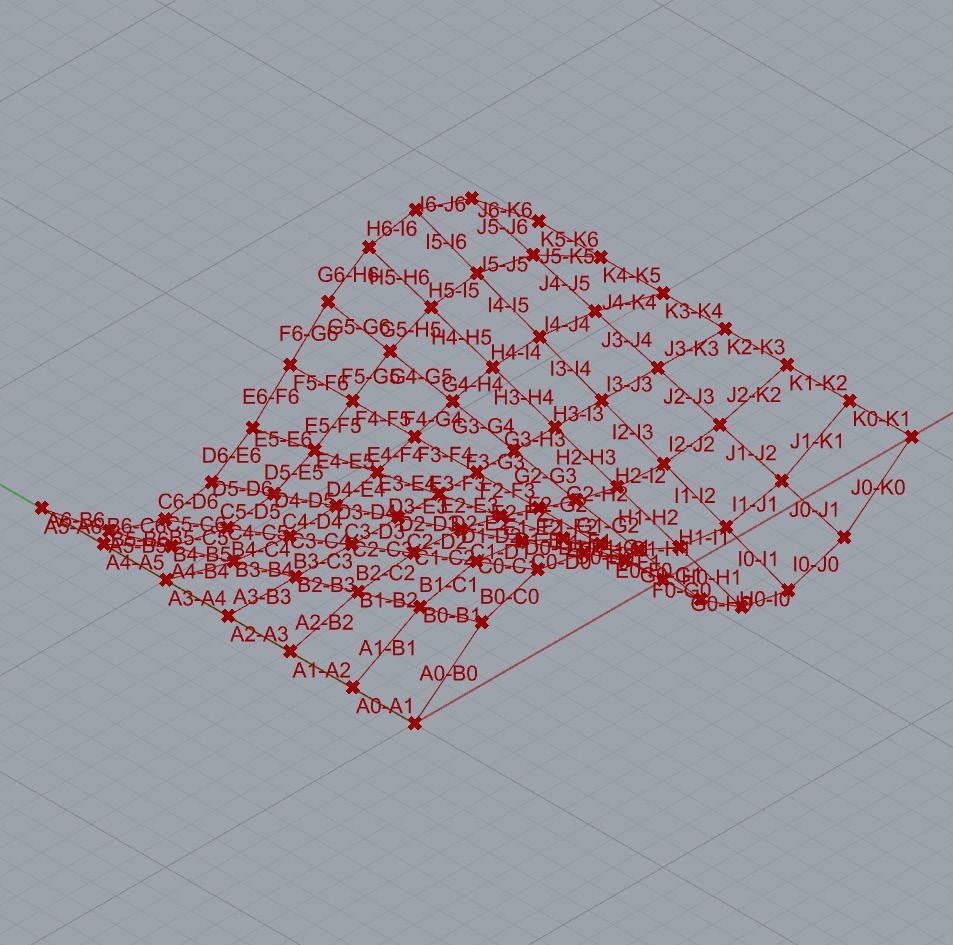
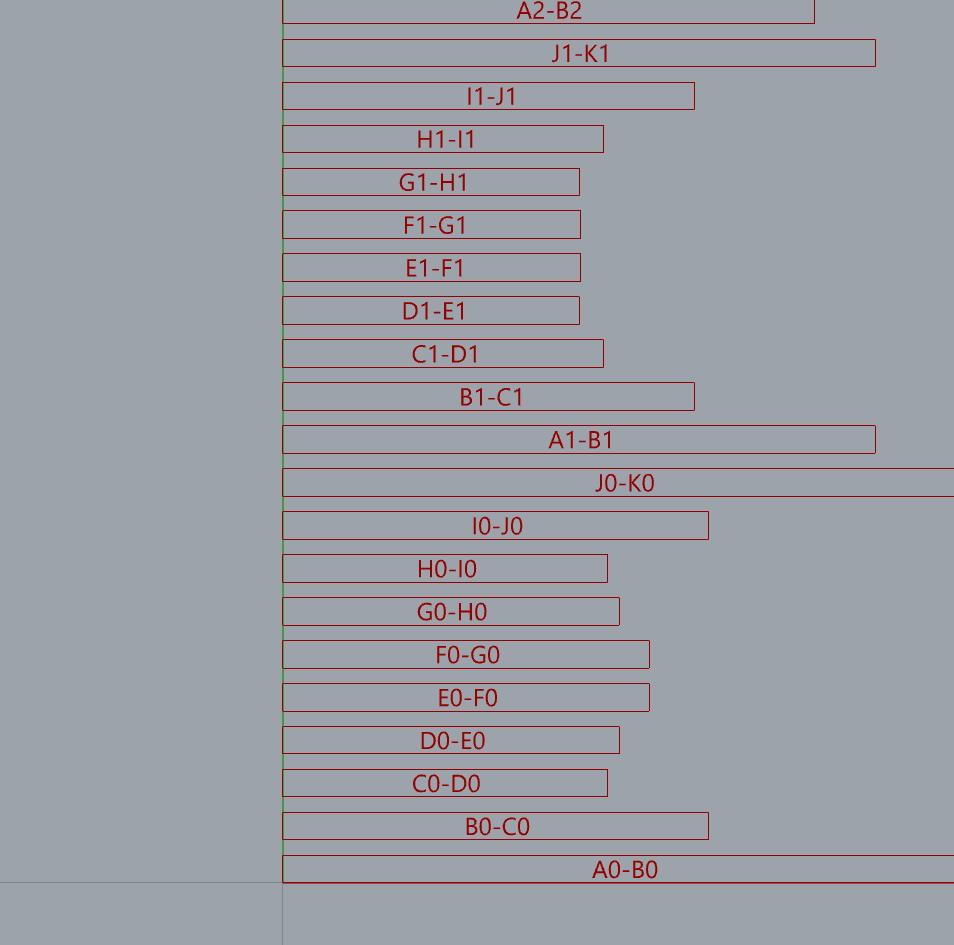
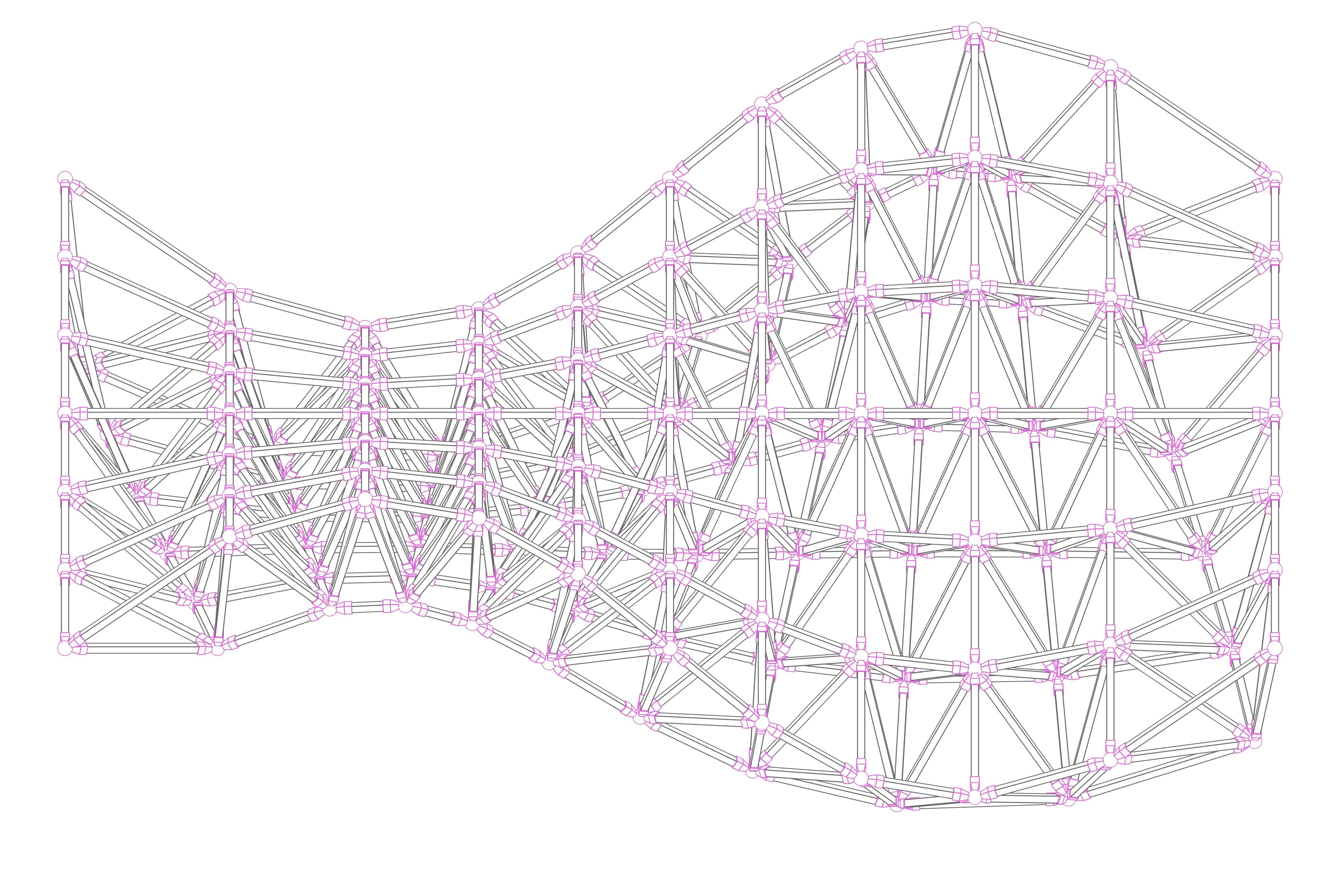
On Rhinoceros 3D and Grasshopper, a truss model was first modelled. On Grasshopper, the trusses were laid out on a 2D CAD file and assigned with incremental labels, for example, “A0-B0” horizontally and “A0-A1” vertically. The drawing was laser cut using plywood material.
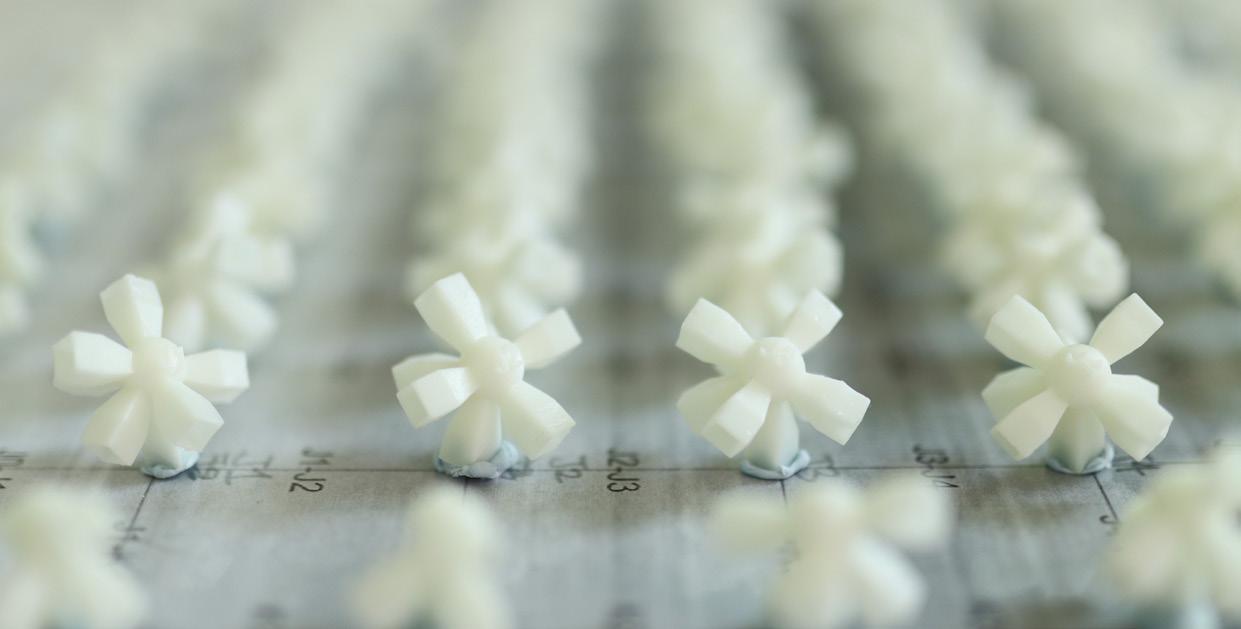
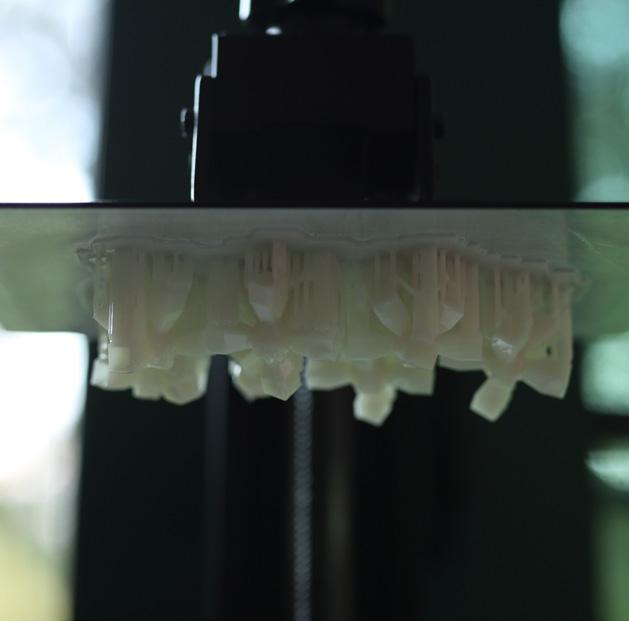
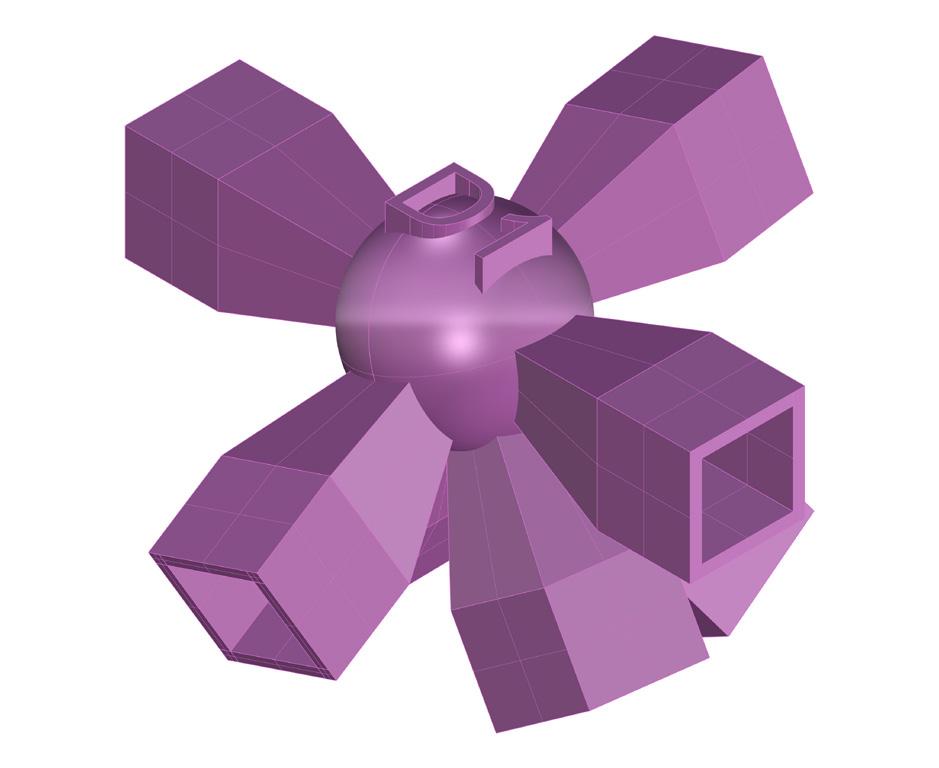
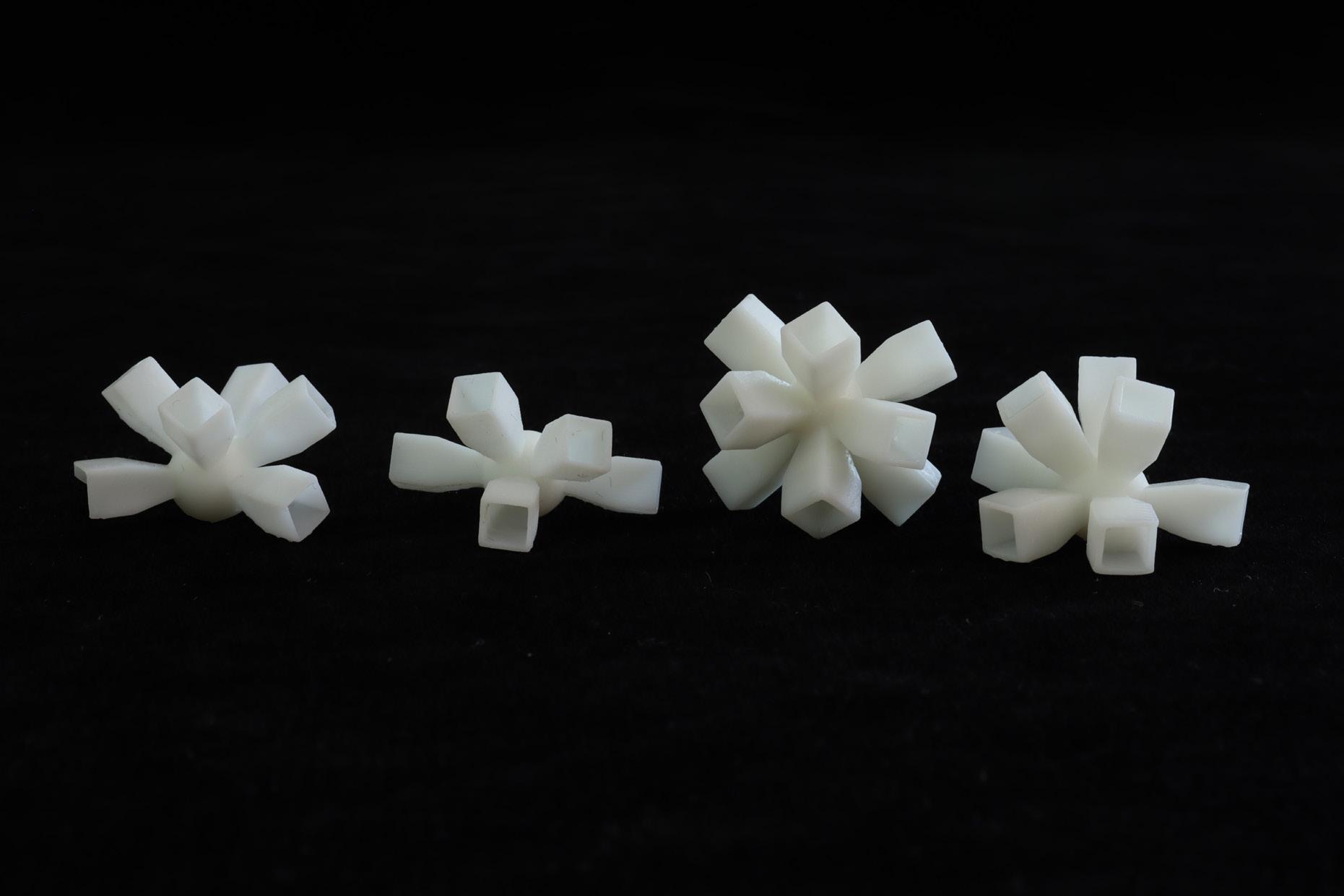
The truss connectors were designed on Rhinoceros 3D and generated on Grasshopper. They were assigned with 3-D labels for identification, before 3D printing. Using the SLA resin 3D printer, the connectors were printed. On slicer software Chitubox, settings and supports were carefully tested and refined. The prints were cleaned with alcohol and toohbrush, cured by sunlight, and polished with sandpaper.
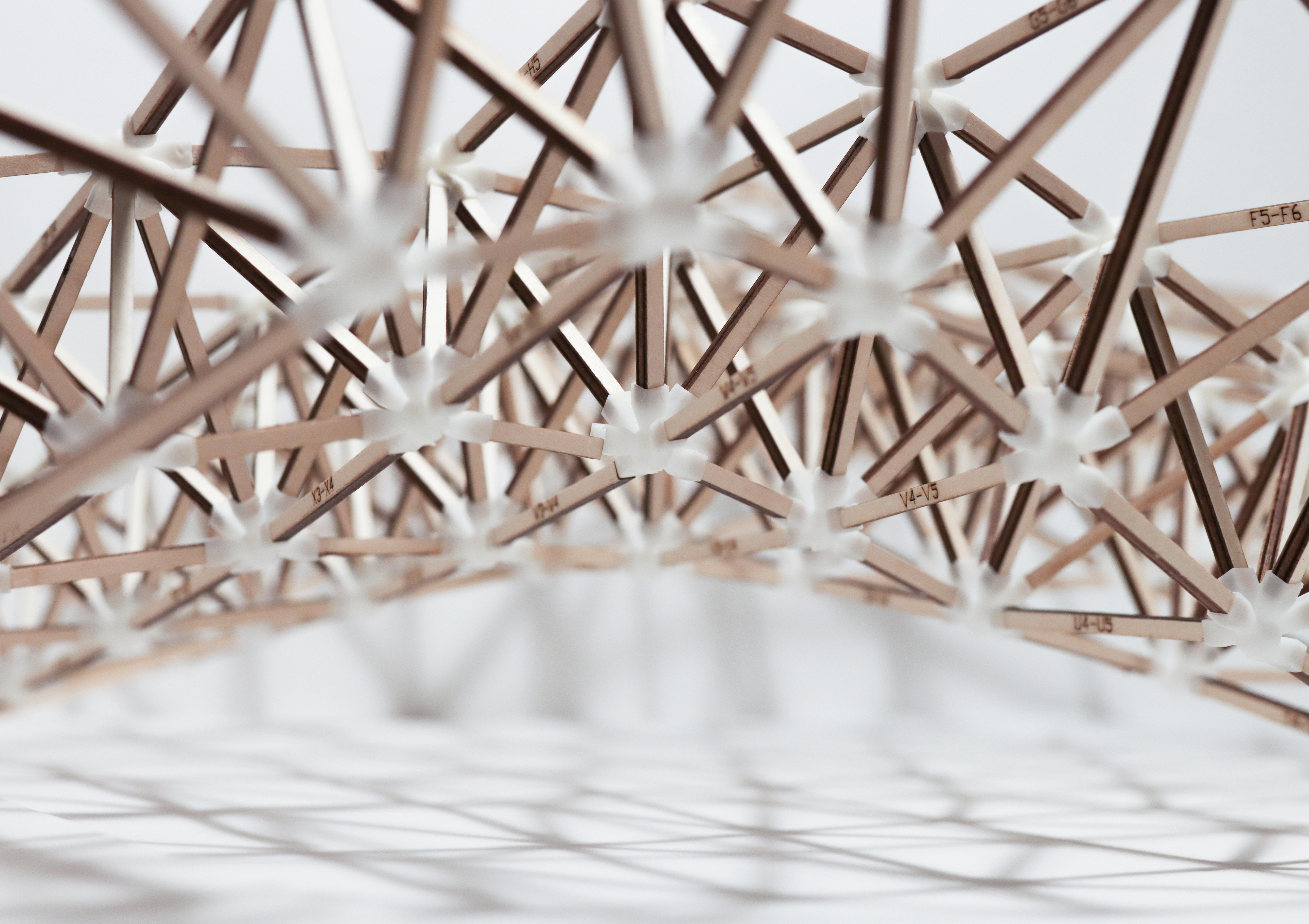
By fine handcraft, the trusses and connectors were attached and glued based on incremental labels.
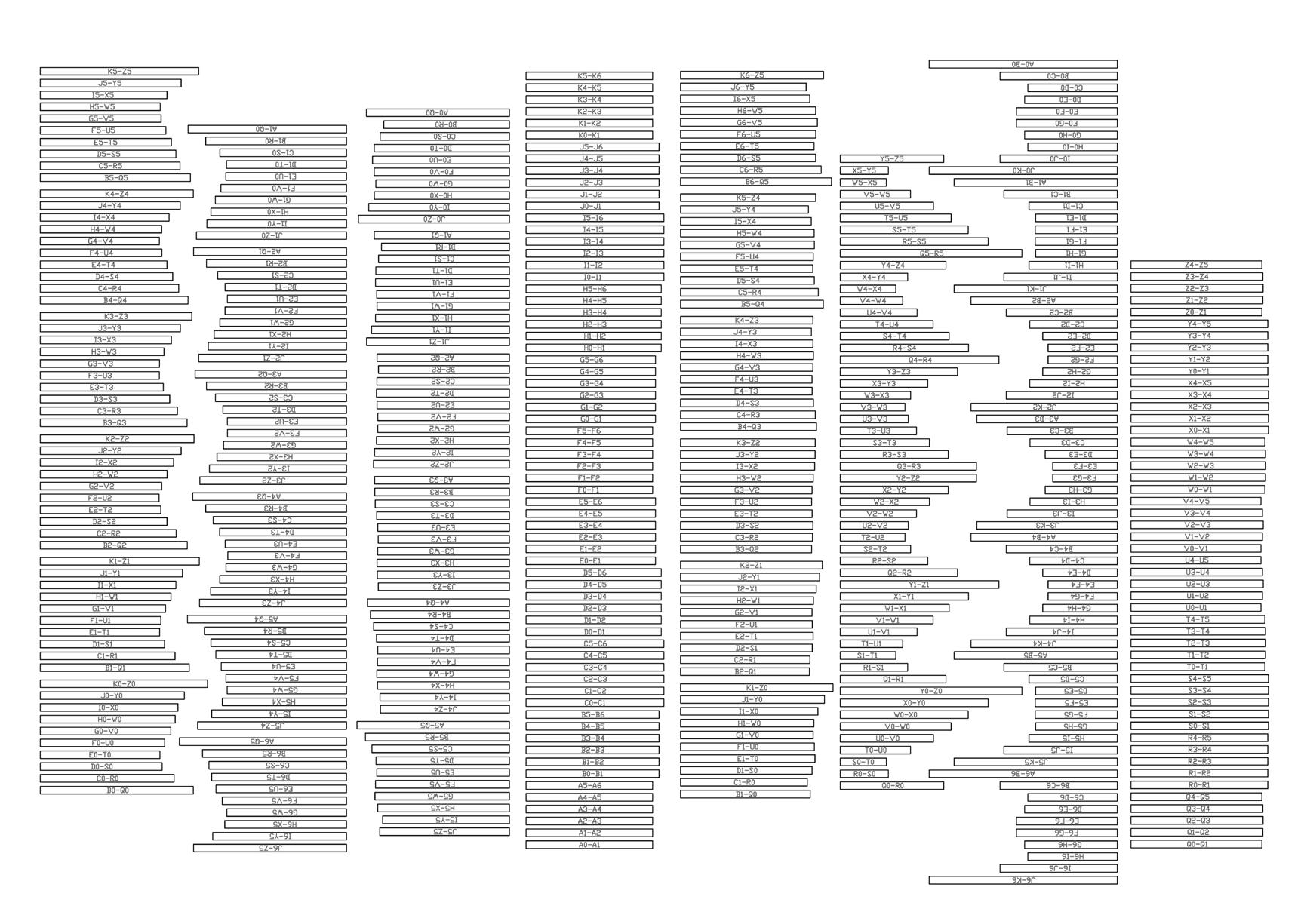
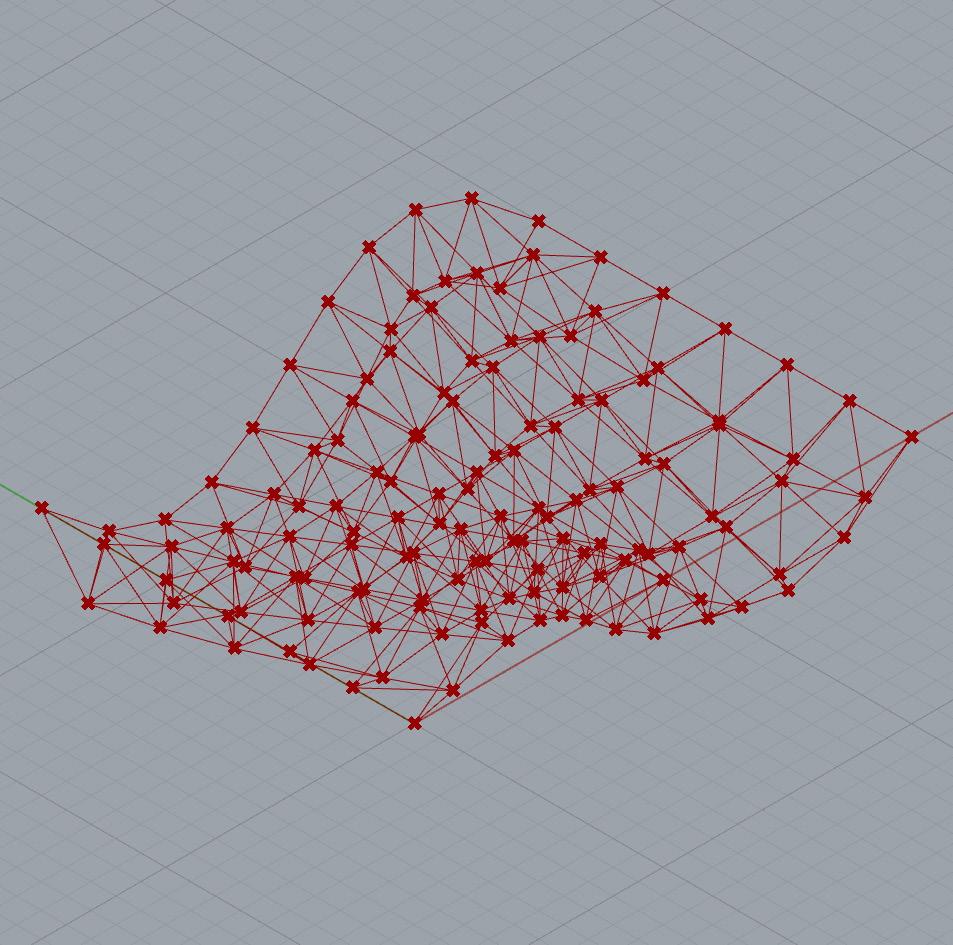
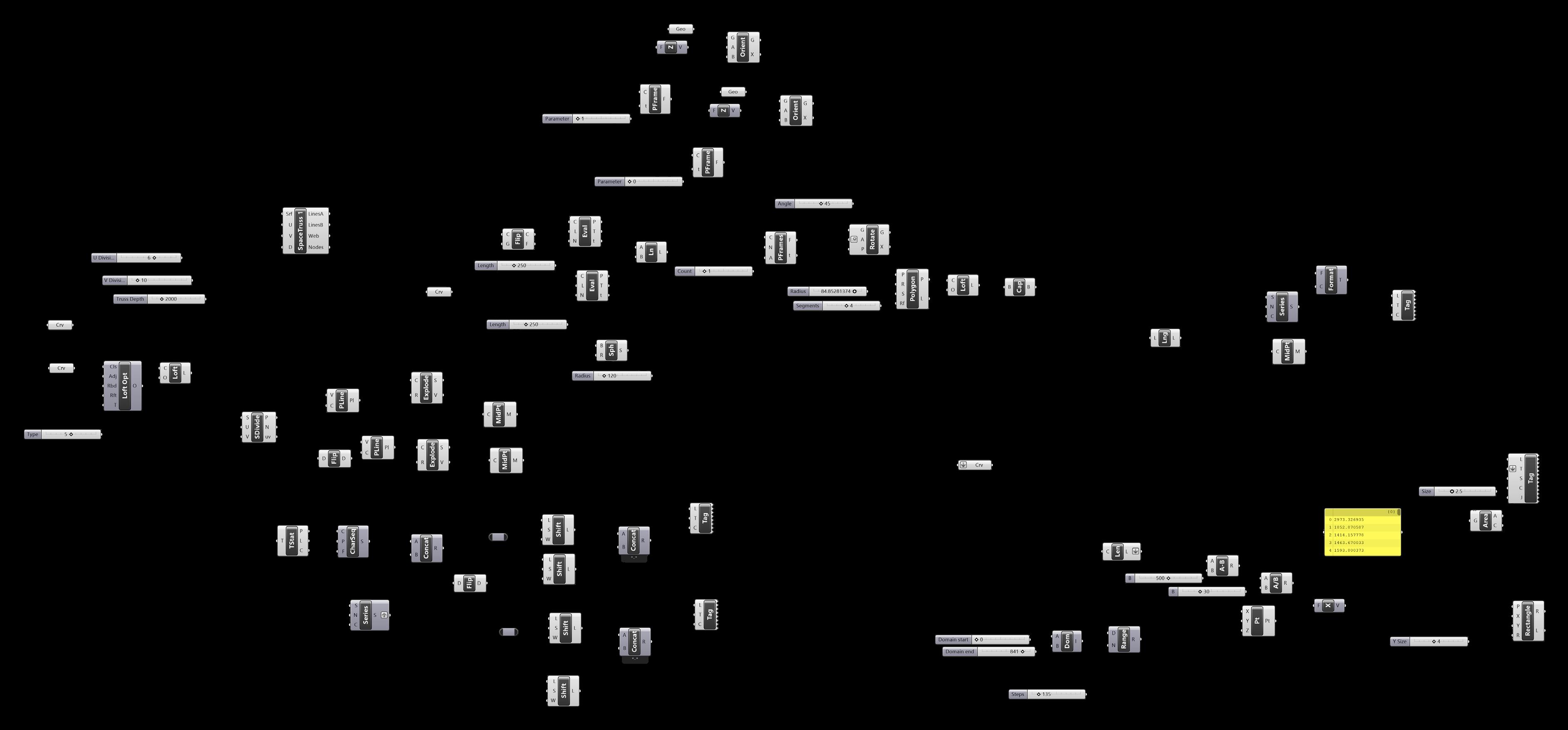
GRASSHOPPER MODEL
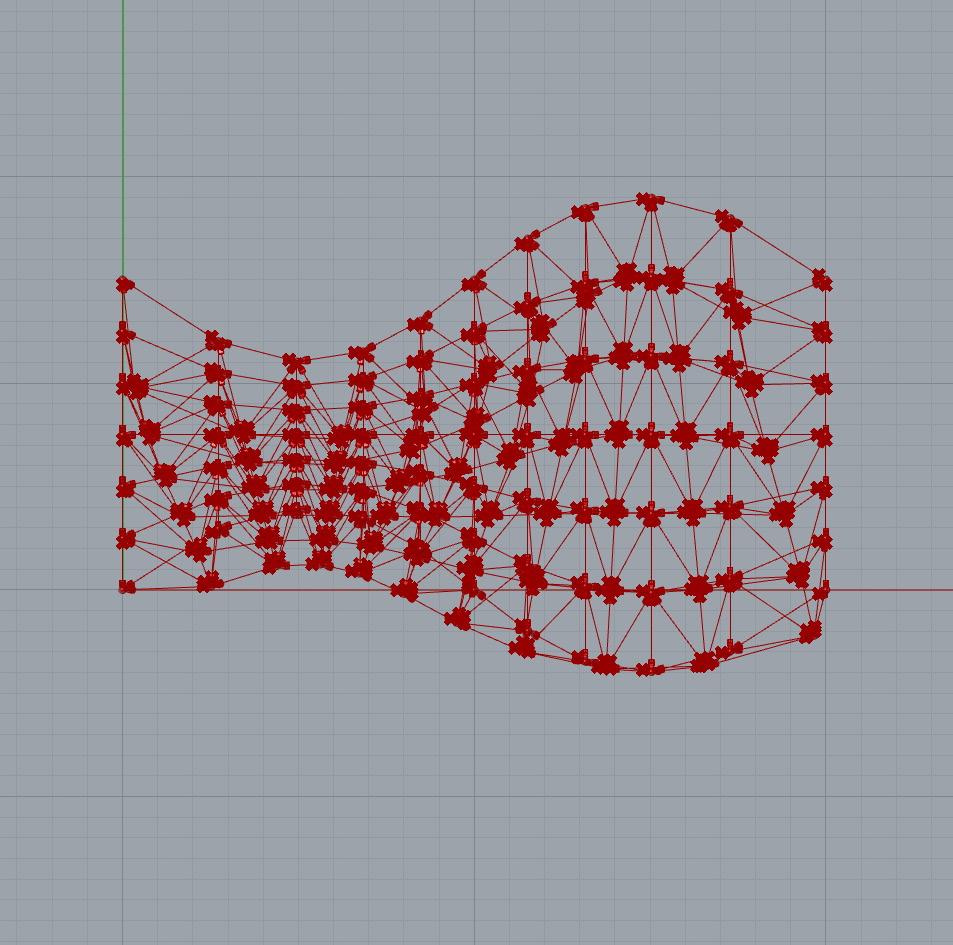
RHINO MODEL
Truss connectors were labelled manually on Rhino before SLA printing.
ST. JAMES ART CENTRE
Module: Stage 3 Architectural Design
Duration: Sep 2019 – Apr 2020 (8 months)
Tutors: Harriet Sutcliffe, Jack Mutton
Software: Rhino, Ultimaker Cura Production: 3D printing, concrete casting, laser cutting, handcraft
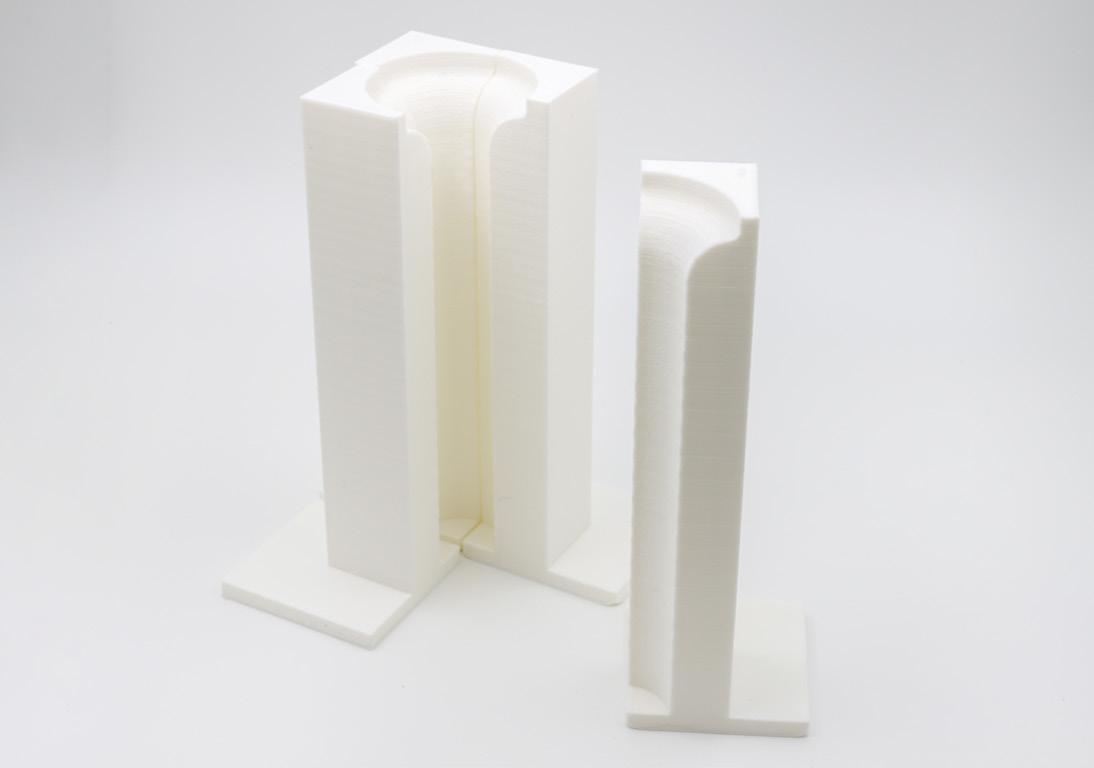
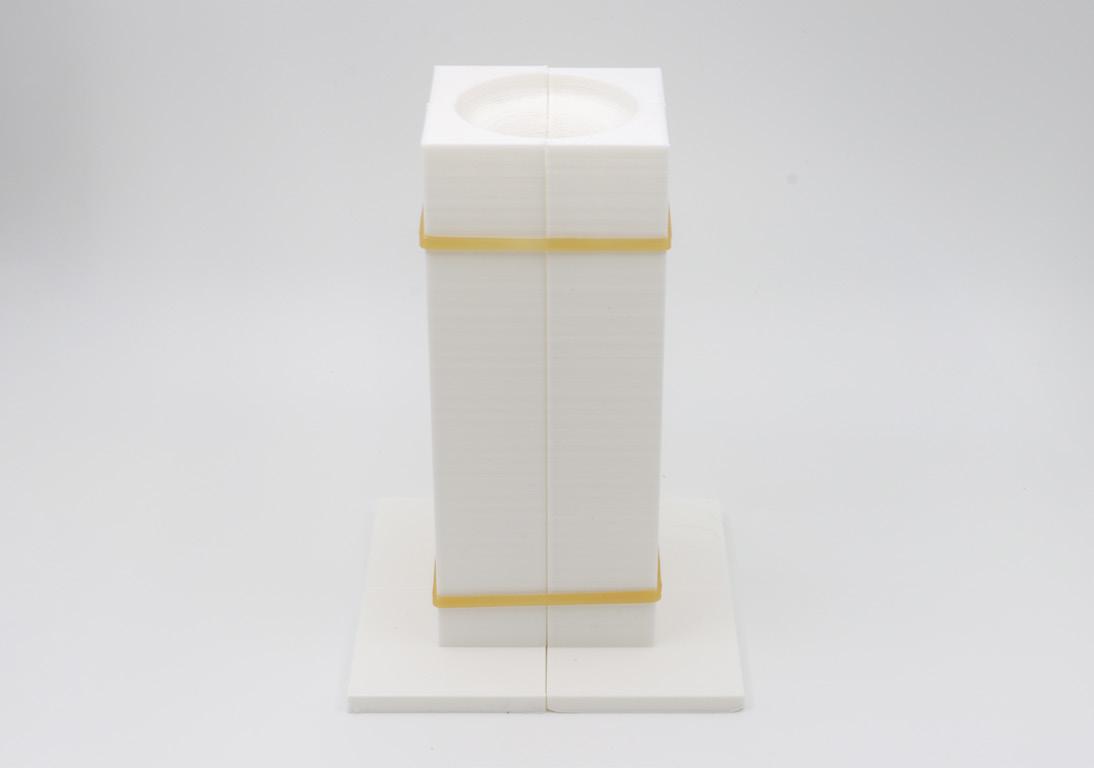
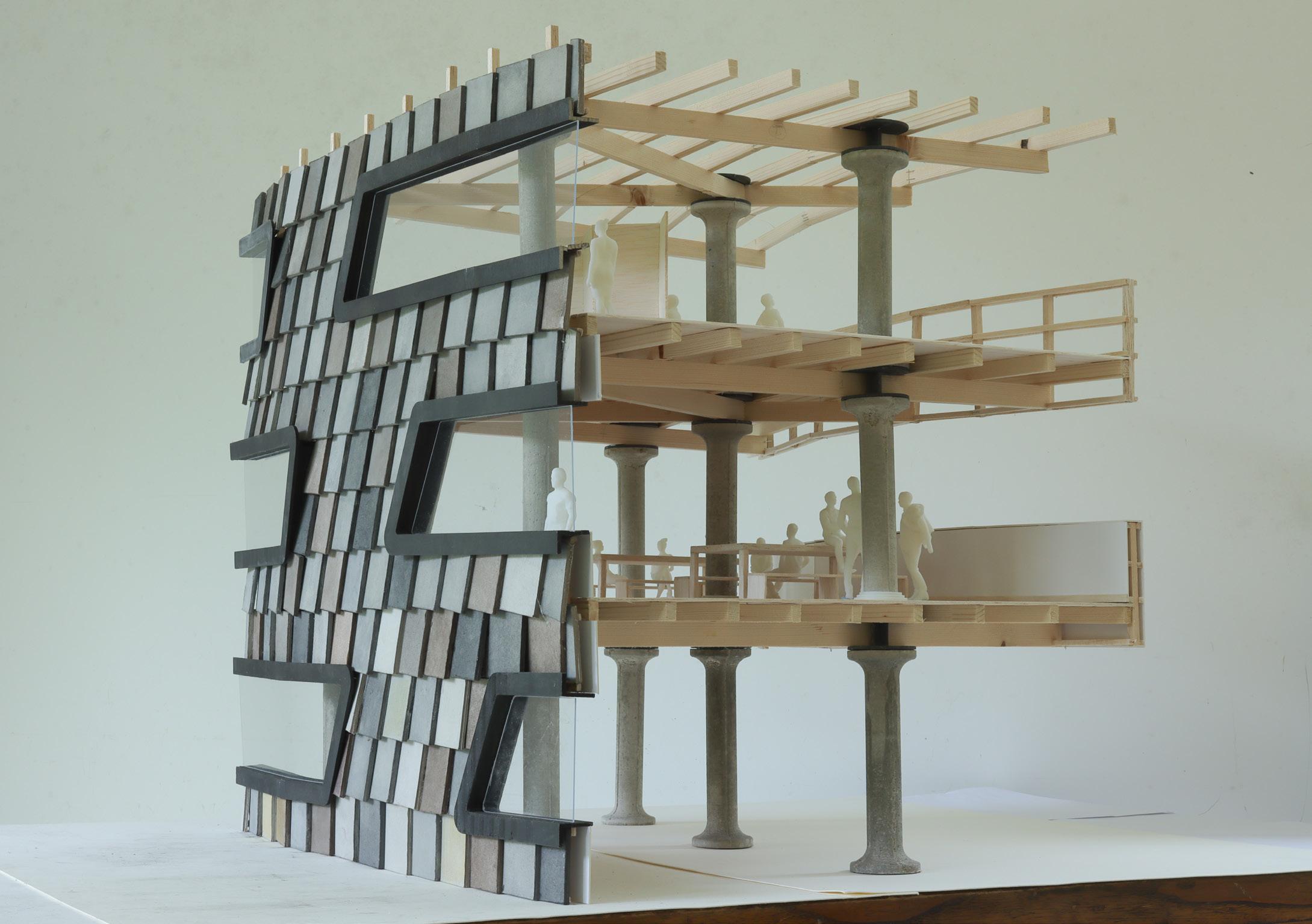
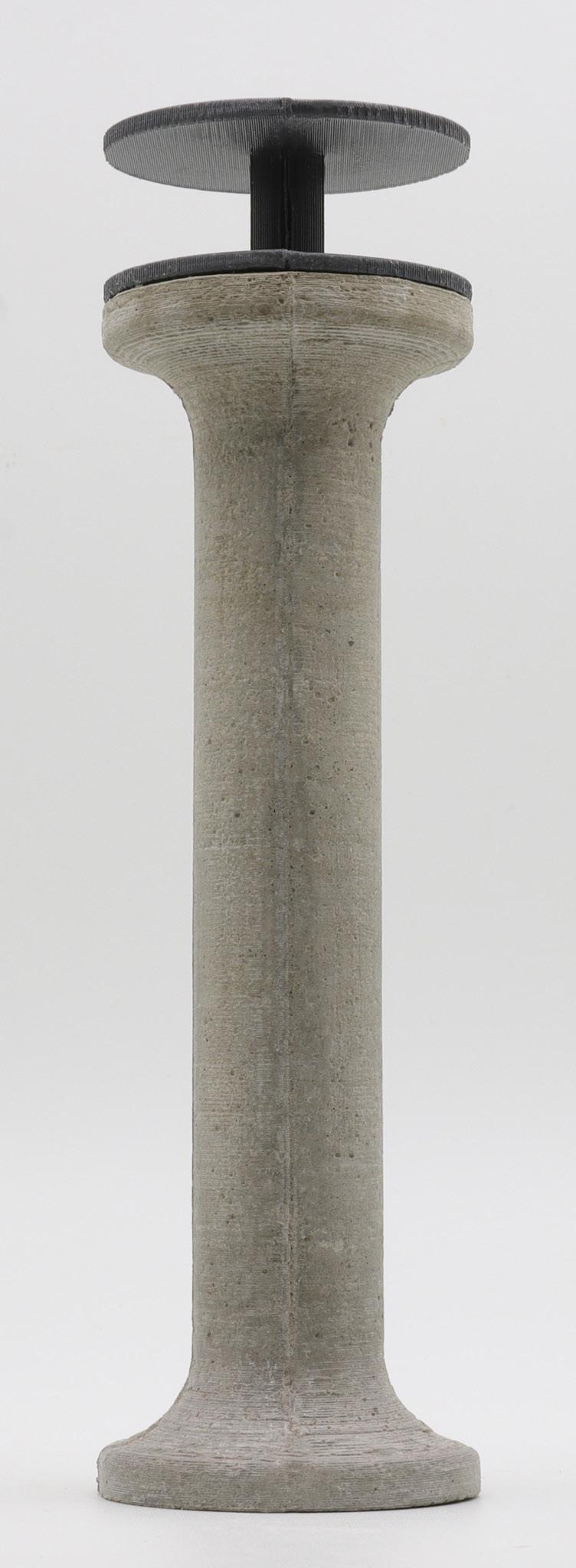
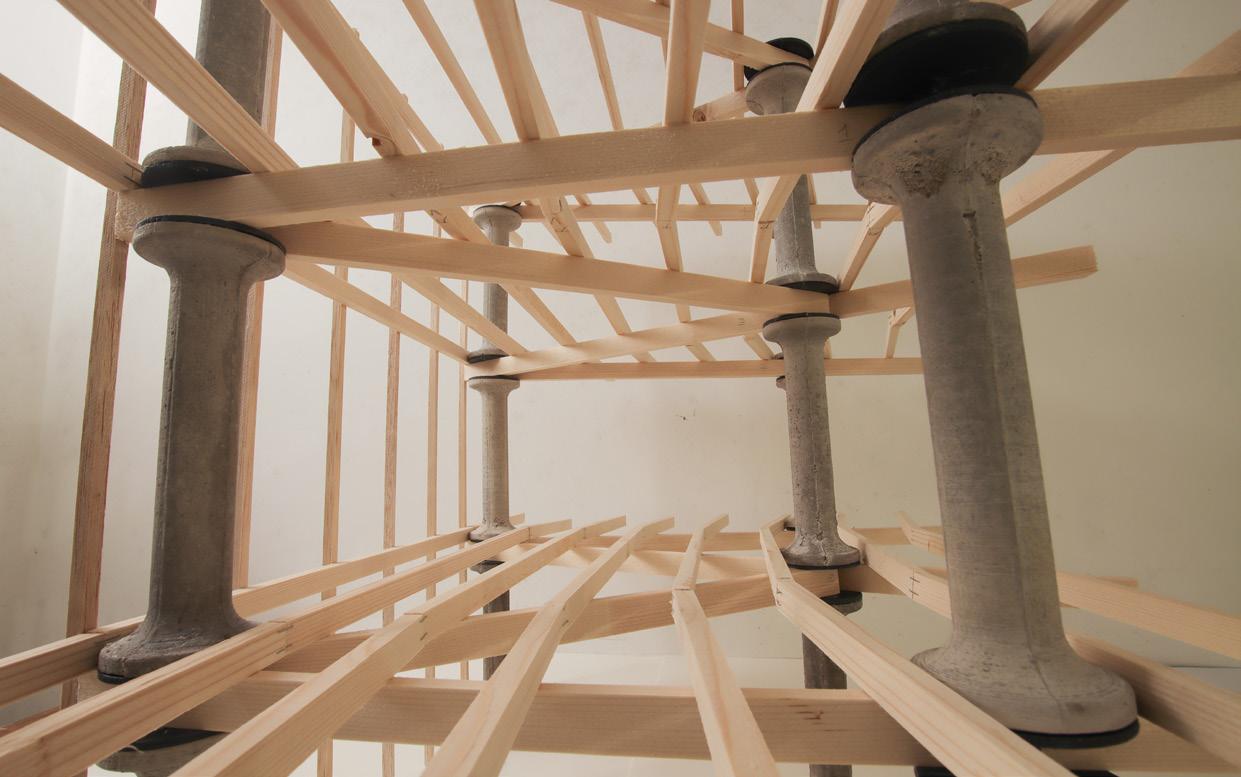
On Rhinoceros 3D, the 1:20 model was first designed. Concrete columns were casted in 3D printed moulds, and wooden beams were created by carpentry. The cardboard cladding were chalk-brushed, and windows were created by laser cutting. The column skirtings and human figures were created by SLA resin 3D printing.
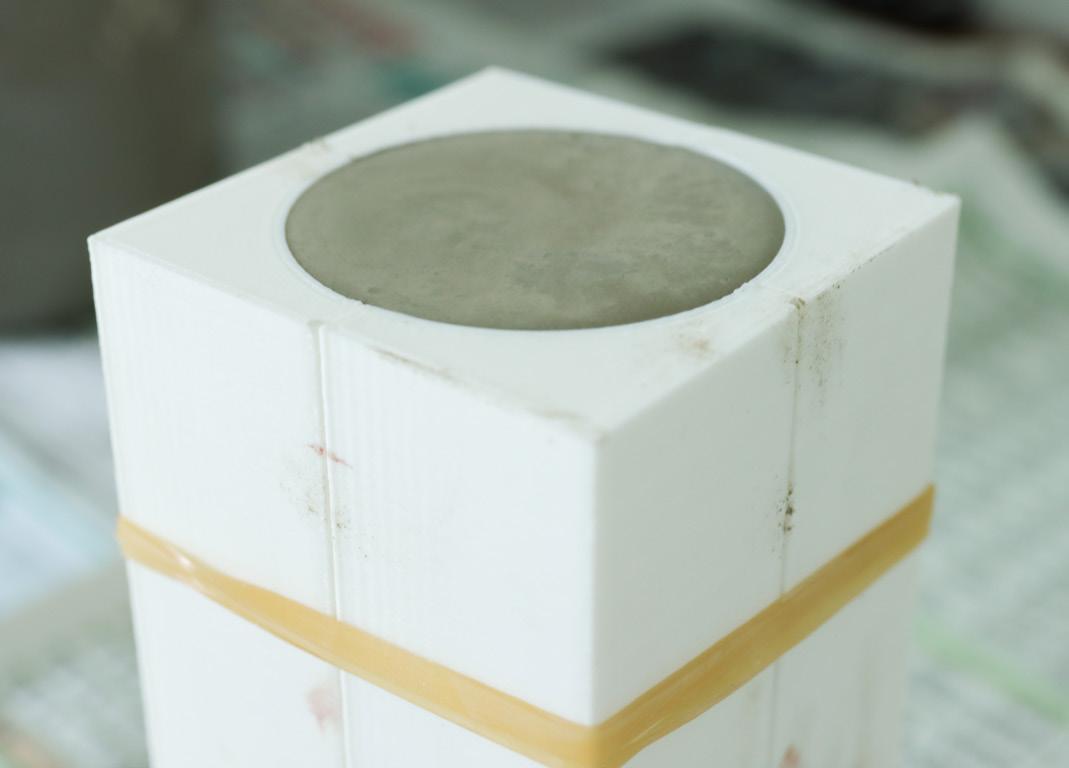
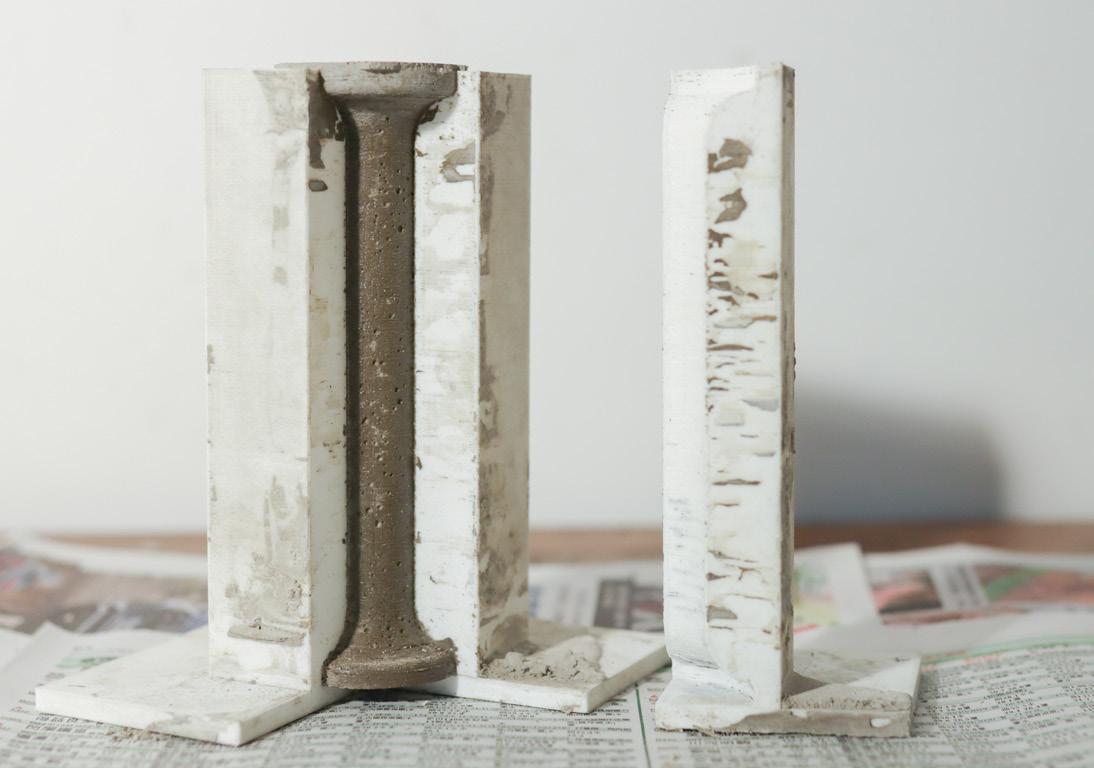
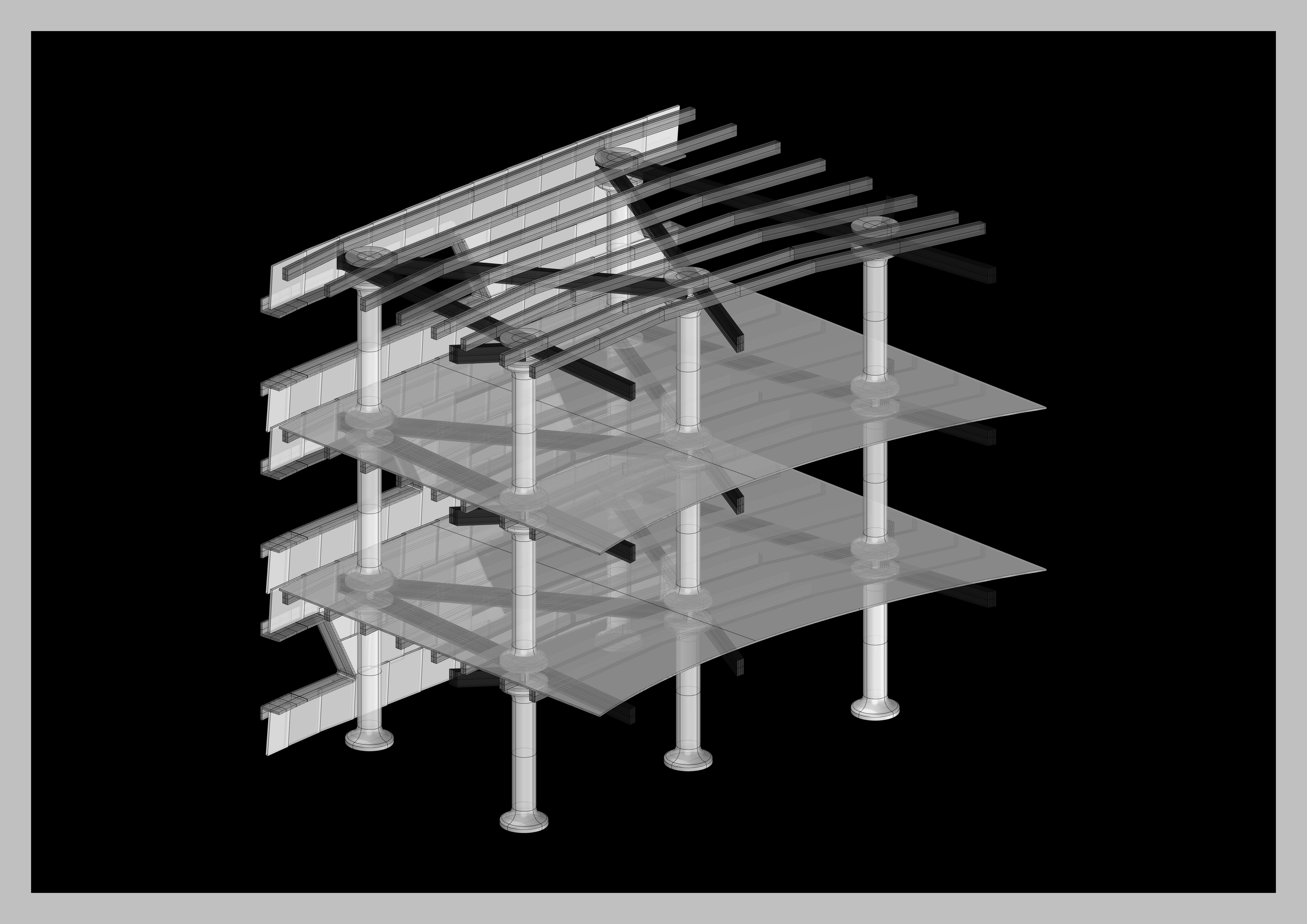
A section was extracted from my architectural models on Rhino. It acted as a blueprint for the 1:20 physical model.
RHINO MODEL
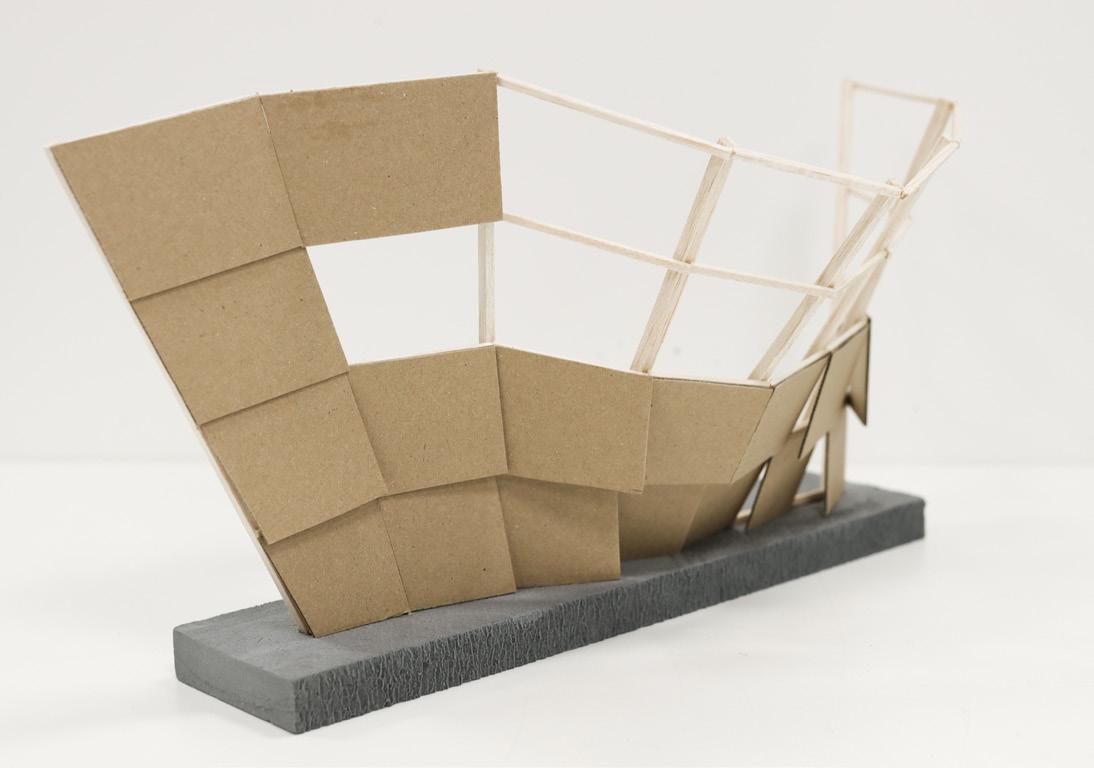
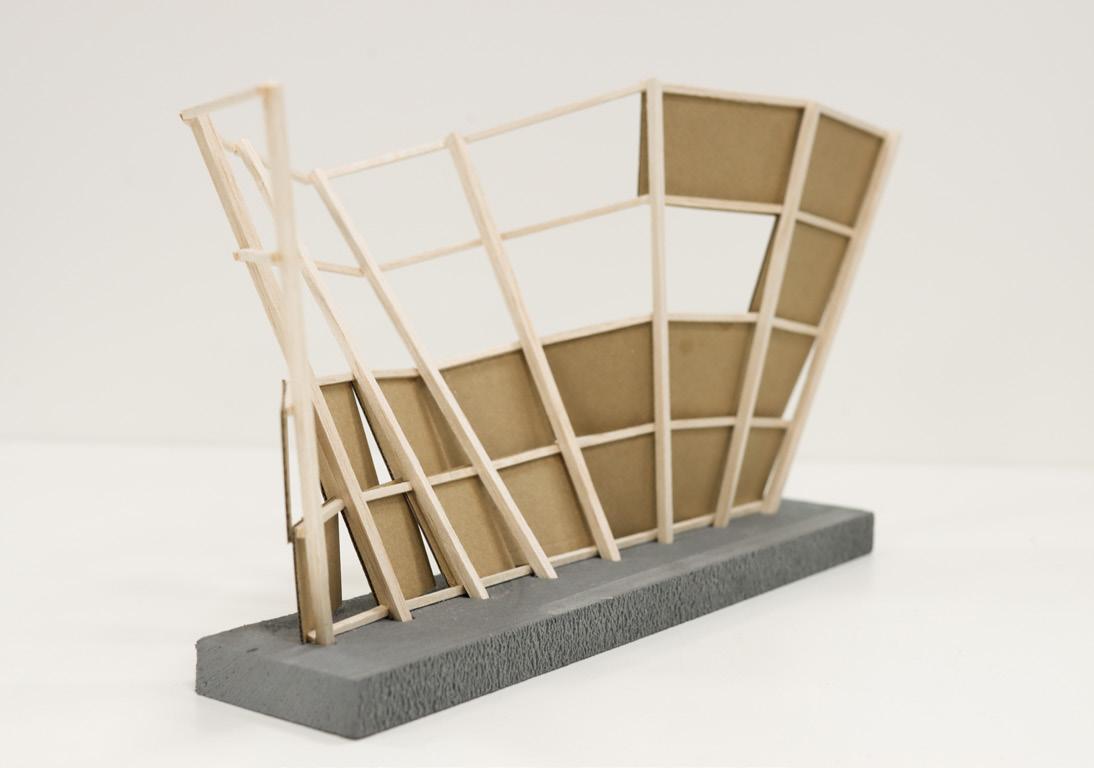
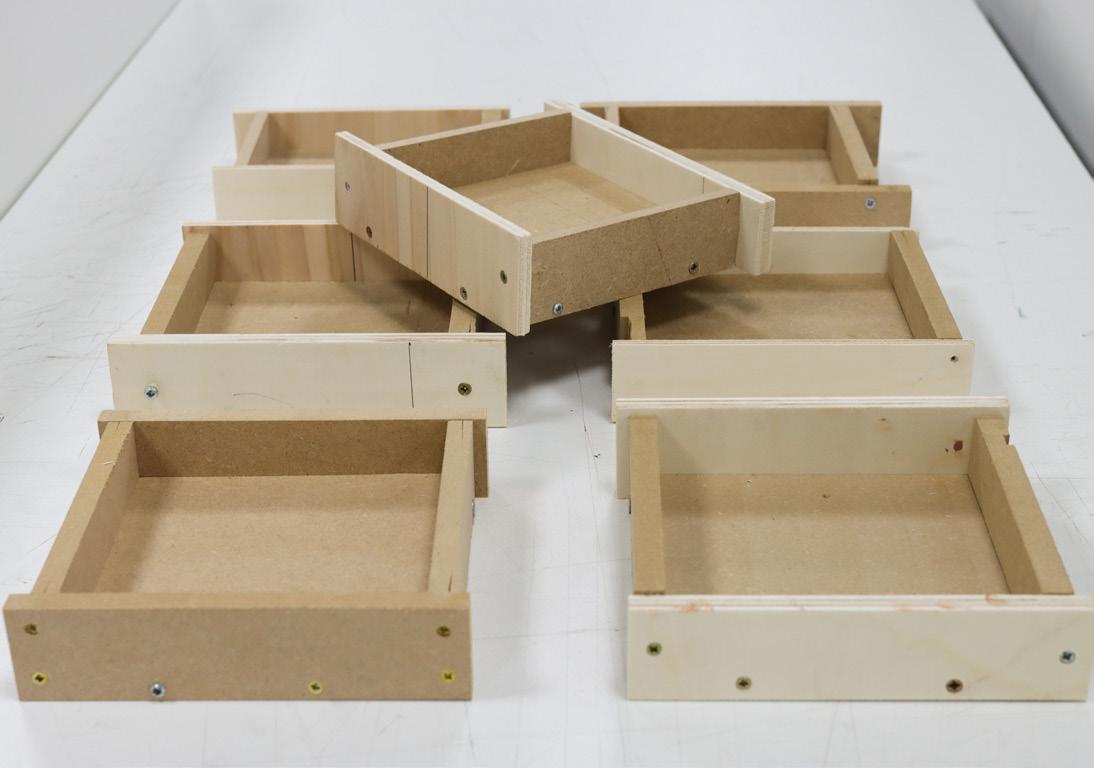
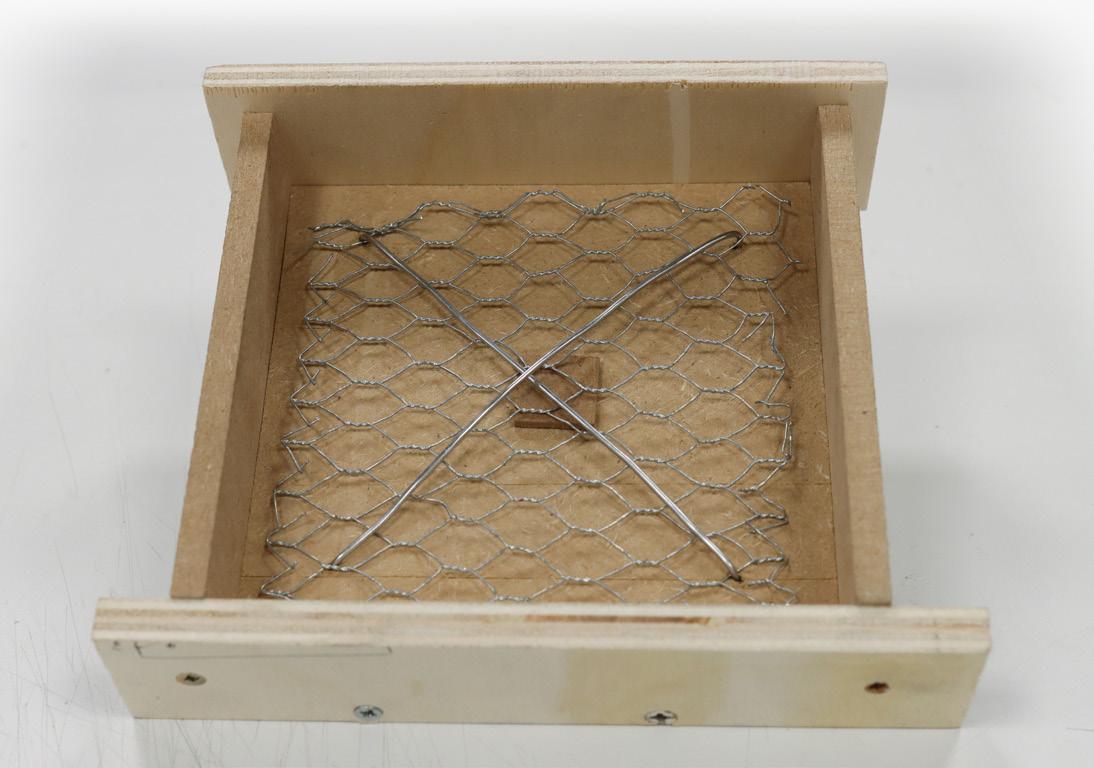
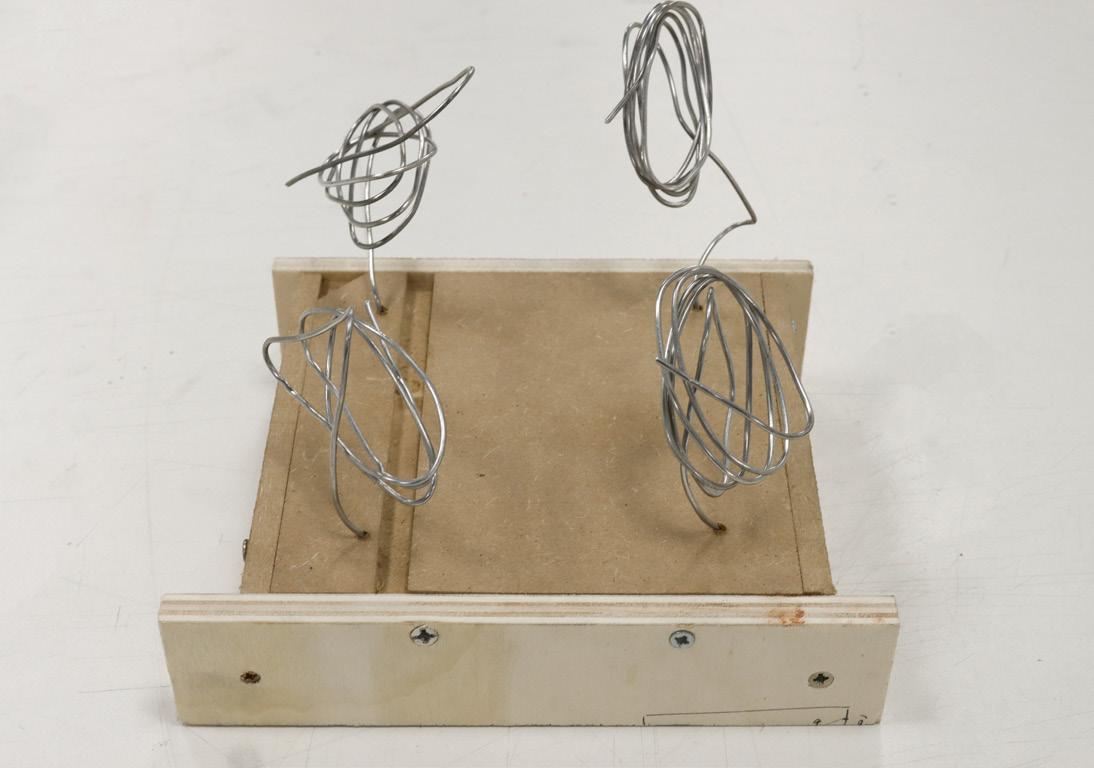
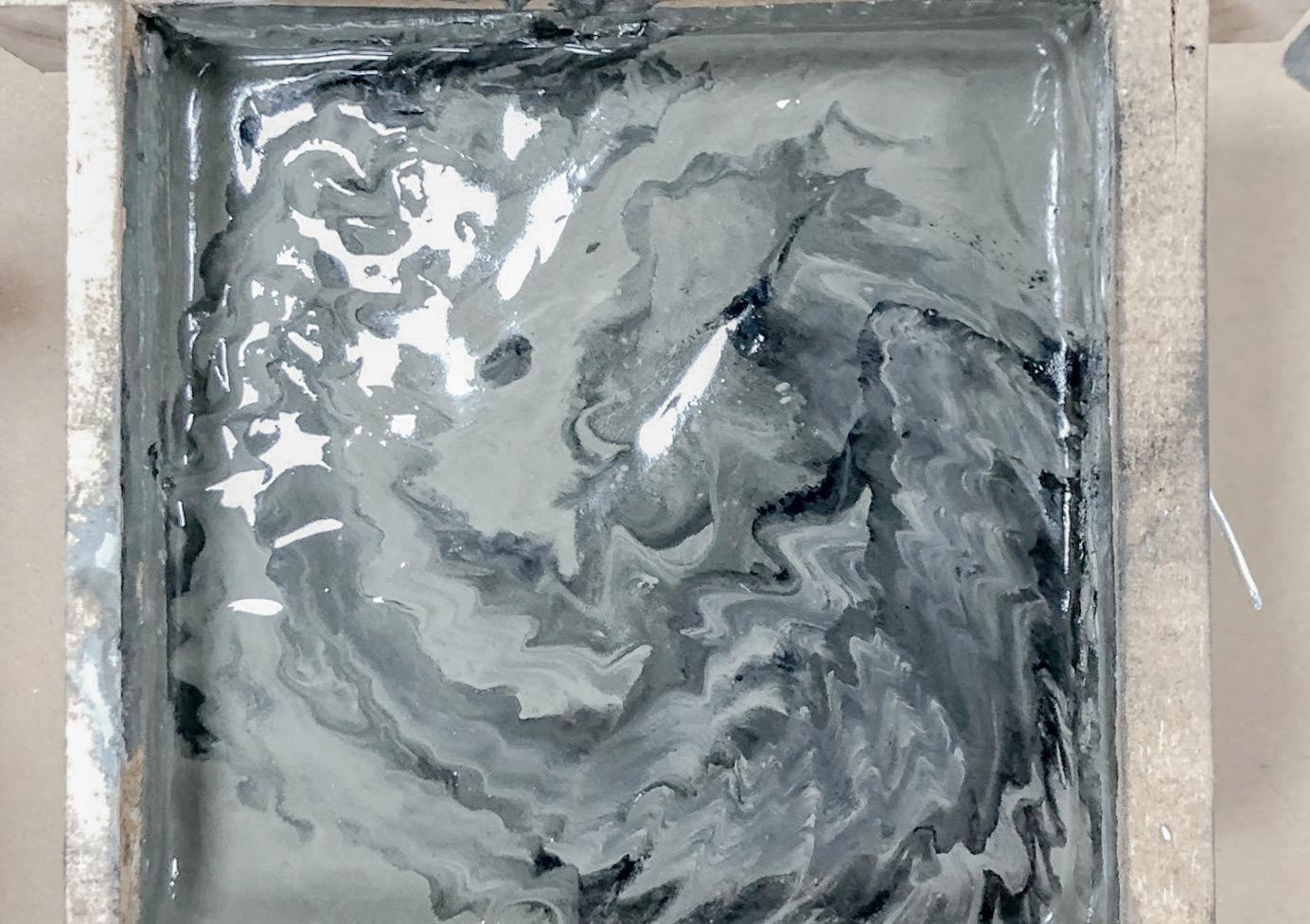
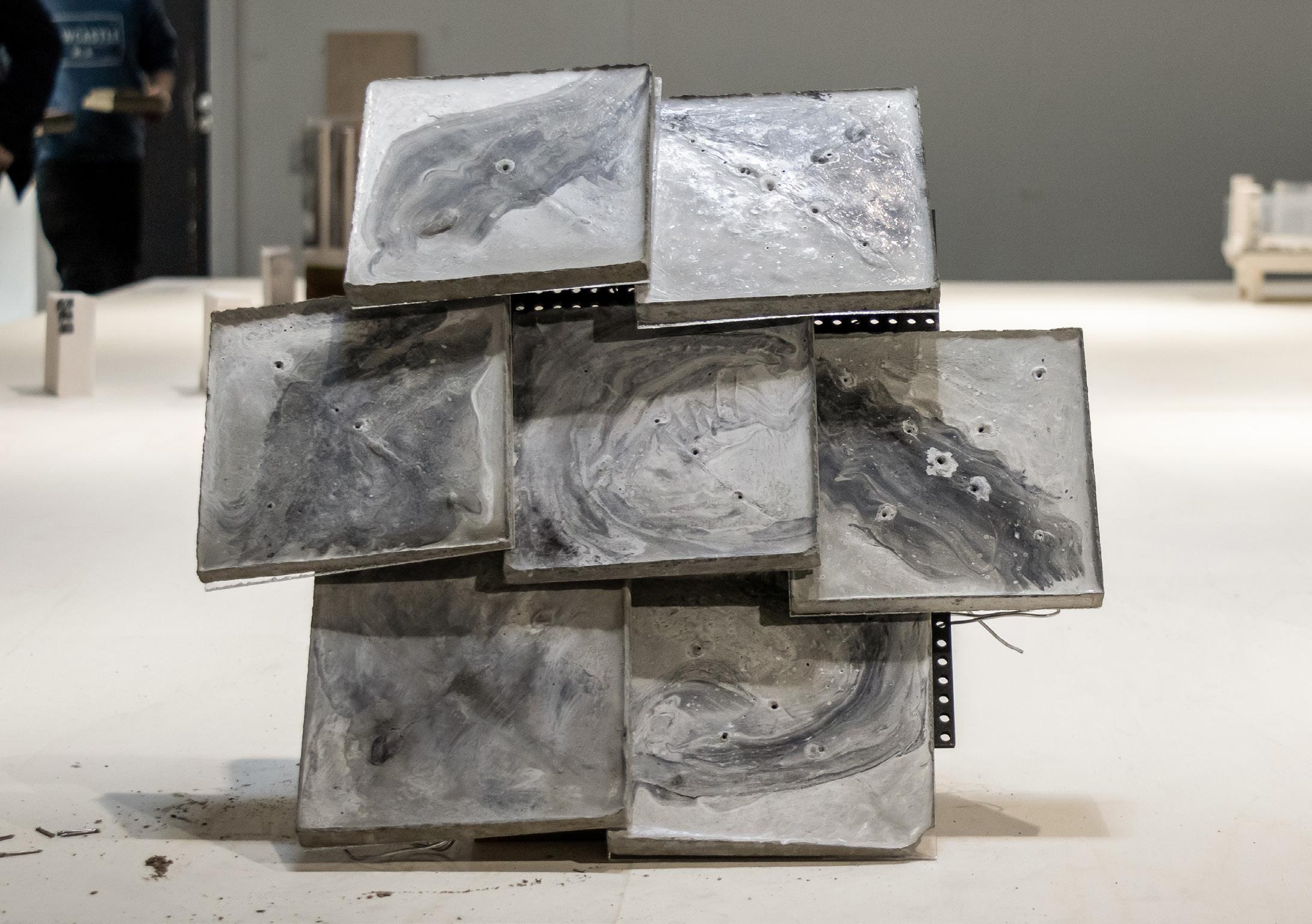
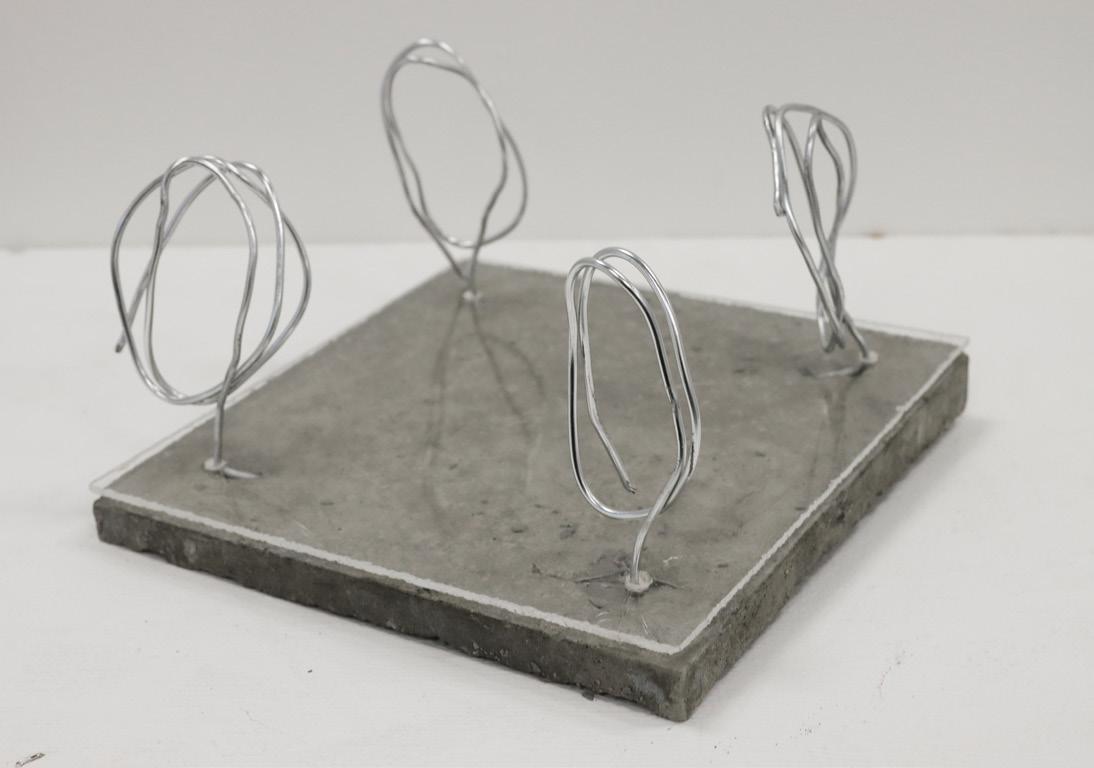
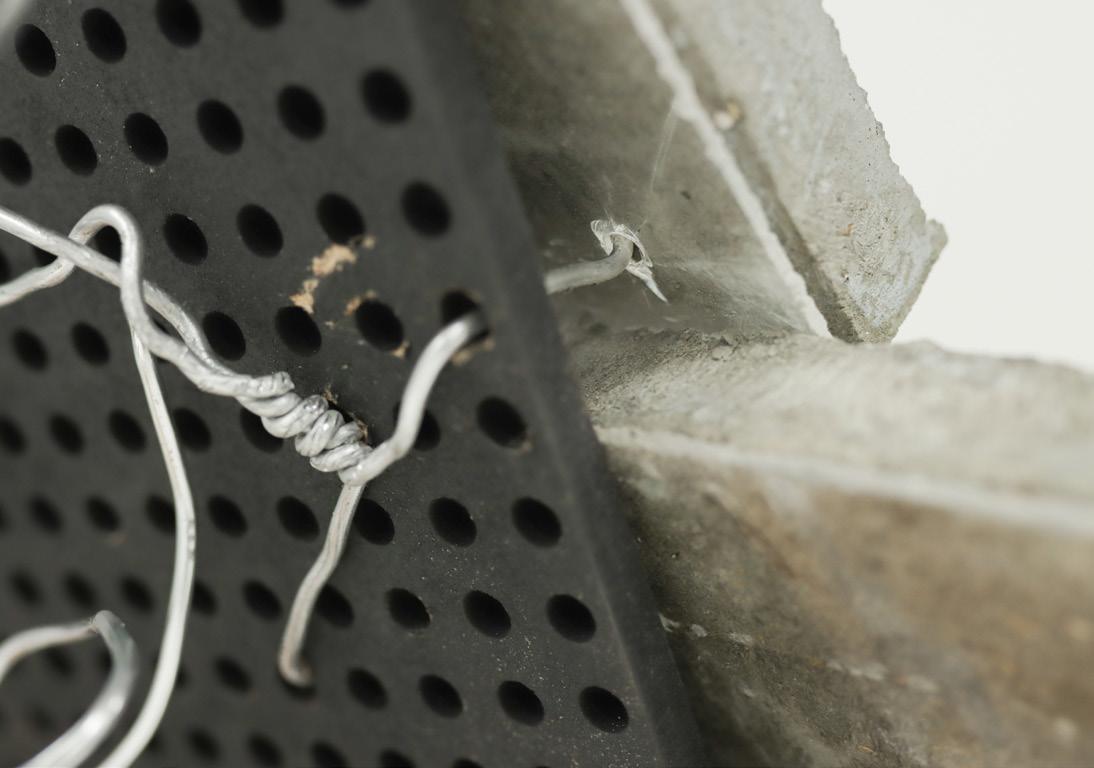
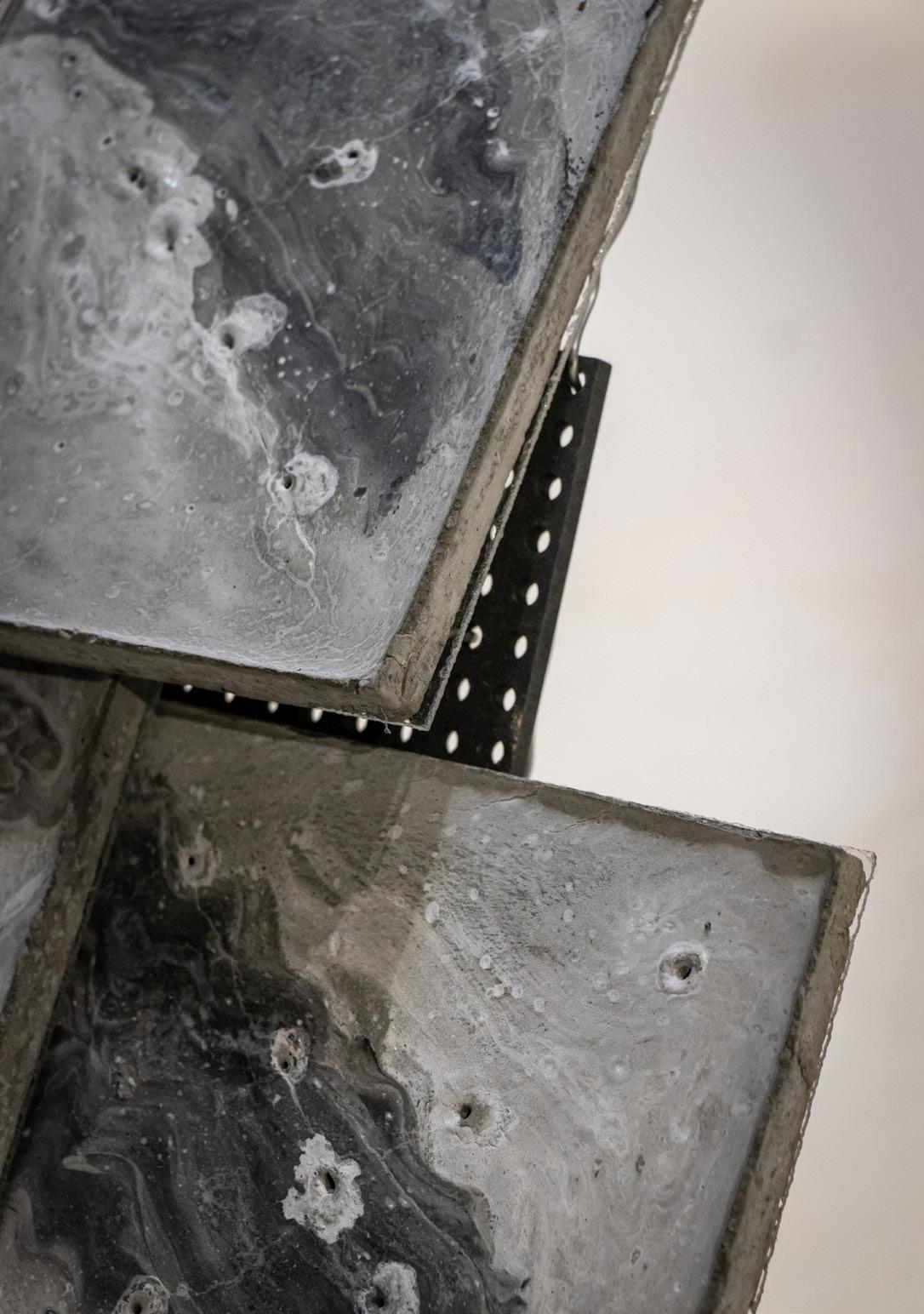
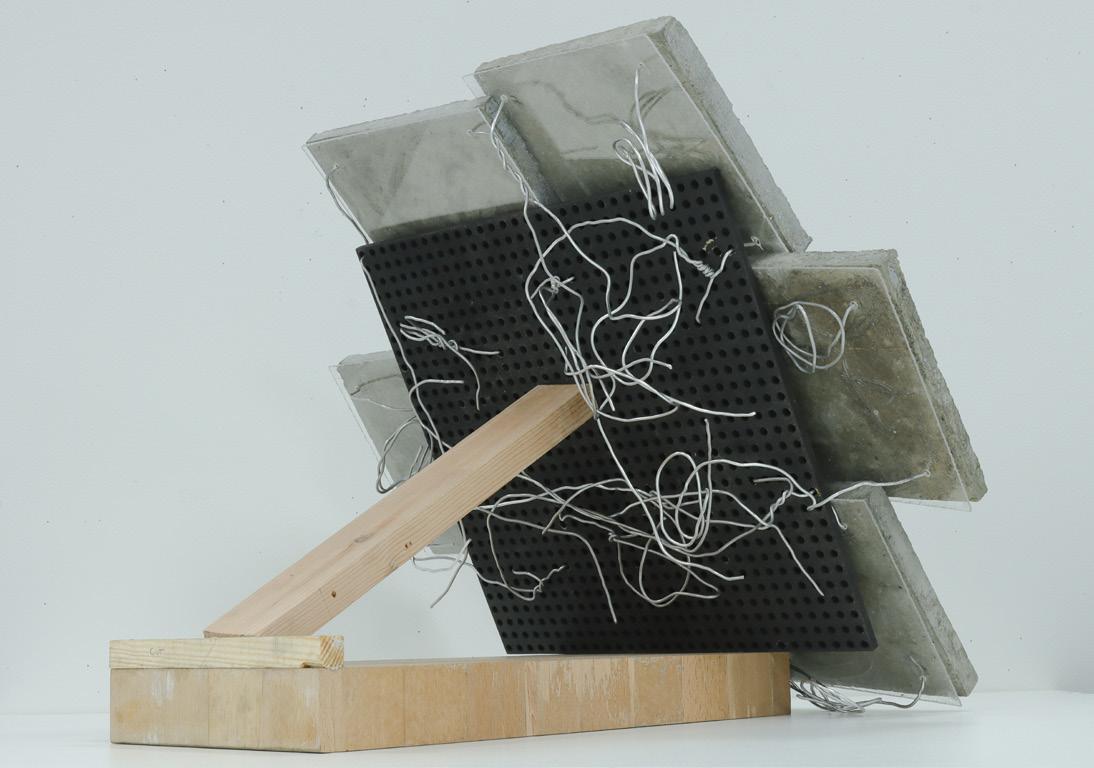
The façade exploration (n.t.s.) was created in Think Through Making week. The casted concrete tiles were reinforced with wires and mesh. The wires extend so that the tiles attach to the laser-cut MPF
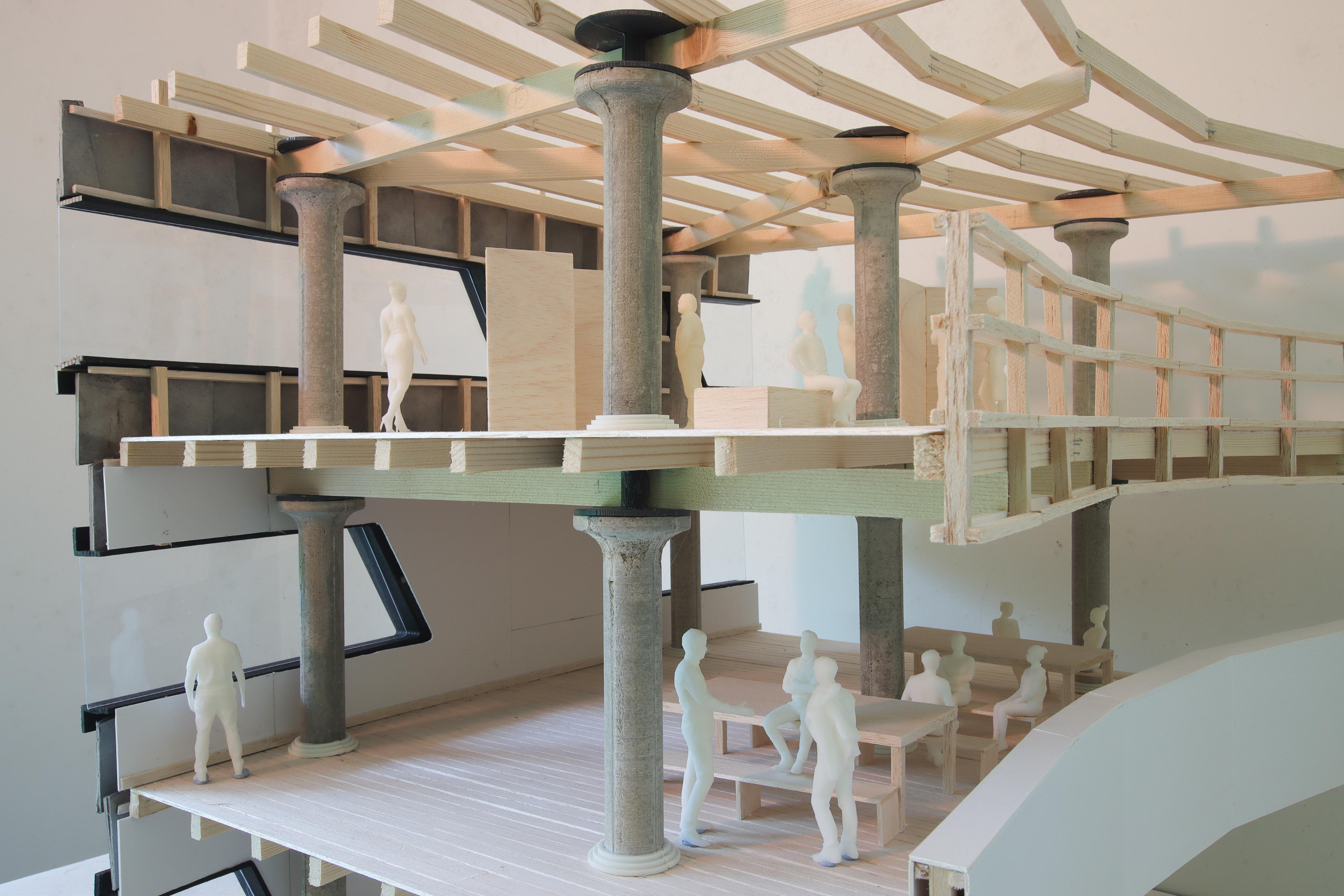
Interior details and human figures printed with SLA resin 3D printer.
THE REFUGEE HOME PHARMACY
Module: Stage 5 Architectural Thesis
Duration: September 2023 – April 2024 (8 months)
Tutor: Laurence Wood
Software: Rhino, AutoCAD, Ultimaker Cura
Production: Laser cutting, 3D printing, silicon and concrete casting
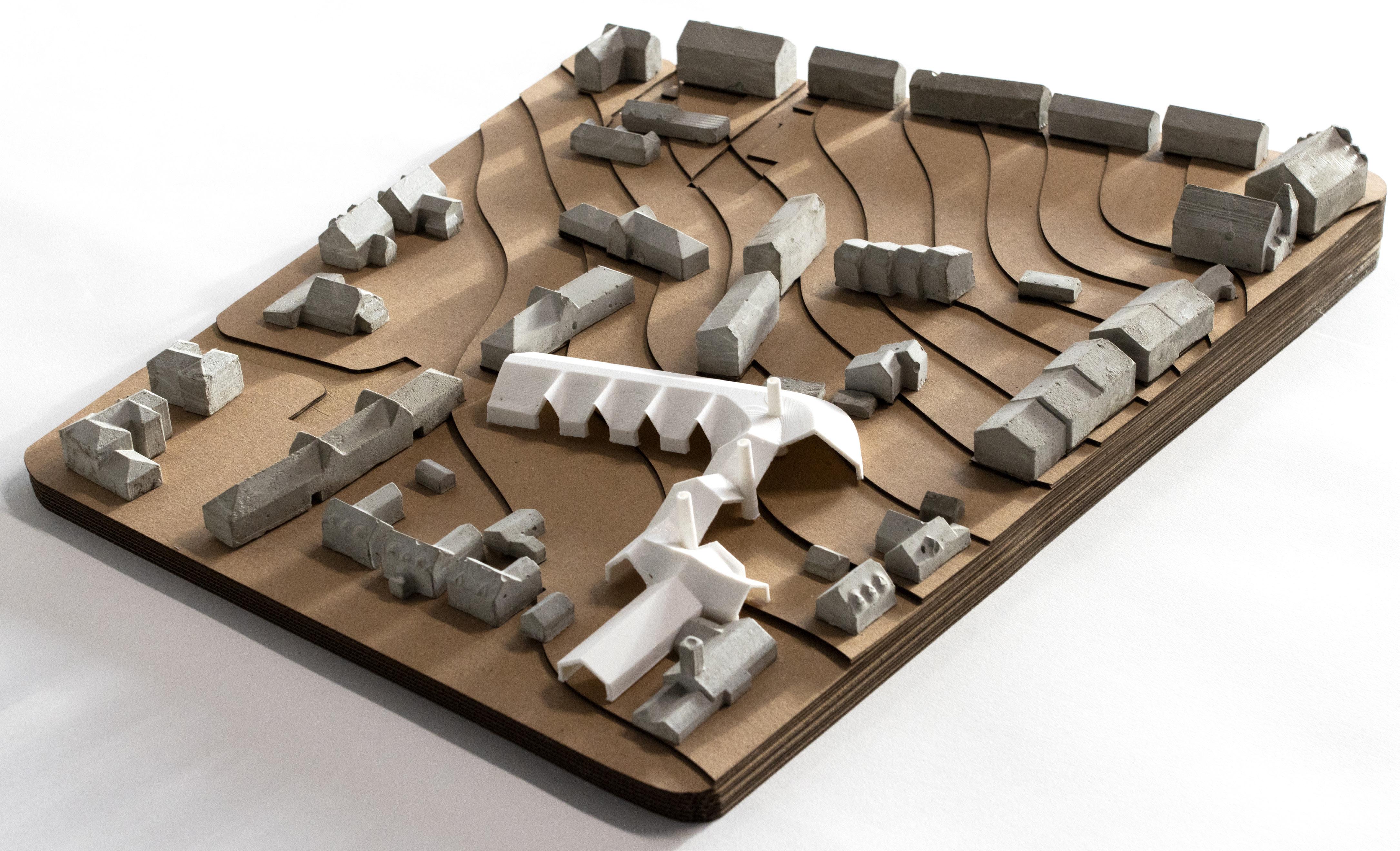
My thesis explored the renovation of Scotland’s derelict buildings to provide displaced Ukrainian families with homes, facilitating domestic hosting under the Homes for Ukraine Sponsorship Scheme.
The Pharmacy provides ‘Consultations’ of the displaced Ukrainians’ architectural needs; and ‘Prescriptions’ of housing materials accordingly.
PARAMETRICISM & SLA PRINTING
Type: Self-directed study
Software: Grasshopper, Chitubox
Production: SLA resin 3D printing
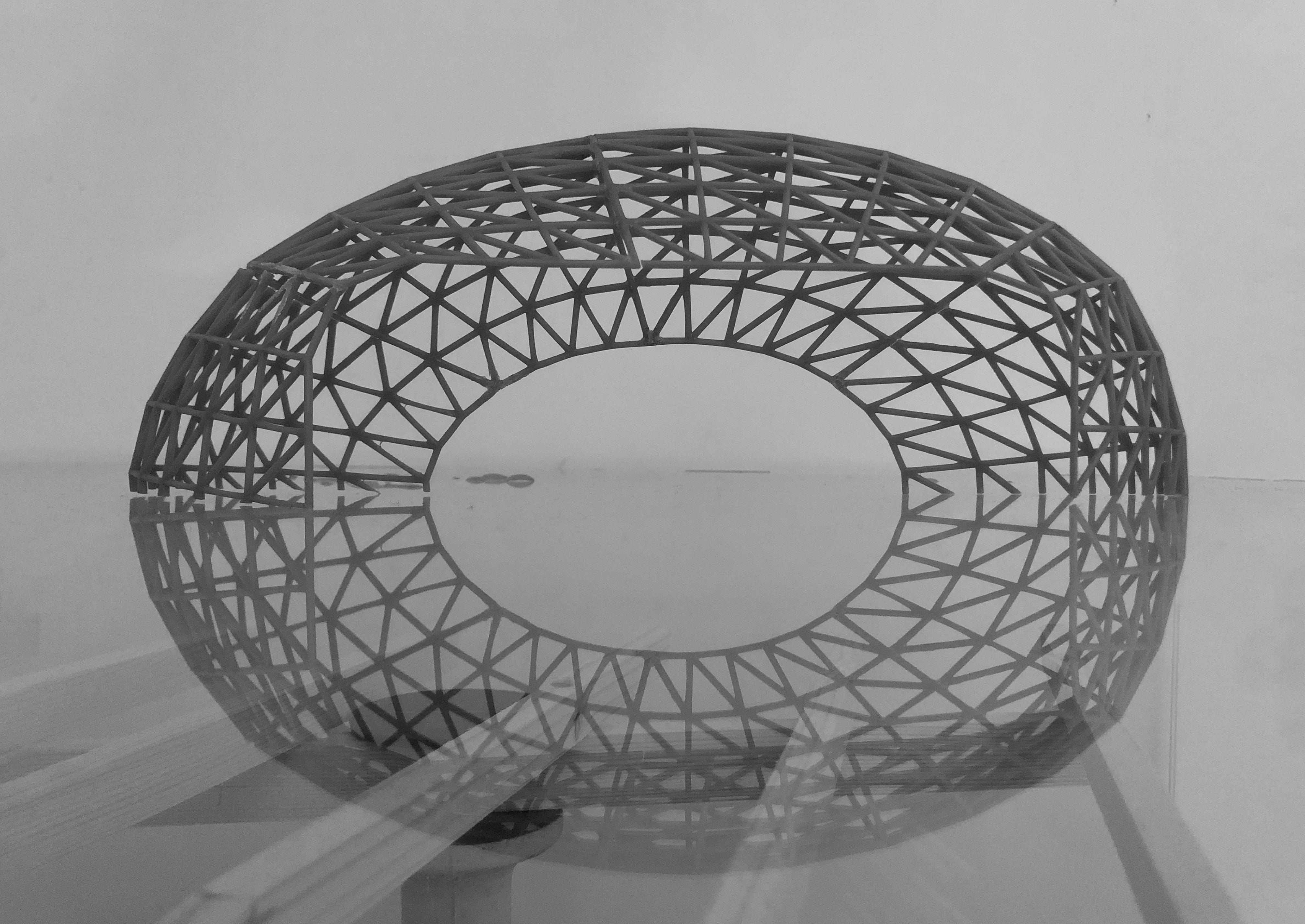
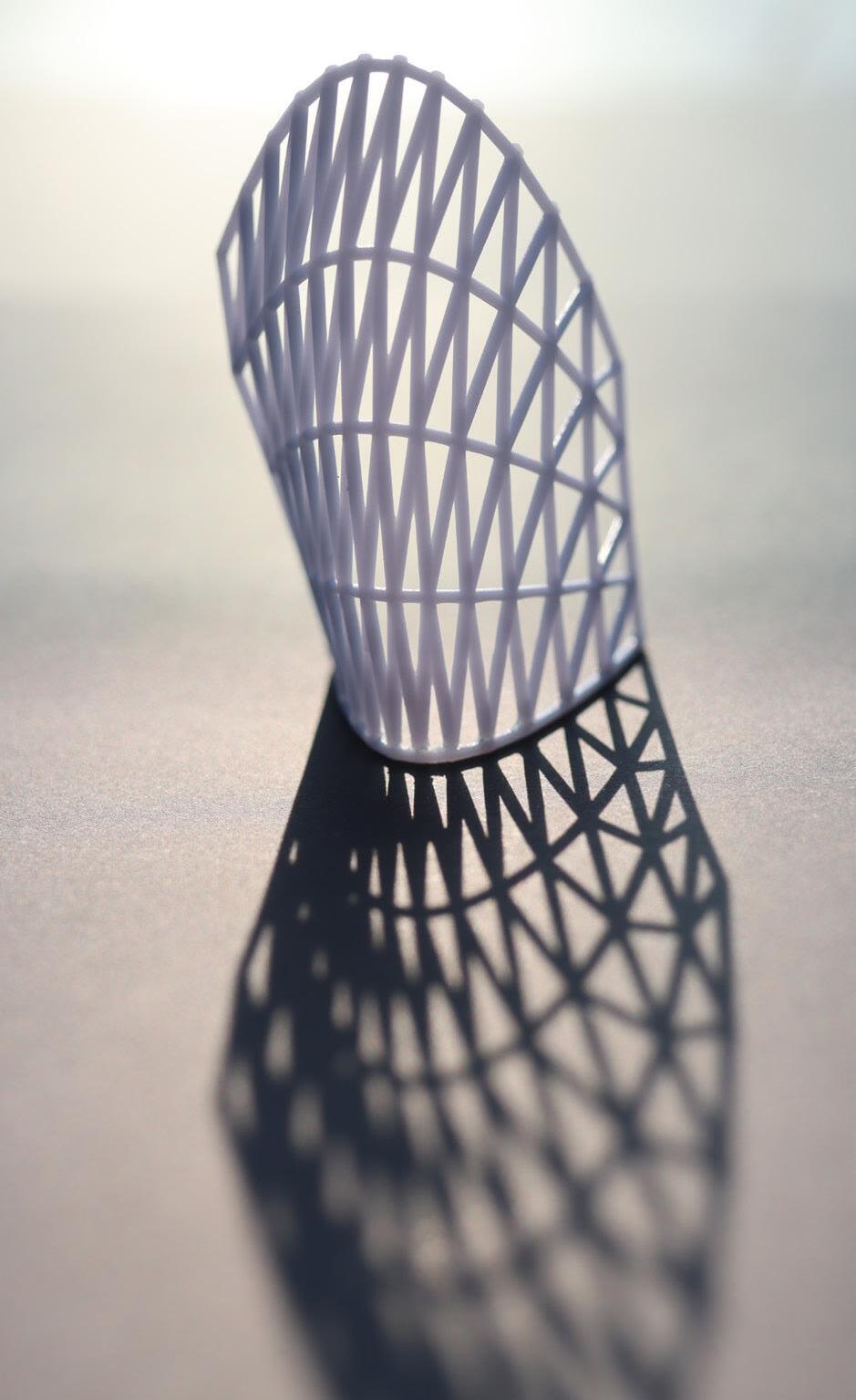
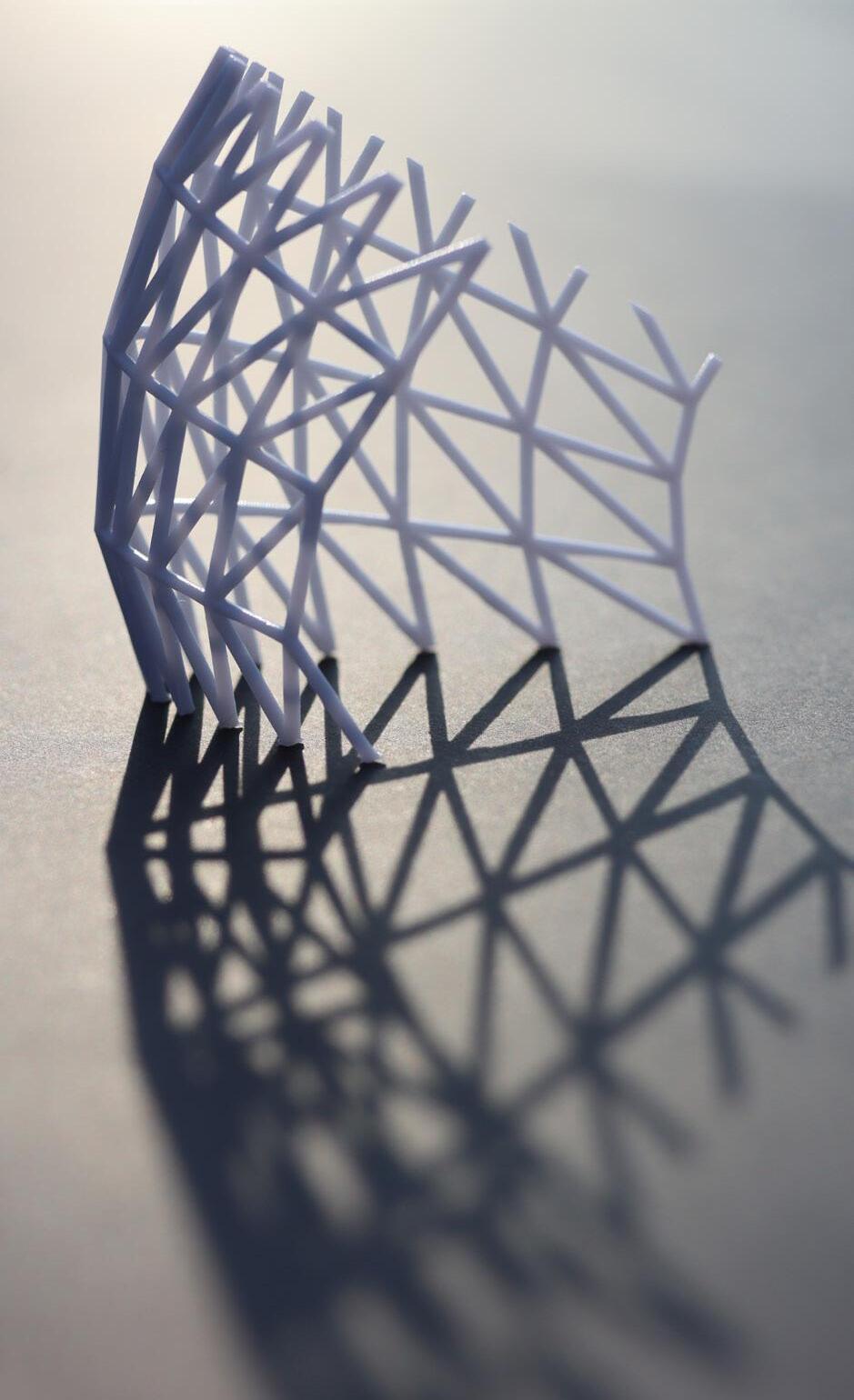
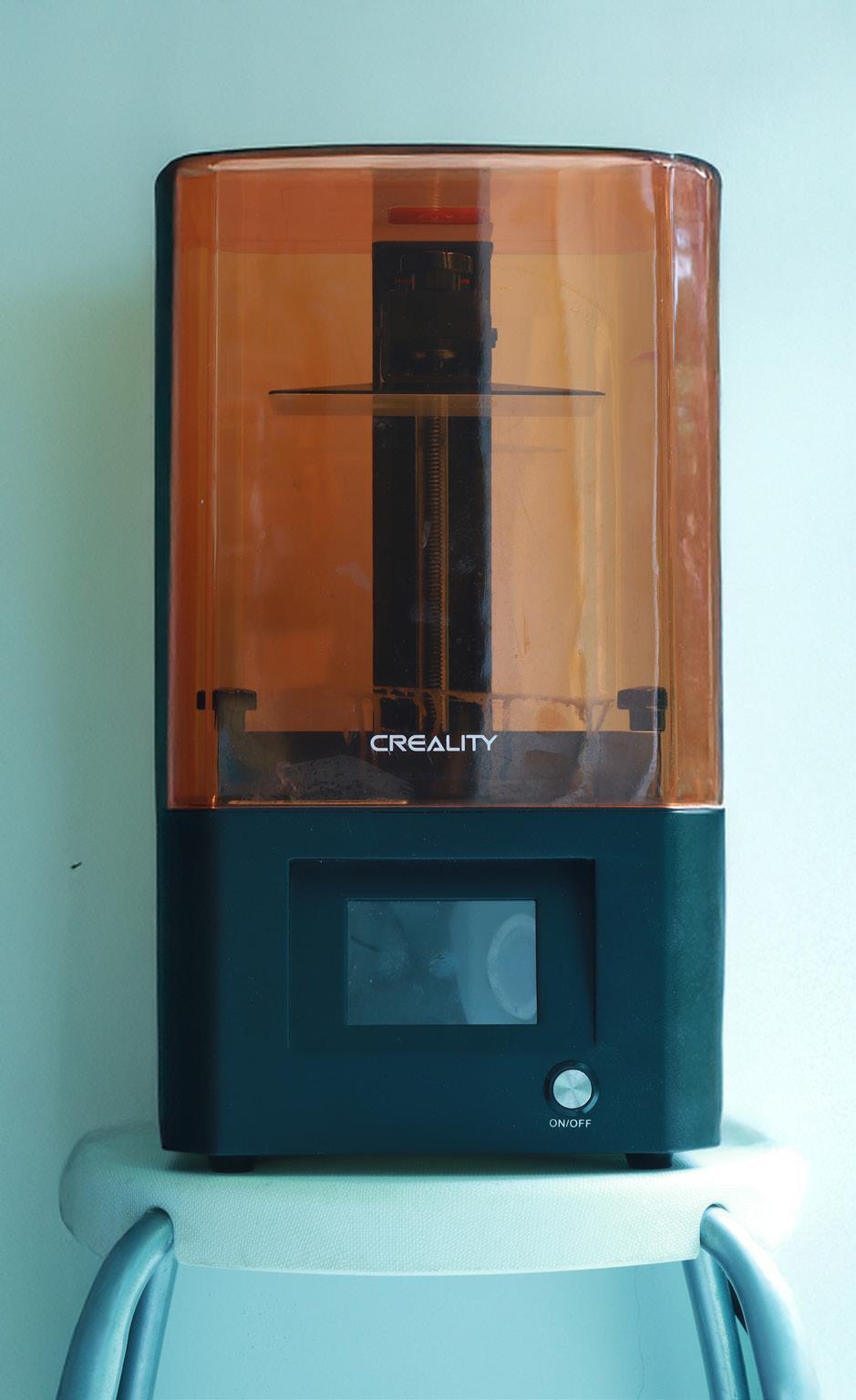
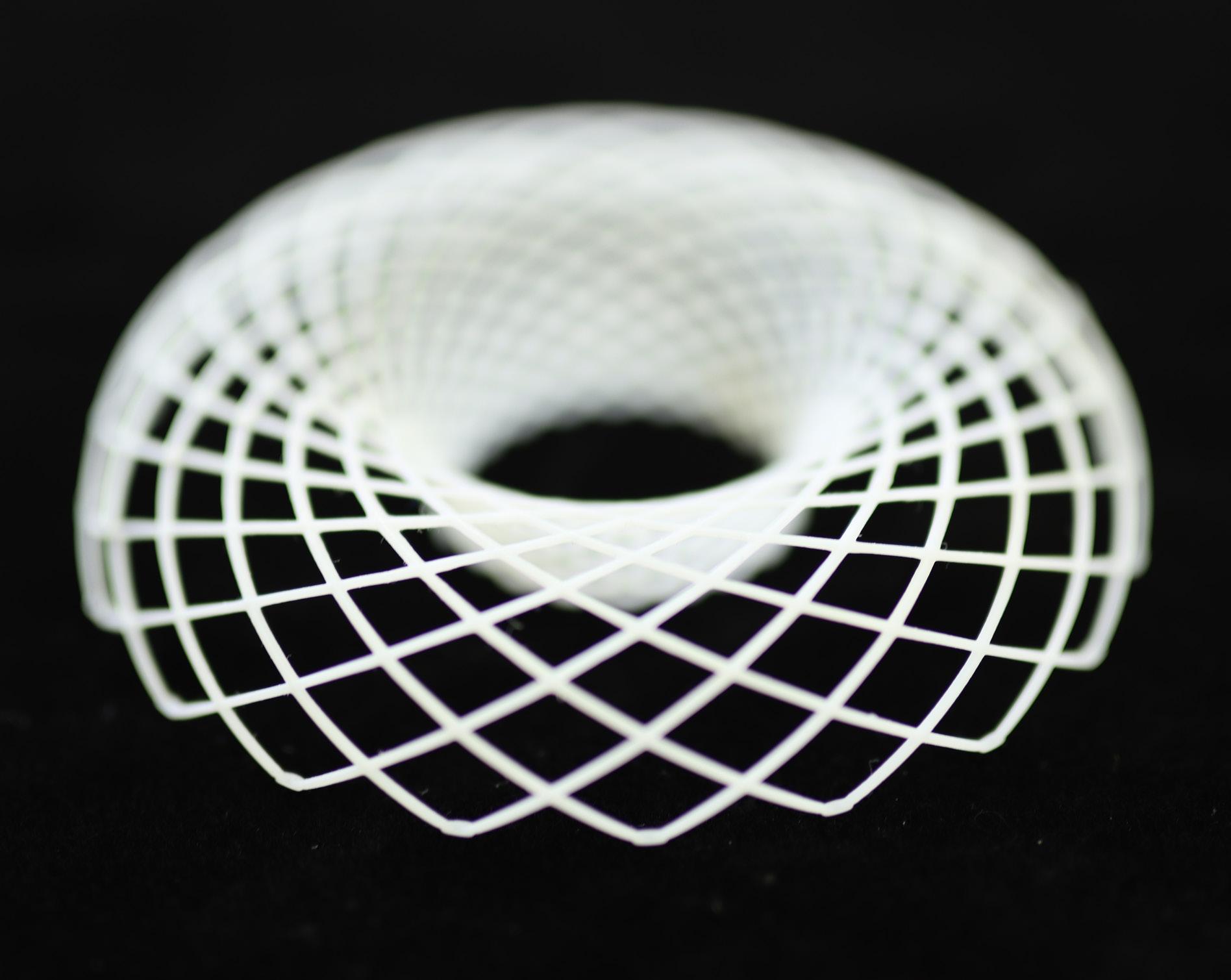
In 2020, our Bachelor degree was completed at home. I was very lucky that my father agreed to buy me two 3D printers – an FDM one using plastic filaments and an SLA one using lightcured resin.
With the ability to fine-tune my SLA printer and the Chitubox software to their optimum, most delicate perfomance, I was able to print exoskeletons with high precision and perfection.
This initiated my passion for parametricism using Grasshopper, and later to Project X-X (see Pages 3-6).
FLOOD - ABLE ARCHITECTURE
Module: Stage 3 Architectural Dissertation
Duration: September 2019 – April 2020 (8 months)
Tutor: Dr. Josep Maria Garcia-Fuentes
Software: Rhino, AutoCAD
Production: Laser cutting, CNC routing
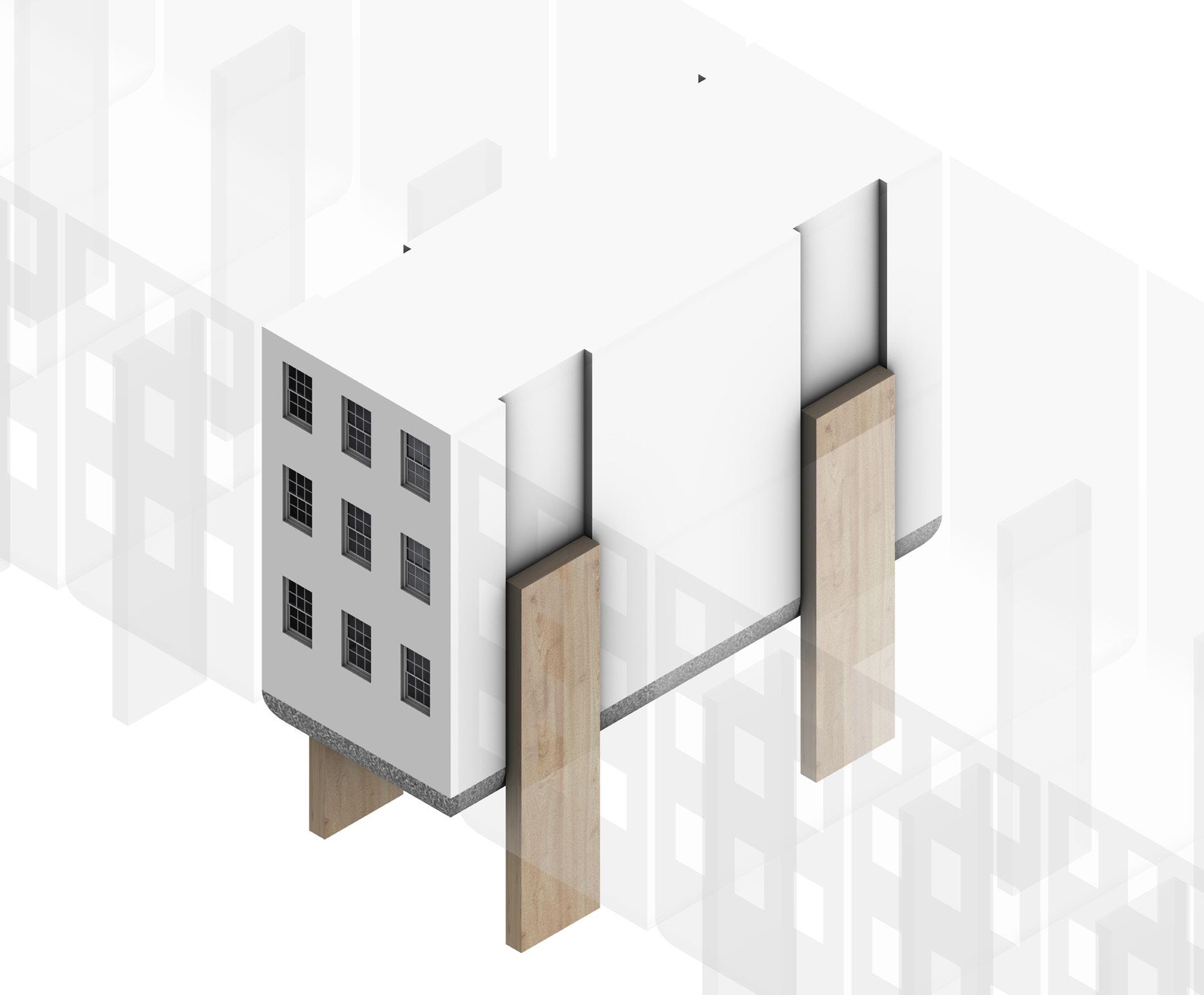
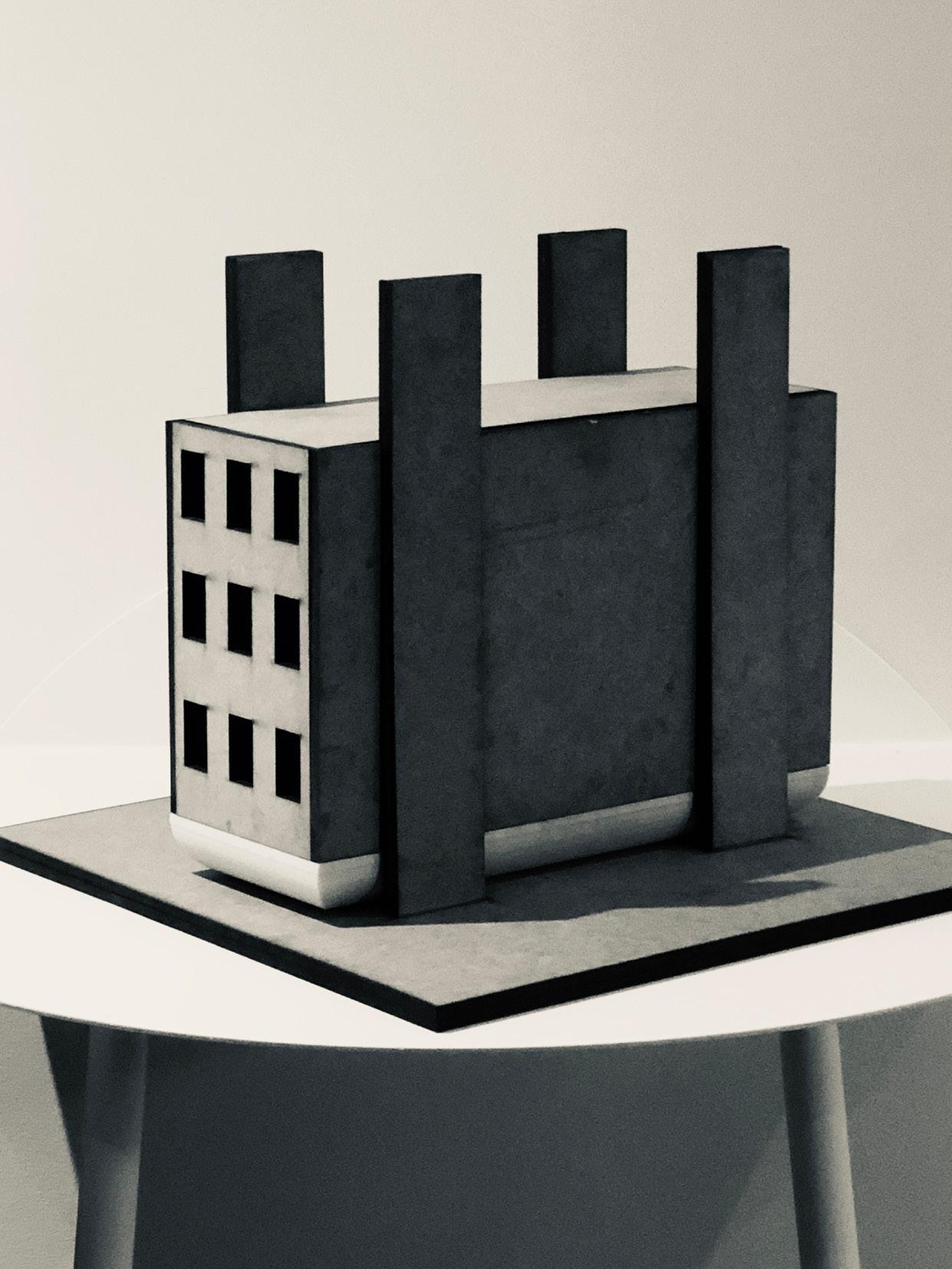
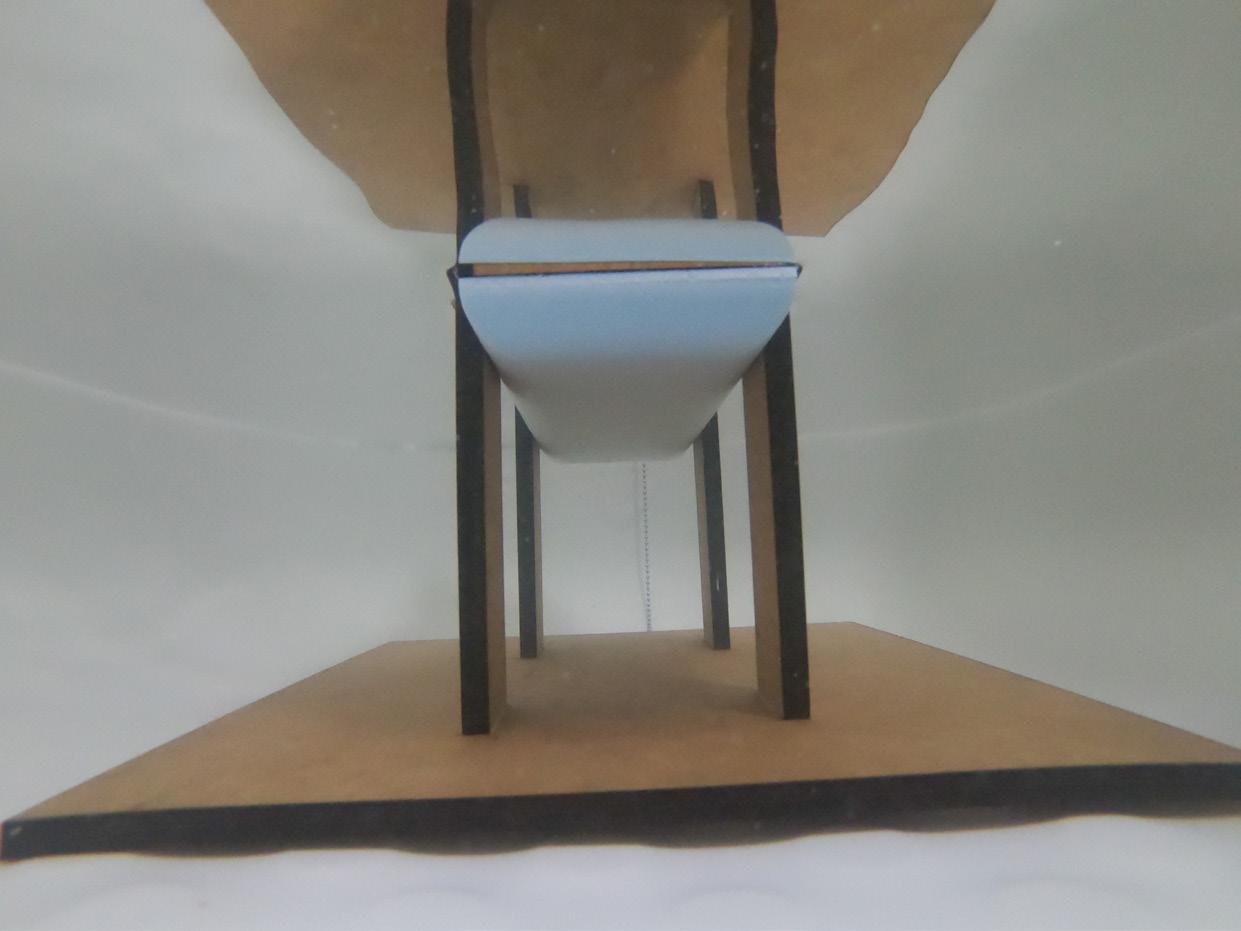
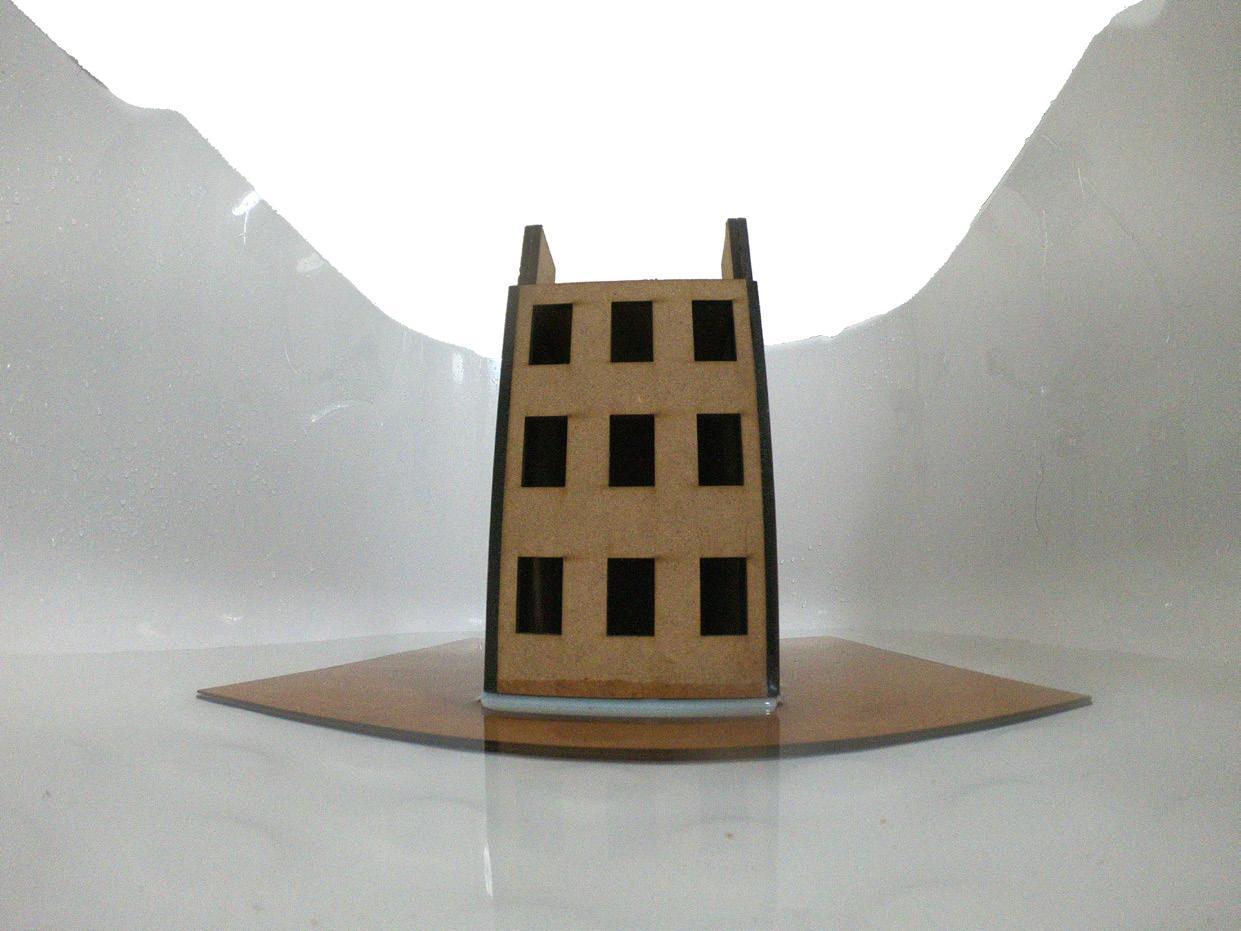
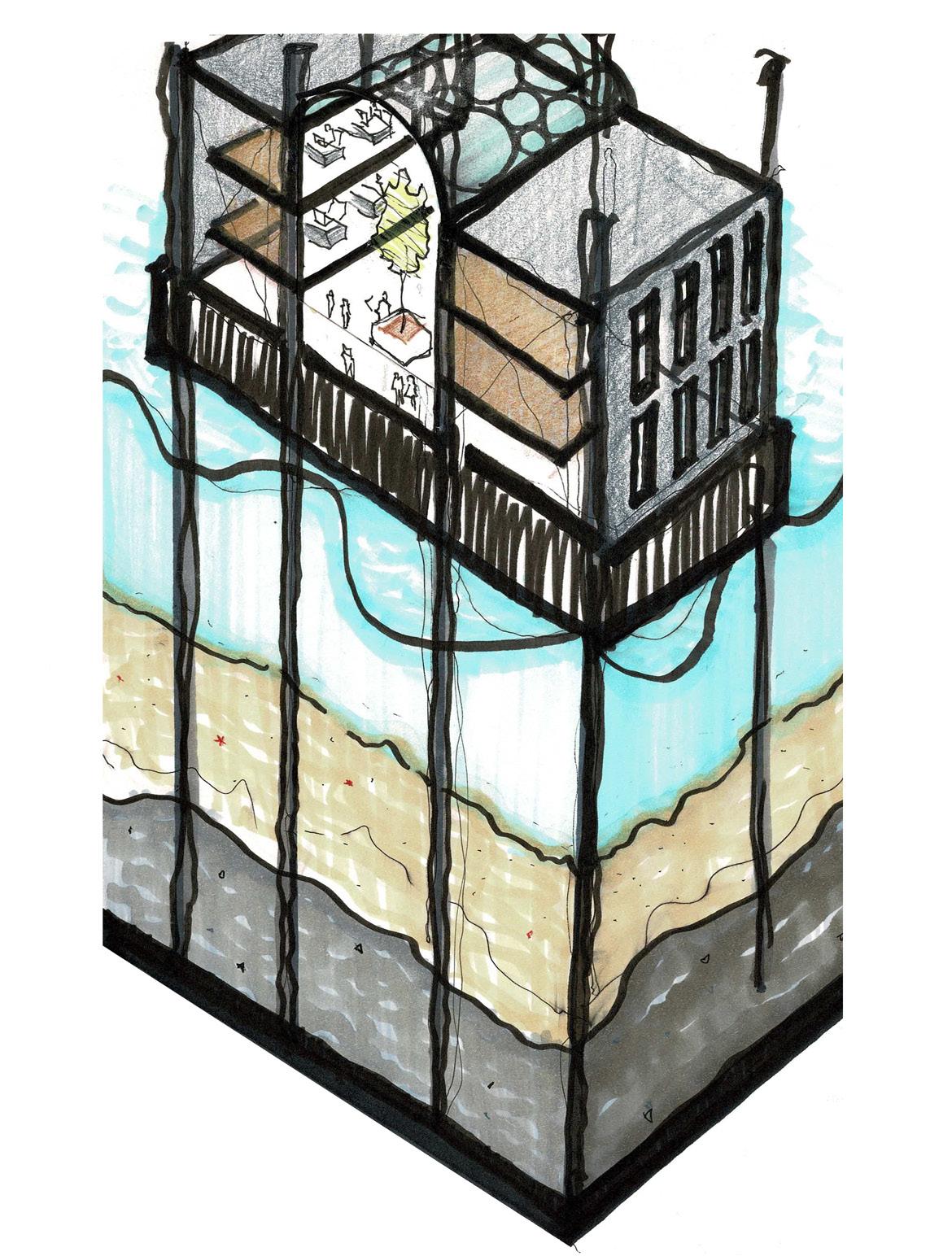
As part of the dissertation, this 1:50 model illustrated the rationale of amphibius architecture — composed of a living unit sitting on a buoyant hull. While existing amphibius buildings tends to be small-scale detached houses, my dissertation proposed that a collective village, even a whole city, can be constructed in flood-risked areas based on the amphibius design.
To encourage buoyancy, the hull was made of CNC-carved foam with a round edge. It was designed on Rhinoceros 3D.
The living unit was also designed on Rhinoceros 3D. It was laser cut.
DURHAM BOAT CENTRE
Module: Stage 2 Exploring Engineering
Duration: January – April 2019 (4 months)
Site: The Count’s House, Durham
Software: SketchUp, AutoCAD
Production: Laser cutting, spray painting, hot-wire foam cutting
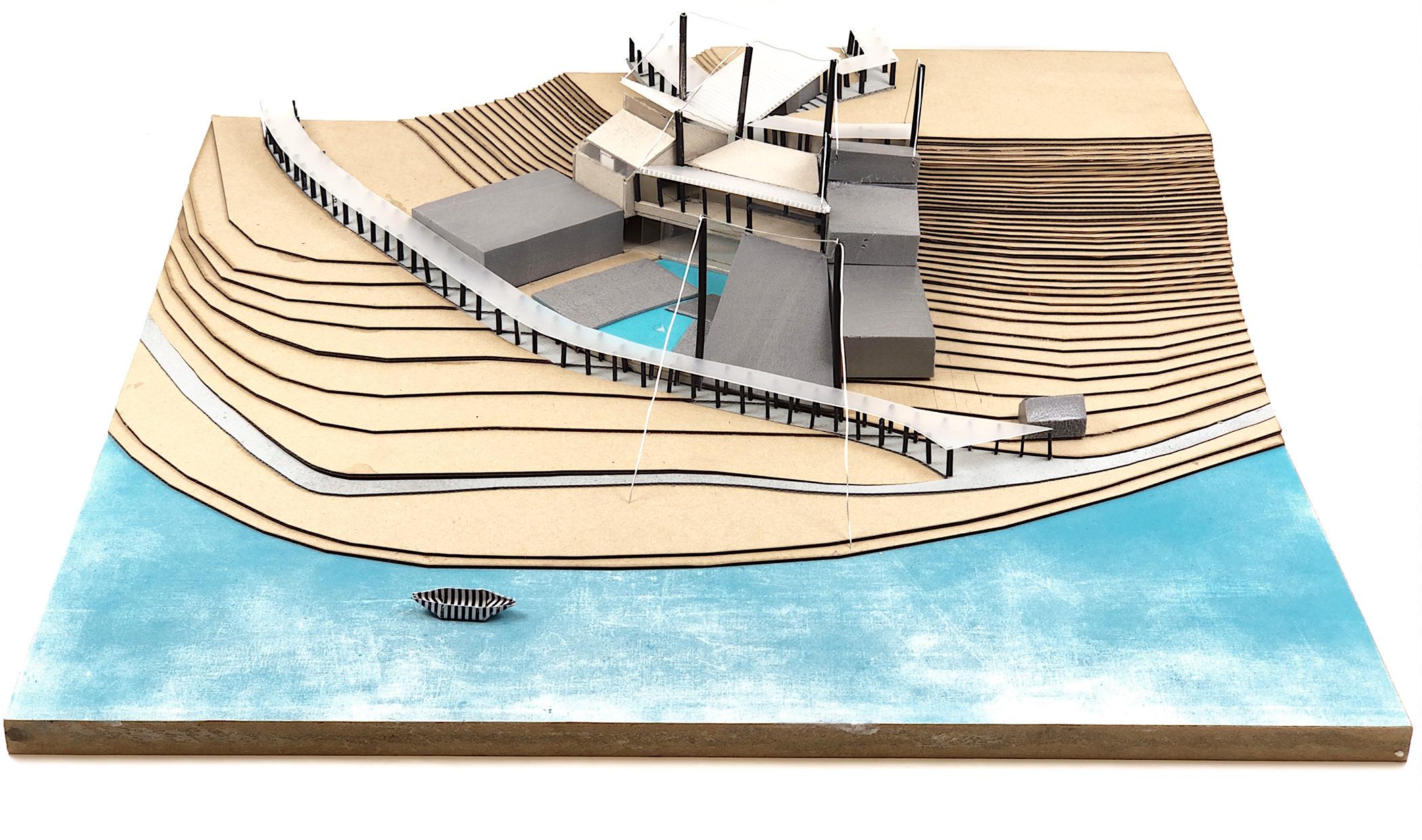
Rounded by River Wear, Durham Boat Centre is a museum which celebrates the boating heritage in Durham. Pairs of masts cantilever the grand gangway entrance and the clerestory roofs –mimicking boat architecture.
The 1:500 physical model was made of cardboard, foam, and paper. First, on SketchUp, a 3D terrain was created. With the approximate topography, massing and landscaping were designed. Hence, the 3-D terrain was sliced to achieve contour lines, scaled to the thickness of the cardboard. Meanwhile, topographic OS data – including waterline and pathways – was integrated in the SketchUp model.
On AutoCAD, OS and contour lines were imported from
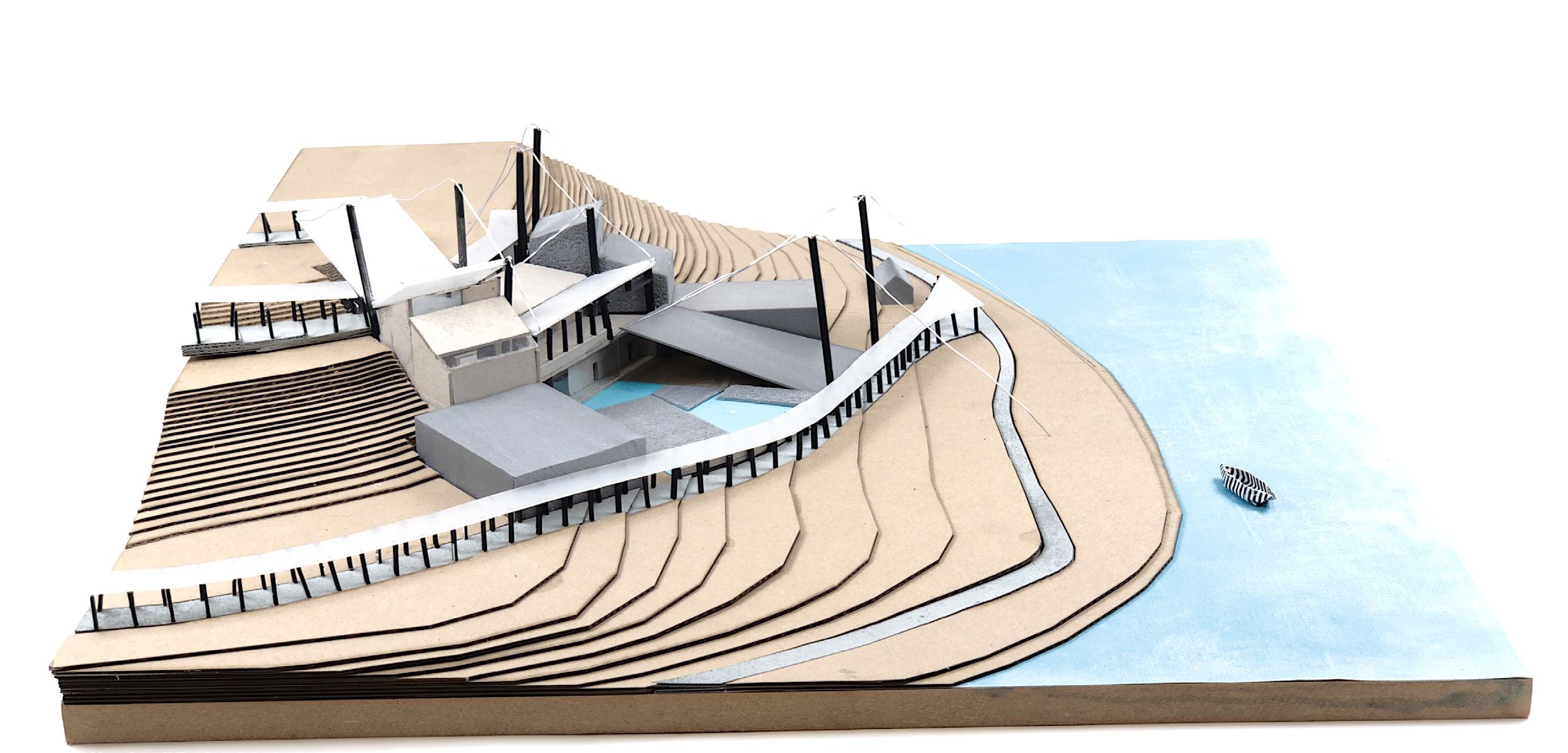
SketchUp in 2-D. They were laser cut from cardboard materials. Water and pathways were spray-painted, before the cardboards were glued to achieve the topography.
Due to inappropriate scale, the boat-like tectonics was modelled in limited details. However, the mast-suspended roofs were created by passing thin metal wires through polycarbonate sheets. The rest of the building was represented by hot-wire foam cut at massing scale.
SELF BUILD, SELF GROW
Module: Stage 2 Architectural Design
Duration: September 2018 – January 2019 (5 months)
Site: 20 Constitution Street, Leith, Edinburgh
Software: SketchUp
Production: Handcraft
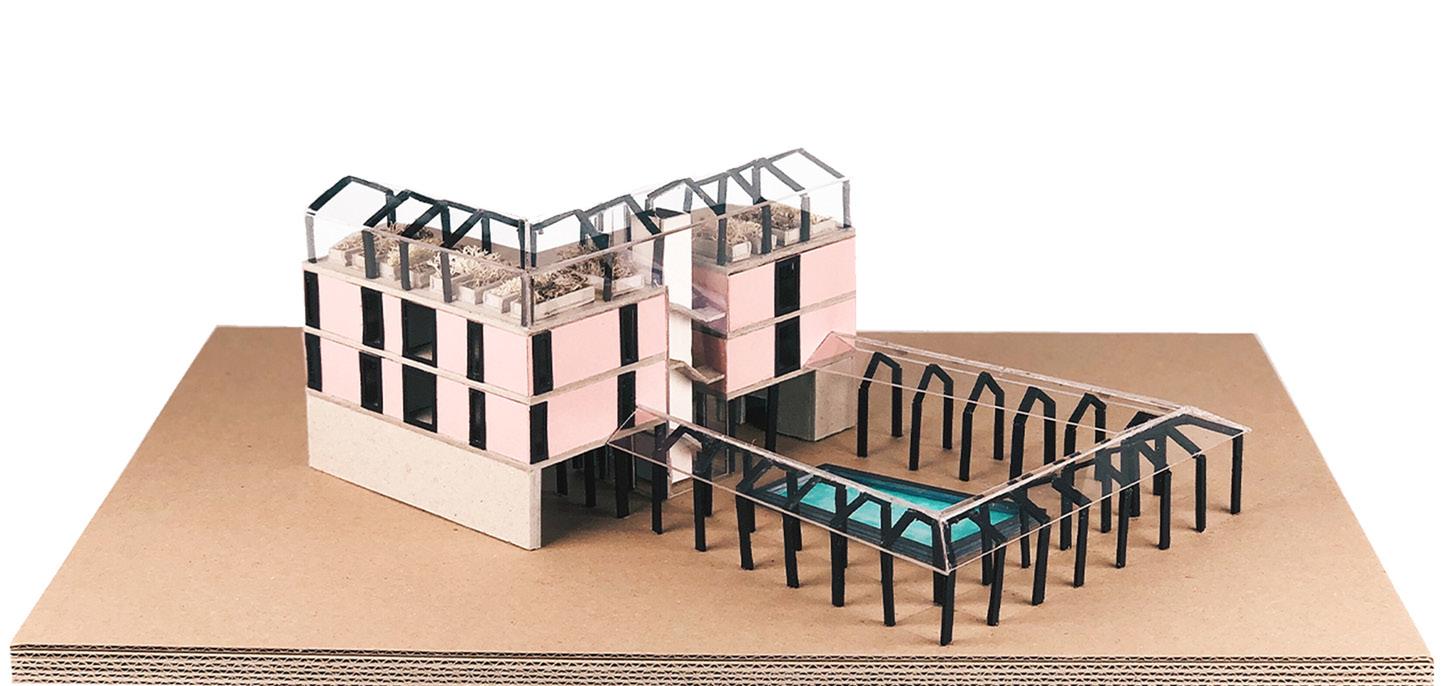
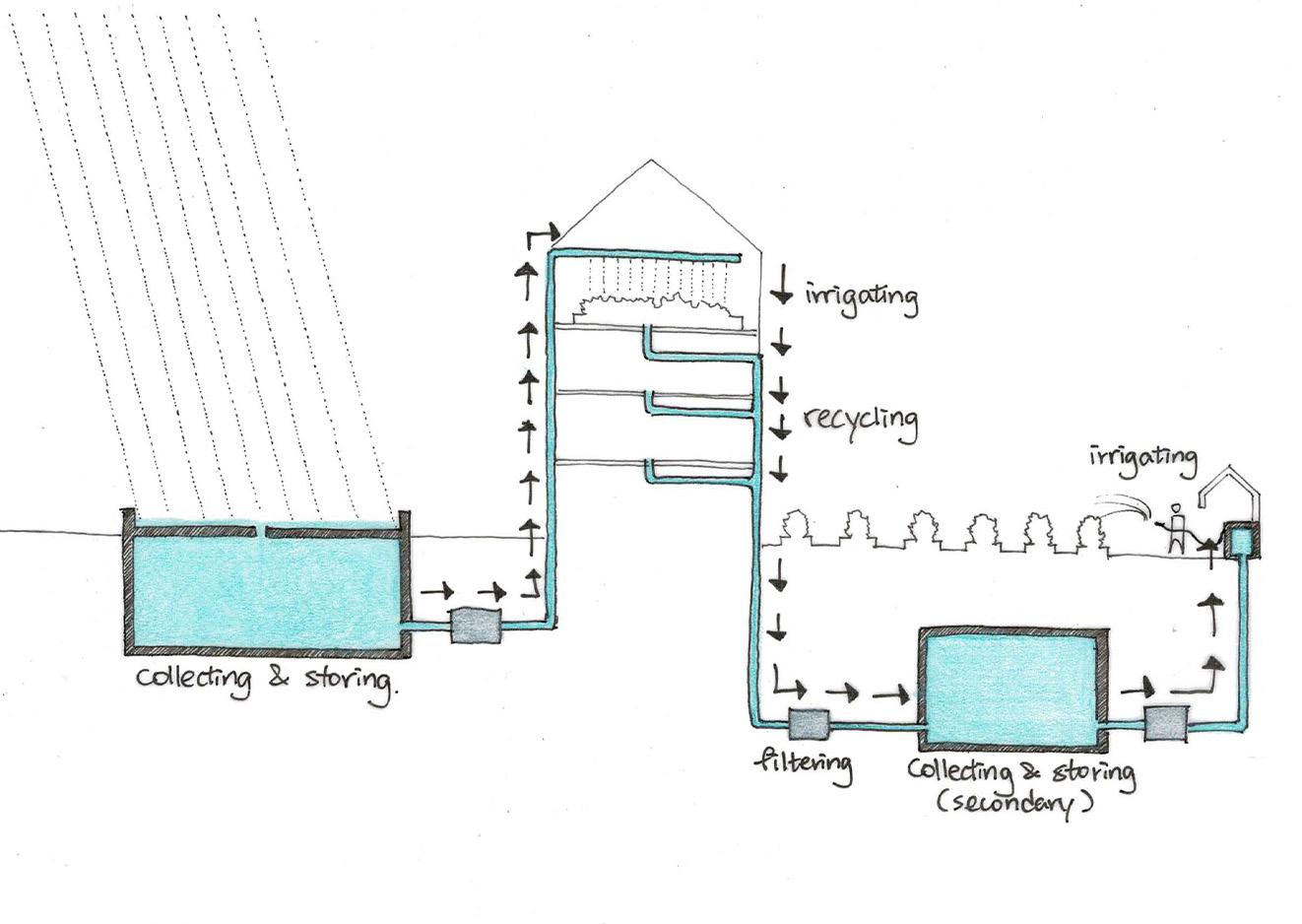
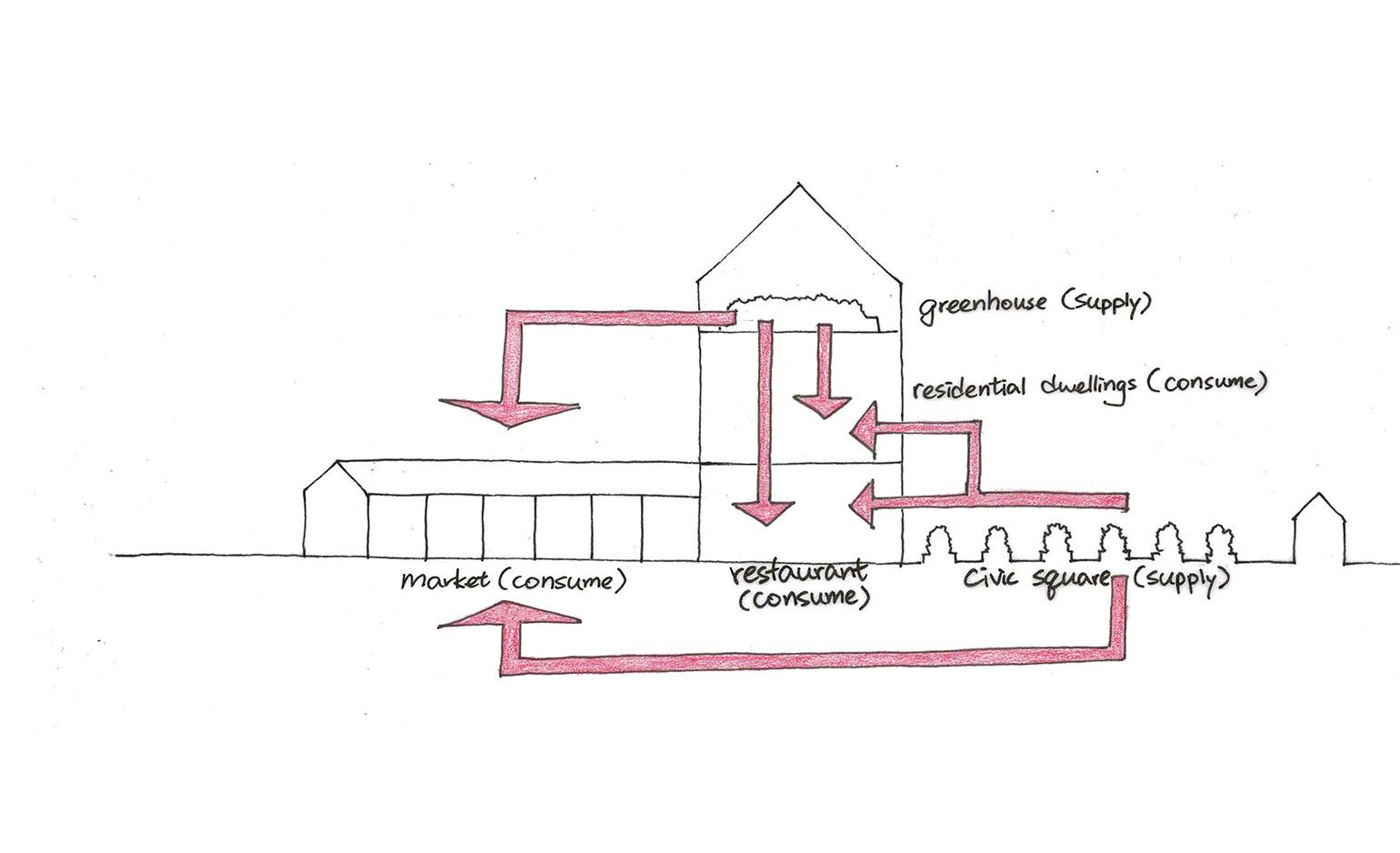
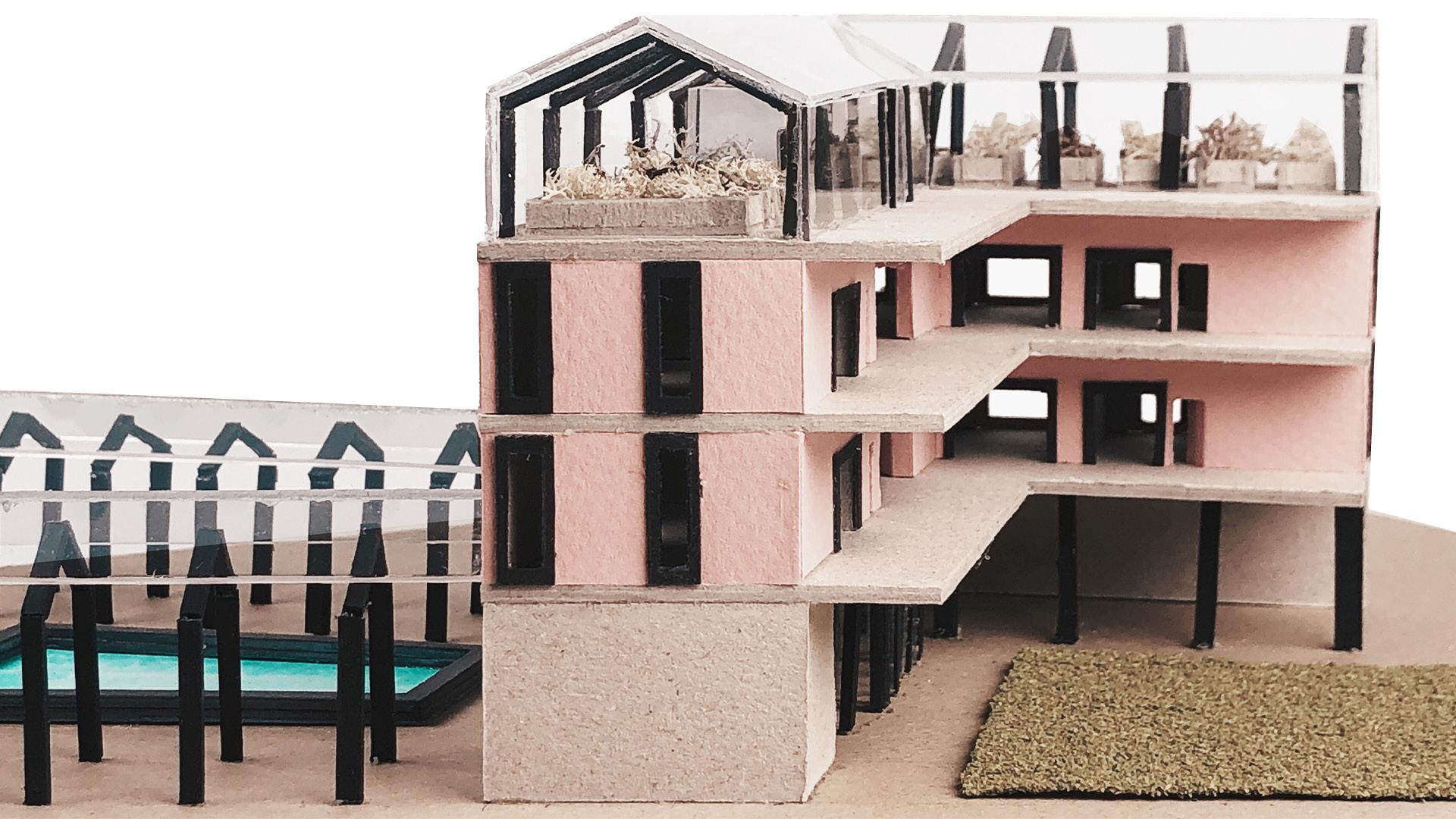
Home to six farmers’ families, the project makes use of Edinburgh’s constant rainfall to supplies agriculture for income generation. Rainwater is harvested and stored in a fountain. It supplies vegetable growing on the rooftop greenhouse and in the farmers’ square. The vegetable crop supplies the six families and is merchandised in a Sunday market around the fountain.
The 1:200 model was made of paper and acrylic sheets by handcraft
During the modelmaking, façade openings were determined in relation to the steel frame. The fountain were hand-painted with markers.
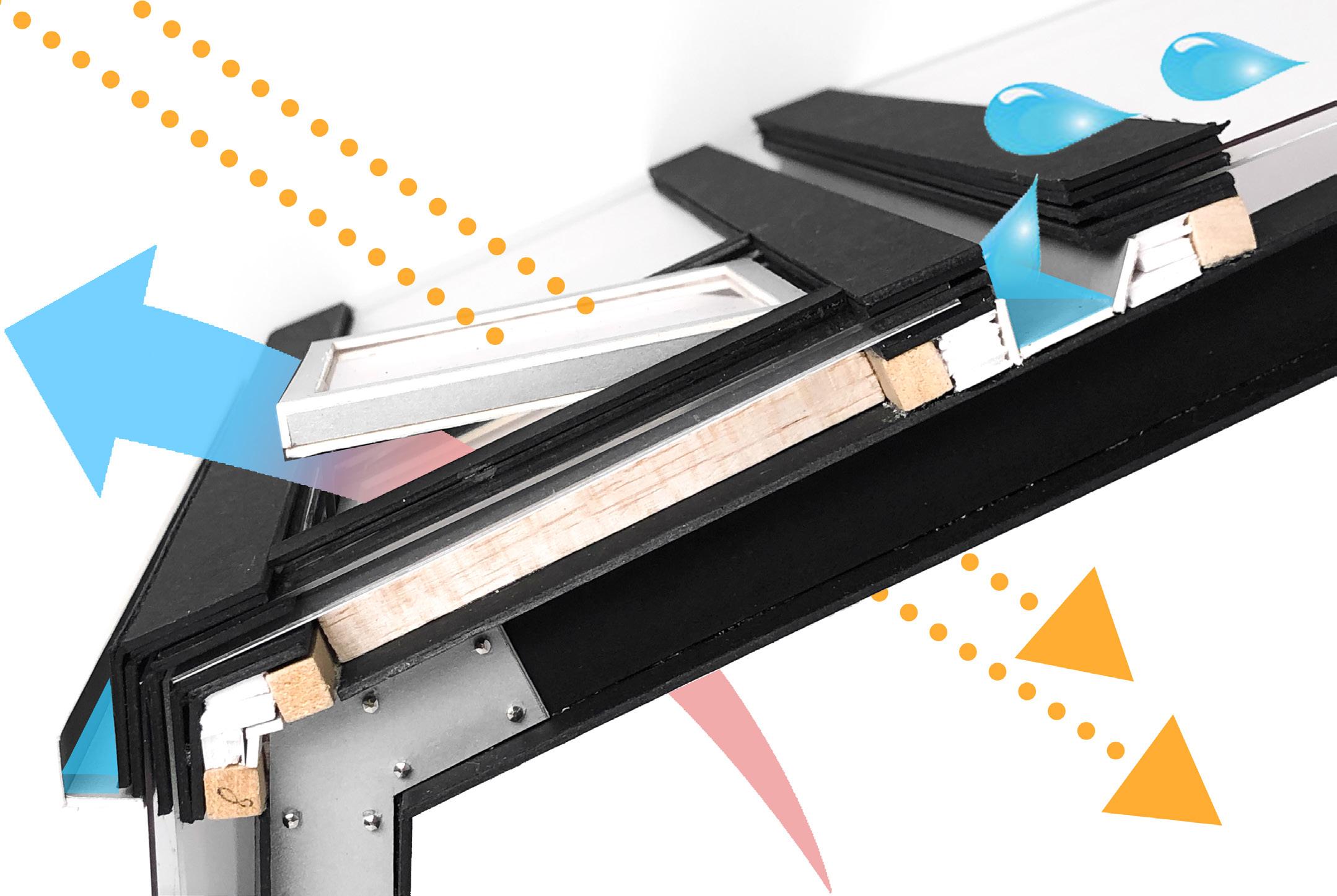
In the 1:20 detail model, the primary steel frame were bolted. Secondary and tertiary structure, including insulation and gutters, were handcrafted.
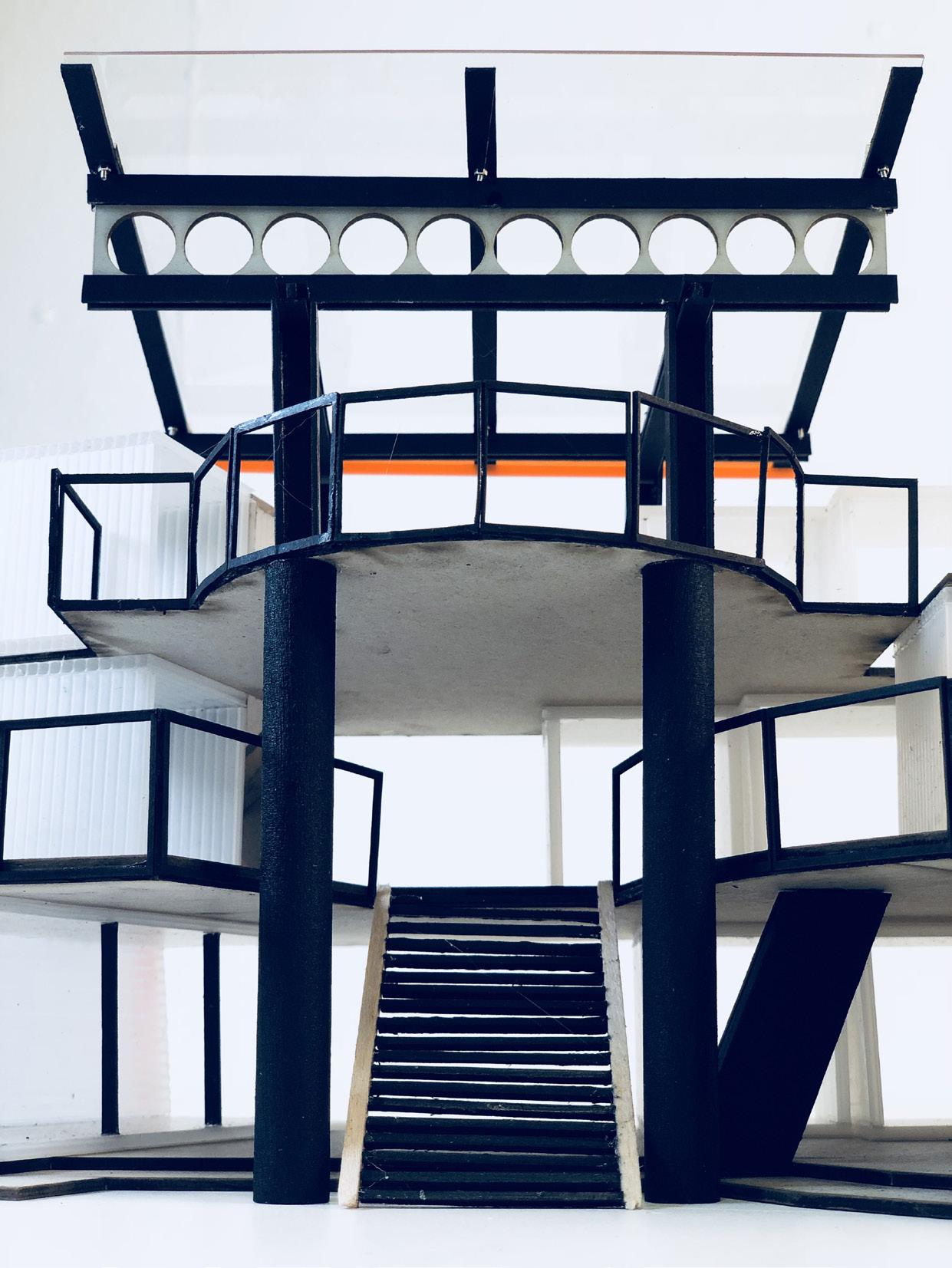
MARKET HALL
Module: Stage 1 Architectural Design
Duration: January – April 2018 (4 months)
Site: Claremont Quad, Newcastle University
Software: SketchUp, AutoCAD
Production: Laser cutting, spray painting
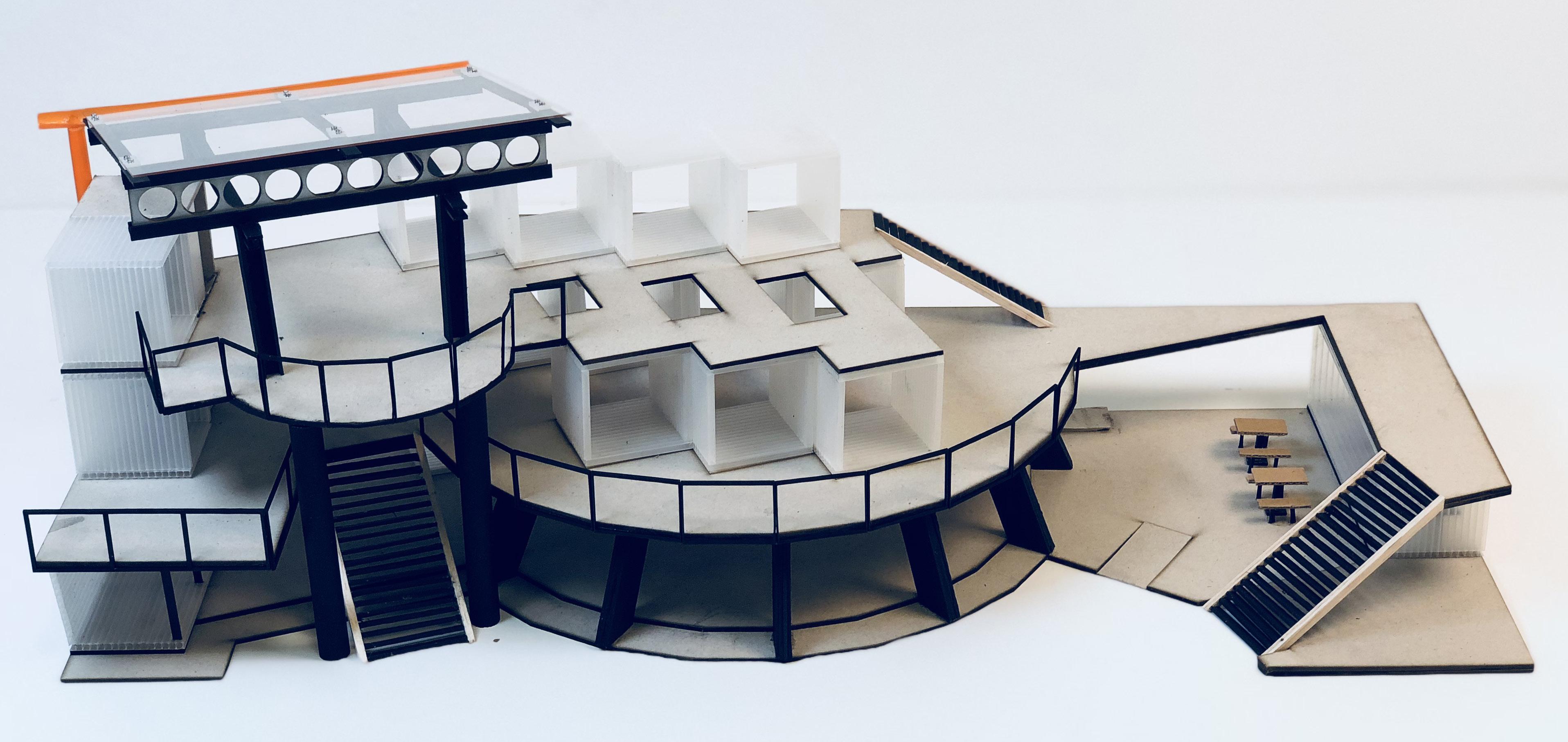
Revolving around a diagonal cut-through, my market hall encourages pedestrains to populate the courtyard and enjoy shopping and alfresco dining.
The physical modelling (1:100) began on SketchUp, where hand sketches of the building form were developed into 3-D model. Hence on AutoCAD, floor plates and balustrade were laser cut, and assembled by hand. The structural elements where detailed with screwwork and spray-painted in black to propose an industrial aesthetics.