FALL 2025 - SPRING 2026

FALL 2025 - SPRING 2026
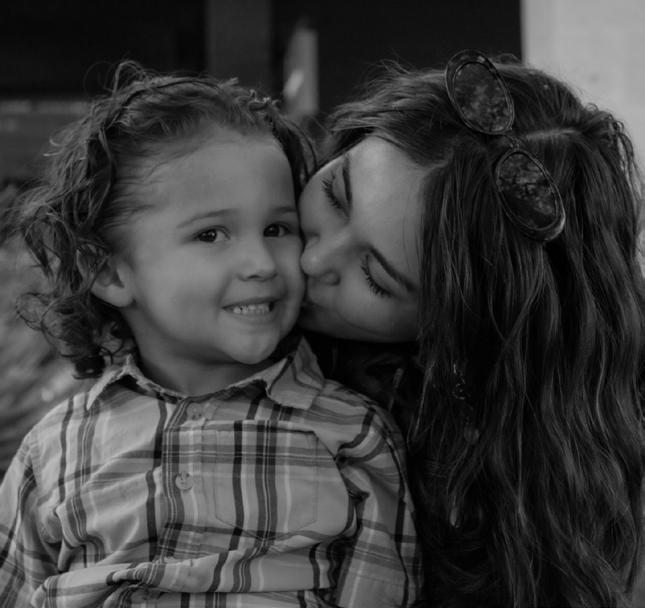
My mother used to say she regretted over-explaining things to me. She used to say it made me a broken record, a pesky, parrotsounding child poking her, asking her, “Why, why, why.” “No, Luna, you can’t play outside past dark,” she would say. “Why,” I would battle. “Always shake people’s hands when you meet them,” she taught. “Why,” I would ask. It is not uncommon to beg the question, especially as a child, but this pesky, parrotsounding question only deepened in pitch and grew more frequent. It never stopped humming. My mother does not mind it as much anymore.
I have always loved storytelling and reading, almost as much as I loved asking the question, “Why?” When I was eight, I created a PowerPoint presentation on mermaids, their mythical origin, “found photos” and “facts,” which later taught me that my thirst for knowledge stretched past my love of fantasy and thriller novels. My storytelling did not only include the mystical and the fascinating, but it was always supported by truth, as silly as that sounds when considering the presentation. That event was telling. I did not know it yet, but the day I created the mermaid PowerPoint, I discovered a love for the balance between research and storytelling, learning and writing and more importantly, that my biggest strength is my curiosity. I had a million questions for the world around me and a newfound discovery: research tells a story, and the story acts as research. Curiosity prompts the question and the question creates the art.

Journalism introduced itself to me when I still played make-believe, and it was perfect timing. It asks many questions. I joined The Paisano in 2022 as a small, unknowing freshman. Shyly, cautiously and nervously, I picked up my first pitch — an opinion piece. My voice only grew, and the pesky, parrot-sounding question only became louder. I stood taller, and my curiosity grew bolder. I fell in love with opinion writing, and eventually grew an itch for design. This growth did not show through a beautiful, ascending line, but through missed deadlines, rejected applications, peculiar pitches and many days of writer’s block.
When finally presented with the chance to create my own magazine, I sat down and breezed through the pages of past Paisano magazines.
I thought I would follow tradition and suggest something touristy about food, and it was — thankfully — shot down. I know nothing about food. “So, maybe a lifestyle magazine,” I thought. Dear Reader, that was simply not enough to put my mind at rest. I tossed and turned about a topic when the answer lay within what I have thrown at people since I learned how to talk, my pesky question. I blended my deep curiosity about the world with my commentary experience and decided to make this magazine a deep dive into the mind. “How are we tied to the world around us and, more importantly, why,” I questioned. “After all, we are products of our environment.”
I have 1 million and one questions for society, starting with you, Dear Reader, and some of them lie within these pages. My letter to you extends past this page; it goes from cover to cover. What do you want to be when you grow up? Did you notice how problematic art can be? Have you ever been scared to love?
We found the balance between research and storytelling and asked our UT San Antonio community many questions. Our goal is for you to question the world, and channel your pesky, parrot-sounding voice to ask yourself, “Why?”






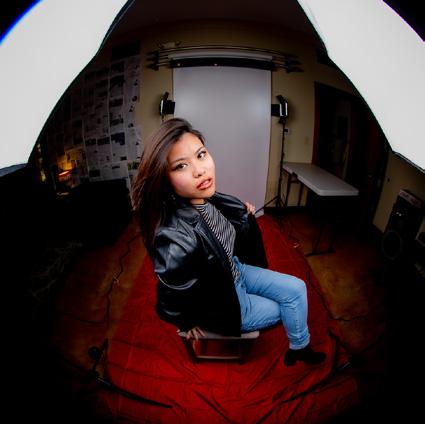
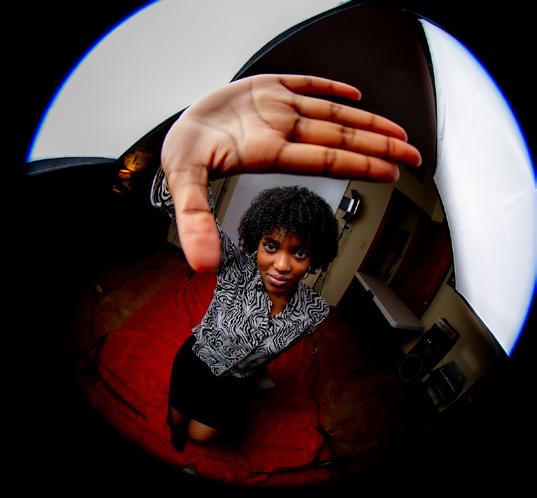
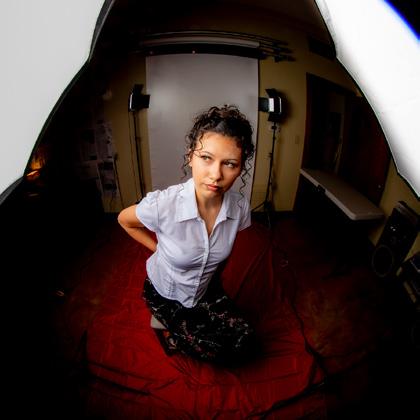


1 editor’s letter

By Marisela Cruz
For the past five years, the prosperity and success of establishing oneself as a young adult has become an unattainable goal due to college prices rising, quality of life dwindling in the U.S. and job opportunities becoming scarce. In turn, those who are between the ages of 18 and 25 have been reported to struggle with anxiety and depression.
According to an article published by Harvard Graduate School of Education, 3 in 5 young adults, or 58% of young adults reported that they lack a sense of meaning or purpose in their lives. Similar findings were reported when discussing financial worries and achievement pressure. The perception that the world is unraveling was documented in 45% of young adults who reported experiencing feelings of impending doom that affect their mental health.
To assume young adults have nothing to worry about during their early 20s would be an ignorant assumption. Familial responsibilities,
higher education and steady income are all common issues that are more difficult to manage now than ever. Personal connections amongst 20-somethings have also become a lost occurrence. The feeling of loneliness clouds judgement of those freshly graduated from high school and enables them to not be able to see what possibilities are attainable.
A college degree is losing value with 29% of U.S. adults saying that higher education is not worth it, according to the Pew Research Center. It was also reported that 47% of adults said that a college education is only worth it if loans are not taken out. Without guaranteed job security after college, university seems pointless to those attending and to those who have taken an alternative route.
The prospects for young adults to succeed seem slim to most. Change across the nation in supporting and recognizing the talents and voices of young adults will provide the relief that is much needed for this growing epidemic of hopelessness.
By Jhorielle Ysabella V. Perez
The days of landline phone calls, mailed letters and consulting encyclopedias are long gone. According to an article written by Clemson University’s Professor and Vice President of Research Development, Sheila R. Cotten, over 5 billion people use the internet. Of those people, 4.5 million use social media. The internet’s presence in society is undeniable. While the benefits of such advancements are apparent, it is imperative to acknowledge the digital world’s pitfalls.
A senior cybersecurity major who requested to remain anonymous commented on the faults of technology.
“I’m not the biggest fan of technology, but it is completely in everyone’s life,” the student said. “It’s engulfed and it’s really a problem, in my opinion.”
“Engulfed” truly feels to be the only word to describe it — much of how people interact with one another, work and function is tied to motherboards and lithium-ion batteries.
Although they do not prefer a technologically-oriented society, the cybersecurity major acknowledges its benefits.
“It makes the world a lot smaller,” the student stated. “So now you can have a conversation with someone in China or Japan or Russia, and
it doesn’t take you months and months to talk to them. It takes you a second.”
For better or for worse, communication is instantaneous, available at any hour of the day. Now that text messages and phone calls have become the primary course of communication, letter writing and “snail mail” have become a novelty. In 2023, Miranda Sawyer of The Guardian wrote “The lost art of letter writing” and how, because writing is a constant, it has declined in value and reception. She essentially says that after we flick out a response to a fleeting conversation, regardless of its supposed importance, our minds move on to bigger and better things. Attention towards spoken affairs has been lost to time. Before the loss of handwritten personal prose, the thoughts produced with ink and paper were closer to being permanent and more intentionally received.
The cybersecurity student offered thoughts on how technology has changed the way people handle issues in their personal lives.
“It greatly affected how people handle their problems, because people lean on their technology,” the student noted. “I’ve seen a lot of my friends go and ask ChatGPT: ‘How do I talk to my girlfriend about this? How do I respond to this?’”
Instead of consulting a friend for advice,
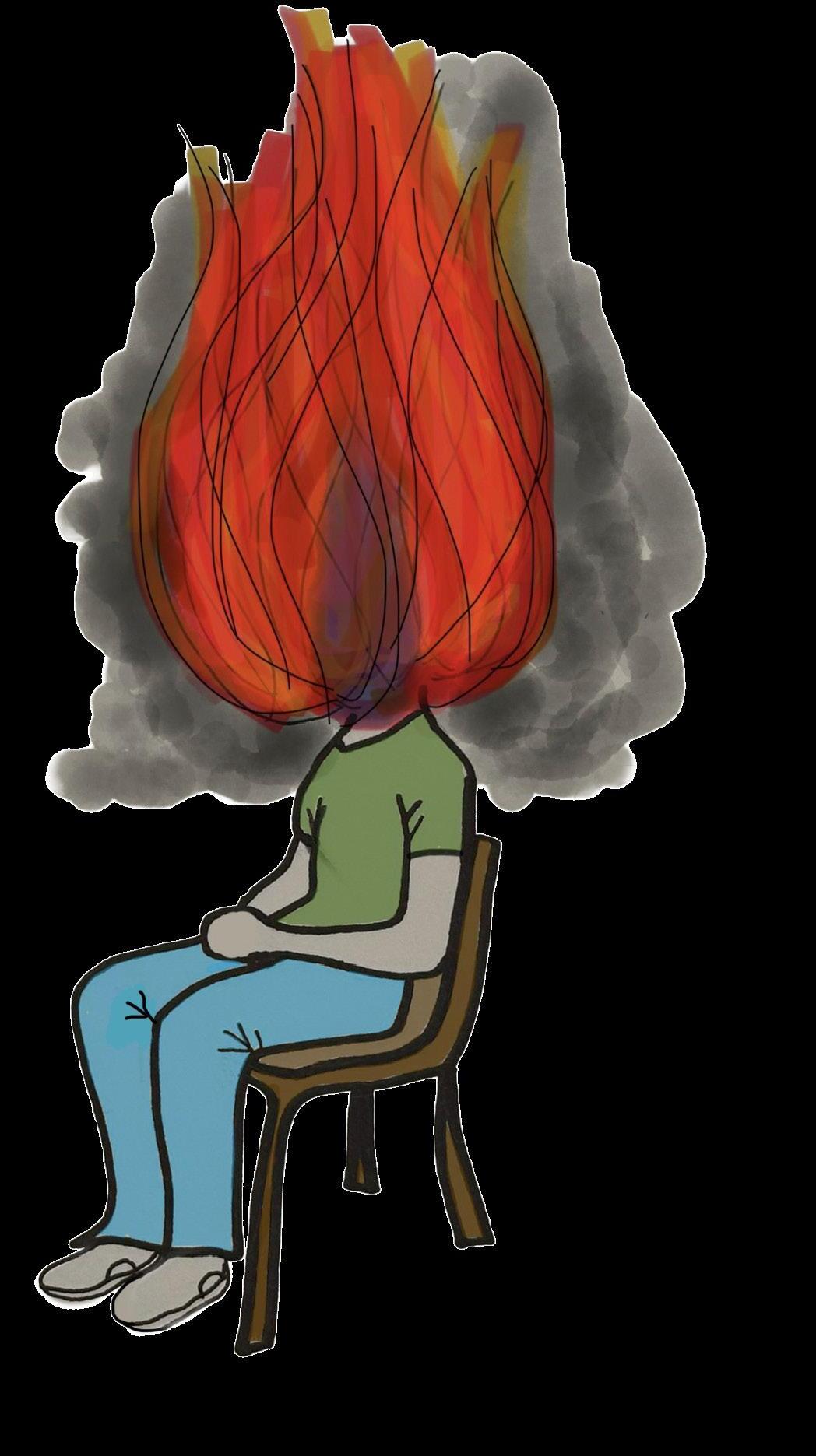
people seeking a good way to respond to conflict or a misunderstanding are finding answers generated by software. Much like the intention and arguable romance of letter writing, true and raw human communication is dying out. Part of experiencing a relationship of any kind is making missteps and learning from them.
When asked about what those in the tech field thought about the disadvantages of tech, the student admits that peers and scholars may not be so receptive.
“With most people I know in my cybersecurity field, they are completely on the side that technology helps in every aspect, and there are no cons,” the student said. “They’d say, ‘That person is just having a problem. It’s not the social media’s fault.’ But in my opinion, it is the social media’s fault because it’s putting them in that scenario.
“It’s really hard to have that discussion with them because they completely believe it’s a user error, and I just think that there should be more responsibility on the technology and maybe limitations to technology. I think that’s a hard conversation to have because it’s very user versus tech.”
Technology and social media are two-sided factors of the new reality. Being aware and conscious of one’s internet use is key to not getting lost in the black mirror.
By Jasmine Williams
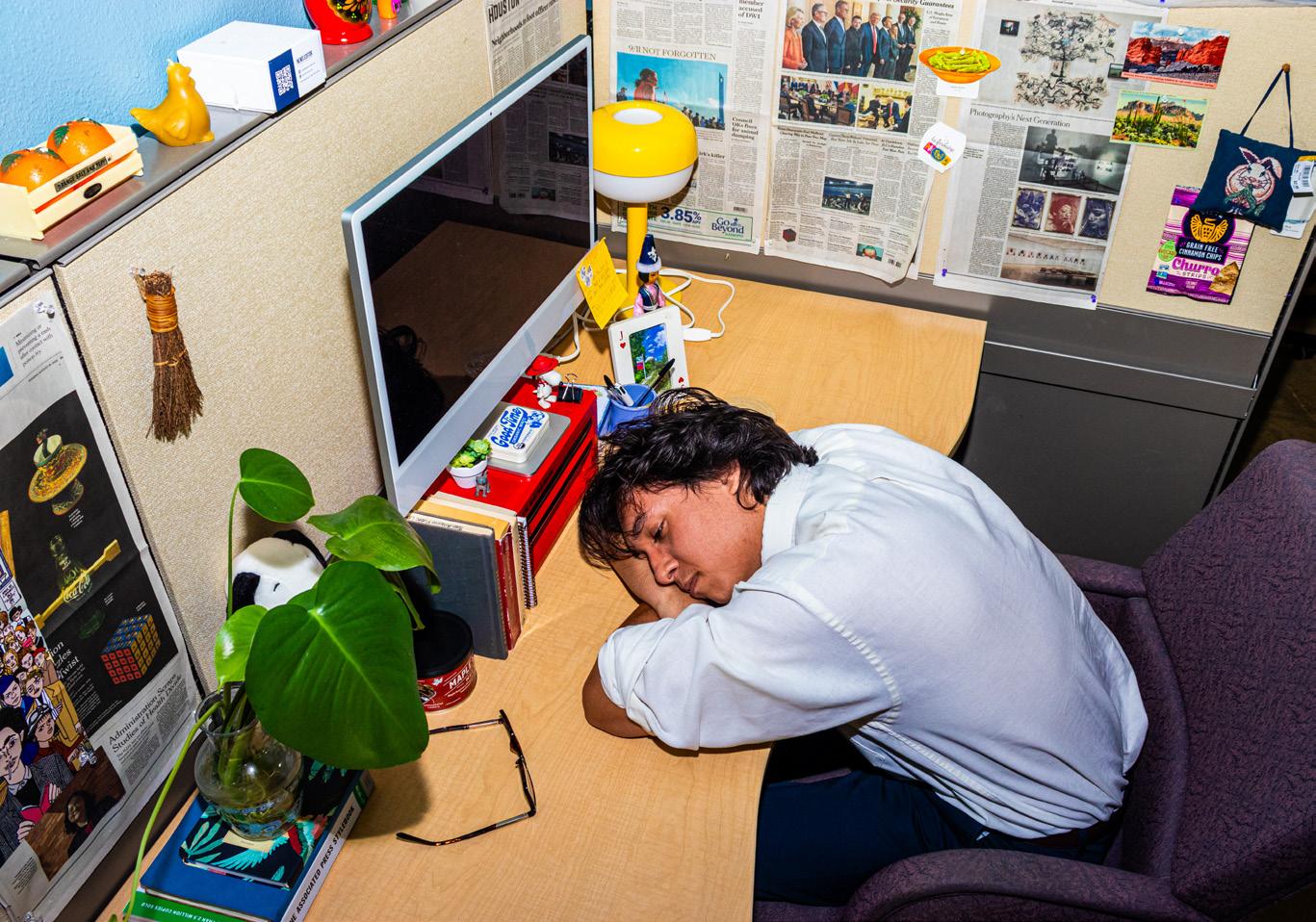
Gen Z currently makes up at least 18% of the labor force, and this figure is on the rise as more adolescents reach working age. Some might ask, especially the younger end of Gen Z, about how this generation is showing up upon entering the workforce and how well they are meshing with corporate culture.
The Professional Businesswomen Society at UT San Antonio is a student organization dedicated to women’s professional development. Internal Relations Officer Camila Gonzalez of the PBWS spoke with The Paisano to provide some insight on Gen Z at work.
The senior human resource management major completed an internship with Kohl’s over the summer. There she learned firsthand what corporate settings had to offer.
“I realized that it’s the opposite of what I stereotype [corporate
culture] to be,” Gonzalez said. “That company [was] very casual. Employees could wear jeans. Their offices were decorated in a very colorful manner, so I now come in with a different perspective of corporate culture.
“I think Gen Z is a big reason why it’s so much more casual now. I like that I go into an office, and you don’t have to see a woman wearing a very fancy dress and high heels anymore. As much as I love that look, they can still be taken seriously in their sneakers and a nice blouse.”
Gonzalez also worked in research over the summer, when she studied Gen Z recruitment.
“I got to learn that Gen Z prefers more flexibility because COVID introduced us to the idea of remote work,” she noted. “We got to learn that it’s possible to work remotely and that we love work-life balance, and we will sacrifice for that worklife balance because we deeply care about mental health.”
Using what she has learned in
her course material and her time as president of the Society of Human Resources at UT San Antonio, Gonzalez weighed in on what this generation is looking for in a job.
a job, maybe we’re not looking in terms of your whole compensation,” Gonzalez suggested. “We tend to look more strictly towards salary and not the entire package just yet, because maybe that benefit might not align as much with our values just yet in life.”
take advantage of the resources and opportunities currently available. Going the extra mile now is the best way to be prepared for senior or executivelevel jobs in corporate

By Jasmine Williams
Now more than ever, Gen Z is boycotting corrupt corporations and bolstering those that give back to their workers and consumers. When businesses practice ethical leadership by doing “the right thing to do for the common good, not just based on what is best for themselves or for the bottom line,” they set themselves up for commercial success among Gen Z, according to a Harvard article.
According to Chief Operating Officer Ramiro Cavazos of the Business Student Council at UT San Antonio, local grocer H-E-B is a company that practices ethical leadership.
“Someone is on their payroll for disaster relief, not for their stores, but for their customers — for the people that they serve in their communities,” Cavazos said. “That’s an example of where a company goes beyond their obligation as a company and goes towards a moral obligation to do well in their community and to have a net positive impact on their communities.”
In the wake of Supplemental Nutrition Assistance Program benefits being cut due to the longest government shutdown in history, H-E-B donated $6 million to Texas food banks and Meals on Wheels. By taking care of its community during times of need, H-E-B cemented itself as a chain worth financially supporting.
Gen Z is on the lookout for companies with a positive ethos they can support. Finding such businesses is easier said than done, as 37% of the generation have engaged in boycotts over company values and political affiliations. Cavazos highlighted what should be prioritized to uphold ethical leadership practices in company operations.
“The focus should be on your consumer base,” he said. “Take everything you hear as feedback. Don’t take it as a number. Take it as, ‘This is what I need to grow on, and these are the people who matter to me because one less sale is still one less sale.’”
The implementation of a virtuous company culture starts at the top. Leadership sets the standard for employees when it comes to
“I hear a lot of leaders talk about being rational and being objective all the time, and I think that’s a very good approach in some ways,” she said. “But other ways, compassion, kindness and just being present, [go] even farther sometimes.
“I think that is when ethics comes in; you want to remember you’re not above anybody else, you just happen to be trusted, and you don’t want to take that trust for granted.”
Corporations must take their consumers’ wants and needs into consideration to thrive, especially because their moral compass matters in the eyes of Gen Z and community members. H-E-B has set the standard here in San Antonio; it is only a matter of time until others follow in its footsteps.
By Lyna Arraour
Despite a slow decline of young parents in the U.S., millions remain. Every day, young adults or teenagers hunch over a pregnancy test, anxiously anticipating the arrival of a line that may distinguish between today and the rest of their lives.
The decision to raise a child permeates every facet of a parent’s life, shaping their relationships with themselves and others — personally and professionally. For young parents, riddled with hormones and potential, it frequently signifies the end of their childhood and a newfound priority of introducing fresh life into the world.
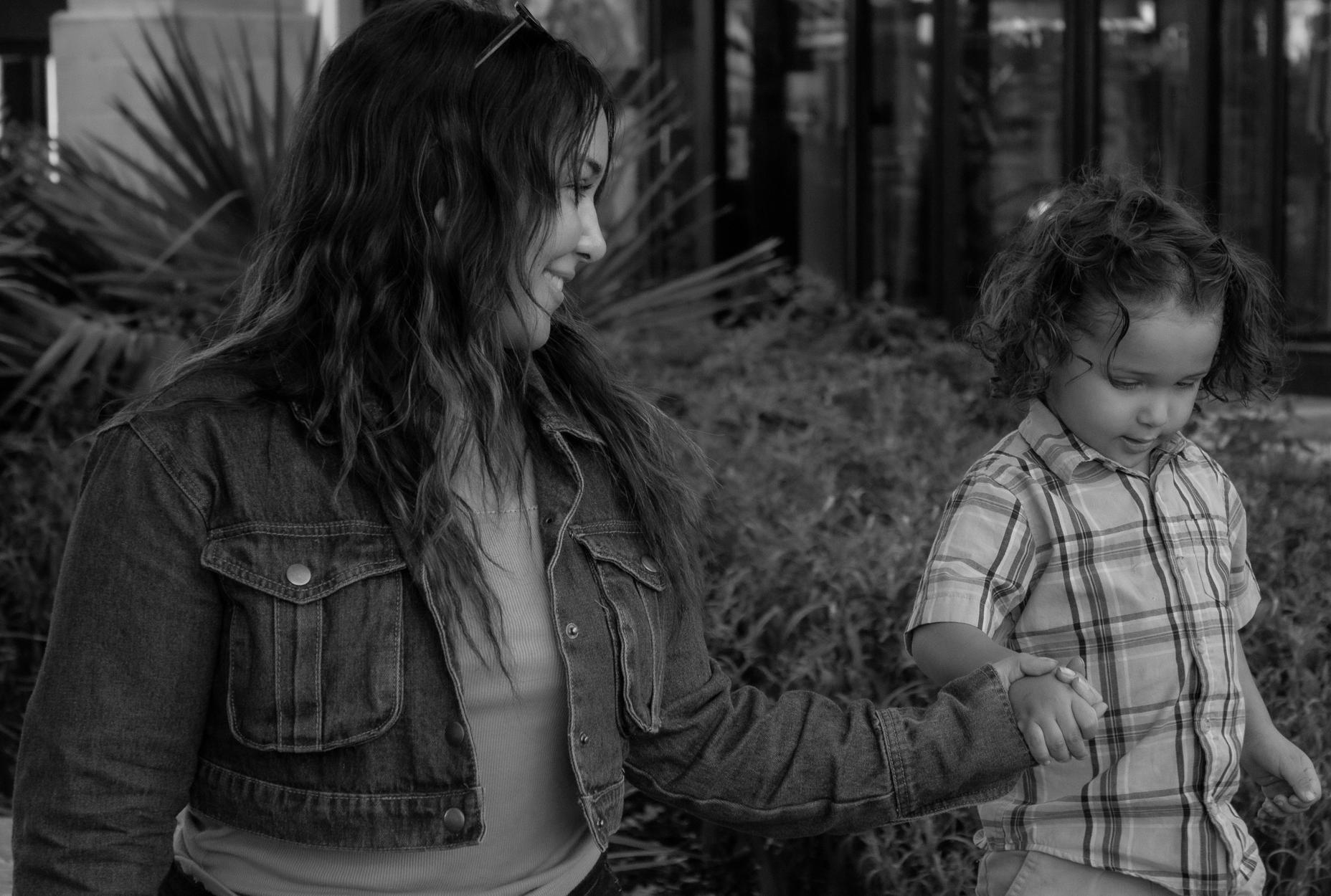
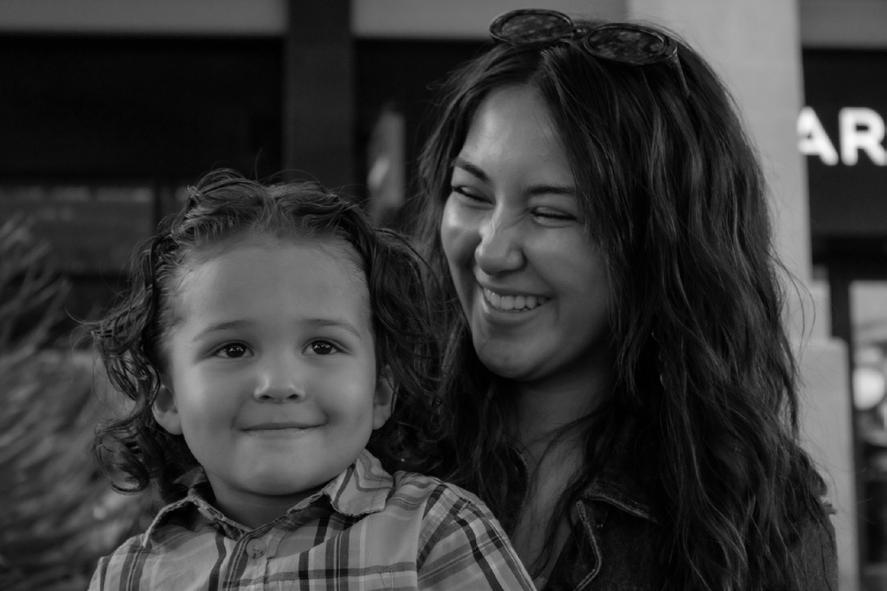
As 22-year-old mom Briyanna Gonzales of two-year-old A’donai puts it, “Being a mom is a lot of my identity. Everything that I do is for him, it's definitely motivation for everything.”
When an individual’s 20s are inherently meant for growing into oneself, making stupid mistakes and building the foundation for an independent future, becoming a parent can stand as an obstacle to taking the path needed to fully mature. Or, it can stand as an opportunity between child and parent to bond on a different level — a fresh and open-minded perspective that can better empathize with an infant’s foolish transgressions.
“I feel young parents are kind of better just because they’re still learning themselves,” Gonzales said. “Whereas someone who’s 40, they’re not growing and learning and changing anymore. They basically tend to be stuck in their way, stuck in their mindset and stuck in their heart.”
Many parents separate their lives into two eras: the period before their child and the time after. As Psychology Today wrote, life becomes more “poignant, ephemeral, and fragile.” There is a new individual dependent upon them for general survival.
Recent psychological studies report that children raised with poor parenting “are more at risk for their own relationship troubles, depression, anxiety, and aggression, among other negative outcomes.”
The pressure, responsibility and introduction of love into one’s life easily creates a dichotomy between the pre and post-consciousness within oneself. For young parents, this overwhelming sentiment is introduced far earlier than traditionally expected, affecting their romantic relationships with people of the same age, their social lives and how they view the world around them.
At times, it can be hard to continue the activities once enjoyed.
“I love to do things spontaneously, but when you have a kid, you can’t do spontaneous things,” Gonzales recounts, “I need a babysitter, [or] I have to take him with me. And if I take him with me, I have to make sure I have everything that I need, like diapers, wipes and an extra change of clothes.”
In general, parents have different priorities than most others of the same age. Rather than thinking of which outfit is cuter, guardians have to ponder which toy will keep their kid preoccupied for longer. This difference in day-to-day thinking — while it may appear minor — affects how young parents pursue their relationships.
“I don’t really have the room [or the] time to allow myself to have that fun in exploring other people because the person that I am dating has to be someone that I want to be with in the rest of my life, and it has to be someone that I want to be around my son,” Gonzales admitted.
A person’s teenage years and early adulthood are bound to be two different transformational experiences which differ from what is seen as conventional or traditional; however, they can be just as rewarding.


“At the same time, because I love him so much, I don’t mind going through that struggle with him,” Gonzales shared. To carry a child, share genetic code with another person, devote yourself to them or raise an individual as your own is an innate connection, recalling the primal nature of humans themselves.
As Gonzales expressed, “The moment I got pregnant, I could just feel my son’s presence. If you’re sad, the baby is sad. If you’re angry, the baby’s angry. If your baby doesn’t like something, you’ll feel it.”
Parents gain a new center in their universe: their children — those they feed, educate and nurture.
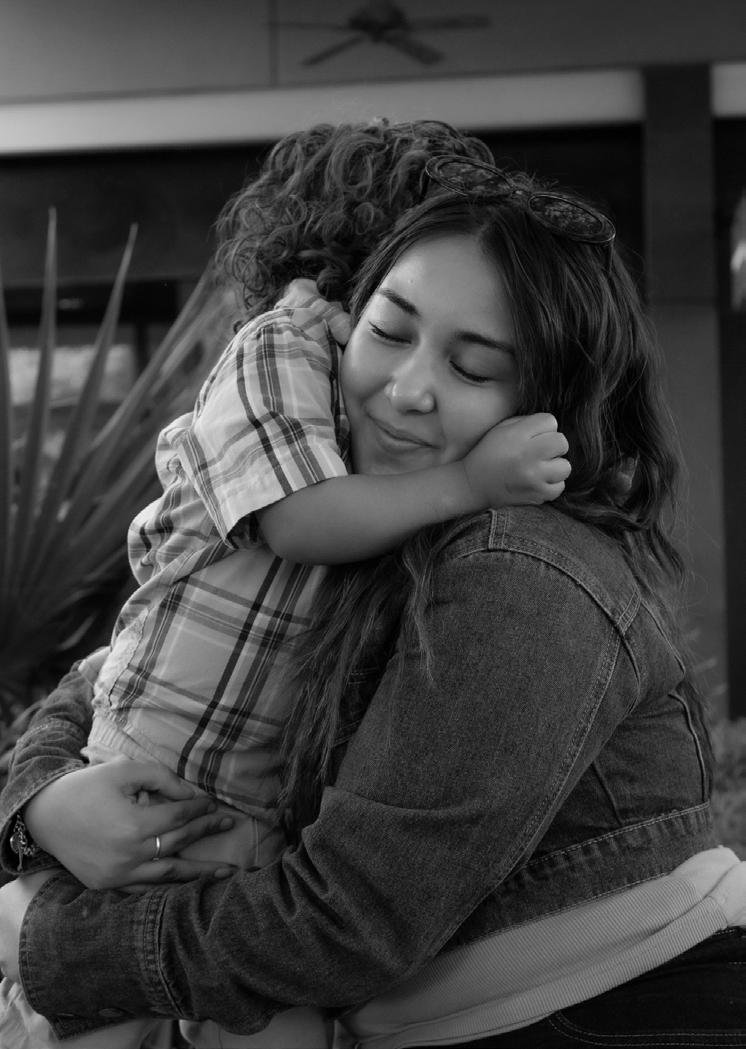
The deep bond between parent and child, whether biological or through love, essentially rocks one’s world, bringing deeper personal insight and understanding about the world around them.
“The deep bond between parent and child, whether biological or through love, essentially rocks one’s world, bringing deeper personal insight and understanding about the world around them.”
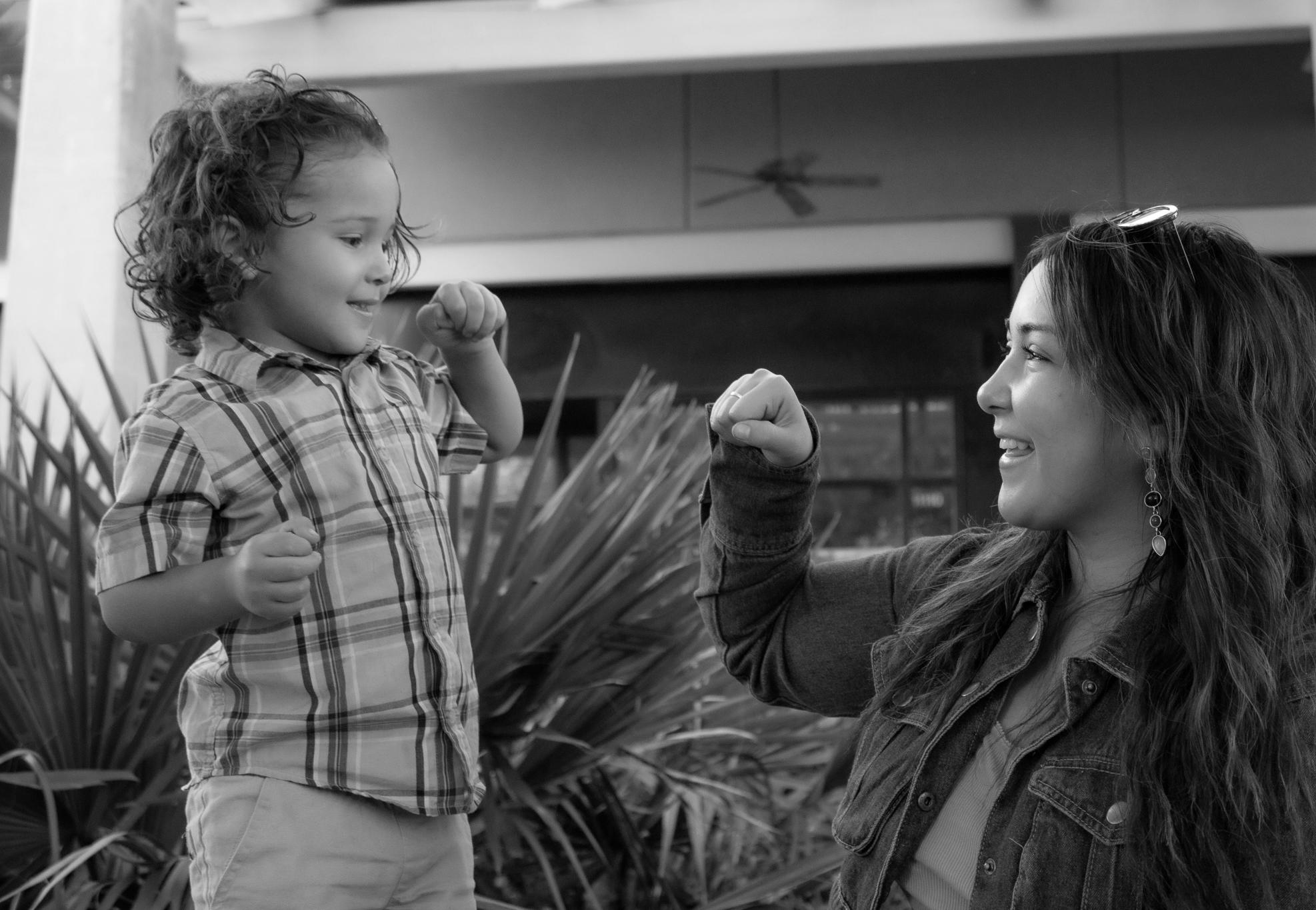
“It’s like a special bond with them, and then with that, when it comes to love — I love him so much,” Gonzalez said. “It really brought out a different empathy, a deeper empathy for me, and a lot more patience.”
The sentiments brought and wisdom earned are truly irreplaceable, but one cannot mistake that beauty for ease. While fulfilling, the irreversible event is one of the greatest pressures that life can thrust upon one, and while incredibly tender, that spirituality cannot be traded for individual experience.
preparation. To be young is to be selfish, and a child prevents an individual from fulfilling that primal desire and need within oneself.
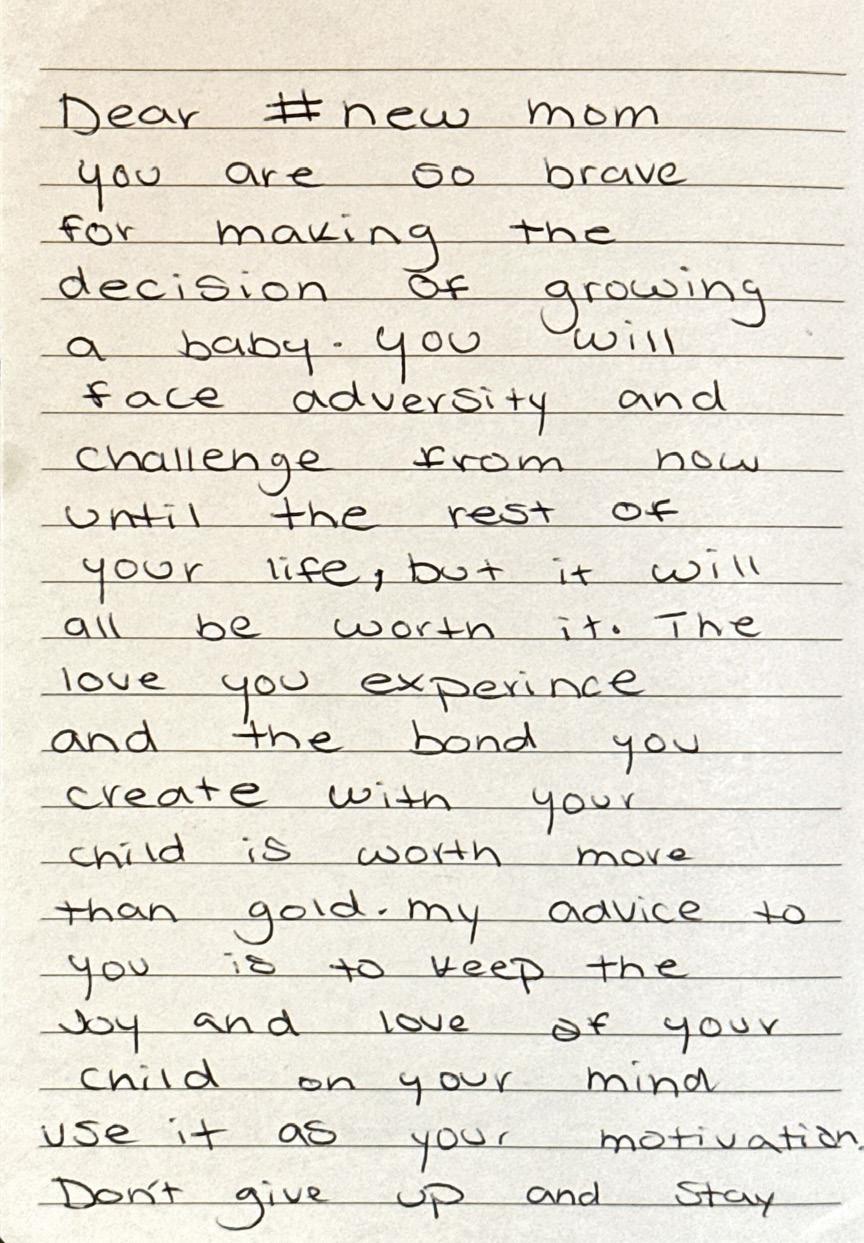
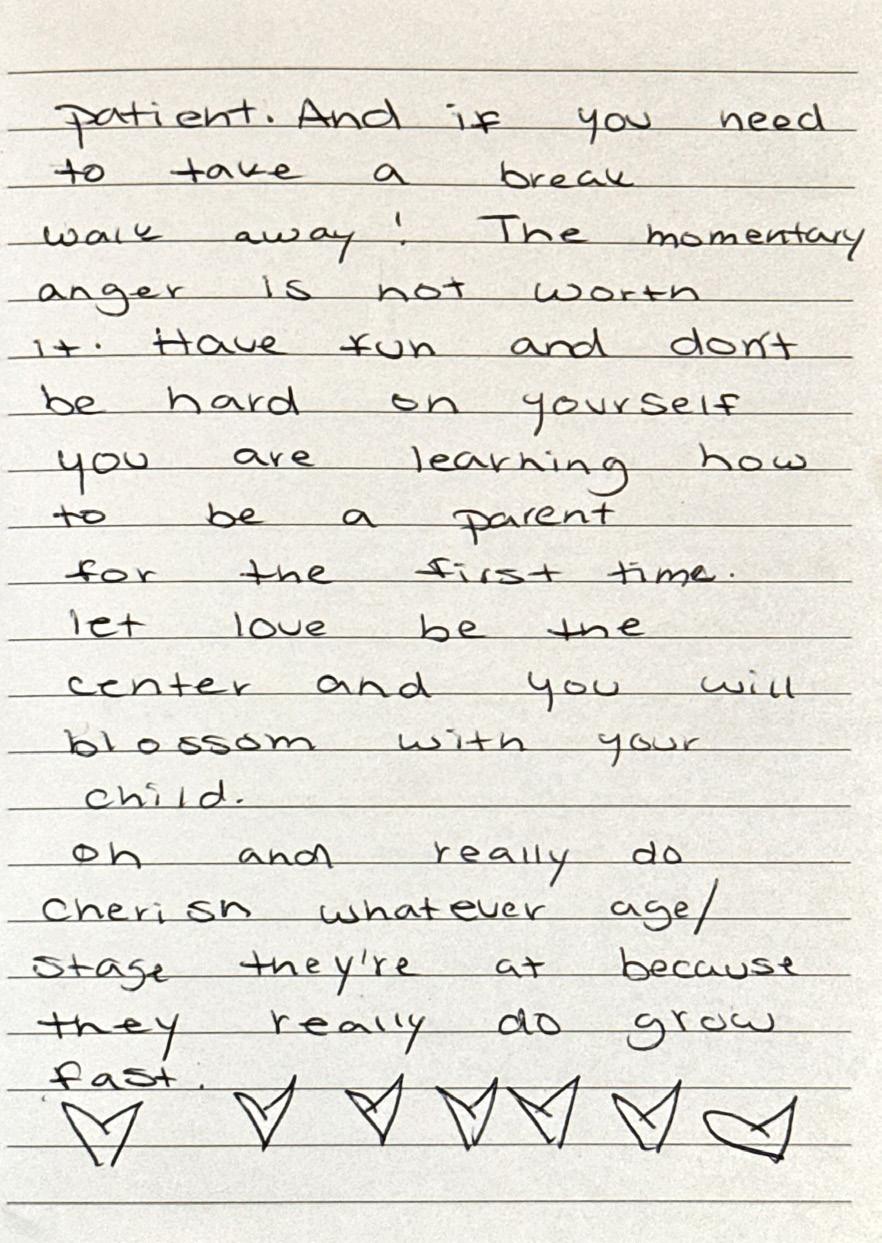
So, to whoever is reading this: Whether you are reading for enjoyment, have recently looked at a positive pregnancy test or are simply wondering about what the future holds: a child is not the end of the world — they could just be the beginning.
“I can still achieve everything that I want to achieve with or without my son,” Gonzales finished. “It’s just going to be a little bit more challenging, but it’s still accomplishable.”
So, take a breath, relax and buckle up for the road ahead.
By Audrey Villar
Feminism is a powerful word; it represents intersectionality, the celebration of womanhood and key movements such as #MeToo. Many proudly call themselves feminists, while others condemn the title. In today’s polarized political climate, feminism is a driving force, and the term is sure to evoke strong reactions from all sides of the political spectrum.
Modern feminism consists of digital media movements, body positivity and discussions on consent and the woman’s choice. This is likely what comes to mind when the term is used — but the word has a long history that far precedes any of these ideas.
Feminism can be broken down into “waves,” each with its own facets that shape and define each period.
The current “fourth-wave feminism” began around 2012, but “first-wave feminism” can be traced back to the 1848 Women’s Rights Convention — the first official one of its kind. Key speaker Elizabeth Cady Stanton presented her “Declaration of Sentiments,” in which she said “all men and women are created equal; that they are endowed by their Creator with certain inalienable rights,” representing the values of this feminist wave.
Feminism’s emergence coincided with other reform movements, most notably abolitionism and the French Revolution. One of the largest focuses of this era was women’s suffrage, the fight for the right to vote. Women of the time were expected to live quiet lives, supporting their husbands without concerning themselves with anything political. This had to change, and protesting, marching, strikes and lobbying led to the eventual passing of the 19th Amendment, a woman’s right to vote.
The stage was set, and women were closer to being politically equal to men. The next wave tackled social equality. “Second-wave feminism” is considered to have been inspired by “The Second Sex,” a book by Simone de Beauvoir published in 1953, and “The Feminine Mystique” by Betty Friedan published a decade later. These books explored the position of women in society as “second” to men and what truly constitutes a woman, social issues and all. These books became hallmarks in the feminist movement, representing what this wave stood for: the rise of women to stand on equal ground with men. Feminists of the era fought for intersectional labor equality, equal pay and a woman’s right to choose, concerning abortions, famously granted in the 1973 Supreme Court case Roe v. Wade. This era saw the gradual gain of autonomy for women at home and in public, where they fought hard for opportunities so easily
granted to men.
“Third-wave feminism” saw the molding of pop culture and politics in an all-new way. The beginning, marked by the 1991 Anita Hill Senate hearings, introduced discussions on sexual harassment and the exploitation of women in workspaces, which they had fought so hard to be a part of.
Grunge and alternative rock rose to the mainstream in the 90s, and with it, Riot Grrrl. The subgenre of punk was loud, vulgar and unapologetically feminist in every way. Marked by whiny vocals, gritty guitar and lots of yelling, the genre was all about helping women fight their way to equality no matter who disagreed. Songs
traction from international women. Digital platforms provided a space to discuss issues from sexual harassment, like in the #MeToo movement, to the “Black Lives Matter” movement, which is considered a part of feminism by many. Feminism in this age became not just about biological women but all gender identities and orientations and races — true intersectionality.
The advent of “cancel culture,” while controversial, has seen a sharp decline in public comments about rape, body-shaming and other demeaning topics as those who partake get publicly shamed online. Feminists rally together to condemn those who harass women, support the revocation of reproductive rights or contribute to anti-LGBT and racist


women’s suffrage. As women advance further in society, it becomes evident just how much more work needs to be done before they are truly recognized and treated as equals in a maledominated world.
By Lyna Arraour
What are standards, really? They are the unspoken rules society creates to decide what is “good,” “beautiful” or “worthy.” These standards have looked different around the world — shaped by culture, geography and tradition.
Ancient Japanese dynasties idolized blackened teeth and pale skin, North Africans revered unibrows as a symbol of purity and the Vikings prioritized grooming and tattoos. However, with the spread of European colonization across the world, these differences began to fade. One narrow idea of beauty — pale, thin, Eurocentric — was exported everywhere, generalizing what was once deeply diverse.
Today, those standards continue to evolve, but the change feels even more suffocating. Social media and filters have turned beauty into an algorithmic ideal. Users are constantly confronted with “perfect” lives, faces and bodies. Consumers are overburdened with exposure to flawless lifestyles, sculpted physiques and curated aesthetics. But what they cannot see behind the screen are the cosmetic procedures, hours of professional makeup, stylist interventions, access to nutritionists, strict training regimens and digital filters slapped on top. No one looks like that — not even the celebrities we idolize.
The issue lies within sensationalism. Much like politics, people are drawn to what feels luxurious, dramatic and unattainable. Publishing relatable, familiar content does not capture attention anymore; consumers crave
what they cannot have. Our obsession with reality television stars and influencers, from the Kardashians to “Love Island” contestants, magnifies this fixation on the unattainable. Most consumers will never experience even a portion of their episodes, yet we continue streaming, engaging and discussing.
A 2022 Harvard study revealed beauty standards cost the U.S. economy $800 billion each year, as industries profit from the insecurities they help create. Similarly, a 2008 paper found that the early 2000s beauty ideal — demanding thinner bodies and smaller features — emerged precisely when the average American woman’s size was increasing. These findings reveal a core truth: Beauty standards were never about authenticity or self-expression but about control and consumption. The more out of reach they become, the more we spend chasing them.
These expectations shape our daily language, thoughts and confidence, it is that deep. Leon Festinger’s psychological theory, the social comparison theory, explains how people evaluate their abilities and achievements by comparing themselves to others. These unattainable celebrities or influencers are not just a facet of desire — they have become the benchmark. A subsequent and expected dissatisfaction with personal appearance is almost inevitable. When the “normal” we see online is filtered perfection, self-worth becomes dependent on an illusion. This constant cycle of comparison fuels industries that thrive on insecurity; Beauty, fitness, fashion and even wellness promise transformation while reinforcing the idea that
who we are is never quite enough.
In the last decade, teen suicide rates have risen at an alarming rate. A ten-year longitudinal study conducted at Brigham Young University found that teenage girls who spent two to three hours daily on social media at age 13 were at significantly higher risk for suicide later in life. A related national survey revealed that up to 95% of adolescents aged 12 to 17 have used social media, with more than a third reporting that they use it “almost constantly.” While establishing a direct causal link between social media consumption and suicide is complex, the implications are devastating.
The Dove Self-Esteem Project further illustrates this crisis: Five in 10 young girls report feeling medium to high pressure to look “beautiful,” while six in 10 feel pressured to appear at least “acceptable” at all times. These findings reflect a culture where self-worth has become inseparable from physical appearance, one filtered photo at a time. Social media, once a platform for connection, has evolved into a stage for self-comparison and silent competition.
We scroll, we compare and we internalize. What once began as admiration turns into aspiration, and then self-criticism. The line between self-improvement and self-rejection blurs until every flaw feels like failure.
But maybe that is exactly what needs to change. Appearance is not an introduction to the world; it is the least interesting thing about you. True confidence does not come from fitting a beauty standard; it comes from realizing you never needed to conform to one in the first place.

By Matthew Moses
While their parents and grandparents often tied the knot in their early twenties, today’s college students are pushing those timelines back. The shift is not about avoiding commitment but about approaching marriage from an entirely different perspective than previous generations.
Gen Z’s relationship with marriage resembles nothing of those that came before them.. While their parents were getting engaged in college or shortly after graduation, today’s students are navigating major decisions, student loan debt and rising living costs.
Anahia Galicia, a senior at UT San Antonio’s College of Health, Community and Policy, provided speculation as to why marriage trends changed.
“Marriage is a commitment that you make to someone whenever you are ready to spend the rest of your life with them,” Galicia commented. “I’m choosing to spend my life with this person because I want to be with this person. Whereas in the past, I think it was really viewed as ‘It works between you and I, so let’s just get married because we have to get married.’”
Marriage used to be about survival and stability. Women needed financial security and men needed someone to manage the household. It was practical, necessary and happened early because people’s options were limited.
Today’s women are excelling in college, landing internships, starting businesses and building careers that previous generations could not access. Marriage is no longer seen as a ticket to financial security because many work independently to create that stability.
Galicia brought up Maslow’s Hierarchy of Needs in her commentary. This theory takes the
form of a pyramid. At the bottom of the pyramid are physiological needs, such as food and water. In the middle lies love and belonging, and at the very top is selfactualization. Previous generations operated relationships from the bottom of that pyramid, but Galicia explained that today’s students can aim higher up that pyramid — looking for love, personal growth and self-actualization.
“I think now, as selfactualization, for especially women, changes and has changed so much. I think that love and belonging, even though it’s in the middle of the pyramid. You know, I think in today’s society, it could almost fit more within self-actualization,”
Galicia said.
Economic pressures shape relationship decisions. Student loans, skyrocketing rent prices and entry-level salaries that have not kept up with inflation do not provide the ideal foundation to plan weddings or buy houses.
Many students feel they need to get their own financial situation sorted before combining it with someone else’s. Previous generations might have seen marriage as a way to achieve financial stability, but Gen Z is more likely to view it as something that happens after achieving some level of stability on their own.
“Now, less women specifically are wanting to get married at an earlier age, because more women are able to get an education,” Galicia explained. “I definitely want to finish my education and start a career and things before I’m worried about getting married.”
This mentality shift accompanies an abundant social media presence in our society, which has influenced how Gen Z views relationships. Daily feeds are filled with engagement announcements, wedding photos and couple goals content that can make offline relationships look boring by comparison.
When social feeds are full of couples who seem to have it all figured out, it is easy to feel behind or that relationships are not measuring up.
This does not mean Gen Z is anti-marriage. They are just approaching it differently. Instead of seeing marriage as a required life step that happens in the early twenties, it is viewed as an enhancement to an already fulfilling life.
Gen Z has grown up witnessing high divorce rates and hearing stories of marriages that did not work out, and many of the generation’s students have seen this reality play out in their own families or friend groups.
Galicia mentioned that it is
not uncommon to hear of couples who have grown apart within her community.
“When they were young, there was this, like, young, fresh, beautiful love,” Galicia commented.
“But now here they are, 20-30 plus years later, and it’s like they’re so mean to each other. It’s because you married for convenience. I don’t want to be in the position where I’m just marrying someone for convenience.”
This exposure to relationship failures has created a generation that is more cautious and deliberate about marriage decisions. Rather than rushing into a union based on societal expectations or romantic ideals, many young adults take time to understand what makes relationships actually work longterm.
The goal is to marry a best friend, an equal partner: someone who makes an already good life even better. Instead of looking for someone to complete them, Gen Z youth look for someone to complement them.
The countless stories of couples who married young and later grew apart, or who realized they were fundamentally incompatible after years together, serve as cautionary tales. Gen Z has learned that love alone is not always enough. Successful marriages require emotional maturity, financial compatibility, shared life goals and genuine connection. These things take time to understand and find.
The social media influence, stories of marriages gone wrong and financial stressors have led to Gen Z taking that time to figure out who they are, what they want and what kind of partnership would actually add value to their lives.
A Gen Z’s narrative on marriage could mean getting married at 28 instead of 22. Maybe it means having a smaller wedding because twenties were spent traveling and paying off loans. It might mean redefining what marriage looks like entirely.
Romantic love can be all-consuming. Shared gazes, inside jokes and erupted laughter take up the mind for days. A solved argument among partners feels gratifying; a slow dance is like walking on air. When these loving moments feel like electricity, and the lows feel like drowning, one must question the nature of their relationship. If conversation feels like an addiction, fights are on a scorecard and respect comes with the roll of dice, there is undoubtedly something off. Once pain is bandaged with a hug and a simple apology, only to be met with the same fate the next day, one must face the question — is it love?
Toxic relationships are not simple fights or personality differences; they consist of a lack of respect, manipulation, emotional or psychological harm and consistent stress. However, many toxic behaviors can become abusive. Abusive relationships involve intent, typically from one partner who aims to dominate or harm the other, whether that be emotional, physical or psychological. Whether someone has faced toxic behaviors in a relationship, situational couple violence or consistent abuse, they are all harmful and they all deserve attention.
Toxic relationships
are unfortunately common, especially among young people. According to the National Domestic Violence Network, 1 in 3 college women says they have been in an abusive dating relationship, and 57% of college students who report experiencing dating violence and abuse said it occurred while in college. Curiously, and concerningly, Gen Z often normalizes and even glamorizes toxic relationships — it must stop.
The glamorization of toxic love in media is nothing new, but the acceptance of these onscreen behaviors has the ability to influence young audiences to settle for the same. Harley and the Joker are seen as iconic, Carrie and Big as heartthrobs and Disney Channel’s cheaters as
By Luna Infante
endgame — and so, life begins to imitate art.
Counselling psychologist Dr. Sarah Davies explains this pattern in a Cosmopolitan article.
“The danger in glamourising toxic relationships is that the toxicity and intensity gets normalised and we start to see these as a model for our own relationships,” she explained how toxic relationships worsen. She noted, “Intensity is immediate, and the intense chemistry that comes with it can lead people to become lost in an exciting fantasy.”
While the harmful can feel safe and the sweet moments tenderize the pain, it is crucial to accept the sneaky gut feeling of something being off, set boundaries and leave the relationship if they are crossed. To say, “Love is pain,” is another way of tinting reality rose. Love should not leave scars of insecurity, drained energy and depression. Love is not to wipe away each other’s tears or place concealer over a bruise — it is consistent, emotionally safe and trusting. Most importantly, love is meant to feel like love.
Everyone deserves all forms of safety in their relationship. If something is telling you to leave yours, listen. It is easier said than done, but choosing oneself will always be the best choice. This life is yours, and sacrificing peace to be chosen will never be worth it. Be the love big enough for you.

By Carlos Craig
By Marisela Cruz
City planning focuses on the functionality of an area’s layout. What is often overlooked, however, is how those environmental arrangements impact citizens’ mental health. Examining the design of neighborhoods, towns or cities explains some recurring problems their populations face.
When there are no sidewalks or wide landscapes across communities, residents in that area become fatigued due to the lack of accessibility. These particular conditions create a car-dependent lifestyle, worsening traffic congestion and increasing collective exhaustion.
An architecture and planning student at UT San Antonio explained their perspective on the topic.
Graduate student Itzel Ramos elaborated on how buildings, city features and public right-ofways significantly contribute to citizens’ quality of life.
“We have to think about how people access different spaces, not only for people who are ablebodied but also think of those who have disabilities,” Ramos said.
Overlooking the city landscape of downtown San Antonio, Ramos explained some benefits and disadvantages the city offers.
“The downtown area helps people interact more, move around more, especially the River Walk. They get to walk the whole river and create a healthier lifestyle,” Ramos emphasized. “The space across places around here is difficult [to enjoy]. I feel like a lot of people do drive around a lot here, and having more walkable areas, or even parks or something where people can go run or walk, could provide a healthier lifestyle.”
by Zahara Latson
By Jake Mireles

San Antonio, like many U.S. cities, struggles to meet everyone’s accessibility needs. As a growing city, it must develop more roads to accommodate the increasing population. In turn, those without cars are left stranded without sidewalks and are overlooked by highway construction and traffic congestion. To provide a more productive and healthy environment, it is up to the city and its architects to consider the quality of the landscape.
Hostile architecture has a long, storied history, deeply rooted in classism and racism. In New York City, bridges were built too low for bus access from New York to Long Island. Buses were predominantly used by minority and low-income families, effectively barring them from visiting these public spaces.
In Detroit, the Eight Mile Wall was built to segregate Black and Latino neighborhoods from higher-income, predominantly white neighborhoods. This is one of the city’s — and the nation’s — most prominent physical manifestations of redlining.
While these historical examples of hostile architecture were largely race-driven, modern cases are significantly more subtle and reflect society’s increased valuation of capital and property. Modern exclusionary design centers on a struggle as old as human civilization, but one that has been forced to the forefront of society in the 21st century: classism.
The Paisano sat down with UT San Antonio architecture graduate student Ian Hoggard to discuss the purpose of hostile architecture and what he believes it symbolizes in our society.
“Hostile architecture is a design strategy that people in power used to, I think, disenfranchise certain groups,” Hoggard said. “I think that’s best seen in how we design for homeless populations here in the U.S.”
Design and material play a predominant role in modern hostile architecture. Unnatural angles and rough concrete make common, everyday resting places a pain to inhabit.
“The design of a lot of seating is not very comfortable. It’s just perpendicular angles. It doesn’t conform to the human body. Sometimes the benches are too short, too shallow,” Hoggard said. “Hostile architecture could be seen in other cities, like New York and Chicago, better, where they put spikes on walls and on railings near townhomes, just to discourage loitering, or people just being there and sitting there.”
Hoggard attests that while hostile architecture is a reflection of society’s value of capital and property, the extent to which this is true varies from place to place.
“As architecture students in our third year [of] school, we all went to Italy. They don’t design their cities to exclude people, or to be hostile or to stop people from being there,” Hoggard said. “That definition changes in [the U.S.], where I think we value different things. We value privacy. We value safety. We value the individual a little more than other countries of the world. So I think that hostile architecture really comes into play.
“It feels a little more insidious and evil in America.”

By Rylan Renteria
The same fears coinciding with the rise of the computer — degradation of critical thinking and the replacement of human labor — have exponentially returned with the rise of artificial intelligence.
AI began as a fun way to generate videos of Will Smith eating spaghetti or LeBron James in Fortnite, but it has transformed into a tool that digitally resurrects the dead; provides quick, simple answers to critical concepts required in education and summarizes articles from established print publications, bypassing an already inexpensive paywall. Its popularity is rising quickly with over 340 million users adopting AI tools in 2025 and a projected one billion users by 2031.
UT San Antonio College of AI, Cyber and Computing senior Dawson Garratt detailed the positive and negative effects of the resource, acknowledging its cemented place in society.
“I think AI use is ethical,” Garratt said. “In the future, in the workforce, I think AI is going to be used as a tool to make complex calculations easier to solve. Because of that, it’s important that we teach how to use it properly. If you use it to find all the answers and you don’t actually learn anything from it, then you’re doing nothing but hurting yourself.”
Garratt compared AI to an axe, stating that it is “as dangerous or helpful as the person using
it.” While one can note AI as an asset to speed up advancements in technology or complex calculations, a large portion of concerns stem from its negative social and artistic effects.
Los Angeles Lakers superstar Kobe Bryant, his daughter Gianna Bryant and seven other passengers were tragically killed in a helicopter crash on Jan. 26, 2020. Apparently, that is not enough to stop Bryant from streaming NBA 2k online and interacting with fans in the chat.
Even more disturbing is the Dream City Church in Phoenix, Arizona, which uses an AI-generated speech from slain political figure Charlie Kirk to convey a martyrdom message: “I knew the risks of standing up in this cultural moment, and I’d do it all over again,” and to “dry your tears and get back in the fight.”
These clips blur fiction and reality. While Gen Z is typically aware of signs that something is AI-generated, Garratt notes that Gen X adults and the elderly might have a tougher time making the distinction.
Artistically, AI has been a large asset for creatives to enhance their work and produce it at an accelerated rate. AI denoise in Adobe Lightroom helps photographers ward off that pesky grain that comes with shooting in low-light environments, while mask tracking in Adobe Premiere adds a new element to video production.
Among every possible use for AI, Garratt’s sentiment remains the same — that it should be used exclusively as a tool. Whether in education or art, AI should never replace the human aspect; he even went as far as to state that he would “think less of anything generated by artificial intelligence as compared to human creation.”
Artificial intelligence will be nearly impossible to escape in the future. Use it advantageously while finding a way to maintain the integrity of human design and innovation that built the foundation of modern society.
“I think, right now, people already don’t trust the news, and with AI tools like deepfake, it’s going to be extremely impossible to trust anything that’s not right in front of you,” Garratt explained. “You show an old person an AIgenerated video and they won’t be able to tell the difference.”
By Luna Infante
It is easy to stalk people. By searching someone’s name on social media, users can find strangers’ extended family, workplace and somehow discover their middle school hobbies. With a burner account, a browsed phone number and the discovery of an inactive
to see how often young people brush past it.
Cyberstalking can be defined as when someone keeps track of another person online in a way that makes them feel uncomfortable, worried or threatened. There are degrees of cyberstalking — less troubling examples are online location and activity monitoring, while hacking and harassment raise more red flags. The Paisano interviewed UT San Antonio sophomore cybersecurity major C. Rose Marchant to gain some insight into these concerning online behaviors.
“Cyberstalking and online stalking are commonly used [interchangeably],” Marchant said. “To cyberstalk or stalk online is to use the [internet] and [its] applications, like social media, to find information about someone, contact and harass them, or harm someone by impersonating them or post about them and their information for the world to see.”
With a simple search, one can find many videos with online stalking tips and hundreds of users’ comments supporting the behavior. One user on TikTok posted a video of the best
ways to stalk people with four levels, the first level being less intense stalking and the fourth being the most intense. “These are like, legal ways,” said the user to someone off camera. “Inperson stalking’s, like, illegal, like that’s a crime,” she said after. Cyberstalking is illegal, too. Like jaywalking and driving without a seatbelt, this crime is swept under the rug.
“I think online stalking is incredibly common. Most people participate in this behavior to some degree,” Marchant said. “I believe that online stalking has become so common due to the accessibility of the internet and the anonymity behind it. Big factors that have caused it to be welcomed are from people using it to find and expose cheaters or other scandals.”
Cyberstalking should never be dismissed, not only because it is punishable, but because it is unsettling, and while all too common, is an invasion of privacy. Think twice before posting your vacation spot while still there, and stop and breathe before you deep dive into your ex’s social media.
By Christopher Delgado
A high percentage of biodiversity has been wiped from the Earth five times. Each time, it replenishes itself, most likely as the result of natural processes. Unlike these five mass extinctions, the current sixth mass extinction has been hastened by human indifference, greed and gluttony.
The Earth’s resources are being consumed at an unprecedented rate due to rapid energy consumption. Climate change and the impoverishment of Earth are wicked problems that require multiple solutions. To combat the Earth’s decay, humans must rely on ingenuity and innovation. Technology lies at the forefront of the human race’s defense against extinction. Sophomore environmental science major Nicole Loveall-Kerns believes developments in instrumentation
create a fighting chance in terms of conservation.
“Technology allows us to track species that are inaccessible, along with their migration patterns and behaviors,” Loveall-Kerns said. “It enables us to monitor deforestation and illegal poaching, test water and soil quality, and determine where conservation efforts are most urgently needed.”
Species tracking preserves biodiversity by allowing scientists to better understand the specific impacts climate change has on species. Animal trackers provide information that aids in intervention. Rather than merely understanding the cause of an animal’s death, the trackers provide insight into how an animal may have failed to survive. This data allows ecologists to develop solutions that intervene in certain moments of an animal’s survival in a specific region.
The creation of data remains a crucial tool to combat the sixth mass extinction; however, this information is nothing without innovation. Fossil fuels, being
one of the largest contributors to climate change and environmental degradation, prompt humans to develop alternative methods of energy that are sustainable and eventually transition into a sustainable lifestyle. This notion places the responsibility of extinction upon an individual.
In reality, corporations contribute the most to carbon emissions. Switching from a gaspowered vehicle to an electric vehicle will not necessarily slow the effects of a depleted ozone layer, but corporations transitioning away from fossil fuels and into ecofriendly energy sources could slow down the rate of biodiversity loss.
Nuclear energy ushers in a new age of power. Unlike other forms of sustainable energy, such as wind and solar, nuclear energy offers a stable flow of power regardless of weather conditions. The U.S.’ reliance on fossil fuels could be quickly curbed with the introduction of nuclear plants.
Taking action towards nuclear energy introduces potential dangers associated with nuclear
fallout. However, this hazard is much easier to address compared to the complexities of climate change, but it is more costly when compared to fossil fuels.
The nuclear age of energy is riddled with uncertainty but offers a glimmer of optimism towards humans and the Earth’s coexistence.
“Technology may have its downsides in regards to the environment through pollution and destruction in its own terms but without these tools, many aspects of the environment would be invisible to us, making effective conservation nearly impossible,”
Loveall-Kerns said.
No solution is perfect during the fight against biodiversity loss and a changing climate, but citizens of the globe can choose to invest in technology and research that gives the human race a fighting chance. Invest in a sustainable lifestyle and advocate for investment in technology that rejects traditions and embraces hope for the future.
By Valentina Quintanilla
The meat industry has always played a significant role in human diets, yet it has also been one of the leading causes of environmental degradation. Animal agriculture dominates human lives, yet it is an industry filled with cruelty that poses a direct danger to the environment. This reality has become increasingly apparent, encouraging many to adopt a more sustainable lifestyle in dietary practices, such as veganism and vegetarianism.
Animal agriculture is responsible for 80% of worldwide anthropogenic greenhouse gas emissions, and 77% of global farming is used for livestock, while 34 to 76 trillion gallons of freshwater are consumed by animal agriculture. Along with the excessive resource waste, animal cruelty is widely normalized within the industry, with 200 million land animals slaughtered every day in inhumane ways.
Vegetarianism avoids meat, poultry and fish. The diet consists of fruits, vegetables, legumes, grains, nuts and sometimes dairy and eggs. Lacto-ovo-vegetarians avoid all animal flesh, yet still consume dairy and egg products. Ovo vegetarians avoid all animal products except eggs. Lacto vegetarians avoid all animal flesh and still consume dairy. While vegetarians still choose to eat some animal-derived products, vegans are strict on their no-animal consumption diet.

Vegans, unlike vegetarians, exclude all animal products from their food intake. It is a strictly plant-based diet. While some vegans choose to apply the plant-based values to their diet, others choose to integrate them into their lifestyle. A vegan lifestyle, aside from plant-based food intake, consists of excluding all forms of animal exploitation, which include some animal-based clothing, beauty products and entertainment. Choosing a vegan or vegetarian lifestyle can heavily contribute to the safety of animals and the environment. However, it does not entirely eliminate the negative impact anthropogenic agriculture has had on the environment, as well as the scarcity of natural resources worldwide. Agriculture still takes up large amounts of land, excessive water usage and greenhouse gases, especially for imported goods. Being conscious of how plants and products are sourced and how they impact the environmental footprint is what will make meaningful contributions to the environment.
While choosing either diet does not entirely reduce the ecological footprint, veganism and vegetarianism heavily contribute to promoting animal safety and are inclined to help the environment.
By Karis Vickers
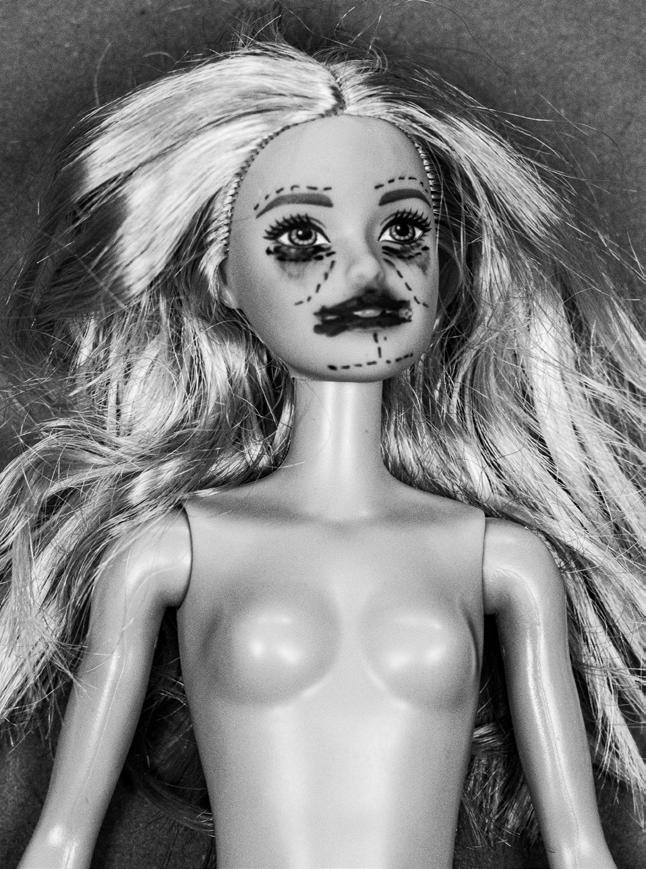
The pursuit of aesthetic perfection is not a modern concept. It has driven people for centuries to endure great lengths to be seen as conventionally attractive. With perfection comes the dissipation of individuality, which becomes inevitable with the rise of easily-accessible body modification procedures.
Plastic surgery has allowed for the illusion of an internal locus of control in relation to beauty perception. While the popularization of plastic surgery was characterized as the pursuit of perfection, it has created a false sense of empowerment for younger generations. Plastic surgery is an ever-increasing fad stemming from micro trends and beauty standards that shift by decade.
The American Society of Plastic Surgeons states that about 2% of those who undergo cosmetic surgeries do so for medical and reconstructive purposes only. In this case, the act of changing one’s appearance through procedure is empowering and can garner confidence, unlike those who use cosmetic surgery for aesthetic and societal gain.
Prejuvenation, the preemptive steps taken to slow down and reduce aging, has taken Gen

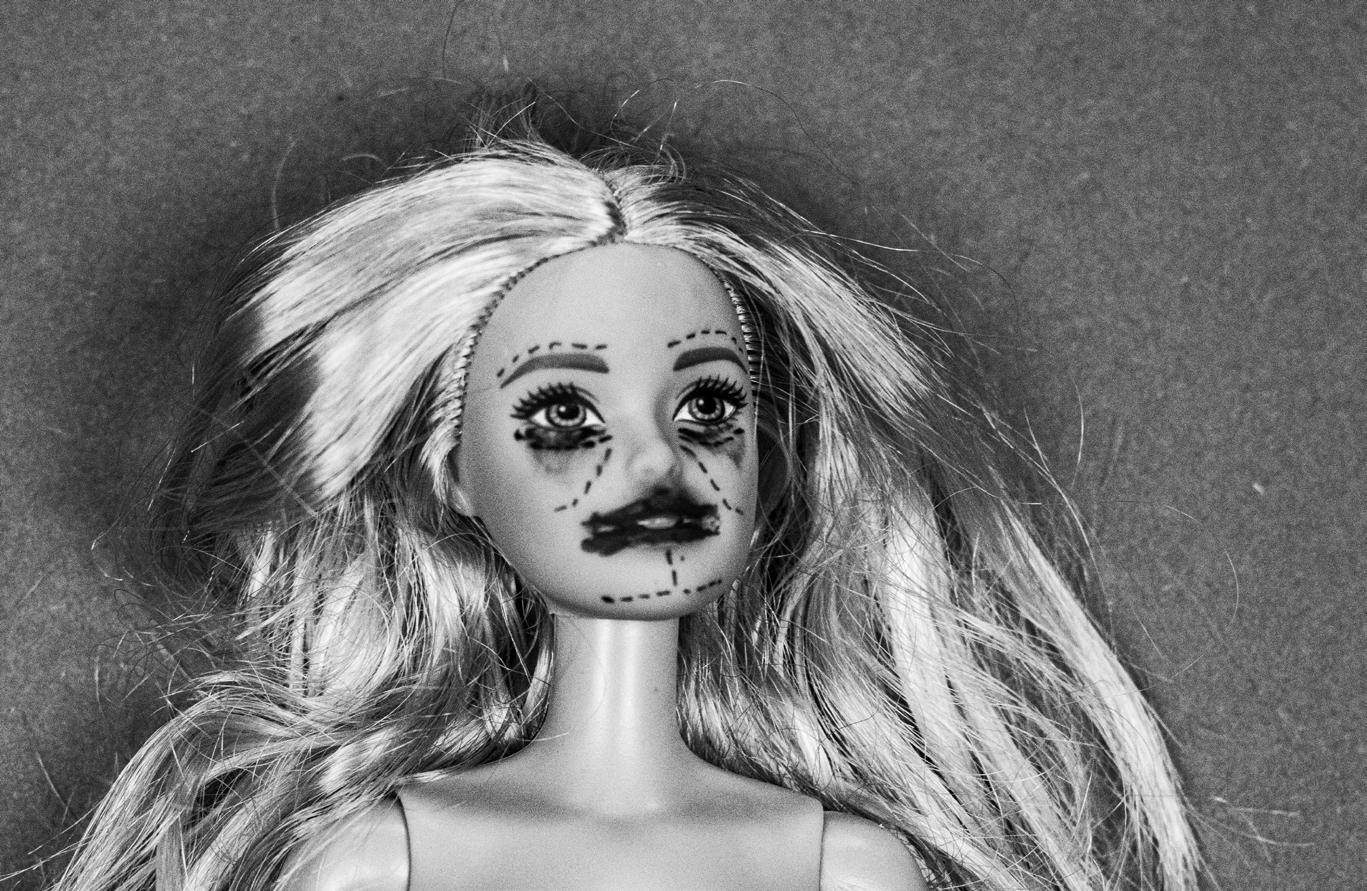
Z and even older generations by storm. People invest in new products every week to get rid of wrinkles and “dull” skin by following the latest Korean skin care brand that has popped up in the TikTok Shop. Celebrities, such as Lindsay Lohan and Kris Jenner, have passed the point of no return for fitting within society’s strict beauty standards. Seeing celebrities who have aged beautifully receive intense changes to their natural appearances sets a precedent for younger audiences.
Witnessing the emotional stress placed on young girls in the pursuit of being deemed beautiful either by peers or strangers online is heartbreaking. No 13-year-old should be worried about whether or not they fit into the unforgiving internet’s standard of beauty.
On the opposite age scale, according to a report by the American Society of Plastic Surgery, 37% of all breast augmentations are completed on millennials, while 55% of all butt lifts and thigh tightening procedures in 2024 were performed on Gen-X women. This highlights changes in priorities for alterations
By Lyna Arraour
Capri pants are back, or maybe kitten heels. Or was it ballet flats? By the time someone decides, the internet has already moved on.
Microtrends are quick fashion trends that circulate through social media for a week or two, and they have quickly grown to dominate popular media and modern fashion. Platforms like TikTok and Instagram accelerate their rise and fall by fostering an environment for rapid trend dissemination, with new ideas circulating worldwide on a daily basis. Shein Chief Operating Officer Molly Mao revealed that the company releases 700 to 1,000 items a day just to keep up with these fluctuations. According to the Yale Arts Review, 44% of Gen Z consumers buy at least one item from Shein a month.
The pieces being accessible at the click of a button intensifies microtrends’ circulation, producing a heap of garbage alongside archived ideas. Vox found that clothes are only worn seven times on average before being discarded. When considering that Americans buy 60% more clothes now than in the year 2000, one must acknowledge the growing pile of waste produced.
First-year UT San Antonio global studies
major Natalia Reyes sheds some light on the growing waste as a former fashion design competitor and state qualifier for Family, Career and Community Leaders of America. In competition, she took discarded fabrics and waste and upcycled them into new attire.
“While people may think that repurposing and redesigning is saved for those with talent or vision, it’s easier than one may think,” Reyes said.
Fashion is built upon novel ideas and creativity, and microtrends are an easy outlet for its creation and expression. However, creators trends dictate people
media, it puts more strain on their need to be perfect. In reality, young people are consumed by negative media and insecurities that are pushed to the extreme, rather than allowing girls to be girls. Although the majority of plastic surgeries done are performed on those older than 29, the impact falls on young women who follow influencers flaunting plastic surgery propaganda.
Transformation is a beautiful process. Its inevitability is exciting and invigorating, yet it should not be praised to the extent that it is now. Plastic surgery gives the illusion of crafting one’s ideal self, when in reality, the original is always better than the remake.
degrades the art’s integrity.
“Although there might be overlap in your personal style and what a microtrend may be, it is the importance of finding pieces that [are] multi-purpose and reflect yourself,” Reyes said. “Try to find pieces that can be worn in multiple ways, extending their lifetime for years.”
Reyes’ perspective reflects a growing awareness among young consumers: personal style does not have to mean chasing fleeting trends, but building a wardrobe through timeless pieces, either through thrifting, restyling or repurposing clothing. It is a balance between creativity and sustainability.
While microtrends may keep fashion exciting by offering a constant stream of new looks to adopt, their pace comes at a cost environmentally, creatively and personally. Trends vanish as soon as they arrive, making individuality vulnerable to algorithm-driven cycles of consumption. Voices like Reyes’ are a reminder that fashion can be more than disposable: it can be about resourcefulness, creativity and sustainability. While it can be fun to put on a statement belt, camo hoodie or clip on a Labubu, true style comes in chasing pieces that reflect individuality, long after the internet has moved on.
By Johnpaul Buwule

Fashion is psychological.
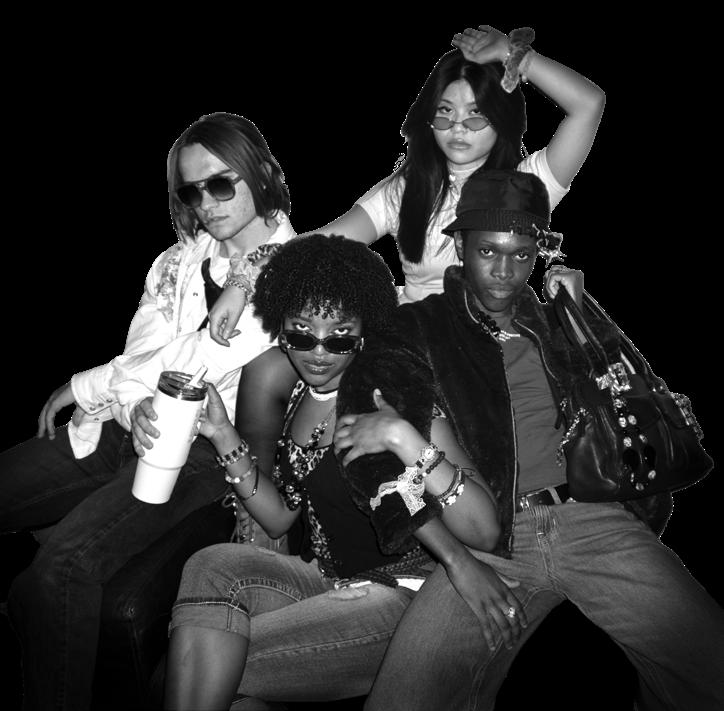
After all, an individual’s style is a personal journey with their taste — shaped by personal connections, experiences and role models. Clothes are a window into the soul, capturing aspects of who someone is: sexuality, religion, politics and hardship. Clothes are an extension of the person, revealing more than what words or actions can express. Gen Z’s stylistic expression has been further personalized with the help of technology, as they glide through the decades using digital tools. As time flows, style grows, and at the juncture of time and style development is college. Universities are a template for many students to explore their identities and find articles of clothing that best reflect them. UT San Antonio’s diverse student body has a wide scope of styles.
Leyla Narbayeva – Eurocentric chic girly
Leyla Narbayeva draws her inspiration from European apparel. “When I think of European style, I think of Stockholm girls, how they always look so clean and put together,” Narbeyeva said. “And Milan girls with high fashion pieces, where they’ll have really high-quality basics. They’ll pair that with accessories.”
“I’ll describe it as a city, clean, baggy style,” Narbeyeva said about her fashion
This aesthetic is what attracts her to high-end pieces and Italian shops like Massimo Dutti. When asked where she sees her fashion evolving, Narbayeva explained, “Definitely more high-end pieces, more designer bags that match my style.”
Chic, European style is more subtle and elegant in its appearance, an aspect Narbayeva identifies closely with.
She explained, “I try to keep it very clean, put-together person with
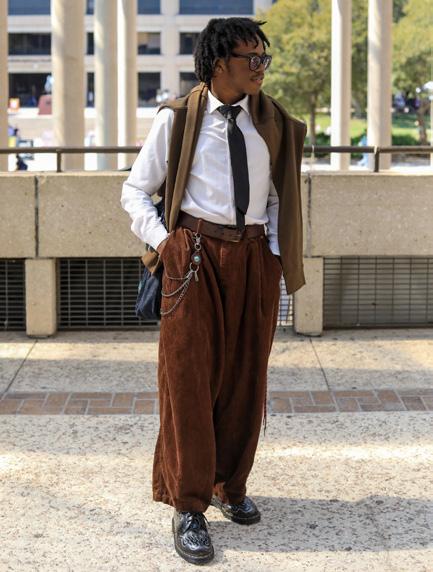

not too much clutter in my head, so my outfits reflect my mind.”
Loretta E. Foreman – Gothic
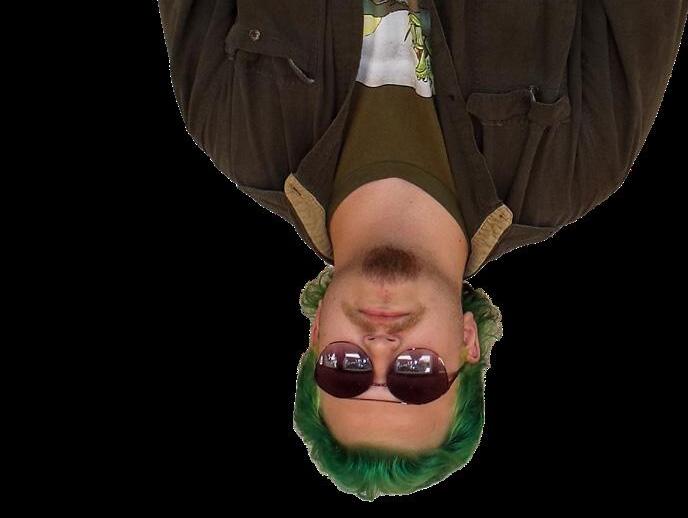
Dressed in a gothic-corssetted dress, with a fabric rose placed gently on her head, freshman Loretta Foreman’s approach to her style is more open, pointing to her major as a motivator in her diverse taste palette.
“Psychology keeps me very open-minded,” she explained.
“Two years ago, I was wearing very boyish clothes, and now I am in this,” she said while referring to her corseted black dress.
When describing her style, Foreman used three words: free, authentic and confident. Foreman highlighted how fashion can impact and be impacted by mood.
“Sometimes, if I’m in a bad mood, I’ll put something on to make myself feel better,” Foreman explained.
Her dress’ inspiration derives from her prom experience.
“I saw this girl, this [gothic dress], almost like a ball gown. And so, I was like, ‘I want to wear more flowy clothes,’” Foreman recalled.
While her style represents her open-minded and free nature, Foreman’s diverse palette drives her away from minimalism.
“I am a maximalist,” Foreman explained. “So that is another reason why I like wearing so many different fashion types.”
While fashion can be informed by sexuality or a guiding philosophy, Ever Garza’s bright green hair, baggy jorts, sage green coat and shirt and Timberland boots reflect how politics shapes his approach to style.
“I’m from a small town. We are very rural, and everybody there is very red,” Garza explained. “And that is not who I am at all. I feel quite the opposite of that. And I feel like a better way to express that opposition to the conservative way or whatever is to go all out and be more colorful.”
Garza’s intention when dressing is to distance himself from his hometown’s conservative roots, making himself approachable.
“I love talking to people. I am very extroverted,” Garza added when expressing his intention to be approachable when styling himself.
Junior psychology major Mogbekeleoluwa Shebioba noted that style does not always flow gradually, delineating his interest from his own personal hardship.
“I think for a lot of people, like for me, for example, we weren’t born this way: dressing really good. For me, I used to dress really terribly, and a lot of people used to make fun of me,” Shebioba stated.
The experience made him begin his fashion journey, starting humbly.
“I remember the exact day. It was July of 2022. I bought this white t-shirt, and I had these beige pants,” Shebioba explained.
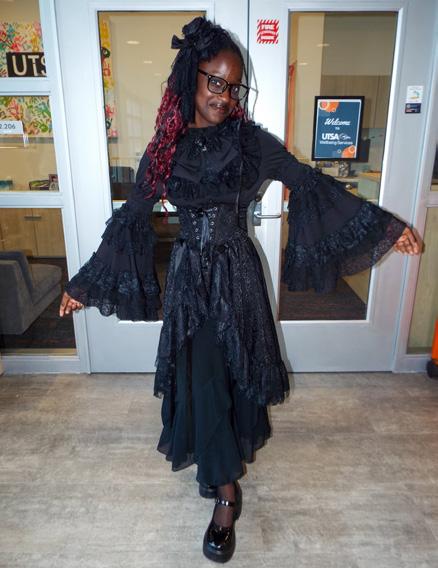
Since then, his fashion has helped him craft a stronger sense of self, prompting him to wield his style as a mechanism of self-expression and outreach.
“[My style] has made me feel more masculine.” Shebioba continued with, “It made me want to branch not to just my own identity, but to other identities too, so my style can be representative of other communities as a whole.”
These UT San Antonio students detail a personal relationship with their wardrobe. Through their stories, they help realize that as students sprout into who they are, their choice in clothing reflects their journey of self-realization — capturing details from certain elements of life.
By Christopher Delgado
Perfectionism behind the lens creates great films. Stanley Kubrick famously took 148 takes before being satisfied with how a shot came out in “The Shining.” He also holds the record for the longest constant shoot with “Eyes Wide Shut,” which lasted 15 months. Amid Kubrick’s perfectionism was a commercial and critical success. Luckily for him, he was able to triumph in 13 feature films and is now considered one of the most influential filmmakers of all time.
However, the same cannot be said about Miles Teller’s Andrew Neyman in “Whiplash” or Natalie Portman’s Nina Sayers in “Black Swan.” Rather than creating a legacy that spans generations, the two characters’ stories are cut short by credits. In the process, their mental wellbeing and personal relationships deteriorate for the chance to perfect their respective crafts.
The stories act as cautionary tales about obsession and the destruction of one’s soul, but the reality is that sometimes perfectionism can
lead to beauty. Film major Jasoulii Blain believes that perfectionism is not always a destructive force.
“You can probably argue that ‘Black Swan’ and ‘Whiplash,’ go a little too far, rendering perfectionism as these uniquely, deeply destructive acts of creation for art in a way that you could argue as non-real. I don’t think that way, but that would be the counterargument. The opposite is that you get into something that’s very romantic to the point of non-reality.”
When discussing Kubrick, Blain does note the relationship between the director’s mental health and perfectionism.
“I think that he’s a perfect example of the limits of perfectionism and how I think it negatively affected his art,” Blain commented. “I would go a step further and say that his thing wasn’t perfectionism, but rather mental illness.”
This acknowledgment of Kubrick’s mental health offers a new understanding of Andrew’s characterization in “Whiplash” and Sayers’ mental state in “Black Swan.” Andrew’s
By Ezequiel Peña
Over the last few years, concern has grown over violent and grotesque depictions of sensitive topics in cinema. Subject matter ranges from drug use, criminal activity and sexual abuse. With more uncensored movies and media, questions have arisen about whether or not artists have a moral responsibility for how sensitive topics are portrayed and if audiences need to clarify how much is too much. The Paisano sat down with UT San Antonio film major and Cinema Club Vice President Julio Brindis Ahumada to discuss this.
The first part of the topic covered was how film can seem to glorify criminal activities. For instance, how the men in “The Wolf of Wall Street” are depicted consuming drugs like candy and throwing themselves at women in extreme ways. Martin Scorsese’s biopic makes a bold artistic choice to truthfully reveal to the audience the actions the men took in their repugnant lives. Scorsese is known for making films that spend nearly two hours of their runtime showing vulgar people getting away with heinous actions, with the last hour or so being spent showing the characters getting the equivalent of a slap on the wrist for their crimes.
perfectionism derives from narcissistic tendencies, as seen in the dinner scene where he bashes another family’s son for becoming a football player and his pushing away of friends, girlfriend and family. On the other hand, Sayers’ perfectionism, rather than being fueled by mental health, contributes to Sayers’ psychotic tendencies.
The two films’ depictions of perfectionism are extreme. However, they act as a reminder of the brutal and antagonistic relationship between art and the artist when seeking the unattainable perfection of their craft. The two, unfortunately, cannot exist. The mind becomes consumed by creation to the point that the characters become unrecognizable.
Sayers’s drive for perfection results in her death, while Andrew receives a happier ending, though his whole being only exists within his art by the time the credits roll. Art in the hands of a perfectionist devours creative consciousness, ultimately decaying the well-being of the creator. The result is the replacement of self with art.

make sure it's more audience-friendly, then there is a good chance that you would miss out on the author's true vision,” Ahumada said. “Ultimately, while the author’s intention for their vision is very important to examine, it is also important to realize that it is the audience’s responsibility to think about what they are watching and not take it at face value.”
“If you were to foolproof the film to
Some films choose to depict taboo topics like sexual abuse. This execution is trickier since it is a serious topic that can make viewers feel uncomfortable.
“Sexual abuse is a very fine line, in particular for filmmakers to cross over,” Ahumada said. “If they choose to do it, they’d better have a good reason. A great example of this is one of my favorite films — David Lynch’s ‘Blue Velvet.’ The film depicts a very gratuitous [sexual assault] scene where a drunk woman is taken advantage of. The scene is awful to witness, but the movie would fall apart without it. It is horrifying, but it serves the purpose of revealing an even more horrifying reality of how seemingly normal people can be capable of committing unspeakably inhumane actions.
“However, ‘Blue Velvet’ is a particular case. I believe that in most cases, it is probably better for filmmakers not to show anything unless they have the talent to know how to depict those actions properly.”
It is necessary to view these projects as a warning so that future filmmakers know what to avoid in depictions of such controversial subject matter. Just as it is the filmmaker’s responsibility to clearly mark their intentions, audiences must carry the burden of consciously analyzing a piece to avoid dangerous misinterpretations. These ideas and lessons from film must be kept in mind for the past and the future of cinema.
By Christopher Delgado
photography by rylan renteria
Music manipulates the listener’s emotions. The same happens for listeners outside of the cinema. Athletes listen to their hype song before a big game, and students scream along to the lyrics of Phoebe Bridgers’ “I Know the End” as a means of expressing their frustration and anxiety about the semester. The rhythms and pitches offer an outlet for overwhelming feelings and can act as a source of inspiration. Music has the ability to impact the mental health of entire communities and, at times, nations.
Artists from marginalized communities invest in music as a means of creating social change. Marvin Gaye’s “What’s Going On” broke into mainstream music while maintaining its status as a poignant commentary on the Vietnam War, race relations in the U.S. and environmental justice. The album became an avenue for advocacy and for listeners to be enlightened with Gaye’s perspective. While the album may not have directly influenced any major policy changes, it provided a voice for the people of the U.S. who were not sure how to handle the overwhelming events of the time.
Music performance can also serve as a means for advocacy. Recently, at the 2025 MTV Music Video Awards, Sabrina Carpenter took the stage to perform her newly released song, “Tears.” Her background dancers touted signs saying, “Protect Trans Rights” and “Support Local Drag.” The raunchy lyrics express the importance of sexual freedom, and Carpenter furthered the themes of her music by adding a political layer to her performance. She utilizes music as a jumping-off platform for advocacy, demonstrating that music is not self-contained in its impact. Instead, the lyricism offers inspiration for the artists and marginalized communities to fight back against oppressive forces. In her musical support, Carpenter reaffirms that members of the LGBTQ+ community are seen and not alone. The affirmation of community is a throughline of music’s impact on mental health. Consider the role concerts play or have played in the past. A group of strangers gathers to engulf their night with ballads from one of their favorite musicians. The common interest creates a sense of belonging. The moment is being shared by those in attendance, cultivating a common memory. Concerts no longer generate as large a sense of belonging as they once did due to increased phone usage, but as artists shift their technology policies, kinship among festivalgoers is sure to skyrocket. Community and a sense of belonging remain at the center of music’s ability mental health. Music, whether it be a or the satirical lyrics of Geoffrey brought people together across While some musicians have sadness and longing, such as it becomes important to wallowing lyricism, there belong to, and at the individuals feel
By Jasmine Williams
College can be an incredibly stressful undertaking for young people, according to the National Library of Medicine. Mental health challenges are known to arise during this time or worsen due to the college environment. UT San Antonio has the capacity to take monumental steps in furthering the research into the toll these challenges take on the body through somatics and related healing
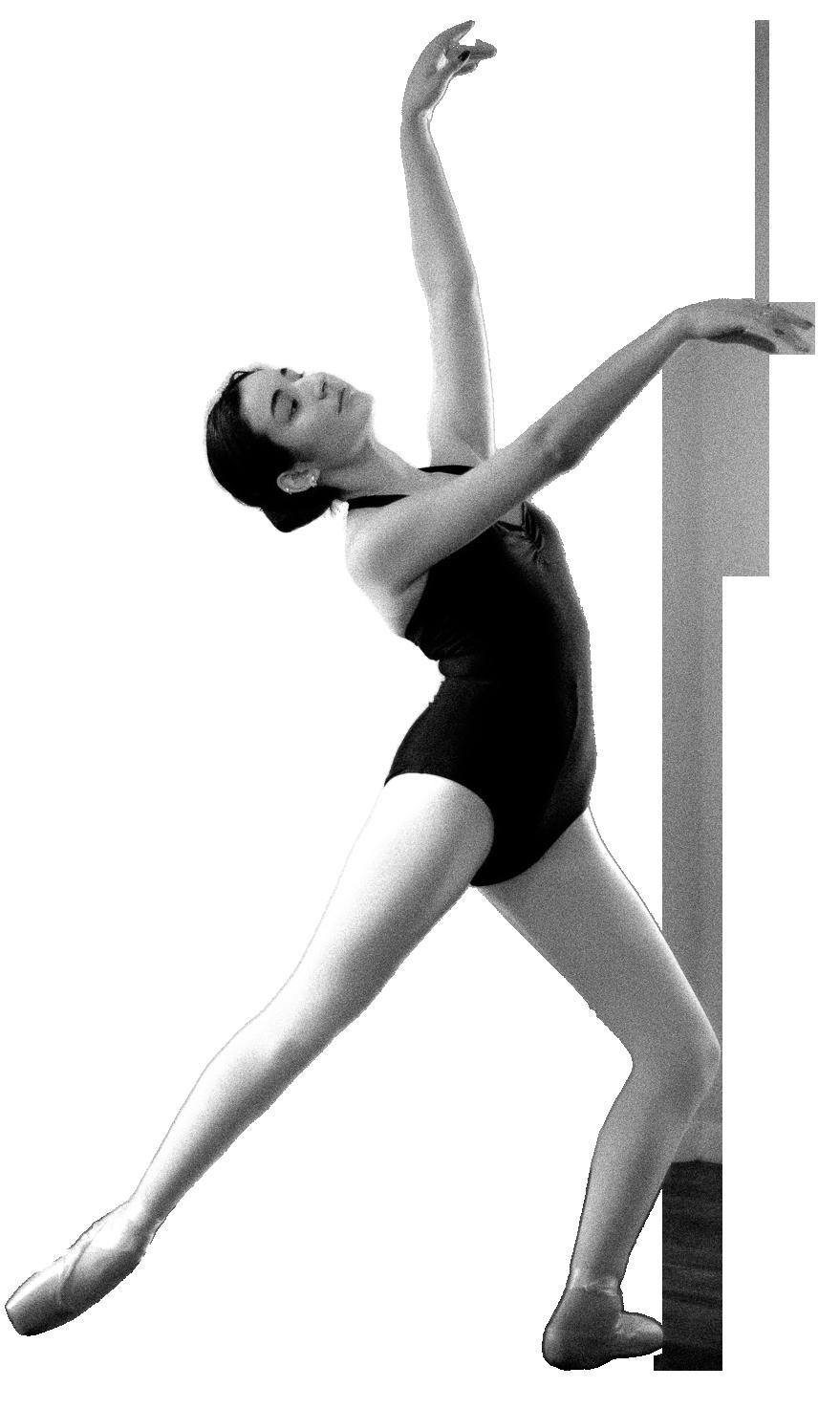
Somatics centers on increasing one’s mind-body connection and awareness of the body’s signals — like pain, discomfort and imbalance. Therapy and movement based on this practice help people heal
For example, when someone says “trauma is stored in the hips,” they are referring to a common notion in somatics. Stress, anxiety and depression can set off the fight or flight response and create such as muscle tension common location for is the psoas muscle in since it is located the kidneys’ adrenal glands. Stretches, massages and mind-body practices can relieve this tension and diminish
UT San Antonio psychology professor Auguastin Osman authored a study examining the role somatic anxiety — the physical manifestation of anxiety — had on distress rumination and suicidal ideation in
The results of the study conducted on 379 students found somatic anxiety to be a “complete mediator between distress rumination and suicidal ideation” and suggested that interventions that address or reduce somatic anxiety in college students could
Seeing as university faculty are already involved in studies analyzing the impact physical presentations of emotions and mental health disorders have on college students, it would be beneficial to conduct further research examining this pattern at Main Campus or UT Health San Antonio. Additionally, potential interventions to alleviate somatic anxiety could be explored. Until such research is conducted, colleges, departments and student organizations can host events on campus focused on activities that ease the physical symptoms of negative emotions. The College of Liberal and Fine Arts hosted an event last spring doing should follow suit. At the college’s event, local dancer, creator, teaching artist Tanesha Payne led movement experience — introducing breathwork and intuitive movement. exercises invited us to listen to our bodies exploring how the way we move in a reflects the way we move through life,” Payne fostering presence and curiosity, we revealed wisdom our bodies already hold.”
By Alejandra Garza
Sex work is real work. It can be defined as a consensual sexual act or erotic performance between parties in exchange for money or goods — emphasis on the word consensual. Even with the exchange, many people do not consider it real work. There are disagreements in the feminist community, with one perspective centered on sex work as a means of financial stability, while another perspective views it as a source of gender-based violence built on exploitation.
There is a common misconception in the U.S. that prostitution and sex trafficking are synonymous with sex work. While both are widely criminalized in the U.S, it is important not to confuse these terms. “Prostitution” is the exchange of money for consensual, sexual services, whereas sex trafficking is the coerced or forced sexual exploitation of someone.

In Europe, “prostitution” is widely accepted as it is not illegal for someone to partake in. The city of Amsterdam has an infamous “Red Light District,” which has existed since 1385. Prostitution is accepted and sometimes referred to as “Red Light Secrets,” empowering those who engage in the act. Prostitutes in the district are sometimes as young as 18 when they start their work.
A tourist told one female sex worker’s story in an anonymous blog. The young woman described the type of work as “an addiction, the money, not the sex. That’s why it’s so hard to quit.” In the blog, the tourist says that the woman lives a normal life. She pays taxes, travels and likes to shop, just like anyone else. Sex workers are human beings, not property for someone to “own” or disrespect.
Despite the people and places that support sex work, many derogatory terms continue to be associated with individuals who engage in it, such as “wh–re,” “sl–t” and “hooker.” The terms give rise to stigma towards the sex worker community. These harmful words are degrading, painting real workers in a disgraceful light and making them less than human beings.
The criminal justice system is responsible for criminalizing sex work, and the media plays a crucial role in shaping the public’s view of sex work as well. Television shows, movies and sometimes the news paint the profession in a negative light, diminishing the recognition of rights and well-being of sex workers. People engaging in such labor should feel safe from all harm, including mental.
Sex workers risk their safety and sometimes even their lives, their work is challenging and deserves to be seen as real. They deserve the same amount of respect as any other occupation. It is vital to recognize sex work as real work. Anybody who engages in sex work is partaking in a real profession. No matter their situation, they should never be judged, looked down upon or mistreated.
By Christopher Delgado
Walking through the Sombrilla, one is sure to hear chatters of conversation that, for the most part, remain imperceptible. That is, until one man donning an untucked linen Oxford shirt and board shorts, frustratingly bellows, perhaps with a spurt of sarcasm, “‘Cause you know I get so much p—sy.”
Truth be told, nobody knows that for sure, and based on the declining sex-rates of Gen Z, this misogynistic comment is most likely untrue and part of the reason why zoomers are having less sex.
A survey conducted by the Kinsey Institute and Lovehoney reported that 1 in 4 Gen Z adults have not engaged in partner sex, 1 in 5 women have not engaged in what they consider to be partnered sex and 1 in 3 men have not participated in partnered sexual activity. However, in her book, “Second Coming: Sex and the Next Generation’s Fight Over Its Future,” author Carter Sherman interviews over 1,000 members of Gen Z about sex. She concludes that Gen Z is intrigued by sex and perhaps even hornier than previous generations, but sex now has more anxieties attached to it, resulting in young adults shying away from it.
Involuntary celibates pride themselves on an ideology that blames a man’s lack of romance and sex on women’s unattainable expectations. One of the people that Sherman interviewed noted being afraid to sleep with men because they were likely to be subconsciously influenced by the manosphere. Further, a study conducted by the University of Texas at Austin Doctoral CandidateWilliam Costello explores the dynamic between expectations of incels. Incels have a lot of preconceived notions regarding the expectations of women. This creates anxiety within the group to approach members of the opposite sex in respectful ways. Incels focus on physical attraction and finances while ignoring aspects of relationships fundamental to human connection: respect and kindness. However, these misogynistic outlooks are no surprise. The misconceptions stem from social media, chatrooms and media depictions of sexual relationships.
Attractiveness continues to be synonymous with fitness. TikTok
subcultures focus on dietary fads such as protein-infused snacks, finding the perfect gym splits along with why one cannot lose that stubborn belly fat and what to do about it in 15 minutes. Dating apps require users to match through a couple of images; attraction dictates a left swipe or a right swipe. Thinness remains the easiest way to attract. Shockingly, a study found that thinness did not result in increased attractiveness. It was revealed, though, that men often associate thinness with youthfulness. Again, the rhetoric of incels rings true in expectations for women’s body images. One must only look towards influencer Andrew Tate, who claims to date 18 to 19-year-old women, due to them being highly impressionable.
Gen Z’s sex recession has one group to blame: men. In their misogynistic thinking and expectations, men are creating a sex culture where women and members of the LGBTQ+ community are unable to safely and openly participate in sexual activities. In the process, marginalized members of Gen Z are losing their connectivity and being cast to the outskirts of society.
Sex has shifted from a place of pleasure into a subliminal space of anxiety. To have sex or not have sex remains at the heart of Gen Z’s queries. Sex has become heavily politicized, and what is considered a vital aspect of human connection has continued to be a source of power for cisgender, heterosexual men. Despite any progress made, the sex lives of those with marginalized sexualities and belonging to gender minorities sex lives continue to be surveilled. In the process, sex has declined.
Gen Z is not a generation of virgins. It is a generation filled with lust and sexual curiosity, according to Sherman. These qualities have been undermined by a patriarchal society that strips away sexuality and imposes an ideology that commodifies sex rather than promotes the act as an indulgent and intimate experience.