


Welcome to the 156th issue of the Aussie Painting Contractor Magazine.
It’s pretty special to be part of the full circle of our painting industry.
Recently in Airlie Beach, I had the privilege of signing off on Josh Young as he completed his apprenticeship and stepped into life as a qualified tradie. Watching that transition never gets old.
What made it even more meaningful is that his employer, Kain Muller from Muller Painting Whitsundays, was once an apprentice I trained myself. To now see him running a successful business and mentoring the next generation is exactly what our industry is about.
Apprentice to tradesman. Tradesman to business owner. Business owner to mentor.
Also in this edition, we focus on building stronger businesses — from risk control and productivity to technology, leadership and purpose — along with the continued impact of the Purple Army initiative within our community.
It all connects. Growth in business, growth in people, and growth in our industry.
Well done Josh and Kain. I look forward to catching up on my next trip. �� 'Til next month, Happy Painting!!


Nigel Gorman nigel@aussiepaintersnetwork.com.au 07 3555 8010
CONTRIBUTORS
• Caroline Miall
• Lakshini Gunasekera
• Leo Babauta
• Nigel Gorman
• Oliver Kay
• Robert Bauman
• Sam Illingworth
• Sandra Price EDITOR
Nigel Gorman
GRAPHIC DESIGNER
J. Anne Delgado










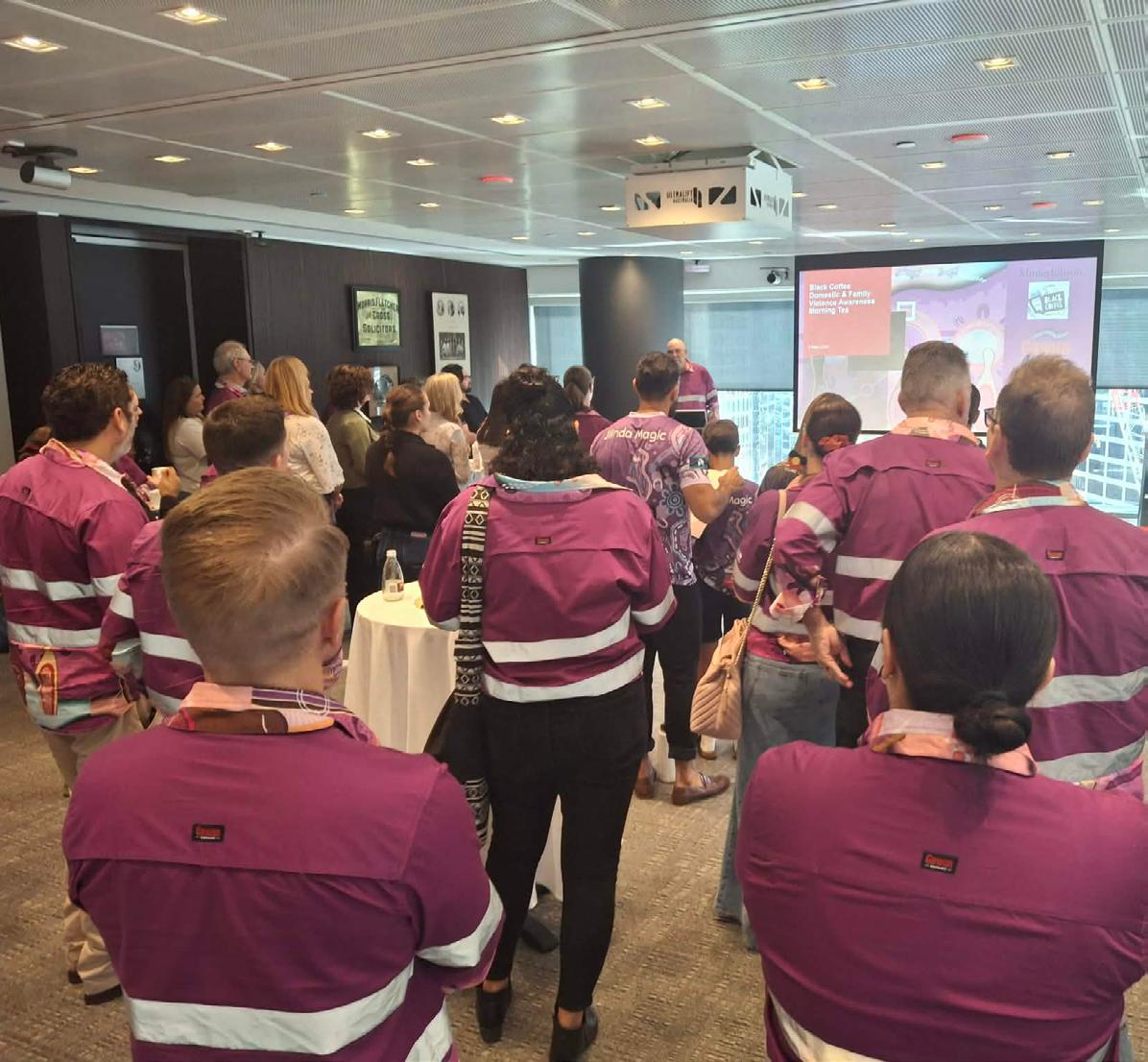



The Wear it Purple For Change Initiative continues to gather momentum across the construction and broader community — bringing together industry, culture and community in a visible stand of unity and support.
At the centre of the initiative is the powerful collaboration of GaWun Supplies, Blaq Diamonds Women’s Empowerment and Challenge DV, to create something that carries both meaning and messages of unity, solidarity and strength. The result – the striking Gani Yirra shirts, worn with pride and purpose. When the Purple Army comes together, it creates a powerful visual statement — a sea of purple representing a growing community committed to preventing domestic and family violence for Indigenous women and across all communities.
“The intricate design on the shirt serves as a poignant symbol of the women who have been profoundly affected by the harrowing issue of domestic violence. The lines adorned with 'U' symbols intricately convey the painful entrapment experienced by those ensnared within the vicious cycle of abuse, mirroring their struggles and the difficult path toward freedom and recovery. We have named the shirt Gani Yirra {Ga Ni Yi Rra} North (Gani) representing moving forward and Seed (Yirra) as in planting the seed.” https://gawunsupplies.com.au/pages/wearpurpleforchange
That sea of purple will once again be on display at the 13th annual Darkness to Daylight, Challenge DV Walk on May 29th. This event is a community awareness and fundraising event dedicated to education and prevention of domestic and family violence. The event symbolises the journey of bringing an issue out of the darkness and into the daylight.
We're proud to share that there is currently available, a limited edition Gani Yirra purple hi viz shirt, displaying
both the Aussie Painters Network and the Women in Painting Logos. To purchase one of these shirts, click this link, and enter “Aussie Painters” in the ‘Order Special Instructions’. Or order one with your own company logo.
GaWun Supplies, a 100% Indigenous-owned Australian company based in Logan, Queensland, led the production of the shirts. Founded by Michael Grundon — a proud Kabi Kabi, Wakka Wakka and Koa man — GaWun specialises in Indigenous-designed workwear and PPE that transforms everyday garments into symbols of connection, culture and storytelling.
Domestic Violence remains one of the most disturbing and complex challenges facing Australia today. On average at least one woman a week is murdered by their intimate partner and the impact reaches far beyond headlines — devastating families, communities and future generations. It starts with simple disrespect and inequality which permeates all levels of our society. Recent progress has been made with legislation around coercive control, but this is only the start.
While there is still significant work to be done, initiatives like the Purple Army demonstrate that progress begins with collective action. When industry, community leaders and cultural organisations stand together, conversations grow stronger, support becomes more visible, and real change becomes possible.
Caroline Miall
Founder, Women In Painting info@WomenInPainting.com.au www.WomenInPainting.com.au

The most incredible power we have as a human being is our power of vision. Most people go along in life without realising that if there is something that they really want to do or have, all they have to do is imagine it and it will be created. The intentions they put on this is often the opposite of what they really want to manifest though.
So, I wonder, what your vision is. Do you have one? Do you believe it is achievable?
Number one, your vision must be clear and concise for it to be manifested exactly as you see it in your thoughts.
To create your own vision for your life can be empowering and give you the sense of doing something outstanding using your own innate God given gifts. If the vision is to make a difference in the world, no matter what it is, your passion will fuel it into something even bigger and brighter.
We attract to our lives what we think about and what we put out there with our thoughts, words and deeds.
So, are you using the law of attraction to have what is yours to have?
When you vision is clear, precise and exact it becomes a seed that you sow in your memory that will grow as it is watered. How you water it with your thoughts and actions is what will create it to flourish and become something that will transform many that come into contact with it in their journey of life, no matter how positive or negative that thought is.
The world of quantum physics and neuroscience have come together to explain how this happens.
In quantum physics one learns to understand how our small world operates, even though we cannot see it with our own eyes. Our world is broken into two parts … one we can see and the other we can’t. Science has proved that these two are interconnected at all levels even if we can’t see them, or totally understand the connection.



Easily
Isaac Newton’s physics shows us how to navigate our physical world whilst quantum physics helps us to understand the non-physical world of total connectedness.
Quantum research has taught us to understand that whatever we focus on and become emotional about will be manifested. So, by focussing on your vision, the easier and faster it will become real, in your physical reality, acting like a magnet to create what you have created in your mind, whether good or bad.

As everything is vibration, know that a positive vibration created the goodness around you and a negative vibration will manifest things you do not want to have in your life. We become whatever or whomever we surround ourselves with as our environment makes us who we are. You will attract whatever vibration level you are playing on. By focussing our brain on what we really want we can attract what we want by automatically increasing the amps of our cellular vibration.
The universe creates by natural law precisely and in perfect order what we put out into the world. The more we can KNOW what we want, the easier it is to manifest no matter how big the gap is between where we are now and where we want to go. It will always come together if we focus on the vision as natural law will fill the gap automatically.
So, it is important that YOUR intentions are pure as you can only create what you imagine. The vision you have in your mind will become real when you power it up as best you can so that the universe can manifest what you want in all areas of your life.
Choose wisely what you want, because it will become YOUR reality.








Most AI training teaches you how to get outputs. Write a better prompt. Refine your query. Generate content faster. This approach treats AI as a productivity tool and measures success by speed. It misses the point entirely.
Critical AI literacy asks different questions. Not “how do I use this?” but “should I use this at all?” Not “how do I make this faster?” but “what am I losing when I do?”
AI systems carry biases that most users never see. Researchers analysing the British Newspaper Archive in 2025 found that digitised Victorian newspapers represent less than 20% of what was actually printed. The sample skews toward overtly political publications and away from independent voices.
Anyone drawing conclusions about Victorian society from this data risks reproducing distortions baked into the archive. The same principle applies to the datasets that power today’s AI tools. We cannot interrogate what we do not see.
Literary scholars have long understood that texts help to construct, rather than simply reflect, reality. A newspaper article from 1870 is not a window onto the past but a curated representation shaped by editors, advertisers and owners.
AI outputs work the same way. They synthesise patterns from training data that reflects particular world-
views and commercial interests. The humanities teach us to ask whose voice is present and whose is absent. Research published in the Lancet Global Health journal in 2023 demonstrates this. Researchers attempted to invert stereotypical global health imagery using AI image generation, prompting the system to create visuals of black African doctors providing care to white children.
Despite generating over 300 images, the AI proved incapable of producing this inversion. Recipients of care were always rendered black. The system had absorbed existing imagery so thoroughly that it could not imagine alternatives.
AI slop is not just articles peppered with “delve” and em dashes. Those are merely stylistic tells. The real problem is outputs that perpetuate biases without interrogation.
Consider friendship. Philosophers Micah Lott and William Hasselberger argue that AI cannot be your friend because friendship requires caring about the good of another for their own sake. An AI tool lacks an internal good. It exists to serve the user.
When companies market AI as a companion, they offer simulated empathy without the friction of human relationships. The AI cannot reject you or pursue its own interests. The relationship remains one-sided; a commercial transaction disguised as connection.
AI and professional responsibility
Educators need to distinguish when AI supports learning and when it substitutes for the cognitive work that produces understanding. Journalists need criteria for evaluating AI-generated content. Healthcare professionals need protocols for integrating AI recommendations without abdicating clinical judgment.
This is the work I pursue through Slow AI, a community exploring how to engage with AI effectively and ethically. The current trajectory of AI development assumes we will all move faster, think less and accept synthetic outputs as a default state. Critical AI literacy resists that momentum.
None of this requires rejecting technology. The Luddites (textile workers who organised against factory owners across the English Midlands in the early 19th century) who smashed weaving frames were not opposed to progress. They were skilled craftsmen defending their livelihoods against the social costs of automation.
When Lord Byron rose in the House of Lords in 1812 to deliver his maiden speech against the frame -breaking bill (which made the destruction of frames punishable by death), he argued these were not ignorant wreckers but people driven by circumstances of unparalleled distress.
The Luddites saw clearly what the machines meant: the erasure of craft and the reduction of human skill to mechanical repetition. They were not rejecting technology. They were rejecting its uncritical adoption. Critical AI literacy asks us to recover that discernment. Moving beyond “how to use” toward an understanding of “how to think”.
The stakes are not hypothetical. Decisions made with AI assistance are already shaping hiring, healthcare, education and justice. If we lack frameworks to evaluate these systems critically, we outsource judgement to algorithms whose limitations remain invisible.
Ultimately, critical AI literacy is not about mastering prompts or optimising workflows. It is about knowing when to use AI and when to leave it the hell alone.
Sam Illingworth Professor of Creative Pedagogies, Edinburgh Napier University

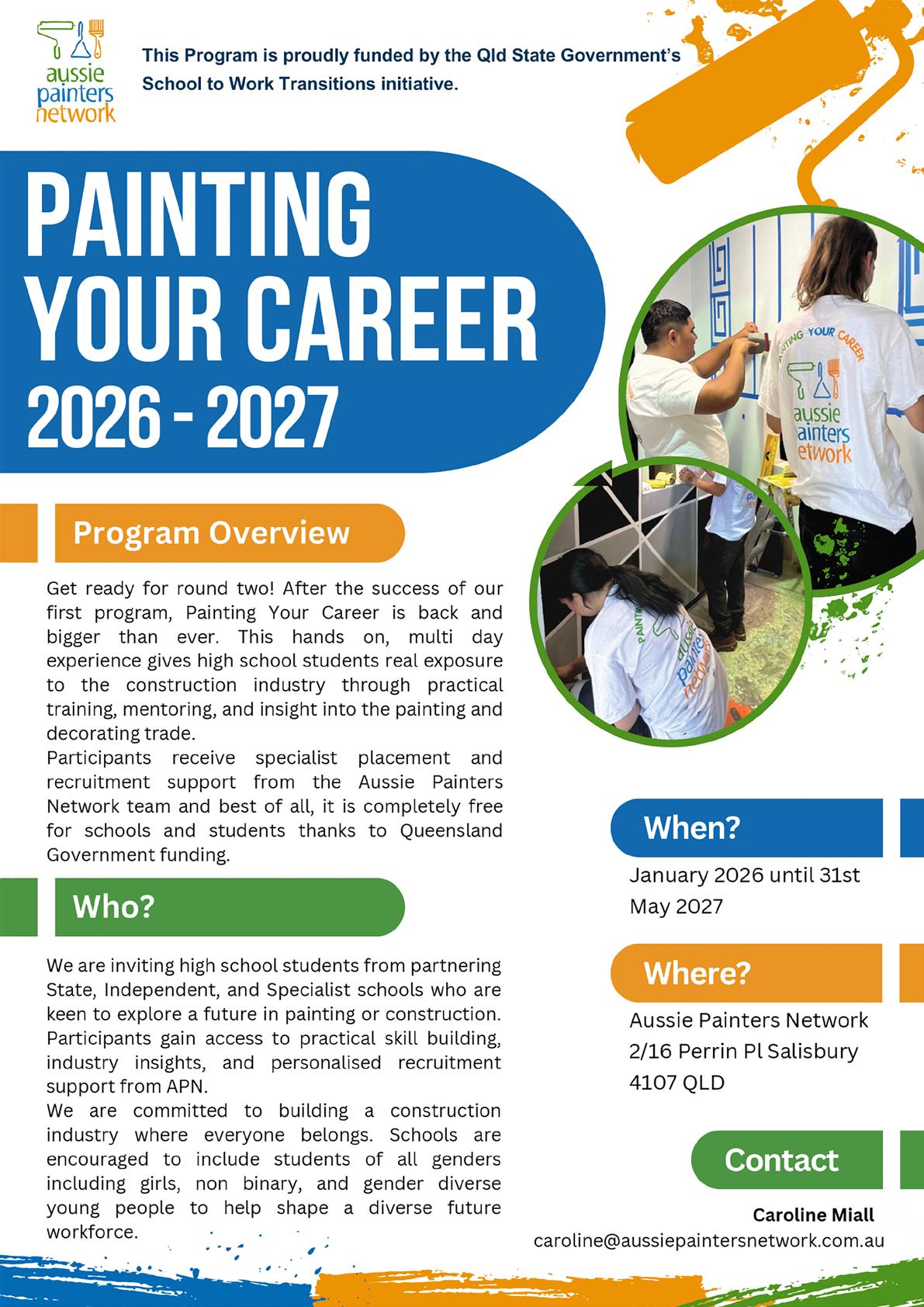
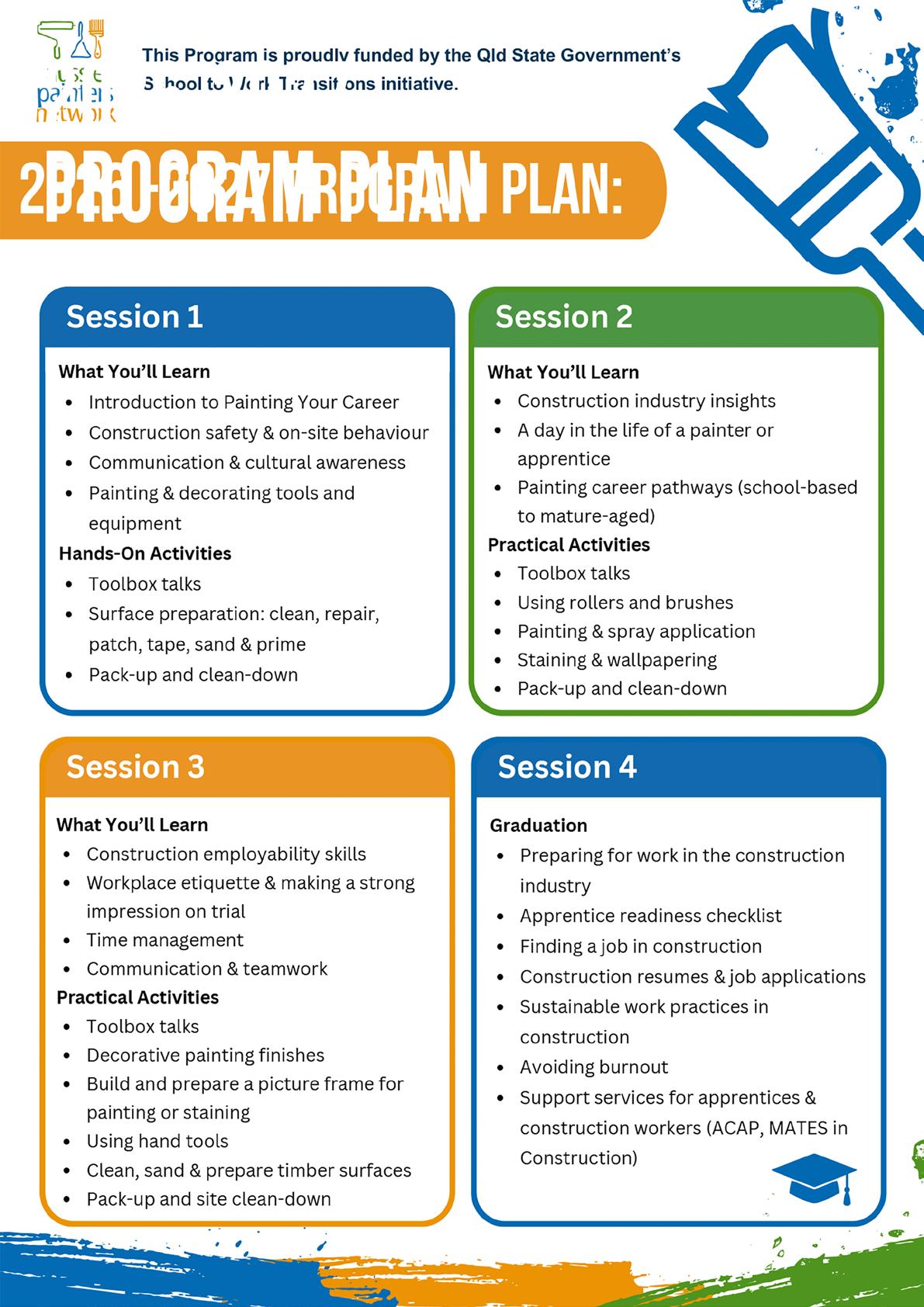


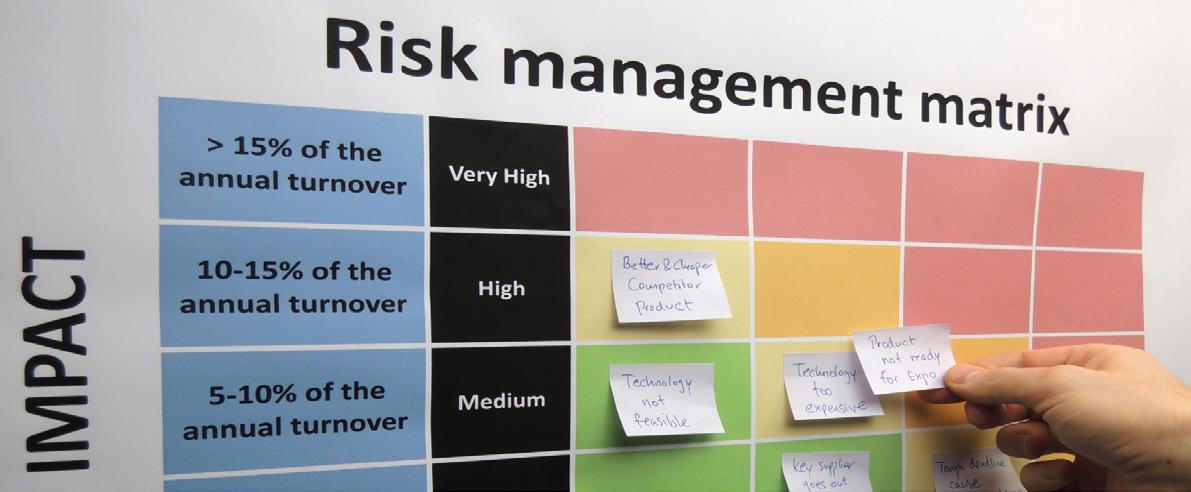
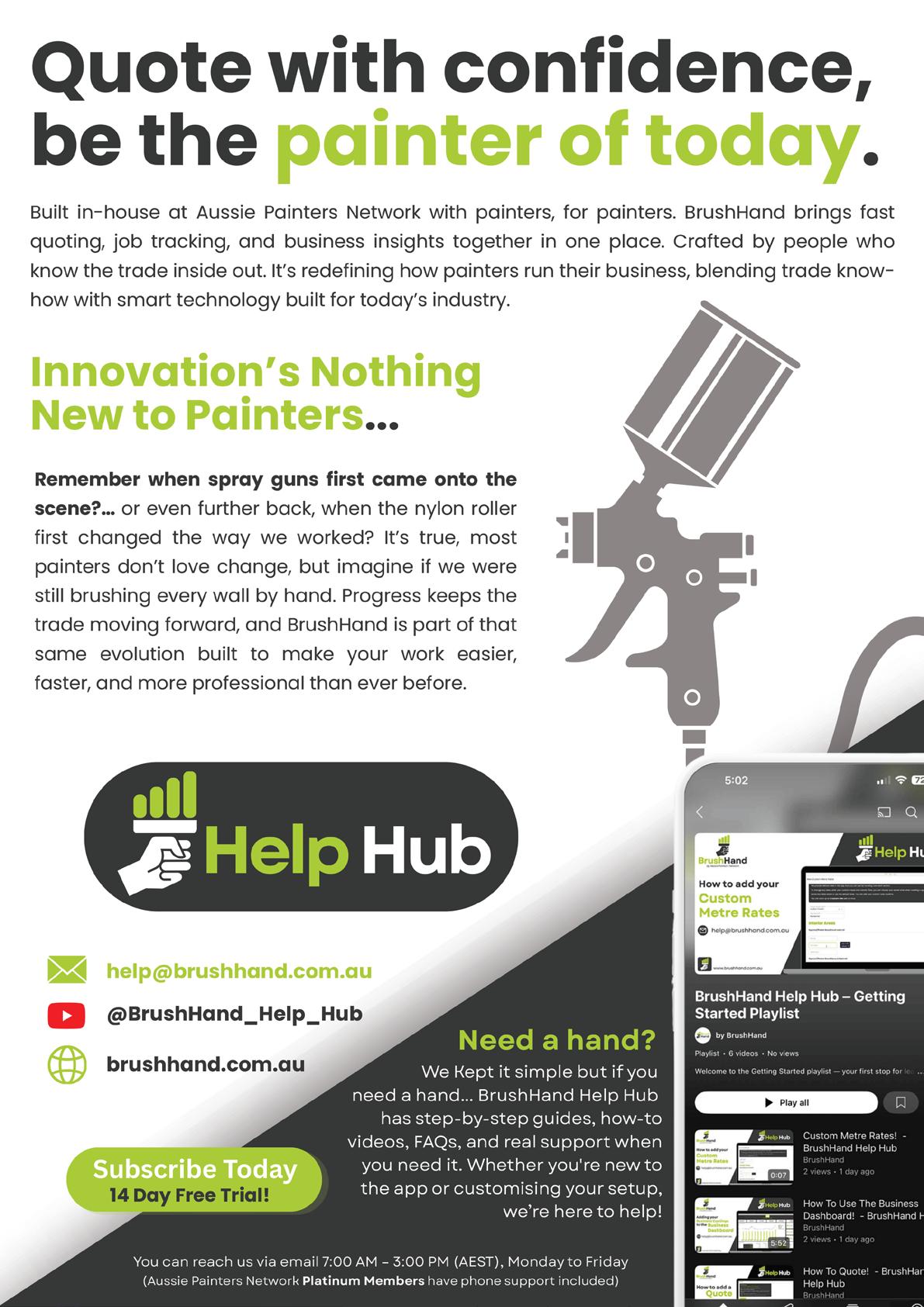
Dealing with risk is an inherent aspect of business management. The way you prepare for risk is the most important factor in determining the longevity of your enterprise. Businesses of all sizes have to contest with the possibility of unexpected events occurring, but it's how you plan for and react to such scenarios that influence your handling of them. These five methods of controlling risk will provide you with the options needed to better control the fallout from unplanned events or scenarios.
Avoidance of risk is a naturally occurring precaution taken by most businesses when they're aware of the possibility of a perilous or unpredictable event unfolding. The key to avoiding risk is forward thinking and comprehensive planning. If you can gain access to information that identifies risk in a timely manner, you can often avoid the situation altogether.
Plan ahead and conduct extensive research to ensure you have access to all the relevant information that could inform you of impending risk. When it comes to avoiding risk, knowledge really is power. By identifying risk early, you can alter your plans and pursue a course of action that steers well clear of unnecessary exposure to volatile situations.
The acceptance of risk is also built base on knowledge and information. If your research suggests the risk involved in a given scenario is relatively minuscule when compared to the possible benefits, then accepting the risk may be the best course of action. Accepting risk should only be advised when you've conducting sufficient research and identified the relative potential of problems occurring.
Commit resources to calculating the pros and cons of accepting risk in every individual scenario and make a decision based on objective data. Once you've ascertained the potential negative effects of a decision, don't proceed unless your business can definitively handle the situation if it goes wrong.
To mitigate risk is to take steps to minimise the impact of a negative event occurring through careful planning. If you can't avoid the risk altogether, or you can't afford to accept it entirely, then mitigation is the next logical step. Precautions like insurance are common methods of risk mitigation. If the negative event does transpire, you have provisions in place to reduce the severity of the impact.


The QBCC’s Industry Snapshot provides valuable insights into Queensland’s building and construction industry, including licensing trends, demographic shifts and defect reporting— providing an understanding of industry dynamics, planning workforce development, and improving compliance and quality standards.
SOME NOTABLE CHANGES OVER THE PAST TWO YEARS INCLUDE:
GROWTH IN LICENSEES
• Total licensees under the QBCC Act increased by 6.3% from 96,908 in 2023 to 103,011 in 2025 (total licensees are more than 120,000 under all Acts regulated by the QBCC).
• The most notable increases were in the Brisbane region (+7.5%) and the Sunshine Coast region (+11.7%).
DEMOGRAPHIC SHIFTS
• The proportion of licensees aged under 30 years has slightly increased, indicating a modest rejuvenation of the workforce.
• A large portion of licensees remain over 60 years old, especially in key trades like plumbing, painting and carpentry, highlighting ongoing succession challenges.
DEFECT TRENDS
• Painting continues to top the list of reported defects.
• Driveways and paths defects have increased in frequency.
• The incidence of footing and slab defects has increased.
If you need a refresher on any of these defective work items, the QBCC’s standards and tolerances guide is a quick and easy reference for industry, licensees and home owners, based on recognised industry standards in Queensland.
The QBCC will publish the Industry Snapshot annually to ensure the building and construction industry is armed with current and reliable industry data.
Licensee feedback and suggestions are welcomed, so the QBCC can continue to evolve and provide the most accurate picture of the industry possible.
To read the full and latest version of the Industry Snapshot or find out more on the state of the industry please visit www.qbcc.qld.gov.au



Other ways of mitigating risk include additional staff training and the formulation of contingency plans. By teaching your staff to work more safely and efficiently, they will be better prepared to handle the fallout of a negative situation.
are a common and often mandatory form of
Risk transferal involves shifting the risk to an entity that you perceive to be more resilient or better equipped to handle the situation. If you identify an impending risk, delegating the task of dealing with it can help to transfer the risk to a department or staff member that is better qualified or more experienced.
Transferring financial risk among several separate entities reduces the chance of a company being irrevocably damaged by unforeseen losses. The key to effective risk transferral is knowing which entity would be the best equipped to deal with the situation. Diversify your revenue streams and ring fence your most lucrative departments in order to more effectively transfer risk.
5. Exploitation
Risk and opportunity often go hand-in-hand. One of the best methods of controlling risk is to look for ways
to exploit the situation. Assess each example of risk for any opportunity of which you can take advantage. Every financially volatile situation brings with it the chance to make money.
The best way to exploit risk is to find a way to leverage the situation to your own ends. Obviously, each scenario is different but if you assess each example with a critical eye, you may be able to improve your financial performance.
Controlling risk is a difficult task but it is immensely profitable if done correctly. The money a business could lose from uncontrolled risk could put the longterm health of the enterprise in jeopardy, so it makes sense to attempt to control it at every opportunity.





So many people want to be more disciplined, on task, focused, productive. And I get that — I have the same desire.
But as someone who has put in a ton of very productive days (in addition to (ahem) less productive ones) … I’ve found that just being productive can feel very meaningless.
Imagine cranking away at all of your tasks, knocking them off, day after day. The task list doesn’t grow shorter, the email inbox keeps filling up, your calendar only gets more full as you get better at replying to people’s emails. So you crank away even harder, and your Done list looks impressive each day.
Satisfying? Sure, a bit. It can feel good to be focused and check things off the list. But it doesn’t feel very meaningful after a while. It feels like an endless hamster wheel — pointless. I’m far from the first person to make this observation. And yet … we’re often still striving for that as a goal.
I’d like to propose a different framework: meaningful days, not (only) productive ones. (And btw, if you’d like to substitute a different adjective, like “alive” or “joyful” or “magical,” go for it!)


What would make our days meaningful, and not just productive? Well, that’s for you to discover, of course. I don’t determine your meaning.
That said, here are some things that help me create meaningful days:
Set an intention: to have meaningful days. Remind myself of this focus at different times of the day.
Plan for meaning: what projects, tasks and work with others will feel meaningful? Block that into the calendar each day and each week.
Experiment to find what feels meaningful: As I do different kind of work, as myself if this feels pointless or meaningful. I find that doing things that serve others is a big one, as is creating community, taking care of myself and my loved ones, and doing things that feel expansive. But I’m still exploring!
Find meaning during, and after: As I’m doing the task, or the call, or responding to an email … I can look for what’s meaningful in that moment. Is there some way that I’m helping someone? Am I trying to make the world better? Does this feel expansive, loving, generous, compassionate? After the task, if I forgot
to notice the meaning during the task, I can reflect on what made it meaningful. I might not do this all the time, but when I do, it helps.
Reconnect to the meaning when I’ve lost it: For a certain task or project, I will often lose track of why something is meaningful, and just try to do it because I think I should.
When I recognize this — I’m just trying to get through it — I can try to reconnect to the meaning. I often have to do this multiple times, but also I often forget!
Practice opening my heart: For me, if my heart is open, it’s meaningful. What does that mean? Imagine how you feel when you give someone a generous gift and it lights them up, or you see a loved one having a nice moment, or you see a sunset that knocks you on your butt. That’s how an open heart feels.
You feel loving, you feel open, you feel generous and grateful. I’ve found that I can practice opening my heart in any moment, increasing the meaning of that activity.
Be more appreciative of the spaces between: It’s not just the tasks that make a day meaningful — often it makes a huge difference if I pause and notice nature, and other people, and just notice what feels meaningful to me even when I’m not being productive.
Am I enjoying a nice break, a nice walk, a good book, a nap, a good meal? That matters too. In the end, these aren’t the answers that will create meaning for you — but you might try them! See what works, see what feels expansive or meaningful to your heart.
Leo Babauta ZEN HABITS


At some point, every business owner needs outside help to improve efficiency – or to free up their time so they can take steps toward future growth.
The trouble is, the cost of hiring regular staff, even on a part time basis, can eat up a company’s budget – especially in the early years when you’re still just finding your feet. The rise of the remote freelance worker (otherwise known as the “gig economy”) can offer business owners a simple, cost-effective solution when they need extra help with a one off “gig” or short-term contract.
Of course, there are pros and cons to hiring any new worker, whether permanent, remote, or casual. Read on to decide whether hiring remote freelance help is right for you.
A look at the pros
For many business owners, the bottom line is often their greatest motivation for hiring independent contractors. It’s a much less costly option than taking on an employee – and this can be especially true with international workers whose rates reflect a lower cost of living. Another benefit to hiring remote workers who live in different time zones is increased efficiency; when you’re sleeping, someone is still hard at work on your business.

In addition to increased productivity and affordable help when you need it, greater ease when you’re ready to scale is another excellent reason to consider hiring remote independent contractors. For some businesses, hiring freelancers on a regular basis keeps their operations running like a well-oiled machine. If the idea makes sense for your business, make sure you create processes to onboard new workers quickly, so you get the most value for your time and money.
Working with remote freelancers does pose some risks business owners should be aware of.
• Loyalty. Unlike employees who receive regular benefits on top of their salary, gig workers may not feel motivated to stick with you long term, which can be detrimental to your business.
• Consistency. Hiring people on a casual basis means you may have to find more than one person you can rely on to get the job done. Inconsistent help can mean inconsistent results.
• Reliability. Freelance workers hired from popular sites like elance may be more interested in finding a large number of clients to increase their pay by volume than providing high quality work quickly and reliably for every job that comes up.
• Cost. Sometimes you “get what you pay for”. Low rates can amount to low quality work, which can be both frustrating and costly for your business.
In the end every business owner has to decide what makes sense for their business. It may make more sense to hire a local worker at their professional rate than someone on a site like elance whose fees may be attractive but reflect a low end client experience.
In the best case scenario, hiring remote independent contractors can be a win-win situation. Skilled workers who want to set their own hours and rates enjoy the freedom they desire while business owners are free to hire talent from anywhere in the world and pay what makes sense for their budget.
One final thought to consider: hiring remote freelancers at low rates can have an impact on how your customers perceive your business, especially with recent news stories of “poverty pay” for exploited gig workers.
Every business decision you make should align with your company values and build trust in your brand–including the help you hire for your business.


Time is the ultimate equalizer. Regardless of status or location, we are all granted the same 1,440 minutes every ay. However, that gift carries a significant responsibility: how you choose to invest those minutes dictates the trajectory of your life.
Every action you take either propels you toward your goals or pulls you away from them. Research suggests the verage person is only truly productive for about two hours a day. To bridge the gap between "busy" and "effective," you don't necessarily need more time—you need better strategies.
Here are 10 quick tips to help you master your schedule. You likely know most of these; the real question is: are you actually practicing them?
1. Plan Your Day with Precision
Identify your Top 5 non-negotiable tasks. Ensure these activities align directly with your long-term goals rather than just filling time with "busy work."
2. Clear the Physical Clutter
A cluttered desk leads to a cluttered mind. Start your sessions with a clean workspace to minimize visual distractions and maintain mental clarity.
3. "Eat the Frog" Before Checking Email
Complete one high-priority task from your list before opening your inbox. Checking email first thing allows other people’s priorities to hijack your morning. Starting with a "win" builds immediate momentum.




4. Implement the 30-Minute Recharge
Human focus isn't infinite. Set a timer to step away from your screen every 30 minutes. A quick stretch or a short walk recharges your brain, making your "on" time significantly more potent.
5. Embrace Single-Tasking
Multitasking is a myth; it is actually just "context switching," which drains cognitive energy. Focus on one task at a time to complete it faster and with fewer errors.
6. Diversify Your To-Do Lists
One giant list is overwhelming. Categorize your tasks into specific lists such as:
• Projects & Marketing
• Administration & Finance
• Waiting For (tasks pending someone else's input)
• Personal
7. Perform a Twice-Daily "Brain Dump"
Your brain is for having ideas, not storing them. Twice a day, stop and write down every stray thought or reminder swirling in your head. This clears mental bandwidth for deep work.
8. Consolidate into One Calendar
Never split your life between multiple diaries. Keep all personal and professional commitments in one place. Pro tip: Always factor in travel and transition time between meetings to avoid a cascading schedule collapse.
9. Master the Art of "Not Now"
Overcommitment is the enemy of excellence. Give yourself permission to say "no" or "not right now" to requests that don't align with your current priorities.
10. Schedule "Deep Work" Zones
Create a fortress around your time. At least a few hours a week, switch off your phone, close your browser tabs, and shut your door. Use this "completion time" to tackle your most complex projects without interruption.
Productivity isn't about doing more things; it's about doing the right things consistently.


Quoting is one of the most important parts of running a successful painting business. In this video, we break down the process of creating accurate, professional quotes that win jobs and keep your business profitable.
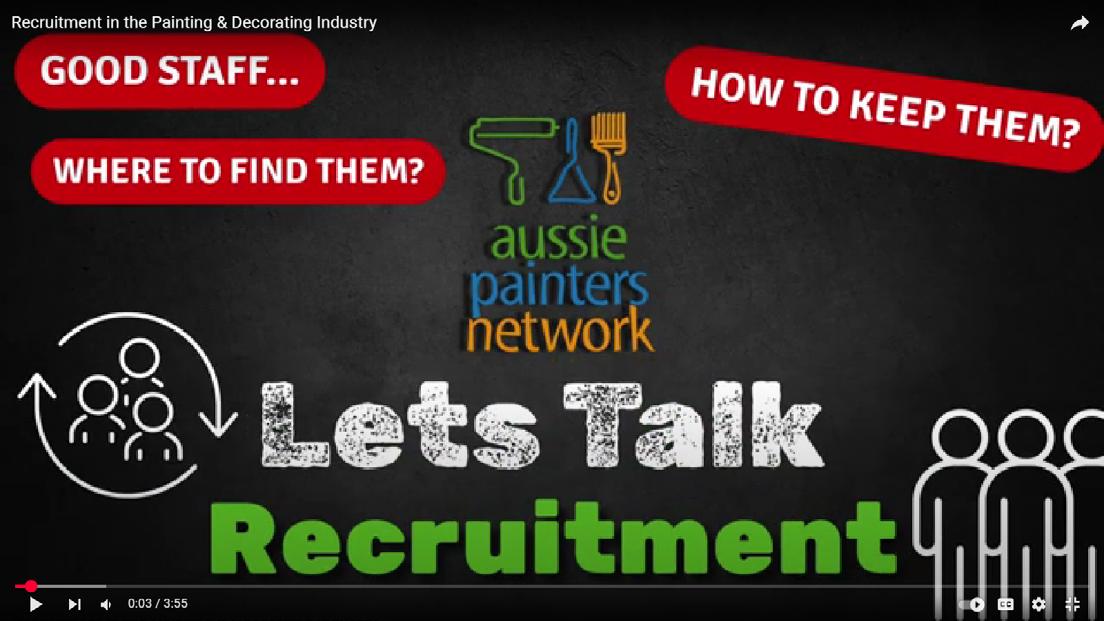
Finding and keeping the right people is one of the biggest challenges for painting and decorating businesses.
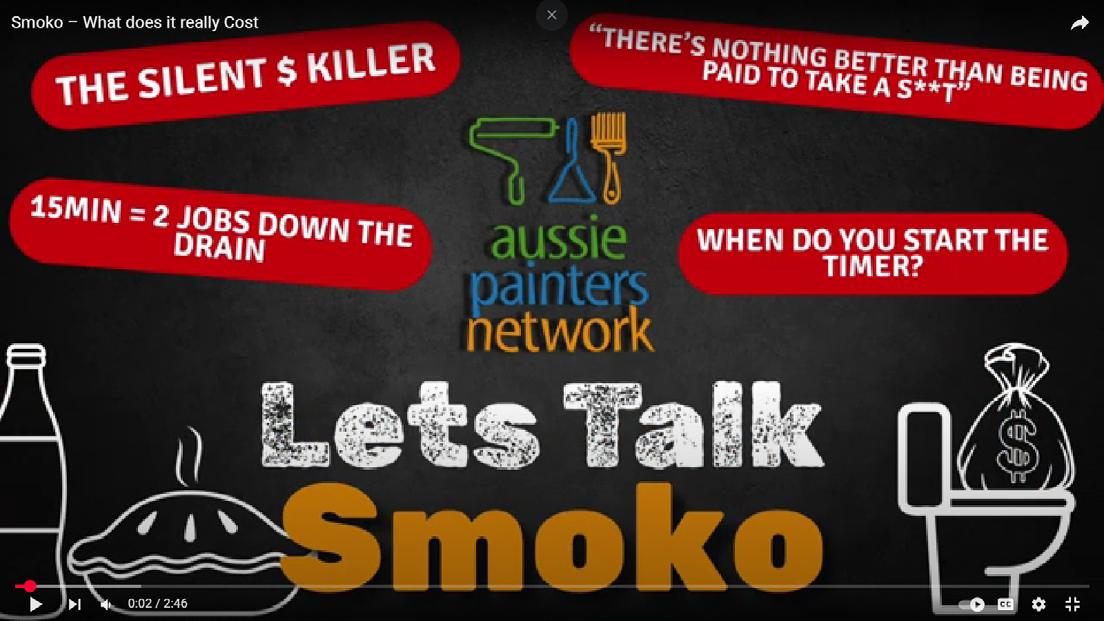
Smoko isn’t just a break – it’s a tradition in the trades. In this video, we take a look at what smoko means on site, why it’s important, and the stories that come with it.


In recent weeks, business owners have reported receiving unsolicited emails from individuals falsely claiming to be Trade Mark Attorneys representing organisations such as “Trademark Registry Hub” or “Patents Registry Hub.” These emails often target businesses that have registered a business name but lack trade mark protection, creating a false sense of urgency to act.
The message? Recipients are misled into believing their business name or brand is at risk from a third party unless they immediately engage the sender to lodge a trade mark application on their behalf. These emails rely on fear tactics and often appear genuine, even containing accurate details about the recipient’s business – information likely obtained from public registers.
Here are some red flags to watch out for:
Identical Messages: These emails follow the same format and wording, which is a common tactic in scams. Inaccurate Legal Claims: The legal advice provided in these emails is often incorrect, misleading, and based on misinterpretations of the Trade Marks Act 1995 (Cth). Nonexistent Organisations: “Trademark Registry Hub” and “Patents Registry Hub” do not appear on the ASIC Register and are not listed on the official Trans-Tasman IP Attorneys Regulation website. Impersonation: The senders appear to be fraudulently using the names of legitimate Trade Mark Attorneys who work for credible legal firms.
IP Australia (the Australian Government agency that administers intellectual property rights and legislation including in relation to trade marks) has published a copy of the template email as an example (CLICK HERE)
What Should You Do If You Receive One of These Emails?
If you encounter an email like this, do not respond. Here are some steps to take instead:
Verify the Sender: If you’re unsure about an email, check whether the organisation exists on the ASIC Register or the Trans-Tasman IP Attorneys Regulation website.
Consult a Professional: Reach out to a trusted legal professional or trade mark attorney to confirm the legitimacy of the claims.
Stay Calm: While the emails may appear convincing, remember that much of the information included is publicly available and does not indicate a real threat.
Receiving emails like these can be unnerving, but staying informed is your best defence. Protecting your brand with proper trade mark registration is a proactive way to safeguard your business against potential risks – real or fabricated.
If you’re unsure about whether your business name or brand is adequately protected, contact us for a consultation. We’ll help you navigate your options and ensure your intellectual property is secure.
Remember, while this information provides a general overview, legal advice tailored to your specific circumstances is invaluable. Don’t hesitate to contact Rise Legal for personalised guidance or book in a free Discovery Call.



Most business owners agree that having a business plan is a good idea—but many stop at writing it and never truly implement it. A business plan only creates value when it becomes a living, working guide for decisions, priorities, and day-to-day actions. Without implementation, even the best plan ends up as a document that looks impressive but doesn’t change results.
A well-implemented business plan gives clarity. It helps you move from reacting to problems as they pop up, to making intentional choices about where you’re heading, what you’re focusing on, and how you’ll measure success. In uncertain economic conditions, it also becomes an anchor—helping you stay steady, adaptable, and confident rather than guessing your way forward.
The Essential Elements of a Strong Business Plan
A practical business plan doesn’t need to be long or complicated, but it does need to cover the right foundations.
1. Clear vision and goals
This defines where the business is going and why. It should answer simple questions: What does success look like in 12 months? Three years? What are you building toward? Clear goals give your decisions direction.

2. Financial clarity
This includes revenue targets, profit margins, cash flow expectations, and funding needs. Understanding your numbers turns financial stress into financial control and allows you to plan instead of react.
3. Target market and value proposition
Who you serve and why they choose you matters. This section clarifies your ideal customer, what problem you solve, and what makes your business different from competitors.
4. Operations and capacity
This covers how the business actually runs—staffing, systems, suppliers, pricing, and workload capacity. Many businesses struggle not because of demand, but because operations aren’t aligned with growth.
5. Marketing and sales strategy
A plan for how customers find you, choose you, and keep coming back. This doesn’t need to be complex, but it must be intentional and measurable.
6. Risk and contingency planning
What could go wrong, and what will you do if it does? Thinking ahead reduces panic and protects both cash flow and confidence when challenges arise.

Implementation is where most plans fall down—but it doesn’t have to be that way.
Turn the plan into actions
Break the plan into quarterly and monthly priorities. Each goal should translate into actions, deadlines, and responsibilities. If it’s not actionable, it won’t happen.
Align the plan with daily decisions
Your business plan should guide pricing, hiring, spending, and time management. When a decision comes up, ask: Does this support the plan, or distract from it?
Review it regularly
A plan isn’t static. Reviewing it monthly or quarterly keeps it relevant and allows you to adjust as conditions change. Progress matters more than perfection.
Measure what matters
Choose a small set of key metrics—profit, cash flow, workload, customer retention—and track them consistently. What gets measured gets managed.
Get accountability and support
Plans are easier to implement when you’re not doing it alone. Whether it’s an adviser, mentor, or structured program, accountability turns intention into execution.
The Tradies QuickStart Advantage Program starts with a Kick-Start Planning Session, an indepth exploration of your business and goals—both personal and professional. By the end of this session, you’ll have a concise, one-page business plan you can start implementing right there and then to bring your plan to life.
The real power of a business plan isn’t in how well it’s written—it’s in how well it’s used. When implemented properly, it becomes a decision-making tool, a stress reducer, and a roadmap for sustainable growth. Businesses that plan and implement intentionally don’t just survive change—they use it to move ahead with confidence.
Download our FREE 21-Step Tradie Success Checklist or book a free intro session to get started.

Copyright © 2026 Robert Bauman.

Migraine is more than just a headache.
the 4 stages
A migraine attack is not just a “bad headache”.
Migraine is a debilitating neurological condition which can cause nausea, vomiting, and sensitivity to light or sound, in addition to severe headaches.
Migraine affects roughly five million Australians, but few people understand the different stages of a migraine attack.
Knowing the four distinct phases can help you recognise the symptoms and manage pain at each stage.
The first phase of migraine development is the “premonitory” or “prodrome” phase. It functions like a warning period which begins 24 to 48 hours before a migraine attack fully sets in.
The premonitory phase has a lot to do with the hypothalamus. The hypothalamus is the part of the brain which regulates key functions such as body temperature, appetite, mood and sleep.
When a person experiences a migraine attack, their hypothalamus becomes abnormally activated. The hypothalamus is connected to other parts of the
brain with different functions, so this abnormal activation can also disrupt how those parts function.
This can lead to symptoms such as poor concentration, food cravings, irritability and insomnia. If you notice these early signs, you’re more likely to “catch” the start of a migraine attack and be able to treat it early.
The second phase of a migraine attack is called “aura”. Aura refers to various neurological symptoms which affect your vision, speech or ability to feel sensations. Visual auras, which mainly affect your vision, are the most common kind.
Visual aura symptoms can include seeing flashing lights, swirling shapes or blind spots. A sensory aura can lead to numbness or tingling in your face or limbs. In severe cases, people may even have trouble speaking.
Research suggests a process called cortical spreading depression contributes to aura symptoms. During this process, a wave of electrical activity spreads very slowly through the brain and can impact how certain brain regions function.
Only 30% of people experience migraine with aura.

The third phase of a migraine attack is the headache. This is when people typically experience a throbbing or pulsating headache, alongside other symptoms like nausea and sensitivity to light and sound.
This phase usually lasts between four and 72 hours if untreated.
When different brain networks become activated during a migraine attack, other symptoms can develop in addition to headache.
When the medulla or “vomit centre” of the brain is abnormally activated, it can lead to nausea and vomiting.
The trigeminal nerve, the nerve which allows you to feel sensations on your face, can also become abnormally activated. This causes the release of chemicals which may be perceived by the brain as pain.
One of these chemicals is a protein called calcitonin gene-related peptide (CGRP). Some injectable types of migraine medication block this protein to reduce pain.
The fourth and final phase is the “postdrome”. It is also known as the “migraine hangover”.
During this recovery phase, your brain is working hard to return to its normal functioning. That is why you may feel even more fatigued or have difficulty concentrating after a migraine attack.
So, how can I manage a migraine attack? It helps to know the symptoms and stages of migraine development.
If you have predictable symptoms, particularly during the premonitory phase, it’s best to carry pain medications or anti-nausea tablets with you. That way you can treat early symptoms as soon as they arise. It can also be a sign to rest, ideally before the headache phase sets in.
In the aura phase, taking migraine-specific pain medications such as triptans, aspirin or anti-inflammatory pain killers may stop the headache phase from starting.
If you have more than four migraine attacks each month, you may also consider taking preventive medications. These are usually daily tablets which help control the baseline level of head pain you experience. Injectable options are also available.
Finally, don’t ignore the postdrome phase. If you push yourself too hard during this recovery period, you may experience overlapping migraine attacks. This is when one migraine attack starts before the last one resolves itself. Overlapping migraine attacks are much harder to treat.
You may also experience other symptoms related to the migraine attack. These can include dizziness, neck pain, or ringing in the ears. If you have any of these additional symptoms, you should consult your neurologist to check they are not caused by a more serious underlying condition.
And if you are a woman who experiences migraine with aura, speak to your doctor before starting hormone-based contraception. This is because you may need different treatment than someone who does not experience aura symptoms.
By understanding the different phases and symptoms of migraine, you will be better equipped to tackle any future attacks that come.
Lakshini Gunasekera PhD Candidate in Neurology, Monash University

Caring what others think of the work you do is a very human thing to do — but it can cause a lot of stress and anxiety, and then even lead to burnout and resignation if that stress goes on long enough.
For example, let’s say you’re in a leadership position where you get people regularly giving you feedback and comments and criticism … and let’s say those comments and feedback aren’t always very nice. (People can be jerks, surprise!)
This is stressful. And after doing this kind of work for a couple of years, it can be exhausting. It can make you want to give up. It’s not great for your mental health, and can even take a toll on your sleep and physical health. Not great.
So how do we deal with this kind of situation? Is it possible to let go of some of that need for external validation that leads to this kind of anxiety and exhaustion?
Let’s dive into this, and see what we can learn.
First, if your mental and physical health are suffering, consider taking a short break. Ask for a month off (or whatever works for you), ask others to step in to cover your work if possible, and focus on recuperating your mental health. A break is often important if you’re drained.
If you’re drained, you’re not likely to have the emotional capacity and resilience to handle criticism and negativity. So take care of yourself first.
What can you do to take care of yourself? Can you give yourself rest, some peace, some time alone, some
nurturing? Can you get support from loved ones, or a therapist? Can you start to take care of your sleep and physical health?
Before you even come back, consider what healthy boundaries you might set to protect your mental well-being. And then put them into place as you step back in after your break.
For example, you might welcome people’s feedback or comments, but set guidelines that feel healthy to you — the comments should be constructive and not hateful, perhaps.

You might consider having someone else screen the feedback, at least for awhile. Someone who isn’t as personally involved and who wouldn’t take the feedback personally. Tell them to ignore comments or feedback that don’t follow the guidelines, and only send you those that do.

These ideas (and others you might think of) are meant to give you some protection so you don’t fall into the old place of anxiety and burnout again, while you work on taking things less personally.
Examine the Meaning You’re Making
Spend a little time reflecting on what meaning you’re giving to negative comments. For example, does it feel like negative comments mean something about you personally, and whether you’re a good person or doing a good job?
This is what makes the feedback so intense. If they were comments about a stranger, and not you, would they be so difficult for you?
Now imagine the comments had no meaning about you at all — they’re about someone else entirely, or no one in particular. Could they be less draining then? This is what we might shoot for — removing any meaning you might give it that’s about you.
Create a New Meaning, and Practice
Now see if you can give the feedback and comments some new meaning that have nothing to do with you personally.
For example, negative comments could mean:
• The other person is having an emotional problem separate from you
• You can bring compassion to their difficulty
• You could learn something from the experience about them, about helping them
• You can trust them to have emotions, and to take care of their own emotions
• Human interactions are messy and beautiful, like the ocean
These are just some ideas, of course. What can you create?
Now practice: imagine getting negative comments, and view them using your new meaning. What could that feel like? Practice whenever someone gives you any feedback at all, even if it’s not negative.
Acknowledge Yourself Regularly
Finally, practice acknowledging yourself for all of your efforts, no matter what anyone else might be saying. They don’t have to be happy with you — but you should still be proud of yourself, no matter how things go.
This isn’t how we’re trained to be — we think we need to get validation from others to feel good about ourselves.
But be your own source of validation. Acknowledge your efforts, any progress you make, your good intentions and good heart.
With this kind of practice, you can let go of that external validation, little by little.
Leo Babauta ZEN HABITS

Aussie Painters Network aussiepaintersnetwork.com.au

National Institute for Painting and Decorating painters.edu.au
Australian Tax Office ato.gov.au
Award Rates fairwork.gov.au
Australian Building & Construction Commission www.abcc.gov.au
Mates In Construction www.mates.org.au

Comcare
WorkSafe ACT
Workplace Health and Safety QLD
WorkSafe Victoria
SafeWork NSW
SafeWork SA
WorkSafe WA
NT WorkSafe
WorkSafe Tasmania
comcare.gov.au worksafe.act.gov.au worksafe.qld.gov.au www.worksafe.vic.gov.au www.safework.nsw.gov.au www.safework.sa.gov.au commerce.wa.gov.au/WorkSafe/ worksafe.nt.gov.au worksafe.tas.gov.au
actcancer.org cancercouncil.com.au cancercouncilnt.com.au
cancerqld.org.au
cancersa.org.au cancervic.org.au
cancerwa.asn.au (02) 6257 9999 (02) 9334