
Sports Conditions in Physiotherapy
Understanding Sports Injuries and the Role of Physiotherapy in Recovery

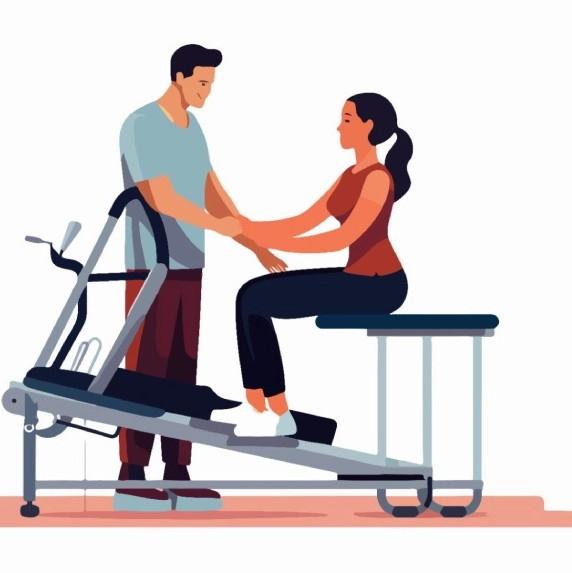
• A specialized field of physiotherapy focused on preventing, diagnosing, and treating injuries related to sports and physical activity.
• Aims to improve performance, enhance recovery, and help athletes return to their activities safely.
Physiotherapy helps in managing, rehabilitating, and preventing these conditions through exercise, manual therapy, modalities, and education.

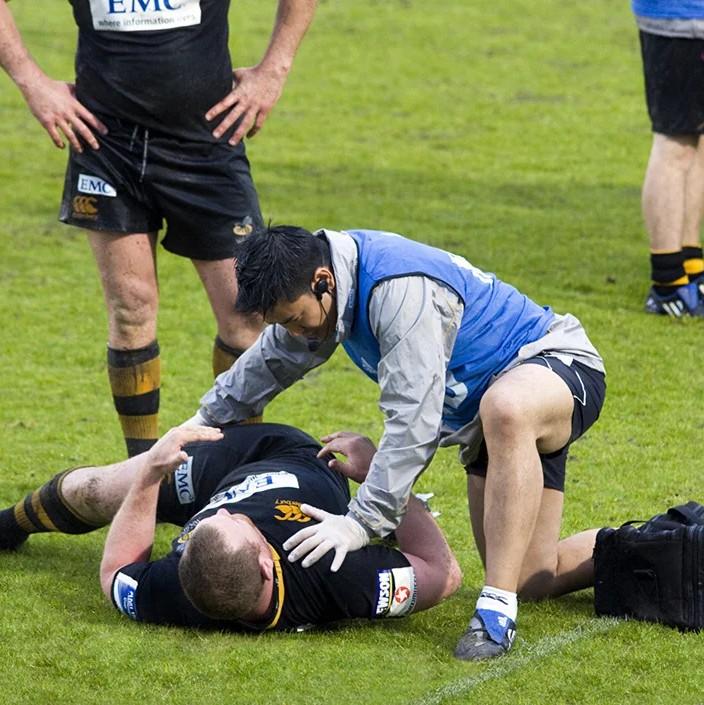
• Soft Tissue Injuries:
⚬ Sprains: Stretching or tearing of ligaments (e.g., ankle sprain).
⚬ Strains: Overstretching or tearing of muscles or tendons (e.g., hamstring strain).
⚬ Tendinitis: Inflammation of tendons (e.g., patellar tendinitis or tennis elbow).
• Joint Injuries:
⚬ Ligament Injuries: ACL tears, MCL tears, or rotator cuff injuries.
⚬ Dislocations: Shoulder, knee, or finger dislocations.
• Fractures: Broken bones, often resulting from high-impact sports or accidents.
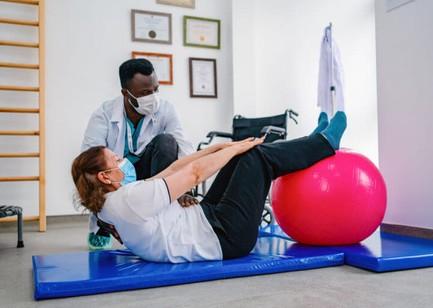
• Joint Mobilization: Gentle movement of joints to reduce stiffness and improve range of motion.
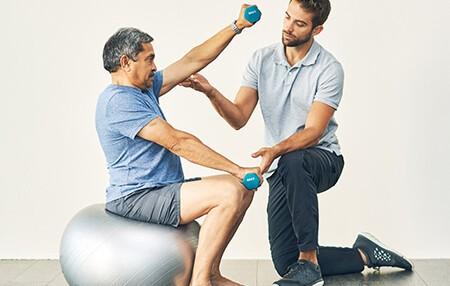
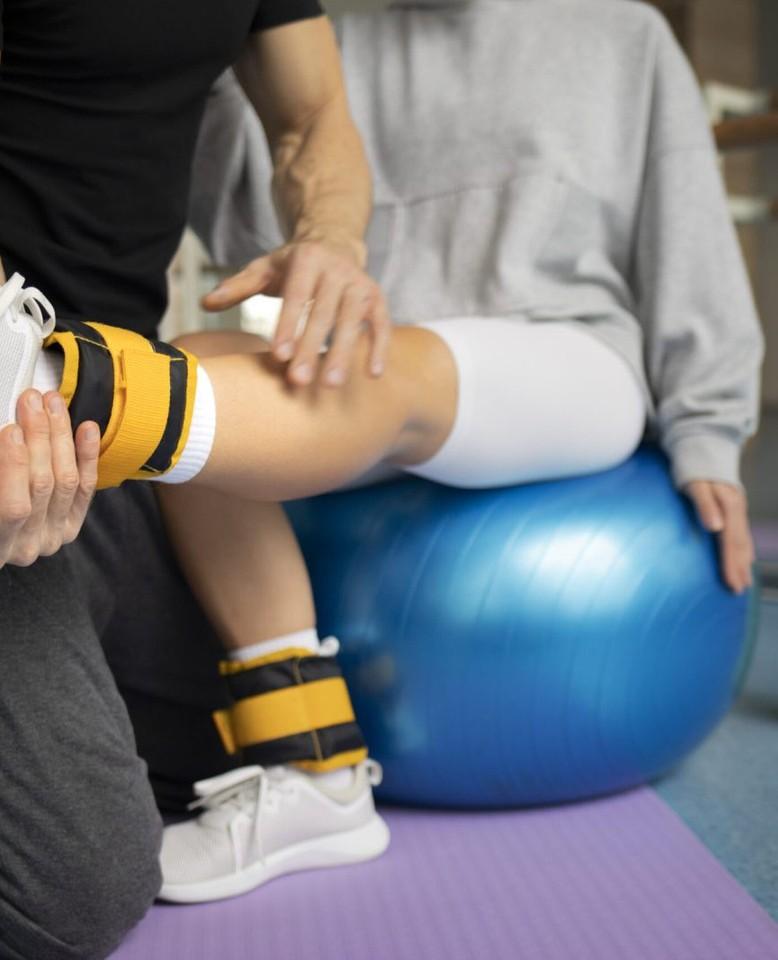
• Strengthening Exercises: Build strength in muscles surrounding the injured area to promote stability and prevent future injury.
• Cryotherapy (Cold Therapy): Reduces swelling and pain, especially after acute injuries.
• Soft Tissue Manipulation: Techniques like massage or myofascial release to relieve muscle tightness and promote healing.
• Stretching: Improve flexibility and prevent tightness or stiffness in muscles and tendons.
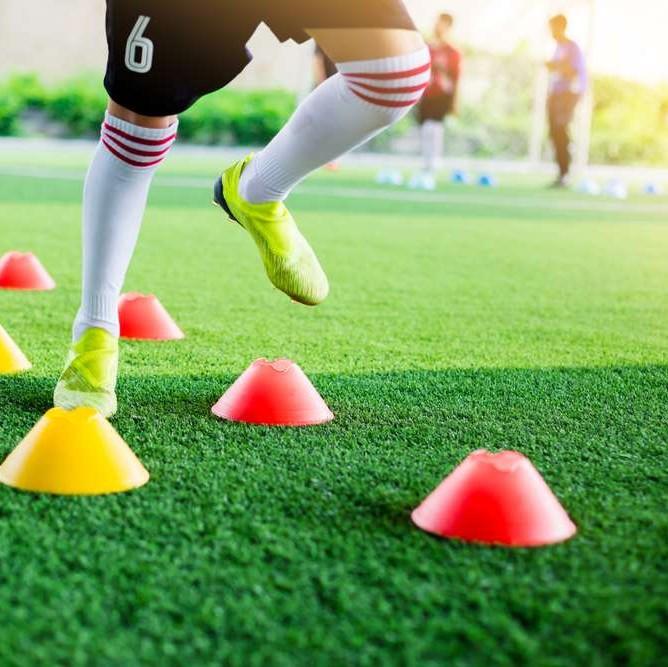
• Balance and Coordination Exercises: Help improve proprioception (awareness of body position) and prevent falls or further injury.
• Heat Therapy: Increases blood flow and relaxes muscles for chronic injuries.
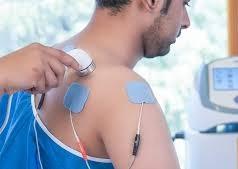
• Electrical Stimulation: Uses electrical impulses to reduce pain and promote muscle activation.
• Warm-up and Cool-down: Stretching and light cardio before and after exercise.
• Correct Technique: Proper posture, alignment, and biomechanics during physical activity.
• Strength Training: Regular muscle-strengthening routines to enhance performance and avoid imbalances.
• Rest and Recovery: Adequate recovery time and attention to sleep, hydration, and nutrition.
• Footwear & Equipment: Use of appropriate shoes and protective gear based on the sport.
• Chronic Injuries: Long-term conditions like tendinitisandarthritisthatrequireongoing management.
• Rehabilitation Time: Some sports injuries require significant time to heal, leading to frustrationforathletes.
• Mental Health Considerations: Psychological factors like anxiety and depression can affect recovery and performance.