


It’s hard to believe it’s already been a year and a half since I started with Pacific Wildlife Care filled with wild exciting and deeply meaningful moments!
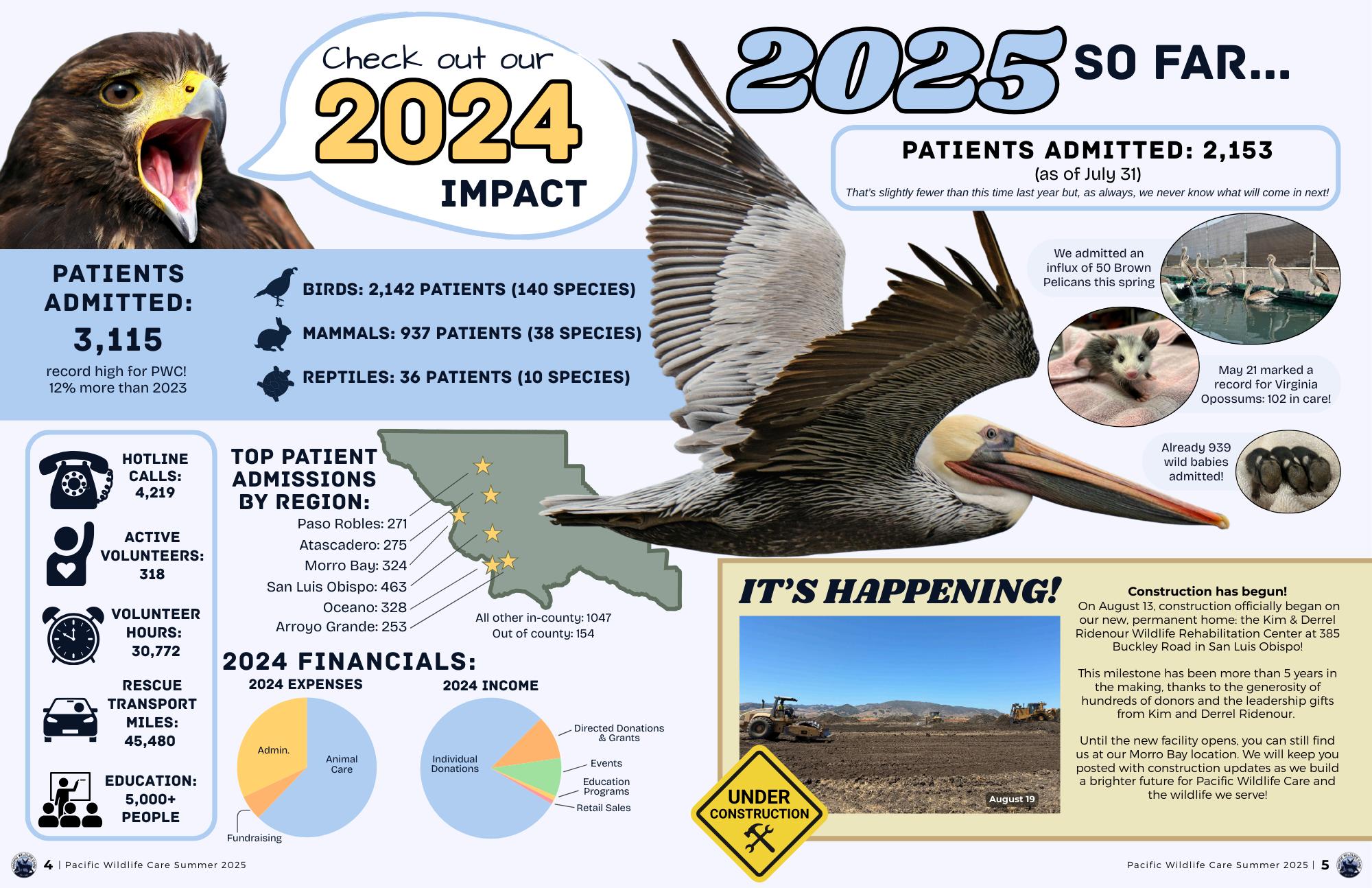
Last year, we responded to over 3,000 animal intakes, and we ’ ve already cared for more than 2,100 wild patients in 2025. Every single one received expert compassionate care thanks to the unwavering dedication of our staff and volunteers Their passion for wildlife fuels everything we do
But none of this would be possible without you.
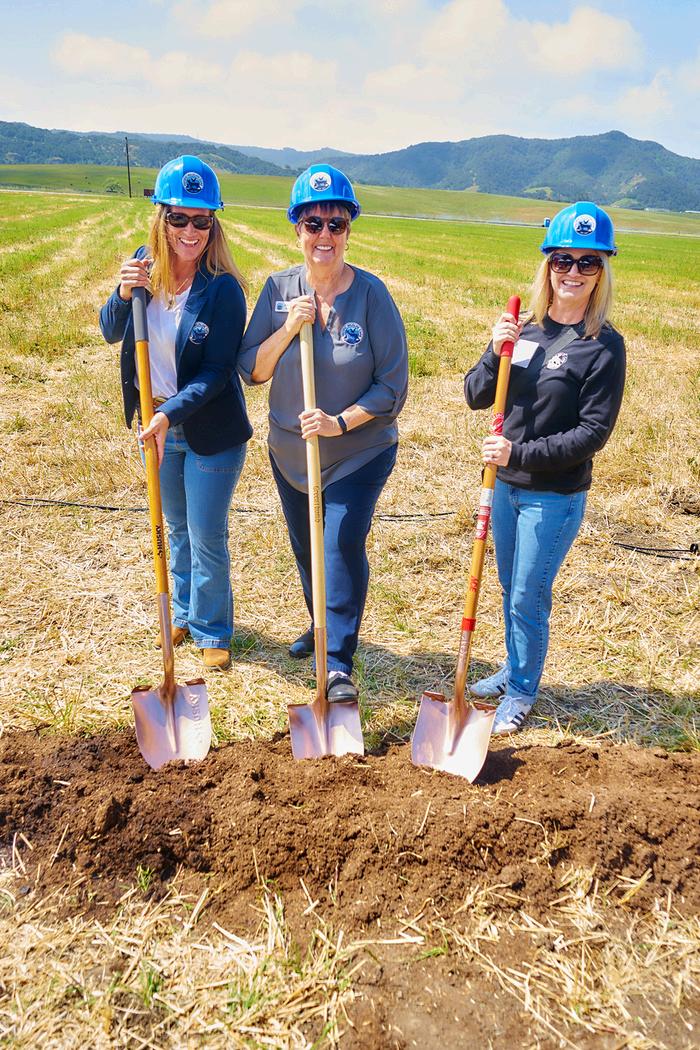
Your support through donations advocacy and belief in our mission has made a real difference With your help we completed our Capital Campaign and officially began construction of the Kim & Derrel Ridenour Wildlife Rehabilitation Center This facility will enhance how we serve wildlife in need across San Luis Obispo County
Education and outreach continue to connect people with the wild world around them helping to build a more informed and compassionate community
Thank you for standing with us Together, we ’ re giving wildlife a second chance and creating a future where both animals and people can thrive

Kristin Howland Executive Director
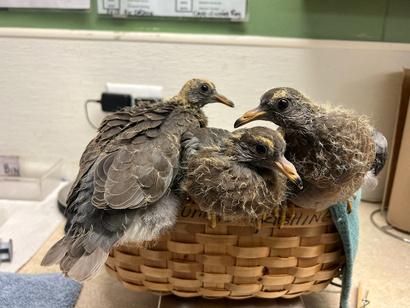
These three Band-tailed Pigeons came into our clinic separately after being found as nestlings one was rescued after its nest was destroyed during tree trimming After nearly seven weeks in care, they were released back into the wild in Atascadero for a second chance at life! Did you know Band-tailed Pigeons are California’s only native pigeon? Look for their yellow feet and yellow bills with dark tips.
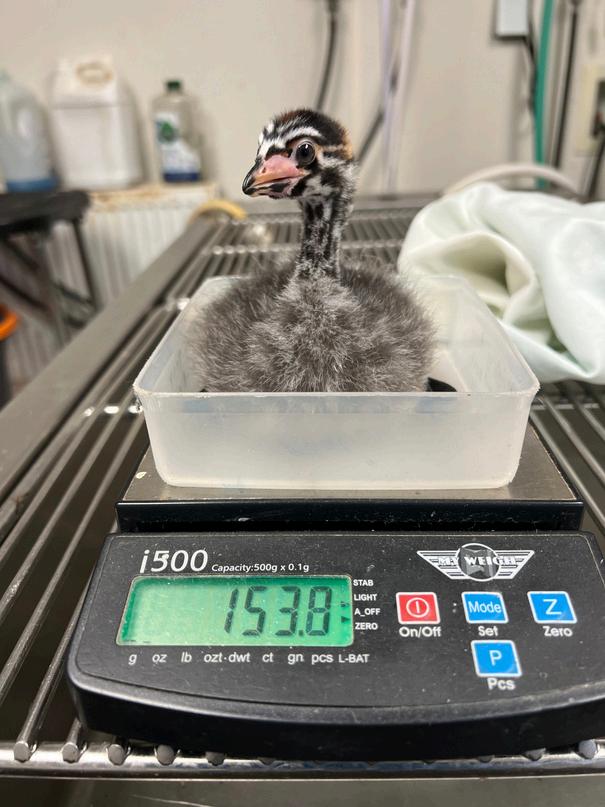
Orphaned and weighing just 16 grams, this Pied-billed Grebe chick was brought to us after being found near its deceased siblings With frequent hand-feedings, it steadily grew, learned to dive and feed on its own, and after two months in care (reaching a healthy 300 grams), it was released back into the wild Young Pied-billed Grebes are striped, but as they mature, they take on plain brown adult plumage

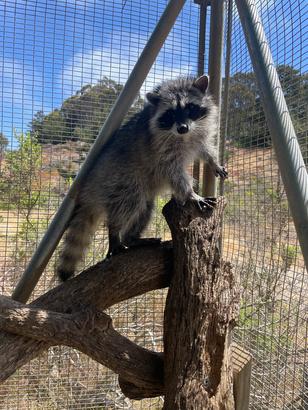
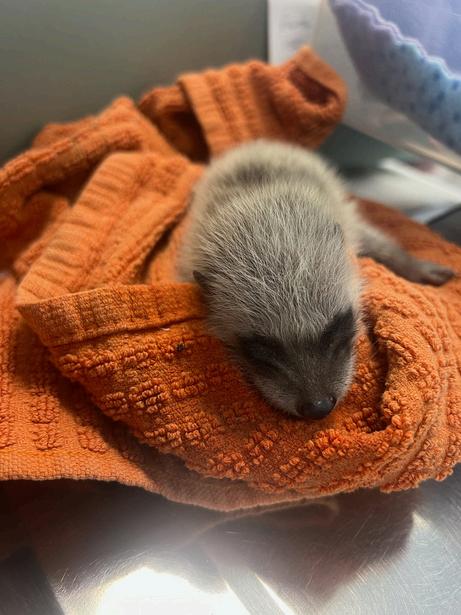
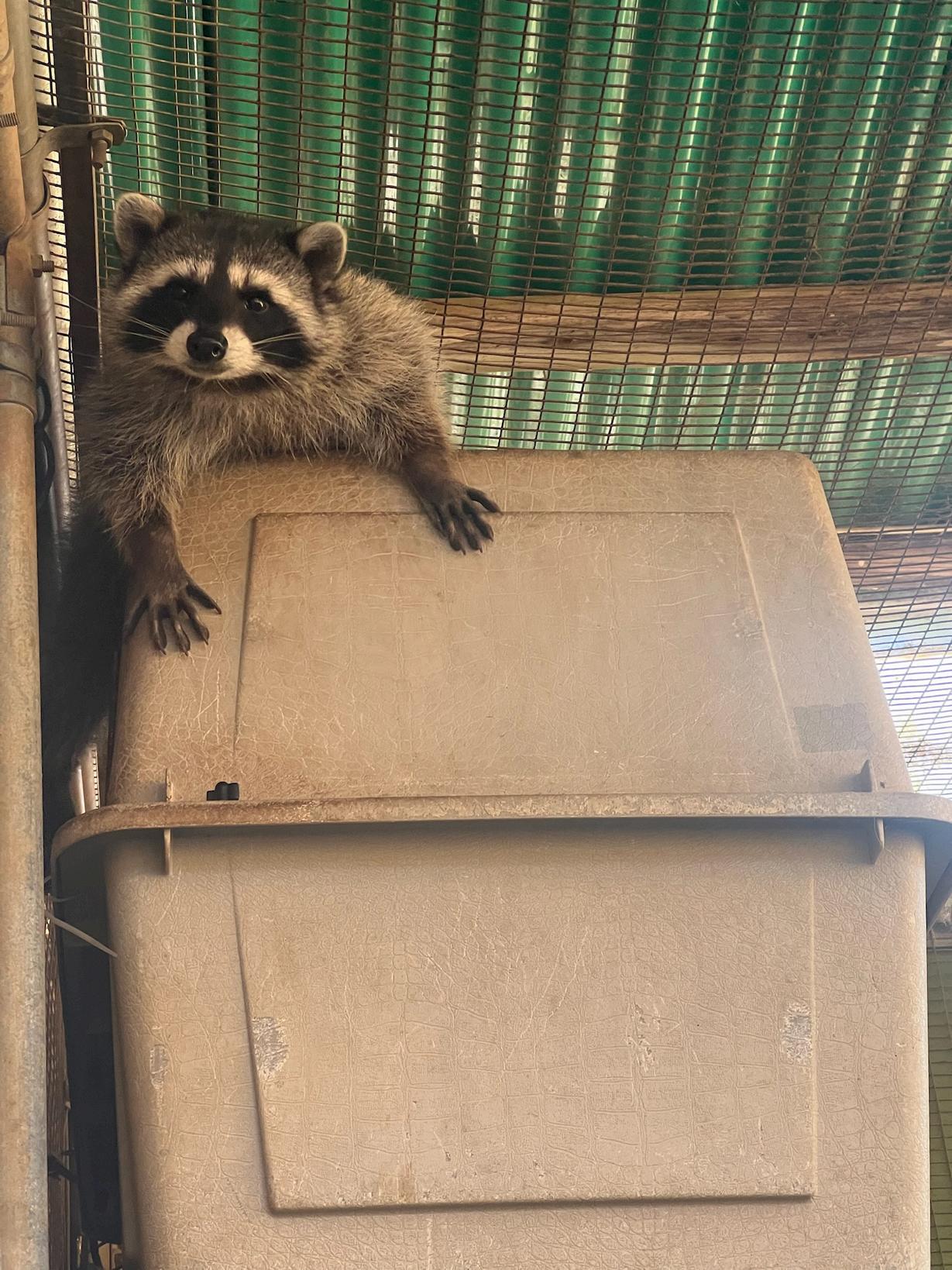
This Northern Raccoon and its sibling were found orphaned in April. With careful hand-feedings gradual weaning and months of care focused on keeping them wild and selfsufficient, they grew into healthy juveniles They were just successfully released back into San Luis Obispo Although most active at night, raccoons can be seen at any time of day Clever and resourceful, they play an important role in our ecosystem by controlling pests and spreading seeds.
Note: All pictures taken during weigh-in or enclosure cleaning, just a brief moment as part of their daily care.
Pacific Wildlife Care’s mission is to support San Luis Obispo County wildlife through rehabilitation and educational outreach
Pacific Wildlife Care is a 501(c)(3) non-profit Tax ID 77-0196350
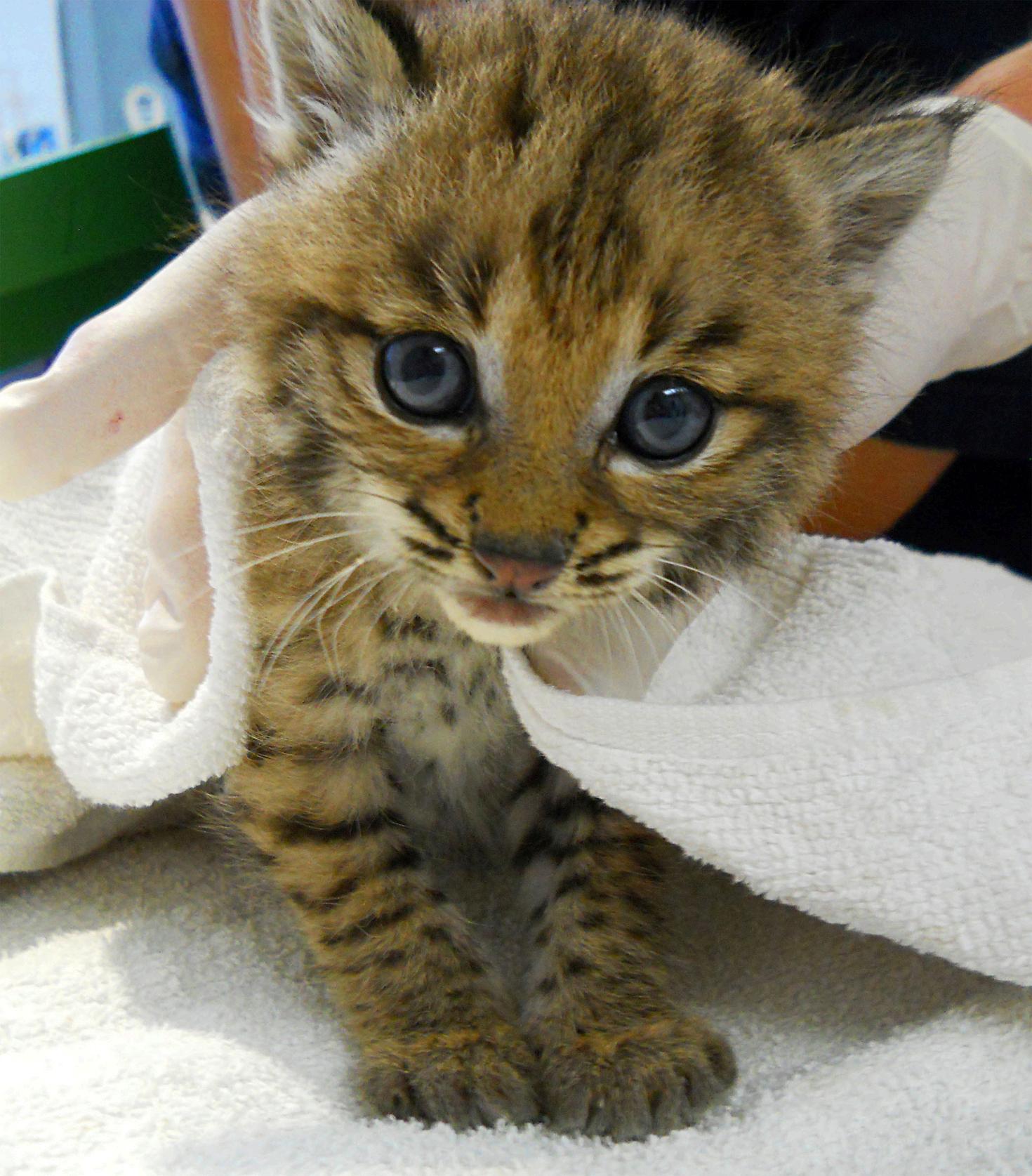
Cover photo: Bobcat

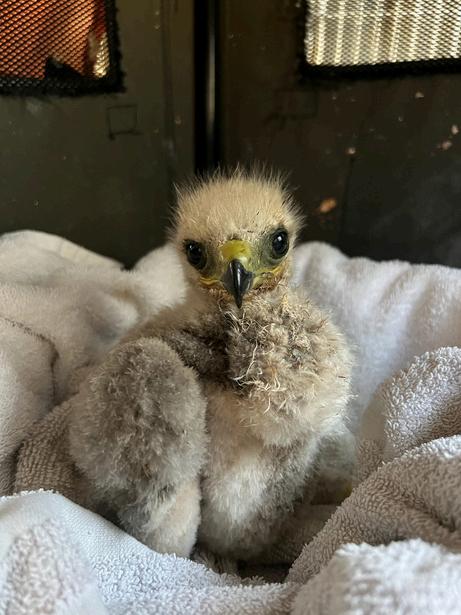
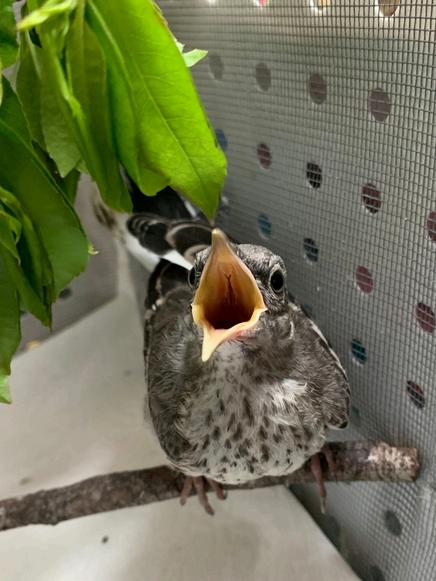
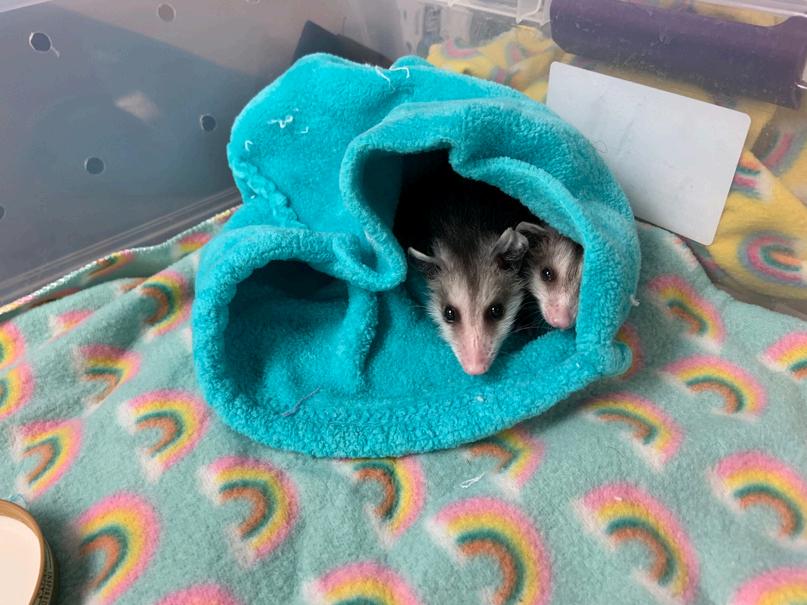
Each spring and summer, as wildlife across the Central Coast enters its peak breeding season, Pacific Wildlife Care prepares for the influx of orphaned and injured baby animals At the height of baby season in June, we had nearly 400 patients in care every day, often admitting 20 to 30 animals each day Each one requires species-specific care: frequent feedings, specialized housing, and individualized treatment plans.
Behind every chirp, squeak, or peep is a dedicated team of expert staff, interns, and trained volunteers who work from sunrise to well past sunset They feed baby birds every 15 to 30 minutes, syringe-feed infant mammals, administer medications, and keep up with the constant cycle of food preparation and cleaning. Leading our animal care efforts is our skilled wildlife veterinarian. With surgical capabilities and on-site X-ray imaging, she addresses complex medical challenges that give even the most fragile patients a fighting chance Meanwhile, our Rescue & Transport team travels across the county to retrieve animals in need, and our wildlife hotline fields dozens of calls each day, each one a potential life saved.
Baby Season is a season of intense effort and endless adaptability, powered by the shared belief that every wild life matters And we ’ re not done yet! Baby wildlife are still being admitted daily, and we expect a steady stream for at least several more weeks
Thanks to this incredible community (including you!) hundreds of young animals get the second chance they deserve: to grow up wild and return home
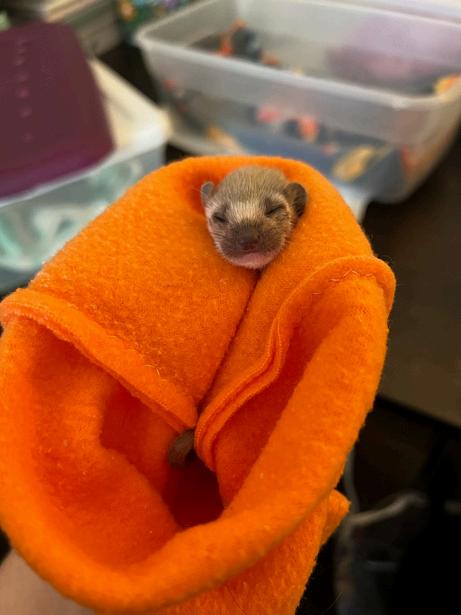
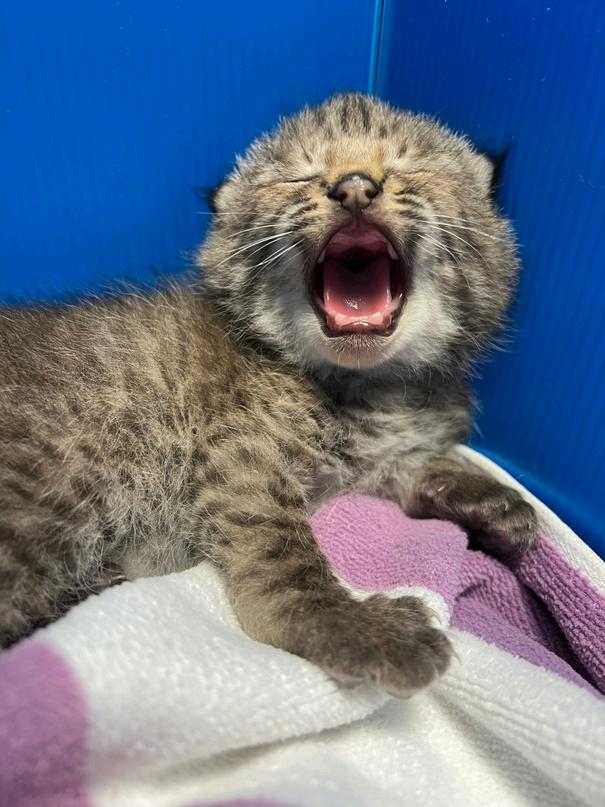
By Pam Hartmann
Peeping could be heard inside the three-foot high log It wasn’t clear how many birds were nesting in the cavity or what species they were or how to extricate them The hole in the log was large enough for a parent bird to come and go but not for even the small hands of Rehabilitation Technician Veronica Trosper
If folks need yet another reminder of why not to trim or cut down trees in nesting season, this is it Trees had been cut down on a Cambria property When the owners became aware of sounds coming from inside one log, they set it upright and called an acquaintance – long-time PWC supporter Rita Burton, who transported the log and its contents to the PWC clinic
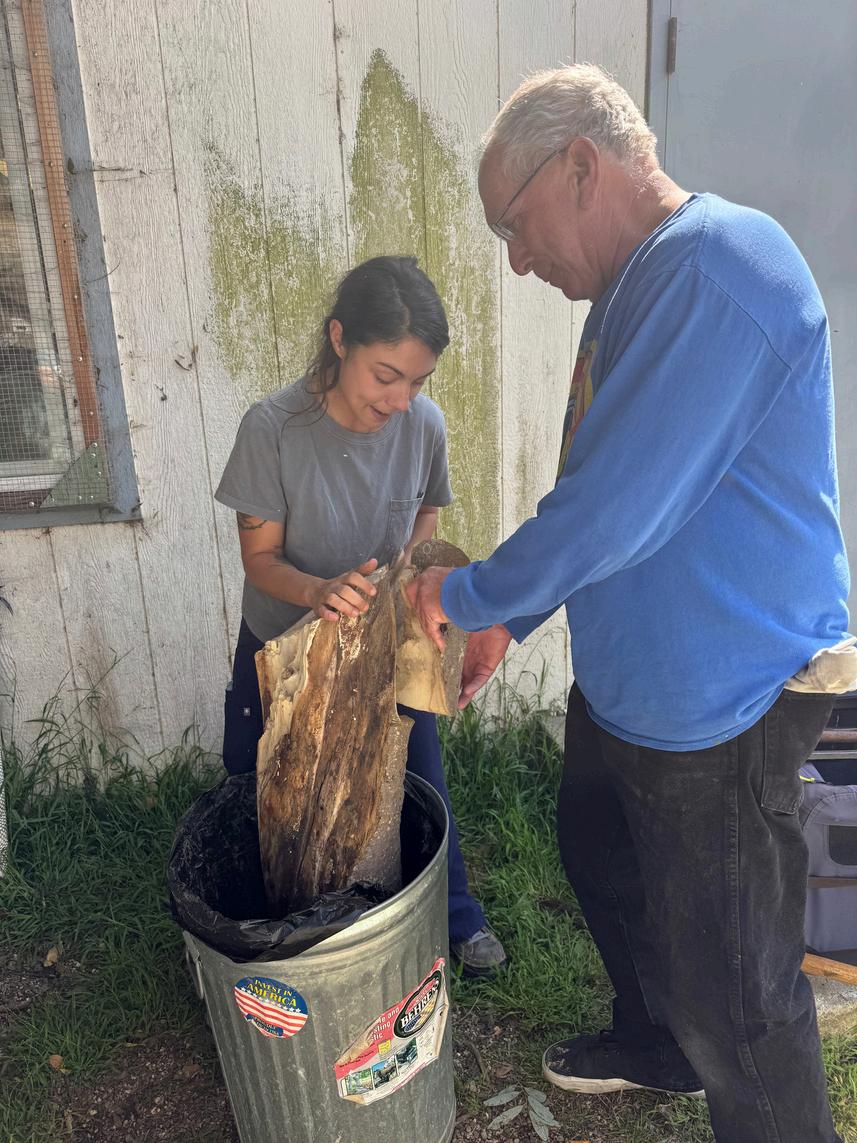
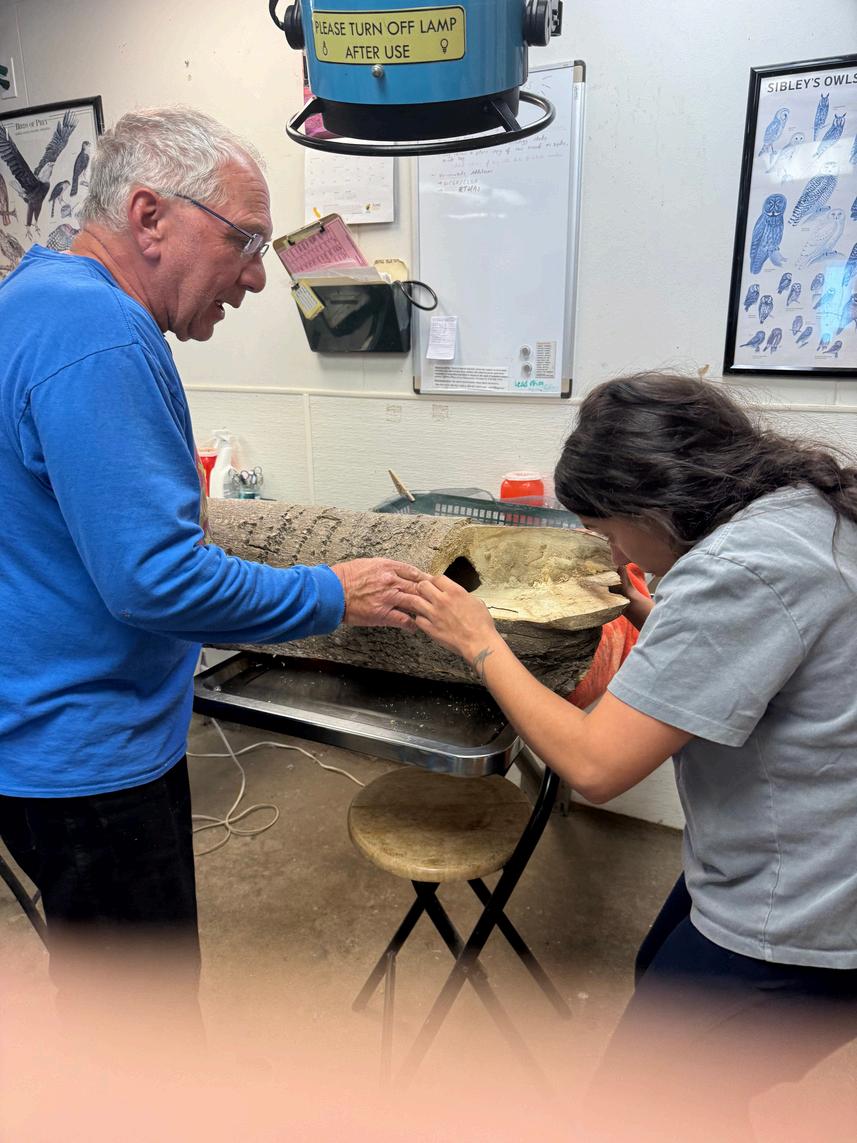
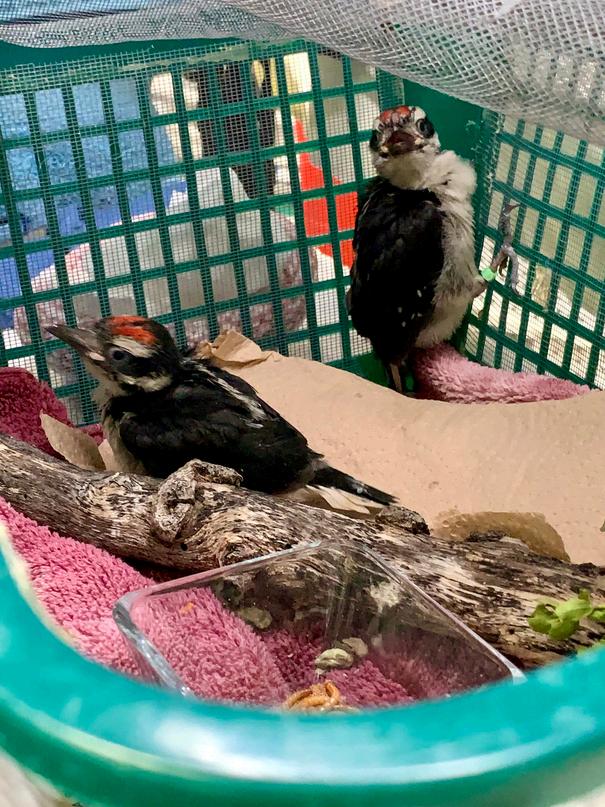
The initial challenge was how to reach the birds. Coming to the rescue, facilities volunteer Larry Kahn carefully sawed a wedge from the log, allowing Trosper to reach in and remove what turned out to be two healthy nestling Hairy Woodpeckers
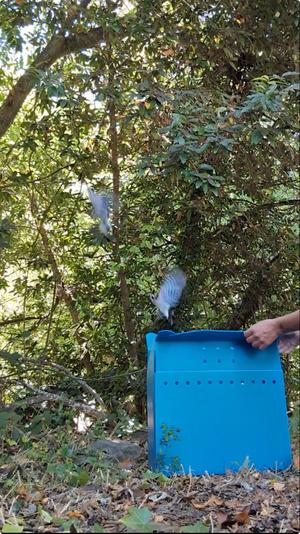
For almost six weeks, they were cared for as they graduated from being hand-fed in a small enclosure to self-feeding in a larger one to practicing flight in an aviary When they were ready to be released, Trosper returned with them to a wooded area next to their original site She opened the carrier, and they flew off right away, making loud, distinctive calls that surely alerted other members of their group (a “descent” of woodpeckers) that they had come home

Wait until fall or winter to prune trees to avoid disturbing spring- and summer-nesting wildlife
Each year, 1 billion birds in the U S die from window collisions Make glass bird-safe with film patterns (dots, lines, etc.) 2" apart.
Scrub & sanitize every 1–2 weeks to prevent disease. Avoid red dyes in hummingbird feeders and change sugar water every ~3 days
Skip glue traps and rodenticides, these are inhumane and ineffective. Never set traps outdoors. Instead, secure trash and bring pet food inside
Cats kill billions of birds and mammals in the U S each year Keeping cats indoors protects wildlife and keeps our pets safe from predators and disease.
Plant native species, skip the pesticides, and create a safe, thriving habitat for pollinators and other wildlife.
Call us for help
If you find injured or orphaned wildlife, call us at 805-543-WILD (9453). Feeding or keeping wild animals is illegal and, even with good intentions, can do more harm than good
PacificWildlifeCareisexpandingourBoardof Directorstostrengthenourabilitytoprotectand rehabilitatenativewildlifeacrossSanLuis ObispoCounty Weareseekingcommitted leaderswithexpertisein:
Fundraising&Development
NonprofitGovernance
FinancialOversight
HumanResources
CommunityPartnerships
Asaboardmember,you’llplayakeyrolein strategicplanning,expandingcommunity impact,andensuringourlong-term sustainability.
Passionateaboutwildlifeandreadytomakea differencethroughleadershipand collaboration?EmailKristinat kristin@pacificwildlifecareorgtolearnmore
Protect the wild Leave a legacy that lasts
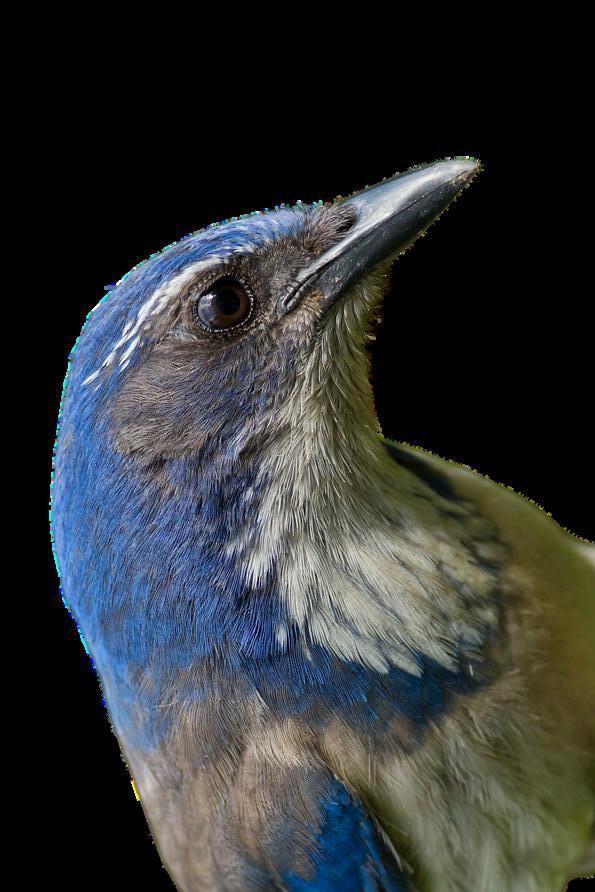
JustliketheCaliforniaScrubJaypreparesfor thefuture,youcantoo.ByincludingPacific WildlifeCareinyourwillorestateplan,you becomeamemberoftheScrubJayLegacy Society,helpingensurewildlifeinneedwill becaredforforgenerationstocome
Augustisagreattimetocreateorupdate yourwill it'seasierthanyouthink,andit leavesalastingimpact.
Tolearnmore,emailKristinat kristin@pacificwildlifecare.org


Amaya