
Pacific Environment confronts our most urgent environmental issues by connecting local and global movements, catalyzing policy change and inspiring action for the benefit of people and our planet. Together, we promote a healthy climate, reduce pollution and conserve biodiversity for an equitable and thriving future.
For more than 40 years, Pacific Environment has worked across the Pacific Rim to stop climate change and ensure healthy ecosystems for the benefit of people and our planet. Founded in 1980, Pacific Environment is a U.S.-based nonprofit organization that partners with local communities, grassroots organizations, scientists and policymakers to address urgent environmental challenges: creating climate solutions, reducing plastics production, safeguarding ocean biodiversity and protecting the Arctic.
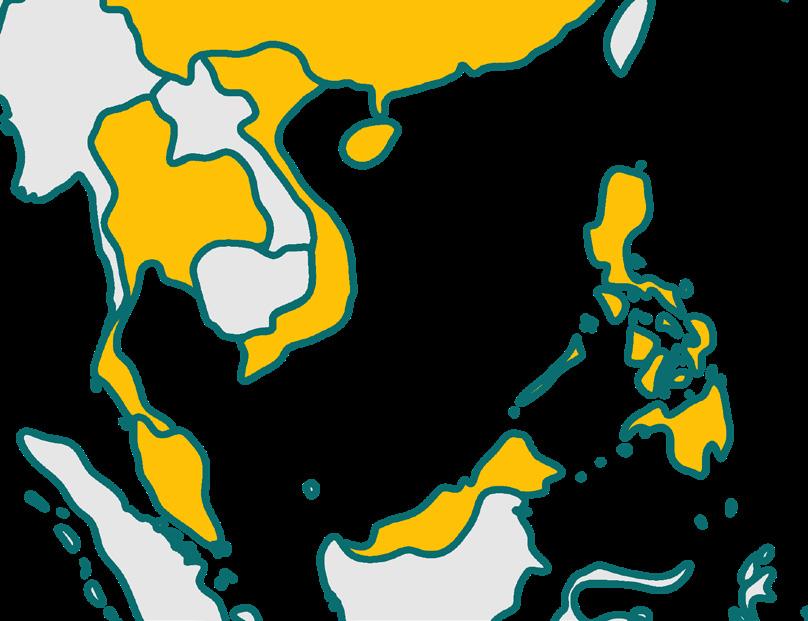
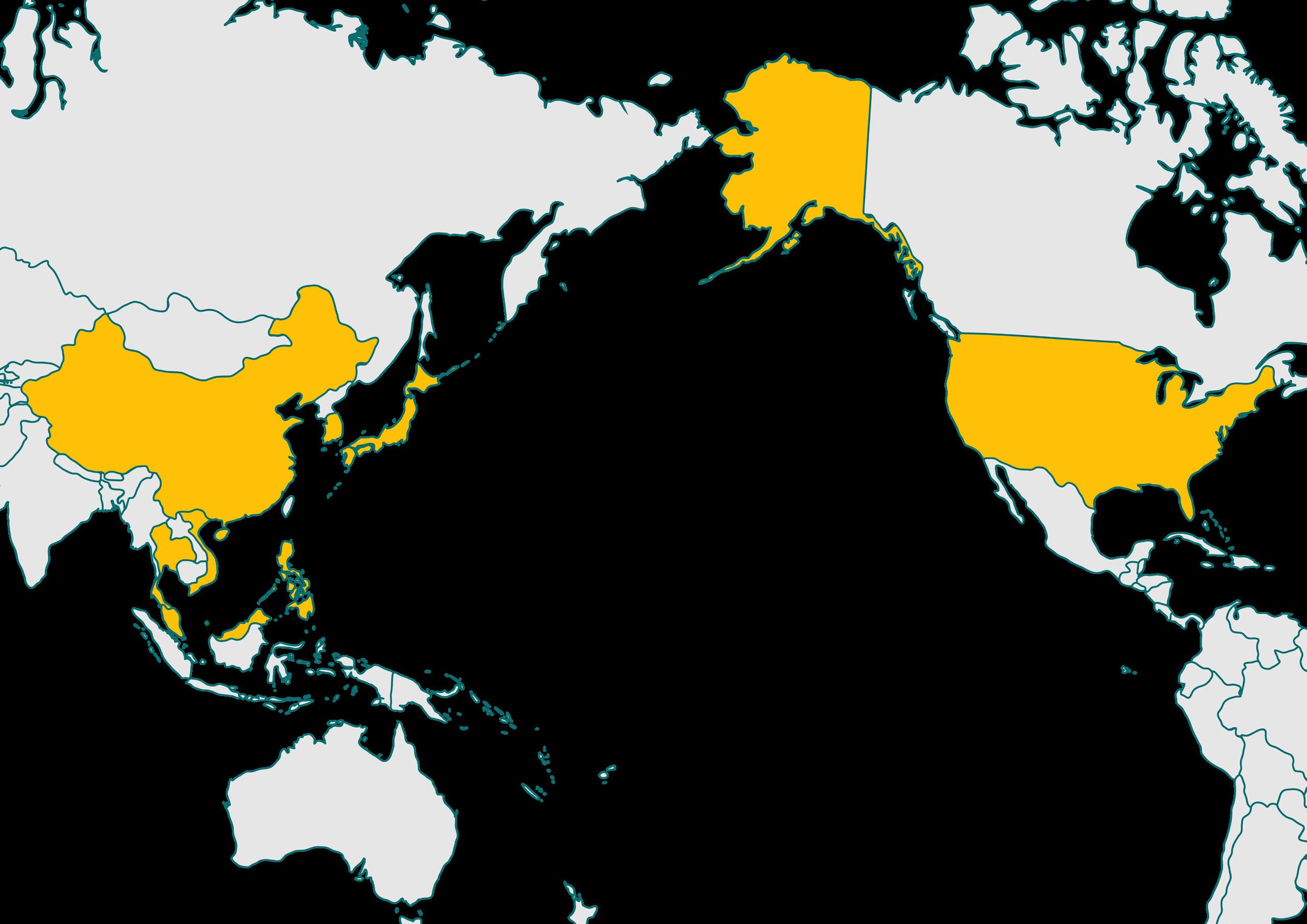
The Pacific Rim is home to some of the world’s most biologically diverse and ecologically significant ecosystems and plays a vital role in determining our global climate and biodiversity future. Through locally led partnerships and international advocacy, Pacific Environment’s regional staff in the United States, China, Japan, Malaysia, the Philippines, Singapore, South Korea, Thailand and Vietnam, drive transformative environmental solutions that accelerate climate action and protect ecosystems while strengthening livelihoods and community resilience.
Pacific Environment is a 501(c)(3) charitable organization (EIN 94-2628924).

Pacific Environment advances its mission through four core focus areas:


Accelerating the shift to electrification, zero-emission fuels and renewable energy

Partnering with communities to safeguard fragile ecosystems

Curbing plastic production and promoting reuse through policy change

Preserving marine biodiversity through science-backed protection
Businesses act on single-use plastics in key Chinese markets

In China, over 200 companies in the high-profile, to-go beverage sector took the “ecocup pledge” across several cities including Chongqing in response to our campaign. This encouraged related e-commerce sites to implement their own measures to reduce SUP. This strategy showcases the viability of moving beyond plastics for government regulators and
In response to the work of Pacific Environment and partners, the Phu Yen province adopted a Single Use Plastic Reduction Roadmap. As the first of its kind, this roadmap outlines actionable plastics solutions and serves as a model for replication in other
Full lifecycle approach stays on the table at UN Global Plastics Treaty negotiation Pacific Environment and global allies worked successfully to keep life cycle analysis in play at the ongoing UN plastics talks. During negotiations in 2026, the campaign for a robust treaty with binding limits for plastics production will continue forward.

The Inuit Circumpolar Council became the first Indigenous organization to achieve Consultative Status at the International Maritime Organization (IMO), the world’s shipping regulator. Since 2017, Pacific Environment hosted Indigenous representatives from ICC at the IMO and advocated for their status to ensures Indigenous nations are present at negotiations.
Full year of initial ban on the dirties of fuel oils in the Arctic
The ban on the use and carriage of heavy fuel oil by ships in the Arctic completed its first full year and enters fully into force in 2029. Our team campaigned for many years for this ban and was instrumental in its passage.
Polluting scrubber systems bans, fall out of favor for ships in the Arctic Pacific Environment and partners have achieved bans on polluting scrubber water discharge from ships in Denmark, Sweden and Finland this year, in addition to the bans already underway in Iceland and Norway. Bans are also soon to enter into force for countries signatory to the OSPAR Convention protecting the Arctic.

EPA greenlights zero-emission maritime shipping pathway for California
After years of advocacy from Pacific Environment and allies, the EPA approved a regulation that paves the way for zero-emission harbor craft such as ferries, tugboats and workboats in California. As the world’s 4th largest economy with major shipping hubs, the state’s action creates global momentum. This rule is estimated to protect 9.7 million from elevated air pollution levels.
for offshore
Wind energy is vital to the clean energy transition, and in March South Korea adopted the Special Act on Offshore Wind, marking a significant breakthrough in the country’s clean energy transition. Pacific Environment played an important role in this victory, convening academics, ports, industry, and governments to align renewable energy efforts.
Global shipping’s Net Zero Framework approved
The IMO passed the world’s first carbon tax on a global industry. For ~15 years, Pacific Environment has campaigned at IMO meetings with delegates for bold action on climate and marine ecosystem protection. Although the framework stalled in October, our team and allies have been instrumental in this achievement - despite more needed to ensure the framework is fully adopted.

Advances in protection for marine ecosystems
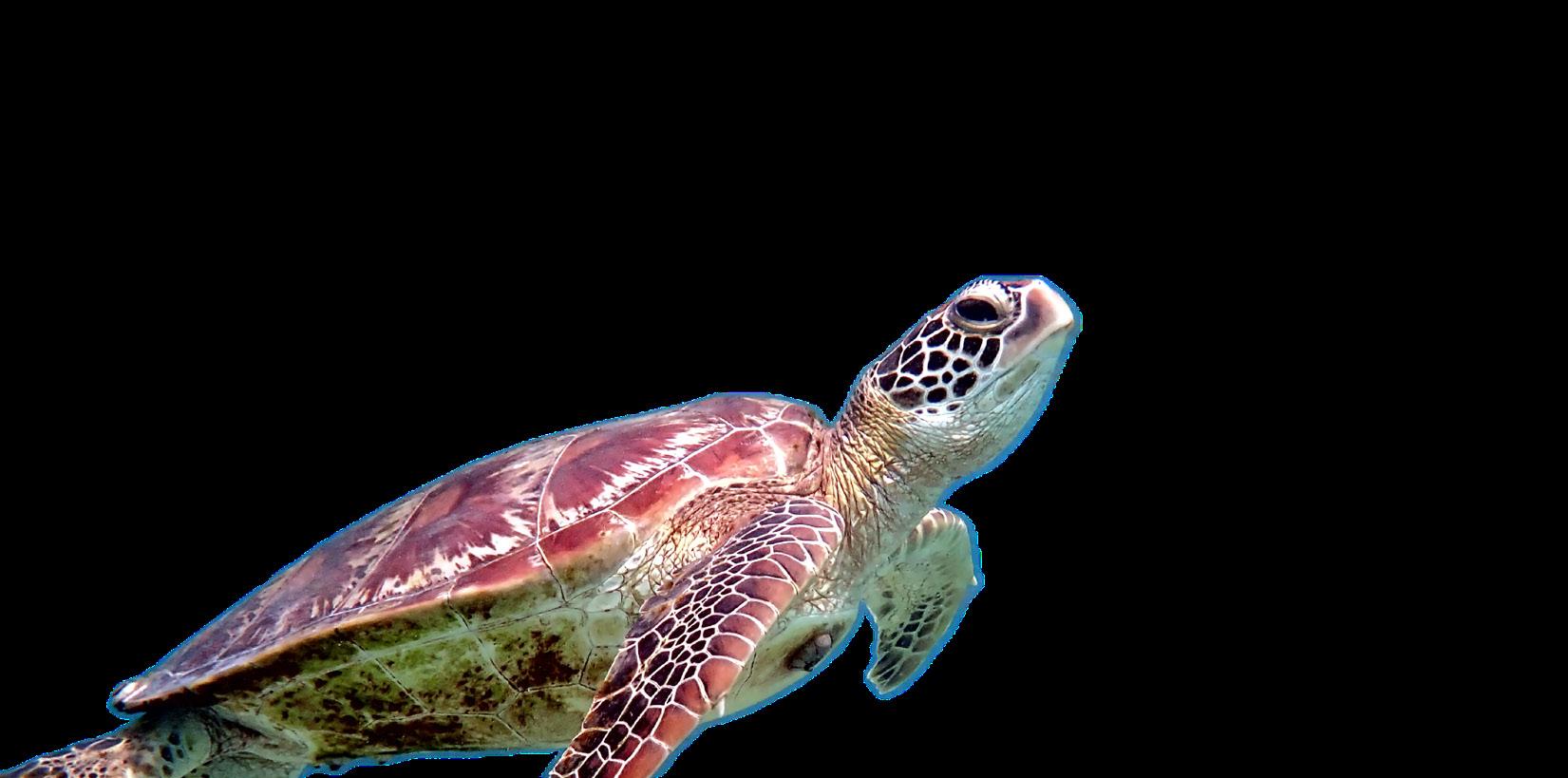
Increased local action for reefs rehabilitation, expanded protections
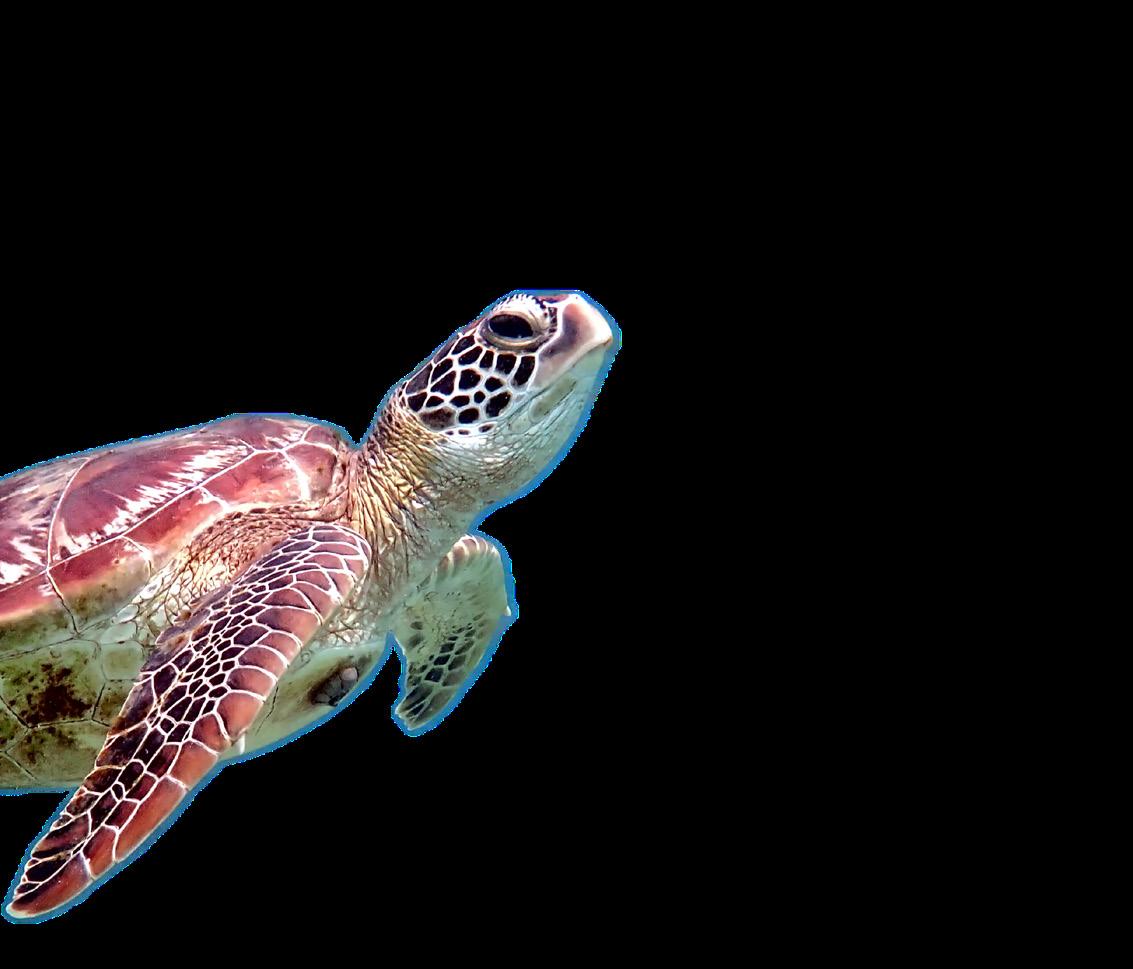
In Malaysia, the Philippines and Thailand, our team has been deeply involved in mapping out new areas for protection and beginning projects to establish pilot sites to provide a new model of co-management. Through this process, communities and governments can work together to manage these sites, creating more effective and equitable marine conservation.
Our advocacy efforts with allies led to Thailand signing the Biodiversity Beyond National Jurisdiction Treaty in April 2025 and Vietnam ratifying in June 2025. This treaty provides a much-needed framework for protecting ocean areas beyond coastal areas.
Our local teams are scaling up communityled conservation efforts, self-financing mechanisms, coral reef monitoring and rehabilitation and for real gain on the ground.
The effort of our team and allies secured national implementation plans for the historic 30x30 UN Global Biodiversity Framework toward protecting 30% of oceans by 2030.
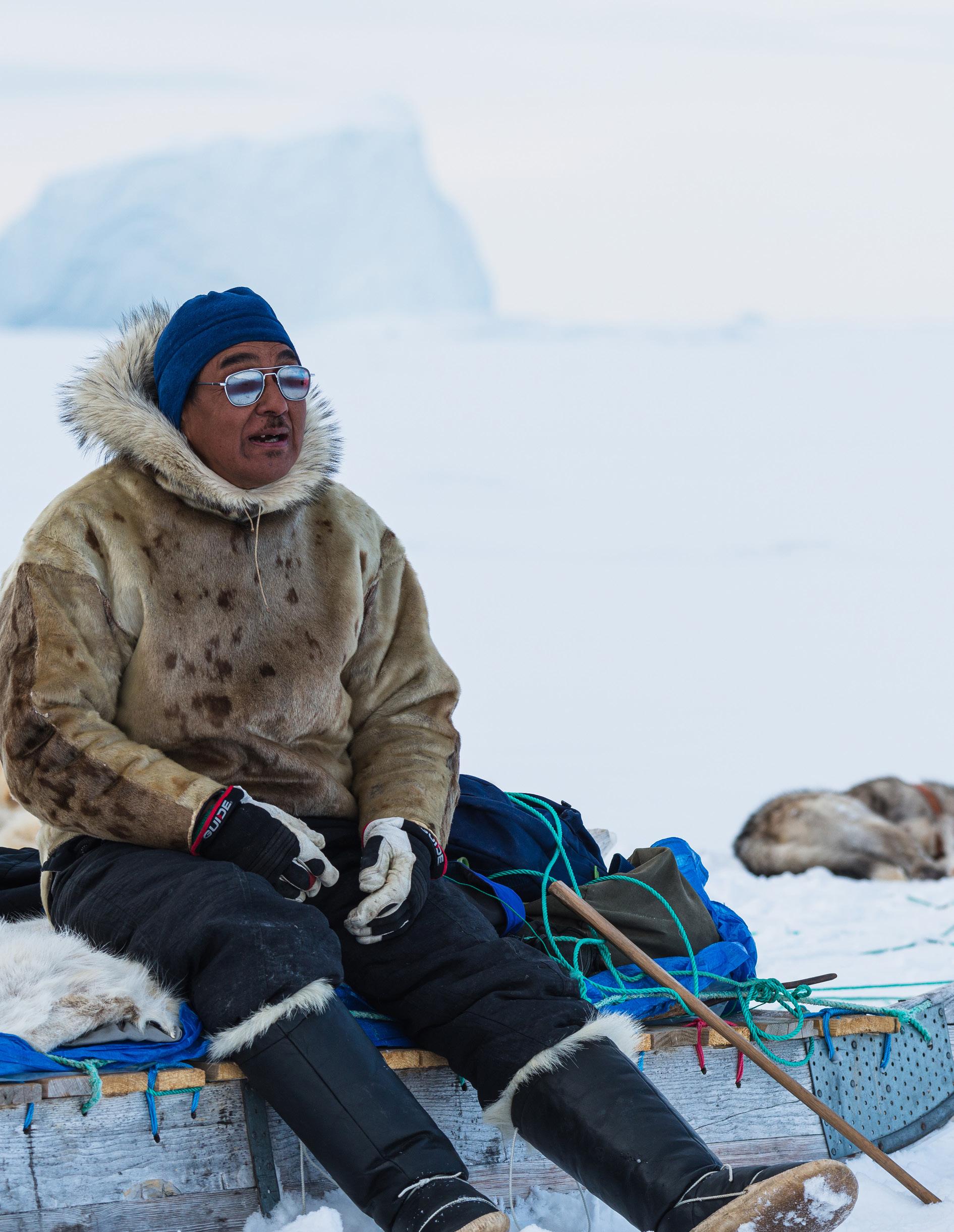
Pacific Environment works to support Indigenous leaders to open the doors of international decision-making spaces that had long excluded Indigenous communities.
In 2025, that partnership led to a historic breakthrough: the Inuit Circumpolar Council became the first Indigenous organization granted permanent consultative status at the UN’s International Maritime Organization.
This victory ensures that Inuit leadership now have a permanent seat at the table as nations and their delegates determine global policies at the IMO affecting Arctic waters, food security and climate resilience.


The importance of Indigenous Peoples participating in international forums can’t be overstated. This principle has been at the heart of our approach to conservation since the very beginning.
Jim Gamble | Senior Director, Arctic Program

Pacific Environment will continue building on four decades of experience connecting community leadership with global policy change to deliver lasting environmental solutions across the Pacific Rim.
In Climate Solutions, we will accelerate the transition to zero-emission shipping, cleaner fuels and renewable energy. By increasing our sustained engagement with key stakeholders and industry leaders in the U.S. and key Asian countries, we will continue pushing for ambitious 2030 and 2040 climate pollution reduction targets that protect vital ecosystems and support coastal communities.
In Plastics Reduction, we will advance policies and partnerships that curb plastic production at its source and expand reuse-based systems. Our work will focus on strengthening national and international regulations, supporting frontline organizations and scaling proven models in high-impact sectors such as tourism, education and healthcare.

In Ocean Conservation, we will deepen our support for community-led marine protection across Southeast Asia and beyond. By strengthening Marine Protected Areas, advancing the global 30x30 goal and building regional collaboration, we aim to safeguard biodiversity while ensuring that coastal communities in Malaysia, the Philippines, Thailand and Vietnam remain central to ocean governance.
In Arctic Protection, we will continue advocating for cleaner shipping fuels, reduced black carbon emissions that are accelerating Arctic melting, and stronger safeguards for fragile ecosystems. Working alongside partners throughout the region, we will amplify local leadership.

Explore ways to support our work at pacificenvironment.org/ways-to-give or contact advancement@pacificenvironment.org