Pablo
Esquivel

Undergraduate Architecture Portfolio
BIM l CAD
South Grand Prairie High School
Dallas Community College University of Texas at Arlington
AutoCAD l Revit Rhinoceros 3D
l InDesign l illustrator
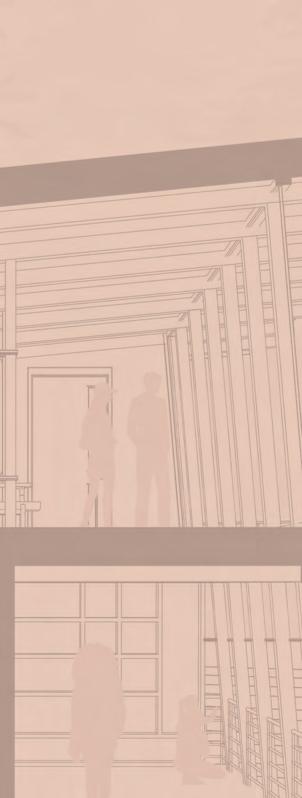
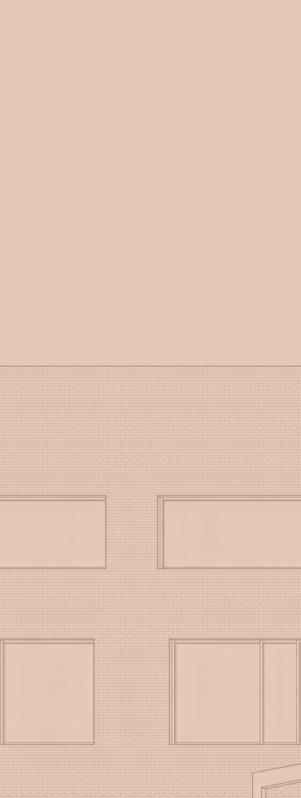
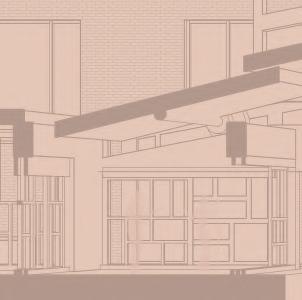
The Kenai River Project
The project investigates occurring issues that plague the Kenai River that result from human usage. This project takes a combination of research and design to appropriately address the issue. This is done by creating a cabin that responds to the environment while promoting the values of the communities that live along the Kenai River.

Research & Composing
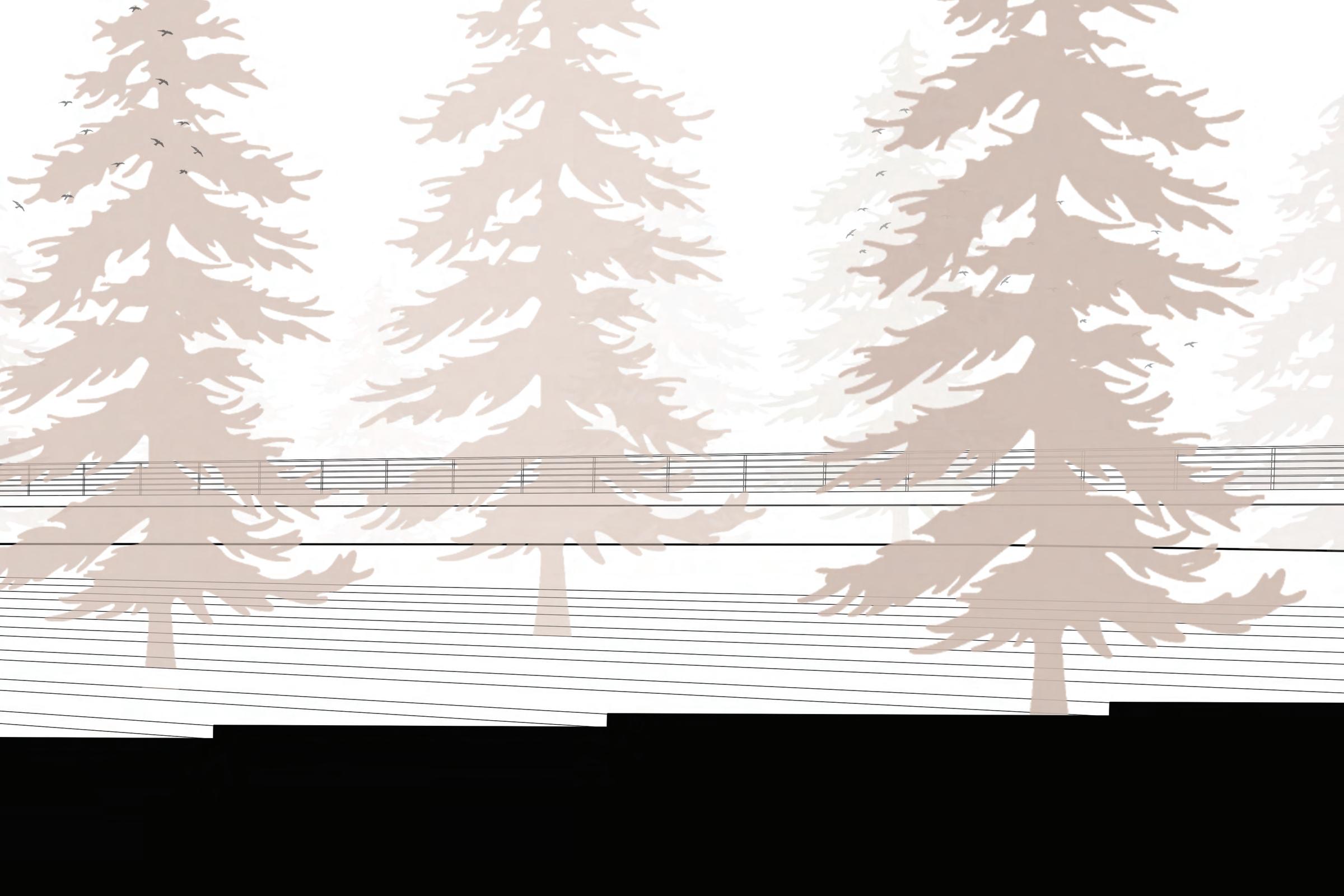
The research in this project observed the river from the perspective of the impacts that indirectly and directly come from human activity. This was supported by reports of heavy contamination from the more densely populated areas along the river. The study aided in the building of this map, which melded together the bits of information that began to link to one another and further supported the argument.
Site & Precedent
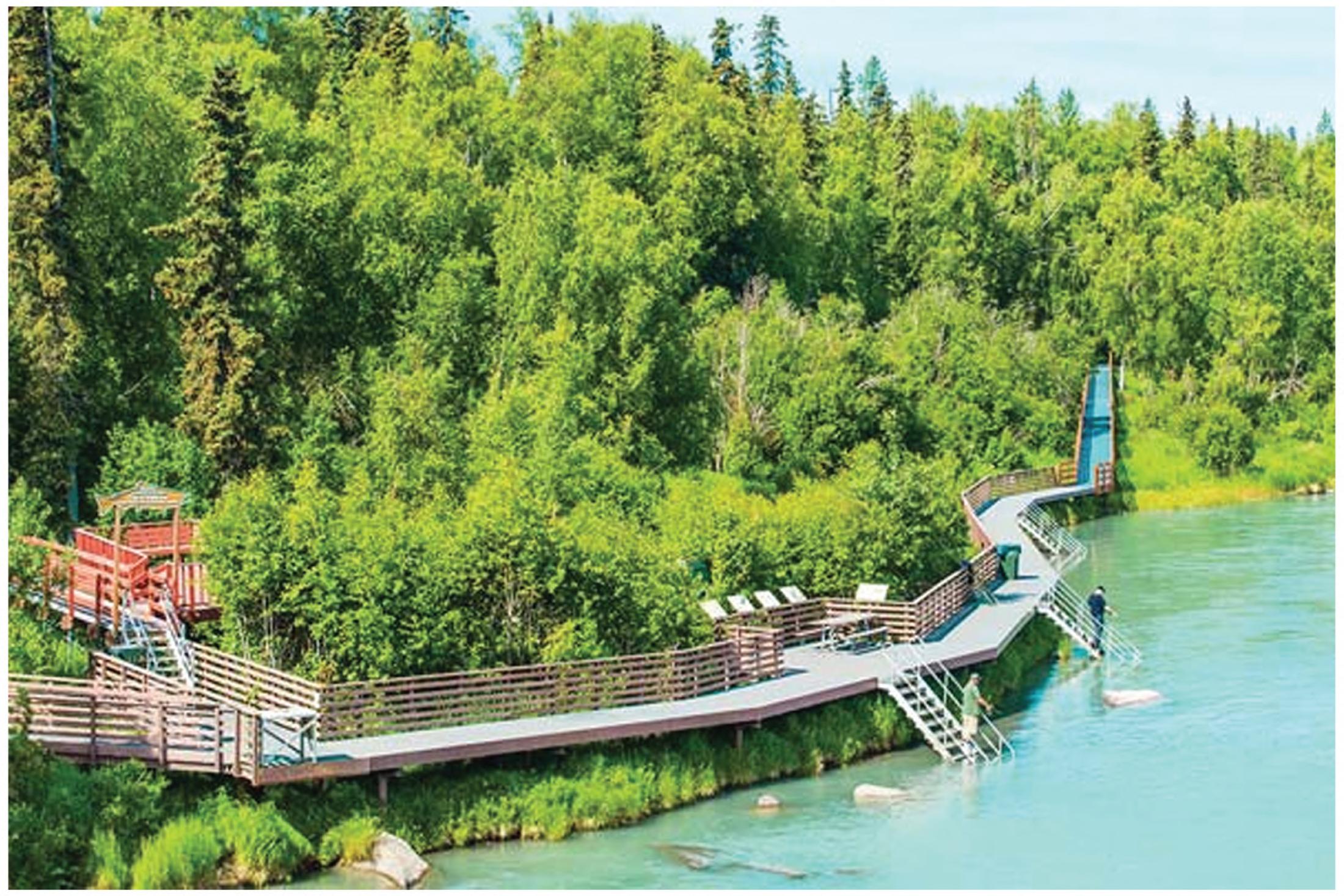
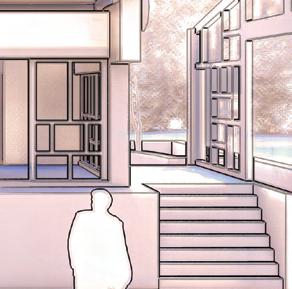
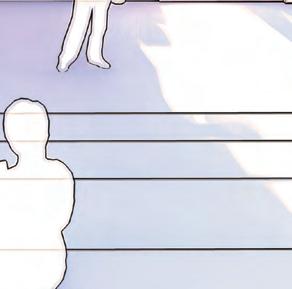
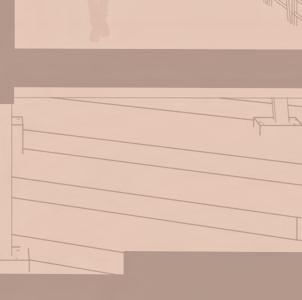
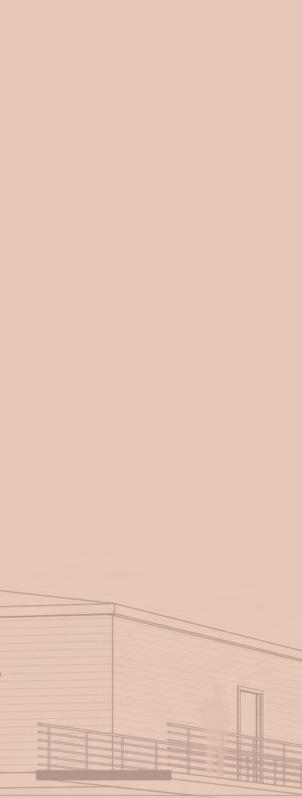
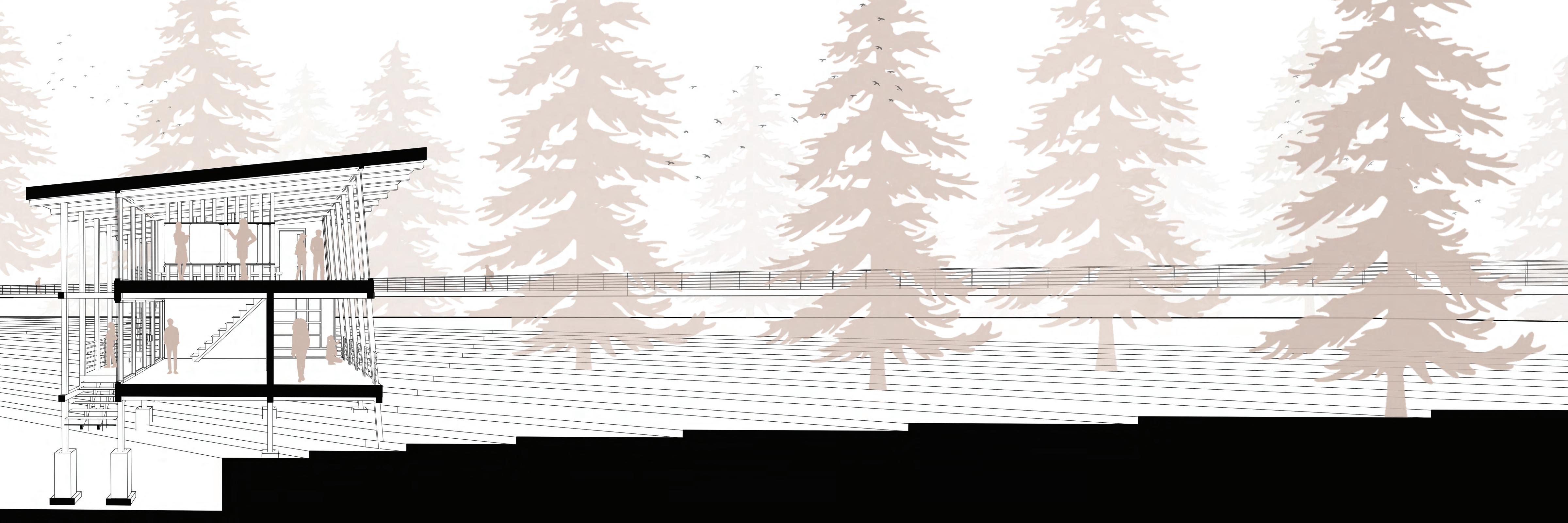
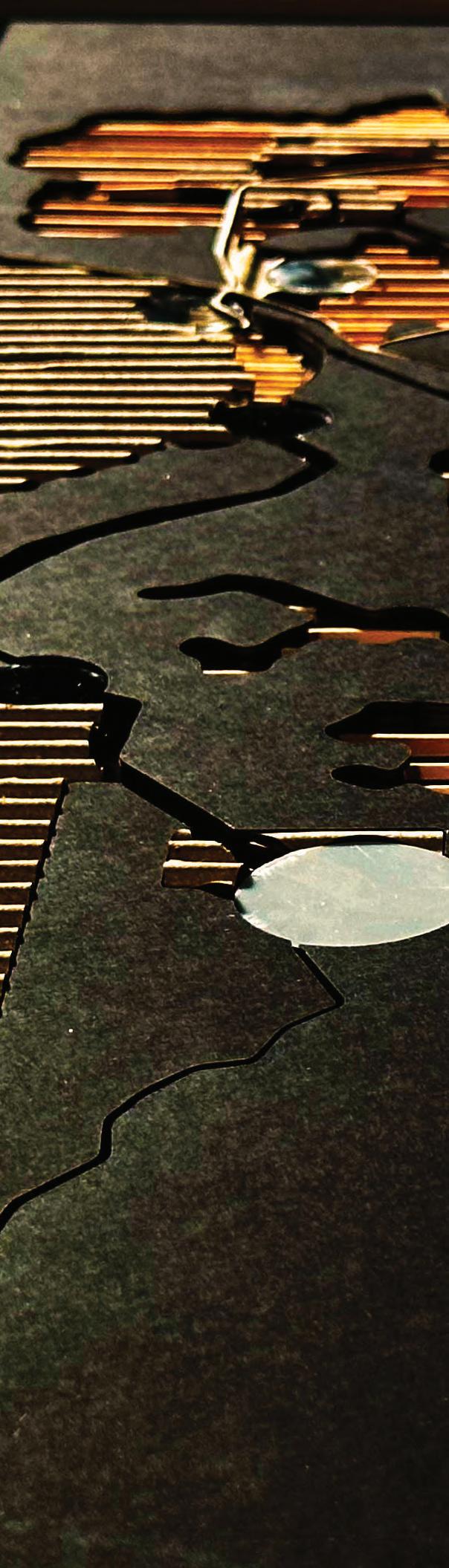
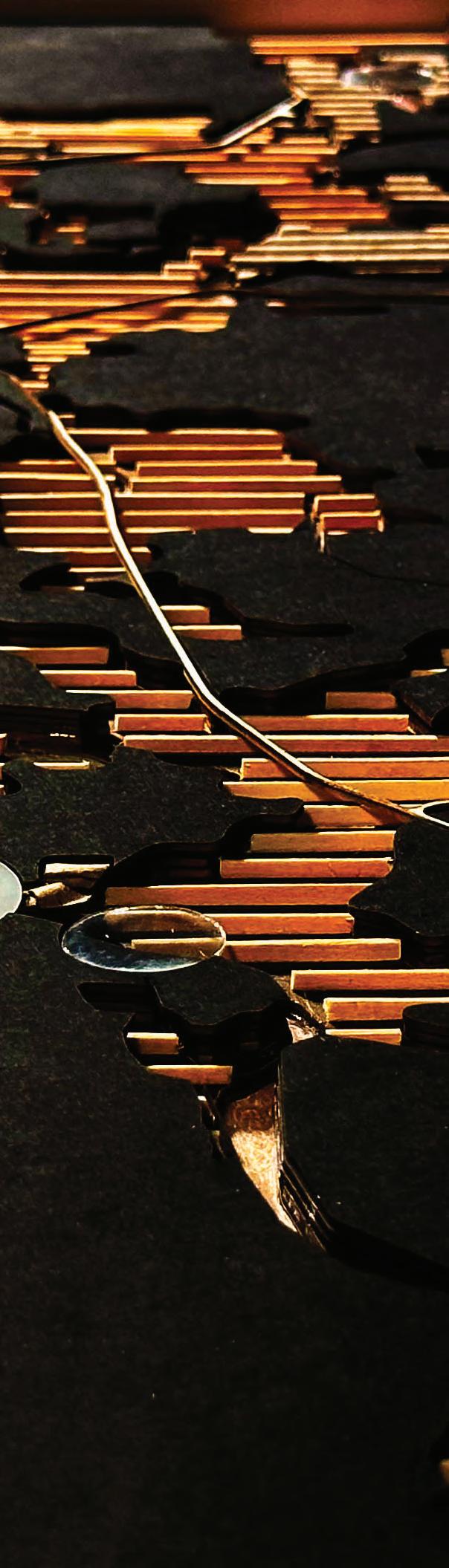
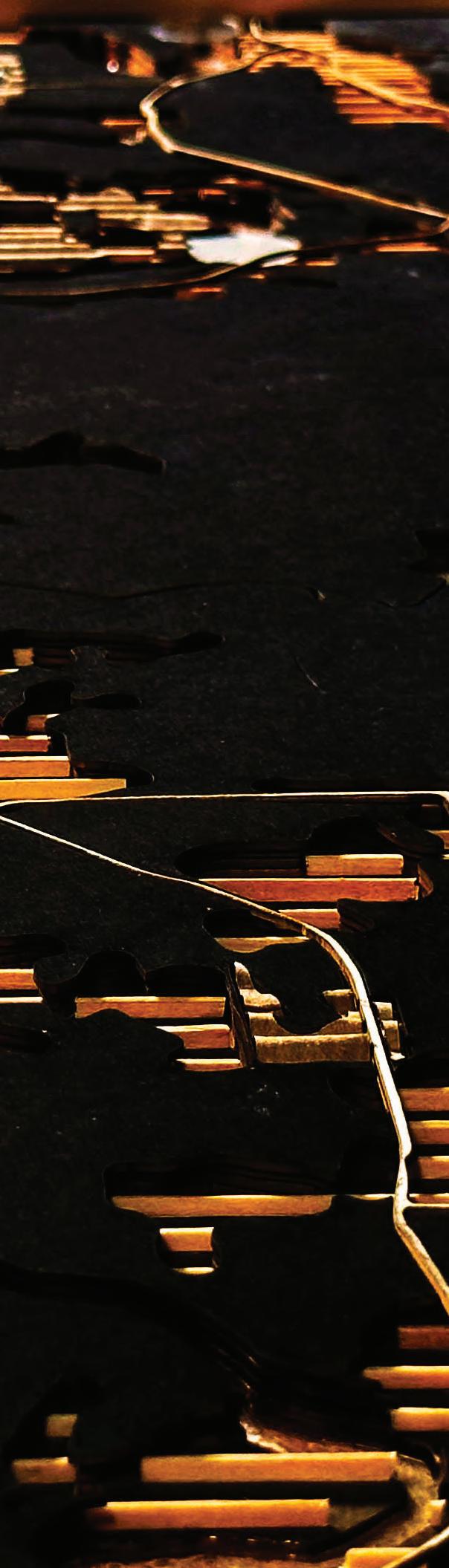
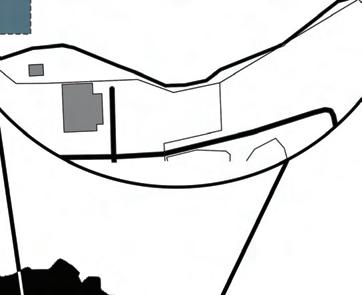
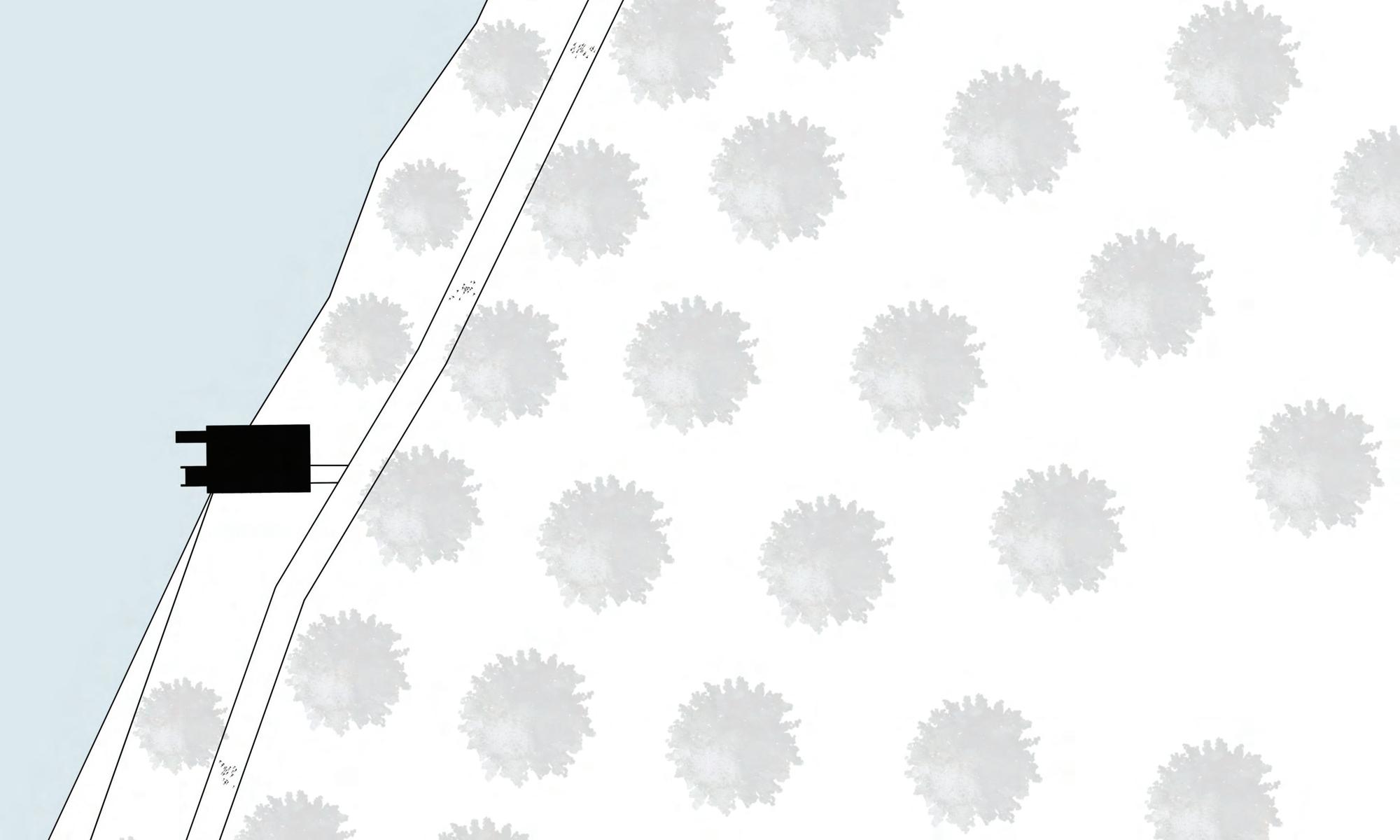
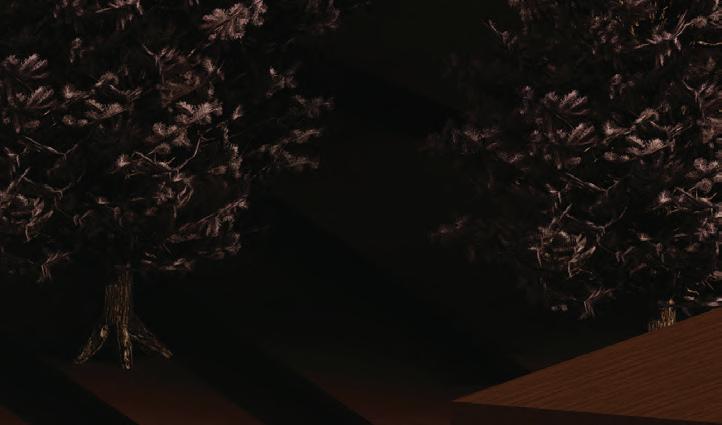
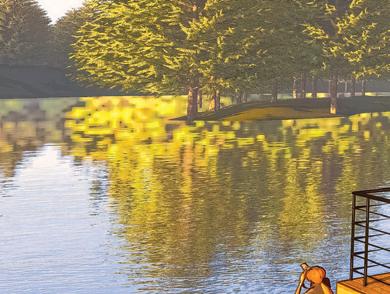
The site used is known as the Centennial Park in Soldotna, Alaska, which serves as a hub for local communities and tourists that subsequently impact the Kenai’s rivers health. The amenities the park provides that connect the community to the river are important overall in their use of the elevated trail system and accessible fishing stairs that influence the design.
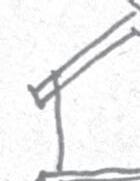
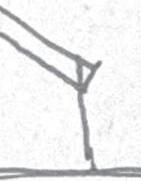
Elevated Trail System
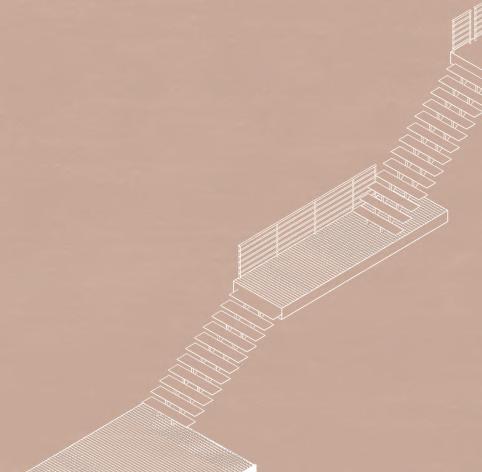
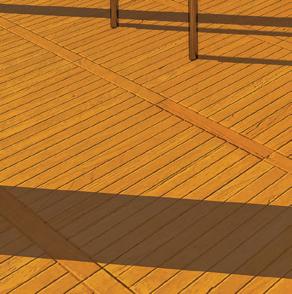
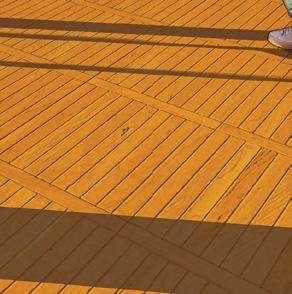
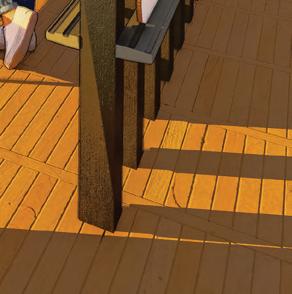
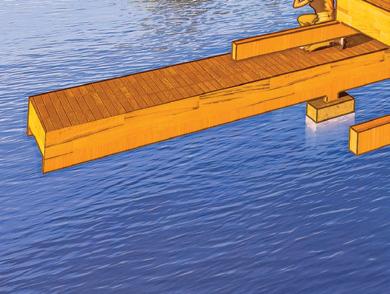
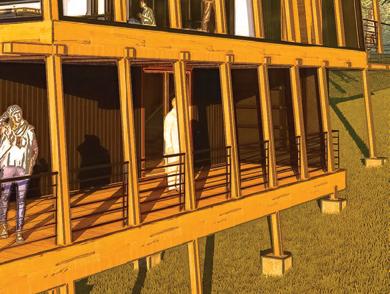
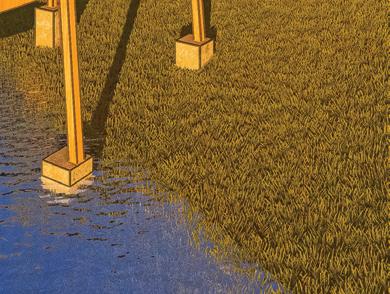
The Elevated Trail system functions as a path that helps keep feet off the ground in order to avoid erosion and flooding.

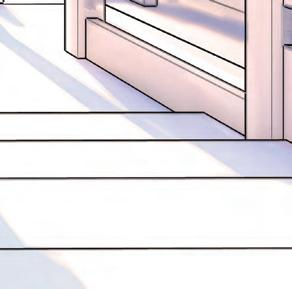
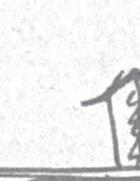
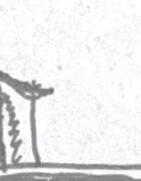
Fishing Access Stairs


Designing the Learning Trail Cabin
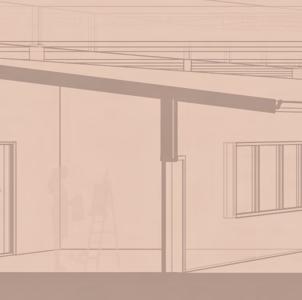
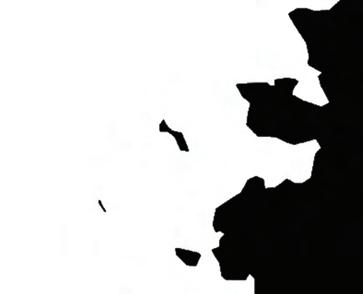
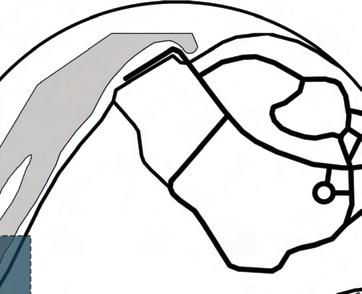
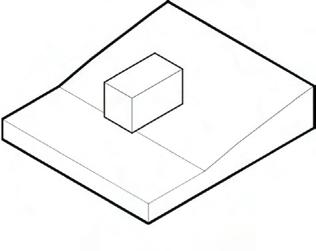
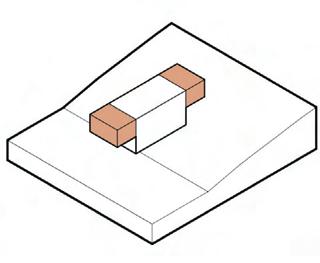
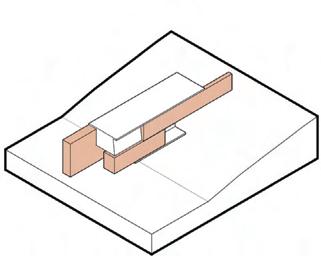
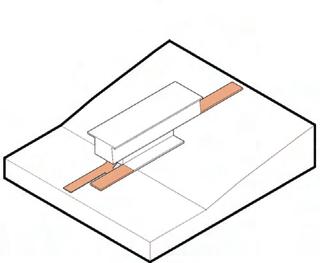
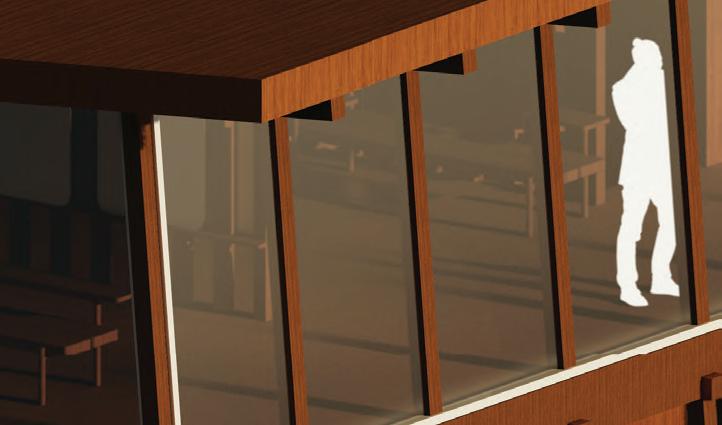
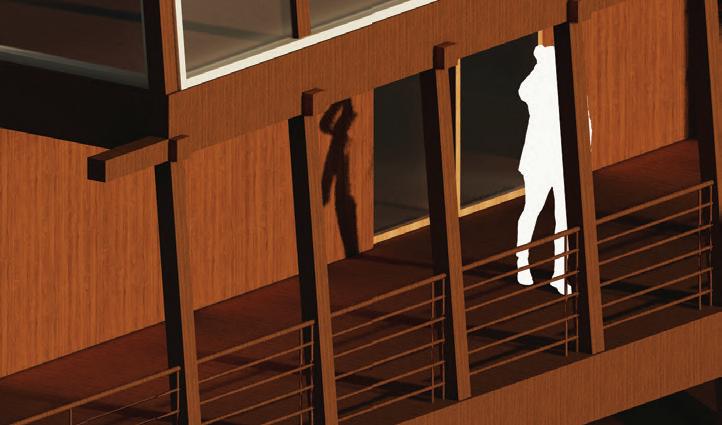
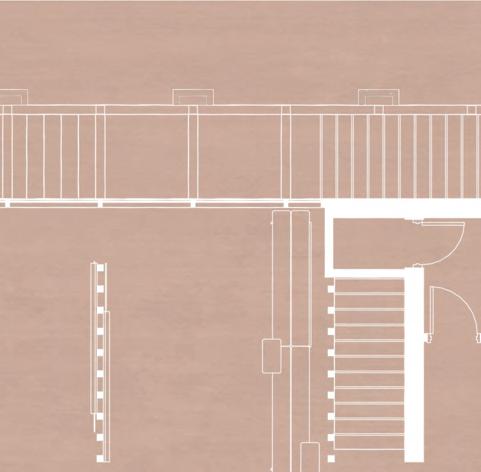
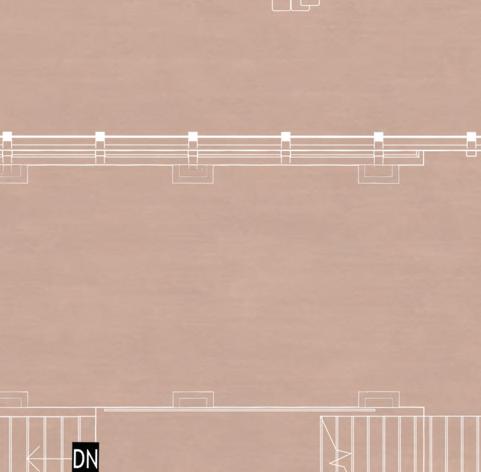
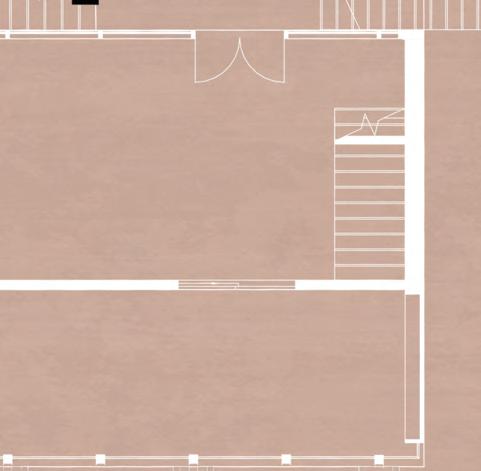
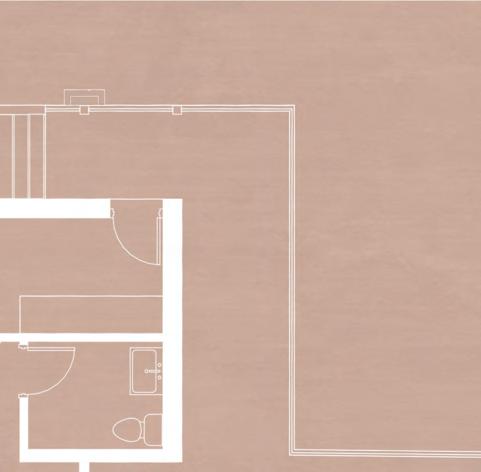
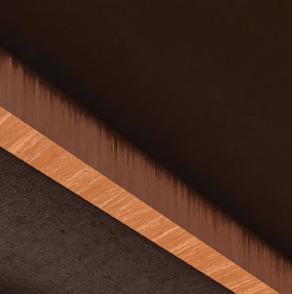
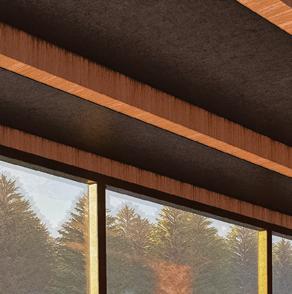
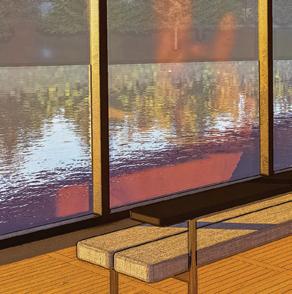
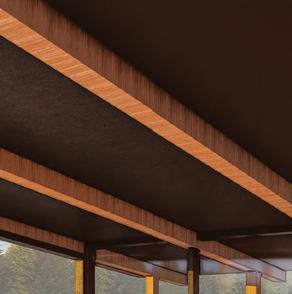
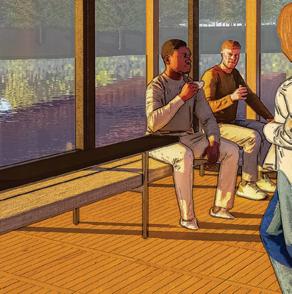
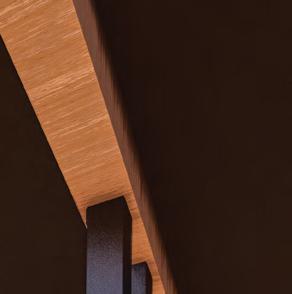
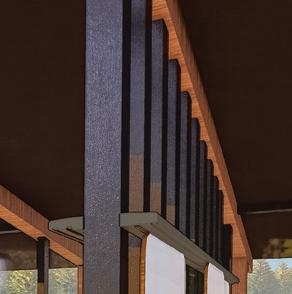
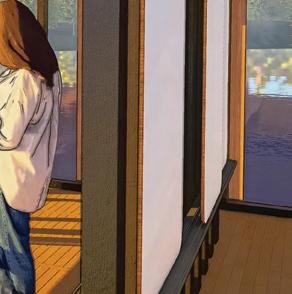
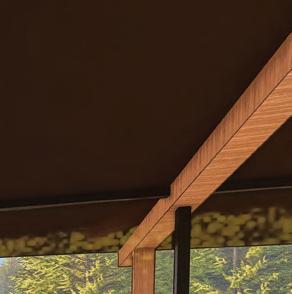
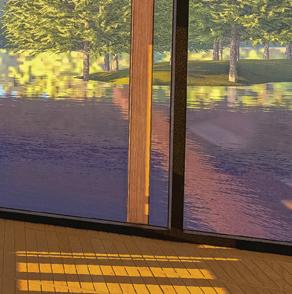
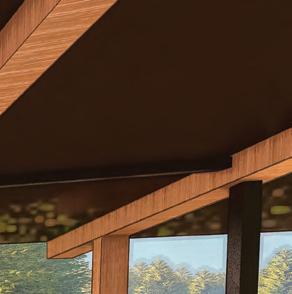
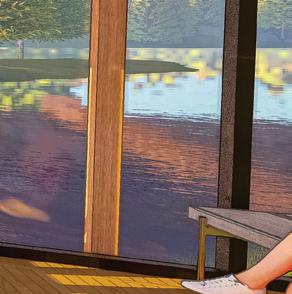
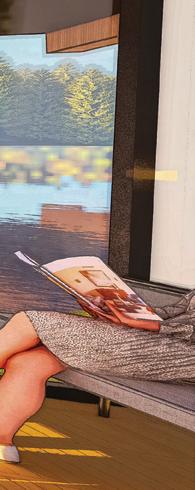
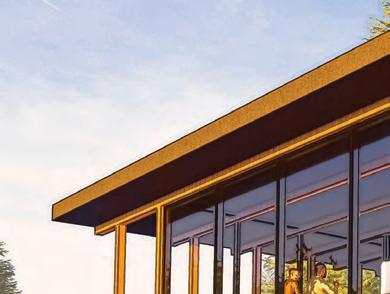
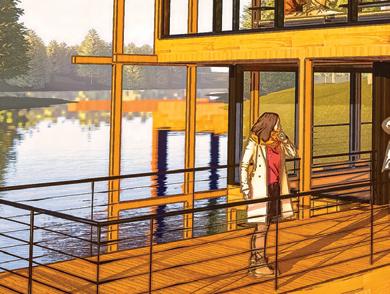
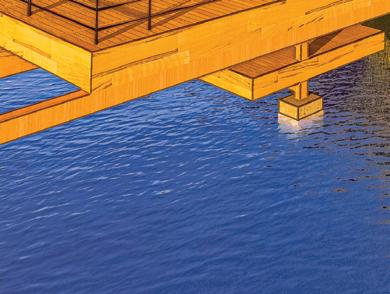
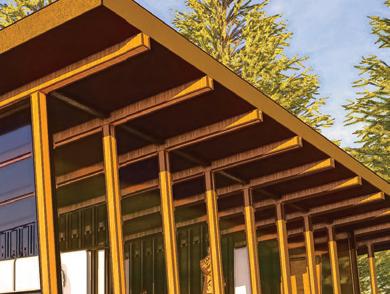
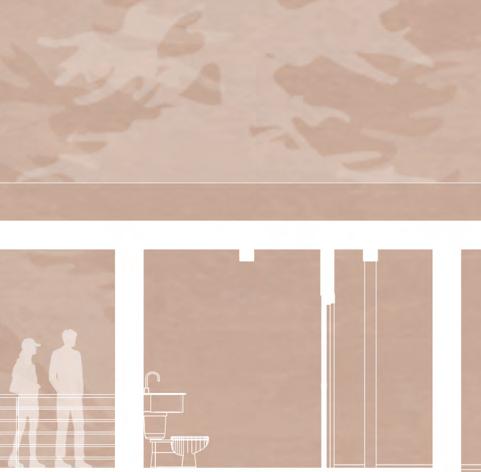
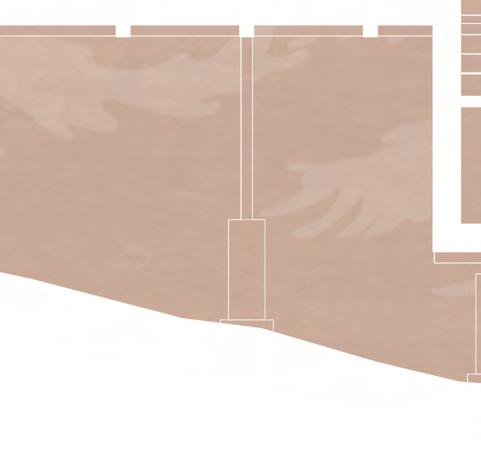
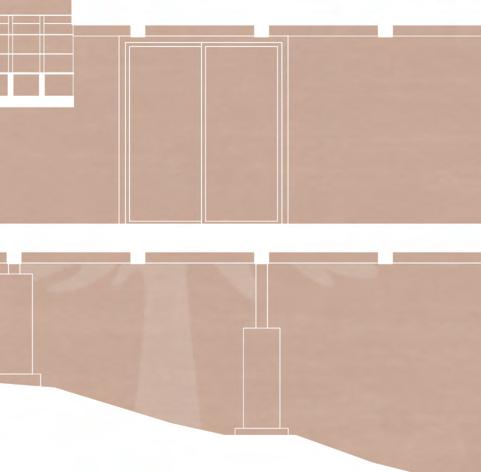
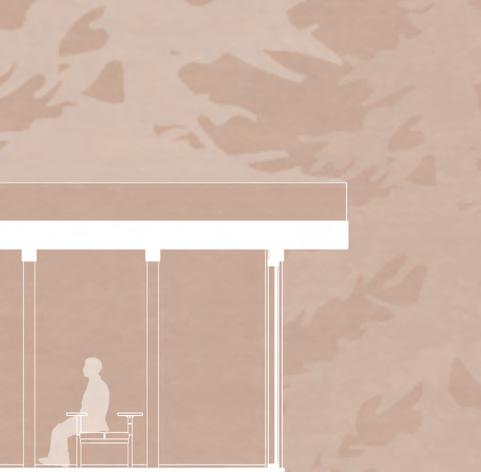
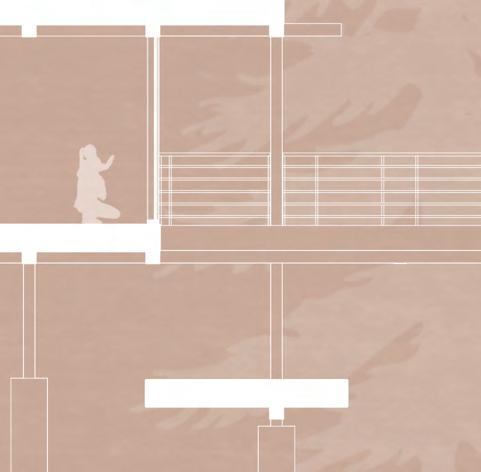
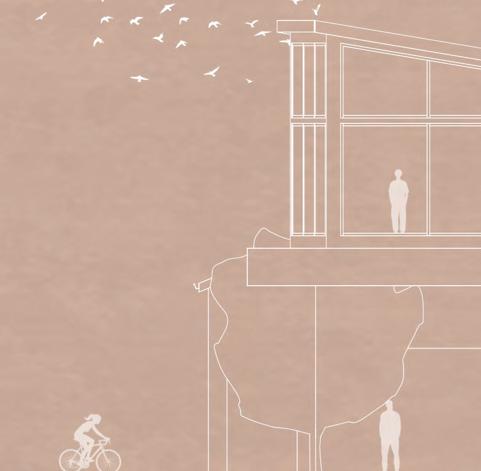
The Learning Trail Cabin is a dedicated space for education, reflection, and action, designed to encourage conservation of the Kenai River among tourists and local community members. Placed near the river, the cabin serves as a resource for education and a call to action to protect this important resource.




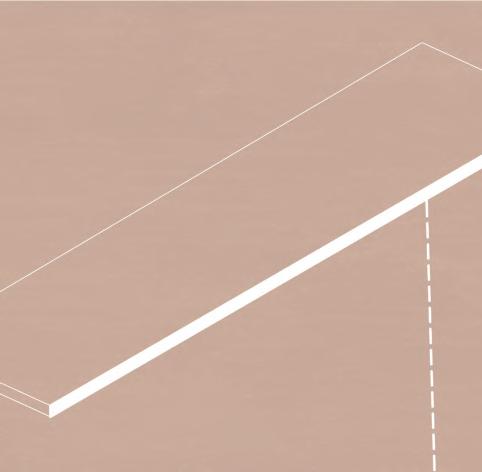
Circulation Structure
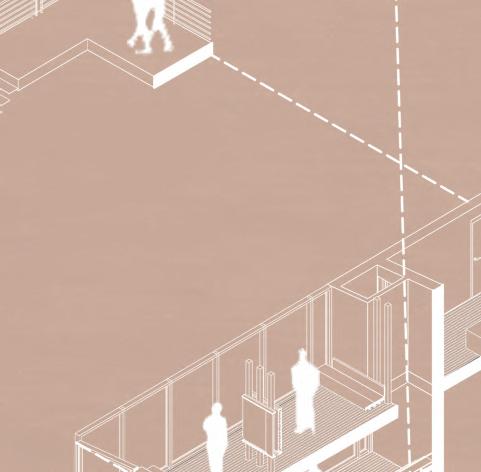
Program

























The Sky Rise Compound
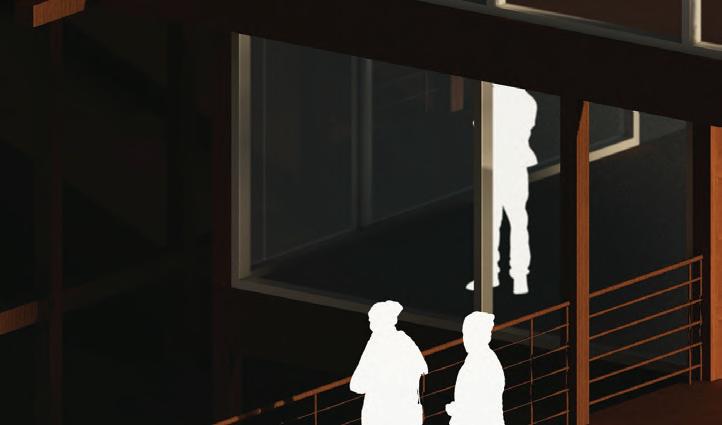
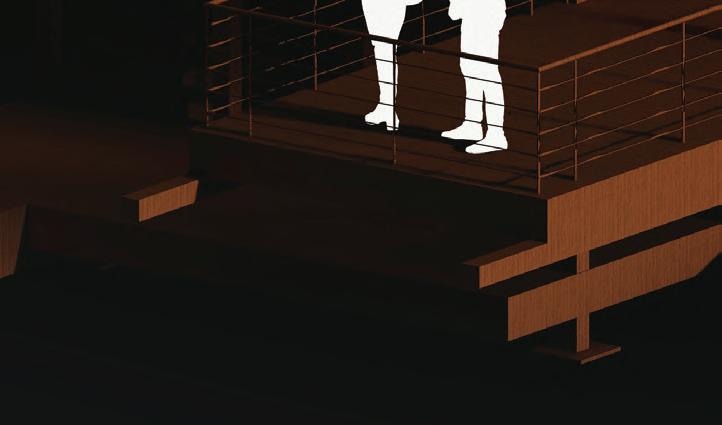
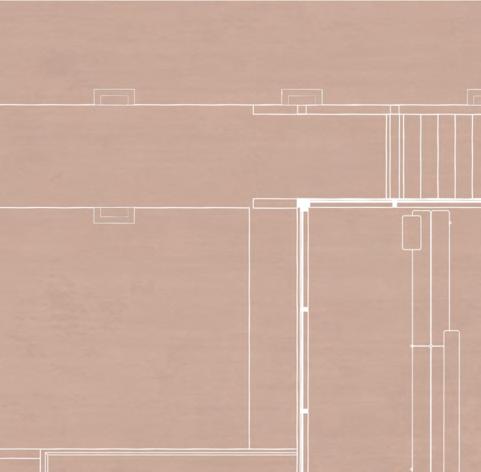
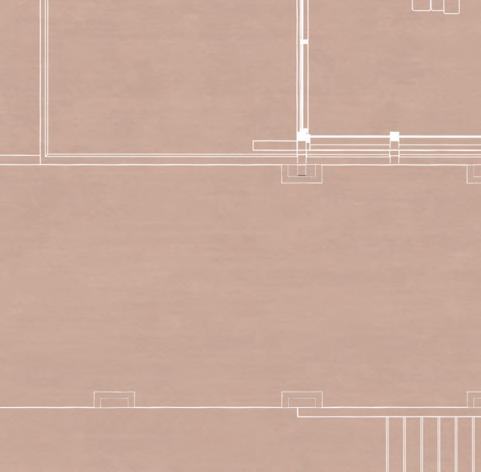
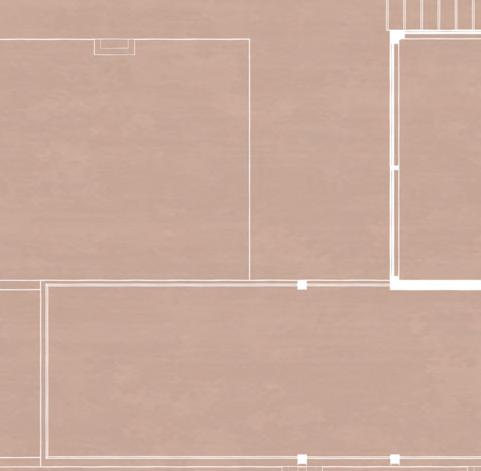
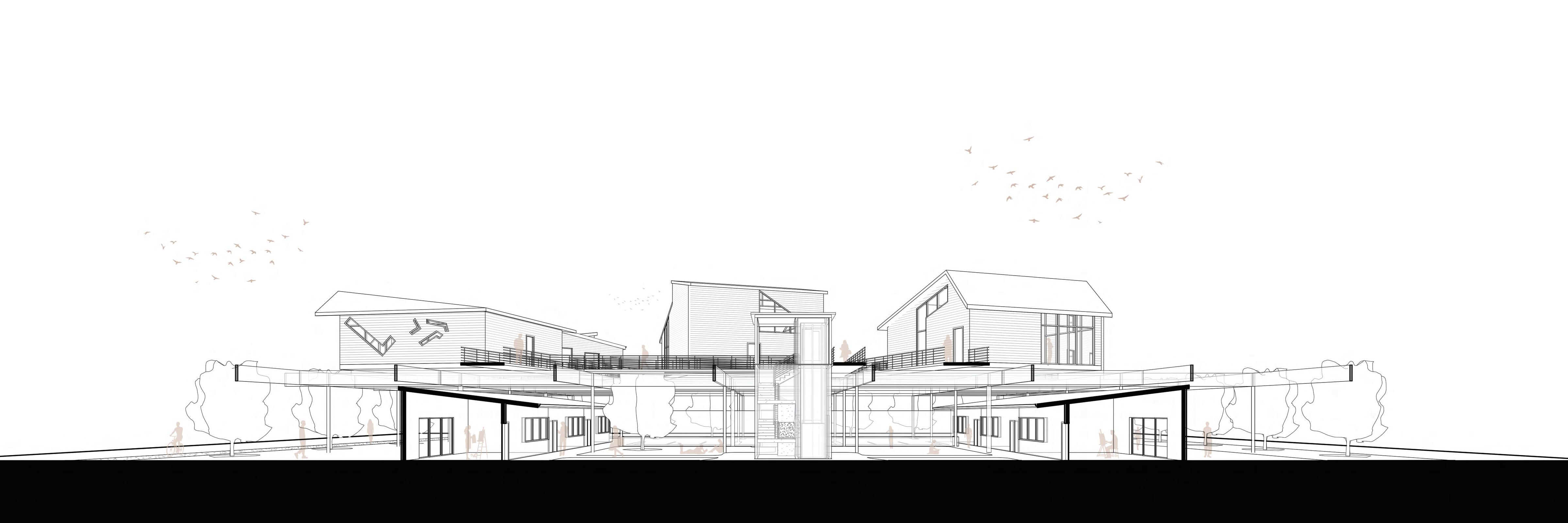
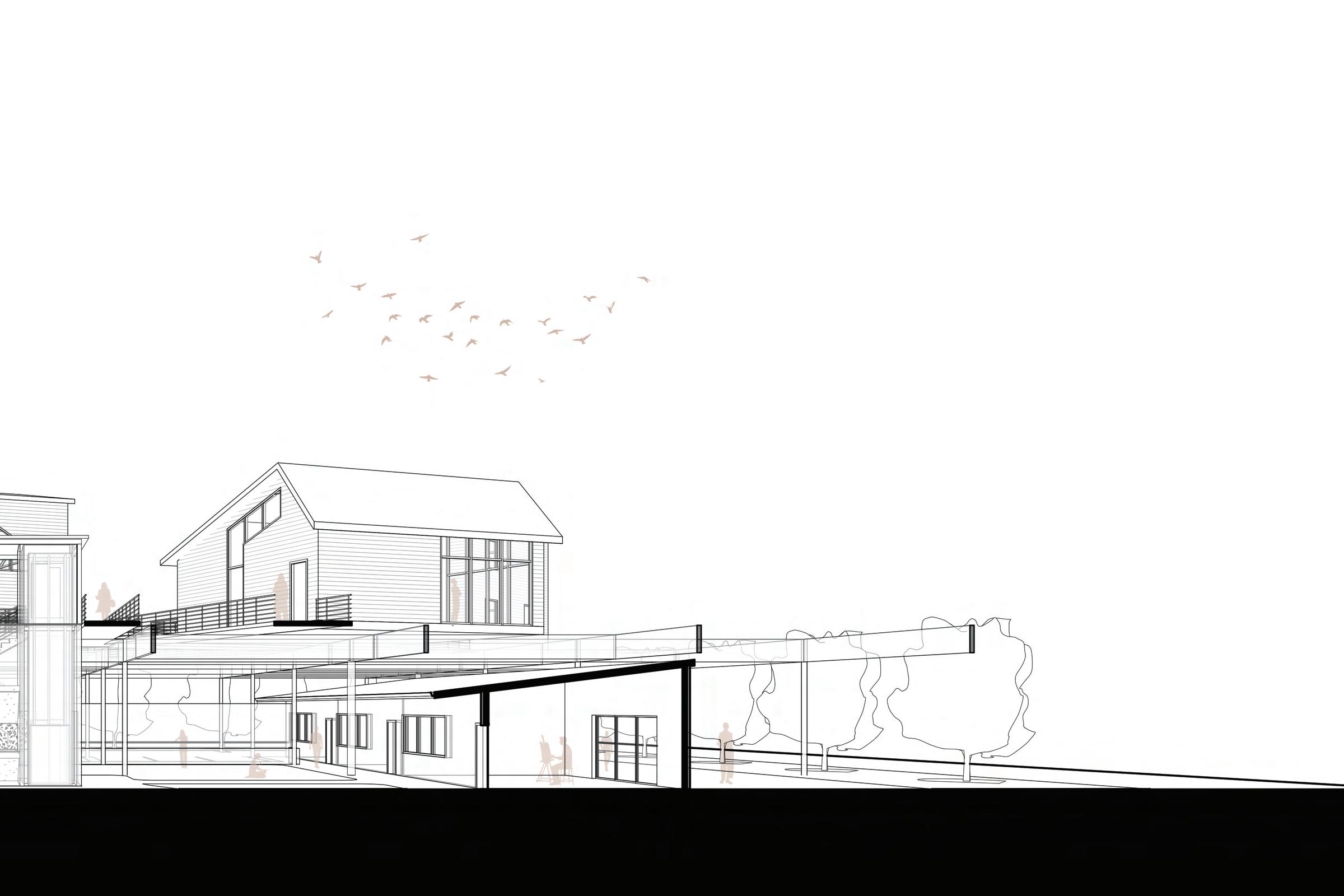
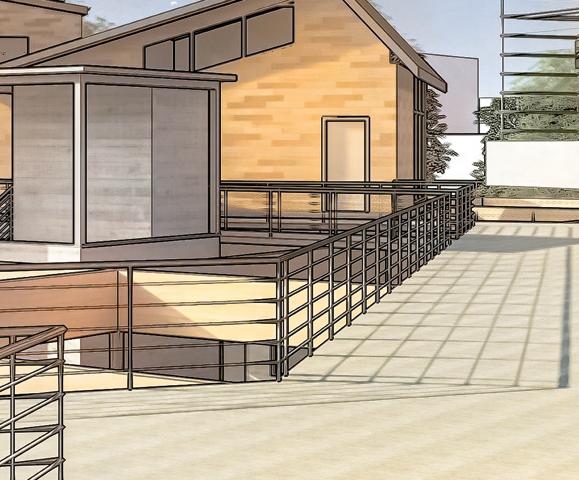
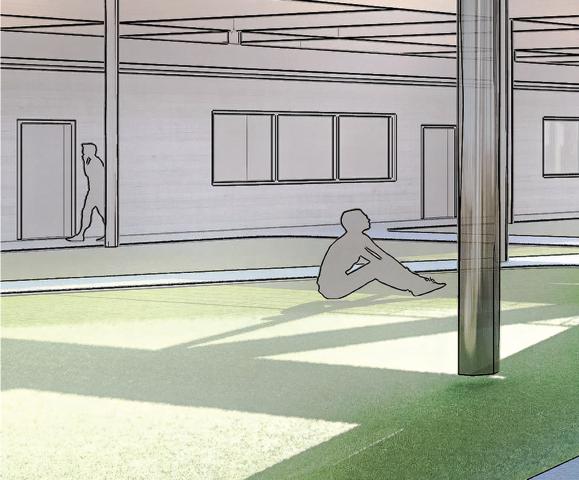
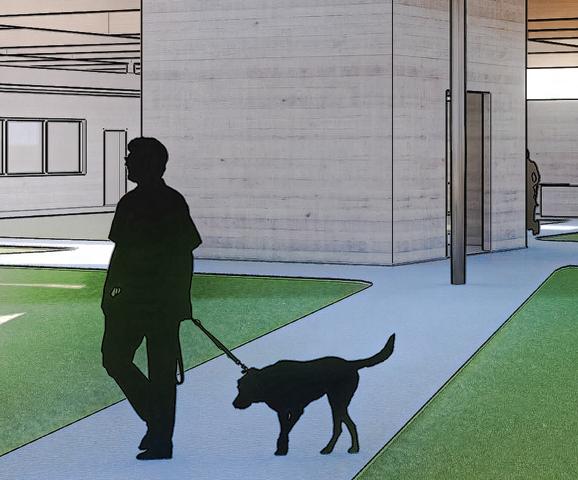
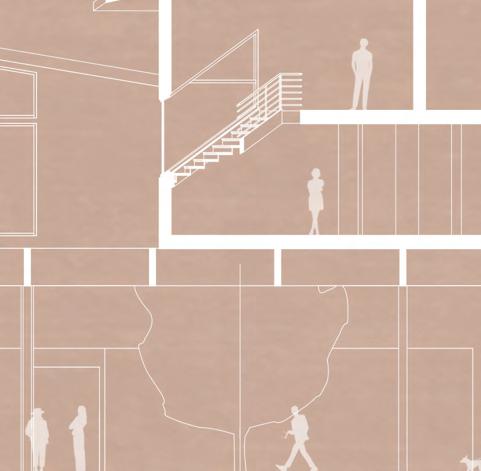
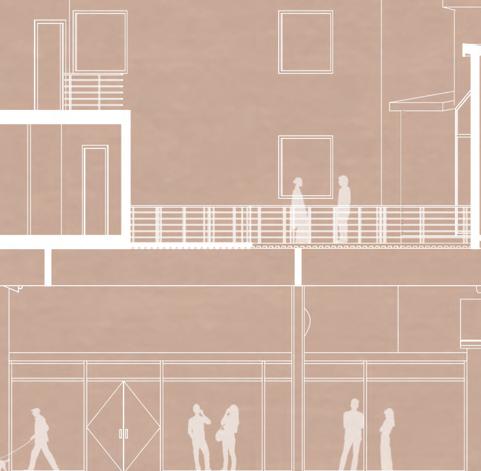
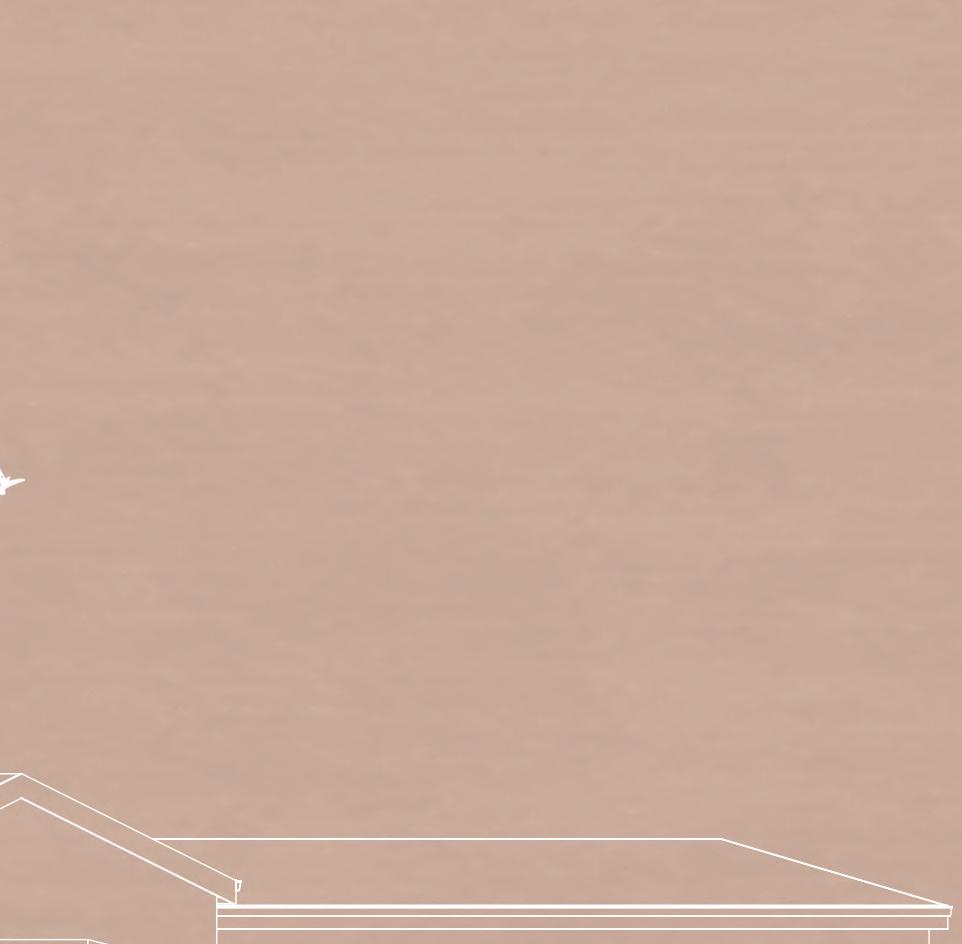
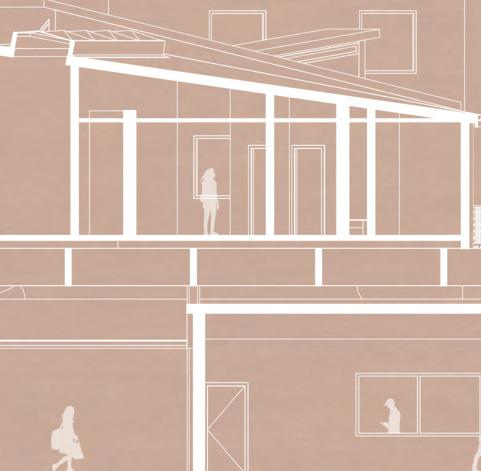
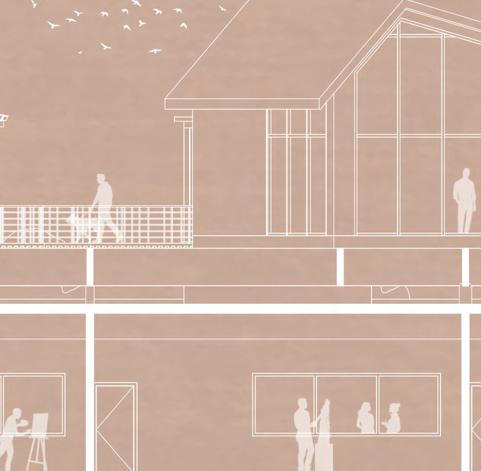
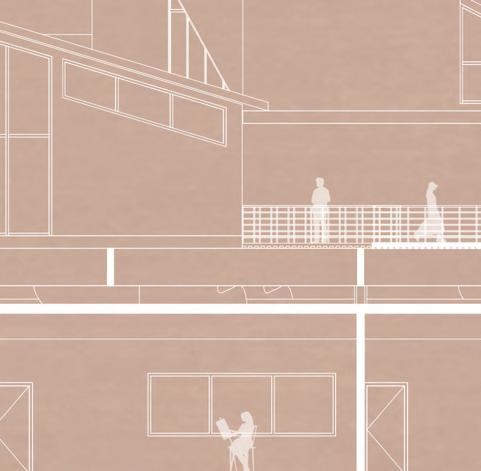
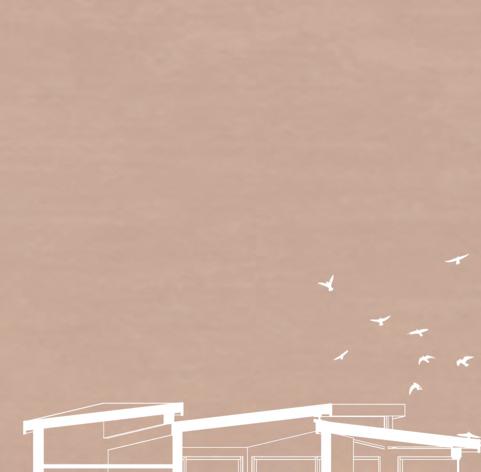
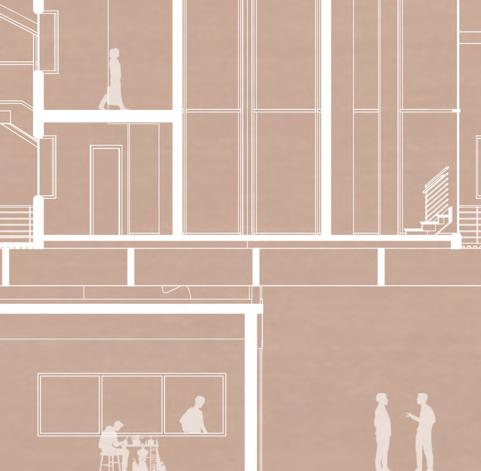
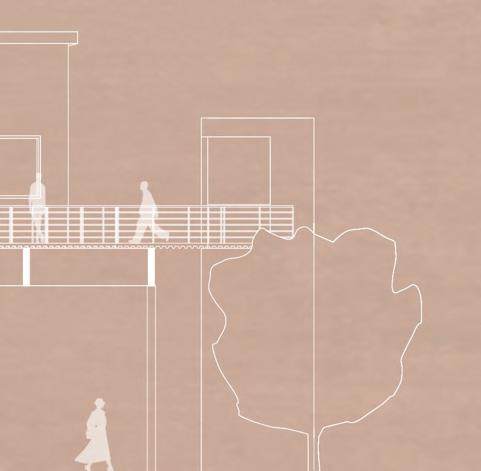
The project is designed to create a relationship between the artist and the community by allowing for an insight into the creative process of an artist. The design creates a private and public zone for artists who reside within the site that elevates their living spaces above ground. 1/16”= 1’- 0”



Realizing the Concept
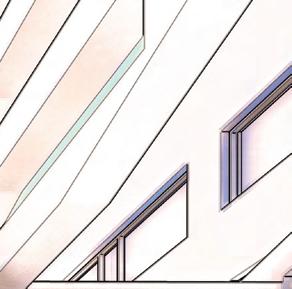
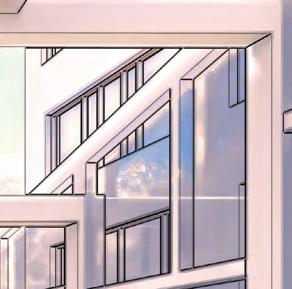
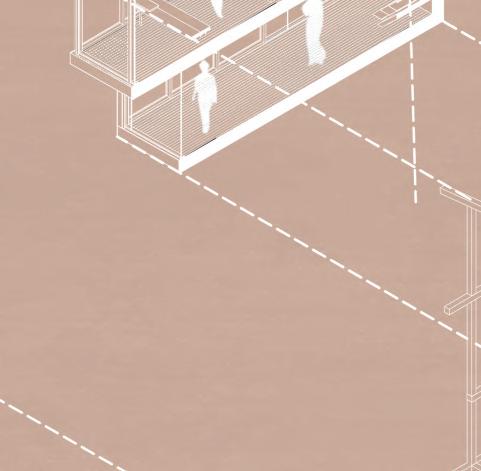
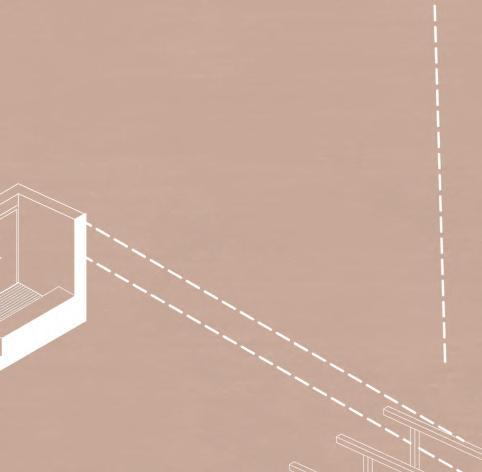
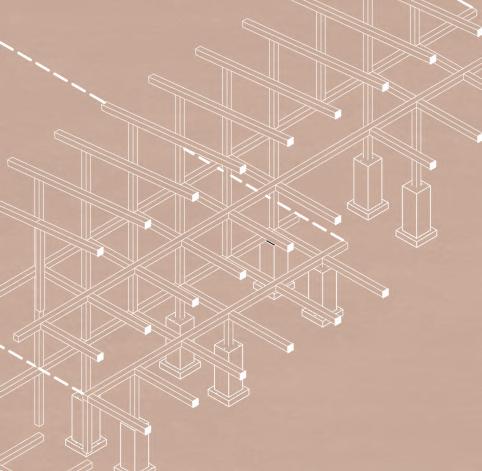
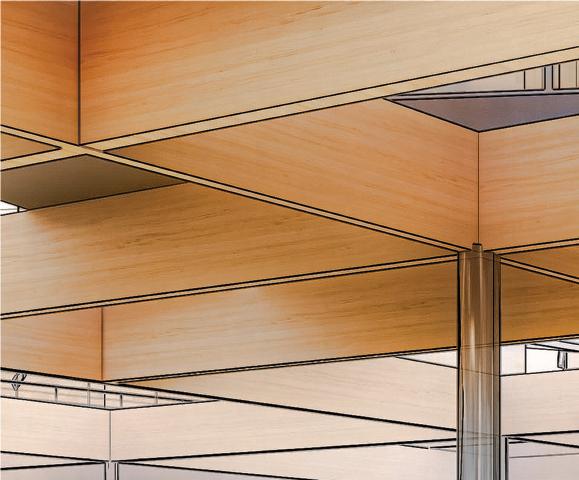
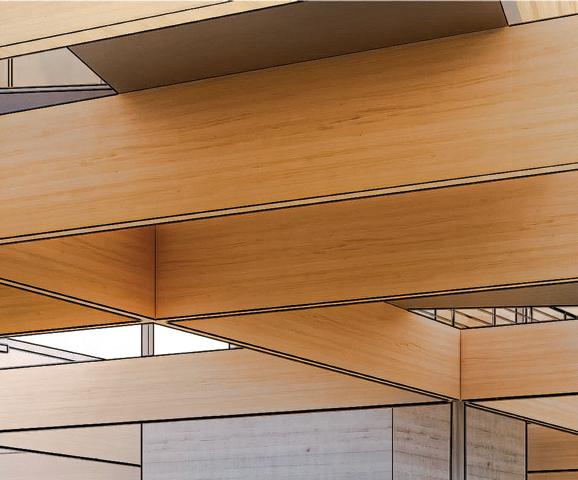
The Sky Rise Concept is realized through the design of the structure, as it uses the grid to provide a standard for the project where the components on the bottom stay in line with the grid, whereas the top elements break the grid but still respect it.
Artist Living Units
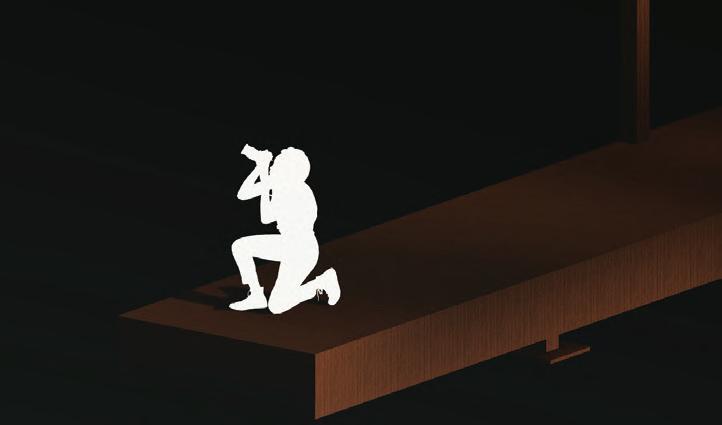
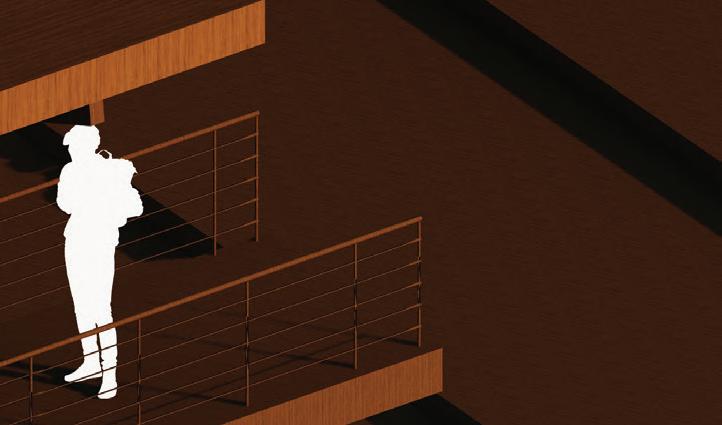
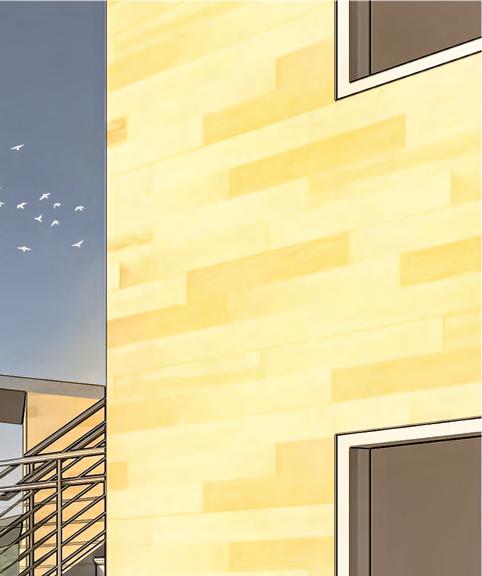
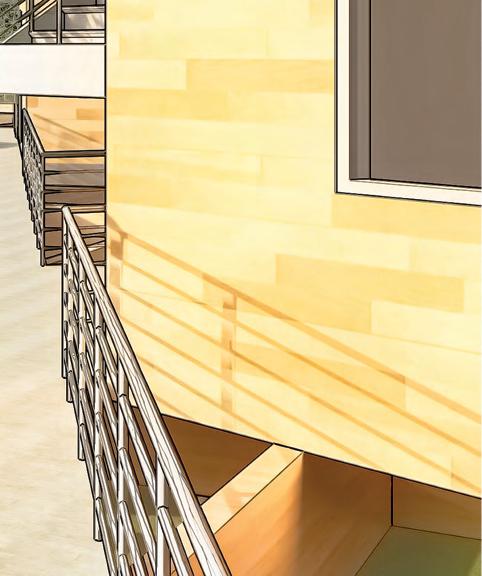
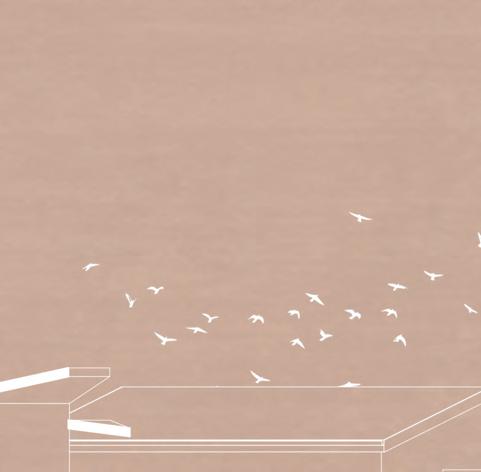
Houses designed specifically for artists. Elevated above sight to create a sky village/community. The houses orient around the central core and project in the opposite direction towards sites around Dallas.
Structure
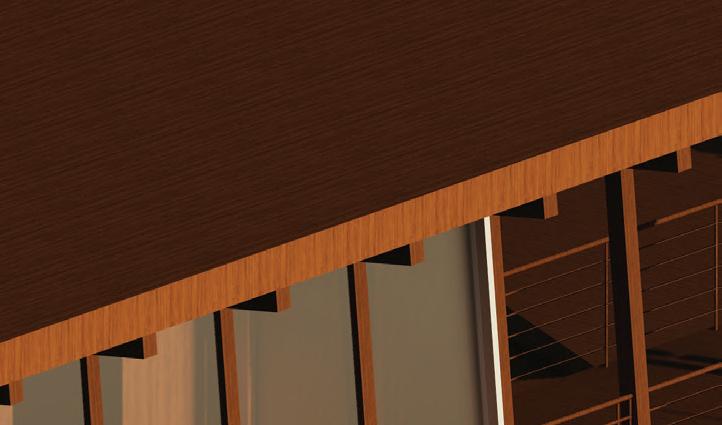
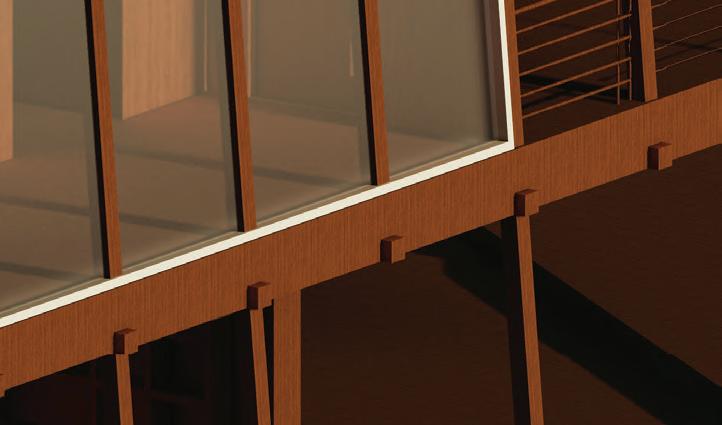
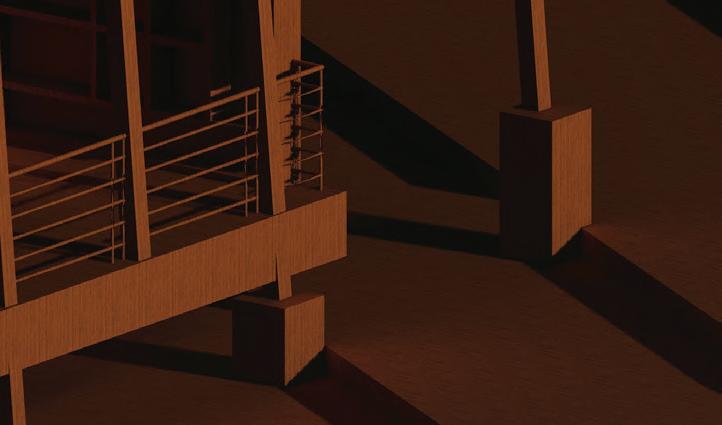
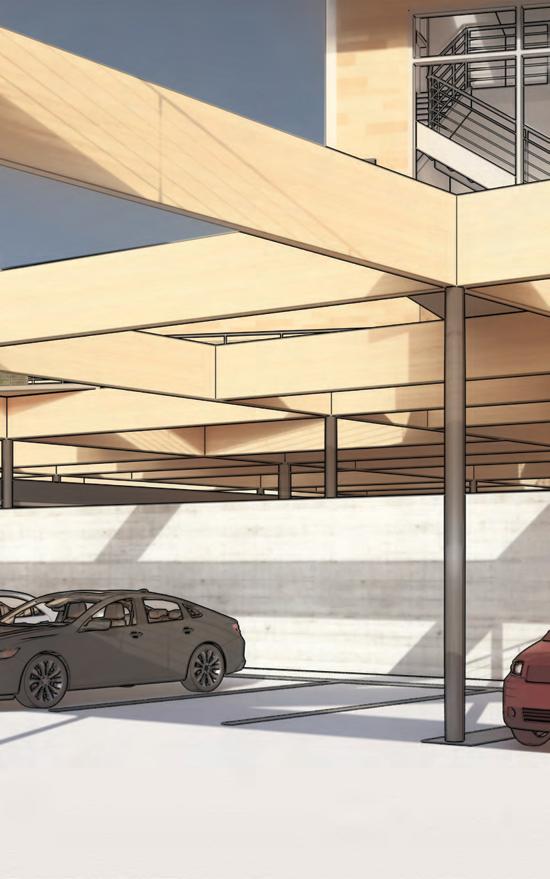
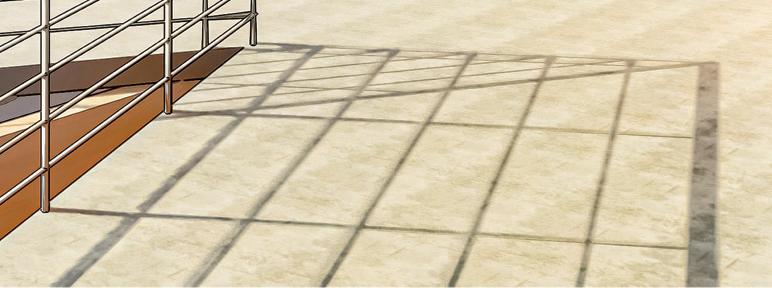
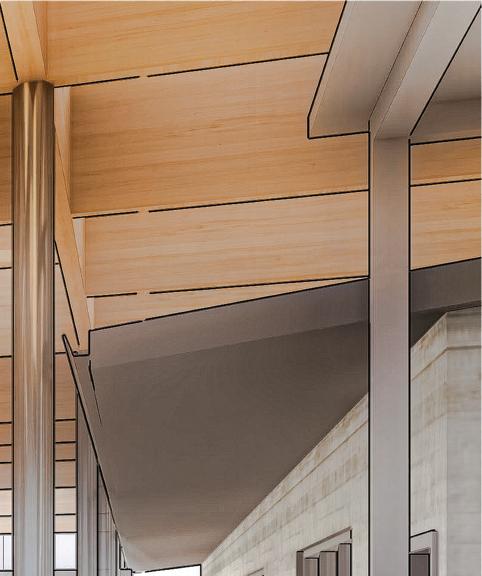
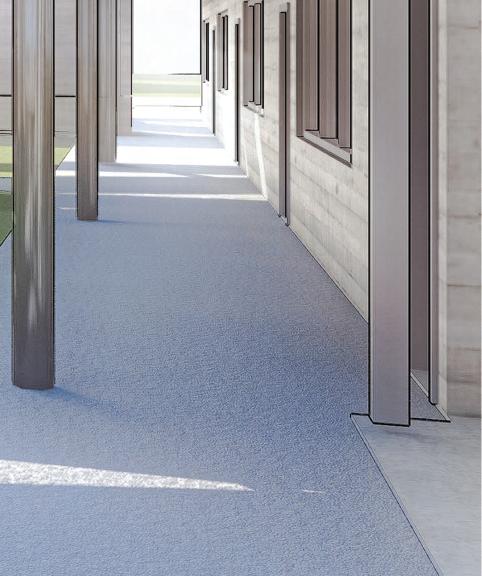
A 30’ x 30’ grid is developed over the entirety of the site and serves as the structural support for the houses and provides shade below. Made of glulam beams and held up by columns.
Studios
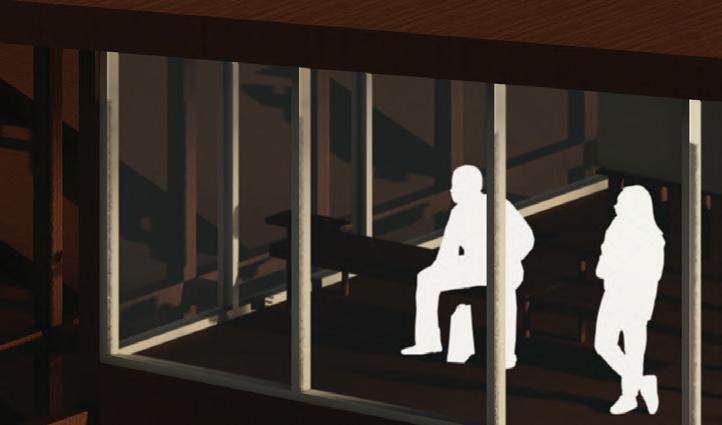
The studios are composed of two rectilinear structures, where one connects back to the original building by a glass portal.
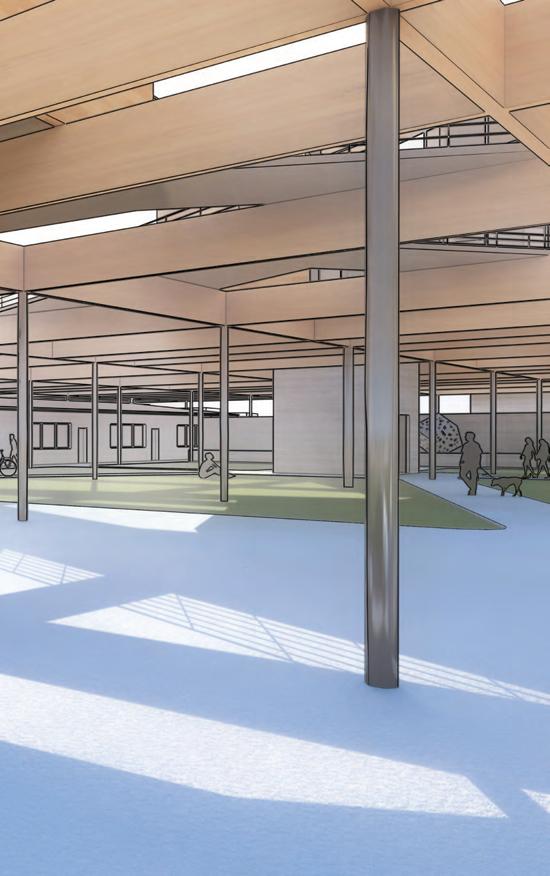
Courtyard
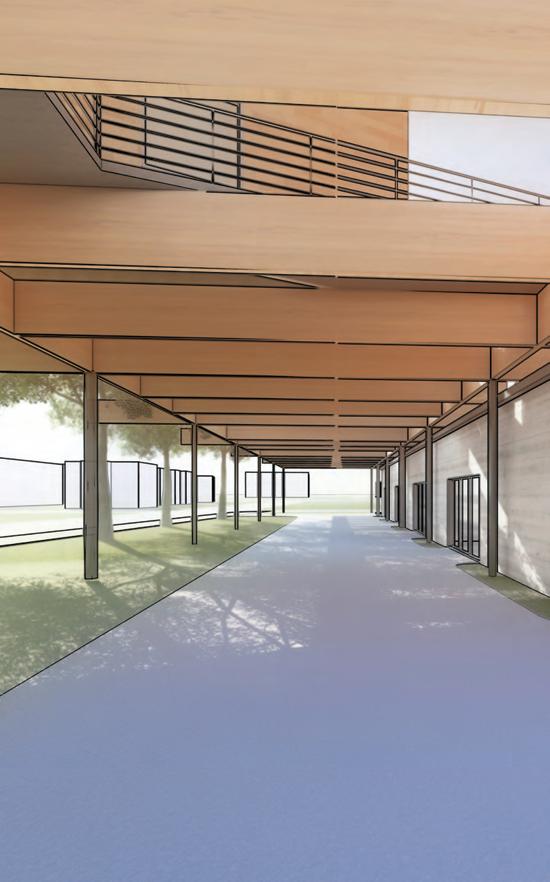

Site Plan
1. Parking
2.Studios
3.Woodshop
4.Gallery
5.Courtyard
6.Access to Living units














Harmony Haven
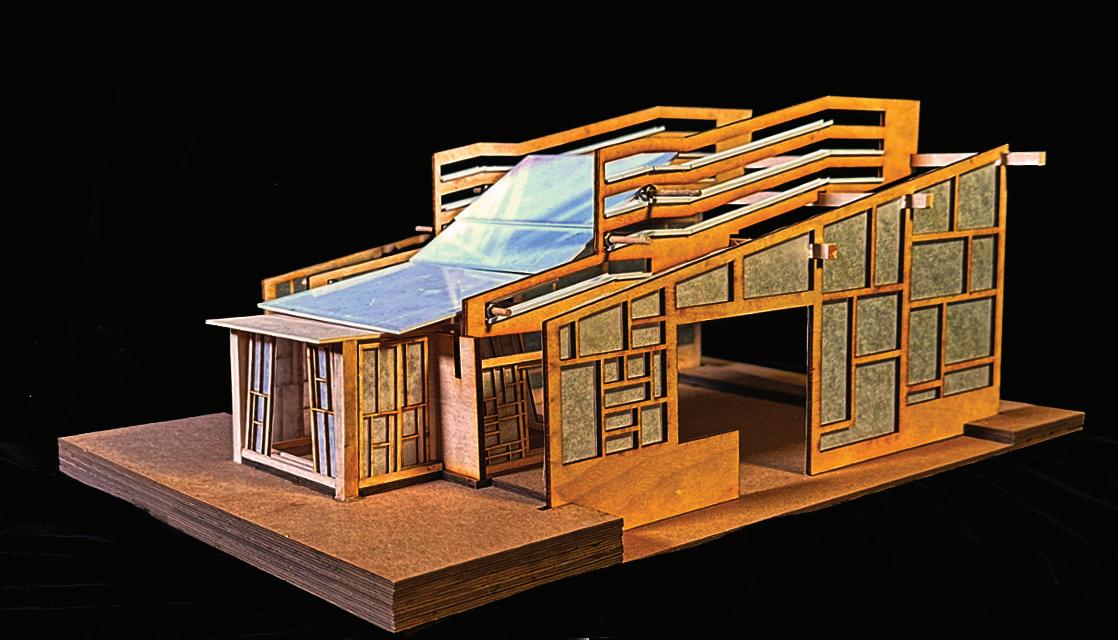
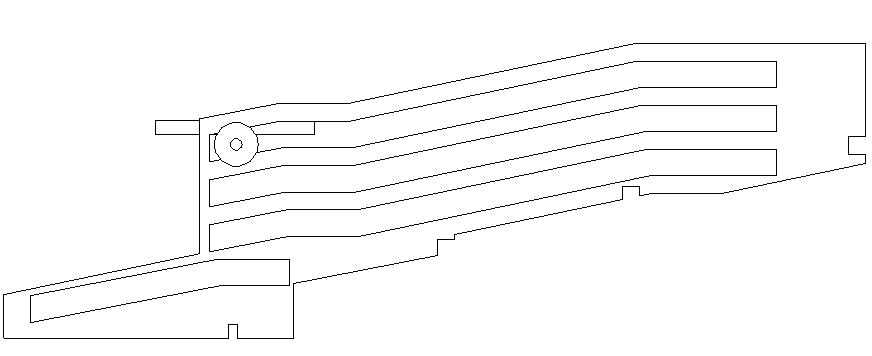
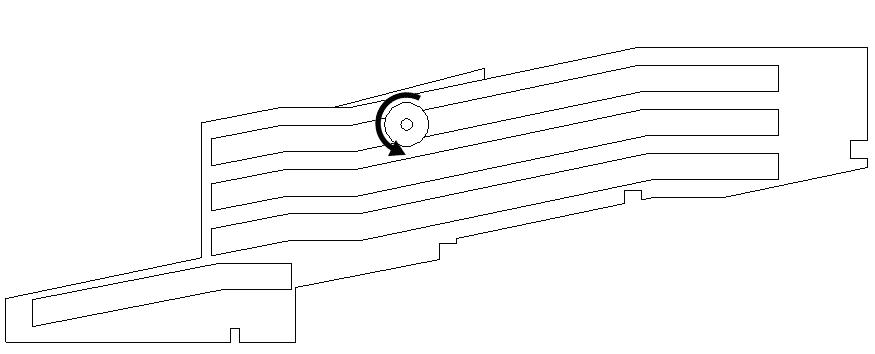
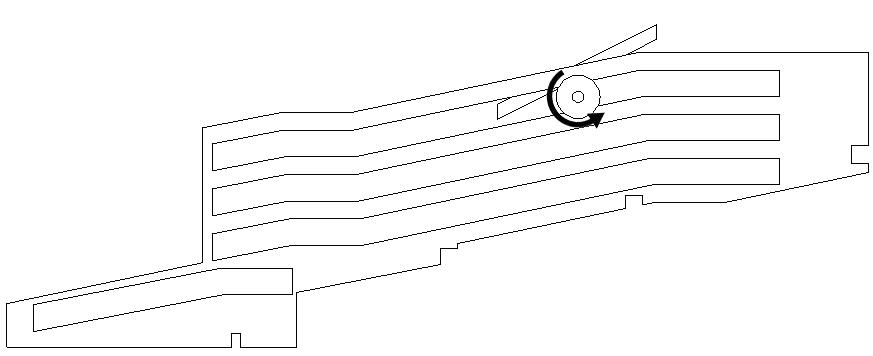
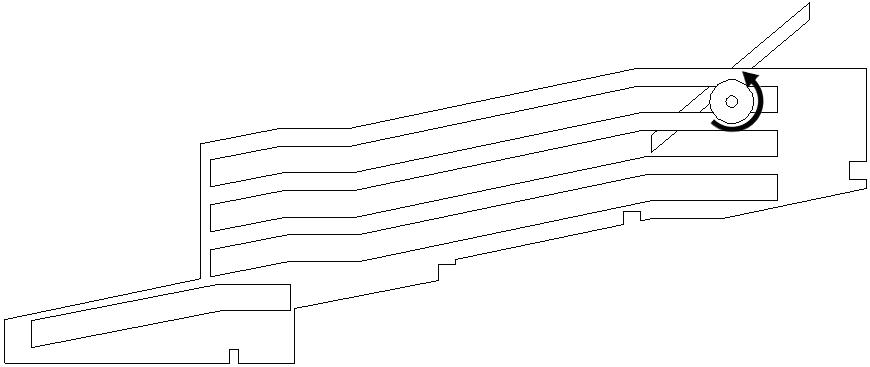
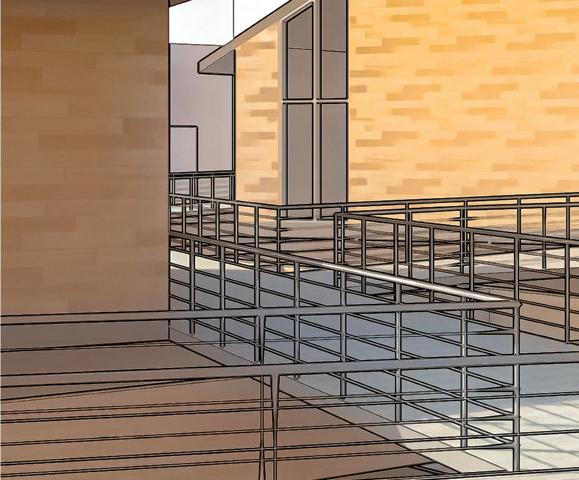
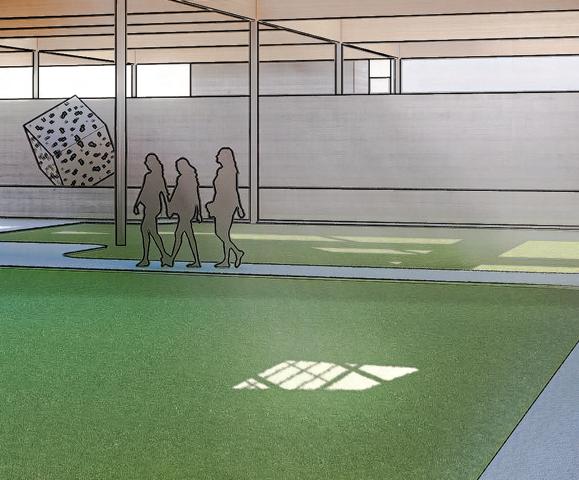
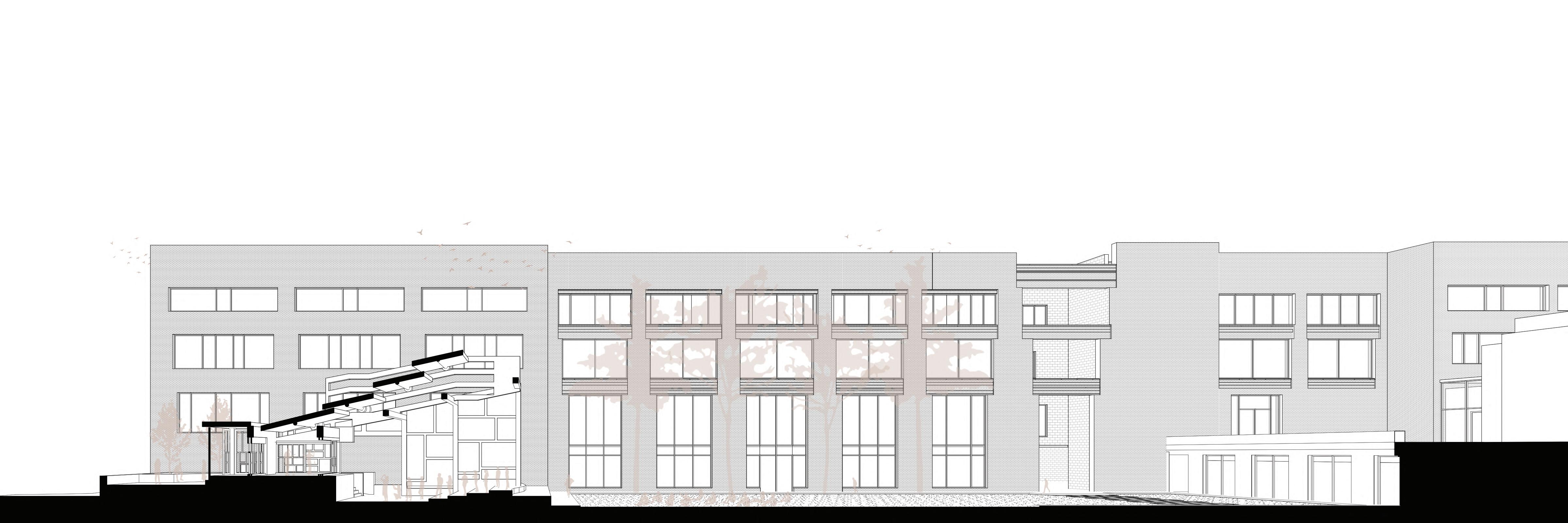
The design serves as a dynamic, functioning space that redefines the boundaries within space with the inspiration from the Greek theater and Japanese tea house. The kinetic movements of the roof and door panels allow the design to adapt and function based on the university’s courtyard needs.