EXPLORING ASSESSMENT Beyond Percentiles: The Narratives Clients Carry IN THIS
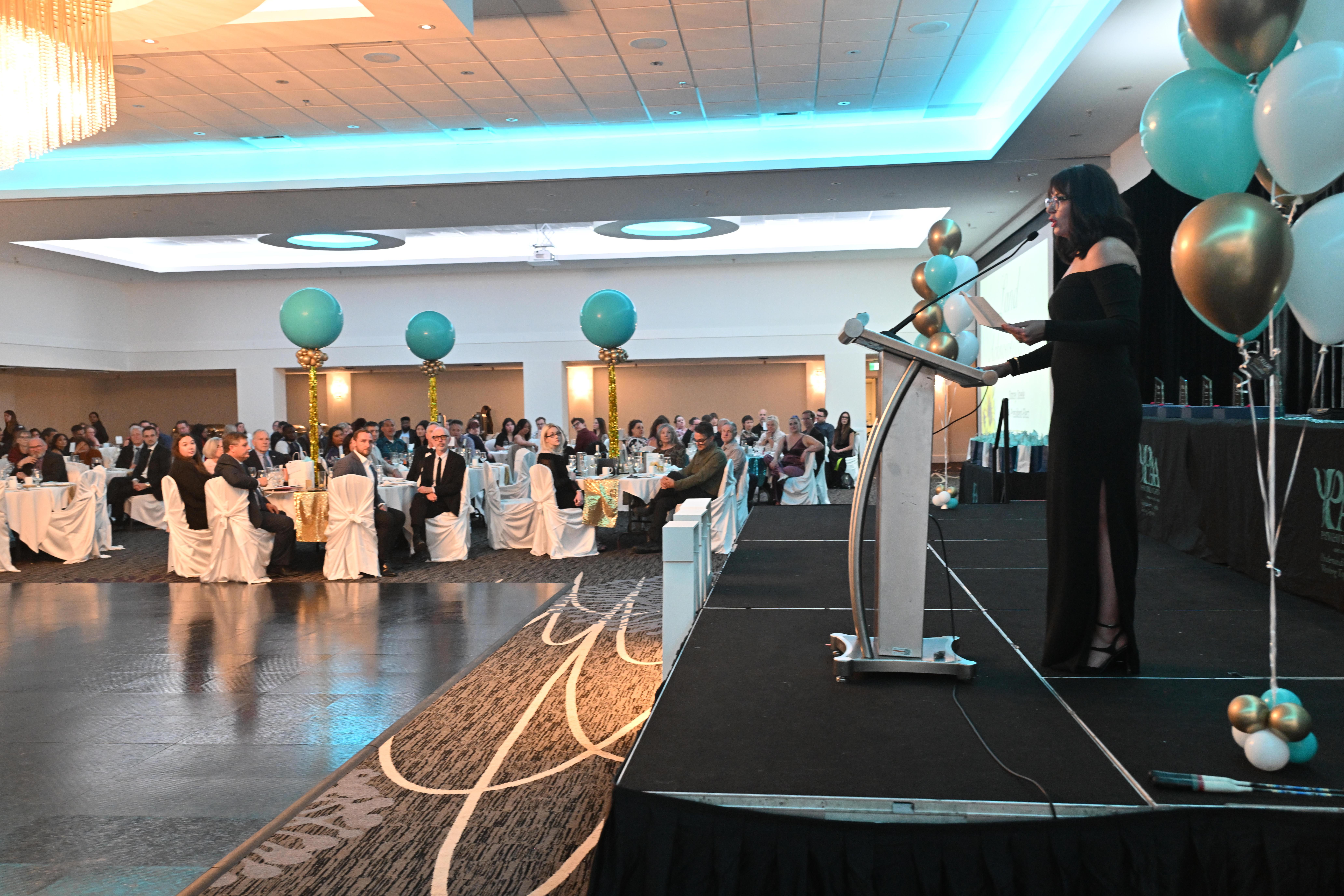
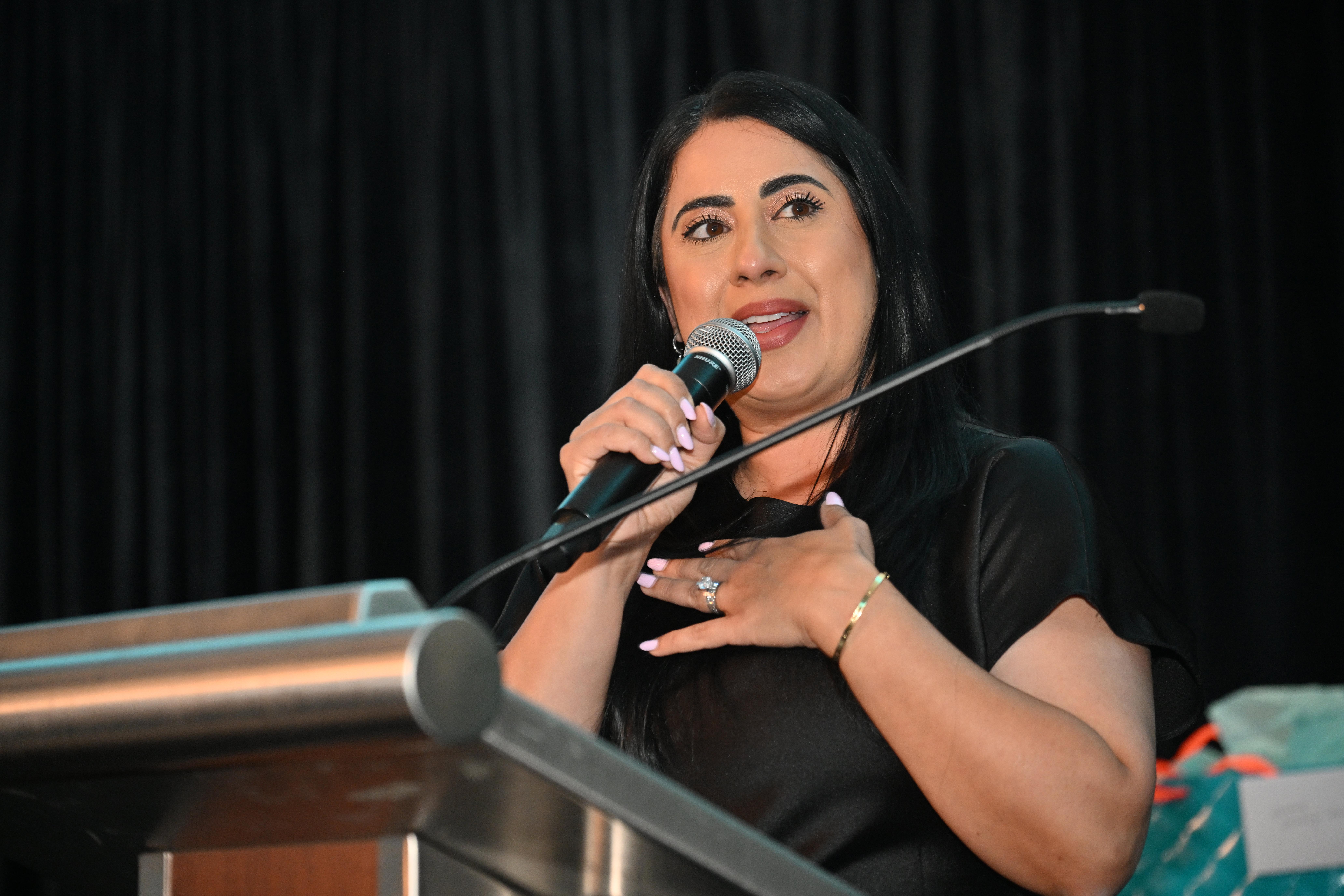
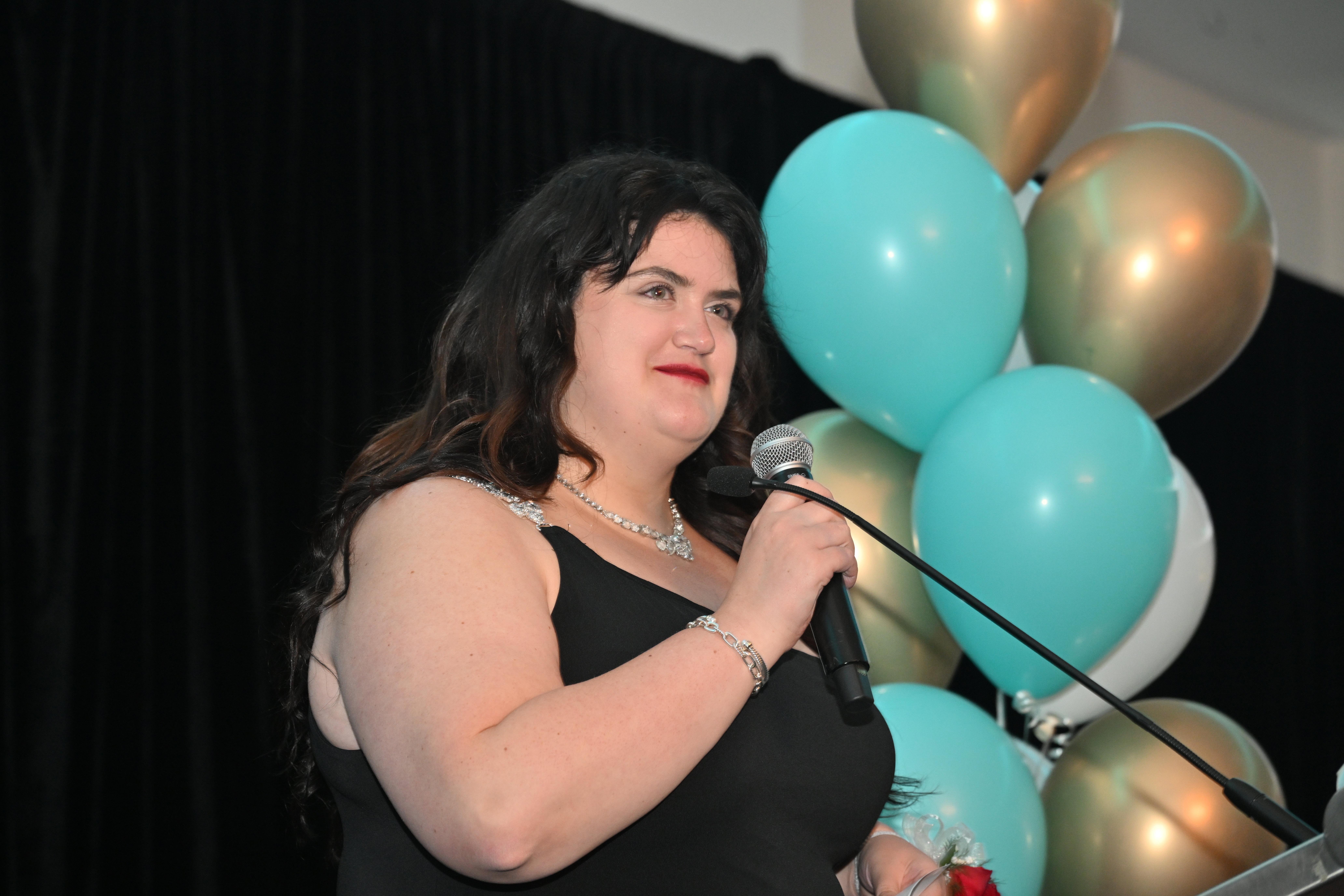
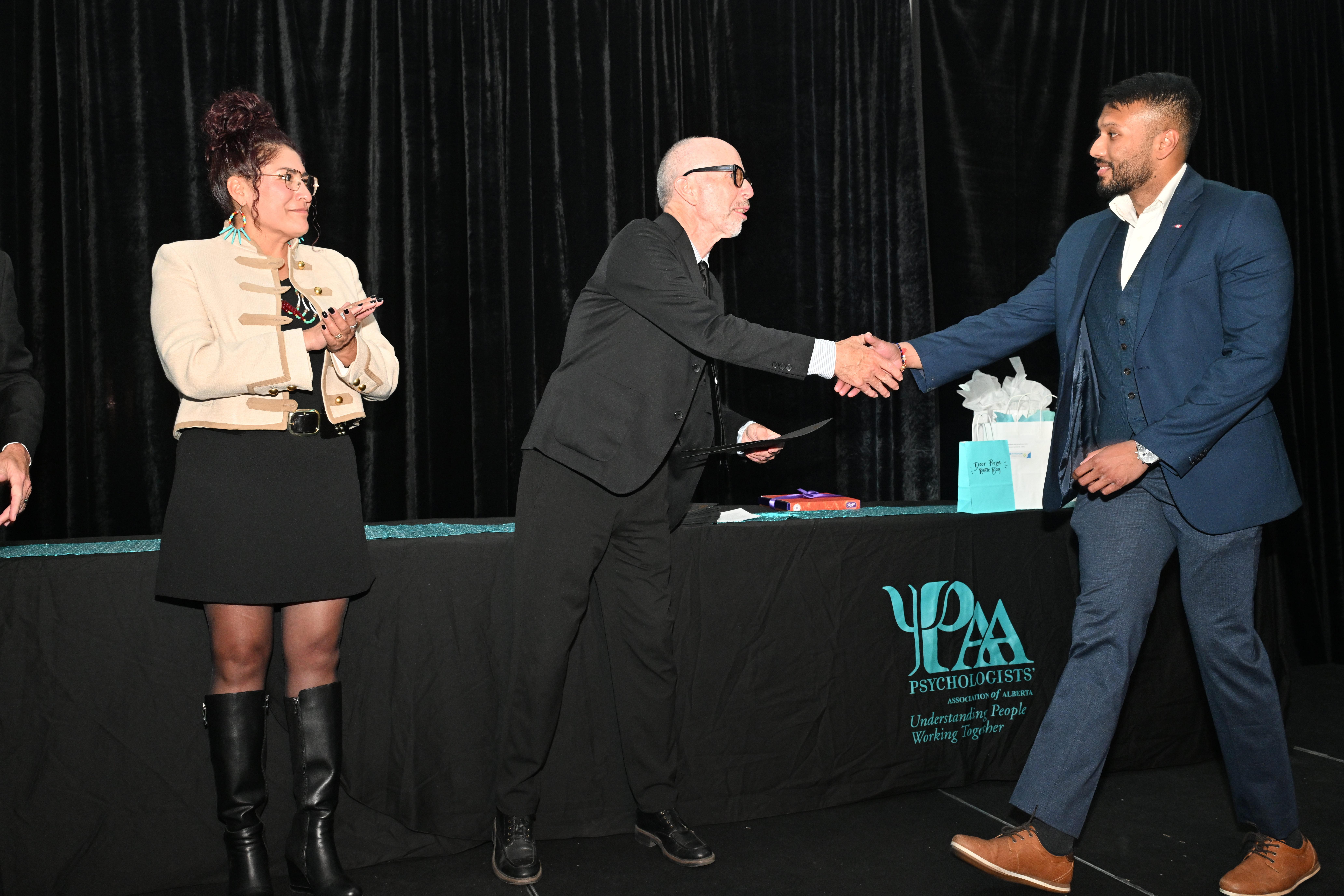
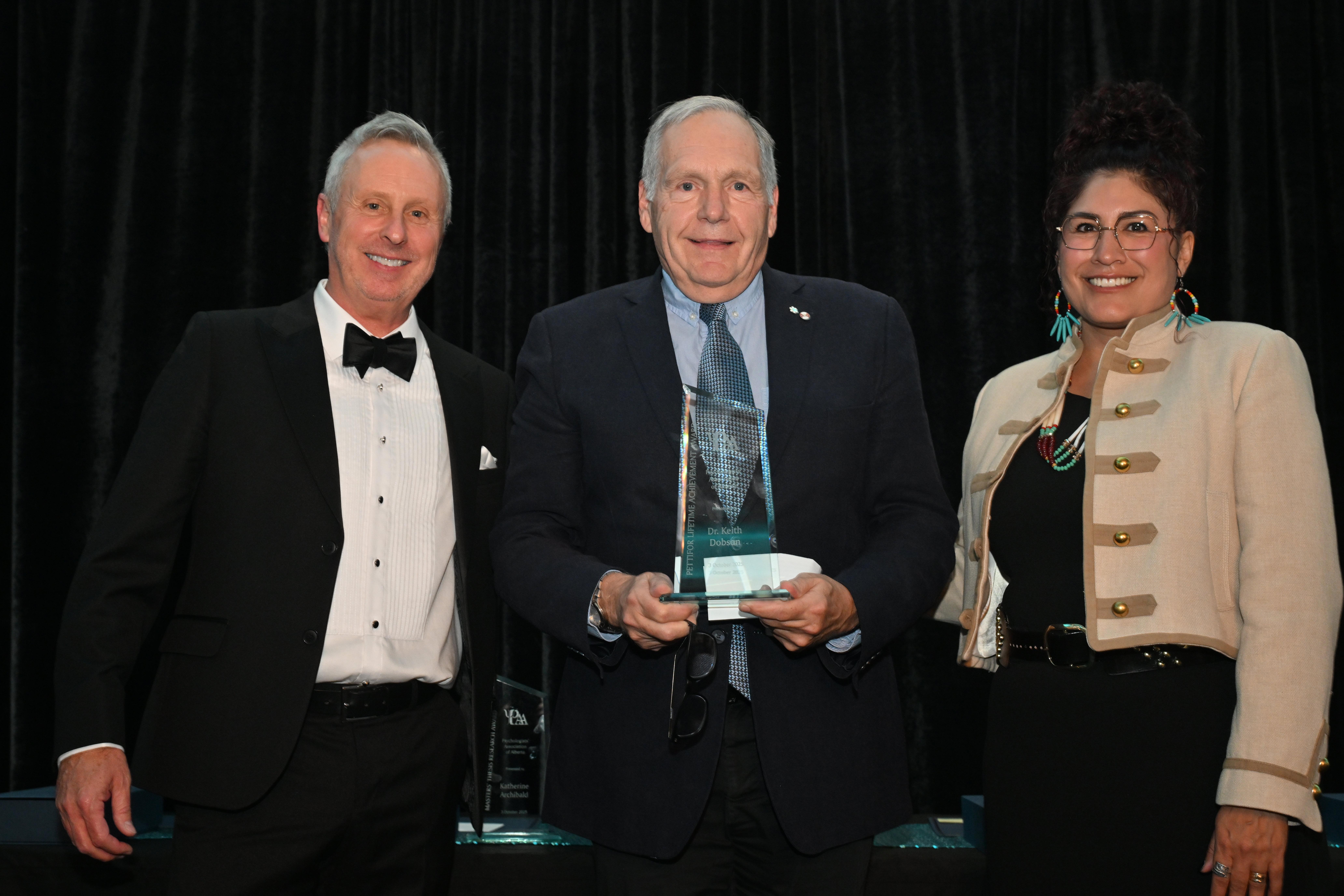
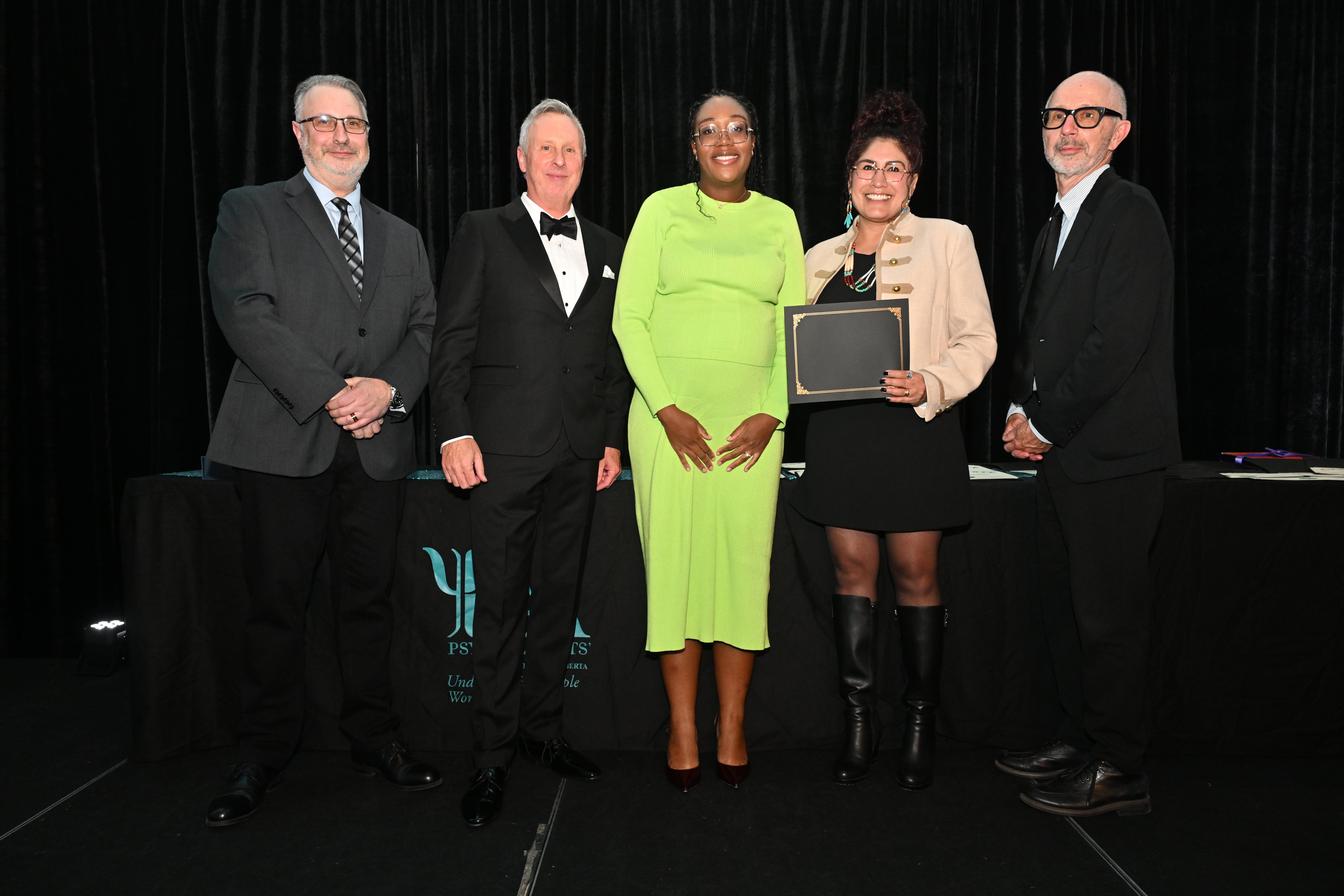
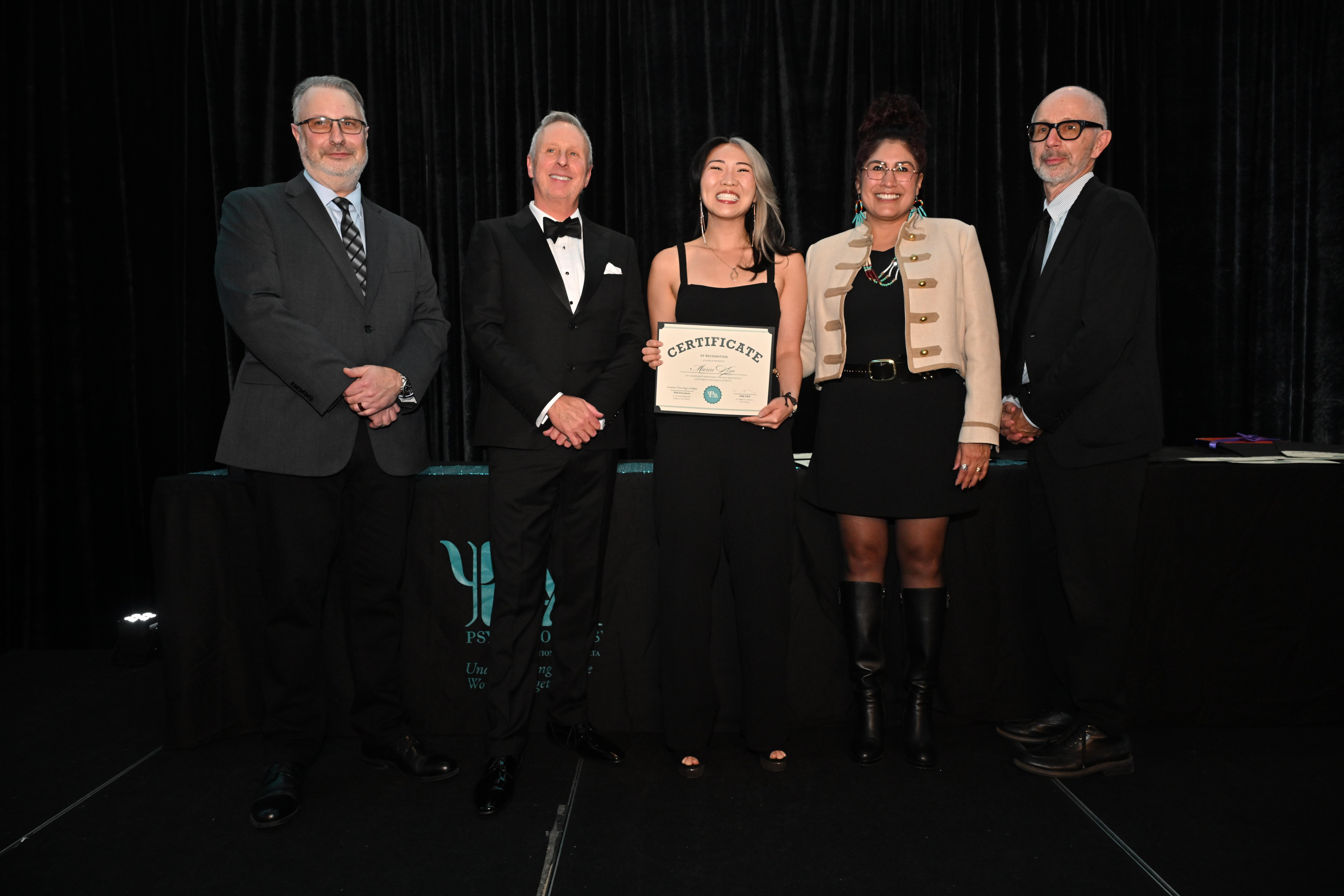
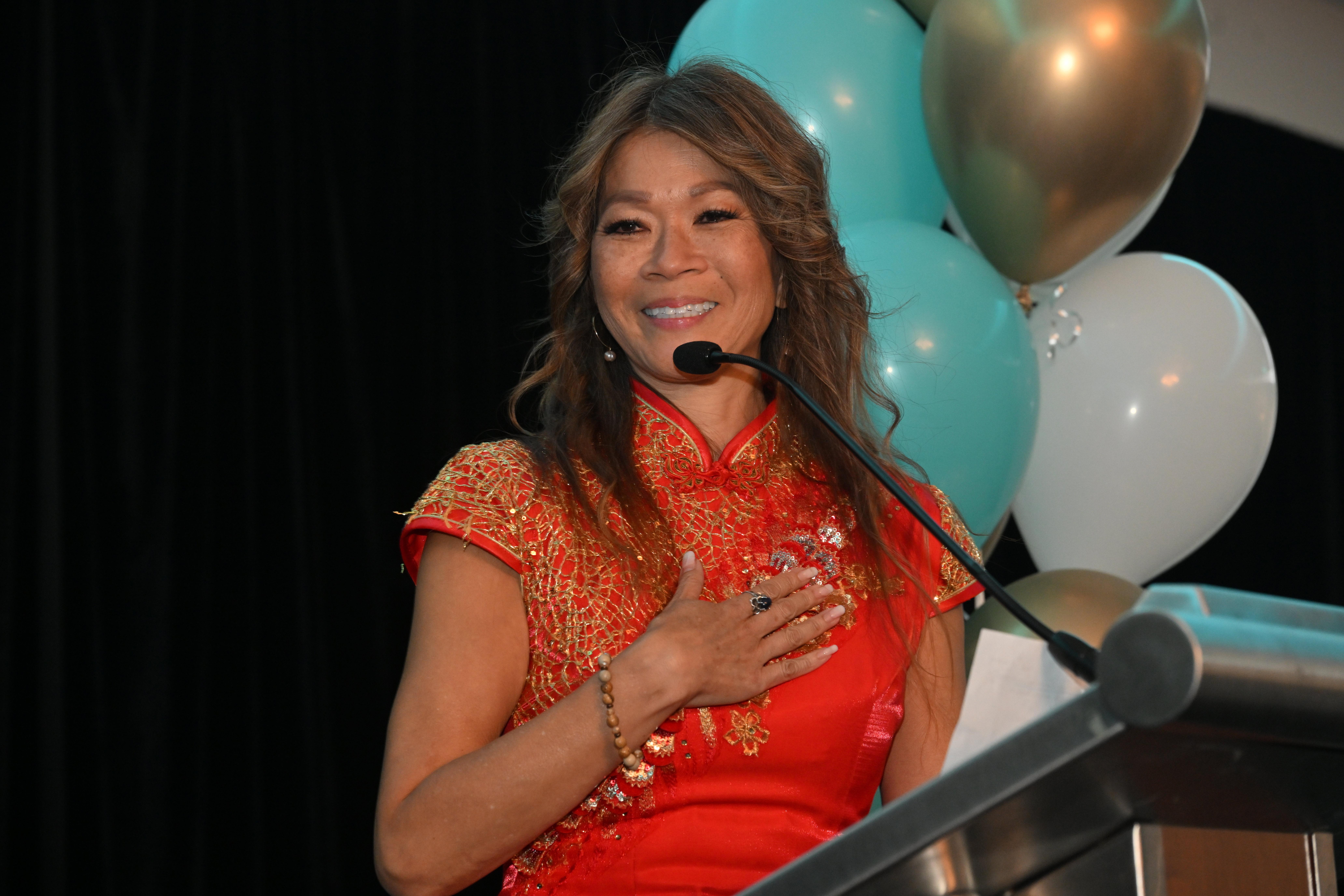
ILLUMINATING THE JOURNEY PAA’s Awards Gala in photos
Board of Directors
President: Dr. Quintina Bearchief-Adolpho, R. Psych
President-Elect: Stacey Steele, R. Psych
Audit Committee Chair: Chris Pawluk, R. Psych
Board Custodian: Rashmani Chakrabarty, R. Psych
Members at Large:
Tamara Austin, R. Psych
Carmen Bellows, R. Psych
Rashmani Chakrabarty, R. Psych
Dr. Sandra Dixon, R. Psych
Lisa Kaldenbach, R. Psych
Dr. Allison McNeil, R. Psych
Editorial
Editors:
Dr. Alana Ireland, R. Psych
Dr. Lily Le, R. Psych
November Contributing Writers:
Dr. Harpreet Gill, R. Psych
Leigh-Anne Sheldon, R. Psych
Dr. Gina Ko, R. Psych
Dr. Mitch Colp, R. Psych
Design and production: Jennifer Whyte
PAA Psymposium [ISSN 1193-2627] is the official newsletter of the Psychologists’ Association of Alberta. Canadian Publication Mail Product Sales Agreement #40020241.
Except where specifically indicated, the opinions expressed in Psymposium are strictly those of the authors and do not necessarily reflect the opinions of the Psychologists’ Association of Alberta, its officers, directors, or employees. The Psychologists’ Association of Alberta reserves the right to edit all articles and submissions before publication and to decide on the suitability for publication.
PAA Psymposium is published four times a year (March, June, September and December) for the purpose of fostering communication amongst psychologists and supporting the goals of the Association and the profession of psychology. The newsletter is available to all members of the PAA on our website or by subscription, as well as to public subscribers and selected individuals and organizations with interests in the practice of psychology.
Except where otherwise indicated, copyright 1998 by the Psychologists’ Association of Alberta are in effect. Permission is granted to reproduce up to 10 copies of any article as it appears in PAA Psymposium, if such reproductions are distributed without profit for educational or research purposes only and properly cite Psymposium and denote PAA copyright. Permission for additional reproductions or reproduction for commercial purposes must be obtained in writing from the Editors. PAA generally welcomes requests to reprint from other professional newsletters.
Psymposium is submitted to PsycEXTRA, a database set up by the American Psychological Association, which contains newsletters, policy papers, white papers, fact sheets, reports, magazines. PsycEXTRA is a companion to the American Psychological Association’s scholarly database PsycINFO.
Psychologists’ Association of Alberta Suite 101, 1259–91 Street SW Edmonton, AB T6X 1E9
780-424-0294 // paa@paa-ab.ca
Mission and Vision
The mission of the PAA is to advance the science-based profession of psychology and to promote the well-being and potential of all Albertans. PAA and its members are recognized leaders in enhancing the psychological health of all Albertans.
About Psymposium
Looking to advertise with us? Visit our website: paa-ab.ca.
Stay Connected
PAA STAFF
Chief Executive Officer
Dr. Bill Hanson, R.Psych
Chief Operating Officer
Joanna Leung
Governance Officer
Angela Sargent
Director of Professional Affairs
Dr. Harpreet Gill, R.Psych
Professional Guidance Officer
Annika Rorem
Continuing Professional Development Officer
Madison Fankhanel
Member Engagement Officer
Arim Kim
Member Services Officer
Emma McGrath
Executive Assistant
Jiya Juneja
Communications Officer
Jennifer Whyte
Member
PAA In the Community
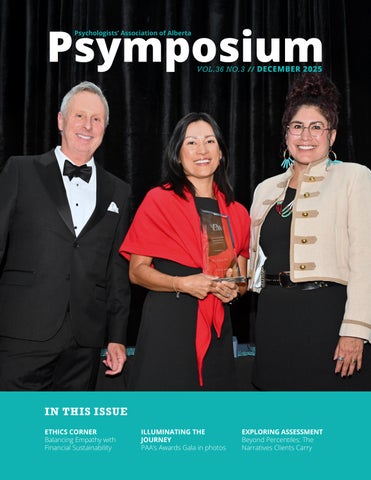
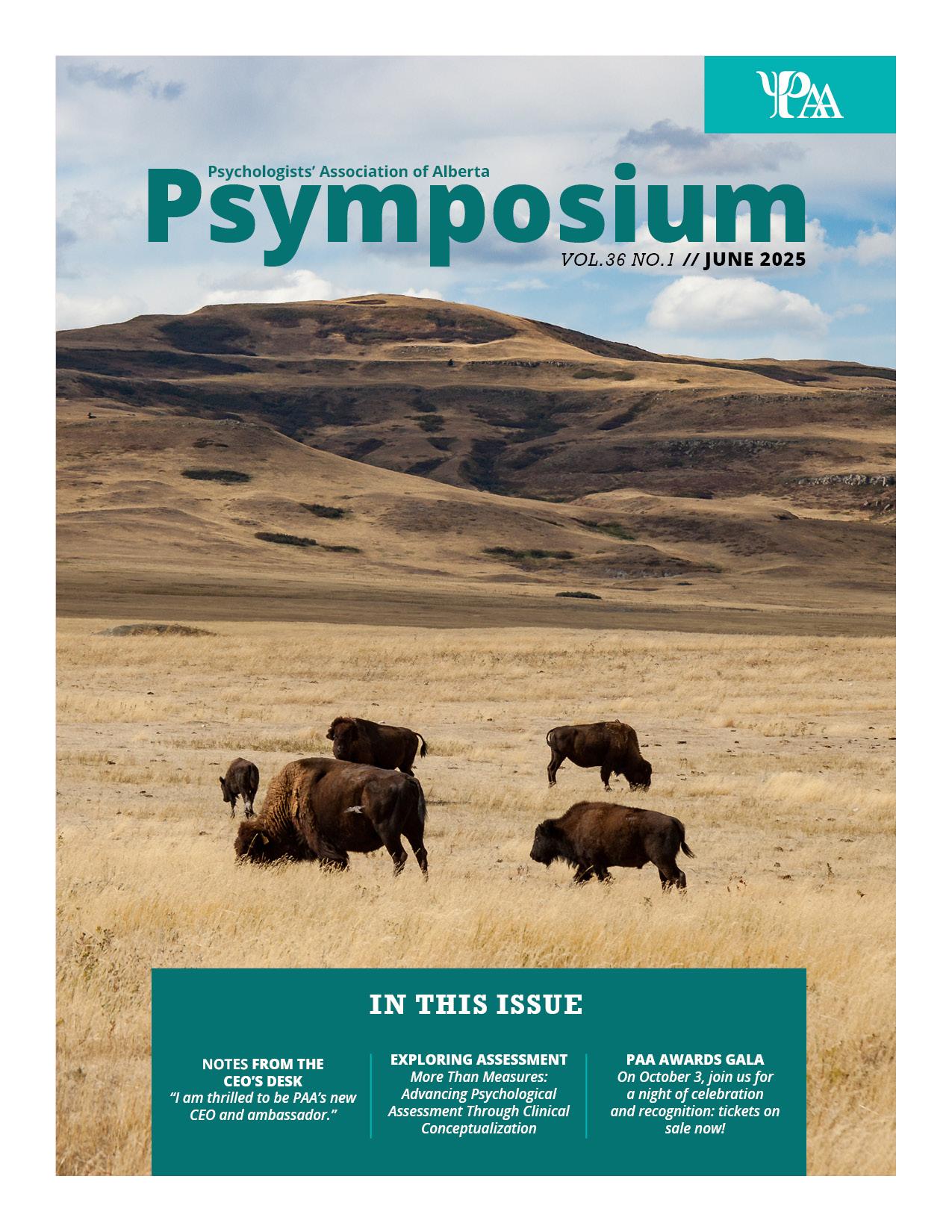
ON THE COVER
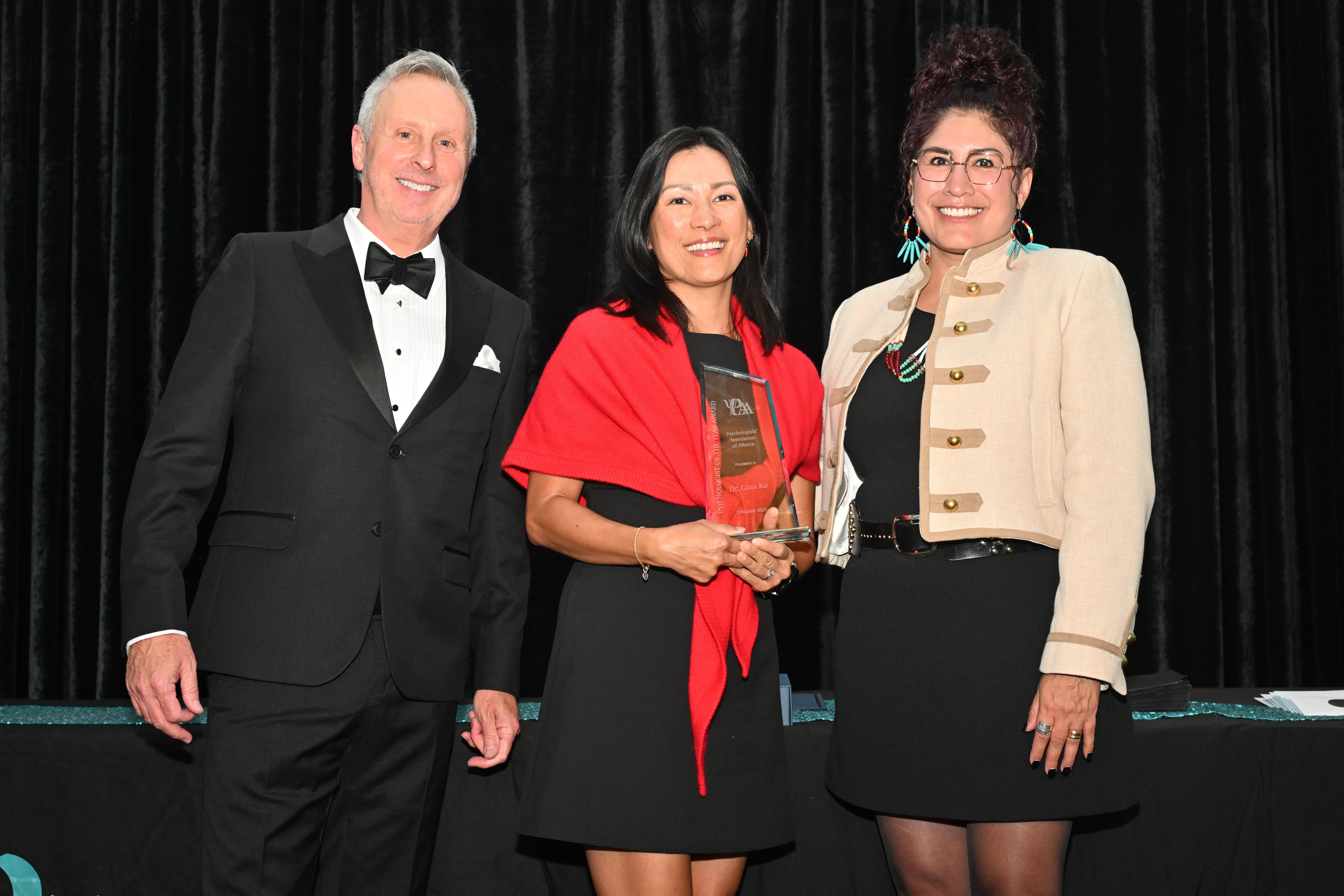
PAA’s Psychologist of the Year, Dr. Gina Ko, accepting her award next to Dr. Bill Hanson and Dr. Quintina Bearchief-Adolpho.
See more photos and moments from this year’s gala: pages 8–9.
LETTER FROM THE EDITORS
By Dr. Alana Ireland, R.Psych & Dr. Lily Le, R.Psych
Hello Psymposium readers!
After stepping into this role for the last issue, we are excited to learn more about the workings of PAA, the publication, and brainstorm our vision for Psymposium going forward.
Many psychologists in Alberta work in isolation and it can become easy to feel disconnected from what others are doing or thinking. Others may have a core group of colleagues but still operate in silos. Some may feel overwhelmed, stretched thin, or unsure of where they fit within the broader profession, while others are energized but unsure of how to contribute their ideas. At some
Whether you’re in private practice, an organization, research, education, or just entering the profession, we hope you will see your voice reflected here.
point, we have both operated in these spaces ourselves, so we understand how varied and complex being a psychologist can be.
Ultimately, we aim for Psymposium to be a joint space where our many voices across the profession unite to celebrate accomplishments, share diverse perspectives, and explore the latest topics (or even tensions) that spark meaningful conversations. Our vision is that the content shared here will promote generative dialog that helps us grow professionally and connect in ways that matter.
As we look ahead to the new year, we will be working with PAA to create a plan for upcoming issues. For instance, we will be mapping out themes for every issue to support even greater focus and intentionality. We’ll also be creating a clear process for columnists or those interested in contributing.
Whether you’re in private practice, an organization, research, education, or just entering the profession, we hope you will see your voice reflected here. This is just the beginning, and we would love to hear from you. What topics matter most? What conversations do you want to start? Please reach out to us at communications@paa-ab.ca. Together, we aim to make Psymposium a publication that not only represents you but inspires you.
Warmly,
Alana & Lily
PAA Members and Psymposium Co-Editors
Dr. Alana Ireland, R.Psych (she/her) Clinical Director, Valeo Well-Being & Associate Professor, Athabasca University
PSYMPOSIUM IS
EVOLVING.
Our team is building a new format and we want to hear from you, the readers.
Tell us what topics and themes you’d like to see covered in future issues.
surveymonkey.com/r/LG5NPXL
Dr. Lily Le, R. Psych. (she/her) Director of Clinical Innovation, DiveThru
NOTES FROM THE CEO’S DESK
Steady Progress, Shared Purpose
By Dr. William E. Hanson, R.Psych
As 2025 draws to a close, I find myself reflecting on a remarkably full and meaningful six months for our association. The recent PAA Awards Gala and Banquet was a resounding success. It was an eventful evening of celebration, connection, and collective pride. It reminded me how deeply committed our members are to excellence, compassion, and service. Thank you to everyone who joined us, and to those who contributed behind the scenes, including PAA’s dedicated and hard-working staff. Despite such uplifting celebrations, we are living through complex social and professional times. Psychologists are navigating uncertainty, heavy workloads, and shifting public expectations. Now more than ever, collaboration, empathy, and professional solidarity are needed. The work we do individually and collectively matters greatly to the people and communities we serve. Finding a shared purpose amongst us is essential.
Over the past six months, I’ve had the privilege of engaging with colleagues and communities across Alberta and Canada. I attended the historic signing of the Memorandum of Understanding between Siksika Health Services and the College of Alberta Psychologists, an event that symbolized reconciliation in action and respectful partnership. I also attended PAA-hosted workshops on the science of psychology, cultural humility, and artificial intelligence, each of which reinforced the depth of expertise and curiosity within our membership. Additionally, I attended many psychology leadership meetings locally, nationally, and internationally. Of note, I was recently elected Chair of the Board of Canada’s Council of Professional Associations of Psychologists (CPAP). This role allows me to bring Alberta’s perspective to the national stage and stay closely attuned to broader issues shaping the field (e.g., licensure mobility, persistent supervision issues, and advocacy for accessible psychological services across Canada). Speaking of advocacy, I want to reaffirm that PAA’s advocacy work is ongoing and anchored in evidence, expertise, ethics, and integrity. Every policy statement and public position PAA takes is based on data, expert consultation, and is reviewed and approved through proper governance processes. Our approach is always solution-oriented and conducted with professional decorum.
At both PAA and CPAP, we are finalizing 5-year strategic plans to guide our collective work through 2030. PAA’s plan emphasizes organizational modernization/digital excellence, significantly enhanced member benefits, exemplary organizational governance, diversity, and ethical and expert advocacy. CPAP’s plan includes a new national public awareness campaign that aligns with Psychology Month in February, which provides an
opportunity to celebrate and clarify who psychologists are, what we do, and why our work matters.
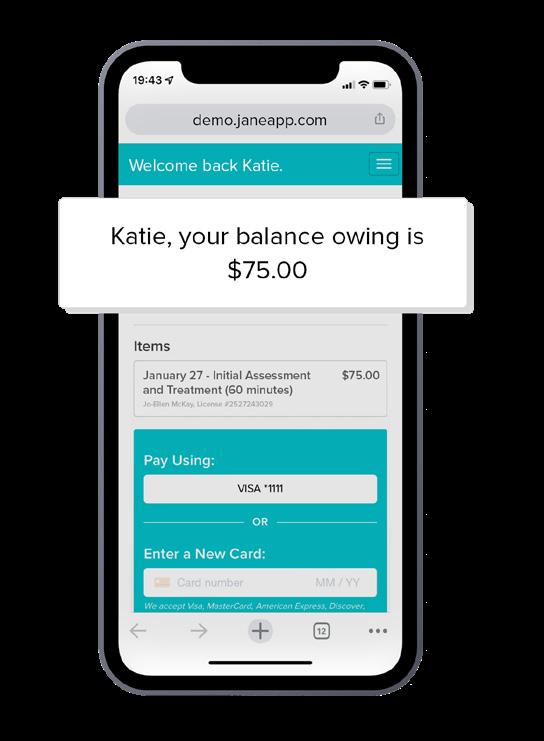
In the new year, several initiatives will enhance the member experience and professional supports. These include a new modernized, app-based website; improved business practice resources; a revamped referral system; executive wills and a centralized case file repository; and low-cost payment receival services. Our forthcoming career services program and new Communities of Practice (e.g., Measurement-Based Care, Diagnosis & Assessment) will create new opportunities for mentorship, collaboration, and shared learning. Additionally, I am proud to announce that PAA will soon launch two new funds, one dedicated to benevolence and emergency support of PAA members in need, and another dedicated to Indigenous-led mental health initiatives by PAA members, both of which are made possible through generous start-up seed money from CAP. Finally, forthcoming supervision boot camps and a revived PAA Fall Psychology Conference will further strengthen professional learning and community building. The conference will align with areas included in CAP’s Continuing Competence Program (CCP) requirements (Area 1, 2, and 3 and Indigenous-focused training opportunities).
Your perspectives and opinions on these changes matter, and I encourage you to share them with us. Please take a few minutes to complete our PAA Member Benefits Survey and consider putting your name forward in the upcoming Board elections. Your participation shapes the direction and vitality of the association. As the holidays approach, I am filled with gratitude and truly thankful for (and appreciative of) our members, Board, and staff. The past six months reaffirmed my belief that we are at our best when we listen to one another, empathize, and collaborate. May the coming season bring rest, connection, and renewed purpose. Together, we are building a stronger, united, and compassionate organization—ONE PAA.
By Dr. Quintina Bearchief-Adolpho, R.Psych President, PAA Board of Directors
This past year has been busy but also productive and meaningful: hiring a new CEO, Dr. Bill Hanson; strengthening PAA’s board culture; reviewing and revising policies and bylaws; updating our strategic plan; and outlining governance practices to guide our work in the future.
It’s that time of year when we reflect on the past to learn and grow from our experiences. As a board member, I learned a great deal this year, and I intend to carry those lessons forward.
This past year has been hectic but also productive and meaningful: hiring a new CEO, Dr. Bill Hanson; strengthening PAA’s board culture; reviewing and revising policies and bylaws; updating our strategic plan; and outlining governance practices to guide our work in the future.
Serving as a board member has given me a voice and the chance to help shape the future of our profession. I encourage anyone interested to consider putting their name forward for a board position. It’s a powerful way to make a difference. Board nominations will open in the new year.
I am grateful for the encouragement I received to become a board member. I never imagined that, as a First Nation psychologist, I could sit on a board like PAA’s. I am thankful I didn’t let fear hold me back—and I hope you won’t either.
There will be several vacancies in the new year, and I encourage you to consider joining the board. Join me at the table for thoughtful, in-depth conversations about our profession. While having our ideas challenged can sometimes feel uncomfortable, it is ultimately rewarding to know that your voice has been heard, understood, and considered.
I hope you all enjoy a peaceful and restful holiday with family and friends, filled with laughter, love, and harmony.
Take Care, Dr. Q
BOARD NOMINATIONS
Help build our association and be a part of an amazing volunteer team of professionals.
Email governance@paa-ab.ca for more information.
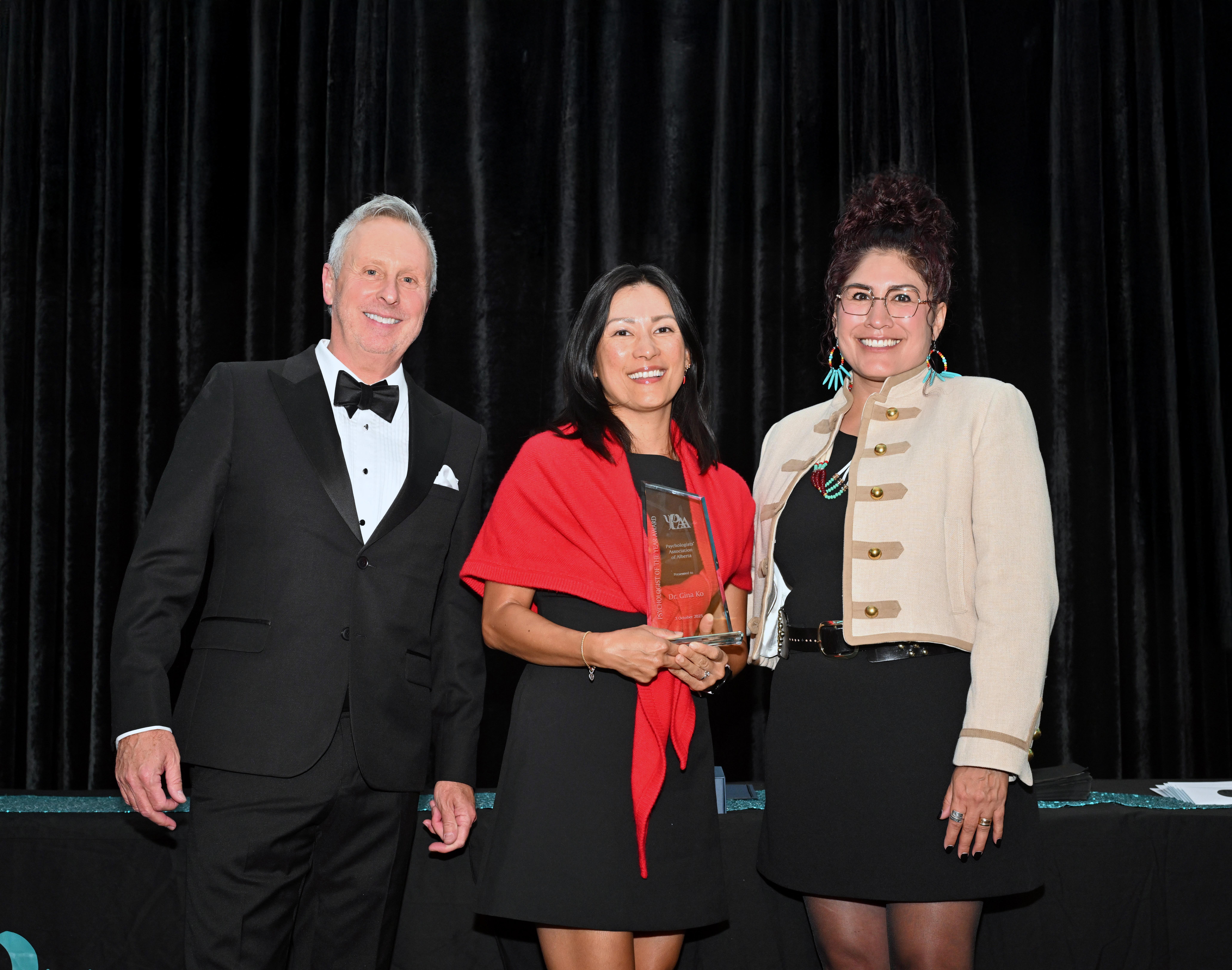
Illuminating the Journey: Highlights from PAA’s Annual Awards Gala
“Our October 3rd PAA Awards Gala was a resounding success, drawing over 200 distinguished guests to celebrate achievements of psychologists across Alberta. The evening reflected the best of who we are. Thank you to everyone who attended and to those who made it such a memorable event.”
—Dr. Bill Hanson, PAA CEO
Balancing Empathy with Financial Sustainability
By Dr. Harpreet Gill, R.Psych
Empathy lies at the heart of psychological practice. Yet for many psychologists, compassion and accessibility sometimes seem at odds with the realities of maintaining a sustainable practice. Practitioners committed to social justice face a complex balance: ensuring fair access to psychological care while upholding their own professional and financial well-being.
Ethical Foundations for Fair Access
The Canadian Code of Ethics for Psychologists (CPA, 4th ed., 2017) establishes a strong ethical foundation for equitable and responsible practice.
» Principle I: Respect for the Dignity of Persons and Peoples emphasizes non-discrimination, fairness, and the protection of clients from exploitation.
» Principle III: Integrity in Relationships underscores honesty and transparency in professional dealings, including financial arrangements.
» Principle IV: Responsibility to Society encourages psychologists to contribute to the welfare of communities and to engage in activities that promote social responsibility and accessibility of psychological services.
Together, these principles support the ethical expectation that psychologists communicate fees honestly, avoid misleading or exploitative practices, and remain mindful of barriers that prevent clients from accessing care.
In Alberta, the College of Alberta Psychologists (CAP) provides additional guidance through its Practice Guideline: Fees and Related Financial Information1 (2020). This document reinforces the CPA Code by emphasizing clarity, fairness, and transparency in all financial communications. CAP advises that psychologists should:
» Discuss fees and billing practices with clients before treatment begins.
» Ensure that clients understand the basis for fees and any additional costs.
» Avoid any arrangements or representations that could mislead or disadvantage clients.
Empathy lies at the heart of psychological practice. Yet for many psychologists, compassion and accessibility sometimes seem at odds with the realities of maintaining a sustainable practice.
The guideline bridges the aspirational ethics of the CPA Code with the concrete standards required for professional practice in Alberta.
Sliding Scales, Pro Bono Work, and Referrals
Psychologists frequently encounter clients whose financial circumstances make access to therapy difficult. Ethical practice requires balancing fairness and accessibility with professional boundaries and competence.
The CPA Code and CAP guidelines do not mandate specific feereduction policies, sliding-scale structures, or a fixed number of referral names. However, both encourage thoughtful, transparent, and consistent approaches when financial barriers arise.
» Sliding-Scale or Reduced-Fee Policies: CAP’s guideline supports flexibility in fees, provided the approach is consistent, clearly communicated, and documented. Psychologists may establish reduced-fee policies as part of their broader ethical commitment to accessibility, though such arrangements remain at professional discretion.
» Pro Bono Work: While the CPA Code does not require psychologists to provide unpaid services, Principle IV encourages contributing professional expertise to community well-being. Allocating a small portion of one’s practice to low-cost or volunteer services aligns with this principle.
» Referrals:
When clients cannot afford services, or when their needs fall outside the psychologist’s competence or scope, the CPA Code requires appropriate referral. The common practice of offering multiple referral options is considered good professional conduct, but not a formal requirement under CAP or CPA standards.
Sustainable Empathy in Practice
Sustainability ensures that empathy remains a renewable resource rather than a path to burnout. Ethical care must include care for the practitioner. Psychologists can integrate compassion and practicality through:
» Transparent fee discussions informed consent.
» Diversifying professional activities consultation, or workshops, to balance income and accessibility.
» Allocating limited pro bono or reduced-fee hours clear boundaries to support community access.
By approaching financial decisions with the same integrity and empathy that guide clinical work, psychologists can ensure ethical access to services without compromising sustainability.
Upcoming Professional Development Events
Bridging the Divide between Clinical and Cultural: Indigenous Awareness Training with Leigh Sheldon R. Psych
January 19, 2026
Promoting social justice in mental health involves a dual commitment to empathy and to sustainability. The CPA Code of Ethics and CAP’s Fees and Related Financial Information Guideline affirm that psychologists should act with fairness, honesty, and responsibility in all financial matters. Upholding transparency and setting appropriate boundaries allows psychologists to sustain their practice, maintain ethical integrity, and provide continuity of essential care to their communities for years to come.
Dr. Harpreet Gill is PAA’s Director of Professional Affairs and manages PAA’s one-of-a-kind Professional Guidance Program.
A Primer on TeleAssessment for Psychologists: Best Practices, Tools, and Ethical Considerations with Dr. Mitch Colp R. Psych
January 21, 2026
Virtual
Introduction to Forensic Psychology with Dr. Roy Frenzel R. Psych
March 16, 2026
Edmonton
Introduction to DBT Skills with Dr. Rachel King R. Psych
March 20, 2026
Virtual
Medicine Wheel and Somatic Integration with Leigh Sheldon R. Psych
April 13, 2026
Edmonton
INDIGENIZING PSYCHOLOGY
Neuro-decolonization and Living Authentically
By Leigh Sheldon, R.Psych
Decolonization is not just an idea, it is an intentional process of dismantling colonial conditioning, reclaiming identity, and restoring cultural balance. My journey reflects a process of reclaiming my identity through healing my own trauma. I was raised in a western world shaped by colonial perspectives. I did not grow up with traditional teachings, cultural practices, or a clear understanding of what it meant to be Indigenous. For many years, I felt shame in identifying as Cree, fearing judgment and discrimination. When I sought help through western counselling approaches, something fundamental was missing, I felt invisible and unheard. It felt like something was always missing when it came to healing.
A turning point came when I attended my first Sweat Ceremony, guided by an Elder who recognized my internal struggle. That experience fundamentally transformed my understanding of healing. It revealed that I did not have to conform to a world that I did not fit in; instead, I could embrace one that reflected who I truly am.
Decolonization requires both learning and unlearning. It demands active participation, experiencing, doing, and embodying, while examining how we have been shaped by colonial forces. It is the intention of reclaiming the ways of being that allow us to thrive. It is a process of reorienting ourselves from survival to authenticity, grounded in cultural knowledge and self-trust.
Living between two worlds, the colonial and the Indigenous, requires the capacity to navigate both without losing oneself. It involves healing the body and mind from trauma, relearning how to walk in balance between the two worlds. It is restoring connection to knowledge systems that have sustained our peoples for generations. Importantly, it also means recognizing that we can safely and confidently live in both worlds. We can attend a Sweat Lodge Ceremony in the morning and participate in a corporate meeting or social event in the evening, and neither action makes us less Indigenous. Practicing ceremony, speaking our languages, and living by our teachings can coexist with having a job, professional success, academic engagement, and participation in modern society. This duality is not a contradiction; it is a strength. A strength that many of us must endure.
Dr. Michael Yellowbird explains colonization as an “infectious disease.” Once exposed, survival depends on adaptation. A colonial invasion introduces harmful influences, toxins
that influence our belief systems, distort our identities, and shape our nervous systems over time. In other words, what occurs outside of us profoundly influences what happens within us. The brain and body adapt to repeated exposure, gradually internalizing foreign values and ways of being. The result is often doubt, isolation, disconnection, and a forced reorientation to foreign values. Decolonization is therefore a deliberate act of clearing away these imposed influences. It is about reviving traditions, restoring ancestral knowledge, and reestablishing ways of living that are harmonious and authentic to who we are.
To decolonize, one must approach the process holistically— engaging the mind, body, and spirit as interconnected elements of well-being.
The Mind: The Structure and Function of the Brain
Neuro-decolonization focuses on enhancing neuroplasticity, the brain’s natural ability to reorganize and form new neural connections. The frontal lobes govern executive functions such as planning, decision-making, emotional regulation, and social behaviour. By strengthening these areas through culturallygrounded practices, reflection, and learning, we can begin to rewire conditioned responses, and reclaim cognitive resiliency.
Rewiring and Reclaiming Through Neuro-Decolonization
Activities that enhance neuroplasticity, the brain’s capacity to reorganize and form new neural connections, are foundational to mental decolonization. Participating in ceremonies that require focused attention on internal bodily states, or engaging in mindfulness practices that cultivate deep awareness, strengthens the frontal lobes responsible for planning, emotional regulation, and social behavior. Prayer, meditation, or connecting with sacred objects and places deepen this effect, anchoring the mind in presence and purpose.
Ceremonial practices like powwow dancing exemplify this principle. Dancers sustain deep focused attention and physical endurance in challenging conditions, integrating body and spirit through movement. This sustained mindful focus reduces anxiety and enhances the brain’s ability to regulate emotion and attention.
Language and vocalization also play a vital role. Speaking Indigenous languages, chanting, and singing stimulate multiple regions of the brain and activate the vagus nerve, a key pathway between the body and brain. This activation
supports emotional regulation and nervous system balance, promoting states of calm and resilience.
Cultural practices reshape perception, shifting the focus from “me” to “we.” By prioritizing community over individualism, they foster social support, reduce isolation, and create a deep sense of purpose and belonging. Recognizing shared experiences reinforces the understanding that healing is not an isolated journey but a collective one.
Intergenerational trauma often manifests as right-brain injury, impairing emotional regulation and relational safety. Healing practices such as Sundances, Sweat Lodges, and Healing Circles, all held in the sacred formation of a circle, directly engage the right hemisphere, promoting emotional repair and fostering relational attunement. Emerging research suggests that connection with the land can influence brain function by strengthening networks such as the basal ganglia and default mode network, which are linked to identity, memory, and self-awareness. Shore (2014) discusses right brain injury in our inability to connect and regulate requires safety in connection.
The Body: Restoring Rhythm and Releasing Trauma
The body holds memory, including the memory of trauma, and movement plays a crucial role in decolonization. Rhythmic movement practices such as dancing, drumming, fasting, traditional baby swings, and intermittent running help reestablish physiological rhythm, a key element often disrupted by dysregulation (Levine, 2010). When rhythm is restored, communication between the brain and body improves, supporting nervous system regulation and habitual responses that are not programmed into survival responses.
Physical activity stimulates the production of BrainDerived Neurotrophic Factor, a protein essential for neural growth, learning, and memory. Movement also releases endocannabinoids, natural molecules that enhance mood, protect neural pathways, and alleviate pain. Singing, in particular, produces high levels of these compounds, reinforcing emotional well-being. Dance has been shown to improve memory, attention, and overall cognitive performance. This research is seen in Dr. Michael Yellow Bird’s (2013) work on neuro-decolonization of the brain.
From a somatic perspective, movement offers a pathway for trauma release. Practices like dancing, drumming, and singing allow stored trauma energy to be metabolized and integrated, creating opportunities for healing and regulation throughout the nervous system. Peter Levine shares how energy stored in the body requires energy to move through and be released, allowing for healing and integration (Levine, 2010).
The Spirit: Restoring Sacred Connection and Secure Attachment
At the heart of decolonization is the healing of the spirit, the re-establishment of a living relationship with the spirit, the Creator, the land, and ancestral knowledge. Spiritual connection fosters a form of secure attachment, grounded in trust, safety, and unconditional acceptance. As one Elder shared, “The Creator answers in three ways: not now, maybe
later, or I have something better for you.” This understanding affirms that we are never alone, the Creator is always present and always answers.
Historical disruptions such as Residential Schools, the Sixties Scoop, and the inability to practice traditional parenting practices impacted many foundational attachments. Spiritual practices, ceremony, prayer, ancestral connection, and relationship with the land, help repair these bonds by offering a sense of being seen, valued, and supported. They mirror the qualities of healthy attachment relationships and remind us that we are always held. They are always present, consistent, predictable and forgiving. These are key qualities in secure attachment.
For many Indigenous peoples, spiritual healing also involves reconnection to identity, ancestors, and community. “Healing Soul Wound” demonstrated by Duran, (2006) heals an injured spirit that talk therapy can not address. This not only strengthens bonds with others but also deepens connection to oneself and to something greater. Prayer, in particular, has been shown to reduce worry, ease pain, interrupt cycles of negative thinking, and support peace and clarity.
Walking in Balance: Living Fully in Both Worlds
The ultimate goal of decolonization is not to reject the modern world but to navigate it as our full, authentic selves, grounded in who we are, where we come from, and the teachings that guide us. The question before us is profound: How do we address the trauma imposed by colonialism while building a future rooted in cultural strength and authenticity? Healing trauma for myself meant reconnecting to a world that I was not able to live in.
The answer lies in deep self-reflection, intentional practice, and the pursuit of balance. Through the integration of mind, body, and spirit, through ceremony, language, movement, land, and prayer, we begin to heal not only ourselves but also our communities. In this way, decolonization becomes more than a concept; it becomes a lived reality, one that honors the past, transforms the present, and shapes a future of collective resilience and thriving. My children can learn through my role modelling what it means to live in two worlds.
References
Duran, E. (2006). Healing the soul wound: Counseling with American Indians and other Native peoples. Teachers College Press.
Levine, P. A. (2010). In an unspoken voice: How the body releases trauma and restores goodness. North Atlantic Books.
Schore, A. N. (2014). The right brain is dominant in psychotherapy. Psychotherapy, 51(3), 388–397. https://doi.org/10.1037/a0037089
Yellow Bird, M. (2013). Neurodecolonization: Applying mindfulness research to Indigenous healing practices. Canadian Journal of Native Education, 36(1), 69–81.
ANTI-RACISM AND PSYCHOLOGY
The Nuances of Racism
By Dr. Gina Ko, R.Psych
In my podcast, Against the Tides of Racism1, funded by the Canadian Race Relations Foundation, I have interviewed over 120 guests and learned that racism is nuanced and not blackand-white. Each one of us has had racist thoughts and even actions. The journey of learning, unlearning, and relearning is a lifetime. I have heard that when we put racism in the forefront, we may perpetuate pain. I have heard that if we do not, suffering can come to us due to a lack of awareness. I have heard about the dangers of monitoring others’ awareness when they are less educated about the topic than we are. Racism comes in many forms, such as microaggressions, covert and overt racism. Some guests have had racial slurs directed at them, some have had people make fun of their “ethnic” lunches, some have been called exotic, some have had to tell colleagues to stop touching their hair, some have stepped down from work related to diversity, equity, inclusion, and accessibility (DEIA), and some have increased time and heart investment in DEIA.
In my private practice2, racialized patients may question whether they are experiencing racism regularly when they hear comments about how they are attractive as a person of colour, they do not get paid as much as their white counterparts, they do not feel heard in meetings, and others at work assume they are the assistant when they are the manager. It is exhausting and heavy to keep questioning moments like these. As a psychologist with a culturally responsive framework and a commitment to cultural humility, I acknowledge that these moments are challenging and unacceptable. Some of my podcast guests have mentioned “death by a thousand cuts” or “being bitten by one thousand mosquitoes.” When one experiences these instances daily, weekly, or continuously, there are likely to be scars. To heal, suggestions include educating oneself, educating others, finding a community, immersing oneself in self-care and community care, standing up for what one believes in when it is safe to do so, and walking away when necessary.
In supervision with my incredible, growth-instilling Registered Provisional Psychologists, we explore patients’ intersectionality
What would therapy be if not patient-centred and helpful to healing and thriving?
and lived experiences in a culturally responsive manner. Such ways include asking about their upbringing, where they may have experienced pressure from parents to succeed in school, suppress their emotions, and pursue careers that seem prestigious and stable. In adult life, they may find the dominant society has stereotypical views of them, such as Asians simply putting their heads down and working hard, the model minority myth, the perpetual foreigner, that they do not often speak up, and can accept getting paid less than their white counterparts. We explore living the best of many cultures and worlds. These are examples of cultural and systemic considerations. As a learner, I often recommend books, articles, videos, and podcasts to better support patients with resources that matter to them. What would therapy be if not patient-centred and helpful to healing and thriving?
Have an ethical dilemma?
Our Professional Guidance Program is here to support you.
Consultations
Psychologists facing an ethical dilemma or clinical concern have the opportunity to discuss their concerns with the Director of Professional Affairs or a Practice Advisor and to access to a library of resources.
PAA’s Director of Professional Affairs, Dr. Harpreet Gill, can provide a tailored in-person presentation on ethical topics for your team or staff. Contact our guidance team to learn more: guidance@paa-ab.ca.
Webinars
Available through our Course Portal, the guidance program offers a range of webinars on different ethical topics.
Latest Episode:
Shaping Practice and Balancing Roles: Exploring the Ethics and Realities of the Supervision Relationship. with Dr. Julie Curley, R.Psych
EXPLORING ASSESSMENT
Beyond Percentiles: The Narratives Clients Carry
By Dr. Mitch Colp, R.Psych
Psychologists are trained to collect data, analyze patterns, and present findings. Yet assessment is never only about numbers. Every stage, from the first referral question to the final feedback meeting, shapes how people understand themselves and their possibilities. Clients rarely remember the percentiles. What they remember is the understanding you help them construct. Despite the best of intentions, many psychologists struggle with this balance because our training places heavy emphasis on the precision of testing rather than on the coconstruction of meaning.
A Moment That Changed Everything
I still remember it vividly. It was one of my first solo assessments as a trainee. The referral was for a child struggling with reading, and the results clearly pointed to a Specific Learning Disorder, with impairment in reading. I sat down with the father to share my findings.
I carefully explained the percentiles, highlighted the discrepancies, and walked through the profile in detail. The father smiled and nodded the entire time. He seemed engaged, even grateful. I thought the session was going well.
One of my supervisors was in the room, quietly observing. Then came a tap on the glass from behind the two-way mirror. Another supervisor had been watching from a different lens. I stepped into the hallway, and she suggested quietly: “Before you finish, ask him what he is taking away from this.”
I returned to the room, paused, and asked the father: “Can you tell me what you are taking away from today’s meeting?”
Without hesitation, he replied: “So my child is dumb, and I need to lower my expectations.”
The science of assessment matters deeply, but the heart of our work lies in the narratives we help create.
The air left the room. My heart sank. That was not what I thought I had said. The results showed a Specific Learning Disorder in Reading, but also many strengths and a clear plan for support. Yet the meaning the father carried away was one of limitation and despair. I thought I had given him clarity, but instead he left with a narrative that could limit both his expectations and his child’s opportunities. That realization was devastating, because it showed me how fragile the process of meaning making really is.
At that moment, I realized the feedback session had been the intervention all along, but it had worked in the wrong direction. I had focused so heavily on the numbers and technical detail that I missed what this father truly needed to hear. From that day forward, I understood that the most important part of feedback is not the data itself, but the narrative clients carry with them when the assessment process ends.
Why Meaning Matters
Every client comes to an assessment with a narrative already forming. Children may fear they are unintelligent. Parents may worry that the results will confirm their child is not trying hard enough. Adults being assessed for ADHD may suspect they are lazy or broken.
Seeking an assessment often requires profound vulnerability. Families lay their concerns, fears, and hopes on the table, opening themselves to judgment. Our role is not only to analyze data but to honour that vulnerability with empathy and care. Helping co-create a narrative can only happen in the context of a relationship where clients feel understood and respected.
When we provide results, our words collide with these private narratives. If we do not check for understanding, clients may leave with interpretations that reinforce shame and diminish hope. Even the questions we ask during interviews, or the reflections we offer on what we hear, can serve as moments of psychoeducation—shaping how clients begin to think about their patterns and strengths long before the final feedback meeting.
As my colleague, John Laing often reminds me, the assessment and feedback process is not preparation for an intervention. The entire assessment itself is the intervention. From the way
we frame referral questions, to how we engage clients or their parents during testing, to the meaning created in the final meeting, every step has the potential to change how people understand themselves.
The Training Bias Toward Numbers
This challenge is reinforced by how we are trained. Graduate programs place extraordinary value on standardized testing. We spend hundreds of hours practicing administration, memorizing instructions, and perfecting scoring. We learn to calculate scaled scores, convert them into percentiles, and interpret discrepancies. Mastery of these procedures becomes the measure of competence.
It is no accident that we lean so heavily on numbers. Percentiles and discrepancies are objective, defensible, and measurable. They are easier to present than the uncertainty of a co-constructed narrative, which is less tidy but often more important.
But clients do not live in percentiles. They live in narratives. Percentiles matter for accuracy, but they are not the meaning. If we do not move beyond the data, we risk leaving clients with numbers rather than understanding.
Moving From Data to Meaning
Shifting feedback from numbers to meaning requires conscious effort. Four practices help:
1. Start with Their Narrative: Ask before you tell. “What do you think these results might mean?” This uncovers the narrative already forming and surfaces misconceptions.
2. Use Human Language: Replace psychometric jargon with clear, everyday descriptions. For example, when clients hear that they are “below average” on a subtest, they may internalize that label in ways that shape their identity. But when we explain the same result as “needing more time to decode words, which makes reading slower,” the meaning becomes something manageable and hopeful.
3. Tell the Story Without Tables: One suggestion my colleagues and I often give trainees is to practice delivering feedback without the report or tables in front of them. When you know the story well enough to tell it clearly, you step into the role of storyteller. This not only ensures the client walks away with understanding, it also reinforces for us as psychologists that the client’s comprehension matters more than the tables we prepared.
4. Check the Takeaway: Ask clients to summarize what they heard. Their words show whether they are leaving with hope or harm. Feedback should not feel like a surprise, because the meaning has already been constructed together throughout the process.
These small shifts change the trajectory of the assessment. They remind us that the goal is not only to deliver information but to co-construct a narrative that leaves clients with dignity, possibility, and hope.
The Lesson That Stayed with Me
My first case also underscored the importance of perspective. One supervisor believed the session had gone well. Another saw the risk and intervened. That reminder has stayed with me. Technical accuracy does not ensure meaningful understanding. It requires us to step back and ask what narrative the client is building in real time.
Through a Father’s Lens
The father in that early case taught me a lesson I will never forget. His words still echo in my mind whenever I deliver results. I now see, with the added perspective of being a father myself, how much I missed what he truly needed to hear. At the time, I was focused on what was technically correct. What he needed was reassurance, hope, and a path forward.
When I look at my own young son, I think about how I would want someone to speak to me if I were sitting on the other side of the table. Numbers alone would never be enough. I would want a narrative of hope, and a clear path forward to best support my child’s development.
Feedback, and indeed the entire assessment process, is not only a professional task. If we do not intentionally engage in meaning making, we risk leaving families with narratives that do harm rather than good.
Of course, the numbers matter. The reports matter. But what matters most is the narrative that lives on in the client’s heart. Our responsibility is to ensure that the narrative is one of dignity, hope, clarity, and possibility.
Take-Home Reflections
As psychologists, we should ask ourselves in every feedback session:
» What narrative will the client carry away from this assessment?
» Have I checked that narrative against what I intended to communicate?
» Have I co-constructed meaning with the client throughout the assessment process?
If the answer is unclear, the work of meaning making is not yet done. The science of assessment matters deeply, but the heart of our work lies in the narratives we help create.
Dr. Mitch Colp is a Registered Psychologist and the CEO of Hexagon Psychology, a national group practice at the forefront of virtual assessment and clinician training. His work focuses on psychological assessment, supervision, and the ethical implementation of emerging tools in mental health care.
A Message From Your Dedicated PAA Membership Team
Dear PAA Members,
PAA is modernizing its digital platforms. As part of that process, in early 2026 PAA will be launching a new website with an enhanced membership management platform, a new version of “Collaborate”, and a slate of new member benefits.
What is being added to your membership with PAA:
» A better experience for renewal, engagement, community, and event management
» New membership options and opportunities
» A new mobile-friendly app experience for engagement in our “Collaborate” communities
» New membership benefits associated with membership tiers and add-ons
What do you need to do:
Once the updated platform is live in the new year, you’ll receive an email invitation to activate your member profile and setup your password. This is a necessary step to help confirm we have the correct contact information for you, and to enhance the security of your member profile.
For now, please just sit tight. The PAA team is thrilled to start launching our revamped services to you in the new year in time for renewal. Thank you for your patience and support as we move the association into a new era in 2026.
Sincerely,
Your PAA
Membership Team
Emma, Arim and Jennifer
Have a question? Please send us an email: paa@paa-ab.ca.