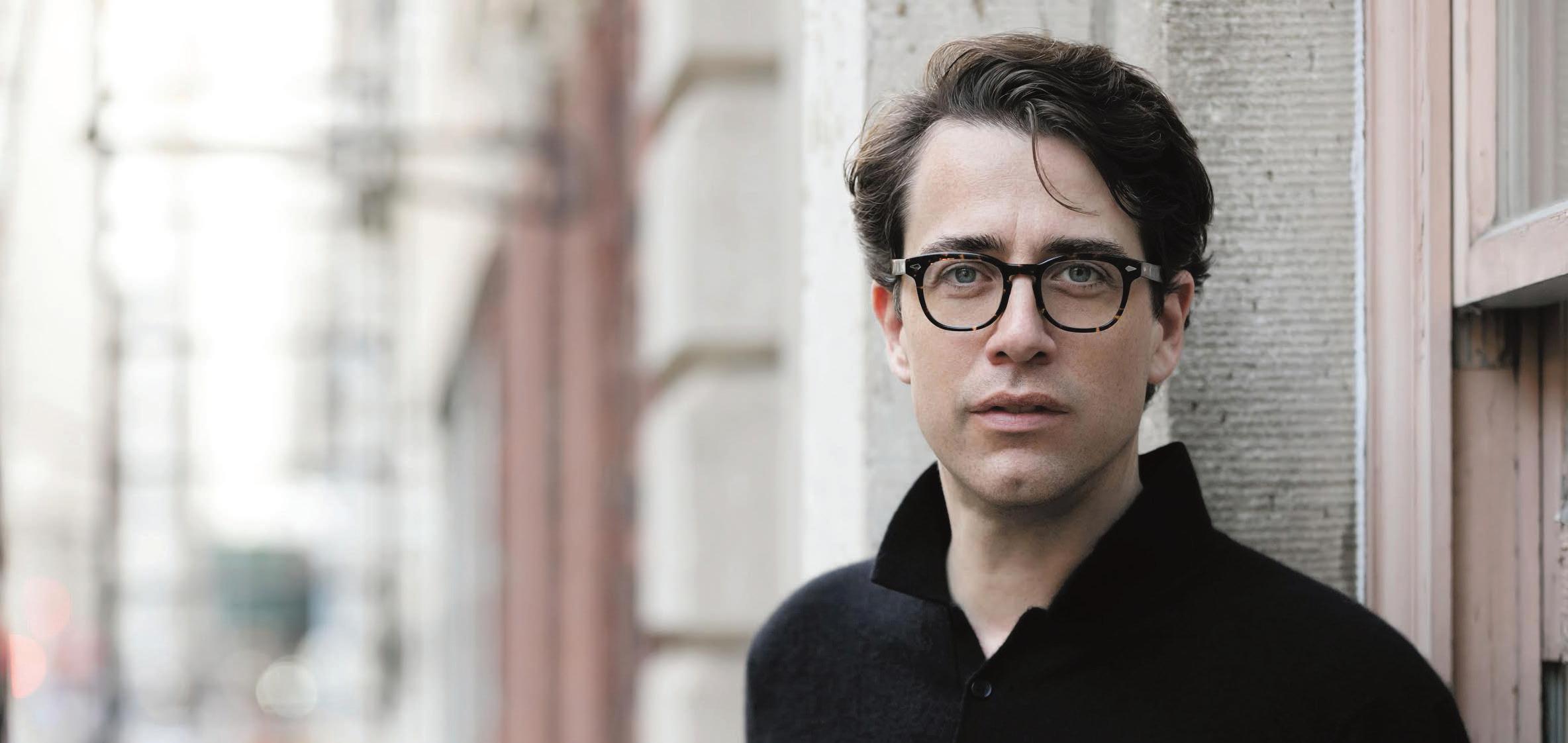
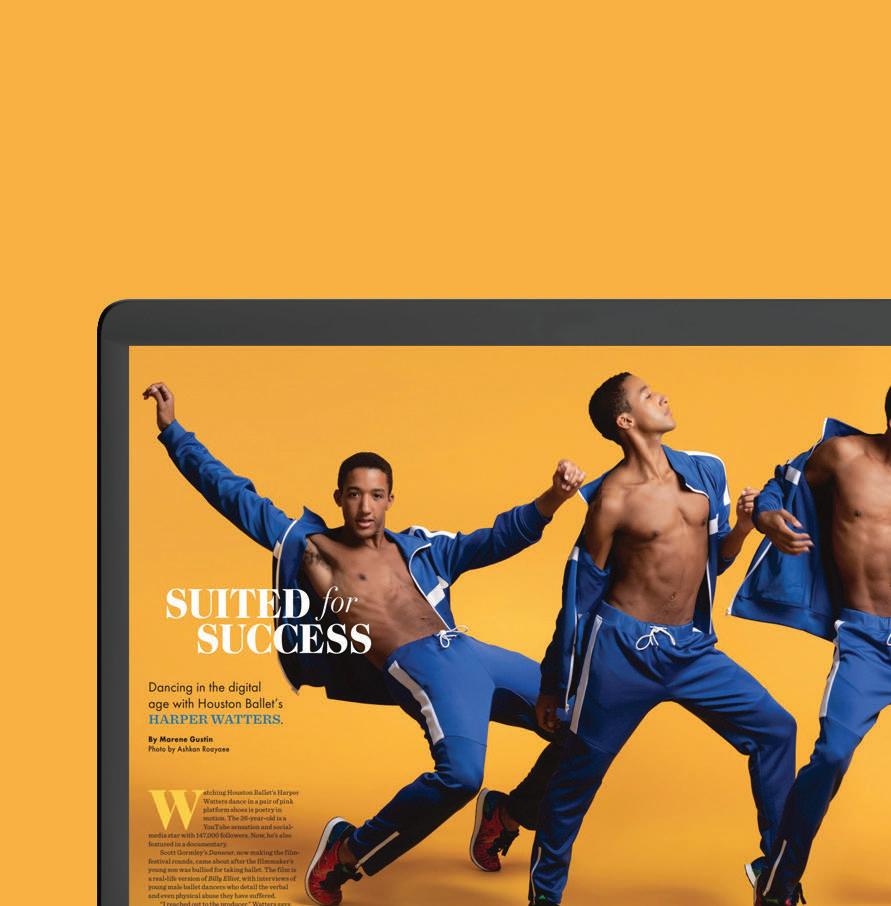
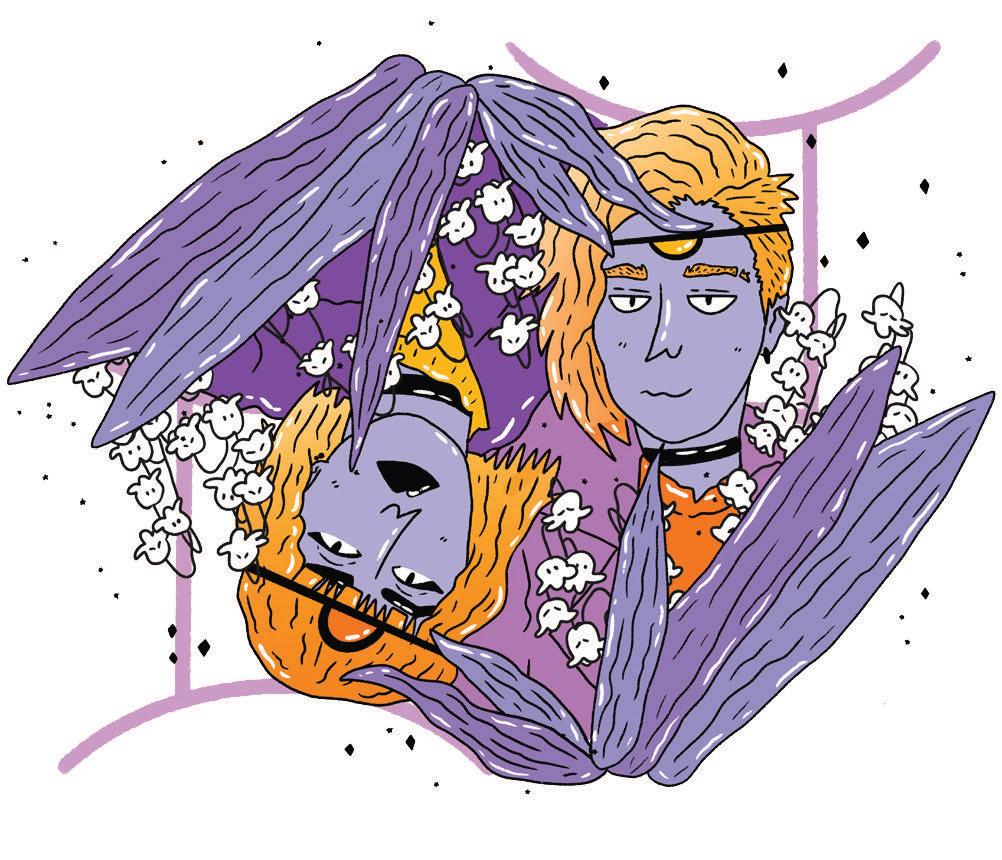
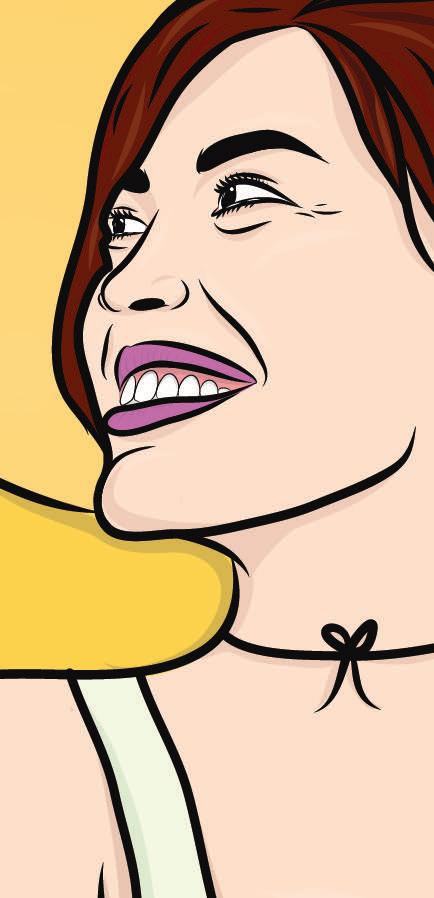
Local gay designer reflects on five years in the fashion industry
36 PRIDE IN THE MEDIA STANDING UP FOR EQUALITY
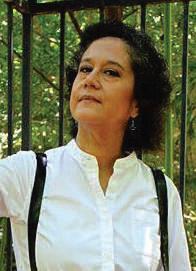
Jenny Dial Creech advocates for equality as a sports editor
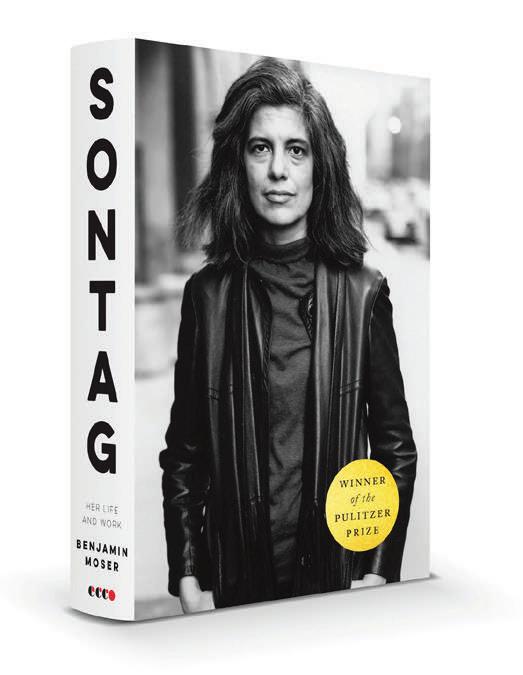
44 RECOUNTING SUSAN SONTAG’S LIFE
Houston-native Benjamin Moser’s latest bio wins a Pulitzer Prize
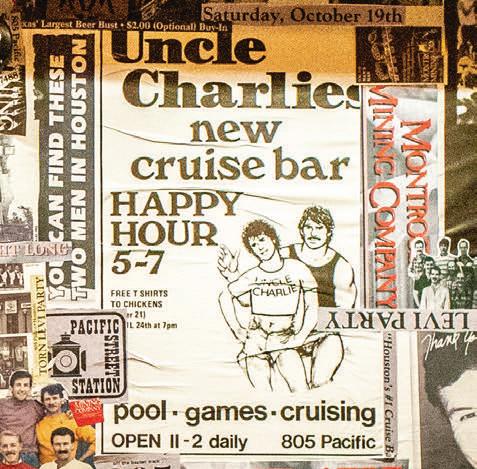
52 PRIDE 2020 HONORING LOCAL LGBTQ HISTORY
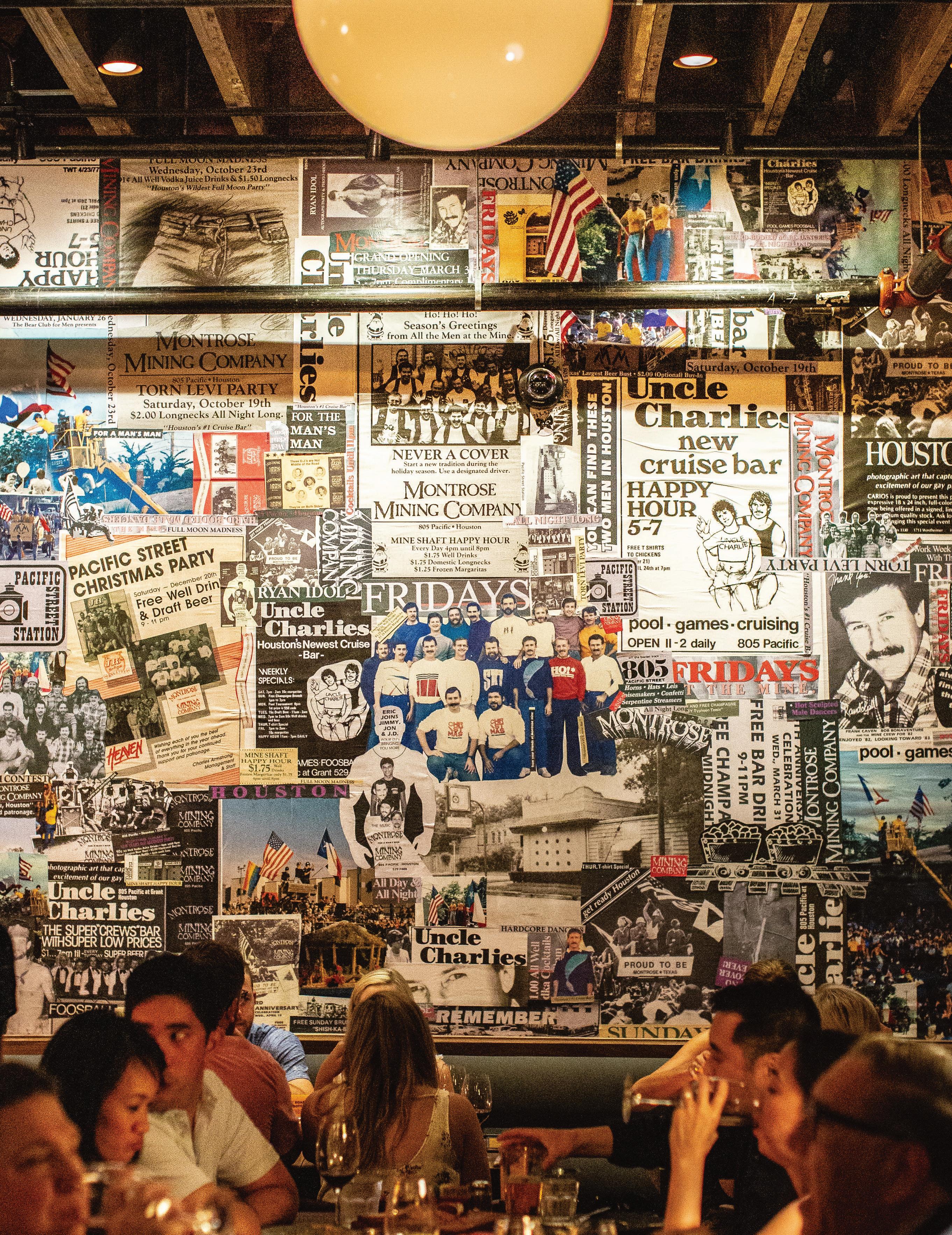
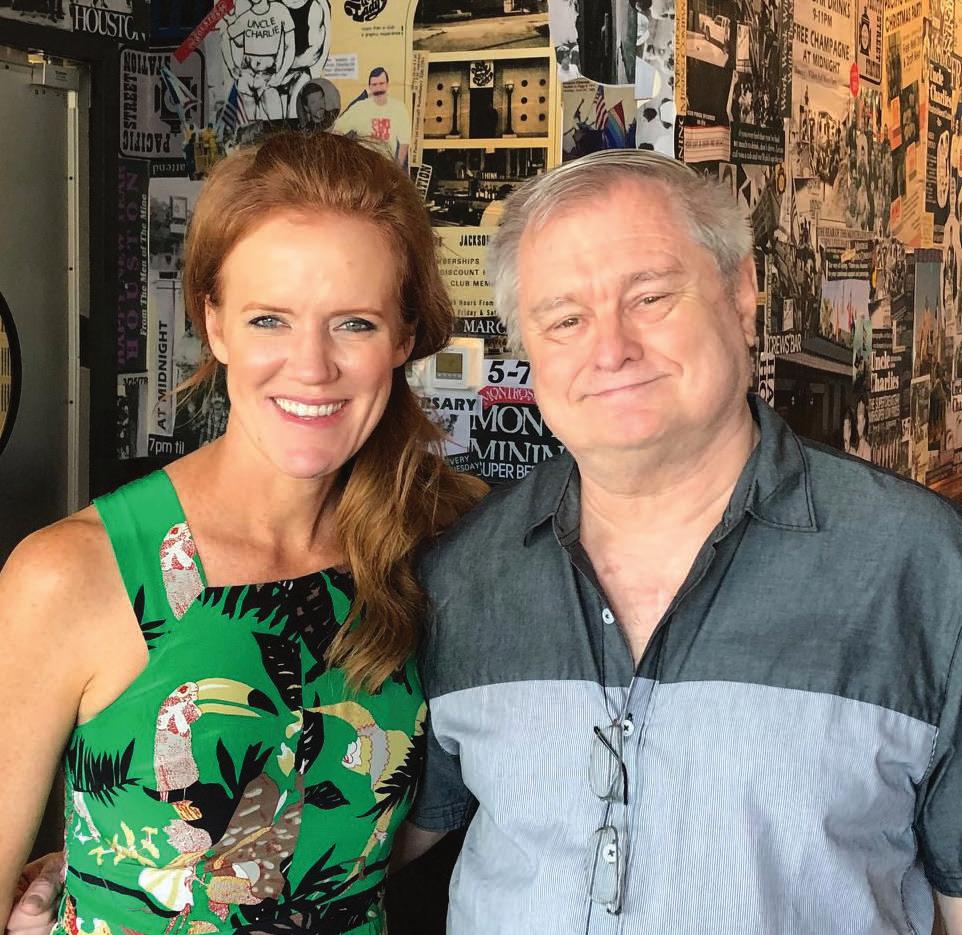
Postino Wine Cafe preserves five decades of Pacific Street memories
63 PRIDE 2020 FOSTERING SAFE SPACES
Activist Raleigh Jefferson nurtures LGBTQ community at UH
29 PRIDE IN THE MEDIA AN ADVOCATE AT ABC13
Brandon de Hoyos uses his platform to promote LGBTQ equality
38 PRIDE IN THE MEDIA ENTERTAINMENT EXPERT
Joey Guerra spotlights diverse local musicians at the Houston Chronicle
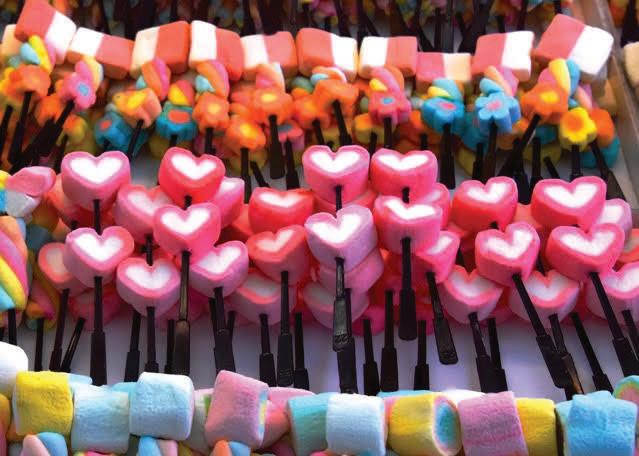
46 PRIDE 2020 THE SWEET SIDE OF PRIDE
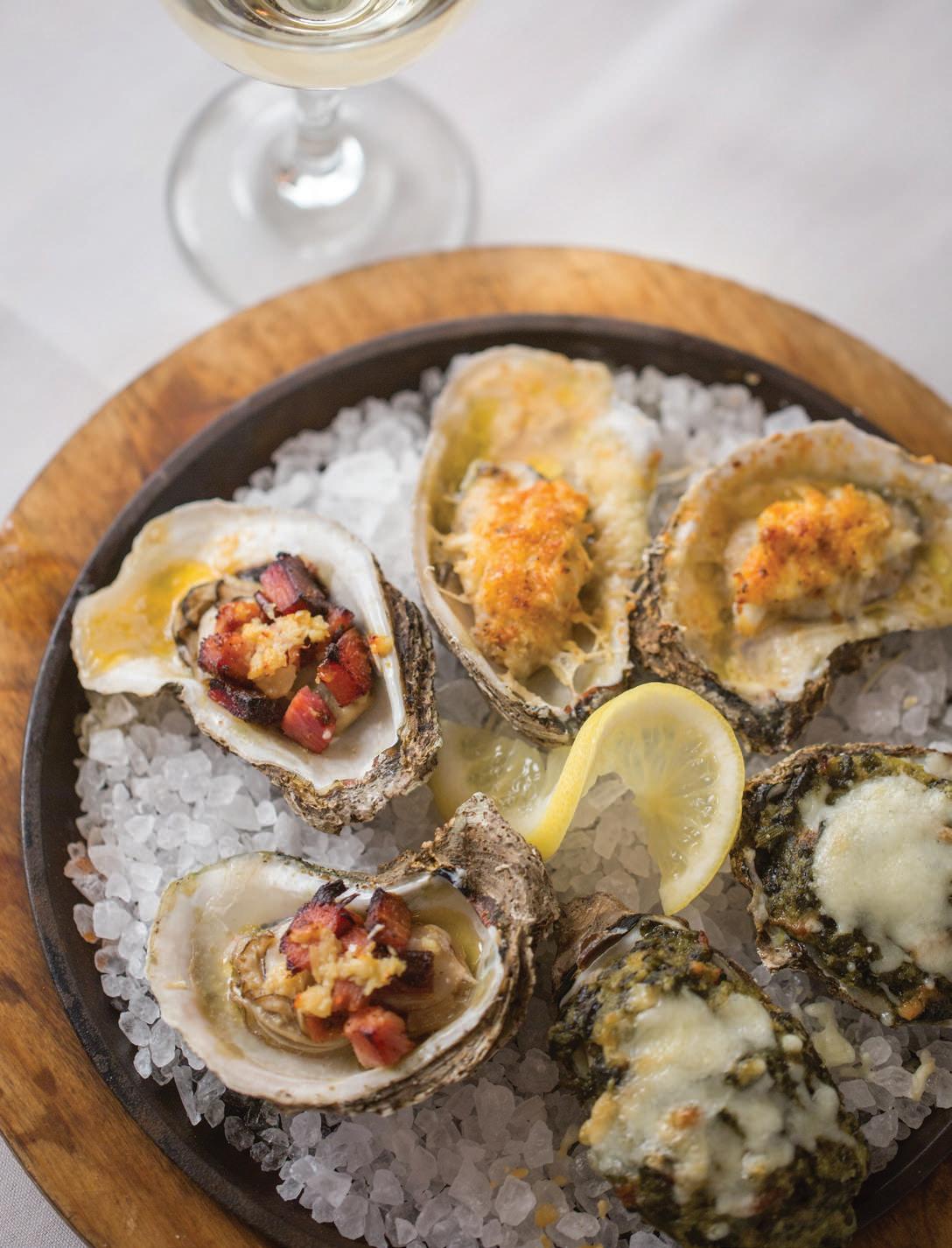
Local shops serve up rainbow desserts
55 PRIDE 2020 REKINDLING PRIDE’S ACTIVIST SPIRIT
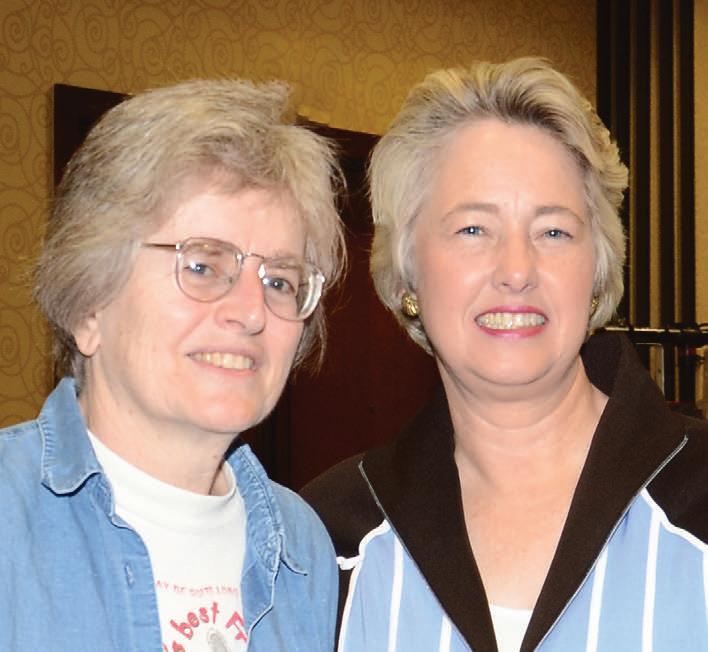
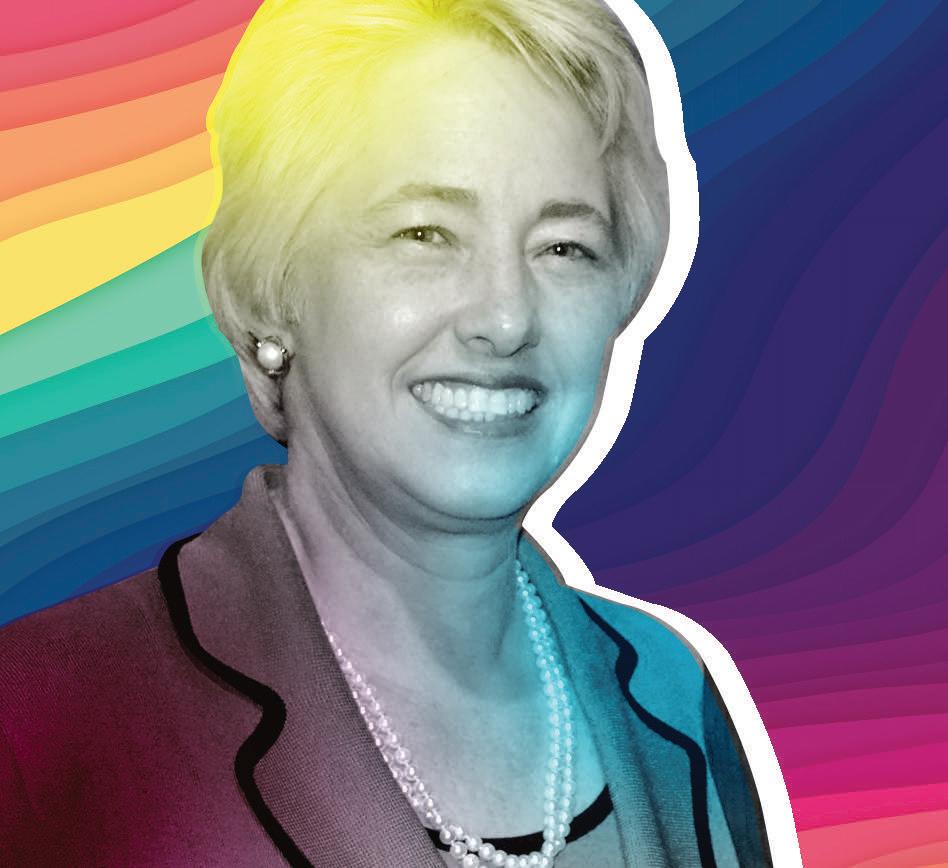
Former Mayor Annise Parker reminds us what Stonewall was all about
67 PRIDE 2020 A PANDEMIC PRIDE
Transgender student Dane Ashton reaches out for Pride Month fun
30 PRIDE IN THE MEDIA BEYOND THE AIRWAVES
Victoria Cordova helps Houston Public Media address audience needs
40 PRIDE IN THE MEDIA PROUD PRODUCER
Ernie Manouse says being out at Houston Public Media enriches his life
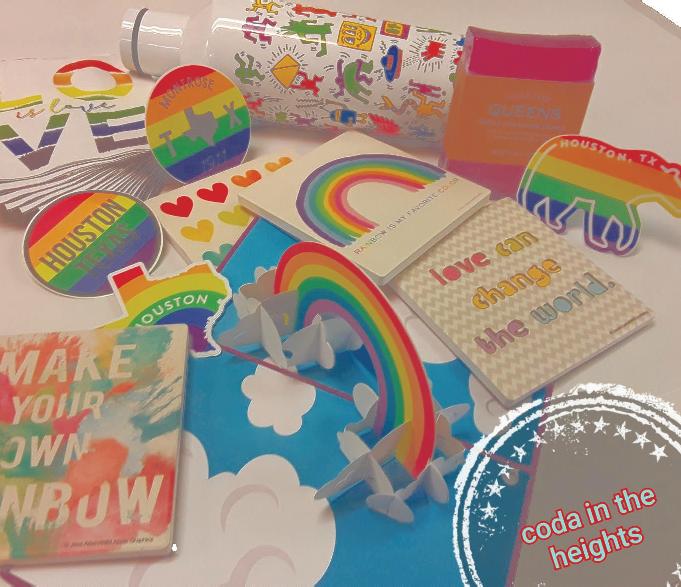
48 PRIDE 2020 DECKED OUT IN RAINBOWS
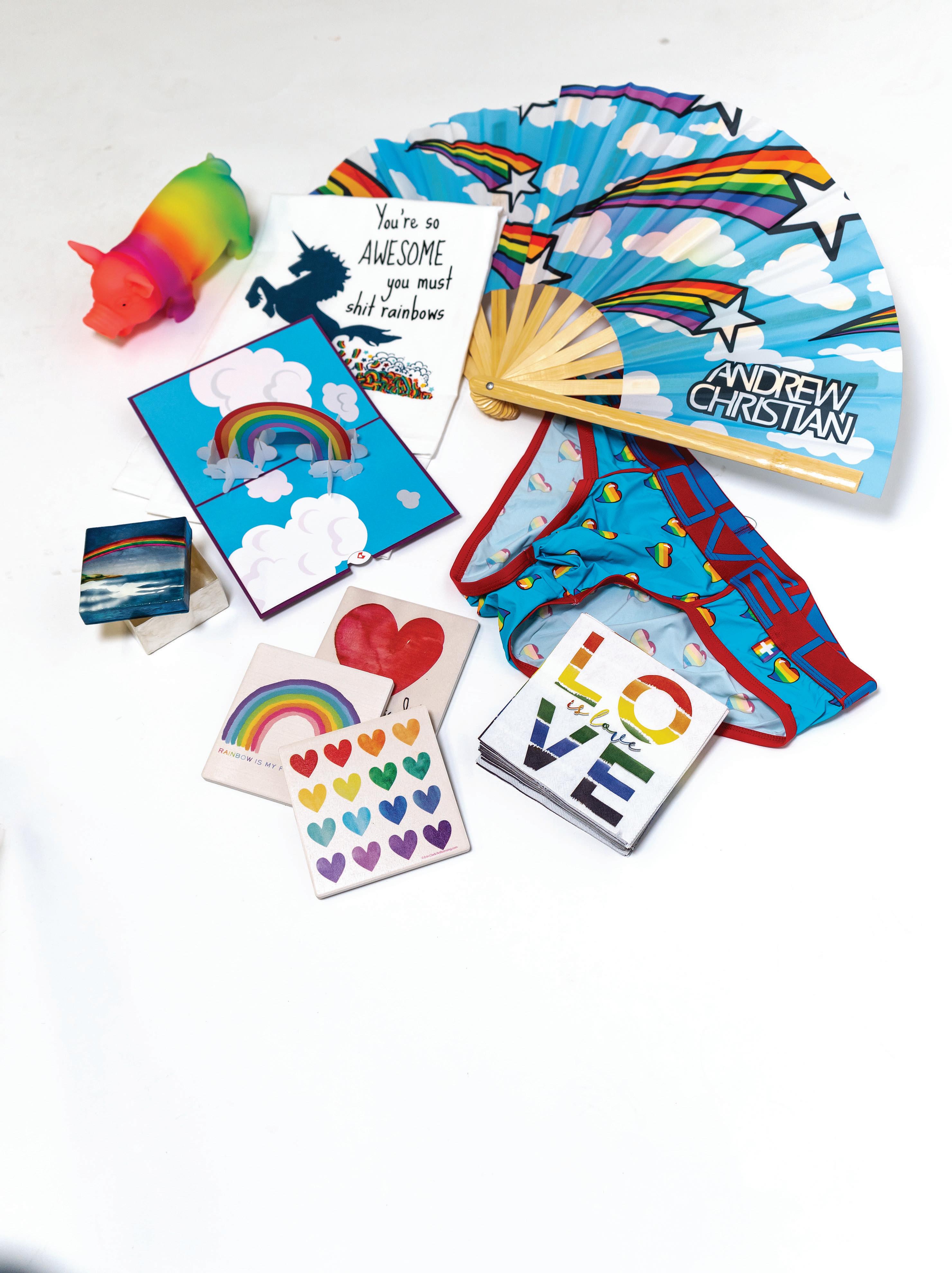
Houston businesses flaunt their Pride gear
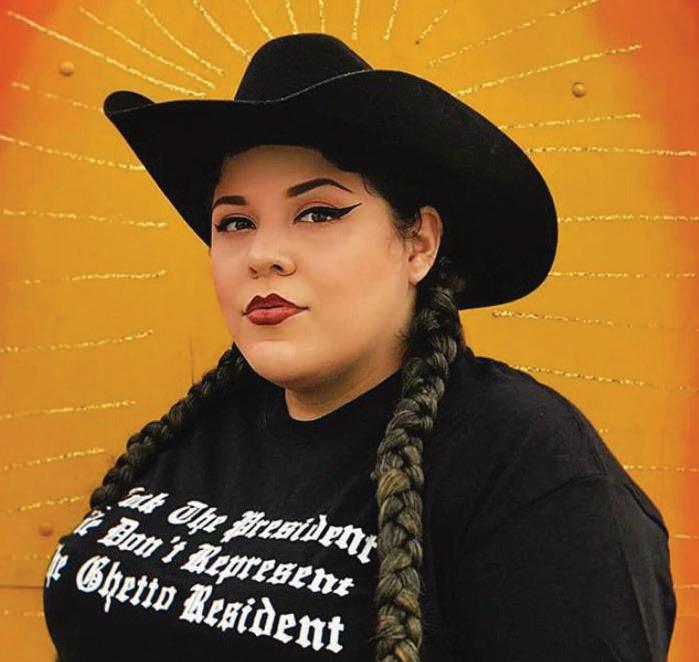
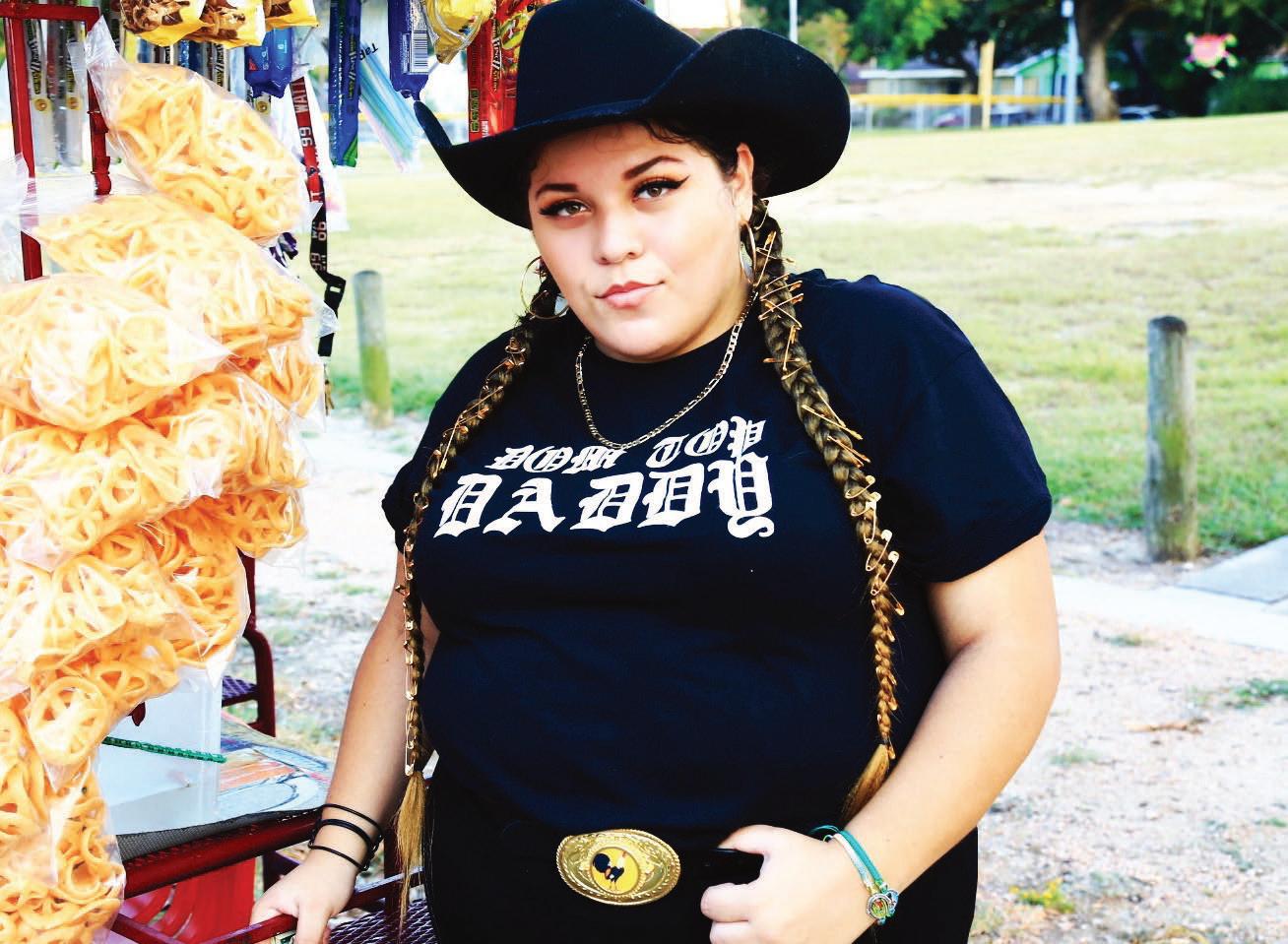
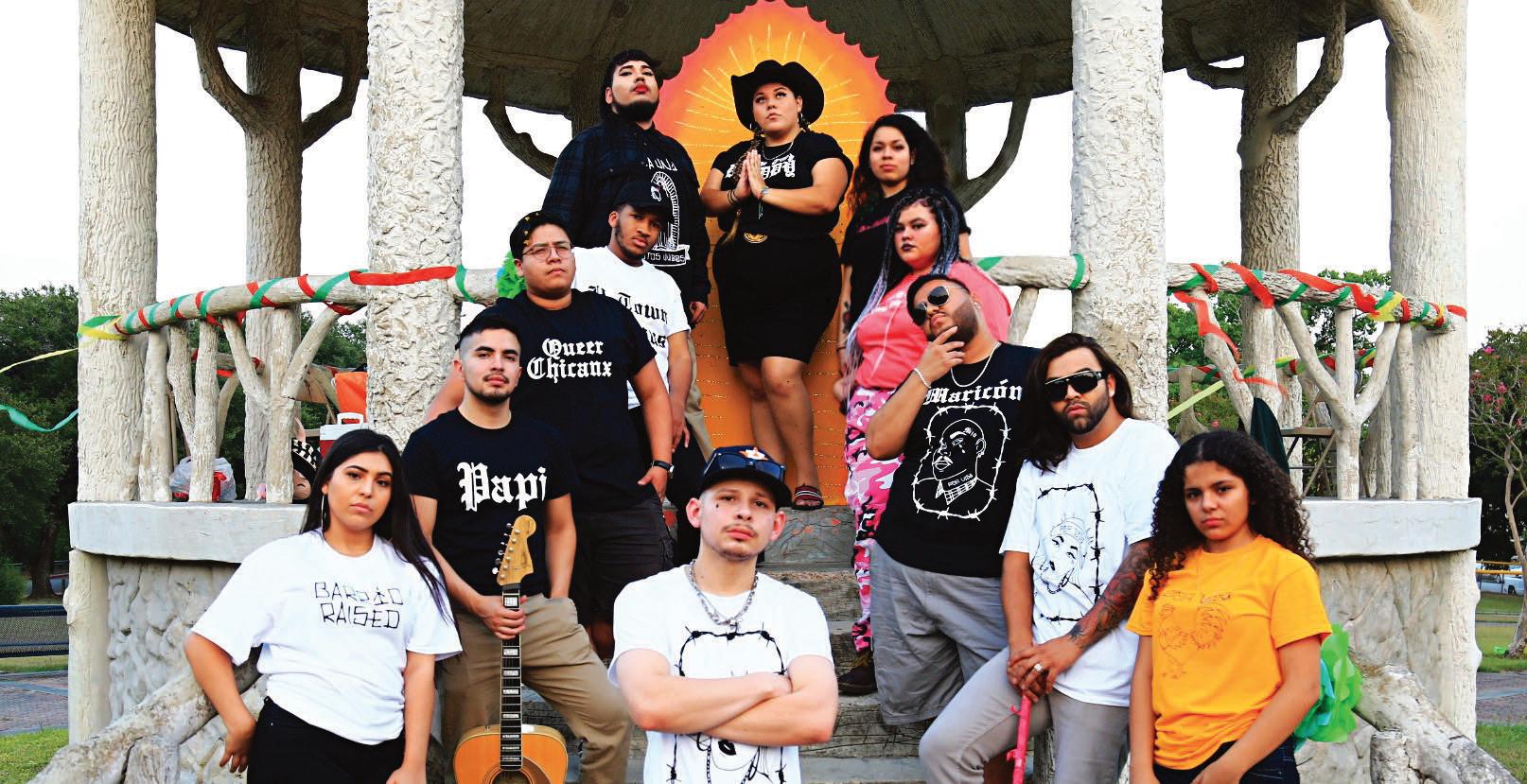
57 PRIDE 2020 QUEER AND CHICANX FOR LIFE
Erika Lopez’s diverse new clothing line
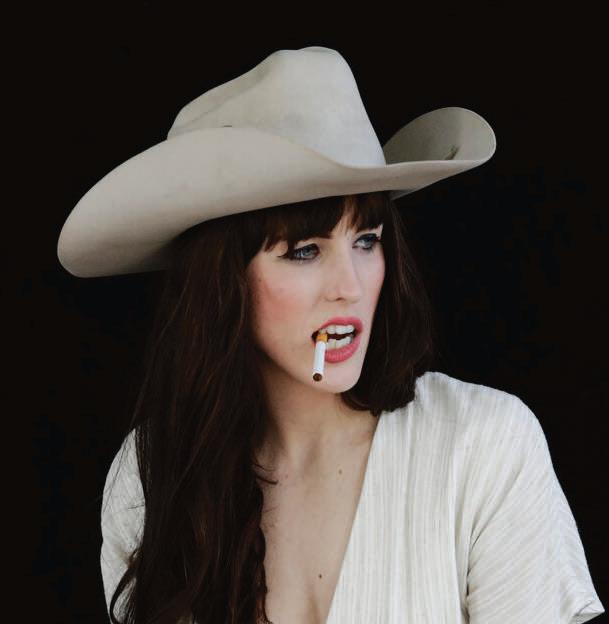
70 EMBRACING HER QUEER IDENTITY
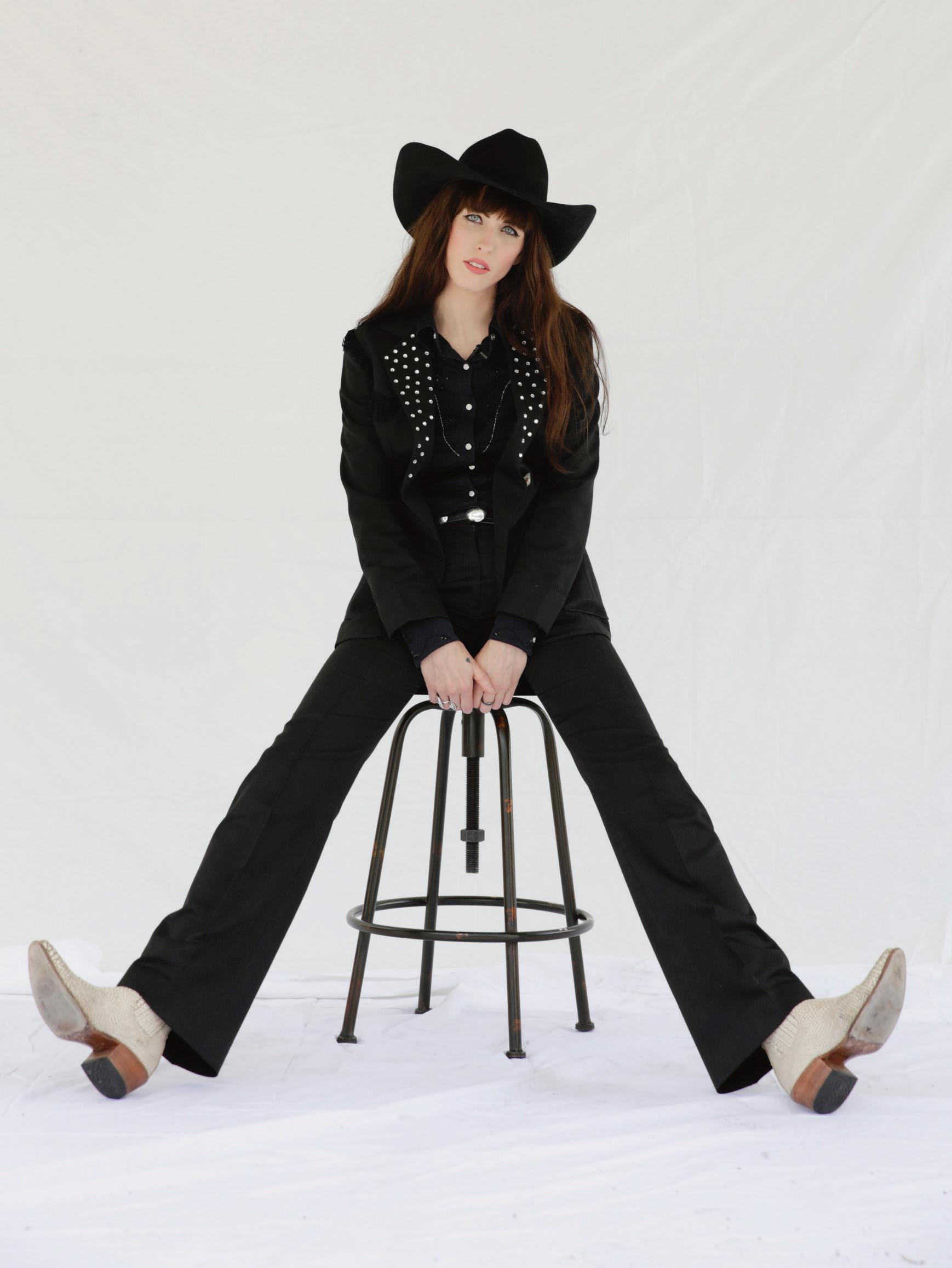
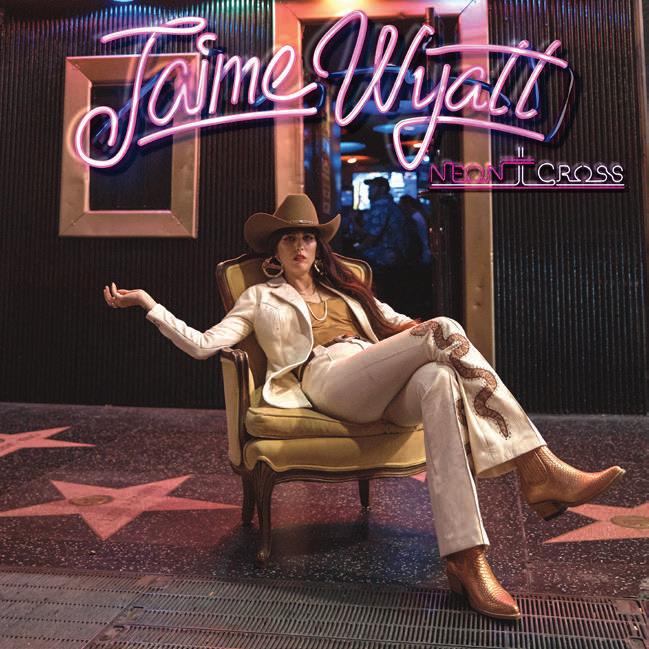
Country singer Jaime Wyatt opens up in her new album Neon Cross
34 PRIDE IN THE MEDIA FINDING A HOME IN HOUSTON
Jeff Gremillion keeps it real while covering the luxury-lifestyle scene
42 CELEBRATING QUEER RITUALS
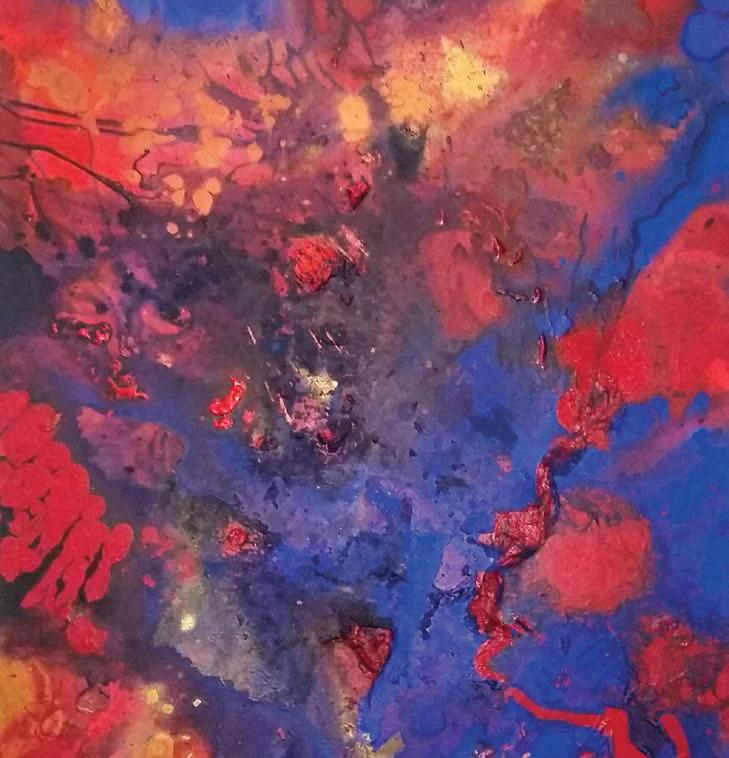
Paul Lee’s art evokes a lost age of innocence
50 PRIDE 2020 HOUSTON’S GAY BOOKSTORES
LGBTQ Houstonians recall their historic local ventures
61 PRIDE 2020 ACTIVIST FOR ACCESSIBILITY
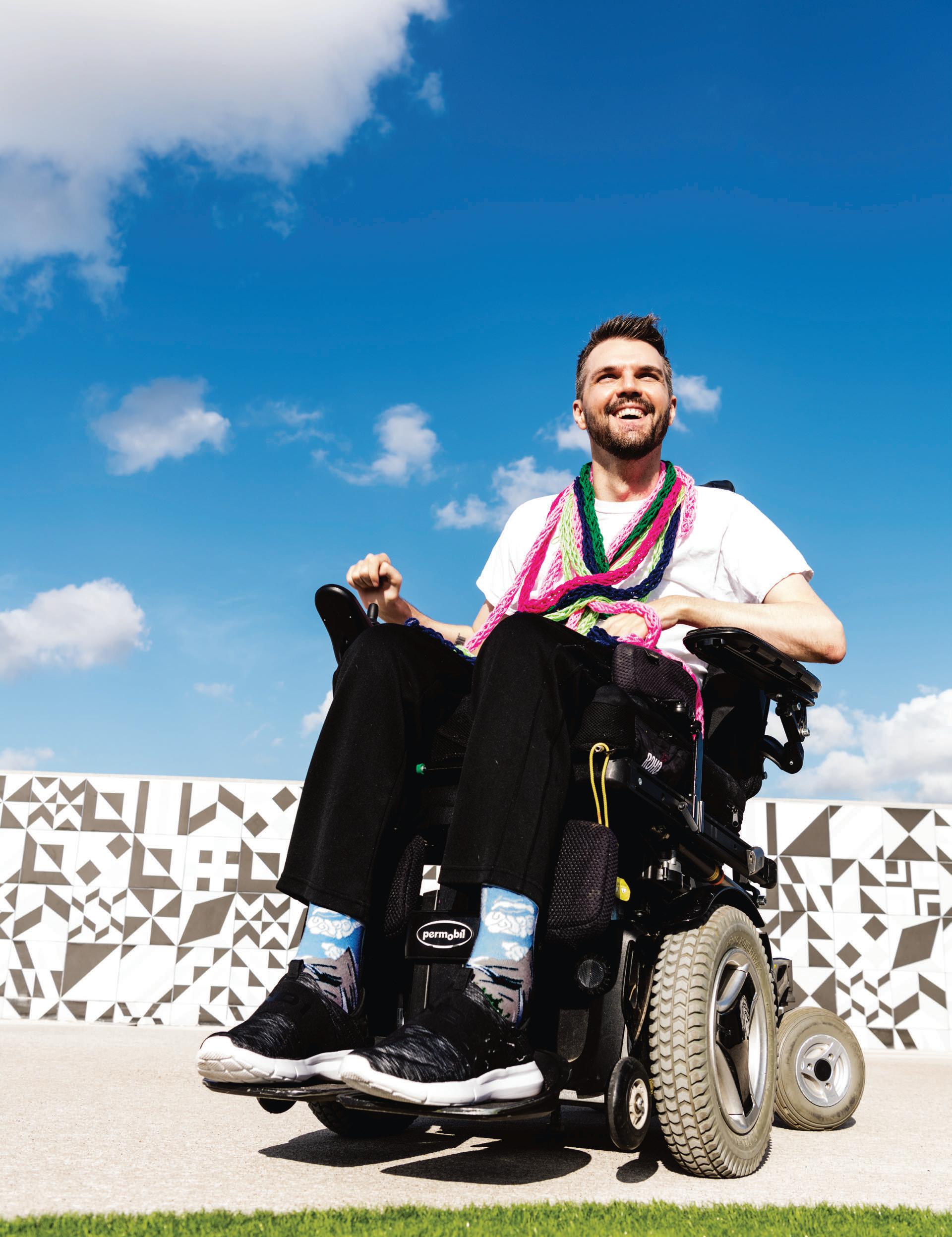
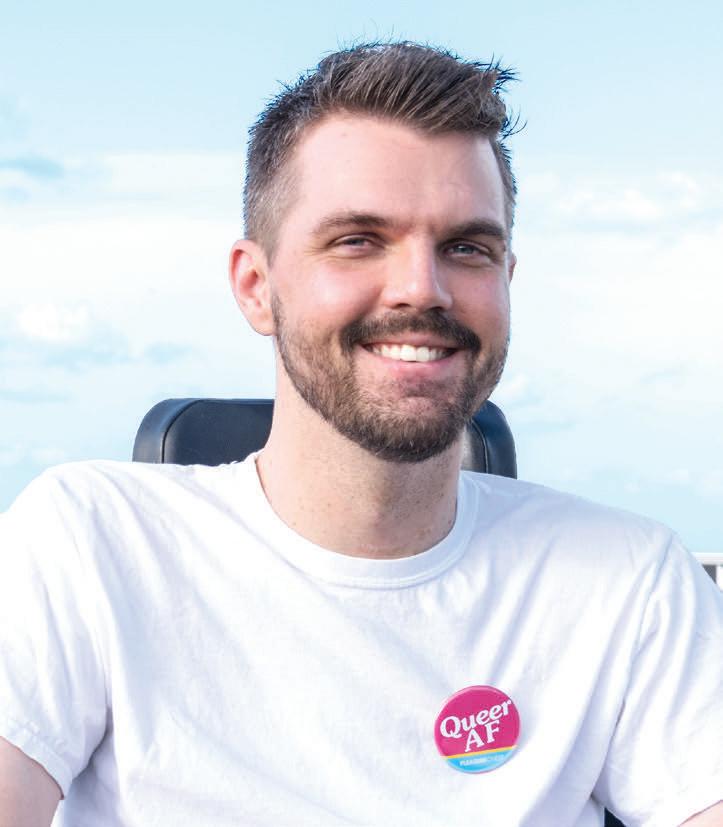
Wes Holloway is a fierce advocate for removing barriers
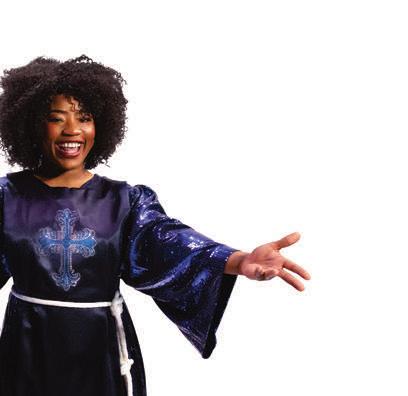
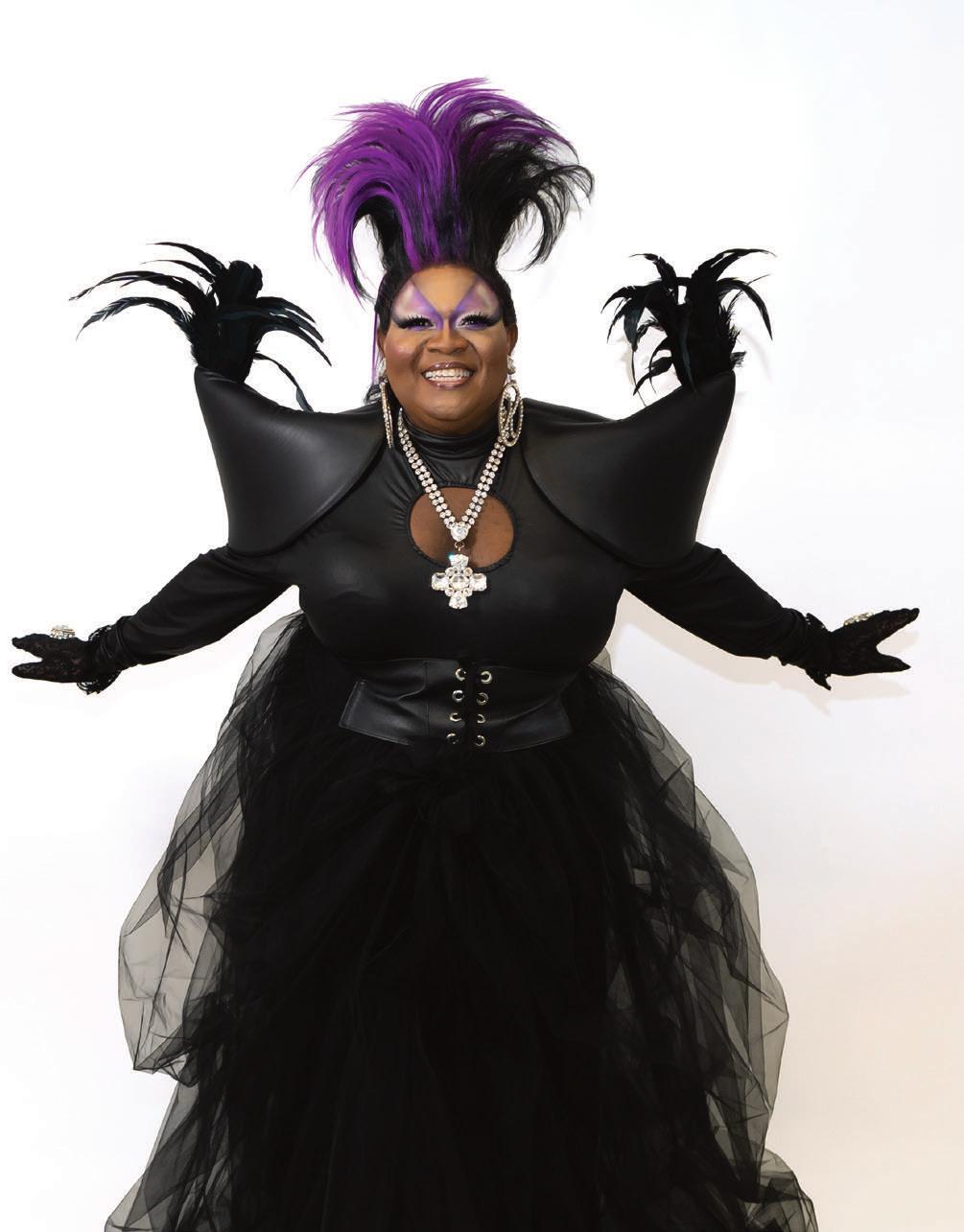
94 WIGGING OUT
Kofi keeps it piping hot
Texas
Mayor Turner’s LGBTQ Advisory Board names new co-chairs
The stages of grieving can lead to growth during painful times
Monica Roberts spells out some solutions to the police-brutality crisis
Resources for financial survival during the COVID-19 emergency
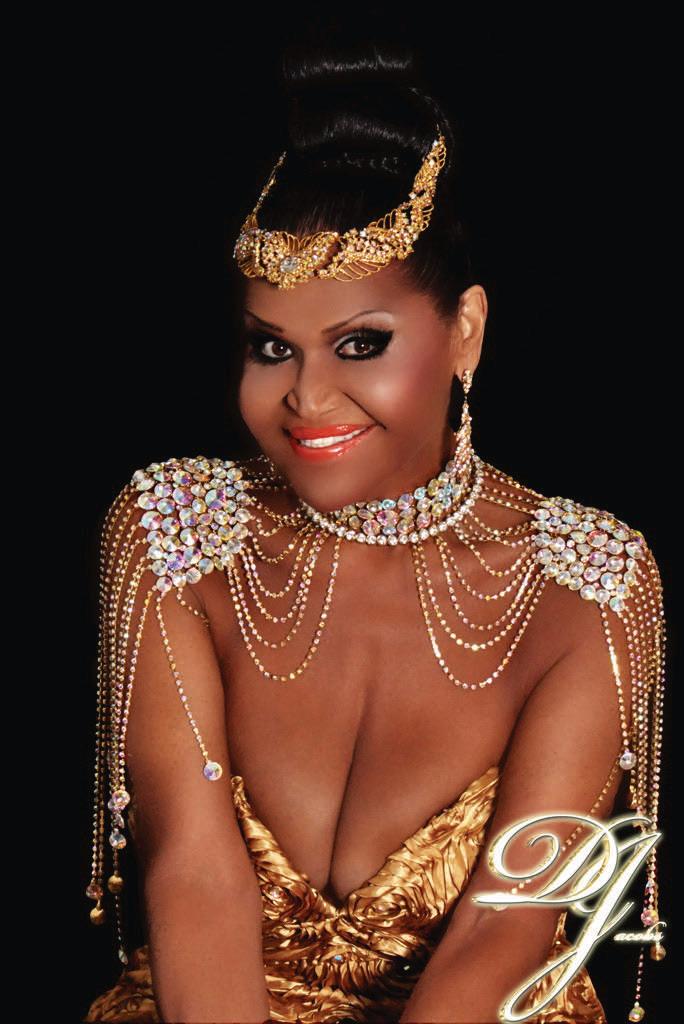
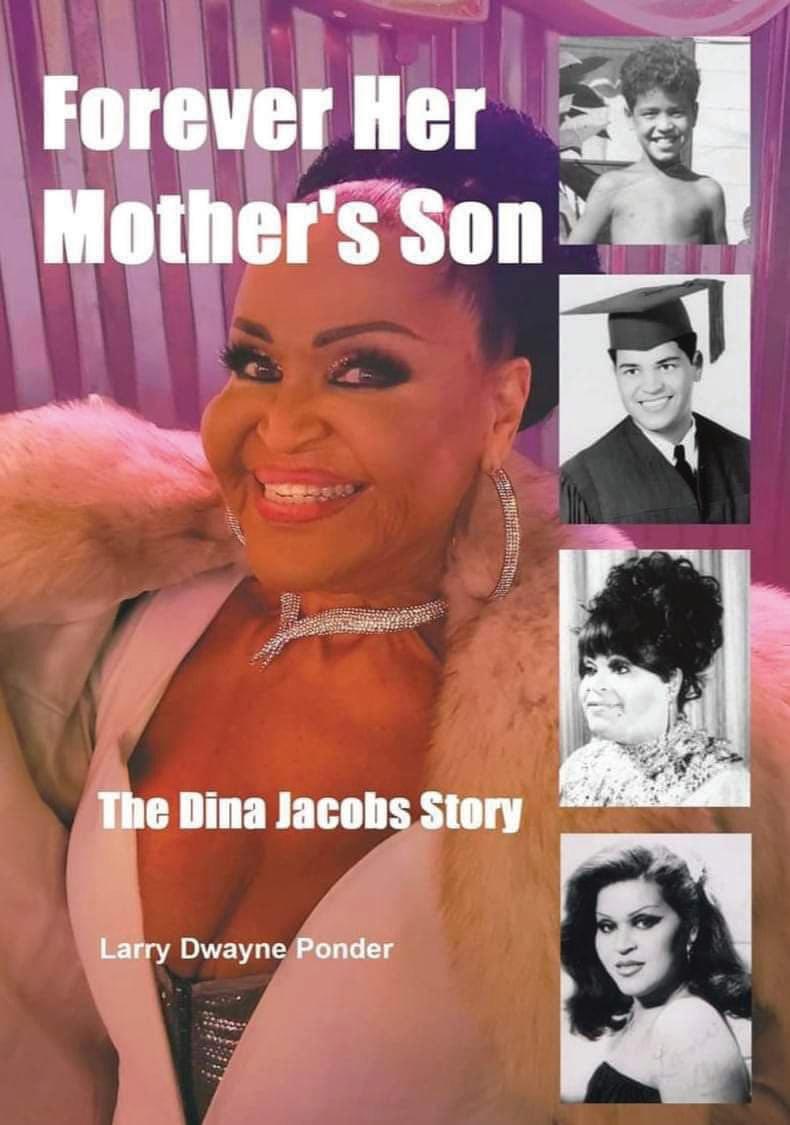
Trans entertainer Dina Jacobs’ new bio recounts her courageous journey
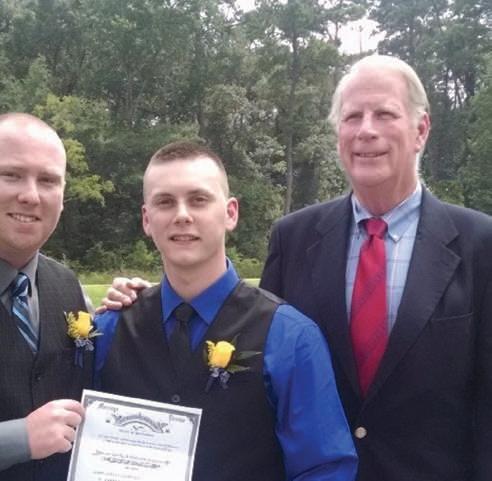
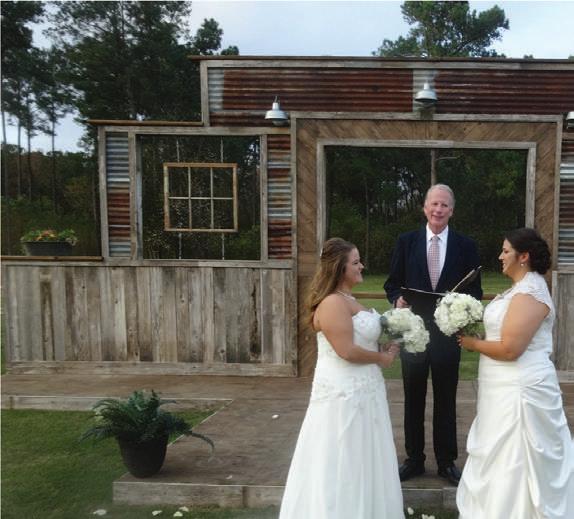
Wedding officiant Johnny Peden reflects on his
| Wealth Advisor
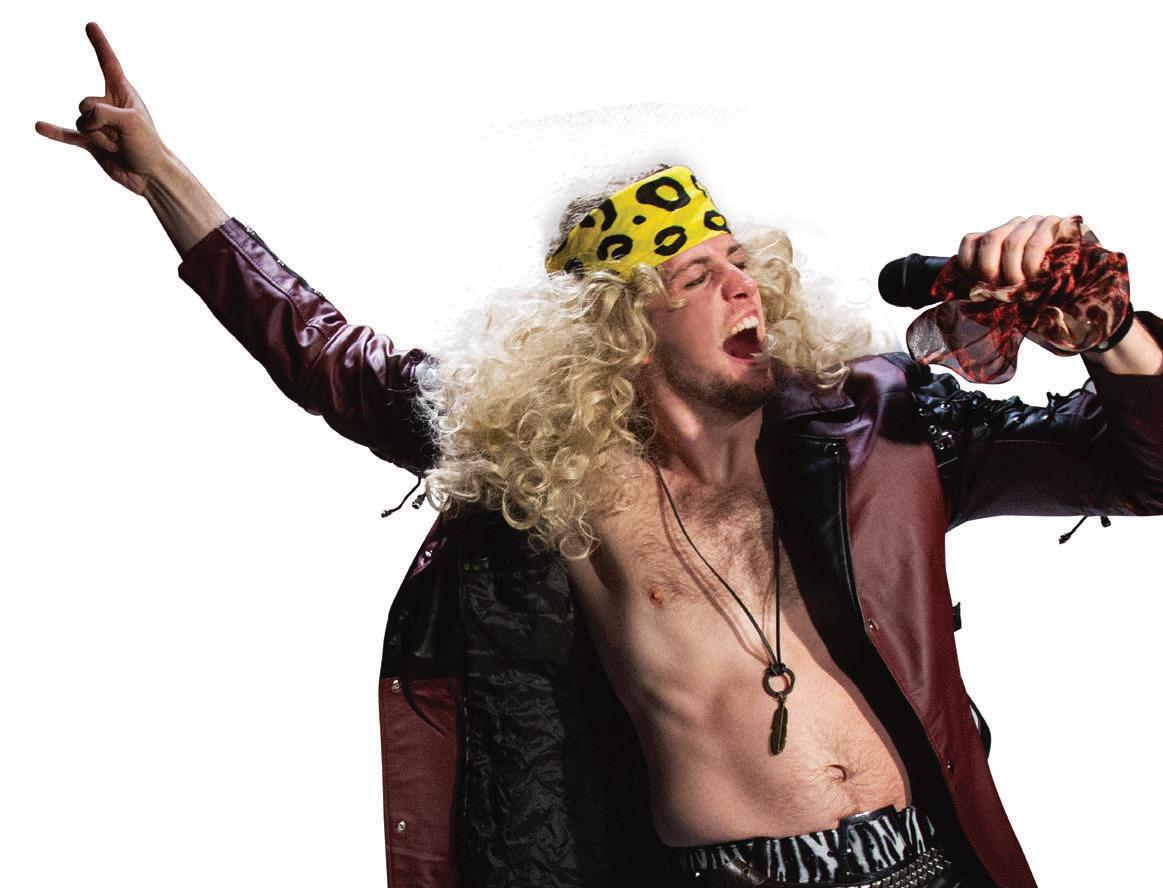
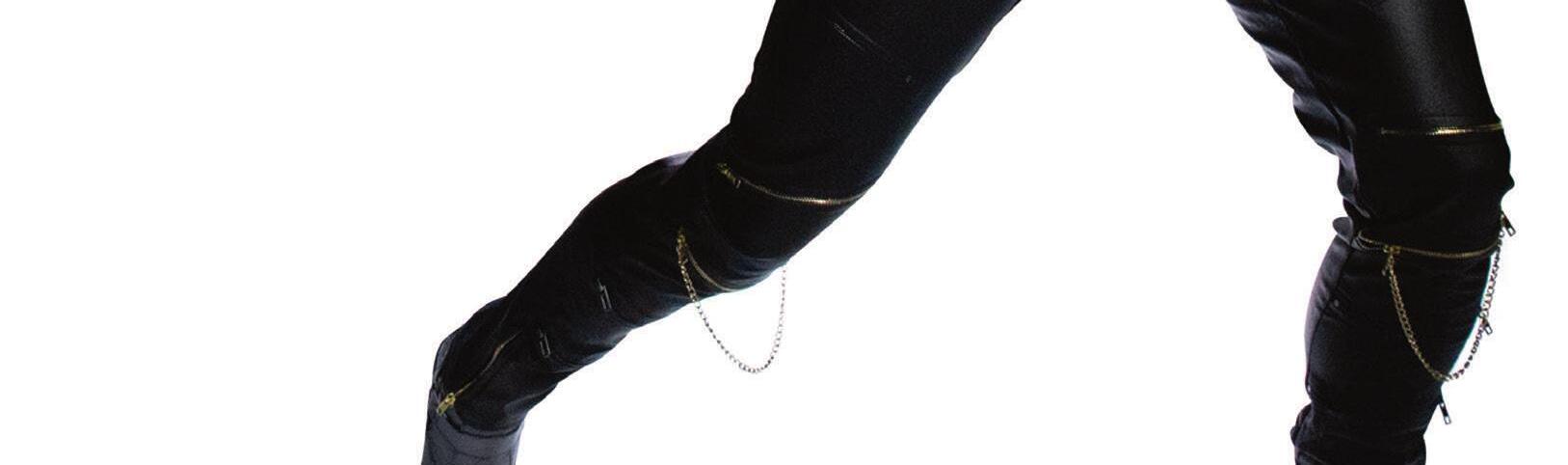
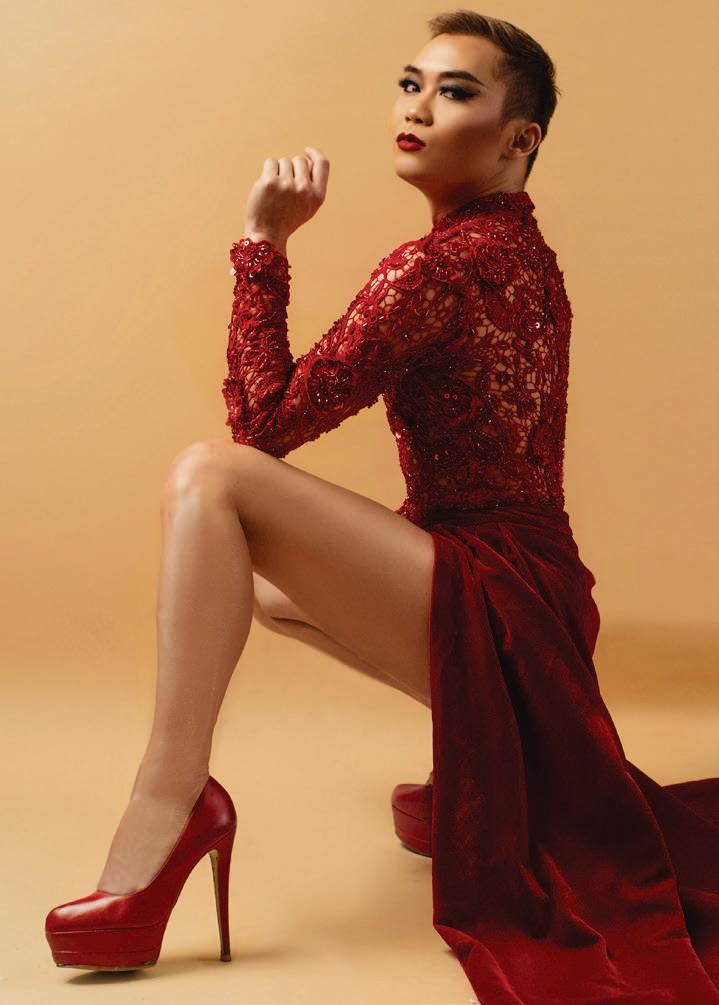
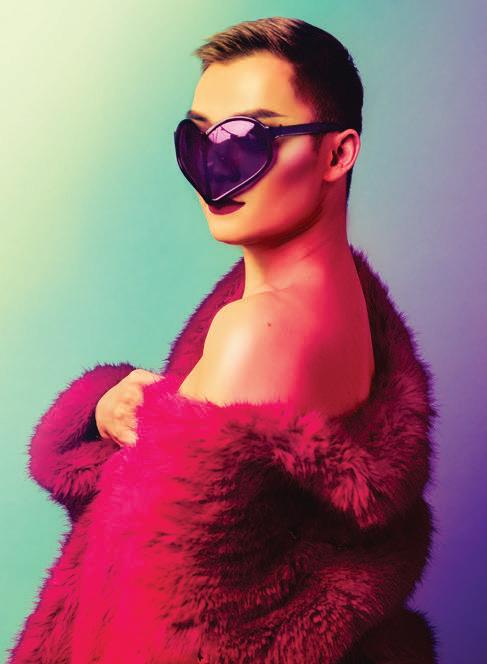
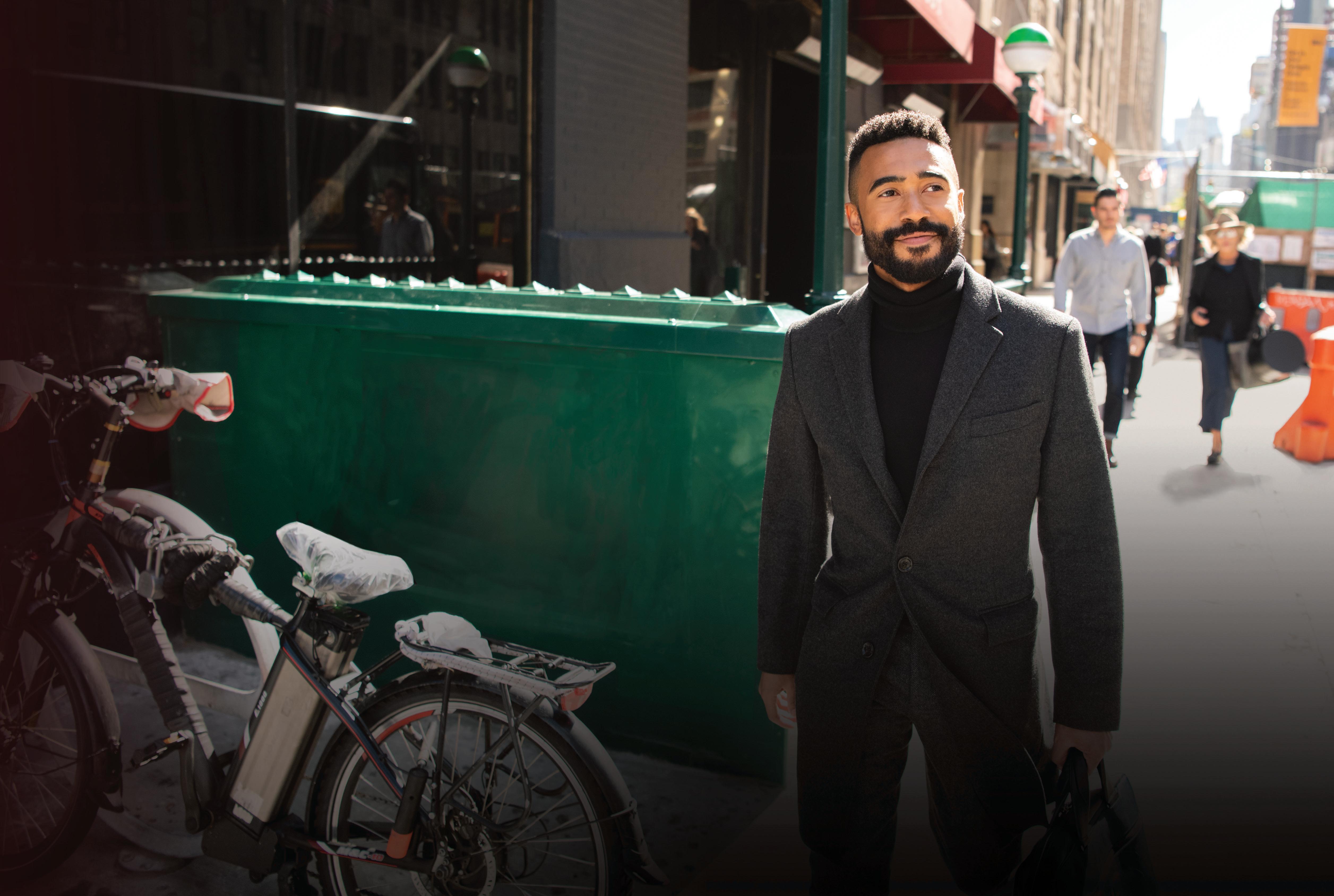
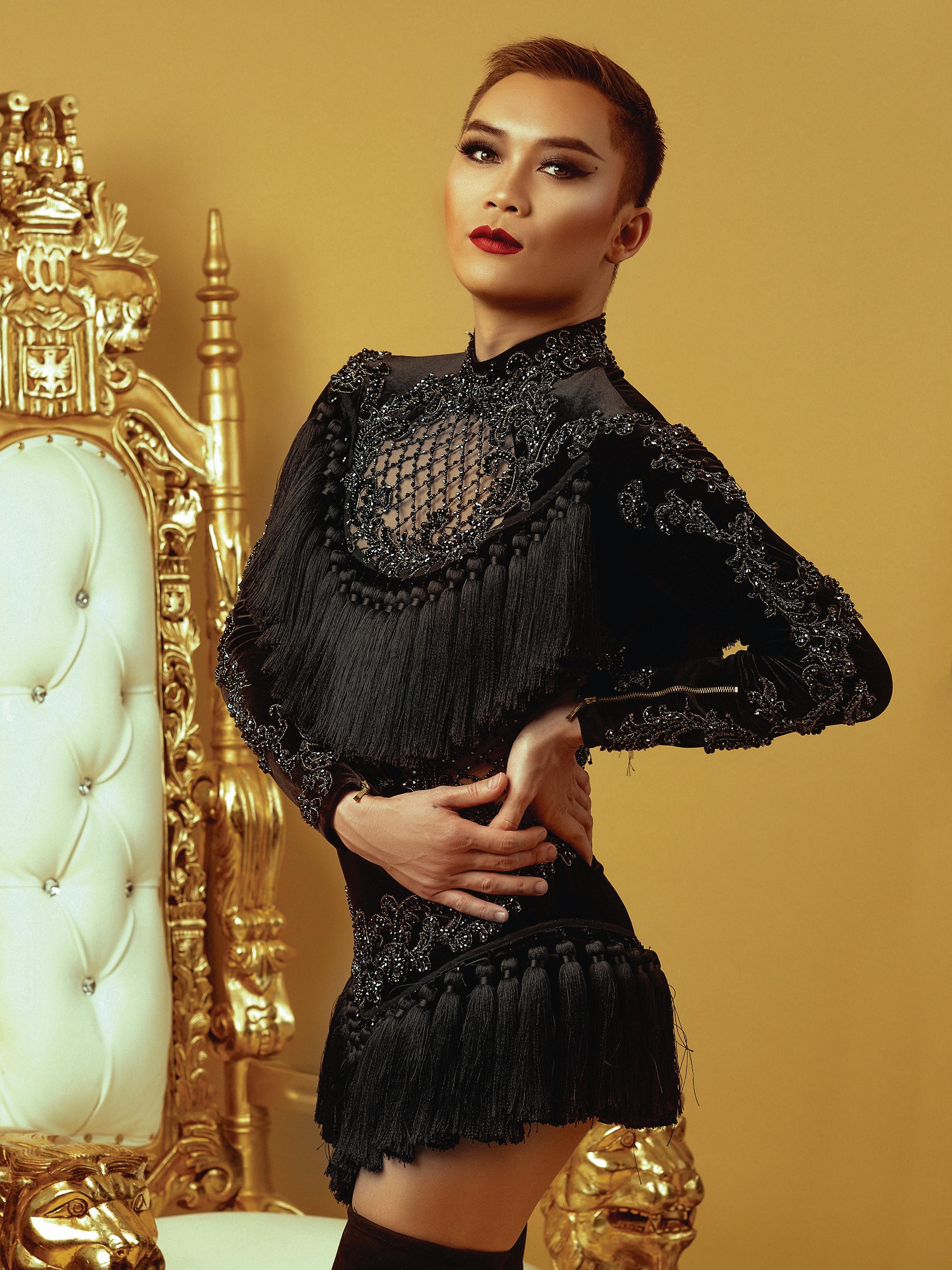
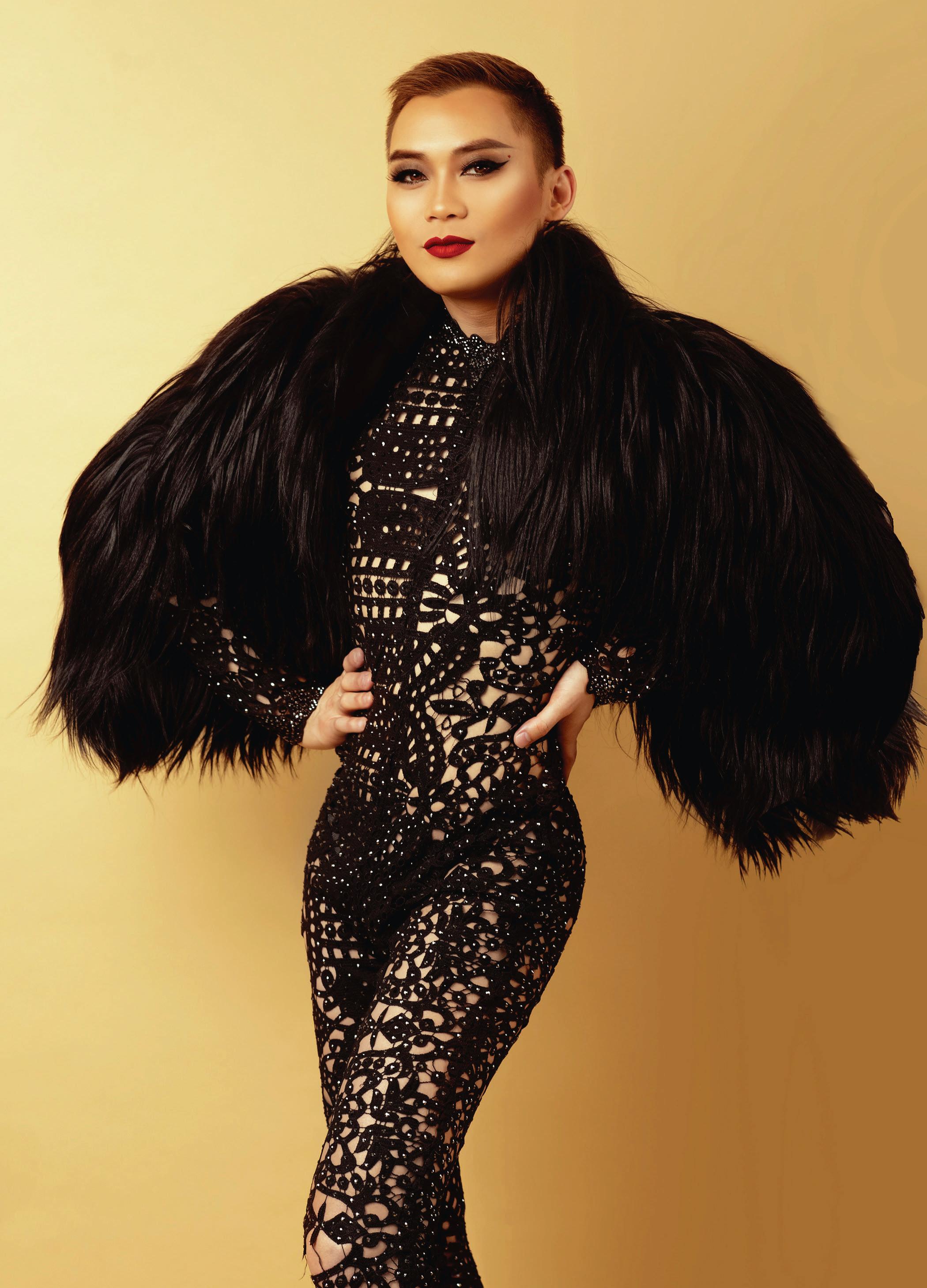
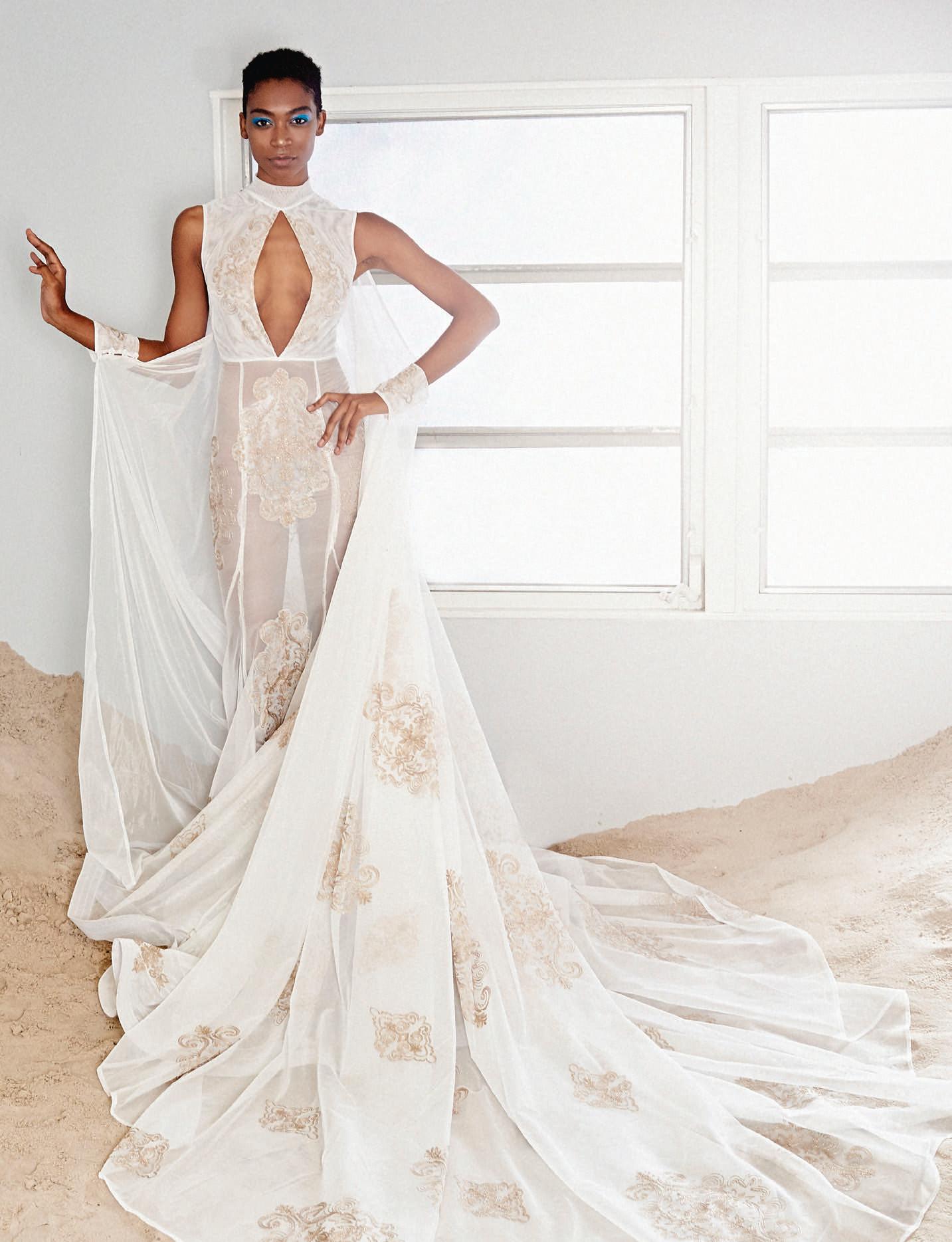
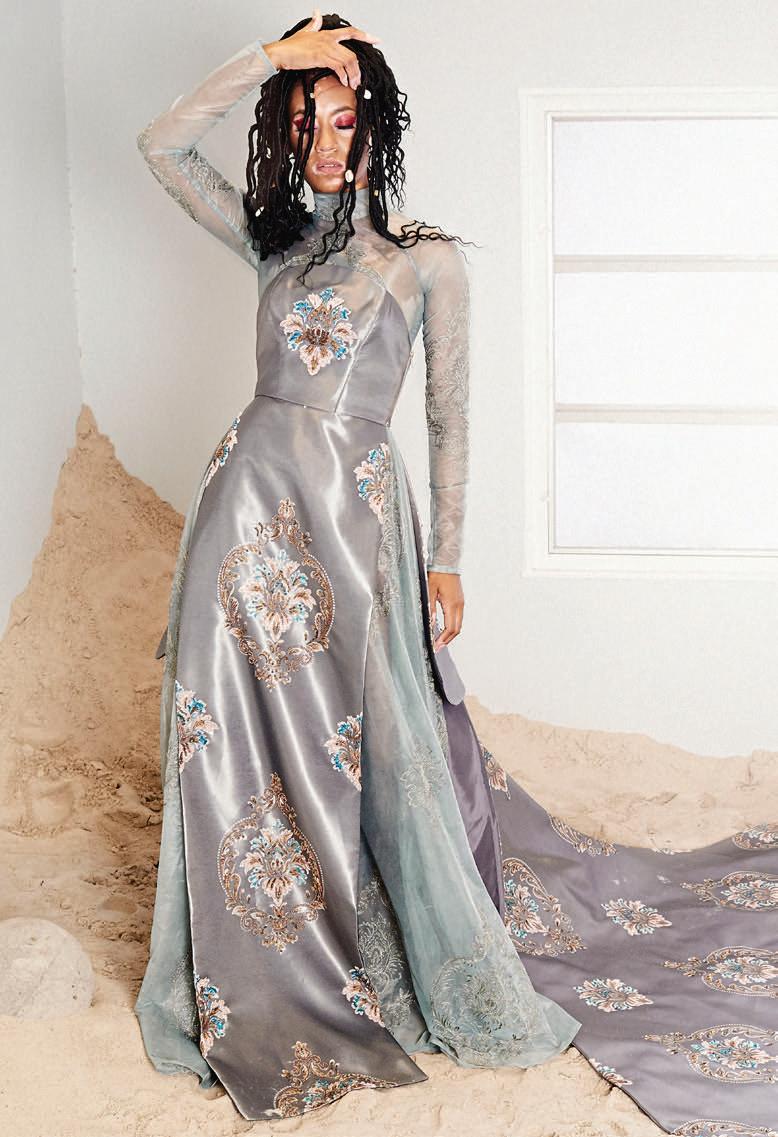
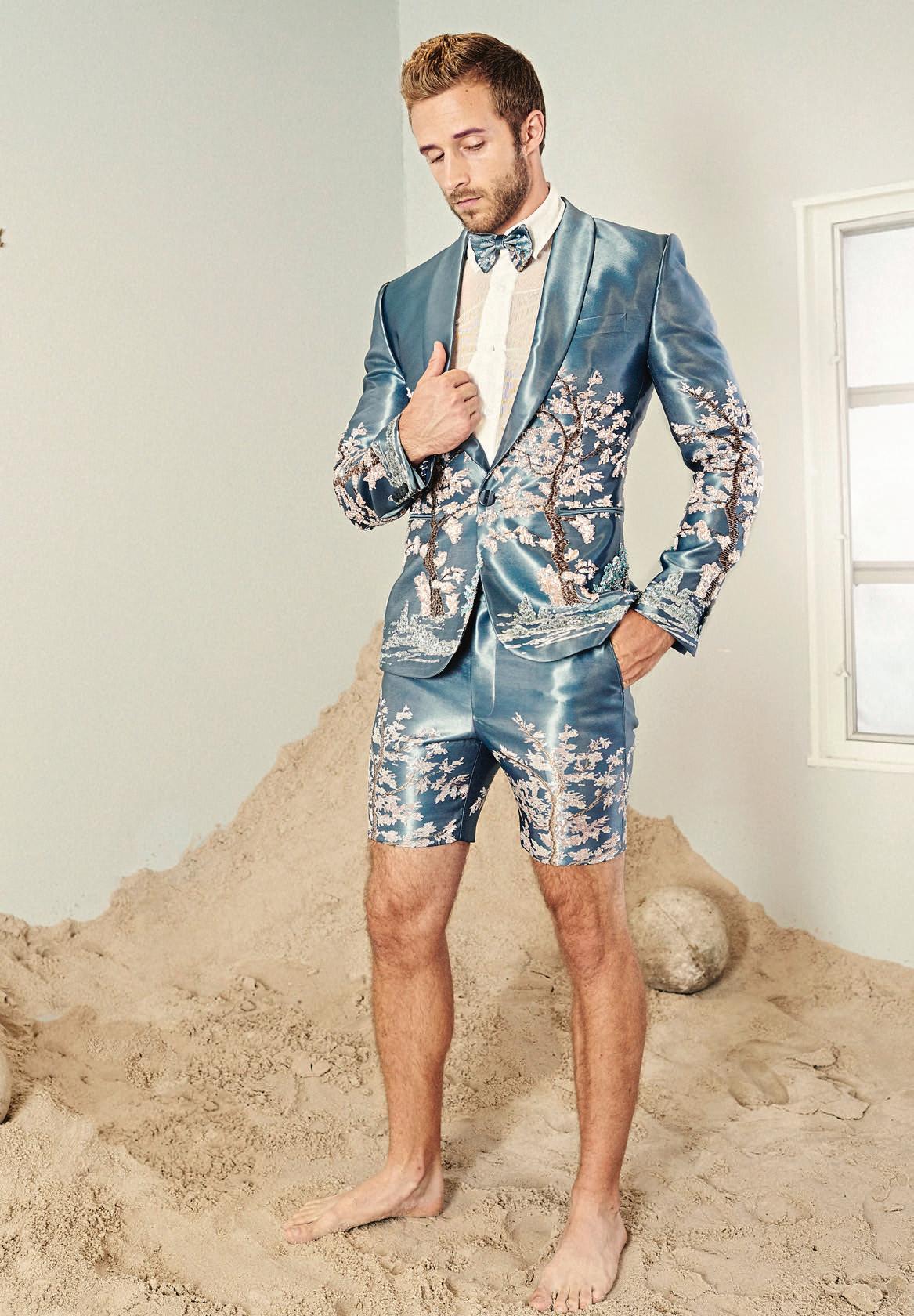
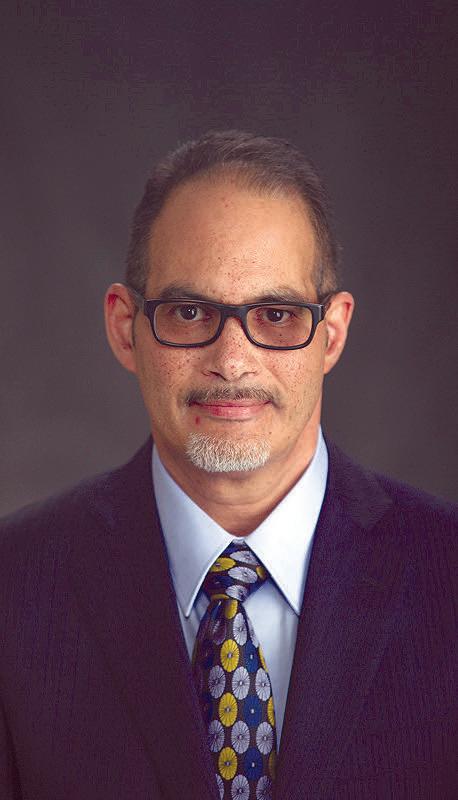
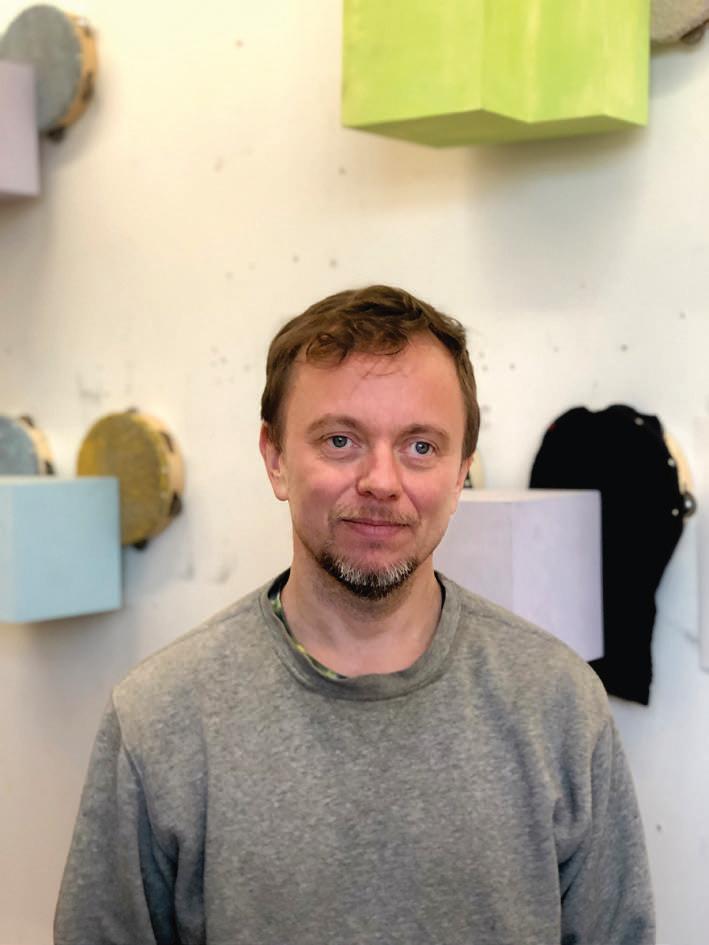
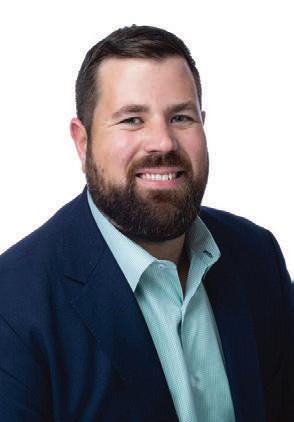
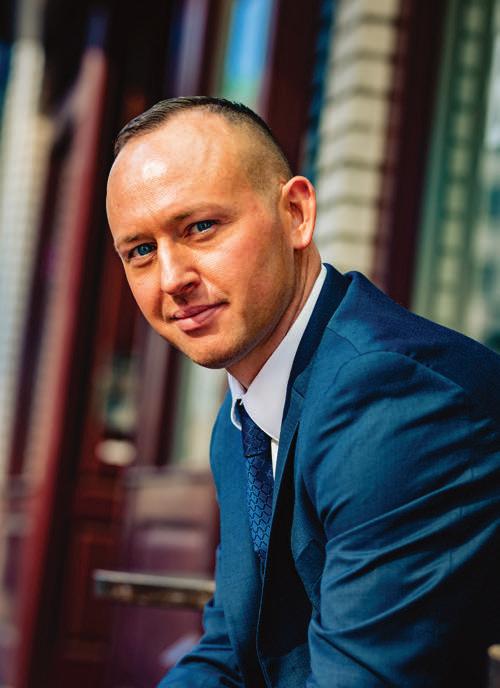
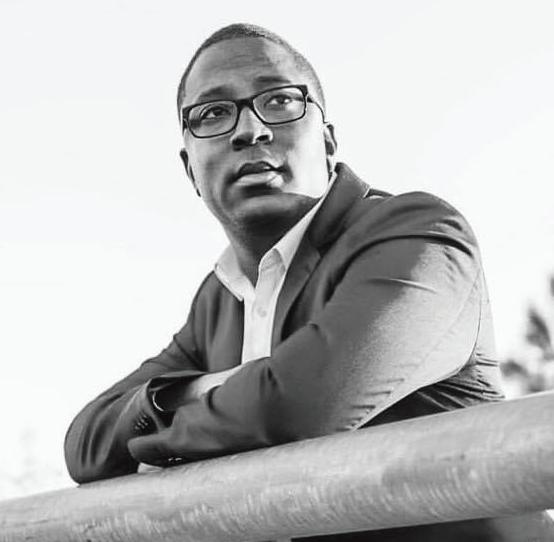
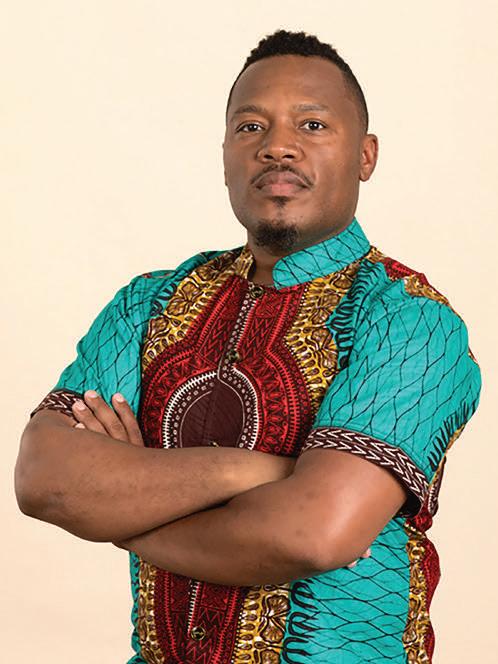
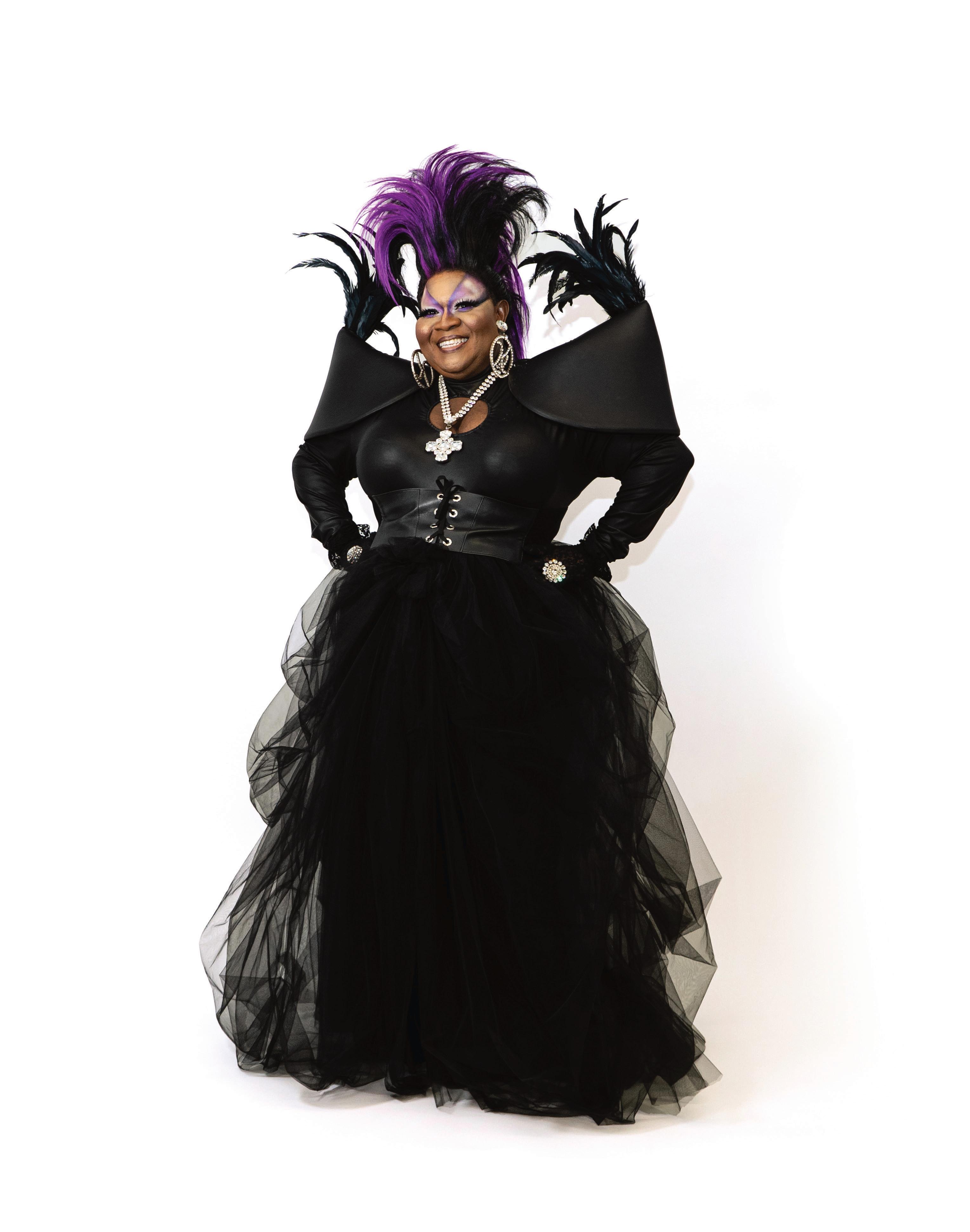
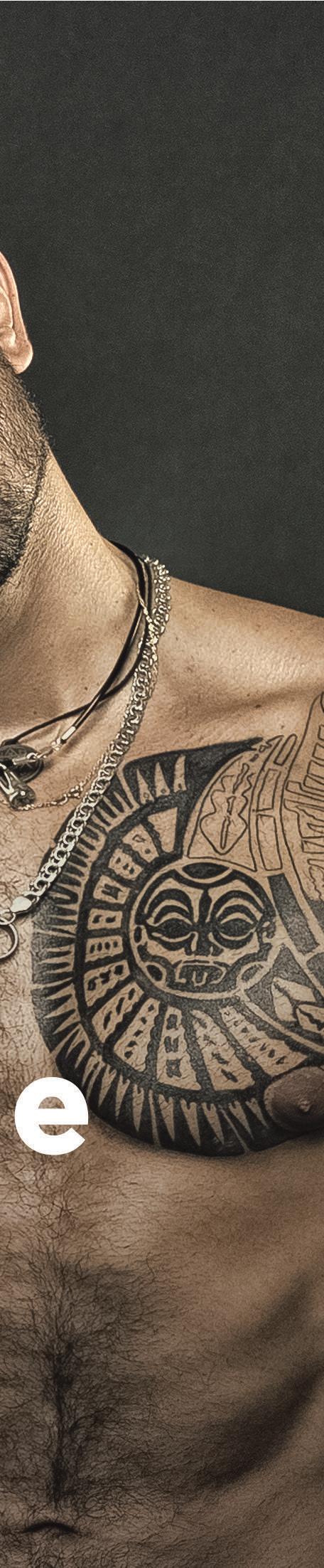
Fashion designer Nicholas Phat Nguyen walks the line between gender, couture, and high art Photography by Obsidian + Blush
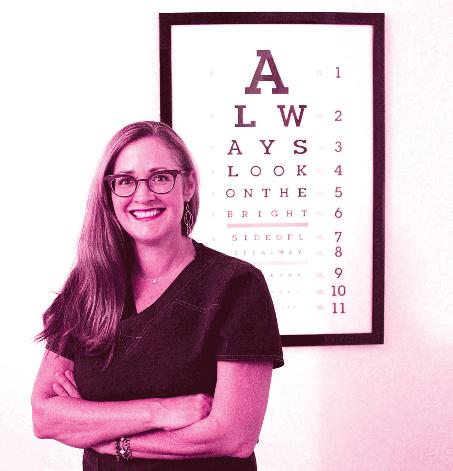
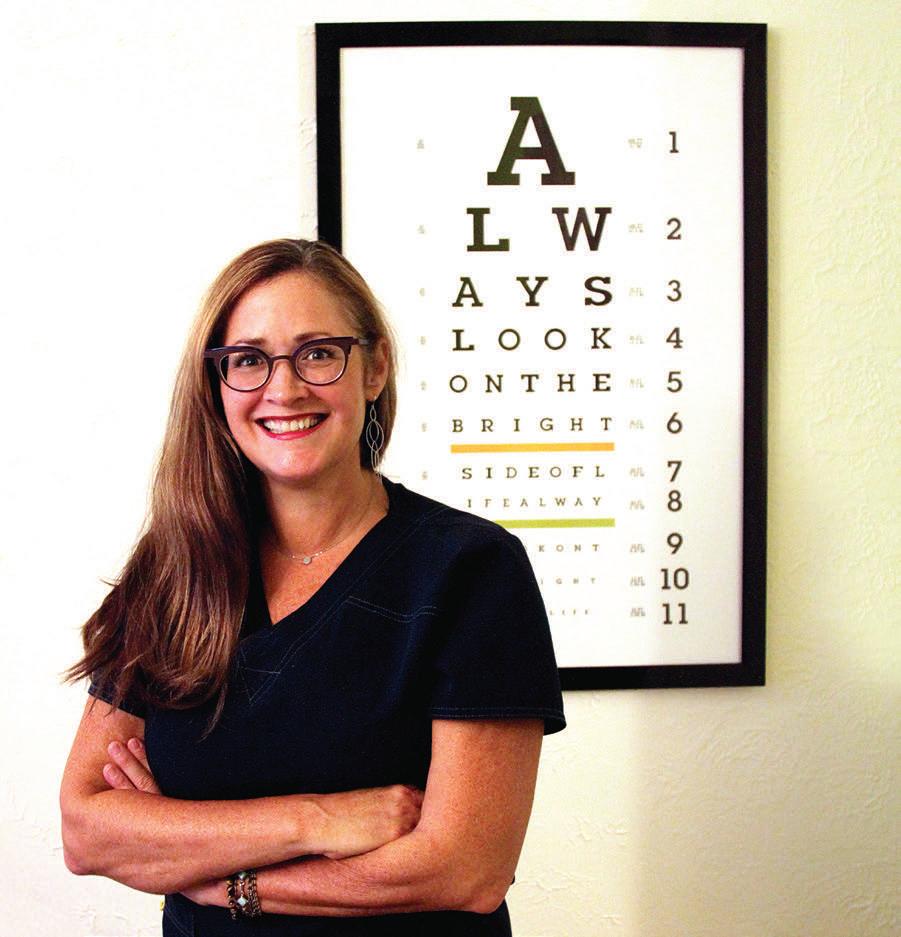
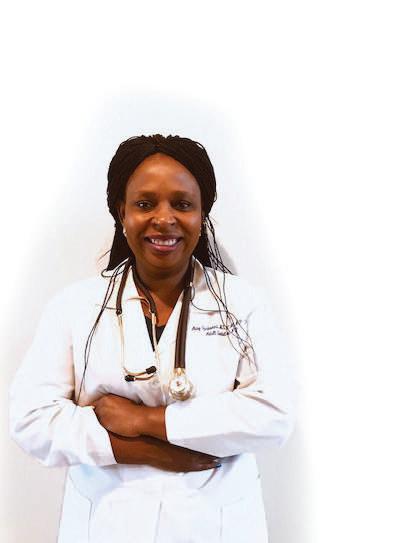
Voted Best Female Physician
Publisher/Editor-in-Chief Greg Jeu
Associate Publisher Tom Fricke
Creative Director Alex Rosa
Managing Editor Lourdes Zavaleta
Entertainment Editor Blase DiStefano
Copy Editor Howard Maple
Web Editor Lourdes Zavaleta
Contributing Writers
John Aaron, Olivia Flores Alvarez, Rich Arenschieldt, Bill Arning, Susan Bankston, Connor Behrens, Jenny Block, Sam Byrd, Andrew Edmonson, Ste7en Foster, Sarah Gish, David Goldberg, Martin Gonzalez, DL Groover, Marene Gustin, Kim Hogstrom, James Hurst, Lisa Keen, Ryan M. Leach, Don Maines, Zachary McKenzie, Joanna O’Leary, Monica Roberts, Lilly Roddy, Terri Schlichenmeyer, Gregg Shapiro, Janice Stensrude, Henry V. Thiel, Megan Wadding, Brandon Wolf, Grace S. Yung
Photographers/Illustrators
Edgardo Aguilar, Angel Albarran, Dalton DeHart, Yvonne Feece, Josseline Martinez, Mark S. McCray, Ashkan Roayaee
Interns
Alys Garcia Carrera, Lillian Hoang
Account Executives
Jack Berger, Joanna Jackson
National Advertising Representative Rivendell Media - 212.242.6863
June is Pride Month, and we’d be remiss if we didn’t point out the sad irony of commemorating the Stonewall Riots in New York City while the same kind of violent civil-rights protests are being seen nationwide in response to the senseless killings of George Floyd and so many other Black Americans.
Floyd, an unarmed Black man, was handcu ed and then murdered outside of a grocery store by Minneapolis police on May 25. Two weeks earlier in Louisville, Kentucky, Breonna Taylor, a Black woman, was asleep in her bed when police o cers broke in and shot her to death. In February, Ahmaud Arbery, a Black man, was jogging in an upscale rural Georgia neighborhood when he was ambushed and murdered by
neighborhood vigilantes. The list goes on.
These incidents show a horrifying pattern of innocent Americans being brutalized because of the racial tensions that have existed in America for centuries. We cannot allow these injustices to occur any longer. It is time to expose and condemn racism and the white-supremacist (and antigay) organizations that tra c in hatred and lies.
The LGBTQ community understands all too well the need to mobilize to resist police brutality. It is in our history. Each year, our Pride celebrations commemorate the breakthrough moment in the summer of 1969 when three LGBTQ women of color—Marsha P. Johnson, Sylvia Rivera, and Storme DeLaverie—kicked o the movement and pushed us to declare that
we would no longer tolerate abuse from corrupt police o cers. We had decided that it was time to live openly and authentically in a country that routinely demonized its LGBTQ citizens.
O UTSMART stands in full solidarity with the Black community in the fi ght against this systemic oppression. We call on all members of the LGBTQ community to use whatever privilege they have been a orded in the fi ght for justice.
We can all promote racial justice by signing ballot-initiative petitions, donating to fundraisers for progressive candidates and their causes, sharing information and networking opportunities online, staying informed, voting, protesting, and more.
A helpful resource list is found on the Black Lives Matter organization’s website at blacklivesmatters.carrd.co/.
Finally, before you jump into this special June Pride edition of O UTSMART, we want to remind you to take a minute to send positive, healing thoughts to the families of George Floyd, Breonna Taylor, Ahmaud Arbery, and every victim of police brutality and racism. And don’t forget to check on your own friends and family who are grieving over these heartbreaking murders.
Black Lives Matter.
Happy Pride!
Lourdes Zavaleta M ANAGING EDITOR
IMPORTANT FACTS FOR BIKTARVY®
This is only a brief summary of important information about BIKTARVY and does not replace talking to your healthcare provider about your condition and your treatment.
MOST IMPORTANT INFORMATION ABOUT BIKTARVY
BIKTARVY may cause serious side e ects, including:
Worsening of hepatitis B (HBV) infection. If you have both HIV-1 and HBV, your HBV may suddenly get worse if you stop taking BIKTARVY. Do not stop taking BIKTARVY without first talking to your healthcare provider, as they will need to check your health regularly for several months
ABOUT BIKTARVY
BIKTARVY is a complete, 1-pill, once-a-day prescription medicine used to treat HIV-1 in adults and children who weigh at least 55 pounds. It can either be used in people who have never taken HIV-1 medicines before, or people who are replacing their current HIV-1 medicines and whose healthcare provider determines they meet certain requirements.
BIKTARVY does not cure HIV-1 or AIDS. HIV-1 is the virus that causes AIDS.
Do NOT take BIKTARVY if you also take a medicine that contains:
dofetilide
rifampin
any other medicines to treat HIV-1
BEFORE TAKING BIKTARVY
Tell your healthcare provider if you:
Have or have had any kidney or liver problems, including hepatitis infection.
Have any other health problems.
Are pregnant or plan to become pregnant. It is not known if BIKTARVY can harm your unborn baby. Tell your healthcare provider if you become pregnant while taking BIKTARVY.
Are breastfeeding (nursing) or plan to breastfeed. Do not breastfeed. HIV-1 can be passed to the baby in breast milk.
Tell your healthcare provider about all the medicines you take:
Keep a list that includes all prescription and over-thecounter medicines, antacids, laxatives, vitamins, and herbal supplements, and show it to your healthcare provider and pharmacist.
BIKTARVY and other medicines may a ect each other. Ask your healthcare provider and pharmacist about medicines that interact with BIKTARVY, and ask if it is safe to take BIKTARVY with all your other medicines.
POSSIBLE SIDE EFFECTS OF BIKTARVY
BIKTARVY may cause serious side e ects, including:
Those in the “Most Important Information About BIKTARVY” section.
Changes in your immune system. Your immune system may get stronger and begin to fight infections. Tell your healthcare provider if you have any new symptoms after you start taking BIKTARVY.
Kidney problems, including kidney failure. Your healthcare provider should do blood and urine tests to check your kidneys. If you develop new or worse kidney problems, they may tell you to stop taking BIKTARVY.
Too much lactic acid in your blood (lactic acidosis), which is a serious but rare medical emergency that can lead to death. Tell your healthcare provider right away if you get these symptoms: weakness or being more tired than usual, unusual muscle pain, being short of breath or fast breathing, stomach pain with nausea and vomiting, cold or blue hands and feet, feel dizzy or lightheaded, or a fast or abnormal heartbeat.
Severe liver problems, which in rare cases can lead to death. Tell your healthcare provider right away if you get these symptoms: skin or the white part of your eyes turns yellow, dark “tea-colored” urine, light-colored stools, loss of appetite for several days or longer, nausea, or stomach-area pain.
The most common side e ects of BIKTARVY in clinical studies were diarrhea (6%), nausea (6%), and headache (5%).
These are not all the possible side e ects of BIKTARVY. Tell your healthcare provider right away if you have any new symptoms while taking BIKTARVY.
You are encouraged to report negative side effects of prescription drugs to the FDA. Visit www.FDA.gov/medwatch or call 1-800-FDA-1088.
Your healthcare provider will need to do tests to monitor your health before and during treatment with BIKTARVY.
HOW TO TAKE BIKTARVY
Take BIKTARVY 1 time each day with or without food.
GET MORE INFORMATION
This is only a brief summary of important information about BIKTARVY. Talk to your healthcare provider or pharmacist to learn more.
Go to BIKTARVY.com or call 1-800-GILEAD-5
If you need help paying for your medicine, visit BIKTARVY.com for program information.
BIKTARVY,
BIKTARVY Logo, DAILY CHARGE, the DAILY CHARGE Logo, KEEP ASPIRING, LOVE WHAT’S INSIDE, GILEAD,
Texas Pride Organizations Regroup
COVID-19 forces events to postpone, cancel, or move online.
By LILLIAN HOANG
Every year, LGBTQ organizations celebrate and honor the 1969 Stonewall Riots with Pride marches, educational workshops, live entertainment, parades, and more. But due to the pandemic and the need to maintain social distancing, these groups must decide whether to postpone, virtualize, or cancel their events altogether.
Pride Houston Inc. Postpones Events
Pride Houston, Inc., which hosts Space City’s LGBTQ celebration each June and smaller events throughout the summer, has postponed its 2020 celebration to October 31, according to its website, pridehouston.org. The nonprofit intends to hold its festival and parade in the fall—either in person, online, or both.
“There [is much] to celebrate, [but there are] still changes that need to be made regarding laws and regulations here in the U.S. and all over,” says Pride Houston President and CEO Lo Roberts. “For us to do that, we must stand together, stand strong, and make our voices heard through the Pride movement. These are rough times for everyone, and it’s uncertain and unknown. But after every storm there’s a rainbow—and that rainbow will be Pride, no matter how it looks.”
Pride Houston Vice President Kendra “Kay” Walker echoes that sentiment, adding that the organization is working hard to bring Houston the Pride celebration it deserves. June will always be a time for the LGBTQ community to get on the same page and raise awareness about the adversities it faces, according to Walker.
“Not a lot of people are aware of those issues, [so Pride Month is a] party with a purpose.”
The status of Pride Houston’s smaller events is undetermined. A few events, such as Rights Are Human and the Reel Pride film festival, will be held online. Others may occur in person, following the Centers for Disease Control (CDC) and City of Houston safety guidelines that require temperature screenings, capacity limits, and hand-sanitizing stations. Pride Houston’s most up-to-date information can be found on-
line at facebook.com/pridehouston.
Along with Pride Houston’s LGBTQ celebration, other rescheduled events throughout Texas and their tentative dates and locations are:
• Splash South Padre Island’s PRIDE AT THE BEACH on August 20–22 at South Padre Island, Texas.
• Denton Pride Foundation’s Denton Pride Fest 2020 on September 12 at North Texas Fair and Rodeo in Denton, Texas.
• North Texas Pride Foundation’s Come as You Are Festival on September 13 at Haggard Park’s ArtCentre of Plano, Inc. in Plano, Texas.
• Pride Galveston’s Beach Bash Weekend on September 19 at R.A. Apffel East Beach Park in Galveston, Texas.
• Mosaic Project of South Texas, Inc.’s PRIDE 2020 activities in October.
• The Galveston Pride Parade organization has rescheduled their parade for 2021.
The Woodlands Pride Cancels its Festival Elsewhere, organizations like The Woodlands Pride have decided to cancel their 2020 celebrations for similar reasons.
The Woodlands Pride cancelled its third annual festival, originally scheduled for September 26, due to safety and security concerns, according to CEO Jason Rocha. The uncertainty surrounding permits and CDC guidelines also convinced the organization to cancel, he says.
“We trust that everyone will understand the changes, even though it may be accompanied with sadness,” Rocha notes. “Regardless, the spirit of Pride is bigger than any single event. We'd love to hear from you—we want to let you know that we are here with you during this very unique time.”
The nonprofit will bring back Together With Pride, or feature personal stories of the local LGBTQ community, on its Facebook page. The
Woodlands Pride is also considering hosting virtual or smaller ticketed events in the fall. The latest information on The Woodlands Pride events can be found at facebook.com/TheWoodlandsPride/.
Other canceled Texas Pride events include:
• El Paso Sun City Pride’s June gatherings.
• Wichita Falls Pride’s in-person 2020 events.
• Panhandle Inc. Pride’s June festival.
Queerbomb Austin and Dallas Pride Go Virtual Instead of canceling or postponing, organizations like Queerbomb plan to host their Pride Month events exclusively online.
In the past, Queerbomb, an LGBTQ grassroots organization based in Austin, celebrated Pride Month on the first Saturday of June in four parts—a gathering time with information tables connecting attendees to local organizations, speakers discussing community issues, a community march through downtown, and a dance party at the end of the march.
However, because of the pandemic, Queerbomb decided to celebrate its tenth year of Pride online on June 6 from 7 to 9 p.m. CST, live on its Facebook page, facebook.com/Queerbomb/.
This Queerbomb online celebration will still feature two emcees interacting with video segments and artwork submitted by the community. The organization will then play five- to seven-minute videos of community leaders discussing what adversities the LGBTQ community faces. Finally, the night ends with a Zoom dance party.
Nathan Pham, Queerbomb’s co-organizer focusing on fundraising and design, notes that although events are now online, the organization’s mission and the purpose of its Pride events remains the same: to show what a thriving, radically inclusive queer community looks like. ➝
“One of the biggest parts of Queerbomb is our march and visibility,” Pham says. “Not everyone within our community is able to be out everywhere. So, to have a big, loud, and important virtual Queerbomb can help audiences feel they have the ability to be out and proud with us.”
Austinites will have other opportunities to celebrate the LGBTQ community this summer at events like Austin Pride’s 30th annual festival and parade, according to the organization’s website, austinpride.org. While this Pride event is still set to occur on August 15 at Fiesta Gardens, LGBTQ Austin nonprofits like the QWELL Community Foundation are preparing for Austin Pride’s possible cancellation of this event.
Clayton Gibson, QWELL’s founder, says the foundation aims to show LGBTQIA+ Pride in every neighborhood in the Greater Austin area by giving away free rainbow flags on a first-come, first-served basis to any household or business that flies a flag from August 9 to August 15.
Interested individuals can also donate to help the organization give away up to 1,000 Pride flags. Further information about the opportunity can be found at betterunite.com/ QWELL-freerainbowflagsforaustinpride2020.
Dallas Pride announced it will also host a virtual celebration. The organization’s executive director, Jaron Turnbow, says its online events are opportunities for community members to come together, support one another, and celebrate their unique identities.
“The virtual celebrations let people know we’re here; we’re not going anywhere,” Turnbow says. “Younger generations need to know they’re not alone in this fight [for LGBTQ acceptance]. It’s a chance to get together and have fun with rainbows and glitter.”
More information on Dallas Pride’s virtual schedule and events can be found on the organization's Facebook page at facebook.com/dallasprideorg/.
Other Virtual Pride Events
Like Queerbomb Austin and Dallas Pride, organizations listed below will also host virtual Pride celebrations:
• South Texas Equality Project ’s (STEP) PRIDE in the PARK for all of June on Facebook Live, IGTV, and Zoom. The most up-to-date information on STEP’s events can be found at www.facebook.com/PRIDEINTHEPARKRGV/.
• Pride San Antonio’s Pride Bigger Than Texas on June 27 at facebook.com/pridesanantonio.
OutSmart will continue to update its website with the latest Pride events news. You can also keep up with the many Texas LGBTQ Pride organizations by visiting their respective websites and Facebook pages.
Mayor Turner’s LGBTQ Advisory Board Changes Leaders
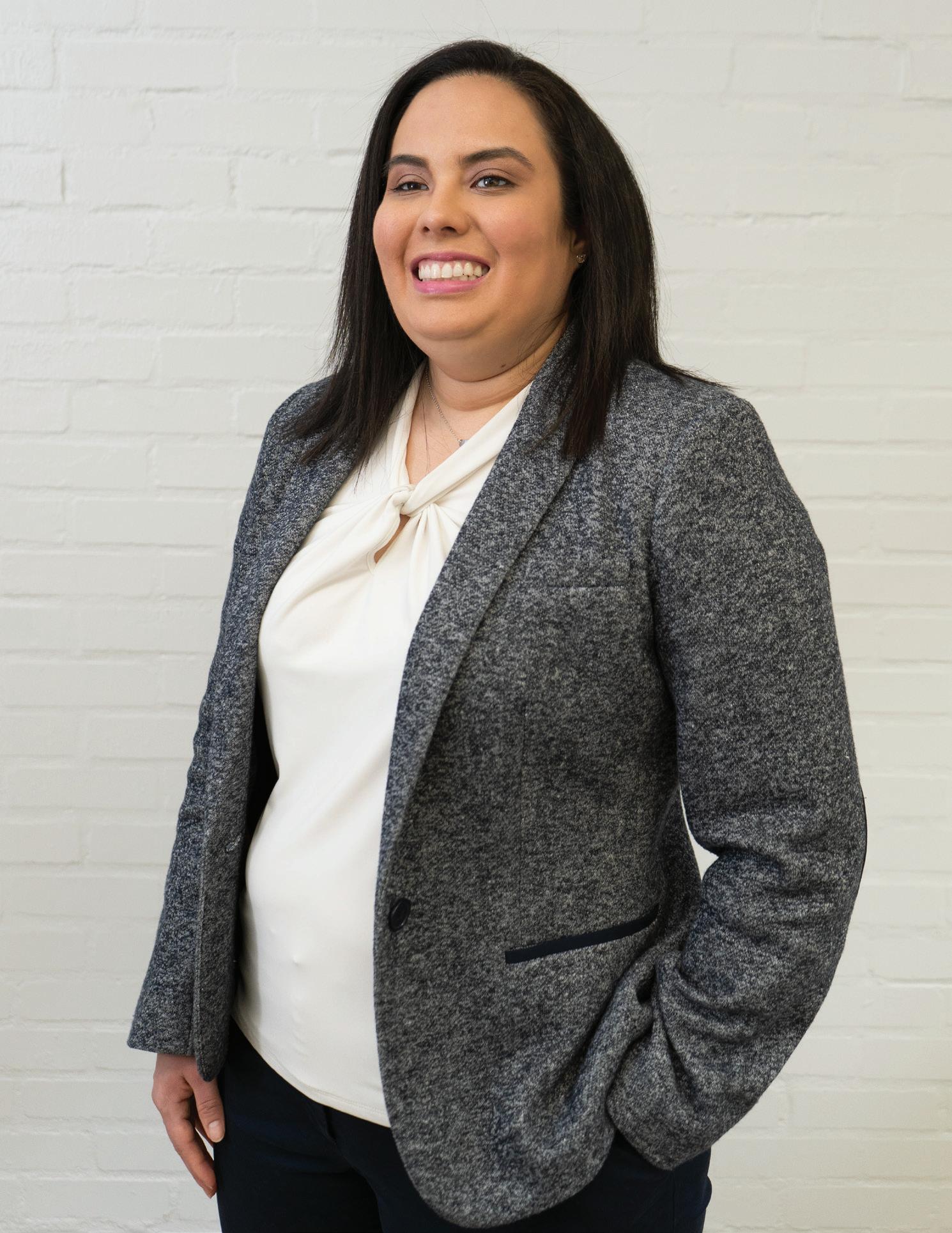
New co-chairs Jamie Gonzalez and Jeremy Edwards succeed Harrison Guy.
By BRANDON WOLF
Mayor Turner’s LGBTQ Advisory Board is changing its leadership roster this month.
The Board, which was established in 2016 with 49 members to honor the 49 people murdered at the Pulse Nightclub in Orlando, rotates its chair position annually. Harrison Guy, who has just finished two terms as the Board’s chair, will be succeeded by cochairs Jamie Gonzalez and Jeremy Edwards.
“The work that my LGBTQ Advisory Board does is critical in making Houston a more inclusive city. I am proud of outgoing Chair Harrison Guy’s contributions,” Mayor Turner says. “I know that Jamie Gonzalez and Jeremy Edwards will build on Harrison’s successes and bring a fresh perspective on how to amplify the LGBTQ community’s voices. I am excited to see what these two millennials
who are stepping up to lead will accomplish, and the new ideas they will bring.”
Jamie Gonzalez
Jamie Gonzalez, a 33-yearold pansexual woman, is a new member who was recruited by Guy to join and become the new co-chair. “It was a decision I did not take lightly,” she says. “I have big shoes to fill, but after speaking with several activists, I felt that I had the necessary capacity and desire. I was also impressed with the membership of the Board.”
Gonzalez says that the Board’s work is important because “there is still so much inequity and discrimination, from housing to
hiring.” As the new co-chair, she wants to continue to build coalitions across the city.
A resident of Midtown, Gonzalez says that she can choose to ride either the light rail or her bicycle to work at the University of Houston (UH), where she is a career counselor in the Career Services Department. Gonzalez was born and raised in Port Neches. She majored in political science at the University of Texas (UT) in Austin before moving to Houston in 2011 to be with her girlfriend, who is now her wife.
Jamie Gonzalez
Whether or not we approve, the “reopening” phase of the response to the coronavirus pandemic is in full swing. Over the past few weeks, we have all come to the slow realization that this is the new normal.
State and local governments wrestle with how businesses and public spaces can resume something approximating normal operations. For those returning to work, near-constant conversations about the number of employees allowed in elevators, waiting areas, and conference rooms dominate our Zoom meetings.
Restaurants place tables at a distance of six feet apart to seat dine-in guests while also maintaining robust curbside pickup and delivery services. And while masks are required in some public spaces and only recommended in others, general adherence to the government recommendations falls far short of what one would expect.
Something Lost
It goes without saying that, in one way or another, we have all been affected by the pandemic. For many, the emotional and psychological toll of COVID-19 has been tremendous. While the specifics vary from person to person, it is clear that we have all suffered loss. As such, one helpful way of thinking about our collective experience is to process it as grief.
Perhaps you have personally experienced loss of health due to a COVID-19 infection. Or maybe you’ve witnessed or cared for a sick family member or friend while experiencing that all-too-familiar sick feeling in the pit of your stomach called worry.
Questions play over and over again on a loop in the mind. Those who have already had COVID-19 ask: How, when, and where did I get COVID-19? Can I get it again? Will the antibodies be enough to protect me, and for how long? Those who remain symptom-free are asking: Will I get it? When will there be a vaccine? How long will I have to wear a mask? Collectively, we are not only losing sleep, but also our peace of mind and a sense of safety and confidence regarding our health.
Some of us have lost income in this economic downturn due to being furloughed or terminated at work. Unfortunately, as financial hardship walks in the door, out goes our sense of security.
Sadly, many of us know someone who has lost their life due to COVID-19. Even worse, we struggle to shake the mental image of that individual spending their final moments alone in the hospital ICU, physically separated from those who love them most. Grief over the loss of a loved one is compounded by the reality that they are never coming back. There is no return to the way it was before COVID-19.
Grieve. Accept. Find Meaning.
The stages of grief can be a hopeful guide to growth.
By DARYL SHORTER,
MD
The Grief Process
Recognizing the ways in which you have experienced loss and allowing yourself space to grieve is an important part of dealing with the emotional toll of the pandemic. In her book On Death and Dying, psychologist Elisabeth Kübler-Ross identified the five stages of grief: denial, anger, bargaining, depression, and acceptance. Years later, this model was revised to include a sixth stage of grief, called “finding meaning.”
I recently spoke with a single working mom of two young children about how to occupy her kids over the summer in the absence of school or summer camp. In our conversation, she expressed great distress about the situation (anger), speculated about the circumstances where she might be able to put her kids in a camp if they were to open during late summer (bargaining), and ended her statement with an expression about the overall sadness and despair she was experiencing for the future (depression).
This example illustrates some important points about the stages of grief. Even though the term “stage” might suggest we move decisively from one phase of grief to the next in a linear fashion, the reality is we probably exist in some or all of the stages at one time. It’s quite natural to find ourselves living in acceptance one moment, only to have the disbelief of denial or the sadness of depression descend on us for a period of time.
Cultivating Acceptance
It is necessary for us to cycle through the various points along this path in order to come out on the other side. Perhaps our expectation shouldn’t be that we move quickly to
acceptance with a quick “get over it.” Instead, our goal should be to move gradually into acceptance, and simply try to spend more time in that space. We can cultivate acceptance by recognizing that our anger or sadness is an emotional signpost that tells us there is something about the situation that we are still wrestling with.
Ask yourself: What is it about this situation that I am still struggling with? Is there some aspect of it that I have some control over? If so, you can begin organizing and planning so that you can mobilize and take action. If there is no identifiable recourse, then gently remind yourself to move into acceptance as a way to reduce your overall stress.
When we find ourselves playing an emotional tug-of-war with the swirl of negative thoughts of grief, anger causes us to pull harder on the rope, while depression saps our strength and pulls us over the line. Acceptance allows us to simply let go of the rope.
Something Gained
The final step of the grief process, finding meaning, is critical. While acceptance functions as an emotional salve, creating meaning from loss gently spurs us into action.
What work can be done to enable financial security or find other employment? How can I rededicate myself to healthy living? How can I reach out and be of service to others who are in need or are grieving as they experience their own forms of loss? How can I honor those who have been lost?
As we continue to adjust to life in the age of pandemics, there are still opportunities to find meaning. What can you do today to make meaningful change?
UNAPOLOGETICALLY TRANS
By MONICA ROBERTS
‘You’re Damned Right I’m Pissed about Black Peeps Being Killed by the Police’
James Baldwin once said that to be Black in this country and to be relatively conscious is to be in a rage almost all the time.
Right now, I’m in that state of rage as I take off my Trans Pride-colored beret and put my black one on to talk about police brutality.
It’s the reason that Colin Kaepernick took a knee for the National Anthem protests. It’s the reason why, when I recite the Pledge of Allegiance, I say the words “with liberty and justice for some.”
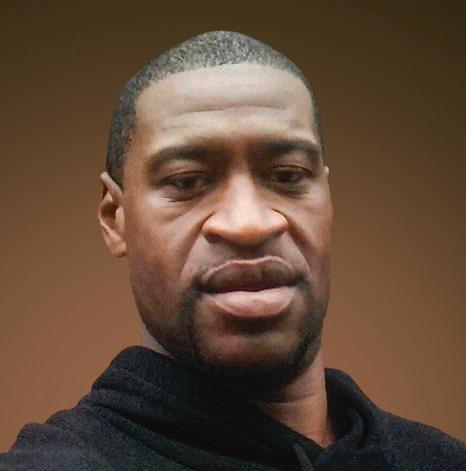
Now we have the disgusting visual of a Minneapolis police officer kneeling on the back of the neck of native Houstonian George Floyd, who was heard saying the same final “I can’t breathe” words that Eric Garner said five years ago when he was choked to death by a white NYPD officer.
The 46-year-old Floyd played football at Jack Yates High School in Houston’s Third Ward before he moved to Minneapolis several years ago, with the ironic goal of wanting “to be his best self.”
Ever since that malignant orange pustule desecrated the White House in 2017, he has made it clear that he revels in being on the wrong side of race-relations issues.
He has repeatedly called white supremacists after Charlottesville “very fine people.” He has denigrated a long list of Black women, from reporters to members of Congress.
And yes, he has called NFL players like Kaepernick who protest police violence “sons of bitches.”
Back in June 2017, in a Trump speech to the Suffolk County Police Department that was supposed to be about gangs, he encouraged them to be “rough with prisoners.” Then Attorney General Jeff Sessions tried to spin it as a “joke,” but Black people across the U.S.
weren’t laughing.
When you, as a Black American, are three times more likely to be killed by police than your white counterparts, you don’t see a damned thing funny about Trump’s statement.
It’s obvious that the bad cops were listening to that speech, and have taken their cues from Orange Foolius.
The last time I checked, it was not a crime to be Black in America. Neither am I (nor any other Black person living in the U.S.) “threefifths of a person” as stated in Article 1, Section 2 of the Constitution. That clause was thankfully eviscerated after the ratification of the 13th, 14th, and 15th Amendments.
But the way Black peeps are being gunned down by the police, whether we’re armed or unarmed, makes us wonder if you even see us as human beings.
In 2017, according to the Mapping Police Violence database, there were 1,127 people killed by the police, and 34 percent of them were Black. In 2019, out of the 1,099 people killed, 24 percent of them were Black.
We are only 13 percent of the U.S. population.
It is so out of control right now that the term “cop killer” now refers to the police who are killing the people they are supposed to protect and serve.
When even Stevie Wonder can see the injustice of killer cops being allowed to walk the streets without punishment, I don’t have to be Nostradamus to predict that the Black community will take to the streets and express their rage in what Dr. King described as “the language of the unheard.”
So why is this tsunami of Black people being killed by cops happening?
• The historic devaluing of Black lives because of slavery and Jim Crow segregation.
• White police officers being extremely trigger-happy and violent when it comes to Black people, but being meek and deferential when white-supremacist ammosexuals are in their faces, as seen in all the COVID-19 quarantine protests.
• White supremacists infiltrating the ranks of law enforcement, as the FBI tried to warn peeps about 10 years ago.
If we want to fix the problem, here’s what needs to happen:
• Cops must do time for murdering unarmed civilians. That means electing attorney generals and county prosecutors willing to file charges and convict killer cops.
• More transparency and scrutiny when it comes to disciplining problematic officers.
• Establish civilian review boards with the power to back up their rulings.
• Permanently remove cops who have a history of violence or murdering civilians.
• Establish a national database that prevents fired cops from simply moving to the next town and getting another police job.
We know that ain’t happening while Dolt 45 is desecrating the Oval Office. But those suggestions, and many more, are being offered by civil-rights groups, and they need to be expeditiously implemented.
George Floyd
Happy Pride From Our Family to Yours!
Inan effort to stop the spread of the coronavirus, many businesses have shut down either temporarily or permanently, leaving millions of Americans without a paycheck.
As of early May, the U.S. unemployment rate was just under 15 percent—the worst since the Great Depression in the 1930s—with more than 20 million people losing their jobs in the month of April alone. With so many people filing for unemployment income benefits, it could take months for all of the promised relief funds to arrive.
Just like a row of dominoes, job losses and business closures have had a ripple effect, making it difficult for many to pay for housing, food, and other necessities. And while the government has provided some emergency financial assistance, it is not nearly enough to sustain most individuals, couples, and families for the long term.
While the unknown can certainly cause a great deal of stress, there are ways to take advantage of the various financial resources that have been made available without causing too much damage to your savings.
The CARES Act
One of the biggest financial-relief steps taken by the U.S. government was the passage of the Coronavirus Aid, Relief and Economic Security (CARES) Act. It addresses a number of key financial issues, including unemployment, mortgage assistance, and taxes. Some of the highlights of this legislation include:
• Cash Payments and Unemployment Assistance – All United States residents who have adjusted gross income of $75,000 per year or less (or up to $150,000 for joint tax filers) are eligible for a $1,200 stimulus payment ($2,400 for couples who file their taxes jointly), as well as an additional $500 per child who is under age 17.
• Increased Unemployment Income Benefits
– Those who are eligible for unemployment assistance may receive an additional payment of $600 per week. These benefits are currently on track to continue through December 31, 2020.
By GRACE S. YUNG, CFP
How to Keep Your Living Expenses in Check
Resources for financial survival in this ever-changing pandemic landscape.
• Elimination of the IRA Retirement Fund
Early-Withdrawal Penalty – Typically, those who make withdrawals from their Individual Retirement Account (IRA) or employer-sponsored retirement plan before reaching age 59 incur a 10 percent early-withdrawal penalty from the IRS. This has been waived temporarily on withdrawals of up to $100,000. (Income tax on such withdrawals will still be owed, but this tax can be spread out over a period of three years). The money that was accessed may also be repaid without impacting maximum annual contribution limits over the next three years.
• Temporary Waiver of Required Minimum Distributions (RMDs) – Under normal circumstances, those who are age 72 or older must withdraw at least a minimum dollar amount from a Traditional IRA or employer-sponsored retirement account. These required distributions have been temporarily waived for 2020.
• Increased Loan Amount from Retirement Plans – Retirement plan participants may also borrow up to $100,000 (an increase of $50,000) without penalty, based on the provisions of the CARES Act.
• Federal Student Loan Payment Relief – For borrowers of federal student loans, payments automatically stopped on March 13 and will be postponed until September 30, 2020.
Renter and Homeowner Assistance
The pandemic has significantly impacted housing. In fact, according to MarketWatch, more than half of renters say that they’ve lost their jobs due to the COVID-19 crisis and could face difficulty keeping a roof over their heads, especially if they must make up for any back-rent payments that are due going forward.
Because housing can typically be your largest monthly expense, the CARES Act provides mortgage relief for borrowers. In this case, mortgage payments can be postponed at the request of the borrower in cases where COVID-19 has caused financial hardship. But this doesn’t mean that the payments are erased or forgiven.
Mortgage payments may be postponed for up to 180 days for qualifying borrowers (and possibly for an additional 180 days or even one
year) upon request. Typically, these missed payments will simply be tacked on at the end of the mortgage term, or repaid in a lump sum at that time. Alternatively, depending on the lender, mortgage borrowers could have the option of repaying what is due in one lump sum right away—although this could prove to be difficult for homeowners who have little or no income and/or a depleted emergency fund.
Similarly, the CARES Act was also intended to offer eviction protection for renters, as well as prevent landlords from charging penalties or fees due to the non-payment of rent. However, even in light of continued financial struggles for tenants, Texas landlords are still allowed to file for evictions and, when the rent moratorium is lifted, proceed with evictions.
In some instances, despite orders to postpone evictions, landlords are reportedly forcing tenants out by changing the locks. There is still a specific procedure that landlords are required to follow, starting with a notice from the landlord to “vacate” the property, followed by the filing of an eviction case that is filed in a county Justice Court. Based on the CARES Act, landlords must wait until after July 24, 2020, to begin the eviction process.
Other Financial Resources
Things continue to change on a near-daily basis with regard to coronavirus financial relief, so it is beneficial to explore as many resources as possible to help you get through this challenging time. Some of the top disaster-relief resources include:
• Benefits.gov provides a wide range of details regarding where to obtain additional information on unemployment and healthcare, as well as on where to find loans and financial assistance if you own a business. There is also a telephone hotline available 24/7 if you need assistance with various issues that have been triggered by the coronavirus crisis.
• Usa.gov/coronavirus provides in-depth information on the government’s response to COVID-19. This resource offers up-to-date details on stimulus payments, health information from the CDC (Centers for Disease Control),
The Mysterious NICHOLAS PHAT NGUYEN
Local gay designer reflects on five years in the fashion industry.
By RYAN M. LEACH
Photos by OBSIDIAN + BLUSH
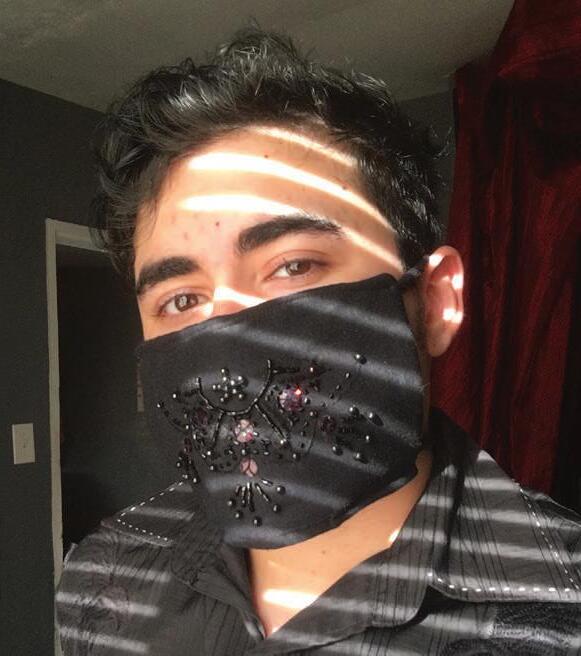
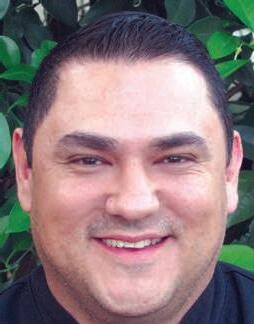
Gay fashion designer
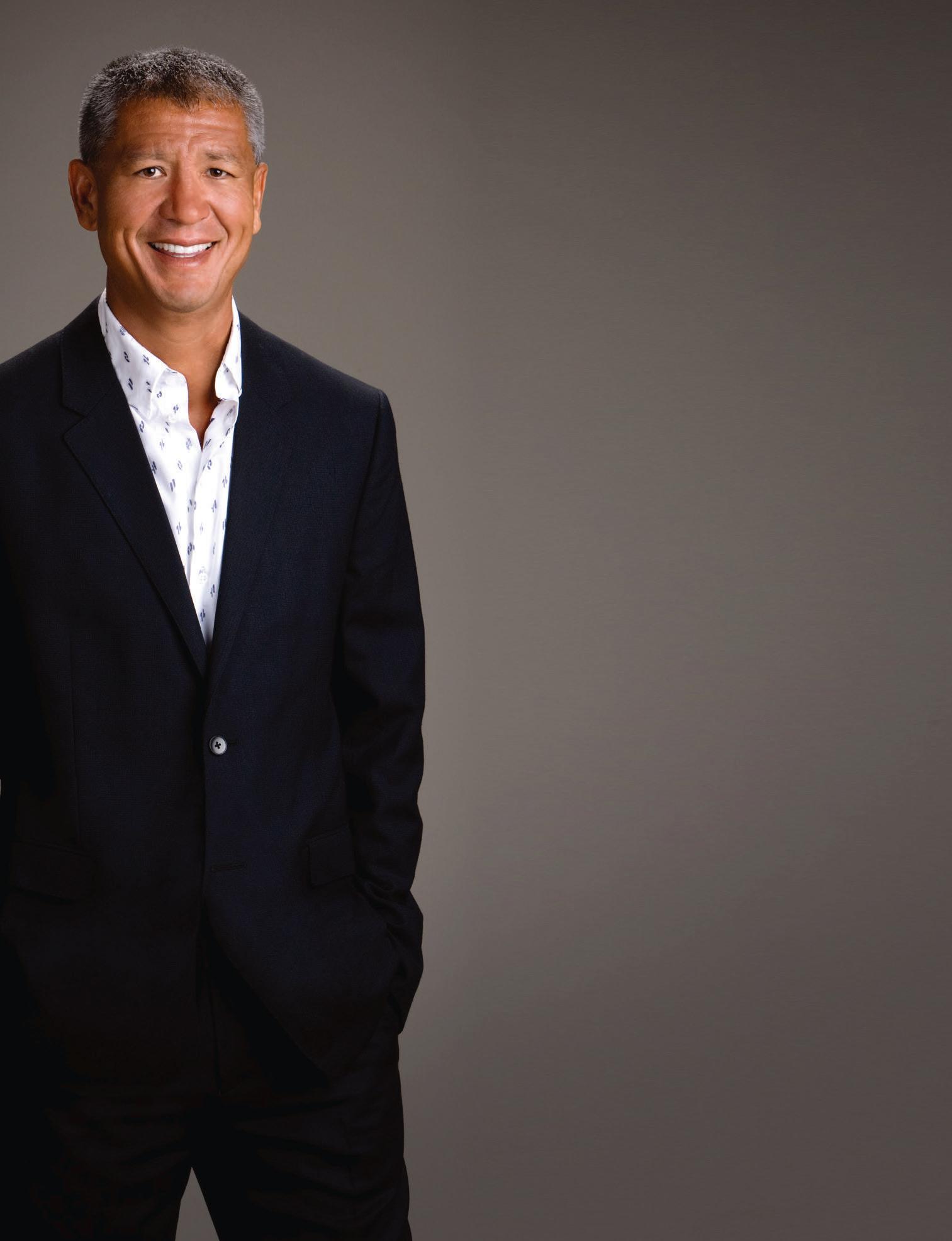
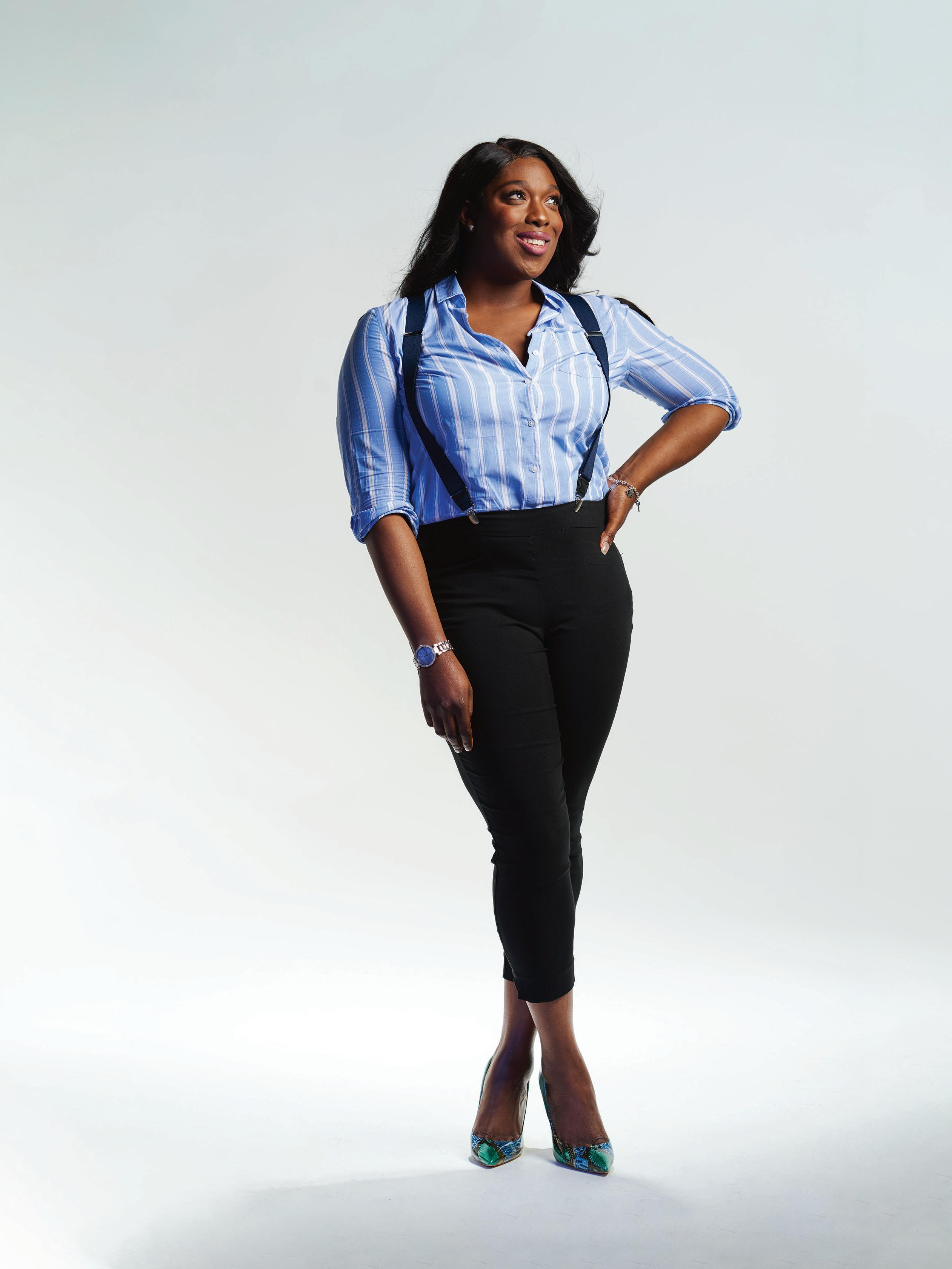
Nicholas Phat Nguyen is one of those people you never forget when you meet them. If you spot him around town, the first thing that catches your eye is his unique style. Few people are able to walk the delicate line between gender, couture, and high art in quite the way he does. He is ethereal, in a way. He glows. And he shares some of that radiance through his fashion line: Mysterious by Nicholas Phat Nguyen.
The 30-year-old native of Vietnam was slated to be at Austin Fashion Week in April, celebrating his fifth year as a designer. That event, like many others, was postponed until later this year due to COVID-19. Nguyen still plans to debut his newest line, and also showcase a retrospective of his past collections with five featured pieces from earlier in his career.
“Some of my friends encouraged me to submit an application for Austin Fashion Week during my last year of college in 2015. I didn’t know how to sew or design, but I had been creating my own clothes for going out. We sent in an application with some photos of clothes I created for myself. I got the news from the show while I was studying for my final tests. They said that if I can come up with ten to twenty pieces, I can have a show. We did it in ten days. I went and bought a sewing machine and fabric, and created twelve pieces. I don’t even know how I did it,”
Nguyen admits.
After the show in 2015, the owner of Austin Fashion Week told Nguyen that he was skeptical about accepting his application because the burgeoning designer had no sketches and no clothing, but he gave him a chance because he had heard Nguyen’s story.
The Journey to Self-Discovery
Nguyen’s story starts in Vietnam, where he grew up before moving to Houston by himself in 2005, at age 15. He attended Memorial High School while living with a host family. Before moving to the U.S., Nguyen admits struggling in school in Vietnam—not only because he was gay, but also because he was creative and thought of himself as “different.” Both were aspects of his life that his parents did not approve of. Nguyen felt stifled and began acting out by bullying other students. Eventually, he took a year off from high school while he decided on his next steps.
“My family has this place that takes care of sea animals. There are a lot of people from all over the world, like Russia and Australia, that work there. I took some time working there, and it was the first time I was able to establish a deeper connection with non-Vietnamese people, and different people from around the world. I improved my English and learned more about different cultures. That’s the moment I knew I wanted to get out of my country and see the world. I told my family I wanted to study abroad, and they chose Houston because of a family we had a connection with here,” says Nguyen. ➝
But that Houston host family proved to be less than ideal as Nguyen realized they were more interested in taking advantage of his family than in helping to raise him. He then moved in with a second host family, where things worked out much better. He is still very close to them today. Initially, Nguyen was supposed to return to Vietnam after he graduated from high school. Instead, he decided to enroll in the University of Houston-Downtown, where he earned a degree in international business in 2015. By the time he graduated, he had his first fashion show under his belt and decided to pursue a career in fashion. His business degree, combined with his natural sense of style, proved to be a winning combination.
The Art of Being Out
Nguyen started to evolve and flourish when he came to the U.S. just as his natural creativity started to emerge, along with an understanding of his sexuality. This realization led to some mixed feelings for the young designer.
“After the first year in the U.S., I could taste the freedom and I started growing up. This caused me to have some depression [as I tried] to accept being gay,” says Nguyen.
He secretly began going to clubs like South Beach, where he started to develop a better understanding of who he was. After being stifled throughout his childhood, he now had the freedom to explore aspects of his personality that he had suppressed or ignored. He also began creating his chosen family of friends from Houston’s queer community, which offered him the support he had never experienced.
“It changed everything. That was the first
step. They were big supporters of me dressing up and just “doing me.” I started doing it more often. When I went out, people would see it and support it. That’s what I love about Houston’s gay community. It is where I met my friends, and where I receive so much positive support. That’s why I started to get more comfortable and evolve,” says Nguyen.
Reflecting on Pride
With June being Pride Month, Nguyen added some reflections on his first Houston Pride parade in 2009. “I was actually nervous. I was still struggling to accept who I am. But seeing the joy and pride [in the parade crowds] made me realize that I’m not in it alone. In a way, it has really helped me a lot in loving myself,” says Nguyen.
Nguyen also discovered a major source of support from his grandmother. During his debut at Austin Fashion Week, she happened to be visiting from Vietnam and attended the show.
“When my grandma saw me happy, she understood what I was missing because my family did not want me to get into art. They did not support a guy doing art and being gay. My mom steered me away from all of that. They wanted their kids to be doctors and lawyers because they think art doesn’t make any money. But my grandma believed in me. After the show, she told me to go back to Vietnam to start my official collection. That collection had twenty pieces of women’s wear. Three months later, I showed again at Austin Fashion Week and then New York Fashion Week,” says Nguyen. Like Austin Fashion Week, the 2020 Houston Pride parade has been postponed, and Nguyen hopes the event will be brought back later in the year.
“[But parade or not,] pride comes from within. It is about how you feel and how you love. Pride, to me, is a lot bigger than the LGBTQ community itself. It’s freedom. It’s equality. It’s self-love, self-expression, support. It’s knowing who you are and following what’s right in your heart. Learn to love yourself and others,” says Nguyen. “There’s nothing wrong with having your best friends over for a wigsand-heels cocktail party!”
And his fashion advice for those celebrating in small gatherings? “Pride is all about freedom and equality, so wear whatever makes you feel proud. But for Texas Pride, since it’s normally during the hot summer, any bright, light, and breathable fabric would be the best choice, since you’re gonna be out in the sun all day.” ➝
NICHOLAS NGUYEN
The Art of Evolving
These days, Nguyen has two main studios. He spends three months out of the year at his studio in Vietnam, designing and working with eight full-time employees who help build his designs. He also has a studio and living space in Montrose, where he has two assistants who help him with operations locally. Although his business is mainly focused on private clients and custom orders, he is working to expand that to a collection of ready-to-wear pieces that would be distributed in stores like Saks or Tootsie’s.
He is also growing beyond fashion as he works on his first music project—an EP of five to six songs entitled Vanity. Much like his inspiration for fashion, Nguyen says this project is “not just about music. It’s about doing what we love most and becoming the person you were meant to be, rather than the one the world says you’re supposed to be.”
See Nguyen’s latest creations on his Instagram @mysteriousbynpn or on Facebook. You can also reach him via his website, mysteriousbynpn.com. And when the coronavirus finally passes, you can catch him at a future Austin Fashion Week displaying his newest collection.
Models are dressed in pieces from Nguyen’s Escapement Collection
Dr. Marcus de Guzman
Dr. Cynthia Corral
IN THE
Six journalists point their news outlets to LGBTQ-affirming reporting.
Over the past two decades, media coverage of LGBTQ issues has moved beyond the predictable stereotypes and toward a more fully realized understanding of queer people, according to the latest edition of GLAAD’s Media Reference Guide. Today, LGBTQ stories are more likely to be told in the same way that stories about other communities are told— with fairness, integrity, and respect.
This progress couldn’t happen without the hard work of journalists who believe that LGBTQ people have a right to accurate and inclusive reporting. In this June Pride issue of O ut S mart , we introduce you to six of those journalists who are pointing their media outlets to LGBTQ visibility and acceptance— Brandon de Hoyos, Victoria Cordova, Jeff Gremillion, Jenny Creech, Joey Guerra, and Ernie Manouse.
Pride in the Media is an ongoing OutSmart series on local LGBTQ media personalities and ally representatives of queer-affirming media outlets.
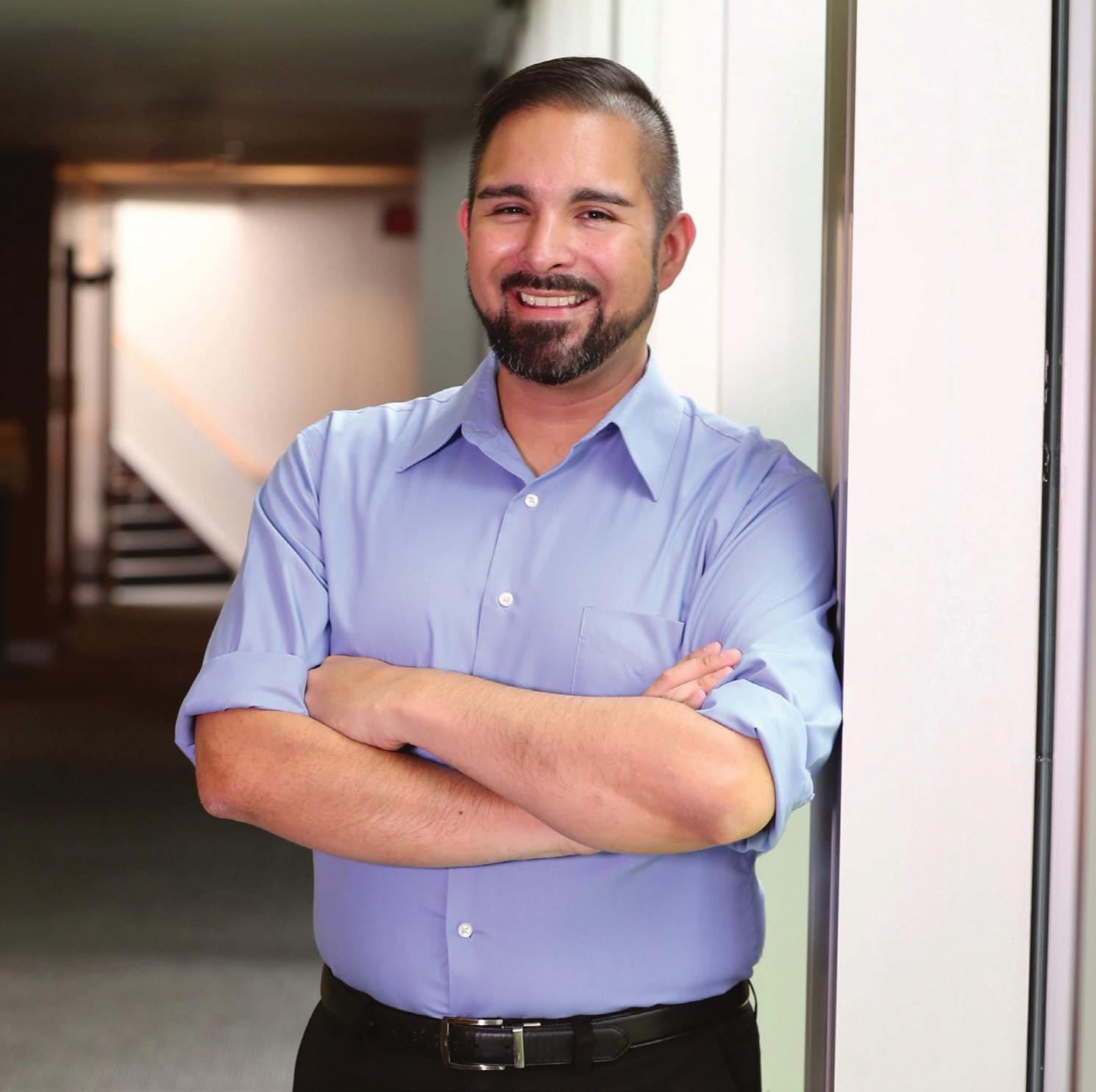
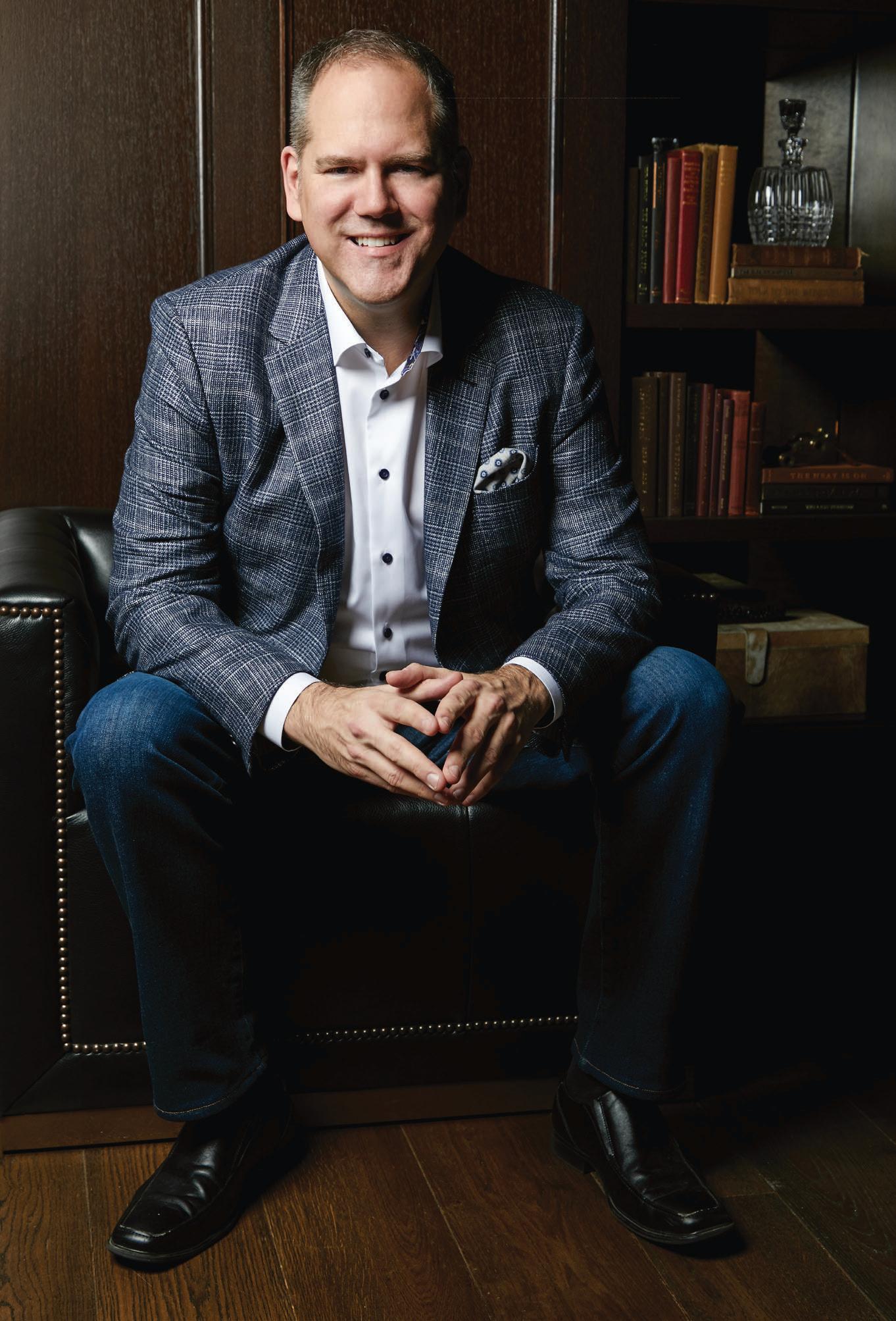
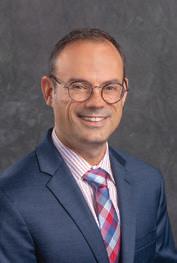
Brandon de Hoyos, 36, is a gay Houston native, and there might be no one better suited to tell the stories of Houstonians than him. As the director of community engagement at ABC13 Houston for the last five years, de Hoyos has elevated LGBTQ voices and the way they are represented in the media.
“Representation matters, whether you’re on-screen or one of the incredible souls producing what appears there,” says de Hoyos. “LGBTQIA inclusion in the media means more of our community is seen. We are affirming people of all ages, and empowering them in ways we weren’t able to even five or ten years ago. For example, the two gay dads on Disney XD’s DuckTales reboot, the frank storytelling about the HIV crisis on FX’s Pose, or the forwardthinking stories about transgender women of color that we’ve covered on ABC13. We’re doing vital work as storytellers to say, ‘We see you and your life has meaning. You matter.’”
De Hoyos has always been on the cutting edge of the media. He studied print journalism at the University of Houston, but credits his coming of age at the start of the digital revolution as a key factor in moving news off the printed page and into cyberspace. Many newsrooms struggled during that time to adapt to an entirely new medium.
“Being an early evangelist for digital in the newsroom helped me grow as a leader, even though we had no idea where the Internet would eventually lead us as storytellers. I spent seven years as a digital editor at About.com, back when it was owned by The New York Times Company. From there, I helped lead digital at Radio One stations in Houston, and finally landed at ABC13, which I had grown up watching at home. It was all TGIF and Marvin Zindler back then—‘Slime in the ice machine!’” recalls de Hoyos of the famous Houston newsman.
De Hoyos said he is proud to work for a company like ABC and Disney, where he can advocate for positive portrayals of queer people. As a young person, he was not always as confident in his own voice, or in being the advocate he has evolved into. The fact that he can live authentically and transparently at work has helped him understand the value that he brings to a workplace, and the importance of his presence for an audience clamoring for representation.
De Hoyos believes that the commitment to fairness and equality that he experiences at work should also include a commitment to fairly representing Houston’s diversity on the air.
“The media have an important role to play as educators and advocates in our society,”
An Advocate at ABC13
Brandon de Hoyos uses his platform to promote LGBTQ equality.
By RYAN M. LEACH
he says. “This is not just about respect, but an affirmation that LGBTQIA lives matter. In years past, I have seen cases of violence where law enforcement has used he/him pronouns to identify a [trans] victim, but witnesses on the scene told us the victim was a woman. Our Eyewitness News producers have had very thoughtful discussions in situations like these, and a few times we’ve had to report that a victim was shot without mentioning pronouns or how this person might identify. We’d rather wait and get it right than to report in error. I think every single person deserves this level of care.”
De Hoyos fits right in at ABC13 and in Houston. He was born here, after all, and you can tell that he likely has something bigger on
the horizon.
“When I was 11 years old, I won a contest to become a junior reporter for Disney Adventures magazine. My entire life’s pursuit has been storytelling, and I can’t imagine I’d ever do anything else. I also can’t think of any other company I’d rather tell stories for. Walt Disney Television, of which ABC13 is a part, has an incredible history of LGBTQ firsts on TV that spans nearly 50 years. I’d love to stay at ABC13 forever, but I might find myself at the Disney studios in Burbank one day, or maybe at ABC in New York. Stay tuned.”
For more information about ABC13, visit abc13.com. Keep up with Brandon de Hoyos on Instagram @meetbrandon .
Going Beyond the Airwaves
Victoria Cordova helps Houston Public Media address the needs of its audience.
By JENNY BLOCK
Victoria Cordova has a lot to be proud of. The 30-year-old is a born-and-bred Houstonian now living in Midtown. She is a graduate of Sam Houston State, where she studied criminal justice and political science as an undergraduate and political science as a graduate student. Now, she is dedicating her life and her work to making Houston the most diverse and accepting place it can be, especially for the LGBTQ community.
Cordova says that when she was a kid, she wanted to be like her dad. “He retired from the Harris County Sheriff’s Office after 30 years, and now serves as the police chief for the Aldine School District.” But instead of pursuing a career in law enforcement, she landed at Houston City Hall before serving as the
communications manager for Houston Public Media (the region’s PBS and NPR stations). “I [raise awareness about] the value of public media with our audiences through multi-platform efforts that capture the station’s ability to go beyond the airwaves to address the needs of the communities it serves.”
Cordova is also involved in community-engagement efforts. In 2018, she helped establish the HPM Young Leaders Council, the station’s first-ever ambassador program for young professionals. “I also produced Red, White, and Blue, a weekly public-affairs TV show focused on current issues facing the state and nation, and I co-produced Generations on the Rise, a digital series in partnership with Houston First that paid tribute to Houston’s unique culture and the next generation of leaders.”
Her work is incredibly rewarding, she says,
because Houston Public Media continues to provide people with a strong foundation for understanding their city. “I have heard testimonies from our neighbors that had learned about our city, their new home, shortly after moving to the U.S. from our daily talk show Houston Matters. People also tell me how they now have a greater appreciation for the present because of Public Media’s stories of the past.”
And if that wasn’t enough to keep her busy, Cordova is also an adjunct lecturer at Sam Houston State University, where she teaches introductory American-government courses online. As an adjunct lecturer, she says she truly enjoys being able to engage in ongoing, relevant discussions on important topics such as the 2020 presidential election and the coronavirus pandemic. “The course discussions and assignments offer opportunities
for students to analyze current events and tie them back to policy that affects their communities, including their schools, their jobs, and their daily lives.”
For Cordova, Pride is all about embracing her own diversity and appreciating the incomparable value of her Latino and lesbian identities. She says she attends the Houston Pride festival and parade every year. “It’s fun to get dressed up and celebrate our community with friends, family, and neighbors. Last year, I participated in the parade for the first time with my partner, Hillary Cortez, and her company.” Cortez is a licensing and commissions service specialist at AIG.
As for Pride this year, Cordova believes that we need community and connection now more than ever. “I look forward to virtually celebrating Pride and who we are and what we stand for. Although the pandemic is a difficult time, it can also be a time of unprecedented creativity. I look forward to seeing how we can reimagine the way we celebrate and come together.”
Another one of Cordova’s great passions is increasing the diversity of Houston’s leaders. “In particular, ensuring that those serving in leadership positions—such as boards and commissions, and those in appointed and elected offices across Houston—reflect the diverse
“HOUSTON HAS ALLOWED ME TO FIND MY MOST AUTHENTIC SELF BY CREATING AND FOSTERING A CULTURE OF INCLUSION AND INNOVATIVE THINKING.”
—Victoria Cordova
makeup of our city.” For three years, she served on the board of Latino Texas, a local politicalaction committee “dedicated to increasing the representation of Latinos in elected positions.”
And just last year, Cordova graduated from United Way of Greater Houston’s Project Blueprint. “That’s a program designed to prepare emerging leaders in diverse communities for leadership roles on nonprofit and public-sector boards and committees,” she explains. “I think it is important to elect leaders that can identify with their community and have a deeper awareness of their challenges.”
In addition, she was recently elected to serve on the nominating committee of the League of Women Voters of Houston. “I had an opportunity to build a board of the future by working together to recruit and nominate candidates for board and leadership positions. We are making strides across the country—enter Pete Buttigieg and Annise Parker—with more openly LGBTQ+ people in elected office than at any time in our country’s history. But there’s still more work to do.”
Cordova has a lot to be proud of, from being a member of the LGBTQ community to her Latin heritage, her career and volunteer work, and her other interests that define who she is, what she believes in, and what she fights for.
She is especially proud that she’s a Houstonian through and through, and she has a message to share with all of her fellow Houstonians: “Houston has allowed me to find my most authentic self by creating and fostering a culture of inclusion and innovative thinking. Strong allies ensure we can show up to work— and to life—as ourselves. Be an ally!”
For more on Houston Public Media, visit houstonpublicmedia.org. Follow Victoria Cordova on Twitter @crownvictoria03.
Finding a Home in Houston
CityBook ’s Jeff Gremillion keeps it real while covering the local luxury-lifestyle scene.
By SAM BYRD
Photo by STEVEN VISNEAU
Jeff Gremillion spends his workdays as the founding editor-in-chief for one of Houston’s toniest glossy magazines, Houston CityBook. While he dreamed of being a wordsmith from an early age, he had no idea the dream would involve creating luxury-lifestyle stories. When he was in third grade, he wrote a poem to include in his mother’s Valentine’s Day card, and that got him thinking he would grow up to write poetry.
When he told his parents about his poetic aspirations, his father was less than enthused.
“My practical dad said, ‘Poet means journalist.’ He wasn’t thrilled with the idea. He would probably rather see me become a lawyer, but at least journalism is a major in college,” Gremillion recalls.
Thus, he studied journalism at the University of Louisiana at Lafayette, and followed up with a master’s degree from Columbia University’s Graduate School of Journalism. Along the way, he worked his way up the ladder at publications like Adweek, Gear Magazine, Entertainment Weekly, and The Independent Weekly
Despite his desire to return to the Big Apple, where he had spent more than a decade in school and at his first jobs, the call to Houston proved inevitable.
“I had a good opportunity [in New York] and was three interviews in with a big magazine. Then I became aware of an opportunity in Houston with the Modern Luxury national magazine brand. They were looking for someone to start their Houston version. I applied for the job and got it,” Gremillion says.
There was just one hitch. He wasn’t really a fan of Houston.
“Even though I grew up close to Houston, it had been decades since I’d been here, and I didn’t have a favorable opinion. I figured I can give this thing a whirl for a few years, and if I don’t like it, I’ll go back to New York,” he admits. “It took about two weeks to decide it was a great fit—the work I wanted to do, and the city I wanted to live in.”
Gremillion came out as a gay man later in life, so he had only been out for a few years before moving to Houston in 2005. Fortunately, he found a group of friends who welcomed him in his newly adopted home.
“I gave myself permission from the beginning to be myself, and I feel like I was accepted from the beginning. I don’t remember it being a challenge. I remember finding a larger community of Houstonians, both gay and straight, who embraced me,” he says.
When Gremillion wasn’t rubbing elbows with Houston’s social elite (a requirement for any journalist working the luxury-lifestyle beat), he spent many nights socializing with friends in Houston’s Montrose area. That mingling in different worlds with a variety of people is something that he felt should be highlighted in his new Houston publication.
“I’ve never thought of any magazine I worked for to be a ‘gay’ magazine. I always wanted the magazines to be general-interest and appropriate for anyone. But if we’re going to cover nightlife or power couples, that includes both gay and straight couples. From a professional perspective, it’s about being inclusive and not overthinking it. Do we have black
“WE’RE IN A CITY THAT IS CULTURALLY RICH, AND IF YOU’RE HONESTLY GOING TO COVER WHAT IS COOL AND FASCINATING, THE GAY COMMUNITY WILL BE A PART OF IT.”
—Jeff Gremillion
and brown faces? Do we have gay and straight people? Do we have diversity being represented? We’re not being holier-than-thou, we’re just being matter-of-fact about it. We’re [in a city that is] culturally rich, and if you’re going to honestly cover what is cool and fascinating, the gay community will be part of it,” he notes.
After more than a decade of helming Houston Modern Luxury, Gremillion longed for something different. The Modern Luxury editorial formula blends national generic content with stories that are created locally,
and Gremillion felt there was an unfilled need. Though he was very proud of the magazine’s achievements, he couldn’t deny the pull toward something uniquely H-Town, and that brought forth the idea of Houston CityBook
“Houston doesn’t need content from Los Angeles or New York. There’s plenty of interesting stuff happening here. It’s not that Houston is just as good as any city; it was that Houston is better,” he says. “We think of CityBook as Houston’s magazine. Our content is exclusively Houston, from the first page to the last. We use local talent, writers, models, photographers, stylists, and there’s a big network of creative people who work with us. They live in Houston, are inspired by Houston, and they’re producing work for other Houstonians.”
When he’s not busy telling the stories of what’s happening in the area, Gremillion serves as a board member at Avenue 360, an organization whose mission is partly rooted in providing compassionate care to people living with HIV/AIDS and their loved ones.
To read CityBook, go to houstoncitybook. com. Keep up with Jeff Gremillion on Twitter @JeffGremillion.
Standing Up for Equality
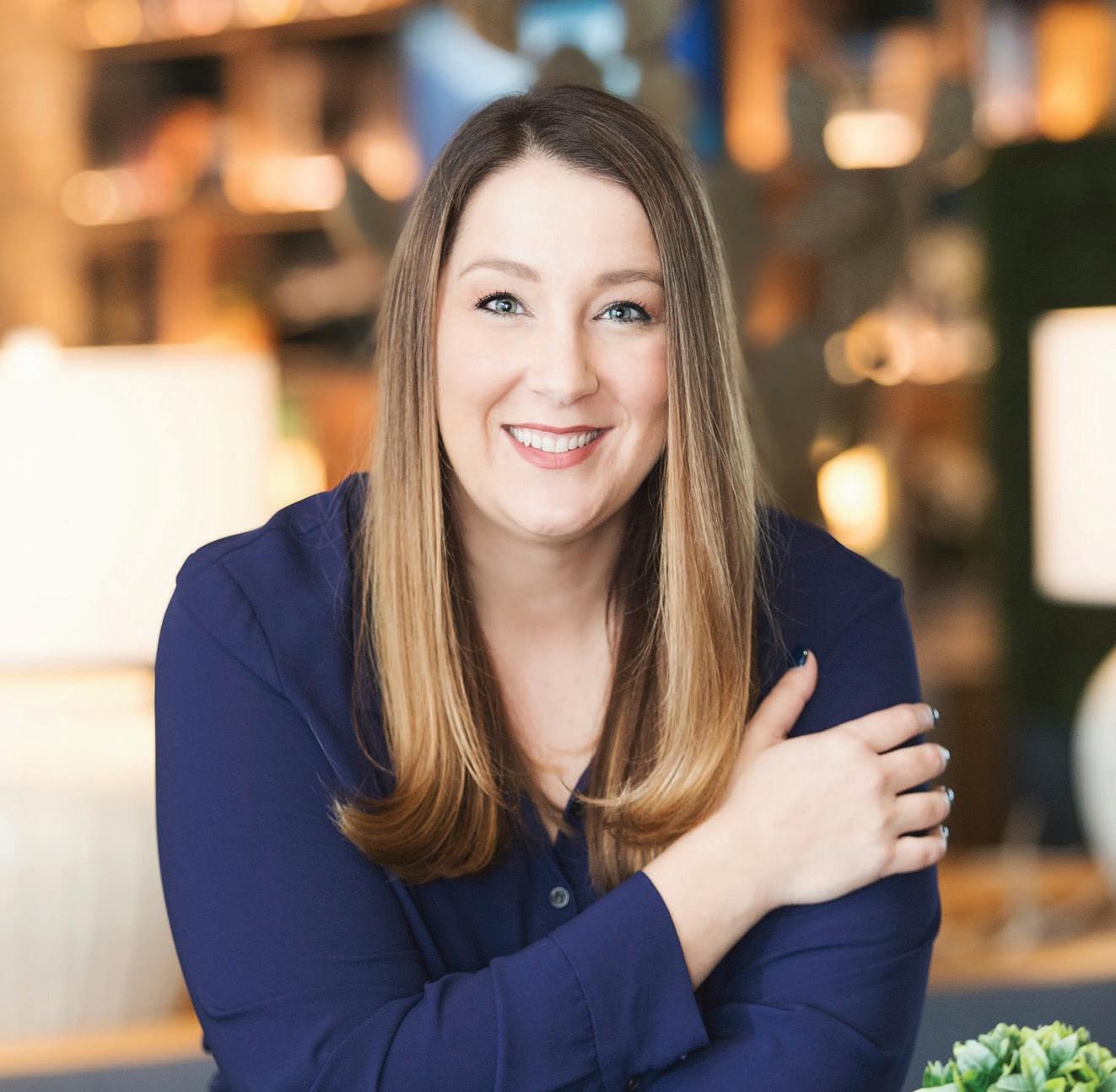
Sports editor and LGBTQ ally Jenny Dial Creech advocates for progress at The Athletic Houston.
By SAM BYRD
Photo by MY SWEET MELISSA
Having grown up with openly LGBTQ family members, Jenny Dial Creech always leaned toward accepting others’ differences.
“It shouldn’t be hard to be who you are. From an early age, equal rights, human rights, and the way we treat people mattered to me a lot more than I can explain,” she says.
It’s a value that she has carried throughout her career in sports media. Creech worked 14 years at the Houston Chronicle as a reporter on multiple beats, and as an assistant sports
editor and columnist. Now, she’s the managing editor of the local online sports publication
The Athletic Houston.
The way Creech sees it, sports serves as a great unifier for people from all walks of life.
“I look at something like a locker room full of players from all different cities, different wealth brackets, ethnicities—everything. They can all come together for one common goal and a positive experience,” she notes. “Think of a section of fans at a basketball game. You can find anyone from anywhere in the world there. For four quarters, they don’t care about politi-
cal affiliations or where they’re from. They come together because they want to win.”
During her time in the newsroom, she’s covered the Astros, Comets, Rockets, Texans, college athletics, and more, and she tells it like she sees it in her articles, sometimes taking hard-line stances on unpopular issues.
“I became the person who would write on social issues and trending issues more than anyone else. I’d be the one to write about domestic and sexual assaults. I’d call [athletes and teams] out for sexism. I’d call teams out for not having Pride nights. I would like to see big social changes in sports,” she says.
As a woman in sports media, Creech is all too familiar with discrimination—a storyline that parallels the experiences of many queer people.
“There’s not a ton of women out there doing it, but [we have quite a few] good female sportsmedia members. It’s not always easy. People remind you frequently that you’re different, even if they’re not trying to be negative,” she says. “But I do think we’re making big strides with females in sports. There’s a bigger support system now, and there are a lot of men who champion us and want to see us do well. I’m in year 15 of my career, and it’s better now than it was in year one, so I’ll call that a win.”
Sports teams are not usually known for having openly gay players, and Creech says she can see reasons why some players choose to not put their sexuality on display. Once they come out, their ability to play the sport often takes a back seat to their gender and sexuality.
“In my job, I get Twitter comments and emails every single day. People want me to know they think a woman should not have my job. They really feel the need to share that with me. Likewise, if there’s a gay football player, he’s going to hear that he doesn’t belong every single day. It sucks that people feel the need to share that with you. But eventually, it will become a positive response.”
She also feels that sports could and should be doing more for all fans, including the LGBTQ ones.
“Two years ago, I went to a women’s soccer game [for the team’s] Pride night. I sat next to a 14-year-old girl with her mother, and tears were streaming down the girl’s face because she felt it was okay to be who she was. That’s powerful. I’m going to hold out hope that teams are going to be more cognizant of the power they hold in showing support for an entire community,” she adds.
When she’s not following sports, Creech enjoys spending time with her husband and son, and she also serves on the board for the Association of Women in Sports Media.
Read Jenny Dial Creech’s work at theathletic.com/houston and follow her on Twitter @jennydialcreech.
Entertainment Expert
Joey Guerra spotlights diverse local musicians at the Houston Chronicle .
By CONNOR BEHRENS | Photo by DAVE ROSSMAN
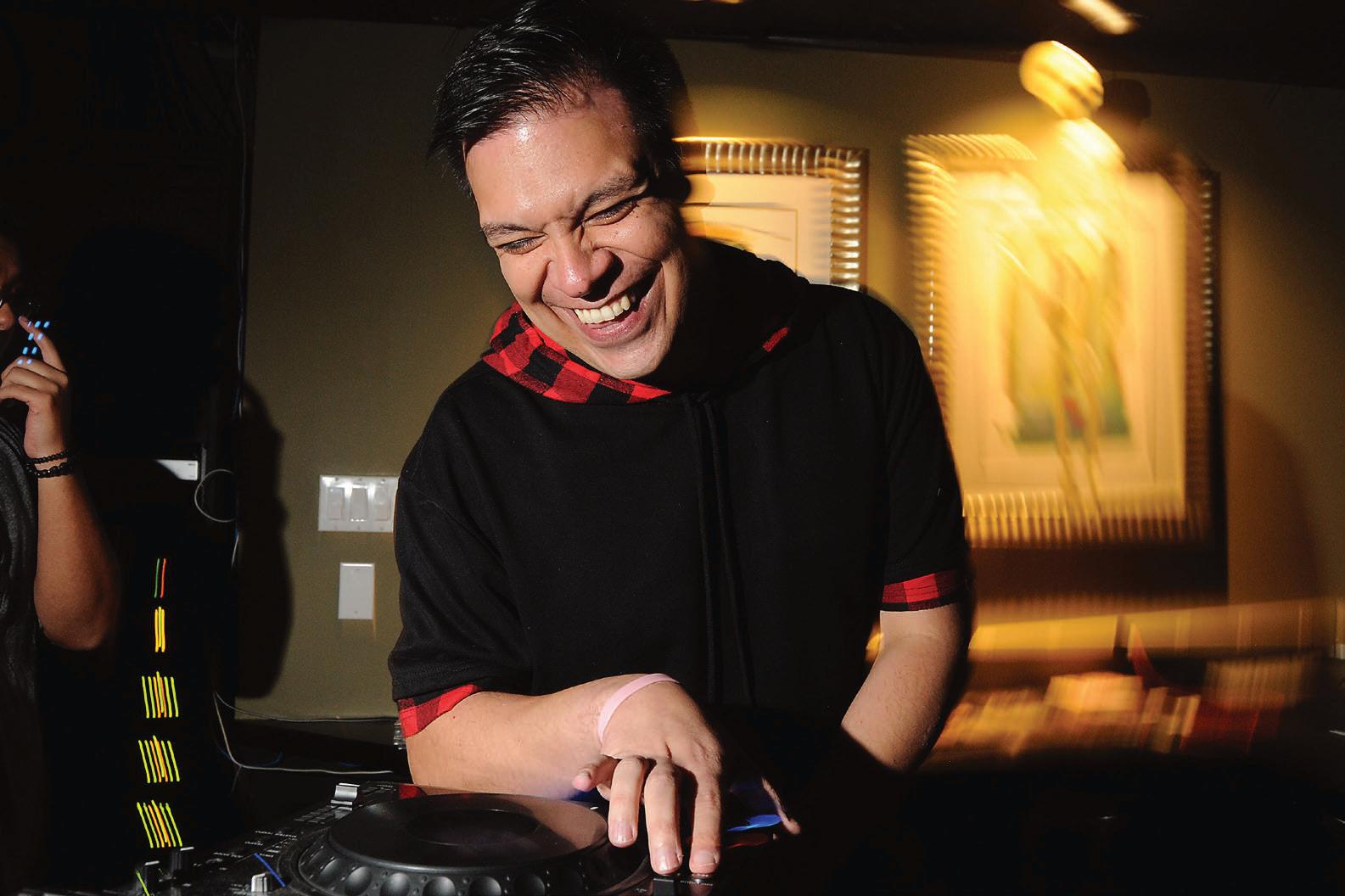
If you ask Joey Guerra about his love for music, he just might tell you that it saved his life.
“Music, in particular, was an outlet,” he says. “It became a safe space.”
Most Houstonians likely know Guerra as the go-to source for local music news. As the music critic and entertainment writer for the Houston Chronicle, the openly gay Space City native writes about various aspects of pop culture and has interviewed celebrities like Beyoncé, Cher, and Dolly Parton.
Music has always been an integral part of Guerra’s life, and during his childhood it was a means of escape when he found himself the target of bullying.
“I think, in a lot of ways, music really saved me,” he admits. “It got me out of all those bad things I was feeling and put me in a different mindset.”
It was his father who introduced him to music, eventually sparking a passion.
“I had gone to performances and stuff, but I went to my first real concert when I was 12,” he recalls. “My dad took me to that. He always had, and still has, such a love for music. My dad was born in Mexico, but his music collection is everything from pop to disco to R&B to Tejano. So I really grew up that way.”
But things could have turned out quite differently for Guerra, as he didn’t initially choose journalism as his college major.
“When I started at the University of Houston, chemical engineering was the major I picked,” he says. It was only when he reflected on what he really wanted to do with his life that he switched to writing.
“I remember stopping and thinking, ‘I don’t like this. This is hard and this is boring.’ I thought about writing, because writing was something I always enjoyed and was good at.”
Guerra would go on to write for the school’s newspaper, The Daily Cougar, a path that would lead him downtown to the Houston Chronicle ’s door on Texas Avenue.
Thanks to recommendations from college staff, Guerra gained steady freelance work that turned into full-time reporting for the metropolitan paper.
“Right after I graduated, they hired me on contract full-time,” he says. “That’s what really got my foot in the door.”
Writing about Houston’s diverse music scene has been a dream come true, and he enjoys partaking in all aspects of the city’s rich culture.
“There are a lot of different types of people and communities and music, so it keeps the job
really interesting,” he notes. “For me, that’s one of the good things. To this day, I still feel very lucky being able to do what I do.”
And while Guerra’s reporting has changed this year due to the COVID-19 pandemic, he has tried to use the crisis to his advantage by finding new ways to do his job, which has included hosting a concert series on the Chronicle ’s Facebook page.
As the world grapples with the pandemic, Guerra believes musicians will have to change the way they promote their music.
“It’s going to force a lot of artists to really engage with their fans online,” he says.
“I think at this point, if you’re not on social media or online, you’re nowhere. It’s going to force a lot of artists to rethink the way they promote things online.”
No matter the musical genre or the venue, Guerra ultimately strives for one goal with his work: giving a spotlight to all communities.
“That’s become part of my mindset and my mission, in terms of what I cover and what I write about,” he says. “Really, just trying to be inclusive and accepting.”
To read Joey Guerra’s work, go to houstonchronicle.com/author/joey-guerra Follow him on Instagram and Twitter @joeyguerra
Iwant to thank Houston’s LGBTQ Community for all the support you’ve given me over the past twenty-eight years as State Representative. It’s a privilege to represent you in Austin. I promise I’ll continue fighting for equality and fairness for LGBTQ Texans.”
Political advertisement paid for by the Garnet Coleman Campaign, Gloria Coleman, Treasurer.
Proud Producer
Houston Public Media’s Ernie Manouse says being out ‘enriches’ his life.
By RYAN M. LEACH
Ernie Manouse is a Houston broadcasting legend. If you’ve ever listened to Houston Public Media, either on radio or television, you’ve likely seen or heard him. Whether he is giving you the latest news updates on COVID-19 or asking for support from “viewers like you,” Manouse has left an indelible and historic mark on Houston’s media landscape.
The Emmy Award winner moved to Houston in 1996 after he was hired to host WeekNight Edition on what was then called Houston PBS. He did that for six years. That program evolved into the WeekDAY news features program.
“It was a magazine-style show. We had seg-
ments and cooked and played and had guests. I think I may have been the first openly gay man on television in Houston. I am not sure, but I don’t think there was another one before me,” he says.
Indeed, Manouse has always been out and proud in the Houston LGBTQ community. Friends in Chicago, where Manouse worked before moving to Texas, expressed concerns about him moving to the “buckle” of the Bible Belt, as they described it. Manouse was undeterred.
“Houston is a live-and-let-live kind of city. For me, back then and today, I don’t think being gay ever defined who I was—or at least I don’t think it did. I wasn’t just that gay guy on television. I don’t think I have ever felt anything negative come my way. The station certainly
never shared with me if they had received negative commentary. Being gay doesn’t define me as an individual; it enriches who I am,” says Manouse.
These days, Manouse is still an executive producer and host at Houston Public Media, but his role is also changing. Lately he can be heard on the radio at 88.7-FM, fielding questions from listeners during Houston Matters: Special Edition The program airs weekdays at 3 p.m., and is currently providing updates and Q&A interviews on COVID-19 in the Greater Houston area.
Manouse is working on expanding the program to possibly last beyond the COVID-19 crisis. Although he has spent a large part of his career in front of the camera for shows like InnerViews with Ernie Manouse and Manor of Speaking (the Downton Abbey after-show), Manouse is enjoying the freedom of being unseen behind the radio microphone.
“I have a whole beard now that I have grown out during quarantine. I kind of like it. It’s one of the benefits of being on radio,” he jokes.
That is not to say that Manouse will no longer appear on our small screens. Most recently, he hosted the annual Houston Public Media Spelling Bee, a favorite among publictelevision viewers that garnered Manouse one of his many Emmys in 2009.
Houston Public Media is currently expanding into a multimedia platform that Manouse is playing a large role in crafting. The station, like Manouse, is becoming multifaceted as it adds podcasts and other Internet features to its radio and television schedule.
Regarding his current projects, Manouse says, “Every time I think that [the last thing I did] was my big, final act, something else drops onto my plate. After InnerViews, I thought that was it. Then we had the After Party Now we have these new projects that we are working on. It’s really exciting.”
As open as Manouse is about sharing his life with Houston and the world, there are still limits. When we asked what his age was, he played coy.
“I don’t tell anyone my age. There is a range of ages. The New York Times wanted to quote my age in a story once, but when it went to print they couldn’t ever get a solid confirmation, so they just didn’t list it. I figured if the New York Times couldn’t find it, why share it now?”
You can find the ageless Ernie Manouse on Twitter and Instagram @ernieontv, and on his Facebook fan page. For information on the myriad projects Manouse is either producing or featured in, visit houstonpublicmedia.org.
When Jack Pierson, one of the greatest artists working today, tells you to go look at a young artist’s show, take the hint seriously. In 2007 while strolling Commercial Street in Provincetown, Pierson ran up to me and enthusiastically told me I needed to pay attention to a young artist named Paul Lee, who had regularly shown in town at The Schoolhouse Gallery and was being featured in a show at Albert Merola Gallery that was curated by John Waters, the infamous filmmaker, author, and sultan of sleaze.
Unlike many arts-oriented vacation spots, Provincetown still retains a population of world-class art makers. The Schoolhouse and Albert Merola galleries are among the longestrunning of the town’s half-dozen or so serious galleries, and Lee had his work on view at both. Pierson advised that I would love his gentle, poetic language.
At first, I didn’t. I saw merely the literal facts of the work—used towels dissected on the wall, large sections of their middle areas cut away, leaving only a terrycloth frame. I was flummoxed, and unwilling to make the conceptual leap that these quiet works demanded.
One of the great and terrifying benefits of working as a curator and critic for four decades is being able to look back and not only revise one’s opinion, but also examine why one was unable to see the beauty in certain pieces. Lee’s powerful towel creation is now one of my favorite pieces by this celebrated artist.
Soon, Lee’s art had totally captivated me. Born in 1974, Lee came of age as a gay man in a period dominated by fear of contagion and seeing an older generation for whom sex and death would be forever entwined. Lee wanted to celebrate the rituals that, in his mind, defined his doomed role models and mentors. The towels evoke the bathhouses that Lee had never entered and where he had never found himself walking silently for hours, like a ritual walking meditation, in search of sex, love, simple human contact, or at least to avoid leaving the baths unsatisfied.
Lee’s towels can’t help but speak of all the flesh they had been rubbed against. Is there a more romantic gesture than drying a lover after a shared shower, even if the guy is still a stranger? Lee’s discarded towels also speak of the men we have loved who are either dead or have simply vanished.
Finding those larger-than-life stories in our queer quotidian encounters was also a theme in the work of Jack Pierson, Lee’s mentor from before his arrival in the States in 2001. After Lee wrote his graduate thesis on Pierson’s use of celebrity as an artistic ele-
Celebrating Queer Rituals
Paul Lee’s art evokes a lost age of innocence.
By BILL ARNING
ment, Pierson invited him to visit and immediately identified a shared sensibility. Pierson recalls encountering the mischief-filled quality of Lee’s art. “Paul’s work has always had a tough and tender quality, sort of like a 10-yearold smoking or a pickpocket who steals your wallet to give your money to a bum.”
Pierson introduced Lee to paradise in the form of the arts community of Provincetown. Seeing the movie Showgirls surrounded by gay men who read books and love debating difficult foreign movies changed Lee’s idea of what his future life as an artist could be.
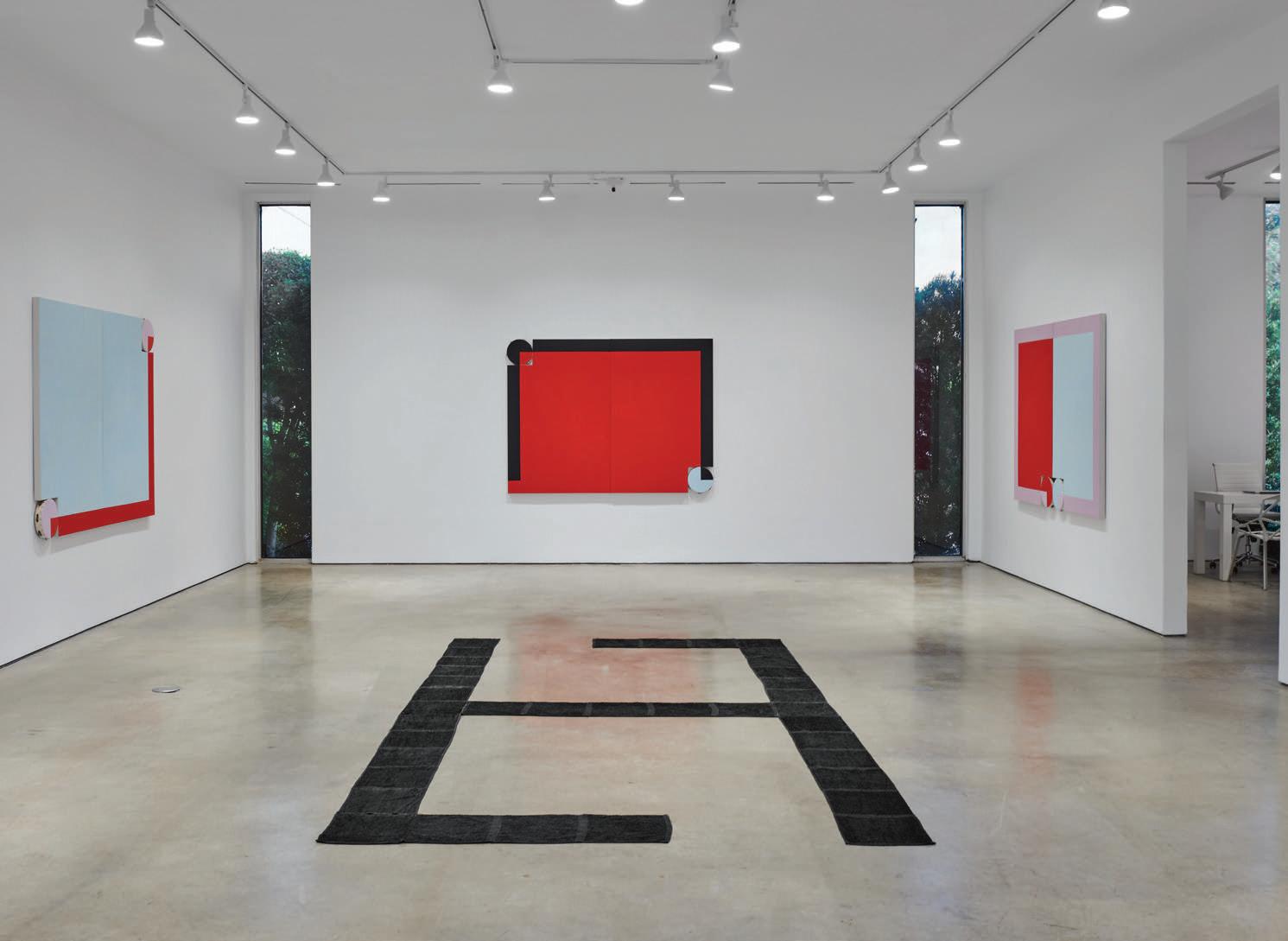
Lee’s current Houston show (his second at David Shelton Gallery on Montrose Boulevard) opened after the quarantine started, and
has only been viewable by appointment. The gallery is keeping it up through the summer, which is a great gift to Houston’s safety-conscious art lovers. Lee shows at Karma Gallery in New York and Stuart Shave Modern Art in London (both of whom also show Houston’s most celebrated artist, Mark Flood), so getting this significant show in Houston is a huge deal. Lee’s work can appear sternly minimalist at first glance—rectangles of flat color on notched rectilinear surfaces—and the artist’s queerness is incidental to the meanings and pleasures he provides. Yet the notches are filled with tambourines that are painted to unify them with the overall compositions. Tambourines were an accessory for a certain
generation of disco-obsessed revelers, and we need think only of the iconic logo of the Paradise Garage—a hot guy with a tambourine—to see how the artist’s use of musical instruments in his work 15 years ago had a political cadence. Like the towels, the tambourines are meant to be held, so our frustrated desire to pull one off a painting and play it along to Sylvester’s “You Make Me Feel (Mighty Real)” is part of the experience. One piece with two tambourines touching is called The Kiss and conjures the pagan rite of a dance floor transforming into pure heaven via a transcendent kiss with a near-stranger. It is wildly evocative, romantic, and wistful.
In the middle of the gallery floor is a recent still-in-progress towel piece with facecloths dyed a dense black. It remains the artist’s intention to come to Houston before the end of the show and give them a deeper black finish that totally absorbs light. The washcloths are arranged to suggest two tiny adjoining rooms. The piece is titled 315 Tenth Avenue, Lee’s New York City address in Chelsea, one of the gayest neighborhoods on earth. Many gay Houston men will recognize that address as being right around the corner from The Eagle NYC bar.
Lee’s apartment was probably only slightly bigger than the washcloth rectangles on the gallery floor, so we can imagine his proximity to other gay men’s bodies that he experienced as a very young, newly arrived British lad. The “wall” of towels between the rooms is a barrier, but it also speaks of shared erotic imaginations. Washcloths like these were known as cum rags, and it’s hard not to see the
energy and potential that notion brings to this sculpture.
Lee has been with his partner, sculptor Paul Gabrielli, for 18 years. Gabrielli is also quite well-known for artworks referencing queer domesticity. To get safely from their Chelsea apartment to their Bushwick studios without entering the fearful subways during the quarantine, they have rented a car and are living a life that is as constrained as everyone else’s.
While Lee’s work appeared in a group show at Texas Gallery as early as 2004, his 2018 show at that gallery was his first trip to Houston. I sent pictures of the exhibition to Jack Pierson, who responded that it looked “breathtaking—somehow beyond whatever I could have hoped for a Paul Lee magnum opus.”
While travel for artists currently remains impossible in most situations, artwork can still move freely. Houstonians should be grateful that the artist and the gallery are allowing us to see this poetic and moving show in the middle of a quarantine.
For more information on Paul Lee’s Houston show, visit davidsheltongallery.com.
Paul Lee
Recounting the Life of Susan Sontag
Houston-native Benjamin Moser
’s latest work wins a Pulitzer Prize.
By ZACHARY MCKENZIE
A routine Netflix bingewatching session while quarantined had rendered author Benjamin Moser bored. He picked up his phone that he’d left unchecked during his binge and saw that it was filled with text messages and an unsettling number of missed calls. The look on Moser’s face caused his partner to fear the worst. Wondering what could possibly warrant this unprecedented amount of outreach, Moser opened his text messages with apprehension. The out Houston native was met with an outpouring of congratulations from friends and family, notifying him that he won the Pulitzer Prize in Biography for his latest work, Sontag: Her Life and Work. It’s an honor that he is still digesting today.
The 43-year-old St. John’s alum, who currently resides “out in the woods” in France, explains his attraction to the subject matter of his award-winning publication on lesbian novelist, essayist, and filmmaker Susan Sontag. “I am riveted by the great female intellectuals and thought there was so much not being said about them—not being understood,” he explains. “Since I live in Europe, I’m very attracted to America and eager to maintain my connection. Who is the great female intellectual in America? Susan Sontag.”
Having caught the attention of readers with his profile on another fierce woman, Brazilian writer Clarice Lispector, Moser was tapped by Sontag’s team to pen the biography. “I was asked, in fact, to write the Sontag book by Sontag’s son, her publisher, and her agent,” the enthusiastic writer recalls. “They wanted someone who could handle the big life
of Sontag.” The multilingual Moser jumped at the opportunity to shine a light on someone he admired. “I’ve lived abroad for a while, I speak different languages, and can understand the world Sontag lived in. I didn’t consider myself a biographer, but a writer. It’s a completely logical follow-up to my book on Clarisse. They are very complementary figures.”
Moser’s work, released this past September, encapsulates the worldly, complex, and important life of Sontag. “It was a seven-year process that took me from Honolulu to Bosnia, Sweden, Naples, and London,” the friendly author explains. “Sontag’s life was so wideranging. There’s no American writer whose life was as vast.” Moser counted a total of 573 interviews that went into his research, including a coveted sit-down with famed photographer Annie Leibovitz, who spoke fondly of her relationship with Sontag. “Annie isn’t someone waiting around for my call. She’s a busy person. Sitting across from her was amazing and really cool. You could feel how much she loved Susan.”
Keeping Sontag’s name alive and in the forefront of culture is important to Moser. “When I was growing up, there were no gay role models. There were people who you found out were gay, but that’s about it. You didn’t really see them in the culture. I think the same is true for women,” Moser says. “You can’t forget that Susan Sontag was the ultimate lesbian role model. There were almost no visible lesbians in America. I can’t tell you how many lesbians have told me that just knowing Sontag existed
gave them a sense of hope they didn’t have. Like, ‘You can be a lesbian and be that cool? That’s awesome!’”
Despite his successes, Moser was genuinely surprised to receive a Pulitzer Prize. “I never thought I would experience it,” he laughs. “If I have a great meal at a restaurant, it may be unique and exciting, but I’ve had other great meals. I’ve never had anything like this happen to me.” He laughs recalling the night he learned he won. “My partner was worried, because of the look in my eyes. I just said, ‘I won the Pulitzer Prize.’ It was so hard to say, and still feels like a joke when I say it to people.” Moser’s Texas roots show as he jokes that he must have misunderstood and was actually awarded the “Wurlitzer Prize,” referencing the hit song by fellow Texan Waylon Jennings.
The biography is a testament to not only Moser’s abilities as a writer, but to his subject at hand. “She is a key to culture,” he says admiringly of Sontag. “If you want to know why our world is the way it is in some major ways—whether [it involves] politics, culture, sexuality, illness, film, dance, painting, literature, or anything at all that influences our world in these much deeper ways—Susan Sontag is a fascinating place to start. She’s such a diva. I could never take my eyes off of her.”
Sontag: Her Life and Work is now available for purchase at harpercollins. com. For more information on Benjamin Moser, visit benmoser.com.
Nothing completes a celebration quite like dessert, so be sure to check out these tasty LGBTQ-themed treats being sold across Houston this month.
Gay Houston chef David Alcorta will give patrons of his catering company the opportunity to “taste the rainbow” with ROYGBIV-colored dessert options throughout June. Order a tie-dye cake, or get an assortment of multicolored mini cupcakes. The possibilities are endless at Alcorta’s custom
bakery. To place an order, visit davidalcorta.net.
Dessert Gallery will also o er an array of queer-friendly sweets throughout June, as well as during the two weeks leading up to Houston’s rescheduled Pride parade this fall. The shop’s irresistible items include vibrant chocolate-covered Oreos, pretzels, and cupcakes covered in LGBTQa rming messages such as “Love Is Love” and “Love Wins.” All of these treats will
be available in the store or through curbside pickup, delivery, and online ordering. For more information, visit dessertgallery.com.
Still craving more sweet treats? Be sure to stop by Michael’s Cookie Jar for their Pride Cookie Pack, Jelvin’s Candy Shoppe for some LGBTQ Jelly Beans, and Barnaby’s Cafe for a slice of Rainbow Cake.
An extended version of this article is available at
David Alcorta Catering’s rainbow cupcakes (prices vary)
From Left to Right:
Marc Archuleta
Inner Loop Branch Manager/ Escrow Officer
Bob Collier
Memorial Branch Manager/ Escrow Officer
Scott Wendland
Inner Loop Escrow Officer
Mary Cantu
Memorial Escrow Officer / Closing Attorney
Erin Parker
Business Development
Carolyn Bobo
Business Development
Brandon Madden
Business Development
Noel Phillips
Area Manager/Escrow Officer
Kelly Ivy Inner Loop Escrow Officer
PRIDE PRODUCTS:
Snorting pig (clockwise from left), unicorn hand towel, rainbow handheld fan, Andrew Christian underwear, “Love Is Love” napkins, LGBTQ-themed coasters, Pride box, and pop-up rainbow
Decked Out in Rainbows
With so many Pride events going virtual this month, it’s only appropriate that our personal living spaces reflect our connection to the LGBTQ community.
Coda in the Heights, a Houston decor store, is selling a variety of Pride-themed items that are perfect for the kitchen. Choose from an assortment of novel-
ties like fl ashy coasters, LGBTQ-a rming “Love Is Love” napkins, and (O UTSMART ’s personal favorite) hand towels that feature a unicorn who poops rainbows to let us know how awesome we are. For further information about these knickknacks and more, visit codaintheheights.com.
Megaflix Superstore on Richmond is helping customers wear their Pride. The lin-
Houston businesses flaunt their Pride gear.
By LOURDES ZAVALETA
gerie and underwear store is all stocked up on Andrew Christian’s new LGBTQ collection. If rainbow-colored undergarments aren’t for you, check out their other fun items like handheld fans and toy snorting pigs. For more information, visit facebook.com/pg/megafl ixxx.
An extended version of this article is available at OutSmartMagazine.com.
A Tale of Gay Bookstores Past
LGBTQ Houstonians recall their historic local ventures.
By RICH ARENSCHIELDT
Photos courtesy
of
HOUSTONLGBTQHISTORY.ORG and DALTON DEHART
Houston’s LGBTQ landscape has changed so much over the years. Opportunities to meet, greet, and secrete used to be confi ned to a 20-square-block area beginning at Shepherd and ending at Taft. The community had its own fi rmly established Pride parade route and several a rming spaces for food, drink, entertainment, and sex.
And for those who were less bar-centric, there were the bookstores.
Throughout the ’90s, three stores catered to the literary and entertainment needs of Montrosians: Lobo Book Shop, Inklings Bookshop, and Crossroads Market. This trio was preceded by Houston’s fi rst feminist entry, Wilde ’N’ Stein Books on lower Westheimer, which operated from 1977 through 1986.
In a recent conversation, three of these LGBTQ bookstore owners reminisced about their establishments in celebration of Pride 2020.
After Lobo bookstore owner Larry Lingle came out at 37, he wanted to create a community in the Lone Star State. “I realized that there were no gay bookstores in Texas. I
wanted to change that,” he recalls.
Lingle and his late partner, Bill White, opened their fi rst Lobo bookstore in Dallas in 1973. “Gay paraphernalia, videos, and books were a big part of our business,” Lingle says. “Our shop was busted for selling dildos [in 1986], and later the same year our New Orleans store was raided and Bill was arrested. We closed after that.”
Following that debacle, the couple opened a Lobo in Houston on “the curve” of Westhiemer in 1986. “Houston was much more accepting of our business,” Lingle recalls. After moving to the city, he met several prominent LGBTQ activists such as Gene Harrington, Jay Hollyfield, and Sue Lovell, who all helped Lingle and White become politically engaged. In 1996, Lobo moved to an upscale Montrose Boulevard location that lasted until 2004, when competition from online commerce doomed many brick-and-mortar bookstores. Pokey Anderson co-founded Inklings with former Houston Mayor Annise Parker in 1988. “Annise and I realized that [lesbians] didn’t have a bookstore,” Anderson notes. “Lobo was in existence, but it wasn’t a place that
was oriented towards women. It also wasn’t a place you could bring family or friends who weren’t gay. We wanted a milder sort of venue for people who might be questioning their identity.”
Inklings was a welcoming space for everyone, Anderson says. “We opened our upstairs space to community groups. We sold tickets for events and hosted many gay and lesbian authors. When Tales of the City author Armisted Maupin was here, people lined up out the door onto Richmond Avenue to meet him.”
Unfortunately, competition and a change in the marketplace led the business to close in 1997. “Inklings was not a venture to make money, it was an e ort to build up the community and our allies,” Anderson says. “We achieved the goals that we set out to accomplish.”
Houston lawyer Judith Meyer opened Crossroads Market (which had a parent store in Dallas) in 1992. “I was practicing commercial litigation, and had endured an extremely stressful couple of years. I wanted to try something di erent, and the opportunity at Crossroads came up.”
Crossroads Market owner Judith Meyer
Inklings owners Pokey Anderson and Annise Parker
Lobo Book Shop owners Larry Lingle and Bill White
the block. their book meet her hyperventilating.” visiting, folks “Sometimes you don’t people get the now,” decided to days, it’s difout.” distancechoes sheltering in is even opportunity happen on the real-life friendships, Lobo Crossroads houstonlgbthistory.org.
Postino’s history wall was created from the photographs on LGBTQ Houston historian JD Doyle’s website.
Postino Wine Cafe Honors LGBTQ History
Five decades of memories live on in the former Montrose Mining Company.
By BRANDON WOLF
Photos by JENN DUNCAN
Postino Wine Cafe, at 805 Pacific Street in Montrose, is not just another handsome addition to the area’s dining choices. Its decor also includes a prominent tribute to the vibrant gay nightlife that existed within those walls for nearly five decades.
The modest brick structure in the heart of the Montrose gay-bar area has been home to four bars since the early 1970s, and was most recently known to Houston’s gay community as the Montrose Mining Company. The Mining Company closed in September 2016 after 38 years, making it the longest-running gay bar in Houston. And thanks to the efforts of Postino’s management team, memories of those bygone days are now part of a unique history wall within the café.
Lauren Bailey, CEO and co-founder of Postino’s parent company, says that the organization has always been interested in historic buildings to house their restaurants. There are now 11 Postino cafés located in Phoenix, Tucson, Denver, and Houston. The first wine café was opened in 2001 in an old Phoenix post office—thus the name Postino. In April 2018, the company opened its first Houston location at 642 Yale Street in the Heights, to great success.
But even before that Heights location opened, Bailey’s development team had already decided on the Pacific Street location in Montrose. The commercial structure, built in 1920, required a massive renovation. The electrical system and plumbing were gutted and modernized, and boarded-up windows were reopened. The Montrose location’s renovation took 19 months to complete, and the new café celebrated its grand opening on September 16, 2019. Bailey says that her team loved the architecture in the Montrose area. While doing
research on 805 Pacific Street, they came across JD Doyle’s mammoth Houston LGBT History website, which has a vast array of ads and other memorabilia from the four bars that had operated at 805 Pacific Street over the past five decades. Bailey was fascinated by what she saw, and used every available ad and photo when designing the Postino history wall. Many of the ads featured pictures of the bartenders, and she reports that some of those bartenders have visited Postino and marveled at the impressive montage.
In fact, many restaurant guests tear up when they first see Postino’s Montrose history wall, according to Bailey. And for those who don’t remember the Montrose Mining Company, the wall provides a quick history lesson. Bailey says that Postino feels honored to be in such a historic location, and to be able to preserve memories of the neighborhood’s past. She is especially impressed that Houston’s gay community had been able to create their own unique area within Houston.
The Postino Concept
Postino is owned by Upward Projects, an umbrella corporate organization that owns numerous restaurants under such names as Postino, Windsor, Churn, Federal Pizza, and Joyride Tacos. Postino is described on its website as “an industrial wine café, offering unique and approachable wines, simply scrumptious food prepared with local ingredients, and a warm, edgy culture that brings people together.” The company’s core values include being authentic and humble, acting with integrity, and achieving as a team. General manager Abigail Hill says she enjoys working at Postino because the organization really practices their values.
The finished café is bright and open during the day, designed in a contemporary industrial style. The guest waiting area features a contemporary chandelier in rainbow colors. As evening sets in, the café grows even more festive with strings of lights that sparkle outside in the covered patio dining area, which is equipped with heaters for chilly weather. The Postino atmosphere is relaxed and inviting, and the cheerful staff members are always helpful. Background music is kept to a level that diners don’t have to shout over it. On the north wall is an outdoor bar countertop where food and drinks can be passed through from the inside bar. The patio is pet-friendly, and the café provides water bowls for visiting dogs.
A Varied Menu
Postino offers a selection of 27 different wines from around the world, many of them made exclusively for Postino. Diners can also choose from 30 different beers and ales (either on tap or bottled) from Texas, Vermont, Missouri, New York, Colorado, California, Belgium and Germany.
A variety of appetizer boards offer up as- ➝
Lauren Bailey and JD Doyle at the opening of Postino Wine Cafe.
sortments of meats, cheeses, and vegetables. The house specialty is bruschetta. The soup offerings are varied each day, and there are several salad and panini sandwich choices as well. Featured deserts are chocolate bouchon, crème brûlée, and a salted caramel sundae.
As Houston restaurants reopen, Hill notes that Postino will continue to do what it can to help combat the spread of the CODIV-19 virus. Paper menus are single-use only, and salt and pepper shakers and sugar dishes are provided only on request and thoroughly sanitized after use. Curbside service is available for to-go orders, and delivery is provided through Uber Eats.
The History of 805 Pacific Street
JD Doyle’s gay-history archive at houstonlgbthistory.org reveals that in the early 1970s, a bar called The Tattooed Lady was operating at 805 Pacific Street. Postino has restored a large neon outdoor sign with the word Montrose displayed in the same retro ’70s font found in The Tattooed Lady’s ads.
In 1974, Pacific Street Station opened as a show/drag bar featuring popular performers of the time such as Tiffany Jones, Torchy
Lane, and Eartha Kitt. After that bar closed in 1976, Uncle Charlie’s opened in January 1977 as a restaurant and bar. It soon evolved into a cruise bar before closing in March 1978. The Montrose Mining Company opened that same month, and continued to operate for 38 years, closing on September 8, 2016. The Mining Company was voted Best Gay Bar by the Houston Press in 2009, and was also voted one of the 200 best gay bars in the world by Out Traveler in 2015.
Fred Sharifi, owner of the neighboring Baba Yega restaurant, is the current landowner for 805 Pacific Street. Sharifi bought the property from nightclub owner Charles Armstrong after the Mining Company closed in 2016. Armstrong had originally purchased the property from Frank Craven in 1986. Craven, a former car dealer from Philadelphia, eventually owned 60 gay clubs nationwide.
Patrons of the Mining Company will remember it as a long, rather narrow structure with a two-sided bar running down the center with seductive lighting and loud music. Handsome bartenders moved quickly around the center bar to keep customers happy. The atmosphere was masculine and cruisy. Custom-
ers loved the reasonable drink prices and the barrels of free shelled peanuts. A large covered patio also had a full bar, and was always packed during Sunday afternoon beer busts. The Postino history wall documents that era with ads announcing the bar’s Sunday drink specials. Other bar ads on the history wall show the Halloween, Christmas, and New Year’s celebrations at the Mining Company. Photos document the bar’s signature Pride parade entries—tractor shovels laden with men in hard hats, holding flags that waved in the wind. The bar outdid itself one year with a cherry picker that was raised high above the parade crowd and let out puffy clouds of dry ice.
As the Montrose area continues to gentrify, the local LGBTQ community has seen much of “Old Montrose” disappear. Postino’s new venture on Pacific Street is a model for other local businesses, showing that new establishments can emerge while still retaining a connection to the neighborhood that LGBTQ Houstonians have called home for many decades.
For more information about Postino Wine Cafe Montrose, visit postinowinecafe.com/p/montrose.html.
Avenue 360 is seeing new patients. Insured. Uninsured. In-Person. Online.
Visit avenue360.org or call (713) 426-0027 to find the care you deserve.
• Non-surgical • Drug
• Enjoy sexual relations on the day of procedure.
• Increased sensitivity.
• Increased desire.
• Larger girth & length
• Almost instantaneous results
• Fast & relatively painless.
• Better, healthier sex.
• Improved relations & stronger family.
• SHOCKWAVE THERAPY
Rekindling Pride’s Activist Spirit
This new period of crisis can remind us what Stonewall was all about.
By ANNISE PARKER
Pride was born out of crisis. At the Stonewall Inn, the harassment and marginalization of our people erupted into riots and then parades that were as much demonstration as celebration. As the AIDS crisis took its toll and Ronald Reagan looked the other way, Pride was used as a vehicle for demanding awareness and shaming a nation into action. But as the health crisis waned and acceptance grew, we reoriented Pride toward a celebration of life and community—less activism and more partying, which was a well-deserved pivot, given all that our community had endured.
Yet, we are in crisis again.
The pandemic is hitting LGBTQ people— and especially LGBTQ people of color—particularly hard because of greater economic insecurity and less access to healthcare. The Trump administration is rolling back regulations that prohibit discrimination, and the U.S. Senate refuses to acknowledge our lives. The U.S. Supreme Court is increasingly conservative and at risk of being dominated by antiLGBTQ justices. In state legislatures across the country, including in Texas, lawmakers introduce hundreds of bills aimed at harming trans youth and preventing same-sex couples from adopting.
It is in this context that organizers are reinventing Pride for unprecedented circumstances. We are moving to virtual events by necessity, but that move provides an opportunity to rekindle the activist spirit that so often marked the fi rst parade routes and parties. This year, we can return Pride to its origins amidst a new period of crisis. We can again see Pride as a balance of celebration and demonstration.
And there is certainly much to celebrate. We can take pride in the many LGBTQ elected o cials who are leading during this pandemic. Governor Kate Brown is imple-
menting an ambitious plan to trace Oregonians who are exposed to the virus, and Governor Jared Polis is promising free testing for all Coloradans with symptoms. Seattle Mayor Jenny Durkan was among the fi rst mayors to face down the virus, and her diligence and fast action saved countless lives. Tampa Mayor Jane Castor called for a stay-at-home order while the Florida governor refused action, and Madison Mayor Satya Rhodes-Conway is raising awareness about the mental health of survivors. Chicago Mayor Lori Lightfoot is highlighting racial disparities among victims
of COVID-19, and her stern appeals to stay home spawned hundreds of good-spirited and educational memes.
Our LGBTQ leaders give us much to be proud of in these uncertain times.
But this moment calls for renewed activism, as well. Together, we can replace bigoted elected o cials with LGBTQ leaders who can be our voice and reshape our nation’s politics. We need more LGBTQ members of Congress who can influence federal policies and vote on Supreme Court nominees. We need more LGBTQ statewide o cials who can ensure ➝
Queer and Chicanx for Life
Clothing designer Erika Lopez ’s new line showcases her intersectional identity.
By LILLIAN HOANG | Photo by ERIKA LOPEZ
Erika Lopez is a proud queer Chicana from one of Houston’s oldest Hispanic neighborhoods. She loves fi lming, getting her hands dirty, and, most of all, combining her queerness with her Chicanx culture through the art she showcases in her online clothing store PorVida, which translates from Spanish as “For Life.”
PorVida o ers customers quality T-shirts and pins featuring images from Lopez’s childhood, such as Our Lady of Guadalupe and drawings of her friends.
“I love creating art and being able to work with my hands,” Lopez says. “I also want to be there for my community. I love doing whatever
I can do to involve both [Chicanx and queer] communities.”
Lopez’s love of community started while growing up in Magnolia Park, where she often saw neighborhood gatherings such as food banks and toy drives.
“Somebody was always giving back,” Lopez says, recalling how a man named Pancho Claus would don a red and black zoot suit every Christmas and ride his sleigh (a colorful lowrider) to schools to give toys to her and other kids.
“Growing up and seeing Pancho Claus always stuck with me,” Lopez says. “I want to be that person who gives back. Even though I’m struggling and it’s been hard, that’s my goal.”
While her intersecting identities (and her
memories of Pancho Claus) inspired her to create PorVida, Lopez says she got the idea to start her online clothing store during a difficult time in her life brought on by Hurricane Harvey.
Lauren Anderson (l) and Harper Watters at the 2019 Houston Ballet Ball.
Harvey poured one trillion gallons of water across Harris County over a four-day period, according to Harris County Flood Control District reports. Lopez remembers how the storm turned Magnolia Park into a flooded hellscape. Her apartment, which she shared with her mother and grandmother, was no exception.
“It usually flooded at the apartment complex, but only at the entrance,” Lopez says. “It was never that bad, but Harvey just really hit hard.”
Out, Brown, and Proud
Erika Lopez’s clothing designs showcase what it means to be queer and Chicanx.
She remembers leaving her room to check on her neighbor’s residence. Her apartment floors were dry when she left, but by the time she returned, water had rushed into her home, confusing her mother and grandmother.
“My grandma, having dementia, had no idea what was going on,” Lopez says. “My mom and I were like, ‘OK, let’s try to just bag up everything and put them in high places. Let’s save whatever we can.’”
Lopez remembers lifting her dog out of the waist-high water, putting her monkey, Nikko, into his travel cage, and wrapping up her most important material belongings: her computer and her RuPaul doll.
After hours of waiting for help, a couple in a small canoe floated by and agreed to take Lopez and her loved ones to dry land. While Lopez’s grandmother and pets sat in the narrow boat, the couple, her mother, and Lopez swam alongside the boat for 35 minutes until they reached the main road where it wasn’t as flooded. Then they stayed in a hotel for two weeks, until the owner forced them out.
“The hotel already had rooms booked, so they basically started kicking everybody out,” Lopez says. “It was the saddest thing ever, because the owner was just being so rude about it and was like, ‘Y’all need to leave.’”
The family ended up staying in a motel for nearly two months before moving into a new apartment, where Lopez’s grandmother suffered a stroke and remained bedridden in a hospital for a month and a half until she passed away. A month later, her pet monkey died of pneumonia.
“Harvey is such a sensitive subject, because I feel like that was the downfall of my
most favorite things—my grandma and my monkey,” Lopez says.
Lopez had always shared a room with her grandmother, who would watch Lopez paint on nights when she couldn’t sleep. The two would stay up, keep each other company, and listen to Pedro Infante and Jorge Negrete, two Mexican singers her grandmother idolized.
“After my grandma’s death, I was going through depression and anxiety,” Lopez recalls. “I wasn’t creating anymore, because I felt those memories were attached to her.”
But from that darkness came an undeniable creative fire that ignited and burned bright in Lopez—a light that guided her to art and, ultimately, to her online PorVida store.
One day, struck by inspiration, Lopez decided to quickly sketch her friends and transfer the doodles to T-shirts with her friends’ help. Lopez built a DIY screen-printing machine and created shirts in her dining room. Once she printed her shirts, she decided to make pins and went on to contact pin manufacturers and distributors.
After opening her clothing store, event organizers in Magnolia Park reached out to Lopez’s “very queer and in-your-face type of brand,” she says. Traditionally masculine Chicanx people attended these events and visited the PorVida tent, where Lopez would tell them the story behind her shirts, and what it means to be queer and Chicanx. Her message often struck a chord.
Event-goers thanked her for sharing her experiences and offered their own in return. People connected with her by talking about their own LGBTQ relatives. She was also approached and supported by other LGBTQ
neighbors.
“I’ve had people tell me, ‘I’m not out yet, but it was nice to see the Pride flag in my neighborhood,’” Lopez says. “It’s nice when I get to vend at events that aren’t necessarily queer events, because I get to start conversations with people that normally wouldn’t have these conversations.”
Lopez says she didn’t start PorVida to make money for herself. She plans to give back to her communities with the new designs she is selling online. She even promised her friends that she would donate to the queer community whatever money she made on the T-shirts that featured drawings of them.
She also aims to work with artists from Magnolia Park, create pins inspired by her childhood community, and give the profits back to her neighborhood.
“I want to do so much more with PorVida,” Lopez emphasizes. “I want to help people out. I want to have my own little events where I can use all my money for good, because if [I’m creating] queer [Chicanx] representation, I want to actually use it [to support that community].”
When asked what advice she has for beginning entrepreneurs, Lopez says they should conduct research before agreeing to do business with manufacturers and distributors. She adds that entrepreneurs also need to learn new skills and only go into businesses that they’re passionate about.
“Stay motivated, stay optimistic,” Lopez says, “and don’t give up.”
For more information on PorVida, visit facebook.com/PorVida.Tienda/
Activist for Accessibility
Gay artist Wes Holloway is a fierce advocate for removing barriers.
By ZACHARY McKENZIE
Asplit-second decision to dive unknowingly into shallow water at a UT college party in Austin left Wes Holloway with a spinalcord injury that changed his life’s trajectory forever. The path he is forging as an artist and activist has allowed him to celebrate the communities he is a part of, as well as advocate for accessibility improvements in the future. As a proud gay man with a physical challenge, Holloway uses his art to express Pride, and his
voice to rally for change.
After his 2003 accident, Holloway began using a wheelchair to get around. Having taken some time o , he returned to the University of Texas at Austin to pursue his true passion— art. The charismatic creative recalls some initial struggles to fi nd his niche. “I was in the fi ne-arts school and was studying art education to get my teacher certification. During my second semester of student teaching, I realized I couldn’t do it. It was wearing on my body, and I knew I’d be burned out within three years. My
professors encouraged me to stick with studio practice.”
The advice paid o Holloway has found success by focusing on what brings him joy. He touts painting as his true love, while drawing and collage o er instant gratification. “My inspiration and subject matter always tend to go back to the body—how we interact with our bodies, and society’s preconceived notions about what our bodies should look like and be,” he explains. “I’m not trying to push an agenda, but I’m trying to fi nd out what these ‘ideals of ➝
Photos by MARK McCRAY
masculinity and beauty’ are for myself.”
His focus on physical traits and ideals has inspired some revealing intersectional conversations. “I’ve come to find that people without disabilities can relate to my art. I get people of all backgrounds telling me they struggle with similar issues concerning the body and society’s ideals, and what is expected of us in gay culture. It’s reinforced [my belief] that I do have a voice.” Holloway is using that voice and his undeniable talent to establish himself as a stand-out in Houston’s art scene. In addition to volunteering as an art instructor at Texas Children’s Hospital, he works with the United Spinal Association of Houston and Art Reach, two local nonprofits that give back to underserved communities.
Entering Pride Month, Holloway reflects on what Pride symbolizes to him. “I think I’m innately proud that I’ve made it through something—a trauma, or change,” he says, referring to his C5-C6 vertebrae injury. “I’m proud of myself for doing that. But then you think of the LGBT community and what we’ve gone through, collectively or individually. If you’ve been bullied in school or didn’t have a supportive family, that’s something to be proud of—just making it through.”
Despite being a proud member of the
LGBTQ community, Holloway sees a need for change if the community wants to be fully inclusive. Speaking about the challenges of differently-abled folks, he laments that Houston’s Pride parade is now a nighttime event. “Many people in the disability community can’t get out at night, because of transportation. A lot of the Pride celebration events are either at night or in bars. We’d like to get involved too, but we can’t get out there.”
The artist counts himself as one of the lucky ones. “I can drive, and I’m not super-reli-
ant, but I’ve realized, being around others, that the timing of Pride Houston is itself a barrier. And a lot of other gay events are done at bars or venues that aren’t accessible.”
So how do we start to work for change? “Ask questions. Seek people out,” the striking artist says, simply. “I’m just one example of that. Blind, deaf, other impairments—that’s a whole different ball game. Get to know people that are different than you, but are still part of your community.” Holloway emphasizes that the conversation should be a two-way street. “For the most part, if someone with different abilities is asking for something, they are trying to be included.”
With his art and his identity as a proud gay man with a different ability, Holloway reaffirms that he does have a community to be proud of. “I have found a culture that I didn’t have. The disability community has its own culture, and the queer community has its own. As a cisgender white male, I don’t have a lot of that. So I’m proud to see that my identity is ingrained in others. I can be unique, but that uniqueness is common with a group. I just think that’s kinda cool.”
For more information on Wes Holloway, visit weshollowayart.com.
Fostering Safe Spaces
Activist Raleigh Jefferson maintains support systems for the LGBTQ community.
By ZACHARY McKENZIE
Photo by GILBREATH COMMUNICATIONS
Pride Month is a time when the LGBTQ community and its allies come together, wave rainbow fl ags, attend celebrations, and join in a united front to say, “We’re here, we’re queer, get used to it.”
During all the other months of the year, activists like Raleigh Jefferson work tirelessly to bridge the gaps within the community, provide proactive support systems for LGBTQ folks, and still manage to have fun in the process.
When this activist for the LGBTQ community is asked about her preferred pronouns, she replies simply, “She/her/hers/queen,” pauses, and then bursts out into laughter. “Play around with them! That’s how people become more adaptable to using preferred pronouns,” Je erson says, urging people from all walks of life to take the pressure o of themselves and make pronouns a fun learning experience. The 32-year-old has seen fi rsthand how using her pronouns has had a ripple e ect throughout the University of Houston, where she works
full-time. “We started incorporating our pronouns on retreats, and even toyed around with putting them on our university name badges,” Je erson recalls. “We are seeing a lot of other o ces introducing themselves with their pronouns. It’s starting to catch on.”
Je erson is the o ce coordinator for both the Women and Gender Resource Center and the LGBTQ Resource Center on the UH campus—two groups that she sees working hand-in-hand. “It took me a while to realize that a lot of women’s-rights issues are the same fi ght that LGBTQ individuals are [having],” she says with intent. “Women have been at the forefront of practically every fi ght throughout the years. I’m not saying men aren’t powerful, but sometimes things require a delicate touch.”
In her role at the LGBTQ Resource Center, she is able to interact with students so frequently that she has assumed the nickname Mama Raleigh. “They know ➝
they can talk to me about anything, regardless of the situation,” she says, speaking fondly of the students she works with. While her professional focus is primarily on keeping the Center running smoothly, Jefferson says the entire team works to maintain a safe space for the students. “It’s a space of respect, equal opportunity, and support. There is no judgment,” she emphasizes.
One popular Resource Center activity that the students partake in might not seem like a big deal to some, but Jefferson knows otherwise. Seeing students napping in the Center is a testament to the nurturing environment she and her team have cultivated. “Several students come in to take naps. I noticed they were so tired and cold, so I went out and got some blankets,” the fierce mother figure explains. “It’s reassuring to know that people feel safe to sleep in this space.”
The young and energetic activist is making her mark on Space City as an ambassador for I Am Life, a Houston Health Department HIV-prevention campaign, and as a member of Save Our Sisters United, which Jefferson describes as “an organization where trans and cisgender women of color come together to talk about various topics.” She explains how the “small but mighty” group offers discussion
“MY HOPE IS THAT, IN THE NEAR FUTURE, ALLIES AND BROTHERS AND SISTERS IN THE COMMUNITY WILL START STANDING ON THE FRONTLINES WITH TRANS PEOPLE. WE ARE STRONGER IN NUMBERS.”
—Raleigh Jefferson
sessions, panels, and even fundraising initiatives. Save Our Sisters just completed work on a COVID-19 relief fund for trans women in Houston. Jefferson speaks confidently about the importance of groups like this, and looks forward to its continued growth and impact in the community.
While it may seem like her life is overwhelmed with 24/7 activism and work, Jefferson knows how to let loose and enjoy herself—and Pride Month is no exception. “For me, to go to Pride and see people being their true, authentic selves is a breath of fresh air!” she says. “To see the support trans women receive during Pride is mind-blowing. Pride,
to me, is being able to own who you are without apologies—no ifs, ands, or buts about it. That’s how you create a history for yourself. It’s seeing the entire LGBTQ community support one another, as well as allies from all over the world rise up to show love to the community. It’s refreshing to see the diversity of supporters during Pride Month.”
Looking ahead, Jefferson is hopeful that those within the LGBTQ community, in any capacity, will realize that we are all on the same team in the fight against injustice, and that there is power in numbers. “My hope is that, in the near future, our allies and our brothers and sisters in the community would start standing on the frontlines with trans people,” she notes. “We are stronger in numbers, but now we are so divided as the LGBTQ community. Each group within the group is fighting their own fight. We should come together to tackle these fights together. I assure you, in large numbers, you will see results.”
For more information about UH’s LGBTQ Resource Center, visit uh.edu/ lgbtq. Learn more about the I Am Life campaign at houstoniamlife.com. Check out Save Our Sisters on Facebook at facebook.com/saveoursistersunited.
A Pandemic Pride
Transgender student Dane Ashton plans on reaching out for some virtual Pride Month fun.
By MARENE GUSTIN
Dane Ashton plans on being a sex therapist after he gets his master’s degree. Right now, he’s working on his undergrad degree in psychology at the University of Houston.
“I want to be a sex therapist because there’s not a lot of healthy understanding of normal sexuality [when you have porn and TV setting the norm],” Ashton says. “[Healthy sexuality] is so di erent from both of those things. It’s also the section of psychology that has fascinated me the most.”
Last semester, Ashton worked as a peermentor program assistant and coordinator for the Sexuality and Gender Acceptance (SAGA) Squad at the UH LGBTQ Resource Center, which provides safe spaces and programs for the university’s queer students. Ashton, a 22-year-old transgender man, was also a previous SAGA Squad ambassador, the former vice president for GLOBAL (a social LGBTQIA organization on campus), and a founding member of the Gender Diversity Living Learning Community on campus. He is well-versed in the many on-campus and o -campus resources available for trans students.
“The pandemic hit right as my work-study program ended,” says the Houston native, “and the university started a hiring freeze.” Fortunately, he’s already been told that UH will hire him back in the fall. “The mentorship program is very important,” Ashton says. “I plan events, help out students, and train other mentors.”
Even as the Texas economy reopens, a lot of people will still choose to stay home. Ashton has some good emotional advice for those who are avoiding social contact. “Reaching out right now is a really good idea,” he says. “Make new friends on social media and reconnect with old friends. If they are your friends on Facebook, they’ll probably like a phone call from you. I know that I reply a lot more on social media than I did before all this started. Now it’s common for me to spend an hour on the phone with someone. Social contact is important, but please keep your distance.”
Since he’s not working now, Ashton plans on taking online summer courses. He has another year at the University of Houston before he chooses a graduate school, and then he’ll likely go into private practice.
Sewing is a hobby of his, and he’s very good
at it. He took a fashion course in high school and went to work for NASA, sewing fabric storage bags and designing food pantries for the International Space Station. Now he designs and sews period costumes that he wears at the Texas Renaissance Festival. “I have gone to the festival every year for the past ten years,” Ashton says. (Theater is another interest of his.) And of course, he’s recently been sewing a lot of face masks and giving them to family and friends.
Another hobby of his is baking. “Today I made this pudding pie thing called Texas Yum Yum. It’s comfort food for the lockdown.” You can fi nd the recipe for the chocolate and vanilla layered no-bake pudding pie on allrecipes.com.
Ashton is also really looking forward to the Houston Pride events. “Last year was my
very fi rst Pride,” Ashton says. “I really enjoyed it; it was fun. My friend and I went to the festival and then to some of the parties.” Pride Houston’s Executive Director, Lo Roberts, announced that although the June festival and parade would be postponed until the fall, they are planning some smaller virtual events for the June Pride Month.
Ashton is also hoping there will be some virtual Pride parties that he can dress up for. “I’ve got some new mesh shirts. I don’t know about any particular virtual Pride events, but if my Facebook friends don’t clue me in I’ll just celebrate it on my own page!”
For more information about the University of Houston’s LGBTQ resource center, visit uh.edu/lgbtq/
Dane Ashton has been spending his quarantine taking online courses, baking, and sewing face masks for his family and friends.
YOUR DAILY LGBTQ NEWS SOURCE
Finalist: Best Real-Estate Agent
PHILLIPS
t.phillips@kw.com | 832-305-7848
GIVING YOU THE SCOOP FROM
Finalist: Best Real-Estate Agent GIVING YOU THE SCOOP FROM
OutSmartMagazine.com
Boasting an enviable location within the heart of Rice Military, this stunning freestanding home is a must-see for anyone wanting space, luxury and convenience. You will live within walking distance of Memorial Park, Brenner’s on the Bayou, the Washington Street dining precinct and of course, your local coffee shop. Inside, a host of upgrades make this a bright, modern and comfortable home… $434,998.
GIVING YOU THE SCOOP FROM INSIDE THE LOOP
t.phillips@kw.com | 832-305-7848
Jim Simon, MSN, APRN, PMHNP-BC THERAPISTS
Julia Bettge, MA, NCC, LPC
Bryan Boyle, M.Ed., BSN-RN, LPC-S
Nadine Grizzle, M.A., NCC, LPC
Terry Hatherley, M.S., NCC, LPC
Patsy Holden, M.Ed., LPS-S, CCBT
Heidi Kleeman, M.A., NCC, LPC-S
Heather Moss, M.S., LPC-S
Marty Shows, M.Ed., NCC, LPC
Rhonda York, M.S., LPC
Embracing Her Queer Identity
Country singer Jaime Wyatt opens up in her new album Neon Cross.
By GREGG SHAPIRO
Photo by MAGDALENA WOSINSKA
One thing’s for certain: Nashville is not what it used to be. While there have probably always been LGBTQ+ folks in Music City, with each passing year (or maybe even minute), the queer community is becoming increasingly visible, thanks in part to artists such as the newly out singer/songwriter Jaime Wyatt. The distinguished artist has had a hardscrabble life that led to sobriety and embracing her queer identity—topics she addresses on her exceptional new album, Neon Cross (New West). That project is quickly earning her a place among the current crop of reigning country divas. Wyatt was good enough to answer a few questions in advance of the release of Neon Cross.
Gregg Shapiro: Jaime, I want to begin by congratulating you on the release of your new album, Neon Cross. It’s being showered with a multitude of favorable reviews. What does that kind of reception mean to you?
Jaime Wyatt: It’s everything I could hope for, absolutely. [Laughs] I definitely aim to please. Specifically, I really want people to know where these songs are coming from—what kind of experiences these songs are coming from, in hopes that it might help somebody else. I’ve definitely gone about living life, I think, the hard way. I think there’s a more efficient way to go about it. [Laughs] I’m really happy the album and its message are being well-received. It means the world to me.
With the exception of “Demon Tied to a Chair in My Brain,” you wrote or co-wrote all of the songs on Neon Cross. Can you tell the readers something about your songwriting process,
and how you think it has evolved over the years?
I’ve been writing songs since I was four or five years old. I was always making up my own melodies and phrases and stuff. There was a period, when I was learning to play the guitar, that I played to the guitar. But I got back to my roots and the dreamy quality of writing, where I write the melody and the words and the hook in my head, and then bring it to the instrument. Going back to where it originally came from, when I was a child, has been successful for me. I follow the muse, rather than making the muse fit inside some sort of box. My life has shown, in every way, that I don’t fit in a box. Why should art? Art has form; don’t get me wrong. I’m not necessarily avant-garde. I’m not reinventing the wheel. This is country pop. But I’m happy that I’ve been able to go back to an organic process, especially in sobriety. It was much easier when I was in my 20s just to smoke a joint and [ finger snap] get there. Now I’ve worked for it. I have different ways to get there: meditation and a lot of journaling, and a lot of reading and learning how to be with myself and go inward.
The album features a couple of guest vocalists, including Jessi Colter, the mother of producer Shooter Jennings, on “Just a Woman.” Is that how that collaboration came to be? That’s absolutely right. I’ve got this song, and I feel like I wrote it for my mother and other people’s moms. I feel like I’m trying to imagine what Tammy Wynette would have said if she could have vocalized some pain in the limitations of being a woman during that time, or during this time. I thought, “Who can we have on there?” Then I asked Shooter if we could hire his mother, and he said, “Absolutely!” I’d met her a few times. She knew who I was and had heard my voice, and was happy to do it. It was a huge honor.
One of my favorite songs on the album is the wonderful and subtly queer “Rattlesnake Girl.” The song contains the lines “I see my sweet friends on the weekends/They all look happy and gay/They keep their secrets all covered in sequins.” That made me wonder: what would it mean to you if there was a drag queen somewhere out there getting ready to include a Jaime Wyatt song in her act?
Oh, man, if I knew that was happening, I would cry tears of joy. A drag queen getting ready for a performance (which is a holy ritual) that makes everyone feel visible and understood and accepted. I would cry because I think it would be lovely!
While things have changed in recent years, being out in Nashville is still something of a challenge. Country-music listeners turned their backs on Chely Wright and Ty Herndon after they came out. But in the interim, people have embraced singers like Mary Gauthier and Brandy Clark. Can you please say something about how you see your role as an out country artist?
That’s a good question. I hope I can articulate this enough, because it’s very important to be out and well-studied at country music. Thankfully, I’m surrounded by artists that push the envelope. That’s important, because art is supposed to challenge our perspectives. My role in being out and being a country singer is important—[hopefully it can] change the perception of what country music is often associated with. I’ve heard people say that country music is white, racist, and homophobic. I want to change that. I want it to be inclusive. I want to be a part of that movement celebrating country music with everyone! That beautiful American tradition. By the same token, people who consider country music to be only traditional have used it to exclude LGBTQ people or people of color or people who didn’t fit in this little box.
“MY ROLE IN BEING OUT AND BEING A COUNTRY SINGER IS IMPORTANT— HOPEFULLY IT CAN CHANGE THE PERCEPTION OF WHAT COUNTRY MUSIC IS OFTEN ASSOCIATED WITH.”
—Jaime Wyatt
If they’ve used the music for that, they’re sorely mistaken. I want to be a voice and a figure to represent the diversity that is America, and country music is American. We should all be able to enjoy this.
With live performances on the back burner for the near future, how are you reaching your fans?
We (and I say “we” because my label is helping me greatly) are partnering with magazines and music publications to livestream on social media, mainly Instagram and Facebook. We’re also in the process of making a mini-documentary about some of the causes I believe in, such as feminism and the visibility of the LGBTQ community in country music. I’m working on developing a series on current causes, as well as music, and to open up conversations online.
Listen to Jaime Wyatt’s Neon Cross on all streaming platforms now, or purchase it online.
From every indication, Pride festivals across the U.S. are being canceled. Your album Neon Cross is being released just before Pride Month begins. How do you plan to observe Pride this year?
I was so looking forward to being at a Pride festival in my first year of being out publicly. I’ve only been out to my friends and family for four years. I was looking forward to being out on social media and at Pride festivals. I won’t get to experience that in person, but I definitely would like to incorporate celebrating my pride and being out—[to finally be able] to say “I’m out and proud,” which is crazy because I never thought I’d get there. I’m looking forward to doing that online. I’m trying to reach my people and my community and speak to my younger self—to find young people who are struggling like I was.
For more information on Jaime Wyatt, visit jaimewyatt.com. Keep up with Wyatt on Instagram @jaimewyatt
As she enters the stage, she’s usually introduced as “The Legendary Dina Jacobs.”
“That’s because I’m old,” she jokes about her stage name. Now in her 70s, the tireless performer has spent more than her fair share of time in the national spotlight. Recently, the septuagenarian had her life chronicled in Dr. Larry Dwayne Ponder’s book Forever Her Mother’s Son: The Dina Jacobs Story—A Walk through the Life of
a Transgender Drag Performer.
The Amazon website notes that Dina “Jacobs” Montalbo “has lived most of her life as a performer, providing entertainment to those who appreciate her talents and illusions. Dina’s life has had many ups and downs, successes and disappointments, and has taken her all around the world.”
She spells it all out in this intriguing book, starting with her first drag shows in Hawaii and continuing through all the adventures that brought her to currently reside in Houston.
Pioneering Performer
New biography follows trans entertainer Dina Jacobs ’ courageous journey.
By SAM BYRD
by WILL SMITH
Jacobs first started dabbling in drag in February of 1964, when a girl at school invited her and her cousins to a costume party where they had to go dressed as girls. Jacobs, still in high school and living as a male, took the challenge.
“About six months later, there was an audition for a new show in Waikiki. I didn’t know anything. I was as green as green could be, but I ended up landing the emcee part,” Jacobs recalls. “Back then, everything was live. We didn’t pantomime, we sang live. We had musicians playing the music. It was a real cabaret.”
The world of drag whisked her away, and she’s never looked back. Jacobs has lived and performed in California, Illinois, Georgia, Florida, and Texas. She also had a six-month residency in Brazil that elevated her to “inter-
Photo
national star” status.
Along the way, Jacobs decided to transition.
“I was raised with women, and I was always feminine. When I moved to Atlanta, I saw a few girls who started transitioning. I was fascinated with them. I was just a drag queen and didn’t know anything about hormones,” she says. “And when I met more [trans women] in Chicago, I thought that if I’m going to switch, it’s got to be for me. I’m not going to do it for anyone else.”
Wherever Jacobs has lived throughout the years, she has a history of leaving her mark and making things better. “I have been supporting the gay community since before I can even remember,” she says.
In the 1970s, she joined many LGBTQ celebrities to do a fundraiser for Leonard Matlovich, who famously was outed and discharged while serving in the Air Force. His case drew national attention and earned him the cover of Time magazine. “We had a big benefit at The Baton in Chicago. Craig Russell, Michael Greer, and Wayland Flowers and Madame were all there performing. Matlovich
fought, and he won. It was a religious experience,” she remembers.
Realizing she had an ability to use her performances as a platform, Jacobs jumped in when she could to help others make their stamp on the world. “I helped Ken South when AID Atlanta was first forming. I played in the first gay softball world-series team in Toronto. If it was a fundraiser for HIV/AIDS or for
cancer, I was there donating my time, and I did it all over the country,” she notes.
From being a young drag performer braving hecklers on the street to stepping out on the national stage for LGBTQ causes, Jacobs shares it all in the book.
“The reason I wrote the book is that a lot of the young girls don’t realize what queens like me went through with the hardships and tribulations in life. You couldn’t walk down the street without people knowing what you were. They would ridicule you to the nth degree. To persevere through that and still be relevant all these years later—that says something about the human spirit,” Jacobs emphasizes. “Through this book, I want today’s girls to know they’re lucky because people were strong enough to do this job back then. It’s like being a parent—you want your kids to have better things than you did.”
Forever Her Mother’s Son: The Dina Jacobs Story—A Walk through the Life of a Transgender Drag Performer is available on Amazon. Independently published, 137 pages.
our community is considered in the response to this pandemic. We need more LGBTQ state legislators who control floor debates and legislative agendas. For our community, the path out of this crisis is electing LGBTQ people and increasing our representation.
Pride Month—and the political activism it can inspire—will determine whether 2020 becomes a historic election year for our community. Seventy-two of the LGBTQ Victory Fund’s 205 endorsed candidates appear on primary ballots in June, including six candidates for U.S. Congress and 48 candidates for state legislatures. If we all get to work, we can double LGBTQ representation in the U.S. Congress, elect our first out trans state senator, and flip state legislative chambers to pro-equality majorities. In Texas alone, we have four non-incumbent LGBTQ state legislative candidates that are critical to regaining control of the state’s House of Representatives in November.
From the safety of our homes, we as a community can have enormous influence on the outcomes of these races. The time we would normally spend choosing our Pride outfits can be used to make phone calls for candidates. The money we would normally spend at the beer tents can be given to candidates to send mailers and buy digital ads that can help them reach voters. If each of us dedicates a portion of our Pride celebration time and money to electing LGBTQ candidates, we can transform America’s politics this year.
This year, Pride is not just about our community. It is about America. The unique experiences and traumas LGBTQ people face make us more compassionate, thoughtful, and determined leaders. LGBTQ elected officials are more racially diverse and more genderdiverse, and we bring those identities to every policy decision we make. Electing LGBTQ people to office will not end the pandemic or immediately stop the attacks on our equality. But these are the leaders we want to manage the fallout from this crisis—and to prevent the next ones.
While the pandemic has upended all political campaigns, LGBTQ candidates have a key competitive advantage over their straight cisgender competitors: our community. In times of crisis, we stand up and fight for each other—and we can do so once again in 2020. We have 72 chances during this Pride Month to prove the power of LGBTQ people. Let us get to work and show we can deliver.
Former Houston Mayor Annise Parker is the President & CEO of LGBTQ Victory Fund and LGBTQ Victory Institute. A complete list of Victory Fund-endorsed candidates is available at victoryfund.org/ourcandidates. They currently have 16 endorsed candidates
and guidelines for opening up the economy. There is also a link where you can find facts about coronavirus rumors and myths, to help you determine what is fact and what is fiction.
The Small Business Administration is also offering disaster assistance. The SBA also has local resource partners that could provide relief for Houston-area business owners. These include:
• Texas Gulf Coast Small Business Development Center (SBDC) – sbdc.uh.edu (713) 752-8444
• WBEA Women’s Business Center (WBC) –wbea-texas.org/womens-business-center (713) 681-9232
• Coronavirus.gov (https://coronavirus.gov) –This website provides details on how to prepare and protect yourself from the COVID-19 virus, as well as what to do if you think you are sick. There are also specific resources available for travelers, small-business owners, businesses, healthcare professionals, and schools.
• Office of the Texas Governor (https://gov. texas.gov/coronavirus) – For more Texas statespecific information, you can visit the website for the Office of the Texas Governor. In addition to links regarding economic and healthcare details, you can also access “Governor Abbott’s Proactive Response to COVID-19,” which lists in-depth information on how Texans can leverage both state and federal financial assistance.
• The Greater Houston LGBT Chamber of Commerce (https://houstonlgbtchamber.com/covid-19/) – The LGBT Chamber of Commerce also has a resource list on their website. Resources include the U.S. Small Business Administration, the Texas Restaurant Relief Fund, the CDC, and the World Health Organization. You can also find a “Guide to the CARES Act” there.
Additional Help
Because everyone’s financial needs and objectives are different, talking with an experienced financial advisor can be beneficial for getting answers and advice based on your particular situation.
Doing so will also allow you to put a plan in place that outlines the steps needed to move forward financially—and it can help you maximize any of the debt-relief and/or stimulus funds that you are eligible for, while still keeping your long-term retirement and savings goals in mind.
Grace S. Yung, CFP , is a certified financial planner practitioner with experience in helping domestic partners plan their finances since 1994. She is a principal at Midtown Financial Group LLC in Houston and was recognized as a “Five-Star Wealth Manager” in the September 2017 issue of Texas Monthly. Yung can be reached at grace.yung@lpl.com.
For three years, Gonzalez worked as the diversity education coordinator in the UH LGBTQ Resource Center, leading education workshops and leadership-development programs. She also coordinated UH’s participation in the annual Houston AIDS Walk, and worked with the annual Gender Infinity Conference at UH. Gonzalez is also a board member of the UT LGBTQ alumni network.
Jeremy Edwards
Jeremy Edwards, a 32-year-old gay man, previously served as the Board’s program/ events chair. Guy says he nominated Edwards to become co-chair because of his hard work in making the City of Houston’s first LGBTQ HOUmanity Awards a success. While Edwards admits the invitation to lead the Board was a big decision for him, support from many Board members gave him the confidence to accept the role.
Edwards says he wants to use his new role to help ease the coming-out process for other people. He also believes that it is important to help the mayor keep his finger on the pulse of Houston’s LGBTQ community. “I want to be an agent of change,” he says, adding that he plans to conduct a listening tour of the
community. “I have a really good feeling about what lies ahead. I have great faith in the other Board members.”
Born and raised in the Kingwood area, Edwards currently resides in the Heights with his husband, Matthew. After attending the Michael E. DeBakey High School for Health Professions, he graduated from the University of Houston with majors in English and political science in 2010. He is now the associate director of development for the MD Anderson Cancer Center.
Harrison Guy
Harrison Guy, a 43-year-old gay man who currently works at the Fifth Ward Community Redevelopment Corporation as the director of arts and culture, was a founding member of Mayor Turner’s LGBTQ Advisory Board and served as its first communications and events chair. In 2017, he co-chaired the Board with activist Melanie Pang. Guy became the Board’s chair in 2018.
In June of 2018, 32 members completed their two-year terms on the Board, and Guy
LIVE in GALVESTON
personally interviewed every new member who would take their place. “My goal was to bring new voices to the Board and make it as diverse as possible,” he says, noting that he wanted to include teenagers and conservatives as new members. “I didn’t want it to be all Democrats.”
Guy is pleased that the new Board will represent a broad spectrum of LGBTQ individuals from across the entire city, in order to vet issues thoroughly. “Montrose is the heart of the LGBTQ community, but it is no longer the center of the community,” he notes. “I want to continue working on my goal of redefining what community means for us by constantly asking who is not at the table, and then doing the work to get them there.”
Board meetings had always been held at the Montrose Center or Legacy Community Health, but after becoming chair, Guy scheduled meetings at libraries and community centers in each part of the city. He then reached out to Houston’s other minority organizations to speak at the meetings.
NEWS CONTINUED ON PAGE 82
Jeremy Edwards ORE
ADESINA
We have immediate openings for experienced advertising executives at OutSmart Media Company.
Salary, commissions, and benefits. A creative, fun environment.
APPLY TODAY!
Send your cover letter and resume to employment@outsmartmagazine.com
Guy also expanded social events from local LGBTQ bars to other venues. Mayor Turner wanted the board to have an annual signature event, and last November the first Breakfast of Champions @Night was held. Local activists who have rarely been recognized for their work were awarded the first HOUmanity Awards. The event was very successful, and Guy says the mayor was pleased.
Last year, the Board held its first Pride Reception at City Hall on June 25, the anniversary of Houston’s seminal Town Meeting I event held at the Astro Arena in 1978. They also sponsored the first Safe Night Out, an event for people to “come out” in a safe space.
time salaried position within the Mayor’s Office as a community liaison,
• the City should support the implementation of employee resource groups,
Under Guy’s leadership, the Board’s policy committee drafted five major recommendations for the City:
• LGBTQIA diversity training should be offered to all City employees,
• the City should create a permanent full-
• the City should add LGBT business enterprise certification through the Office of Business Opportunity, and
• an anti-discrimination ordinance should be passed that protects a broad range of Houstonians.
“The scope of the Board is to be a listening ear from the community for the mayor,” Guy says. The Board reached out to all current City Council offices, and each office responded positively. “They all represent LGBTQ individuals in their districts,” Guy notes.
Looking back on his leadership role, Guy says, “It’s been an opportunity I’m grateful for. The things I’ve learned about myself and the community are invaluable.”
For more information about Mayor Turner’s LGBTQ Advisory Board, visit lgbtqhouston.org.
Harrison Guy
Ashkan
Roayaee
Reopening the Montrose Bars
It’s party time again, but it’s a very different party.
By MARENE GUSTIN
Friday, May 22, was a red-letter day for the Montrose-area LGBTQ bars as they were allowed to reopen for the first time since Governor Greg Abbott shut them down on March 20 to slow the COVID-19 pandemic.
“Friday night, when we went to unlock the doors, the crowd outside started cheering for us,” says Mark De Lange, owner of the leather-and-Levis bar Eagle Houston.
But it hasn’t been easy. “We’ve kind of been planning this since the restaurants reopened,” he says. “We put together a COVID-19 task force. One of the first things we did was buy two FarUVC lights that hospitals use to kill viruses on surfaces. We hired a guy who just walks around sanitizing everything with those.”
Governor Abbott’s directive to bars wanting to reopen was a tough one: only 25 percent capacity, no dancing, social distancing, only six people per table, and no bar seating. At a bar.
“We put extra tables on the dance floor,” says De Lange. “We have servers now, because patrons can’t [stand around] the bar. Every employee gets their temperature checked before working, and if they do get sick they have to bring a doctor’s note clearing them for work when they come back. We have contactless payment options like Apple Pay, we use plastic cups and disposable straws, [we only pick up] lemons and limes with tongs, there are cleaning logs in the restrooms, and the light guy cleans in there every fifteen minutes.”
Staff are required to wear masks, and patrons are also encouraged to via the bar’s new “Mask 4 Mask” posters.
“It’s been a huge pain in the ass,” De Lange admits. “And at 25 percent capacity, we’re not making money. Maybe when we get to 50 percent. We lost $750,000 while we were closed, but I had to get my staff back to work, and they’ve busted their butts on this. I’m really proud of them.”
Christopher Barry, who had just opened BUDDY’S bar 12 weeks before having to close it, is also proud of his crew. “I hired all my staff back, but a good portion of them can’t come back because they had to move in with their parents and they (or someone they live with) is immunecompromised. The ones who did come back were very excited, even though they could probably make more money on unemployment,” he adds.
As for safety measures, Barry says BUDDY’S is using contactless payment, online table reservations, handheld devices to take orders at the tables, and masks for the staff. They also have guys in “sanitation shirts” that walk around with the anti-virus lights, and all patrons spray their hands with alcohol before being seated at their table. Still, Barry thinks “the new normal” will be profitable.
“Our capacity inside is 288, we have a patio and a big parking lot. We’ve marked off part of that and put tables out there, too.”
It’s been a little harder over at ReBar, which is only open three days a week for a total of about 24 hours.
“It’s still to be determined if we can make money this way,” says owner Jeffrey Harmon. “We are usually very fast-paced, and this has really slowed us down,” he notes, referring to the table-service requirement and having to disinfect everything all the time. “We are also using disposable drinkware and paper straws, and have eight stations with big pumpers of sanitizer. [We’ve also] limited the fruit choices.
“But we’re thankful people came out, and they’ve been really good,” he says. “I saw people bumping elbows and holding doors open for others. We didn’t have any issues, and we always have two Harris County constables on hand. It’s good to be open—for the staff, and to give people an option to come out.”
Charles Armstrong, owner of JR’s Bar and Grill and South Beach, knows he can’t make money under the current model, but he’s doing it anyway, at least for JR’s.
“It’s like taking your first steps into the pool, or the ocean—baby steps until you get your confidence.” He’s making employees do wellness and temperature checks before shifts, wear masks and gloves while working, and wipe down surfaces frequently. Because he owns both properties, he was able to continue paying his workers during the eight weeks they were closed.
South Beach remains closed for now. “It’s a dance club,” he says. “How do you open a dance club when you can’t dance?”
Armstrong thinks things will start to return to normal when there’s a vaccine or a “magic pill” so people can feel more comfortable going to bars and gyms. “I think there’s hope, but I just don’t know,” he laments. “There’s no vaccine for HIV, even 30 years later.”
Things are working out pretty well over at Tony’s Corner Pocket.
“So far, so good,” says owner Tony Vaccaro. “We mostly make use of the patio; we use disposable tablecloths and hand sanitizers on every table.”
As far as making money goes, Vaccaro says they will be okay unless there is a lot of rain and they can’t use the patio. Also, things could slow down because a lot of his loyal regulars (and biggest tippers) are oil-and-gas guys who are facing uncertain prospects.
“We clean, we only use lemons and limes with tongs, all the drinkware is plastic cups. I hate to use plastic, but right now we have to.
“I think we may get back to normal by Christmas. Maybe that will be my Christmas wish this year.”
George Country Sports Bar is set to reopen on June 3. Pearl Bar Houston will remain closed until Harris County Judge Lina Hidalgo lifts the county-wide stay-at-home order. Neon Boots Dancehall & Saloon is temporarily closed until further notice.
Eureka Heights’ Pride Brew Will Again Benefit LGBTQ Community
By RYAN LEACH
give the beer its signature medium-purple hue. Eureka Heights debuted Lavender Bunny for Pride 2019, in honor of the 50th anniversary of the Stonewall riots, an event that sparked the modern-day LGBTQ rights movement. The brew was only released on draft in the Eureka Heights tap room and in select bars around Houston. A portion of the 2019 proceeds went to Pride Houston, the organization that runs the city’s annual LGBTQ celebration.
lthough Houston’s Pride festival and parade has been postponed until the fall, folks can still celebrate the LGBTQ community in June with a pint of Eureka Heights’ Lavender Bunny beer.
trose Center, Houston’s LGBTQ resource organization.
Throughout June, the local brewery will again release its Pride-themed lavender-colored beer for limited purchase—this year in a special LGBTQinspired container—at the Eureka Heights taproom’s drive-thru located 941 W. 18th Street. For every four-pack sold, two dollars will go to the Mon-
“We wanted to create a special beer to help support our local LGBTQ community,” says Rob Eichenlaub, co-founder of the brewery. “Lavender is a color historically linked to the LGBTQ community, and we thought this would be an awesome way to celebrate our diversity.”
Lavender Bunny is a spin-off of their award-winning Buckle Bunny cream ale, infused with a hint of lavender and butterfly pea flowers to
“Lavender Bunny was a huge success last year. It pretty much sold out everywhere and caused lines out the door of our taproom on the day of its release,” Eichenlaub recalls. “This year, we are canning the beer and giving the label a super-awesome new look.”
Due to the COVID-19 pandemic, large Pride celebrations cannot take place this summer. But folks can still support the LGBTQ community with a purchase of Eureka Heights’ Lavender Bunny brew.
Enjoying a frosty beverage during June’s sweltering heat while supporting a local business that gives back to the community—nothing tastes better than that.
For more information about Eureka Heights Brew Co., visit eurekaheights.com.
WEDDING GUIDE
By JENNY BLOCK
JPRIDE IN THE PULPIT
Community activist and wedding o iciant Johnny Peden reflects on his life of service.
ohnny Peden has committed himself to honoring and celebrating other people’s lives and choices. Sadly, there was a time in his life when who he is was neither honored nor celebrated. After graduating from Southwestern Baptist Theological Seminary, Peden was an associate pastor at a Baptist church in Houston. During his tenure there, he was unceremoniously outed and fi red.
Peden had come out to a fellow student in college years before. When that student’s brother, who is also gay, came out to his own parents, they were none too happy. “His parents were giving him a hard time about being gay,” Peden explains. “In an argument with his parents, he said that if they thought being gay was so bad, guess who else is gay: Johnny Peden.”
It was a moment that would forever change the trajectory of Peden’s life.
The parents of the young man who outed
Peden were involved in the Baptist church. Very involved. In fact, his father was a deacon, Peden explains. Once he was outed, Peden says that was all it took. “Phone calls were made and before you knew it, I was fi red.”
Peden then decided to call a gay friend still in seminary in Fort Worth. “He o ered his spare bedroom to give me time to come to terms with what was going on in my life. To survive, I took various sales jobs there in Fort Worth and later in Houston.”
After he moved back to Houston, Peden also joined Resurrection Metropolitan Community Church. “I preached there on a regular basis. The late Rev. Ralph Lasher and I alternated speaking at the early morning service. Ralph and I also started a support group, Crossroads, for LGBT church workers and allies.”
The LGBTQ community was deep in the throes of the AIDS crisis in those days and, sadly, Peden was asked to o ciate for many funerals. Later, when AIDS deaths thankfully became much less frequent, Peden’s friends suggested that he begin o ciating weddings once again. “And that is where I am today,” he says, “hopefully bringing joy into the lives of hundreds of people on their very special day. Thus, I named my website Your Special Day.” Peden has been o ciating weddings since he was in college. For the past several years, he has o ciated around 200 weddings per year. “It is very rewarding to see the look in couples’ eyes when they are exchanging the wedding vows. Their faces are gleaming with love. Weddings for LGBT couples are a very important rite of passage. They can have true happiness in their lives with whomever they love. It gives them the profound opportunity to know real happiness and joy.” He also does speaking en-
gagements at Unitarian Universalist churches in the greater Houston-Galveston area, as well as in Victoria.
For Peden, “not discriminating against anyone for any reason is the driving force behind my sincere desire to be of service to all people—those of di erent faiths and backgrounds, not just Christians.”
And nowhere is his commitment to serving all more apparent than in his volunteer work, of which he does a lot.
As a member of the Houston GLBT Political Caucus, Peden has served on its board. In addition, he was a member of Executive and Professional Association of Houston (EPAH). “I have been a political activist all of my life, doing volunteer work for Texas Governor Ann Richards, Houston City Controllers and Mayors Kathy Whitmire and Annise Parker, Controller and Council Member Lance Lalor, and many other City Council members as well as State Representatives Debra Danburg and Ron Waters.”
He also works to register voters as a deputy registrar for Harris and Galveston Counties and an active member of the Bay Area Democratic Movement and the Bay Area Association of Democratic Women. Previously, he was an active member of the Greater Houston
Partnership, where he served on the Economic Development Council and the World Trade Council. He’s also been invited to serve on the Board of Americans United for Separation of Church and State. “I am awaiting confi rmation of that later in June,” he says.
Peden himself is not married or partnered. “Bobby died before it was legal for gay people to marry. Thus, we could never have a ceremony, but I did give him a ring. I will never forget the night that I gave it to him. It made him so very happy—and me, too. He cried and cried tears of joy, and so did I.”
Celebrating Pride Month is incredibly important to Peden. It only makes sense, with his lifetime commitment to serving all kinds of people in all kinds of ways, as well as devoting himself to honoring the ultimate celebration of love—marriage.
It’s been many years now since he was outed and fi red. Today, Peden is committed to living as authentically and proudly as possible. “It means that I can be my true self as a gay man without any shame or apologies,” he emphasizes. “I don’t need anyone’s permission to be my true self.”
Johnny Peden can be contacted about o ciating weddings at yourspecialday.co
ACCO M M O DAT I O N S / H OT E L S
D r ewe r y P lac e
2 8 5 0 Fa n n i n St 2 81/ 9 9 0 - 6 4 42
H o t e l G al ve z & S p a 20 24 S e a w a l l B l vd 4 0 9 / 76 5 -7 7 21
L’E m e r s o n C o r p o r a t e L o d gi n g L e m e r s o n n e t
M a r r i o t t H o u s t o n S o u t h a t H o b by A i r p o r t
910 0 G u l f F w y 713 / 9 43 - 4 0 26
T h e P o s t O ak H o t e l
16 0 0 We s t L o o p S o u t h 8 4 4 / 38 6 -16 0 0
S o u t h S h o r e H a r b o u r
2 5 0 0 S o u t h Sh o r e B l vd 2 81/ 33 4 -10 0 0
T h e Tr e m o n t H o u s e
2 3 0 0 Sh i p s M e c ha n i c R o w 4 0 9 / 76 3 - 0 3 0 0
ACCO U N TA N T S / BOO K K E E PE R S / C PA S
G a r y G r i t z , C PA
2 3 0 We s t c o t t , St e 210 713 / 78 4 -3 0 3 0
AC U PU N C T U R E
H e a r t L ig h t A c u p u n c t u r e 8 32 / 8 6 5 -117 7
H o u s t o n I n t e g r a t i ve H e al t h ,
A c u p u n c t u r e a n d M i n d f u l M ove m e n t
716 C h e l s e a B l vd 8 32 / 215 -20 39
A DO P T I O N AG E N C I E S / FOST E R C A R E
C h il d r e n’s H o p e
C h i l d r e n h p o r g 8 0 6 / 8 97- 97 35
A DV E R T I S I N G / M A R K E T I N G
A s h k a n M e d ia A s h k a n m e d ia c o m
M a t H a t M ave n C r e a t i ve
m a d ha t m a v e n c o m 8 32 / 4 6 0 - 626 3
O u t S m a r t M ag a z i n e
3 4 0 6 A u d u b o n 713 / 520 -7 2 37
A I R CO N D I T I O N I N G / H E AT I N G
N ew p o r t A i r n e w p o r t a i r n e t 2 81/ 8 0 8 - 8 6 3 0
A ST RO LOG E R
L ill y Ro d d y A s t r o l o g y 713 / 529 - 5 8 42
A R T I ST S
L e t i c ia G a r c ia 8 32 / 871-24 0 8
AT TO R N E YS / LEG A L S E RV I C E S
C h r i s t o p h e r B a r b e r / B a r b e r J ac k s o n L aw
Te x a s Le ga l P la n n i ng c o m 281/ 4 6 4 - L AW S ( 5297 )
C h a r l e s H u n t e r / H aye s H u n t e r P C 2 81/ 76 8 - 47 31
G o n z al e z O li v i e r i L L C
g o n z a l e zo l i v i e r i l l c c o m 713 / 4 81-3 0 4 0
K a t i n e & N e c h m a n L L P
18 3 4 S o u t h m o r e 713 / 8 0 8 -10 01
D wa n e To d d L aw F i r m
4 0 5 M a i n St , St e 6 0 2 713 / 9 6 5 - 0 6 5 8
AU TO M OT I V E R E PA I R S
M a s t e r C a r C a r e & C o lli s i o n
2 3 0 5 Ya l e St r e e t H o u s t o n 713 / 8 62- 6 6 3 0
R M S A u t o C a r e & C o lli s i o n
1759 We s t h e i m e r R o a d 713 / 529 - 5 8 55
R ya n A u t o m o t i ve
716 Fa i r v i e w 713 / 52 2-36 0 2
Te c h A u t o M ai n t e n a n c e
37 Wa ug h D r 713 / 8 6 3 - 824 4
AU TO M OT I V E SA LE S
C e n t r al H o u s t o n C ad illac / To ny M c c l e lla n d
2 520 M a i n St 8 32 / 9 81-759 0
K n a p p C h ev r o l e t / B e n We b s t e r
814 H o u s t o n A v e 979 / 533 - 436 3
BA N K I NG / F I N A NC I A L I N ST IT U T IO N S
H o u s t o n F e d e r al C r e d i t U n i o n H o u s t o n F C U o r g
BA K E R I E S / C U STO M C A K E S
Dav i d A l c o r t a C a t e r i n g da v i da l c o r t a n e t 8 32 / 439 - 0 2 24
D e s s e r t G all e r y D e s s e r t G a l l e r y c o m 713 - 52 2- 9 9 9 9
C AT E R I N G S E RV I C E S
Dav i d A l c o r t a C a t e r i n g da v i da l c o r t a n e t 8 32 / 439 - 0 2 24
C H U RC H E S / S PI R I T UA L C E N T E R S
B e r i n g U n i t e d M e t h o d i s t
14 4 0 H a r o l d b e r i ng u m c o r g
F i r s t C h r i s t ia n C h u r c h
16 01 Su n s e t 713 / 526 - 812 5
L i v i n g M o s ai c C h u r c h 4 01 B ra na rd St 8 32 / 971- 0 36 4
R e s u r r e c t i o n M C C
20 2 5 W 11t h 713 / 8 61- 9149
S t P au l’s U n i t e d M e t h o d i s t C h u r c h
55 01 M a i n 713 / 52 8 - 0 527
S t . S t e p h e n’s E p i s c o p al C h u r c h 18 0 5 W A la b a m a s t s t e p h e n s h o u s t o n o r g
Tr i n i t y E p i s c o p al C h u r c h
1015 H o l m a n St w w w t r i n i t y m i d t o w n o r g
C LE A N I N G S E RV I C E S
D ex t e r ’s F i ve S t a r S e r v i c e / B o b S a m o r a 8 32 / 2 52-19 61
CO M M U N I T Y/ N O N PRO F I T
A ID S F o u n d a t i o n H o u s t o n
A i d s h e l p o r g 7 13 / 6 2 3 - 6 7 9 6
A ID S H e al t h c a r e F o u n d a t i o n / O u t o f t h e C l o s e t
1435 We s t h e i m e r o u t o f t h e c l o s e t o r g
B e r i n g C o n n e c t 713 - 526 -1017, e x t 20
D ia n a F o u n d a t i o n T h e D ia na F o u n da t i o n o r g
E PA H E PA H o r g
G r e a t e r H o u s t o n L G B T C h a m b e r o f C o m m e r c e
H o u s t o n LG B TC ha m b e r c o m 8 32- 510 -3 0 0 2
H a r r i s C o u n t y S h e r i f f ’s O f fi c e hc s o j o b s c o m
H o u s t o n G L B T P o li t i c al C au c u s t h e c a u c u s o r g
K P F T Rad i o k p f t o r g 713 - 526 - 4 0 0 0
L e s b ia n H e al t h I n i t ia t i ve ( L H I ) 4 01 B ra na rd l h i h o u s t o n o r g
L e s b ia n s O ve r Ag e F i f t y ( L O A F )
l e s b ia n s o v e rag e 5 0 o r g 713 / 9 07- 5378
M y G ay H o u s t o n .c o m M y G a y H o u s t o n c o m / d i s c o v e r
P e t P a t r o l
T h e P e t Pa t r o l o r g
P la n n e d P a r e n t h o o d G u l f C o a s t p p g u l fc o a s t o r g / lg b t q
R ya n W h i t e P la n n i n g C o u n c il
r w p c H o u s t o n o r g 713 - 57 2-37 24
T h e Wo o d la n d s P R ID E t h e w o o d la n d s t x p r i d e o r g
COM PU T E R S / I NT E R N E T/ IT SE RV IC ES
C o py.c o m
1201- F We s t h e i m e r 713 / 52 8 -1201
E N T E R TA I N M E N T/ N IG H T LI F E
A ll ey T h e a t r e
615 Te x a s A v e a l l e y t h e a t r e o r g
Bu d d y ’s B a r 24 0 6 G ra n t , St e A b u d d y s b a r
C i r q u e d u S o l e il - A l e g r ia
87 7 / 924 -7 78 3
G al ve s t o n I s la n d C o nve n t i o n ga l v e s t o n c o m
G e o r g e C o u n t r y S p o r t s B a r 617 Fa i r v i e w ................................... 713 / 52 8 - 810 2
H o u s t o n E agl e 611 H yd e Pa r k H o u s t o n E ag l e c o m
H o u s t o n L i ve s t o c k & Ro d e o R o d e o h o u s t o n c o m
H o u s t o n Ro c ke t s R o c ke t b a l l c o m
J R’s / S a n t a F e 8 0 8 Pa c i fi c 713 / 521-2 519
L a G r a n j a D i s c o Y C a n t i n a
55 0 5 P i n e m o n t D r 713 / 518 - 6753
L ake C h a r l e s V isitlakecharles org /great times 8 0 0 /456 -7952
M i c h a e l’s O u t p o s t 1419 R i c h m o n d 713 / 520 - 8 4 4 6
M i d t ow n H o u s t o n M i d t o w n h o u s t o n c o m
M ill e r O u t d o o r T h e a t r e
M i l l e r O u t d o o rT h e a t r e c o m 2 81/ 37 3 -338 6
P e a r l B a r 4216 Wa s h i ng t o n P e a r l H o u s t o n c o m
R e B a r 20 2 Tua m 3 4 6 / 2 27- 8 613
Ro u n d To p F e s t i val I n s t i t u t e
24 8 J a s t e r R d 979 / 249 -3129
Ro u n d To p F e s t i val H ill F e s t i v a l H i l l o r g
S o c i e t y F o r T h e P e r f o r m i n g A r t s
S PA H o u s t o n o r g 713 / 2 27- 47 7 2
S t ag e s T h e a t r e
St ag e sT h e a t r e c o m 713 - 527- 012 3
T h e a t r e S o u t hwe s t
T h e a r e s o u t h w e s t o r g 713 / 6 61- 95 0 5
T h e a t r e U n d e r T h e S t a r s
8 0 0 B ag b y, Su i t e 20 0 t u t s c o m / o u t
To ny ’s C o r n e r P o c ke t
817 W Da l la s 8 32 / 7 2 2-76 5 8
F E R T I LI T Y/ GY N ECO LOGY
A s p i r e F e r t ili t y A s p i r e F e r t i l i t y c o m 713 / 42 5 -3 0 0 3
F I N A N C I A L PL A N N I N G / BA N K S
R i c h a r d D i c k s o n / G al e n e F i n a n c ial
170 0 W L o o p S , St e 2 55 713 / 4 8 9 - 432 2
S h a n e T h e r i o t / E d wa r d J o n e s
8 8 8 - A A v e nu e A , K a t y 2 81/ 391- 6137
G r ac e Yu n g / M i d t ow n F i n a n c ial
3355 A la b a m a , St e 18 0 713 / 355 - 9 8 33
F I T N E SS C LU BS / PE R SO N A L T R A I N E R S
C l u b H o u s t o n
2 20 5 Fa n n i n 713 / 6 59 - 49 9 8
F I T
F i t h o u s t o n c o m 713 / 529 -1515
FOO D / S PEC I A LT Y & S PI R I T S
DA S H H a n d m ai d Vo d k a d a s h v o d k a c o m
D e e p E d d y Vo d k a d e e p e d d y v o d k a c o m
D r i p p i n g S p r i n g s d r i p p i ng s p r i ng s v o d k a c o m
F U N E R A L H O M E S / M O R T UA R I E S
M a b r i e M o r t u a r y M a b r i e M o r t ua r y c o m 713 / 9 42-767 3
H A I R / N A I L / M A K E - U P SA LO N S
Av ila’s S al o n
18 3 0 S o u t h m o r e B l vd 8 32 / 4 4 4 - 8274
G r e e n A p p l e S al o n 719 W G ra y St 713 / 5212- 0 5 0 0
N U - C u t s H ai r S al o n 515 We s t h e i m e r 7 13 / 5 2 4 -7 8 5 8
H E A LT H - AG E M A N AG E M E N T
S h a r e We ll n e s s & M e d i S p a / D r J o h n S h a r e
4 011 R i c h m o n d A v e 713 / 621- 820 0
HEALTH CARE–COUNSELING/THERAPY
D “ Wo o d j a” F la n ig a n , M S , L PA
26 0 0 S W F w y, St e 4 0 9 713 / 5 8 9 - 9 8 0 4
D e n i s e O’D o h e r t y, L P C, L M F T, L CD C, R N
3131 E a s t s i d e St , St e 435 7 13 / 5 2 4 - 9 5 2 5
D r B a r r y F G r i t z , M D
2 3 0 We s t c o t t , St e 210 713 / 8 6 9 -74 0 0
D r. Da n i e l G a r z a , M D
3131 E a s t s i d e St , St e 4 152 81/ 610 - 819 0
J e f f r ey M y l e s /J M P r o f e s s i o n al S e r v i c e s ........................................................... 713 / 4 47-216 4
T h e M o n t r o s e C e n t e r
4 01 B ra na rd 713 / 529 - 0 0 37
P s y n e r g y P s yc h o l o gi c al A s s o c ia t e s
D r C a t h e r i n e B o s w e l l , P s yc h o l o g i s t
V i c t o r ia J o n e s , M E d , M A , L P C - S P s y n e r g y p s yc h c o m 713 / 7 24
4 617 M o n t r o s e , St e C 20 6 713 / 52 2-7014 We ll s o u r c e G r o u p J i
Montrose Eye Care/ Dr. Paul Lovero 520 Waugh Dr ................................713/352-0974
Spectacles on Montrose 4317 Montrose, Ste. 2 ...................713/529-3937
Ryan Fugate, RMT RyanMassageWorks.com .............713/269-7926
Tom Zeppelin/Zeppelin Massage ZeppelinMassage.com .................713/542-0426
PERSONAL TRAINERS
Michael Shallis Body Evolution.com ......................281/881-8599
PEST CONTROL SERVICES
Andy’s All Star Pest Control ...........................................................713/732-7742
PET SERVICES& SUPPLIES
Bayou City Veterinary Hospital 4720 Washington ..........................713/343-9909
The Dog House Pet Salon 6434 Washington ........................713/820-6140 5917 Richmond ................TheDogHousePS.com Midtown Veterinary Hospital MidtownVetHospital.com............713-528-4900
Natural Pawz 208 Westheimer..................... naturalpawz.com Pet Patrol .....................................................ThePetPatrol.org
Spay-Neuter Assistance Program Snapus.org. .....................................713/862-3863
The Ruff – House Cage Free Daycare & Boarding 712 Fairview ....................................713/521-7877
West Alabama Animal Clinic 2030 W. Alabama...........................713/528-0818
can be a time when you ponder starting your own business. And for still others, this can be a time when you want to pick up your marbles and go home. This is an excellent month to put some energy into your health via improved eating and exercise. With Mercury retrograde in your relationship sector, you may hear from ex-lovers from the past, old friends you haven’t seen in a while, and confront the problems in your existing partnerships. Any new plans should be acted on after July 18 to ensure long-term success. For the rest of the year, you should make some time for meditation, yoga, or some other method that allows you to retreat from the rumble of the masses.
AQUARIUS
(Jan. 20–Feb. 18)
Long-term planning for career, retirement, and even relationships is being activated this month. You are working on improving your boundaries, with the help of the Universe to show you where the holes are! You are less patient and expect more of people than you have in the past. In personal relationships, if you are not happy, improvements must be made or your partnerships will be in jeopardy. This can also be a time to consider long-term plans such as marriage or a formal business entity. You are a tough negotiator, and if you can’t get what you want, you may just walk away! You are more creative and inventive this month. This can be a
super time to be with your children, or at least for you to be more childlike. By the end of the month, you are returning to your old habits. Late June is a great time for exercise or diets. You will be doing a lot of reorganizing at work and at home throughout the month. Everything in its place!
PISCES
(Feb. 19–Mar. 20)
Home and family are the big draws as the month begins. This is a great time to reconnect with your family members, and especially those you haven’t seen in a while. If the virus weren’t so active, this would be a great time to have a family reunion or high school reunion. At home, this can be a great month for some homeimprovement or home makeover projects. It will be best to put those ideas and plans into action after July 18. You are more direct and expressive about your needs this month. You may seem impatient, and not as nice as you usually are. You are just being more real, and sometimes you have to emphasize your point in a loud voice! The latter part of the month is a more creative and playful time. This could be great for a vacation, taking a class, or spending time with your children. Your neighborhood is changing, and you should voice your concerns and consider taking a leadership role there. You are more laid-back toward the end of the month. For more astro-insight, log on to lillyroddy.com.
Hurry Up and Slow Down!
Our retrograde year continues.
Mercury, our planet of organization, communications, and travel, is going retrograde on June 12 along with Venus, which is currently retrograde. Mercury will be direct on July 18 and Venus will be direct on July 4. We will continue to have slow going through the end of July. With Mars retrograde from August 23 through November 30, our retrograde year continues. Hurry up and slow down! We have a lunar eclipse on June 5 in Sagittarius and a solar eclipse on June 21 in Cancer. Those can be emotionally charged days, so keep your agenda light during the eclipses. Better days this month are June 3, 20, and 28. Days to stay on your toes are June 2, 5, 6, 11, 13, 18, 21, 25, and 30.
ARIES (Mar. 21–Apr. 19)
You are busy this month taking care of your daily activities, getting things more organized, and taking time to share more of your day with others. Work and career challenges are still there as you try to adapt to the changes in the way business works. It’s a good month to work on your résumé, take some classes to boost your skills and give yourself more opportunities, and to connect with previous employers. By the end of the month, your focus shifts to your home, family, and emotional security. You may have more communications with them than you have had in a while. At the very end of the month, you get a boost in your energy level that gives you more self-confidence.
TAURUS (Apr. 20–May 20)
You are sharing your values and thoughts with the people around you this month. You may be more talkative than usual, but you do have a lot to say! You are reviewing your current career path, as there are future opportunities that will appear later in 2020. You are looking to take on a leadership role, possibly start your own business, and make your schedule more workable, so now is the time to start planning for those goals. It’s easier to spend money on yourself this month. You are more willing to put yourself first. All of your relationships are going through a time of review and renewal. With positive relationships, you are reconnecting. With difficult partnerships, you are trying to fix things or let them go. You are more in touch with the flow in the latter part of the month.
CANCER (June 22–July 22)
As the month begins, you are in a time
of rest and retreat. Your psychic senses are stronger than usual, and you may be extending your own lockdown so you can avoid the crowds and the noise! Choose your company carefully, especially in the first half of the month. This is a creative month for the Crabs, so you may want to write more, listen to peaceful music, or enjoy some meditation or Tai chi. By the latter part of the month, you are feeling much more energized and your career sector gets a big boost. You will want to take on a greater leadership role at work, or you may be considering doing something on your own. It’s better to put these plans into play after July 18. Relationships are changing, and that is keeping you on your toes. Be sure you are clear about what you want before you decide to compromise to keep the peace.
LEO (July 23–Aug. 22)
There are a lot of changes going on inside of you that are trying to make their way to the surface. You are looking for more support from your friends, and especially those from your past. With your career, you are looking for something very different from what you’ve been doing. You are finding your limits and trying to resist doing the same old thing. You are looking for something to excite your passion, since your current career paths may feel too stifling or just plain boring. For some, this can be a time of starting over or bringing your career to an end. Relationships need more assurances, improved boundaries, and new goals to renew those bonds. If you are in a difficult partnership, things will have to change or your relationship will come to an end. Friends can be very helpful, but you will have to ask for the help.
VIRGO (Aug. 23–Sept. 22)
Career activity takes the focus for this month. June is a great month to reconnect with your existing client or customer base. People are going to be happy to hear from you! This is also a time when you are exploring new career directions, but it’s not a good time to act on those impulses. Instead, this is a great couple of months to do research on the projects you are most interested in, and then launch them in December or January. Toward the middle of the month, you are more social. This is a much better time for self-promotion and reconnecting with friends from your past. You need to get back on your health and exercise regimen. The break in your rou-
By LILLY
ruler, going retrograde on June 12, you will slow down even more this month. The key to getting through this month is to take your time, examine things closely, and ask for others’ opinions. Difficult relationships have your attention this month as you try to improve them or bring them to an end. This continues to be a great time to connect with old friends or existing clients and businesses. With this being your yearly birthday cycle, it’s an excellent month to review your plans and goals for last year and consider updates and new ventures for your next personal year. Make sure you don’t start your new ideas or plans until after July 20 to ensure success.
tines because of the pandemic is not the best for you, so get back to your routines and everything will improve. Your relationships need some attention and physical engagement. It’s the perfect time to focus on ways to improve your life, your love life, and your career.
LIBRA (Sept. 23–Oct. 23)
In the early part of the month, you are somewhat detached from life and the events going on around you. You are looking for some mental peace to disconnect from all the activity and social-media information. This is a great time for a short vacation, taking a class on your favorite subject, or getting out for a hike in nature or at the arboretum. With Mercury retrograde in your career sector, you are rethinking your current career path and considering major changes. This month is good for research into new areas, but it’s best to wait until after July 18 to act on your ideas. Home and family are still demanding your attention, and they are testing your boundaries. Can you say no? By the end of the month, relationships become your focus. You will need to put some energy into renewing your bonds, or you may be looking for someone new!
SCORPIO (Oct. 24–Nov. 21)
You are assessing your skills and abilities to determine how to generate more income than in the past. This is also a time when you will want to improve any debt situation and possibly reexamine your investments. In relationships, you are looking for great intimacy and emotional connection. Relationships that are too demanding or restrictive may come to an end this month. Family can also be very
demanding during June, and you may have to really set your boundaries so you aren’t taken advantage of (as you have been in the past). This is also a great time to consider remodeling or even moving, but it’s best to wait until July 18 before you act on your ideas. By the end of the month, you are ready for a short vacation from your duties and personal routines. Make sure you give yourself some time for rest and retreat!
SAGITTARIUS (Nov. 22–Dec. 21)
Relationships are the focus for this month and next. Venus retrograde is affecting you personally. If you have a good relationship, this is a very nice time for reconnecting and enjoying emotional intimacy. If you are having problems, this month will be the time to acknowledge those difficulties and look for reasonable solutions. Without both parties participating in seeking a resolution, your relationship could be coming to an end. This can be true in both business and personal relationships. You continue to be more conservative with your resources, personal skills, and talent. You are more guarded about who you want to do business with. With the changes in our economy, this is a good month to get your résumé in order in case you have to make some changes.
CAPRICORN (Dec. 22–Jan. 19)
As the month begins, you are more focused on getting back to your normal routines and habits. Life still seems unsettled, and it may be that way for you through the end of the year. For some, this is a time to rethink your career path and consider an alternative. For others, this
KOFI KEEPS IT PIPING HOT
By SAM BYRD | Makeup by TOMAS TURRUBIATES
A cup of joe is a good way to start the day, but Kofi is what keeps the nights entertaining in the gayborhood. This seasoned queen has been gracing the stage for nearly 40 years, and she’s still introducing new ways to keep connected with her fans. Her largerthan-life personality is a living testament that Pride is always worth celebrating and never goes out of style.
Preferred pronouns?
It all depends on how I’m dressed at the time. Most of the time I’m indifferent, as long as it’s said with respect.
Hometown?
Leesville, Louisiana.
Spirit animal?
The eagle, because in life I want to soar as high as I can.
Drag birthdate?
June 15
Story behind the drag name?
It’s from a good friend, who always determined that he had the right amount of cream in his coffee when the color of his coffee matched the underside of my arm.
What first got you into drag?
A group of best friends who kept insisting that I go see the Super Sunday Drag Show at the Copa. Baby, one show and I was hooked.
What does Pride Month mean to you?
Pride Month is a wonderful opportunity to celebrate the legacy that has paved the road from Stonewall to all of the freedoms we are blessed to enjoy today.
What was your experience like emceeing for Pride?
It was nothing less than amazing and educational. Definitely one of the high points in my career.
Share your pageant history.
My pageant career has been truly blessed. I’m a multi-national title holder, holding such
Follow Kofi on Facebook (Terry Kofi Ray) and on her YouTube channel (The Kofi Break).
titles as Miss Gay USofA At Large, Miss Black America Plus, and Miss Continental Plus, along with many state and local titles from Texas and Louisiana.
What are some of the most prominent accolades you’ve received?
I was actually voted OutSmart ’s Most Divine Drag Queen something like 17 years in a row, and appeared on the cover in 2005.
What advice do you have for queens who are just starting?
Make sure you take the time to build your career on a strong foundation, and always remain true to yourself. Don’t sell out.
Who are some of your favorite artists to perform?
My favorite artists to perform would be Patti LaBelle, Aretha Franklin, Whitney Houston, Lizzo, Gladys Knight, and Missy Elliot, to name a few.
What’s the wildest thing that’s happened during one of your performances?
I stripped and sold my bra to a man for $100. Who are your role models?
In life, my mother and father. My role models that inspired my drag career are Hot Chocolate (Larry Edwards), Tasha Kohl, Naomi Sims, Donna Day, and Miss T.
Tell us about The Kofi Break.
The Kofi Break is a talk show with a twist. It deals with life, living, laughter, and love. You should always expect the unexpected—[you’ll have] all kinds of twists and turns dealing with all aspects of life. It’s on Facebook Live on Mondays at 9 p.m. and also on my YouTube channel, The Kofi Break So please go and subscribe.
What do you think the future of drag will be?
The face of drag is definitely changing. This pandemic has forced us to think outside the box and take our talents down avenues we never imagined. Now, where will we land? We shall see. When and where can people see Kofi perform as the clubs reopen?
You can catch me at my home bar for the last 29 years—JR’s. Sundays, Tuesdays, and Thursdays.