Africa Outlook, APAC Outlook, EME Outlook, North America Outlook, Mining Outlook, Healthcare Outlook, Manufacturing Outlook, Supply Chain Outlook, Food & Beverage Outlook, Construction Outlook, and Sustainability Outlook are digital publications aimed at boardroom and hands-on decision-makers, reaching an audience of more than 800,000 people around the world.
With original and exclusive content compiled by our experienced editorial team, we look to promote the latest in engaging news, industry trends, and success stories from across the globe.
Your company can join the leading industry heavyweights enjoying the free exposure we provide across our platforms with a free marketing brochure, extensive social media saturation, enhanced B2B networking opportunities, and a readymade forum to attract new investment and help you grow your business.
Visit www.outpb.com/work-with-us for details on how your company can feature for free in one of our upcoming editions.
EDITORIAL
Head of Editorial: Jack Salter jack.salter@outpb.com
Deputy Head of Editorial: Lucy Pilgrim lucy.pilgrim@outpb.com
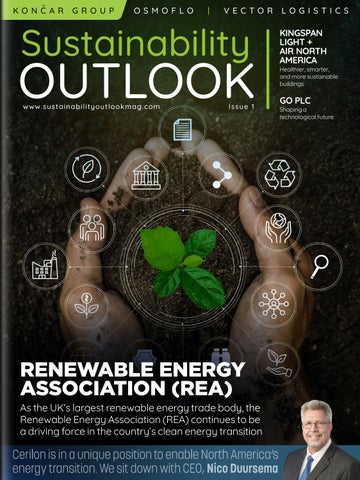
Welcome to the inaugural issue of Sustainability Outlook.
Over the last 50 years, sustainability has evolved from a peripheral concern to a central pillar in business strategy, driven by a growing awareness of climate change and the steps organisations worldwide can take to mitigate its impacts.
This has materialised most clearly in the acceleration of social responsibility and environmental stewardship, elements that the Renewable Energy Association (REA) champions.
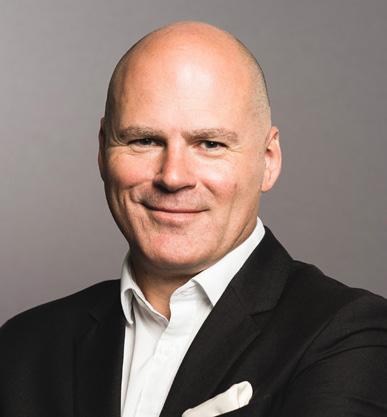
“The REA is uniquely positioned as the only renewable energy trade body operating across the full breadth of the value chain, covering all the major technology areas from solar and wind to biofuels and geothermal,” elaborates Trevor Hutchings, CEO.
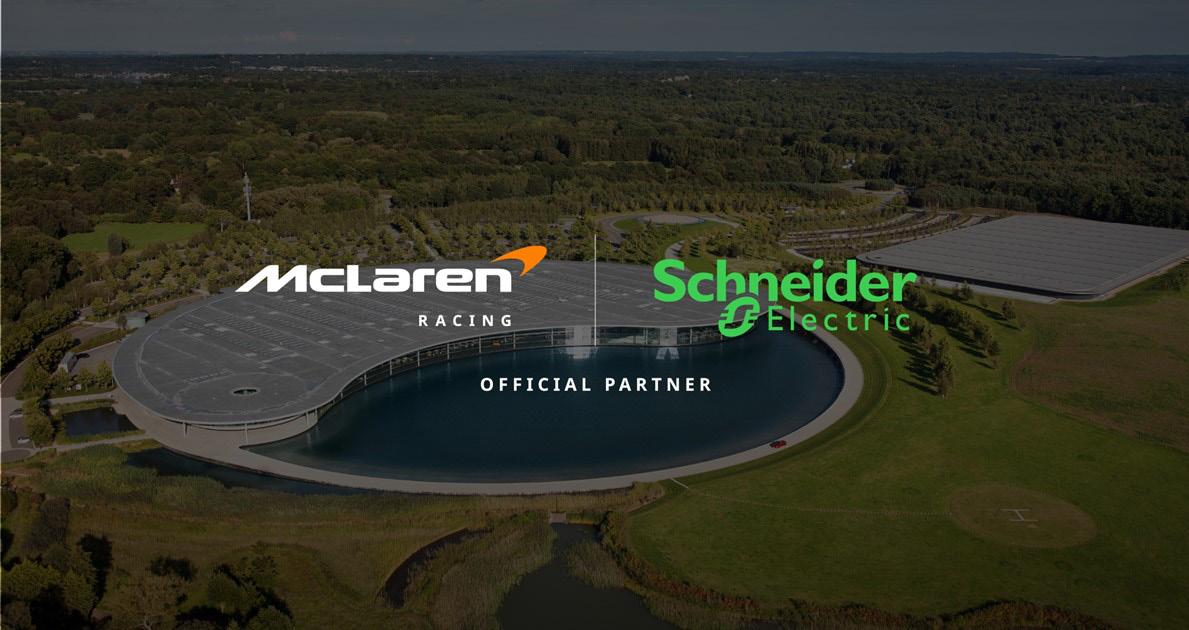
Shifting sustainability to a new gear, this issue also delves into the new strategic partnership between McLaren Racing and Schneider Electric, as the two companies collaborate to revolutionise modern motorsport.
Expanding on a fruitful 20-year relationship, the latest evolution in their partnership will strengthen competitive performance, ensure long-term sustainability, and facilitate a low-carbon future.
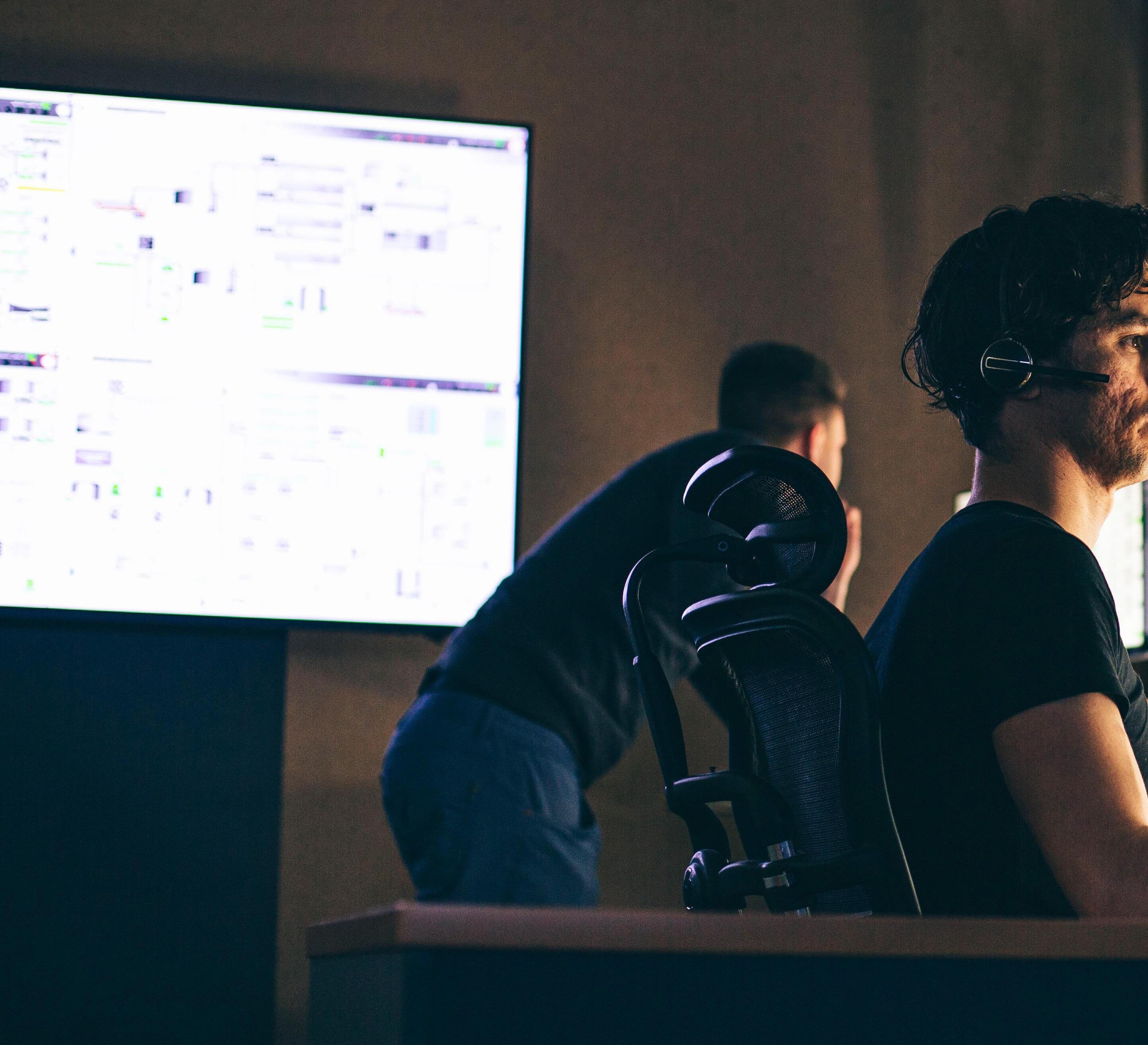
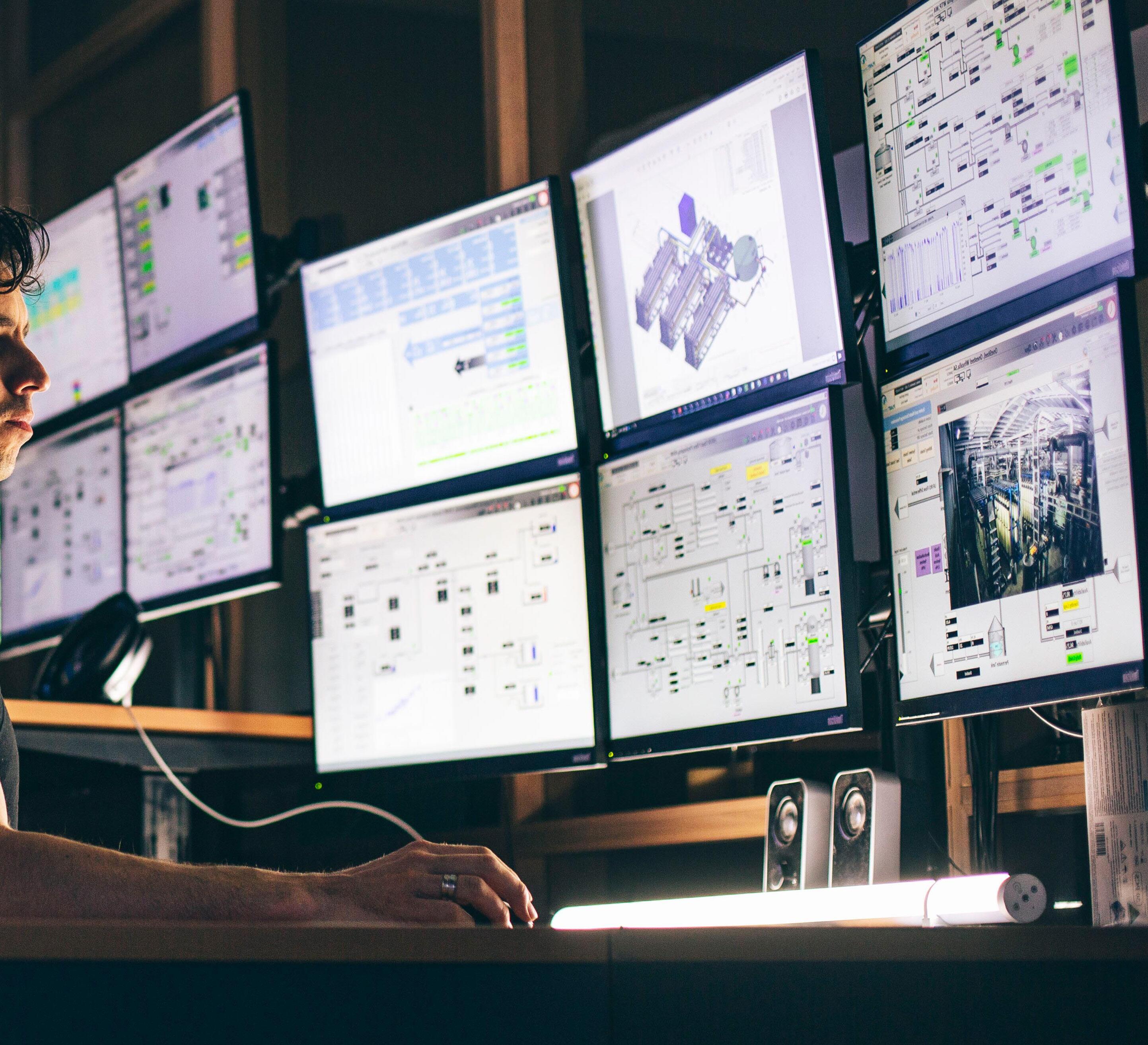
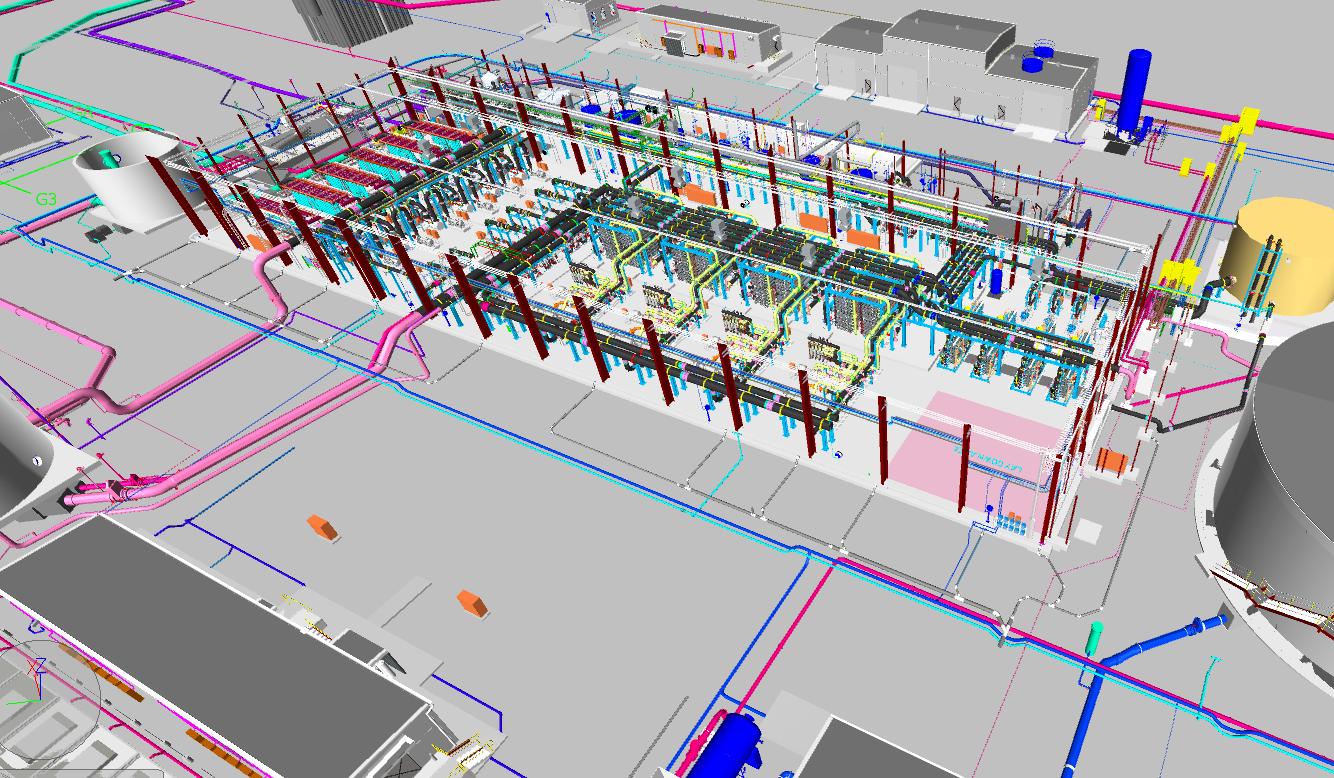
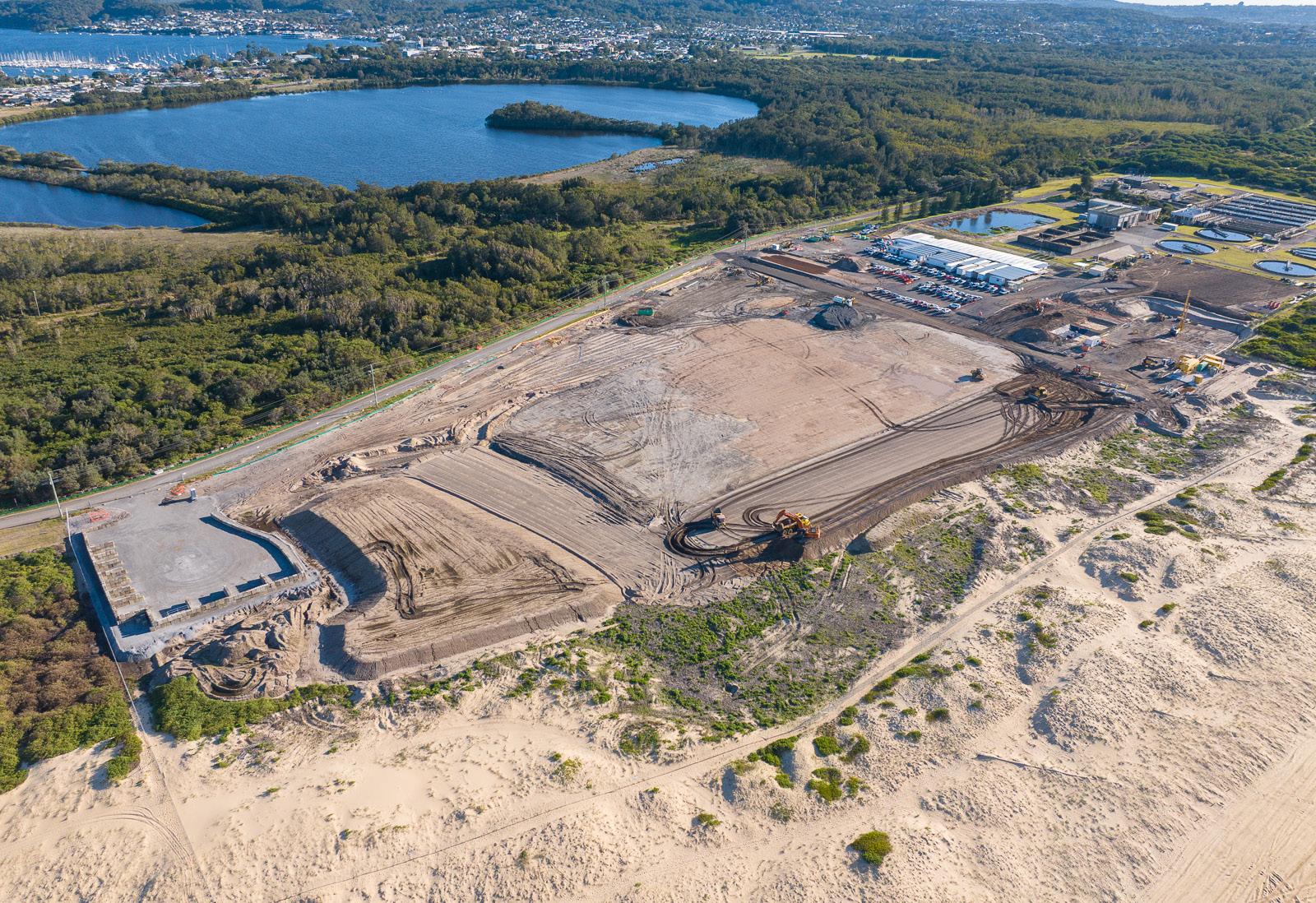
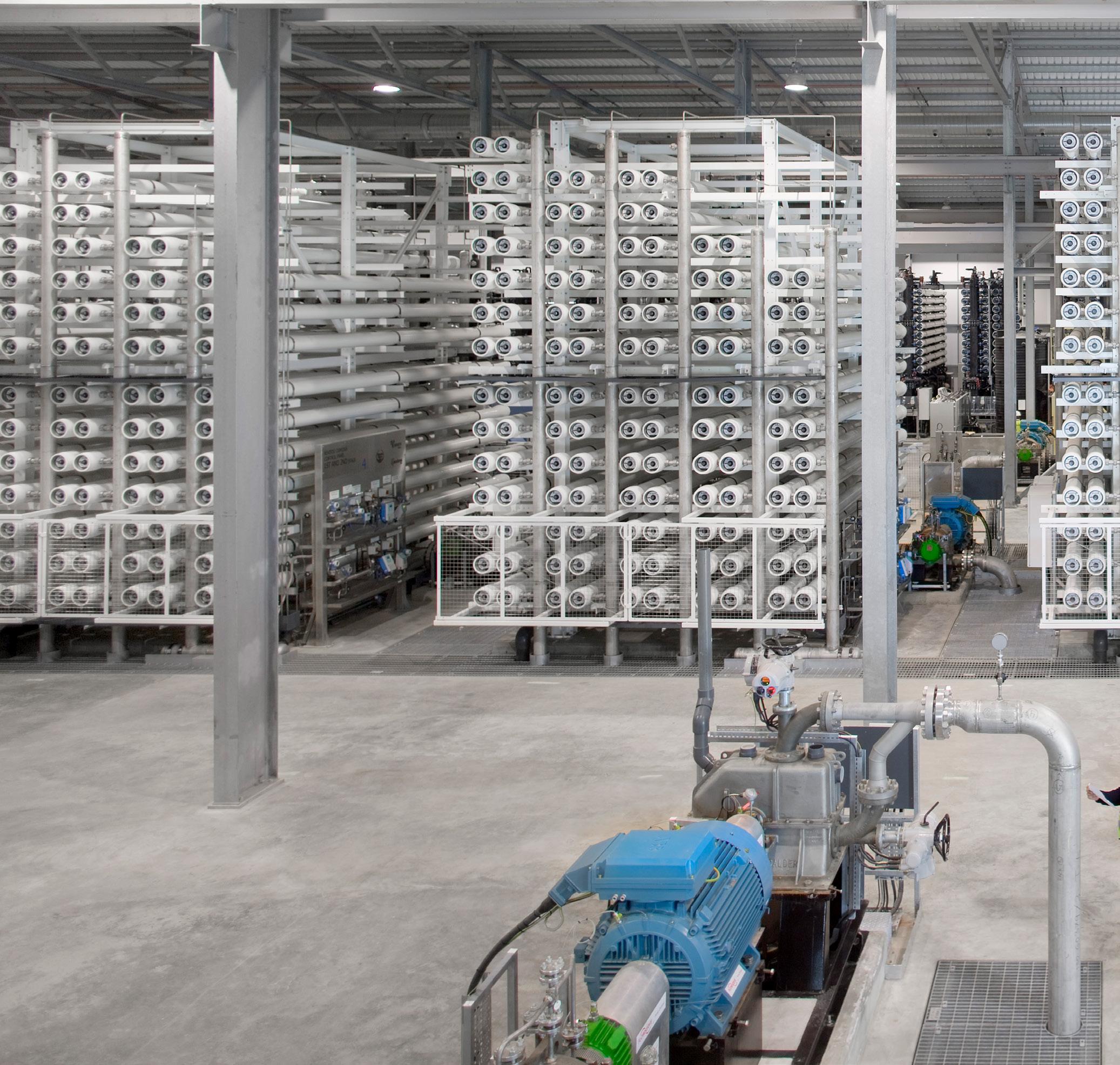
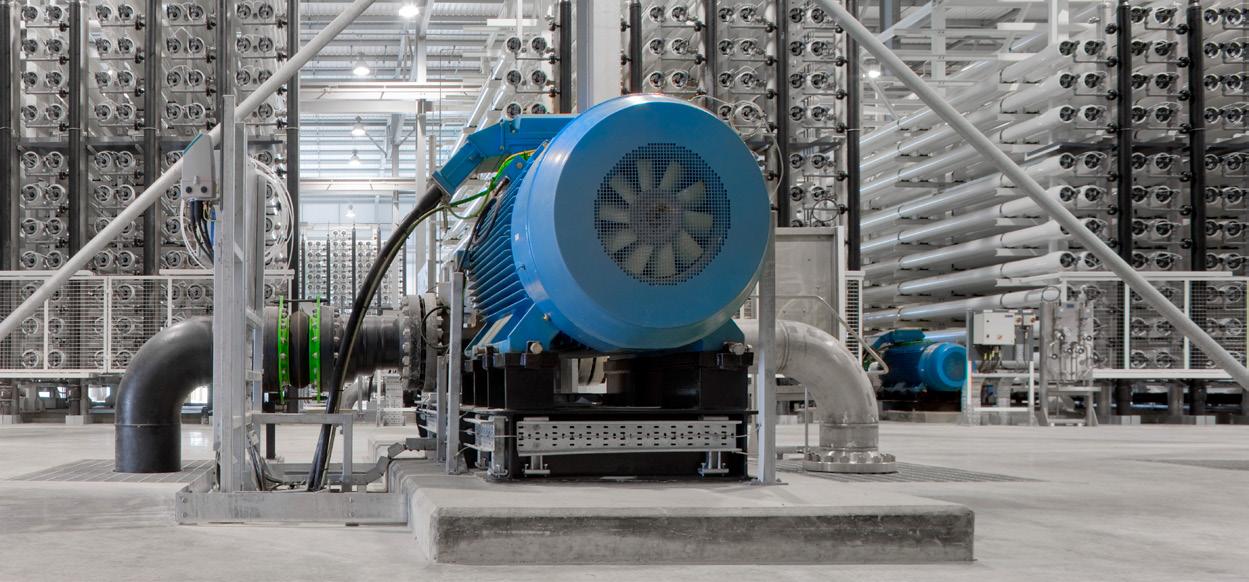
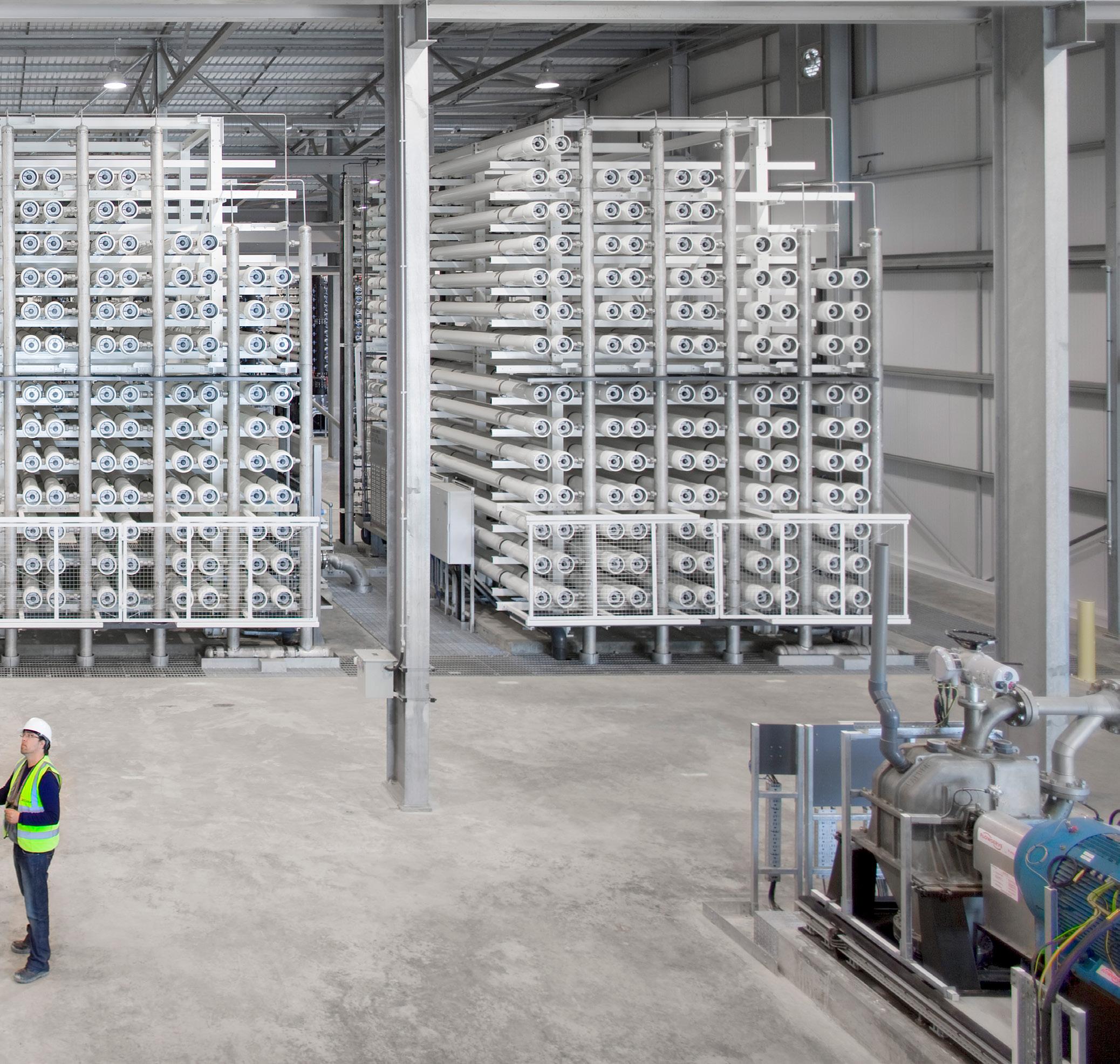
On the other side of the world, Osmoflo’s commitment to building a sustainable water landscape is evidenced by its value-based water solutions that contribute to a circular economy, emphasising a more regenerative system.
“Water is fundamental to life, and every day our water treatment systems are vital to the well-being of thousands of people around the world,” adds Carmine Ciccocioppo, CEO.
Elsewhere, driving both innovation and investment in sustainable infrastructure, ACCIONA is a leader in renewable energy and water management, boasting myriad projects across Europe and Asia Pacific.
“ACCIONA flies the flag for sustainability, implementing projects that utilise renewable energy so we can mitigate the impact of carbon emissions,” says Carlos Cerezo Ramos, APAC Water Regional Director.
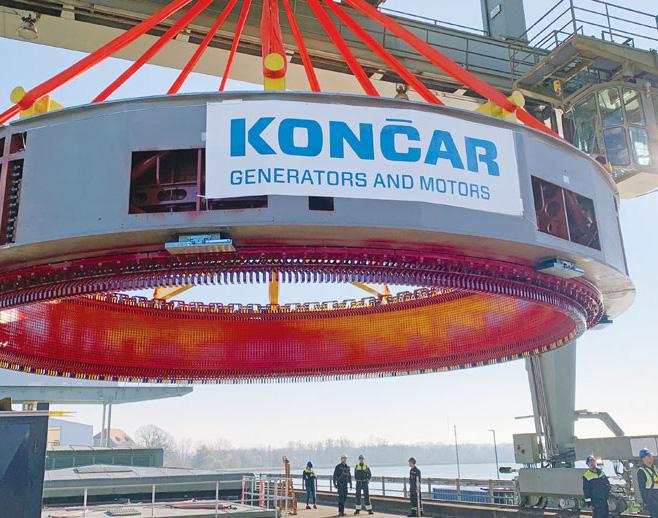
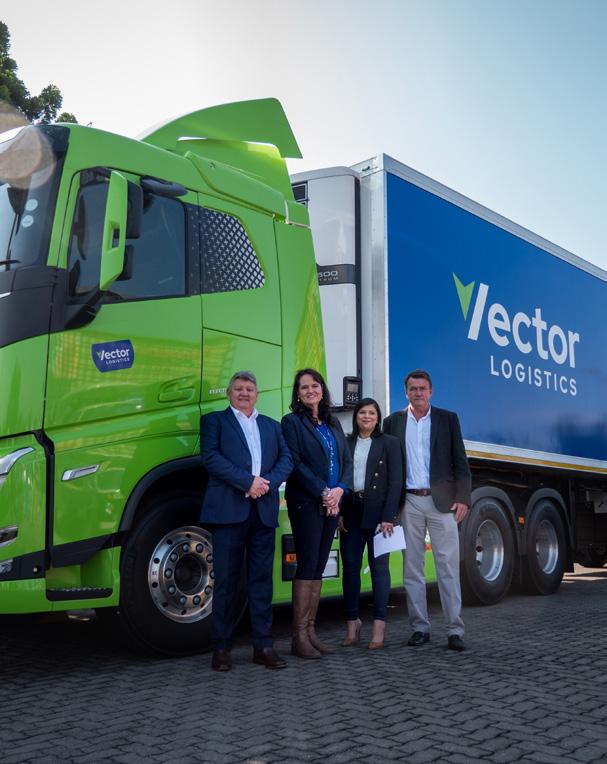
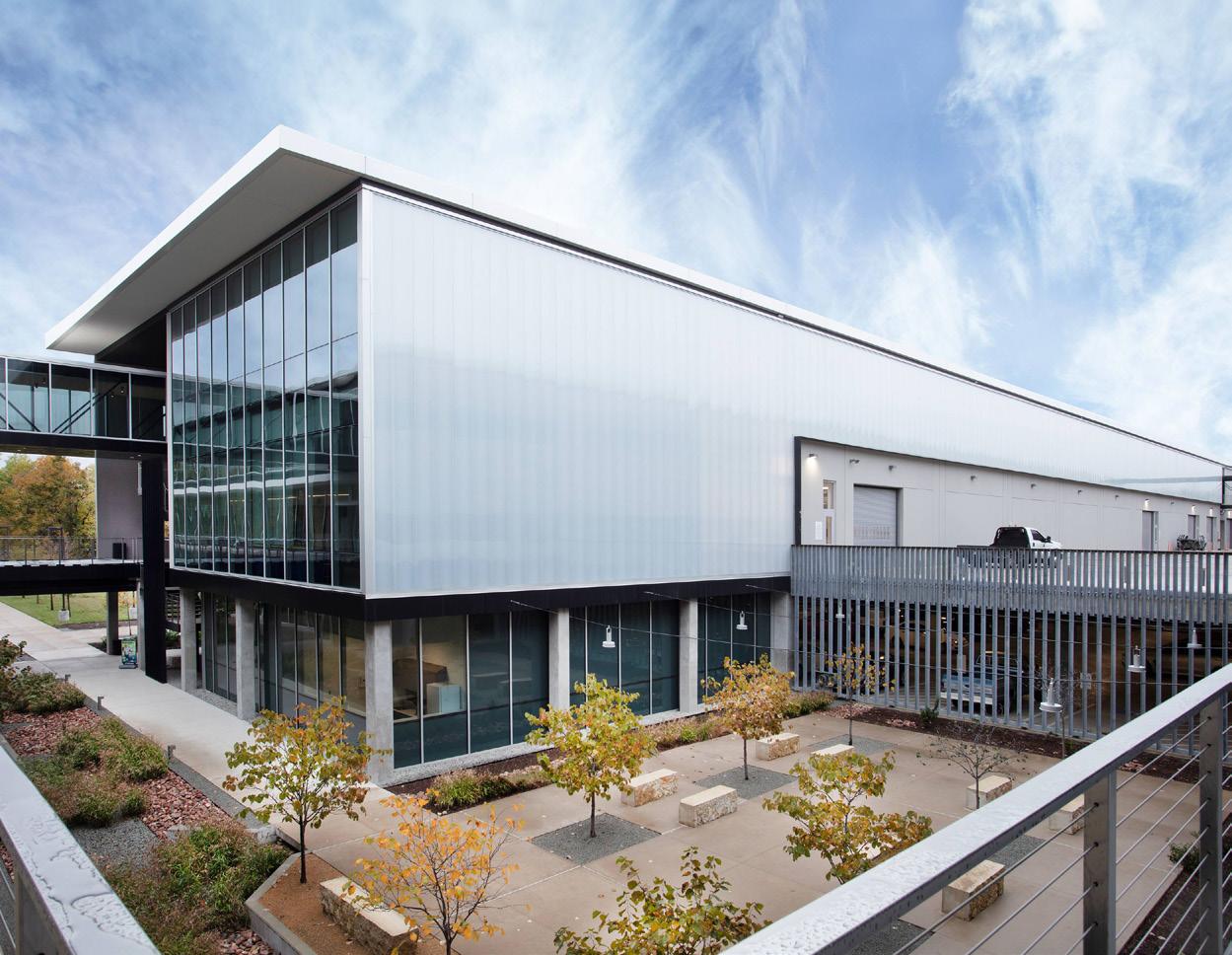
The importance of sustainability abounds across this first edition, which also includes the regenerative work of GO Plc, KONČAR Group, Kingspan Light + Air North America, and many more.
We hope you enjoy your read.
Lucy Pilgrim Deputy Head
of Editorial, Outlook Publishing
FEATURES
INDUSTRY SPOTLIGHT
38 Renewable Energy Association (REA)
Ushering in a new era of clean independence
ASIA PACIFIC
52 Osmoflo
A Circular Future for Water
Preserving the world’s most precious resource
EUROPE & MIDDLE EAST
64 ACCIONA
Business as Unusual
Leaving a positive legacy for society
74 GO Plc
Connecting People and Ideas
A true fibre island
82
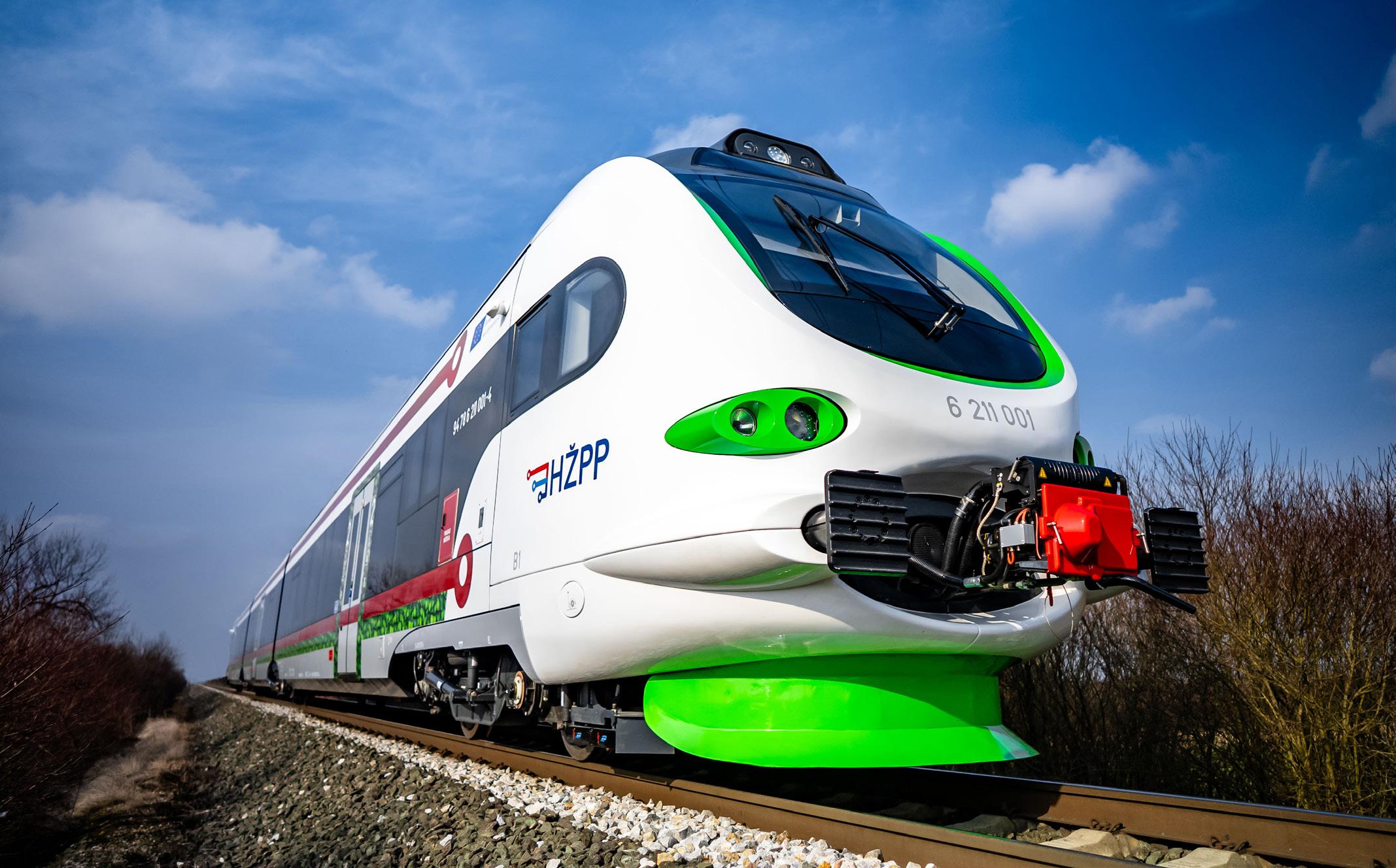
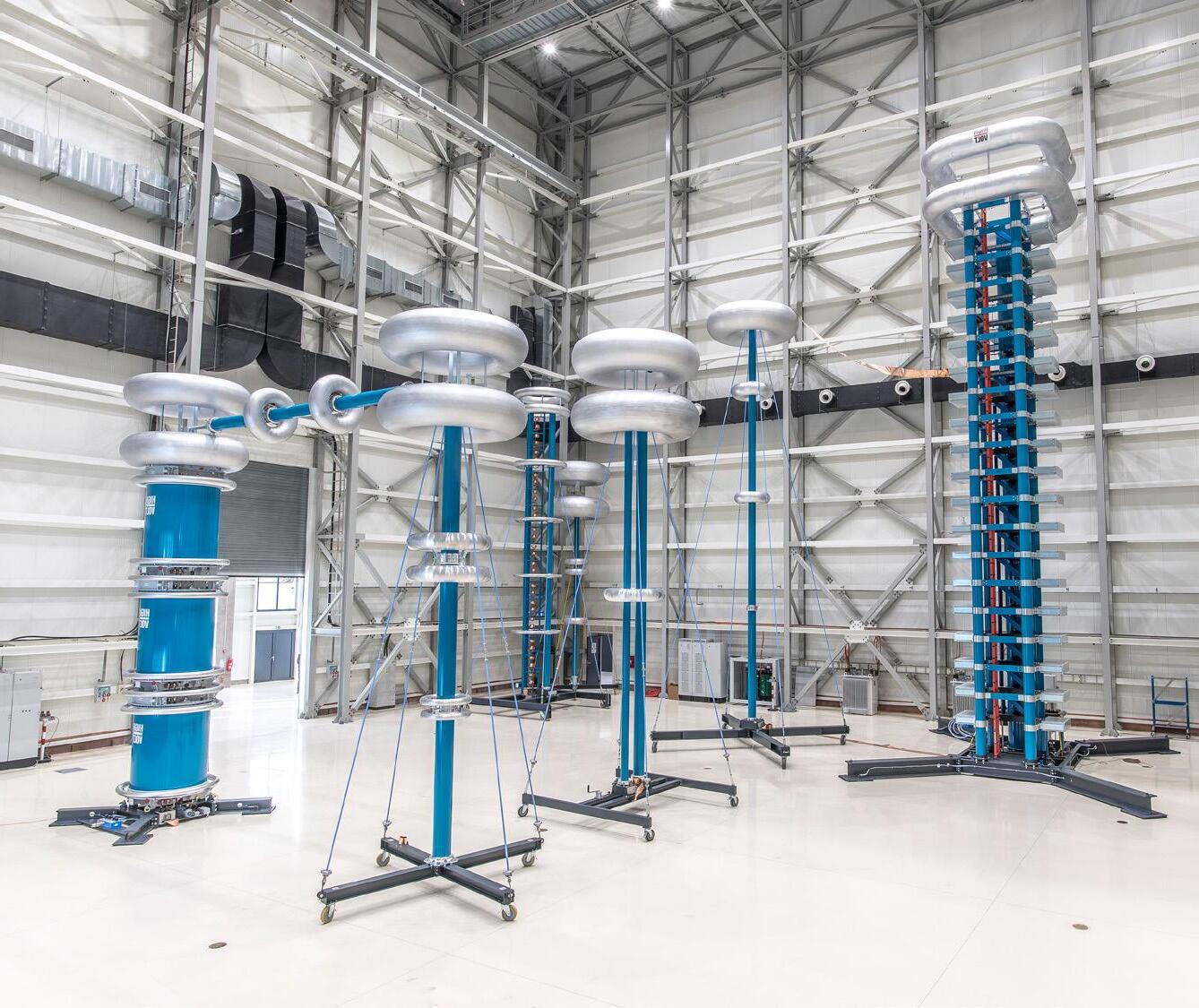
KONČAR Group
The Technology Leader Shaping Global Energy
Where a century of heritage meets the technology manufacturing of tomorrow
NORTH AMERICA
94 Kingspan Light + Air
North America
Crafting Naturally Enhanced Environments
Healthier, smarter, and more sustainable buildings
AFRICA
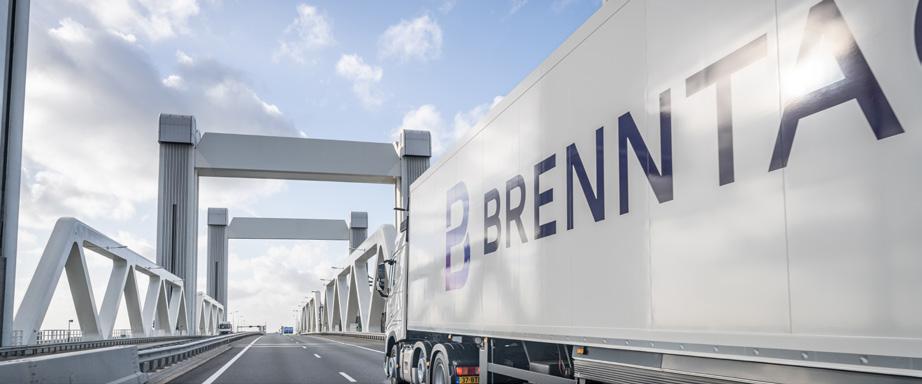
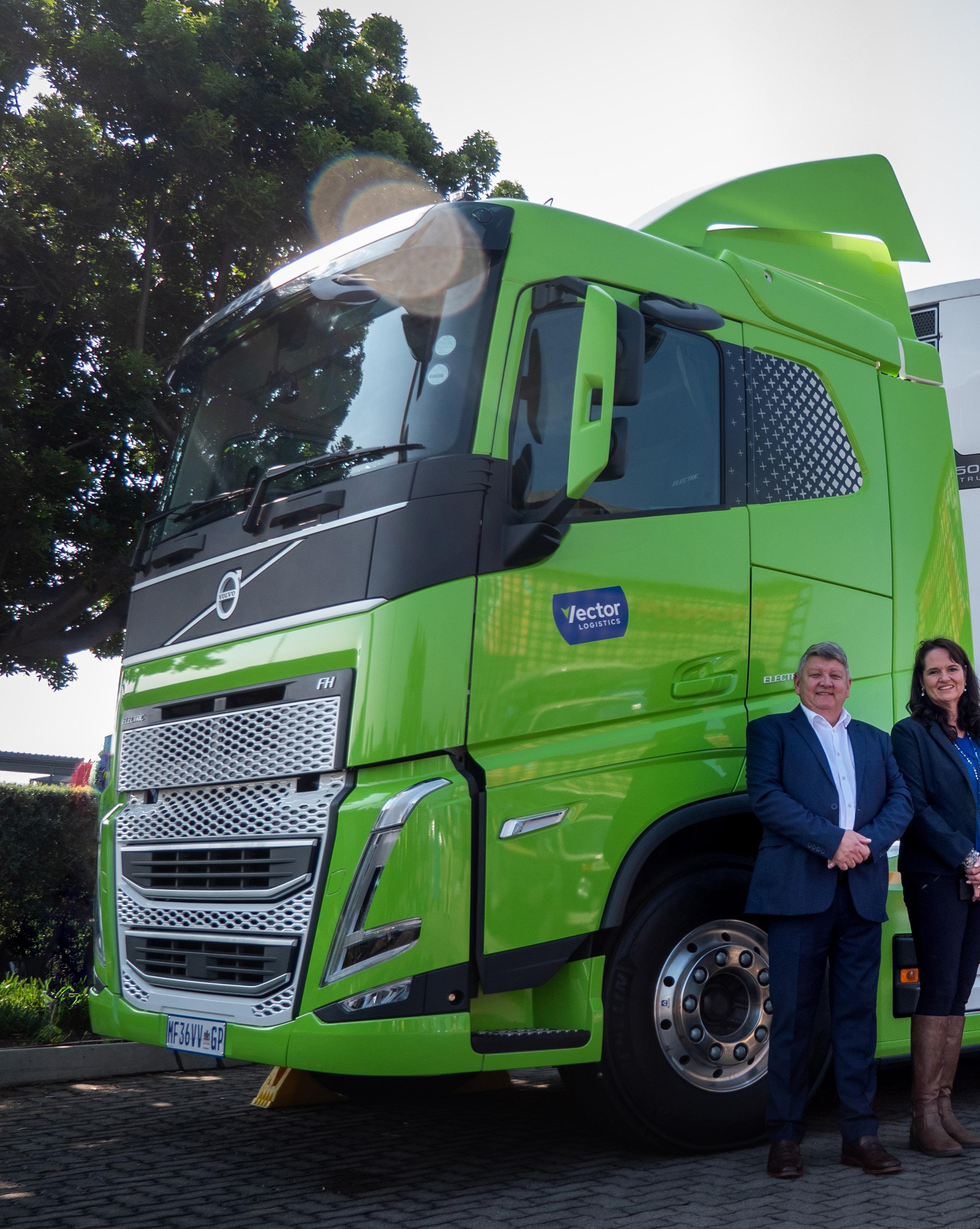
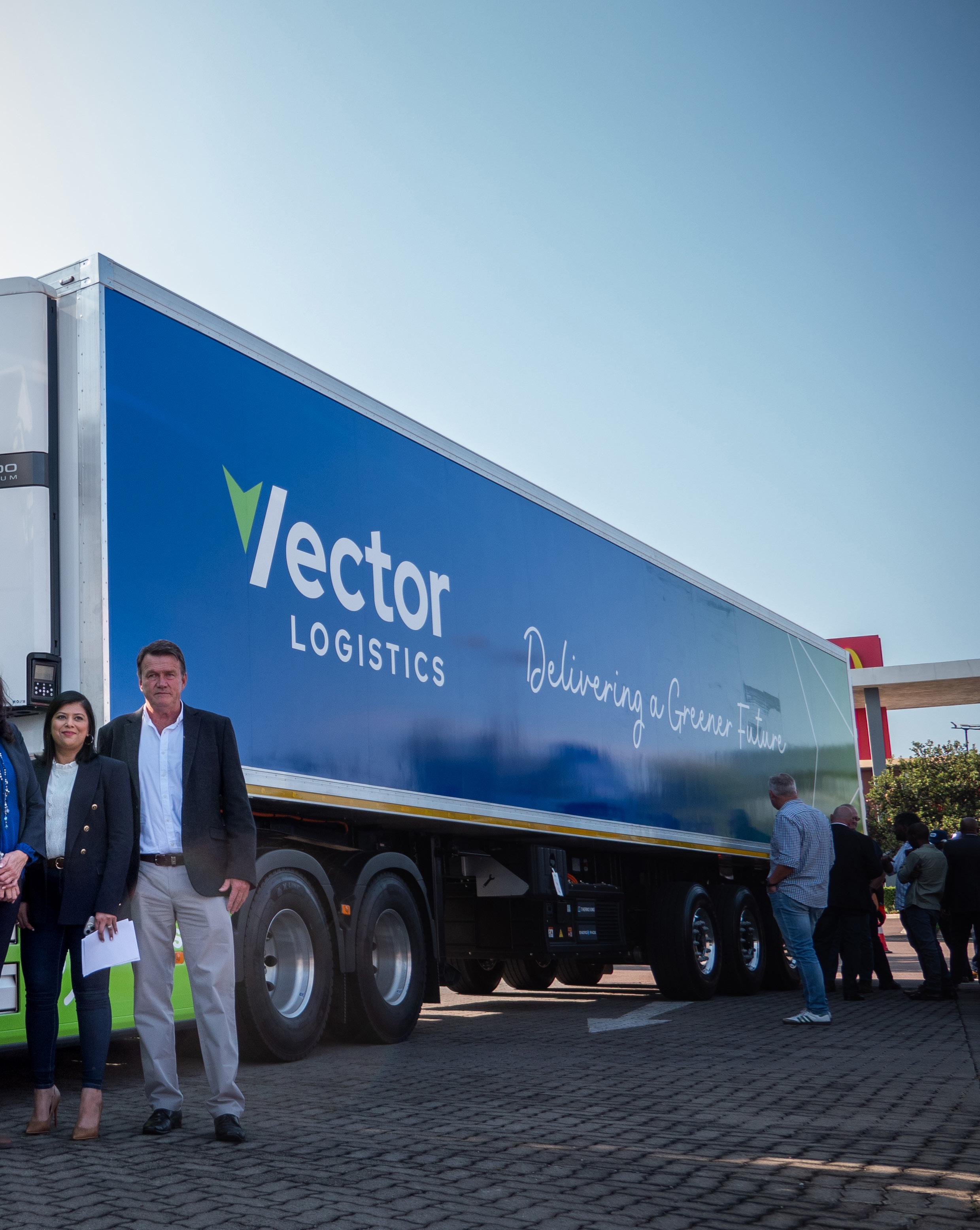
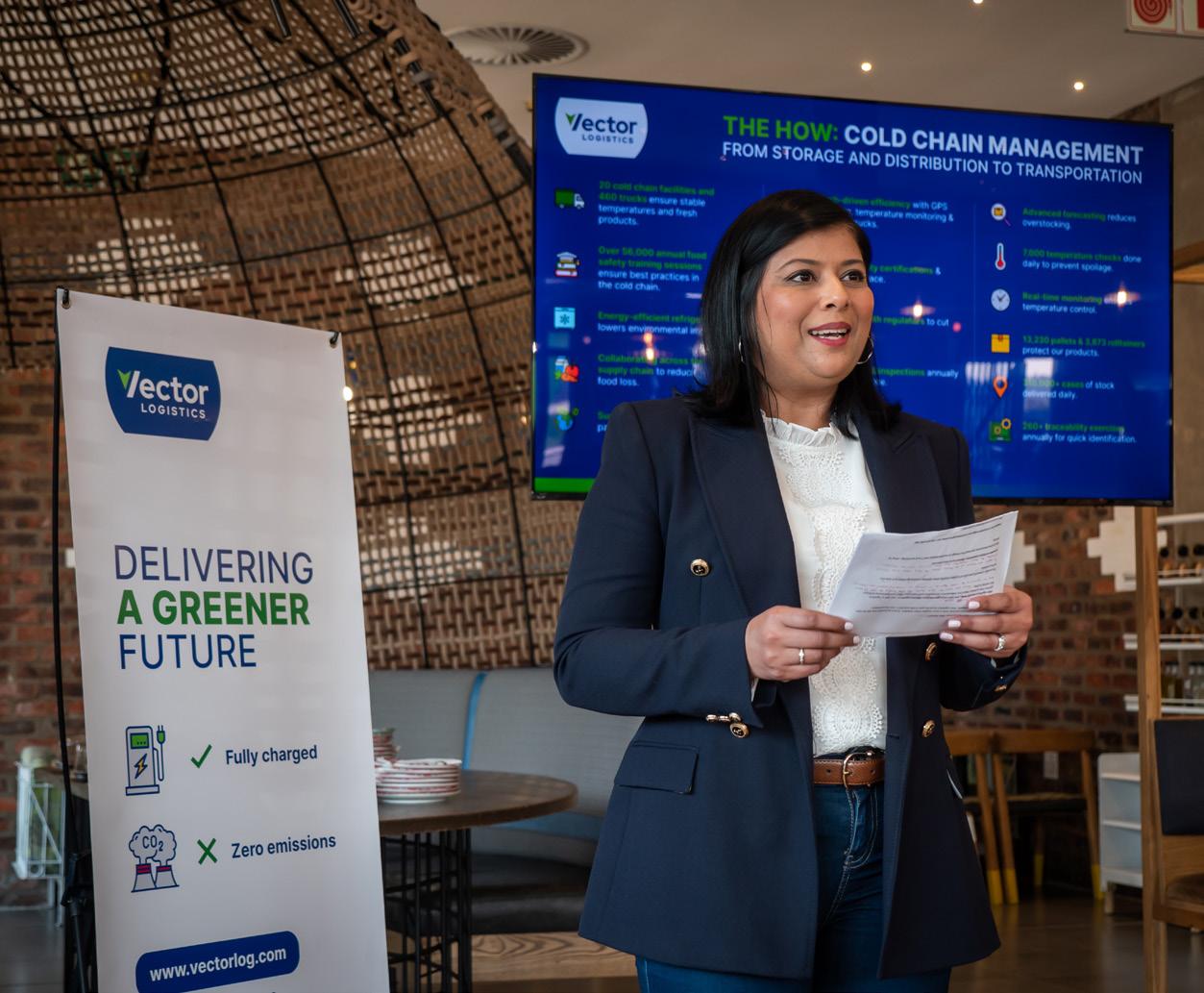
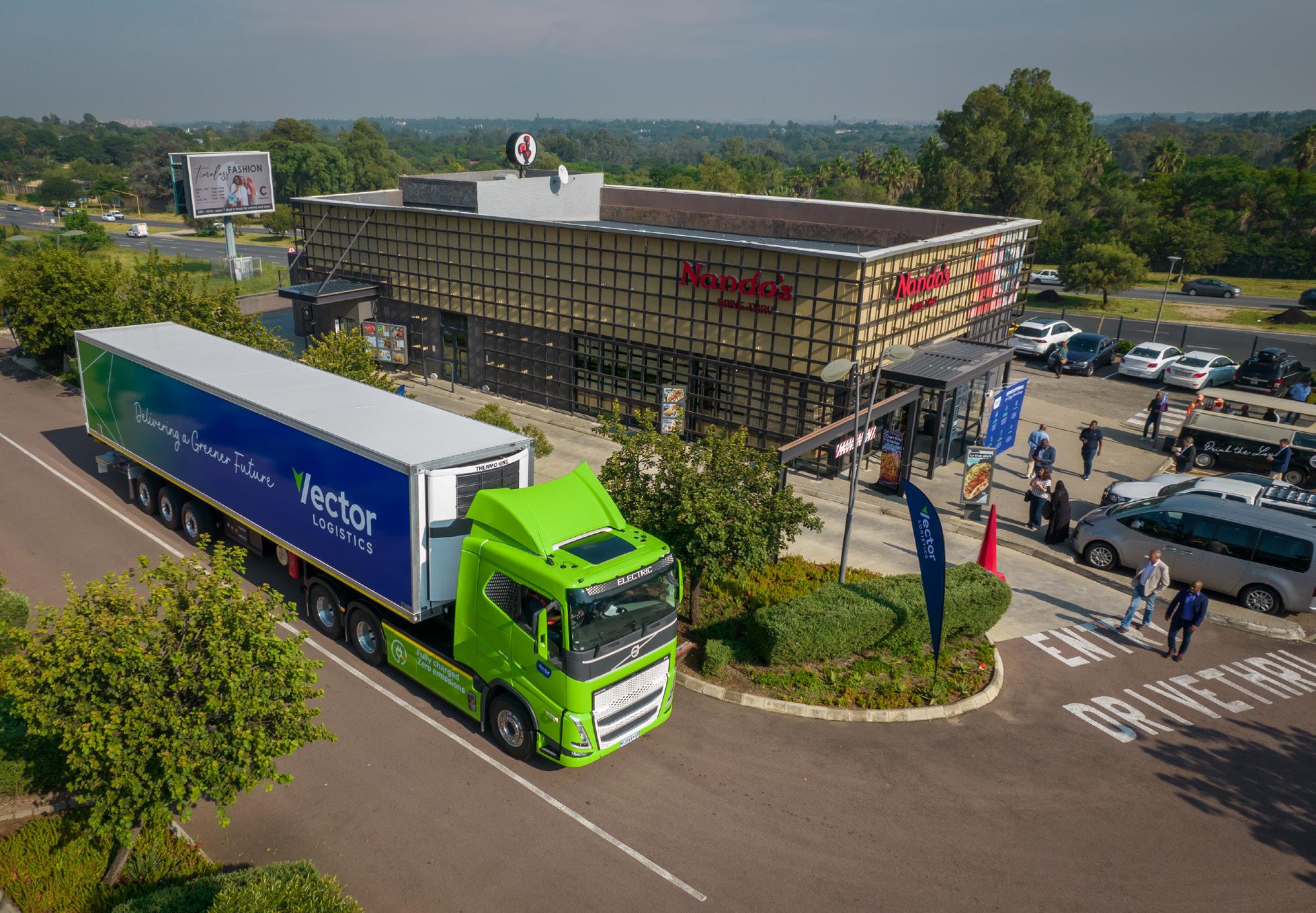
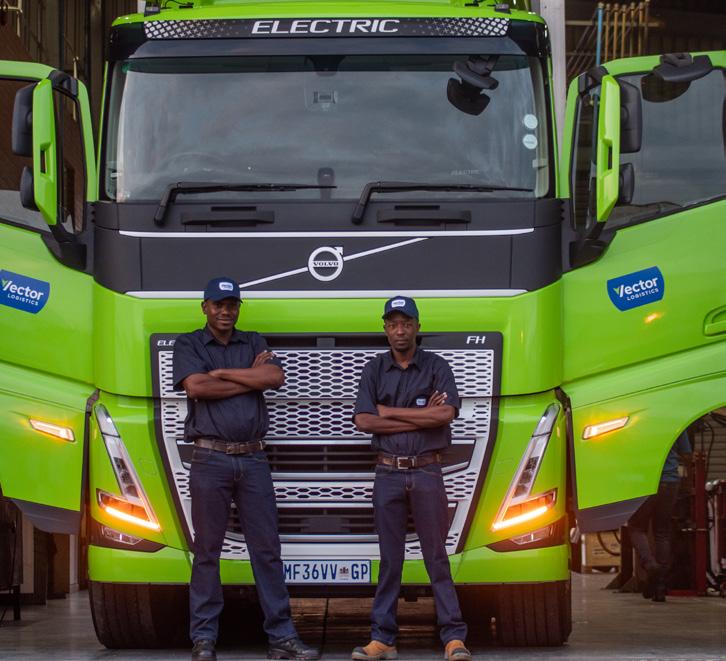
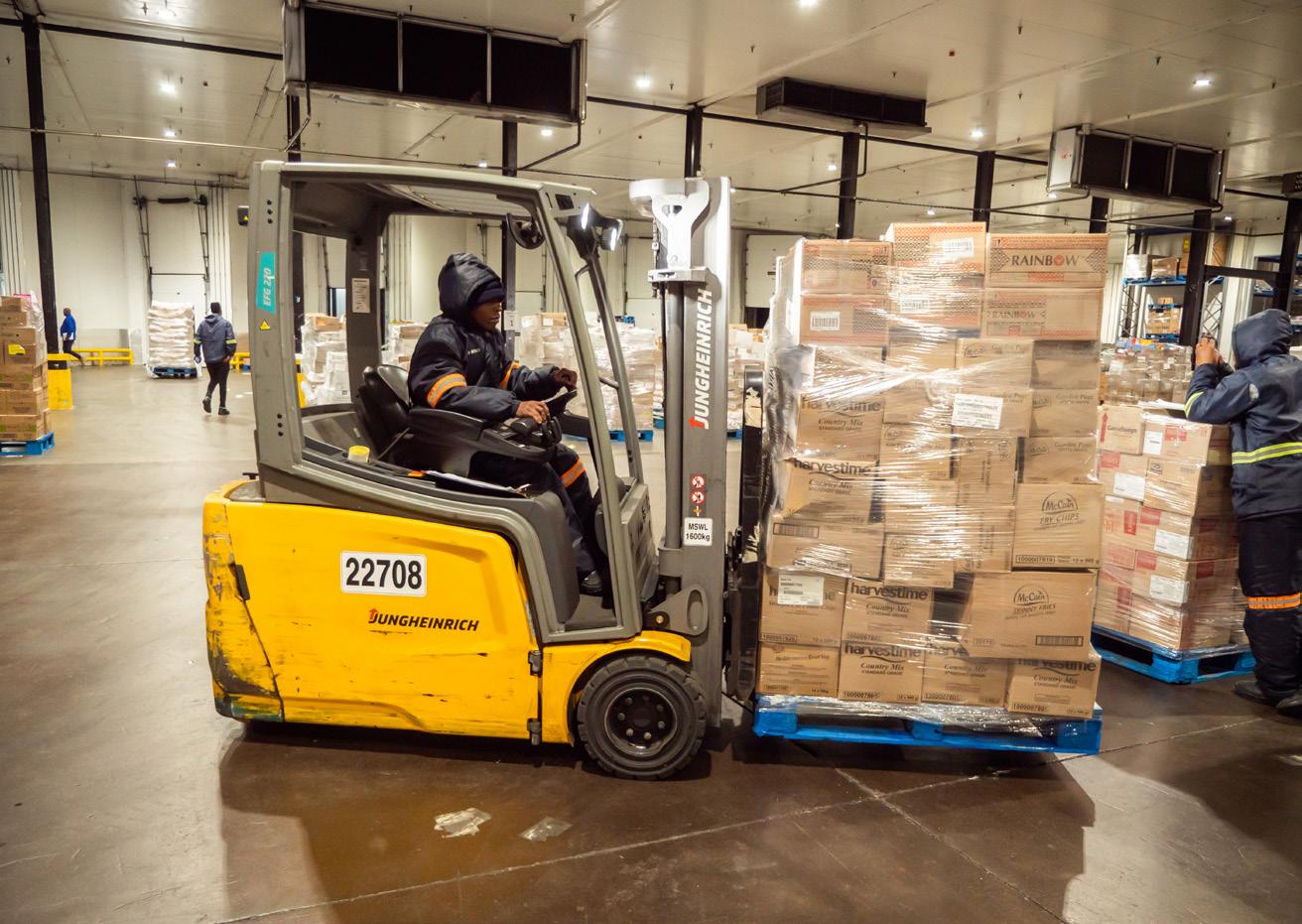
102 Vector Logistics
Shifting Gears in Sustainability
The competitive advantage of carbon neutrality
POWERING
As motorsport accelerates towards a low-carbon future, McLaren Racing and Schneider Electric are strengthening their two-decade partnership to embed energy intelligence at the heart of high performance. Together, they aim to reduce emissions, enhance operational resilience, and prove that sustainability and speed can advance in tandem
Writer: Lily Sawyer
In modern motorsport, performance is no longer defined solely by speed – it is increasingly measured by efficiency, resilience, and the ability to operate sustainably in some of the world’s most demanding environments.
Against this backdrop, McLaren Racing (McLaren) has announced a new strategic partnership with
Schneider Electric, a global leader in energy management and automation, designed to strengthen both competitive performance and longterm sustainability.
Schneider Electric will become the Official Energy Technology Partner of McLaren, supporting its Mastercard Formula 1 Team, Arrow McLaren IndyCar Team, McLaren F1 Academy™,
and the McLaren United Autosports World Endurance Championship (AS WEC) Hypercar Team.
The collaboration formalises and expands a relationship spanning more than two decades, placing energy intelligence and decarbonisation at the heart of McLaren’s global operations.
A LEGACY EVOLVING WITH PURPOSE
Founded in 1963 by Bruce McLaren, the manufacturer has grown into one of motorsport’s most celebrated names.
Since entering Formula 1 in 1966, the team has secured 21 Formula 1 World Championships, more than 200 Grand Prix victories, three Indianapolis 500 wins, and a triumphant debut at the 24 Hours of Le Mans.
Today, McLaren competes across multiple racing series, including Formula 1, the NTT INDYCAR SERIES, F1 Academy™, and in the Formula 1® Sim Racing championship as McLaren Shadow.
Alongside its competitive ambitions, the organisation has established itself as a sustainability advocate within the world of motorsports.
As a signatory to the Sports for Climate Action Framework, part
of the United Nations Framework Convention on Climate Change (UNFCCC), McLaren is targeting net zero emissions by 2040.
Environmental accountability is therefore more than a mere initiative for the company, but an integrated component of its operational and competitive strategy.
ENERGY INTELLIGENCE FOR A LOW-CARBON ERA
Schneider Electric operates at the forefront of global energy transformation. With 160,000 employees and more than one million partners across 100+ countries, the company delivers technologies that electrify, automate, and digitalise infrastructure, industry, and buildings. Its solutions, which span intelligent devices, artificial intelligence (AI)-enabled systems, digital services, and advisory expertise, enable organisations to operate as interconnected, energy-efficient ecosystems.
Consistently ranked amongst the world’s most sustainable companies, Schneider Electric specialises in helping businesses reduce energy consumption, improve resilience, and accelerate decarbonisation.
For McLaren, Schneider Electric’s expertise will now be embedded more deeply across its trackside and factory environments.
SUSTAINABILITY IN THE FAST LANE
Motorsport presents a uniquely complex sustainability challenge in that racing teams must deploy temporary yet reliable energy infrastructure at circuits worldwide, whilst maintaining precision engineering and data-intensive operations at their permanent bases. Through its new partnership, Schneider Electric will support McLaren in optimising energy use at the McLaren Technology Centre (MTC) in Woking, UK, as well as
across wind tunnel operations, manufacturing facilities, and data centres.
The focus will be on reducing consumption, improving efficiency, and strengthening system resilience without compromising performance.
Advanced electrification technologies and digital twin solutions will play a central role. By leveraging real-time data insights, McLaren can model, monitor, and refine its energy usage, enabling smarter decision-making and measurable emissions reductions.
Zak Brown, CEO of McLaren, has indicated that the partnership builds on a long-standing relationship and reflects a shared ambition to combine competitive excellence with operational intelligence.
He emphasised that integrating Schneider Electric’s energy expertise into McLaren’s infrastructure will allow the team to explore new ways of operating more efficiently whilst supporting its broader sustainability commitments.
From Schneider Electric’s perspective, motorsport provides an ideal proving ground for highperformance energy systems.
Olivier Blum, CEO of Schneider Electric, has highlighted that racing environments push every system to its limits, making them a powerful demonstration platform for technologies focused on reliability, efficiency, and digital integration.
He underscored how supporting McLaren both from the track and its UK headquarters allows Schneider Electric to deliver the kind of energy intelligence required in environments where failure is not an option.
PERFORMANCE THROUGH DECARBONISATION
What distinguishes this partnership is its ability to align sustainability and performance. In Formula 1 and endurance racing, data analytics, simulation, and manufacturing
precision are inseparable from energy reliability.
Optimising power systems therefore enhances not only environmental performance, but competitive outcomes.
Digital twin technology, in particular, offers the ability to simulate operational scenarios and identify inefficiencies before they escalate.
For a team pursuing marginal gains, these insights can translate directly into reduced waste, lower emissions, and improved resilience.
At a time when motorsport is undergoing a broader sustainability transformation – from sustainable fuels to electrification pathways –energy infrastructure represents a critical frontier.
By investing in intelligent systems and electrification, McLaren is reinforcing its commitment to net zero whilst future-proofing its operations.
A SHARED VISION FOR RESILIENT INNOVATION
Both organisations are united by a culture rooted in engineering excellence and data-driven innovation.
For McLaren – whose success depends on precision at every level –energy optimisation is fundamental to maintaining its competitive edge.
For Schneider Electric, collaboration with a world-leading racing team offers a high-visibility demonstration of how digital energy technologies can drive meaningful impact.
Indeed, as sustainability expectations continue to rise across sporting and industry landscapes alike, partnerships such as this demonstrate how environmental responsibility and high performance can coexist and even reinforce one another.
In the race towards a low-carbon future, energy intelligence may prove to be one of the most decisive advantages of all.
A NEW FRONTIER
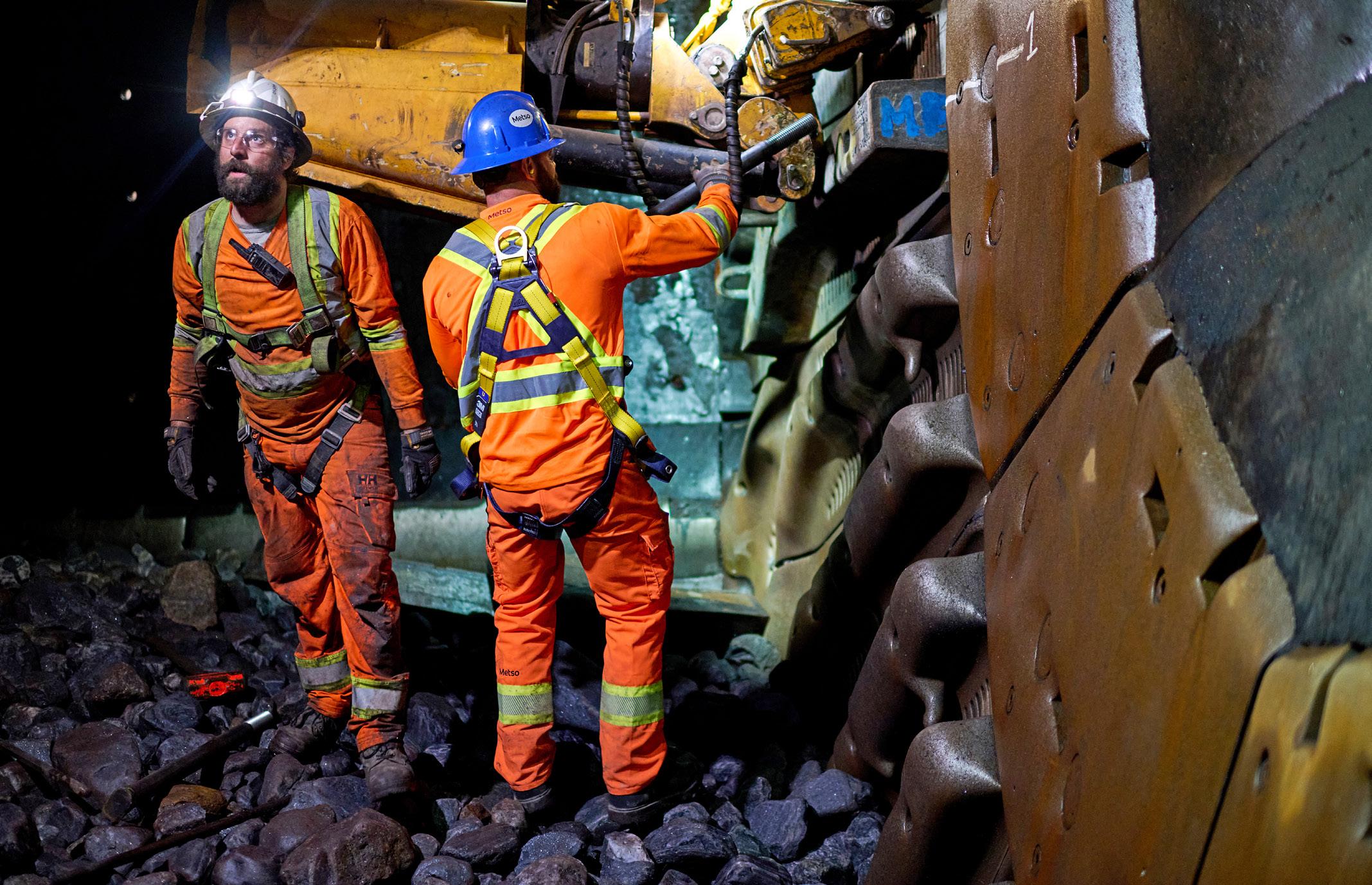
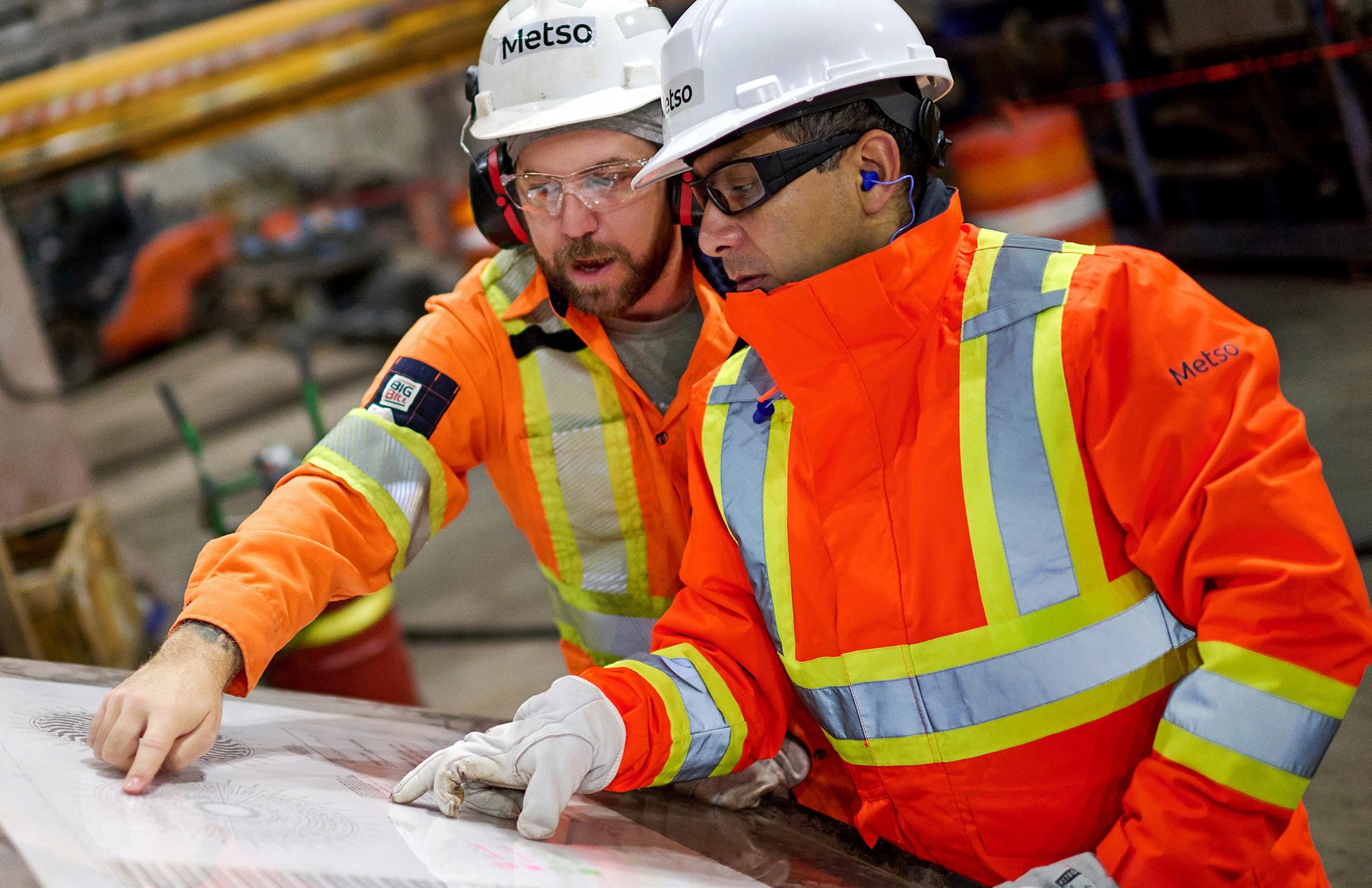
As
Metso celebrates 30 years of
successful
partnerships across
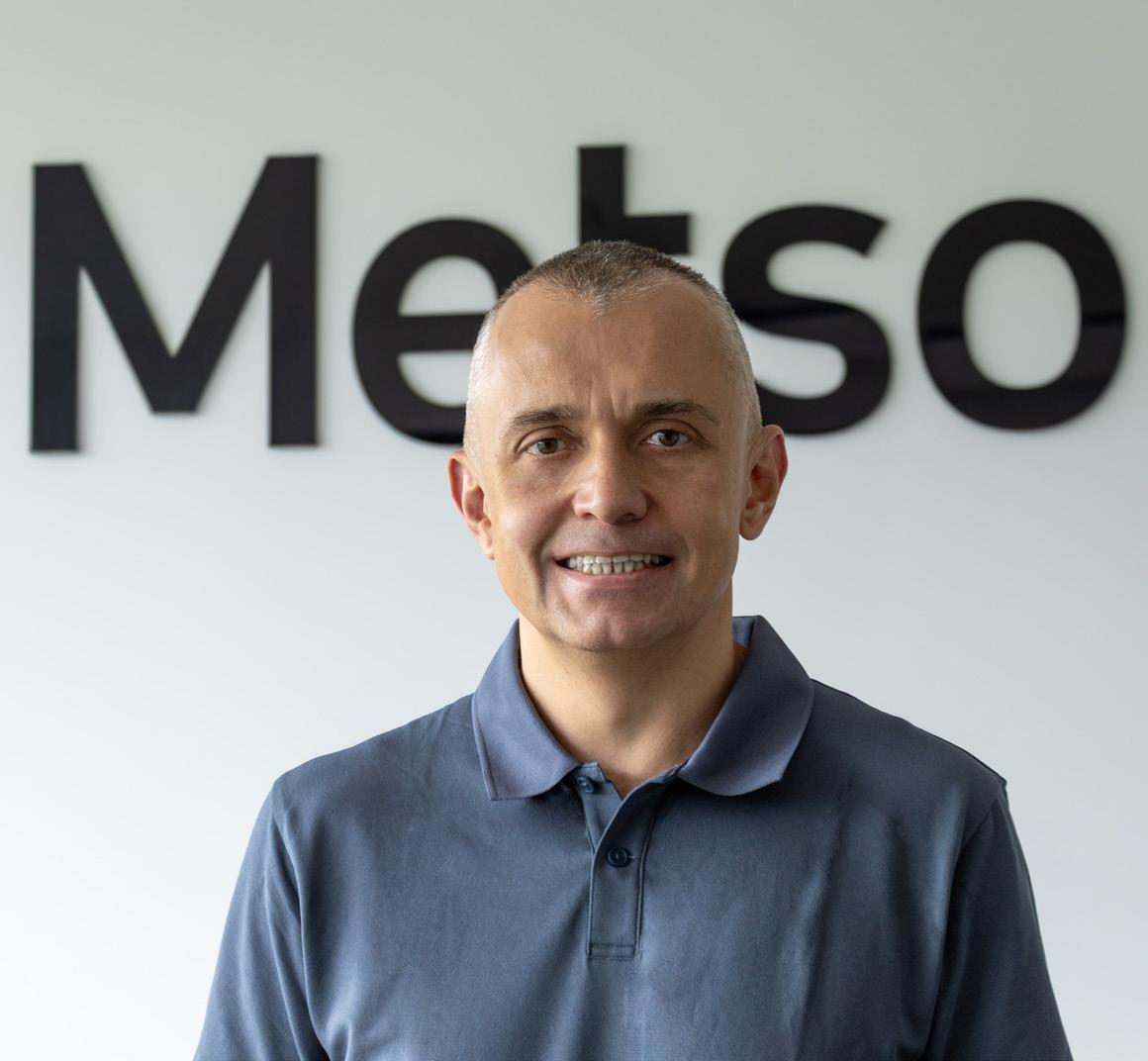
Central Asia, the company continues to innovate towards a greener future for the mining and minerals sectors. Mikhail Balychev, Vice President of Sales and Services – CEA Region, tells us more
Writer: Lily Sawyer
In recent years, countries in the Central Asia (CEA) region - namely Kazakhstan, Uzbekistan, Kyrgyzstan, and Mongolia - have increasingly begun to capitalise on their rich reserves of copper and other critical raw materials. We’re seeing a growing wave of international interest in the region’s mining potential,” begins Mikhail Balychev, Vice President of Sales and Services – CEA Region at Metso.
As such, environmental, social, and governance (ESG) factors have become an increasing priority for such companies due to the competitive advantages afforded by safer, greener, and more efficient mining techniques.
The rising prevalence of automation and digitalisation, meanwhile, has resulted in an uptick in autonomous mining and data collection techniques, whilst artificial intelligence (AI) is being increasingly utilised in analytics to identify gaps and patterns and advance operations – all of which has led to a burgeoning
mining scene.
However, a shortage of skilled labour persists, particularly in more remote areas, alongside concern surrounding workers’ safety and well-being.
A sustainable technology and service partner to the mining, aggregates, and metals refining industries, Metso has emerged as a significant player.
On a mission to limit global warming to 1.5 degrees Celsius (°C) with science-based targets, the company is ideally positioned for continued success as it strives to innovate towards a greener future for the mining and minerals sectors.
A STRONG REGIONAL PRESENCE
Proudly part of several recent and ongoing flagship mining projects across CEA, Metso has been able to demonstrate its strong presence and long-term commitment to the region.
In Kazakhstan, the company’s
aftermarket business supports almost every benefaction plant in the country, supplying critical spare parts and performance upgrades to major players such as KAZ Minerals, Kazakhmys, Eurasian Resources Group (ERG), JSC AK Altynalmas, and RG Gold.
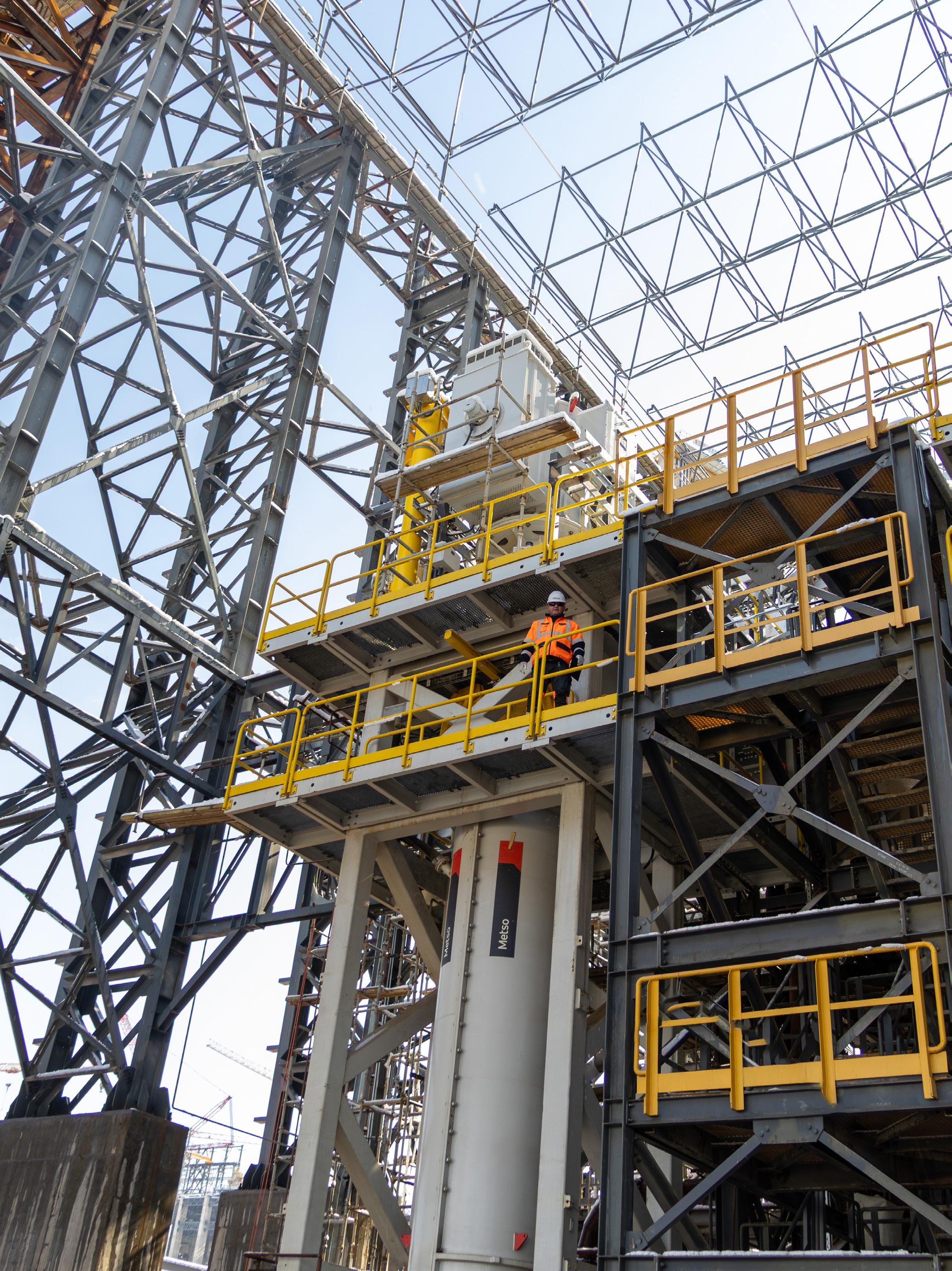
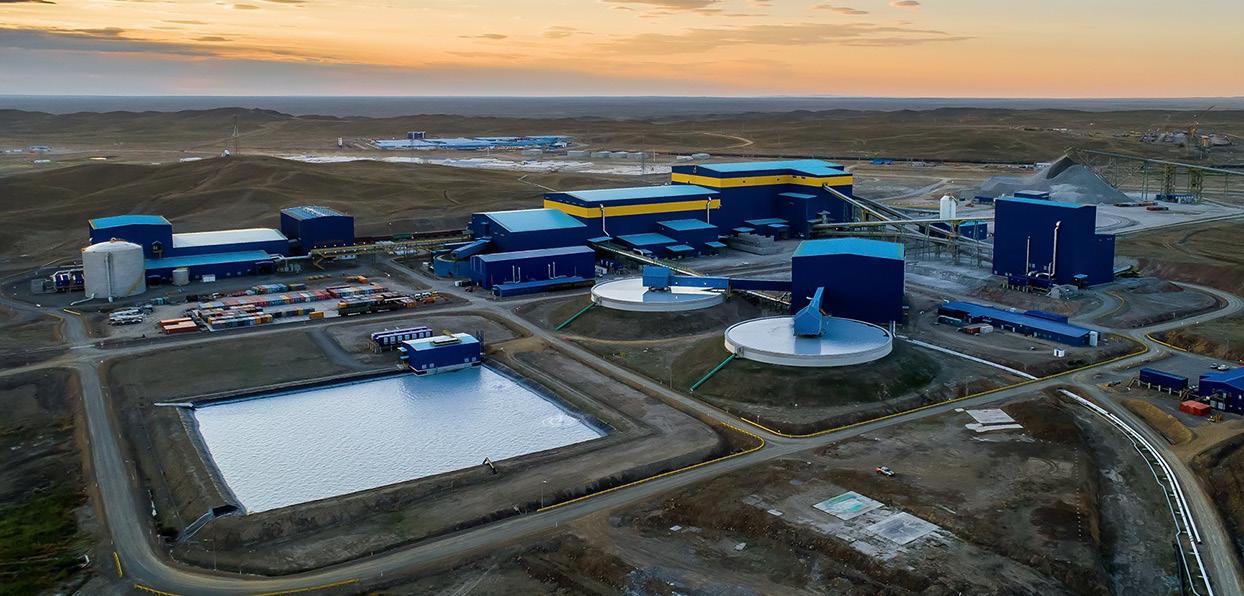
In terms of its greenfield operations, Metso has delivered complete crushing and hydrometallurgy lines for Caravan Resources, Ashyk-Tas, and Almaly Mining, along with a concentrator plant at the ShatyrkulZhaysan cluster for Kazakhmys.
In addition to these active projects, it is collaborating with both government and private stakeholders on several large open-pit deposits currently moving through the geotechnical assessment and permitting stages.
“These are five to 10-year development prospects, and our early involvement helps to ensure optimal flowsheet design and future performance,” Balychev emphasises.
“INNOVATION IS AT THE HEART OF OUR METSO PLUS APPROACH, ENABLING US TO SUPPORT THE DECARBONISATION OF THE ENTIRE MINERALS PROCESSING VALUE CHAIN”
– MIKHAIL BALYCHEV, VICE PRESIDENT OF SALES AND SERVICES – CEA REGION, METSO
In Uzbekistan, Metso is supporting Almalyk Mining and Metallurgical Complex (AMMC) with a series of large-scale technology deliveries that are central to the country’s mining and metallurgical growth.
These include a comprehensive equipment package for the Copper Concentrator Plant-3 (CCP-3), one of the largest in CEA, a frame agreement for the delivery of a major new copper smelter, and two advanced sulphuric acid plants designed to meet both production and environmental requirements.
Elsewhere, in Mongolia, Metso is working with Erdenet Mining Corporation – one of the country’s leading producers of copper and molybdenum.
“Here, we are also supporting the Oyu Tolgoi project, one of the world’s largest known copper and gold deposits, by delivering highperformance solutions for mineral processing,” Balychev says.
Whilst each of these projects is
important in its own right, together they demonstrate how Metso’s technologies and expertise are helping shape the future of sustainable mineral processing across CEA.
A PROLIFIC PROJECT
The AMMC CCP-3 is one of the largest and perhaps most important mining projects currently underway in CEA – and Metso is proud to play a central role in its development.
“Our scope of delivery for this project is extensive, including basic engineering, manufacturing, and supply of a wide range of advanced technologies,” Balychev tells us.
The company’s contributions range from HIGmill® regrinding mills, TankCell® and Concorde Cell™ flotation technologies, and high-rate thickeners to FrothSense+™ cameras, Larox® pressure filters, slurry pumps, and MHC™ Series hydrocyclones.
Metso is also supplying samplers, Courier® 6X SL elemental online analysers, PSI 500i particle size analysers, and a state-of-the-art
process control system, along with installation and commissioning advisory services and critical spare parts.
Given the scale and complexity of this project – particularly the simultaneous installation of such a large volume of equipment – tight coordination and quality execution has been essential.
“Our professional team has been present on-site from day one of installation, supervising assembly and ensuring full technical compliance,” he explains.
A large team of Metso engineers and supervisors are currently working on-site, with additional automation experts and metallurgists set to join them to support commissioning.
INNOVATIVE ENGINEERING LANDMARKS
Notably, Metso’s portfolio includes the Select™ range of horizontal grinding mills – a strategic addition designed to help customers balance performance, sustainability, and cost-efficiency.
WHAT WERE THE KEY OBJECTIVES OF THE MINERAL PROCESSING AND HYDROMETALLURGY CONFERENCE WHICH METSO RECENTLY HOSTED IN BURABAY, KAZAKHSTAN?
Mikhail Balychev, Vice President of Sales and Services – CEA Region:
“Our Mineral Processing and Hydrometallurgy Conference in Kazakhstan is an annual event that we organise to bring together customers, partners, and industry stakeholders.
“It serves as a valuable platform for knowledge exchange, allowing us to present both proven technologies and new innovations, share Metso’s successful case studies from around the world, and engage in open discussions about the challenges and opportunities facing the mining industry.
“This year’s conference was especially significant as it was held in celebration of the 30th anniversary of our successful partnerships in the region.
“This important milestone gave the event a sense of occasion and reinforced our long-standing commitment to supporting the development of the mining and metals sector in CEA.
“Overall, the event not only showcased Metso’s global expertise but also highlighted the strength of our local relationships and importance of collaboration in driving the industry forwards.”
The pre-engineered mills combine proven technology with optimised standardisation, significantly reducing delivery times and installation complexity, whilst their modular design minimises environmental impact during installation and maintenance.
With the first two mills in the Select™ series having already been installed and launched at the Shatyrkul-Zhaysan copper plant in Kazakhstan, which have been in operation for a year, Metso has already witnessed the market’s support for this product.
A MILESTONE ACHIEVEMENT
2025 marked 30 years of Metso’s presence in CEA – a major milestone reflecting the decades of trust, collaboration, and shared success the company has built with its customers and partners in the region.
In preparation for the anniversary, Metso explored its archives and discovered that its first delivery to the region — flotation machines for a processing plant in Kazakhstan — dates back to 1982.
However, the company officially marks the beginning of its presence in CEA from 1995, when its first representative office was established in Uzbekistan.
“This historical connection made the anniversary even more meaningful to us,” Balychev smiles.
Over the past three decades, the company’s presence has grown from a single local representative to a regional team of more than 200, including 35 field service engineers.
Now operating from offices across Almaty and Karaganda in Kazakhstan, Tashkent in Uzbekistan, and Ulaanbaatar in Mongolia, Metso’s expansion is tangible.
It also maintains three strategically located warehouses across the region to support its customers with faster deliveries and stronger aftermarket service.
As such, Metso has been able to supply over 1,500 units of equipment to its customers since it was established in CEA.
“Our anniversary was more than a celebration – it was an opportunity to reflect on how far we’ve come
and reaffirm our commitment to supporting the sustainable growth of mining and metals operations across the region,” he enthuses.
Another interesting fact is that the two largest Lokotrack® mobile crushers in the world, currently in operation
YOU LEAD METSO’S TEAM IN CEA – HOW WOULD
YOU DESCRIBE THE COMPANY’S PRESENCE AND OPERATIONS ACROSS THE ASIA PACIFIC REGION?
Mikhail Balychev, Vice President of Sales and Services – CEA Region:
“Metso has an extensive footprint in the Asia Pacific region spanning 27 locations, which helps our customers deal with labour shortage challenges as we can deliver local support.
“The company’s largest global service centre is in Pilbara, Western Australia, where our ongoing investment extends to the state’s capital.
“We recently announced the installation of a mega-class mill liner press in Perth, which is currently the only mill liner manufacturer in Australia.”
in CEA, also belong to Metso.
The Lokotrack® LT160 – one of the biggest track-mounted primary crushers globally – has been in operation for Navoi Mining and Metallurgical Combinat (NMMC) in Uzbekistan since 1995.
Metso’s LT200, meanwhile, is also running at Altay Polimetally’s open-pit operation in Kazakhstan.
“These machines are not only engineering landmarks but also symbols of the long-term trust placed in Metso’s technologies,” Balychev prides.
A TRUSTED PARTNER
Looking ahead, Metso’s key priorities for the coming year include expanding its service network, deepening partnerships with customers, and accelerating local manufacturing capabilities.
Meanwhile, it is actively bringing in more field service engineers, signing new site performance contracts, and increasing the availability of critical components.
Initially, this will take place primarily in the company’s warehouse in Karaganda to enhance responsiveness and minimise downtime for customers.
At the same time, Metso is supporting the next wave of greenfield developments across the region – particularly as ore grades decline and deposits become more geologically complex.
“Our goal is to be involved early in the process, helping customers design optimised flowsheets and select the right technologies from the start,” Balychev surmises.
Another strategic focus for the company remains on localisation as it works closely with its Kazakh partners to localise more of its production and assembly activities.
“This will enable us to better support the domestic market whilst reaffirming our long-term commitment to the region’s mining industry – not only as a supplier, but as a trusted partner driving positive change across CEA.”
THE ROAD TO NET ZERO
To minimise its environmental footprint, Metso has clear, measurable goals in place to reduce the impact of its operations, logistics, and procurement processes.
First, it seeks to accomplish net zero carbon emissions across its operations by 2030.
“As of 2024, we’ve already reached a 72 percent reduction compared to our baseline,” Balychev points out.
Metso also seeks to achieve a similar target across its logistics operations, aiming to reduce its carbon dioxide (CO2) emissions by 20 percent this year. As of 2024, the company was already on track to exceed this target with a 13 percent reduction.
The company additionally works closely with its direct suppliers to encourage science-based climate action.
As such, in 2024, more than 31 percent of the company’s direct
procurement spend was with suppliers who mirror its own targets.
Further to operational emissions reductions, Metso’s commitment to the environment is reflected in its R&D investments, namely through the Metso Plus offering.
“Metso Plus is a dedicated portfolio of advanced, sustainable solutions that help customers reduce their energy and water consumption, improve efficiency, and lower emissions,” he details.
“Innovation is at the heart of our Metso Plus approach, enabling us to support the decarbonisation of the entire minerals processing value chain,” Balychev passionately concludes.
SOWING THE SEEDS OF CHANGE
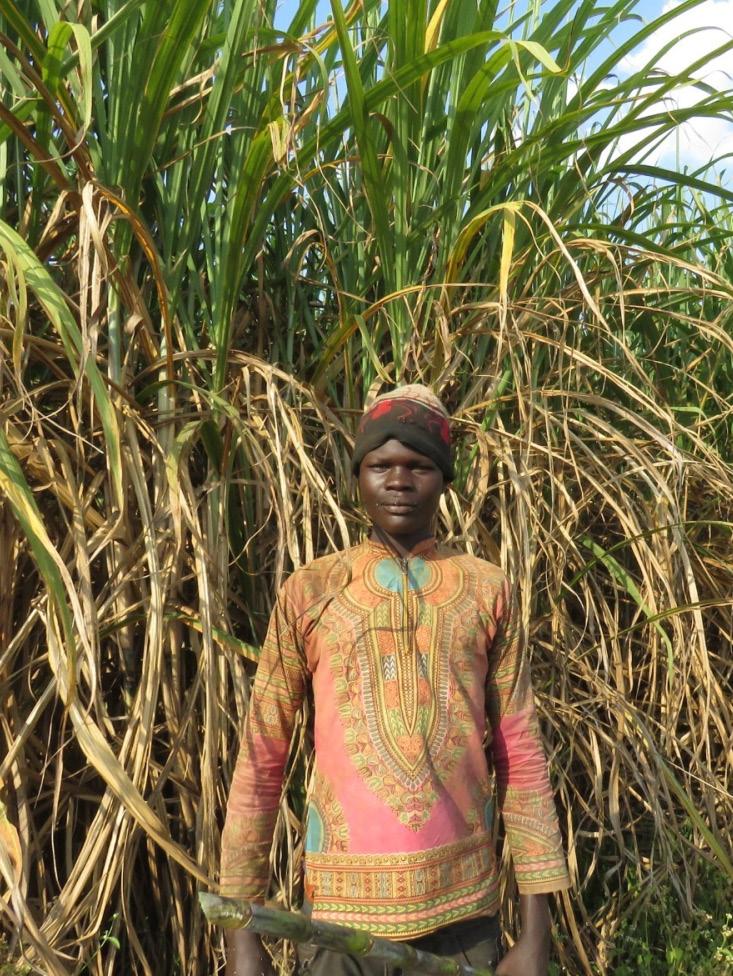
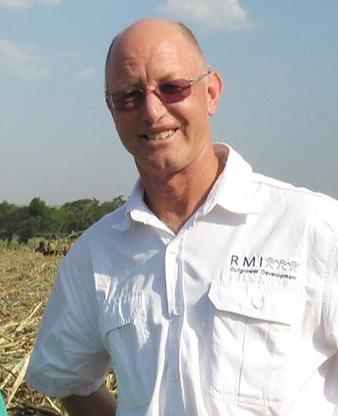
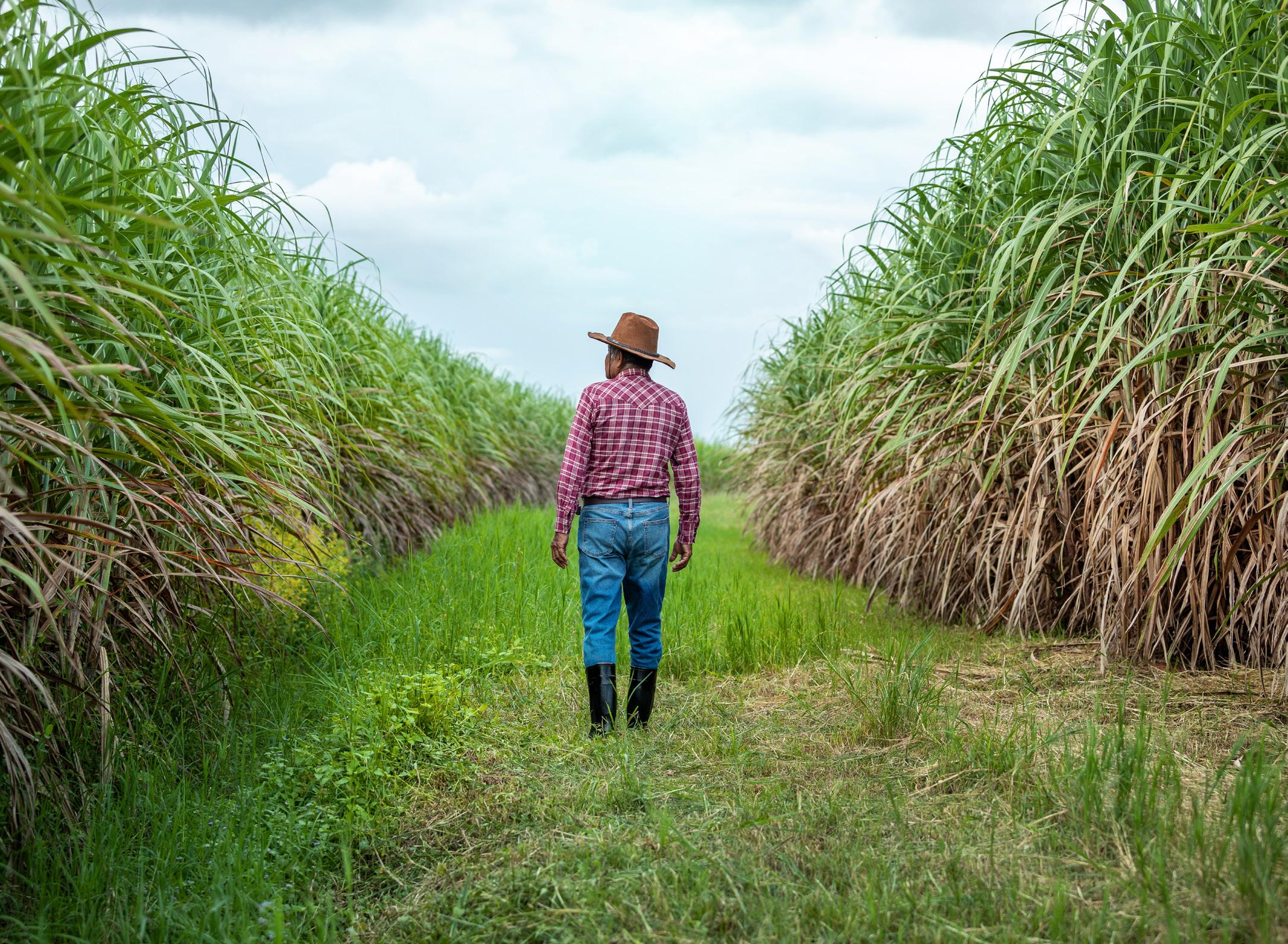
Armed with over 30 years’ experience in developing solutions for Africa’s agricultural industry and with a solid understanding of the challenges and opportunities it faces, Mike Ogg, Head of Africa and the Middle East for the global sustainable sugarcane platform Bonsucro, tells us about his commitment to developing the continent’s sugar industry to transform the lives of people and communities
Writer: Lily Sawyer
Sustainability Outlook (SO): Firstly, could you provide us with some insight into your career to date and explain how you became involved in various large agricultural infrastructure projects across Africa?
Mike Ogg, Head of Africa and the Middle East (MO): My career has been shaped by a deep interest in sustainability and rural development. I started out working on a number of large-scale rural development projects in Southern Africa, where I saw first-hand how climate variability and land degradation were impacting rural livelihoods.
That experience led me into broader agricultural development, where I could help bridge development objectives with economic opportunity for smallholder farmers and agri-businesses.
Over the years, I’ve worked on a range of agricultural infrastructure projects, from irrigation schemes and smallholder outgrower models to climate-smart farming systems and market access platforms.
My work has taken me across East and Southern Africa, often operating at the intersection of public policy, private investment, and community engagement.
What I’ve learned is that infrastructure in agriculture is not just about physical assets – it’s about building systems of trust, resilience, and inclusive growth. Importantly, it’s about growing people and communities to ensure resilience.
I became involved with Bonsucro because I saw a clear opportunity to drive sustainable change at scale through a recognised platform that combines credible certification with practical tools, robust data, and multistakeholder collaboration.
My role is to support African producers and stakeholders to align with global sustainability standards, unlock new market opportunities, and prepare for the environmental and social challenges ahead.
SO: What is your take on Africa’s sugarcane industry today? How have you seen it evolve over the years and what recent challenges or opportunities have you encountered?
MO: The African sugarcane industry is growing and has the right ingredients to thrive – both in terms of its natural resources and improving infrastructure.
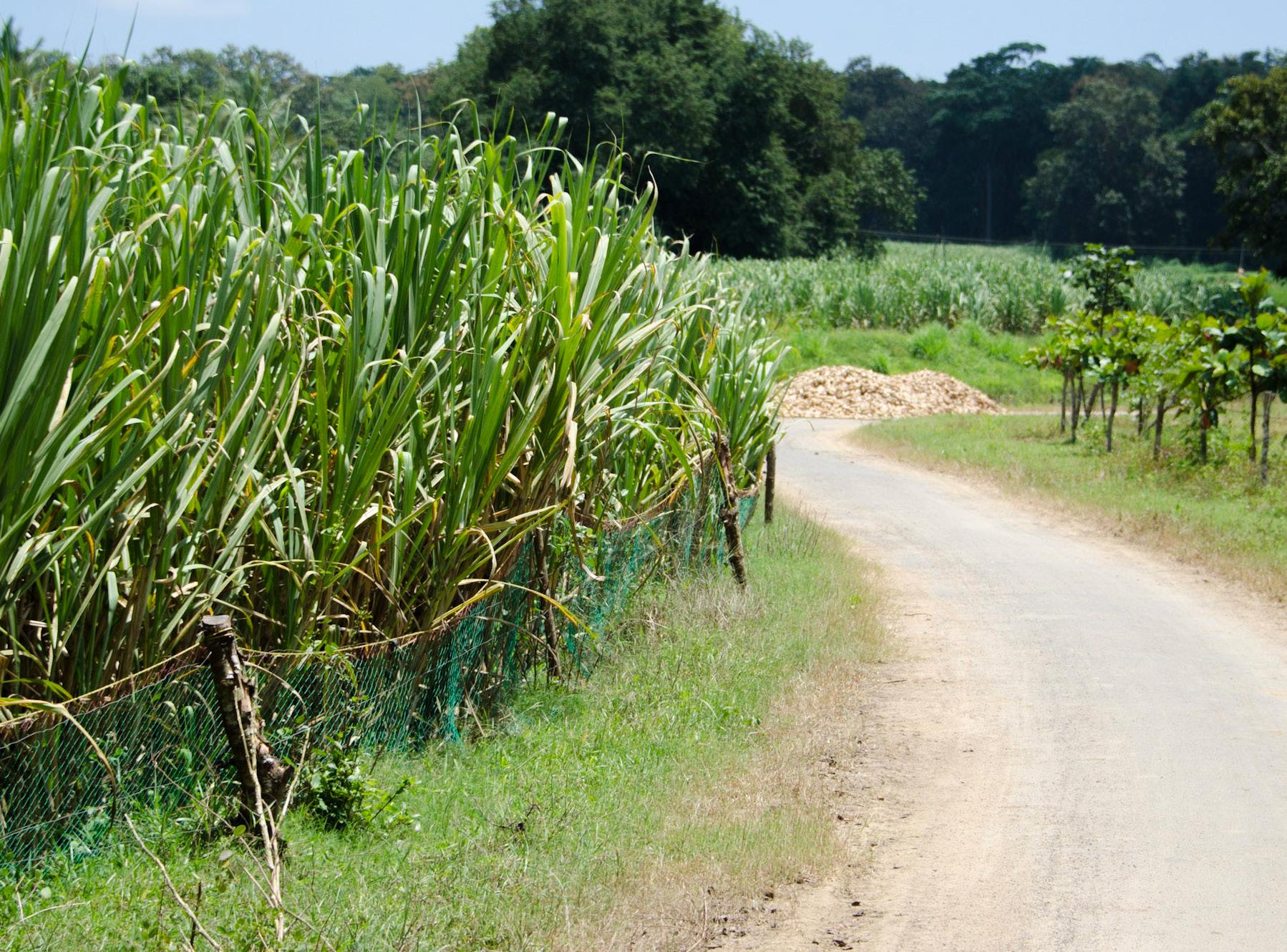
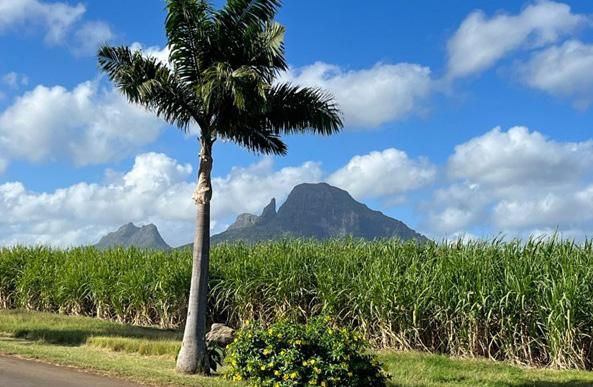
Over the past two decades, Africa’s sugarcane sector has undergone significant transformation. Whilst still concentrated in countries like South Africa (SA), Eswatini, Mauritius, Egypt, Kenya, Zambia, and Sudan, regional production has grown through modernisation, improved irrigation, and the adoption of highyield crop varieties.
SA, for example, consistently produces around 18 to 20 million tonnes of cane annually, supported by both commercial estates and smallholder outgrowers.
“I BECAME INVOLVED WITH BONSUCRO BECAUSE I SAW A CLEAR OPPORTUNITY TO DRIVE SUSTAINABLE CHANGE AT SCALE THROUGH A RECOGNISED PLATFORM THAT COMBINES CREDIBLE CERTIFICATION WITH PRACTICAL TOOLS, ROBUST DATA, AND MULTI-STAKEHOLDER COLLABORATION”
–
MIKE OGG, HEAD OF AFRICA AND THE MIDDLE EAST, BONSUCRO
There are challenges too, though. The climate is having a negative effect – systems were built around a climate that was known, but that is now changing and its unpredictability is problematic.
Whilst the infrastructure is improving, it is also still a limiting factor and, on top of all that, there are new rules with the introduction of various European Union (EU) regulations like the Corporate Sustainability Due Diligence Directive (CSDDD) and EU Deforestation Regulation (EUDR), as well as human rights due diligence (HRDD).
At the same time, regional trade agreements, technological innovation,
and sustainability initiatives are creating opportunities.
Modernised irrigation systems, preferential export access under regional and EU trade agreements, and growing interest in bioethanol and cogeneration offer multiple pathways for transformation.
SO: In the context of the global sugar market, how big a role does Africa play? How does a Bonsucro certification enable more farmers from the continent to access international markets?
MO: With 35 out of 54 African countries producing sugarcane, the continent is a major region for the crop.
Advancing responsible practices amongst African producers is vital to our collective journey to transform the sector.
Bonsucro is a voluntary global sustainability platform and standard for sugarcane, with a growing presence in and focus on Africa. Currently, there are 12 Bonsucro members on the continent and two certified mills.
Our certification enables producers to access high-value international markets by meeting global benchmarks for environmental, social, and economic sustainability.
It assures buyers that sugarcane is produced responsibly with controlled use of water and fertiliser, in compliance with greenhouse gas (GHG) and traceability requirements, and particularly without forced or child labour.
Several countries provide clear examples of this pathway:
• Brazil – Bonsucro-certified mills are amongst the top exporters of sugar and ethanol to the EU and Japan. Certification has enabled them to meet the EU’s Renewable Energy Directive (RED) sustainability criteria and secure contracts for sustainable aviation fuel (SAF) and bioethanol.
• Thailand – Certification has helped Thai producers build credibility and traceability in competitive Asian markets, particularly for food-grade and specialty sugars.
• India – Indian mills working with smallholder groups have used Bonsucro certification to access multinational buyers looking for ethically sourced sugar for branded products.
For African producers, this certification not only opens EU and UK markets, where sustainability standards are increasingly enforced, but also makes them eligible for credit trading through the likes of Bonsucro’s Credit Trading Platform.
This allows certified producers to monetise sustainability performance even when physical traceability is difficult.
With environmental, social, and governance (ESG) regulations tightening in the EU and new traceability requirements emerging under the EU Green Deal and CSDDD, certification is becoming not just a
benefit but a necessity.
African producers who meet these standards will be best positioned to supply Europe’s regulated sugar markets and biofuel sectors.
Furthermore, international buyers – particularly food and beverage and bio-packaging companies – are increasingly prioritising suppliers that offer transparency and meet sciencebased targets.
Certification helps African producers to become part of these responsible supply chains and compete on quality, not just price.
SO: Could you provide an overview of Bonsucro’s Climate Action Toolkit and how it seeks to help African farmers assess climate risks and build resilience?
MO: Bonsucro’s Climate Action
Toolkit is a suite of practical tools designed to help sugarcane producers, particularly in vulnerable regions like Africa, to measure, manage, and reduce their GHG emissions whilst preparing for climate impact risks.
The toolkit includes the:
• Bonsucro Calculator – A robust tool that assesses GHG emissions at farm and mill level using sugarcane-specific life cycle analysis. It also supports compliance with sustainability standards like the EU RED and helps identify areas for efficiency gains. There are 300 data points, of which 82 are used to calculate land management and land use change GHG emissions.
The calculator uses the GHG protocol and components of the Greenhouse Gases, Regulated Emissions, and Energy Use in Technologies (GREET®) lifecycle model to ensure international standardisation.
• ClimateCane Tracker – Developed to help companies set science-based GHG reduction targets. It supports producers in estimating emissions from land use, fertiliser
application, and processing, and helps align operations with the Paris Agreement targets.
• Soil Carbon Accumulation Tool (under development) – Assesses the carbon sequestration potential of improved land management practices, including no-till farming, straw retention, and organic fertiliser use.
This is particularly relevant for African producers looking to tap into carbon finance or climate funds. This may be included in the calculator in due course.
• Climate Resilience Tool (under development) – In partnership with Better Cotton, the Alliance of Bioversity International, and the International Center for Tropical Agriculture (CIAT), this tool supports farmers in conducting climate vulnerability assessments and developing location-specific adaptation plans.
This is particularly important in the African context as many farmers in Africa feel a disproportionate impact of climate change on their production. By understanding the potential
impacts of climate on the physiological and production parameters of the sugarcane crop and production systems, farmers are able to develop adaptation plans with a future climate lens. This can then be used to apply for green funding for their operations.
Together, these tools enable African farmers and mills to futureproof their operations, whether by reducing emissions, improving soil and water health, or qualifying for green climate funding.
Importantly, Bonsucro is working to ensure these tools are accessible, user-friendly, and locally adaptable to the needs of African producers.
SO: How might farmers and producers operating in this space leverage new and emerging technologies to enable more sustainable production?
MO: Farmers and producers in Africa’s sugarcane sector have a growing opportunity to adopt emerging technologies that improve both sustainability and profitability.
Credit: Nicolas Viart
“OUR GOAL IS TO ENSURE MORE AFRICAN PRODUCERS ARE EQUIPPED TO MEET GLOBAL MARKET DEMANDS FOR TRACEABILITY, ENVIRONMENTAL STEWARDSHIP, AND ETHICAL LABOUR PRACTICES”
–
Precision agriculture tools such as global positioning system (GPS)guided planting, soil sensors, and drone-based crop monitoring can help optimise input use, reduce water consumption, and improve yields.
For example, variable-rate fertiliser application reduces run-off whilst lowering costs and smart irrigation systems can ensure efficient water use in drought-prone areas.
Tools like the ClimateCane Tracker and Bonsucro Calculator enable producers to quantify their emissions, identify hotspots, and develop sciencebased mitigation plans, thereby
aligning them with international buyers’ ESG expectations.
Meanwhile, blockchain-based traceability, now being piloted in parts of Asia and Latin America, has the potential to transform transparency in African supply chains – building buyer confidence and facilitating access to premium markets.
On the processing side, bagassebased cogeneration, bioethanol plants, and bioplastic production from sugar derivatives are all scalable technologies that can help diversify revenue whilst lowering carbon intensity.
Some African mills, such as those in Mauritius, Eswatini, and Sudan, are already exporting excess renewable electricity to national grids – a model others can replicate.
The key to unlocking these opportunities is partnership –producers need support with finance, training, and infrastructure.
As such, Bonsucro is actively working with stakeholders to ensure smallholders and millers alike can benefit from these technologies and not be left behind in the sustainability transition.
SO: Why is it important for producers to set science-based climate targets, such as those offered by the ClimateCane Tracker?
MO: We know that agriculture, including sugarcane cultivation, contributes significantly to GHG emissions, so setting science-based targets allows producers to track their impact and implement strategies to reduce their carbon footprint.
Once the targets are set, it also ensures their practices – like improving soil carbon storage and optimising fertiliser use – support long-term climate stability and responsible use of resources.
Additionally, setting science-based targets means producers can enhance their market competitiveness,
MIKE OGG, HEAD OF AFRICA AND THE MIDDLE EAST, BONSUCRO
meet regulatory requirements, and contribute to a more sustainable bioeconomy.
SO: How can more collaborative and resilient partnerships between millers and growers across Africa’s sugarcane communities bring more environmental, social, and economic benefits?
MO: A successful partnership in the sugar industry must be rooted in mutual understanding and respect.
Sugarcane growers and millers rely on each other – growers need mills to crush their cane, whilst mills require a reliable supply to stay operational. This interdependency is critical to growth and success.
When millers consider growers as partners rather than mere suppliers, they foster trust, cooperation, and shared values, leading to more sustainable and resilient supply chains.
These companies go beyond simply paying for cane; they invest in their growers’ success, using nonprice mechanisms such as group input purchasing, shared contractor services, and training programmes to help growers become more sustainable and productive.
In my experience, Bonsucro certification can be a powerful catalyst for building and sustaining partnerships, especially amongst smallholder growers.
The certification process takes joint planning, shared commitment, and regular communication between mills and growers.
It aligns values around sustainability and mutual improvement; in doing so, it binds both parties together towards common goals.
As an example, Bonsucro certification requires the development of a climate change adaptation and mitigation plan, which strengthens both growers’ and millers’ resilience against climate impacts.
SO: What did you discuss at the 12th Annual Africa Sugar Conference in Nairobi, Kenya this April, and what insights did you glean?
MO: I presented Bonsucro’s evolving Climate Action Toolkit and discussed how African sugar producers can measure, mitigate, and manage climate risks more effectively.
It was encouraging to see climate resilience take centre stage in a forum that has historically focused on trade and infrastructure.
The audience – comprising producers, millers, investors, and policymakers – was highly engaged, reflecting growing awareness that climate adaptation is now a business imperative.
One of the key insights was the urgency around data and decision-making. Many producers acknowledged the need for robust, farm-level data but raised practical concerns about access to digital tools, technical expertise, and consistent reporting frameworks.
This reinforced the importance of Bonsucro’s role not just as a standards
body, but as a partner in building capacity and simplifying complex methodologies into actionable insights.
A particularly challenging and insightful question came from a mill representative who asked how smallholder-heavy operations, which are common across Africa, can afford to participate in carbon markets or sustainability certification when margins are already thin.
It was a valid point that underlined the importance of aggregated models, blended finance, and enabling frameworks to ensure smallholders aren’t excluded from climate finance or premium markets.
Bonsucro will be reviewing its Smallholder Standard this year and we will be looking at this point very carefully.
Another critical takeaway was the role of regulatory frameworks at national level. Whilst international standards like Bonsucro help to provide consistency and access to global markets, their impact is magnified when national policies actively support sustainability goals.
Several participants pointed out that a lack of clarity or coordination between ministries, such as agriculture, energy, trade, and environment, can create roadblocks for producers seeking alignment with climate-smart or export-oriented practices.
Governments need to step in not only as regulators but as enablers, aligning national sugar strategies with climate goals, trade access requirements, and support for certification schemes.
Overall, the conference reaffirmed that the African sugar sector is not lacking in ambition, but to realise it, we need more collaboration across value chains, targeted investment in climate-smart infrastructure, and strong, coherent regulatory frameworks at both national and regional levels.
SO: What are your key priorities, targets, and goals for the year ahead to continue creating a sustainable future for farmers, communities, and the planet?
MO: Our key priorities for the year ahead are focused on making sustainability more accessible, impactful, and inclusive, particularly for African sugarcane farmers and mills.
At Bonsucro, we’re doubling down on efforts that translate global sustainability ambitions into practical outcomes for farmers, communities, and ecosystems on the ground.
A major focus is the revision of our Smallholder Standard. We’re working to ensure the updated standard is fit for purpose in the African context, where production systems are often informal, dispersed, and resource- constrained.
The revised standard will aim to reduce barriers to entry, streamline compliance requirements, and introduce tools that better reflect the realities of African smallholders without compromising on sustainability or human rights safeguards.
Alongside this, we’re investing in improved training and guidance materials to support farmers and millers in understanding and applying
the Bonsucro Production Standard.
A lot of this is becoming available due to the many successful Bonsucro Impact Fund projects that have been underway for the last few years.
We have created a resource centre of information and tool that is accessible to our members. This includes guidance documents, regional workshop recordings, and the rollout of digital tools to simplify measurement and data collection –especially around water use, labour practices, and climate resilience.
Another priority is to grow our footprint across the continent. We’re actively expanding membership and aiming to increase the number of certified producers and mills, particularly in emerging markets such as Kenya, Tanzania, and countries in West Africa, whilst deepening engagement in established regions like SA, Mauritius, and Eswatini.
Our goal is to ensure more African producers are equipped to meet global market demands for traceability, environmental stewardship, and ethical labour practices.
We also plan to strengthen partnerships with governments, financial institutions, and regional trade bodies, aligning Bonsucro certification with national sustainability goals and helping certified producers gain better access to climate finance, investment, and preferential trade channels.
Ultimately, our mission remains clear – to collectively accelerate the sustainable production and uses of sugarcane, ensuring the environmental, social, and economic benefits are equitably shared.
Whether it’s reducing GHG emissions, improving working conditions, or enhancing biodiversity, Bonsucro will continue to serve as a platform for measurable, scalable impact – anchored in science, driven by collaboration, and grounded in local realities.
SO: Finally, can you talk about Bonsucro’s work on regenerative agriculture?
MO: Bonsucro’s work on regenera-
tive agriculture is an approach that goes beyond sustainability to actively restore ecosystems, enhance soil health, and support resilient farming communities.
We’re currently running a project in partnership with the Sustainable Agriculture Initiative Platform’s ‘Regenerating Together’ framework, which benchmarks practices across four key impact areas – climate, water, soil health, and biodiversity.
Our goal is to potentially align the Bonsucro Production Standard and Calculator with these regenerative principles so sugarcane farmers can be recognised for progressive practices that build long-term resilience and environmental value.
The early results are promising. We’ve found strong alignment between our metrics and regenerative benchmarks, and we’re now exploring how this alignment can help producers transition towards regenerative models in a practical, verifiable, and market-recognised way.
This matters because the future of
agriculture, particularly in climatevulnerable regions like Africa, depends not only on reducing harm, but on restoring soil, regenerating landscapes, and ensuring the longterm viability of farming communities.
Regenerative agriculture offers a compelling path forward, and Bonsucro is committed to ensuring sugarcane producers can be part of this journey with the right tools, standards, and support.
In closing, I’d say that African producers are ready to lead, but they need clear pathways, consistent market signals, and meaningful partnerships.
At Bonsucro, we’re here to help make that possible.
www. bonsucro.com
Next-Generation Energy Technology
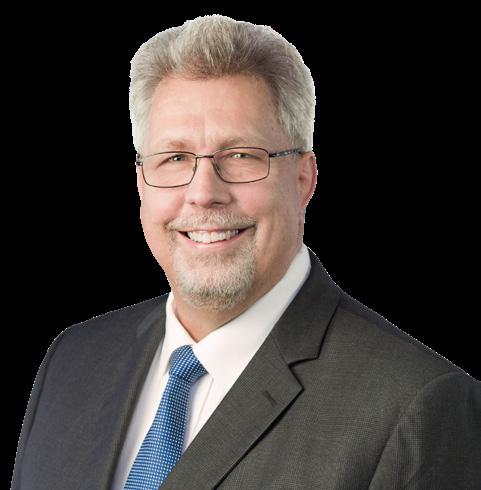
As it oversees North America’s first gas-to-liquids facility, Cerilon is in a unique position to enable the continent’s energy transition. We sit down with CEO, Nico Duursema, who reflects on how the company is creating a new domestic source of energy products from natural gas, reducing national reliance on foreign imports, and providing environmentally cleaner products
Writer: Lily Sawyer
Sustainability Outlook (SO): Firstly, what is your take on the energy industry in North America today, and how have you seen it evolve over the course of your career with Cerilon?
Nico Duursema, CEO (ND): The energy industry is facing a number of unprecedented challenges, including responding to and leveraging new and rapidly changing technology, increased environmental responsibilities and regulatory scrutiny, recruiting and retaining talent, and aligning with evolving societal expectations about how energy is produced and used.
The convergence of these challenges is disruptive and complex and necessitates new business models, tools, and thinking.
In a world full of change and uncertainty, it is of utmost importance that we communicate a clear vision, embrace our values, and adapt for the future by adhering to fundamental principles, aligning with like-minded partners, and focusing on new skills and competencies.
I view these challenges as opportunities for those willing to take ownership of their future. Those who have the courage to lead through rapid change, act as good stewards of our resources and the environment, and approach their efforts with excellence will succeed in the energy industry today.
We must focus on what’s possible, take accountability for achieving our objectives, and be ready to make decisions quickly.
Right now, we are experiencing a very positive business environment in North America that is aimed at supporting growth, but the turbulence of rapid change remains. We must shift from old ways of thinking – especially on the eve of rapid artificial intelligence (AI) expansion – and change the way we do business.
The new technology era we are entering challenges regulators, political decision makers, and industry organizations to provide the guidance and governance needed to manage this change effectively and efficiently. It is also straining existing infrastructure that needs to be updated and expanded to accommodate the computing capacity needs we are already seeing.
In my view, all of this creates unprecedented opportunity for companies like Cerilon with a strong vision for the future and the ability to deliver.
We see significant opportunity for us to be a leader in the energy transition by providing industry leading thinking, tools, and products.
SO: As a company delivering high performing products to the agricultural, industrial energy, digital, defense, and transportation industries, could you provide an overview of Cerilon and its role in North America’s energy transition?
ND: Our role in North America’s energy transition comes from the products we produce and how they
are used, as well as how we integrate technology into our business.
Cerilon’s products offer improved environmental performance and have applications across key industries including agriculture, defense, transportation, and the rapidly expanding digital infrastructure business.
Our advanced digital integration platform is creating a strategic solution for not only our North Dakota facility but also for any industry with complex data management needs. For these reasons, Cerilon is wellpositioned to play a key role in the energy transition.
We will be the first large scale producer of gas-to-liquids (GTL) Group III+ base oils in North America and will reduce the need to import
these products.
Top-tier GTL Group III+ base oils have a number of important attributes that position them to play a critical role in the energy transition.
The incorporation of carbon capture storage (CCS) results in Cerilon GTL base oils having the lowest carbon footprint of all GTL facilities globally.
This, combined with additional greenhouse gas (GHG) reduction benefits during their use, results in substantial GHG savings compared to conventional products produced in North America.
Production of GTL Group III+ base oils from natural gas has a short and simple value chain with a high yield –approximately 25 percent – compared to baseline processes.
This delinks base oil manufacture from the crude oil refining system and allows for ‘on-demand’ manufacture of these advanced base oils. This manufacturing advantage allows Cerilon GTL base oils to support the transition away from crude-based energy systems and oil refining.
Use of these top-tier GTL Group III+ base oils increases engine efficiency and creates fuel and GHG emission savings.
These base oils will have many uses in the energy transition targeting lower-carbon applications, including as specialty fluids in hybrid electric vehicles, high-quality lubricants that improve fuel efficiency for gasoline-powered engines, and industrial lubricants in a wide range of applications including as immersion cooling fluid for data centers.
GTL products contain negligible amounts of aromatics, polycyclic aromatics, sulfur, and nitrogen. These qualities, superior to conventional analogues, offer air quality benefits, low toxicity, and a level of stability that is particularly advantageous in confined applications, sensitive aquatic environments, or where longterm storage is required.
Cerilon’s ultra-low sulfur diesel, in particular, offers these advantages as a ‘drop-in’ alternative for crude oil-based diesel that offers a higher cetane level and cleaner engine burn
with reduced emission levels. Unlike conventional diesel, GTL diesel is non-toxic, nearly odorless, and readily biodegradable.
We believe our products directly support the energy transition, but so does how we design and operate our facilities.
We are building a platform that will enable us to rapidly expand and diversify our business. This platform includes the integration of systems, data, and decision support capabilities with a plug-and-play approach to enable future technology developments.
Our integrated systems and data centrality approach for business and operations enables the application of machine learning (ML) and AI tools to create a leading-edge decision toolbox.
This approach incorporates state-of-the-art models and a comprehensive digital twin. These tools allow for rapid optimization of processes and operations, with instantaneous decision support across the entire business.
The digital twin allows us to run simulations that support both training and scenario planning for continuous improvement.
These tools improve the availably and reliability of our facility, which directly results in efficient use of resources and improved economics.
“GTL products contain negligible amounts of aromatics, polycyclic aromatics, sulfur, and nitrogen. These qualities, superior to conventional analogues, offer air quality benefits, low toxicity, and a level of stability that is particularly advantageous in confined applications, sensitive aquatic environments, or where long-term storage is required”
– NICO DUURSEMA, CEO, CERILON
SO: Could you share some key details about your GTL North Dakota project and how it will transform natural gas into low-carbon, high-value synthetic energy products?
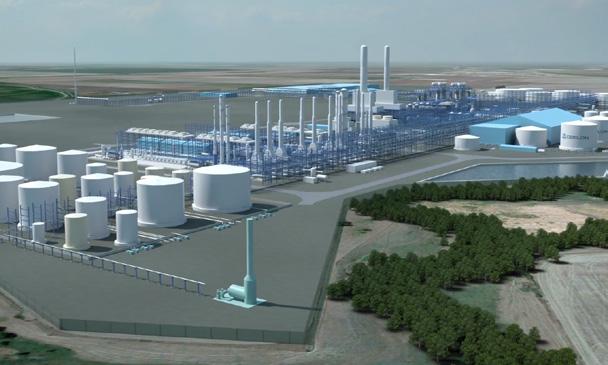
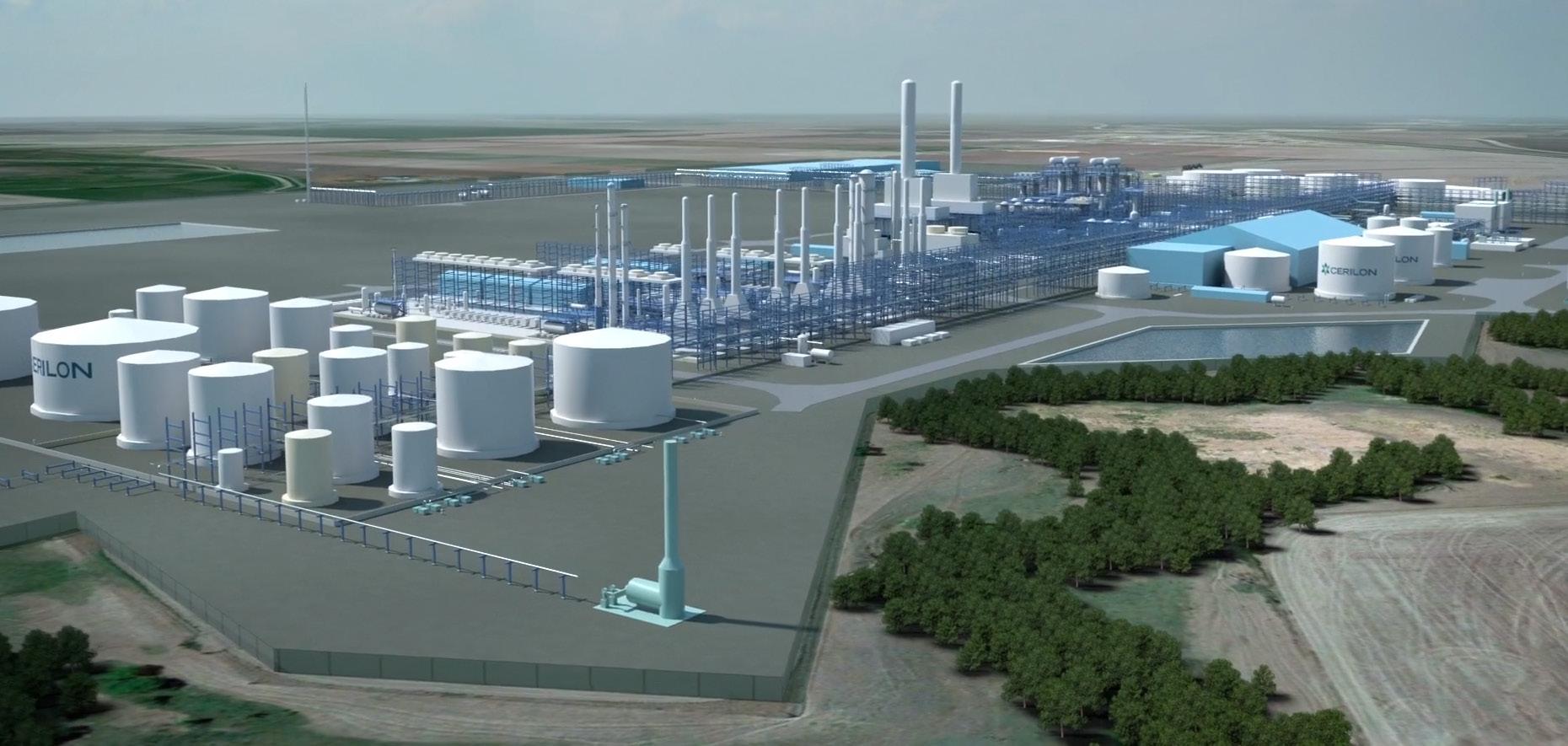
ND: Cerilon GTL North Dakota will be the first large-scale, natural gasfed GTL facility to be built in North America.
It will also include CCS, making this nominally 25,000 barrel-per-day facility the first of its kind in the world.
The innovative facility will transform natural gas into unique, highperformance synthetic products, including industry-leading Group III+ base oils, ultra-low sulfur diesel, and naphtha.
GTL facilities incorporate proven processes and technologies to achieve this conversion. The first step of the GTL process is syngas generation, converting natural gas into synthesis gas.
The second step, the FischerTropsch process, involves a series of reactions to convert the synthesis gas into a waxy feedstock.
Finally, a suite of technologies is applied to upgrade this waxy feedstock into high-quality final products.
This project will also generate excess power to be sold into the local electrical grid or data center application.
SO: With GTL North Dakota set to make Cerilon the first significant producer of high-quality Group III+ base oils in North America, can you explain how use of these oils can increase energy efficiency and GHG savings?
ND: Cerilon engaged a third-party specialist to conduct a lifecycle assessment (LCA) of GHG from the GTL facility, comparing both manufacturing and product end-use benefits to a suitable conventional refinery baseline.
Cerilon’s LCA findings clearly demonstrate significant end-use GHG savings achieved from the use of Group III+ base oils in a variety of applications.
Significant lifecycle GHG savings are achieved in the end use of lubricants containing high-quality GTL Group III+ base oils when compared to conventional refinery alternatives due to the ultra-high viscosity index and oxidative stability of these lubricants.
These qualities allow the blending of engine oils that create engine efficiency improvements in existing applications without sacrificing other
necessary lubrication properties.
As an example, in ‘drop-in’ engine applications, these lubricants create a leveraging effect where a small amount of high-quality base oil creates fuel efficiency savings over the service interval of a vehicle.
This Group III+ end-use benefit, paired with CCS at the facility and additional GHG reductions from the use of high-quality GTL diesel and naphtha, results in a calculated GHG performance of the Cerilon facility that is significantly below the conventional refinery ‘business-asusual’ baseline case.
In addition to the direct capture and sequestration of over 450,000 tons per annum (tpa) of carbon dioxide at the GTL facility, Cerilon estimates that the use of lubricants containing highquality GTL Group III+ base oils results in GHG savings in excess of 900,000 tpa when compared to conventional refinery Group III based products.
These GHG emission reductions are estimated to be more than the manufacturing footprint of the GTL facility itself and the equivalent of removing 200,000 cars from the road.
SO: Can you tell us more about your partnership with ABB, who will provide Main Automation Control (MAC) design services to support the entire lifecycle of GTL North Dakota? What are the key benefits of collaborations such as these?
ND: We are bringing together a number of key partners with global expertise in engineering, technology, and automation.
Each of these partners will participate in the design of the facility and provide start-up and operational support.
The key benefit of partnering with best-in-class organizations with significant experience and proven technologies is that you can weave that experience together to produce state-of-the-art solutions.
ABB is acting as our main automation contractor to provide automation expertise and equipment. They will be providing their distributed control system (DCS) and operational systems for the facility.
ABB’s open structure allows for plug-and-play capabilities, and we will be overlaying our Cerilon
Cerilon GTL will convert gas into premiumquality, high-efficiency synthetic lubricant feedstocks and energy products using stateof-the-art technology and design
how do you support the communities in which you operate?
ND: Cerilon is committed to operating safely and responsibly. This includes effectively addressing the potential impacts of our business on people and the environment, while preserving our ability to create value.
Our four corporate pillars –ownership, leadership, stewardship, and excellence – guide corporate decisions and behaviors.
The stewardship pillar requires that relationships and assets be managed in ways that lead to sustainable benefits for stakeholders, the economy, and the environment. Cerilon believes that this approach to decision-making supports the longterm economic sustainability of our business.
A STRATEGIC ASSET
Our corporate environmental, social, and governance (ESG) strategy emphasizes and integrates environmental and social responsibility into all aspects of our business.
We manage relationships with our workforce, partners, customers, suppliers, and communities to
With the GTL facility positioned as a strategic asset for a number of stakeholders, Cerilon is keen to highlight a few of the reasons why:
FOR THE US AND NORTH DAKOTA:
• Onshore critical manufacturing – Creates a domestic supply of Group III+ base oils, displacing imports from the Middle East and Asia.
• Enhances energy security – Produces strategic GTL diesel with a more than five-year shelf life, ideal for military and agricultural reserves.
• Creates American jobs – Generates over 2,000 jobs during construction and over 2,100 direct and indirect jobs during operations.
• Solves a key energy challenge – Provides an in-state use for North Dakota’s natural gas resources, partially alleviating the transportation limitations expected to constrain future oil production.
FOR CANADA:
• Drives high-value exports – Secures an export value worth hundreds of millions for Cerilon and ABB.
• Launches a global tech platform – Establishes Cerilon’s Canadiandeveloped automation technology as a new, high-value export.
FOR ALBERTA:
• Secures a critical resource – Guarantees a multi-billion, 30-year supply of premium GTL naphtha, a vital diluent for the province’s energy sector.
• Provides large gas offtake option – Provides an offtake of natural gas for Canadian producers via the existing pipeline network that creates additional value for Alberta natural gas.
• Anchors a high-tech hub – Establishes a global master control centre in Calgary, creating high-paying jobs in AI, remote operations, and data analytics.
Cerilon creates solutions for the agricultural industry
“Those who have the courage to lead through rapid change, act as good stewards of our resources and the environment, and approach their efforts with excellence will succeed in the energy industry today”
– NICO DUURSEMA, CEO, CERILON
understand the impacts on people across the value chain.
In relation to our project in North Dakota, we launched a broad stakeholder engagement program in 2022 that has been recognized by government officials and regulators as exceeding their expectations for community engagement.
In addition to the economic and employment benefits we will bring, this early engagement allows us to learn where we can make the most positive, measurable impacts, and we will look to invest in programs and infrastructure that matter most to the local community.
SO: Having recently participated in the Canadian Energy Executive Association’s 74th Energy Business Forum, how can Cerilon relate to the forum’s ‘Wild Frontier’ theme, which celebrates the boldness and adaptability required in today’s energy landscape?
ND: The Wild Frontier theme describes our disruptive, volatile, uncertain, complex, and ambiguous (DVUCA) world where you can thrive with the right mindset, approach, and toolsets.
Cerilon is an intelligent, adaptive, and learning organization that is fully integrated to deliver results supported by AI and global partnerships.
DVUCA environments require pioneering innovation backed by
proven fundamentals and people with a solution-oriented mindset and can-do attitude. This is the culture we are building at Cerilon.
SO: Finally, what are the company’s key priorities for the future?
ND: Our key priority is to successfully deliver the first GTL facility in North Dakota, which will require excellence, passion, and perseverance from our team and partners.
We must have the grit to navigate through these rapid changes and
uncertain times to stay the course and deliver results.
Fostering our partnerships and key stakeholders on this journey will be essential. Our partners were carefully and strategically selected to align with our vision and have the capabilities and intention to scale with us for the energy transition.
Our portfolio approach is to build one and replicate many, and we are reviewing multiple sites and locations where we can add value to natural gas resources.
We will use our digital capabilities to reduce the time to market for several facilities in the portfolio. These digital tools will also be offered to other proponents with existing or greenfield projects through our CerilonSoft subsidiary.
Cerilon manufacturers fluids for the automotive industry
Meticulously Crafted Energy Solutions
Energy services provider, Energia, is successfully propelling transformative solutions for business and community prosperity. Since we spoke to the company last year, it has expanded into hybrid and renewable energy, enhancing operational efficiency and building partnerships that position it effectively for the next decade of growth.
We revisit Energia, the transformative energy solutions company on a clear mission to deliver reliable, innovative, and sustainable energy solutions that empower businesses to operate at their best. Shahid Hassan, CEO, discusses the company’s recent innovations and developments
Writer: Lily Sawyer
In line with Saudi Vision 2030, the company is not just adapting to the energy transition; it is helping lead it.
Over the past 12 months, Energia has accelerated its transformation into a total energy solutions provider in Saudi Arabia.
“My role as CEO has been to ensure we grow strategically, expanding into new sectors whilst keeping our
commitment to reliability, innovation, and sustainability at the forefront,” Shahid Hassan, CEO, introduces.
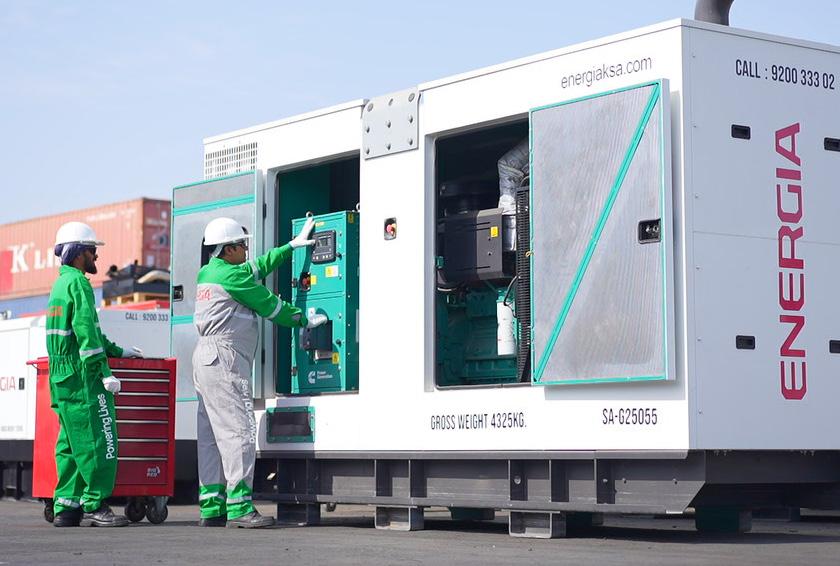
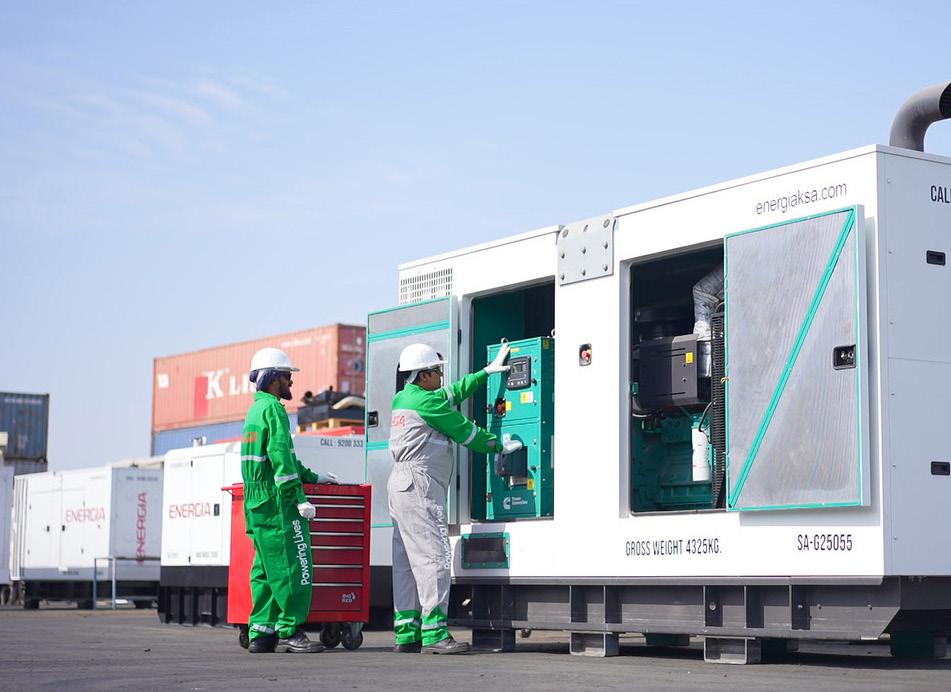
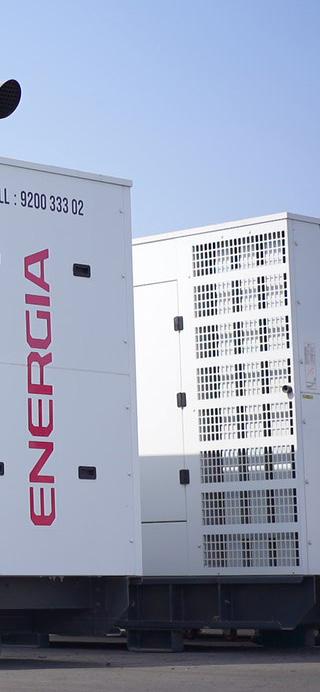
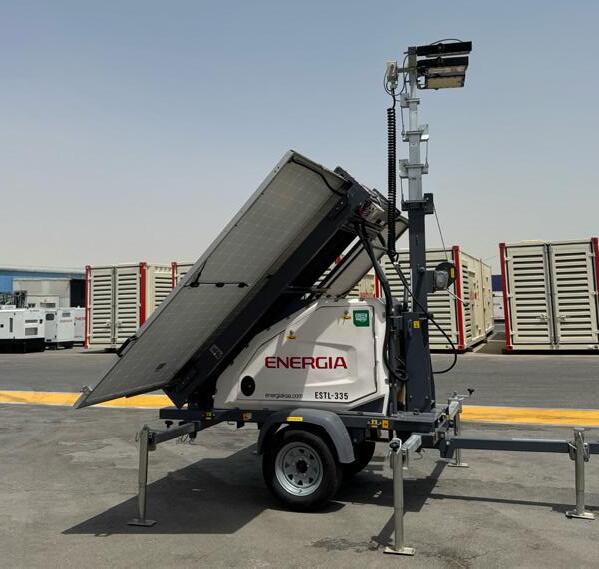
Having broadened its offerings with energy storage systems (ESS) and hybrid power solutions, upgraded its fleet to include EU Stage V-compliant generators with up to 90 percent reduced emissions, introduced solar tower lights, and enhanced its
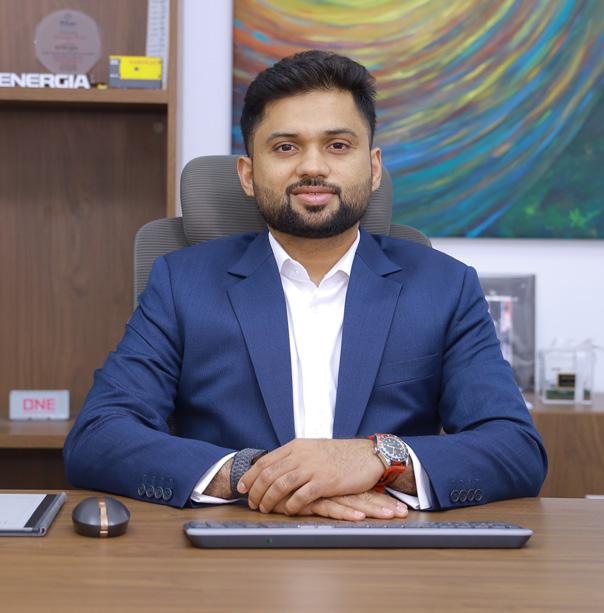
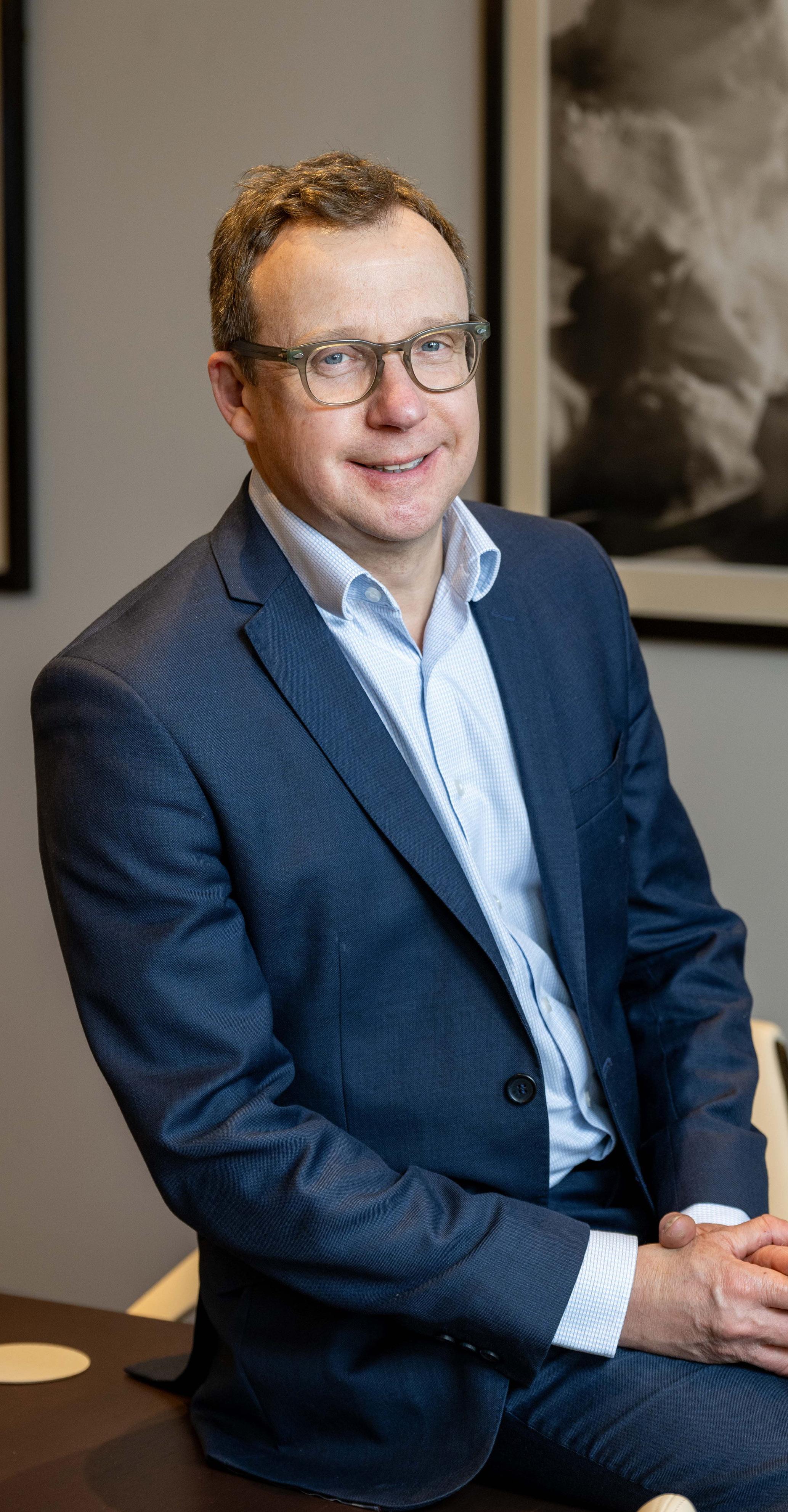
Shahid Hassan, CEO
cooling and modular infrastructure capabilities, Energia sets itself apart.
The company also restructured a key joint venture by bringing in a partner with diversified expertise in infrastructure, energy, and oil and gas, positioning Energia for broader turnkey solutions going forwards.
EVOLVING TO MEET DEMAND
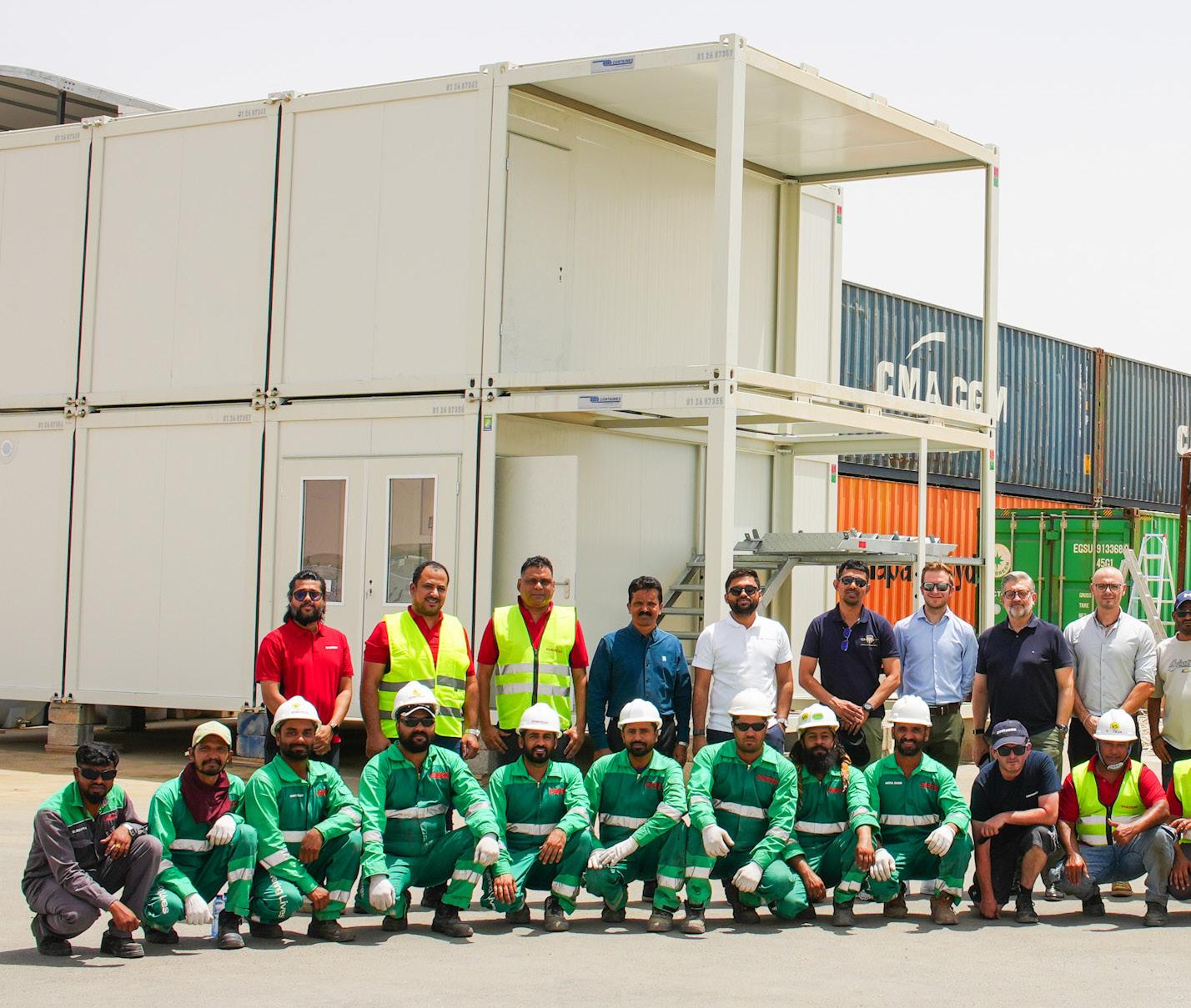
Energia remains headquartered in Riyadh with strategic operations across the Kingdom, including Jeddah, Jubail, and other key regional hubs. Its portfolio covers energy, cooling, welding, tent, and modular solutions, medium-voltage transformers, turnkey power plants, and wastewater management solutions.
The company continues to serve clients across the construction, oil and gas, telecommunications, healthcare, events, and renewable energy spaces, complemented by a workforce that
has grown steadily over the past year to support larger and more complex projects.
This expansion reflects both increased demand across the region and a broader commitment to local capability building.
As the energy industry in the Middle East has continued to evolve over the past year, the region has undergone rapid diversification.
Whilst oil and gas remain at the core, there’s an undeniable shift towards large-scale renewable energy, hybrid systems, and battery energy storage solutions (BESS).
Meanwhile, governments are setting ambitious clean energy targets, and the private sector is responding with innovation.
“We’re also seeing growing demand for energy efficiency, low-emission equipment, and resilient infrastructure to meet rising electricity needs, particularly in high-demand sectors like construction, events, and industrial projects,” Hassan tells us.
For many, hydrogen and green fuels are also emerging as strategic priorities for the future.
CONTRIBUTING TO A SUSTAINABLE LANDSCAPE
In light of the region’s push for a clean
energy future, Energia continues to build upon its innovative solar and BESS hybrid solutions which are now delivering results in the field –powering remote sites, events, and even temporary facilities with clean, reliable energy.
By pairing clean solar fold photovoltaic (PV) systems with BESS, the company has helped clients to cut diesel usage by up to 60 percent, reducing emissions and maintaining uninterrupted power even in challenging conditions.
“It’s a practical demonstration of how sustainable solutions can match traditional systems in performance whilst offering clear environmental and cost benefits,” Hassan prides.
Saudi Vision 2030 is at the heart of Energia’s strategy, with investments in renewables, hybrid power, and battery storage directly supporting the Kingdom’s clean energy ambitions.
The company also contributes to Saudi Vision 2030 through local workforce development, skills transfer, and partnerships that strengthen national capabilities.
“Everything we do – whether for a major event or a remote industrial site – aims to deliver reliable, efficient, and sustainable energy that drives the Kingdom forwards,” he reflects.
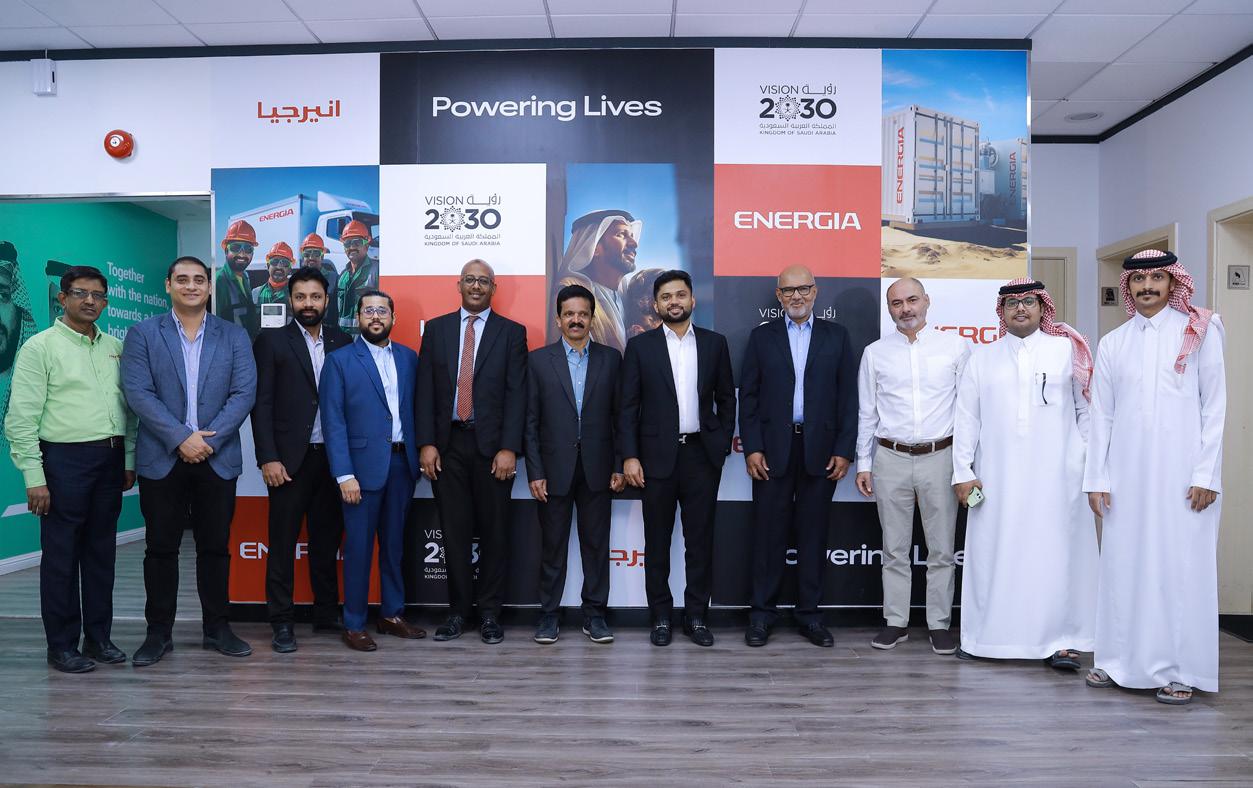
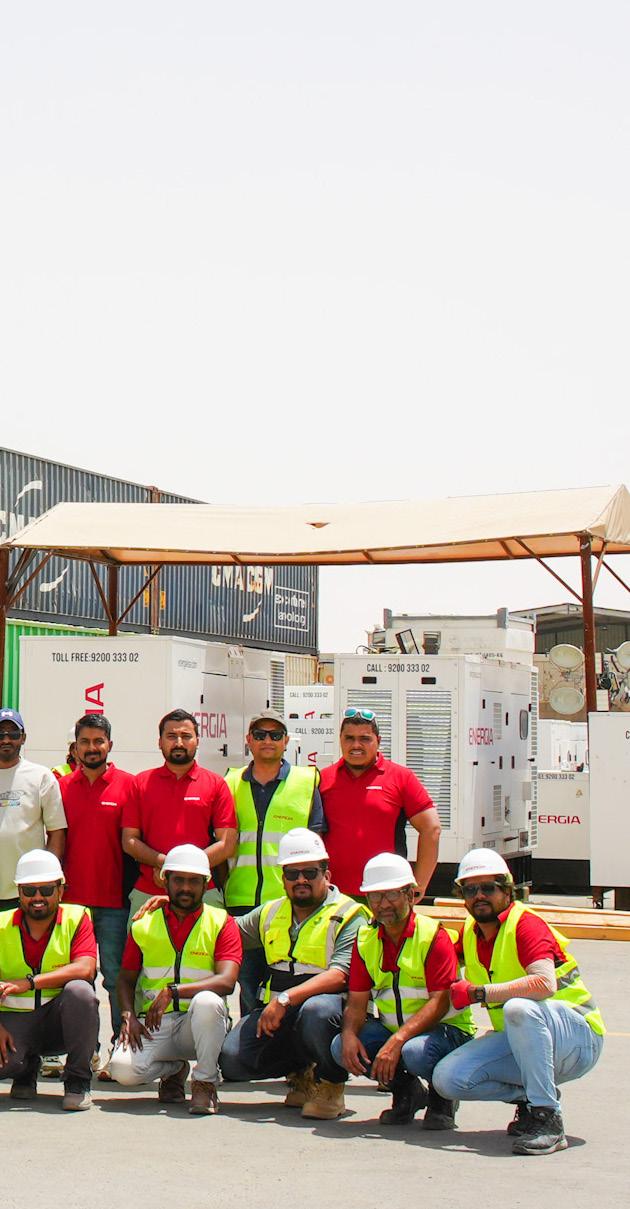
Energia management team
DOUBLING DOWN
Having partnered with Germany’s BAUER Group to introduce reedbox wastewater treatment systems in Saudi Arabia, Energia is doubling down on its sustainability goals.
These nature-based systems treat water through plant-based filtration, reducing chemical usage and energy demand whilst returning clean water to the environment.
CABIN AND MODULAR BUILDING SOLUTIONS
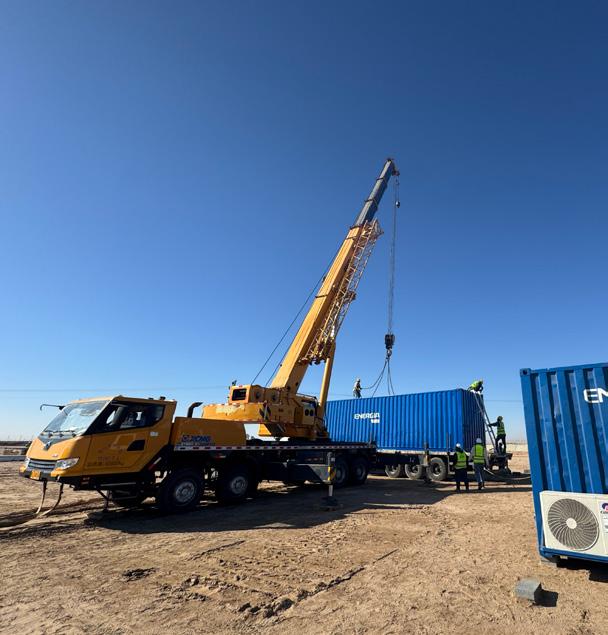
Energia has identified tremendous potential in its cabin and modular building solutions, which allow it to support remote worksites with a complete package of energy, cooling, temporary accommodation, and wastewater treatment – all from a single, trusted provider.
The company believes this integrated, one-stop approach is the future for many of its clients who value speed, efficiency, and quality in challenging environments.
To scale this vision, Energia is actively seeking partnerships with like-minded companies that share its commitment to innovation and can bring complementary expertise to the table.
“Together, we can set new standards for delivering turnkey solutions in Saudi Arabia and beyond,” Hassan proclaims.
“Everything we do – whether for a major event or a remote industrial site – aims to deliver reliable, efficient, and sustainable energy that drives the Kingdom forwards”
– SHAHID HASSAN, CEO, ENERGIA
“It’s a natural extension of our sustainability commitment, broadening our solutions portfolio into water resilience and aligning with national goals for environmental stewardship and resource efficiency,” Hassan details.
This adds to Energia’s strong progress with advanced energy storage, such as integrating BESS into multiple hybrid deployments.
“These systems are already delivering fuel and emission reductions for our clients,” he adds.
Where hydrogen is concerned, the company is building relationships and exploring partnerships to ensure it’s ready for market adoption – whether through hydrogen-ready equipment or supporting emerging hydrogen infrastructure.
“Our approach is deliberate: to
deliver scalable, proven technologies today, whilst laying the groundwork to lead the energy solutions of tomorrow,” Hassan declares.
LOOKING TO THE FUTURE
Energia’s immediate priority is to leverage its existing 450+ megawatt (MW) rental fleet to transition from its pure equipment rental model and become an independent power producer (IPP).
“This pivot will also allow us to offer long-term, scalable solutions that meet the growing demand for hybrid and renewable power in the Kingdom,” Hassan sets out.
As the company focuses on building a future-ready energy business that can deliver clean, reliable, and cost-effective power, it continues to focus on solar, hybrid, and advanced storage solutions.
PROLIFIC PROJECTS
This year, Energia has been entrusted with some of the Kingdom’s most demanding and high-visibility assignments – a testimony to its expanding capabilities and reputation for reliability. These include:
• Delivering large-scale power, cooling, and temporary infrastructure to multiple major national events, ensuring seamless operations under tight timelines and harsh climatic conditions.
• Supporting critical infrastructure by supplying grid-stability power during peak summer demand, making Energia a preferred partner for utilities by securing uninterrupted supply.
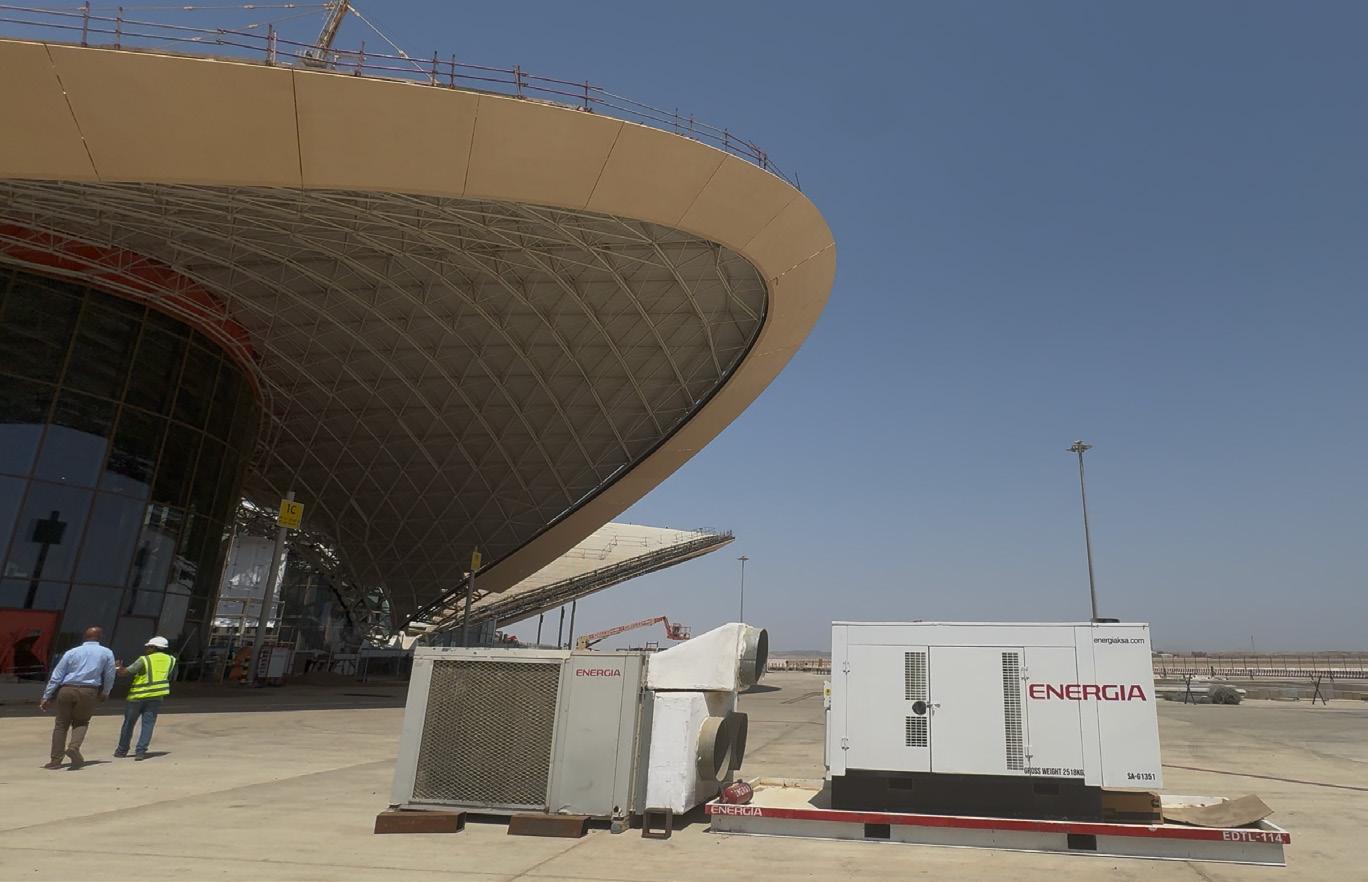
• Working closely with leading airports across Saudi Arabia, providing dependable energy and cooling solutions to support their operational continuity and expansion works.
• Being actively involved in developing flagship mega-projects in NEOM – a planned city creating a new model for sustainable living – supplying both hybrid power systems and nature-based wastewater solutions to support sustainable development in remote areas.
• Deploying solar tower lights and hybrid energy systems across construction and industrial sites, achieving up to 60 percent reductions in fuel consumption and emissions.
• Continuing its fleet modernisation with EU Stage V-compliant low-emission generators, future-proofing its rental offering, and supporting national sustainability targets.
Each of these projects demonstrates Energia’s growing role as a one-stop provider of energy, cooling, and modular infrastructure, capable of delivering reliable and sustainable solutions for everything from mega-events to critical national infrastructure.
This aligns with shifting client preferences, national sustainability goals, and the evolving regulatory landscape.
“Our long-term goal is to establish Energia as the market leader in clean and reliable temporary power in Saudi Arabia and the wider region,” he passionately concludes.
In this way, the company supports Saudi Vision 2030 by accelerating the transition to sustainable energy whilst maintaining the operational excellence that Energia’s clients trust and have come to expect.
SEALING THE FUTURE: HOW ADVANCED TECHNOLOGIES ARE DRIVING SUSTAINABLE MINING
Warren Smith, Global Mining Market Director for John Crane, highlights how next-generation smarter seals are key to conserving water and ushering in a new era of eco-friendly mining
Writer:
Warren Smith, Global Mining Market Director, John Crane
The mining industry stands at a crossroads. As climate change accelerates and sustainability mandates tighten, miners face mounting pressure to decarbonise, conserve water, and boost operational resilience. Meanwhile, extreme weather events are now routine, disrupting operations and making resilience a necessity.
Yet, whilst much attention is given to large-scale digitalisation and automation projects, it’s often the overlooked
technologies, such as advanced sealing systems, that quietly deliver some of the most significant gains.
HIDDEN POWER OF MECHANICAL SEALS
Mining operations rely heavily on rotating equipment, and seals are critical to keeping this equipment running smoothly.
However, seal packing systems and mechanical seals are also a leading cause of slurry pump failures, especially under the punishing conditions of modern mining; high temperatures accelerate wear, whilst freezing conditions cause brittleness and inefficiency.
When seals fail, the consequences are costly. In fact, a single failed seal can stop ore processing for eight to 24 hours, resulting in lost productivity and expensive repairs. Over the past five years, such failures have cost mining firms USD$67 billion.
Mechanical seals, however, have evolved dramatically to tackle these
challenges. Innovations such as spiral groove technology, diamond-coated faces, and Internet of Things (IoT)enabled predictive maintenance now offer a low-barrier, high-impact upgrade for mines seeking to reduce emissions and water use.
According to McKinsey & Company, leading mining operations have cut unit costs by three to six percent annually and increased production by up to 40 percent through operational excellence and equipment reliability. As such, upgrading to modern mechanical seals is one of the most simple, energy-efficient steps a mine can take.
ENGINEERING FOR EFFICIENCY AND SUSTAINABILITY
Modern mechanical seals are the result of years of technical refinement, precision engineering, and rigorous testing.
Regulatory pressure has been a key driver, with the US’ Clean Air Act and European Union’s Industrial Emissions Directive forcing the adoption of dual seals and gas-lubricated designs to reduce fluid leakage. In arid mining regions, meanwhile, water regulations have spurred the development of closed-loop seal systems that dramatically reduce water loss compared to traditional gland packing.
Other recent innovations include abrasion-resistant materials such as duplex steel and nickelchrome, alongside laser-etched grooves for optimal lubrication and nanocrystalline diamond coatings for extreme durability.
These developments allow seals to withstand the harshest slurries and climates, making them a strategic enabler of sustainable mining.
REDUCING WATER CONSUMPTION AND SLASHING DOWNTIME
Consider a copper mine in Southern Peru, operating in a water-scarce region and facing the challenge
of balancing the water-intensive demands of copper extraction with the need to conserve water for local communities.
Traditional gland packing systems typically consume about 68 litres per minute (lpm) just for cooling and lubrication. This is an unsustainable figure, especially in regions such as Salar de Atacama in Chile where mining has already consumed over 65 percent of local water supplies.
By switching to advanced mechanical slurry seals, featuring diamond-coated faces, mines are able to run a fully dry operation, eliminating the need for external cooling water. This demonstrates how mechanical seals – once considered unsuitable for mining – are now critical to sustainable operations, offering a practical, immediate step towards decarbonisation.
SMARTER, LEANER MINING
In Queensland’s Bowen Basin, one of Australia’s most productive coal regions, a major coal mine faced high temperatures, abrasive slurries, and mounting pressure to reduce water usage. The site’s slurry transport system, operating with multiple pumps in a three-stage configuration, handled high solids content at significant pressures and temperatures of over 30 degrees Celsius – conditions that pushed traditional seals to their limits. By installing mechanical seals designed for high-performance slurry applications and supported by a low-pressure water line, the site significantly reduced its water consumption and simplified piping. Water consumption dropped to just 6.3 litres per day, a remarkably low figure for such harsh conditions. With each seal expected to last 12–18 months, downtime and maintenance have plummeted, translating directly into cost savings and operational predictability. In similar applications, mining
operations have reported water savings of up to 120 lpm per pump, enabling leaner, more efficient mining.
THE SMARTER SEAL
Mechanical seals are now at the forefront of mining’s digital transformation. By integrating IoT sensors – either built-in or retrofitted to pumps – seals become active sources of operational insight.
Operators can monitor pressure, temperature, and vibration in real time, feeding data into central analytics platforms for smarter, condition-based maintenance.
This is crucial, as more than 80 percent of mines lack systems to accurately quantify downtime costs, often due to poor operational visibility. Embedding sensors directly into dry gas seals provides real-time health data and enables proactive maintenance. This approach helps identify potential failures before they become critical, reducing unplanned downtime and extending equipment life.
The benefits are tangiblepredictive maintenance can extend seal uptime beyond the typical 12 to 18 months, reduce manual intervention, and give operators greater control over performance.
SMALL CHANGES, BIG IMPACT
The path to decarbonised, climateresilient mining doesn’t always require sweeping, expensive overhauls. Sometimes, it starts with rethinking the fundamentals.
Advanced mechanical seals, which are engineered for durability, efficiency, and digital integration, offer a practical, immediate way to cut emissions, save water, and build resilience.
For mining operators, every litre of water saved and every hour of uptime gained counts. In a sector under pressure to do more with less, smarter sealing is proving to be a powerful enabler of sustainable progress.
ABOUT THE EXPERT
Warren Smith is an accomplished engineering and industrial leader with over three decades of global experience. As Global Mining Market Director at John Crane, he has driven operational excellence, transforming the Cape Town business unit in South Africa into a benchmark for regional performance.
Smith began his career as a fitter and turner before progressing through technical and managerial roles. He brings deep industry insight and a hands-on approach to problem-solving, underpinned by his technical training at Germiston Further Education and Training College and leadership cultivated over decades in the field.
Exclusive, earth-friendly content, straight to your inbox
Adding to the success of its regional titles; Africa Outlook, EME Outlook, APAC Outlook, and North America Outlook, Outlook Publishing is proud to introduce a new platform dedicated to the sustainability sector.
A multi-channel brand, Sustainability Outlook brings you the positive developments driven by organisations across the global sustainability industry through its various platforms.
Discover exclusive content distributed through the brand’s website, online magazine, social media campaigns, and digital dispatches, delivered straight to your inbox with a bi-weekly newsletter.
Through these compelling media channels, Sustainability Outlook will continue to foreground the movers and shakers of the industry.
To participate as a featured company and join us in this exciting endeavour, contact one of our Project Managers today.
SPOTLIGHT ON UK RENEWABLE ENERGY
Efficiently reducing its reliance on historically volatile international energy markets, the UK continuously champions the use of renewable resources as it ushers in a new era of clean energy independence
Writer: Lucy Pilgrim | Project Manager: Joseph Perfitt
The UK’s renewable energy sector has significantly developed in recent years, most pointedly due to a change in government leadership in July 2024 that caused a shift in environmental policy, driving a step change in the country’s energy transition.
On a mission to position the UK at the forefront of global clean energy generation, the government’s Department for Energy Security and Net Zero (DESNZ) has introduced numerous notable measures that aim to grow the nation’s renewable energy capacity and make it secure by 2030.
Such targets comprise the key milestones of the Clean Power 2030 Action Plan (CP2030) that is purpose-driven to overcome three core obstacles to the energy transition, namely: the need for a secure and affordable energy supply; the creation of essential new energy industries that will be supported by thousands of skilled workers; and the need to reduce greenhouse gas (GHG) emissions and limit the UK’s contributions to climate change.
Diligently working towards such targets, CP2030 plans to create an innovative clean energy system that will rapidly develop the country’s renewable energy capacity through next-generation technologies over the next five years.
In partnership with Ofgem, the government will also introduce a Long Duration Electricity Storage (LDES) cap and floor scheme, which will work to successfully deliver greater electricity interconnection by providing a minimum amount of revenue for LDES investors, facilitating greater funding for the asset whilst also providing support for its operators.
These strategies will create major positive impacts for the UK’s private sector and homeowners, who are continuously transitioning towards renewable energy sources as they become more affordable and readily accessible, which will, in turn, reduce the nationwide dependence on fossil fuels.
On top of this, the progression of renewable energies and drive for clean power will unlock thousands of jobs across the country and boost energy security, paving the way for a new age of UK renewable power.
INTERVIEW:
RENEWABLE ENERGY ASSOCIATION (REA)
As the UK’s largest renewable energy trade body, the Renewable Energy Association (REA) continues to be a driving force in the country’s clean energy transition. We return to the association and learn more about its role as advocate for a progressively environmental regulatory landscape with CEO, Trevor Hutchings
Sustainability Outlook (SO): Firstly, how would you say the UK renewable energy sector has evolved since we last spoke to the Renewable Energy Association (REA) in 2023?
Trevor Hutchings, CEO (TH): The renewable energy sector continues to grow apace. Around 50 percent of our electricity now comes from these technologies whose cost continues to fall, with renewable energy sources now being the cheapest form of new power generation.
The overall economics of moving to clean energy are compelling, with the drive to net zero being the financial opportunity of the 21st century. Indeed, the net zero economy has grown 10.1 percent since 2023, outstripping growth in other sectors.
Trevor Hutchings on BBC Breakfast
We have a new UK government that has made net zero and clean power a central mission, which has further boosted confidence in the sector and is starting to unblock some of the barriers to greater deployment such as planning reform and grid connection.
Public support for renewable energy also remains high, with 82 percent of people supporting renewables according to the government’s latest public attitudes tracker.
At the same time, however, we are experiencing political headwinds. Opposition parties have broken the political consensus on net zero that has existed since the Climate Change Act of 2008.
This is worrying, as much of the debate is ideological rather than evidence-based, so it is essential that we continue to demonstrate the benefits of renewables and maintain momentum.
SO: How has the REA progressed in its role as an advocate and key driver of the transition from a fossil fuel driven society to a renewable one?
TH: The REA continues to advocate for the clean energy transition – ramping up renewable technologies and weaning ourselves off fossil fuels in an orderly manner.
Whilst we will still use oil and gas for decades to come, we must significantly reduce our dependence, and there are good reasons to do so.
For example, the recent energy crisis was rooted in the UK’s dependence on international gas markets which were upended by the conflict in Ukraine. In contrast, homegrown renewable energy sources would protect UK bill payers from such disruption in an increasingly unstable world.
A renewable energy system is characterised by distributed energy, local bioenergy, solar and wind farms, and a mixture of other generating assets. This diversity reduces the risk of a single point of failure, thereby increasing national security.
Now, more than ever, the REA needs to be a strong voice for the sector to help the government not only get the job done but be prepared to hold their feet to the fire if they fall short.
We are the largest renewable energy trade body in the UK with around 500 member organisations operating across the renewables value chain, having been a prominent voice in the sector for 25 years. But we must not rest on our laurels in the face of a rapidly changing landscape and the shifting needs and expectations of our members.
Wind farm, Naseby, England
Sustainability Outlook (SO):
Could you introduce Infinis, its services, and its partnerships, and provide some company background?
James Milne, CCO, Infinis (JM): We are one of the UK’s longest-established Independent Power Producers (IPPs), with a reputation built on engineering excellence, reliability and innovation. Focused initially on methane capture and electricity generation from landfill gas, we have evolved into a fully diversified renewables business, developing, constructing, operating and optimising a portfolio of low-carbon and flexible generation and energy storage assets.
Today, we produce renewable electricity from captured methane and solar, with further dispatched power from flexible generation and battery storage. Our services range from energy generation and private wire supply to bespoke Power Purchase Agreements (PPAs) that offer our partners long-term price certainty and meaningful emissions reductions.
We are backed by 3i Infrastructure, which supports our long-term growth and ambition to help deliver the UK’s energy transition. We work closely with landowners, off-takers, communities and corporates to provide flexible, future-focused solutions that align with national and corporate net zero goals.
SO: How do you currently work with corporates, and what sets you apart?
JM: We provide energy solutions
James UK, solutions,
James Milne, CCO of Infinis, a leading power producer in the UK, discusses progress through a tailored approach, innovative solutions, and a robust project pipeline
for corporates looking to decarbonise their operations and obtain long-term energy price security. Whether through long-term PPAs, private wire connections or developing local renewable generation sources, we help businesses access renewable power directly, with complete transparency and delivery assurance.
What sets Infinis apart is our mix of operational and development projects and renewable technologies across the UK, our ability to tailor solutions to corporate requirements. Infinis’ proven ability to execute stands out in a power purchase agreement (PPA) market that has a high failure rate due to planning or financing issues. Our mature project pipeline, strong operational platform, financial backing, in-house technical capabilities and embedded engineering, procurement, and construction (EPC) relationships ensure we deliver at pace and scale. Our latest construction of two solar photovoltaic (PV) projects to supply long-term renewable power to Arla Foods is recent proof of this in action.
SO: What’s next for the UK renewables industry?
JM: The sector is entering a pivotal phase. Clean Power 2030 offers clear direction, but unlocking renewables’ full potential requires key reforms to grid access, planning and ongoing policy support.
We back the National Energy System Operator’s (NESO) efforts to prioritise viable projects in areas of greatest
need, ensuring that the most shovel-ready and strategically located projects get connected first. Through the Planning and Infrastructure Bill and updates to the National Planning Policy Framework, planning reform is equally important to accelerate development timelines. Government policy must continue to support methane capture and electricity generation from landfill gas. As Renewables Obligation support falls away in March 2027, it is essential to recognise the ongoing value of these operations for both the control of UK emissions and as a source of low-carbon energy. Power generation from methane capture provides low-cost, baseload renewable electricity that supports grid stability and complements solar and wind.
SO: How is the company innovating and contributing to the UK’s net zero goals?
JM: Infinis plays a unique role in the transition by combining innovation with real-world delivery. Capturing methane (27 times more damaging than CO2) and converting it into renewable power reduces emissions and delivers reliable generation when it is needed and where it is needed on the distribution network close to demand.
We are expanding our solar and battery portfolio, including on restored landfills and brownfield sites, to use land sustainably and support local supply.
Our long-term PPAs provide fixed-price, transparent access to renewable power for corporates. This improves supply resilience, supports decarbonisation strategies and reduces grid dependency, especially when delivered through private wire infrastructure.
By integrating methane capture, solar and battery storage, we offer transparent, locationspecific sources of renewable electricity and a credible pathway to 24/7 renewable power – shaped to demand, built for delivery and ready to scale –and fulfil sustainability goals.
Powering a sustainable future with corporate PPAs
Corporate PPAs with Infinis provide flexibility, long-term pricing security, and a clear path towards net zero.
Businesses across the UK are taking action to decarbonise and secure long-term energy resilience. At Infinis, we help them achieve this through corporate PPAs, offering direct access to 24/7 renewable energy from our growing portfolio of solar, captured methane and battery storage projects.
Our developments, often on brownfield sites like restored landfills, turn underutilised land into efficient, low-carbon energy hubs. This approach also allows us to deliver locally sourced, grid-independent power, relieving pressure on the wider network.
Our latest solar developments in Boston (Lincolnshire) and Offham (Kent) are now generating clean power, helping companies like Arla foods meet their sustainability targets while reducing exposure to unpredictable energy markets.
“At Arla, we’re dedicated to reducing our carbon footprint across our operations. Partnering with Infinis through this solar PPA is a key step in our journey towards more sustainable energy sourcing,” states Fran Ball, VP of Production at Arla.
With a diverse range of project sizes and locations across the UK, we can offer tailored solutions, including private wire infrastructure, to supply power directly to your business.
Get in touch today to explore how a PPA with Infinis can work for your business.
Email: Commercial@INFINIS.COM
Website: infinis.com
LinkedIn: infinis
Accordingly, we are strengthening our approach through our new strategic plan focused on impact and growth, ensuring we have the competencies in place to shift the dial on this agenda.
SO: Can you update us on the progress of solar and wind power deployment across the UK over the last year?
TH: The deployment of these energies continues to grow significantly. On 6th April 2025, Great Britain set a record for solar power generation, reaching 13.2 gigawatts (GW), whilst the record for wind was set on 18th December 2024 at 22.5GW.
Annual generation from solar has increased from around 2,000-gigawatt hours (GWh) in 2013 to nearly 14,000 GWh in 2023. For wind, it increased from 29,000 GWh to over 80,000 GWh over the same period.
This is impressive growth, but we need to achieve a step change in deployment levels over the next few years if we are to decarbonise our electricity supply and realise the full benefits of renewable energy.
SO: In your opinion, how will the CP2030 Action Plan address the challenges of the renewable energy sector?
TH: Ensuring our electricity comes from clean sources and is electrifying more of the economy is essential for achieving net zero. So, CP2030 is very welcome as it helps to focus government and industry action.
It is also important for instilling market confidence, lowering the cost of capital, and attracting inward investment. Whilst extremely challenging, it is a feasible target and even a near miss would represent a huge achievement.
I have confidence that over 50 percent of our electricity today is from clean sources. The lights haven’t gone out, and we haven’t bankrupted the country, in fact, it is quite the opposite – despite what the critics say.
Nevertheless, the government will need to utilise all levers of state in order to get the job done. Many of these levers sit outside DESNZ and therefore CP2030 needs to be a driving force across all government departments and beyond.
Cruachan Power Station, also known as the “Hollow Mountain”, is a pumped-storage hydroelectric power station located in Argyll and Bute, Scotland
RENEWABLE ENERGY ASSOCIATION (REA) INDUSTRY SPOTLIGHT
“THE REA IS UNIQUELY POSITIONED AS THE ONLY RENEWABLE ENERGY TRADE BODY OPERATING ACROSS THE FULL BREADTH OF THE VALUE CHAIN, COVERING ALL THE MAJOR CLEAN TECHNOLOGIES ACROSS POWER, HEAT, TRANSPORT, AND CIRCULAR BIORESOURCES”
– TREVOR HUTCHINGS, CEO, RENEWABLE ENERGY ASSOCIATION (REA)
We know from experience that this is difficult to achieve, so the Prime Minister must be prepared to ‘bang heads together’ if this does not happen.
SO: How is the REA helping to implement CP2030’s strategies towards the rapid deployment of clean energy?
TH: The REA works with its members to advocate for a progressive policy and regulatory landscape to support the deployment of clean energy.
Having the right policies in place, enabling effective regulation, and unblocking barriers are key to scaling renewable energy, especially in some essential but less mature technology areas like LDES. In this case, the REA has long advocated for its route to market, recognising LDES’s high upfront investment costs and long lead times.
Anaerobic digestion plant, Severn Trent
Composting
Biogas plant
From AD to Solar: The Extraordinary Evolution of Severn Trent Green Power
In 2008, a small project team at Severn Trent Water began looking into anaerobic digestion (AD) as a technology for renewable energy production using a crop source as feedstock. Back then, the idea of powering our homes and infrastructure with renewable energy seemed alien. Fossil fuels made up 76 percent of the UK’s electricity mix. Renewables contributed just 6 percent. The technology for developing large-scale renewable systems and storage was in its infancy. But Severn Trent, with its extensive experience in sludge AD, recognised the potential in other applications. Hence, Green Power – a renewable energy division within the group – was formed in 2009.
From the get-go, Green Power focused on building a sustainable business model that could support its parent company’s intensive energy needs whilst fulfilling its own ambitions. It was this early commitment to investing strategically and making bold and informed decisions that led to its extraordinary evolution over the next 15 years.
Crafting excellence
The early years were marked by many valuable lessons learned. Stoke Bardolph was
the company’s first AD facility which over the years has become one of the largest crop AD sites in the UK.
John Jackson, Farms Manager and Crop AD Site Manager at Stoke Bardolph, said: “It was very important that we got our first large-scale AD site right first time. That’s why we went to mainland Europe to search for a low-risk technology that would deliver what it said on the tin. After some trials and errors, we learnt very quickly the most optimised way to design, build and run a crop AD plant.”
Alongside this growth, Green Power took on the management of Severn Trent’s hydro, wind and solar assets, spanning from North Yorkshire to mid-Wales. A small team of experts were beginning to form the core of the company.
Breaking new ground
Green Power began to work with Agrivert, a specialist in renewable energy, to build AD plants that could turn food waste into renewable energy. Its decision to acquire Agrivert in 2018 allowed the Oxfordshire-based company to tap into an emerging organic waste recycling market and expand their portfolio.
Energy generation leapt from 17GWh in 2009 to 250GWh per year by 2019.
The next expansion arrived in 2023 when Green Power acquired Andigestion, an AD specialist, to increase their food waste recycling offering – just two years before new recycling legislations are set to kick in. Taking strategic steps like these driven by a deep understanding of customer needs, market dynamics and operational expertise continued to pave a strong foundation for its long-term growth.
2024 marked a pivotal moment in its evolution. The decision to build four large-scale solar farms transformed the company into an emerging force in renewables. What started as a quest for energy self-sufficiency has evolved into a diversified business, rich in the expertise and experience essential for addressing the country’s energy needs and tackling the impacts of climate change.
In 2025, it joins forces with the likes of Centrica, Cadent and Ecotricity to form the Green Gas Taskforce, working together to boost the profile of biomethane as a key energy vector among policymakers in a bid to decarbonise the UK’s gas grid.
Green Power in numbers
• Founded in 2009
• 14 consecutive years of energy generation growth
• 335GWh of clean energy produced per year
• 160+ employees based around the UK
• 10 food waste AD plants from Derbyshire to Cornwall
• Serving more than 65 local authorities and 100 food and drink producers
• 36 solar sites, 6 wind turbines and 5 hydro turbines across the Midlands and Wales
• 4 large-scale solar farms in the works
Q&A
Today, Green Power generates 335GWh of renewable energy every year. With a new leader at the helm, it’s poised for more exciting growth. So what’s next? Jonathon Wroe, Managing Director, reveals.
EME Outlook (EO): Green Power generates clean energy from food waste, crop, wind, solar and hydro. Why do you think renewable energy is important to our country?
Jonathon Wroe (JW): Being among a handful of companies that operate across the spectrum of renewable sources that currently provide most of the UK’s clean energy, we’re involved with a range of conversations and organisations that want to see the country’s successful transition to Net Zero but also totally cognisant of the financial, logistical and legislative challenges faced by both the food waste AD market and renewables sector. It’s clear the demand for clean energy will only increase. Population growth, electrification of road transport,
more mainstream use of artificial intelligence, volatility in international relations... it has never been more important to grow our sustainable energy sources and provide tangible support for those producing clean energy. We’re committed to the ongoing decarbonisation of energy sources whilst supporting the UK’s transition to Net Zero.
EO: What do you foresee to be Green Power’s overall renewable energy mix in the next 10-15 years?
JW: With a strong track record of delivering sustainable growth and innovation, we’re always looking to expand our portfolio. We’ve recently launched a solar expansion project that will see the energisation of four large-scale solar farms, strengthening our foothold in the renewable energy space. As the economic and regulatory landscape continues to evolve in the next decade or so, we’re ready to explore both innovation “within the site boundary” and new build opportunities to maintain our market-leading position for organic waste recycling and clean energy generation.
Additionally, as one of the founding members of the Green Gas Taskforce, we want to ensure that AD continues to be promoted as an effective and essential part of the UK’s future energy mix. Having a joint voice around industry-wide headwinds will help mitigate long-term risks around energy price and incentive changes.
Collectively championing AD and biomethane as a clean energy source that supports the circular economy is a key priority for us and the rest of the industry.
EO: Green Power clearly has ambitious plans to grow its energy generation. What will enable you and your teams to achieve success?
JW: To do that, we need to ensure that our offerings and services change with expectations, and this will mean keeping up with technological advances and swiftly adapting to shifting market trends and customer expectations.
This includes upgrading existing assets to biomethane production, converting process waste products to useful materials, and looking for new ways to best utilise the energy we produce. We’re always interested in partnering with forward-looking and innovative companies with expertise in these areas.
EO: What kind of background and expertise do you look for to support Green Power’s future growth?
JW: Technical and industry expertise is always important in any company’s make-up, but cultural and organisational fit have also become increasingly relevant. Our colleagues come from all sorts of backgrounds, not just traditional AD and renewable settings, which I feel makes us a more innovative and resourceful team.
As a “people first” organisation, we actively encourage learning and development for both technical skills and broader personal development areas. We’re also proud to provide apprenticeship opportunities for young people looking to make a difference, and we’re constantly on the lookout for talented and passionate individuals to join our fantastic team.
Notably, the REA is working with its members and Ofgem on the detailed design of the government’s recently announced cap and floor scheme to encourage investment. Therefore, LDES is just one example of the value we bring to our members and other stakeholders.
The REA is uniquely positioned as the only renewable energy trade body operating across the full breadth of the value chain, covering all the major clean technologies across power, heat, transport, and circular bioresources. Through our policy and technology forums, we forge policy positions, undertake research, and run campaigns to effect change.
Through our subsidiary, Renewable Energy Assurance Limited (REAL), we operate several assurance schemes, enabling the market to operate more effectively. These include the Green Gas Certification Scheme (GGCS), supporting the market in green gas, and the Renewable Energy Consumer Code (RECC), supporting the roll out of heat pumps and solar panels.
SO: Going forwards, how is the REA continuing to identify green jobs and help people harness the advantages of renewable energy?
TH: In 2024 there were 273,000 full-time jobs across the UK in the net zero economy. This figure rose to 951,000 when factoring in the wider supply chain, generating £83.1 billion in economic activity. Net zero jobs are 40 percent more productive than the national average, with wages 15 percent higher than the UK norm.
Many of these vacancies are evenly distributed across the country and often require re-skilling and upskilling of established professions like plumbers, electricians, and builders, rather than entirely new disciplines.
Net zero is also placing higher demand on established trades like welders as well as professional services including legal, finance, and insurance. The REA will continue to champion the need for additional skills provision as a critical enabler for clean energy.
One of the biggest advantages of renewable electricity is that it is cheaper than fossil fuels. Key technologies such as solar panels, wind turbines, and batteries have seen their costs plummet - solar panels are over 90 percent cheaper than they were just a couple of decades ago, harnessing a free resource – the sun.
However, lower renewable electricity costs – the ‘net zero dividend’ – are not fully reflected in the price homeowners and businesses pay for their electricity.
This is because gas still sets the price for over 90 percent of renewable electricity due to the way the energy market is structured, leading gas to dominate our system.
Gas prices are set by international markets and, as we know from the energy crisis, have fluctuated dramatically following the conflict in Ukraine.
Energy pricing is complicated, but the quickest way to yield the net zero dividend is to increase the penetration of renewables on the system, which is exactly the focus of the REA.
SO: Looking ahead, how do you see the UK renewable energy sector developing over the next five years?
TH: Through CP2030, we are going to see significant growth in wind, solar, and storage, as well as improvements in the electricity grid. In parallel, we will see greater electrification of the economy, moving from petrol and diesel cars to electric vehicles (EVs), for example, and from gas boilers to heat pumps.
Regarding parts of the economy which are difficult to electrify – namely aviation, shipping, heavy goods, and some industrial processes – we will see an expansion of other forms of renewable energy like hydrogen and green gases such as biomethane.
Biomass for electricity generation and the provision of high-grade heating will also make up the energy mix, as will the UK’s interconnectors with other countries.
Biogas plant, Severn Trent
Ferrybridge 1, Knottingley, West Yorkshire generates up to 85MW (gross) of electricity to the UK’s National Grid, processing up to 725,000 tonnes of residual waste per annum, enough to meet the needs of up to 170,000 UK homes and businesses
Green Energy Solutions In South Hertfordshire
Willen Biogas is proud of its achievements, offering a complete recycling opportunity for a broad range of organic waste streams
As Farmers with diverse business interests, we have always wanted to embrace new technologies with respect to the environment and rural issues.
Fertiliser and fuel represent a high cost for farming businesses, and so our aim is to create green energy solutions for businesses and domestic customers by reducing the cost of cultivations, and minimising the use of manmade fertilisers.
We are renowned specialists in the area of green waste handling. Our green waste facility has been operational since 2012 and is able to receive a capacity of 25,000 tonnes per annum.
Ensuring supply and demand are always balanced requires active management across the electricity gridsomething which artificial intelligence (AI) will increasingly assist with.
We will also see greater innovation in flexible technologies like energy storage and, on the demand side, greater involvement from consumers and businesses through tariff usage alongside other demand measures rewarded through cheaper electricity.
This is the decentralised energy system of the future, which is more resilient, insulated from international gas markets, and with fewer single points of failure.
SO: With this in mind, what are the REA’s future priorities in order to continue advocating for the interests of its members and communicating the needs of the renewable energy sector to the government?
TH: We will continue to represent our members’ interests as we pursue our vision of a net zero future built on renewable energy and clean technologies. Our priority is to drive our corporate strategy for impact and growth, which will, in turn, ensure we remain at the top table of government decision-making.
The REA will become more visible in its work, ensuring it is member-focused and delivering value. We will also
With our new 27,000 TPA waste to energy plant, our AD Plant can now generate renewable electricity for the grid, and recycle nutrients from organic waste matter to make agricultural fertiliser.
partner with other organisations to leverage our impact and guarantee we attract, retain, and develop the best people.
On policy and advocacy, we will double down on enabling renewables deployment at scale, building on the progress we have already made towards a clean energy system.
As we need a diverse range of technologies in the energy mix, we will continue to champion and showcase emerging technology areas which perhaps hitherto have been undervalued, such as biomethane.
This is an important time for the sector, and I am determined that, under my leadership, the REA will continue to play an influential role in the journey to net zero.
GREEN WASTE
AD PLANT
A CIRCULAR FUTURE FOR
WATER
On a mission to build a sustainable water future, we revisit Osmoflo and its passion for preserving the world’s most precious resource. Carmine Ciccocioppo, CEO, tells us about the company’s recent endeavours and plans for future success
Writer: Lauren Kania | Project Manager: Ben Weaver
Water is fundamental to life, and every day our water treatment systems are vital to the well-being of thousands of people around the world.”
Water scarcity is a growing issue
that continues to affect communities worldwide.
The need to address this problem and provide innovative, sustainable, and long-term solutions is one that companies like Osmoflo are tackling,
as voiced by Carmine Ciccocioppo, CEO.
Established in 1991, Osmoflo has specialised in the design, build, and operation of over 650 reverse osmosis desalination and advanced
recycling plants, alongside operating and maintaining approximately 100 plants on behalf of global clients. Its headquarters are based in Adelaide, with operations across Australia, the Middle East, India, and Asia.
The company’s mission is to provide value-based water solutions that contribute to a circular economy, which it carries out by offering a range of water treatment services with a whole-of-life management approach.
Services include large-scale customised project solutions, emergency
water rentals, and the operation and maintenance of plants, complemented by innovative technology and strategic growth initiatives.
“Osmoflo boasts an extensive portfolio of high-quality clients, customers, partners, vendors, and collaborators around the globe, supported by our Osaka-headquartered parent company, Kanadevia Corporation (KVC),” details Ciccocioppo.
Having last spoken to Ciccocioppo in 2022, he confirms that the global water sector remains an immensely
exciting place to be, with the entire industry facing enormous and unprecedented challenges – the largest of which is climate change. The impact of this environmental phenomenon is manifesting in two ways, the first of which is the growing threats to the reliability of traditional sources of surface and groundwater. Second is the severity and frequency of extreme climate events, which are testing the capacity, resilience, and reliability of existing water supply and sanitation infrastructure.
Additionally, the water sector is facing other significant challenges, such as rapidly ageing infrastructure, making innovation and adaptability key to sustaining and optimising these assets.
At the same time, the industry is looking to steadily decarbonise by seeking increasingly energy-efficient and circular options to support ongoing operations.
“The role of infrastructure and technology solution providers like Osmoflo is as important as ever, as is the need for industry-wide collaboration, and there has never been a more exciting time to be a water industry practitioner,” states Ciccocioppo.
ADDRESSING WATER SCARCITY
When rebranding in 2022, Osmoflo adopted its ‘A Circular Future for Water’ tagline, highlighting the company’s commitment to making a significant contribution to a
sustainable future where all water needs are met.
“These concepts are fundamental to how we approach every challenge – in other words, the needs of all our global stakeholders, whether they are individuals, organisations, or the environment, must be met sustainably,” expands Ciccocioppo.
The company aims to minimise waste and harness as much as possible from its treatment processes, thereby minimising non-regenerative and non-renewable inputs to ensure that the choices made don’t burden future generations.
Osmoflo accomplishes this goal by using nearly 35 years of experience and over 650 project references to work closely with clients to meet complex, specific requirements.
As a tailored solutions provider for water treatment, desalination, and advanced reuse applications, the company is always focused on
minimising total cost of ownership and delivering the lowest long-run, risk-weighted marginal cost of water.
“That means designing and delivering plants that provide the right quantity and quality of water, whenever it’s needed, for decades into the future,” asserts Ciccocioppo.
For many private and public sector organisations and asset owners, their focus is on the up-front capital cost of such infrastructure. However, what they tend to overlook is that the capital cost accounts for as little as 30 to 40 percent of the long-run marginal cost of water, depending on the overall asset life, target levels of asset availability, and complexity of the treatment process.
“Our objective is to always work collaboratively with our clients to look at the bigger picture and carefully consider the long-term costs and risks of their water needs,” informs Ciccocioppo.
“THE ROLE OF INFRASTRUCTURE AND TECHNOLOGY SOLUTION PROVIDERS LIKE OSMOFLO IS AS IMPORTANT AS EVER, AS IS THE NEED FOR INDUSTRY-WIDE COLLABORATION, AND THERE HAS NEVER BEEN A MORE EXCITING TIME TO BE A WATER INDUSTRY PRACTITIONER”
– CARMINE CICCOCIOPPO, CEO, OSMOFLO
Equally as significant to Osmoflo’s process are its five core values –being agile, quality-driven, teamoriented, innovative, and committed – which drive the company’s focus, day-to-day decision-making, and fundamental value proposition to clients.
The company’s commitment to innovation is embedded deeply into its corporate DNA, and it invests strongly in fundamental R&D, collaborating with leading academic institutions and scouring the global technology space for market-leading technologies that can be adopted and integrated into solutions.
GLOBAL WATER TREATMENT SOLUTIONS
To address global water scarcity and the growing need for water treatment solutions during urgent situations, Osmoflo is utilising a fleet of emergency treatment equipment for critical projects.
“As climate extremes are continuing to increase and place escalating pressure on traditional sources of water, we are seeing more examples of utilities and private sector organisations being faced with unprecedented challenges to the resilience and capacity of their existing water and wastewater infrastructure,” details Ciccocioppo.
Australia’s trusted Valve Distributor and Supplier
Braeco Sales is a Perth-based valve distributor, supplying to clients throughout Australia, as well as servicing a number of established export markets.
Projects:
Phil Gold
In 2008, Braeco supplied a large number of manual and actuated valves for the Masbate Gold Project. Since then, we have continued to supply valves for day-to-day stores replenishment, expansion projects and upgrades.
Sepon Gold Project
In 2002, Braeco Sales was awarded the manual and actuated valve packages for the Sepon Gold Project. Since then, we have continued to supply plant spares on an ongoing basis, as well as valve packages for a number of upgrades and smaller projects.
In 2020, the old gold plant was recommissioned and once again Braeco was invited to participate as a major supplier of manual and actuated valves.
Craigie Leisure Centre
Supported our client with the supply of manual valves and pressure gauges for the
swimming pool filtration and dosing systems. Further to this we also supplied manual and actuated valves for the water playground.
Adventure World – Kracken Water Slide
Supported our client with the supply of manual valves and expansion bellows for the use on their Kracken Water Slide.
Our products:
Actuators and Accessories
- Actuator Accessories
- Actuator Positioners
- Electric Actuator
- Filter Regulator
- Hydraulic Actuators
- Mounting Kit, Brackets and Couplings
- Pilot Solenoid Valve
- Pneumatic Actuator
- Switchbox
Automated and Control Valves
- Automated On-Off
- Gas Regulators
- Low Flow Regulators
- Modulating Control
- Pressure Reducing Valves
- Temperature Control
- Upstream Pressure Regulators
Valves
- Actuated Valves
- Air Release Valve
- Butterfly Valves
- Check Valves
- Control Valve
- Diaphragm Valve
- Float Valve
- Foot Valves
- Gate Valve
- Globe Valve
- Knife-Gate Valve
- Needle and Instrument Valve
- Pinch Valve
- Pressure Reducing Valves
- Pressure Relief Valve
- Pressure Sustaining
- Solenoid Valve
- Steam Valves
- Strainers
Thermoplastic Valves
- Actuated
- Angle Seat Globe Valves
- Ball Valves
- Butterfly Valves
- Check Valves
- Diaphragm Seal
- Diaphragm Valves
- Pressure Reduction
- Pressure Relief
- Solenoid Valve
- Strainers
- Variable Area Flow Meters
- Vent Valves
- Venturi Injector (Eductor)
Controls and Instruments
- Flowmeters
- Pressure Gauges
- Tags-Valve and Instrument
- Temperature Gauges
CAN YOU PLEASE EXPAND UPON THE RECENT UPDATE THAT OSMOFLO’S SHAREHOLDER, KVC, UNDERWENT?
Carmine Ciccocioppo, CEO: “KVC underwent a major change in the last 12 months, rebranding from Hitachi Zosen Corporation, with a philosophy to ‘create value, useful to society, with technology and integrity to contribute to a prosperous future’, further aligning both organisations around the mission of a circular future.
“Osmoflo continues to be a key pillar in the shareholder’s global water business, striving boldly, learning broadly, and thinking deeply to achieve success. Founded in 1881 and now with over 12,000 employees, KVC’s business portfolio spans environmental systems, machinery and infrastructure, carbonneutral solutions, and industrial materials, incorporating a large range of internally developed, advanced technologies and products.”
Osmoflo’s emergency water rental fleet can greatly assist during critical periods by providing a range of brackish water and seawater systems, with pre-treatment, post-treatment, and demineralisation options to deliver fit-for-purpose water with very short lead times.
“Any emergency water needs, capacity increases, water quality improvements, or environmental factors are where Osmoflo’s offering can provide services and support,” he
Alongside the company’s emergency water rental fleet, it is engaging in various projects to further its footprint in the wider Pacific region, the rental space, and the Australian municipal sector.
Specifically, Osmoflo’s successful plants, operations and maintenance, remote monitoring, and on-site training in Kiribati and the
ECS Project Logistics –Delivering Confidence in Every Project
ECS Project Logistics (ECS) is a trusted leader in time-sensitive, project-based transport services, proudly supporting Australia’s Construction, Defence, Energy, and Resources sectors. With deep local knowledge and a reputation built on reliability, ECS specialises in moving the equipment, machinery, and project cargo that keep
complex, multi-stage sequence of cargo, ECS has the resources, vehicles, and expertise to ensure successful outcomes for project planners and managers overseeing major works in a variety of industries.
ECS has strategically located depots and mechanical support workshop services giving them superior reliability. By maintaining their own fleet to the highest standard, ECS minimises downtime and maximises efficiency — ensuring clients can meet even the strictest project schedules and deadlines.
Comprehensive Transport Solutions
One of ECS’s greatest strengths is flexibility. We are equipped to handle an extensive range of project cargo, from smaller containerised
freight, vehicles, and rolling stock to oversized and over-mass equipment requiring specialist planning consultation and permits. This versatility allows project managers and procurement teams to streamline operations and consolidate more freight through a single provider, saving time, reducing complexity, and improving overall project efficiency. ECS also has a strong in-field representation, deploying supervisors to ensure compliance and efficient operations on project sites to assist clients.
Expertise in Time-Critical Logistics
In industries where delays can be costly, ECS is a proven partner for time-critical logistics. Planning and execution processes are considered in detail to deliver reliability and key milestones. By anticipating challenges, navigating compliance requirements, providing excellent communication, and leveraging its nationwide footprint, ECS is consistently build on a returning customer base who all appreciate the confidence and trust ECS has developed with them.
Partnership Built on Reliability
At ECS, we don’t just move cargo — we build long-term partnerships. Clients view ECS as an extension of their team: a logistics provider who takes ownership of the challenge, applies deep industry knowledge, and provides solutions tailored to specific requirements. Transparency, integrity, and reliability are at the core of everything ECS measures itself on.
The ECS Advantage
• Specialised fleet for oversized, over-mass, and time-sensitive cargo
• Nationwide coverage with multiple depots and support hubs
• Proven expertise in Construction, Defence, Energy, and Resources logistics
• End-to-end solutions from general loads to over-sized and over-mass heavy haulage
• Commitment to deadlines through precision planning and execution
OVER THE COURSE OF YOUR CAREER, WHAT HAVE BEEN SOME OF YOUR PROUDEST WORKPLACE
ACCOMPLISHMENTS?
Carmine Ciccocioppo, CEO:
“I’ve had so many varying career inflexion points and twists and turns, so it’s difficult to pick a single specific accomplishment.
“For me, the proudest moments and biggest accomplishments are not individual achievements but sharing the reward and immense satisfaction of collective organisational achievement and knowing that what we are doing is making a genuine difference to the communities and jurisdictions where we operate.
“In more recent times, I’ve been proud to see Osmoflo come of age as an organisation and start fulfilling its true potential by playing key roles in globally significant projects.
“I’ve also been immensely proud to help build a world-class operation and maintenance division and see us using that strength to help build and grow capacity in small Pacific nations so locals have the confidence, experience, and capability to sustainably manage their own water infrastructure in the years and decades ahead.”
Marshall Islands are an example of its ability to deliver bespoke water plants to challenging environments whilst ensuring reliability and performance in line with design life.
In Kiribati, a significant milestone was recently reached with the delivery of the first water from the McKenzie seawater reverse osmosis (SWRO) plants, designed and delivered by Osmoflo in collaboration with its joint venture partner CCB Envico, into South Tarawa’s drinking water distribution system.
“This achievement marks a critical step forward in addressing the region’s long-standing water scarcity issue, providing ongoing access to sustainable, reliable, and high-quality potable water for the local community,” highlights Ciccocioppo.
With this milestone, Osmoflo has demonstrated its commitment to increasing sustainable
water production and will continue to support ongoing efforts to enhance infrastructure, build skills and capacity in the local community, and improve water accessibility for the entire nation.
Elsewhere, the company is working on nationally significant, large-scale projects, including the Coastal Water Supply Sustaining Project for Rio Tinto in Western Australia (WA), which comprises two separate phases of 12 megalitres per day (MLD)capacity ultrafiltration (UF)-SWRO plants to provide potable quality water for both Rio Tinto’s own port operations in Dampier as well as drinking water for surrounding communities in the Pilbara region.
Additionally, Osmoflo is acting as a technology provider for the John Holland Group and Hunter Water Corporation to deliver the 30 MLD Belmont Desalination Plant, which will help provide a vital, climateindependent water source for the Greater Newcastle region.
Redefining Desalination: The Automatic Alternative to Cartridge Filters.
Running a desalination plant means constant pressure:
• Rising energy costs • Membranes at risk from biofouling
• Labour-intensive upkeep • Cartridge disposal
You need a filtration solution that protects your investment, lowers OPEX, and supports sustainability goals — without adding downtime.
Continuous Protection
Your membranes stay safe with automatic six-hour flushing that cleans during filtration, as smart sensors track differential pressure and trigger cleaning only when needed, ensuring consistent, zerointervention performance.
Designed for Operators
Titan is built from SMO254 so it’s designed to be corrosion resistant and for easy maintenance:
• Largest horizontal screen area
• Ground-level access, no cranes or walkways
• One-person maintenance in minutes
• Cleans during operation to cut downtime
NSF/ANSI 61 certified model available for drinking water applications.
Proven Results in the Field
At a 140 MMY plant, switching from cartridges to automatic filtration led to:
• 90% lower energy consumption
• 28% less labour
• 68% reduction in consumables and waste
Together: over AUD$845,000 in annual savings, plus 90% lower CO₂ emissions.
Technology You Can Rely On
• Everclear™: advanced selfcleaning for consistent performance
• NozzleX™: patented nozzles for thorough, efficient screen cleaning
• Smartweave™: four-layer sintered screens with exceptional durability
Your plant needs reliability. Filtersafe delivers it — automatically.
Filtersafe Australia and Osmoflo: Delivering world-class filtration and water treatment systems for every industry.
Learn more: filtersafe.net/australia/ and OSMOFLO osmoflo.com
“These projects serve as examples of our growing capability to deliver large-scale, high-quality infrastructure solutions for both the resources and municipal sectors,” states Ciccocioppo.
CREATING A CIRCULAR ECONOMY
Osmoflo recognises that its success stems from the continual dedication and hard work of its staff members.
“As a service-oriented and solutions-driven company, our staff are critically important. Our numbers have increased significantly in the last year in response to strong company growth within both our projects business and operations division,” specifies Ciccocioppo.
Focused on providing its team
“WATER IS FUNDAMENTAL TO LIFE, AND EVERY DAY OUR WATER TREATMENT SYSTEMS ARE VITAL TO THE WELL-BEING OF THOUSANDS OF PEOPLE AROUND THE WORLD”
– CARMINE CICCOCIOPPO, CEO, OSMOFLO
with rewarding and challenging careers, Osmoflo is investing in their professional development and ensuring remuneration is competitive against industry benchmarks.
In parallel, when it comes to inclusivity and diversity, Osmoflo is strongly committed to constantly improving the gender equity and diversity of its global workforce. In its Australian business alone, around
30 nationalities and cultures are represented, with staff originating from all corners of the globe.
Equally as significant is Osmoflo’s emphasis on corporate social responsibility (CSR) and environmental sustainability.
One such example is WaterAid – an international not-for-profit organisation working to provide clean water, decent toilets, and good
hygiene to people in developing countries.
With the goal of making these essential services a normal part of daily life, Osmoflo has been a strong supporter and consistent contributor to WaterAid.
“Relationships like this show our commitment to future-proofing the global water treatment sector and ensuring all global communities have access to the basic human rights of clean drinking water and sanitation that many developed nations take for granted,” explains Ciccocioppo.
Additionally, Osmoflo is well-suited to assist in times of crisis through its emergency rental offering. In 2023, when Turkey was hit by a series of devastating earthquakes, the company donated three
containerised water treatment and desalination plants to provide relief and access to safe drinking water for thousands of displaced locals, with quick deployment of its readily available rental assets.
This initiative was highlighted at the 2024 International Desalination Reuse Association (IDRA) World Congress, presenting Osmoflo with an award as the CSR leader for addressing global water scarcity in times of crisis.
As the company continues to look towards a more sustainable and innovative future, it is focusing on three primary themes – strengthening, diversifying, and growing the business. Osmoflo is further investing in its systems, procedures, and people to provide strength to the business and enable it to ‘flex up’ and ‘spread
wider’ as it steadily increases the sales, diversity, and geographic spread of its business.
“Overall, we are looking to at least double the size of the existing business by 2030 through a combination of organic and inorganic growth as well as geographic, product, and technology diversification – the future is definitely an exciting one for Osmoflo!” Ciccocioppo positively concludes.
Tel: +61 8 8282 9700
osmoflo.com
BUSINESS AS UN USUAL
Headquartered in Madrid, Spain, and with extensive operations across Europe, Asia Pacific (APAC), and beyond, sustainable infrastructure management company ACCIONA is on a mission to leave a positive legacy for society.
Carlos Cerezo Ramos, APAC Water Regional Director, tells us more
Writer: Lily Sawyer | Project Manager: Ben Weaver
USUAL
As it faces rapid urbanisation, climate change, and resource scarcity, the sustainability outlook across the APAC region is complex, with a mix of developed and developing countries at different stages in their climate journeys.
Australia, for example, is currently doing everything it can to reduce greenhouse gas emissions by 43 percent below 2005 levels by the end of the decade, which aligns with its Nationally Determined Contribution (NDC) under the Paris Agreement.
In Southeast Asia, meanwhile, organisations are seeking to decrease their carbon footprint by purchasing renewable energy certificates (RECs) and carbon credits, particularly in areas with limited access to renewable energy.
Driven by its ambition to design a better planet, ACCIONA, a leader in renewable energy and water management, is redefining how sustainable infrastructure is implemented across the APAC region to assist nations in achieving their sustainability targets.
“ACCIONA flies the flag for sustainability, implementing projects that utilise renewable energy so we can mitigate the impact of carbon emissions,” introduces Carlos Cerezo Ramos, APAC Water Regional Director.
In response to global water scarcity, the company is working to ensure universal access to the vital resource through comprehensive and sustainable water infrastructure and management systems.
“We are aware that the water business, especially desalination, consumes a lot of energy, so we’re finding ways to implement more
sustainable projects in the near future,” Ramos adds.
FACILITATING THE PHILIPPINES
ACCIONA’s activities in the Philippines began in 2016 with the Putatan 2 direct water treatment plant (DWTP) for Maynilad Water Services, Inc. (MWSI), which is adjoined to the existing Putatan 1 DWTP and has a capacity of up to 150,000 cubic meters (cbm) per day, supplying clean drinking water to almost six million people across Manila.
The company has recently increased its presence in the country, having successfully commissioned Laguna Lake DWTP earlier this year, adding a further 150,000 cbm per day of capacity.
“Between both projects, we supply the majority of Southern Manila with safe drinking water,” Ramos states.
Elsewhere, ACCIONA is undertaking the East Bay 2 DWTP in the north of the Philippine capital for Manila Water.
“In this case, the project will have a capacity of 200,000 cbm per day to serve a population of two million,” he clarifies.
Something that both projects have in common is their source, Laguna de Bay – the largest inland freshwater lagoon in the Philippines and the second largest in Southeast Asia.
Utilising Laguna de Bay has helped ACCIONA ensure a clean and healthy water supply for Manila when other methods have proven challenging.
With two large dams close to Manila – Kaliwa and Laiban – not expected to reach completion until at least 2027, the water supplied from Laguna de Bay has proven crucial in sustaining the population in the interim.
Meanwhile, the quality of untreated water remains unsuitable for consumption, tainted by rainfall and runoffs from agricultural irrigation containing ammonia, solids, and organic materials.
“Desalination is also not an option for Manila, with the sea being so far from the city and the costs associated with this process being too high,” Ramos points out.
Therefore, extracting from Laguna de Bay presents the most sustainable and cost-effective option for supplying the capital with fresh drinking water, which is why ACCIONA has been the first choice in overseeing the city’s last three DWTP initiatives.
“We consider the design and execution of these projects in the Philippines to be a major success, and we hope to continue to do more,” he prides.
ENABLING AUSTRALIA
With a presence in Australia spanning more than two decades, ACCIONA
“ACCIONA FLIES THE FLAG FOR SUSTAINABILITY, IMPLEMENTING PROJECTS THAT UTILISE RENEWABLE ENERGY SO WE CAN MITIGATE THE IMPACT OF CARBON EMISSIONS”
– CARLOS CEREZO RAMOS, APAC WATER REGIONAL DIRECTOR, ACCIONA
has been involved in numerous successful projects in the country, namely the Adelaide desalination plant in South Australia (SA) and the Mundaring DWTP in Western Australia (WA).
Delivering water to the Goldfields region, over 500 kilometres away from the source, the Mundaring DWTP continues to supply one of the longest water networks on Earth – a project Ramos has been personally
involved in since its inception 15 years ago.
“WA’s water connection network remains one of the best I’ve seen in the world, with advanced treatment plants and processes in place,” he reflects.
However, the recent lack of rainfall in WA and Perth specifically has led to some of the city’s subterranean water supply and underground well systems drying up.
ACCIONA WATER DIVISION – AT A GLANCE
559.82 CUBIC HECTOMETRES (HM3) of desalinated water in 2024
128.95 HM3 of drinking water in 2024
1,362.71 HM3 total volume of treated water in 2024
55 PERCENT of the water treated in waterstressed countries
170 MILLION+ people have benefitted from ACCIONA’s services throughout its history
When combined with the rising demand for drinking water caused by a rapidly growing population and subsequent residential and industrial development, the need for further water infrastructure has been recognised.
Therefore, ACCIONA has been selected to lead a consortium on behalf of Water Corporation, the pre-eminent water utility in WA, to develop the Alkimos Seawater Desalination Plant (ASDP) in Perth over the next 10 years.
The third desalination plant in the city, ASDP will be responsible for supplying clean drinking water to the north of Perth, with a network featuring an integrated water supply scheme capable of delivering 332 billion litres annually to over two million people.
Presenting an innovative solution, ACCIONA’s Water Corporation will utilise treated wastewater to replenish existing underground systems in Perth.
“This natural filtration method
will ensure that even farms and communities far away from the capital can access water for agriculture and businesses,” Ramos insights.
“This is the perfect use of a water cycle in WA, to which we are actively contributing. In this way, the state continues to be a leader in water treatment,” he adds.
AN EMPLOYER OF CHOICE
Having renewed its Top Employer certification in 12 of its global markets in 2025, ACCIONA’s ability to attract and retain talent is second to none.
A prestigious accolade awarded to only those with a first-class working environment and high employee well-being statistics, the company has proven its status as an employer of choice.
“Our approach is a combination of training young talent whilst maintaining equality and diversity targets and investing in areas of the business owned by minorities,” Ramos shares.
GENERATION
Wastewater Treatment Plant USA
2250KG Hybrid
Water
Singapore
9600KG as 0.8% Sodium Hypochlorite
Water Treatment Plant
Hong Kong
3400KG Hybrid
Commercial Bleach Producer
South Africa
1125KG as 12.5% Sodium Hypochlorite
Treatment Plant
MANAGING THE INTEGRAL WATER CYCLE, STEP-BY-STEP
1. WATER COLLECTION – From different sources
2. DESALINATION – Removal of salt and other minerals from seawater or brackish water to make it fit for irrigation or human consumption
3. PURIFICATION – Water treatment for human consumption
4. DISTRIBUTION – Maintenance of the water distribution network
5. WATER SUPPLY – To populations and for agricultural irrigation
6. SANITATION – Maintenance of the sanitation network
“WE VALUE THE BALANCE BETWEEN WORK AND FAMILY, WHICH HAS LED TO MANY OF US WORKING FOR THE COMPANY FOR OVER 20 YEARS”
–
CARLOS CEREZO RAMOS, APAC WATER REGIONAL DIRECTOR, ACCIONA
ACCIONA’s PEOPLE strategy, which is part of its 2025 Sustainability Master Plan, places individuals at the core through four key areas of focus – recognition of merit, diversity and inclusion, a transformative work environment, and leadership –each of which has been recognised by the company’s Top Employer certification.
“We value the balance between work and family, which has led to many of us working for the company for over 20 years,” he adds.
Rather than working in silos, ACCIONA maintains positive interdepartmental interactions whilst
promoting the values at the heart of the company – sustainability, social impact, local interest, and innovation.
In addition, ACCIONA maintains ongoing agreements with equipment companies, meaning that when projects ramp up, they can go to market quickly.
The agility afforded by this agreement allows the company to remain ahead of the curve, offering greater job stability to employees.
Elsewhere, internal mobility is very important to ACCIONA, with the company committed to providing flexibility and travel opportunities for its employees.
www.fluidmix.es
Tailored supply chain solutions
Brenntag leads the global market with a comprehensive range of chemical and ingredient solutions, offering unmatched valueadded services. With over 17,500 experts, we provide tailored applications and supply chain solutions to meet the unique needs of our clients. Our portfolio spans specialty and industrial chemicals from a world-class supplier network.
Leveraging decades of experience, a global presence, and local expertise, we work closely with partners to drive success. Brenntag’s network spans 600 locations in 72 countries, delivering customized solutions that create lasting value worldwide.
Brenntag Chemicals (HK) Pte Ltd +852 3590 3909
cs.lubehk@brenntag-asia.com brenntag.com/en-hk/
“As I look to the future, these are the values that will attract new generations to ACCIONA,” Ramos surmises.
LOOKING AHEAD
As the company continues to grow and provide water services throughout the APAC region, ACCIONA is seeking to expand its presence in Southeast Asia whilst continuing to develop further projects in Australia.
The company has also recently entered New Zealand, having been contracted to carry out various transportation projects in the country, where it hopes to expand its presence to include the Water Division in 2025.
“In addition to our Tseung Kwan O (TKO) desalination plant currently in operation, we are also bidding on projects in Hong Kong and beginning to look into other countries in Southeast Asia,” Ramos tells us.
With plans to extend beyond
its waterworks in the Philippines to Vietnam, ACCIONA anticipates future development across Thailand, Malaysia, and Indonesia, with conversations already taking place on the logistics of exploring the markets in these nations.
“We’re not exploring China purely because there are other developing nations in the region that require more help from us,” he assesses.
As such, ACCIONA’s mission to bring water to the people, expand the
brand, and prioritise sustainability is clear.
“In short, those are our targets for the year – to expand in Southeast Asia and continue our growth in Australia,” Ramos concludes.
CONNECTING PEOPLE AND IDEAS
As Malta’s catalyst for digital and sustainable transformation, GO Plc is on a mission to ensure lives and livelihoods are supported through innovation, collaboration, and inclusion. We catch up with Nikhil Patil, CEO, as he reflects on a successful year for the company, whose nationwide fibre roll-out has made Malta a ‘true fibre island’
Writer: Lily Sawyer | Project Manager: Sam Thomas
Following a year of transformation and solid growth, we revisit GO Plc (GO) whose continued investment in Malta’s digital infrastructure remains significant.
In 2024, the company achieved record results by generating €244.9 million in revenue – up 3.8 percent year-on-year.
It also completed a nationwide fibre roll-out, making Malta a ‘true fibre island’ and a frontrunner in Europe in terms of coverage.
“We’re seeing ever greater demand for high-capacity fixed mobile connectivity, which is why GO’s islandwide roll-out now covers almost the entire country.
“Users can now experience speeds
of 10 gigabits per second (Gbps),” introduces Nikhil Patil, CEO.
Elsewhere, the company has expanded beyond traditional telecommunications (telecoms) having pushed ahead with its ventures into the energy sector.
“Following our 51 percent acquisition of AQS Med (AQS) late last year, we launched GO Energi, a solar-financing service that makes photovoltaic (PV) installations affordable by offering zero upfront cost,” Patil informs.
Indeed, with the Maltese telecoms market advancing rapidly, many operators are diversifying into cloud, entertainment, and Internet of Things (IoT).
“AS CEO, I SEE THIS ANNIVERSARY AS BOTH A CELEBRATION OF OUR LEGACY AND A SPRINGBOARD FOR THE NEXT 50 YEARS OF INNOVATION AND IMPACT”
– NIKHIL PATIL, CEO, GO PLC
In 2024, GO’s subsidiaries followed suit, with BMIT Technologies p.l.c. (BMIT) growing its cloud and data centre services, CyberSift Holdings Ltd expanding into advanced cybersecurity platforms, and energy offshoots AQS and SENS Innovation Group Ltd rolling out solar leases and electric vehicle (EV) chargers.
In addition, GO’s acquisition of Klikk – a retail chain focusing on all things digital – means that it’s even better positioned to serve customers’ needs through hardware and retail support, representing digital inclusion in its most tangible form.
All these initiatives flow directly from the company’s ultimate purpose – to drive a digital Malta where no one is left behind.
50 YEARS OF SUCCESS
As Malta’s technology industry faces headwinds – from rising costs and heavy investment requirements –supply chain inflation and the need to replace legacy copper networks have begun to impose both financial and logistical challenges on the sector.
“We’ve navigated these obstacles by sharing resources across the GO group and focusing on efficiency,” Patil tells us.
For example, the company’s automated network tools have enabled it to resolve 88 percent of internet faults remotely.
When it comes to standing out from the competition, GO leads the market, having delivered the fastest growth in broadband subscribers in Malta
thanks to its superior network quality and innovative offerings.
With the country’s telecoms landscape continually moving towards full fibre and 5G coverage, bundled digital services, and greener operations, GO remains at the forefront.
Having grown exponentially over
the past five decades, the company has transformed from a national telecom monopoly into a fully-fledged digital services group.
With this year marking GO’s 50th anniversary, Patil considers what this important milestone means to the company.
“Celebrating 50 years is about reflecting on all those achievements – record numbers of customers connected, new technologies pioneered, and millions of families and businesses empowered,” he smiles.
More than just nostalgia, half a century in operation also underlines GO’s commitment to the future, reinforcing its mission to be ‘Malta’s catalyst for digital and sustainable transformation’.
On a mission to drive a digital Malta where no one is left behind, achieving this milestone demonstrates the company’s purpose in action through resilient infrastructure, constant reinvention, and by serving every corner of the island.
“As CEO, I see this anniversary as both a celebration of our legacy and a springboard for the next 50 years of innovation and impact,” Patil emphasises.
STRATEGIC PRIORITIES
Having completed its full fibre roll-out, over 392,000 homes across Malta are now supplied by GO’s new network, meaning every town and village on the island and in neighbouring Gozo are fibre connected.
Almost all of the company’s fixedline customers are already using fibre, and the few remaining pockets –mainly in Valetta’s historic centre – will be connected imminently.
“This achievement makes Malta one of the most digitally connected countries in Europe,” Patil insights.
Importantly, having truly universal fibre means GO can now switch off its old copper networks and focus on delivering cutting-edge services and fast Gbps speeds to every home and business.
“This fibre completion is GO’s proudest project to date as it futureproofs Malta’s connectivity for decades,” he adds.
International connectivity is a strategic priority for GO as it is for Malta, and the company has historically been at the forefront in this respect, investing heavily in submarine infrastructure to reinforce the country’s links to the globe.
GO’s submarine cable network comprises three fully independent systems – two connecting Malta from local diverse points and landing on the east and west coasts of Sicily, and its most recent cable system, LaValette, that directly connects Malta to France and Egypt.
LaValette in particular, commissioned in 2021, was the first ever cable to land on Malta’s west coast, providing new diverse capabilities to the nation and, unlike any live current system in service, bypasses Italy completely.
LaValette also lands directly in a
global data centre where hyperscalers and Tier 1 providers of infrastructure are present.
GO is continuously maintaining its submarine infrastructure, which involves upgrading capacity and equipment from time to time to address both the additional bandwidth and operational requirements of its customers and the nation in general.
In fact, the company has done this before in a previous major upgrade, and it expects similar multiplier gains as it goes along with the next upgrades which are currently underway.
“GO will remain the only Maltese operator with fully redundant, ultrahigh-capacity connections, spanning from our core infrastructure to mainland Europe,” he prides.
This means richer connectivity, lower latency, and higher available bandwidth for customers and businesses, alongside a stronger, more secure digital gateway for the nation.
“It’s another example of GO investing in critical infrastructure ‘in
Celebrating 50 Years of GO : A Partnership Built on Ambition
In 2025, GO marks 50 years as Malta’s pioneering communications provider - a legacy built on innovation, resilience, and bold transformation. Mamo TCV Advocates is proud to have been part of this journey, supporting GO as it evolved into a digital and sustainability powerhouse. From capital markets work including strategic spin-offs and acquisitions to the more essential everyday function, GO has stood by Mamo TCV Advocates as its trusted legal partner. But beyond the service, it’s the partnership that defines us. GO’s ambition and excellence have consistently challenged us to raise our game, pushing Mamo TCV Advocates from strength to strength.
As GO celebrates this important anniversary as well as its network of trusted partners, Mamo TCV Advocates celebrates GO, one of its preeminent clients. 2025 is also a milestone for Mamo TCV Advocates - 25 years of legal excellence. Together, these anniversaries reflect a relationship rooted in shared values, mutual growth, and a relentless drive to shape Malta’s future.
the background’ to keep Malta at the forefront of global connectivity and a place where no one is left behind,” Patil reflects.
A LIVING SHOWCASE OF SUSTAINABILITY
GO’s new headquarters in Żejtun is designed to be a living showcase of sustainability, aligning perfectly with the company’s green vision.
This building is amongst the most advanced net zero facilities on the island, equipped with over 3,000 solar PV panels integrated into the roofs, walls, and car parks, which generate around 1 megawatt hour of renewable energy daily.
The campus has extensive watersaving features, including a large reservoir to capture rainwater for reuse in flushing and irrigation, and motion-sensor lighting and heating, ventilation, and air conditioning (HVAC) systems that only activate when areas are occupied.
Nikhil Patil, CEO: “Behind every statistic and project is the dedication of our people and the trust of our customers.
“GO’s culture – ‘obsessing over customers, acting as one team, and acting like owners’ – is what truly differentiates us.
“We’ve even made being the best place to work and grow one of our strategic pillars, because we believe that happy, empowered employees drive loyalty and innovation.”
PROGRESSIVE PROJECTS
Beyond major infrastructure projects, there are several other recent initiatives GO is keen to highlight:
• Advanced mobile services – Introduced Malta’s first voice over long-term evolution (VoLTE) service and a fully integrated eSIM solution. VoLTE delivers crystal clear call quality and faster connection times, whilst eSIM allows customers to activate or switch mobile service instantly through the GO app.
• Seamless calling experiences – Launched voice over Wi-Fi, complementing VoLTE by making the company the first operator in Malta to offer customers calling services using their existing Wi-Fi and 4G connections.
• Intelligent network management – Can resolve 88 percent of internet service issues without a truck roll thanks to its new self-service and AI-driven diagnostics platform. For example, if a fibre link drops, the system can automatically remotely test the line, reboot equipment, or reschedule fixes.
• Expansion of GO Energi – Allows any household to install rooftop solar with zero upfront cost. Customers simply pay a monthly fee that is immediately offset by energy bill savings. This is a world first in the Maltese market and aligns with GO’s strategy of providing value beyond telecoms.
• Innovation and digital services – Continues to innovate in media, IoT, and cybersecurity. For instance, the GO Smart Hub set-top box and Wi-Fi 7 integration enhance the at-home entertainment experience. The company has also expanded its GO Ventures start-up fund and BMIT subsidiary, which last year doubled cloud services revenue. All these efforts show how a
“Even our vehicle fleet at Żejtun has been electrified, lowering fuel use, and we’ve consolidated teams on-site to reduce the need to commute,” Patil details.
By moving employees into a solarpowered, 100 percent electrified building, GO has taken major green steps which align with its commitments to reducing carbon and replacing old copper with fibre.
“Every aspect – from energy generation to materials and operations – is geared to cut emissions,” he highlights.
In short, Żejtun is not just a workspace – it is GO’s tangible pledge in brick and mortar that a sustainable, low-carbon future is fully compatible with a world-class telecoms service.
Elsewhere, the company has made steady progress towards its goals of reducing its carbon footprint by 42 percent by 2030, and 90 percent by 2050, in line with the Paris agreement. Its complete fibre network, for example, is inherently greener than the old copper grid, delivering three to five times more bandwidth per watt.
Employee behaviour is also changing, with the company having introduced a ‘GO Green’ training programme, which encourages staff to think ‘energy first’ in everything they do – from virtual meetings to supplier choices.
Although these initiatives have significantly lowered GO’s emissions intensity, Patil notes how it is still too early to give a final percentage.
“Qualitatively, the changes are real. For example, consolidating IT into our new energy smart data centre and moving to paperless billing have already shaved off measurable greenhouse gas (GHG) emissions,” he notes.
Importantly, the company has set these goals scientifically and regularly monitors progress.
“So far, we are on track, with our investments in renewables, energy
“OUR COMBINED AIM IS TO MAKE GO INDISPENSABLE TO MALTESE LIFE – NOT JUST FOR CONNECTIVITY, BUT AS A TRUSTED PARTNER IN TECHNOLOGY, MEDIA, AND SUSTAINABILITY”
– NIKHIL PATIL, CEO, GO PLC
efficiency, and sustainable offices giving us confidence that we will meet our 42 and 90 percent respective targets on schedule.”
For GO, sustainability is not just a one-off project but part of its DNA, and the company’s green outlook is evident in its robust approach to carbon accounting.
FUTURE PRIORITIES
In addition to its environmental targets, GO has set a range of strategic goals across business, technology, and social fronts.
“We have five clear strategic pillars guiding our future, including ‘investing in a digital Malta’ and ‘providing the best customer experience’.”
As it aims to continue growing the country’s digital economy, GO is rolling out even more fibre-based services and cloud offerings.
Over the past six years, it has returned over €154 million to shareholders, and it intends to
maintain a balanced capital-allocation strategy, continuing dividends whilst investing aggressively in innovation such as fibre, networks, green energy, and start-ups.
The company also prioritises digital adoption; having built ubiquitous coverage across the island, its next targets include increasing household uptake of high-speed plans and bundled services.
“Internally, we have a goal to become a fully digital enterprise – automating more processes, embracing artificial intelligence (AI) and cloud – to stay lean and responsive,” Patil comments.
It also plans to accelerate services like GO Energi – which is aiming to become Malta’s top clean-energy provider by leveraging the company’s existing 500,000+ connections –alongside expanding content and smart-home bundles.
Additionally, it is growing its corporate venture capital firm, GO
Ventures, and its burgeoning portfolio in HealthTech and FinTech.
The company also has human capital and environmental, social, and governance (ESG) goals, with one strategic pillar being to ‘be the best place to work and grow.’
As such, GO continually strives for top marks in employee engagement and diversity because it knows that attracting talent fuels innovation.
“Our combined aim is to make GO indispensable to Maltese life – not just for connectivity, but as a trusted partner in technology, media, and sustainability,” he posits.
Whether customer, shareholder, or community-focused, all these noncarbon targets are fully aligned with the company’s core purpose and are measured year-on-year.
Looking ahead, Patil wants GO to be remembered as Malta’s catalyst for digital and sustainable transformation, whether through trialling even newer wireless technologies, expanding cybersecurity, or helping government and industry harness AI and 5G.
The company’s purpose of achieving a connected and inclusive Malta guides it every day, with each of GO’s achievements a team effort thanks to the diligence of its dedicated teams.
“In collaboration with our broad range of subsidiaries and partners, we remain committed to investing, innovating, and caring – ensuring that as Malta’s technology evolves, GO will be there, connecting people and ideas for decades to come,” Patil passionately concludes.
Tel: 00356 8007 2121
customercare@go.com.mt
www.go.com.mt
THE TECHNOLOGY LEADER SHAPING GLOBAL ENERG Y
Where a century of heritage meets the technology manufacturing of tomorrow, KONČAR Group has achieved enviable prominence in the global energy transition. Gordan Kolak, President of the Management Board, tells us how its portfolio of cutting-edge solutions meets worldwide market demand and shapes a sustainable future
Writer: Lucy Pilgrim | Project Manager: Cameron Lawrence
Aflagship of Croatian and regional industry, KONČAR Group (KONČAR) has evolved over the past century from a small workshop into the nation’s leading net exporter and a globally recognised technology leader.
Today, the company stands as a symbol of strength, quality, and reliability, with a presence in more than 130 markets worldwide.
This unique European story of excellence, dedication, and vision began on 24th January 1921 in Zagreb, the capital of Croatia, with the founding of Elektra Inc. (Elektra), a business focused on electrical and mechanical engineering.
That same year, Elektra became part of the international giant Siemens, and from 1945, operated as Rade Končar.
In 1947, the company launched its serial production of transformers, which began with voltages of up to 35 kilovolts (kV), alongside the
production of small oil-filled and dry-type instrument transformers for distribution networks and industrial facilities.
A year later, Rade Končar reached a major milestone that would shape its future – marked by technological breakthroughs and significant contributions to global engineering and science.
This milestone was the first RK generator, with a capacity of 24 megavolt-amperes (MVA), voltage of 10 kV, and weight of 220 tons, produced for the Mariborski Otok hydropower plant (HPP) in Slovenia.
After 40 years of successful operation, the generator became a museum exhibit and one of the company’s historic symbols.
Since January 1991, just a few months before Croatia declared independence in June, the company has operated as KONČAR.
Today, it is recognised as one of the most prominent examples of technical
expertise and business success in modern industry.
A TRACK RECORD OF EXCELLENCE
Over the decades, KONČAR has manufactured and revitalised more than 700 generators and successfully delivered over 400 HPP construction and refurbishment projects worldwide – either independently or in collaboration with partners.
Today, the company is best known for its expertise in power transmission and distribution, particularly in the development and production of transformers.
To date, it has manufactured and delivered nearly 500,000 transformers, including various types, voltage levels, and capacities.
With KONČAR transformers operating in almost 120 countries, they represent the most globally distributed Croatian industrial product.
Gordan Kolak, President of the Management Board
In addition to its core areas of expertise, the company stands as an undisputed regional leader in renewable energy, power engineering, urban mobility, and infrastructure, as well as digital solutions and platforms. This leadership is firmly supported by key performance indicators (KPIs). For example, last year marked KONČAR’s fifth consecutive year of record-breaking results across all key financial metrics, highlighted by major development milestones and strategic partnerships.
In 2024, the company also achieved consolidated revenue from the sale of products and services exceeding €1 billion, representing an 18.1 percent increase compared to the previous year.
An additional measure of KONČAR’s continued growth was its order book, which surpassed €2 billion as of 31st December 2024 – an increase of 43 percent compared to the beginning of the year.
Moreover, newly contracted business in the same year amounted to €1,667.4 million, up €357.3 million from 2023.
KONČAR continued its steady upward trajectory in the first half of
2025, with Q2 marking over five years of uninterrupted growth.
Compared to the same period in the previous record-setting year, the company achieved a notable increase in consolidated revenue from product and service sales, underscoring its robust market position and operational efficiency.
KONČAR’s strong global competitiveness and the synergy among its companies are best reflected in the export share, which made up a significant majority of total revenue.
Positive developments were also recorded in newly contracted business, further reinforcing the foundation for continued expansion in the coming periods.
Meanwhile, the book-to-bill ratio in the first half of 2025 stood at 1.4, driving the order book to a recordhigh value of €2.3 billion.
AMONG EUROPE’S LEADING TECHNOLOGY POWERHOUSES
In recent years, the global energy sector has entered its most intensive phase of the green transition.
This socioeconomic shift is increasingly evident in the power
industry, which is now facing unprecedented demand for hightech equipment and solutions – particularly in the power transmission and distribution segment.
Thanks to its competitive and globally recognised portfolio, KONČAR has leveraged these market opportunities to achieve historic growth rates and strengthen its position on the international stage like never before.
With top-tier, custom-made products and solutions tailored to meet even the most demanding requirements of customers worldwide, KONČAR has entered a new era of power engineering as a firmly established company among Europe’s most relevant technology manufacturers.
KONČAR’s export performance remains a clear indicator of its strong global positioning and the synergy across its companies.
In the first half of 2025, exports made up a substantial majority of total revenue from product and service sales, further reinforcing the company’s role as Croatia’s leading net exporter.
Compared to the same period in 2024, exports saw a significant yearover-year increase. The European Union (EU) contributed the most to this growth, with EU countries accounting for the dominant share of KONČAR’s total exports.
Among the most prominent export destinations are Germany, Austria, and the Netherlands, whilst notable breakthroughs have also been achieved in Scandinavian markets, particularly Sweden and Norway, where KONČAR is actively involved in strategic national energy infrastructure projects.
POWERING THE US’ SUSTAINABLE FUTURE
Despite unfavourable forecasts earlier this year related to US administration policies and proposed
tariffs, KONČAR achieved significant additional breakthroughs in the US market during the first half of 2025.
“According to financial reports for the first half of the year, KONČAR recorded substantial revenue growth from product and service sales in the US and Australian markets, more than double the same period last year. This growth was primarily driven by solutions in the power transmission and distribution segment, where KONČAR has been consistently strengthening its global competitiveness,” outlines Gordan Kolak, President of the Management Board.
“In the US market, the most notable export performance came from KONČAR – Instrument Transformers, which achieved a significant year-over-year increase, reflecting the company’s growing
presence and relevance in this strategic region. These results confirm the effectiveness of our long-term strategy and strength of our portfolio in key global markets.
“Such deliveries primarily include transformers of various types and capacities, which serve as key components in major transmission network construction projects across the US market. For example, in just the past three months, we delivered 16 transformers rated at 245 kV and 525 kV to the US, which will be installed at the Heward and Freezeout substations in Wyoming, Little Snake substation in Colorado, and Coyote substation in Utah. In addition, we supplied a larger number of transformers under two contracts with Dominion Energy, headquartered in Virginia,” he continues.
Therefore, despite current developments related to tariffs, the US market remains highly promising and strategically important for KONČAR.
As a result, the company is actively exploring further strategic partnerships and the potential for a local presence.
JACK-OF-ALL-TRADES
Hydropower is a niche in which KONČAR holds a level of experience, expertise, and references matched by very few companies worldwide, as one of the areas where the Croatian company is highly recognised and respected on the global stage.
Recently, KONČAR added two major strategic projects to its extensive portfolio – the €65 million revitalisation of the Haditha HPP in
Iraq and the €80 million revitalisation of the Vidraru HPP in Romania.
These complex and high-value projects not only mark new milestones in the hydropower segment but also reflect KONČAR’s strong global competitiveness, having been awarded them through international tenders.
The company is also recognised in the field of renewable energy for its own wind power plant, Pometeno Brdo – Croatia’s first wind farm with a capacity of 20 megawatts (MW), built 16 years ago, which generates approximately 25 million kilowatt hours (kWh) of electricity annually.
KONČAR has also built a strong track record in solar energy. In recent years, it has constructed around 10 large-scale solar power plants across Croatia for various partners
and recently signed contracts for the construction of two new solar power plants in Slovenia.
These facilities will be located near the Brežice HPP, a project in which KONČAR played a vital role.
The plant features a nominal capacity of 45 MW and a flow rate of 500 cubic metres per second, with the company having delivered three generators with a maximum continuous output of 21.5 MVA, along with excitation and monitoring systems.
In addition, KONČAR has installed integrated photovoltaic systems at nearly all its manufacturing facilities, significantly reducing the company’s carbon footprint, contributing to the decarbonisation of industry, improving energy efficiency, and –most importantly – leading the green industrial transition by example.
LEADING IN POWER TRANSMISSION AND DISTRIBUTION
Power transmission and distribution is a field in which KONČAR has long demonstrated its expertise, consistently reinforcing its reputation on the global stage – particularly within the EU.
Whilst all business segments of the company have shown growth in recent years, this segment leads the way, driven by historically high market demand.
Transformers represent the most powerful export lever within KONČAR’s production portfolio.
As some of the most sought-after products in today’s power industry, they have played a key role in its overall achievements.
KONČAR has also made notable
development strides in the transformer segment, among them the delivery of transformers featuring bluemint® Steel, a high-quality transformer core material produced with 50 percent lower carbon dioxide emissions compared to conventional manufacturing processes.
Additionally, KONČAR has developed a dedicated GREEN LINE of instrument transformers, which are shipped to customers worldwide.
The share of transformers made with environmentally friendly materials continues to grow, with the largest volumes currently delivered to Germany, Sweden, Denmark, the UK, US, and Australia – further underscoring the company’s global competitiveness.
In addition to KONČAR –Distribution and Special Transformers, KONČAR – Instrument Transformers and KONČAR – Power Transformers have also delivered outstanding results.
Elsewhere, compared to the previous year, KONČAR achieved double-digit growth in product sales revenue, with a significant portion of that generated in the US market, further confirming its strategic importance and global reach.
A key strategic milestone for KONČAR was the acquisition of Dalekovod, which created strong synergies between two experienced and capable companies actively engaged in some of the most important energy infrastructure projects across the EU.
One notable example is the construction of a new 420 kV transmission line on the Vik – Sogndal route in Norway, which includes a crossing over one of the country’s largest fjords – just one of many major projects Dalekovod is delivering in the Scandinavian market.
Thanks to its outstanding references, strong presence in demanding European markets, and the growing need for transmission network revitalisation, KONČAR –now further strengthened through strategic expansion – is poised to play a prominent role on the global stage in the years ahead.
ADVANCED TRANSFORMER MANUFACTURING
The unprecedented global demand for transformers and related equipment in the power transmission and distribution sector has introduced new challenges for the industry.
One of the key components in transformer production is the transformer tank, for which market demand continues to rise. To effectively respond to this growing need, KONČAR has once again joined forces with Siemens Energy, a global industry leader and long-standing partner.
Their successful collaboration dates back 30 years to the founding of KONČAR – Power Transformers in 1995. This joint venture (JV) between KONČAR and Siemens Energy, in which the former holds a 49 percent stake and the latter 51 percent, is now recognised as one of the world’s leading manufacturers of large power transformers.
In July 2024, KONČAR and Siemens Energy established a new joint venture, KONČAR – Transformer Tanks (KTK), with KONČAR holding a 60 percent majority stake and
Siemens Energy 40 percent.
As part of this initiative, a stateof-the-art transformer tank factory is nearing completion at KONČAR’s site in Sesvetski Kraljevec in Eastern Zagreb.
The facility will employ over 400 people, is scheduled to begin operations in early November 2025, and is projected to manufacture approximately 160 custom-made transformer tanks annually, tailored to meet the specific requirements of global markets and customers.
“It’s important to note that KONČAR has previously manufactured transformer tanks independently. However, the establishment of KTK significantly enhances our capacity and competitiveness in this segment,” Kolak emphasises.
“Strategic partnerships like the one between KONČAR and Siemens
Energy represent a major step forward in strengthening European industry, advancing technological development, and positioning Croatia on the global energy transition map.
“These collaborations allow us to expand production capacity, exchange knowledge and expertise, share risks, and improve market reach. Beyond boosting resilience and operational efficiency, such partnerships also create new jobs and open opportunities for mutual professional growth, innovation, and long-term business stability,” Kolak comments.
PIONEERING SUSTAINABLE URBAN MOBILITY
In the global race toward carbon neutrality, Croatia is making a meaningful contribution to Europe’s decarbonisation efforts – not only
through the integration of renewable energy and digital transformation but also the electrification of public transport and modernisation of rail systems with sustainable, green solutions.
At the forefront of developing advanced solutions for domestic urban mobility and infrastructure is KONČAR – Electric Vehicles (KEV), a company that leverages the knowledge and expertise of Croatian engineers.
With a rich tradition of in-house development, its high-tech products and solutions in the field of urban mobility and infrastructure have become synonymous with quality, innovation, and reliability.
A prime example is the latest generation of low-floor trains, widely regarded as Croatia’s most complex technological product. These trains embody the synergy of knowledge, capabilities, and competencies of local experts.
After unveiling its first batterypowered train and accompanying
“STRATEGIC PARTNERSHIPS LIKE THE ONE BETWEEN KONČAR AND SIEMENS
ENERGY REPRESENT A MAJOR STEP FORWARD IN STRENGTHENING EUROPEAN INDUSTRY, ADVANCING TECHNOLOGICAL DEVELOPMENT, AND POSITIONING CROATIA ON THE GLOBAL ENERGY TRANSITION MAP”
– GORDAN KOLAK, PRESIDENT OF THE MANAGEMENT BOARD, KONČAR GROUP
charging station at InnoTrans, the world’s largest transport technology fair held in Berlin in September last year, KONČAR has delivered its most anticipated innovations to Croatian railways this year – battery multiple units (BMUs) and battery electric multiple units (BEMUs), along with supporting infrastructure.
In May 2025, BEMUs – powered by a 100 percent electric drive and supplied with energy from both onboard batteries and the overhead
contact line – entered service.
Given a significant portion of Croatia’s railway network has still not been electrified, this hybrid technology offers an ideal solution for sustainable, carbon-neutral longdistance passenger transport across the country.
The debut of KONČAR’s BMU on Croatian railways this September marked a significant milestone –positioning it as the only train of its kind in commercial operation globally.
Both train types were developed under the Application of Green Technologies in Railway Passenger Transport project, funded by Croatia’s National Recovery and Resilience Plan 2021-2026.
As part of the project, six charging stations were installed at railway stations in Split, Osijek, Varaždin, Bjelovar, Virovitica, and Pula.
THE BEST OF BATTERY POWER
BEMUs offer 157 seated and 158 standing places and are designed for an average daily range of up to 480 kilometres (km) and 18 hours of operation.
They can be functionally coupled with the latest generation low-floor trains, enabling increased passenger capacity.
On non-electrified tracks, BEMUs reach a maximum speed of 160 km per hour (km/h) using battery power whilst on electrified tracks, powered via the overhead contact line. The
batteries can be charged either from the contact line or at dedicated charging stations.
On the other hand, BMUs reach a maximum speed of 120 km/h and offer 113 seated and 114 standing places. The optimal range per charge is well over 100 km, with testing showing it can reach distances exceeding 200 km on a single charge.
Like the BEMU, BMUs can be functionally coupled with the latest generation of low-floor trains, allowing for increased passenger capacity.
Both train types are equipped with ramps for wheelchair accessibility and accessible toilets, as well as dedicated bicycle spaces.
The entire passenger area is under video surveillance and features monitors for video content, visual and audio station announcements, and free onboard Wi-Fi for passengers.
“KONČAR’s new battery-powered trains, among the first of their kind globally, are a clear testament to the
SUSTAINABILITY BEYOND THE TREND
A key component of sustainable development for KONČAR is its dedication to community engagement and the well-being of people.
In its Sustainability Development Strategy for the period 2024-26, published early last year, the company placed particular emphasis on employee health and well-being, quality education through collaboration with Croatia’s academic community, gender equality, equal opportunities and dignified work for all employees, skills development, and active contributions to society through humanitarian and socially responsible initiatives.
Traditional volunteering activities also play a significant role in KONČAR’s environmental and community efforts. Each year, employees participate in reforestation campaigns across various locations in the country, leaving behind a healthier environment and a legacy of care for nature and future generations.
KONČAR is especially proud of its partnership with the Croatian Paralympic Committee, which reinforces the company’s commitment to diversity and inclusion whilst raising awareness of the challenges faced by people with disabilities.
One of the key goals of this collaboration is to foster a broader social and corporate culture defined by understanding, empathy, fairness, and equal opportunities.
fact we are not only keeping pace with much larger players but also leveraging our specialised expertise in highly focused technological niches, gaining a competitive edge. This positions us firmly among Europe’s most relevant high-tech manufacturers,” highlights Kolak.
“These two examples of our latest technological achievements –developed together with supporting infrastructure for our long-standing partner, Croatian Railways –demonstrate that we are successfully responding to the global demands of the green transition, both industrially and infrastructurally.
“Moreover, we possess all the prerequisites for a stronger presence in the European market, offering solutions for high-quality and long-term sustainable urban mobility,” he expands.
SETTING GLOBAL STANDARDS IN CYBERSECURITY
Whilst this is the fastest era of technological advancement and digital transformation in human history, it is also one of the most turbulent periods in terms of global instability, threats, and uncertainty.
From energy crises and supply chain disruptions caused by armed conflicts to macroeconomic volatility driven by shifting geopolitical dynamics, many of today’s industrial breakthroughs have emerged as direct responses to these global challenges.
Smart cities, automated industries, and advanced urban infrastructure are becoming essential, with data networks and digital systems increasingly integrated into critical infrastructure.
As a result, cybersecurity is no longer just a technological trend – it’s now a strategic imperative for all industry stakeholders.
Croatia can proudly point to KONČAR as a globally competitive representative and regional leader in technological development within this domain.
Backed by a team of top-tier experts, specialised knowledge, and a growing portfolio of references, the company is becoming increasingly recognised in this field.
Through strategic acquisitions in engineering, particularly digital solutions, KONČAR has strengthened its competencies and expanded access to new markets – positioning itself as one of the most serious IT players in the region.
Cybersecurity is one of the core specialties of KONČAR – Digital, which became the first company in the world to receive certification for cybersecurity compliance under the International Electrotechnical Commission (IEC) 62351 international standard in 2023.
This important certification was awarded by the renowned German certification body TÜV NORD, representing one of the highest recognitions of excellence and alignment with the latest global cybersecurity standards for managing critical infrastructure systems.
The first digital solution in the world to receive this certification, and one of the most representative digital products of Croatian industry, KONČAR’s PROZA Station is designed for the cybersecurity management of transformer substations and other critical infrastructure systems.
So, what exactly is PROZA Station? It is KONČAR’s next-generation supervisory control and data acquisition (SCADA) software, a field in which the company has been recognised for many years.
Indeed, PROZA Station is a flagship example of KONČAR’s capabilities, built from over 40 years of experience in developing industrial software used for monitoring, controlling, and optimising infrastructure in sectors such as power engineering, e-mobility, data centres, transportation, water supply, and other transmission, distribution, and urban infrastructure systems.
The solution can be integrated with communication and protectioncontrol devices from various manufacturers and is based on the modern PROZA HAT software platform, which supports the development of SCADA systems for real-time monitoring and control of critical infrastructure whilst also enabling rapid customisation and the creation of entirely new solutions.
A key feature of this advanced system is its ability to operate in a private cloud environment using Docker containers, which enhance efficiency in data centre deployment and maintenance and introduce additional digital redundancy to improve the resilience of critical
infrastructure systems.
PROZA Station is currently in pilot for commercial use at several transformer substations in Croatia and abroad, and KONČAR plans to launch several new digital solutions based on the PROZA HAT platform – particularly in the areas of solar power plant monitoring and control, transport infrastructure, and advanced asset management for energy systems.
HOME-GROWN TALENT, WORLD-CLASS EXPERTISE
KONČAR’s globally established reputation is built primarily on technological products and solutions that stand out for two key reasons.
First, they are developed and manufactured according to a custommade approach, tailored to meet even the most complex requirements of clients worldwide – including some of the largest power systems.
Second, and most importantly, every KONČAR product and solution is created by Croatian experts, many of whom began developing their skills within the company as early as their academic years.
With nearly 6,000 employees, KONČAR is not only one of the largest employers in the country but also one of the most desirable.
A significant portion of the workforce consists of highly educated professionals – such as electrical and mechanical engineers – including more than 50 PhDs, a competitive advantage the company is proud of.
For over six decades, KONČAR has fostered a tradition of academic excellence and close collaboration with the Croatian education system.
“WE ARE PROUD TO SAY KONČAR STANDS SHOULDER TO SHOULDER WITH BOTH DOMESTIC AND INTERNATIONAL COMPETITORS WHEN IT COMES TO THE ENGINEERING AND TECHNOLOGICAL COMPETENCIES OF OUR EMPLOYEES AND THE ACCUMULATED EXPERTISE WITHIN THE COMPANY”
– GORDAN KOLAK, PRESIDENT OF THE MANAGEMENT BOARD, KONČAR GROUP
Many employees actively contribute to higher education as lecturers, course co-organisers, and lab instructors at the nation’s leading universities.
This scientific and professional cooperation allows many promising students to engage with the company during their studies and gain hands-on experience through internships at KONČAR businesses.
A large number of these students eventually join the company, taking their first professional steps in the offices, laboratories, and production facilities of one of Croatia’s most prominent industrial manufacturers.
“We are proud to say KONČAR stands shoulder to shoulder with both domestic and international competitors when it comes to the engineering and technological
competencies of our employees and the accumulated expertise within the company,” Kolak glees.
“This is clearly reflected in the final products we deliver to markets worldwide – products that are highly complex and technologically demanding. Designing and manufacturing a train, tram, transformer, or custombuilt generator tailored to specific customer requirements, whilst remaining cost-competitive, is an exceptional achievement. Ultimately, this speaks volumes about the high level of rare and specialised technological knowledge held by the people at KONČAR,” he adds.
Systematic investment in the personal and professional development of employees has been at the core of the company’s capital investments over the past five years, and KONČAR remains committed to this mission in the years ahead.
“Supporting the growth of our
people and providing competitive working conditions to enhance employee satisfaction will be one of our top priorities in 2025 and beyond. With a strong order book and a strategic framework focused on fostering a culture of excellence, we expect continued growth across all business segments and an even stronger market presence – not only as a competitive technology manufacturer but also as one of the most attractive employers in Croatia,” Kolak closes.
PEOPLE, INNOVATION, INVESTMENT
KONČAR is entering a new era of fully equipped power engineering products thanks to timely and strategic investments in both capacity and competencies. These efforts have positioned the company as a leader in emerging technological trends.
Indeed, over the past several years, KONČAR has made significant investments in expanding its production and research capabilities, accelerating digital transformation, and supporting the continuous development of its people.
With the launch of its new business strategy – ‘People, Technologies, Investments – KONČAR 2030’ – the company is intensifying its transformation, aiming to strengthen its global presence through a modern, digitalised portfolio of products, solutions, and services across the energy, transport, and industrial sectors.
Looking ahead, KONČAR plans to continue with extensive capital investments, focusing not only on new technologies and innovation but also on R&D, modernisation of production facilities, and most importantly – people.
The strategy places a strong emphasis on attracting and retaining talent whilst enhancing market competitiveness through the development of internal resources.
Building on strong contractual
commitments, an increasingly prominent global position, and clear market trends, KONČAR has set highly ambitious goals for the period leading up to 2030.
In this time, the company aims to increase the share of total revenue of services to 15 percent, achieve 85 percent of its revenue through exports, establish three regional hubs globally, and become the first choice in the power industry across Central and Eastern Europe.
Aligned with a culture rooted in excellence and continuous technological advancement, KONČAR also plans to digitalise 80 percent of its product portfolio and further strengthen its position as the most desirable employer in Croatia’s energy transition.
In pursuit of a net zero scenario, the company is also committed to reducing Scope 1 and 2 emissions by 45 percent and developing over 500 MW of its own renewable energy sources by the end of the target period.
KONČAR is thinking broadly, globally, and ahead of the current energy industry. With extensive experience and key transformation processes already underway, the company continues to lead the regional landscape into a new era of power and energy.
Kingspan Light + Air North America (KLA NA) was established in 2016 as a gateway to greater geographic expansion for Kingspan Group (Kingspan), diversifying its building envelope offerings beyond insulation and insulated panels.
Over the last nine years, KLA NA has developed a full portfolio of daylighting, ventilation, and smoke control products.
“Our mission remains focused on helping customers meet sustainability goals through transparency and innovation,” opens Marci Bonham, President – Americas.
Equipped with this steadfast objective, KLA NA provides third-party-verified environmental product declarations (EPDs) that allow architects and building owners to accurately measure their project’s embodied carbon and Scope 3 emissions.
This translates into the provision of state-of-the-art daylighting and natural ventilation systems that cut the reliance on artificial lighting and heating, ventilation, and air conditioning (HVAC) units, ultimately reducing operational emissions.
The company continues to invest in digital tools to help customers model potential carbon impacts during design.
“Sustainability is not just an
NATURALLY ENVIRONMENTS
With a vision to make buildings across the US healthier, smarter, and more sustainable, Kingspan Light + Air North America improves its clients’ sustainability outlook through trusted and cutting-edge building envelope solutions. Marci Bonham, President – Americas, shares more
Writer: Lucy Pilgrim | Project Manager: Ben Weaver
initiative – it’s at the core of how the business operates,” Bonham expresses.
ECO-FRIENDLY BUILDING ENVELOPE SOLUTIONS
The push towards net zero has dramatically changed the architecture, design, and façade sector in recent years.
“The building and construction industries account for about 39
percent of global carbon emissions, so there’s growing urgency to reduce both operational and embodied carbon,” Bonham informs us.
With this in mind, high performance façades, dynamic shading, and integrated daylighting have become essential for meeting new energy and climate goals.
On top of this, architects are now working more closely with manufacturers to incorporate passive
strategies that improve occupant wellness and reduce energy demand, making the sector a fast-moving and highly rewarding space to work in.
A key operator in the architectural space which takes such industry evolutions seriously, KLA NA provides daylighting, translucent wall solutions, natural ventilation, and smoke vent systems for commercial, educational, industrial, and civic buildings across the US.
Headquartered in Lake Forest, Illinois, the company’s main offerings comprise UniQuad®, UniGrid®, and PentaClad® translucent wall systems; QuadSpan™ and KlearSky™ skylights; and tubular daylighting devices from Solatube, International Inc. (Solatube), alongside a full range of roof safety and smoke vent solutions.
KLA NA works closely with architects across every project, from the design phases to final completion. The company’s architectural solutions team provides daylight modeling, custom engineering, and specification support to ensure every solution aligns with the project’s overall vision, performance targets, and building codes.
“For example, we use simulation tools to assess how daylight will enter a space and recommend optimal configurations. We also assist with energy code compliance and product
selection, offering a consultative approach from concept through installation,” Bonham outlines.
Aligning with its sustainabilitydriven strategy, KLA NA’s Planet Passionate program means the company is lowering its embodied carbon by increasing recycled content in the materials it regularly uses, such as aluminum and polycarbonate, and designing products for circularity purposes.
By increasing the availability of lower embodied carbon products and scaling the use of recycled materials across its product range, KLA NA reduces the upfront environmental impact of construction, supporting its customers’ sustainability goals.
STRENGTH THROUGH ACQUISITION
Key to KLA NA’s success is its extensive stream of acquisitions
which have been a key driver of both the company’s and Kingspan’s growth over the last decade.
By integrating companies such as CPI Daylighting, Major Industries, Inc., and Solatube in recent years, KLA NA has been able to efficiently expand its product range and technical experience.
“These partnerships have allowed us to serve more markets, develop new innovations, and become a one-stop resource for building envelope solutions.
“Each acquisition has also strengthened our customer network, project experience, and in-house expertise,” she reflects.
Kingspan also recently announced plans for a potential initial public offering (IPO) of ADVNSYS, the group’s advanced building systems segment, slated for Q1 2026.
CAN YOU TELL US MORE ABOUT YOUR CAREER TO DATE AND EXPLAIN WHAT DREW YOU TO THE ARCHITECTURE, DESIGN, AND FAÇADE SECTOR?
Marci Bonham, President – Americas: “I’ve spent nearly 30 years in the construction and industrial sectors, leading global building product brands across several countries.
“I was drawn to façade and daylighting systems because design and performance directly shape how people experience a space.
“My time managing Kingspan’s Insulated Panels division in Ireland deepened my appreciation for how building envelopes influence energy efficiency and sustainability.
“This sector allows me to combine technical innovation, aesthetics, and environmental responsibility.”
“SUSTAINABILITY IS NOT JUST AN INITIATIVE – IT’S AT THE CORE OF HOW THE BUSINESS OPERATES”
– MARCI BONHAM, PRESIDENT – AMERICAS, KINGSPAN LIGHT + AIR NORTH AMERICA
KLA NA will subsequently be part of the division, contributing its full daylighting portfolio and integrated infrastructure offering.
“ADVNSYS is described by Kingspan as a world-leader in bespoke infrastructure for critical applications, primarily focusing on data centers, ventilation, and daylighting – including support services for other infrastructure such as water,” Bonham tells us.
With demand driven by artificial intelligence (AI)-related, data centerled infrastructure growth, ADVNSYS is poised for accelerated expansion.
More specifically, Kingspan plans to float 25 percent of ADVNSYS while
retaining a 75 percent ownership stake following the IPO.
“We’re proud to be part of this next chapter and excited about the opportunities ahead to work as part of ADVNSYS, continuing to develop innovative solutions in this dynamic and fast-growing space.”
PLANET PASSIONATE
Aiming to have a long-term and farreaching impact, KLA NA is proud to spearhead Planet Passionate – a 10-year global sustainability program with steadfast energy, circularity, and water usage targets.
“Through Kingspan’s Planet Passionate Communities initiative, we
have supported more than 250 local projects worldwide, from tree planting and recycling drives to renewable energy installations for non-profit organizations,” Bonham prides.
So far, KLA NA’s teams have volunteered with Habitat for Humanity, hosted e-waste events, led neighborhood and beach clean-ups, organized clothing donation drives, and supported school gardening programs.
“The company has hosted a number of events, including an electronics recycling drive in its Lake Forest, Terrell (Texas), and Wausau (Wisconsin) facilities – which have collected over 1,000 pounds (lbs) of
material; a shoe drive that provided more than 60 pairs of footwear to local groups in need; and area clean-ups at our Santa Ana and Vista locations that brought out more than 70 participants,” she details.
Additionally, the Solatube team in Vista, California recently joined a Planet Passionate clean-up, removing trash from sidewalks and greenspaces.
“They collected 676 lbs of waste –an effort that reflects our mission to not only bring natural light and fresh
air indoors but help keep outdoor spaces clean and healthy for future generations.”
Elsewhere, KLA NA is also proud to support diversity in the construction industry, demonstrated by campaigns centered around building equity, whereby the company supports local charities, youth programs, and disaster relief while maintaining strong ethical sourcing and labor standards.
Bonham has also mentored women
“THROUGH KINGSPAN’S PLANET PASSIONATE COMMUNITIES INITIATIVE, WE HAVE SUPPORTED MORE THAN 250 LOCAL PROJECTS WORLDWIDE, FROM TREE PLANTING AND RECYCLING DRIVES TO RENEWABLE ENERGY INSTALLATIONS FOR NON-PROFIT ORGANIZATIONS”
– MARCI BONHAM, PRESIDENT – AMERICAS,
in the engineering industry and served as a judge for the European Women in Construction and Engineering (WICE) Awards.
DECARBONIZATION PROWESS
As part of its ongoing growth, KLA NA is working hard to decarbonize operations, with its three main manufacturing sites transitioning to renewable electricity to improve energy efficiency and reduce operational emissions.
Collin College Technical Campus
Building Safer, Smarter Schools For Tomorrow.
Envision Glass Handrails with laminated glass provide safety, clarity, and comfort in modern educational environments. Designed for strength and visibility, they reduce sound, block UV rays, and create open spaces that feel secure and connected.
Safetyline Entrance Systems create secure, inviting entrances that enhance energy performance and withstand the demands of high-traffic environments. Designed for strength, durability, and cohesive aesthetics, they provide lasting value across modern educational spaces.
Digitally printed glass transforms ordinary surfaces into expressive design features that reflect school branding, improve privacy, and maintain color and durability.
For instance, the company’s Solatube facility in Vista produces, on average, approximately 1,323 megawatt-hours (MWh) of solar energy annually, while its Wausau and Lake Forest facilities generate around 171 MWh and 419 MWh respectively.
“These installations support our emissions reductions while helping meet operational energy demand
with clean power,” Bonham highlights.
At the group level, Kingspan has reduced its Scope 1 and 2 emissions by 61 percent in the last six years and has installed solar photovoltaic (PV) at 57 percent of its sites, aiming for 100 percent by 2030.
KLA NA, meanwhile, applies an internal carbon charge to accelerate decarbonization projects and
continues to increase the use of recycled and low-embodied carbon materials.
“In our supply chain, we are working closely with key suppliers to improve embodied carbon data and emissions reporting. We’ve developed a data scorecard and offer access to training and tools to support supplier engagement and emissions reduction
Greenbuild International Conference and Expo
Solatube facility
Los Angeles International Airport
Looking to the future, KLA NA is focused on expanding its product innovation, continuing to deliver value for its customers, and scaling sustainable practices.
The company likewise plans to grow its presence in sectors like education, life sciences, and technology manufacturing, helping clients meet their carbon goals through transparency and data tools such as EPDs.
www.kingspanlightandair.us efforts,” she tells us.
This will be achieved by investing in lower-carbon materials, digital design tools, and renewable energy across its facilities.
“These are all part of our goal to make buildings healthier, smarter, and more sustainable,” Bonham concludes.
Tel: 800-759-6985
info@kingspanlightandair.us
AFAS Center for the Arts
Lanphier High School, Springfield
Santa Ana clean-up
SHIFTING GEARS IN SUSTAINABILITY
As the competitive advantages afforded by carbon neutrality in South Africa’s logistics landscape continue to emerge, the freight industry is leveraging more and more innovative solutions. Annelie Govender, Chief Human Resources Officer and ESG Lead at prominent integrated cold chain logistics provider, Vector Logistics, outlines how the company is doing just this
Writer: Annelie Govender, Chief Human Resources Officer and ESG Lead
Project Manager: Ben Weaver
In an increasingly interconnected and environmentally conscious world, carbon neutrality has emerged as more than just a moral imperative –it is now considered a competitive advantage.
This is particularly true for the freight industry in South Africa (SA). Investors and stakeholders are placing significant emphasis on environmental, social, and governance (ESG) principles, with carbon neutrality acting as a litmus test for companies’ commitment to long-term sustainability and profitability.
The freight sector, a backbone of SA’s economy, is under intense scrutiny to align with global best practices in sustainability – not merely as a compliance exercise, but as a driver of innovation and growth.
Despite this clear direction, ESG and sustainability principles have faced their fair share of criticism, both locally and globally.
Some argue that ESG initiatives impose additional financial burdens on companies already struggling in a tough economic climate, whilst others question the tangible outcomes of sustainability strategies, dismissing them as mere box-ticking exercises.
Although these criticisms are not entirely unfounded, they overlook the transformative potential of ESG and carbon neutrality commitments.
Companies that embrace these principles are not only futureproofing their operations but also positioning themselves to attract investment and unlock new revenue streams.
As such, SA’s leading integrated cold chain logistics provider, Vector Logistics (Vector), is shifting gears in sustainability with the launch of its first fully electric net zero vehicles.
This roll-out marks a significant milestone in the company’s journey towards net zero, which it aims to achieve by 2050.
Having remained steadfastly committed to its ESG and carbon neutrality strategies, even in the face of pushback, Vector’s commitment is not about optics – it’s about seizing the opportunities that come with being a sustainability leader in the freight sector.
The company anticipates rolling out its first fully electric bumper-tobumper trucks as part of its fleet on South African roads later this year.
RESPONDING TO THE CLIMATE EMERGENCY
As sustainability remains at the heart of Vector’s business strategy, the company is committed to creating an agile, resilient logistics network that adapts to market changes whilst maintaining service quality.
The latest climate science research confirms that the world must move from 51 billion tonnes of greenhouse gas (GHG) emissions to net zero by
VECTOR AT A GLANCE
From its humble beginnings as an in-house distribution arm for Irvin & Johnson (l&J), SA’s premium supplier of top-quality Cape hake, Vector, has grown into an industry leader in multi-temperature logistics with a proven ability to service a wide range of needs.
Today, Vector is SA’s leading integrated cold chain logistics provider, specialising in temperature-controlled warehousing, distribution, and end-to-end supply chain solutions.
With a national footprint and commitment to operational excellence, the company partners with some of the country’s most recognised food brands to ensure the seamless movement of temperature-sensitive goods from production to retail shelves.
Backed by cutting-edge technology, sustainability-driven practices, and a team of industry experts, it delivers innovative logistics solutions that optimise efficiency, reduce environmental impact, and enhance customer satisfaction.
By combining its local expertise with an expansive network, Vector ensures that fresh, safe produce reaches customers across the region.
Keith Pienaar, CEO
2050 to prevent global warming above 1.5 degrees Celsius (°C).
Vector’s goal is to respond to the current climate emergency by reducing its GHG emissions by at least 42 percent before the end of 2030. To do this, it needs to embrace technology and innovation to prove that the freight and logistics sectors are at the forefront of these developments.
The global shipping industry, for instance, provides a compelling example of how innovation can drive progress. The world’s first carbonneutral ship was launched this year and demonstrates how industry leaders are exploring groundbreaking solutions to decarbonise their operations.
Whilst the reliance on alternative fuels such as methanol has its criticisms, the project underscores the importance of taking bold steps towards sustainability.
These kinds of innovations represent a step change in how the logistics sector is approaching
decarbonisation, and reinforces its dedication to developing valuedriven, environmentally conscious operations.
A TRAILBLAZING SOLUTION
Closer to home, SA’s road freight sector is also seeing significant strides in innovation.
According to the International Road Transport Union (IRU), a duplex approach to greening road transport is gaining traction. This strategy combines the use of cleaner fuels and advanced vehicle technologies with systemic changes such as optimised logistics and infrastructure upgrades.
These developments are particularly relevant for SA, where the freight industry’s carbon footprint is a growing concern.
However, as highlighted by McKinsey’s research on decarbonising logistics, many organisations still grapple with how to implement effective sustainability strategies.
This knowledge gap presents an opportunity for innovators to step in
and provide solutions. For instance, third-party providers with expertise in green logistics can help companies design and execute tailored decarbonisation plans.
These collaborations can bridge the gap between ambition and action, ensuring that South African freight companies remain competitive on the global stage.
Vector’s trailblazing solution goes beyond convention by pairing Volvo battery electric vehicle (BEV) truck tractors with innovative solarpowered e-axle trailers, creating SA’s first fully electric bumper-to-bumper logistics system.
Unlike traditional electric trucks that focus solely on the vehicle’s powertrain, this solution integrates solar-powered e-axle trailers.
However, there are no solar panels on the truck or trailer itself; instead, both the truck and trailer batteries are charged at solar-powered charging stations at Vector’s distribution centres.
Whilst the trucks are in motion, the e-axle generates kinetic energy as the wheels turn, which helps charge the batteries.
For added resilience, the refrigeration system also includes a diesel back-up, intended solely for emergency use to ensure operational continuity for extended pre-cooling at depots when the solar battery power is depleted.
These net zero vehicles will support deliveries across Johannesburg and Cape Town, aligning with the sustainability goals of Vector’s clients whilst reinforcing its commitment to collaboration in achieving shared environmental objectives.
DRIVING SUSTAINABILITY FORWARDS
As part of its ambitious ESG strategy, Vector’s roll-out of net zero trucks aligns with its overarching goal of embedding sustainability into everything it does.
Annelie Govender, Chief Human Resources Officer and ESG Lead, delivering a speech for Vector Logistics
VECTOR’S GUIDING PRINCIPLES
As a socially responsible logistics provider, Vector’s robust mission, purpose, vision, and values ensure it continues to mindfully deliver seamless cold chain solutions and innovative supply chain expertise across SA.
MISSION – Drive dependable, sustainable supply chain solutions that power food delivery.
PURPOSE – Deliver success, one kilometre at a time.
VISION – Be the leaders in delivering quality food across Africa.
VALUES
• Care for and champion customers, colleagues, and communities.
• Remain trustworthy and deliver on promises.
• Exceed customer expectations.
• Listen to and look for opportunities to improve.
• Respect the planet and remain committed to sustainable solutions.
From electrifying its fleet to adopting renewable energy solutions and championing sustainable practices across the value chain, the company’s actionable approach to sustainability is notable.
The launch of its net zero fleet showcases Vector’s commitment to making a tangible, positive impact on both its environment and the communities it serves.
It is also equipping staff with bestin-class equipment and empowering them with the knowledge and skills needed to drive the company’s sustainability agenda.
Key features of Vector’s sustainability roadmap going forwards include transitioning to electric vehicles (EVs), such as the new BEVs and e-axle trailers, and expanding solar photovoltaic (PV) installations at its facilities to reduce reliance on the grid.
Furthermore, it is also delivering baseline sustainability training to 100 percent of its workforce.
AT THE FOREFRONT OF CLEAN ENERGY
For Vector, the push towards carbon neutrality is not just a local or regional trend – it is a global movement driven by stakeholders across the value chain.
European shareholders, in particular, have been vocal in their demands for best practices in sustainability. Their influence extends beyond mere compliance requirements as they shape the strategic priorities of companies operating in emerging markets such as SA.
These shareholders understand that carbon neutrality is not only an environmental imperative but also a key driver of risk management and value creation, with the latter also extending to internal stakeholders.
Vector’s staff, for example, have rapidly embraced this new future, and the company has been particularly encouraged by their response.
Employees recognise that being involved in such developments can be a competitive advantage as they can be at the forefront of a clean energy transition.
THE FUTURE OF LOGISTICS IN SA
By adopting green technologies and forming strategic partnerships with stakeholders, Vector is shaping the future of SA’s logistics industry.
The introduction of fully electric trucks not only reduces GHG and carbon emissions but also positions the company as a pioneer in sustainable logistics solutions.
Vector’s net zero trucks are a testament to the company’s vision of doing well whilst doing good.
As these vehicles hit the road, they pave the way for a more sustainable future, inspiring others in the industry to follow suit – delivering excellence whilst minimising environmental impact.
To remain competitive and continue to contribute meaningfully to the planet, Vector recognises it must lead with innovation and that its investments in EVs and renewable energy represent the future of logistics in SA.
It’s clear, therefore, that the road transport sector in SA is uniquely positioned to lead the charge towards a more sustainable future.
With a vast network of logistics providers at its disposal, alongside robust infrastructure and strategic importance in regional trade, the industry is ripe for innovation.
From adopting cleaner fuels to leveraging digital technologies for optimised route planning, the possibilities are endless.
By embracing these opportunities, SA’s freight companies can enter an exciting new phase of growth that aligns profitability with purpose.
In conclusion, the journey to net zero is not without its challenges, but
the rewards far outweigh the costs.
Achieving carbon neutrality is not just a competitive advantage – it lays the foundation for a sustainable and resilient logistics industry.
For SA’s freight sector, the path forwards is clear – innovate, collaborate, and lead. By doing so, the sector will not only meet the expectations of investors and stakeholders but also contribute meaningfully to the global fight against climate change.