SEYCHELLES
Fusing island paradise with aeons of culture
STUTTGART
The cradle of the automobile
ANGUILLA
The tropical and tranquil allure of a utopian island
The Place of the Rising Sun
Fusing island paradise with aeons of culture
The cradle of the automobile
The tropical and tranquil allure of a utopian island
The Place of the Rising Sun
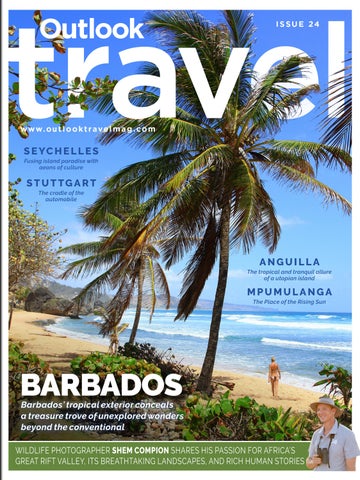
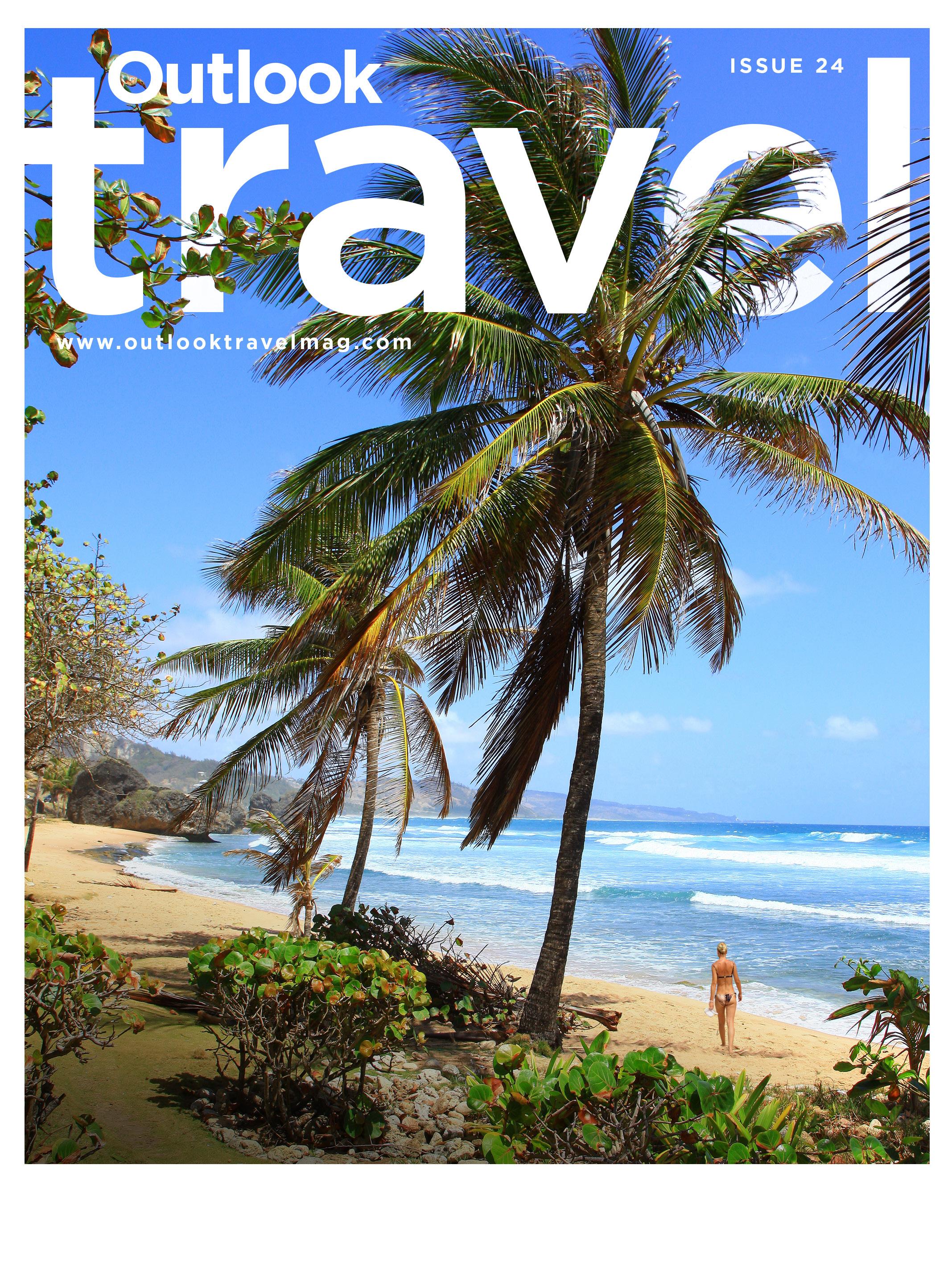
Barbados’ tropical exterior conceals a treasure trove of unexplored wonders beyond the conventional



























Africa Outlook, APAC Outlook, EME Outlook, North America Outlook, Mining Outlook, Healthcare Outlook, Manufacturing Outlook, Supply Chain Outlook, Food & Beverage Outlook, Construction Outlook, and Sustainability Outlook are digital publications aimed at boardroom and hands-on decision-makers, reaching an audience of more than 800,000 people around the world.
With original and exclusive content compiled by our experienced editorial team, we look to promote the latest in engaging news, industry trends, and success stories from across the globe.
Your company can join the leading industry heavyweights enjoying the free exposure we provide across our platforms with a free marketing brochure, extensive social media saturation, enhanced B2B networking opportunities, and a readymade forum to attract new investment and help you grow your business.
Visit www.outpb.com/work-with-us for details on how your company can feature for free in one of our upcoming editions.
EDITORIAL

Head of Editorial: Jack Salter jack.salter@outpb.com
Deputy Head of Editorial: Lucy Pilgrim lucy.pilgrim@outpb.com
Senior Editor: Lily Sawyer lily.sawyer@outpb.com
Editor: Ed Budds ed.budds@outpb.com
Editor: Rachel Carr rachel.carr@outpb.com
Copy Editor: Lauren Kania lauren.kania@outpb.com
PRODUCTION
Art Director: Stephen Giles steve.giles@outpb.com
Senior Designer: Devon Collins devon.collins@outpb.com
Designer: Louisa Martin louisa.martin@outpb.com
Production Manager: Alex James alex..james@outpb.com
Digital Marketing Director: Fox Tucker fox.tucker@outpb.com
Website Content Manager: Oliver Shrouder oliver.shrouder@outpb.com
Social Media Executive: Jake Crickmore jake.crickmore@outpb.com
BUSINESS
Chief Executive Officer: Ben Weaver ben.weaver@outpb.com
Managing Director: James Mitchell james.mitchell@outpb.com
Chief Technology Officer: Nick Norris nick.norris@outpb.com
Content Director: Neil Perry neil.perry@outpb.com
Global Head of Media: Lewis Hammond lewis.hammond@outpb.com
Global Media Executive: Kai Boyle-Vennard kai@outpb.com
ADMINISTRATION
Finance Director: Suzanne Welsh suzanne.welsh@outpb.com
Finance Assistant: Victoria McAllister victoria.mcallister@outpb.com
CONTACT
Outlook Travel magazine
Norvic House, 29-33 Chapelfield Road
Norwich, NR2 1RP, United Kingdom
Sales: +44 (0) 1603 804 445
Editorial: +44 (0) 1603 804 431
SUBSCRIPTIONS
Tel: +44 (0) 1603 804 431 jack.salter@outpb.com www.outlooktravelmag.com
Instagram: www.instagram.com/outlooktravelmagazine
Linkedin: www.linkedin.com/showcase/outlook-travel-magazine

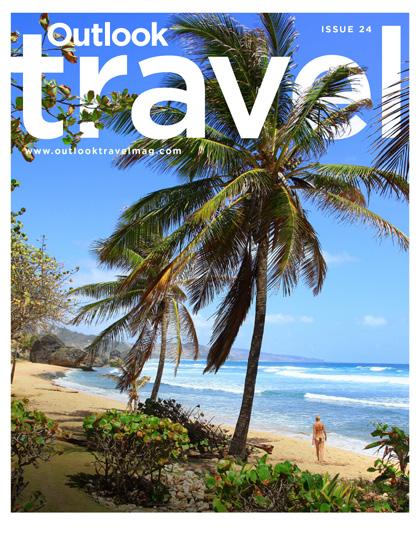
Welcome to our 24th edition of Outlook Travel magazine.
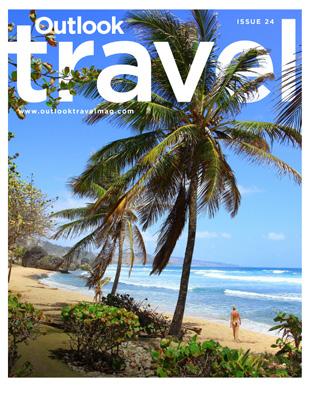
In the words of Rihanna’s debut single, Pon de Replay, we ‘play it again’ and revisit the white sandy beaches of Barbados on this issue’s idyllic front cover.
The island’s tropical exterior conceals a treasure trove of unexplored wonders beyond the conventional, with the true soul of this Caribbean haven found in its powerful spirit.
To best experience Barbados, one must dive beneath the surface to access much more than just a picture-perfect postcard.
Indeed, Barbados isn't just a luxury beach escape – it’s an immersive journey through culture, history, and island life.
“First-time visitors can immerse themselves in the vibrant cultural rhythm of the island through cuisine, music, community initiatives, festivals, and heritage,” highlights Andrea Franklin, CEO of Barbados Tourism Marketing Inc., who we last spoke to in September 2024.
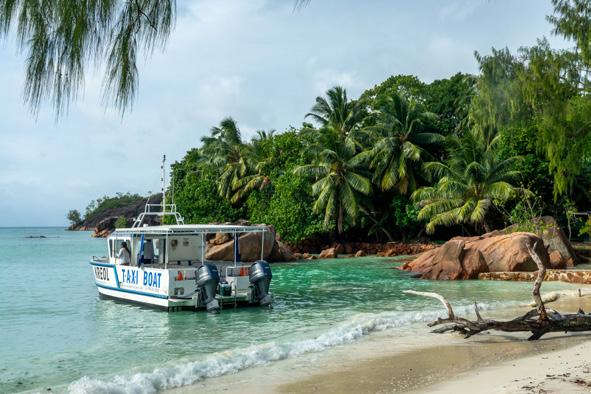
We also head back to Seychelles, whose 115 coral and granite islands are the definition of barefoot-island paradise, blanketed in natural beauty and allure.
Woven together with cultural threads from Africa, Asia, Europe, and the Caribbean, Seychelles is one of the world’s most sought-after tropical holiday destinations.
“The archipelago is one of the very last places on Earth that is still uncommercialised. It’s uniquely pure, and as our slogan goes, it’s truly another world when you step into Seychelles,” shares Sherin Francis, Principal Secretary, in our latest interview with Tourism Seychelles.
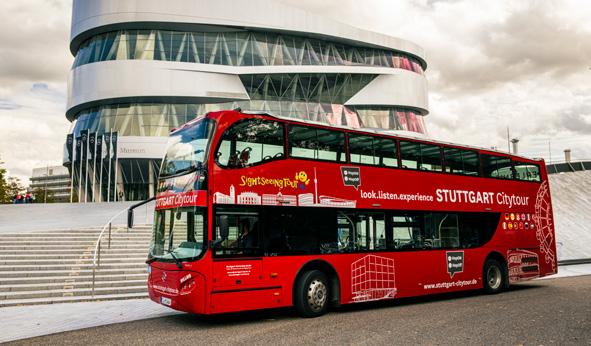
In Stuttgart, known as the ‘cradle of the automobile’, the German city holds a proud heritage in the realm of vehicle production.
Germany’s ‘Autohauptstadt’, or ‘car capital’, is a major centre for automotive R&D and production, home to a strong engineering culture and famous car museums.
“Our two iconic car museums – the Mercedes-Benz Museum and the Porsche Museum – are must-sees, not only for enthusiasts but for anyone interested in design, innovation, and contemporary history,” acclaims Armin Dellnitz, Managing Director of Stuttgart-Marketing GmbH.
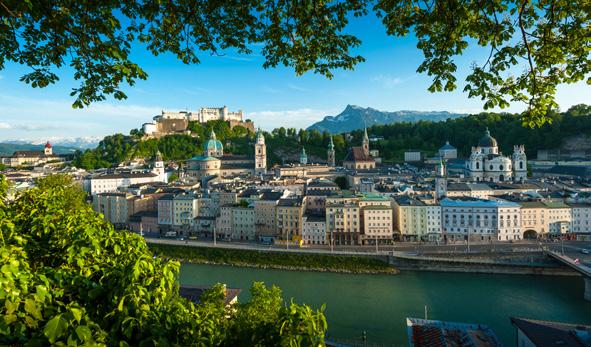
Just a four-hour drive away, in neighbouring Austria, we also guide you through Salzburg, famed as the birthplace of Wolfgang Amadeus Mozart and filming location for The Sound of Music.
Anguilla, the British Virgin Islands, and Mpumalanga round off our first issue of 2026.
Enjoy your read and happy travels!
Jack Salter Head of Editorial, Outlook Publishing
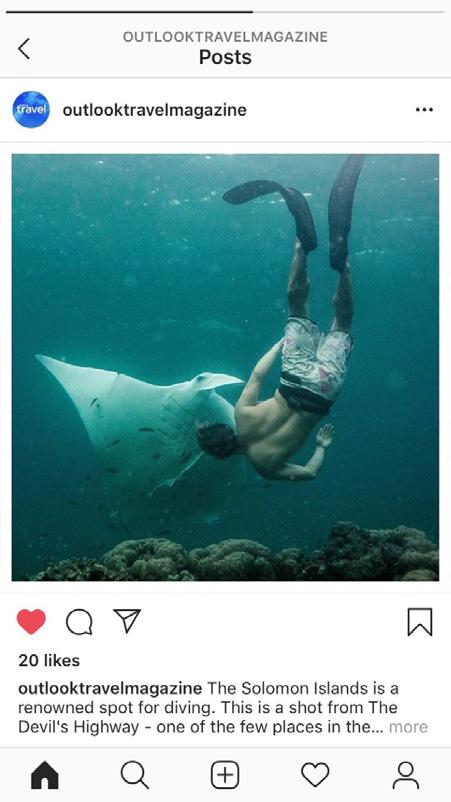


Discover the power of engagement with Outlook Travel magazine’s social media platforms.
Our Instagram feed showcases inspiring photographs of the destinations we cover, as well as featuring shots of our favourite hand-selected hotels.
Meanwhile, our feed on LinkedIn provides you with a dedicated network of travel professionals to connect with. You can also find us on TikTok and Facebook.
Follow us on social media for updates and travel inspiration


SION, A TRAVEL agency commission tracking platform, has been acquired by rewards and credit card company, Bilt, in a deal worth USD$30 million.
The platform enables travel advisors to monitor and manage commission payments more efficiently.
Sion’s co-Founders, Irving Betesh and Alfons Musry, will continue to
lead the company, operating independently under Bilt’s ownership. Musry described the move as a significant step forwards for both the business and its customers.
With more than 8,000 travel advisors already using the platform, the acquisition also allows Bilt to expand its growing hospitality ecosystem.
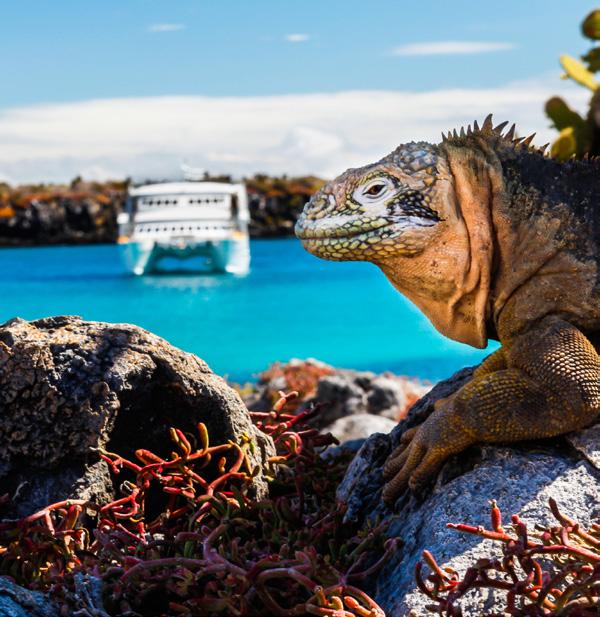
CELEBRITY CRUISES HAS opened bookings for its 2028 Galápagos expeditions aboard the Forbes Travel Guide-rated Celebrity Flora.
More than 50 all-inclusive voyages are scheduled throughout the year, offering guests immersive opportunities to explore the unique
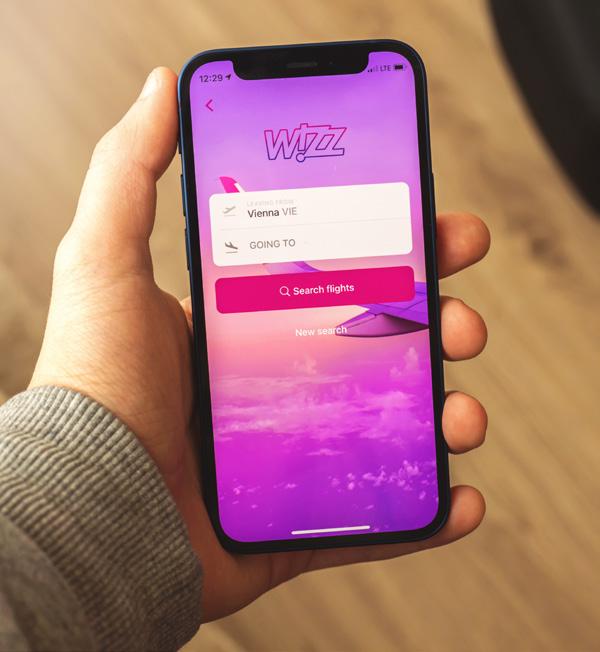
WIZZ AIR HAS reopened sales of its WIZZ MultiPass subscription service in the UK, giving travellers the option to secure fixed prices on flights and selected add-ons for an entire year.
Available across all international routes to and from the UK, the subscription model enables passengers to pay a monthly fee whilst locking in flight prices regardless of seasonal demand or last-minute booking fluctuations.
The initiative is designed to offer greater price certainty and flexibility for frequent travellers.
wildlife and landscapes of the island archipelago.
Experiences include snorkelling alongside sea lions, kayaking with sea turtles, and guided shoreline explorations beneath dramatic volcanic cliffs.
Each itinerary is led by expert naturalists from Galápagos National Park, ensuring travellers gain deeper insight into the region’s remarkable biodiversity.
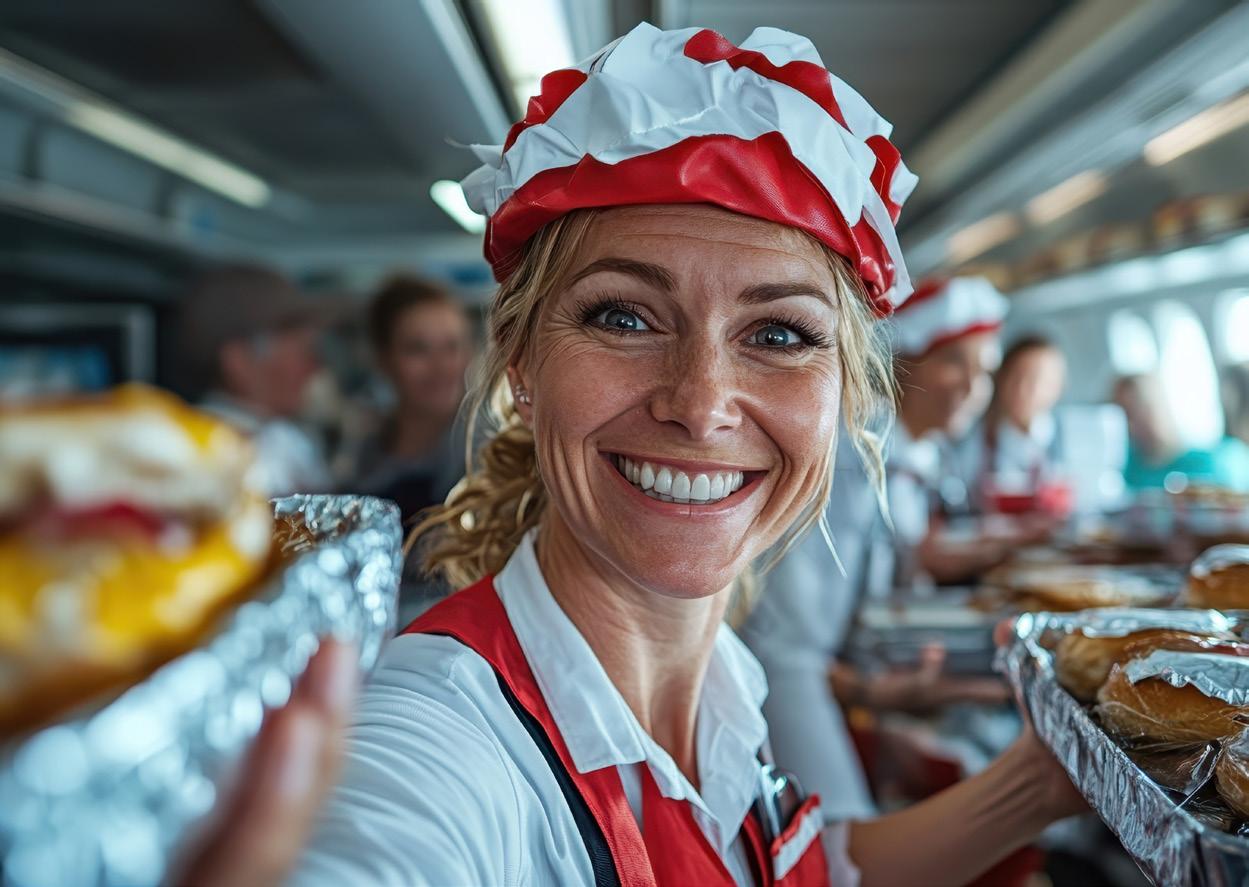
AMERICAN AIRLINES (AMERICAN) has partnered with Smash Kitchen – a better-for-you food brand – to introduce a new in-flight dining option on select routes.
The fast-growing food and beverage company is known for its bold flavours and emphasis on
AIRPORTS
PLANS TO OPEN a new and significantly larger Admirals Club® lounge at Austin-Bergstrom International Airport (AUS) in Texas have been announced by American. The upgraded facility will cover more than 12,000 square feet on the west side of the terminal, effectively doubling the airline’s current lounge space.
This new design will also introduce a first for American’s lounge network –an outdoor terrace offering panoramic
simple, high-quality ingredients. Inspired by Texan barbecue traditions, actor Glen Powell co-Founded Smash Kitchen in 2025 alongside Sameer Mehta and Sean Kane.
Through the collaboration, passengers will be able to enjoy a refreshed onboard culinary experience designed to elevate in-flight meals and evolve customer taste.
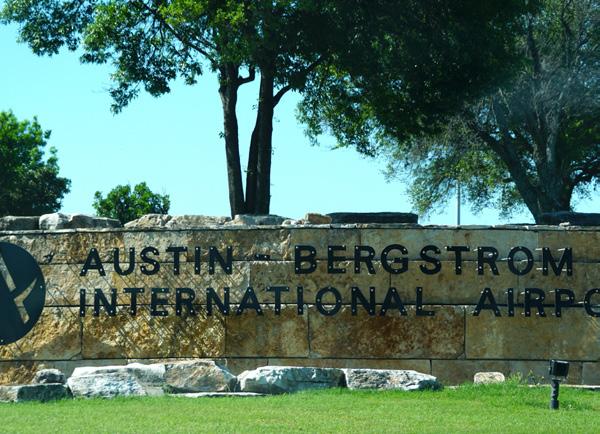
views of the airfield and downtown Austin.
The project forms part of the airline’s broader investment in premium customer experiences and its continued commitment to the Austin community.
TECHNOLOGY THE INTERNATIONAL AIR Transport Association (IATA) is accelerating the adoption of artificial intelligence (AI) across the air cargo sector through a series of new initiatives.
These initiatives aim to enhance operational efficiency, strengthen safety and regulatory compliance, and encourage innovation across the global cargo supply chain.
By promoting the development and responsible deployment of AI-driven tools, IATA hopes to help airlines, logistics providers, and industry partners optimise cargo operations whilst supporting the continued digital transformation of the sector.

SUSTAINABILITY INTERCONTINENTAL DANANG
SUN Peninsula Resort in Vietnam has received its first certification from sustainability performance body, Green Globe, recognising a commitment to responsible tourism and environmental stewardship.
Set within 39 hectares of protected rainforest overlooking a private bay on the Son Tra Peninsula, the resort integrates sustainable practices into its operations whilst preserving the surrounding ecosystem.
Careful planning has allowed both guests and wildlife to coexist across the resort, including the installation of dedicated ‘monkey bridges’ designed to help protect native species.
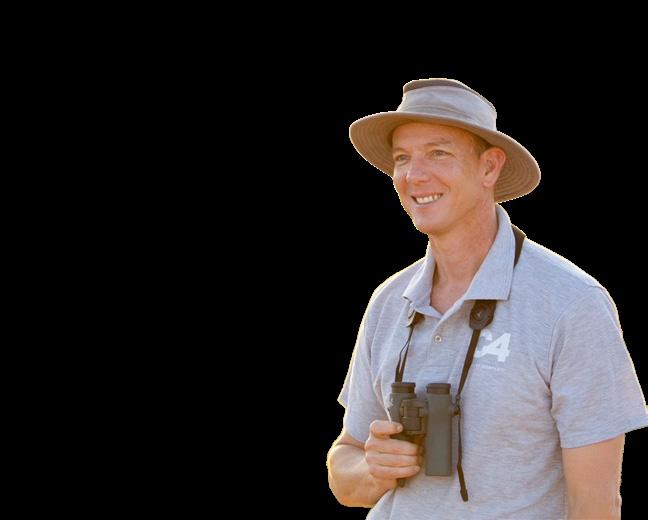
Acclaimed wildlife photographer Shem Compion shares his passion for Africa’s Great Rift Valley, delves into his latest book on the subject, and reflects on the balance of capturing both its breathtaking landscapes and rich human stories, inspiring others to see the world through his lens
WRITER: RACHEL CARR | PHOTOGRAPHY: SHEM COMPION
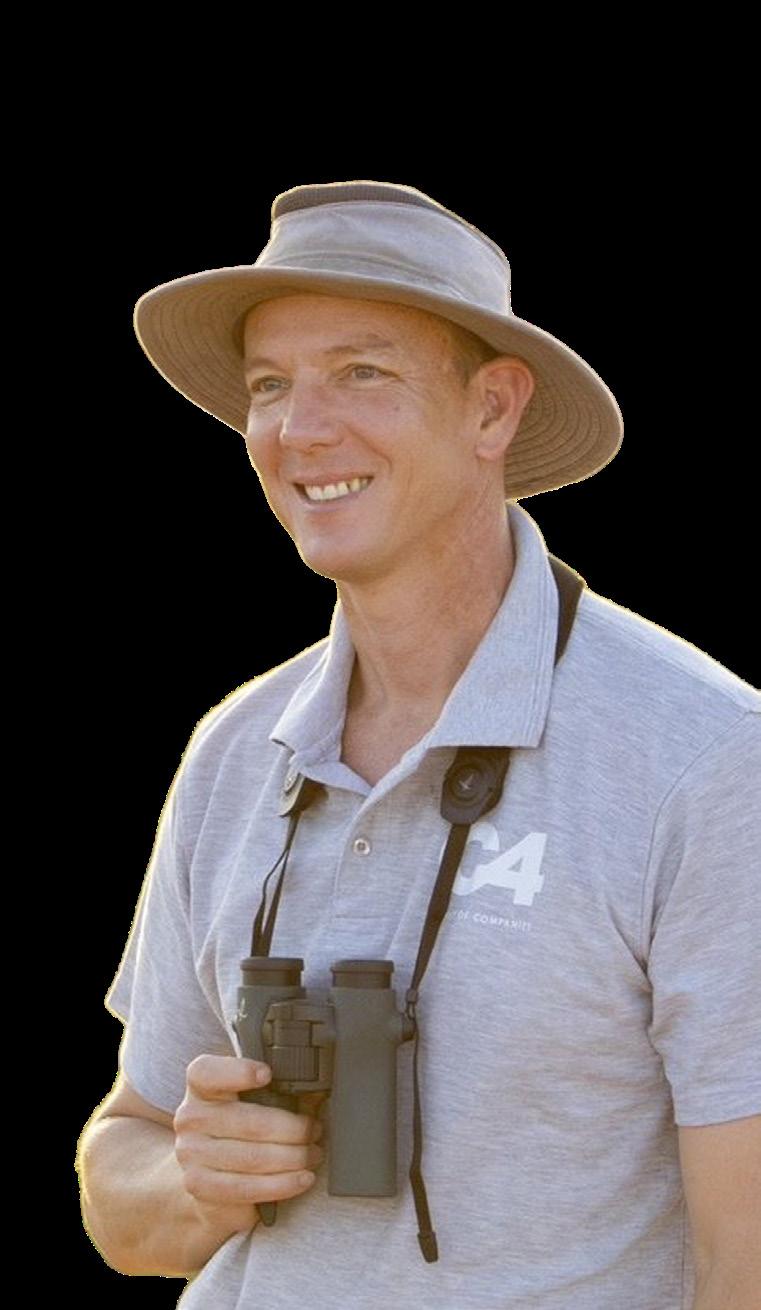

orn in the vibrant city of Cape Town, South Africa (SA), Shem Compion has devoted a significant part of his life to the adventurous exploration of Africa. His journey included a remarkable seven-month odyssey in a rugged Land Rover, traversing diverse landscapes and immersing himself in the wild. Compion has climbed towering volcanoes and crafted specialised wildlife photography hides, deepening his connection to the breathtaking nature of the African continent.
Compion is also a distinguished co-Founder and Managing Director of C4 Photo Safaris, and co-Founder
Photo Mashatu and Nurture Africa Safaris
Renowned for his evocative imagery, he has won awards in some of the world’s most prestigious photography competitions, showcasing his extraordinary talent.
In 2021, Compion co-produced the highly acclaimed documentary Zero to Zero, which powerfully chronicles the impact of the COVID-19 pandemic in SA and is notable for shining an unfiltered
light on frontline healthcare workers and adding a personal perspective.
His exceptional naturalist skills, coupled with a creative photographic approach, have led him to collaborate with the BBC’s esteemed Natural History Unit on the landmark series Planet Earth and to contribute to two spectacular Netflix series, Tales by Light, which capture the wonders of the natural world.
In 2009, Compion published his first book, A Landscape of Insects and Other Invertebrates, and has since expanded his literary portfolio with six additional titles, including If Trees Could Talk and the three-part series Insider’s Guide: Top Wildlife Photography Spots, which takes readers on an exploration of the most remote and breathtaking destinations in southern Africa.
Compion is a sought-after speaker at international photography and nature events, where he passionately shares insights and experiences.
A fellow of the Royal Geographical Society in London, he currently resides in Pretoria, SA, where his love for the planet and photography continue to inspire his work.
Outlook Travel (OT): Firstly, what drew you to working in travel photography and Africa’s Great Rift Valley in particular?
Shem Compion (SC): I started taking photos in 2000, quickly combining my naturalist background with the camera to photograph wildlife.
In 2002, on a seven-month self-drive expedition into Africa to ‘live as a photographer’, I had my first real glimpse of the Great Rift Valley as I drove along the escarpment edge near Lake Nakuru in Kenya. Rounding a corner and seeing the lake with thousands of pink flamingos, some 700 metres below, stopped me in my tracks.
The dramatic landscape, the lake, and an incredible pink wildlife phenomenon – all in one scene – captured my imagination right there.
OT: What inspired your recently released book, The Rift: The Scar of Africa, and is there a personal connection to the subject?
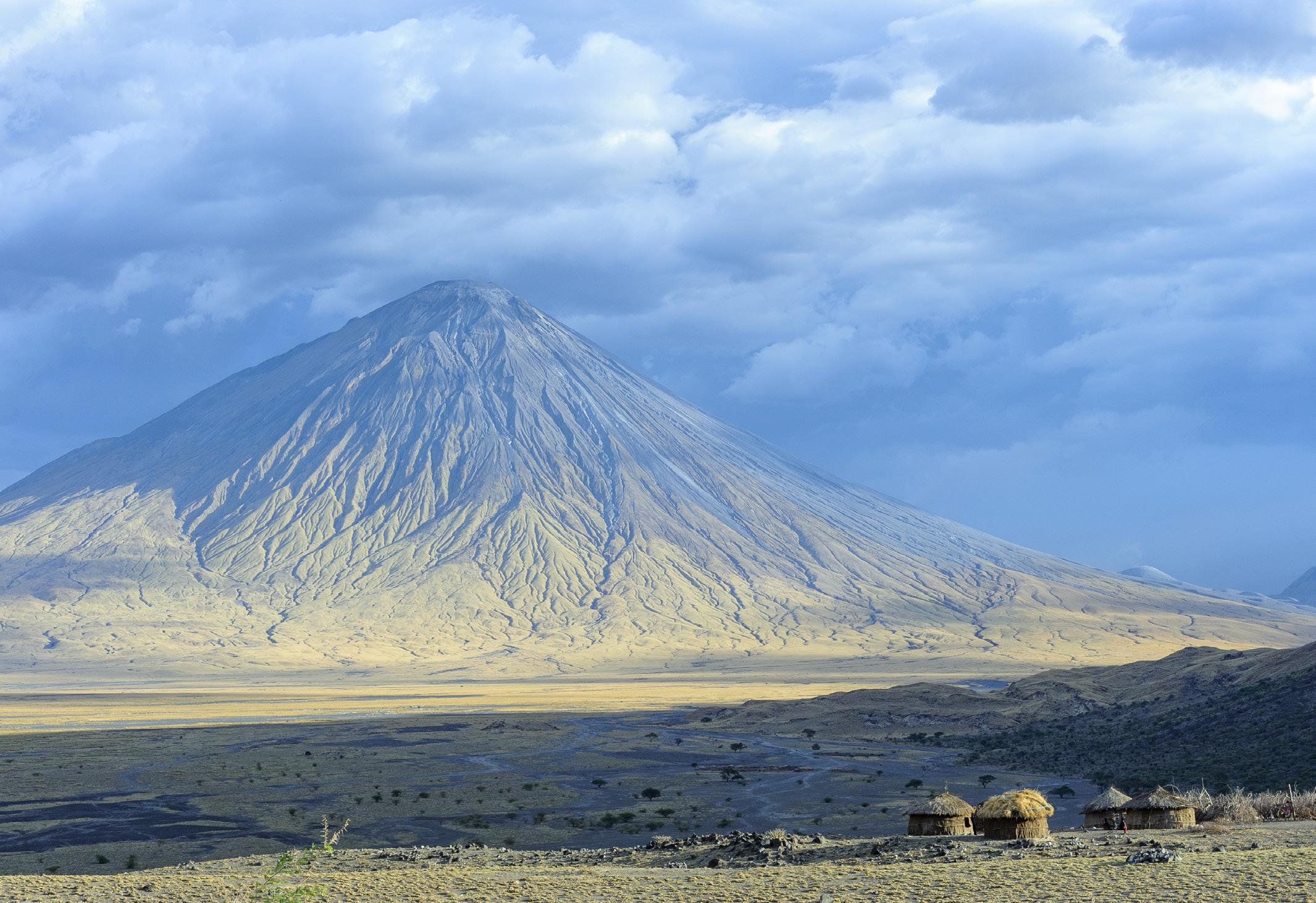
SC: Seeing the Great Rift Valley from the top of the Ol Doinyo Lengai volcano in Tanzania is as dramatic a scene as you can get.
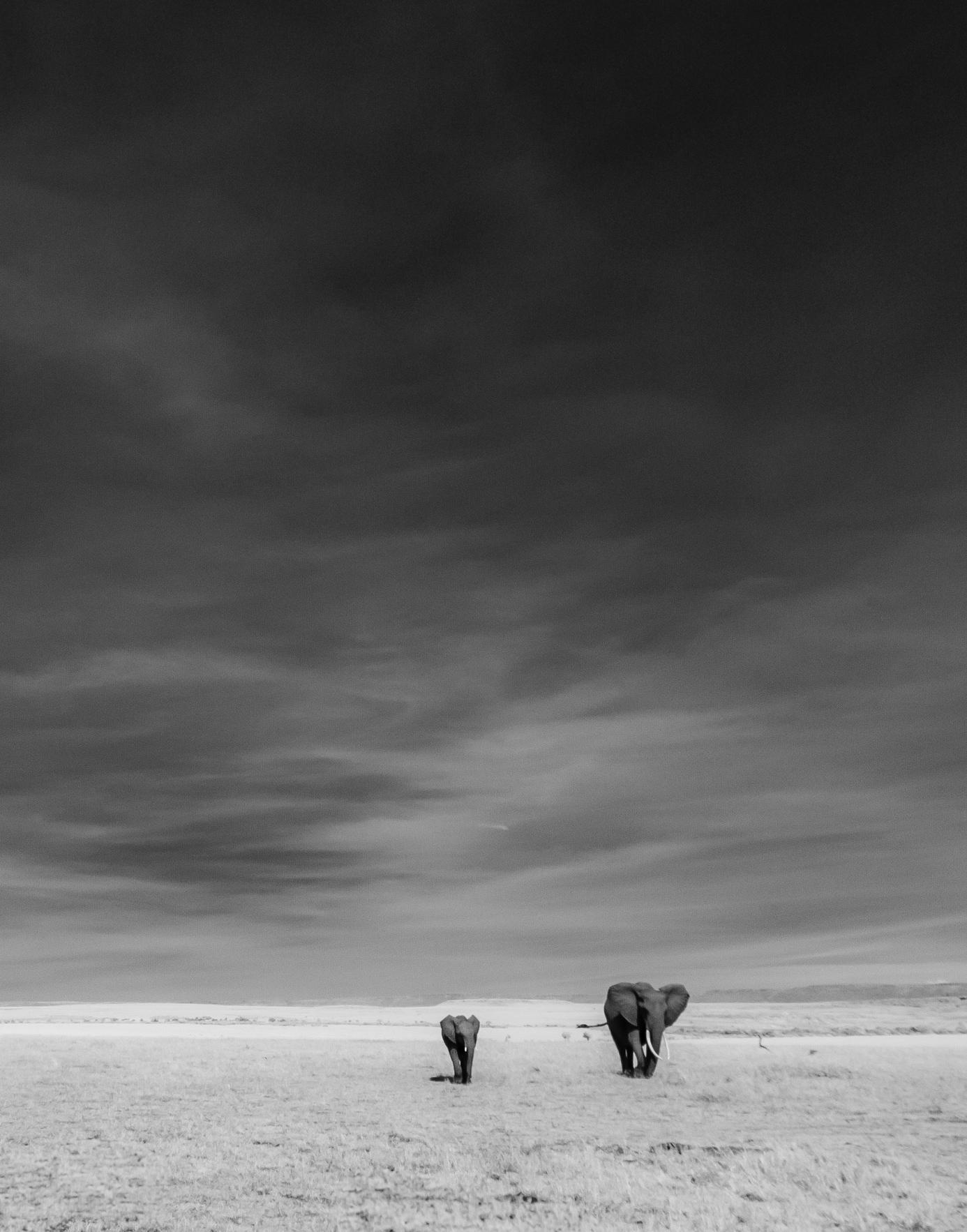
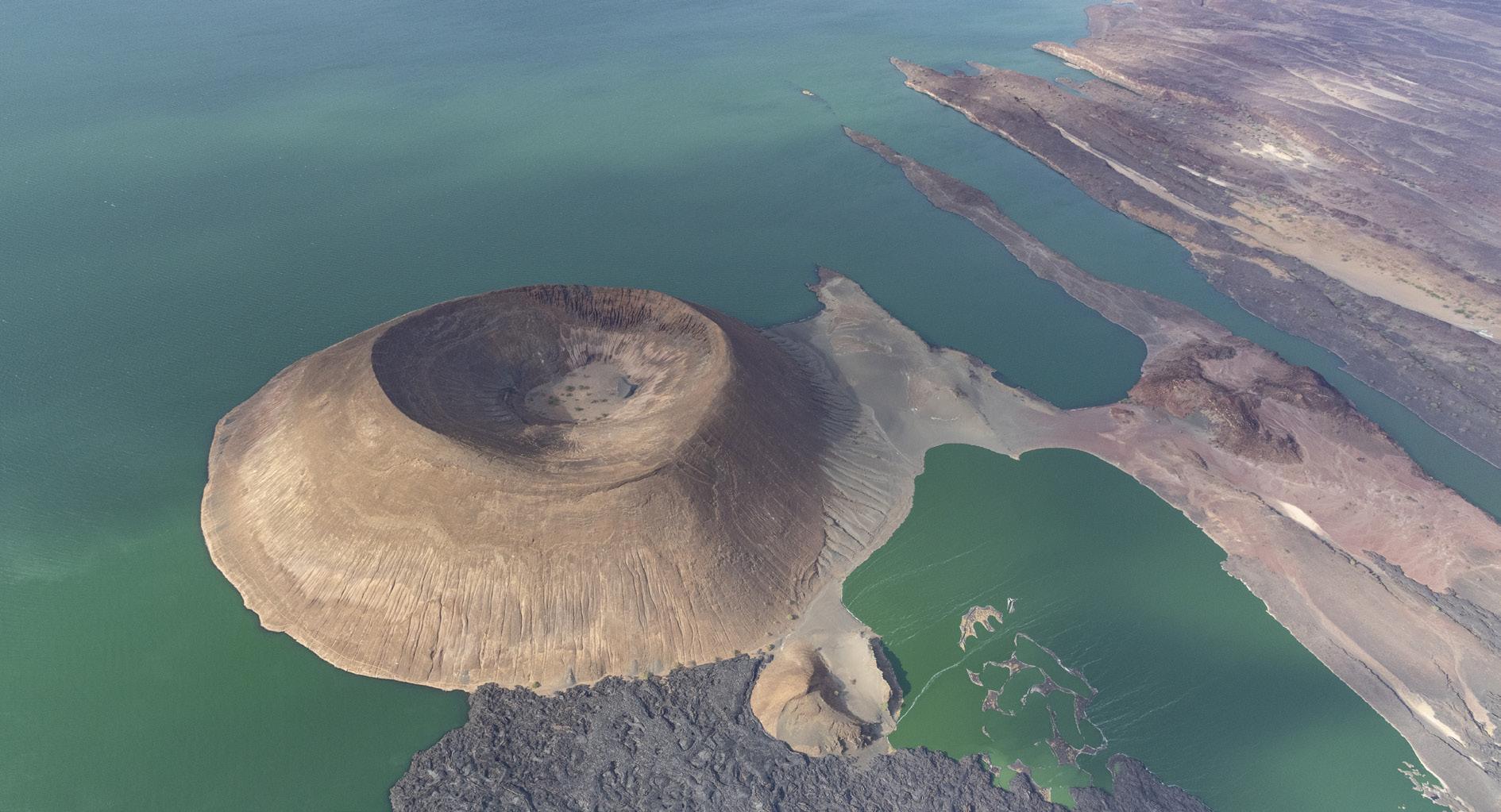
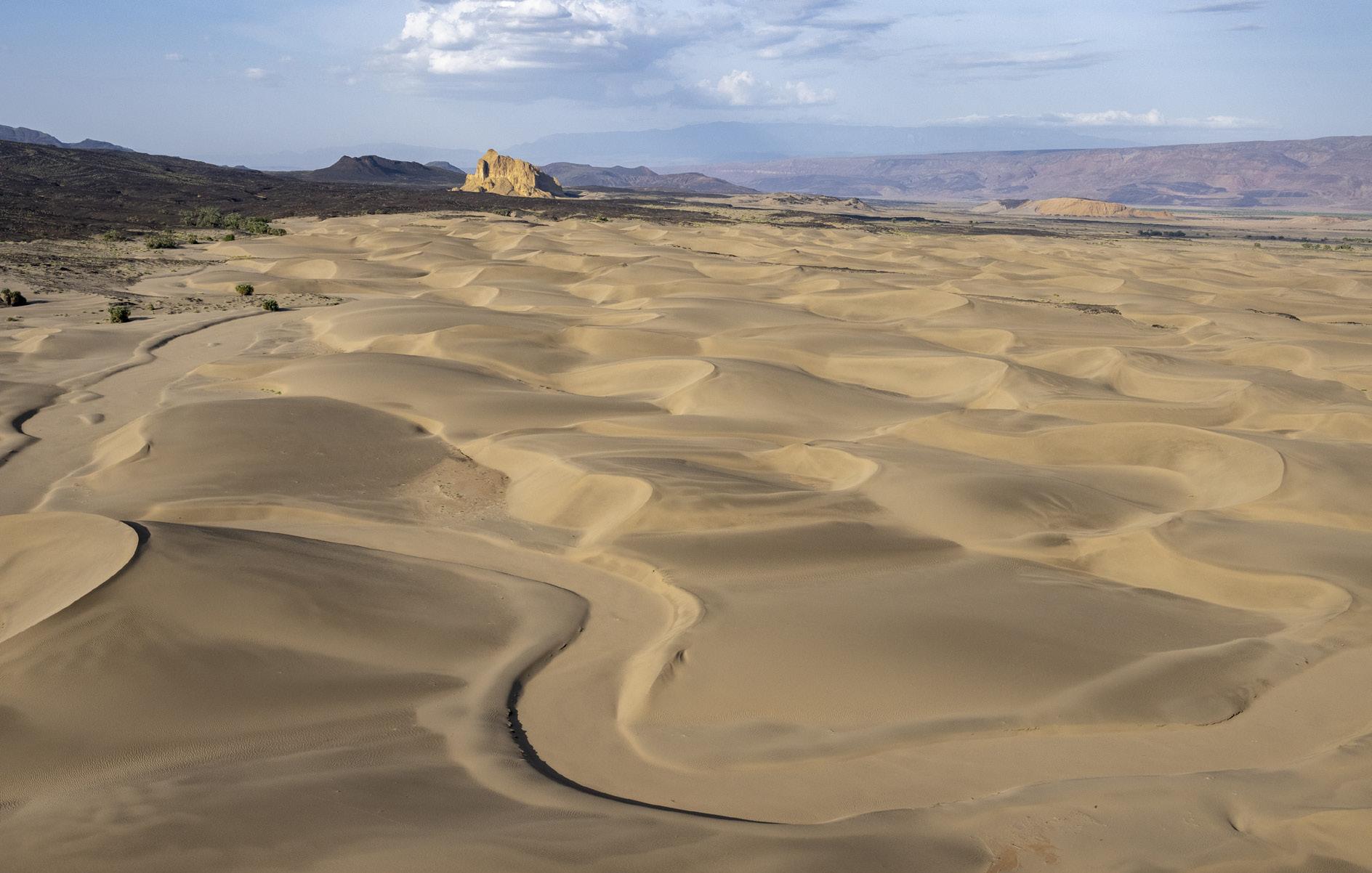
Played out below are the Serengeti plains, Lake Natron filled with flamingos, a large escarpment scar, 10,000-year-old footprints encased in lava, and scattered Maasai villages. It’s a single scene that tells the story of the Rift.
My 20 years of guiding across Africa have embedded
in me a love of sharing Africa’s secrets, and here, on top of the volcano, was the best secret to be told. That was very inspiring to me – combining all these intangibles into one tangible book, The Rift: Scar of Africa.
Personally, three generations of my family lived on the rift edge in Elburgon, Kenya, with many stories of their pioneering life within the Great Rift Valley.
It mirrors the same steps many millions of others have taken across the Rift over millennia, and sharing these stories was a strong personal connection for me.
OT: What do you find most exciting about this kind of work?
SC: I find sharing the secrets of the Rift with others so very thrilling. Not only does it house the world’s largest wildlife populations, but it’s also a cultural hotspot, a biodiverse laboratory, and lastly, the crucible of humanity’s origins.
Unearthing and sharing these treasures with guests on safari and via my book is incredibly thrilling to me.
OT: On the flip side, what are the biggest challenges?
SC: The Rift has so many stories, many of them fascinating yet intangible. To bring this together into one coherent project was a tough challenge.
I want stories of the Rift to shine, but I didn’t want to overburden the project with heavy academia. I believe we found the right balance in connecting a person looking at the book to the Rift.
The Maasai, living in the shadow of the active Ol Doinyo Lengai volcano, consider it the ‘Mountain of God’ due its frequent changes in shape and colour from eruptions
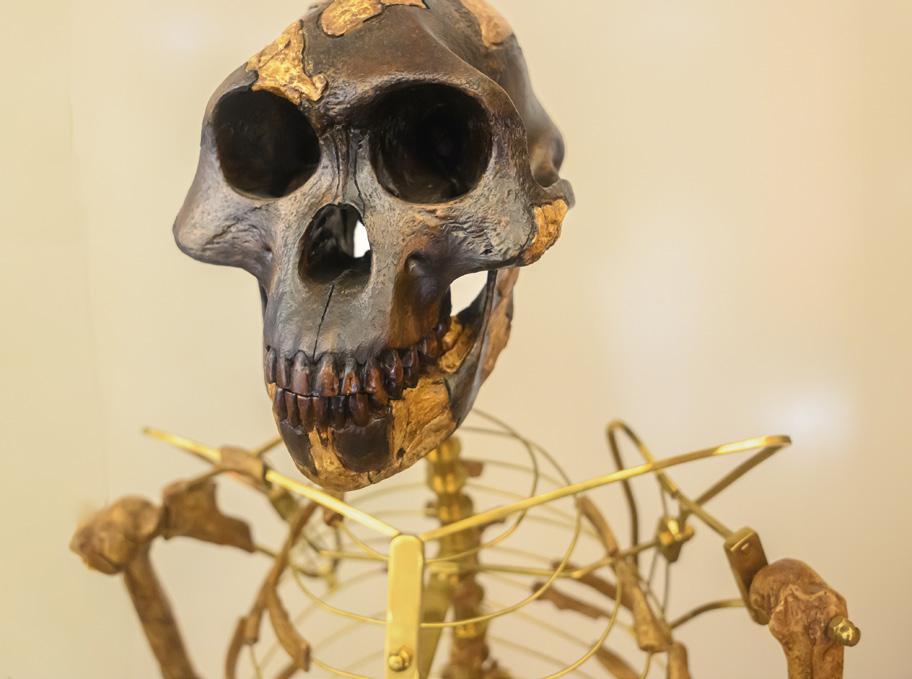
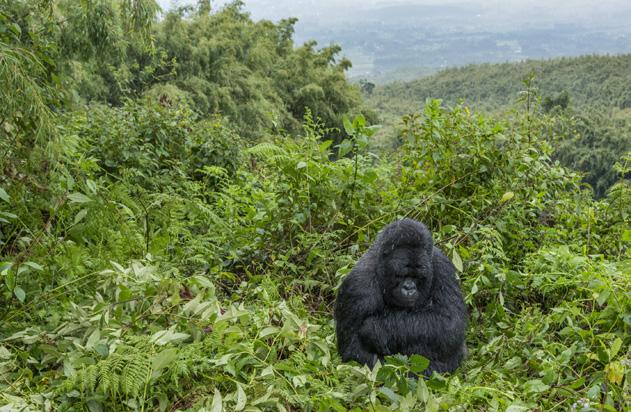
Left: On the eastern arc of the Rift,
gorillas are confined to the Virunga volcano complex that extends over the borders of the Democratic Republic of the Congo, Uganda, and Rwanda
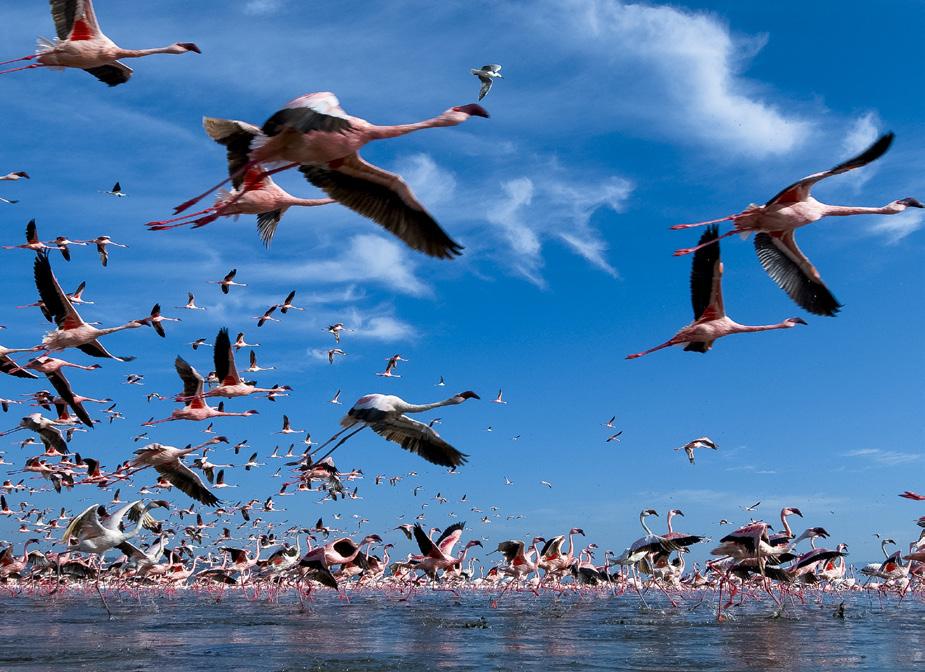
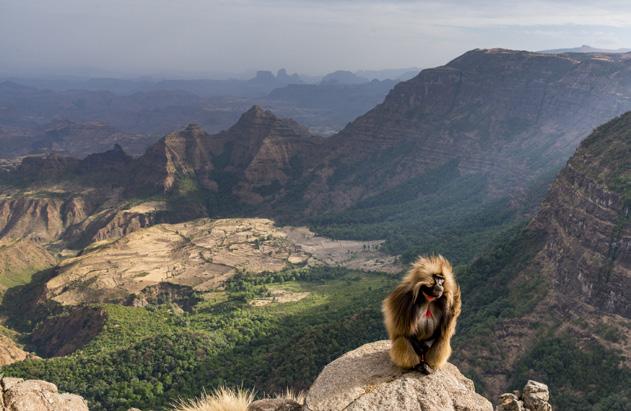
Left: The vertical rise of the Simien Mountains in Ethiopia has led to incredibly high bird and mammal endemism. The gelada monkey, Ethiopian wolf, and Walia ibex are all endemic to Ethiopia and found across the mountains

This makes it so much more tangible – something to hold onto and celebrate. Ultimately, the challenge is the most rewarding aspect.
OT: How would you describe your style of photography, and how has it evolved over the years?
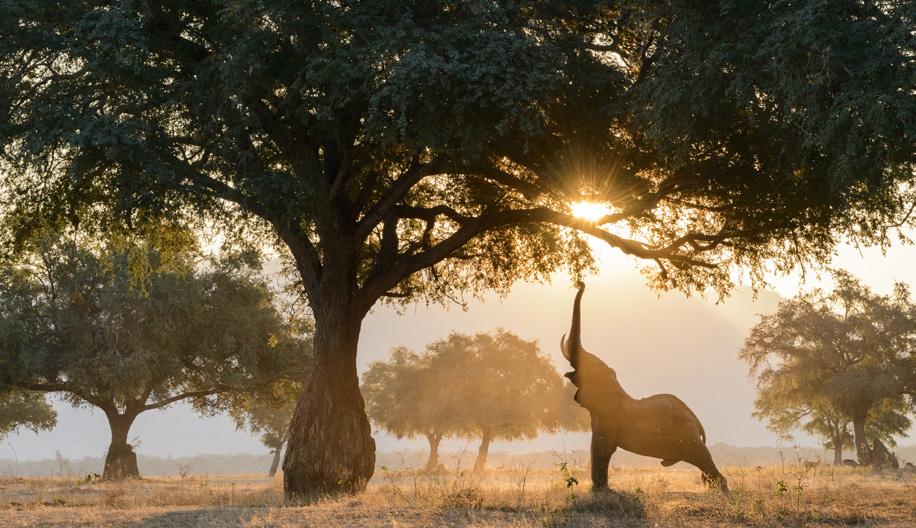
SC: Wide-scene images where the subject is a minor player in the narrative of how my style has been described. I like to let the subject ‘breathe’ – giving the rest of the image space to contribute to the story.
I find this lets the viewer settle on an image and read the whole sentence the image is trying to convey, rather than the word.
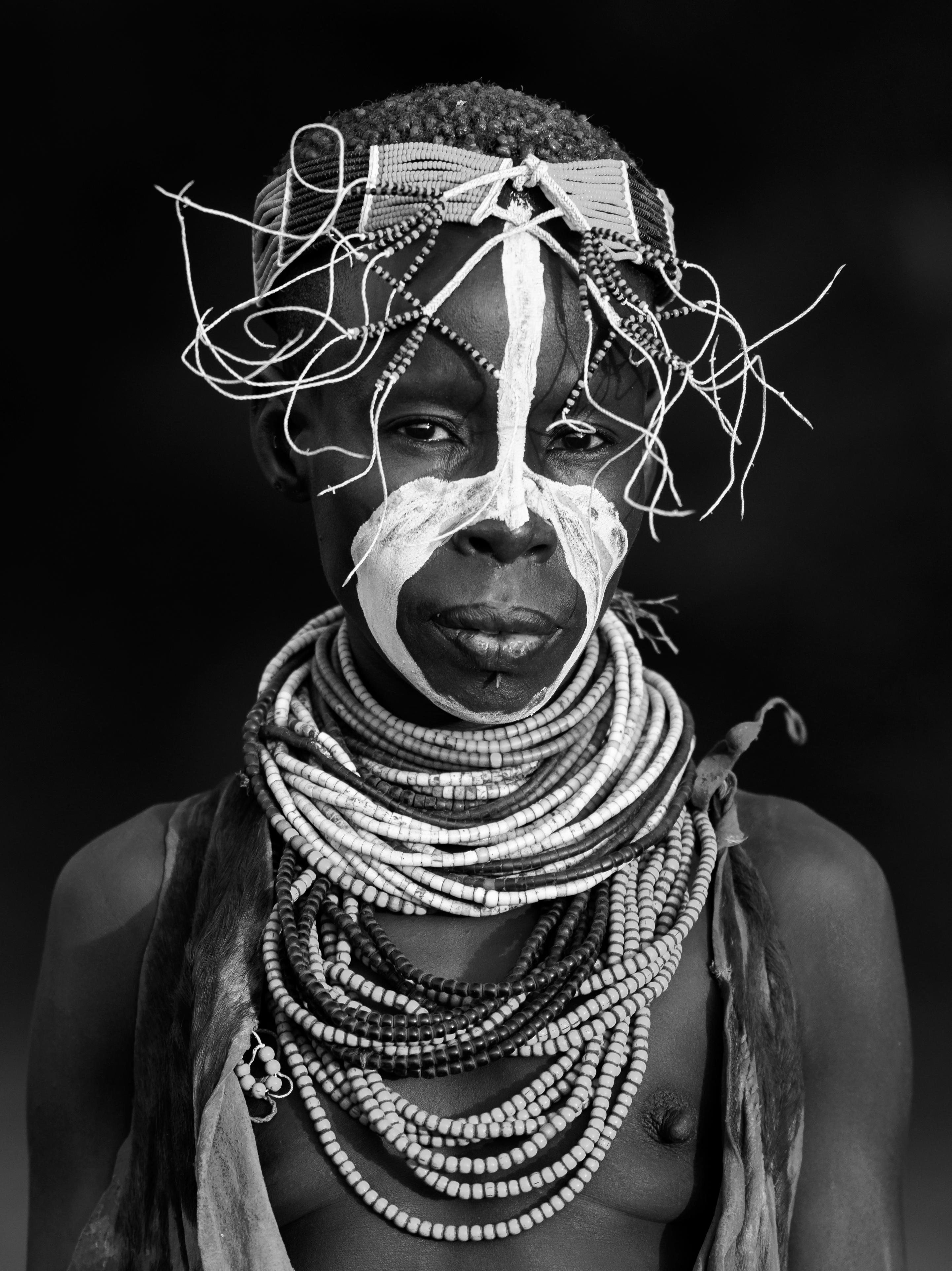
In 2012, I started visiting remote African cultures, many of which are in the book. This forced me to adopt a different approach to my style – one where I needed to let humanity shine.
Here, I took a step back, encouraged engagement, and captured expressions that are relaxed and engaged. Time was my friend here – allowing for mutual connections makes all the difference in an image.
Additionally, I was attracted to the detail and the intricate design found across many cultures in the Rift. By abstracting the detail and the design, I found I could reveal real beauty.
OT: What has been one of your favourite destinations to capture?
SC: The remote areas of Ethiopia’s Omo Valley are challenging, but also richly rewarding. Using boats on the Omo River makes the expeditions more intrepid, but it also gives you access to truly authentic experiences where the human connection is at its purest and the photography is transcendental.
OT: Have you been involved in any interesting assignments or projects recently that you’d like to highlight?
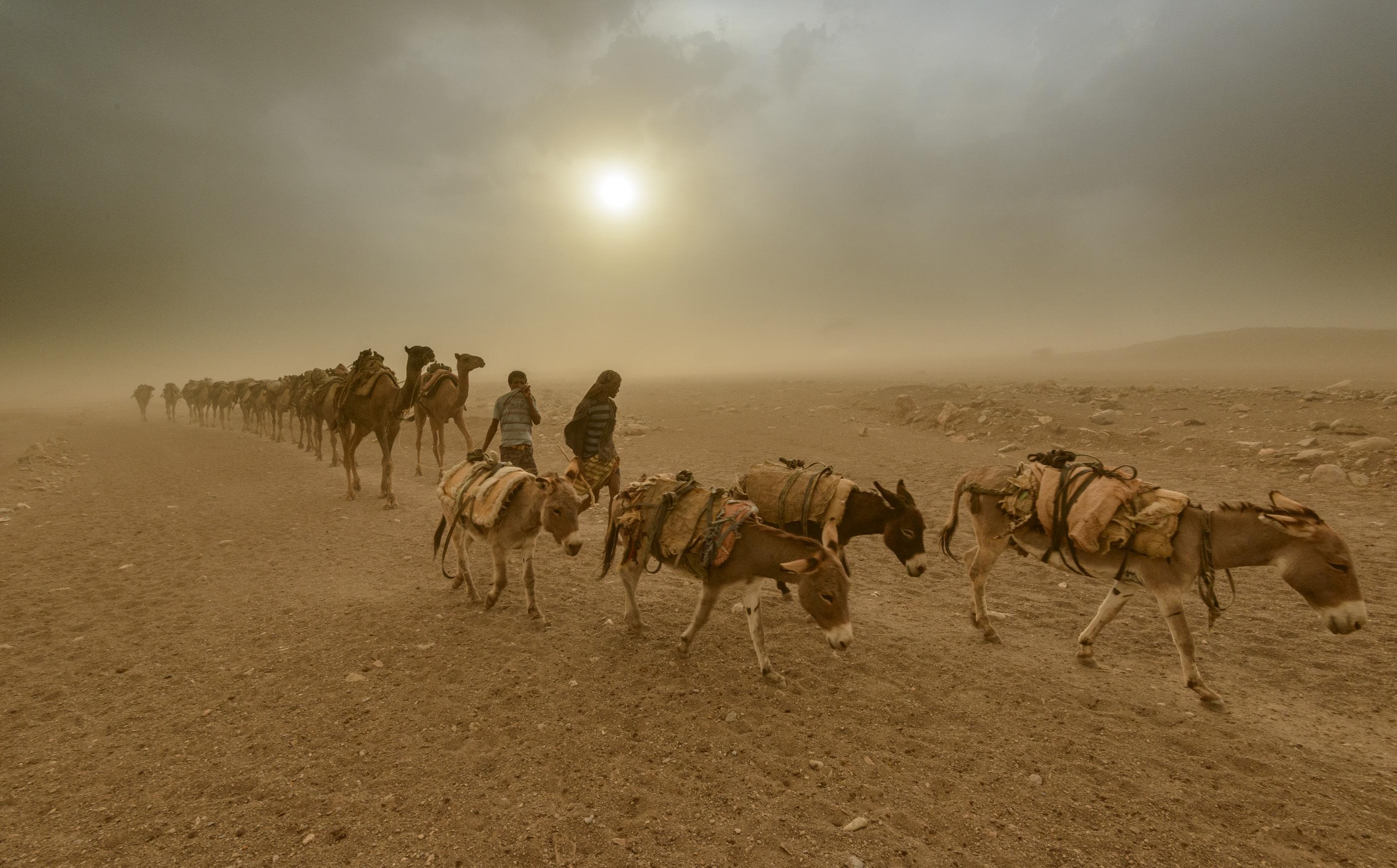
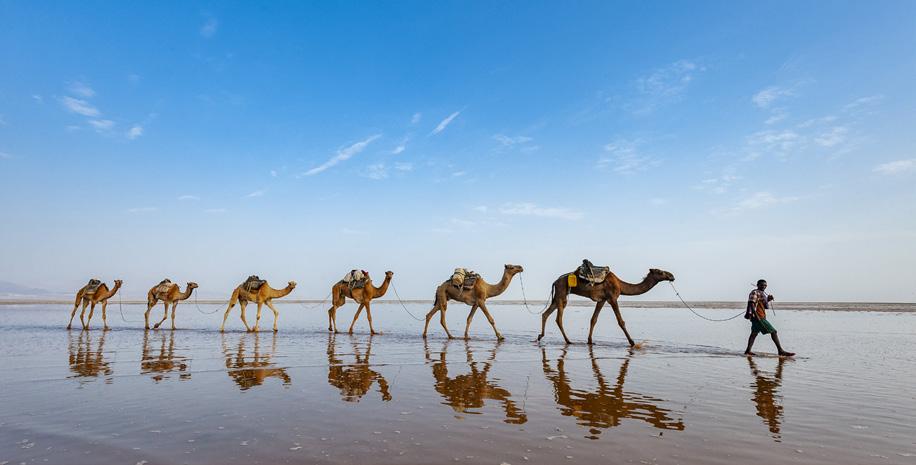
SC: All the most interesting assignments have been the private expeditions I have undertaken. These have led me to the Danakil Depression, remote regions of Northern Kenya, and up to the summit of Ol Doinyo Lengai volcano. On private trips, many memorable events happen, but hiking up the Volcano Erta Ale in Ethiopia in 2013 was as wild as it got. Upon arriving at the base of the volcano, I was assigned a military escort to hike the 15 kilometres to the crater.
As the only visitor in weeks, I was afforded the royal treatment, with the soldiers walking point, flanks, and sentinel – a sure sign that their engagement wasn’t just for show.
Body painting amongst the Suri warriors is both a marker of identity and an ethnographic record of their culture. I walked with these warriors for over an hour to a sacred site, where they began body painting, focusing on detail and gesture – abstracting the art from the culture.
That night, together with my guide, we photographed the volcano from a few meters away. I would take my cues from the guide, whose method of noting danger was twofold –first, watching for any changes in the wind, as the gases are noxious. That method was simple.
Second, he would watch the lava build pressure before popping and spraying everywhere – warning me to retreat. Afterwards, we would inch closer to the edge, and the game would start over.
Being so close to an active volcano, walking on soft, crusty lava cooled by the ground with my private armed military escort was a classic case of living close to the edge, but also demonstrated how brilliantly exciting travel in Africa can be.
OT: Finally, what’s next for the future? Are there any new destinations you’d like to cross off your bucket list?
SC: The more I dug into the Rift project, the more I discovered. That means yes, there are new places I want to travel to – specifically the Omo River Delta as it flows into Lake Turkana in northern Kenya.
The mix of cultures and wildlife in a meandering river delta is fascinating and largely untouched, mainly due to the area’s remote nature and difficult access.
“The Rift: Scar Of Africa by Shem Compion is available from www.therift.africa or hphpublishing.co.za/products/the-rift-by-shem-compion

In South Korea, coffee culture has evolved into an immersive experience where themed spaces provide a place to socialise, work, and unwind. The lively capital city, Seoul, is at the forefront of this trend, with quirky and cosy concept cafés that transform a traditional ritual into a modern, Instagrammable attraction. We highlight some of the most memorable cafés that blend aesthetics with ambience
WRITER: RACHEL CARR
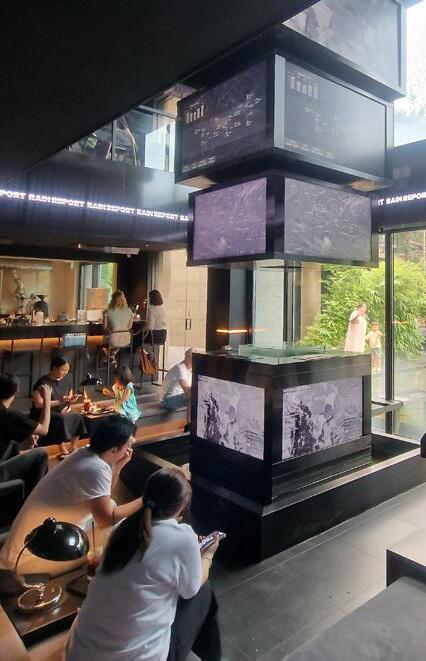
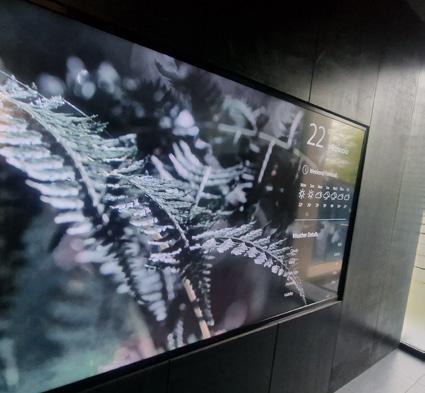
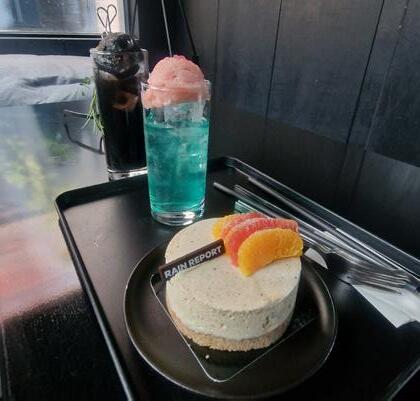
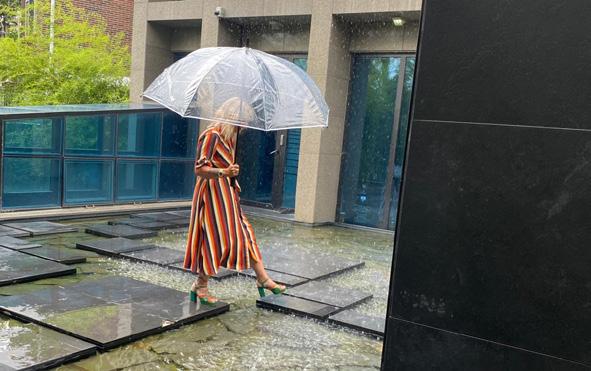
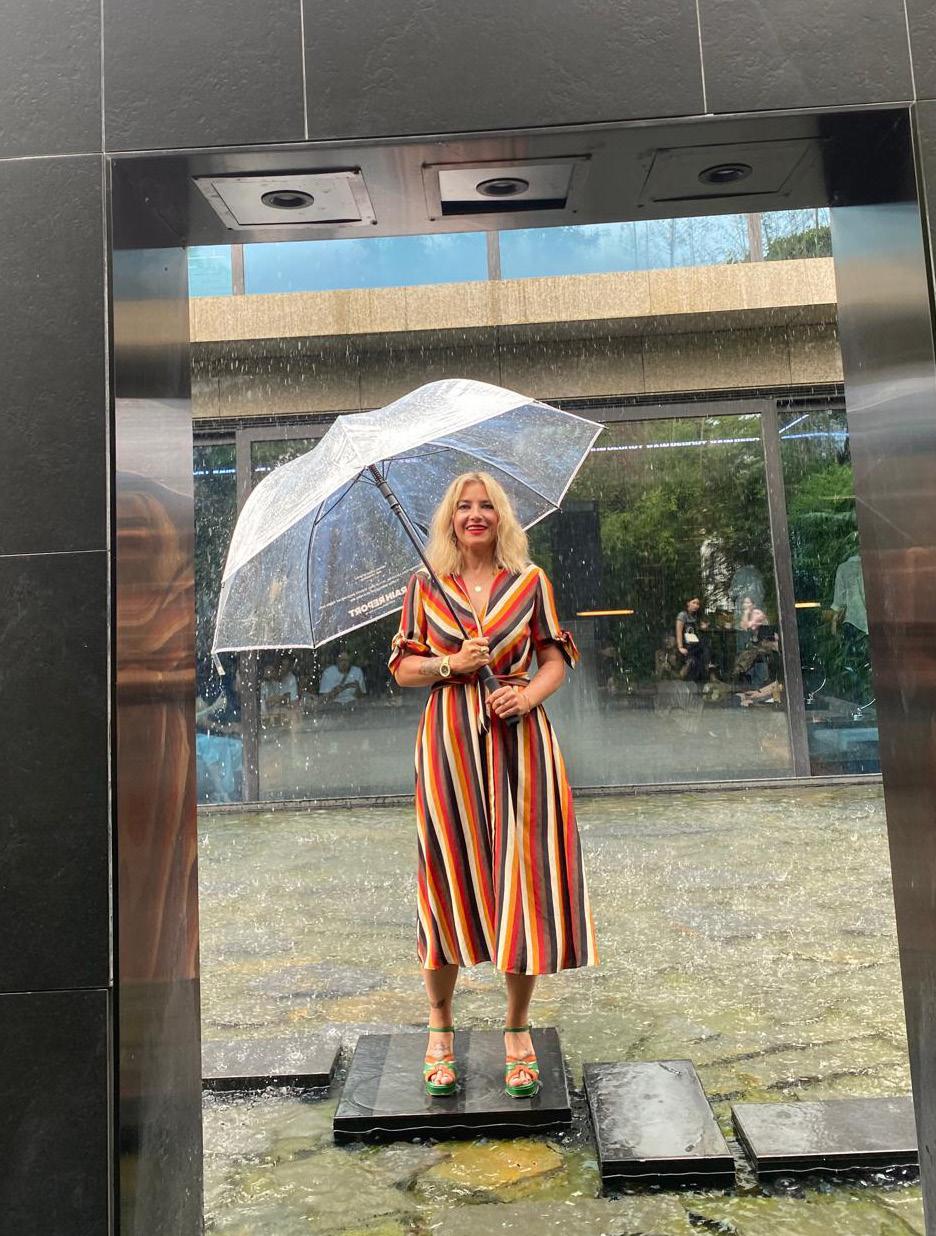
Tucked away in a quiet residential neighbourhood, adorned with swaying bamboo and vibrant greenery, Rain Report boasts a captivating, moody colour palette that envelops visitors in a distinct, inviting climate.
More than just a coffee shop, it offers an immersive escapade for all who enter. Inside, a central water feature creates a cosy feeling; outside, a spellbinding spectacle unfolds.
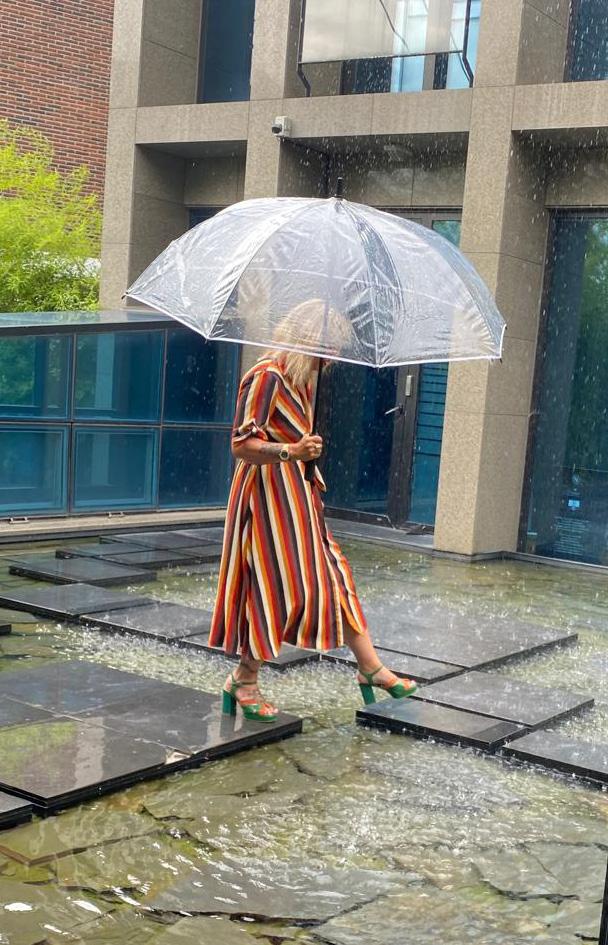
Gentle rain cascades every 15 minutes in the inner courtyard, enticing patrons to traverse the damp stepping stones cautiously, clutching one of the plastic umbrellas provided, where guests can seize the opportunity to capture a fun photograph amidst the ephemeral drizzle.
The menu entertains with weather-themed beverages and pastries, featuring creations like rainbow-hued croissants and ethereal cloud drinks, adding to the café’s magical charm.
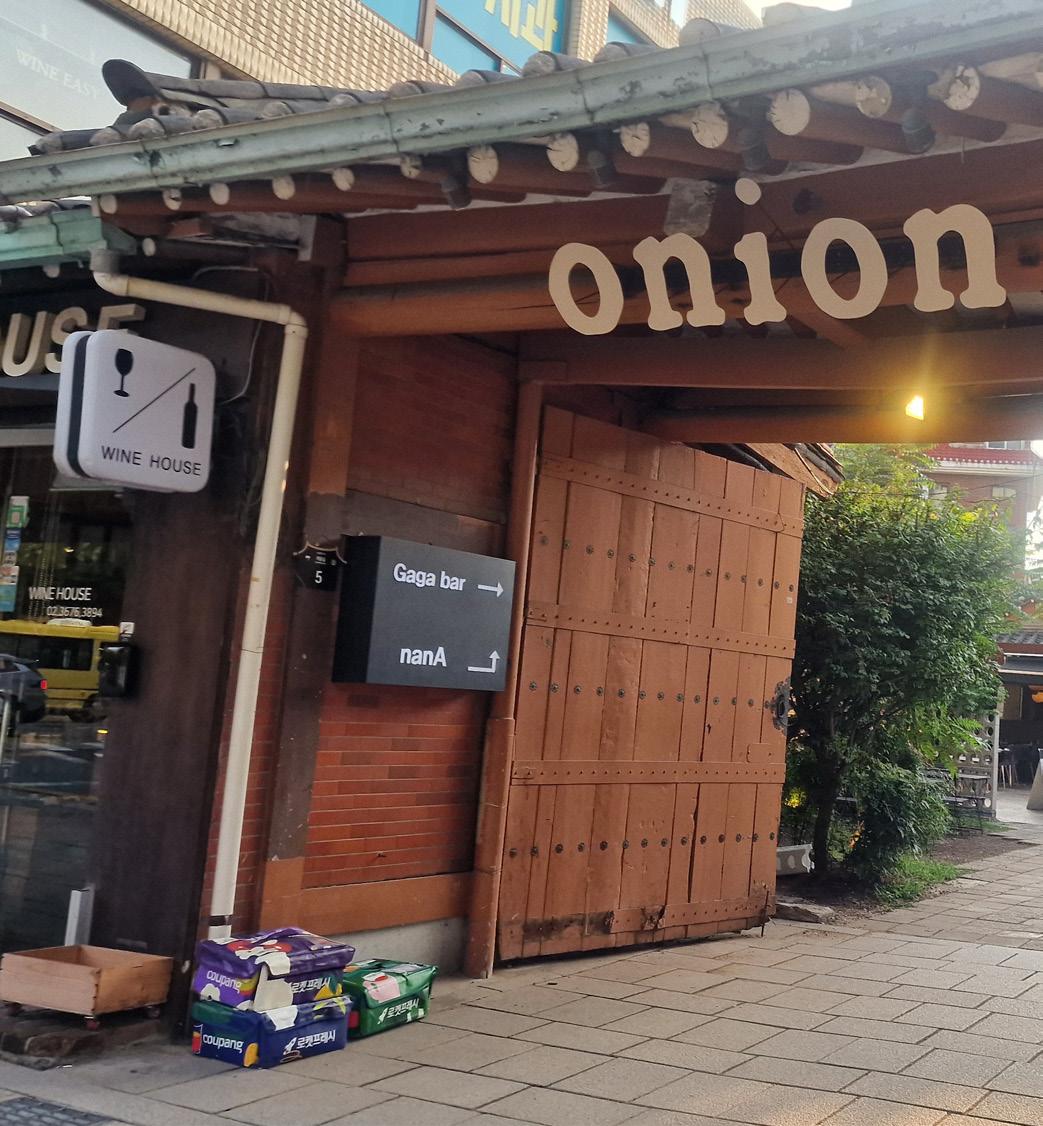
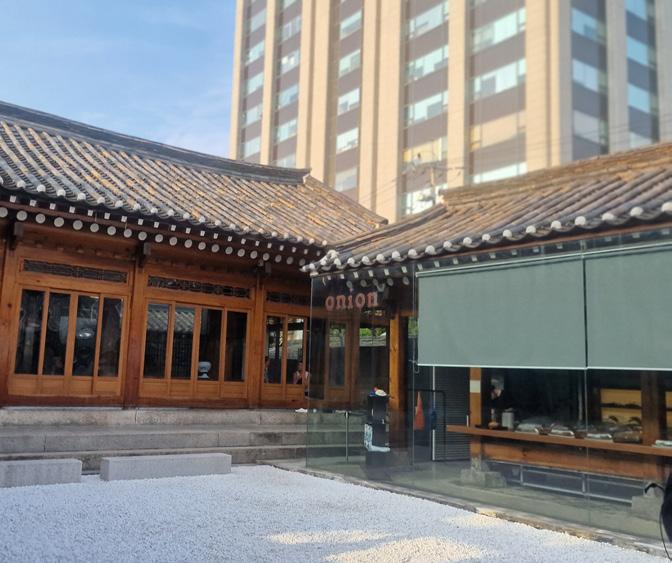
The iconic Café Onion stands as the pinnacle of the hanok experience. It seamlessly blends the old-world charm of traditional Korean architecture, such as its tiled roof, exposed beams, and courtyards, with modern industrial aesthetics.
Conveniently located near major attractions, including the majestic Gyeongbokgung Palace, Café Onion is situated in a sprawling, century-old wooden structure where guests can embrace Korean culture by removing their shoes and sitting on the floor in a designated section.
The menu is a pleasurable blend of savoury and sweet offerings, highlighting the café’s culinary creativity. Indulge in the much-loved avocado pollack roe baguette, one of many masterpieces that satiate the appetite with its intricate flavours.
For those with a sweet tooth, an array of pastries awaits, such as its signature irresistible pandoro – a bread mountain topped with powdered sugar - or succumb to the temptation of pistachio croissants adorned with plump muscats, each bite transporting guests to a world of gastronomic delight.
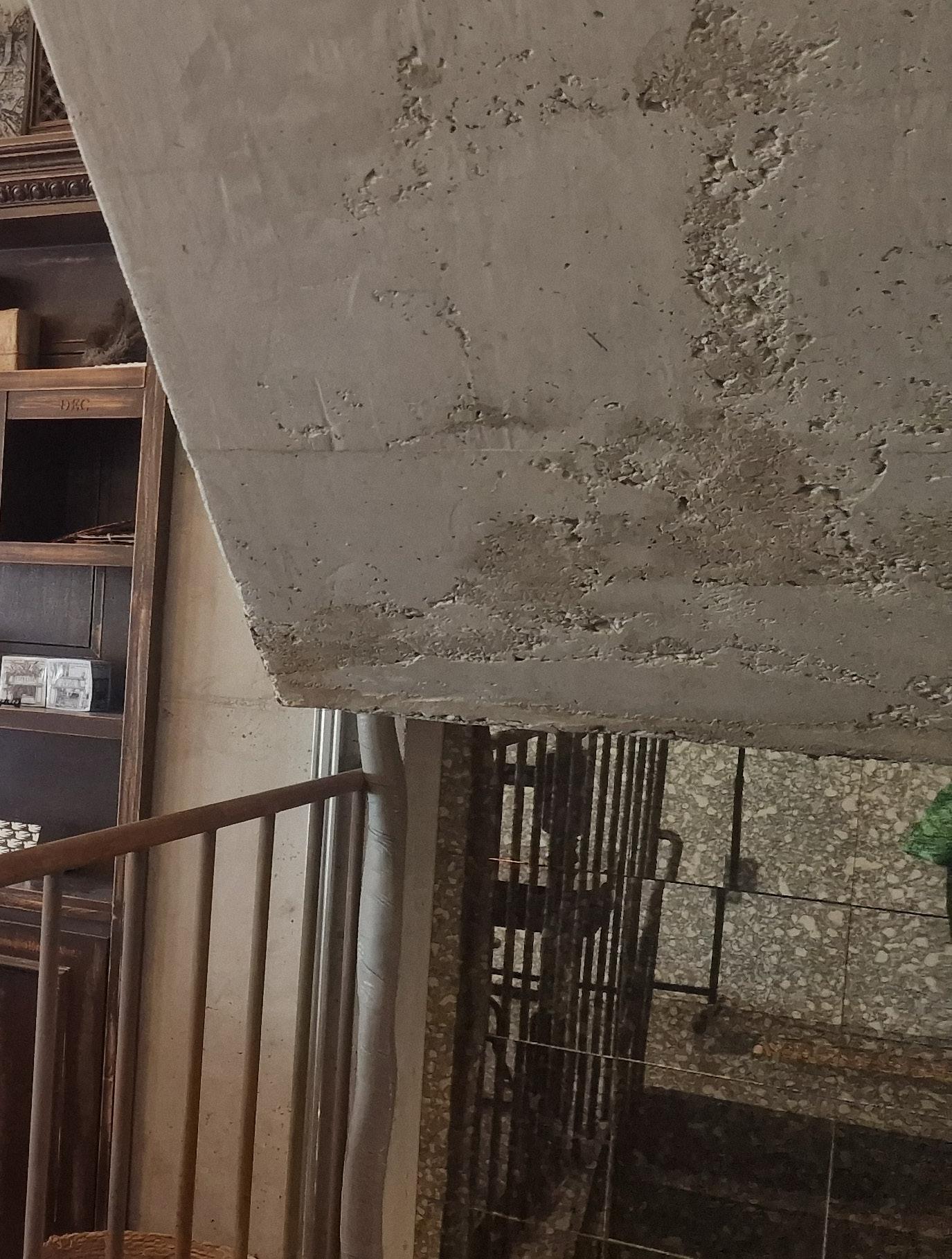
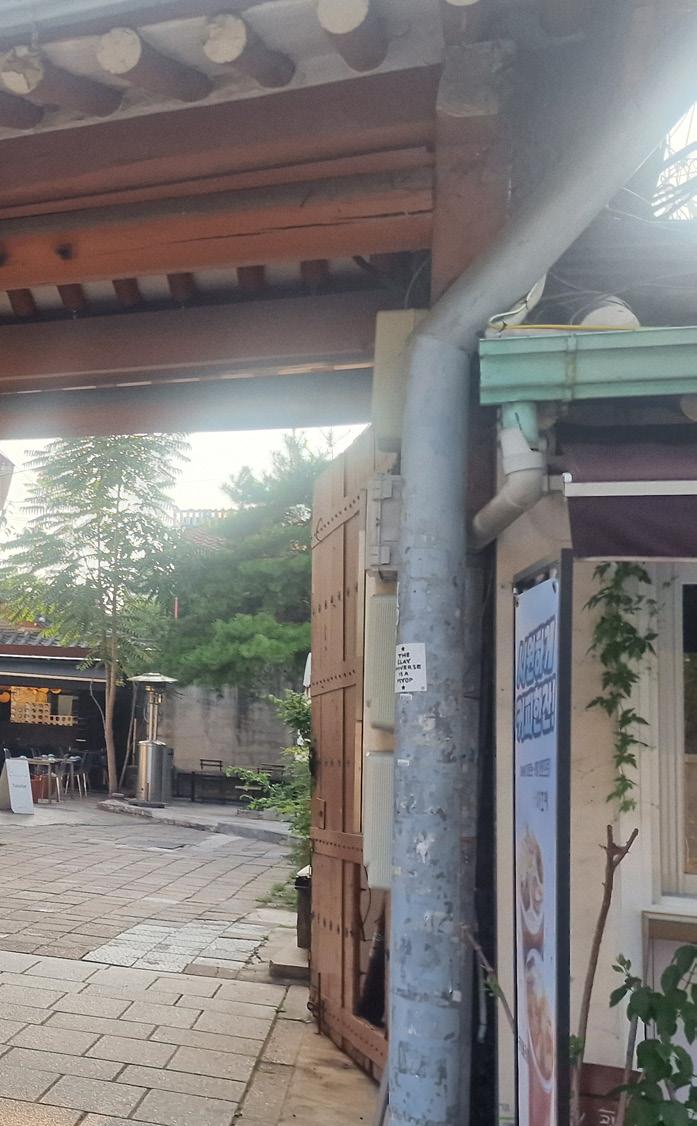
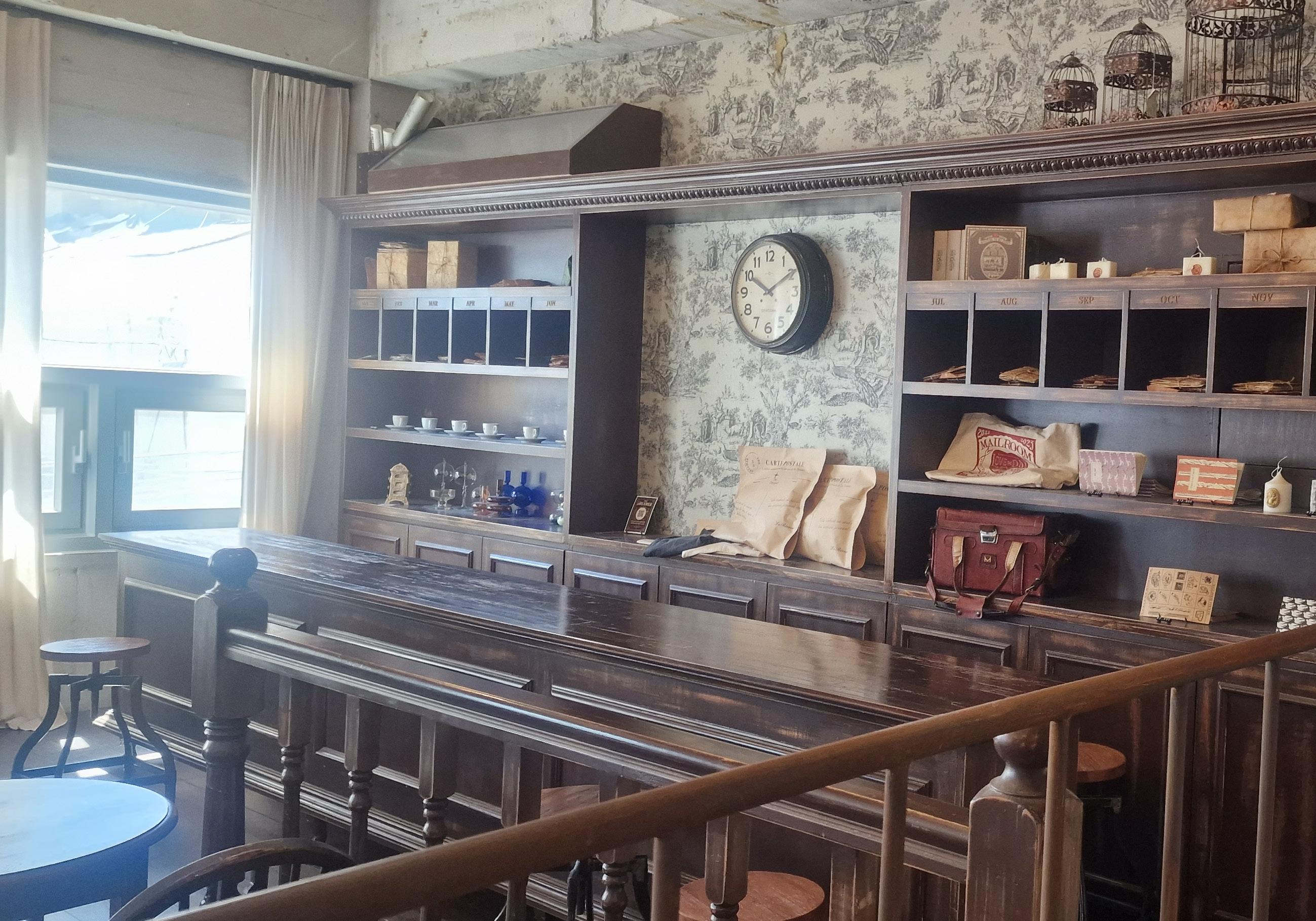
Nestled within the alluring alleys near Jungang Market, Mailroom exudes a distinctly vintage vibe that fills every visitor with nostalgia.
This interactive and enchanting espresso bar transforms the coffee experience into an adventure; multiple floors, including a rooftop, await behind a Narnia-style hidden door of pigeonholes.
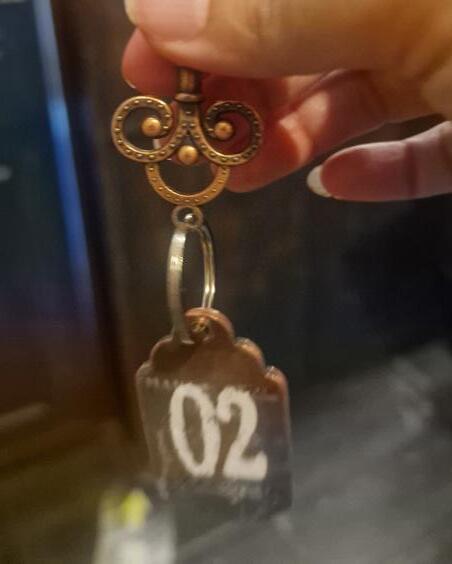
When an order is prepared, guests are handed a numbered key to unlock a corresponding mailbox, reminiscent of the joy of discovering a personal letter in the mail.
The café boasts signature and limited-time menus brimming with brunch items, speciality coffees, innovative cocktails, and decadent desserts, catering to a spectrum of palates.
With its experimental concept and warm atmosphere, Mailroom creates lasting memories in a hospitable haven.
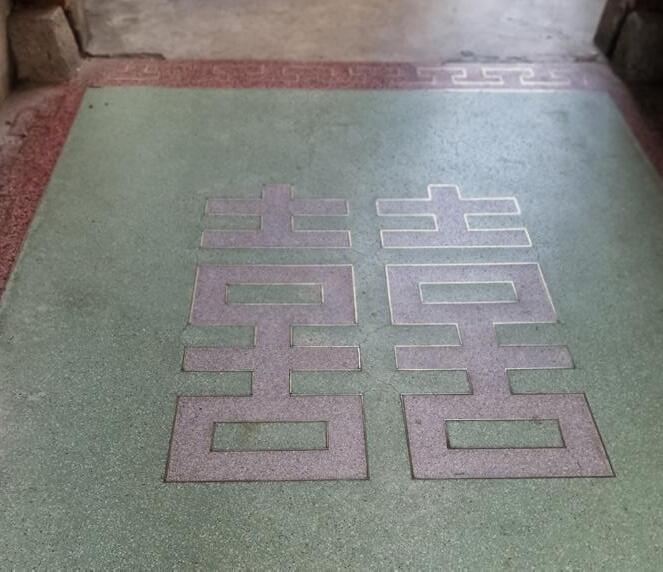
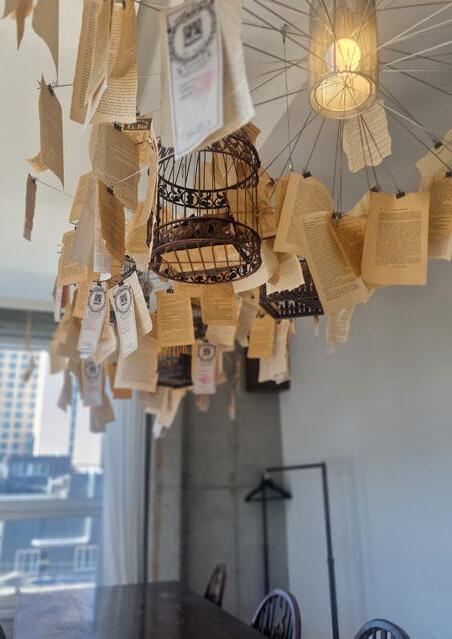
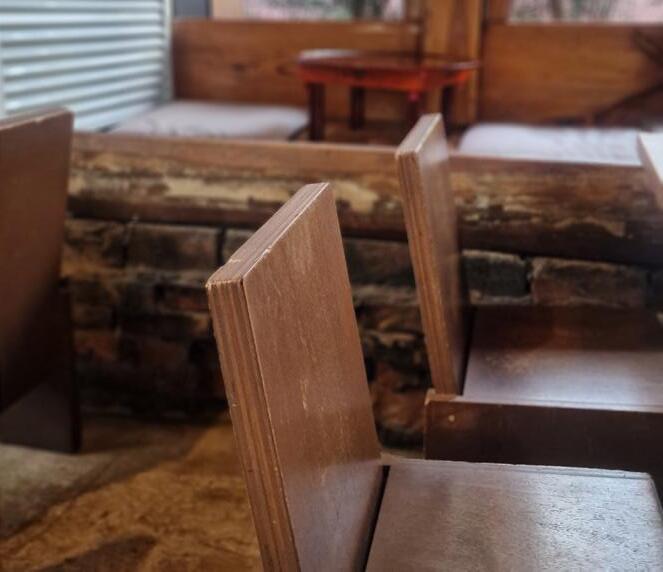
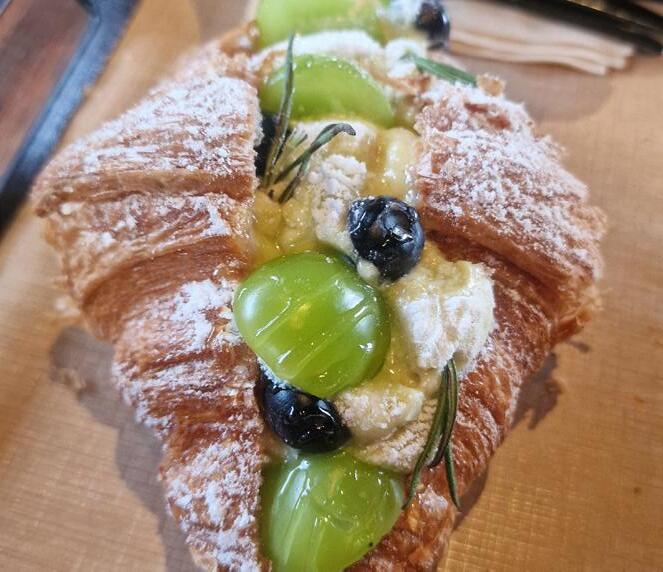
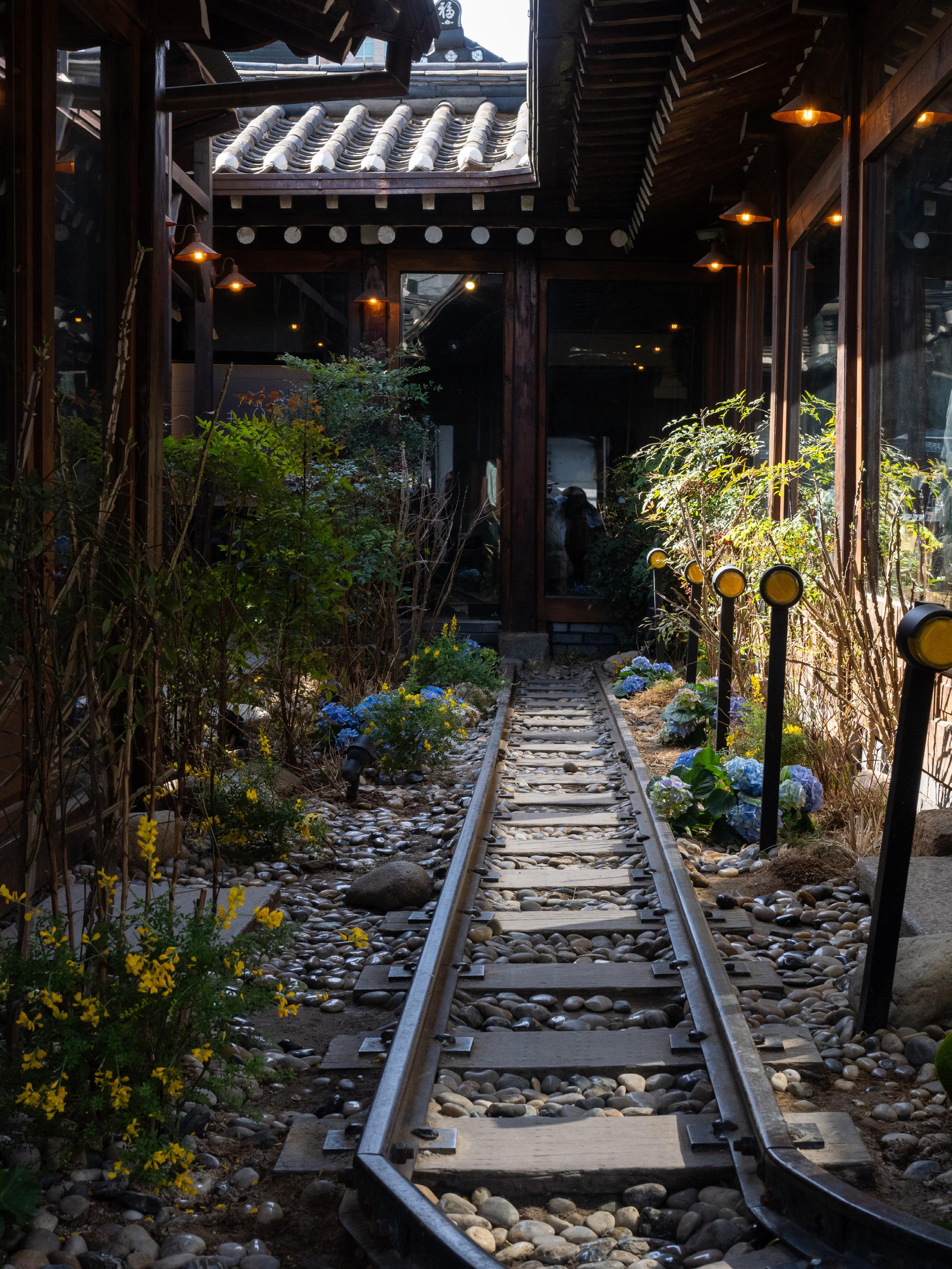
In the heart of the city, Nakwon Station is a one-of-a-kind café that beautifully captures the essence of a busy train station in a greenery-filled, rustic hanok setting.
As patrons cross the threshold, they are greeted by real train tracks, inviting them to embark on a unique culinary journey. A charming cake conveyor belt, where delectable treats glide past, adds an interactive and playful touch.
At Nakwon Station, every sip is a thrill, with popular drinks like the velvety maple cream coffee and the indulgent peanut or chestnut cream latte, expertly crafted to tantalise your taste buds and warm your soul. In the evening, the venue transforms into a wine and tapas bar, further enhancing its appeal.
The fusion of a railway theme with imaginative food offerings creates an ambience that promises a unique encounter that lingers long after you leave.
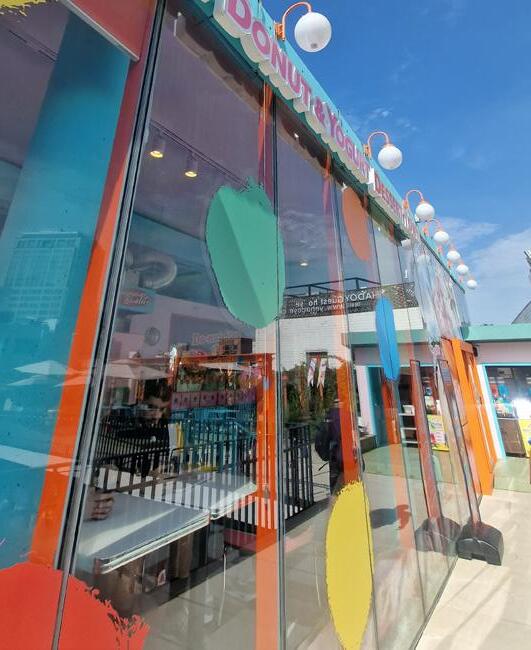
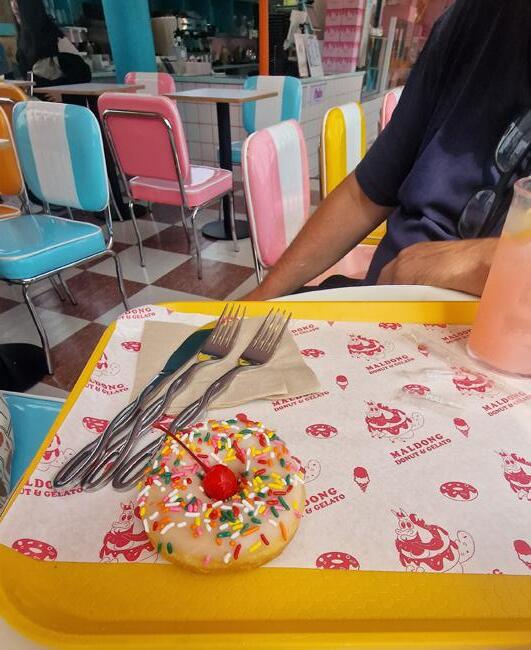
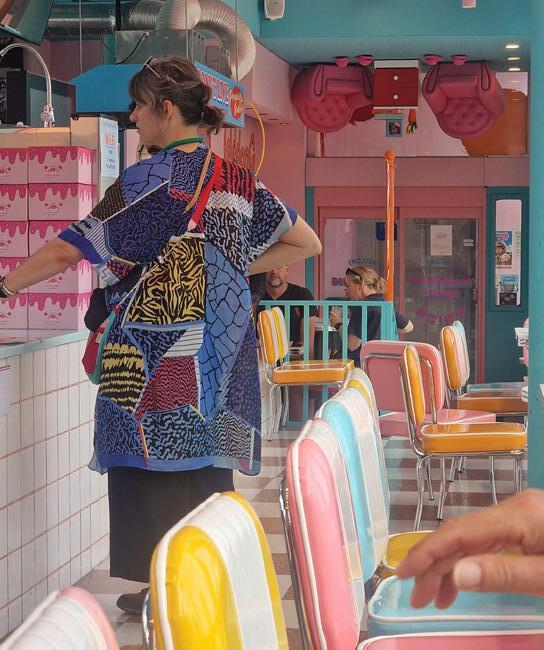
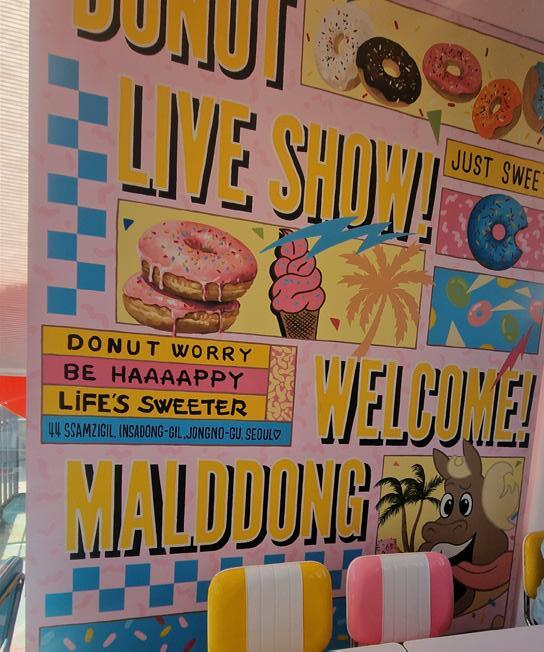
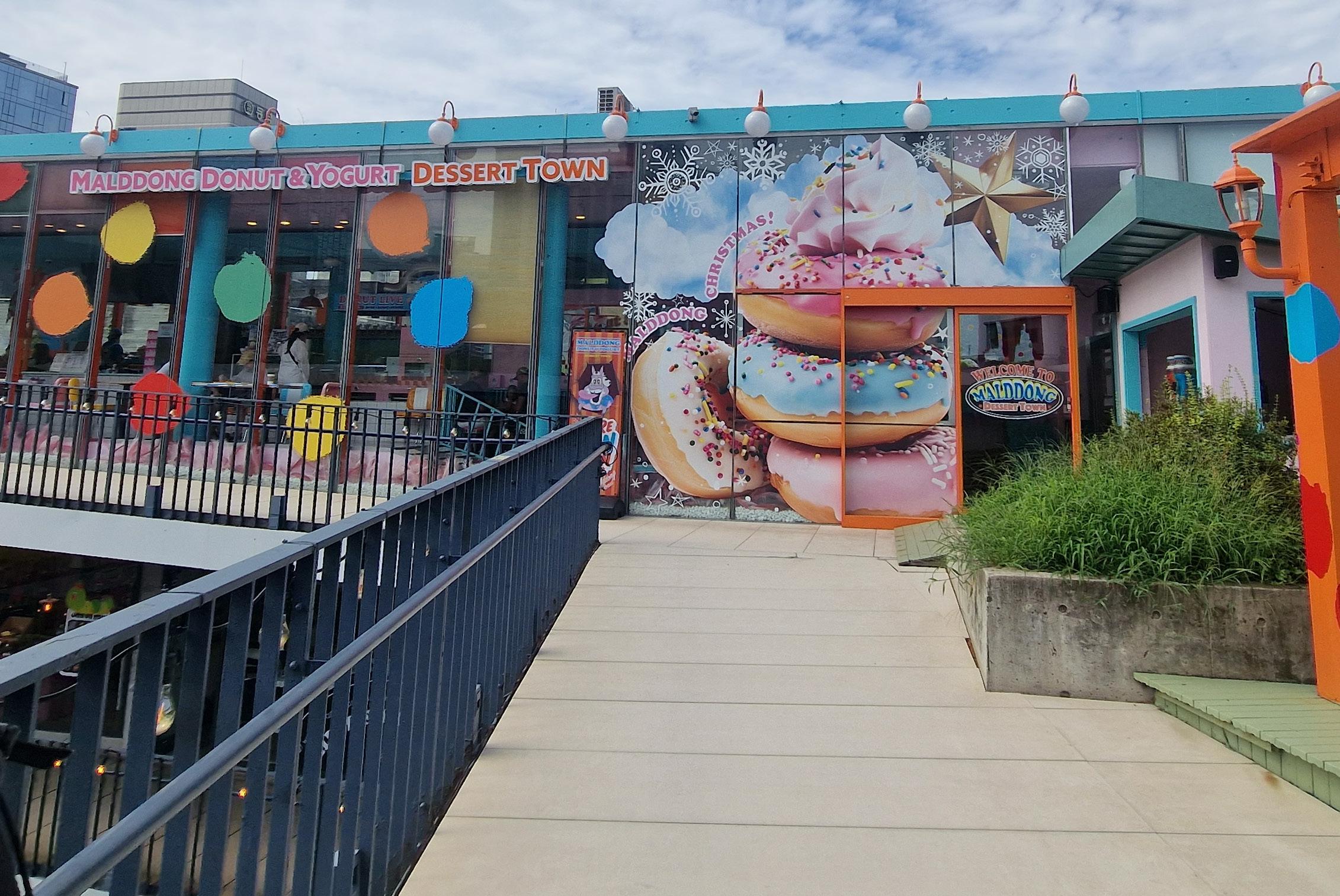
Malddong Donut & Yogurt Dessert Town, whose name translates to ‘horse poop’, has gained considerable attention for its kitsch theme and quirky décor, immersing visitors in a mischievous environment characterised by bright, candy-coloured furnishings.
Located on the fourth floor of the Ssamziegil shopping complex, the café has a humorous and light-hearted touch that typically sparks curiosity.
The menu aligns with its theme, with doughnuts topped with the poo emoji and items served in miniature toilet bowls and urinals. The outdoor seating is just as intriguing as the unusual facilities found inside – a carnival horse and cute cat display invite guests to take photos.
A popular spot for locals and tourists alike, the café is designed to be engaging and amusing.
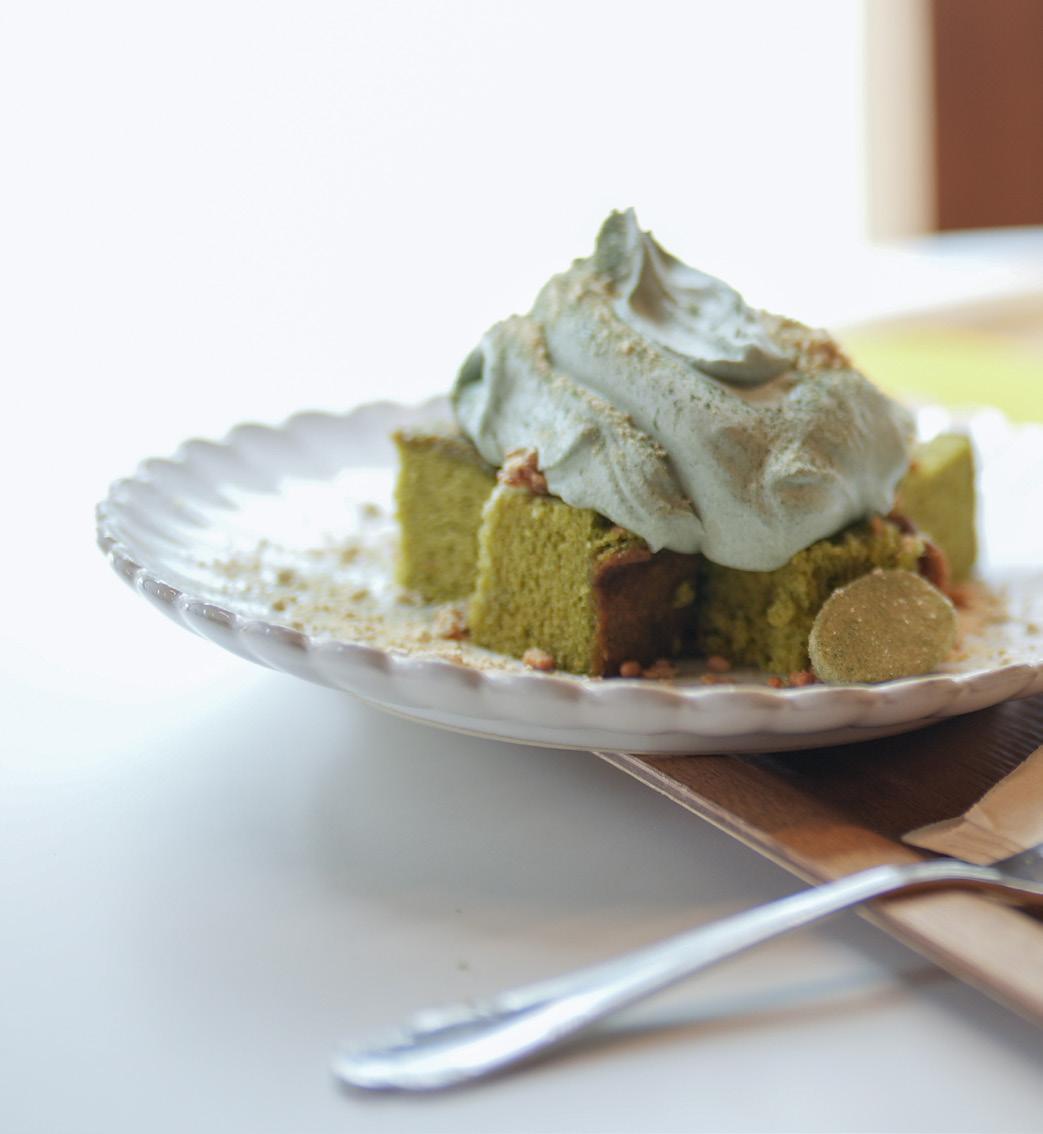
An oasis amongst the vibrant chaos of Seoul, Cheongsudang Bakery is a garden-themed café full of enchantment.
A picturesque entrance of stepping-stone pathways is gently illuminated by warm, glowing lanterns that guide you through a serene bamboo-lined bridge over a winsome little pond.
Inside, the atmosphere is cocooned in soft, ambient lighting, with the soothing sounds of water feature tables complementing the rustic elegance of the wooden-framed interior.
The café’s menu is a feast for the eyes and senses, featuring crafted desserts like the unctuous and airy strawberry fromage cake, along with specialised soufflé cheesecakes that melt in the mouth and unique stone drip coffee.
This highly photogenic destination delights both dessert lovers and those seeking a peaceful retreat.
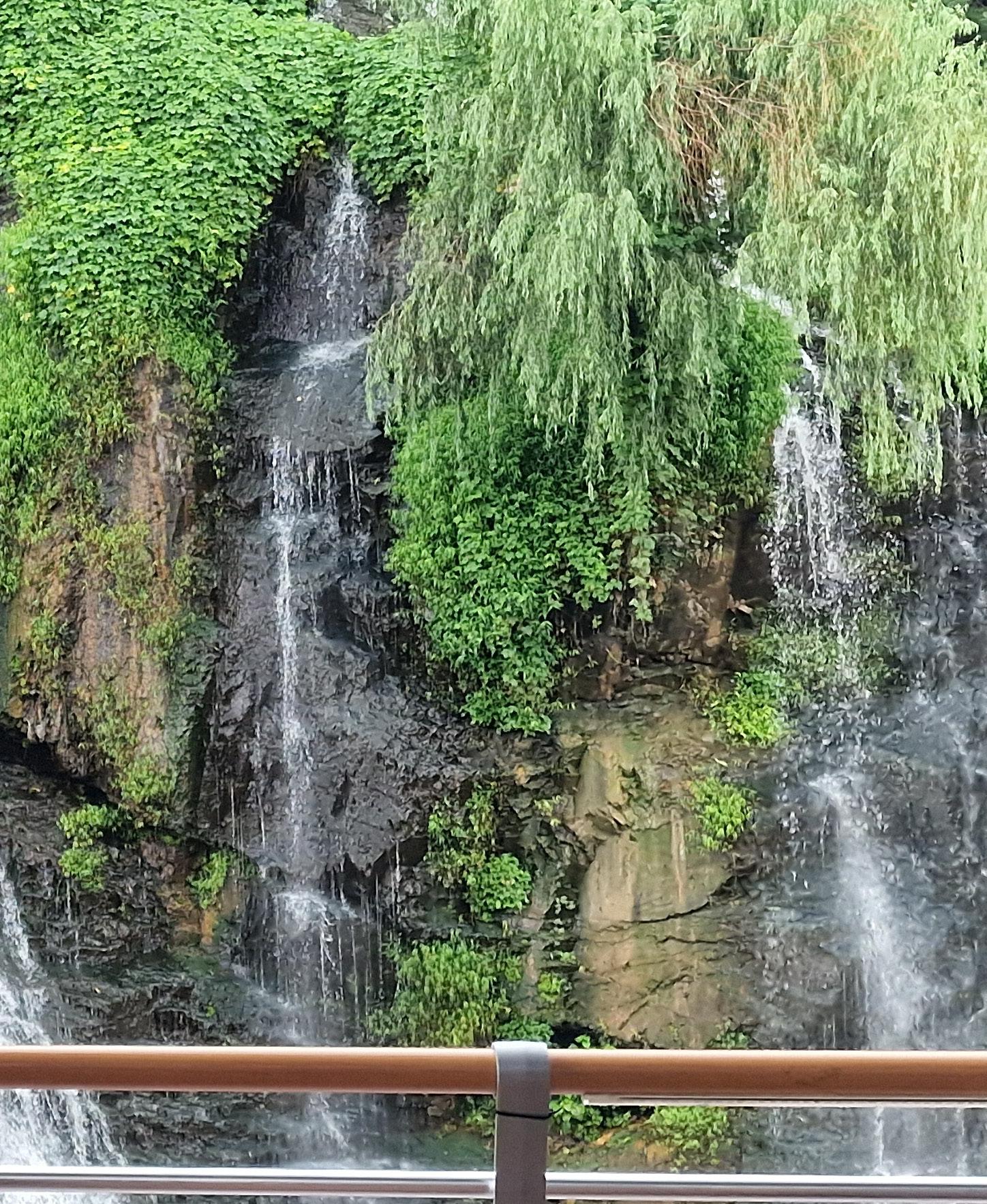
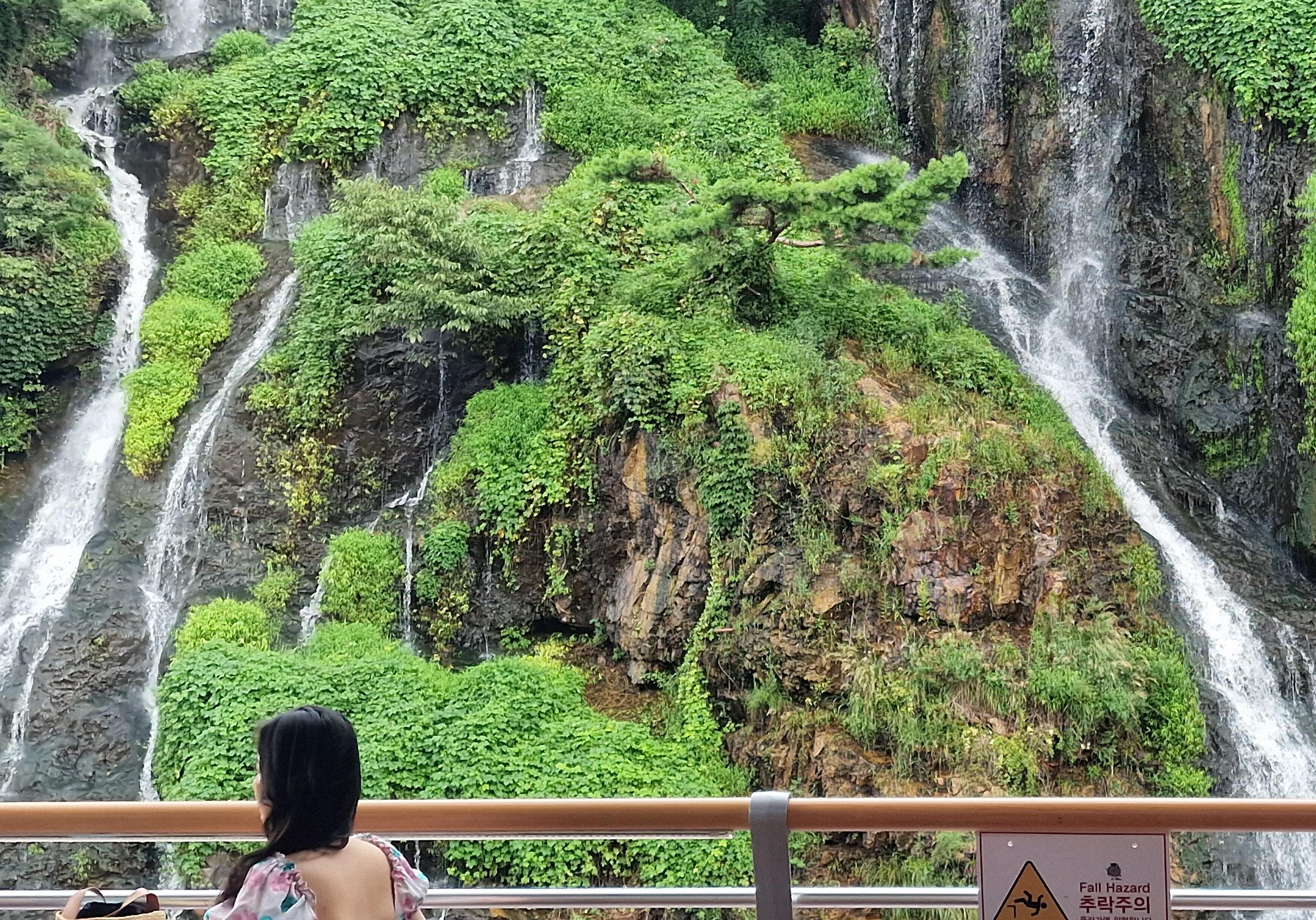
Cafe Pokpo – meaning ‘waterfall’ – is strategically situated to offer breathtaking views of the nearby Hongjecheon Artificial Waterfall, making it a perfect spot for relaxation and reflection.
Simple snacks and beverages are served; however, the establishment isn’t the star of the show – it’s the scenery that makes it a sanctuary encircled by the bustling urban landscape of Seoul.
Its unique concept provides a gateway to nature, with a design that emphasises a harmonious connection to the environment, featuring promenade-style seating and beanbags on the terrace.
Visitors are drawn by the tranquil atmosphere, where the outdoor seating area offers an ideal vantage point to enjoy the surroundings at any time. As night falls, the silvery moon spotlights the scene, as a kaleidoscope of colours is cast by LED floodlights directed at the rocky cliffs and water.
Cafe Pokpo serves as a peaceful escape, allowing patrons to unwind and reconnect with nature, creating an enticing space for simply enjoying a moment of solitude away from the fast pace of city life.
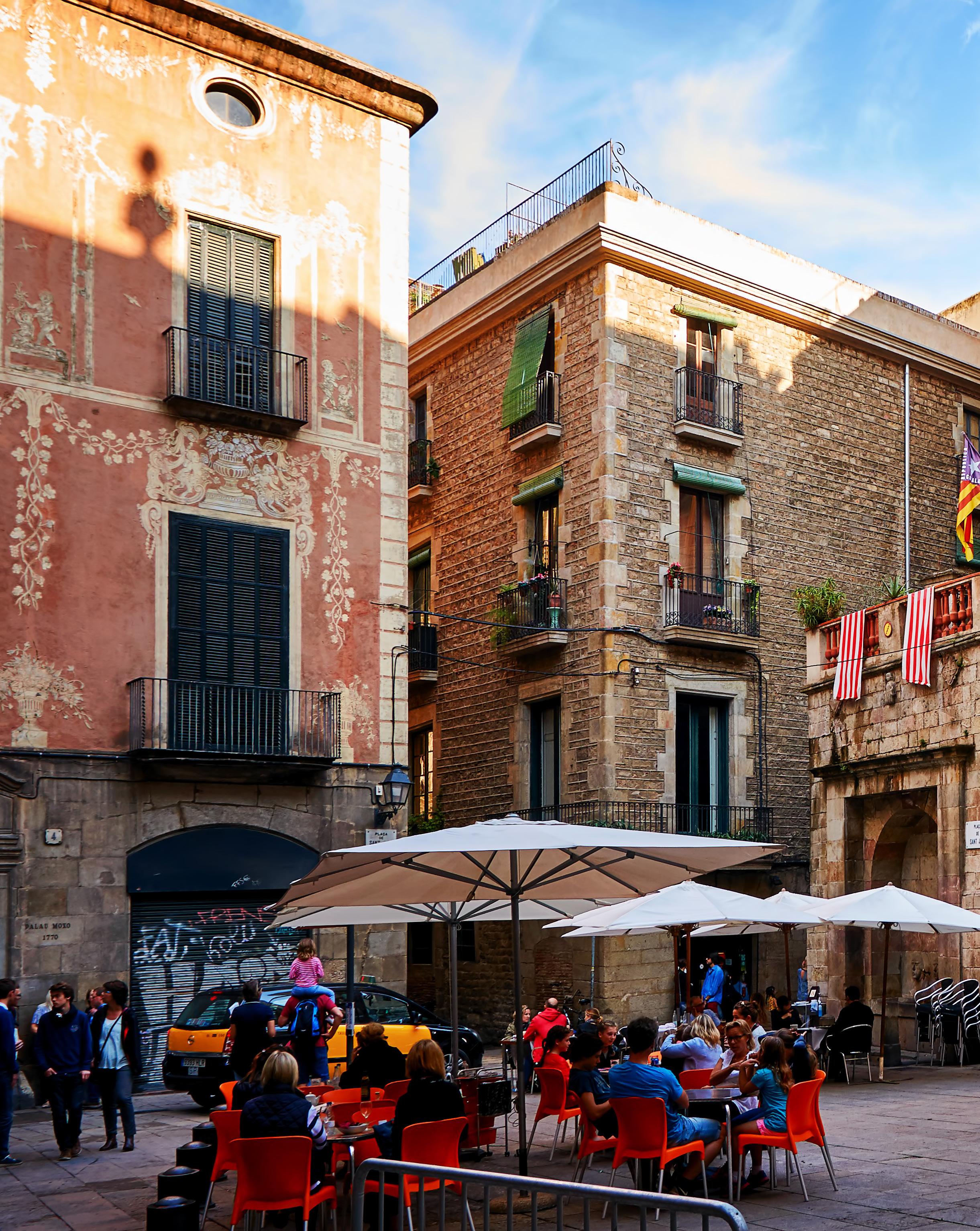
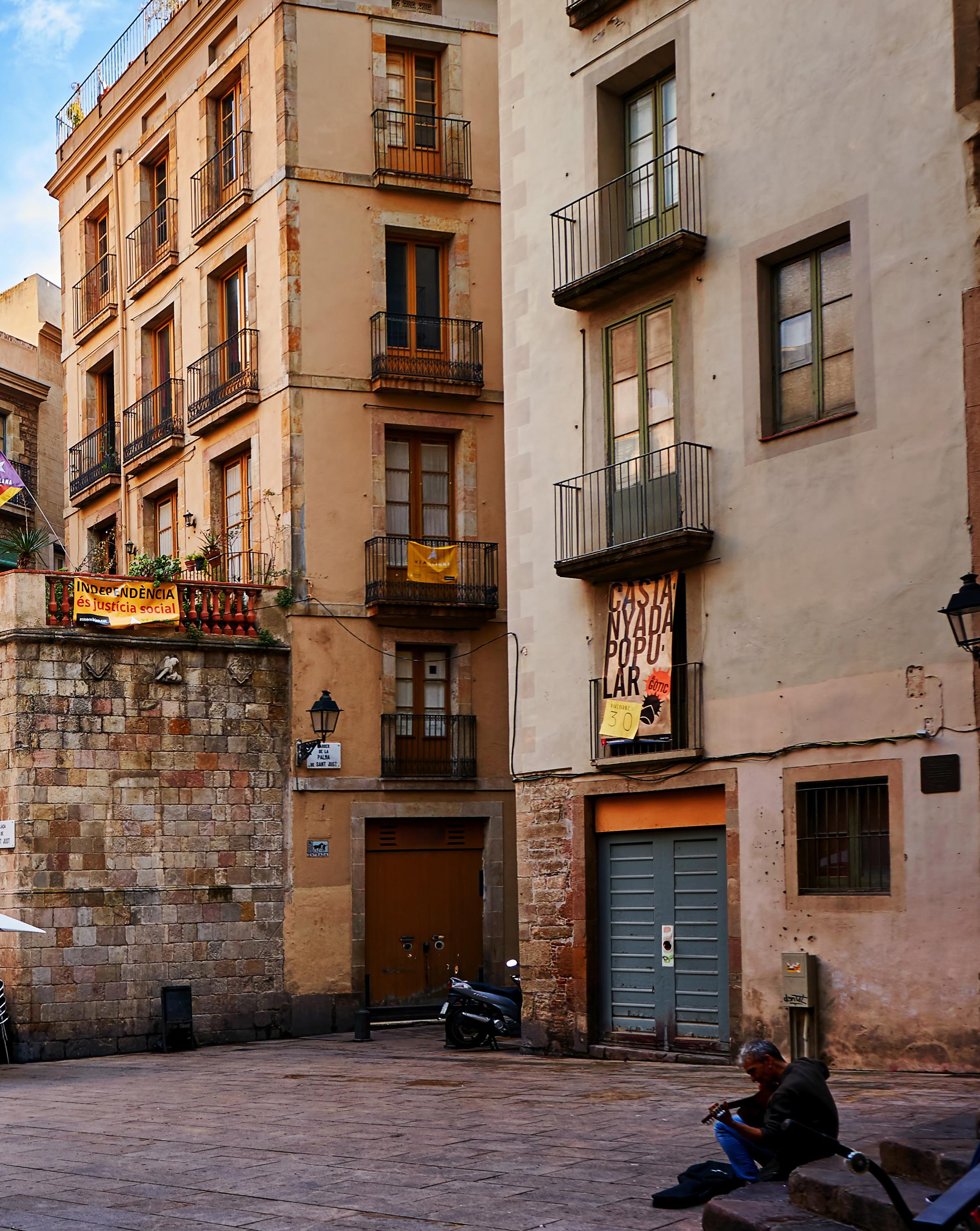
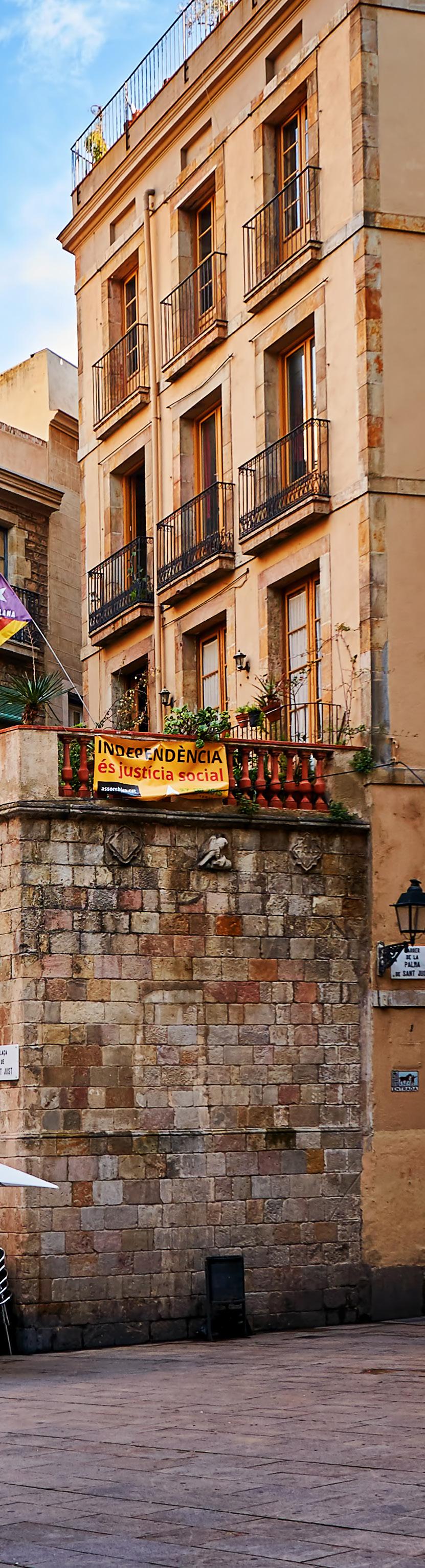
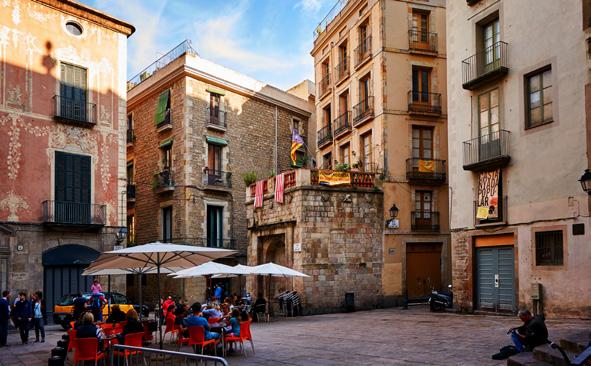
As the lively capital and largest city of the autonomous region of Catalonia, Barcelona is frequently hailed as the ‘Paris of Spain’, where visitors can immerse themselves in its vibrant atmosphere and every corner reveals a new layer of creativity and diversity.
This enchanting city boasts a captivating fusion of architectural styles and influences, blending ancient Roman and Gothic structures with bold modernist designs. Its galleries are adorned with masterpieces of art, both historical and contemporary, reflecting a rich cultural tapestry.
Additionally, the city’s world-class culinary scene captivates food lovers from around the globe, and one notable experience is The Barcelona Taste – a remarkable food tour company and pioneer of tapas tours, established in 2009.
Kenny Dunn, Founder of renowned gastronomic tour operator Eating Europe, recently acquired The Barcelona Taste, where he is Managing Director.
Dunn developed his passion for food whilst living in Rome and continues his mission to share a slice of local life and unforgettable food stories across Europe.
The Barcelona Taste offers various tours through the city, including the Food Lover’s Guide to Barcelona After Dark
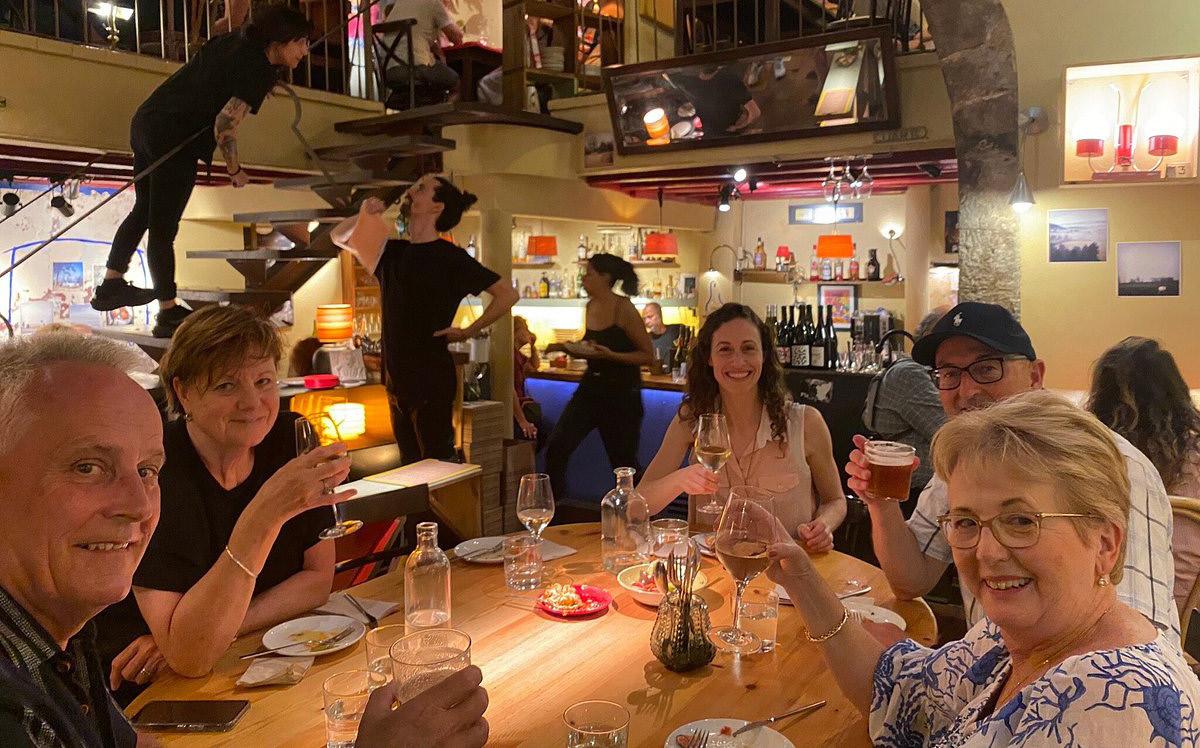
(After Dark) tour through the Gothic Quarter.
On this tour, participants not only explore the enchanting streets of the Gothic Quarter but also dive into the rich culinary heritage of Spanish and Catalan culture, savouring the distinct flavours and unique dishes emblematic of the region.
“Catalan cuisine is simple when it should be and bold when it wants. It’s ingredient-driven and very sociable; meals are not rushed – they’re shared,” introduces Dunn enthusiastically.
The concept of The Barcelona Taste aims to immerse visitors in the city’s authentic flavours by showcasing local dining traditions through friendly, welcoming small-group tours.
“Barcelona is one of Europe’s best food cities, but most visitors end up in the same obvious spots. We began with a simple idea: make it easy to eat like locals do, with small gatherings, great venues, and food that actually feels like Barcelona.
“The After Dark tour exists because the city changes at night – the Gothic Quarter gets quieter in the streets, busier in the bars, and the whole thing feels more intimate. It’s the perfect setting for tapas, wine, and that ‘we’re really here’
• Three stops
• Three-hour tour duration
• Eight in a group
• Experience traditional tapas alongside modern fusion dishes at family-owned establishments where recipes have been passed down through generations or creatively reimagined.
• Savour legendary slow-cooked pork cheek and sample jamón ibérico at Toni’s.
• Immerse yourself in the Spanish tradition of hacer el vermut – a time when friends gather before lunch to enjoy fortified wine.
• Visit a vermutería, where enjoying vermouth and tapas has been a beloved Sunday ritual for ages.
• Discover the diverse culinary landscape of Barcelona, highlighting regional specialities like Galician peppers and Andalusian eggplant with honey, and finish your meal with Instagrammable desserts.
feeling,” he entices.
Steeped in history and culture, the Gothic Quarter elevates the dining experience with its inviting ambience and charm.
As night falls, the area transforms into a captivating tableau where shadows dance across cobblestone streets, weaving an air of mystery and intrigue.
This romantic atmosphere invites diners to fully immerse themselves in an exhilarating gastronomic sensation in this timeless enclave.
“The Gothic Quarter makes the night feel cinematic, but in a real way. You’re walking through medieval streets and hidden little squares, then you step into places that locals genuinely go to after work.
“It also slows people down. The neighbourhood almost forces you to wander a bit, which is exactly how an evening in Barcelona should feel,” Dunn explains.
Leading guests on an engaging journey to embark on an edible adventure through the heart of the city, these tailored tastings feature experienced, passionate guides.
Gourmands will sample a delightful array of regional delicacies and local specialities at handpicked eateries, each offering a unique window into Barcelona’s food scene.
“The moments people talk about are usually the vibe, that first drink when the group clicks, stepping from quiet streets into a buzzing spot, and the feeling at the end that you experienced Barcelona properly”
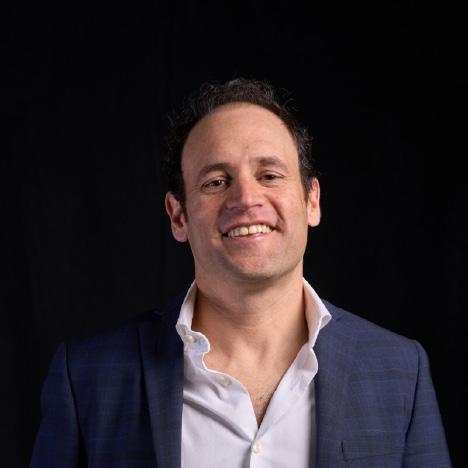
– Kenny Dunn, Managing Director, The Barcelona Taste
As travellers explore the city to discover new dishes and celebrate its strong flavours and enticing aromas, food tourism emerges as an unforgettable, enriching vacation activity.
However, the Gothic Quarter is a popular destination for culinary and history enthusiasts alike.
“On the After Dark tour, you’ll taste a mix of local favourites and tapas classics, plus the kind of pairings people don’t expect until they’re here, like vermouth as a serious local ritual and cava that actually feels tied to the place,” states Dunn emphatically.
Wander through the famous labyrinthine streets, dominated by Gothic architecture, such as Casa Batlló – a fairytale masterpiece by the iconic Catalan Modernist architect Antoni Gaudí, characterised by his unique, innovative style.
The air is imbued with history, as majestic spires cast dramatically solemn silhouettes and mysterious alleys open up into picturesque squares full of tapas bars and authentic Catalan cuisine.
Offering unique features and distinct dishes of its own, the After Dark tour differs from other Barcelona culinary experiences.
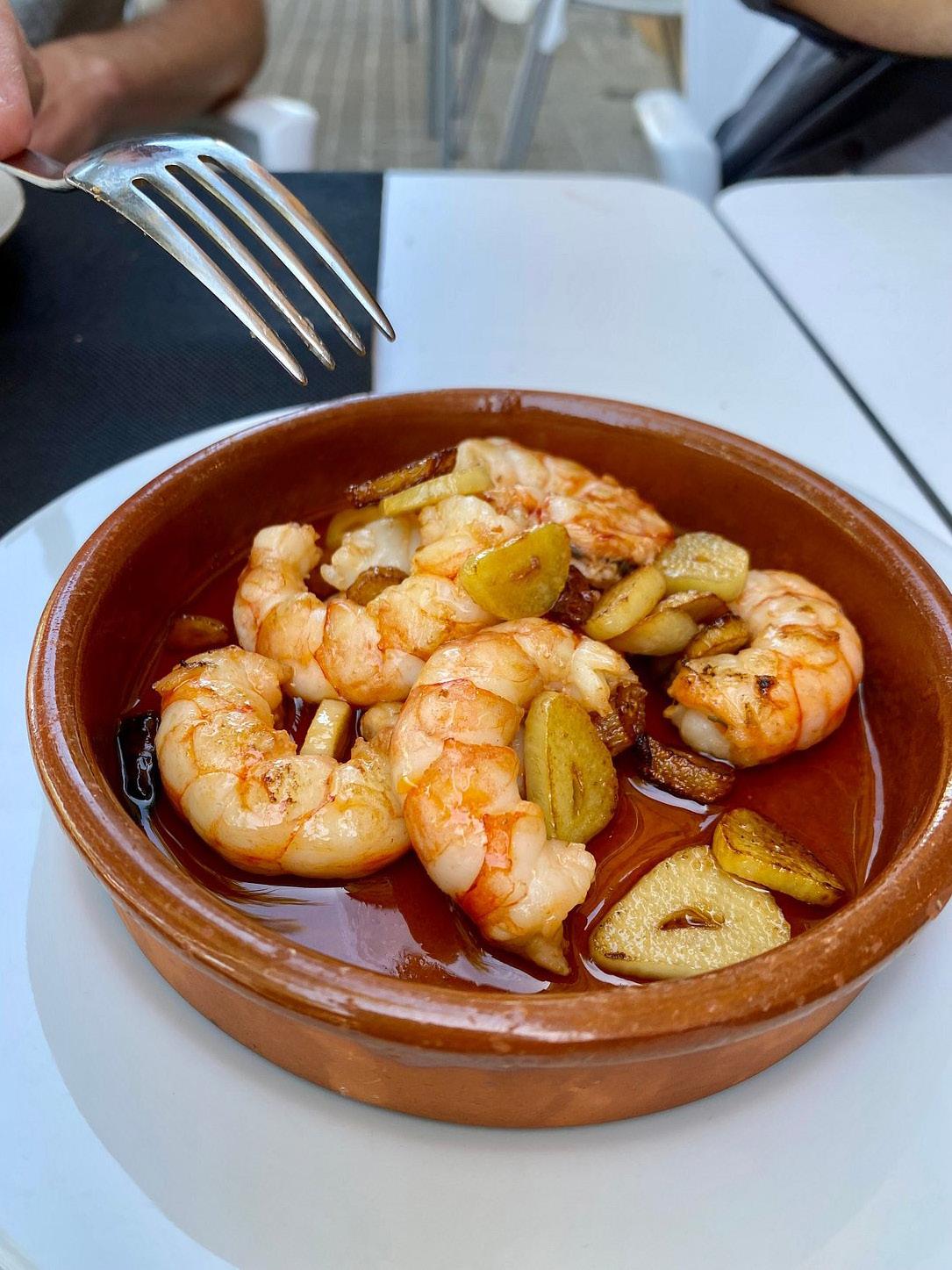
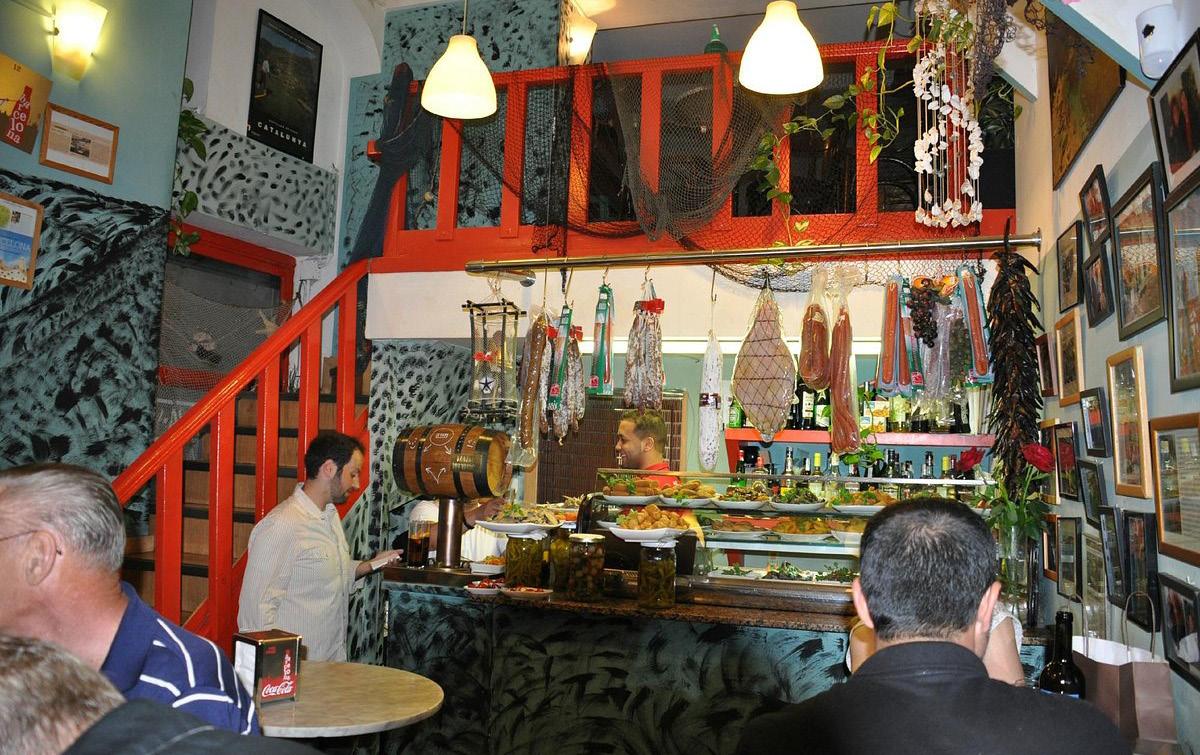
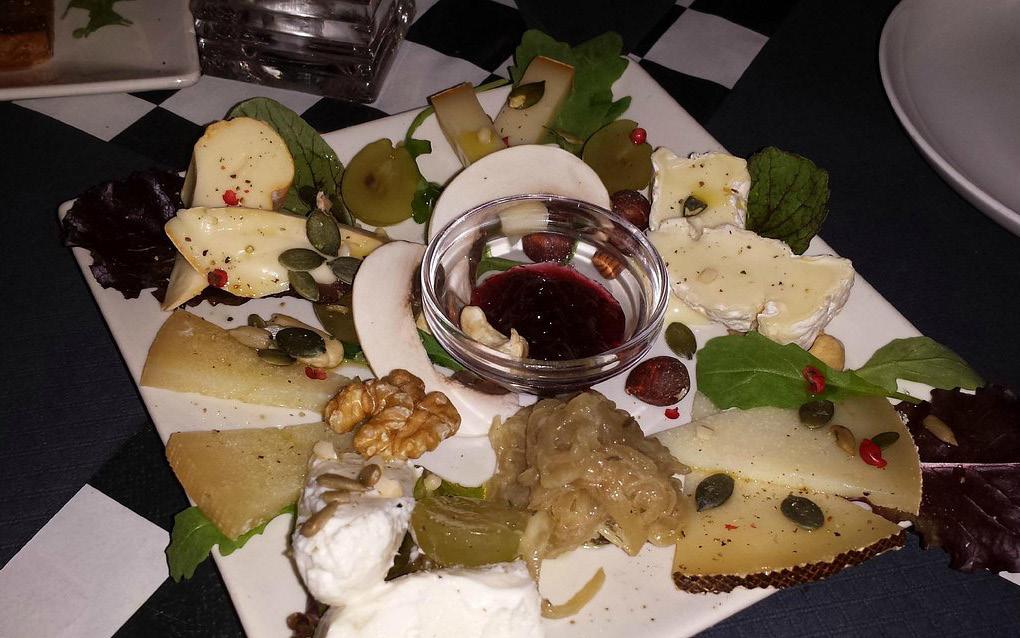
“Catalan cuisine is simple when it should be and bold when it wants. It’s ingredient-driven and very sociable; meals are not rushed – they’re shared”
– Kenny Dunn, Managing Director, The Barcelona Taste
“The tour is built for the evening, and it has a strong flow; it’s not just hopping between bars – each stop is chosen to build the story and the appetite,” outlines Dunn.
“A few things stand out: it’s a proper tasting, not a bite here and there; people leave full and guests get the classic flavours, but not in a boring way. However, the finish is a real highlight and the moment people remember most.”
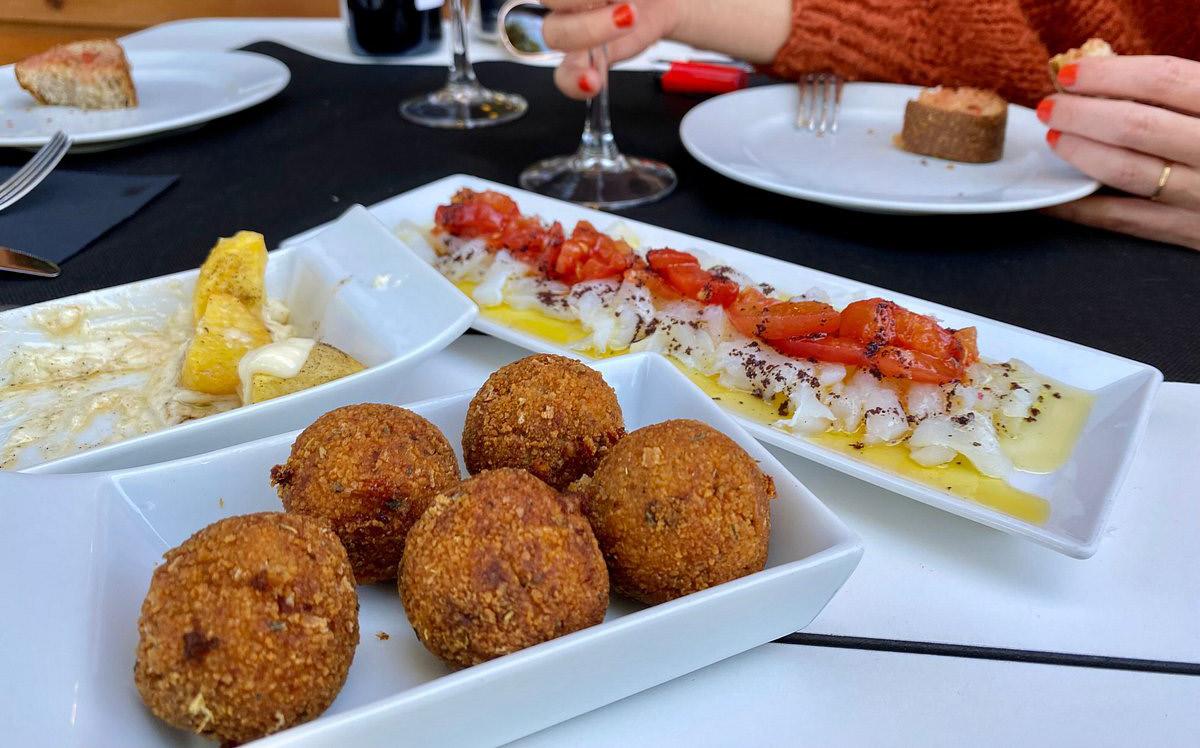
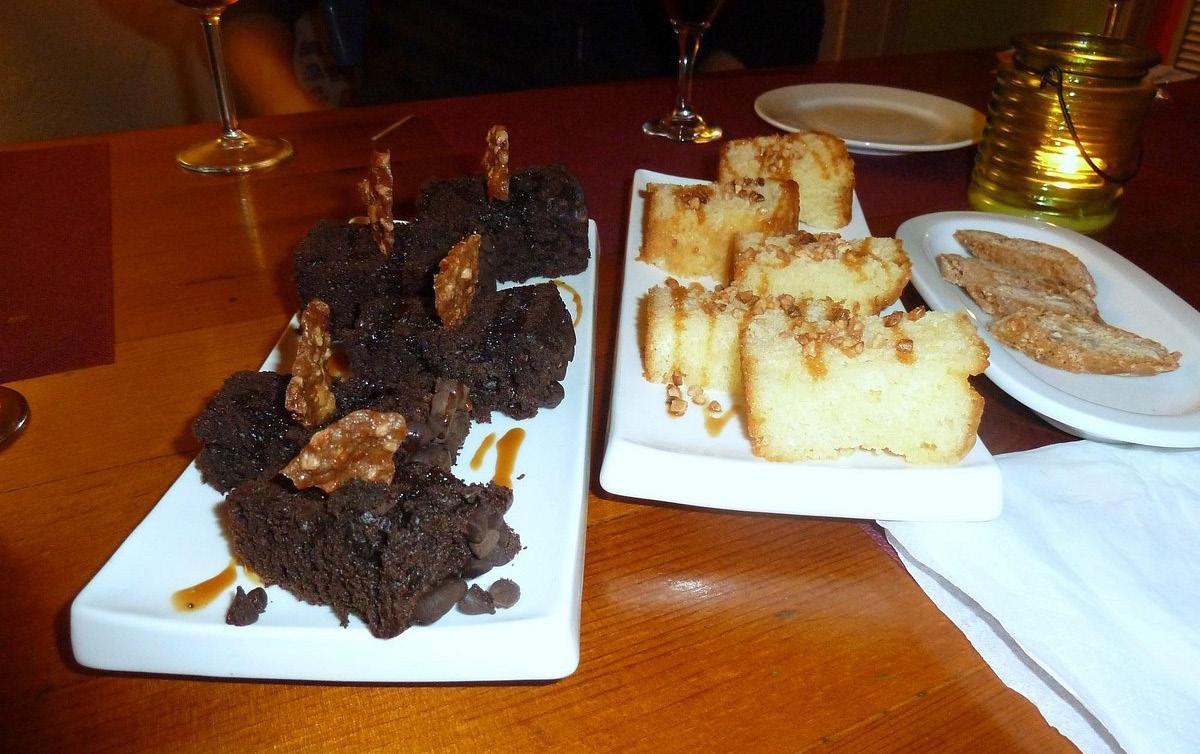
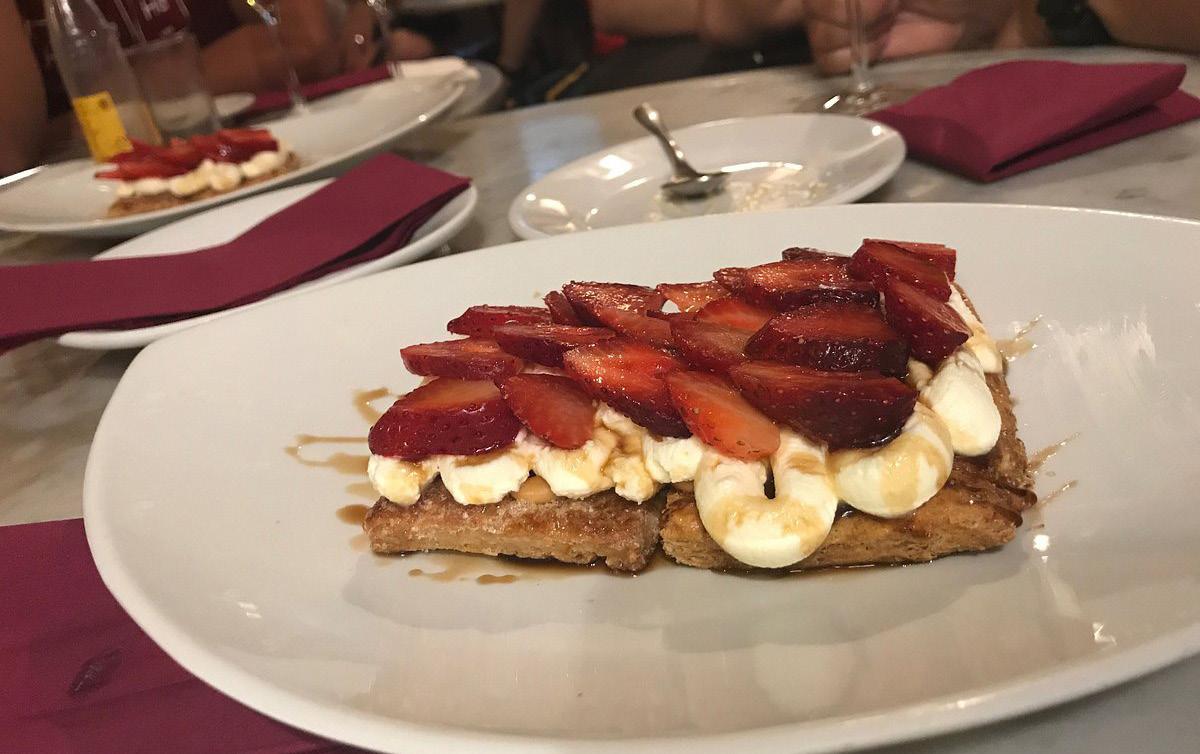
The flourishing finale that Dunn alludes to is a sumptuous array of Catalan desserts, beautifully paired with sparkling cava, all set within the enchanting ambiance of a 14th-century wine cellar – where every wall seems to whisper tales of the past.
This tour offers a delightful selection of sweet treats that harmoniously blend traditional recipes with influences from convent kitchens and the rich aromas of Arab cuisine. Furthermore, storytelling weaves a captivating thread
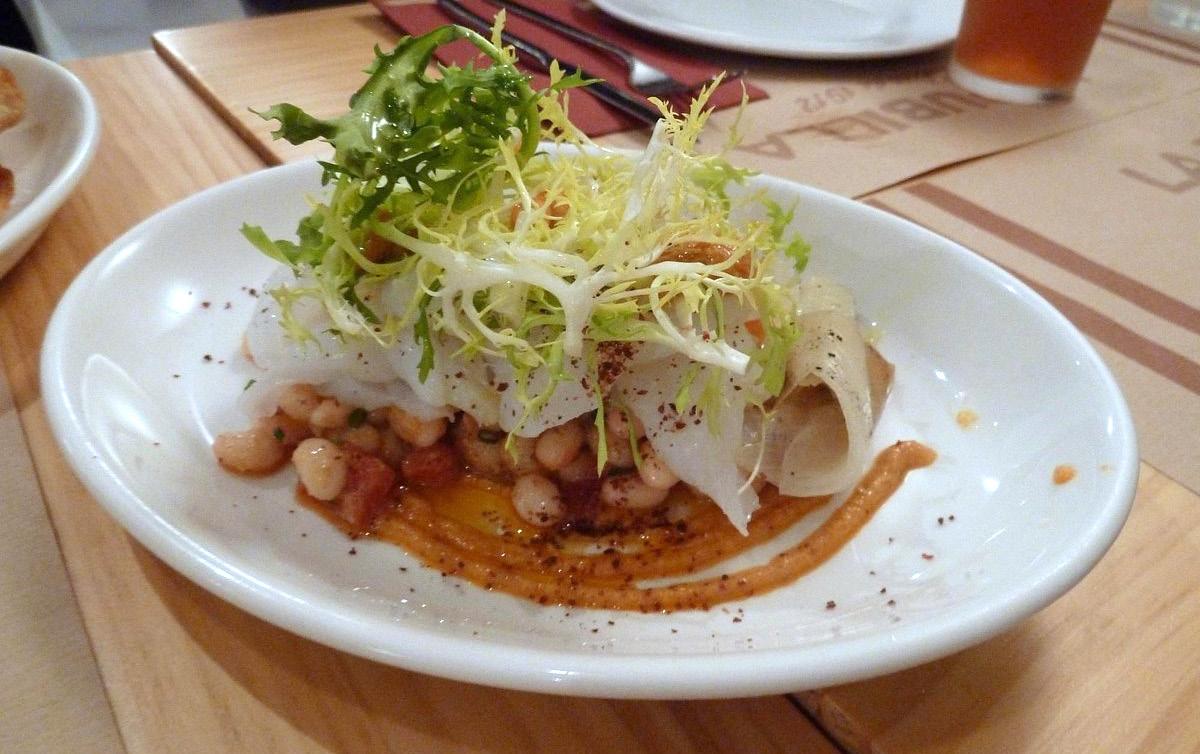
throughout the Gothic Quarter, illuminating each bite and bringing every corner to life with history.
“Food tastes better when you understand what you’re eating and why it matters here. We keep the history and stories tight and relevant, never a lecture. The Gothic Quarter makes it easy because you’re literally in the oldest part of the city, so you feel the layers of Barcelona as you walk between tastings,” Dunn observes.
When selecting the local restaurants and food vendors featured in the tour, The Barcelona Taste has its own method, often discovering hidden gems.
“We choose venues the same way you’d recommend places to a friend – quality, consistency, and the feeling that the place belongs to the neighbourhood. We avoid anything that’s built purely for tourists.
“Hidden gems are usually simple. It’s not secret nor shouting at you with big signs and photos – it’s the kind of place locals keep going back to because it’s good, not because it’s famous,” Dunn points out.
Guests can expect to gain insights and memorable experiences from the After Dark tour, enhancing their understanding of the location.
“Diners leave with confidence, understanding how locals order, what to drink, how to spot a tourist trap fast, and what ‘good’ looks like in a tapas bar.
“The moments people talk about are usually the vibe, that first drink when the group clicks, stepping from quiet streets into a buzzing spot, and the feeling at the end that you experienced Barcelona properly,” highlights Dunn.
Guests can anticipate unexpected elements of the tour, with aspects of Barcelonian cuisine that might astonish them.
“Two things surprise people a lot – firstly, how refined tapas can be when it’s done well; It’s not just ‘small plates’.
“Secondly, the drinks – most people come expecting sangria, only to discover vermouth and cava as locals actually enjoy them,” he passionately concludes.
RCambodia, Jaya House River Park (Jaya House) is an independently owned hotel founded on the belief that hospitality should actively contribute to the health of its surrounding environment.
“From the beginning, the intention was not simply to minimise harm, but to create measurable, positive outcomes for people, nature, and culture whilst demonstrating that sincere, honest tourism is not only possible, but financially sustainable,” passionately introduces Christian de Boer, Managing Director.
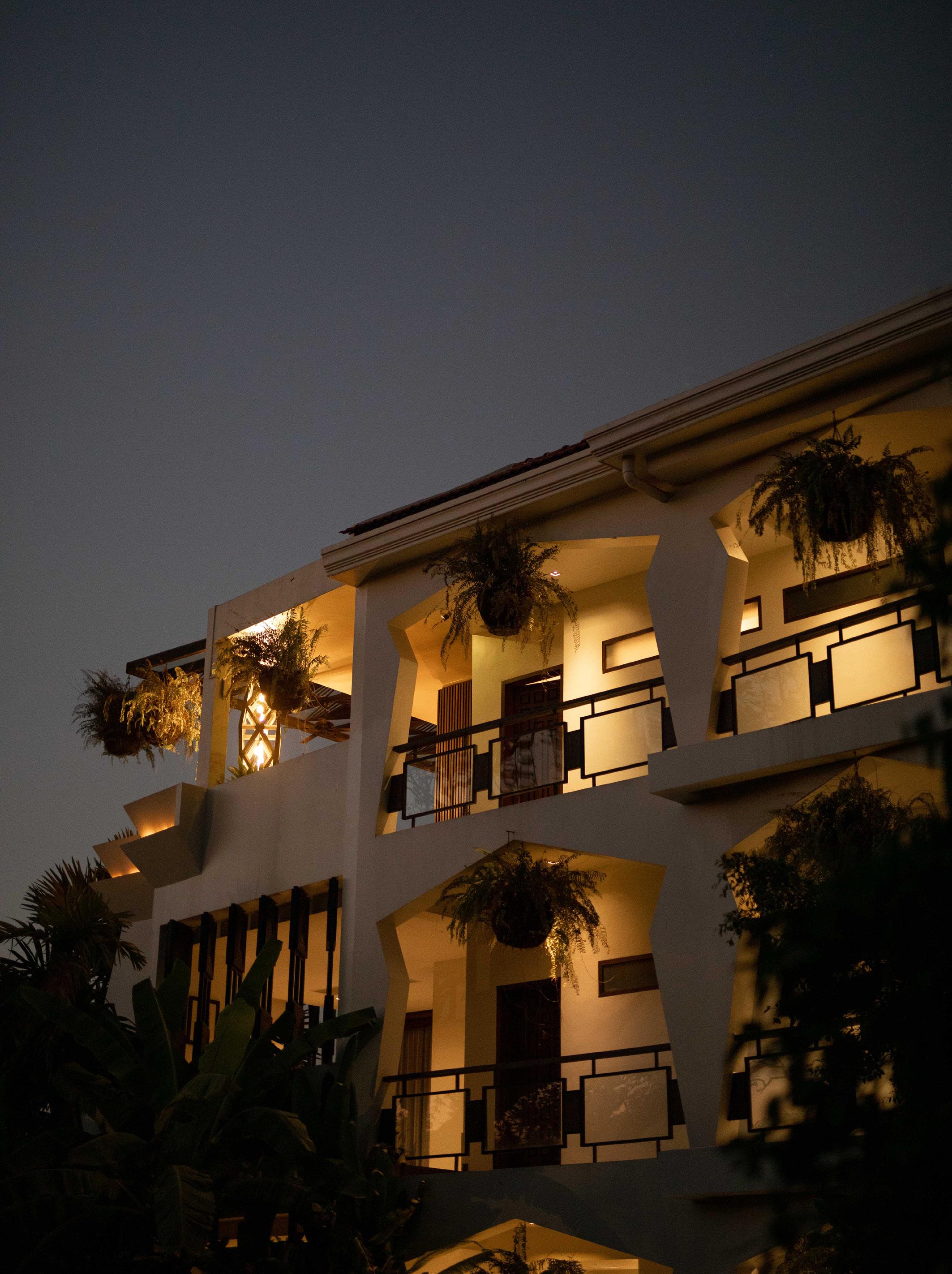
Cambodia’s first single-use plastic-free hotel and consistently ranked as the country’s number one guest accommodation, Jaya House was built with a clear mission: to demonstrate that luxury, when approached thoughtfully, can be regenerative.
“Cambodia’s tourism industry is still developing, which presents a rare opportunity to shape its future responsibly. The boutique accommodation is a working example of how hotels can protect the destination they depend on whilst

With this in mind, Jaya House lives and breathes a regenerative luxury model that is adaptable, scalable, and rooted in local context, making it a benchmark for responsible tourism and environmental leadership.
Jaya House’s regenerative luxury model is built on the principle of leaving a destination better than it was found. Rather than focusing on extraction or volume, Jaya House centres around community uplift, environmental recovery, and meaningful guest experiences, which takes a tangible form across the business.
“We eliminated single-use plastic entirely, introduced refill systems that later informed national and international change, and embedded giving directly into the guest journey, with every room supporting local non-government organisations (NGOs) addressing education, nutrition, and post-conflict recovery,” de Boer outlines.
Jaya House River Park – Cambodia’s first 100 percent singleuse plastic-free hotel – exemplifies high-end sustainable tourism, prioritising community uplift, environmental recovery, and meaningful guest experiences. Christian de Boer, Managing Director, highlights the hotel’s various environmentally driven campaigns, including the farreaching impacts of Refill Not Landfill
WRITER: LUCY PILGRIM

Siem Reap is a Cambodian city shaped by high-volume, short-stay tourism focused narrowly on Angkor Wat, the world’s largest religious complex.
As such, Jaya House’s regenerative luxury model has helped transform the area into a place for slower, more intentional travel.
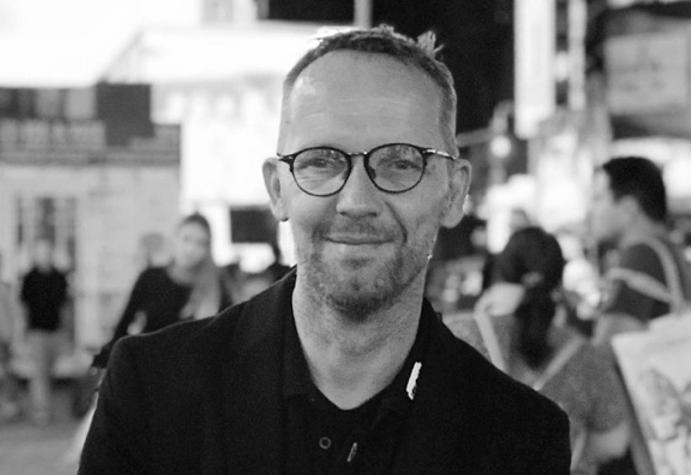
Christian de Boer, Managing Director: “Running a hotel keeps conversations grounded in day-to-day reality and highlights the practical considerations that often shape what is possible, from staffing and training to guest expectations and local infrastructure.
“At Jaya House, ideas are tested through everyday operations, which quickly reveals what works in practice and where adjustments are needed.
“That experience has certainly informed my involvement with the UN and UN Tourism; rather than approaching plastic reduction in abstract terms, I am able to share observations from running a hotel and examples of changes that have proved realistic in a live hospitality environment.
“It has also reinforced the importance of framing sustainability in a way that feels relevant and achievable for hotels. Approaches that simplify operations and improve the guest experience tend to gain support far more easily.
“Keeping the conversation practical helps ensure sustainability remains constructive and applicable across many different tourism settings.”
“Guests are encouraged to stay longer, engage more deeply with the community, and experience Cambodia as a living culture,” de Boer emphasises.
By operating successfully at a smaller scale and remaining commercially strong, Jaya House has shown that low-impact, high-value tourism can offer a credible alternative to mass tourism models.
The strength of the hotel’s regenerative model also lies in its practicality; nothing the hotel does relies on excessive investment or complex technology.
Rather, Jaya House’s decision-making is based around operational choices that any hotel can make regardless of size or budget, including removing plastic, sourcing locally, treating staff fairly, engaging with NGOs, and being transparent about impact.
From the moment they step through the door, travellers feel the importance of Jaya House’s sustainable model.
“Guests experience a hotel that operates entirely without single-use plastic. There are no plastic water bottles, disposable amenities, or unnecessary packaging. Instead, guests refill glass bottles at filtered water stations and quickly realise that nothing about their comfort has been compromised,” de Boer explains.
The hotel additionally invites guests to participate in initiatives that connect them directly with the local community and environment.
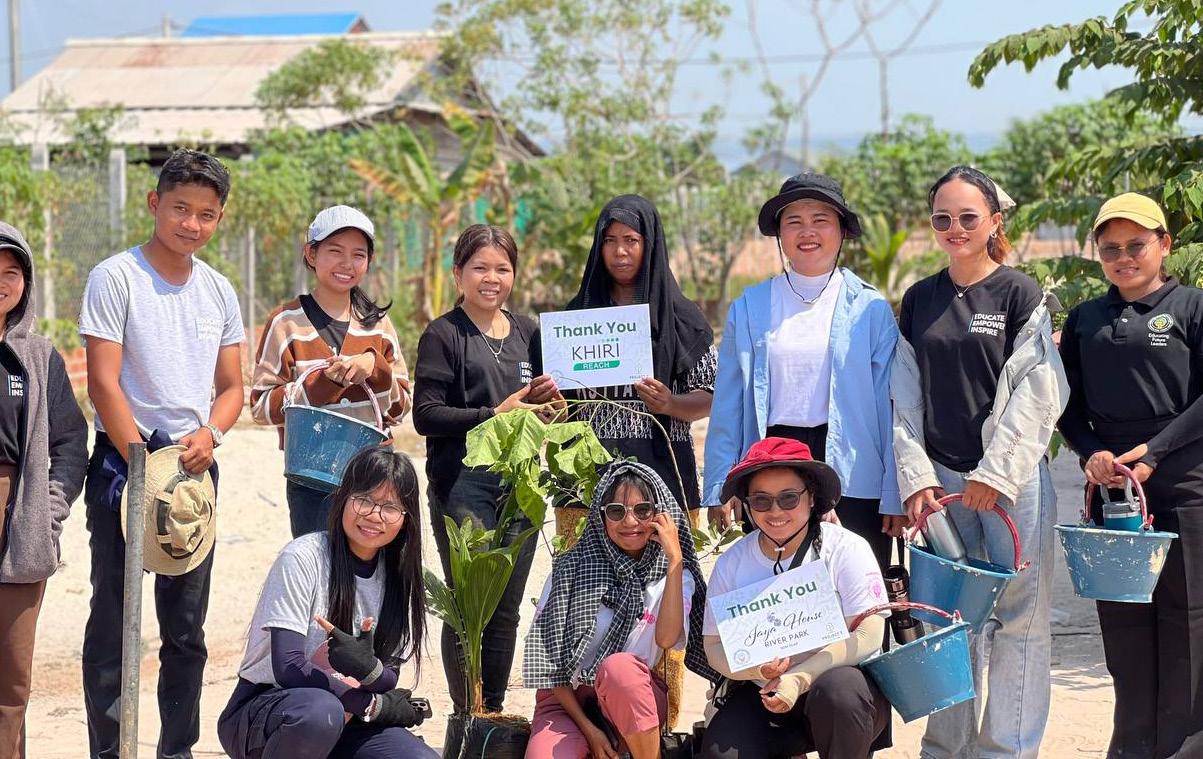
For instance, they are encouraged to take part in riverside clean-ups along Siem Reap River, offering them a simple, hands-on way to contribute to the local environment during their stay.
The initiatives are intentionally uncomplicated, allowing visitors to engage meaningfully without feeling burdened or performative.
“From the beginning, the intention was not simply to minimise harm, but to create measurable, positive outcomes for people, nature, and culture whilst demonstrating that sincere, honest tourism is not only possible, but financially sustainable”
– CHRISTIAN DE BOER, MANAGING DIRECTOR, JAYA HOUSE RIVER PARK
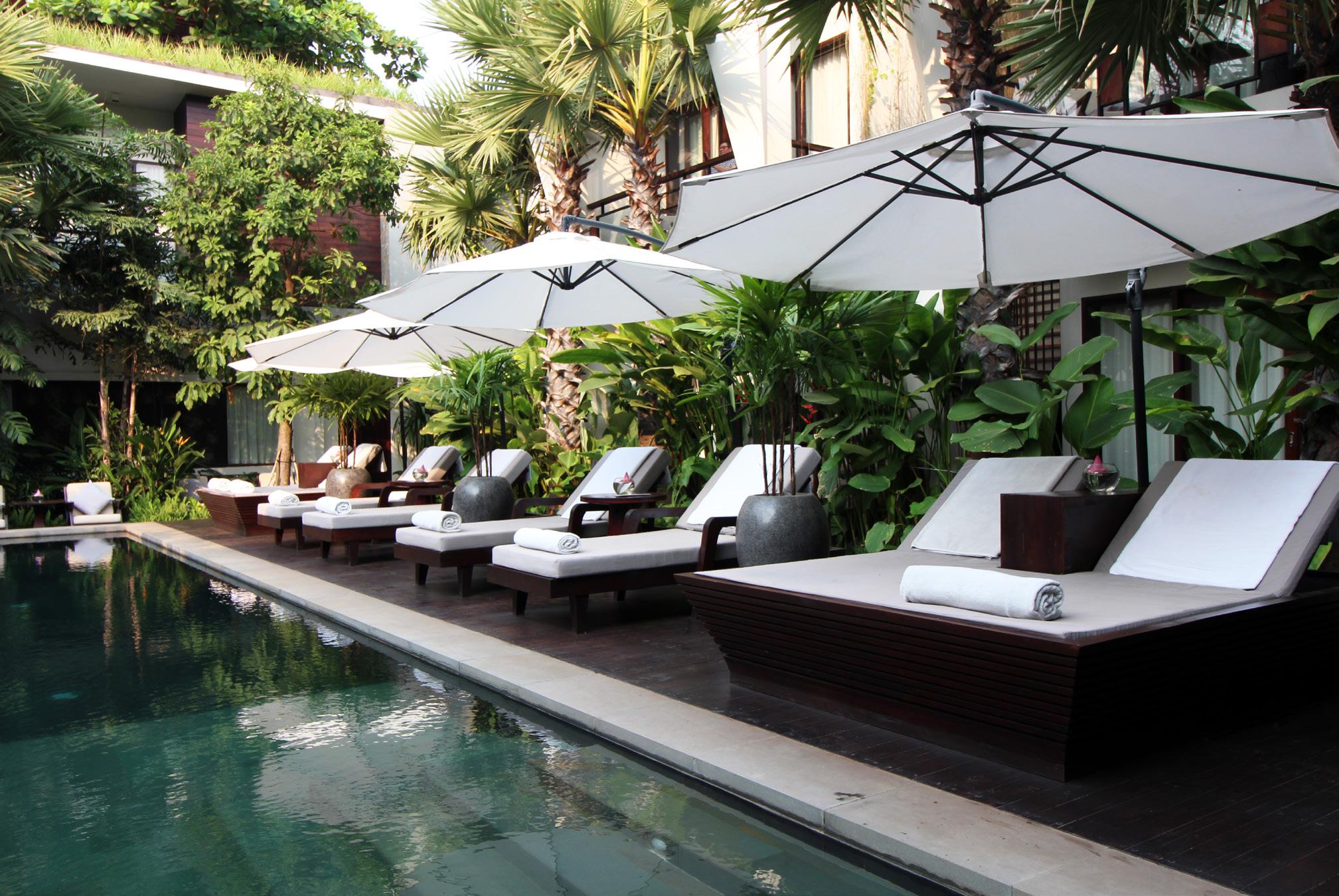
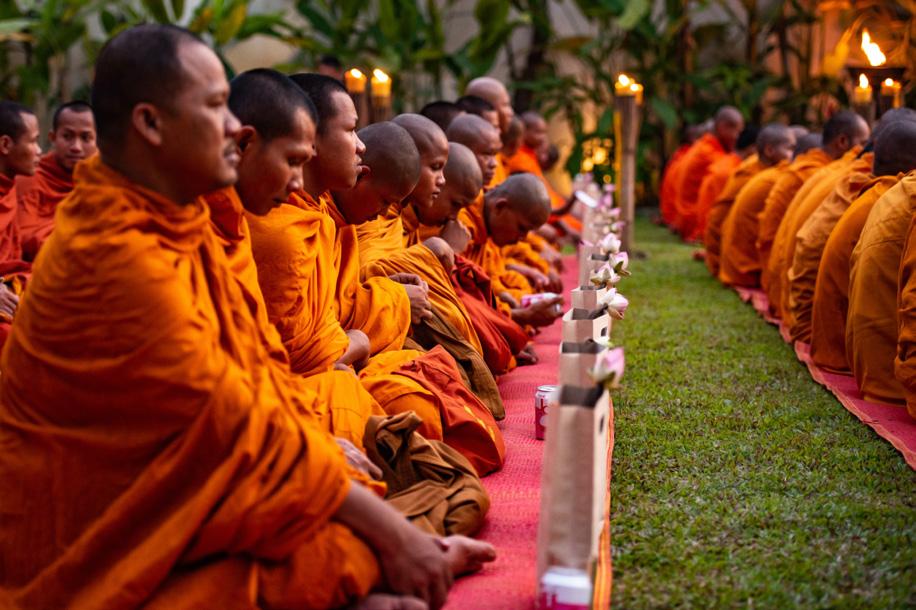
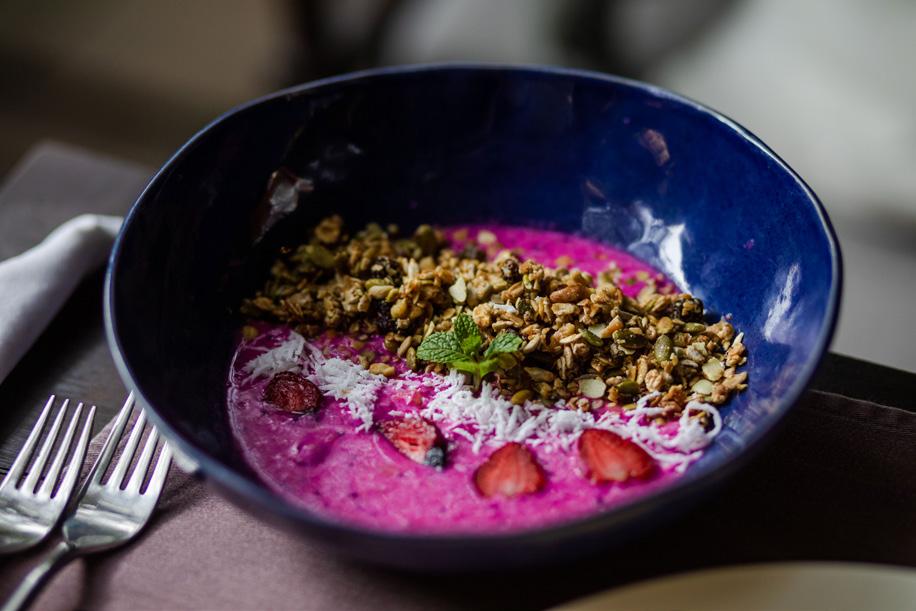
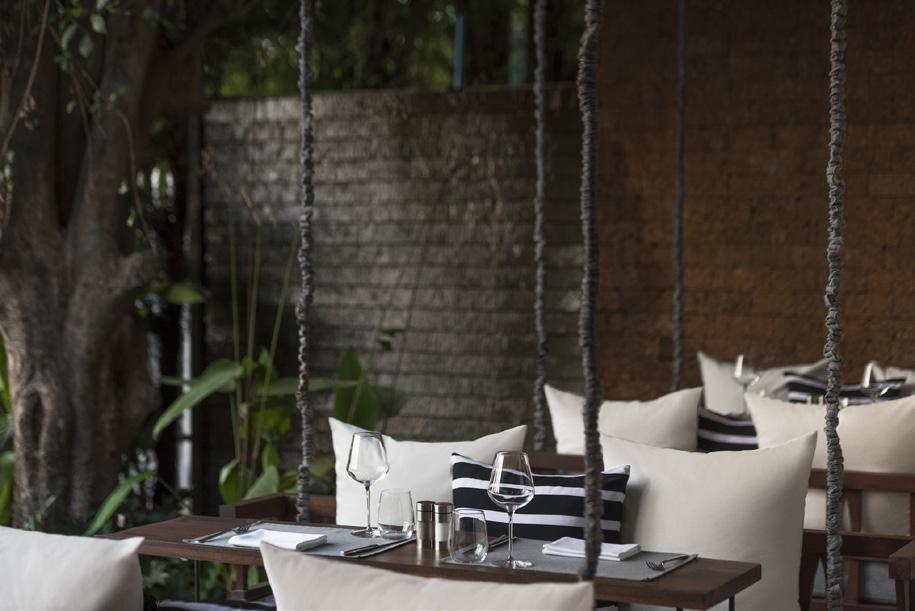
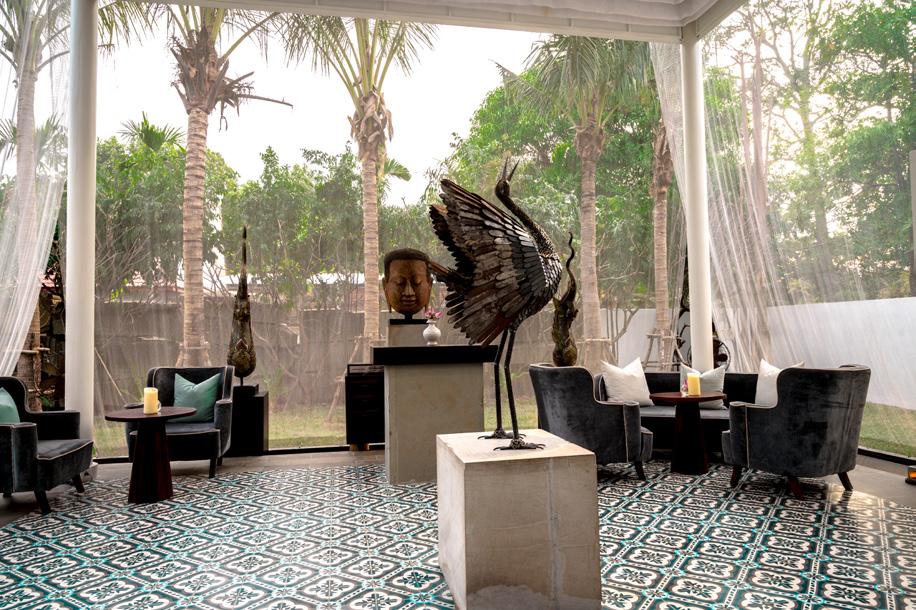

A direct extension of Jaya House’s sustainability ethos, Jaya Organics is the hotel’s in-house natural skin and body care brand developed in Siem Reap.
“It began in response to growing guest interest in the natural products used throughout the hotel and a desire to offer alternatives that were genuinely aligned with our environmental purpose,” de Boer shares.
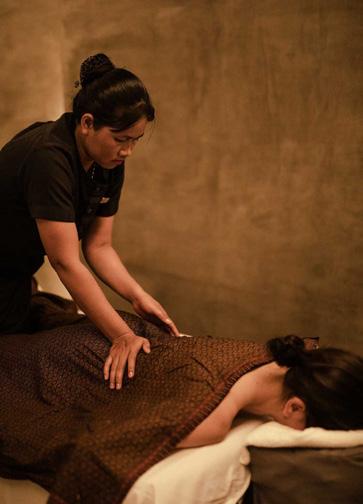
The products are formulated and handcrafted locally in small batches using plant-based Cambodian botanicals such as moringa and lemongrass, chosen for both their skincare benefits and local availability.
Jaya Organics also supports local employment and skills development by producing everything in Siem Reap with Cambodian staff, keeping both economic value and knowledge within the community.

“These experiences encourage reflection as guests begin to question why plastic-heavy systems are still normalised and common in hospitality and see how small actions can make a real impact,” outlines de Boer.
A global campaign achieving meaningful success in reducing single-use plastic, Refill Not Landfill began in 2016 out of daily operational frustration.
“At the time, tourism in Cambodia was consuming plastic water bottles at an enormous scale, yet there was no effective waste infrastructure in place to manage them responsibly. Recycling and offsetting were often presented as solutions, but neither addressed the problem at its source,” de Boer informs us.
In light of this, the decision was made to remove bottled water entirely from Jaya House and replace it with refill systems built around filtered water and reusable bottles.
The immediate impact of this move was visible on the ground and across the riverbanks – areas that once took hours to clean could suddenly be cleared in 20 minutes.
As other hotels, cafés, schools, and tourism businesses faced the same challenges, Refill Not Landfill evolved into a wider campaign focused on prevention rather than clean-up. It provided a practical, reliable alternative to bottled water through free refill stations and reusable aluminium bottles.
Today, the campaign has helped prevent over 500,000 plastic bottles from entering Cambodia’s landfills, waterways, and natural landscapes.
As interest grew beyond the country’s boundaries, the initiative evolved into Refill the World – a global platform that maps and supports refill stations internationally.
“Refill Not Landfill remains our founding philosophy and hospitality-led model, whilst Refill the World provides the infrastructure and visibility needed to operate at scale, showing how a practical, hotel-led solution can grow
JAYA HOUSE RIVER PARK SUSTAINABILITY STORIES
“Refill Not Landfill remains our founding philosophy and hospitality-led model, whilst Refill the World provides the infrastructure and visibility needed to operate at scale, showing how a practical, hotel-led solution can grow into a globally relevant system rooted in real hospitality practices”
– CHRISTIAN DE BOER, MANAGING DIRECTOR, JAYA HOUSE RIVER PARK
into a globally relevant system rooted in real hospitality practices,” insights de Boer.
The evolution of Refill Not Landfill into Refill the World mirrors the broader industry direction and growing recognition that plastic pollution poses a direct threat to the long-term viability of natural ecosystems.
Since the campaign’s launch a decade ago, a vast range of hospitality-led and policy-backed initiatives have emerged.
These include the introduction of refill station networks in hotels and cafés across Bali, coordinated refill schemes supported by municipal waste strategies in cities such as Tokyo and Osaka, and Singapore’s national recycling programme.
“Together, these efforts signal a move from isolated actions to more visible, shared systems,” de Boer states.
Today, Refill the World connects more than 1,000 publicly listed refill stations worldwide, aligning clearly with wider regional and global sustainability goals.
“Cambodia’s experience shows that industry-led action can move quickly and influence wider adoption when solutions are practical, visible, and easy to replicate.”
Alongside its highly successful Refill Not Landfill campaign and regenerative luxury model, Jaya House’s other sustainability initiatives are rooted in long-term, trusted partnerships rather than one-off gestures.
The hotel encourages regular donations to support numerous organisations including the Green Gecko Project, Landmine Relief Fund, and Small Art School, linking tourism to education, nutrition, and post-conflict recovery.
Jaya House’s Nutritional Book Drive, meanwhile, encourages guests to bring educational books focused on health and nutrition, which are made freely available to local children. To date, this initiative has delivered more than 1,600 books to schools and libraries across Siem Reap.
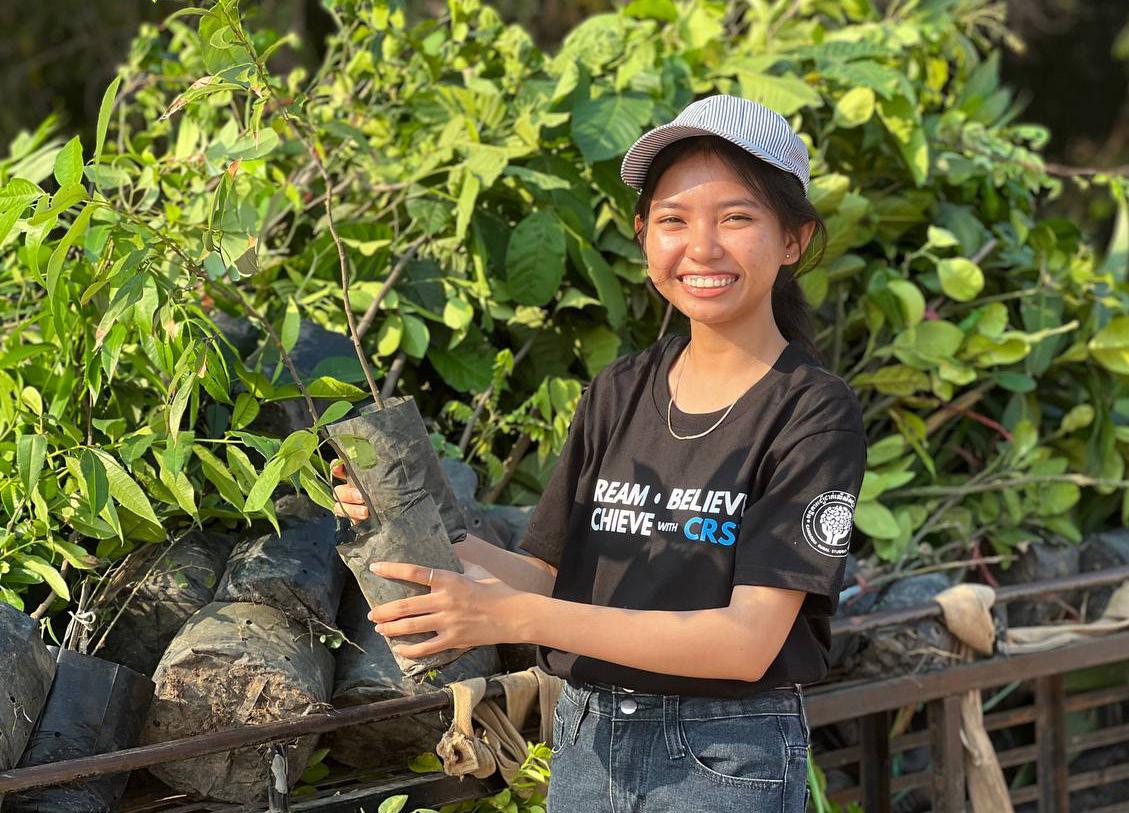
On top of this, the hotel has also planted more than 5,000 native trees across the local area.
“These initiatives are deeply cemented into our operations rather than additional contributions here and there.
“We aim to ensure every guest contributes directly to stronger community resilience and environmental recovery, creating impact that extends well beyond the hotel itself,” shares de Boer.
Jaya House’s focus this year is on refinement over expansion; as sustainability research and guest expectations continue to evolve, so will the hotel’s approach whilst ensuring everything it implements remains practical, effective, and replicable by others in the industry.
Central to this is Jaya House’s desire to show that sincere, honest tourism is a genuine possibility in which the guests themselves play a key role.
“By experiencing honest, regenerative hospitality firsthand, many leave with a higher expectation of how hotels should operate and carry those standards with them to other destinations, helping to raise the bar across the luxury hospitality sector.
“Our aim is to keep improving how we operate whilst continuing to demonstrate that responsible, communityled tourism can thrive commercially and inspire wider change far beyond Cambodia,” de Boer closes.

Tel: +855 (0)63 760 600 info@jayahouseriverpark.com www.jayahouseriverparksiemreap.com
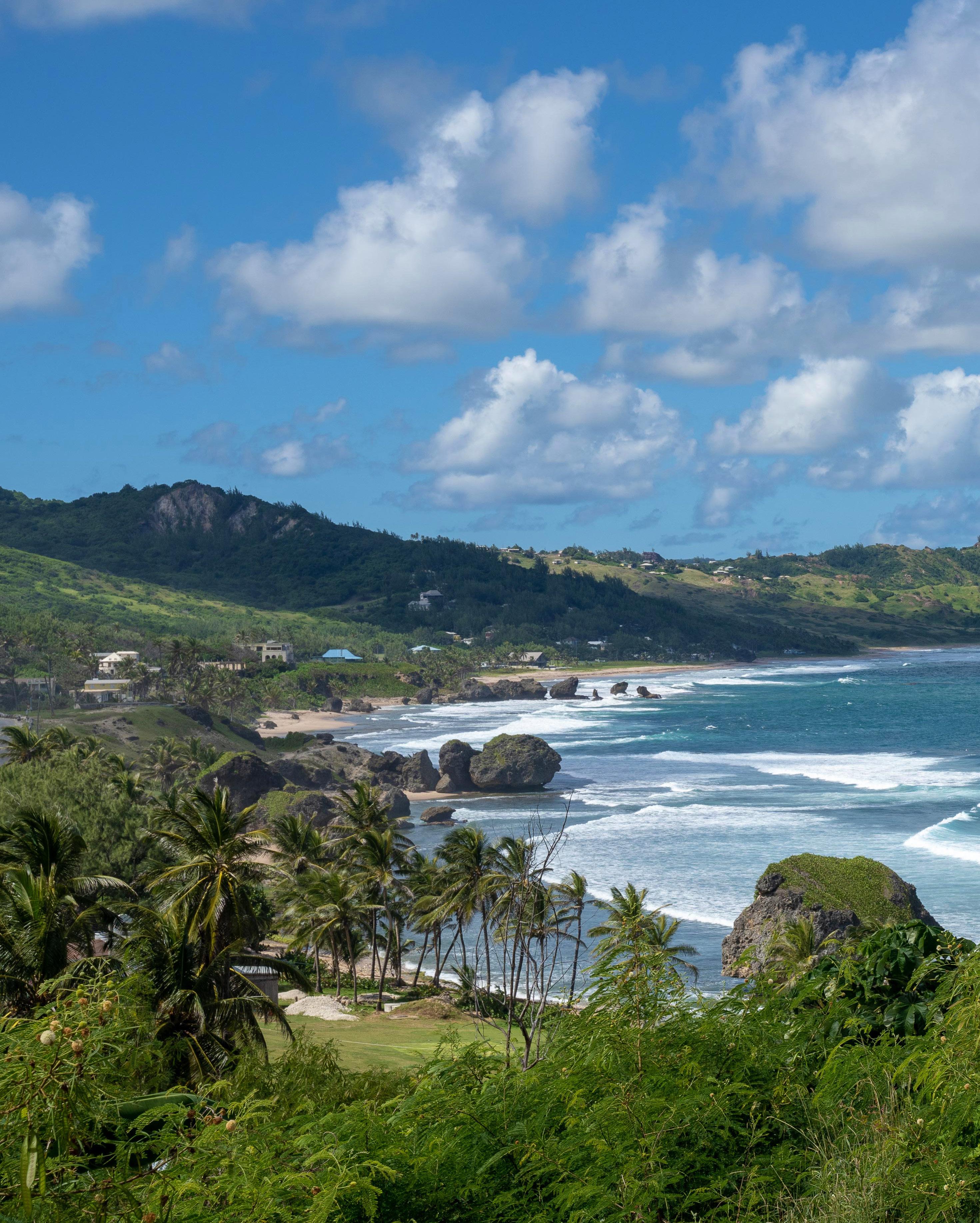
Sip on smooth world-class rum, dance the day and night away at a local music festival, delve into local history, sink your toes into white sandy beaches, and indulge in Bajan food fit for the soul in Barbados –the gem of the Caribbean
WRITER: LILY SAWYER | PROJECT MANAGER: JOSH EDWARDS
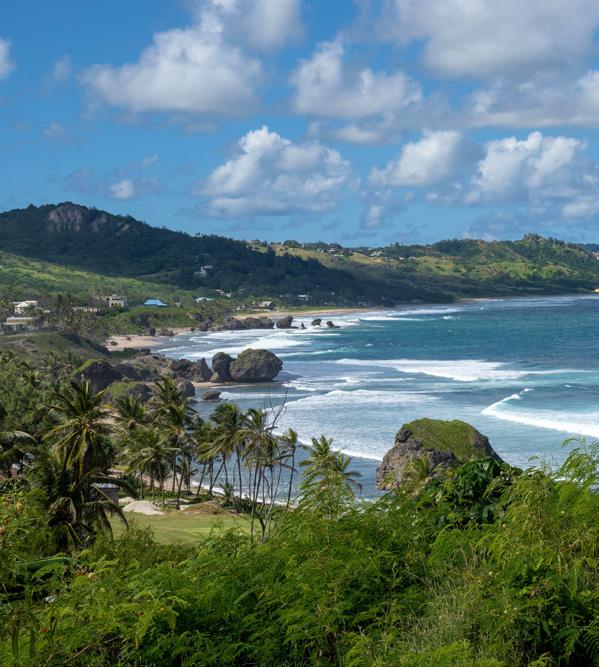
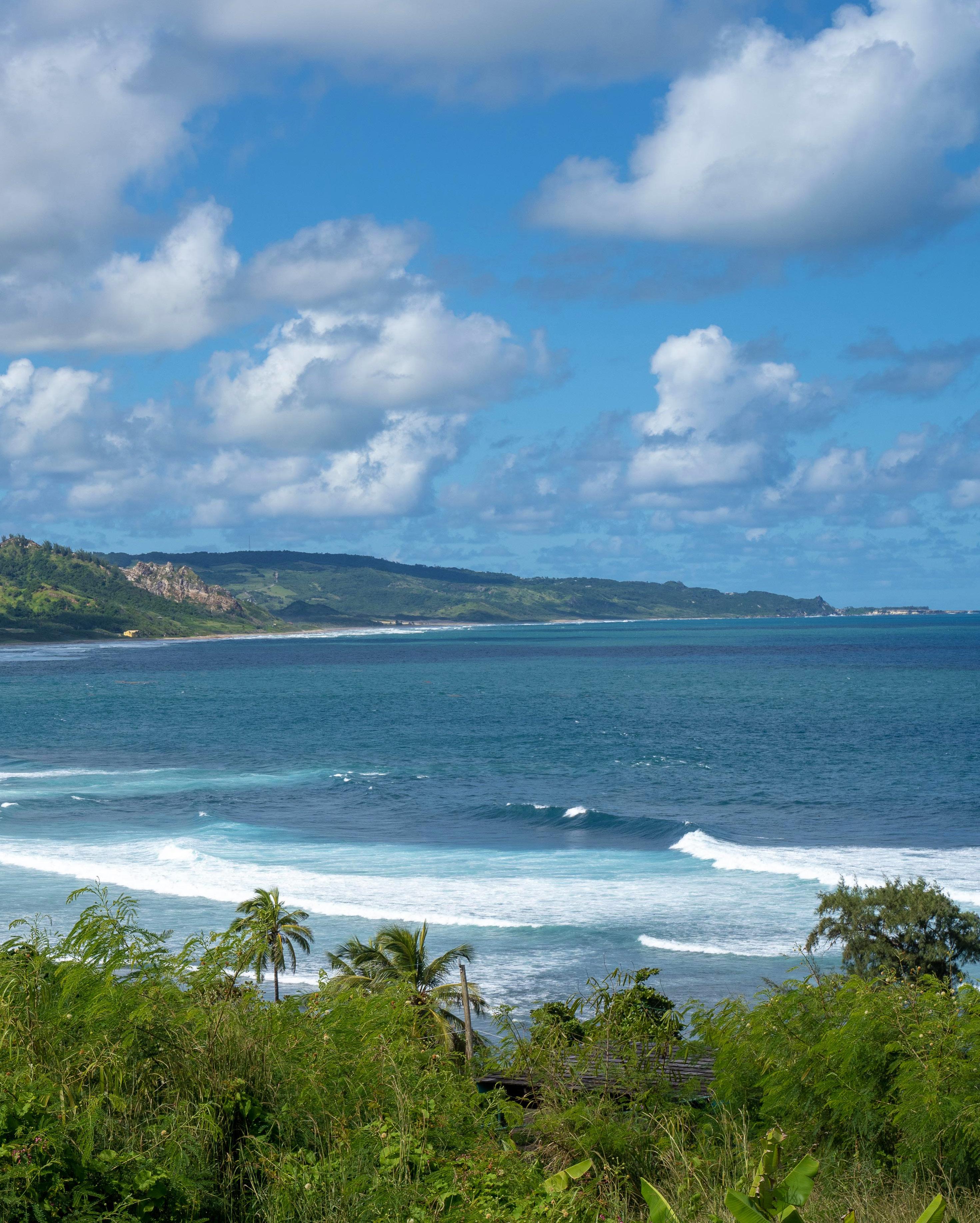
Known for its sparkling waters and some of the world’s best sun-soaked beaches, vivacious aura, and rum-loving cocktail bars, Barbados’ tropical exterior conceals a treasure trove of unexplored wonders beyond the conventional.
The true soul of this Caribbean haven can be found in its powerful spirit, which lives amongst Bridgetown’s vibrant culture, authentic local eateries ranging from street to chic on every street corner, and significant landmarks steeped in a storied history.
To best experience Barbados, one must dive beneath the surface to access the genuine warmth of an island that’s much more than a picture-perfect postcard.
Peel back the layers to reveal the infectious rhythm of Bajan life on the island – a place where the pulsating soca and calypso beats of the annual Crop Over Festival and the aroma of traditional cuisine captivate the senses.
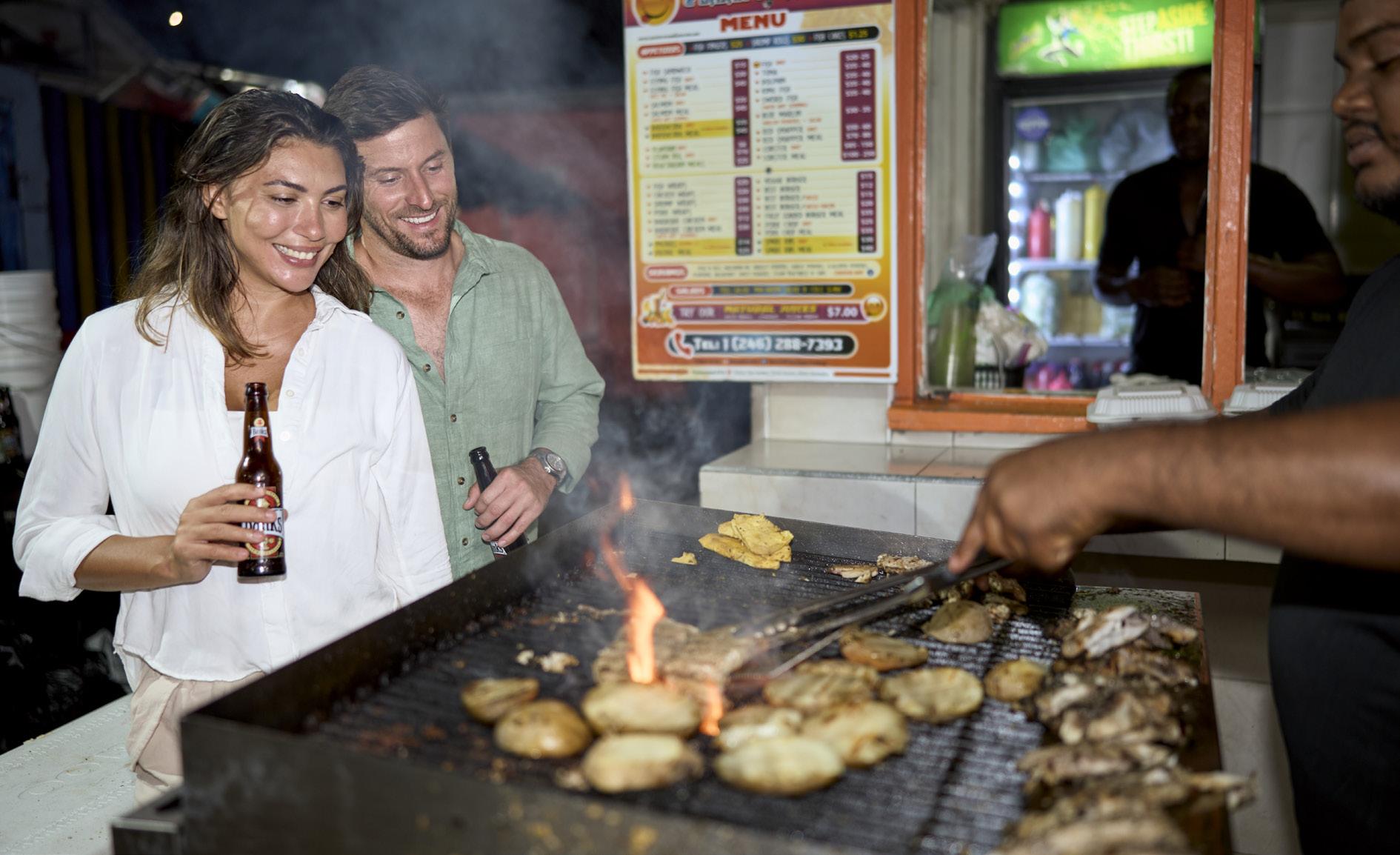
Discover one of Barbados’ many colourful local food markets and dine under the stars in an atmosphere
filled with the scent of flavoursome herbs carried on the sea breeze. Experience an abundance of fresh, succulent seafood that offer a wealth of culinary delights accompanied by a local Banks Beer.
A rum lover’s paradise, Barbados is also home to Mount Gay Rum – the world’s oldest commercial rum distillery, known for using local sugarcane and coral-filtered water in its blends. Here, rum tasting reflects centuries of craftsmanship, with each sip revealing a different chapter of the island’s past.
Beyond the sandy coastline and delectable rum culture, Barbados’ architecturally striking churches equally stand as living archives of history, bridging the gap between centuries.
Elsewhere, former sugar mills and plantation houses provide further context for an in-depth understanding of the islands’ colonial legacy.
In short, for travellers eager to dive deeper, Barbados is more than a luxury beach escape – it’s an immersive journey through culture, history, and island life.
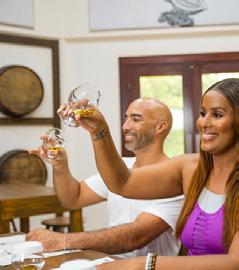
Experience the only distillery in Barbados located right on the beach. At Stade’s Rum Distillery, home of Planteray and Stade’s rums, visitors can discover authentic Barbadian rum where it is crafted, aged and enjoyed.
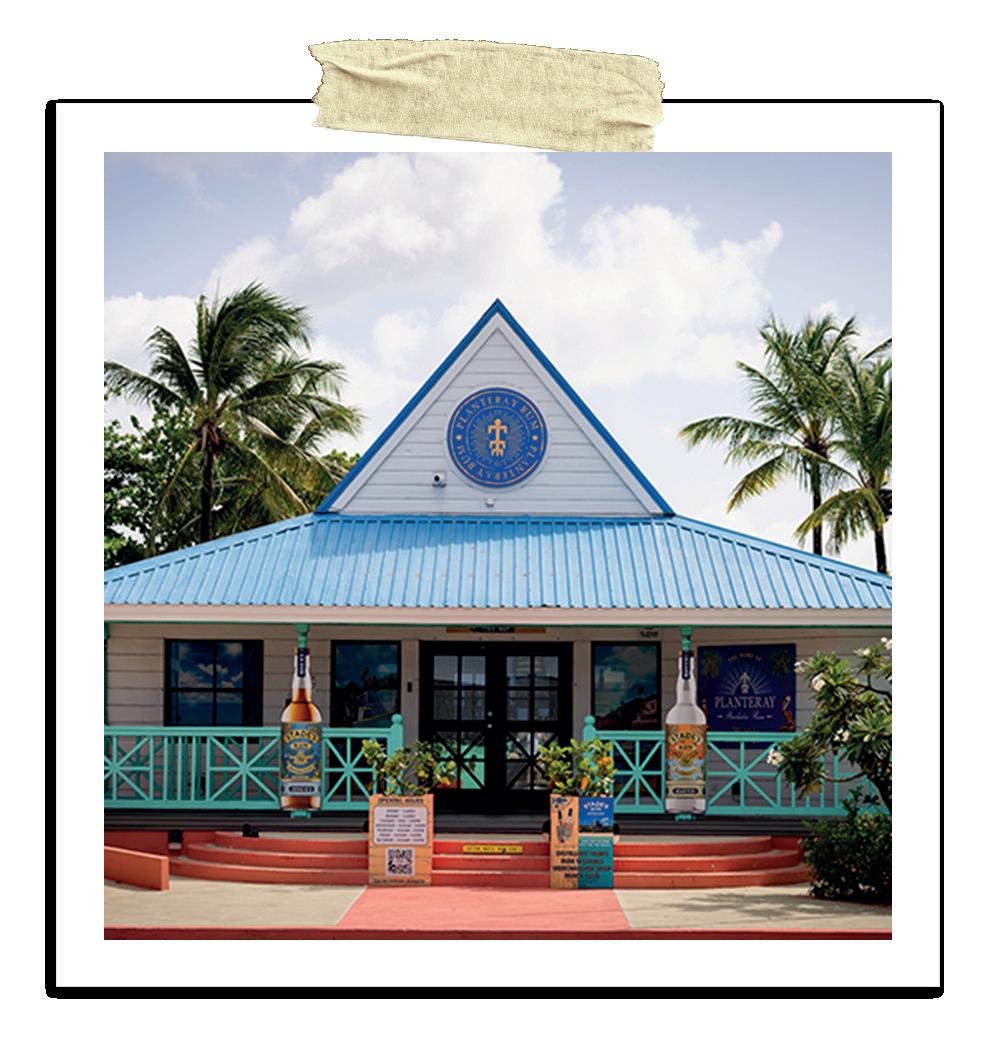
At the Stade’s Rum Visitor Centre, explore the story behind more than 130 years of Barbadian rum-making heritage, from traditional techniques to the unique seaside environment that shapes our spirits.

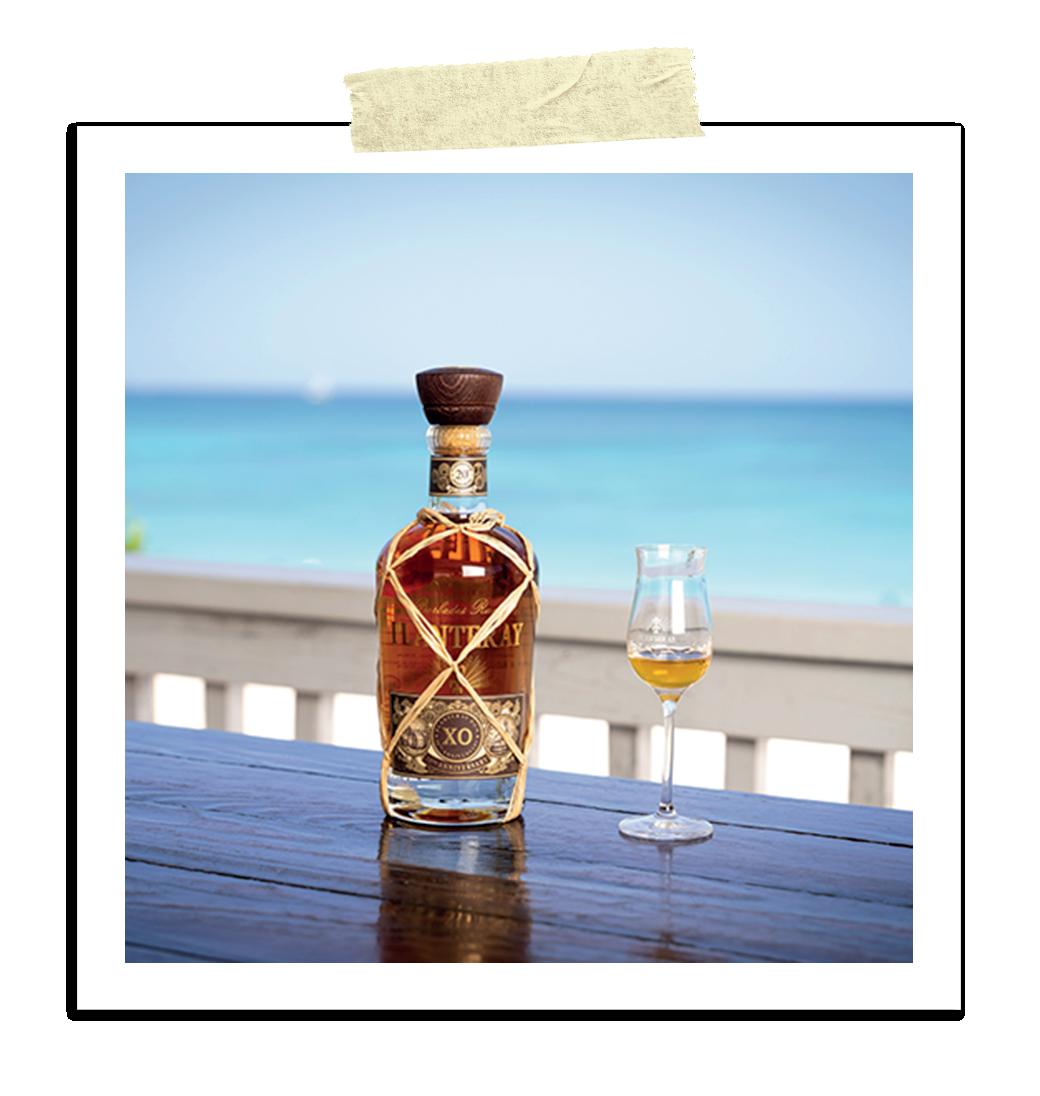
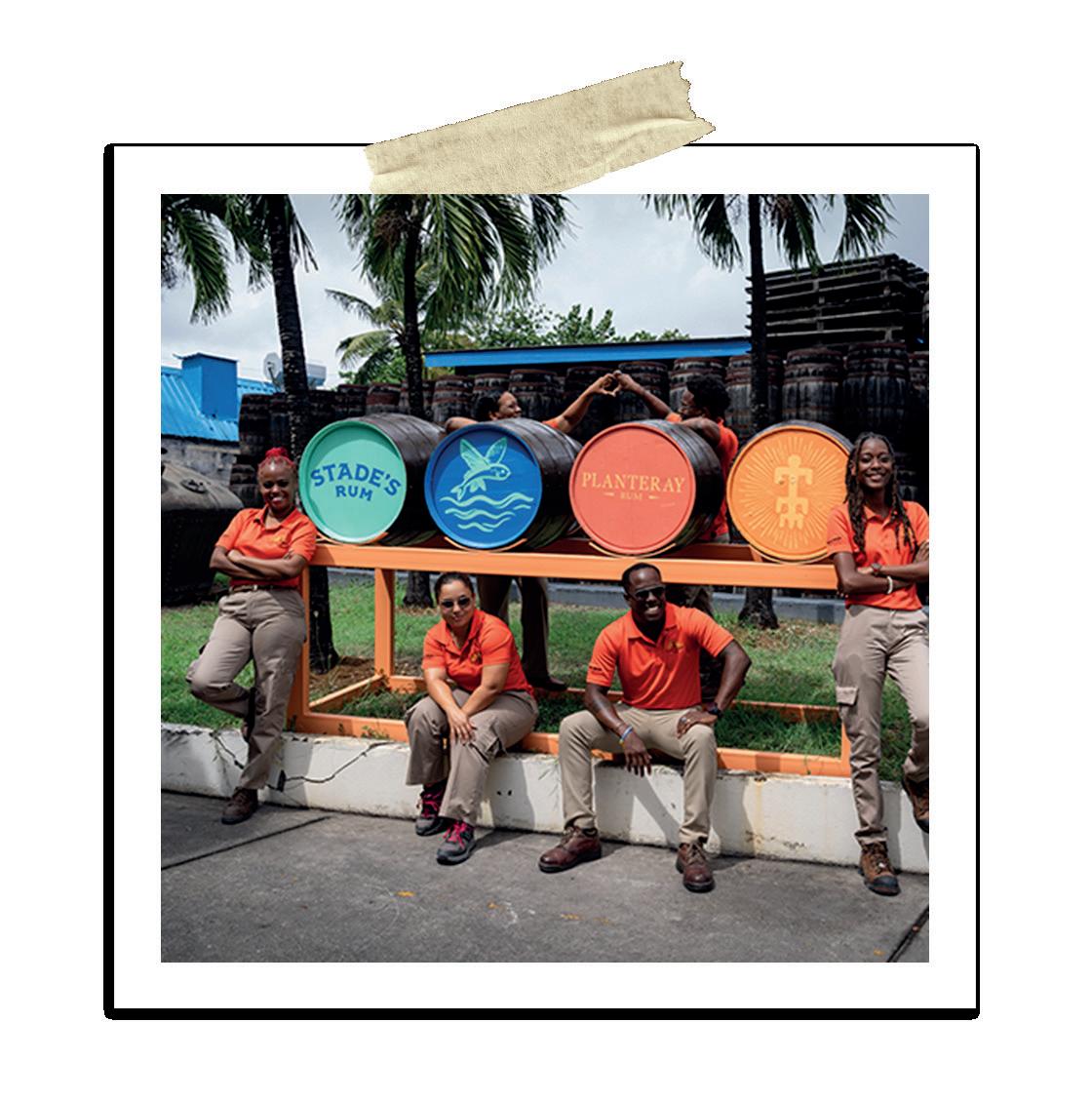
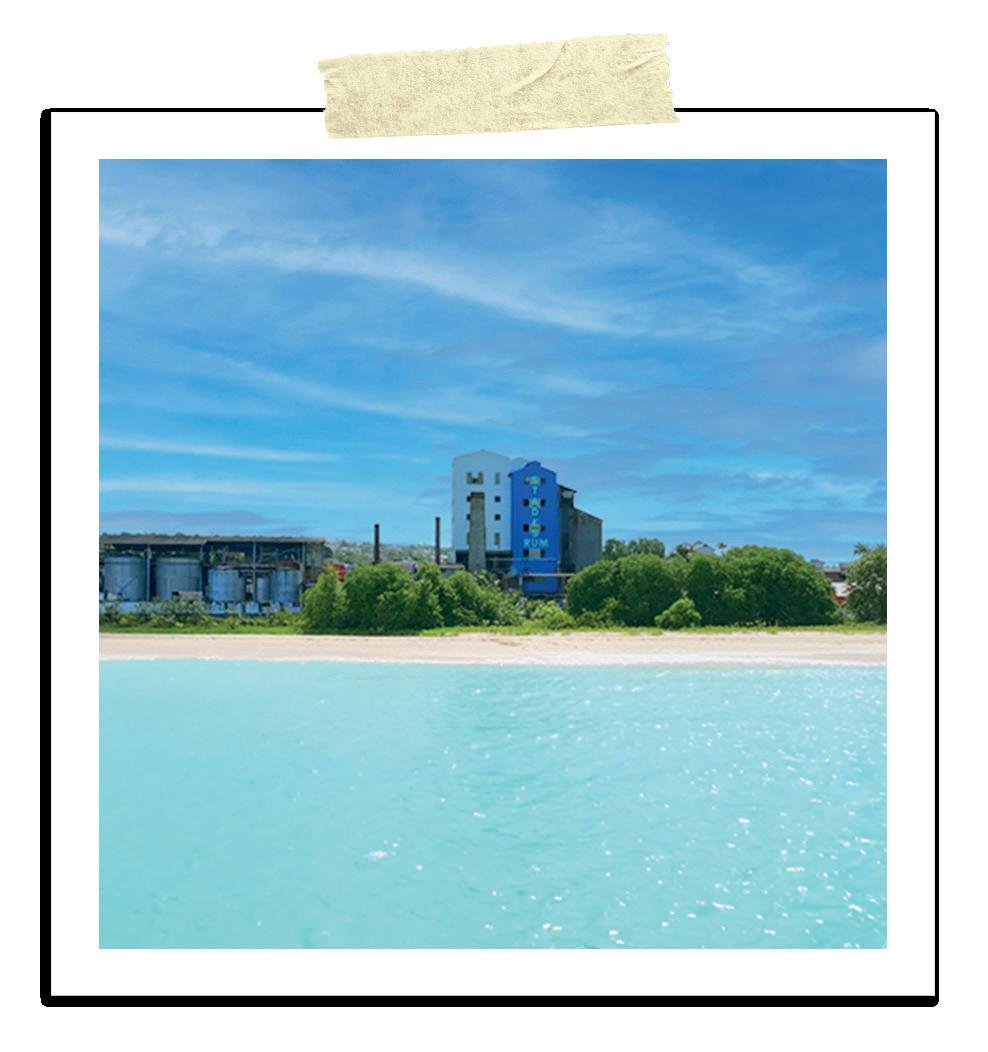
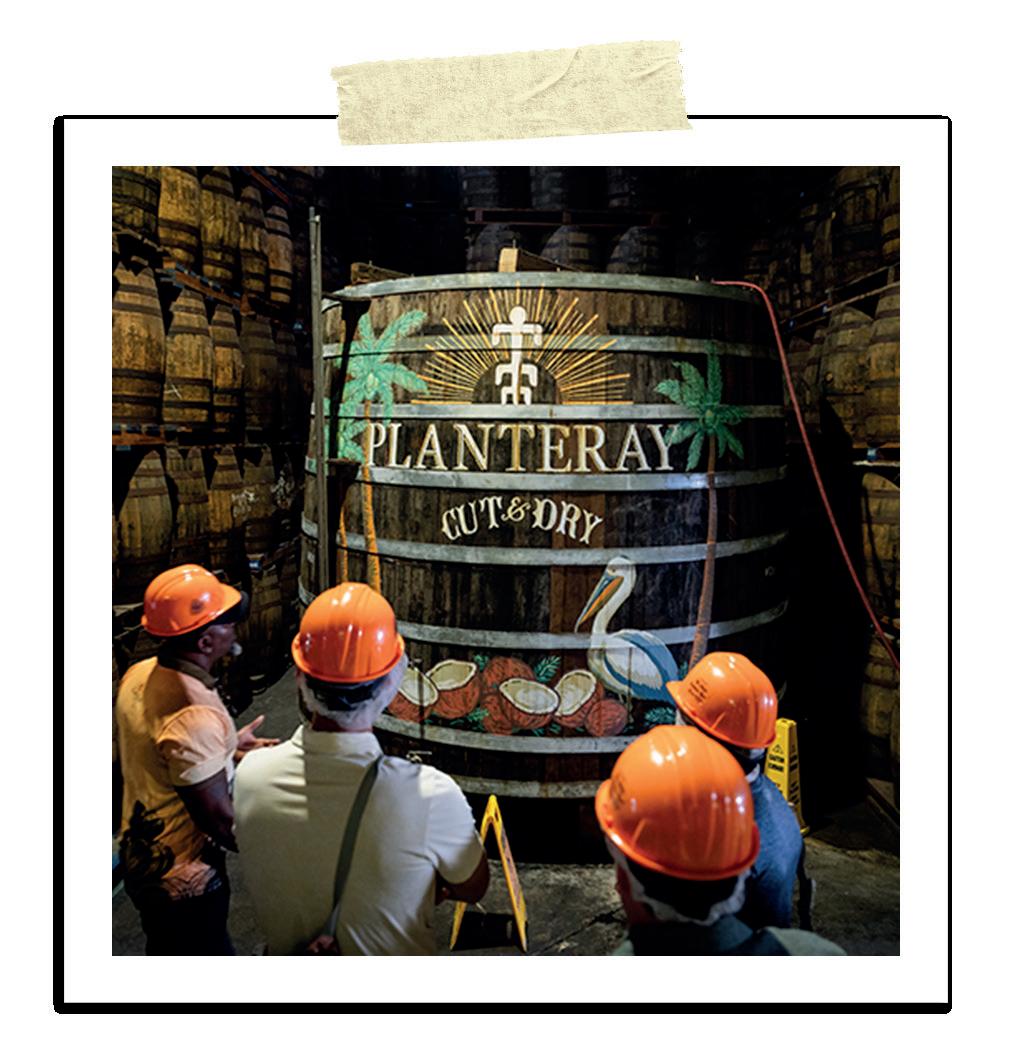



The Distillery Tour begins with a welcome cocktail and takes you behind the scenes of the distillery. Discover our historic stills, learn about the craft of rum-making and tropical ageing, and fınish with a guided tasting of our rums, including a special taste straight from the barrel.
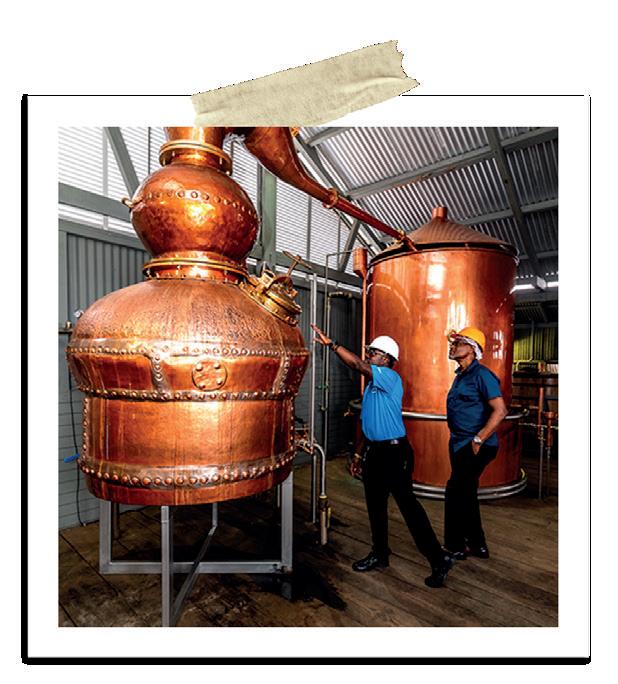
You can also opt for the Rum Tasting, held on our Brighton Beach deck overlooking the Caribbean Sea, where our team introduces you to a selection of our award-winning rums.
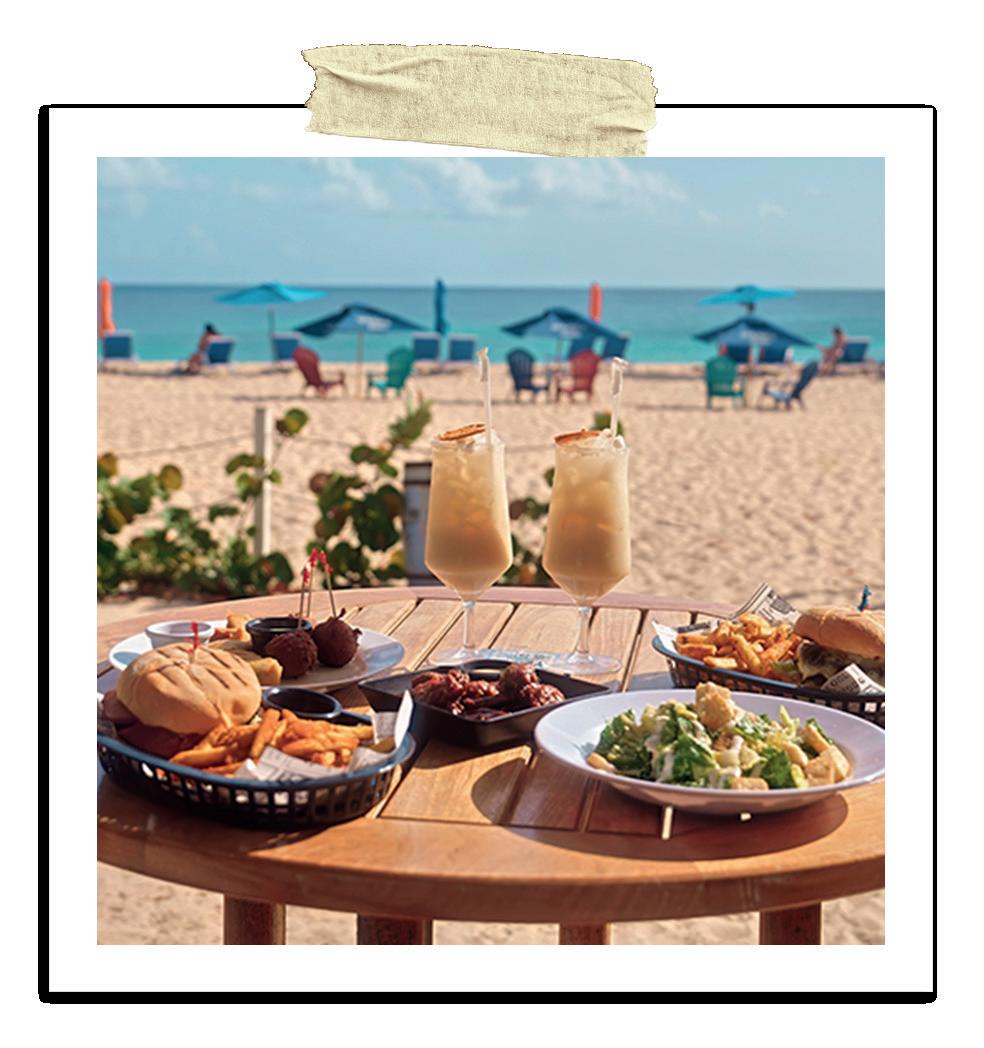
Both experiences include access to our Beach Club, where you can continue your perfect Barbados day at our beachfront restaurant and cocktail bar, enjoy lunch and a refreshing cocktail, and browse our boutique for special bottles to take home.


We revisit Barbados Tourism Marketing Inc. with CEO, Andrea Franklin, who discusses how the island’s tourism landscape has evolved over the past 18 months and what makes Barbados ideal for a luxury getaway in 2026.

ANDREA FRANKLIN CEO, Barbados Tourism Marketing Inc.
Outlook Travel (OT): Firstly, how does Barbados Tourism Marketing Inc. continue to curate diverse experiences that showcase the best of the island?
Andrea Franklin, CEO (AF): At Barbados Tourism Marketing Inc. (BTMI), we remain committed to supporting experiences that reveal the island’s depth as a destination and its distinctive charm.
Today’s travellers want more than a vacation; they want meaningful discovery. With this in mind, we curate programmes that allow visitors to see Barbados through various lenses – sports tourism, culinary exploration, heritage immersion, festivals and events, and our worldrenowned rum culture.
Our sports tourism portfolio continues to expand with high-impact international events, creating opportunities for visitors to engage with the island through cricket, golf, water sports, and our signature annual Run Barbados Marathon and Wellness Weekend.
In September 2026, Barbados will have the privilege of hosting the finals of the Caribbean Premier League’s annual Twenty20 cricket tournament at Kensington Oval.
Simultaneously, we are deepening our culinary and rum tourism experiences, anchored by the island’s legacy as the birthplace of the well-loved beverage spirited elixirs and celebrated during the annual Barbados Food and Rum Festival in November.
Heritage tourism remains equally important. In 2025, during the Crop Over Festival, we welcomed American
celebrity Scott Evans – host of Access Hollywood and House Guest – along with his family, who journeyed to Barbados to trace their Bajan lineage – an increasingly common and powerful trend.
BTMI is strengthening its heritage pathways to support diaspora visitors seeking reconnection, genealogy tours, and personalised cultural experiences.
Through these initiatives, we ensure that every traveller can see the best of Barbados, whether through gastronomy, sports, culture, or family roots.
OT: How has BTMI expanded airlift, cruise arrivals, and brand visibility over the last 18 months?
AF: The past year and a half have marked one of the most strategically progressive periods for Barbados’ global connectivity. We strengthened key aviation partnerships, increased route frequency, and deepened our presence in major source markets.
Notable achievements include winter 2024/25, when the island saw the reintroduction of daily non-stop flights from Atlanta, US on Delta Air Lines, and New York and Philadelphia on American Airlines.
Additionally, increased flight frequency from Boston contributed to the US market being a key driver of growth in long-stay visitor arrivals.
During 2025, we celebrated 50 years of American Airlines providing trusted connectivity on the island, alongside JetBlue’s 10-year anniversary of direct service from Boston – a route that has proven essential for connection with the Eastern Seaboard of the US.
More recently, KLM returning to service reopened critical access to and from continental Europe for winter 2025/2026.
As Barbados hosted the Grow, Unite, Build Africa (GUBA) Awards in 2025, it became the first Caribbean Island to offer a direct chartered flight from Ghana, strengthening our ties within targeted markets on the African continent.
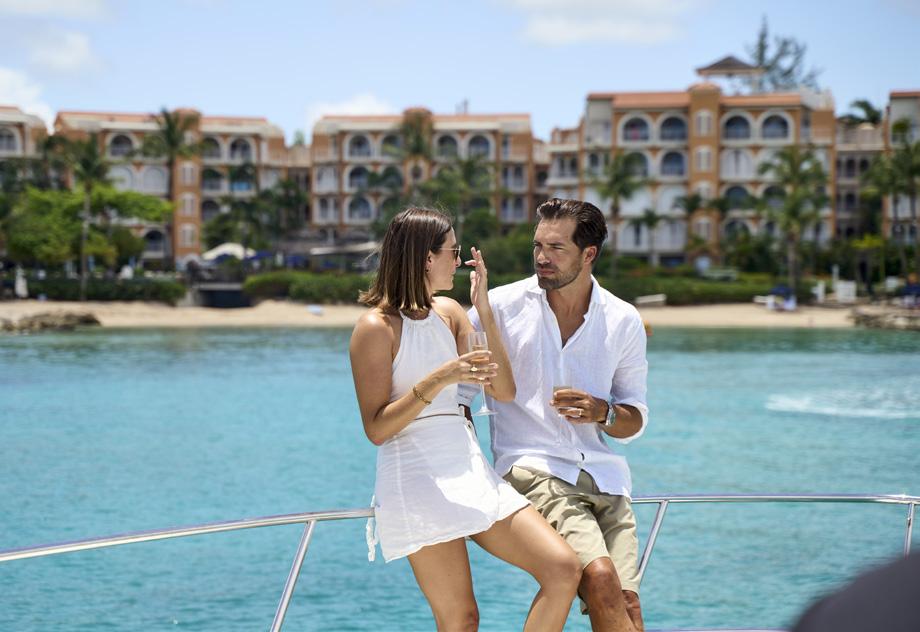
On the cruise side, our port partnerships have increased homeporting commitments. We have seen notable growth of transit cruise passenger arrivals, reflective of larger vessels and vessels sailing at full capacity.
Based on data for the first seven months of 2025, Barbados recorded the strongest growth in cruise passenger arrivals throughout the Caribbean region. These results are testament to our steadfast efforts to maintain the current growth trajectory and continue to position the island as the premier homeport destination in the Southern Caribbean.
OT: How has the tourism landscape evolved in Barbados over the last 18 months, and how have you responded?
AF: Barbados has experienced a notable evolution in traveller expectations, booking behaviour, and preferred experiences.
Travellers are prioritising authenticity, wellness, sustainability, and immersive luxury, and Barbados has responded decisively. As such, BTMI has focused on:
• Expanding experiential tourism products from cultural and culinary activities to nature-based itineraries, including Dine With a Bajan and expanding the Barbados marathon to include wellness.
• Strengthening community-based tourism and creating direct bridges between visitors and local entrepreneurs at Oistins Bay Garden and Dre’s Bar Pelican Village Craft Centre.
• Leveraging advanced data analytics to better understand traveller needs, guide marketing decisions, and optimise route development.
• Accelerating digital campaigns to meet travellers who are mobile-first, content-driven, and seeking personalised recommendations. The 2026 Barbados Summer Campaign, ‘Your Sweetest Summer Escape’, is available at bookbarbados.com
This evolution has not only made Barbados more competitive but also better aligned with the future of global travel.
OT: What makes Barbados ideal for a luxury getaway in 2026?
AF: Barbados’ luxury sector is entering a defining era. In 2026, travellers can expect a unique blend of world-class elegance and authentic island sophistication.
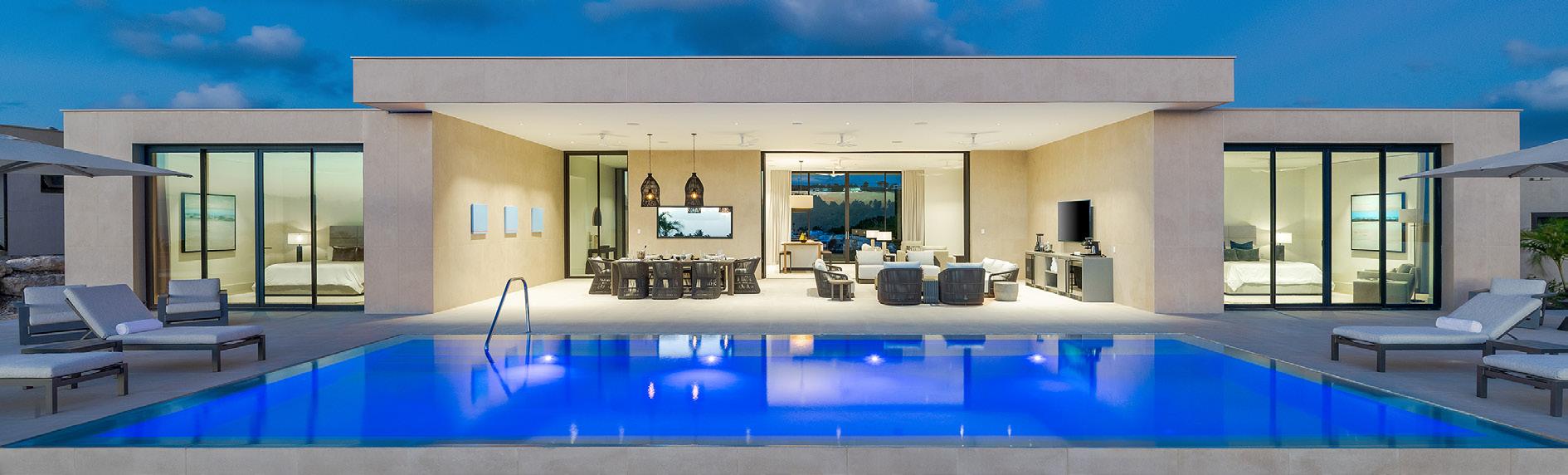
Highlights include Apes Hill Barbados, an elevated luxury community blending championship golf with sustainable living and the thriving West Coast villa market, offering bespoke stays with privacy, personalised service, and panoramic ocean views.
Elsewhere, world-class golf courses, internationally recognised tournaments, and premium sport-centric activities are also available for guests, alongside private yacht and chartered cruise experiences offering exclusive ocean exploration.
Looking beyond 2026, The Pierhead redevelopment in Bridgetown is a transformative project that will reposition the capital as a magnet for luxury travel, investment, and cultural engagement.
Barbados offers villa chic to barefoot luxury, ensuring that guests can enjoy exclusivity, tranquillity, and exceptional service on their own terms.
OT: How can eco-tourists best enjoy the island over the next year?
AF: Barbados offers immersive eco-experiences that allow visitors to reconnect with nature whilst supporting conservation.
Eco-travellers can explore:
• Walkers Reserve – A world-leading regenerative landscape project which was recently awarded the 2025 Impact Award for Climate Innovation in the Regenerative Travel Impact Awards.
• Graeme Hall Nature Sanctuary – Recently revitalised to protect Barbados’ last remaining mangrove wetland.
• Coco Hill Forest – Farm-to-table experiences and expansive hiking trails.
• Run Barbados Marathon and Wellness Weekend 2026 – Combines fitness, community wellness activities, and a breathtaking display of the islands’ coastal scenery.
Barbados is becoming a model for sustainable tropical travel, and eco-tourists will find the island both enriching and restorative.
OT: What new accommodation options would you recommend to travellers?
AF: Barbados continues to strengthen its accommodation portfolio through renovation, reinvestment, and new development.
Recent highlights include a suite of newly refurbished Marriott Hotels & Resorts (Marriott) properties including the Colony Club, Treasure Beach Art Hotel, and The House, offering a refreshed luxury experience on the west coast.
Set to open in 2026, these hotels will become sister properties of Tamarind, Crystal Cove, and Turtle Beach, all of which formerly operated as part of the Elegant Hotels Group before being sold to Marriott.
These properties will form part of Marriott’s Autograph
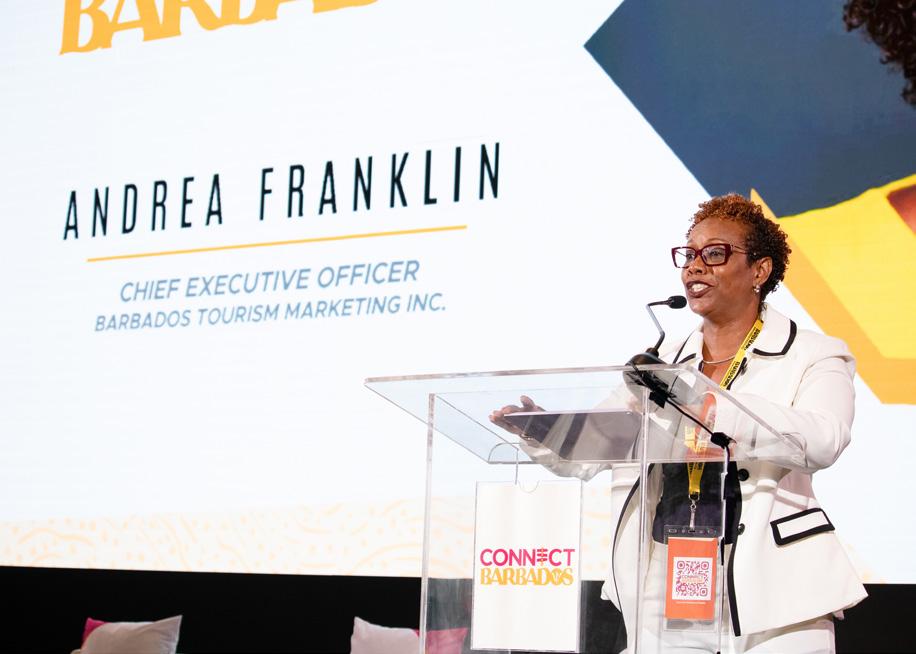
“Barbados’ luxury sector is entering a defining era. In 2026, travellers can expect a unique blend of worldclass elegance and authentic island sophistication”
– Andrea Franklin, CEO, Barbados Tourism Marketing Inc.
Collection and Tribute Portfolio. In early 2026, the 28-room Blue Monkey Hotel & Beach Club on the west coast and the 132-room Hotel Indigo Bridgetown Barbados on the south coast of the island are also set to open.
Elsewhere, several high-end developments are now coming on stream, which will further diversify our offerings in the next 12 to 18 months, including the all-inclusive, adults-only Royalton Vessence Barbados, which will have 220 rooms, and the luxury Pendry Barbados with 74 rooms.
Additional properties to come on stream over the next two to three years include the 380 rooms and condo experience at Hyatt Ziva, the family-focused Beaches Barbados with 600 rooms, and the 100-room Afreximbank hotel.
These developments and additions ensure travellers have options that match every preference, from intimate to sophisticated and ultra-luxury. They represent a key hallmark of Barbados’ tourism brand – our diversity and ability to cater to various market segments.
OT: How can first-time visitors experience the cultural authenticity of Barbados?
AF: First-time visitors can immerse themselves in the vibrant cultural rhythm of the island through cuisine, music, community initiatives, festivals, and heritage.
Key experiences include the award-winning Barbados Food and Rum Festival, which will take place in November

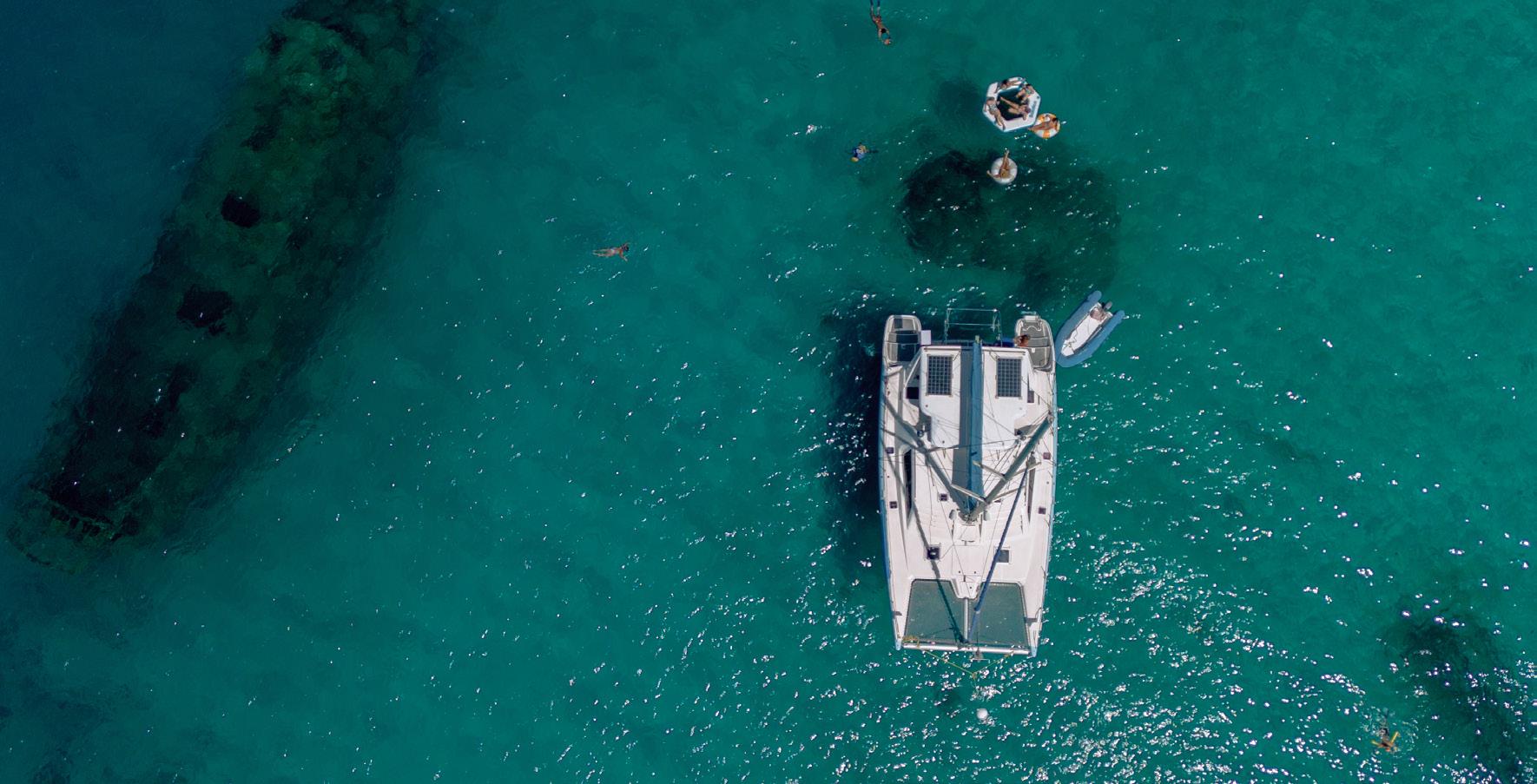
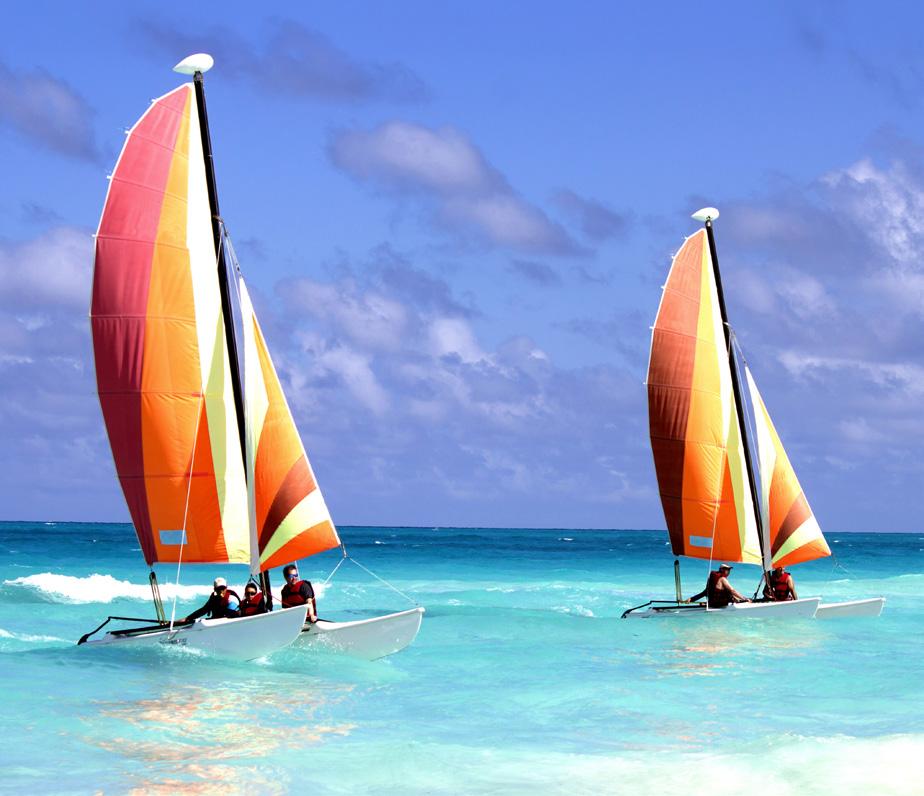
There’s something special about the moment you step aboard Sail Calabaza. The noise of everyday life fades, the breeze takes over, and the Caribbean Sea becomes your playground for the day. This isn’t just a cruise — it’s an experience designed to slow you down, lift your spirits, and remind you how good it feels to truly relax.
Sail Calabaza offers intimate catamaran cruises along Barbados’ stunning coastline, where turquoise waters, golden sunshine, and easy island vibes set the tone from start to finish. With small group sizes and a friendly, attentive crew, every guest feels welcome, cared for, and part of the Calabaza family.
Your day begins with seamless transportation and a warm welcome on board. From the moment you step onto the deck, you’re invited to unwind. Stretch out on the nets, sip a refreshing drink, and let the rhythm of the sea guide the pace of your day.
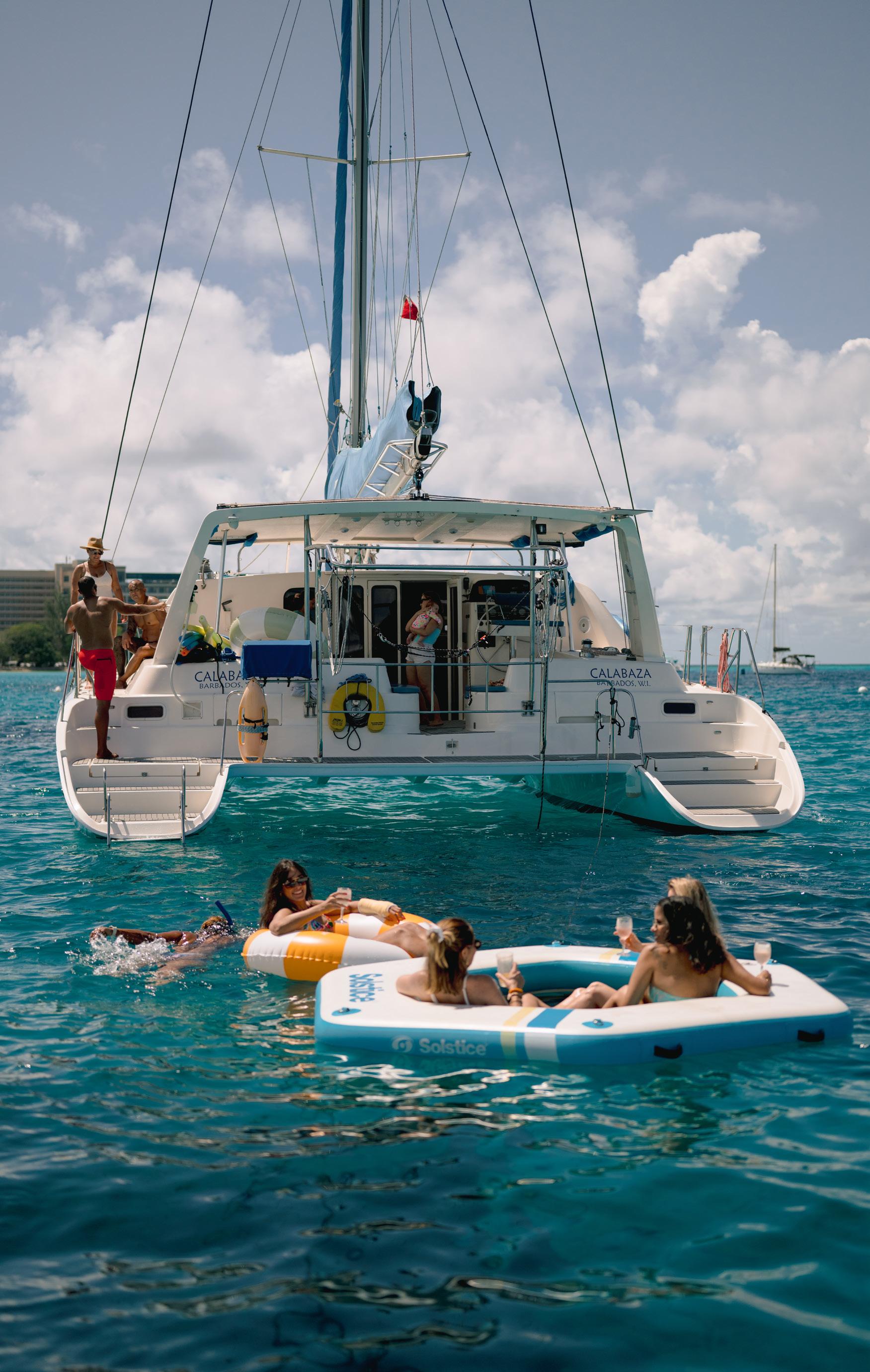
easy, enjoyable, and unpretentious — good food, good company, and plenty of laughter. There’s no rush here. Just time to relax, connect, and enjoy being present.
Whether you’re celebrating a special occasion, travelling with friends, or simply treating yourself to something memorable, Sail Calabaza creates the perfect setting.
Snorkel in crystal-clear waters where sea turtles glide effortlessly by and vibrant reefs come alive beneath the surface. All equipment is provided, and the crew is always nearby to make sure everyone feels comfortable and confident in the water — whether it’s your first time snorkelling or your hundredth.
Back on board, the experience continues with delicious food, thoughtful touches, and an open bar featuring premium drinks. Every detail is designed to be
Sail Calabaza is known not only for its beautiful boat and unforgettable routes, but for its heart. This is a space where everyone is welcome, where conversations flow naturally, and where strangers often leave as friends. It’s a cruise that feels personal, genuine, and refreshingly real.
From leisurely lunch cruises to laid-back afternoon sails and fully private charters, Sail Calabaza offers experiences tailored to how you want to enjoy the sea. No crowds. No pressure. Just open water, open smiles, and unforgettable memories.
this year. The event is a marquee culinary celebration that sells out annually, featuring the signature Rum Route, Liquid Gold Feast, the Rise & Rum Breakfast Beach Party, and a community cook-off.
Dine With a Bajan, meanwhile, is a new initiative that allows visitors to share an authentic meal in a local home.
Barbados boasts a culinary scene that is truly street to chic, from rum shops and food carts to upscale fine dining.
Indeed, the legendary Oistins Friday Night Fish Fry is a true local experience, where fried fish, tuk bands, steelpan, and the aroma of open grills create an iconic Bajan atmosphere; it’s truly a scintillating slice of Bajan life for the senses.
These experiences provide visitors with a genuine, joyful connection to Barbadian culture.
OT: How does BTMI continue to promote sustainable tourism and encourage environmental stewardship?
AF: Sustainability is central to Barbados’ tourism development strategy. This year, the government replaced the traditional driving permit fee with a car rental levy, dedicating proceeds to marine conservation and coastal protection.
This initiative supports:
• Coral reef rehabilitation
• Marine habitat restoration
• Ocean conservation projects
• Sustainable coastal development
• Encouragement of more locally grown produce in restaurants
• Encouragement of greater linkages with agriculture and fishing sectors
• Use of more locally produced souvenirs and artisanal products in hotels, spas, and retail outlets
Our messaging encourages visitors to travel responsibly, reduce environmental impact, and support local conservation programmes.
OT: Finally, are you optimistic about the future of tourism in Barbados, and what are you most looking forward to?
AF: Not only am I optimistic, but I am also energised when I think of the future of tourism in Barbados.
I am particularly encouraged by the level of investment in new hotel plants but also by upgrades to existing properties and new restaurants and bars popping up so often.
Our marketing and storytelling are sharing the authenticity of the destination with the world, and we are seeing the positive response to this daily.

“Our
greatest strength lies in the natural connection between Barbadians and our guests. As the sector draws in more young professionals and new attractions continue to develop, I believe the future of Barbados tourism is not only bright – it is transformational”
–
Andrea Franklin, CEO, Barbados Tourism Marketing Inc.
Barbados is on the bucket list for an increasing number of younger travellers, which means we are doing something right.
Coming off the success of We Gatherin’ 2025 and CARIFESTA XV, the 15th Caribbean Festival of Arts – which collectively delivered 360 events in 10 days – we are now fully engaged in the Road to 60, which launched on 1st December 2025.
This year-long celebration of Barbados’ 60th anniversary of independence in November will unite locals and visitors in a shared cultural experience.
Our greatest strength lies in the natural connection between Barbadians and our guests. As the sector draws in more young professionals and new attractions continue to develop, I believe the future of Barbados tourism is not only bright – it is transformational.

Tel: 1-246-535-3700 info@visitbarbados.org www.visitbarbados.org
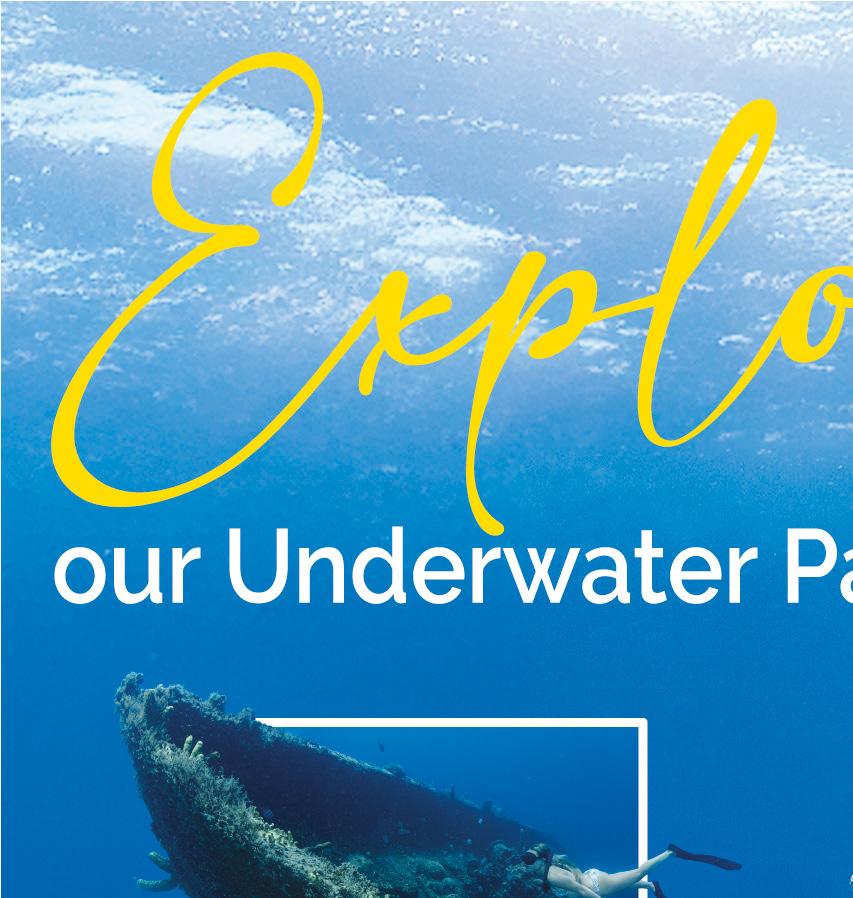
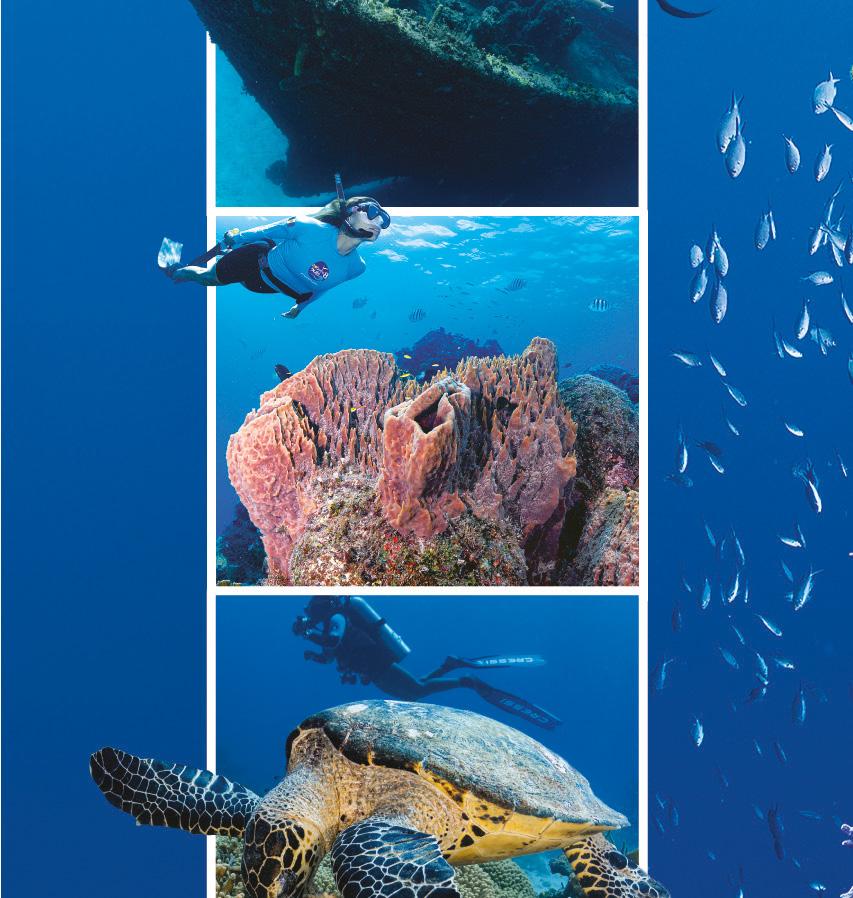
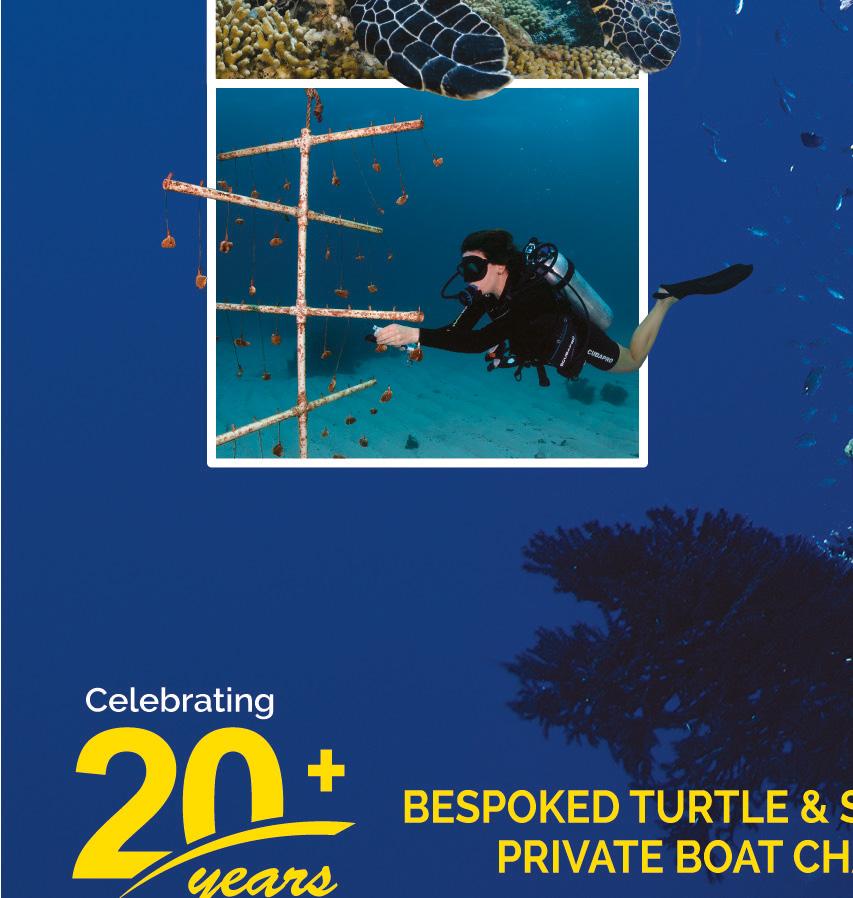
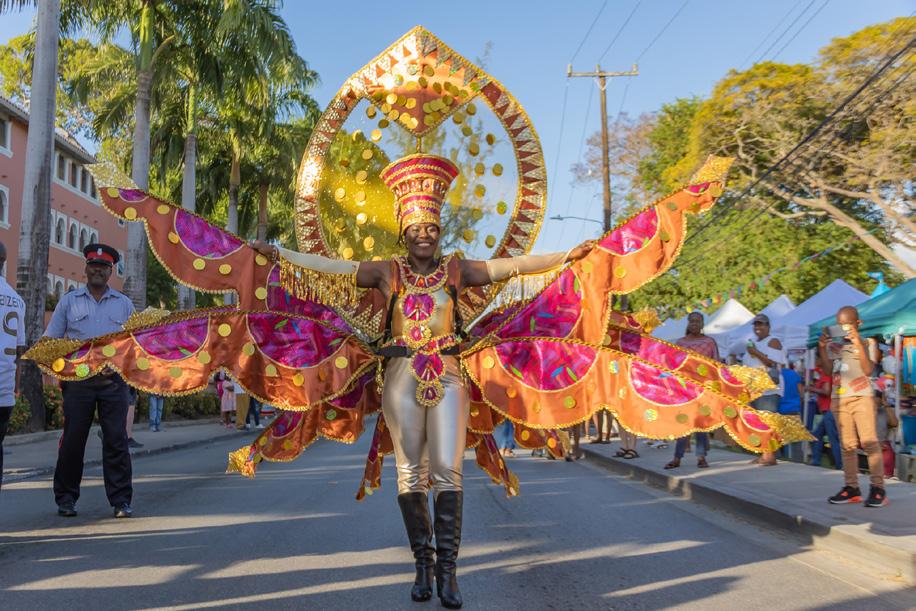
For a truly immersive experience, Barbados’ vibrant festivals are a delight for the senses, with countless events showcasing the best of Bajan culture throughout the year.
THE LEGENDARY CROP Over Festival – which historically draws its name from signalling the end of the sugarcane harvest – is held from June to August each year, offering a true insight into the island’s heritage and contemporary spirt.
More than just a date for the diary, the celebration is a cultural extravaganza that captures the essence of Bajan spirit.
Colourful parades fill the bustling streets, rhythmic calypso and soca music can be heard across the island, and infectious energy fills the air as people dance to the joyful beats at outdoor events and party cruises.
The Crop Over Festival is a living tribute to the warmth and vibrancy of Barbados’ inhabitants and adding it to your itinerary will undoubtedly be a highlight of your trip.


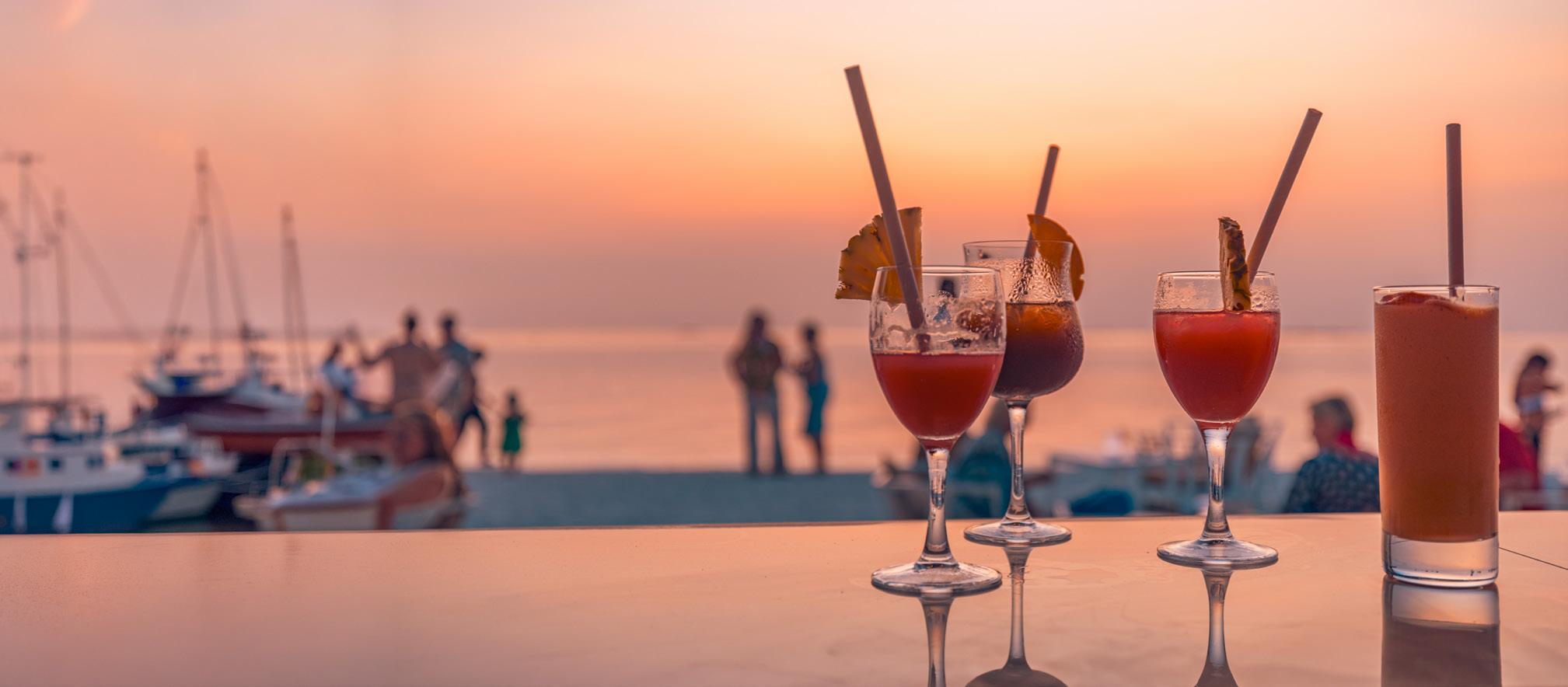
Baia Barbados presents a menu complete with vibrant, fresh flavours and textures alongside an atmospheric ambiance.
Ideally situated on Barbados’ west coast, the beautiful beachfront restaurant takes its inspiration from Latin American cuisine, bringing delectable Peruvian-fusion dishes to the Caribbean.
Kick back, relax, enjoy soulful live music, and dine in style at this top gastronomic spot.
The Tides Barbados showcases intricately presented, freshly prepared local dishes bursting with flavour. Prioritising only the highest quality ingredients, the restaurant specialises in a range of seafood – from grilled lobster to fresh salmon or seabass.
A talented house band serenades guests with the smooth rhythms of the Caribbean – the cherry on top of this elegant dining experience.
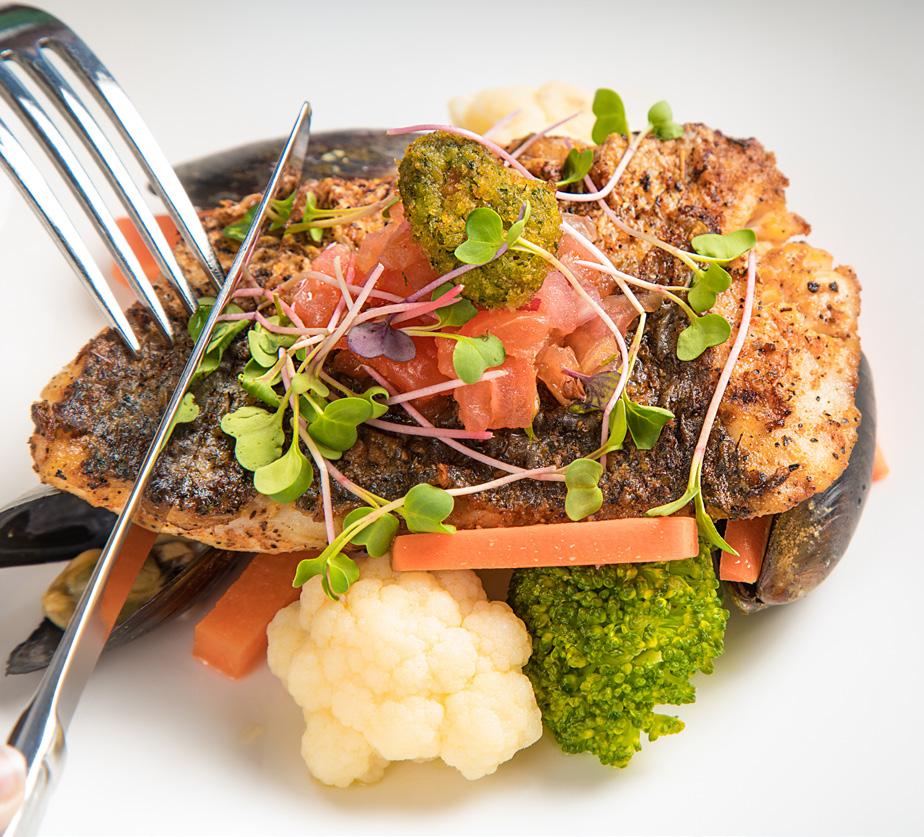
Excellent food can be experienced at The
FOR A CRUISE THAT FEELS LIKE FAMILY…
Calabaza Sailing Cruises offers a diverse range of sailing options across Barbados’ open, sparkling waters.
Choose a luxury sail and lunch to experience true Bajan hospitality and a chance to swim with turtles, or opt for the golden hour sunset cruise to let your day fade in style.
With private charters also on offer, there’s no better way to explore Barbados’ charming coastline than with Calabaza Sailing Cruises.
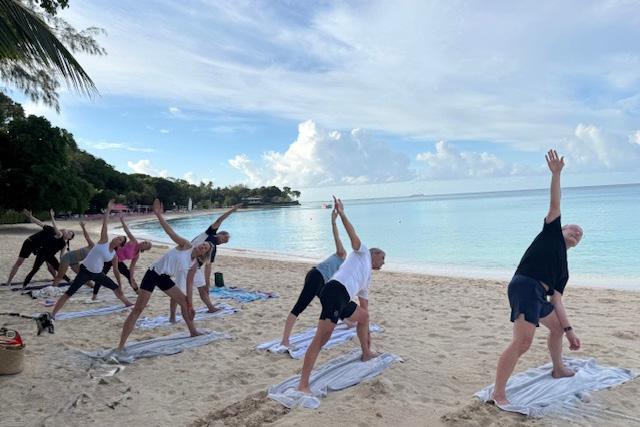
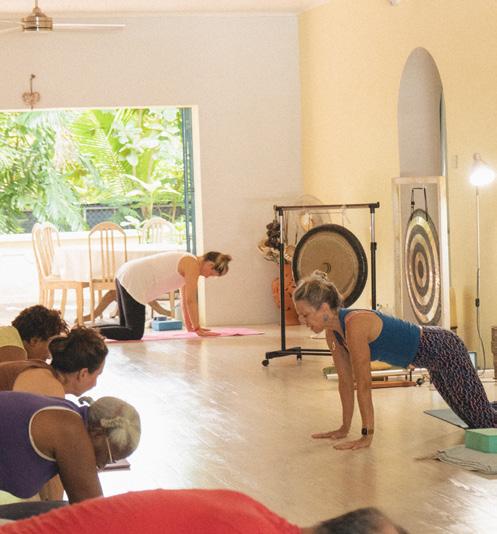
FOR EXPERIENCING THE DELIGHT OF YOGA… Sunshine Kula Yoga

Tel/WhatsApp +1 (246) 231 4468 pamela@sunshinekula.com www.sunshinekula.com
sunshinekula_yoga
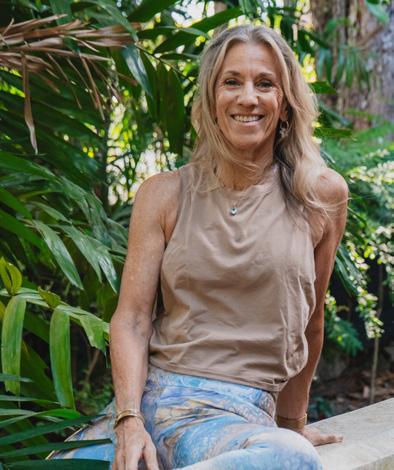
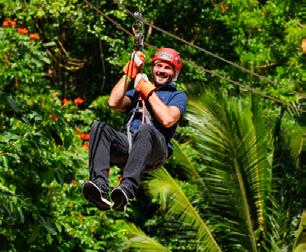
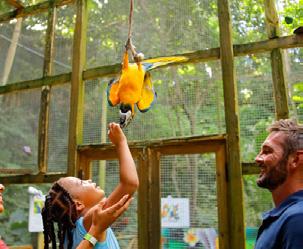
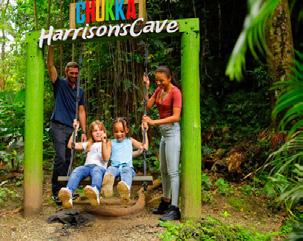
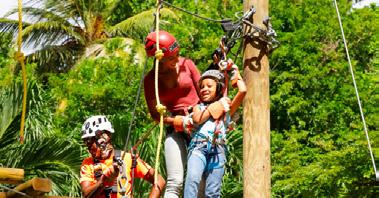
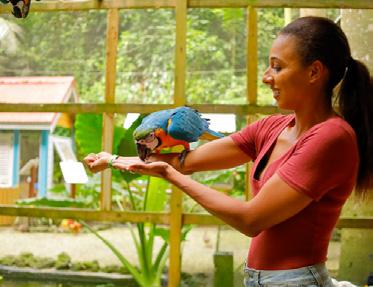
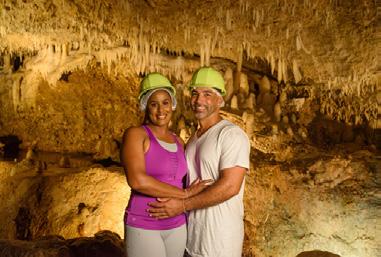
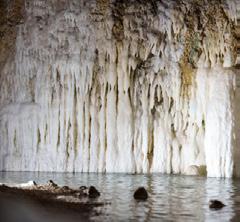

coast studio, on the beach, or in private sessions.

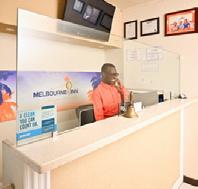
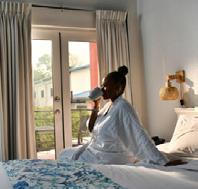
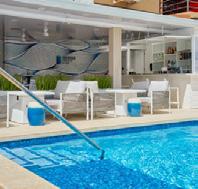
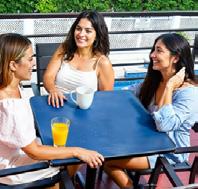
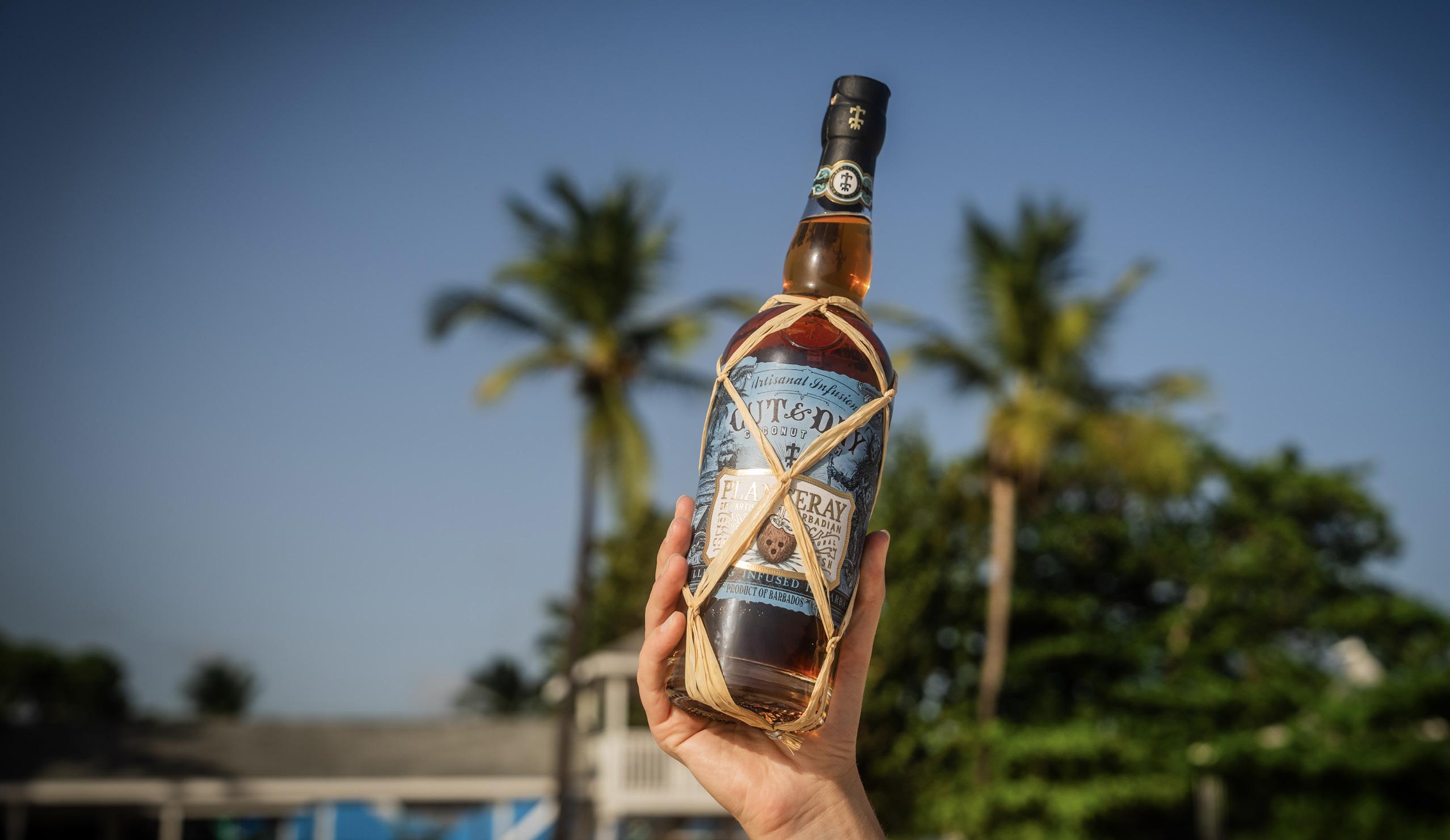
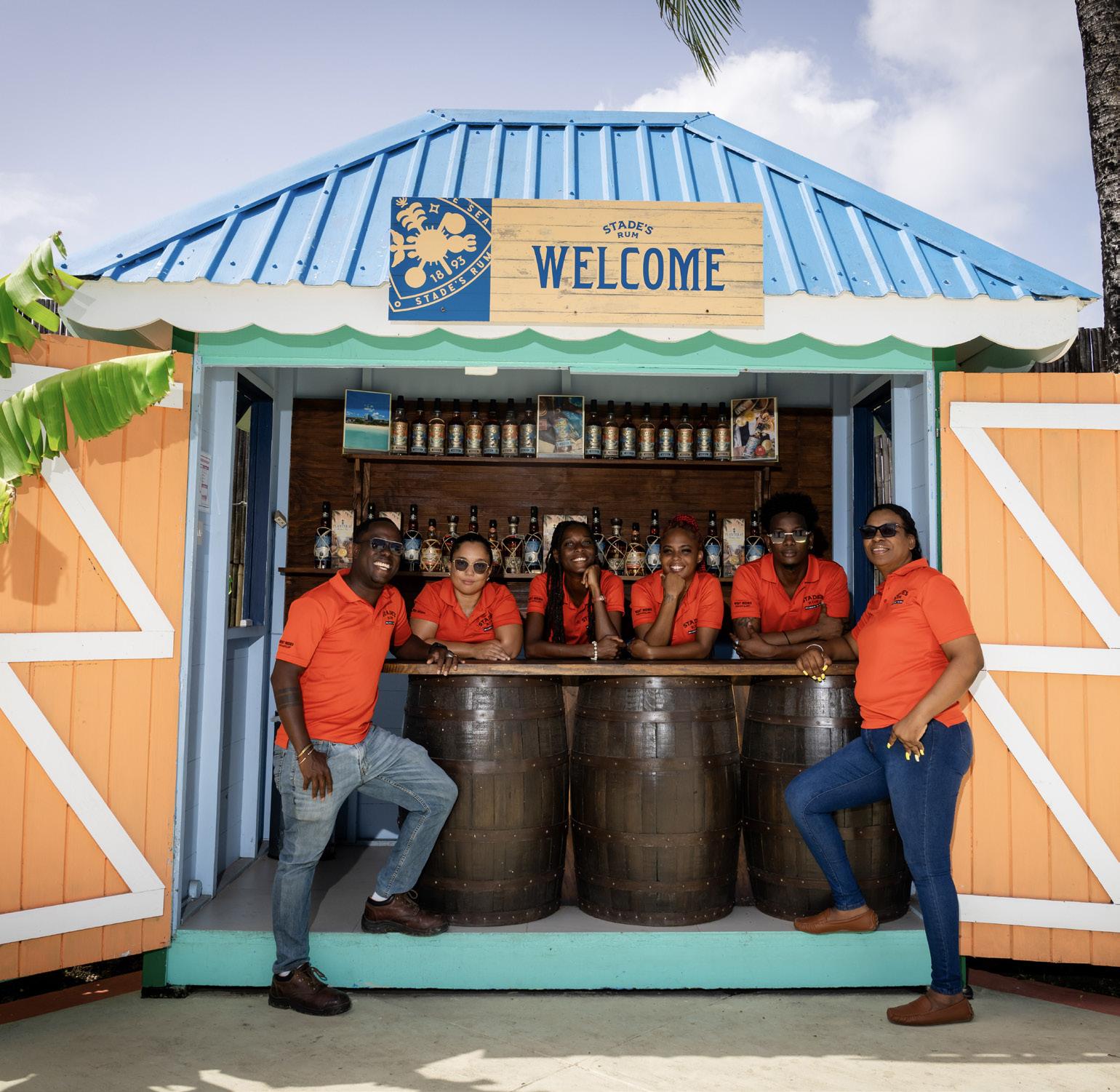
Stade’s West Indies Rum Distillery (Stade’s) has dedicated itself to preserving the distillation practices of historic Barbadian rum making since 1893.
The distillery began with George Stade’s dream to produce the world’s best rum and today remains an important site of rum making heritage, preserving many original artefacts in its ‘Distiller’s Vault’ archives.
Just last year, Stade’s was proud to have been named the Best Rum Producer in the World at the Bartender Spirits Awards, an accolade that pays tribute to the dedication, skill, and heart poured into each bottle.
The distillery welcomes visitors to its picturesque location on the shores of Brighton Beach to experience the smooth spirit and warm hospitality for themselves.
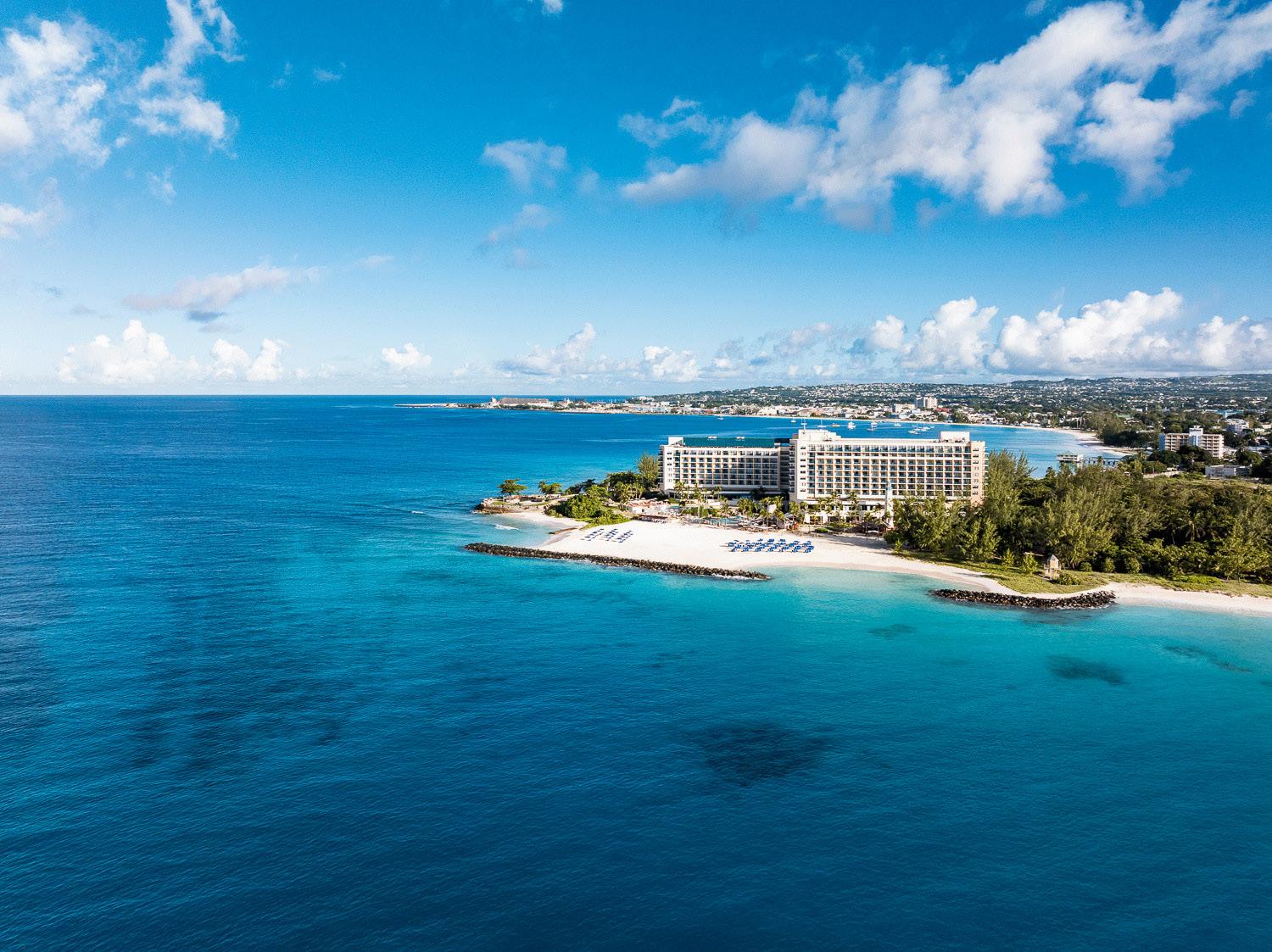
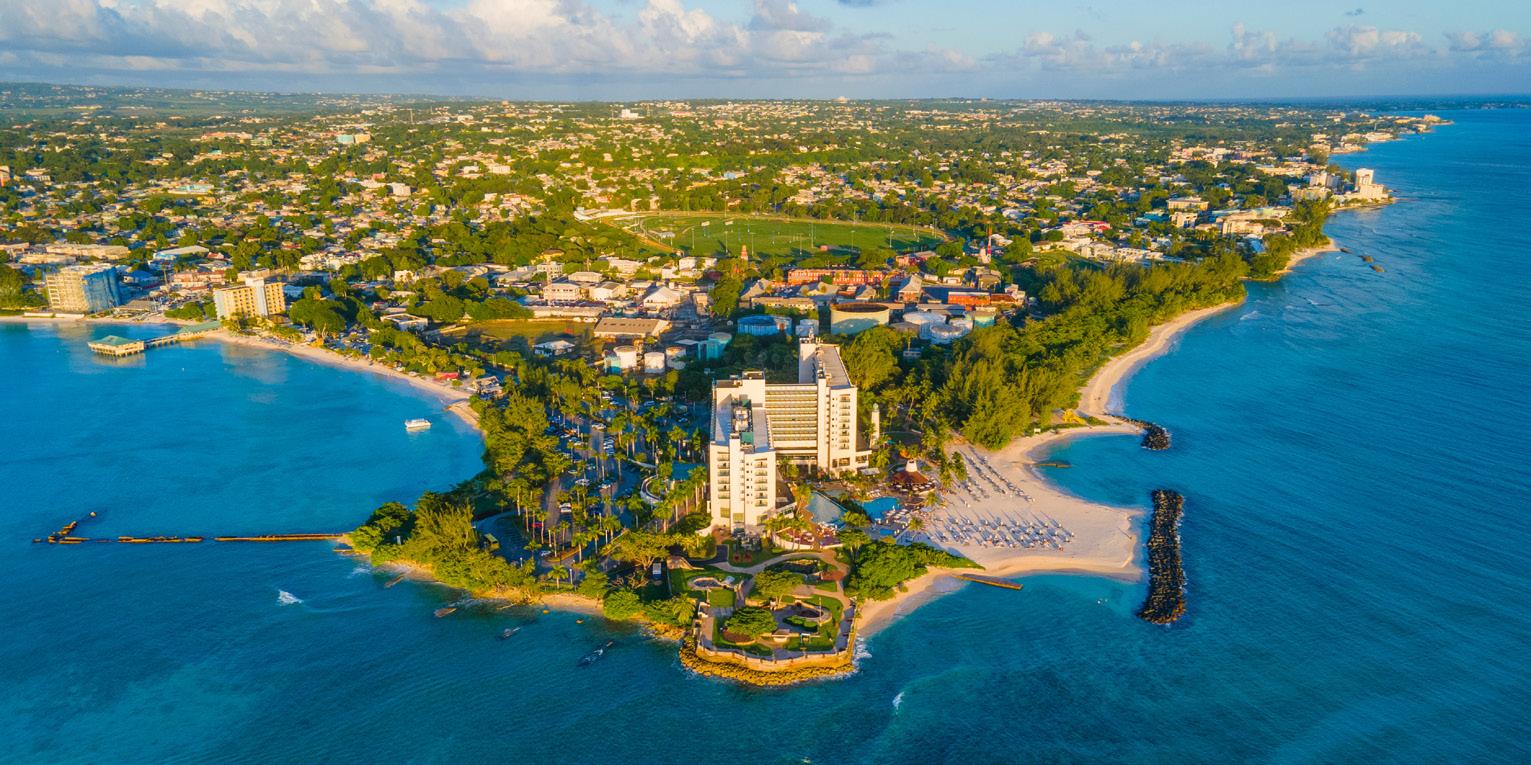
Hilton Barbados Resort is uniquely positioned amidst the 17th century ruins of Charles Fort, a UNESCO World Heritage Site.
Offering stunning panoramic views over the surrounding turquoise waters and palm-fringed coast, the establishment also offers direct access to two pristine white-sand beaches at Needhams Point and nearby Pebbles Beach.
A true gateway to Barbados, the resort sets itself apart and is within walking distance of many of the island’s attractions, including George Washington House, the Barbados Museum & Historical Society, and the Garrison Savannah.
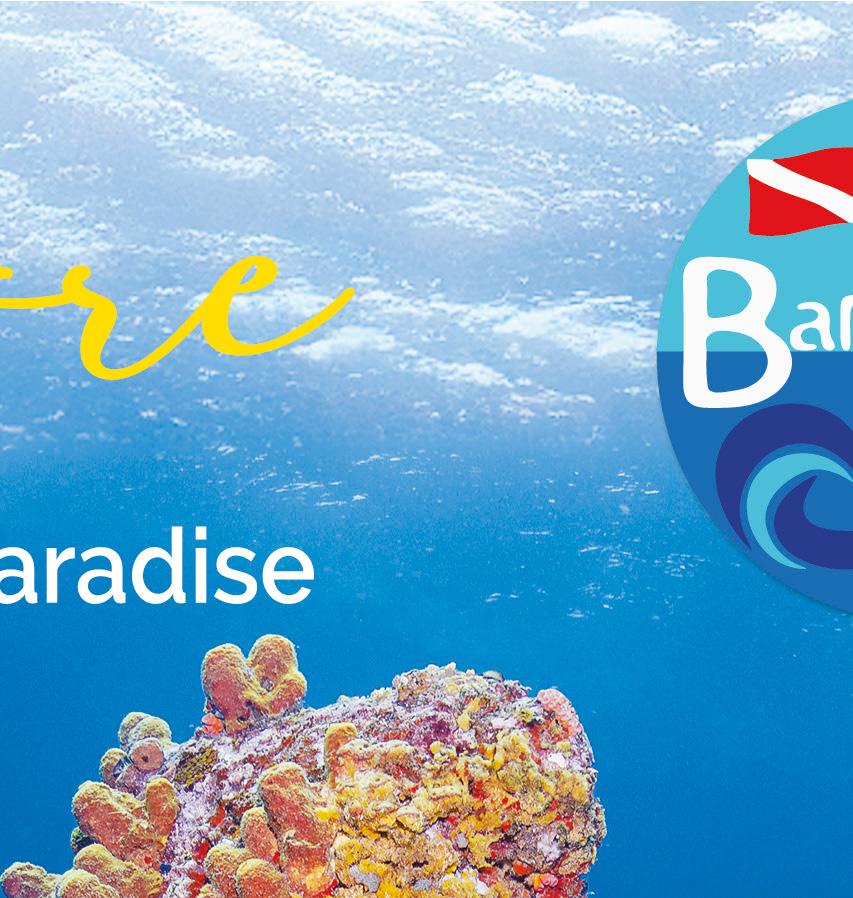
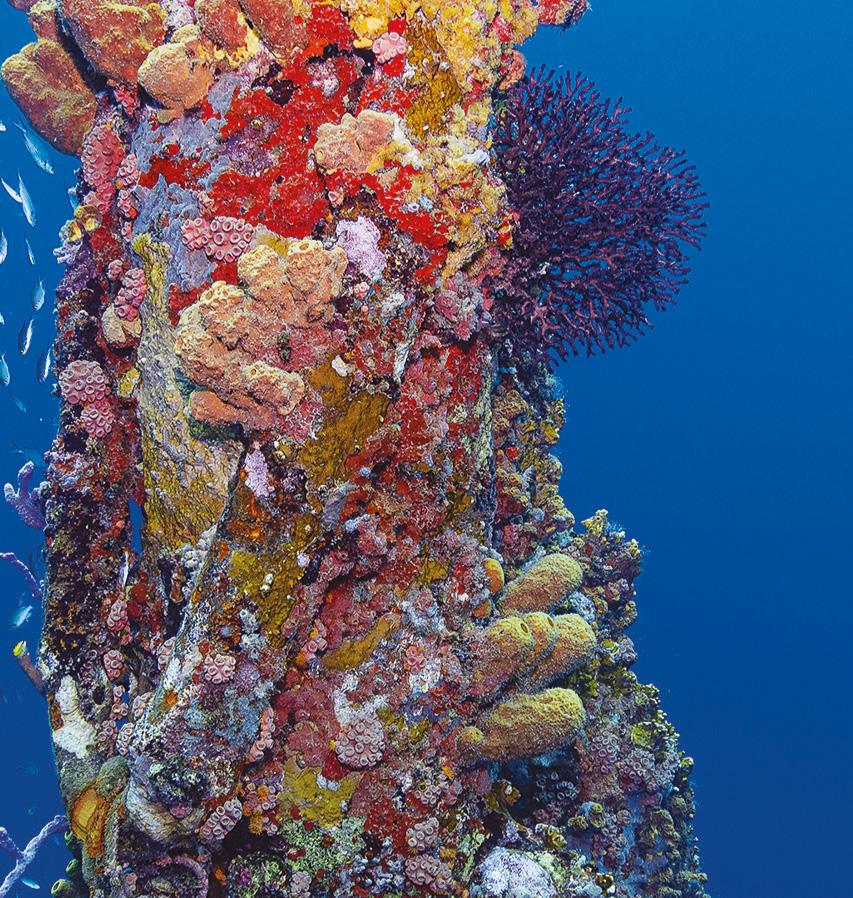
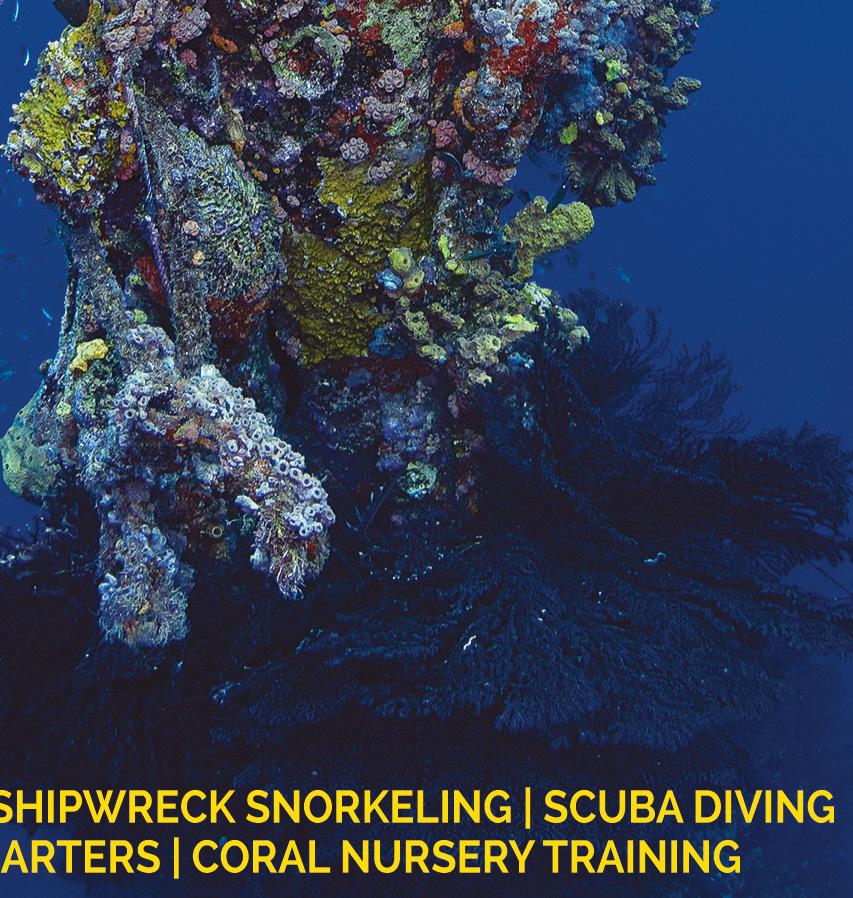
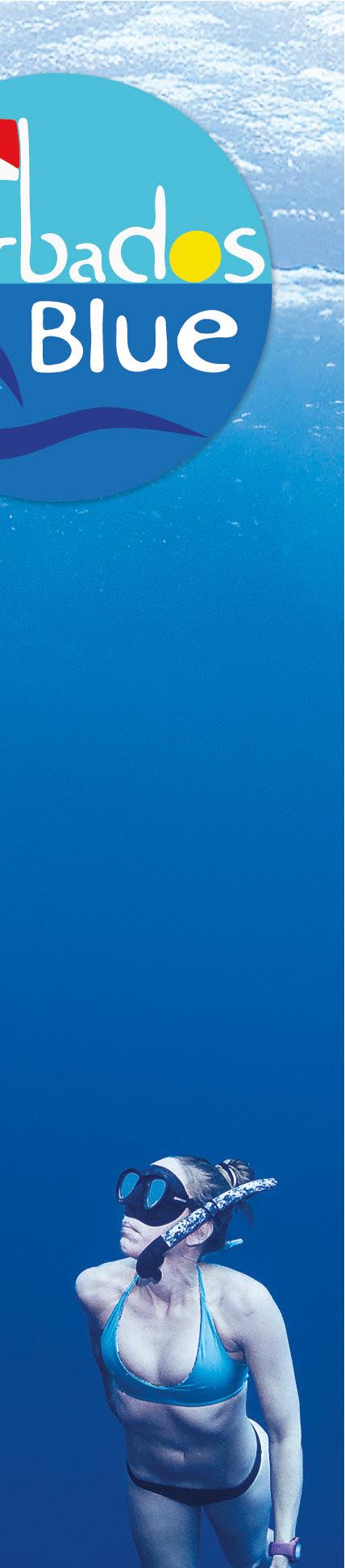
Barbados Blue offers an extensive collection of upscale villas and vacation rentals, blending luxury with authenticity to encapsulate the essence of Barbadian opulence.
From beachfront havens to secluded luxury in the island’s lush hills, Barbados Blue’s unrivalled properties – each complete with personalised concierge and logistics services – offers a curated accommodation experience like no other.

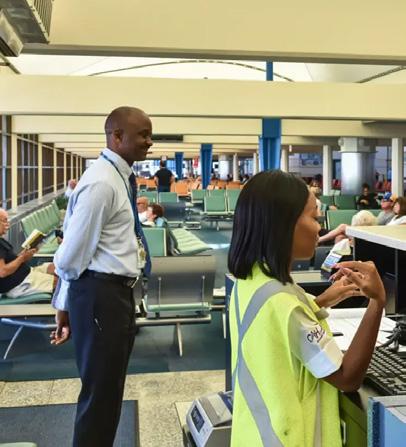
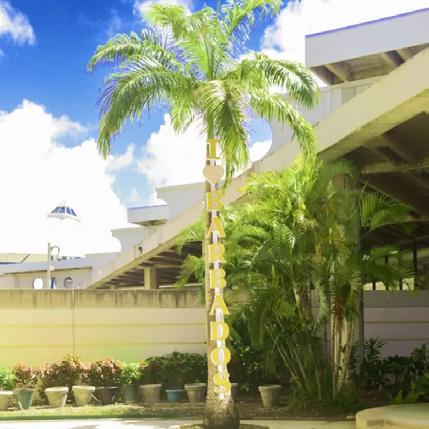

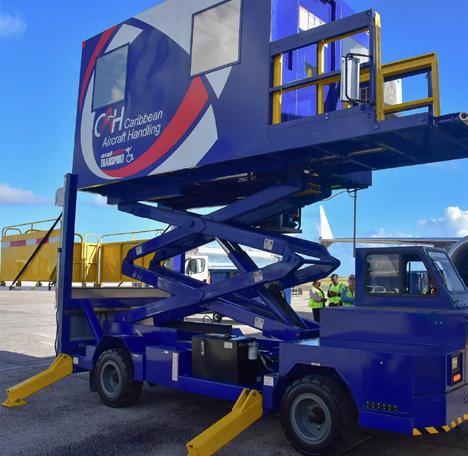
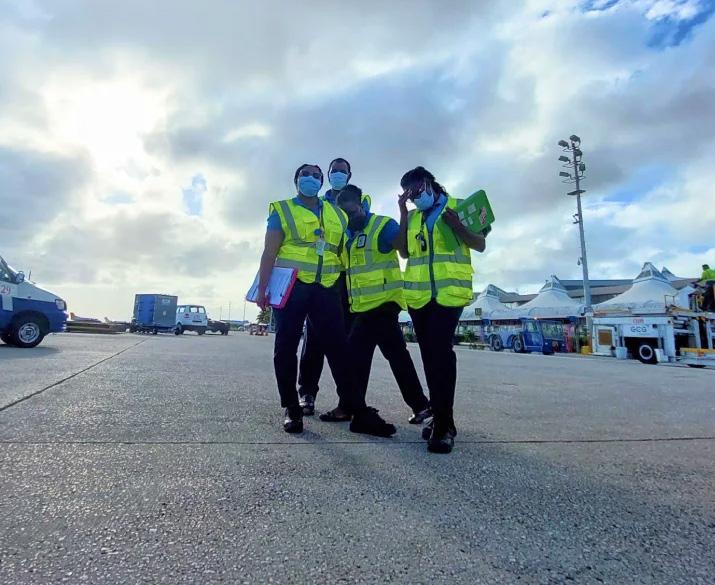
and
service where clients are
by one of our quintessential agents prior to entering the arrival gate, with a sign displaying their names. They will be escorted to immigration via a separate queue, baggage claim, customs, and transportation. We also offer departure services where clients are met curbside then escorted to check-in counters. Afterwards, they are expedited through to the two security checkpoints.









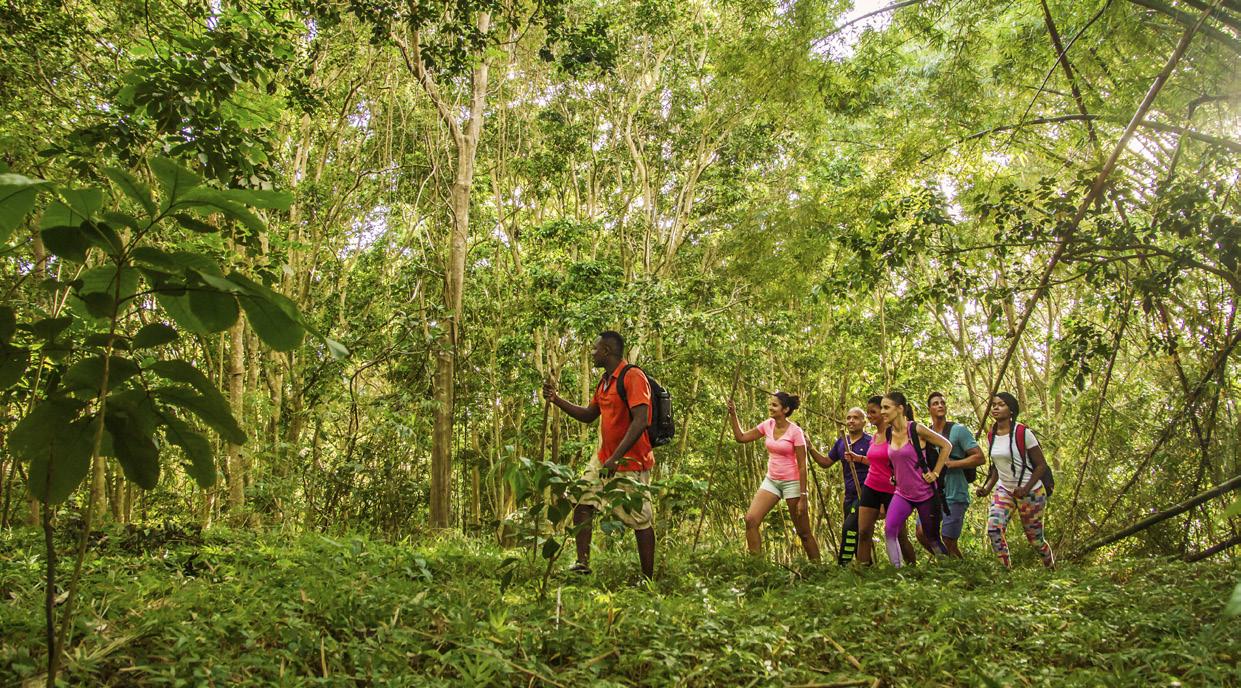
A 53-acre agrotourism project, the Coco Hill Forest is a verdant green oasis located in the parish of St. Andrew. An ideal location for hiking, the reserve features well-maintained trails through rare tropical forest land, offering stunning views over the island’s east coast. Endemic plant species include tree ferns, bamboo, and mahogany, whilst wildlife ranges from the Barbados bullfinch to green monkey.
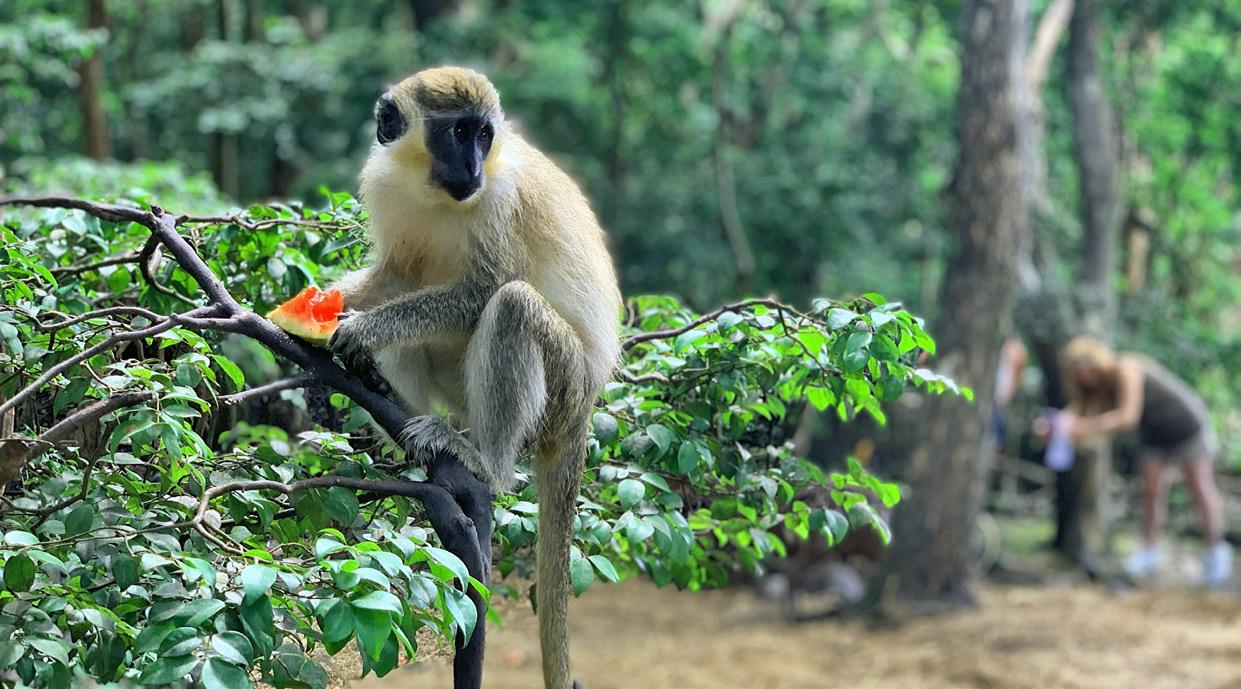
Located in the parish of St. Peter, Barbados Wildlife Reserve offers serene, self-guided walks through an ancient mahogany forest, where you can encounter deer, peacocks, the green monkey, and even red-footed tortoises roaming free beneath the verdant canopies. Enjoy the opportunity to feed the animals fruit on selected days for a hands-on wildlife experience like no other.
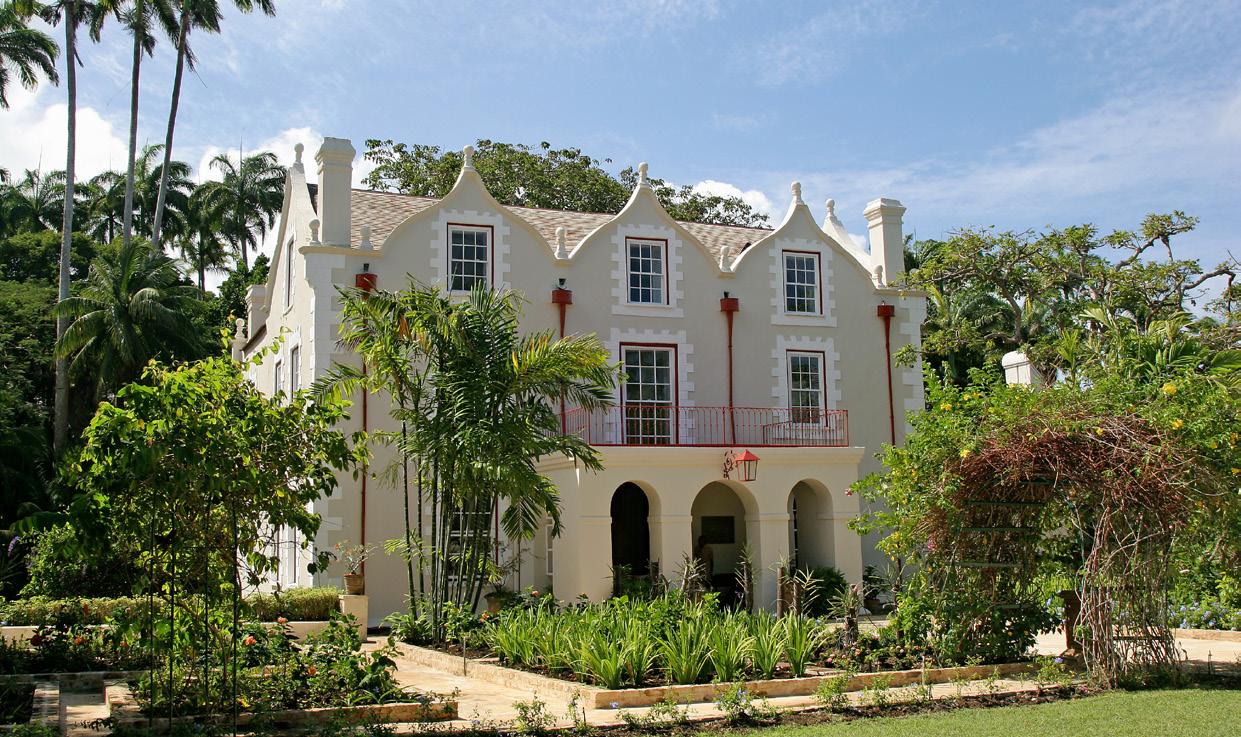
Providing a glimpse into the island’s past, St. Nicholas Abbey is the perfect way to connect with Barbados’ colonial history. The grounds of the beautifully restored 17th century Jacobean plantation house are complete with a museum, heritage railway, and fully functional rum distillery on-site. Visitors are invited to step back in time to envisage what life was like on the plantation in the 1930s
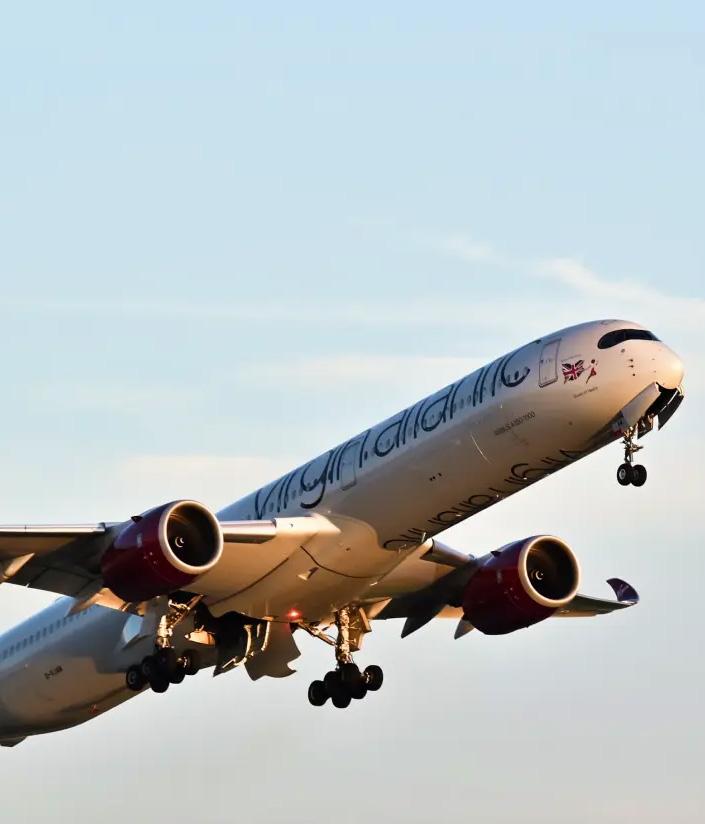
BARBADOS IS EASY to access thanks to the wellconnected Grantley Adams International Airport (BGI), offering flights from major tourist hubs such as the UK, Europe, Canada, and the US.
Direct flights are available through major airlines such as British Airways, Virgin Atlantic, American Airlines, and Air Canada, whilst non-direct routes are also available via Miami or New York for US travellers, or London, Amsterdam, and Paris for Europeans.
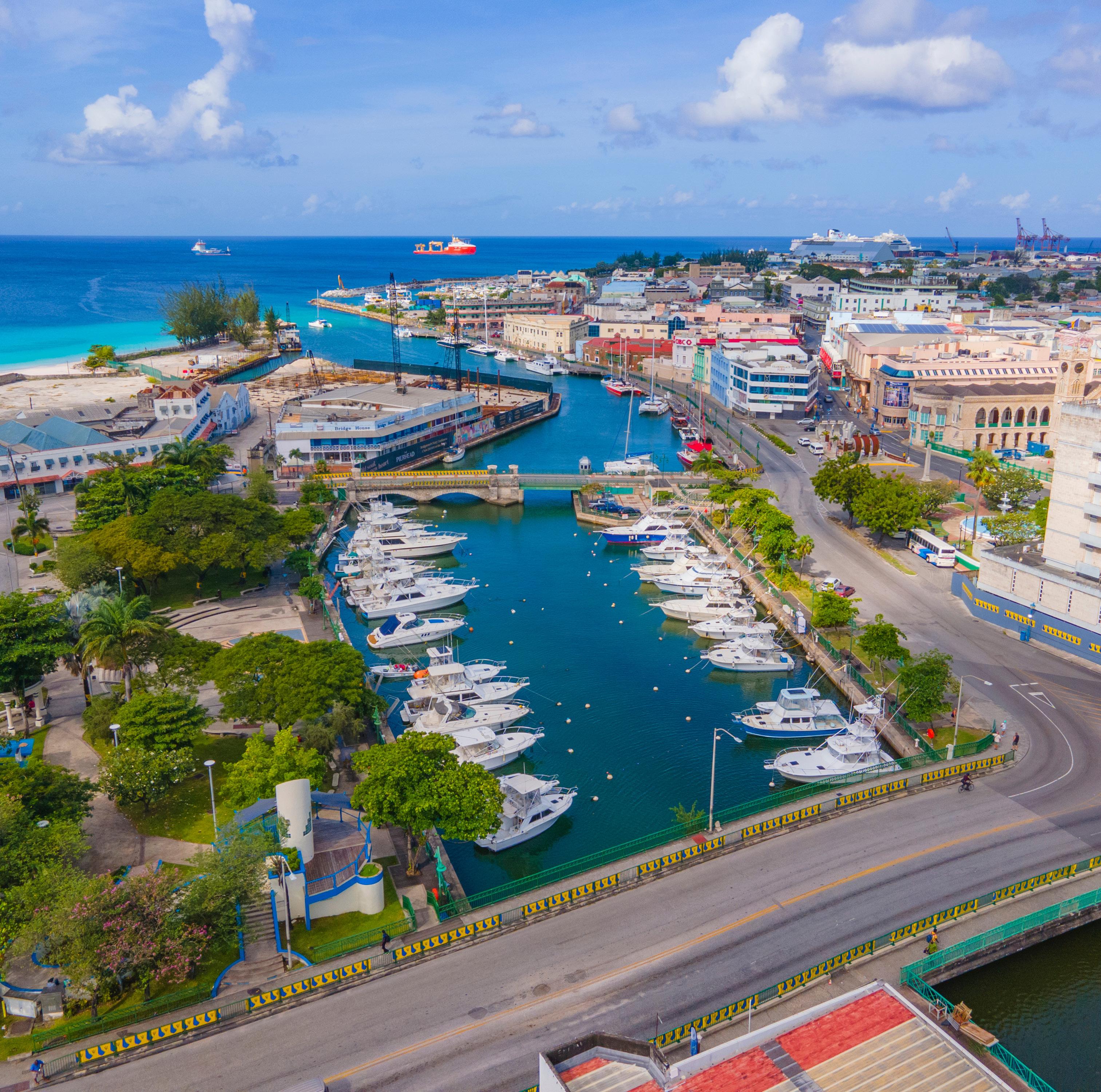
The Port of Bridgetown is also a popular Caribbean cruise port, offering both short stops and longer sailing options.
Once you have arrived on the island, popular public transport options include the government-run bus service,
minibuses, and taxi services.
Cash is king in Barbados, and BBD$3.50 is required in exact change to board and access all major routes on the public bus network.
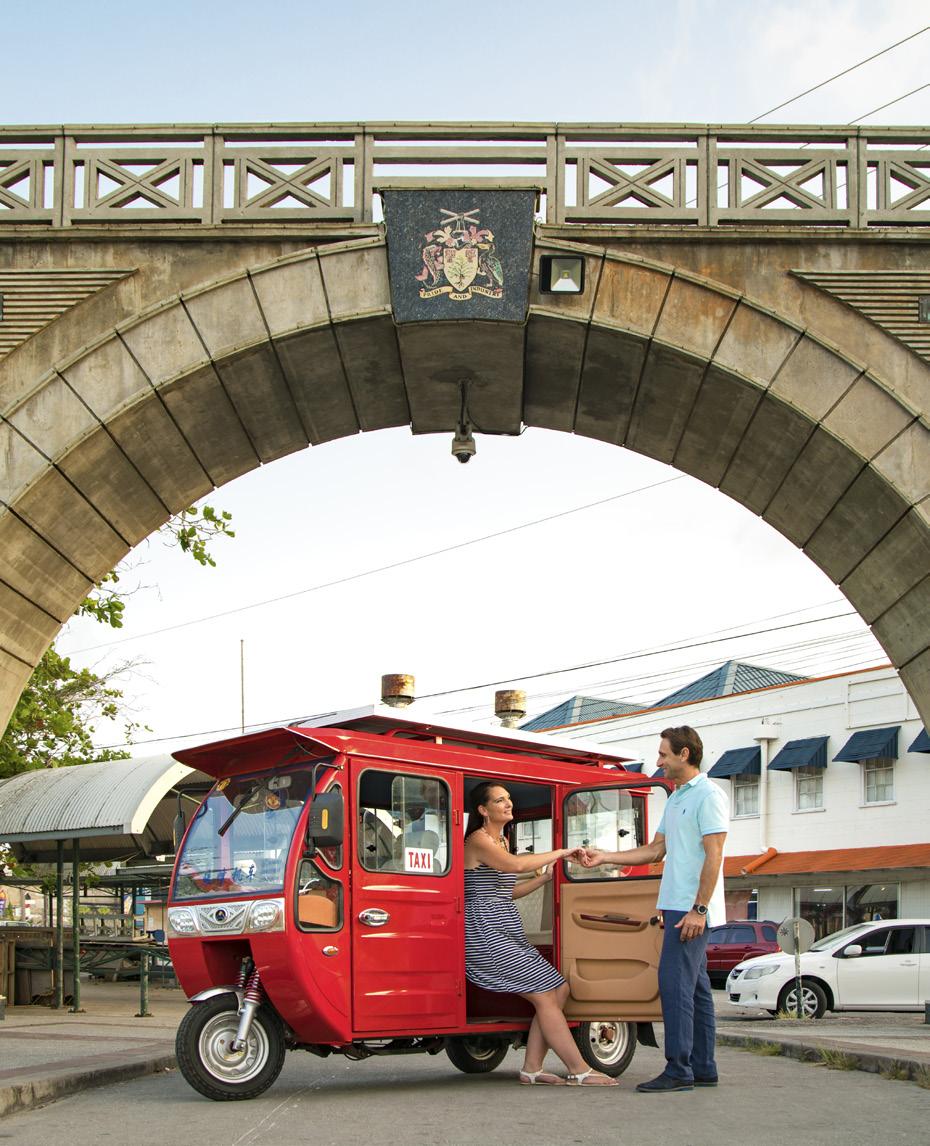
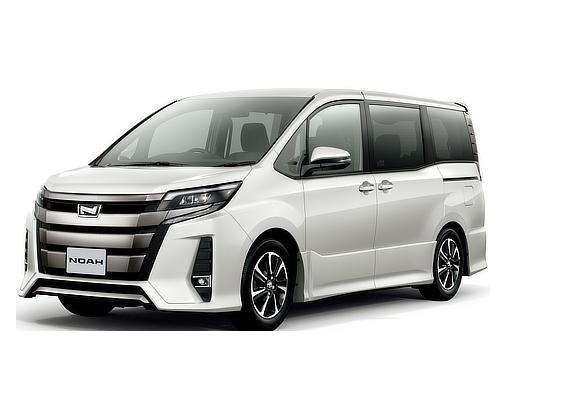
For those looking for a more private transport option, ZR vans – white minivans with a maroon stripe – may be preferred.
Known locally as route taxis or sometimes reggae buses, these are a frequent and fun transportation alternative that can easily be hailed from the roadside and paid for in cash.
Car rental options are also readily available, whilst rideshare apps like PickUp Barbados are becoming increasingly popular – although cash remains the preferred method of payment.
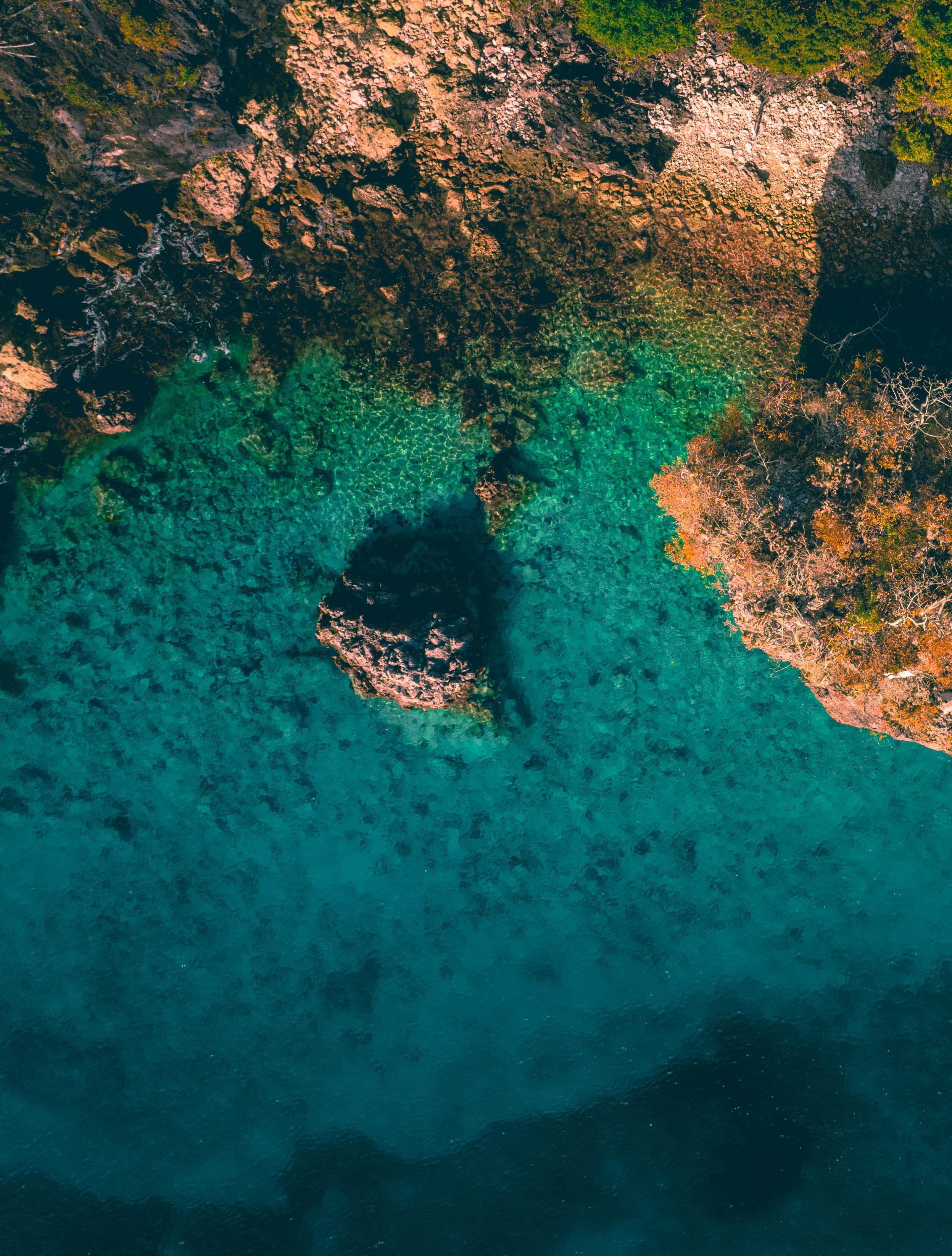
For an idyllic island escape, Anguilla offers a mesmerising Caribbean paradise, with warm cerulean waters and pearly stretches of sand. Renowned for their breathtaking beauty, the island’s shores feature crescent-shaped bays, hidden coves, enchanting cays, and mystical caves, all inviting visitors to bask in their tranquil allure
WRITER: RACHEL CARR | PROJECT MANAGER: JOSEPH PERFITT

Apicturesque gem in the Caribbean, Anguilla is a British Overseas Territory that captivates visitors with its exceptional and serene natural beauty.
Part of the Lesser Antilles, the island is known for its secluded beaches and stunning sunsets that paint the sky in vibrant hues. As the northernmost jewel of the Leeward Islands, Anguilla has predominantly flat topography, punctuated by the striking Crocus Hill, its highest point offering panoramic views of the surrounding sea and islands.
Renowned for its powdery white sand beaches that stretch endlessly along the horizon, Anguilla’s shores are kissed by crystal-clear turquoise waters that shimmer under the tropical sun.
Crafted from coral and limestone, the island’s coastline creates a unique ecosystem that nurtures a diverse array of flora and fauna, enhancing the island’s natural charm. Mangrove forests protect shorelines, and dry forests feature prickly pear cacti.
Embark on a guided bird tour to discover some of the territory’s 130 species, including raptors, herons, waders, and waterfowl, or explore its offshore cays that are a
crucial spot for attracting nesting seabirds. Organised by the Anguilla National Trust, each tour emphasises environmental preservation and responsible tourism. Experience aquatic adventures and escapades with water sports or secure a private charter to encounter the many coves and caves dotted across the island.
Night kayaking unveils a surreal, magical adventure, gliding through tranquil waters aglow with ethereal phosphorescence. An unobstructed canopy of twinkling constellations and silvery moonlight illuminates this nighttime wilderness.
During the languid days, immerse yourself in azure waters as you snorkel through the enchanting sea caves of Scrub Island, where marine life dances amongst the coral formations.
Alternatively, sail to the shores of Sandy Island, where you can indulge in a sumptuous lobster lunch against swaying palm trees and the gentle sound of waves, or board a glass-bottomed boat and become enthralled by the colourful creatures gracefully gliding and dancing beneath the surface.
Maybe escape to the uninhabited paradise of Dog Island, a sanctuary for myriad tropical birds that fill the air with their melodic calls, or consider taking a stroll along the scenic paths of Prickly Pear Cays, where you might catch a glimpse of the curious iguanas basking in the sunlight.
Meanwhile, at the heart of the island lies The Valley, Anguilla’s capital and a focal point of culture and community life.
This charming locale pulses with the island’s rich heritage and warm, welcoming hospitality, drawing visitors eager for both relaxation and adventure.
Originally, the Indigenous Arawak people called the island Malliouhana, meaning arrow-shaped sea serpent. It was later renamed Anguilla, meaning eel in Spanish – a reflection of its slender, serpentine shape.
Anguilla’s history is a fascinating tapestry woven from diverse cultural influences, from the original inhabitants to European settlers who brought enslaved Africans in the early 17th century, all of which contribute to its strong identity.
The island is known as the Caribbean’s culinary capital, evidenced by its roadside BBQs, casual beach eats, gourmet restaurants, and upscale dining, showcasing an impressive variety of dishes for a small territory.
Beyond beautiful beaches and delicious food, Anguilla boasts many historical landmarks and events, all enveloped in a laid-back atmosphere and luxurious accommodations with stunning ocean views, making it the perfect destination for a peaceful getaway.
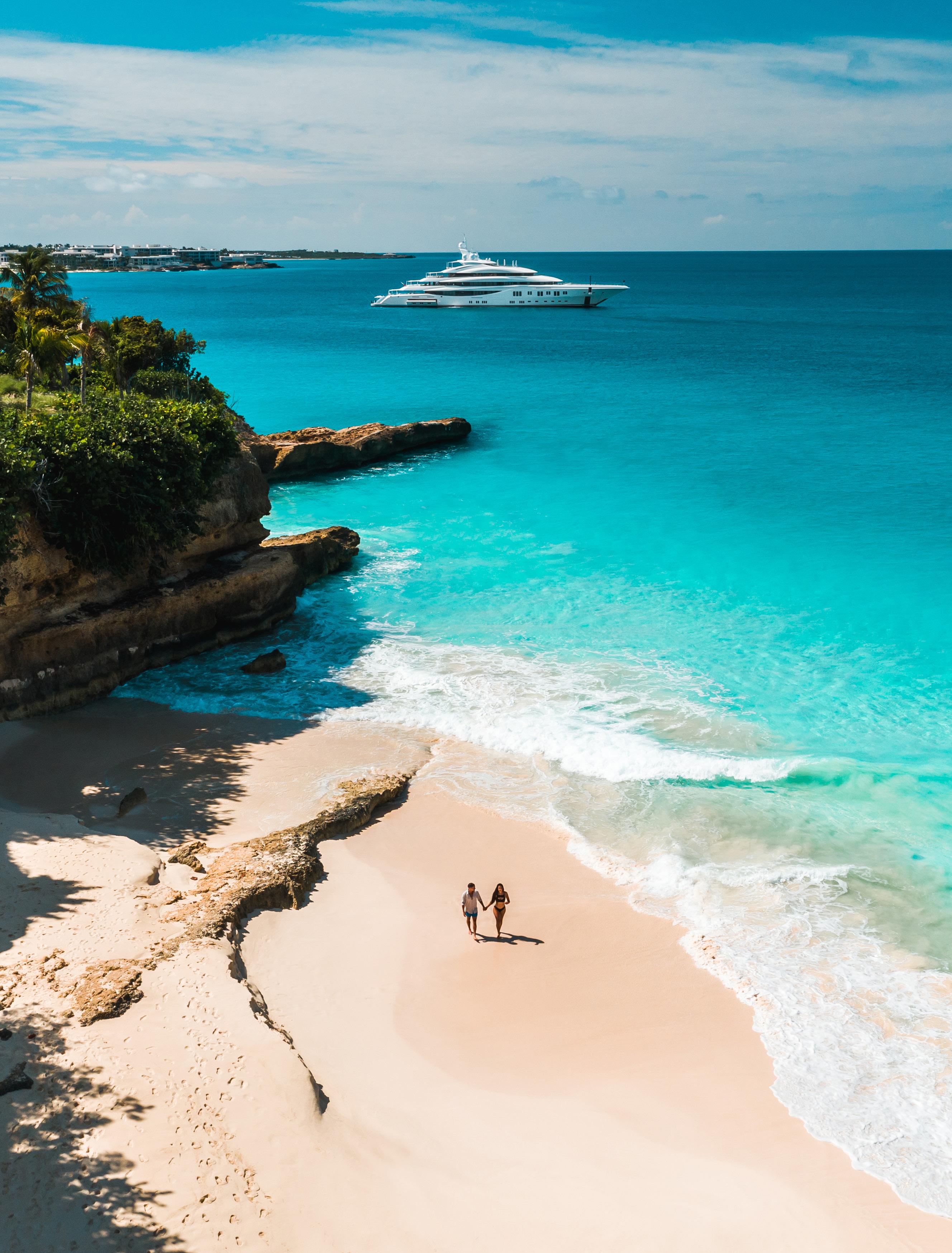

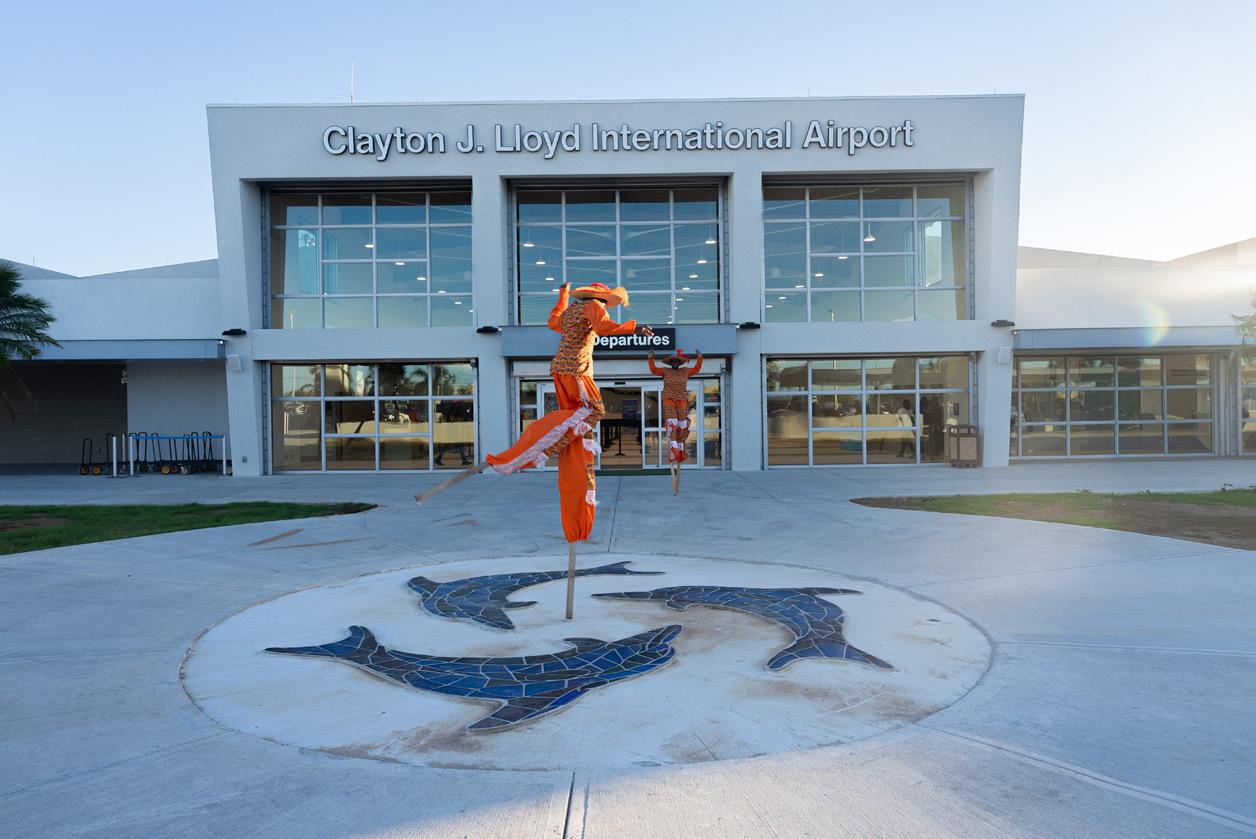
The Anguilla Tourist Board’s Director of Tourism, Jameel Rochester, shares exciting updates and future initiatives to enhance visitor experiences on this stunning Caribbean island. Discover how Anguilla is evolving as a premier destination whilst preserving its unique charm and cultural heritage.
Outlook Travel (OT): Firstly, what recent developments have occurred regarding both Anguilla and the tourist board since we last featured the island?
Jameel Rochester, Director of Tourism (JR): Over the past year, Anguilla has entered one of the most transformative periods in its recent history.
We have officially opened our new Clayton J. Lloyd International Airport (AXA) terminal, significantly enhancing the arrival experience and positioning the island for increased airlift and long-term growth. This has been complemented by continued improvements to our sea access infrastructure, ensuring smoother and more efficient connectivity across the region.
A significant milestone has been the expansion of direct, convenient air access from key Northeast US markets.
Through our strategic partnership with BermudAir, Anguilla has welcomed new and expanded services from cities such as Boston, Newark, Baltimore, and Washington DC, strengthening our presence in one of our most important source markets and making the destination more accessible than ever for both leisure and business travellers. Equally important has been the continued strengthening of regional connectivity through our local and regional air carriers.
Anguilla Air Services (AAS) has expanded its regional route network to include services to St.
Kitts, complementing the regional connectivity that Trans Anguilla Airways (TAA) has reliably served for over 15 years.
The Anguilla Tourist Board (ATB) and the Government of Anguilla remain committed to supporting local airline gateway expansion, recognising the critical role these carriers play in improving intraCaribbean access, resilience, and seamless onward connections for visitors.
At the same time, the ATB has been focused on strengthening the overall tourism product. We continue to see sustained investment and innovation across luxury accommodations, worldclass gastronomy, wellness and health tourism, sports tourism initiatives, and the preservation and elevation of our cultural and heritage offerings.
Together, these developments reflect a deliberate strategy to not only grow arrivals but to enhance the quality, sustainability, and authenticity of the Anguilla experience whilst remaining true to the island’s core values and identity.
OT: What specific factors contributed to Anguilla being named the number one island in the Caribbean, the top island for cuisine, and the safest regional destination?
JR: Anguilla’s accolades stem from a combination of authenticity, consistency, and intentional stewardship.
• Unmatched hospitality – Our people are at the heart of our tourism product; the warmth, professionalism, and genuine care Anguillians extend to visitors set us apart globally.
• World-class cuisine – With more than 100 restaurants, from beachside grills to award-winning fine dining, Anguilla offers culinary excellence rooted in local flavours and international innovation.
• Safety and stability – Anguilla remains one of the safest and most peaceful islands in the region, supported by strong governance, community cohesion, and responsible development.
• Pristine natural environment
– Our beaches, marine life, and low-density development ensure a serene and exclusive visitor experience.
These factors collectively deliver the level of excellence that Travel + Leisure magazine and other global publications consistently recognise.
OT: What initiatives or strategies are being implemented to highlight the 3Ps: people, product, and purpose?
JR: We have fully integrated the people, product, and purpose (3P) framework into our 2026 – 2030 strategy:
• People – We are expanding training programmes, industry certification, and destination experience standards; celebrating cultural ambassadors through our recently launched campaigns like
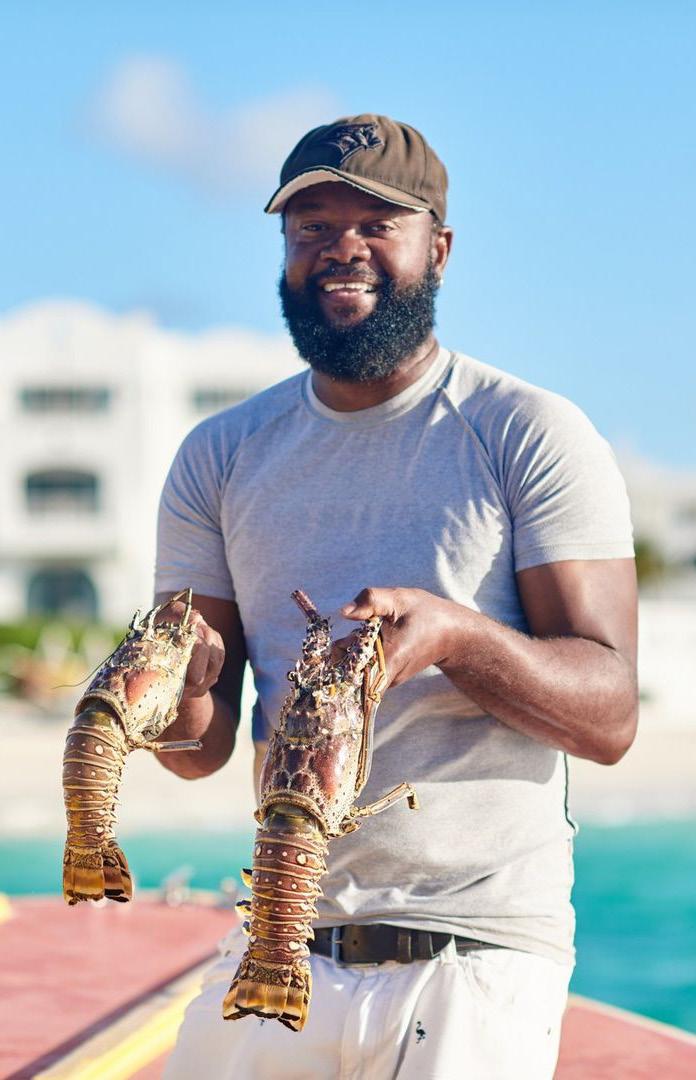
Faces Behind the Experiences; and increasing community tourism initiatives.
• Product – We are enhancing beach infrastructure, upgrading the port and airport experience, expanding our luxury and boutique accommodation offerings, and supporting development of wellness, sports tourism, and cultural tourism assets.
• Purpose – Sustainability, heritage preservation, and community benefits remain core to our mission. We ensure that tourism growth aligns with national development priorities and delivers lasting value to Anguillians.
OT: Can you elaborate on the upcoming roadshows and training sessions? What topics
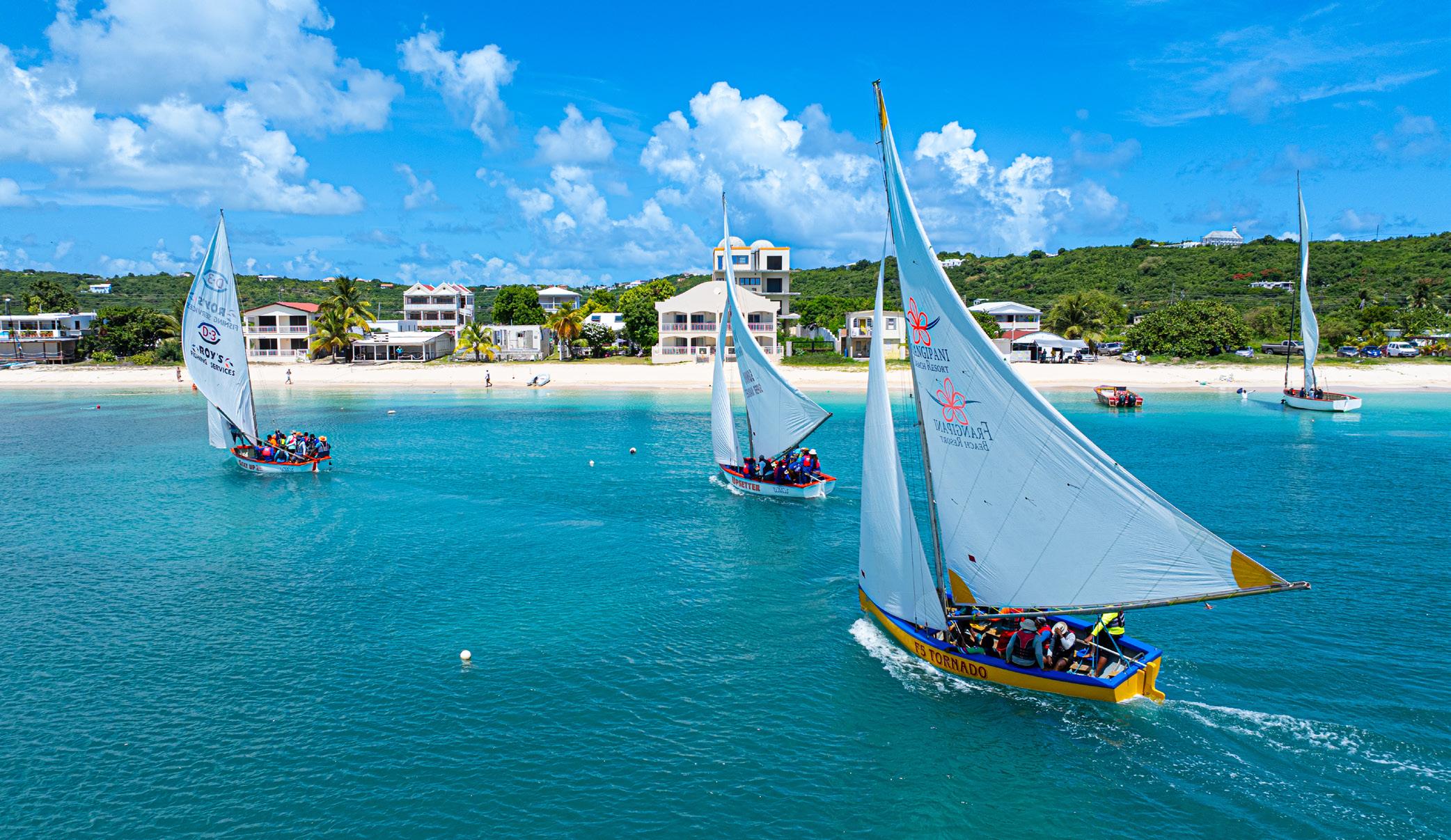
will be covered, and who will be participating?
JR: Our upcoming ATB Virtual USA Travel Trade Roadshow will take place across the US, Canada, the UK, and select European markets. The sessions will feature:
• Destination training for travel advisors
• Updates on new airlift, experiences, and accommodation products
• Cultural immersion modules
• Sales and partnership opportunities
• Meetings with airline partners, tour operators, and media stakeholders
Participants will include the ATB’s overseas representatives, local tourism partners, hotel executives, and cultural representatives. These sessions aim to strengthen brand awareness, increase conversions, and foster stronger trade relationships.
OT: How is Anguilla using its digital presence to engage potential travellers, and would you consider it a successful revenue stream?
JR: Our digital strategy is built on
storytelling, emotional connection, and analytics-driven marketing. We leverage:
• High-impact social media campaigns
• Destination video content
• Retargeting and conversion focused digital advertising
• Strategic partnerships with influencers and media platforms
• A revamped Anguilla tourism website designed for inspiration and bookings
Digital engagement has become one of our strongest revenue drivers. We are now converting more lookers to bookers, increasing average length of stay, and strengthening brand affinity amongst younger and firsttime travellers.
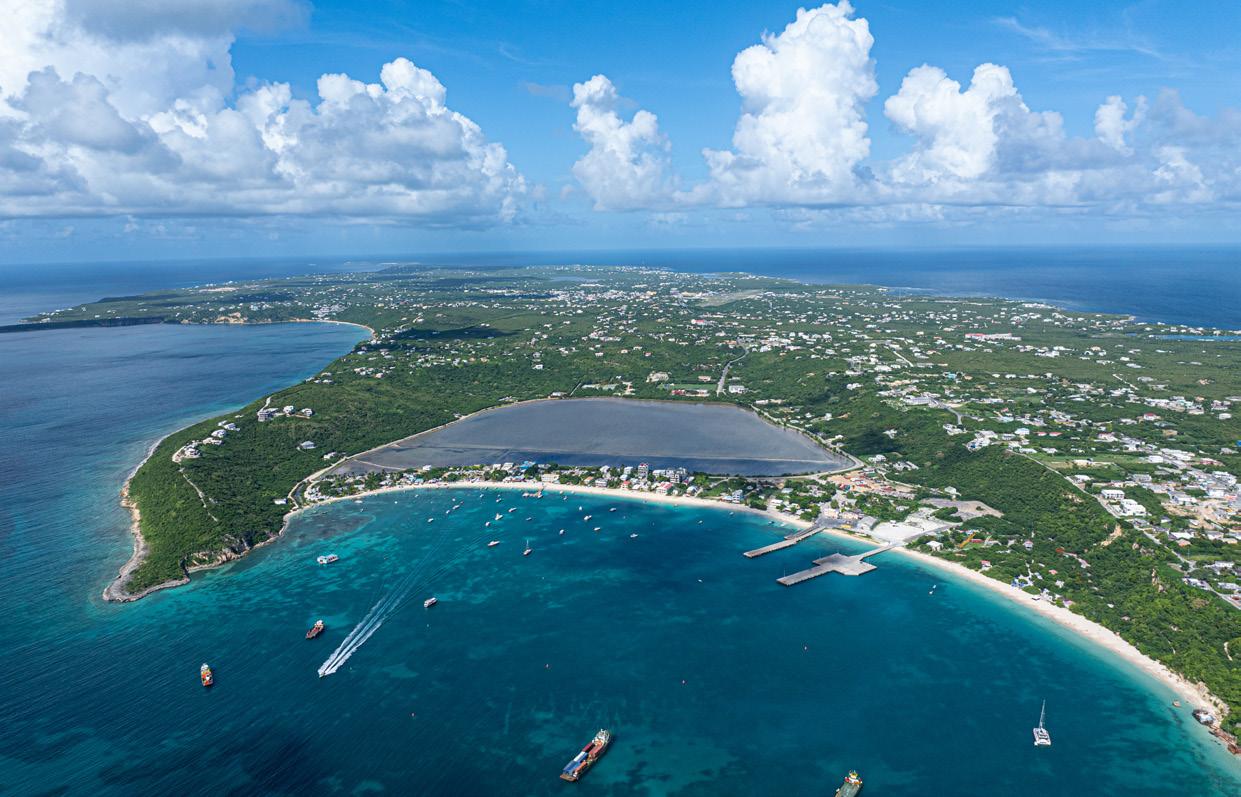
OT: What features can we expect from the new marina, and how will it benefit the local community and tourism industry?
JR: Planned to open in the coming years, the new marina will represent the latest concept in modern boating and marine facilities and is designed to elevate Anguilla’s appeal within the global yachting and marine tourism sector whilst delivering meaningful benefits to the local community. The new marina will feature:
• Expanded berthing capacity for luxury yachts and mid-size vessels
• State-of-the-art marina infrastructure aligned with international standards
• Duty-free retail, dining, and marine service amenities
• Improved passenger processing and arrival experience
• Enhanced marine security, customs, and port-of-entry facilities
• Dedicated spaces for local operators, charters, and waterbased activities
This framing adds aspiration, positions the marina competitively, and reinforces its role as a strategic
tourism asset rather than just infrastructure.
OT: How is the island planning to continue its tourism growth whilst preserving its culture and environment?
JR: Our approach is rooted in sustainable growth:
• Strict development controls to maintain low density and protect natural landscapes
• Blue and green economy initiatives
• Marine conservation and beach management programmes
• Investments in cultural heritage –festivals, crafts, music, and culinary preservation
• Mandatory environmental and cultural considerations in new tourism projects
• Anguilla’s identity – quiet luxury, authenticity, and natural beauty –remains at the forefront of every decision we make.
OT: Are there any partnerships with other Caribbean islands to enhance regional tourism efforts?
JR: Yes. Anguilla works closely with:
• The Caribbean Tourism Organisation (CTO) on airlift, marketing, and sustainability initiatives
• The Organisation of Eastern Caribbean States (OECS) tourism programmes on capacity-building and community tourism
• Regional aviation partners to strengthen multi-island connectivity
• Neighbouring islands for collaborative marketing and twinisland vacation packages
These partnerships enable shared learning, increased visibility, and greater regional competitiveness.
OT: What improvements will the new airport terminal bring for travellers? How will the latest links to the US East Coast via BermudAir enhance connectivity?
JR: The new AXA terminal delivers:
• Increased passenger capacity
• Faster processing times
• Modern security and immigration systems
• Expanded retail and dining options
• A significantly upgraded arrival and departure experience
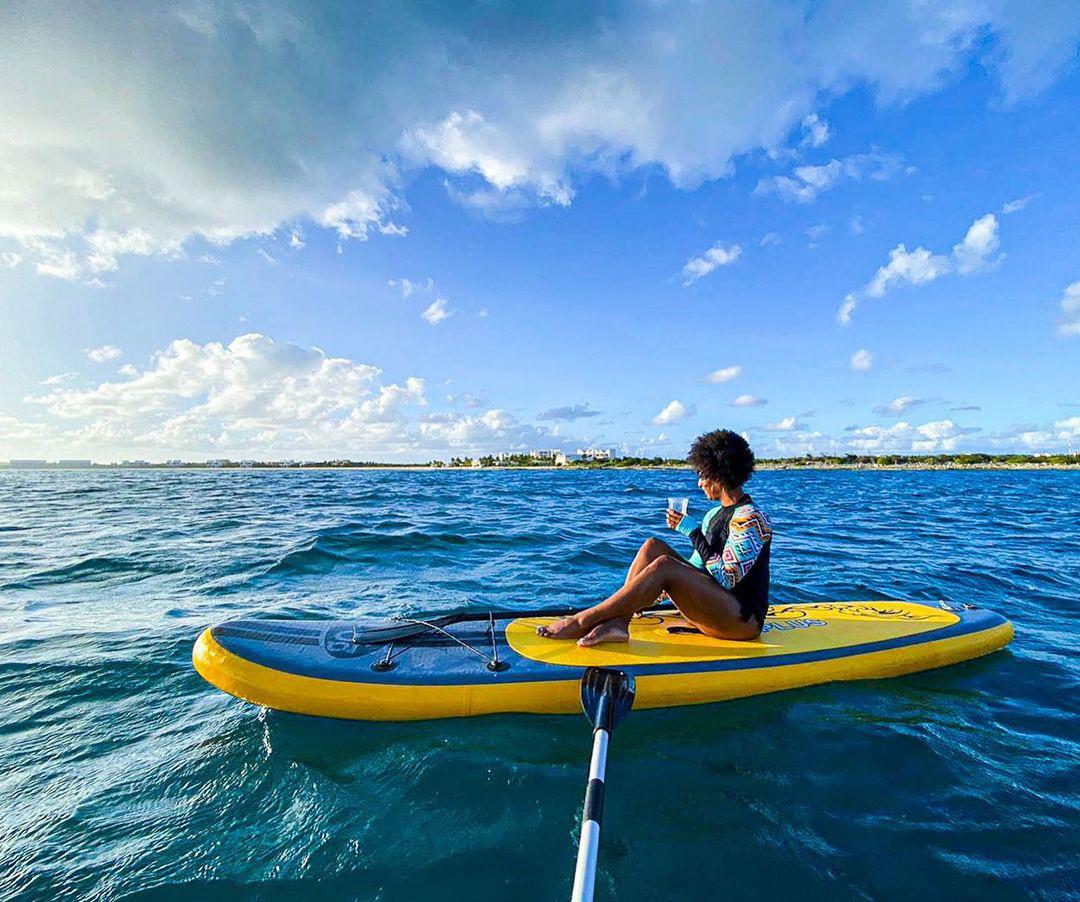
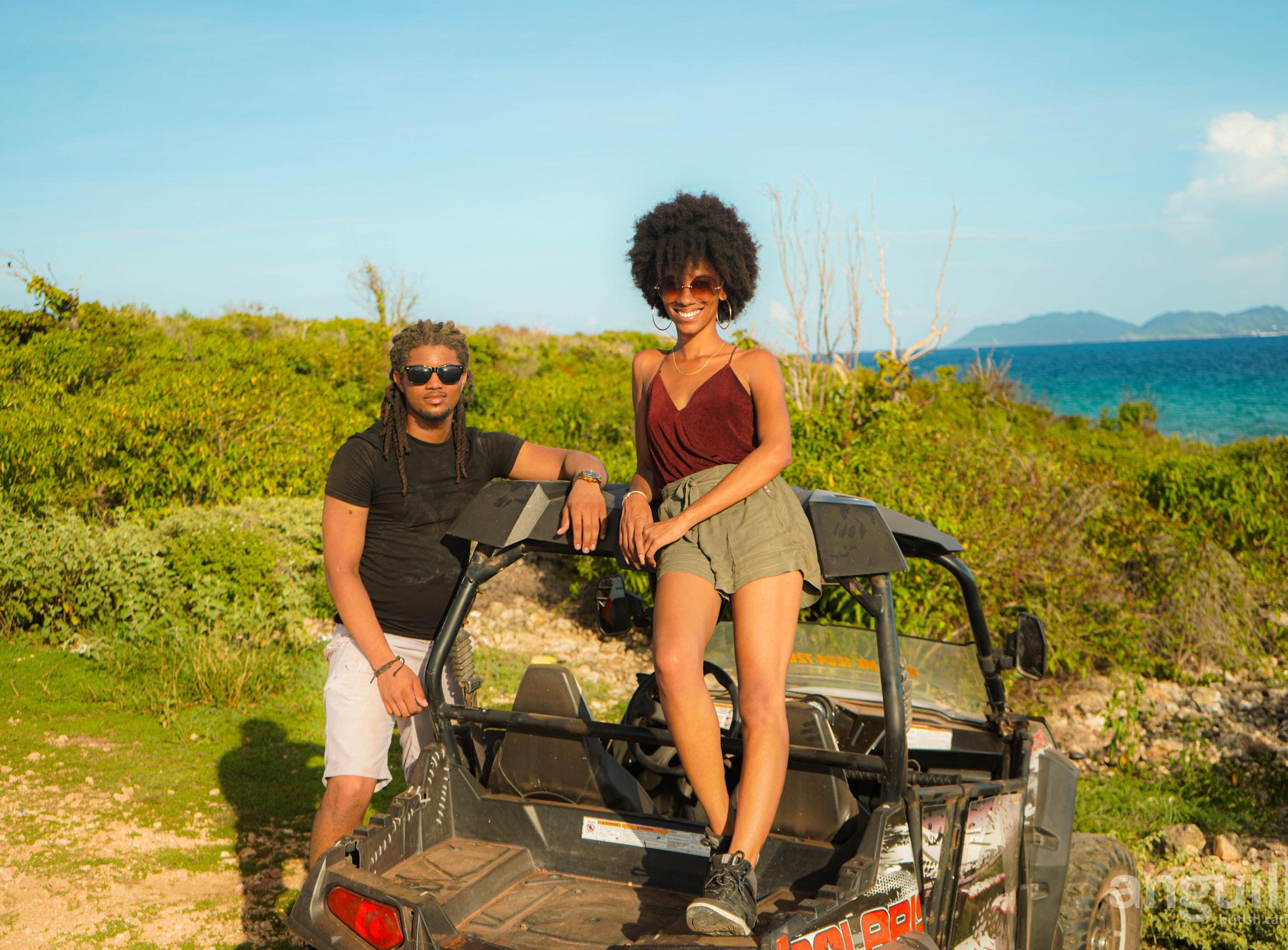
The introduction of BermudAir’s service connecting Anguilla to Boston, Newark, Baltimore, and Washington DC, via Bermuda marks a major milestone. This reinforces that Anguilla already enjoys direct international access, including a nonstop service on American Airlines out of Miami, for travellers who may not be aware of it.
These new routes further improve East Coast access by shortening travel time, diversifying gateways, enhancing schedule flexibility, and positioning Anguilla more competitively across key North American markets.
OT: Finally, what makes 2026 the perfect year to experience the beauty of Anguilla?
JR: 2026 is shaping up to be an exceptional year to experience
Anguilla at its most vibrant, authentic, and joyful. The island’s calendar is filled with experiences that celebrate our culture, music, and way of life, offering visitors meaningful opportunities to connect with the heart of the island beyond the beach.
From the electrifying energy of Anguilla Summer Festival (Carnival) – with its parades, music, food, and community spirit – to globally celebrated events such as Moonsplash Music Festival and Welches Fest, 2026 will showcase Anguilla’s rich cultural expression and creative talent in unforgettable ways.
These signature events are complemented by an expanded programme of village festivals, culinary showcases, heritage celebrations, and live music experiences that bring visitors closer to our people and traditions.
Coupled with improved air access, upgraded infrastructure, and refreshed destination campaigns, 2026 offers the perfect balance of relaxation and celebration.
It is a year where travellers can enjoy Anguilla’s world-class beaches and luxury offerings by day, and immerse themselves in culture, rhythm, and community by night – making it an ideal moment to discover, or rediscover, the true spirit of Anguilla.

Tel: +1 (264) 497-2759
info@anguilla-tourism.com
https://www.anguilla-tourism.com
One of the most anticipated events of the year is the Anguilla Summer Festival and its J’ouvert celebration, full of pageantry and parades, boat races, and fetes –this longstanding tradition is truly unique.
THOUSANDS OF REVELLERS flood the streets from The Valley to Sandy Ground, sashaying to soca sounds – a fusion of calypso music with elements of soul, funk, and reggae – in a vibrant pre-dawn parade. Dance crews from villages across the island don elaborate costumes, competing for the top prize at Parade of the Troupes.
Elsewhere, at Eyes Wide Shut – a spectacular beach fete in Meads Bay – limin’ (gathering with friends) rolls on from one in the morning until sunrise.
Meanwhile, for reggae and culture enthusiasts, Moonsplash Music Festival was created in 1991 by Bankie Banx as Anguilla’s independent music celebration.
Banx is a significant figure on the Caribbean music scene, often referred to as the Anguillan Bob Dylan mixed with Bob Marley, known for a unique blend of reggae, folk, jazz, and rock.
Hosted annually over three days at Dune Preserve in Rendezvous Bay, it showcases a diverse line-up of local
and international talent, with Gregory Isaacs, Chronixx, and Burning Spear all previously rocking the Moonsplash stage.
For a completely different vibe, Festival Del Mar is a vibrant celebration that pays homage to all things nautical, nestled in the picturesque charm of Island Harbour’s historic fishing village.
Over the course of two remarkable days, this festival unites locals and visitors alike, inviting them to revel in live music that echoes through the air, exhilarating swimming competitions that draw cheers from the crowd, and thrilling boat races that beautifully showcase the island’s rich maritime heritage.
More than entertainment, Festival Del Mar offers a profound cultural experience, allowing attendees to delve deeply into Anguilla’s proud seafaring traditions.
Participants can savour a medley of local flavours and immerse themselves in the island’s unique customs, all whilst connecting with the community’s warm, welcoming spirit.
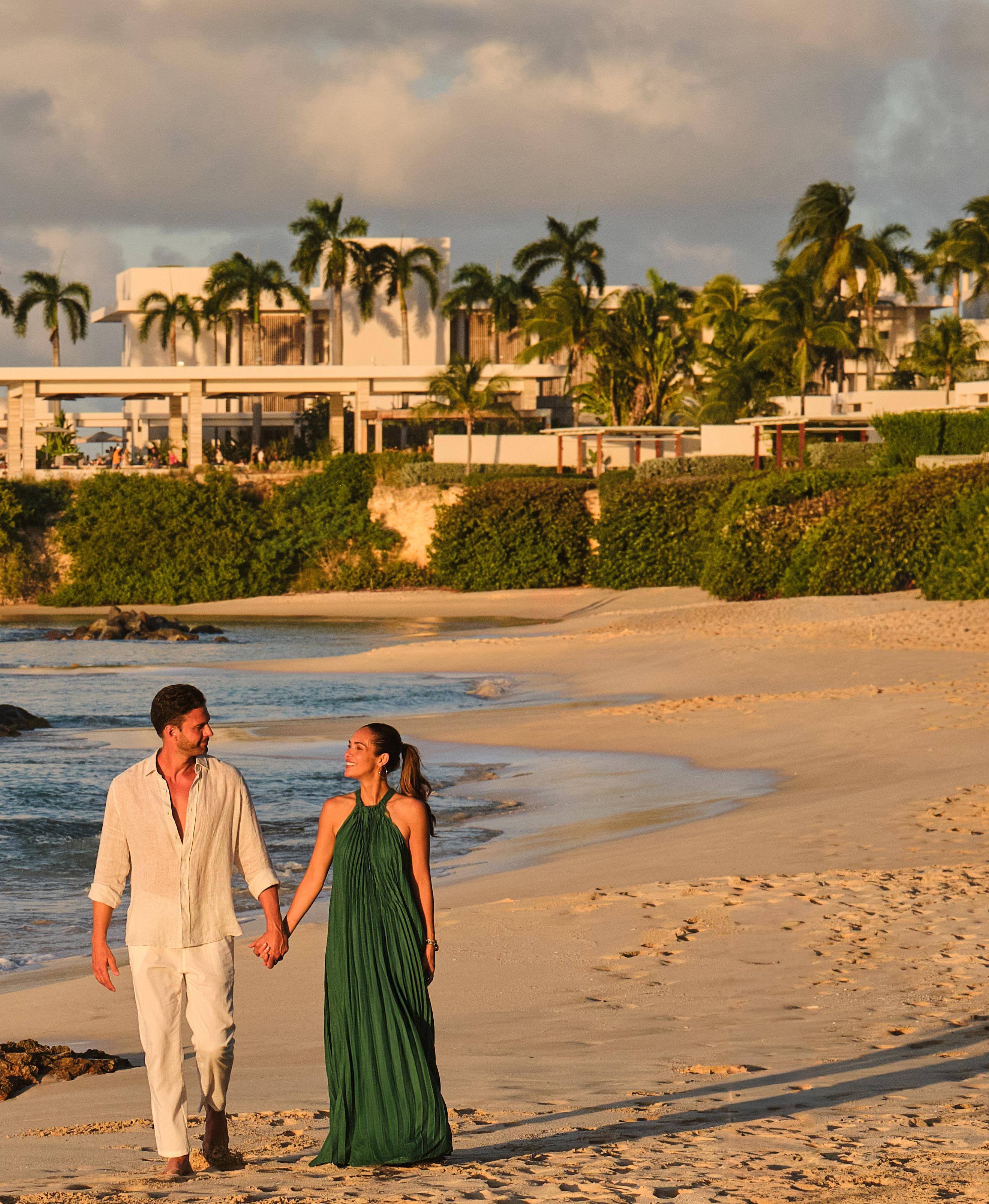
ESCAPE TO PARADISE AT FOUR SEASONS RESORT AND RESIDENCES ANGUILLA
Leave the stress of everyday life behind and discover the ultimate Caribbean retreat. Nestled along Anguilla’s pristine shoreline, our Forbes Travel Guide Five-Star Resort offers an unforgettable escape for families, friends, and couples alike.
Wake up to sweeping ocean views from most of our spacious accommodations and indulge in days designed around you. Whether that means exhilarating water sports, serene poolside lounging, or savouring world-class dining, your dream vacation starts here.
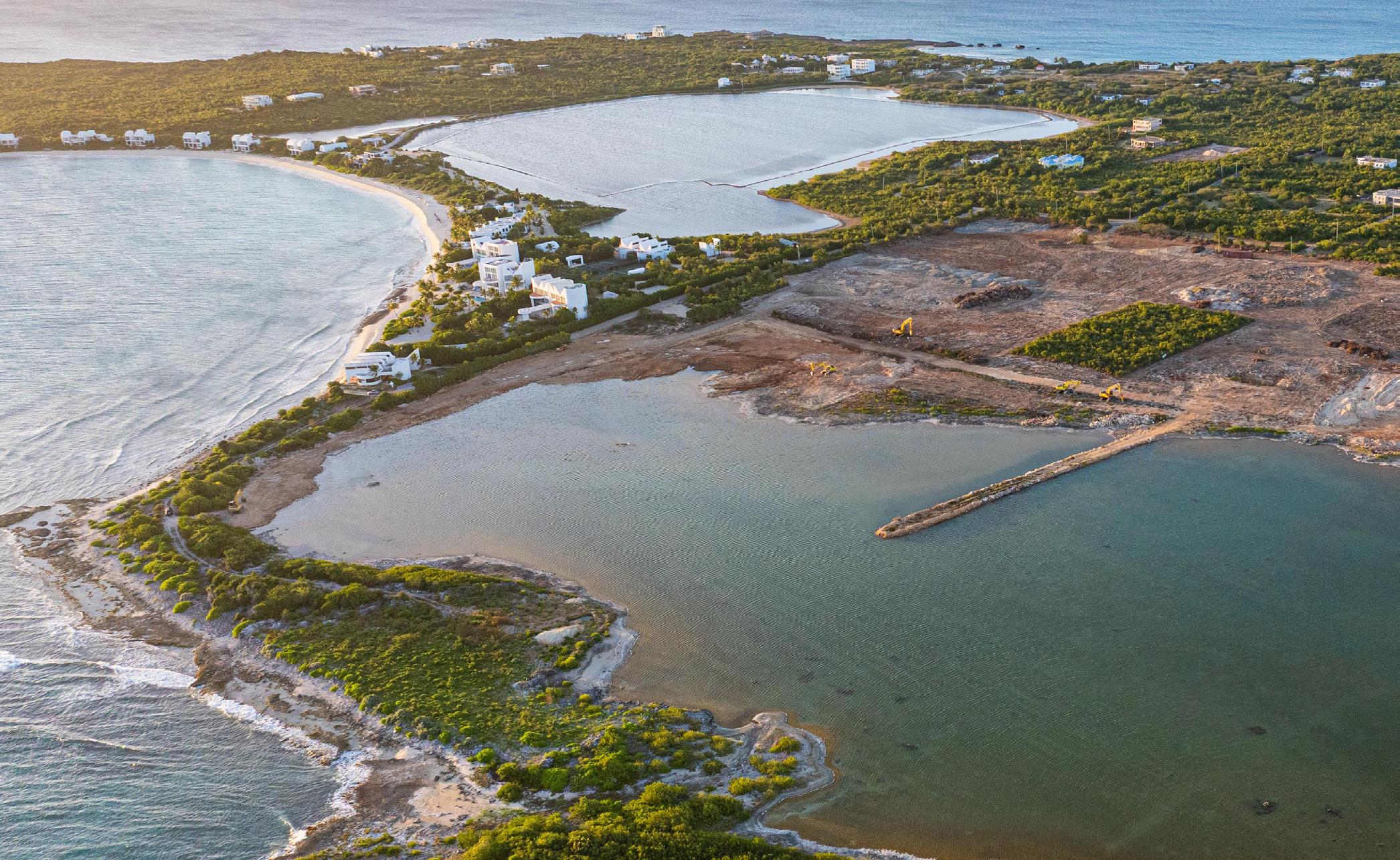
FOR EATING YOUR WAY AROUND THE ISLAND…
Gourmands flock to the Anguilla Culinary Experience (ACE), a five-day food and wine festival celebrating the island’s epicurean roots with high-end dinners, restaurant specials, and BBQ eats prepared by local and international chefs.
FOR THE ULTIMATE HAUTE CUISINE…
Located on a clifftop at Malliouhana Resort, one of Anguilla’s premier properties, Celeste by Kerth Gumbs offers panoramic views of Meads Bay – one of the island’s prettiest beaches – enabling guests to enjoy a romantic, spectacular sunset with a refreshing handcrafted cocktail and an award-winning wine selection.
With elegant décor and a focus on seafood with a global perspective, the menu also features authentic Caribbean flavours.
FOR FEELING LIKE CARIBBEAN ROYALTY…
Experience the island’s charm in a colourful Moke – a small, open-air means of transport popular on the island. These vintage vehicles are available in
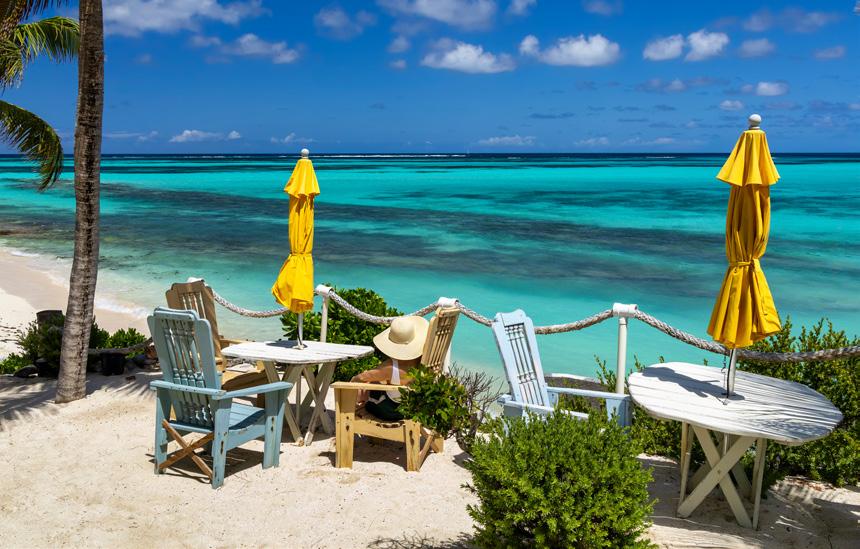
vibrant colours like genip and mango and feature a removable top for enjoying sunsets.
Begin the adventure at Shoal Bay, then drive beneath the Caribbean sun to the stunning natural rock formation, the Anguilla Arch. Don’t forget to stop at the Old Salt Factory and Pumphouse for unique seasoning blends from local artisans, a cherished part of Anguilla’s history.
FOR EXPERIENCING EXCITEMENT…
Boat racing in Anguilla is a beloved tradition that blends the island’s history with music, dancing, and competition. Regarded as a national sport, it played a key role in trading goods in the early 1900s and is integral to Anguilla’s culture.
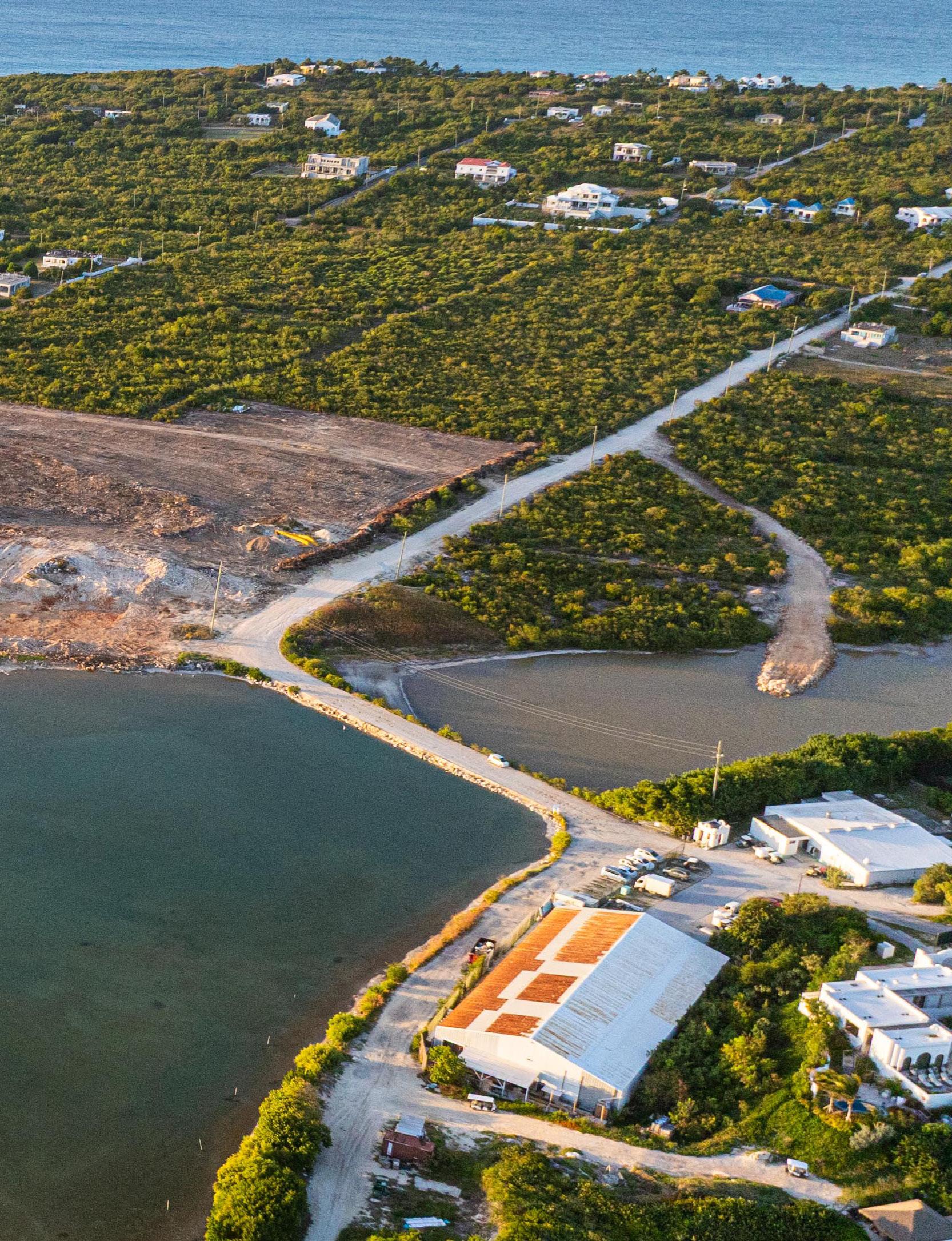
The racing season starts in April, culminating in major events on Easter Monday and Anguilla Day. The highlight is the August Monday Boat Race during the Anguilla Summer Festival, where boats race around the island in heats. The season concludes with the Champion of Champions Race, featuring the top competitors.
FOR A SUMPTUOUS STAY…
Four Seasons Resort and Residences Anguilla epitomises 5-star luxury. Whether staying in a beachfront villa, stylish suite, townhome, or a residence, this accommodation offers unrivalled comfort and breathtaking views of this tropical haven.
The penthouse provides an ocean vista, a private plunge pool, and a full gourmet kitchen, perfect for entertaining, though there is a plethora of other dining options on-site.
FOR A BEACH GETAWAY…
Cap Juluca, A Belmond Hotel, is located in Maundays Village Beach and offers a luxurious experience with an outdoor pool, a spa, and a wellness centre. The resort features Greco-Moorish architecture, a private beach, restaurant, and a tennis court, and the championship Greg Norman-designed golf course is just minutes away.
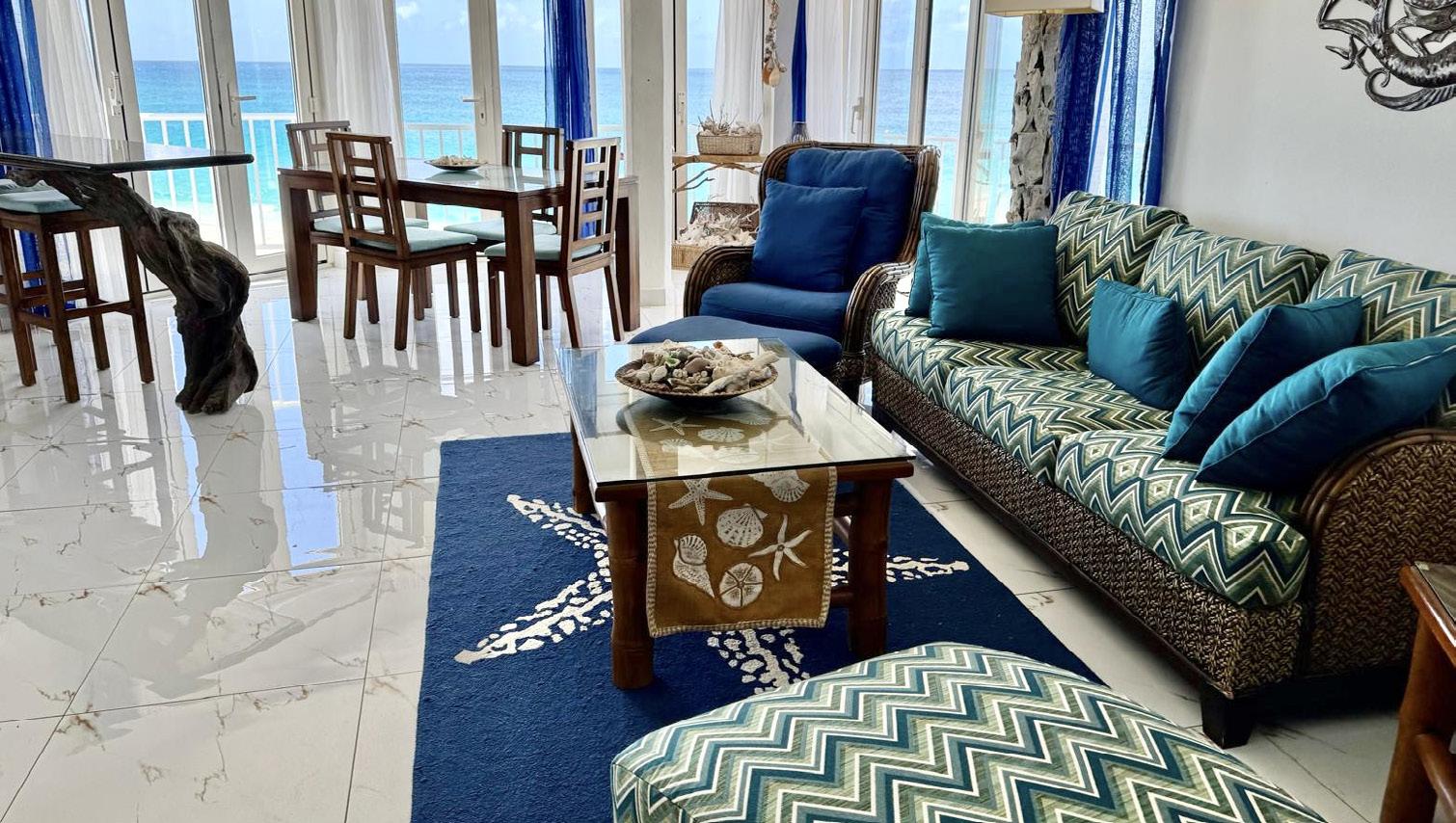
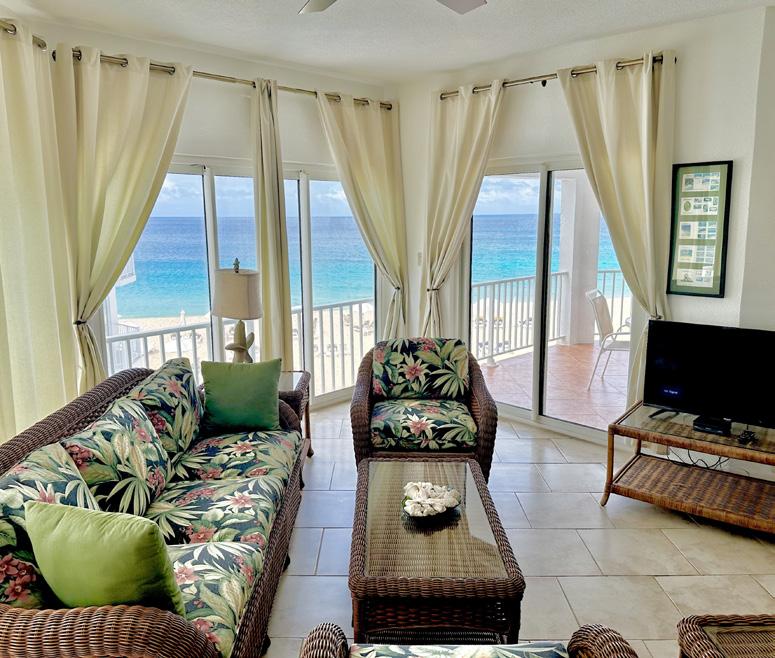
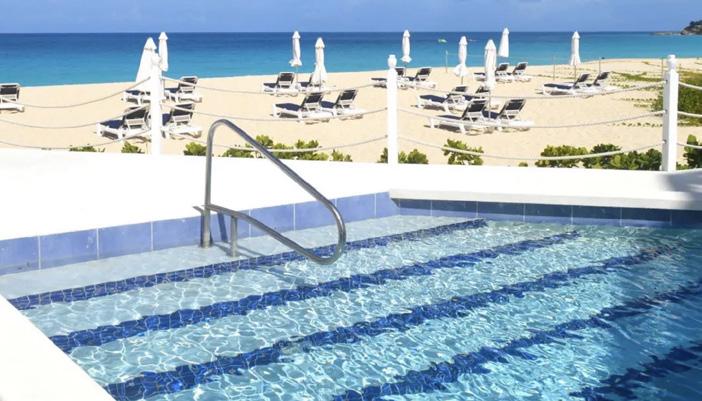

and relax or enjoy daily
and
(264)498-2355 | bellabluanguilla.com | info@bellabluanguilla.com
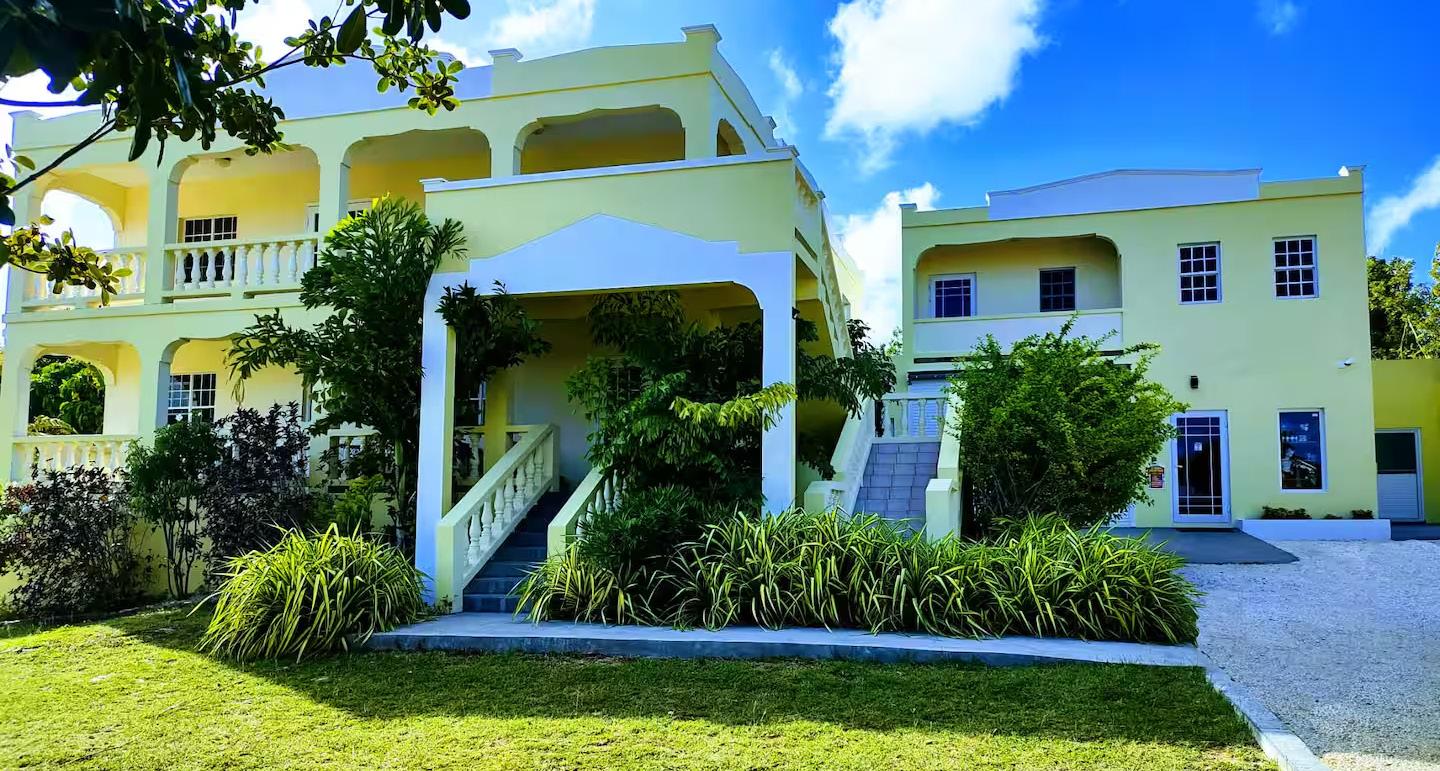

Perfect for a weekend getaway or a workful week
A modern smart suite to live life a little luxuriously!

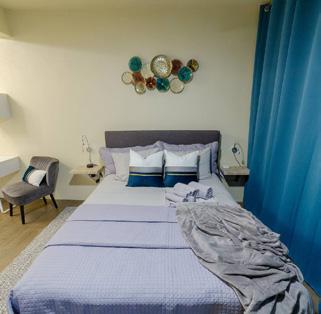
Shoal Bay, one of the Caribbean’s premier beaches, features two miles of pristine coastline where relaxation meets adventure. With gentle waves and vibrant coral reefs, the clear waters are ideal for diving, snorkelling, and kayaking, and as a bonus, green sea turtles can often be seen in Shoal Bay East. The peaceful atmosphere invites relaxation, whilst the upper beach offers spirited live music and a variety of restaurants, perfect for social gatherings.
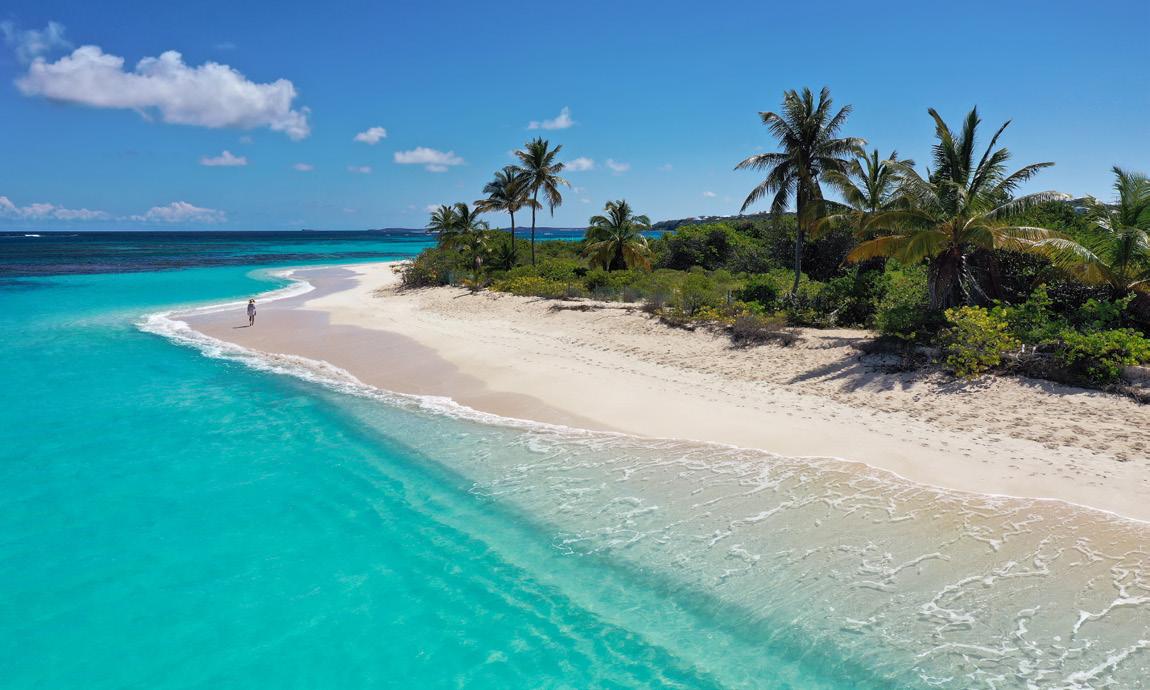
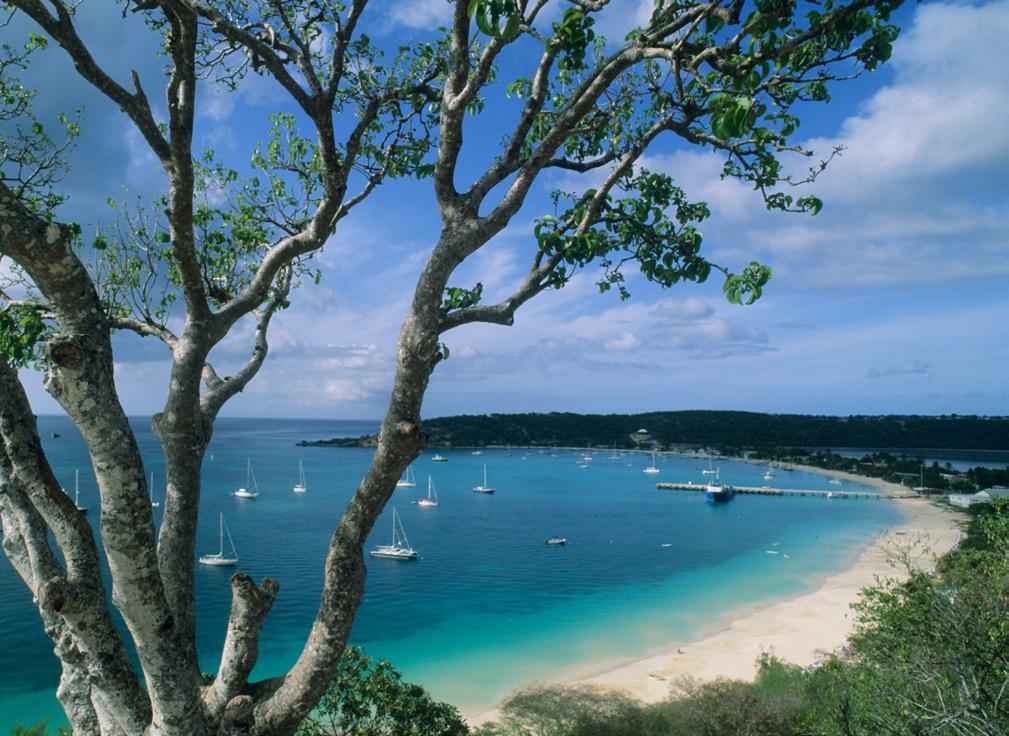
Stoney Bay, one of the island’s seven marine parks, is a popular diving site where divers can explore the shipwreck and its treasures, including coralcovered cannons and encrusted anchors. In 1772, a ship carrying Franciscan missionaries and valuable cargo sank off Anguilla’s coast, creating an underwater museum that supports thriving reefs and marine life.
Near Shoal Bay, Fountain Cavern National Park houses the Caribbean’s most significant pre-Columbian ceremonial site. This archaeological treasure contains a 14-foot carved stalagmite of Jocahu, the supreme deity of the Indigenous Taino people, dating back over 1,000 years. Whereas Big Spring, in Island Harbour, hosts one of only two known petroglyph (rock carving) sites in Anguilla – the other being Fountain Cavern – featuring over 100 petroglyphs dating from AD 600-1200. Most depict three indentations that may symbolise the faces of local Amerindians.
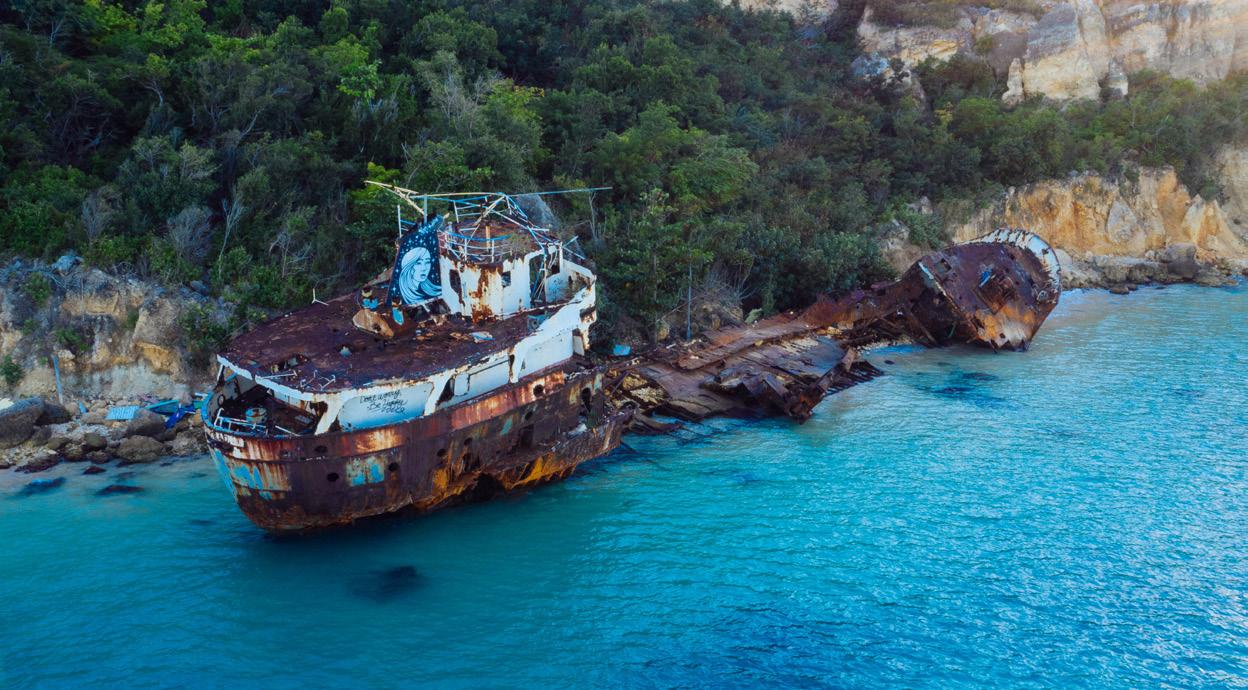
TRAVELLING TO ANGUILLA is convenient as it is easily accessible through flights from North America, Latin America, and Europe, as well as ferries from nearby islands.
Visitors can fly direct into AXA – Anguilla’s only airport – with BermudAir or American Airlines.
From Puerto Rico’s Luis Muñoz Marín International Airport (SJU), catch a direct flight to Anguilla in just one hour with Charter Air Direct, or opt for a private air charter.
Alternatively, fly into St. Maarten’s Princess Juliana International Airport (SXM), which is serviced by most major international airlines. From there, a quick flight to Anguilla is available via local airlines AAS and TAA, through private air charters as well as scheduled flights.
Additionally, the AAS and TAA’s regional route network has services from Antigua, St. Barths and several other Caribbean islands, including St. Kitts, making it easier than ever to embark on an adventure to this tropical paradise.
For ferry services, the public ferry operates eight times daily between St. Martin and Anguilla. Several private companies also offer comfortable, professional ferry services between the two islands.
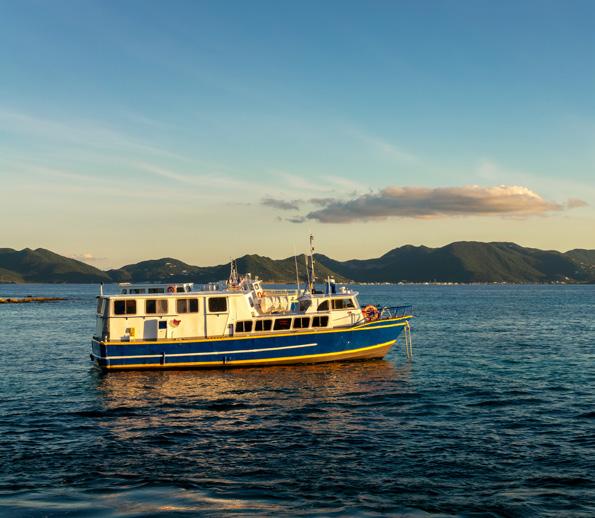
As a small territory, Anguilla is easy to traverse; indeed, it is possible to drive from one side to the other in 45 minutes. Renting a car and taking taxis are popular choices, with the former being extremely cost-effective and the latter doubling up as an informal tour guide, providing insights and recommendations.
For a more adventurous experience, bicycles and all-terrain vehicles (ATVs) offer access to off-the-beatenpath locations and allow you to enjoy Anguilla’s natural beauty. Whilst cycling can be exhilarating, hills and the heat can be a hindrance, so be prepared.
However, in smaller towns and beach resorts, walking can be pleasant for short distances.
• Anguilla is home to the Anguilla Hummingbird, a rare subspecies of the Purple-throated Carib. This small creature is a dazzling sight in the wild and a crucial ecological pollinator, sustaining the island’s delicate ecosystem.
• Anguilla’s magnificent limestone formations, sculpted by the relentless forces of tidal and oceanic activity over millions of years, harbour a treasure trove of fossils that illuminate the intricate connections between lunar cycles and Earth’s geological and climatic history.
• Moko Jumbies, mesmerising stilt dancers of the Caribbean, grace festivals with their enchanting performances. The figures symbolise spiritual guardianship, bridging the earthly realm with the divine, dazzling audiences with acrobatic feats, and embodying resilience and joyful spirit.
• English, which is a widely spoken language on the island, is Anguilla’s official language. However, there is also an Indigenous language of Leeward Caribbean English Creole.
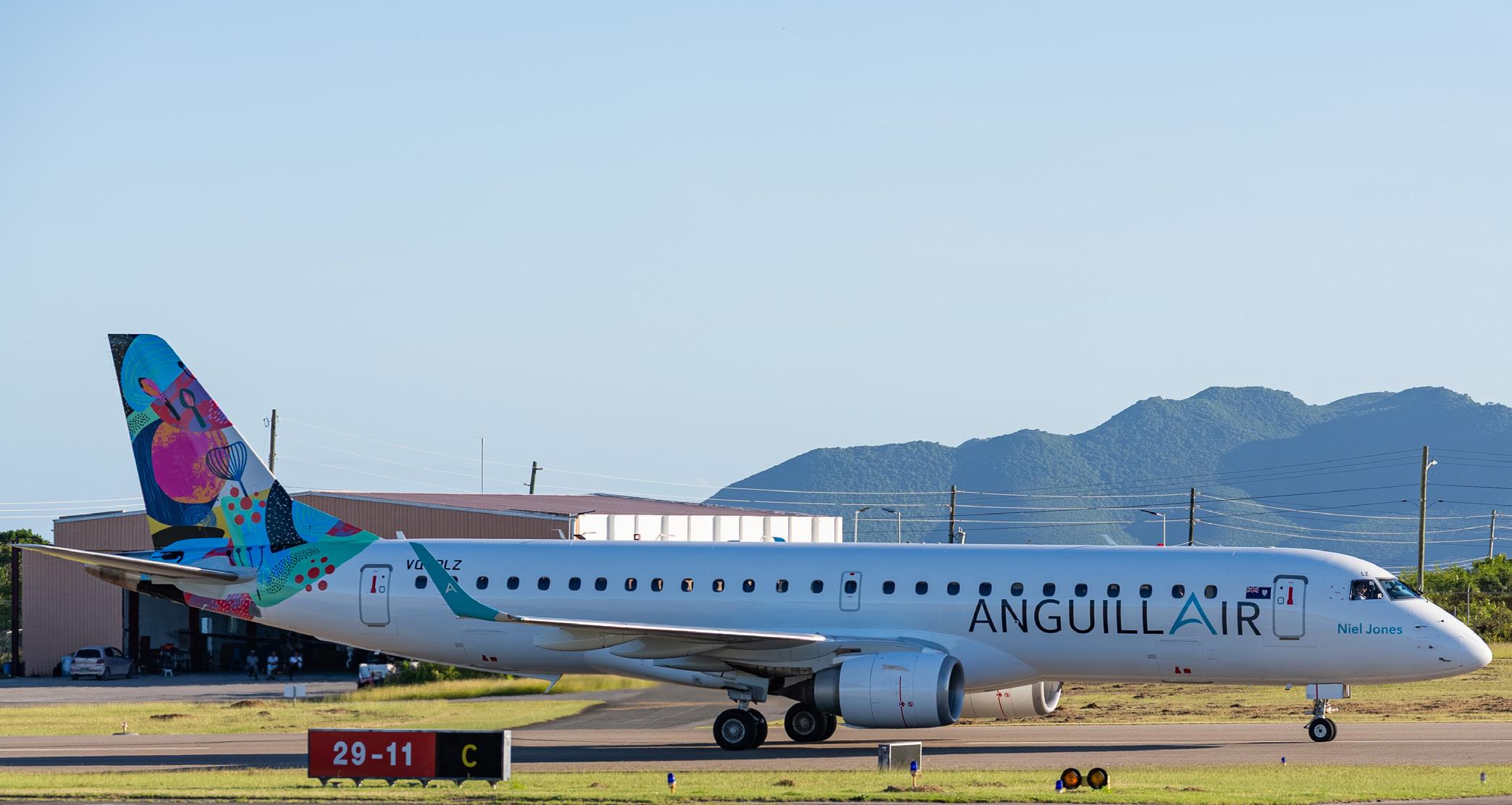
• The island’s official currency is the Eastern Caribbean dollar (XCD); however, US dollars are widely accepted.
• Anguilla’s flag features a Union Jack and a coat of arms with three leaping golden dolphins, symbolising endurance, unity, and strength.
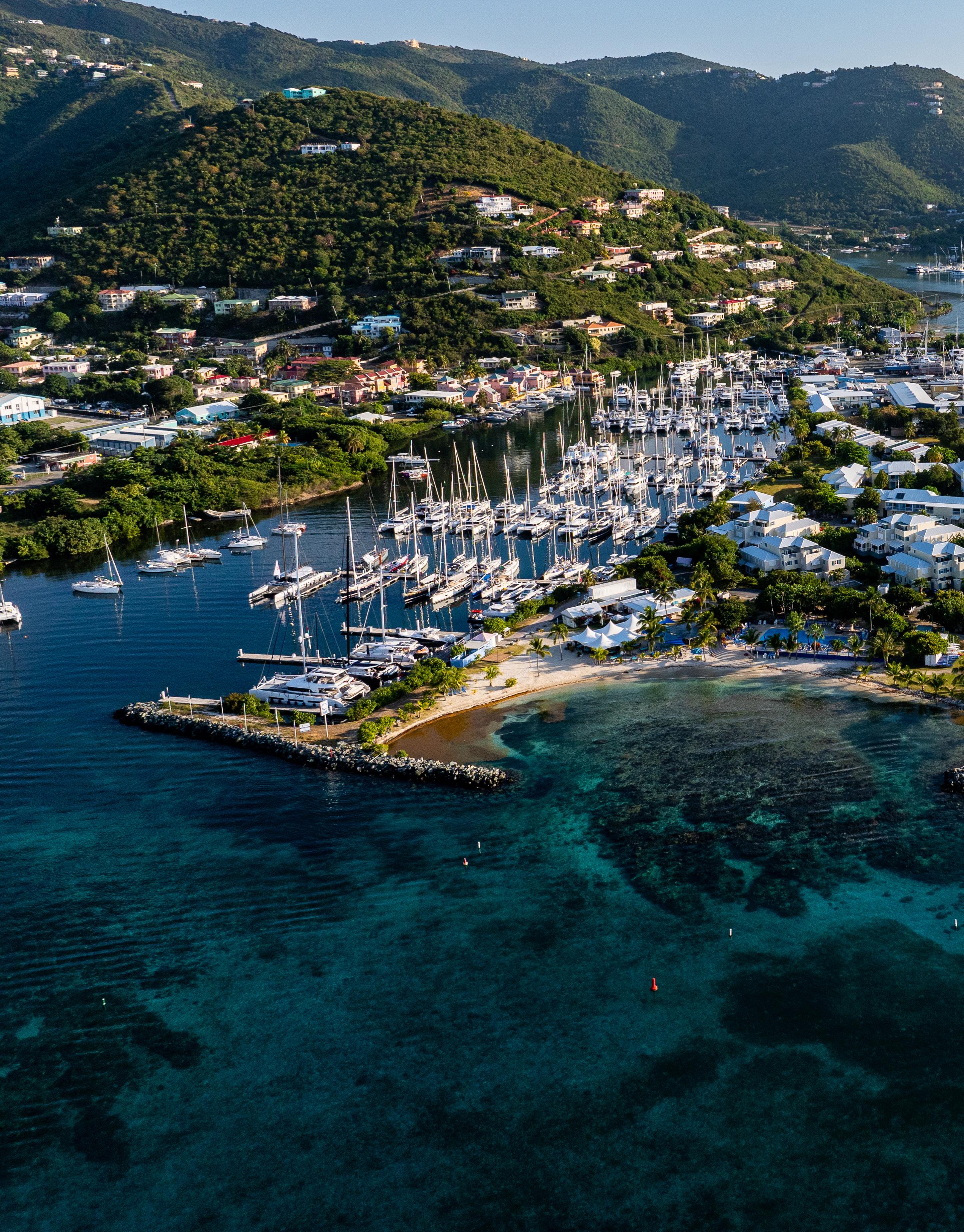
Boasting unmatched tropical tranquillity and glistening oceanic bliss, the British Virgin Islands comprises its own dreamy Caribbean kingdom of unblemished utopia
WRITER: ED BUDDS | PROJECT MANAGER: ALFIE WILSON
The boundlessly beautiful British Virgin Islands (BVI) has long been the premier destination of choice for the most active and adventurous travellers.
Alongside this, the BVI simultaneously caters perfectly to the curious and cultured, foodies, fun-seekers, and families.
The endless variety of experiences on offer is nothing short of lifechanging. From spectacular panoramic views high above seaside villages, to flawless white-sand beaches that stretch for miles, to the deep diversity of sea life that exists just below the calm, turquoise waters, the term “something for everyone” seems as if it was coined specifically for this magical archipelago.
Home to a deep range of luxury resorts, spacious villas, spectacular campgrounds, world-class dining and shopping, and cultural events, the BVI is primed and ready to accommodate all.
Since the spirit of the ocean itself is alive in every facet of the location, you’ll never run out of ways to enjoy the water – the BVI remains undefeated for the best kiteboarding, surfing, and sailing in the world.
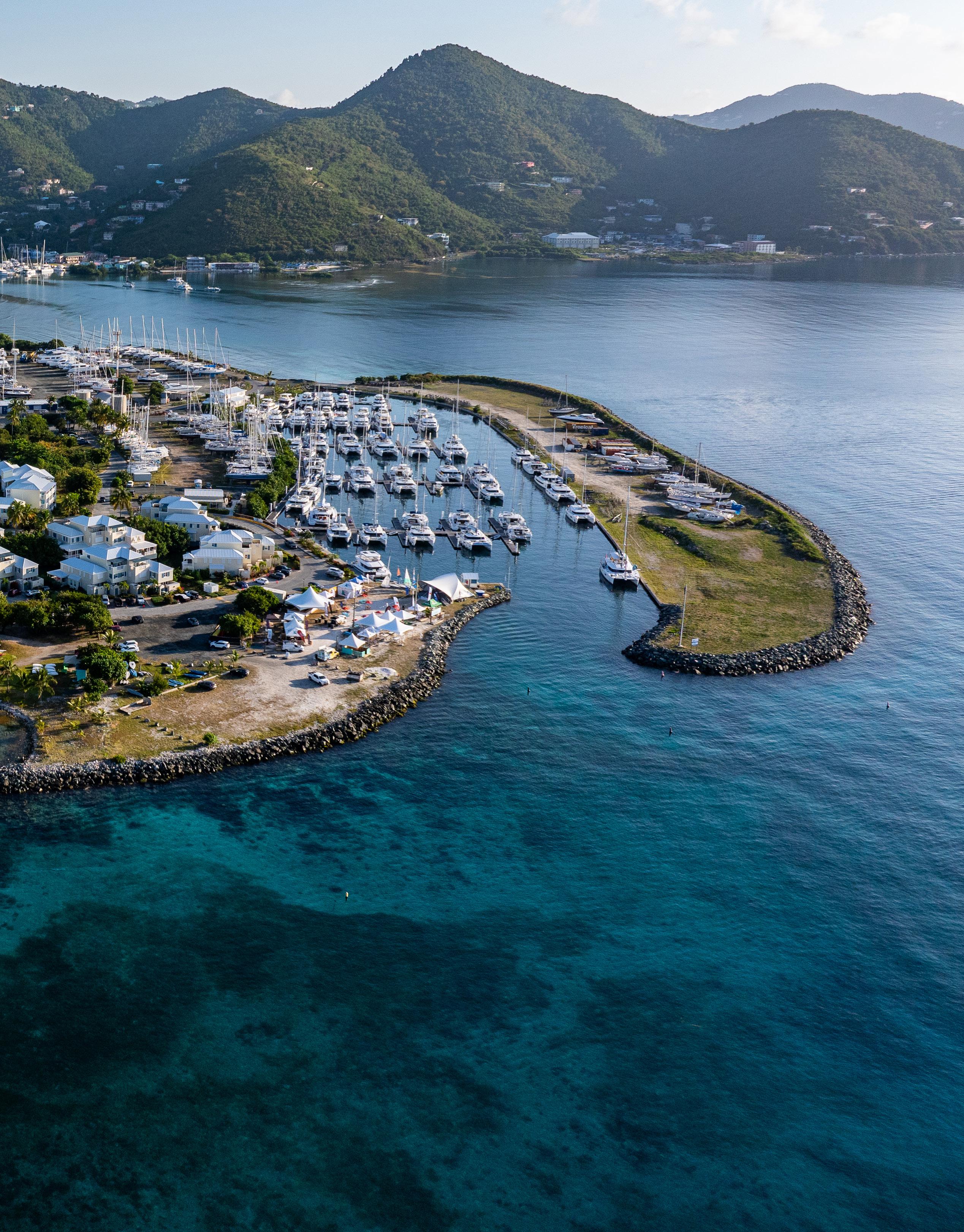
Meanwhile, the bountiful beaches of the BVI are globally legendary for their powder-white sand, jewel-toned waters, and rich diversity of ocean life bustling beneath the surface.
Bask in the sun beneath old-growth palms, take a cool dip in the calm Caribbean Sea, or venture beneath the waves to discover one of the world’s most robust marine ecosystems throughout seemingly endless stunning shoreline.
This picturesque corner of the world has long been renowned for its oceanic tapestry of visual delights.
Whether you’re looking for trophies or tasty meals, dropping your hook here can yield Blackfin and Yellowfin Tuna, Blue Marlin, White Marlin, Mahi-mahi, Sailfish, Wahoo, and a wide array of other enviable catches.
The broader archipelago comprises nearly 60 square miles of landmass crisscrossed with vegetationlined footpaths. Heading out for a hike here will yield incomparable birdwatching and breathtaking island views.
With countless ways to enjoy the islands just awaiting your discovery, there’s simply no excuse not to take the plunge and dive right into all the BVI has to offer.

Outlook Travel (OT): Can you talk us through what the British Virgin Islands Tourist Board has been up to since we last spoke in 2024?
Clive McCoy, Director of Tourism (CM): Since 2024, we’ve been extremely busy at the British Virgin Islands Tourist Board (BVITB). As you may know, the BVI government has established a Ministry of Tourism, Culture, and Sustainable Development. For the first time, the BVI is drafting legislation and policies dedicated to servicing the tourism industry.
We’ve been working closely with the ministry on a new tourism policy, which is expected to be approved
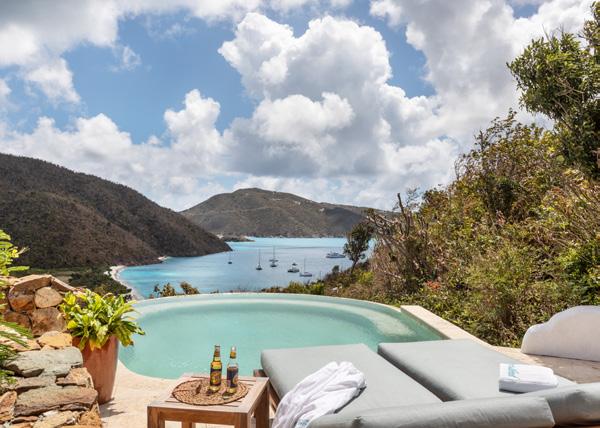
We catch up with Clive McCoy, Director of Tourism at the British Virgin Islands Tourist Board, who highlights the BVI’s unapologetic authenticity, underrated culinary scene, and investment in the arts.
in the coming months, as well as a comprehensive tourism strategy for the territory. These steps demonstrate how vital tourism is to the economy.
We’ve also begun a major rebranding campaign; it has been a long time since the brand was refreshed, and we are now deep into that process. Q3 or Q4 2026, we expect to unveil a full rebrand and a more robust marketing presence.
Alongside those major initiatives, we are continuing our global marketing efforts, participating in key trade shows, and developing new products.
By the end of March or early April, we will open the first virtual reality (VR) museum in the BVI, offering cultural and underwater experiences, as well as hiking tours. We plan to expand this activation so cruise passengers visiting just for the day can virtually explore all the islands.
We have also added an artificial intelligence (AI) assistant to our website, making us one of the first tourism boards in the world to do so. Additionally, last year we held
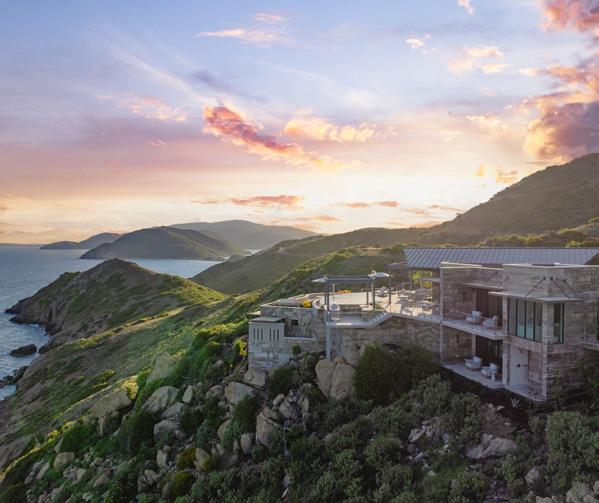
our first film festival, which was very successful, and we plan to host it again this year in Q4.
OT: What is your organisation’s most recent set of priorities and goals that you are aiming to achieve?
CM: One of our primary goals is to return to pre-COVID-19 pandemic levels of overnight visitor arrivals. Although we’ve seen a strong rebound, we haven’t fully reached those numbers yet for several reasons.
During the last few years, we were still recovering from hurricane damage and didn’t have all our major
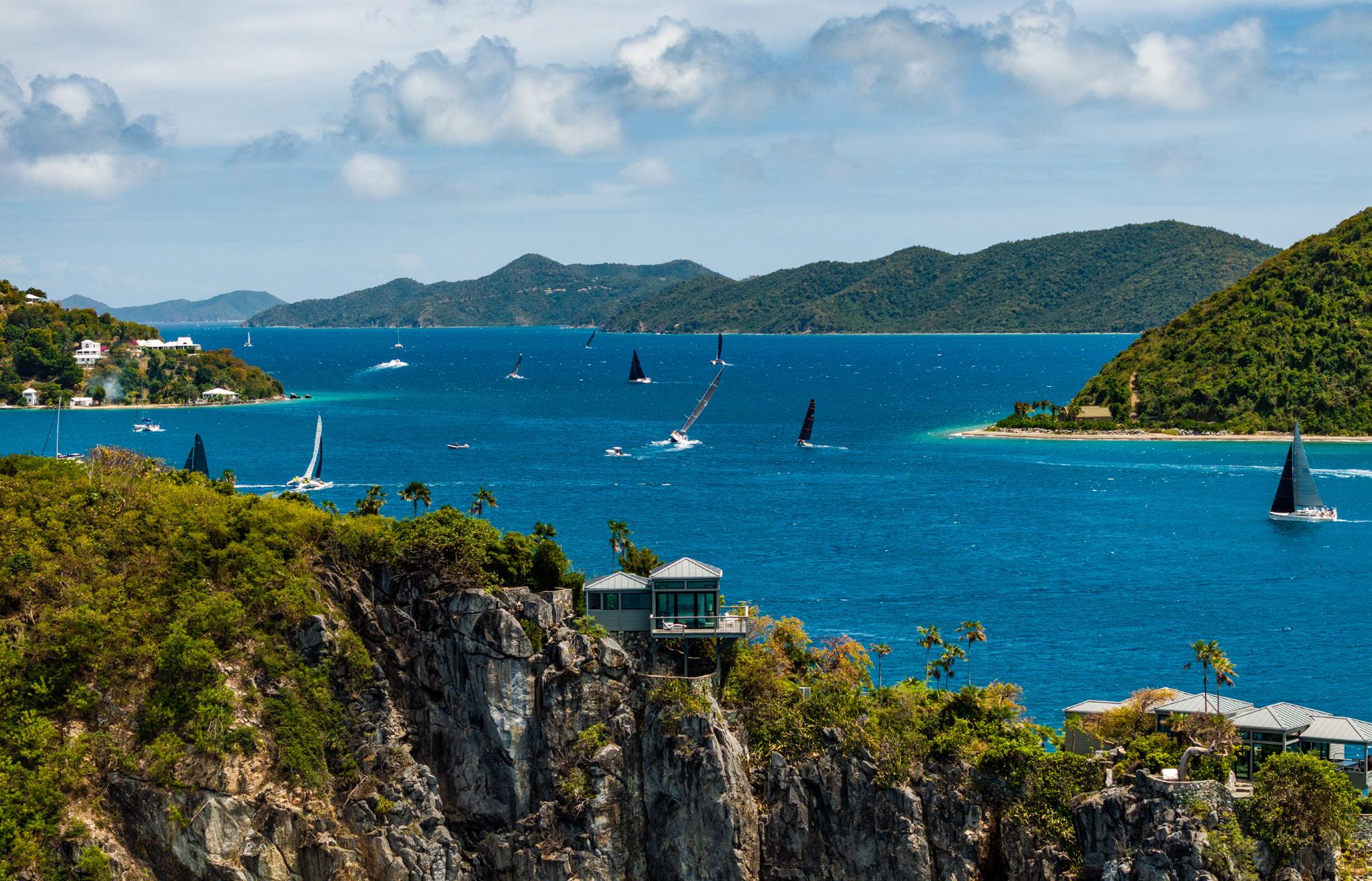
“Everyone knows about our beautiful islands, warm and welcoming people, and world‑class sailing –we’re the sailing capital of the world – but the food here is truly exceptional too”
– Clive McCoy, Director of Tourism, British Virgin Islands Tourist Board
properties reopened. However, many are now returning, including Peter Island Resort.
Another goal is to ensure hospitality in the BVI is amongst the best in the world. Our team has been working diligently on training throughout the sector so visitors feel genuinely welcomed. People in the BVI are naturally friendly, but we want to reinforce the importance of giving guests the best possible experience.
We are also adjusting internally as the newly formed Ministry of Tourism, Culture, and Sustainable Development takes responsibility for product development, whilst the BVITB transitions to focusing solely on marketing. Strengthening our
marketing capabilities to meet the territory’s needs is therefore a major priority.
We’re constantly exploring new attraction opportunities as well, particularly within the culinary sector, and we’ll be announcing more about those as the year progresses.
OT: What helps you keep a fresh perspective when promoting the BVI?
CM: We focus on ensuring our imagery and content remain fresh and showcase the destination in the best possible light. Our marketing team is always exploring new approaches and staying attuned to global trends, especially the increasing desire for authentic cultural experiences.
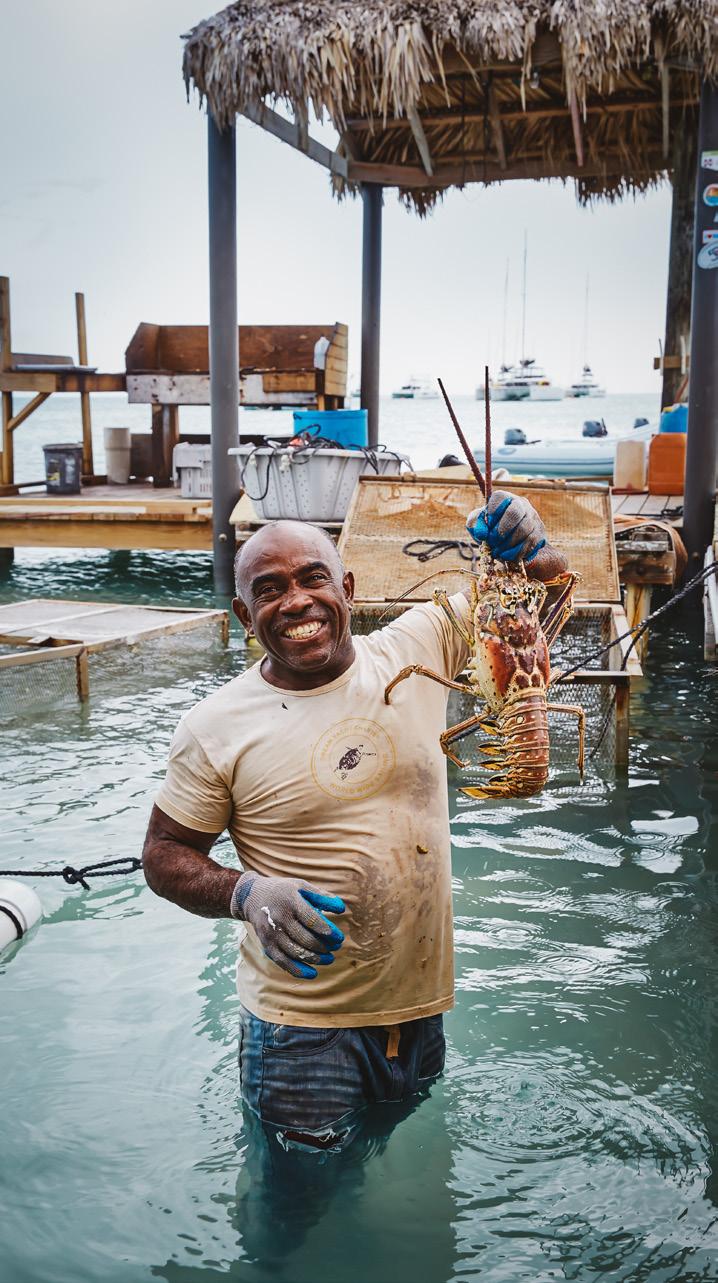
“People in the BVI are naturally friendly, but we want to reinforce the importance of giving guests the best possible experience”
– Clive McCoy, Director of Tourism, British Virgin Islands Tourist Board
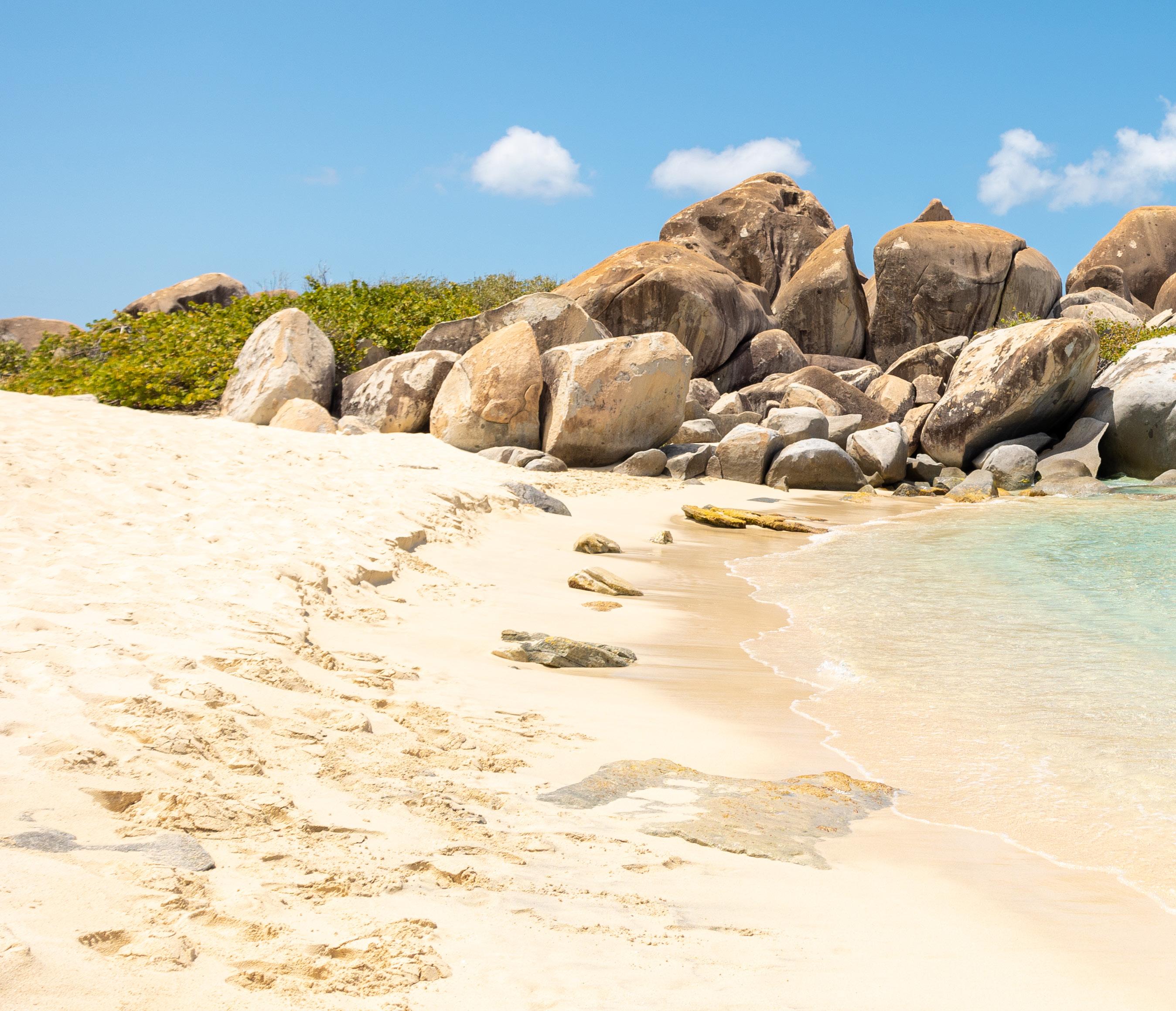
The BVI is one of the most unapologetically authentic places you can visit, and we work with government and stakeholders to highlight this.
We’re also investing in the arts – including music, dance, and painting – as part of what we call the “orange economy”. In an age when it’s hard to differentiate what’s real online, our commitment is to remain authentically and distinctly BVI.
OT: What are some of the islands’ unique qualities that don’t always get the attention they deserve?
CM: The BVI’s culinary scene is
extremely underrated. Everyone knows about our beautiful islands, warm and welcoming people, and world-class sailing – we’re the sailing capital of the world – but the food here is truly exceptional too.
From street vendors to upscale restaurants, you will not have a bad meal in the BVI; the blend of cultural influences creates unforgettable dishes. We hear other Caribbean countries boast about being culinary capitals, but we quietly know the BVI’s cuisine is second to none.
We promote this through events such as Taste of Virgin Gorda and Jost Lime and Dine, which now allows
people staying on Tortola to visit Jost Van Dyke for dinner – something that wasn’t previously possible due to ferry schedules.
Later this year, during Thanksgiving weekend, we’re hosting the Anegada Lobster Festival. If you’ve never had an Anegada lobster, you’ve never really had lobster – it goes straight from the ocean to the grill then onto your plate.
The lobster is incredible, but the official dish of the BVI is fish and fungi – steamed fish served with a cornmeal-based side that absorbs the juices beautifully. If someone offers you fish and fungi in the BVI, definitely say yes.
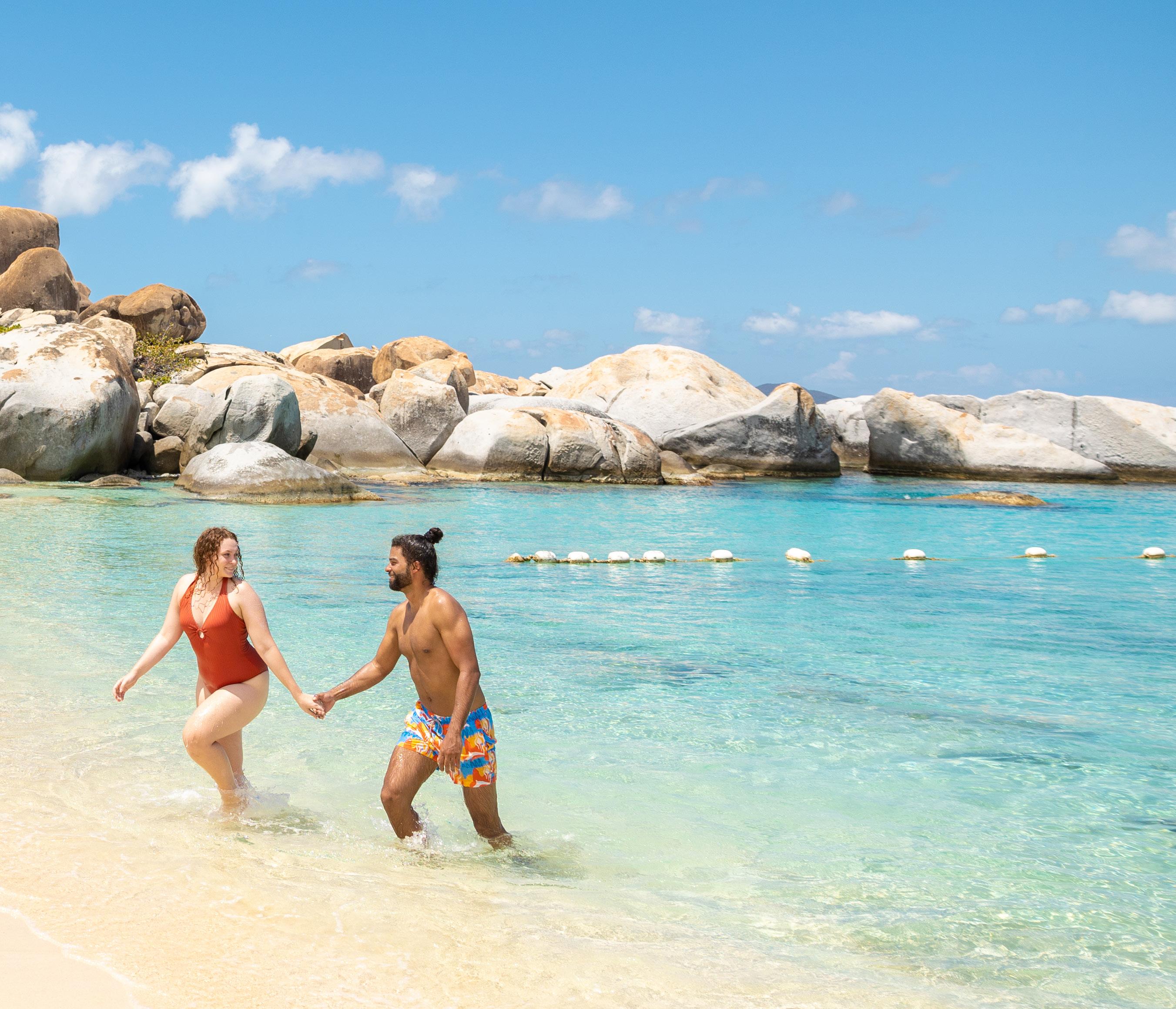
OT: What challenges is the tourism industry currently facing, and how are you addressing these?
CM: Overtourism is a major concern globally, and we’re very aware of its potential impact here. That’s why we’re developing long-term policies and a tourism strategy to guide the sector for the next 20 to 30 years; sustainability is essential for us.
We’ve also launched a robust beach policy in partnership with the Ministry of Environment, Natural Resources, and Climate Change. It prohibits development too close to the shoreline and addresses issues such as beach capacity to protect both the
environment and visitor experience. Weather pattern changes and climate-related challenges also pose risks, so we are investing in measures to address issues like sargassum, heat, and hurricanes.
OT: Finally, what are you most proud of in the tourism board’s work?
CM: I’m most proud of how we persevered through the COVID-19 pandemic. It was an incredibly difficult and demoralising time and, for the first time, we saw what the BVI looked like without visitors.
The emotional and economic impact was profound. Guiding the
territory through that period to where we are today, where demand is rising and we’re now discussing the need for more infrastructure, has been remarkable.
We’re deeply grateful to our staff, board of directors, the BVI government, and especially the people of the BVI for standing strong throughout that time.
WHILST THE BVI is the perfect place to engage in a wide variety of leisure activities, the archipelago’s lengthy and well-documented tradition of nautical pursuits and sailing culture exists in a class of its own.
The first visitors to the wondrous isles came by sea, and thanks to centuries of warm, consistent trade winds, clear water, and perennial sunshine, the ships have been rolling in to the BVI’s radiant shores ever since.
A culture of sailing is baked into the very DNA of the BVI and the legendary
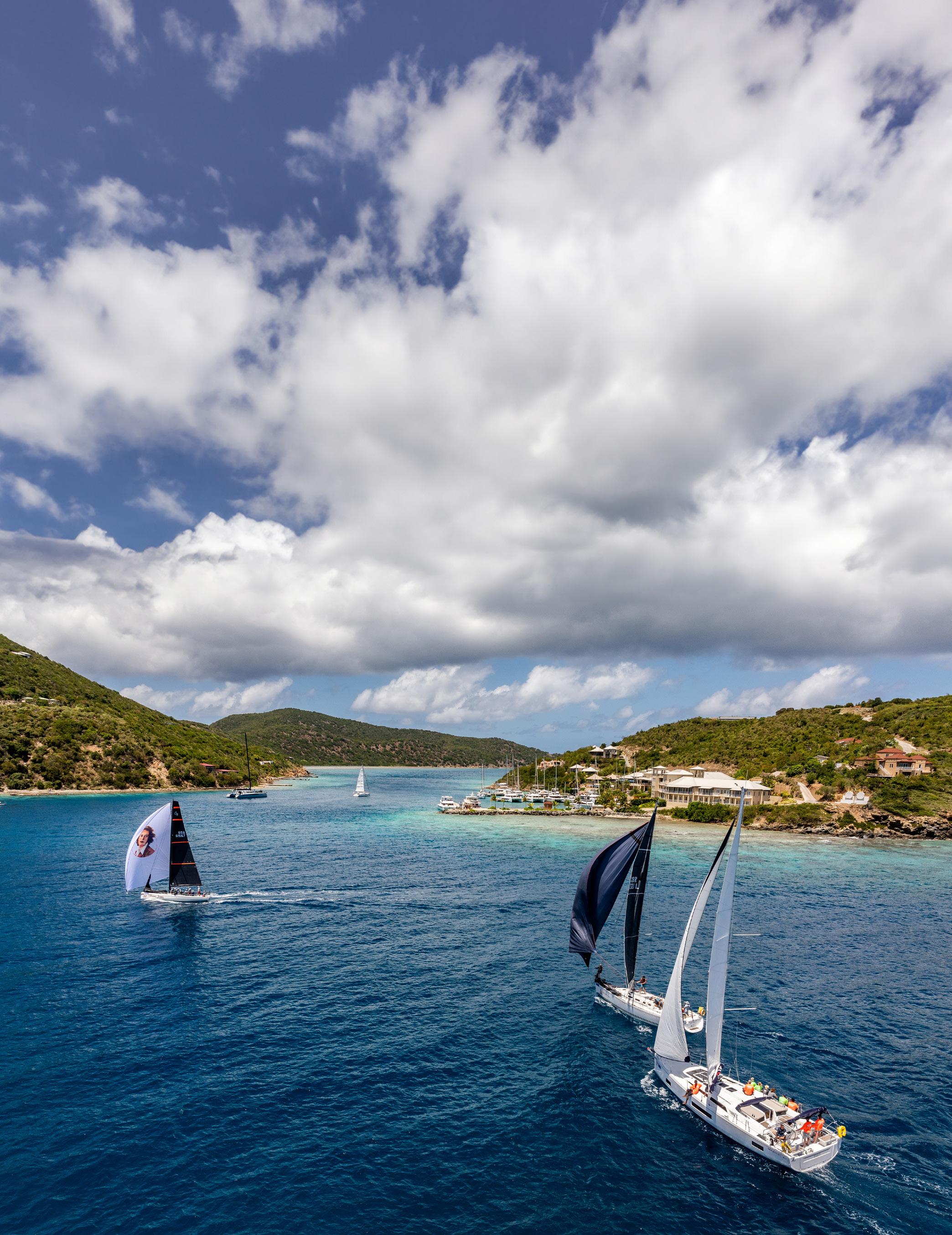
trade winds that made its ports such a vital hub for early global commerce still guide vessels today.
Gentle island breezes make the BVI’s waters easily-navigable throughout the year, and the mild temperatures mean that anytime is a great time to experience the nautical lifestyle.
The island of Tortola is known as the charter yacht capital of the Caribbean and arguably the most famous sailing destination in the world.
Throughout the many islands of
the BVI, you’ll discover sheltered harbours, sun-soaked beaches, pirate bars, and jaw-dropping shipwrecks.
Relax and bask in the spectacular scenery, taste the French-Caribbean fusion cuisine, and explore the tiny villages scattered along the shores of the Sir Francis Drake Channel.
Navigating the tranquil tropical waters of the BVI archipelago isn’t just a great way to get from dock to dock during your visit – it’s also a fantastic sightseeing experience certain to create a lifetime of memories for both captain and crew.

Where the BVI Comes to Eat, Sip, Shopand Stay Awhile
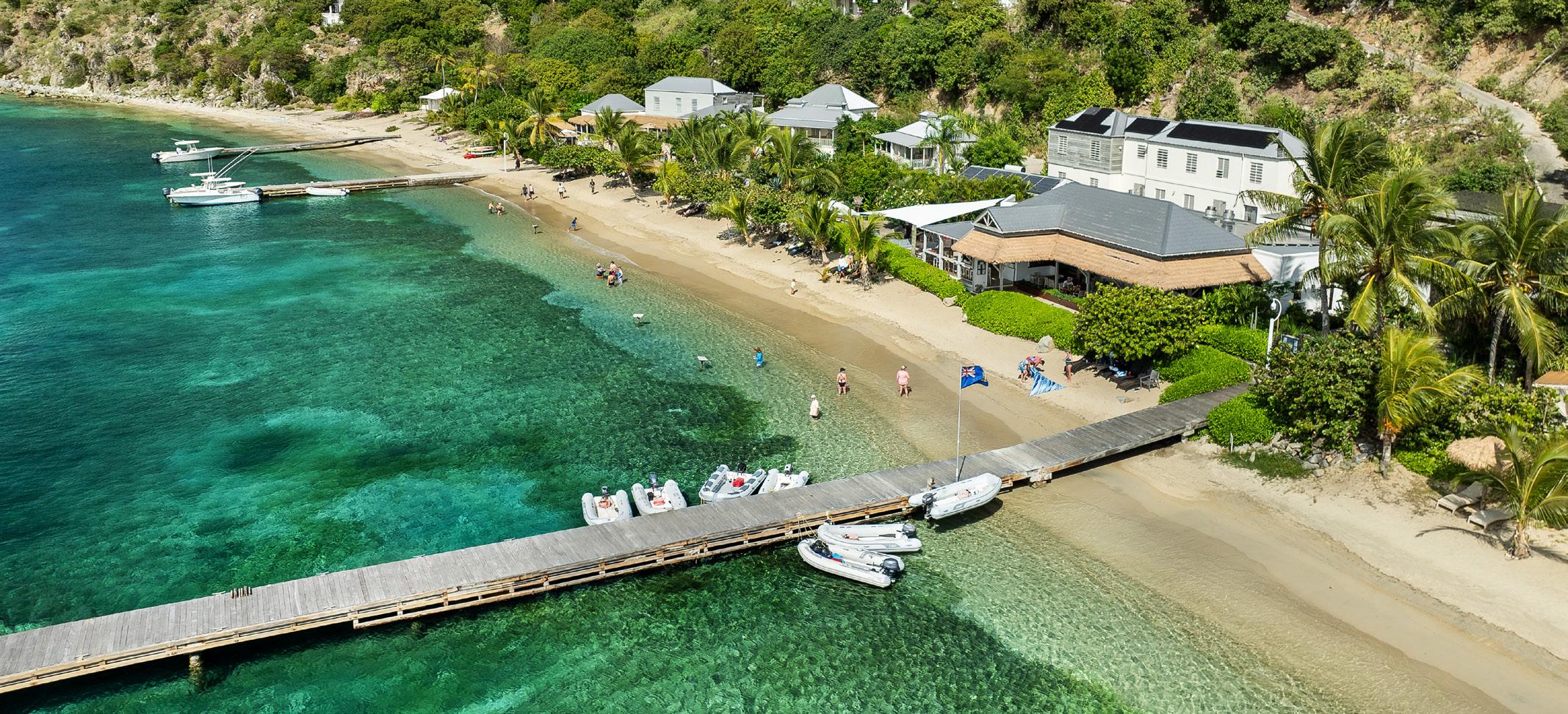
A few miles across the Sir Francis Drake Channel from Tortola, boats chart a course toward one of the British Virgin Islands’ most distinctive shoreline destinations — Cooper Island Beach Club.
Accessible only by sea, Cooper has become a celebrated stop within the BVI sailing circuit, known for its refined yet relaxed atmosphere, exceptional dining, iconic Rum Bar, distinctive boutique, and effortless island style.
The open-air beachfront restaurant anchors the experience, serving relaxed lunches and memorable dinners featuring Josper-grilled meats and seafood — all just steps from turquoise water. Reservations are required for dinner.
Along the shoreline, the legendary Rum Bar is a destination in its own right. Home to one of the Caribbean’s most extensive rum collections, it draws rum connoisseurs and curious explorers alike, with rare bottles, guided flights, and unforgettable sunset views.
Cooper’s solar-powered microbrewery crafts its own draft beer, while the coffee shop serves expertly prepared coffee, house-made pastries from our pastry chefs, and ice cream from local BVI producer La Dolce Vita.
Guests can browse the boutique’s elevated island wear and signature merchandise, explore nearby reefs with Sail Caribbean Divers, or unwind in one of eight breezy beachfront guest rooms.
Arrive by boat. Settle into the rhythm. Stay longer than planned.
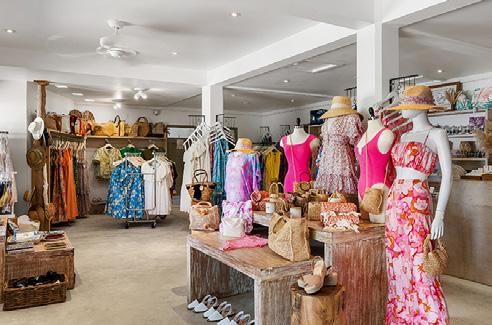
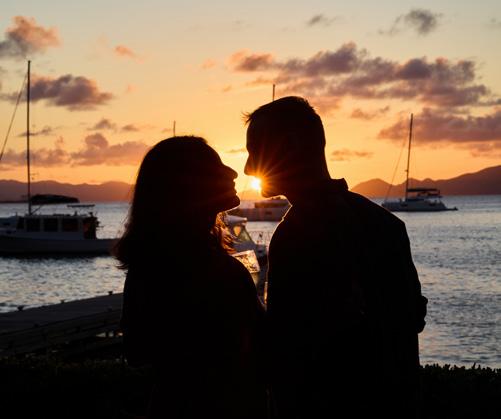
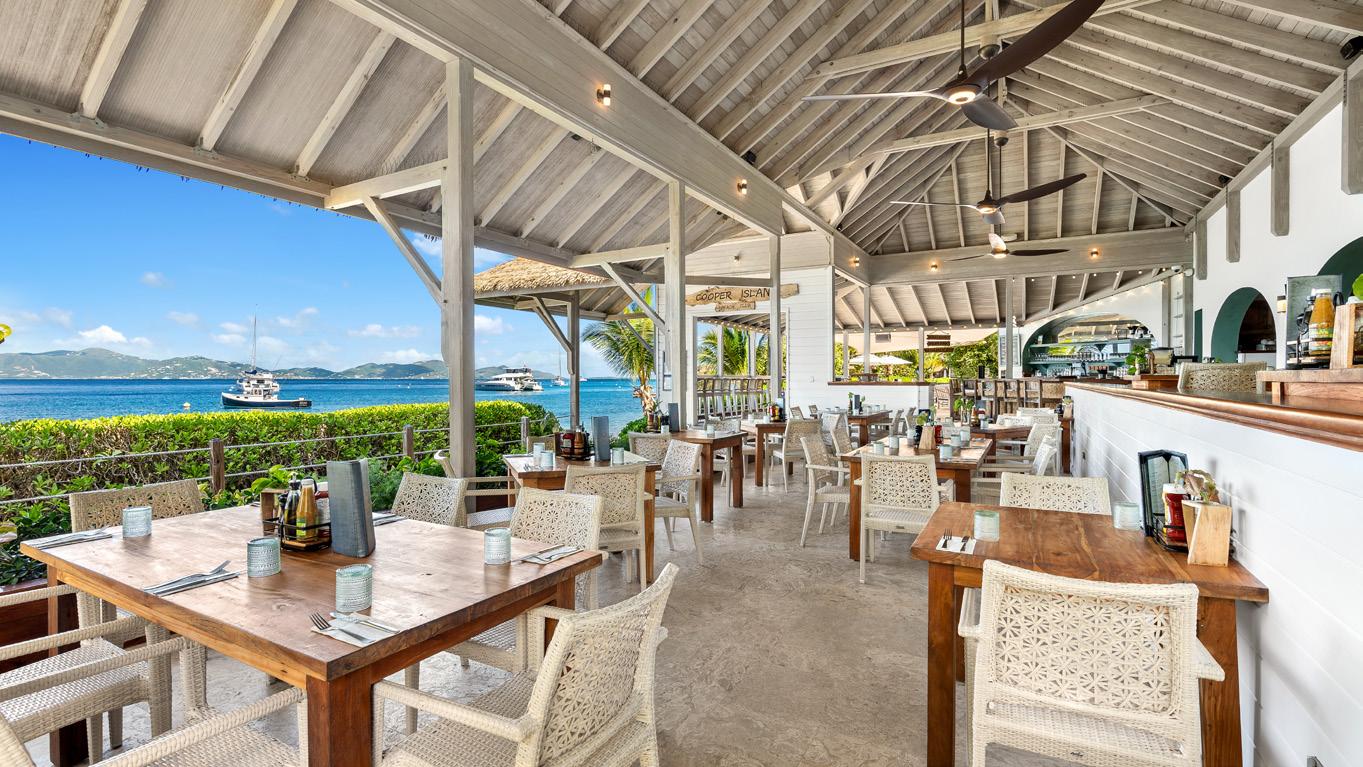
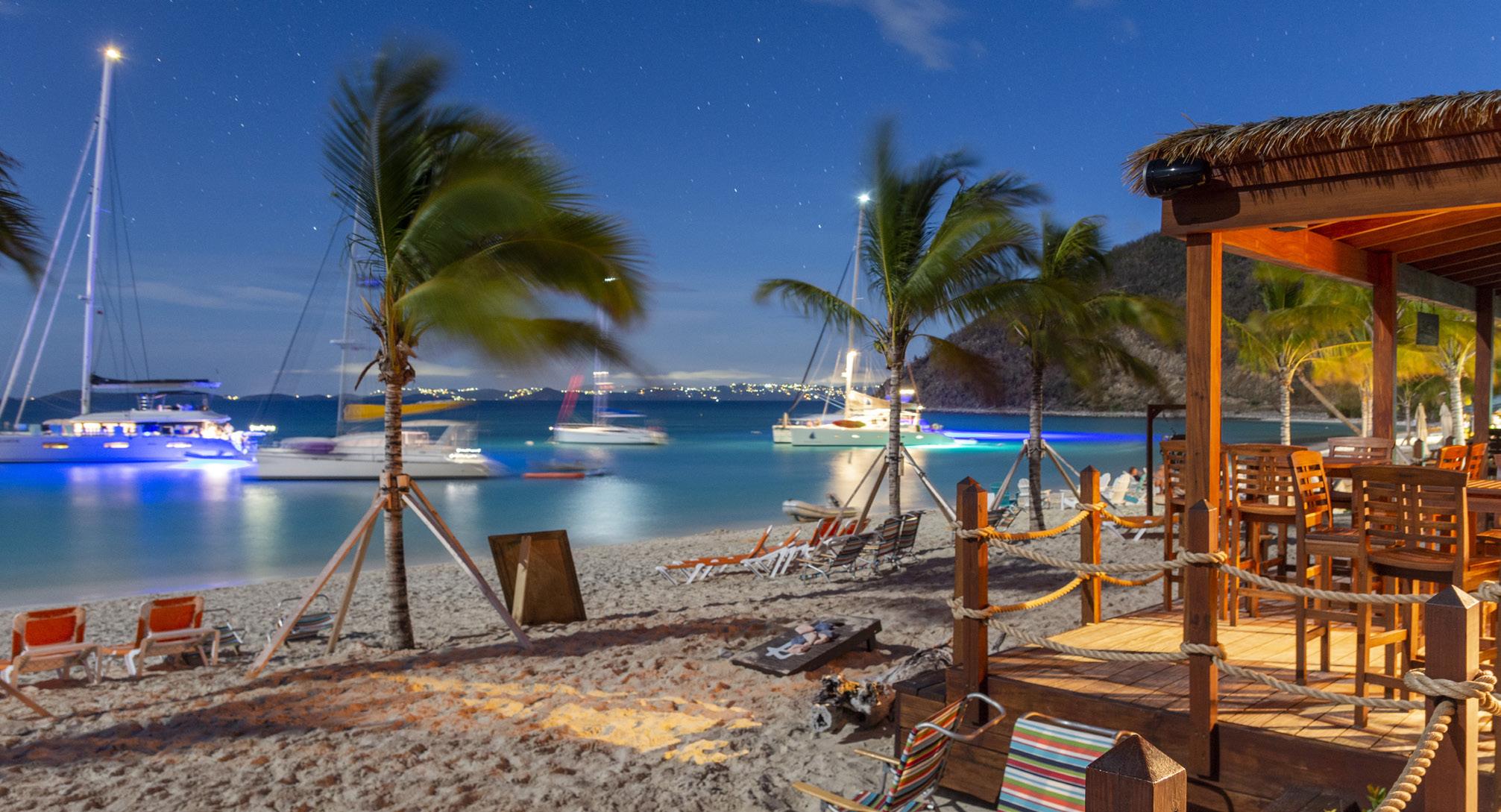
FOR LOCAL PRODUCE FUSING DELIGHTFUL FLAVOURS...
CocoMaya Restaurant
FOR THE ULTIMATE DINING EXPERIENCE...
Nestled on the pristine shores of White Bay, Jost Van Dyke, Hendo’s Hideout offers the perfect blend of laid-back island vibes, exceptional dining, and unforgettable experiences.
Whether you’re stopping by for a refreshing cocktail, indulging in fresh seafood and Caribbeaninspired dishes, or enjoying special events like Sushi Night and Sunday Brunch, Hendo’s is the ultimate beachfront destination.
FOR AN ARRAY OF ISLAND TOURS...
One of the best ways to see what the islands have to offer is with a BVI charter.
Embark on an island-hopping adventure through the beautiful waters with Chillout Charters , including the Half-Day Treasure Seeker tour which takes you through a collection of the most stunning spots in the region.
FOR A UNIQUE BOUTIQUE RESORT IN THE HEART OF THE CARIBBEAN...
Cooper Island Beach Club is a family-owned resort on the sandy northwest shore of Cooper Island. Located within a tranquil setting that offers a peaceful sense of calm and relaxation, the resort is
self-sufficient in terms of power and water, priding itself on reducing environmental impact whilst creating a unique, eco-luxe experience for all visitors. These sustainable tourism practices are incorporated into daily operations without having to sacrifice comfort or modern amenities.
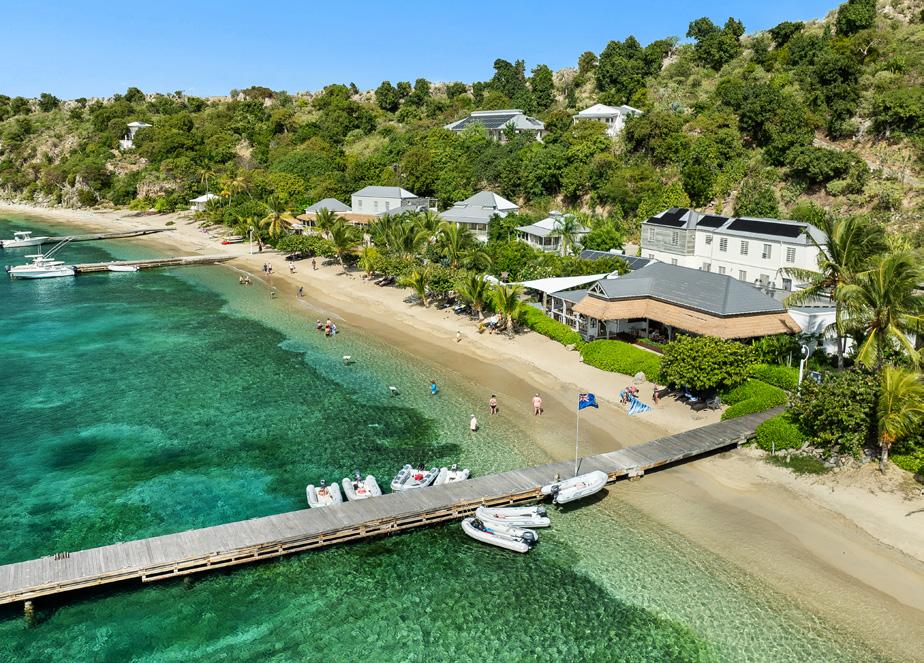
TO SURRENDER TO SECLUSION IN THE HEART OF THE BVI...
Picture-perfect terrain awaits you at the idyllic Peter Island Resort
The newly renovated and reimagined private-island oasis is truly the height of luxury vacationing, offering the warmth of classic Caribbean hospitality at every turn. With a vast array of immaculate amenities to experience, guests can spend their precious time soaking up every second of this island paradise.
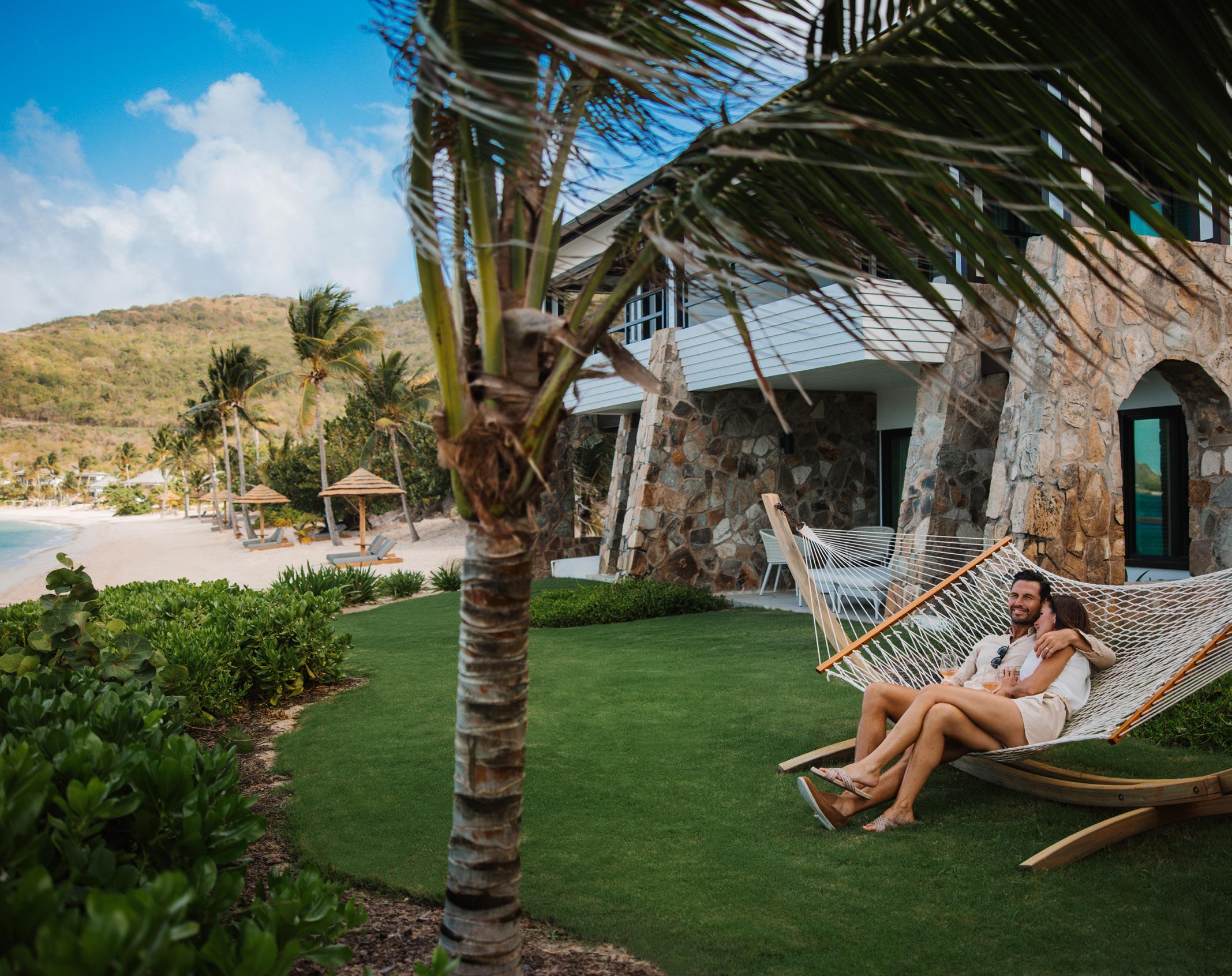

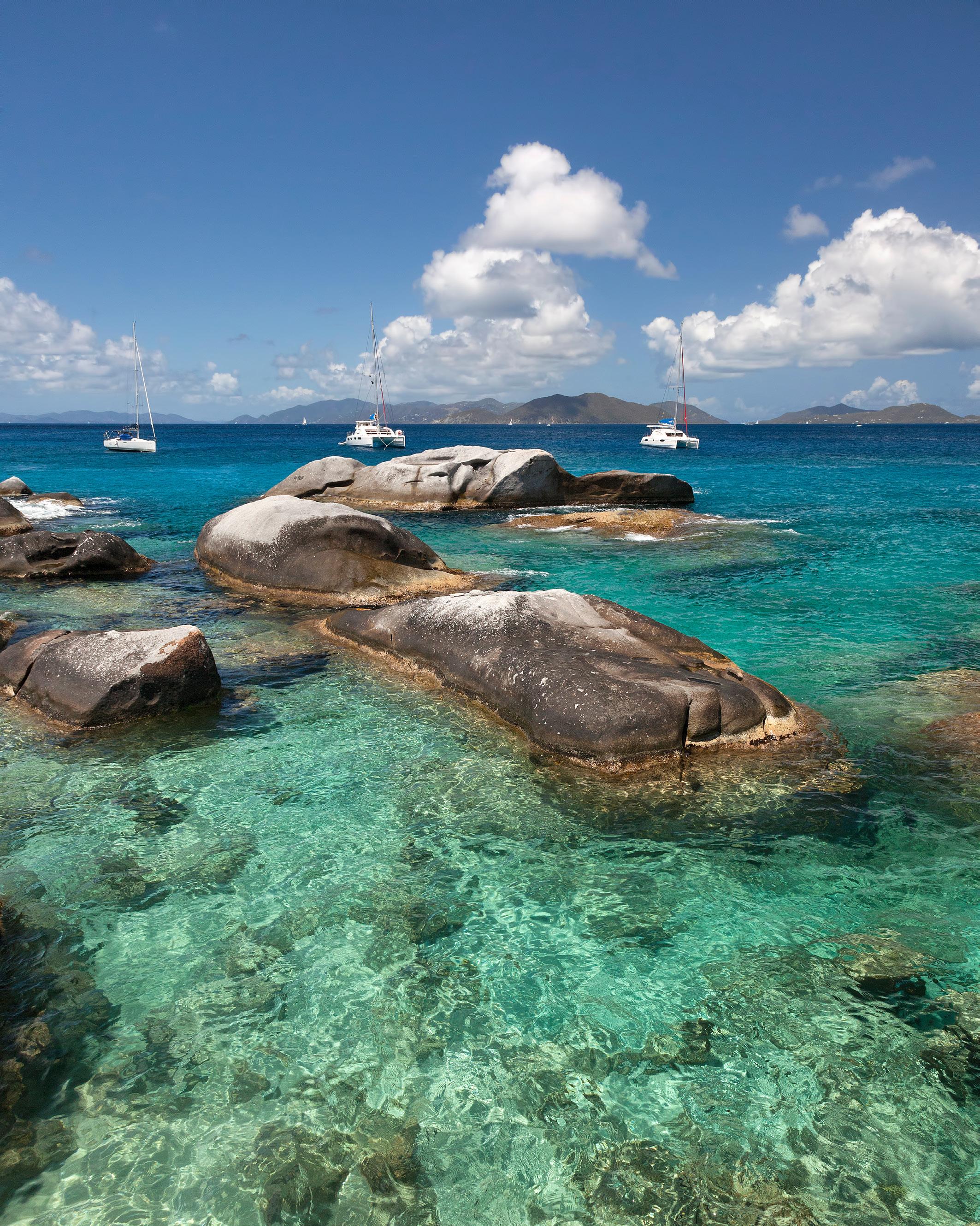
The Baths National Park is a stunningly beautiful natural rock formation in Virgin Gorda. From large boulders to shallow rock pools, caves, and even a Cathedral Room, there is a wealth of adventure for all ages! Devil’s Bay is just a short hike around the corner and is a great place to relax, swim, or snorkel.
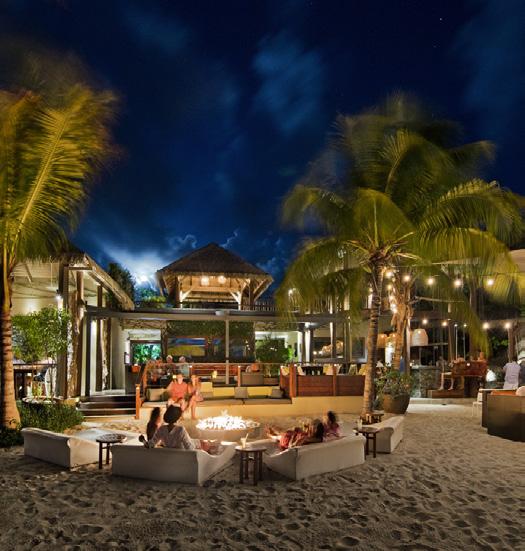
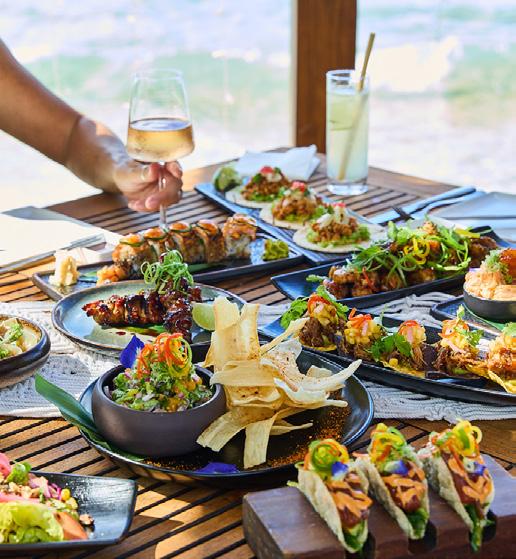
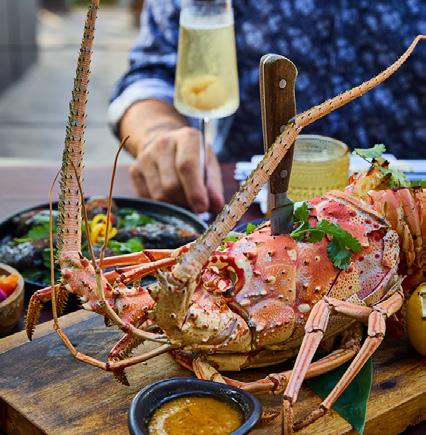
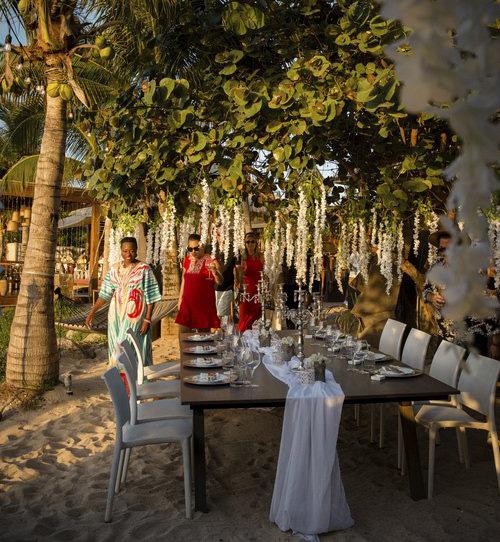
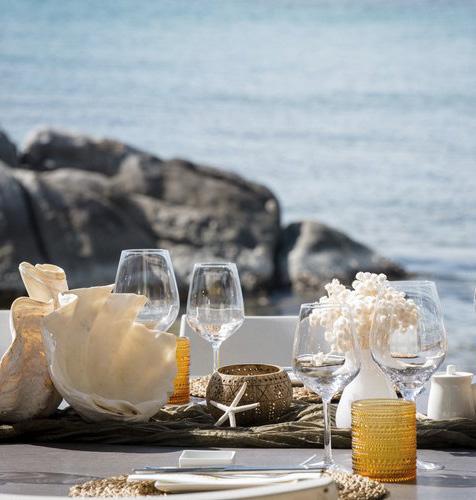
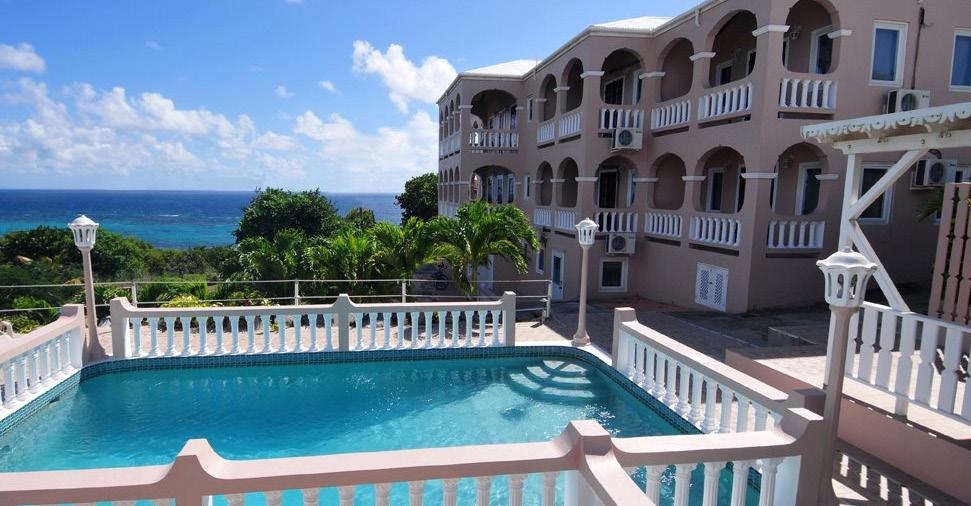
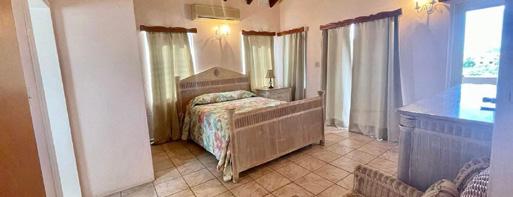
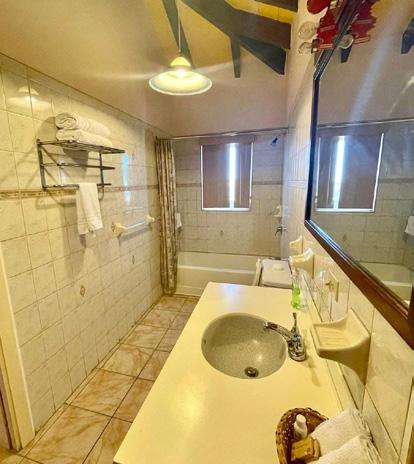

Fusing delightful flavours of Southeast Asia and Latin America with a touch of Caribbean, the CocoMaya menu is carefully curated, using exotic, fresh, vibrant flavors.
Designed to be served family-style, CocoMaya combines playful, and delicious ‘street food’ dishes with exotic flavors alongside contemporary creations that are sure to entice and delight.
You can begin your culinary journey with signature dishes such as Carbon Activated Plantain with Labne & Hot Honey, our signature Shrimp Lettuce Wraps, CocoMaya House Ribs, or our Sunset Dragon sushi Roll.
Favourite larger sharing plates are the delicious Pad Thai and the Thai Chicken Green Curry. Local produce is sourced and used where possible and consciously caught BVI seafood is presented when available.
Every dish is plated in a delightful way that will conquer your eyes and palate.
Tel: 1 (284) 495 6344
Email: info@cocomayavg.com
Website: cocomayavg.com
One of the most popular diving sites in the BVI, the Norman Island Caves are a premier snorkelling destination located at Treasure Point on the western edge of The Bight. Featuring three distinct, accessible water-level caves, this spot is famous for vibrant sponges, corals, and schools of fish. Legend says it inspired Robert Louis Stevenson’s Treasure Island.
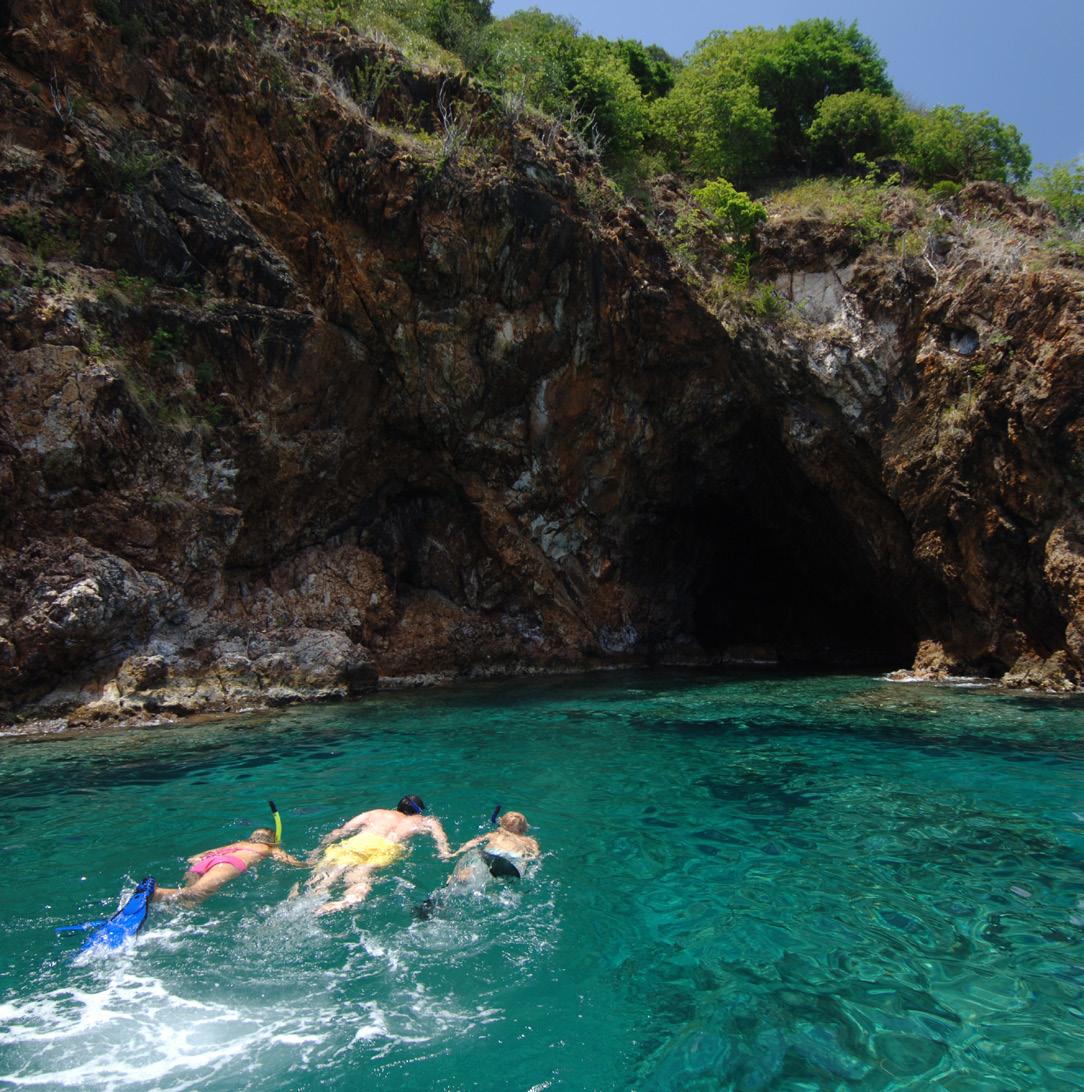
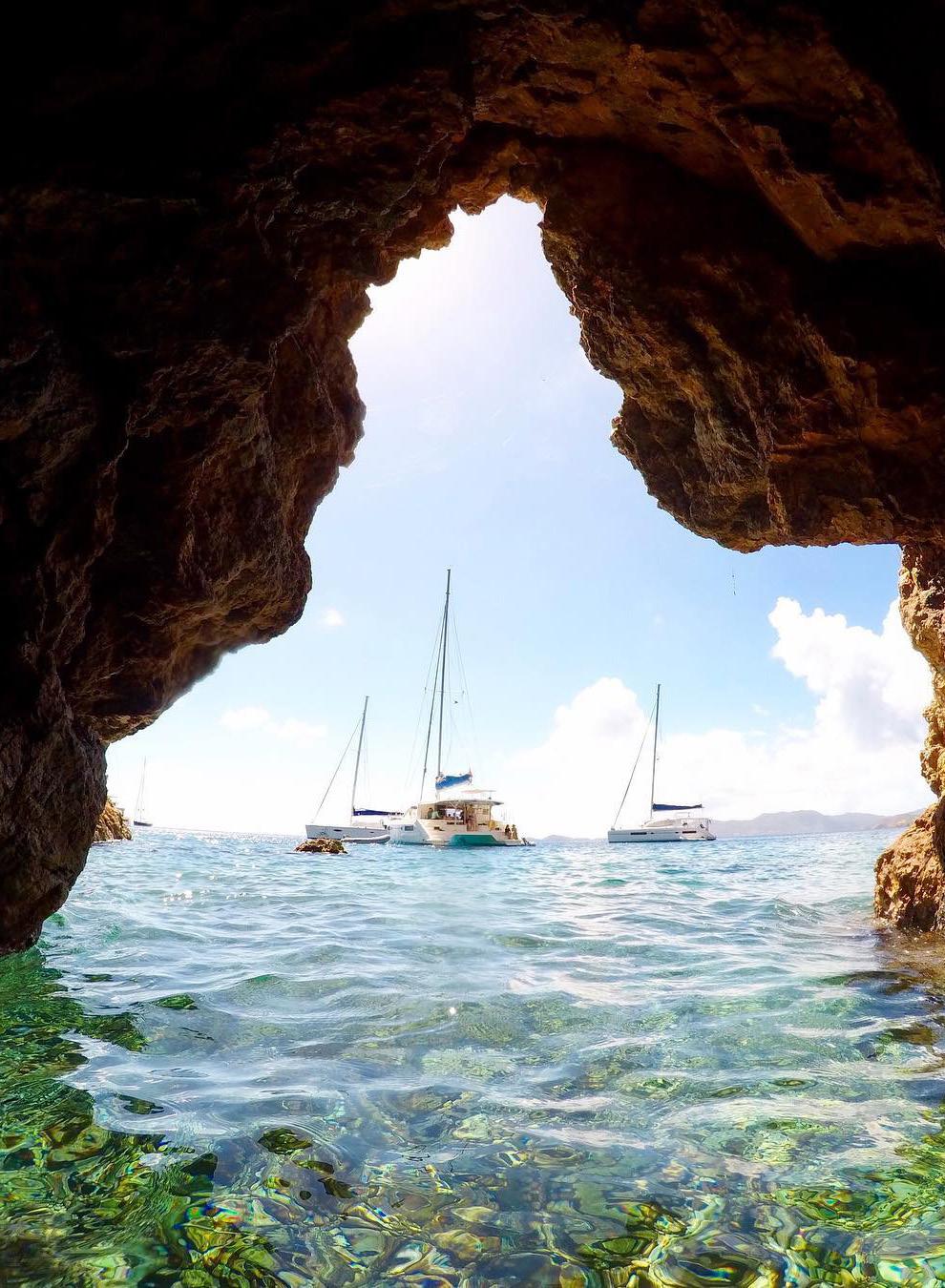
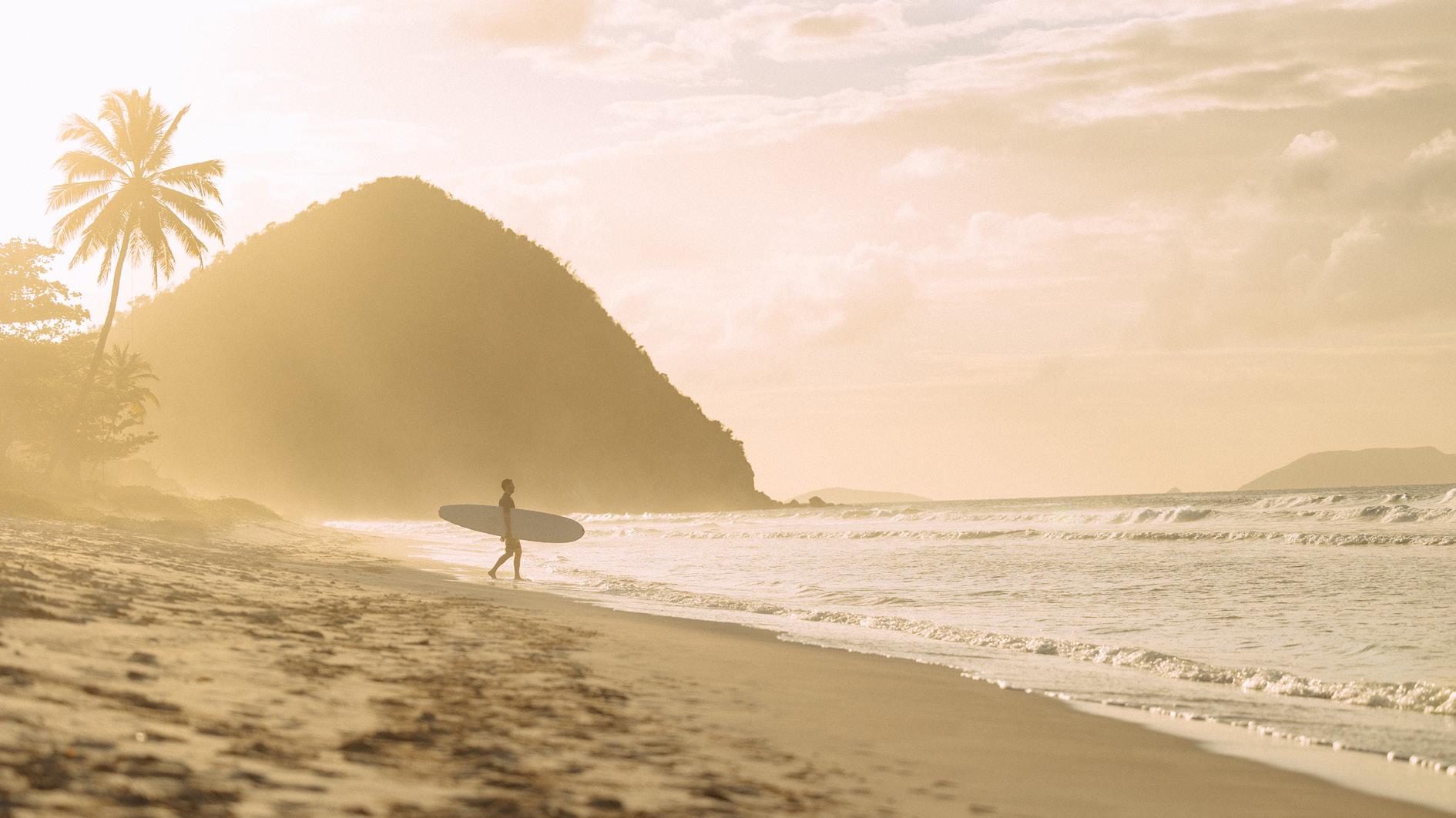
The palm-fringed sands of Smugglers Cove are situated on the westernmost end of the largest of the BVI islands, Tortola. At the heart of the Caribbean Sea, the beach looks out onto azure waters and is just 25 minutes from the capital of Road Town. Untouched by humanity, this secluded spot is the very definition of remote relaxation.
IF YOU’RE ARRIVING by air, numerous connecting airports surrounding the BVI make arrivals and departures an easy part of your travel itinerary and an important part of the experience itself!
However, keep in mind that there are no direct flights from Canada, Europe, or South America to the main airport.
After touching down on Beef Island – which has its own dedicated airport and is the international entrance to the territory – visitors can charter smaller
boats or planes to travel to their preferred destination across the BVI.
Encountering the sprawling archipelago by sea makes a breathtaking first impression that’s repeated with every island-hop by ferry, chartered yacht, or sailboat.
As such, if you’re arriving by sea, the key ports of entry are located in Road Town and the West End on Tortola, Great Harbour on Jost Van Dyke, and St. Thomas Bay in Virgin Gorda.
All vessels must clear customs
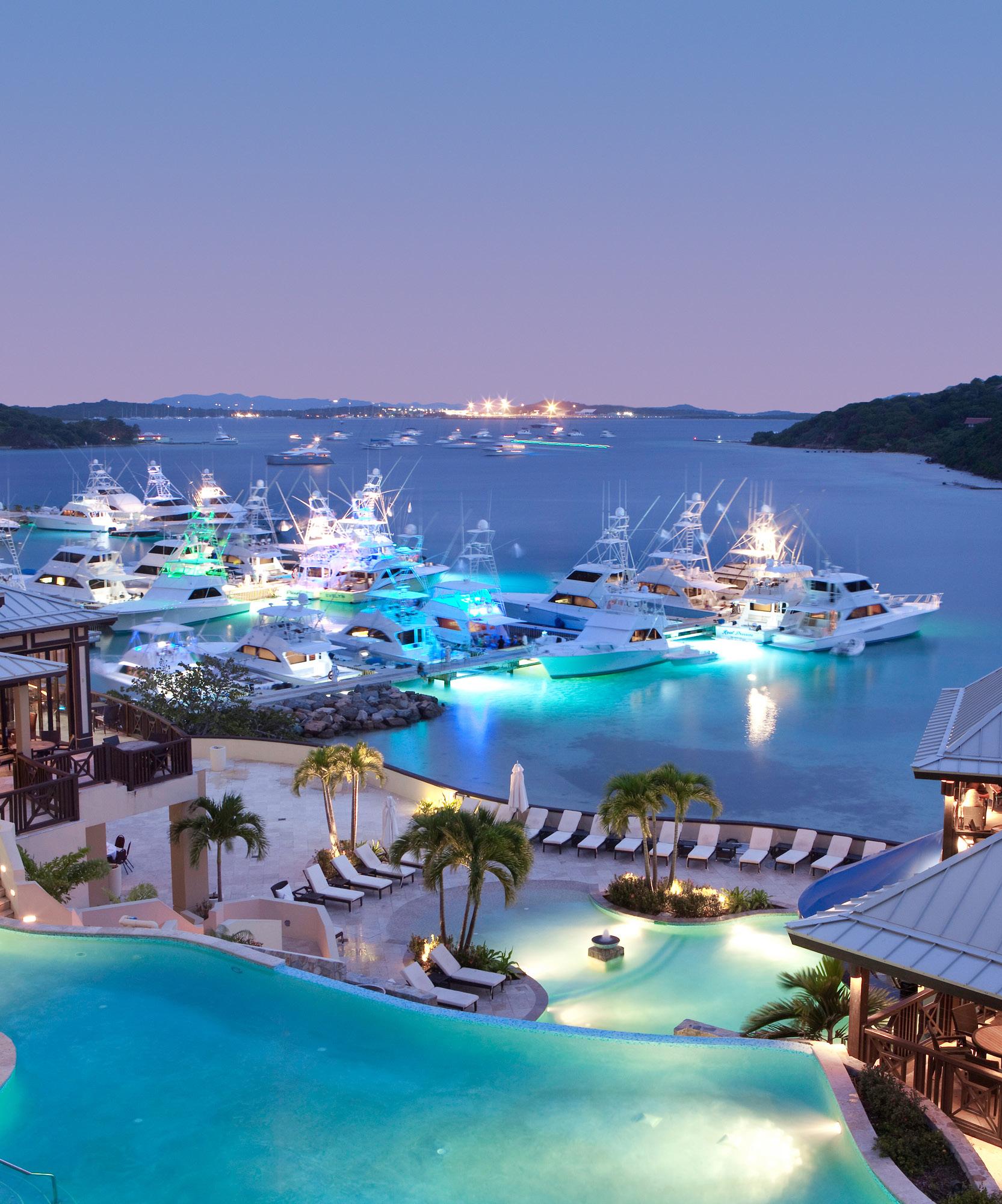
and immigration immediately upon arrival, and a valid passport and boat registration may be required. With the formalities out of the way, you’ll be in great shape to begin charting the incredible seas of the BVI.
Once on land, hiring a car and driving is generally the best way to get around on the larger islands.
On the smaller islands, vehicles are unnecessary as foot trails and goat paths are utilised as the primary mode of transportation.
There are few places left that still speak to their ancient origins whilst offering an opportunity to rejoice in luxury. Seychelles is one of these remaining destinations, bursting with natural beauty and authentic charm
WRITER: LAUREN KANIA | PROJECT MANAGER: ALFIE WILSON
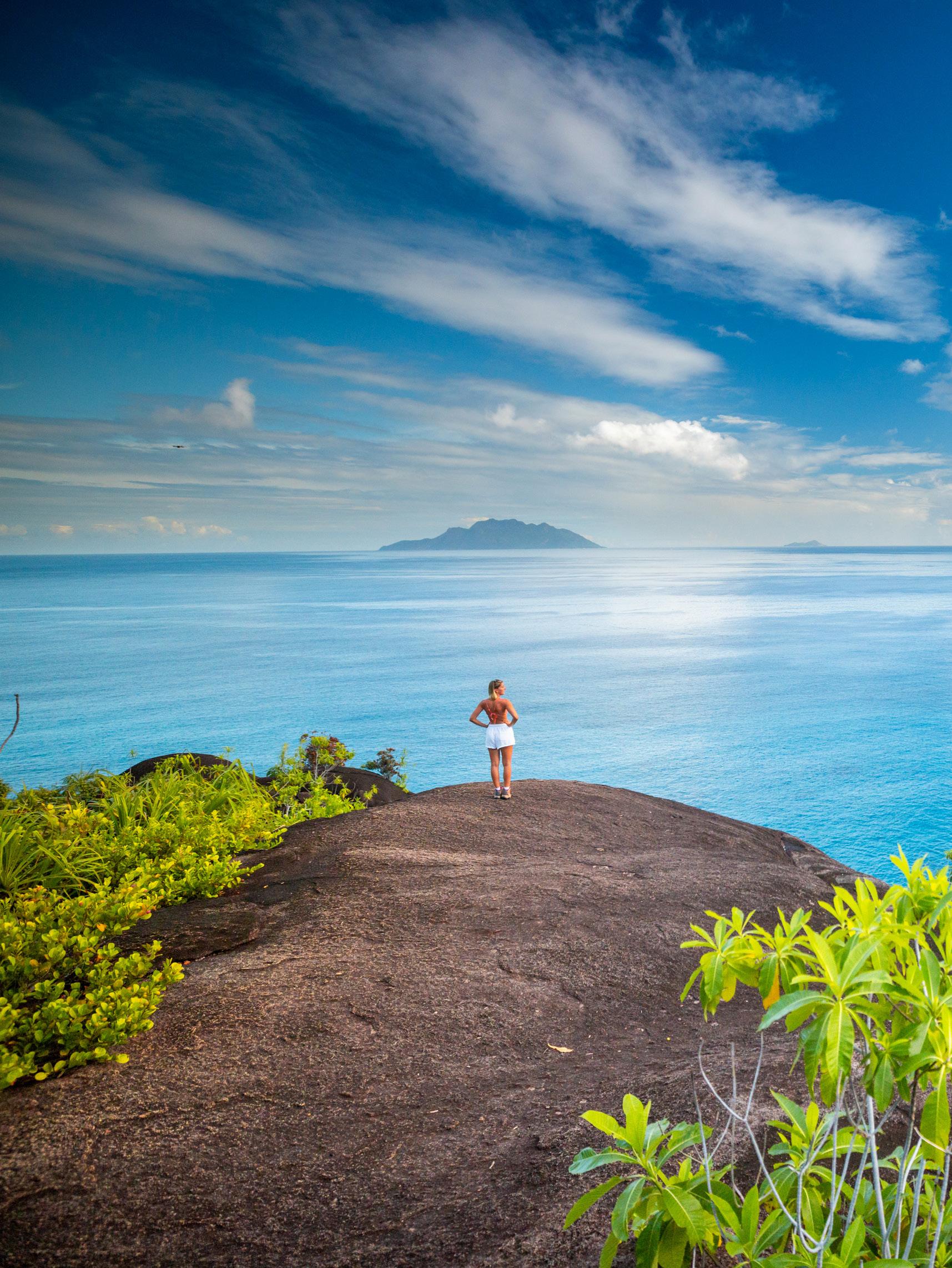
With towering islands jutting from sapphire waves, sweeping mountain landscapes bathed in lush emerald fronds, and granite boulders that look as if they’ve been heaved by long-forgotten giants, Seychelles is a destination that makes magic a liveable, tangible reality.
Comprised of 115 coral and granite islands, the archipelago is the definition of barefoot-island paradise, blanketed in natural beauty and allure.
Woven together with cultural threads from Africa, Asia, Europe, and the Caribbean, Seychelles is one of the world’s most sought-after tropical holiday destinations, for understandable reasons. The archipelago is one of the few places left that still seems untouched by the hands of time and tides of mass tourism. With granite-encrusted
coves, beaches layered in powdered sugar-like sand, ancient yet vibrant flora and fauna, and waters teeming with a kaleidoscope of life, Seychelles balances modernity with tradition masterfully.
Whilst there are endless options for relaxation and leisure, the opportunities for adventure, cultural immersion, and gastronomic delight are equally as thrilling. Although Seychellois blend influences from multiple origins, a mainstay in the local cuisine is fresh-from-the-net fish, with the national dish being a savoury and flavourfully complex fish curry.
The inner islands of La Digue, Praslin, and Mahé boast charming colonial-style architecture that juxtaposes elegantly against lush mangrove forests and cool green mountain landscapes. The many smaller outer islands
offer an untamed, authentic side to nature that positions Seychelles as its most sustainable and true self.
Each island, no matter the size, is a reflection of the archipelago’s vast diversity, each distinct in its own way but contributing to the grand atmosphere of Seychelles as a whole.
The surrounding shimmering sea is a haven if you’re looking to scuba dive, snorkel, or just embrace your
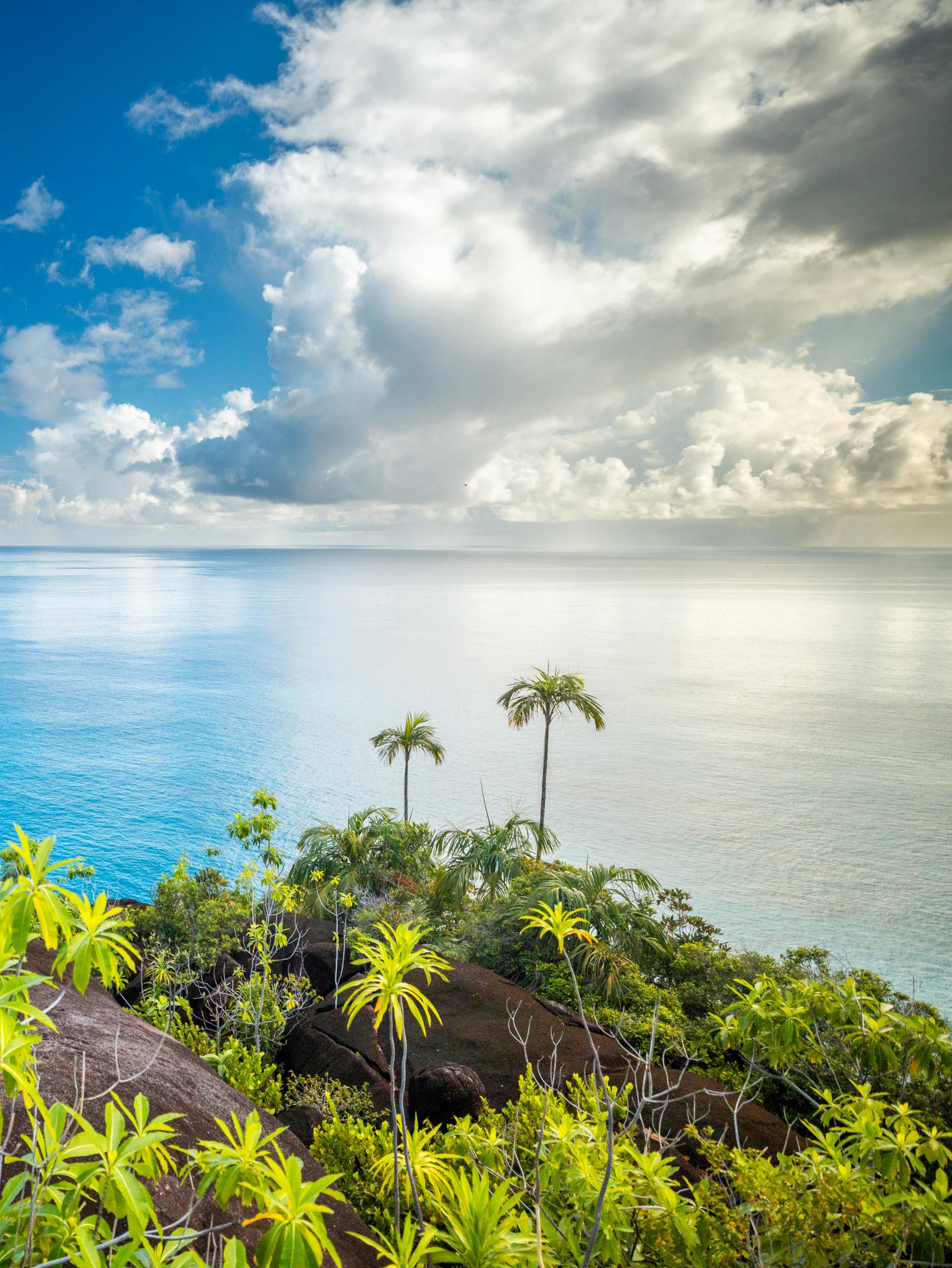
inner mermaid. The vibrant waters are home to graceful hawksbill sea turtles, spindly angelfish, soaring manta rays, and so many more bubbling creatures.
Embrace adventure, experience luxury, and entwine yourself in a world where primordial beauty thrives side-byside with modern life. Seychelles is not just a destination for a holiday visit; it is a destination that will make you believe in the magic of the everyday.
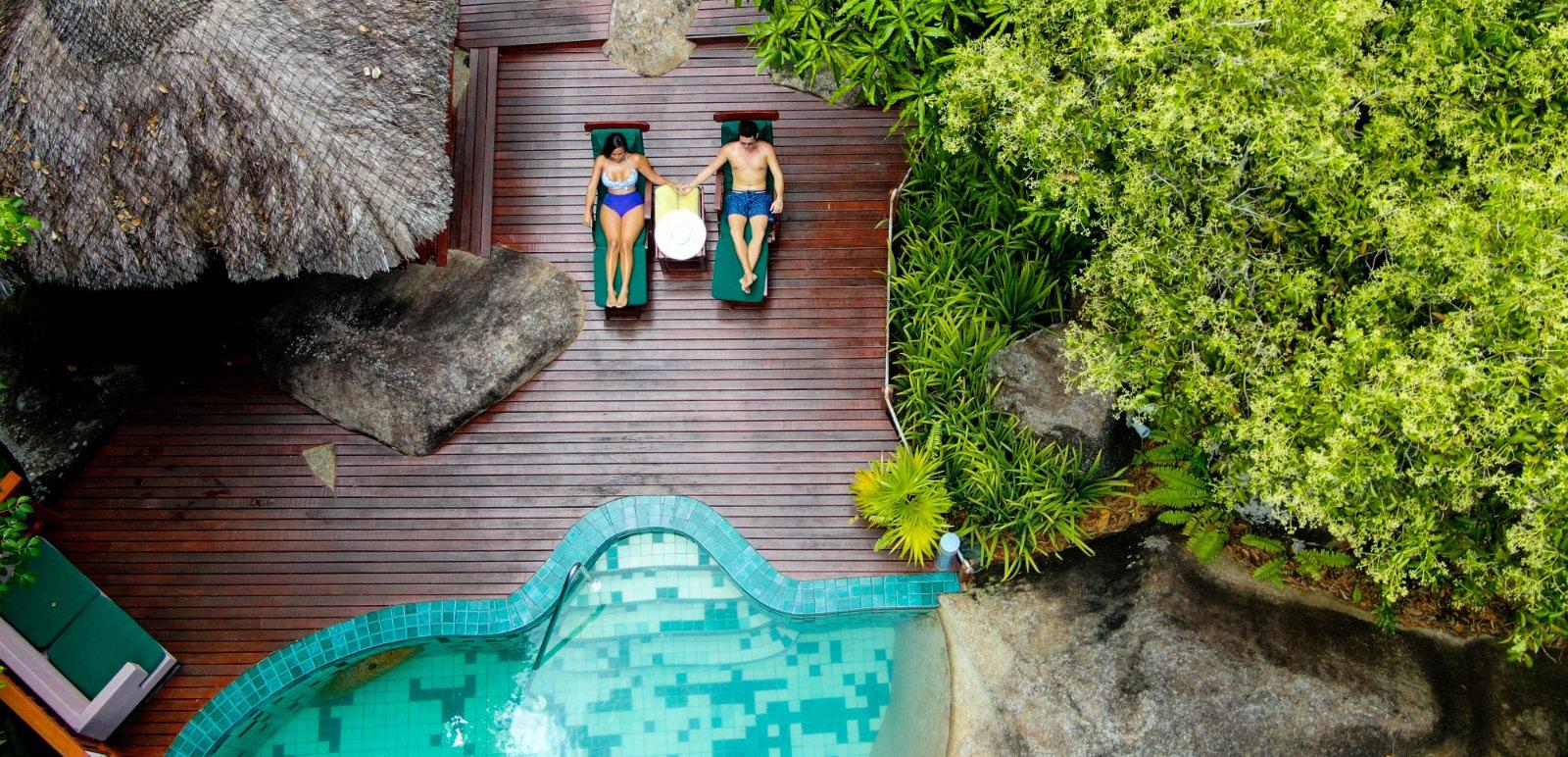
Seychelles is one of the most photographed destinations in the world, yet rarely experienced with precision.
Based on Eden Island, Mahé, Summer Rain Tours curates privately tailored journeys across the Seychelles archipelago for discerning international travellers who value discretion, authenticity, and seamless execution.
Operating across Mahé, Praslin, La Digue, and the remote outer islands, the company designs refined programmes that move far beyond conventional island itineraries. Its portfolio includes private island-hopping journeys, marine charters, cultural immersions, executive ground logistics, milestone celebrations, and bespoke shore experiences for superyacht guests.
The difference is not access. It is interpretation.
Summer Rain Tours remains intentionally selective, allowing leadership oversight and meticulous attention to detail. Every journey begins with conversation, not
assumption. Rhythm, privacy expectations, dining standards, family dynamics, and the desired balance between retreat and exploration are carefully assessed before a single element is placed.
The result is not a schedule. It is a narrative.
For some guests, that narrative unfolds on secluded sandbanks reached only at low tide, on early forest walks before the heat gathers, or over a private Creole dining experience in a hidden coastal setting. For others, it is an unhurried day at sea aboard a private charter, navigating granite formations that rise dramatically from translucent waters.
Luxury here is not excess. It is space. Time. Privacy. Trust.
Movement across the islands is managed with quiet precision. Inter-island coordination, executive transfers, and arrival protocols are structured to eliminate friction. Guests do not feel transported; they feel guided.
Nature and heritage are approached with equal care. Specialist guides introduce endemic species and UNESCO-protected sites in a manner that feels intimate rather than instructional. Cultural immersion is curated with authenticity, not performance. For superyacht guests arriving by sea, shore programmes are aligned seamlessly with life onboard, discreet, adaptable, and paced to complement the vessel’s itinerary. In a destination celebrated for its landscapes, the true differentiator is execution.
Summer Rain Tours combines deep local knowledge, long-standing partnerships, environmental sensitivity, and a disciplined operational foundation behind the scenes. Guests value what is not visible: the absence of noise, the absence of missteps, the absence of disruption.
Seychelles offers extraordinary beauty. Summer Rain ensures it is encountered in an equally extraordinary way.
SUMMER RAIN TOURS PTY LTD
SHOP 109 EDEN PLAZA, EDEN ISLAND
TEL: +248 4373135
EMAIL: frontdesk@summerraintours
WEBSITE: www.summerraintours.com
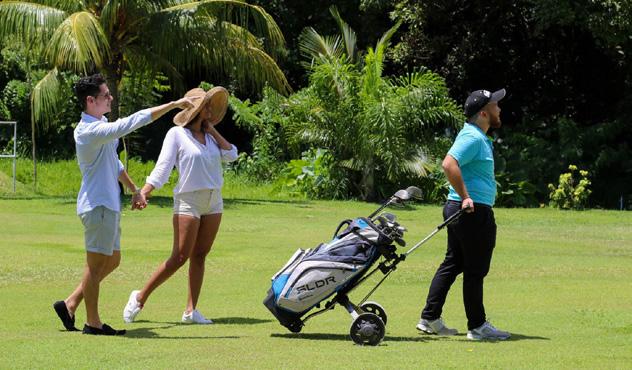
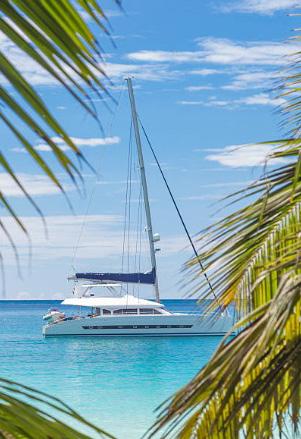
For both Summer Rain Tours and Uncharted Yachting, the priorities are aligned:
• Regulatory clarity and structured charter frameworks
• Strengthened infrastructure and marine support networks
• Environmental integrity within marine spatial planning
• Seamless integration between sea and shore
• Positioning Seychelles as a captaintrusted jurisdiction
Seychelles offers granite coastlines, endemic forests, coral ecosystems, and

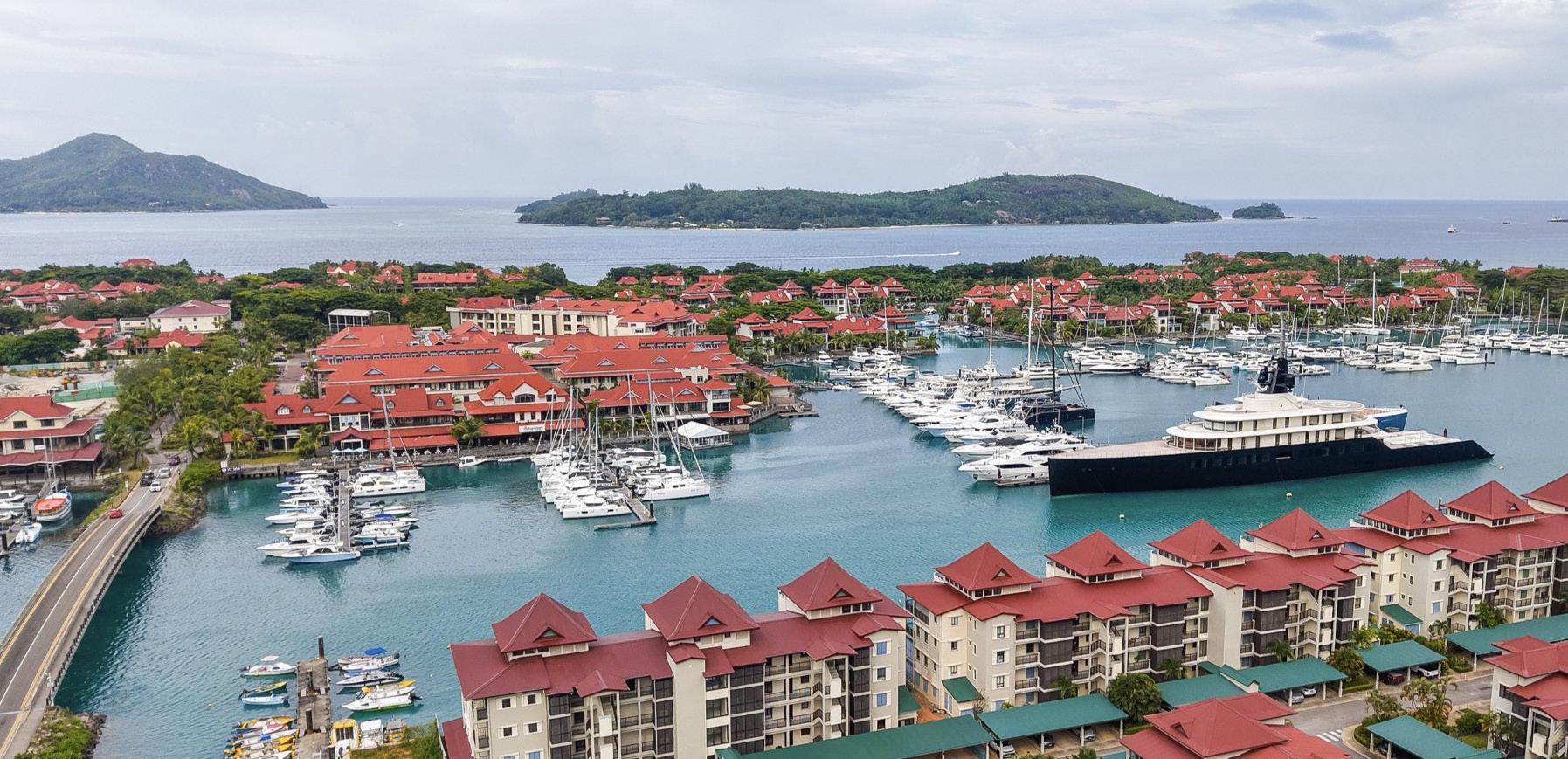
Structuring the Indian Ocean for Superyacht Movement
Where Summer Rain Tours refines the guest experience ashore, Uncharted Yachting provides structure at sea.
Based in Seychelles, Uncharted Yachting is a specialist superyacht agency and charter enabler serving vessels operating across the Indian Ocean corridor. Its mandate extends beyond traditional port representation. It functions as the primary shore-side interface between superyachts and local authorities, translating regulatory frameworks into operational clarity.
As superyacht movement expands beyond traditional hubs, a structural gap often emerges between global yacht standards and evolving regional governance. Uncharted Yachting closes that gap. The company provides port agency services, temporary admission advisory,
remote outer atolls found nowhere else at this scale.
Its continued evolution as a luxury and superyacht destination depends not on marketing alone, but on structure.
Summer Rain Tours curates the experience. Uncharted Yachting provides the intelligence behind it.
Together, they contribute to positioning Seychelles as a destination defined by discretion, precision, and long-range viability.
In Seychelles, privacy is possible. With the right structure, it becomes exceptional.
charter feasibility structuring, routing intelligence, outer island access coordination, and environmental compliance oversight. More importantly, it delivers clarity before arrival.
In frontier cruising regions, ambiguity is risk. Through pre-arrival briefings, seasonal positioning guidance, and direct liaison with customs, maritime regulators, and island management authorities, Uncharted Yachting removes that uncertainty.
Seychelles does not compete on marina density. It competes on scarcity, environmental integrity, wildlife-led encounters, and controlled access. Correct positioning is critical.
Continuous island research underpins this approach. The Outer Islands are not a single cruising product but a
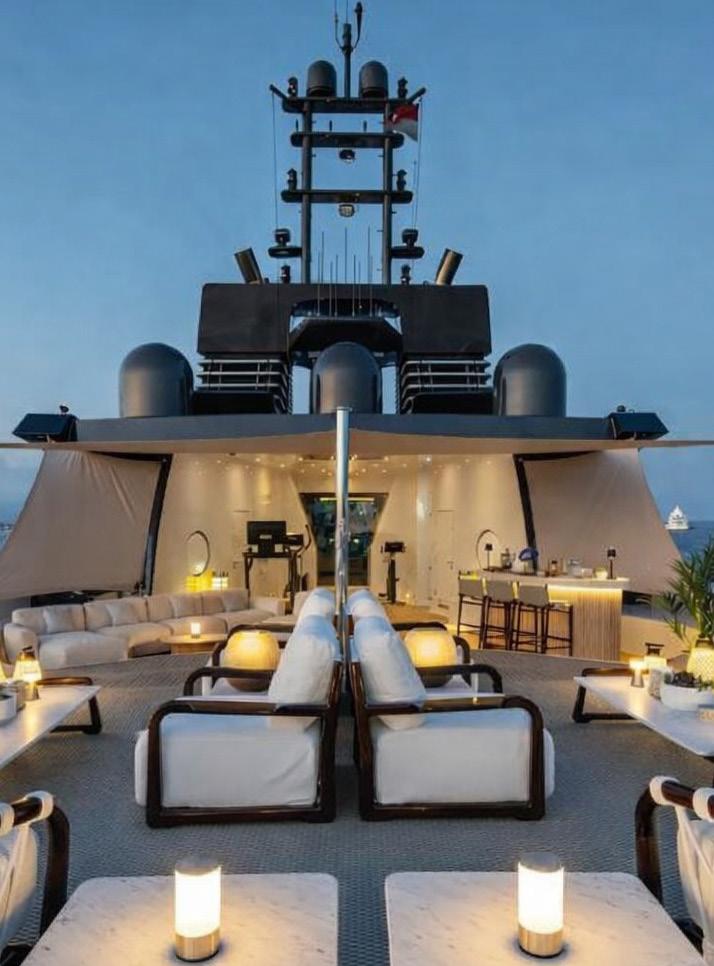
layered environment, from inner island routes to expedition-grade atolls such as Cosmoledo and Farquhar. Each zone carries distinct access protocols, seasonal biological windows, and yacht suitability considerations.
Not every yacht is suited to every route. Honest feasibility assessment protects broker credibility and owner experience alike.
By integrating Seychelles into broader Indian Ocean rotations, linking East Africa, the Red Sea, the Maldives, and Southern Africa, Uncharted Yachting enhances charter viability rather than treating the destination as a standalone experiment.
The objective is not volume. It is long-term corridor maturity.
UNCHARTED YACHTING SEYCHELLES PTY LTD
SHOP 109 EDEN PLAZA, EDEN ISLAND
TEL: +248 4373135
EMAIL: frontdesk@unchartedyachting.com
WEBSITE: www.unchartedyachting.com
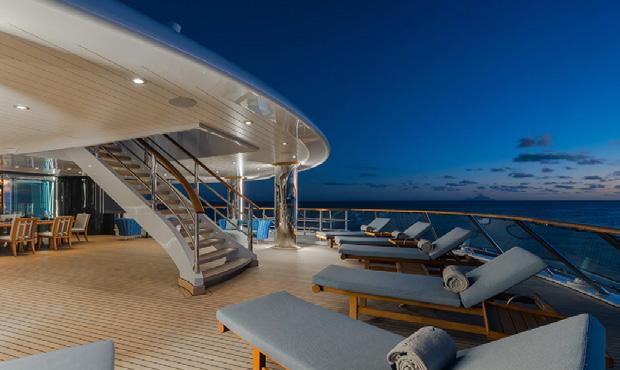
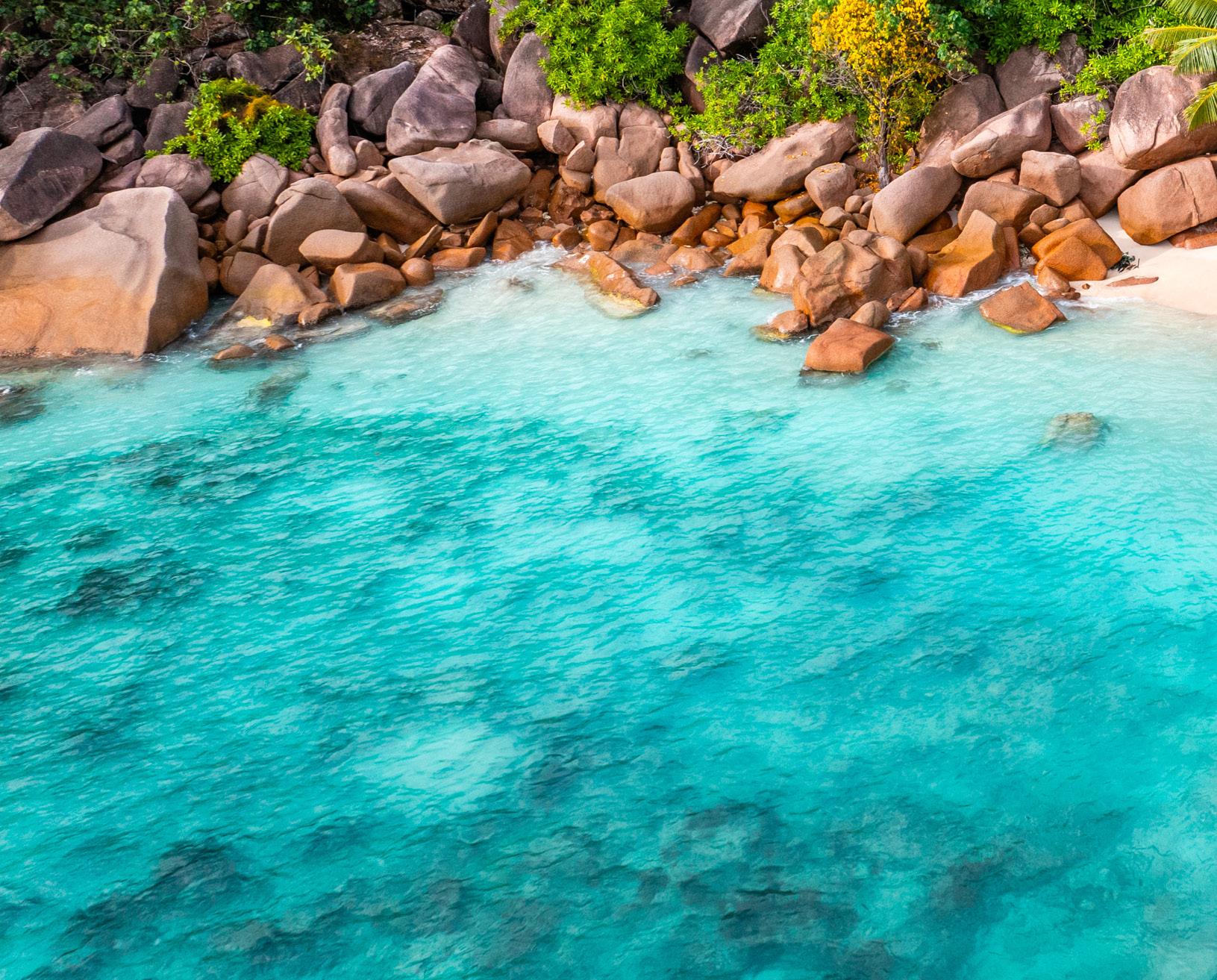

With a vision of being a catalyst for sustained tourism growth in the archipelago, Tourism Seychelles is a strategyfocused tourism department committed to creating a conducive environment for the development and maintenance of an authentic and dynamic hospitality industry.
ENCOURAGING VISITORS TO experience all that Seychelles has to offer, from pristine water to exquisite flora and fauna, the department proudly delivers a value-for-money and unique experience through innovation, strategic partnerships, and expert coordination.
The archipelago generated approximately USD$1.2 billion in estimated tourism revenue with over 398,000 total visitor arrivals and an 89.7 percent visitor satisfaction rate across 2025 alone, and continues to grow these numbers. Sherin Francis, Principal Secretary, tells us more about Tourism Seychelles’ origins and plans for a sustainable future.
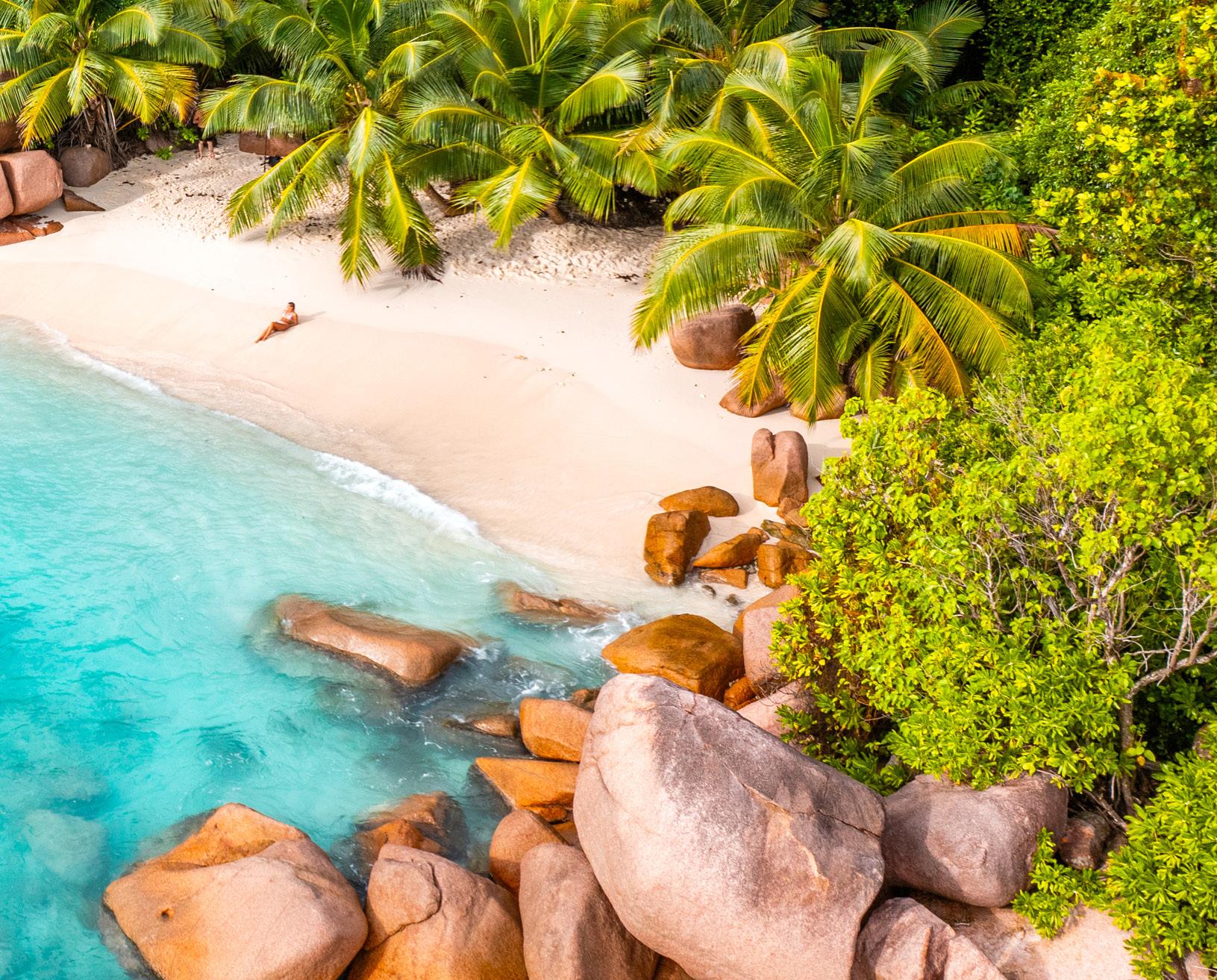
Outlook Travel (OT): Since we last spoke in March 2024, what has Tourism Seychelles been up to?
Sherin Francis, Principal Secretary (SF): We’ve been very active and quite aggressive with our sustainability agenda, particularly through our new initiative, the Sustainable Seychelles Programme. To date, we’ve brought approximately 200 tourism operators on board at different levels, meaning they are practising sustainability across various businesses and properties. This is extremely important for Seychelles, as we position ourselves as a sustainable tourism destination. Tourism is our livelihood and our bread and butter, and for the survival of the industry, we must continue to encourage more sustainable practices.
We’ve also been very busy on the marketing front. I’m happy to report
“What the tourism industry and recent events have shown us is that there will be challenges, but if you’re agile, flexible, and quick to respond to changes happening, you can remain relevant as a tourism location and a top-of-the-list destination”
– Sherin Francis, Principal Secretary, Tourism Seychelles
that we closed the year with a 13 percent increase in visitor arrivals, with the majority still coming from Europe, accounting for around 70 percent. Over the years, however, we’ve also seen growth from non-European markets, which is important to our mission of diversifying our source markets. We’ve also introduced new product offerings.
One of our key goals for 2025 was to create more cultural experiences for visitors. Today, when people visit Seychelles, it’s no longer just about sand and sea. Visitors can learn how to cook traditional Creole dishes, take part in crafts and pottery, get their hands dirty, and even visit farms to
learn how to make traditional cassava biscuits.
This is very much part of our sustainability objective – to connect visitors more closely with the local community. Last year, we also launched our hotel classification programme, which focuses on grading properties. It includes a star-rating system for larger properties and a programme called Seychelles Secrets for smaller establishments. This helps visitors understand the different categories of accommodation available in Seychelles, ranging from small boutique properties to large, luxury 5-star resorts.
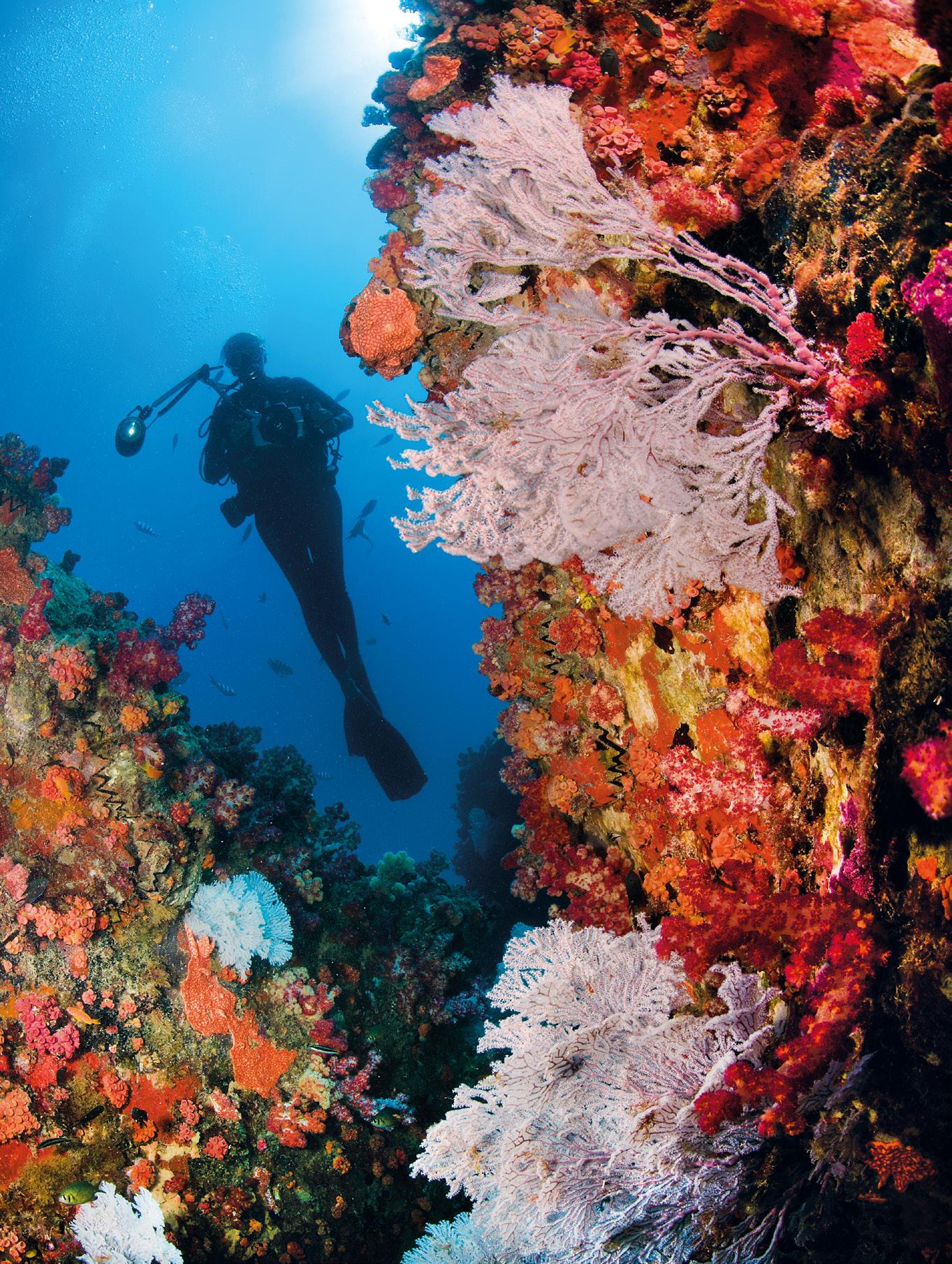
Amongst the smaller properties, there are different levels of comfort, and that’s what the grading scheme is all about. For example, if a property is graded Seychelles Secrets Gold, guests can expect a higher-quality product and greater comfort.
Looking ahead to 2026, there will be major structural changes within the ministry. Currently, the ministry oversees marketing, product planning and development, international cooperation, and the tourism academy. By Q2, we aim to re-establish the Seychelles Tourism Board as the marketing arm of the archipelago. This entity will focus specifically on destination marketing
and will be private sector-led. Whilst this will allow for more dedicated focus on marketing, our overall objectives will remain unchanged.
In 2026, we will also continue to prioritise sustainability and the development of cultural experiences. With the creation of the new Ministry of Tourism and Culture, which will oversee both portfolios, there will be a dedicated and stronger focus on cultural tourism in Seychelles.
OT: Please can you reintroduce us to the origins of Tourism Seychelles and its initial vision?
SF: Tourism Seychelles has always focused on attracting higher-value,
• Seychelles has a population of approximately 120,000.
• The capital city is Victoria, which is one of the smallest in the world.
• Primary languages spoken on the archipelago are English, French, and Seychellois Creole.
• Seychelles were once a pirate hideout, and it is rumoured that infamous pirate Olivier Levasseur hid a vast, unfound treasure here.
• Bird Island is home to the heaviest wild land tortoise, Esmeralda, who is a sumptuous 670 pounds and over 170 years old.
• The archipelago is home to the bare-legged Scops owl, which was once thought extinct.
• Seychelles is the only home to the jellyfish tree, of which there are fewer than 100 mature trees left in existence.
lower-impact visitors — in other words, more responsible travellers who are genuinely inclined to experience the destination.
This is how values are passed on. When visitors explore, take excursions, go on cultural tours, visit farms, or learn how to cook Creole dishes, they engage in more responsible tourism. It’s about creating value and allowing visitors to experience the destination in a more authentic way.
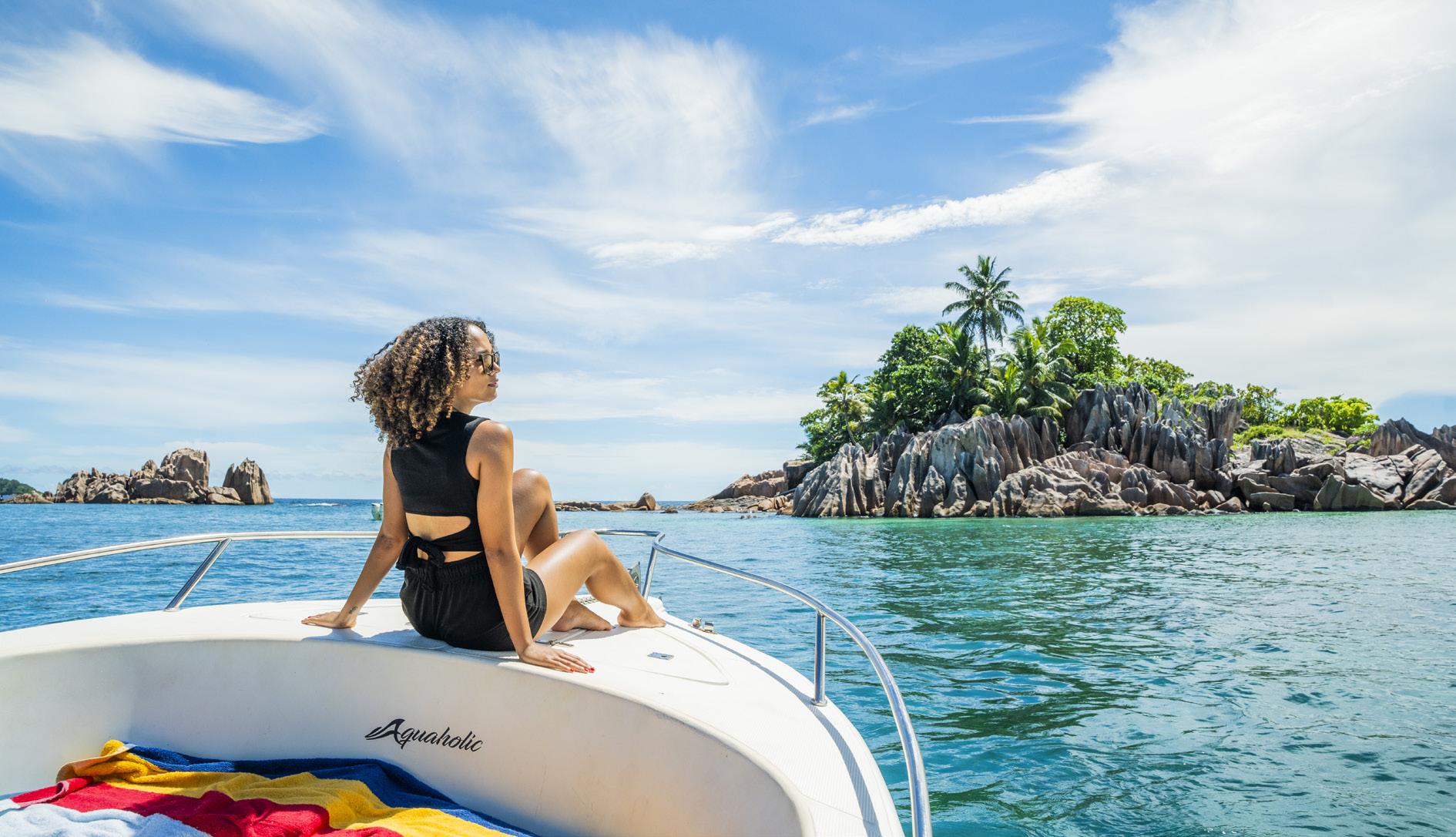
“The archipelago is one of the very last places on Earth that remains largely uncommercialised. It’s uniquely pure, and as our slogan says, it’s truly another world when you step into Seychelles”
– Sherin Francis, Principal Secretary, Tourism Seychelles
This has been our focus because Seychelles is not a mass tourism destination. We are a small group of islands, and there is a natural limit to how many visitors we can accommodate. That’s why we must focus on the right kind of tourism - prioritising value rather than just numbers.
In the same vein, we aim to build a pool of competent workers to deliver on our strategic priorities and, from a destination management perspective, continue diversifying product offerings across the destination.
OT: Can you expand further on your current goals?
SF: Our goals are to keep Seychelles visible and top-of-mind for travellers,
whilst ensuring it remains one of the preferred island destinations globally. We want to continue offering unique experiences, particularly cultural and outdoor activities that visitors can engage in during their stay.
The archipelago is one of the very last places on Earth that remains largely uncommercialised. It’s uniquely pure, and as our slogan says, it’s truly another world when you step into Seychelles.
OT: How does Tourism Seychelles act as a catalyst for sustained tourism growth and development?
SF: Our mandate is to give Seychelles strong and consistent visibility so we can continue growing our
various source markets. At the same time, we work on developing and enhancing the destination’s products and offerings to ensure there is always a diverse range of high-quality experiences available - supported by exceptional service and good value for money.
OT: How do you market Seychelles as a destination?
SF: We use a varied marketing mix, as there is no one-size-fits-all approach and each market has its own specific characteristics. We work closely with travel trade professionals and the media to build awareness, which is our first line of activity across all markets - even emerging ones where budgets may be limited. In more mature markets, we invest heavily in digital advertising and implement very selective abovethe-line consumer campaigns. We also participate in key trade and consumer fairs where our destination has strong relevance.
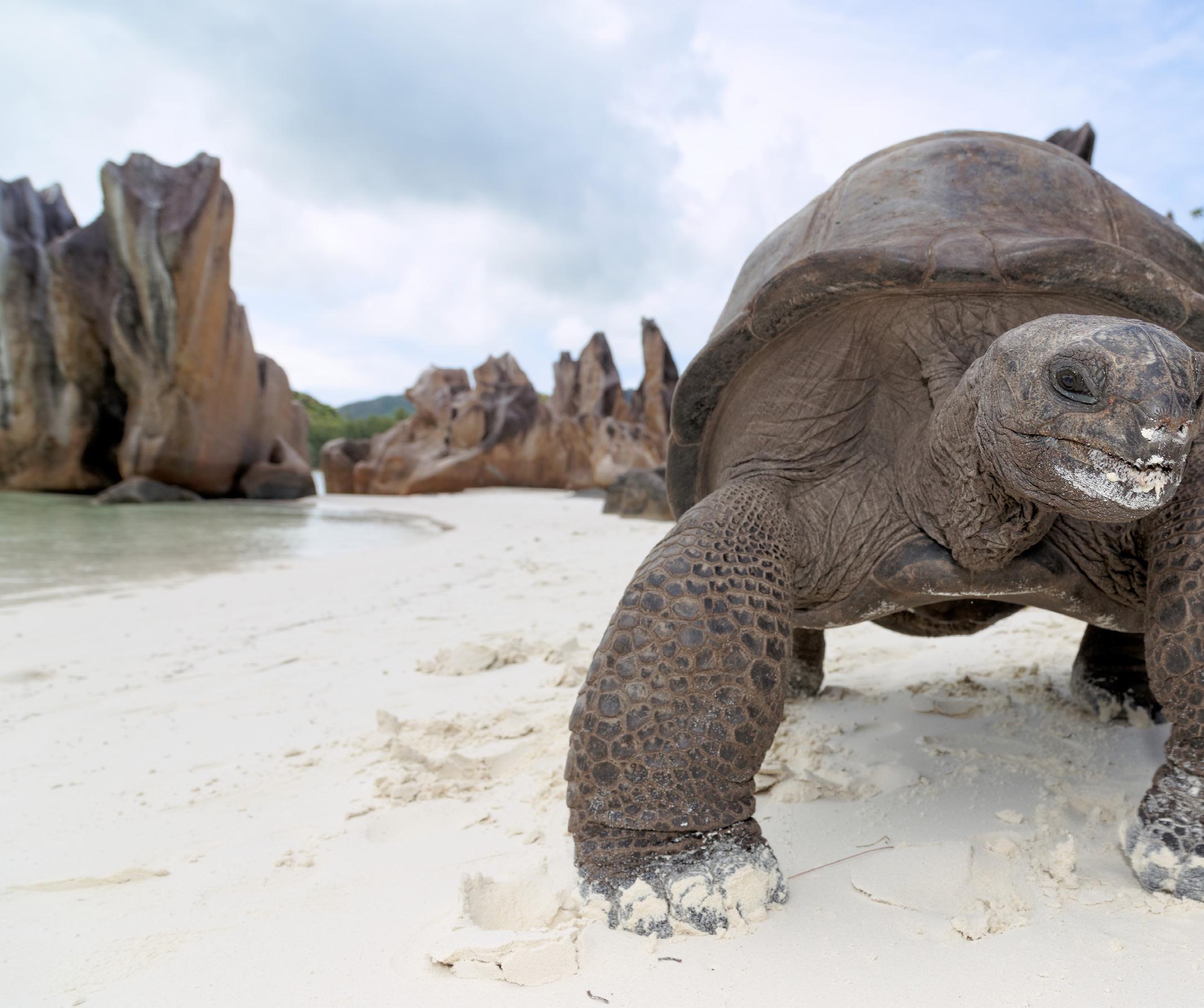
OT: How do you promote off-season travel for Seychelles?
SF: Off-season travel requires a different strategy, largely dependent on operators offering attractive packages during those periods. During the off-season, we compete with other summer destinations that are closer and more affordable for travellers. For example, many European visitors may find it cheaper to travel to destinations like Greece or Spain. Those who choose Seychelles during this period often do so because they are getting a good deal or are looking for a specific experience.
This is why we strategically plan events such as the Seychelles Nature Trail Challenge in May and the
Seychelles Sailing Challenge in July. We are positioning May, June, and July as a sports and events season, and we are currently in discussions with partners to introduce additional events or festivals during this period. We also target European seniors, as they typically have more flexibility and are not restricted by peak travel periods.
OT: Are there any interesting projects in the pipeline that you’d wish to highlight?
SF: The Seychelles Nature Trail Challenge and the Seychelles Sailing Challenge remain two major events on our calendar. We also have Festival Kreole, which runs throughout the month of October and is ideal for
visitors who want to experience authentic Seychellois culture - from food and gastronomy to music, dance, and traditions.
OT: Why, in your opinion, should someone visit Seychelles?
SF: Seychelles is one of the very last places on Earth that remains largely uncommercialised. It is uniquely pure, and as our slogan says, it is truly another world when you step into Seychelles.
OT: Are there any specific experiences or natural wonders that you would recommend to visitors?
SF: The Vallée de Mai is a must-visit. It’s a UNESCO World Heritage Site
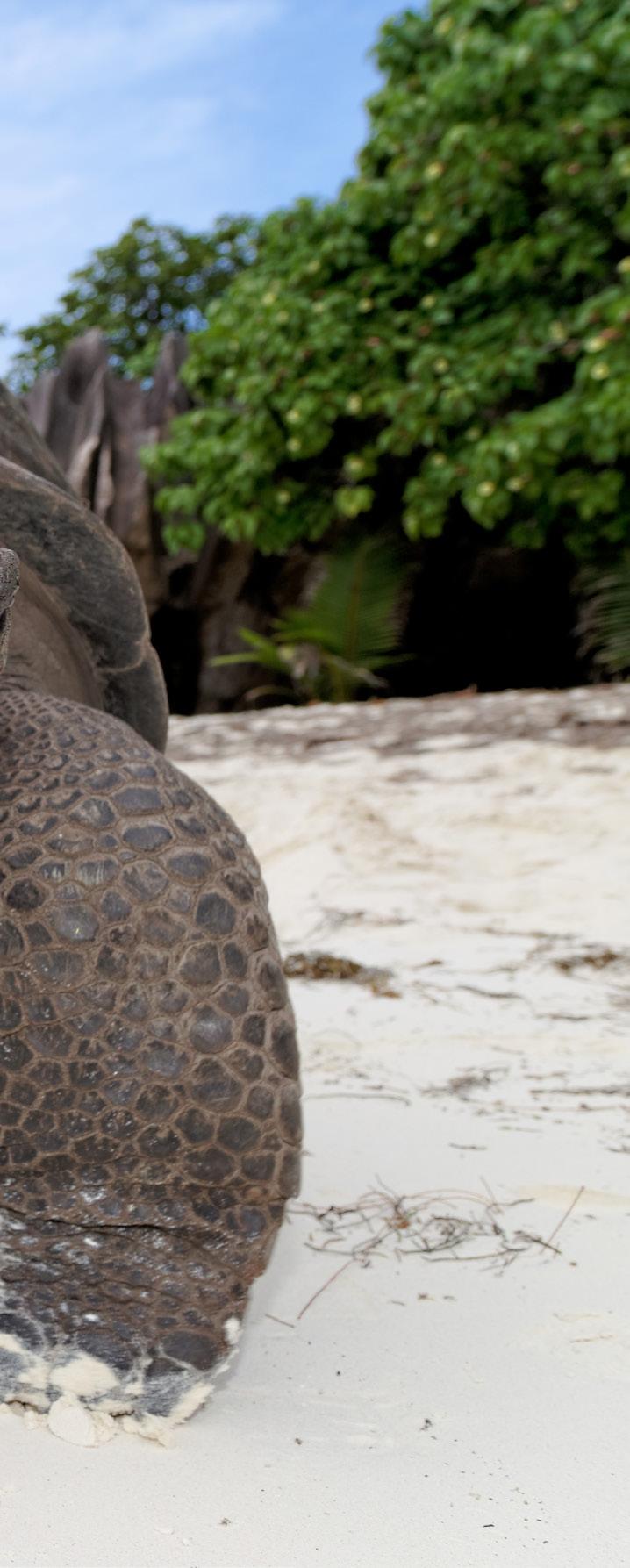
and home to the iconic Coco de Mer, which grows in its natural state.
Visitors also fall in love with our giant land tortoises, which can be seen in various locations, including the National Botanical Garden. On islands such as Bird Island and La Digue, visitors can interact with some of these oldest living animals on Earth.
Of course, our spectacular beaches are another major draw. There are so many that it’s hard to choose just one. Beaches like Anse Lazio, Anse Georgette, on Praslin consistently feature in top 10 rankings across major media and publications. Anse Source D’argent on La Digue, in particular, is one of the most photographed and Instagrammable beaches in the world, famous for its striking rock formations.
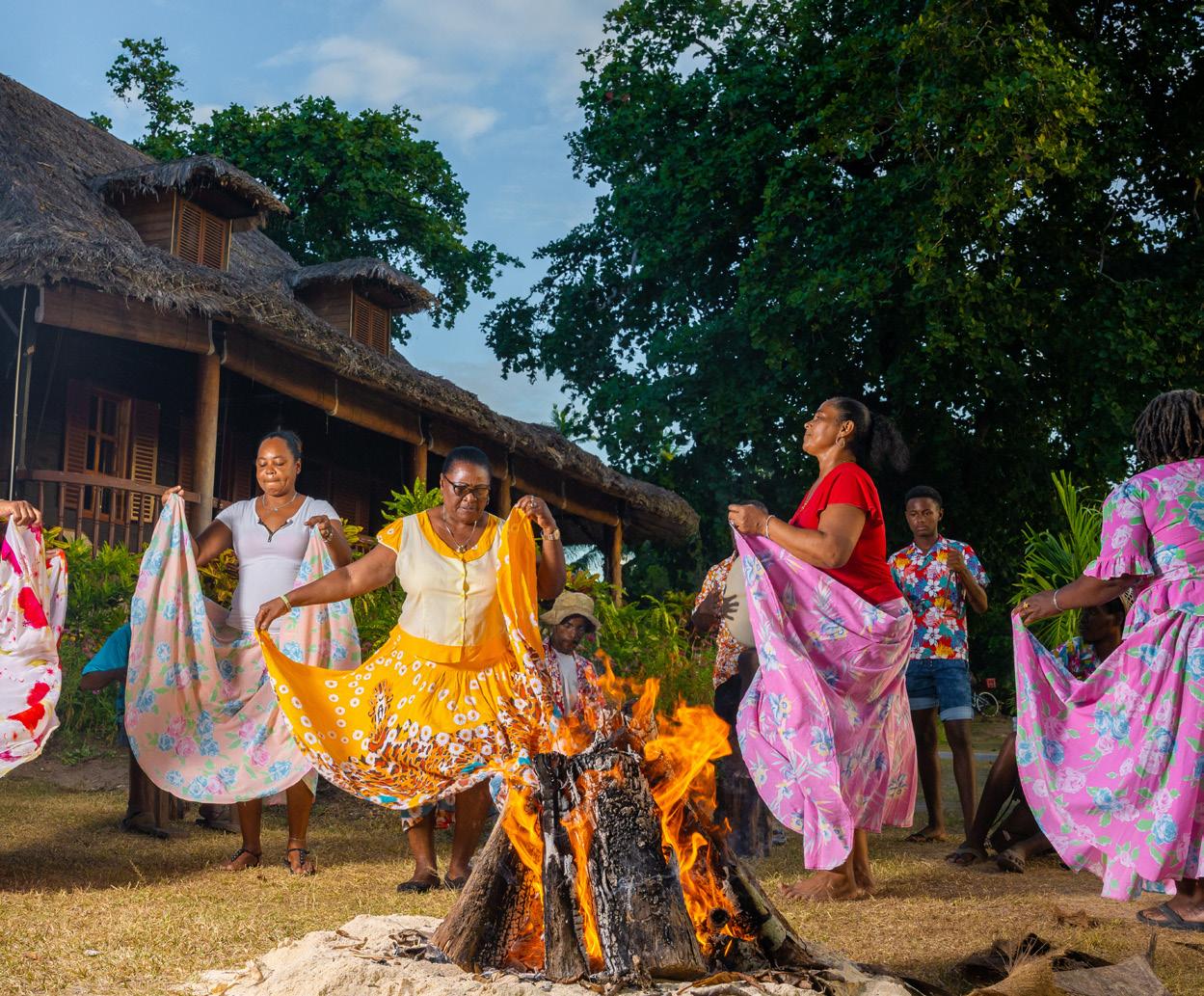
Seychelles is also known for its breathtaking nature, amazing sealife, lush vegetation, and scenic hiking trails, which are highly recommended for visitors.
OT: What challenges does the tourism industry in Seychelles currently face?
SF: Like many island destinations, our biggest challenge is climate change - rising sea levels, increasing temperatures, coral bleaching, and coastal erosion.
The second challenge is managing tourism growth. An increase in visitor arrivals puts additional pressure on infrastructure and the environment. This is something we manage very carefully to ensure visitors continue to enjoy a high-quality experience without being affected by destination challenges.
Maintaining the right balance between tourism development and protecting our fragile, pristine ecosystem is a top priority, and we continuously look for solutions to achieve this balance.
OT: Finally, are you optimistic about the future of the tourism industry in Seychelles?
SF: I believe the industry has shown its resilience amidst very difficult and challenging times.
What the tourism industry and recent events have shown us is that there will be challenges, but if you’re agile, flexible, and quick to respond to changes happening, you can remain relevant as a tourism location and a top-of-the-list destination. It’s all about how you react. We know our strengths, and despite the challenges, the industry remains optimistic about the future.
Tel: +248 4 671 300 info@seychelles.com www.seychelles.com
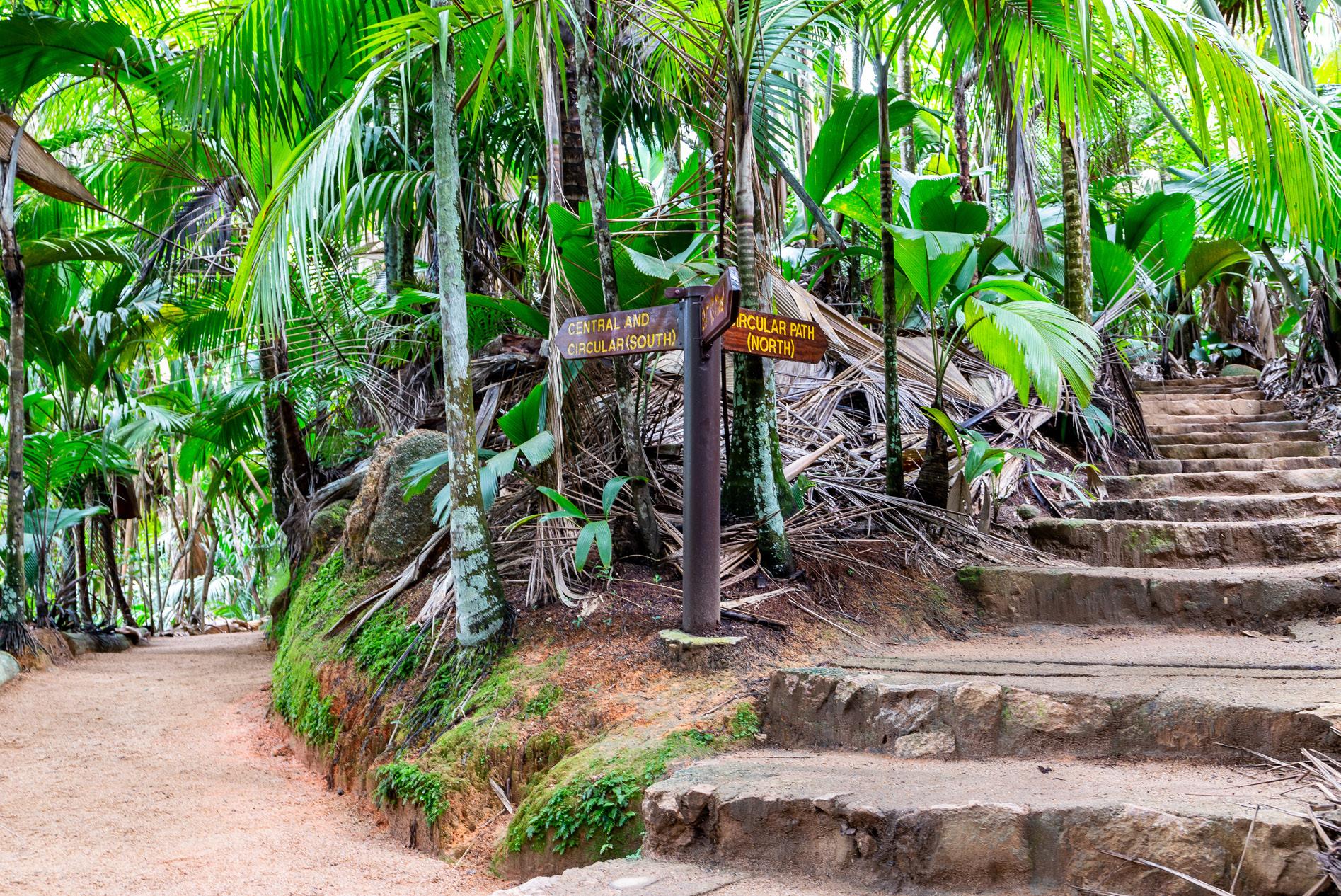
THE ‘GARDEN OF Eden’ is a nickname that only begins to cover the allure and tempting call of the Vallée de Mai –an ancient palm forest on the island of Praslin.
Having been under protection since 1966 and declared a UNESCO World Heritage Site in 1983, this 19.5-hectare forest is home to the remnants of the original palm jungles of Seychelles. As you walk through the soaring canopy of trees and listen to the chatter of endemic wildlife, you’ll feel transported back to a time of supercontinents and vast, undisturbed natural diversity.
Vallée de Mai remained largely unchanged for millennia, making it possible to follow the traces of prehistory in its pristine and geographically isolated landscape. It’s estimated that the emerald-tinged forest was formed as early as five million years ago, adding to its secluded and mystical nature.
Abundant with rare birds, mammals, and native vegetation, the most famous is the legendary Coco de Mer – the largest nut in the world.
The Coco de Mer only grows naturally on the islands of Praslin and Curieuse, with 1,400 of the trees falling under the protection of the Seychelles government due to their
unique cultural and environmental significance. The female trees are known for producing a heart-shaped nut that can weigh upwards of 25 kilogrammes, making it the largest and heaviest seed in the world.
The nut once boasted a reputation in royal courts as a coveted treasure and remains today a precious commodity, with prices for a single seed ranging between €300 and €600.
Alongside the captivating Coco de Mer, Vallée de Mai is a birding hotspot, where visitors can watch for the endemic Seychelles bulbul, the blue pigeon, sunbirds, and the endangered black parrot, of which there are only between 520 and 900 left in the world. Lower your gaze from the skies to catch a glimpse of the Seychelles skink, Seychelles sheath-tailed bat, and Seychelles swiftlet, all of whom call the reserve home.
Conserved as a natural sanctuary, visitors can walk amid the massive fronds at leisure, partake in free guided tours that happen twice a day, or opt for a more in-depth experience with a private guide who will take you on an hour-and-a-half to two-hour walk through the unparalleled Vallée de Mai.
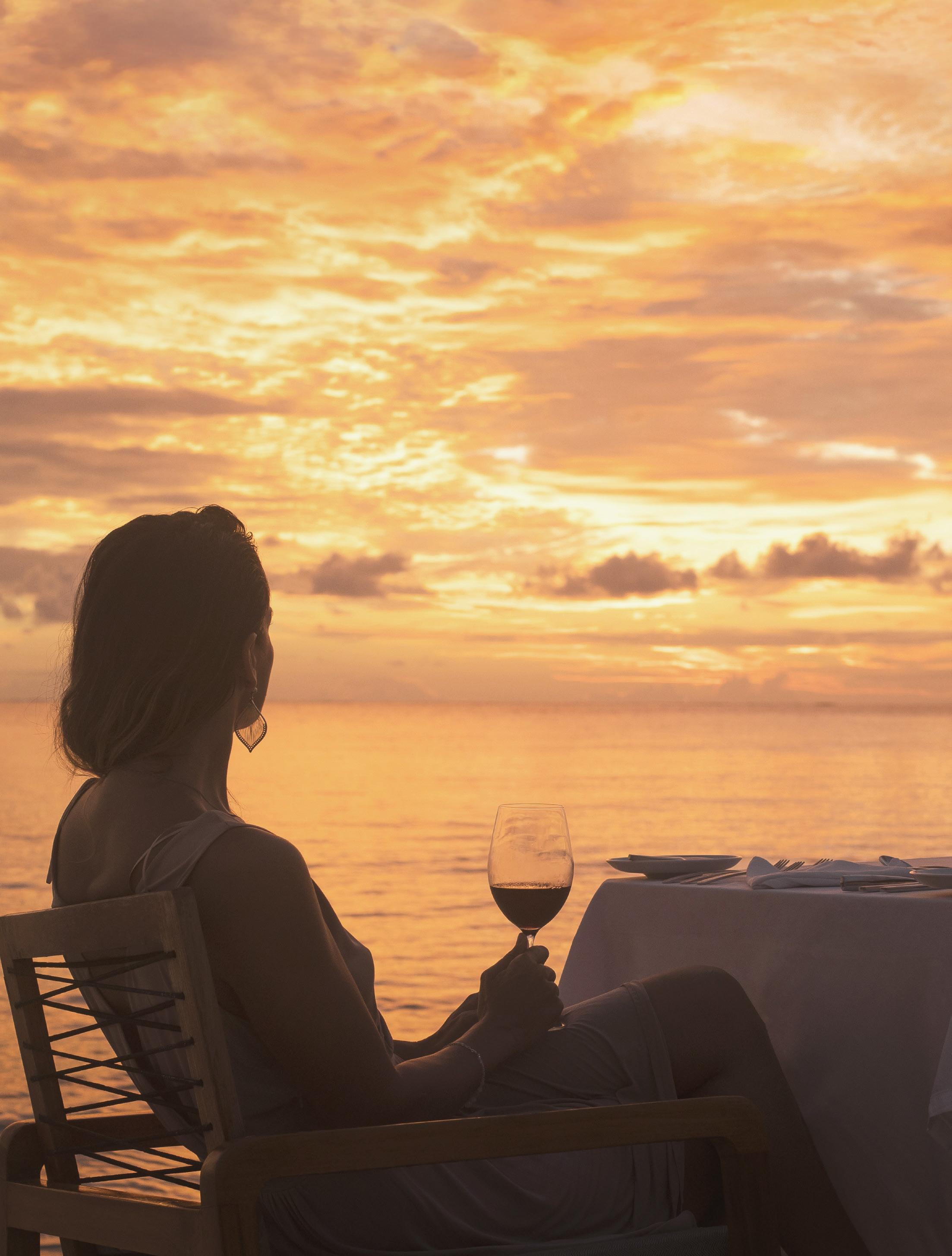
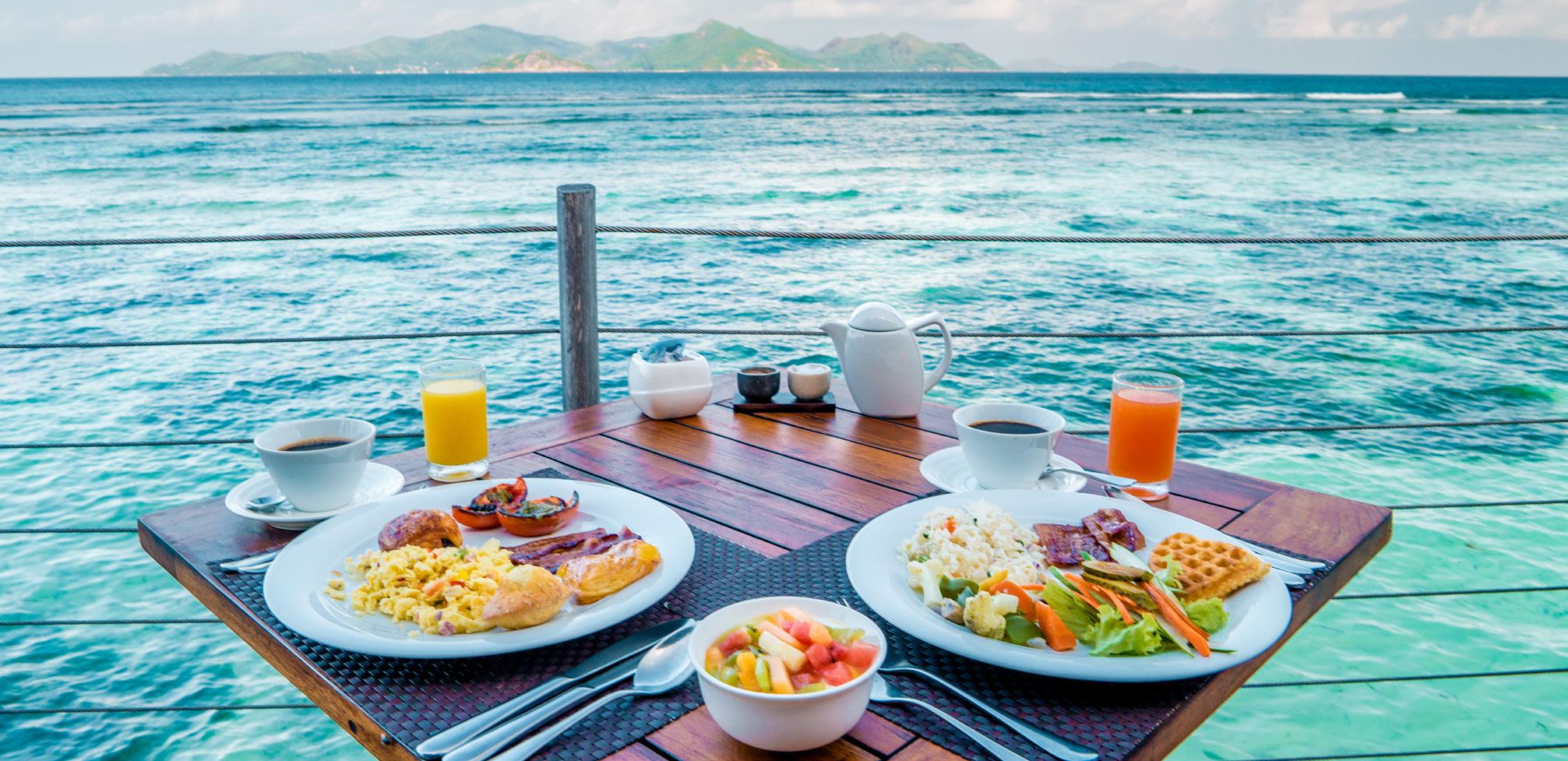
FOR AN AWARD-WINNING, INTIMATE DINING EXPERIENCE...
Offering exceptional Creole and seafood cuisine, Del Place Restaurant boasts an intimate connection with fine food, drinks, and the scent of Seychelles. Nestled in the picturesque Port Glaud with an unparalleled ocean-view backdrop, the restaurant is a sanctuary for locals and travellers alike, boasting an easy island atmosphere with an award-winning menu that’s simple, fresh, and flavourful.
FOR A CHARMING, FAMILY-OWNED ESTABLISHMENT...
Known for its decadent seafood and local curries, La Gaulette Restaurant is a family-run eatery that has made a name for itself through its fresh catch-of-the-day, friendly vibes, and genuine Seychelloise cuisine.
Overlooking the sea, the restaurant highlights simple, refreshing dishes that speak to the archipelago’s traditional flavours and origins.
FOR A VERDANT COCOON OF BLISS...
Offering the perfect pampering escape in Seychelles, the Constance Ephelia is the place to experience luxury coupled with tranquillity. With a variety of suites and villas boasting an unbeatable view of the shimmering Indian Ocean, this luxurious beach resort allows you to revitalise mind, body, and soul.
FOR THE JEWEL OF
With world-class facilities and amenities, Le Duc de Praslin is known as the jewel of Côte d’Or, with turquoise waters washing over the white sand of the beach found just a few steps away from the luxurious retreat. Offering a holiday of a lifetime with true Seychellois hospitality, Le Duc de Praslin makes your dream vacation a reality.
Truly Seychelles is the simplest way to book the most authentic accommodation in the archipelago. With the best stories being found between the pages of a passport, Truly Seychelles allows visitors to witness the beauty of the islands with ease through a single booking in competitively priced, licensed Seychelles-owned accommodations.
Established in 2017, Summer Rain Tours is a small boutique destination management company in Seychelles, proud to showcase the magic of the archipelago to visitors from across the globe. With a bounty of qualified experts in the tourism industry, the company holds places, people, and customs through professional guides, modern transportation, quality hotels, fine restaurants, and unforgettable charters. Summer Rain Tours personalises each trip with experiences that are unique, authentic, and a million miles from mass tourism. The company prides itself on customer satisfaction and has built a reputation for quality and value backed by years of knowledge and a passion for all that Seychelles has to offer.
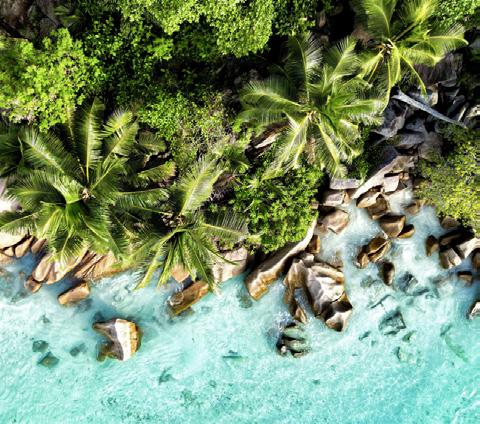
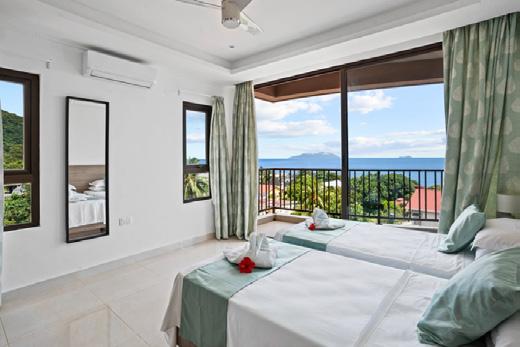
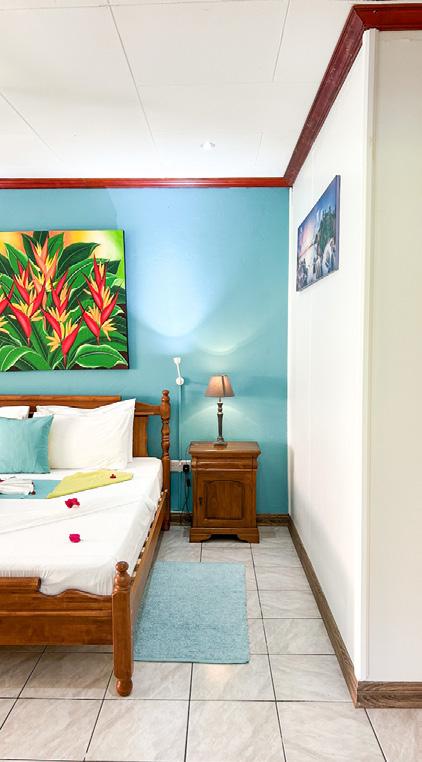
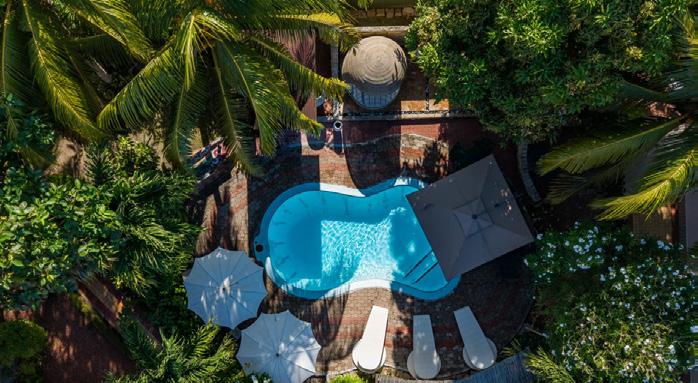
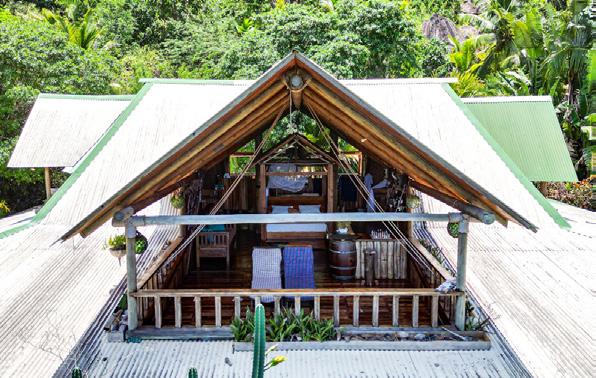
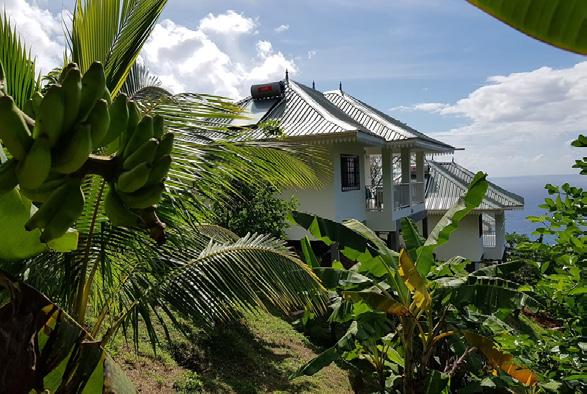
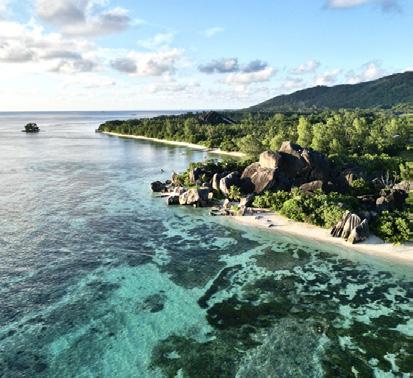
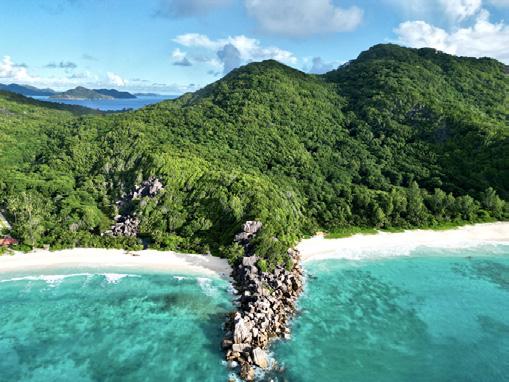
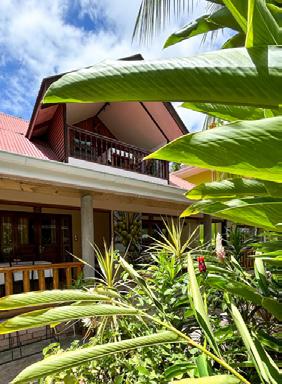
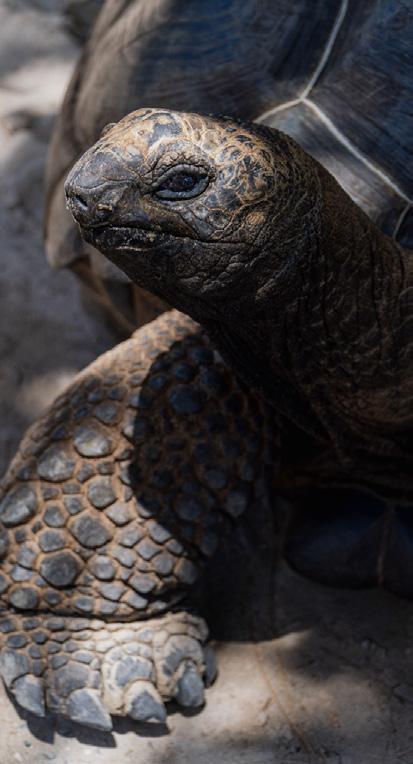

Surama is an Amerindian village (mainly inhabited by Macushi people) and the site for the first community ecotourism initiative in Guyana. The local community manages and maintains Surama Eco-Lodge, which offers tourists a chance to stay in traditional huts, try local food and explore nearby nature trails.
Located just five kilometres from the island of Mahé, the Sainte Anne Marine National Park is one of the best snorkelling and diving sites not only in the archipelago but in the world. Comprising five islands, the national park boasts the largest seagrass meadow in Seychelles, alongside the once-in-a-lifetime opportunity to swim with gliding sea turtles, witness firsthand the colourful coral gardens, and watch as bottlenose dolphins race through the waters.
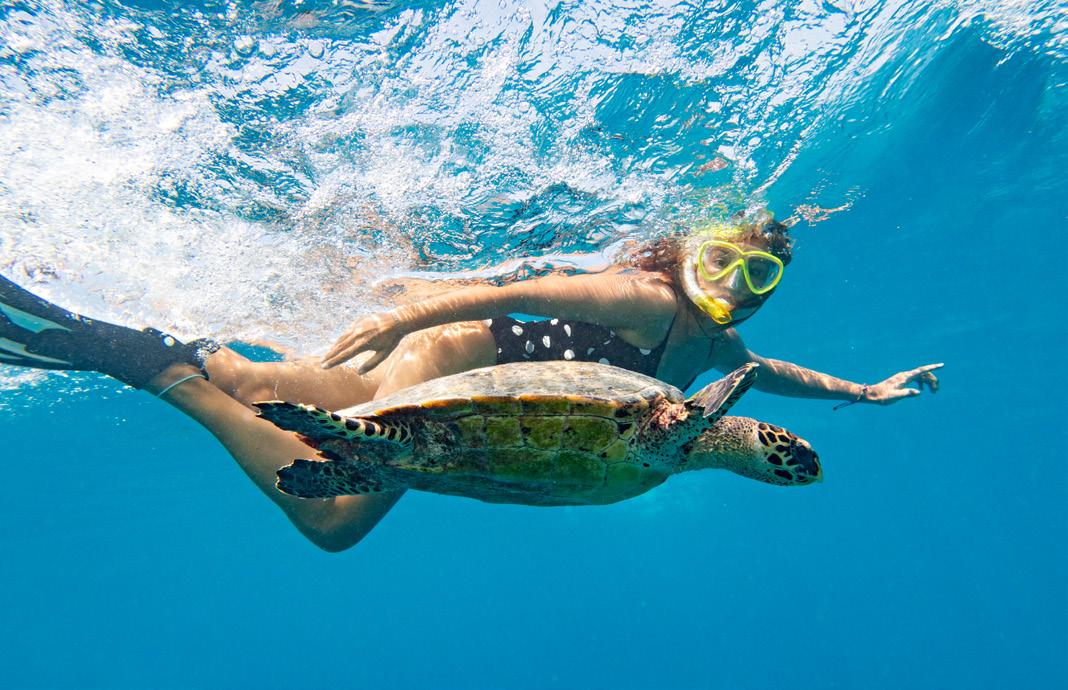
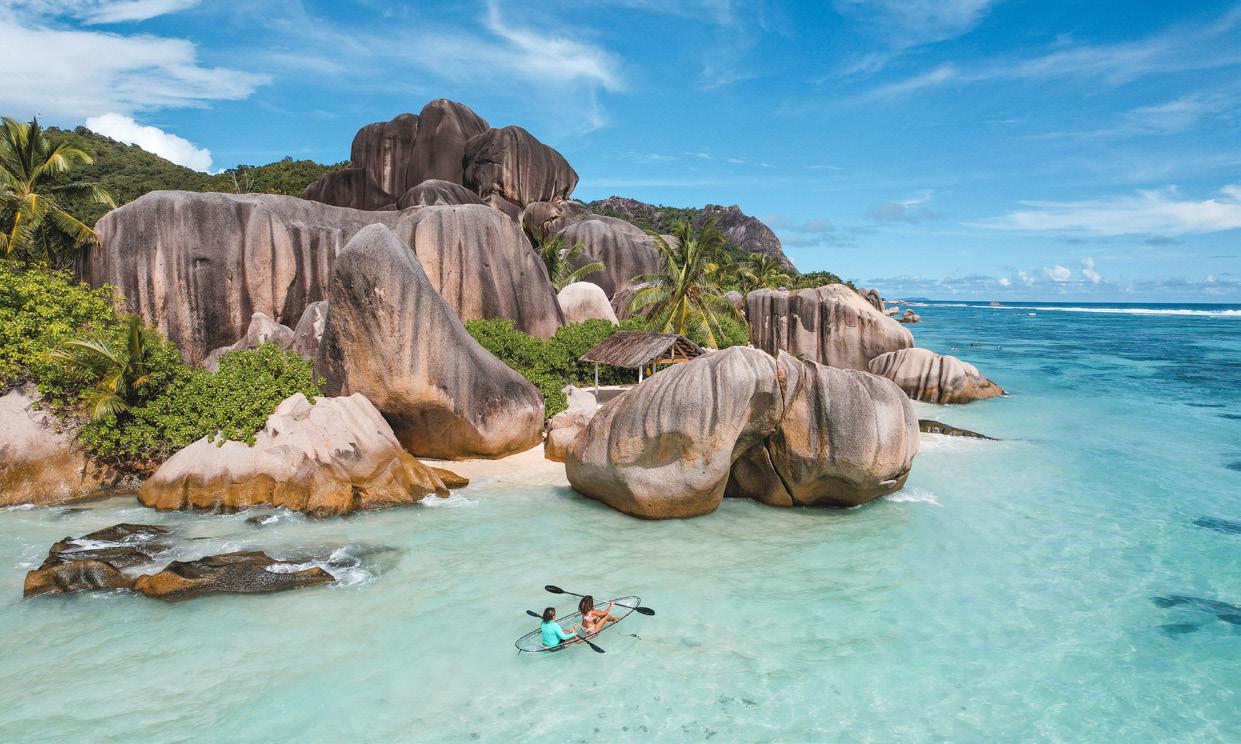
This flat-topped mountain soars to an elevation of 2,811 metres, and lies on the border between Venezuela, Guyana and Brazil. The plateau is an otherworldly landscape of stark rock formations, often shrouded in cloud. On clear days, you can see for miles across the rugged Pakaraima Mountains.
Widely considered one of the most beautiful beaches in the world, Anse Source d’Argent, on the island of La Digue, is an unmissable visit for those venturing to Seychelles. With dramatic granite boulders juxtaposed by calm, crystal waters and sand so fine it feels almost plush, this beach is the perfect way to spend a day out. Grab a towel, sunscreen, and some fresh coconut water, and be ready to experience a new type of relaxation under the swaying palm trees.
Surama is an Amerindian village (mainly inhabited by Macushi people) and the site for the first community ecotourism initiative in Guyana. The local community manages and maintains Surama Eco-Lodge, which offers tourists a chance to stay in traditional huts, try local food and explore nearby nature trails.
What’s better than coming face-to-face with one of the largest land tortoises on the globe – meeting 300 of these colossal herbivores roaming free on one island?
Curieuse and St Pierre is a small island off the coast of Praslin and boasts an abundance of natural wildlife and flora and fauna, the most famous of which are the giant tortoises, who can grow up to four feet long, weigh as much as 770 pounds, and live for over 100 years.
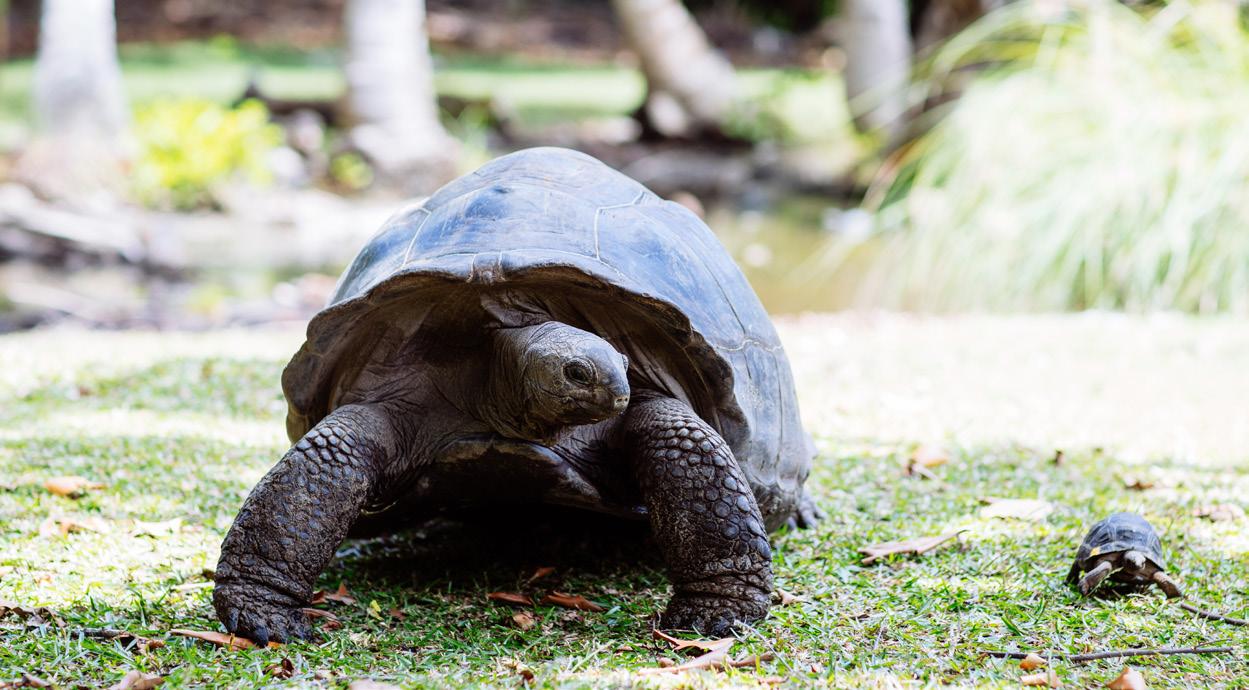
AS SEYCHELLES IS approximately 900 miles off the coast of East Africa, the most common way for visitors to arrive is via plane to the Seychelles International Airport (SEZ) on the island of Mahé. Depending on where you are originating your journey from, there are some direct flight options available from Germany, Johannesburg, India, and Nairobi – alongside others; however, many find that the easiest way to travel is to book a one-stop flight from a major airport and have a quick layover in connecting hubs such as Dubai or Doha.
Once arrived, there are plentiful transport options to choose from on the main islands. Rental cars
are available, and plenty of taxi companies will take you to and from locations; however, bicycles are easily the most popular way to get about on La Digue, as they allow you to take in the beautiful landscape whilst nimbly manoeuvring across the islands.
Equally, don’t be afraid to slip on a pair of walking shoes and trek to your next destination – there’s no better or more intimate way to get to know all the ins and outs of Seychelles.
Island hopping is very common for visitors to the archipelago, and there are myriad ways to visit the different destinations. The most affordable options are taking a ferry or fast boat, with the main companies being Cat Cocos and Cat Rose Inter Island Ferry
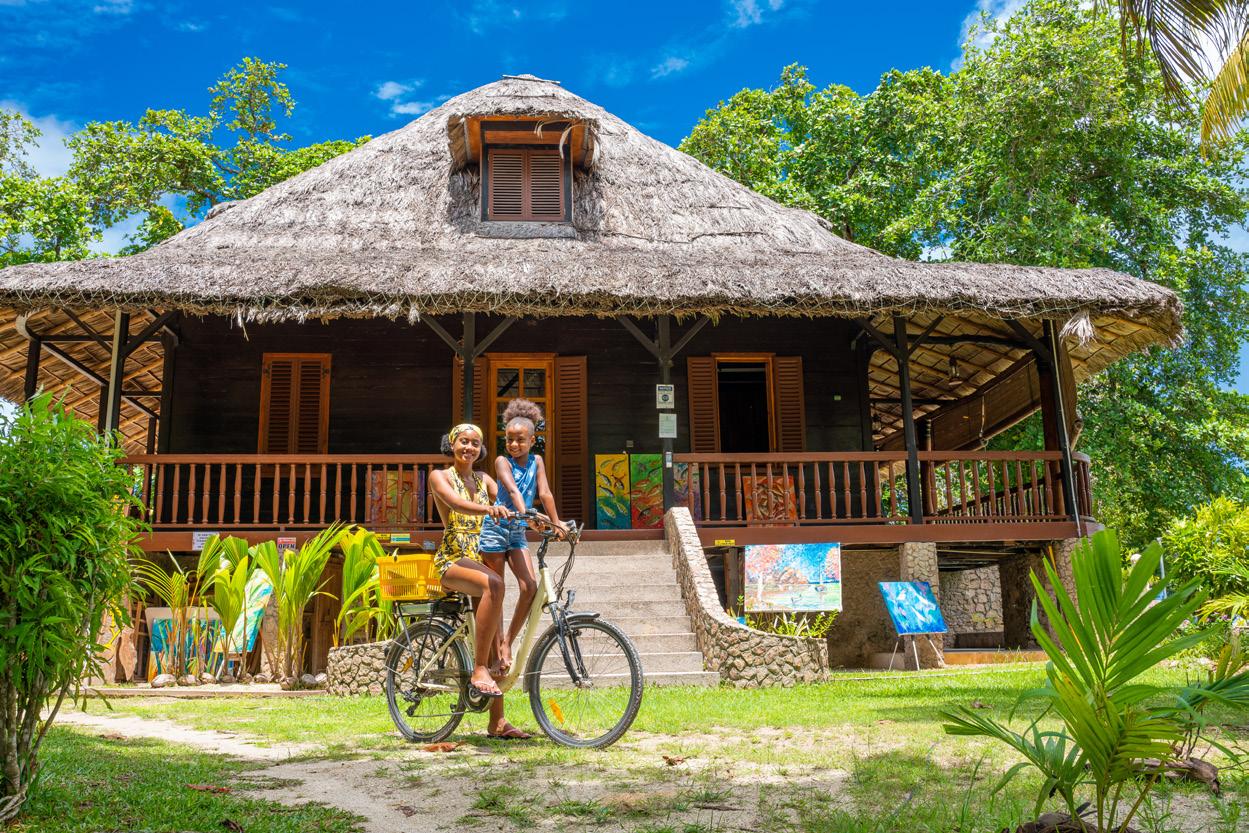
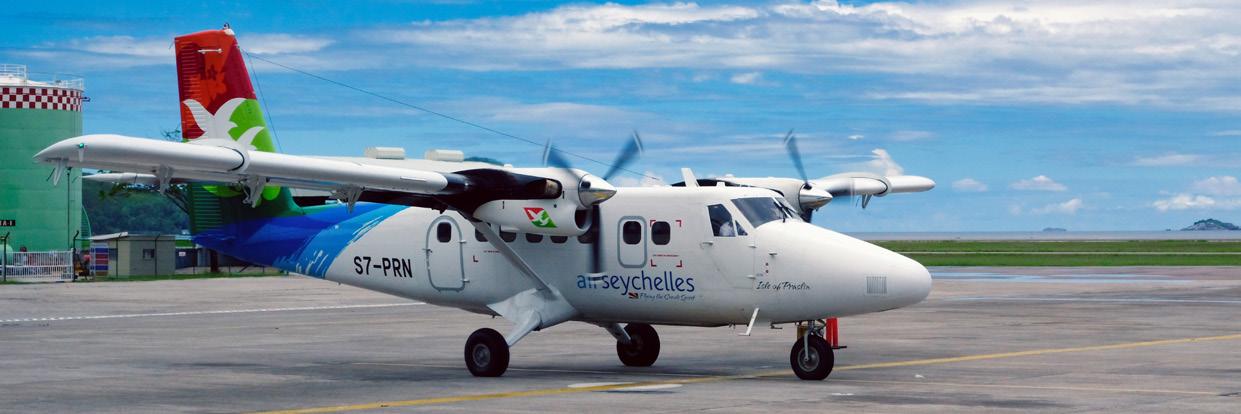
Services. Internal flights across the archipelago, via plane or helicopter, allow for the quickest way to travel, with flights averaging only between 15 and 30 minutes. For an even more private experience, there are catamarans and leisurely schooners available to jet between islands.
With Seychelles residing a mere seven degrees south of the equator, the climate is warm and sunny year-round, with the average temperature sitting comfortably at 30 degrees Celsius. Between April and May and October and November are traditionally the most popular times, as this is the dry season and the best time for snorkelling and diving due to supreme underwater visibility.
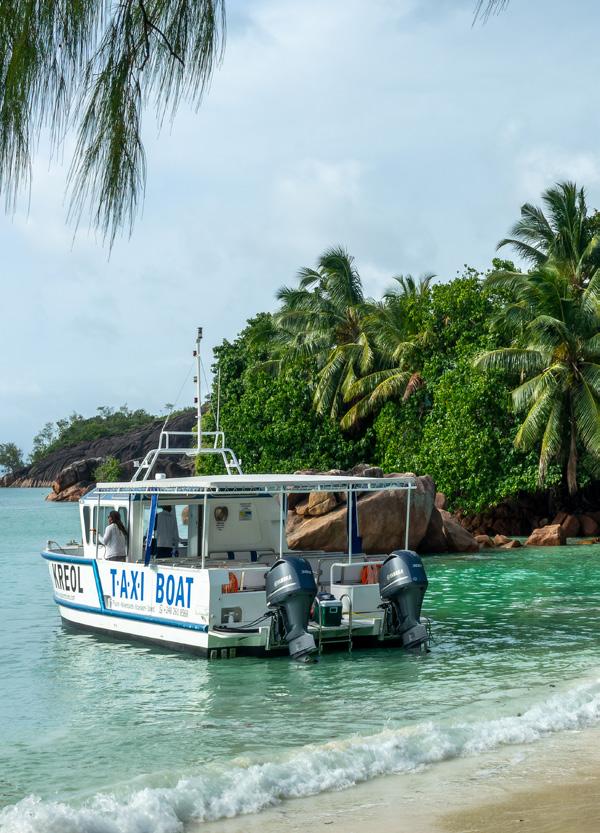
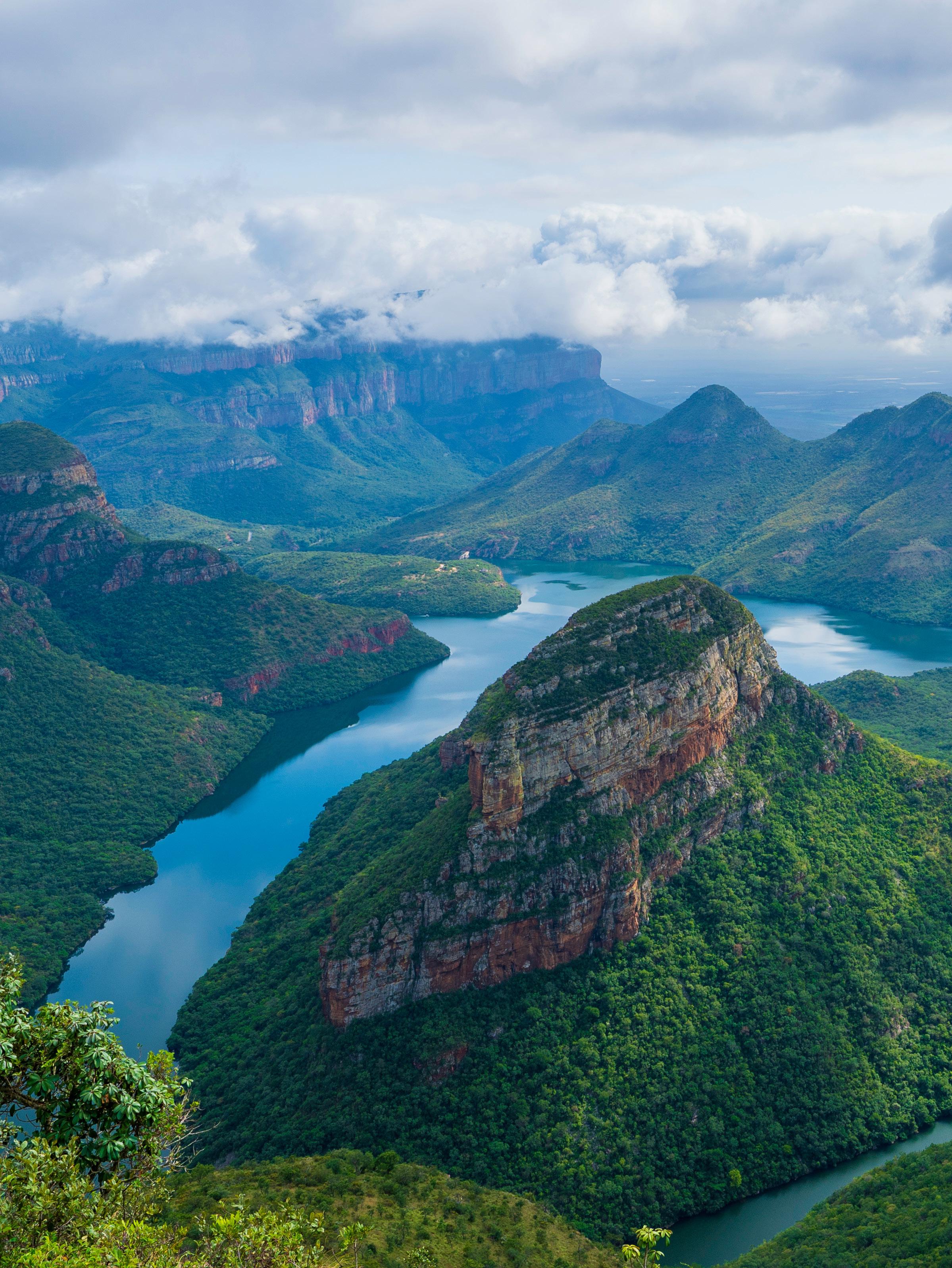
Known
as ‘The Place of the Rising Sun’, Mpumalanga transcends other provinces in South Africa by offering an Edenic, heavenly natural paradise, comprising some of the world’s largest nature reserves and breathtaking mountains that are truly one-of-a-kind
WRITER: LUCY PILGRIM | PROJECT MANAGER: JOSEPH PERFITT
From the swooping and darting movements of hundreds of endemic bird species to the majestic mammals that roam the verdure below, Mpumalanga is the beating heart of the unwaveringly beautiful South African wilderness.
Positioned in the east of the country, the province has everything intrepid explorers, nature lovers, and history enthusiasts alike desire in a destination.
Indeed, the Highveld region is a heritage haven, whilst the Midveld and Lowveld offer stunning natural scenery and breathtaking views – all divided by dramatic escarpments that act as bridges between the heavens and Earth.
Mpumalanga’s lush, sweeping landscape offers a geographically diverse mosaic of national parks, the most famous being Kruger National Park – one of the largest and oldest game reserves in the whole of Africa where, if you’re lucky enough, you can catch a glimpse of the Big Five as they bask in the sun.
Equally boasting an undulating carpet of foliage is Blyde River Canyon – the world’s third-largest canyon, where explorers can hike across subtropical flora or venture deep into its many corners on a boat cruise, ideal for witnessing the sun break through the forest canopy.
Like a central channel weaving through some of Mpumalanga’s most astounding sites, the scenic
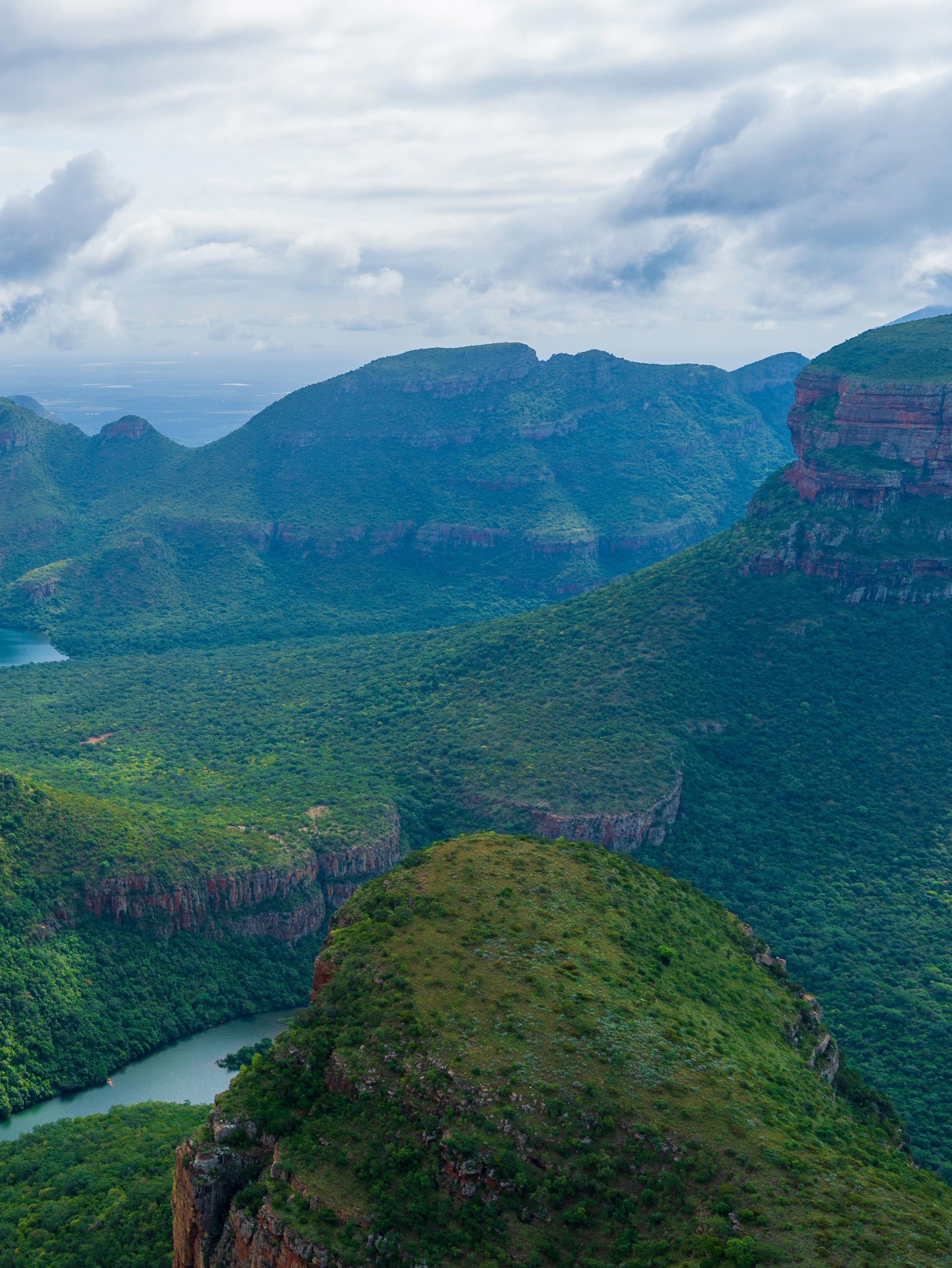
Panorama Route lets you travel through world-famous nature reserves and intriguingly rugged escarpments, such as the astonishing God’s Window, serene waterfalls, and so much more.
Not just geographically diverse, Mpumalanga holds a rich cultural tapestry woven together by an abundance of customs and traditions. Home to Swazi, Pedi, Ndebele, Tsonga, and Afrikaner populations, the province also offers the opportunity to explore vibrant and celebrated Southern Ndebele culture, whose vivid arts are enjoyed through elaborate mural painting, intricate beadwork, and unmistakable warmth.
The Highveld Heritage Route, which weaves through 14 of the province’s most culturally and historically significant towns, equally offers the perfect opportunity for cultural immersion. Starting in Ermelo – which provides a fascinating insight into South Africa’s (SA) liberation struggle – explorers can bear witness to Mpumalanga’s most standout attractions in history, from the Bakoni Ruins to the traditional Swazi village of Oshoek.
If you’re looking for an otherworldly and diverse destination that makes you feel like you can touch the sky, be in arm’s reach of the world’s most magnificent animals, and bask in the beauty of the natural world, Mpumalanga is the perfect place for you.
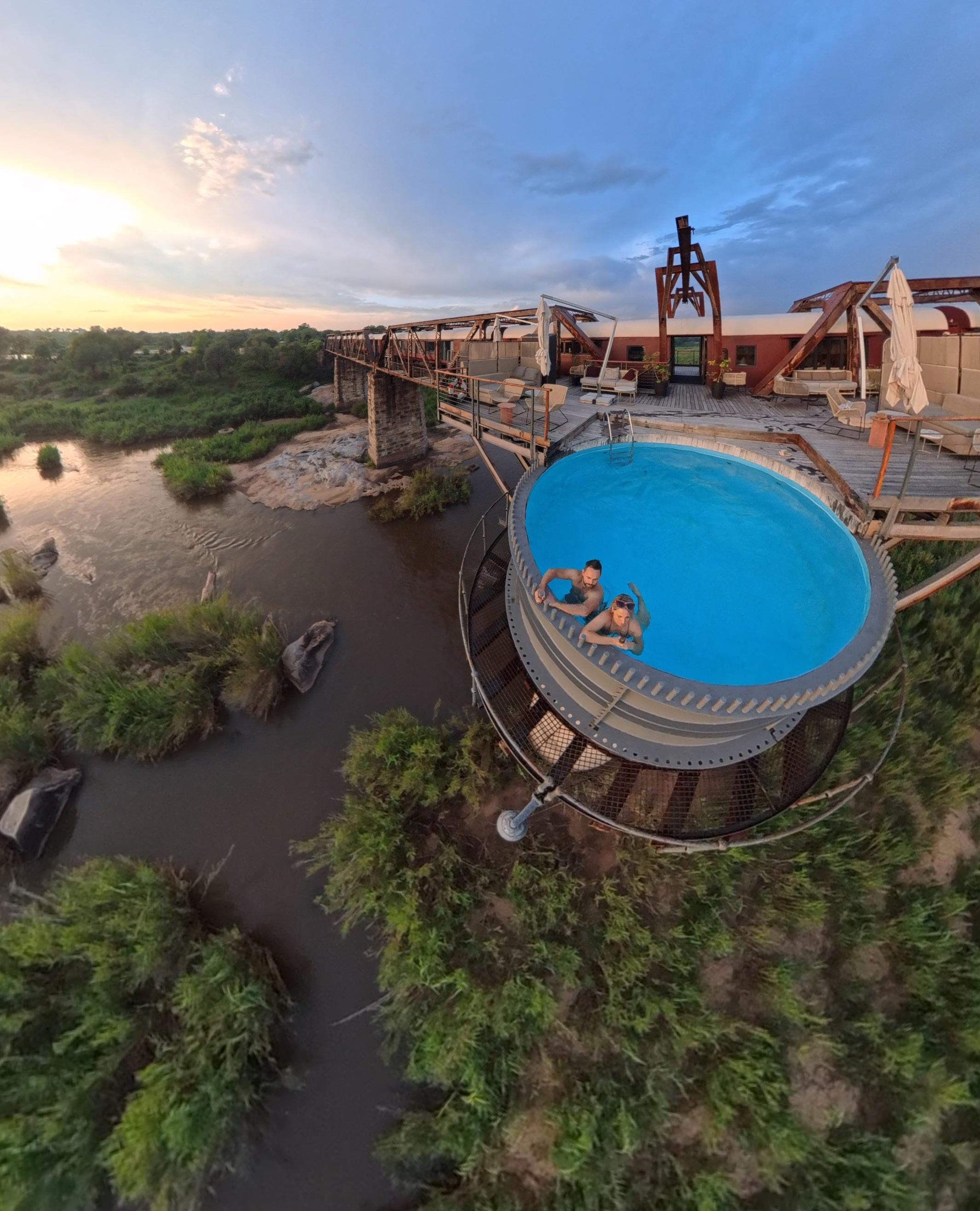
Perched dramatically on the historic Selati Bridge spanning the Sabie River in Kruger National Park, Kruger Shalati – The Train on the Bridge offers one of the world’s most distinctive luxury safari experiences. Permanently stationed above the flowing river, this reimagined train blends heritage, innovation, and sweeping wilderness views.
The concept revives the romance of the 1920s rail safaris, when the park’s earliest visitors travelled by train and shared stories around campfire in those early pioneering days. Today, contemporary African design meets historic charm in a setting that feels both timeless and extraordinary.
Accommodation comes in two forms: 24 elegant Carriage Suites suspended on the bridge itself, and seven Bridge House Suites set in a tranquil garden beside it. Both offer elevated views over the Sabie River, a magnet for wildlife year-round. Shared spaces include reception, dining areas, lounges, and three swimming pools – the main one overlooking the river, creating constant opportunities for unforgettable animal sightings from the comfort of the property.
In 2025, Kruger Shalati was voted South Africa’s Leading Safari Lodge by the World Travel Awards. It also earned two prestigious
MICHELIN Keys, placing it among the world’s most exceptional hospitality destinations. Yet beyond the accolades, it is the profound sense of place that truly captivates.
Certain experiences at Kruger Shalati are so magical that they can shape an entire stay.
One highlight is trackside dining through the signature Kruger Kitchen concept, offered on select evenings. These intimate culinary experiences transform the newly opened outdoor dining space on the original railway tracks into a dramatic dining stage where exceptional cuisine meets the sweeping backdrop of river and wilderness.
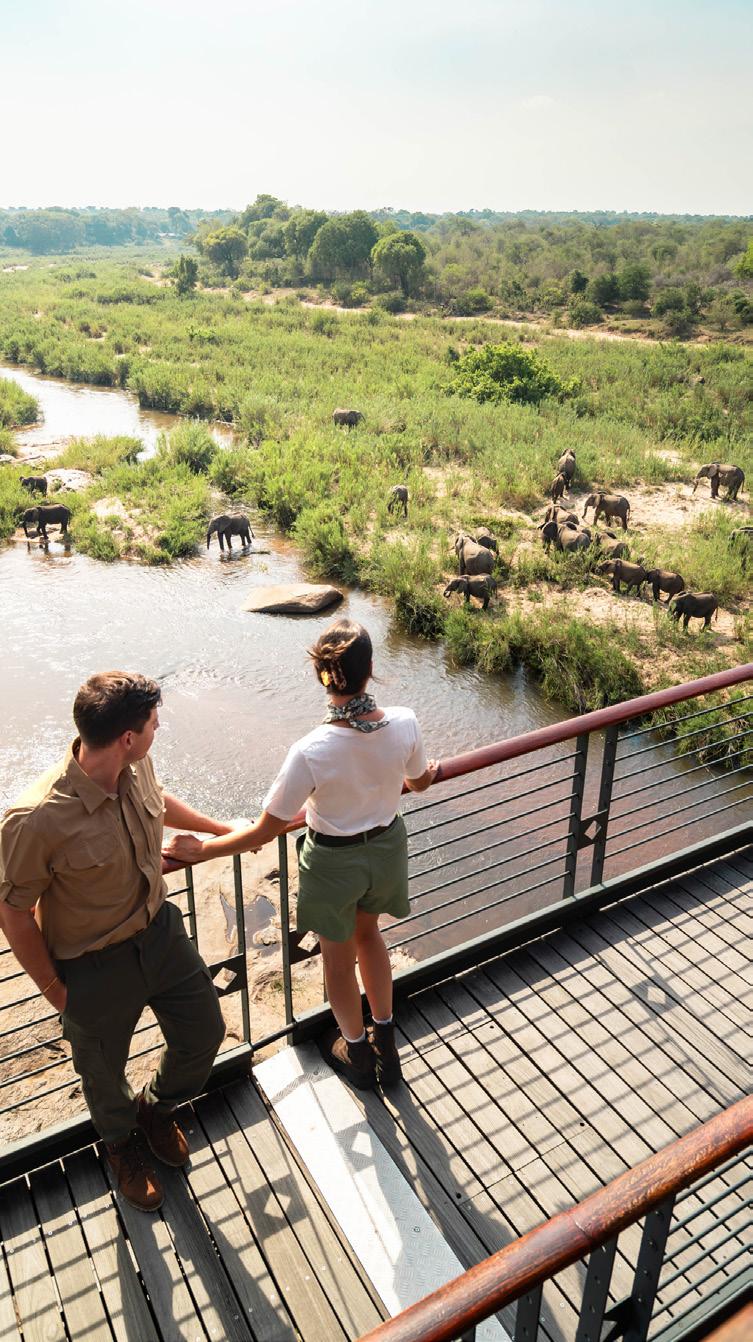
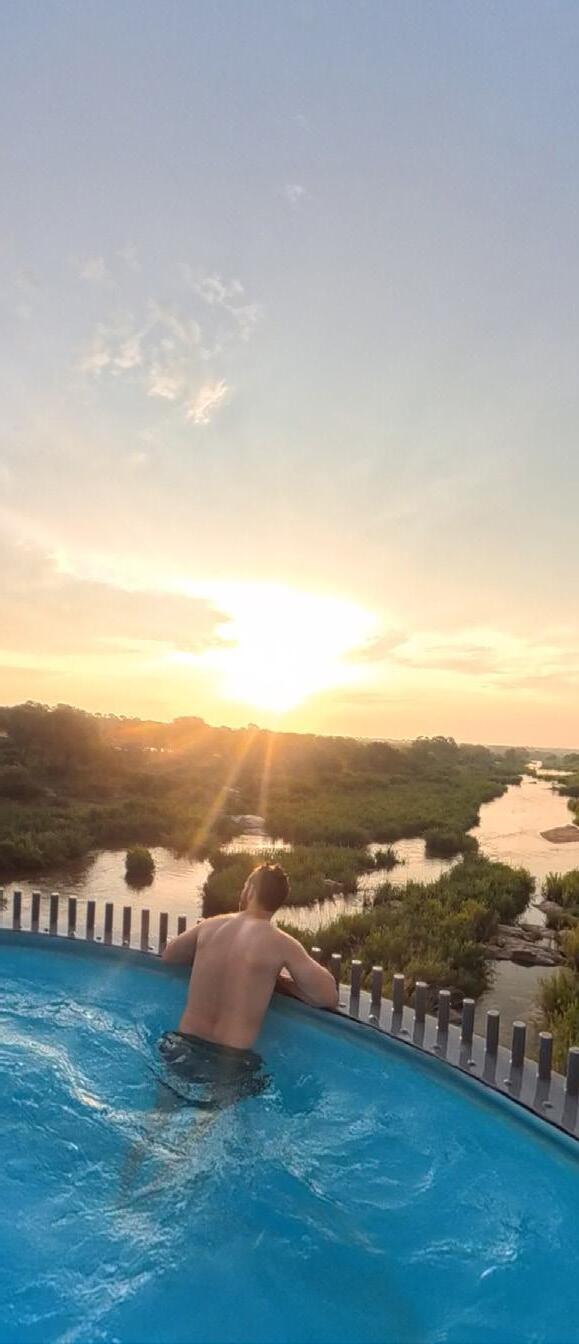
The South African green season (summer months) is often overlooked by safari travellers chasing the dry winter, yet it reveals Kruger at its most vibrant. The bush erupts into lush green foliage, newborn wildlife appears across the landscape, and playful calves and curious lion cubs add energy to every game drive.
Afternoon thunderstorms frequently roll across the horizon, bringing dramatic skies and shifting light to the landscape. When the heat rises, retreat to your air-conditioned suite with endless river views, or cool off in the iconic overhanging pool with a cocktail in hand as the bush pulses with life below.
An added advantage is that green season rates are significantly more accessible than peak winter months, making this remarkable property attainable for more travellers.
A few insider touches can transform a stay from memorable to unforgettable. If you are staying in a Carriage Suite, leave the curtains open at night. The early morning sunrise spilling across the Sabie River is a spectacular way to wake.
After dark, slide open your suite door but keep the flyscreen closed. The nocturnal sounds of the bush will drift in, from distant lion roars
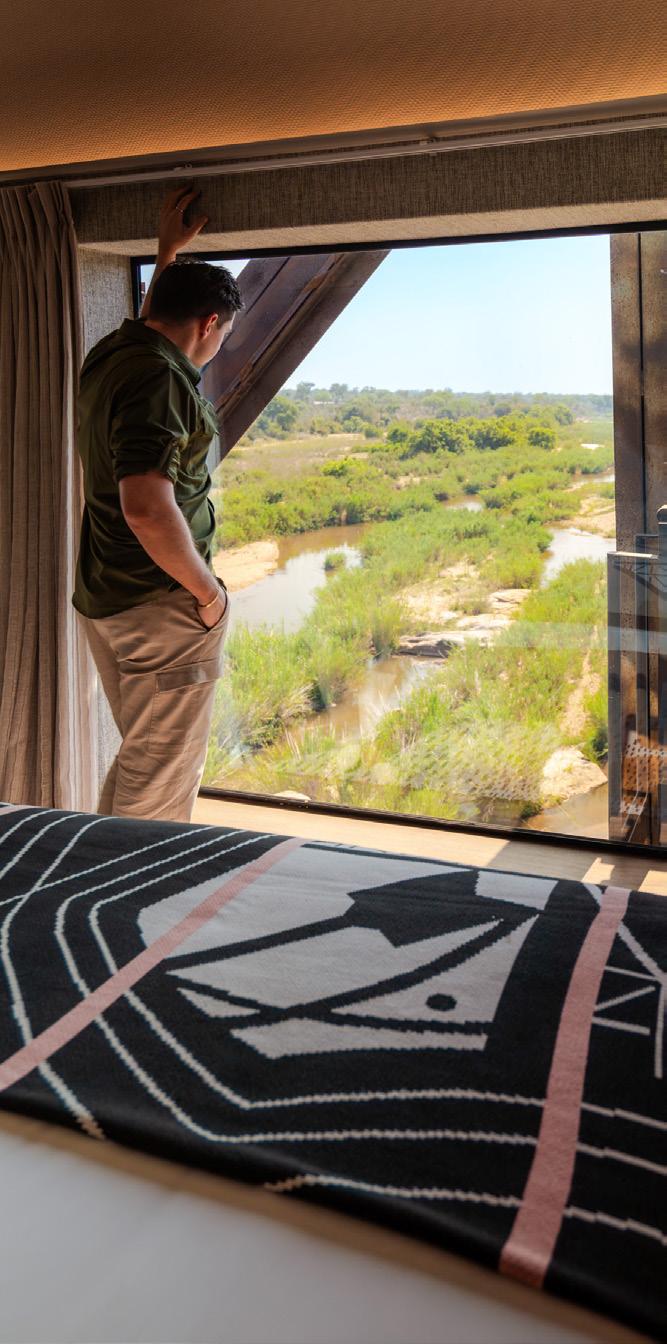
to the echoing whoop of hyenas somewhere below the bridge.
For a special occasion, consider a private game drive paired with a private picnic or sunset drinks stop. Return to a romantic turndown arranged by the team for an unforgettable evening.
Wine lovers should also consult the property’s resident wine steward, who can expertly guide guests through thoughtful pairings that elevate each meal.
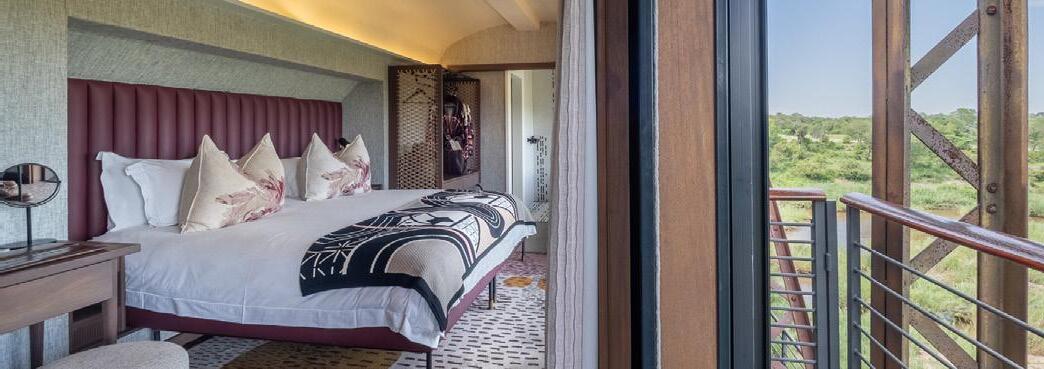
While Kruger Shalati celebrates heritage luxury, Kruger Untamed offers something entirely different: the park’s first seasonal expedition-style vanishing camp concession.
Operating from 1 May to 30 September across two private concession areas, the camps are designed to tread lightly on the land. At the end of each season, they are dismantled completely, leaving nothing behind but untouched wilderness.
This is not a polished safari experience. It is an immersive encounter with the living rhythm of Kruger. Guests explore vast landscapes alongside expert field guides and master trackers who share generational knowledge of the bush.
Days unfold through interpretive game drives, walking safaris, and evenings beneath vast
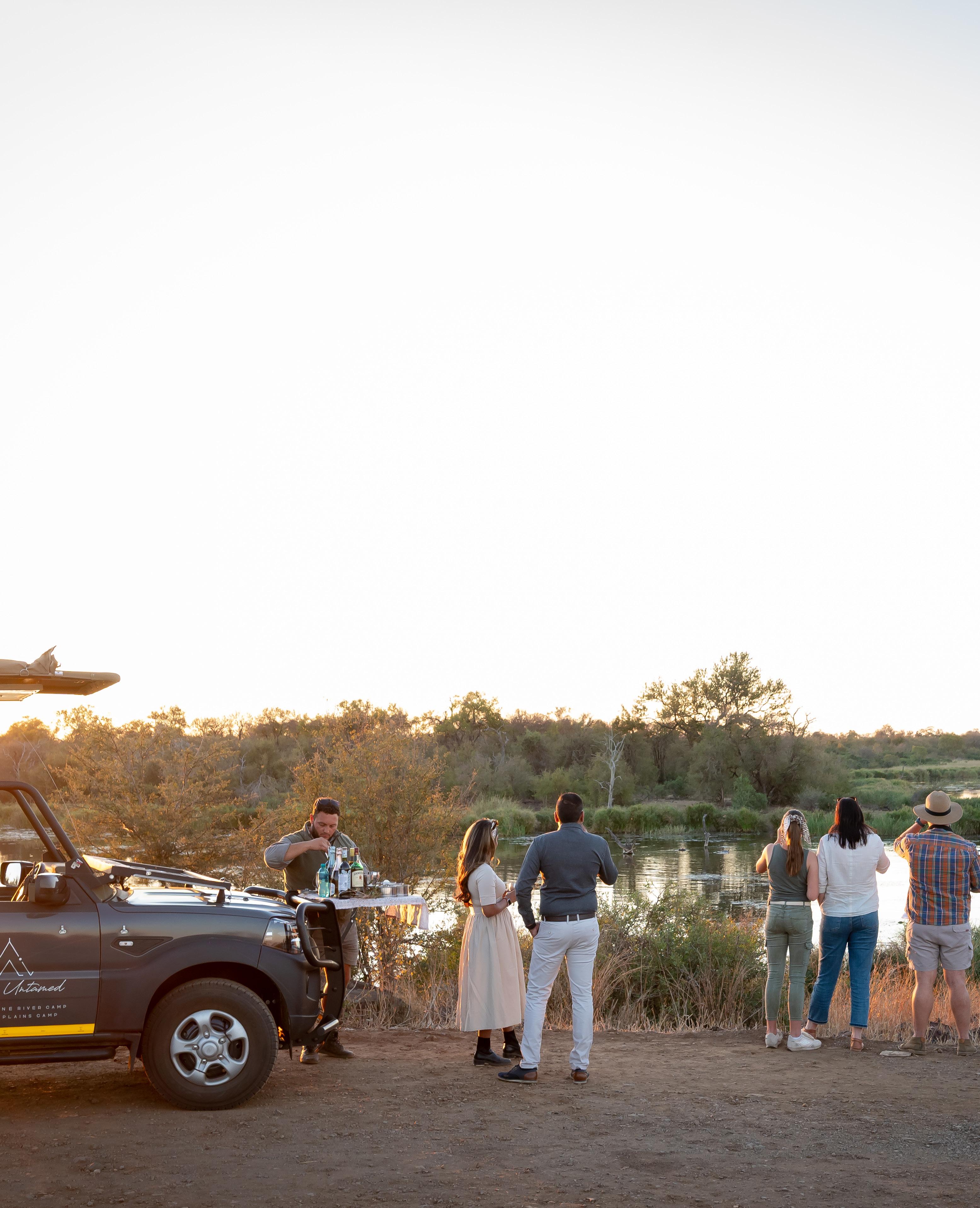
African skies, where storytelling and quiet reflection become part of the experience. Two camps anchor the adventure, each with its own character.
Satara Plains Camp carries a social, easy-going energy ideal for shared adventures and group celebrations deep in the savanna. Tshokwane River Camp, by contrast, offers a quieter, more contemplative atmosphere for travellers seeking a deeper connection with nature.
Both camps honour the Shangaan heritage of the surrounding communities, weaving local stories, knowledge, and culture into every stay.
At Tshokwane River Camp, spend time on the riverbed beneath the camp. Digging your bare feet into the coarse river sand is grounding and
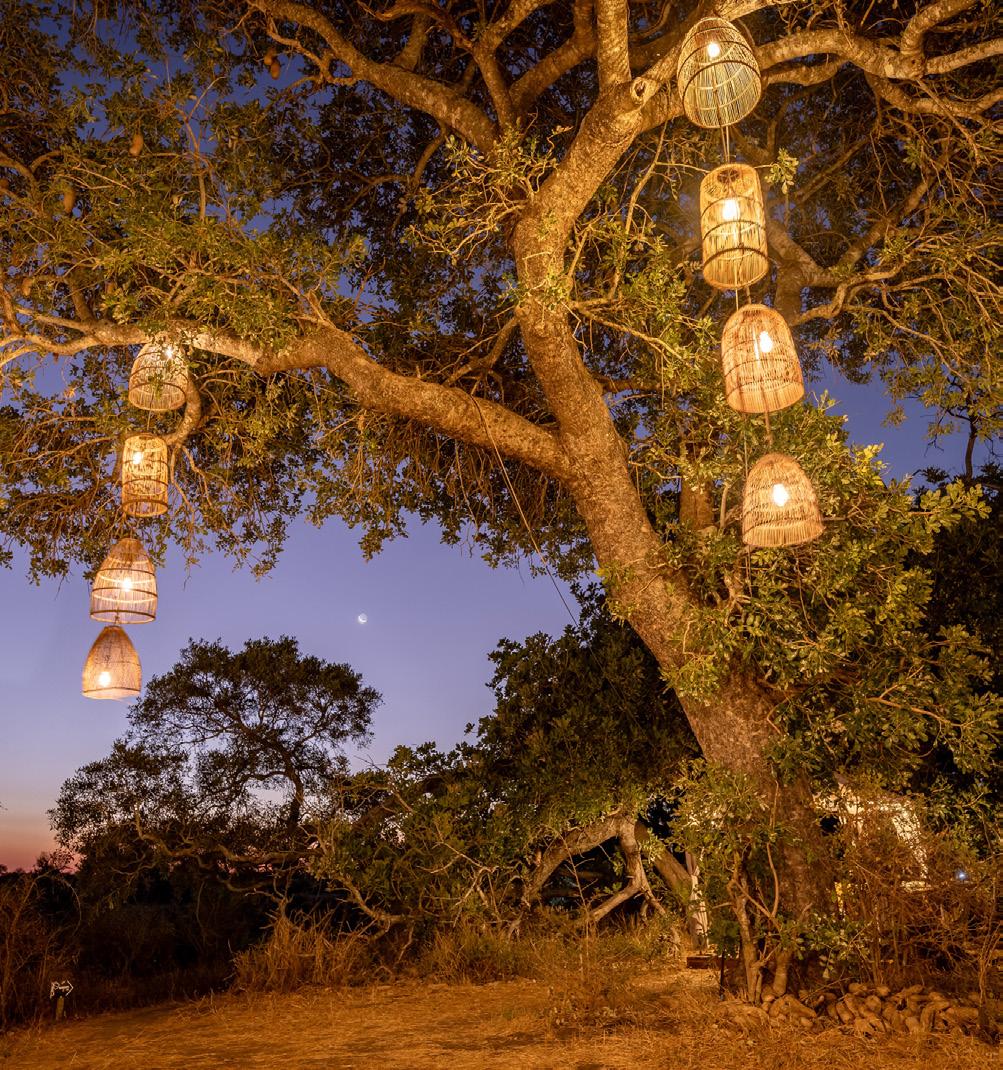
unforgettable. Within months, seasonal rains will cover this space completely, making the moment fleeting.
With a drink in hand, watch the light soften across the landscape or skip an afternoon drive to enjoy sunset from the pool as the bush cools around you.
For those wanting to go deeper, book a tracking experience. More layered than a standard walking safari, it teaches guests how to read the bush and understand animal behaviour long before encountering wildlife.
At Satara Plains Camp, take a walk around the camp perimeter. Standing within the long dry grasses of the open savanna is both surreal and humbling.
The stargazing here is extraordinary. With almost no trees and zero light pollution, the Milky Way burns brightly across the night sky.
During quiet afternoons, unwind in the hot tub or relax beneath the giant Natal mahogany tree, a cool refuge from the sun. Keep your camera ready, elephants often wander past camp in the late afternoon, creating unforgettable close encounters.
Whether drawn to the refined heritage luxury of Kruger Shalati or the raw wilderness immersion of Kruger Untamed, both experiences reveal different sides of Kruger National Park.
One celebrates history above the river. The other dissolves into the wild.
Both leave travellers profoundly connected to Africa’s most iconic landscape.
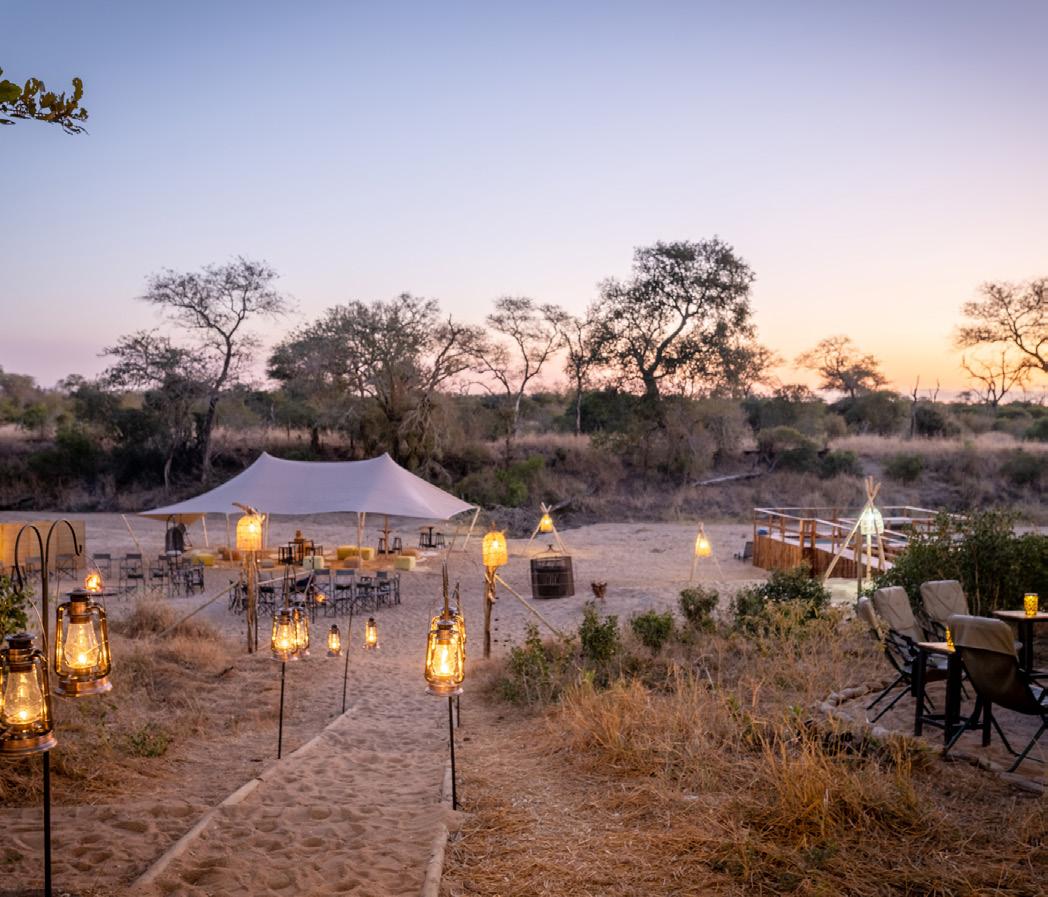
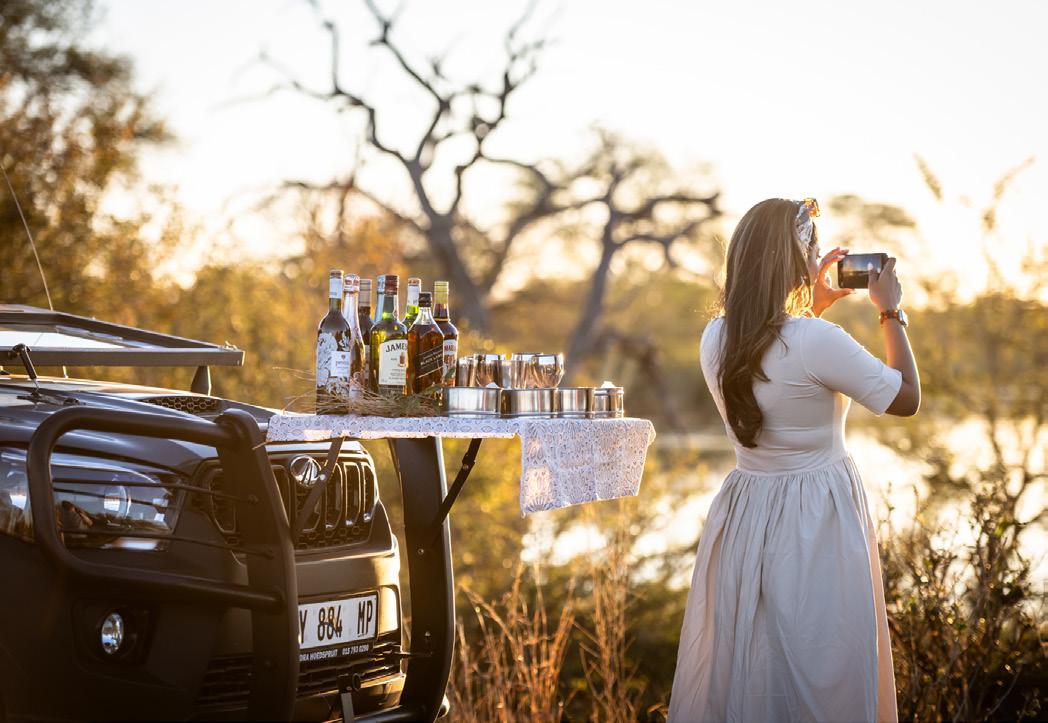
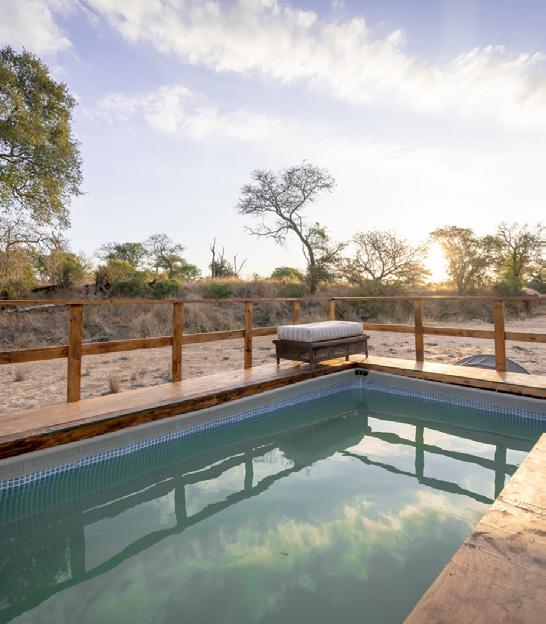
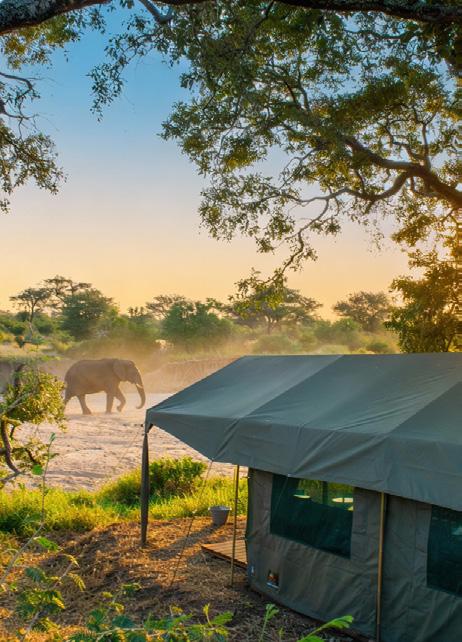
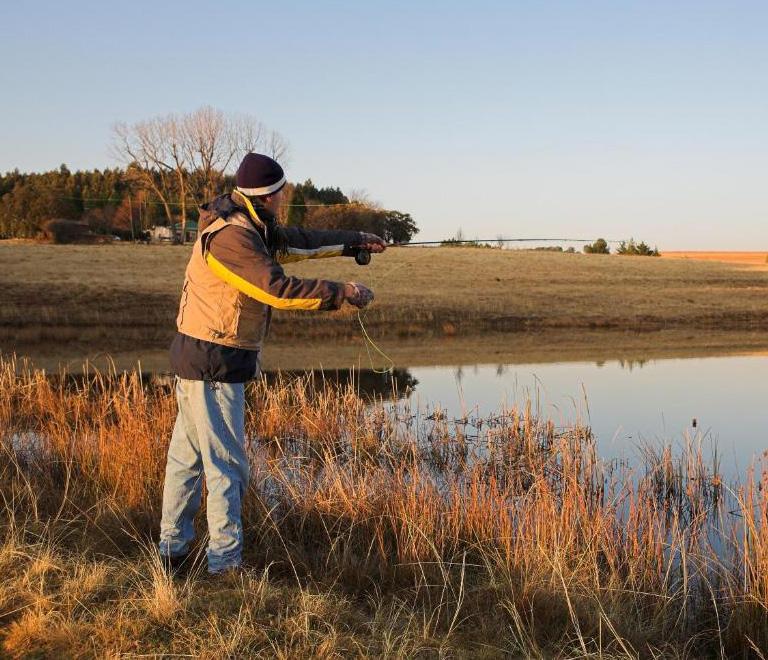
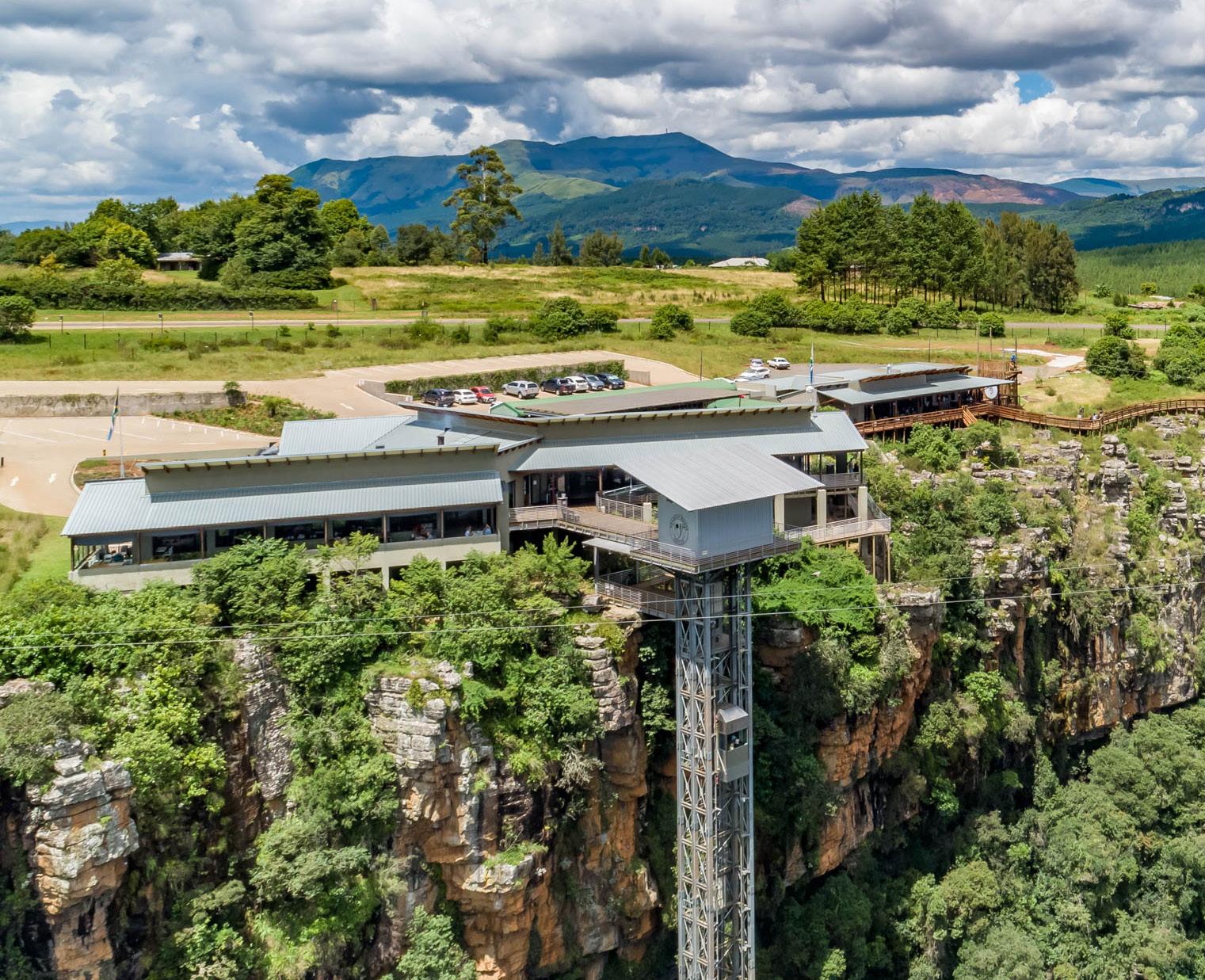

Established to forge a path for the sustainable development of the province’s tourism industry, the Mpumalanga Tourism and Parks Agency is deeply committed to the conservation management of the region’s natural resources and ensuring the sector continues to be a catalyst for economic growth.
LEMMY MDLULI, ACTING CEO, highlights some of Mpumalanga’s top spots and the agency’s efforts in the growth of this geographically diverse destination.
Outlook Travel (OT): Firstly, can you talk us through the origins of the Mpumalanga Tourism and Parks Agency and its founding vision?
Lemmy Mdluli, Acting CEO (LM): The Mpumalanga Tourism and Parks Agency (MTPA) was established on the 1st April 2006 under the Mpumalanga Tourism and Parks Agency Act, 2005 (Act No. 5 of 2005).
The agency was created as a result of a merger between two separate entities – the Mpumalanga Parks Board and Mpumalanga Tourism Authority – with a vision to make the province a world-class tourism and wildlife economy destination.
The entity also aims to be a leading conservation agency and tourism authority by ensuring sustainable development.
OT: Known as ‘The Place of the Rising Sun’, how does Mpumalanga stand out from other South African provinces?
LM: ‘Kuphuma kwelanga’ means ‘rising sun’ in Nguni. Mpumalanga is one of the preferred tourism destinations in the country due to its unique offerings such as scenic beauty, wildlife, adventure, culture,
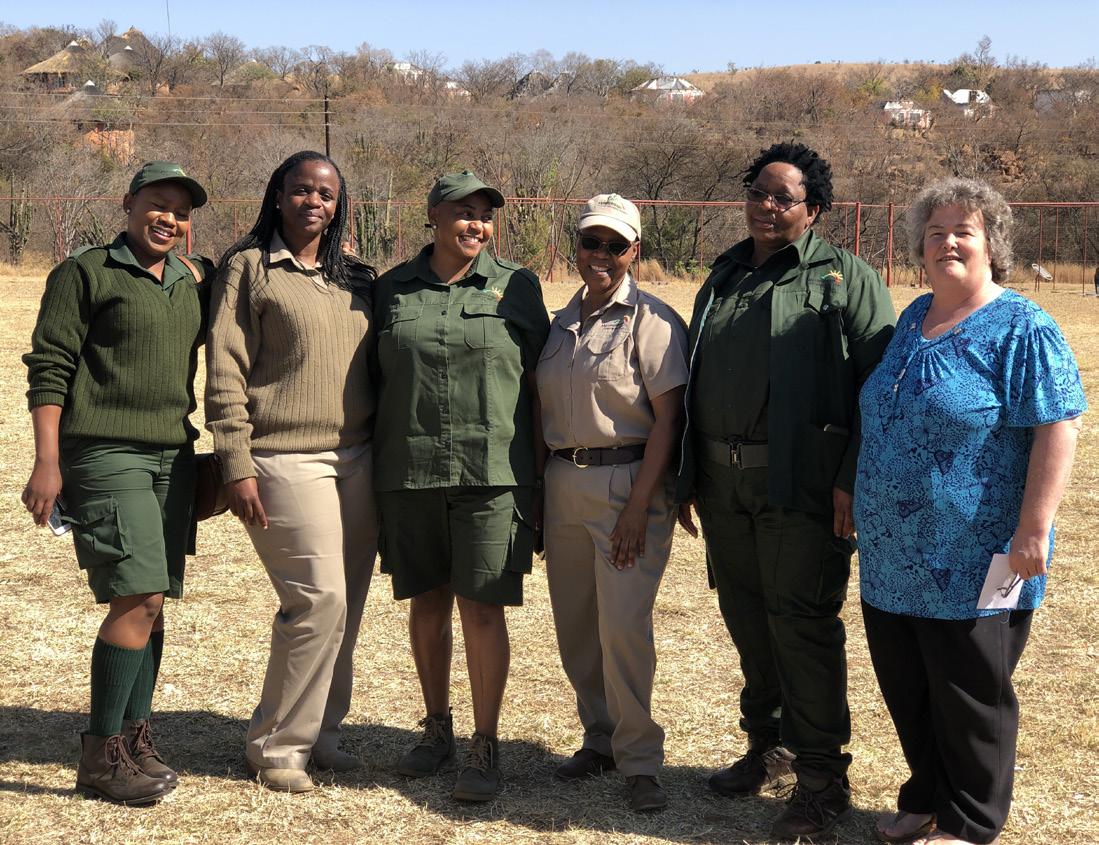
and heritage experiences.
The province is also strategically located, allowing tourists to visit our neighbouring countries like Eswatini and Mozambique.
OT: How do you market Mpumalanga as a geographically diverse destination?
LM: Mpumalanga is a province in SA endowed with natural attractions and experiences bound to astound any traveller.
It offers an array of activities ranging from abseiling, white-water
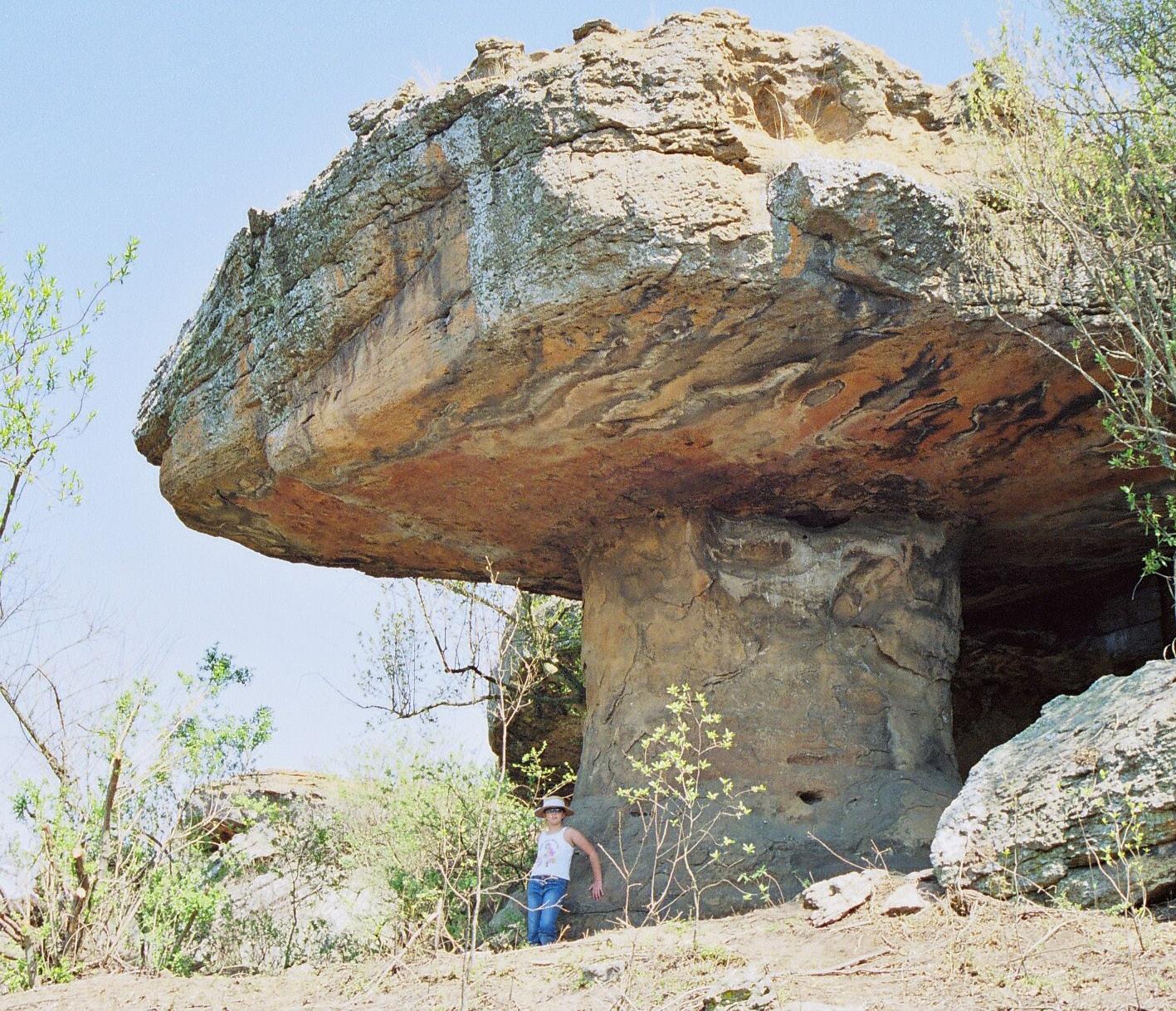
river rafting, fly-fishing, paragliding, mountain biking, bungee jumping, hiking, and 4X4 trails, to name a few.
Mpumalanga is undoubtedly the ultimate destination in terms of wildlife experience. Kruger National Park, Sabi Sands Game Reserve, and other reserves dotted throughout the province offer an exhilarating and unequalled experience that brings visitors close to nature. Kruger National Park, in particular, boasts a conservation area spanning two million hectares, rich with flora and fauna.
The Panorama Route along
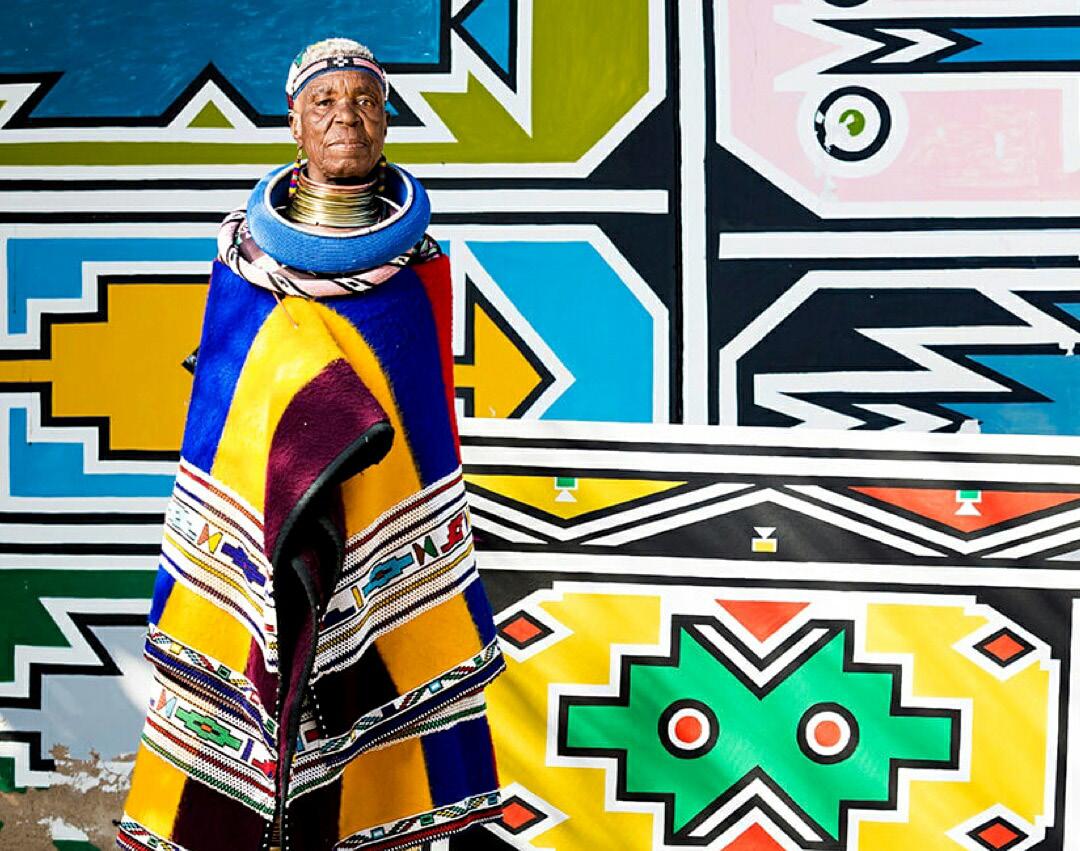
the Lowveld escarpment offers spectacular landscapes with attractions like the Blyde River Canyon, majestic waterfalls, and high-altitude scenic drives leading to places including God’s Window, Bourke’s Luck Potholes, and the Three Rondavels.
The province also boasts a rich heritage, which is largely unexplored. The myriad historical sites include the Samora Machel Monument near Mbuzini and the Barberton Makhonjwa Mountains – a UNESCO World Heritage Site with rock formations dating back more than 3.5 billion years.
Other sites not to be missed are the mining village of Pilgrim’s Rest, the Highveld Heritage Route abound with adventurous tales into history, and the stone circles of Mpumalanga, to name just a few.
Bird watchers can catch a glimpse of more than 500 different endemic birds in the Kruger National Park or the Chrissiesmeer area in the southern part of the province.
The Midveld region offers trout fishing opportunities in pristine rivers and dams, with Dullstroom referred to as SA’s trout-fishing Mecca.
The Southern Ndebele culture in the Highveld region, meanwhile, boasts artistic icons like Dr Esther Mahlangu who have managed to preserve, package, and export the colourful culture to international countries.
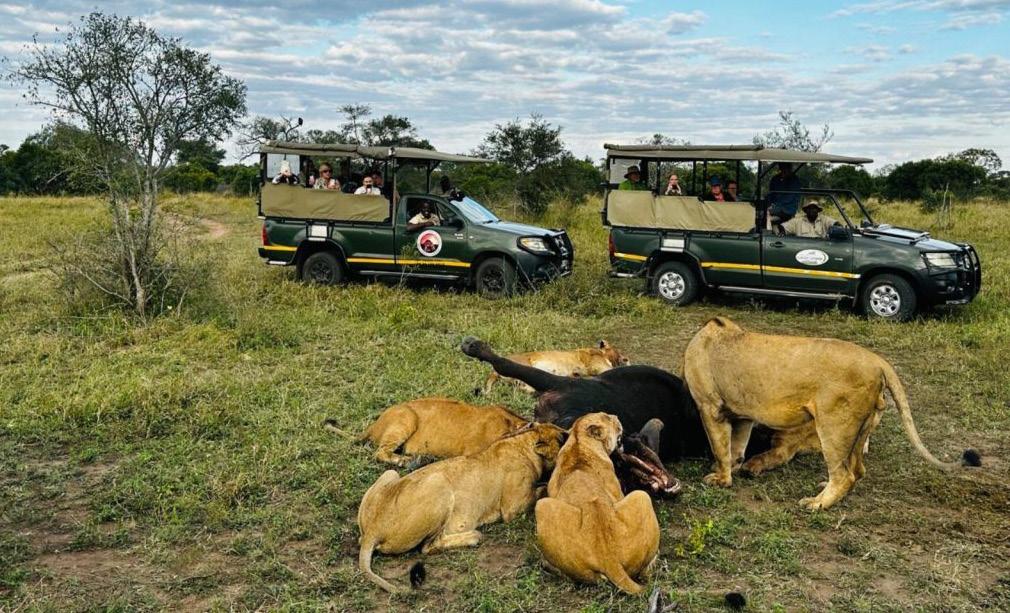
Mpumalanga is also an ideal golf destination with many world-class golf estates and courses providing sheer enjoyment of the game in complete serenity.
OT: Can you tell us more about the organisation’s focus on infrastructure development across the province and how this will diversify Mpumalanga’s tourism offering?
LM: The entity is embarking on an infrastructure development drive to enhance the visitor experience and ensure tourists have a memorable time when visiting the vast tourism attractions in the province.
One of the major initiatives is the construction of the multi-million-rand Skywalk project which, once complete, will allow visitors to experience one of SA’s most iconic vistas in an entirely new way.
Located at the zenith of Mpumalanga’s Panorama Route, God’s Window offers visitors a vast view of the Lowveld and more than 900 metres (m) down into a lush indigenous
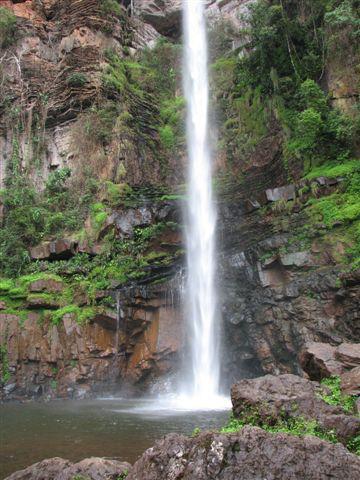
forest-clad ravine. On a clear day, you can see as far as the Indian Ocean and Maputo, Mozambique.
The Skywalk will be a cantilevered glass walkway suspended off the edge of the cliff to give visitors a 360-degree panoramic view. The walkway will protrude about 12 m from the cliff and will be about five m wide.
The Skywalk is designed to be a global iconic attraction with a number
of activities on-site, including a sky bridge, sky swing, zero-gravity room, and a conference and meeting facility. The plan is for a significant part of the activities to be run by local young people from the area.
OT: How does MTPA maintain a balance between cultural preservation and modern-day tourism offerings?
LM: The entity continues to balance cultural preservation with modern travel needs through sustainable community-based tourism, achieved by integrating local heritage into economic activities and ensuring there are strict conservation, environmental, and cultural management regulations. This promotes authentic, communityled initiatives such as cultural villages and storytelling.
OT: Home to an abundance of nature reserves and national parks, how best can travellers have an immersive wildlife experience in Mpumalanga?
LM: Tourists can enjoy an immersive
wildlife experience through guided bush walks in the Manyeleti Game Reserve, which are conducted on foot with experienced field rangers, allowing visitors to connect with nature in a unique way by observing wildlife outside of a safari vehicle.
Travellers can also prioritise staying at other private game reserves dotted along the province for exclusive, off-road, and guided game drives. By combining this with walking safaris and exploring some of the scenic routes, travellers will have a memorable game-viewing experience and see breathtaking, diverse landscapes.
The Barberton Makhonjwa Geotrail, whilst primarily focused on geology, winds through the reserve’s most scenic elevations. It provides vantage points to encounter high-altitude flora and fauna like the Mountain Reedbuck antelope and the rare Protea curvata and Gerbera jamesonii plant species, which are found nowhere else on Earth.
Birding safaris are unmatched in Barberton Nature Reserve, as the land transitions from Lowveld bush to high-altitude grassland, meaning you can spot a vast range of species. It is best to hire a local guide who can grant access to restricted birding hotspots not usually open to the public.
For adventure-based viewing and those who want to get off the beaten path, local operators – such as Barberton Adventures – offer guided quad-biking and 4x4 tours. These allow travellers to reach remote corners of the reserve, such as the Kwena Dam or the historical ruins of Eureka City, where wildlife often congregates away from human traffic.
OT: Can you tell us more about your biodiversity initiatives and how the agency is prioritising sustainable development and conservation?
LM: The entity is working closely
with private sector partners, such as the Greater Kruger Environmental Protection Foundation (GKEPF), to ensure protected areas under MTPA’s management are secured.
The GKEPF provides technical support to MTPA, particularly in antipoaching initiatives. The foundation assists the entity by removing snares in nature reserves, especially in Manyeleti Game Reserve, conducting aerial surveillance using drones, and repairing damaged perimeter fences. In addition, GKEPF has made funding available for the erection of fences in certain areas managed by MTPA to ensure they are protected and properly secured.
Conservation efforts have shifted from solely managing animals to protecting the Archaean rock exposures – some of the oldest and best-preserved volcanic rocks on Earth found at the Barberton Makhonjwa Mountains.
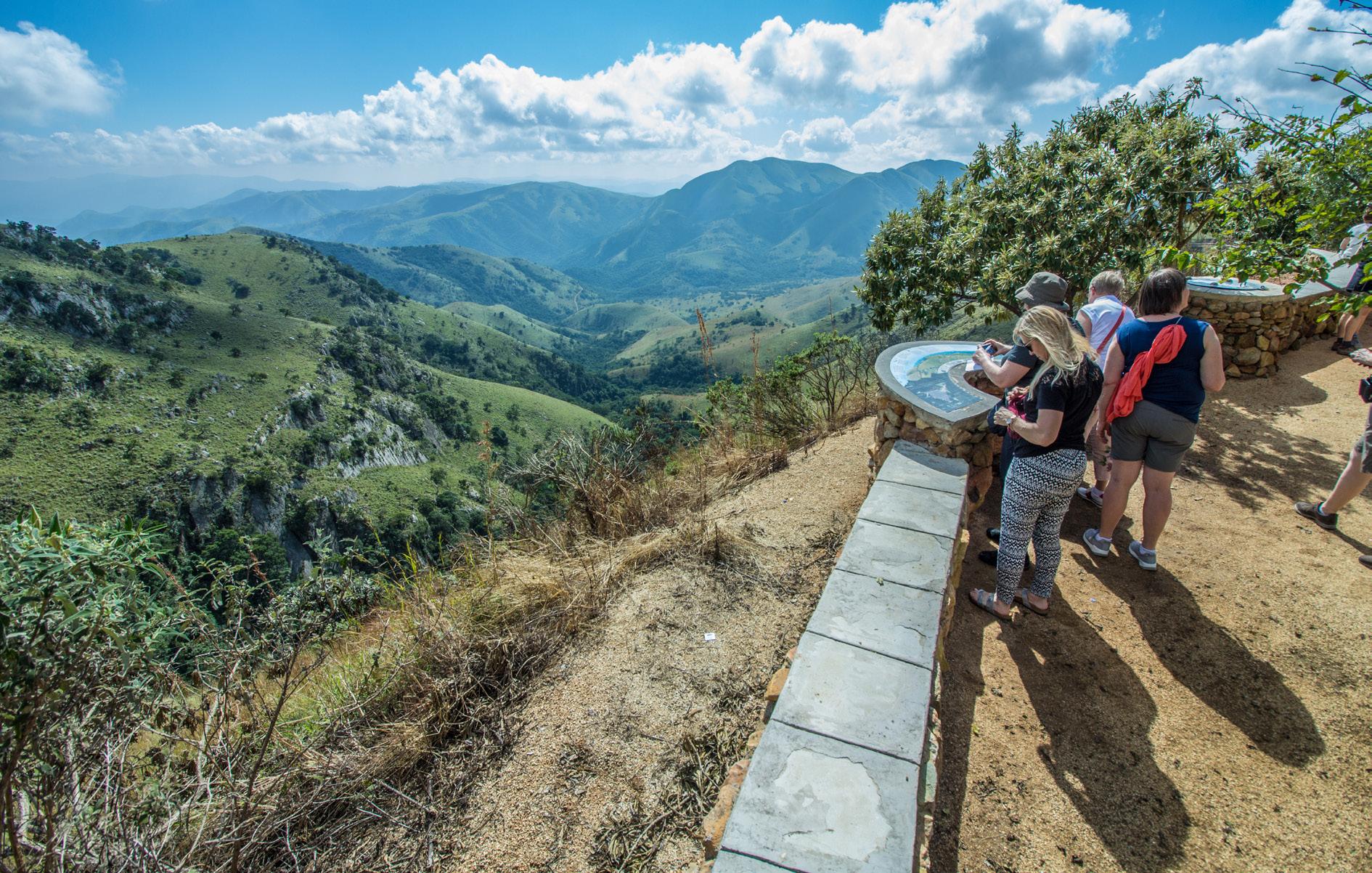
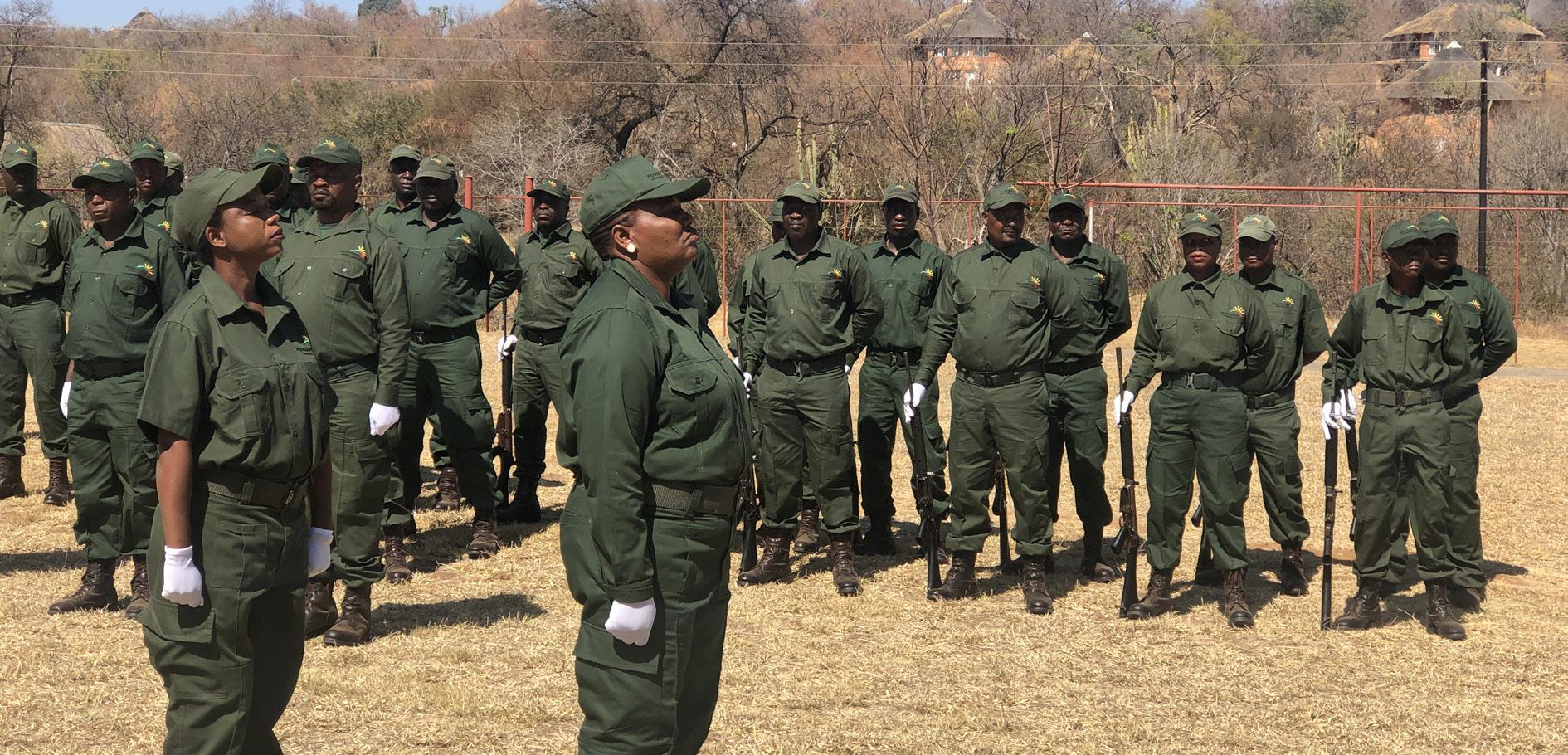
Through a partnership with the Care for Wild Rhino Sanctuary, MTPA additionally supports the protection and rehabilitation of orphaned rhinos.
MTPA is also implementing the National Government Wildlife Economy Programme, donating excess game to historically disadvantaged communities. This programme aims to redress the historic exclusion of previously disadvantaged individuals from the game farming sector by creating opportunities for the increased participation of local communities and emerging game farmers in the wildlife industry.
It will also provide mechanisms for the transparent and equitable supply of founder herds and raise awareness for conservation, protected area management, and sustainable utilisation principles in the wildlife industry.
OT: What would you recommend to travellers who wish to go off the beaten path and see the hidden wonders of Mpumalanga?
LM: The province has natural attractions that offer travellers an array of activities ranging from scenic beauty, adventure, wildlife, culture,
and heritage. Some of the interesting hidden wonders include hiking at the Blyde River Canyon – the deepest green canyon in the world; visiting some of the authentic cultural villages around the province; birdwatching at Wakkerstroom and Chrissiesmeer; rock climbing at Emgwenya, formerly known as Waterval Boven; visiting some of the archaeological sites; and exploring the Sudwala Caves, containing the oldest dolomite caves in the world.
OT: What challenges does the tourism industry in Mpumalanga face and how is MTPA working to overcome them? Are you optimistic for the future?
LM: MTPA recently experienced flooding in some of the nature reserves under its management. As a result, several tourism attraction sites sustained damage to buildings and road infrastructure. During this period, they were temporarily closed to prioritise the safety of tourists.
These sites have since reopened and travellers are once again visiting Mpumalanga to enjoy its scenic beauty and wildlife experiences.
As the tourism sector evolves, the current plans are to work together
with various stakeholders to get funding to assist travel organisations that have been severely affected by the floods in order for them to rebuild their business.
OT: What makes 2026 the year for tourists to put Mpumalanga on their travel bucket list?
LM: 2026 is the premier year to visit Mpumalanga due to the celebration of 100 years of conservation in the iconic Kruger National Park.
The province offers unparalleled Big Five safaris and breathtaking natural wonders like the Blyde River Canyon.
Mpumalanga also has a year-round pleasant climate, making it a bucketlist destination for wildlife enthusiasts, adventurers, photographers, and filmmakers.

Tel: +27 13 065 0859 info@mtpa.co.za www.mpumalanga.com
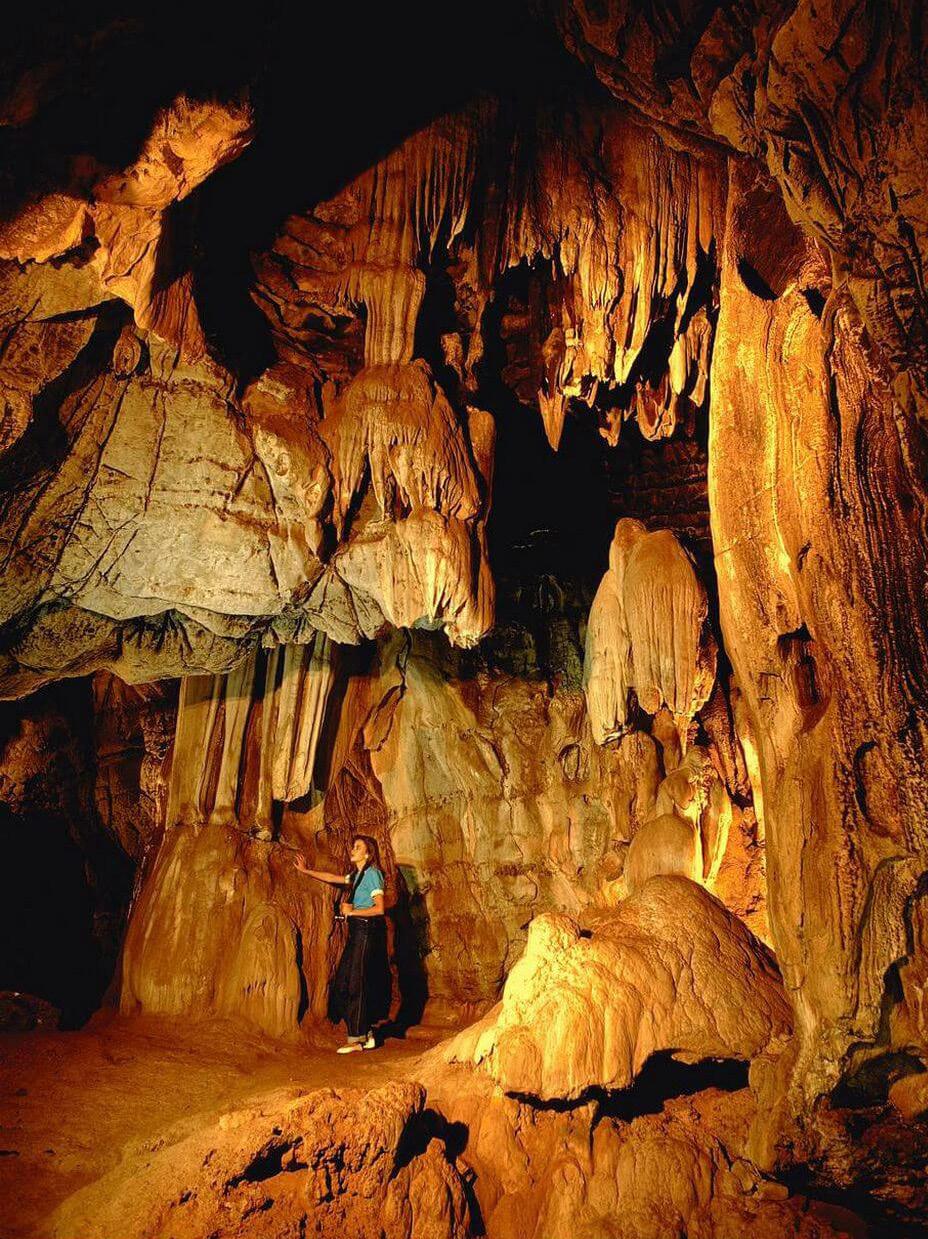
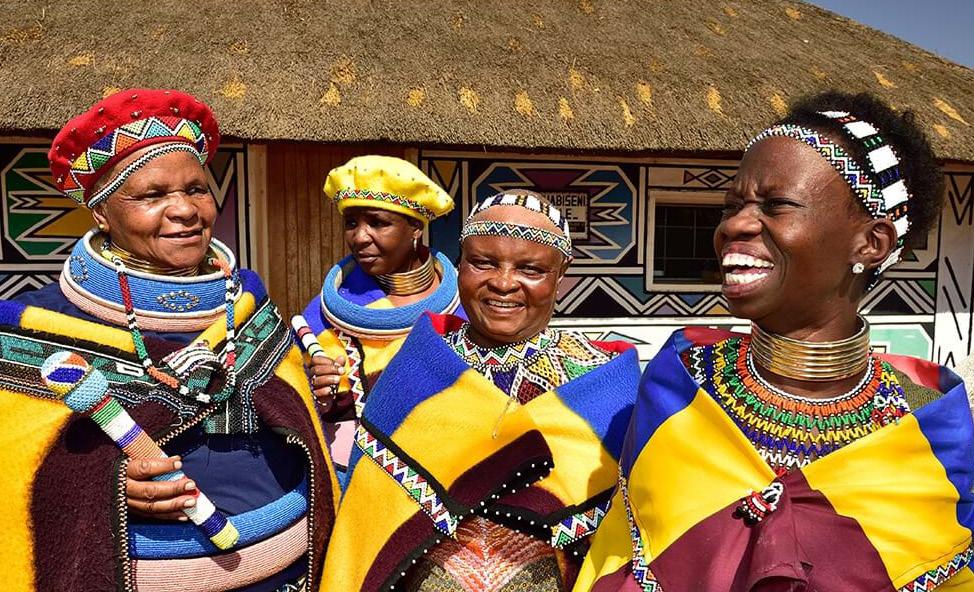
The warmth and fascinating heritage of Mpumalanga can be felt most prominently throughout the Cultural Heartland – a vivid arts and cultural region brought to life by the traditions and creativity of the Southern Ndebele people.
TAKING CULTURAL IMMERSION to a new level, travellers can witness with their own eyes an area singing with vibrant geometric artworks that are world-renowned for the deep insights they provide on the region’s fascinating past.
Be absorbed by Mpumalanga’s exquisite crafts and rural life when taking a tour around one of the heartland’s unique villages, including Kghodwana, Kwaggafontein, Matibidi, Waterval, and Twoline, where community tourism continues to gain traction as more travellers discover this hidden gem.
Serving as the gateway to Mpumalanga for those travelling from Gauteng, Siyabuswa sits at the region’s core, featuring colourfully painted houses and dwellings that act
as a central hub for the Ndebele people.
Another must-see site is the Mthambothini Royal Residence, which often hosts Indigenous traditional leadership and is closely tied with the artist Dr Esther Mahlangu – world-renowned for striking contemporary art pieces inspired by her Ndebele heritage. The residence is also home to King Mabhoko III – a key regional leader.
Elsewhere, drop by the village of Botshabelo to see where the Bible was translated from English to Ndebele for the first time.
Key to the growing awareness of Mpumalanga’s Indigenous group, the Cultural Heartland is not only eyecatching but a thoughtful demonstration of a way of life that dates back nearly half a century.
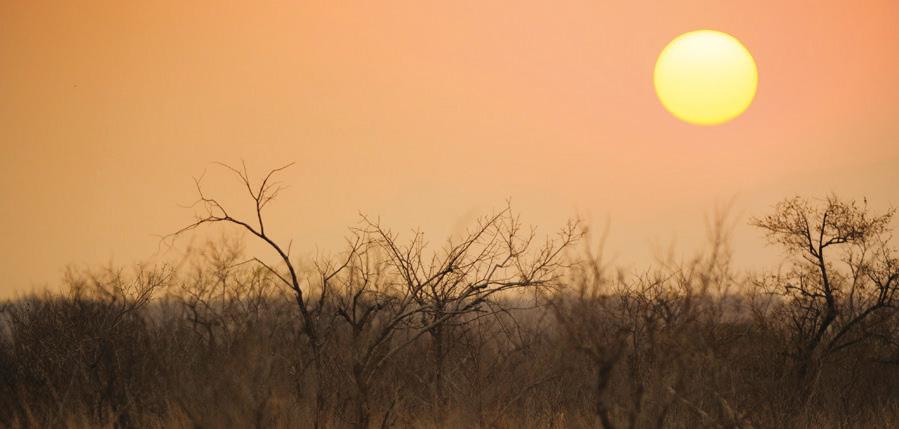
Set within the Manyeleti Nature Reserve near Hoedspruit, Tintswalo Safari is anchored in Mpumalanga’s wilderness, shaped by time and terrain. Adventure moves at the pace of the land, while refined luxury unfolds with intention. Private suites with plunge pools and uninterrupted wilderness views offer sanctuary by day, while nocturnal predators emerge under the stars on captivating night drives.
Guests connect deeply with the bush, witnessing conservation in action and the delicate balance of nature. Every stay is guided by wisdom, patience, and care, where thrilling encounters, tranquil moments, and world-class service converge. Tintswalo Safari: where adventure, conservation, and legacy endure together.
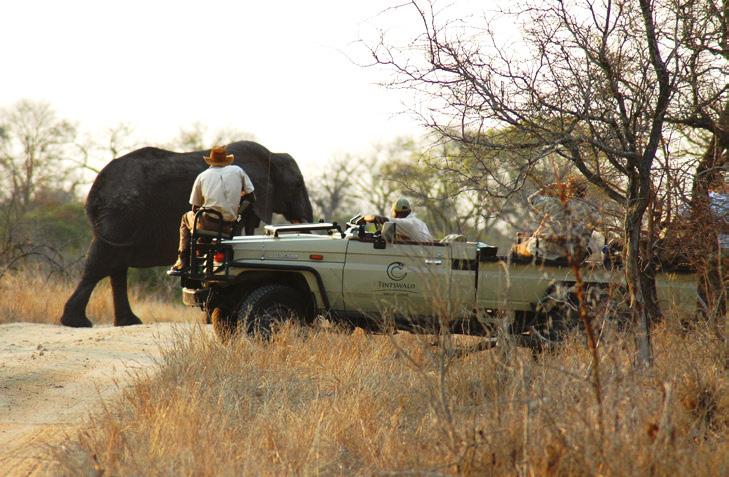
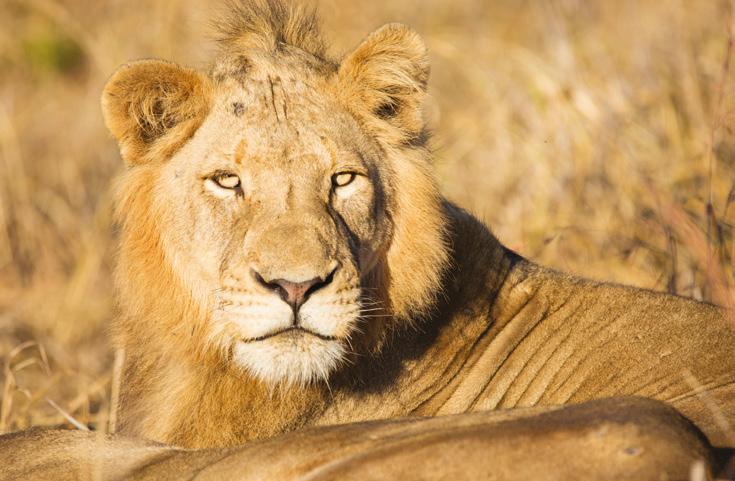
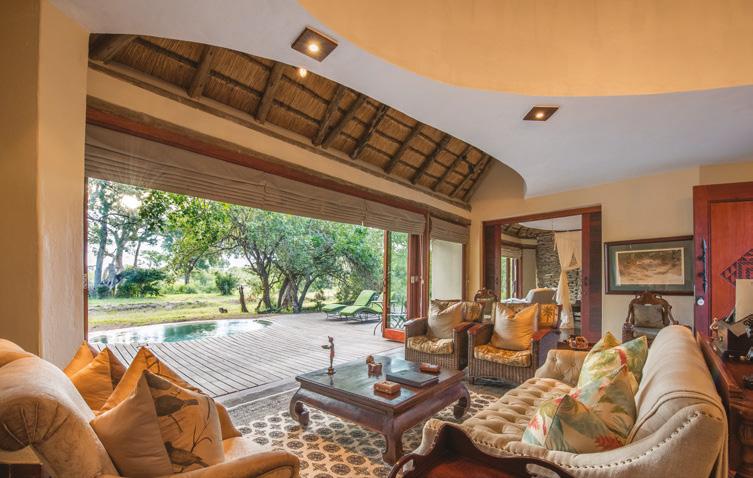
Tintswalo Safari, Manyeleti Game Reserve, Greater Kruger Region Tel: +27 21 773 0900 | reservations@tintswalo.com
www.tintswalo.com
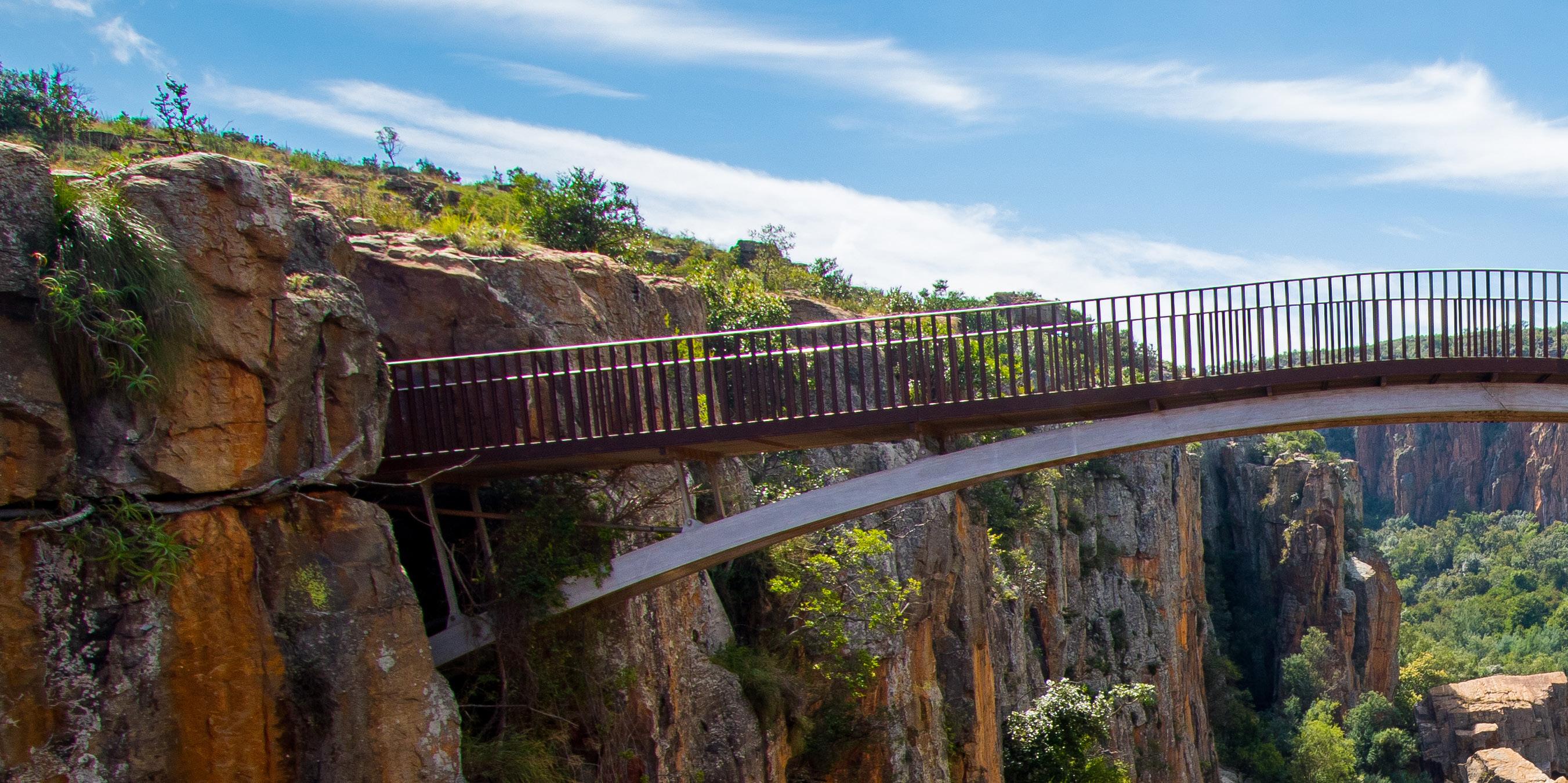
FOR A CANDLELIT DINNER OVERLOOKING
A SUBLIME PANORAMA…
Combining hearty South African flavours, an inviting, cosy setting, and stunning scenery, Divine Foods at The View goes above and beyond for both its loyal customer base and first-time guests. The restaurant’s menu comprises a wealth of homemade, delicious dishes, ranging from mouthwatering burgers and punchy lamb curry to local de-boned trout, complemented by many more plates to whet your appetite.
Open seven days a week, it is recommended you book ahead if you want to grab a seat at this renowned restaurant with a view from the heavens.
FOR SOME OF THE BEST GRILLS IN MPUMALANGA…
Hazyview’s best-kept secret, Tanks Bush Pub, is nestled away in a macadamia orchard and flanked by mango trees, offering some unforgettable grilled dishes adored by locals. This family-run restaurant thrives off a relaxed vibe and delicious food, all at an affordable price.
Have your tastebuds tantalised by some iconic dishes, such as the Siege Tower – two crispy chicken schnitzels sandwiched by rashes of bacon and dripping melted cheese –or the Military Wings – the highly recommended feast of 12 sumptuous chicken wings tossed in the pub’s famous sticky, smoky garlic sauce, served on a bed of crunchy hot fries.
Looking for rustic, moreish food that will be sure to leave you highly satisfied? Tanks Bush Pub is the off-the-beaten-path eatery for you!
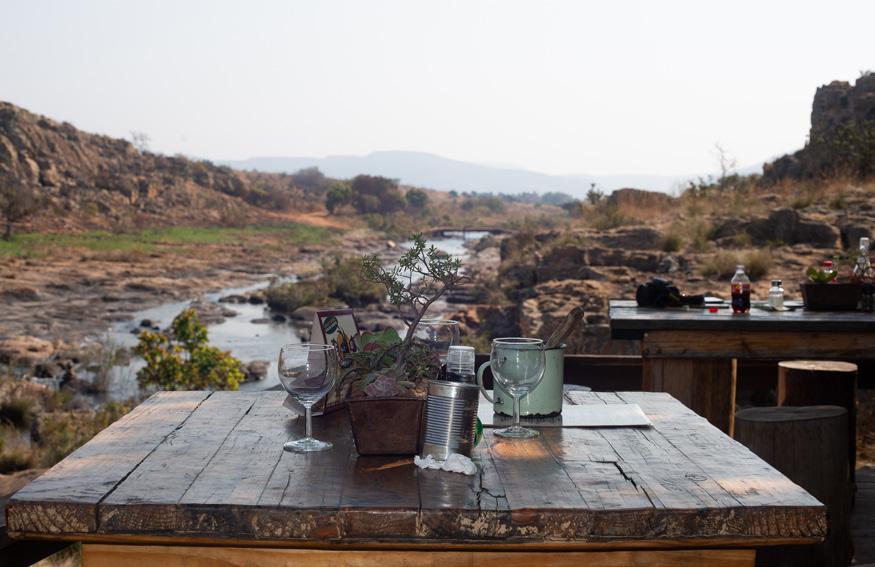
FOR A PLACE WHERE THE WONDERS OF THE WILDERNESS CONVERGE…
A sanctuary for the soul, Ivory Wilderness is an unparalleled haven for those seeking solace and adventure in equal measure.
Based in a timeless pioneer’s lodge at the heart of the Klaserie Private Nature Reserve, the tour operator offers personalised wilderness experiences focused on bringing people closer to nature and enlightening the spirit.
FOR EXPERIENCING THE MAGIC OF LIGHTER-THAN-AIR FLIGHT…
Amongst its many African safari tour options, Siyabona Africa provides once-in-a-lifetime hot air balloon trips across the Lowveld region, offering guests the opportunity to float above the clouds of the Kruger National Park.
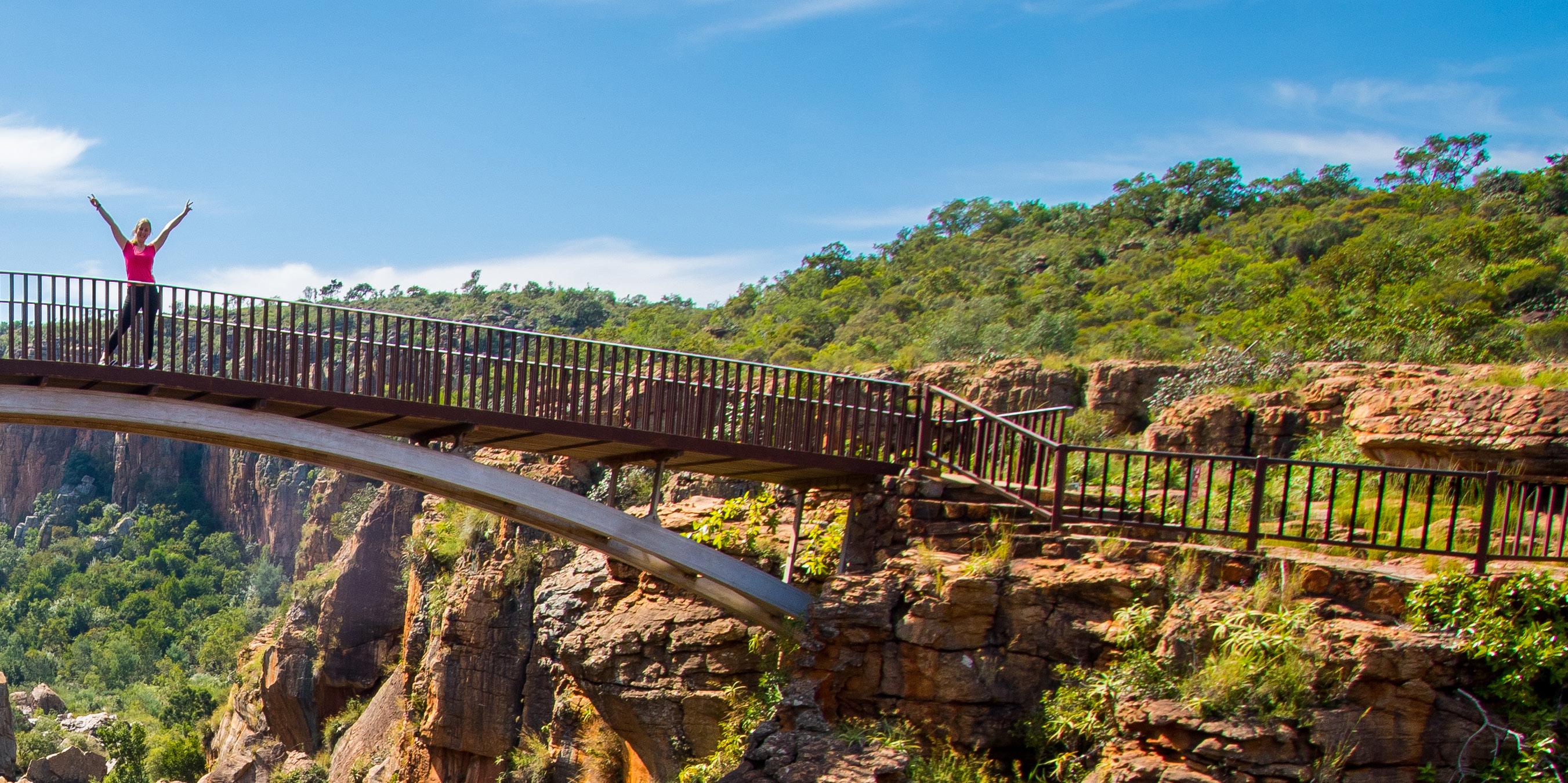
The company’s scenic one-hour trips are the perfect romantic pastime as you and a loved one can take in the unforgettable beauty of ‘The Place of the Rising Sun’. You can also catch a unique birds-eyeview of some of the world’s most revered creatures that command the vast game reserves. Before take-off, bucket-list adventurers will meet near Hoedspruit and be greeted with a hot cup of coffee whilst the magnificent balloon inflates. After a quick safety briefing, hop in the basket to witness the glorious sunrise as you drift over farmland and grasslands.
With a tranquil, high-end assortment of family-owned properties and boutique hotels across Mpumalanga and further throughout Southern Africa, Tintswalo Collection ensures each guest has an exceptional and unforgettable stay. Delight in the establishment’s second-to-none service and lavish amenities as you gaze upon a serene view of nature.
Comprising a thoughtful collection of four luxurious thatched chalets, Serenity Mountain and Forest Lodge is nestled deep within the riverine forest, where the calming sounds of a cascading mountain stream can be heard as you drift off to sleep.
Located just 19 kilometres from Kruger National Park, the lodges are the perfect place to escape from the hustle and bustle of tourists as they are embedded
deep within lush canopies.
The resort’s secluded honeymoon suites offer the perfect romantic getaway with an adventurous twist, as each is complete with a private deck where you can reach the trees with your fingertips.
Over by the lake sit two additional luxury suites boasting a fantastic viewpoint of the vast lake and the evergreen Matumi trees, complemented by an abundance of convenient facilities.
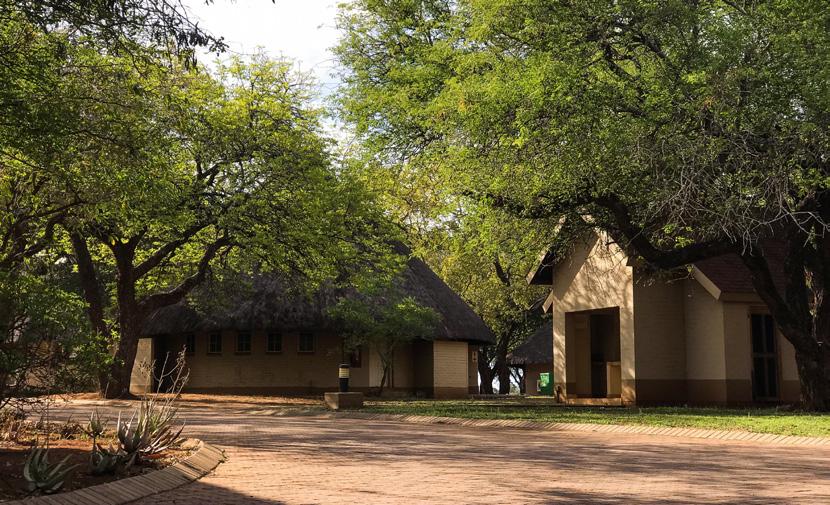
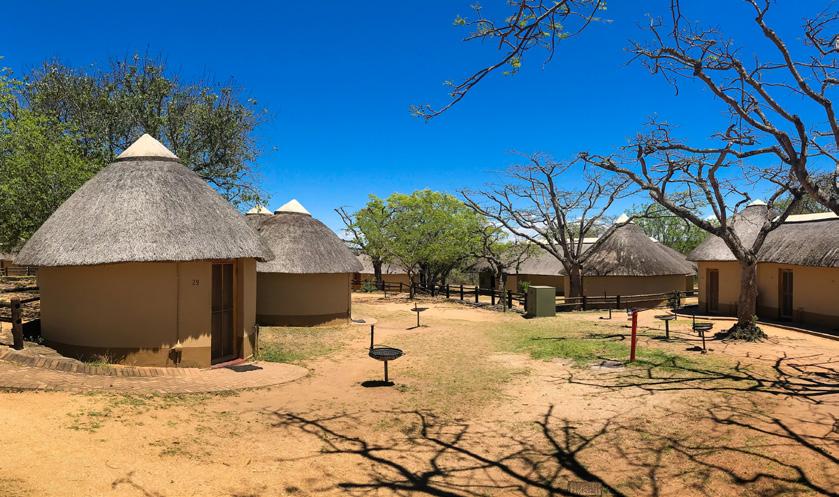
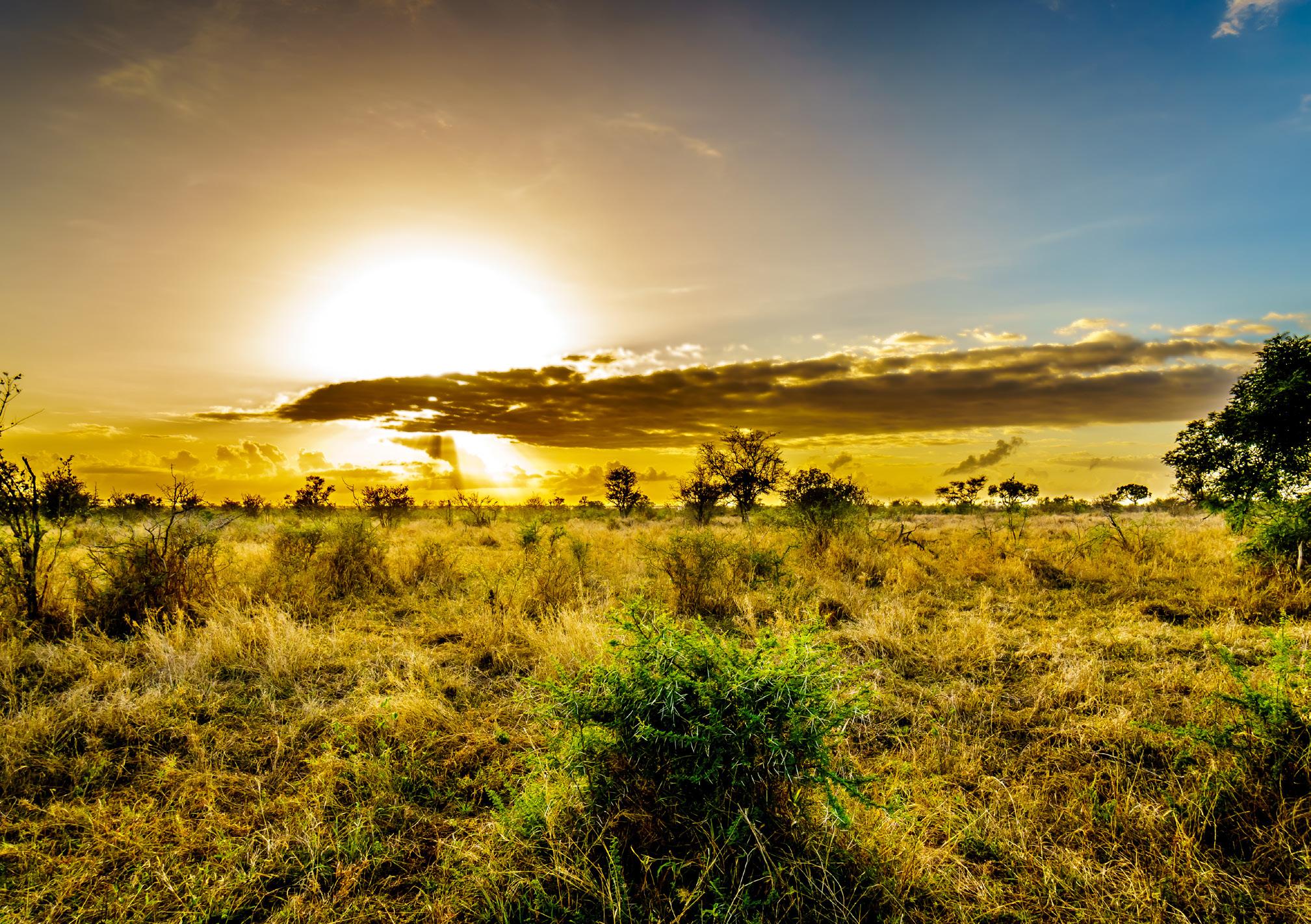
FOR A JOURNEY OF PERSONAL SANCTUARY…
Named after an African warrior queen and suspended over the mighty Sabie River, Kruger Shalati offers an expressway to freedom, relaxation, and meaningful connection.
Stationed at the Selati Bridge at the gateway to Kruger National Park, the establishment has a choice of 31 uniquely decorated rooms spread across a magnificent, retired locomotive, which perfectly strike the balance between a deeply visceral journey and immense comfort.
Whether you nestle yourself into one of the 24 Train Carriage Suites or seven Bridge House Suites – positioned in a beautiful garden setting adjacent to the bridge – both accommodation types offer an opulent and immersive experience that harks back to the decadence of 1920s rail safaris.
Each spacious suite is carefully decorated with a thought-provoking design, centred around humanity, cultural nuance, and the people who crafted the incredible spaces.
The glass-walled Carriage Suites are a celebration of African design, working in collaboration with local artists and crafters. Take a dip in each suite’s bespoke pool with a swimming vista like no other.
The Bridge House Suites, meanwhile, transcend the wilderness experience with spectacular views across the Sabie River.
Upholding a philosophy of holistic health, Kruger Shalati’s guests can also indulge in personalised wellness treatments at the hotel’s world-class spa – a space for healing, restoration, rejuvenation, and serenity.
Looking out across the vast plains of one of Mpumalanga’s most superb reserves, you can’t help but relax, sink deep into tranquillity, and embark on a journey of self-discovery when staying at Kruger Shalati.
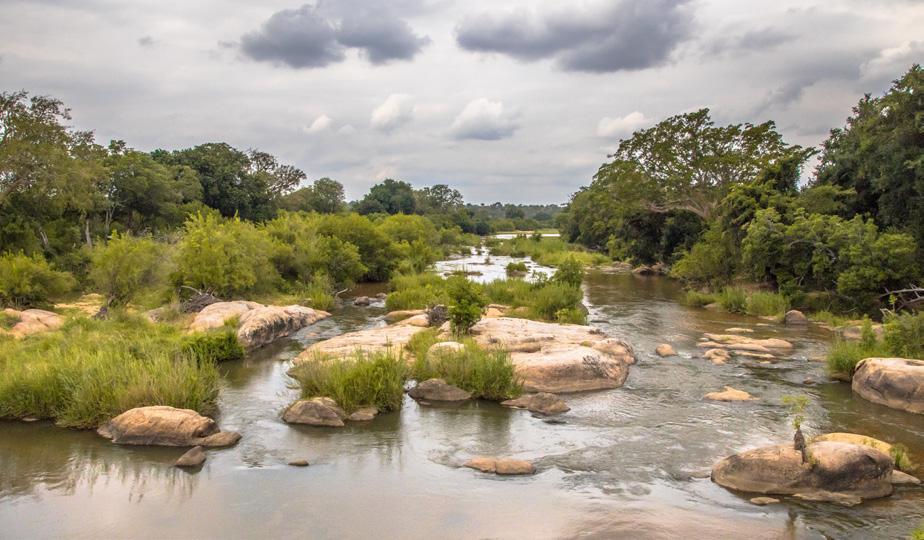
Ivory Wilderness is not simply a destination; it is a return—to self, to nature, and to the people who matter most in our lives. Rooted in over a century of heritage, our story is one of deep connection, quiet reverence, and an enduring love for the wild places that shape us For more than 100 years, our family has been part of this land. My greatgrandfather first journeyed into this reserve by ox wagon in the 1920s, drawn by a spirit of exploration and a respect for untouched wilderness.
Today, as a fourth-generation custodian, I carry that legacy forward alongside my sons–the fifth generation to walk these same paths. This continuity is not just history; it is the heartbeat of Ivory Wilderness. It informs everything we do, from how we guide our guests to how we protect and honour the natural world around us.
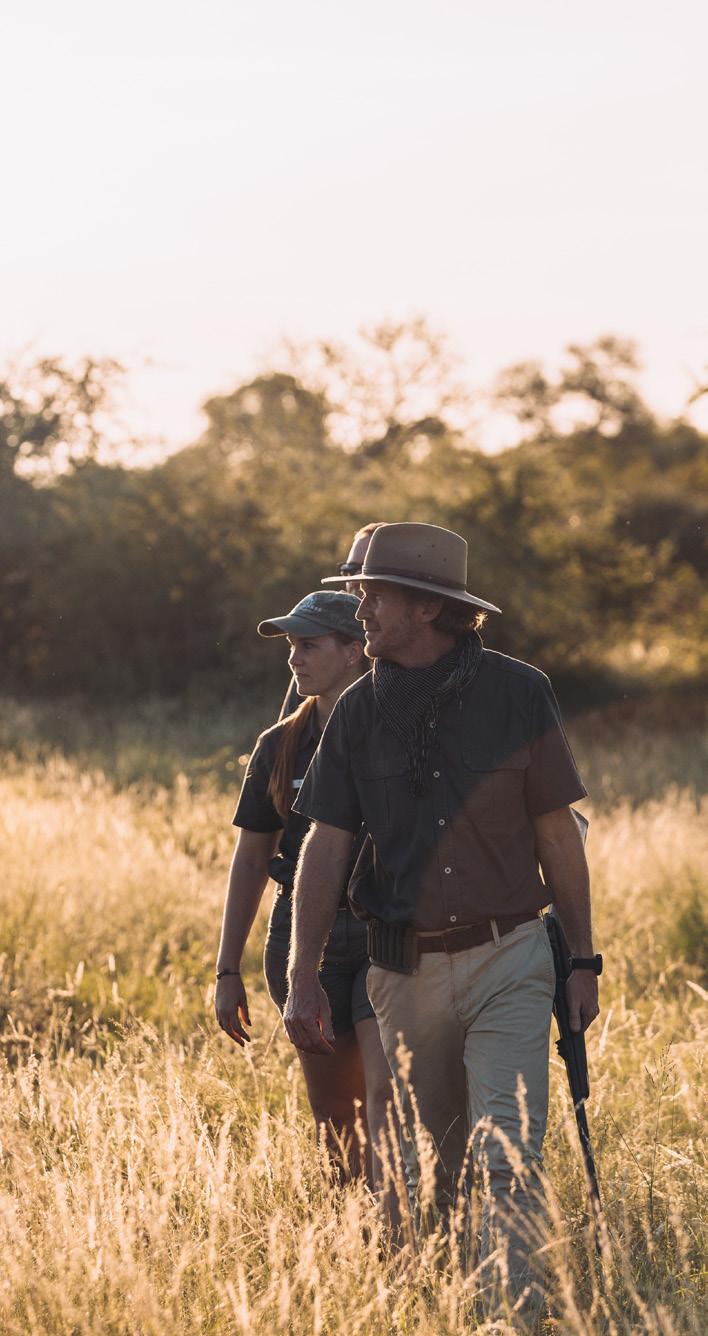
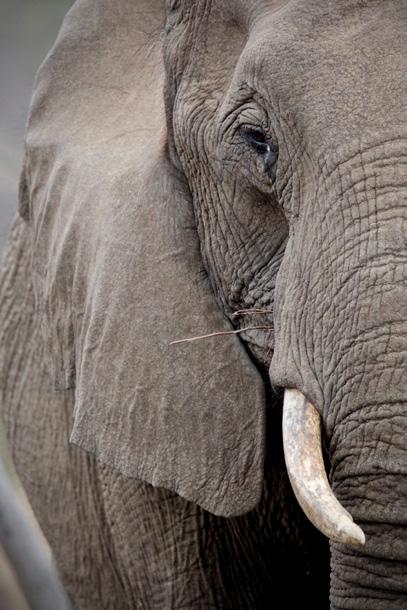
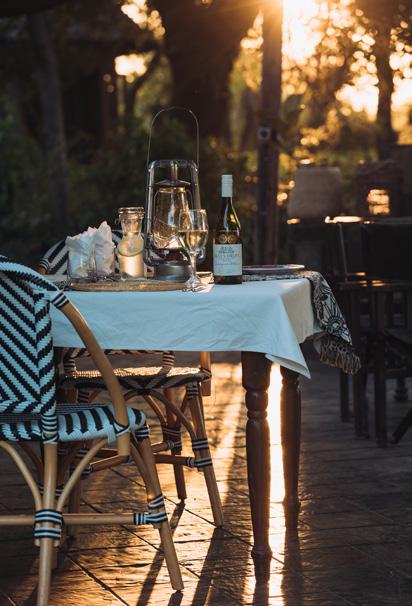
Set within the unspoiled beauty of the Klaserie Private Nature Reserve, Ivory Wilderness offers an experience that is both deeply personal and profoundly grounding. Our lodge, a timeless pioneer retreat, rests beneath a canopy of mature trees along the banks of the Klaserie River.
Here, the rhythm of life is dictated not by schedules, but by the movement of elephants through the riverbed, the distant call of a fish eagle, and the golden light of the African sunset.
This is a place where nature is not observed from a distance, but felt–where every moment invites you to slow down, breathe deeply, and reconnect. Whether you arrive as a couple, a family, or a group of friends, your time here is designed to bring you closer: closer to each other, closer to the wilderness, and closer to yourself. Our approach to safari is guided by authenticity and intimacy. With experienced, passionate guides at your side, each game drive and bush walk becomes a journey of discovery–not only of the extraordinary wildlife that calls
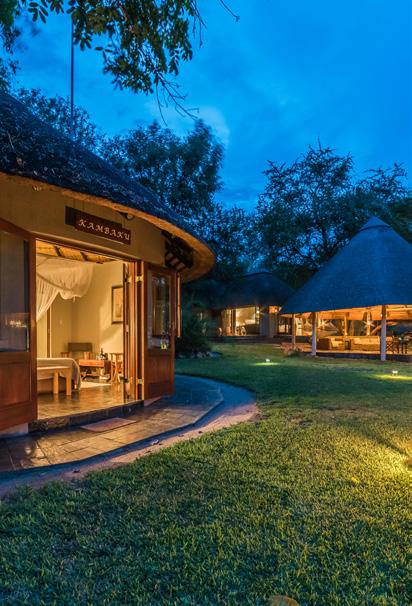
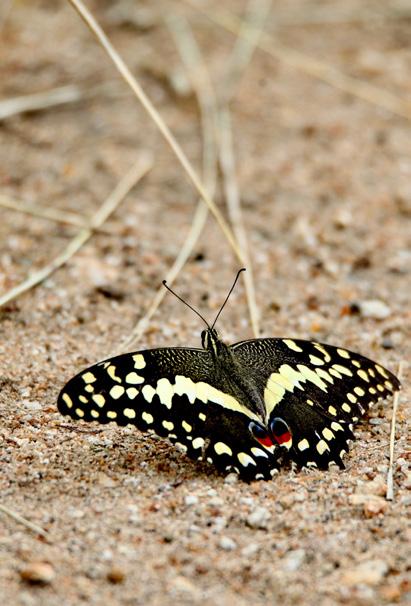
this region home, but of the subtle, often overlooked details that make the African bush so captivating.From the iconic Big Five to the rare sightings of African wild dog and cheetah, the Klaserie forms part of a vast, unfenced ecosystem where wildlife roams freely, just as it has for generations.
Yet, beyond the wildlife, it is the feeling of being here that stays with you. The warmth of shared stories around the fire, the stillness of early mornings, the laughter of loved ones reconnecting without distraction–these are the moments that define Ivory Wilderness. Our hospitality reflects this philosophy. Every stay is thoughtfully curated, with wholesome cuisine, attentive service, and an atmosphere that feels both refined and unpretentious. It is a space where you are welcomed not as a visitor, but as part of an ongoing story–one that honours the past while embracing the present.
At Ivory Wilderness, we believe that true luxury lies in meaningful connection: to the land beneath your feet, to the people beside you, and to something deeper within yourself.
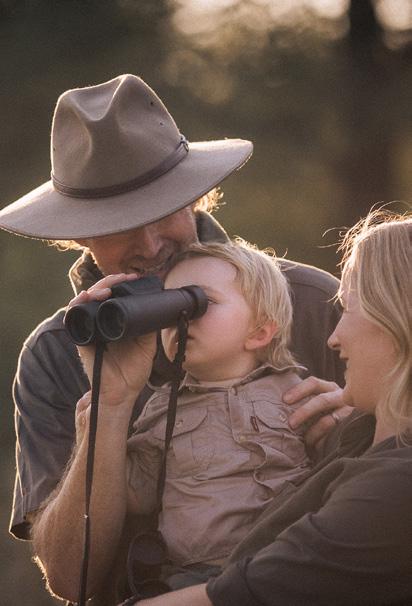
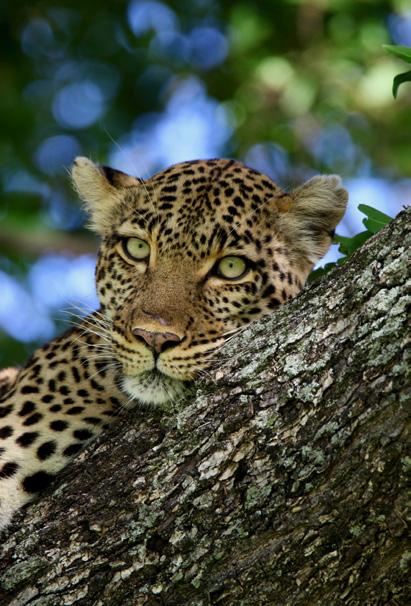
At Ivory Wilderness, we believe that true luxury lies in meaningful connection: to the land beneath your feet, to the people beside you, and to something deeper within yourself. Reservations: +27 65 542 7574
Surama is an Amerindian village (mainly inhabited by Macushi people) and the site for the first community ecotourism initiative in Guyana. The local community manages and maintains Surama Eco-Lodge, which offers tourists a chance to stay in traditional huts, try local food and explore nearby nature trails.
A small, protected museum town, Pilgrim’s Rest transports visitors back to the mid-19th century and is home to the Transvaal gold mines that experienced a flurry of prospectors in the late 1870s. Made into a provincial heritage site in 1986, you can marvel at the quaint architecture that is largely unchanged since the gold rush, making it a living, large-scale relic of a bygone era.
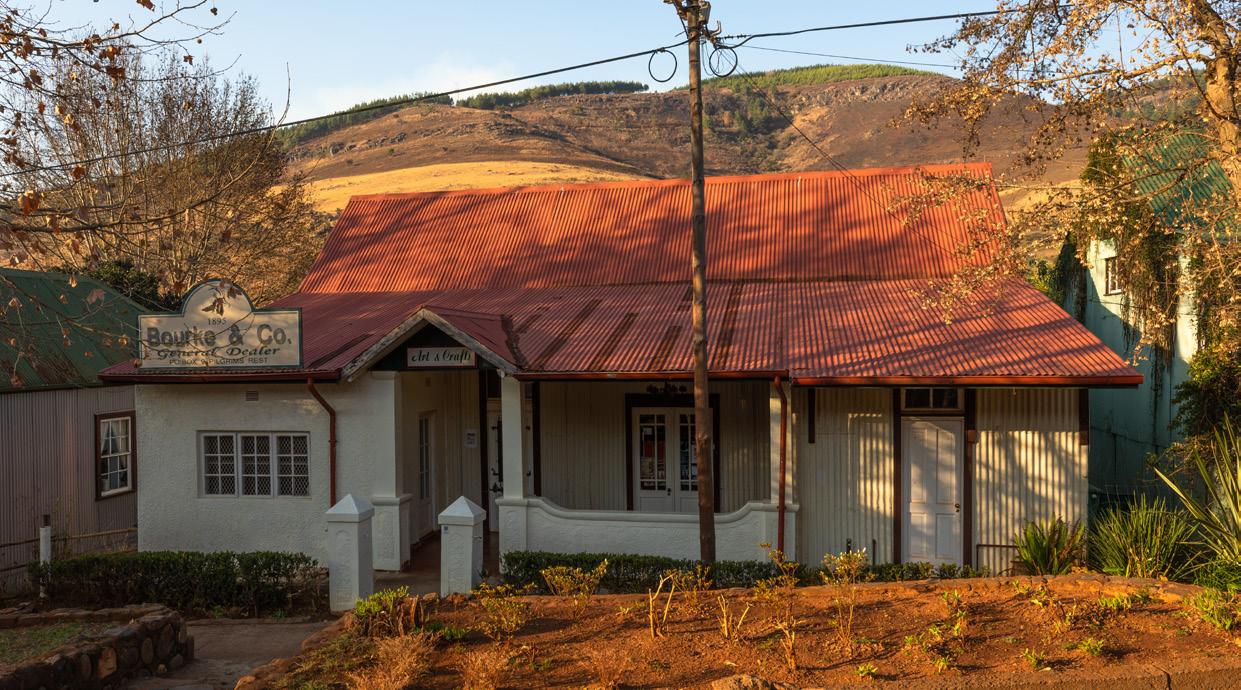
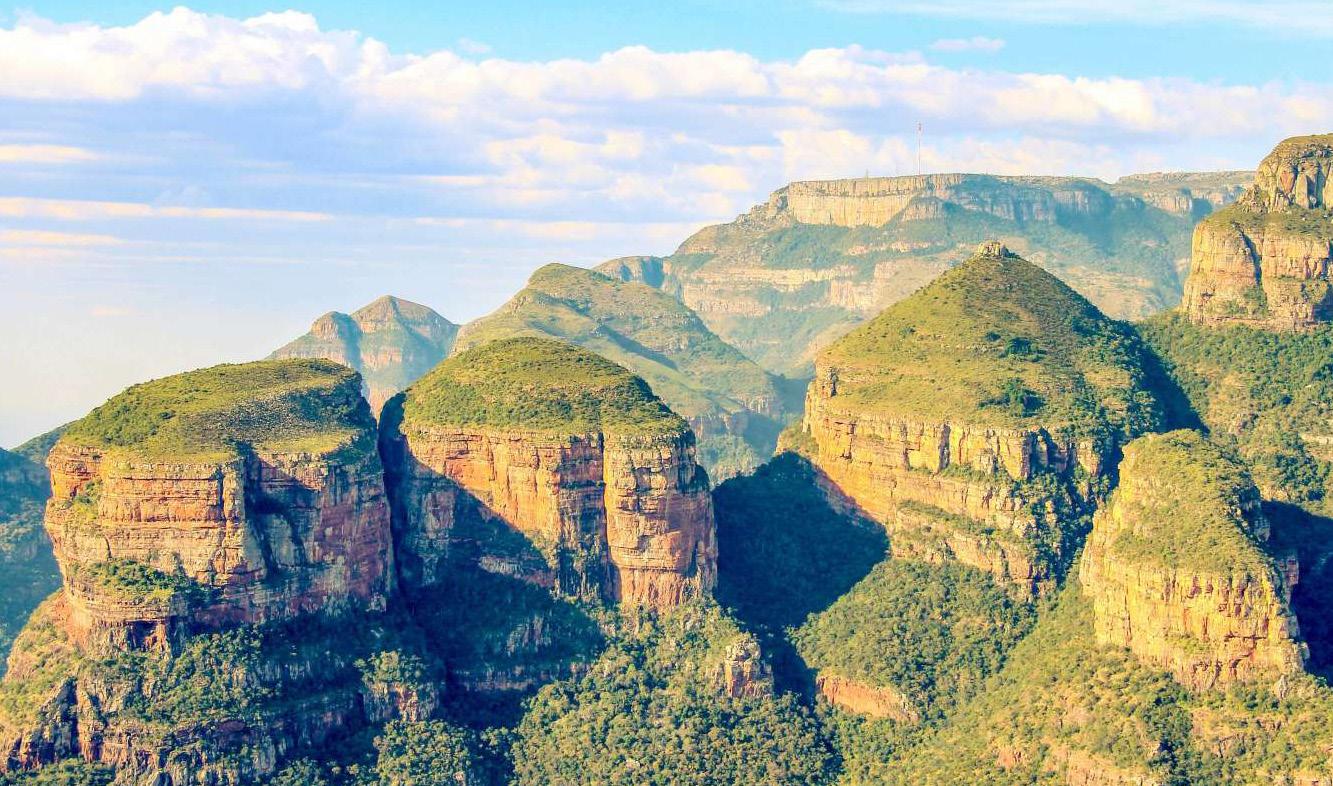
Surama is an Amerindian village (mainly inhabited by Macushi people) and the site for the first community ecotourism initiative in Guyana. The local community manages and maintains Surama Eco-Lodge, which offers tourists a chance to stay in traditional huts, try local food and explore nearby nature trails.
Situated at the beginning of the Blyde River Canyon, these peculiar-looking natural water features tell a story of the landscape’s evolution across millennia. Offering gradients between burnt orange, pearly yellow and white, and stone grey, each igneous layer is ingrained with the power of the ocean and a prominent reminder of the wonders of the natural world.
This flat-topped mountain soars to an elevation of 2,811 metres, and lies on the border between Venezuela, Guyana and Brazil. The plateau is an otherworldly landscape of stark rock formations, often shrouded in cloud. On clear days, you can see for miles across the rugged Pakaraima Mountains.
One of the many wonders along the Panorama Route, this picture-postcard mountain trifecta is located at the northern end of the Blyde River Canyon. Travellers can gaze upon the consecutive mountaintops that protrude neatly into the sky from an ideal vantage point on the northern edge of the Drakensburg mountain range. Three Rondavels was once known as ‘The Chief and his Three Wives’, reflecting the historically famous war chief, Mapjaneng, and his troublesome counterparts.
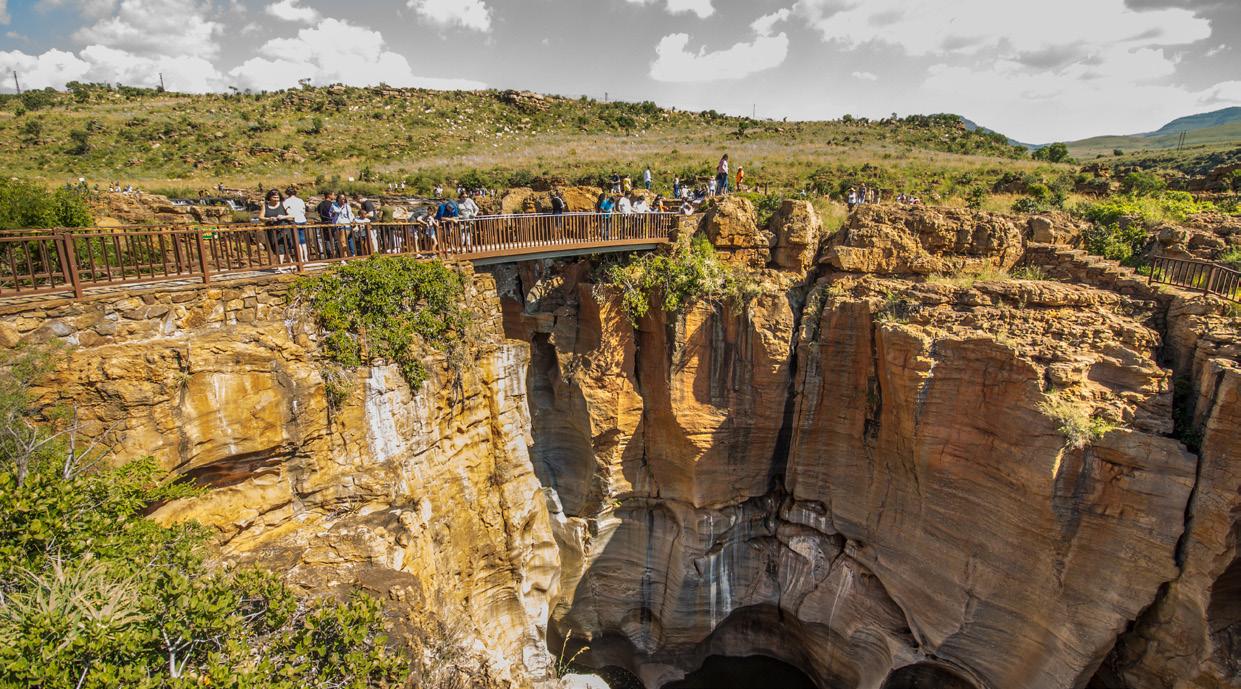
FOR INTERNATIONAL VISITORS, reaching Mpumalanga is most accessible via air, with most flights landing in O.R Tambo International Airport (JNB). From here, you can either take a threehour drive east to the province’s border or take a domestic hour-long flight to Kruger Mpumalanga International Airport (MQP) with regional airlines, Airlink and FlySafair. Once firmly on solid ground, it is highly recommended to hire a car for your trip, since the majority of the province’s main locations are
far apart and very remote. Being behind the wheel also allows you to take the trip at your own pace, with many of Mpumalanga’s roads being well-connected and maintained.
Renting a car couldn’t be easier, with an abundance of rental car companies present at the airport to meet your every vehicle-hiring need. Travellers must carry a valid English-language driving licence or international driving licence and should be aware that SA drives on the left-hand side of the road.
For those looking to take a
more relaxed sojourn around Mpumalanga, tourists can also travel around the province via guided tours and transfers, provided by private tour operators. This is typically the case for those exploring sites across the Panorama Route or Kruger National Park.
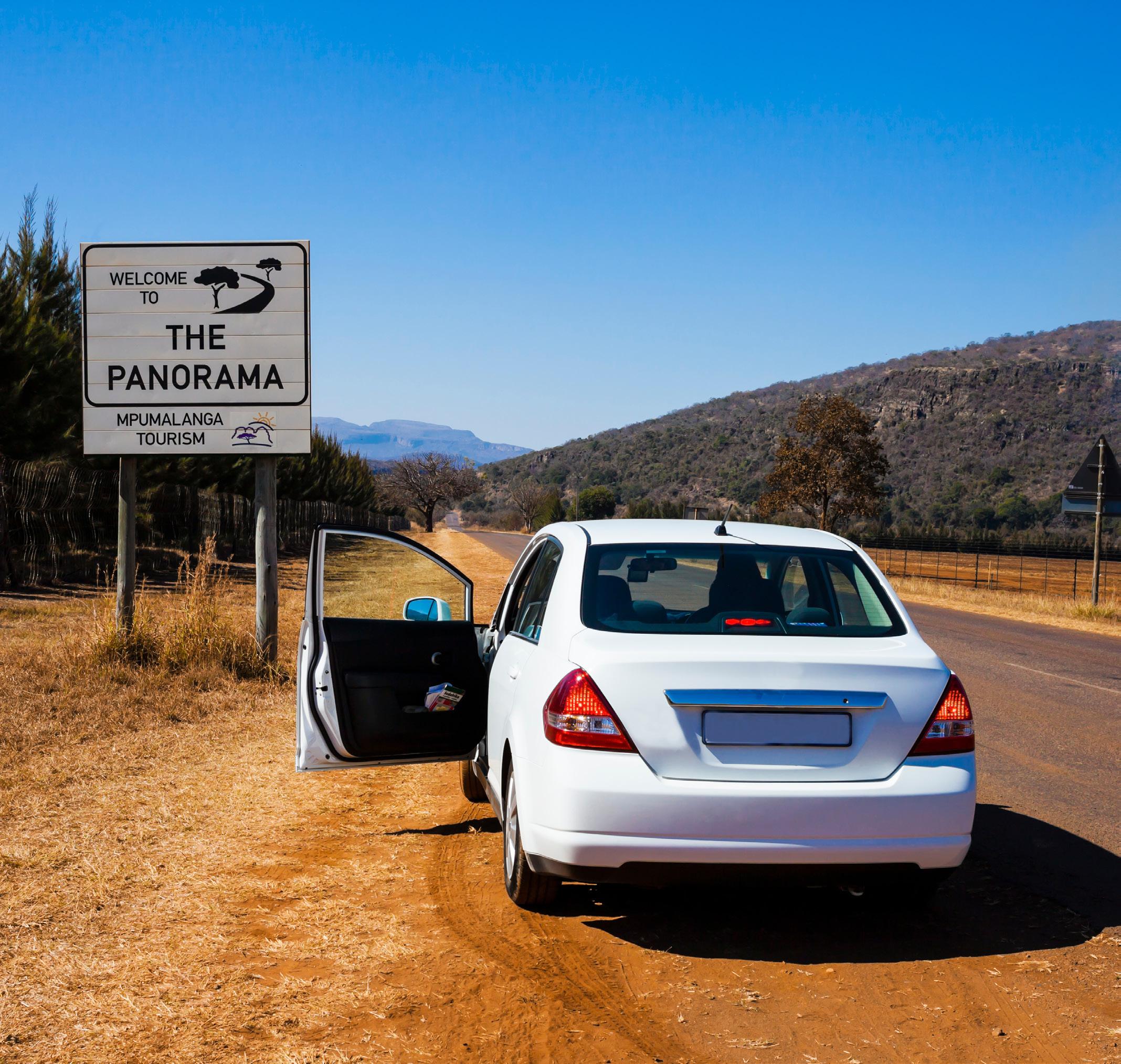
Public transport and minibuses are also available, but be warned that this form of travel is limited to local and regional areas, as many key tourist locations are remote and not covered by public transport links.
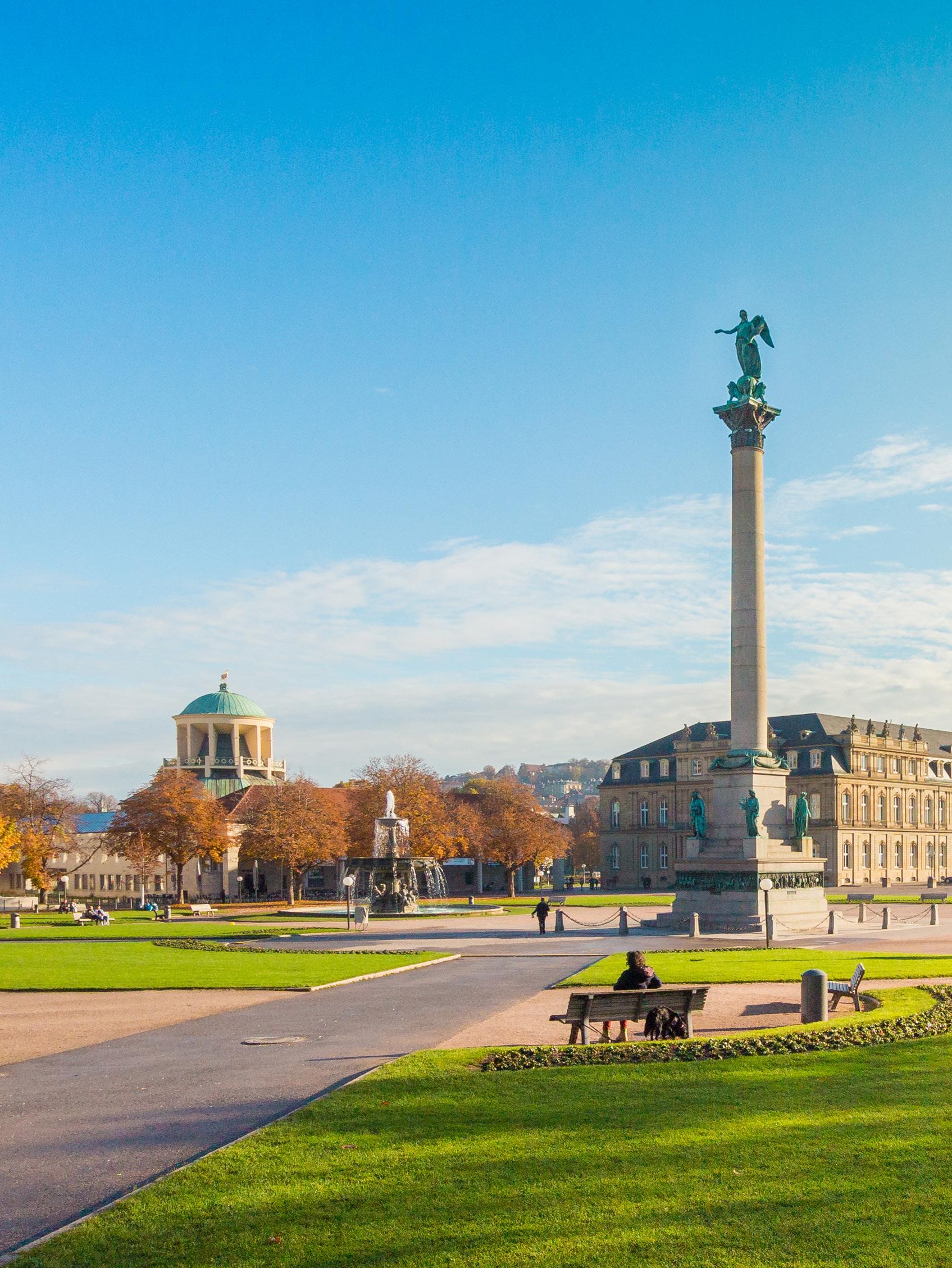
Known as the ‘cradle of the automobile’, Stuttgart offers a vibrant, inspiring blend of innovation, culture, nature, and unrivalled hospitality, creating a uniquely enriching experience for every visitor
WRITER: ED BUDDS | PROJECT MANAGER: MANTĖ KALINAUSKAITĖ
Stuttgart is a unique destination where world-class automotive heritage meets vibrant culture, lush green spaces, and exceptional culinary experiences.
Located on the Neckar River in the fertile valley known as the Stuttgarter Kessel, it stands as the largest city of the German state of Baden-Württemberg.
Known affectionately as the nation’s cultural capital, the city features everything from museums to world heritage, as well as a lively jazz scene and an esteemed history of opera and ballet.
From magnificent baroque palaces to modern architecture, there are captivating sights around each corner.
Stuttgart is a city of sport fans – it was even named the European capital of sport in 2007 by the European Capitals and Cities of Sport Federation.
The most popular sport is certainly football, but visitors can also enjoy watching American football, basketball, hockey, handball, and baseball around the city.
The city also hosts two prestigious tennis events – the Porsche Tennis Grand Prix and the BOSS Open.
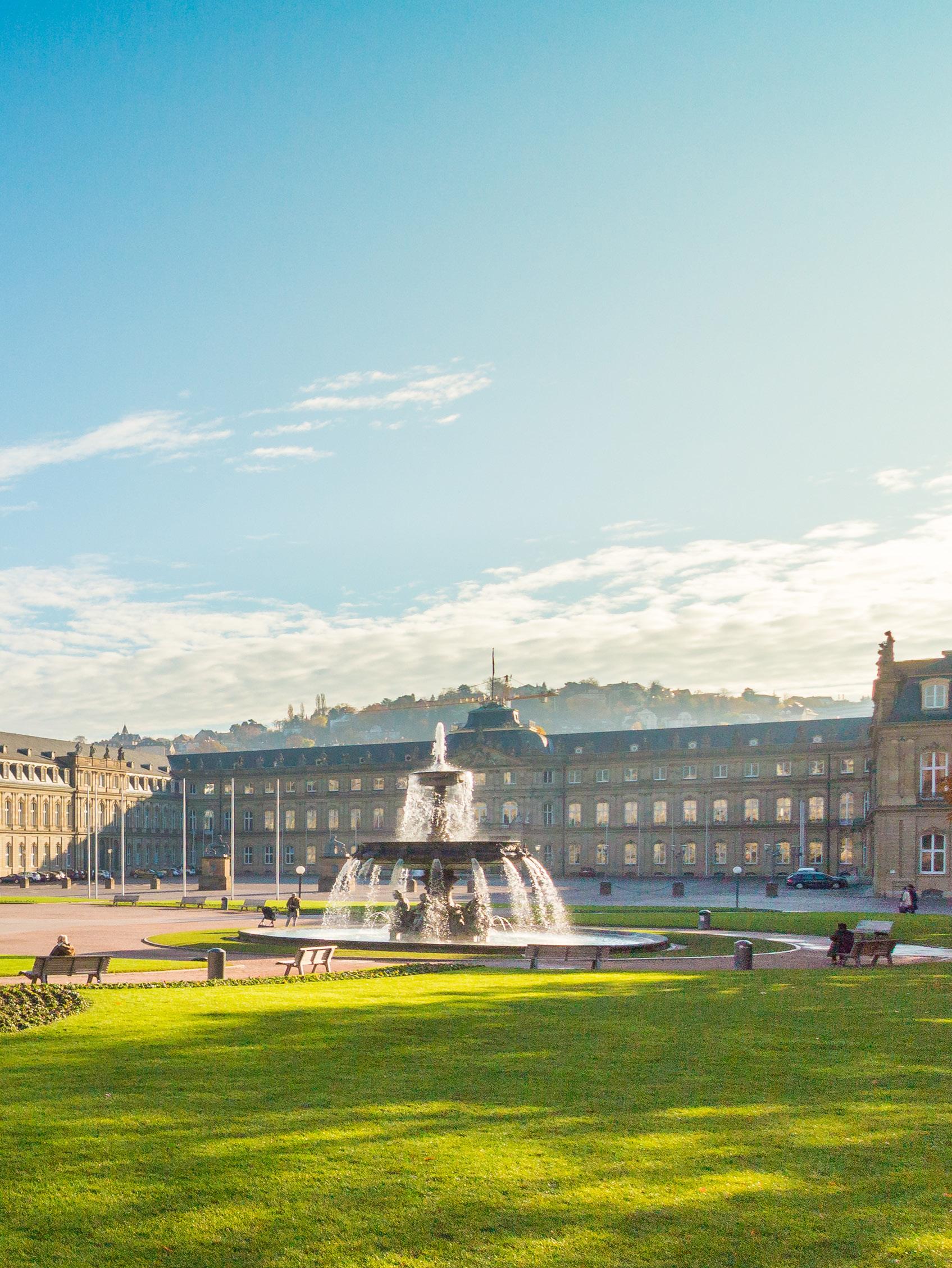
Elsewhere, VfB Stuttgart is a sports club with many teams, proudly standing as the fifth-largest club in Germany. However, the name is synonymous with the football team who play in the Bundesliga and have won the league title five times, as well as the DFB-Pokal four times.
Playing their home games at the legendary MHP Arena – formerly the Mercedes-Benz Arena – the club has witnessed numerous famous talents wear the shirt, such as Mario Gomez, Sami Khedira, Jürgen Klinsmann, and Nick Woltemade.
Regarding its culinary offering, the exquisite delights of Swabian soul food await, with traditional regional dishes such as Zwiebelrostbraten, Kaesspaetzle, or Ofenschlupfer sure to blow your taste buds away.
With a plethora of activities and attractions for all varieties of traveller, from the Wilhelma Stuttgart zoological-botanical garden and SWR Television Tower to the Altes Schloss (Old Castle) and Kunstmuseum Stuttgart, the city promises the trip of a lifetime.
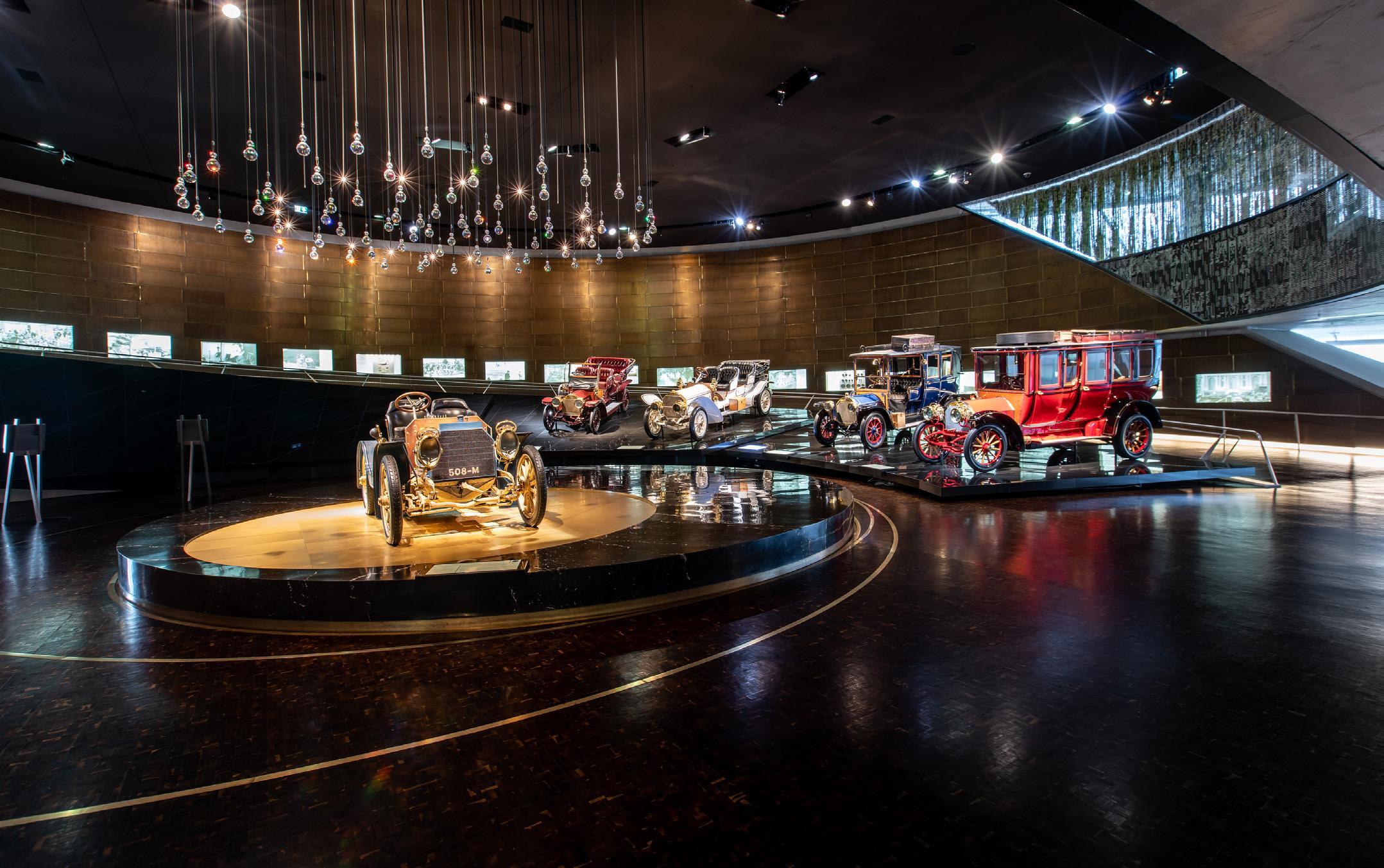
Stuttgart, the vibrant metropolis in the heart of BadenWürttemberg, is the cradle of the automobile and a magnet for technology enthusiasts and cultural travellers from all over the world.
Those seeking an unparalleled experience that combines history, innovation and breathtaking architecture will find the Mercedes-Benz Museum a destination that exceeds all expectations. Here, the legacy of a global brand comes alive, and the guiding principle “Heritage creates future” is not just a slogan, but a lived philosophy.
Even from a distance, the Mercedes-Benz Museum captivates the eye. The futuristic building, designed by the renowned UNStudio Van Berkel & Bos from Amsterdam, is an architectural masterpiece that blends into the landscape yet stands out spectacularly.
Its unique double-helix structure is not only a visual highlight but also an ingenious metaphor, symbolising the DNA of the Mercedes-Benz brand, the genetic code of 140 years of innovation history. Inside, there are no straight walls, no enclosed rooms – instead, horizontal and vertical surfaces flow gently into one another, and 1,800 triangular glass panes allow light to play in fascinating ways. Across nine levels, a world unfolds over 16,500 square metres (sqm) of exhibition space, achieving maximum spatial impact on a footprint of just 4,800 sqm.
The heart of the Museum is the permanent exhibition, which guides visitors through automotive history on two interwoven tours.
The “Legend” tour tells the story of the Mercedes-Benz brand in seven chronologically arranged rooms. Here, you will encounter the pioneers Carl Benz and Gottlieb Daimler,
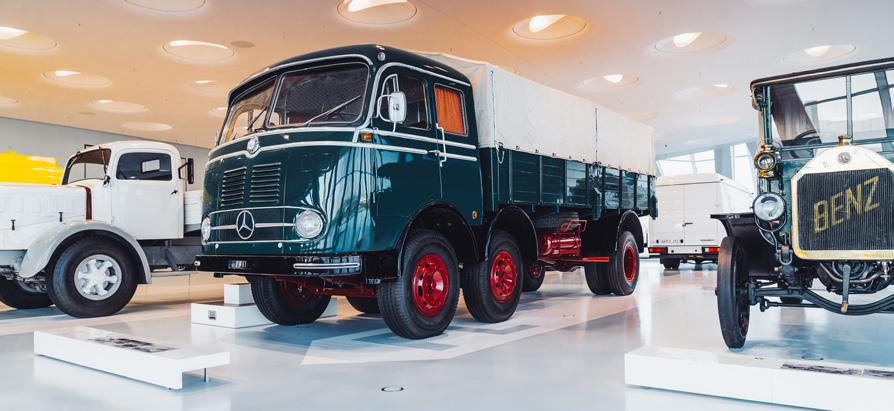
who independently invented the automobile and revolutionised the world. The second tour, the “Collection” rooms, presents the diversity of the brand’s portfolio in five thematically organised exhibitions that connect vehicles and their stories across eras. You can switch between the tours at any time and create your very own personal Museum experience. The Museum houses 160 vehicles and over 1,500 exhibits that link technology, everyday life, contemporary history and popular culture.
Among the impressive exhibits are some true treasures of automotive history. Marvel at the Benz Patent-Motorwagen Number 1 from 1886, the world’s first automobile, and the Daimler Motorised Carriage, the first four-wheeled automobile.
A special highlight is the Mercedes Simplex from 1902, considered the world’s oldest Mercedes and the first modern automobile, which laid the foundation for all subsequent vehicles with its groundbreaking design.
Experience the elegance of the legendary 300 SL “Gullwing”, whose unique doors and sporty performance made it a design icon, or the futuristic shape of the C111. Another masterpiece is the 300 SLR Uhlenhaut Coupé, currently the most valuable automobile in the world.
A particular highlight is “Legend Room 7: Silver Arrows – Races and Records”, where motorsport history comes alive. Here, the legendary Silver Arrows are staged on a spectacular banked curve. Extraordinary vehicles such as Pope John Paul II’s Popemobile, the sports car of the Princess of Wales, Lady Diana, and historical vehicles of Emperor Wilhelm II and Hirohito also tell unique stories.
Visit the Mercedes-Benz Museum. HERITAGE CREATES FUTURE.
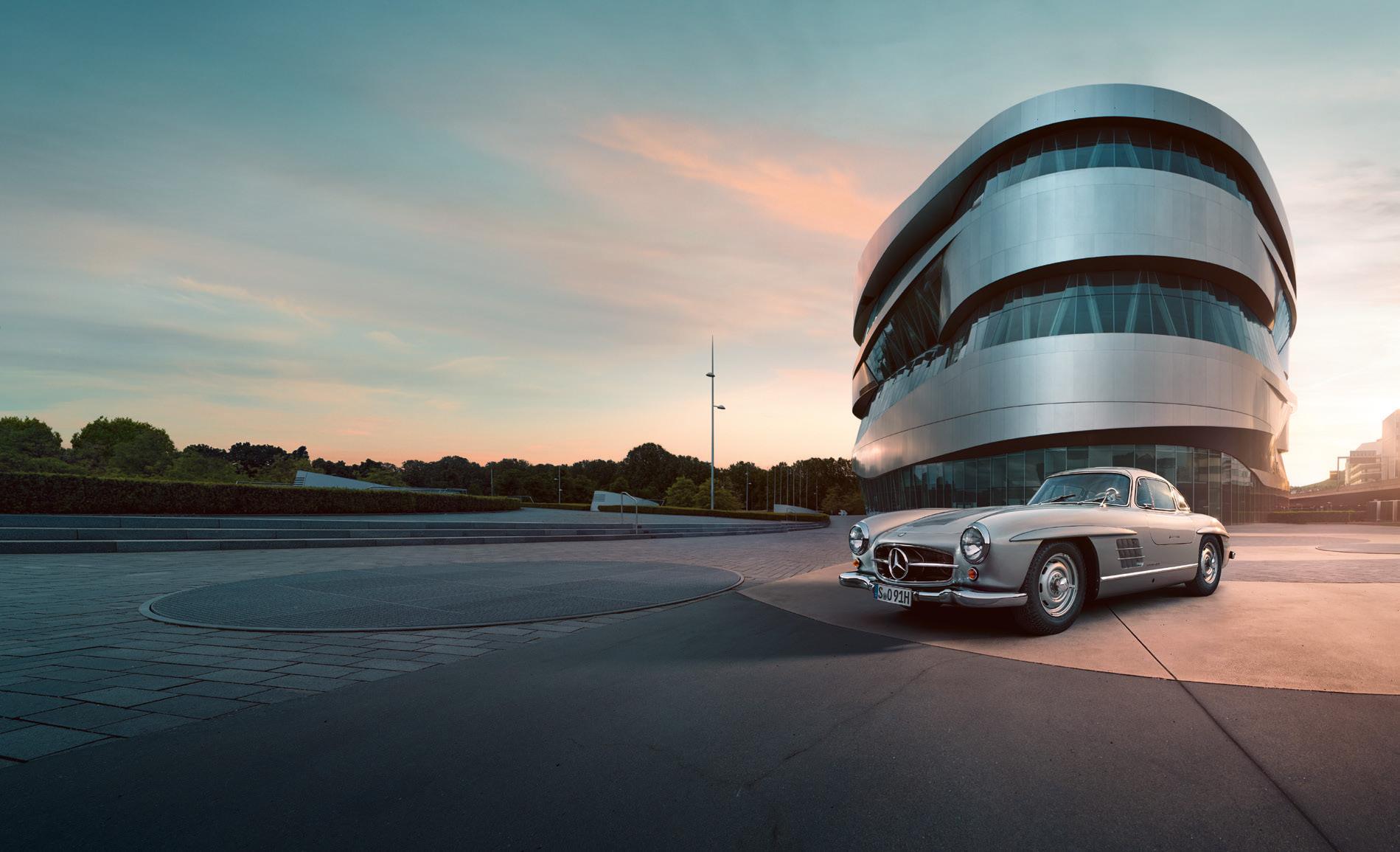
The Mercedes-Benz Museum is a place brimming with experiences. One of the latest attractions is the interactive “Pit Stop” station, where visitors can experience the lightningfast precision work of a Formula 1 pit stop for themselves, complete with real F1 tyres, a pit wall and a reaction wall – a tribute to teamwork, strategy and the incredible dynamism of motorsport.
Furthermore, the Museum integrates art into its permanent exhibition. Under the title “Now on View”, the Mercedes-Benz Art Collection presents significant works from over 40 years of its collection history in rotating exhibitions. This integration creates an exciting dialogue between automotive history and modern and contemporary artists, opening up an additional dimension of cultural enjoyment for visitors.
Additionally, the Mercedes-Benz Museum regularly offers special exhibitions that highlight specific themes and vehicle categories. During the summer months, the Museum’s outdoor area transforms into a meeting point for classic car
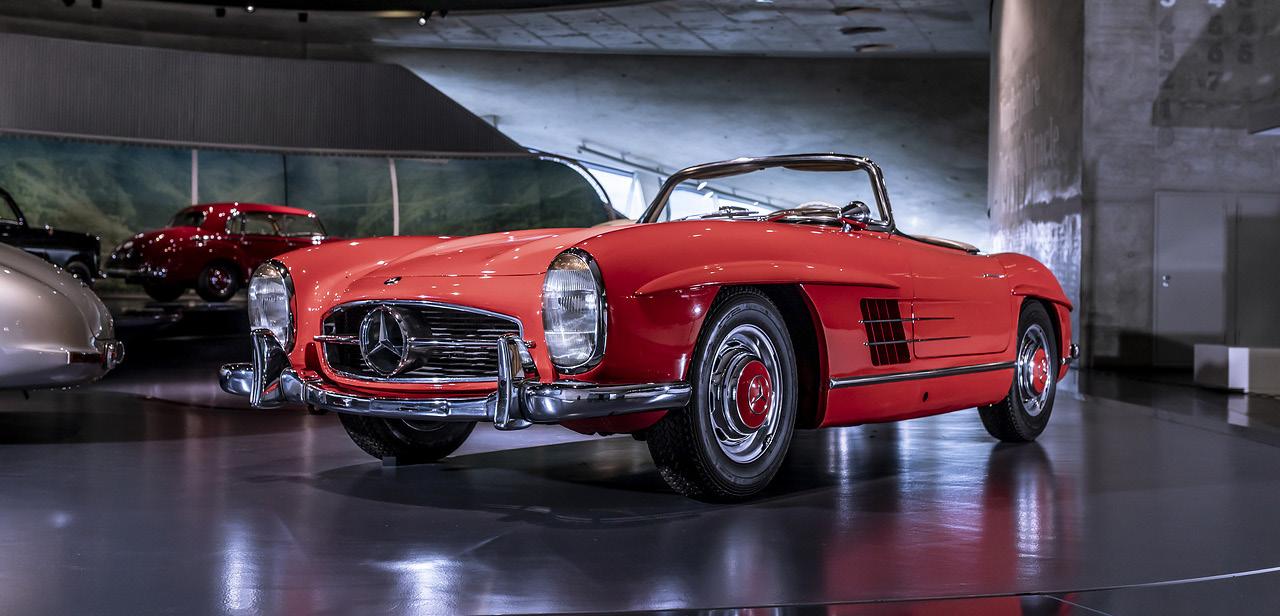
enthusiasts. This open-brand classic car meet attracts lovers of historic vehicles, offering a relaxed atmosphere for petrol talks and admiration of rare automobiles.
With over 940,000 guests in 2025, the Mercedes-Benz Museum is Stuttgart’s most visited museum. More than 14 million international visitors have already experienced the fascinating journey through automotive history since the Museum’s opening in 2006.
The Mercedes-Benz Museum is open from Tuesday to Sunday, from 9 a.m. to 6 p.m. A day ticket costs €16 for adults, €8 reduced, and children up to 12 are free.
The Museum is fully accessible and offers special audio guides and programmes for children to introduce even the youngest visitors to automotive history. A visit to the Mercedes-Benz Museum is more than just a museum visit – it is a journey through time, a tribute to human ingenuity and a glimpse into the future of mobility. Welcome to the MercedesBenz Museum!
Registrations, reservations and the latest information: Monday to Saturday from 9 a.m. to 6 p.m. by calling +49 711 17 30000, by email to classic@mercedes-benz.com or online at www.mercedes-benz.com/museum
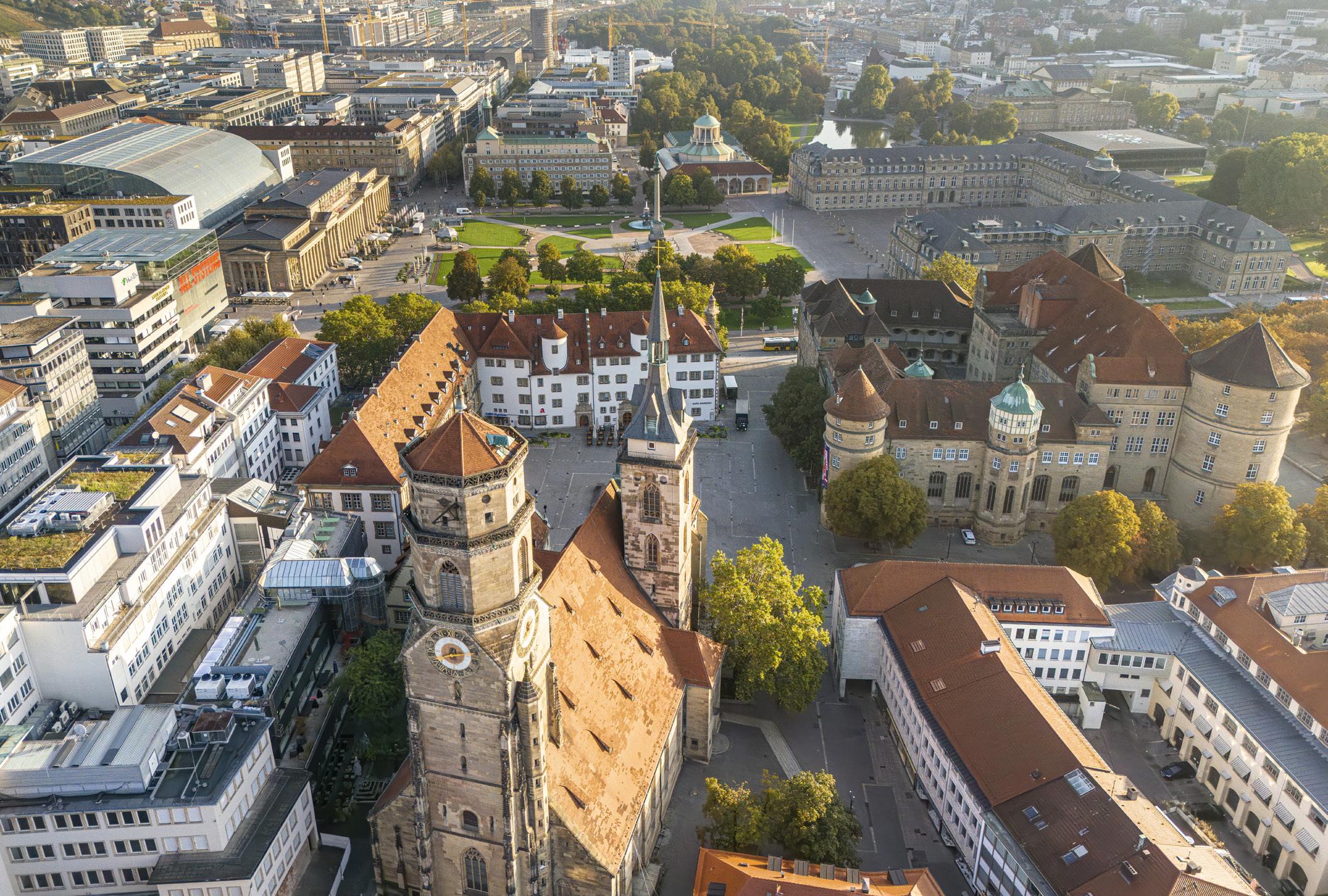
From overall strategic direction and product development to the day-to-day operations of the tourist information office, i-Punkt, in the House of Tourism, StuttgartMarketing GmbH supports the further development of the region as an attractive destination. We sit down with Managing Director, Armin Dellnitz.
Outlook Travel (OT): Which aspects of Stuttgart would you highlight to someone visiting for the first time?
Armin Dellnitz, Managing Director (AD): For first-time visitors, our two iconic car museums – the MercedesBenz Museum and the Porsche Museum – are must-sees, not only for enthusiasts but for anyone interested in design, innovation, and contemporary history.
Beyond that, Stuttgart offers an extraordinary cultural landscape, from a renowned ballet company and outstanding museums to pioneering architecture such as the SWR Television Tower – the first of its kind.
To help visitors make the most of their stay, our StuttCard offers convenient access to the most important sights, and with the Stuttgart Citytour, guests can explore
the highlights of the city comfortably and at their own pace using the triedand-tested hop-on hop-off principle.
OT: Aside from Stuttgart’s main attractions, what hidden gems are on offer for tourists to discover?
AD: I always encourage visitors to explore our charming quarters – each with its own character, cafés, and creative spirit. Another true gem is the historic Stuttgarter Stäffele – the many stairways that climb our hills and offer unique vantage points across the cityscape.
And of course, Stuttgart’s ‘Green U’ – a continuous park landscape stretching from the city centre into nature – provides an unexpected sense of openness and tranquillity right in the heart of the urban environment.
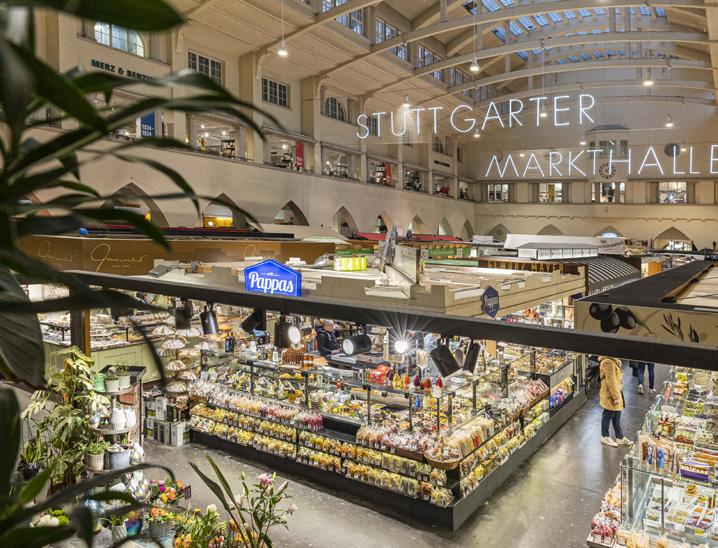
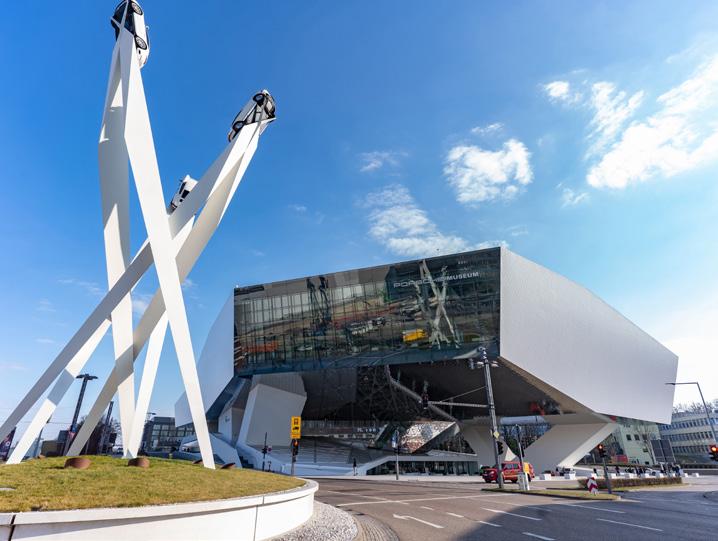
OT: When people think of Stuttgart, many think of automobiles. What role do they play in your city?
AD: The automobile is deeply rooted in Stuttgart’s identity. We are the only city in the world with two automobile museums, each telling a different part of the story of mobility, technical excellence, and innovation.
The industry continues to shape Stuttgart, the birthplace of the automobile, not only economically but also culturally – countless museums and events bear witness to the region’s automotive history.
OT: From traditional Swabian cuisine to modern Michelin-starred
masterpieces, which outstanding dishes, restaurants, or markets are a must for anyone new to the region?
AD: Stuttgart’s culinary diversity is truly remarkable – visitors can enjoy everything from cosy Besenwirtschaften – seasonal wine taverns run by local vintners – to award-winning Michelin-starred restaurants.
Traditional Swabian dishes such as Maultaschen (filled pasta) or Gaisburger Marsch (a savoury hotpot) are essential tastings for any newcomer. The historic Markthalle is another highlight, offering regional specialities, international delicacies, and a vibrant atmosphere.
“OVER THE PAST 10 YEARS, STUTTGART HAS BECOME INCREASINGLY VISITOR-FRIENDLY THROUGH THE DEVELOPMENT OF INNOVATIVE PRODUCTS THAT MAKE THE CITY EASIER AND MORE ENJOYABLE TO EXPLORE”
– ARMIN DELLNITZ, MANAGING DIRECTOR, STUTTGART-MARKETING
GMBH
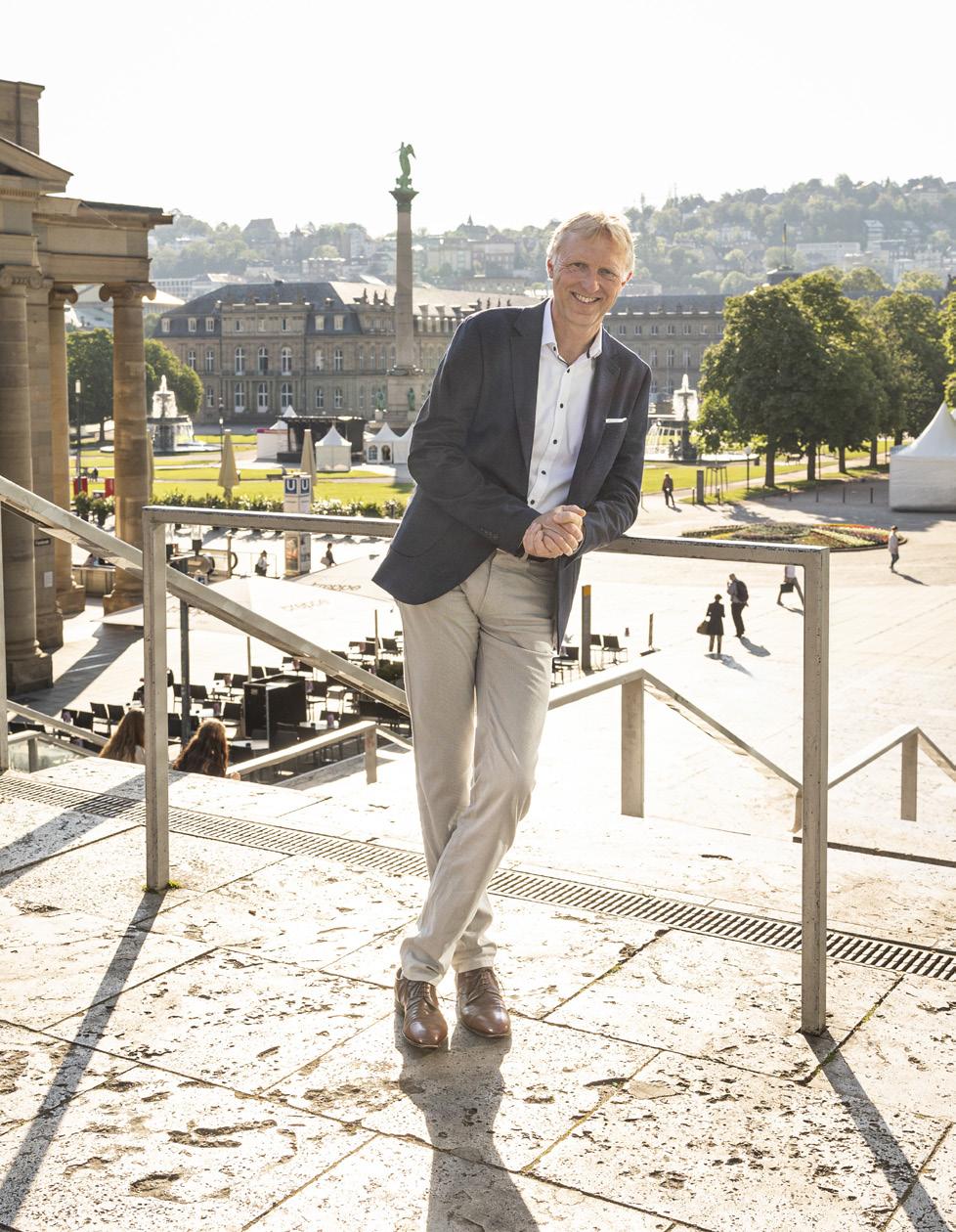
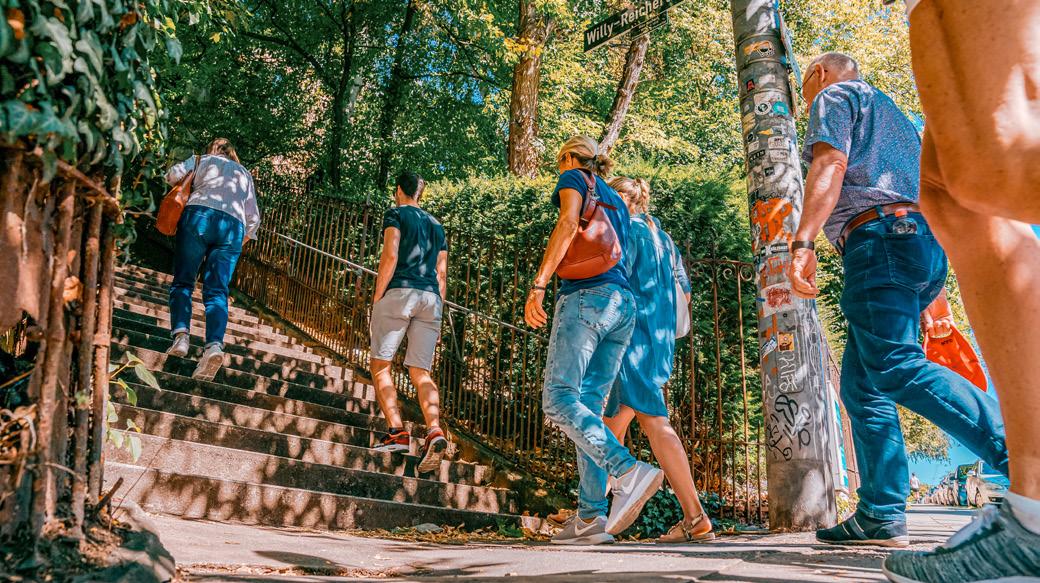
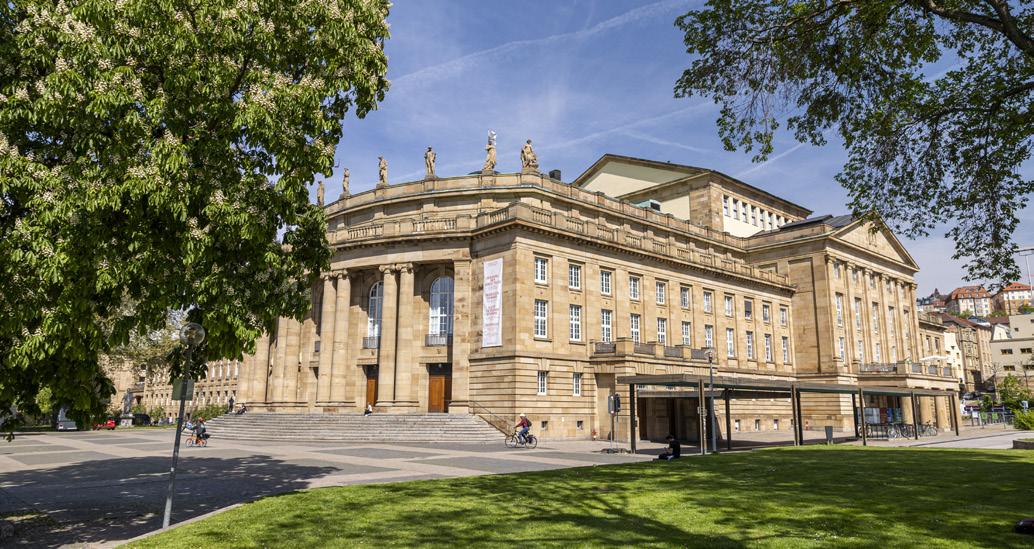
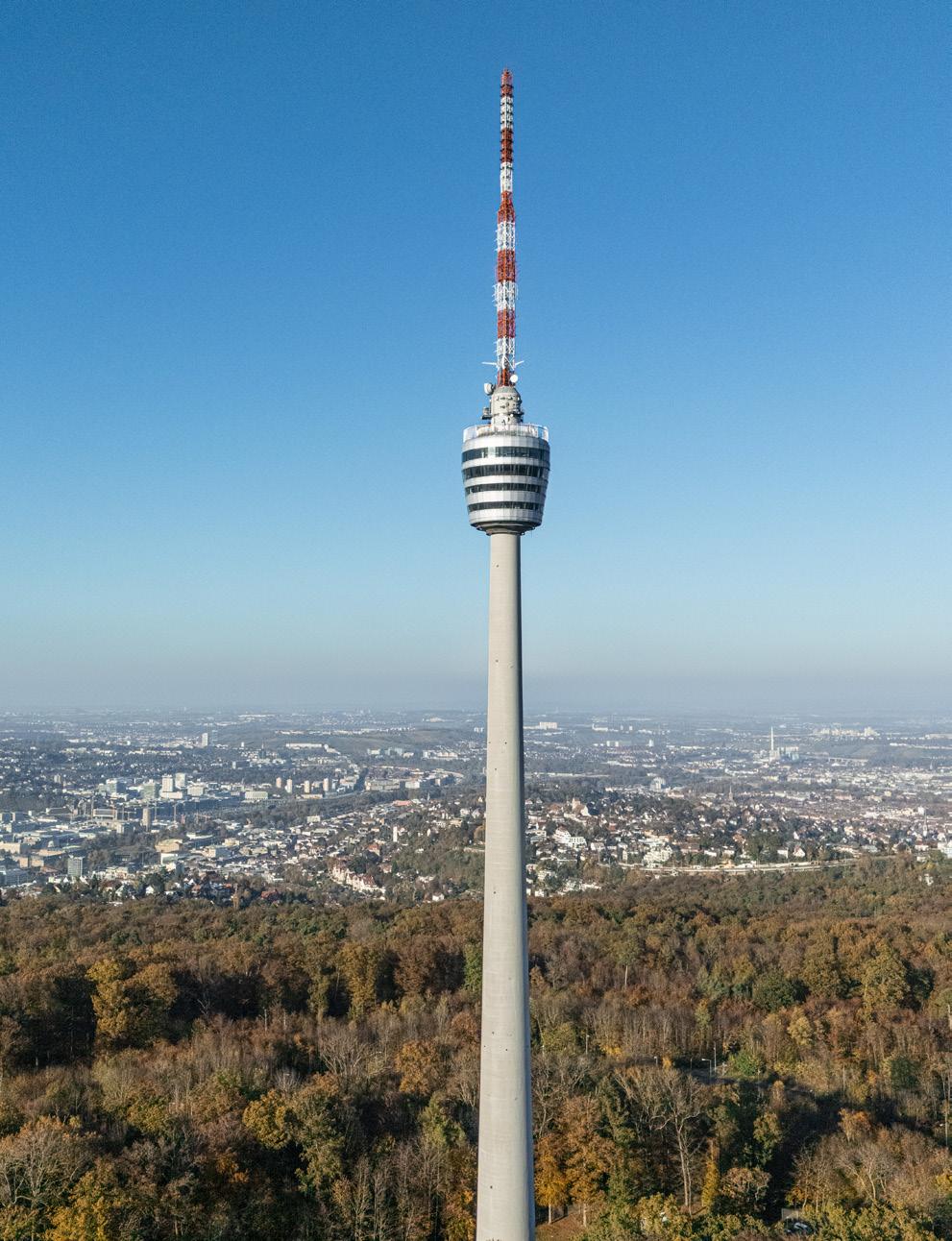
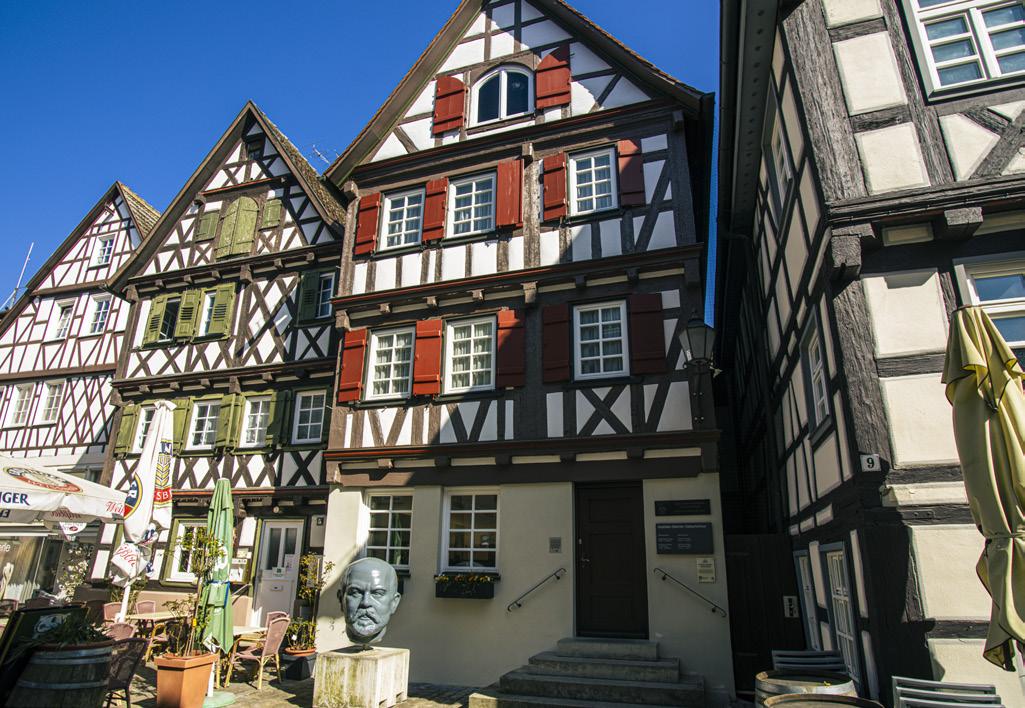
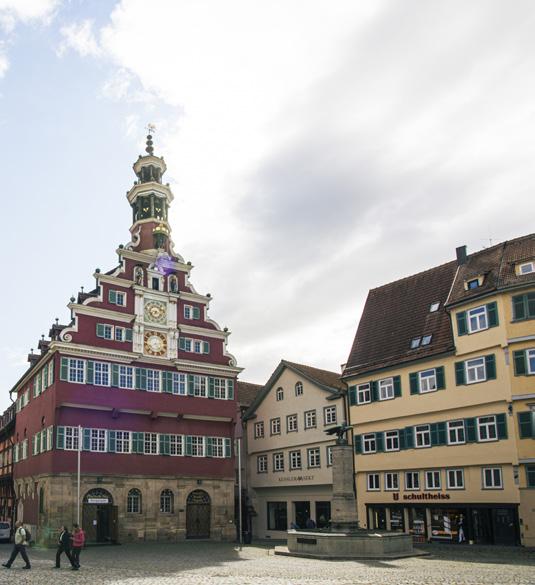
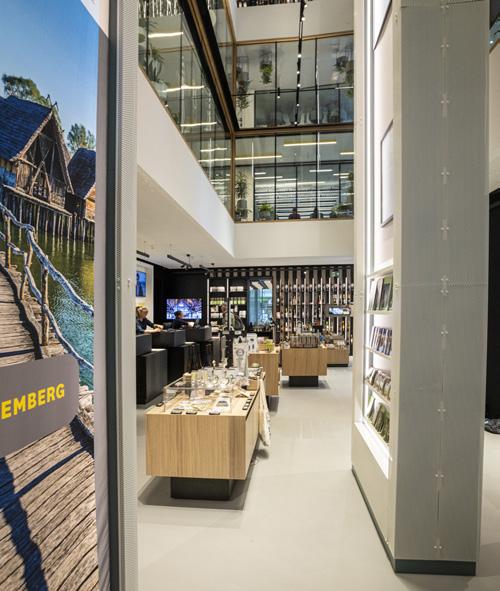
“FROM PICTURESQUE VINEYARDS AND ROLLING NATURAL LANDSCAPES TO CHARMING TOWNS AND VIBRANT CULTURAL CENTRES LIKE LUDWIGSBURG AND ESSLINGEN, VISITORS WILL FIND COUNTLESS REASONS TO EXTEND THEIR STAY”
– ARMIN DELLNITZ, MANAGING DIRECTOR, STUTTGART-MARKETING GMBH
Naturally, no visit would be complete without sampling our local wines, which have shaped the landscape and culture of Stuttgart for centuries.
OT: How have you seen Stuttgart’s tourism offering evolve over the past decade?
AD: Over the past 10 years, Stuttgart has become increasingly visitorfriendly through the development of innovative products that make the city easier and more enjoyable to explore.
Our Stuttgart Citytour provides intuitive sightseeing options, and the StuttCard has grown into a comprehensive access pass for culture, mobility, and experiences.
OT: What role does sustainability play in Stuttgart’s tourism offerings?
AD: Sustainability is a core principle of our tourism strategy. We encourage our guests to leave their cars behind –Stuttgart itself is very well connected by public transportation, and many sights are within easy walking distance.
When booking a room through us at one of our numerous partner hotels, guests receive a free ticket for public transportation directly with their booking confirmation.
At our tourist information office, i-Punkt, we place great importance on regional and responsibly produced products. Starting this spring, our city tour will be operated with a fully
electric fleet, further reducing our ecological footprint.
OT: You opened the House of Tourism last year. What can visitors expect to find there?
AD: The House of Tourism brings together all the essential services a visitor might need – our tourist information, gastronomy, meeting and event spaces, and even rooftop experiences.
It also represents a unique collaboration – the city, region, and state of Baden-Württemberg are all present under one roof, making it easier than ever for guests to receive comprehensive and inspiring recommendations for their stay.
OT: In terms of the wider Stuttgart region, what would you recommend for longer stays and exploring the surrounding area?
AD: The wider Stuttgart region offers a wealth of experiences just a short journey from the city. From picturesque vineyards and rolling natural landscapes to charming towns and vibrant cultural centres like Ludwigsburg and Esslingen, visitors will find countless reasons to extend their stay.
This is also true of Schorndorf, a half-timbered town where Gottlieb Daimler was born. The combination of urban culture and regional discovery is one of our greatest strengths.
OT: What strategies do you use to ensure that Stuttgart remains attractive to travellers throughout the year?
AD: Stuttgart is an event city – there is always something happening
here. Our cultural calendar is full of traditional festivals, exhibitions, performances, and seasonal highlights.
At the same time, our extensive indoor offerings – particularly our diverse museum landscape – make Stuttgart an ideal year-round destination.
Outdoors, the parks and regional landscapes provide inviting spaces for recreation in every season. This mix ensures that travellers can always find something exciting and relevant, no matter when they visit.
OT: Are there any interesting projects in the pipeline you wish to highlight?
AD: Two major cultural milestones are coming up – the 100th anniversary of the Weissenhof Estate, a UNESCO World Heritage Site and icon of modernist architecture, and the International Building Exhibition are
both highly anticipated in 2027.
Additionally, the city’s new main railway station will shape the future of mobility and urban development in Stuttgart, making it one of the most transformative projects of the decade.
OT: Lastly, in one sentence, why do you think people should visit Stuttgart?
AD: Because Stuttgart offers an inspiring blend of innovation, culture, nature, and hospitality – creating a uniquely enriching experience for every visitor.

Tel: +49 711 2228 0 info@stuttgart-tourist.de www.stuttgart-tourist.com
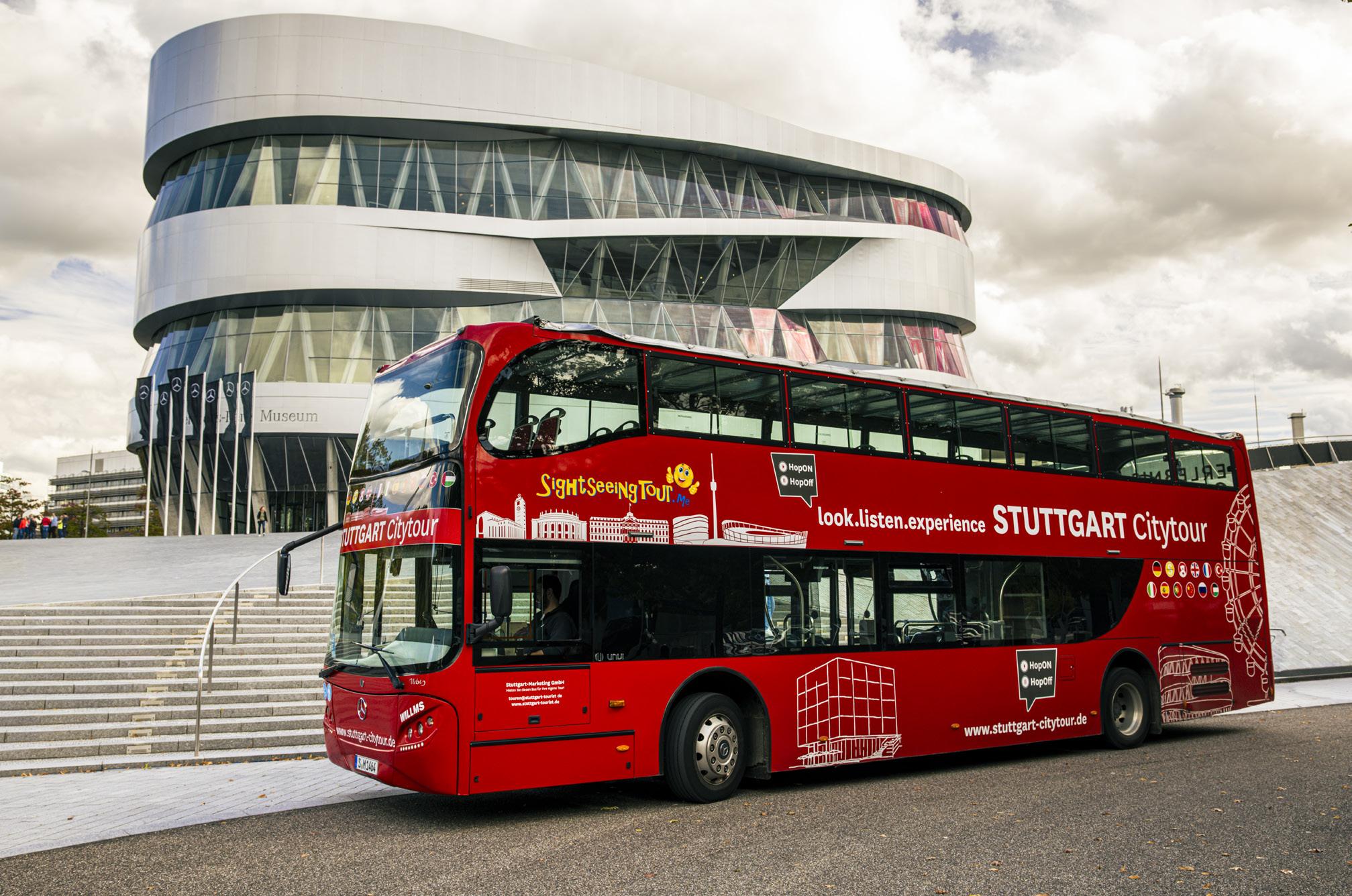
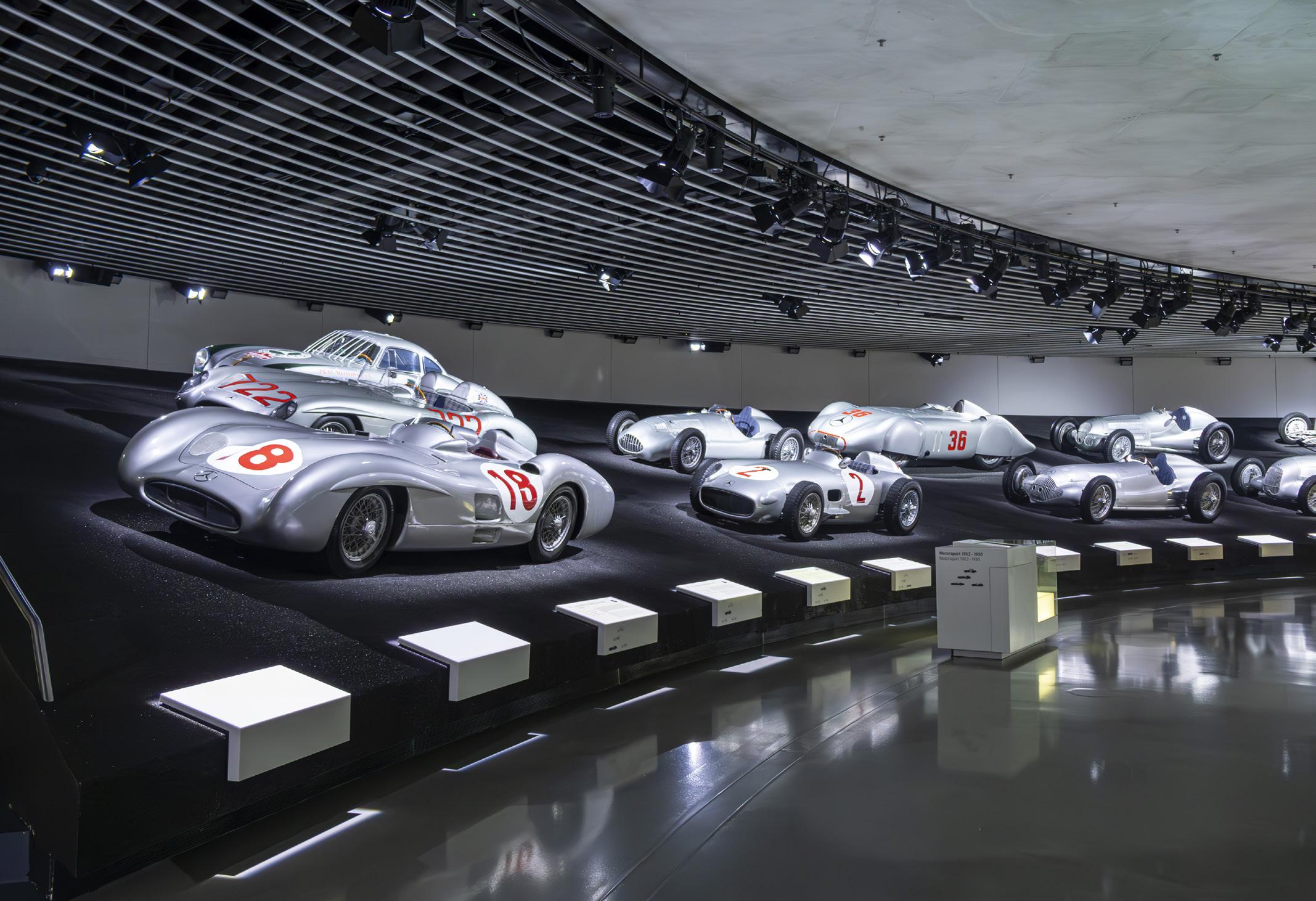
Stuttgart is known as the ‘cradle of the automobile’ and holds a proud heritage in the realm of vehicle production.
AS SUCH, IT is home to famous car museums like Porsche and Mercedes-Benz, as well as numerous auto-enthusiast magazines, which contribute to Stuttgart’s status as Germany’s ‘Autohauptstadt’ – capital of cars.
It’s also where pioneers Karl Benz and Gottlieb Daimler conducted their groundbreaking work, leading to the first gasoline-powered car.
Each facility offers a distinct yet equally captivating deep dive into its brand’s legacy, presenting a comprehensive narrative of automotive evolution and the pioneering spirit that has shaped the industry.
For anyone with even a passing interest in cars, history, or engineering, visiting both is a true pilgrimage, providing a rich tapestry of stories, technological marvels, and breathtaking design.
Motoring enthusiasts can peek behind the scenes at the Porsche Museum and Factory Tour, where the heart and soul of the brand is found at its headquarters in Stuttgart-Zuffenhausen.
In addition to viewing world-famous automobile icons such as the Porche 356, 911, or 917, visitors are invited to accompany a sports car on its way through production
and experience the perfect symbiosis of tradition and modernity.
This spectacular automobile museum tells you about the product and motorsport history of the Stuttgart sports car manufacturer and hosts more than 80 vehicles and 200 small exhibits.
To this day, the city is a major centre for automotive research, development, and production, housing major auto-related businesses and a strong engineering culture.
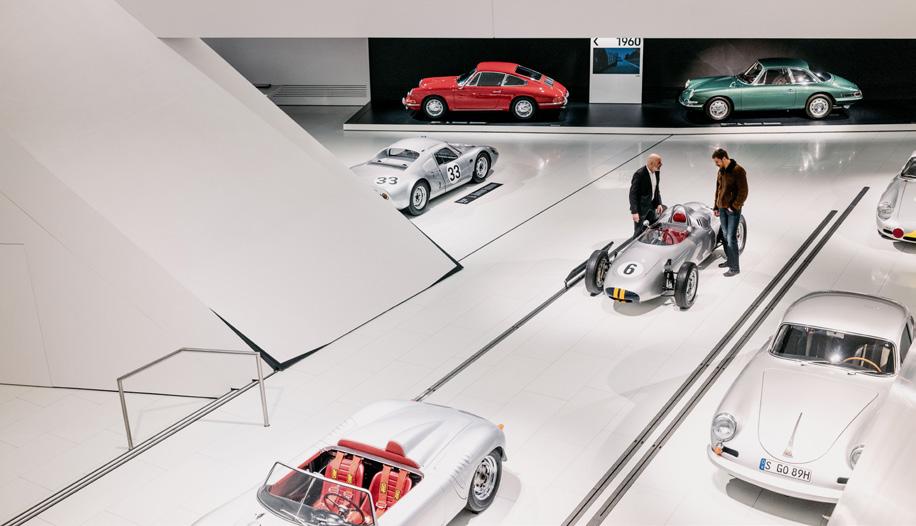
Since its opening on February 5, 1956, the world’s first television tower has not only become a beloved landmark of Stuttgart and the surrounding region, but also an architectural model for television towers around the world.
Celebrate with us! 70 years of broadcasting history, pioneering architecture, unforgettable moments, and the best view in Stuttgart!
Open daily
10 a.m. – 10 p.m.
Closed: Dec 24
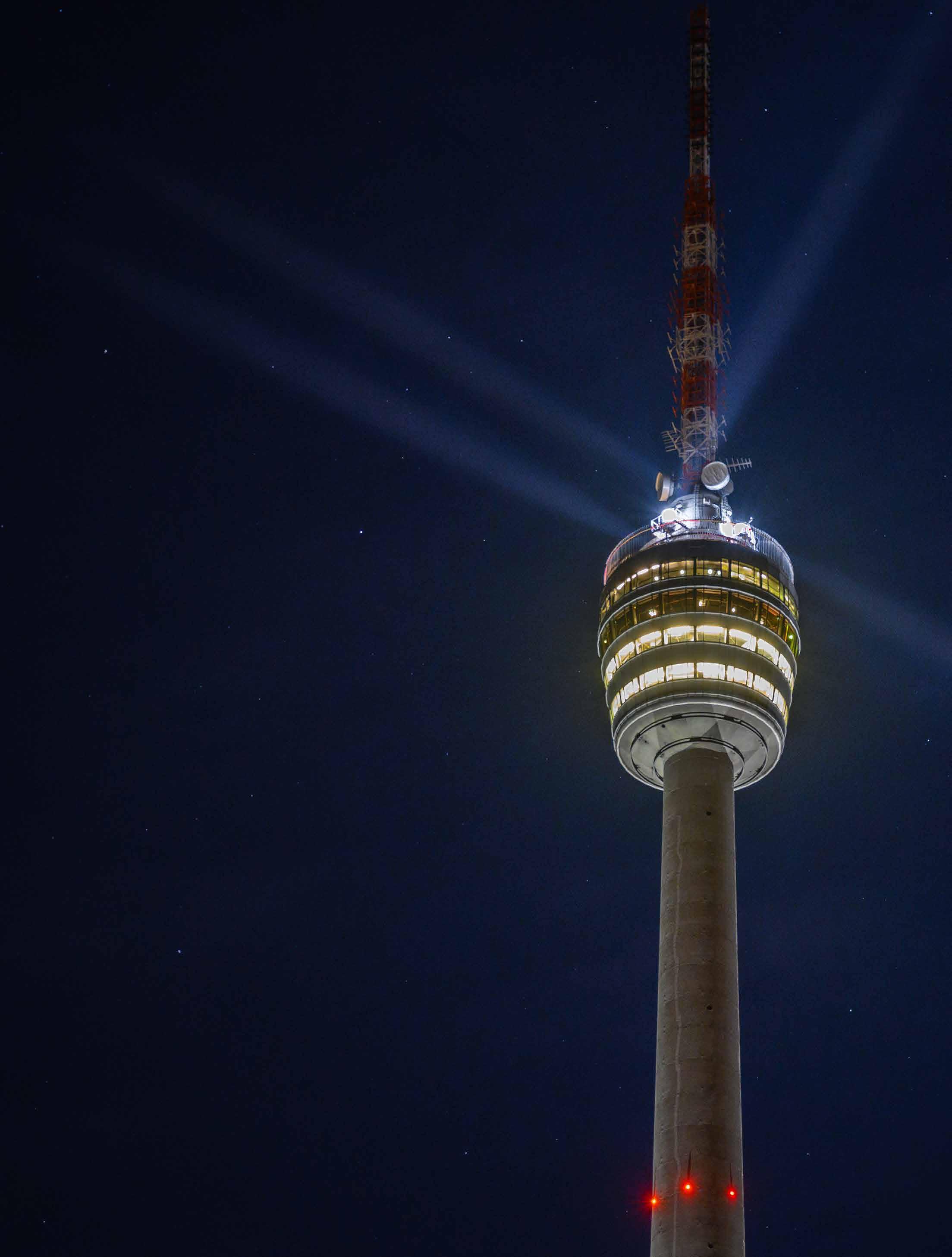
fernsehturm-stuttgart.de @ swr.fernsehturm.stuttgart
SWR Fernsehturm Stuttgart / SWR TV Tower Stuttgart Jahnstrasse 120 70597 Stuttgart
Germany
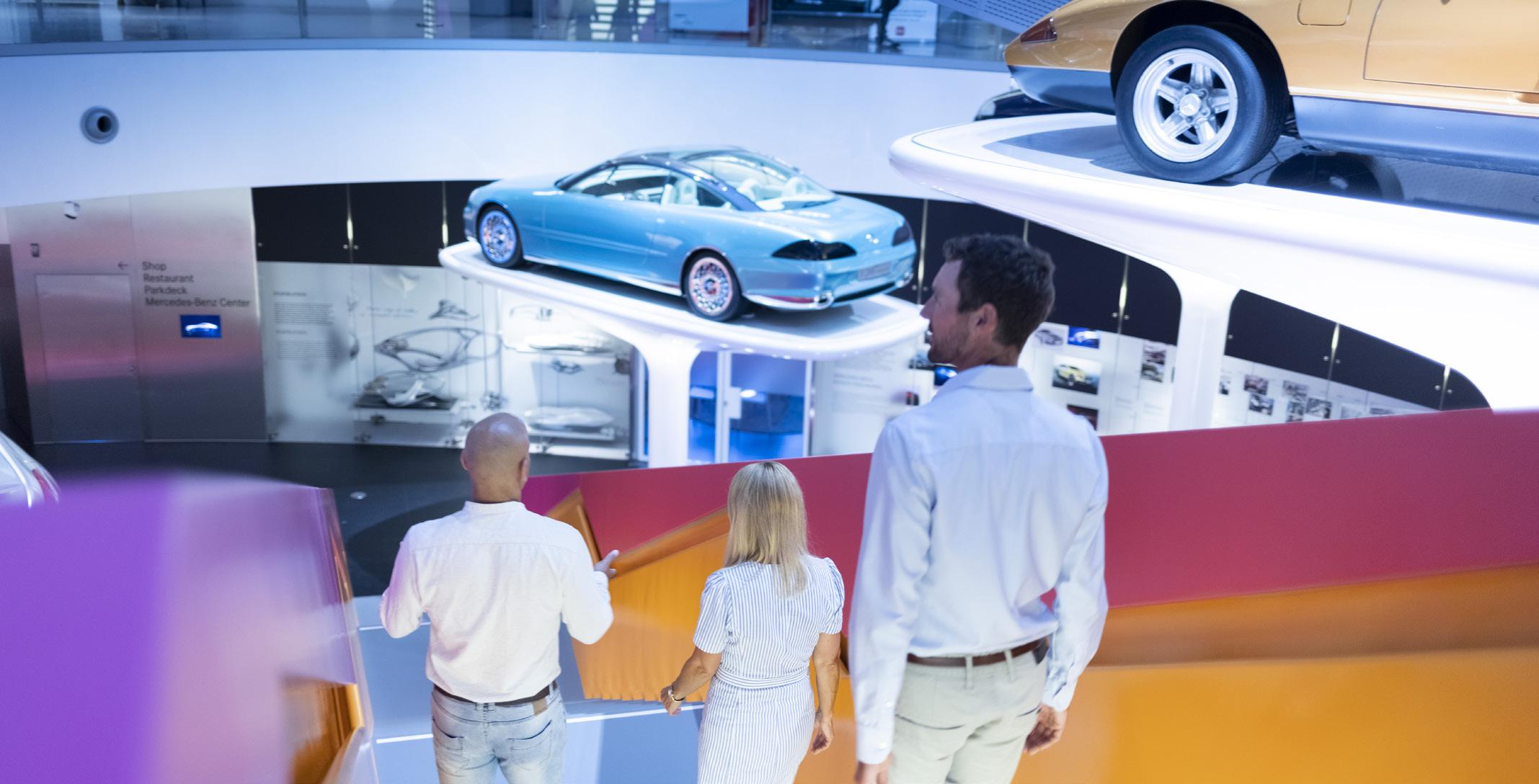
FOR SWABIAN CUISINE IN A UNIQUE SETTING...
The culinary delights at the Gasthaus zur Linde have long been renowned in Stuttgart and the surrounding area. Here, excellent traditional dining meets a unique ambience.
From the cosy atmosphere of the listed building to the competent and friendly service and passionately prepared dishes, no aspect of Swabian hospitality remains untouched.
FOR CLEVERLY CONSTRUCTED DISHES...
Hotel Zur Weinsteige showcases a modern brand of cooking strongly influenced by Japanese cuisine. The duo heading up the kitchens, Jörg Scherle and Holger Haag, create extremely precise dishes with skilfully integrated contrasts.
FOR STUTTGART’S TOP ATTRACTION...
Mercedes-Benz Museum celebrates the automobile invented by Carl Benz in 1886.
The museum relates the brand’s history and tells its stories, bringing both alive by placing them in the context of technology, day-to-day life, social history, and popular culture.
More than 160 vehicles of all types are the main protagonists, ranging from some of the oldest automobiles ever built to legendary racing cars and futuristic research vehicles.
Together with other exhibits, they form the
centrepiece of the permanent exhibition covering a total of 16,500 square metres across 12 rooms.
This unparalleled world can be discovered on two tours that follow a ‘Legend’ and ‘Collection’ narrative.
FOR THE WORLD’S FIRST TV TOWER...
After a construction period of 20 months, the SWR Television Tower was unveiled in February 1956. With its impressive height of 217 metres, it is the original model for television towers all over the world.
A popular Stuttgart landmark, visitors can test their head for heights and enjoy the stunning view from the tower platform and the panorama café.
FOR THE PERFECT START TO YOUR STAY...
Stuttgart Airport (STR)
FOR A STYLISH TIME AWAY...
Le Méridien Stuttgart is conveniently located near the city centre and is also one of the few Stuttgart hotels near the train station. Guests can enjoy elegant rooms, as well as a spacious wellness area featuring an immersive pool, sauna area, and a fully equipped gym.
FOR A BOUTIQUE CENTRAL CITY BASE...
Steigenberger Graf Zeppelin boasts an ideal location within walking distance of top attractions such as the Staatsgalerie Stuttgart, Schlossplatz Stuttgart, and various other city sights.
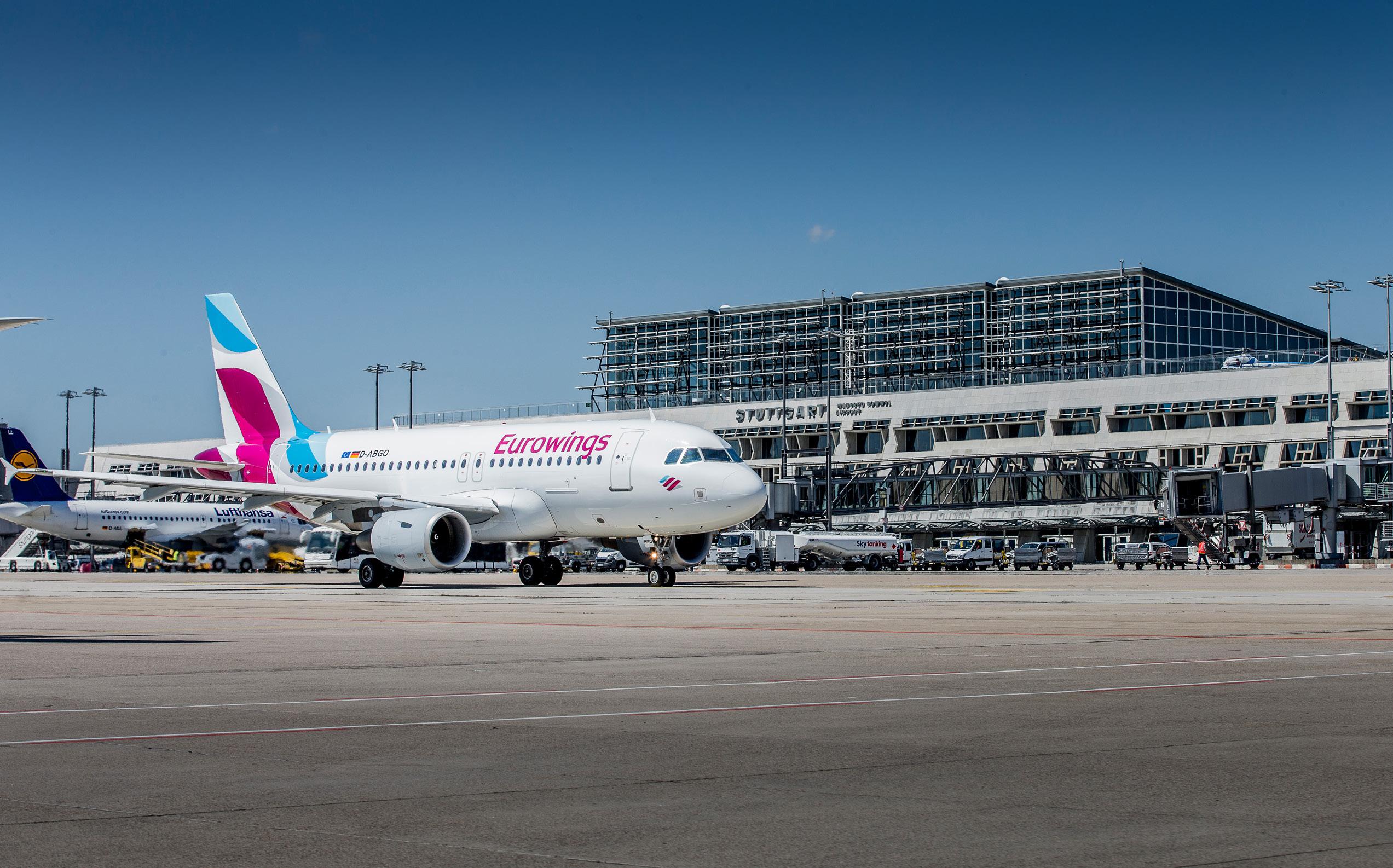












Surama is an Amerindian village (mainly inhabited by Macushi people) and the site for the first community ecotourism initiative in Guyana. The local community manages and maintains Surama Eco-Lodge, which offers tourists a chance to stay in traditional huts, try local food and explore nearby nature trails.
The Altes Schloss (Old Castle) dates back to a water fortress built in the 10th century for the protection of the stud garden, which gave Stuttgart its name. Today, the building places an emphasis on showing the history of the state from the Stone Age through the Celts, Romans, and Alamanni through to the Middle Ages, Baroque, and modern times.
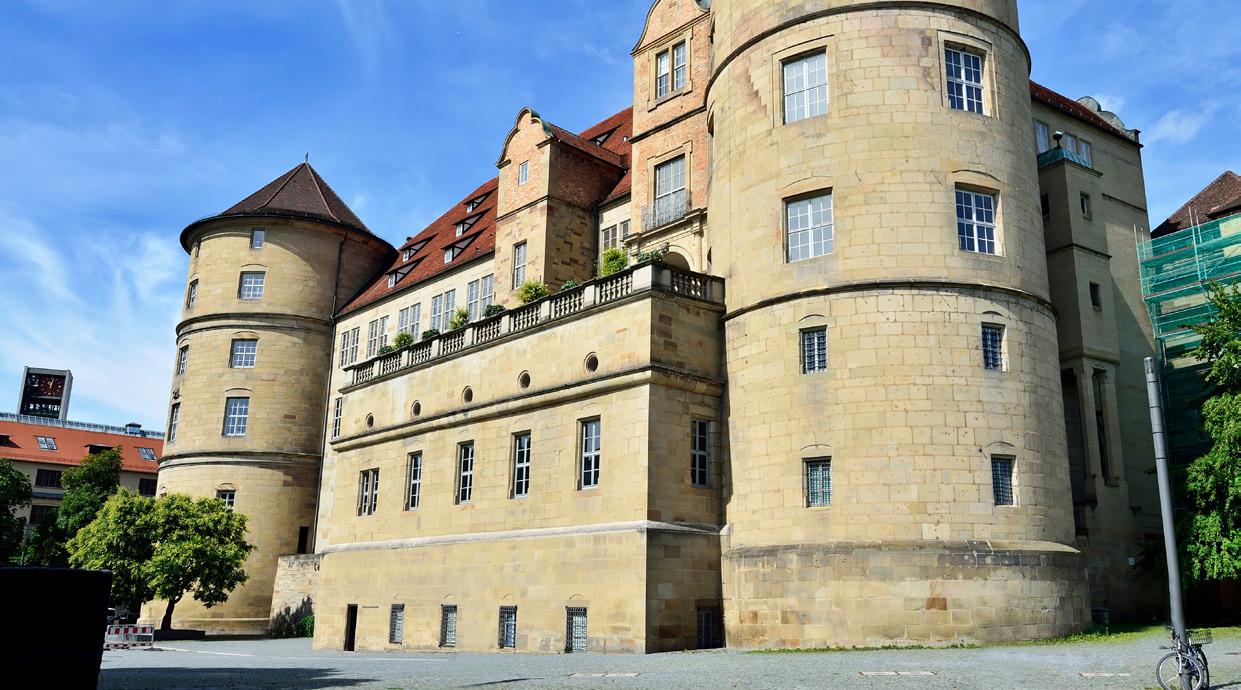
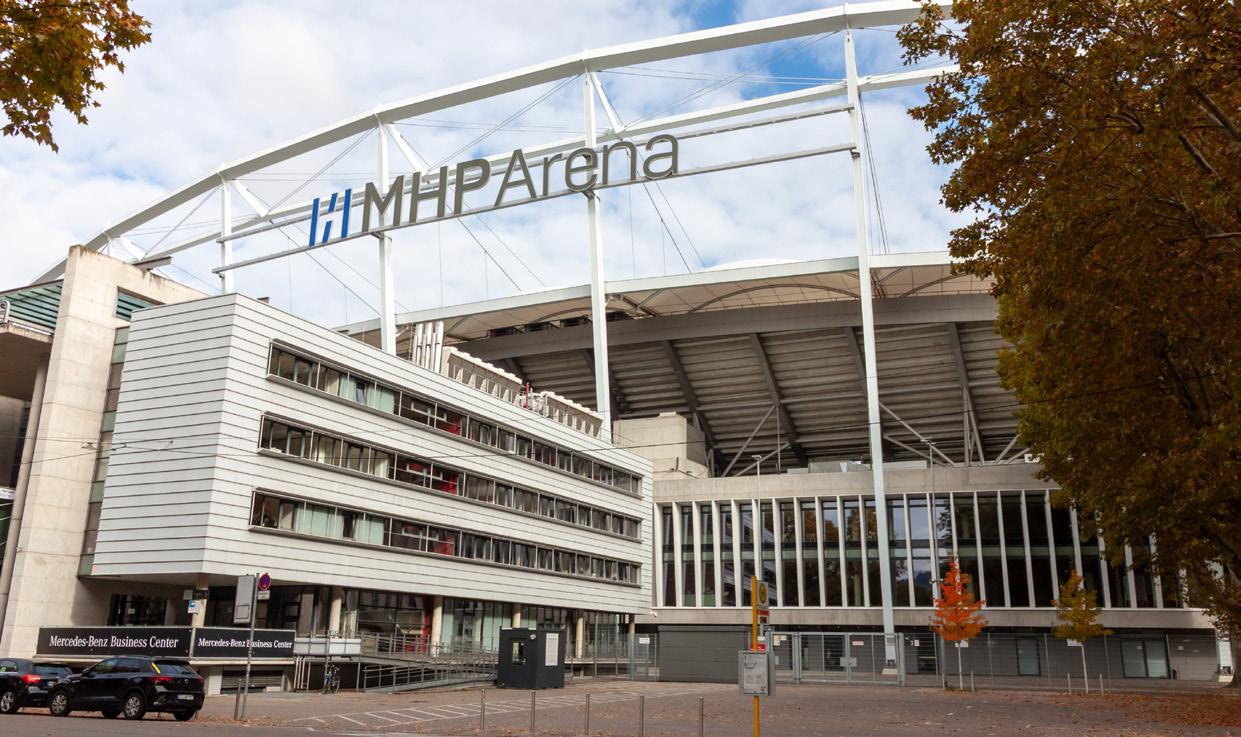
Surama is an Amerindian village (mainly inhabited by Macushi people) and the site for the first community ecotourism initiative in Guyana. The local community manages and maintains Surama Eco-Lodge, which offers tourists a chance to stay in traditional huts, try local food and explore nearby nature trails.
A unique combination of zoo and botany awaits you in Germany’s only zoological and botanical garden –Wilhelma Stuttgart. Here you can observe around 11,000 animals of 1,200 species. This makes Wilhelma Stuttgart one of the most species-rich zoos not only in Germany, but also worldwide. Additionally, the site hosts approximately 8,500 plant species, showcasing the lush diversity of nature.
This flat-topped mountain soars to an elevation of 2,811 metres, and lies on the border between Venezuela, Guyana and Brazil. The plateau is an otherworldly landscape of stark rock formations, often shrouded in cloud. On clear days, you can see for miles across the rugged Pakaraima Mountains.
Formerly the Mercedes-Benz Arena, this incredible venue boasts a long history dating back to 1929. Since its construction, it has undergone numerous transformations and renovations, culminating in the renewal of the stadium roof in 2017, bringing it to its current state. The arena is the proud home of VfB Stuttgart and hosts major events and concerts, boasting a capacity of 60,058 spectators.
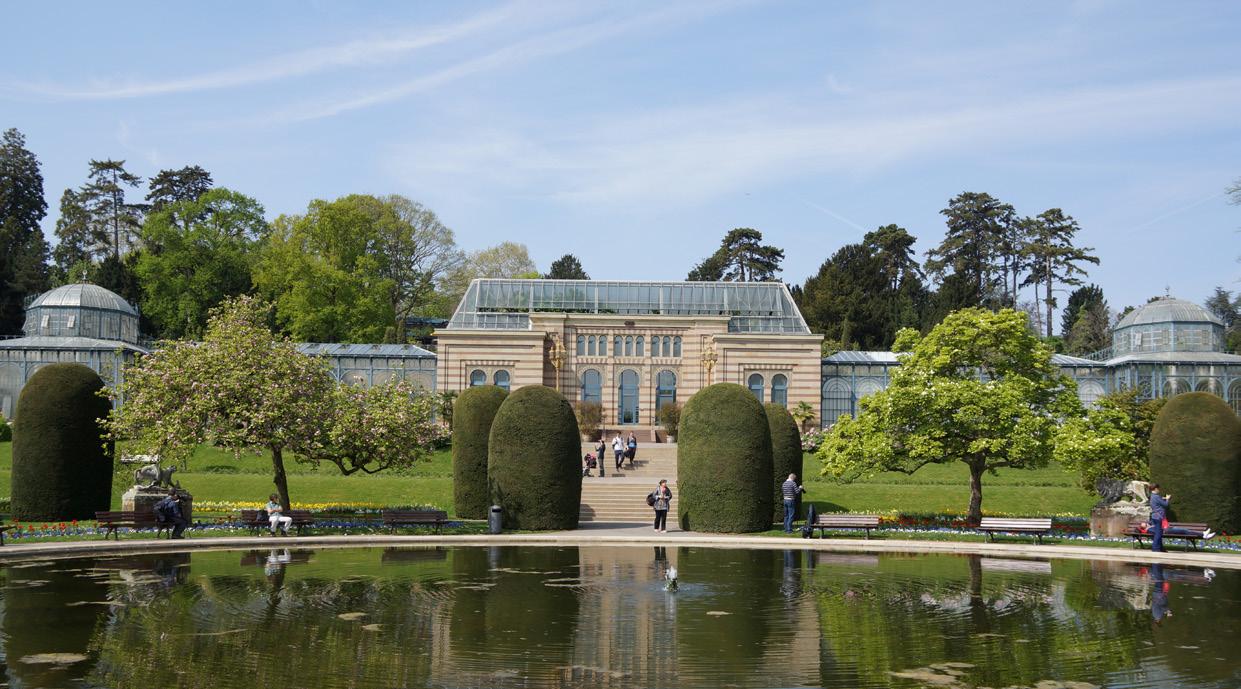
HOSTING ITS OWN international airport, STR, Stuttgart is easy to access for the rest of Europe and indeed the world. Home to around 60 airlines, flights are available to and from 110 destinations across 33 countries.
The airport is well-connected to the city with regular transfer options. Simply take the S-2 or S-3 S-Bahn train lines, which run between two and four times an hour depending on the time of day.
Additionally, the journey between Stuttgart’s main train station and the airport is only about half an hour by public transport and requires no transfer.
The city has an extensive public transportation network that includes
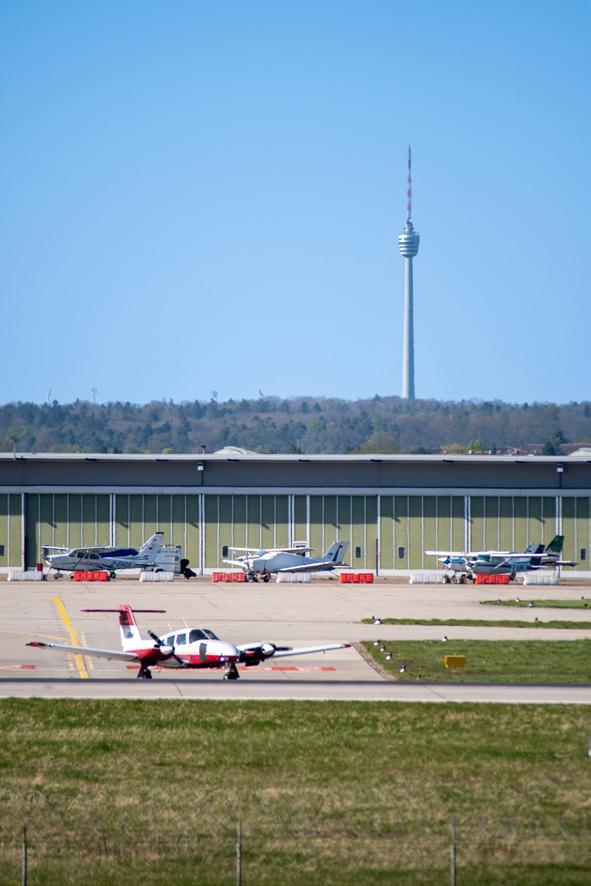
buses, underground, and overground trains. Transportation runs from early in the morning until late at night, depending on your destination, and night buses run through the evening on weekends.
A further eco-friendly and more athletic way to beat traffic is taking a bicycle around town. If you don’t have your own, there are plenty of shops that will rent you one for the day.
Similarly, electric bikes and e-scooters are increasingly popular in Stuttgart and offer the perfect compromise among convenience and eco-friendliness.
Stella is a local service offering Vespa-like scooters that run on electric power through an easy-touse app.
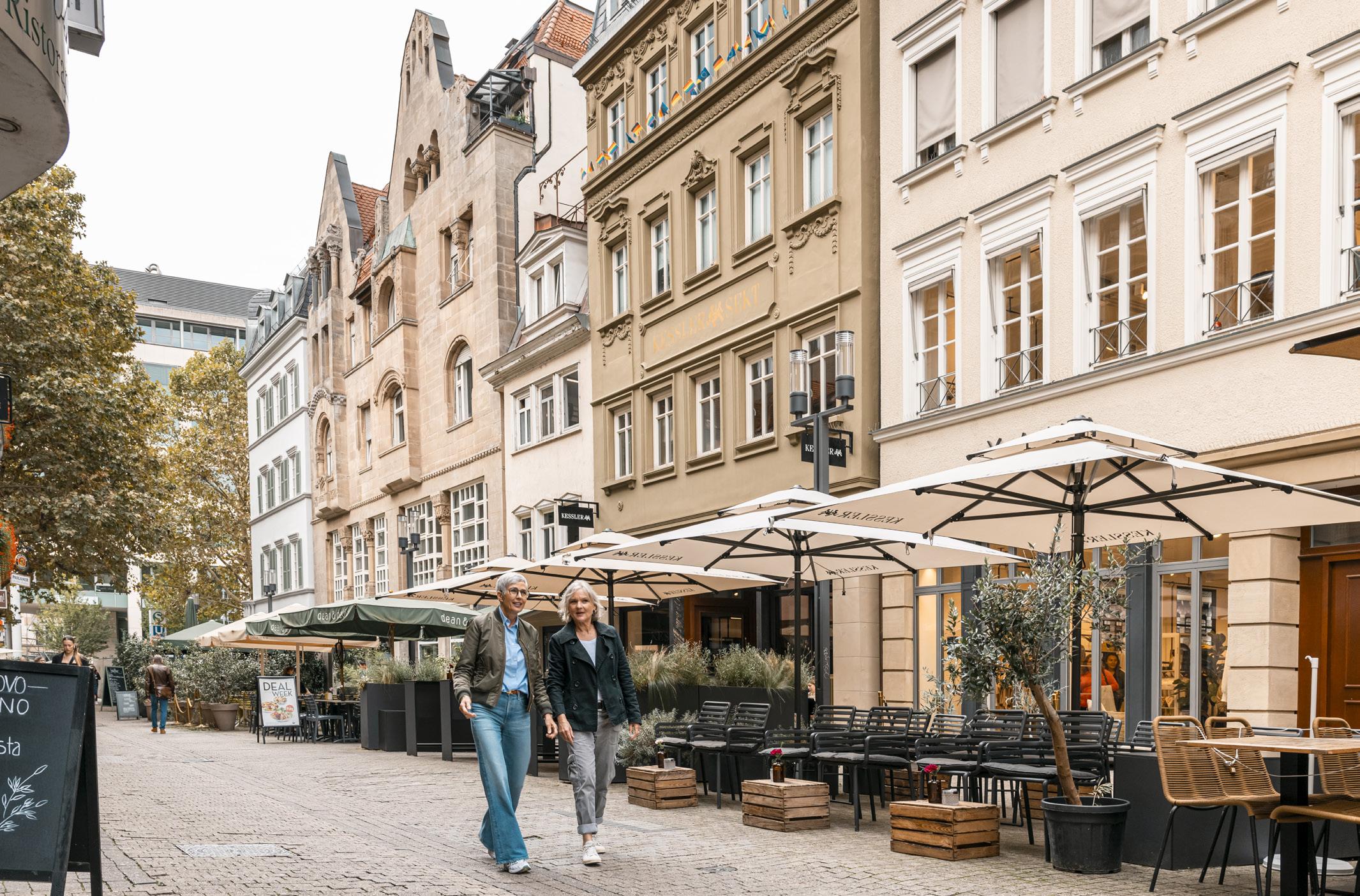
Salzburg is a complete artwork in its own right, famed as the birthplace of Wolfgang Amadeus Mozart and filming location for The Sound of Music
WRITER: JACK SALTER | PROJECT MANAGER: MANTE KALINAUSKAITE
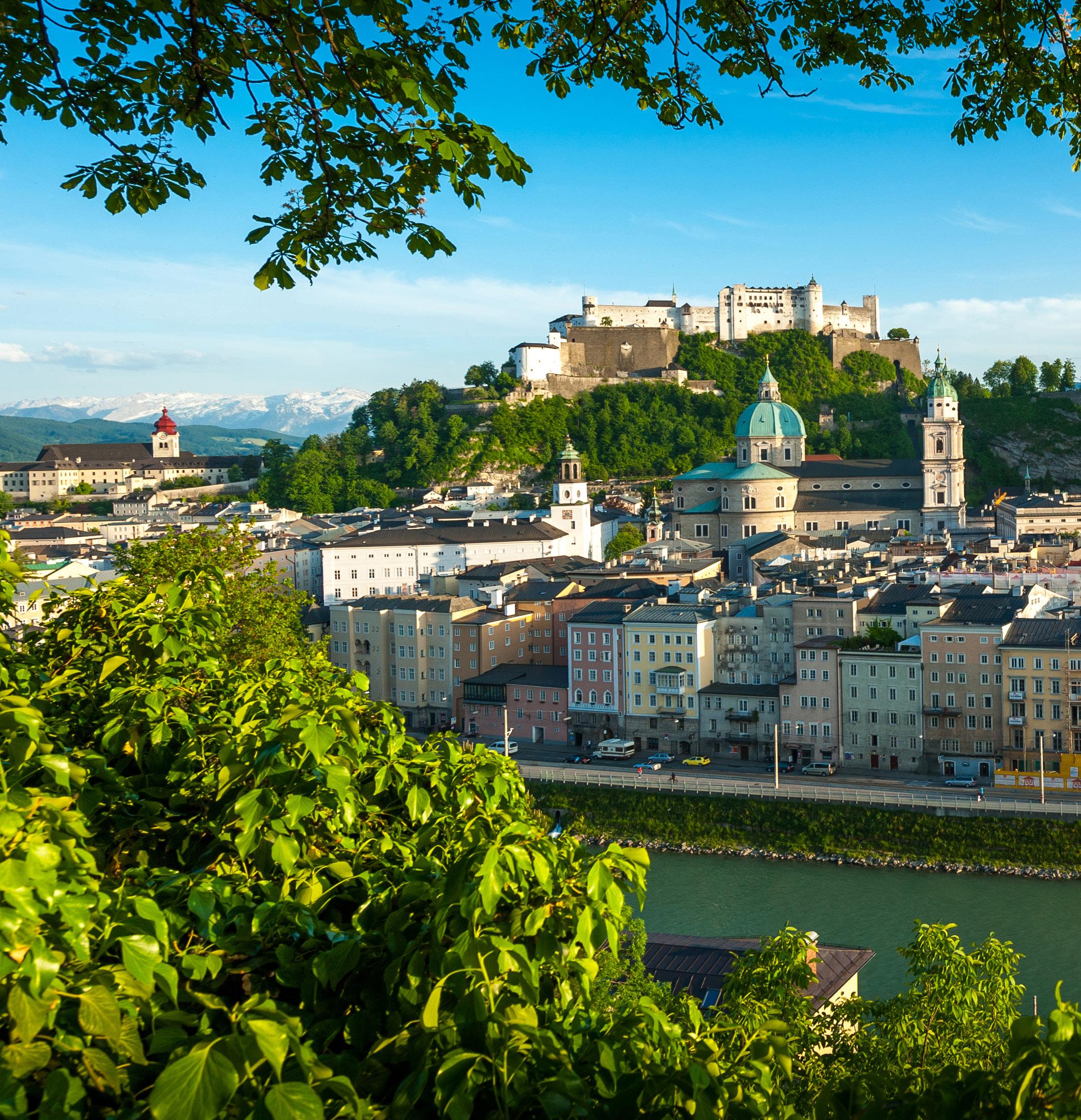
The life story of musical wunderkind, Wolfgang Amadeus Mozart, has its origins in Salzburg – Austria’s fourth-largest city.
Born on 27th January 1756 in the bright yellow Getreidegasse 9, Mozart is widely considered one of the greatest composers of all time, having completed more than 800 works in his short 35-year life.
The house where Mozart was born is now one of the most-visited museums in Austria. In the three-storey
exhibition, you can learn about the domestic circumstances he grew up in, when he began making music, his passion for opera, and much more.
Salzburg also sets the scene for The Sound of Music, which was released in 1965 and took the world by storm, earning five Oscars.
The film stars Julie Andrews and combines a powerful and moving story, first-rate music, and the city’s breathtaking scenery.
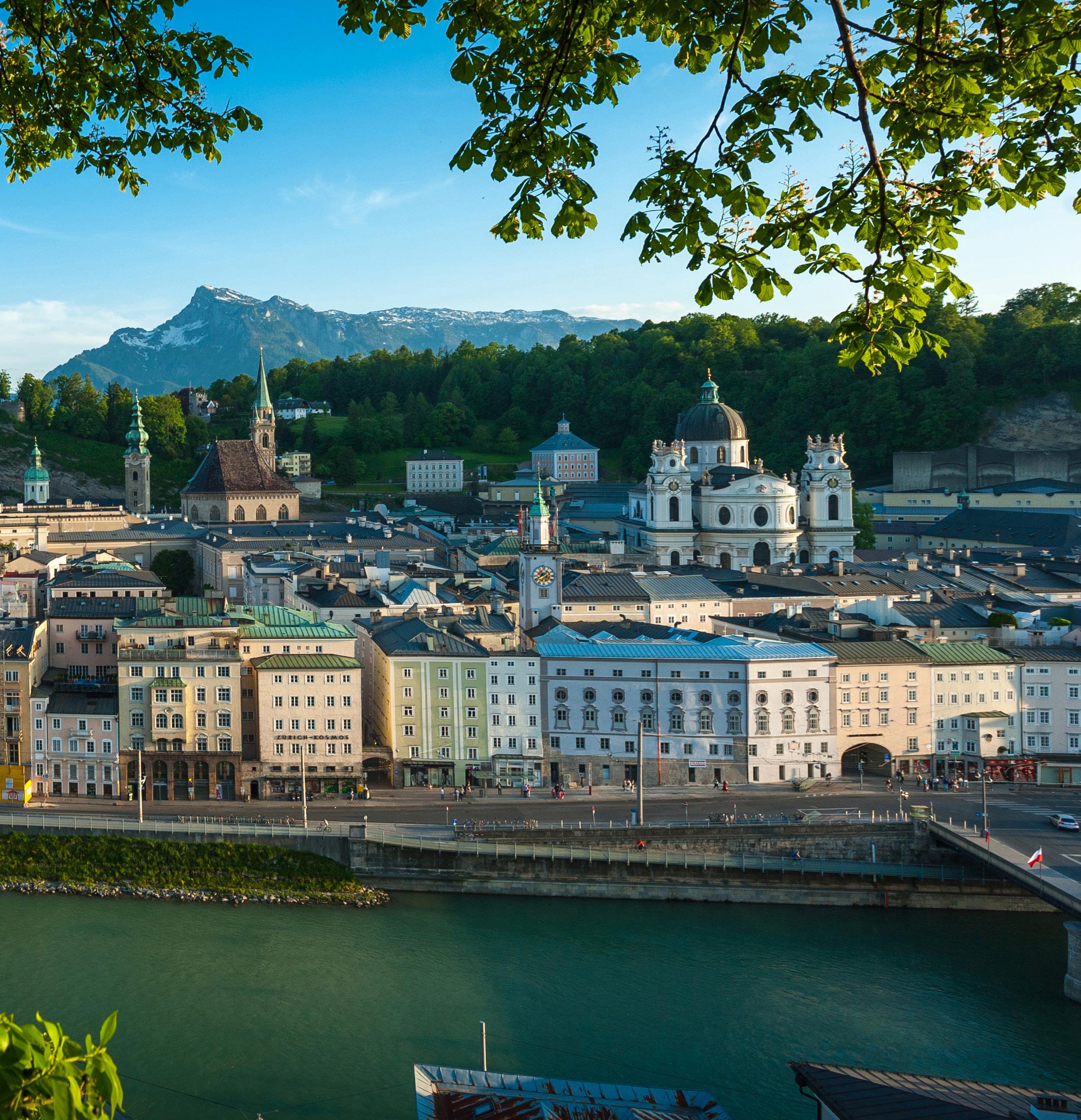
Hundreds of thousands of fans come to Salzburg every year to walk in the footsteps of the von Trapp family at the original filming locations.
A new museum dedicated to the legacy of The Sound of Music, set to open this year, will explore this enduring phenomenon and shed light on the true story of the von Trapp family.
Audiences are likewise captivated by the timeless allure of Jedermann, the legendary play at the heart of Salzburg
Festival – amongst the world’s most prestigious cultural events, held since 1920.
The festival stands as one of the premier celebrations of classical music and drama. Each summer, Salzburg transforms into a grand stage, overflowing with cultural vibrance.
Aside from its world-famous cultural and musical highlights, Salzburg offers many other compelling and exciting reasons to make a trip.
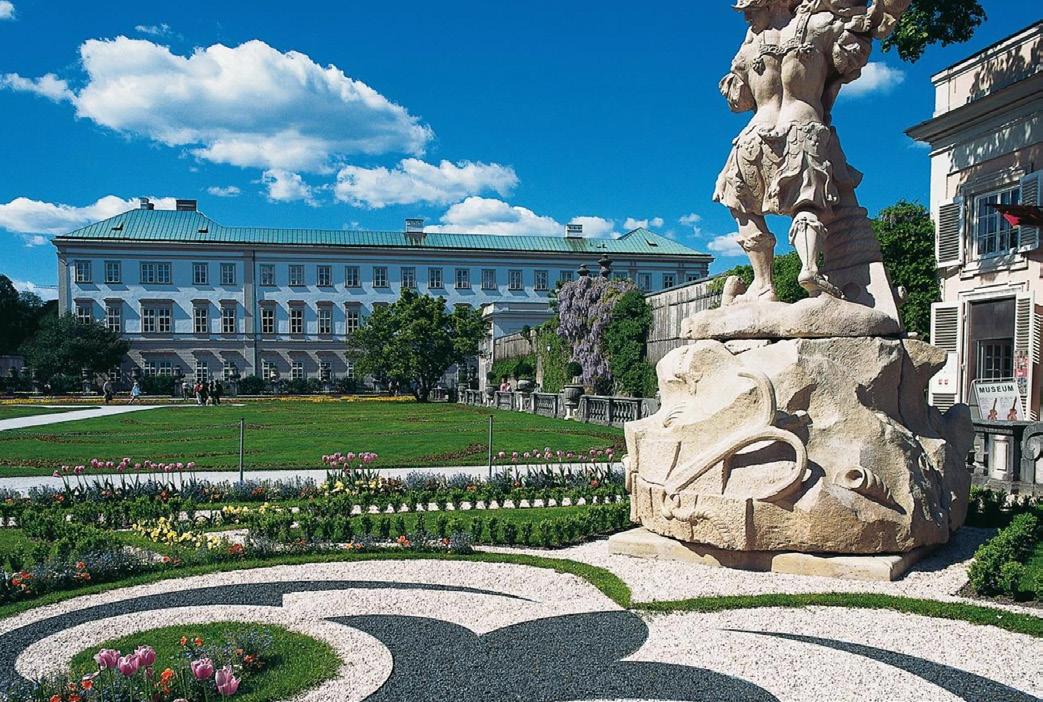
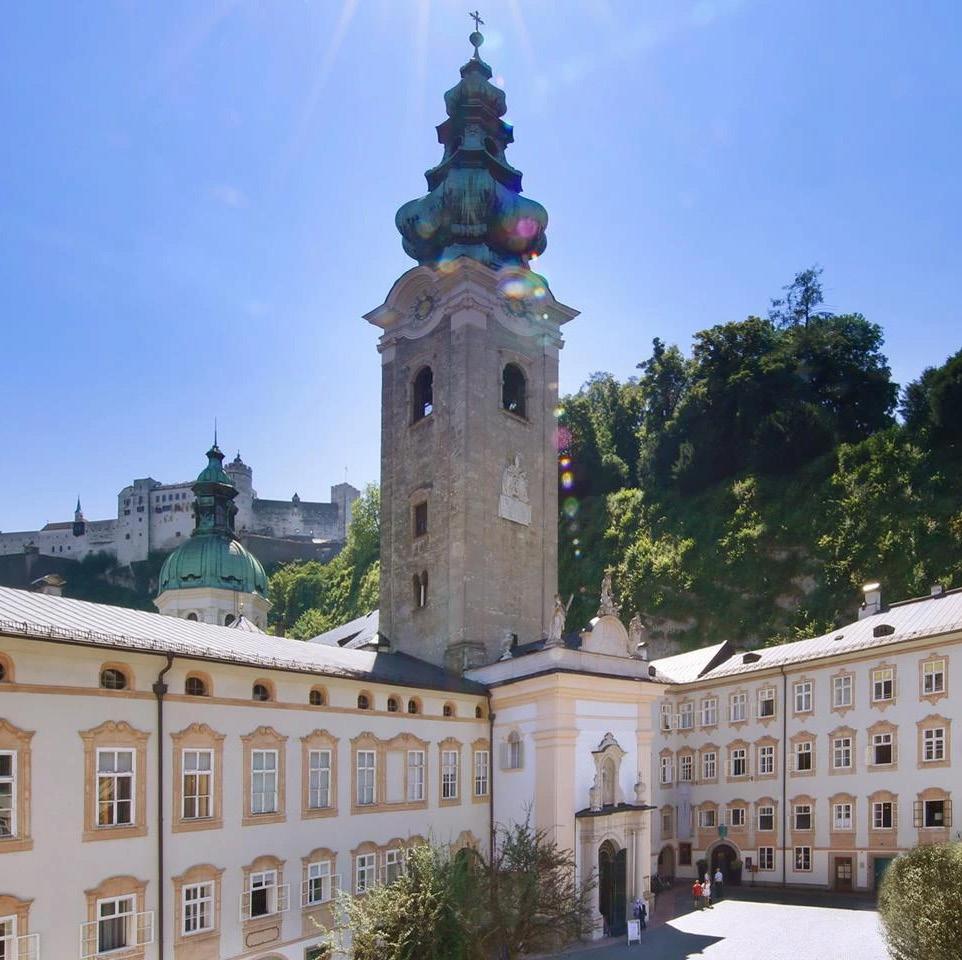
Salzburg is known as the ‘City of Mozart’, and this marks the 270th anniversary of the composer’s birth. We celebrate with Tourismus Salzburg and Andrea Minnich, Marketing Manager, who also highlights how to experience The Sound of Music, Salzburg Festival, and more.

ANDREA MINNICH
Marketing Manager, Tourismus Salzburg
Outlook Travel (OT): Firstly, could you introduce us to Tourismus Salzburg and outline your vision?
Andrea Minnich, Marketing Manager (AM): Tourismus Salzburg is the official destination management and marketing organisation for the city of Salzburg.
Operating as Tourismus Salzburg GmbH and wholly owned by the city, we are responsible not only for promoting Salzburg worldwide, but also for shaping and managing key tourism infrastructure.
In addition to destination marketing, visitor services, and strategic partnerships with hotels, cultural institutions, and event organisers, Tourismus Salzburg also operates the
Salzburg Congress convention centre and the municipal health spa (offering therapeutic and health treatments) with the city’s public indoor swimming pool.
Our overall vision is centred on quality tourism: creating meaningful, high-value experiences whilst maintaining a careful balance between visitors’ enjoyment and the everyday life of Salzburg’s residents.
We focus on sustainable mobility, preserving cultural heritage, and strengthening Salzburg as both a cultural capital and an international meeting destination. Salzburg is not just a place to visit – it’s a place to experience through music, history, innovation, wellness, and genuine Austrian hospitality.
OT: What are some of the city’s most unique landmarks?
AM: The city’s unique character lies in the harmonious interaction between architecture and landscape.
Due to the unity and harmony of its cityscape – the exceptional coherence of its Baroque Old Town set amidst breathtaking natural scenery and Alpine mountains – the
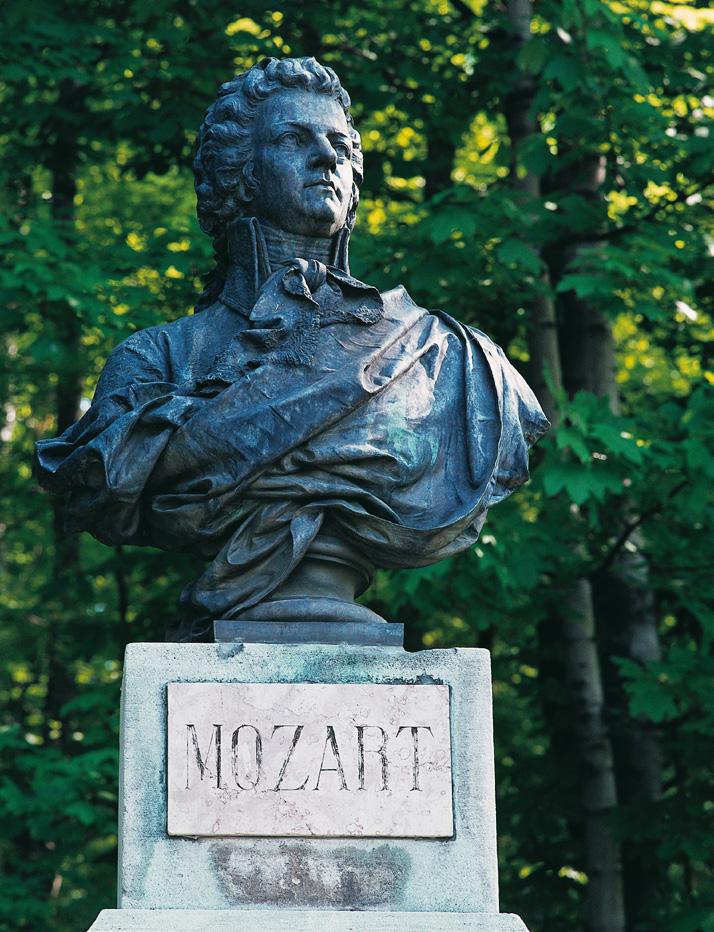
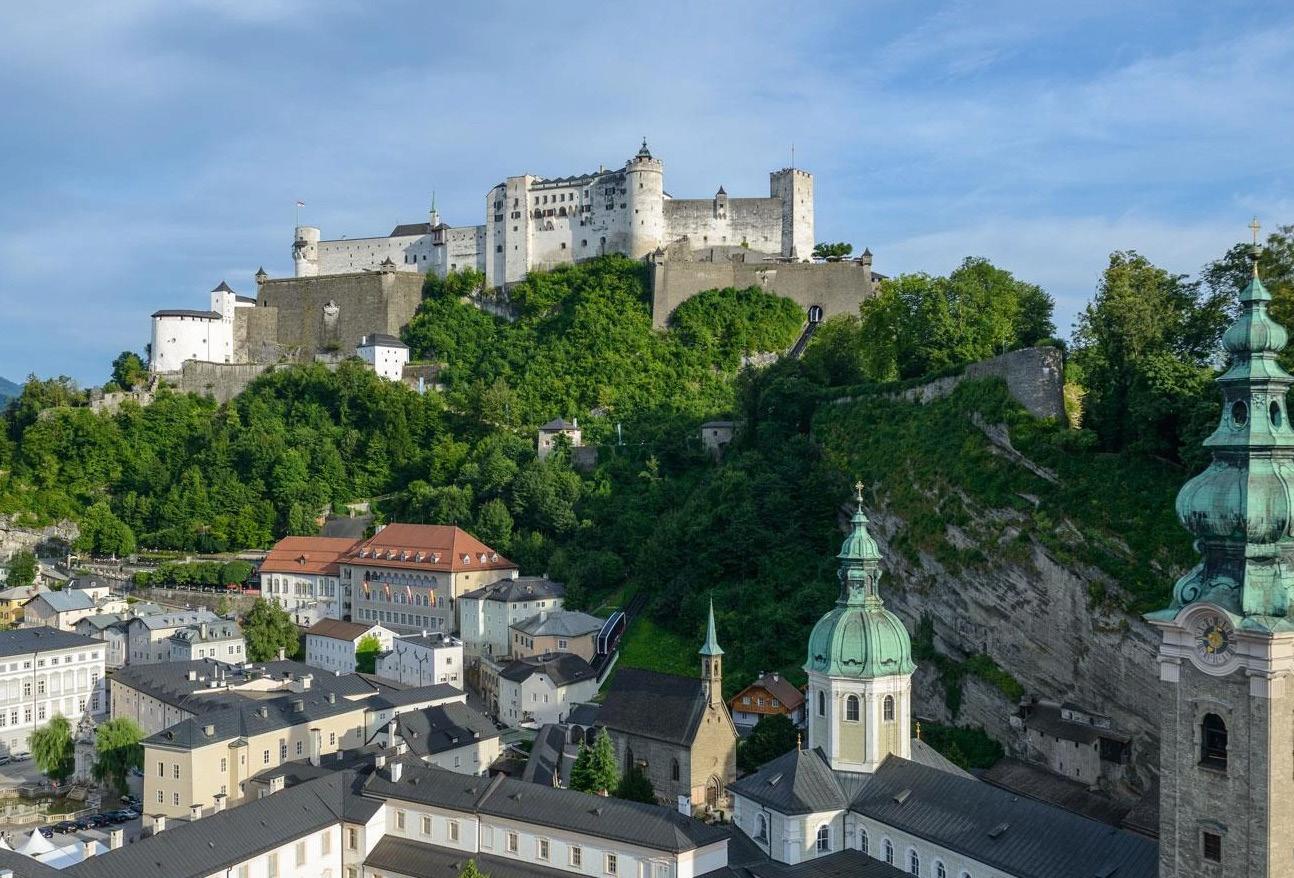
entire historic centre of Salzburg was inscribed as a UNESCO World Heritage Site 30 years ago. This recognition highlights the city’s outstanding universal value and the responsibility to preserve its architectural and cultural heritage for future generations. Amongst Salzburg’s most iconic landmarks are:
• Hohensalzburg Fortress – One of the largest and bestpreserved medieval fortresses in Europe, towering above the city and offering panoramic views over the Salzach River and surrounding mountains.
• Mozart’s Birthplace (Getreidegasse 9) – The house where Mozart was born in 1756, today one of Austria’s most-visited museums.
• Mozart’s Residence (Mozart-Wohnhaus) – Located on Makartplatz, this is where Mozart lived for several years with his family. Today, it houses an extensive exhibition about his life, works, and international influence.
• DomQuartier Salzburg – An impressive cultural complex that includes Salzburg Cathedral (Dom zu Salzburg) and the historic Residenz Palace, once the seat of the powerful Prince-Archbishops. Visitors can explore state rooms, galleries, and panoramic terraces offering unique views over the Old Town.
• Mirabell Palace and Gardens – A Baroque masterpiece famous for its geometric flowerbeds, sculptures, and as a filming location for The Sound of Music.
• St Peter’s Abbey and Cemetery – One of the oldest monasteries in the German-speaking world, founded in 696, with atmospheric catacombs carved into the Mönchsberg rock.
• Hellbrunn Palace and its trick fountains – A playful 17th-century pleasure palace with extraordinary water features that continue to delight visitors today.
Together, these landmarks create an architectural ensemble that is both historically significant and visually stunning – a city where culture and nature are inseparably intertwined.
Within the city, visitors can make use of the Salzburg Card, offering free admission to all sights and attractions, and public transportation for 24, 48, or 72 hours.
is Salzburg known as the ‘City of Mozart’?
AM: Salzburg is inseparably linked to Mozart, who was born here on 27th January 1756.
He spent his childhood and youth in the city, composing his first works, performing at the archiepiscopal court and in Salzburg’s churches, and developing the extraordinary talent that would later make him one of the greatest composers in history.
His birthplace in Getreidegasse and his later residence on Makartplatz remain places of pilgrimage for music lovers from around the world.
Mozart’s presence in Salzburg, however, is not confined to museums and concert halls – it is also alive in the city’s historic cafés, inns, and culinary traditions.
One can enjoy coffee at the traditional Café Tomaselli, where Mozart himself once sat. At the historic Sternbräu, visitors can savour hearty Austrian cuisine, including liver dumplings – said to have been amongst Mozart’s favourite dishes.
The restaurant K+K am Waagplatz also has a charming Mozart connection; according to tradition, the composer was friendly with the innkeeper’s daughter there.
And, of course, one should not miss tasting a glass of Stiegl beer – brewed in Salzburg since 1492 and already enjoyed in Mozart’s time.
We know many of these details because Mozart was a remarkably diligent letter writer. His extensive correspondence with family and friends gives us vivid
insights into his daily life, preferences, humour, and culinary tastes.
No visit to Salzburg would be complete without trying the famous Original Mozartkugel. The authentic version can only be found in Salzburg at the traditional Café-Konditorei Fürst, where the confection was invented in 1890.
To this day, it is still handmade according to the original recipe by descendants of the founder, preserving a sweet tradition that has become world-famous.
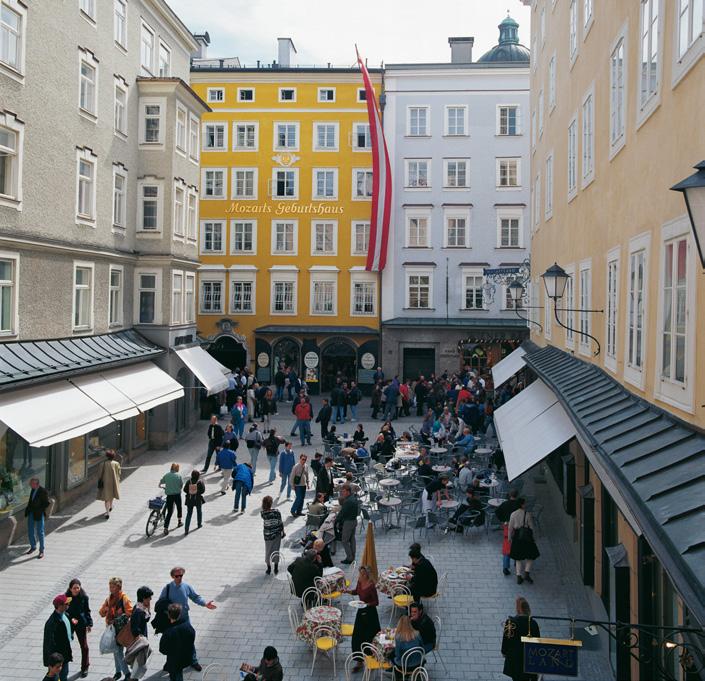
Salzburg’s identity as the ‘City of Mozart’ is not only rooted in concert programmes and anniversaries, but in everyday life – its streets, flavours, stories, and living traditions.
A central institution preserving and promoting Mozart’s legacy is the Internationale Stiftung Mozarteum. Founded in 1880, the foundation is dedicated to the research, preservation, and performance of Mozart’s works.
It manages Mozart’s Birthplace and Mozart’s Residence, houses one of the world’s most important Mozart archives and collections, and organises the internationally renowned Mozart Week each January.
Through concerts, scholarly work, educational programmes, and digitisation projects, the Internationale Stiftung Mozarteum ensures Mozart’s music remains a living and evolving cultural force.
OT: This year marks the 270th anniversary of Mozart’s birth. How is Salzburg celebrating and what events can visitors look forward to?
AM: In 2026, Salzburg celebrates 270 years since the birth of Mozart, placing the city firmly at the heart of Europe’s
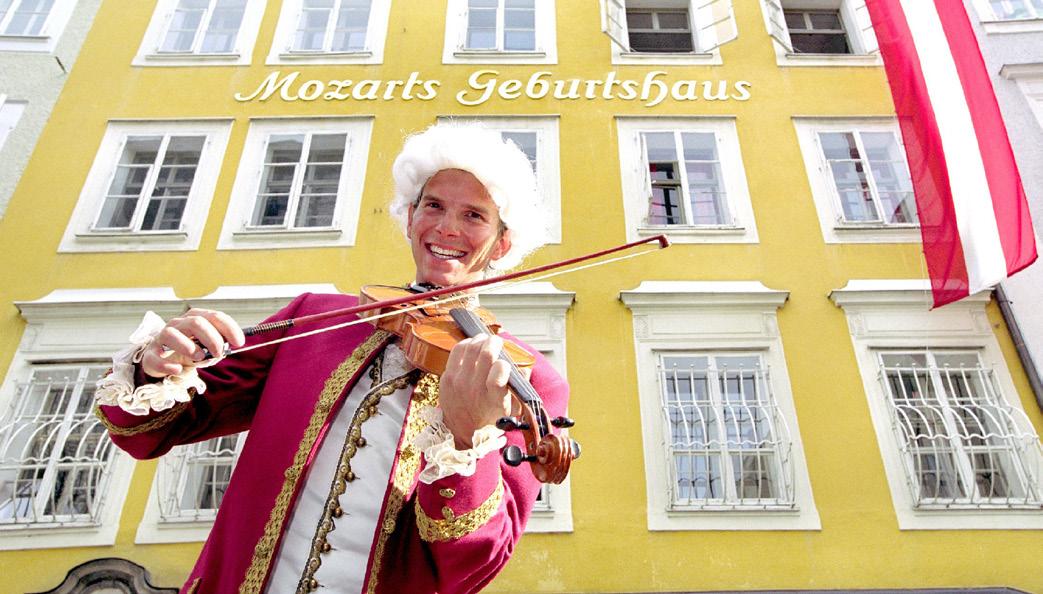
musical life.
This special jubilee highlights Salzburg not only as Mozart’s place of birth, but also as a vibrant hub for music, culture, and tradition.
Throughout the city, visitors can trace his life and legacy, from Mozart’s Birthplace and Mozart’s Residence, including the fascinating exhibition on The Magic Flute, to interactive experiences such as the Mozartkugel Workshop, where guests can engage creatively with his life and work.
Mozart’s music will be at the very centre of the year’s festivals; his compositions will resonate in historic halls, churches, and open-air venues.
Guests can enjoy Mozart Dinner Concerts, which combine period cuisine with live Baroque music, as well as Fortress Concerts high above the Old Town and Mirabell Palace Concerts, bringing classical works to life in breathtaking Baroque settings.
These events, alongside the ‘Date with Mozart’ programme, offer intimate performances that recreate the sound world of Mozart and provide deep insight into his compositions and personal life.
A special highlight will be the Salzburg Marionette Theatre, celebrating its 10th anniversary as an intangible UNESCO World Heritage Site in 2026. Here, the stage will come alive with an enchanting production of The Magic Flute, presenting Mozart’s work in a charming, lively, and highly accessible way.
Through these festivals, concerts, exhibitions, and workshops, Salzburg in 2026 offers an unparalleled opportunity to experience Mozart not only as a historical figure, but as a living presence whose music continues to inspire audiences worldwide.
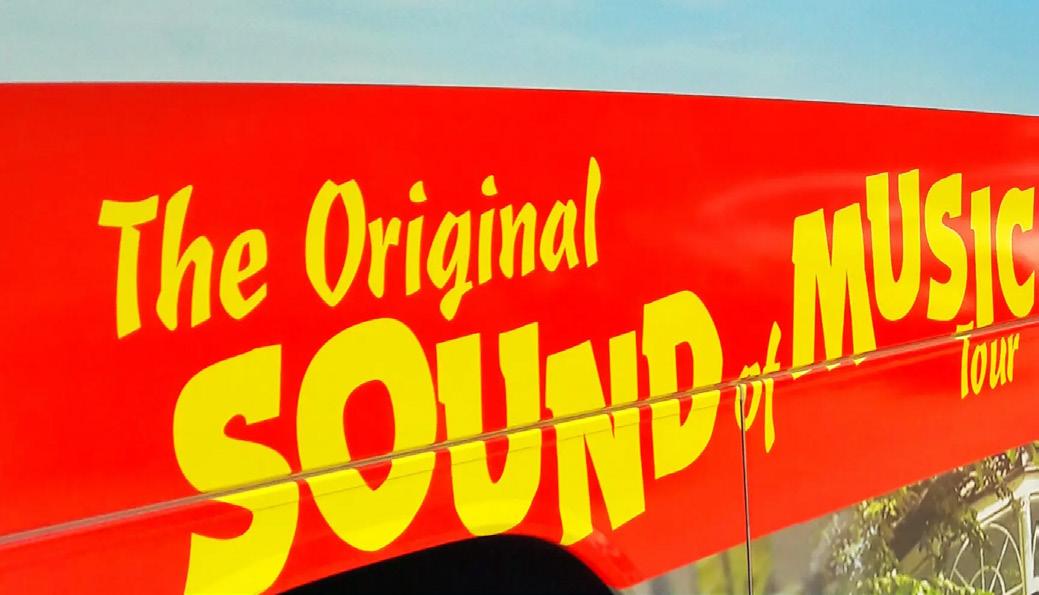
“Salzburg’s identity as the ‘City of Mozart’ is not only rooted in concert programmes and anniversaries, but in everyday life – its streets, flavours, stories, and living traditions”
– Andrea Minnich, Marketing Manager, Tourismus Salzburg
OT: How can tourists also experience ‘The Sound of Music’ in Salzburg?
AM: The Oscar-winning film The Sound of Music has become part of Salzburg’s cultural fabric since scenes were shot here in 1964, making the city a pilgrimage destination for film fans.
Visitors are often overwhelmed by how much Salzburg still looks like it did over 60 years ago when the movie was made – the same streets, gardens, and Alpine backdrop remain largely unchanged, creating a magical sense of stepping into the film itself.
Guests can explore the movie’s iconic locations and the real-life story of the von Trapp family through a variety of experiences:
• Guided tours – Including bus tours and walking tours, some with singing guides who bring the movie’s songs to life as you move through the city.
• Bicycle tours – Such as Fräulein Maria’s Bicycle Tours, offering a scenic ride to key filming locations whilst recounting stories from the film.
• Key locations – The Mirabell Gardens, Leopoldskron Palace, Gazebo in Hellbrunn, Kapitelplatz, and Stift Nonnberg are all must-see spots where famous scenes were shot.
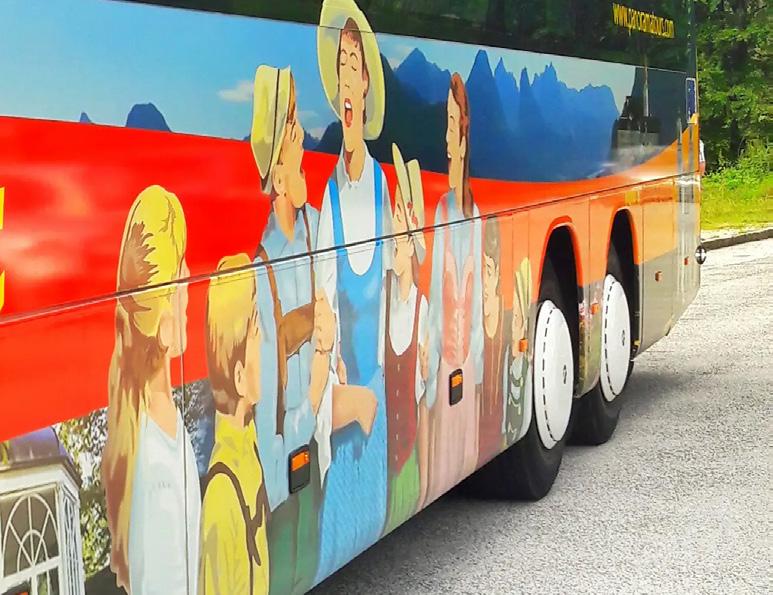
• Culinary experiences – Enjoy The Sound of Musicthemed menus at traditional restaurants or participate in cooking classes and create, for example, the classic crisp apple strudel, allowing visitors to taste the flavours of Austria in a fun, interactive way.
• Salzburg Marionette Theatre – Special The Sound of Music performances bring the film to life on the historic stage, delighting audiences with charming, miniature renditions of iconic scenes and music.
These experiences go beyond sightseeing – they immerse visitors in the musical, historical, and culinary traditions of Salzburg, whilst the city’s unchanged charm from 60 years ago creates an unforgettable, almost cinematic atmosphere.
OT: What about the Sound of Music Salzburg museum opening in mid-2026?
AM: A major new attraction will open in September 2026: the Sound of Music Salzburg museum, located in the historic Hellbrunn Palace complex.
This museum will be the first of its kind to explore the phenomenon of the film – from its conception to its lasting cultural impact.
Exhibits will cover the story of the von Trapp family, original film memorabilia, and the global reach of this Hollywood classic.
The Hellbrunn Palace grounds are also intimately connected to The Sound of Music. The gazebo in the palace gardens, where the song “16 Going on 17” was filmed, is part of the guided tours, giving visitors a direct link to the iconic scenes.
With its combination of film history, interactive exhibits, and the playful historical gardens, Hellbrunn Palace and the Sound of Music Salzburg museum will offer visitors a truly immersive experience, blending cinema, music, and Austrian cultural heritage in one unforgettable location.

OT: Why else, in your opinion, should someone visit Salzburg in 2026?
AM: Beyond Mozart and The Sound of Music, Salzburg in 2026 offers a unique combination of cultural richness and seasonal events, making it an extraordinary destination throughout the year.
Visitors can enjoy world-class music, theatre, and art exhibitions, as well as vibrant festivals and celebrations.
Key seasonal events include:
• Easter Festival (Osterfestspiele), bringing top-tier orchestral and opera performances during the spring.
• Pentecost Festival (Pfingstfestspiele), offering a rich programme of music and theatre performances in historic venues.
• Jazz&TheCity, celebrating contemporary jazz across multiple venues and open-air stages in the summer.
• Christmas and Advent markets, filling the city with festive lights, crafts, culinary delights, and traditional holiday spirit during winter.
A highlight of 2026 will be the UNESCO World Heritage Museum, opening in June in the Mirabell Gardens, showcasing Salzburg’s exceptional heritage.
Amongst the exhibits, the Sattler Panorama stands out, offering visitors a breathtaking 360-degree view and deep insight into the city’s history, architecture, and cultural significance.
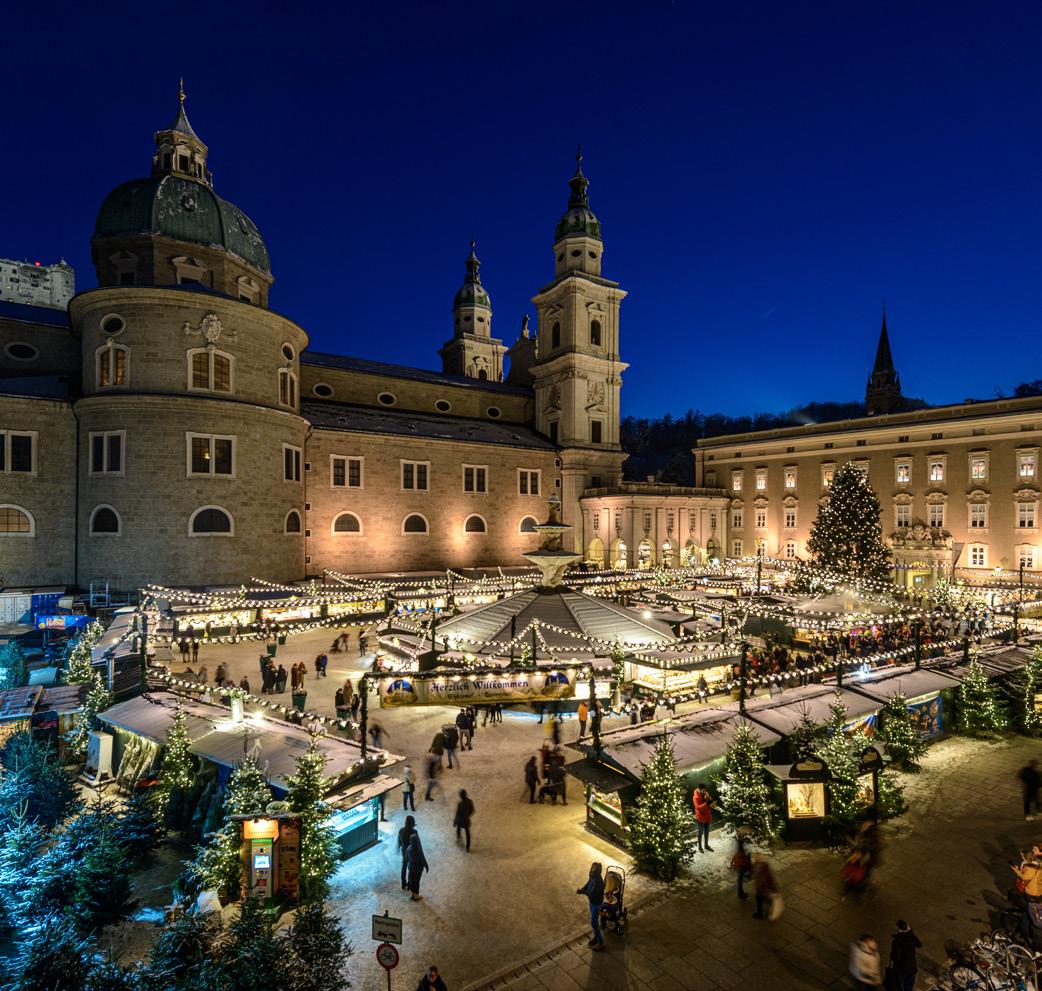
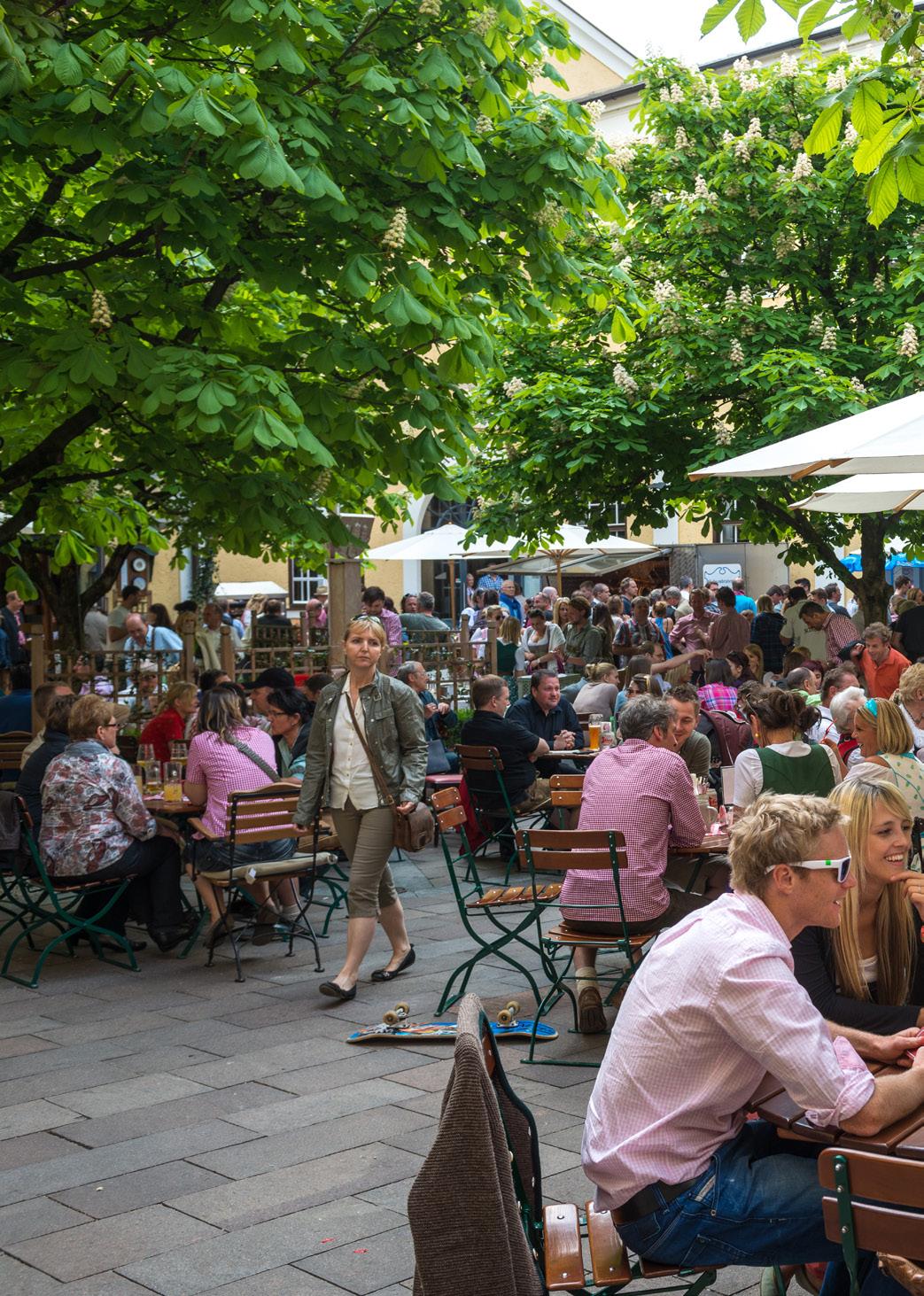
“The Oscar-winning film The Sound of Music has become part of Salzburg’s
cultural fabric since scenes were shot here in 1964, making the city a pilgrimage destination for
film fans”
– Andrea Minnich, Marketing Manager, Tourismus Salzburg
Salzburg also provides easy access to its surrounding Alpine landscapes and the scenic Salzkammergut region, ideal for hiking, cycling, and exploring charming lakes and villages.
Natural and historical highlights include the Salzbergwerk (salt mine) in Hallein, the towering Untersberg mountain, and countless Alpine vistas that frame the city’s skyline. These outdoor experiences perfectly complement the city’s rich cultural programme.
In addition, the Guest Mobility Ticket, which was introduced last May, is issued to all overnight guests by their accommodation, providing unlimited travel on Salzburg’s local buses and trains and allowing easy exploration of both the city and province of Salzburg without a car.
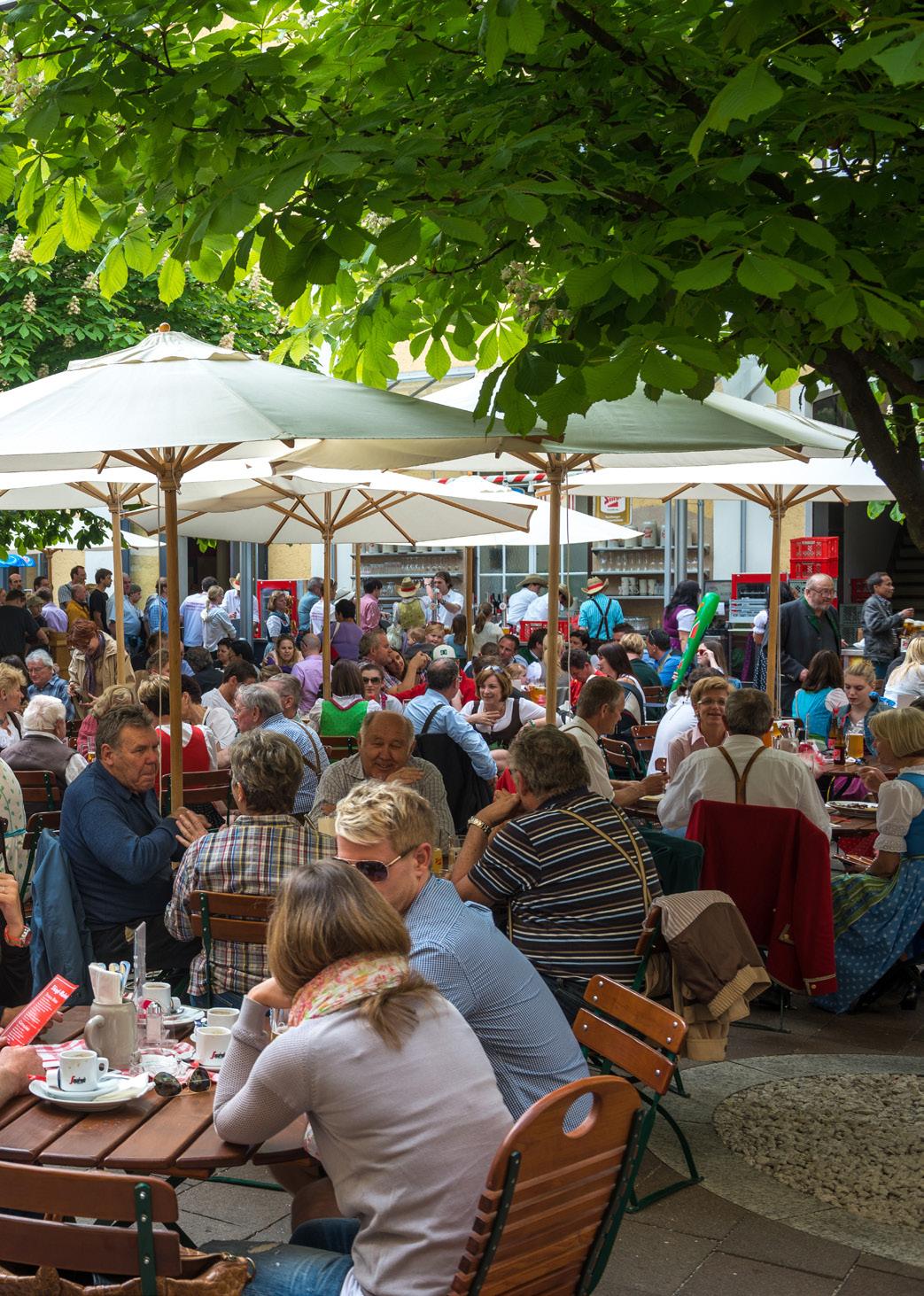
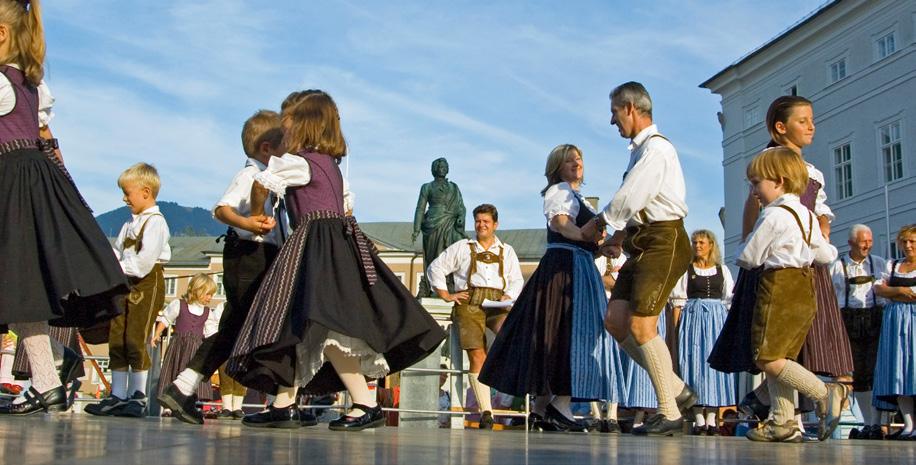
OT: Finally, are you optimistic about the future of tourism in Salzburg?
AM: Absolutely, we are optimistic about the future of tourism in Salzburg. The city’s deep cultural roots, combined with its commitment to quality, sustainability, and visitor experience, make it a model for sustainable cultural tourism.
Ongoing investments in events, heritage sites, and new attractions demonstrate a forward-looking approach that honours tradition whilst welcoming future generations of visitors.
Internationalisation is a key focus for the coming years. Salzburg continues to strengthen its global appeal by
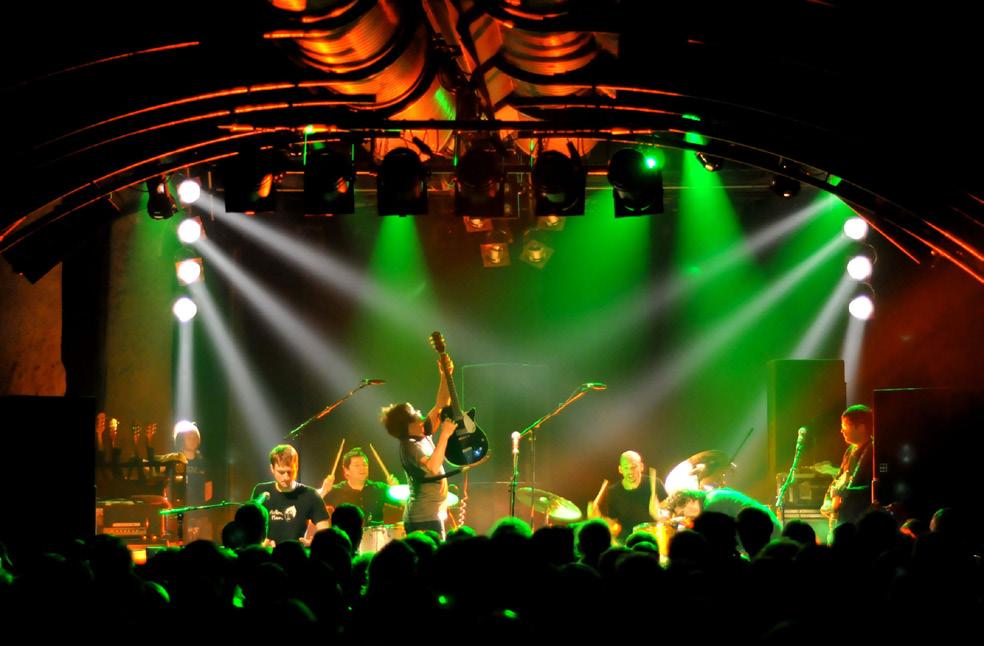
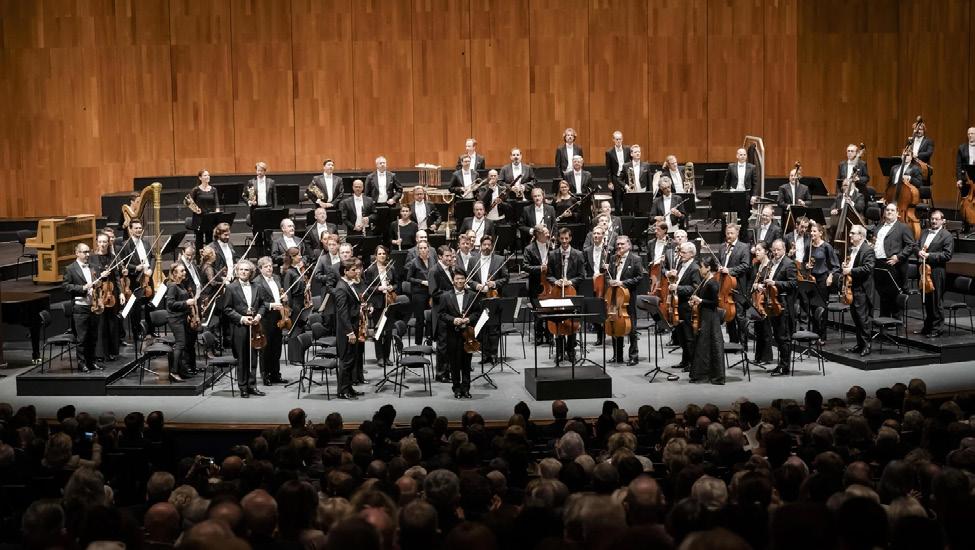
attracting visitors from all continents, hosting international congresses at the Salzburg Congress, and promoting cultural exchanges through festivals and performances that showcase both Austrian heritage and world-class talent.
Strategic partnerships with airlines, tour operators, and cultural institutions ensure Salzburg remains accessible and visible on the international stage.
With its combination of history, artistic innovation, Alpine beauty, and modern infrastructure, Salzburg is wellpositioned to remain a top destination for culture, business, and leisure tourism.
By embracing international visitors whilst preserving its unique character, Salzburg ensures the city continues to thrive as a vibrant, globally recognised cultural capital.
Tel: +43-662-88987-0 tourist@salzburg.info www.salzburg.info
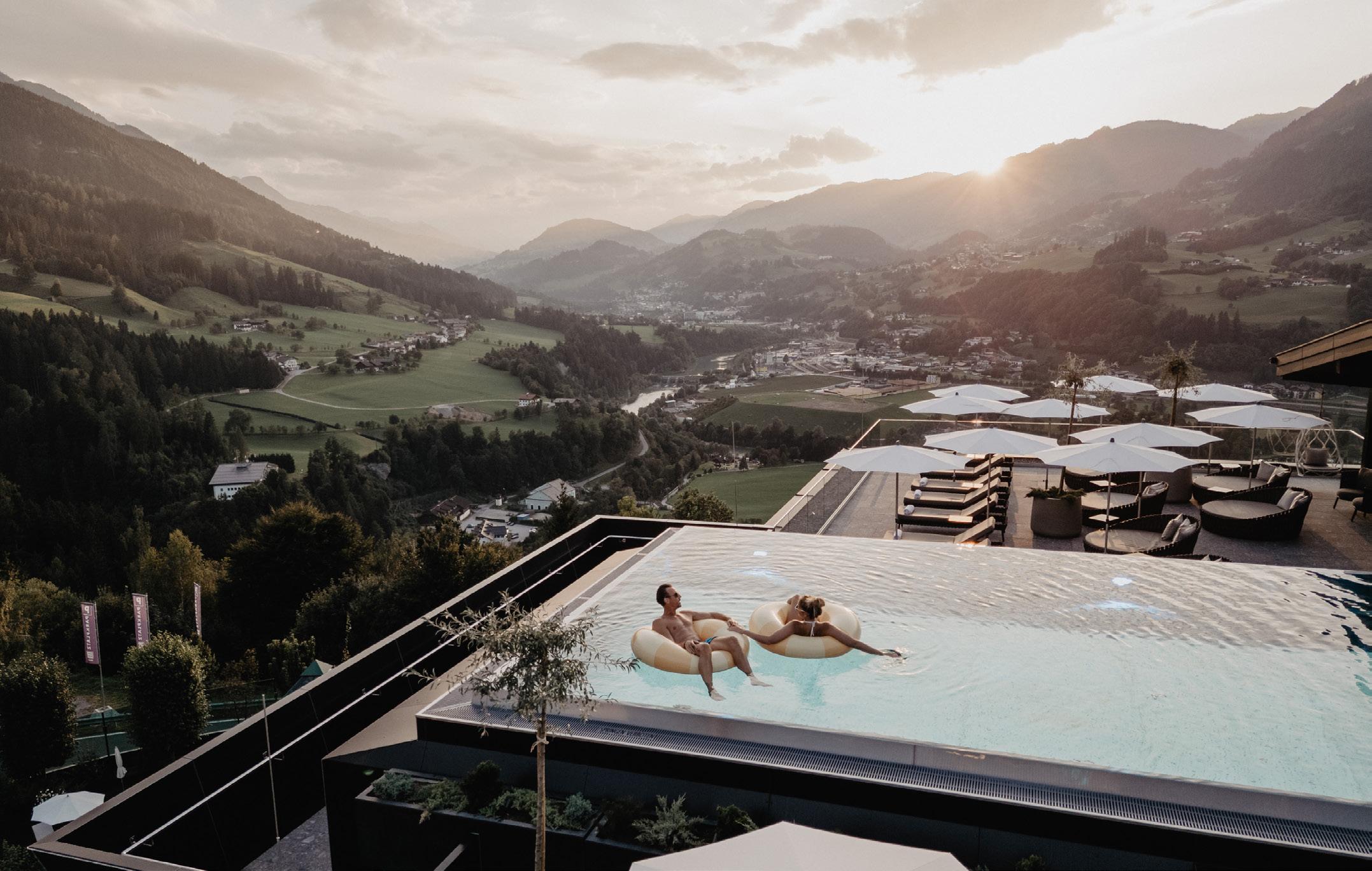
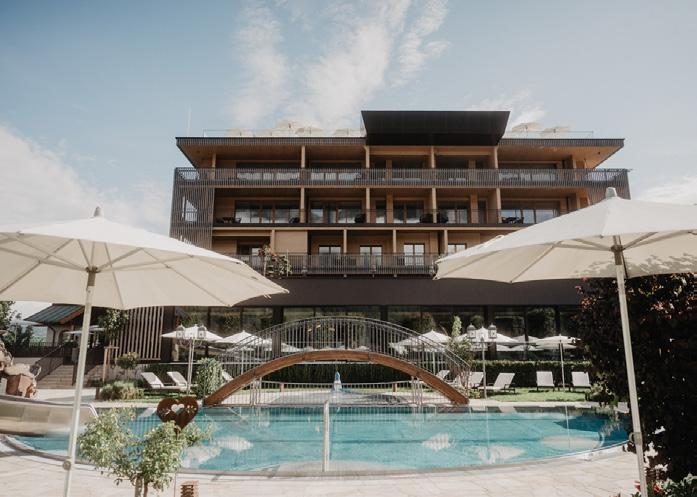
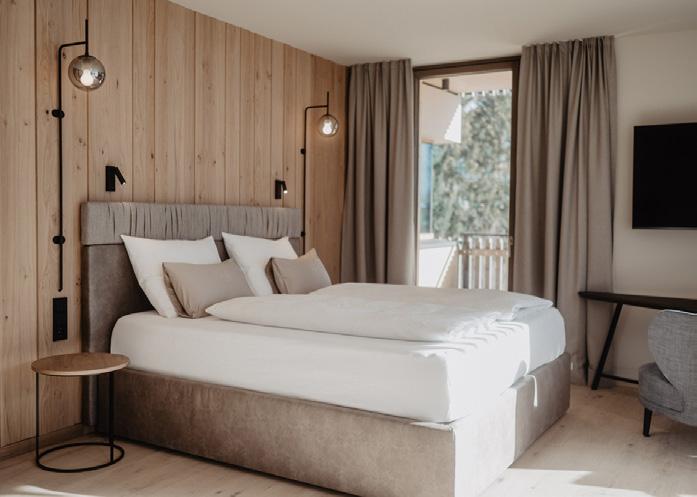
Nestled in the Alpine mountain landscape of Salzburger Land, Hotel Berghof is a family-run retreat that has stood for genuine hospitality, quality and contemporary comfort for generations. What once began as a small farmhouse has evolved into a stylish hideaway for couples, families and active travelers – in every season. The spacious rooms and suites combine natural materials such as wood with modern design and abundant light. Large windows open up to panoramic views of the surrounding mountains, while selected suites even feature a private sauna – perfect for special

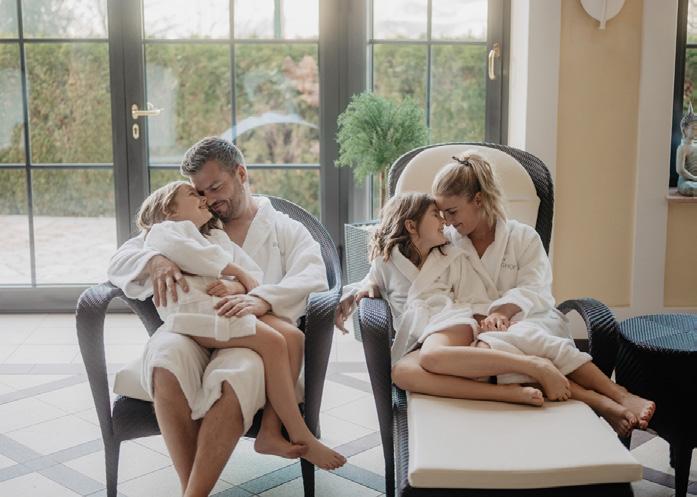
holiday moments. Whether as a couple, with family or with friends, everyone finds their own place to unwind, with plenty of space to enjoy time together.
A true highlight is the modern wellness area with its Rooftop Spa. Relax in the heated infinity pool, unwind in the quiet rooms or enjoy the panoramic sauna with farreaching Alpine views.
While adults can retreat to dedicated relaxation areas, other parts of the hotel are thoughtfully designed to be family-friendly – creating a harmonious balance between tranquility and vibrant holiday life.
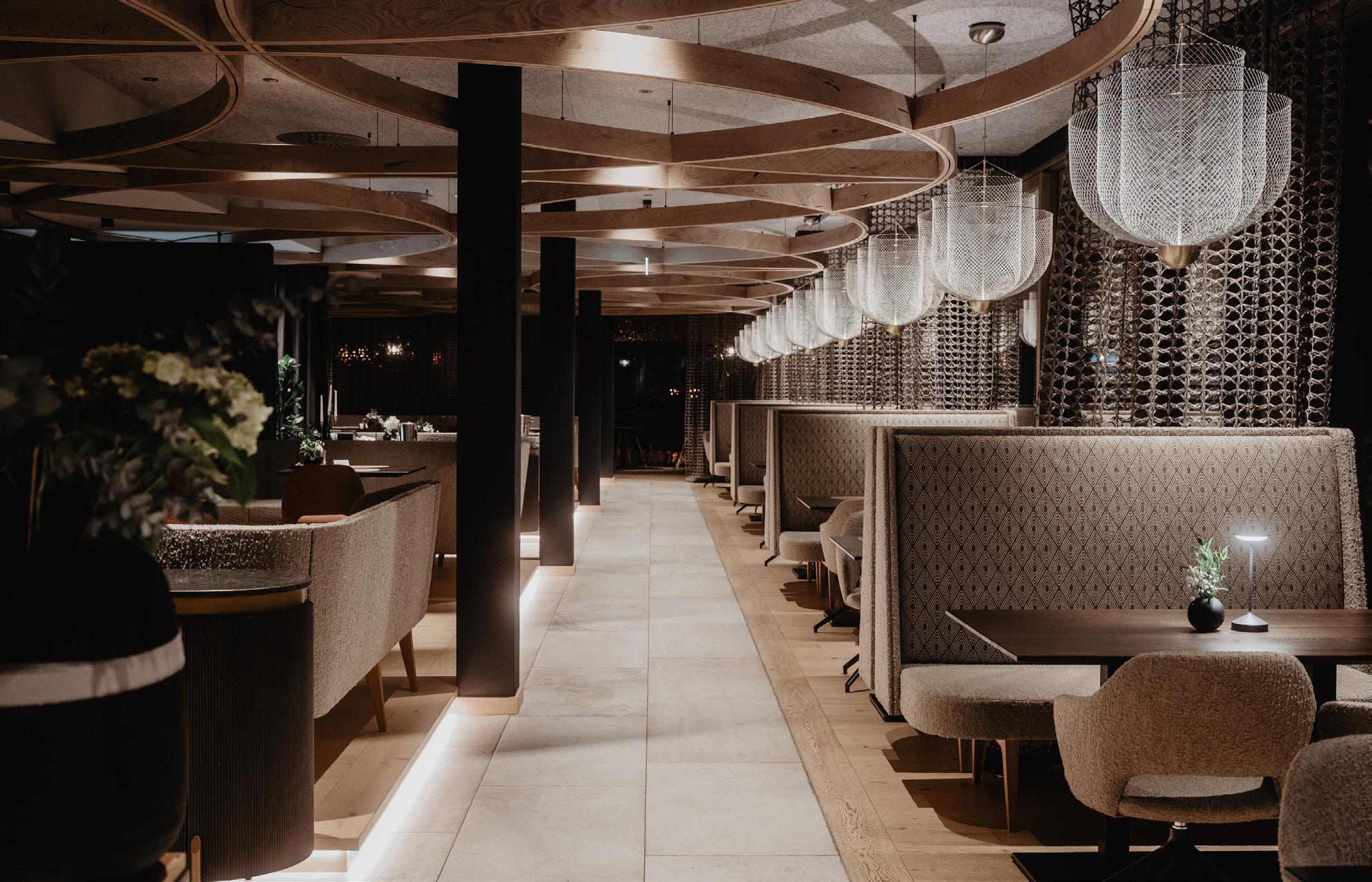
Culinary experiences at Berghof are defined by regional character and refined flavours. The day begins with a generous breakfast buffet featuring fresh local products – with special attention also given to younger guests.
In the evening, daily changing menus and creative dishes await in an atmosphere that combines fine dining with mountain views. For special occasions, the fine-dining restaurant “Medusa” offers an exclusive gastronomic experience.
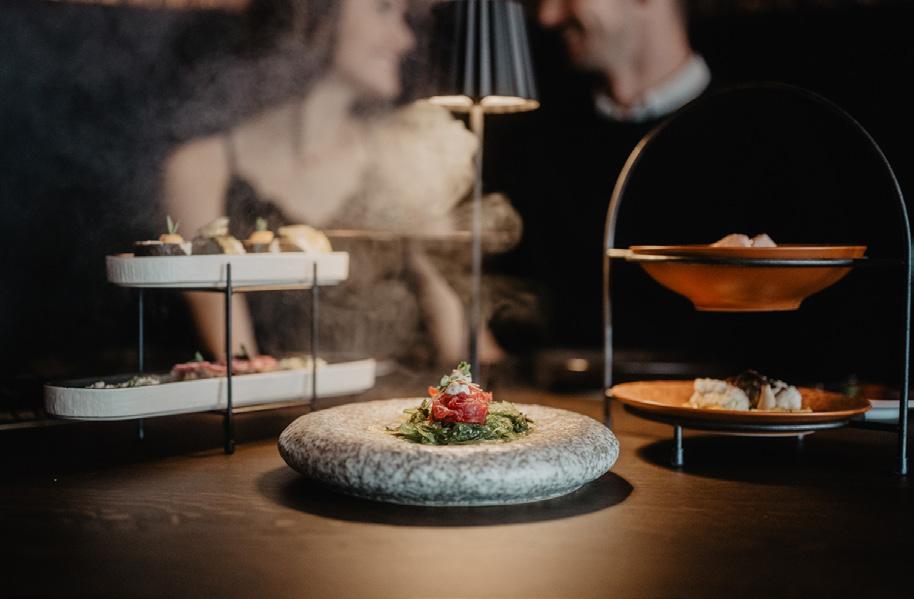
Located in St. Johann im Pongau, Berghof is the ideal starting point for shared adventures: hikes to traditional Alpine huts, excursions to the nearby Liechtenstein Gorge, e-bike tours or skiing in winter. The experience is complemented by a diverse activity and relaxation programme directly at the hotel – for young and old alike. Hotel Berghof is more than a place to stay – it is a place to arrive, unwind and return to.
A house with character, heart and space for truly meaningful moments together.
Eat:
FOR MOUTHWATERING TRADITION…
Discover all-day indulgence, surrounded by a soothing ambiance and warm hospitality, in the heart of Salzburg’s Old Town at Gasthof Goldgasse.
The restaurant combines fine delicacies and stylish fine dining with traditional craftsmanship and a modern twist.
High-quality, seasonal, and locally sourced ingredients are always at the forefront of Gasthof Goldgasse’s menus.
FOR FINE DINING ABOVE THE ROOFTOPS…
In the stylish ambiance of The Glass Garden Restaurant, you will experience culinary excellence at the highest level.
Crowned with a Michelin star and four Gault&Millau toques, the restaurant combines the finest gastronomy with one of Salzburg’s most spectacular panoramic locations.
Beneath the unique glass dome, you can expect not only an unparalleled view of the Old Town but also a space of extraordinary aesthetics. The centrepiece – Chrysolite Aqua Tower, a hand-blown sculpture by American glass artist Dale Chihuly – is a work of art that harmoniously combines elegance and modernity.
Do:
FOR ART AND CULTURAL HISTORY…
Founded in 1834, Salzburg Museum is the oldest existing and most comprehensive museum dedicated to the art and cultural history of Salzburg.
Discover art, culture, and history with engaging exhibitions, educational programmes, and inclusive museum experiences.
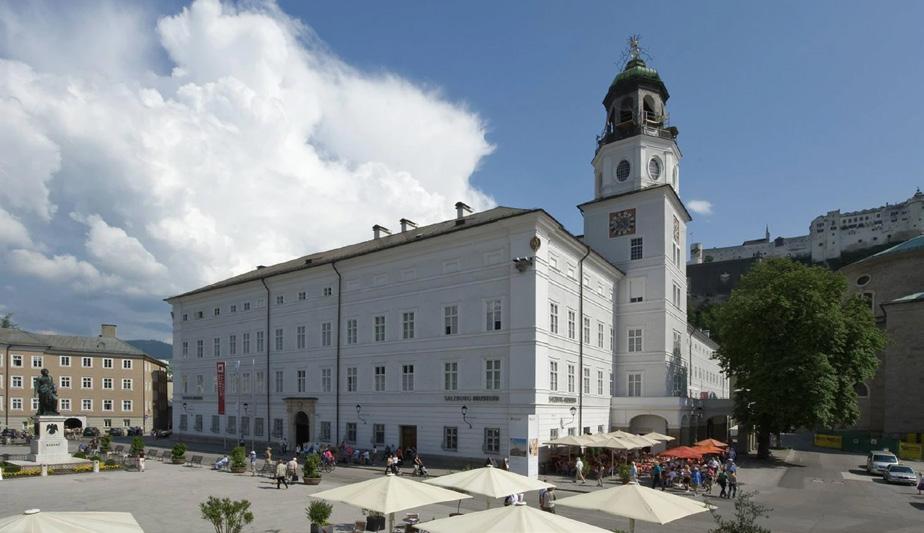
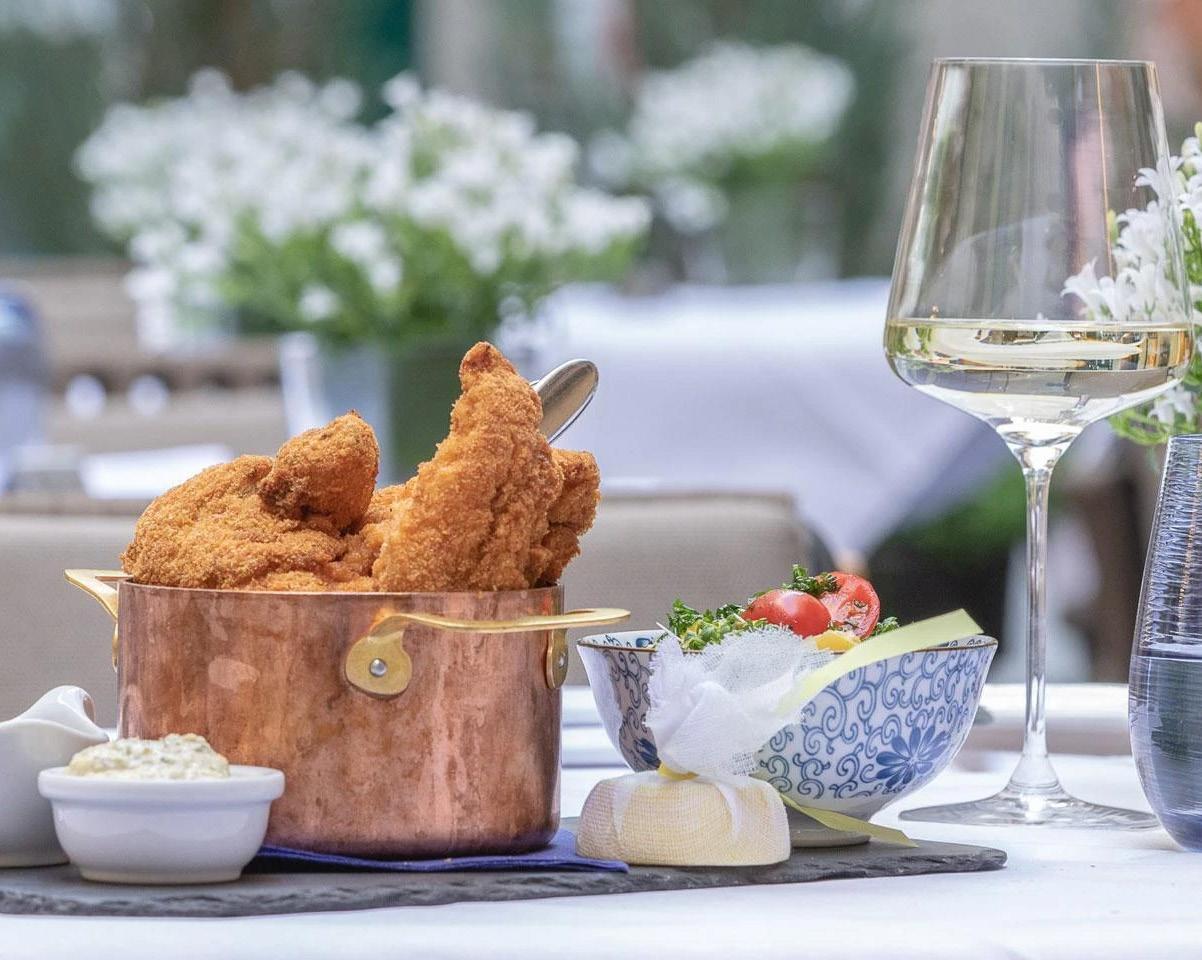
Salzburg Museum sees itself as a place of encounter, exchange, and reflection on the past, present, and future. It is currently closed but scheduled to reopen in 2027, together with the new dependence of the Viennese Belvedere.
The Salzburg Marionette Theatre has been enchanting its audiences since 1913 with performances of fairy tales and operas, including works by Mozart.
The theatre’s marionette stage version of The Sound of Music, with its immortal melodies, holds enormous appeal for all ages.
FOR PURE VACATION BLISS…
Peace and relaxation await at Hotel Berghof St. Johann in Salzburg (Hotel Berghof), which offers everything your heart desires to unwind and recharge your batteries.
Whether it’s a room with breathtaking mountain views, direct access to the ski area, or hikes through unspoiled nature, this 4-star hotel offers a unique vacation experience.
Immerse yourself and switch off in the spacious Berghof Wellness and Spa with pools, saunas, and professional treatments.
The hotel’s new Rooftop Spa Adults Only also offers special relaxation in the midst of the mountains, including an impressive infinity pool with 360-degree panoramic views.
Hear the music and experience the history of Mozart’s hometown at Hotel Sacher Salzburg.
It has a total of 110 uniquely designed and comfortably furnished rooms and suites. Some of the rooms have a balcony with a wonderful view of Salzburg’s Old Town and Hohensalzburg Fortress.
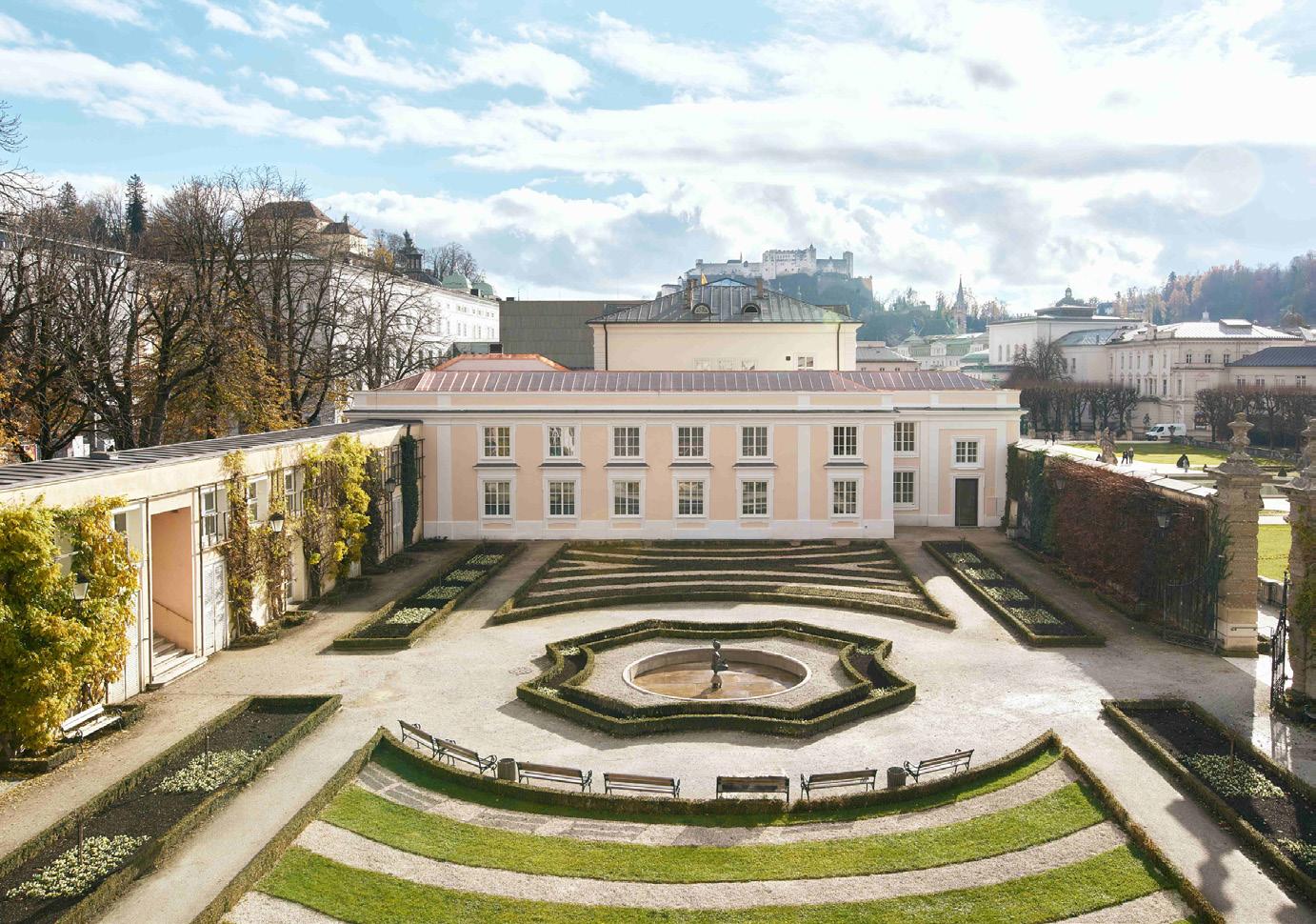
Experience Salzburg’s art and cultural history, discover something new, come together and learn:
the Salzburg Museum sees itself as a place of encounter, exchange, and engagement with the past, present, and future. In summer 2026, we will be expanding our programme and opening two new museum locations in some of Salzburg’s most beautiful settings.
Right in the heart of the UNESCO World Heritage Site, in the southern part of the Mirabell Gardens, a new cultural highlight is taking shape: the Orangerie Salzburg –Panorama | World Heritage. From 28 June 2026, this new institution of the Salzburg Museum will invite visitors to discover Salzburg’s Outstanding Universal Value in innovative ways.
At its heart is the famous Salzburg Panorama by Johann Michael Sattler (1825–1829). This monumental circular painting presents the city in all its splendour and makes it clear why the historic center has been a UNESCO World Heritage Site since 1996. In the Orangerie, the panorama will be fully accessible for the first time in its history.
The Forum provides a digital counterpoint to the historic painting. Developed in collaboration with the Ars Electronica Futurelab, this exhibition area features multimedia stations, a large video wall, and interactive elements, inviting visitors to deepen their knowledge of the history of the World Heritage concept, ask questions, and discuss visions for the future of life within a World Heritage Site. At the same time, the Forum will serve as a venue for events and a platform for wide-ranging exchange.
The Orangerie Salzburg brings together history and digital perspectives, information and inspiration – becoming a vibrant new center for art, culture, and the future in the heart of the city.

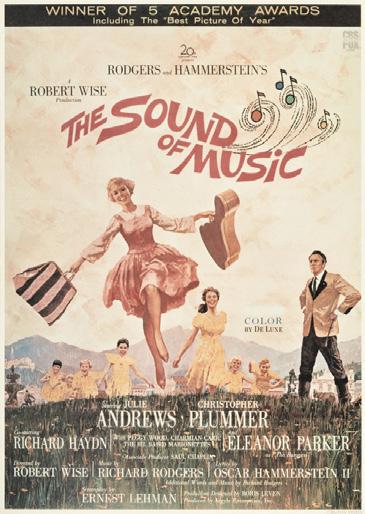
The Sound of Music (Filmplakat/USA), 20th Century Fox, 1965
© Salzburg Museum (Sammlung Roger Pluijm); “THE SOUND OF MUSIC” © 1965 20th Century Studios, Inc. All rights reserved.
Fürstenweg 35, 5020 SalzburgSoft Opening im August 2026
täglich (ab Eröffnung bis 1. November) ab 9.30 Uhr, August bis 19 Uhr, September bis 18.30 Uhr, Oktober bis 17.30 Uhr
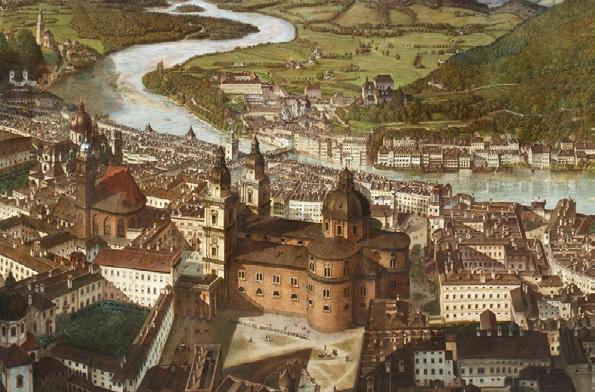
Salzburg – Panorama | Welterbe Mirabellplatz 3, 5020 Salzburg
Ab 28. Juni 2026
täglich 10-17 Uhr
surprisingly underrepresented in Salzburg itself – despite being filmed here. The new museum will finally bridge this gap, offering a comprehensive exploration of the film, the musical, and the von Trapp family’s heritage.
Schloss Hellbrunn and its historic outbuildings provide the perfect backdrop. At the heart of the museum stands the iconic gazebo, central to some of the most memorable film scenes. The pavilion serves as both the starting and concluding point of the museum tour, complemented by a walkin replica with immersive projections.
The museum guides visitors through several thematic chapters. The Remise hosts exhibits on the making of the film, its international reception, and global fan culture. In the Jägerhaus, visitors can find the musical’s worldwide stage career on the ground floor, whilst the Upper floor presents the true story of the von Trapp family, from Salzburg to the US Visitor services, ticketing, and museum shop are located in the Tierwärterhaus.
The scenography blends multimedia installations with historical depth. The museum is designed for international fans, Salzburg visitors, local residents, and researchers alike.
The Sound of Music Salzburg, the world’s first museum devoted entirely to the legendary musical and film, will open at Schloss Hellbrunn in summer 2026. Located at the original site of the famous Gazebo, the museum will become a new cultural landmark, combining film history, musical theatre, and the real-life story of the von Trapp family.
Since its premiere in 1965, The Sound of Music has enchanted millions worldwide. The film won five Academy Awards, including Best Picture, and continues to be a cornerstone of global popular culture. Songs like “Do-Re-Mi,” “Edelweiss,” and “My Favorite Things” have become timeless evergreens.
While the film enjoys cult status in the US, Asia, and Australia, it has remained
The concept draws on the story’s global significance: The Broadway musical by Rodgers & Hammerstein (1959) won eight Tony Awards, while the Hollywood adaptation by Robert Wise (1965), starring Julie Andrews and Christopher Plummer, ranks among the most successful films in cinema history.
With this museum, Salzburg gains a new cultural landmark that combines emotion, knowledge, and international appeal.
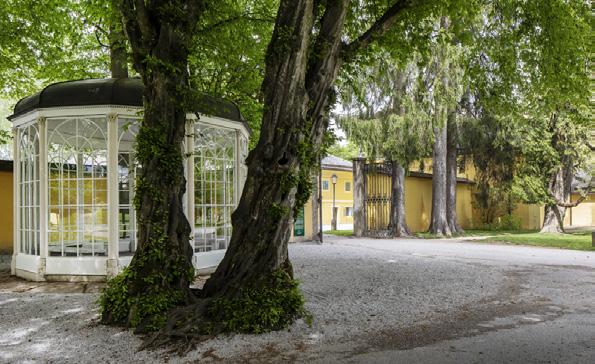
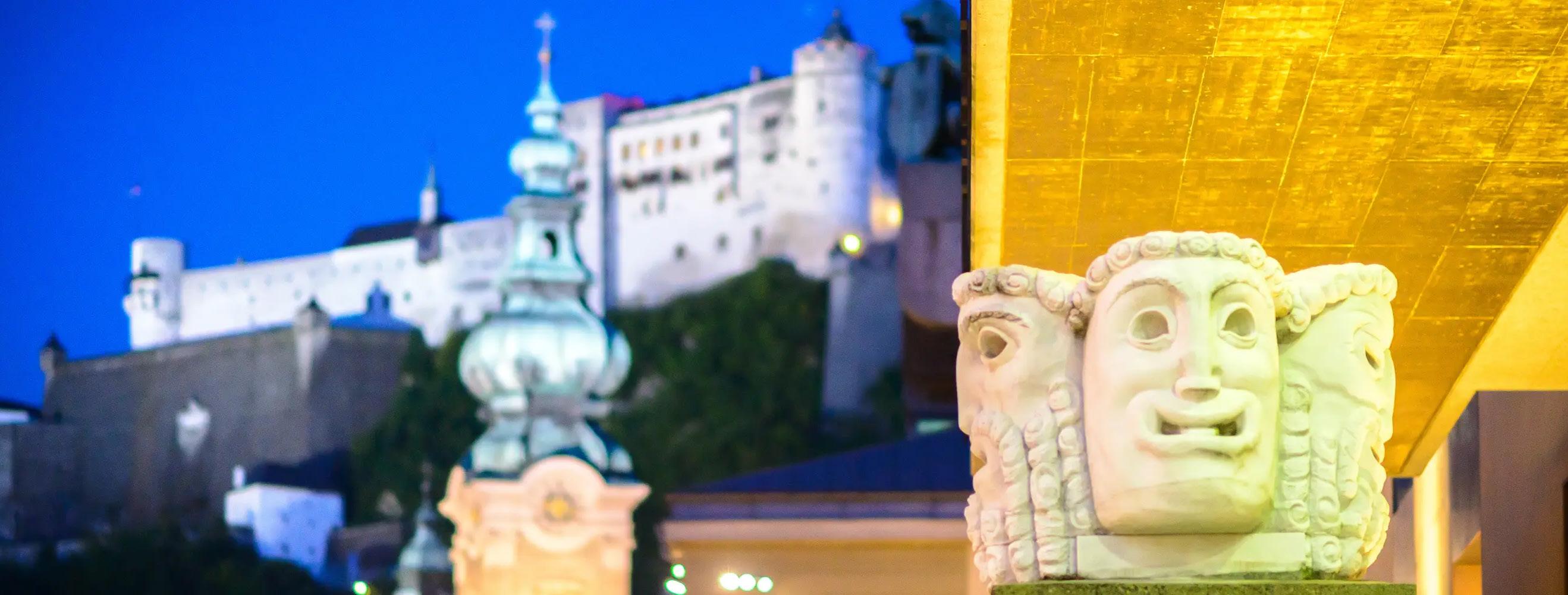
Salzburg Festival is one of the world’s most prestigious cultural events, bringing together the finest performers in opera, concert music, and theatre each summer.
FOUNDED IN 1920, its mission has always been to present art at the highest level against the stunning Baroque backdrop of Salzburg’s historic centre.
From 17th July to 30th August 2026, Salzburg will once again transform into a world-class performance venue. The festival combines great music with bold, creative productions and internationally acclaimed artists.
Amongst the highlights, Asmik Grigorian will take on the central role of the passionate outsider in Carmen, bringing new intensity to Georges Bizet’s iconic opera.
Richard Strauss’ Ariadne auf Naxos will also be presented in a striking new production set on Mars – placing the mythological drama into an unexpected, futuristic context.
In the drama section, Philipp Hochmair returns as Jedermann, Salzburg’s most iconic theatre figure. In this new interpretation, his life is profoundly shaped by three newly introduced female characters, adding fresh psychological depth to the classic play.
Naturally, Mozart’s works will hold a central position in the programme. Highlights include the opera Così fan tutte and the celebrated Mozart Matinees, which have long been a core pillar of the festival’s musical identity.
A special highlight accompanying the festival is the Siemens Festspielnächte on Kapitelplatz. Selected performances are shown free of charge on a giant open-air screen in outstanding quality.
Surrounded by Salzburg Cathedral and Hohensalzburg
Fortress, visitors can enjoy opera and concert highlights under the summer sky. Guests may also reserve a table in the adjacent gastronomy area and experience the performances with fine food and a glass of wine.
Importantly, Salzburg Festival is only one part of the city’s vibrant cultural landscape. Salzburg hosts more than 4,000 events per year, ranging from classical concerts and jazz festivals to congresses, contemporary art exhibitions, traditional celebrations, and international sporting events. This remarkable density and diversity of cultural programming reinforce Salzburg’s identity as a city where culture is not confined to a single season but lived throughout the year – a spirit captured in the city’s logo and wordmark, ‘Stage of the World’, expressing the idea that Salzburg itself becomes a stage all year round.
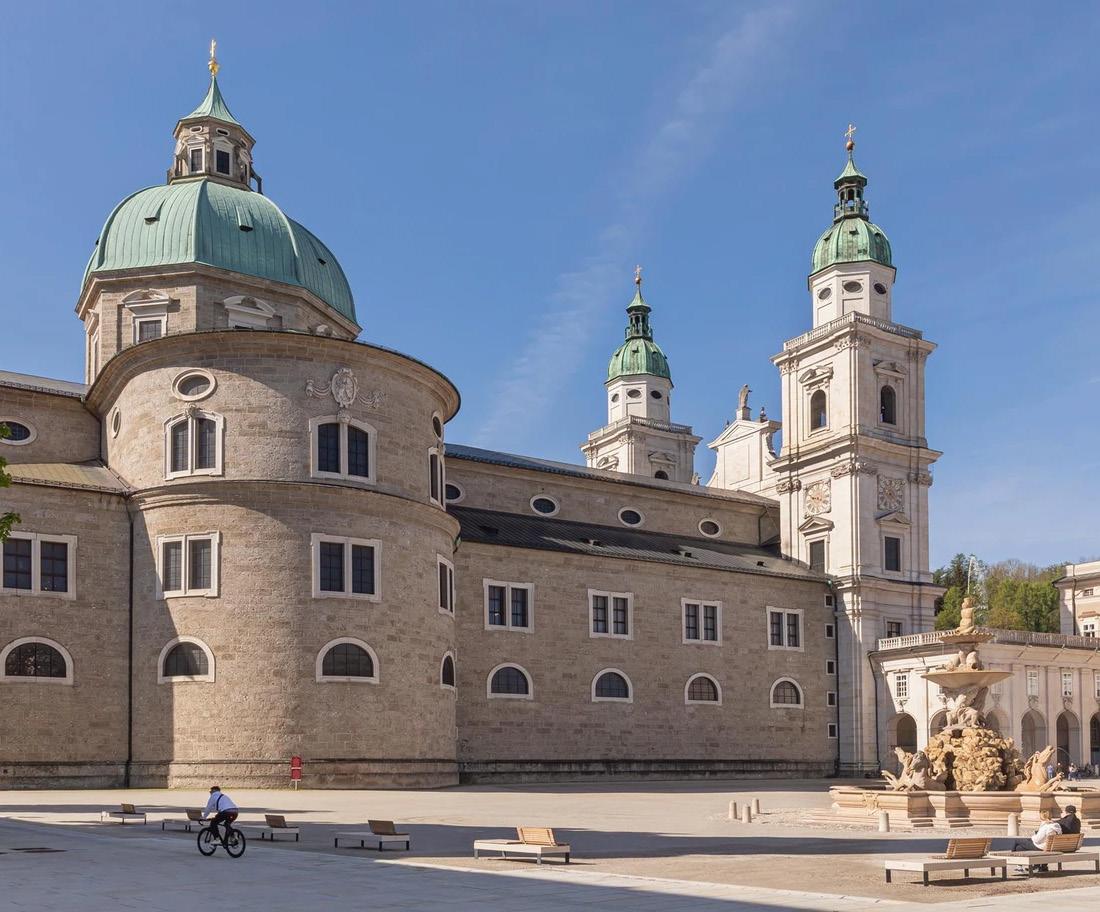
Of the city’s numerous churches, Salzburg Cathedral is the most important sacred building. With its mighty dome and two towers, the cathedral leaves a distinctive and impressive stamp on the Salzburg skyline. There is much to discover here – the baptismal font, the crypt, the ‘Vanitas’ art installation, or the reliquary shrine containing the bones of Saints Rupert and Virgil.
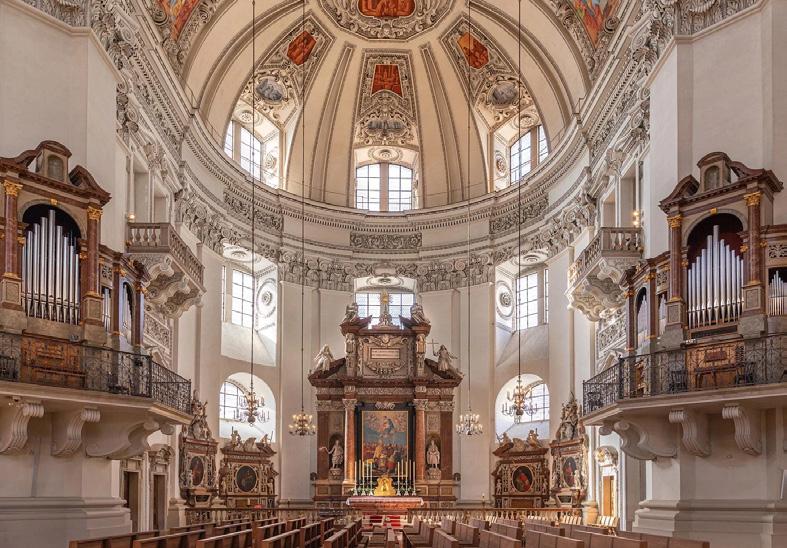
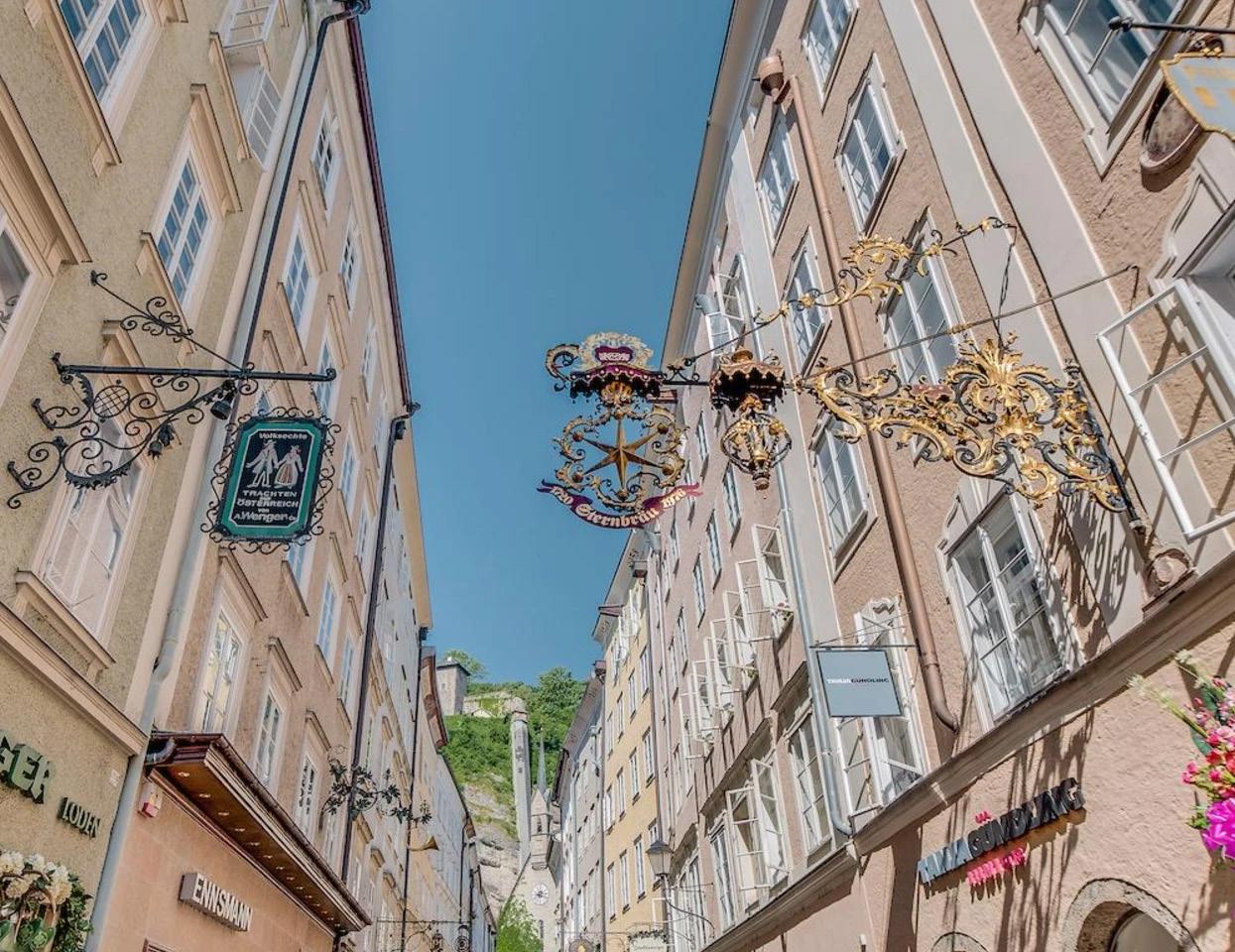
For more than 400 years, visitors have been enchanted and amazed by Hellbrunn Palace and its unique trick fountains – a spectacle beyond compare. Guests might catch a few drops but certainly won’t get drenched! Built in the 17th century, Hellbrunn Palace is a place for celebration, pleasure, and recuperation – just like Prince-Archbishop Markus Sittikus intended.
The bustling heart of Salzburg’s Old Town has unmistakable charm. Houses in the Getreidegasse are characterised by their beautiful doorways and windows that become steadily smaller from the first floor up. Mozart’s Birthplace is a magnet for tourists, but above all, the Getreidegasse draws visitors with its wide selection of international fashion chains, traditional inns, and dining spots.
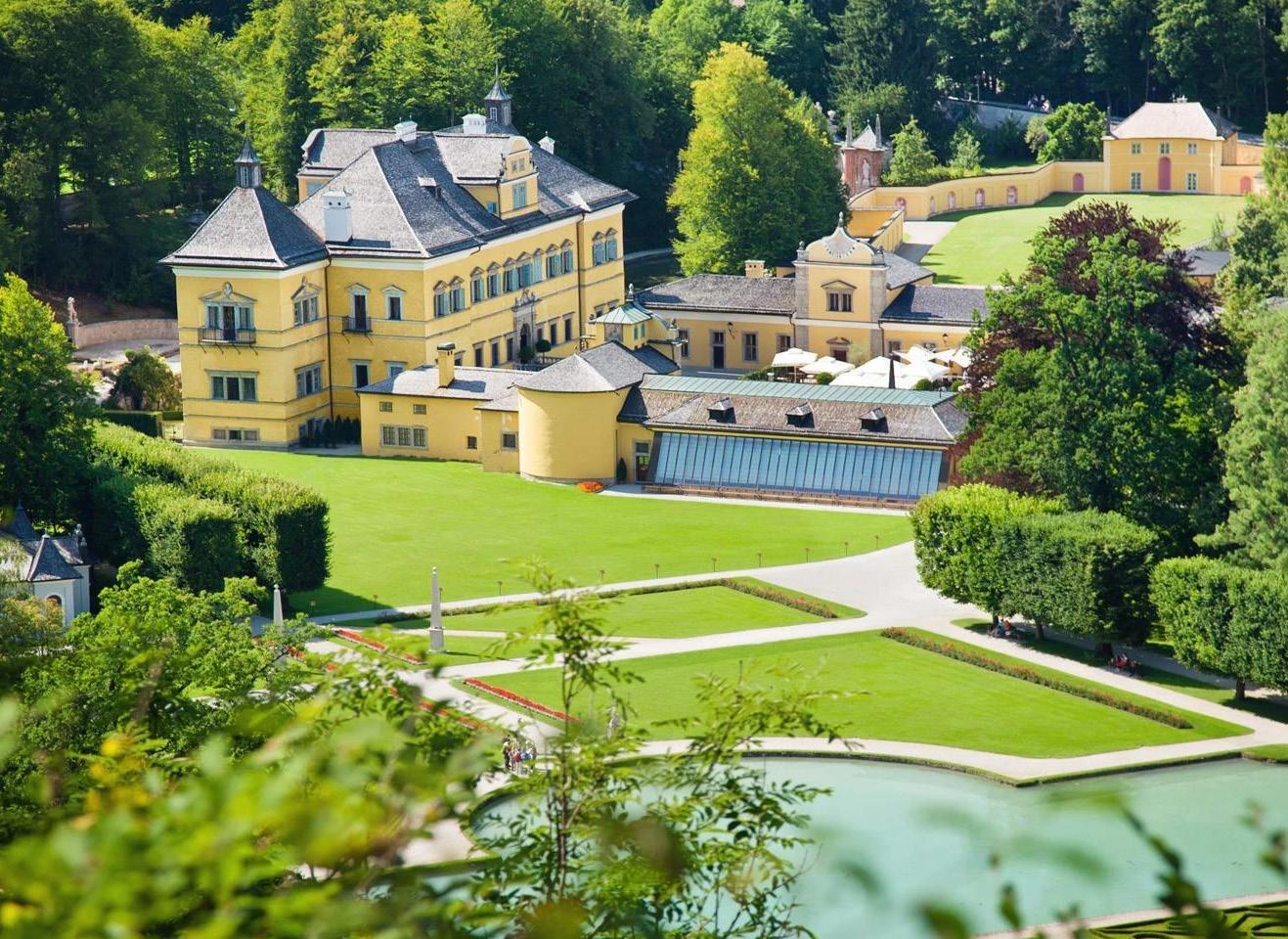
LYING IN THE heart of Austria and centre of Europe, many paths lead to the ‘City of Mozart’ – whether by air, rail, or car, Salzburg couldn’t be easier to reach.
Salzburg Airport (SZG), the secondlargest airport in Austria, welcomes direct flights from several countries and numerous airlines, including British Airways from London Gatwick Airport (LGW) in the UK.
SZG is conveniently located just four kilometres from the historic city centre, which can be reached in just 15 minutes by bus or taxi.
A mobility fee has been introduced in Salzburg, but in return, all overnight guests in Salzburg are issued with the Guest Mobility Ticket, which allows you to enjoy free, unlimited access to public transport from the moment you arrive and for the entire duration of your stay.
The Guest Mobility Ticket grants access to a modern, well-connected bus and train network, ensuring comfortable and convenient travel to the most beautiful attractions in Salzburg.
By choosing public transport, you can also enjoy an eco-friendly vacation and actively contribute to reducing carbon dioxide (CO₂) emissions.
You will receive the Guest Mobility Ticket electronically as a mobile wallet pass or PDF either at check-in or pre-check-in at your accommodation.
Salzburg Hauptbahnhof is the city’s main railway station and the most important transportation hub in Western Austria, with numerous national and international connections.
Alternatively, Salzburg is highly walkable, with most major sights in the Old Town and along the Salzach River reachable on foot and various themed city walks available.
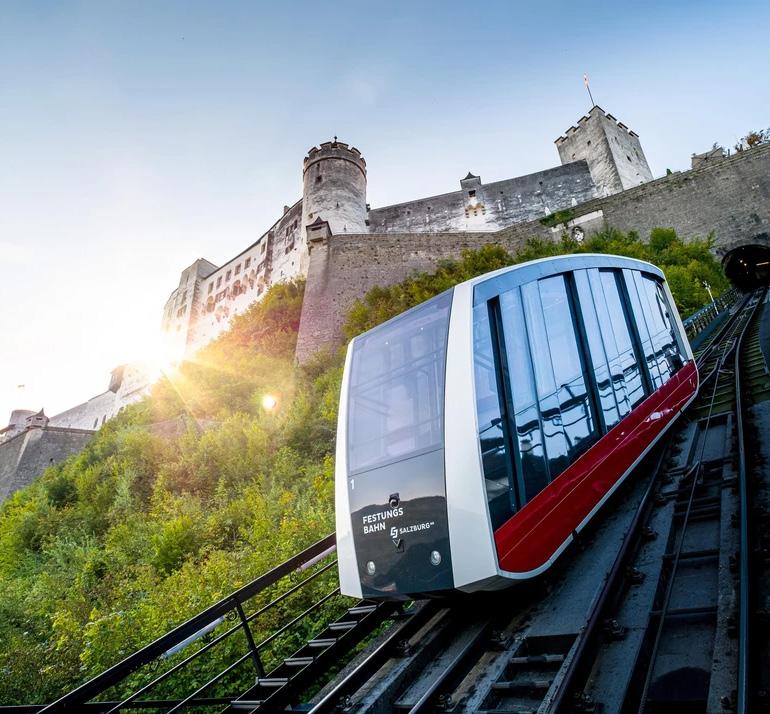

Grant Wechsel, who recently became co-Owner of the London Broncos, outlines the ambitions of London’s only professional rugby league club and why the UK capital deserves a strong, competitive Super League presence
WRITER: JACK SALTER

London is such a great city and a sporting capital of the world, so we need to put rugby league on the map.”
In September 2025, Grant Wechsel became co-Owner of the London Broncos alongside one of the sport’s all-time greats, Darren Lockyer.
Originally formed in 1980 as Fulham Rugby League Club, they were renamed the London Broncos in 1994 following a takeover by the Brisbane Broncos – where Lockyer spent his

entire professional career and became the club’s record appearance holder.
“Given Darren’s history as a Brisbane Bronco, there was this natural association for him to be involved in the London Broncos,” Wechsel tells us.
“The opportunity kind of fell into our laps. We’ve been in business together for 15 years in various things back in Australia, mainly the mining industry. We came over and had a look, then things moved really quickly because we had to be ready for the new season
– it’s quite a crazy story how it’s all come together.”
Following the takeover, there has been a big push to rebrand the club to mark the next chapter in its journey, including an eye-catching new logo and a landmark multiyear apparel partnership with Reebok.
“It’s a big turnaround story – a lot of people call us the ‘Wrexham of rugby league’,” says Wechsel.
The London Broncos are currently competing in the Championship, the second tier of rugby league, having missed out on selection for the expanded 14-team Super League in 2026.

HOW
GRANT WECHSEL, CO-OWNER: “I’m very excited about the future. We can already see from the fan engagement we’re getting that what we’re doing is working. So, we’re just going to have to keep pushing forward and creating excitement and buzz around the game in London, then let the players do their work on the field.
“As long as we’re winning, there’s no reason it shouldn’t continue to build for us this year, with the

Super League teams are determined by the IMG gradings system, with Grade A clubs guaranteed a spot and Grade B clubs taking the remaining places.


Despite moving up to 16th in the IMG gradings, with a Grade B score of 11.65 out of 20 for the upcoming season, this was not enough to be selected for the top division.
“Unfortunately, we were too low down in the IMG gradings. The feedback was that if we had been put in above the other teams, we would have effectively jumped over those ahead of us in the pecking order,” Wechsel acknowledges.
However, the London Broncos remain confident in their vision and long-term ambitions, and this decision has only strengthened the club’s commitment to reaching the top division once more.
“I think we would’ve been competitive straight away, but it gives us more time to prepare and has certainly increased my determination to make sure we’re back in the Super League in 2027.
“London is such a great city and a sporting capital of the world, so we need to put rugby league on the map”
– GRANT WECHSEL, CO-OWNER, LONDON BRONCOS

“We’ve just got to do everything we can to get there and make sure our IMG gradings score is good enough to go up. We’ve recruited a great squad and coach, and we need to win the Championship this year to get our points up under the IMG gradings system to be promoted next year,” he sets out.
“We had a big win against the Widnes Vikings in our first game of the season, which showed our intent.”
The Challenge Cup, a knockout rugby league cup competition held annually since 1896, was the only opportunity the London Broncos had to face Super League clubs this season.
An emphatic, record-breaking 86-0 victory in the second round against their local rivals, the Wests Warriors, set a new benchmark for the largest competitive win in the club’s history.
Crucially, it also secured progression to the third round, where the London Broncos played against the Bradford Bulls – who were promoted to the Super League for 2026 –but ultimately lost 8-26.
London is the beating heart of the UK and the ultimate playground for rugby league fanatics that dare to be different.


“There’s an opportunity to build a significant club here; even a niche market in London is still a big market. For us, a big part of this opportunity was the location itself”
– GRANT WECHSEL, CO-OWNER, LONDON BRONCOS

The capital has a diverse mix of cultures and demographics and offers a unique stage to showcase a sports brand that’s dynamic, modern, and ready to break the mould.
The London Broncos are committed to its long-term vision for a world-class rugby league club, outlining the sport’s development and expansion throughout London and Southern England.
“You have to respect that the history of rugby league is in the north and what all the big clubs have done, but if you’re looking to grow the game, London is clearly the biggest market you could expand into,” Wechsel notes.

The Rugby Football League (RFL) have been supportive of the club’s efforts to try and build out the game in London, something that can only strengthen the competition.
“There’s an opportunity to build a significant club here; even a niche market in London is still a big market. For us, a big part of this opportunity was the location itself,” he adds.
“If you’re a rugby league fan from anywhere in the UK, a weekend in London is great to do from a travel perspective. You could base a trip around coming to watch rugby league in the capital. It’s such a fantastic city; there are so many things for people to do that they can tie in and around watching the game.

“Even though we’re in the Championship, we’ve got three very high-profile National Rugby League (NRL) players at the club, and our captain has played for Australia, so you get to watch a level of rugby league that you probably haven’t been able to in London for some time,” Wechsel highlights.
As such, the club believes London deserves a strong, competitive Super League presence and is committed to making this a reality.
“It’s all about trying to attract new fans to the game and increase the popularity of the sport in London,” he passionately concludes.
“We’re attracting new fans by having a game day experience that’s a lot better than it was before and creating an atmosphere that people want to go to for a day out.”




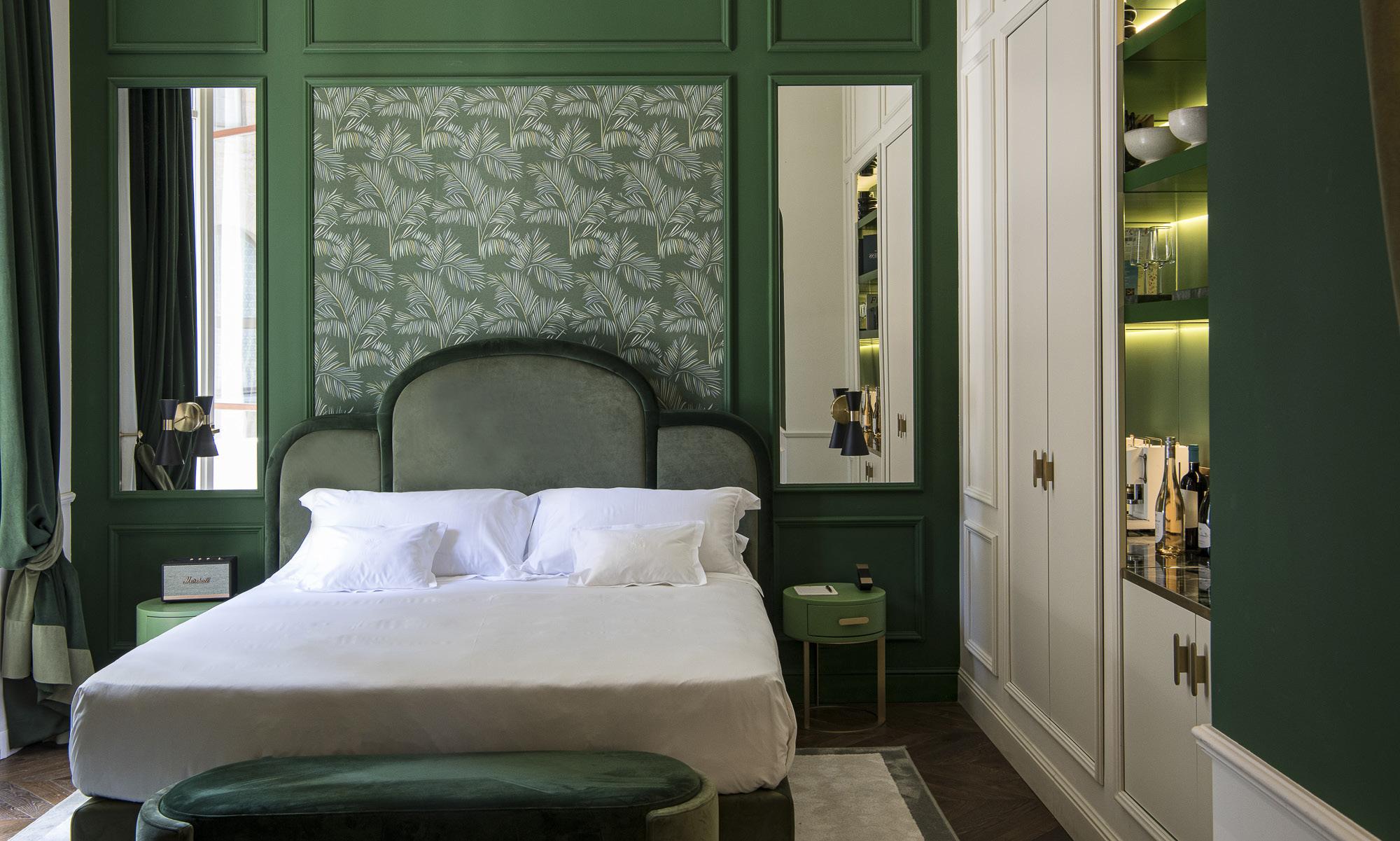
Quietly nestled in the birthplace of the Renaissance, La Gemma is more than just a hotel – it’s a reflection of the spirit of Florence
WRITER: LAUREN KANIA
There is something special about the way Florence has existed as an epicentre of culture and Italian intimacy for over 2,000 years. It’s as if the pulse of the city radiates a beckoning call that rivals even that of a siren.
The tantalising pull of the once-capital of Italy draws in millions of tourists annually, cementing its status as one of the preeminent destinations of European gastronomy, art, and heritage.
This marriage of serene tradition and unbridled modernity felt intoxicating the moment I stepped off the train. With the budding anticipation of Christmas and New Year’s potent in the air, a current of electricity hummed through each worn cobblestone, sparking the heels of passersby.
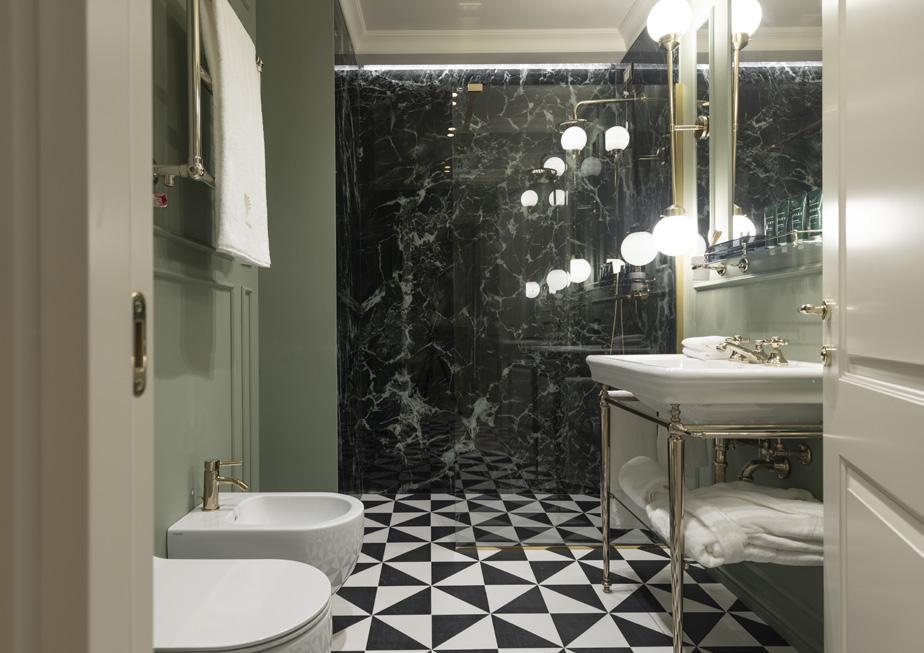
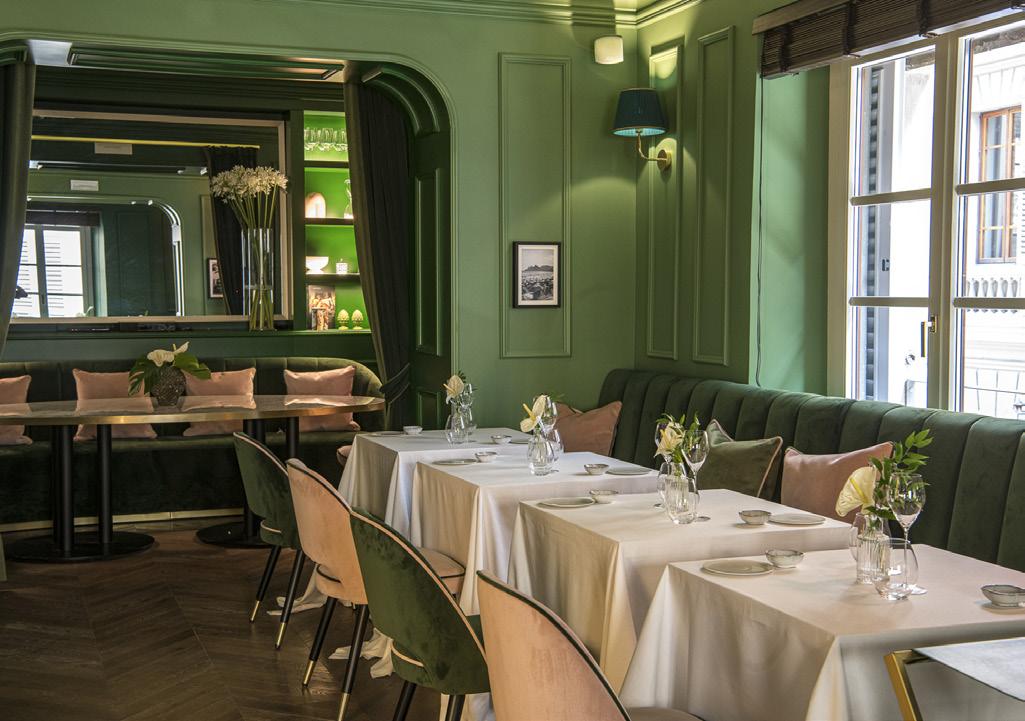
It was off one of these voltaic streets in the heart of Florence that we turned the corner to reach La Gemma – a 5-star hotel that represents a generation of luxury where contemporary design meets the warmth of authentic Italian hospitality.
Located near the central Piazza della Repubblica, La Gemma boasts 39 rooms, each designed to reflect the spirit of Florence. Comprising junior suites, spacious lofts, and two-bedroom residences, the hotel redefines contemporary Florentine living with soft hues of green, lush craftsmanship, and personalised details that feel effortlessly chic, highlighting the beauty in the everyday.
The building was originally constructed in 1895 by architect Tito Bellini and has since been reimagined by the Cecchi family, who have turned the hotel into a story of love, hard work, and the power of unity. The family believes in hospitality that doesn’t flaunt but envelops, offering time, a listening ear, and care.
This vision came to life through the artistic flair of Elena and Giulia Sella of creative studio DesignByGemini, who, together with the Cecchi family, have seamlessly blended Art Deco influence with the story of Florence.
Even as a first-time visitor to the city, it was evident how iconic landmarks such as Il Duomo percolated throughout the hotel. Chairs were donned in deeply lavish velvet, tables carved from polished marble, and accents of bronze tied the whole ambience together. The grand and sophisticated atmosphere was only made more inviting by the friendly concierge, whose passion for the hotel and city was palpable.
After a day of wandering through the streets of Florence, adorned with twinkling holiday lights reflecting off the windows of buildings centuries older than the city I grew up in, it was time for our greatest task yet – dinner at the Michelin-starred Luca’s Restaurant (Luca’s).
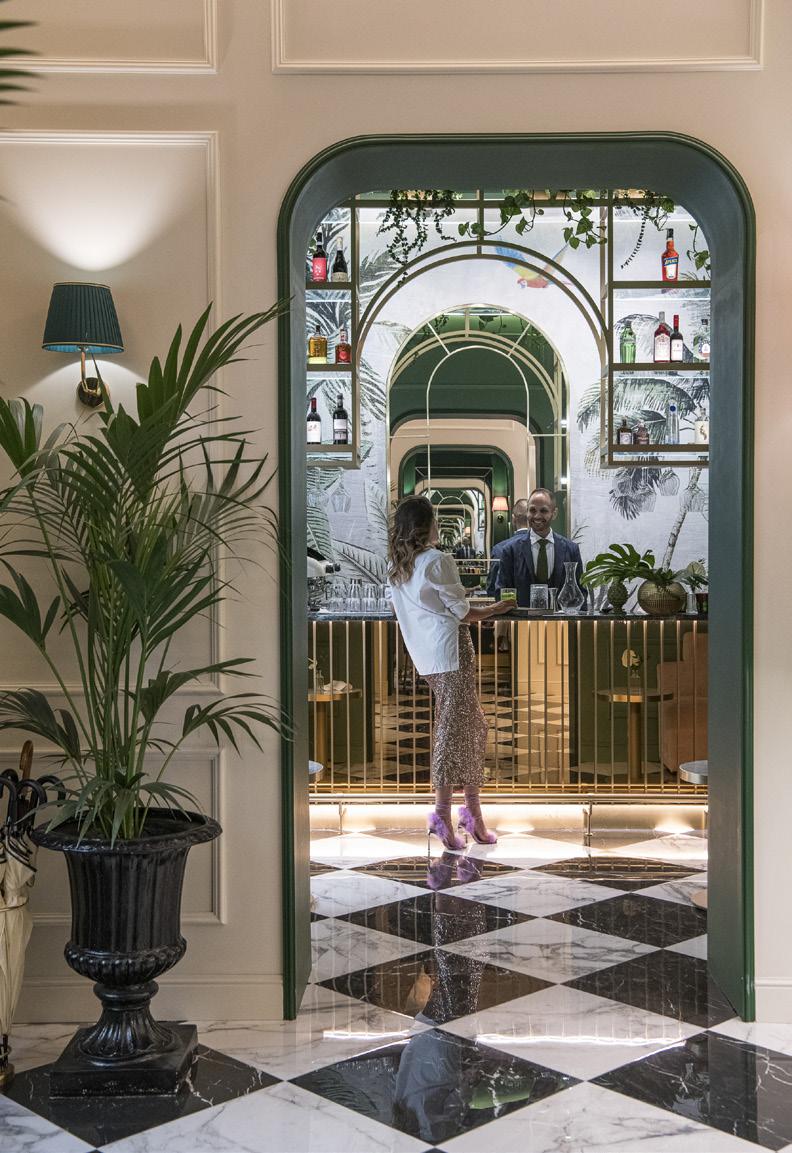
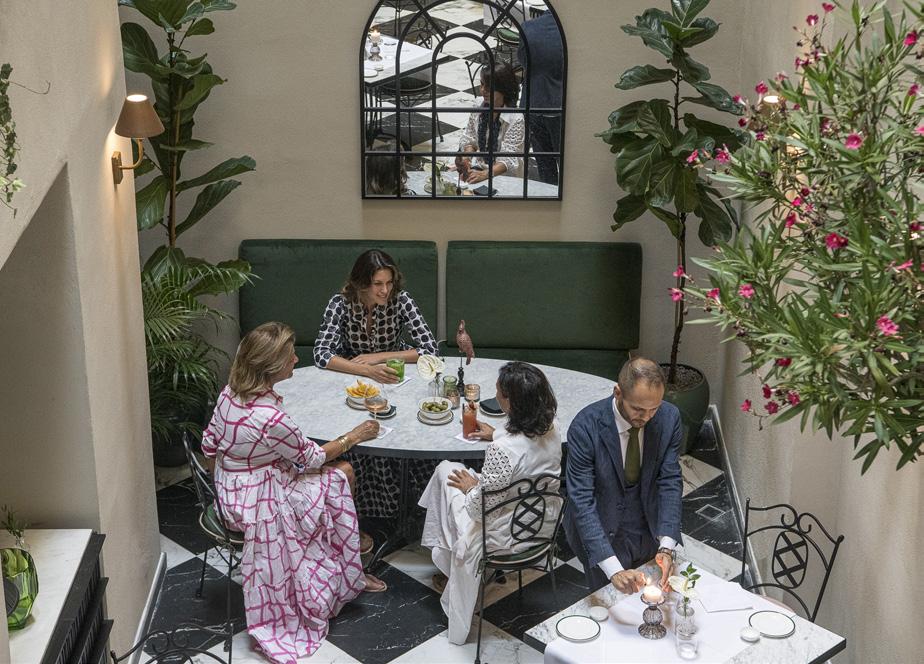
Naturally, we abided by Italian tradition and made our reservation for 8pm, which may even be considered early for dinner in some parts of the country.
Elegantly nestled inside La Gemma, Luca’s pays honour to the Cecchi family’s father, who lived by the ideology that the table is the most authentic place in life and should exist as an oasis of welcome, meeting, and sharing.
Guided by Chef Paulo Airaudo, the restaurant reinterprets Florentine and Tuscan traditions through a modern lens, crafting dishes that unite technical mastery with authentic warmth. Each bite is rooted in the Mediterranean philosophy of simplicity and harmony, transforming fresh seasonal ingredients into an ode to nature and craftsmanship.
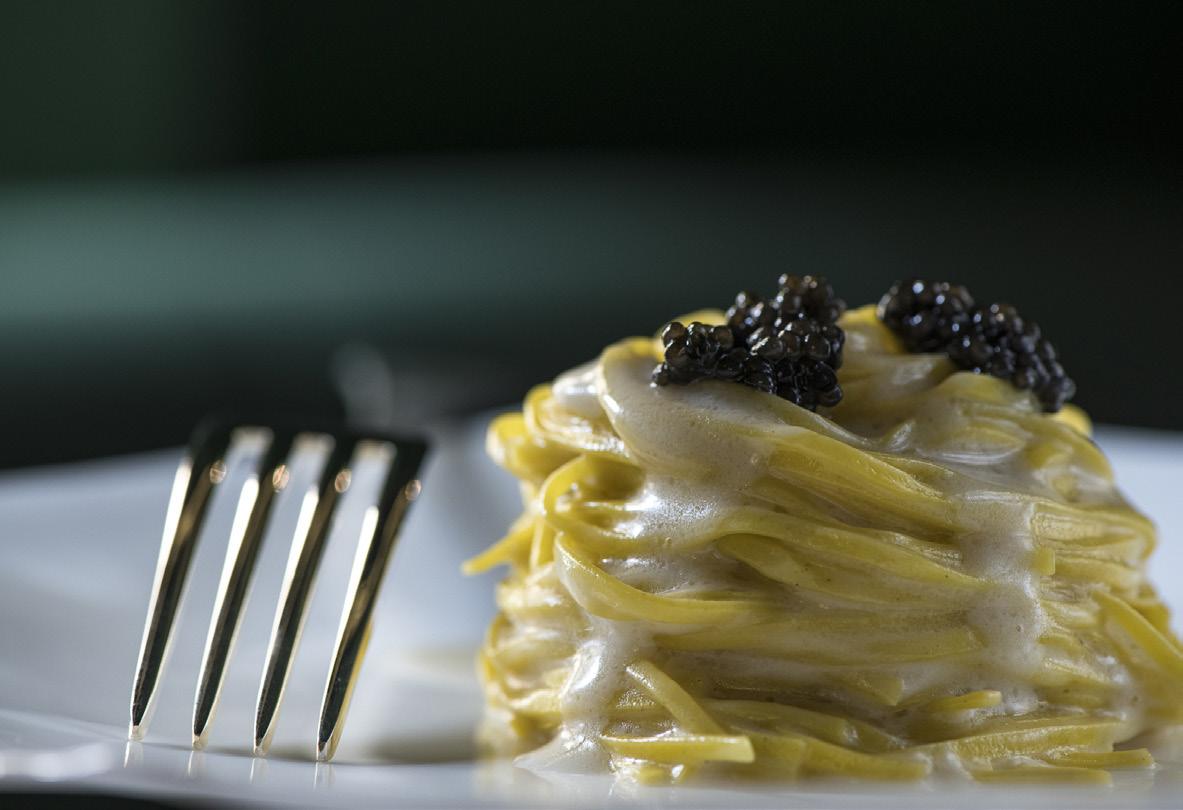
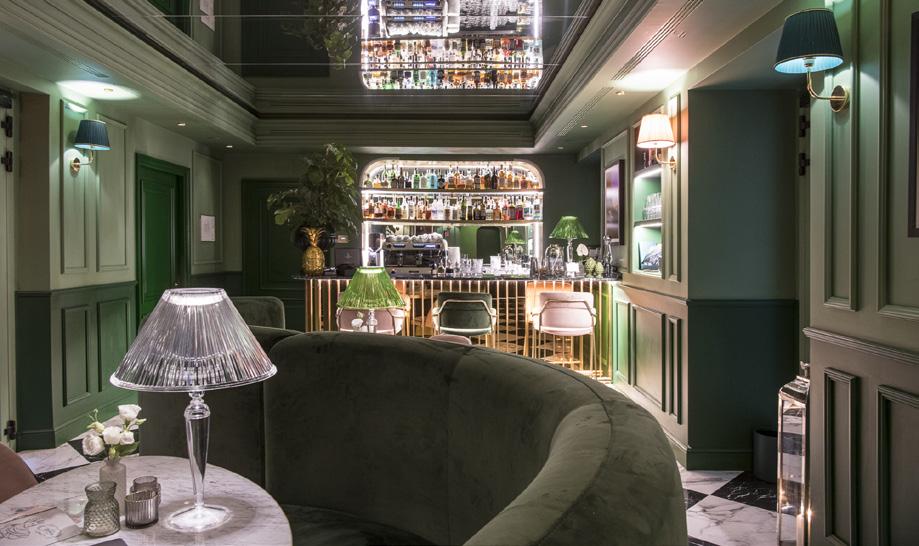
The menu evolves with the season but is intertwined with the central ideology that cuisine should engage with tradition without imitating it. It seeks a balance between innovation and simplicity, respect for the raw materials, and consistency in the construction of flavour.
Some of the dishes gastronomes can indulge in include scampi with champagne sauce and foie gras; tagliolini with goat’s butter, Cantabrico anchovies, Sorrento lemon, and caviar; wagyu accompanied by white onion and porcini mushrooms; and potato and taleggio buttons with yellow wine and razor clams.
As you unwind in the velvety depths of Luca’s, Chef Airaudo’s vision becomes clear: fine dining should evolve, surprise, and bring joy.
The spirit of Tuscan heritage blended with contemporary flair makes every course a true sensory journey. Whilst each dish may be a technical masterpiece, they are most importantly human – not necessarily seeking attention, but truth.
With a belly full of unforgettable food, we tucked into our plush bed for a restful night, filled with dreams of silky mascarpone and bubbling white wine.
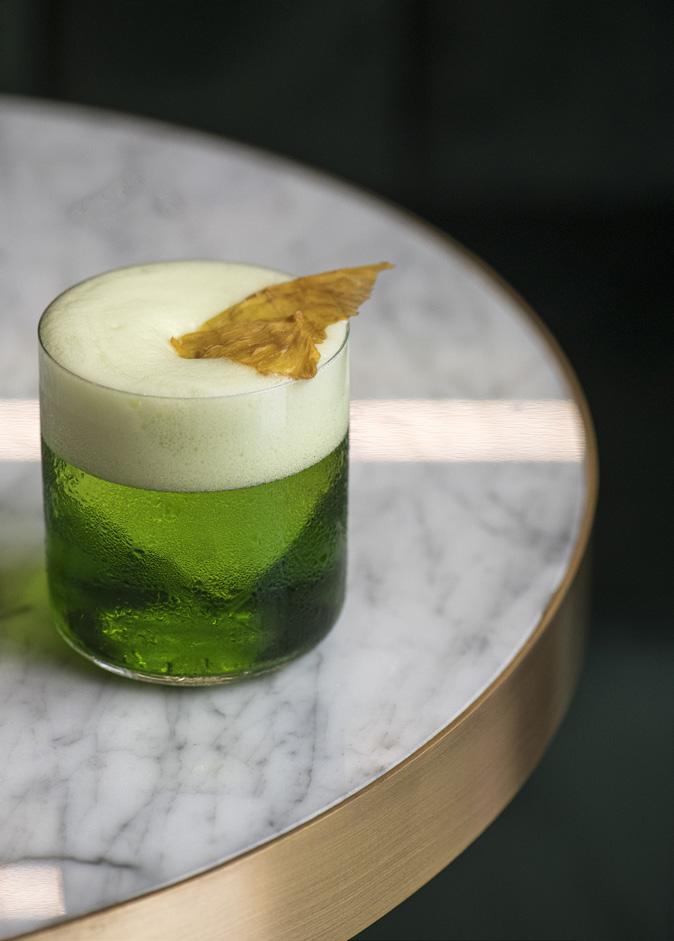
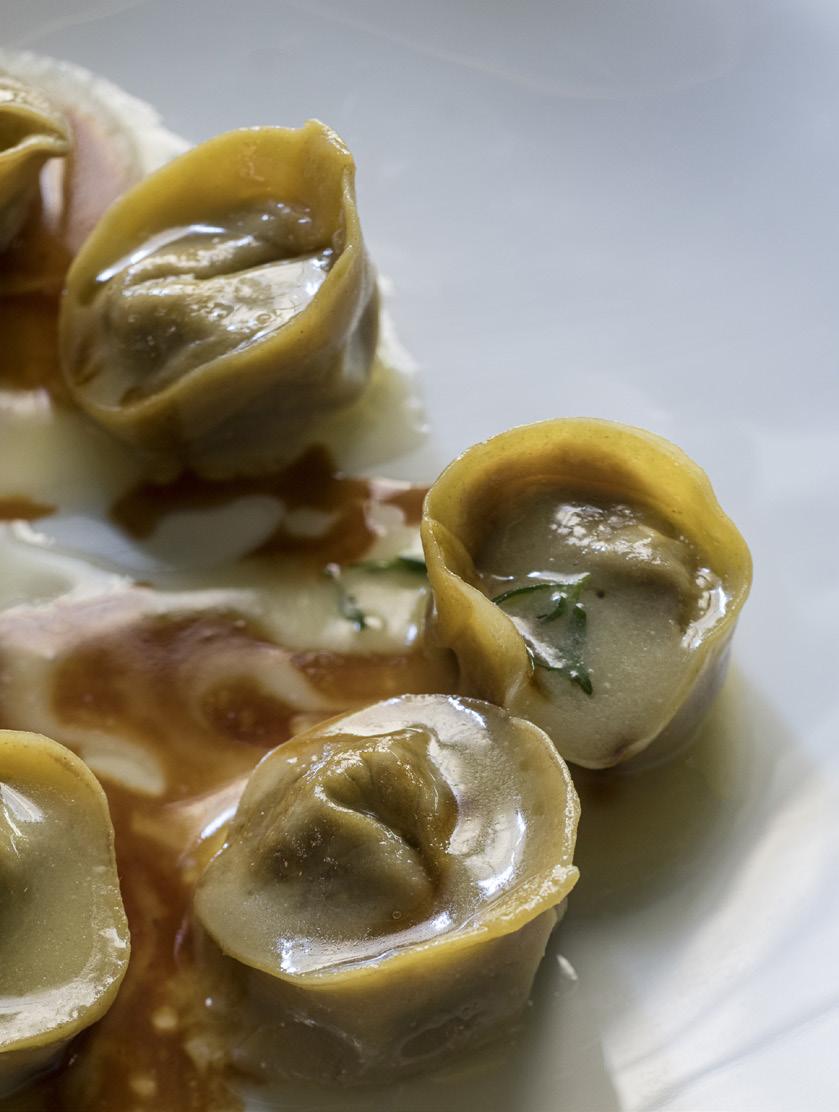
The cobbled streets of most Italian destinations are not for the weak-soled, and despite my preemptive efforts to arrive with only the hardiest footwear for trekking around the city and basking in the dwarfing artwork, I was soon ready to relax.
There was no better place to do so than at La Gemma’s Allure Wellness & Spa – a city-centre sanctuary of beauty and serene harmony.
Located on the lower level of the hotel, the aura of tranquillity and leisure was pronounced before even setting foot off the elevator. The space itself evokes a Roman bathhouse, with natural elements and simple – yet purposeful – details emphasising the holistic beauty of the environment.
Shaped by silence, design, and care, the spa expertly combines ancient calm with modern wellness, encouraging visitors to reconnect with themselves. Specifically, the retreat utilises products from La Maison Biologique Recherche (Biologique Recherche) – an innovative and avant-garde brand with French origins – to provide a restorative and balancing experience in the heart of Florence.
Fresh-faced and donned in one of the fluffiest robes I’ve ever encountered (along with matching slippers, naturally), I made my way to a personalised facial treatment appointment.
This treatment uses the Biologique Recherche methodology, which centres around your skin’s unique needs. After careful analysis, the expert therapist designs a bespoke treatment with high-performance, fragrancefree formulas that restore balance, vitality, and radiance. Each product is formulated with high concentrations of active ingredients derived from natural or biotechnological compounds.
With heated spa beds, ambient music, warm lighting, aromatherapy, and ample information about the treatment journey I was on – spoiler alert: I was informed I have particularly sensitive skin – at the end of the hour, I floated away with a face so rejuvenated that it could rival that of any newborn.
Harmonising science and sensorial luxury, the Allure Wellness & Spa is truly designed for you, offering massages, detox rituals, face treatments, packages, and many more experiences that encourage guests to reconnect and embark on a journey of renewal.
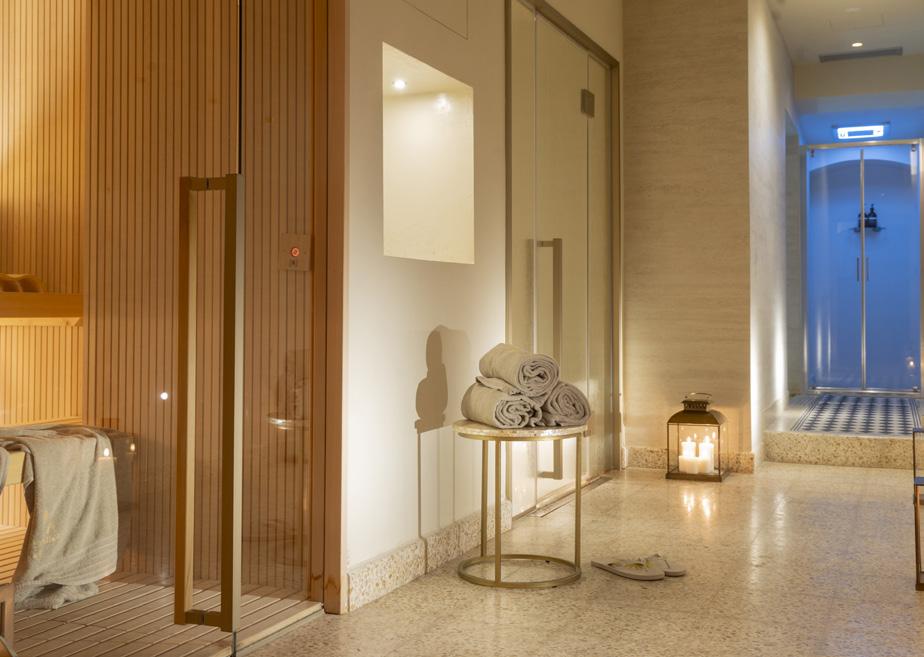
• The city is known as the Capital of the Arts.
• Il Duomo has the world’s largest masonry dome.
• The Uffizi Gallery houses the largest collection of Renaissance art in the world.
• The story of Pinocchio, the piano, gelato, and opera were all born in Florence.
• The white lily is the symbol of the city.
• Florence was the first city in Europe to have paved streets.
As our stay in the city came to an end, we indulged in a final few Florentine activities, including sampling the everpopular schiacciata and decadent bistecca alla Fiorentina, venturing through the sprawling Christmas market and its impossibly talented artisans, and shamelessly peering into the windows of Ponte Vecchio, where handcrafted gold jewellery unabashedly glitters at onlookers.
Our final night at La Gemma was spent in quiet indulgence. I couldn’t resist sinking into the extra-large, free-standing bathtub one last time, as The Sound of Music – or Tutti Insieme Appassionatamente, as it’s known in Italian – rang out on the flat-screen TV.
Saying goodbye the following morning was like departing from a close friend, but I know we won’t be able to stay away for long. The discreet details, sincere attention, and natural warmth of La Gemma were delightfully moreish, and the hotel’s story of connection, legacy, and shared vision made the entire visit one of timeless allure.
This oasis of heritage and Italian serenity began in Florence, but the Cecchi family is expanding its 5-star services to Milan, Rome, Venice, the Amalfi Coast, Lake Como, and Puglia, offering the art of Italian hospitality that puts the person at the centre throughout the country.
Inspired by family and driven by love, La Gemma gave me the opportunity to reconnect with the simple joys of life, immerse myself in the eclectically wonderful atmosphere of the city, and turn ordinary days into lasting memories.
Nestled into my seat on the train, head and heart still buzzing as it departed la città bella, the comforting chug of the engine sent me into a soothing lull.
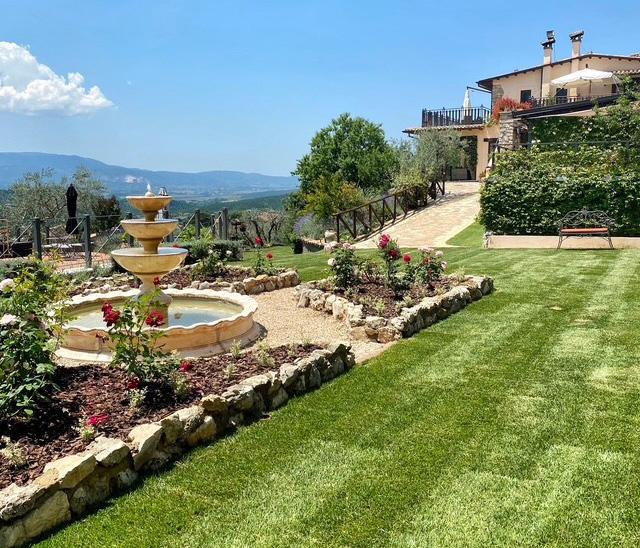
A luxury retreat hidden from the flurry of daily life, Casale San Pietro is the epitome of agrotourism at its most decadent. Alana Mazza, Managing Director and Owner, speaks on the hotel’s origins and passion for providing a tranquil escape
WRITER: LAUREN KANIA
With the growth in tourism over the past five years comes a rise in travellers seeking experiences that speak to authenticity, intimate origins, and a quieter kind of holiday that doesn’t brag, but rather quietly invites.
This is where hotels and experiences that centre around agrotourism lead the way in the current transition of the tourism industry.
Perched on a verdant hill and cradled by the slender arms of olive trees heavy with the plump stone fruit, Casale San Pietro (Casale) sits in the heart of the Italian countryside and offers visitors more than just a tranquil
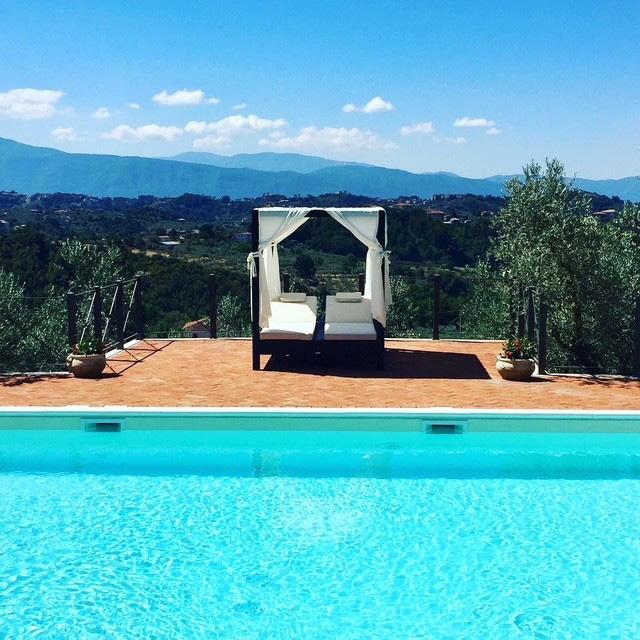
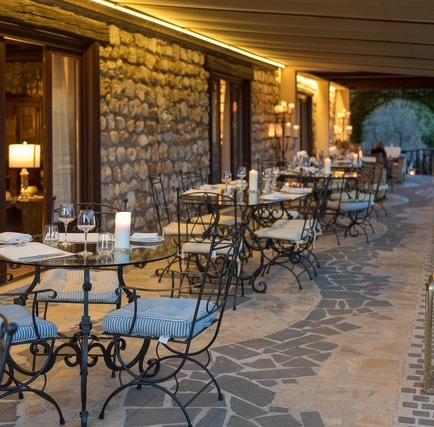
retreat; it gives voice to a long-forgotten fantasy.
Small, intimate, and unique, Casale is a 300-year-old farmhouse that has been converted into a luxury sixbedroom agrotourism hotel located only 50 minutes from the Eternal City of Rome in the lesser-known region of Lazio.
Overlooking the ancient town of Anagni and the shimmering mountains beyond, the hotel was brought to life by owners Alana and Joe Mazza.
“We will have been in operation for 10 years this August. Originally, we only planned to open as a bed and breakfast, but very soon our guests didn’t want to leave, so we started
offering lunches and dinners, and it has really grown from there,” introduces Alana.
“We envisioned creating a relaxing space where guests could unwind in our many indoor and outdoor areas. We wanted them to feel at home, but with everything taken care of.”
Part of the reason the Mazzas fell in love with the area was its incredible location in close proximity to Rome, with miles of beachfront, medieval towns, and even skiing in the wintertime. What matters most at Casale is embracing the serene moments of each day and exploring the culture of the region at your own pace.
Before dedicating themselves to the care and maintenance of Casale, Alana and Joe were based in the UK.
“I was the Retail Director at Hobbs in London, and Joe owned hairdressing salons. One year, whilst on holiday in Acuto, we asked ourselves if we should just move here,” Alana details.
Soon, this one-time dream became reality when the previous owners of Casale put the old farmhouse and its sleepy olive grove up for sale. The Mazzas knew then it was time to bring their fantasy to life and embark on an adventure that would come to reshape their future.
“We wanted to get off the treadmill and do something together that we both love – looking after people,” enthuses Alana.
This passion manifested into a hotel driven by love and the desire to provide a unique, personal service for each guest, where nothing is too much trouble. Their mission is to make each visitor feel like a part of the Casale family and
“We wanted to get off the treadmill and do something together that we both love – looking after people”
– ALANA MAZZA, MANAGING DIRECTOR AND OWNER, CASALE SAN PIETRO
create memories so potent that they will never be far from the forefront of your mind.
When guests first pull up to the eight acres of olive groves, they can expect to be greeted with a glass of fizz and a personal tour of all Casale has to offer.
“We try to anticipate everything our guests could want and deliver it before they even realise they want it! There is enough space for people to find a private moment to relax, or chat with others and create long-standing friendships,” expands Alana.
With most rooms offering private terraces with outstanding views of the mountains, a plethora of outdoor areas, and more to explore, tranquillity is never more than a few steps away.
As you walk around the grounds of Casale, the breeze is bursting with the fresh fragrances of herbs and flowers from the surrounding garden, carrying clucks from the hens who generously donate their eggs to the kitchen.
On the far side of the Casale – for total privacy and peace – is the pool. Encircled by lush sunbeds, white marble, and Italian terracotta tiles, the 12-metre pool is ideal for swimming laps, cooling down in the afternoon sun, or just spending a day soaking up the atmosphere as you daydream.

IN YOUR OPINION, WHAT MAKES CASALE STAND OUT AS AN ACCOMMODATION OF CHOICE IN THE REGION OF LAZIO?
Alana Mazzo, Managing Director and Owner: “Casale San Pietro is in the true heart of Italy. Lazio isn’t widely known, but it feels like home, and we make all of our guests feel comfortable and happy; nothing is too much trouble – we even have Yorkshire tea bags!”
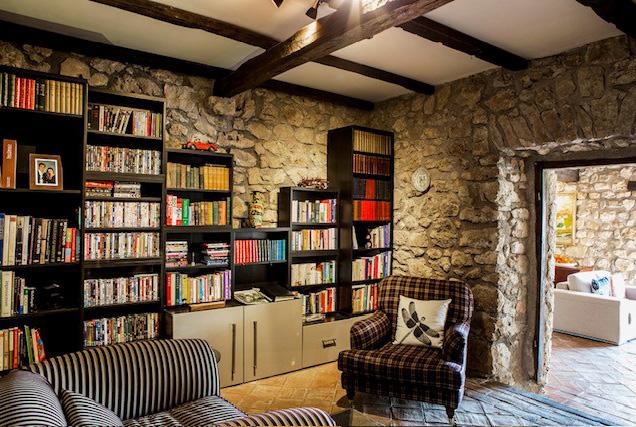
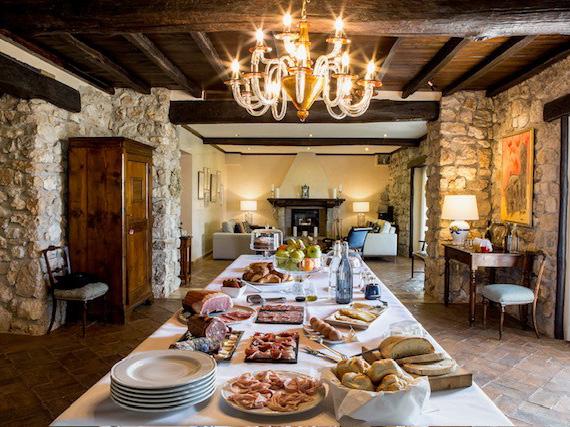
The design of Casale was purposefully reminiscent of Italian tradition and timeless charm, whilst still offering present-day amenities and comfort.
“I wanted to create an Italian-feeling destination, but with modern twists; therefore, I developed many mood boards with eclectic colours and furniture – always designing with the guest in mind,” details Alana.
“We have beautiful antique pieces and modern artwork from both Italy and the UK, with the primary inspiration stemming from the stone walls, terracotta floor tiles, and the magnificent views.”
This ethereal aesthetic can be seen throughout the grounds of the hotel, with The Long Room being a prime example.
As the hub of Casale, The Long Room welcomes visitors through an arched doorway that leads to original cotto floors and exposed stone walls and ceiling beams, all lit with twinkling Murano glass chandeliers.
Even the plaster on the walls is a work of art – designed by specialist craftsmen who utilised a silky Venetian stucco
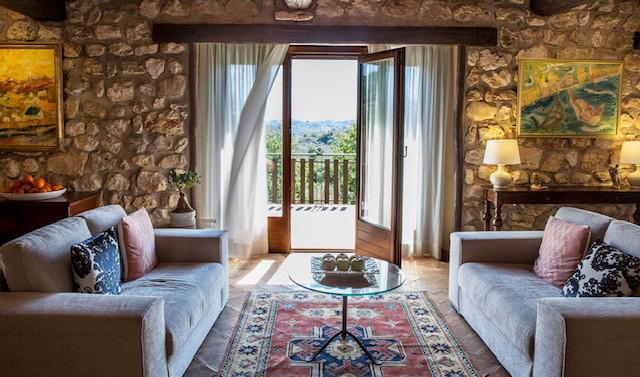
• Bel Fiore – A unique, king-size suite with a rustic feel. There is a picture window, spacious en-suite, walk-in shower, luxury fittings, and large lounge area.
• Bella Vista – A magical two-floor suite with an original arched doorway that leads to a spacious lounge and dressing area. A spiral staircase goes to the tower bedroom with its four-aspect windows and spectacular views of the mountains and olive groves.
• Lavanda – A tranquil room with a king-size bed and luxury en-suite finished in Italian marble. Large doors open onto a private terrace looking out over the property and the swimming pool.
• Belmonte – This large, airy room is filled with brightness and has double doors leading onto a private terrace overlooking the view. It’s second set of doors lead to a terrace shared with Rosmarino, making it ideal for families and friends.
• Rosmarino – A stunning room with access to the largest terrace on the property. It also has the only bathroom with both a bath and walk-in shower finished in Italian marble.
• Mandorla – A delightful ground-floor room with access to the garden, boasting large windows and a light, airy feel.
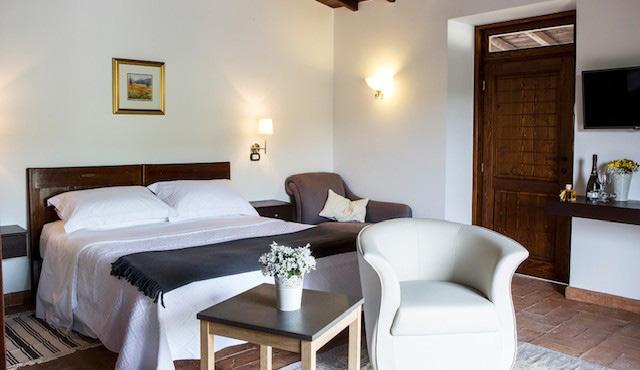
“We will have been in operation for 10 years this August. Originally, we only planned to open as a bed and breakfast, but very soon our guests didn’t want to leave, so we started offering lunches and dinner, and it has really grown from there”
– ALANA MAZZA, MANAGING DIRECTOR AND OWNER, CASALE SAN PIETRO
To celebrate 10 years of hospitality, Casale is having an anniversary competition. From the beginning of March until the end of April, those who sign up for the hotel’s newsletter have the chance to win a two-night stay at Casale and experience the Italian dream firsthand.
finish. With its extensive amenities, personalised service, and vibrant surroundings, it’s no wonder Casale calls to all kinds of travellers.
“We see a wide range of guests, about 65 percent of whom stem from the UK, with others from the US and Europe. They all come for a similar reason – to experience true relaxation,” explains Alana.
Additionally, the hotel caters to approximately two weddings per year, offering an intimate service for up to 50 guests.
Whether in a white gown, a swimsuit, or walking shoes, the panoramic views of the emerald green mountains, the scent of freshly squeezed olive oil in the air, and the feeling of home away from home are enchanting and keep you coming back, time and again.
Whilst guests will find it hard to tear themselves away from the enchanting grounds of Casale, the many towns surrounding the area are well worth a day trip.
Anagni, for example, is an ancient, little-known town encircled by Roman boundary walls and nicknamed the ‘Città dei Papi’ – Town of the Popes.
“Many popes, including the only British Pope, lived and died in Anagni. It was even once considered the centre of Catholicism before the church moved to Avignon, France,” insights Alana.
Equally, the Garden of Ninfa – located in Cisterna di Latina – is described as one of the most romantic gardens in the world. Part of the once-great Caetani family’s estate, these magical ruins transport visitors back in time with towering trees, decadent flowers, rambling roses, and a lush river running throughout.
Currently, Casale is in an exciting chapter of development.
Alana and Joe were seeking additional land to build their own apartment, which they managed to secure next to the existing property.
“On that land sat two derelict buildings, which we wondered what to do with. After extensive research into co-ownership, we decided to pursue that route. We informed current guests about the idea and put the smaller ‘Il Villino’ on the market for 10 shares ahead of development,” explains Alana.
“In five days, all 10 shares sold. Developing in Italy has been an interesting learning curve, but we are at the final stage, and our co-owners will occupy their new homes in 2026.”
The co-owners will be a part of the Casale family, and more guests will have the opportunity to own a perfect holiday home in Italy as the Mazza’s vision to extend Casale becomes an increasing reality in three nearby stone buildings. The next property will be ‘L’Oliveto’ – a fully renovated and furnished four-bedroom luxury farmhouse with a shared pool.
This expansion will offer a new space for visitors to call their own whilst still protecting the unique, personal charm that Casale has been delivering for nearly a decade.
“We are always evolving, but determined to do so in a way that maintains the property’s inclusive and carefully curated atmosphere, cementing our vision of creating a space which is relaxing, tranquil, and where people can escape from their day-to-day lives,” concludes Alana.

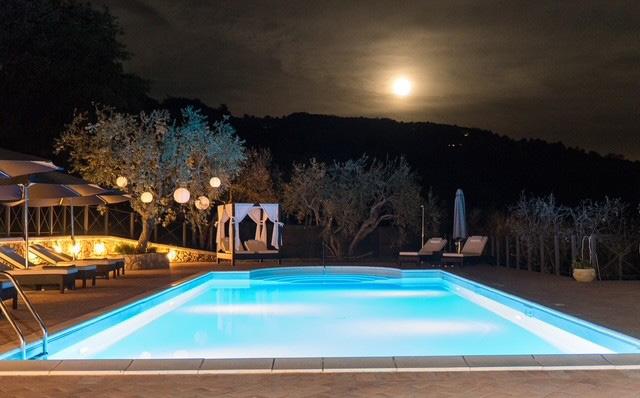
MONURIKI IS A tiny, completely uninhabited island situated off the coast of Viti Levu within Fiji’s Mamanuca Islands.
This utterly secluded volcanic island boasts dazzlingly pale sand beaches, luscious lagoons, and a unique dry forest habitat, home to the endangered Fiji crested iguana – a species actively being conserved on the island.
Historically significant as one of the first Fijian islands sighted by Captain William Bligh, following the
17.6097° S, 177.0337° E
mutiny on HMS Bounty on 28th April 1789, Monuriki offers a glimpse into a distinct ecosystem alongside an iconic touch of dazzling Hollywood history.
The coral and volcanic landscape of Monuriki is the smallest and southernmost of the three islets in the Mamanuca Islands.
With a modest length of just 1.15 kilometres and a width of only 600 metres (m), the island is mountainous, reaching a maximum height of 178 m in the southeast.
Monuriki was famously featured as the anonymous island in Robert Zemeckis’ survival drama film, Cast Away, starring Tom Hanks – some tourists and travel agents now
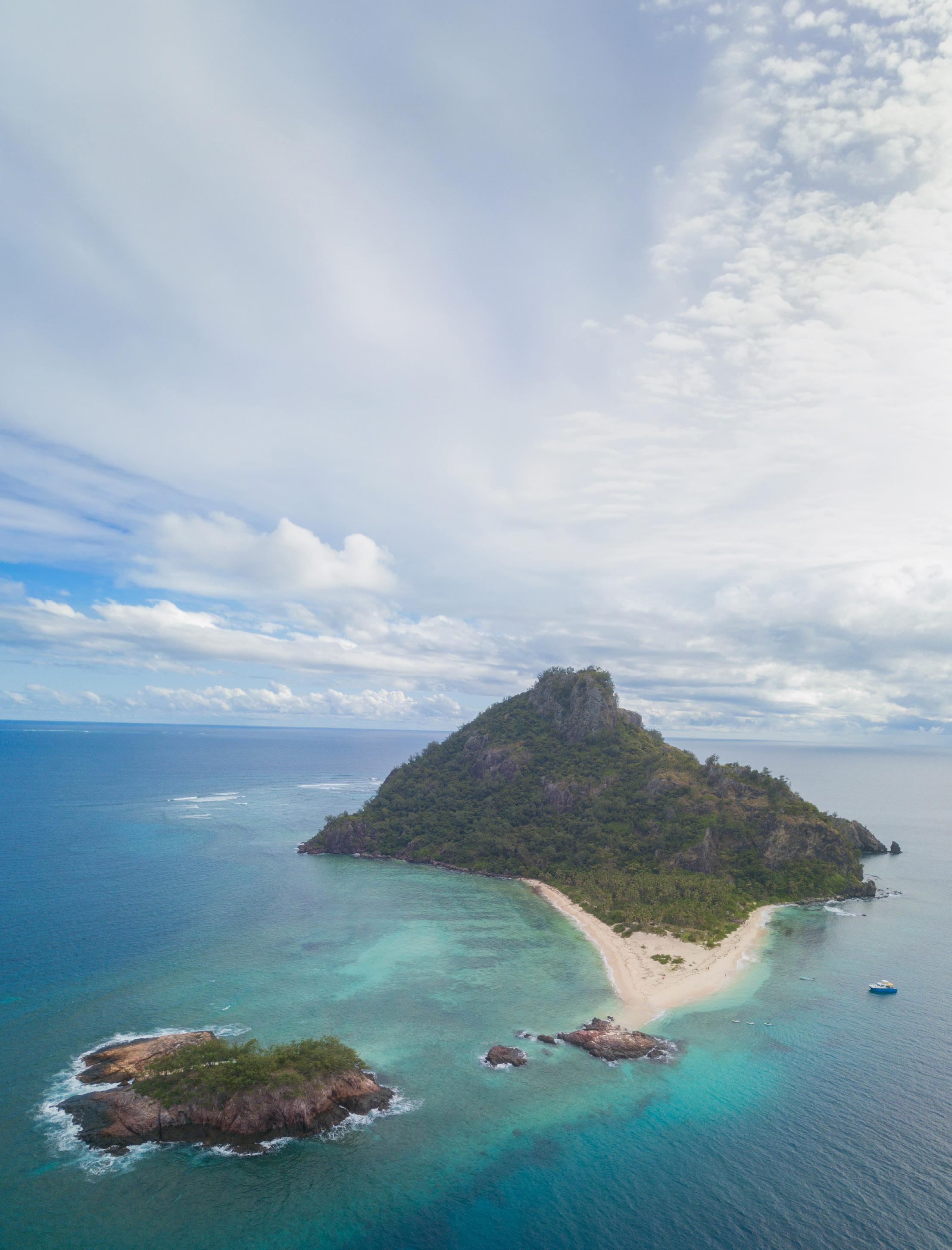
refer to the location as ‘Cast Away Island’ as it has become a major tourist attraction and a must-visit pilgrimage for avid movie fans worldwide.
As the sole survivor of a terrifying plane crash, Tom Hanks’ iconic character, an ordinary FedEx employee, is forced to survive on the tropical island like a modernday Robinson Crusoe as he tries to escape his lonely fate and eventually return home.
Inspired by the movie, this incredible location has also recently been used as a setting for the US reality show Survivor, in which contestants must learn to live in the wild.
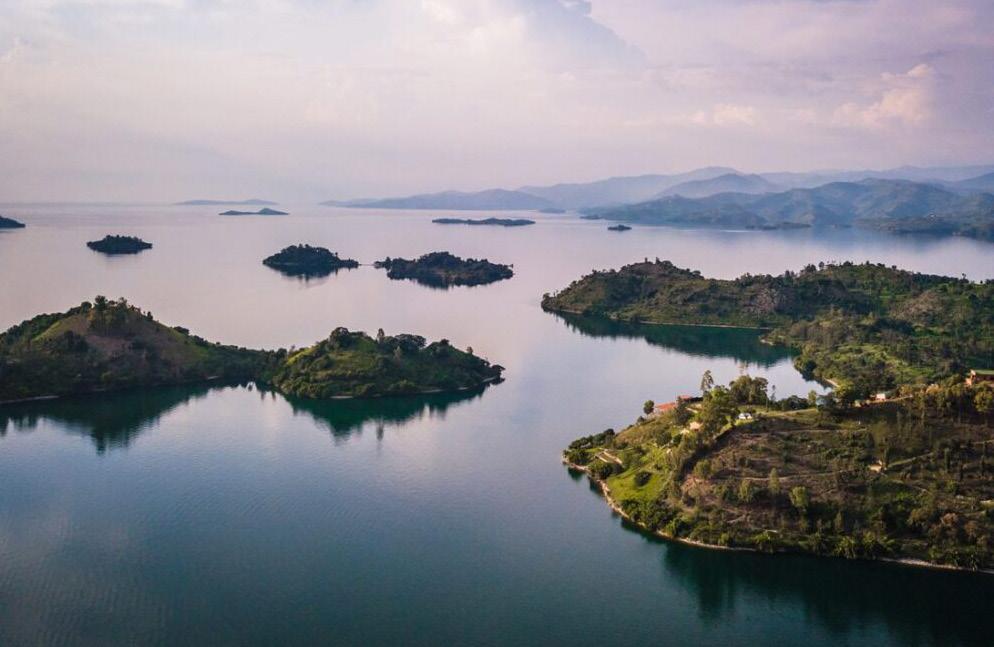
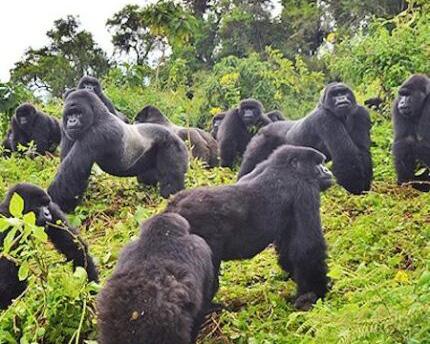

Book with us for Gorilla and Chimp tracking in Bwindi and Kibale National Parks, Adventure Wildlife and Cultural Safaris, Customized Safaris and Tours, Mountain climbing, Rafting on the Nile, Car hire, Bird- watching and community engagements across all destinations. Our team is available at all times to answer your inquiries with utmost expertise.
Some of our tour packages include:
10-day Uganda Highlights- from $3,100. Dive into this experience of captivating Uganda’s hospitality and enchanting drum sounds, local food, culture and wildlife diversity from the gorillas in Bwindi to the world’s longest river.
12-day Rwanda Extended Tour - From $3,650. This extended safari will take you on a marvel of Rwanda’s culture and wildlife adventure from the start to the end.
12-day Uganda Exclusive Safari - From $6,600.
Meet Uganda’s friendly people and immerse yourself in her incredible diversity of culture and wildlife abundance and beauty.
3-day Gorilla Tracking Uganda via KigaliFrom $1,500.
This tour is the quickest way to visit the mountain gorillas in Virunga NP Rwanda and Bwindi Impenetrable Forest in Uganda.
Wild gallery Safaris is a fully registered private limited company with a focus on providing professional tour and travel operations in Uganda and other East African countries, mainly Kenya, Rwanda, DRC and Tanzania.
We have pocket friendly safaris for all our visitors and also organize tailor made safaris depending on your budget. Our arrangements are made to save you the hustle of doing pre-visit preparations like buying gorilla permits, booking accommodation, securing a comfortable transport means, and doing itinerary paper work. Our commitment is to make sure you have a memorable experience, and a professionalized and personalized customer experience from our dedicated team.
3-day Murchison Safari - From $1,820. Murchison Falls National Park lies at the northern end of the Albertine Rift Valley, where the sweeping Bunyoro escarpment tumbles into vast, palm-dotted savannah.
3-day Nyiragongo Volcano - From $1,050. Wild Gallery Safaris is one of very few tour operators offering this exciting adventure to climb the Nyiragongo Volcano in the Democratic Republic of Congo.
3-day Queen Elizabeth Safari - From $1,900. Queen Elizabeth National Park is the second largest national park, with Close to 100 species of mammals and about 606 types of birds dwelling within.
7-day Highlights of Rwanda - From $2,300. Welcome to Rwanda, the “land of a thousand hills”. This tour has been designed to show you the best highlights of this fascinating country.
Mauritius Honeymoon Package - From $2,100.
This year-round vacation location has a special attraction with its island paradise of white sand beaches and clear waterways.
4-day Fort Portal and Semliki - From $3,200. Embark on your 4 day exploration journey to this fascinating part of Uganda’s biodiversity. Known as the Tourism City, Fort Portal is known for its horizon landscapes with craters and green lush vegetation and plantations. This journey will also take you to Semliki National Park, known as Uganda’s birders Haven with captivating sceneries and hot springs experience.
Car Hire - From $100.
Utilize our year-round daily and weekly deals to save money while selecting from a huge
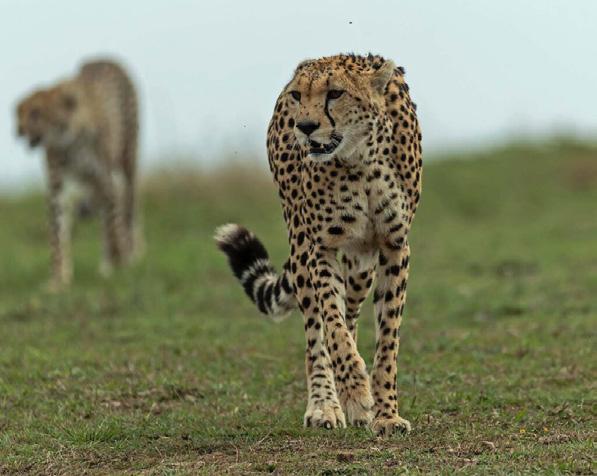
selection of contemporary small, medium, and large rental automobiles.We guarantee our reasonable and competitive rates as well as additional benefits.
Many people like traveling by air since it can be enjoyable and it also saves time. However, purchasing airline tickets might be a difficult chore. Fortunately, we provide first-rate airline ticketing services throughout Uganda, so you don’t need to worry.
We will make sure that the flight tickets are booked on time and in accordance with your exact instructions as dependable airline ticketing agents in Kampala. By using our service, you may avoid all the headaches associated with purchasing your own airline tickets.
Book now with your family and friends for the best Holidays experience of your life with Wild Gallery Safaris.
Mon – Fri: 8:00 am – 5:30 pm Sat: 9:00 am – 1:00 pm
We are closed on Sundays and public holidays
Phone:
+256(0)760-463-071
+256(0)758-966-328
+256(0)789-864-840
Email:
info@wildgallerysafaris.com (tour) wildgallerysafarisltd@gmail.com (inquiry) tickets@wildgallerysafaris.com (ticketing) www.wildgallerysafaris.com























Situated in the heart of Menlyn Maine, The Maslow Time Square is Sun International’s 238-room specialist business hotel. Not only a destination for professionals, but a portal for travellers. Boasting 17 floors that o er everything from business to leisure with tempting eateries, a relaxing business lounge and 13 bespoke conference rooms.



















209 Aramist Avenue, Pretoria, Gauteng, South Africa
Tel: 0860 846 377 / 0860 TIMESQ

For the perfect balance of business and pleasure, be our guest.



Central Reservations: +27 11 780 7800 timesquare.reservations@suninternational.com