Africa Outlook, APAC Outlook, EME Outlook, North America Outlook, Mining Outlook, Healthcare Outlook, Manufacturing Outlook, Supply Chain Outlook, Food & Beverage Outlook, Construction Outlook, and Sustainability Outlook are digital publications aimed at boardroom and hands-on decision-makers, reaching an audience of more than 800,000 people around the world.
With original and exclusive content compiled by our experienced editorial team, we look to promote the latest in engaging news, industry trends, and success stories from across the globe.
Your company can join the leading industry heavyweights enjoying the free exposure we provide across our platforms with a free marketing brochure, extensive social media saturation, enhanced B2B networking opportunities, and a readymade forum to attract new investment and help you grow your business.
Visit www.outpb.com/work-with-us for details on how your company can feature for free in one of our upcoming editions.
EDITORIAL
Head of Editorial: Jack Salter jack.salter@outpb.com
Deputy Head of Editorial: Lucy Pilgrim lucy.pilgrim@outpb.com
Finance Assistant: Victoria McAllister victoria.mcallister@outpb.com
CONTACT
North America Outlook
Norvic House, 29-33 Chapelfield Road
Norwich, NR2 1RP, United Kingdom
Sales: +44 (0) 1603 804 445
Editorial: +44 (0) 1603 804 431
SUBSCRIPTIONS
Tel: +44 (0) 1603 804 431 jack.salter@outpb.com
www.northamericaoutlookmag.com
Follow us on LinkedIn
Follow us on X: @OutlookPublish
DEEP COMMUNITY ROOTS
Welcome to our 34th edition of North America Outlook.
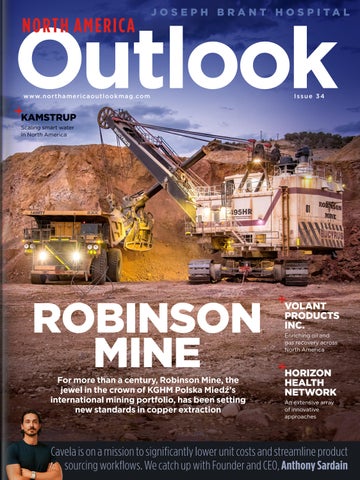
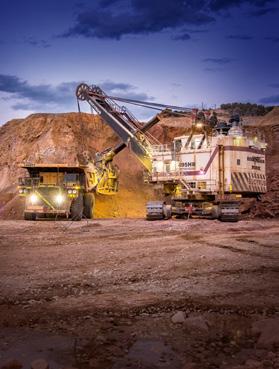
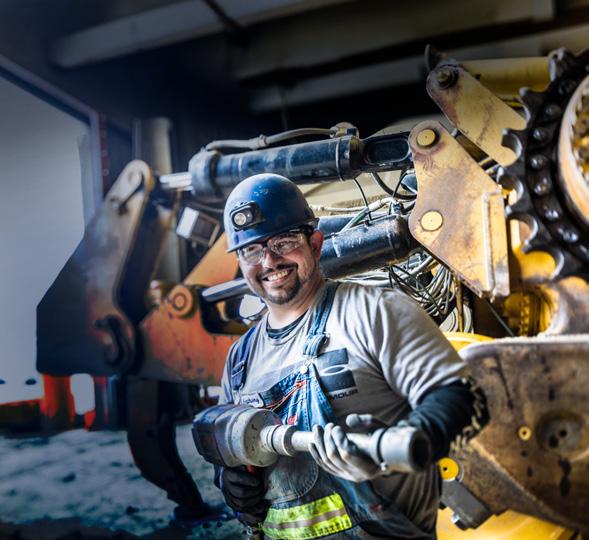
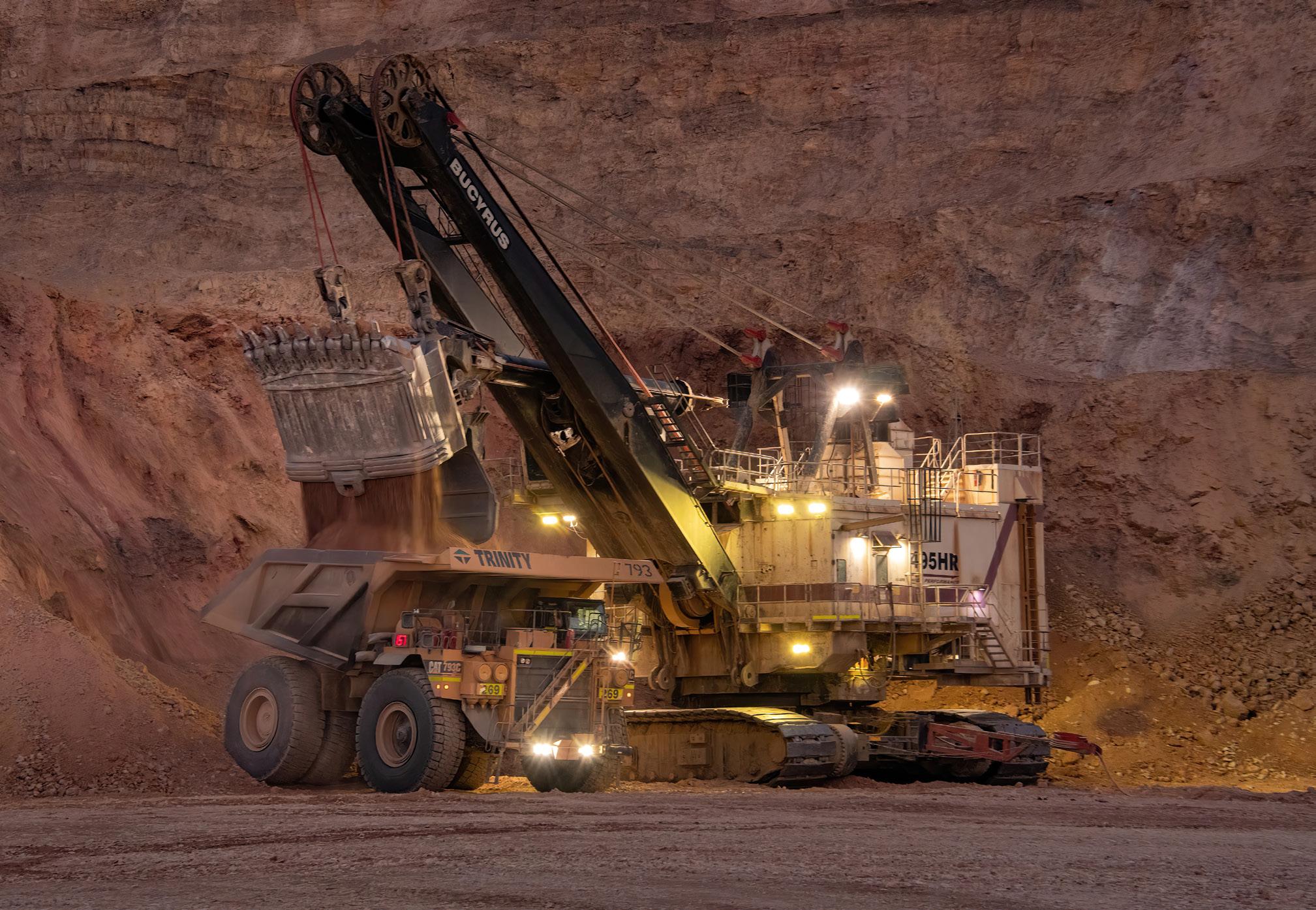
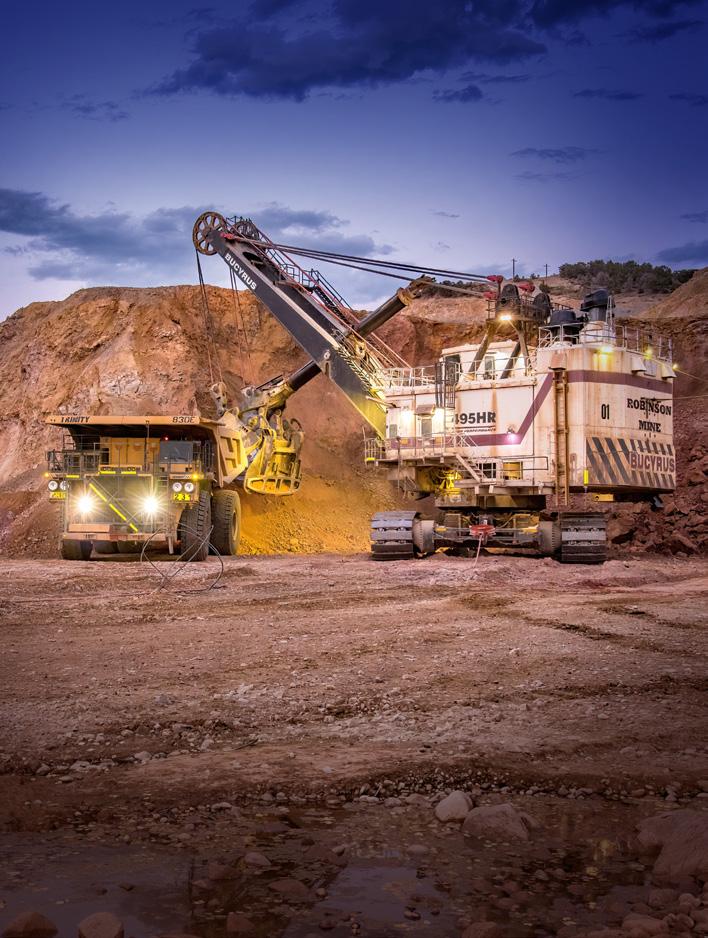
Activity at the Robinson Mine (Robinson), taking place on this issue’s front cover, can be traced all the way back to 1867.
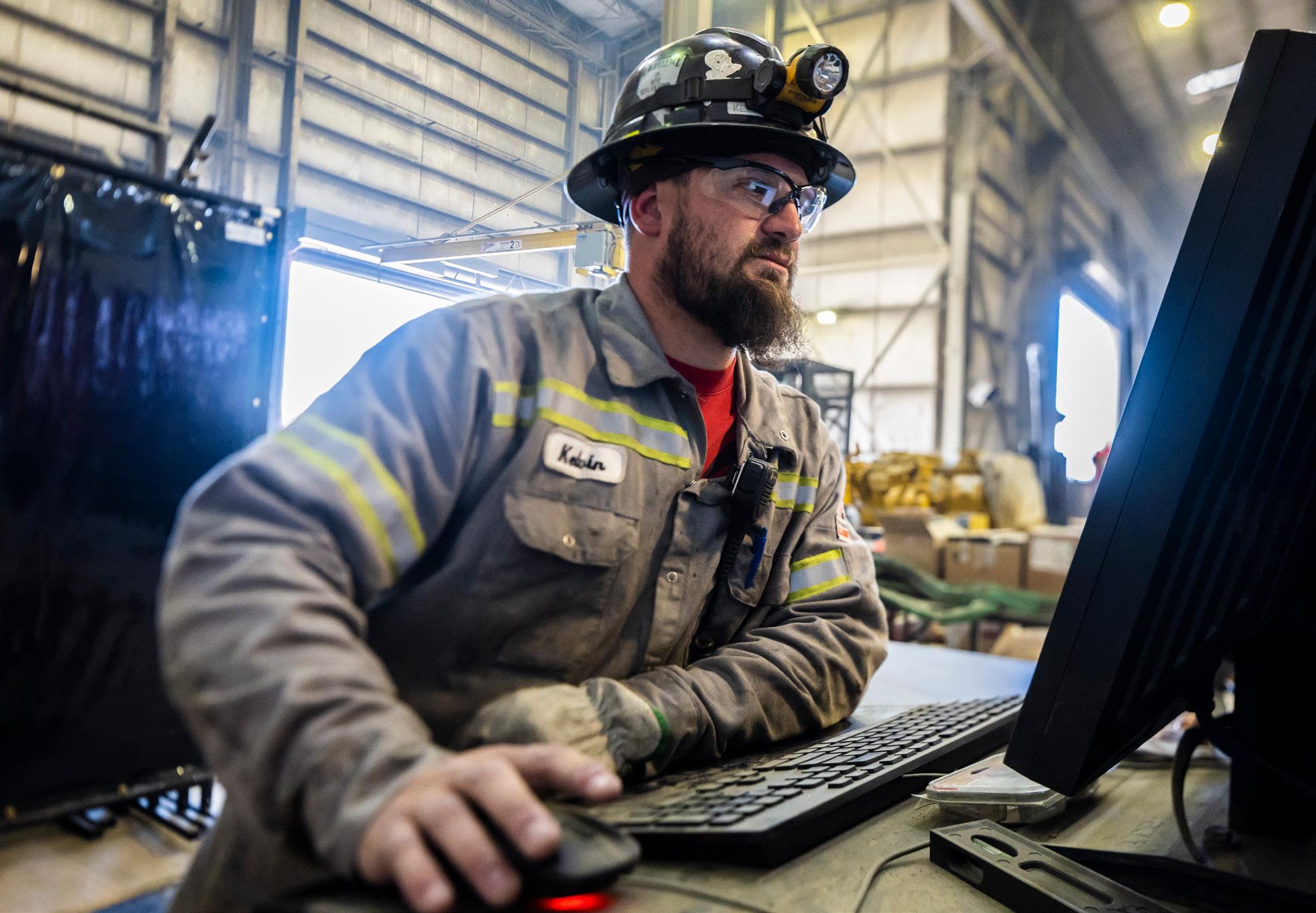
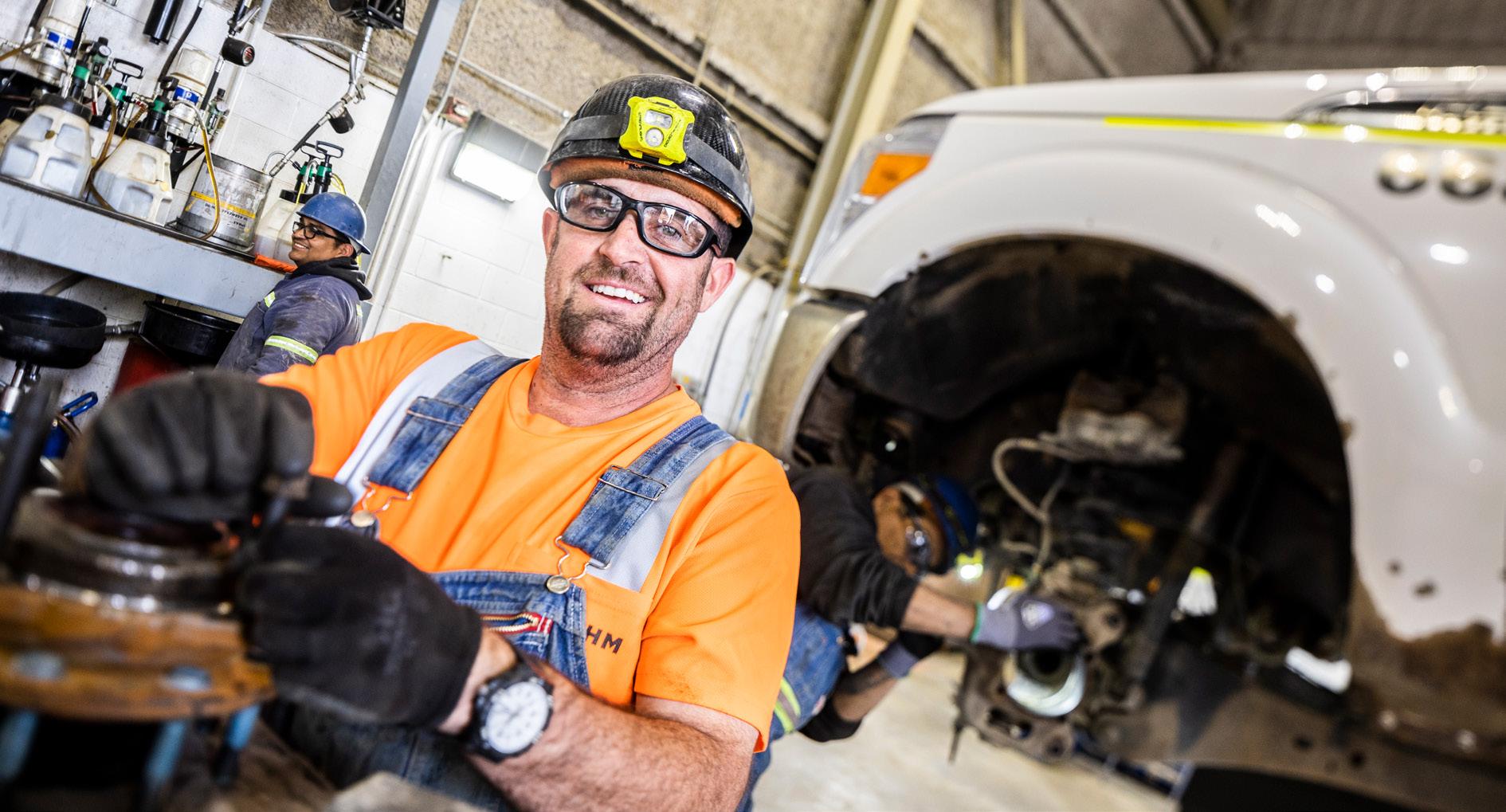
Owned and operated by KGHM Polska Miedz, one of the world’s largest copper and silver producers, Robinson is a large-scale open-fit facility located in White Pine County, Nevada.
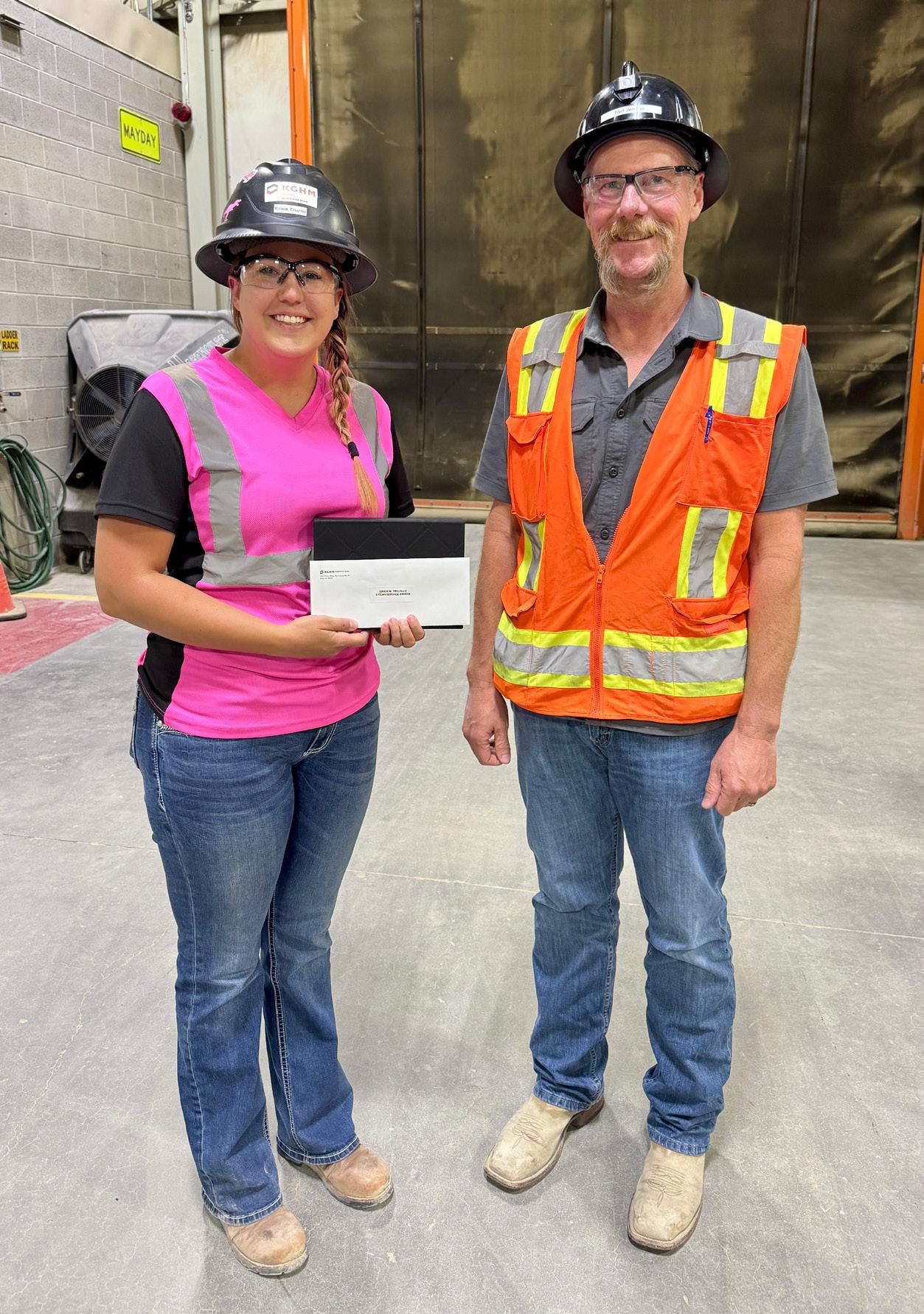
With mining operations spanning more than a century, the company is set apart by its deep-rooted history in the Silver State and subsequent connection with people and the community.
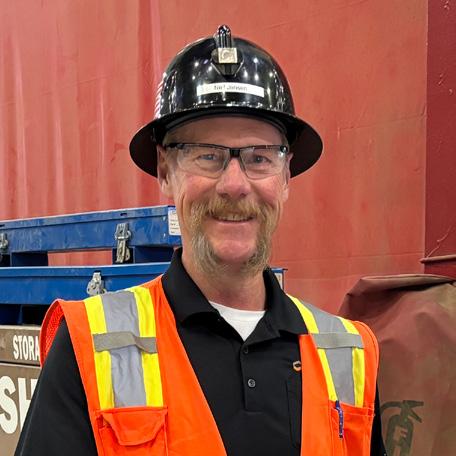
“Our employees are the heart of our operation, and with over 150 years of mining at our site, numerous members of the team are proud multi-generation Robinson miners,” highlights Neil Jensen, Vice President and General Manager.
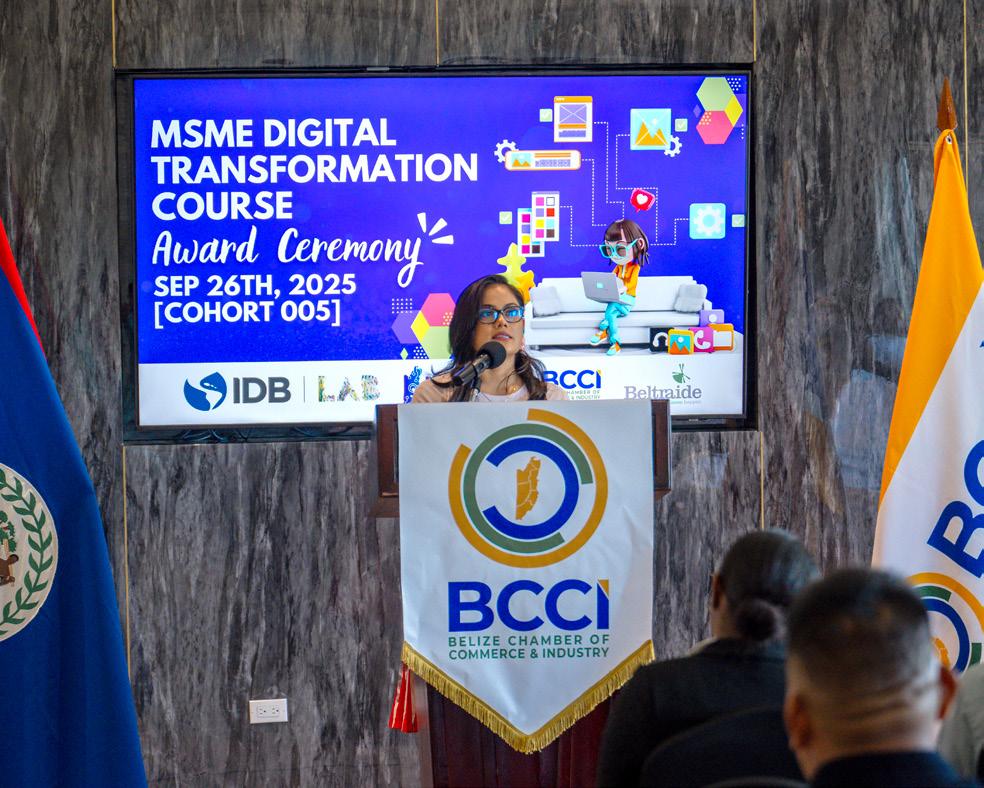
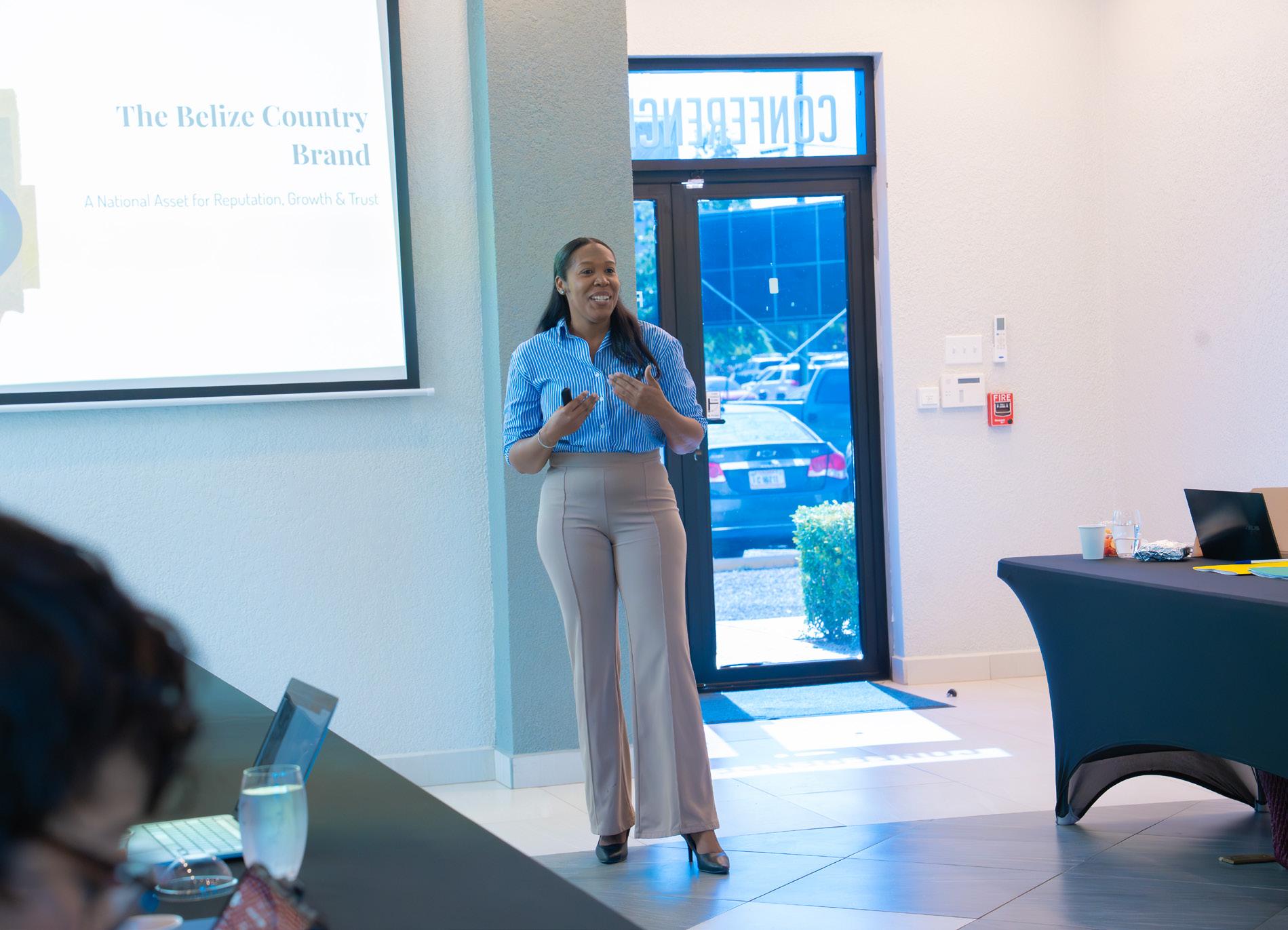
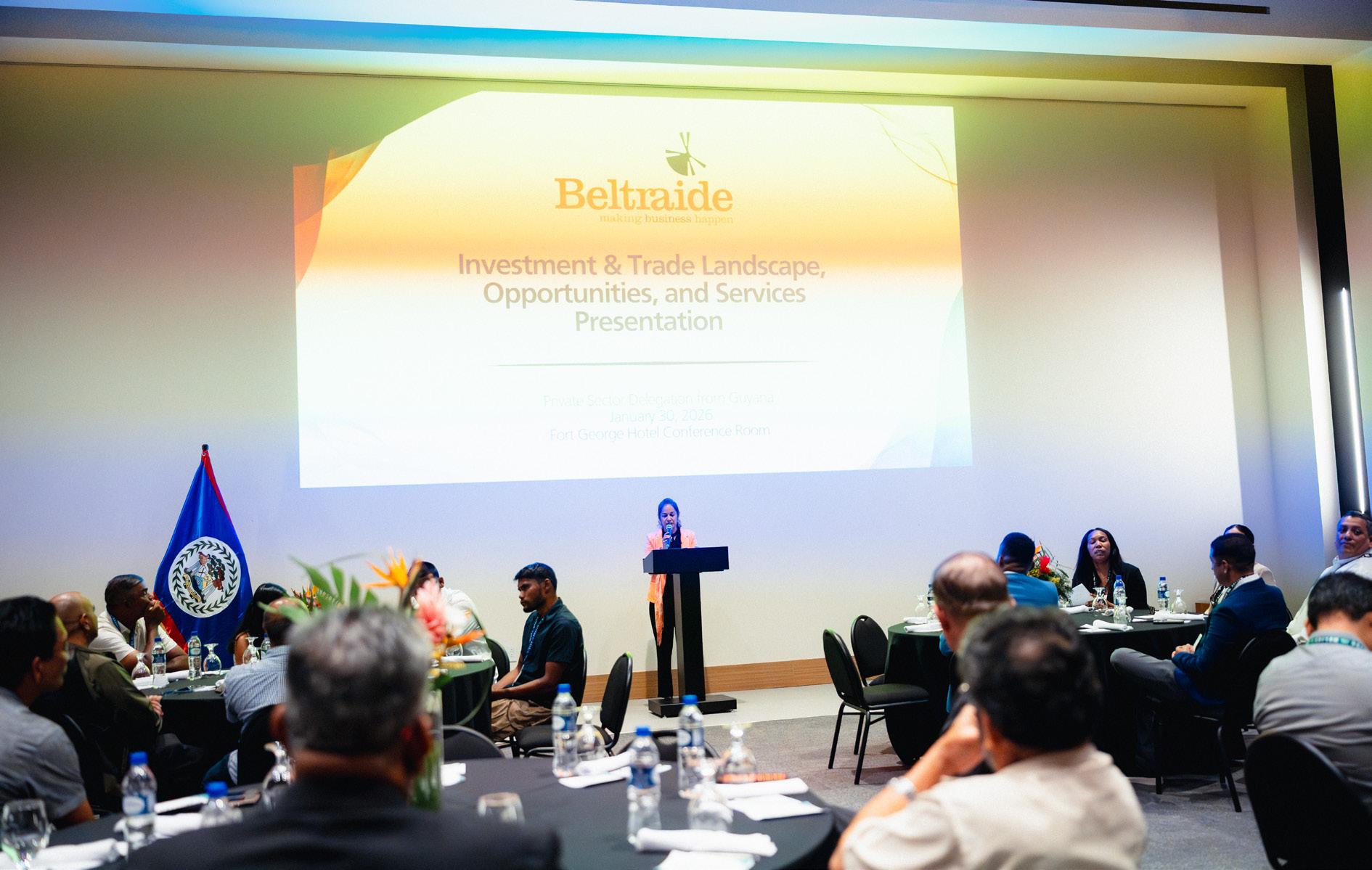
While Robinson approaches 160 years in operation, the Belize Trade and Investment Development Service (BELTRAIDE) marked its 25th anniversary last year.
BELTRAIDE’s focus remains firmly anchored in building a resilient, inclusive, and diversified economy.
Its mandate may have evolved over the years, but the core mission remains consistent – to support Belizean businesses both locally and abroad, attract responsible investment, and ensure economic growth translates into real opportunities for communities.
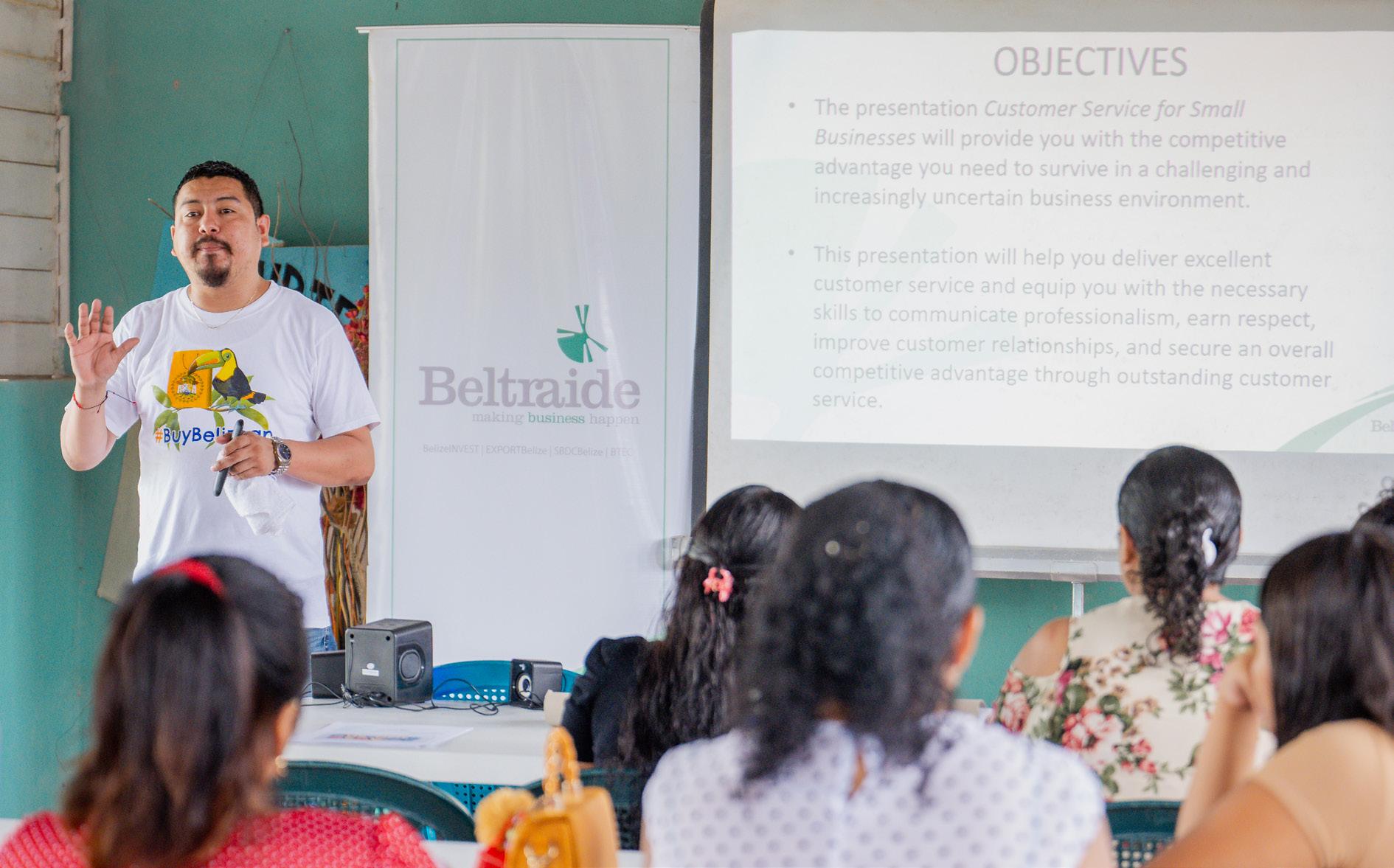
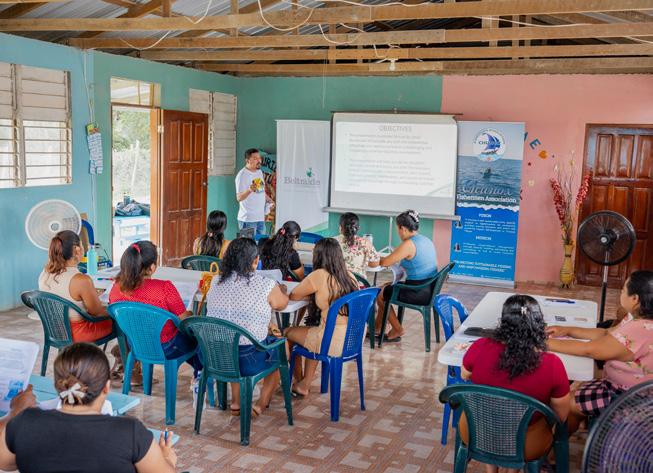
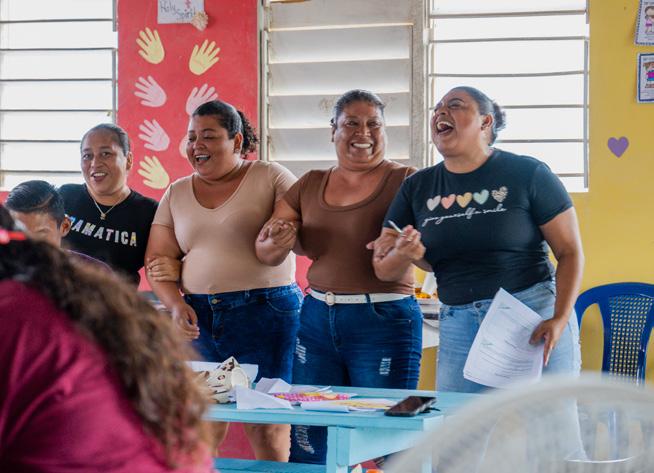
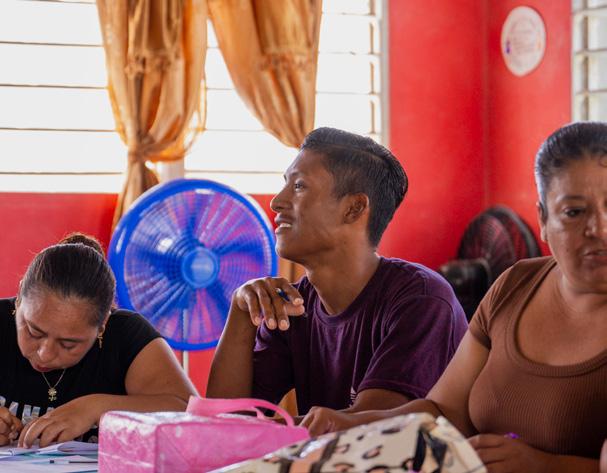
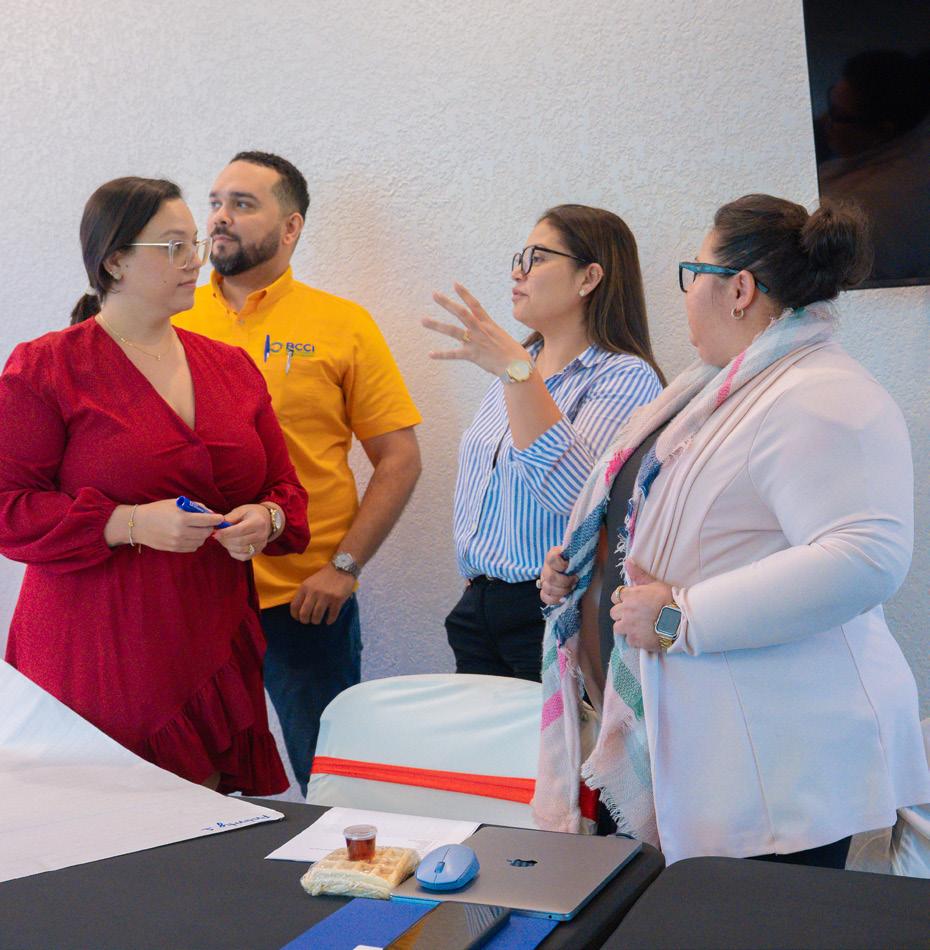
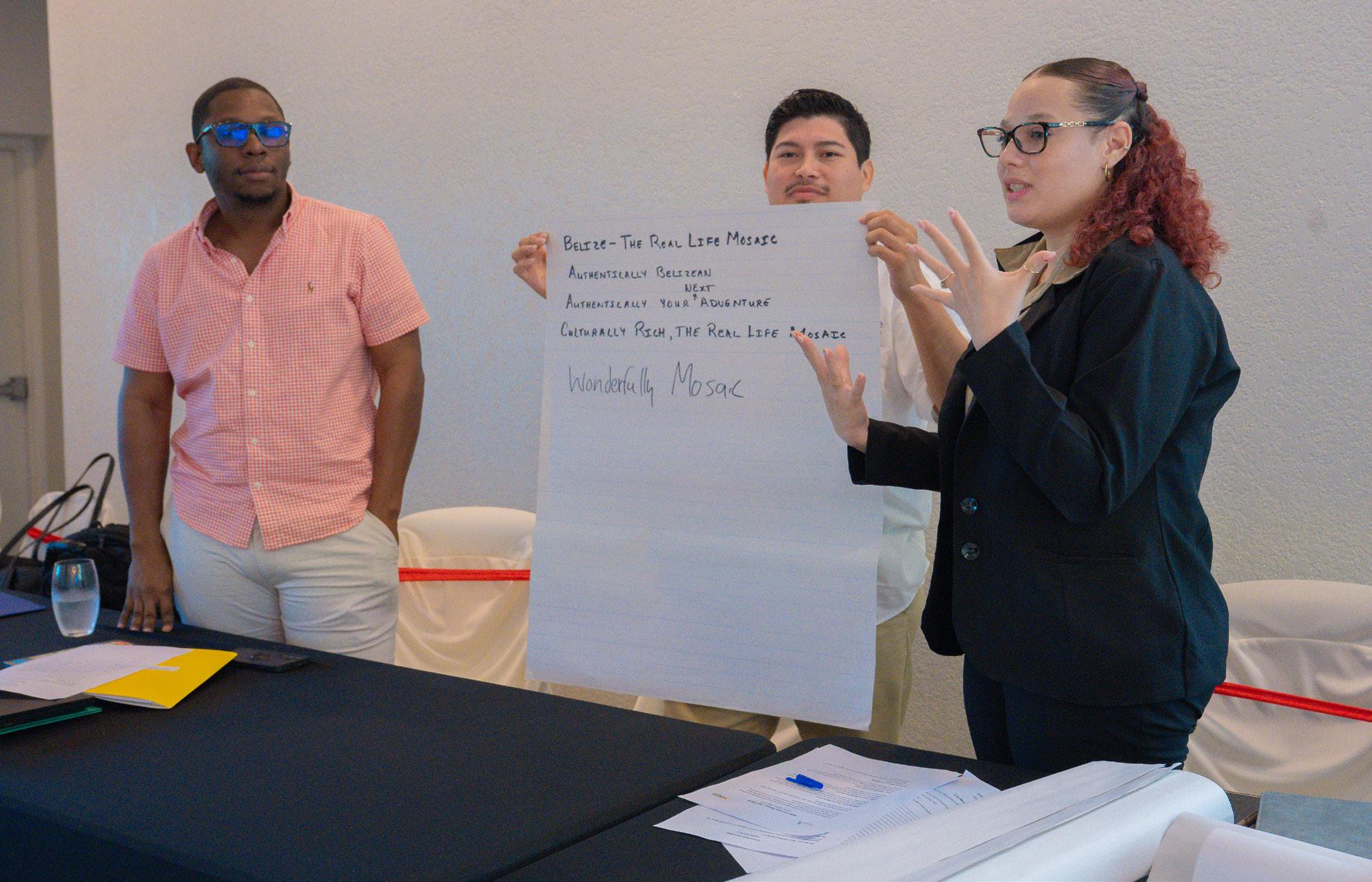
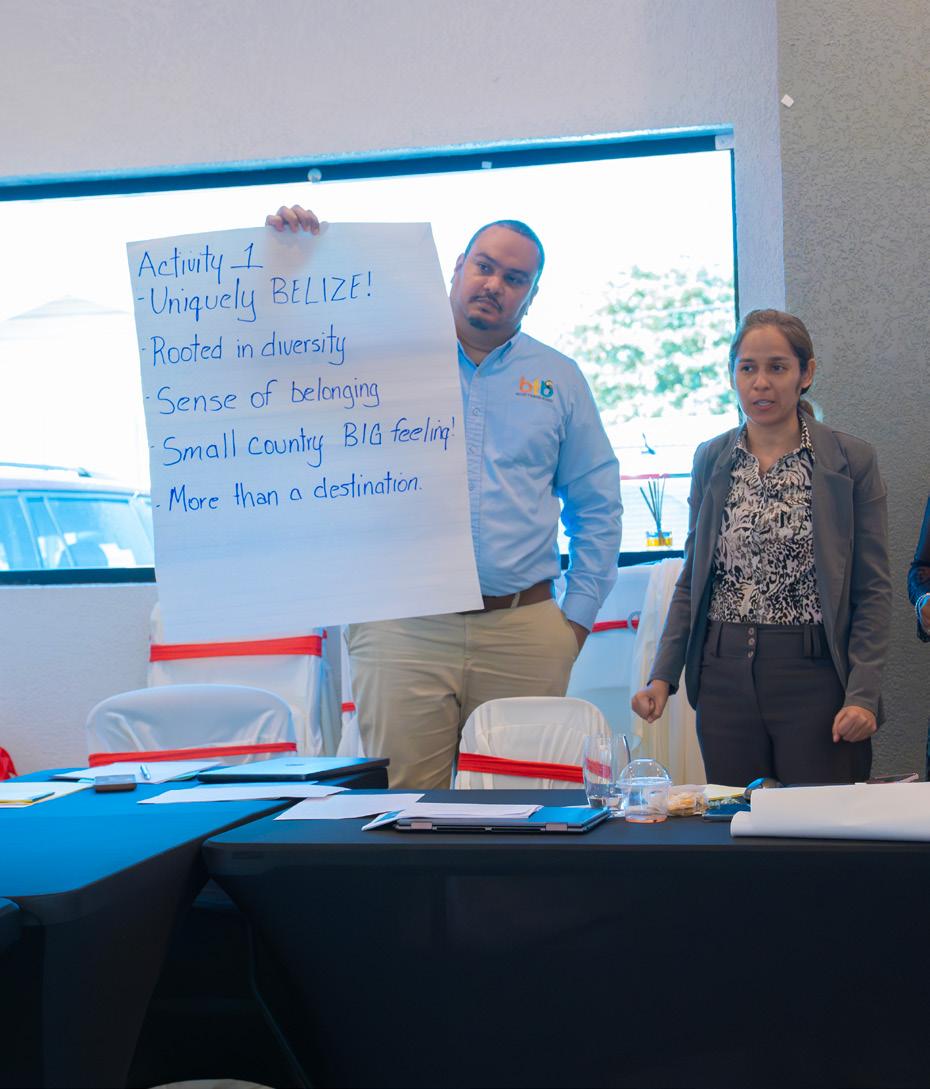
“In recent years, we’ve placed deliberate emphasis on empowering coastal and rural communities through targeted support in the blue, green, and orange economies,” updates Executive Director, Ishmael Quiroz, who we last spoke to in September 2024.
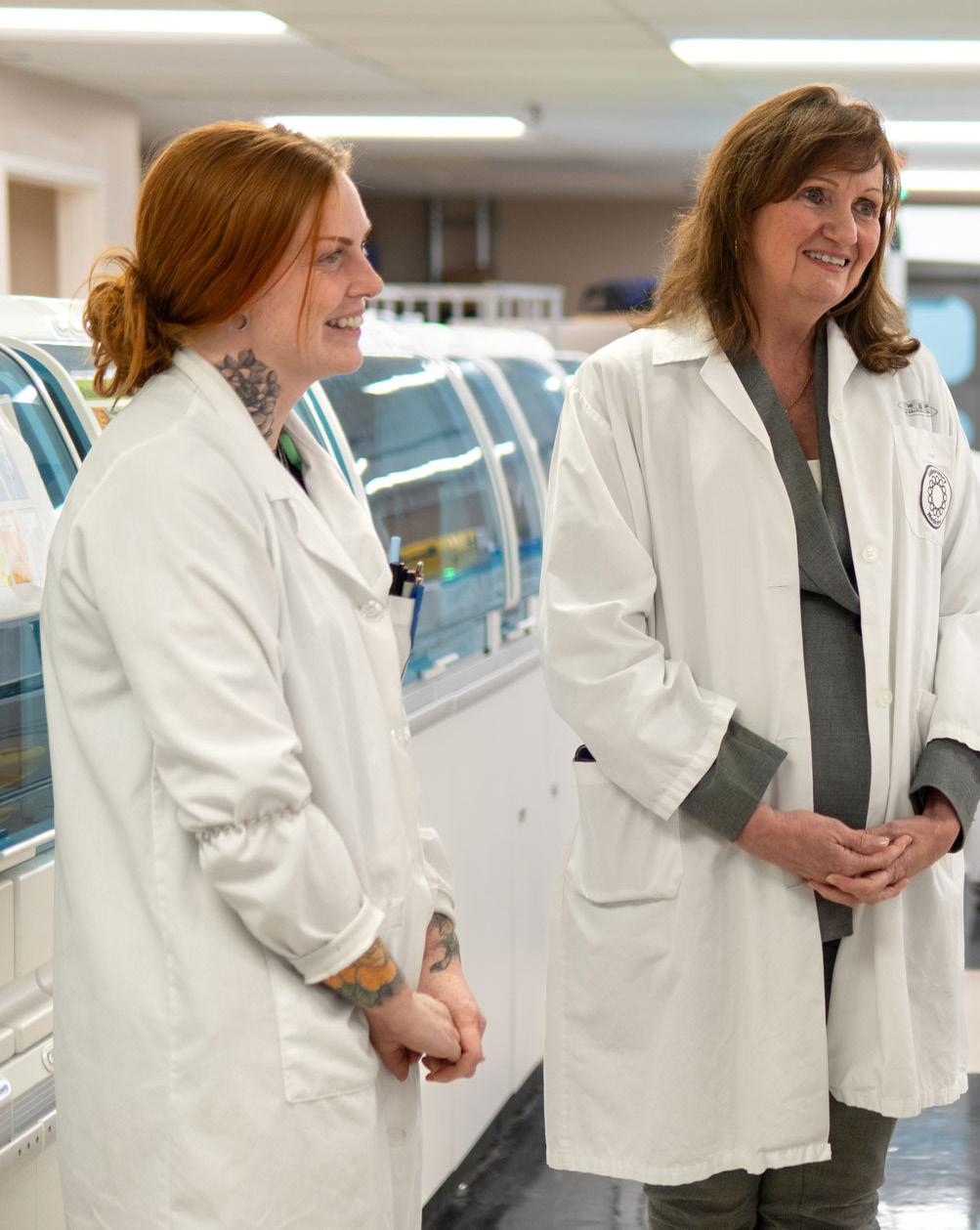
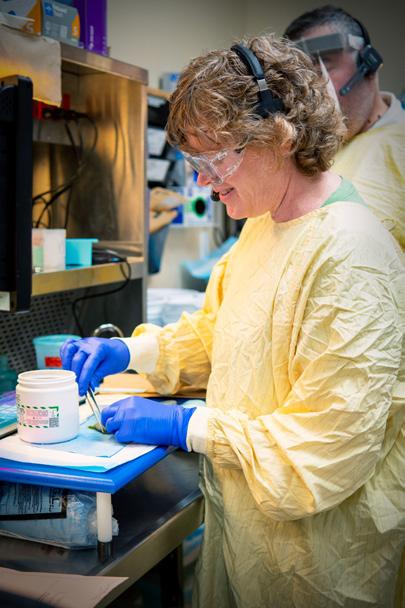
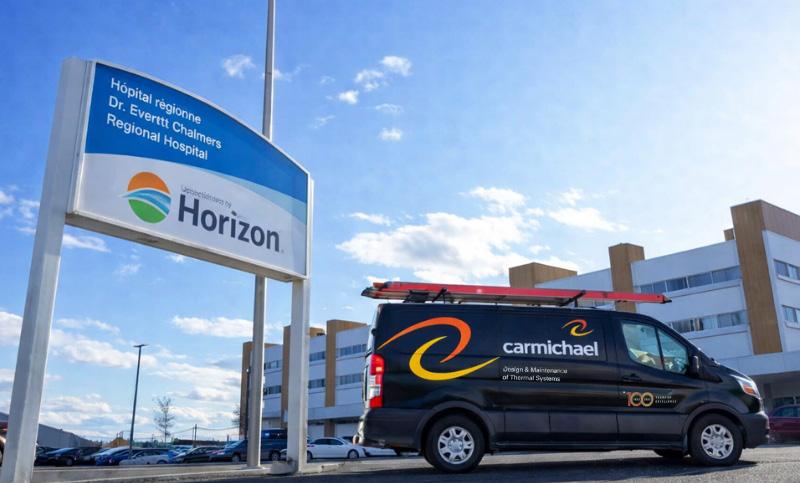
Canadian healthcare leader, Horizon Health Network (Horizon), has a wide network of hospitals and community-based facilities in New Brunswick.
Horizon is the second-largest regional health authority in Atlantic Canada and recently launched its new five-year strategic plan, centered on four main pillars.
“We are very focused on our initiatives across all four priority areas, and we’re moving quickly into the future,” affirms Margaret Melanson, President and CEO.
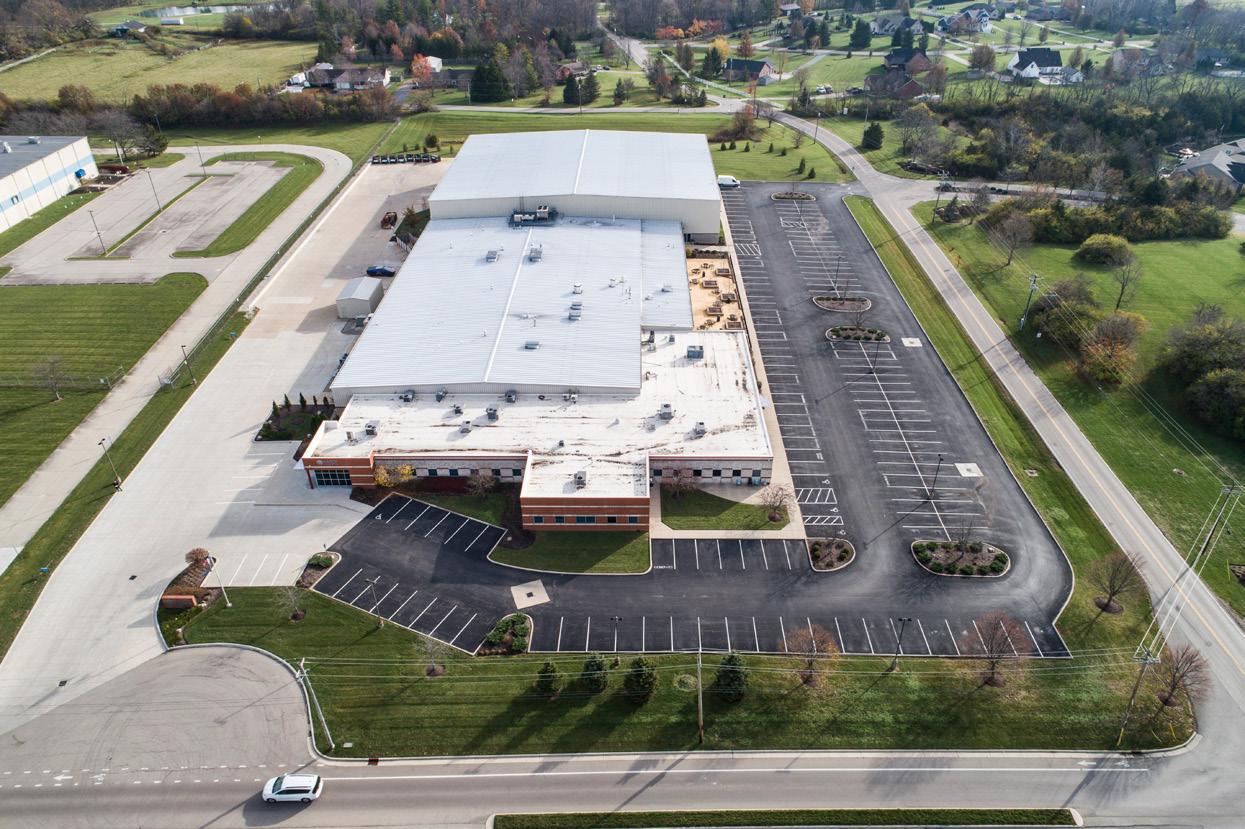
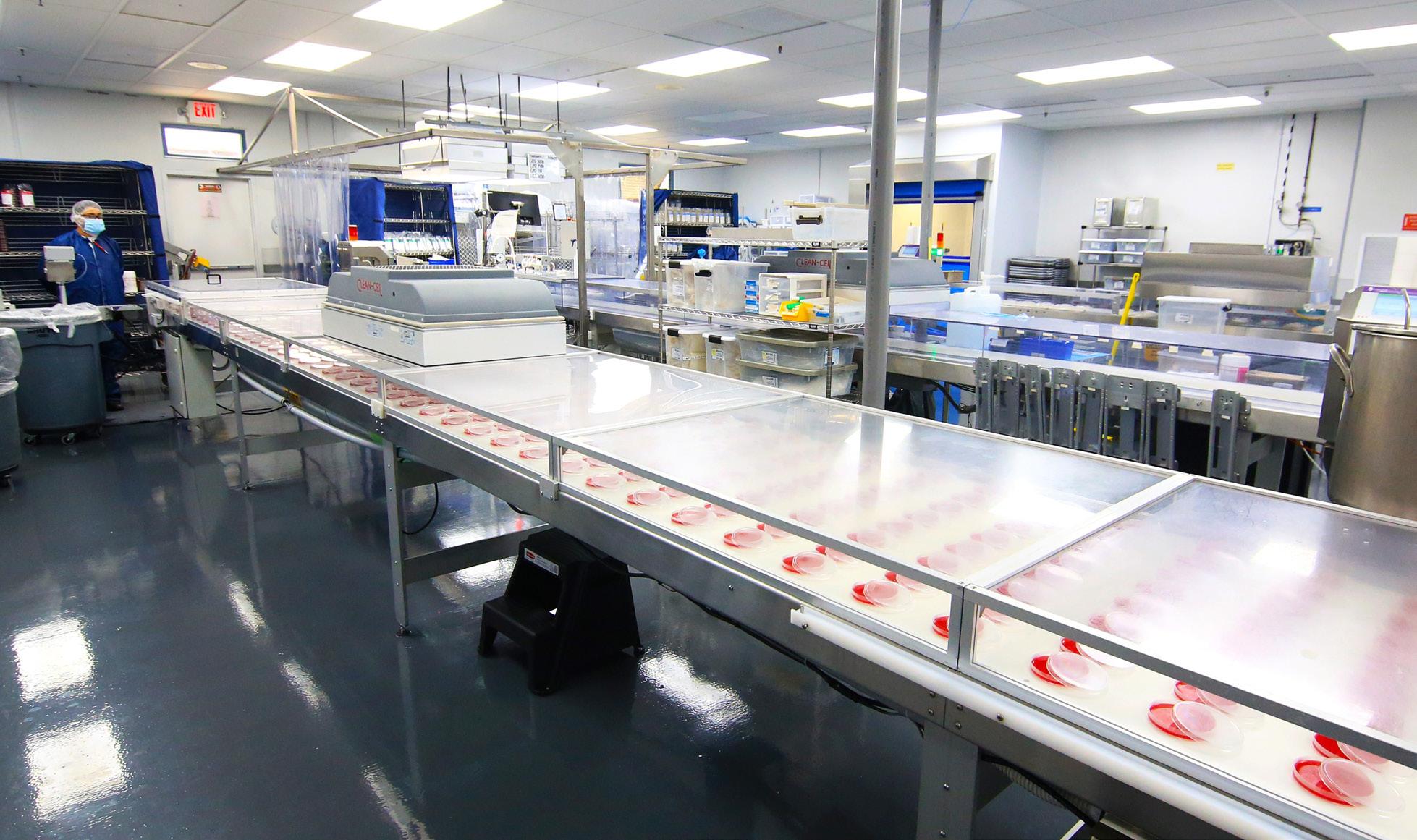
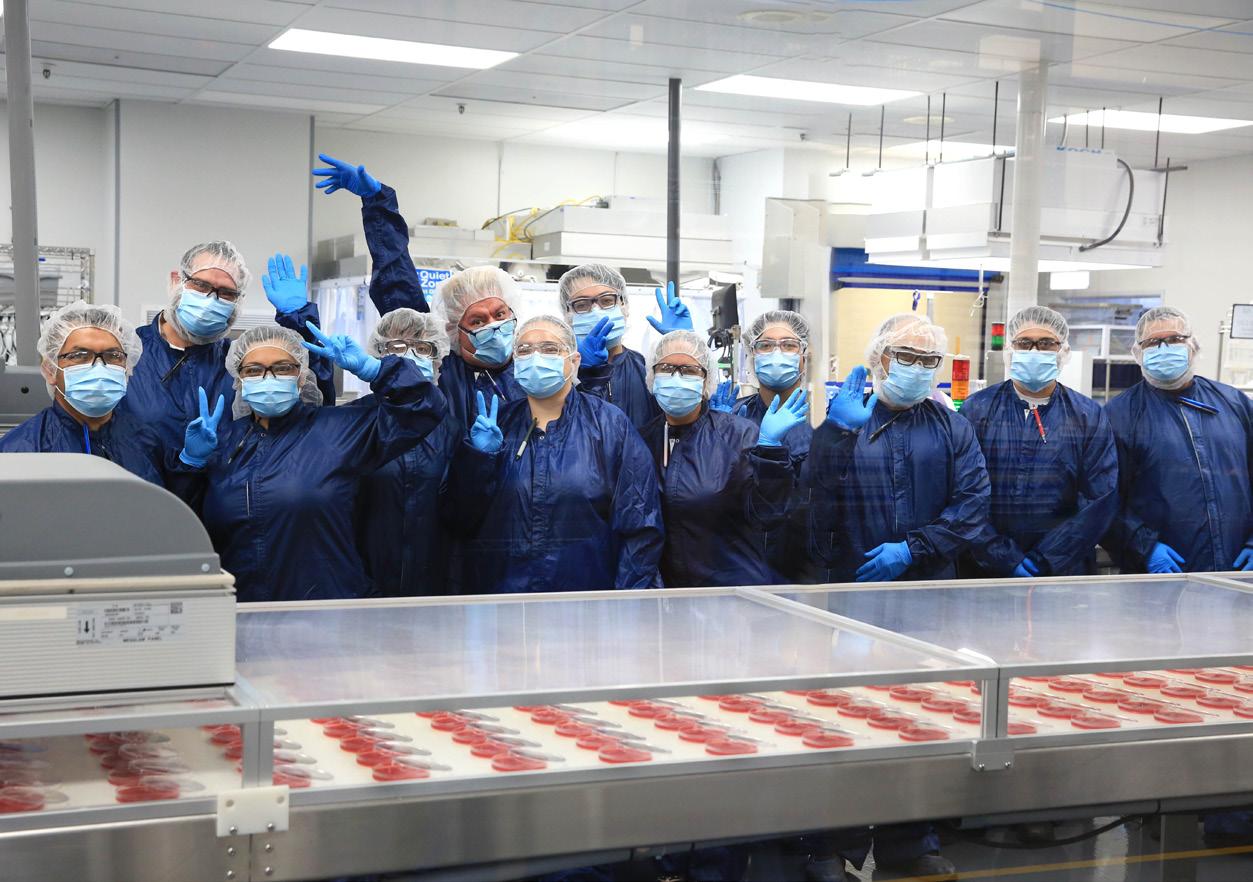
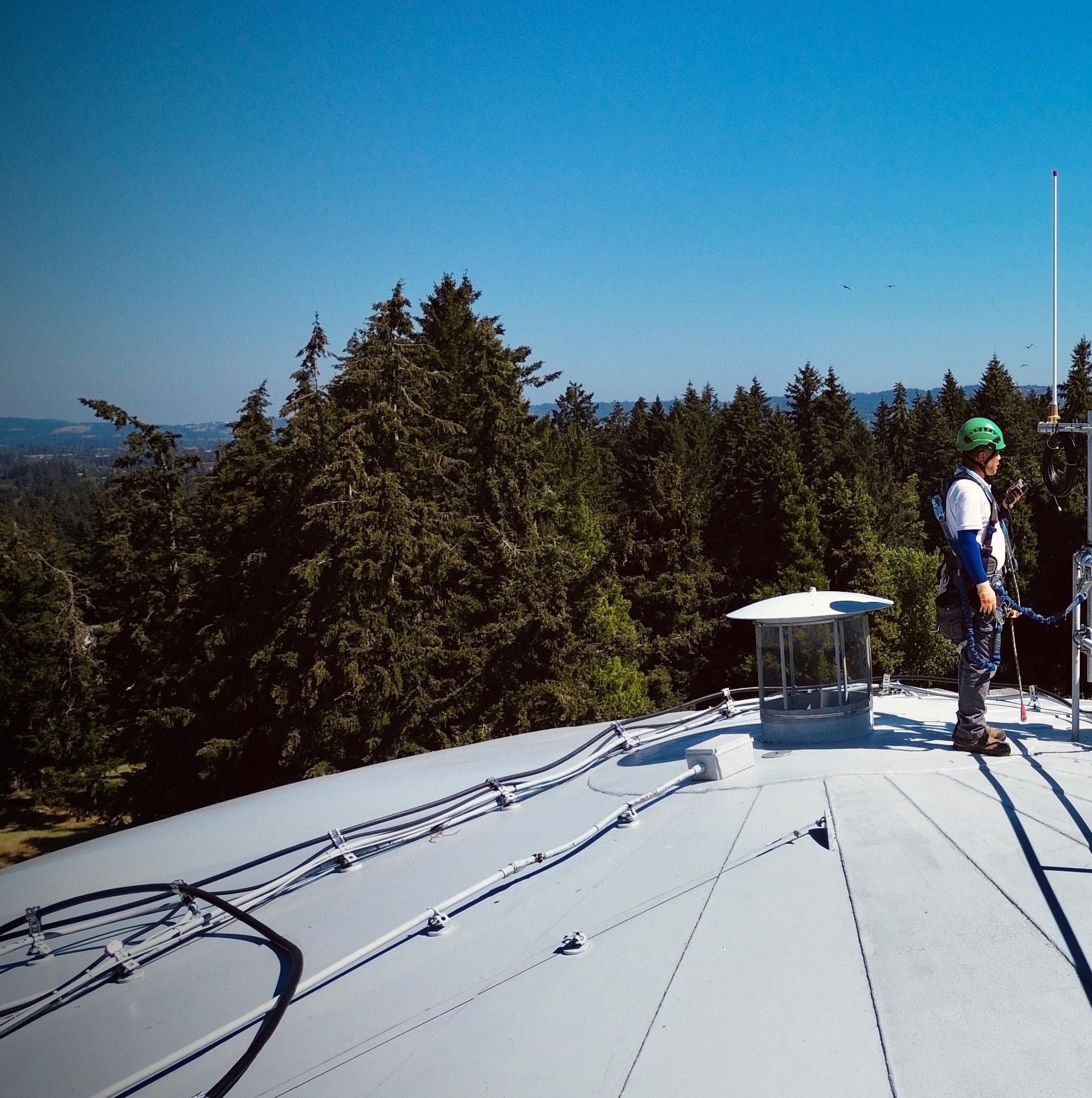
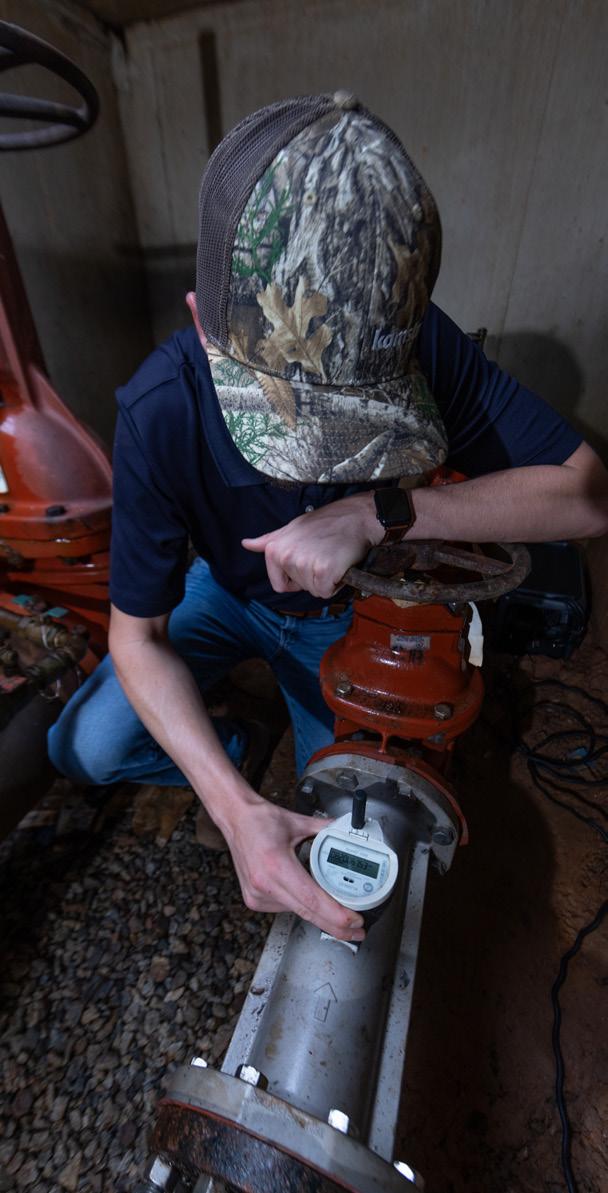
This issue’s community spirit is also embodied by Kamstrup, Volant Products Inc., Hardy Diagnostics, and more.
We hope that you enjoy your read.
Jack Salter
Head
of
Editorial, Outlook Publishing
MINING
62 Robinson Mine
Deep-Rooted Dexterity
Unearthing new standards of copper extraction
HEALTHCARE
72 Horizon Health Network
Pathways to Patient-Centered Progress
An extensive array of innovative approaches FEATURES
82 Hardy Diagnostics
Defining the Future, Transcending the Ordinary
Building a healthier world
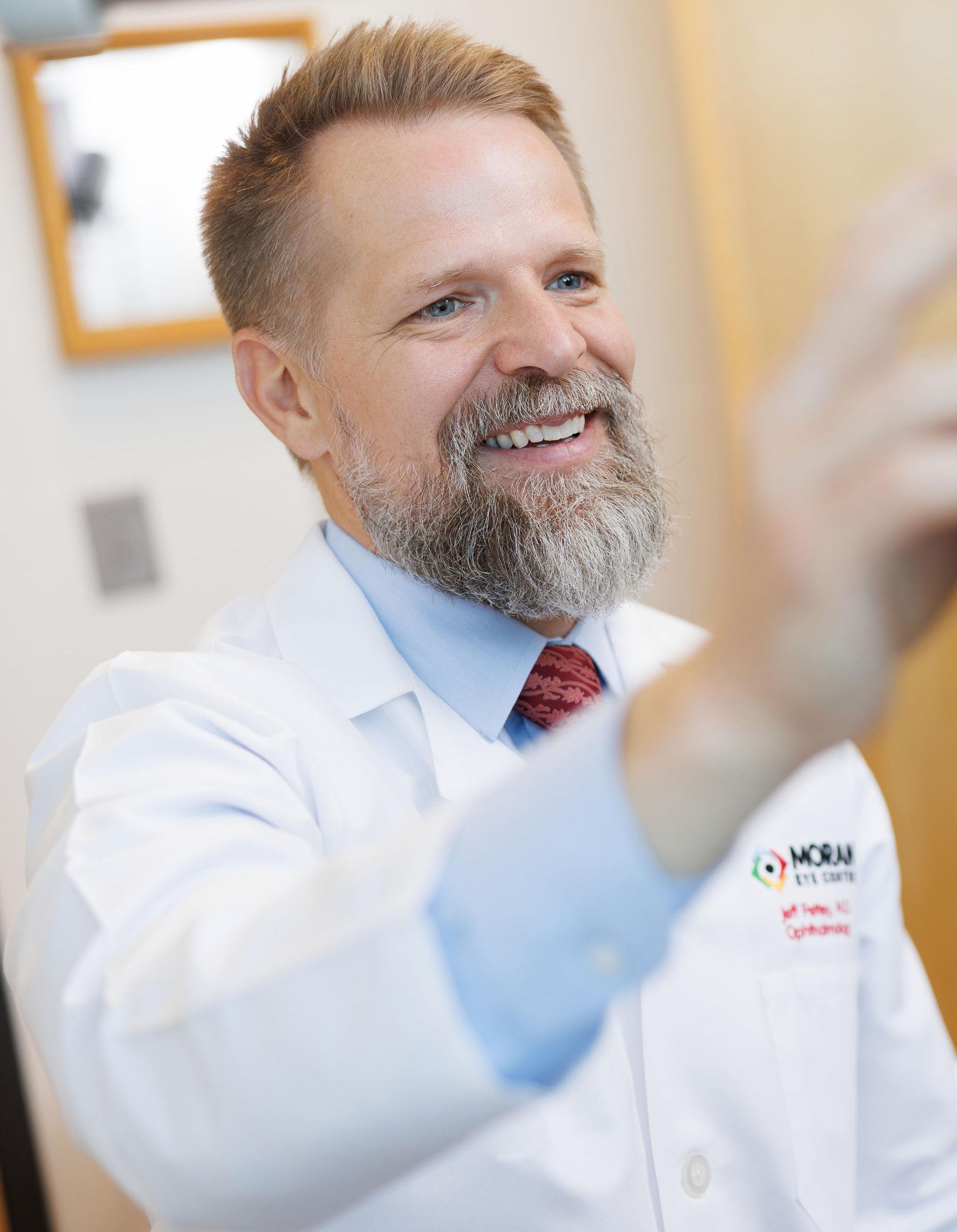
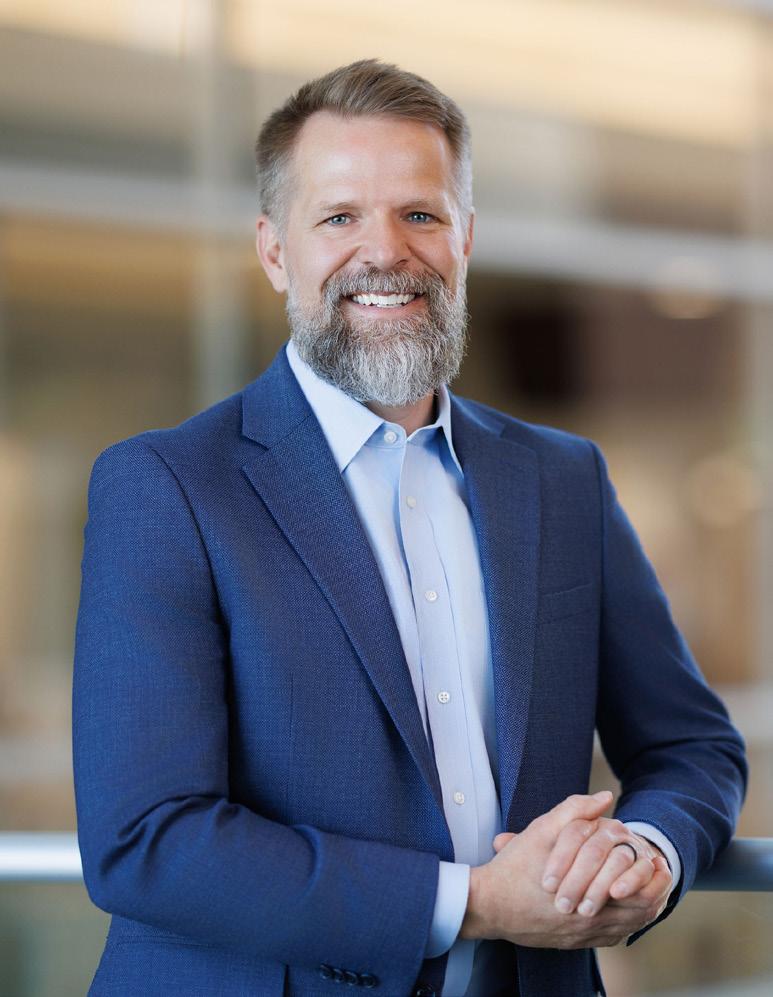
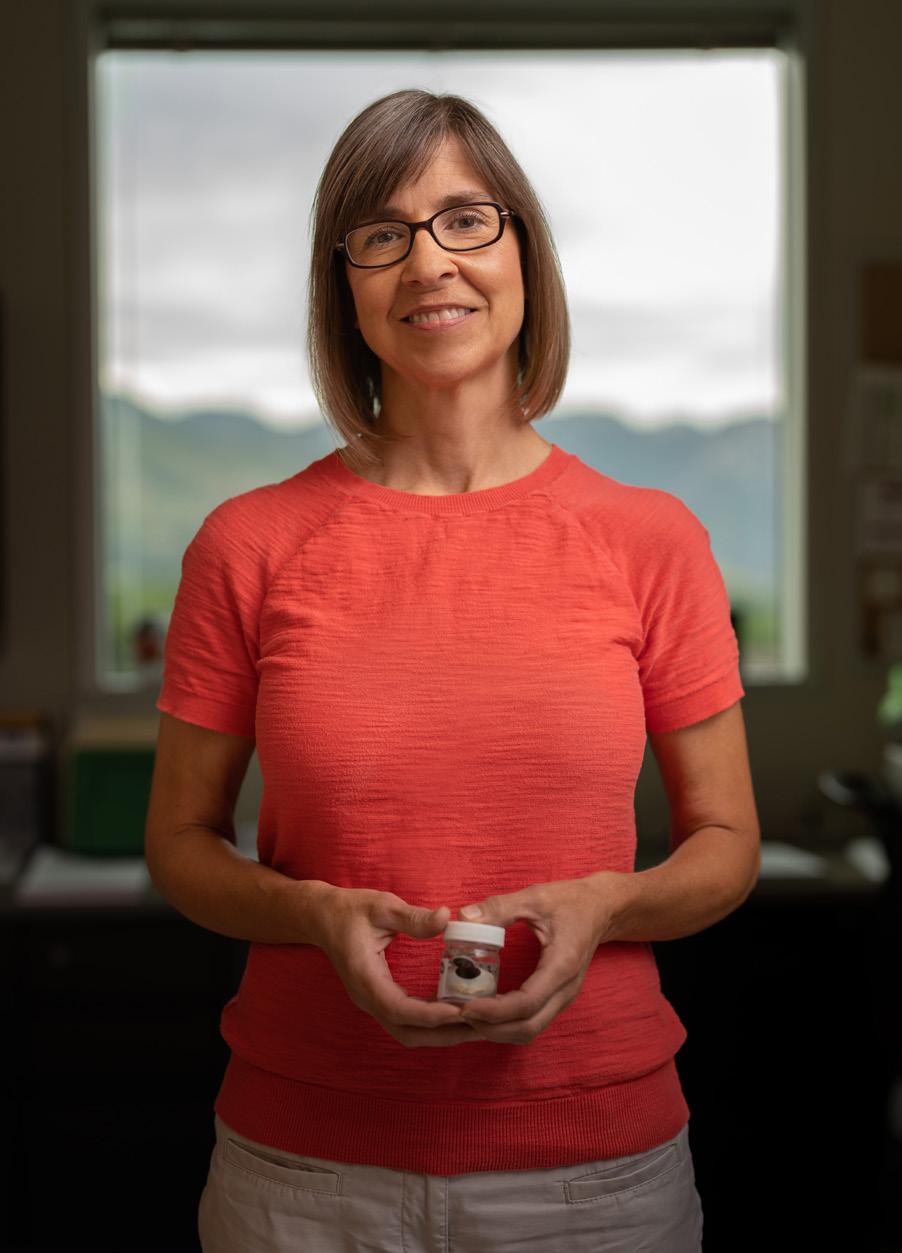
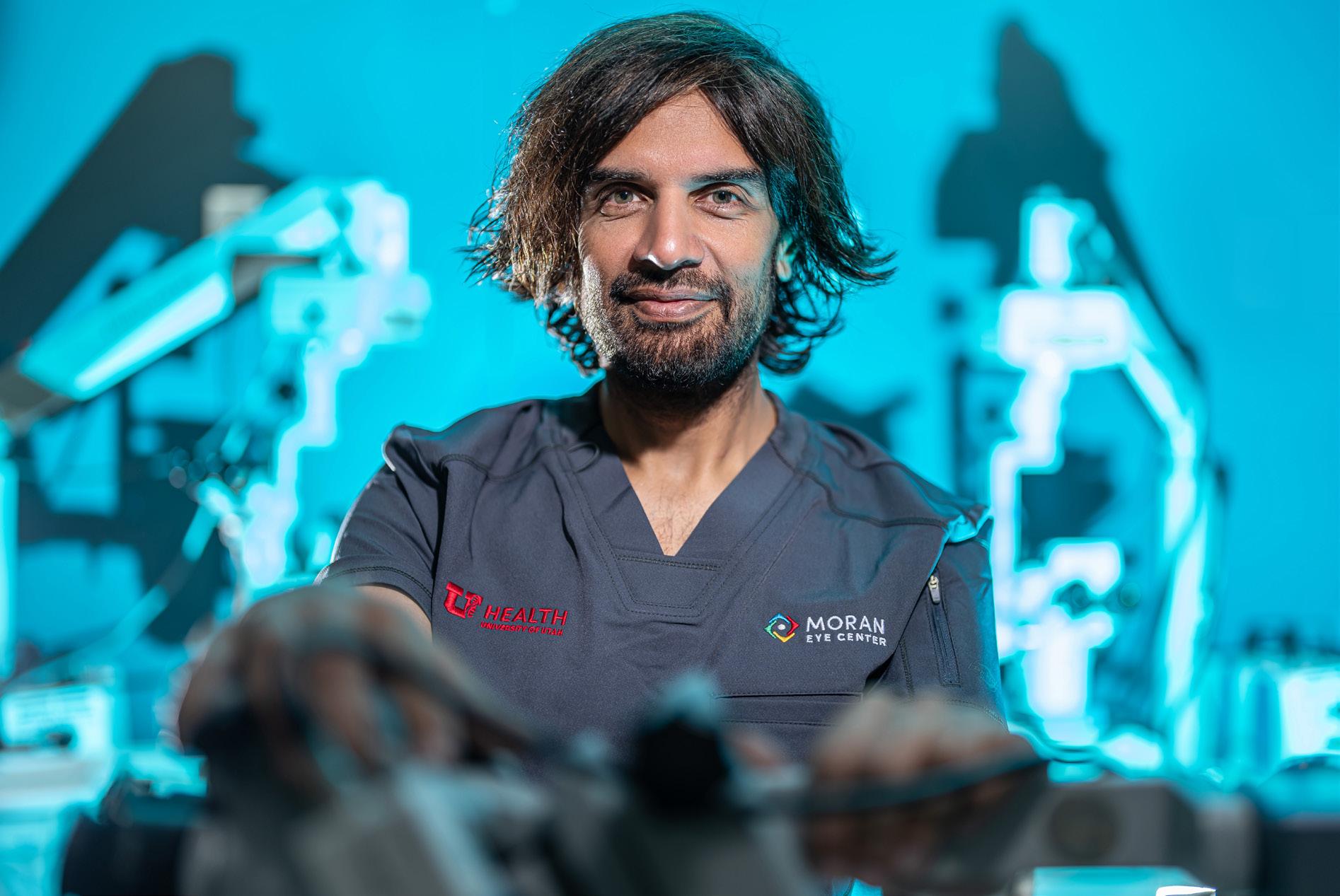
90 John A. Moran Eye Center
Committed to Hope, Understanding, and Treatment
The premier US academic vision center
98 Joseph Brant Hospital
Project Harmony
Integrated digital health information
MANUFACTURING
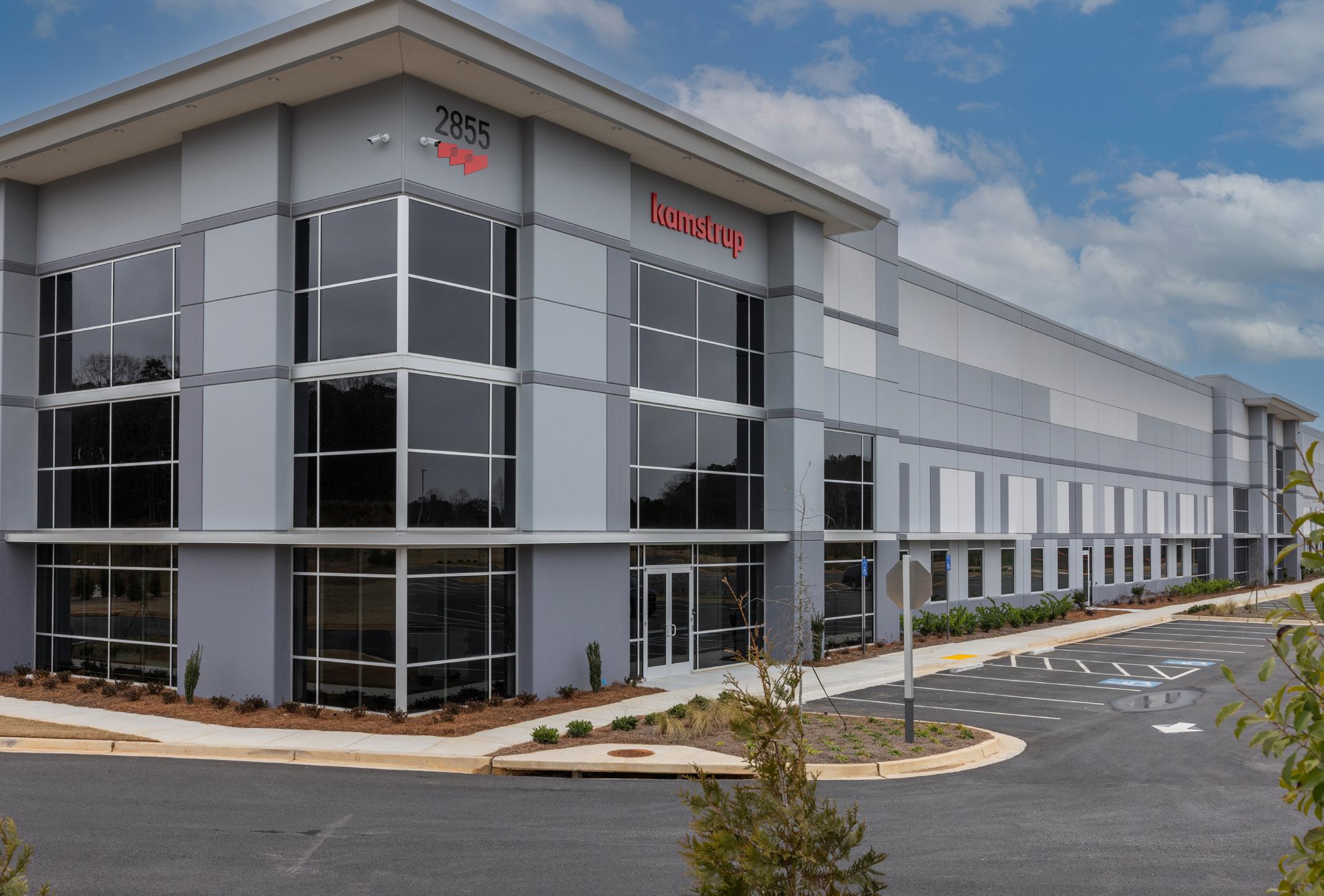
108 Kamstrup
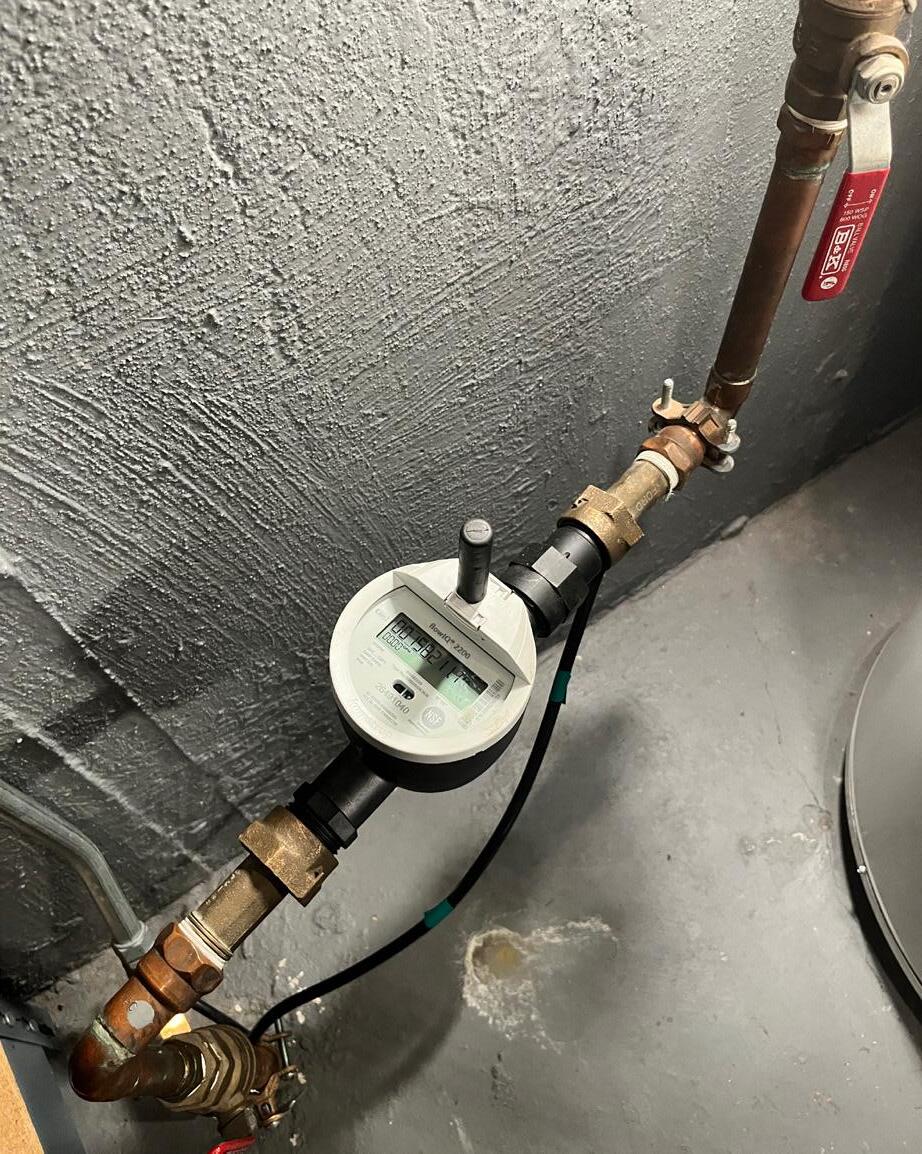
From Global Expertise to Local Impact Scaling smart water in North America
OIL & GAS
118 Volant Products Inc.
Delivering Confidence in Casing
Installation
Enriching oil and gas recovery across North America
SUPPLY CHAIN
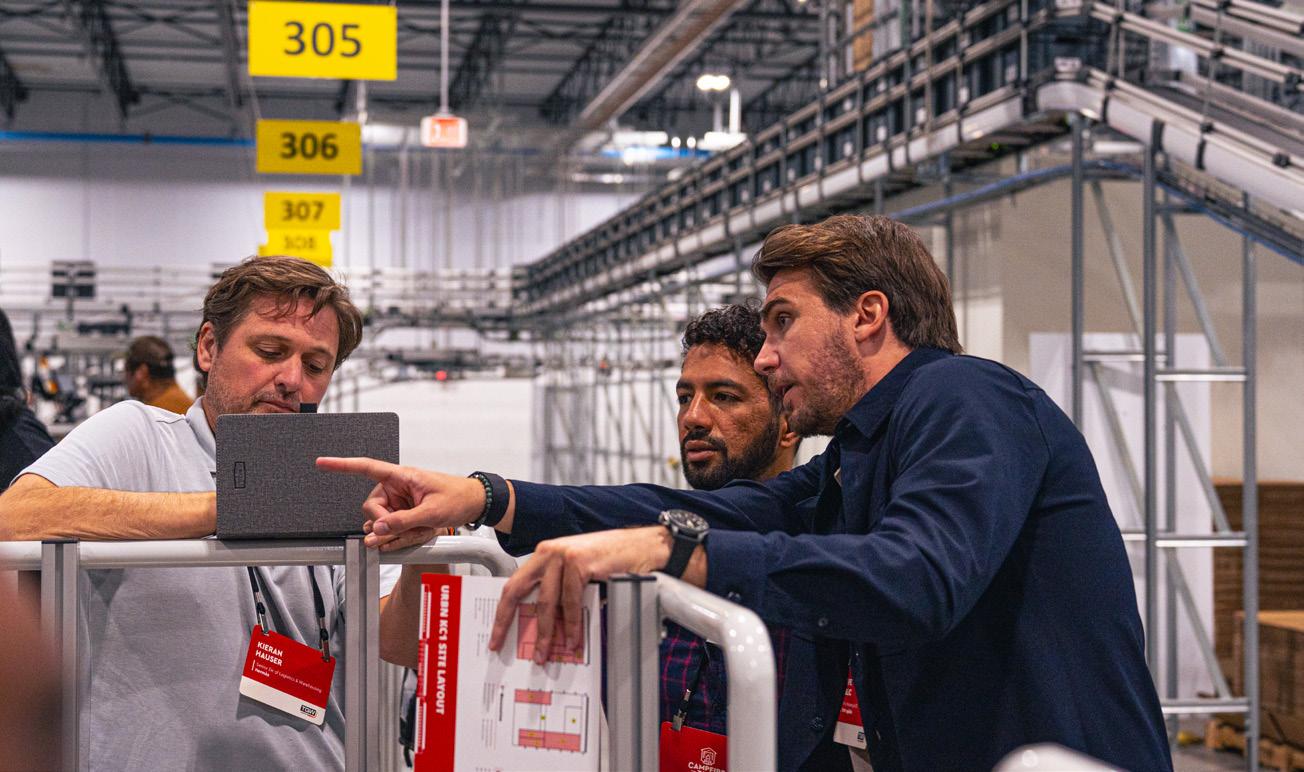
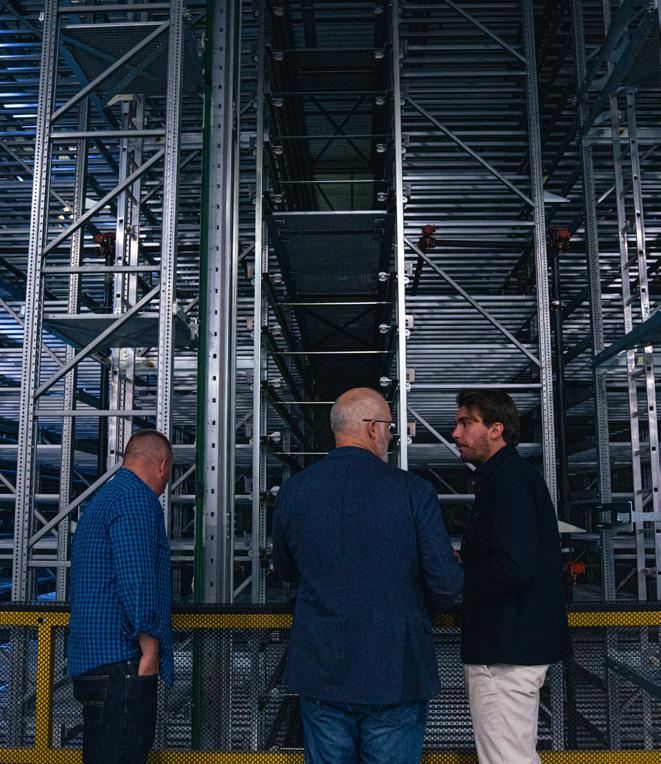
128 TGW Logistics
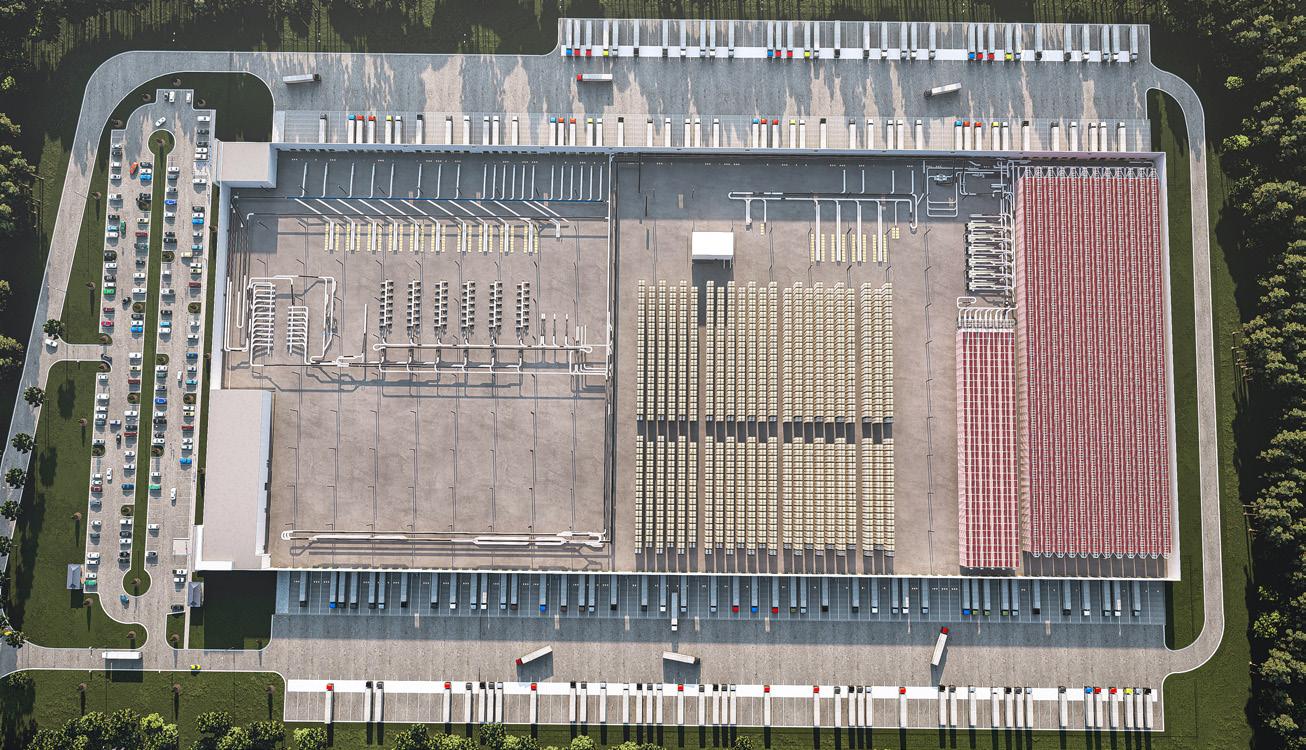
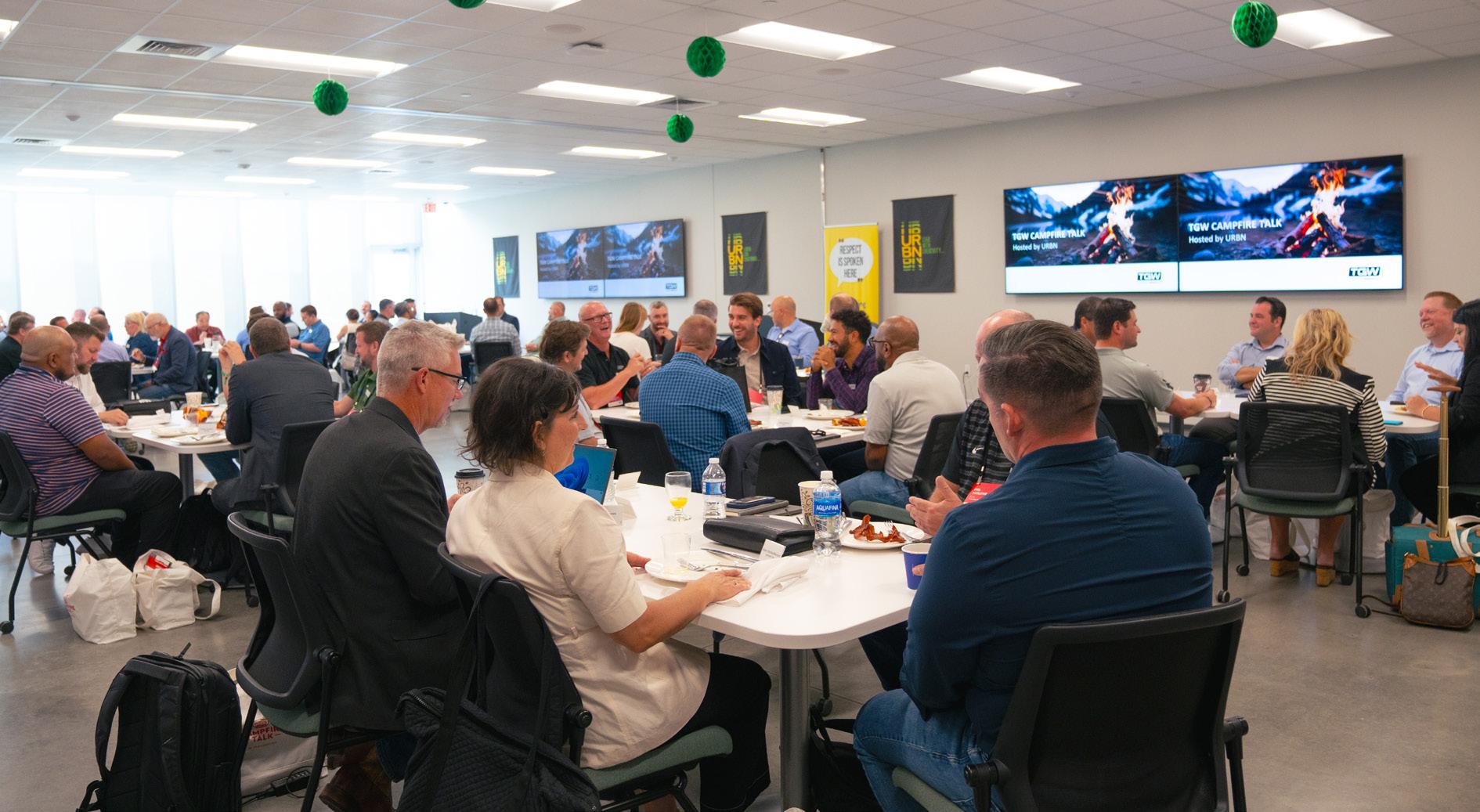
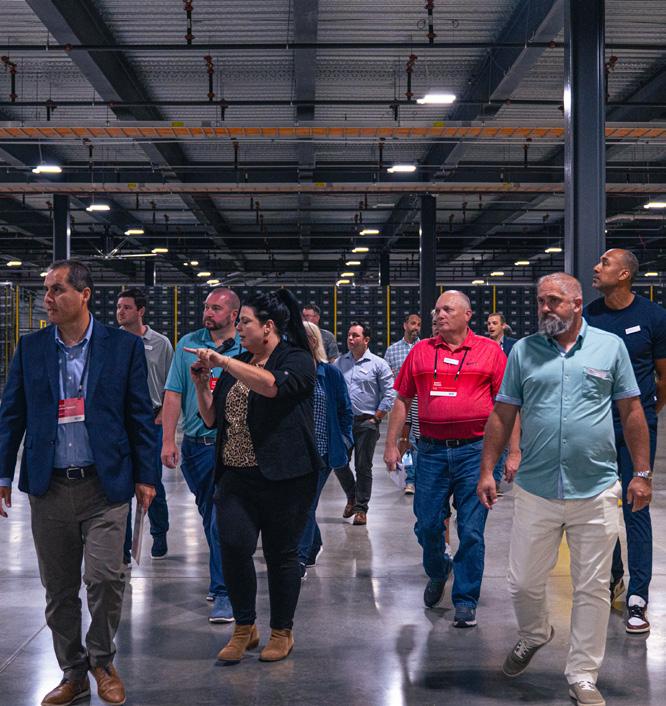
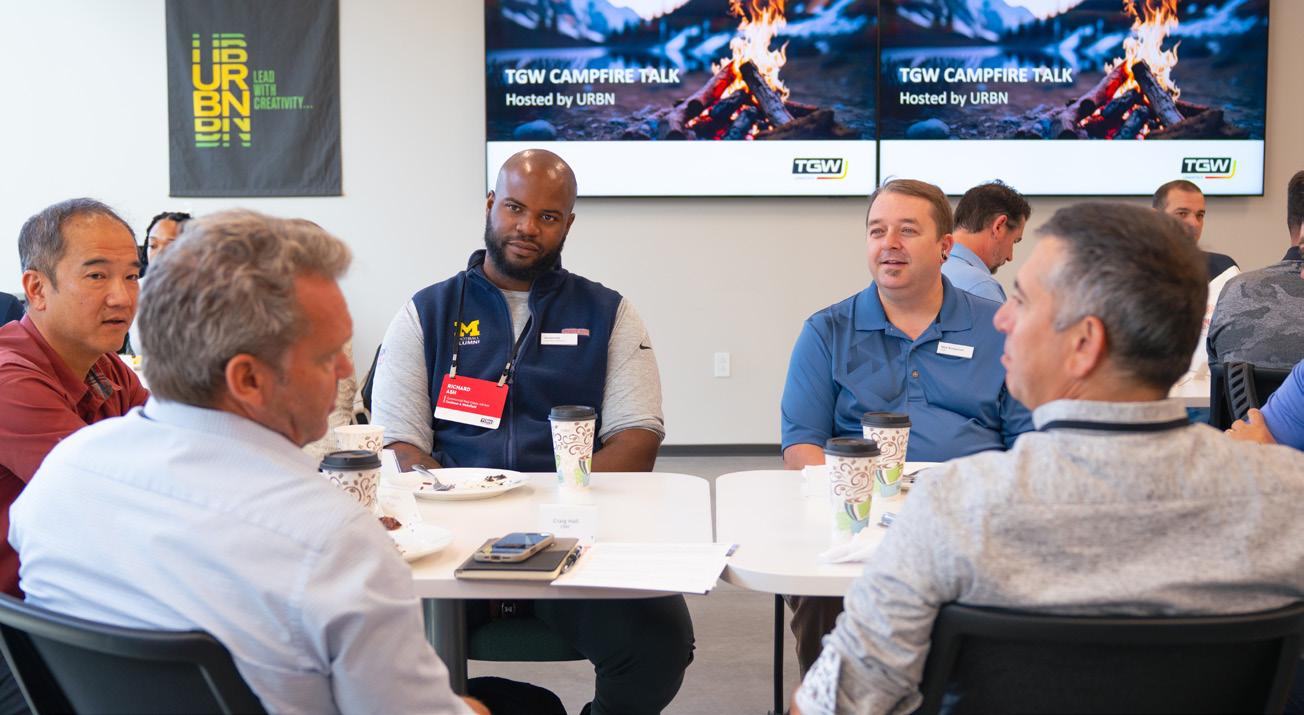
The Future of Innovation in Automation Prudent partnerships powering performance
FOOD & BEVERAGE
136 Aunt Millie’s
Bake Memories
Healthy, high-quality baked goods
CONSTRUCTION
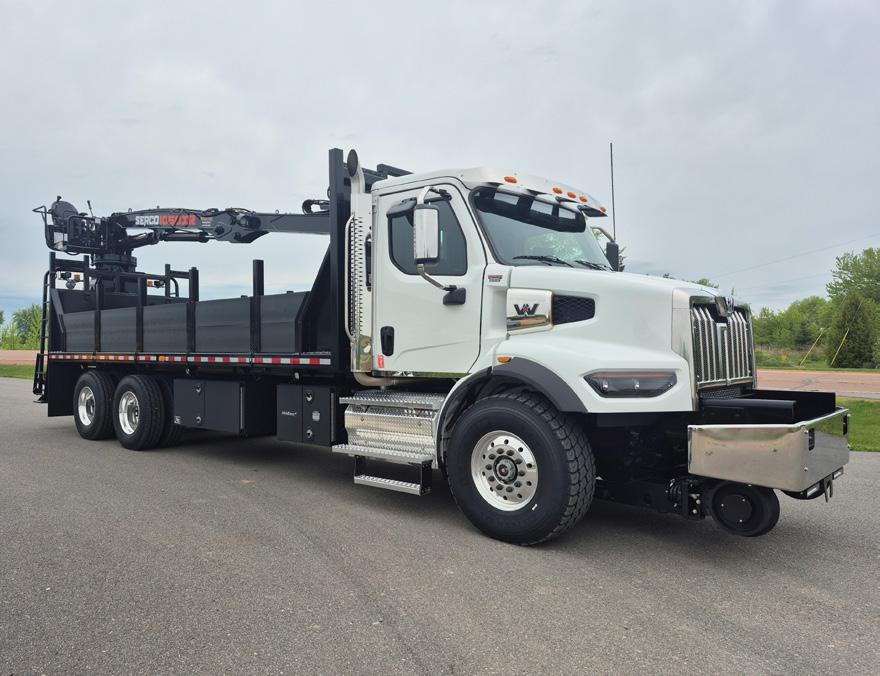
144 North American Rail Solutions
Rail Family
Turnkey rail solutions across the US and Canada
CFIFA World Cup 2026 An Economic Opportunity for Canada
The 2026 FIFA World Cup represents for Canada not only the opportunity to host matches in the world’s largest sporting event, but also a chance to position itself as a stronger actor in the global economy, writes Dr Salvador Trevino, Associate Professor at University Canada West
Writer: Dr Salvador Trevino, Associate Professor, University Canada West
o-hosted with the US and Mexico, this summer’s World Cup will be the largest tournament in FIFA history, featuring an expanded pool of 48 teams and an expected global television audience exceeding five billion viewers.
For Canada, the event is both a sporting celebration and a strategic economic opportunity.
Host cities such as Toronto and Vancouver are already undergoing significant transformation in preparation for the tournament. Investments are being directed toward stadium upgrades, transportation systems, and urban infrastructure, creating a framework for modernization that goes well beyond the tournament itself.
In Toronto, improvements to BMO Field, which will expand to approximately 45,000 seats for the tournament, and investments in transit connectivity are part of the city’s preparations.
In Vancouver, BC Place, already one of the most advanced sports venues in the country, will also undergo technological and operational upgrades to meet FIFA requirements. These projects contribute to broader urban development strategies designed to improve mobility, accessibility, and international competitiveness.
Such infrastructure improvements are expected to generate an economic environment that extends far beyond the duration of the tournament.
However, it is essential that these investments remain aligned with the long-term development strategies of the host cities. When infrastructure spending is integrated with broader urban planning goals, the benefits can extend for decades.
At the same time, infrastructure spending must be carefully evaluated in relation to the public costs associated with hosting the tournament.
Governments at the municipal, provincial, and federal levels will contribute significant funding to support stadium upgrades, security, and logistics. As such, estimates suggest that public spending connected to the World Cup in Canada could exceed CAD$300–400 million.
These investments must therefore be examined within the broader context of national priorities such as healthcare, education, and housing.
OPPORTUNITY TO BOOST TOURISM
In the short-term, the tournament is expected to generate substantial economic activity, particularly in the tourism, hospitality, transportation, and retail sectors.
Tourism authorities estimate that the World Cup could bring hundreds of thousands of international visitors to Canadian host cities during the tournament period.
According to projections from tourism and event economists, the overall financial impact could reach CAD$2 billion or more in economic activity across the country.
The global media exposure associated with the World Cup will also provide Canada with an extraordinary opportunity to strengthen its international brand. Broadcast coverage reaching billions of viewers worldwide will showcase Canadian cities, culture, and infrastructure, reinforcing the nation’s reputation as a modern, open, and globally connected nation.
This kind of exposure can translate into future gains in tourism, foreign investment, and international business partnerships.
Additionally, tourism projections suggest that while there may be an initial surge of visitors during the tournament, the true value lies in the long-term image effect. Cities that successfully host major global events often experience sustained increases in tourism in the years that follow, as global audiences become more familiar with the destination.
ECONOMIC MOMENTUM
Beyond tourism, several key sectors of the Canadian economy are likely to benefit from the event’s economic momentum. Industries such as construction, logistics, hospitality, IT,
security, and media production will play essential roles in delivering the tournament.
While many of the jobs created will be temporary, the economic activity generated can produce a broader multiplier effect, stimulating spending and employment across the wider economy.
As with most mega-events, employment gains are expected to be strongest in the short-term. However, if managed strategically, the World Cup can contribute to longer-term economic development, particularly if investments in infrastructure and international branding are leveraged to attract future events, tourism, and investment.
Transparency will be a critical factor in maintaining public trust –Canadians will expect governments to clearly communicate how public funds are being allocated and how they complement private investment in the event.
Transparent accounting of costs and benefits will help citizens understand the net economic impact of hosting the tournament and reinforce confidence in public decision-making.
The distribution of economic benefits will likely be concentrated in urban areas such as Toronto and Vancouver, particularly within sectors like hospitality, tourism, and entertainment.
However, the broader Canadian economy can also benefit through increased tax revenues, including sales taxes, service taxes, and other economic spillovers generated by the event.
LEGACY OF THE TOURNAMENT
Ultimately, the long-term legacy of the tournament will depend on Canada’s ability to balance initial investment with sustainable long-term outcomes. The infrastructure built or upgraded for the World Cup must remain useful well beyond the event itself.
Planning for the future use of stadiums, transportation systems, and public spaces will be essential in avoiding the well-known “white elephant” problem that has affected some previous mega-event hosts.
Canada should therefore approach the tournament not only as a sporting spectacle, but as a strategic opportunity to strengthen its infrastructure, enhance urban development, and improve its international visibility.
The real measure of success for the 2026 FIFA World Cup will not simply be the number of matches hosted or visitors received. Instead, it will be whether the tournament leaves Canada more competitive, more connected, and more visible on the global stage.
ABOUT THE EXPERT
Dr Salvador Trevino holds a PhD in marketing and business administration from the University of Memphis. Trevino is a full-time faculty member and Associate Professor at University Canada West (UCW), teaching marketing management, business environment, organizational behavior, digital marketing strategy, and human interfaces in UCW’s MBA Department of Marketing, Strategy, and Entrepreneurship.
SOURCING MADE SIMPLE
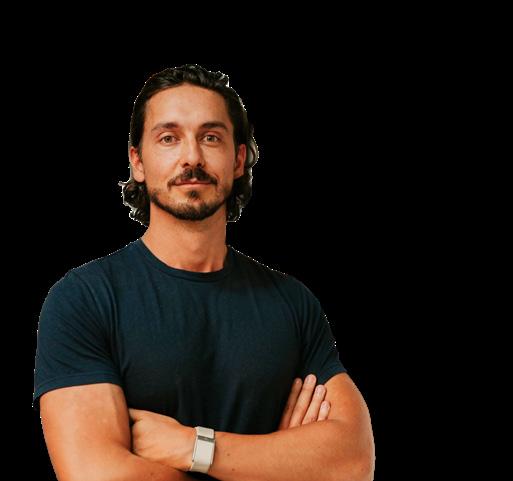
Automating global product sourcing through innovative artificial intelligence-enabled software, Cavela is on a mission to significantly lower unit costs and streamline product sourcing workflows for its customers. We catch up with Founder and CEO, Anthony Sardain, to learn more
Writer: Lily Sawyer
Despite the economic headwinds, workforce shortages, and tariff uncertainties faced by many small to medium-sized enterprises (SMEs) operating in today’s global economy, new product launches and innovations are continuing at pace.
Typically, product sourcing workflows for these businesses include multiple stages: market research, supplier identification, sample requests, supplier evaluation, selection, negotiation, contracting –the list goes on.
“I think anyone who has ever sourced a product knows how painful the process can be. You’re drafting pages of product specifications, then spending days digging through databases searching for suppliers.
“That’s often followed by weeks of back-and-forth emails, chasing replies, and details getting lost or
misinterpreted along the way,” opens Anthony Sardain, Founder and CEO of the world’s first artificial intelligence (AI) product sourcing agent, Cavela.
While each of these stages remains crucial to the execution of a successful product supply chain, not all of them need to be carried out manually – particularly at a time when inflationary pressures have led to rising costs for raw materials, logistics, and labor.
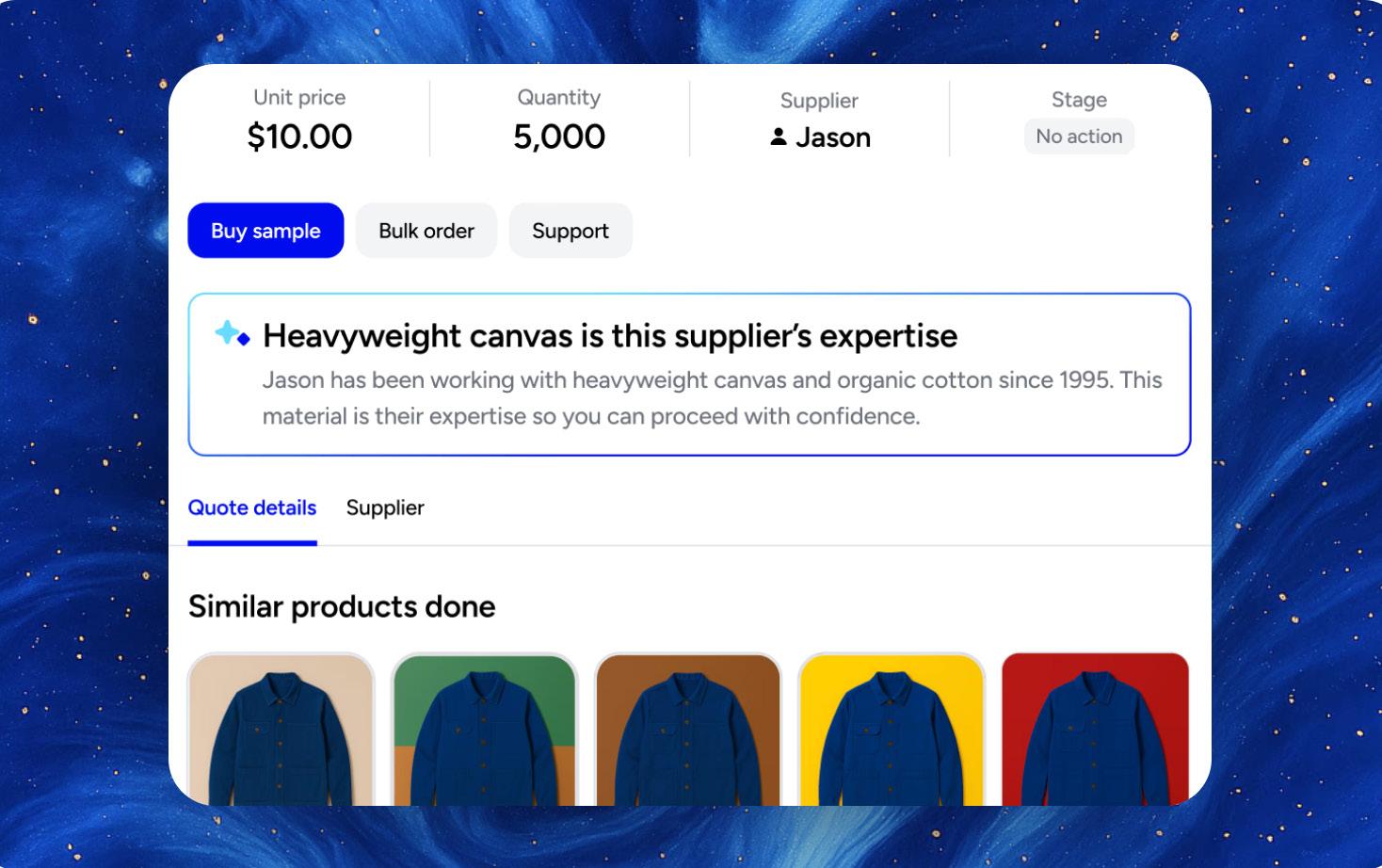
This is where Cavela comes in – the technology platform that combines AI agents and autonomous software tools with real human expertise to deliver better matches and more competitive quotes than traditional sourcing methods for its clients.
“Coming from a trade and technology background, it soon became clear to me how many of these problems could be well handled by AI,” Sardain adds.
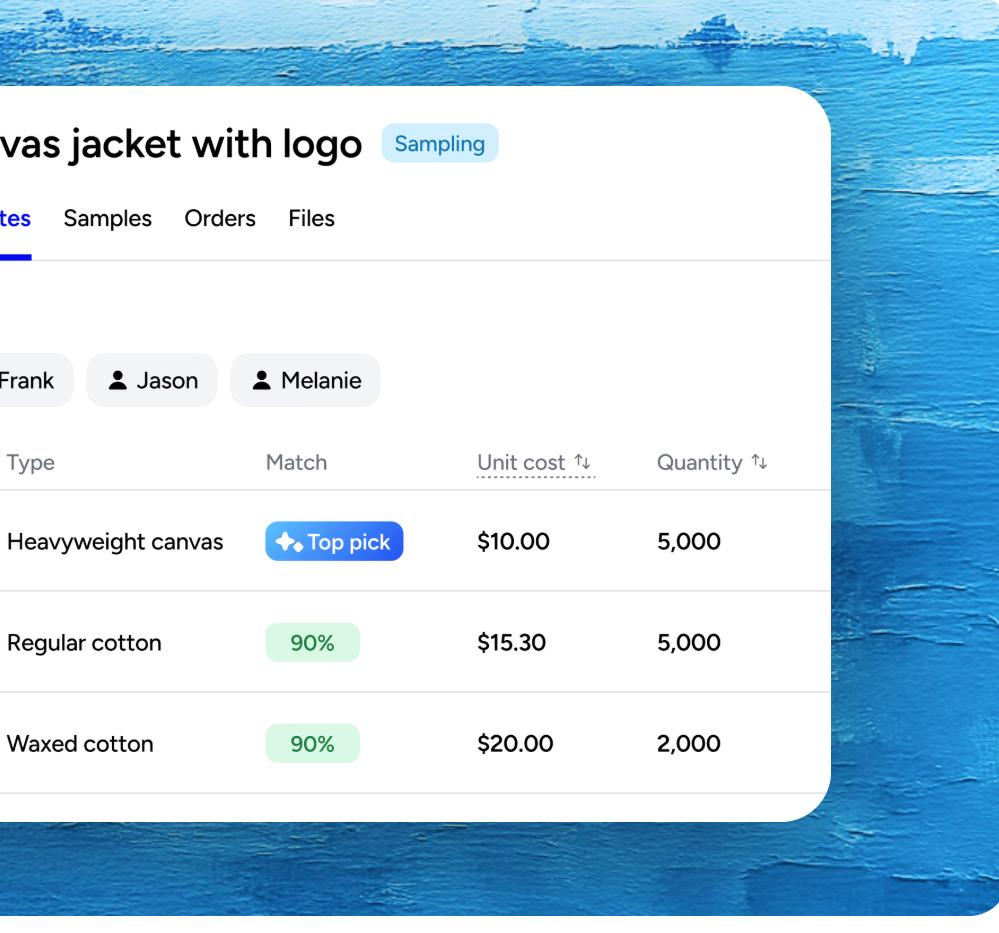
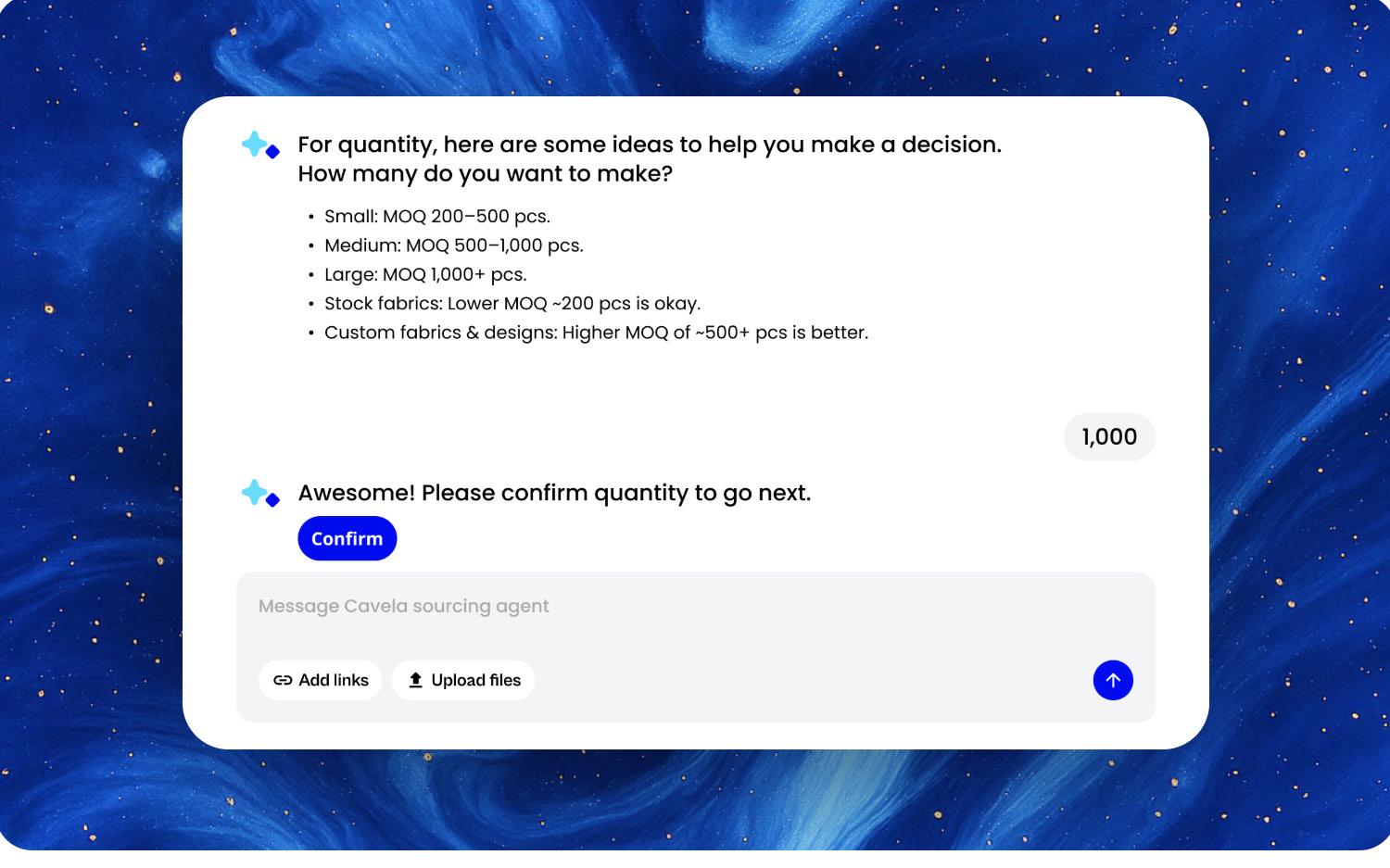
Leveraging the latest large language models (LLMs), Cavela’s technology drafts a complete specification using existing customer information – filling in gaps, making suggestions, and capturing the
essential details manufacturers actually need.
From there, the built-in AI matches these requirements to factory capabilities across thousands of suppliers in Cavela’s network, coordinates with suppliers on clients’ behalf to confirm details, and collects accurate quote estimates.
This level of automated coordination leads to faster responses, fewer errors, and more reliable pricing.
“Honestly, a lot of sourcing isn’t ‘hard’ in the traditional sense; it’s just messy, manual, and incredibly timeconsuming. That’s exactly the kind of problem AI is best at cleaning up,” he emphasizes.
A DIVERSE SUPPLIER BASE
With a significant database of suppliers across 40 countries, Cavela offers critical agility and preparedness in the face of rising tariffs and geopolitical pressures at a time when
it’s more important than ever for brands to diversify their supply chains.
“Building resilience in supply chains is something industries have always talked about, but until recently, a lot of businesses didn’t take it seriously.
“Even when they had a backup supplier, it was often in the same country – but with tariffs and growing geopolitical instability, this no longer mitigates much risk,” Sardain shares.
With many brands now coming to Cavela looking to build out a supply chain in another country, the company is able to set up new supplier options for them quickly thanks to its wide range of global contacts and use of AI to handle upfront matching and coordination requirements.
“In a world where tariffs can change overnight, that speed can translate directly into major cost savings.
“In fact, there are brands we’ve helped that are paying less today with tariffs than they were before us without tariffs,” he prides.
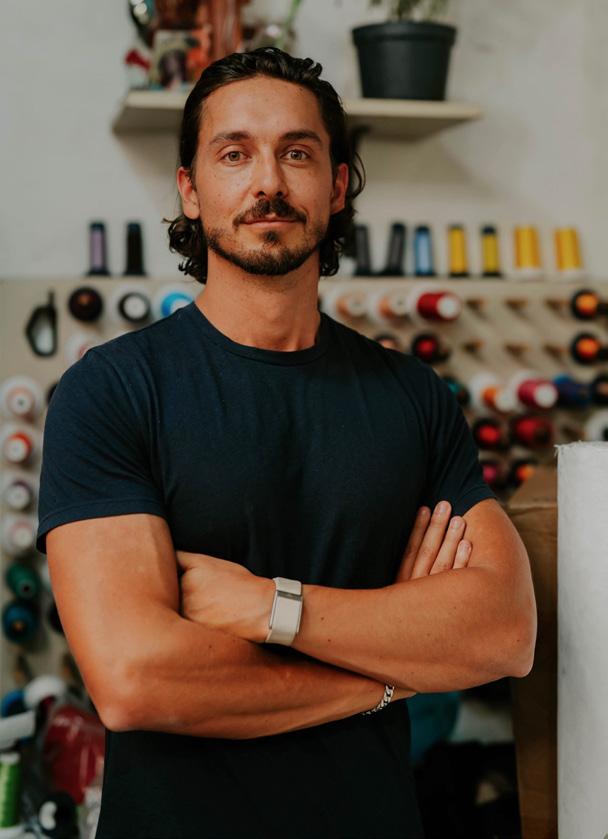
Anthony Sardain, Founder and CEO
CAVELA SUCCESS STORIES
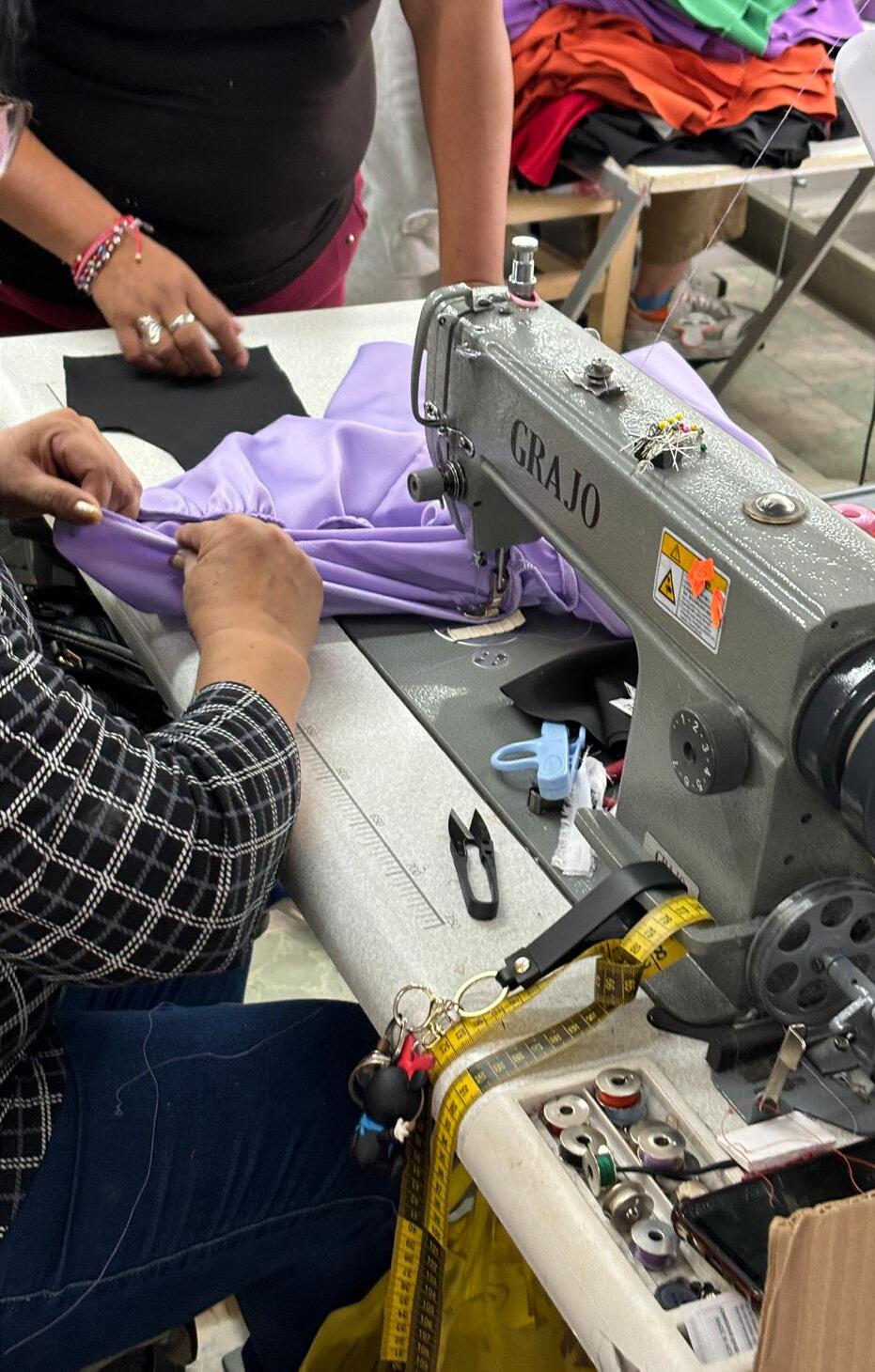
• Yana Wellness – A premium wellness brand offering specialty sleep products, the company initially struggled to source a high-quality, cost-effective supplier. As soon as it began working with Cavela, however, a number of suitable suppliers were soon identified. Today, supported by Cavela, Yana Wellness is focusing on expanding its product line.
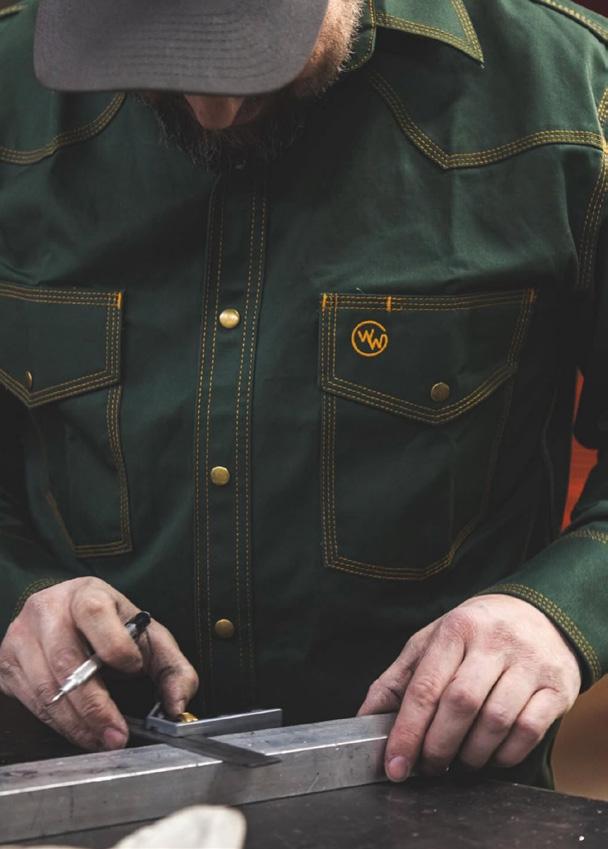
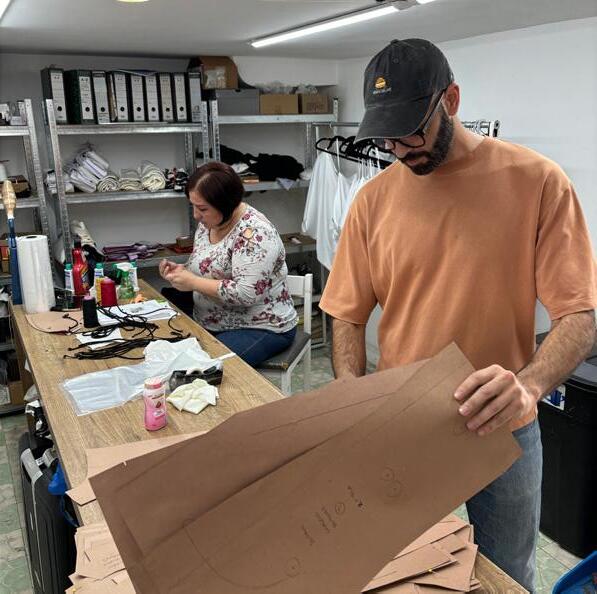
• Western Welder Outfitting – Built by and for welders, Western Welder Outfitting is a workwear brand focused on quality. As time went on, however, high-quality work garments became more expensive to produce, and the company found itself at a crossroads. Partnering with Cavela was a game-changer as Western Welder Outfitting gained reliable partners, tighter quality control, and was able to cut costs by more than 35 percent.
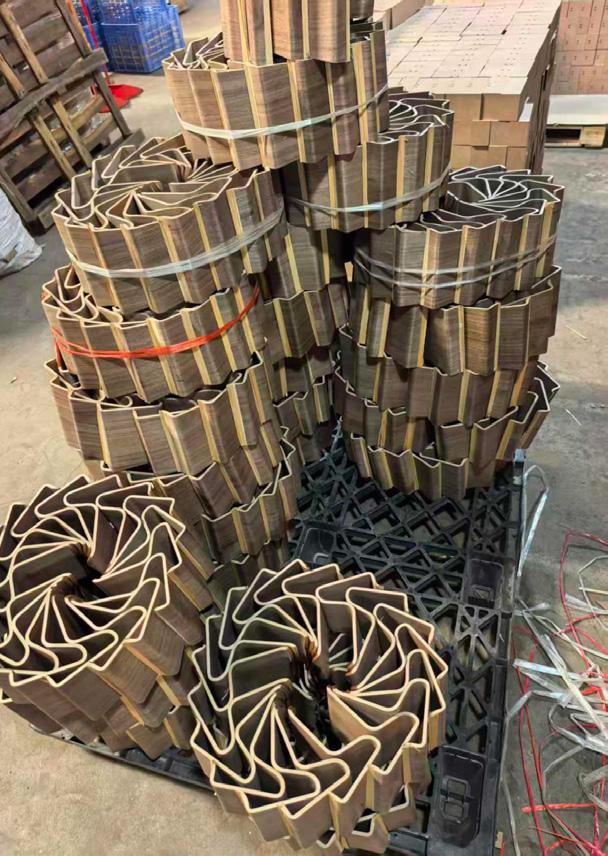
• Peach Surf Co. – The Californian surfwear brand prides itself on producing high-quality, functional surf hats. After a spate of prototype mistakes and bad production runs, Founder, Emily Li, turned to Cavela, who was able to oversee production, on-site QA, and delivery to her warehouse – freeing Li up to focus on scaling the brand.
THE PERFECT MATCH
Boasting an average cost reduction of 37 percent for brands, Cavela’s AI-driven supplier matching tool delivers both economy and efficiency.
While most businesses collect quotes from just a handful of suppliers when they’re sourcing a product, Cavela is able to use AI to gather many more options.
Further to this, because it accurately pairs product specifications with suitable factories, Cavela’s quotes are usually more competitive.
“There’s nothing mysterious about how we achieve better quotes –when you combine significantly more supplier outreach with precise matching of product specifications to the right factories, the pricing naturally becomes more competitive,” Sardain reveals.
Cost savings are just one part of the solution. By using AI to automate key processes – such as drafting
specifications, reaching out to and coordinating with suppliers, collecting quotes, and managing follow-ups –Cavela’s solution removes hundreds of hours of manual sourcing while simultaneously reducing a product’s time to market.
“We’re helping many companies expand by launching new product lines, simply by automating a lot of the work,” he insights.
On top of this, Cavela’s ability to match products with the right factories improves quality in terms of sourcing suppliers for brands that may already have experience producing a specific type of product.
BUILT ON TRUST
With quality assurance (QA) and rigorous vetting processes in place for each of the suppliers on its database, Cavela’s clients can rest assured that they are being matched with legitimate, trustworthy companies.
“Trust is critical in sourcing, so we’re
careful about who we work with,” Sardain confirms.
Cavela’s suppliers go through an initial vetting process that covers company verification, production capabilities, past export experience, and the types of products they’ve already manufactured.
“We work directly with factories rather than intermediaries, which establishes a clear responsibility for quality, pricing, and timelines,” he details.
Beyond that, suppliers are continuously evaluated based on real production data, with Cavela tracking quote accuracy, sample quality, lead times, whether deadlines are met, communication reliability, and how often specifications need clarification.
“Over time, this makes it clear which suppliers consistently deliver – and which don’t,” Sardain states.
AI aids this process by flagging issues early – such as when pricing or timelines don’t line up with a supplier’s past performance, for example.
However, the company does not rely on software alone – every production run includes on-site quality checks, so problems can be
caught before products ship and not after they arrive.
SHARING SUCCESS
Since its inception just over two years ago, Cavela has helped countless brands grow and achieve their goals.
“Sourcing is a major growth bottleneck for most brands, and once you make the process efficient, it unlocks a lot of growth opportunities. We’ve seen this play out in many cases,” Sardain smiles.
By helping one brand cut their production line costs, for example, Cavela enabled it to expand into wholesale and significantly increase its sales.
Another business used Cavela to
quickly launch new products, one of which ended up overtaking its original flagship to become the best-selling item.
“We’ve also worked with brands that were hit hard by tariffs. By moving production to a new country, they were able to absorb the change without passing the cost on to customers,” he reflects.
Elsewhere, Cavela also worked with a brand that is now on track to become a leader in its category, after the company switched it to a supplier that dramatically improved product quality.
“In each case, fixing sourcing gave teams the room to move faster and grow,” Sardain says.
MANUFACTURING PARTNER OF CHOICE
Looking to the future, Cavela’s focus is on continuing to make sourcing simpler, faster, and more reliable as brands grow.
“For smaller brands, that means lowering the barrier to producing custom products, helping them go from specification to production without needing in-house sourcing expertise.
“For larger businesses, it’s about helping them scale across more products, suppliers, and countries without adding operational complexity,” Sardain explains.
On the product side, this means Cavela is doubling down on
automation across the sourcing workflow, prioritizing aspects such as faster factory matching and instant, accurate quotes.
“Ultimately, we want Cavela to be the default manufacturing partner for brands – whether they’re launching their first product or managing a global supply chain,” he confidently concludes.
A TRANSFORMATIVE DESIGN FOR CONCRETE SOLUTIONS
TRANSFORMATIVE CONCRETE
Pioneering a groundbreaking approach to construction with 3D printing technology, SQ4D has reimagined a world where homes are not just built but crafted with precision and purpose.
Kristen Henry, CTO, reveals how the process is transforming the future of housing
Writer: Rachel Carr
The field of architecture is continuously evolving, especially in the digital era, where technological advancements have introduced construction methods that are both time- and costefficient and more precise in design.
3D construction printing (3DCP), also known as additive manufacturing, involves the creation of components or complete structures using an automated 3D printer engineered explicitly for this purpose.
This innovation is poised to revolutionize the industry by addressing modern challenges commonly faced in construction, and trailblazer SQ4D is stepping up to meet these demands.
“The construction industry is facing a perfect storm of challenges: skyrocketing costs, labor shortages, and an urgent need for affordable homes. The founders of SQ4D saw an opportunity to modernize an outdated industry while delivering
homes that are stronger and more attainable for the families who need them most.
“After first attempting to engineer a home-building robot that walked around with a nail gun to attach 2x4-inch pieces of lumber, automating the process using 3D printing technology emerged as the better solution,” opens Kristen Henry, CTO. Technology is transforming the industry in remarkable ways. Indeed, the Autonomous Robotic Construction System (ARCS) has had a significant impact.
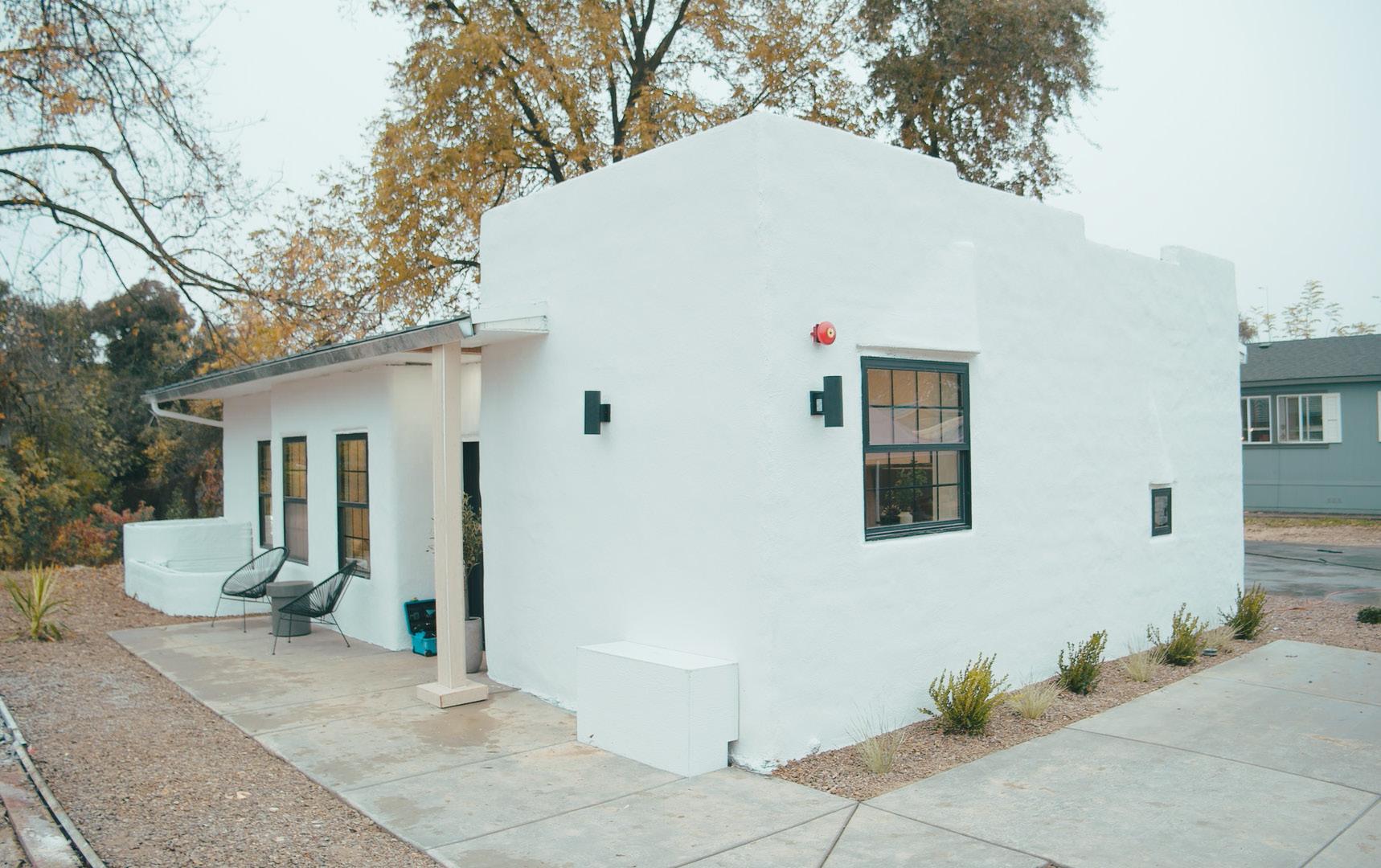
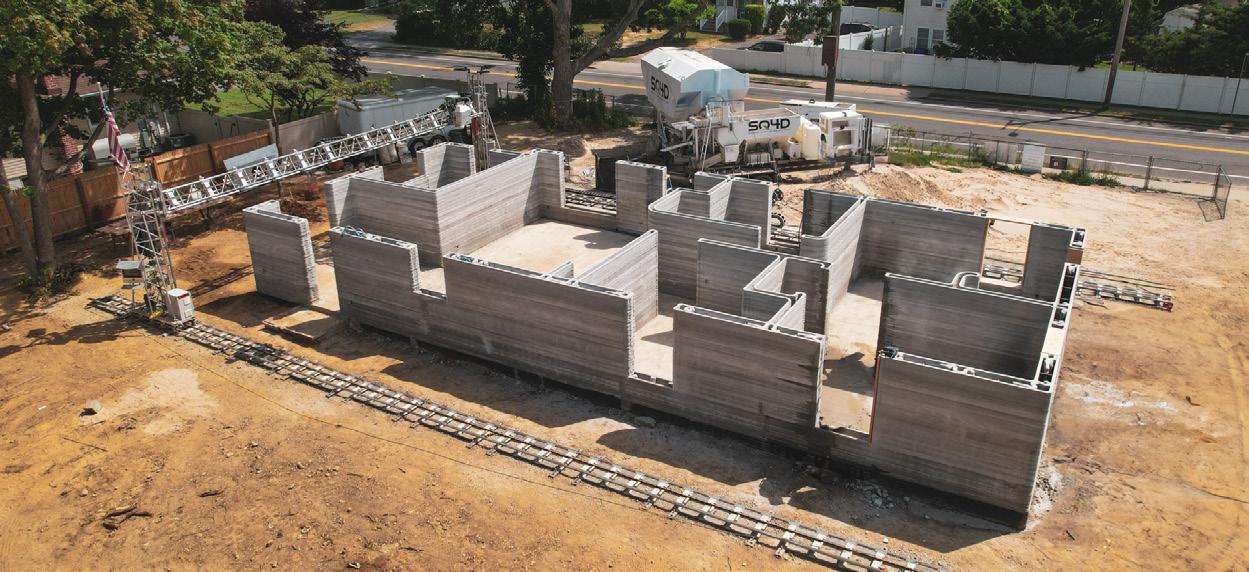
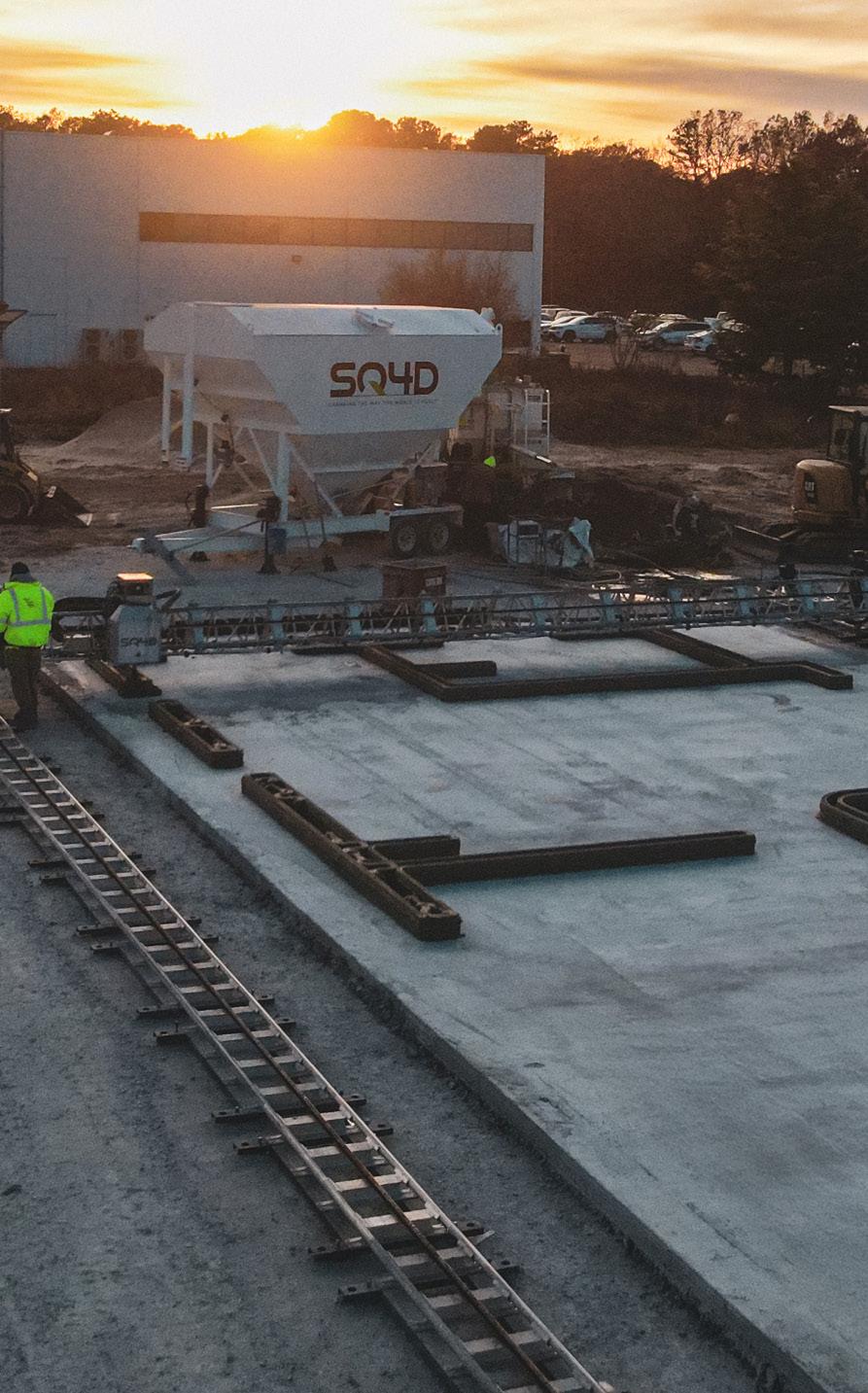
SQ4D’s ARCS is a large-scale, on-site 3D printer that automates home construction by extruding concrete layer by layer, enabling the company to print footings, foundation walls, slabs, interior and exterior walls, and insulation for the structure.
The machine consists of a gantrystyle 3D printer, silo, volumetric, and pump, all designed to work together and streamline steps in the build process.
“By replacing dozens of traditional labor-intensive steps, ARCS can build faster, with fewer workers, and
significantly reduce material waste.
“We have demonstrated that it can print full-size permitted homes in a fraction of the time required by traditional methods, offering potential cost savings and greater durability compared to wood-frame construction.
“Furthermore, it challenges long-standing building practices, pushes regulators to modernize building codes, and introduces a path toward more affordable and scalable housing solutions,” explains Henry emphatically.
REVOLUTIONARY SOLUTIONS
SQ4D’s innovative 3DCP methods improve multiple aspects of the process, including automating many labor-intensive phases of building.
“Automation slashes labor requirements, minimizes material waste, and eliminates the need for formwork, framing, and multiple subcontractor steps.
“IN THE LONG-TERM, I EXPECT 3D PRINTING, ROBOTICS, AND ADVANCED MATERIALS TO HELP SOLVE AFFORDABLE HOUSING SHORTAGES, REDUCE ENVIRONMENTAL IMPACTS, AND TRANSFORM CONSTRUCTION INTO A SAFER INDUSTRY”
– KRISTEN HENRY, CTO, SQ4D
“At the same time, quality and efficiency are enhanced by a digitally controlled process, ensuring consistent, repeatable results with fewer errors,” expresses Henry.
The printed concrete walls provide added durability, fire resistance, and long-term structural stability, while integrated processes, such as installing electrical boxes during printing, streamline subsequent trades.
Additionally, a spray-paint tool marks the exact locations of stub-ups and outlets, eliminating electricians’ and plumbers’ need for tape measures.
The concrete used has high compressive strength, far exceeding all building code requirements, and SQ4D’s homes are reinforced with vertical and horizontal rebar, providing ample support. These more durable homes are also cheaper to insure.
Together, these advances enable homes to be delivered faster, at lower costs, and with a higher degree of precision than traditional construction methods.
Moreover, SQ4D addresses sustainability and environmental concerns in its construction practices through innovative 3D printing techniques.
“Typically, a great deal of material waste is sent to landfill from construction sites, and any cut sheetrock, siding, trim, lumber, or packaging is discarded.
“By fundamentally changing how structures are built, we are using automation and material efficiency to reduce the environmental footprint of construction.,” she observes.
“In 3DCP, much of the material is removed, and the concrete is mixed on-site in the amounts required. Any extra produced during start-up or cleanout is poured into forms to create roadblocks, pavers, tiles, or any desired shape.”
WHAT CHALLENGES HAS SQ4D ENCOUNTERED IN THE IMPLEMENTATION OF NEW TECHNOLOGIES, AND HOW HAVE THEY BEEN RESOLVED?
Kristen Henry, CTO: “SQ4D has faced many of the same challenges that come with introducing any disruptive technology into a traditional, highly regulated industry.
“One major hurdle has been navigating building codes and permitting, since most jurisdictions were not initially prepared to evaluate 3D printed structures.
“We tackled this issue by working directly with local officials, providing engineering documentation, third-party testing, and realworld demonstration projects to build confidence.
“Additionally, rather than incorporating geopolymers, admixtures, plasticizers, and other uncommon chemicals, we use locally sourced materials to make concrete – one of the most studied building materials on Earth.
“On the technical side, the company has worked hard to overcome the machine and system challenges in order to create a user-friendly system. Workforce adaptation was a concern because 3D printing requires different skills than traditional construction, but SQ4D addressed this by keeping the technology as simple as possible.
“When I have personally operated the 3D printer on some of our past projects, I have described the process as similar to playing a video game with the remote in hand.”
The homes themselves also benefit from durable, fire-resistant concrete walls that require less long-term maintenance and can offer improved energy performance.
“Unlike traditional construction, which requires upgrading from a 2x4-inch piece of lumber to a 2x6, 2x8, 2x10, or 2x12-inch piece at a considerable cost, 3D-printed beads can be placed anywhere to provide far more insulation and much higher R-values, making the homes more energy-efficient,” Henry tells us resolutely.
A SHIFT FROM TRADITION 3D-printed houses offer several advantages in terms of aesthetics, customization, and functionality. Their architectural design fundamentally differs from traditional construction methods because it relies on digital modeling and the printer’s capabilities.
“Creating curves or wavy patterns on a 3D printer is just as simple as printing straight lines, unlike stickbuilt construction,” Henry states assuredly.
Instead of designing around straight lines and standardized materials, architects can create
“BY FUNDAMENTALLY CHANGING HOW STRUCTURES ARE BUILT, WE USE AUTOMATION AND MATERIAL EFFICIENCY TO REDUCE THE ENVIRONMENTAL FOOTPRINT OF CONSTRUCTION”
– KRISTEN HENRY, CTO, SQ4D
organic curves, sweeping forms, unique wall textures, and complex geometries that would be expensive or impractical to build conventionally.
“In our various homes, we have printed sweeping kitchen islands, planters, tables, chairs, hooded windows, and even parapets. This digital freedom enables far greater customization, since changing a layout is as simple as adjusting a computer-aided design (CAD) file.
“A potential homeowner can see the model of their future home in virtual reality, rather than just as a 2D sketch on a set of plans,” Henry points out.
Another advantage is that 3DCP technology can assist humanitarian organizations in the reconstruction of disaster-affected areas and providing affordable housing, as it has core
strengths that directly address the challenges in these environments.
“3DCP automates much of the process, significantly reducing labor requirements, which is important in disaster zones where skilled crews may be unavailable,” she highlights.
“Material efficiency and reduced waste also lower overall project costs, making it feasible to deliver more housing with limited budgets. The printed concrete walls are strong, fireresistant, and able to withstand harsh climates, flooding, and high winds.”
This durability is essential in disaster-prone areas and regions with limited long-term maintenance. By using locally sourced materials, organizations can build housing directly where it is needed.
AUTOMATION AND AFFORDABILITY
As projects and developments progress at SQ4D, a transformative future for the construction industry is approaching.
“What excites me most about our company is its transition from proving the technology in R&D to deploying it in real projects. Our continued refinement of ARCS allows us to push toward larger and more complex builds,” Henry shares enthusiastically.
“Each new project shows greater speed, improved print quality, and a more straightforward path toward scalable, community-level developments rather than one-off demonstrations. I am also thrilled about the developments in making the process even more eco-friendly with carbon sequestration and different aggregates.”
Henry believes that if SQ4D can develop homes that are cheaper, stronger, safer, and faster to build, while also being more sustainable, it can play a significant role in tackling the housing affordability crisis.
Meanwhile, these structures will be more durable in the face of a changing climate, all while benefiting
the environment. This approach truly represents the best of all worlds.
“I envision the construction industry entering a new era of automation and digitization, with 3D printing playing a central role. Homes will be designed with more flexibility, built faster and more sustainably, and tailored more easily to individual needs or community requirements.
“In the long-term, I expect 3D
printing, robotics, and advanced materials to help solve affordable housing shortages, reduce environmental impacts, and transform construction into a safer industry,” Henry positively concludes.
SAFE, RELIABLE, AND AFFORDABLE ENERGY SUPPLY
The Hon. Stephen Lecce, Ontario Minister of Energy and Mines, describes how the ministry is poised to meet the demands of an evolving energy landscape, outlining its forward-thinking frameworks and unwavering commitment to local socioeconomic development
Writer: Lucy Pilgrim
North America Outlook (NA): Firstly, could you introduce us to the Ministry of Energy and Mines and talk us through its mission to develop a safe, reliable, and affordable energy supply across Ontario?
The Hon. Stephen Lecce, Ontario Minister of Energy and Mines (SL): The Ministry of Energy and Mines is charged with a clear mission: to ensure Ontario has the energy and critical minerals needed to fuel economic growth, create well-paid jobs, and deliver a high quality of life for families across the province.
Our core focus is reliability, affordability, and safety – because
energy underpins everything from hospitals and schools to manufacturing and mining.
With a dual mandate, we have a clear goal to deliver a dependable, clean, and cost-effective energy system that keeps pace with Ontario’s rapid growth while unlocking the full potential of the province’s mining sector.
As President Trump takes direct aim at Canada’s economy, energy security has become national security, which is why we have taken tangible action to advance critical energy projects such as the development of one of the Western world’s largest nuclear expansions.
This includes proposed new builds at Wesleyville and Bruce County, totaling almost 15,000 megawatts (MW) of new energy generation, and one of the largest transmission buildouts with hundreds of kilometers of new lines planned.
As electricity demand increases due to electrification, population growth, and industrial expansion, we are taking decisive action to plan ahead, investing in energy generation, transmission, and conservation to ensure Ontario remains competitive while keeping costs down for households and businesses.
NA: What is your current take on the energy and mining space in Canada at the moment? Is it exciting to work in?
SL: It is absolutely one of the most exciting and consequential sectors in Canada today. We are at a pivotal moment where energy security, economic growth, and global competitiveness intersect.
Demand for electricity, critical minerals, and responsibly produced resources is growing rapidly, both at home and abroad, and the jurisdictions that act decisively will lead.
Canada, and Ontario in particular, is uniquely positioned. We have a stable regulatory environment, highly skilled workforce, world-class geology, and clean electricity grid.
However, opportunity alone isn’t enough. We are matching potential with action – investing in infrastructure, expanding domestic mineral processing, and ensuring the energy and mining sectors are engines of wellpaid jobs and global investment.
This is a space where people can build careers, create value, and strengthen Canada’s role as a trusted, reliable supplier of the resources the world increasingly demands.
It is dynamic, high-stakes, and full of opportunity – and Ontario is leading the way.
NA: How is Ontario at the helm of the nation’s energy and mining landscape with an ambitious energy efficiency effort?
SL: Last year, our government launched Ontario’s Electricity Energy Efficiency Framework as a cornerstone of its long-term energy strategy and one of the boldest investments in energy conservation in Canadian history.
Energy conservation is one of the smartest, most cost-effective resources we have, and Ontario is putting CAD$10.9 billion behind it to expand and enhance energy efficiency programs province-wide.
This fund represents the country’s largest sustained energy investment and is nearly three times the annual average investment of previous frameworks.
Through this long-term strategy, we are delivering programs that help families, businesses, and communities reduce energy consumption and manage peak electricity demand –while lowering the overall costs of the electricity system.
By 2036, the framework is expected to reduce peak electricity demand by up to 3,000 MW and cut electricity consumption by approximately 18 terawatt hours – the equivalent of taking roughly three million homes off the grid.
Over its lifespan, this initiative is projected to deliver CAD$23.1 billion in electricity system benefits and save ratepayers about CAD$12.2 billion by deferring or avoiding the construction of new-generation infrastructure.
This investment supports a suite of modern, customer-focused programs, including rebates of up to 30 percent for home energyefficiency renovations like windows, insulation, smart thermostats, heat pumps, rooftop solar, and battery storage.
We also recently expanded the program to include rebates for
energy-efficiency appliances of up to CAD$200. The framework was also developed to include support for small businesses and institutional energy upgrades through incentives that reduce operating costs and drive economic competitiveness.
NA: Can you tell us more about Ontario’s integrated energy plan and how it will achieve its mission to power the strongest economy in the G7?
SL: In June last year, I was proud to release Ontario’s first-ever integrated energy plan, Energy for Generations – a 25-year roadmap that takes a
coordinated, long-term approach to energy planning across electricity, fuels, and conservation.
For the first time, the province is moving beyond siloed decisionmaking to align planning across all energy sources, ensuring our system remains reliable, affordable, and capable of supporting economic growth for decades to come.
The plan is designed to meet rising demand driven by electrification, advanced manufacturing, and population growth, while keeping Ontario competitive on the global stage.
By investing in new generation technology, modernizing
“CANADA, AND ONTARIO IN PARTICULAR, IS UNIQUELY POSITIONED. WE HAVE A STABLE REGULATORY ENVIRONMENT, HIGHLY SKILLED WORKFORCE, WORLD-CLASS GEOLOGY, AND CLEAN ELECTRICITY GRID”
– THE HON. STEPHEN LECCE, ONTARIO MINISTER OF ENERGY AND MINES
transmission, and supporting innovation, Energy for Generations lays the foundation to power the strongest economy in the G7.
Today’s decisions are about securing an affordable, secure, reliable, and clean energy system that our kids and grandkids can count on and an economy that continues to lead.
NA: How does the Ministry of Energy and Mines support people, jobs, and local business growth?
SL: Everything we do is grounded in supporting the people of Ontario and the communities they call home.
Reliable and affordable energy is a powerful economic driver – it attracts global investment, keeps local businesses competitive, and creates well-paid jobs across the province, particularly in manufacturing, construction, mining, and the skilled trades.
For example, major investments in electricity generation and transmission – including the refurbishment of the province’s nuclear fleet and new infrastructure to support growth in regions like Southwest and Eastern Ontario – are sustaining tens of thousands of skilled jobs while ensuring the industry has the power it needs to grow.
These investments are also critical to supporting the province’s expanding electric vehicle (EV) and advanced manufacturing sectors,
which rely on a stable, affordable electricity supply.
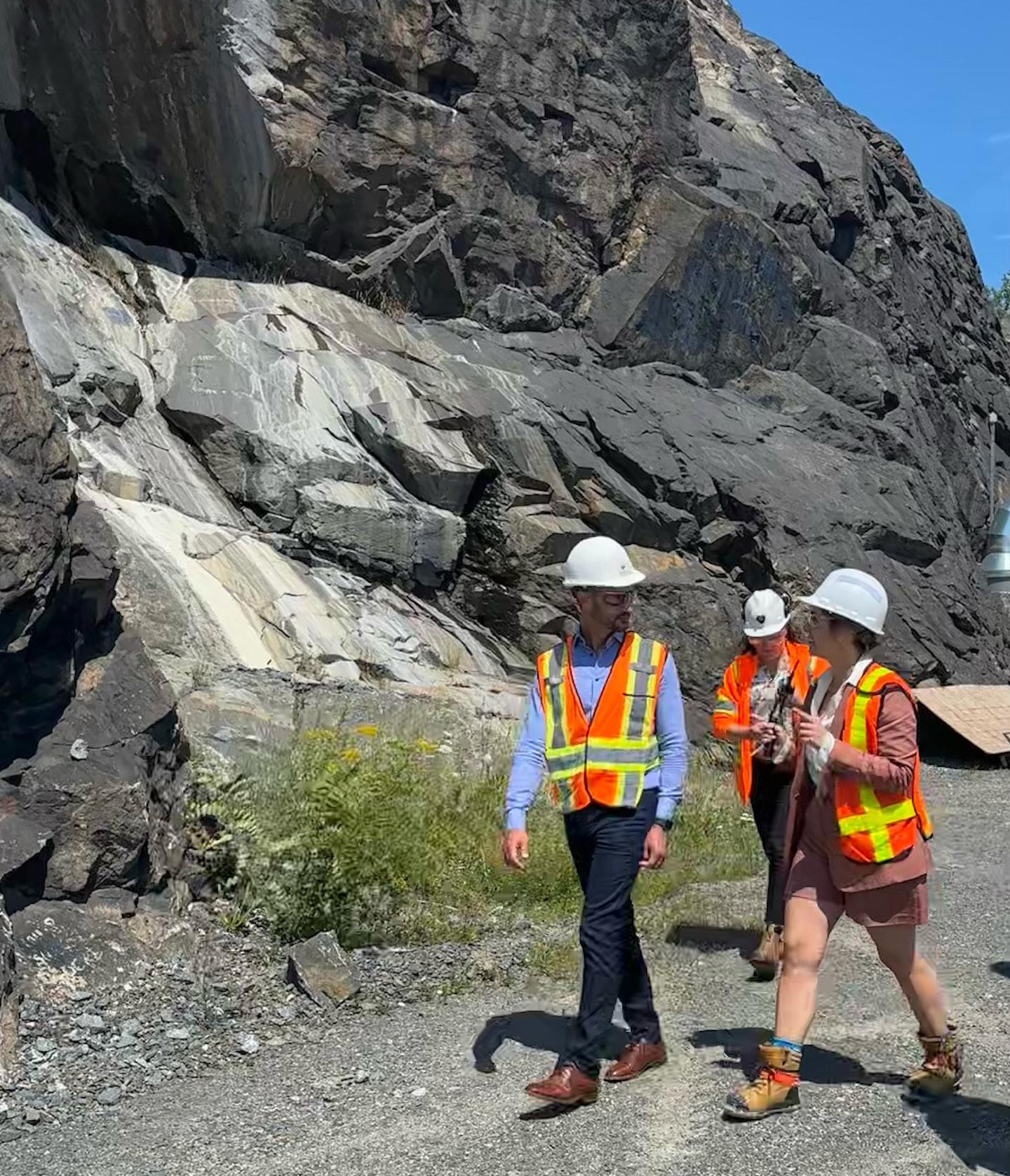
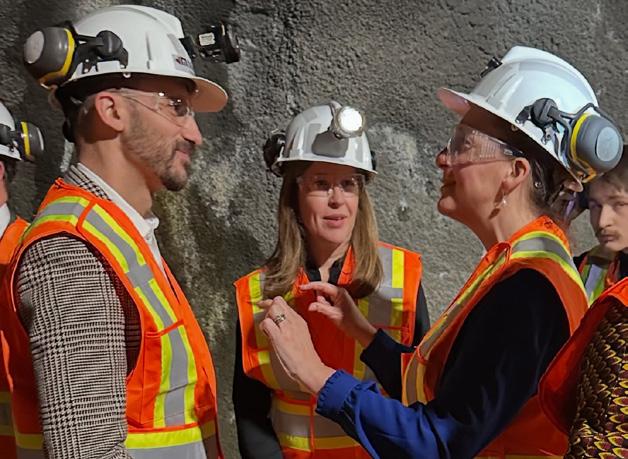
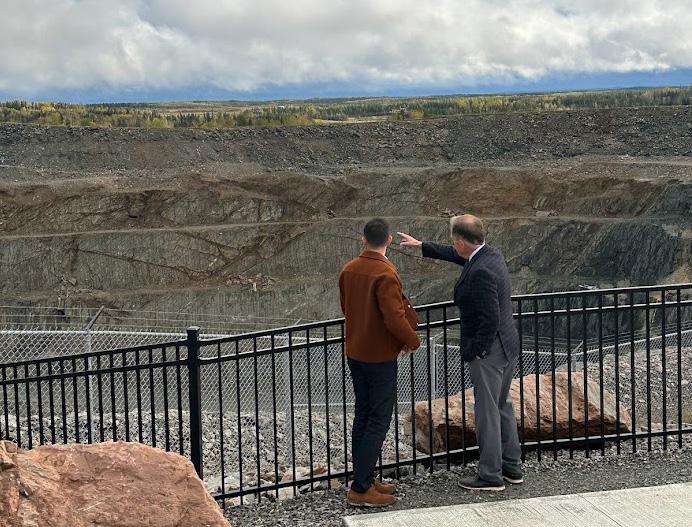
In the mining sector, Ontario is strengthening its position as a global leader through responsible development and strategic project advancement. This includes moving forward with critical minerals growth in the Ring of Fire, which holds worldclass deposits of nickel, chromite, and other minerals essential to EVs, batteries, and clean technologies.
Central to this effort is our CAD$500 million Critical Minerals Processing Fund, which will help companies build the facilities needed to transform raw minerals into highervalue products right here in Ontario.
Historically, many of our critical minerals have been shipped out of the province – or country – for processing.
Our goal is to end that ‘rip and ship’ approach so minerals mined in Ontario stay in Ontario for refining, processing, and value-added manufacturing.
By expanding domestic processing capacity, we are not only creating more skilled jobs and strengthening made-in-Ontario supply chains but also protecting the province’s workers and economy from the impacts of tariffs and global economic uncertainty.
Processing critical minerals at home improves resilience, supports long-term investment certainty, and ensures Ontario captures the
full economic potential of its natural resources.
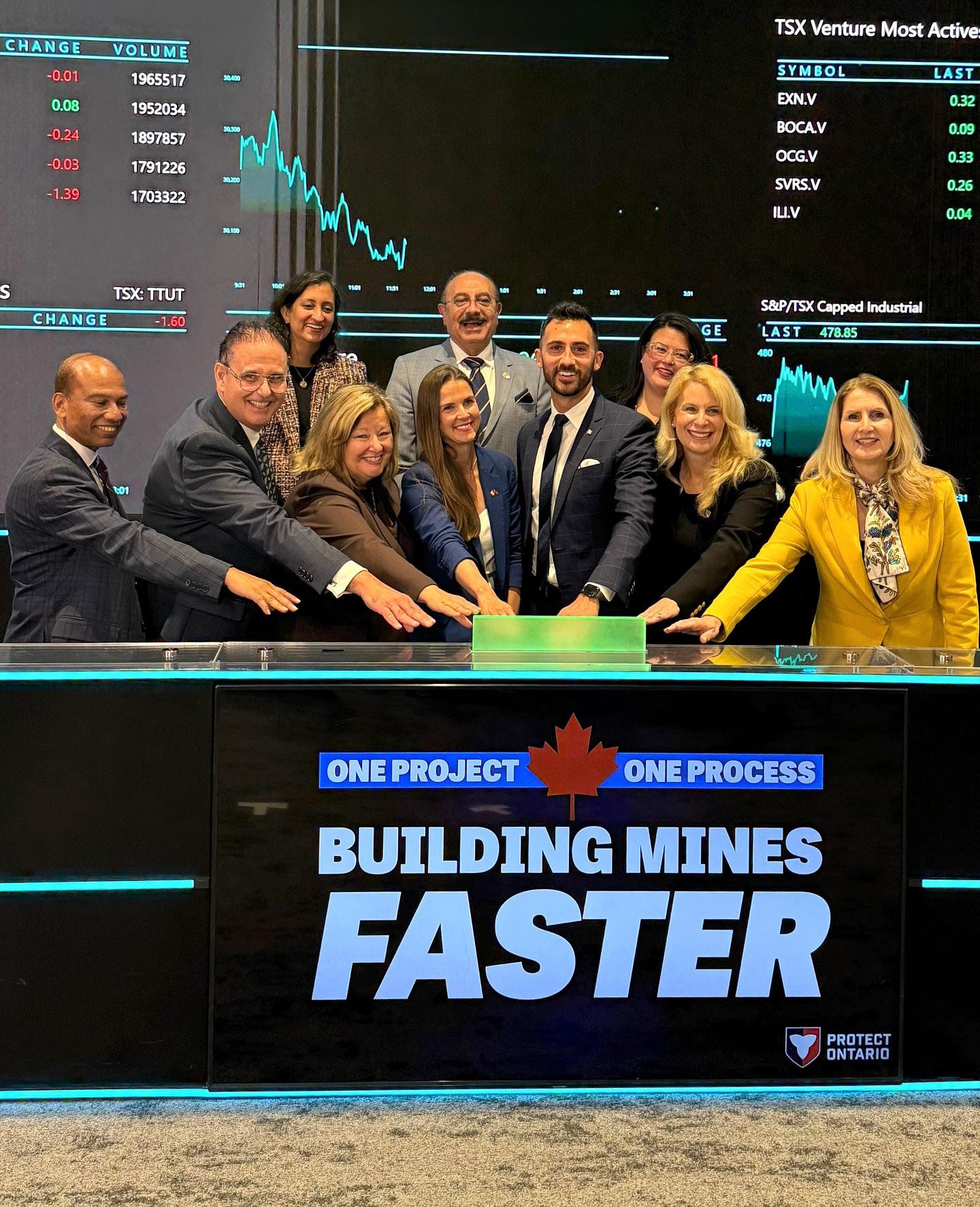
To further support job creation and business growth, our government is accelerating mining project approvals through the One Project, One Process (1P1P) framework, giving proponents clearer, more predictable timelines to bring new mines online with a clear goal of cutting review times by 50 percent.
We moved quickly to pass this legislation in October last year and have already designated two major projects under 1P1P, including Frontier Lithium’s PAK Lithium Project and Canada Nickel’s Crawford Nickel
Project – sending a strong signal that Ontario is open for business and ready to compete globally.
By modernizing permitting processes, investing in geoscience, and supporting infrastructure that enables responsible development and processing, we are helping bring projects to market faster while maintaining strong environmental and community standards.
These efforts are building madein-Ontario supply chains in a vast range of areas – from mining to manufacturing – supporting longterm employment in northern and rural communities, advancing Indigenous partnerships, and ensuring the economic benefits of Ontario’s natural resources remain in the province for generations to come.
NA: In what ways has the Ministry of Energy and Mines considered Indigenous communities when making long-term investment decisions?
SL: Our government has made a dedicated commitment to economic reconciliation and meaningful engagement and partnerships with Indigenous communities. We recognize these communities as rights holders and essential partners in Ontario’s energy and mining future.
The ministry supports Indigenous participation through consultation, capacity building, and opportunities for economic partnership –particularly in energy projects and mining developments.
By supporting Indigenous ownership, training, and long-term economic benefits, we are working to ensure that development is inclusive, respectful, and mutually beneficial.
Our government is also advancing economic reconciliation through the province’s resource revenue sharing, delivering a direct share of mining revenues to First Nations to support critical community infrastructure and
“OUR ROLE AT THE MINISTRY IS TO ENSURE THE ENERGY AND MINING SECTORS AREN’T JUST PART OF THE ECONOMY – THEY ARE ITS ENGINE, POWERING OPPORTUNITY, GROWTH, AND PROSPERITY FOR THIS GENERATION AND THE NEXT”
– THE HON. STEPHEN LECCE, ONTARIO MINISTER OF ENERGY AND MINES
long-term economic development. We continue to work collaboratively with Indigenous partners and remain committed to expanding these agreements as part of our broader approach to advancing reconciliation and shared prosperity.
NA: Finally, looking ahead, what is the ministry’s vision for the future of Ontario’s mining and energy sector?
SL: Our vision is clear: to make Ontario a global leader in clean, reliable energy and responsible mining –driving economic growth, creating well-paid jobs, and keeping energy affordable for families and businesses. We will get there by planning ahead, investing in critical infrastructure, supporting innovation, delivering Ontario’s integrated energy plan, and responsibly unlocking the province’s vast critical mineral potential. At every step, reliability and affordability guide our decisions,
because a growing economy depends on an energy system people can trust. Ontario has the talent, resources, and ambition to lead. Our role at the ministry is to ensure the energy and mining sectors aren’t just part of the economy – they are its engine, powering opportunity, growth, and prosperity for this generation and the next.
Igniting IMAGINATION through & INNOVATION Inspiration
To honor NASA’s Artemis missions, the Kennedy Space Center Visitor Complex is hosting a new live show that blends childhood whimsy with lunar wonders. The Fraggles star in a cosmic storytelling adventure, leaving their underground utopia to explore outer space
Writer: Rachel Carr
After a half-century hiatus, humanity is preparing to embark on its triumphant return to the moon, rekindling the spirit of adventure and discovery that has long fascinated dreamers and explorers alike.
This moment marks a pivotal point in the history of space exploration, connecting the excitement of a lunar quest with the broader aspirations of the Artemis program, which is named after the Greek goddess of the moon.
NASA’s renewed journey has sparked curiosity and interest, as this mission will not only focus on scientific research to enhance its understanding of the moon but will also represent a significant step
toward the more ambitious goal of building a foundation for the first crewed enterprise to Mars.
The Artemis missions are fundamental to this vision, aiming to establish a sustainable human presence on the moon through the Lunar Gateway space station by 2030, which will orbit the moon, and develop the groundwork for future interplanetary expeditions.
Together, these initiatives symbolize a relentless drive to explore and expand humanity’s horizons beyond Earth.
As NASA sends astronauts to the moon, missions will become increasingly difficult, beginning with the Artemis I test of the Space Launch
System (SLS) rocket and the Orion spacecraft, an uncrewed mission launched in November 2021.
This year, Artemis II marks the first crewed mission, which will orbit the moon and test life support systems.
Eventually, Artemis III will return astronauts to the lunar surface –including the first woman and the next man – landing near the South Pole, which is rich in resources like water ice.
As this historic endeavor unfolds, delightful new forms of entertainment have emerged. The Fraggles – the playful, anthropomorphic creatures from Jim Henson’s beloved 1980s television show – are embarking on their own lunar adventure.
Visitors to the Kennedy Space Center Visitor Complex will encounter the characters, where joy and adventure intertwine.
FROM FRAGGLE ROCK TO FLORIDA
Established in 1967, just five years after the Kennedy Space Center itself, the Kennedy Space Center Visitor Complex has become one of Florida’s top tourist attractions.
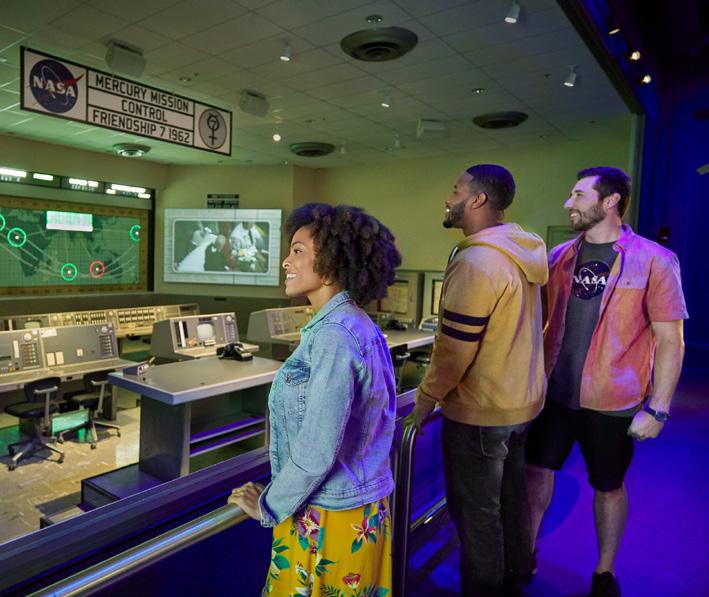
It offers an immersive experience that delves into both the history and future of space exploration, featuring exhibits, interactive activities, and opportunities to meet astronauts.
The Emmy Award-winning Fraggles have been invited to the complex to celebrate the Artemis
program through an out-of-this-world adventure that showcases NASA’s missions and explores themes of curiosity and discovery.
Fraggle Rock, the brainchild of Muppets creator Jim Henson, holds a significant place in popular culture as a nostalgic musical puppet series,
featuring a group of furry, fun-loving, subterranean creatures who promote values of interconnectedness, diversity, and environmentalism while living alongside their industrious neighbors, the Doozers.
The lasting appeal of the Fraggles comes from their optimistic,
music-filled world, which encourages viewers to “dance their cares away”.
The new stage show, Fraggle Rock: A Space-y Adventure, is an educational journey featuring a fullbody, costumed version of characters Gobo, Red, and Uncle Traveling Matt, as well as puppet versions of the Doozer construction workers.
Encouraging the audience to explore the universe, the lively trio embark on a musical and comedic journey as they follow a mysterious postcard to Florida’s Space Coast to learn about humanity’s next giant leap.
Upon arriving at the Kennedy Space Center Visitor Complex, the Fraggles meet a member of the Exploration Ground Systems crew, who plays a crucial role in every NASA mission.
By leveraging the popularity of the Fraggles and their engaging narrative, NASA aims not just to entertain but
to inspire interest in the cosmos, reaching out to new audiences who may previously have felt distant from the realms of science and space.
This initiative champions the idea that every adventure starts with a spark of wonder.
AN EDUCATIONAL EXPEDITION
At the Kennedy Space Center Visitor Complex, visitors can engage in a range of STEM-focused educational experiences that bridge the gap between imagination and reality.
They can enjoy a transformative educational journey and immerse themselves in the remarkable Space Shuttle Atlantis, explore the historic grounds of the Kennedy Space Center, and discover the captivating history of human flight and innovation.
One unique opportunity allows visitors to meet a veteran astronaut, whose inspiring stories can encourage young minds to dream big.
With a multitude of interactive exhibits and thoughtfully crafted activities designed to captivate and educate, along with the fun of the Fraggles, the Kennedy Space Center Visitor Complex strives to ignite the imaginations of the next generation of explorers, instilling the belief that an inquiring mind can lead to incredible discoveries.
Integrating science with storytelling is an effective way to engage audiences and enhance comprehension of complicated concepts, as it presents scientific principles through relatable characters and situations, making intangible topics like gravity more accessible and engaging.
Engaging narratives can evoke emotions, creating stronger connections to the material; for example, contextualizing scientific advancements within human experiences adds significance to milestones and fosters a lifelong love for learning.
Moreover, examining scientific themes through diverse
cultural perspectives broadens understanding and highlights the interconnectedness of life with science.
Educational platforms and initiatives, such as the Kennedy Space Center’s collaboration with the Fraggles, illustrate how merging entertainment with education can effectively convey complex information.
This combination makes learning enjoyable, allowing audiences to discover the wonders of science.
IMAGINING THE FUTURE
The Kennedy Space Center Visitor Complex is continuing to invest in new, awe-inspiring attractions that illustrate impressive, innovative technological advancements.
One of the highlights is its most recent addition, The Gantry at LC-39 – a 360-degree observation deck featuring the Earth Information Center, interactive ‘rocket build’ stations, and enhanced viewing areas for rocket launches.
Looking ahead, a nine-story exhibit, the Next Big Thing (NBT), is planned for 2027, focusing on the future of NASA, commercial, and military space efforts.
Other upcoming developments include improved pathways, an expanded Astronaut Training Experience, and potential plans for a hotel or conference center.
Future upgrades to the educational facility will include a new building dedicated to student and group programs, as well as Piezoelectric Pathways – interactive walkways that integrate with a smartphone app to light up beneath your feet.
These initiatives aim to transform the Kennedy Space Center Visitor Complex from a place that spotlights history to one that actively engages visitors in the ongoing commercialization of space and the future of space exploration.
By incorporating beloved cultural elements such as Fraggle Rock, the Kennedy Space Center Visitor Complex is shaping a whole new generation of potential space explorers, while ensuring the future of science by deepening their understanding of the universe.
Together, the Fraggles and NASA are preparing young imaginations for their own thrilling cosmic adventures.
KENNEDY SPACE CENTER VISITOR COMPLEX - KEY ATTRACTIONS
• Space Shuttle Atlantis – This exhibit displays the retired Atlantis orbiter and includes the Shuttle Launch Experience, a simulated ride into space.
• Apollo/Saturn V Center – Visitors can see the actual Saturn V rocket that launched the Apollo missions and learn about the technology that made the moon landing possible.
• Heroes and Legends – Located inside the US Astronaut Hall of Fame attraction, this area pays tribute to the pioneers of space exploration, featuring exhibits on astronauts like Alan Shepard and John Glenn.
• Hyperdeck VR – A high-end immersive journey, complete with motion effects and environmental simulations.
• Astronaut training – Visitors can participate in simulations, including a spacewalk, using immersive technology.
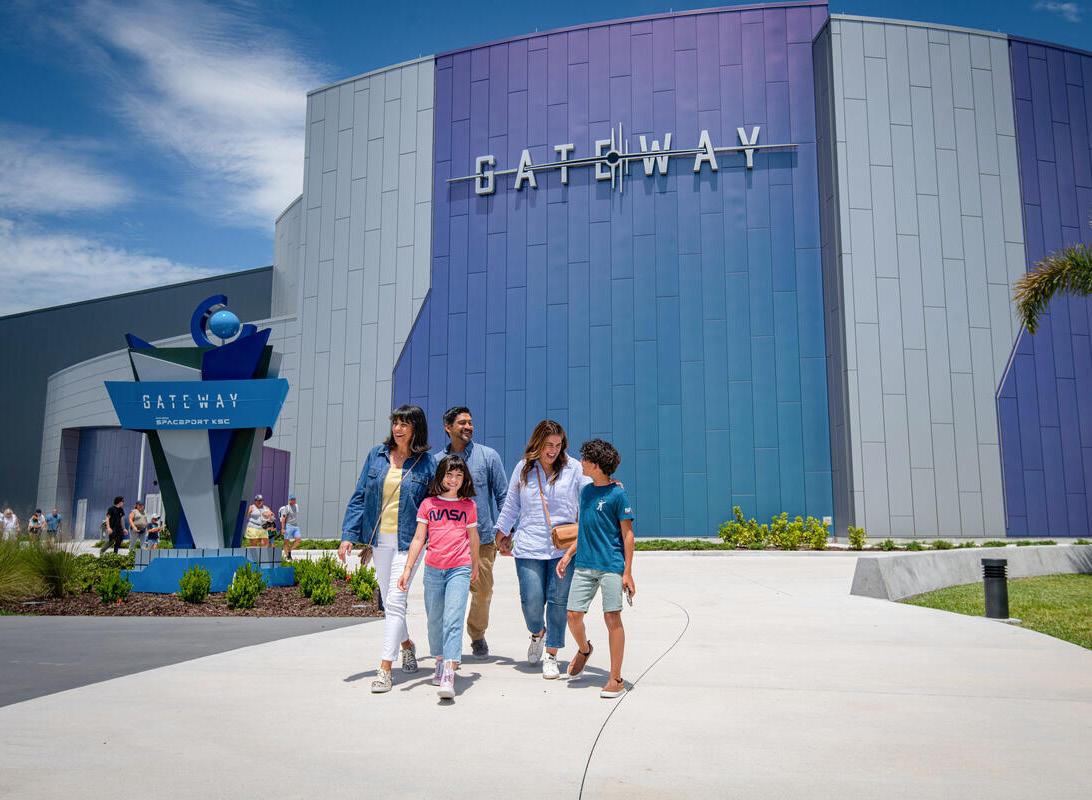
• Gateway: The Deep Space Launch Complex® – Showcasing current and future spacecraft, including the SpaceX Falcon 9 booster, Lockheed Martin Space Habitat, and the Orion spacecraft capsule. Furthermore, it features the Spaceport KSC®, offering simulated spaceflight and virtual 360-degree cinematic journeys.
• Two IMAX theaters – Screening space exploration-related content.
• Bus tours – Launch pads and the Vehicle Assembly Building.
• Special events and programs – Astronaut meet and greets, themed shows, and dining with astronauts, where firsthand accounts of space missions are told.
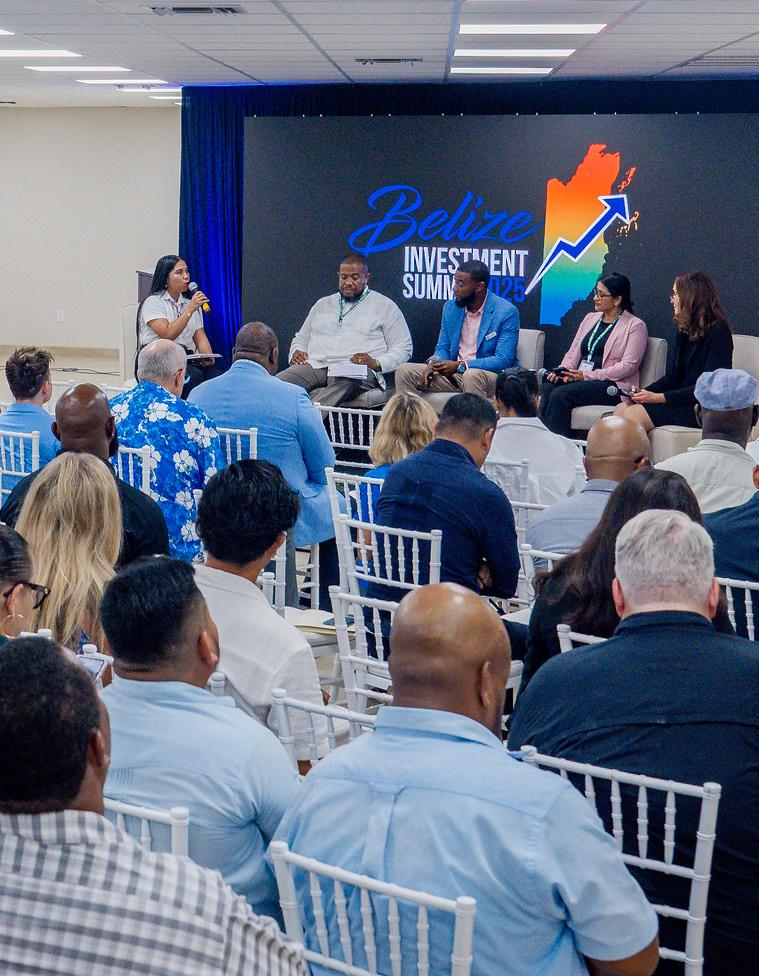
BELIZE TRADE AND INVESTMENT SPOTLIGHT
Supported by strong blue, green, and orange economy policies, a record low unemployment rate, and government initiatives to support small business growth, Belize’s economy is thriving
Writer: Lily Sawyer | Project Manager: Joseph Perfitt
Since 2024, Belize has seen continued economic growth, primarily driven by tourism, a strong business process outsourcing (BPO) sector, and consistent performance in agriculture.
Tourism remains the primary source of foreign currency, with the sector directly contributing to around 12 percent of GDP and employing an average of one in four Belizeans.
In addition, BPOs continue to offer stable, well-paid jobs for young professionals and graduates, with an estimated 20,000+ people employed by the sector.
As a result, unemployment hit just 2.1 percent in
September 2024, further decreasing to 1.9 percent the following September, reflecting a historically low rate for the country.
The agriculture industry, meanwhile, has always provided a key source of livelihood for Belizeans as more than half the population live in rural areas, capitalizing on the country’s abundance of sugar, bananas, citrus, and seafood as its primary exports.
Today, agriculture plays a central role in Belize’s MediumTerm Development Strategy (MTDS) 2022-2026 as a driver of economic growth and food security.
As such, the Ministry of Agriculture, Food Security, and New Growth Industries is looking to align the sector more closely with MTDS to ensure increased, sustained, and diverse production for the years ahead – building resilience against climate change and developing regional trade policies.
Elsewhere, Belize’s blue economy, which champions sustainable development and the responsible use of coastal resources to drive economic growth, continues to thrive and has even been leveraged to afford national economic prosperity.
A Blue Bond transaction in 2021, for example, enabled the country to significantly reduce national debt while generating $180 million for marine conservation in the country.
Looking ahead, Belize’s economy is poised for continued growth and on track to deliver on the expectations set out in Horizon 2030 – a national development framework launched in 2010 – which calls for a resilient, sustainable, and inclusive economy that embraces and promotes key productive sectors and the blue economy.
INTERVIEW:
Belize Trade and Investment Development Service
We revisit the Belize Trade and Investment Development Service with Ishmael Quiroz, Executive Director, who updates us on how the nation’s economy has evolved over the past 18 months and why the organization is poised to support value creation through targeted investments, export development, and workforce readiness
North America Outlook (NA): In light of the Belize Trade and Investment Development Service’s 25th anniversary in 2025, could you outline your continued focus on business development, investment, and coastal community empowerment?
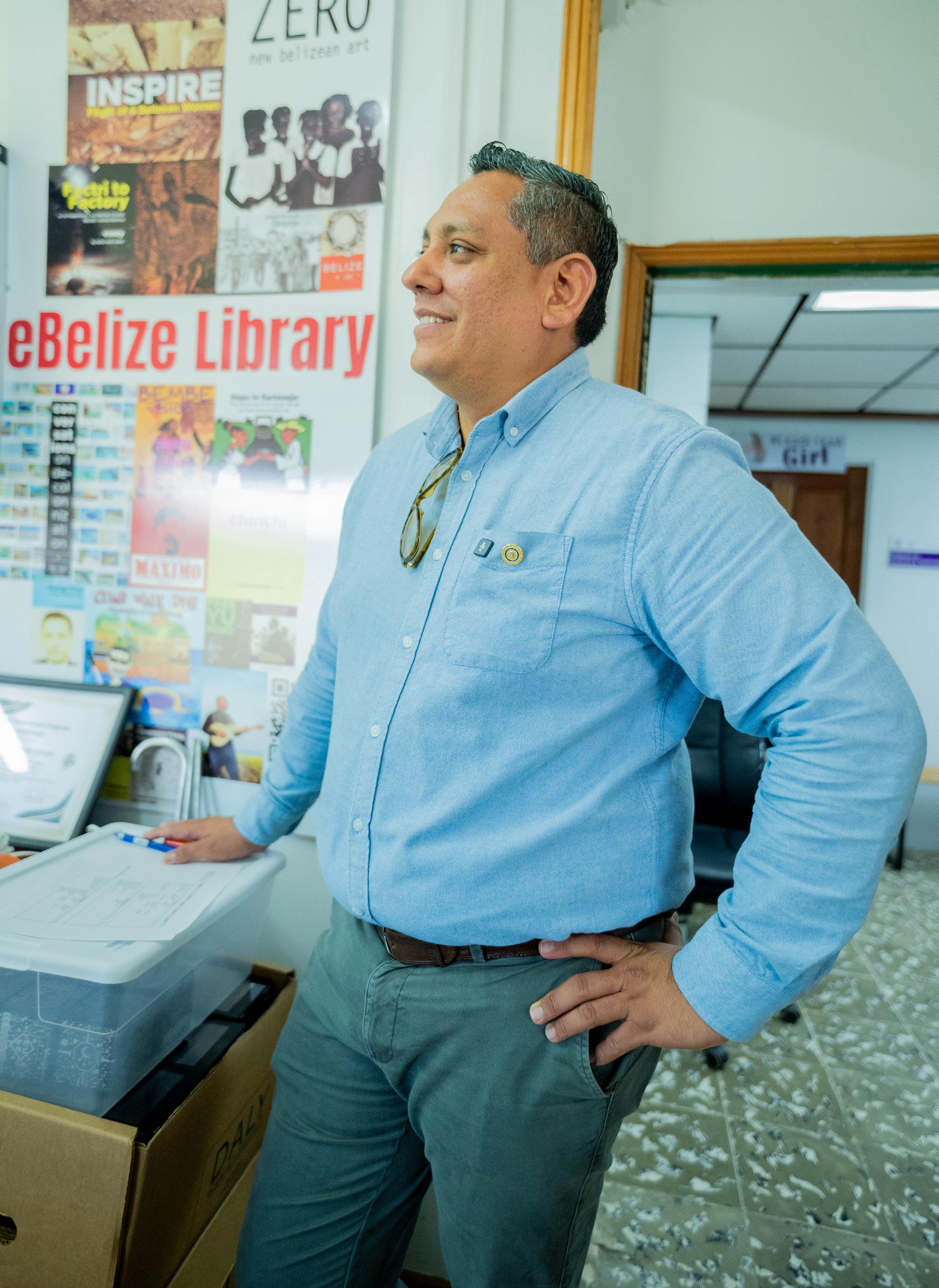
Ishmael Quiroz, Executive Director (IQ): As the Belize Trade and Investment Development Service (BELTRAIDE) marks its 25th anniversary, our focus remains firmly anchored in building a resilient, inclusive, and diversified economy.
Over the years, our mandate may have evolved, but our core mission remains consistent – to support Belizean businesses both locally and abroad, attract responsible investment, and ensure that economic growth translates into real opportunities for communities.
In recent years, we’ve placed deliberate emphasis on
empowering coastal and rural communities through targeted support in the blue, green, and orange economies.
This has included capacity-building initiatives such as maritime-related training, sustainable livelihood programs linked to tourism and fisheries, and support for environmentally responsible enterprises.
Our green enterprise efforts are complemented by the other services we provide, including investment facilitation and micro, small, and medium-sized enterprise (MSME) development, export readiness, and support for strategic partnerships.
We cannot deliver these transformative initiatives alone, making openness to partnership essential. Together, this ensures that local communities are not merely participants, but true beneficiaries of Belize’s development trajectory.
Leading with Confidence, Designing for Longevity, and Providing Global-Standard Investment in Belize
Over the past quarter-century, Belize has undergone a quiet but significant transformation. Once viewed primarily as a niche destination for small-scale development, the country is now attracting a broader range of international investors seeking opportunities in hospitality, mixed-use, commercial, and residential projects. As investment expectations rise, so too does the demand for architecture and construction that meet global standards of quality, performance, and execution.
At the forefront of this evolution is Arguelles Architects Limited (Arguelles Architects), a Belize-based architecture and design firm, founded by Daniel Arguelles, whose leadership, experience, and body of work reflect both the country’s growth and its increasing readiness to compete on the global stage.
A 25-Year Perspective on Belize’s Growth
With more than 25 years of professional experience, Arguelles has witnessed Belize’s development landscape mature firsthand. This long-term perspective is central to the firm’s approach –providing not only technical expertise, but also a deep understanding of how the country has evolved and where it is headed.
“We have seen Belize grow in real time,” Arguelles explains. “From a period when options were limited, to a point where the country is now capable of delivering sophisticated, high-quality developments. That experience allows us to guide investors with confidence.”
This continuity of experience has allowed Arguelles Architects to adapt alongside the market, refining its methods, expanding its capabilities, and aligning its standards with international best practices. For investors, this translates into a partner who understands both legacy constraints and emerging opportunities – an invaluable combination in a developing but rapidly advancing market.
A Smaller World, Expanded Design Possibilities
One of the most significant shifts shaping Belize’s development potential is global connectivity. Advances in digital tools, access to international consultants, and improved supply chains have dramatically expanded what is possible in local design and construction.
“The world has become smaller,” Arguelles notes. “Today, we have easier access to design tools, professional agents, and construction materials
from around the world. This allows design to improve exponentially and gives investors far more options to align projects with their vision.”
Arguelles Architects has embraced this reality, integrating global design thinking with local knowledge. The firm leverages modern design technologies, international coordination methods, and globally sourced materials – while remaining grounded in Belize’s climate, regulations, and construction practices.
This balance allows the firm to deliver architecture that feels contemporary and competitive on an international level, yet practical and appropriate for its location.
Leadership Through Proven Delivery
Arguelles Architects is widely regarded as a leader within Belize’s architectural industry, not by aspiration alone, but through demonstrated results. The firm’s portfolio shows that larger, more ambitious, and higher-quality projects are attainable in Belize –a message that has been critical to improving investor confidence.
The founder’s professional experience includes the design and project management of nationally and commercially significant developments, such as the Belize Civic Center, the Ministry of Foreign Affairs building, the Alaia Resort in San Pedro, and the Fort George Hotel. These projects represent
milestones in Belize’s civic, commercial, and hospitality development, each requiring a high level of coordination, quality control, and long-term vision.
“Projects of that scale and visibility set expectations,” Arguelles explains. “They demonstrate what is possible, not just for one client, but for the country as a whole.”
Through this experience, Arguelles Architects has helped raise the benchmark for design and construction in Belize, proving that the country can support projects comparable in quality and complexity to those found in more established markets.
Design Excellence Rooted in Build Quality
At the core of Arguelles Architects’ philosophy is a simple but critical belief: design quality must translate into construction quality. Architecture is not viewed as an abstract exercise, but as a process that directly affects how buildings are built, how they perform, and how long they last.
Rather than prioritizing unnecessary complexity, the firm focuses on clarity, proportion, and thoughtful design solutions that contractors can execute efficiently and to a high standard. This approach supports smoother construction processes, fewer disruptions, and more consistent outcomes.
“Design only matters if it can be built well,” Arguelles says. “Our responsibility is to make sure the vision on paper becomes a building that performs in reality.”
Arguelles Architects maintains close involvement throughout the construction phase, working collaboratively with contractors and consultants to ensure that design intent is maintained and quality standards are met. For investors, this level of engagement provides reassurance that their projects are being delivered with care, accountability, and attention to detail.
A Conduit for Investor Vision and Confidence
As Belize attracts more international capital, the role of trusted local partners becomes increasingly important. Arguelles Architects has positioned itself as a conduit through which investor confidence and vision can be channelled into successful built outcomes.
The firm supports clients from early feasibility and planning stages through design development, approvals, and construction coordination. This continuity helps investors navigate unfamiliar regulatory environments, local construction realities, and site-specific challenges.
“Investors want certainty,” Arguelles notes. “They want to know that their project can be built properly, to the quality they expect, and in a way that protects their investment.”
By aligning investor expectations with local execution, Arguelles Architects reduces risk and helps ensure that projects are both achievable and commercially sound.
Project Highlights Across Key Sectors
Arguelles Architects applies its design philosophy and quality-driven approach across a wide range of sectors, including:
Hospitality & Tourism
Drawing on experience from projects such as the Fort George Hotel in Belize City and the Alaia Resort, a Marriott Autograph Hotel in San Pedro, Ambergris Caye, the firm designs hospitality developments that balance guest experience, operational efficiency, and durability – key drivers of long-term performance in Belize’s tourism market.
Commercial & Mixed-Use Developments
Experience gained through institutional projects such as the Ministry of Foreign Affairs building in Belmopan informs the firm’s approach to commercial architecture, where efficiency, adaptability, and longterm value are essential.
Civic-Scale & Complex Projects
Work on landmark facilities such as the Belize Civic Center, Belize City, has shaped the firm’s ability to manage large-scale coordination, infrastructure integration, and multi-stakeholder environments –skills that translate directly to complex developments.
International & Community Projects
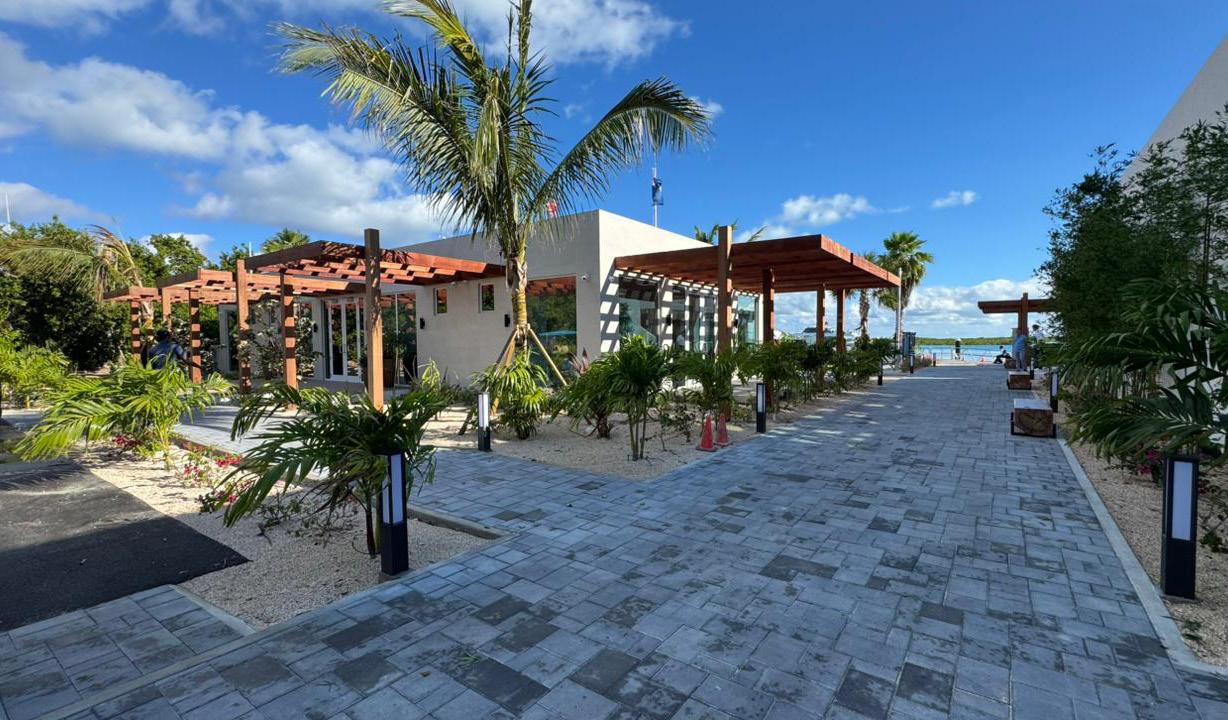
In international work, Arguelles Architects delivers modern, site-responsive designs that emphasize comfort, durability, and lasting visual appeal. The Blue Haven Marina, Turks and Caicos, is one such development. Cool stone, resilient timber, and corrosion-resistant metals endure the maritime climate while remaining inviting to the touch.
Generous walkways, shaded lounges, and breezy low structures ensure guests feel relaxed from dock to resort. The result is a marina that ages gracefully –functionally robust and visually timeless against the turquoise Caicos waters.
Competing in the Global Market
Through its projects, processes, and professional standards, Arguelles Architects demonstrates that Belize can now compete within the global development market. The firm’s methods reflect international expectations – disciplined coordination, quality-driven design, and accountability – while leveraging local expertise to deliver realistic, buildable solutions.
This capability has been instrumental in positioning Belize as a destination where serious, long-term investment can succeed.
“Belize is ready,” states Arguelles. “With the right partners, investors can achieve projects here that stand alongside developments anywhere in the world.”
Looking Ahead
As Belize continues to grow and diversify its economy, the demand for well-designed, well-built, and globally competitive developments will only increase. Arguelles Architects remains committed to pushing standards forward – both for its clients and for the country’s built environment as a whole.
“Our role is to continue raising the bar,” Arguelles concludes. “By combining global standards with local understanding, we help investors realize their vision and help Belize move forward with confidence.”
For investors seeking a partner with proven experience, design leadership, and an unwavering commitment to quality, Arguelles Architects stands ready – designing not just buildings, but the future of investment in Belize.
4725/4726 West Landivar, Unit 2 Belize City, Belize (+501) 223-6996 | info@arguellesarchitects.com www.arguellesarchitects.com
“Our role at BELTRAIDE is to help businesses and investors navigate the fluid shifts that continue to surface while still strengthening local capacity to compete and grow”
– ISHMAEL QUIROZ, EXECUTIVE DIRECTOR, BELIZE TRADE AND INVESTMENT DEVELOPMENT SERVICE
NA: What is your updated take on Belize’s economy? What challenges or opportunities have you encountered since we last spoke?
IQ: Belize’s economy continues to show strong resilience, particularly in the tourism, agriculture, and emerging services-based sectors.
Post-COVID-19 pandemic recovery has been encouraging – we’ve seen among the strongest rates
of growth in comparison to some of our regional counterparts, and we’re seeing renewed investor interest alongside steady growth in entrepreneurship, signaling confidence by domestic investment.
At the same time, the global economy presents challenges, including inflationary pressures, supply chain disruptions, the impact of external tariffs, and trade dynamics.
The effect this has on import costs and competitiveness is real, but these challenges also create opportunities,
and we see growing momentum around economic diversification, value-added production, renewable energy, agro-processing, digital services, and creative industries.
Agri-processing continues to innovate, digital services have seen quite impressive growth, and excitingly, the creative and cultural industries have seen a renaissance for the first time.
These sectors, especially the revival of the creative and cultural industries, have seen a lot of support, appreciation, and respect which our artists, artisans, and musicians really benefit from.
All of this is underscored by the steady growth of MSMEs, which we’ve made great efforts to formalize.
So, Belize is well-positioned to continue to attract investors seeking stable markets, sustainable development models, and access to regional and international markets.
Our role at BELTRAIDE is to help businesses and investors navigate the fluid shifts that continue to surface while still strengthening local capacity to compete and grow.
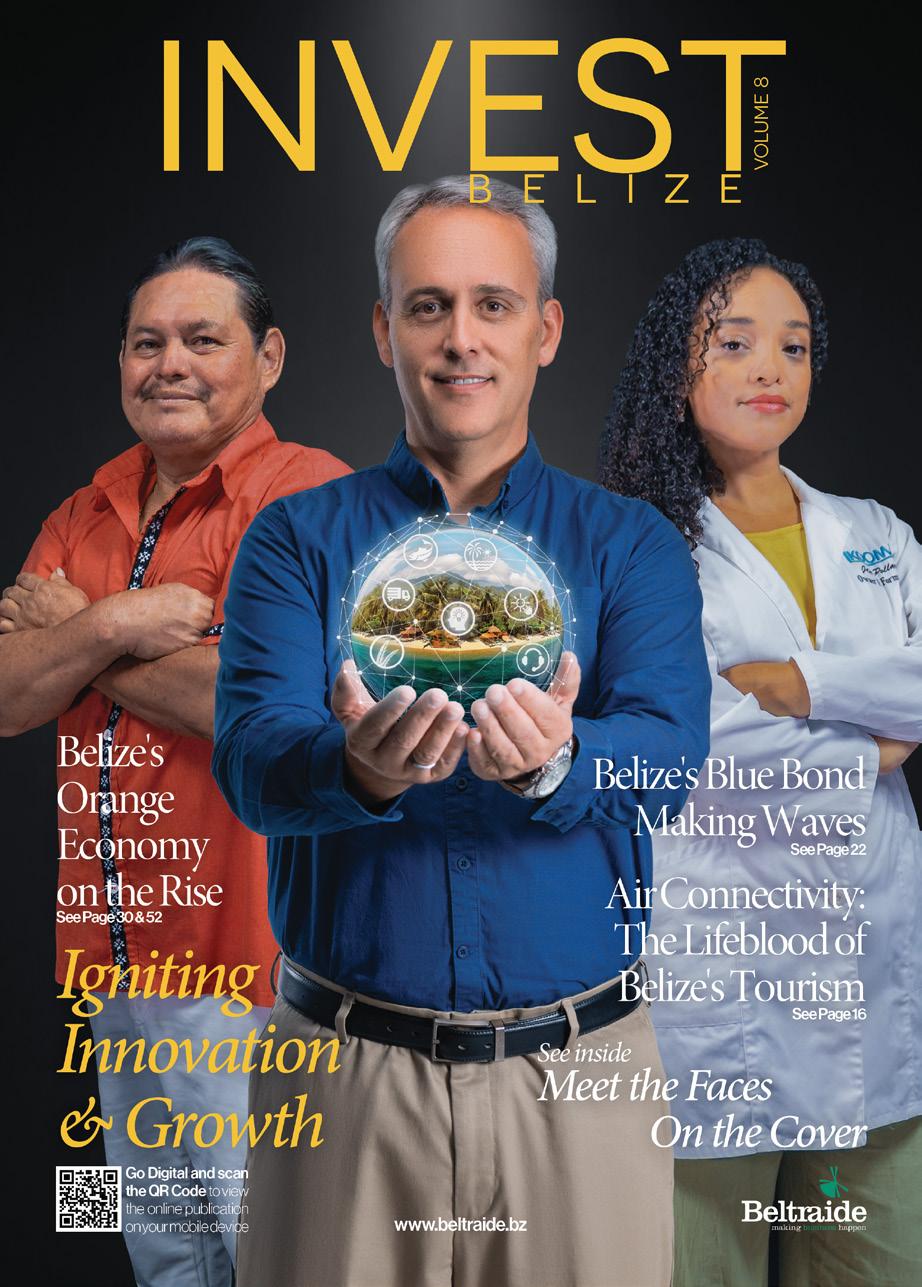
NA: Can you tell us more about the INVESTBelize Magazine, highlighting Belize’s current investment climate, success stories, and opportunities? What’s in store for the next issue?
IQ: This year, we will produce the ninth edition of INVESTBelize Magazine, which has become a strategic platform for showcasing Belize as an investment destination.
It highlights the country’s strengths, priority sectors, policies, environment, and stories from real businesses and investors that are doing great things.
The magazine also plays an important role in communicating opportunities for diversification, including the green, blue, and orange economies.
As we’re guided by those pathways, the upcoming issue will continue with this focus, but place stronger emphasis on sustainable investment, innovation, and emerging sectors.
In Belize, there seems to be local talent for things like digital service provision, and we are already exporting software development and other high-tech skills, which we intend to grow.
A Balanced Investment Opportunity in
Sustainable Tourism Growth
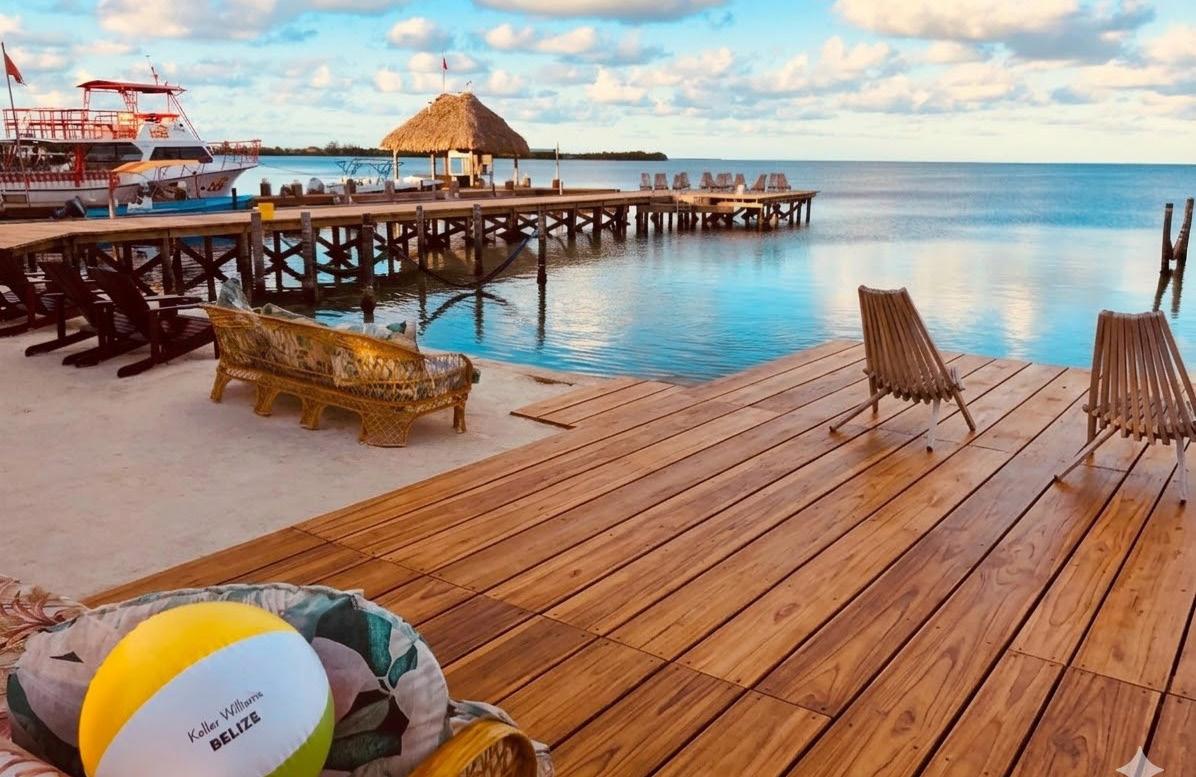
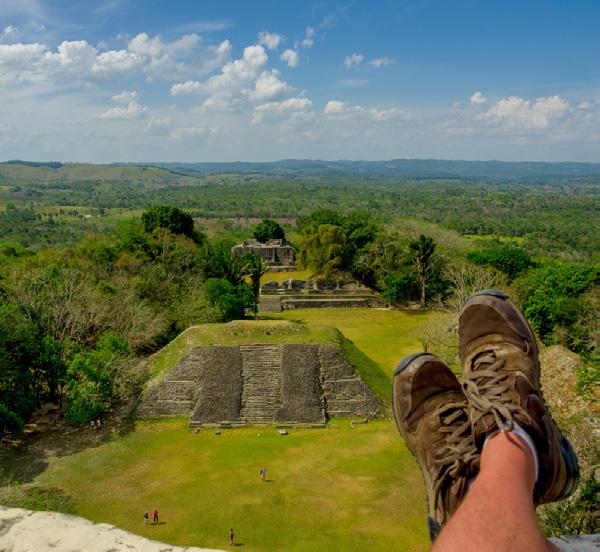
Belize is no longer simply a beautiful, “undiscovered” destination—it is steadily becoming a market ready for thoughtful investment that aligns value creation with sustainable development. Positioned at the crossroads of Latin America and the Caribbean, Belize serves as a natural bridge between two dynamic regions. Geographically anchored in Central America yet economically and culturally aligned with the Caribbean basin, the country benefits from trade routes, air corridors, and maritime pathways linking North America, South America, Europe, and the wider Caribbean.
This nexus positioning enhances Belize’s appeal as both a tourism and investment gateway. Proximity to major U.S. markets, access to cruise and yachting circuits, and connectivity potential to European and Latin American hubs allow developments to draw from multiple demand streams across hemispheres.
Strong Tourism Growth: The Data Speaks
Belize’s tourism momentum is measurable.
In 2024, the country welcomed 547,370 overnight visitors, an 18% increase over 2023 and 9% above pre-pandemic levels, outperforming regional averages during that period. Cruise activity rebounded strongly as well, with ship visits rising by as much as 47% year-over-year.
Growth continued into 2025, with preliminary figures reporting 551,681 overnight stays and 967,214 cruise passenger arrivals, reflecting an 8.1% increase in cruise visitation. These figures signal steady destination demand, strengthened itineraries, and sustained market interest. Belize’s recovery is not temporary—it reflects structural resilience and growing global visibility.
Accessibility is central to investment confidence, and Belize is strengthening its gateways.
Philip S.W. Goldson International Airport (PGIA), the country’s primary air hub, handled over 1.2 million passengers in 2024, demonstrating expanding connectivity. Ongoing upgrades— including apron expansion, taxiway improvements, and terminal enhancements scheduled through 2026—are increasing operational capacity and improving passenger experience. These enhancements position Belize to accommodate premium leisure travelers, expanded airlift, and growing business aviation interest. Improved access directly supports luxury hospitality, residential development, wellness tourism, and marine-based investment.
Brand Participation: A Market Validated by Performance
Belize’s tourism growth was built not by large-scale chains, but by distinctive boutique hotels—intimate, experiencedriven properties emphasizing authenticity, environmental stewardship, and personalized service. These independent operators established Belize’s reputation for high-value, low-density travel and drove sustained economic growth across coastal and inland communities.
The proven success of this boutique sector is now attracting internationally recognized luxury brands. Confirmed and anticipated brand engagements include:
Additionally, global and luxury-aligned operators strengthening the market include:
• Marriott Autograph Collection (Alaia Belize)
• Curio Collection by Hilton (Mahogany Bay Resort & Beach Club)
• The Belize Collection
• The Coppola Hideaways
• Victoria House
• Naïa Resort & Spa
• Cayo Espanto
This blend of international brands and respected luxury collections provides what investors value most: trust infrastructure. Established distribution systems, operational standards, and repeat demand patterns reduce market uncertainty and create clearer performance benchmarks.
Marinas and the Blue Economy: A Strategic Coastal Advantage
Maritime modernization at the Port of Belize is improving cargo efficiency and expanding cruise berthing capacity, reinforcing the country’s role as a regional gateway. At the same time, local investors are advancing marina-focused projects—including Red Rock, Itz’Ana Marina, Blue Reef, and the Commerce Bight expansion—demonstrating strong private-sector confidence in Belize’s growing blue economy and positioning the country as an emerging hub for nautical tourism.
Home to the world’s second-largest barrier reef system, Belize possesses one of the Caribbean’s most valuable marine environments. Yet compared to neighboring destinations, it remains under-served by modern marina infrastructure—creating meaningful opportunity.
Well-planned marina developments can generate diversified revenue through premium berthing, yacht services, waterfront retail and dining, residential components, and curated marine experiences. Strategic locations such as Placencia, Ambergris Caye, and select mainland coastal nodes offer immediate potential, particularly for projects integrating renewable energy, responsible waste management, and environmentally sensitive design aligned with national sustainability priorities.
Medical & Wellness Tourism: An Underserved Growth Segment
Global demand for health-related travel continues to expand across preventive diagnostics, dental care, rehabilitation, elective procedures, and holistic wellness. Belize stands out as an underserved yet strategically positioned market.
With English as its official language, a currency pegged to the U.S. dollar, close proximity to North America, and a growing expatriate and retiree population, Belize provides a natural foundation for medical-wellness integrated development.
Policy frameworks are also evolving. The Qualified Retired Persons (QRP) Program, alongside fiscal incentive amendments designed to attract large-scale investors, provide structured pathways for capital deployment in healthcare and mixed-use developments. These mechanisms support the establishment of accredited medical facilities, clinic-resort partnerships, longevity institutes, and lifestyle communities offering concierge care. This sector offers year-round demand drivers that complement traditional leisure tourism.
A Sustainable Investment Trajectory
Belize’s tourism model emphasizes high-value, low-impact visitation—an approach aligned with global investor preferences for resilience and sustainability. Infrastructure upgrades, brand participation, sector diversification, and policy support are converging to create a more structured investment landscape.
For those pursuing long-term, sustainability-aligned real asset investments in hospitality, marine infrastructure, wellness real estate, aviation services, or luxury residential development, Belize offers measurable growth signals within a framework guided by planning and stewardship. Belize is no longer emerging—it is strategically evolving.
“Belize’s economy continues to show strong resilience, particularly in the tourism, agriculture, and emerging services-based sectors”
–
ISHMAEL QUIROZ, EXECUTIVE DIRECTOR, BELIZE TRADE AND INVESTMENT DEVELOPMENT SERVICE
We need to employ skilled people in those areas here and, of course, encourage and inspire the younger generation to continue to train up.
The upcoming issue will continue this focus, with stronger emphasis on sustainable investment, innovation, and emerging sectors. Readers can expect deeper insights into priority industries, profiles of successful local and international investors, and forward-looking perspectives
BELTRAIDE CORE SERVICES
To effectively facilitate its clients, BELTRAIDE provides the following services:
• Investment and export insights – Providing access to reliable data on investment and export opportunities in Belize and abroad.
• Full investment support – Offering end-toend facilitation as standard at every stage of clients’ investments.
• Ongoing business engagement – Conducting regular site visits to maintain dialogue and solve potential challenges.
• Business development – Supporting businesses one-to-one with marketing and product growth.
• Incentive program management – Guiding and administering when it comes to Belize’s fiscal incentive schemes.
• Strategic partnerships – Connecting with local partners, suppliers, and joint ventures.
• Market research report – Gathering data insights tailored to individual business needs.
on Belize’s economic direction. The aim is to provide both inspiration and practical information for investors and entrepreneurs alike.
And of course, INVESTBelize Magazine is the medium through which we showcase the Belize government’s forward-thinking, pro-business policies that are delivering positive impact.
NA: You launched the 2025–2026 Training Calendar to empower entrepreneurs and boost business skills last year. How is the program creating opportunities for Belizeans to build business capacity?
IQ: The 2025–2026 Training Calendar forms part of BELTRAIDE’s long-standing approach to business development and has been implemented on a fiscal-year basis since 2012.
Belize Chamber of Commerce and Industry (BCCI) MSME Digital Transformation Course Graduation
The Belize Blueprint: Navigating Paradise with Keller Williams
In the world of international real estate, few destinations capture the imagination quite like Belize. It is a land of rhythmic contrasts –where the pulse of the Caribbean Sea meets the ancient whispers of the Maya Mountains. For those looking to do more than just visit, the prospect of owning a piece of this paradise is an intoxicating dream. But as many seasoned investors know, a dream is only as secure as the foundation it is built upon.
We speak to leading Belize Realtor expert Macarena Rose, regional owner of Keller Williams Belize, to understand why this small Englishspeaking nation has become a global magnet for high-end investment and how to navigate its unique landscape safely.
The Visionary Behind the Dream
Macarena Rose is more than just a real estate mogul; she is a pioneer helping shape the professional real estate standards of the country. Having moved to Belize over 22
years ago from Florida, Macarena’s journey was fueled by a desire for a life less ordinary – one shrouded with diversity.
“As someone who moved to Belize over two decades ago with ten rescue animals and two children in tow, I realized early on that the most important factor in a successful relocation isn’t just the property – it’s having a vetted, trusted ‘family’ on the ground to make your Belize dream a reality,” Macarena shares.
When she arrived, the real estate industry in Belize was largely unregulated. Seeing the need for consumer protection, Macarena worked tirelessly to
bring international standards to the country, eventually serving as Vice President of the Land Owners Association and the first President of the Belize National Association of Realtors (BNAR) and bringing the global powerhouse, Keller Williams – the number one real estate company in the world – to Belizean shores.
The Power of Vetted Representation
For the uninitiated, the Belizean market can be a labyrinth. Unlike the US or Canada, there is no centralized Multiple Listing Service (MLS), and licensing requirements are still evolving. This makes the role of an Accredited Buyers Agent not just a luxury, but a necessity.
“In a country where every transaction is personal, you need an advocate who is legally and ethically bound to your interests,” Macarena explains. Keller Williams Belize operates with a concierge mindset, offering vetted representation that guides investors through title searches,
local “strata” and “freehold” titles. This “concierge service” ensures that, whether you are in London, New York, or Dubai, your interests in Belize are being watched over with the highest level of professional integrity.
A Portfolio of Possibilities: From Private Islands to Jungle Retreats
Belize offers a diverse portfolio that few other countries can match. For the high-net-worth investor, the opportunities are as expansive as the horizon.
Private Islands: For the ultimate in seclusion and prestige, private “Cayes” (islands) are available for development or as personal sanctuaries. These are the crown jewels of the Caribbean, offering white sands and immediate access
to the Belize Barrier Reef – the second largest in the world.
Land for Development: With a growing tourism sector and a government that welcomes foreign investment, large tracts of land –both beachfront and inland – offer significant potential for ecoresorts, boutique hotels, or luxury subdivisions.
Seafront and Jungle Residences:
Belize is a “best of both worlds” destination. You can find ultramodern villas in Ambergris Caye or Placencia, where the Caribbean Sea is your front yard. Conversely, for those seeking the healing power of nature, private estates in the Cayo District offer lush jungle canopies, riverfront views, and the serenity of the Maya Mountains.
Where Every Day is an Adventure
What sets Belize apart from other Caribbean destinations is its accessibility to adventure. The “Belizean lifestyle” is not just a marketing slogan; it is a lived reality.
“The beauty of this country is the proximity of its wonders,” says Macarena. “Our clients love the fact that they can go snorkeling or diving on the reef in the morning, and after a short flight or drive, be hiking to a hidden waterfall in the jungle by the afternoon.”
This blend of cultures – Creole, Maya, Garifuna, East Indian, Asian, Mennonite, Arab, European, Taiwanese, North American Latin, and Mestizo – creates a warm, welcoming atmosphere where English is the official language, making the transition for North American and European expats remarkably smooth.
Your Trusted Team in the Tropics
Navigating an international move or a multi-million dollar investment requires more than just a salesperson; it requires a team with global resources and local roots. Keller Williams Belize prides itself on being that all-around partner. From the initial consultation and investment analysis to the moment you turn the key in your new home, their team of experts is dedicated to ensuring the process is as beautiful as the scenery itself.
If you are ready to explore the possibilities of life in Belize, don’t walk the path alone. Reach out to the team at Keller Williams Belize to begin your journey with the peace of mind that only the world’s leading real estate brand and Macarena Rose’s decades of experience can provide.
Each year, the calendar is carefully designed to respond to the evolving needs of entrepreneurs at different stages of ideas and growth, from early-stage start-ups to more established enterprises seeking to scale, export, or attract investment.
The calendar consolidates training and capacitybuilding programs delivered across the BELTRAIDE ecosystem, including offerings from the Small Business Development Centre (SBDCBelize) and the Belize Training and Employment Centre (BTEC), along with introductory export training from EXPORTBelize and investment information sessions led by BelizeINVEST, particularly on the Government of Belize’s incentives program.
Delivered through a hybrid format, both in person and online, and implemented countrywide, the training calendar strengthens core business skills such as financial management, marketing, digital tools, sustainability practices, and export readiness.
Importantly, these sessions are designed to produce practical outcomes, including stronger business formalization, improved access to finance, increased competitiveness, and better preparedness for investment and market expansion. By operating on a consistent annual fiscal cycle, the calendar ensures that capacity building remains accessible, structured, and aligned with national development priorities.
Chunox Fisherman Association small business training
Arrow Freight Enterprise is a Belize-based shipping and import execution partner specializing in the secure, documented movement of commercial inventory and project materials from the US into Belize. We provide the operational backbone for businesses and investors who require precision, transparency, and reliable on-theground expertise to support their supply chains.
For investors operating under fiscal incentive programs, the complexity often lies where international transport meets local compliance. Arrow Freight focuses on execution at this critical stage, ensuring that approved goods move through the import process efficiently
Opening hours: Saturday: 8am-12pm
and without disruption. Our work centers on translating approvals into action and managing the practical realities at the port so projects are not delayed by administrative or logistical breakdowns.
Arrow Freight handles the import of commercial inventory, office and operational infrastructure, and specialized project materials, coordinating shipping, documentation, and customs clearance with close attention to detail. We routinely manage sensitive and high-value cargo, applying disciplined tracking and documentation controls to ensure accountability throughout the import process. We coordinate the preparation and container loading
Monday-Friday: 8am-12pm, 1pm-5:30pm
of goods prior to shipment, ensuring cargo is organized, documented, and ready for export on a weekly basis.
After arrival in Belize, shipments move to Arrow Freight’s warehouse in Spanish Lookout, Cayo, where items are processed and prepared for release. Clients may arrange delivery through Arrow Freight or choose to collect goods directly from the warehouse.
As a Gold Partner in the 2026 Belize Investment Spotlight, Arrow Freight Enterprise is proud to support the trade and investment activity driving Belize’s growth. We serve as a dependable execution partner on the ground, ensuring approved imports arrive on time, in full, and in compliance with established requirements.
Each year, around the budget, we leverage what other ministries and public agencies might have available in terms of financial resources to deliver in their respective areas of expertise.
NA: BELTRAIDE is currently involved in supporting the development of Belize’s country brand – a national identity that authentically represents its people, culture, environment, and investment potential. Can you tell us more?
IQ: We’re exceptionally excited about this – it is a tremendous privilege to be the lead coordinator. Supporting the development of Belize’s country brand is about creating a clear, unified way for Belize to present itself to the world while strengthening national identity at home. The country brand is designed as a long-term national asset that aligns how Belize is perceived, represented, and recognized across investment promotion, export development, and cultural engagement.
Country brand communications meeting
The strategy operates through a dual system. BELIZE serves as the official brand for international representation, bringing exports, investment attraction, and cultural diplomacy under one authoritative identity.
BELIZEAN complements this by fostering domestic ownership, cultural connection, and national pride. Together, they ensure Belize communicates with consistency, credibility, and authenticity.
There are also three pillars of the brand:
• The Blue and Green Vanguard – Focuses on Belize as a global leader in environmental stewardship and sustainability.
• A Living Mosaic – Represents our country’s many cultures and traditions, woven together by shared values and pride.
• The Uncurated Experience – Showcases Belize’s real, human, and authentic shaped by lived experiences, particularly in tourism.
BELTRAIDE’s role is to help operationalize the brand so it supports economic competitiveness, reduces fragmentation, and builds confidence among investors, buyers, and partners.
Country brand communications meeting
Advancing Food Security Through Local Excellence
For more than three decades, Caribbean Chicken Limited (CCL) has been a cornerstone of Belize’s poultry industry, delivering safe, affordable, and high-quality protein to households nationwide. Established in 1988 by a group of visionary poultry farmers, the company was built on a partnership model that continues to thrive today - linking farmers, production, and consumers in a resilient local supply chain.
CCL operates as a fully integrated poultry producer, managing every stage of production from breeder farms, hatchery, and feed mill to processing, distribution, and retail. This integrated approach ensures consistent quality, traceability, and operational efficiency, while safeguarding supply in an industry that plays a vital role in national food security.
Quality and food safety remain central to CCL’s operations. The company is HACCP-certified and works closely with Belize’s food safety authorities to ensure rigorous standards are met across its processes. The use of GMO-free grains in premium feeds, combined with strict biosecurity and processing controls, reflects CCL’s commitment to delivering wholesome products from farm to table.
Caribbean Chicken Limited offers the most extensive poultry product range in Belize, including fresh whole chickens, cuts and parts, marinated products, sausages, hams, turkey, eggs, and prepared animal feeds. This broad portfolio
allows the company to meet the needs of households, retailers, and food service operators while adapting to changing consumer preferences.
As a major employer of approximately 400 people nationwide, along with indirect employment for poultry and grain farmers, CCL contributes meaningfully to Belize’s economic development - particularly in rural communities. Beyond employment, the company actively supports community initiatives, social programs, and youth and sporting activities, reinforcing its role as a responsible corporate citizen.
Looking ahead, Caribbean Chicken Limited has invested in expanded cold storage while positioning the company to increase production capacity, invest in larger inventory storage facility, and explore additional product options. These strategic initiatives are designed to meet growing consumer demand and strengthen the reliability of poultry supply for the Belizean public. Through continued innovation, operational efficiency, and strong food safety practices, CCL remains committed to advancing national food security and building a resilient, locally driven poultry sector.
Caribbean Chicken Limited continues to nourish Belizesustainably, responsibly, and with confidence in the future.
Applied consistently across platforms and markets, the country brand strengthens Belize’s reputation as a destination for sustainable, responsible, and high-quality opportunities while remaining grounded in who Belizeans are and what they value.
NA: Last time we spoke, you told us Belize was poised to continue pioneering blue, green, and orange economy approaches. Is this still the case?
IQ: Belize is the leader in blue, green, and orange economy development.
Our marine and coastal resources and the protection and conservation of this rich biodiversity – alongside our cultural and creative heritage – provide a strong foundation supported by continued policy alignment and institutional support.
• ANALGESIC GEL FOR DEEP PENETRATING RELIEF FROM MINOR ARTHRITIS & MUSCLE PAIN
• ANTI-CONGESTANT FOR COUGH AND COLD SYMPTOMS
• EFFECTIVELY RELIEVES MILD TO MODERATE BODY PAIN
We’re poised to double down on that pathway and are in the process of collaborating with the National Institute of Culture and History and other partners on a national cultural policy, which will help focus our energies and where we invest in terms of cultural development.
We saw an exciting recent development in December when Belize’s Krismos Bram and Sambai were inscribed on UNESCO’s Representative List of the Intangible Cultural Heritage of Humanity – a recognition of how culturally unique and rich Belize is.
BELTRAIDE continues to advance this agenda through specific initiatives such as sustainable livelihood programs in coastal and rural communities and general support for environmentally responsible enterprises.
Within the orange economy, BELTRAIDE has supported creative industries by working with music and cultural entrepreneurs to strengthen the business side of what they do, such as business formalization, branding, marketing, intellectual property, and income generation using digital technology and innovation.
We have policies in place to help the private sector connect with this service provision, so we’re excited to continue that work. As a lover of the arts myself, I’m very excited to be involved.
NA: Looking to the future, what are BELTRAIDE’s key priorities and how do you see Belize’s economy continuing to evolve?
IQ: You’re perhaps the first outside of BELTRAIDE to know that we’re now equipped with a fresh-out-of-the-oven strategic plan that will cover 2026 to 2031. It’s been designed to transform the organization, elevating our work through focus, consistency, and collaboration.
The rationale and need for it is that we live in a changing world and need to know what our strategy is going to be if we are to remain relevant and meet the needs of our people.
FILM IN BELIZE
From lush jungles to turquoise waters and historical sites, your next production deserves a location that stands out. Belize delivers stunning landscapes, vibrant culture, and unmatched natural beauty, all backed by a dedicated Film Commission ready to support you every step of the way.
We are equally committed to strengthening Belize’s creative sector through professional training, industry networking, and public screening opportunities that empower creatives and showcase local talent.
Our office facilitates seamless coordination for visiting productions, providing resources, guidance on permits, logistics, and local partnerships to ensure a smooth and successful experience.
The purpose of the strategic plan is all about refocusing and investing where we need to.
Looking ahead, our priorities include deepening support for MSMEs, strengthening investment facilitation, and improving the way we deliver this.
We’re looking to have a faster turnaround time so investors can run with their ideas – encouraging local investment, expanding export readiness, and growing the emphasis on innovation, digitalization, and sustainable business models.
We’re also focused on improving coordination across the national ecosystem, so programs and investments are aligned and responsive to market needs.
The Belize Investment Summit 2025 was hugely successful, and the outcomes of it have helped refine this approach in terms of connecting people to opportunities.
Just by identifying priority sectors and opportunities that are unique to Belize – including investor interest in sustainable tourism, agribusiness, renewable energy, and the creative industries – together with the development of niche, high-value products for the export market, we’re looking to drive growth.
At the same time, there is the need to strengthen Belize’s labor force by aligning skills development and training with the evolving needs of all these sectors.
For more than 100 years we have been with you to make each of your dreams come true and thus build the country where we all want to live together.
As our economy continues to diversify and build resilience, BELTRAIDE will continue to play a central role in supporting value creation through targeted investments, export development, and workforce readiness that enables inclusive and environmentally responsible growth.
While significant progress has been made in advancing sustainability, there remains important work ahead to deepen and expand our impact. Our role as a nation and as a people is to lead by example.
By demonstrating what is possible through initiatives such as blue bonds and nature swaps, we not only safeguard our own future, but also inspire other countries to act, creating a powerful, collective force for the protection of our planet.
Discover our exclusive content, delivered straight to your inbox
As mining organizations worldwide confront unprecedented change, embracing technological innovations and incorporating critical environmental sustainability agendas, now more than ever is the time to showcase the strides being taken in this dynamic sector.
A multi-channel brand, Mining Outlook brings you the positive developments driven by organizations across the global mining industry through its various platforms.
Discover exclusive content distributed through its website, online magazine, social media campaigns and digital dispatches, delivered straight to your inbox with a bi-weekly newsletter.
Through these compelling media channels, Mining Outlook continues to foreground the movers and shakers of the industry.
To participate as a featured company and join us in this exciting endeavor, contact one of our Project Managers today.
DELIVERING DEEP-ROOTED DEXTERITY
For more than a century, Robinson Mine, the jewel in the crown of KGHM Polska Miedź’s international mining portfolio, has been setting new standards in copper extraction. We delve deep into the details with Vice President and General Manager, Neil Jensen
Writer: Ed Budds
Project Manager: Scarlett Burke
Due to the essential role that minerals play in enabling modern life, the North American mining industry continues to thrive.
Copper has been recognized as a critical mineral fundamental to electrification, renewable energy, transportation, and digital infrastructure.
Owned and operated by Polish copper miner KGHM Polska Miedź (KGHM), Robinson Mine (Robinson) is a large-scale open-pit facility located at Ruth, White Pine County, eight miles from Ely, Nevada.
With activity dating as far back as 1867, the site boasts over a century of robust mining history in the Silver State.
The mine comprises three large open pits – Liberty, Tripp-Veteran, and Ruth. Once identified, the ore is extracted using conventional surface methods and is then processed into a copper-gold concentrate as well as a molybdenum concentrate in the concentrating plant.
“Robinson’s journey has been shaped by a commitment to safely and responsibly grow our people, resources, and partnerships to maximize value for a sustainable future,” opens Neil Jensen, Vice President and General Manager.
“We operate with both a deep respect for our heritage and a clear focus on the future,” he adds.
In addition, as global demand for technology expands, so does the importance of ensuring sustainable practices continue to enable Robinson to be a leading contributor to the energy transition and broader economic development in North America.
LEVERAGING A PROUD HISTORY
Today, Robinson’s primary products comprise the extraction of copper, gold, silver, and molybdenum.
“With approximately 700
“OUR EMPLOYEES ARE THE HEART OF OUR OPERATION, AND WITH OVER 150 YEARS OF MINING AT OUR SITE, NUMEROUS MEMBERS OF THE TEAM ARE PROUD MULTI-GENERATION ROBINSON MINERS”
– NEIL JENSEN, VICE PRESIDENT AND GENERAL MANAGER, ROBINSON MINE
Right now, its customer base includes global smelters and refiners who supply downstream manufacturers serving infrastructure, energy, and industrial markets.
What continues to set Robinson apart is its deep-rooted history in the local area and the subsequent connection it has created with people in the surrounding community.
As well as this, the entire operation retains a family feel throughout its working culture.
“Our employees are the heart of our operation, and with over 150 years of mining at our site, numerous members of the team are proud multi-generation Robinson miners,” Jensen prides.
employees and contractors, we are the largest employer in White Pine County, and our operation includes three active open pits supported by a standard crushing, grinding, and flotation concentrator process,” explains Jensen.
“As we continue to evolve and look for advancements in automation, it is important to recognize that technology supports our workforce – it does not replace the need for skilled workers, and it is important to strive to maintain a balance between
innovation and people,” he affirms.
Furthermore, as a cornerstone employer in White Pine County, Robinson’s success is closely tied to regional prosperity and a strong connection to the surrounding communities.
“Our long-standing presence allows for meaningful community partnerships and strong ties with local tribal governments and regional stakeholders.”
AUTONOMOUS AND MODERNIZED
With continued investment, Robinson is advancing its autonomous equipment and digital systems to modernize operations and improve efficiency – a priority that aims to maintain its position at the cutting edge of industry standards.
“A state-of-the-art D65 drill was recently added to our fleet for the process of pre-split drilling, as well as
WHAT INITIALLY DREW YOU TO THE MINING INDUSTRY AND SPARKED YOUR INTEREST IN THE SECTOR?
Neil Jensen, Vice President and General Manager: “I started my career in mining in 1994 during the construction of an open-pit heap leach gold mine in Idaho.
“I had mechanical experience and the pay was good for the area – I quickly found that great people work in our industry, and I knew it was a great opportunity.
“Next, I progressed through many roles and increasing levels of responsibilities with training, hard work, and development. Nevada is a top mining jurisdiction, and I am proud to have been a part of the industry here for 27 years.
“The innovation and improvements in work efficiency keep me engaged and excited for the future, and it is very rewarding to see so many exceed in their own careers and goal achievements.
“Mining is extremely rewarding in that every day progress can be measured.”
two D11 dozers – the addition of these autonomous and remotely capable machines will reduce risk and improve operator comfort for a significant percentage of operating time,” Jensen expands.
Meanwhile, Robinson is also integrating generative artificial intelligence (AI) into its mobile and mill maintenance systems to improve planning efficiency and enable realtime decision-making.
“Autonomous and remotely capable equipment expansion is improving safety and operational consistency, while processing plant optimization projects are enhancing our recovery rates and reducing environmental impact.”
Elsewhere, the latest drone technology supports the facility in high-resolution mapping, volumetric analysis, and slope monitoring, significantly reducing exposure to hazardous geological areas.
“Each of these projects supports our overarching objective of unlocking value through responsible mining by extending mine life, improving safety, and enhancing sustainability,” he excites.
STREAMLINING THE PROCESS
Long-term sustainability is fundamental to the prosperity of copper production, and the ongoing global energy transition depends on this vital resource.
Furthermore, producing copper responsibly ensures that the rising demand can be met while maintaining community trust and regulatory compliance.
“At Robinson, we focus on the implementation of new technologies
to produce cost-effective and viable solutions towards achieving targeted outputs, reducing environmental impacts through adapting responsible mining practices, and streamlining activities to fully optimize the longevity of the operation,” states Jensen.
Ready 24/7 when mining needs it most
Crane Safety Inspections Maintenance & Repairs
Our industry-leading program o ers site and crane-specific custom inspections. Stay OSHA and industry compliant while minimizing your facility’s downtime.
Software
Say goodbye to cumbersome spreadsheets and asset management software tracks inspections schedules, documentation, and more.
30+ locations
400+ employees 200+ technicians (andgrowing)
24/ 7 support year round
When your crane or hoist breaks down unexpectedly, we’re there for you 24/7, 365 days a year. We’ll also prevent breakdowns during routine checks.
Crane Modernization
Whether you need a hoist system rebuild, a new overhead crane remote control system or increased capacity, CraneTech is reliable and ready to assist.
Manufacturing & Installation
CraneTech is a leading supplier of overhead crane equipment. From design, engineering, and professional installation — we do it turn-key!
Operator and Safety Training
We o er operator training that covers safe operating practices, daily checklists, operator inspections per OSHA, documentation requirements and hands-on demos.
As part of this implementation, Robinson is currently testing a new robot in its heavy equipment shop that delivers parts to mechanics.
“By having the machine deliver parts to the maintenance technicians, travel time to retrieve items is removed, allowing the technician to continue maintenance on the machine.”
Meanwhile, Robinson is also
exploring drone delivery of components to technicians in the field – an innovation that has the potential to reduce up to two hours of travel time, greatly improving efficiency when maintaining equipment.
“We utilize drone technology for high-resolution topographic mapping, volumetric analysis, and slope monitoring – this enhances survey accuracy, improves planning, and
significantly reduces the need for personnel to access hazardous areas,” he details.
THE STRUCTURE FOR SUCCESS
In order to ensure employees are prepared for a more digital and automated mining environment, Robinson invests heavily in workforce training, leadership development, and skills enhancement.
OPTIMIZED MINING STARTS HERE
OPTIMIZED MINING STARTS HERE
Since 1951, Wheeler Machinery Co. has provided Cat equipment and innovative solutions to support the mining industry. No matter the size, type, or complexity, we optimize mine performance while protecting the health and safety of your people, the environment, and the community.
Advanced Digital Solutions for Safer, Smarter Mining – Exclusively through Interwest Supply
MTG’s game-changing GET Detection System for mining rope shovels, excavators, and loaders provides real-time monitoring and data-driven GET analysis in a highly costeffective way. It helps eliminate unplanned downtime and reduce crusher risk, backed by MTG’s industry-leading GET manufacturing expertise.
ITM TRUST® Undercarriage Solutions for Hydraulic Shovels and Dozers
Advanced sensor-equipped undercarriage components with real-time monitoring capabilities for rollers, track chains, and other critical parts - delivering proactive insights to optimize performance, prevent failures, and extend service life in demanding mining environments.
Proven innovation. Real results.
interwestsupplyco.com – Transform your operations today!
“THE GOAL IS TO CREATE MEANINGFUL, LONGTERM CAREERS WITHIN A MODERN MINING ENVIRONMENT WHILE CONTINUING TO BE AN EMPLOYER OF CHOICE IN THE REGION”
– NEIL JENSEN, VICE PRESIDENT AND GENERAL MANAGER, ROBINSON MINE
“We also recognize that strong operations are built on engaged people,” Jensen affirms.
To ensure this, the business invests in training aligned with emerging technologies, structured engagement programs, and recognition of safety and performance milestones.
“The goal is to create meaningful, long-term careers within a modern
mining environment while continuing to be an employer of choice in the region.”
Equally as crucial is the focus that Robinson places on both safety and sustainability, two factors that remain central to the entire operation.
“Guided by our core value of achieving zero harm, we implement rigorous safety management systems, proactive risk mitigation, contractor alignment standards, and automation to remove personnel from high-risk tasks,” he elaborates.
At the same time, a solid and comprehensive operational framework focuses on efficient resource utilization, emissions management, reclamation, and water stewardship.
Looking ahead, taking all of this into account, Robinson’s priorities include expanding autonomous capabilities, optimizing mill throughput, enhancing workforce technical skills, advancing environmental performance, and extending the life of mine.
“Through responsible mining practices and continued innovation, our facility remains committed to delivering the critical materials necessary for a more electrified and sustainable future while serving as a long-standing economic partner in Nevada,” Jensen proudly concludes.
Tel: 775-289-7000
Fax: 775-289-7349 kghm.com
President and CEO, Margaret Melanson, (second from left), chatting to colleagues
PATHWAYS TO PATIENT-CENTERED PROGRESS
Horizon Health Network stands out as a leader in Canadian healthcare. President and CEO, Margaret Melanson, shares the organization’s innovative approaches and dedication to quality across its wide network of hospitals and community-based facilities in New Brunswick
New Brunswick, often referred to as the ‘Picture Province’ due to its stunning coastline and aesthetically pleasing landscapes, stands out not only for its natural beauty but also for its unique status as Canada’s only officially bilingual province.
With a population of approximately 868,000, Horizon Health Network (Horizon), one of the province’s two regional health authorities, manages two-thirds of New Brunswick’s healthcare services.
With a collaborative team approach to offering services in English and French, Horizon delivers sustainable, safe, and quality healthcare services to residents of New Brunswick, as well as nearby provinces such as Prince Edward Island and the northern part of Nova Scotia.
“As the second-largest regional health authority in Atlantic Canada, Horizon employs over 15,000 staff and around 1,500 physicians, providing diverse services to about half a million people,” opens Margaret Melanson, President and CEO.
“We also offer tertiary care services, including cardiac surgery for the entire province.”
Horizon operates 12 hospitals, including the province’s two largest, along with 95 small health centers, public health offices, and mental health and addiction facilities spread across larger cities and small communities.
“We provide a full range of care, including primary and community health services, mental health and addiction support, and public health for mothers, newborns, and the general public regarding infectious diseases,” Melanson explains.
“Our hospitals offer both acute and specialized services, such as cancer care, emergency services, and chronic disease management, with larger facilities handling more specialized cases.”
A COMMITMENT TO QUALITY
Horizon ensures the highest quality, patient-centered care tailored to the diverse health needs of its residents, which Melanson is extremely dedicated to.
“In 2014, during my time as Vice President, I launched an initiative to promote patient-centered care throughout our organization. This approach is now integrated into everything we do.
“We established the Horizon Patient and Family Advisory Council that participates with many of our project teams, which helps us design our care around patients’ values, preferences, and individual circumstances.”
The organization has adopted various technologies to improve patient care, quality, and team education.
“Our complex quality and safety strategy establishes teams within clinical and non-clinical service areas that report to vice presidents, highlighting the significance of quality and safety.
“I chair Horizon’s Quality and Safety Committee, overseeing all initiatives and addressing incidents,” Melanson expands.
Medication safety is essential across all services, and Horizon prioritizes transparency and accountability in every interaction. Its commitment to SeamlessMD – a digital patient engagement platform that gives patients access to a variety of helpful resources from their mobile device, improving their treatment experience.
“Patients scheduled for cardiac surgery receive tailored information on their mobile devices in the days
WHAT FACTORS DO YOU THINK HAVE CONTRIBUTED
TO HORIZON’S INCREASED RECRUITMENT OVER THE PAST 12 MONTHS?
Margaret Melanson, President and CEO: “Despite a competitive landscape, we have excelled in securing healthcare staff, particularly nurses and physicians.
“Our talent acquisition team actively participates in domestic and international events, attracting professionals globally.
“We remain focused on fostering a workplace culture of diversity, equity, and inclusion. After successfully recruiting international nurses from the Philippines and Africa in 2022, we partnered with local organizations to support their integration into our workplace and communities.
“Currently, over 85 percent of our employees plan to stay with Horizon for at least the next year, with a voluntary turnover rate of 6.2 percent – well below the industry average of around 14 percent.
“We create welcoming environments by organizing annual mix-and-mingle events. We also celebrate and appreciate our team members throughout the year by hosting annual events that foster a sense of value and support.
“To support mental health, especially after ‘Blue January’, we like to uplift spirits by bringing in comedian James Mullinger for evening events, for example, which our staff react positively to.”
“OUR PARTNERSHIP WITH YOUTUBE IS A GREAT EXAMPLE OF BRINGING EVIDENCE-BASED HEALTH CONTENT DIRECTLY TO OUR PATIENTS, HELPING US TO BECOME A TRUSTED RESOURCE”
– MARGARET MELANSON, PRESIDENT AND CEO, HORIZON HEALTH NETWORK
leading up to the procedure through the SeamlessMD platform. This includes guidance on stopping anticoagulants and what to expect on surgery day,” she outlines.
“They can also share this information with family and reach out with questions, reducing the need for unnecessary calls or emergency visits. This is an example of the patientcentered technology we are eager to leverage and implement widely. It is very reassuring for patients to know
exactly what will happen in advance and what to expect postoperatively.”
REVOLUTIONIZING THROUGH INNOVATION
By transitioning to a digital care model, Horizon is enhancing care and improving the overall patient experience.
“We are currently implementing six artificial intelligence (AI) initiatives this fiscal year, including accelerating stroke diagnosis through automated
medical imaging and reducing administrative burdens on our physicians by providing hundreds of licenses for an AI scribe program,” Melanson discloses.
During a physician visit, the patient discusses their symptoms while the doctor inquires about the duration of those symptoms, prior treatments, medications, and tests.
A computer system listens to this exchange, capturing key information such as demographics, symptoms, and potential diagnoses.
Much of this information is predocumented, allowing the doctor to quickly review and edit clinical notes, thereby enhancing efficiency and enabling more face-to-face time with the patient.
Additionally, AI technologies are being used for early cancer detection through passive screening of routine scans.
“We’ve introduced passive screening for lung cancer; anyone who’s getting a chest X-ray will automatically undergo a scan for precancerous cells or other concerns – allowing for early detection of potential issues,” Melanson optimistically tells us.
“With a strategic approach, we aim to ensure our investments have the desired impact. We are collaborating closely with technology partners such as Google and Microsoft, as well as other major organizations, to explore potential innovations and incorporate their recommendations.”
TRANSFORMING CANCER CARE
Horizon is placing a strong emphasis on research and its expected impact
“IT’S EXCITING TO CREATE NEW SPACES AND TEAMS THAT LEVERAGE OUR PHYSICIAN RESOURCES AND NURSE PRACTITIONERS. BY SURROUNDING PEOPLE WITH ALLIED HEALTH TEAMS, PHYSIOTHERAPISTS, DIETICIANS, AND SOCIAL WORKERS, WE CAN PROVIDE CARE CLOSE TO HOME”
– MARGARET MELANSON, PRESIDENT AND CEO, HORIZON HEALTH NETWORK
on innovation, particularly in areas such as injectable chemotherapy.
“In November, we launched our new institute dedicated to research, innovation, and better health,” Melanson sets out.
“This initiative highlights our commitment to accelerating research that directly improves health outcomes and helps us provide advanced medical knowledge and treatment options for New Brunswick residents.”
The institute has already established major partnerships that will directly benefit patients, including a strategic partnership with the University of New Brunswick. Furthermore, a partnership
with biopharmaceutical company AbbVie is showing great promise by collaborating on treating inflammatory bowel disease, ovarian cancer and post-stroke spasticity.
“The institute is focused on improving patient care. For instance, healthcare company Roche Canada has introduced a new injectable medication for a specific type of lung cancer, replacing the previous chemotherapy infusions that required lengthy visits to treatment centers,” she specifies.
“To expedite access to this, we partnered with the New Brunswick Extra-Mural Program through which nurses visit patients’ homes to administer medication, ensuring
they receive advanced care while minimizing travel.”
This approach alleviates the challenges of attending chemotherapy treatments, such as arranging childcare and managing work commitments.
“We are utilizing the institute for more than academic purposes. While affiliated with our universities and involved in numerous applied research studies, our main goal is to turn innovation into practical improvements in patient care.
“We are examining the evidence to determine how we can leverage our findings and advance our initiatives and other ongoing projects,” Melanson says.
Behind every hospital is a team keeping critical systems running.
In healthcare facilities, systems must perform without interruption. Carmichael Engineering (Carmichael) has supported hospitals and healthcare facilities across New Brunswick and Atlantic Canada since 1995, building on more than a century of experience in Canada in critical building systems.
From patient comfort to medication storage, building system performance may play a quiet role in care delivery, but the outcomes are essential. Carmichael’s reliability is built on disciplined preventative maintenance, informed emergency response, and service teams who understand the seriousness of their responsibilities. That reliability comes from craftsmanship, accountability, and a commitment to doing the work properly. The company’s technicians work closely with facilities to ensure systems remain stable, predictable, and ready to support patient care 24/7, because when a system fails in a hospital, waiting until morning is not an option.
QUIETLY SUPPORTING PATIENT CARE
In hospital environments, Carmichael provides specialized service and maintenance, including preventative maintenance, seasonal start-ups, repairs, and emergency response for both comfort cooling and mission-critical chiller systems.
In specialized clinical environments, Technicians service MRI unit cooling systems and laboratory HVAC systems requiring 100 percent fresh air, where temperature stability, air quality, and uptime are critical to patient safety and clinical accuracy.
Beyond HVAC, Carmichael maintains and sanitizes hospital ice machines to support
“With more than a century of experience, Carmichael understands how equipment behaves over decades, not just years”
Your Hospital Equipment. Our Expertise
Carmichael Engineering has built a reputation for doing work the right way, supporting those who rely on critical building systems, and earning trust over time.
In healthcare, that experience, familiarity, and consistency make all the difference.
“Our approach is straightforward and proven. Know the equipment, maintain it properly, respond when needed, and build long-term relationships based on trust”
hygiene, patient hydration, and infection prevention. The team also performs calibration and service on ultra-low temperature freezers, incubators, and other scientific and medical refrigeration equipment, including vaccine refrigerators.
PERFORMANCE WITHOUT INTERRUPTION
Expert technicians such as Rocky, Josh, and Scott are part of Carmichael’s New Brunswick team performing critical work every day, bringing hospital-specific training, regulatory awareness, and deep technical expertise to each site.
Their understanding of healthcare environments, combined with a disciplined approach to maintenance and response, allows facilities to operate with confidence.
Much of this work takes place outside regular hours, in mechanical rooms and service corridors, ensuring systems are stable and ready long before patients and staff ever notice a concern.
Even the best-maintained systems can encounter unexpected issues, hence why informed, reliable emergency response remains essential. Carmichael’s team of highly trained technicians, engineers, and support staff arrive with system knowledge, site familiarity, and a clear understanding of how each system is
meant to perform, allowing for issues to be addressed efficiently, safely, and with minimal disruption.
PARTNERSHIPS BUILT ON TRUST
Carmichael is proud to support healthcare facilities across New Brunswick, including work performed for both Horizon Health Network and Vitalité Health Network.
These partnerships reflect long-standing relationships built on trust, accountability, and a shared understanding of what healthcare environments require. Carmichael’s role is to support facilities teams by helping ensure building systems perform reliably, efficiently, and predictably, day after day.
ROOTED IN RESPONSIBILITY
Carmichael’s presence in New Brunswick is supported by branches in Moncton and Fredericton, alongside depots throughout the province, including Saint John, Bathurst, and surrounding communities. This structure ensures responsive service and strong site familiarity for healthcare facilities across the region.
Founded in 1922, Carmichael now operates from 25 locations across Canada and employs more than 850 skilled professionals specializing in HVAC, refrigeration, mechanical, and building systems service.
The company performs services for numerous healthcare facilities and health authorities nationwide; from Fraser Health in British Columbia through to Newfoundland and Labrador Health Services, reflecting extensive experience in regulated, mission-critical environments.
For healthcare organizations, this means local accountability backed by national depth. Reach out to our teams today.
EMPOWERING EDUCATION
To enhance healthcare education, Horizon is using social media channels as a means of engaging the public.
“Our partnership with YouTube is a great example of bringing evidencebased health content directly to our patients, helping us to become a trusted resource. It provides a credible and reliable source for healthcarerelated education in a world where there’s both a lot of good and bad out there on the internet,” Melanson establishes.
“We started with general health topics, then expanded to mental health, teen mental health, and first aid content, creating over 246 videos and totaling around 11 million views – our channel has nearly 11,000 subscribers!”
This is the modern approach for Horizon to reach people outside traditional healthcare settings, ensuring education and support occur before people get sick.
ELEVATING PHYSICIAN LEADERSHIP
Last year, Horizon adopted a program management model in which physician and administrative leaders co-led to drive strategy and operations.
“A cooperative approach has harmonized the program – in terms of care for women and children, for example, if strategies are shared, people can participate in creating a better experience across all our major centers,” imparts Melanson.
“It has also increased involvement where previously, many physicians were on the periphery of strategy and leadership. Now, we’ve allocated funding for dedicated leadership time, allowing them to actively participate.”
This change has strengthened the team’s credibility, reputation, and leadership, enabling team members to come together to create their own policies.
This shift grants authority, responsibility, and accountability to all staff for the programs and service delivery, as well as their impacts and outcomes, promoting consistency and standardization.
“As a large, geographically diversified organization, reducing silos helps us work collaboratively,” assures Melanson.
“This initiative promotes well-being by offering education and tools for better health. The way we deliver information is rapidly evolving; newspapers are no longer the main source, while platforms like YouTube are gaining trust.
“We’re excited about how this partnership went and are open to exploring similar opportunities as we move forward, given the success and positive response from patients and their families.”
BETTER PATIENT OUTCOMES
One of Horizon’s major projects is expanding collaborative care clinics –also known as family health teams – in its communities.
“In addition to our existing primary care locations, we have introduced seven new clinics and are planning to add more within the next 12 to 15 months. Having timely access to primary care is exceptionally important for our citizens, making this an extremely significant and high-priority project,” impassions Melanson.
“It’s exciting to create new spaces and teams that leverage our physician resources and nurse practitioners. By surrounding people with allied health teams, physiotherapists, dieticians, and social workers, we can provide care close to home.”
A significant transformation project underway for Horizon is to ensure that when individuals move to a community, their children can attend a local school, and the community health clinic is available to the entire family.
“We’re also working at relocating services currently in a hospital that would work better at another location. Traditionally, blood collection services and ambulatory clinics have been located in hospitals due to space constraints,” Melanson notes.
“Focusing on provider needs can be convenient for clinicians; however, patients benefit more from
Women’s Gut Health: The Missing Link in Hormones, Energy, Skin, and Metabolism
For decades, women’s health conversations have centered on cycles: puberty, pregnancy, perimenopause, and menopause. But behind these hormonal shifts lies another system quietly influencing everything from mood to metabolism - the gut.
Researchers have uncovered important differences between men’s and women’s microbiomes, revealing unique ways the gut influences hormonal balance, inflammation, and reproductive wellness. Yet this connection remains overlooked in traditional care.
Medavie Blue Cross is leading the way in closing that gap.
As the first benefit provider in Canada to make professional-grade microbiome testing accessible to members, Medavie Blue Cross is helping members take a proactive step toward better digestive, immune, and mental health. The launch underscores Medavie Blue Cross’s ongoing commitment to transforming preventive care through innovation and accessibility.
That transformation includes embarking on a greater understanding of the unique factors that impact womens’ health, and Gutcheck VIVO is one tool that supports this quest.
Hormones and gut bacteria communicate constantly. One key player is the estrobolomegut microbes that regulate estrogen levels. When functioning well, it supports healthy estrogen metabolism. When imbalanced, estrogen may be reabsorbed rather than eliminated, contributing to:
• Heavy or irregular periods
• PMS and mood swings
• Hot flashes
• Weight fluctuations
• Sleep issues
• Bloating
As women transition through life stages, estrogen naturally shifts. A healthy gut buffers these changes; an unhealthy gut amplifies them.
Energy and inflammation
Many women experience chronic fatigue unexplained by iron or thyroid levels alone. The gut may be the missing piece. A healthy microbiome breaks down nutrients efficiently, producing metabolites that support cellular energy. When diversity is low, nutrient absorption suffers - along with stamina, clarity, and mood.
Inflammation, often gut-driven, also saps energy by diverting resources toward immune response rather than daily functioning, leaving women depleted.
Skin health
Skin conditions like acne, rosacea, eczema, and dryness often reflect internal inflammation. The gut is the body’s largest immune organ. When healthy, it prevents unwanted particles from entering the bloodstream. When compromised, inflammation spreads - often appearing on the skin before other symptoms. For women navigating hormonal shifts, skin changes can be frustrating and unexpected.
Supporting the microbiome helps stabilize inflammatory responses and improve skin clarity and texture.
Weight management
Many women find weight harder to manage in their 30s, 40s, and 50s. While hormones play a major role, gut bacteria influence metabolism through blood sugar regulation and fat storage.
A diverse microbiome helps:
• Stabilize appetite signals
• Improve insulin sensitivity
• Reduce cravings
• Support healthy weight maintenance
When imbalanced, it contributes to bloating, water retention, and metabolic slowdowns that diet or exercise alone may not solve.
Emerging research also shows connections between gut health and reproductive function.
Gut bacteria influence inflammation levels, nutrient absorption, and hormonal regulationall key factors for women planning pregnancies, recovering postpartum, or navigating perimenopause.
Women deserve care that reflects the complexity of their biology. Gut health is a powerful - and long-neglected - component of that care. By integrating microbiome testing into preventive health, programs like Medavie Blue Cross’s GutCheck and GutCheck Vivo help women better understand their bodies and give them greater confidence in taking care of their health.
community-based care. Hospitals often represent illness, but we aim to promote wellness. We’re looking at leasing space for various services off-site to improve accessibility and parking.”
Horizon is transforming surgical care by significantly reducing wait times. Since 2023, the organization has reduced them by approximately 35 percent which means that today, almost 92 percent of patients receive surgery within one year or sooner.
“Urgent surgeries are now more efficient, often performed on an ambulatory basis or requiring only an overnight stay. Many hip and knee replacement patients go home the next day, showcasing advancements in patient care technology,” Melanson states.
PRESCRIBING A NEW COURSE
Horizon recently launched its new five-year strategic plan in the spring of
2025, centered on four main pillars.
Firstly, advancing community care by ensuring that mental health services are more readily available in communities. This includes building on existing recruitment efforts, maintaining momentum, and continuing to capitalize on staff retention initiatives.
Additionally, Horizon has introduced a new culture commitment through the Our Promise initiative, which aims to foster a safe workplace that recognizes the value of its people and offers educational opportunities.
“We have several initiatives aimed at achieving excellence in hospital care, involving ongoing transformation, introducing new technologies, and a robust research and innovation portfolio.
“We are very focused on our initiatives across all four priority areas, and we’re moving quickly into the future.”
New Brunswick has a significant senior population and is facing patient flow challenges.
“The dedication of our staff and the work of our leaders is evident in the high retention rates we continue to achieve.
“While we have numerous patient flow challenges, people are happy and keen to collaborate. That’s a testament to what we have achieved as leaders within our organization,” Melanson concludes earnestly.
Tel: 1-888-820-5444
Horizon@Horizonnb.ca www.HorizonNB.ca
Defining the Future, Transcending the Ordinary
Hardy Diagnostics is the third-largest microbiological culture media manufacturer in the US, with a reputation for supplying quality products at a fair price with great customer service for the clinical, pharmaceutical, and food industries. We learn more from CEO, Chris Catani
Writer: Ed Budds | Project Manager: Callum Ovenstone
Since its inception in 1980, the company has transcended the ordinary, growing from a tworoom motel suite into a respected, global force in microbiology.
Initially, Founders Jay Hardy and Rob Shibata, worked tirelessly to
develop the business by night while working as microbiologists and medical technologists by day, before eventually dedicating themselves full-time to their exciting new endeavor.
“We believe in the power of
partnership, with our dedicated team and valued customers uniting to make a positive impact, one test at a time,” introduces CEO, Chris Catani.
Hardy’s story is one of resilience, partnership, and a relentless pursuit
of a healthier future for all.
“As we reflect on our journey, we stand at the forefront of microbiology, with a rich history shaping our commitment to quality, innovation, and social responsibility,” he sets out.
Over the last ten years, the US
healthcare industry has made a strong push toward automation, but so far, adoption has proven a slow and expensive process for hospitals and pharmaceutical manufacturers.
Following the direction of these trends, Hardy is evolving to establish
itself as both a supplier of traditional microbiology solutions as well as automation.
“Right now, the healthcare industry is a fast-moving, dynamic business with a plethora of opportunities,” Catani excites.
RISING THROUGH THE RANKS
After moving from Chicago to Solvang, California, in 1996, Catani was searching for employment when a friend recommended working for Hardy.
He was swiftly hired as a salesperson, beginning his 30-year association and journey with the company.
Before relocating, he was a licensed medical technologist, managing a medical laboratory associated with Northwestern University’s hospital.
“In high school, I remember always being interested in biology,” he recalls fondly.
INVESTING IN THE FUTURE OF TESTING
Hardy has recently invested in three outside technology companies, becoming shareholders in:
• Gradientech – A Swedish technology company that developed a rapid antimicrobial susceptibility machine for hospitals, QuickMIC®, transforming the time for test results from days to hours. The product is currently undergoing the FDA’s approval process.
• Mango – The US technology start-up that has developed a rapid platform for testing pharmaceutical drugs for sterility. This is increasing the turnaround time for a test from two weeks to just a few hours.
• NEMIS Technologies – A Swiss technology company that makes rapid tests for the environmental monitoring of food processing factories, thus improving food safety and providing protection from deadly pathogens like Listeria and Salmonella.
Hardy not only invests in these companies but has also become a true partner, manufacturing their products in the US and utilizing experienced sales strategies to sell them.
“As we reflect on our journey, we stand at the forefront of microbiology, with a rich history shaping our commitment to quality, innovation, and social responsibility”
– CHRIS CATANI, CEO, HARDY DIAGNOSTICS
Beginning a sales role was a different landscape at first, but Catani soon learned that being versed in the language of the lab gave him credibility with the customers.
“Back then, there were only four salespeople – me being one of them –and we have now grown to a current sales force of 25.”
During his years at Hardy, Catani has furthered his skillset and earned further certifications, such as becoming a registered microbiologist at the American College of Microbiology, specializing in pharmaceutical, medical device, and personal care microbiology.
“There has been plenty of on-thejob training throughout my career, where I’ve learned about customer care, enterprise resource planning (ERP) systems, websites, sales techniques, project management, accounting, income statements, balance sheets, and cash flow.
“Overall, I don’t attribute my success to being the smartest person in the room; I was always a very hard worker who got satisfaction through getting things done,” Catani passions.
CULTIVATED EXPANSION
Today, Hardy manufactures over 2,700 different products for use in the microbiology laboratory.
Alongside this, the company has grown to accommodate 420 employees, with two manufacturing sites – one in Santa Maria, California,
and another in Springboro, Ohio, as well as eight further distribution warehouses.
“Our main manufactured product is prepared culture media for the cultivation of microorganisms,” Catani explains.
“We manufacture around 2,000 different prepared culture media and reagents for manual microbiology, as well as being a distributor for approximately 30 other microbiology supply companies to fill gaps in our product offering portfolio,” he illustrates.
Some of the automated platforms Hardy offers include automated blood staining instruments, matrixassisted laser desorption/ionization
(MALDI) for rapid bacterial and fungal identification, rapid antimicrobial susceptibility testing (AST) platforms, and viable air samplers.
“We are committed to producing and distributing the finest products for the detection of microorganisms as we partner with our laboratory customers to diagnose and prevent disease.”
In terms of distributing its products, Hardy has access to a network of 10 distribution warehouses across the US – a distribution network that took 15 years to build.
As such, the company’s growing logistics network now includes facilities in Arizona, Washington, California, Utah, Texas, Iowa, Florida, North Carolina, Ohio, and New York.
Vision & Innovation
A Paradigm Shift in Media Production
Since 2004, TriForest Enterprises has been the packaging partner behind the polycarbonate containers used on Hardy Diagnostics products. More than 134 Hardy Diagnostics SKUs use TriForest autoclavable, non-leachable containers designed for microbiology. By introducing Tryptic Soy Broth in TriForest’s polycarbonate bottles, Hardy Diagnostics redefined its product offering and set a new industry benchmark. TriForest established the standard for safety, sterilization, and automation in regulated environments by replacing glass with purpose-built polycarbonate systems. Bottles, tubes, jars, vials. We make it all.
Engineering the Foundation for Growth
TriForest high performance containers provided the structural integrity that helped Hardy Diagnostics scale with distinctive, patented and trade dress protected packaging. Replacing fragile glass with shatter resistant, autoclavable polycarbonate delivered more than growth.
Eliminate bottlenecks. Precision geometries enable high speed automation.
Standardize logistics. Uniform, lightweight, and leakproof systems support global distribution.
Improve safety. Impact resistant resins remove glass related injuries.
Reduce cost and waste. Reusable systems lower breakage and scrap.
A Comprehensive Ecosystem
TriForest designs precision solutions that bridge R&D and industrial scale production.
Erlenmeyer & Culture Flasks: Optimized oxygen transfer with the patented DuoCAP® for sterile gas exchange in aerobic and anaerobic workflows.
Boston Round & Wide Mouth Bottles: Space efficient, impact resistant designs for high-speed filling and storage. These are the only polycarbonate bottles on the market that can be autoclaved with the cap fully tightened while achieving SAL 10-6 sterility assurance.
Serum Vials & Culture Tubes: Shatter resistant polycarbonate with glass like clarity for sampling and centrifugation.
Specialized Material Expertise
We select high performance resins to meet specific chemical and thermal needs.
Polycarbonate: Non leaching, reusable, heavy duty, inert, and autoclavable for reliable aqueous solution production.
PETG: Gamma sterilized with tamper evident options for single use applications.
PET: Lightweight with high optical clarity.
Polypropylene: Engineered for chemical resistance.
“This provides 90 percent of the country with next-day ground service of our products, lowering shipping costs for the end user, and increasing speed of delivery,” Catani continues.
“It is a logistical challenge as our products are temperature sensitive, fragile, Food and Drug Administration (FDA)-regulated, and with a short shelf life, but somehow, we get the products where they are needed at the right time,” he prides.
POWER IN THE PEOPLE
For Hardy, integrity always comes first when consulting with laboratory customers and distribution partners.
“We strive to grow business by providing superior service in the industry, and building lasting, fruitful partnerships,” expresses Catani.
“With an organization of Hardy’s size and complexity, you must also internally empower your managers to make decisions that help propel the business forward,” he adds.
As such, the company’s leadership comprises a team of individual experts, each bringing a unique set of skills and deep expertise in their respective fields.
Petri plate manufacturing team in California
Petri plates being poured in Hardy’s cleanroom
“It is truly an honor for me to lead Hardy and fill the shoes left by our Founder, Jay Hardy. My job is to set the vision and make sure we stay on track throughout the next stages of our strategic plan”
– CHRIS CATANI, CEO, HARDY DIAGNOSTICS
“Our executive leadership team has approximately 200 years of combined experience in our market.”
In this way, Hardy knows the value of its trusted team members and seeks to both reward and empower them.
The company is 100 percent employee-owned by the people who work at the business, and shares are distributed annually to each employee.
WHO HARDY SERVES
The company serves a wide variety of labs across the world, including:
• Hospitals
• Medical clinics
• Research laboratories
• Reference laboratories
• Colleges and universities
• Pharmaceutical manufacturing
• Pharmacy compounders
• Food and beverage processors
• Personal care and cosmetics
• Water and wastewater testing
• Environmental laboratories
• Veterinarians
• BioTech
Additionally, if the company does well, employees’ share value increases, thus proving a substantial nest egg for retirement.
“We also offer quarterly profit sharing and a wonderful benefits package including medical assistance, vision care, a company gym, and numerous opportunities for recreation and exercise.”
“At Hardy, we’re dedicated to fostering an outstanding work environment that extends globally to diagnose and prevent disease, making a meaningful impact worldwide,” Catani acclaims.
EXECUTING THE VISION
Looking to the future, Hardy has set some ambitious sales targets for 2026 and is investing millions in expanding its manufacturing footprint in California by building more cleanrooms for culture media manufacturing and other projects requiring cleanrooms.
“This exciting expansion is needed in our California manufacturing campus as we have grown out of our existing manufacturing space,” Catani confirms.
In 2025, the company ended the year with $108,000,000 in sales revenue, and in 2026, the new goal is to eclipse this by reaching $116,000,000 in sales.
“That is a lot of petri plates to sell,
and we plan on capturing more sales revenue by increasing our market penetration, adding more sales specialists, and leveraging our distribution partners such as VWR, ThermoFisher, Medline, Thomas Scientific, and Cardinal Health,” he elaborates.
Elsewhere, Hardy also plans to introduce new products across its three main markets: clinical, pharmaceutical, and food microbiology.
“It is truly an honor for me to lead Hardy and fill the shoes left by our Founder, Jay Hardy. My job is to set the vision and make sure we stay on track throughout the next stages of our strategic plan,” he finishes boldly.
Tel: 800-266-2222
Sales@HardyDiagnosics.com
COMMITTED TO HOPE, UNDERSTANDING, AND TREATMENT
The John A. Moran Eye Center at the University of Utah is recognized for delivering compassionate, comprehensive, and highquality care. Jeff Pettey, MD, MBA, CEO and Chair of the Department of Ophthalmology and Visual Sciences at the University of Utah, reflects on his path to medicine and shares how the center is shaping the future of eye care
Jeff Pettey, MD, MBA says his path to a career in medicine started with an unexpected discovery.
“At the age of 19, I was living in Southern Russia, a place I’d only heard about through the lens of Cold War narratives,” he says.
“What I discovered was the people I’d been taught to see as different from me weren’t different at all. They had the same hopes, insecurities, and capacity for joy and love that I experienced in my own life.”
WHY IS THE MORAN EYE CENTER CONSISTENTLY RANKED AMONG THE TOP 10 BEST HOSPITALS FOR OPHTHALMOLOGY BY US NEWS & WORLD REPORT?
Jeff Pettey, MD, MBA, CEO, Moran Eye Center and Chair, Department of Ophthalmology and Visual Sciences, University of Utah: “Our ranking is based on one question posed to ophthalmologists nationwide: where would you send your patients with the most complex eye conditions? The magazine only publishes rankings for high-performing institutions that receive at least five percent of votes over a three-year period. We have ranked among the Top 10 Best Hospitals for Ophthalmology in the nation for four years running now.
“This recognition reflects profound national trust in our expertise, excellent outcomes for our patients, and dedication to managing cases where sight is most at risk. It’s a remarkable ranking when you consider we are competing with much larger, much older academic institutions on the East and West Coasts.”
“MEDICINE IS THE PERFECT SYNTHESIS – A WAY TO UNDERSTAND HOW THE WORLD WORKS AT A BIOLOGICAL LEVEL WHILE REMAINING DEEPLY CONNECTED TO THE HUMAN EXPERIENCE”
– JEFF PETTEY, MD, MBA, CEO, JOHN A. MORAN EYE CENTER AND CHAIR, DEPARTMENT OF OPHTHALMOLOGY AND VISUAL SCIENCES, UNIVERSITY OF UTAH
The experience of shared humanity proved formative for Pettey, now CEO of the John A. Moran Eye Center (Moran Eye Center) and Chair of the Department of Ophthalmology and Visual Sciences at the University of Utah. While studying Russian literature, he found himself increasingly drawn to medicine. The field combined two things inspiring him: scientific discovery and people.
In medicine, Pettey gained an opportunity to care for his patients and empower others in the field through teaching and mentoring. Throughout his career, he has recognized opportunities to make a difference and stepped through doors to see where they lead.
“Medicine is the perfect synthesis – a way to understand how the world works at a biological level while remaining deeply connected to the human experience,” he says.
This ethos is crucial as healthcare is at a pivotal moment. With unprecedented advances in technology, data, and connectivity, the potential exists to deliver highquality care more broadly than ever before.
However, significant challenges remain as systems haven’t kept pace. The US, specifically, still faces fragmented access, complex insurance systems, and a heavy administrative burden for physicians.
“If we don’t tackle these structural issues, disparities in health outcomes
will only increase, but what gives me hope is that we know the problems and can redesign the system to be better for both patients and caregivers,” details Pettey.
One of the biggest opportunities he sees is removing non-care-related burdens from physicians’ daily work. When doctors can focus on what they were trained to do, they become more engaged, fulfilled, and effective.
“Thoughtful leadership that emphasizes purpose, trust, and empowerment instead of pressure or financial incentives can fundamentally change how care is delivered. We have the chance to build something better, and that’s what drives me every day,” he says.
Iqbal Ike K. Ahmed, MD, FRCSC, Director, CCGI
Brandi L. Williams, Scientist, SCTM
Gregory S. Hageman, Director, SCTM
SIGHT-SAVING SERVICES
The Moran Eye Center is a premier US academic vision center and the largest ophthalmology clinical care, education, and research facility in the Mountain West.
It is guided by a clear goal: that no person with a blinding condition, eye disease, or visual impairment should be without hope, understanding, or treatment. Its work falls into four pillars, namely clinical care, research, education, and outreach.
“Our vision statement guides everything we do, including how we care for our patients, design research programs, train future ophthalmologists, and extend sightsaving services to communities in need,” says Pettey.
Specifically, the center operates 11 satellite locations, employs more than 500 faculty and staff, and in the last fiscal year provided 188,582 patient visits and performed 10,786 surgeries. Additionally, it supports 20 research laboratories and centers, with its robust research enterprises boasting $9.8 million in research grants, 90 clinical trials, and over 175 scientific
publications in 2025.
What distinguishes the Moran Eye Center is the integration of clinical care excellence and research, supported by internationally recognized physicians and a unique research infrastructure that enables innovation on a rare scale.
These unique resources include its four key centers driving discoveries – the Sharon Eccles Steele Center for Translational Medicine (SCTM), Intermountain Ocular Research Center (IORC), Utah Retinal Reading Center (UREAD), and Alan S. Crandall Center for Glaucoma Innovation (CCGI).
“Beyond these four centers, the Moran Eye Center itself is an ideal environment for discovery: two towers connected by bridges house both clinical care and research labs in one building,” explains Pettey.
INNOVATION AT SCALE
Three initiatives exemplify the Moran Eye Center’s commitment to translating innovation into meaningful improvements in patients’ lives.
How the AMD Gene Therapy Works
A surgeon injects a protective gene into cells in the eye to provide protection against AMD.
gene
Ian Pitha, MD, Scientist, CCGI
The first such effort is underway at the SCTM, which has developed a gene therapy for the most prevalent form of age-related macular degeneration (AMD). The disease is a leading cause of blindness for adults 60 and over worldwide.
The therapy is now in clinical trials. If successful, it stands to change the treatment landscape for millions of people worldwide at risk of blindness from AMD.
A second initiative to change how another major blinding disease is diagnosed, monitored, and treated is underway at the CCGI, led by Iqbal Ike K. Ahmed, MD, FRCSC.
“This work is critically important since people often permanently lose vision to glaucoma before it is even diagnosed,” says Pettey.
The third effort is what Pettey calls the Polaris project, or the center’s commitment to ensuring everyone,
regardless of where they live or their ability to pay, can experience life at its fullest through the highest possible level of eye health.
The initiative was inspired by the work of Moran Eye Center outreach teams conducting pediatric vision screenings for students in schools on the Navajo Nation. During the screenings, teams discovered children had high rates of vision issues but no access to eyeglasses. This had impacted crucial years for childhood learning and development.
“Polaris aims to change that by making a shift from existing care models into a population-based approach focusing on quality, value, and access,” says Pettey.
The center is deploying pediatric vision screening devices throughout Utah, alongside building a teleophthalmology network. It is also integrating artificial intelligence
(AI)-assisted diagnosis and risk stratification to identify who needs care and provide it faster.
“The only way to meaningfully improve eye health at scale is through integrated public health networks supported by new technologies. Polaris enables us to extend our clinical excellence beyond our clinics while upholding the highest standards of care,” says Pettey.
This reflects the Moran Eye Center’s broader responsibility not just to treat disease when people make it to their door, but to systematically improve eye health outcomes for entire populations.
SHAPING THE FUTURE OF VISION AND CARE
The Moran Eye Center has long been committed to helping underserved communities and extending access to high-quality eye care.
HOW DO YOU EMPOWER
YOUR STAFF AND RECOGNIZE THE CONTRIBUTIONS THEY MAKE TO YOUR SUCCESS?
Jeff Pettey, MD, MBA, CEO, Moran Eye Center and Chair, Department of Ophthalmology and Visual Sciences, University of Utah: “I believe talented people want to do meaningful work and do it well. My role as a leader isn’t to micromanage or motivate through pressure – it’s to create the conditions that enable people to bring their best selves to work every day.
“It begins with listening and transparency. I strive to give people real ownership of their work, support them when challenges arise, and ensure contributions are acknowledged – even those that happen behind the scenes.
“Recognition isn’t just about awards or titles; it’s about consistently recognizing effort, impact, and shared success that might otherwise go unnoticed: the clinical excellence that doesn’t make the headlines, the mentorship shaping the next generation, the operational leadership maintaining smooth operations, and the collaborative research advancing the field.
“The strength of the Moran Eye Center lies in its people. When individuals feel trusted, supported, and unified around a common mission, remarkable things happen. That’s not just talk – I see it every day. My job is to protect that culture and ensure everyone knows their contribution matters.”
“WE ARE IN A PERIOD OF EXTRAORDINARY CHANGE FOR EYE CARE, AND THE MORAN EYE CENTER IS UNIQUELY POSITIONED TO SHAPE THE FUTURE OF VISION RESEARCH AND CARE”
–
JEFF PETTEY, MD, MBA, CEO, JOHN A. MORAN EYE CENTER AND CHAIR, DEPARTMENT OF OPHTHALMOLOGY AND VISUAL SCIENCES, UNIVERSITY OF UTAH
In 2012, Pettey co-founded the Operation Sight program, which provides free, sight-restoring cataract surgery to uninsured and underinsured Utahns. Today, the Moran Eye Center’s Global Outreach Division serves underserved patients in Utah and works to teach and train new physicians to expand access to care in more than 20 low-resource countries.
In Utah, Moran Eye Center volunteer physicians and medical personnel make regular visits to provide care on the Navajo Nation. At community clinics in Salt Lake City and Park City, they provide care and charitable, no-cost surgeries for the unhoused and new Americans through Project Homeless Connect and the Hope in Sight Clinic.
In low-resource countries, volunteers conduct eye care missions in places such as Tanzania to train ophthalmologists and nurses. At the Moran Eye Center, international
observers can spend six months training. The center also provides a free, online ophthalmology education resource (morancore.utah.edu).
As the center looks ahead to a continued future of research excellence, world-class care, and community service, the stakes have never been higher.
“We are in a period of extraordinary change for eye care, and the Moran Eye Center is uniquely positioned to shape the future of vision research and care,” says Pettey.
With global visual impairments projected to reach 1.8 billion by 2050, researchers need to develop new ways to fight increasing rates of sight loss, and the Moran Eye Center is rising to this international challenge.
The center is expanding access to care, accelerating research that changes the course of eye diseases, and reimagining what it means to deliver hope and healing on a global
scale. Specifically, it is working to enhance early disease detection and diagnosis; personalized treatment plans; remote screening and teleophthalmology; continuous monitoring and home-based care; drug development and clinical trials; accessibility and affordability; and education and training.
Pettey is confident he has the right team for the job.
“Our greatest strength is our people – faculty, staff, trainees, donors, and partners. Together, we are shaping a better future with hope, understanding, and treatment for all,” he concludes.
Tel: 801-581-2352
moran.info@hsc.utah.edu
moraneyecenter.org
PROJECT HARMONY
A new integrated digital health information system will enable more seamless care for patients and improved experiences for healthcare providers at Joseph Brant Hospital, whose President and CEO, Eric Vandewall, reveals more about the implementation of Epic
Writer: Jack Salter | Project Manager: Callum Ovenstone
Work is currently underway to implement a shared integrated health information system, an essential component of our digital transformation.”
Project Harmony reflects how Joseph Brant Hospital (JBH) is blending its proud history of compassionate care with the power of modern technology.
Located along the picturesque banks of Lake Ontario, JBH is a full-service academic community teaching hospital in Burlington, Canada that also serves the surrounding communities of Halton Region, Hamilton, Waterdown, Flamborough, and Stoney Creek – a referral population of around 250,000.
The modern, state-of-the-art facility proudly provides comprehensive care across a wide range of clinical programs and services, including
emergency and critical care, mental health, oncology, diagnostic imaging, maternal, and childcare.
To digitize and modernize care across the entire hospital, JBH is working on Project Harmony in partnership with St. Joseph’s Healthcare Hamilton (St. Joe’s), a premier academic and research healthcare organization and leader in innovative technology implementation, to adopt their award-winning version of Epic, called Dovetale.
It represents a huge step forward in JBH’s digital journey, according to Eric Vandewall, President and CEO of JBH.
“This is a large-scale transformation that will connect our patients to the care they need, when they need it, and where they need it,” he adds.
“Work is underway, and we’re planning to go live with the new system in November this year.”
Mike Heenan, President of St. Joe’s, and Eric Vandewall, President and CEO (right), at partnership agreement signing
SEAMLESS CARE
The partnership between JBH and St. Joe’s on a shared Epic platform will enable more seamless care for patients.
The implementation of Dovetale will provide patients with access to more of their health information through an online patient portal called MyDovetale.
“We mostly rely on paper patient records right now, so with Dovetale, we’re going to transition to a modern digital health information system,” notes Vandewall.
“Patients and their families are at the center of our care, yet when we’re working with a paper chart, they can’t always be a true partner in the process because they can’t readily see or access the same information as the care team,” he says.
“With this new system, patients will have access to parts of this information to support their decision-making.”
The partnership will also allow healthcare providers from each organization to better connect and collaborate with each other, as they will be able to easily access patients’ medical histories and ensure they are receiving the most appropriate care.
“For our healthcare providers, I think this will be truly transformational to their work because they will have more seamless access to patient records. This will result in more coordinated care, a far better provider experience, and clarity in terms of having one source of truth,” says Vandewall.
“Dovetale’s auto-cancel feature, for example, will reduce the likelihood of physicians ordering duplicate tests. It also has an electronic symptom management tool that will help oncologists track their patients’ symptoms over time without clinic visits.
“A lot of these built-in benefits will ultimately support providers in their care journey and result in better care and an improved experience for patients and their family members,” he adds.
PATIENT SAFETY
The new system will also strengthen JBH’s ability to create healthier communities.
According to Vandewall, Project Harmony is the largest quality improvement project that the hospital has ever undertaken.
“When a health information system such as Epic is introduced, we see measurements that predict safety and improvement, and we’re actively looking at those,” he says.
An important indicator of patient safety and the quality of care in Canadian hospitals such as JBH is the hospital standardized mortality ratio (HSMR).
COULD YOU TELL US ABOUT YOUR RELATIONSHIP WITH MEDLINE CANADA?
Eric Vandewall, President and CEO: “We’re currently participating in about 40 contracts with Medline Canada (Medline) through group purchasing organization, Mohawk Medbuy.
“We use Medline products hospital-wide, including surgical blades, sponges, gloves, underpads, and casts.
“We’re also currently trialing medical exam tables to be used in our ambulatory care area.”
The HSMR adjusts for factors that affect in-hospital mortality rates –such as age, sex, diagnosis, length of stay, comorbidities, and admission status – then compares the actual number of deaths in a hospital with the average Canadian experience.
The ratio provides a starting point to assess mortality rates and identify areas for improvement.
“An HSMR of 100 indicates the hospital’s mortality rate is no different to the national average in terms of the predicted number of deaths that would occur,” Vandewall explains.
“If it’s higher than 100, that suggests there are opportunities for the organization to improve in terms of patient safety, while an HSMR of less than 100 indicates that fewer deaths have occurred than expected.”
JBH has been monitoring its ratio for the past 10 years and has seen steady improvements, recording an HSMR of 72 in the last fiscal year.
“This is huge progress, and although we are already trending strongly, the introduction of Dovetale
may open up opportunities for continued improvements in patient safety,” Vandewall says.
“Another good example is the introduction of computerized prescriber order entry, which will reduce errors and enhance efficiency by allowing prescribers to submit orders electronically. This will mean faster receipt of patient care orders to multiple health care practitioners,” he adds.
“When Cambridge University in the UK introduced their Epic system, it also saw around 850 significant adverse reactions prevented each year thanks to electronic allergyrelated prescribing alerts and a 42 percent reduction in sepsis mortality with electronic sepsis alerts built in, so we are super excited about the impact of Epic in terms of improvements to patient safety.”
“THIS IS A LARGE-SCALE TRANSFORMATION THAT WILL CONNECT OUR PATIENTS TO THE CARE THEY NEED, WHEN THEY NEED IT, AND WHERE THEY NEED IT”
– ERIC VANDEWALL, PRESIDENT AND CEO, JOSEPH BRANT HOSPITAL
ALIGNING BEST PRACTICES
The partnership between JBH and St. Joe’s is transformative because it goes beyond just helping JBH adopt Dovetale.
“This is a real opportunity we have with St. Joe’s in terms of aligning best practices and working together to improve the provider experience,” Vandewall says.
“It’s showcasing a new way for us to work together as two hospitals
in Ontario. Their expertise and experience with Epic makes our implementation possible.”
JBH is among a small but growing number of hospitals in Canada adopting Epic using what it calls a Joint Connect Model. Once Dovetale is implemented at JBH, the two hospitals will continue to refine the shared system together and build enhancements as their needs evolve.
“Our partnership is especially meaningful because it’s a way for small to medium-sized hospitals to implement a digital health information system like Dovetale without having to shoulder the cost or infrastructure burden alone,” Vandewall emphasizes.
“We’ve heard from the Ontario government, and they’ve expressed their support for our approach because it offers a scalable and sustainable way to modernize health information systems across the province.
“We’re building a shared system, shaping a stronger patient and provider experience, and creating a model that others across Ontario can follow,” he tells us.
TIGHT-KNIT CULTURE
One of JBH’s greatest strengths is its culture. When people at the hospital
describe the organization as tightknit, it’s not just a sentiment – it’s truly a lived experience.
“We know through research that the patient experience is directly tied to the provider and staff experience. If you have a vibrant, supportive culture and healthy workplace, that translates directly over to the patient experience,” Vandewall says.
“Our staff come to work every day with purpose, and our physicians and clinicians are devoted to exceptional care. Patients and their families trust us during some of their most important moments.”
When JBH launched Project Harmony, it was important to not lose sight of this identity.
While tools and technologies are changing, the hospital’s commitment to compassionate, high-quality care
remains steadfast.
The project brings together JBH’s people-first culture and the innovative digital maturity of St. Joe’s.
“It’s not about becoming something entirely new – it’s about elevating who we already are and working alongside one of our partners to lift each other up and continuously improve,” says Vandewall.
“The collaboration with St. Joe’s allows us to integrate the best of both worlds – our deep community roots and people-first culture with their proven success, experience, and leadership in digital transformation.”
JBH and St. Joe’s will share a system that reflects not only the best practices of two respected organizations, but also the spirit of partnership, trust, and mutual respect that’s defined the project right from the very beginning.
Erin Doherty, Chief Clinical Information Officer and Clinical Program Director Critical Care and Emergency Services, St. Joe’s
Do you need a specialized glove for a specific task?
From operating rooms to examination rooms, Medline is a trusted global leader in glove manufacturing. With literally thousands of varieties, we can help ensure you get the right glove for the right task, exactly when they’re needed.
Worldwide Responsible Accredited Production (WRAP) Certification
Our manufacturing partners are certified by WRAP, an internationally recognized social compliance certification body It independently and objectively verifies a factory’s compliance with ethical labor standards
For more information contact: Kathy Lebo, Director of Surgical Solutions, Acute Care 416-606-4891
Klebo@medline.com
“We’re moving into this next chapter in a way that honors where we’ve come from and confidently embracing where we’re going, and our culture is at the root of that success,” Vandewall asserts.
OVERCOMING CHALLENGES
Prior to Project Harmony, JBH learned a great deal from the COVID-19 pandemic, which was an extraordinary challenge.
“When hospitals were essentially closed and elective cases deferred, it reinforced the need to look beyond traditional ways of managing occupancy and length of stay to make sure we could still meet the needs of our community,” Vandewall reflects.
JBH has subsequently had a significant focus over the past couple of years on successfully eliminating its backlog of around 2,200 surgical procedures.
Another real challenge in Ontario has been alternative level of care (ALC), a designation used in hospitals to describe patients who occupy a bed but no longer require acute hospital care.
In some cases, such as elderly patients, an extended stay in an unfamiliar setting like a hospital can lead to complications such as functional decline and incontinence. A safe transition home, with supports in place based on the patient’s individual needs, is critical to their recovery and allows for longer-term decision-making to be made from home.
“There’s been ALC rates as high as 17 to 20 percent of acute beds in hospitals being occupied by patients waiting to go elsewhere. I’m proud to say that we’ve reduced our ALC rate by almost 75 percent over the past few years,” says Vandewall.
“It’s really this idea of ‘Home First’ – when a patient comes into the hospital, we start the conversation around our plan to get them back home or to their long-term care facility and the steps we’re taking to get them ready.”
JBH leaders focused on educating staff and physicians on the Home First philosophy and providing them with the resources to successfully put it into action.
The hospital also worked closely with Ontario Health@Home (which coordinates publicly funded home and long-term care) to develop several key standardized processes to ensure consistent, supportive discharge messaging by all care providers.
Coming out of the pandemic, demand for community mental health and addiction services has also continued to grow.
STANDARDIZED WORKFLOWS
Work on Project Harmony is progressing well ahead of the Dovetale system going live in November, with JBH currently in the building stage and standardizing workflows with St. Joe’s.
“We may have a workflow or best practice that St. Joe’s hasn’t adopted yet – and vice versa – so we’re asking, “Would this be of interest to our partner?”,” Vandewall says.
“Now that the project build is underway, we’re seeing this commonality of standard practices and workflows coming together. It’s a huge change, though, and I wouldn’t want that to be underestimated.”
“WE’RE BUILDING A SHARED SYSTEM, SHAPING A STRONGER PATIENT AND PROVIDER EXPERIENCE, AND CREATING A MODEL THAT OTHERS ACROSS ONTARIO CAN FOLLOW”
–
ERIC VANDEWALL, PRESIDENT AND CEO, JOSEPH BRANT HOSPITAL
Indeed, the digital platform will transform people’s work in a way that they haven’t been exposed to in the past at JBH.
“Some of our physicians have hospital privileges at St. Joe’s and have worked on the Dovetale system, and they can’t wait for it to become a
reality here at JBH,” shares Vandewall.
“Having said that, there is a change process, so we’re spending a lot of time on change management and engaging our physicians and staff to mitigate the impacts as much as possible.
“What we put into it is what we get out of it, so our people are fully
embracing what’s before them because they know the system is going to be with us for decades to come. Investing now will only serve everybody, including our patients, better as we go forward,” he concludes.
Tel: 905-632-3737
info@josephbranthospital.ca
www.josephbranthospital.ca
A production-line of exclusive content, delivered straight to your inbox
As manufacturing organizations worldwide confront unprecedented change, embracing technological innovations and incorporating critical environmental sustainability agendas, now more than ever is the time to showcase the strides being taken in this dynamic sector.
A multi-channel brand, Manufacturing Outlook brings you the positive developments driven by organizations across the global manufacturing industry through its various platforms.
Discover exclusive content distributed through its website, online magazine, social media campaigns and digital dispatches, delivered straight to your inbox with a bi-weekly newsletter.
Through these compelling media channels, Manufacturing Outlook will continue to foreground the movers and shakers of the industry.
To participate as a featured company and join us in this exciting endeavor, contact one of our Project Managers today.
FROM GLOBAL EXPERTISE TO LOCAL IMPACT
Equipped with a thorough localization strategy that is key to minimizing water loss across the North and South America regions, Kamstrup continues to increase its scale and reach. We catch up with Bruce Bharat, Regional President –Americas
In the past year, global trade conditions and supply chain pressures have pushed many industries worldwide to rethink how and where products are made. In the smart water metering sector in particular, these same forces have increased the urgency around localization and resilience, areas in which Kamstrup continues to excel.
“Localization has always been the direction we wanted to go, but recent trade dynamics accelerated that journey,” opens Bruce Bharat, Regional President – Americas.
“We’ve used the moment as an opportunity to move faster, strengthen our regional supply chain, and improve responsiveness for utilities and channel partners across North America.”
Indeed, the company is proud to be part of a sector that is solving urgent, real-world challenges every day, including aging infrastructure, water loss, resource and capital constraints, and increasing expectations from customers.
“Our mission is simple and worthy – to reduce and ultimately eliminate water loss – and that makes this
work meaningful, even as the market becomes more competitive and turbulent,” he adds.
This goal is partly achieved by the fact that Kamstrup recently improved the starting flow on its residential flowIQ 2200® water meters from 0.01 to 0.008 – a 20 percent improvement on what was already industry-leading low-flow performance.
HOW HAS KAMSTRUP EXPANDED ITS CORPORATE SOCIAL RESPONSIBILITY (CSR) EFFORTS SINCE MARCH 2025?
Bruce Bharat, Regional President – Americas:
“We’ve expanded our CSR efforts in ways that align directly with sustainability, resource efficiency, and workforce development.
“One example is our packaging journey. For our one-inch meters, we’ve eliminated styrofoam and transitioned to all-cardboard packaging that is fully recyclable.
“There’s also a major operational benefit –improved pallet density. Where one-inch meters previously shipped 44 per pallet, the updated design supports 100 per pallet, which improves logistics, reduces warehouse footprint for distributors, and lowers transportation impacts. This is phase one of a broader plan to remove styrofoam across all packaging formats.
“We also launched a more robust internship program in 2025, welcoming student workers into finance, sales, and marketing. We’re proud that one of those interns has since graduated and joined Kamstrup full-time – which is exactly the kind of talent development pipeline we want to build.”
“We already had the best low-flow capabilities in the market, and we made it even better because we care deeply about measurement integrity and capturing every possible drop.”
ELEVATING SCALE AND REACH
Celebrating its 80th anniversary this year, Kamstrup’s founding vision remains steadfast – to deliver reliable metering that supports smarter water management and helps utilities
reduce water loss. What has evolved, however, is the company’s scale and reach.
“We’ve had a strong year in terms of growth – new customers, expanded deployments, and deeper adoption across multiple market segments.
“We’re also continuing to strengthen our supply chain and manufacturing capabilities in North America so that we can serve the market with greater speed, stability, and quality,” Bharat adds.
This year, the company is also proud to celebrate 35 years of ultrasonic metering.
“We made a bold decision long before ultrasonic metering became a growing trend in the US market to commit to static, or solid-state measurement technology, because it offers the most accurate and stable way to measure water over the full life of a meter.”
In the early 1990s, ultrasonic, or ‘static metering’ wasn’t commonplace in the industry. However, Kamstrup made the strategic choice to move away from mechanical technology and invest in change before the market demanded it – a major reason for the company celebrating such success today.
Kamstrup is further distinguished by its consistent focus on the production of high-quality products.
“We don’t treat manufacturing as an afterthought. Some companies design products and then try to figure out how to build them. At Kamstrup, manufacturing is integral to product design,” he urges.
Indeed, the company’s scalability, quality, and innovation doesn’t happen in a vacuum; they stem from intentional design, advanced automation, quality controls and robotics, and the discipline to build products the right way, every time.
“OVER THE PAST YEAR, WE’VE EXPANDED BOTH THE SCOPE AND MATURITY OF WHAT WE DO LOCALLY, IMPROVING OUR ABILITY TO SERVE UTILITIES AND CHANNEL PARTNERS WITH SPEED, STABILITY, AND CONSISTENT QUALITY”
– BRUCE BHARAT, REGIONAL PRESIDENT – AMERICAS, KAMSTRUP
PRIORITIZING LOCALIZATION
Since last speaking to Kamstrup, its Georgia facility has continued to mature, becoming a major anchor point for the company’s North American growth strategy.
With this new facility comes the ongoing expansion of Kamstrup’s localized supply chain, which has facilitated its production capabilities to support local configuration and the assembly of larger commercial and industrial meter lines which, in turn, help shorten lead times and strengthen overall reliability and responsiveness.
“Over the past year, we’ve expanded both the scope and maturity of what we do locally,
improving our ability to serve utilities and channel partners with speed, stability, and consistent quality,” Bharat affirms.
This also grants the company tighter quality control, significantly faster response times to demand shifts, and a more resilient manufacturing model for the US market.
One of Kamstrup’s most meaningful developments has been the evolution of a localized supply chain ecosystem – including in-house production of printed circuit boards, Atlantabased manufacturing of meter housings, and regional sourcing of critical components used in the final assembly of US-made water meters.
Robust and Innovative Solutions
Providing industry-leading solutions throughout Louisiana, Mississippi, Western Tennessee, and Arkansas, Environmental Technical Sales, LLC is the expert in all things industrial water and wastewater
Here at Environmental Technical Sales, LLC (ETEC), we proudly provide reliable and marketleading solutions to our clients, enabling them to operate efficiently, increase production, improve overall system performance, and enhance customer satisfaction.
We offer a variety of professional services to our clients to provide them with the necessary solutions and support for sustainable success.
As an organization with expertise in equipment applications for water and wastewater treatment, solids handling, air emissions, stormwater, and related areas, we offer an extensive collection of products that allow us to present optimum solutions for our clients’ particular environmental problems.
ETEC’s presence spans both the municipal and industrial water and wastewater markets of Louisiana, Mississippi, Arkansas, and Western Tennessee.
We partner with a range of manufacturers to offer clients the highest quality products for their various environmental projects. Additionally, we continue to seek
manufacturers that not only produce world-class equipment but are also technological leaders in their unique fields.
With in-depth knowledge and years of experience in municipal projects, ETEC boasts professional staff with specific industrial expertise in areas including pulp and paper, petrochemical, and poultry processing.
Our experience and knowledge are matched by our team of eight outside salespersons, eight support staff, and six service technicians. It is through these resources that our clients feel confident they will receive exceptional service and guidance they can trust. Equally, we are proud to be a BBB-accredited business with an A+ rating since 2017.
The benefits of using ETEC’s services comprise unwavering operational efficiency, lower operating costs, increased revenue, improved customer service, reduced non-revenue water, and future investment. We are here to provide services and support throughout all phases of a project, including pre-deployment, full deployment, and postdeployment.
DELIVERING IMPECCABLE SERVICE
Our service at ETEC is what truly sets us apart.
We know this industry. We understand the challenges our clients face. We know what it is they need to ensure their projects are successful.
Our team consistently delivers
ETEC Equipment
• Water treatment
o Raw water intake
o Chemical feed and pretreatment
o Rapid mix and flocculation
o Clarification
o Filtration
o Disinfection
o Storage and distribution
o Instrument and controls
o Supervisory control and data acquisition (SCADA)
• Wastewater treatment
o Influent pumping
o Headworks and primary treatment
o Biological treatment systems
o Chemical feed and pretreatment
o Clarification
o Return active sludge (RAS) and waste active sludge (WAS) pumping
o Tertiary treatment
o Disinfection
o Post aeration
o Storage and distribution
o Instrument and controls
o SCADA
o Odor control
o Algae control
o Diversion baffles/curtains and oil booms
• Sludge solids handling
o Conveying
o Conditioning
o Thickening
o Digestion
o Dewatering
o Storage
o Class A processes
o Odor control
o Case studies
• Storm water
o Management
o Treatment
o Disinfection
o Storage
• Water meters
o Meters
o Meter reading
o Analytics
o Case studies
on our promise of impeccable service through three distinct sectors – outside sales, contract administration, and field service. Specifically, outside sales is the primary link between clients and our network of manufacturers. This group offers process assistance, conceptual design ideas, cost estimates, equipment specifications, and technical presentations for any environmental equipment application.
Contract administration works with owners, contractors, and consulting engineers in the execution phase of each project. This team oversees the approval drawing process, manages change orders, and coordinates equipment deliveries.
The parts department handles inquiries ranging from spare parts to retrofits and upgrades – all of which are coordinated with our
manufacturers. This is parallel to supporting the field service and start-up operations. Equally, field service is a group of factorytrained technicians who specialize in the equipment serviced in warranty situations, and the technicians make general service calls on a fee basis.
Some of our solutions at ETEC consist of automatic meter reading (AMR), advanced metering infrastructure (AMI), and acoustic leak detection (ALD).
AMR collects meter consumption data and alarms customers automatically using the READy app installed on their Android handheld device, which can be paired with the READy converter. Elsewhere, AMI collects consumption data and alarms users remotely in addition to providing drive-by reading capabilities, ultrasonic measurement, and sustained accuracy.
ALD also collects consumption data and alarms customers remotely while providing drive-by reading capabilities, ultrasonic measurement, sustained accuracy, acoustic leak detection in service lines and distribution mains, and advanced analytics and reporting.
ETEC project highlights
• City of Jackson, Mississippi –ALD Water Meter Project
o Kamstrup ALD solution
o 70,000+ metering points
• City of Lake Charles, Louisiana – ALD Water Meter Project
o Kamstrup ALD solution
o 36,000+ metering points
• City of Shreveport, Louisiana - ALD Water Meter Project
o Kamstrup ALD solution
o 77,000+ metering points
PARTNER OF CHOICE
As an elite distributor of Kamstrup products, ETEC is actively involved in implementing the company’s solutions from start to finish.
Our dedicated sales and project management teams are heavily involved throughout the entire process to ensure a seamless transition from sales to project deployment. An experienced
project management team has successfully deployed and implemented several AMR and AMI Kamstrup solutions throughout Louisiana, Mississippi, and Arkansas.
We will also begin implementing Kamstrup solutions in the state of Tennessee in 2026, with it now being added to ETEC’s Kamstrup distribution territory portfolio.
Our project management team members are fully trained and certified on all Kamstrup software, infrastructure, and devices, allowing us to successfully deploy and optimize solutions for our customers.
Additionally, our post-deployment service offerings provide customers with the option to have our experienced service and support team continue to guarantee ongoing professional guidance that will allow them to utilize their Kamstrup solution to its fullest capabilities, thus maximizing customers’ return on investment (ROI).
ETEC has continued to grow our partnership with Kamstrup by becoming the company’s distributor for the entire state of Tennessee last year, making it ETEC’s fourth state as a Kamstrup distributor.
With our water meter operation expanding into new territories, we have added additional sales and project management personnel to our team to ensure continued success in all four of our operating areas.
If you’re looking for a true industry leader with unparalleled expertise, ETEC is here to provide you with impeccable and reliable services that will enable your business to focus on what really matters.
Indeed, as its North American circuit board volumes have increased, the company has witnessed key Danish suppliers establish US manufacturing footprints to support this growth, therefore bringing the same competencies, tooling, and production standards closer to the facility in Georgia.
The facility and its growing network equally have a major impact on the local community.
“It’s not only the jobs Kamstrup creates directly – it’s also the jobs and opportunities created by the suppliers investing alongside us. These partnerships strengthen quality control, reduce lead times, and make our entire production model more responsive to changes in customer demand.”
MEASURING UP
Kamstrup’s most recent projects serve to differentiate the company as they represent its advanced scale and
“WE DON’T TREAT MANUFACTURING AS AN AFTERTHOUGHT. SOME COMPANIES DESIGN PRODUCTS AND THEN TRY TO FIGURE OUT HOW TO BUILD THEM. AT KAMSTRUP, MANUFACTURING IS INTEGRAL TO PRODUCT DESIGN”
–
BRUCE BHARAT, REGIONAL PRESIDENT – AMERICAS, KAMSTRUP
strategic expansion.
This is most pointedly demonstrated by Kamstrup’s collaboration with El Paso Water, which has reached the halfway mark in its roll-out, with more than 100,000 meters integrated into its network.
“What makes the El Paso Water project even more significant is that it is using Kamstrup’s embedded acoustic leak detection, proving that this technology is scalable and valuable at full deployment levels.
“This matters because leak detection at scale is where many
utilities want to go, and El Paso Water will prove that it can be done,” Bharat explains.
Elsewhere, Kamstrup has recently partnered with the Las Vegas Valley Water District (LVVWD), who – in a region where water scarcity is a defining reality – has built an operating model that invests heavily in conservation and demand reduction.
Kamstrup was chosen by LVVWD for its ability to measure at exceptionally low flow levels.
“LVVWD has highlighted the value
We provide electronics manufacturing solutions , delivering
ETK delivers established global supply capabilities with a footprint across the U.S., Europe & Thailand
www.etkems.com
DESERVED RECOGNITION
Kamstrup was honored to be voted the ‘Best Smart Water Solution’ at the 2025 Smart Water Summit – an award decided by over 100 utility executives.
“What made this recognition meaningful is that it came directly from utility leaders evaluating solutions based on real-world value and performance,” Bharat smiles.
of being able to measure extremely small usage – even down to drops of water – and how this changes the effectiveness of customer service, conservation, and leak response.
“That kind of measurement sensitivity is extremely valuable in a conservation-driven market.”
Kamstrup is equally proud of its deployments in León and Ciudad Juárez, Mexico, where the company supports major advanced metering infrastructure (AMI) water networks, including the largest and secondlargest deployments for water AMI in the region.
“These projects demonstrate the value utilities can unlock through accurate billing and active water loss reduction at scale.”
Kamstrup’s focus for the coming year primarily centres around growth – in customers, deployments, team capability, and localized manufacturing.
Indeed, the company is continuing to build on its reputation for quality in the marketplace, while also investing in the people and infrastructure needed to support expanding deployments.
“We’ll also continue our localization journey – not only because of supply chain dynamics, but because we
believe in actively participating in the markets we serve, supporting regional partnerships, and building long-term resilience in how we manufacture and deliver our solutions,” Bharat concludes.
Tel: 404.835.6716
info-us@kamstrup.com www.kamstrup.com/en-us
DELIVERING CONFIDENCE IN CASING INSTALLATION
Consistently meeting its customers’ needs, the solutions of Volant Products Inc. are vital to enriching oil and gas recovery across North America and around the world. Dan Shute, President and CEO, updates us on the company’s commitment to delivering tangible results in casing installation and well construction
We are increasingly offering a set of integrated tools and products that work together to deliver solutions rather than just populate a toolbox.”
Since last speaking to Dan Shute, President and CEO of Volant Products Inc. (Volant), in December 2022, the growing complexity of the well construction sector across North America means it is becoming increasingly necessary for operators to seek out efficiencies and reliabilities in their processes.
This is where Volant – an industry leader in casing system installation technology for the oil and gas sector – shines most brightly, as its deep engineering knowledge of casing installation and well construction positions the company meaningfully to help operators understand how best to leverage its solutions.
“This feeds the goal of increasing the consistency, efficiency, safety, and effectiveness of oil and gas discovery and recovery. By the latter, I mean getting the job done right as opposed to just getting the job done,” he adds.
This translates into effectively landing casing at the desired target depth without damaging the pipe body or connections.
“If we are able to tailor a solution to a specific need, then we are able to optimize the operator’s required spending while delivering their project goals, which in most cases is correctly landed casing,” Shute details.
CORE VALUES
Volant strives to live out its core values, or performance pillars, in all it does.
“Discovery reflects the ability to recognize expensive problems
that we have the capacity to solve. This also applies to how we think about solutions to those problems, manufacture the solutions, and deliver what we’ve developed,” Shute describes.
Furthermore, the company continually analyzes how best its solutions can be utilized or altered to be most advantageous to customers, or if there is even a use case for them in the first place.
“If what we could bring would not actually save money or improve safety and reliability, we wouldn’t pursue it. But, where there is a strong safety, technical, or economic benefit to the operator and it falls into the sphere of expertise where we could actually provide a valuable solution, that’s the sweet spot of the discovery space.
“Integration of our diverse skills means depending on each other
to deliver on each of our areas of expertise to form a highly effective workforce,” Shute adds.
In light of such commitments, customer service continues to be a key performance pillar for Volant. Customers have a deep appreciation for the company’s level of service and ability to solve complex challenges, emphasized by the number of returning customers and their ongoing appreciation for topteir support.
This, in turn, builds solid partnerships, creating a strong foundation of trust.
“As much as we do our best to deliver excellence, sometimes things go wrong, and when they do, we have found customer care goes a long way toward building relationships and delivering a solution,” Shute observes.
CAN YOU TELL US MORE ABOUT THE REORGANIZATION OF VOLANT’S EXECUTIVE TEAM AND HOW THIS HAS BENEFITED THE BUSINESS?
Dan Shute, President and CEO: “The reorganization has allowed us to focus more on our true strengths.
“As CEO, I was working in the strategic space, interacting with the board and key customers, and leading a team that ranged from executive-level staff to technical project leaders.
“However, we recognized that we had technical leaders who think broadly and were already starting to function at an executive level. Therefore, we elevated Dan Dall’Acqua, Vice President, Engineering Solutions, and Martin Kaefer, Vice President, Product Engineering, from technical leadership roles to executive leadership.
“This has narrowed my required bandwidth and enables me to focus on strategic and future-oriented activities. It also brings more focused management activity to product development and commercialization operations, which are to the benefit of our company and customers.
“Duane Cuku was promoted to Vice President, Sales, Business Development, and Marketing while Sheraly Cunningham continues to bring strength and stability as Vice President, Corporate Services.
“Brad Kwasnycia was promoted to COO, and in that role, the rest of the executive team reports to him. Kwasnycia and I work as a leadership duo where he is looking after the operational and day-to-day activities within the business, and I’m working in the visionary space. We support and challenge each other, so it brings some nice balance to our leadership.”
“All this is underpinned by a humble pursuit of excellence, and we celebrate when people have contributed to that. The alignment of our staff hinges on our ability to communicate with everyone what matters most, and that’s the power of a great team,” he gleams.
IMPROVING FUNCTIONALITY, LOWERING COSTS
Volant continues to evolve its flagship product line – the mechanical casing running tool (CRT).
“For well completions, customers can now use a single CRT to run mixed casing string configurations.
“One example that is becoming increasingly popular is a mixed string design that combines a 6-inch casing string with a 5 or 5.5-inch casing below it. Before we developed this tool, you would have needed two
“WHEN EVERYONE IS PULLING IN THE SAME DIRECTION, IT’S A TREMENDOUSLY POWERFUL FORCE”
– DAN SHUTE, PRESIDENT AND CEO, VOLANT PRODUCTS INC.
tools on location and rig one out at the crossover point and rig the other one in.
“This takes time, and owning two tools for a single job instead of just one increases capital requirements. Therefore, by redesigning the product, we’ve increased the functionality while lowering the total cost of operations for the service company and operator,” Shute outlines.
This new CRTe-2.0X external grip – where the ‘X’ refers to the tool’s extended stroke function – is able it to grip varying outside diameters with
the same die set.
Its patented extended stroke function is the key enabler for no longer requiring two different tools on location and has been an operational game-changer for the company’s clients.
In response to a market segment that values a hydraulically actuated tool, Volant has additionally built on its core technology by stepping into the hydraulic CRT space.
The company has built its industryleading brand and reputation on the global success of its mechanical CRT technology.
Custom
Custom
Great
Real-Time
Long-Term
Capsher Technology partners with engineering-driven organizations to design and deliver reliable software systems that connect operations, equipment, and data into a unified workflow.
For more than three decades, our teams have supported mission-critical environments where clarity, execution, and accountability matter. Built
Capsher Technology partners with engineering-driven companies to design and deliver reliable software systems that connect operations, equipment, and data into a unified workflow.
For more than three decades, our teams have supported environments where clarity, execution, and accountability matter.
•
•
•
•
•
The decision to add a hydraulic CRT offering to Volant’s product portfolio was not taken lightly, and the company knew the product couldn’t be another ‘me too’ technology; it needed to provide adequate value and live up to the expectations that come with using a Volant CRT.
“We have developed a tool that is hydraulically actuated but mechanically energized, so it takes the best part of our mechanical CRT technology and combines it with the desired features of those who still prefer hydraulic CRTs,” he elaborates.
Elsewhere, the company has recently launched a wireless torque monitoring sub (TMS) – a specialized tool that fits between the top drive and CRT, measuring torque, hook load, and rotation, among other parameters.
“There are other wireless TMSs on the market, so before we developed it, we asked ourselves whether the
“VOLANT VIEWS DATA AS THE NEW DISCOVERY SPACE, AND THANKS TO OUR DEEP ENGINEERING UNDERSTANDING OF HOW CASING INTERACTS WITH WELLBORES, WE CAN TEACH AI MORE
EFFICIENTLY
AND EFFECTIVELY, ENABLING IT TO PROVIDE BETTER OUTCOMES”
– DAN SHUTE, PRESIDENT AND CEO, VOLANT PRODUCTS INC.
world really needed a similar tool. In this case, we realized that having wellsupported, reliable technology would in fact fill a gap in the industry.”
Moreover, in order for the TMS to be useful to customers, it needs to be able to interface effectively with torque-turn measurement software. Once again, Volant questioned whether it should develop its own software or enable its electronics to be compatible with other interfaces
that already exist in the market.
The company consequently enabled its TMS to connect universally to any software – a decision that has been very well received by customers.
This same mindset is applicable to the company’s VolantRED™ software – an advanced planning, monitoring, and learning tool that measures data directly from a rig and uses it to conduct engineering calculations in real-time.
Committed to Quality & Service
Hi Tech Heat Treating Ltd. (Hi Tech) is a family-owned and operated, ISO 9001-certified commercial heat-treating company based in Edmonton, Alberta. Since 1996, we have provided reliable heat-treating services to every customer. We are committed to delivering consistent quality and exceptional service through documented quality management systems focused on process control, consistency, and compliance with customer specifications.
Hi Tech values its relationship with Volant Oil Tools, which has been built on years of
mutual hard work, dedication, and reliability. Both companies prioritize dependability and quality service, working together to ensure Canada has access to only the best in the energy industry.
Some of the services Hi Tech offers include gas nitriding, gas carburizing, stress relieving, through hardening, age hardening, normalizing, annealing, tempering, flame hardening, glass beading, and hardness testing – all with the goal to work with customers to provide quality finished products.
This capacity enables operators to successfully land casing in long and complex wells with the confidence that they did not damage the casing string during the installation process. The tool generates live insights
for customers and allows them to compare the results with their initial targets, therefore facilitating better decision-making in the field.
VolantRED™ measures the effectiveness of all casing installation
improvement efforts, whether or not they’re supplied by Volant. This enables customers to gain a deep understanding of their technologies and the impact they are having, allowing them to continuously learn and improve based on what has and hasn’t worked on previous runs.
“We are enhancing our customers’ ability to evaluate the impact of technology on casing installation,” Shute surmises.
NEXT-GENERATION DATA DISCOVERY
As part of its continued evolution, Volant is leveraging state-of-theart technology and electronic tools to help make its own internal operations more efficient.
Indeed, the company continues to leverage enterprise resource planning (ERP) to streamline the work of its staff, therefore reducing the risk of human error and improving reliability.
This can be seen in Volant’s approach to using artificial intelligence (AI) across different areas of the business.
“AI is absolutely a huge part of everybody’s world, and learning to use it well is really how we’re approaching this opportunity.
“We seek to use AI as a team member, not as an oracle to which we outsource our thinking. We use it to improve the way we think, not to replace staff,” assures Shute.
Externally, the company recognizes the opportunity to use AI and machine learning (ML) to deliver value to customers and envisages using these tools to explore its growing dataset of casing interactions with wellbores.
“Volant views data as the new discovery space, and thanks to our deep engineering understanding of how casing interacts with wellbores, we can teach AI more efficiently and effectively, enabling it to provide better outcomes,” he explains.
THE PURSUIT OF EXCELLENCE
As the global energy supply landscape continues to evolve, oil and gas is increasingly being recognized as a necessary part of the long-term energy transition. This message is continually communicated to Volant’s employee base, who believe in and are committed to the overall company mission.
“It’s important for our staff to understand they are not employed in a sunset industry – they are employed in a sector that has a decades-long runway.
“Our customers’ willingness to pay for what we provide is on a firmer foundation knowing that what we are doing is necessary and not on the decline,” Shute impassions.
The company also strives to recognize staff wins in real-time and has a recurring segment in its quarterly business update that acknowledges and celebrates employee successes, particularly honoring those who have lived out Volant’s performance pillars.
“When everyone is pulling in the same direction, it’s a tremendously powerful force,” Shute smiles.
Continuing into 2026, Volant is striking a balance between investment in groundbreaking technology, improvement of core product lines, and the commercialization of new products.
“By balancing our technology portfolio, we have the ability to deliver what our customers are asking for now and what they will need as they drill and complete increasingly long and complex wells,” Shute concludes.
Tel: +1.780.490.5185
info@volantproducts.ca
www.volantproducts.ca
The Future of Innovation in AUTOMATION
We revisit TGW Logistics’ journey with Stipe Galic, Vice President of Business Development, who discusses how a transformative market approach strategy positions companies to elevate performance in an ever-evolving industry landscape
Writer: Rachel Carr | Project Manager:
Poppi Burke
Since TGW Logistics’ (TGW) last conversation with us, it has introduced a new executive team comprising five leaders with over 70 years of combined experience, including individuals from global roles and those with deep roots in the North American market.
Their diverse backgrounds create a strong blend of perspectives and local understanding, helping align TGW’s identity and values with the region’s specific needs.
“We have been focusing on increasing our team’s expertise, streamlining the way we work,
understanding industry trends, and consulting our customers on their actual needs,” opens Stipe Galic, Vice President of Business Development.
“At the same time, strengthening relationships with existing customers is essential to our success, ensuring they feel like true partners and receive
what they deserve.”
By emphasizing seamless implementation and service, TGW has made significant progress through cultural change and organizational adjustments, resulting in a fivefold increase in pipeline and substantial growth in order intake.
The company’s primary strategy was to accelerate its North American business, resulting in order intake nearly 10 times higher than it was two and a half years ago.
“The automation market in North America was already established, and we positioned ourselves to leverage
that opportunity fully.”
To build a robust market presence, TGW is integrating marketing, business development, and solution consulting while engaging target accounts to help potential customers recognize collaboration opportunities.
“Business development is about
expertise and being present in the right places. We live by two principles: ‘without know-how, you are nobody’, and ‘time is the most precious resource – therefore every touch point with TGW should be valuable for customers’,” insights Galic.
SEAMLESS INTEGRATION
The concept of TGW as a boutique automation integrator reflects the
company’s identity and its approach to the market.
Operating as a foundation-owned company, it reinvests profits and allocates a third to its non-profit organization to fund social projects for young people.
Furthermore, its structure emphasizes long-term growth over short-term financial results, enabling strategic planning across mid- and
long-term horizons.
“We aim to co-create the future of supply chains; therefore, the term boutique fits us well, as we carefully choose our focus areas, portfolio elements, and partnerships,” states Galic.
Focusing on select industry segments, TGW aims to excel in integration rather than spread itself too thin.
CAN YOU PROVIDE SOME DETAILS ABOUT TGW’S CAMPFIRE TALK EVENTS AND HOW THEY CONTRIBUTE TO CUSTOMER RELATIONSHIPS?
Stipe Galic, Vice President of Business Development:
“These events are one of our most important formats for building genuine customer relationships.
“They originated from a spontaneous conversation with our customer, URBN, at a bar after a supply chain event.
“Most industry events, while valuable, follow a very commercial formula. We wanted to create a more human and transformative experience; therefore, we imagined a movement – that’s how Campfire Talk was born.
“It’s a space for real conversations among supply chain leaders, partners, and industry peers to learn from one another, exchange ideas, and discuss challenges and opportunities.
“Everyone is on their own journey, and Campfire Talk is about helping each other take the next step. We focus on meaningful discussions, like you would around a campfire, rather than promoting TGW technology.
“Our vision is to build an ecosystem of technology partners, supply chain leaders, and curious minds who believe in collaboration and in moving the industry forward.
“So far, we’ve hosted five events with more than 150 participants from around 80 customers and over 10 partners and consultants.
“Many relationships and projects have emerged from honest talks at these events, showing that transformation doesn’t start with a proposal or a presentation; it often begins with a conversation.”
100+ years of combined staff experience
1,000,000+
Sprinkler heads installed
The company enhances fulfillment by evolving its technology portfolio, offering solutions from entry-level to high-performance systems in the goods-to-person segment.
Additionally, TGW covers solutions in the area of goods-to-person, automated case handling, mixedcase palletizing, mobile robotics, and robotic picking, with a strong emphasis on software integration for a cohesive, future-ready system.
“The key shift in automation is prioritizing a holistic view and seamless integration over cuttingedge technologies. This minimizes the risk of isolated automation systems failing in operations.
“Ultimately, being a boutique automation integrator means choosing your fields of expertise and a defined way how you deal with your ecosystem partners and customers,” Galic expresses.
For TGW, the long-term strategy
AST Fire Protection Company specializes in the design and installation of fire protection systems for complex material handling and high-density racking environments. Since 1997, storage sprinkler systems have been a core strength of oursbacked by the installation of over 1 million sprinkler heads in storage and automated facilities nationwide.
We have extensive experience with TGW shuttle systems and advanced storage layouts, understanding that product placement and optimization are vital. Our designs accommodate tight clearances, high-density storage, and intricate material handling operations while prioritizing product and life safety.
Our team navigates evolving warehouse configurations with precision. We design to meet NFPA standards, local code requirements, and FM guidelines, bringing proven familiarity. We collaborate closely with system integrators, general contractors, and facility operators to deliver seamless solutions from design through installation.
revolves around enhancing consumer experiences through building solutions that improve the overall process and not just selling technology.
One of the benefits of automation is to address labor scarcity and spatial limitations. However, the bigger impact is on overall company performance, as it enables higher efficiency, consistent service levels, and greater customer satisfaction and loyalty.
“Automation provides the operational backbone to meet rising expectations for speed, accuracy, and flexibility, enabling companies to serve end consumers better and strengthen their brands.
“By optimizing facilities and downstream processes – such as delivery routes and store replenishment – it boosts supply chain performance.
“Without it, companies risk losing
market share and customer loyalty, thereby limiting their ability to meet market expectations. As such, strategic planning and some bold decision in terms of automation is crucial to prepare for future challenges and opportunities,” Galic outlines.
THE TRANSFORMATIVE POWER OF AUTOMATION
Galic acknowledges that automation involves both efficiency and people, with the latter often proving more challenging.
“Skepticism is almost guaranteed with automation – questions, fear, and resistance often arise. This reaction makes sense because it directly impacts real people and routines,” he points out.
“However, when implemented correctly, automation can enhance working conditions while maintaining business efficiency.”
TGW’S EXEMPLARY PROJECTS
Two notable examples of TGW’s projects come from very different industries – fashion and grocery foodservice.
Today, many companies operate legacy distribution networks throughout the US and are now re-evaluating their long-term supply chain network strategy.
“One fashion customer transitioned to a true omnichannel model after separate management of distribution channels led to inefficiencies, duplicated inventory, and limited capacity to balance peak demand across the network.”
“So, TGW implemented a goods-to-person solution called FlashPick®, which streamlined operations by sharing inventory across various channels,” Galic prides.
This game-changing solution reduced costs, consolidated two facilities into one, and improved service to stores, creating a significant financial advantage on the customer’s profit and loss (P&L) statement.
“By implementing the right solution for this environment, the financial case became extremely compelling.”
In the grocery foodservice sector, meanwhile, the focus is on enhancing order fulfilment efficiency, especially since the highest costs arise from delivering products to customers.
“Optimizing truck routes for order preparation enables more stops per delivery, resulting in substantial savings. While automation improved warehouse operations, the biggest gains we saw were in transportation.
“The key takeaway is the importance of a holistic approach and industryspecific expertise,” Galic implores.
He shares a positive example from one of TGW’s customers, where an employee felt they could work several more years due to a new goods-toperson system that alleviated physical strain.
Moreover, Galic, whose mother worked in warehouses and faced similar exhaustion, emphasizes that automation can free workers from repetitive tasks, allowing them to focus on valuable contributions that enhance the customer experience and strengthen the brand.
“If automation enables people to leave their shift less exhausted and more focused on delivering customer value, it is not just an efficiency initiative - it can also be a humancentric one.”
Combining the two worlds unites innovation and people, highlighting the importance of ‘and’ over ‘either/ or’.
Although the level of automation remains industry-dependent, it is expected to significantly impact facility operations in the future.
“In some sectors, fully automated ‘dark’ warehouses will emerge, but most will remain a mix of people, machines, and intelligent software.”
Galic envisions future distribution centers as great working environments, with strong collaboration between humans and robots, focused on value-added services and customization.
He believes these centers will evolve from cost centers to strategic assets, where technology, data, and
“WE ARE ON A GREAT PATH WITH EXISTING AND NEW CUSTOMERS, MANY OF WHOM ARE NOW AN INTEGRAL PART OF THE TGW FAMILY”
– STIPE GALIC, VICE PRESIDENT OF BUSINESS DEVELOPMENT, TGW LOGISTICS
human creativity drive service and differentiation.
“In the future, distribution centers will be smarter, more flexible, and far more connected to customers than ever before,” he predicts.
REVOLUTIONIZING MARKETING
TGW is advancing several marketing initiatives centered around three primary pillars: advertising, customer events and experiences, and consulting on automation journeys.
“The goal is to connect to
customers via any channel they want to engage while also telling our story very clearly. For years, we were seen as the industry’s best-kept secret.
“To achieve ambitious growth targets – especially when the goal is to outperform the market by up to two times – we need to be more proactive and strategic about our presence,” urges Galic.
By investing in dynamic advertising avenues, from digital marketing to podcasts, TGW has created a ‘pinball content ecosystem’ that
ensures customers engage with the company in different ways across various channels and from a variety of perspectives.
This multidimensional approach reflects the diverse needs and preferences of its audience, connecting with a wider range of consumers and resonating with their interests.
While traditionally attending large automation trade shows, TGW has consciously opted out of certain events to prioritize value.
As such, the company now hosts experience events, creating platforms for genuine business exchange and networking to better connect with customers through meaningful conversations.
“When making decisions on projects worth millions, trust in your collaborators is essential. Traditional trade shows can fall short of fostering deep, long-term relationships, even though they are useful for new technology launches.
“This is why TGW established Campfire Talk as the centerpiece of its event strategy.
“IN THE FUTURE, DISTRIBUTION CENTERS WILL BE SMARTER, MORE FLEXIBLE, AND FAR MORE CONNECTED TO CUSTOMERS THAN EVER BEFORE”
– STIPE GALIC, VICE PRESIDENT OF BUSINESS DEVELOPMENT, TGW LOGISTICS
“We are a people-oriented business, and customers now view our choices as bold and smart, eagerly asking when the next one will be,” notes Galic.
When consulting on automation journeys, TGW emphasizes understanding its clients’ specific needs and situations without pushing for sales.
“The aim is to share expertise and guide clients, highlighting our role as an automation integrator and recognizing their unique paths toward transformation, adapting our approach accordingly.
“We want to be seen as true experts who prioritize the customers’ best interests, not just short-term gains,” claims Galic.
SUSTAINABLE GROWTH STRATEGIES
TGW focuses its efforts on key industries, entering new sectors only when it has the potential to become a leading player.
“Our front-end teams are organized by industry to achieve the necessary level of expertise. Equally, we foster a culture of cross-industry knowledge exchange,” Galic highlights.
This approach has been vital to TGW’s success and will remain central to its strategy. Furthermore, North America is experiencing faster growth than Europe, presenting strong potential.
“We are on a great path with existing and new customers, many of
whom are now an integral part of the TGW family.
“Delivering projects on time and within budget is our top priority and essential for our goal of becoming the leading project delivery company,” he expands.
Another key focus is TGW’s service organization, which supports customers across North America.
“We unlock long-term value for our customers and ensure they get the most out of their automation systems by utilizing data and our expert maintenance teams. To achieve this, we work closely with our customers to put together the best maintenance package for their needs,” Galic specifies.
“Typically, that’s a mix of on-site maintenance, remote services, spare parts support, and regular consulting based on data and performance
insights. These Lifetime Services team members are integrated into the customer’s teams to create transparency and deliver daily, longterm success.”
This approach fosters on-site stability and reduces cost and maintenance risk for customers, enabling a relationship built on trust.
“We emphasize focus, expertise, purposeful consulting, creativity, honoring commitments, and highlevel execution. Adapting our structure while maintaining customer relationships is essential.”
Galic’s earnest advice is to select automation partners with genuine commitment, stability, strong ownership, and long-term service and support.
“Consider company structure, sales potential, and profit distribution, not just leadership and project teams.
Our future will be more volatile and unpredictable, and technology will evolve rapidly – the key is having a reliable partner who won’t suddenly change direction.
“Customers should seek a company with strong ownership that is committed to serving its customers and people and ready to support them through every step of their journey,” he concludes emphatically.
Tel: 616-888-2595
us.info@tgw-group.com
tgw-group.com
Bake Memories
Celebrating 125 years of excellence, Aunt Millie’s blends its family values, community commitment, and cutting-edge baking innovation to deliver healthier, high-quality products to its customers across the Midwest
Writer:
Lily Sawyer | Project Manager: Marc Lewis
Having undergone significant transformation in recent years, North America’s food and beverage industry has been shaped by shifting consumer preferences and technological innovation, alongside a heightened awareness of health and wellness.
Within the baked goods sector, demand has moved decisively toward products that balance healthy ingredients with a feel-good factor as many increasingly seek high-fiber, low-sugar formulations without compromising taste.
At the same time, transparency and traceability have become central to brand loyalty, with consumers invested in where and how ingredients are sourced and the ways in which
companies contribute to their communities.
One such business invested in both its ingredients and employees is Aunt Millie’s – a family-owned bakery headquartered in Fort Wayne, Indiana.
Founded by John B. Franke in 1901, the company has since grown to become one of the largest independent wholesale bakeries in the Midwest, with a comprehensive portfolio of baked goods including fresh bread, buns, rolls, bagels, muffins, and specialty items.
With a diverse customer base throughout the Midwest and Great Lakes regions, Aunt Millie’s serves major grocery retailers, foodservice providers, convenience stores, and families and individuals.
Employing a large number of staff across its bakeries and distribution centers, the company combines large-scale production capabilities with the values and culture of a multigenerational family business.
125 YEARS OF EXCELLENCE
Aunt Millie’s celebrates its 125th anniversary this year and is marking its commitment to baking the healthiest, highest-quality bread possible from
one generation to the next.
125 years in business marks the strength of Aunt Millie’s’ business model, which is rooted in quality, family leadership, and extraordinary customer service.
As such, this milestone is not only a reflection of longevity, but also resilience and sustained trust from the company’s customers and communities, highlighting Aunt Millie’s’ ability to evolve with changing
consumer tastes while remaining committed to its founding principles.
The anniversary also serves as a moment of gratitude, honoring generations of employees, retail partners, and loyal customers who have sustained the company’s continued growth.
By way of giving back to those who have supported it over the years, community outreach has long been central to Aunt Millie’s’ identity.
At the end of last year, for example, Aunt Millie’s generously donated 75,000 loaves of bread to food banks across Central and Eastern Kentucky, nourishing those who needed it most at Christmas and underscoring the company’s commitment to addressing food insecurity in the regions it serves.
Corporate social responsibility (CSR) at Aunt Millie’s extends beyond one-time contributions, with the
company actively partnering with local organizations, schools, and charitable groups, embedding CSR into its broader operational philosophy.
In this way, the company reflects its core values and the notion that longterm success for a family business is inseparable from community well-being.
CLOSER TO HOME
Last year, the Aunt Millie’s Closer to Home Roadshow completed its sixmonth tour across six Midwest states, bringing the company’s signature products closer to people’s homes and exemplifying the company’s hands-on approach to community engagement and brand-building. Designed as a mobile experiential marketing initiative, the roadshow brought Aunt Millie’s directly to consumers at local events, festivals, and retail locations.
Offering product samples, brand merchandise, and exclusive coupons, the initiative created tangible, face-toface interactions, strengthening brand visibility and trust.
Beyond driving immediate sales, the roadshow was a key enabler in reinforcing Aunt Millie’s’ identity as a neighborhood, family-run bakery with deep regional roots.
As the wider food and beverage market is becoming increasingly digitally oriented, such in-person touchpoints provide a meaningful opportunity to foster loyalty while reinforcing the company’s ‘closer to home’ philosophy.
At the same time, Aunt Millie’s is no stranger to embracing datadriven marketing to complement its traditional outreach, with innovations such as a new Snapchat lens demonstrating how the company leverages digital platforms to connect with younger audiences.
Find reliable baking ingredients — so you can focus on everything else. Saf Pro® by Lesaffre provides clean label dough improvers and fortification agents to help you Deliver Pro® Results.
coperion.com/fhn | info@coperion.com
FOOD SAFETY AT AUNT MILLIE’S
The safety of Aunt Millie’s’ facilities has always been a top priority, as the company is committed to protecting its workers and maintaining high-quality products to distribute across the Midwest.
The company’s food safety program is designed to deliver best-in-class, safe bread products and, as a member of the American Institute of Baking (AIB), is now officially certified as part of the Global Food Safety Initiative (GFSI).
Each of Aunt Millie’s’ facilities have been assessed according to the most stringent Brand Reputation through Compliance Global Standards (BRCGS) requirements and continues to rank among the top bakeries in the country in this context. Its quality assurance (QA) processes are all carried out in accordance with GFSI and AIB standards, as well as the requirements of the Food and Drug Administration, US Department of Agriculture, and local QA bodies.
In this way, Aunt Millie’s remains committed to delivering safe, high-quality products to its customers.
The branded lens is designed to not only increase the company’s social media visibility, but also encourage user-generated content and peer-to-peer brand amplification.
As such, Aunt Millie’s’ unique blend of heritage branding and modern digital strategies enables it to maintain both customer loyalty and relevance in a competitive marketplace.
FRESHER THAN FRESH™
Aunt Millie’s’ Fresher than Fresh™, cutting-edge freezing process enables its products to reach their destination in premium, just-baked condition.
The freezing process –which utilizes rapid nitrogen gas freezing techniques shortly after production to lock in flavor, moisture, aroma, and freshness – reflects the company’s investment in advanced baking technology.
The controlled process
minimizes ice crystal formation in bread while preserving its structural integrity, allowing products to maintain the highest quality during transport and storage.
Aunt Millie’s’ products can be kept for up to 18 months in their frozen state and, once thawed, have a shelf life of up to 14-days.
Elsewhere, the growing popularity of low-carb and better-for-you food products has significantly influenced product development across the food industry.
Aunt Millie’s’ Live Carb Smart® line represents a strategic response to this shift, offering ‘guilt-free’, keto-friendly breads, rolls, and English muffins.
Formulated to deliver reduced net carbohydrates while maintaining the classic Aunt Millie’s taste and texture customers have come to know and love, these products appeal to those looking to balance nutrition with taste and freshness.
Looking ahead, Aunt Millies intends to continue aligning itself with emerging dietary trends while maintaining the high-quality standards that have defined the bakery brand for over a century.
Exclusive, appetizing content, delivered straight to your inbox
As organizations worldwide confront unprecedented change, embracing technological innovations and incorporating critical environmental sustainability agendas, now more than ever is the time to showcase the strides being taken in the food and beverage sector.
A multi-channel brand, Food & Beverage Outlook serves up all the positive global developments driven by companies across the food and beverage industry. Discover exclusive content presented through its website, social media channels and dispatches, delivered straight to your inbox with a bi-weekly newsletter.
Through this compelling new venture, Food & Beverage Outlook foregrounds the movers and shakers of the industry by confronting unprecedented change, showcasing technological innovations and incorporating critical environmental sustainability agendas.
To participate as a featured company and join us in this exciting endeavor, contact one of our Project Managers today.
www.foodbeverage-outlook.com/work-with-us
Building exclusive content, straight to your inbox
Adding to the success of its regional titles; Africa Outlook, EME Outlook, APAC Outlook, and North America Outlook, Outlook Publishing is proud to introduce a new platform dedicated to the construction sector.
A multi-channel brand, Construction Outlook brings you the positive developments driven by organizations across the global construction industry through its various platforms.
Discover exclusive content distributed through its website, online magazine, social media campaigns and digital dispatches, delivered straight to your inbox with a bi-weekly newsletter.
Through these compelling media channels, Construction Outlook will continue to foreground the movers and shakers of the industry.
To participate as a featured company and join us in this exciting endeavor, contact one of our Project Managers today.
www.construction-outlook.com/work-with-us
RAIL FAMILY
North American Rail Solutions does exactly what it says on the tin – provide turnkey rail solutions across the US and Canada
Writer: Jack Salter | Project Manager: Ben Weaver
Headquartered in Fort Worth, Texas, North American Rail Solutions (NARS) offers a comprehensive suite of railroad engineering design, inspection, construction, maintenance, rightof-way protection, and terminal operation services.
These mission-critical services ensure the safety, compliance, and operability of on-site railway assets across a wide range of industries, including manufacturing, mining, food and beverage, and much more.
NARS was formed in 2023 when US-based industry leader American Track and Canadian powerhouse Universal Rail Systems (URS) joined forces to establish a footprint with
capabilities from coast-to-coast across the US and Canada.
American Track is the leading provider of railroad infrastructure services in the US, with unparalleled experience spanning 40 years, while URS is Canada’s largest provider of track maintenance and construction services.
The two existing brands continue to operate under a consolidated umbrella, serving customers in the US and Canada, respectively.
As a team of proactive experts with unparalleled industry experience, American Track is able to deliver the largest and most trusted rail services platform in North America.
NARS BRANDS –AT A GLANCE
AMERICAN TRACK – The leading independent provider of turnkey railroad design, repair, maintenance, construction, inspection, and terminal services for critical rail infrastructure at industrial, short-line, municipal, and logistics sites in the US.
URS – Dedicated to getting and keeping Canada’s railway operators in motion – safely and sustainably. The brand proudly serves customers from coast to coast, in every railway sector, and on any size project.
NARP – Sells rail material. New, relayed, or reconditioned, it can supply everything from the ballast up. NARP assembles and manufactures complete turnouts to all standard specifications or can manufacture to a customer’s special requirements.
TRI – Brings an extensive and diverse range of experience in the execution of EPC and turnkey design-build projects. Tri’s expertise spans industrial transportation, materials handling, terminals, and facilities including tank farms and loading/unloading stations across the energy, oil and gas, agriculture, and biofuels markets.
ZA – The leading provider of railroad-related design, maintenance, repair, construction, and other support services in the US and Canada.
The NARS brand leverages both the individual companies and their combined size and suite of services to support partners and customers whenever and wherever they need it.
American Track and URS remain focused on quality service while continuing to increase their geographic reach and combining their capabilities to deliver an industry-leading suite of solutions and services in both countries.
The formation of NARS, beginning with the merger of two industryleading companies in American Track and URS, resulted in increased capabilities that are unmatched in the industry.
Their combined experience, resources, and scale enable NARS to provide its customers with the highest level of service throughout North America.
American Track and URS also share a common culture centered on customer service, quality, and responsiveness, both internally and externally.
NEW FAMILY MEMBERS
To continue to better deliver on its customers’ transportation infrastructure needs, NARS has since added another three members to its family of industry-leading brands.
Along with American Track and URS, the family now also includes North American Rail Products (NARP), Tri Innovations (Tri), and ZA Railroad Services (ZA).
Collectively, these five brands form North America’s largest and most trusted rail solutions provider.
NARP provides high-quality and seamless delivery of new, relay, and reconditioned rail products, as well as offering complete trackwork manufacturing and assembly capabilities.
Tri, meanwhile, is a leading provider of engineering, procurement, and construction (EPC) services encompassing feasibility studies, detailed design and engineering services, construction and fabrication management, commissioning, and operations support.
NARS acquired the full-discipline engineering company in June 2024.
SAFER, MORE PRODUCTIVE INDUSTRIAL RAIL NETWORK
NARS is committed to helping build a safer, more productive industrial rail network.
It works across borders and industries to help strengthen transportation infrastructure to support operational growth.
The company helps put materials and goods in the hands of every citizen and business in the US and Canada.
• SUPPORTING BUSINESS GROWTH – To deliver rail designs and services that drive operational and logistic success, NARS works to gain a holistic understanding of broader business goals. Its brands partner throughout the project and maintenance lifecycle to implement solutions that create efficiencies, saving businesses time and money.
• BEST-IN-CLASS SERVICE –NARS has the resources and experience needed to manage and execute a wide range of services, from small-scale repairs to the construction and operation of complex industrial facilities for multinational clients.
• PROACTIVE PROBLEM SOLVERS – The company is committed to helping customers proactively reduce risk, address urgent concerns, and maximize productivity through the implementation of custom rail solutions. NARS’ expertise is derived from a diverse team with decades of experience in industrial, short-line, and Class 1 railroad operations.
It is focused on the energy, transportation, agriculture, and renewable spaces, with comprehensive expertise in facilities and terminals, industrial transportation, and materials handling.
The addition of Tri has added incredible capabilities to the NARS portfolio, positioning it as one of the only major rail maintenance and construction providers in North America to offer a full suite of truly in-house services, from design-build to maintenance and operations.
Tri is a perfect fit for NARS’ culture of providing innovative solutions to customer problems and integrates well with its other operations across the US and Canada.
The brand’s shared commitment to customer-centric solutions and innovation has strengthened its ability to deliver unparalleled value to clients.
Collaborating with NARS has enabled Tri to expand its reach, enhance the services it offers, and
deliver exceptional value.
NARS plans to expand the Canadian brand into the US in 2026.
STRATEGIC COMBINATION
ZA provides outsourced rail support services to the Class I, short-line, and industrial rail sectors, offering nationwide coverage, a specialized fleet, and reliable, efficient infrastructure solutions including bridge construction.
NARS announced a strategic combination with ZA Construction (ZAC) in September 2025 to form ZA.
ZAC was originally founded in 2010 and built to offer responsive, reliable, and solution-focused service capabilities, delivered at a pace that minimizes operational disruption for customers.
With this approach, ZAC cemented itself as a leader in the outsourced rail services sector, whose critically important work keeps Class 1 and short-line railroads operating safely and efficiently.
NARS is confident that it can bring strategic direction, valuable capital, shared services, and other support to help ZA grow into the leading player.
By combining ZAC with NARS, it will allow ZA to benefit from the resources and North American reach of a much larger company.
ZA looks forward to being part of the NARS team and expanding the customer base, capabilities, and value proposition of the combined business.
UNMATCHED FOOTPRINT
Currently, NARS’ growing international footprint is unmatched in the industry and now includes more than 45 full-service and satellite locations.
Looking beyond 2026, the company sees itself doubling in size over the next three-to-five years.
NARS’ long-term goal is to be able to respond to any customers across North America within two hours.
THE FINAL WORD
To round off each issue, we ask our contributing business leaders for their views on the same question
WHAT ARE THE MOST EXCITING ASPECTS OF YOUR JOB?
Margaret Melanson
President and CEO, Horizon Health Network
“I find working with a great team and moving forward a particularly exciting aspect of my job. All of us are very results-driven, so we’re laser-focused on meeting strategic priorities – that’s what keeps me motivated and helps us move in the right direction.”
Bruce Bharat
Regional President – Americas, Kamstrup
“The people and the growth journey – without question. We’re working in an industry that has historically been conservative and slow to change, yet we’re helping drive a shift that is truly transformative. The mission is deeply meaningful: reducing water loss and helping protect a resource that every human life depends on.
“When people turn on the faucet, they expect safe, reliable drinking water. Supporting that infrastructure – and helping make it smarter, more resilient, and sustainable – is a worthy challenge. It’s exciting to be part of building the future of water.”
Chris Catani
CEO, Hardy Diagnostics
“Knowing the products we manufacture and sell impact human health, alleviate suffering, and contribute to wellness – this is what gets me up in the morning.”
Jeff Pettey, MD, MBA
CEO, John A. Moran Eye Center and Chair, Department of Ophthalmology and Visual Sciences, University of Utah
“The most exciting part of my work is the same thing that attracted me to medicine initially: the blend of science, humanity, and the chance to empower others.
“Vision is a powerful way to influence people’s lives. We’re restoring not only sight, but also independence, dignity, and opportunities. We’re making discoveries that will change how diseases are understood and treated, and creating systems that improve lives on a large scale.
“What motivates me most is creating something that will last. Moran Eye Center was established 46 years ago by a visionary leader, Randall J Olson, MD, who aimed to build not just an eye center, but a world-class institution in the heart of the Rocky Mountains. He believed in providing the highest level of care here and led with humility that prioritized the mission over ego – always empowering others and planning for the future.
“That’s the legacy I’m proud to carry forward. The Polaris network we’re building, the research breakthroughs we’re making, the training programs we’re improving – these will last beyond any one person. Knowing we’re creating a sustainable model that will continue to enhance eye health for generations is both humbling and deeply satisfying.
“Every day, I work with talented, committed people who care deeply about this mission. That’s what makes this job exciting: the opportunity to be part of something much larger than myself.”
Stipe Galic
Vice President of Business Development, TGW Logistics
“One of the most exciting parts of my role is helping build the organization in North America and showing customers what kind of company TGW really is. I love seeing the team grow, step up, and fight for our fair share of the market – proving, project by project, what we can do together with our customers.
“TGW is a unique company: very human-centric, yet a true highperformance environment. That mix is something I deeply believe in. We also get the chance to work with some of the best companies in the world – seeing their operations, visiting their stores and headquarters, and discussing what the future should look like.
“We travel the globe, see things first-hand, and have conversations that not many people get the chance to have. With that also comes a certain level of responsibility, and we need to live up to it.
“It’s not just about automation; it’s about how we can help strengthen our customers’ brands – and our own – through better supply chains. We’re in a dynamic, growing market and here to leave a TGW stamp on it, from being the best-kept secret in the industry to becoming the partner people talk about as co-creators of a better future – one that is built for the long run, no matter how volatile or difficult the environment becomes.
“These are the kinds of people we want to be known as: a team that is here to stay, stands by its customers, and is ready for any challenge.”
Are you a CEO/Director with a company story to tell? Contact North America Outlook now!
Now, why not tell yours? Our bi-monthly magazine North America Outlook is essential reading for business executives wanting to keep up with the latest in global news and trends affecting US and Canada businesses across all industries.
Reaching ever increasing audiences across the continent and beyond, your company can take advantage of this global exposure with a FREE article and FREE digital brochure, as well as access to further digital and print-based marketing tools that could transform your business.
To share in this unrivalled opportunity, contact one of our Project Managers today!