INSTITUTE OF MENTAL HEALTH
An ecosystem of support in Singapore centred around a holistic approach Issue 11
SOUTH AFRICAN MEDICAL RESEARCH COUNCIL
Conducting research on South Africa’s quadruple burden of disease



An ecosystem of support in Singapore centred around a holistic approach Issue 11
Conducting research on South Africa’s quadruple burden of disease
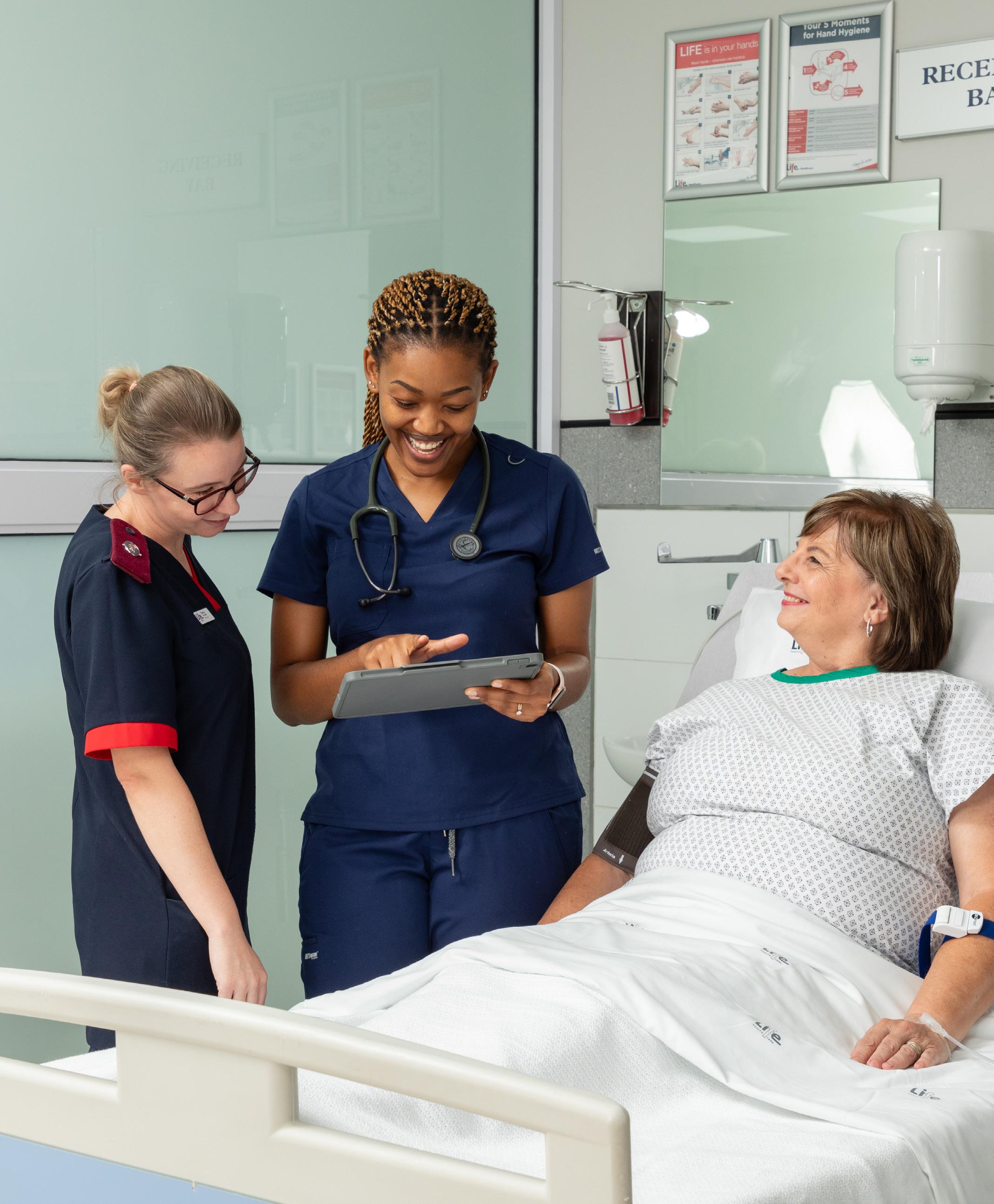
A leading private healthcare provider in Southern Africa, Life Healthcare Group exemplifies the profound impact of an unwavering commitment to quality patient care and innovation
Vickum Nawagamuwage, Founder of Santani Wellness Resort, discusses the importance of engaging more deeply with adaptive wellness practices








































Africa Outlook, APAC Outlook, EME Outlook, North America Outlook, Mining Outlook, Healthcare Outlook, Manufacturing Outlook, Supply Chain Outlook, Food & Beverage Outlook, and Construction Outlook are digital publications aimed at boardroom and hands-on decision-makers, reaching an audience of more than 800,000 people around the world.
With original and exclusive content compiled by our experienced editorial team, we look to promote the latest in engaging news, industry trends, and success stories from across the globe.
Your company can join the leading industry heavyweights enjoying the free exposure we provide across our platforms with a free marketing brochure, extensive social media saturation, enhanced B2B networking opportunities, and a readymade forum to attract new investment and help you grow your business.
Visit www.outpb.com/work-with-us for details on how your company can feature for free in one of our upcoming editions.
EDITORIAL
Head of Editorial: Jack Salter jack.salter@outpb.com
Deputy Head of Editorial: Lucy Pilgrim lucy.pilgrim@outpb.com
Senior Editor: Lily Sawyer lily.sawyer@outpb.com
Editor: Ed Budds ed.budds@outpb.com
Editor: Rachel Carr rachel.carr@outpb.com
Copy Editor: Lauren Kania lauren.kania@outpb.com
PRODUCTION
Art Director: Stephen Giles steve.giles@outpb.com
Senior Designer: Devon Collins devon.collins@outpb.com
Designer: Louisa Martin louisa.martin@outpb.com
Production Manager: Alex James alex.james@outpb.com
Digital Marketing Director: Fox Tucker fox.tucker@outpb.com
Web Content Manager: Oliver Shrouder oliver.shrouder@outpb.com
Social Media Executive: Jake Crickmore jake.crickmore@outpb.com
BUSINESS
CEO: Ben Weaver ben.weaver@outpb.com
Managing Director: James Mitchell james.mitchell@outpb.com
Chief Technology Officer: Nick Norris nick.norris@outpb.com
ADMINISTRATION
Finance Director: Suzanne Welsh suzanne.welsh@outpb.com
Finance Assistant: Victoria McAllister victoria.mcallister@outpb.com
Healthcare Outlook
First Floor, Norvic House, 29-33 Chapelfield Road Norwich, NR2 1RP, United Kingdom. Sales: +44 (0) 1603 804 445 Editorial: +44 (0) 1603 804 431
SUBSCRIPTIONS
Tel: +44 (0) 1603 804 431 jack.salter@outpb.com www.healthcare-outlook.com
Follow us on Linkedin: @healthcareoutlook
Follow us on X: @OutlookPublish

Welcome to our 11th edition of Healthcare Outlook. Bringing this issue’s front cover to life is a leading healthcare provider in Southern Africa.
Life Healthcare Group is at the forefront of transforming healthcare delivery in the region and exemplifies the profound impact of an unwavering commitment to quality patient care and innovation.
Driven by a mission to transform patient outcomes, the group’s goal is to build a healthcare system that works for everyone.
“We are committed to not only providing excellent healthcare but also building capacity within the system,” outlines Peter Wharton Hood, Chief Executive.
“Our investment in training and development ensures we meet the future needs of our communities.”
In Singapore, the Institute of Mental Health (IMH) has worked to transform the realm of mental health care.
Recent developments have enabled IMH to process into people-centric and accessible support, offering a comprehensive range of psychiatric, rehabilitative, and counselling services.
This wouldn’t be possible without the country’s growing focus on mental health and changing attitudes in the last 20 years.
“Mental health care in Singapore is in an exciting era; there is a lot more attention, support, and recognition being given,” smiles CEO, A/Prof Daniel Fung.
Through research, service delivery, and training, the Centre for Infectious Disease Research in Zambia (CIDRZ) is also working to improve health outcomes.
The non-government, non-profit organisation partners with the Zambian Ministry of Health and other stakeholders to address public health priorities, with a strong focus on HIV and AIDS, tuberculosis, hepatitis, and maternal and child health.
“CIDRZ combines scientific innovation with practical health solutions to strengthen Zambia’s health systems and improve lives,” states Dr Monde Muyoyeta, Chief Scientific Officer.
Rounding off this edition, learn how lives are also being improved by the South African Medical Research Council and Charlotte Maxeke Johannesburg Academic Hospital.
We hope that you enjoy your read.
Jack Salter
Head of Editorial, Outlook Publishing




64 South African Medical Research Council
AFRICA 34 Life Healthcare Group

56 Centre for Infectious Disease Research in Zambia
Researching for a Healthier Zambia
Custodian of Health Research
Conducting research on South Africa’s quadruple burden of disease
72 Charlotte Maxeke Johannesburg Academic Hospital
A
78 Institute of Mental Health
Loving Hearts, Beautiful Minds
An ecosystem of support in Singapore centred around a holistic approach

Around the healthcare sector in seven stories…

HEALTH AUTHORITIES IN Germany have detected traces of poliovirus in Hamburg’s sewage, which has heralded calls for stronger and stricter disease-tracking and vaccination efforts.
So far, Germany has not reported any genuine cases of poliomyelitis, the highly contagious disease that primarily affects young children and can invade the nervous system, sometimes causing paralysis.
The traces found in the wastewater are genetically similar to a strain last identified in August in Afghanistan, one of only two countries where poliomyelitis remains endemic.
According to the European Centre for Disease Prevention and Control (ECDC), the detection is unusual but not unexpected.

NORTH AMERICA
THE JOURNAL OF the American Medical Association has published extraordinary findings, detailing that drinking coffee may protect people against irregular heartbeats, despite the conventional wisdom to the contrary.
Fascinating data from the Does Eliminating Coffee Avoid Fibrillation (DECAF) clinical trial found 200 patients with persistent irregular heartbeats had a significantly lower risk of the condition recurring if they belonged to the study group that was allocated coffee consumption rather than the one abstaining findings were presented Orleans.

MARKING A SIGNIFICANT public health achievement and a proud milestone, Cabo Verde, Mauritius, and the Seychelles have officially eliminated measles and rubella, becoming the first nations in sub-Saharan Africa to attain this proud status.
The three countries have now been verified by the African Regional
Verification Commission for Measles and Rubella Elimination, established by the World Health Organisation (WHO).
Since 2001, nations across Africa have implemented measles control strategies that include providing two primary vaccine doses, conducting periodic mass vaccination campaigns, intensive disease surveillance, and improved outbreak response, as well as clinical care for measles cases.

(AI) is transforming Europe’s health sector, promising enhanced patient care and reduced workforce pressure – however, it’s being deployed without adequate safeguards for patients or health workers, according to a new report from the WHO.
Countries are also exploring using the technology for patient screening, pathology, mental health, data
THAILAND HAS MOVED to unify its national health data systems.
This ambitious process is part of newly approved committee measures, including connecting data across public health facilities into a national health information exchange platform and drafting a new Digital Health Act.
Recently, the Ministry of Public Health convened the special committee on the national digital health system, which approved four fresh measures supporting the country’s universal healthcare scheme and the transformation of a
analytics, administrative tasks, and workforce planning.
Spain, for example, is testing AI tools to boost early disease detection, whilst Finland is using it to train health workers and Estonia is applying AI to data analysis.
Whilst 26 countries have settled on their priorities for AI in healthcare, the study found that just 14 have allocated funding for those efforts. Only four nations – Andorra, Finland, Slovakia, and Sweden – have a national strategy established specifically for AI in health.

national digital health application. This initiative aims to enable nationwide health data sharing alongside the adoption of AI and telemedicine.
AFRICA
THE AFRICA CENTRES for Disease Control and Prevention (Africa CDC) has launched operational research on malaria in Lesotho, Namibia, and Zimbabwe, supported by a USD$150,000 grant from the World Bank.
This transformative initiative, which arrives in response to recurring malaria outbreaks, is being conducted from 14th November to 12th December 2025 and aims to strengthen efforts to control and eliminate the disease.
The research is expected to yield evidence-based recommendations to strengthen malaria surveillance, outbreak response, and case management whilst enhancing regional capacity for malaria elimination in the three countries.
ASIA PACIFIC
AUSTRALIA IS SET to unveil 11 new state-of-the-art endometriosis and pelvic pain clinics, with the new facilities scheduled to open by early 2026.
The Australian government has announced that the clinics will be distributed across four states – three in New South Wales, four in Queensland, three in Victoria, and one in Western Australia – and offer multidisciplinary services for endometriosis and pelvic pain.
These additions will bring the total number of clinics nationwide to 33, all of which will also provide support for perimenopause and menopause symptoms.

Steven Try, Channel Manager for the UK and Ireland at Snom Technology – a German multinational corporation and manufacturer – discusses the increase in technology used in hospitals and care facilities, supporting healthcare professionals in forging everyday connections
Writer: Steven Try, Channel Manager for the UK and Ireland, Snom Technology
Is there an ultrasound unit available? Has this patient been X-rayed?
Where is Dr Smith? And what about Room 345 – is it clean and ready for the next patient?
Questions like these are part of daily life in hospitals and care homes. Quiet moments are rare, and time pressure is constant.
Every minute matters – and every minute searching for staff members,
equipment, or answers is a minute that could have been spent caring for a patient.
At the same time, the demands placed on hygiene and safety in these settings are amongst the strictest of any industry.
Communication systems must operate smoothly under all conditions; they have to be mobile, flexible, and reliable because nurses,
doctors, and other staff are constantly on the move, rarely in one location for long.
Modern IP-based communication solutions have the potential to meet all of these requirements – provided they are implemented intelligently.
One technology that has proven especially effective in the healthcare sector is digital enhanced cordless telecommunications (DECT).
Compared to Wi-Fi or green supply chain management, DECT often offers more stable connections and consistently high voice quality, even in challenging environments with thick walls, multiple floors, and many devices.
This stability is not just a matter of convenience – in a healthcare setting, it can be critical to patient safety.
Mobile DECT handsets designed for healthcare go beyond standard telephony. They are robust, resistant to bacteria, can be cleaned more than 30 times a day, and are built to withstand the inevitable drops and knocks of busy clinical work.
They can trigger alarms, transmit their own locations, and integrate seamlessly into larger communication networks.
One of the most valuable features of DECT-over-IP is its scalability. Systems can start small and grow as needed without compromising quality or coverage.
A key enhancement available for such systems is beacon integration. Beacons are small Bluetooth-based transmitters that send regular signals to compatible devices.
Within a hospital, this means that staff can pinpoint the location of vital equipment, such as mobile ultrasound units or infusion pumps, without wasting time.
They can also track patient transport services, which determine whether a specific physician is on-site and even update the status of a patient at the touch of a key.
For example, when a cleaning team is finished preparing a room, they can mark it as ‘ready’ directly from their handset, instantly updating the central system.
This eliminates delays caused by phone calls, paper notes, or errors through miscommunication.
Another advantage of DECT technology is its ability to deliver uninterrupted calls across large areas. With multi-cell systems, users can move between different zones – from one floor to another, or even across separate buildings – without losing connection.
Opting for devices with long talk time and plenty of standby time will
ensure that staff do not need to worry about battery life, which can often be the case when using smartphones.
Healthcare providers can also use multi-charging stations to charge several handsets and spare batteries at the same time, so there is always one ready for use.

Whilst mobility is crucial, there is still a place for fixed desk phones in healthcare environments, especially at reception desks, nurse stations, and security checkpoints.
These IP desk phones can display live camera feeds, allowing staff to visually verify visitors or monitor specific areas.
They can also be used to control doors or gates directly from the keypad, ensuring both convenience and security.
Integrating an announcement and paging system adds another layer of safety.
In an emergency, staff can initiate an evacuation or deliver urgent instructions to both patients and personnel through the phone system itself – even using a single-speed dial key.
This unified approach streamlines response times and reduces the risk of confusion in critical moments.
Healthcare is one of the most demanding environments for communication systems. It combines constant mobility, the need for instant information, and strict hygiene and safety requirements.
The stakes are high – a missed call,
delayed message, or inability to locate a device can have real consequences for patient outcomes.
An IP-based phone system with DECT technology provides a strong foundation to meet these challenges.
It supports clear, uninterrupted communication, integrates with location tracking and alarm systems, and scales to match the size and complexity of the facility.
It works seamlessly in the background so that doctors, nurses, and support staff can focus on what matters most – caring for patients.
These systems do more than just connect people – they connect processes. They ensure that critical information flows to the right place at the right time, reducing wasted effort and preventing delays. In an environment where seconds can matter, that reliability can make all the difference.
Steven Try, Channel Manager for the UK and Ireland at Snom Technology, has over 20 years’ experience in the telecommunications industry.
Try kicked off his career with Alcatel-Lucent before spending time at Avaya, Panasonic, and a reseller of Titanium 3CX.
In his current role, he supports the vendor’s distributor and platform partners.

With a sincere belief that well-being begins by bringing oneself into balance, the philosophy of Santani Wellness Resort is centred around self-harmony. Vickum Nawagamuwage, Founder, passionately discusses the importance of engaging more deeply with adaptive wellness practices – such as those offered at the resort – to navigate the demands of the modern world
Writer: Lily Sawyer

Santani Wellness Resort (Santani) was founded on a simple truth – that modern life in today’s digital and data-driven society moves faster than the mind and body were designed to.
Asia’s first purpose-built luxury wellness resort, Santani integrates architecture, ayurveda, mindfulness, and modern science in one seamless experience.
Set within 120 acres of former tea

estates in the Sri Lankan highlands, the resort opens onto the stunning Knuckles Mountain Range, a UNESCO World Heritage Site.
Santani focuses on healing the root cause – not just the symptoms –whether that be stress, burnout, or a deeper emotional imbalance.
“Santani is not an escape from life, but a gentle return to yourself,” introduces Founder Vickum Nawagamuwage.
Central to the resort’s vision is the ‘architecture of silence’, through which each structure, material, and view has been carefully designed to quiet the senses and reduce cognitive load.
Sustainability, meanwhile, has been built into every layer of the space –from low-impact construction and natural ventilation systems to the use of locally sourced materials and organic produce grown on-site.

By blending timeless wellness wisdom with contemporary design and science, Santani continues to redefine what sustainable luxury means — not excess, but essence.
“In the end, peace of mind is the ultimate luxury,” Nawagamuwage adds.
With the pace of modern living placing unprecedented demands on people’s cognitive and emotional


systems, Santani believes that whilst biological evolution can take generations, behavioural adaptation must happen now.
“We are living through a new kind of stress and mental health crisis –one born not from external hardship, but the widening gap between what life demands and what the human system can sustain,” Nawagamuwage observes.
To close this gap, Santani thinks
our focus should be on strengthening capacity – cultivating resilience, clarity, and adaptability.
Indeed, curative healthcare has its limits; by the time illness appears, the ability to adapt is often already compromised.
As such, the resort considers the future of wellness to lie not in treatment after imbalance occurs, but in building strength before imbalance can even begin.
“Guests often describe their Santani experience not as a retreat, but as a return to themselves. Here, they slow down and learn a way of living that feels grounded and sustainable”
– V ickum Nawagamuwage, Founder, Santani Wellness Resort

Santani’s mission is to shift our perception of wellness from being an occasional treat to a lifelong practice – what it calls ‘adaptive wellness’, which places emphasis on living intelligently within the limits of our biology and demands of the modern world.
“We see wellness not as recovery, but as adaptation and prevention, helping people to strengthen their internal system before imbalance becomes illness,” he reflects.
The resort’s programmes have been created to meet the realities of modern life and adapt to the constant connectivity, mental fatigue, and rising chronic stress many of us face. Each programme integrates ayurvedic principles, functional medicine, and mindfulness training to address issues such as burnout, metabolic health, and emotional regulation.

Santani’s philosophy of adaptive wellness is a way of living that restores alignment, builds resilience, and transforms well-being into a sustainable state of balance.
Guided by a philosophy of human sustainability, Santani understands that the planet cannot sustain itself unless humans first learn to sustain themselves.
Modern living has created what Nawagamuwage considers to be an evolutionary mismatch, where our environment has evolved faster than our capacity to adapt in today’s era of rapid digital transformation.
“This widening evolutionary gap has placed a question mark over our ability to survive, threatening the sustainability of humankind for the first time in history,” Nawagamuwage warns.
Santani believes the solution is to evaluate our mental fitness, spiritual awareness, and physical health.
In this context, Wellness 2.0 is Santani’s holistic and adaptive solution that provides a toolkit to make wellness a true lifestyle solution.
With each personalised ayurvedic journey offered at the resort deeply rooted in ancient therapies, Santani’s ayurvedic physicians are well versed in both ‘prakriti (one’s natural constitution) and vikriti (one’s current state of imbalance), which enables them to design tailor-made programmes.
“Each guest’s journey at Santani begins with a detailed consultation with our ayurvedic physicians, followed by a personalised plan where nutrition, therapy, movement, and rest are attuned to their individual constitution and rhythm of life,” he explains.

For some, this means a deep panchakarma detox to cleanse metabolic waste and inflammation.
For others, it might focus on stress and sleep regulation through herbal therapies, rhythmic oil treatments, yoga, and mindfulness practice.
Each journey blends traditional medicine with modern diagnostics, supported by the resort’s integrated wellness team of doctors, yoga teachers, therapists, and chefs, who work in harmony to create a holistic journey focused on restoration.
Offering immersive lifestyle retreat programmes such as hydrotherapy spa treatments and guided hikes through tea plantations, Santani seeks
to align with its core value of finding harmony in nature.
Each programme is structured around resetting internal rhythms and working with the natural cycles of the body and nature.
Days begin with a gentle sunrise yoga session overlooking the Knuckles Mountain Range, followed by personalised ayurvedic meals based on the Rasa Haya philosophy of six tastes, which balances nourishment with enjoyment.
“Guests follow a restorative routine of holistic herbal treatments, steam and sauna rituals, and sessions in our thermal saltwater pool which are designed to stimulate circulation and support detoxification,” Nawagamuwage details.



Santani’s No Pause Menopause programme has been designed to redefine how women experience menopause and reframe this season of life as a renewal and not as a decline.
Its approach is three-pronged:
1. Biological balance – Personalised nutrition and herbal formulations stabilise hormonal fluctuations, sleep, and metabolism.
2. Mental and emotional clarity – Breathwork, yoga, and guided mindfulness cultivate a sense of calm and resilience during transition.
3. Physical renewal – Targeted spa therapies, heat treatments, and restorative movement strengthen circulation and release tension.
Santani’s goal is to guide women through this chapter in their lives with awareness, comfort, and empowerment, helping them reconnect to their innate rhythm and strength.



In the afternoon, mindfulness and breathwork sessions are intended to deepen the connection between body and mind, whilst forest walks, river baths, and hikes through tea estates invite immersion within nature’s quiet intelligence.
Every element is designed to mirror nature’s balance, pairing movement with stillness and effort with ease.
“Guests often describe their Santani experience not as a retreat, but as a return to themselves. Here, they slow down and learn a way of living that feels grounded and sustainable,” he prides.
Looking ahead, Nawagamuwage reflects upon Santani’s key priorities for the coming year.
“Our focus now is on deepening our impact and expanding our reach,” he tells us.

Preparing to expand the Santani philosophy beyond Sri Lanka, it has upcoming properties being developed in Oman and Morocco that honour local traditions whilst preserving its core design and wellness principles.
The resort is also developing new digital wellness tools to help guests maintain their routines after they leave, turning every Santani journey into a lifelong practice.
“Alongside this, we will continue evolving our signature retreats and research-based collaborations in the ayurveda wellness space,” he adds.
Santani’s burgeoning contribution to wellness has been recognised within influential circles, with the resort having been awarded a prestigious MICHELIN Key.
“We’re one of 10 hotels and resorts in Sri Lanka to receive a MICHELIN Key and the only wellness resort in


“Each guest’s journey at Santani begins with a detailed consultation with our ayurvedic physicians, followed by a personalised plan where nutrition, therapy, movement, and rest are attuned to their individual constitution and rhythm of life”
– V ickum Nawagamuwage, Founder, Santani Wellness Resort
the country to be given this global recognition,” Nawagamuwage prides.
This recognition stands as a testament to the Santani team’s quiet dedication to crafting experiences around mindful luxury and creating moments of balance and harmony for every guest.
“For us, this honour affirms that true luxury lies in peace of mindin the quiet intelligence of space,
service, and care that allows guests to return to themselves,” he passionately concludes.
Santani Wellness Resort
Tel: (+94) 76 399 1919 (Reservations) (+94) 70 366 9110 (Resort) reservations@santani.com www.santani.com


More than just a pharmaceutical company, May & Baker Nigeria Plc is at the core of the nation’s healthcare advancement, driven by excellence, people, and purpose. Patrick Ajah, Managing Director and CEO, discusses further
Writer: Lucy Pilgrim

The multi-billion-dollar Nigerian pharmaceutical industry offers a wealth of opportunity as it continues to focus on strengthening its domestic production.
With this aim, however, comes a swathe of nationwide pressures, including currency fluctuations, rising input costs, supply chain disruptions, and the need to adapt to evolving regulatory frameworks, which can create an adverse operating environment.
Nevertheless, the sector is also incredibly promising, particularly with Nigeria’s large – and quickly growing – population, increasing health awareness, and the rise of both infectious and noncommunicable diseases.
This creates enormous opportunities for industry operators like May & Baker Nigeria Plc (MBN), who provides accessible, affordable, and high-quality healthcare solutions across the country with an extensive distribution network.
“What excites us most is the industry’s ongoing transformation – from greater emphasis on local manufacturing and self-sufficiency and expanding therapeutic areas to the growing role of consumer health and wellness,” opens Patrick Ajah, Managing Director and CEO.
“Companies that are innovative, agile, and committed to quality stand to benefit significantly.”
With this in mind, MBN views the current climate as a moment of opportunity to leverage its heritage, strengthen its local manufacturing, and continue expanding its portfolio to meet the diverse healthcare needs of Nigerians.
These targets are well within reach thanks to the company’s extensive network of distribution facilities that handles the transportation of products across a vast range of geographical regions, supported by key distributors and sales personnel. MBN currently possesses three
subsidiaries, namely Osworth Nigeria, Tydipacks Nigeria, and Servisure Nigeria, as well as one joint venture (JV) with the Federal Government of Nigeria – Biovaccines Nigeria (Biovaccines) – for the production and distribution of vaccines.
The subsidiaries’ primary functions are the marketing, distribution, and sale of human pharmaceuticals, medical devices, and consumer and personal care products, with a growing number of these manufactured locally.
As Nigeria’s first pharmaceutical manufacturing company, MBN was registered on 4th September 1944 as the geographical offshoot of its parent company founded in England over a century earlier.
Established by three chemists
in 1834, Grimwade, May & Pickett was a chemical manufacturing firm which transitioned into May & Baker UK Limited five years later following subsequent changes in ownership.
“May & Baker UK Limited later associated with major European conglomerates through a web of mergers and acquisitions over the years and had ownership relationships with companies like Rhône-Poulenc, Hoechst AG, Aventis, and Sanofi.
“Consequently, the company name changed at different times and today, only the Nigerian offshoot is known by the original name,” Ajah explains.
Having been established in Lagos, Nigeria as May & Baker (West Africa) Limited, the company relocated to its current site in neighbouring Ikeja in 1976 during the Nigerian Civil War, where it began local manufacturing of pharmaceuticals.
COULD YOU TELL US MORE ABOUT MBN’S INNOVATION PARTNERSHIPS WITH NOTABLE INSTITUTIONS SUCH AS THE NATIONAL INSTITUTE FOR PHARMACEUTICAL RESEARCH AND DEVELOPMENT (NIPRD)?

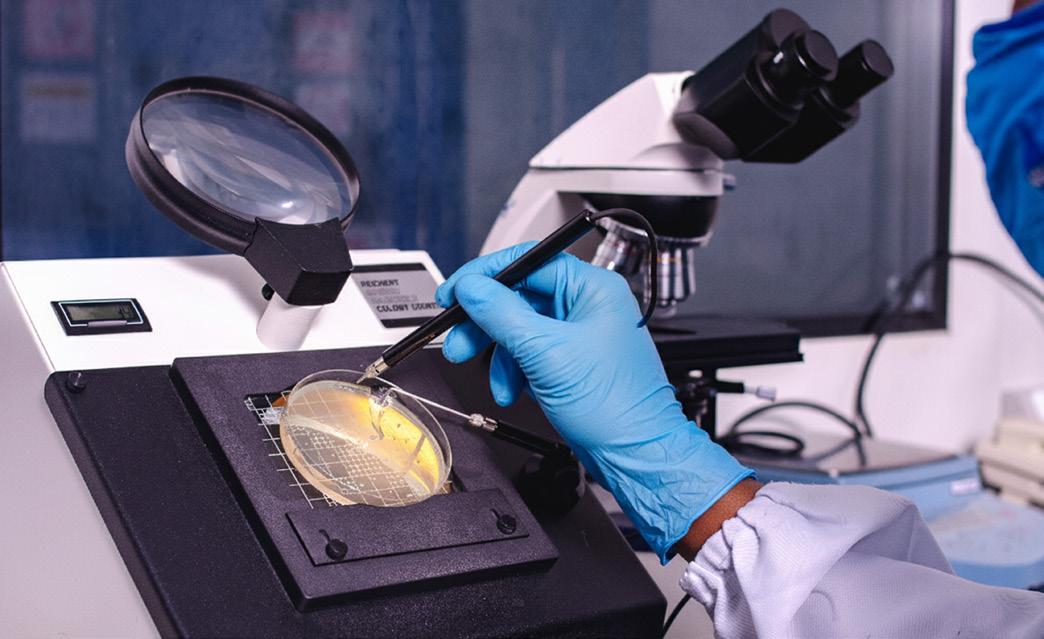
Patrick Ajah, Managing Director and CEO: “We have a robust drug formulation and development (F&D) unit equipped with dedicated equipment to produce generic new drug products. Technology transfer is also received from reputable institutions that have developed products and want to transfer the commercialisation of such products to MBN.
“For example, our partnership with NIPRD involves the commercialisation of an anti-sickle cell product, Niclovix, developed by the institute. In this arrangement, technology transfer was completed at the receiving site of MBN’s F&D unit, which then worked with the production unit to scale up manufacturing.
“Similarly, technology transfer was received from a professor who developed the unique herbal product Roveda. During the technology transfer, the F&D team worked with Covenant University’s Biochemistry Department on toxicity studies.”




That same year, it was renamed May & Baker Nigeria Limited and, following its listing on the Nigerian Stock Exchange (NGX) in November 1994, became MBN.
Following years of overseas leadership sent by the parent company, MBN’s first Managing Director and CEO was appointed in 2005, granting it full autonomy.
The business thereafter began an aggressive expansion and diversification programme which culminated in the creation of its various subsidiaries.
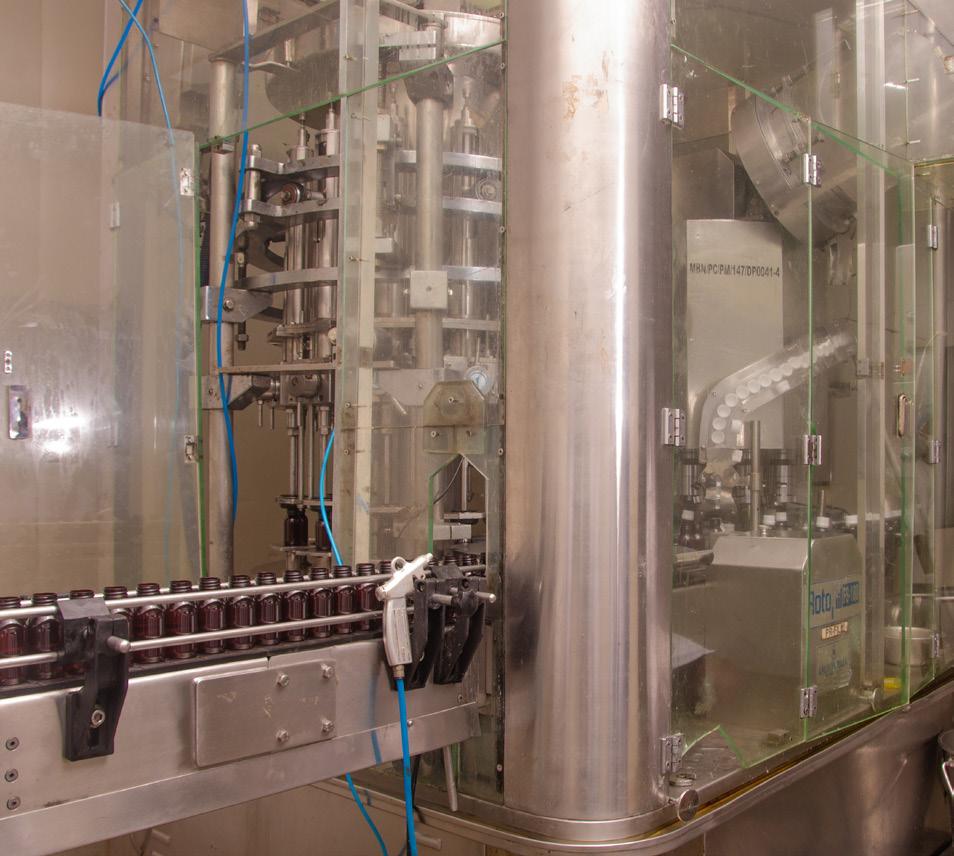
This strategy also saw the construction of a multi-billion-naira food processing factory, creation of a production unit for antiretroviral drugs in Nigeria, and in 2011, the commissioning of a World Health Organisation (WHO)-standard

pharmaceutical production facility in Ota, Ogun State.

Known as PharmaCentre, the facility was Good Manufacturing Practice (GMP)-certified by the WHO in 2014 and is currently undergoing recertification, whilst specific products from the plant are being presented to the WHO for pre-qualification.
With such an extensive history, MBN today embodies a legacy of trust, quality, resilience, and innovation built over eight decades.
“Our journey has been defined by an unwavering commitment to improving lives, supporting national health priorities, and upholding the highest standards of ethical and responsible corporate citizenship,” Ajah reflects.
MBN is differentiated from the competition not just by its heritage and legacy of quality, but also the way it consistently evolves to remain relevant in an increasingly dynamic healthcare landscape, granting it a unique bond with healthcare professionals, institutions, and consumers.
On top of this, the company boasts a balanced and diversified portfolio, unlike other healthcare providers who lean heavily towards either prescription medicines or consumer health. For instance, the business offers major antiinfective, cardiometabolic, and analgesics drug brands such as M & B Paracetamol.
“Few companies in Nigeria can point to a brand like M & B Paracetamol – a household name synonymous with trust. Our strategy is to replicate this success across new launches such as MULTAMIN®-PLUS, Maysedyl, and Diamet SR,” Ajah states proudly.
Elsewhere, MBN’s PharmaCentre means it is positioned as a reliable local manufacturer.
This allows companies to reduce their dependence on imports and ensures consistent supply of quality, affordable medicines – advantages which resonate strongly in a market where access and affordability are critical.
MBN is further distinguished by its consistent aim to innovate with
PHARMACEUTICALS
• Antibiotics
• Antimalarials
• Antihistamines
• Cough and cold remedies
• Antihypertensives
• Anxiolytics
• Antipyretics
• Analgesics
• Anti-diabetes medication
• Non-steroidal anti-inflammatory drugs
• Multivitamins
• Amino acids
NATURE CARE
• Immunity supplements
• Respiratory, sexual, and digestive health medication
• Anxiety relief
• Stress and sleep medication
• Sickle cell disease treatments
purpose, most recently demonstrated by its expansion into cardiometabolic care and wellness, reflecting the company’s ability to anticipate emerging health trends in Nigeria and influence in shaping the future of healthcare.
“What sets MBN apart is its blend of heritage, legacy of quality products and trusted brands, local manufacturing, and forward-looking innovation, all underpinned by a deep commitment to improving healthcare access and outcomes in Nigeria,” Ajah surmises.
Last year, MBN embarked on a strategic portfolio expansion drive with the launch of seven new products across critical therapeutic segments, deepening its commitment to meeting evolving healthcare needs and strengthening its market position.
“We see ourselves as more than a business – we are partners in national health. Our portfolio expansion aligns with the most pressing health challenges facing Nigerians, from infectious diseases to lifestyle-related conditions,” Ajah urges.
The company’s new products span a range of therapeutic segments –including cardiometabolic treatment with the launch of Diamet SR, Xitheram, and M & B Amlodipine –each addressing the growing burden
of diabetes and hypertension, which are amongst the fastest-rising noncommunicable diseases in the country.
“By expanding into cardiometabolic care, we are now more present in the chronic disease management space, positioning MBN as a partner in both communicable and noncommunicable disease care,” Ajah informs us.
The recent roll-out of Loxaclav and M & B Azithromycin, meanwhile, reinforces MBN’s strong heritage in anti-infectives and relevance in the highly utilised antibiotics segment, sustaining demand from prescribers and pharmacists.
Launching a treatment for the common cough and cold, Maysedyl cough syrup is a consumer-friendly product that broadens the company’s over-the-counter (OTC) portfolio in this highly competitive category and complements the long-standing success of M & B Paracetamol, thus attracting a wider consumer base.
Finally, MBN’s multivitamin and amino acid, MULTAMIN®-PLUS, is a wellness-orientated multivitamin syrup introduced to strengthen the company’s consumer health portfolio.
“Each product is strategically positioned to build on our legacy of trust in quality and affordability, helping to create incremental demand and improve our share of voices in pharmacies, hospitals, and retail outlets nationwide,” Ajar highlights.



“OUR VISION IS TO ENSURE EVERY NIGERIAN, REGARDLESS OF THEIR GEOGRAPHICAL LOCATION OR INCOME LEVEL, HAS ACCESS TO SAFE, EFFECTIVE, AND AFFORDABLE VACCINES. THIS ALIGNS PERFECTLY WITH MBN’S MISSION AND COMMITMENT TO ADVANCING REGIONAL HEALTHCARE THROUGH INNOVATION AND COLLABORATION”
– PATRICK AJAH, MANAGING DIRECTOR AND CEO, MAY & BAKER NIGERIA
PLC
Additionally, by spreading its offerings across both the prescription and OTC segments, the company reduces its overdependence on a single element whilst building resilience for sustained growth.
“In summary, the seven new products launched in 2024 have significantly boosted our ability to penetrate new therapeutic areas, capture unmet demand, and strengthen MBN’s role as a diversified healthcare provider in Nigeria.”
MBN’s most recent product launch last year, MULTAMIN®-PLUS represents a strategic step in broadening the company’s consumer portfolio beyond analgesics into the fastgrowing health and wellness segment, marking a significant evolution from its flagship brand, M & B Paracetamol.
“Whilst M & B Paracetamol remains a market leader in the OTC segment, we recognised the need to diversify
and build other equally strong brands that can sustain long-term and reduce our overdependence on a single product,” Ajah recalls.
Indeed, MULTAMIN®-PLUS complements M & B Paracetamol by targeting a different but related consumer need – enabling not just relief from pain and fever but also daily wellness, immunity, and vitality. Thus, the company is now positioned as a more holistic provider of everyday health solutions.
“IN ESSENCE, PHILANTHROPY REMAINS AT THE CORE OF WHO WE ARE, WHILST OUR CSR PRACTICES CONTINUE TO REFLECT OUR BELIEF THAT CORPORATE SUCCESS AND SOCIAL RESPONSIBILITY ARE INSEPARABLE”
–
PATRICK AJAH,
MANAGING DIRECTOR
AND
CEO,
MAY & BAKER NIGERIA PLC
“Early performance of MULTAMIN®PLUS has been encouraging, helping to open new revenue streams in a competitive but growing multivitamin market. This reduces risk concentration and creates opportunities for incremental growth,” he comments.
Just as M & B Paracetamol has become a trusted household name in Nigeria, MULTAMIN®-PLUS lays the foundation for building another strong, recognisable brand within the MBN portfolio, one which is aligned with its long-term strategy to replicate such successes across other categories.
“In summary, MULTAMIN®-PLUS has strengthened our consumer health portfolio by enhancing category presence, balancing our brand mix, and positioning MBN to capture future opportunities in the health and wellness space.”


Set up in 2005, MBN’s Biovaccines JV represents a landmark step in the self-sufficiency of local vaccine production and advancing regional public health security.
As a public-private partnership, Biovaccines is designed to reduce dependence on imports and ensure timely access to life-saving vaccines for Nigerians and the broader West African region.
“Once fully operational, the Biovaccines plant will not only enhance national immunisation coverage but also contribute to disease prevention, epidemic preparedness, and healthcare equity across underserved communities,” Ajah tells us.

Beyond its public health benefits, the JV will foster technology transfer, local capacity building, and job creation, positioning the nation as a strategic hub for vaccine production in sub-Saharan Africa.
“Our vision is to ensure every Nigerian, regardless of their geographical location or income level, has access to safe, effective, and affordable vaccines. This aligns perfectly with MBN’s mission and commitment to advancing regional healthcare through innovation and collaboration.”
Reaching this target is also made possible by long-term, essential strategic partnerships with key material suppliers, which underpin everything from operational efficiency to regulatory compliance and, most importantly, patient safety.
“In the pharmaceuticals industry, a company’s value chain is only as robust as the partners it depends on. When these relationships are built on strategy, transparency, and mutual resilience, they become catalysts for innovation, risk mitigation, and faster delivery of life-saving therapies,” Ajah affirms.
MBN’s deeply rooted mission – to improve the quality of life, throughout life, for all lives – reflects the company’s continual commitment to corporate social responsibility (CSR), emphasised by its many philanthropic initiatives that have evolved from
charitable acts into a structured and sustainable CSR framework.
Aligned with the UN’s Sustainable Development Goals (SDGs), the company’s CSR interventions span key areas such as healthcare, education, community development, and environmental sustainability.
In the realm of healthcare, MBN actively supports medical outreach programmes supplied by nongovernmental organisations (NGOs), vaccination drives, and disease prevention campaigns, particularly in underserved communities.
“We also collaborate with hospitals and NGOs to enhance access to essential medicines and promote public health awareness,” Ajah adds.
The company’s education initiatives, meanwhile, involve setting up school sick bays, supporting science laboratories, and donating learning materials to schools –investments that reflect its commitment to nurturing future generations.
Beyond this, MBN’s community empowerment efforts include clean environment programmes and smallscale infrastructure projects that directly improve local living conditions.
These initiatives have matured into a well-defined CSR strategy guided by sustainability, partnership, and measurable impact.
“Our approach goes beyond giving back; it’s about creating shared value, ensuring our growth as a business translates into positive and lasting benefits for society.
“In essence, philanthropy remains at the core of who we are, whilst our CSR practices continue to reflect our belief that corporate success and social responsibility are inseparable,” Ajah prides.
Going into 2026, MBN remains focused on sustainable growth, innovation, and operational excellence, whilst also strengthening its local manufacturing capability with the ultra-modern PharmaCentre.
Additionally, the company intends to expand its herbal manufacturing operations to produce a broader portfolio of herbal products made from locally sourced ingredients, expanding on established brands such as Roveda – a formulation derived from bitter leaf.
MBN is also pushing to advance the impacts of its Biovaccines JV, explore new therapeutic areas, and invest in digital transformation and supply chain optimisation to improve efficiency across its operations.
Therefore, the company’s priorities ultimately remain on responsible and sustainable growth, building capacity, driving innovation, and delivering long-term value to its stakeholders whilst staying true to its mission.
“As we look to the future, our focus remains on building a healthier and more self-reliant Nigeria through sustained investment in local manufacturing, research, and strategic partnerships that deliver lasting impact,” Ajah reflectively concludes.

Tel: 0201 342 6886 info@may-bakerng.com www.may-bakerng.com
Standing at the forefront of transformative skincare and wellness, 001 London blends evidence-based biochemistry with clinical expertise. We speak to Ada Ooi, Integrative Chinese Medicine Clinician and Founder, to learn more about the inspiration behind the company and its status as the red-carpet league of skincare
Writer: Lauren Kania
My philosophy is that true medicine integrates knowledge across time, honouring thousands of years of observation whilst grounding every step in measurable science. That, to me, is the future of evidence-based integrative care.”
This sentiment of merging learned tradition with modern practices to create an innovative masterpiece is exactly what Ada Ooi, Integrative Chinese Medicine Clinician and Founder, has accomplished through her revolutionary company, 001 London.
Having practised in her field for over 15 years, Ooi’s work – from the outset – has focused on treating people as complete ecosystems, not just as isolated symptoms.

Chinese medicine provides the blueprint she works from, connecting organs, hormones, emotions, and the environment into one interdependent system.
“What I’ve done is evolve that framework through neuroscience and regenerative medicine, showing how the same principles hold true at a cellular and neurological level,” she details.
Deeply interested in how modern stress, environment, and behaviour alter biological rhythms, Ooi applies classical diagnostics, including pulse, tongue, and meridian mapping, alongside neuropsychological insight and evidence from regenerative biology to help patients restore internal communication across systems.
This allows 001 London to resolve complex conditions such as fertility and hormone imbalance, autoimmune diseases, and chronic skin disorders at their source.
The company, which was specifically built to translate Ooi’s clinical approach into accessible, resultsdriven systems for both professionals and individuals, operates through two complementary divisions – Integratv® Skincare and Integratv® Wellness.
Integratv® Skincare is where regenerative medicine and traditional Chinese medicine (TCM) meet. Each formulation merges evidence-based BioTech actives with traditional herbal intelligence to activate skin renewal whilst supporting systemic balance.
Integratv® Wellness, meanwhile, turns the regulatory principles of TCM and neuroscience into wearable and sensory formats that help stabilise the nervous system, hormones, and energy flow.
“Together, they form a connected ecosystem for internal and external health that upholds our Integratv® Excellence and combines clinical precision with sensorial ritual, uniting science, heritage, and experience into one intelligent platform for longevity,” Ooi expands.

001 London’s award-winning wellness line represents the pinnacle of integrative skincare.
The company’s skincare range applies the same multi-layered logic as clinical treatment – supporting the body’s self-repair systems and communicating with its biology intelligently. The formulas blend proven bioactives like peptides and antioxidants such as vitamins A and C with evidence-based TCM ingredients such as ginseng, angelica root, and liquorice for targeted concerns. Neuroscience adds a further dimension to 001 London’s sensorial design. Texture, temperature, and scent are engineered to calm neural stress responses and restore receptivity in the skin, turning a daily routine into a form of nervous-system regulation. Efficacy and sensoriality carry equal weight, with one amplifying the other.
Ada Ooi, Integrative Chinese Medicine
Clinician and Founder: “All 001 London formulations are vegan, cruelty-free, and made in the UK without parabens, silicones, and sodium laureth sulfate. We minimise single-use packaging by using containers made from recycled and recyclable glass, and source both botanical and BioTech actives responsibly to reduce our ecological footprint.
“Beyond sustainability, the brand’s health ethos is about restoring internal balance. Each product supports circulation, hormonal rhythm, and nervous system resilience – reinforcing that environmental harmony begins with physiological balance within the individual.”


“MY PHILOSOPHY IS THAT TRUE MEDICINE INTEGRATES KNOWLEDGE ACROSS TIME, HONOURING THOUSANDS OF YEARS OF OBSERVATION WHILST GROUNDING EVERY STEP IN MEASURABLE SCIENCE. THAT, TO ME, IS THE FUTURE OF EVIDENCE-BASED INTEGRATIVE CARE”
– ADA OOI, INTEGRATIVE CHINESE MEDICINE CLINICIAN AND FOUNDER, 001 LONDON
“Most skin issues are reflections of systemic imbalance. Our goal is not just correction but to create functional harmony, restoring the body’s capacity to heal itself, inside and out,” insights Ooi.
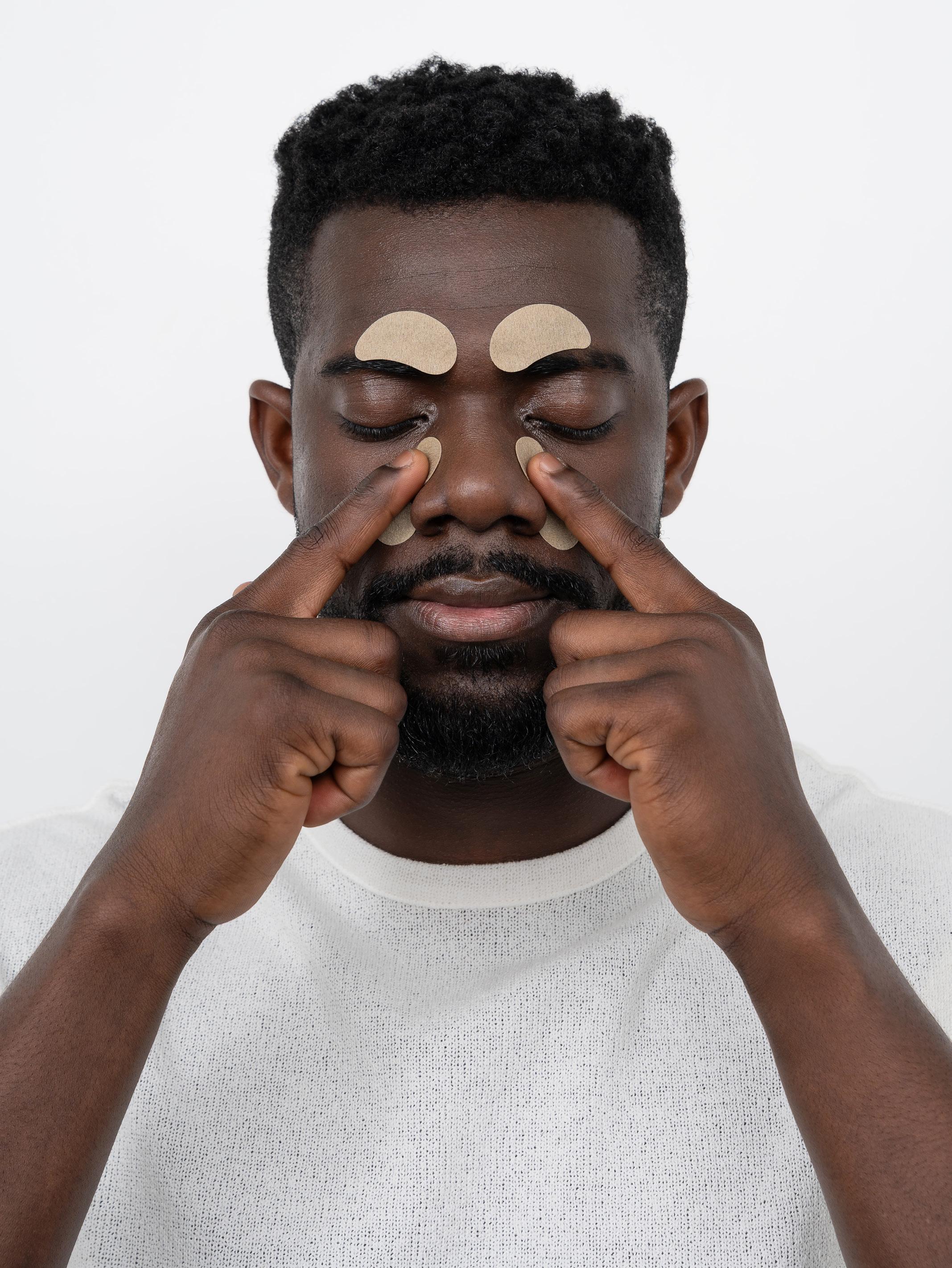
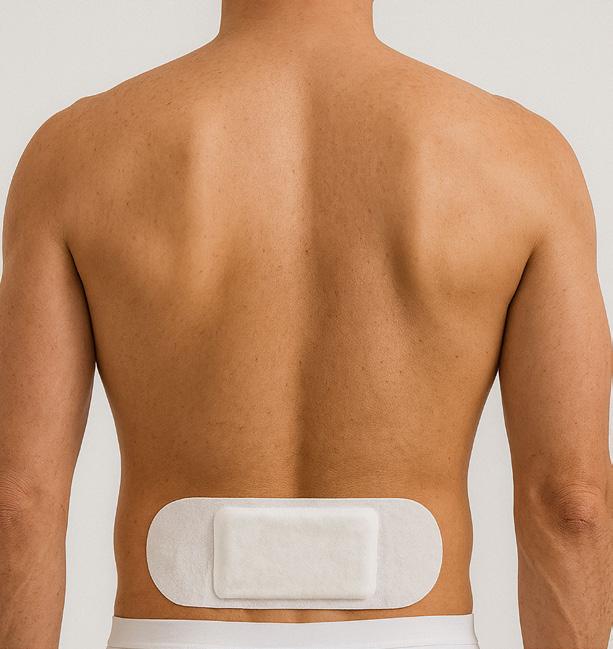
The company achieves this goal through combining traditional wellness with modern science and at-home health technology. Specifically, its Acu-Patch® and Functional Restore Foot Soak
products reinterpret acupuncture and moxibustion through contemporary design.
The Thermal Hormone Balance Acu-Patch® uses mineral self-heat technology that mimics the warming process of moxibustion in TCM, merging a proprietary blend of herbs to stimulate microcirculation and creating safe neural signals to support the hormonal and nervous systems.

The Functional Restore Foot Soak also integrates legendary TCM herbs to create reflex-zone activation and whole-body signalling through the feet. Both are backed by modern studies showing that mild heat and mugwort-based stimulation can regulate neuroendocrine and circulatory pathways.
“This is ancient therapy, translated through precise materials science, bridging tradition and technology seamlessly,” defines Ooi.
At 001 London’s Integratv® Health and Fertility Clinic on Harley Street in London, the brand brings together TCM, neuroscience, and psychology to address the biological and emotional roots of imbalance.
TCM provides diagnostic depth, whilst neuroscience explains how thought, stress, and environment translate into physical change.


“MOST SKIN ISSUES ARE REFLECTIONS OF SYSTEMIC IMBALANCE. OUR GOAL IS NOT JUST CORRECTION BUT TO CREATE FUNCTIONAL HARMONY, RESTORING THE BODY’S CAPACITY TO HEAL ITSELF, INSIDE AND OUT”
– ADA OOI, INTEGRATIVE CHINESE MEDICINE CLINICIAN AND FOUNDER, 001 LONDON
“Our protocols include the Integratv® Red Carpet microSculpt®, Women’s Vitality Womb Warming Treatment, and CryoMeridian Sculpting – all designed to restore circulation, tone, and neural balance simultaneously,” details Ooi.
Every treatment blends ancient meridian theory with evidence-based tools to help patients regulate, recover, and re-energise.

As 001 London continues to look towards a transformative future, its next chapter is about expansion through depth, bringing Integratv® Wellness to more people globally. It is
also introducing new sensorial wellness tools, a clinically tested capsule skincare system, and immersive programmes to spread its Integratv® clinic worldwide.
“At heart, our mission remains clear – to make integrative, preventative health accessible beyond the clinic, transforming self-care into a form of self-regulation.
“Because the future of well-being isn’t just about longevity of years, but longevity of quality – the ability to live in rhythm, not in reaction,” Ooi proudly concludes.
The Inside-Out Reset Ritual is 001 London’s most comprehensive home ritual, offering a body system reset combined with a mini facial. Designed to regulate from top to toe, skin to system, and outer surface to inner signalling, this ritual embodies the company’s pioneering approach – fusing TMC, neurosensory science, and regenerative formulation into one complete protocol for skin-mindbody nurturing.
In addition to being perfect for nourishing well-being and navigating hormonal shifts, sleep deprivation, fatigue, emotional stagnation, or post-travel depletion, the Inside-Out Reset Ritual releases what’s stuck, restores what’s drained, and reawakens internal rhythm.
This is inside-out therapy for the system and self.
Products in the ritual include:
• Exfoliating and Conditioning SilkGel Cleanser
• Relax Acu-Patch®
• Hormone Balance Thermal Acu-Patch®
• Functional Restore Foot Soak
• Pure Active AHA and Enzyme Peel
• AOX B-Complex Collagen Cream
001 LONDON www.001london.co.uk

As organisations worldwide navigate the new healthcare landscape, defined by technological innovation in the wake of the COVID-19 pandemic, now is the time to showcase the strides being taken in this critical sector.
A multi-channel brand, Healthcare Outlook brings you the positive developments driven by organisations across the healthcare industry through its various platforms. Discover exclusive content distributed through its website, online magazine, social media campaigns and digital dispatches, delivered safely to your inbox with a bi-weekly newsletter.
Through these compelling media channels, Healthcare Outlook continues to foreground the movers and shakers of the industry.
To participate as a featured company and join us in this exciting endeavour, contact one of our Project Managers today.



Life Healthcare Group, a leading private healthcare provider in Southern Africa, exemplifies the profound impact of an unwavering commitment to quality patient care and innovation. With over four decades of experience, the group is driven by a mission to transform patient outcomes. Chief Executive, Peter WhartonHood, shares insights into this inspiring journey
Writer: Rachel Carr | Project Manager: Harry Thurlow
The healthcare system in South Africa (SA) is a complex tapestry woven from two distinct sectors – a vast public system serving over 80 percent of the population and a well-resourced private sector catering for higherincome groups and those with medical insurance.
This duality reflects the country’s socioeconomic realities but also underscores the potential for collaboration. The public sector provides essential services, especially in rural and underserved areas, but faces challenges – long waiting times, staff shortages, and limited access to advanced technologies. Conversely, the private sector offers comparably First World, high-quality care.
The strengths inherent in both sectors have the potential for innovative public-private partnerships. Sustainable healthcare reform hinges on leveraging the best of both worlds – ensuring equitable access, improved
outcomes, and long-term viability across all communities. A resilient healthcare system benefits everyone by increasing cost effectiveness and broadening access to quality care.
“Our goal is to build a healthcare system that works for everyone,” opens Peter Wharton-Hood, Chief Executive of Life Healthcare Group (Life Healthcare).
“We believe that collaboration between all parties is the key to unlocking the full potential of healthcare in SA.”
The private healthcare sector exemplifies excellence – offering high-class services, state-of-the-art facilities, and shorter waiting periods. These advantages are primarily funded through medical aid scheme membership, allowing patients access to advanced treatments and specialised care.

Product offerings evolved to include not only cardiac devices but also PPE, consumables, and accessories, prompting multiple office upgrades to accommodate the growing portfolio and team.

PFrom humble beginnings to a national presence, SA Medical Services has charted an extraordinary journey of vision, grit, and innovation in South Africa’s healthcare landscape. Founded in 2005 by current CEO, Sandesh Sukhlal, the company initially focused solely on supplying general surgical products to the public sector. Built on a foundation of integrity and determination, the seeds were planted for what would become one of South Africa’s most dynamic medical distribution companies. A significant turning point came in 2016, when Sandesh Sukhlal partnered with the current Managing Director Sholen Govender to pivot into the highly specialized field of interventional cardiology. The partnership fused ambition with industry insight— two young, driven individuals who sought to disrupt the status quo dominated by multinational giants. Their alliance led to a strategic collaboration with one of the leading global cardiac device manufacturers, SMT, marking SA Medical’s entry into a challenging but promising niche.
Starting operations from the Govender family home and fueled by the passion of a three-person team, the journey was not without its early struggles. With Kandice Govender joining as Commercial Director in 2018—bringing with her over 15 years of multinational marketing and financial experience—the business gained strategic leadership that helped sharpen its growth trajectory. Lifehealth Care Entabeni Hospital in Durban was one of the first major customers, and from there, the momentum grew steadily. Between 2019 and 2021, SA Medical Services experienced rapid expansion.
Double-digit growth became the norm, as the company secured Tier 1 rankings and preferred supplier status across South Africa’s leading private hospital groups—Lenmed Busamed, Life Healthcare, Mediclinic, and Netcare—while also making inroads into independent institutions.
The last three years have seen exponential growth. SA Medical Services now boasts the largest DrugEluting Stent (DES) market share within Life Healthcare and has attained formulary status and preferred supplier designations across other top hospital groups. With a professional sales force of over 30 representatives, and a SubSaharan footprint spanning more than 60 hospitals, the company operates from offices and warehouses in Gauteng and KwaZulu-Natal, supported by satellite presence in all nine provinces. Under the operational leadership of General Manager Rakesh Ramdev, the team delivers service excellence backed by decades of industry experience.
2. Best-in-Class
3. Customer-Centric
1. Education and Training – Equipping clinicians through CME programs, workshops, and simulationbased learning.
– Offering high-quality, globally sourced technologies at cost-efficient rates
– Ensuring responsive, reliable, and relationship-driven support. As we look ahead, our vision remains bold and clear: to become South Africa’s number one healthcare partner, with cardiology as the heart of our innovation. We are committed to reinvesting in education, training, and research alongside our global partners, staying at the forefront of transformative healthcare solutions.



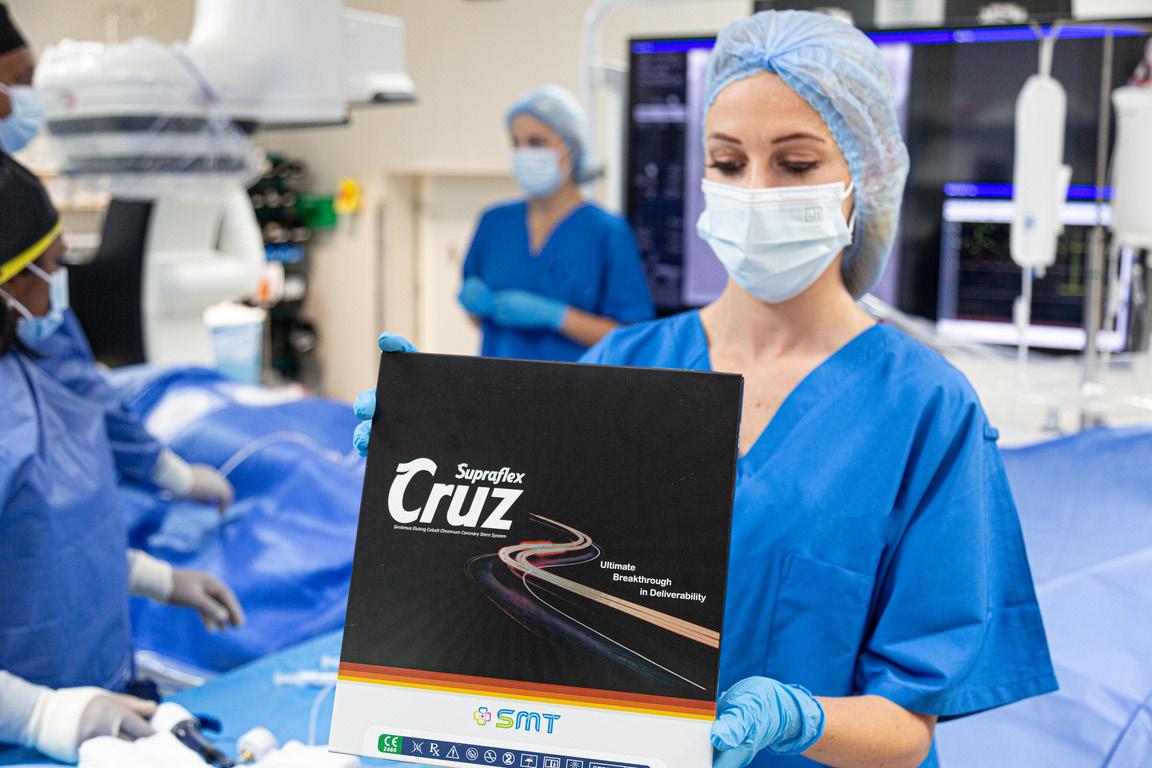
Cardiovascular disease remains one of South Africa’s leading health challenges, making access to advanced treatment essential. At LIFE Hospital Group, we are proud to introduce the SupraFlex Cruz stent—a breakthrough in world-class cardiac care.
At LIFE Hospital Group, we’re not just treating heart disease we’re redefining the future of cardiac care. If you’re experiencing heart concerns, speak to your Cardiologist at a Life Healthcare facility. Together, we’re building healthier hearts, one beat at a time.
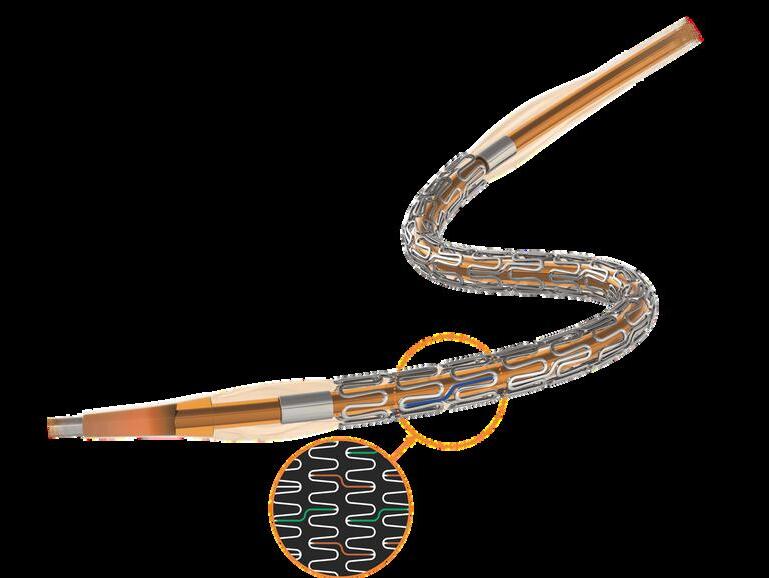
Developed by Sahajanand Medical Technologies (SMT), this ultrathin-strut, sirolimus-eluting stent is designed for precision, safety, and long-term success in patients with complex coronary artery disease. Its 60-micron struts make it one of the thinnest available, enhancing flexibility, reducing vessel injury, and promoting faster healing.
CLINICAL EVIDENCE CONFIRMS ITS SUPERIORITY:
91% endothelial coverage in just 35 days (Sibi OCT study)
Proven success in long lesions up to 48mm (Taxco study) Exceptionally low complication rates below 5% at 12 months, even in high-risk patients (TALENT & S-FLEX UK-II trials)
Allows for shorter dual antiplatelet therapy, improving safety in high-bleeding-risk cases
The SupraFlex Cruz has gained global recognition with CE Mark approval and use in countries like Australia and France. At LIFE Hospital Group, usage has grown 38% in the past year, making it our third most-utilized stent—a reflection of trust from both doctors and patients.
Whether for routine angioplasty or complex multivessel disease, the SupraFlex Cruz delivers durability, biocompatibility, and faster recovery—empowering our cardiologists to achieve the best outcomes.

UNIQUE DRUG
APPLICATION
Application of drug within the folds using auto pipette technology
WING SEAL TECHNOLOGY
Corrugation prevents the balloon unfolding during advancement
M3i STUDY
Multiple drug release up to 3 times with the same device
PROVEN SAFETY & EFFICACY IN REAL-WORLD: PEARL REGISTRY
At 2 years Protege showed 11 7% TLR in ISR and 2 9% in De Novo Lesions which is lower compared to other DCBs in clinical registries*





At SA Medical Se outcomes by bri healthcare profe gap between cutti proud to serve as organisations nati solutions, with a s What sets us apa
Behind every prod deeply committed
From clinical spec every member of where it matters m














ervices, our mission is simple yet powerful: To improve patient nging world-class, innovative medical technologies closer to ssionals across South Africa. Founded with a vision to bridge the ng-edge global advancements and local clinical needs, we are trusted partners to physicians, hospitals, and healthcare onwide Our Portfolio spans a range of life-saving devices and strong focus on cardiovascular health and international therapies. rt is our people-first approach.
duct and service is a passionate team of professionals who are to supporting our clinicians and empowering better patient care cialists and product experts to our operations and support staff, the SA Medical Services team contributes to making a difference most, in the lives of patients.
Senior
Lazarus
Desian
Kallie
Life Healthcare supports the objective of the National Health Insurance (NHI) Act in terms of increasing access for all South Africans to high-quality, cost-effective healthcare. However, Life Healthcare has expressed grave concerns regarding the NHI Act and does not believe that in its current construct it will deliver on the overall objective.
It believes a more effective approach requires a significant strengthening of the public sector and healthcare personnel as well as collaboration with the private sector, leveraging the available capacity and resources to address the healthcare challenges facing SA more effectively.
Despite progress, challenges such as healthcare personnel shortages persist, necessitating ongoing efforts in both the public and private sector to train, retrain, and deploy skilled professionals across the country.
As a leading private healthcare provider in SA, Life Healthcare exemplifies this commitment to quality and innovation. With over four decades of experience, its network across SA, Botswana, and Namibia offers a comprehensive range of services.
“We are committed to not only providing excellent healthcare but also building capacity within the system,” states Wharton-Hood.
“Our investment in training and development ensures we meet the future needs of our communities.”
Life Healthcare’s integrated strategy links its hospitals and complementary, specialised services to deliver highquality services with an emphasis on patient-centred care.
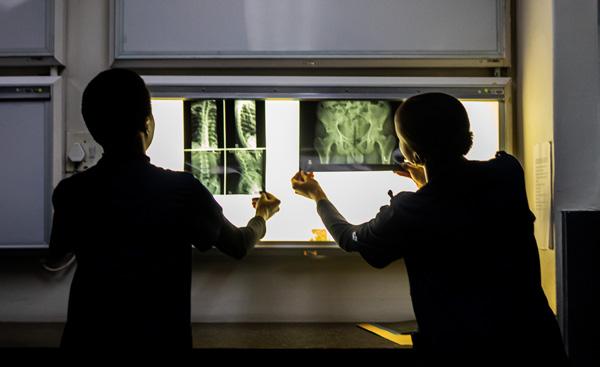
Its comprehensive offerings include acute hospital services, specialised acute rehabilitation, renal dialysis, oncology, diagnostic imaging, radiology, nuclear medicine, and mental health and health risk management.
With a legacy built on trust and innovation, the group continuously strives to meet evolving patient needs.
“Our diverse range of healthcare services is tailored to address various medical conditions using advanced, modern technology and skilled staff,” Wharton-Hood affirms.
Aligned to its strategy, Life Healthcare was the first South African hospital provider to make all quality indicators per facility public on an annual basis. With quality being one of the key strategic pillars, continually
improving the safety and quality of care is core to the group’s mission.
Life Healthcare is committed to helping patients make the best possible decisions by providing them with clear, transparent insights. The group strongly believes that reporting on quality measures not only drives it to continuously improve and uphold the highest clinical standards but also provides patients with the necessary insights to be at the centre of their care pathway decision-making process.
HOW HAS LIFE HEALTHCARE LEVERAGED ITS FORMER EUROPEAN FOOTPRINT TO IMPROVE SERVICES AND OPERATIONS IN SA?
Peter Wharton-Hood, Chief Executive (PWH): “Divesting from Alliance Medical Group (AMG) in January 2024 and selling LMI to Lantheus has unlocked shareholder value, strengthened our finances, and enabled us to focus on local growth.
“The experience gained from AMG’s imaging and nuclear businesses has enhanced our diagnostic capabilities, enabling us to enter the radiology, nuclear medicine, and radiopharmacy markets in SA with confidence.
“Our strong balance sheet provides the foundation for strategic investments and innovations that will shape SA’s healthcare future.”
HO: In addition, how has acquiring AMG enhanced your organisation’s capabilities or market reach?
PWH: “Whilst divestment was strategic, owning AMG for several years significantly improved our nuclear medicine and diagnostic expertise.
“This experience supports our growth in imaging services and ensures we can provide critical, innovative healthcare solutions locally across multiple modalities.”

Playing a vital role in South Africa’s private healthcare supply chain, 4SA Medical Supplies (4SA) supports Life Healthcare Group in providing better care, better systems, and better outcomes for all. We take a deeper look into the ways in which 4SA has become a leading importer and distributor of premium medical and surgical consumables.
As a trusted A+ Vendor to Life Healthcare, 4SA is proud to play a vital role in strengthening South Africa’s private healthcare supply chain. Since our inception in 2014, 4SA has grown into a leading importer and distributor of premium medical and surgical consumables, supplying not only Life Healthcare but also three other major private hospital groups in the country. Our continued partnership with Life Healthcare stands as a benchmark for reliability, quality, and strategic alignment.
“On time, every time, seamless supply and delivery”
Our relationship with Life Healthcare has developed into more than just a supplier-client arrangement — it is a strategic alliance built on mutual respect, operational transparency, and shared values. As one of Life Healthcare’s key partners, 4SA has worked collaboratively to eliminate supply chain disruptions, consistently ensuring the availability of critical medical and surgical products across their network. Our A+ rating reflects our commitment to service excellence, rapid response capabilities,



“A benchmark for reliability, quality, and strategic alignment”
and our deep understanding of the clinical needs of modern healthcare environments.
We pride ourselves on delivering top-tier consumables, incorporated in categories such as, Infusion Devices and Accessories, Airway and Respiratory Care, Textiles and Procedure Trays, Wound Care, Surgical Face Masks, and more. All of our products are manufactured to international standards, with certifications that meet stringent safety and performance criteria. Through our exclusive distribution partnerships — including the Medi-Star, Carefree, and Handtouch brands — 4SA ensures that Life Healthcare facilities receive the highest quality products at competitive prices.
“More than products –a promise of strategic partnerships”
What sets us apart is our customerfirst approach. Our dedicated service team, comprised of knowledgeable and experienced professionals, is always available to provide support, resolve issues, and anticipate client needs. Whether managing urgent orders, advising on product selections, or assisting with clinical transitions, our team is committed to seamless service delivery. We understand that when healthcare professionals rely on us, patient outcomes are on the line.


Over the years, 4SA has built a robust national distribution network that supports daily deliveries across South Africa, along with export capabilities into Southern Africa. This infrastructure has enabled us to meet high-volume, high-frequency demand without compromising on efficiency or service quality. Our internal culture of integrity, ethics, and professionalism ensures that every client — large or small — receives the same meticulous attention.
Our partnership with Life Healthcare is not just about product supply. It’s about co-creating solutions that support Life Healthcare’s broader goals, from costeffective procurement to ensuring uninterrupted patient care. Together, we are future-focused — investing in smarter logistics, enhanced inventory planning, and digital tools that increase visibility and reduce downtime.
“Where surgical supply meets service excellence”
Looking forward, we remain committed to being a reliable and responsive partner to Life Healthcare and the broader healthcare ecosystem. As the industry continues to evolve with growing patient demands and regulatory complexities, we will continue to adapt, innovate, and deliver with excellence.
In every box delivered and every call answered, 4SA is proud to be part of Life Healthcare’s success story — contributing to better care, better systems, and better outcomes for all.

+27 11 262 0067



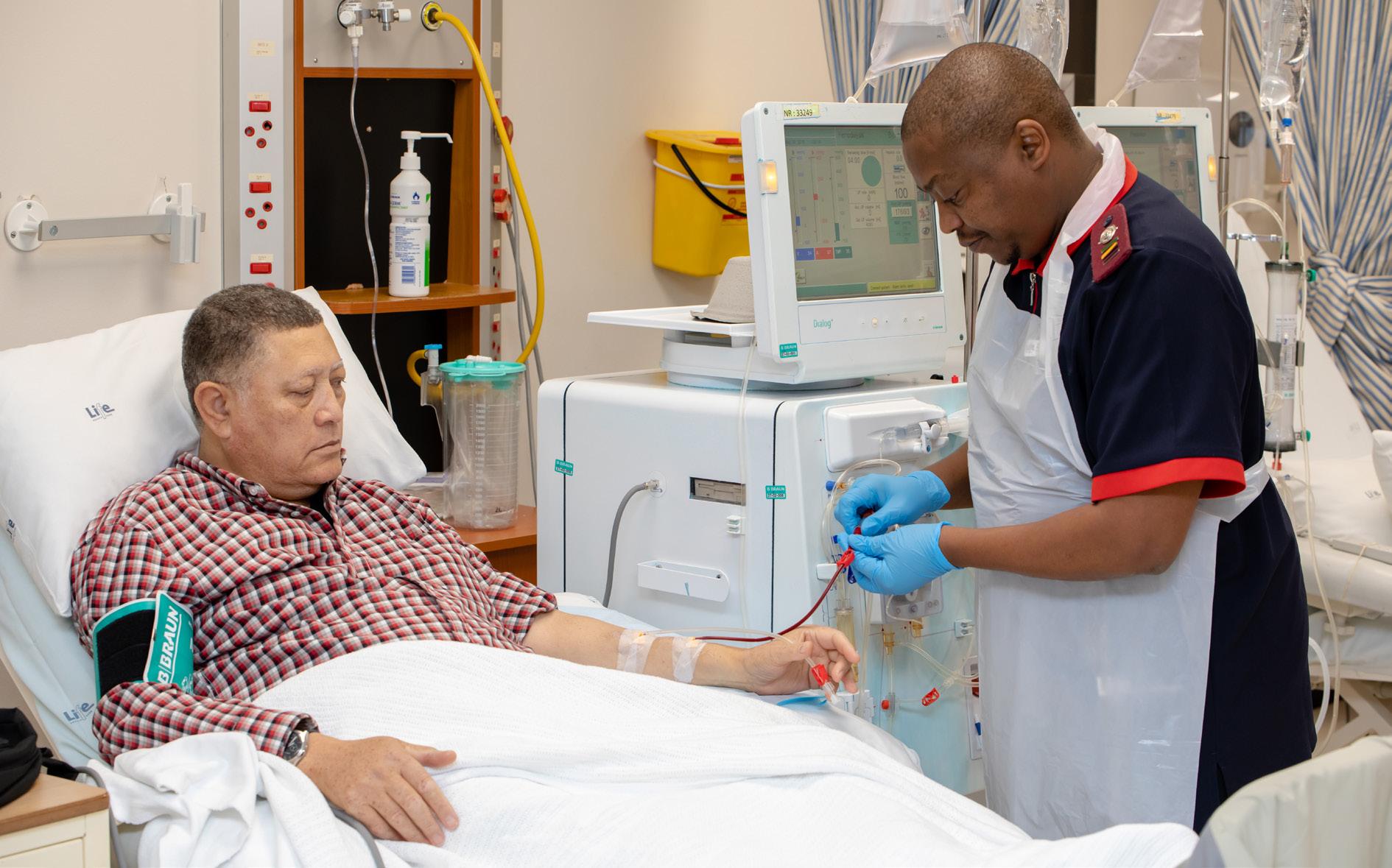
“Our commitment to quality is demonstrated through international certifications, transparent reporting, and innovation-driven initiatives. For instance, our investments into value-based care (VBC) models have achieved improved clinical outcomes, enhanced the patient experience, and reduced overall costs to the schemes, aligning incentives for better health,” explains Wharton-Hood.
Mental healthcare is also a critical focus, with enhanced acute mental healthcare services aimed at supporting individuals during some of their most challenging times.
In addition, Life Healthcare offers renal dialysis treatments, ensuring patients with chronic kidney disease receive compassionate and effective care.
“Our oncology services provide comprehensive cancer treatment plans, whilst our diagnostic imaging capabilities utilise the latest technology for accurate and timely
“QUALITY IS ONE OF OUR KEY STRATEGIC PILLARS, AND CONTINUALLY IMPROVING THE SAFETY AND QUALITY OF CARE IS AT THE CORE OF OUR CULTURE”
– PETER WHARTON-HOOD, CHIEF EXECUTIVE, LIFE HEALTHCARE
GROUP
results. Furthermore, the group excels in nuclear medicine, providing innovative diagnostic and therapeutic solutions,” he acclaims.
A commitment to health risk management services is equally noteworthy, encompassing occupational health and wellness programmes that not only enhance employee health but also foster safer working environments.
This holistic approach underscores Life Healthcare’s dedication to delivering exceptional medical care and support for the well-being of individuals and communities alike.
Innovation is central to Life Healthcare’s vision. Recent initiatives exemplify this, including: Nuclear medicine and advanced imaging facilities: More people are surviving cancer today than ever before, with better awareness, early detection, and improved treatments all playing a part. However, there is another, often overlooked, contributor to this progress – medical imaging. Specifically, positron emission tomography-computed tomography (PET-CT) is a

ICU Medical SA (Pty) Ltd (ICU Medical) proudly reflects on a 25-year legacy of partnership, innovation, and clinical excellence in South Africa. In May 2000, ICU Medical was the first to introduce a comprehensive range of needle-free IV access systems to the South African market-led by the globally trusted Clave® device. This innovation marked a significant step forward in patient safety and infection control.
In 2006, we pioneered another breakthrough: the concept of catheter securement, with a particular focus on IV shortline securement. Life Groenkloof and Life Vincent Pallotti Hospitals were the first institutions in Southern Africa to adopt this technology. Nearly two decades later, securement remains a critical component of IV therapy and

is widely implemented across both private healthcare networks and key public hospitals throughout the country.
From the beginning, ICU Medical appointed DPR Pharmaceuticals (Pty) Ltd, trading as PRO Distributors, as its exclusive distributor in South Africa. This strategic alliance has thrived over the past 25 years. ICU Medical has led the way in clinical training, promotion, and product development, while PRO Distributors has focused on customer service excellence and financial operations. This dedicated division of responsibilities has consistently delivered outstanding clinical outcomes and exceptional customer experiences.
With the unwavering support of Life Healthcare and its dedicated clinical

and allied healthcare professionals, our partnership has contributed to PRO Distributors becoming a remarkable B-BBEE success story-reflecting true empowerment through collaboration.
ICU Medical continues to innovate, and Clave® remains the world’s leading needle-free IV access connector. This leadership aligns with our global mission and our payoff line, ‘Human Connections.’ It signifies not only our commitment to delivering worldclass clinical outcomes, but also our dedication to uplifting the people and communities we engage with. We commend Life Healthcare’s openness to new technology, and congratulate them on their newest hospital in Paarl, Western Cape.
We are honored to have contributed to your journey and look forward to continuing our shared commitment to excellence in healthcare.

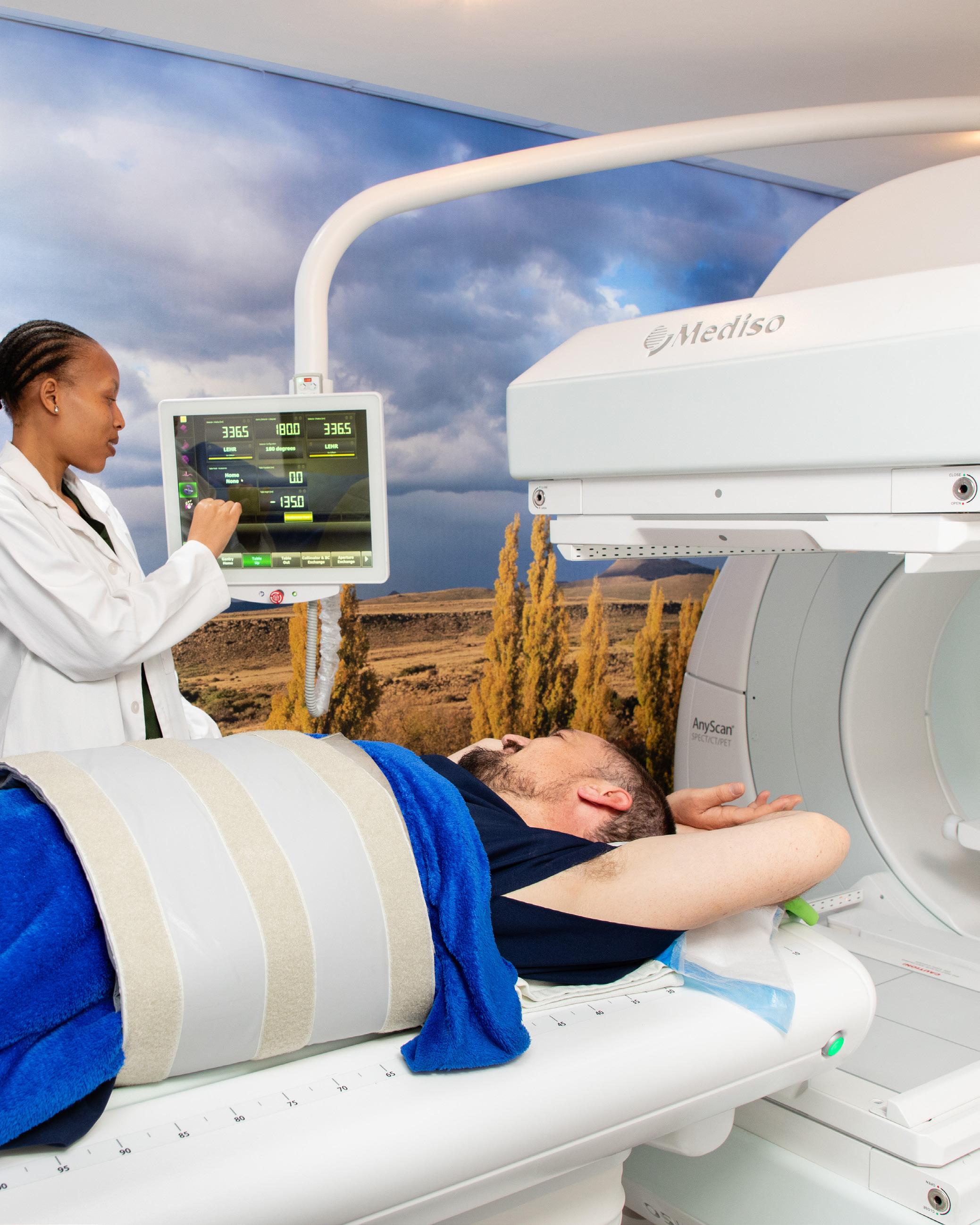
powerful scan that is quietly changing outcomes – Life Healthcare is investing in two additional scanners to its current network of three, one at Life Vincent Palloti Hospital and another at Life Hilton Private Hospital.
These state-of-the-art facilities will improve diagnostic accuracy and enable earlier, more effective treatment of cancer patients.
One of the biggest challenges in treating cancer is knowing exactly where it is, how aggressive it might be, and how it is behaving. Traditional scans, like X-rays, CTs, and magnetic resonance imaging (MRI), show the structure of the body and the size and shape of tumours or abnormalities, but they can’t always help doctors to determine whether those abnormalities are cancerous or how metabolically active the cancer really is.
“That is where PET-CT makes a difference. It combines the two types of scans into one, capturing threedimensional images of the body’s biological functions to help doctors pinpoint the location of tumours or cancerous lesions, assess the extent of disease, determine whether lesions are benign or malignant, and identify any potential spread,” explains Wharton-Hood, adding that PET-CT is not used for all cancers of all patients.
“Its role depends on your specific diagnosis, the type of cancer, and how the treatment plan is structured, but for many cancers – including lymphoma, lung, breast, head and neck, colorectal, gynaecological, prostate, and melanoma – PET-CT is becoming integral in cancer care.
Radiopharmaceuticals: The installation of two cyclotrons in Gauteng to produce radiopharmaceuticals will result in a steady and reliable supply of radioisotopes used in molecular imaging and nuclear medicine. Isotypes are critical components for PET-CT and single photon emission computed tomography (SPECT)-CT scans.
The availability of locally produced radiopharmaceuticals will support the integration of advanced nuclear imaging services into cancer care.
Furthermore, this introduces the first vertically integrated molecular diagnostics service, ranging from producing isotopes to injecting and scanning patients, in Southern Africa. Through this partnership, the reliance on international access to isotypes will be reduced.
“This initiative is part of our broader strategy to enhance our oncology services and provide cutting-edge diagnostic tools for cancer care,” Wharton-Hood adds.
Cutting-edge imaging and surgical technology: A new interoperative MRI (iMRI) theatre – one of only 500 in the world and the only purpose-built iMRI in SA – is available at Life Groenkloof Hospital.
• 8,308 registered beds.
• 297 surgical theatres.
• 39 emergency units.
• 16 catheterisation laboratories.
• Seven dedicated acute rehabilitation units.
• Nine dedicated acute mental health facilities.
• 71 renal dialysis units offering 1,012 renal stations.
• 10 imaging facilities.
• Three nuclear medicine facilities, including PET-CT and SPECT-CT.
• Five oncology units.
• Three Novalis Tx/Varian TrueBeam radiotherapy units and one Ethos AI adaptive radiotherapy (ART) system through Life Oncology, which has five facilities.
This purpose-built neurosurgery theatre is fully integrated with the most sophisticated neuroimaging MRI. The MRI scanner can be moved into the operating room, or the patient can be moved to the MRI room, allowing for real-time imaging without compromising the sterile environment.
“Having the MRI machine in theatre means that the images help the surgeon in real-time to see exactly where the tumour is and how much of it has been removed. If parts of the tumour remain, we then continue the resection, repeating until completed,” explains Wharton-Hood.
“This is a huge step forward for complex neurosurgery, allowing our surgeons to tackle more complex cranial and spinal procedures with increased confidence, resulting in better clinical outcomes by reducing the likelihood of repeat surgeries and minimising the risk of complications.”
Artificial intelligence (AI)-driven radiotherapy: The AI-driven Ethos radiotherapy system at Life Vincent Palloti Hospital enables daily adaptive treatments, minimising side effects and improving cancer care outcomes.
“This innovative system allows treatment plans to adapt to patients’ daily anatomical changes in real time, ensuring the precise targeting of tumours whilst minimising radiation exposure to healthy tissues. Unlike traditional methods that require time-consuming rescanning and replanning over two days, the Ethos system completes the process within 20 to 30 minutes, enhancing the efficiency and accuracy of radiotherapy treatments,” WhartonHood informs us.
By personalising radiation treatments according to the unique anatomy of each patient on the day of their procedure, the Ethos system significantly enhances patient outcomes. This means less visits to the hospital, improving the overall patient experience.
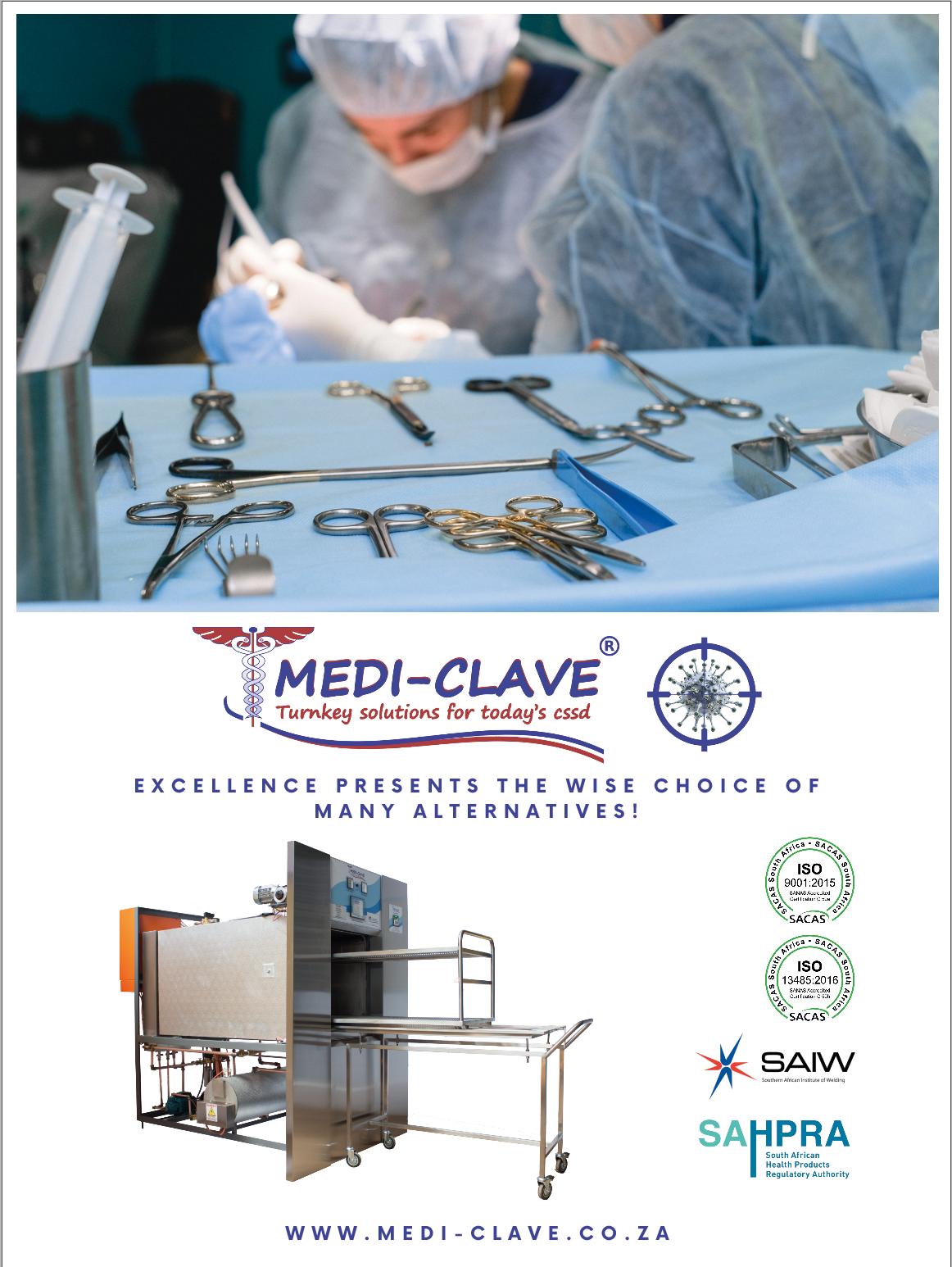
“With a focus on individualised care, it empowers healthcare providers to deliver more effective and compassionate radiation therapy tailored to the specific needs of every patient,” Wharton-Hood says.
The Ethos radiotherapy system at Life Vincent Pallotti Hospital is already being used to treat patients with cervical, rectum, lung, and prostate cancer. In time, other cancers are hoped to be included in the treatment programme.
Robotic surgery: The Da Vinci Xi system, recently upgraded at Life St George’s Hospital, allows minimally invasive procedures across multiple disciplines, enhancing accuracy, reducing trauma, and shortening recovery times.
The system translates a surgeon’s hand movements in real time, ensuring unmatched accuracy. Its robotic-assisted instruments bend and rotate beyond human capability, enabling intricate procedures through tiny incisions.
High-definition, 3D magnified imaging provides unparalleled clarity, allowing for meticulous surgical execution.
“Through this technology, we are elevating our dedication to patientcentred care and promoting the best clinical outcomes in a number of surgical disciplines, including urology,
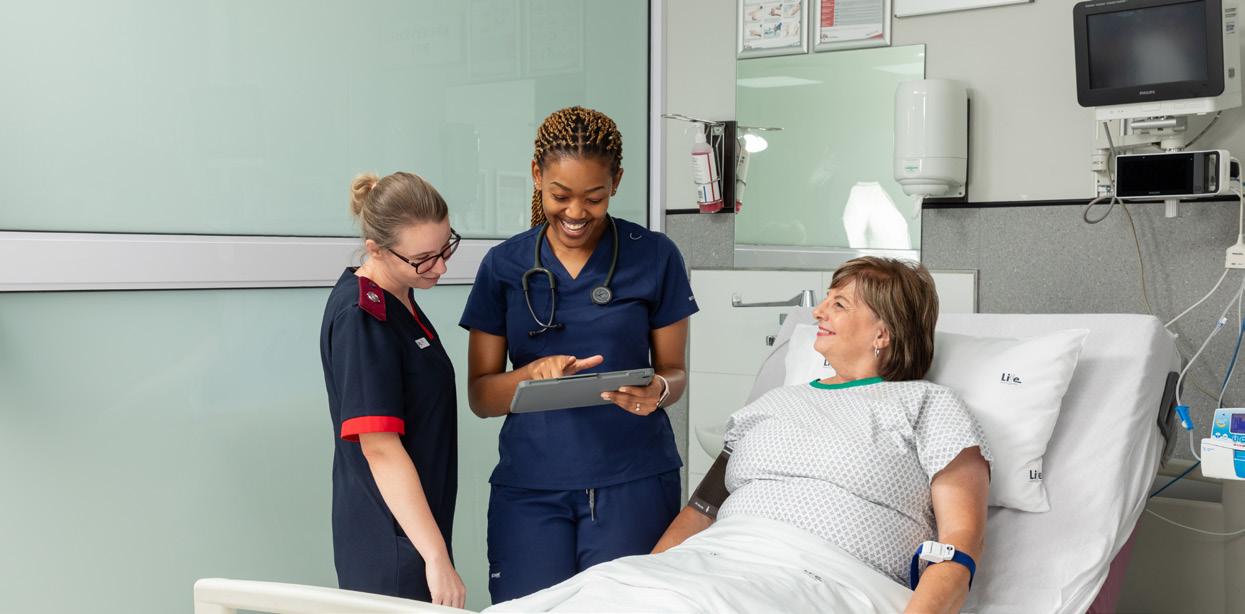
gynaecology, general surgery (for procedures such as hernia repair), colorectal, thoracic, cardiac, and head and neck surgeries,” Wharton-Hood shares.
Similarly, orthopaedic surgeons at Life Hilton Private Hospital and Life Wilgeheuwel Hospital are utilising the Robotic Surgical Assistant (ROSA) system designed for performing knee and hip replacements, providing better joint longevity.
“Our investment in these cuttingedge technologies demonstrates our commitment to leading healthcare innovation,” states Wharton-Hood.
“By adopting the latest advancements, we are not only improving patient outcomes but also setting new standards in healthcare delivery in SA.”
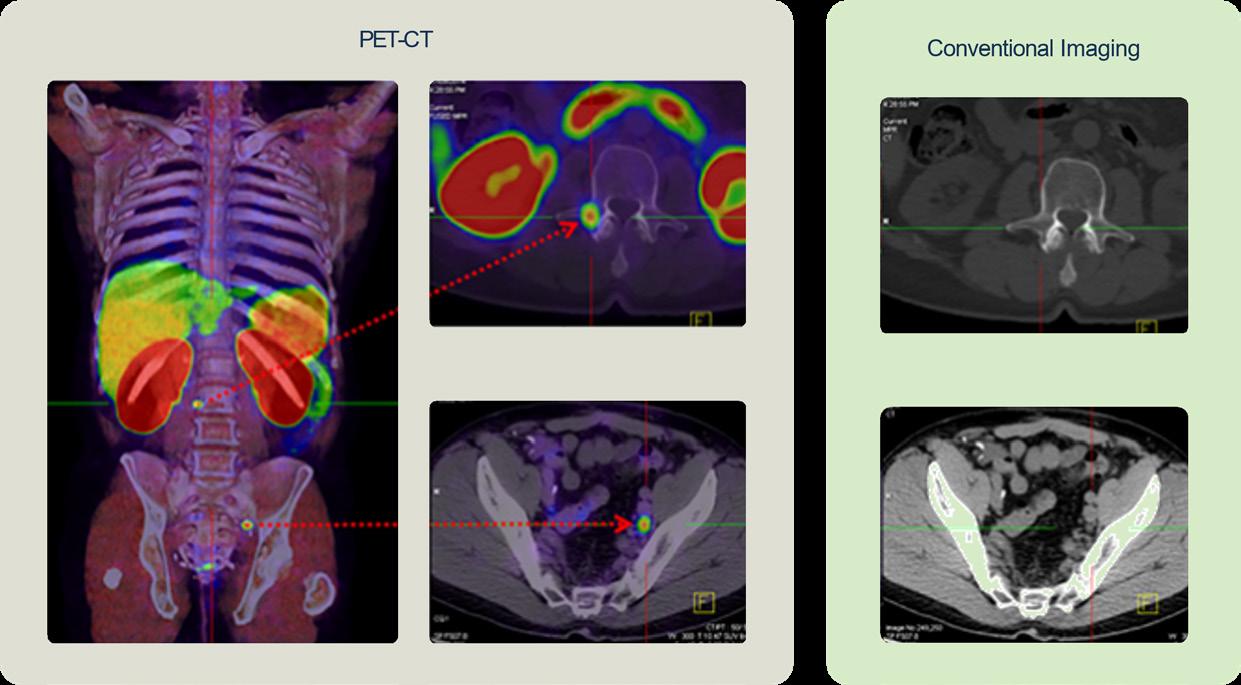
This suite of innovations exemplifies Life Healthcare’s dedication to leveraging technology to improve patient outcomes and operational efficiencies.
Despite notable achievements, the private healthcare sector faces ongoing challenges:
• Challenging economic conditions – rising costs and unemployment.
• Stagnant medical insurance market.
• Workforce shortages – particularly nurses and doctors.
• Hospital management complexities.
• Insured market provider consolidation trends.
“Addressing these hurdles requires a proactive and collaborative approach,” says Wharton-Hood.
“Our strategy focuses on three core elements – growing, driving, and optimising our business – to ensure it is best positioned for sustainable shareholder returns and growth in market share.”
Growth initiatives focus on expanding facilities via greenfield and brownfield projects, strategic acquisitions, and new service lines.
The upcoming development of a new hospital in Paarl exemplifies this, promising to bolster local access and stimulate community employment.




United Pharmaceutical Distributors (UPD) is a division of New Clicks South Africa Pty Ltd which is part of Clicks Group Limited, a proudly Top 20 JSE listed company. UPD has been delivering healthcare for the past 40 years as a wholesaler and distributor of pharmaceuticals, front shop products, and medical devices to the South African market. Headquartered in Gauteng, South Africa, UPD operates out of six distribution centres across the country.
UPD is a values-led business and seeks to live our values of passion for our customers, integrity, honesty, openness, being disciplined in our approach, mutual respect, and delivering on our goals.
These core values and alignment thereto of our 1,500 full-time and part-time employees contribute to UPD being the leading pharmaceutical wholesaler in the South African market.
UPD is committed to delivering on its transformation agenda and continuously implements projects and programmes to achieve these goals as this reflects our aspiration to be a responsible corporate citizen and steward of our planet for future generations.
Sustainability is integrated into our strategic and operational planning processes; to ensure internal alignment, our short-term and long-term incentives are linked to ESG metrics.
In support of our sustainability agenda, UPD introduced South Africa’s first fleet of zeroemission, pharma-compliant electric vehicles (EVs) with solar-powered refrigeration. The fleet of 42 EVs features an industry-first refrigerated cargo box powered entirely by solar energy.
Locally fitted and made from lightweight composite structural PVC, the innovative refrigeration boxes are 50% (200 kilogrammes) lighter than standard models, making them a truly green solution.
These vehicles are owned by UPD drivers under an owner-driver scheme supporting the sustainable growth of independent drivers. Furthermore, 27% of the EVs are owned by Black female entrepreneurs, driving both transformation and sustainability in the logistics sector.
Additionally, UPD has invested in reusable packaging incorporating the use of recycled plastic totes and new multi-use cold chain delivery solutions.
Business continuity is integral to our customer service offering and include energy back up generation across all distribution centres as well as off-grid capabilities through solar power generation. We continue to invest in technology and have upgraded our IT systems to create worldclass infrastructure in both our enterprise resource and warehouse management systems.
These initiatives reflect UPD’s commitment to reducing our environmental impact, empowering small businesses, and building a healthier, more sustainable future.

team and staff, we wish Life Healthcare Group
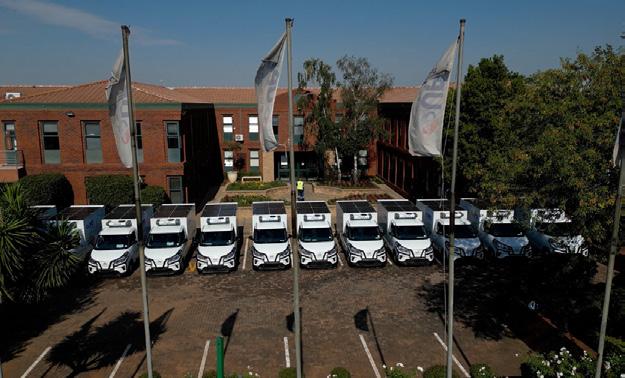
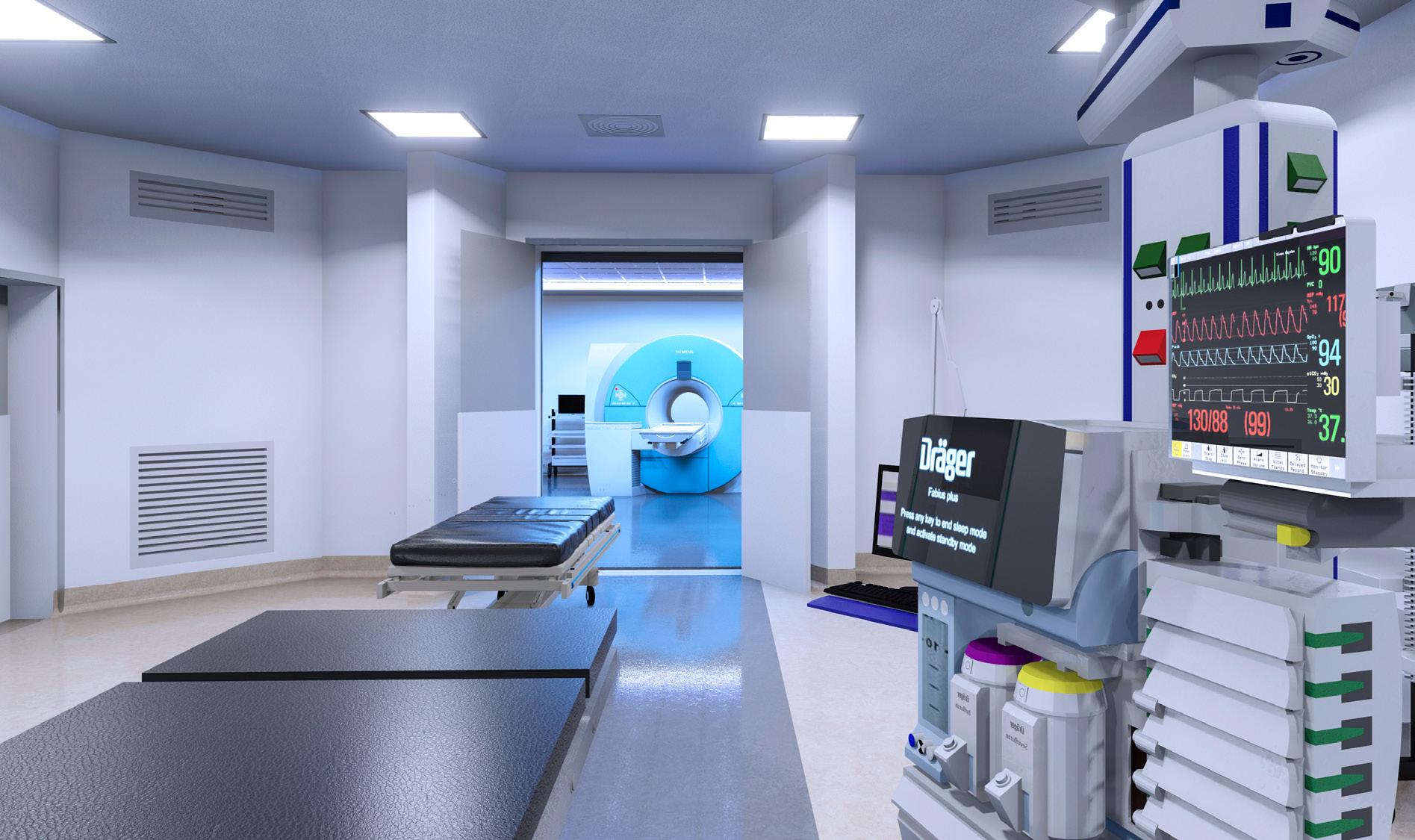
“The Life Paarl Valley Hospital project is testament to our long-term commitment to community health,” Wharton-Hood asserts.
“It will create jobs, improve healthcare access, and contribute to local economic growth.”
As SA’s healthcare landscape evolves, collaboration becomes more crucial.
“We must continue to strengthen partnerships with government and other stakeholders to improve healthcare accessibility and affordability,” urges Wharton-Hood.
“Closer cooperation between public and private sectors is vital to overcoming challenges and improving service delivery. Our Life Nkanyisa initiatives exemplify this, providing healthcare to the most vulnerable public patients on behalf of the government.”
Strategic alliances and communityfocused programmes amplify impact. Corporate social investment (CSI) is
“WE ENSURE THAT PATIENTS RECEIVE QUALITY HEALTHCARE TAILORED TO THEIR INDIVIDUAL NEEDS THROUGH IMPROVED CLINICAL AND QUALITY OUTCOMES, EFFICIENCY, AND AN OUTSTANDING PATIENT EXPERIENCE”
– PETER WHARTON-HOOD, CHIEF EXECUTIVE, LIFE HEALTHCARE GROUP
an integral part of Life Healthcare’s ethos, reflecting its commitment of being closely involved with the communities it serves.
“We are dedicated to social upliftment, and our CSI initiatives embody our purpose of making life better,” he adds.
As a leading player in the delivery of healthcare, the group is uniquely positioned to enhance health outcomes across Southern Africa and empower communities to take ownership of their health on both individual and collective levels.
Strategically significant programmes are managed at the national level, whilst other CSI initiatives are driven by local needs.
The group’s three primary focus areas are healthcare access, education and training, and community upliftment.
“Our partnership with the South African National Council for the Blind (SANCB), spanning two decades, delivers mobile eye care to rural and peri-urban areas, significantly improving access for underserved populations,” notes Wharton-Hood.
Life Healthcare’s support since

Advancing science goes beyond new technologies It involves deep collaboration, smart risk-taking and creating tailored solutions When we tackle healthcare’s greatest challenges together, meaningful innovation can result in better outcomes, shorter hospital stays, reduced cost of care and faster recover y for patients.

-AA


Bidvest Prestige Healthcare Cleaning Solutions
Bidvest Prestige has been a leader in advancing cleaning solutions across various industries for over five decades, and our commitment to progress persists. We remain industry pioneers, continuously adapting and integrating solutions as needed. This ongoing innovation enables us to deliver cleaner, safer, and healthier environments for our clients, seamlessly integrating into your business model. This ensures you can stay focused on your core business activities.
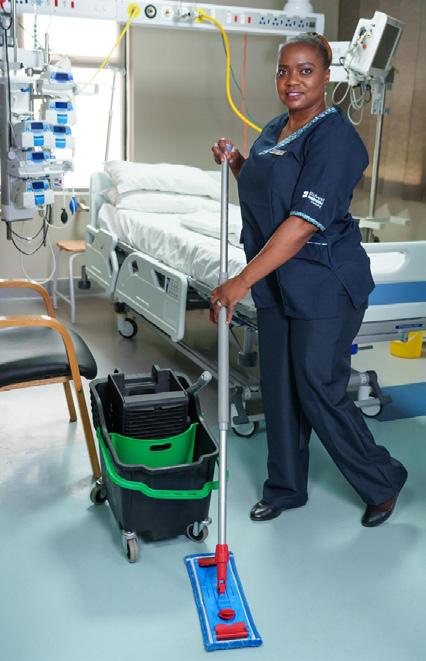



Bidvest Steiner




In healthcare, hygiene isn’t optional — it’s essential. At Bidvest Steiner, we understand the critical role cleanliness plays in protecting patients, staff, and visitors across Africa’s hospitals, clinics, and healthcare facilities.
With over 60 years of experience and national reach, our hygiene solutions are designed to meet the highest industry standards — and exceed expectations.
From state-of-the-art sanitary disposal units, air care, and hand hygiene systems, to targeted pest control and deep cleaning services, Bidvest Steiner delivers tailored hygiene programmes that ensure peace of mind and regulatory compliance.
From hospitals and clinics to aged care facilities, Bidvest Steiner is trusted to maintain environments where hygiene saves lives.



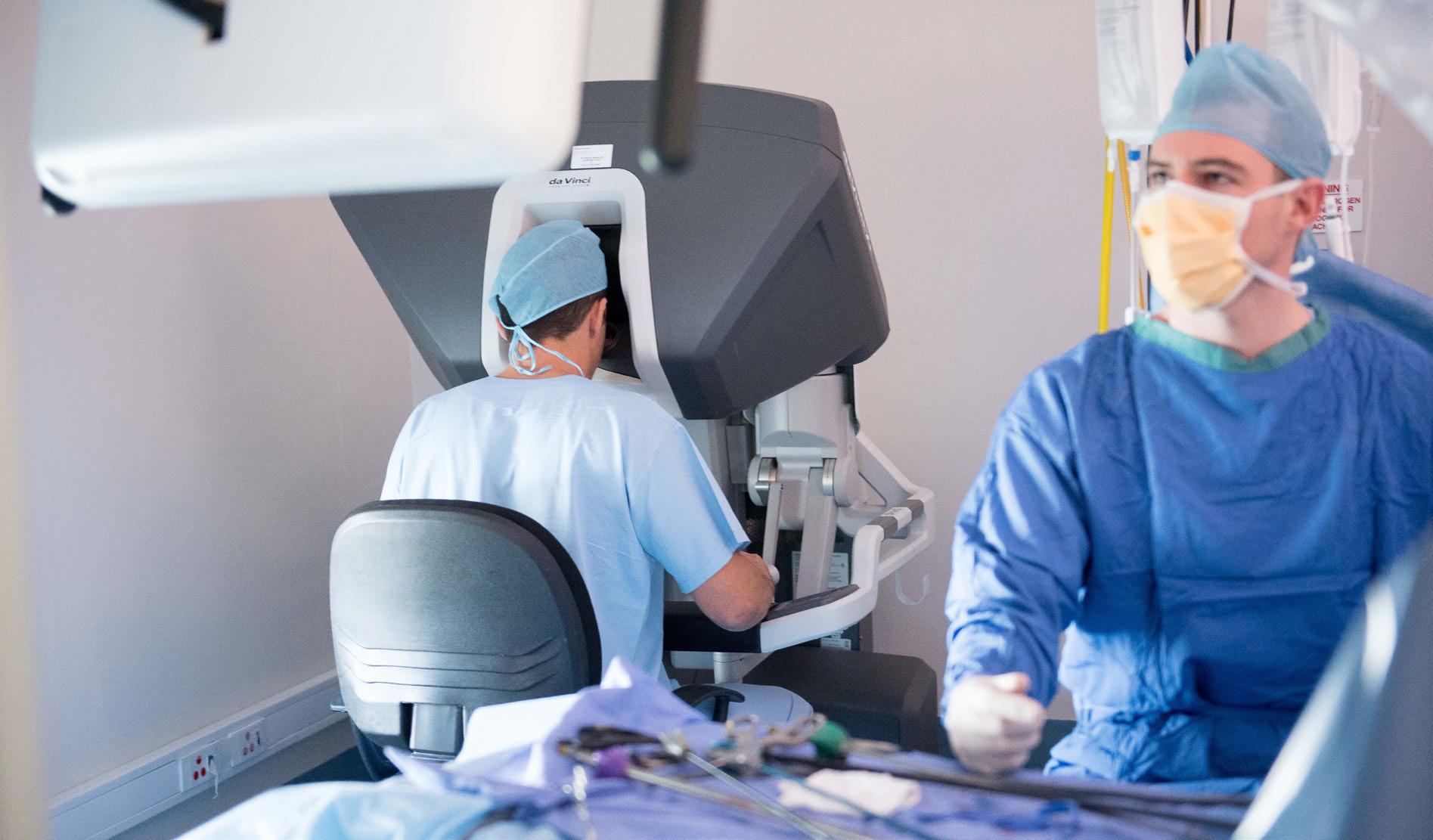
2006 has enabled 79,000 screened patients to date through four mobile eye clinics fitted with mobile ophthalmic equipment.
The mobile screening provides essential eye examinations where glasses are also provided with referrals made for further treatment. The programme has seen 24,000 cataract surgeries undertaken with provincial hospitals in rural and periurban areas.
Since 2018, Life Healthcare has been the sole sponsor of SANCB’s Optima College, which provides vocational and life skills training for visually impaired students and trains 120 students annually in a one-year Sector Education and Training Authority (SETA)-accredited programme.
The curriculum includes essential topics such as computer skills, contact centre support, business administration services, and braille literacy. Additionally, over 250 students have benefitted from various
short courses offered by the college.
To enhance the learning experience, computer laboratories have been established in seven training centres, equipped with adaptive software, printers, and internet connectivity.
More recently, collaborations with Operation Smile and PinkDrive exemplify the group’s commitment to indigent populations.
Lives are being transformed through Operation Smile’s surgical procedures for children with cleft lips and palates; Life Healthcare’s recent support goes far beyond financial assistance for these children.
“Our sponsorship is an investment in the future of these children. It means once they’ve recovered and healed from their surgery, they will no longer be bullied, teased, or outcast in their communities because of their cleft deformity,” says Wharton-Hood.
In partnership with PinkDrive, SA’s best-known mobile cancer screening not-for-profit company, Life Healthcare has supported mobile
screening and education tours to rural and peri-urban areas.
These tours provide mammography, cervical pap smears, and prostate-specific antigen (PSA) screening and tests to disadvantaged state patients and their communities by using mobile mammography trucks.
This enables PinkDrive to significantly enhance public health, ensuring more people benefit from early detection.
In addition to this ongoing support, Life Healthcare has just renewed its commitment to PinkDrive to deliver critical mammography services at Dr George Mukhari Academic Hospital in support of the Gauteng Department of Health.
“Investing in healthcare infrastructure and technology remains critical to meet increasing demand,” he adds.
“Our VBC models have proven effective in improving outcomes and reducing costs.”
More than just a supplier, Cardiac Output is a trusted clinical partner delivering fast, transparent and clinically focused distribution to the South African healthcare industry for over 35 years.
Cardiac Output connects South African clinicians with worldleading cardiovascular and surgical technologies, ensuring every procedure is supported by reliable devices and expert service.
Our dedicated team offers rapid delivery, clinical insights, and transparent pricing to support hospitals, specialists, and procurement departments throughout the country. For over 35 years, our mission has been clear: to provide trusted solutions that save lives and improve patient outcomes.


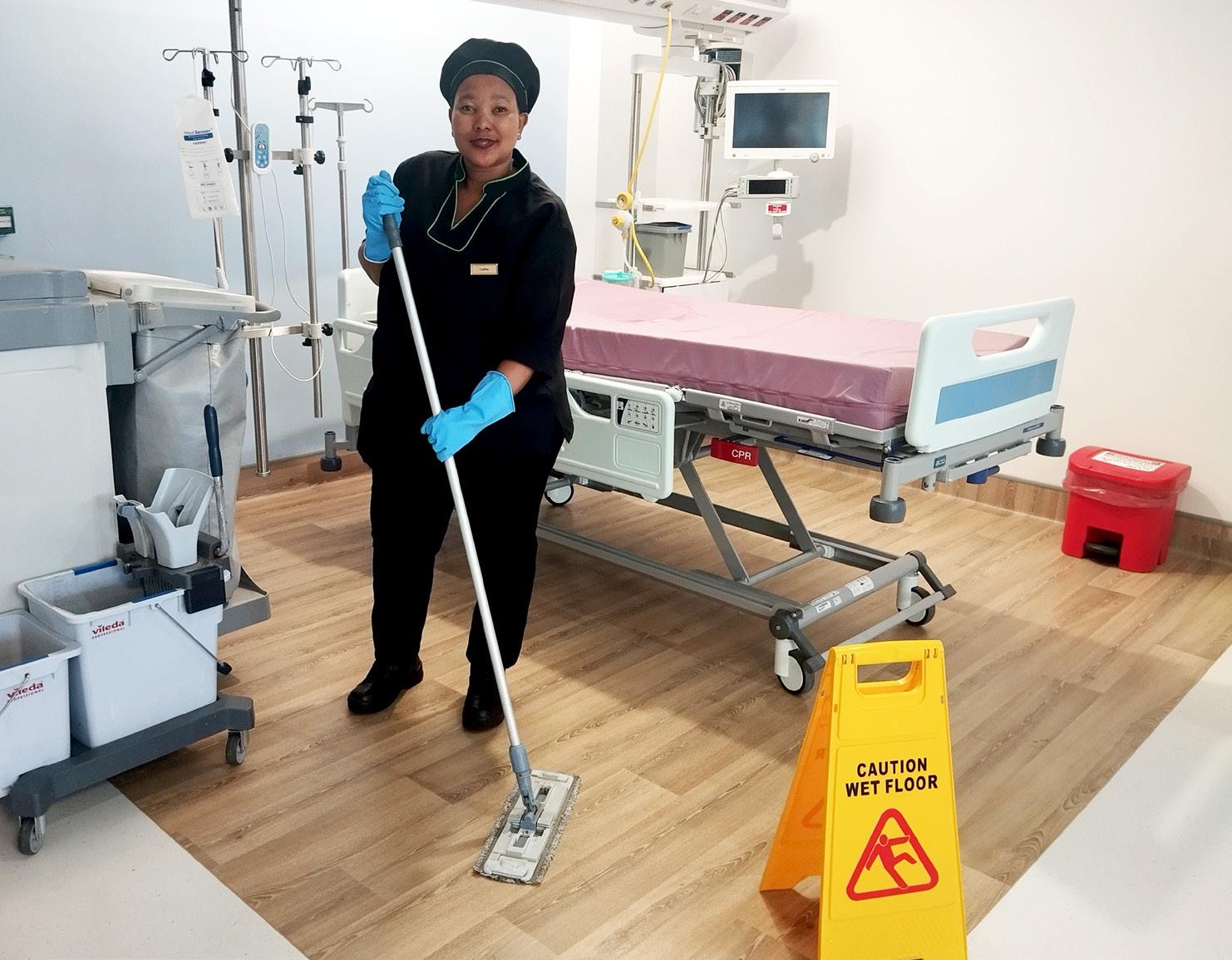
As a proud subsidiary of the group, Life Nkanyisa has been a cornerstone of healthcare service delivery to the public sector for over 50 years.
The name Nkanyisa, which translates to ‘bringer of light’, reflects the organisation’s commitment to illuminating the path to wellness for those it serves. Life Nkanyisa’s core values are quality, compassion, dignity, and respect, with a focus on enhancing quality of life and community regeneration.
For the most vulnerable members of society, clinical treatment and care that focuses on recovery and rehabilitation can mitigate the effects of institutionalisation, enabling patients to lead fulfilling lives with enhanced competencies and skills and enjoy increased developmental support.
The business operates across four provinces – Eastern
VBC emphasises the importance of collaboration, communication, and coordination amongst healthcare professionals to ensure patients receive comprehensive and personalised care that meets their specific needs.
This approach recognises that healthcare is a complex system and that addressing patients’ physical, mental, and social needs holistically leads to better outcomes and overall well-being.
In the current private healthcare system, doctors and hospitals are mostly reimbursed for the volume of patients they see or procedures they do.
VBC shifts the focus from volume of services to quality and value, encouraging healthcare providers to prioritise preventative care, early interventions, and evidence-based practices.
“Through the success of our integrated renal care programme piloted in 2022, we were pleased to have negotiated our first renal VBC contract with leading medical schemes (health insurance funders),” Wharton-Hood tells us.
Cape, Gauteng, Limpopo, and Mpumalanga – with 2,308 registered beds through a network of seven facilities.
With a strong emphasis on patient-centred, compassionate care, Life Nkanyisa strives to ensure the highest standards of healthcare excellence. Its comprehensive offerings include frail care, intermediate care, primary healthcare, children’s and chronic mental health, and dedicated substance abuse recovery services, catering to the unique needs of its diverse patient population.
Additionally, as a trusted third-party primary healthcare provider for the Department of Correctional Services, Life Nkanyisa plays a vital role in promoting health and wellbeing within a correctional facility.
Through its unwavering dedication, Life Nkanyisa remains a beacon of hope and healing in the community.
The contract promotes improved patient outcomes and shared value whilst providing the patient with the financial structure for the holistic care that they require.
Additionally, the programme focuses on giving patients with chronic kidney disease a better understanding of their condition and their treatment, ensuring they do not feel alone on their renal dialysis journey.
This has resulted in better management of chronic renal conditions, reduced hospital admissions, and improved overall health outcomes.
“Value is created through the enhancement of the patient experience and improvement of quality of care and patient outcomes,” insights Wharton-Hood.
Looking ahead, Life Healthcare is committed to evaluating future
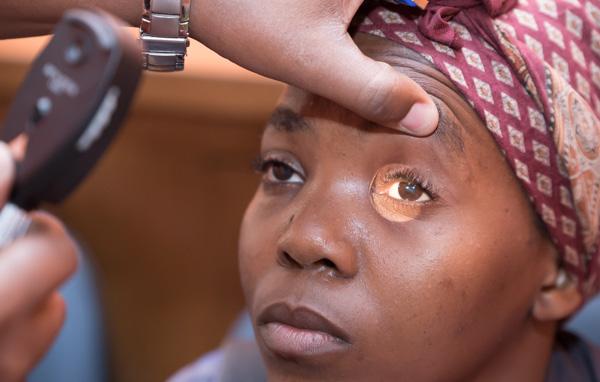
AWARD WINNING SUPPLIER TO LIFE HEALTHCARE, SUPPLYING OVER 300 TRANSACTIONAL AND MEDICAL PRINTED DOCUMENTS SINCE 2005
• Nursing:
- ICU Charts
- Road to Health Booklets
• Administration:
- Patient Administration Documents
- Patient Files/Books
• Pharmaceutical
- Continuous receipts and prescription documents
- Labels
• Innovative national blood testing booklets with integrated vile labels
- Cytology
- Pathology/ HIV
• National aids survey 2025
- Kitting and national distribution of printed documents and medical supplies
• Various government medical projects throughout Africa
Get in touch
17 Intersite Avenue, Umgeni Business Park, Durban, 4051 031 072 0002 www.uniprint.co.za

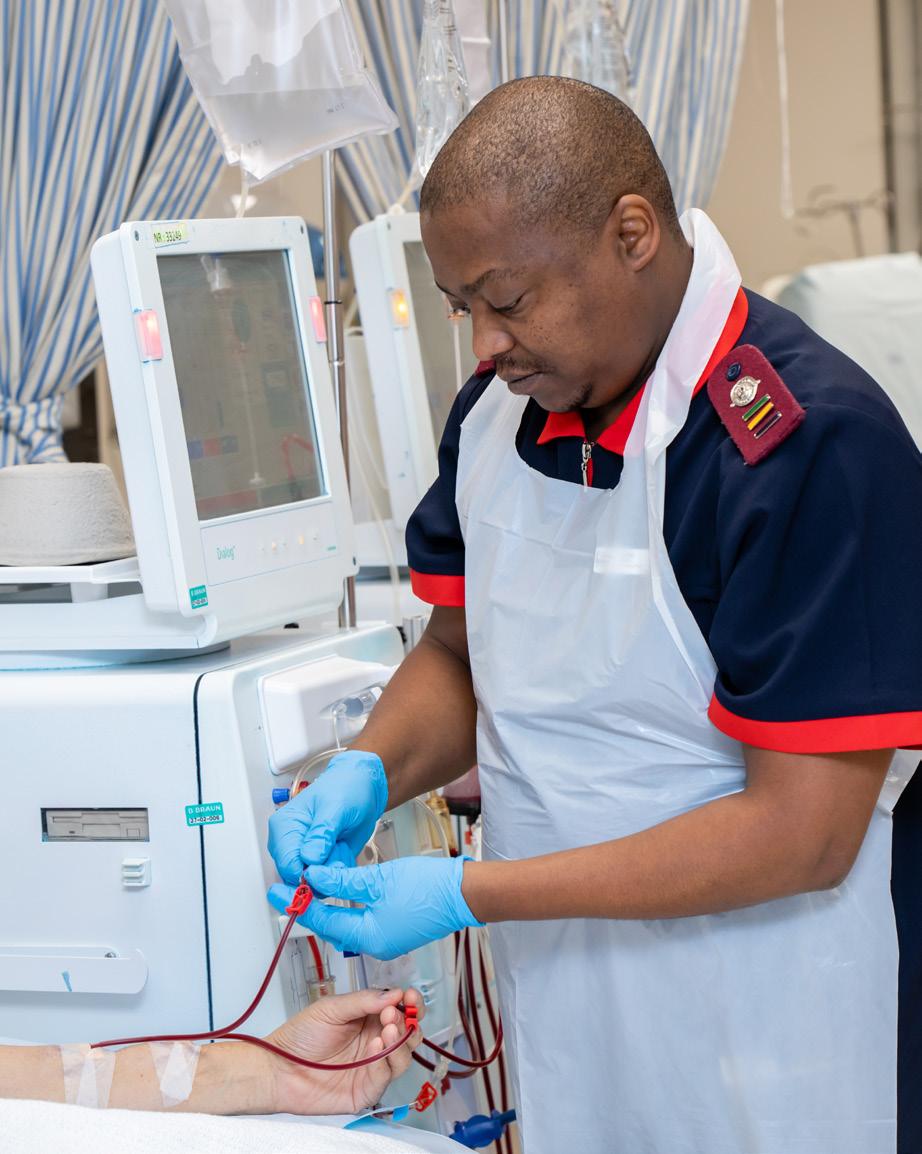
johnathan.moonsamy@uniprint.co.za
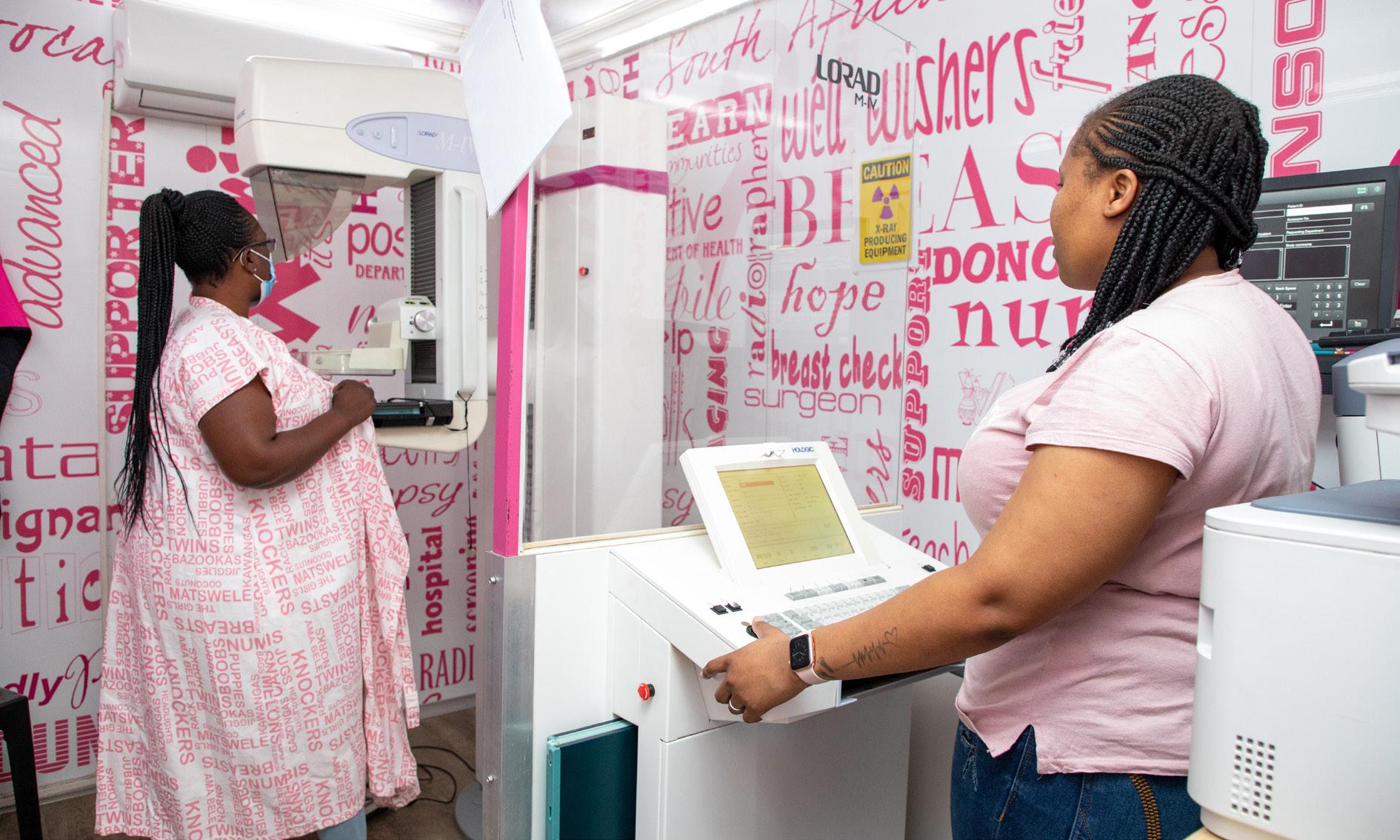
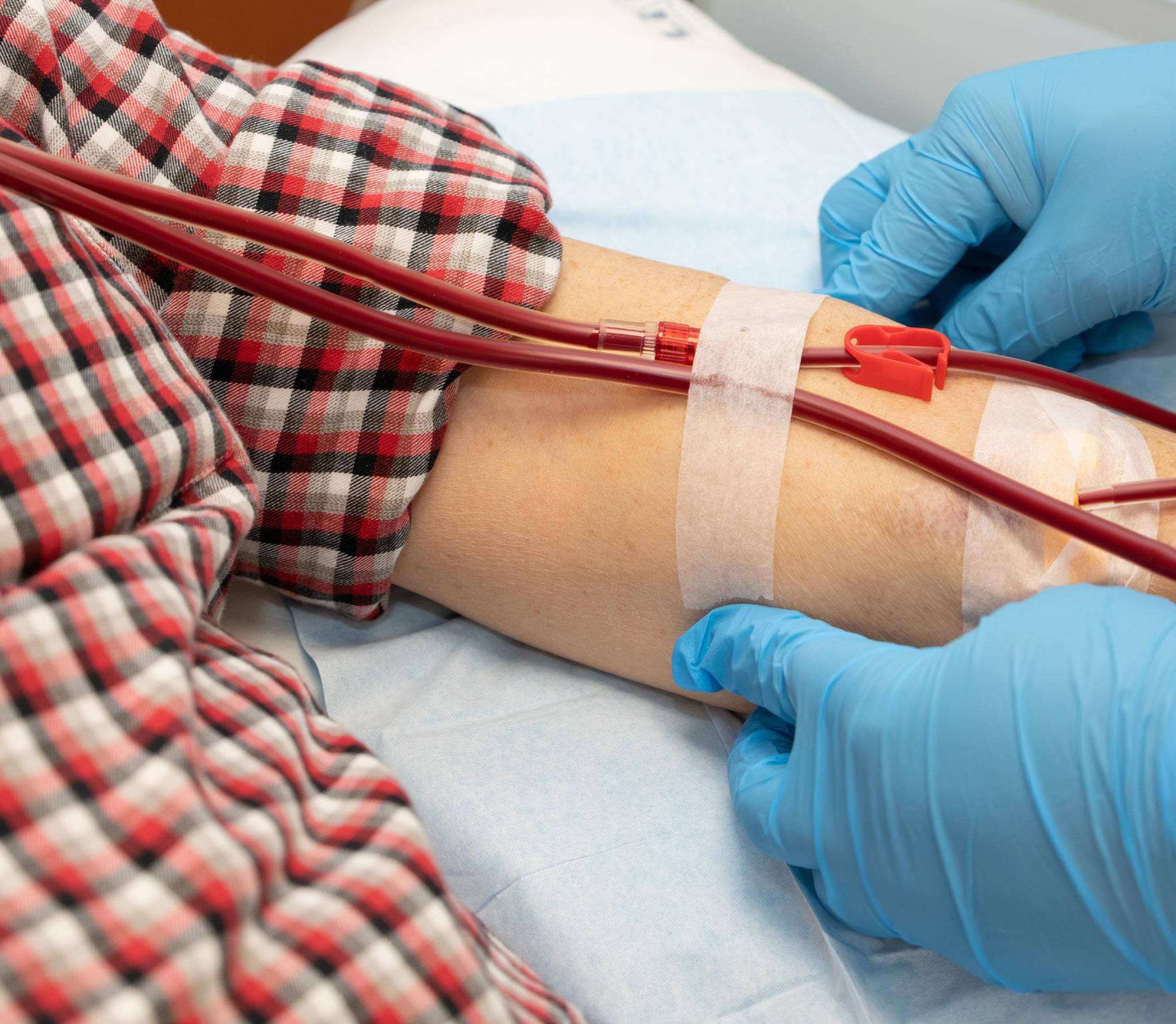
The Life Healthcare strategy – grow, drive, and optimise – has cemented its leadership.
• Leading acute hospital network provider in SA.
• Leading renal dialysis provider through the acquisition of Fresenius Medical Care renal dialysis clinics in Southern Africa.
• Leading private mental healthcare provider in SA.
• Leader in oncology, radiology, nuclear medicine, and radiopharmacy.
• Growth in radiology and nuclear medicine driven by acquisitions.
• First to invest in radiopharmacy cyclotron commercial production, launching in 2025.
investments aligned with industry trends – such as AI, diagnostics, and nuclear medicine – aimed at enhancing patient care and operational efficiency.
“Increased adoption of preventative measures, early detection, and integrated care models will shape the future, where hospitals, clinics, and diagnostic units work seamlessly together to provide comprehensive care,” he predicts.
“Our focus remains on innovative, inclusive solutions that make quality healthcare accessible to more individuals.”
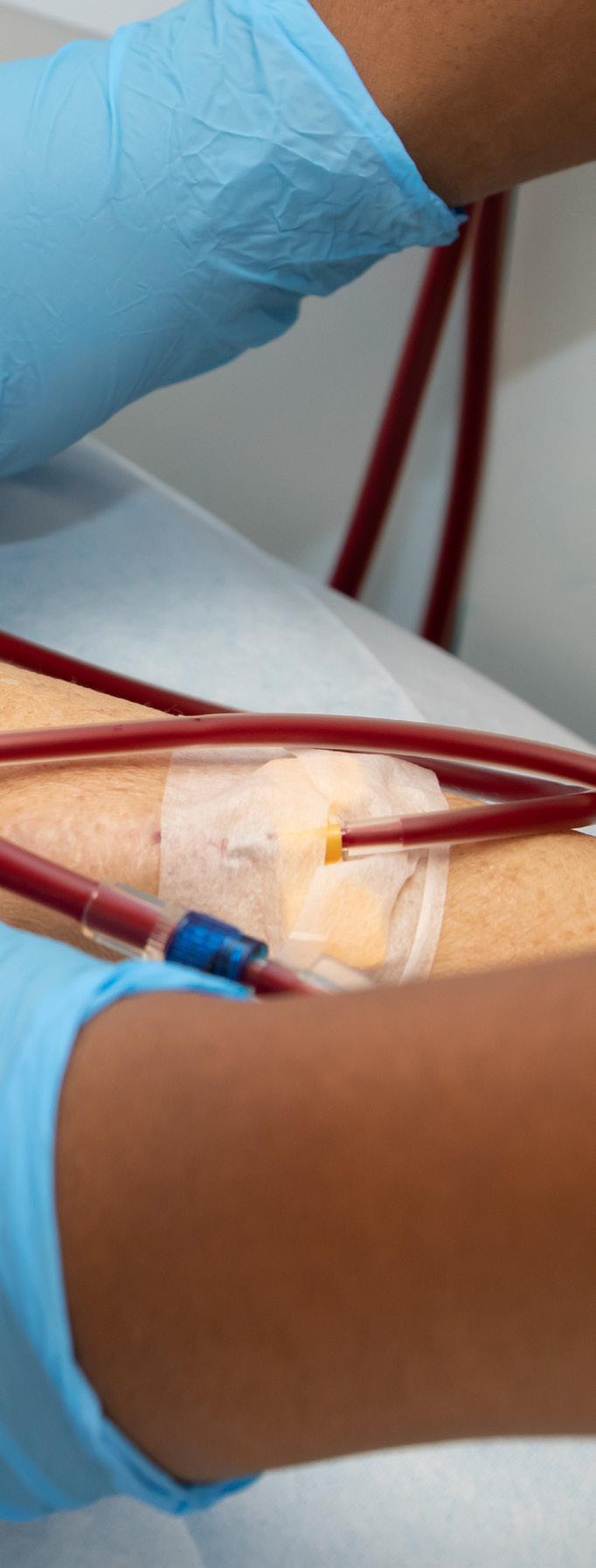
This collaborative approach not only stimulates economic growth but also reinforces Life Healthcare’s commitment to Broad-Based Black Economic Empowerment (B-BBEE), fostering equitable participation across its sectors.
“When examining our investment in nuclear medicine, our joint venture with AXIM Group, namely Axim Life Isotopes, enhances local radiopharmacy capabilities whilst reducing reliance on imports,” Wharton-Hood explains.
Further expanding its footprint, Life Healthcare is building a 140-bed hospital, reflecting strong financial health and community commitment.
The upcoming Life Paarl Valley Hospital, opening in 2027, promises to be a catalyst for revitalisation, offering modern facilities and community amenities.
As the second private acute hospital in the Paarl region and the only facility offering specialised cardiac services, it is poised to attract patients from the larger Boland area.
It will offer a comprehensive range of specialist services, including a cardiac catheterisation laboratory, cardiothoracic unit, intensive care unit (ICU), paediatric ICU, and neonatal facilities, amongst other specialist services and a 24-hour emergency unit.
An estimated 60 specialist doctors and allied professionals will be provided practice opportunities at the hospital. Furthermore, employment of nursing and support services staff will contribute to a total employment impact of approximately 360 jobs. The facility is being designed with future expansion in mind to accommodate growing healthcare needs.
Throughout its journey of growth and innovation, Life Healthcare has exemplified resilience.
“Our recent divestments, including the sale of AMG and Life Molecular Imaging (LMI), have unlocked significant shareholder value and strengthened our financial position,” Wharton-Hood notes.
“Our disposal of AMG in 2024 for ZAR21 billion received the Dealmakers Deal of the Year Award, recognising an almost two-year effort in structuring and executing a transaction that took almost 19 months and spanned circa 21 international jurisdictions.”
Life Healthcare’s disposal of LMI only a year later for upfront and potential earn-outs of ZAR13.5 billion was also a significant milestone.
“Navigating challenges whilst delivering growth energises us to continually improve. Our vision is clear – making life better for all through excellence, innovation, and collaboration,” Wharton-Hood outlines earnestly.
Life Healthcare stands at the forefront of transforming healthcare delivery in Southern Africa through its commitment to quality, patientcentred care, and innovative approaches by addressing disparities in access and emphasising a culture of continuous improvement.
The group is not only enhancing the lives of individuals but also advocating for a more equitable healthcare landscape.
As the private healthcare sector continues to navigate its challenges, Life Healthcare’s strategic focus on VBC and collaboration will pave the way for sustainable healthcare solutions that benefit all members of the community.
Ultimately, the future of healthcare in the region depends on organisations such as Life Healthcare that prioritise excellence and inclusivity in their mission to deliver exceptional medical services.
“Central to our current and ongoing success into the future is the resilience, dedication, and unwavering support of our employees and nurses, as well as our partnership with doctors and other healthcare professionals who continue to show unlimited loyalty and trust in Life Healthcare. Trust is essential to our success, and we are dedicated to upholding it through our purpose of making life better,” concludes Wharton-Hood. Tel: +27 11 219 9000


With a footprint spanning all 10 provinces of Zambia, CIDRZ continues to collaborate closely with the Zambian Ministry of Health, particularly on the HIV and TB programmes.
Its research is mainly focused on the country’s capital, Lusaka, but has more recently expanded to the Copperbelt Province through the Social Science Research Group (SSRG) and the TB department.
In total, CIDRZ boasts 1,185 dedicated staff working across its programmes and portfolio of research projects, which continues to expand having recently added human papillomavirus (HPV) and HIV cure research to its undertakings.
As per its mission – to improve access to quality healthcare across Zambia and beyond – CIDRZ

“CIDRZ COMBINES SCIENTIFIC INNOVATION WITH PRACTICAL HEALTH SOLUTIONS TO STRENGTHEN ZAMBIA’S HEALTH SYSTEMS AND IMPROVE LIVES”
–
DR MONDE MUYOYETA, CHIEF SCIENTIFIC OFFICER, CENTRE FOR INFECTIOUS DISEASE RESEARCH IN ZAMBIA
conducts both locally and regionally relevant research.
Through its work, the organisation has been able to identify gaps in Zambia’s healthcare sector and advocate for international research and grant applications as it evolves alongside the government’s wider health agenda.
“We are now also focused on building our science capacity which will ultimately lead to medicine
discoveries,” Muyoyeta discloses.
This development also resonates with national vaccine manufacturing strategies, medicines, and medical devices.
With the construction of a new head office in Lusaka completed last year and ongoing plans to modernise its research labs, CIDRZ anticipates continuing to make great strides in the research space.
“Our wonderful new head office

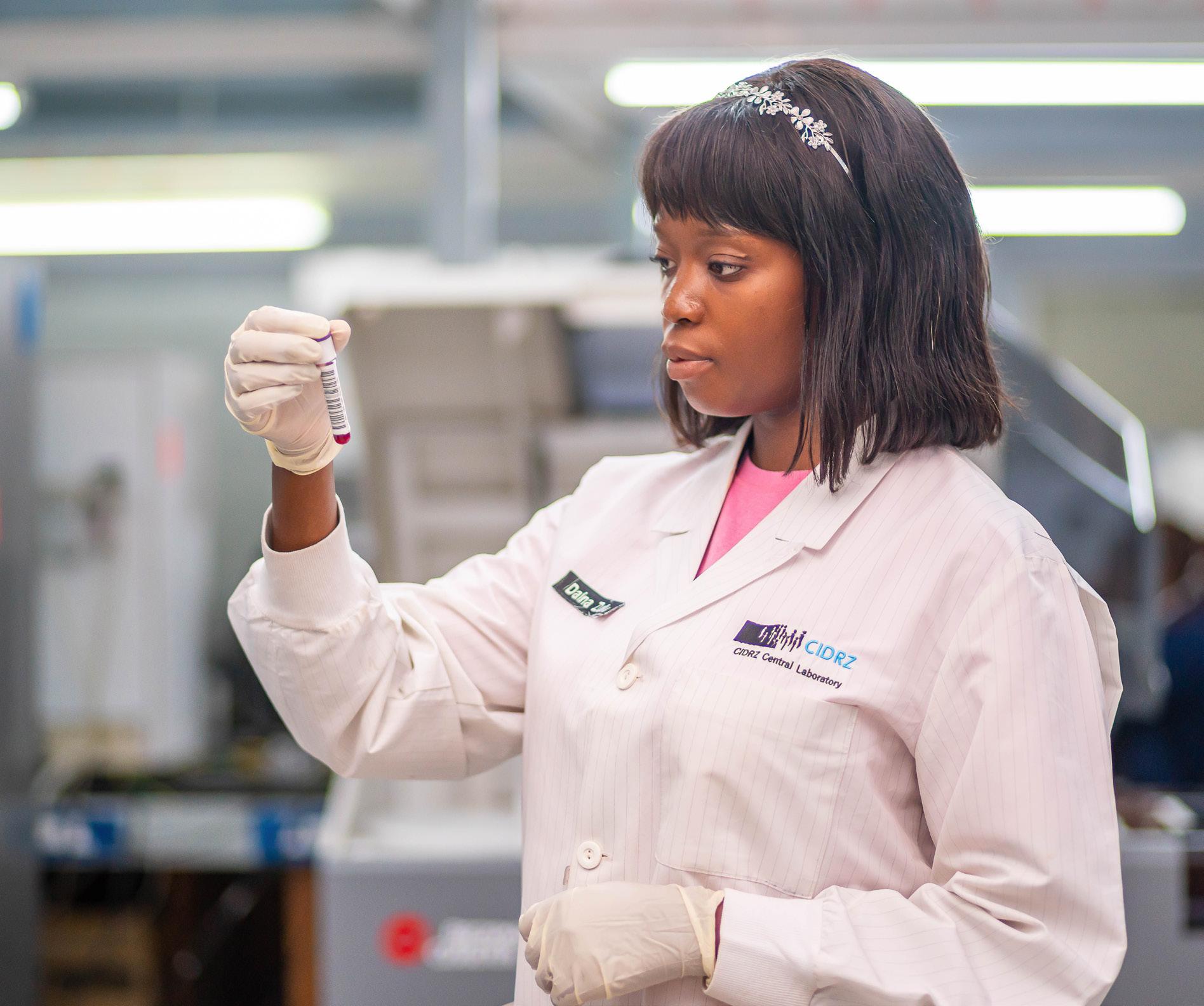
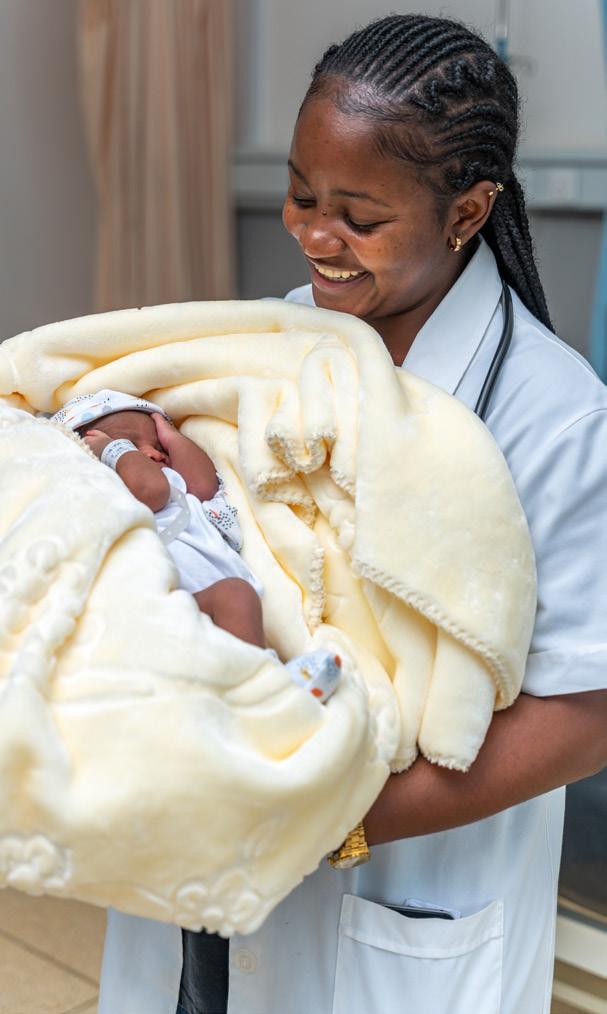
has brought the whole team together under one roof. Having our own headquarters is strategically important, particularly in terms of sustainability,” she reflects.
The new facility will capacitate the organisation’s basic science infrastructure and allow it to be competitive in both the basic and translational scientific research spaces, as it will have capacity to support bigger projects.
CIDRZ’s commitment to advancing public health research in Africa is strongly reflected in its postgraduate training initiatives, namely its PhD Fellowship and MSc by Research Studentship.
Under the second phase of the Developing Excellence in Leadership, Training, and Science in Africa
(DELTAS Africa) initiative, meanwhile, which is supported by Wellcome Trust via the Science for Africa Foundation, CIDRZ currently provides training and mentorship to one mid-career investigator, two postdoctoral fellows, four PhD candidates, and seven MSc students.
Beyond DELTAS Africa, the organisation’s education portfolio includes partnerships with other funding bodies such as the Schlumberger Foundation, which supports African women in research.
“So far, we’ve successfully trained three women at PhD level through this funding mechanism,” Muyoyeta prides.
In addition, the organisation’s collaboration with the Integrated Networks of Scholars in Global Health Research Training (INSIGHT) programme currently funds one postdoctoral fellow.

DR MONDE MUYOYETA, CHIEF SCIENTIFIC OFFICER: “My interest in healthcare developed from a very young age – I always said I would become a doctor.
“I trained in medicine at the University of Zambia and graduated as a doctor in 1999 before starting my public health and research career in 2004.
“In 2014, I got my PhD in infectious diseases epidemiology focused on TB from the London School of Hygiene and Tropical Medicine.
“I have now been at CIDRZ for 10 years, starting off as Director of TB Programmes before being promoted to Chief Scientific Officer last year.”
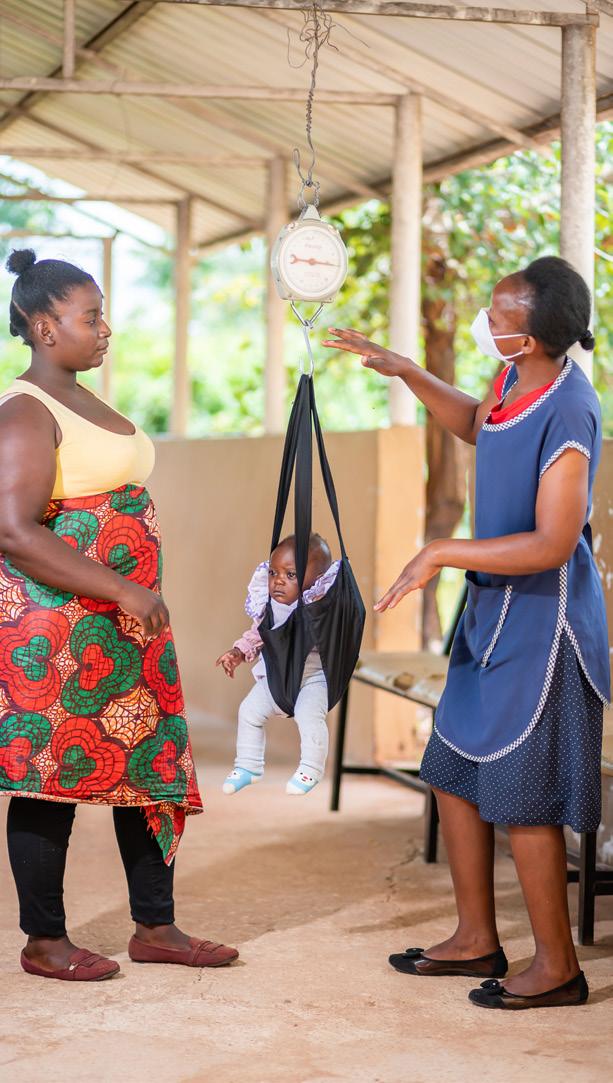
Elsewhere, CIDRZ’s flagship training programme, led by CIDRZ faculty members and visiting university mentors, seeks to build Zambia’s future health leaders through hands-on, high-impact field
work and research.
“At the heart of sustainable health systems lies the capacity of local professionals,” she explains.
Through the programme, guided by industry professionals with over two decades of experience, CIDRZ delivers structured mentorship and real-world learning across clinical research, implementation science, public health, and data analytics.
“The training programme supports students, early-career scientists, and public sector professionals through fellowships, internships, and targeted skillsbuilding workshops, with alumni now serving in leadership roles across government, academia, and international health organisations,” Muyoyeta adds.
Strategic investment in CIDRZ’s training platform directly fuels a pipeline of well-equipped professionals driving innovation in healthcare and research – not only in Zambia but across the region.
“Supporting this programme is not just a commitment to education – it’s an investment in health equity and Africa’s scientific future.”
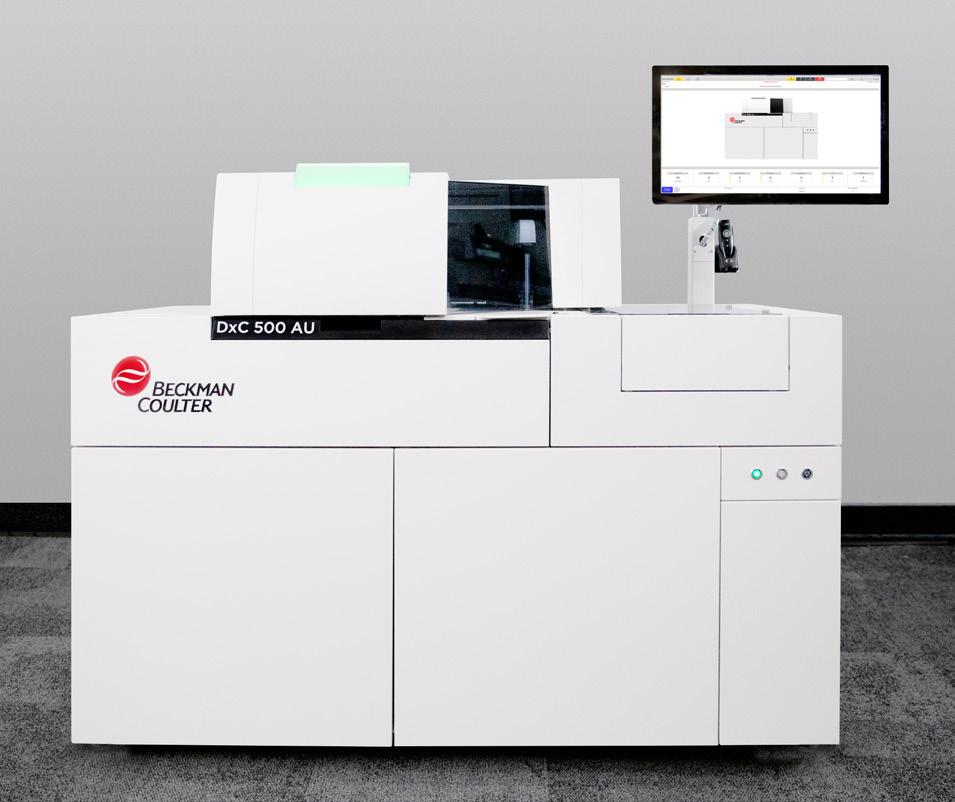
Digitalisation and the presence of digital solutions have grown tremendously across CIDRZ in recent years, improving its access, efficiency, and impact across the healthcare sector.
“Digitalisation has increased our reach to rural populations, reduced paperwork, and improved real-time data accuracy by empowering users with decision support tools,” Muyoyeta tells us.
In addition, CIDRZ’s data centre is complete with the latest technologies, with various applications like enterprise resource planning (ERP), human resources management, and data collection tools like DHIS2, REDCap, and ODK for projects with cloud-based applications, providing users and partners with access to realtime data and reports.
CIDRZ has also implemented various mobile health applications such as SMS campaigns and field data collection, which utilise mobile phones and tablets to allow health workers to gather data on mobile devices in the field, online, or offline.
The organisation currently has various applications for digital mapping, alongside dashboards for integration and tracking project management activities to provide

efficient and real-time reporting.
CIDRZ’s ICT department has developed various in-house applications with internal software development which includes lab, fleet, procurement, and retirement management systems.

Supporting advanced diagnostics, disease surveillance, and cuttingedge science, the CIDRZ Central Laboratory is accredited by the Southern African Development Community Accreditation Service (SADCAS).
“The lab plays a vital role in infectious disease monitoring, including HIV, TB, COVID-19, and emerging pathogens whilst serving as a trusted partner to the Zambian Ministry of Health and global research institutions,” Muyoyeta confirms.
Beyond diagnostics, CIDRZ is expanding its basic science portfolio to deepen understanding of disease mechanisms, host immunity, and antimicrobial resistance.
With dedicated bioinformatics capacity, biobanking infrastructure, and a team of expert scientists, CIDRZ is uniquely positioned to contribute to global health breakthroughs from an African perspective.
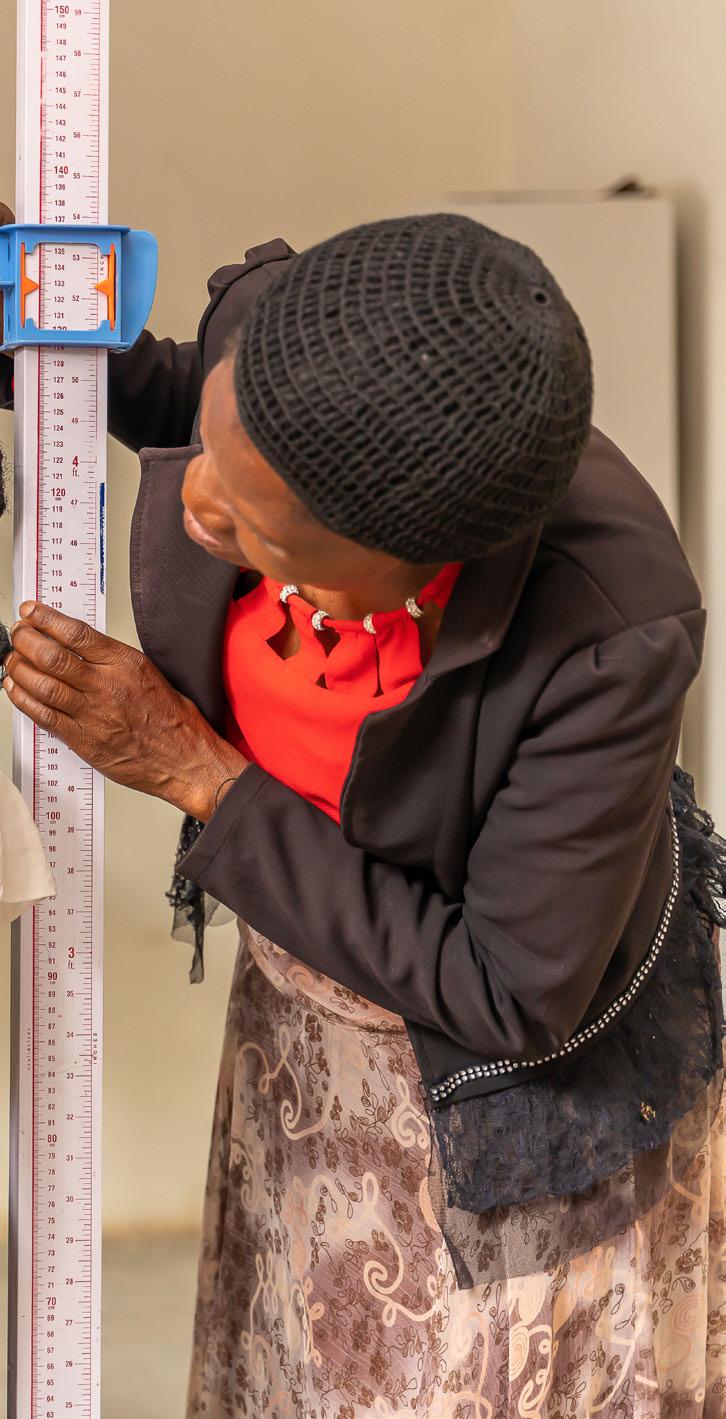

“Investment in this space will accelerate locally-driven innovation, foster regional leadership, and ensure timely response to future public health threats,” she emphasises.
Going forwards, another of CIDRZ’s key priorities is to grow the next generation of Zambian and African
research leaders.
“We aim to be a recognised centre of excellence for research in Zambia and beyond, with a fully-fledged R&D programme contributing to local and regional aspirations for developing vaccines, medicines, and medical devices,” she passionately concludes.


The South African Medical Research Council is dedicated to improving the health of South Africans through research, innovation, capacity development, and technology transfer. Ntobeko Ntusi, President and CEO, outlines the organisation’s research on South Africa’s quadruple burden of disease and assesses the impact of the US funding withdrawal
Writer: Jack Salter | Project Manager: Harry Thurlow
More than 30 years after a peaceful transition from apartheid to democracy, South Africa (SA) has complex and dysfunctional two-tiered healthcare.
Despite serving 84 percent of the population, the public healthcare system in SA is chronically understaffed, with more than 70 percent of doctors employed in the private healthcare system.
Inadequate public healthcare funding has also resulted in a complex mix of health challenges, alongside a fragmented health system with poor management, low staff morale, and sometimes a lack of essential resources like medicines and functional equipment.
“Daily, health practitioners face moral dilemmas – staff shortages, a lack of life-saving medications,
unavailability of functional diagnostic equipment, and other resource allocation decisions,” insights Ntobeko Ntusi, President and CEO of the South African Medical Research Council (SAMRC).
Furthermore, SA’s healthcare system is contending with several colliding epidemics – HIV and tuberculosis (TB); cardiovascular disease, mental health, and other non-communicable diseases; substance abuse and violence; and an unacceptably high mortality caused by maternal, neonatal, and childhood disease.
Of the country’s population of 65 million, more than 12 percent are infected with HIV. Consequently, SA has the world’s largest antiretroviral therapy programme, subsidised by the government and provided free of charge.

This high HIV prevalence drives the TB burden; in the last 15 years, HIV infection has been associated with significant improvement in treatment outcomes. As a result of the HIV epidemic, life expectancy has not changed much over the past 35 years. Since 2012, cardiovascular disease
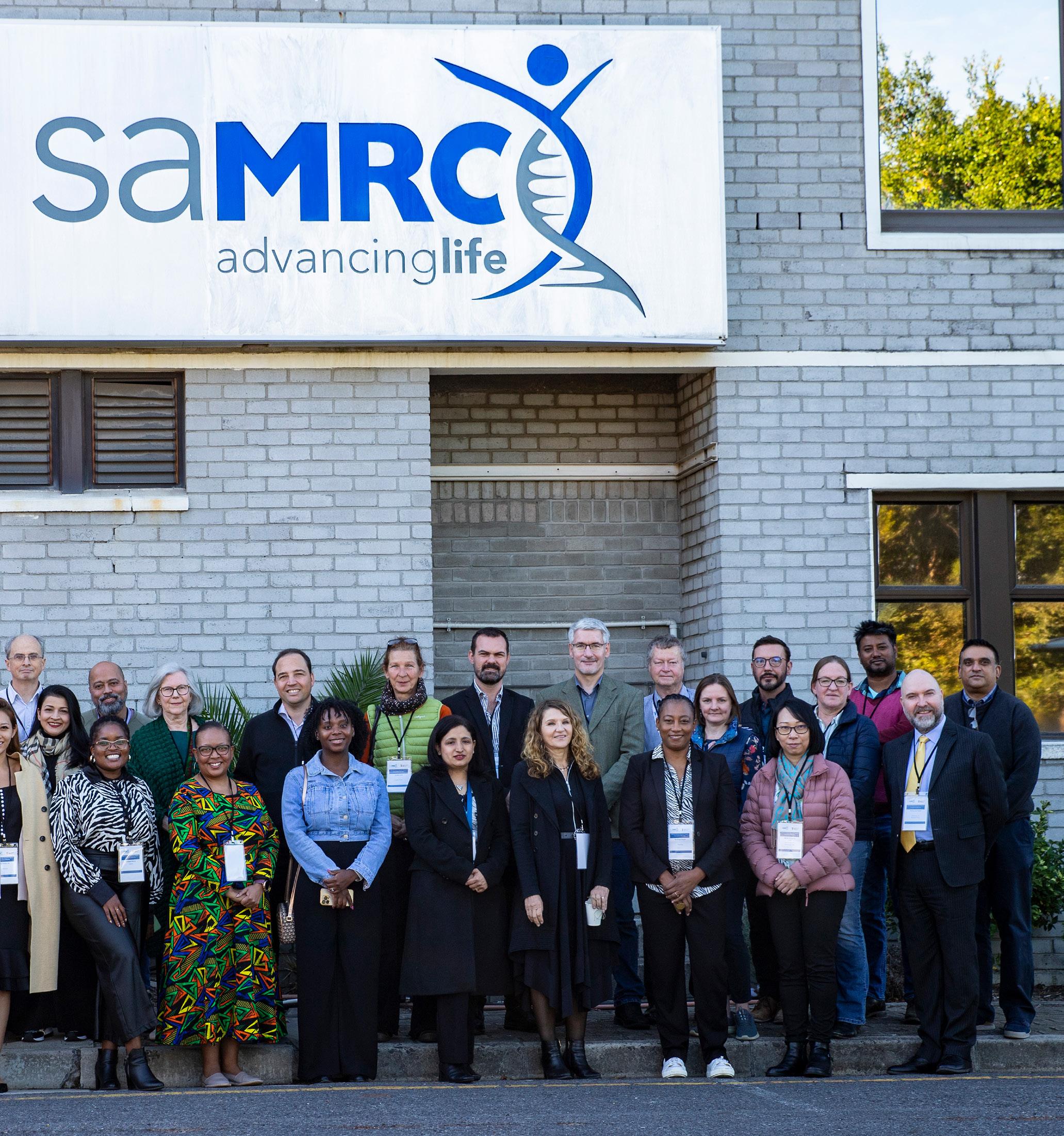
has been the leading cause of mortality in SA. Therefore, whilst maintaining the important gains in dealing with endemic infectious diseases like HIV and TB, it is critical that the country invests with urgency to curb the rising tide of noncommunicable diseases. Additionally, healthcare in SA has
numerous unique challenges, including a very high burden of multimorbidity and growing health disparities reflecting high levels of poverty, inequality, and unemployment.
“In SA, more than in most other contexts, medicine is practiced at a unique intersection of excellence
and inequity. We’re home to some of the most sophisticated academic hospitals on the continent and in the world but, at the same time, have deeply underserved rural, urban, and peri-urban communities where resources are stretched and access is limited,” Ntusi weighs up.
A public entity of the SA government, SAMRC was established through statute in 1969 with a vision of improving the health of South Africans through research, innovation, capacity development, and technology transfer.
With a complement of around 800 personnel distributed over four campuses in Cape Town, Pretoria, Durban, and Johannesburg, SAMRC’s mission is to advance health and quality of life and address inequity by conducting and funding relevant and responsive health research, capacity development, innovation, and research translation.
“These activities are underpinned by our values of pioneering, partnering, excellence, respect, integrity and citizenship,” outlines Ntusi.
The scope of research conducted and funded by SAMRC includes discovery science, basic and translational research, clinical trials, epidemiology, and population and implementation research.
Increasingly, the organisation supports social and behavioural sciences as they pertain to human health and behaviour.
“Our priority areas of research focus include SA’s quadruple burden of disease – maternal, newborn, and child health, HIV/AIDS and TB, noncommunicable diseases, and interpersonal violence,” Ntusi notes.
“In addition, we support scholarship on climate change and health, digital health and artificial intelligence (AI), antimicrobial resistance, and pandemic preparedness.”
SAMRC has a strong interest in health systems and producing evidence to inform the planning and implementation of universal health coverage in SA.
In a major milestone for the country, SAMRC was instrumental in supporting the recent award of a substantial
grant for the implementation of research and health services related to lenacapavir for HIV prevention.
“Ultimately, our work is to acquire evidence-based information to inform health policy and improve the quality and health status of people in SA,” he adds.
SAMRC leads many areas of scientific development in SA, where vaccine development and sovereignty have been identified as key priorities.
The World Health Organisation (WHO) recently established three African vaccine hubs in SA, Senegal, and Kenya.
SAMRC, together with the National Department of Health, is the implementing agent for the South African hub.
In addition, the WHO, together with the Medicines Patent Pool, has established an mRNA technology transfer platform to ensure a sustainable source of mRNA vaccine, biologic, and therapeutic platforms, with a hub in SA and nodes in 14 other countries.
“The implementation of the work of the hub in SA is led by SAMRC in partnership with Afrigen and Biovac,” Ntusi highlights.
“Through the German Development Bank (KfW), the European Commission is supporting the
HOW IMPORTANT ARE YOUR STAFF TO MEDICAL RESEARCH IN SA?
Ntobeko Ntusi, President and CEO:
“Our staff are our most valuable resource. We take a very holistic approach to how we support a culture of inclusion, respect, and equity within the SAMRC community.
“We continually strive to ensure our employees find their experience within our organisation to be transformational, allowing them to thrive to be able to reach their personal and professional goals.
“Our strategies embed diversity, equity, and inclusion (DEI) into all business operations, using employee-centric methods like feedback loops and listening tours, systemic interventions to remove bias from policies and practices, and educational initiatives such as training and clear communication about the business case for DEI.
“SAMRC’s approach to employee well-being is supported by leadership commitment, data collection on workforce diversity, and partnerships with external organisations. In addition, we consistently collect and analyse data to better understand our workforce, track diversity over time, and measure the effectiveness of initiatives.
“We proactively work to identify and remove bias from systems, norms, and practices that may contribute to inequality. We recognise that different individuals and groups may need different types of support to have equitable opportunities; therefore, we provide targeted programmes, such as mentoring for underrepresented groups, to address systemic barriers.”

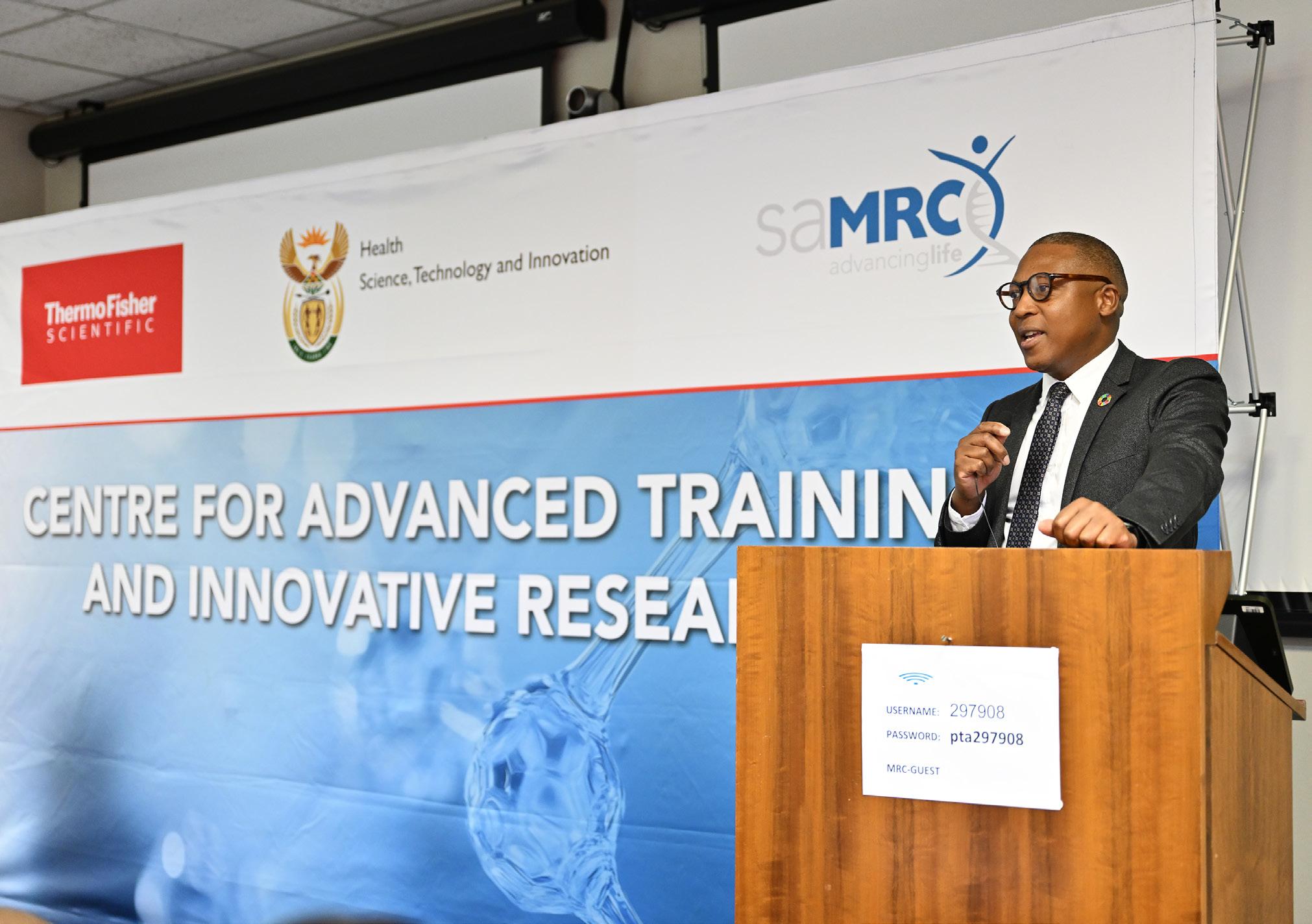

upgrade of infrastructure for vaccine development and manufacture in SA, with SAMRC as the implementing agency for this important project.”
SAMRC has also been involved in helping the country bolster its efforts in pandemic preparedness and prevention.
The council was recently awarded large grants from the WHO and the Global Fund to support these activities across the entire spectrum of pandemic preparedness activity,
in collaboration with many national platforms.
“Since the COVID-19 pandemic, we perform weekly wastewater surveillance throughout SA and can detect microbe, pathogen, and drug levels. We can also detect new infectious disease outbreaks early,” shares Ntusi.
Dedicated to coordinating and funding health research across the
“OUR PRIORITY AREAS OF RESEARCH FOCUS INCLUDE SA’S QUADRUPLE BURDEN OF DISEASE – MATERNAL, NEWBORN, AND CHILD HEALTH, HIV/AIDS AND TB, NONCOMMUNICABLE DISEASES, AND INTERPERSONAL VIOLENCE”
– NTOBEKO NTUSI, PRESIDENT AND CEO, SOUTH AFRICAN MEDICAL RESEARCH COUNCIL
country, SAMRC has 10 intramural research units.
These units conduct research in every corner of SA on the burden of disease, environment and health, gender and health, noncommunicable diseases, health systems, mental health, alcohol and substance abuse, evidence synthesis, tuberculosis, HIV and other infectious diseases, and biostatistics and nutrition.
SAMRC also has enabling platforms that serve as national core facilities for molecular biology, genomics, animal, and malaria research.
“We support the responsible conduct of research through our research ethics office and research integrity office,” Ntusi tells us.
The council funds research in all South African universities and pays particular attention to supporting historically disadvantaged institutions.
Moreover, SAMRC funds research within its sister science councils as well as in independent research institutions distributed throughout the country.
“In addition, we have about 30 extramural research units or centres of research excellence based at South African universities in seven of the nine provinces in the country,” states Ntusi.
Through co-funding agreements like the European and Developing Countries Clinical Trials Partnership (EDCTP) and the Grand Challenges programme, we are continually looking to expand the reach of our scientific support beyond our borders to the rest of the African region.”
For decades, SA has been the largest foreign recipient of US federal funding from the National Institutes of Health (NIH).
Similarly, the country has also been one of the largest recipients of overseas development assistance through agencies such as the US President’s Emergency Plan for AIDS Relief (PEPFAR), the US Agency for International Development (USAID), and the Center for Disease Control and Prevention (CDC) – all which have underpinned vital health research initiatives.
Withdrawal of US federal support for research in SA threatens not only the continuity of research but also
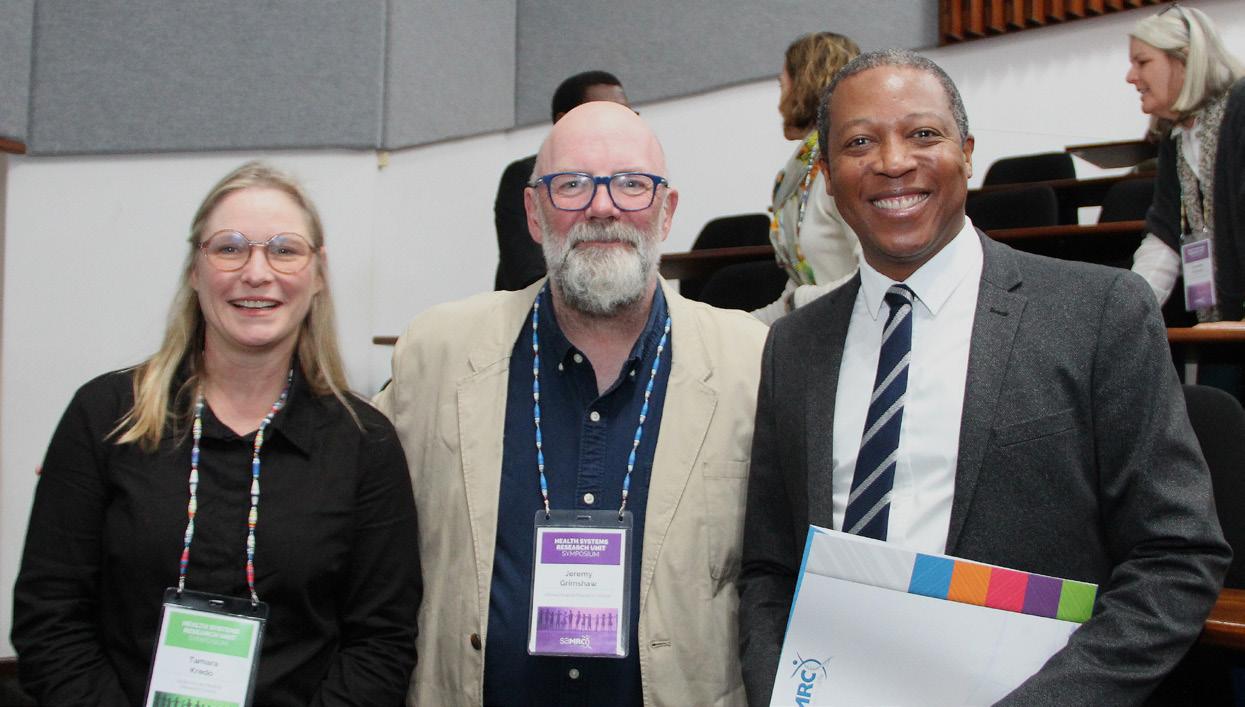
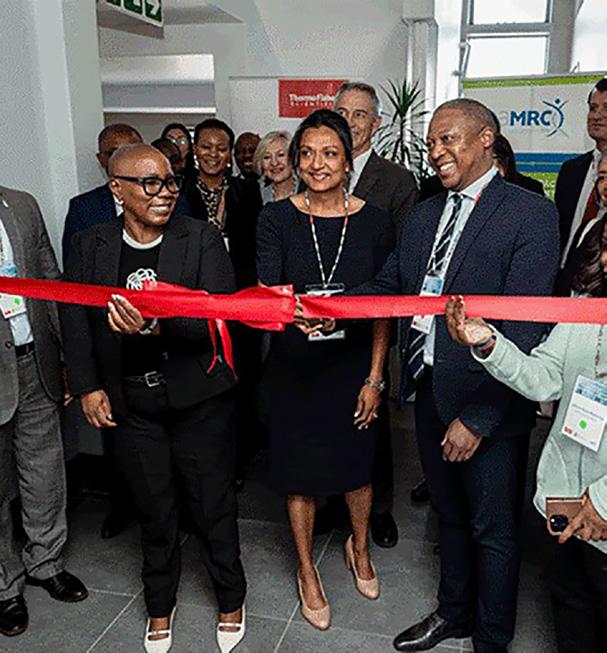
the national capacity to address emerging health challenges.
“The recent announcement of a pause to NIH funding to subawards outside the US represents a direct threat to global research and innovation in medical research,” Ntusi warns.
As Africa’s leading researchintensive country, SA has led the development of innovations in HIV, TB, and other infectious diseases that impact infants and children.
In addition, the country has made fundamental contributions to discovery and non-communicable diseases research, with the evidence garnered impacting clinical care and people management the world over.
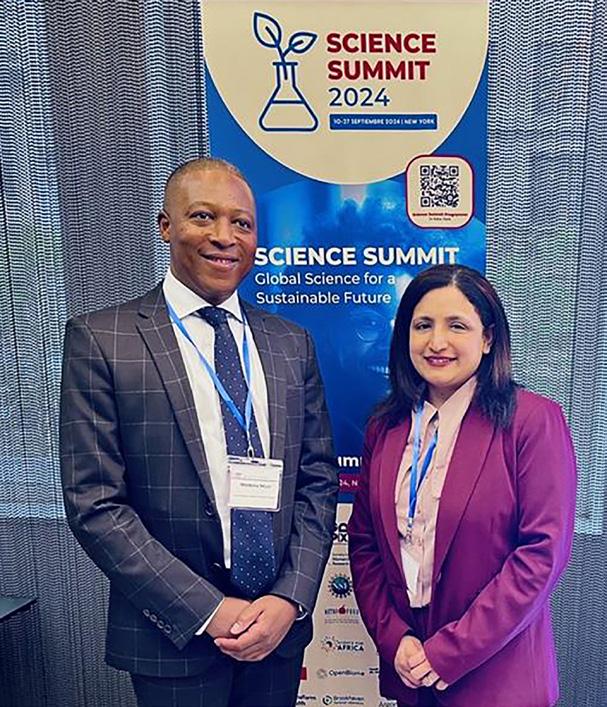
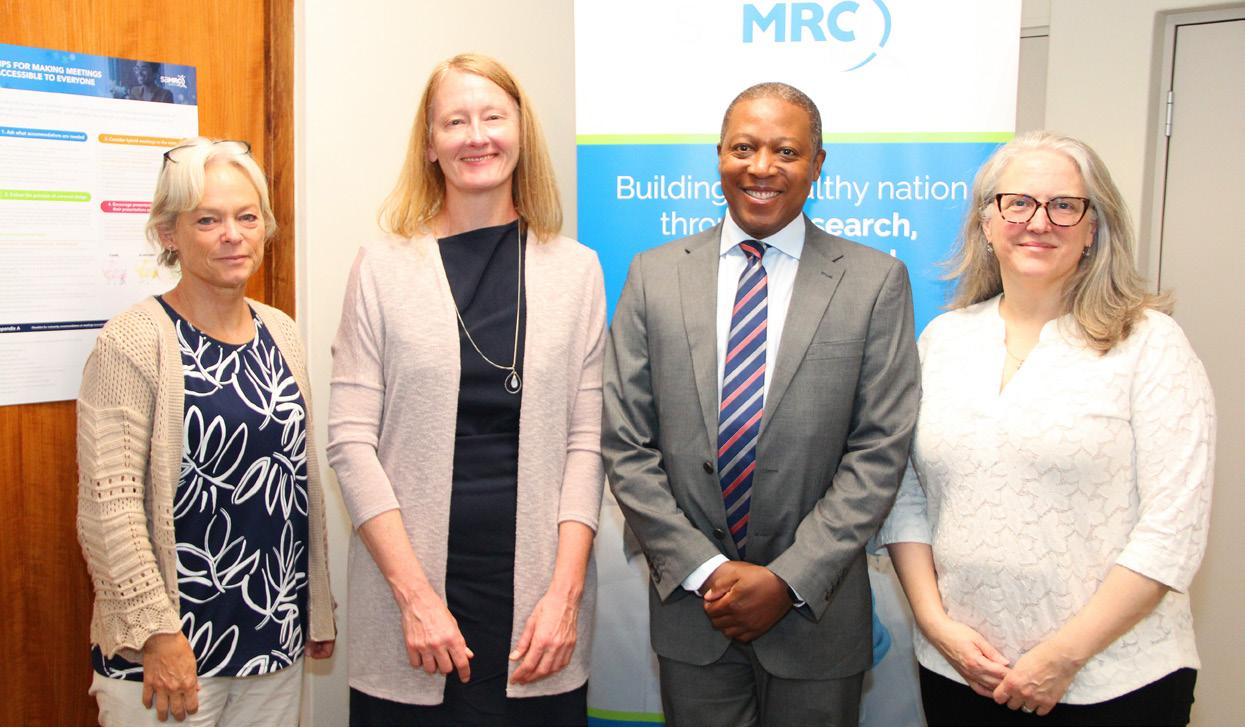
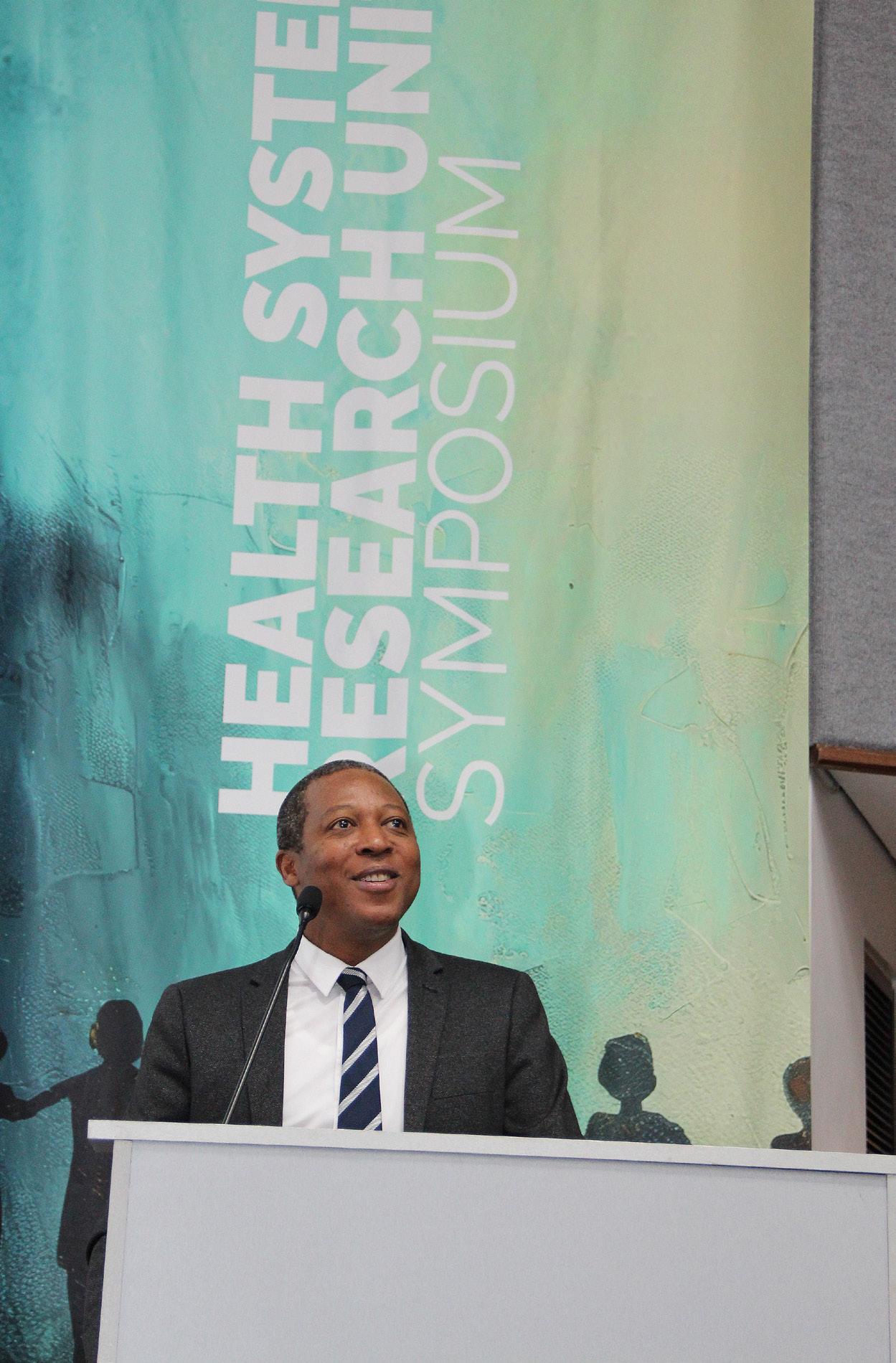
“IN SA, MORE THAN IN MOST OTHER CONTEXTS, MEDICINE IS PRACTICED AT A UNIQUE INTERSECTION OF EXCELLENCE AND INEQUITY. WE’RE HOME TO SOME OF THE MOST SOPHISTICATED ACADEMIC HOSPITALS ON THE CONTINENT AND IN THE WORLD BUT, AT THE SAME TIME, HAVE DEEPLY UNDERSERVED RURAL, URBAN, AND PERIURBAN COMMUNITIES WHERE RESOURCES ARE STRETCHED AND ACCESS IS LIMITED”
– NTOBEKO NTUSI, PRESIDENT AND CEO, SOUTH AFRICAN MEDICAL
RESEARCH COUNCIL
“Over many years, South African clinical research scientists have contributed immensely to the improvement of health outcomes of infants and people living with HIV, TB, and non-communicable diseases, changing global clinical guidance,” affirms Ntusi.
“South African science has changed global policy, guidelines, and management, and has improved the health outcomes for the most challenging public health challenges of this century.”
NIH has funded 814 direct awards and 450 subawards to South African investigators, in addition to collaborative research through network funding of the HIV Vaccine Trials Network (HVTN), AIDS Clinical Trials Group (ACTG), International Maternal Pediatric Adolescent AIDS Clinical Trials (IMPAACT), and HIV Prevention Trials Network (HPTN) to a conservative value of USD$120 million per annum for the last 10 years.
“There has been a logarithmic increase in funding since 2005 as SA has become an integral country contributing to Phase 3 prevention and treatment trials, including pivotal COVID-19 vaccine trials,” Ntusi informs us.
As the custodian of health research in SA, SAMRC responded immediately to the US funding withdrawal by using its convening power to bring all research-active institutions together to ensure a coordinated national response, as well as conducting a landscape survey to understand the number of grants, staff, researchers, and students who would be affected.
SAMRC also led the fundraising efforts to provide emergency support for the national health research ecosystem from the SA government and key partners like the Gates Foundation and Wellcome Trust.
In the short term, SAMRC had five key priorities, namely the need to:
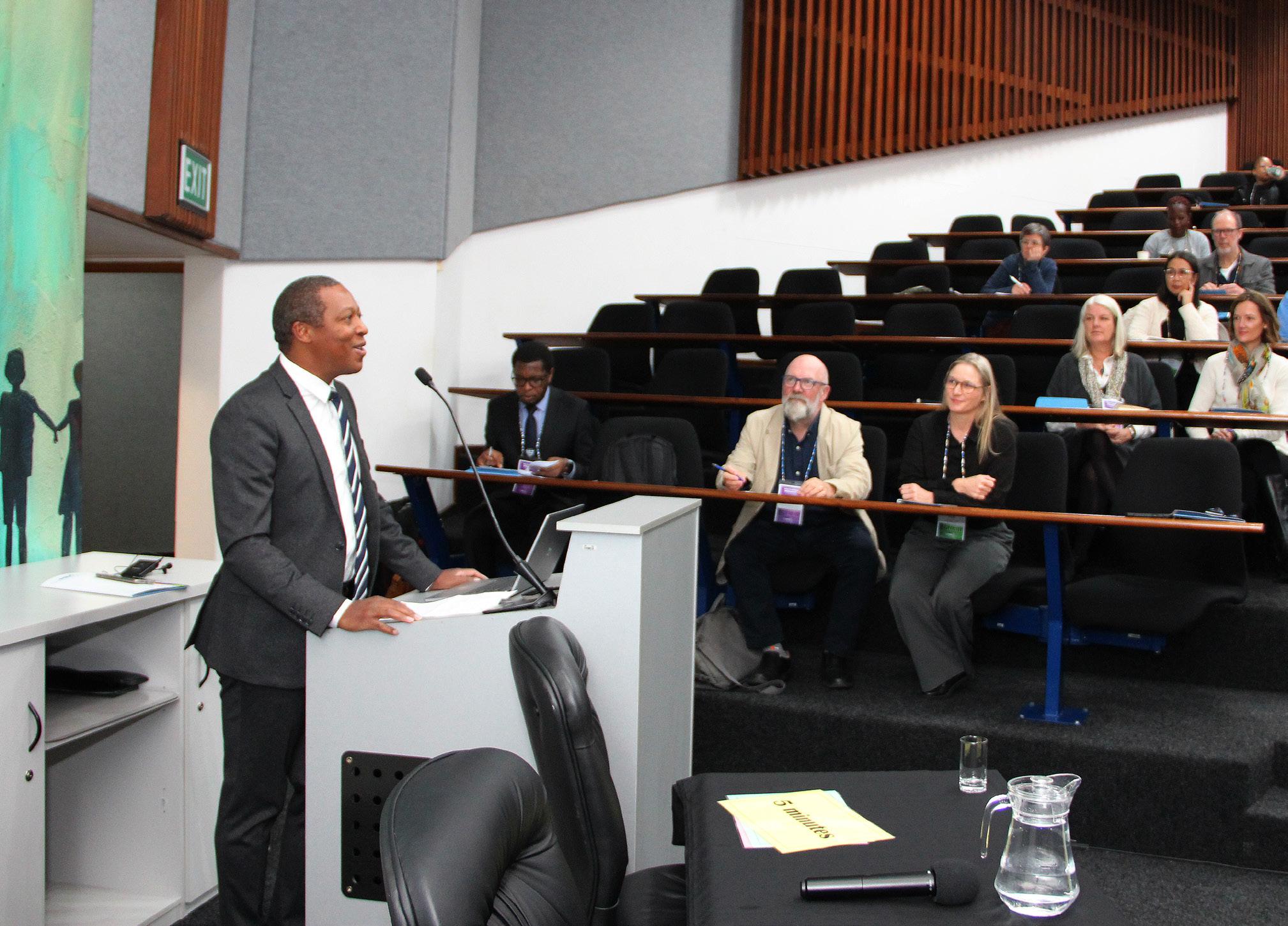
1. Provide the much-needed support to established research groups working in national priority areas to enable them to pivot to other sources of funding.
2. Support early- and mid-career scientists who have greater exposure and vulnerability from these funding withdrawals.
3. Maintain key research and clinical trials infrastructure.
4. Enable postgraduate student and postdoctoral fellows to complete their research training, which has been disrupted by the termination of research grants.
5. Support research groups undertaking interventional studies to terminate these ethically and provide resources for the follow-up of study participants.
“In the past few weeks, we have disbursed nearly ZAR400 million
CLINICAL RESEARCH DISRUPTION – SA is a large recipient of NIH competitive funding, primarily in the fields of HIV/AIDS, TB, and other infectious and noninfectious diseases research. A reduction in funding not only disrupts medical research but also jeopardises the established role of SA in contributing to improving global life expectancy.
HUMAN DEVELOPMENT AND DRIVING A KNOWLEDGE ECONOMY – In SA, NIH funding directly sustains more than 2,000 academic and research support staff, however the termination of these grants is leading to widespread retrenchments, putting jobs at immediate risk. Research infrastructure, including internationally recognised technical and specialised expertise built over the last four decades, will also be lost.
NATIONAL RESEARCH AND DEVELOPMENT SETBACKS – The loss of funding will severely impact SA’s ability to conduct groundbreaking health research, particularly in fields critical to national health priorities. This will create a research vacuum, reducing innovation output and discouraging the next generation of South African scientists.
RECEDING TRUST IN SCIENCE – Clinical and scientific research on humans is predicated on the goodwill of members of society who volunteer their time and gift their clinical information and biomedical specimens to enable research conduct. Such a rapid and harmful stop to research, particularly interventional studies, is likely to harm the reputation of science and result in a caricature of the scientific endeavour as exploitative and untrustworthy.


International pathology and diagnostic services
Our Services:
General laboratory tests: Biochemistry, Haematology, Microbiology, Immunology, Histopathology, Serology, Molecular, TB, Cytology and Virology.
Advanced pathology: Genomics, Metabolomics and Proteomics.
Specialized services: Clinical Trials, Phlebotomy and Medical Technician training programs, Food Lab and Insurance
Corporate wellness programs: Packages designed for corporates and individuals to promote employee health.

With labs and collection sites across the country, including KwaZulu Natal, Gauteng, Eastern and Western Cape
Contact us today 031 904 0500 info@neubergglobal.com
Our Accreditations and Governing bodies




to about 80 research groups that were adversely affected by these withdrawals,” acclaims Ntusi.
SAMRC’S EIGHT ACTIVITY PILLARS
• Fund research
• Conduct research
• Invest in research capacity enhancement and human resource development
• Manage and administer research
• Support health innovation
• Communicate science
• Advise government
• Build partnership

Given the withdrawal of US funding, SAMRC’s first priority for the coming year is to diversity its sources of funding by ensuring the South African government understands the value proposition of health research being fundamental to human capacity development and economic growth.
“The investment from our government is key to enable support from others. Aligned to this, I am in the process of establishing an SAMRC Foundation, with the goal of building a large endowment to support health research in subSaharan Africa,” Ntusi reveals.
SAMRC’s second priority is to continue to think deeply about the culture of the organisation and strive for continuous improvement through defining its core values, prioritising leadership that models desired behaviours, and actively

listening to employee feedback to understand needs and drive action.
To achieve these, the organisation needs to consistently prioritise employee well-being, embrace DEI, and ensure open and effective communication and partnerships.
“Finally, we need to be constantly thinking about how we can dismantle existing asymmetries in global health and use science and our scholarship to contribute to building a more equitable society,” concludes Ntusi.
Tel: +27 21 938 0911 info@mrc.ac.za www.samrc.ac.za

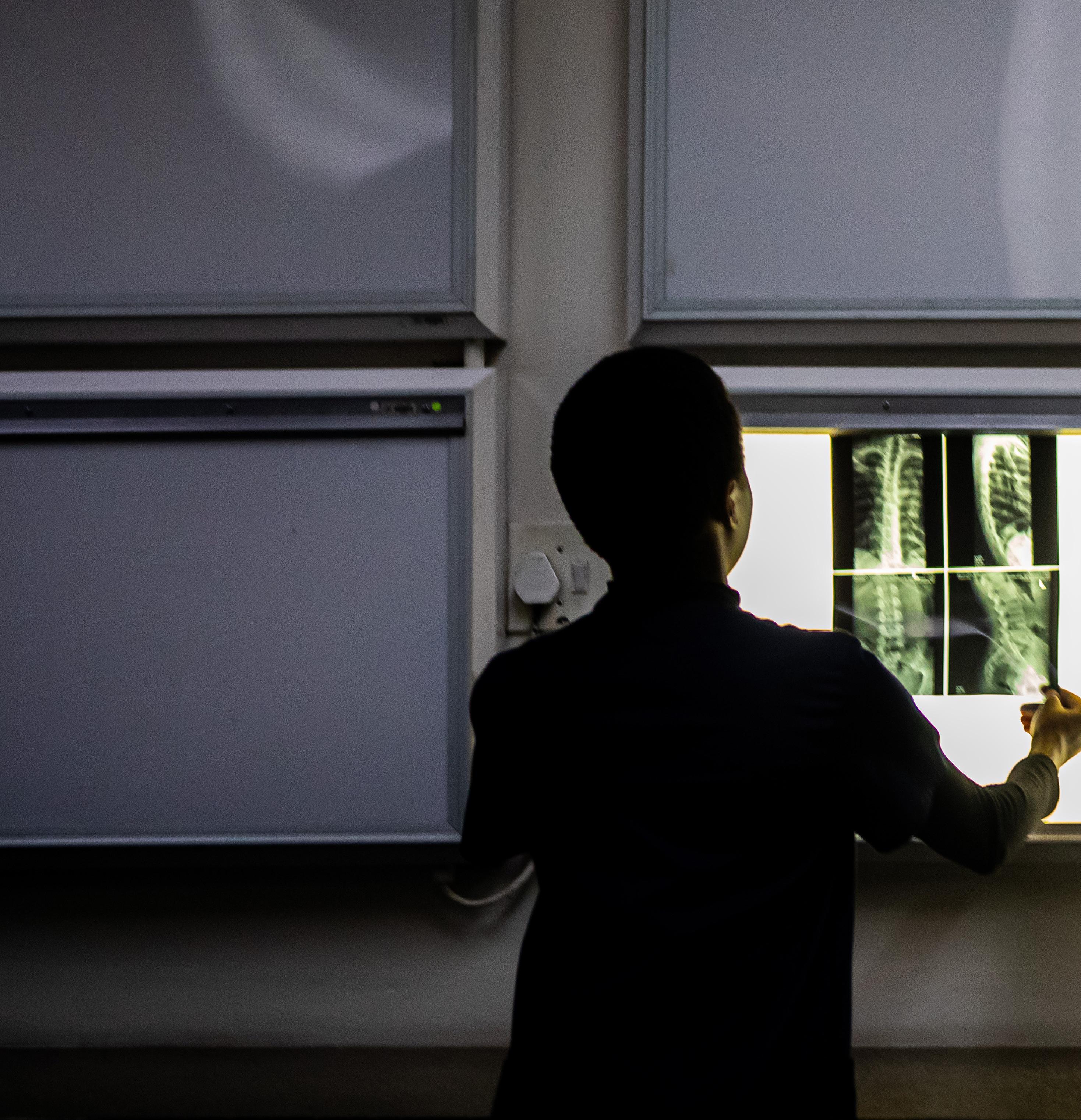
One of South Africa’s most prestigious teaching hospitals, Charlotte Maxeke Johannesburg Academic Hospital is pioneering cutting-edge medical procedures across the Gauteng province. Gladys Bogoshi, CEO, tells us more about the facility’s revitalisation programme and its dedication to training the next generation of medical professionals
Writer: Lucy Pilgrim | Project Manager: Harry Thurlow
Access to equitable healthcare in South Africa (SA) has not always been a smooth process, tied up in geopolitical and socioeconomic challenges that have created significant barriers.
“Reflecting on the past 31 years since the inception of our democracy, I recognise that as a citizen and a
health worker, my access to specific healthcare facilities was hindered by the colour of my skin,” opens Gladys Bogoshi, CEO of Charlotte Maxeke Johannesburg Academic Hospital (CMJAH), which is amongst the top 10 central hospitals in SA.
And yet, the country’s healthcare system has made noticeable
improvements in recent years, granted by the construction of new health infrastructure, modernisation, and implementation of free healthcare for children under five years of age, pregnant women, and pensioners who have increased access to services closer to home.
“I commend the advancements
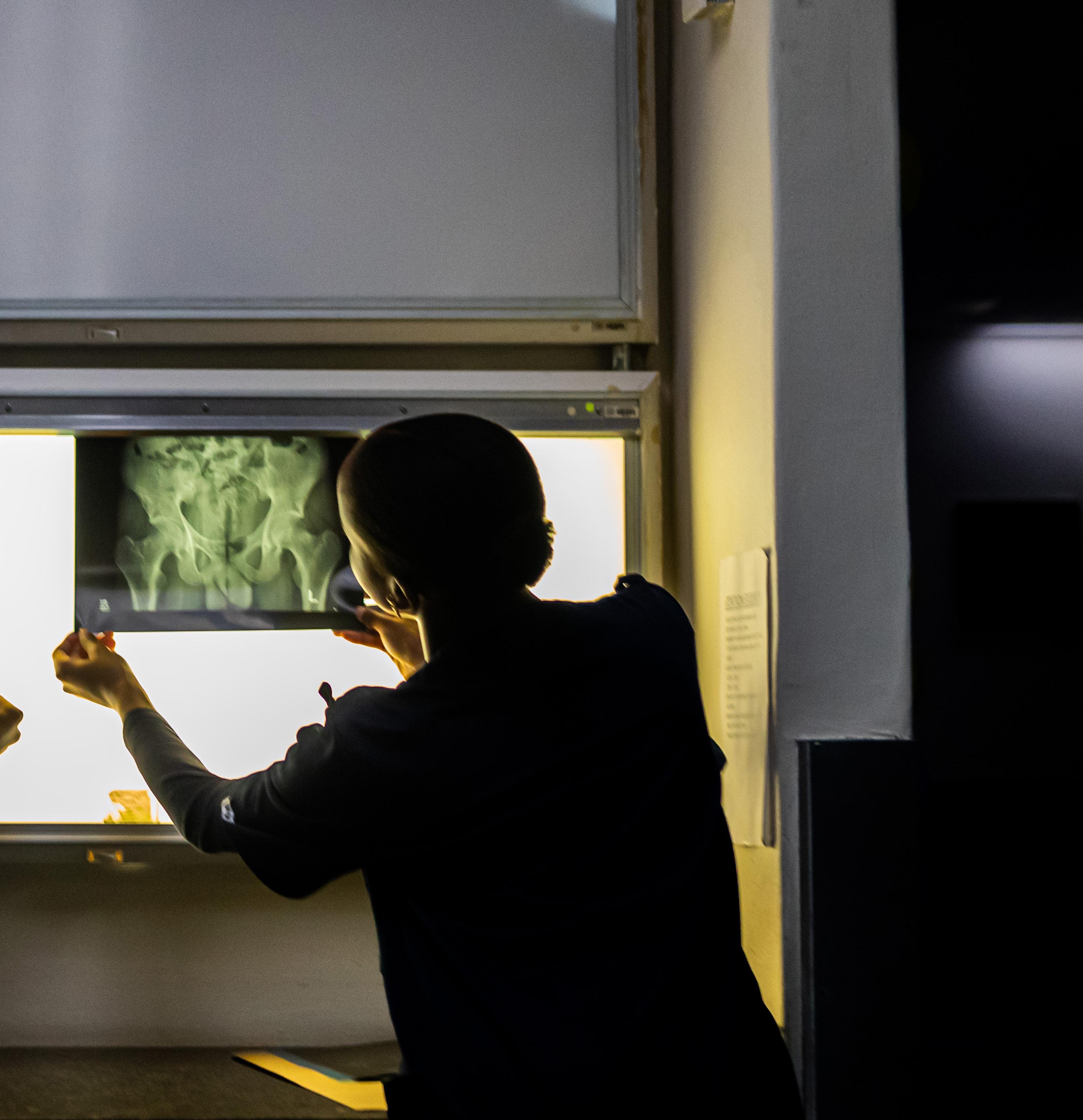
made in ensuring all facilities are accessible to everyone, regardless of race, religion, or other distinguishing factors,” she adds.
Although certain historical challenges remain, SA is ready to embrace the positive changes garnered from the signing of the National Health Insurance Bill
signed in May 2024, which promises to promote fair and accessible healthcare for all South Africans.
One of SA’s leading medical facilities, CMJAH functions as the primary teaching hospital for the University of
the Witwatersrand (Wits University) in Johannesburg, supporting both undergraduate and postgraduate education and collaborating with other domestic and international health training institutions.
The hospital additionally serves an estimated population of approximately six million residents
within the Gauteng Province and receives referrals from various other areas, such as the Southern African Development Community (SADC).
Indeed, CMJAH acts as a referral hospital serving 14 other facilities across various categories and provides all tertiary and quaternary services. The institution is also proud to be the country’s sole provider of complex services at an exceptional standard, including liver transplants conducted in partnership with a private hospital.
CMJAH employs approximately 5,500 team members and operates with a budget of ZAR4.2 billion, possessing functional beds across 1,068 different disciplines.
“The staff and broader healthcare team demonstrate an unwavering commitment to serving the public, ensuring patients, families, and community members feel heard, respected, and genuinely valued,” Bogoshi prides.
This dedication is reflected in the hospital’s culture of inclusivity, where feedback is actively sought and translated into tangible improvements to service delivery.
“There is a palpable enthusiasm for innovation, driven by a shared vision of continuously enhancing quality of care, optimising processes, and increasing operational efficiencies,” she adds.
Indeed, CMJAH prides itself on being a hub of clinical excellence, home to numerous internationally recognised specialists whose expertise is acknowledged through research publications in leading peerreviewed journals.
This strong academic foundation is complemented by a forward-looking approach that actively embraces cutting-edge health technologies –from advanced diagnostic tools to digital health solutions – ensuring patient care remains both evidencebased and at the forefront of global medical practice.
CMJAH is further distinguished by its ability to pioneer world-class medical care, most pointedly demonstrated by the fact it was the first health facility in Gauteng Province to successfully introduce MitraClip implants to repair
leaking heart valves.
“One of the procedure’s primary benefits is its significantly shorter recovery times, often just one or two days after the surgery, making it a game-changer for elderly or high-risk mitral regurgitation (MR) patients who are not suitable candidates for open-heart surgery,” Bogoshi highlights.
In patients who suffer from the condition, MR is the backward leakage of blood through the mitral valve occurring each time the left ventricle of the heart contracts.
“A leaking mitral valve allows blood to flow in two directions during contraction. Some blood flows from the left ventricle through the aortic valve, as it should, whilst some flows back into the left atrium, which it shouldn’t. This leakage can increase blood volume and pressure in the left atrium and raise pressure in the veins from the lungs to the heart, known as pulmonary veins,” she explains.
The MitraClip device is a small clip inserted through a catheter that helps the mitral valve close properly, restoring normal blood flow through the heart.

“THERE IS A PALPABLE ENTHUSIASM FOR INNOVATION, DRIVEN BY A SHARED VISION OF CONTINUOUSLY ENHANCING QUALITY OF CARE, OPTIMISING PROCESSES, AND INCREASING OPERATIONAL EFFICIENCIES”
– GLADYS BOGOSHI,
CEO,
CHARLOTTE MAXEKE
JOHANNESBURG
ACADEMIC HOSPITAL

The revolutionary implant procedure was first performed by CMJAH in February this year on three state-funded patients, representing a significant advancement in minimally invasive heart valve therapy, which is now available to both public and private patients across Gauteng Province.
Going forwards, a decision was made to carry out these procedures in a controlled academic hospital setting. This considerably differentiates the surgery as it ensures all cases are documented in a national registry, enabling the monitoring of long-term outcomes and supporting structural heart disease treatment in SA.
Available through academic hospitals, the pioneering procedure is poised to transform the MR treatment landscape across the country.
CMJAH is currently going through a significant revitalisation programme aimed at upgrading its facilities and enhancing overall patient performance.
“In line with our commitment to excellence, the institution has
launched an ambitious modernisation programme, investing heavily in advanced medical technology to improve diagnostic accuracy, treatment precision, and overall clinical outcomes,” Bogoshi states.
This includes the refurbishment of wards and outpatient department areas which were initially commissioned in 1978, ensuring that they are not only functional and efficient but also welcoming, comfortable, and conducive to healing.
Major progress has additionally been made through the installation and upgrading of state-of-the-art equipment, including magnetic resonance imaging (MRI) and computed tomography (CT) scanners, angiography suites, catheterisation labs, linear accelerators, brachytherapy devices, and mammography units.
These investments, totalling more than ZAR600 million over the past three years, demonstrate the institution’s commitment to staying at the forefront of healthcare innovation, providing patients with access to a high level of technology and expertise on par with that of leading global
medical centres.
The hospital has also implemented WIB Group’s stateof-the-art Integrated Patient Queue Management System (IPQMS) at its paediatric pharmacy, meaning patients will no longer have to wait in long lines to receive their medication.
CMJAH is the second facility in the Gauteng province to implement the system, and since its initial roll-out in November 2024, IPQMS has already served 715 patients, demonstrating its potential to enhance service delivery.
The system streamlines the check-in process to ensure better efficiency, deliver accurate patient records, track service turnaround times, and aid effective staff scheduling by identifying busy periods.
Therefore, IPQMS solves South African public healthcare facilities’ most pressing challenges, including extended waiting times that hinder hospitals’ ability to respond efficiently to high demand.
“This innovative system is an important step towards modernising the public health system, improving patient experiences, and shortening wait times at facilities across the Gauteng Province.”

Another key milestone for the hospital is the restoration of a department that was severely damaged by a fire in April 2021. Repairs are already well underway, with the project scheduled for completion next year.
“This restoration will not only return the affected space to full functionality but also provide an opportunity to rebuild it to modern standards,” Bogoshi comments.
CMJAH has grown to become a dynamic centre for research, innovation, and academic collaboration.
One of the key teaching hospitals affiliated with Wits University, it occupies a unique position at the intersection of patient care, medical education, and scientific advancement.
CMJAH strongly believes an empowered workforce is the foundation of outstanding patient care.
“We actively support a culture where every team member feels appreciated, supported, and motivated to do their best. This starts with open communication and inclusive decision-making processes where staff are encouraged to share ideas, voice concerns, and shape solutions,” Bogoshi states.
The hospital additionally emphasises ongoing professional growth by offering access to training programmes, workshops, and mentorship opportunities that improve skills and create pathways for career progression.
“Recognising employee contributions is just as important. We celebrate successes – both big and small – with formal awards, public acknowledgements, and staff appreciation events. By rewarding dedication, innovation, and teamwork, we strive to build a workplace where staff feel not only empowered to excel but also proud to be part of the CMJAH family.”
The institution also focuses on creating a supportive work environment by upgrading facilities, supplying modern tools and technology, and providing sufficient resources to perform tasks efficiently.
“Research findings are not kept in academic silos – they feed directly into clinical practice. As an academic hospital, CMJAH ensures that medical students, nurses, and therapeutic service health professionals are exposed to a culture of inquiry.
“Many projects originate from postgraduate research, meaning that the next generation of healthcare workers is trained not only to deliver care but also question, evaluate, and improve it,” Bogoshi elaborates.
In essence, CMJAH’s research portfolio reflects a patient-centred, data-driven, and socially responsible approach. Its work bridges high-level academic inquiry and on-the-ground clinical application, ensuring innovation is not an abstract concept but a daily practice that saves lives.
The facility has a vibrant multidisciplinary research committee that hosts an annual research symposium and has also seen an increase in the number of PhDs undertaken.
Hospitals across the Gauteng Province have more broadly demonstrated their commitment to excellence in healthcare delivery by dominating the Public Sector Innovator of the Year category at the National Batho Pele and Innovation Awards (NBP&IA) held in November 2024.
In a remarkable achievement, all top three positions in the category were
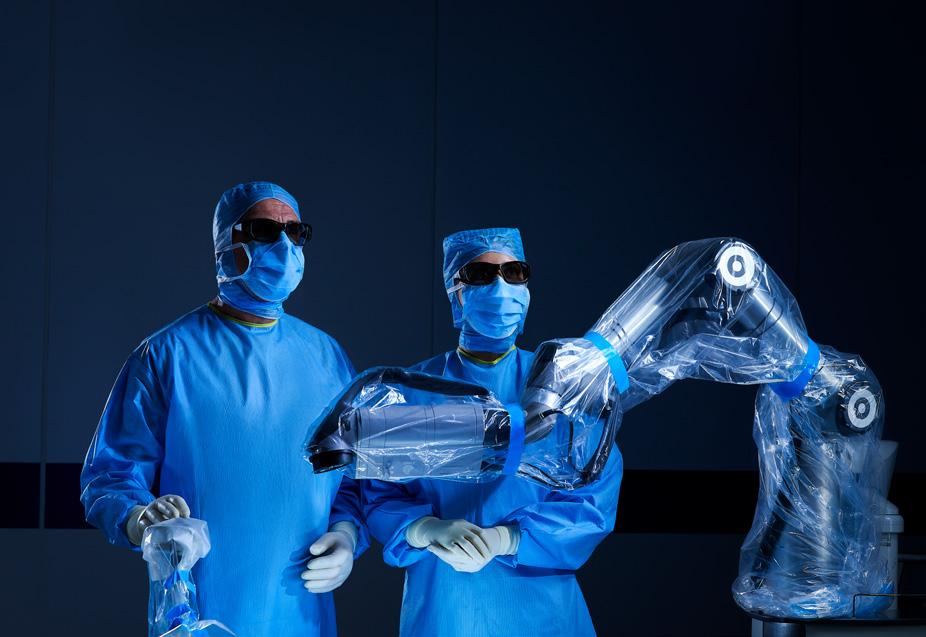
VITOM® EAGLE – The Future of Exoscopy.
4K clarity. All-in-one design. Seamless OR integration.
Ideal for Otorhinolaryngology, Neurosurgery, Spinal Surgery, and Plastic Surgery.
Experience precision redefined.
021 417 2600 info-za@karlstorz.com www.karlstorz.com
secured by facilities from the Gauteng Department of Health.
CMJAH claimed second place with its Physiotherapy Peer Review project, which aims to improve the efficiency of physiotherapy services and has introduced standard operating procedures and enhanced communication across facilities.
CMJAH’s dedicated staff members actively participate in outreach programmes, working closely with the hospital and collaborating with primary healthcare providers to promote health education and awareness within the community. These initiatives not only strengthen links between the hospital and surrounding clinics but also empower community members with the knowledge to make informed health decisions.
CMJAH also leverages both formal


and social media platforms to address pressing health-related issues, share credible medical information, and engage with the public on prevention, treatment, and wellness procedures.
“Strategic collaborations, such as our partnership with Cricket South Africa to raise awareness about breast cancer, amplify our health promotion efforts by combining medical expertise with high-profile advocacy,” Bogoshi insights.
Additionally, the hospital celebrates key events in the national and global health calendar, using these occasions to increase public engagement, raise awareness of important topics, and encourage proactive healthcare behaviours.
CMJAH also invests in inspiring the next generation of healthcare professionals; through the institution’s open days, learners are invited to explore various careers in the healthcare sector, gain exposure
to the hospital environment, and participate in job-shadowing opportunities.
“These initiatives not only foster career interest but also help cultivate a deeper understanding of the vital role healthcare workers play in society,” she closes.
Looking to the coming year, CMJAH is continuing its hospital restoration efforts, rehabilitating areas affected by prior structural damage. This includes upgrades to wards, outpatient areas, and specialised clinical spaces, ensuring they meet current healthcare standards and patient needs.

Tel: +27 11 488 4911 / 3334
Gladys.bogoshi@gauteng.gov.za www.gauteng.gov.za

With a rich history of mental health care, the Institute of Mental Health is creating an ecosystem of support in Singapore centred around a holistic approach. A/Prof Daniel Fung, CEO, outlines the nation’s changing attitude towards mental illness and the institution’s vision to facilitate accessible care throughout the community
Writer: Lucy Pilgrim | Project Manager: Harry Thurlow
The identification, care, and treatment of mental illness have historically been influenced by social and structural stigmas that have contributed to a complex relationship with mental health across the globe.
For centuries, the realm of mental illness has been hidden from public view, with many sufferers being kept in asylum facilities or cared for in religious settings such as temples.
In a Singaporean context, the fear of the unknown and notion of hiding mental illness behind closed doors was reflected by the Mental Hospital, which was built in 1928 in a remote part of the country away from any residential or commercial areas.

“Relative to other hospitals in Singapore, it was first built very far north. The reason for this was very simple – it was a mental hospital,” states A/Prof Daniel Fung, CEO of the Institute of Mental Health (IMH).
A physical representation of the social stigma in the 1920s, the Mental Hospital was renamed Woodbridge Hospital in 1951, going through subsequent transformations that reflected the changing attitudes around mental illness.
Woodbridge Hospital later became IMH in 1993 when it moved to the current premises in Hougang which, significantly, is far more integrated into the community, leading to much
greater public awareness around the treatment of mental health as a result. Fast-forward to today and IMH has worked to transform the realm of mental health care in Singapore, both internally within its 2,000-bed hospital and across the community.
Recent developments have enabled IMH to progress into people-centric and accessible support, offering a comprehensive range of psychiatric, rehabilitative, and counselling services.

This wouldn’t be possible without the country’s growing focus on mental health and changing attitudes in the last 20 years.
“Mental health care in Singapore is in an exciting era; there is a lot more attention, support, and recognition being given,” Fung smiles.
Indeed, Singapore has implemented a multitude of significant mental health policies in the last two decades – including the Singapore National Mental Health Blueprint in 2007, which evolved into the Community Mental Health Masterplan in 2012 – each giving rise to the National Mental Health and Well-Being Strategy launched two years ago, which was prefaced around having a stepped care model.
Referred to in Singapore as a tiered system, the strategy acts as a benchmark for global best practices and creates a supportive ecosystem for those with mental health needs.
It spans from Tier 1, which focuses on promoting general well-being and resilience, to Tier 4, which provides tertiary and quaternary care for severe and complex cases.
“With the stepped care model, we can better help individuals receive the appropriate services, allowing for
better access and affordability and providing a combined mental health blueprint,” Fung elaborates.
With this in mind, the evolving role of IMH is evermore important as the institution sustains positive mental health support across Singapore.
Prior to the launch of the National Mental Health and Well-Being Strategy, IMH had started engaging the community as early as 2007 – the same year the Singapore National Mental Health Blueprint was introduced.
The institution’s community efforts in the subsequent five years included the Early Psychosis Intervention Programme (EPIP), which offered early detection and treatment for individuals with psychosis between the ages of 16 and 40.
Meanwhile, the Response, Early intervention and Assessment in Community mental health (REACH) initiative and Community Mental Health Team (CMHT) were both launched in 2007 to provide early detection and intervention to those at risk of a mental health condition, whilst supporting those recovering
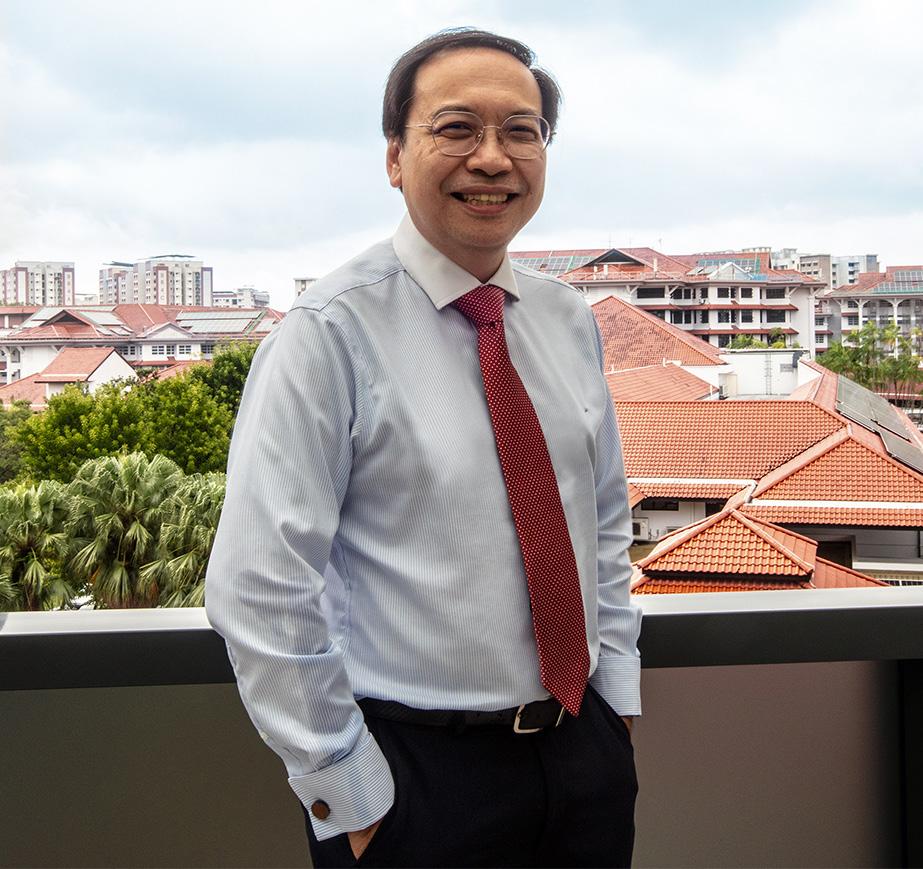
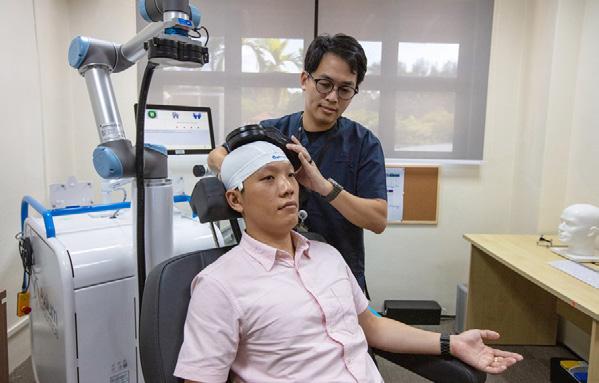
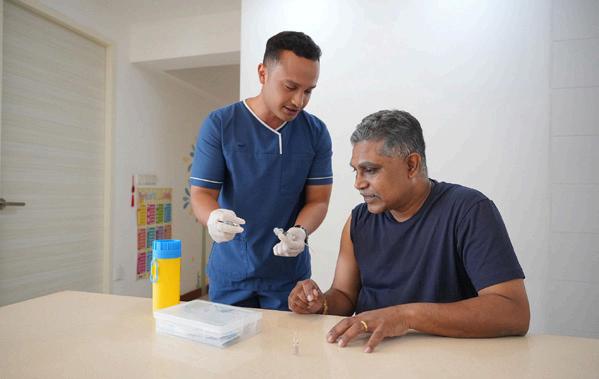
from a mental health condition in the community.
Today, IMH continues its community-focused approach by building off the cornerstones of the National Mental Health and WellBeing Strategy and the tiered-care model framework, directing its focus
In support of the Singapore Green Plan 2030 and alignment with the Green Gov.SG movement, the IMH Green Plan seeks to secure and sustain a sustainably driven facility. The initiative is outlined by five key pillars:
• Build organisational awareness through green education.
• Reduce carbon footprint.
• Boost energy efficiency and conserve water.
• Reduce, reuse, and recycle.
• Green procurement and conscious purchasing.
IMH is also part of the Global Green and Healthy Hospitals network that spans 72 countries and represents nearly 43,000 hospitals and health centres.

VIC Interior Pte Ltd is proud to support the Institute of Mental Health (IMH) in creating safe, functional, and patient-focused healthcare environments. As Singapore’s only tertiary psychiatric hospital, IMH plays a vital role in the nation’s mental healthcare landscape, and VIC Interior is privileged to contribute to its ongoing transformation and development.
Visit us at www.vic.com.sg or connect via email at: sales@vic.com.sg
Phone: +65 68101358


Our team prioritises durable, medical-grade finishes, patient-friendly layouts, and compliance with BCA, SCDF, and healthcare safety regulations. By integrating meticulous planning and innovative design solutions, we help create spaces that enhance operational efficiency, staff workflow, and patient experience.
VIC Interior’s work reflects our commitment to quality, reliability, and precision, ensuring that each project supports IMH’s mission of excellence in clinical care, research, and community engagement. We take pride in partnering with leading healthcare institutions and delivering projects that combine functionality, aesthetics, and safety, tailored to the unique requirements of mental health facilities.
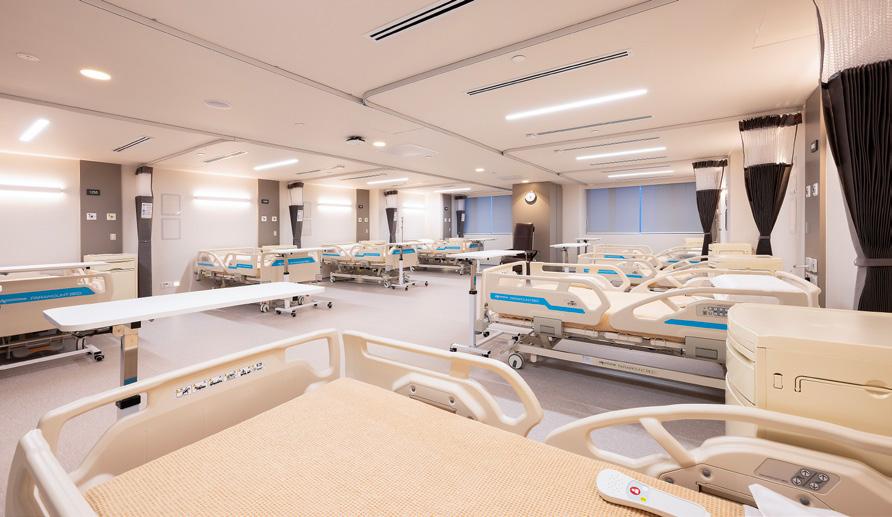

With extensive experience in live hospital renovations, clinic fit-outs, and IT infrastructure upgrades, VIC Interior ensures that projects are delivered with minimal disruption to ongoing operations. Our expertise spans design, project management, and turnkey execution, enabling IMH to maintain high standards of care while modernising its facilities.
Key Strengths:
• Specialised in live hospital and clinic renovations
• End-to-end design and project management solutions
• Strict adherence to healthcare safety and regulatory standards
• Focus on patient-centric, durable, and functional interior solutions
• Trusted partner of IMH and other major healthcare institutions

Through our partnership with IMH, VIC Interior continues to strengthen its reputation as a leading healthcare interior specialist, delivering environments that inspire confidence, efficiency, and care.
“MENTAL HEALTH CARE IN SINGAPORE IS IN AN EXCITING ERA; THERE IS A LOT MORE ATTENTION, SUPPORT, AND RECOGNITION BEING GIVEN”
– A/PROF DANIEL FUNG, CEO, INSTITUTE OF MENTAL HEALTH
on capability-building to equip community partners to support patients in Tiers 1 to 3.
As a result, IMH can facilitate early interventions and preventative care before significant mental illnesses emerge.
“As we developed a new tieredcare model, we asked how our care would change. In the past, we used to conduct long-term chronic care that addressed a legacy of patients who were admitted to hospital for a long time,” Fung recalls.
“If the stepped care model really works, then we will have less of such patients and more who can be treated in community and don’t require hospitalisation. This means our facility will be able to manage acute care a lot
better and earlier, which is the kind of transformation that we are trying to achieve.”
With this in mind, one of the institute’s main priorities is to facilitate greater access to key resources in the community, allowing outreach centres to effectively manage individuals’ needs beyond simple care and management.
“We strive to ensure people are well maintained within their community and the services they need are affordable,” he continues.
At the core of this endeavour is IMH’s long-standing partnerships with primary care and community partners in the local area, allowing the institute to train and equip community service providers so they can step up and support those with mild to moderate health needs and disorders.
These collaborations have seen IMH provide training and resources to general practitioners (GPs) through a range of programmes, including the Graduate Diploma in Mental Health and the Mental Health-GP Partnership Programme, thus greatly increasing mental health capabilities across the community, as well as providing training and capability-building programmes for social service agencies.

IMH’s propensity for world-class research means that it remains up to date in the latest medical advancements and is able to obtain key information vital to policymakers and the general public, publishing over 1,000 papers in peer-reviewed journals over the last 20 years.
For instance, the institute launched the Singapore Mental Health Study (SMHS) in 2007 – a landmark study that provided insight into the prevalence of mental illness across the general population.
A follow-up study conducted in 2016 found that one in seven people in Singapore had experienced a mental illness at some point in their lifetime. Such findings from the SMHS helped to initiate and inform subsequent research, including the Well-Being of the Singapore Elderly (WiSE) study, indicating the prevalence of dementia and depression in elderly populations. Additionally significant, Mind Matters: A Study of Mental Health Literacy, published the following year, examined public awareness and the perception of mental illness in Singapore.
Other more groundbreaking research conducted by IMH includes the use of advanced intermittent theta burst stimulation (iTBS) to test how brain stimulation can help patients with schizophrenia better manage their emotions and behaviours.
More recently, the institute also launched personalised Transcranial Magnetic Stimulation for treating treatment-resistant depression.
IMH’s key focus going forwards is to increase bed capacity in the longterm whilst ensuring those who require urgent services are able to access help in the short-term.
“We want to make sure there are no long wait times across all levels of the hospital, whether it be for an

At the Institute of Mental Health (IMH), every moment counts – because healing begins with safety and stability.
Since 2011, AETOS, Singapore’s leading security solutions provider, has been entrusted to safeguard this environment so healthcare teams can fully focus on their duty of care.
In close collaboration with IMH, AETOS auxiliary police and security officers undergo specialised training to respond with professionalism, readiness, and empathy. They provide assurance at every encounter, safeguarding patients, healthcare staff, and visitors with care.
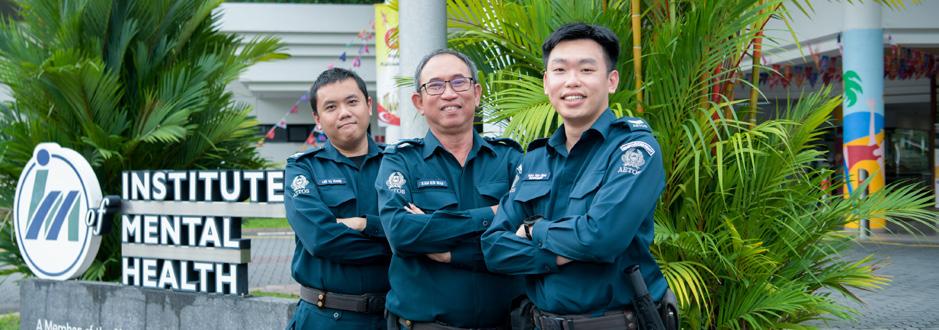

As IMH continues to shape the future of mental healthcare and clinical excellence in Singapore, AETOS stands committed as their trusted security partner — protecting what matters, every day.
sales@aetos.com.sg | www.aetos.com.sg

emergency, getting an appointment to see a psychiatrist, or as an outpatient in the community,” Fung urges.
IMH also hopes to expand its research focus to not only cover epidemiological research but also translational, clinical, and implementation research, helping the institute to better understand the state of mental health across the Singaporean population, further advance the identification and treatment of mental health conditions, and shape mental health policies.
“Our expansion must be undergirded by some sort of evaluation or research; developing an academic


“Working hand in hand with IMH, we ensure our officers are not only trained in security protocols, but also equipped with the empathy needed in a healthcare environment.”
— Vincent Soh, Vice President, Integrated Training, AETOS Holdings Pte Ltd
The strategy allows those with mental health needs to effectively seek help without stigma and comprises four key focus areas:
1. Expanding capacity of mental health services.
2. Enhancing capabilities of service providers for early identification and intervention.
3. Promoting mental health and well-being.
4. Improving workplace mental health and well-being.
clinical programme around mental health is important,” Fung closes.
In aid of this objective, the institute is carrying out clinically relevant research that will help it better understand

the mechanisms underlying various mental disorders and translating these findings into interventions that relieve the suffering of patients with mental illness, whilst also helping to address the real-world challenges faced by them and their families.
IMH also conducts large-scale, population-based studies to address knowledge gaps and raise awareness on mental health issues amongst Singapore’s general population and policymakers.
Going forwards, IMH will continue to collaborate with researchers, universities, and educational institutions to provide competency-based training for its support providers, be it doctors, nurses, or allied health professionals.
Tel: 6389 2000 www.imh.com.sg


Accelerating Care Pathways Developing