Africa Outlook, APAC Outlook, EME Outlook, North America Outlook, Mining Outlook, Healthcare Outlook, Manufacturing Outlook, Supply Chain Outlook, Food & Beverage Outlook, Construction Outlook, and Sustainability Outlook are digital publications aimed at boardroom and hands-on decision-makers, reaching an audience of more than 800,000 people around the world.
With original and exclusive content compiled by our experienced editorial team, we look to promote the latest in engaging news, industry trends, and success stories from across the globe.
Your company can join the leading industry heavyweights enjoying the free exposure we provide across our platforms with a free marketing brochure, extensive social media saturation, enhanced B2B networking opportunities, and a readymade forum to attract new investment and help you grow your business.
Visit www.outpb.com/work-with-us for details on how your company can feature for free in one of our upcoming editions.
EDITORIAL
Head of Editorial: Jack Salter jack.salter@outpb.com
Deputy Head of Editorial: Lucy Pilgrim lucy.pilgrim@outpb.com
Welcome to our 79th edition of APAC Outlook magazine.
The global imaging and digital content creation industry is moving into a very different era of storytelling, with three major forces simultaneously converging.
Artificial intelligence (AI) is dramatically increasing both volume and speed, barriers to the creation of high-quality visuals are being removed, and authenticity has become more valuable.
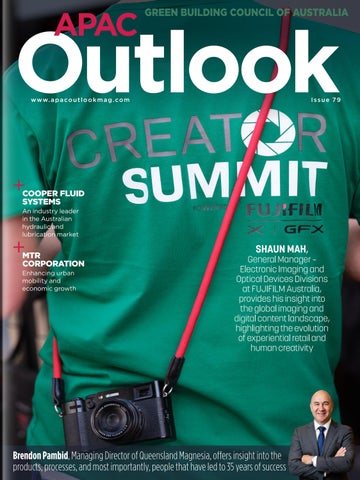
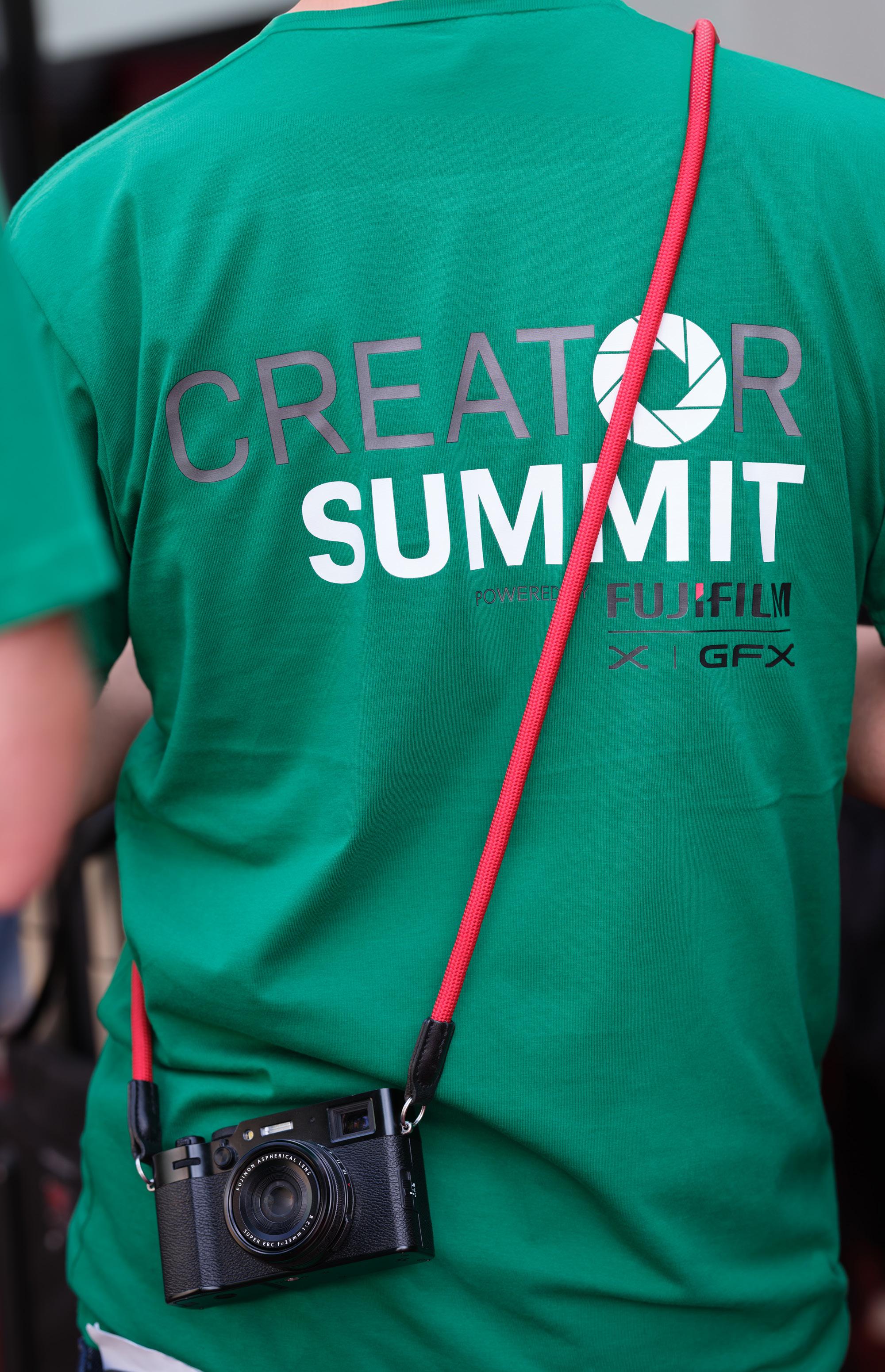
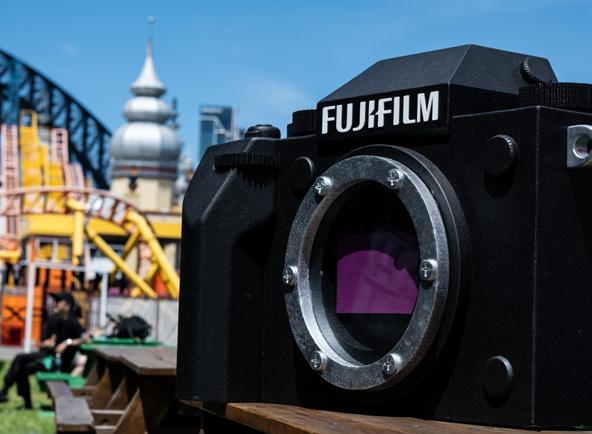
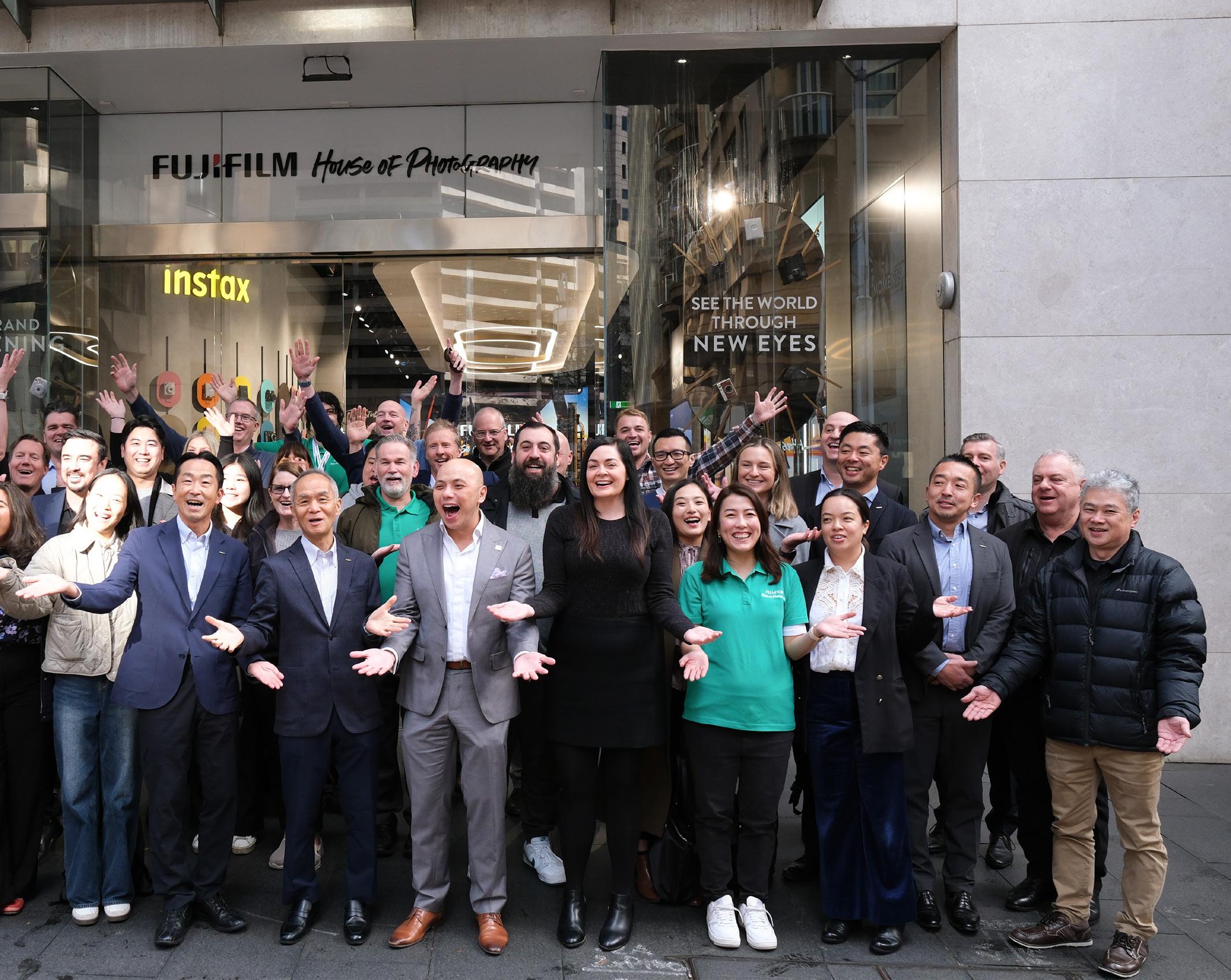
Captured in this issue’s front cover shot is FUJIFILM Australia, one of the world’s largest organisations in imaging and healthcare.
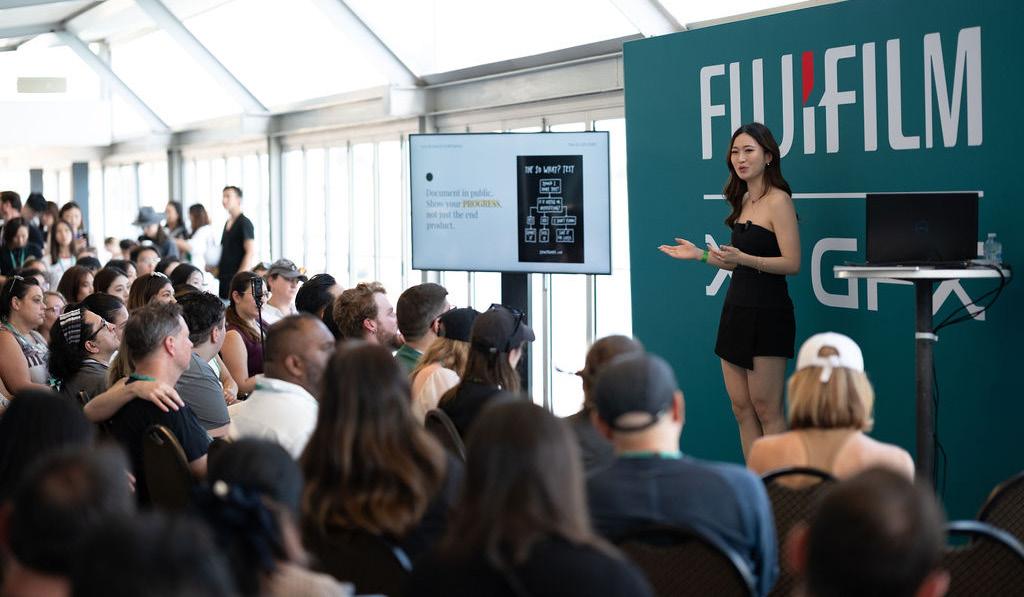
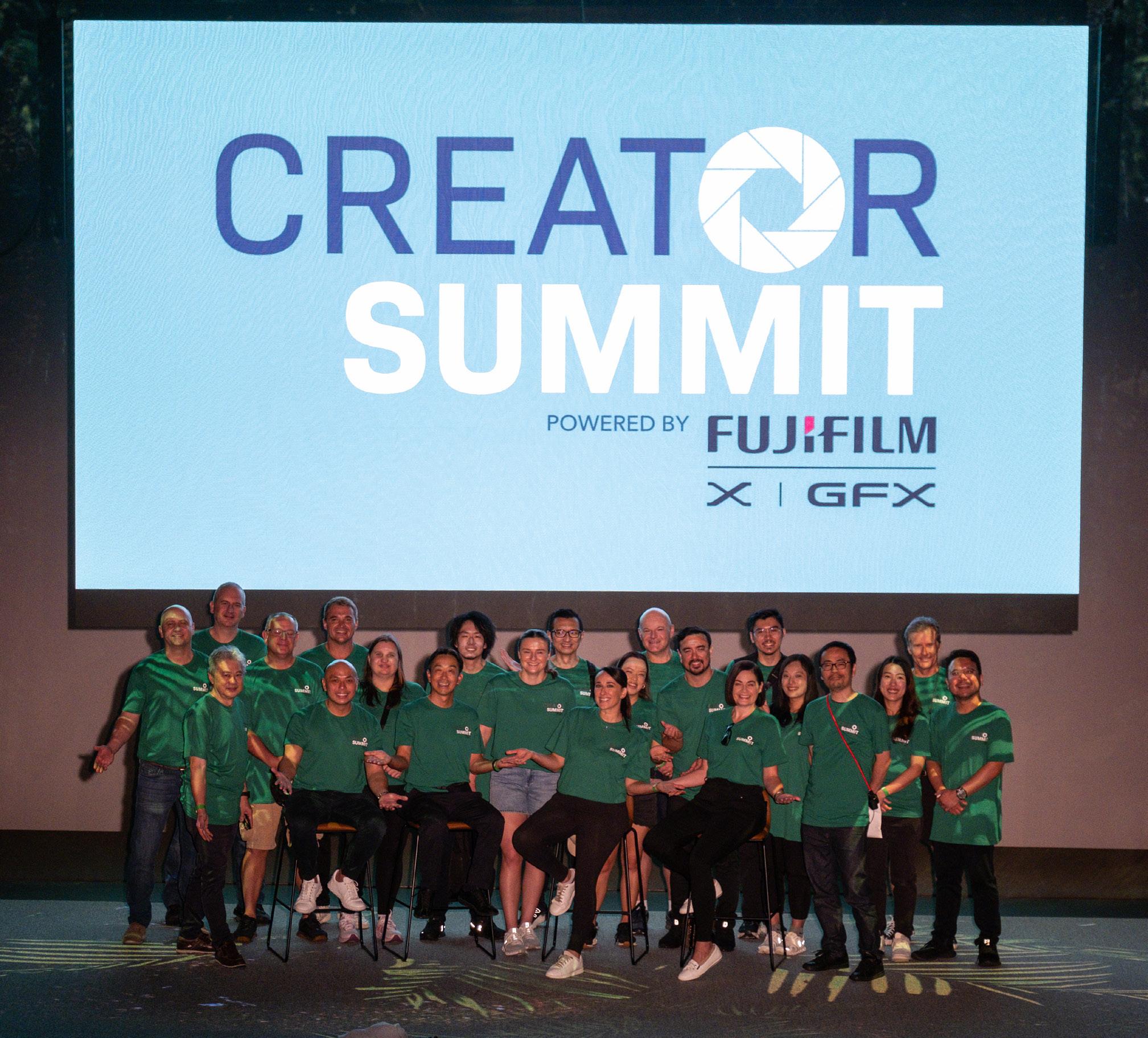
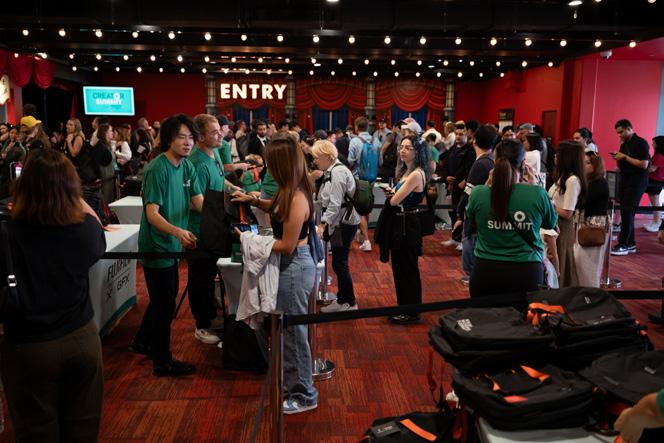
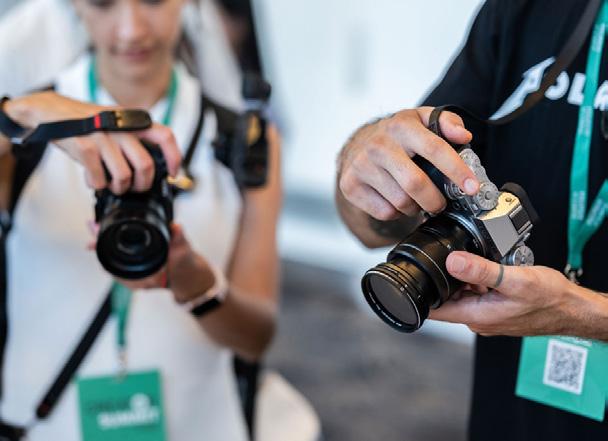
The company’s annual Creator Summit: Powered by FUJIFILM X | GF was developed around a simple idea: today’s creators are looking for something more – access, learning, community, collaboration, and platforms that help them grow.
“Its reception has reinforced something important; creators want substance – to be taken seriously, invested in meaningfully, and given value that helps them build something bigger,” prides Shaun Mah, General Manager – Electronic Imaging and Optical Devices Divisions at FUJIFILM Australia.
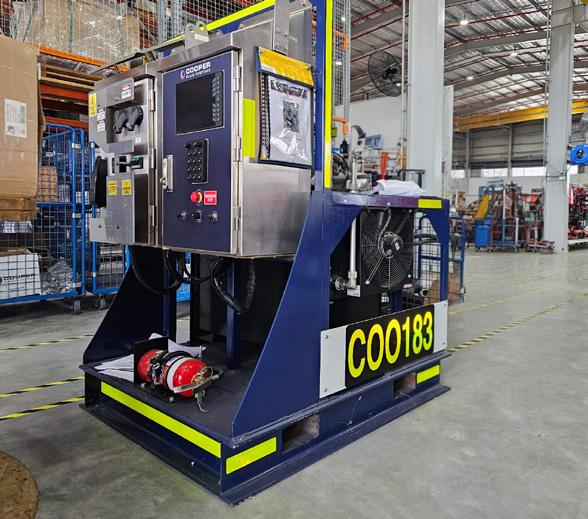
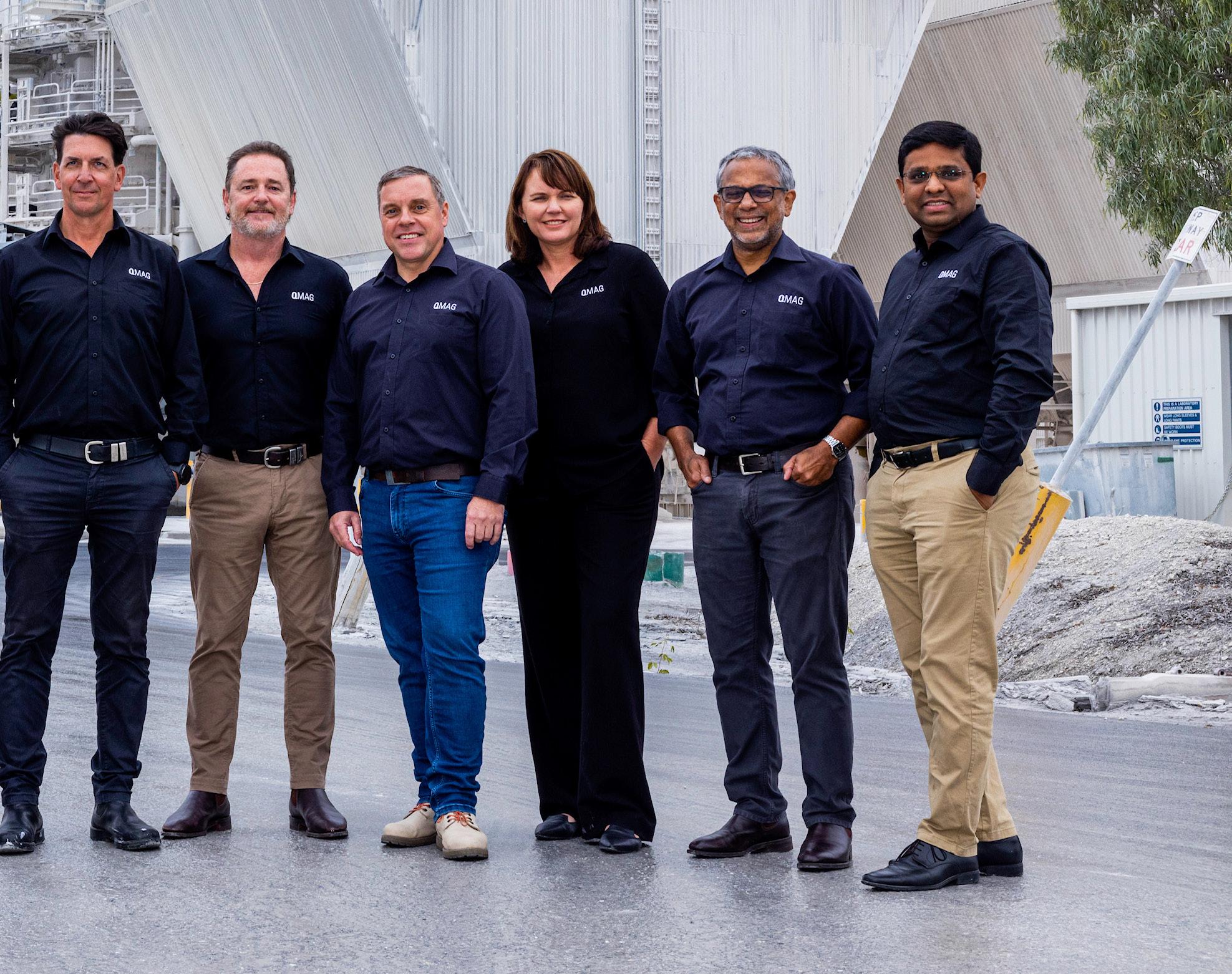
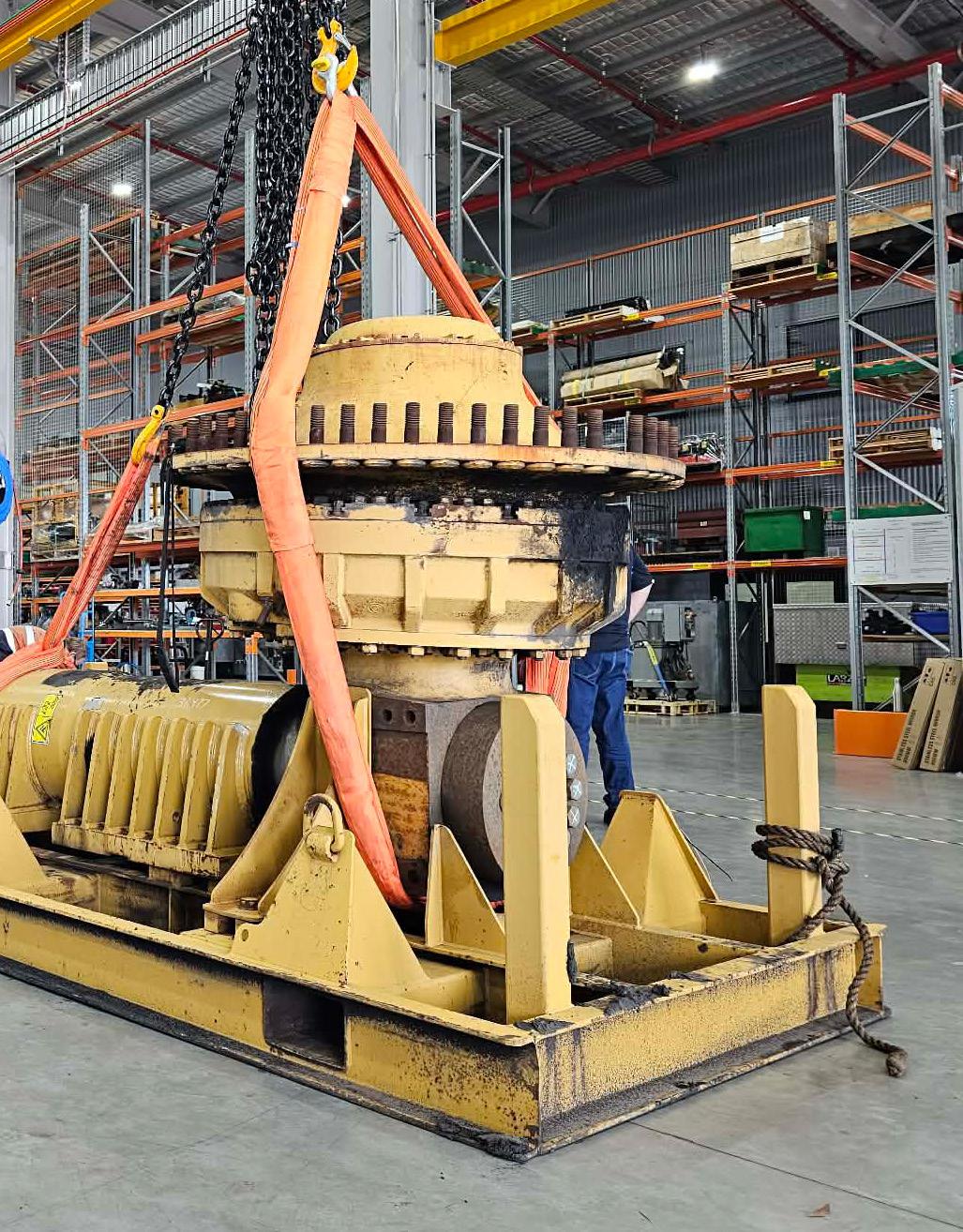
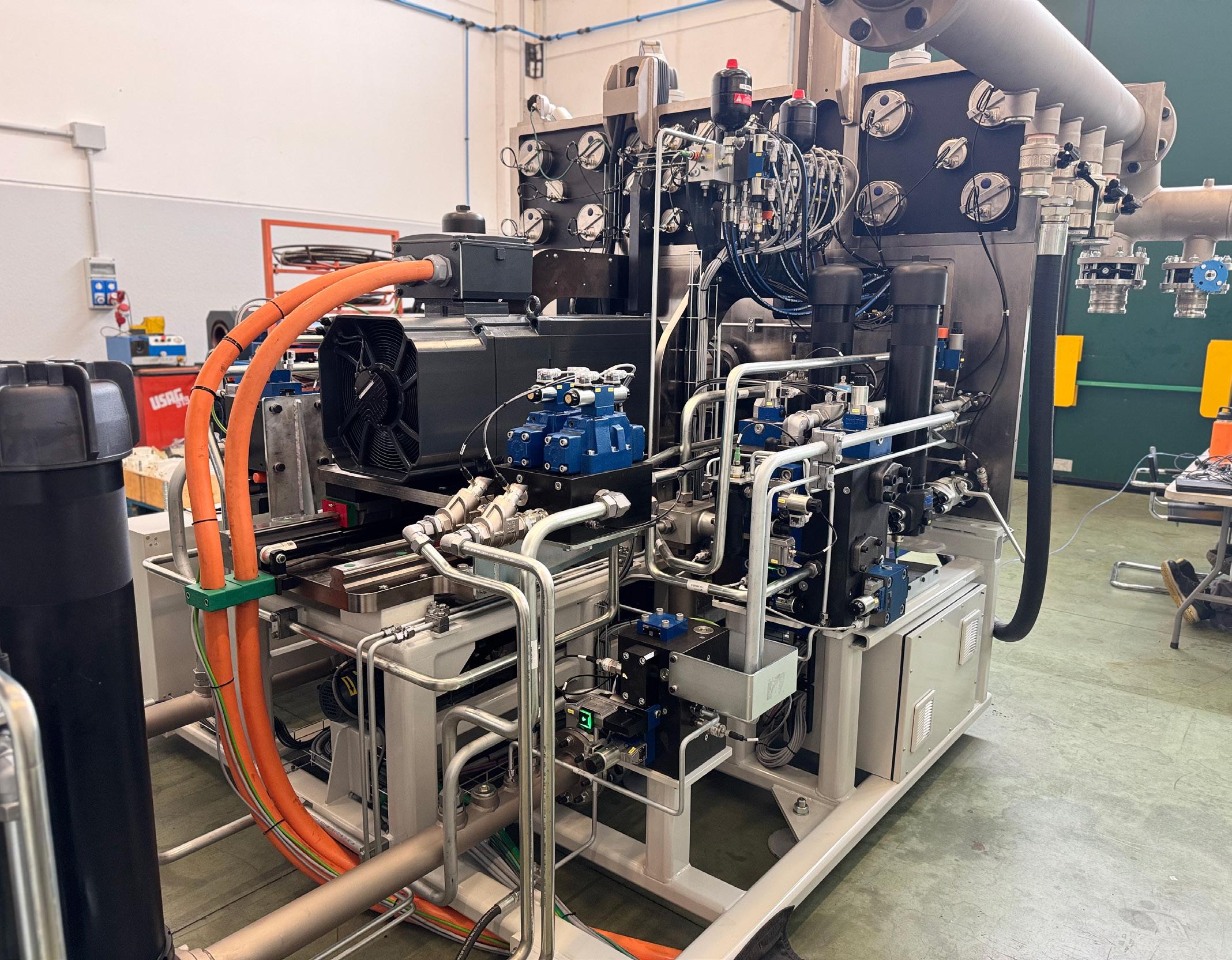
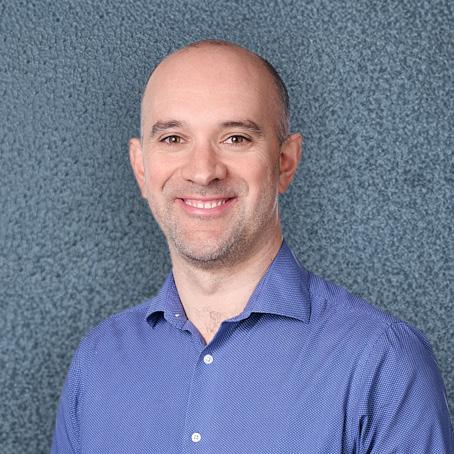
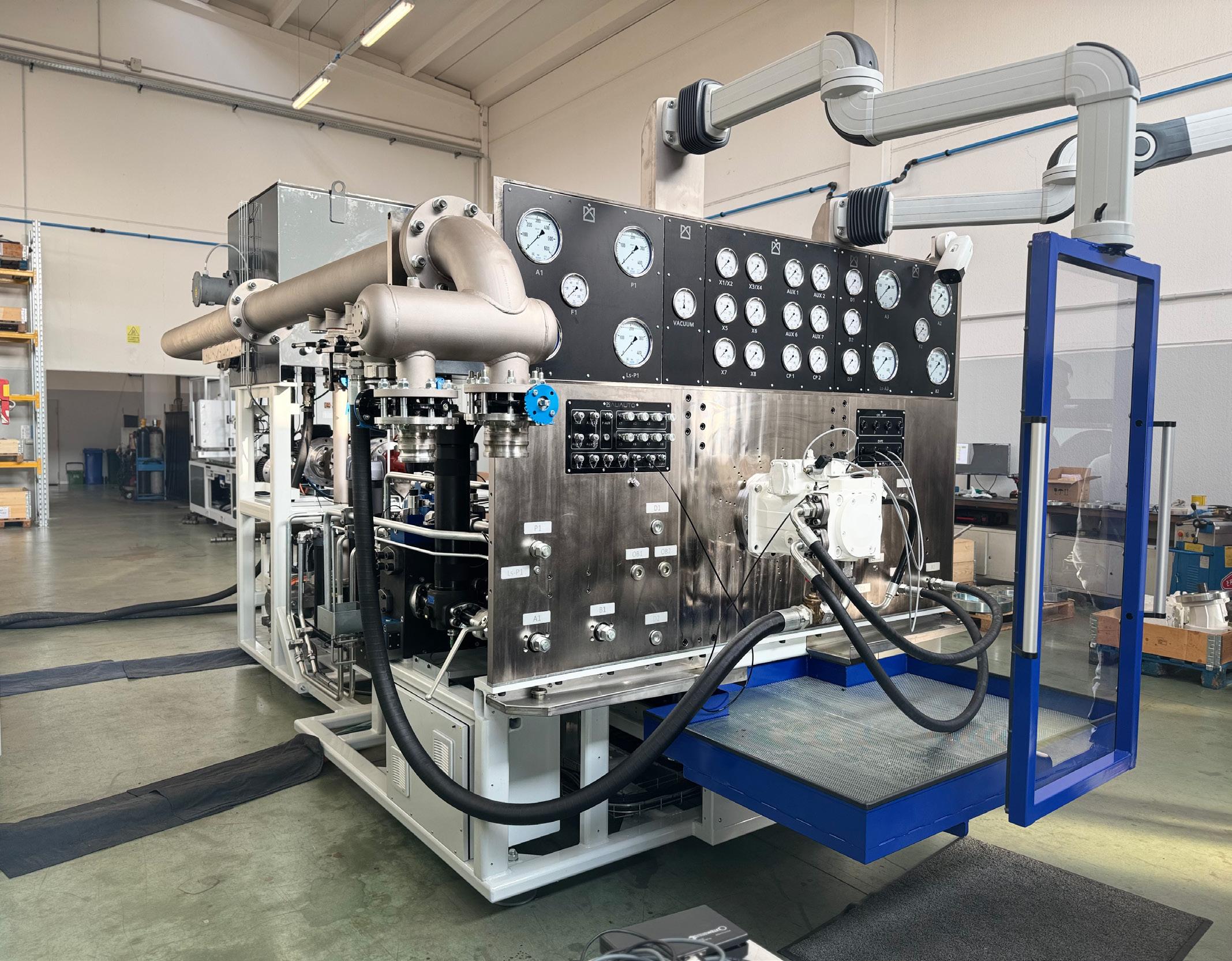
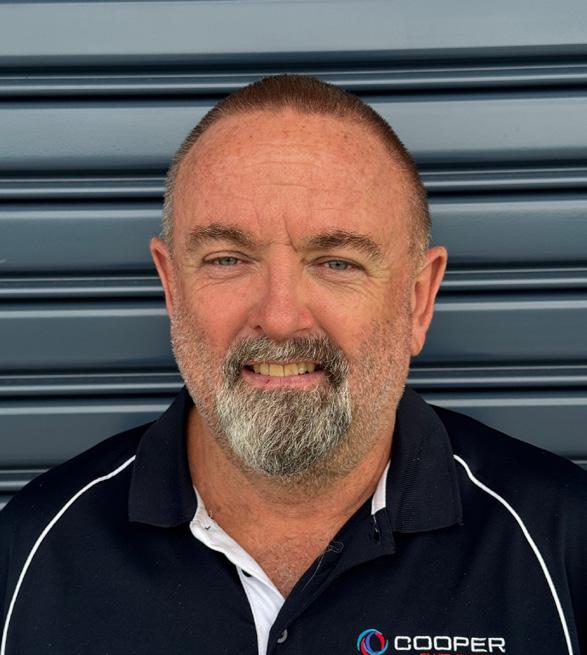
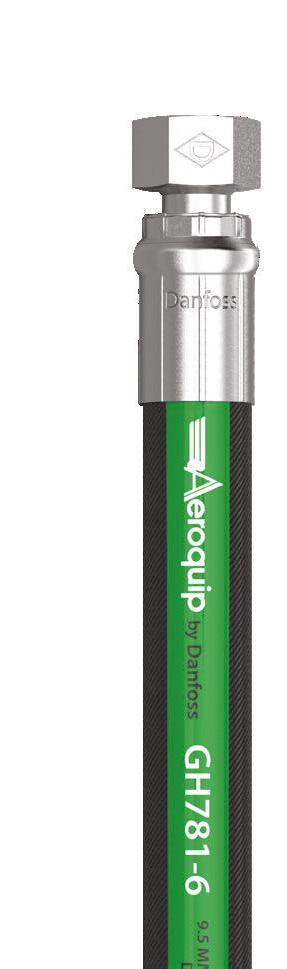
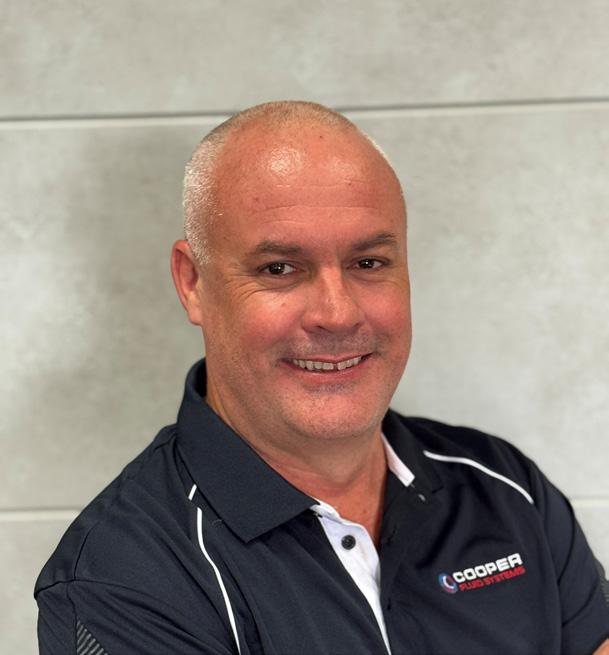
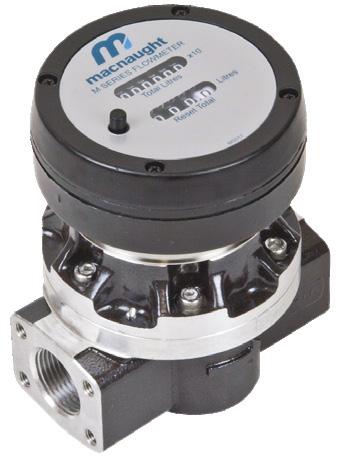
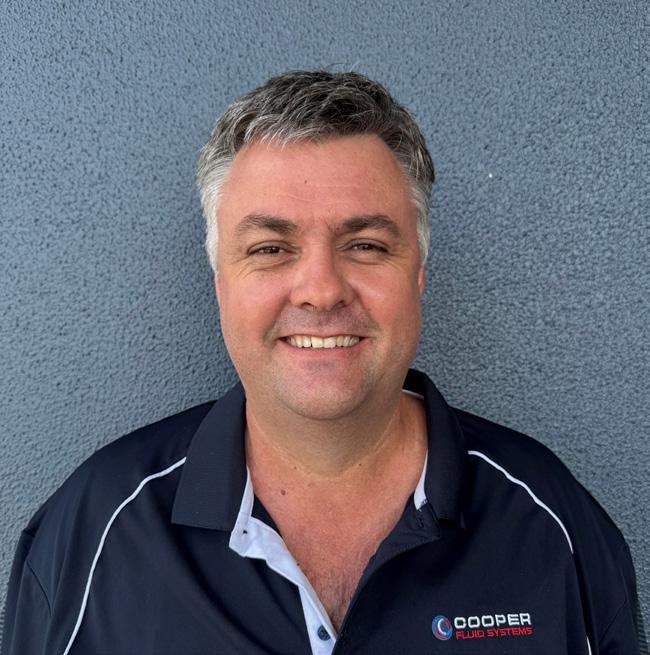
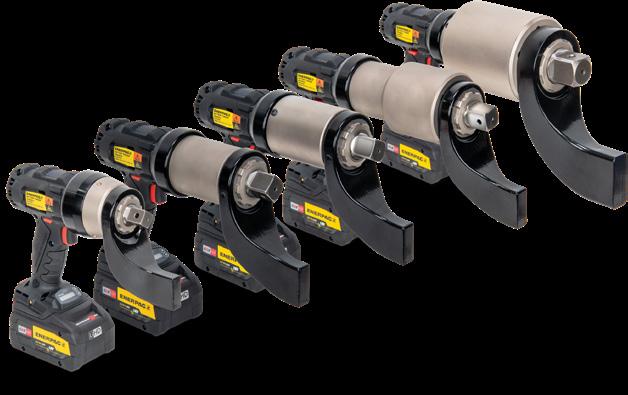
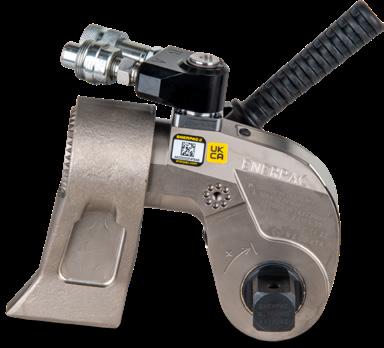
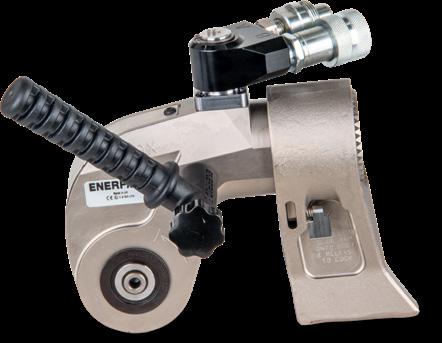
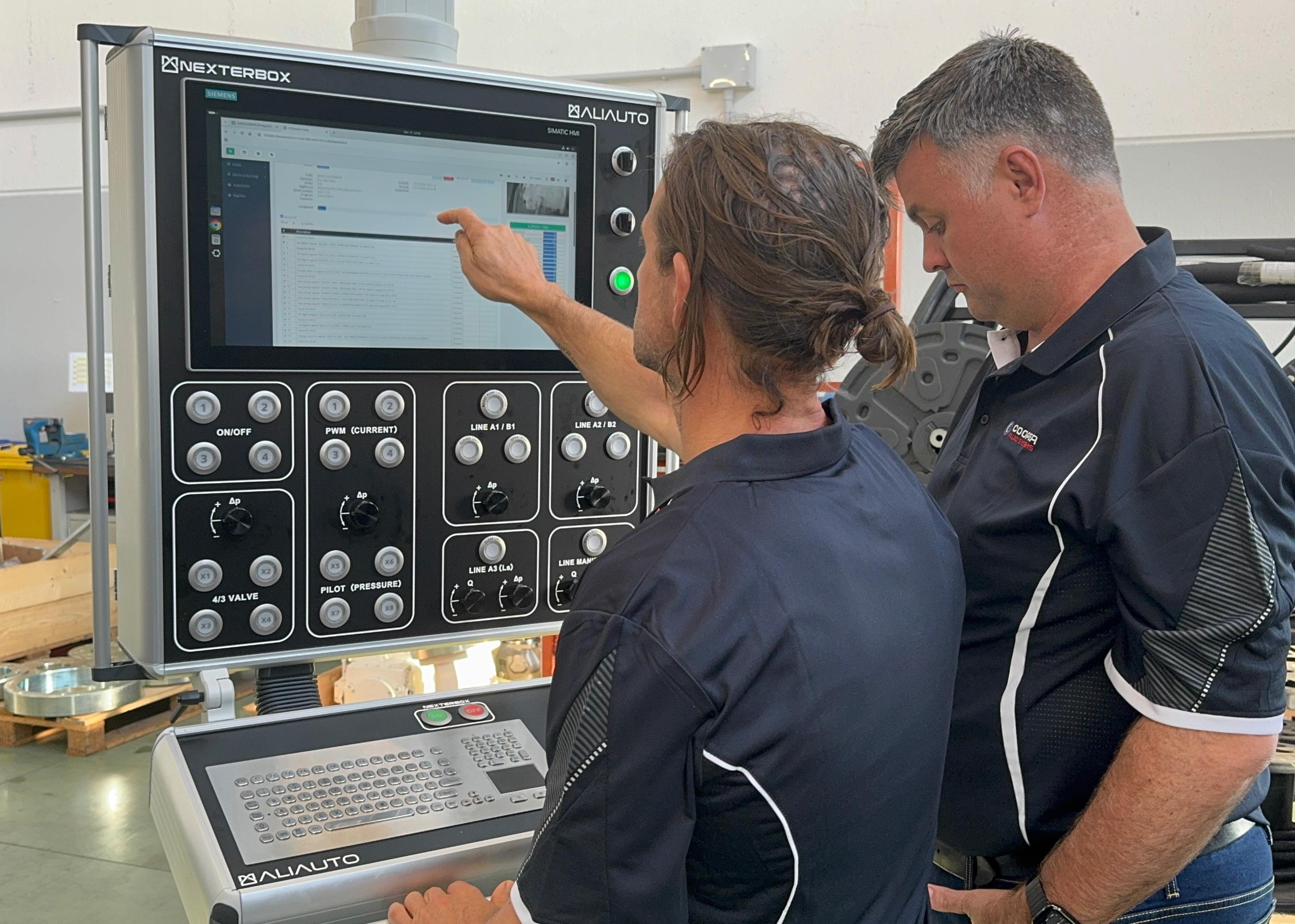
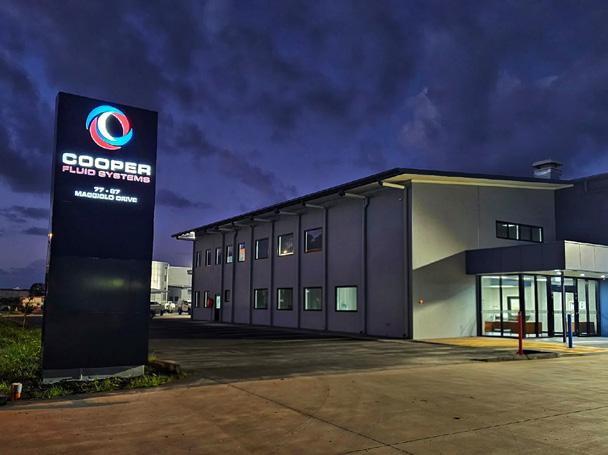
We also zoom in on Cooper Fluid Systems (Coopers), an industry leader in the Australian hydraulic and lubrication market, whose General Manager, Brody Sewell, last spoke to us in February 2025.
On this occasion, he is joined by Peter Doolan, Northern Regional Manager; Geoff Cane, Branch Manager – Mackay; and Daniel Doolan, Project Manager –Mackay.
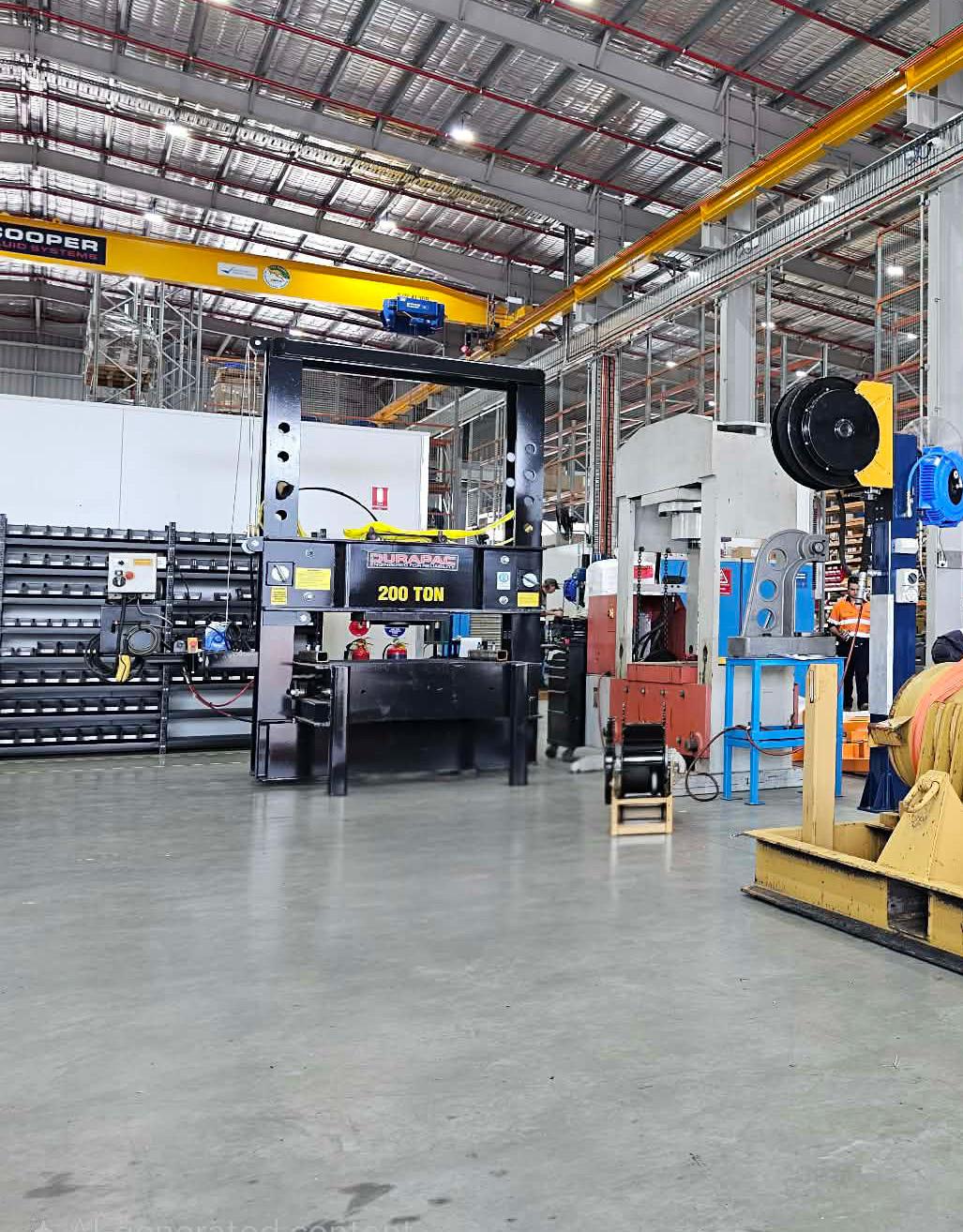
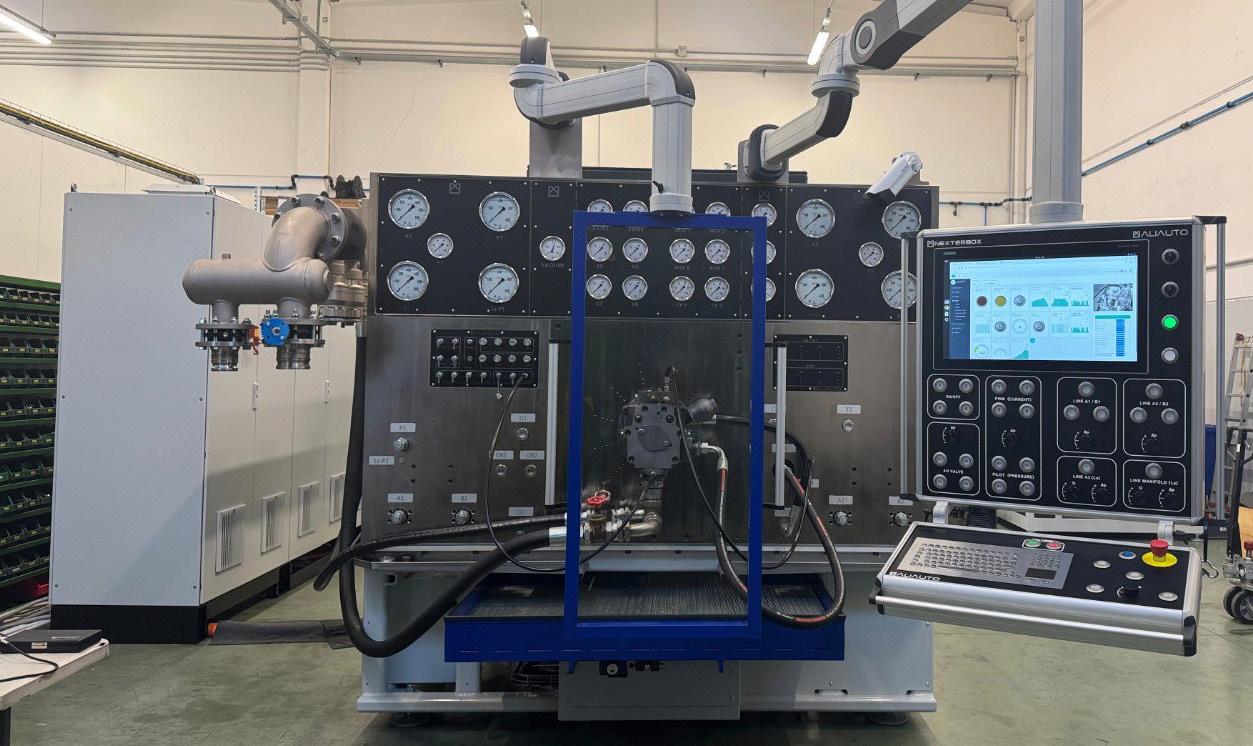
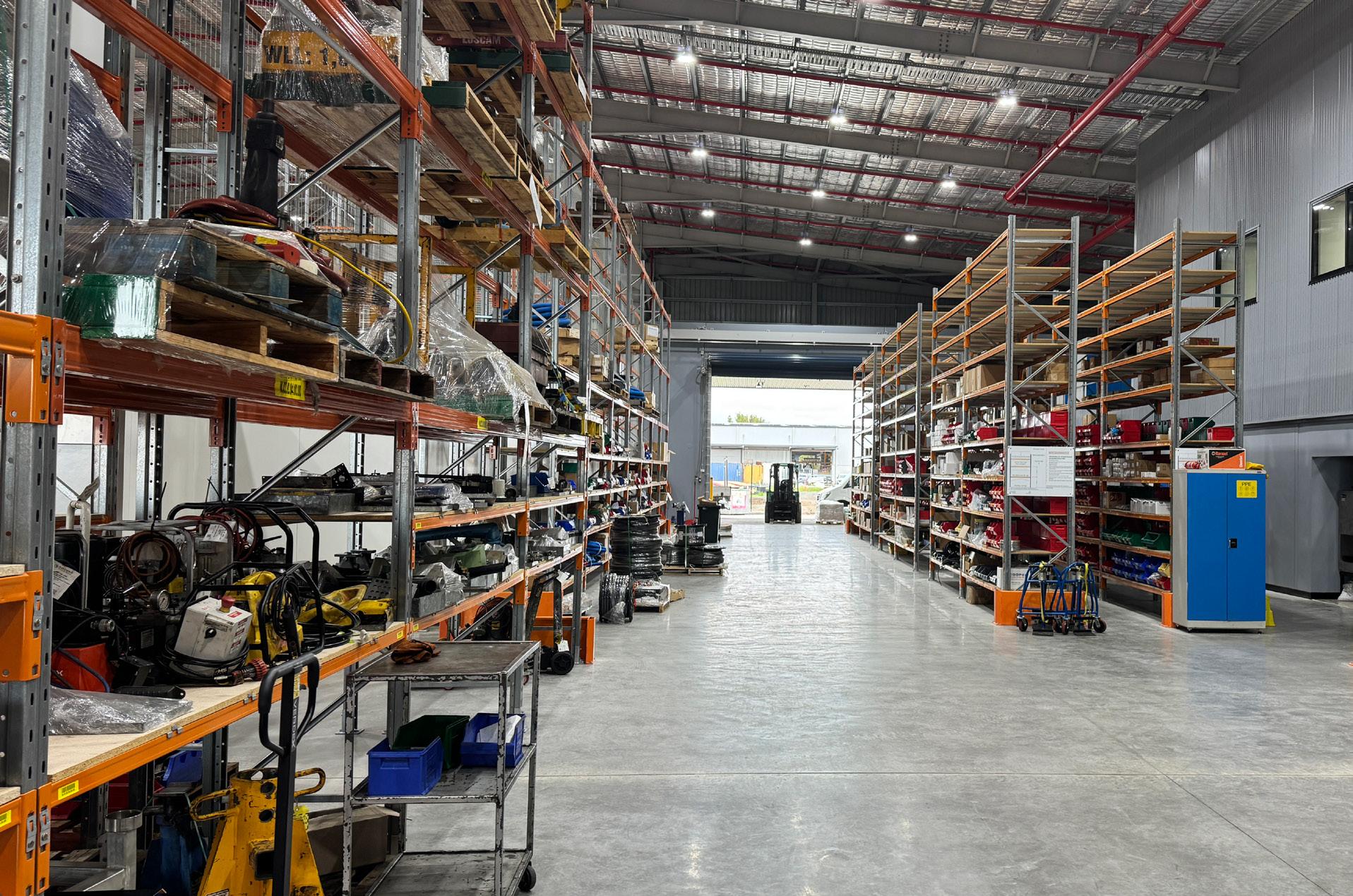
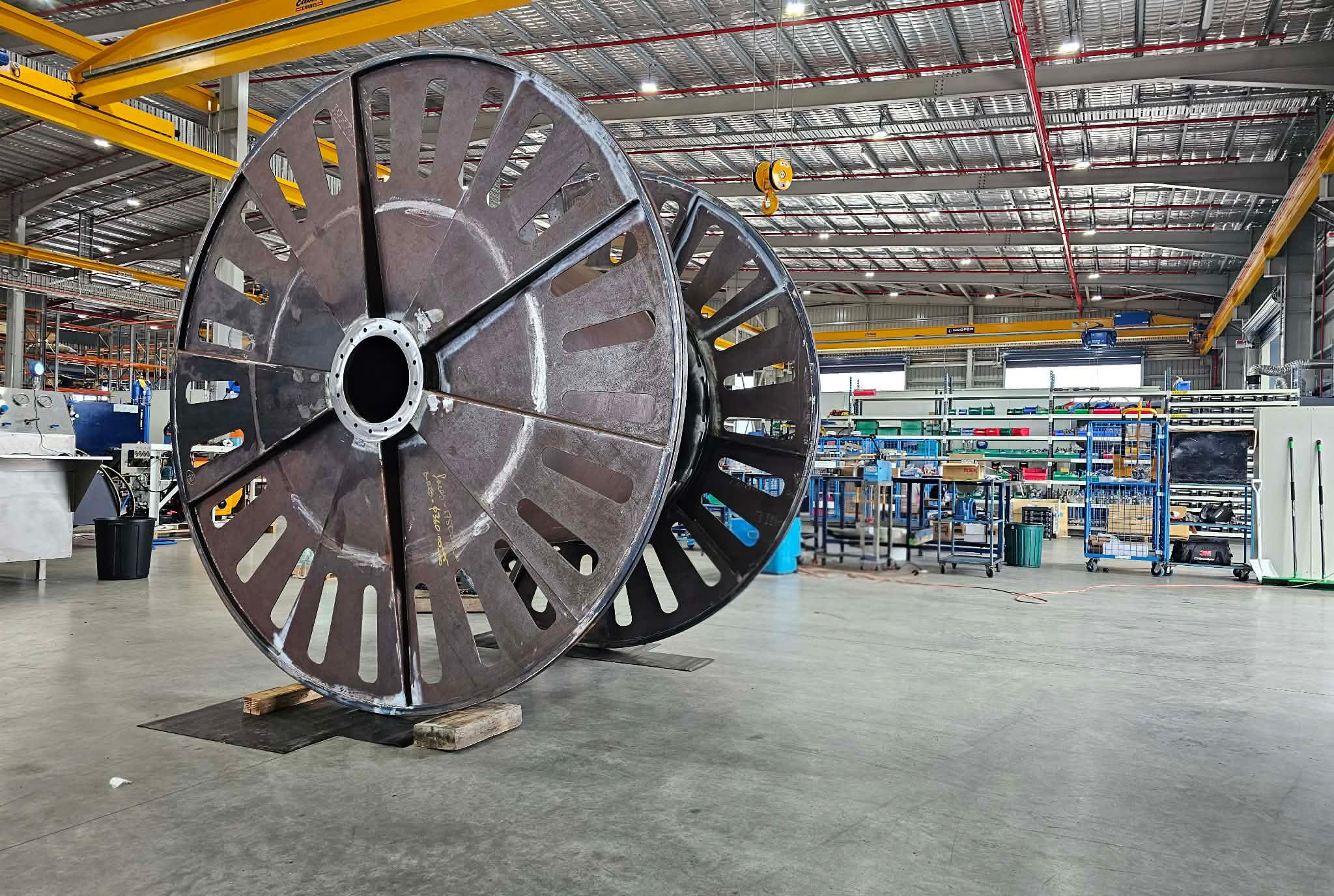
The leadership team update us on Coopers’ significant investment in a new Mackay facility, hydraulic test bench, and more.
“We remain focused on how we can improve our ability to service customers and add new technological solutions to drive efficiencies and positive outcomes,” Sewell sets out.
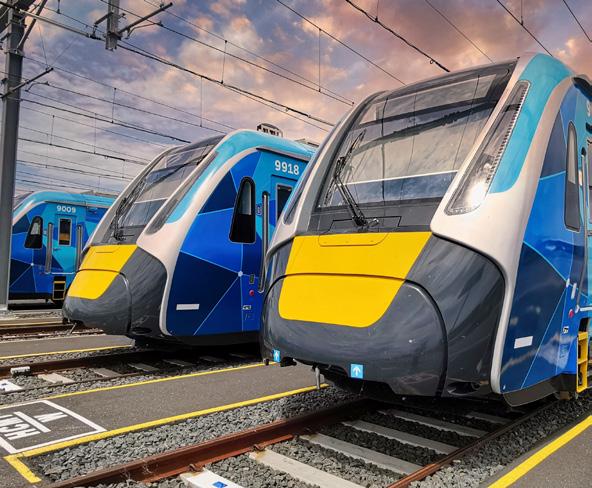
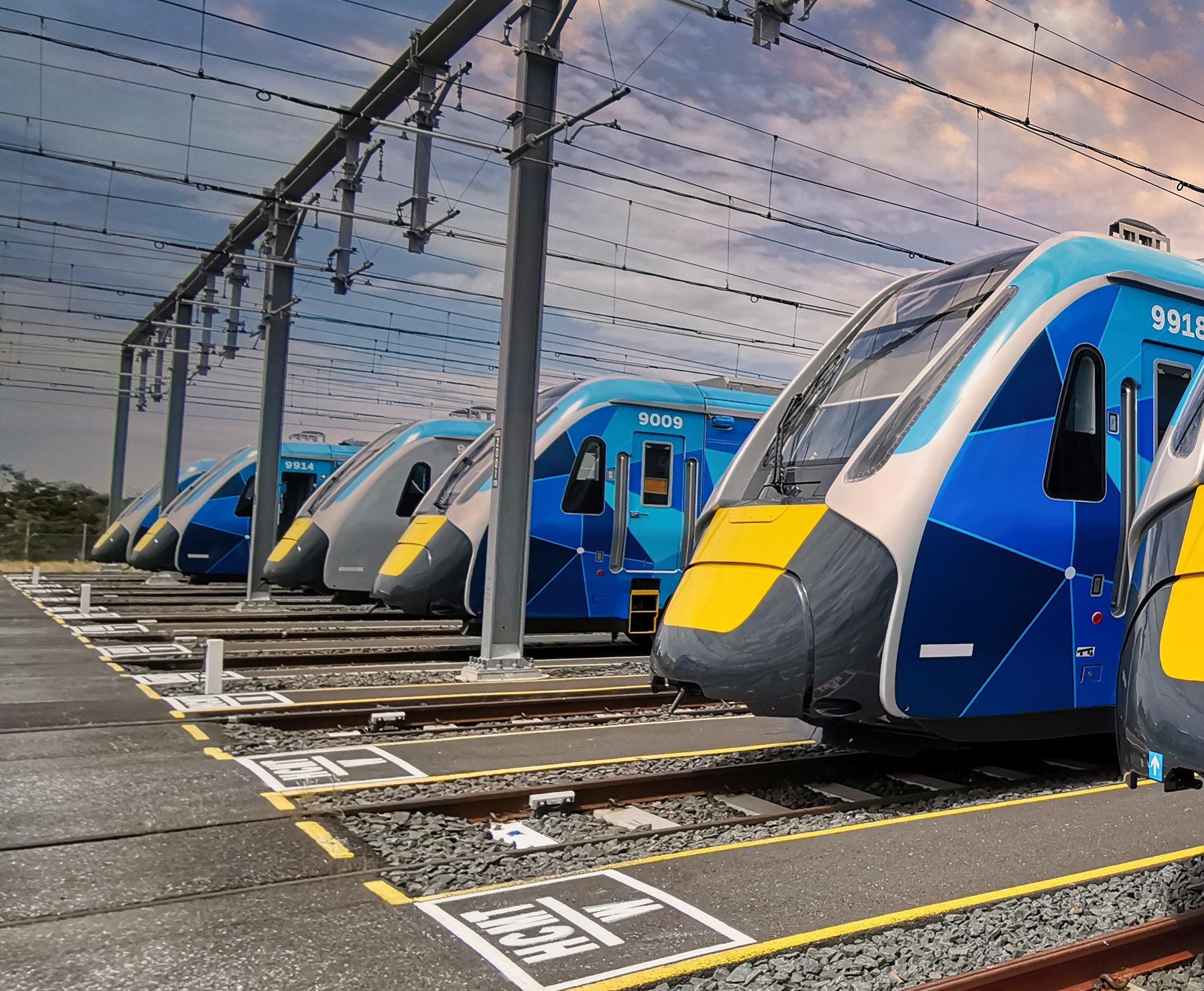
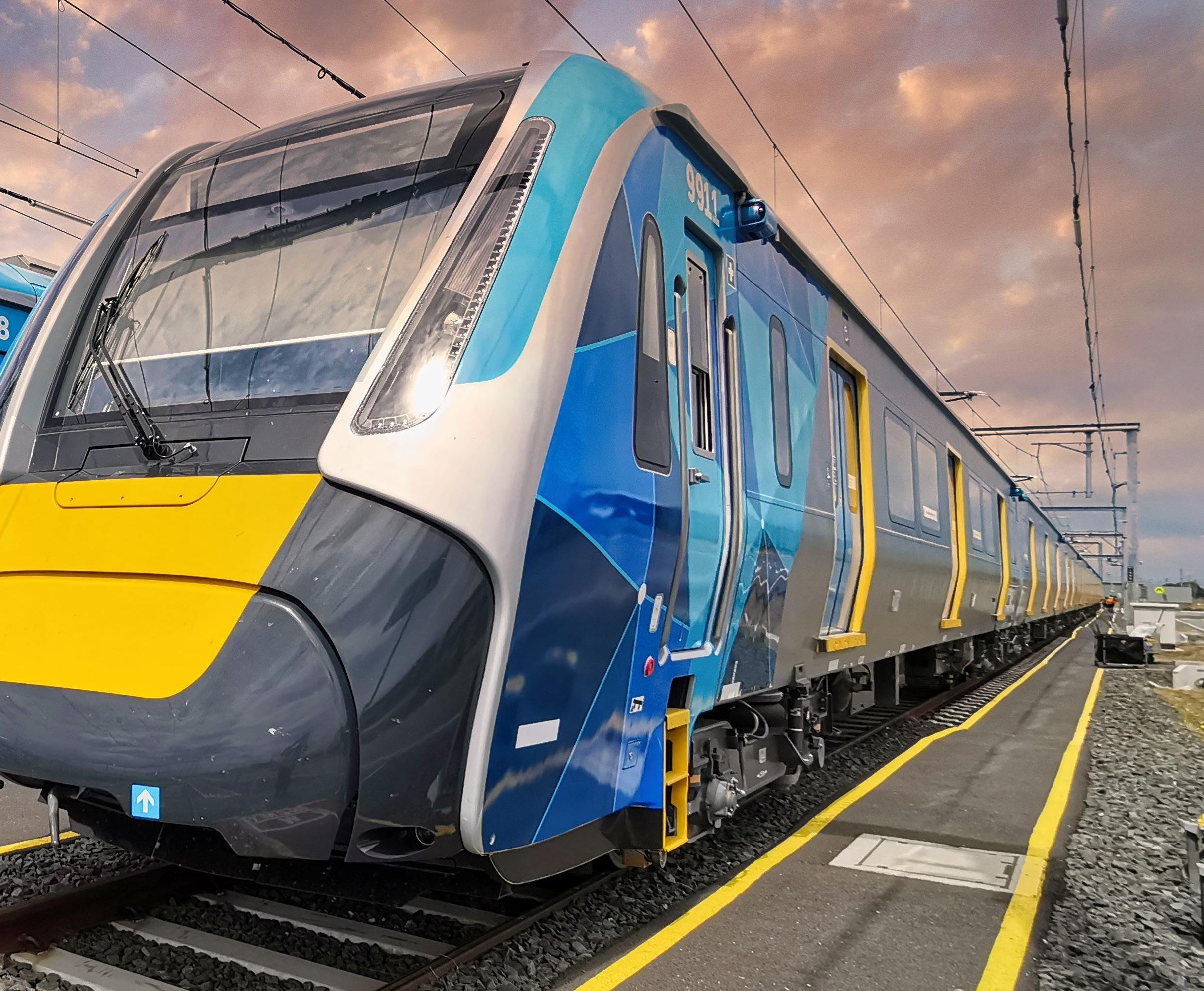
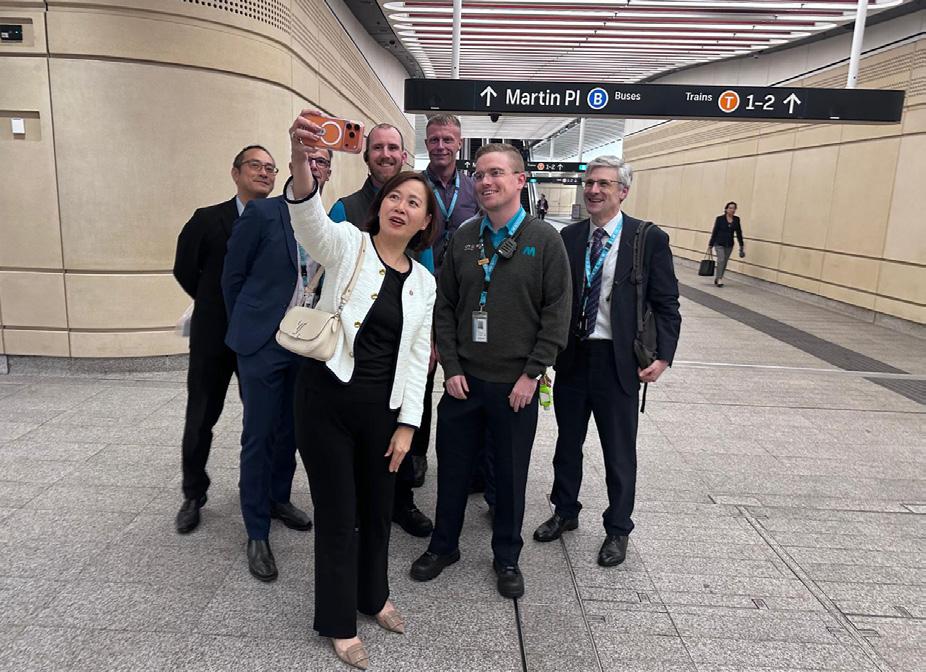
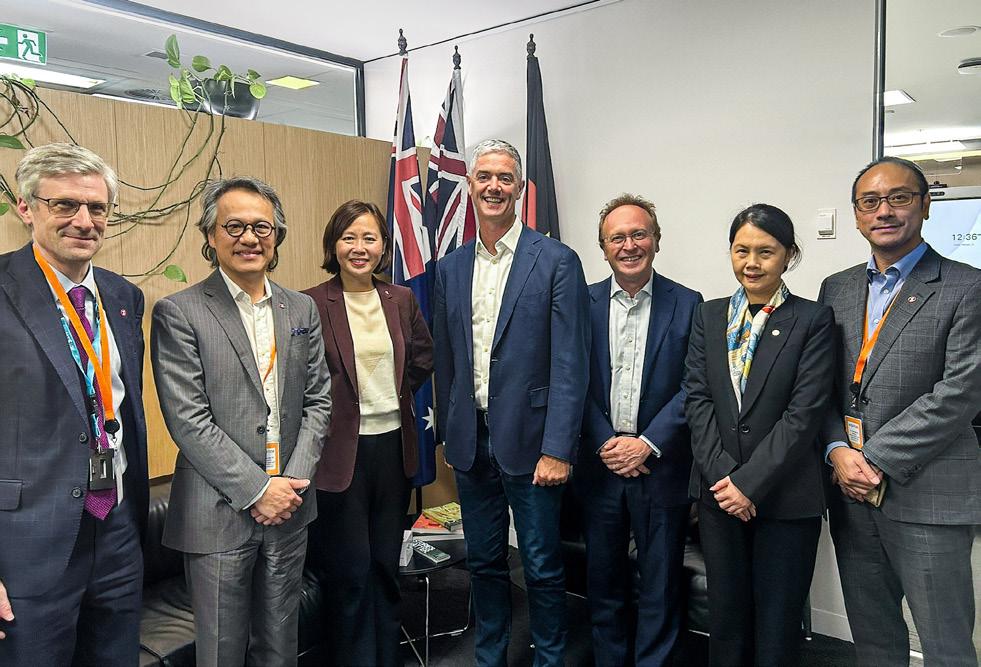
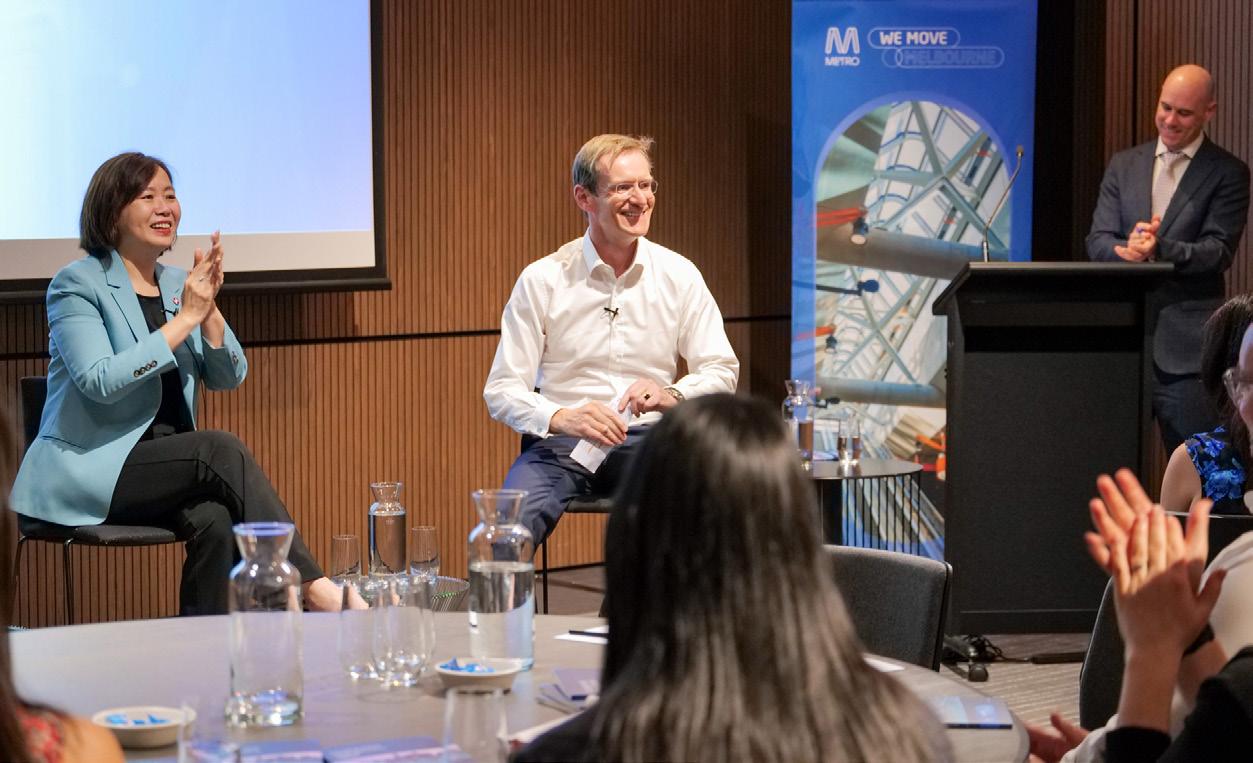
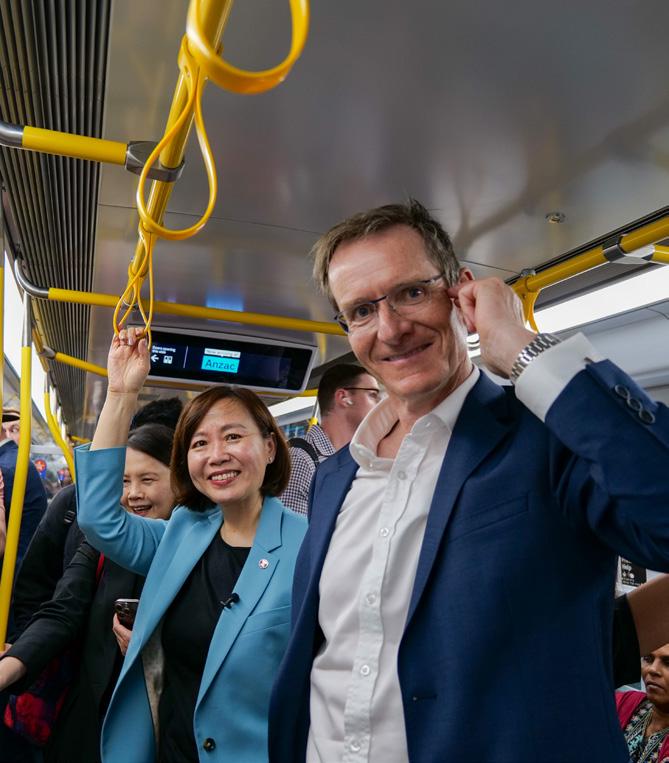
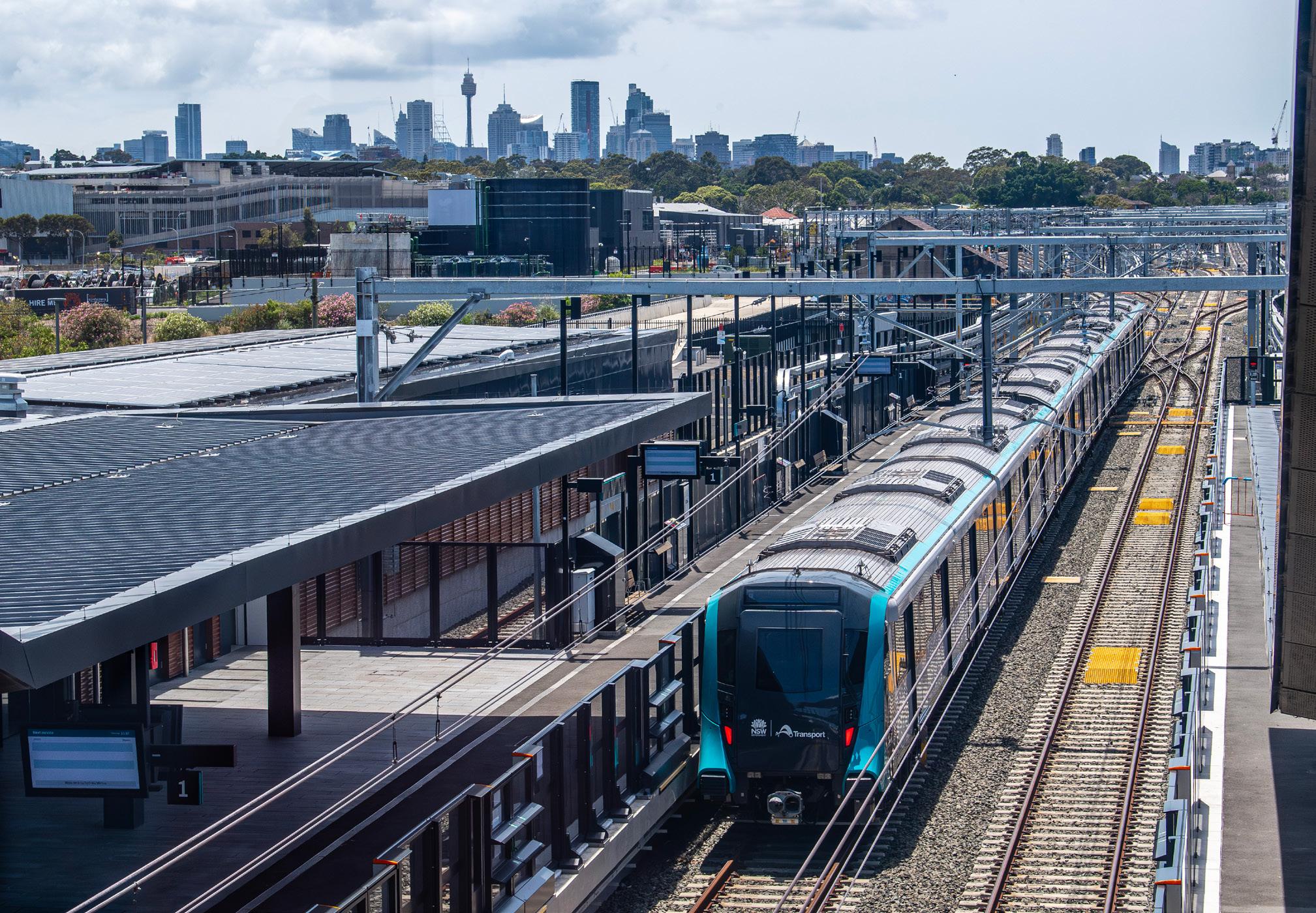
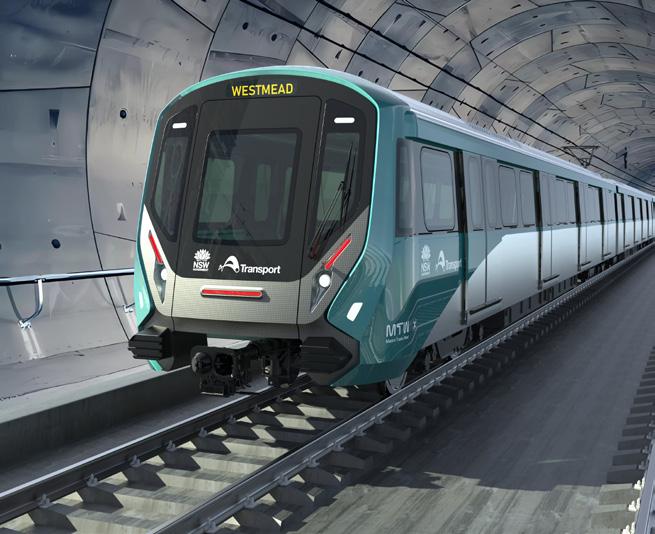
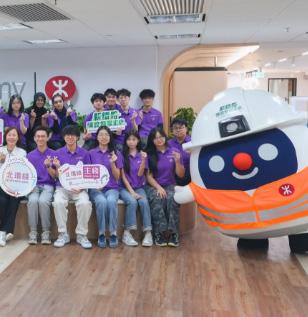
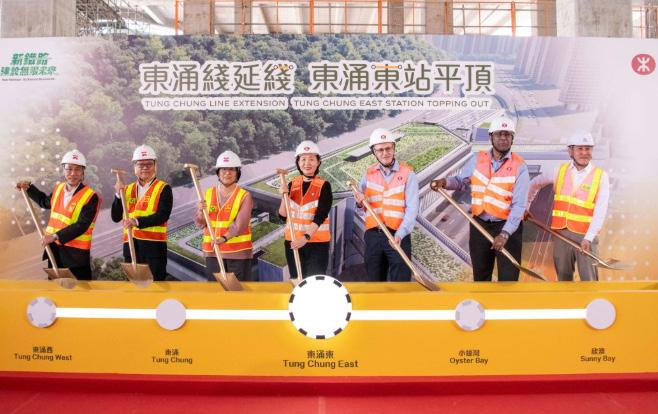
With a focus on innovation and customer service, MTR Corporation brings proven operational expertise to support the delivery of railway projects that contribute to development in Australian cities
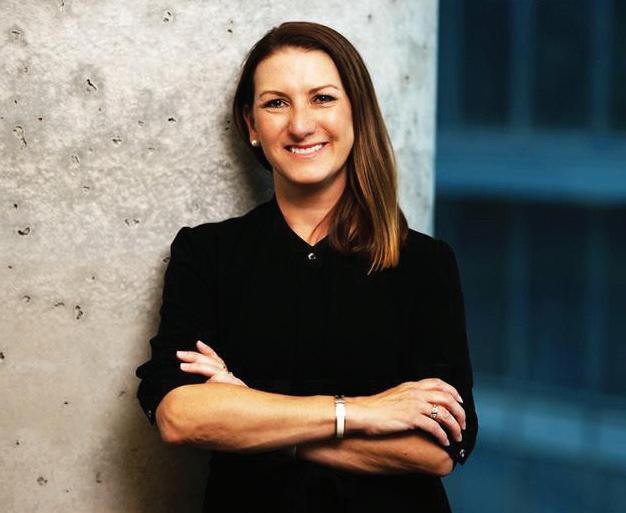
Our latest interview with new CEO, Jeny Yeung, snapshots her vision for nextgeneration train services that enhance metropolitan mobility.
“We aim to continuously improve our reliability, safety, and productivity across all our networks, ensuring sustainability, resource efficiency, and social responsibility,” Yeung outlines.
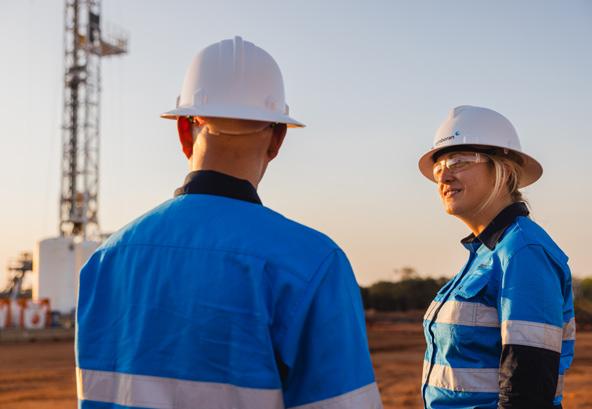
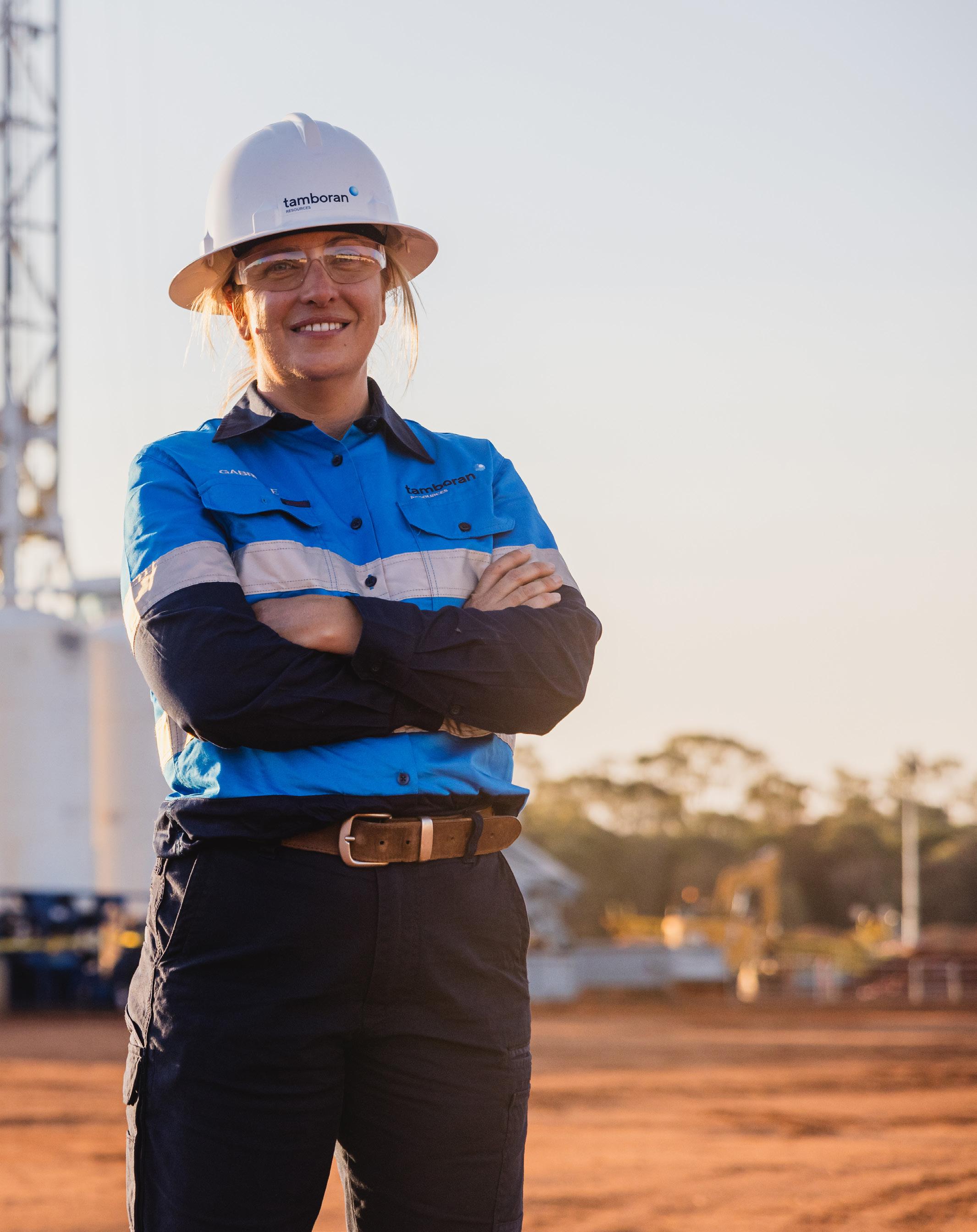
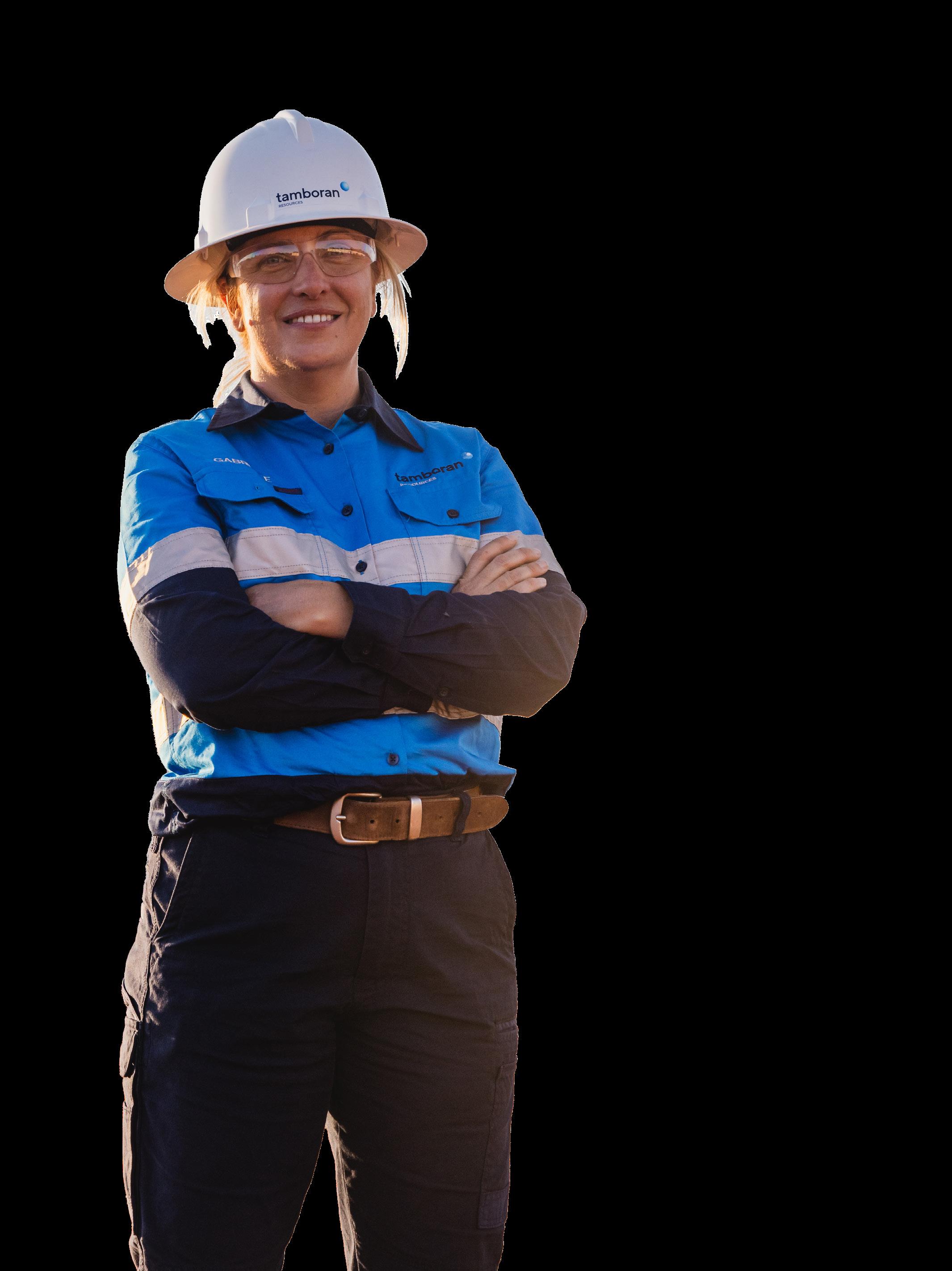
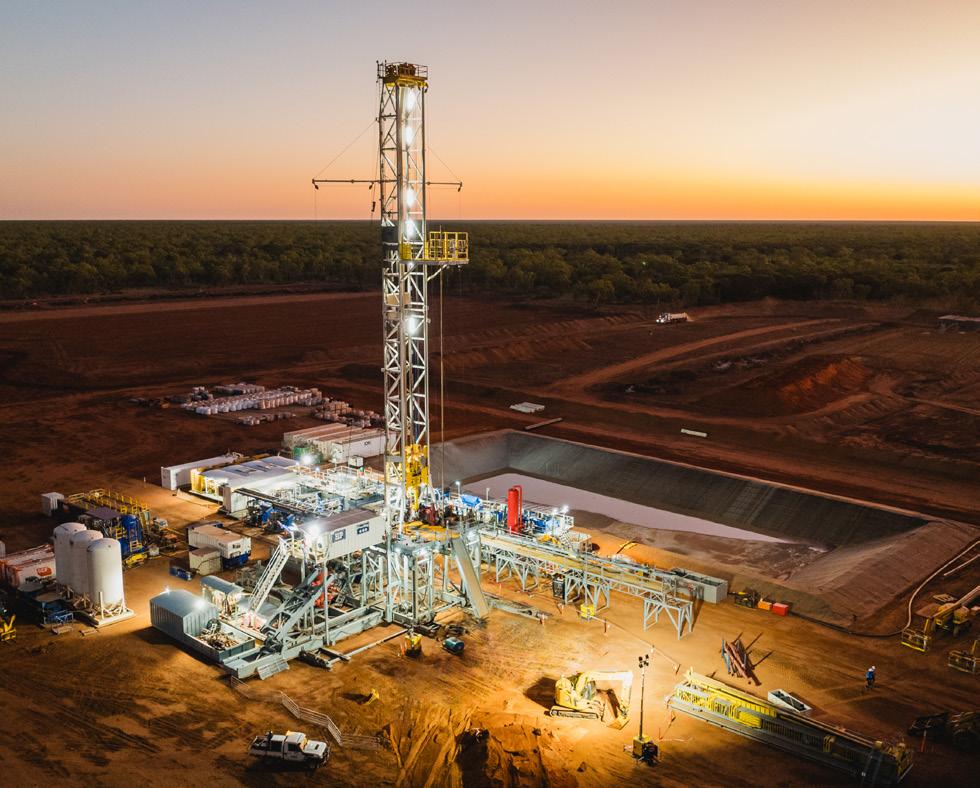
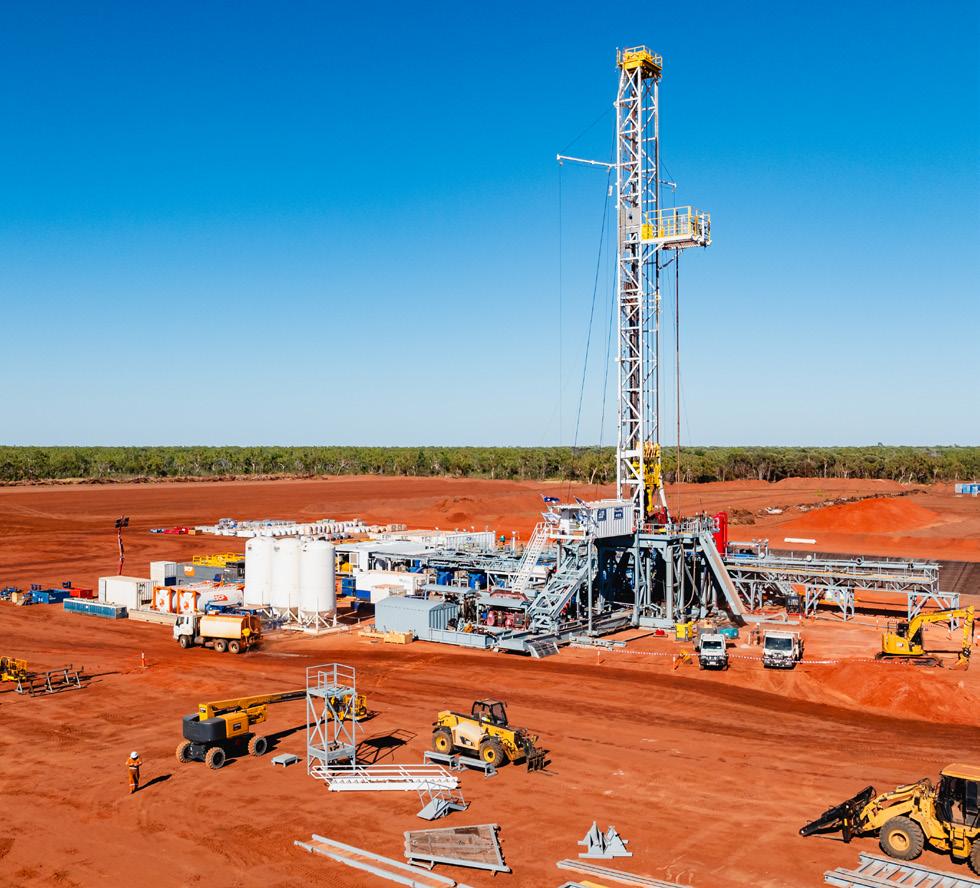
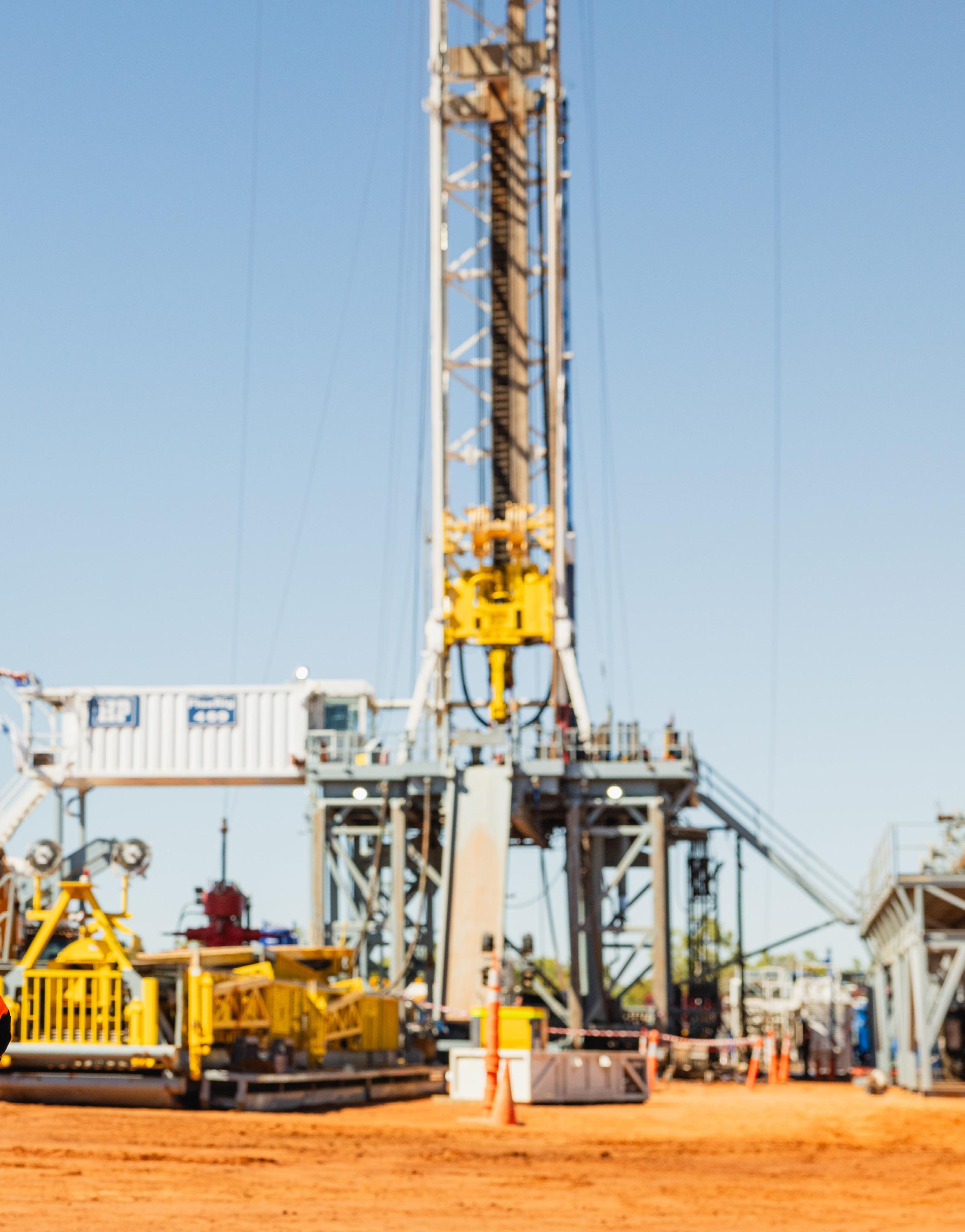
As industry across Asia Pacific moves at shutter speed, we also capture corporate stories from Tamboran Resources Corporation, AURA Mining, the Green Building Council of Australia, and others.
We hope that you enjoy your read.
Jack Salter Head of Editorial, Outlook Publishing
FEATURES
40 FUJIFILM Australia
82 AURA Mining
Availability, Utilisation, and Rate Done in Alliance
Real people, real results, real advice TECHNOLOGY
Future of Imaging in the AI Era
The evolution of experiential retail and human creativity
48 Datamine
The Mining Value Chain Partner
Specialised software solutions integral to the mining value chain
MINING
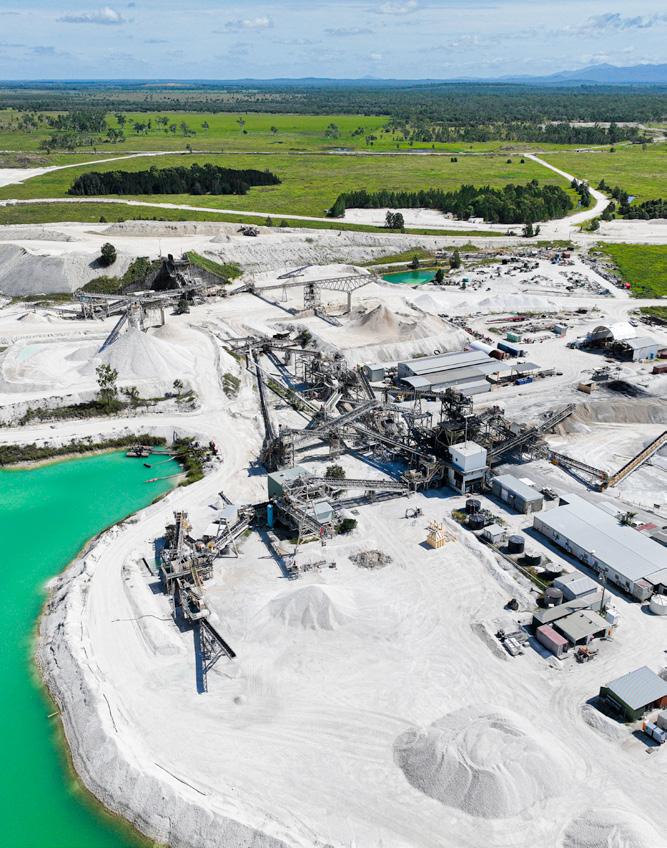
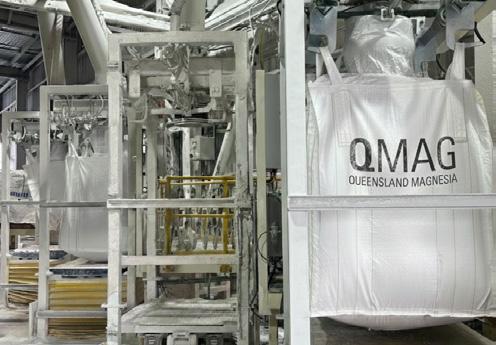
58 Queensland Magnesia
Transformative Resources from Ore to Door
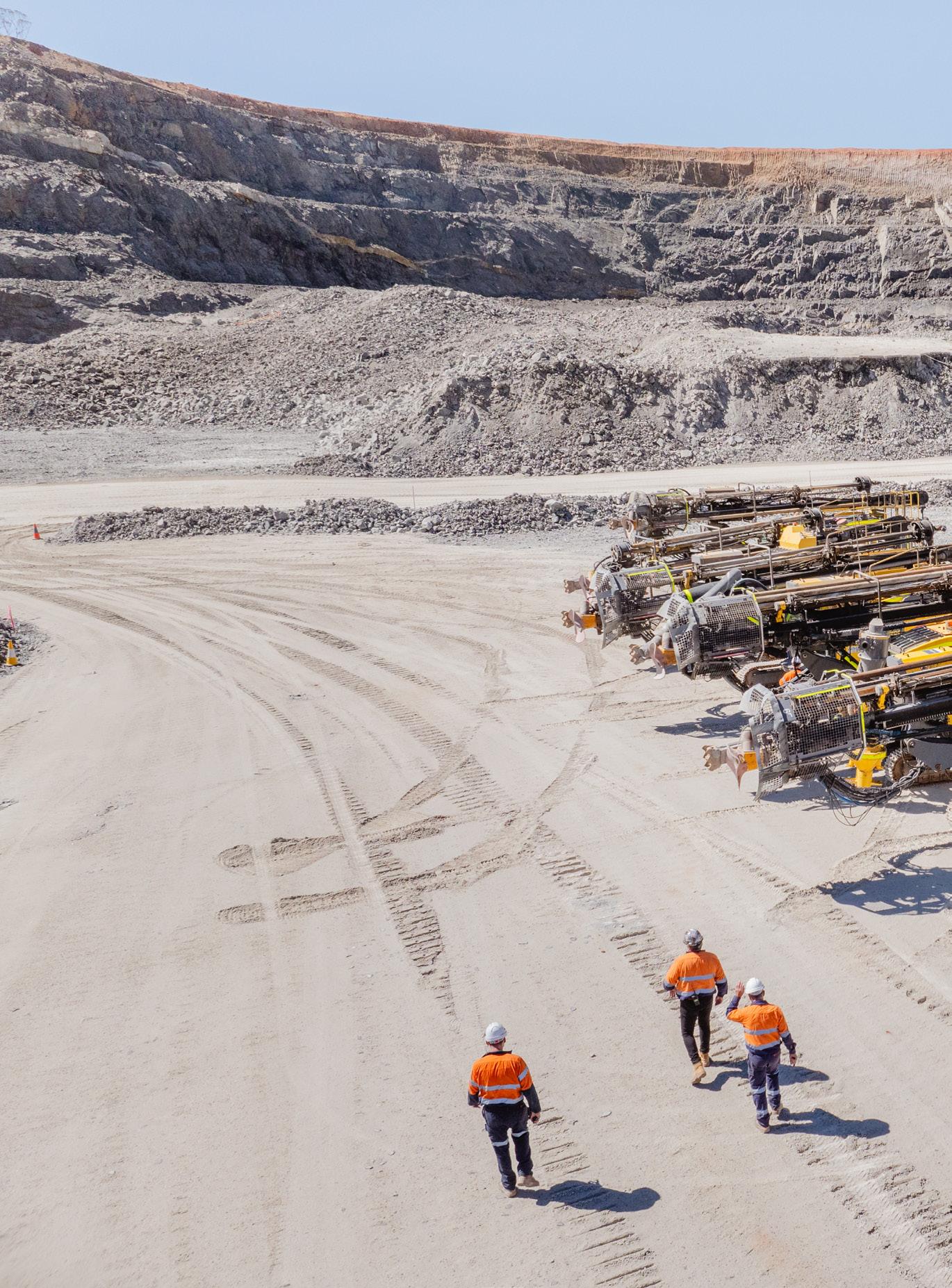
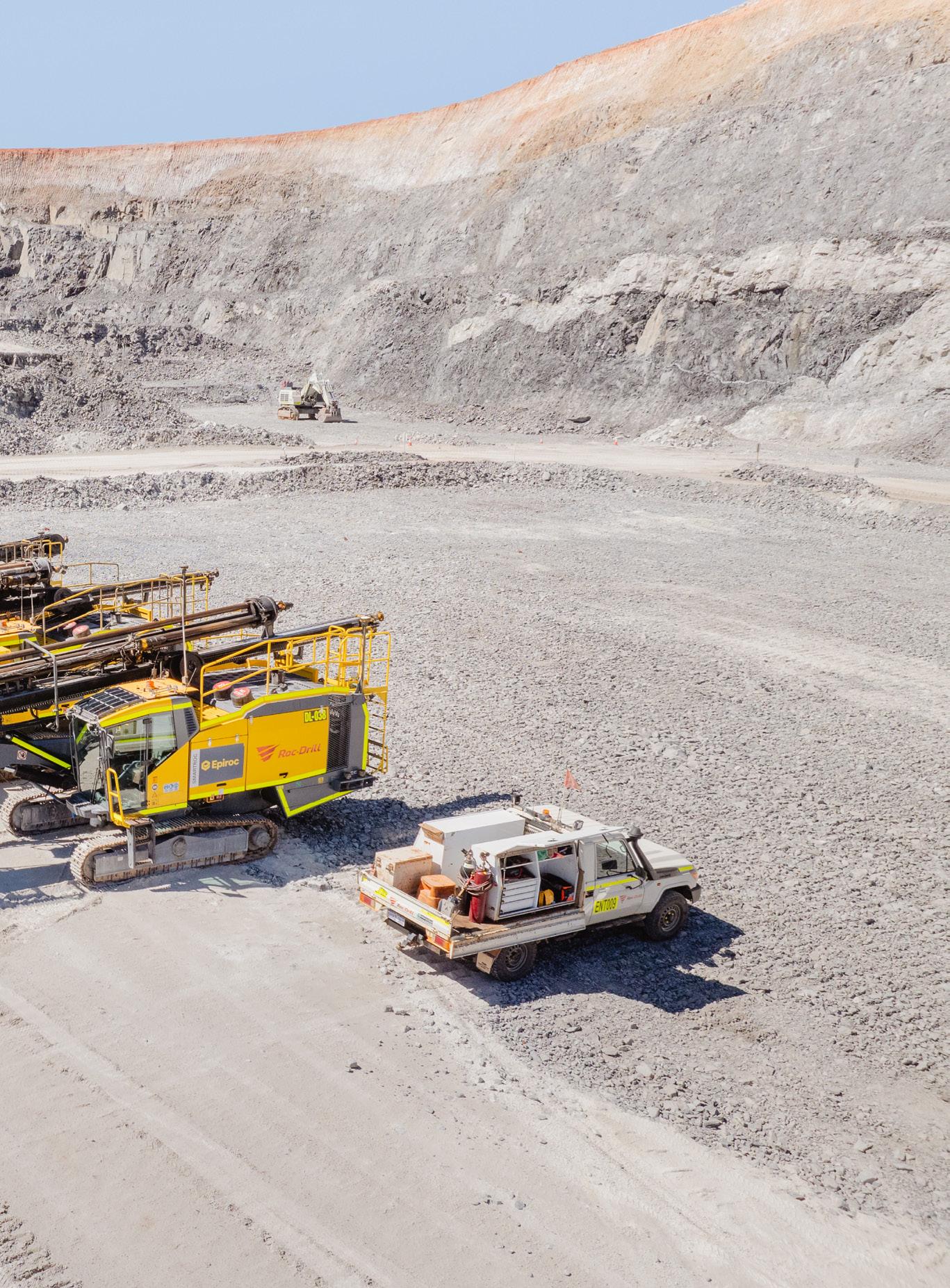
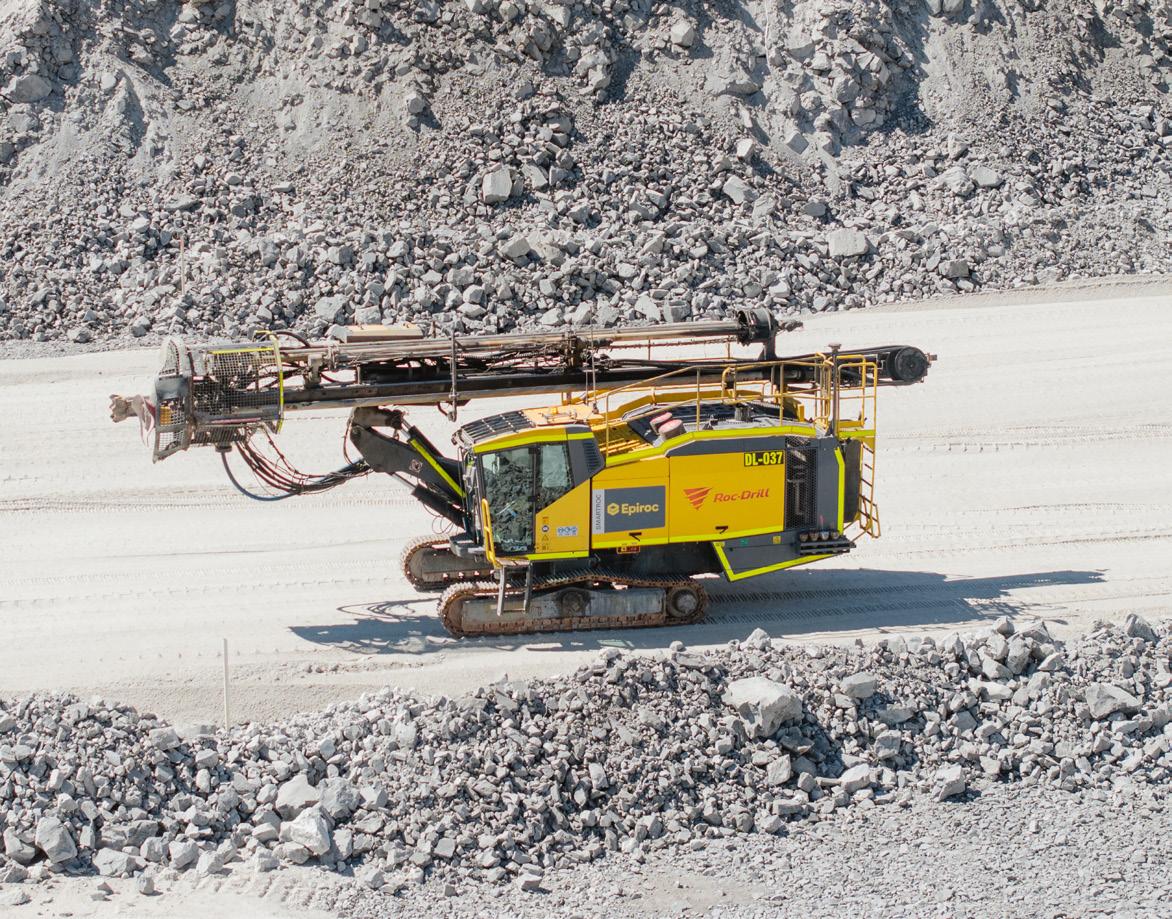
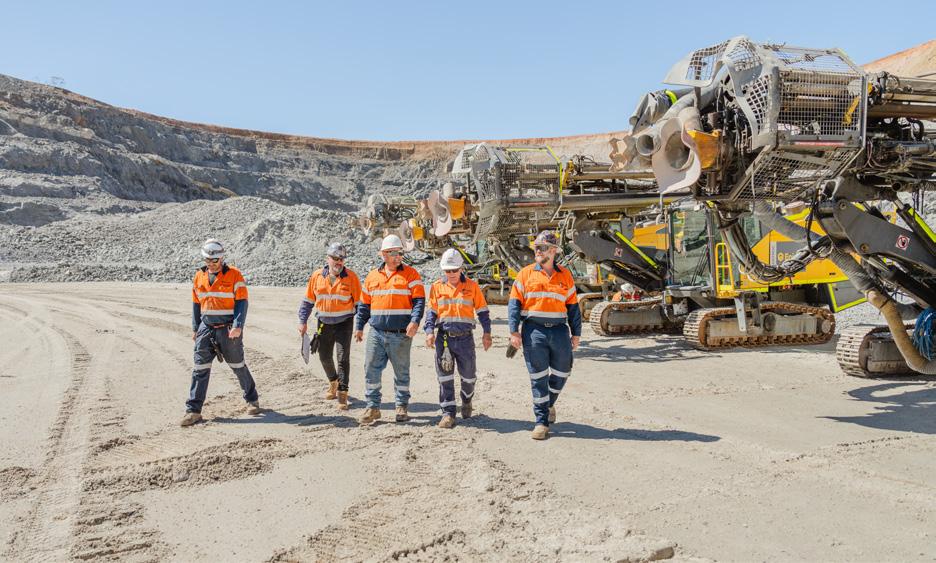
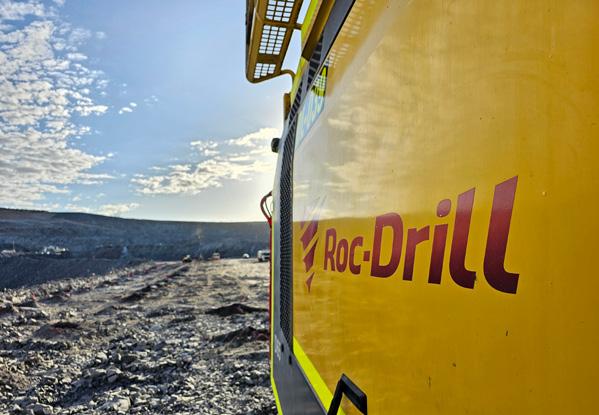
88 Roc-Drill
Groundbreaking Resilience in a Rocky Climate
Successful strategies in a shifting landscape
SUPPLY CHAIN
98 MTR Corporation
On the Right Track to Shape Urban Transport
Enhancing urban mobility and economic growth
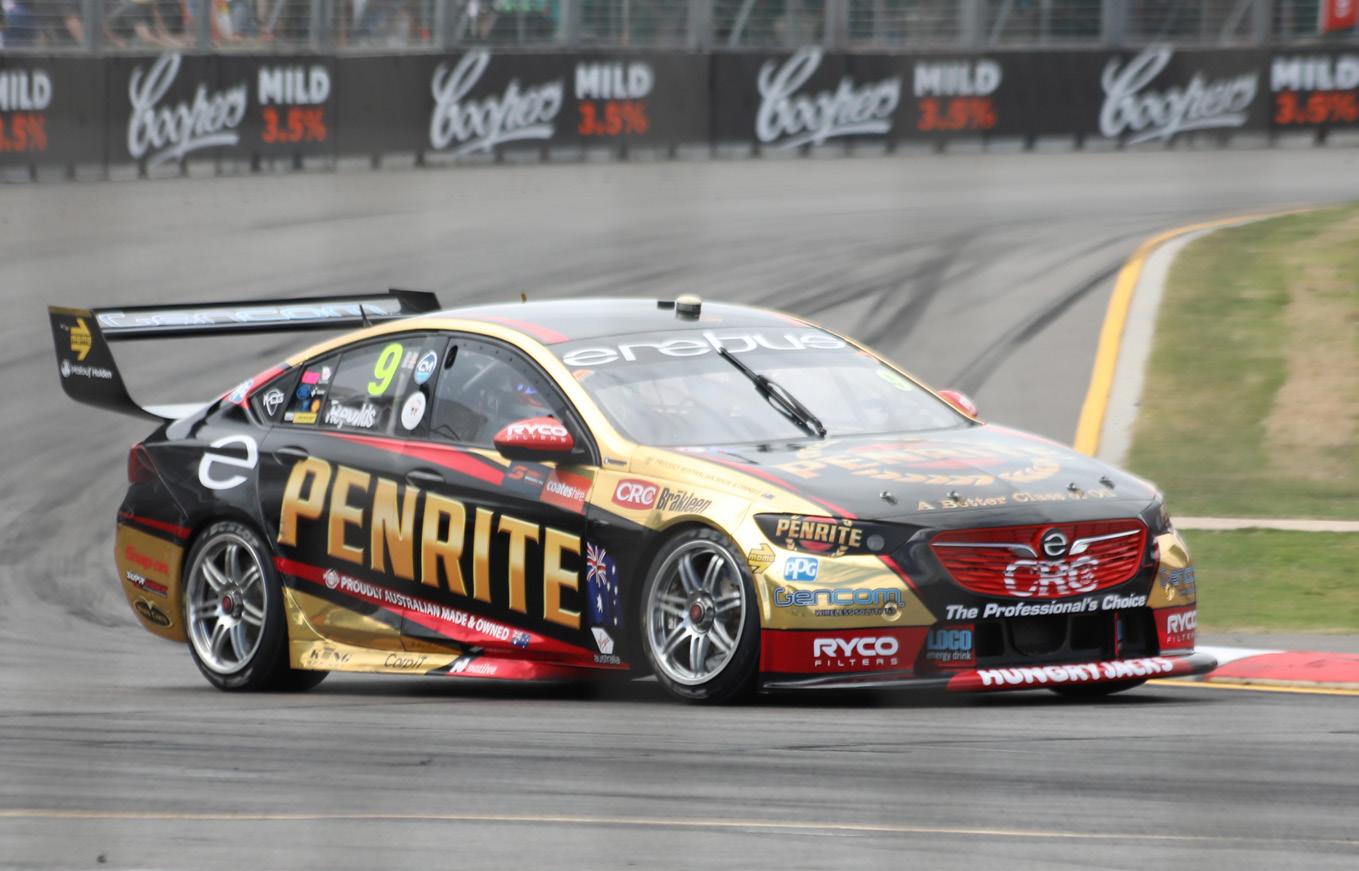
Solutions to make a sustainable difference 118 Penrite Oil
68 Cooper Fluid Systems
Fluid Systems Specialist
An industry leader in the Australian hydraulic and lubrication market
& GAS 108 Tamboran Resources Corporation
Powering Australia’s Energy Future
Unlocking the vast potential of the Beetaloo Basin
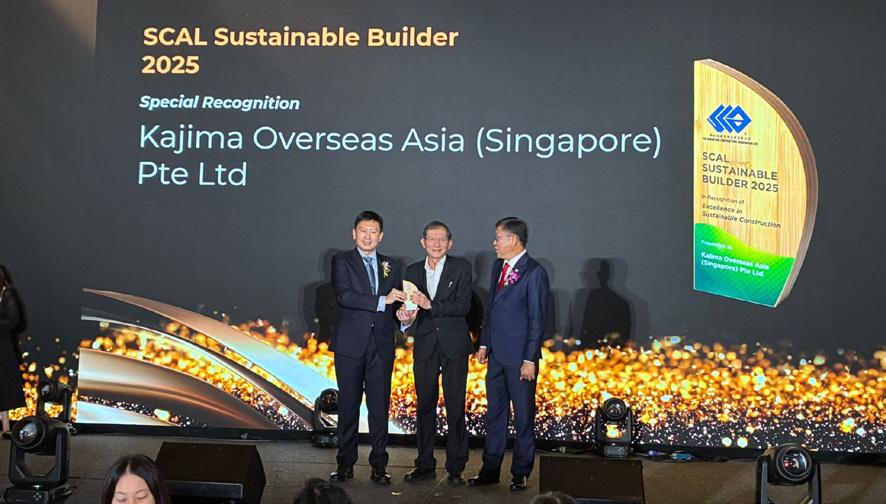
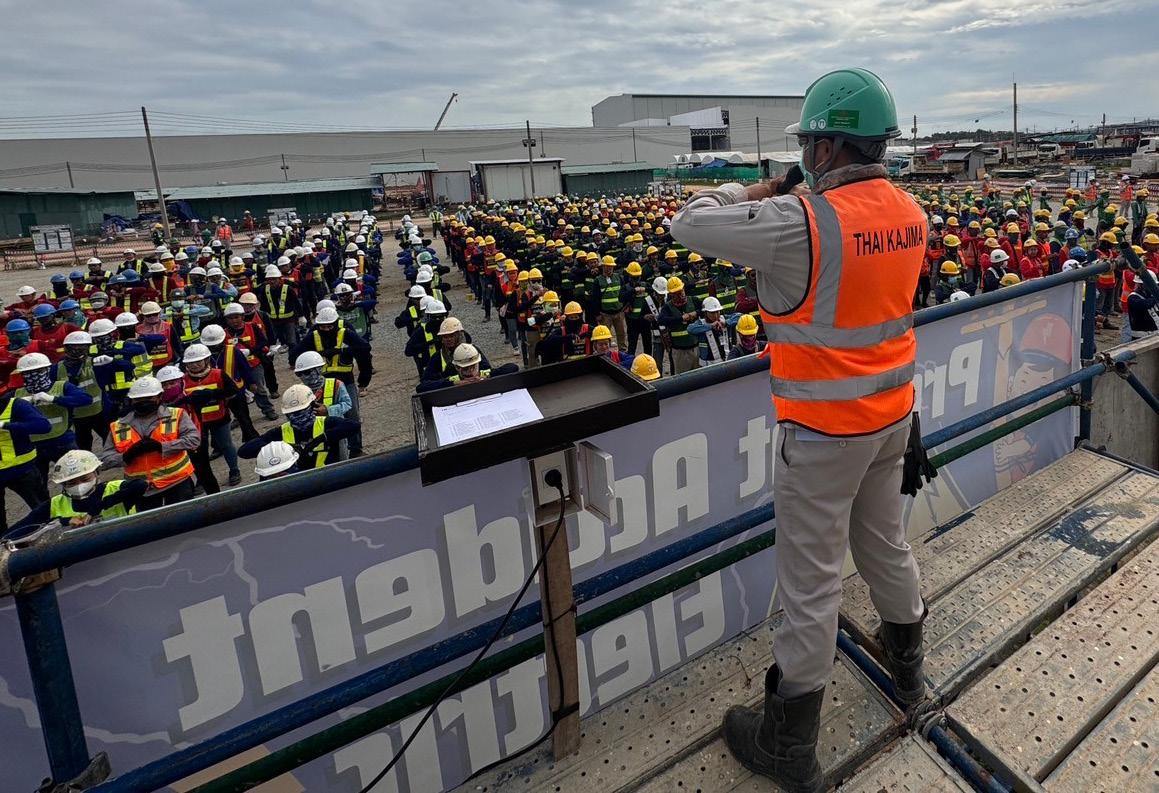
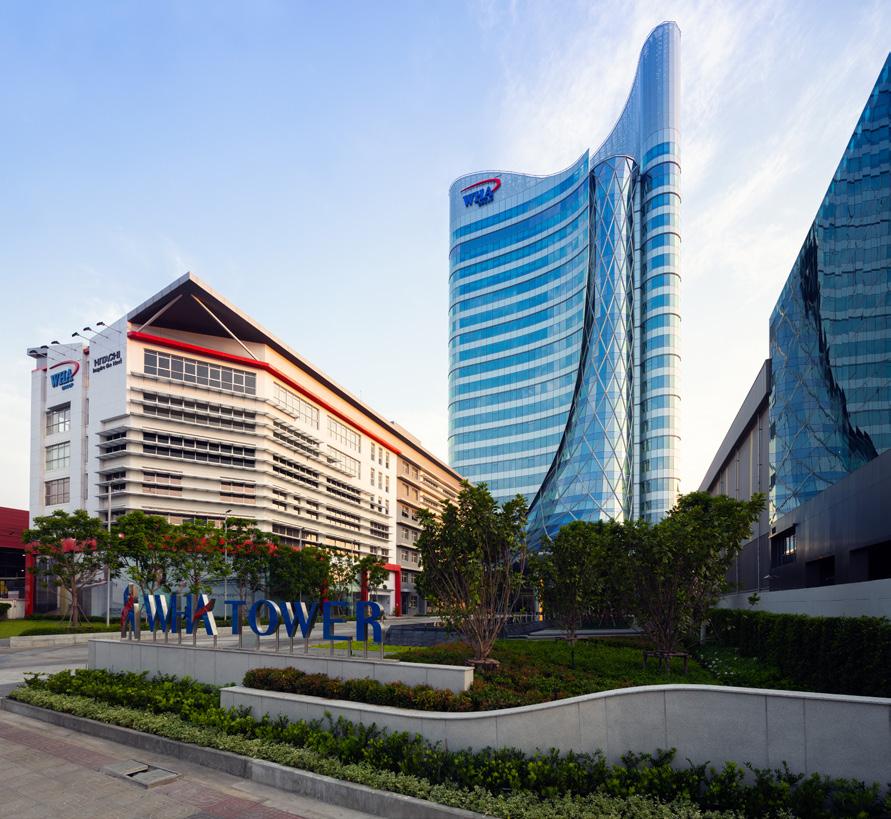
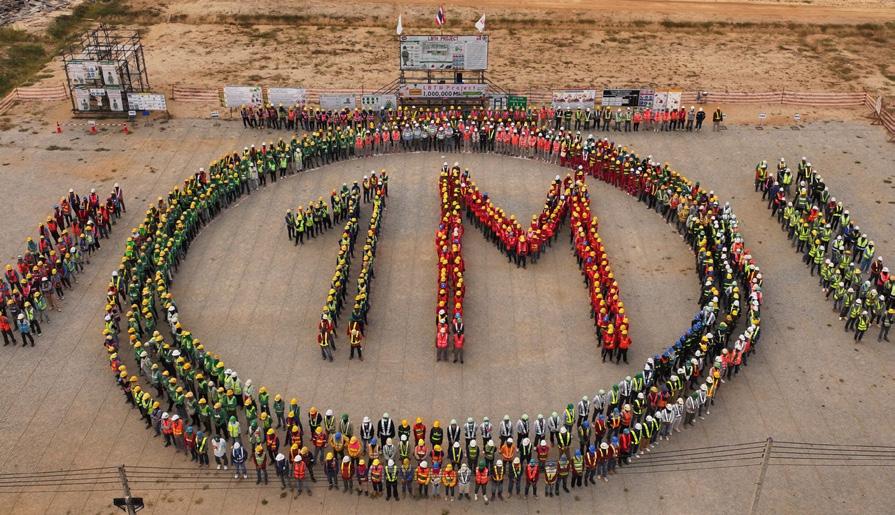
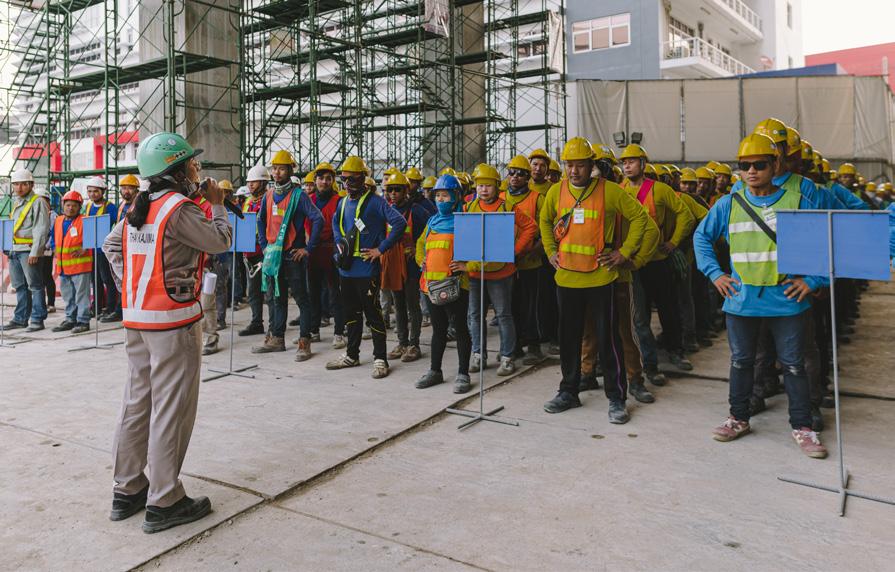
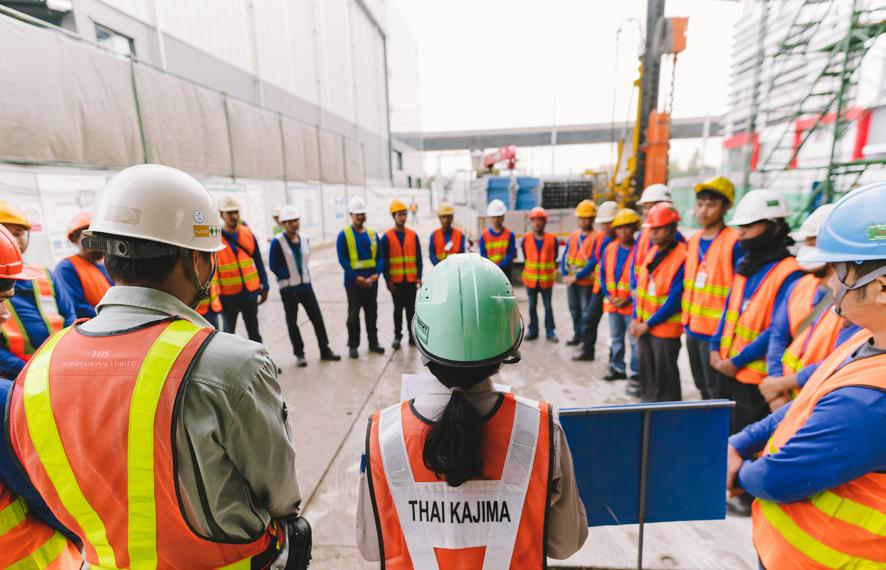
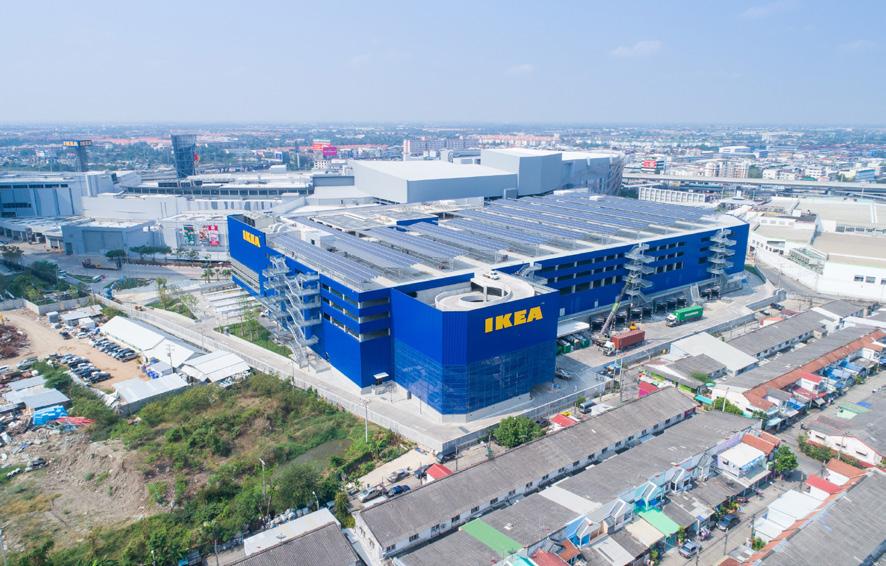
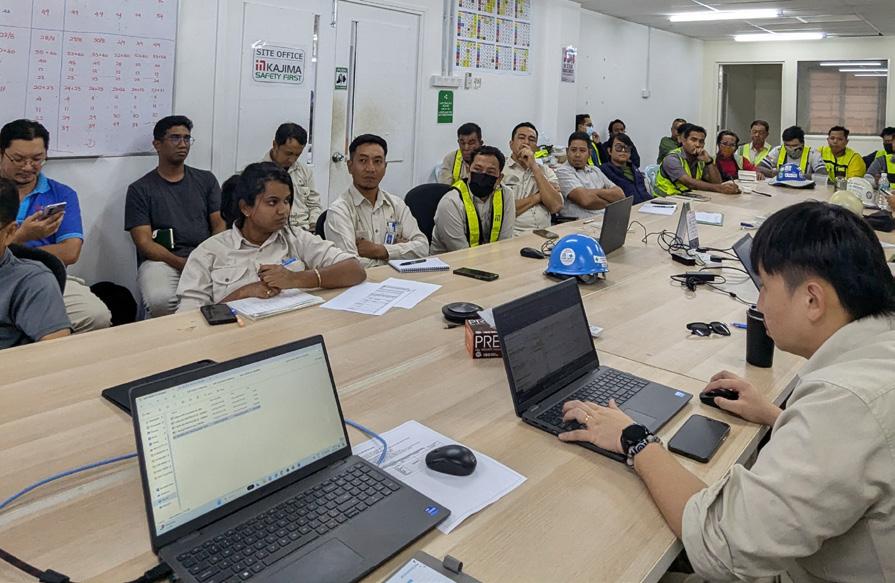
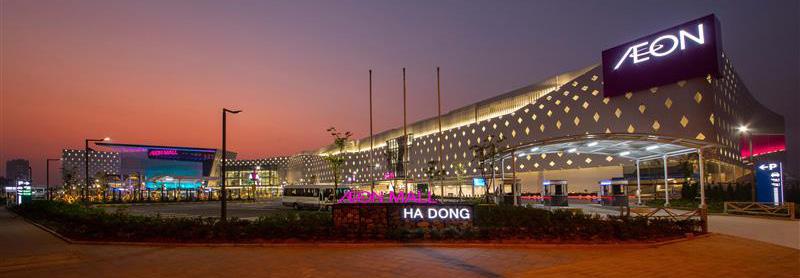
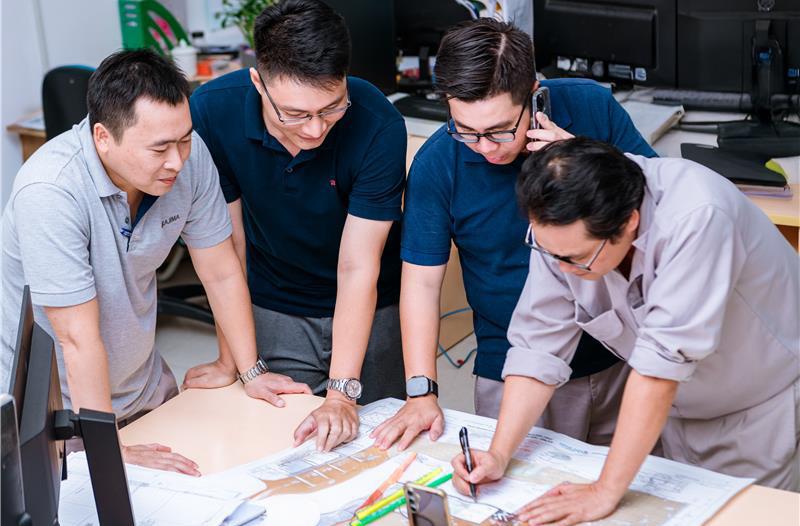
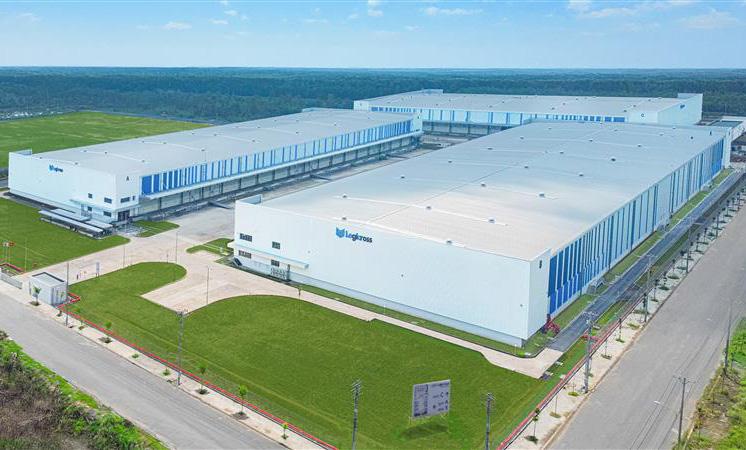
Coordinating Kajima Corporation’s construction activities
The Novated Lease Calculator: Australia’s Real EV Showroom
Better visuals delivered a 95 percent jump in calculator engagement, reflecting how buyers assess electric vehicles long before seeing one in person. Martijn Versteegen, CEO and co-Founder and IMAGIN.studio, considers the role of novated lease calculators in the Australian electric vehicle market
Writer: Martijn Versteegen, CEO and co-Founder, IMAGIN.studio
Novated leasing plays a central role in how Australians buy electric vehicles (EVs). Almost half of all EV purchases are now made under lease arrangements, according to the National Automotive Leasing and Salary Packaging Association.
Because these purchase decisions happen inside a finance calculator rather than a dealership, digital presentation has become the first place customers judge a vehicle’s quality, especially for newer brands – namely those coming from China. For eligible vehicles, the fringe benefits tax exemption makes this pathway
significantly cheaper than buying outright. A recent analysis estimated that leasing a Tesla Model Y could save roughly AUD$10,000 over four years, depending on salary and usage. These calculations understandably determine which models are further
considered. This change is putting new pressure on how EVs are presented online.
BUYERS LOOKING AT THE NUMBERS
Novated leasing puts the financial calculation at the centre of the process. Salary packaging, familybased treatment, and running costs are all worked out on a calculator page. If that page feels disconnected from the vehicle, buyers either hesitate or abandon the process. Clear, accurate imagery helps keep people engaged long enough to understand the numbers. Studio images, interior detail, and 360-degree views help the vehicle feel tangible, even when the customer has never seen it in person. Lifestyle photography goes even further. A/B testing shows how IMAGIN. studio’s lifestyle imagery converts 15 percent better than
studio shots because it helps people picture how they would use the car in day-to-day life.
When the calculator becomes the main decision point, these visuals play the key role the forecourt once played.
DIGITAL CLARITY TO BUILD CONFIDENCE
Many of the fastest growing EV brands in Australia are new to the market; customers are still learning who they are and what their vehicles are like. Without brand familiarity or a physical inspection, customers rely entirely on what they can see online. Visual consistency matters more in this context. Buyers want to compare seat materials, cabin layout, infotainment systems, and trim levels without doubt about accuracy. When one model is shown clearly and another is not, this creates uncertainty. When every model is presented with the same level of clarity, comparisons feel fair and customers progress more easily.
This is especially important given the varied access to the novated scheme which differs between employers. Some workplaces offer it;
others cannot afford to. Buyers who can access the benefit often move quickly, so any missing information becomes a barrier.
THE IMPORTANCE OF FIRST IMPRESSIONS
Most new EVs are promoted well before they land in Australia. However, photography often happens too late and shipping timelines change.
Customers, meanwhile, act as soon as they see tax benefits or employer programmes that favour EVs. If visuals are missing or inconsistent during this window, visual confirmation is lacking and interest fades.
Novated Lease Australia (NLA) encountered this problem as they expanded. Manufacturer images arrived at different times or lacked consistency, leaving gaps in model pages and calculators. By consolidating studio shots, 360s, and lifestyle images from a single, always-updated source, they could publish new models the moment specifications were confirmed.
After improving image consistency across calculators, model pages, and campaigns, NLA recorded a 95 percent uplift in overall performance, including longer session times and stronger calculator completion rates.
THE CALCULATION THAT DECIDES THE CAR
More Australians are choosing EVs through novated leasing because it offers clear financial advantages. But this buying path also moves the decision away from showrooms and into calculators.
Retailers and leasing providers who treat the calculator and model page as their main showroom give customers the confidence they need to progress, especially with newer EV brands entering the market.
For many buyers, the calculator is no longer a secondary tool; it is where the decision happens and the vehicle must prove itself.
ABOUT THE EXPERT
Martijn Versteegen is the CEO and co-Founder of IMAGIN.studio, a fully scalable visual content engine for automotive retail.
An auto tech entrepreneur and international business leader, Versteegen has extensive experience across the automotive, mobility, and leasing sectors. With a strong background in strategy, sales, marketing, and PR, Versteegen is passionate about creating customer value through effective marketing.
He combines strategic vision with a pragmatic, hands-on approach, integrating marketing, sales, and management to deliver measurable
Enacting a Strategic Energy Landscape
We speak with Stuart Thompson, President of ABB’s Electrification Service Division, about why energy has become a critical strategic asset and how ABB’s electrification and digital solutions are helping companies navigate a new energy landscape
Writer: Lily Sawyer
As industrial and commercial energy demands surge, businesses are increasingly recognising how electricity is no longer just a utility but a strategic lever.
Across the Asia Pacific (APAC) region, rising consumption, ageing electrical infrastructure, and the rapid expansion of power-intensive operations such as data centres are challenging traditional approaches to energy management.
ABB is at the forefront of helping organisations modernise and optimise
their electrical systems whilst supporting sustainability, resilience, and operational efficiency.
Instrumental to these efforts is Stuart Thompson, President of ABB’s Electrification Service Division, who works closely with the division’s industrial and commercial operators to balance performance, cost, and decarbonisation efforts.
Today, the division is delivering targeted modernisation programmes, predictive asset management, and innovative service-based solutions, including digital monitoring, remote
support, and battery energy storage systems (BESS)-as-a-service models.
These solutions empower organisations to move beyond reactive energy management and fully leverage electricity as a controllable, measurable, and optimisable resource.
We sit down with Thompson to discuss how industrial leaders are adapting to a new energy reality, the practical steps they are taking to strengthen resilience, and the future trajectory of ABB’s energy solutions.
APAC Outlook (AO): Firstly, why do you think energy has moved from being a background utility to becoming one of the most important strategic levers companies have?
Stuart Thompson, President –Electrification Service Division (ST): For a long time, energy was treated as a ‘set-and-forget’ – reliable and predictable enough that you didn’t have to think about it.
That world is gone. Today, electricity is simultaneously a cost line, continuity risk, and decarbonisation constraint. And in many sectors, it has become the limiting factor to growth.
What we’re seeing now is demand rising structurally, driven by electrification and new, rapidly expanding high-load industries, such as data centres, in line with International Energy Agency (IEA) predictions for 2026.
At the same time, grids are increasingly under stress – extreme weather, congestion, and connection bottlenecks mean reliability is no longer guaranteed.
Additionally, boards are realising that carbon and cost must now come hand-in-hand – the cheapest kilowatthour is often the one you don’t consume, and the most expensive megawatt (MW) is the one you can reliably access when the market is tight.
This is why leaders are now being forced to treat energy like any other strategic asset that needs to be measured, optimised, but most of all, modernised.
AO: What would you say 2026 demands from industrial leaders facing ageing electrical systems, a shrinking talent pool, and artificial intelligence (AI)-driven demand?
ST: Ultimately, 2026 demands realism from industrial leaders. For one, you can’t ‘transform’ what you can no longer keep running.
Across many advanced economies, a significant share of grid and industrial electrical assets are now operating beyond their original design life.
“Navigating the new energy future goes beyond increasing renewable capacity – it also means modernising the infrastructure that supports it”
– STUART THOMPSON, PRESIDENT – ELECTRIFICATION SERVICE DIVISION, ABB
The IEA has highlighted that much of today’s grid infrastructure was built decades ago and requires urgent modernisation to handle electrification and digital load growth.
For industrial operators, that combination exposes a clear risk: assets that were designed for predictable, linear loads are now expected to handle volatile, highdensity demand and often without a full modernisation strategy in place.
In 2026, moving beyond a ‘replace when it fails’ model to risk-based asset management is more crucial than ever, identifying where
failure would cause the greatest operational or safety impact and prioritising those upgrades first.
At the same time, the talent equation is tightening. The World Economic Forum has emphasised that skills gaps remain amongst the most significant barriers to transformation, particularly in engineering and digital domains.
In electrification, this gap is especially acute – many experienced engineers are retiring, whilst fewer younger professionals are entering power systems roles.
This means leaders cannot rely solely on expanding headcount, they must embed digital diagnostics, remote monitoring, and standardised processes that scale expertise –reducing dependence on reactive, site-specific knowledge.
Moreover, AI-driven demand fundamentally changes the resilience equation. Data centre electricity consumption alone is expected to continue rising sharply through 2026
ABB’S ELECTRIFICATION SERVICE DIVISION –AT A GLANCE
ABB’s Electrification Service Division specialises in maximising the reliability, efficiency, and safety of electrical infrastructure. With a focus on extending the lifespan of assets through modernisation, retrofits, and digital solutions, its services and solutions are designed to increase the performance, productivity and profitability of existing electrical infrastructure.
Sustainability is central to the division’s mission. Its services are designed to reduce waste, support circularity, and enable customers to progress towards their net zero emissions targets in a practical and measurable way.
Through technologies powered by AI and augmented reality, ABB’s Electrification Service Division enables remote monitoring, early issue detection, and realtime insights. These capabilities help customers shift from traditional maintenance to a more proactive and interactive way of managing their equipment, which strengthens performance and long-term operational resilience.
as AI workloads expand, and we’re seeing this take place across the globe as data centre investments and expansion accelerate both across developed and developing markets.
This doesn’t only strain national grids, but also creates competing priorities around energy accessibility, raising expectations across entire industrial ecosystems.
As such, power quality, uptime, and redundancy are becoming non-negotiable.
AO: How are business leaders staying ahead of the curve, and what examples of smarter asset management, preventive maintenance, and service-based models have you seen them using to take control of their energy resilience?
ST: One of the biggest shifts we’re seeing is the move from time-based maintenance to predictive, conditionbased asset management.
Rather than servicing equipment on fixed schedules or waiting for failure, operators are embedding
smart sensors and digital monitoring platforms that provide real-time visibility of asset health.
A predictive asset management strategy can reduce maintenance frequency by around 30 percent and lower operational expenditure by up to 40 percent compared to traditional approaches. More importantly, this allows maintenance to be planned, avoiding the exponential cost and operational disruption of emergency failure.
When we speak to customers, we’re also seeing an increased emphasis on staged modernisation initiatives rather than wholesale replacement.
Many facilities simply can’t justify tearing out decades of installed infrastructure. Instead, they’re upgrading critical components such as switchgears and circuit breakers to digitally enable solutions that extend asset life by 20 to 30 years, improve energy capacity, and reduce total cost of ownership.
This approach supports circularity by preserving the value embedded in existing systems whilst introducing next-generation intelligence.
“Energy is no longer simply a utility cost; it’s a strategic variable that influences competitiveness and sustainability performance”
– STUART THOMPSON, PRESIDENT – ELECTRIFICATION SERVICE DIVISION, ABB
Finally, service-based operating models are becoming central to resilience strategies. With global STEM talent shortages and growing system complexity, industrial operators are scaling expertise through long-term service agreements and remote support models.
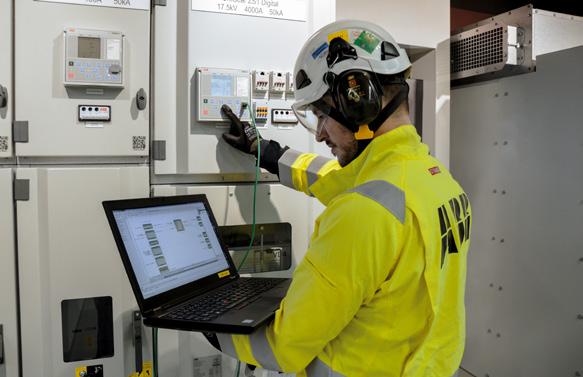
At ABB Electrification Service, our advanced augmented reality solutions such as Collaborative Operations for electrical systems (CLOSER) and Remote Assistance for electrical systems (RAISE) allow expert guidance to be delivered directly into the hands of field teams, cutting site visit times significantly and reducing associated carbon emissions.
All in all, the common thread across this is predictability. Leaders are building resilience through continuous visibility and lifecycle optimisation on the foundations of trusted performance partnerships.
AO: Why is full grid dependency no longer a viable option for companies looking to remain cost-competitive whilst reducing their emissions?
ST: Full grid dependency assumes that energy will always be accessible and aligned with decarbonisation goals. Today, that assumption no longer holds.
The energy landscape is under sustained pressure from rising demand and ageing infrastructure, and because of this, grids must balance stability, flexibility, and adequacy in increasingly complex operating conditions.
At the same time, industries face volatile energy pricing and
heightened scrutiny around carbon intensity. For companies that rely entirely on external supply, this creates exposure to outages, price spikes, and regulatory shifts.
Energy is no longer simply a utility cost; it’s a strategic variable that influences competitiveness and sustainability performance.
The response we are seeing is not disconnection from the grid, but smarter integration which involves investments in digital energy management, efficiency upgrades, targeted retrofits, and hybrid strategies that give operators greater control over how power is consumed and optimised.
In other words, resilience now requires active management. The companies that remain costcompetitive and credible on emissions reductions are those that optimise and modernise their infrastructure rather than passively relying on grid supply alone.
AO: How are ABB Electrification Service’s cutting-edge electrification and digital solutions supporting companies across the APAC region who are navigating a new energy future?
ST: Across the region, navigating a new energy future means balancing three pressures at once: electrifying operations, decarbonising infrastructure, and strengthening resilience against climate volatility.
Our focus is helping customers modernise and optimise their existing electrical systems in ways that reduce emissions whilst improving performance.
One example that comes to mind is our work with InfraBuild, Australia’s largest integrated manufacturer and supplier of steel long products.
As steelmakers transition towards more electric-intensive production, electrical systems must handle higher loads whilst supporting sustainability targets.
By upgrading to our VD4-AF vacuum circuit breakers, InfraBuild eliminated sulphur hexafluoride (SF6) gas from the upgraded components, reduced maintenance intensity, and extended the life of critical infrastructure.
Rather than replacing entire systems, targeted modernisation preserved embedded materials and reduced lifecycle emissions, which demonstrates how decarbonisation and operational performance can move together.
Similarly, we embarked on a modernisation programme with Singapore’s KK Women’s and Children’s Hospital through cradlein-cradle retrofits for its ageing switching technology.
This approach avoided the carbon and material footprint of a full replacement whilst introducing digitally enabled breakers connected to ABB Ability™ platforms.
The result was improved energy monitoring, predictive maintenance capability, and greater long-term efficiency – essential for missioncritical facilities seeking both reliability and sustainability gains.
Lastly, in the Philippines, when a severe tropical storm shut down Energy Development Corporation’s 110 MW Nasulo geothermal facility, our local engineering teams restored renewable generation within 48 hours.
Beyond operational recovery, this was about safeguarding clean energy supply for the Visayas region. Rapid relay repair ensured geothermal power returned to the grid quickly, reinforcing the resilience of renewable infrastructure in the face of extreme weather.
Across these projects, the common theme is circular electrification: upgrade over wholesale replacement, digital over manual, predictive over reactive.
By extending asset life by decades, reducing maintenance intensity, and eliminating high-impact materials such as SF6, we help customers decarbonise their operations whilst strengthening system reliability.
Navigating the new energy future goes beyond increasing renewable capacity – it also means modernising the infrastructure that supports it.
AO: Finally, looking ahead, how does ABB plan to continue enabling a more sustainable and resourceefficient future?
ST: In my view, our future as ABB will depend on the next phase of the energy transition and how well-equipped companies and communities are to adapt to it.
Consider that whilst global electricity demand continues to rise, the IEA estimates that tripling renewable capacity by 2030 will require around 1,500 gigawatts of energy storage, which will largely come from batteries.
At the same time, global BESS demand jumped by over 50 percent in 2025, representing nearly 50 percent in year-on-year growth.
For ABB Electrification Service, this means evolving from servicing infrastructure to enabling performance-based energy ecosystems.
One way we’re doing this is through our BESS-as-a-service offering, which eliminates heavy upfront capital requirements and enables businesses to integrate storage for peak saving, renewable smoothing, and grid participation under predictable service-based agreements.
With AI-powered energy
management optimising when to store, discharge, or trade energy, storage becomes both a resilience tool and value generator.
More broadly, we see our future moving towards outcome-based models – energy-as-a-Service, digital asset management, and performance guarantees – where reliability, cost control, and decarbonisation are delivered as measurable results, not just equipment installations.
This will continue to take place against a foundation of circular electrification, ensuring that customers can extend asset life, embed predictive maintenance strategies, and reduce material intensity through modernisation rather than replacement.
The energy system of the future will be increasingly decentralised, datadriven, and storage-enabled.
Our role is to ensure customers are not just connected to that system but engineered to outperform within it – leaner in capital, cleaner in carbon, and stronger in resilience.
www.abb.com
REDEFINING GEOHAZARD
INTELLIGENCE
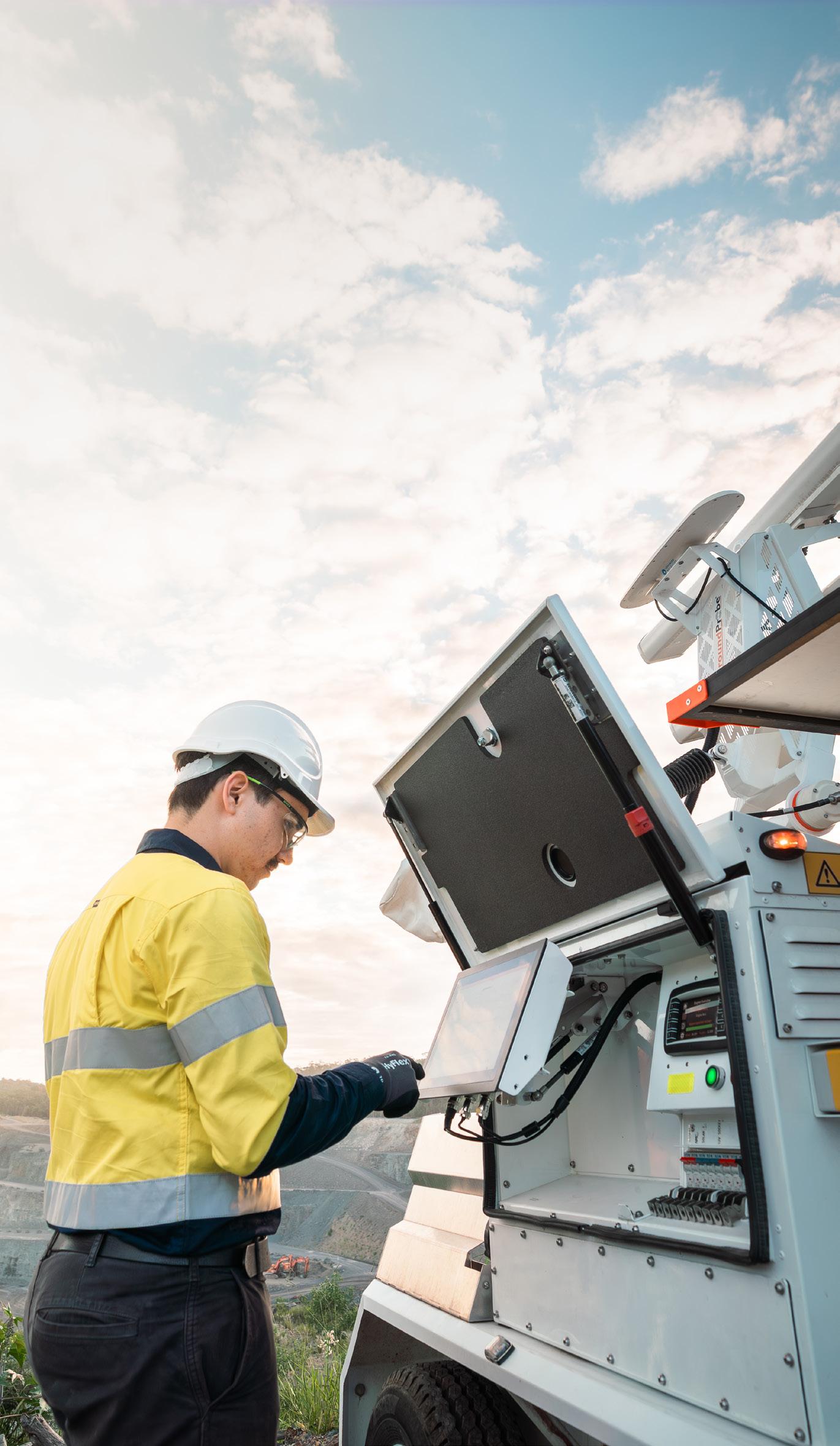
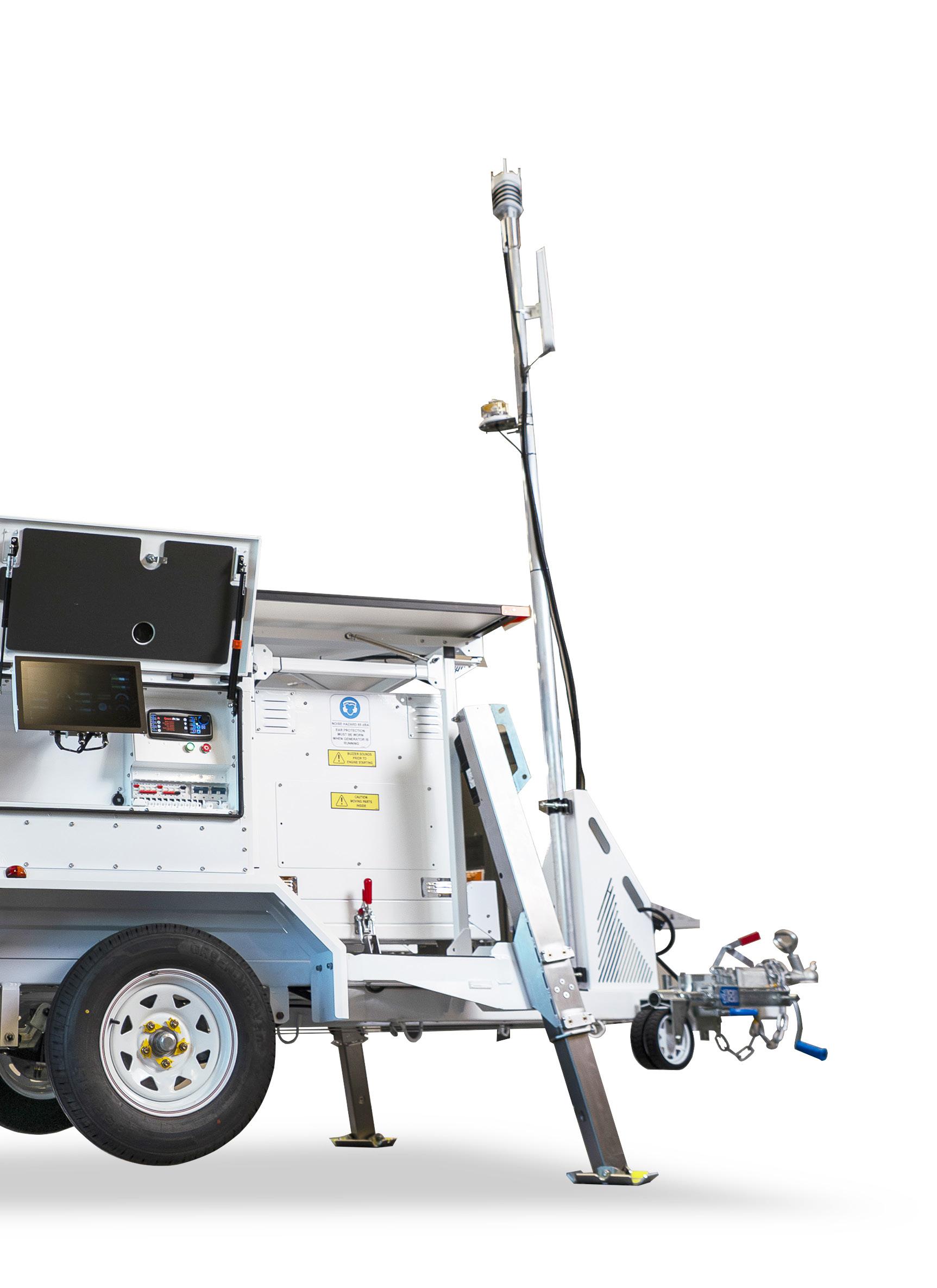
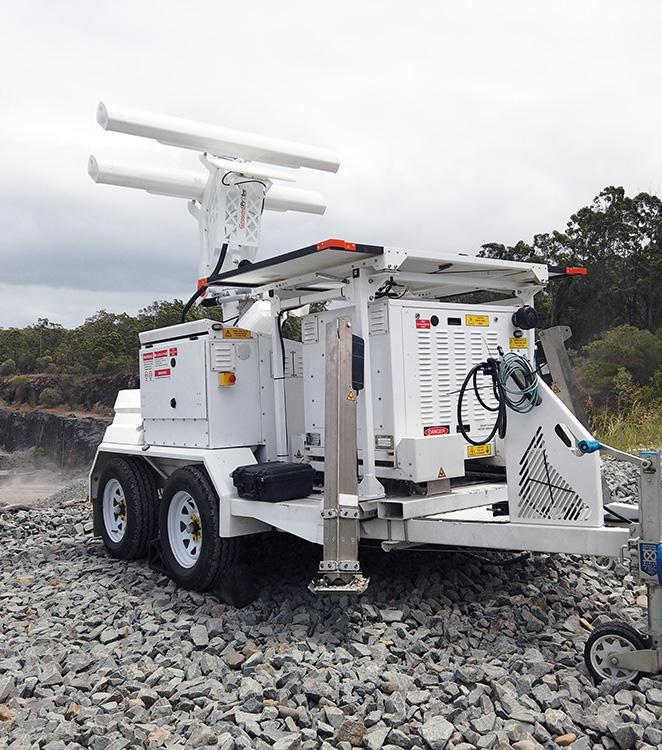
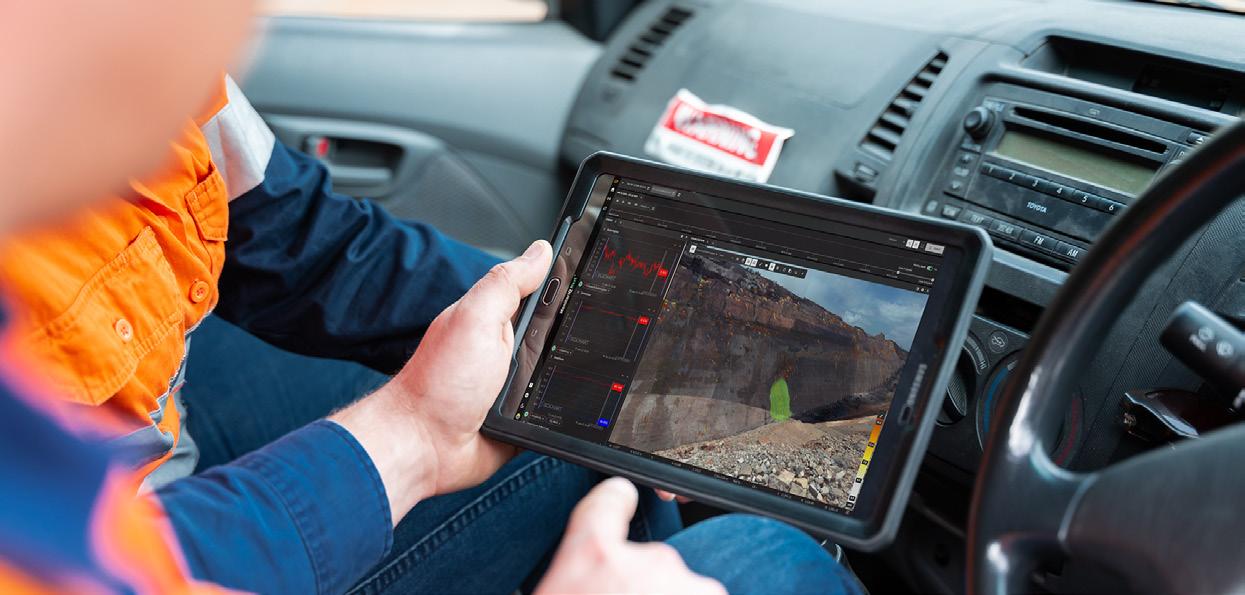
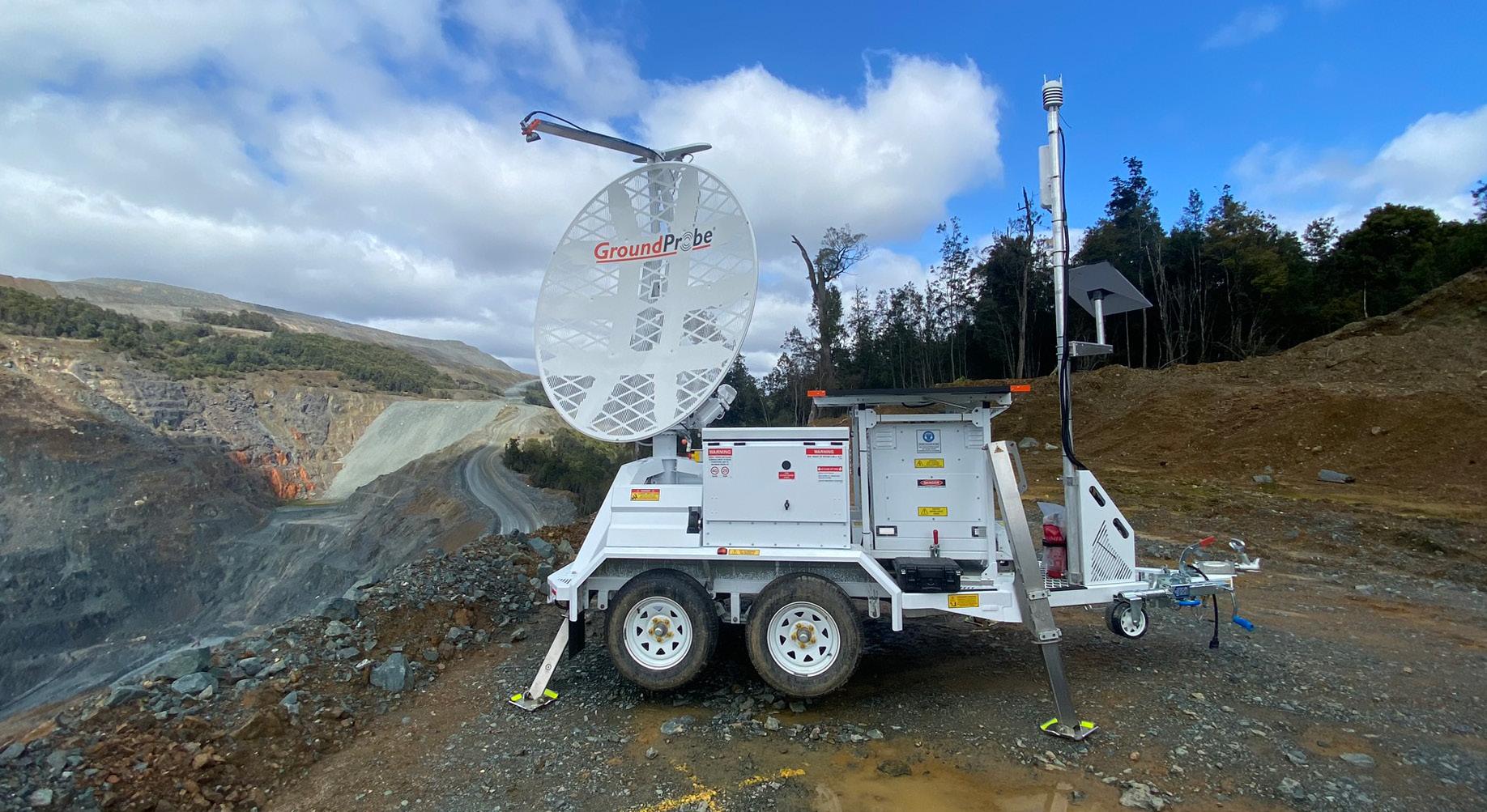
We catch up with the executive team at Orica Digital Solutions’ trusted geohazard monitoring product division, GroundProbe, whose newly launched next-generation series radar brings together 25 years of experience, deep customer knowledge, and a clear understanding of what its mining customers need and value most
Writer: Lily Sawyer
Since we last spoke with the GroundProbe product team in August 2025, Australia’s mining landscape has continued to evolve under a mix of familiar pressures and emerging opportunities.
“We’re seeing sustained focus on productivity and safety, alongside increasing scrutiny around risk management, workforce availability, and operational efficiency, particularly in open-pit and tailings environments,” opens Ben Moke, Senior Manager - GroundProbe.
At the same time, there’s been a noticeable shift towards more proactive, data-driven decisionmakers, with mining operators looking for monitoring solutions that not only detect risk but also integrate seamlessly into everyday workflows and long-term planning.
“This launch is a significant milestone for Orica Digital Solutions because it isn’t just new technology for GroundProbe – it’s a step change in how monitoring solutions are delivered to the market”
– BEN MOKE, SENIOR MANAGER – GROUNDPROBE, ORICA DIGITAL SOLUTIONS
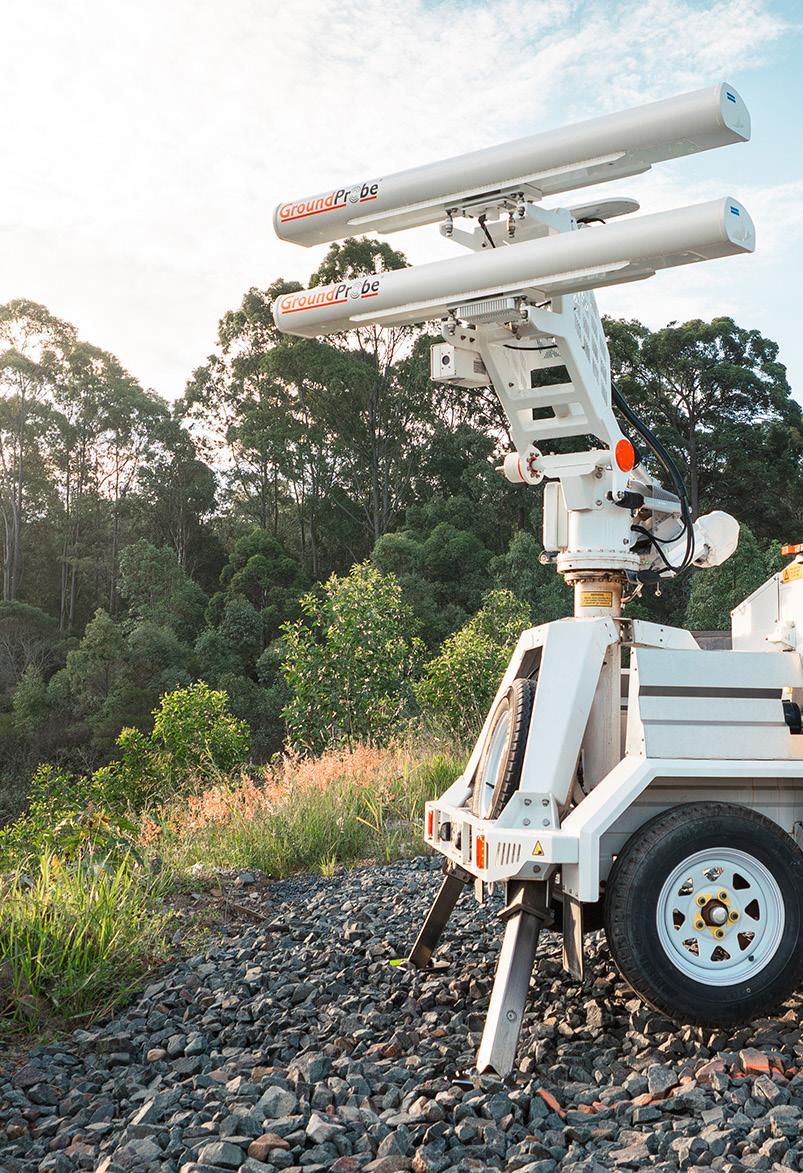
next-generation series radar – which is built end-to-end to work as a complete system – the GroundProbe team reflects on this significant achievement.
“The launch marks the point at which many parallel development streams finally come together into a cohesive solution.
“You’re not just seeing a new radar, or new software features, or a refreshed interface in isolation – it’s a fully integrated next monitoring platform,” he prides.
CONNECTED WORKFLOW
The GroundProbe next-generation series radar represents an important milestone for the company in that it’s not just an incremental refresh.
Resisting the temptation to simply add features to its existing portfolio, the GroundProbe team stepped back and asked some fundamental questions when designing the new product.
“We asked ourselves, where do geotechs lose time? What gets in the way of confident decision-making on-site? This launch is the result of answering such questions with a clean-slate mindset,” Moke insights.
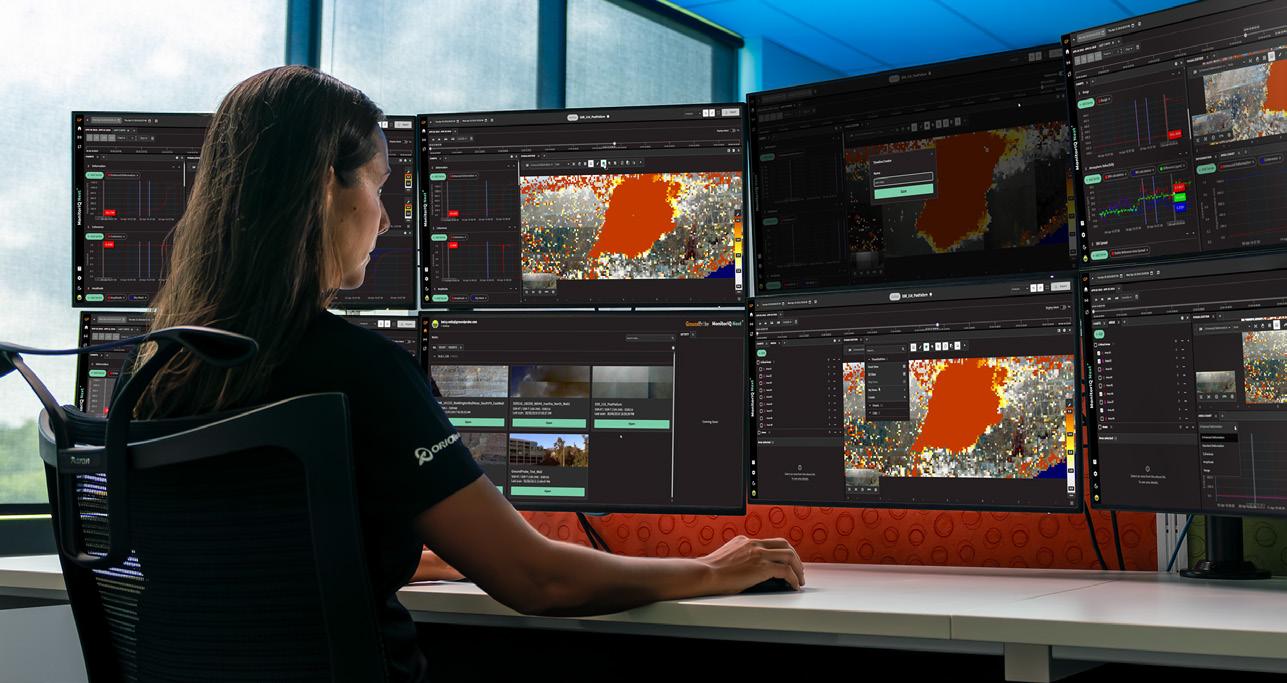
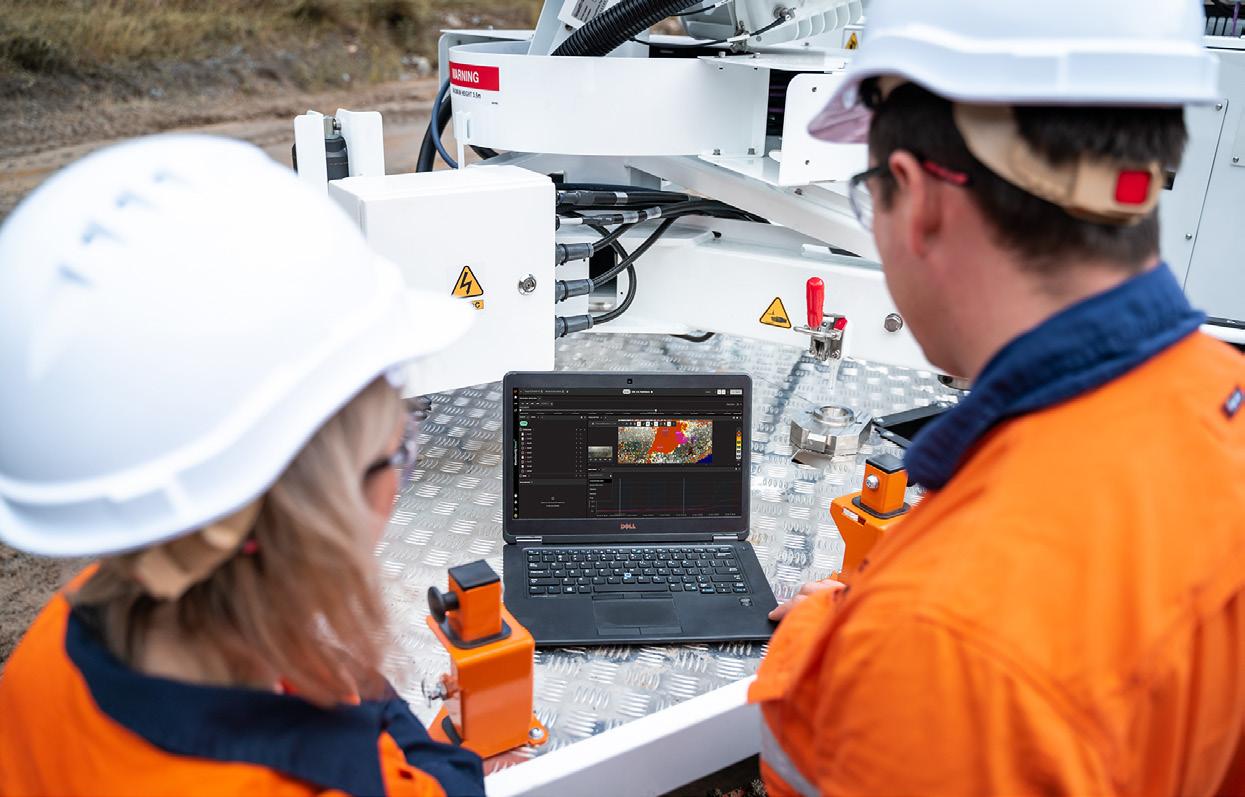
At a practical level, the launch brings a next-generation hardware platform together with MonitorIQ® next software and modern geotechnical workflows designed to feel intuitive rather than complex.
Such an environment has highlighted the importance of reliable, high-quality data and systems that can operate consistently in complex environments.
“This is why we’ve invested so heavily in our next generation of radar solutions and has reinforced why our focus has spanned safety-critical, critical, and long-term customer needs throughout their development,” Moke informs.
Having recently launched its
As such, the experience from deployment through to interpretation and alarms is far more connected with the next-generation radar, with components that used to live in different tools, screens, or mental checklists now part of a single, coherent workflow.
“Another reason this launch matters is the way it was shaped. It’s the product of a long-term development programme grounded in real customer challenges, not theoretical ones.
“We spent a lot of time listening to
how people actually use the solution in the field and then engineering a product around that reality,” he reveals.
This feedback loop influenced everything from physical design and power systems through to how alarms are set up, and data is visualised.
“There’s also a philosophical shift behind the launch. We’ve always been known for precision and reliability, but this generation puts just as much emphasis on making life easier for the geotechnical teams,” Moke outlines.
Faster setup, cleaner data, and fewer false alarms, for example, enable users to spend less time managing the tool and more time thinking about the slope and risk in front of them.
“This launch is a significant milestone for Orica Digital Solutions because it isn’t just new technology for GroundProbe – it’s a step change in how monitoring solutions are delivered to the market.
GROUNDPROBE’S PRODUCTS AT A GLANCE
As a cornerstone of Orica Digital Solutions, GroundProbe’s products are the most trusted sensors and software technology for the mining industry, enabling customers to make faster, better-informed decisions that enhance safety and sustainability.
The company is creating highvalue, innovative technologies that empower customers to better manage geotechnical risk.
Through precise, real-time monitoring and actionable insights, GroundProbe continues to support safer mining operations worldwide while staying true to its commitment to technology leadership.
“Every design decision was informed by how our customers actually use our solutions in both high - risk and lower-risk conditions, not by what looks good on a specification sheet”
– KEVIN GREENWOOD, SENIOR MANAGER – TECHNOLOGY, ORICA DIGITAL SOLUTIONS
“We’re giving customers the confidence that they have the right tool – be it for tactical, operational needs or strategic planning – for their specific risk profile today and into the future,” he explains.
VOTE OF CONFIDENCE
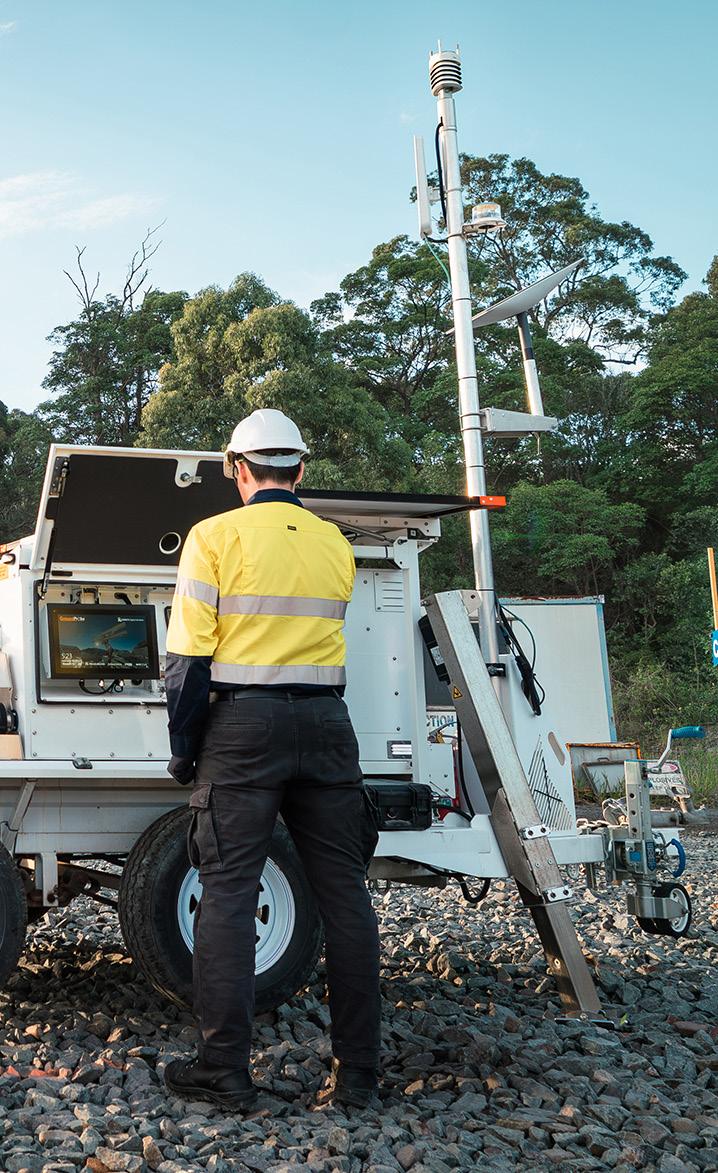
The new GroundProbe solution is about delivering clean, trusted data in complex mining environments whilst also making day-to-day monitoring faster and easier.
This is delivered through polished data, quicker and lower-touch deployment, streamlined workflows, and a system that’s robust and efficient enough to run consistently without constant intervention.
One of the things that genuinely sets this platform apart is that it isn’t a one-size-fits-all radar, and each model in the portfolio is physically engineered for its specific monitoring role – an important distinction.
“The capability is built into the technology itself, not achieved through software nuances. So, whether you’re dealing with safety-critical, rapid-failure risks or longer-term, strategic slope monitoring, the radar is designed from the ground up to match that risk profile,” Kevin Greenwood, Senior Manager – Technology, clarifies.
Another major differentiator is the continued use of GroundProbe’s trusted real aperture radar technology in its portfolio.
In practical terms, this means data stays clean even in ‘noisy’ mining environments as the technology is not majorly affected by machinery movement or sidelobe interference, giving geotechnical teams a higher degree of confidence that collected data reflects real ground movement
– not noise or artefacts.
“This represents the culmination of years of learning from real-world monitoring environments.
“Every design decision was informed by how our customers actually use our solutions in both high-risk and lower-risk conditions, not by what looks good on a specification sheet.
“The result is a platform that delivers cleaner data, more reliable performance, and workflows that genuinely make life easier for geotechnical teams,” Greenwood surmises.
PROACTIVE, LONG-TERM APPROACH
For its customers in the mining industry, the biggest benefit of the new GroundProbe technology is how naturally monitoring can now fit into everyday decision-making.
The platform reduces the effort required to deploy, set up walls, and interact with the data, allowing geotechnical teams to focus more on understanding risk rather than managing technology.
“When data is easier to access and clearer to interpret, decisions tend to be faster and more confident,” Greenwood details.
The company’s next-generation radar is also responsible for a clear productivity lift, enabling teams to cover more ground with the same resources by saving time and reducing the overhead costs associated with setup, alarms, and system management.
This kind of enhanced productivity has become increasingly important as operations become more complex and geotechnical teams are asked to manage a growing portfolio of tasks. Strategically, the next-generation platform will contribute to a more proactive, long-term approach to slope stability across the industry.
“From the earliest days, our focus has always been on delivering monitoring solutions that people can trust when it matters most”
– DAVID NOON, VICE PRESIDENT – GEOSOLUTIONS, ORICA DIGITAL SOLUTIONS AND FOUNDER, GROUNDPROBE
“Better data, delivered with greater confidence, supports earlier intervention and more measured responses to movement – ultimately contributing to safer operations and more informed long-term planning.”
TRUST WHEN IT MATTERS MOST
Looking ahead, Orica Digital Solutions’ priorities remain firmly centred on safety, innovation, and creating value for its customers.
“We plan to continue investing in technological advances, software development, and energy efficiency whilst expanding our global customer support capabilities and value-added services under the Geotechnical Specialist Services banner,” Greenwood tells us.
“The foundations laid during the development of this solution will play a key role in shaping that future,” he adds.
These include modular architecture, in-house electronics, advanced diagnostic capability, and future-ready platforms intended to support faster integration of new features and sensors.
Long-term, the company’s focus is on continuing to evolve its integrated monitoring ecosystem and ensuring its solutions remain aligned with the real challenges geotechnical teams face.
Orica Digital Solutions’ latest GroundProbe launch is a clear reflection of who the company is, bringing together 25 years of industry knowledge, deep customer relationships, and a commitment to engineering solutions that work in the real world.
The new generation of technology wasn’t driven by trends or specifications alone – but by a clear understanding of what customers need and value most.
“From the earliest days, our focus has always been on delivering monitoring solutions that people can trust when it matters most,” reflects David Noon, Vice President – Geosolutions at Orica Digital Solutions and Founder of GroundProbe.
“Our next-generation solutions are a natural evolution of this philosophy, built on more than two decades of experience, shaped by customer needs, and designed to meet the increasingly complex challenges faced by the mining industry today,” he confidently concludes.
www.orica.com
Delightful Making Health
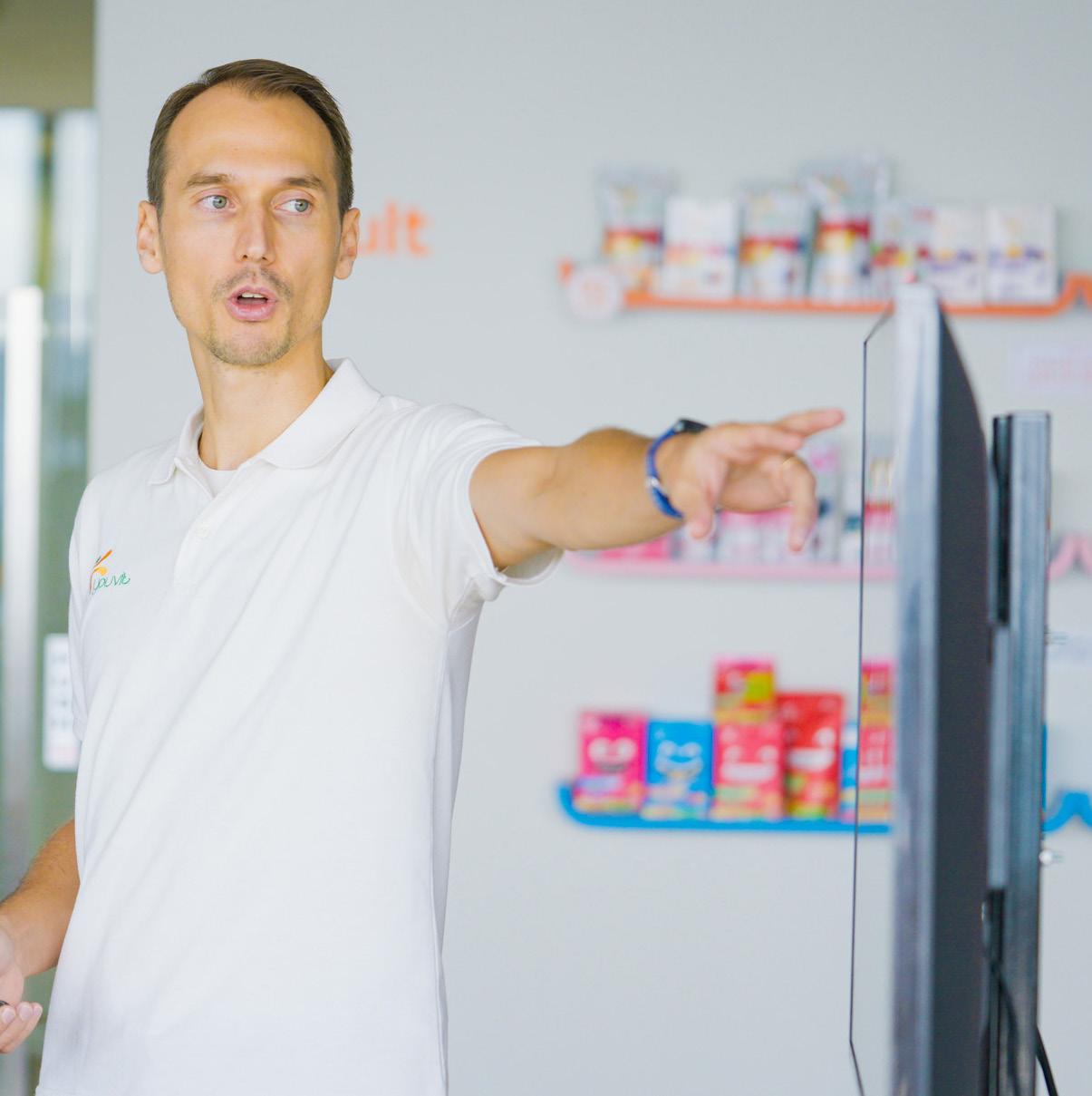
Striving to redefine preventative health and wellness, Youvit has pioneered a lifestyle supplement brand built around delightful, one-aday gummy vitamins tailored to meet the needs of millennial and Gen-Z customers across Southeast Asia. Wouter van der Kolk, co-Founder and CEO, shares how the company is scaling a category-defining brand across the region
Writer: Lily Sawyer
As the consumer economy in Southeast Asia (SEA) matures, a structural shift is unfolding across the health and wellness landscape. Where supplements were once predominantly associated with responding to illness, today’s consumers are increasingly embracing preventative,
lifestyle-oriented solutions designed to support everyday health and long-term vitality. The pace of this evolution varies across the region –Indonesia, for example, is accelerating from a historically curative mindset towards prevention, whilst markets such as Malaysia and Thailand
are progressing further into holistic wellness.
In response, leading brands are moving away from medicinal cues and towards formats that integrate seamlessly into daily life.
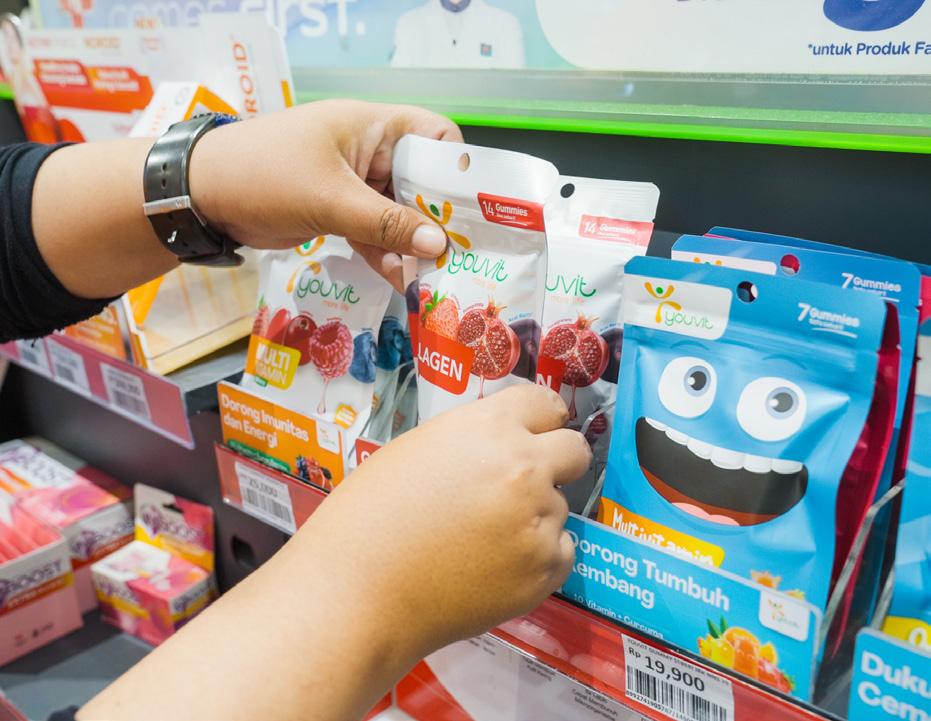
Amongst them is Youvit, an Indonesia-born lifestyle supplement company that has helped redefine how vitamins are consumed.
Since launching its first products in 2017, the company has witnessed customers becoming more open-minded towards the format of supplements and helped shape growing consumer openness to alternative formats.
“Where pills, tablets, and syrups once dominated legacy brands, new formats such as gummies and functional drinks have rapidly gained
popularity – in some cases overtaking traditional forms,” explains co-Founder and CEO, Wouter van der Kolk.
SPARKING DELIGHT
Across SEA, consumers consistently rank health as a top priority – yet sustaining healthy habits remains a daily challenge.
“At Youvit, we believe healthy habits only stick when they spark delight”
–
WOUTER VAN DER KOLK, CO-FOUNDER AND CEO, YOUVIT
Millennial and Gen Z consumers are balancing careers, families, and social responsibilities, often leaving little room for consistency in preventative health routines – leading to a startstop relationship with healthy habits.
This tension between intention and execution is precisely where Youvit positions itself.
From its inception, the company chose not to compete within the
traditional medicinal narrative catering to customers with a curative mindset, but to reframe vitamins as a daily essential in a busy life.
Rather than asking consumers to adopt clinical-feeling regimens that customers experience as a chore, the company focused on making it easy and enjoyable to make healthy habits part of their busy lives.
“At Youvit, we believe healthy habits
only stick when they spark delight,” van der Kolk explains.
“Enjoyment and simplicity is not a marketing afterthought – it is the mechanism that drives daily compliance.
“We wanted to move the narrative away from a pill or tablet you take when you’re sick, and towards a delightful form factor that you take every day as part of a healthy lifestyle,” he reflects.
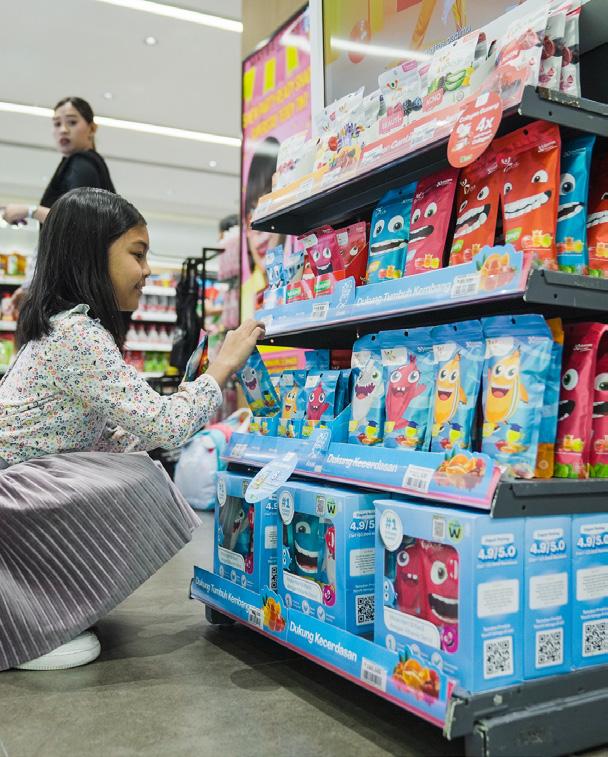
To translate that philosophy into practice, Youvit developed a unique, one-a-day, chewable gummy format that makes daily micronutrient intake both simple and enjoyable.
Formulated with carefully calibrated active ingredients tailored to meet the needs of Southeast Asian consumers, each product is designed to fit seamlessly into a one-a-day routine – reducing friction whilst reinforcing consistency.
The gummy became more than a delivery mechanism – it became a symbol of that repositioning.
The brand recognised that many consumers were hesitant to adopt daily supplement routines that felt medicinal or overly synthetic. A more approachable format reduced that psychological barrier.
Youvit can be seen as a breath of fresh air in this context, standing out
as a positive, cheerful, and trendy brand that resonates with a new generation.
In doing so, Youvit carved out space as a culturally relevant, optimistic brand aligned with the aspirations of younger Southeast Asian consumers.
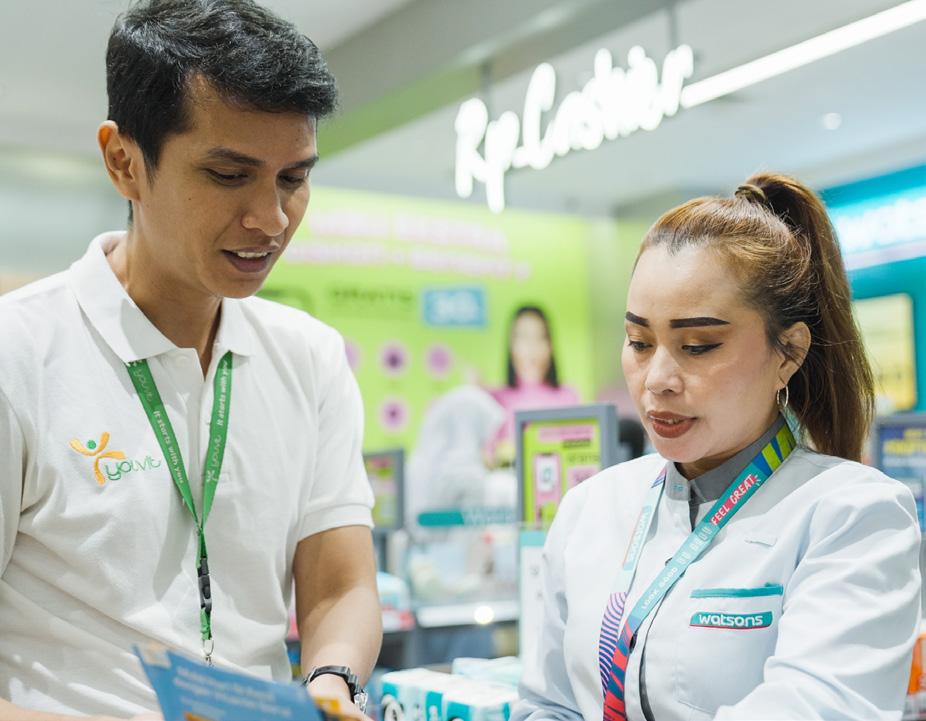
This brand equity has translated into industry recognition. In 2024, Guardian Indonesia recognised Youvit as the best children’s vitamin and supplement brand, whilst Watsons Malaysia awarded it with the Star Brand Award in 2025.
OMNICHANNEL APPROACH
Underpinning Youvit’s growth is an omnichannel model designed for scale across emerging SEA. What began as a format innovation has evolved into a tightly integrated commercial platform spanning retail, e-commerce, and social commerce.
“Youvit products are now available in over 35,000 retail points across SEA,” van der Kolk explains.
“This physical footprint is critical in building both accessibility and trust, particularly in markets where retail remains central to consumer purchasing behaviour.”
At the same time, digital has become an increasingly powerful growth engine. Online sales now account for approximately 25 percent of the business, supported by in-house capabilities such as content creation and marketplace optimisation.
Rather than operating retail and e-commerce as separate channels, Youvit integrates them – using online channels to generate awareness and education, whilst retail reinforces trust and drives impulse purchases.
This balanced approach has proven replicable beyond Indonesia. The company is scaling rapidly in Malaysia and has established early footholds in Singapore, Brunei, and Thailand, with broader Southeast Asian expansion on the roadmap.
The model is supported by disciplined unit economics. An
asset-light structure, strong gross margins, and accessible price points position the business for sustainable growth in emerging markets.
This scalability contributed to Youvit becoming the leading gummy vitamin brand in Indonesia and the fastest-growing children’s vitamin brand in any format, with significant headroom remaining in both distribution and online penetration.
Beyond distribution scale, competitive advantage lies in brand equity and local insight. Deep understanding of emerging market consumers, combined with a full-stack distribution and marketing infrastructure, enables Youvit to build durable retail partnerships whilst continuously strengthening customer loyalty.
CONSUMER SATISFACTION
Whilst Youvit serves adults and children alike, its growth has been anchored in a clear understanding of who ultimately controls health purchasing decisions within Southeast Asian households.
In urban Indonesia and Malaysia, women – particularly millennial mothers – act as health gatekeepers,
balancing budget, credibility, taste preferences, and long-term well-being for the family.
“These consumers are juggling many responsibilities,” van der Kolk explains.
“They want something that they can trust, actually works, and their children will happily take without resistance.”
This dynamic shapes the company’s portfolio strategy. Children’s gummies are designed to reduce daily resistance and support routine building, whilst adult and beauty supplements tap into the broader self-care movement amongst young Southeast Asian women, who view wellness as an extension of lifestyle rather than a reactive intervention.
Trust is the non-negotiable foundation. All Youvit products are halal-certified by Majelis Ulama Indonesia (MUI), a critical differentiator in a category where many global gummy alternatives rely on non-halal gelatine.
In Muslim-majority markets, certification is not merely compliance – it is a signal of cultural alignment and brand integrity.
“Our halal certification has been instrumental in building long-term trust,” van der Kolk notes.
“It ensures that delight never comes at the expense of credibility.”
Beyond halal certification, Youvit reinforces trust through independent third-party lab testing in Singapore and the use of globally sourced, quality-assured ingredients.
Strict quality control processes ensure each gummy delivers safe, consistent, and reliable daily supplementation – combining delight with dependable standards.
COMMITTED TO COMMUNITIES
Purpose has been embedded in Youvit’s strategy since its founding. Beyond commercial growth, the company views access to daily micronutrition as part of a broader responsibility to contribute positively to SEA’s long-term well-being.
“We have a long-standing collaboration with the Peduli Anak Foundation, which supports underprivileged children across Indonesia,” van der Kolk shares.
Through this partnership, Youvit provides a continuous supply of vitamins to children and staff at its welfare centres – extending the company’s preventative health
HEALTH BENEFITS AFFORDED BY YOUVIT
A first-mover in lifestyle supplements, Youvit has pioneered a new product format in a traditional market, creating a category-defining brand and product range.
Leveraging a proprietary formulation tailored to local nutritional needs, Youvit is proud to utilise globally sourced, certified ingredients optimised for daily use.
This has led the company to become the leading vitamin gummy brand in Indonesia, active across three supplement sub-categories serving the needs of health, beauty, and child audiences:
• HEALTH – Comes in a gummy format, with ingredients to support everyday health, immunity, sleep, and digestive health.
• BEAUTY – Available in both a gummy and powder format to address hair loss, acne, and skin blemishes.
• CHILDREN – Can be taken in a gummy or powder format, supplementing brain development and appetite alongside eye, bone, and everyday health.
mission beyond retail shelves.
“The responses we get from both our partners and the children we donate to are truly heartwarming and humbling,” shares van der Kolk.
The company was founded on the belief that many Indonesians struggle to meet their daily nutritional needs through diet alone – a staggering 90 percent of Indonesians do not eat enough fruits or vegetables, with wide-ranging health consequences.
That reality inspired van der Kolk and co-Founder and COO, Maarten Vrouenraets, to build a brand focused on making consistent micronutrient intake more accessible and enjoyable.
Today, Youvit’s products support millions of Indonesians in building simple daily health routines that complement balanced diets and active lifestyles.
“It has always been important to me that our core business creates meaningful impact,” van der Kolk reflects.
“That commitment continues to guide how we grow.”
EXCITING PIPELINE
Looking ahead, Youvit’s innovation pipeline is focused on strengthening its leadership in lifestyle supplements alongside deepening its core promise of making daily health accessible.
“Where pills, tablets, and syrups once dominated legacy brands, new formats such as gummies and functional drinks have rapidly gained popularity – in some cases over taking traditional forms”
– WOUTER VAN DER KOLK, CO-FOUNDER AND CEO, YOUVIT
These include some truly innovative products that will push the boundaries of what has been done so far in SEA’s supplement category, whilst remaining true to itself and ensuring it continues to ‘make health delightful’.
At the same time, geographic expansion remains a key priority.
“Indonesia alone offers significant headroom,” van der Kolk notes.
“Whilst we are present in more than 30,000 retail locations, distribution across the archipelago is far from saturated.”
The company continues to scale in Malaysia and is steadily building its footprint in Singapore, Brunei, and Thailand as part of a broader Southeast Asian growth roadmap.
Digital acceleration is another major growth lever. Online sales are currently the company’s fastestgrowing channel, supported by a full in-house team with expertise across performance marketing, social commerce, affiliate partnerships, live streaming, content, and design.
Platforms such as TikTok have become increasingly important in driving discovery and conversion, particularly amongst younger consumers.
By combining disciplined innovation with regional expansion and digital capability, Youvit is positioning itself not just for incremental growth, but for sustained category leadership across SEA.
LASTING LEGACY
As Youvit scales across SEA, van der Kolk is quick to acknowledge the ecosystem that has supported its growth.
“We would not be where we are today without the backing of partners such as DSG Consumer Partners and Unilever Ventures,” he notes.
“Their support has enabled us to build a disciplined, long-term business whilst continuing to challenge and redefine the consumer health category.”
Beyond capital, Youvit’s progress has been driven by a team built for emerging market execution – agile, locally attuned, and comfortable operating at the intersection of brand, retail, and digital.
From product innovation to full-stack distribution and in-house marketing capabilities, the organisation has been structured to scale with focus and speed.
Internally, the company emphasises transparency and accountability as much as ambition.
“We celebrate wins, but we are equally honest about what needs improvement,” van der Kolk concludes.
“That combination of optimism and operational discipline is what will sustain us over the long-term.”
For Youvit, legacy is not defined simply by market share, but by reshaping how everyday health is approached across SEA – embedding preventative habits into daily life in a way that feels both accessible and enjoyable.
A Culinary Connection from Dumplings to Deals
Navigating the intricate web of intra-Asian trade, nations are leveraging their unique gastronomic heritage to foster collaboration and innovation in the food and beverage industry, creating a vibrant marketplace that champions sustainability and cultural exchange
Writer: Rachel Carr
Over half of the global population resides in Asia, making it a bustling hub of activity and commerce and the world’s largest food and beverage market, both in terms of overall value and sheer volume.
As powerhouses of palatable plates, countries like China, India, and Japan play pivotal roles, whilst the diverse nations of Southeast Asia also make substantial contributions.
As such, the intra-Asian food and beverage industry is a vast and dynamic market, driven by a variety of consumer preferences, cutting-edge technological advancements, and robust economic growth.
Indeed, the culinary landscape is rapidly evolving, featuring an intriguing blend of traditional street food vendors and innovative, artificial intelligence (AI)-powered cloud kitchens.
A notable trend in this sector is the rising demand for sustainable products, as consumers become
increasingly health-conscious and actively seek plant-based options that reflect their values.
Additionally, there is a measurable shift towards embracing local gastronomy, with a strong emphasis on environmentally and socially responsible practices that resonate with today’s conscientious consumers.
Certain factors contribute to the appeal of Asian cuisine. For example, it features a vibrant mix of traditional elements and innovative techniques, resulting in streetfood-inspired dishes that are rich in bold flavours and made with high-quality, authentic ingredients – truly capturing the essence of the region’s diverse culinary heritage.
In the dynamic landscape of changing consumer needs, the benefits of Asian economies trading with one another, particularly in the food and beverage industry, are significant.
Furthermore, various sectors, from manufacturing to supply chain, stand to gain, creating valuable opportunities across the board.
A CULINARY EXCHANGE
‘Menu sharing’ refers to the practice of countries offering a diverse range of goods, services, and cultural experiences that neighbouring nations can utilise and enjoy.
This concept encompasses various aspects, such as tourism, culinary exchanges, and trade in goods, where each country presents its unique offerings as shared resources.
One prominent form of ‘menu sharing’ is culinary exchange. Asian countries often collaborate to celebrate their food cultures, creating opportunities for culinary tourism.
For instance, nations may work together on food festivals or events to showcase one another’s cuisines and ingredients.
Furthermore, these countries can benefit from promoting travel packages that include multiple destinations.
For example, a tourism board might create an itinerary highlighting must-see food spots in neighbouring countries, encouraging travellers to explore a wider range of cultural culinary experiences.
Beyond food and tourism, ‘menu sharing’ can include cultural exchanges, such as art, music, and festivals, that enhance understanding and appreciation amongst different groups in the region.
Economically, ‘menu sharing’ can symbolise cooperation between countries through trade agreements, allowing the exchange of goods that complement each other, such as electronics if one country specialises in them.
In contrast, if another specialises in textiles, they can create trade,
creating mutually beneficial relationships that strengthen both economies.
Through regional organisations like the Association of Southeast Asian Nations (ASEAN), countries can engage in dialogue to improve collaboration across sectors.
This can lead to frameworks for sharing resources, technology, and industry knowledge that encourage economic growth and mutual support.
As countries strive for sustainable development, ‘menu sharing’ can also include best practices in environmental conservation, agricultural techniques, and technological innovations.
The concept of ‘menu sharing’ fosters greater collaboration and understanding amongst Asian nations, creating interconnected cultures and economies that can thrive in a globalised world.
CHINA PLUS ONE
The China Plus One (C+1) strategy is a proactive approach that encourages businesses to continue operating in China whilst also exploring opportunities to expand production or sourcing to another country.
This often involves relocating some manufacturing or procurement activities to other Asian nations such as Vietnam, India, Thailand, or Malaysia.
By diversifying supply chains and collaborating with neighbouring markets, the food and beverage industry can access a broader range of local ingredients and culinary techniques, thereby enriching the quality and variety of products available.
However, the choice of the ‘plus one’ country depends on factors such as labour costs and regulatory environments, which also affect the food and beverage landscape.
Nevertheless, this dual-location approach can reduce costs, diversify risk, and enhance operational
flexibility, ultimately strengthening the interconnected nature of the Asian culinary marketplace.
The rationale behind this strategy is multifaceted – firstly, it addresses the rising costs of labour and production in China, which can impact profitability.
Additionally, companies are seeking to reduce their reliance on a single location in their supply chain, enhancing resilience and flexibility.
Expanding to alternative markets also opens up new avenues for growth and greater access to emerging markets.
Moreover, C+1 acknowledges the rising geopolitical tensions and trade risks associated with China, prompting businesses to diversify their operations to mitigate potential disruptions.
The strategy emerged around 2013 as a response to the overconcentration of manufacturing and supply chains in China, allowing companies to continue leveraging the country’s advantages whilst mitigating the risks associated with overreliance on a single nation.
STIRRING UP SUCCESS
The Asian food market is expected to continue expanding, with a projected growth of USD$268.9 billion by 2032.
Technological innovations such as AI-powered kitchens, self-service kiosks, and precision fermentation are transforming food preparation, delivery, and consumer engagement.
Emerging brands and authentic Asian flavours, meanwhile, are driving competition across packaged food, ready meals, sauces, and meal kits.
Intra-Asian trading offers several benefits, including economic growth for countries like Vietnam and Indonesia by expanding domestic markets.
Port infrastructure development in Thailand, for example, enhances the nation’s capacity and efficiency to handle increasing cargo volumes,
ASIAN FOOD TRENDS DRIVING GROWTH
• Swicy – A portmanteau of sweet and spicy, combining the elements of sugary or fruity dishes with the heat from chilli peppers or spices. Whilst the hot honey flavour is ubiquitous at present – from sandwiches and crisps to chocolate and cakes – the swicy trend has been around for a while, featuring combinations like salted caramel, dark chocolate and chilli, and mango chutney. Beverages have also had a swicy makeover with the spicy margaritas experiencing a cultural moment.
• Fermentation – Foods such as kimchi, miso, and kombucha are wellknown for promoting gut health, whilst Asian superfoods like matcha, seaweed, and turmeric are becoming staples in the wellness market.
• Umami – The term ‘umami’ is a Japanese word that translates to ‘pleasant savoury taste’. It refers to a distinct flavour that triggers specific receptors on the tongue that respond to substances such as glutamate and nucleotides, including inosinate and guanylate. This makes umami unique. Examples of umami foods include mushrooms, tomatoes, aged cheeses, anchovies, and beef.
• Plant-based – Tofu, tempeh, jackfruit, and legumes are key ingredients in plant-based Asian cuisine, as vegan dumplings, curries, and dairy-free bubble teas are expanding meat-free options for consumers.
• Fusion – Cross-cultural cuisine has become an established category rather than just a trend. Dishes like Korean tacos, sushi burritos, and Thaiinspired pizzas can be found not only in Asia but also on menus around the world. This presents a lucrative opportunity for manufacturers, as demand for innovative sauces, snacks, and ready meals is on the rise.
whilst greater supply chain resilience means companies are building more localised procurement strategies in response to disruptions, reducing reliance on distant suppliers.
Elsewhere, market opportunities in the Far East, Middle East, and Indian subcontinent are rising, with a moderate recovery in mainland China and increased growth in the ASEAN region.
in fostering economic development and are creating opportunities for businesses within the region, having a significant impact on the food manufacturing sector in particular.
With global interest in cuisine comes demand for exported goods; however, sustainability, the digital revolution, processed foods, and health-conscious eating habits are also shaping demand.
The intricate interplay of culinary traditions and innovative practices in the intra-Asian food and beverage trade highlights the region’s potential to foster collaboration and sustainable growth.
By embracing menu sharing and the C+1 strategy, nations can enrich their culinary landscapes and strengthen economic ties and cultural exchanges.
As the continent navigates the challenges of consumer demand and evolving markets, the emphasis on sustainability and local flavours will continue to shape a vibrant, interconnected marketplace.
Ultimately, these collaborative efforts will enhance the consumer experience, encourage tourism, and promote a deeper understanding of the rich diversity that defines Asian cuisine and culture.
AUSTRALIAN GREEN BUILT ENVIRONMENT
SPOTLIGHT
As it seeks to implement sustainability more widely, Australia’s construction sector is leveraging influential green policies and new technologies to reframe how the industry can contribute to achieving the nation’s net zero goals
Today’s Australian construction landscape is undergoing a notable shift, with sustainability, regulation, and technological innovation reshaping construction processes.
Historically characterised by traditional, carbonintensive methods, the sector is increasingly embracing greener practices and data-driven approaches in response to evolving environmental expectations.
A key catalyst for recent industry change was the introduction of the National Construction Code (NCC)
2022, which raised the minimum energy efficiency standard for new homes to a seven-star rating in line with the Trajectory for Low Energy Buildings – a government plan to achieve lower carbon structures.
The move has encouraged developers and designers to re-think building performance – from improved insulation to more efficient material choices.
At the same time, the industry is turning its attention to reducing embodied carbon – the emissions associated with the production and construction of building resources.
This growing focus is driving interest in construction materials such as sustainable timber, recycled alternatives, and low-carbon steel, whilst new policies are beginning to require large infrastructure projects to actively manage their upfront carbon.
Technological innovation is also playing a transformative role, with digital tools such as building information modelling (BIM) and artificial intelligence (AI) enabling companies to improve planning accuracy, optimise material use, and reduce waste.
Modern methods of construction, meanwhile, are helping to streamline delivery and enhance quality control, such as volumetric modular construction and precast
concrete elements.
Despite these advances, the sector continues to navigate a challenging operating environment.
Rising material costs and inflationary pressures are placing strain on residential developments, whilst a persistent shortage of skilled labour remains a continued obstacle to growth within the industry.
Nevertheless, with sustainability now firmly embedded in the nation’s long-term agenda, Australia’s construction sector is steadily laying the foundations for a more efficient, resilient, and environmentally conscious future, particularly as it seeks to achieve net zero greenhouse gas (GHG) emissions by 2050.
INTERVIEW:
GREEN BUILDING COUNCIL OF AUSTRALIA
We sit down with Taryn Cornell, Senior Manager – Strategy and Development for the Green Building Council of Australia, who discusses for the organisation’s role in advocating on behalf of its members and supporting a sustainable future for the nation’s construction sector
APAC Outlook (AO): Firstly, could you talk us through the origins and primary goals of the Green Building Council of Australia?
Taryn Cornell, Senior Manager –Strategy and Development (TC): The Green Building Council of Australia (GBCA) was founded in 2002 by industry leaders who recognised the need for a unified, consensus-driven, and sciencebased approach to transforming Australia’s built environment and shifting towards sustainability.
Our primary goal is to deliver better buildings and places to live, work, and play – by ‘better’ we mean lower-carbon, healthier, and more climate-resilient environments. These are things we’re driven to improve not just at scale, but also on a granular level.
We do that by working across a lot of different building types, from workplaces and sports facilities to schools, universities, railway stations, and retail spaces.
Our purpose is to drive ambition whilst building capability across the construction industry.
AO: What is your take on today’s Australian construction landscape, and how have you seen it evolve over the course of your career?
TC: I would say it’s both exciting and challenging. Australia has a strong track record when it comes to sustainability in the built environment.
One of the biggest shifts has been the rise of upfront carbon as a mainstream conversation. Five years ago, very few people understood it; today, governments are backing the concept and discussing its inclusion in the NCC. That represents a rapid and significant change.
We’re also seeing growing momentum around designing and building for circularity. This involves treating buildings as a ‘kit of parts’ and finding ways to extend the life of materials within our built environment, which requires a shift away from traditional construction approaches towards more modular and durable design.
Another important change is leadership across the construction supply and value chain.
Where sustainability was once seen as an optional extra, today construction companies and contractors are increasingly using it as a point of difference, and proposing ways to reduce upfront carbon, electrify buildings, connect projects with better suppliers, and rethink material choices to improve construction outcomes.
“ULTIMATELY, OUR GOAL IS TO DRIVE MEANINGFUL CHANGE WHILST SUPPORTING THE INDUSTRY IN DELIVERING A BETTER, MORE SUSTAINABLE BUILT ENVIRONMENT”
– TARYN CORNELL, SENIOR MANAGER – STRATEGY AND DEVELOPMENT, GREEN BUILDING COUNCIL OF AUSTRALIA
This kind of leadership evolution is particularly exciting because the construction sector has not always been seen as a driver of change.
In fact, I began my career as an interior designer, where the goal was enriching people’s lives through design.
But, at the time, sustainability rarely entered the conversation – unless there was extra budget, which seldom happened.
So, seeing these sustainability concepts scale across the industry is what drew me to GBCA – real change requires an entire industry supported by clear targets and pathways to achieve them.
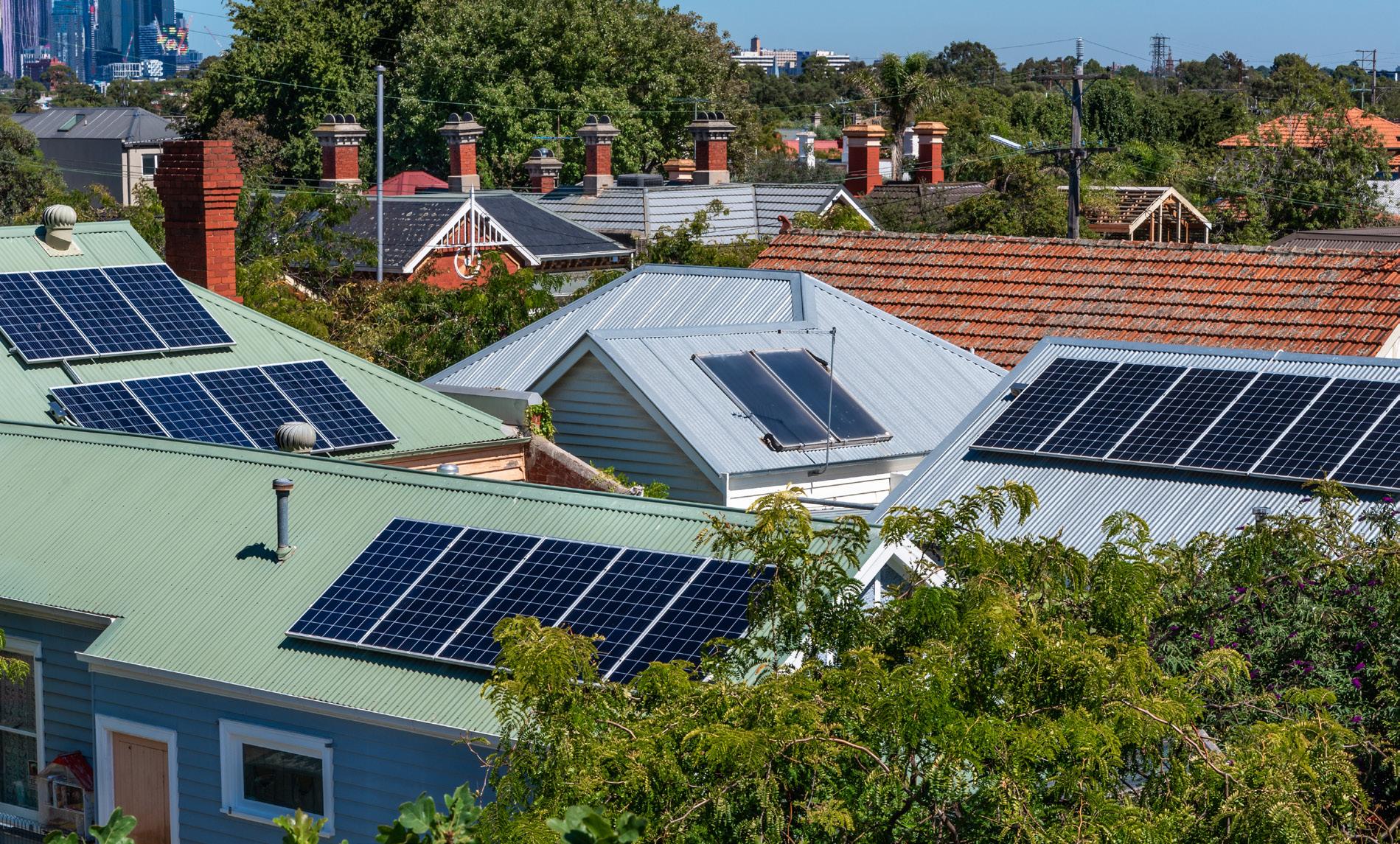
Australia leads the world in rooftop solar adoption
Sentinel Australia at the forefront of Build to Rent
Sentinel Fund Manager Australia is helping shape the future of rental living in Australia –defined by quality, sustainability, long-term thinking and a better experience for residents and investors.
Established in 2010, Sentinel Australia is the local arm of Sentinel Real Estate, an independently owned US-based real estate investment manager with A$14.4 billion in institutional-quality assets under management globally. Drawing on decades of international experience, the firm has taken a long-term view of the Australian housing market, investing early in the potential of Build to Rent and supporting the emergence of a more professionally managed rental sector.
Sentinel Australia develops, owns and operates highquality Build to Rent communities designed to meet the needs of modern renters while delivering stable, longterm returns for investors. The platform is vertically integrated, allowing oversight from development through to ongoing operations and ensuring consistency, accountability and enduring value across the portfolio.
Central to Sentinel’s Build to Rent strategy is Kinleaf, the company’s dedicated Australian Build to Rent brand and
resident platform. Kinleaf communities are purpose-built for renters, with a focus on thoughtful design, sustainability and ease of living. Each community is professionally managed by on-site teams and supported by a transparent leasing process, flexible tenancy options and carefully considered amenities that encourage connection and long-term residency.
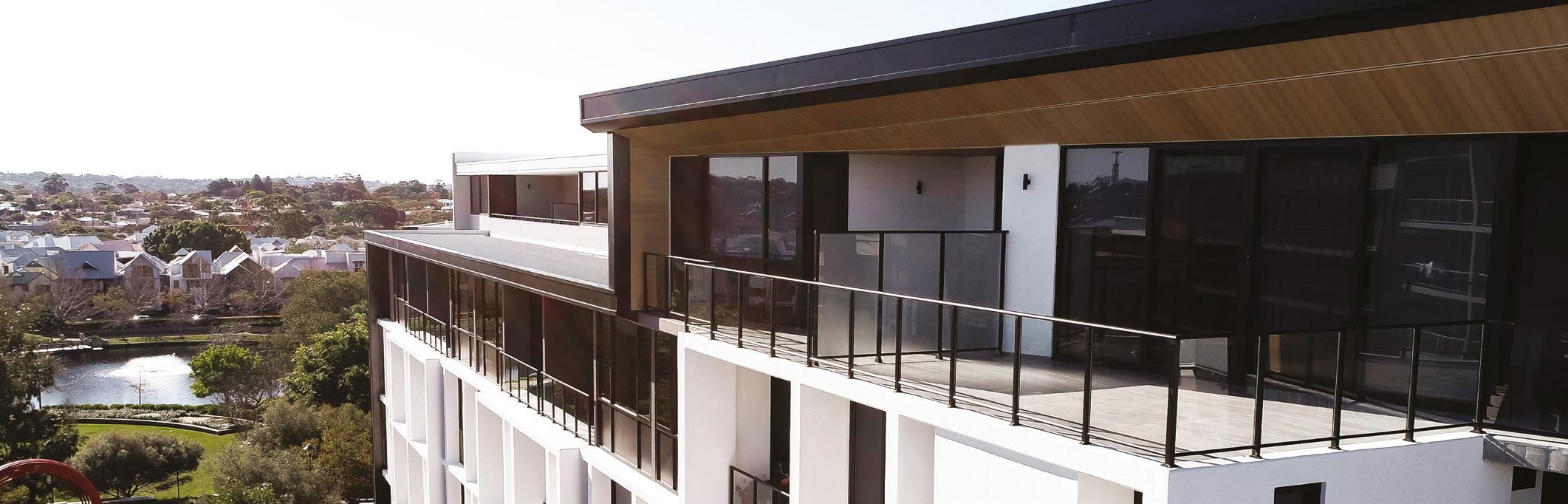
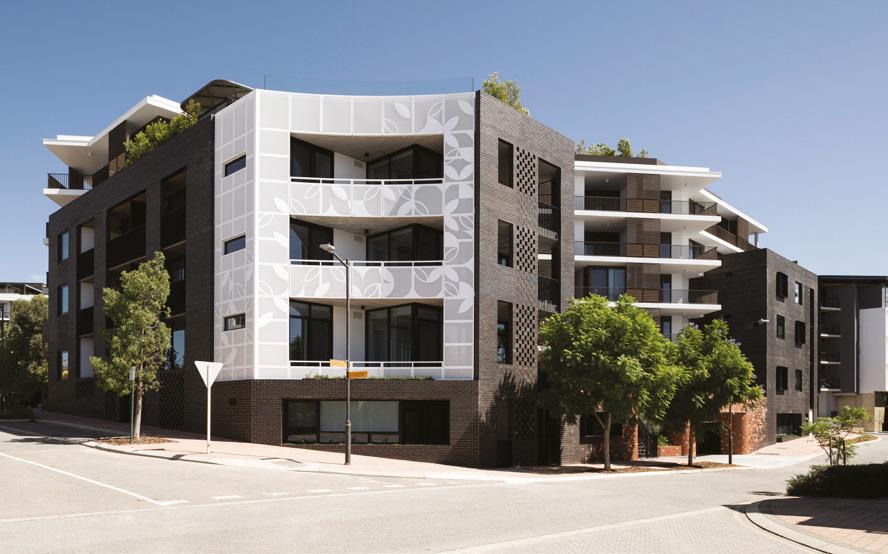
Sustainability underpins the Kinleaf platform. Developments target strong environmental benchmarks, including carbon-neutral outcomes, high Green Star ratings and energy-efficient apartment design – reflecting Sentinel’s commitment to responsible, future-focused development.
Headquartered in Melbourne, with additional offices in Perth and Adelaide, Sentinel Australia continues to expand its national Build to Rent footprint. Through Kinleaf, the platform brings together professional management, sustainable design and a resident-first philosophy – setting a new benchmark for rental communities across Australia.
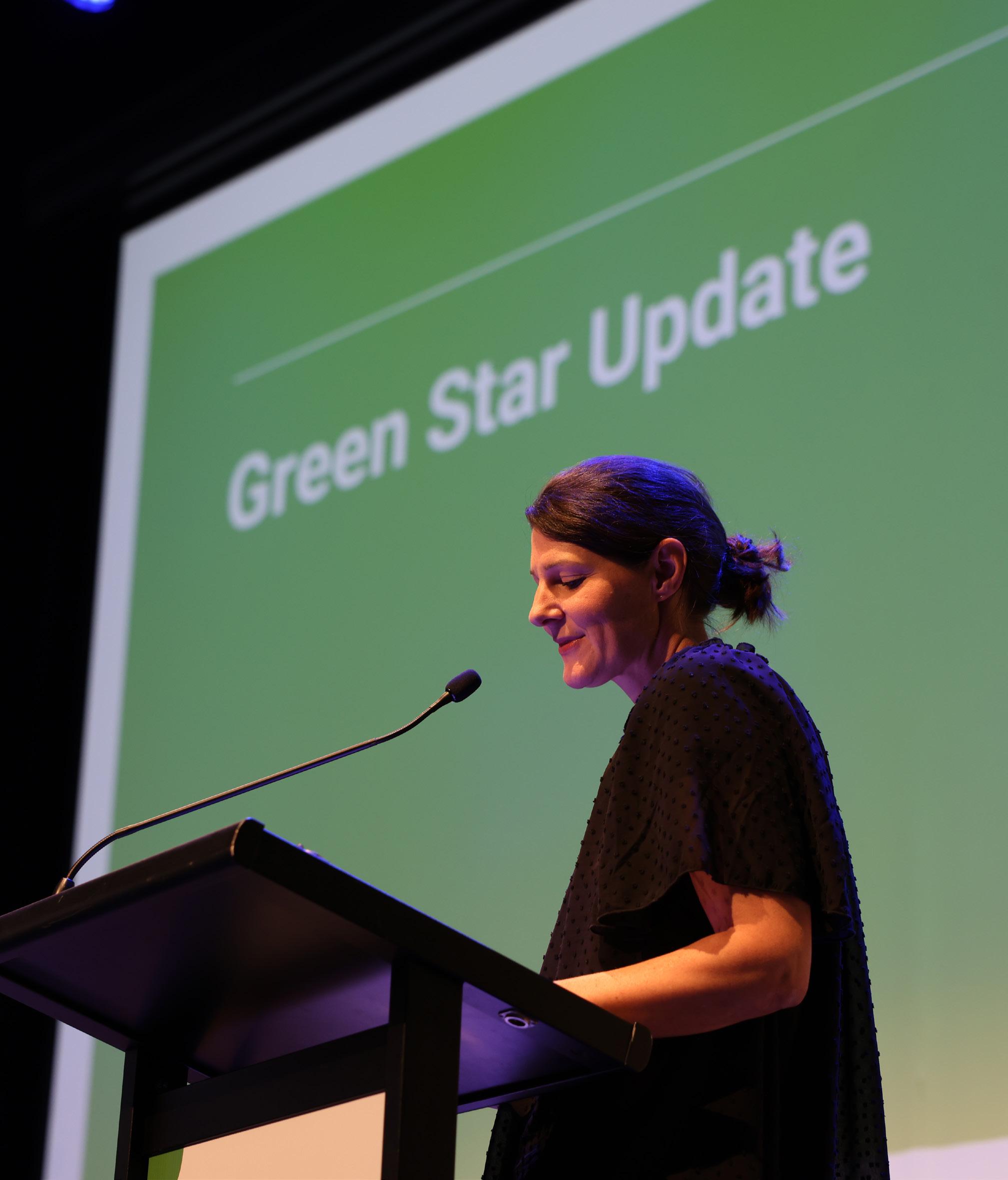
AO: How important is your Green Star rating system in helping Australia to deliver sustainable, resilient, and healthy built environments?
TC: Green Star is built by industry, for industry. We undertake extensive consultation and consensus-building to identify what leadership looks like in this regard, whilst ensuring we don’t move so far ahead that people are left behind.
The aim is not only to set leadership benchmarks but also to help raise minimum standards across the industry, as we believe sustainability shouldn’t be limited to highend developments.
Green Star provides a clear set of targets and requirements for the industry, establishing best-practice benchmarks for areas such as energy efficiency, carbon reduction, and climate resilience.
It’s a holistic rating tool that considers the broader sustainability picture rather than focusing on a single issue.
Projects inevitably need to balance competing priorities, so Green Star provides a framework and shared definition of what strong sustainability outcomes look like.
Because it is a certification scheme, it also verifies claims, and any sustainability outcomes put forwards by a project must be independently audited before certification is awarded.
We now have more than 7,500 Green Star-certified projects across Australia, representing billions of square metres of space.
That scale demonstrates both industry leadership and the growing commitment to improving the built environment for all.
AO: As an association that serves as a key advocate for the construction industry, how extensively is GBCA involved in contributing to policy and regulatory frameworks which may affect Australia’s construction landscape?
TC: We play a very active role in advocacy across all levels of government.
At the local level, we work with councils on planning provisions and the ways they can influence sustainable development outcomes.
We also engage closely with state and federal governments to ensure policy frameworks support sustainable, resilient, and healthy buildings.
Our advocacy is guided by five key priorities:
1. Climate action – Ensuring buildings meet net zero targets and are resilient to future climate conditions.
2. Adaptability – Helping communities to withstand climate events and recover quickly.
3. Affordability, health, and low-carbon housing – This has become particularly prevalent as housing remains a critical national issue. However, if homes are being delivered quickly, they must also be delivered well.
4. Circular economy and resource efficiency – Key priorities in ensuring responsible material sourcing and use across the construction process.
5. The broader urban system – Not just buildings themselves but the infrastructure and connections that make cities function effectively.
The Green Star Performance-certified Sydney Opera House
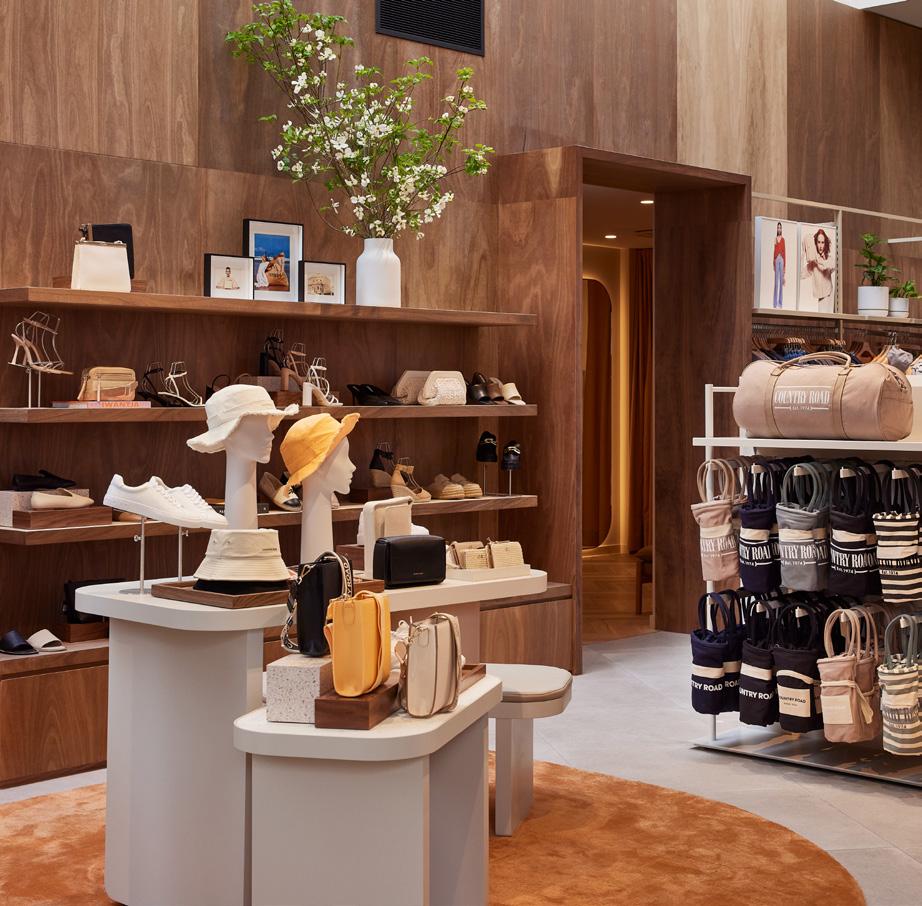
The Green Star Interiors-certified Country Road store in Ballarat
Innovating today for the built environment we want tomorrow.
CSR is proud to focus on developing sustainable manufacturing processes and products that produce minimal environmental impact. As part of this commitment to sustainable building practices, we offer Environmental Product Declarations (EPDs) and other environmental certifications across a broad range of products.
Scan to view our EPDs
AO: Your 2025 federal election policy priorities saw you working with elected representatives and parties that place a strong emphasis on lowering the cost of living, enhancing efficiency, and unlocking economic opportunities. What progress have you made towards these so far?
TC: Our advocacy is anchored by a policy framework called Every Building Counts, which has been guiding our work since 2019.
We collaborate closely with organisations such as Property Council of Australia and other industry partners
GBCA OBJECTIVES
• Rate – Rating the sustainability of buildings, fitouts, and communities through Australia’s largest national, voluntary, holistic rating system –Green Star.
• Educate – Educating industry, government practitioners, and decision-makers to promote green building programmes, technologies, design practices, and operations.
• Advocate – Promoting policies and programmes that support GBCA’s vision and purpose.
• Collaborate – 650+ GBCA members are key enablers in supporting strategic objectives.
to deliver it, because progress requires collective effort. Through the framework, we work with the Australian government on initiatives such as doubling the country’s circularity rate by 2035 and establishing a wider national circular economy.
Recent developments include a built environment sector plan, which provides funding and support for programmes such as the Nationwide House Energy Rating Scheme (NatHERS) for residential energy efficiency, and updates to the Greenhouse and Energy Minimum Standards Act 2012 – initiatives which form the foundation of our broader sustainability progress.
We also work closely with the Australian Building Codes Board (ABCB), which develops the NCC. Green Star provides a recognised pathway for projects to demonstrate leadership in these instances, whilst also helping build an evidence base for stronger minimum standards.
Another key development is progress around embodied carbon. Five years ago, the concept felt too complex for many stakeholders. Through industry collaboration and funding initiatives, a National Australian Built Environment Rating System (NABERS) tool was launched in late 2024 to measure embodied carbon and provide a consistent, nationally recognised approach to reducing upfront carbon.
We are also involved in the Australian Sustainable Finance Taxonomy (ASFI), where Green Star can help link project finance with verified sustainability outcomes – the type of independent verification that is critical for ensuring credibility and transparency.
“BUILDINGS DON’T EXIST IN ISOLATION; THEY ARE PART OF A BROADER ECOSYSTEM, AND NATURE PROVIDES AN IMPORTANT CONNECTION POINT”
– TARYN CORNELL, SENIOR MANAGER – STRATEGY AND DEVELOPMENT, GREEN BUILDING COUNCIL OF AUSTRALIA
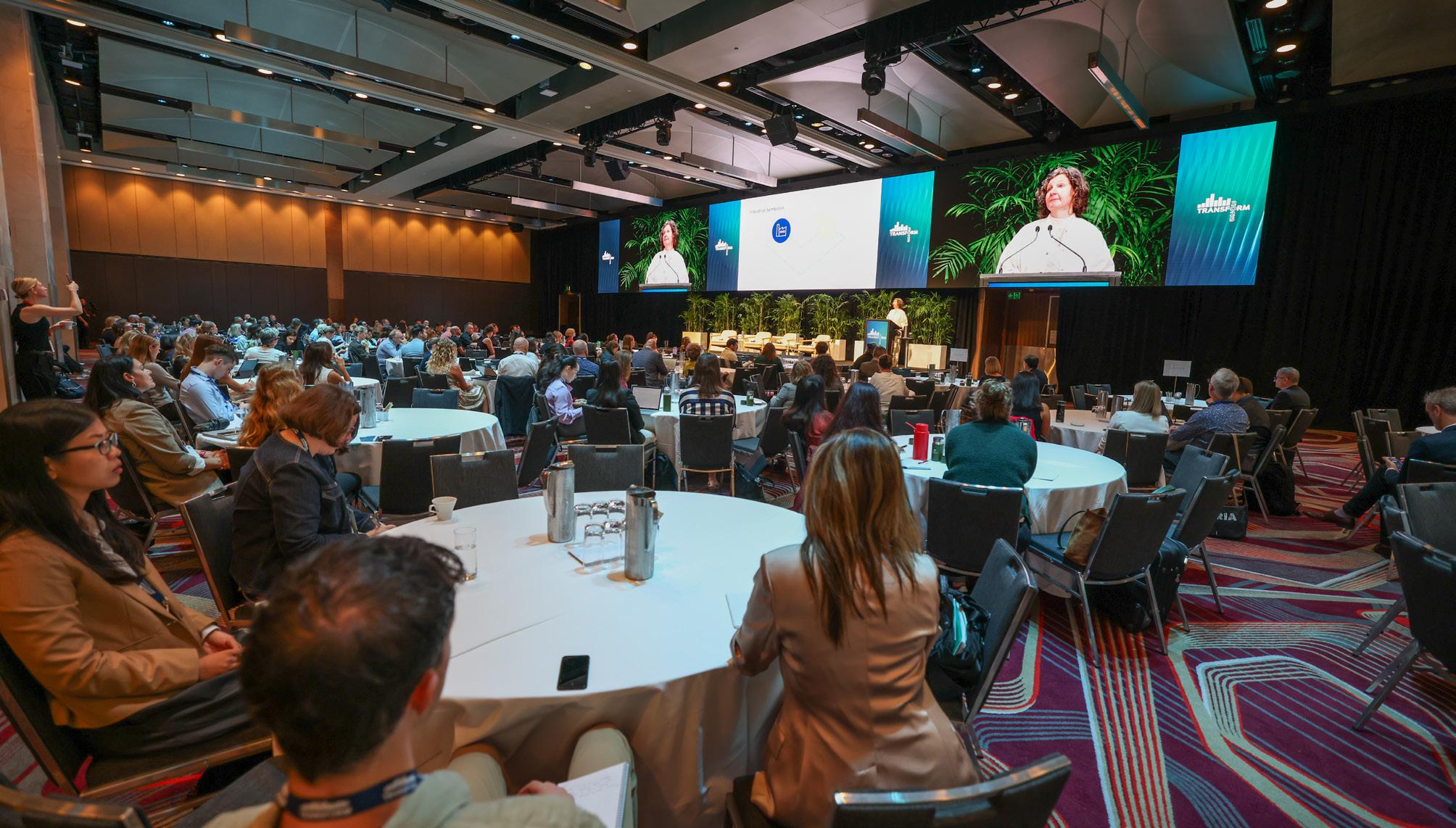
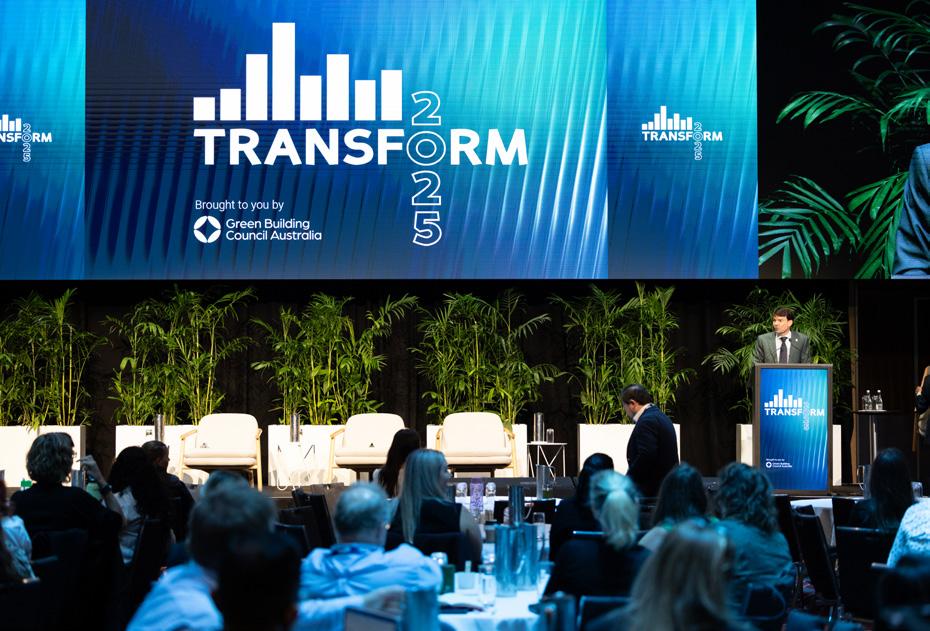
AO: You recently participated at TRANSFORM in Sydney – the premier event for sustainability leaders and practitioners working across the built environment. What key topics were on the agenda?
TC: TRANSFORM is a fantastic conference because it brings together a wide range of people involved in the built environment. It’s a space where big ideas are discussed, but also where practical implementation is explored.
An area I was particularly excited about this year is our work on nature, biodiversity, and regenerative design.
Buildings don’t exist in isolation; they are part of a broader ecosystem, and nature provides an important connection point.
We launched a roadmap for nature-positive buildings, which will help guide the integration of biodiversity outcomes into the built environment.
This work also intersects with our Design for Country principles, which recognise the value of Indigenous knowledge systems that have supported communities for tens of thousands of years.
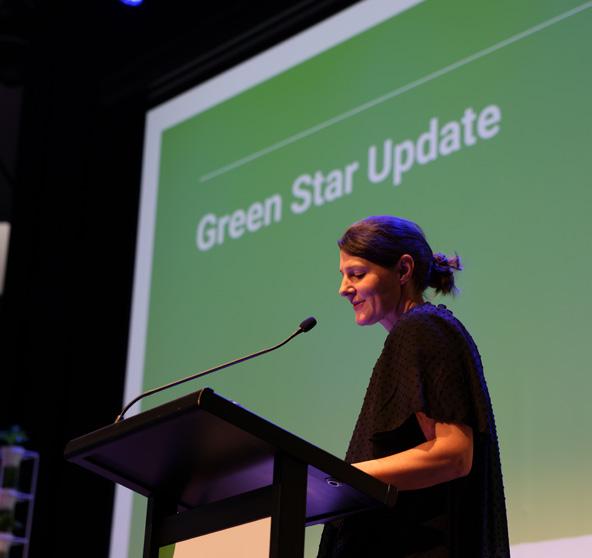
Another key milestone at the conference was the launch of the Green Star Fitouts rating tool – something I’ve personally been keen to see for several years.
Fitouts operate differently from base buildings, and they offer unique sustainability opportunities – particularly around material selection and circularity.
Whilst individual fitouts may be smaller in scale, their collective impact across the built environment is significant, and launching this tool will help building owners and contractors achieve better sustainability outcomes across those projects.
AO: Finally, what are GBCA’s key priorities for the future, and how do you see Australia’s energy landscape evolving in coming years?
TC: Resilience will remain a central priority. It’s a broad concept, but the challenge lies in defining what resilience means at project level and developing consistent ways to measure and demonstrate it.
Nature and biodiversity will also continue to grow in importance, alongside circularity. These three areas – resilience, nature, and circularity – together form a powerful framework for transforming the built environment.
Carbon will remain a core focus, but we are also seeing new discussion points emerge such as data centres.
In our annual membership survey of more than 600 organisations, data centres were identified as the main topic members wanted to better understand – despite barely appearing in the survey the year prior.
Data centres’ rapid growth raises important questions about energy use, sustainability, and infrastructure.
In response, we have already hosted training courses and launched pilot programmes to explore how the sector can achieve stronger sustainability outcomes.
At the same time, we must continue advancing existing priorities such as energy efficiency and electrification, addressing how buildings interact with the grid.
These transitions can be disruptive, so collaboration between government and industry will be essential to ensuring they are implemented effectively.
Ultimately, our goal is to drive meaningful change whilst supporting the industry in delivering a better, more sustainable built environment.
Tel: 02 8239 6200 info@gbca.org.au www.gbca.au
Future of Imaging in the AI Era
Shaun Mah, General Manager – Electronic Imaging and Optical Devices Divisions at FUJIFILM Australia, provides his insight into the global imaging and digital content landscape, highlighting the evolution of experiential retail and human creativity
Writer: Lucy Pilgrim | Project Manager: Sam Thomas
The global imaging and digital content creation industry is moving into a very different era of storytelling where three major forces are simultaneously converging.
First, the rise of artificial intelligence (AI) is dramatically increasing both the volume and speed of the sector.
Second, barriers to the creation of high-quality visuals are being removed as the industry evolves, making it far more accessible –evidenced by the sector’s shift from being a space with millions of
creators to potentially billions.
Third, as digital content becomes increasingly abundant, authenticity becomes more valuable.
“This will be a big change as creators will have to focus more now on quality as opposed to quantity. When content becomes infinite, meaning becomes scarce, and scarcity drives value,” opens Shaun Mah, General Manager – Electronic Imaging and Optical Devices Divisions at FUJIFILM Australia, one of the world’s largest organisations in imaging and healthcare.
THE IMAGING AND CONTENT CREATION INDUSTRY HAS EXPERIENCED SIGNIFICANT CHANGE IN RECENT YEARS. WHAT LESSONS CAN OTHER INDUSTRIES LEARN FROM HOW IT HAS EVOLVED?
Shaun Mah, General Manager –Electronic Imaging and Optical Devices Divisions: “Our industry has been through repeated waves of technological disruption, and I believe the lessons are highly transferable.
“First, the threat is rarely what it initially appears to be. Disruptions do not usually destroy value completely – as one door is destroyed, another one opens; we just need to find it.
“The second lesson is speed and timing. The window to reposition oneself is usually smaller than it seems, and waiting for certainty is often more dangerous than moving early on an imperfect but well-informed idea. Speed and progress will beat perfection.”
In light of this, there is greater consideration around how AI impacts authentic, human-created content.
However, Mah believes that AI may be one of the best things to happen to content creators and brands in a generation, pushing them to increasingly place authenticity at the centre.
“As platforms are flooded with beautifully polished but emotionally empty content, authenticity and meaning will become more valuable. My view is that people will increasingly care whether a piece of work was made by a real person, in a real moment, with real meaning.
“AI itself is not the danger; using AI to produce more noise instead of more meaning is. The brands and creators that win in the next era will be those that understand this,” he insights.
CREATING THE CREATOR ECONOMY
Although potentially seen as counterintuitive to the digital camera and imaging space, the growth of smartphones has in fact been the industry’s best friend.
The widely used devices have made visual storytelling more accessible than ever, turning image and video creation into daily behaviour.
“Smartphones helped us create the creator economy as we know it today.
“The people who discovered a genuine passion for storytelling through their phone and wanted more control, depth, and intentional creative experiences naturally progressed to dedicated digital cameras as their imaging tool of choice,” Mah explains.
Furthermore, the growing number of creators is the most important structural shift in the category – it has changed who the customer is, what they value, and how businesses need to serve them.
“The future customer is not only a professional photographer; they may be a content entrepreneur, hybrid creator, or someone building an audience and a business at the same time.
“As such, our specifications alone will matter less. Showing up as genuine partners in their creative journey is what matters more.”
It is this vision that drives everything the company has built with the FUJIFILM House of Photography experience centre and the annual
Creator Summit: Powered by FUJIFILM X | GF (Creator Summit), which have both been designed and developed with the singular purpose of serving and partnering with the creator community.
FROM DISTRIBUTION TO INSPIRATION
The concept of the FUJIFILM House of Photography was built from a single belief: in categories shaped by creativity and self-expression, people want more than a transaction. Indeed, the experience centre revolves around the idea that consumers want to touch the product, understand the craft, learn from experts, spend time in an inspiring environment, and feel part of a
“AI ITSELF IS NOT THE DANGER; USING AI TO PRODUCE MORE NOISE INSTEAD OF MORE MEANING IS. THE BRANDS AND CREATORS THAT WIN IN THE NEXT ERA WILL BE THOSE THAT UNDERSTAND THIS”
– SHAUN MAH, GENERAL MANAGER – ELECTRONIC IMAGING AND OPTICAL DEVICES DIVISIONS, FUJIFILM AUSTRALIA
creative community.
“What it has revealed is that consumers increasingly want a deeper relationship with brands built on experience, education, and belonging, not just purchases.
“In many ways, the role of retail is shifting from distribution to inspiration. That is especially true in
categories where identity, creativity, and meaning are part of the purchase decision,” Mah divulges.
Between 2020 and 2021, at the peak of the COVID-19 pandemic lockdowns when it was widely believed physical retail was dying, FUJIFILM Australia went in the opposite direction by opening its first
FUJIFILM House of Photography in the country.
Mah cites this as one of the decisions he is most proud of in his career.
“At the height of the lockdowns, many concluded that physical brick and mortar retail was dying. I saw something different: as more of life moved online, the physical experiences that remained would need to become more meaningful, not less.
“The world was not becoming less physical; it was just becoming more selective about what physical should be.”
For a category built around creativity, storytelling, and selfexpression, Mah refused to believe people wanted a digital-only relationship with the brand; rather, people would still want to feel the product, learn in an environment built around their craft, and connect with others who share that passion.
“My conviction was that when restrictions lifted, the demand for real experience and human connection would surge. The FUJIFILM House of Photography was built on the vision that retail needed to evolve into something far more experiential and relevant.”
After 18 months of planning, in July 2022, the company opened the doors to its FUJIFILM House of Photography in Sydney – the first in the Southern Hemisphere.
CAPTURING GENUINE RELATIONSHIPS
The digital camera and imaging sector is set to experience major progression in the next five years, particularly when it comes to its relationship with both brands and creators.
For example, Mah anticipates that there will be a premium on genuine and authentic human creativity, whilst audiences will become even more selective about what they trust and who they connect with.
Creator Summit
The home of Fujifilm’s award-winning range. Upgrade your technology for your home or business.
Extensive Range
Premium Value
Exceptional Service
Shop in store or online at digidirect.com.au
STRENGTHENING THE CREATIVE COMMUNITY
The Creator Summit was developed around a simple idea: today’s creators are looking for something more – access, learning, community, collaboration, and platforms that help them grow.
Moreover, the summit strived to serve the creative community in a way that hadn’t been done before, helping visual storytellers, videographers, and photographers build a brand and audience.
Launched in 2025, few events at the time were speaking directly to these realities. As such, the programme was built around the real needs of creators – growth, strategy, partnership, and long-term development.
Positive response to the inaugural Creator Summit in Sydney last year was immediate and overwhelming, with the second on 9th May 2026 equally building on the same philosophy of deeper content and broader reach.
“The vision was to build something more than just an event; it was to build a platform that strengthens the creative community over time.
“Its reception has reinforced something important; creators want substance – to be taken seriously, invested in meaningfully, and given value that helps them build something bigger,” Mah prides.
“Audiences today are highly sophisticated and can spot genuine relationships versus transactional ones.
“The brands that will win are those who invest in real, long-term partnerships where relationships with creators are genuine and where the brand is a natural part of the story rather than a sponsor badge in the corner.”
“IN MANY WAYS, THE ROLE OF RETAIL IS SHIFTING FROM DISTRIBUTION TO INSPIRATION. THAT IS ESPECIALLY TRUE IN CATEGORIES WHERE IDENTITY, CREATIVITY, AND MEANING ARE PART OF THE PURCHASE DECISION”
– SHAUN MAH, GENERAL MANAGER – ELECTRONIC IMAGING AND OPTICAL DEVICES DIVISIONS, FUJIFILM AUSTRALIA
Furthermore, AI will become more imbedded in the creative workflow, accelerating production and lowering technical barriers even further.
In order to stay relevant in an AI-driven world, businesses must view the technology as a critical efficiency tool.
With this in mind, Mah believes the next generation of business leaders will need broader context and knowledge across a wider range of topics, including technology, culture, consumer behaviour, and business models – no longer exclusively operating and thinking within their functional silo or historical experience.
“The leaders of tomorrow will be more curious, aware, and open to
unconventional talent and ideas.”
This alludes to the broader acceleration of technology that is not only streamlining business operations but is also compressing time.
“Indeed, each technological advancement can create a greater competitive edge, which is altering how companies need to operate and leaders think.”
“Businesses must become more agile, adaptive, and responsive. A good strategy is still important, but the ability to move, learn, and adjust now matters just as much.
“My view is that it’s better to be fast, fail, learn, and start again, rather than waiting for the full picture to form,” Mah concludes.
Tel: +612 94662600
www.fujifilm.com/au/en
The Mining Value Chain Partner
Recently recognised as the leading global mining software provider, Datamine leverages over four decades of experience to deliver specialised software solutions integral to the mining value chain. The company’s leadership team tells us more about its cutting-edge products and strategies for keeping abreast of the industry
Writer: Lucy Pilgrim | Project Manager: Thomas Arnold
The mining software sector in Asia Pacific is at a pivotal moment. Operators across the region are balancing productivity and cost pressures with rising expectations around safety, sustainability, and performance, all whilst navigating commodity volatility and the growing demand for critical minerals.
As a result, digital capability is no longer viewed as a support function, but central to operational strategy.
“This makes for a very exciting space, characterised by growing demand for integrated, data-driven solutions that support better decision-making across the entire mining value chain.
“There is strong momentum towards real-time visibility, automation, and operational optimisation,” opens John Bailey, CEO of Datamine, whose breadth and depth across the mining sector more than meets these requirements.
Indeed, the company has a keen eye on the industry’s shift from digitising individual activities to optimising entire mining systems.
This can be seen in the evolving requirements of mining leadership and top executives, who are no longer looking for standalone tools but
joined-up decision-making across exploration, geology, planning, production, fleet and telematics, laboratories, and sustainability.
These growing demands can only be satisfied with real-time visibility, reliable data, and measurable impact – factors Datamine excels in.
ONE PARTNER FOR EVERY CHALLENGE
Datamine is the leading global mining technology provider with 40+ years of experience in helping mines plan, manage, and optimise performance across the entire mining lifecycle.
The company offers a broad portfolio of more than 40 specialised software solutions spanning the value mining chain, from exploration, geology, and planning to production, laboratories, sustainability, and fleet and telematics – supported by governed data and integrated workflows.
“Over the course of four decades, Datamine has developed many solutions in-house, but since 2015, its portfolio has been enormously strengthened through an active acquisition strategy.
“The company has acquired businesses with which it had longstanding relationships or reseller agreements, but also companies with which it had no previous relationship,” explains Andy Lapworth, CTO.
As a result, Datamine now provides premium products across the entire mining value chain, including exploration, sample, and drillhole management systems; geological modelling; geostatistics and grade estimation; mine design and scheduling for open pit and underground mines; logistics and material tracking; laboratory management systems; asset tracking and dispatch; and health and safety solutions.
The company’s portfolio is widely recognised across the industry.
Datamine was recently named the top global supplier of mining software in Mining Software: Global Mine Site Survey of Investment Status and Supplier Choice, 2025 by GlobalData*.
The recognition reflects the scale of the company’s presence across the industry; more than 40 percent of mine sites worldwide rely on Datamine solutions, the highest share of any provider.
The company also maintains a strong presence in many of the world’s most demanding mining environments and has been identified as the leading supplier in markets such as Europe, the Middle East, and Africa (EMEA).
“Our commitment to customercentric innovation further
differentiates Datamine. We develop our technology in close collaboration with mining companies, listening to their needs on the ground.
“This ensures our solutions are not just advanced, but also practical and aligned with real operational challenges,” Bailey highlights.
A FORWARD-LOOKING MINDSET
The rapid rise of artificial intelligence (AI) across the global mining industry is opening new opportunities to improve efficiency and support increasingly complex operations.
For Datamine, AI is already having a measurable impact on the business, helping the company increase productivity as it continues to invest in future technologies.
“We know the complexity of mining is increasing year on year, coupled with an increasing scarcity of mining professionals.
“AI is therefore creating a space where intellectual curiosity is spent solving and optimising complex problems rather than completing manual and repetitive tasks,” Bailey explains.
AI also complements Datamine’s existing algorithms and workflows, helping automate routine processes and enabling teams to work more efficiently. This, in turn, supports better decision-making and supports operators in tackling complex mining challenges with greater confidence.
“With unified data and real-time visibility, mining companies can make faster, more informed decisions that reduce risk, improve operational efficiency, minimise environmental impact, and enhance corporate social responsibility”
– JOHN BAILEY, CEO, DATAMINE
“The time to develop and maintain software is becoming compressed, but the need to understand mining and communicate closely with our customers remains,” adds Lapworth.
“AI can certainly accelerate this process, but so far hasn’t replaced the challenge of delivering solutions that work for people on mine sites, which are often remote and highly complex industrial operations.”
Throughout its more than 40-year history, Datamine has prioritised innovation and practical automation, enabling consultants and customers to build detailed, customised workflows.
AI is now set to enhance these
capabilities further, particularly as the company collaborates with innovative technology partners operating at the forefront of their fields.
INNOVATION AT THE CORE OF MINING SOFTWARE
At the heart of Datamine’s position as a leading mining technology innovator are the algorithms that help optimise the economic extraction of resources and reserves, embedded in flagship products such as MineScape and Studio.
MineScape is a comprehensive suite of integrated solutions for open-pit and underground mining operations.
“The time to develop and maintain software is becoming compressed, but the need to understand mining and communicate closely with our customers remains”
– ANDY LAPWORTH, CTO, DATAMINE
Demonstrating the company’s continued focus on innovation and AI-driven capabilities, the major 2026 release of MineScape will introduce AI-enabled assistance that is fully integrated into mining workflow platforms.
“This will support natural language detection and context-aware assistance in a session, as well as provide the ability to view source material behind the answers,” Bailey informs.
Last year also saw the launch of Studio Geo and Studio Net Present Value Scheduler (NPVS+) – two additions to the Datamine portfolio that further strengthen its capabilities across the mining value chain.
Studio Geo, designed for operational use by teams of mine geologists, enhances geological modelling by providing more advanced tools to improve data interpretation and modelling accuracy.
Studio NPVS+, meanwhile, enhances strategic mine planning by delivering powerful strategic scheduling capabilities that support better long-term decision-making and maximise project value.
“These launches demonstrate our continued investment in product development and focus on delivering practical, high-impact solutions that directly address industry challenges,” he adds.
STRENGTH THROUGH PARTNERSHIPS
Partnerships play a key role in expanding Datamine’s ability to help its customers capture, analyse, and use operational data.
The company recently announced a global partnership with IntelliSense. io, a leader in industrial AI focused on driving digital transformation in the mining sector.
This collaboration brings AI-driven process optimisation into Datamine’s offering, extending its reach into smart plant operations and mineral processing.
Another strategic partnership is with Aereo, a pioneer in AI-powered drone and geospatial intelligence that is redefining how the industry approaches operational reconciliation, intelligence, safety, and efficiency.
“Our collaboration with Aereo allows us to deliver capabilities like advanced drone analytics and ensures miners worldwide can measure, manage, and optimise their operations with greater consistency and confidence,” explains Sandeep Ray, Executive Director and CGO.
“By integrating with Datamine’s global footprint and trusted software ecosystem, we can
bring unprecedented accuracy to reconciliation, planned-versus-actual analysis, and the speed at which mine schedules are updated,” he adds.
Datamine is also partnering with Correct-AI, a company at the forefront of heavy equipment AI solutions, designed to enhance safety and operational intelligence.
“The partnership is adding a practical safety layer at the face and delivering actionable exposure analytics that help sites target risk hotspots by balancing safety with efficiency,” he expands.
Correct-AI’s flagship product, PROX-EYE®, offers a market-leading and highly accurate collisionavoidance solution that complements Minetrack, Datamine’s dispatch system for real-time mine operations management and fleet optimisation.
DATAMINE IN NUMBERS
OPERATING ACROSS
100 COUNTRIES
27 OFFICES
1,100+ EMPLOYEES SUPPORTING 1,500+ CLIENTS TRUSTED BY 6,000+ OPERATORS WORLDWIDE
Aereo and Datamine Announce Global Partnership for AI-driven Cloud-Integrated Mining Intelligence
Delivering end-to-end mine planning, operational intelligence, and safety validation across global operations. Ready to Transform Your Mine with
Centralised Mine Intelligence.
Built for modern mining operations, Aereo Cloud centralises site intelligence to enable faster validation cycles, reduce plan–actual deviation, improve production visibility, lower reconciliation overhead, and strengthen audit and compliance readiness on a secure, enterprise-grade cloud platform.
AI-Powered Analytics
Automated insights on progress, volumetrics, safety, and reconciliation.
Seamless Integration
Native Datamine integration. Interoperable with your existing Surpac, CAD & GIS softwares.
Centralised Cloud Platform
Unified data hub for all spatial and operational layers.
Data Security
ISO SoC type II-aligned, encrypted, access-controlled architecture.
Interactive Dashboard
Custom, role-based insights for every function.
Technology Patents
▪ 11 patents granted
▪ 17 patents filed
▪ Continuous product evolution.
Haul Road Gradient
Bench Crest and Toe
“Our collaboration with Aereo allows us to deliver capabilities like advanced drone analytics and ensures miners worldwide can measure, manage, and optimise their operations with greater consistency and confidence”
– SANDEEP RAY, EXECUTIVE DIRECTOR AND CGO, DATAMINE
Through this collaboration, Datamine is bringing Correct-AI’s safety platform to its global customer base, further strengthening the tools available to support safe and efficient mining operations.
A SUSTAINABLE AND SAFE FUTURE
The promotion of eco-conscious mining practices remains core to Datamine’s DNA.
“At every stage of the mining value chain, our unique algorithms provide practical solutions to maximise sustainable mining by addressing the ever-increasing complexity of its operations, as this is coupled with lower grades and higher operating costs,” Bailey insights. Indeed, the company’s technology supports sustainable mining by aligning operational performance with environmental, social, and governance (ESG) objectives.
DATAMINE’S SEVEN CORE PILLARS
The company’s seven core pillars cover the full mining lifecycle, reflecting Datamine’s commitment to supporting modern mining operations.
EXPLORATION – The company invests in advanced exploration data management tools that centralise geological data in real time and support the discovery and validation of viable resources, therefore streamlining processes and enhancing decision-making.
GEOLOGY – Datamine provides industry-leading geology software, and the most advanced tools for resource estimation, modelling, and analysis. Whether its clients are mapping, estimating grades, or managing stratigraphic deposits, the technology helps them build reliable and defendable models.
PLANNING – Datamine offers a suite of strategic and operational mine planning tools, enabling precise pit design, scheduling, economic optimisation, and more reliable execution across any mining method.
PRODUCTION – The company’s production solutions integrate planning with key data and performance monitoring, supporting:
• Real-time reconciliation
• Transparent material movement
• Shift-by-shift performance insight
• Faster variance response
LABORATORIES – Through its Laboratory Information Management System (LIMS), Datamine enables mining companies to streamline and modernise laboratory operations. By automating sample tracking, integrating analytical instruments, and simplifying reporting, the company’s solutions enhance laboratory efficiency whilst increasing confidence in critical analytical results.
SUSTAINABILITY – Datamine’s sustainability portfolio connects people, data, and processes across a full-scope health, safety, and environment (HSE) platform, which also supports ESG management and reporting.
FLEET AND TELEMATICS – Focuses on equipment performance, asset management, real-time visibility, and operational assurance at the site level. Through telematics, data analytics, and fleet management systems, mining operators gain real-time insights into equipment utilisation, productivity, and maintenance.
“By doing that, we are helping companies measure, manage, and continuously improve their environmental footprint, workforce safety, and long-term value creation,” he points out.
Furthermore, Datamine’s advanced fleet management and operational safety platform transforms how organisations manage safety and sustainability responsibilities. Its core capabilities include risk management, incident handling, and environmental commitment management.
The platform therefore facilitates collaboration across departments with tools for risk assessment, compliance tracking, and real-time data analysis, promoting a culture of safety and sustainability.
Elsewhere, the company also supports both management and
reporting processes across the full scope of ESG requirements through a centralised source of truth.
By capturing essential environmental data, including emissions, energy consumption, and waste management, Datamine’s platforms provide a comprehensive view of sustainability performance and organisational impact.
This ensures transparency, strengthens accountability, and simplifies regulatory compliance across jurisdictions.
“With unified data and real-time visibility, mining companies can make faster, more informed decisions that reduce risk, improve operational efficiency, minimise environmental impact, and enhance corporate social responsibility,” Bailey notes.
Looking ahead, the mining software sector seems positively buoyant
for Datamine, supported by strong commodity prices and a renewed confidence across the mining landscape.
This is demonstrated by increased demand for advisory services, a significant upturn in exploration activity, multiple mergers and acquisitions, new greenfield developments, and various mine expansion projects.
“In 2026, we are excited to release more AI-enabled technology to the market, and will release expanded capability for data management, reporting, and analytics,” Bailey closes enthusiastically.
dataminesoftware.com
Discover our exclusive content, delivered straight to your inbox
As mining organisations worldwide confront unprecedented change, embracing technological innovations and incorporating critical environmental sustainability agendas, now more than ever is the time to showcase the strides being taken in this dynamic sector.
A multi-channel brand, Mining Outlook brings you the positive developments driven by organisations across the global mining industry through its various platforms.
Discover exclusive content distributed through its website, online magazine, social media campaigns and digital dispatches, delivered straight to your inbox with a bi-weekly newsletter.
Through these compelling media channels, Mining Outlook continues to foreground the movers and shakers of the industry.
To participate as a featured company and join us in this exciting endeavour, contact one of our Project Managers today.
TRANSFORMATIVE RESOURCES FROM ORE TO DOOR
Brendon Pambid, one of two Managing Directors at Queensland Magnesia alongside Dr Christoph Beyer, offers insight into the products, processes, and most importantly, people that have led to 35 years of success
Writer: Lily Sawyer
Project Manager: Thomas Arnold
Australia’s ever-evolving mining industry continues to be both exciting and challenging.
Shifting global markets, increasing demand for critical minerals, and the ongoing need to balance operational performance with environmental expectations are transforming the nation into a strategic and sustainable supplier of critical minerals.
At the same time, cost pressures around gas and energy pricing remain significant and require agile management and long-term planning.
“For companies like Queensland Magnesia (QMAG), innovation and adaptability are essential as we navigate these dynamics,” introduces Brendon Pambid, Managing Director of the leading Australian producer of high-grade magnesia products.
Indeed, the business is positioning itself to support global supply chains whilst contributing to a growing critical minerals landscape in Queensland (QLD).
Producing a full suite of premium magnesia products derived from one of the largest deposits of cryptocrystalline magnesite in central QLD, QMAG boasts a comprehensive product portfolio used across a range of industries.
Its customer base spans the refractory, chemical, agricultural, hydrometallurgical, environmental,
steel, cement, and industrial processing sectors across global and domestic markets.
EXPECT THE BEST
This year, QMAG is proud to have secured funding under QLD’s Collaborative Development Programme (CDP) to advance a groundbreaking initiative: the extraction of high-purity magnesium chloride from magnesite tailings.
The project focuses on reprocessing mine waste to produce magnesium metal, turning tailings – which traditionally hold limited residual value –into critical mineral feedstock.
In undertaking such a venture, QMAG is driving circular economy outcomes and enabling downstream magnesium metal production capability within QLD.
It is also supporting the state’s critical minerals strategy and stimulating regional industry participation and supply chain uplift.
“This is an important step towards positioning central QLD as a leading hub for critical mineral innovation,” Pambid emphasises.
As part of the Refratechnik Group (Refratechnik), QMAG enacts a unified corporate leadership culture around the group’s motto, ‘expect the best’.
“Refratechnik’s global culture emphasises performance excellence, integrity, and people-first leadership,” he adds.
At QMAG, this is brought to life by the company fostering an inclusive work environment, prioritising safety and well-being and empowering its teams to take ownership of innovation and continuous improvement.
HOW IMPORTANT IS COLLABORATION WITH BOTH GOVERNMENT AND INDUSTRY FOR YOU WHEN IT COMES TO EXPORTING YOUR PRODUCTS?
Brendon Pambid, Managing Director: “For us, extensive collaboration and realistic understanding across policymakers and regulators is mandatory.
“As we are dealing at an international level, our success is heavily influenced by that space.
“Pit-to-port alignment is critical to remain competitive. Australian and QLD businesses do face headwinds that some of our global competitors do not.”
“Refratechnik’s motto resonates strongly with our approach to product quality, operational discipline, and building meaningful relationships with employees, partners, and customers,” Pambid tells us.
It also ensures that every decision made aligns with long-term sustainability and global best practice.
STABILITY, HERITAGE, AND PURPOSE
Having celebrated Refratechnik’s 75th anniversary last year, QMAG is proud to be part of the world’s largest family-owned refractory.
“It grants us a sense of stability,
“FOR US, SUSTAINABILITY MEANS OPERATING RESPONSIBLY ACROSS EVERY DIMENSION”
Refratechnik’s anniversary was a moment of pride for the entire workforce, especially as QMAG is celebrating its own 35th anniversary in 2026.
To mark the event, QMAG was visited by Maleachi Bühringer and
Michael Frei, Managing Directors of Refratechnik.
It also brought its workforce and their families together for a special family fun day at the Parkhurst site, where everyone could connect with QMAG’s operations and recognise the people who drive the company’s success.
224
Years of combined operation
6 Production sites
1,200
Pallets per hour capacity 100% National coverage
LOGISTICS SECURITY, SCALABILITY, AND SUSTAINABILITY
Australia’s supply of pallets faces a unique set of challenges, largely driven by fluctuations in raw material availability.
The humble pallet is often overlooked, but when pallets aren’t available where and when they’re needed, operations slow, costs rise, and customer service can suffer.
THE STATUS QUO
Australian pallet manufacturing plays a vital – yet often overlooked – role in the nation’s logistics, supply chain, resources, and manufacturing ecosystem. Pallets are the quiet enablers of commerce. These simple platforms support goods through storage, handling, and transport, underpinning efficient freight movement both domestically and internationally.
Unlike many other global markets, Australia’s pallet sector is highly fragmented, dominated by smaller processors with a regional focus. Despite its essential role, the Australian pallet manufacturing industry is not without challenges.
Wooden pallets remain the predominant format in Australia, prized for their cost efficiency, sustainability, and adaptability. Raw material availability and cost volatility – particularly across timber and plastics –continue to squeeze margins and test the ability of some manufacturers to meet demand consistently.
In a country as vast and decentralised as Australia, the consistent supply of pallets across states and territories is fundamental. Australia’s freight task is inherently interstate and often international. Supply chains span thousands of kilometres, making pallet availability in the right location at the right time critical.
Any imbalance – whether due to seasonal demand spikes,
So how do you create certainty in an uncertain market?
We take a closer look at how the Hyne Group is reshaping the pallet sector through something few can match: direct access to large-scale timber production.
natural disasters, or shifts in consumer purchasing patterns – can quickly disrupt distribution networks. In this environment, scale, coordination, and material certainty are becoming increasingly important.
A CHALLENGER EMERGES
In contrast to the fragmented sector, Hyne Pallets has emerged as a single pallet producer with a geographically diverse manufacturing footprint.
With six sites dotted across Australia – spanning the east coast and extending as far west as Perth – the business operates as an integrated manufacturing network capable of servicing customers where and when supply is needed.
Hyne Pallets is a part of the Hyne Group, a vertically integrated wood processing conglomerate operating two of the nation’s most advanced, high-capacity softwood sawmills. Hyne Group processes over 1.1 million cubic metres of plantation pine annually, providing the pallet division with direct access to raw materials and shielding it from the supply and price volatility often experienced by manufacturers reliant on third-party suppliers.
Material stability is further bolstered by a further three site-dedicated sawmills supplying fibre to the Hyne Pallets network, enabling rapid and efficient production scaling.
Hyne Pallets production site, ‘Express Pallets & Crates’, located in Brisbane, Australia.
The business can produce an impressive 1,200 pallets per hour – a significant advantage for organisations prioritising supply security.
The Hyne Group is majority owned by James Jones & Sons, one of the UK’s largest sawmilling, timber processing, and pallet manufacturing companies, producing more than 3.5 million pallets per annum. This global connection brings decades of operational insights, industry expertise, and manufacturing innovation to the Australian market. Technological and operational innovation is also transforming the pallet sector. Advanced automation across cutting, nailing, and assembly processes is improving productivity, product consistency, and production scalability – allowing factories to increase output without proportionally increasing labour requirements.
SUSTAINABLE PRACTICES
As a vertically integrated wood processing company, Hyne Group has found broad uses for the logs that it processes. It’s a part of a ‘Whole-of-Log’ strategy that ensures zero waste. Logs are processed into structural timber framing, engineered timber for use in construction, landscaping, and garden care products, and pallets and packaging. Even the sawdust is collected and used as biofuels to run the sawmills.
It’s a corporate philosophy that also delivers good environmental benefits.
The mills that feed Hyne Pallets are fed by responsibly managed Australian pine plantations. These plantations are replanted after harvest and supported by a full chain of custody certification. Australia has approximately 8.9 million hectares of plantation forest, and more than 70 million seedlings are planted annually – providing longterm resource security for a growing pallet market.
Not surprisingly, trees are great for the air we breathe. As they grow, they pull carbon from the atmosphere and lock it up in their fibres.
Research shows that a single 1200x800 millimetre timber pallet can store approximately five kilogrammes (kg) of carbon, even after accounting for the emissions created during manufacture and transport. In contrast, the production of an equivalent plastic pallet will release 34kg of greenhouse gases into the atmosphere.
(Ivan Deviatkin1, Mika Horttanainen, 2019, ‘Carbon footprint of an EUR-sized wooden and a plastic pallet’, Department of Sustainability Science, School of Energy Systems.)
STRATEGIC IMPORTANCE IN
THE APAC SUPPLY CHAIN
As supply chains across Asia Pacific become more interconnected and time-sensitive, efficient pallet solutions are increasingly critical to logistics performance. The right pallet partner is more than a supplier – it is a critical risk management decision and growth partner. For partners such as QMAG, who rely on pallets as a global supplier of magnesia, Hyne Pallets plays an important strategic role. QMAG originally sourced pallets from Seapal Pallets & Crates starting in 2017, before Seapal was acquired by Hyne Pallets. Now a Hyne Pallets’ production site, QMAG benefits from the stable backing of a large-scale business geared to support its future growth. The QMAG-Hyne partnership ensures timely pallet supply to reduce handling times and streamline transitions between road, rail, and sea freight.
Hyne Pallets’ national production model, combined with direct access to scalable timber resources, positions the business as a stabilising force in a sector historically shaped by fragmentation and supply uncertainty. As supply chain demands continue to evolve, this approach could redefine expectations around reliability, scale, and sustainability in pallet manufacturing.
The Hyne Pallets processing facility, ‘Seapal’, located in Queensland, Australia, is fed timber from the Kilcoy and Hyne sawmills.
Hyne Timber’s Tuan Mill is one of Australia’s largest and is strategically located close to a plantation pine forest.
“AS WE LOOK AHEAD, WE REMAIN FOCUSED ON BEING AN EMPLOYER OF CHOICE AND PARTNER OF INTEGRITY FOR INDUSTRY, COMMUNITY, AND GOVERNMENT”
Guided tours of both the Parkhurst processing plant and the Kunwarara mine enabled employees to proudly show their loved ones the work they do.
“The day also featured a variety of family activities such as children’s rides and games, food trucks, a mini mine site for kids to explore, a petting zoo, and, of course, cake!”
More widely, QMAG is deeply connected to central QLD and committed to giving back, demonstrated by its corporate social responsibility (CSR) approach.
“We support local education and career pathways, including hosting students and partnering with industry groups to promote STEM and trade opportunities, such as during the Awesome Women in Construction (AWIC) Roadshow,” Pambid explains.
The company is also dedicated to creating inclusive and welcoming workplaces through programmes driven by its Culture Committee.
In addition, QMAG engages transparently with industry partners, government, and community stakeholders as it progresses new projects – particularly the CDP initiative.
“We believe strong communities create strong industries,” he states.
SUSTAINING COMMUNITIES AND CULTURES
As it continues to strengthen its operational capability and futureproof the business, QMAG is progressing a number of important projects that highlight its commitment to growth, innovation, and community.
Some of its key initiatives include the CDP-funded magnesium chloride extraction project, which has taken a transformative step towards turning waste into value and advancing QLD’s critical minerals capability.
The company is also upgrading its Kunwarara and Pankhurst mine sites.
“This includes improvements in
site infrastructure, beneficiation efficiency, and sustainability practices to support long-term resource optimisation,” Pambid outlines.
It is also working on its people and community initiatives, where the Culture Committee plays a central role in shaping many of QMAG’s peoplefocused and community-driven programmes.
“Their work spans a wide range of initiatives, from site improvement projects and school placement opportunities to community engagement activities such as sponsorships and volunteering,” he details.
As such, QMAG’s Culture Committee is strengthening local ties, enhancing workplace pride, and fostering a positive, inclusive environment.
“Each of these projects reflects our commitment to innovation, people, community, and sustainable growth,” Pambid points out.
A green focus, meanwhile, is also deeply important to QMAG as it seeks to protect the environment, land, and culture.
“For us, sustainability means operating responsibly across every dimension,” he reflects.
This includes environmental stewardship through efficient resource use, reduced waste, and projects that enable circular outcomes, like the repurposing of tailings into mineral feedstock.
It also means respecting the land that surrounds the company’s sites, ensuring its operations coexist sensitively with local ecosystems and community expectations.
“We also seek to protect people and cultures, which is reflected in our safe workplaces, inclusive initiatives, and programmes that promote diversity, well-being, and employee engagement.”
“Sustainability is embedded in our strategy, not an afterthought,” Pambid asserts.
Your trusted partner in Engineering, Fabrication, and Machining since 1955.
Ashton Engineering is a family-owned Australian business with over 70 years of experience in General Engineering, Fabrication, and Machining, located in Rockhampton, Queensland. The company specialises in custom-built equipment for the Mining and Agricultural sectors, leveraging its proximity to key industrial areas. With a diverse range of equipment, Ashton Engineering performs extensive repairs and fabrications, having supplied numerous companies, including QMAG.
We utilise various specialised materials and possess CAD technology for manufacturing drawings. We prioritise local industry engagement and are committed to delivering the best service for our clients.
Ashton Engineering is one of CQ’s most comprehensive engineering workshops.
Maximise productivity with our pneumatic conveying and bagging solutions for fine, abrasive powders. Engineered to withstand demanding industrial and mining conditions, our solutions are built for longevity, reliability, and efficient performance. The convenience of a pipeline provides easy conveyor integration within existing plant infrastructure, simplifying upgrades and future expansions. Our heavy-duty, operator-friendly Bulk Bag Fillers provide accurate, high-speed filling whilst maintaining safe, dust-controlled operation. Tailored to suit each application, these end-to-end solutions streamline material handling and bulk packaging from intake to dispatch. Request your custom solution today!
Optimise your operations with world-class packaging systems T:
QMAG PRODUCT PORTFOLIO
HIGH-GRADE CAUSTIC CALCINED MAGNESIA (HGCCM) –Used in hydrometallurgical and chemical processes, including precipitating rare earths, nickel, and cobalt essential for EV battery supply chains.
CAUSTIC CALCINED MAGNESIA (CCM) – Used in agriculture, animal feed, fertilisers, iron and steel applications, pulp and paper, and water treatment.
ELECTROFUSED MAGNESIA (EFM) – Used in high-temperature industrial applications and speciality refractory bricks.
DEAD BURNED MAGNESIA (DBM) – A key refractory material used in steel and cement furnaces.
RESILIENT AND SUSTAINABLE
Looking ahead, QMAG is focused on strengthening its existing capability, supporting growth in critical minerals, and investing in the people and systems that will drive its long-term success.
“We are also sharpening our focus on cost-saving initiatives and working closely with our stakeholders to ensure the organisation remains resilient and sustainable well into the future,” Pambid insights.
As such, the company’s key priorities include advancing its critical minerals processing capabilities, specifically seen in the progression of its magnesium chloride extraction project.
QMAG will additionally seek to strengthen its sustainability
Pambid reflects how QMAG’s strength lies in its people – from the mine to the production floor to its corporate office.
framework, particularly for energy efficiency, resource optimisation, and site rehabilitation.
“We will also expand our highgrade magnesia portfolio to meet global demand in refractory, electric vehicle (EV) battery, and industrial sectors,” he reveals.
With investment in its people remaining a key priority, QMAG’s training programmes and diversity initiatives will continue to nurture a pipeline of talent that is deeply
aligned with Refratechnik’s values.
“Moreover, we are enhancing operational resilience, especially around energy, logistics, and supply chain optimisation, alongside driving cost savings and efficiency initiatives across our operations to support long-term competitiveness,” Pambid outlines.
It is also collaborating with customers, suppliers, government, and community stakeholders to reinforce sustainable growth and shared value.
“As we look ahead, we remain focused on being an employer of choice and partner of integrity for industry, community, and government,” he confidently concludes.
Tel: +61 7 4920 0200
info@qmag.com.au
www.qmag.com.au
FLUID SYSTEMS SPECIALIST
The leadership team at Cooper Fluid Systems, an industry leader in the Australian hydraulic and lubrication market, update us on the company’s significant investment in a new Mackay facility, hydraulic test bench, and more
Writer: Jack Salter | Project Manager: Eddie Clinton
During these times, there’s a continued focus on improving efficiency and productivity. More and more, we’re required to offer solutions that improve the cost per tonne, especially as some clients start to sweat their assets more, so reliability and maintenance become all the more important.”
Giving his updated take on the Australian mining industry is Brody Sewell, General Manager of Cooper Fluid Systems (Coopers), whom we
last interviewed in February 2025.
On this occasion, he is joined by Peter Doolan, Northern Regional Manager; Geoff Cane, Branch Manager – Mackay; and Daniel Doolan, Project Manager – Mackay.
Brody notes the industry has had relatively robust commodity prices in iron ore, coal, and particularly copper over the past year.
However, currency fluctuation –especially the strengthening of the Australian dollar – has increased costs for producers.
There have also been local challenges in Queensland (QLD), where some major coal mining companies have been impacted by significant government royalties.
Across all major Australian states, including QLD, where the company is in close proximity to the Bowen Basin, Coopers has a network of 15 branches geographically positioned nearby its customers.
Out of these branches, the company runs fully maintained workshops that allow it to provide
both on-site and in-house service repairs.
“We also have an engineering department which provides us the capabilities to fully design solutions, both bespoke, one-off projects and also repeatable products which are required within the client’s operations,” Brody tells us.
“We’re heavily focused towards the mining industry; it makes up between 65 and 70 percent of our customer base nationally, and the business was built on those foundations.”
“WE REMAIN FOCUSED ON HOW WE CAN IMPROVE OUR ABILITY TO SERVICE OUR CUSTOMERS AND ADD NEW TECHNOLOGICAL SOLUTIONS TO DRIVE EFFICIENCIES AND POSITIVE OUTCOMES”
–
BRODY SEWELL, GENERAL MANAGER, COOPER FLUID SYSTEMS
WHEN EVERY SECOND COUNTS
PROTECT YOUR FLEETS AND OPERATIONS WITH MUSTERFIRES’ ENGINEERED FIRE PROTECTION SYSTEMS.
Heavy vehicles, mobile plant, stationary equipment, control rooms and power generation assets represent major investments for any operation.
In demanding environments, the risk of fire is constant. Heat generation, hydraulic systems, fuel sources and electrical components create conditions where equipment damage, or worse, loss of life can occur in seconds.
While asset replacement and production downtime are costly, they are insignificant compared to safety risks. That’s why fire suppression systems are now an essential part of modern risk management protecting both operators and equipment when it matters most.
When Reliability Meets Innovation
In mining, forestry, construction and agriculture, fire is not theoretical, it is an operational reality. Muster Fire Suppression Systems are engineered to respond immediately in the harshest conditions. Each solution begins with a
structured fire risk assessment and is certified to AS 5062:2022, manufactured to ISO 9001 Quality standards, and designed for durability, reliability and compliance.
With 24/7 integrity monitoring, advanced alarm panels, and realtime pressure and fault tracking, Muster systems deliver automatic activation without hesitation.
Three Engineered Solutions. One Standard of Protection.
Foam-Based Fire Suppression Systems
Designed for hydrocarbon risks such as diesel and hydraulic oil. Available in total flooding or misting configurations for rapid cooling and effective flame suppression.
Solid Aerosol Generators (SAG)
Compact and highly effective for enclosed engine bays and electrical compartments.
Impulse Powder Systems (IPS)
High-velocity powder discharge systems providing rapid knockdown in mobile and harsh environments.
Smart Detection, Smarter Control
At the heart of every Muster system is the advanced alarm panel managing detection, monitoring, activation, and diagnostics. It supports MusterWire Linear Heat Detection (LHD) and Loss of Pressure (LOP) sensing, ensuring correct detection for each risk profile.
Operators are also equipped with Muster Remote Actuators, allowing immediate manual activation when conditions demand human intervention.
Built for the Realities of Modern Industry Muster Fire Suppression Systems have become indispensable across sectors where machine failure is costly but fire failure is unthinkable. From haul trucks to forestry harvesters, these systems protect not just equipment but the people who rely on it.
For more information on our complete range of fire suppression systems, visit our website: www.musterfire.com
With just over 300 employees, Coopers specialises in the design, manufacture, installation, supply, and repair of hydraulic, lubrication, refuelling, fluid dispensing, fire suppression, automation, and high-force tooling systems and components.
CUSTOM-BUILT FACILITY
For Coopers, the past 12 to 18 months have been quite demanding, having upgraded its enterprise resource planning (ERP) system and relocated its founding branch in Mackay, QLD to a custom-built facility.
The company had long outgrown the branch and spent a number of years trying to find a facility in Mackay that suited its needs.
“It was a struggle; availability of commercial land is a problem,” acknowledges Geoff.
“Having something reasonably economical to take on was the next challenge. Then, out of the blue, we were lucky enough to strike up a conversation with another well-known business owner. Discussion started, and that’s where the idea he could build a shed for us started.”
The concept for the 4,000 square metre (sqm) shed on an 11,000 sqm block was drawn up, with Coopers’ engineering team involved in the layout from the very start.
“We got to common ground, agreed costs everyone was happy with, then went away and built the shed,” Geoff outlines.
“We now have enough hardstand for all our gear and five cranes, whereas previously we only had one. It’s like a brand-new business!” he excites.
“WE NOW HAVE ENOUGH HARDSTAND FOR ALL OUR GEAR AND FIVE CRANES, WHEREAS PREVIOUSLY WE ONLY HAD ONE. IT’S LIKE A BRANDNEW BUSINESS!”
– GEOFF CANE, BRANCH MANAGER –MACKAY, COOPER FLUID SYSTEMS
HYDRAULIC TEST BENCH
Alongside the branch relocation, Coopers has made over AUD$1 million in investments in a 240-kilowatt (kW) hydraulic test bench and other hydraulic repair equipment.
What began as a dream on a wish list has streamlined everything the company does in hydraulics and enables it to test things at full capacity, which it didn’t have the ability to do previously.
“It’s our understanding that it will be the highest-capacity test bench on the eastern seaboard of Australia,” Daniel acclaims.
Explore our solutions danfoss.com
Engineered for Mining
Reliable fluid conveyance and drivetrain solution
Danfoss brings together fluid conveyance expertise and drivetrain solutions to support reliable mining operations.
Danfoss FC brands — Aeroquip, Winner, Boston, SEL and Synflex — deliver rugged hoses and fittings for dependable hydraulic fluid transport in demanding environments.
Air flex clutches and brakes provide long life and high per formance for heavy- duty mining equipment and rotating machiner y
Scan QR code to access Fluid conveyance for mining applications
Scan QR code to access Vickers by Danfoss Industrial solutions
The test bench is equipped with a 22-inch touchscreen and can be programmed by Coopers to perform repetitive work.
It can also be run remotely, has all diagnostic equipment built in, and includes a calibration function.
A thermal imaging camera, meanwhile, allows customers to log in and watch pump tests happen in real time.
“We’ve never had the capability to do that, so it just brings in a new era of testing. I believe it’s the way forward,” affirms Daniel.
PEOPLE DEVELOPMENT
Both the custom-built facility and hydraulic test bench have allowed Coopers to expand the business and take on extra work.
This in turn is going to enable the company to expand its workforce and bring on more apprentices.
COOPERS’ PRODUCTS AND SERVICES
• Lubrication
• Fluid power
• Hoses and fittings
• Fluid dispensing
• Refuelling
• Fire suppression
• Automation
• Pneumatic
• Engineering design
• Projects
• Workshop repairs
• Site services
• Mobile audit and calibration
• Shutdown maintenance
• Installation and commissioning
“Apprentices have been how the branch has grown over the years. We like to put money back into bringing young people through the business,” emphasises Peter.
There’s no better example of this than Peter himself, who started with
“APPRENTICES HAVE BEEN HOW THE BRANCH HAS GROWN OVER THE YEARS. WE LIKE TO PUT MONEY BACK INTO BRINGING YOUNG PEOPLE THROUGH THE BUSINESS”
– PETER DOOLAN, NORTHERN REGIONAL MANAGER, COOPER FLUID SYSTEMS
Coopers as an apprentice and has now been with the company for 32 years, having joined in 1994.
“I would say we’ve got at least another eight people within the business that were apprentices and come through as well,” he informs us.
INDUSTRIAL FLOW METERS
For Mining Applications
In 2026, the Australian mining sector has shifted its focus from “volume at any cost” to disciplined, calculative growth. With fluctuating input costs for fuel and reagents, the ability to account for every litre of fluid has transitioned from a utility to a front-line strategic advantage.
The Sovereign Supply Chain Advantage
A defining trend this year is the prioritization of Australian Designed and Made infrastructure. To de-risk operations, Tier 1 and mid-tier miners are partnering with local METS providers. Choosing Australian-made ensures that equipment is engineered for the 45°C extremes of the Pilbara, backed by local technical support and immediate parts availability.
Accuracy Beyond the Slurry
While slurry handling gets the headlines, a significant “efficiency leak” exists in high-value fluid transfer. Lubricants, diesel, and chemical dosing agents represent massive OPEX. Traditional meters often struggle with shifting viscosities, leading to data drift.
The industry is correcting this through Positive Displacement (PD) Oval Gear technology, which physically captures fixed volumes to eliminate guesswork.
Operators are now deploying a two-pronged approach:
· Mechanical Resilience: Standalone mechanical counters for remote fuel pods, providing fail-safe accuracy without external power.
· Digital Integration: Digital outputs feeding realtime pulse data into AI dashboards to instantly identify leaks or “shrinkage.”
The Calculative Bottom Line
Precision is the new benchmark for operational excellence. By implementing meters with 0.5% accuracy, engineers can move into predictive costmodeling. When you know the exact fuel burn per tonne moved, you can tighten the screws on waste. In 2026, the most profitable mines aren’t just those moving the most earth—they are the ones managing their fluids with the highest degree of precision.
Mechanical Flow meters
1” MECHANICAL FLOW METER WITH STANDARD MECHANICAL DISPLAY
F025-1S3
• Cast Aluminium construction
• FKM (Viton) seals
• Maximum flow rate 120 L/min
• Accuracy of ±1.00% of reading
• Exceptional repeatability of ±0.03%
• Temperature up to 80°C / 176°F
• Available from size 1/4 to 4 inch
Digital Flow meters
1” DIGITAL FLOW METER WITH PR (LCD 12MM DISPLAY)
MX25F-1SD
• Aluminium (6061) construction
• FKM (Viton) seals
• Maximum flow rate 160 L/min
• Accuracy of ±0.5% of reading
• Exceptional repeatability of ±0.03%
• Temperature up to 80°C / 176°F
• Available from size 1/4 to 4 inch
Coopers invests in the development of its people and has always tried to offer them as much flexibility as possible.
For instance, it constantly looks at roster changes that align more with lifestyle requirements and supports higher learning, including one recent staff member’s postgraduate diploma in project management.
“We continue to look at offering other individuals development opportunities where they desire it,” Brody assures.
ELW PROJECT
Coopers has continued to differentiate itself from the competition by providing turnkey solutions with engineered products.
For example, it recently took on a project for the elimination of live works (ELW), keeping operators out
of harm’s way.
“It’s about being able to operate machines without physically moving the wheels, knobs, or whatever else. This project was coming up with a solution to engineer out the operator and be able to move a bucket
“IT’S OUR UNDERSTANDING THAT IT WILL BE THE HIGHEST-CAPACITY TEST BENCH ON THE EASTERN SEABOARD OF AUSTRALIA”
– DANIEL DOOLAN, PROJECT MANAGER – MACKAY, COOPER FLUID SYSTEMS
remotely. We built a prototype and was able to showcase it at the Mackay facility,” outlines Daniel.
“We went through probably seven variations. We went to have a look at how they were doing it and get some real-life experience. Whilst we
POWERING AUSTRALIA’S MOST DEMANDING OPERATIONS
Enerpac, in partnership with Cooper Fluid Systems, delivers globally trusted hydraulic solutions to support Australia’s mining, industrial, and heavy maintenance sectors.
From critical bolting applications to field-ready maintenance solutions, Enerpac products are engineered to enhance safety, precision, and operational e ciency in the most demanding environments.
Designed for use across mining operations, plant shutdowns, infrastructure projects, and heavy industry, these solutions help minimize downtime and maximize performance where it matters most.
MRO Tool Boxes
(Wheeled & Non-Wheeled)
• Heavy-duty build designed for harsh environments
• Wide tooling range for diverse MRO tasks
• Built for service teams, shutdown crews & field operations
• Available in 3 options: 5 ton, 10 ton & 20 ton
• High-precision torquing for critical bolting
• Cordless mobility for improved productivity
• Faster setup in remote & confined spaces
• Wide torque range (160 – 8,130 Nm) across 5 models (BTW500 – BTW6000)
S-Series Square Drive Torque Wrenches
• Industry-proven bolting solutions
• High accuracy and repeatability
• Durable design for demanding conditions
• Range starts from S1500PX up to S25000PX
Powering Performance Where It Matters Most
were out there, we 3D-scanned the machine, put our brains trust together, and tried to come up with different concepts on how we could attack it.
“The first two designs were a complete failure, and the customer was almost ready to walk away, but we got them over the line with the third concept we put together,” he adds.
As a full system integrator, Coopers adds value to its suppliers and provides a growth platform for them by expanding their market penetration and reach.
Further to that, the company continually looks at expanding its supplier base, assesses gaps in its existing portfolio, and identifies where new partnerships make sense.
HEALTH AND SAFETY
In 2021, Recognised Standard 23 (RS23) was implemented in QLD to establish minimum health and safety standards for fluid power systems in coal mines.
COOPERS’ SOLUTIONS
ENGINEERED SOLUTIONS – Coopers designs and delivers engineered solutions across hydraulic, lubrication, refuelling, pneumatic, fluid dispensing, and ELW systems, including automation and integrated solutions. Working closely with site teams, the company solves complex operational challenges with practical, fit-for-purpose outcomes that improve safety, efficiency, and equipment reliability.
ASSET OPTIMISATION – The company’s asset optimisation solutions improve the performance, reliability, and lifespan of mobile and fixed plants. Through filtration, thermal management, and system upgrades, Coopers helps maintain cleaner fluids, improve temperature control, extend maintenance intervals, and maximise uptime.
SYSTEMS INTEGRATION – As a trusted systems integrator, Coopers combines engineering expertise with a global supplier network to deliver high-quality, fully integrated systems. From design through to commissioning, it selects and integrates the right components to deliver durable, reliable, and high-performance solutions that support efficient operations.
Custom Wiring. Reliable Parts. On-Site Expertise.
Synapse Industries is an emerging leader in automotive electrical manufacturing, driven by innovation, excellence and exceptional customer service.
We specialise in the design and production of highquality, customisable wiring harnesses for industrial and mining applications, delivering reliable solutions without the extended lead times and supply shortages often associated with OEM and industry-standard supply chains.
Our highly experienced technical team is committed to precision manufacturing, rigorous quality assurance and responsive customer collaboration. At Synapse Industries, we don’t simply meet specifications — we strive to surpass expectations through superior product quality, service reliability and accelerated delivery schedules.
Whether you require bespoke harness design or production optimisation, we partner with you to keep your operations moving efficiently and confidently.
Bridging the gap with innovation
These minimum standards meet legislated objectives for risks to be as low as reasonably achievable and result in a further reduction in the incidence of fluid power system incidents.
The implementation of RS23 assists in protecting workers and other people against harm to their health and safety through the elimination or reduction of lifecycle risks associated with fluid power systems in mines.
“With RS23 comes a lot of hose asset management. You need to be able to manage when a hose was manufactured, when it was built, if it was tested to two times the working pressure – it’s a whole process of manufacturing hoses and being able to serialise numbers so every hose is individual and you can track them through any system,” Daniel explains.
For almost two years, Coopers has been working on a hose asset management system, which is now
Contact: Ben Saville – Company Director 0472627626 sales@synapseindustries.com.au www.synapseindustries.com.au
in place and has been a significant investment.
This system allows the company to print QR codes and test all the hoses it manufactures.
“We’ve got off-site and in-workshop capabilities, so we can do it in situ, and we’ve completed several machines where one machine is 870 hose assemblies –approximately 8.5 kilometres of hose, just to put it into perspective,” notes Daniel.
PROFITABLE GROWTH
Coopers continues to look at profitably growing the business whilst managing some industry headwinds.
“We remain focused on how we can improve our ability to service customers and add new technological solutions to drive efficiencies and positive outcomes,” Brody sets out.
In the coming years, Coopers seeks to partner with more forward-thinking
clients who require solutions to difficult challenges in the automation, fluid dispensing, fluid power, and lubrication spaces.
“There’s no challenge too big or too small for us,” he closes confidently.
AVAILABILITY, UTILISATION, AND RATE DONE IN ALLIANCE
As a mining operations partner with a bespoke operating model, AURA Mining delivers specialist solutions for real partnerships. Jason Economidis, Managing Director, tells us more about the company’s niche services
Writer:
Lauren Kania | Project Manager: Thomas Arnold
With a proven track record, strong foundational values, and a deeply connected network, AURA Mining (AURA) is the industry’s go-to leader in full-service mining operations, having proudly showcased its ability to achieve superior safety, productivity, and profitability for its varied clients.
“We value delivery, not flashy pitches, and pride ourselves on doing what we say we will,” introduces Jason Economidis, Managing Director.
AURA relies on its team of people who have long histories of delivering unparalleled results in difficult circumstances, alongside a network of partners to draw upon, based on strong working relationships.
CAN YOU EXPAND UPON YOUR SUPPLY CHAIN OPERATIONS AND HOW THESE PARTNERSHIPS ARE CRUCIAL TO AURA’S SUCCESS?
Jason Economidis, Managing Director: “Our supply chain is well-established through our suite of companies, and we have a very active office in Brisbane, Australia, where we provide all of our commercial support activities from.
“Partner and supplier relationships are critical to the success of AURA and our partners. As an example, we don’t have the balance sheet to buy significant mining equipment, which makes our partnership with Emeco, an Australian Securities Exchange (ASX)-listed company, a critical one to enable our full model.”
It also has relationships with significant businesses that enable AURA to be more than the sum of its parts.
“What sets us apart is our preferred commercial model, which enables our clients to have better visibility, greater input, and lower costs,” details Economidis.
Through these differentiators, the company cements itself as an industry stalwart. To further expand and specialise its offerings, AURA has two arms to its business – AURA Mining and AURA Advisory.
The advisory work came to the company via its deep experience across open-cut, underground, coal, metals, processing, and logistics in Australia and overseas. This acts as lead-in work for the company to grow its mining business if an acquisition proves successful.
“In eight short months, we have been involved in
eight due diligence processes to assist potential buyers in acquisition risks and opportunities,” Economidis informs.
AURA is also involved in several consortia to acquire mines, working with investors, debt funders, and marketers to acquire and run assets. It has worked in multiple jurisdictions, including the UK, Canada, the US, and Australia, initially focused on coal; the commodity mix is increasing quickly.
The company’s clients are varied but tend to be major financial institutions, administrators, coal traders, and mine and power station owners.
“As we have a track record in improving operations and reducing costs – often in very trying circumstances – we continue to work side-by-side with our partners to seek opportunities where we can create value as a collective,” expands Economidis.
AURA’s main service will always be to lead and improve operations
whilst working on acquisitions and transitions as an operator, advisor, and active participant.
DELIVERING VALUE
Born in Mount Isa – a pure mining town – Economidis was brought up surrounded by the industry since before he could even walk.
“My father was a dragline operator, so I was around heavy equipment from a young age, and there is a DVD of me at nine months old visiting him at work in Biloela for lunch with my mother, brother, and sister,” he details.
Later, he went to school in mining towns at Charters Towers and Middlemount, where the goal of most of the class was to obtain a role in the mines. From there, Economidis got a job at 18 as an underground miner with a contractor and soon saw his career blossom.
Having worked his way through a plethora of different roles across the
“AURA stands for ‘Availability, Utilisation, and Rate done in Alliance’ – this is the basis of our offering”
– JASON ECONOMIDIS, MANAGING DIRECTOR, AURA MINING
globe, Economidis eventually found himself as COO at South32, leading the Australian business and global planning.
“This was a huge role with nearly 7,000 employees and contractors, five mines, five processing plants, one refinery, and four ports across three states and one territory of Australia,” he expands.
“When South32 sold the coal business in 2024, I was asked to join the new company as CEO. I led the transition and decided that at the back-end of my career, I wanted to spend time doing what I love, with
people I value, improving operations, so we formed AURA in August 2025.”
Having spent his life in the mining industry, Economidis has seen it evolve greatly over the years.
Specifically, coal faced heavy criticism as a fossil fuel, which made it difficult to secure funding and insurance. This led major companies to abandon coal and transfer the assets to smaller international investors. Such a shift has significantly changed the industry’s structure, resulting in many operations closing and others struggling to keep their heads above water.
“Currently, the demonisation of coal and, to a lesser extent, mining and resources, seems to have taken a back seat. Money is now abundant for the right deal, in the right commodity, in the right jurisdiction, with the right
AURA SERVICES
• Mine operation, leadership, and management
• Performance optimisation
• Maintenance management
• Technical services
• Health, safety, and training
• Commercial and procurement
• Plant and equipment
• Rail and port, refinery and processing
“We value delivery, not flashy pitches, and pride ourselves on doing what we say we will”
– JASON ECONOMIDIS, MANAGING DIRECTOR, AURA MINING
opportunity to exploit the upsides,” explains Economidis.
“The mergers and acquisitions (M&A) activity in the mining industry today is bordering on manic, with new players emerging and traders starting to take a front seat in acquisitions.”
SUPERIOR OUTCOMES
AURA’s twofold model allows it a unique way of operating. In addition to the alliance model, there is the non-exclusive, first preference partner model.
“What this means is that most operations have one or all of the
services provided by our partners. By way of example, as we lead a business, if a client requires equipment, we prefer Emeco as our first preference; if a client has their own equipment, we are comfortable operating it as AURA,” Economidis details.
Ultimately, AURA works towards achieving superior safety, productivity, and profitability in every endeavour it embarks upon.
The company achieves this through its own systems and processes for mine management and leadership, starting with its mine operating
Milray Contracting is a North Queensland-based civil and mining construction company servicing several mining clients.
Milray is committed to creating a zero-harm workplace and has a 3rd Party ISO accredited Health, Safety, Environment and Quality System.
www.milray.com.au
Core business activities include:
• Mine tailings dam construction and lifts, exploration earthworks and support and mine rehabilitation Crushing/screening of gravel and mining products
• Mine ore transport
• Earthworks, pavement, unsealed/ sealed road and drainage construction In-situ lime, cement and dust suppression stabilisation
• Powerline and renewable energy civil infrastructure
Main Office: 07 4787 8366
Email: admin@milray.com.au
Shane Meteyard – Managing Director: 0427 876 454
Peter Bell – Operations Manager: 0499 773 404
system. Not only is it tried and tested, but it is the cornerstone of how AURA leads any improvement or activity.
From here, profitability stems, whilst the company also has processes for identifying and securing genuine savings in different time horizons.
“We have a deep belief in our obligation to provide a safe workplace, and our key premise is that our people know their work best,” asserts Economidis.
AURA’s role as a company is to make it easy for its employees to do the right thing. This is based on having competent workers who are accountable for their decisions and actions, which ties directly into what the company stands for.
“AURA stands for ‘Availability, Utilisation, and Rate done in Alliance’ – this is the basis of our offering,” he explains.
A FORMATIVE FUTURE
Crucial to AURA’s continued growth and innovation are the people who make up its workforce.
With a wealth of experience and a relentless commitment to success, the company’s team is the driving force behind its integrated mining operations.
“Our success is through our people. There is nothing of worth that can be created unless you have good people, a trusted environment, and the resources to enable them to grow,” acknowledges Economidis.
The company’s model is simple –it provides clear expectations, the required resources, and ongoing feedback to ensure it continues to improve and deliver. Recognition and reward are natural positive consequences of delivery, and what gets rewarded gets repeated. This is the mindset and workplace environment encouraged for the 700 employees across AURA’s
suite of companies.
Equally, as the business looks ahead to paving the way for the future of the ever-critical mining industry, its key priority in 2026 is to further grow its business partnerships in order to secure long-term or life-of-mine (LOM) contracts.
AURA is also looking to continue delivering the most practical and bankable advisory services possible to partners and clients seeking opportunities in the mining sector.
“2026 will be a formative year for AURA, and we are very excited for what will unfold,” Economidis confidently concludes. info@auramining.com.au
GROUNDBREAKING RESILIENCE IN A ROCKY CLIMATE
In the face of evolving market dynamics, Roc-Drill has successfully navigated the challenges of the mining sector with its unmatched ability to adapt. Managing Director, Charlie Massarella, delves into the company’s strategic integration and innovative operations
Writer: Rachel Carr | Project Manager: Thomas Arnold
An established provider of specialist drill-and-blast services to the mining and resources sector, Roc-Drill aims to set the industry standard across Australia.
Since its inception in 2012, the company, initially a family-owned business founded by Nigel De Veth, was acquired by Norcliffe in 2021, along with Enerflow, and has grown into a national leader in drilling and blasting services.
Employing approximately 180 individuals, Roc-Drill currently has around 40 operating drills, with a primarily Epiroc fleet, including large-platform Pit Viper drills as well as many smaller SmartROC D65 and T45 machines.
The company focuses its drilling operations in Western Australia (WA), the Northern Territory (NT), and Queensland (QLD).
Roc-Drill is involved in significant projects, including the McArthur River Mine with Glencore in the NT, the Ravenswood Gold Mine in North QLD, and a reverse circulation (RC) drilling programme with Meeka Metals at its Murchison Gold Project in WA.
Although it has a history of working internationally in countries such as New Zealand and Papua New Guinea (PNG), the company’s current focus is largely within Australia.
“Whilst we previously worked at several mines in the WA Goldfields region, some projects have now concluded, notably one impacted by the downturn in lithium demand,” introduces Charlie Massarella, Managing Director.
Elsewhere, Roc-Drill initiatives include the Carmichael Mine, the Lady Annie Anthill Project, which involves collaborations with Orica and Austral Resources, and the early stages of the Eva Copper Mine Project.
ARE THERE ANY SPECIFIC STRATEGIES THAT HAVE BEEN IMPLEMENTED TO EXPAND ROC-DRILL’S BUSINESS OPERATIONS IN WA?
Charlie Massarella, Managing Director : “The focus has been on strengthening relationships and enhancing our presence in the gold mining sector, particularly through Enerflow.
“The team has been actively working to secure tender listings for upcoming projects and identify key gold miners and earthmovers for collaboration.
“Whilst we’re predominantly based on the East Coast, we’ve had some success with a few significant projects in the West. However, we need additional wins in that region to further establish our foothold.
“Our strategy mainly revolves around engaging with people and leveraging existing relationships.”
“THE PERIOD FROM 2021 TO 2023 MARKED A REMARKABLE TRAJECTORY FOR ROCDRILL, REFLECTING OUR SUCCESSFUL INTEGRATION AND SCALABILITY IN THE INDUSTRY”
– CHARLIE MASSARELLA, MANAGING DIRECTOR, ROC-DRILL
A JOURNEY OF STRATEGIC INTEGRATION
Massarella informs us that Norcliffe’s acquisition benefitted Roc-Drill by introducing the idea of vertical integration.
“In late 2020, I founded Norcliffe with a vision to bridge the operational gap between Australia’s East and West Coasts, which function almost like separate countries.”
Transitioning between the two coasts was challenging, prompting the decision to acquire a mining services company on both, resulting in a production drill-and-blast business on the East Coast, whilst in the West,
the dry-hire and maintenance and technical refurbishment of drill rigs were the focus.
“Having a client base on both coasts, we strategically and successfully moved Roc-Drill’s operations to the West, quickly securing three projects by leveraging the existing labour, facilities, and equipment from Enerflow,” he outlines.
Indeed, the acquisition was advantageous because if Roc-Drill had pursued the projects independently, it wouldn’t have benefitted from the existing facility, presence, and support of the Enerflow brand and infrastructure.
As such, Roc-Drill effectively navigated the challenges of transitioning from a family-run business to a more corporate structure.
“Over time, we upgraded systems and processes to accommodate our rapid growth. The period from 2021 to 2023 marked a remarkable trajectory for Roc-Drill, reflecting our successful integration and scalability in the industry,” Massarella prides.
With a dedicated team, the company navigated any challenges posed by the acquisitions to ensure projects were delivered.
Furthermore, establishing a board with Neil Warburton as the Non-executive Chairman, bringing extensive experience in the Australian mining sector, and Adam Giles, a Non-executive Director and former Chief Minister in the NT, adds valuable expertise and support, crucially shaping the company’s direction.
NAVIGATING MARKET CHALLENGES
Roc-Drill has navigated a difficult mining market characterised by rising costs, inflationary pressures, a tight labour market and changing industry trends.
“The COVID-19 pandemic resulted in significant volatility in the sector, with companies like Epiroc experiencing dramatic price increases for parts. We had two separate eight percent hikes in one year.
“We price our jobs with rise-and-fall mechanisms that generally align with the Australian Bureau of Statistics (ABS) indices, like the Consumer Price Index (CPI),” informs Massarella.
Whilst the CPI has risen, as well as the relevant labour and parts indices, they haven’t kept pace with real-world inflation rates, especially within the mining sector.
“For example, some job prices were originally based on pre-COVID-19 pandemic data, failing to account for such substantial, near-unprecedented economic changes. Therefore, we’ve
“SUPPORTING THE COMMUNITY AND EMPLOYING LOCALS ARE SIGNIFICANT FOCUSES FOR US IN ALL OUR OPERATIONS”
– CHARLIE MASSARELLA, MANAGING DIRECTOR, ROC-DRILL
had to negotiate price variations by analysing the impacts of inflation trends.
“The pandemic disrupted operations and posed challenges for fixed-price contracts, prompting negotiations for better terms,” he elaborates.
The labour market challenges persist today, as skilled workers can be difficult to both find and retain.
For Roc-Drill, the Ravenswood Gold Project addresses this by encouraging employment of local, entry-level personnel, who are brought in as general drill support labour providing a pathway into the mining industry and thereby creating a reliable workforce.
Recruits progress through drill training levels one to three, fostering loyalty
and attracting new talent to the mining industry, whilst experienced trainers earn accreditations to mentor younger employees.
“This process not only equips new drillers with essential skills but creates opportunities for growth within the organisation,” he points out.
“The market is pretty tight at the moment, there’s a downturn in lithium and nickel, particularly in the drill-andblast sector. There is also price sensitivity as mines aim to reduce costs whilst ensuring contractors can still deliver.”
Evidently, as the mining industry continues to evolve amidst complex market fluctuations, Roc-Drill’s approach serves as a valuable model for balancing cost management with investment in human capital.
Black Diamond Can Provide Drilling Products and Technical Support to Mineral Exploration, Mining Production, Water Well, and Other Sectors of the Drilling Industry
Black Diamond Drilling Services Australia Pty Ltd (Black Diamond) is a trusted manufacturer and supplier of worldclass rock drilling tools and consumables, supporting the mineral exploration, mining, water well, and geotechnical industries across Australia and beyond.
Backed by decades of industry experience, we specialise in the supply of high-performance drilling consumables for underground and surface operations. Our product range includes top hammer drill bits, jumbo steels, drilling rods, couplings, shanks, split sets, split set drivers, and a comprehensive range of rock drilling solutions designed to deliver reliability, durability, and consistent performance in the toughest ground conditions.
30+ 24/7
Stock Keeping Units (SKU) available all the time Consignment Stock Locations Operated
5,000+
With operations in Perth and Kalgoorlie, we are strategically positioned to support Australia’s major mining regions with fast turnaround times, responsive service, and technical expertise. Our team works closely with drilling contractors and mining companies to understand site-specific challenges and deliver tailored solutions that improve productivity, reduce downtime, and lower overall drilling costs.
At Black Diamond, we don’t just supply drilling consumables - we build long-term partnerships based on performance, reliability, and trust. When precision, durability, and value matter, Black Diamond delivers.
ENHANCING EFFICIENCY
As new innovative technologies and cutting-edge practices emerge, RocDrill is looking to integrate them into its operations to enhance efficiency.
“We have a technology services
manager exploring multiple initiatives. We use CorePlan software and its digital portal to capture live data from our RC-grade control drills,” explains Massarella.
“Additionally, we use tablets
COMMUNITY ENGAGEMENT AND EMPOWERMENT
Roc-Drill engages with local businesses and communities in rural and regional areas to ensure that its activities positively contribute to their social fabric.
“We prioritise regional employment and sourcing whenever possible; this approach fosters community ties and creates opportunities.
“Additionally,we actively support local suppliers rather than buying into national agreements, consequently boosting the local economy,” Massarella highlights.
The company’s commitment extends beyond employment and supply; for instance, it has sponsored community events, such as a billy cart race, and donated items, including a quad bike and a small fishing boat, for school raffles.
“Supporting the community and employing locals are significant focuses for us in all our operations,” he summarises.
to reduce manual data entry and improve visibility for both our clients and us. We’re also discussing options for rolling out a similar system to our entire blast hole drilling fleet.”
Currently, Roc-Drill is exploring an innovative solution across the entire mining cycle with a European software group that will enable live dashboards and blast simulations, with a representative recently on-site to assess its functionality.
Additionally, the company uses web-based dashboards to monitor production and drill availability in real time, providing insights that enable informed decision-making from anywhere in the world.
“I have also been in discussions with original equipment manufacturers (OEMs) regarding advanced preventive maintenance strategies,” Massarella divulges.
“We are just beginning to explore how this software could enhance our
predictive capabilities and support our maintenance plans by alerting us when equipment shows signs of failure. Whilst some of these new tools are in their early stages, we have started utilising CorePlan and the dashboards extensively.”
OPERATIONS AND OPPORTUNITIES
Recently, Roc-Drill completed a significant project for Chinova Resources, marking the third collaborative effort between the two companies.
“The latest initiative, Starra 222 and 254, was executed in conjunction with Orica, with us handling the drilling and Orica managing the blasting.
“We’ve recently secured two new projects: one with Meeka Metals and another with Jubilee Metals Australia. I’m excited about the opportunity to collaborate with the company’s team, as I believe it will be a promising
partnership,” Massarella enthuses.
The gold sector also presents promising opportunities with recordhigh prices.
“Many gold projects that were previously deemed unfeasible due to the commodity price and lower reserve grade are now becoming viable for both major projects and smaller satellite pits.
“This shift presents a growth opportunity for us, particularly in WA, with prospects emerging in QLD as well.”
After a significant expansion phase driven by acquisitions, Roc-Drill has stabilised its operations and is in a strong position.
“During this time, we concentrated on reducing our debt. However, we faced market challenges due to downturns in the nickel and lithium markets, which affected our business.
“To address this, we plan to introduce new projects that will
aid further growth. Our primary objectives are to continue providing exceptional service to our clients and secure additional work that will increase our top-line revenue,” Massarella finishes resolutely.
Tel: 1800 762 500
reception@roc-drill.com.au
roc-drill.com.au
The global resource for supply chain professionals and organisations
As supply chain organisations worldwide confront unprecedented change, embracing technological innovations and incorporating critical environmental sustainability agendas, now more than ever is the time to showcase the strides being taken in this dynamic sector.
A multi-channel brand, Supply Chain Outlook brings you the positive developments driven by organisations across the global supply chain industry through its various platforms. Discover exclusive content distributed through its website, online magazine, social media channels, and dispatches delivered straight to your inbox with a bi-weekly newsletter.
Through these compelling media channels, Supply Chain Outlook will continue to foreground the movers and shakers of the industry.
To participate as a featured company and join us in this exciting endeavour, contact one of our Project Managers today.
On the Right Track to Shape Urban Transport
MTR Corporation’s new CEO, Jeny Yeung, outlines her vision for nextgeneration train services that enhance metropolitan mobility. With a focus on innovation and customer service, the company brings proven operational expertise to support the delivery of railway projects that contribute to development in Australian cities
Writer: Rachel Carr | Project Manager: Eddie Clinton
Through its mission to ‘Keep Cities Moving’, MTR Corporation (MTR) connects communities, fosters economic growth, and supports sustainable development.
We revisit the company, where new CEO Jeny Yeung expresses her honour in being appointed to the role.
“It’s a significant responsibility and, as such, one of my priorities is delivering new railway projects in the cities we serve. In Hong Kong, we are in a major new growth phase with six new projects underway,” she states.
“These projects are crucial to the strategic development of communities; thus, effective delivery and financial management are of the utmost importance.”
With investment standing at over AUD$25 billion, MTR aims to deliver the projects between 2027 and 2034.
“In parallel, we are looking at ways we can continuously enhance our services in Hong Kong and beyond, harnessing innovation and technology to drive smarter, more efficient operations and provide better customer service,” Yeung sets out.
“We aim to continuously improve our reliability, safety, and productivity across all our networks, ensuring sustainability, resource efficiency, and social responsibility.”
Having been present in Australia since 2009, MTR now operates in Sydney and Melbourne through its majority-owned subsidiaries, Metro
Trains Sydney (MTS) and Metro Trains Melbourne (MTM) respectively, and is committed to world-class service across the two cities.
Together with a strong team of 7,000 predominantly local staff, there have been progressive enhancements to train services and network expansion.
“I recently enjoyed visiting Australia, engaging with colleagues and key stakeholders, and experiencing new services, like the Sydney Metro M1 line and the Metro Tunnel in Melbourne,” says Yeung.
The country is an important market for MTR, where it has worked there for 17 years. Yeung was eager to make it one of her first stops after becoming CEO.
“MTR is built on a commitment to reliable, safe and efficient railway service, which forms the foundation of the trust we have earned from passengers and partners around the world. Our partnership with Australia dates back to 2009; throughout the years, we have combined local partnerships with ideas from MTR’s global network to create better journeys for the population we serve.
“We are excited to continue to take
the partnership forward, particularly in refranchising, new metro lines, and station precinct development, where we do not just provide reliable, safe, efficient and quality trips, but also enhance the communities,” she declares.
Recently, the company issued a landmark AUD$2 billion green bond –historically, the largest of its kind.
“This success demonstrates the strength of our international story
– global investors are confident in MTR’s sustainability agenda because they see the quality of our networks,” Yeung emphasises.
EXPANDING GLOBAL REACH
Developing international and Mainland China businesses is one of three strategic pillars of MTR’s corporate strategy.
WHAT ARE THE KEY FEATURES AND EXPECTED BENEFITS OF THE SYDNEY METRO M1 LINE NORTHWEST AND BANKSTOWN LINE PROJECTS?
JENY YEUNG, CEO: “The Sydney Metro M1 line demonstrates the advantages of a modern, fully automated metro for a fastgrowing city, offering frequent, air-conditioned trains, platform screen doors, level boarding, and high-quality interchanges that dramatically reduce travel times from the northwest into the CBD and key centres.
“Meanwhile, the Bankstown Line conversion will create a single 66-km spine across Sydney, transforming an old bottleneck into a high-capacity, driverless corridor with trains about every four minutes during peak times, improving reliability for communities from Tallawong to Bankstown.
“We anticipate upgraded interchanges, new retail and dining outlets, and station precincts, as well as more homes and workplaces near high-frequency transport, supporting local businesses and revitalising the area.
“For me, the benefit is twofold – a faster, more reliable driverless metro and a platform for urban renewal, private investment, and a catalyst for long-term job growth in connected precincts. We are honored and proud to be involved in these wonderful developments.”
In recent decades, the company has leveraged its Hong Kong expertise in major cities across Mainland China, Australia, the UK, and Sweden through public-private partnerships (PPPs), build-operate-transfer (BOT) concessions, and operations and maintenance (O&M) concessions.
“In cities like London, Stockholm, and Melbourne, we have improved existing networks, enhancing punctuality, reliability, and customer satisfaction, which shapes our mindset in Australia, where we are planning long-term network transformation rather than just shortterm contract compliance,” Yeung discusses.
MTM and MTS are excelling, with MTM exceeding 92 percent on-time performance and MTS achieving over 99 percent on-time performance and nearly 99 percent customer satisfaction.
These benchmarks shape MTR’s Australian targets, where on-time performance was comparatively only 86.5 percent at the time MTM took up the operations of the Melbourne network.
Furthermore, the company’s global presence allows for knowledge sharing across teams, strengthening the talents’ capabilities.
“We are proud to have built and operated one of the world’s most reliable urban railways in Hong Kong for over four decades, now carrying over 5.5 million passenger trips per day with a consistent on-time performance of around 99.9 percent. “This record has underpinned the city’s growth and boosted
“We aim to improve reliability, safety, and productivity across all our networks, focusing on sustainability, resource efficiency, and social responsibility”
– JENY YEUNG, CEO, MTR CORPORATION
MTR’s credibility for international expansion,” notes Yeung.
Another significant achievement is MTR’s Rail plus Property model, which has provided over 100,000 residential units and two million square metres of commercial space near stations, fostering integrated communities whilst financing new rail lines sustainably.
“We are proud to have carried the MTR DNA abroad, expanding
our portfolio to nearly 1,000 kilometres (km) of rail operations and showcasing our expertise in contributing to the growth of other cities,” she prides.
MTR’s transformation into a smart mobility company is highlighted by awards for AI-enabled customer solutions, such as the MTR Care App and its artificial intelligence (AI) station assistant, as well as international recognition for crowd
management innovations at Kai Tak Sports Park, a brand-new mega event compound that houses, amongst other venues, a main stadium with a capacity of 50,000 spectators in Hong Kong.
Additionally, the Sydney Metro M1 line, Australia’s first fully automated metro, represents another milestone that demonstrates the company’s long-term performance and ongoing ability to evolve.
Over a century of critical infrastructure, and still building
BAI Communications’ Chief Commercial Officer
Elyssa Rollinson on missioncritical connectivity, the Titan ICT acquisition, and why vendor-neutrality matters more than ever.
Who is BAI Communications, and where do you operate?
BAI Communications has been part of Australia’s critical infrastructure for over a century. We design, build, operate, and own networks for broadcasters, government,
emergency services, transport operators, and mining and resources enterprises - we provide a communications backbone for anything mission-critical. Most Australians interact with our infrastructure daily without knowing it. We deliver television and radio services to 99% of the population across more than 745 transmission sites, and we operate the NSW Telco Authority’s Public Safety Network, one of the world’s largest public safety radio networks. We also design and deliver private wireless networks and ICT engineering services for some of the country’s most operationally demanding environments.
What does BAI Communications bring to connectivity in mining and the resources sector?
Titan ICT – which will be brought under the BAI Communications brand from 1 May – brings specialist experience in communications for
mining and resources operations, including heavy-haul rail networks that are central to the Pilbara mining supply chain. These are demanding environments for wireless communications: long distances, unforgiving conditions, and the safety requirements are stringent. The acquisition of Titan ICT strengthens our private 5G capability. We can now offer clients an end-to-end service, from spectrum licensing and network design through to deployment and ongoing managed support, backed by people with deep operational experience in these environments. Our financial strength means that we can also deploy capital and own infrastructure to deliver shared or dedicated networks for our customers.
What does BAI Communications offer rail operators that sets it apart?
In rail, communications failure is
future by taking advantage of technology innovations in a changing industry.
Australia’s first 5G MCX rail network
Private 5G for Australia’s most remote terrain 99% of Australians 100+ years of broadcast
not an operational inconvenience, it is a safety event. Train control, workforce safety, passenger systems, and CCTV all depend on networks that simply cannot go down. We bring delivery experience in that context, not just technical capability on paper. Our engineers have worked across rollingstock wireless, wayside networks, mission-critical pushto-talk, and IT/OT convergence in real rail environments. We are also vendor-neutral. When we make a recommendation, it is based on what is operationally right for the client, not what we have a commercial incentive to sell.
How does your international rail MCX experience translate to Australia?
Several members of our rail team built their careers delivering large-scale missioncritical communications projects internationally for BAI
Communications (the Northern Hemisphere organisation is now Boldyn Networks). The experience our people have gained in establishing communications in the New York, Toronto, and London subway systems is invaluable. Our ongoing relationship with Boldyn Networks means we stay close to how 5G MCX is being implemented in networks like Deutsche Bahn, amongst the most advanced rail 5G programmes in world. This is a genuinely useful live reference point when designing something like Sydney Metro West.
Tell us about your partnership with MTR Corporation.
We have a long-standing relationship with MTR Corporation, one of the world’s most respected metro rail operators. We’re delighted to continue working with them outside their Hong Kong operations, partnering on the Sydney Metro West project,
which connects Sydney CBD to Parramatta through 24km of tunnel and eight new underground stations. BAI Communications’ role in the project involves designing, building, and operating the communications network for Australia’s first metro rail network built on a 5G MCX platform. It draws on everything BAI does: private and public wireless network design, public safety connectivity, and systems integration, all coming together to enable safety-critical communications. It is also a project that benefits directly from the international MCX experience our team carries. For Australian rail, it sets a new benchmark. For BAI Communications, it is the clearest demonstration of what we are capable of delivering.
See what we’re building.
ENHANCING THE PASSENGER EXPERIENCE
MTR’s next-generation metro trains will offer a more intuitive and comfortable environment, with open interiors, improved lighting, clearer dynamic route maps, and real-time information, for safer, easier journeys.
They will also feature advanced on-board systems and remote condition monitoring to detect issues early, enhance maintenance planning and ensure reliable service for passengers.
“We’re building on MTR’s extensive and proven experience in operating and renewing fleets on one of the world’s busiest railway networks in Hong Kong. This highly demanding discipline, coupled with a strong customer focus that is integral to MTR, will be applied to the Sydney Metro M1 line and the future Sydney Metro West line,” Yeung informs.
“Passengers on the Sydney Metro M1 line already enjoy features like open gangways, clear real-time
“Our global experience and focus on customer needs, operational excellence, quality assurance, and safety-first principles have been integral to our projects, and it continues to drive our work in Australia”
– JENY YEUNG, CEO, MTR CORPORATION
information, and level boarding on a fully automated metro. MTR will continue to provide inputs in refining train interiors, information systems, and maintenance for reliability and modernity.”
In developing Sydney Metro West, we will draw from our experience in train introductions in Hong Kong, with clear focuses on live network testing, staff training, and early customer engagement to ensure a smooth integration and an
enhanced experience.
“In Hong Kong, we’re rolling out a new generation of digital tools to enhance the railway experience for customers, whilst improving system efficiency.
“Additionally, we’re using AI to predict ridership and manage crowds at major events in Kai Tak Sports Park, which holds over 50,000 people. Our crowd-diversion system analyses billions of data points to optimise train frequencies and station
tanzhen@crrchk.com www.crrcgc.cc
A solution provider for rail transit systems.
Powered by world leading CRRC rolling stock, we deliver integrated systems and services that enhance safety, efficiency, and operational reliability.
We support operators throughout the full lifecycle of their networks, from system design and engineering to implementation, optimization, and long term maintenance. By combining industry expertise with innovative digital tools, we help clients modernize infrastructure, improve passenger experience, and achieve sustainable performance.
Our commitment is to provide tailored, high quality solutions that meet the evolving needs of urban and regional rail environments.
operations with nearly 90 percent accuracy, providing visual alerts to staff and ensuring smooth travel for passengers,” details Yeung.
MTR now offers real-time next train arrival information across the network and is expanding live crowding indicators, helping customers choose when and where to board, whilst optimising train deployment and improving on-time performance.
INNOVATING URBAN RAIL
Operating Melbourne’s large and complex urban rail network, MTM transports hundreds of thousands of people daily across 17 lines and over 200 stations, into the heart of the central business district (CBD).
“We safely and reliably run the heavy rail system in Melbourne whilst modernising it in stages – integrating new tunnels, timetables, and technology – all on a live network that the city depends on.
“We are orchestrating a highly intricate, mixed-traffic network and are committed to delivering a predictable, high-quality service for passengers,” explains Yeung.
Sydney Metro, the first fully
automated metro in Australia, emphasises turn-up-and-go convenience, state-of-the-art signalling, and the deployment of platform screen doors to enhance safety and efficiency.
The sustained growth in patronage, together with high customer satisfaction, provides clear evidence of passengers’ strong endorsement of the reliable, clean, and safe service delivered by MTS.
Both showcase professionalism in managing a high-demand suburban network.
Staying competitive in the international rail market by prioritising
TIMELINE FOR MTR AUSTRALIAN BUSINESS
2009 – The start of the franchise for O&M for the Melbourne network operated by Metro Trains Melbourne began with a competitive bid. A new franchise was awarded through direct bidding in 2017 and extended until 2027.
2014 – The operations, trains, and systems PPP for the Sydney Metro Northwest Line was awarded to the Northwest Rapid Transit consortium (with MTR as the leading member) through competitive bidding. In 2019,
safety, reliability, and customer care is central to the MTR brand.
“We are investing heavily in digital technology, data, and automation, from predictive maintenance to real-time operations control, always ensuring the journey is easier, safer, and more seamless for our customers.
“Our AI assistant, ‘Tracy’, in Hong Kong helps passengers navigate trips more intuitively, and real-time
the NSW government extended the contract to include the O&M of both the Metro Northwest Line and the Sydney Metro City and Southwest.
2019 – Launch of Sydney Metro Northwest train service by MTS.
The City Section extension beneath Sydney Harbour and into the CBD was opened in 2024.
2026 – Award of Sydney Metro West TSMO contract to Metro West Consortium (MTR 70 percent, China Railway Rolling Stock Corporation (CRRC) subsidiary 30 percent) through competitive bidding. The
indicators inform them about train crowding. Our global presence fosters a continuous learning loop, allowing us to apply insights from one city to another,” Yeung points out.
MTR actively listens to feedback, using customer insights to shape everything from timetable design to wayfinding and accessibility, rather than treating them as after-the-fact metrics.
scope includes design, construction (new trains, signalling, rail systems), and 15 years of O&M from the target opening in 2032 until 2047.
OTHER RAIL-RELATED BUSINESS
–
Metro Trains Australia operates the Rail Industry Worker (RIW) Program, a national competency management programme and database for rail workers devised by the Australian Railway Association (ARA). It ensures all site rail workers meet the required safety and technical standards. MTA has overseen the system since 2019 and recently secured a five-year contract through 2031.
Yeung with the Northern Link - Youth Ambassadors Programme
Yeung visits Sydenham Station with MTS CEO, Oliver Bratton
Ultimately, the company’s competitive edge lies in its combination of world-class engineering, operational discipline, and a human focus, allowing adaptation as the transport sector evolves.
“At home in Hong Kong, we are long-term city builders, whereas internationally, our vision is to embed our DNA of safety, reliability, and customer focus to both brownfield and greenfield projects.”
In markets like Melbourne and Sydney, MTR utilises its global playbook – from digital operations to customer experience – to assist governments in delivering stepchange improvements, whilst diversifying its earnings.
“This year, during my visit to Australia, I learned more about the growth and evolution of its cities, and how crucial public transport will be to keeping communities connected,” reveals Yeung.
For MTR, Australia represents both a responsibility to sustain the trust of passengers and government and opportunities in refranchising, new metro lines, and station precinct development.
“We aim to combine local partnerships with MTR’s global
expertise to enhance journeys and communities,” she tells us.
A VISION FOR DEVELOPMENT
MTR aims to achieve more milestones and make even greater contributions to Australia’s future railway development.
“We are proud to have collaborated with state authorities on the smooth launch of city-shaping railway services like the Metro Tunnel in Melbourne and Sydney Metro,” Yeung outlines.
“Our global experience and focus on customer needs, operational excellence, quality assurance, and safety-first principles have been integral to our projects, and it continues to drive our work in Australia.”
In Sydney, working with the New South Wales (NSW) government, MTR will open the Southwest Metro, extending the Sydney Metro M1 line from Sydenham to Bankstown later this year.
Additionally, the company has submitted a bid for the Sydney Metro Parramatta integrated station development and has recently been awarded the trains, systems, maintenance, and operations (TSMO) contract for Sydney Metro West.
This will connect Sydney’s CBD to Parramatta with a 24-km underground line featuring nextgeneration driverless trains and nine new stations, set to open in 2032.
Yeung’s priority will remain delivering a safe and reliable railway service whilst introducing digital advancements and a customercentric business, using AI and data to maximise efficiency, and provide passengers with real-time information and seamless journeys.
“Outside Hong Kong, we will deepen our market footprint in Australia, Europe, and Mainland China, focusing on leveraging our integrated rail and property capabilities and brownfield-upgrade experience, creating value for governments, communities, and shareholders.
“Sustainability and people underpin our plans – decarbonising operations, making our stations and trains more inclusive, and developing future MTR leaders to ensure long-term success,” Yeung concludes.
info@mtraustralia.com.au
mtraustralia.com.au
Yeung visits Tung Chung East Station, Hong Kong
Tamboran is also working closely with Native Title Holders in the region, providing local job and business opportunities alongside future financial benefits.
A project of Beetaloo’s size and scale is not only an enormous opportunity for Tamboran and its joint venture (JV) partner, Daly Waters Energy, but also for other operators in the area.
“The gas is there, but to ensure it
hits the right markets and demand centres, it will require pipelines that connect Beetaloo to the East Coast, which will provide energy security and competitive energy prices for Australians,” Abbott says.
THE ROAD TO NET ZERO
Supporting Australia’s net zero energy transition, Tamboran’s gas reservoir boasts low in-situ carbon dioxide (CO2).
“As a result, the mix of gas coming out of the shale formation has lower quantities of CO2, which is a huge advantage to our project,” Abbott explains.
“We have three key gas markets we are targeting and are on track to supply first gas to the NT government in Q3 this year for domestic use,” he reveals.
The NT requires the resource for power generation, and Tamboran is seeking to benefit the local communities that are supporting it.
IN YOUR NEW ROLE AS CEO, WHAT POSITIVE IMPACTS DO YOU ANTICIPATE HAVING ON THE COMPANY AND ARE THERE ANY EXCITING NEW DEVELOPMENTS ON THE HORIZON FOR 2026?
Todd Abbott, CEO: “Tamboran is on track for first appraisal gas to be sent to market this year – a huge milestone for not only the company, but for stakeholders in the NT.
“Our team, Board, and JV partners, Daly Waters Energy, have done a mountain of work and a great job to get here.
“Over my career, I have had the opportunity to work on some important projects in the US such as the Marcellus Shale formation.
“I have had the privilege to do a lot of work that I believe can help drive forward the Beetaloo development.
I will be making sure we bring best practice into the Beetaloo whilst making sure it fits the Australian context.
“With first gas coming online this year for Tamboran, it will deliver great local benefits to the Native Title Holders and the NT government. It means Territorians benefit first – we are giving back to the community in which we operate and the Territory as a whole.
“We are also committed to working with local businesses who have shown us their strong capabilities and commitment to Beetaloo and are especially proud to be working with Native Title Holder businesses.
“We are also working to secure a farmout partner for our Phase 2 Development Area, building momentum around Beetaloo.”
“Without a doubt, the delivery of first gas sales this year from our pilot project will put Beetaloo on the map and highlight Tamboran’s capabilities,” Abbott explains.
Next, the company plans to supply gas to the East Coast of Australia, where there is a wellknown shortage emerging for the resource. As such, Tamboran aims to provide energy security solutions and lower gas prices for Australians.
Beyond national priorities lies the APAC region, and Darwin – located on Australia’s northern coast – is considered the gateway to Asia.
“Being a major energy supplier to the continent elevates Australia’s standing on the global stage,” Abbott says.
Darwin plays a huge role in energy security for the APAC region – particularly Japan – with INPEX’s Ichthys liquefied natural gas (LNG) project delivering 10 percent of the nation’s total gas supply.
“I don’t think enough people understand just how important the city’s role in Asia already is, and how much more it can do,” he emphasises.
With LNG exports from INPEX and Santos already in place from existing infrastructure in Darwin, and plenty of room for significant growth, Australia is well placed to service the region’s growing energy demand, bolstered by Beetaloo.
SCALE, PEOPLE, PARTNERSHIPS
Standing out from the competition, Tamboran prides itself on three key elements – scale, people, and partnerships.
“Our results to market continue to demonstrate we have some of the best rocks and Beetaloo is a quality resource,” Abbott smiles.
Thanks to Tamboran’s dedicated team and depth of knowledge, the company has significant experience in developing gas it can be proud of.
“We’ve also attracted investment and partnerships with leading global shale specialists including the largest US onshore driller Helmerich & Payne (H&P), onshore simulation company
Liberty Energy, and highly regarded global oilfield service business Baker Hughes,” he adds.
These companies have brought new technology and equipment from the US to Australia, ensuring Tamboran continues to drive down development costs by utilising the best tools to do the job.
Meanwhile, its JV partner, Daly Waters Energy, brings high-calibre capabilities, connections, and experience in shale development.
Tamboran is also working closely with APA Corporation (APA) who has built the new 37-kilometre (km) Sturt Plateau Pipeline connecting its pilot project to the Amadeus Gas Pipeline to deliver its first gas to market.
“THE RESULTS WE HAVE SEEN TO DATE ARE EXTREMELY PROMISING AND GIVE US CONFIDENCE IN THE FUTURE OF THE BASIN”
Delivering Safe, Reliable and High‐Performance Well Testing
Supporting energy operations for Tamboran Resources, in the Beetaloo Basin and throughout Australia.
SGS is the world’s leading Testing, Inspection and Certification company, providing essential Well Testing support across Australia We combine technical expertise and with disciplined field execution to help deli ver complex energy projects with confidence
Proven Safety: Zero onsite incidents, reflecting disciplined, safety first approach to field operations.
Major Regional Capability: A leading supplier across Australia and PNG, with the personnel and infrastructure to meet evolving project demands.
WHY SGS?
Premier Fleet: One of Australia’s most advanced and continuously expanding Well Testing fleets, engineered for rapid mobilisation, seamless scalability, and inherent redundancy
Automation & Innovation: Ongoing investment in fleet expansion, automation and streamlined processes to enhace efficiency, data accuracy and operational control.
Expert Teams: Experienced field specialists delivering practical onsite solutions in challenging environments, ensuring data integrity and schedule certainty.
Back ed by global standards and strong local capability, we provide the consistency, reliability, and performance Tamboran Resources expects from a long-term partner.
“APA has done a terrific job delivering this project at pace, and we’re now nearing completion of the Sturt Plateau Compression Facility,” Abbott tells us.
The facility will be essential in delivering Tamboran’s gas to market, which will be carried out in collaboration with its engineering, procurement, and construction (EPC) contractor, Enscope.
GAME-CHANGING DEVELOPMENTS
In October last year, Tamboran successfully completed the 2025 Shenandoah South drilling programme – the largest ever conducted in Beetaloo.
“As a result, 2025 saw us complete our biggest year ever, and that’s just the start – 2026 will be a big year,” Abbott says.
Recent well results and initial flow tests from Shenandoah South have indicated a comparison to the Marcellus Shale formation in the US –the country’s largest source of natural gas.
COMMITTED TO COMMUNITIES
Tamboran takes its commitment to working with Native Title Holders seriously and will continue to invest time and effort in these important relationships.
The company seeks to ensure its projects are a genuine partnership that represent significant and long-term socioeconomic benefits for people in the NT.
As such, Tamboran always engages with Native Title Holders and Traditional Owners in the areas in which it operates, maintaining open discussions around work plans and activities, sacred site protection, and how the company can contribute to the overall development of the region.
As its work grows, Tamboran wants to see jobs and business opportunities grow too.
To this end, the company has put major effort into local training and employment programmes to ensure more Native Title Holders can work on its sites.
Tamboran is also beginning to see the Velkerri B Shale formation in Beetaloo show its own distinct character, signifying much shallower declines as the well continues to clean up over 90-day flow testing.
The company’s work with H&P
has also been a game-changer for Beetaloo in this sense, with its rig brought into the basin in 2023 – the most powerful onshore in Australia at the time – allowing Tamboran to drill with larger casing to the required lateral lengths.
Supporting energy development in the Beetaloo and beyond with integrated pressure control and flowline solutions
• Engineered surface wellheads, frac trees and pressure-control systems designed to improve safety, reduce rig time and support efficient unconventional drilling programs
• Operational expertise, robust engineering, and responsive field service to help operators execute safely and consistently
• Advanced spoolable pipeline solutions with the durability of steel, rapid installation and reduced total project cost
• Reliable performance across rough terrain, cyclic service and corrosion-sensitive conditions
• Applications include oil, gas, water, CO₂ and many more
• Global operations through our strategic joint venture – Cactus International (65%Cactus and 35% BakerHughes)
• Surface wellhead control equipment and services to meet complex project needs
“THE OPPORTUNITY WE HAVE HERE AT TAMBORAN AND IN BEETALOO IS TO TURN THIS NATURAL RESOURCE INTO ENERGY SECURITY FOR THE NT, EAST COAST OF AUSTRALIA, AND APAC AS A WHOLE”
“These efficiencies have allowed us to drill wells in less than 25 days, with further lessons to support reducing this to below 20 days in the upcoming campaign, which will ultimately drive costs down,” he shares.
Having recently moved a step closer to consolidating full ownership of Falcon, the strategic importance of taking full control of this asset is becoming an increasing reality for Tamboran.
“It’s the logical consolidation of two of Beetaloo’s most active companies and will strengthen Tamboran’s acreage position to over 2.9 million net prospective acres,” Abbott details.
The acquisition will also increase the company’s ownership over Beetaloo’s Phase 2 Development Area, providing it with a larger interest in the acreage post-farmout transaction.
FUTURE FOCUS
Looking ahead, Tamboran’s priorities are to expand its drilling operations in
Beetaloo, before beginning to supply gas to the NT market in Q3 2026.
To progress towards the latter phase, it is working to connect the East Coast market through a 1,600 km pipeline from Beetaloo to Ballera.
“An open access pipeline would connect our gas directly to retail, industrial, power generation, and ensure the company can secure long-term gas sale agreements with both retailers and end-users,” Abbott outlines.
“The opportunity we have here at Tamboran and in Beetaloo is to turn this natural resource into energy security for the NT, East Coast of Australia, and APAC as a whole,” he confidently concludes.
Proudly Australian and family-owned since 1926, Penrite Oil has been redefining standards of excellence in the oils and lubricants industry for the last century. We take a look under the bonnet to discover what makes the company tick
Writer: Ed Budds | Project Manager: Eddie Clinton
Penrite Oil (Penrite) is a privately owned Australian lubricants and oils company established in 1926.
At present, its head office is located in Dandenong South, Melbourne, Australia, with other major offices in Sydney, Brisbane, Adelaide, and Perth, alongside Auckland, New Zealand.
The company’s tried and tested products are locally distributed and exported internationally to over 20 countries throughout Europe, Asia,
North America, Africa, and Oceania.
With a comprehensive array of lubricants and oils across its everexpanding portfolio, Penrite now manufactures over 170 different products across 12 different market segments, ensuring the right product is recommended for every application.
In this way, Penrite embraces the latest technologies and uses only quality base oils and additives, ranging from hydrocracked Group 2 base oils, right
up to the highest and most premium Group 4 and 5 base oils.
As such, the company develops and manufactures products to both meet and exceed the current industry specifications.
QUALITY, SUPPLY, AND PRODUCTION
Over the last century, Penrite has established an extensive supply chain in the Australian automotive aftermarket industry and abroad.
With two blending plants in Australia, and an annual capability of 38.4 million litres (L), the company has flexible manufacturing and packaging capabilities.
Its automated in-line filling facilities cater to all types of packaging, ranging from one to 1,000 L, with constant and thorough quality control processes in place.
As an ISO 9001-certified company, Penrite has the processes, systems, and support structures in place to back up its quality claims. With continuous surveillance audits along the entire supply chain, all products meet the highest standards specified.
At Penrite, the company prides itself on establishing and nurturing strong relationships with its key supply partners, both local and international – working together to access the latest product technology, including packaging.
PENRITE VISION, MISSION, AND BRAND IDENTITY
VISION
• To deliver innovative tailored lubricant products and services to customers globally.
MISSION
• To partner with customers to achieve sustainable and longterm growth through passion and commitment to excellent product quality, service, and delivery.
BRAND IDENTITY
• A premium, high-quality and trusted brand that manufactures the right product for every application. Known as ‘A Better Class of Oil’, Penrite is voted number one by independent mechanics and as a supplier of choice by major customers.
The company develops and tests these new products in its R&D facility in Melbourne, using customer feedback to incorporate new features and improvements. Penrite thrives on innovation and strives to be first to market with successful products.
Utilising 22 warehousing facilities across Australia and New Zealand,
Penrite ensures its customers receive their orders promptly, with a delivery promise is within 24 to 48 hours, honouring a delivered-in-full-on-time (DIFOT) target of 100 percent. At each facility, highly trained team members work together to ensure stock is picked, packed, and transported efficiently.
As one of Australia’s premier manufacturers, A&J Australia specialises in high-volume blow and injection moulding for the food, agriculture, and industrial sectors. With a reputation built on reliability and technical expertise, we are the trusted partner for Australia’s most iconic brands. Our mission is simple: to deliver world-class, Australianmade packaging solutions that drive commercial success from the initial concept to the final product on the shelf.
Tel: (03) 9318 0886
sales@ajaustralia.com.au www.ajaustralia.com.au
At A&J Australia, we believe high-performance packaging and environmental responsibility go hand-in-hand. As a proud APCO member, we are committed to the circular economy by engineering recyclable designs. Through energy-efficient manufacturing and waste reduction, we provide sustainable solutions that protect both your product and the planet.
Inter Industrial Services have successfully supplied experienced staff in Manufacturing, Warehouse, Logistics, Transport and industries through our 3 branches located in Melbourne.
We take pride in our rapid response times and our ability to match clients with highly qualified, skilled candidates. Our proven track record includes successfully supporting projects that require flexible staffing solutions and swift turnaround times, all while understanding the urgency of your needs.
Positions include:
• Boilermakers
• Drivers - Transport
• Fitters
• Forklift Drivers (LF & LO)
• General Hands
• Machine Operators
• Warehouse Staff
Our dedication to “helping people succeed” extends far beyond just providing temporary employees with work. We would welcome the opportunity to partner with you and demonstrate our commitment to your success.
For all PERMANENT and CASUAL LABOUR needs
www.interindustrial.com.au
COMMITTED TO THE FUTURE
Penrite has committed to a more sustainable and environmentally conscious future and is working hard on developing better practices to minimise its footprint across all aspects of the business.
The company is heavily investing in more efficient use of water and electricity, waste reduction and recycling, solar electricity generation, and water catchment programmes.
Penrite aims to increase its staff and customers’ overall environmental awareness, innovation and leadership, with the ambition to be a net zero company by 2050.
Moving forward, the business strives to minimise any environmental impact by reducing emissions and developing safe and sustainable production, packaging, storage, and distribution methodologies.
PASSION FOR MOTORSPORT
Penrite’s marketing activities includes a keen involvement in motorsport, a passion which has seen the company partner with numerous teams worldwide across a vast range of motorsport disciplines including automotive, motorcycle, kart, and boat racing.
Key partnerships include its work with Honda Racing Corporation and Erebus Motorsport.
From 2015 until 2020, Penrite was the naming rights sponsor of Erebus Motorsport, initially for one car and then, from 2019, for both cars in the stable.
The most notable achievement of this partnership was winning the 2017 Bathurst 1000 with David Reynolds and Luke Youlden behind the wheel.
In 2021, Penrite moved with Australian professional racing driver, David Reynolds, to Kelly Grove Racing – it also sponsored Matthew Payne’s
PHOTO BY BONZA152 - OWN WORK,
Nissan Altima L33 in the Super2 Series for selected rounds.
Elsewhere, the successful Penrite and Honda Racing Corporation partnership began in 2013.
Since then, the partnership has expanded to sponsoring riders not only in motorcross but also in the realms of supercross, endurance, and road racing.
The most notable achievements of the partnerships include three consecutive Australian Supercross Championships in 2016, 2017, 2018 with US rider Justin Brayton, alongside triumphing in the 2018 Yamaha Motorcycle Insurance (YMI) Australian Superbike Championship with rider Troy Herfoss.
A CENTURY OF SUCCESS
In 2026, Penrite is proudly celebrating its 100th anniversary – a monumental milestone for a family-owned, Australian-made brand that can now
boldly claim it has truly stood the test of time.
This incredible achievement is a testament to the dedication of every person who has been part of the Penrite journey, from its humble beginnings to becoming a trusted name in lubricants and oils.
As the company gears up to mark this significant occasion, Penrite is inviting its valued partners, customers, and supporters to join the celebrations.
To honour this milestone, Penrite has curated an exciting line-up of large-scale activations, promotions, and events planned across Australia. Additionally, it is also offering exclusive experiences to give its community a special behind-thescenes look at what makes the company so unique. Penrite’s social channels will be revealing more details soon for these special anniversary celebrations.
The first of these initiatives will be the unveiling of a new 100th anniversary logo and the launch of the ‘People of Penrite’ series, which will begin this year.
This series will highlight the stories of those who have contributed to Penrite’s success and feature a new visual look on show across local retailers and all social media platforms.
Undoubtedly, as the company celebrates 100 years of innovation and commitment to quality, it remains deeply proud of its roots as a familyowned Australian company.
Supporting local manufacturing and staying true to its values of creating high-performance products made domestically in Australia is more important to the company than ever, as Penrite looks forward to sharing this exciting chapter with the world and continuing to build on its legacy for another 100 years.
PHOTO BY KYTABU - OWN WORK, CC BY-SA 4.0
A production-line of exclusive content, delivered straight to your inbox
As manufacturing organisations worldwide confront unprecedented change, embracing technological innovations and incorporating critical environmental sustainability agendas, now more than ever is the time to showcase the strides being taken in this dynamic sector.
A multi-channel brand, Manufacturing Outlook brings you the positive developments driven by organisations across the global manufacturing industry through its various platforms.
Discover exclusive content distributed through its website, online magazine, social media campaigns and digital dispatches, delivered straight to your inbox with a bi-weekly newsletter.
Through these compelling media channels, Manufacturing Outlook will continue to foreground the movers and shakers of the industry.
To participate as a featured company and join us in this exciting endeavour, contact one of our Project Managers today.
ELECTRICAL INNOVATION AT ITS FINEST
Delivering quality, customised electrical solutions businesses can rely on, AME Systems provides state-of-the-art products for industries across the globe. We revisit the company with Nick Carthew, Managing Director
Writer: Lauren Kania | Project Manager: Cameron Lawrence
AME Systems is the leading Australian, privately owned designer and manufacturer of quality electrical wiring harnesses and assemblies.
Since its establishment in 1977, the company has evolved into a globally competitive manufacturer with five
Nick Carthew, Managing Director
decades of expertise in customised electrical solutions, offering full service and support from design to delivery and aftermarket sales for heavy transport, military, medical, and special-purpose vehicles and machinery.
Since last speaking to Nick Carthew,
Managing Director, in April 2022, the company has successfully embarked upon an aggressive growth strategy in the defence and aerospace markets.
Having built strong commercial partnerships with major Australian manufacturers over the past five decades, AME Systems is well-placed to adapt to the growth in the defence industry.
LEADING THE INDUSTRY
Steadfast in its support of manufacturing and job creation in regional areas, AME Systems’ main plant and bespoke aerospace facility are based in Ararat, Victoria (VIC). These facilities are complemented by a facility in Melbourne, VIC, alongside three in Ipoh, Malaysia.
Alongside this focus on regional job creation is the desire to support Australia’s sovereign capabilities, which Carthew identifies as an expanding area with a growing need, underpinning the company’s philosophy.
“PEOPLE ARE PRIORITY NUMBER ONE, AND WE TAKE THAT VERY SERIOUSLY. AMONGST THAT, OUR MANAGEMENT STRUCTURE IS FLAT, WITH A LOW LEVEL OF HIERARCHY AND A VERY OPEN AND ACCOUNTABLE CULTURE”
– NICK CARTHEW, MANAGING DIRECTOR, AME SYSTEMS
A TRUSTED PARTNERSHIP BUILT ON PERFORMANCE
HUBER+SUHNER Australia has worked closely with AME Systems for more than 20 years, building a strong and trusted partnership at every level of the organisation.
Regular collaboration between AME Systems and HUBER+SUHNER Australia spans management, engineering design, sales, procurement, and warehousing. This close alignment ensures both organisations work seamlessly together to deliver reliable, high quality solutions to end customers through AME Systems’ harnessing facilities.
Both teams actively support new customer designs and manage projects collaboratively, providing full technical support throughout the product lifecycle. Robust inventory management programmes are also implemented to ensure continuity of supply and meet ongoing demand.
HUBER+SUHNER Australia’s RADOX® cable portfolio is engineered for harsh operating environments and ideally suited to the industry segments served by AME Systems, including road transport, defence, and railway applications. The cables offer proven resistance to oil, diesel, high temperatures, AdBlue, abrasion, and other challenging substances commonly found in these environments.
RADOX® cable jackets offer additional advantages by reducing space and weight whilst providing higher current carrying capacity compared to conventional alternatives. These performance benefits are critical in applications where reliability, efficiency, and durability are essential.
A long-standing partnership with Thales Australia (Thales), formerly Australian Defence Industries, demonstrates AME Systems’ proven success in the defence industry, having supplied the Thales Bushmaster programme with nearly 1,400 vehicles.
“AME Systems’ strong commercial
background, diversity in the range of products we supply, and experience across the different industries we work with allows us to provide the best outcome for customers in product design and quality, manufacturability, tolerance, and testing processes,” outlines Carthew. The additional plants in Melbourne
and Malaysia enable AME Systems to adapt seamlessly to demand, providing it with a uniquely competitive edge.
Equally, the company’s current and future accomplishments stem from the excellent relationships developed with its supply chain operators.
Connecting –
Our world is built on connections. This requires solutions that transfer power and data safely and reliably. At HUBER+SUHNER, we serve industry, communication, and transportation markets with applications from radio frequency, fiber optics and low frequency technologies.
Cable systems
Contact us:
HUBER+SUHNER (Australia) PTY LTD
Unit 6, 4 Skyline Place
2086 Frenchs Forest, NSW
Australia
Phone: +61 28977 1200
RADOX® cables
Antennas
Switches
Connectors
Fiber optic cables
“Our partnerships with companies like PEI-Genesis have been strong for the last 45+ years. The success of our organisation is due to our people-first policy and supply chain reliability,” Carthew details.
WHY AME SYSTEMS?
CUSTOMISED TECHNOLOGY
AME Systems is actively growing and further expanding its proficiency within the defence sector, having attracted industry-leading customers from across Australia and North America.
SERVICE – AME Systems focuses on building relationships and working together to ensure customers receive the solutions they’re looking for.
CAPABILITY – The company strives for excellence, applying the latest technology and design principles to provide the best customised solutions for businesses.
RELIABILITY – AME Systems prides itself on delivering exactly what its customers need, when they need it, and to the highest quality standards.
SUSTAINABILITY – The company has a long history of success with a globally competitive outlook, ensuring the solutions of today will continue to meet the needs of tomorrow.
One such example is the company’s partnership with Boeing, which has led AME Systems to make a substantial investment in a cuttingedge aerospace site in Ararat, located across the road from the main plant, for projects such as the Boeing MQ-28 Ghost Bat programme and the Northrop Grumman MQ-4C Triton aircraft.
“We are hugely proud to be part of the Boeing MQ-28 Ghost Bat programme. Our team has done a phenomenal job in servicing the technical and lead time elements. To have our name on the first Australian aircraft built in 50 years is a big moment for us,” prides Carthew.
The aerospace facility has an ISO 7 cleanroom for worldclass, environmentally controlled assemblies, as well as custom-built facilities for the high-end, lowtolerance testing of products such as processing equipment, mini lasers, laser cutting, laser stripping, laser
“AME SYSTEMS’ STRONG COMMERCIAL BACKGROUND, DIVERSITY IN THE RANGE OF PRODUCTS WE SUPPLY, AND EXPERIENCE ACROSS THE DIFFERENT INDUSTRIES WE WORK WITH ALLOWS US TO PROVIDE THE BEST OUTCOME FOR CUSTOMERS IN PRODUCT DESIGN AND QUALITY, MANUFACTURABILITY, TOLERANCE, AND TESTING PROCESSES”
– NICK CARTHEW, MANAGING DIRECTOR, AME SYSTEMS
This facility meets the stringent foreign object debris (FOD) and counterfeit supply chain requirements, with AME Systems operating in-house training to ensure all employees are experts in these requirements.
“Alongside the defence projects, the aerospace site is also utilised for high-end rail products for diesel locomotive businesses, highlighting our ability to work with a wide range of customers,” insights Carthew.
This site and the investment in cutting-edge technology enable AME Systems to offer services that meet the personalised requirements of each customer.
THE MOST VALUABLE RESOURCE
At AME Systems, people are its most valued resource, and the company recognises that the skills and knowledge of the team are what enable its overall success and continued reputation as a leader in the electrical wiring industry.
“The foundation of our culture is centred around a ‘people-first’ ideology and Stephen R. Covey’s ‘The 7 Habits of Highly Effective People’,” Carthew expands.
The company distinguishes itself through its emphasis on culture, achieved through the implementation
of its CARE values – courageous, accountable, respectful, and engaged.
“Those values are everywhere and part of every decision we make. We expect people to be courageous in calling out poor behaviour and try to remove actions from the business that don’t fit our values and principles,” affirms Carthew.
This approach applies equally to the suppliers and customers AME Systems partners with. They are chosen for their value-alignment and principles, resulting in long-lasting, effective partnerships.
The company also operates a zero-tolerance policy towards poor behaviour against people and safety. With the latter being paramount to AME Systems, the business continually reviews and updates its policies and practices with a focus on ‘safety first’ to ensure it meets the latest occupational health and safety (OHS) requirements.
“People are priority number one, and we take that very seriously. Amongst that, our management structure is flat, with a low level of hierarchy and a very open and accountable culture,” Carthew concludes.
As AME Systems looks ahead towards the future, its sustained focus on excellent manufacturing and cutting-edge technology will serve it well in providing the quality, tailored electrical solutions that its customers have come to rely on, whilst simultaneously strengthening Australia’s sovereign capabilities.
Tel: 03535 29000
info@amesystems.com.au amesystems.com.au
Adding to the success of its regional titles; Africa Outlook, EME Outlook, APAC Outlook, and North America Outlook, Outlook Publishing is proud to introduce a new platform dedicated to the construction sector.
A multi-channel brand, Construction Outlook brings you the positive developments driven by organisations across the global construction industry through its various platforms.
Discover exclusive content distributed through its website, online magazine, social media campaigns and digital dispatches, delivered straight to your inbox with a bi-weekly newsletter.
Through these compelling media channels, Construction Outlook will continue to foreground the movers and shakers of the industry.
To participate as a featured company and join us in this exciting endeavour, contact one of our Project Managers today.
www.construction-outlook.com/work-with-us
ROOTED IN JAPAN, BUILT ACROSS ASIA
Kajima Overseas Asia Pte Ltd coordinates the regional building construction activities of one of Japan’s oldest and most respected construction and engineering firms. Sawa Hiroaki, Managing Director, discusses this central strategic role
Writer: Jack Salter | Project Manager: Andrew Marjoram
Kajima Corporation (Kajima), the global headquarters of Kajima Overseas Asia Pte Ltd (KOA), has a rich history stretching back to 1840.
Kajima has a deep heritage as one of Japan’s leading construction, engineering, and real estate groups, with a long-standing commitment to research and technology development.
It originally started as a carpentry business in Edo, which is modern-day Tokyo, and was formally incorporated in 1930.
Over the decades, Kajima has delivered landmark projects in Japan and around the world, ranging from one of the earliest ‘Western-style’ buildings in Yokohama to major infrastructure works such as dams, railways, airports, and high-rise developments.
In terms of business, the group operates across several interconnected areas: construction and civil engineering – including commercial, industrial, and residential buildings – as well as transport infrastructure and environmental works.
Architectural design and planning are also provided, offering integrated
services from concept through to execution.
On top of that, Kajima is involved in real estate development, such as urban regeneration and mixed-use projects, and specialty engineering and consulting, which includes project management, research, and environmental solutions.
Thus, Kajima essentially combines design, engineering, and construction into comprehensive design-build solutions, allowing it to manage projects end-to-end.
Headquartered in Tokyo, the group has a strong international presence with subsidiaries and offices in a further 20+ countries across Asia, Europe, North America, and Oceania, allowing it to deliver projects locally whilst leveraging global expertise in engineering, sustainability, and project management.
Consistently recognised as a top global contractor, Kajima is known for technical innovation, detailed engineering, and large-scale project execution, with a rich history, broad footprint, and reputation for excellence in the built environment.
CENTRAL TO CONSTRUCTION
KOA plays a central strategic role as the regional headquarters for Kajima’s building construction business across South and Southeast Asia (SEA), leveraging the strong design capabilities of Kajima Design Asia (KDA) and the experience and expertise of Kajima Japan.
Sawa Hiroaki, Managing Director
“What sets KOA apart in this region is that we leverage Kajima’s deep global experience, backed by more than 185 years of success in Japan combined with local market knowledge across multiple countries in SEA,” acclaims Sawa Hiroaki, Managing Director.
KOA’s history is rooted in its parent company’s long-standing presence and expansion in SEA, particularly Singapore.
Kajima’s overseas business expanded significantly from the 1950s onwards, with construction operations in Asia starting as early as the 1960s, including shipyard and industrial projects in Singapore.
To strengthen its regional presence, KOA was formally established in 1988 and is headquartered on the island, serving as the central organisation coordinating Kajima’s construction activities in SEA.
“As the SEA regional headquarters, we offer integrated engineering, design, and construction services, acting as a total solution provider across a wide range of sectors, from commercial and industrial buildings to residential and mission-critical facilities such as data centres,” outlines Hiroaki.
“This means we support projects from early feasibility and design all the way through construction and post-completion.”
Singapore isn’t just the base of KOA’s operations – it’s also where the functions of Kajima’s broader Asia Pacific headquarters are consolidated, alongside other group companies, helping to align strategy, innovation, and delivery across the region.
With an established presence in SEA and a diverse portfolio backed by Kajima’s long global track record, KOA leverages both local experience and international expertise to deliver high-quality, safe, and sustainable built environments for clients and communities.
Indeed, it has completed a wide range of projects in Singapore and the broader region.
“These include complex commercial, institutional, residential, and mixed-use developments, spanning from the late 1950s projects executed before KOA’s formal establishment to the iconic
developments of recent decades,” highlights Hiroaki.
“Lately, we have continued to evolve by incorporating digitalisation and advanced construction technologies into our operations in the 2020s, reflecting KOA’s ongoing adaptation to industry trends whilst maintaining high standards of execution in the region.”
OPEN INNOVATION PLATFORM
With a long-standing commitment to research and technology development, innovation is embedded in Kajima.
Notably, the Kajima Technical Research Institute, established in 1949, continues to shape how the group approaches technology not as an abstract exercise, but as something that must perform in real-world conditions.
In Singapore, The GEAR by Kajima (The GEAR) represents the evolution of that mindset. Established in 2023 as Kajima’s technology services business and open innovation platform, The GEAR is designed to bridge in-house research, external collaboration, and commercial deployment.
KOA leverages The GEAR, which provides a living lab environment where new technologies can be tested, validated, and deployed in real operating conditions.
Its role is twofold – commercialise Kajima’s proprietary technologies and serve as an open platform where start-ups, industry partners, research institutions, and public agencies can co-create and validate new solutions.
“A defining feature of The GEAR is its physical presence. The building functions as a living lab where technologies are deployed, tested, and refined in an operational environment,” Hiroaki showcases.
“This allows us to gather real performance data across areas such as smart building systems, sustainability solutions, digital construction technologies, robotics, and productivity tools.
For both Kajima and our partners, this shortens the path from concept to realworld application.”
Open innovation is central to how Kajima operates. Through initiatives such as The GEAR Startup CoLab Programme, the group actively engages start-ups from around the world, providing them with access to testbeds, technical expertise, and industry networks.
Rather than limiting innovation to internal development, Kajima deliberately opens its platform to external ideas that can address complex challenges in construction, real estate, and urban development.
“Whilst The GEAR is headquartered in Singapore, its outlook is global. The platform leverages Kajima’s international footprint to help scale proven technologies beyond a single market. This global connectivity is critical because the challenges we are tackling – sustainability, productivity, resilience, and wellness in the built environment – are not confined to one geography,” acknowledges Hiroaki.
“Ultimately, I see Kajima’s technology services business and The GEAR as a convergence of legacy and forward thinking. It reflects how a long-established engineering company can remain relevant by embracing collaboration, experimentation, and real-world validation, all with the goal of shaping a more sustainable and intelligent built environment.”
CONSTRUCTION OPERATIONS
As Managing Director of KOA, Hiroaki views Kajima’s presence in Asia as the result of long-term commitment, local partnerships, and the steady development of capabilities that respond to the region’s evolving needs.
“Our business here has grown over decades, shaped by the diversity of Asian markets and the importance of earning trust through consistent delivery,” he notes.
The group’s operations on the continent are coordinated through Kajima Asia Pacific Holdings Pte Ltd (KAP), the regional holding company for Kajima’s operations in Asia Pacific.
Kajima has established a strong presence in SEA through a clear regional structure. KAP sits at the top, with KOA and Kajima Development Pte Ltd (KD) operating as its subsidiaries; together, they form a complementary, end-to-end model.
Headquartered in Singapore, KAP integrates key business functions: construction (KOA), design (KDA), development (KD), and innovation platforms such as The GEAR, ensuring alignment and growth across markets.
Under KAP, KOA is the group’s construction arm and regional headquarters for building construction, whose subsidiaries across SEA are responsible for delivering complex building projects
“WHAT SETS KOA APART IN THIS REGION IS THAT WE LEVERAGE KAJIMA’S DEEP GLOBAL EXPERIENCE, BACKED BY MORE THAN 185 YEARS OF SUCCESS IN JAPAN COMBINED WITH LOCAL MARKET KNOWLEDGE ACROSS MULTIPLE COUNTRIES IN SEA”
– SAWA HIROAKI, MANAGING DIRECTOR, KAJIMA OVERSEAS ASIA PTE
across the commercial, industrial, institutional, and residential sectors.
“Their strength lies in combining Kajima’s global construction standards with deep understanding of local regulations, supply chains, and workforce conditions,” Hiroaki insights.
KOA’s design capability is provided through KDA, which provides architectural and engineering services across the region.
“By integrating design expertise early in the project lifecycle, we
improve constructability, manage risk more effectively, and enhance the long-term performance of the assets we build,” Hiroaki prides.
IN-HOUSE DESIGN CAPABILITY
KDA plays a critical role in how KOA delivers projects across SEA and is a cornerstone of Kajima’s integrated approach in Asia.
Established in 1992, KDA has evolved alongside Kajima’s longstanding presence and expansion across the region.
LTD
The GEAR
Little Tokyo, Los Angeles
The Kasumigaseki Building, Japan’s first modern office skyscraper
KOA’S MULTI-LAYERED POSITIONING IN SEA
REGIONAL COORDINATION AND LEADERSHIP – KOA drives Kajima’s construction strategy and execution in SEA, acting as the go-to hub for crossborder coordination, project delivery standards, and quality assurance.
TOTAL SOLUTION PROVIDER – KOA is not just a contractor – it delivers endto-end value from early planning through to design, construction, and beyond, drawing on advanced technology, sustainability practices, and innovative construction methods.
INNOVATION AND FUTURE READINESS – KOA is also part of broader regional efforts such as The GEAR, Kajima’s R&D and innovation facility that focuses on digitalisation, automation, smart building technology, and sustainable practices, reflecting its commitment to future-orientated built environments across Asia.
“This positioning allows KOA to bridge Kajima’s global strengths with regional opportunities, ensuring we deliver high-quality, safe, and sustainable projects that meet the diverse needs of clients and communities throughout SEA,” Hiroaki sets out.
“As our construction and development activities grew throughout Asia, it became clear that strong, in-house design capability was essential not only to support project delivery, but also to ensure consistency in quality, engineering rigor, and long-term performance,” insights Hiroaki.
Based in Singapore, KDA operates as Kajima’s regional design hub, with approximately 140 architects and engineers working across five countries to support projects throughout SEA, South Asia, and beyond.
From a services perspective, KDA provides comprehensive architectural and engineering design capabilities, including architectural planning, structural engineering, and mechanical, electrical, and plumbing
Kajima Technical Research Institute
Victoria Place, courtesy of Ward Village
Tokyo International Airport access railway shield tunnel
(MEP) design, as well as coordination across specialist disciplines.
“The team works across a broad range of asset types, including commercial offices, retail developments, industrial and manufacturing facilities, logistics and data centres, residential properties, institutional buildings, R&D facilities, and complex mixed-use projects,” Hiroaki informs.
“What differentiates KDA, in my view, is its close integration with both our construction and development teams. Design is not treated as a standalone function; instead, the team collaborates from the earliest stages of a project to ensure concepts are buildable, efficient, and aligned with lifecycle performance objectives.”
This early integration helps to manage risk, control costs, and improve construction productivity whilst maintaining high design and engineering standards.
SUSTAINABLE SOLUTIONS
KDA brings strong technical depth in areas of growing importance across Asia, particularly sustainability, energy efficiency, and resilient building design.
Guided by its latest vision –‘Sustainability for the Planet and Wellness for Humans’ – KDA has delivered a wide range of sustainable solutions, including notable work in industrial developments and wellnessfocused projects.
A recent example of this approach is the office development, which demonstrates the team’s ability to integrate wellness principles into large-scale projects.
KDA also supports projects pursuing green building certifications and applies performance-based design to respond to climate conditions, operational efficiency, and occupant well-being, drawing on close collaboration with Kajima’s global technical and research resources in Japan.
“AS OUR CONSTRUCTION AND DEVELOPMENT ACTIVITIES GREW THROUGHOUT ASIA, IT BECAME CLEAR THAT STRONG, IN-HOUSE DESIGN CAPABILITY WAS ESSENTIAL NOT ONLY TO SUPPORT PROJECT DELIVERY, BUT ALSO TO ENSURE CONSISTENCY IN QUALITY, ENGINEERING RIGOR, AND LONG-TERM PERFORMANCE”
–
SAWA HIROAKI, MANAGING DIRECTOR, KAJIMA
In addition, KDA plays an important regional coordination role. The team supports local subsidiaries through technical guidance, design oversight, and knowledge transfer, whilst maintaining the flexibility required to respond to local codes, regulations, and cultural contexts.
“This balance between regional consistency and local adaptation is essential in a diverse market like Asia,” affirms Hiroaki.
“From a regional leadership perspective, I see KDA as more than a design office. It’s a strategic enabler that allows us to deliver fully integrated solutions – connecting design, construction, development and, increasingly, technology – in a way that creates long-term value for our clients and partners across the region.”
REAL ESTATE DEVELOPMENT
Kajima’s real estate development capability in Asia, meanwhile, is led by KD, which focuses on creating long-term value rather than one-off projects.
This team oversees planning, development, and asset management for offices, commercial buildings, and mixed-use developments, particularly in key urban markets where quality and sustainability are increasingly important.
KOA works closely with KD on development projects and with the Kajima Technical Research Institute Singapore (KaTRIS), the group’s
regional R&D hub.
KaTRIS develops and localises advanced construction technologies, including robotics, digital engineering, advanced materials, and sustainability solutions, embedding innovation into project delivery.
KOA’s uniqueness comes from collaborations with other Kajima business wings in Asia such as KD, KaTRIS, and The GEAR.
Like KOA, KD also operates strong local subsidiaries in markets such as Thailand, Indonesia, and Vietnam. These subsidiaries bring local insight, relationships, and talent, whilst being fully connected to Kajima’s regional and global technical resources.
“From a regional perspective, this integrated structure is a key strength. Asia is diverse, fast-moving, and increasingly complex.
“Our ability to combine local execution with regional coordination and global expertise allows us to support clients across the full lifecycle of their assets and grow sustainably alongside the communities we serve,” Hiroaki closes.
Kajima Overseas Asia (Singapore) (KOAS) has strong Asian roots and has been developing Singapore for more than 65 years.
With more than 168 projects successfully completed, KOAS has a strong vision to continue being a responsible, reliable, and committed construction partner in Singapore, building sustainable, high-quality projects with an unwavering commitment to safety, environmental responsibility, and on-time delivery.
KOAS is capable and competent in projects of any nature in Singapore, including commercial, industrial, institutional, hospitality, and medical.
It is committed to providing valuable solutions in terms of quality, cost, safety, and delivery through digitalisation, automation, and innovative value engineering.
The subsidiary pursues creative progress and development founded on both rational and scientific principles, as well as a humanitarian outlook, through which KOAS strives to continually advance its business operations and contribute to society.
Kajima Malaysia is a leading construction and engineering company that offers innovative solutions for projects of all sizes.
With a strong commitment to quality, Kajima Malaysia works closely with clients to deliver exceptional results that meet their unique needs. Its expertise spans across a range of sectors, including warehouses, factories, data centres, industrial, and more.
Kajima Malaysia is dedicated to building a sustainable future by using cuttingedge technology, prioritising safety and environmentally friendly practices.
Kajima Vietnam’s business activities include building and interior design, general construction, and engineering and project management.
Established in 1994, Kajima Vietnam leverages decades of engineering experience, advanced construction technologies, and integrated design capabilities to bring complex projects to life.
The subsidiary is committed to quality management, environmental responsibility, and workplace safety, ensuring consistent excellence across every project phase, from planning and design through to construction and operation.
By using cutting-edge technologies and maintaining close collaboration with Kajima’s headquarters in Japan, Kajima Vietnam integrates proven global solutions into the local Vietnamese context, enhancing efficiency, precision, and sustainability.
Kajima Indonesia has been delivering excellence in construction and property development since 1998. Based in Jakarta, the subsidiary provides comprehensive design and construction services, backed by advanced technical expertise and a commitment to quality, safety, and innovation. Its portfolio features landmark projects such as the Plaza Senayan complex, industrial facilities for major multinational companies, and cutting-edge data centres. Kajima Indonesia leverages international experience to meet the country’s evolving infrastructure needs. Driven by precision and sustainability, it aims to shape Indonesia’s future through world-class developments and trusted partnerships.
Kajima Philippines has developed local design and build services skills, as well as expertise in all types of building construction.
It takes pride in approaching every project with a commitment to prioritising clients’ requests, aiming to deliver the best possible solutions to achieve their goals.
In doing so, Kajima Philippines ensures their specific requirements are met whilst leveraging the full extent of its technological expertise and experience.
Tel: +632-8886-6818
kajima.com.ph
LinkedIn
KAJIMA INDIA
Kajima India was established in 2011 and has been involved in numerous projects throughout the country.
Its first contract was an automobile plant project in Sanand, Gujarat. Going forward, Kajima India used this project as a springboard for developing business and pursuing mandates for design and construction management, as well as construction work in projects that showcase Kajima’s technology and expertise.
round off each issue, we ask our contributing business leaders for their views on
the same question
WHAT ARE THE MOST EXCITING ASPECTS OF YOUR JOB?
Daniel Doolan
Project Manager – Mackay, Cooper Fluid Systems
“The most exciting aspects are taking on projects no one else has thought of, developing new ways of doing things, thinking outside the box, turning projects on their head, and working out how we can help customers solve problems to better streamline their business.”
“The most exciting part of my role is leading a company with immense potential, one that contributes meaningfully to global industries whilst shaping the future of Queensland’s critical minerals capability.
“Seeing our people collaborate, innovate, and take pride in their work is incredibly rewarding. The opportunity to transform resources,
uplift communities, and drive sustainable progress makes every day energising.”
Jason Economidis
Managing Director, AURA Mining
“The diversity of the work, the people I work with, and being the master of my own destiny – I’m loving the work we do, the results we are achieving, and what we have already accomplished in a relatively short time.
“One aspect I value a lot is not living in a world of back-to-back meetings; we work and meet only when decisions need to be made or key information shared. I’m also able to handpick the best people, whom I trust to work with me on the many and varied projects we have in our pipeline.”
Jeny Yeung CEO, MTR Corporation
“The most exciting part of my job is seeing how the decisions we make translate into better daily journeys for millions of people – when a new line opens, a timetable change lands well, or a
station upgrade suddenly makes life easier for whole communities.
“I’m also energised by the opportunity to shape the next generation of railways: working with governments on cityshaping projects, bringing in new technologies like automation and artificial intelligence (AI), and thinking 10–20 years ahead about how people will move and live.
“Finally, I find it hugely rewarding to lead diverse teams across Hong Kong and our international businesses, watching talented people grow into leaders and seeing the best ideas travel from one city to another –that sense of shared purpose and constant learning is what keeps the role exciting every day.
“In line with our mission to ‘Keep Cities Moving’, we are honoured to have played a part in the continued development of cities through the enhancement of their transportation infrastructure. We are determined and fully committed to sustaining the success and high performance of these services and working with governments to deliver continuous improvements.”
Todd Abbott CEO, Tamboran Resources Corporation
“The scale and opportunity we have in the Beetaloo Basin – supported by the quality of the board and management team – is what attracted me to the CEO role. It’s such an exciting time for the company; the shale gas industry is well established in the US – what drives me is building and creating from the ground up.”
Are you a CEO/Director with a company story to tell? Contact APAC Outlook now!
FUJIFILM Australia
Now, why not tell yours? Our bi-monthly magazine APAC Outlook is essential reading for business executives wanting to keep up with the latest in global news and trends affecting Asia Pacific businesses across all industries.
Reaching an audience of over 220,000 readers, your company can take advantage of exposure in APAC Outlook with a FREE article and FREE digital brochure, as well as access to further digital-based marketing tools that could transform your business.
To share in this unrivalled opportunity, contact one of our project managers today!