Full and empty
This book aligns with White Rose Maths Year 1 Mass and volume
Step 4. Full and empty
Children are learning about volume and capacity. They have been looking at different sizes and shapes of containers and describing the volume in a container using vocabulary such as ‘empty’, ‘nearly empty’, ‘nearly full’, and ‘full’.
Children might need some help understanding that containers of different shapes and sizes can have the same capacity. They will also often think that a taller container has a greater capacity than a shorter one, even if its width is smaller.
SAMPLE
Written by Karl Newson
Illustrated by Richard Watson
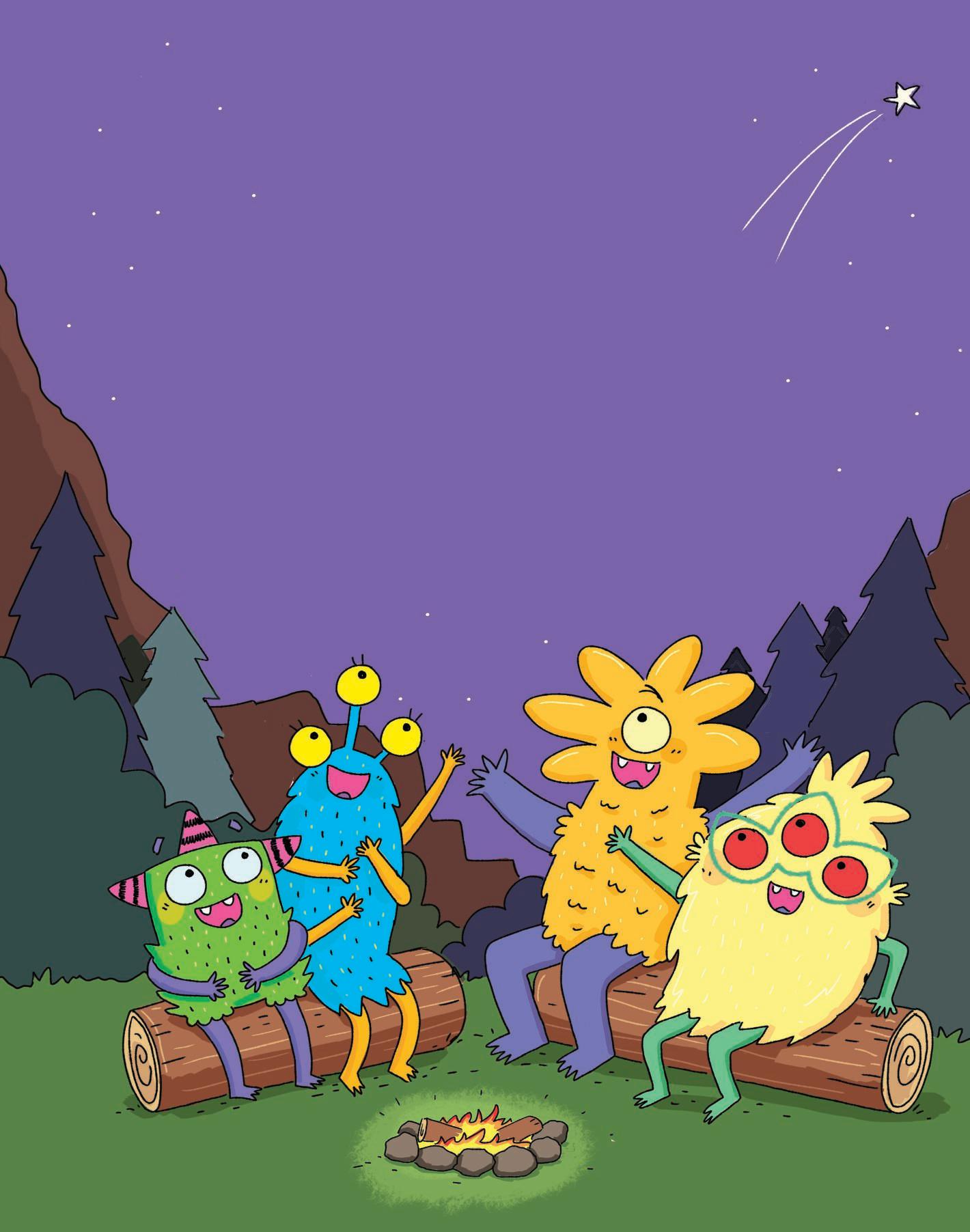
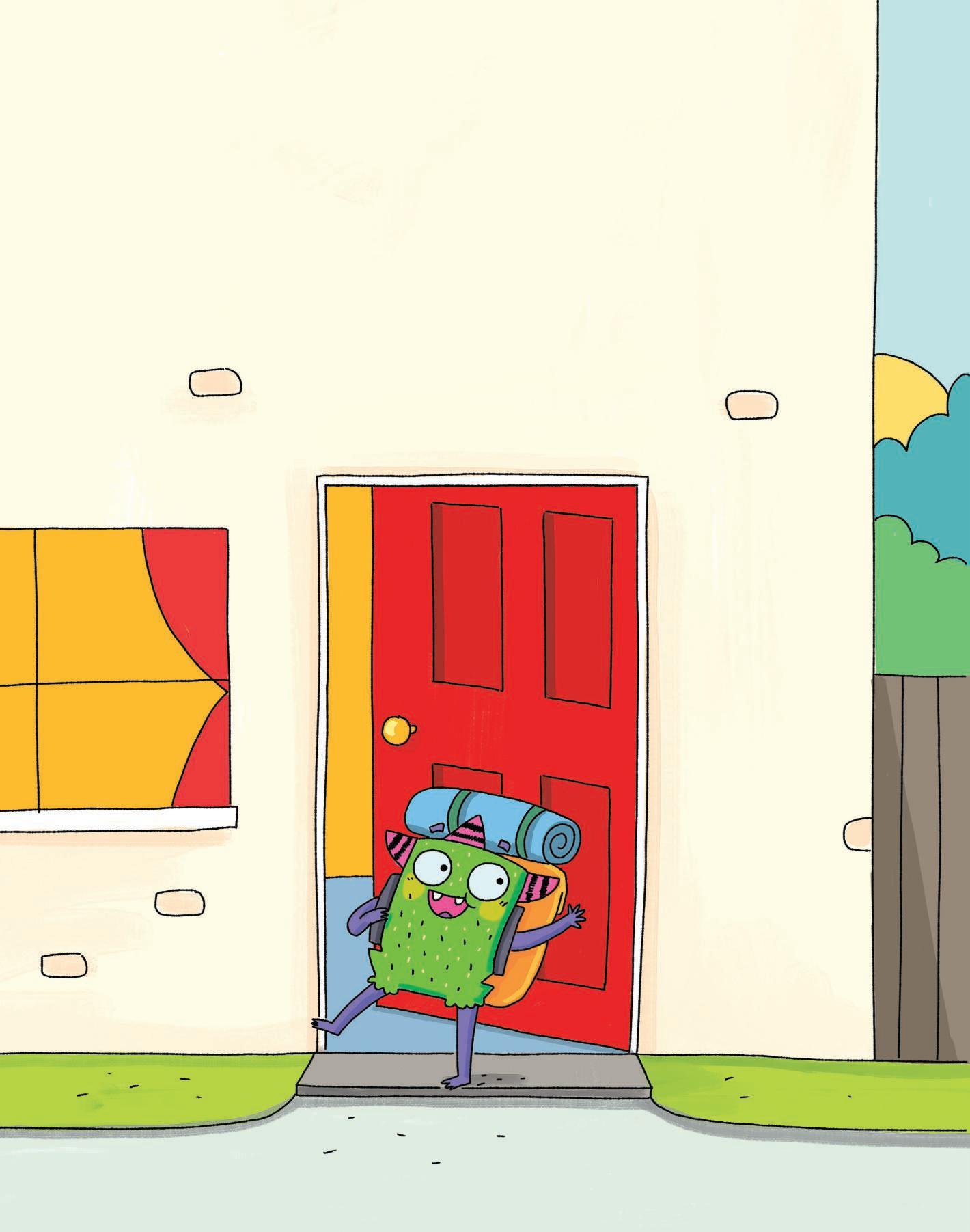
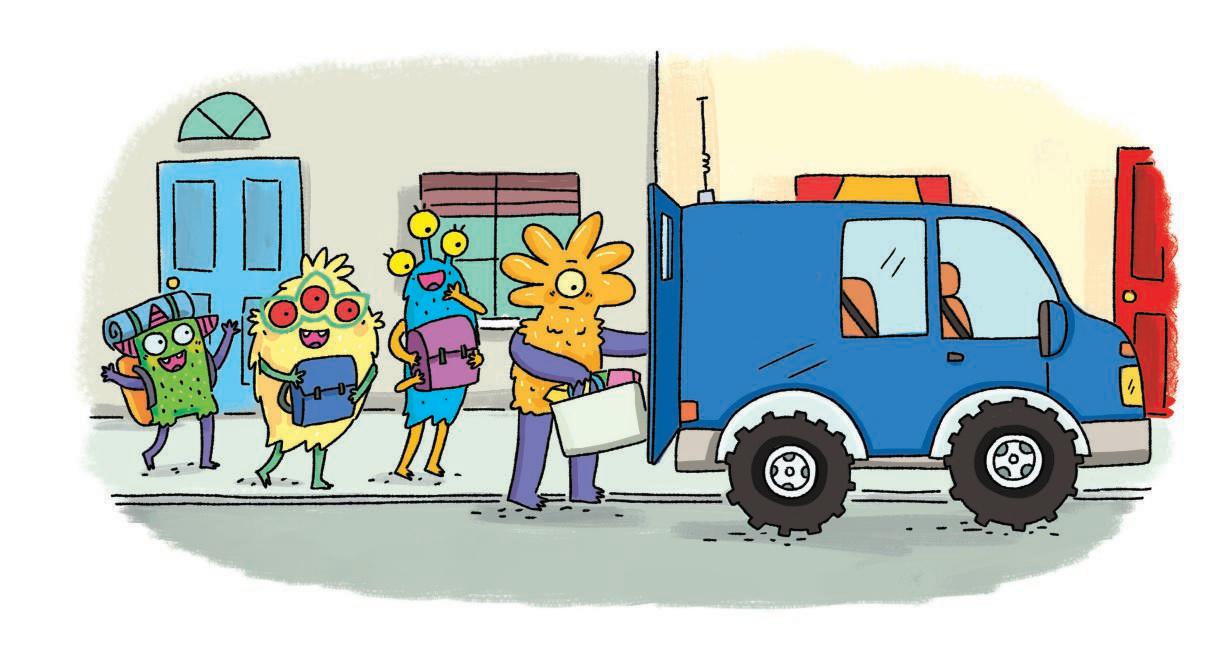
All was quiet on Make It Street when Scooter opened his front door. It was still early, but he was too excited to wait any longer. The monsters were going camping!
Scooter took his rucksack next door to Ralf ’s house. He knocked on the door.
‘Good morning, Scooter,’ said Ralf. ‘Come in. I’m still packing.’
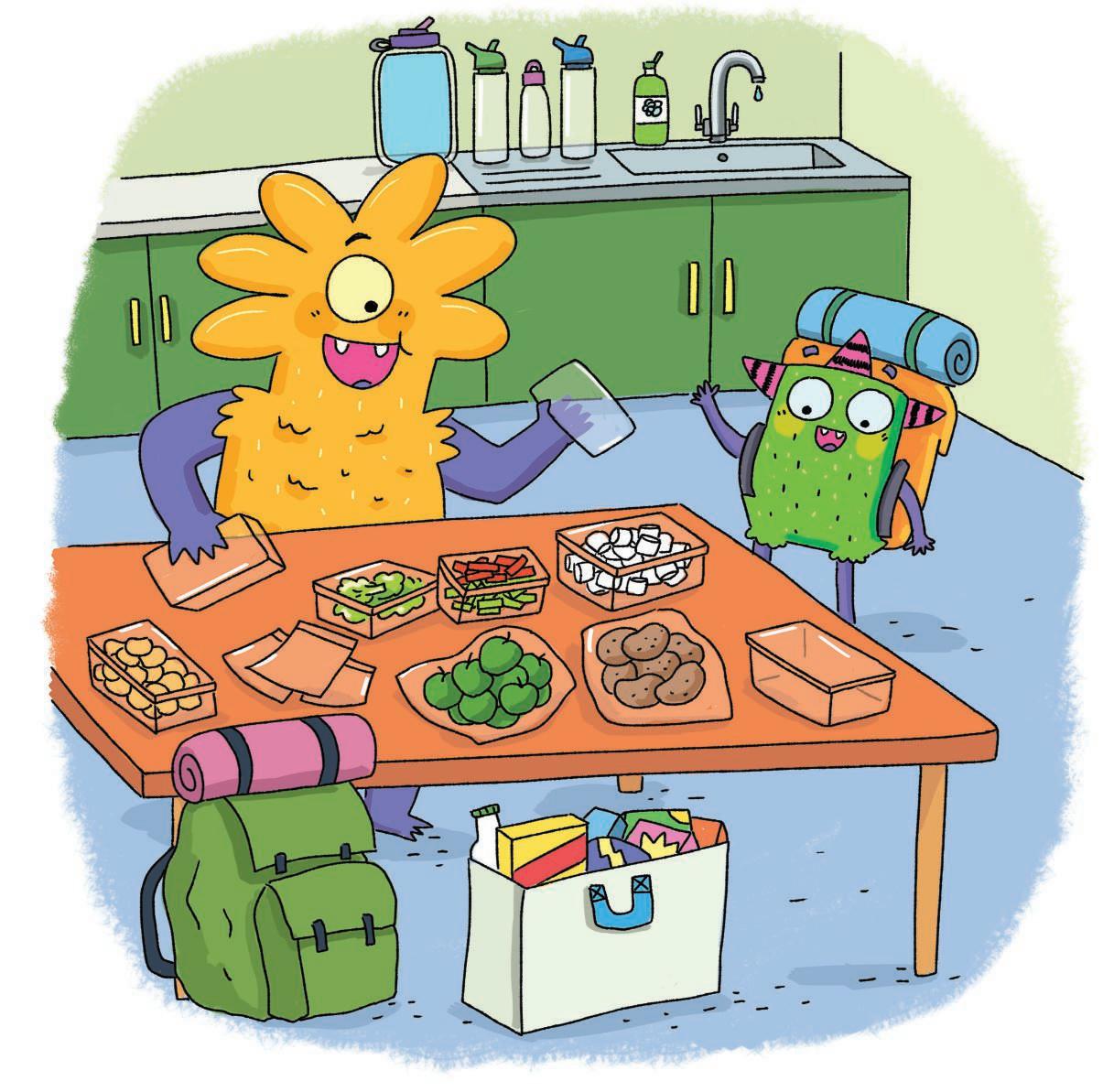
Scooter followed Ralf into the kitchen.
‘What’s in all of the bags and boxes?’ asked Scooter.
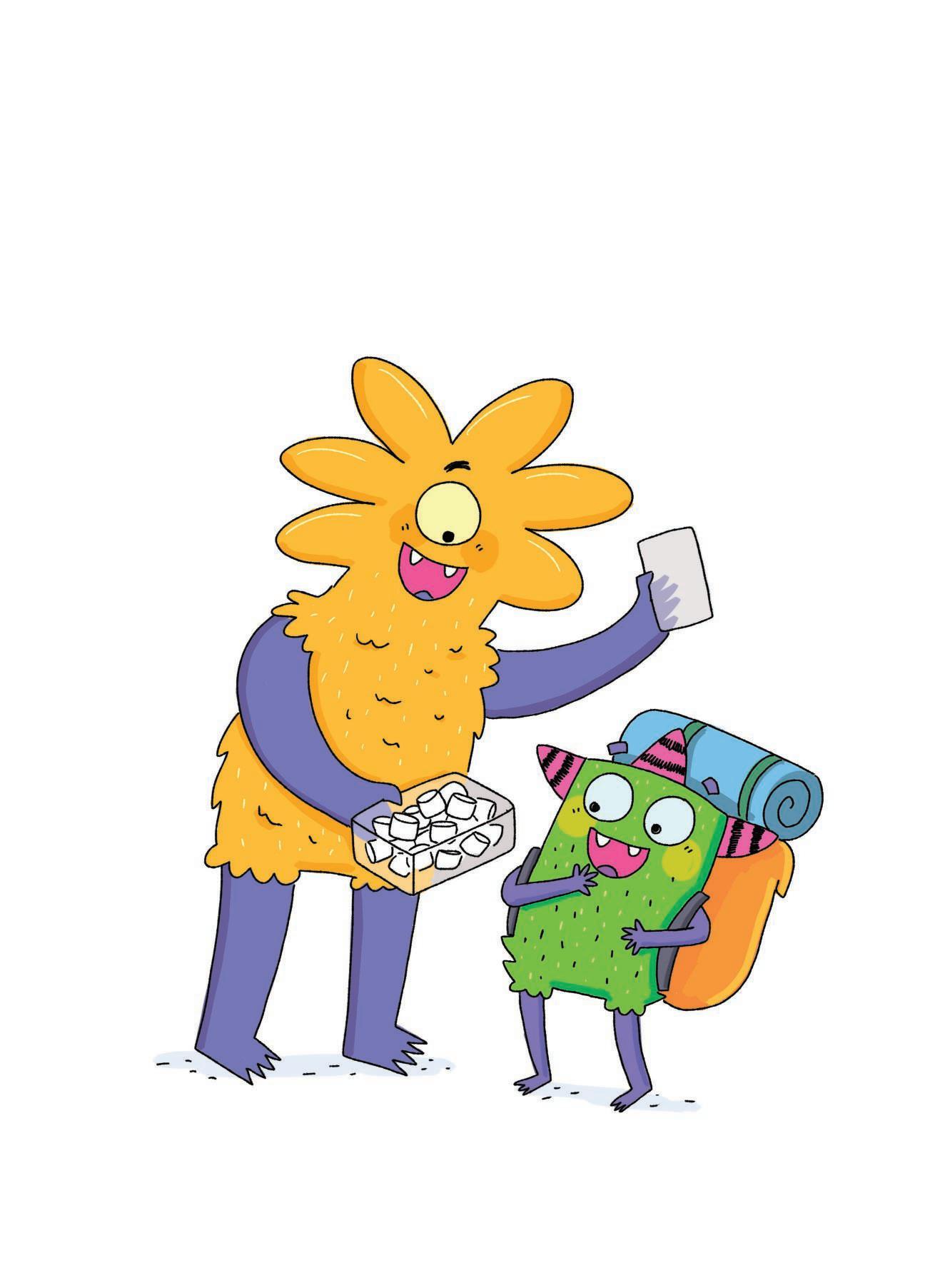
‘Everything we need for our camping trip,’ said Ralf. ‘Tents, ropes, sleeping bags, blankets, food and drinks … and marshmallows!’
SAMPLE
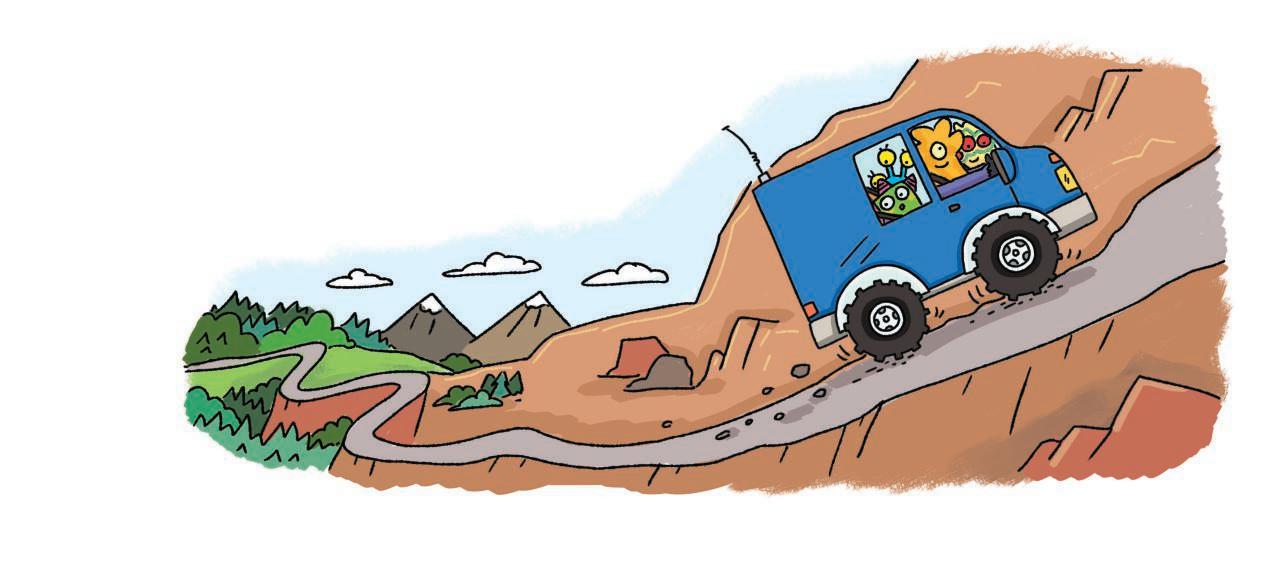
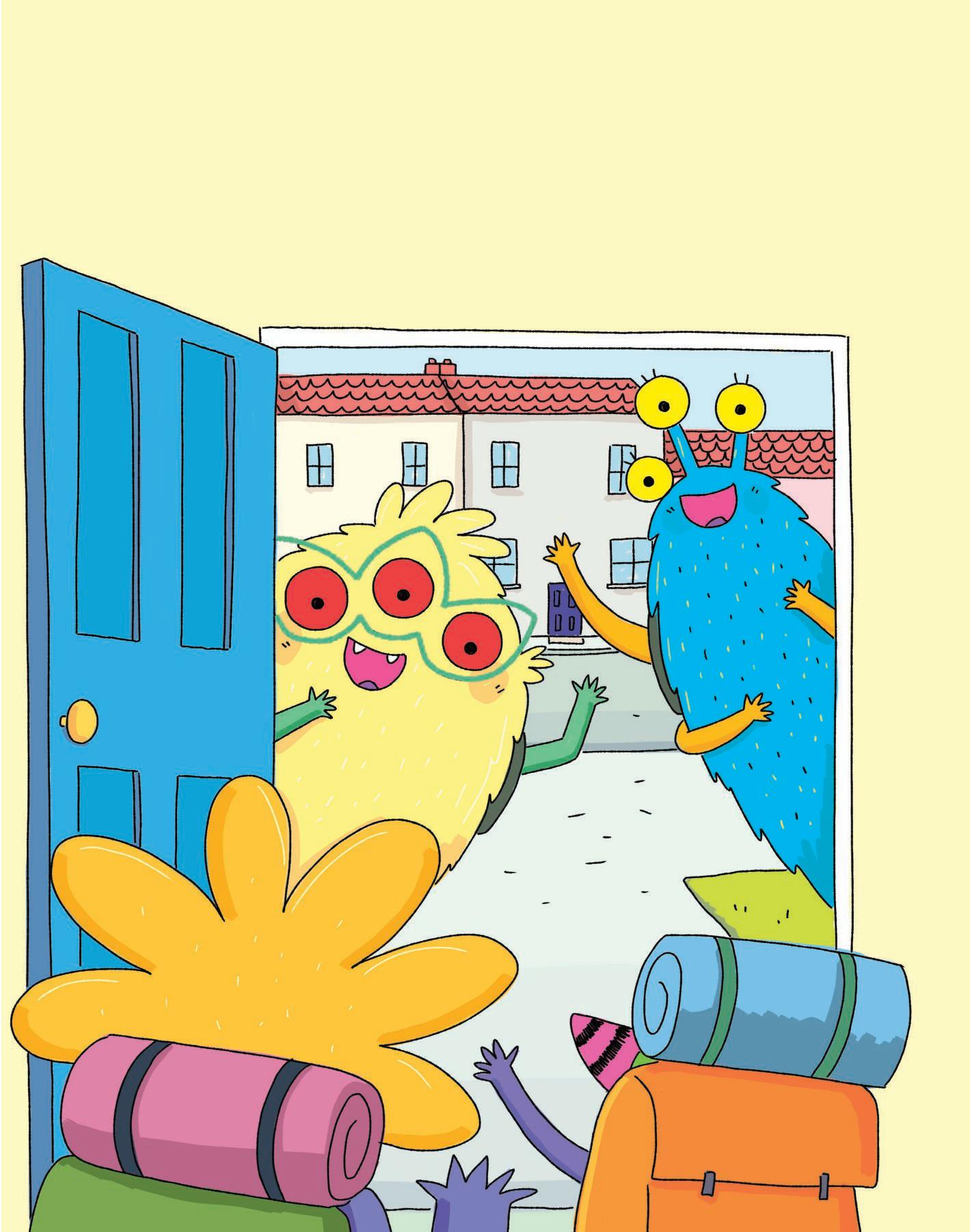
Everyone helped to load the bags into Ralf ’s van.
‘I hope I haven’t forgotten anything,’ Ralf said to himself.
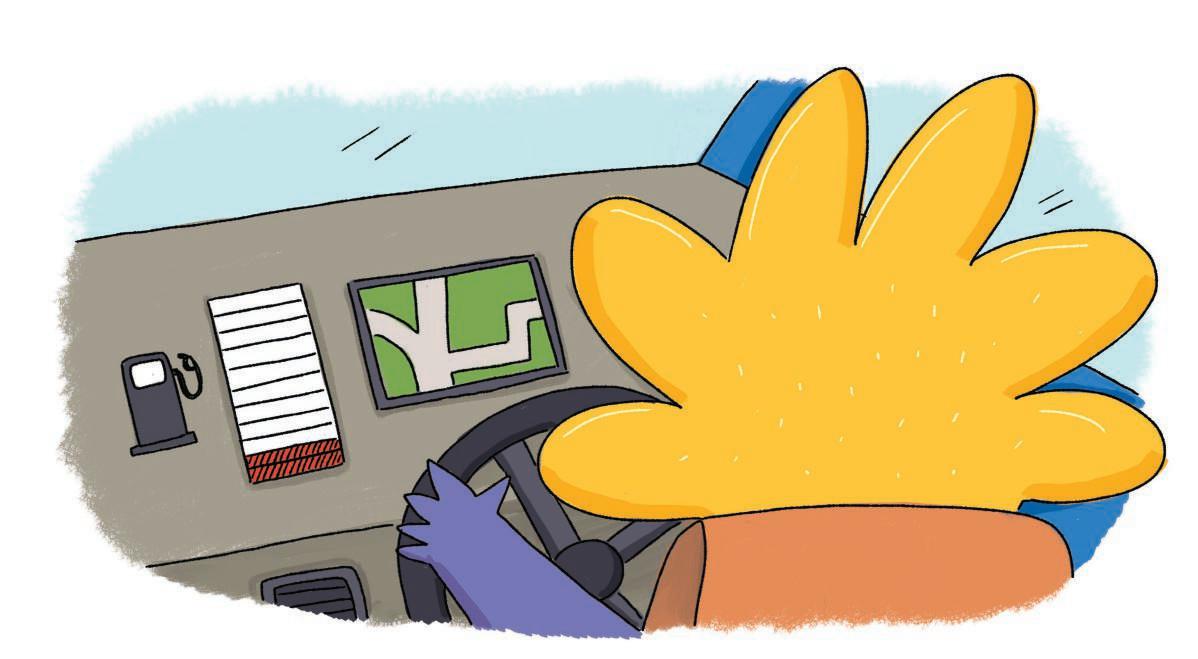
Ralf got in the driver’s seat.
Talking with children about maths concepts can help deepen their understanding and grow their mathematical skills. Children also benefit from hearing and using key maths vocabulary in multiple contexts. Some suggestions to support children in learning through talk have been included in this story.
The following words and phrases are highlighted in bold in the book.
capacity NOUN capacities (pages 11, 15, 24)
the amount that something can hold empty ADJECTIVE emptier, emptiest (pages 3, 6, 10, 11, 15, 17, 20, 21, 22, 24) with nothing in it • My water bottle was completely empty.
nearly empty, nearly full
container NOUN containers (pages 15, 16, 17, 21, 22, 24)
A container is anything that you can put other things into. Boxes, tins, and jars are all containers.
lean VERB leans, leaning, leaned or leant (page 18)
If you lean forwards or backwards, you bend your body that way.
full ADJECTIVE fuller, fullest (pages 3, 6, 10, 17, 20, 21, 22, 23, 24)
1. containing as much or as many as possible • The cinema was full.
2. having many people or things great ADJECTIVE greater, greatest (pages 11, 15) very big or very much the greatest means the biggest or the most
SAMPLE
load VERB loads, loading, loaded (pages 6, 22)
If you load things into a car or lorry, you put them in.
luck NOUN (page 19)
1. Luck is the way things happen by chance, without being planned. 2. Luck is also good fortune.
The
Written by Karl Newson
Illustrated by Richard Watson
The
Written by Karl Newson
Illustrated by Richard Watson
Series Editor MK Connolly