


Editor: Adam Moffatt
President: Charley Kriksic





Charley Kriksic


Please take note to use the correct address as listed below
Main and Billing Office P.O. Box 1178 Port Dover, On N0A 1N0
P: 289-887-4046
E: amoffatt@otda.com (General)
E: accounting@otda.com (Accounting) W: www.otda.com
Printing 1001 Dundas St. Woodstock, ON N4S 1H5
P: 519-537-5596 1-866-534-0004
F: 519-537-8209
E: info@barneyprinting.com W: www.barneyprinting.com
OTDA Members and Directors
Welcome! New OTDA Director
Thank You! Alexa Labrecque
OTDA 2026 Academic Scholarship Program OTDA 2026 Winter Conference Re-Cap
27 th Annual Fundraiser & Charity
Recycling in Ontario with Adam Moffatt
to the Minister of the Environment
The OTDA is recognized by industry and government as the representative body of the Tire Dealers of Ontario.
Charley Kriksic, President Consumers Tire
Charmaine Carvalho, Vice President Chloride Canada
Logan Shearer, Secretary Tirecraft Ontario
Ryan Burke, Treasurer The Tire Terminal
Adam Kraemer OK Tire Kincardine
Dan Bender Tire Discounter Group




Dave Byma Byma's Tire & Auto Servce
Eric Gilbert Ericway Tire
Erik Fielding Fielding Tire and Auto
Jeremy Hanford
Hanford's Tire & Service
Meghann Wright Distribution Stox
Adam Moffatt, Executive Director OTDA







Over
and ,
•Fast delivery, simple & efficient service
•Intuitive, easy-to-use ordering platform
•Partnerships with a broad range of global manufacturers
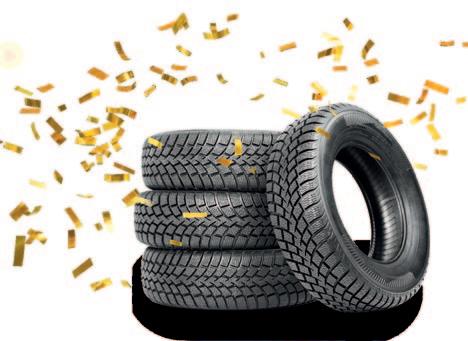

In appreciation of our OTDAaffiliated tire retailer partners, we are giving you the chance to win your tire purchase from Distribution Stox.
Until April 30 202 , every purchase of tires from Distribution Stox by an OTDA will be automatically entered with a chance to win their purchase. Every purchase from us is another chance to win!
Prize will be awarded in the form of a prepaid gift card by your local Distribution Stox Account Manager.
i. The applicant must be a full-time employee, or an immediate family member (natural/adopted/step, or spouse) or legal ward of a person who is a full-time, permanent employee, for at least one year by a company that is a member in good standing with the Ontario Tire Dealers Association, and;
ii. The applicant must have been accepted to attend an accredited post-secondary institution or vocational-technical school within Canada and have registered for classes for the upcoming semester ;
iii. The applicant must be registered as an Automotive Apprentice with the government of Canada and be actively working as an automotive apprentice within the automotive sector.
All applications submitted must include the following:
i. The applicant must submit a résumé, not to exceed three typewritten pages, outlining the following:
- their education and GPA to date
- any involvement in extracurricular activities
- any academic honours or any community or volunteer work
o The applicant must also submit reference letters that confirm their involvement or achievements
o Reference letters cannot be from family members and must speak to the achievements of the applicant
ii. The applicant must submit a letter from an OTDA member confirming the current employment of an immediate family member
iii. The applicant must submit a confirmation of registration along with a tentative course schedule from an accredited post-secondary institution
A successful scholarship award winner will demonstrate the following qualities:
i. They know their strengths and weaknesses
ii. They show leadership and communication skills
iii. They display passion and are driven to succeed
iv. They have a strong sense of community and assist others
v. They have long-term goals and a plan to achieve them
All applications will be reviewed and awarded by the OTDA Academic Scholarship Committee; scholarship recipients will be notified by August 15th of the scholarship year.

Applications be submitted to the Scholarship Committee via email and:
- applications will be accepted via any other means of submission
- applications will be accepted after the deadline date
- Incomplete or illegible applications will not be considered
The information collected in this application will be used for the sole purpose of assessment, evaluation, and promotion of the OTDA Scholarship Program. It will not be used for any other purposes.









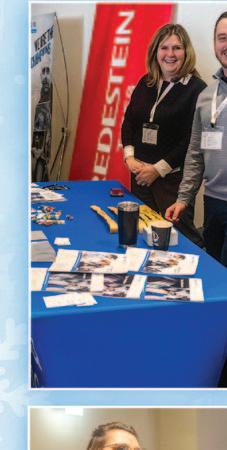
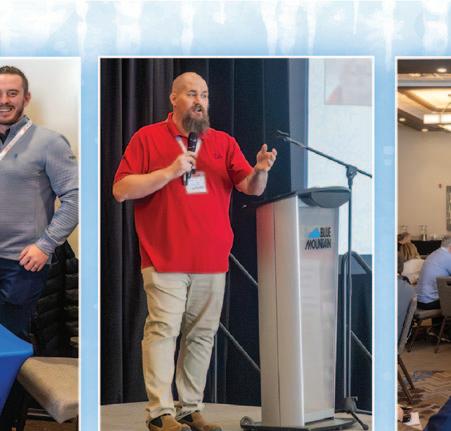
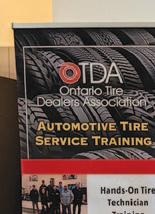
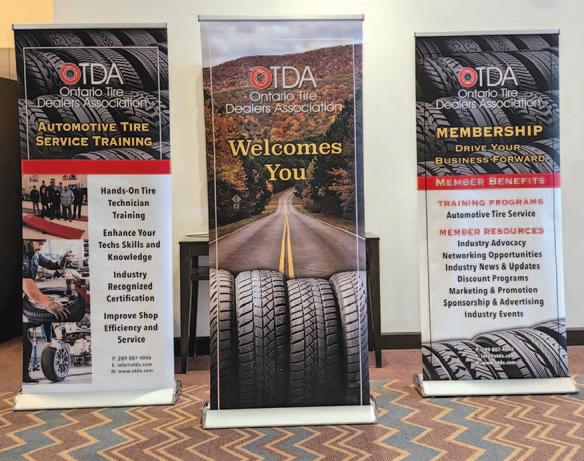
The 2026 OTDA Winter Conference at Blue Mountain Resort brought together 135 registrants representing more than 50 dealers, 30 suppliers, three associations, and several industry guests. Over three days, attendees engaged in insightful discussions, explored industry trends, and participated in sessions covering topics such as tire dealer insurance, credit card processing, safety and due diligence, and the current tire recycling landscape in Ontario.




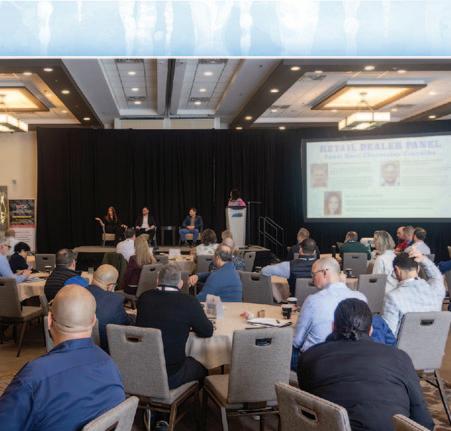
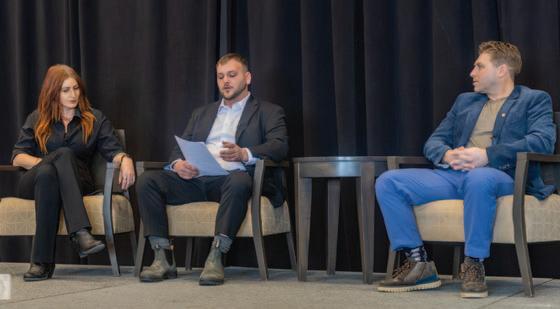
A highlight of the event was the return of two engaging panel discussions. Our retail panel explored numerous topics affecting retail locations, including the growing impact of AI, shop diversification strategies, the challenges of a changing workforce, and evolving best practices in marketing. The conversation provided practical perspectives from those working on the front lines of the industry. The second panel, our market perspectives discussion, brought together representatives from the dealer, distributor, and manufacturer levels of the supply chain. The group shared valuable insights on SKU proliferation, supply chain challenges, inventory management, emerging market trends, and the increasing influence of environmental and recycling pressures. The varied viewpoints created a well-rounded and informative discussion for attendees.
This year’s speaker lineup delivered a range of valuable takeaways. Randy O’Connor from D2D Development Group encouraged attendees to take a closer look at their operations, reflecting on past successes and lessons learned to help guide future decision-making. Carol Hochu from TRAC introduced attendees to the organization and shared insights from the 2026 TRAC Winter Tire Report. Brett Leggatt from Just Quote Me / Elavon spoke about credit card processing safety, common scams dealers should be aware of, and best practices for terminal security. Richard Bucek from Federated Insurance addressed tire dealer insurance considerations and highlighted some of the more common risks associated with operating a shop. The conference also featured a joint presentation from Adam Moffatt of the OTDA and Mary Cummins, Registrar with the RPRA, who discussed the current scrap tire landscape, future challenges, and the OTDA’s ongoing advocacy efforts and direction moving forward.
The conference would not have been possible without the many contributors who helped bring the event together. We extend our sincere thanks to all speakers, panellists, and participants who shared their time and expertise. We would also like to recognize and thank the many sponsors and tabletop expo participants. Their continued support plays a critical role in making events like this possible, keeping costs down for members, and helps strengthen the value the Association can provide.
We look forward to building on the success of this year’s conference and continuing to deliver impactful opportunities for members to connect, learn, and grow.
Thank you to everyone who made the 2026 OTDA Winter Conference such a memorable experience. We look forward to seeing you in 2027!



































































































































































hunter.com/en-ca/about-us/field-team









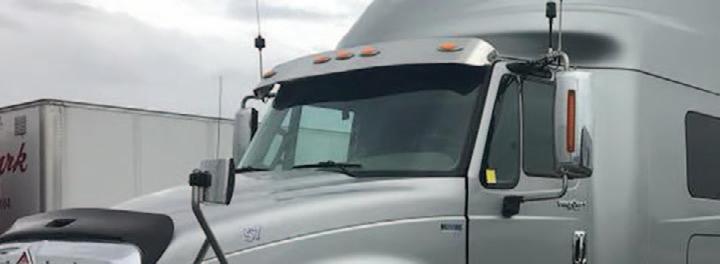
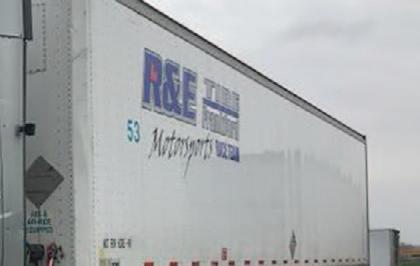
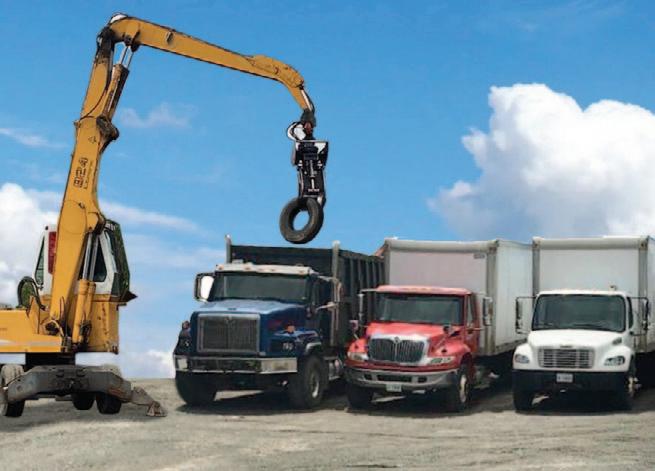

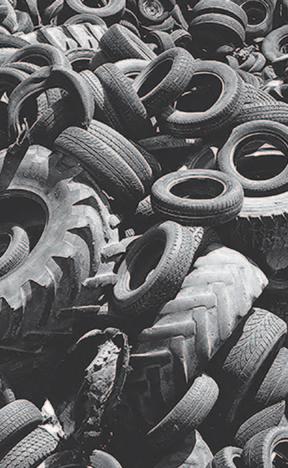


















































































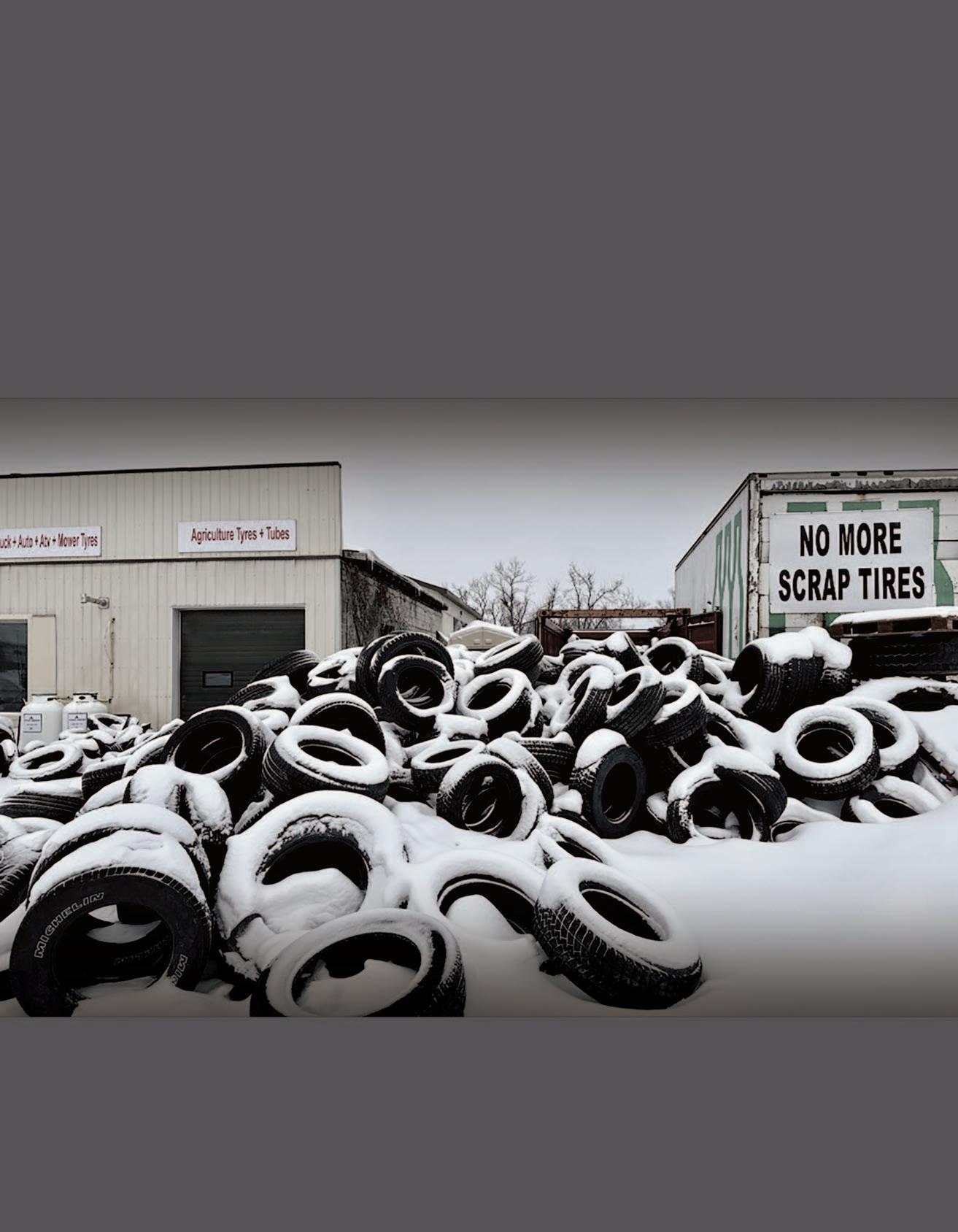
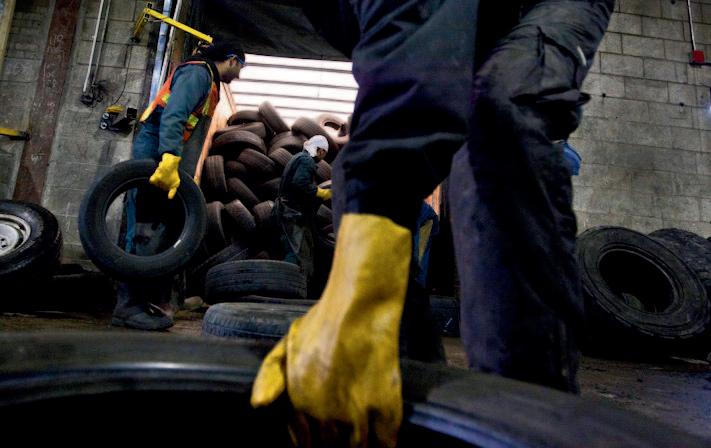
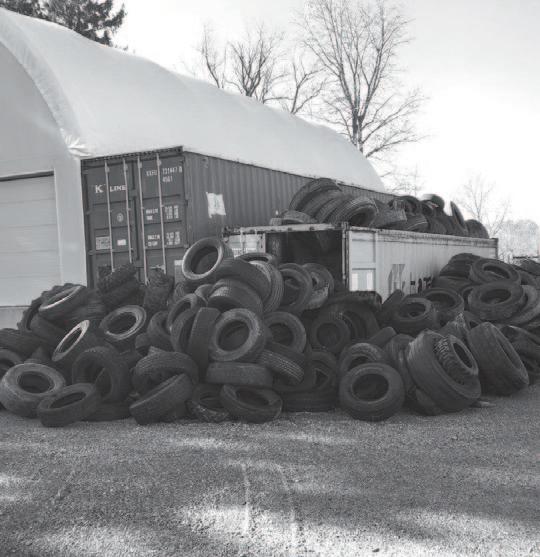
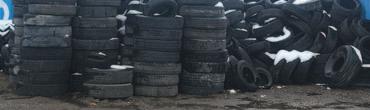
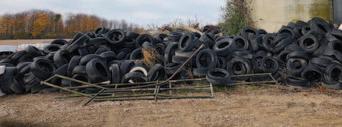
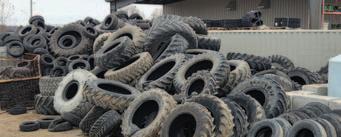
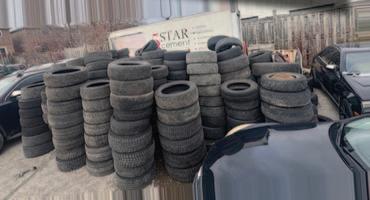
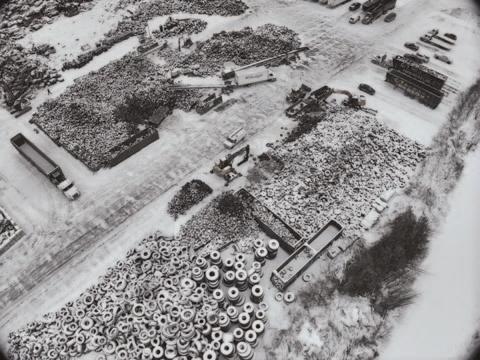
Since midsummer of last year, tire recycling across Ontario has posed significant challenges for tire dealers and collection sites. Recycling networks operated by Producer Responsibility Organizations (PROs) began slowing. In some cases, they shut down entirely, as producers met their newly revised regulatory targets months ahead of year’s end. This created massive backlogs at collection sites across the province, with hundreds, and in some cases thousands, of tires waiting to be collected and recycled. Additionally, two large storage sites, one in Stittsville and the other in Sudbury, were discovered and reported to hold over 500,000 tires each. These issues followed regulatory changes introduced in December 2024 and implemented in January 2025, which, among other changes, replaced previous requirements, including the former two-tier target that required producers to collect 85% of imported tires (by weight) and then recycle 85% of those collected (by weight), with a new, single overall management target of 65%.
Throughout this period, the OTDA has actively engaged with the Resource Productivity and Recovery Authority (RPRA), the Ministry of the Environment, Conservation and Parks (MECP), provincial elected officials, and PROs, raising concerns and advocating for solutions to protect members, the broader tire recycling system, and Ontario’s consumers. In addition, the OTDA has, and continues to, publicly speak to media outlets about these issues, highlighting the scale and urgency of the problem
Another important step in our advocacy has been the coalition letter co-authored with several other affected industry associations and groups, including municipalities,
auto recyclers, automotive service providers, environmental groups, and retail chains, which outlines the ongoing challenges and calls for regulatory reform. This letter will also appear in this edition of Trends, providing members and the broader industry a clear view of our collective position. (Letter on page 22 & 23)
The OTDA has, and continues to, encourage members to take action directly by reaching out to their MPPs, helping to build a grassroots effort that reinforces our advocacy and ensures these challenges are addressed from multiple angles. Our position remains clear: without meaningful regulatory reform, these challenges will persist. In fact, we anticipate that as producer networks continue to meet targets earlier, backlogs will grow, and system pressures will increase in the coming years.
Looking ahead, several immediate challenges continue to put tire dealers, collection sites, and the broader recycling system at risk. While RPRA has ruled that tires in the Sudbury and Stitsville stockpiles will not count toward 2026 targets, backlogged tires from December 31, 2025, will count in 2026. This will likely cause producers and PRO networks to meet targets earlier in the year, creating the potential for even more stranded tires in 2026. Additionally, some processing sites have yet to reopen in 2026, while others are operating below capacity due to quotas imposed by PROs, resulting in restrictions on haulers and monthly collection volumes, causing backlogs to remain around the province. Regulatory changes have also reduced the required number of accessible collection sites, meaning thousands of previously registered collection sites may no longer be part of the collection network. Creating more uncertainty for collection sites, as PRO networks can now add or remove locations without notice or justification.
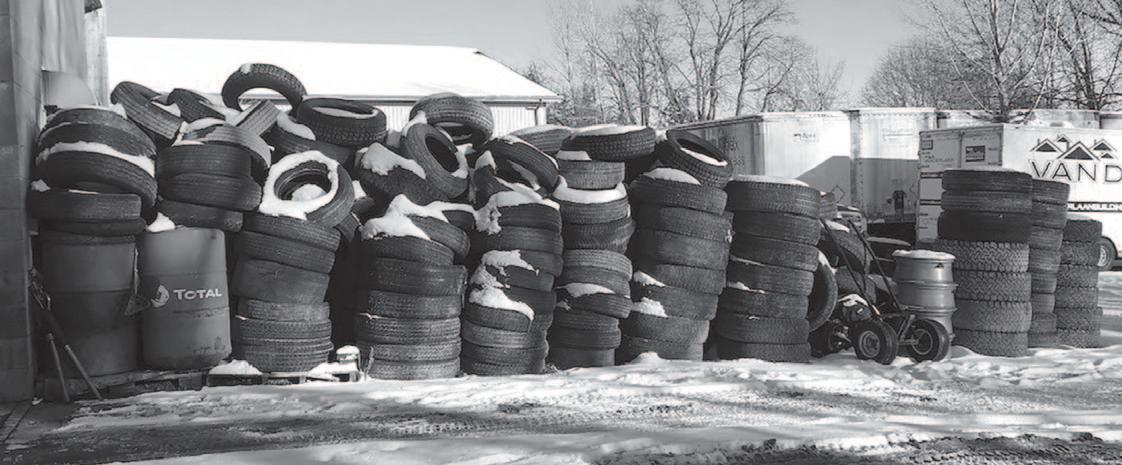
Focusing on the reduction of collection sites within the network, industry consultations with RPRA and other advisors have outlined three potential approaches to address sites that fall outside the registered collection network. First, collection sites not part of the network could seek to align with PROs and become registered (if the PRO accepts them). However, prior to the regulatory adjustment in January 2025, sites were already registered and receiving pickups, raising questions about how thousands of previously compliant sites were removed in the first place. Second, collectors could be directed to transport tires from unregistered sites to collection sites within the registered network, but this raises practical concerns around cost, capacity, and coordination. Third, collectors may be forced to hire haulers outside the current PRO networks to collect tires from sites no longer considered part of the collection network at their own expense. While these options have been proposed, they highlight structural problems created by the revised regulations: thousands of collection sites may now face exclusion from the network, and the logistics and financial implications for tire collection and delivery remain uncertain.
To be clear, the OTDA does not support any of the proposed solutions for sites now falling outside the registered network, as none are viable and only create instability. First, no collection site paying a recycling fee should be told it is no longer part of the network, PERIOD. Second, no site should be required to relocate its tires, retain private haulers, or pay additional fees on top of the recycling fees already charged by tire producers. Additionally, tire dealers who are part of the collection network should not be burdened with the uncertainty of other collection sites potentially dropping hundreds or even thousands of tires at their locations. This is not the responsibility of tire dealers. They should not bear costs or operational risks for services they are paying for but not receiving, as the obligations under the regulation rest with tire producers.
The OTDA firmly believes that if tire producers are to be held responsible for recycling obligations, the RPRA must uphold the regulations in both letter and spirit. This includes RPRA and MECP actively finding solutions to the problems created by the 2025 regulatory revisions. A clear indication that issues would arise was that the lowered targets were set below what the industry was already achieving in previous years. This should have served as a warning of potential structural failures before the changes were implemented, how was this oversight allowed to occur?
Let’s also discuss tire recycling fees. In 2025, when producer targets were lowered to 65%, fees remained unchanged, despite the reduced obligation. In fact, one year later, some PROs increased their fees on January 1, 2026, by an additional $0.50 per passenger tire (an 11% increase). Less regulatory responsibility has somehow led to increased fees for fewer services.
The OTDA has, and will continue to, come to the table to protect our members, tire collection sites, and the integrity of the recycling network itself. Without meaningful action, the system will continue to degrade, likely causing processors and haulers to close or leave the province, making it increasingly difficult to ensure every tire has a viable recycling path.
The OTDA is calling on all tire producers and PROs to take responsibility: provide the services tied to the fees you charge, work collaboratively with the OTDA and the dealer network, and support regulatory reform that ensures every tire you bring into Ontario is responsibly collected, recycled, and accounted for.
Ontario’s tire recycling system must be protected.
Sent
January 15, 2026
The Honourable Todd McCarthy
Minister of the Environment, Conservation and Parks 777 Bay Street, 5th Floor Toronto, Ontario M7A 2J3
Dear Minister McCarthy,
We are writing to you, given the significant issues with Ontario’s tire recycling regulation (O.Reg. 225/18) and seeking your immediate intervention. Since the changes to the regulation in December of 2024, there has been significant new issues that have arisen that demand immediate attention. This includes:
• An increase in the amount of tire stockpiles in the province1 which pose significant environmental, health, and safety risks.
• Tire collection sites (e.g., auto shops, automotive recycling yards, municipal depots) that are unable to get their tires collected, leading to potential health and safety risks to those site operators and the general public.
• Consumers not being able to drop off tires at collection points because of capacity restraints and limitations.
• Increasing concerns that tires are being sent by PROs for incineration and landfilling despite consumers paying a ‘recycling fee’.
Our organizations strongly believe that these are structural regulatory problems, and as a result, the current issues noted above will persist without direct intervention.
While not an exhaustive list, we recommend the following changes be considered:
• Immediately increase the current management requirements from 65%. Outcomes-based regulations cannot be successful without high targets. There is enough historical data on the amount of annual tires collected and processed to properly establish these targets.
• Provide a call-in requirement, as included in other producer responsibility regulations, to ensure that all tire collection sites can get their tires collected in a timely manner, allowing these sites to operate without impacts to their core activities.
1 It is understood that sites have been provided to the Ministry for potential actions related to non-compliance.
• Require that all tires collected by producers or PROs be processed (even after minimum management requirements have been met) and within a specific period of time to ensure consumers have faith in the operation of the system and to improve opportunities for investment.
• Increase the minimum number and accessibility of tire collection sites required in the province to ensure all communities have reliable access to tire disposal.
• Provide clarity that tires collected and stockpiled cannot be used to meet future targets.
• Require reporting and transparency of tire flows and stockpiles to quickly identify bottlenecks.
• Amend the administrative penalties regulation to ensure that non-compliant producers and PROs cannot benefit from non-compliance.
• Consider any direction from the Minister that can be provided to RPRA, the PROs or producers that can help to provide immediate relief before regulatory amendments are made.
Current challenges have undermined industry and consumer confidence in the regulation’s effectiveness, and without prompt intervention, the system’s ability to function effectively is at risk of further decline.
We would be pleased to speak with you or your staff on any of the items discussed above.
Sincerely,
Adam Moffatt
Executive Director
Ontario Tire Dealers Association (OTDA) Amoffatt@otda.com
Wally Dingman
Executive Director
Ontario Automotive Recyclers Association (OARA) wally@oara.com
James Hamilton
Executive Director
Used Car Dealers Association of Ontario (UCDA) j.hamilton@ucda.org
Patty Kettles
Executive Director Automotive Aftermarket Repair Organization of Canada (AARO)
Patty.kettles@aaro.ca
Christine McClay
President Tirecraft Ontario christine@tirecraft.ca
Charley Kriksic
President Tire Dealers Association of Canada (TDAC) charley@consumerstire.com
Karen Wirsig
Senior Program Manager, Plastics Environmental Defence kwirsig@environmentaldefence.ca
Emily Alfred
Senior Campaigner
Toronto Environmental Alliance (TEA) emily@torontoenvironment.org
Darryl Wolk
Manager, Policy and Government Relations Waste to Resource Ontario (W2RO) dwolk@w2ro.org
Ian Borsuk
Executive Director Environment Hamilton (EH) iborsuk@environmenthamilton.org
Derek Coronado
Executive Director
Citizens Environment Alliance of Southwestern Ontario (CEA) derek@citizensenvironmentalliance.org







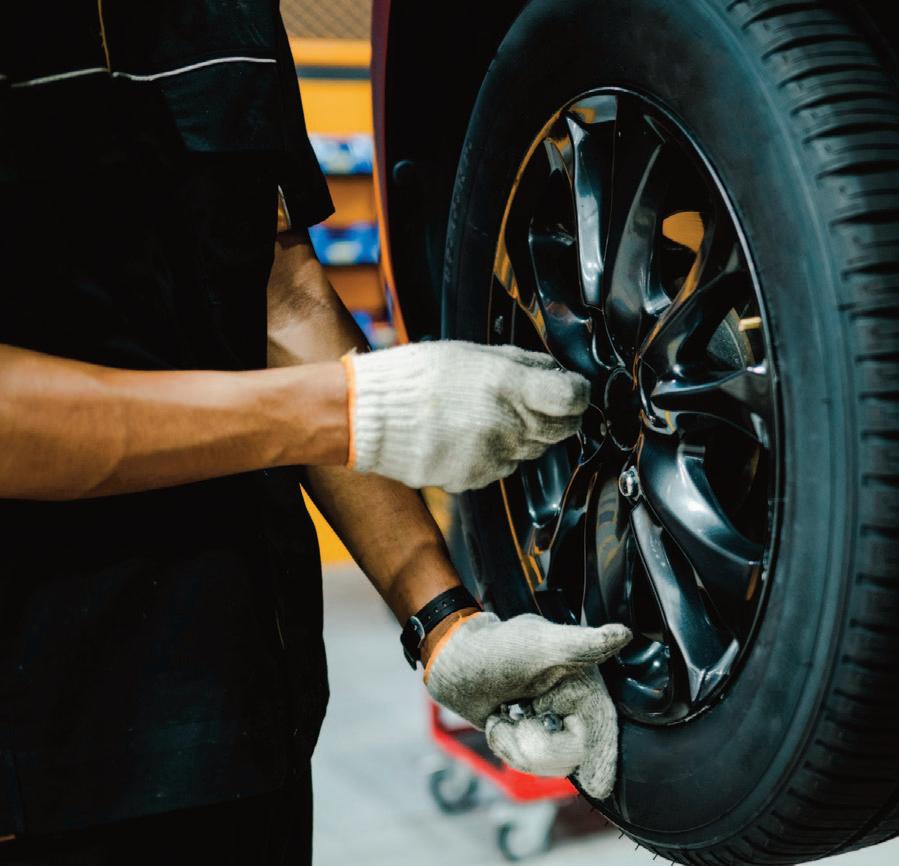

















































































“Safety is never just one person’s responsibility,” says Amanda Gorman, Health and Safety Consultant with Workplace Safety & Prevention Services (WSPS). She finds herself making this point often when working with smaller organizations, where there is rarely a dedicated safety department. In these instances, health and safety planning often falls on the owner, or the person who has the most safety training. “In some cases, this may only be Workplace Hazardous Materials Information System (WHMIS),” explains Amanda. And, even if there is a health and safety manager, that person is often without a team appointed to help. “For a one-person department, it can be a lonely and daunting task.” But it doesn’t have to be that way and is not the most effective. Ideally, the responsibility is a shared one.
Instead, Amanda says the workplace should tap into the combined knowledge of the team and get the most competent people to lead by monitoring hazards and controls.
Even if you have safety in your job title, it is impossible for you to watch everything that happens at every moment. You need to be able to hand over some of that responsibility to other managers and supervisors. In fact, it’s a legislated requirement.
Sections 25 and 27 of the Occupational Health and Safety Act (OHSA) outline the duties of employers and supervisors, which include identifying and controlling hazards to protect employees from injury and illness.
“Every organization – big or small – needs a high-functioning IRS,” reminds Amanda.

The internal responsibility system (IRS) is a mechanism that emphasizes shared responsibility for health and safety and forms the basis of our OHSA. It is a collaborative approach where each workplace party has a defined role in maintaining a safe and healthy workplace. The key is ensuring that everyone in the workplace understands their role and what is expected. For example:
• Employers establish safety programs and procedures, provide training, and ensure tools and equipment are in good working condition.
• Supervisors organize and oversee the work, ensure safety procedures are followed, and that hazards are controlled.
• Workers are expected to follow safety procedures, use the personal protective equipment (PPE) that is provided, and report any new hazards they encounter.
“It really comes down to the safety culture that has been cultivated within the workplace,” says Amanda. “It’s not about checking boxes and getting paperwork done. It’s about fostering behaviours that create a healthy and safe workplace.” When you have a high-functioning IRS, where everyone has the necessary knowledge and training to perform their role, it becomes much easier to delegate tasks and ultimately ensure everyone goes home safe and healthy at the end of the workday.
Amanda offers this advice to help build a strong health and safety culture; the foundation necessary for sharing health and safety responsibilities across the business.
1. Empower employees with training.
Workplace health and safety is a shared responsibility; everyone needs to be trained. When an employee can recognize and manage hazards, they’re empowered to actively support the IRS and address safety concerns in their workspace, department, or business unit.
2. Hire or promote people with the right competencies.
A competent supervisor is trained to recognize and control job-specific hazards. Only then can they lead their teams safely, delegate more effectively and manage risks with greater ease.
3. Make it achievable.
People are more likely to complete a request if it seems reasonable/possible. If it seems overwhelming, it's unlikely to get done. Health and safety training helps workers better understand what they are being asked to do and why. A useful tip: Organize documents and other information so that it is easy for managers and supervisors to comply.
4. Create a hazard inventory.
Create a task-specific hazard inventory with input from workers – they know the risks best. For example, gloves may prevent cuts while unpacking goods, but if they hinder speed or grip, workers won’t use them, making the solution ineffective.
5. Foster open communication.
A strong health and safety culture requires open communication at all levels; it cannot always be top-down. Make health and safety part of everyday conversations – during team meetings, shift changes, or one-on-ones. Give everyone a voice and encourage active involvement. And. don’t forget to thank your staff for speaking up; this is how you build your IRS through trust.














Knowing your business matters.












Supporting


























Knowing your business matters.
Federated Insurance offers tailored coverage designed specifically for tire dealers and automotive businesses. Members benefit from industry-specific protection, personalized risk management support, and expert guidance to ensure your business, employees, and customers are protected every step of the way.


OTDA members can save on fuel costs with the Esso and Mobil Fleet Program. Enjoy exclusive per-litre discounts at over 2,300 participating stations across Canada, along with convenient account management and detailed reporting tools that make tracking fuel expenses easy.

Get the best prices on business essentials through the OTDA–Staples Advantage Program. From office supplies and technology to shop equipment and breakroom items, members benefit from exclusive discounts and online ordering tools designed for small business efficiency.

Deluxe/Nebs Canada provides members with savings on payroll services, custom printing, promotional products, and business forms. Simplify your day-to-day operations and strengthen your brand with professional tools tailored to the needs of independent tire businesses.

Through our partnership with Elavon, OTDA members gain access to flexible and affordable credit and debit payment processing. Enjoy competitive rates, no long-term contracts, and reliable customer support, helping your business manage transactions efficiently while saving money.
Members receive special pricing at Mark’s on durable workwear, footwear, and in-store essentials. Whether outfitting your staff or updating your shop apparel, the Mark’s Commercial program helps you save while maintaining comfort, safety, and professionalism.

NetDriven helps OTDA members strengthen their online presence with custom websites, social media management, and digital advertising solutions designed to drive traffic and grow business.



Take advantage of special pricing and incentives on new Chrysler, Dodge, Jeep, and Ram vehicles through the FCA Canada Preferred Partner Program. OTDA members can enjoy exclusive savings on eligible models, ideal for upgrading or expanding their business fleet.
Save on both car and truck rentals through the OTDA partnership with Hertz. Members enjoy discounted rates, convenient locations, and a wide selection of vehicles, making it easier and more affordable to manage travel or short-term transportation needs.

Service
Wheel
Shop