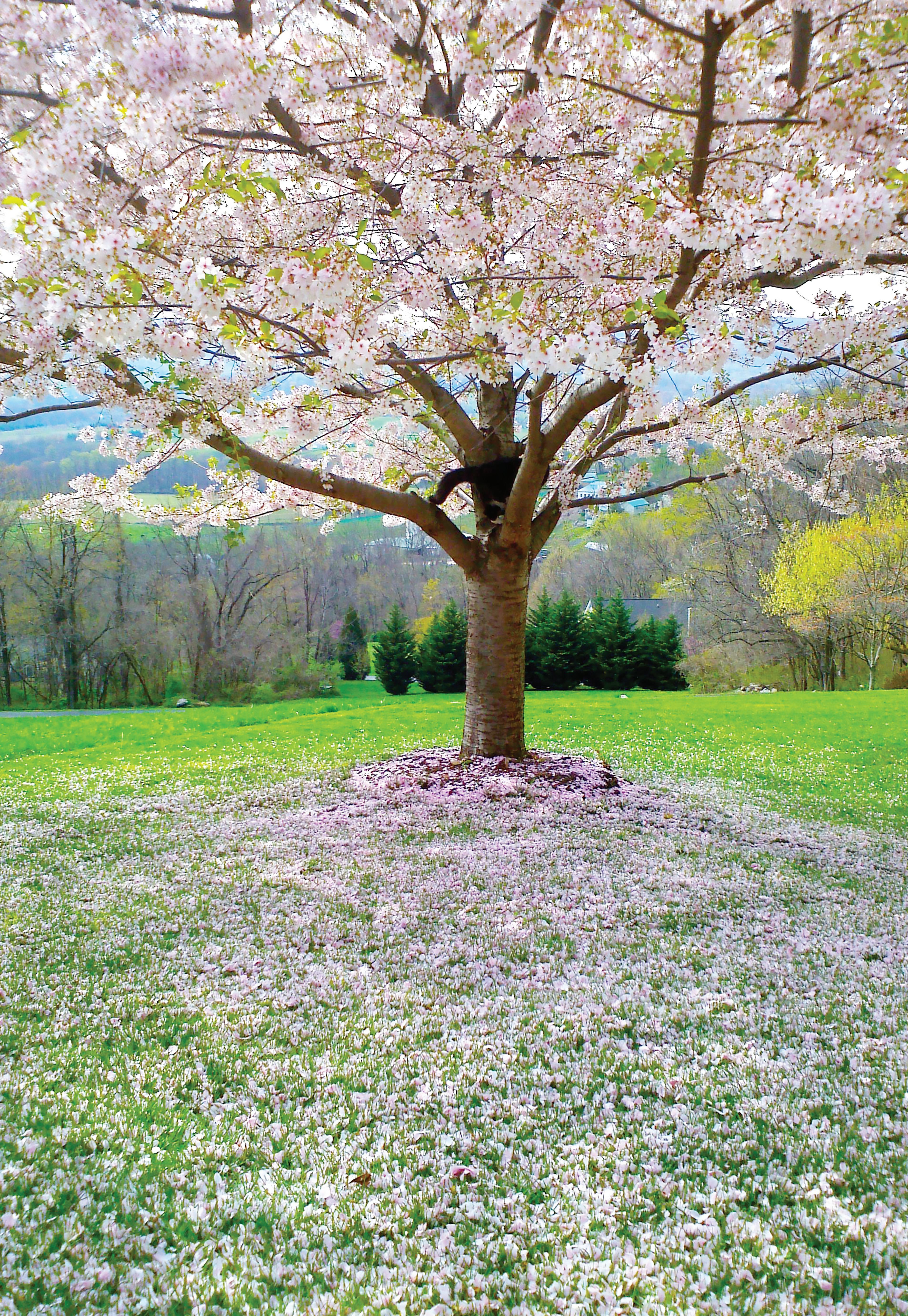
As I write my notes for this issue the weather today is a very pleasant mid 60's. A few weeks ago we had temps in the high 70s and low 80s. I guess that was Mother Nature fi nding her summer footing.
May is widely known as the peak spring month in the northern hemisphere, characterized by blooming flowers, warmer weather, and the start of the summer vacation season. It is heavily recognized for honoring mothers (Mother's Day), military service (Memorial Day), and labor (May Day), while also serving as a major month for health awareness. We also celebrate Cinco de Mayo on May 5th. Cinco de Mayo is an annual celebration held to celebrate Mexico's victory over the Second French Empire at the Battle of Puebla in 1862. We continue to support our Mexican friends by doing our share of consuming tacos with a few margarita’s on the side. Putting together our plan for Cinco de Mayo 2026 now!
On Memorial Day (May 25), we pay tribute to America's heroes and celebrate the start of summer with many events during Memorial Day Weekend throughout America. In the D.C. area we have the Memorial Day parade and National Memorial Day Concert. This is a great time to visit the many National Memorials throughout the area. Check out the feature on the history of this day in this issue.
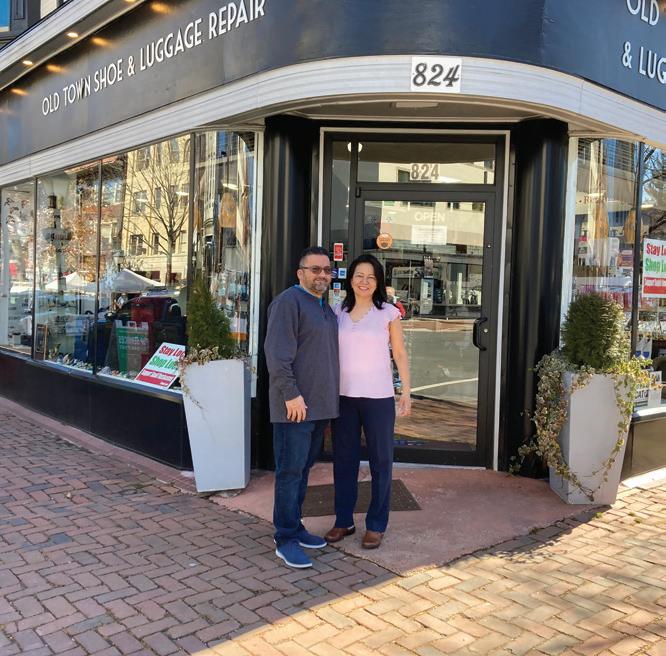
We want to say congratulations to Don and Jenny Restrepo of Old Town Shoe & Luggage fame on 30 years of repairing shoes and luggage here in Old Town. We have known them from the beginning. See the Business Profile for some more insight to their success.
In A Bit of History this month, Sarah Becker reminds us of the struggles of America that still continue with her take on the "No Kings" protests recently while King Charles addressed a joint session of Congress and mentioned that even Kings have limited powers.
In Gallery Beat, Lenny Campello not only writes about the Art by Planet Earth Citizens, but also reveals himself to the reader. Very interesting read.
Miriam Kramer reviews three books under the heading of "Me and My Mama" in Last Word. Exceptional reading and experience.
In On Stage Old Town, Mark Edelman showcases the best shows for this month and beyond.
In today’s world along the Chesapeake Bay there are many Oyster farmers, but in the late 1800's to mid-1950's oyster farming was unheard of. All of the oysters came from the natural oyster beds along the Chesapeake Bay, but only the state owned these shoals, but harvested by Maryland and Virginia oystermen, this started the Chesapeake Oyster Wars. Read about them in Adam Tremper’s contribution to From the Bay.
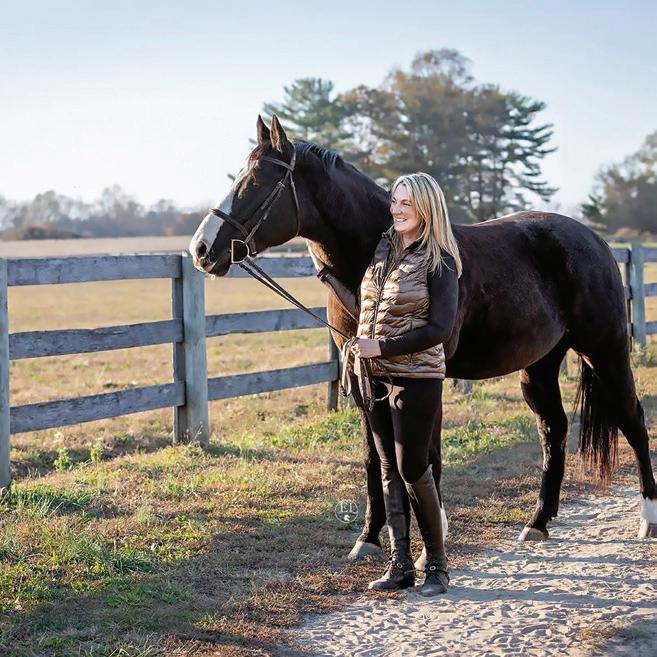
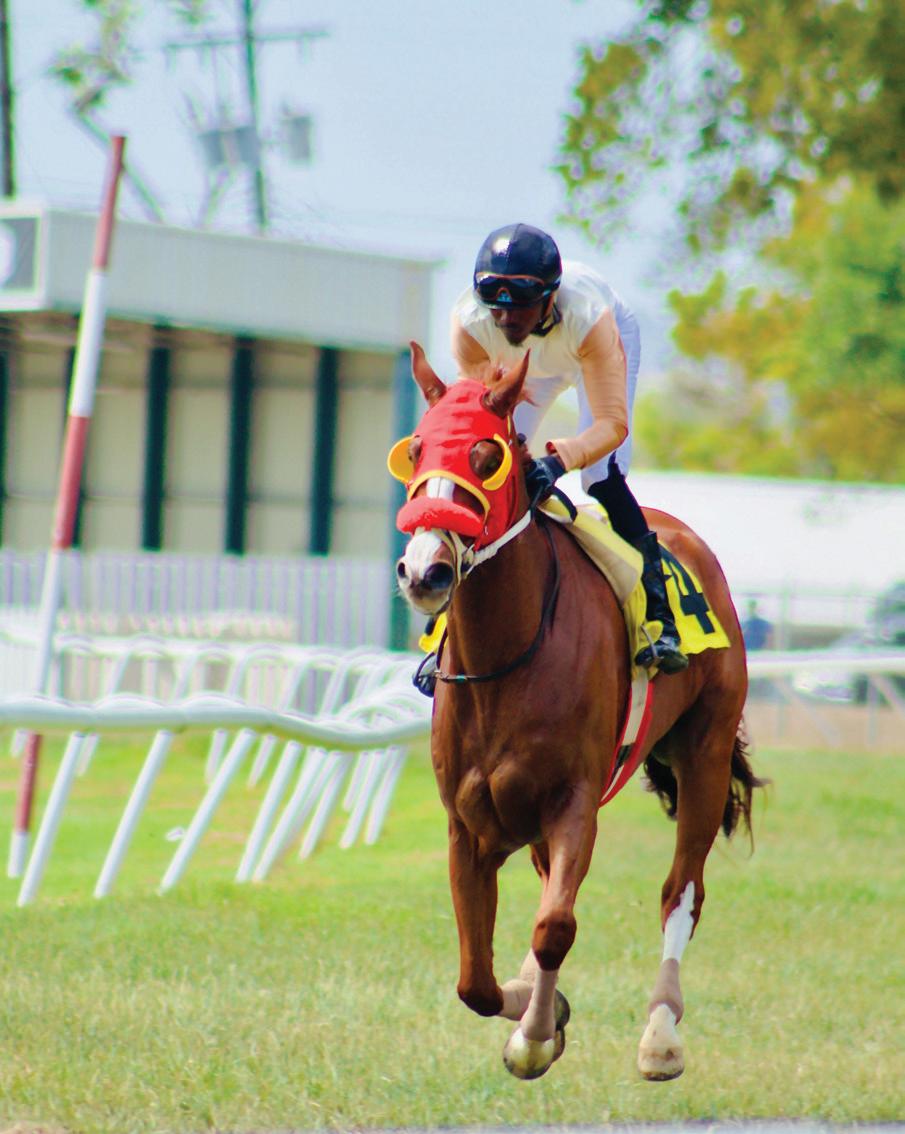
In To the Blue Ridge Julie Reardon gives us the lowdown on Virginia's classic...The Virginia Gold Cup! This is Virginia's premier spring event. The Old Town Crier hosted a double tent party on the south rail for 15 years. It was an excellent chance to invite our advertisers and friends as our guests. It is quite the spring event of style! You will have plenty of time to get organized for next year since the event takes place on the fi rst Saturday of May aka Kentucky Derby Day each year!
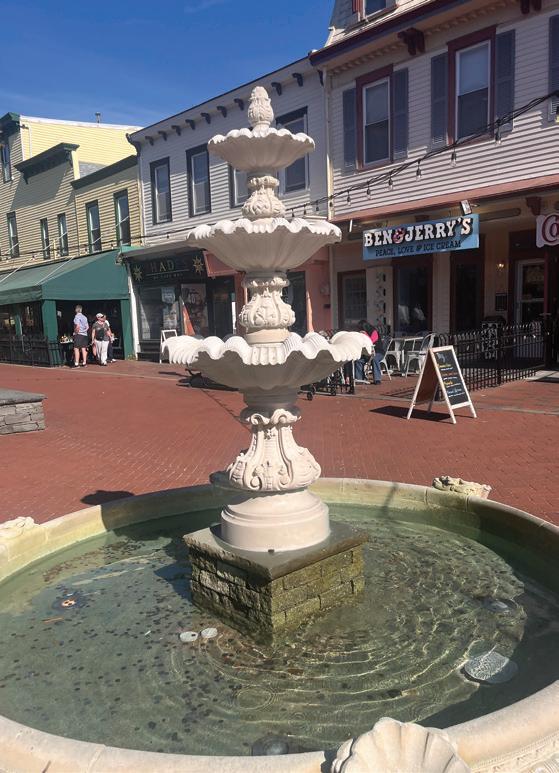
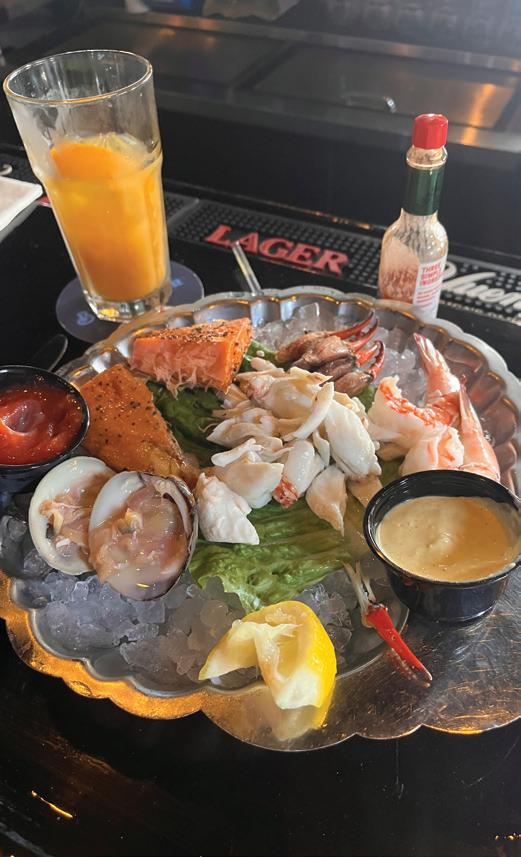
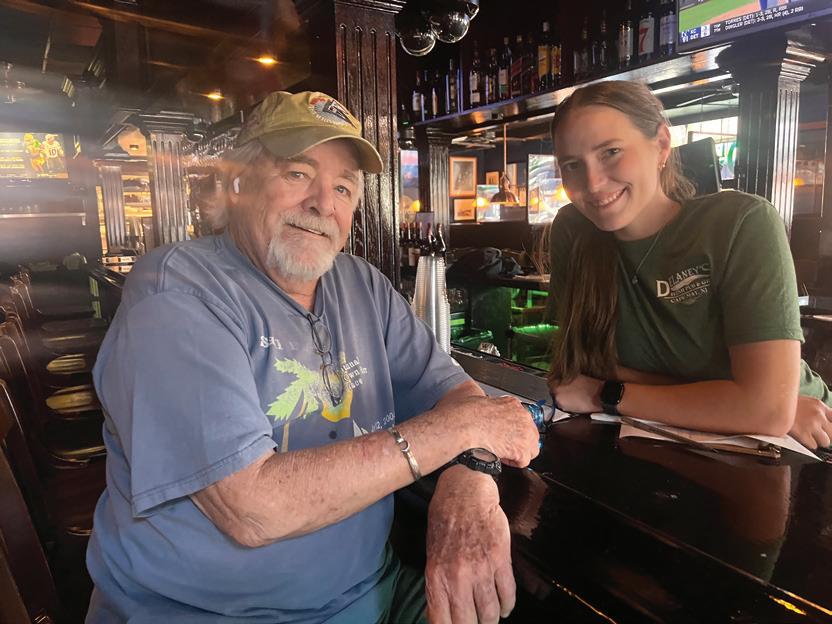
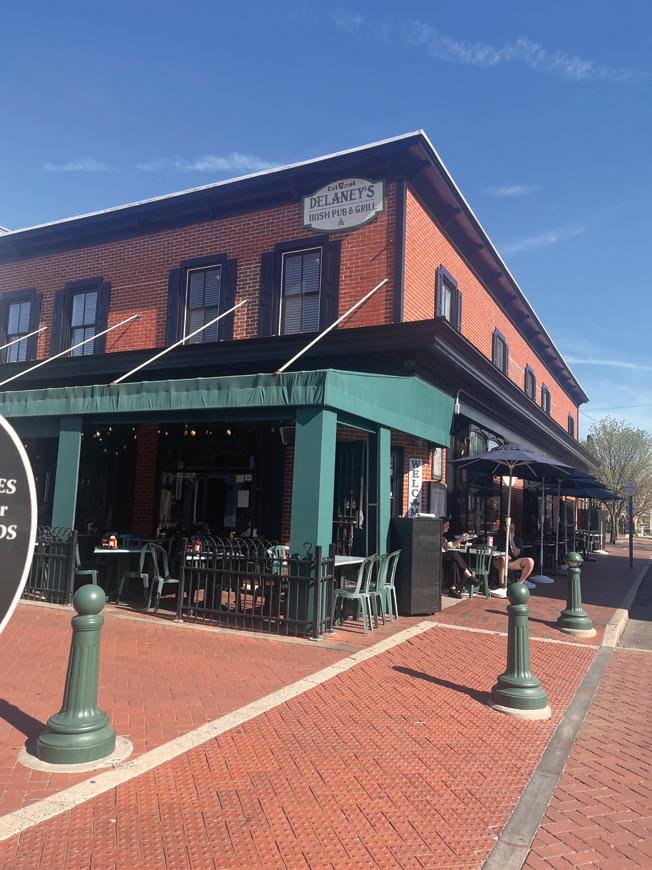
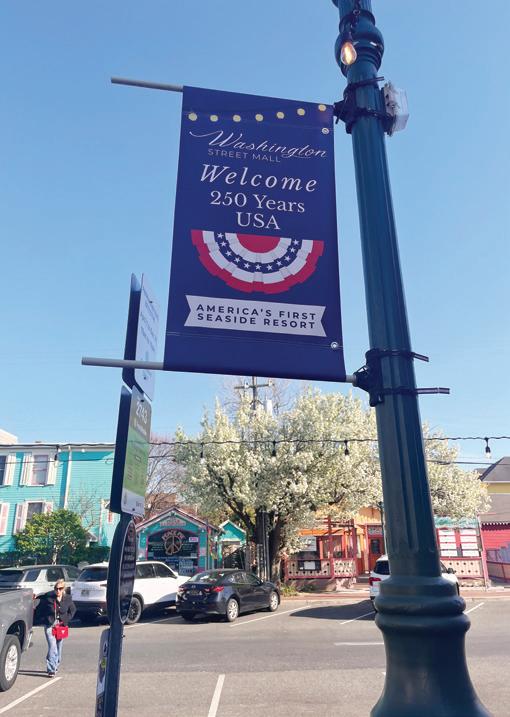
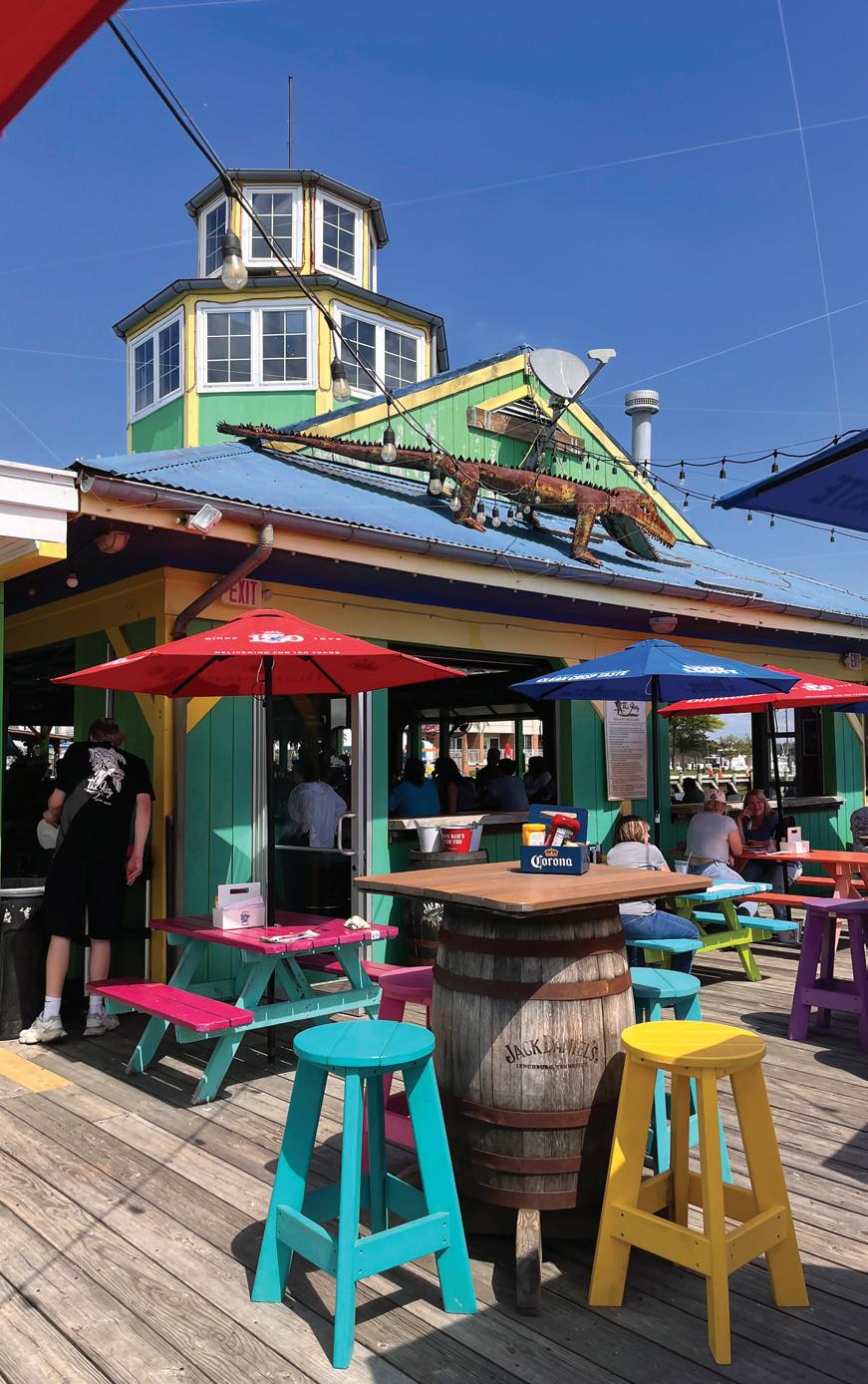
Our Road Trip took us on our annual pre-season sojourn to Rehoboth and Southern Delaware where we added another dimension with a side trip to Cape May, New Jersey on the Lewes/Cape May Ferry. We defi nitely need more time on the Cape.
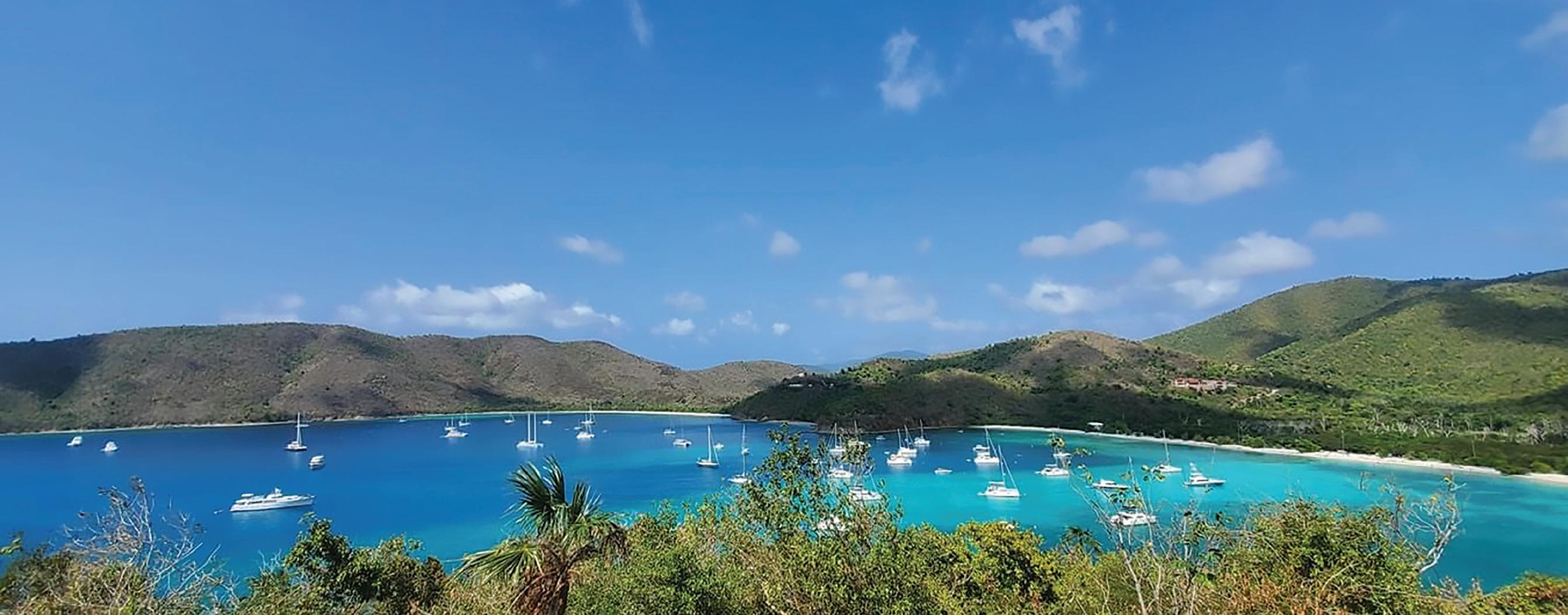
Lani Gering just got her renewed passport in the mail last week. I still don't have mine. No worries. We can still get away to the islands. St. Thomas, St. John & St. Croix are mentioned in this month’s Caribbean Connection...No Passport Needed!
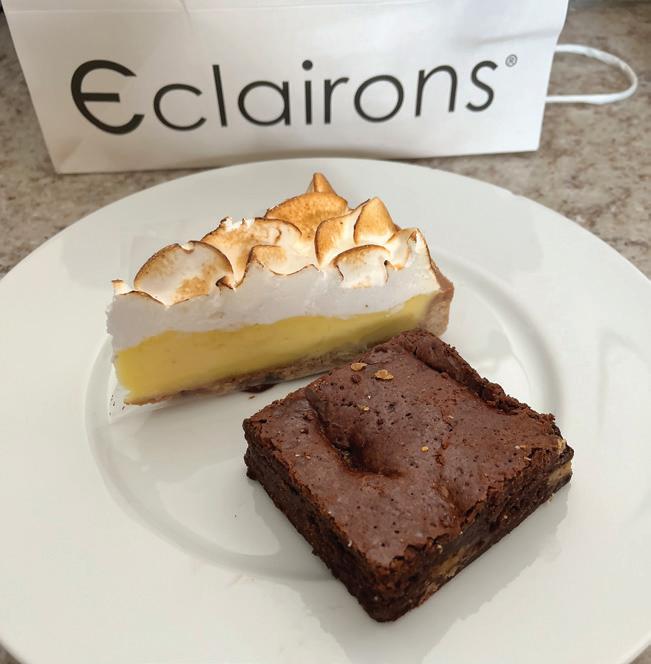
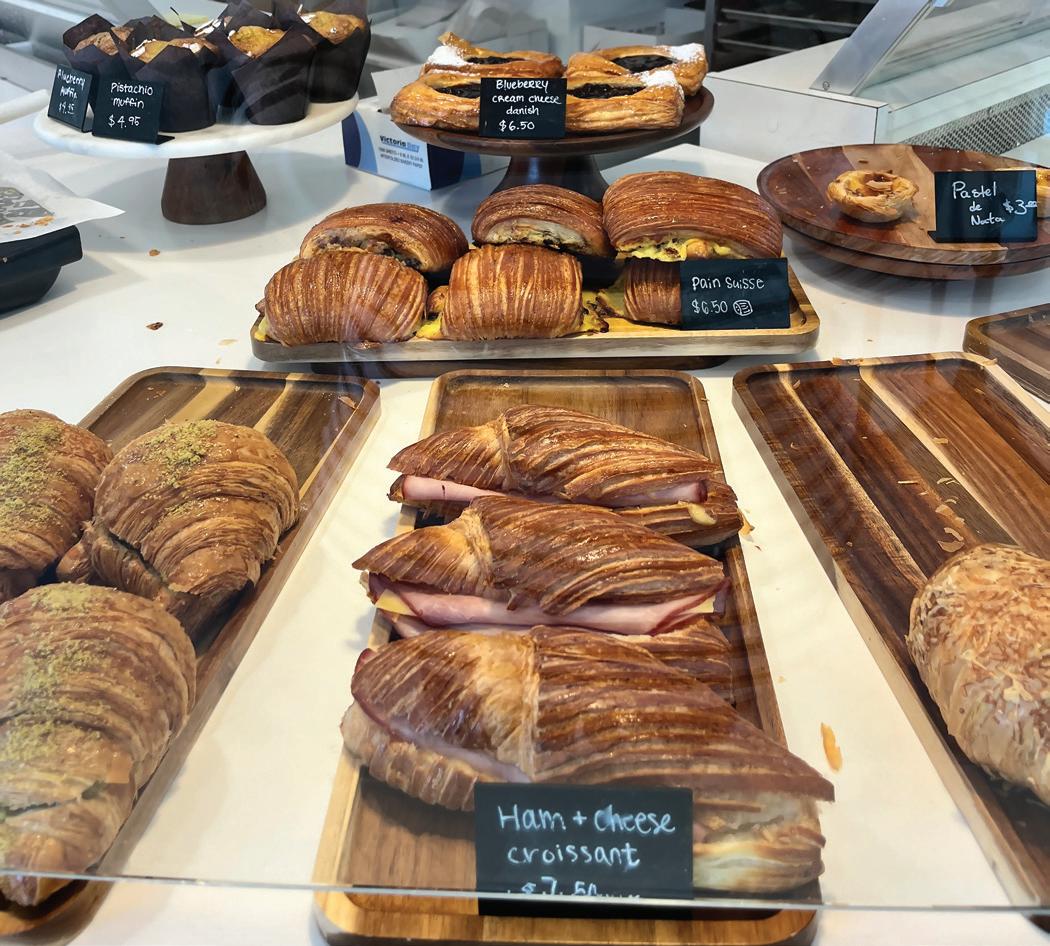
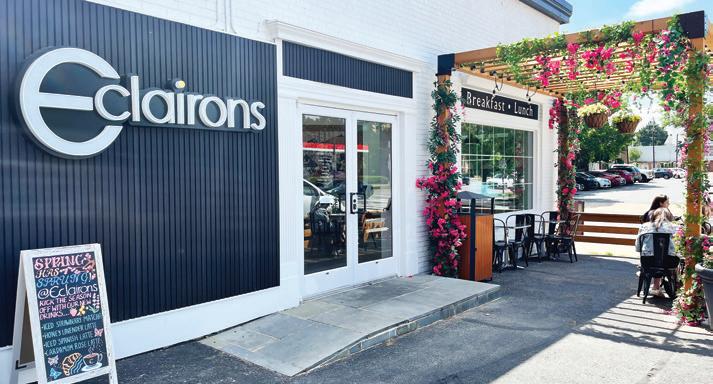
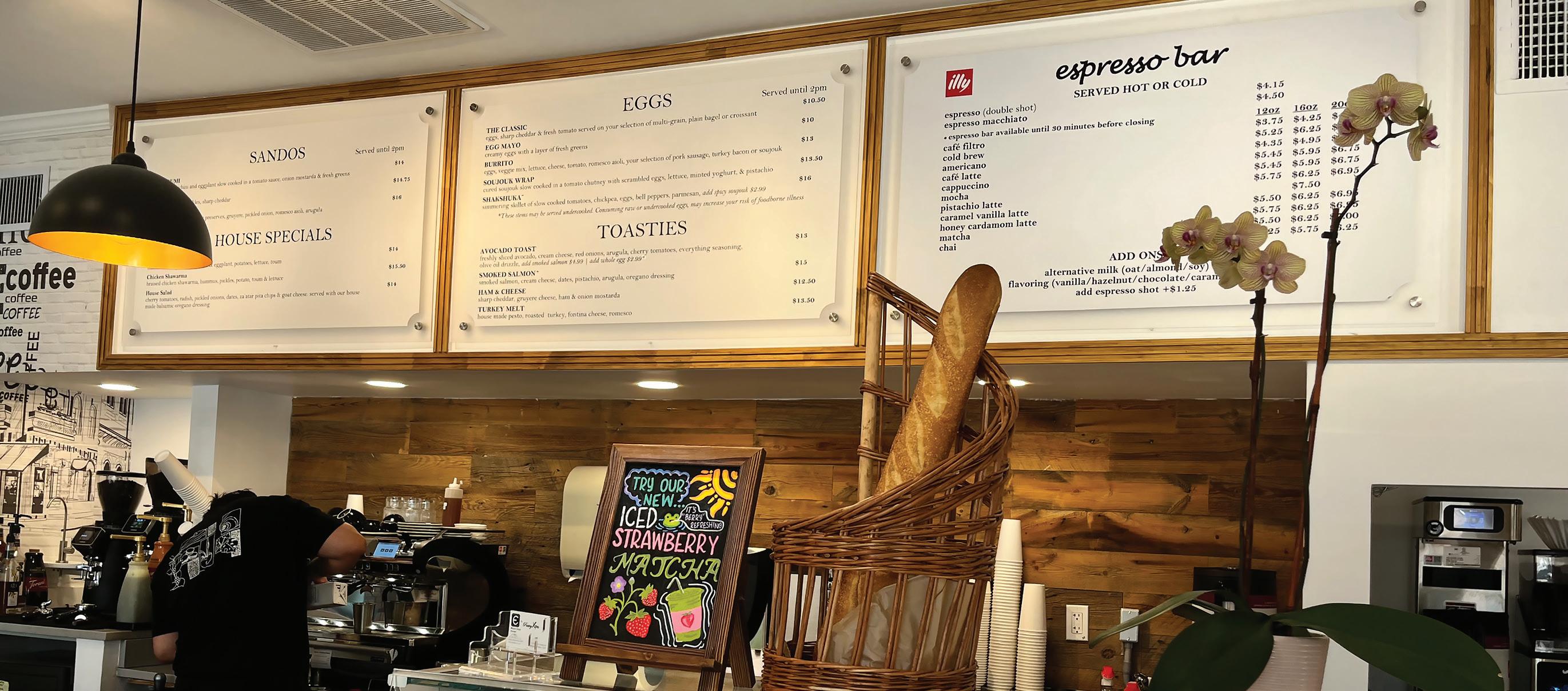
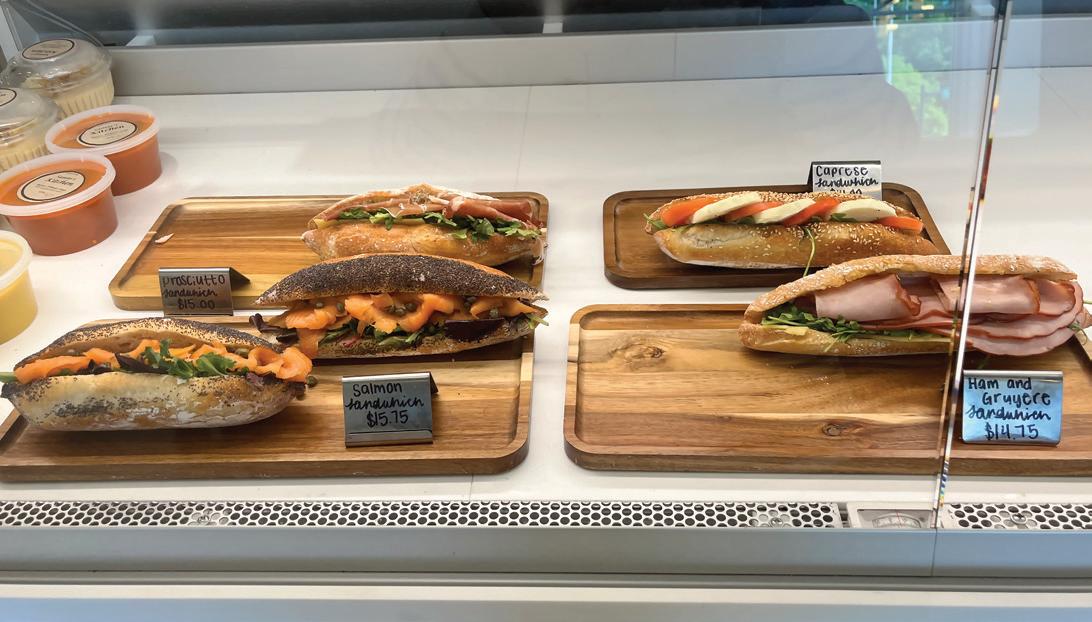
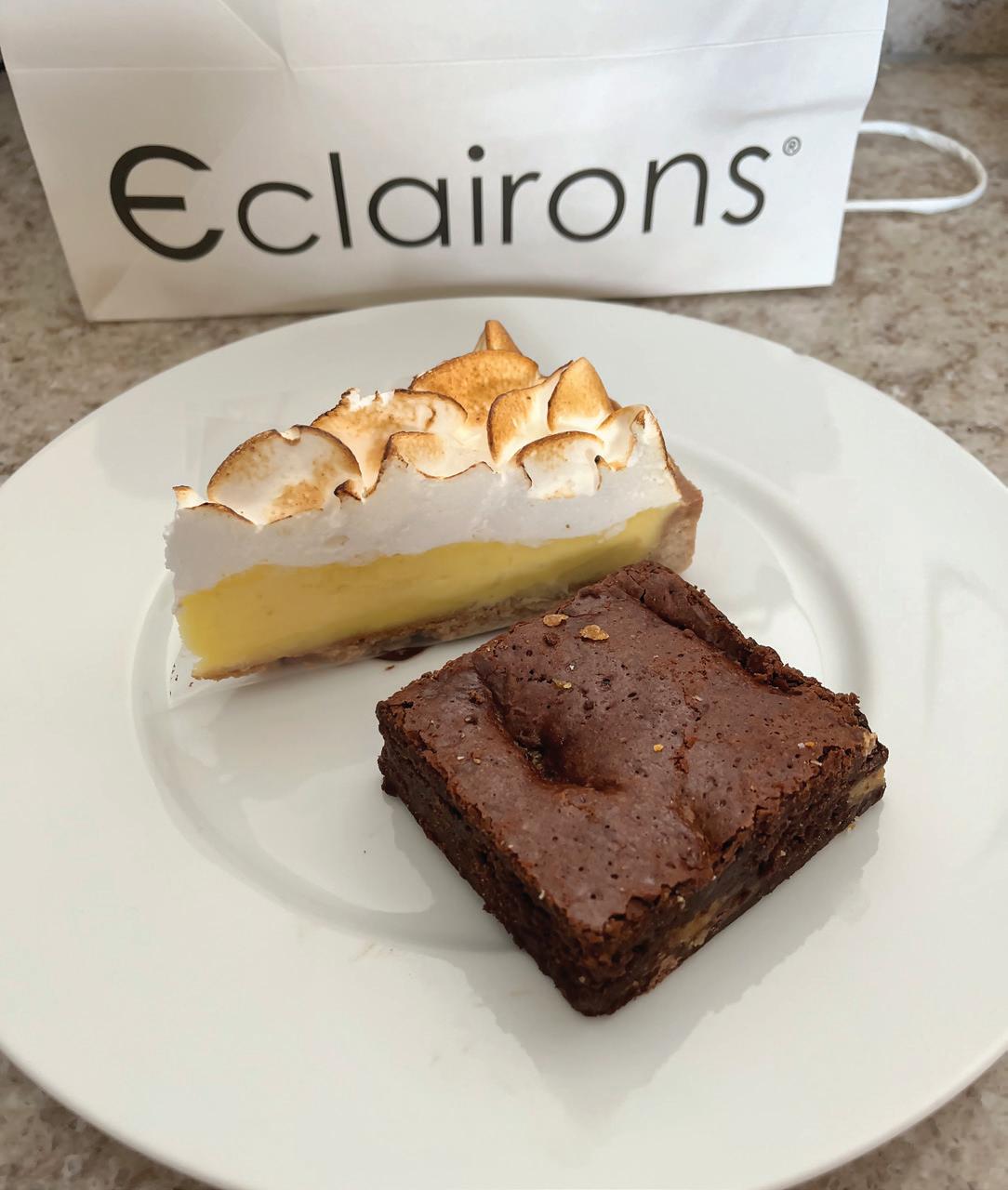
Dining Out took us a block down the street from where we live to check out the fairly new Eclairons on the corner of South Washington and Wilkes Streets. Many of you will remember as far back as when this space was occupied by the iconic Schuman’s Bakery and followed by Firehook
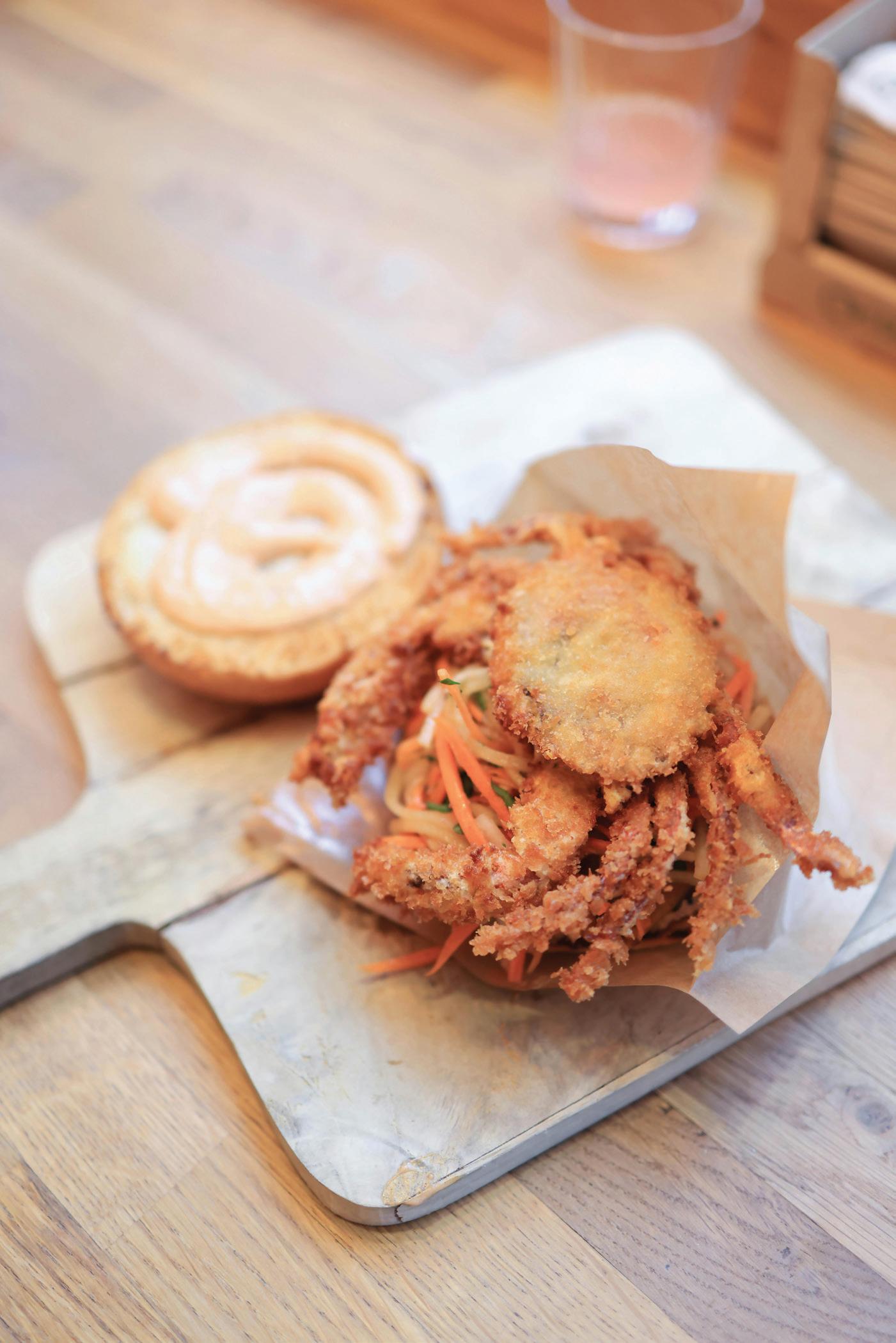
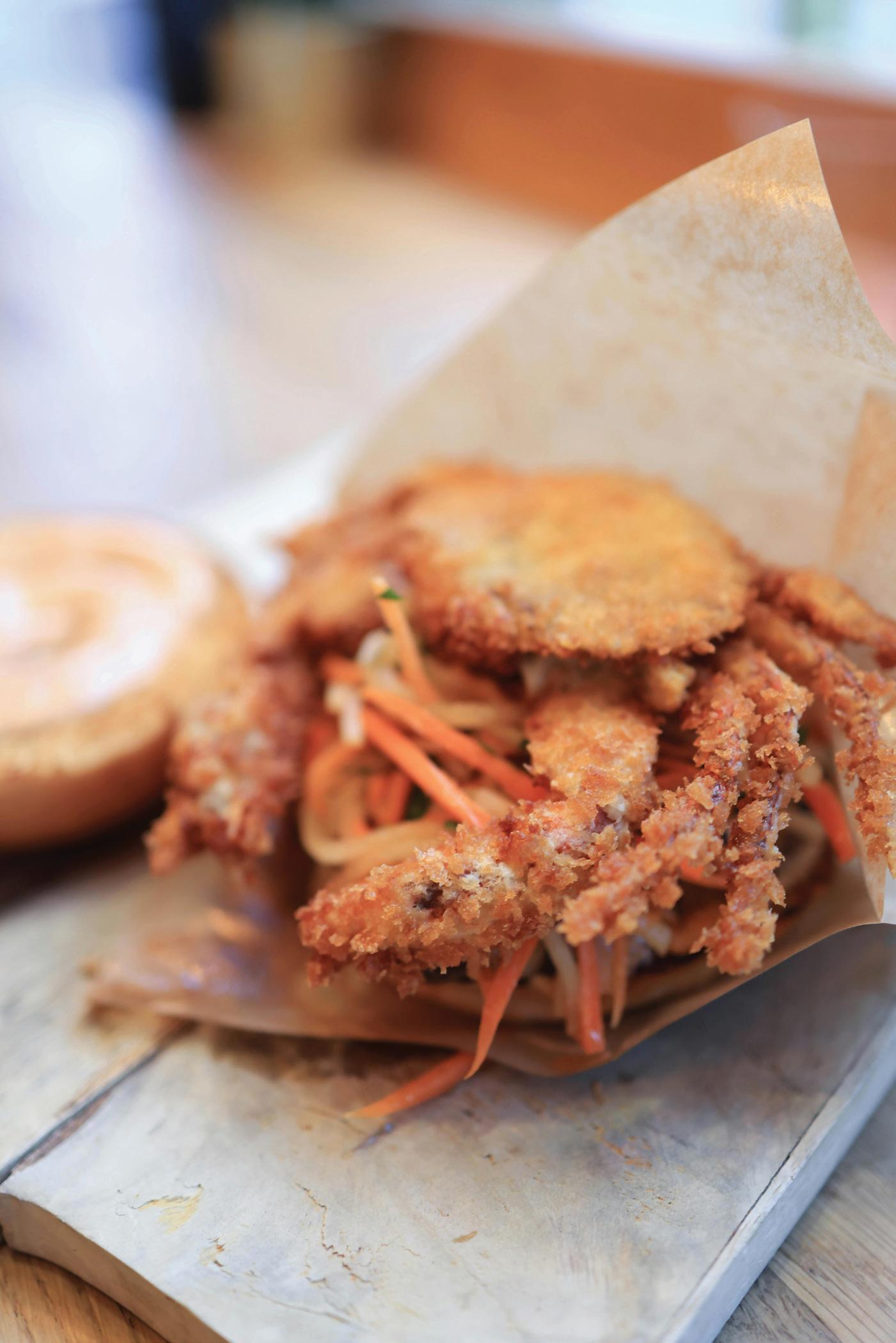
Crab season is upon us...Charles Oppman explains, "The South's greatest contribution to American Cuisine" with his recipe for softshell crabs in Let’s Eat
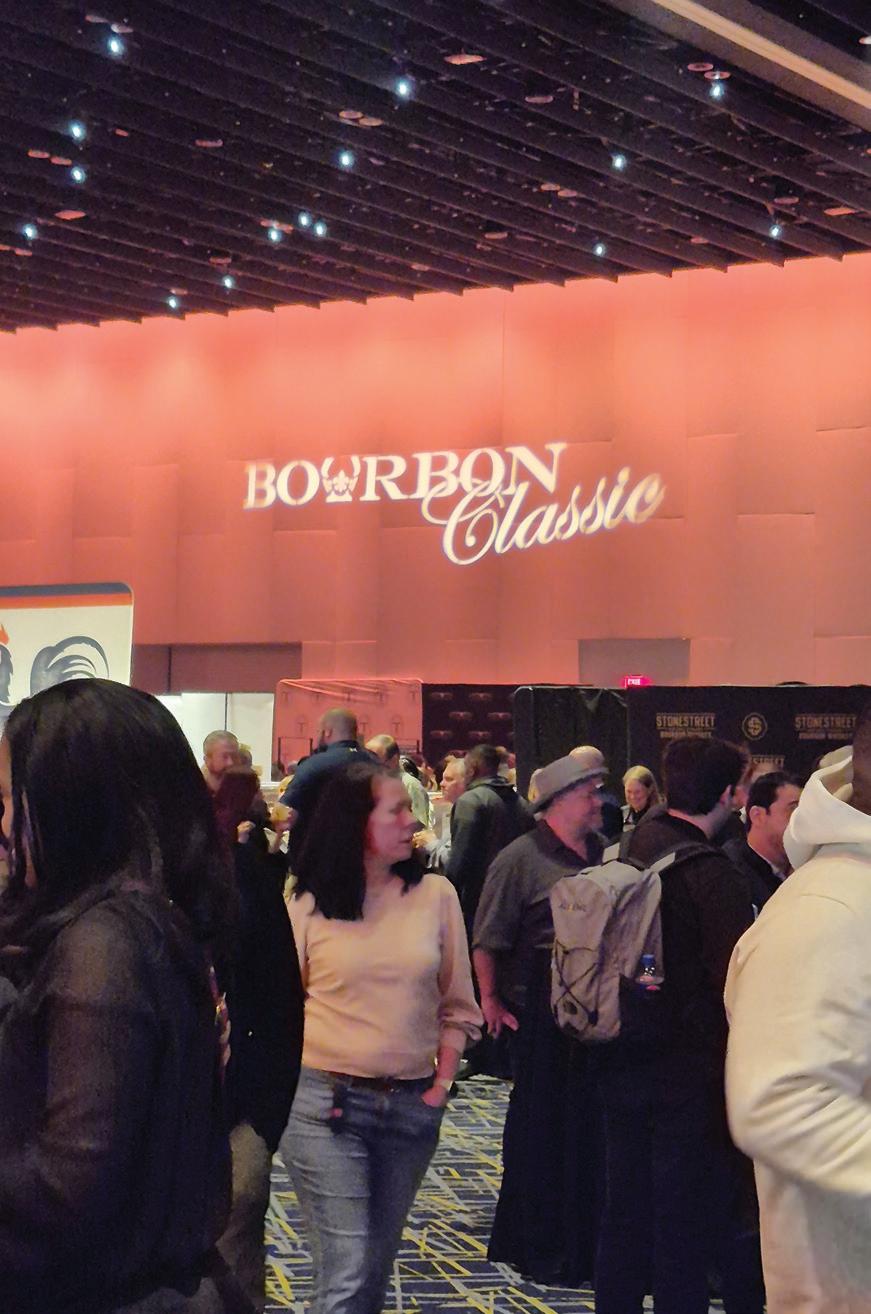
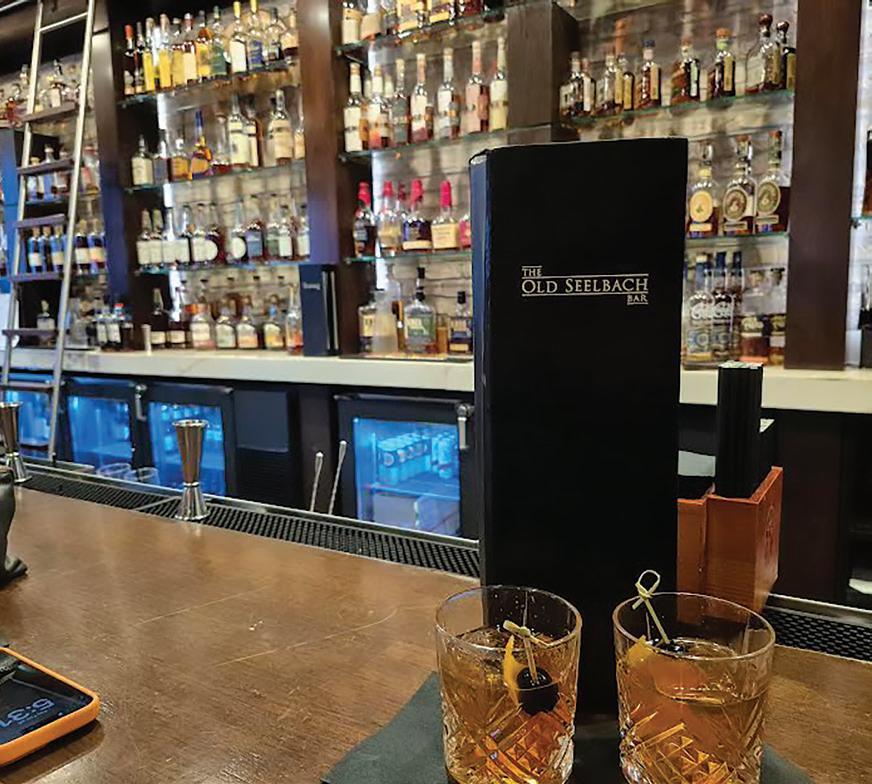
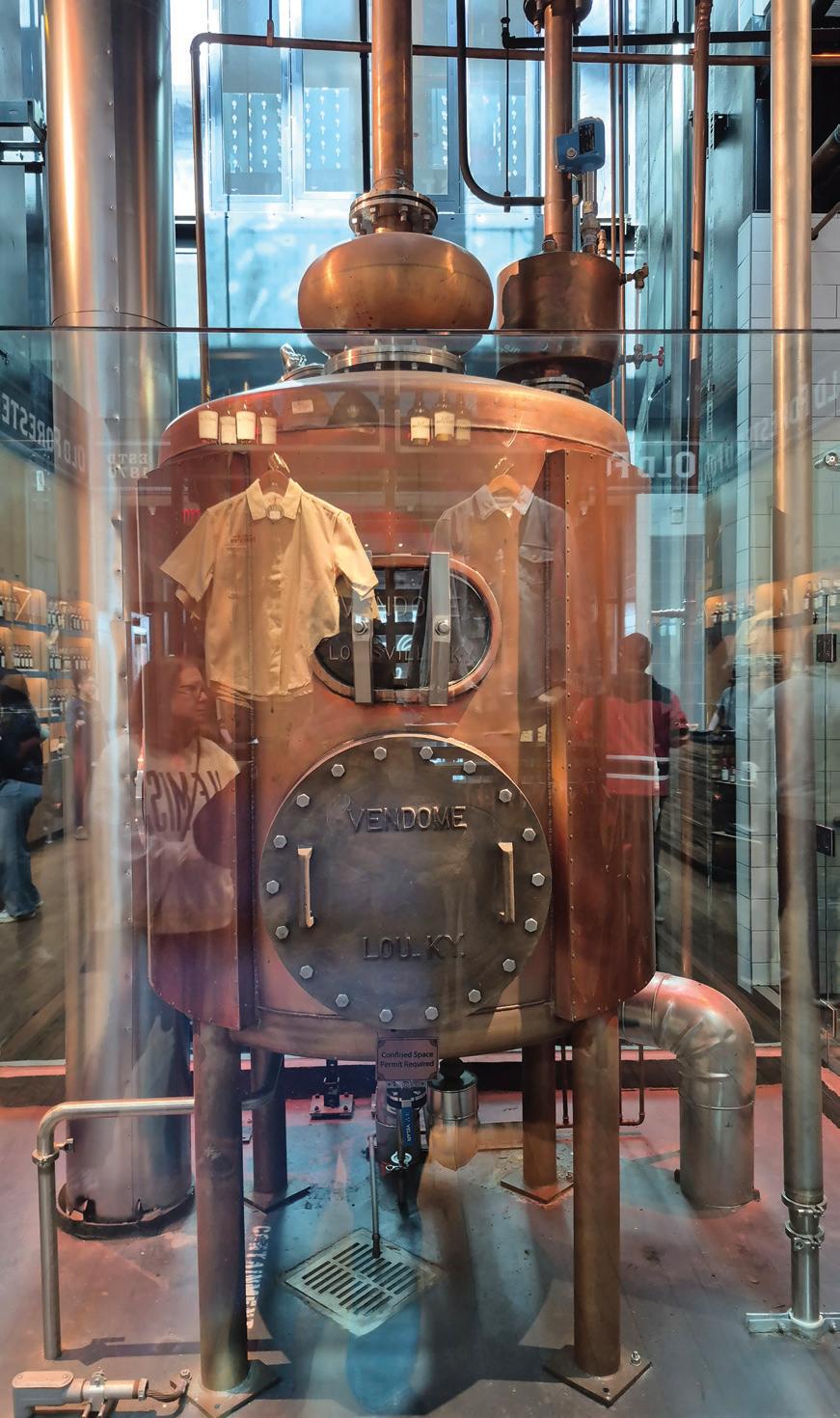
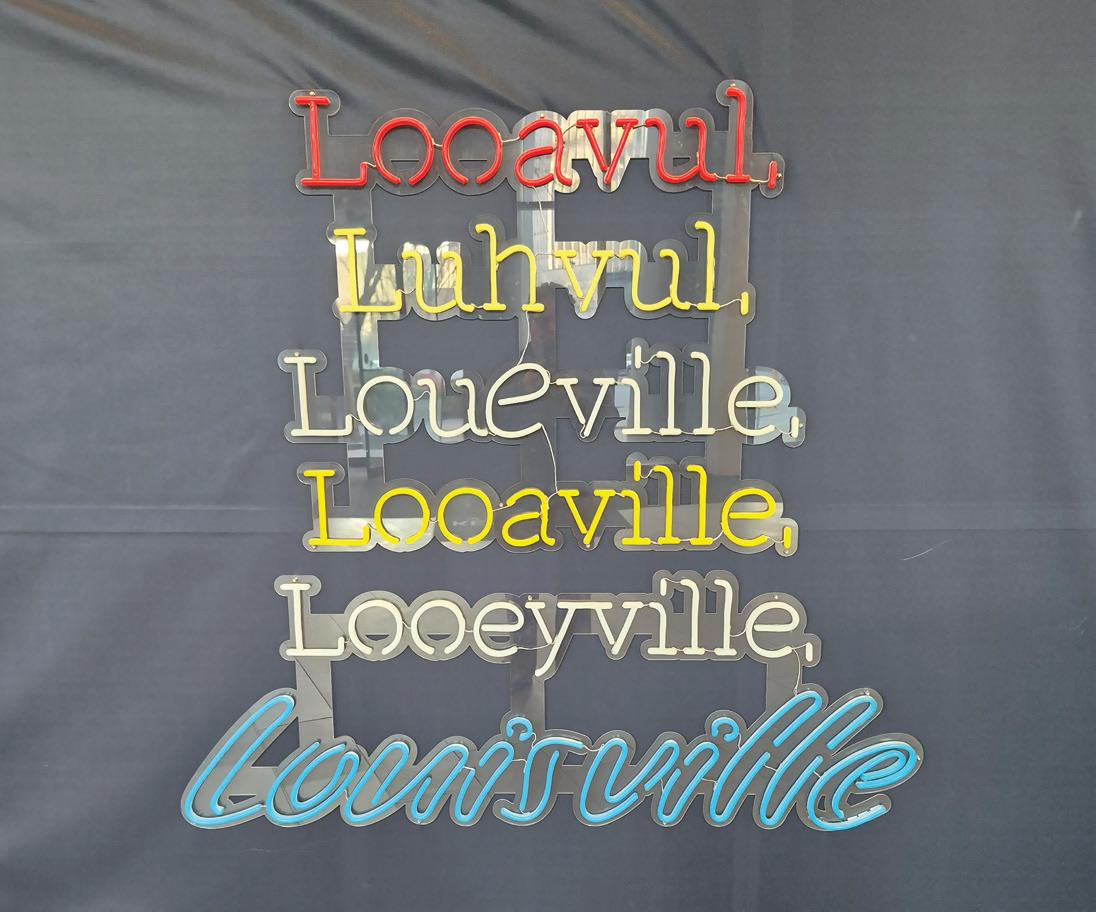
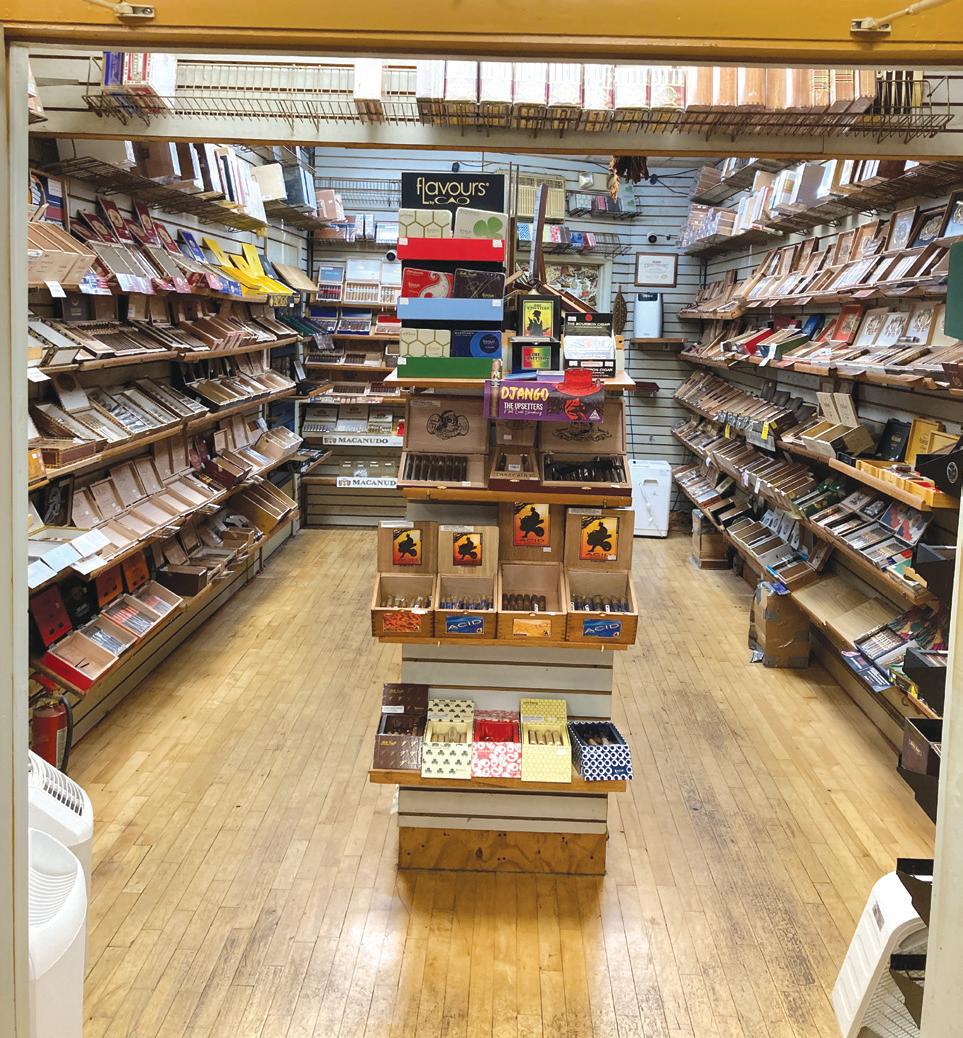
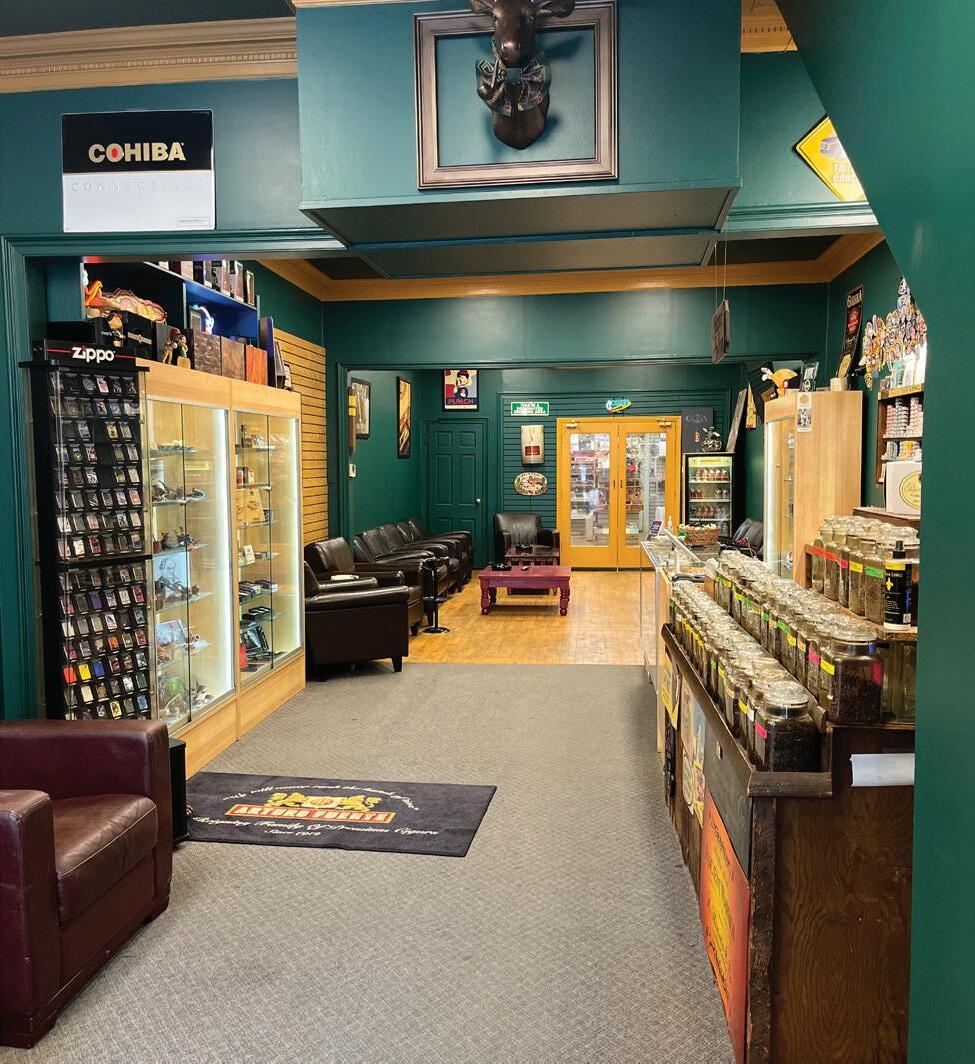
Let’s Get Crafty’s Tim long writes about the ‘Loveliness of Louisville’ and continues Part 2 of his “Thieving Wine” experience there last
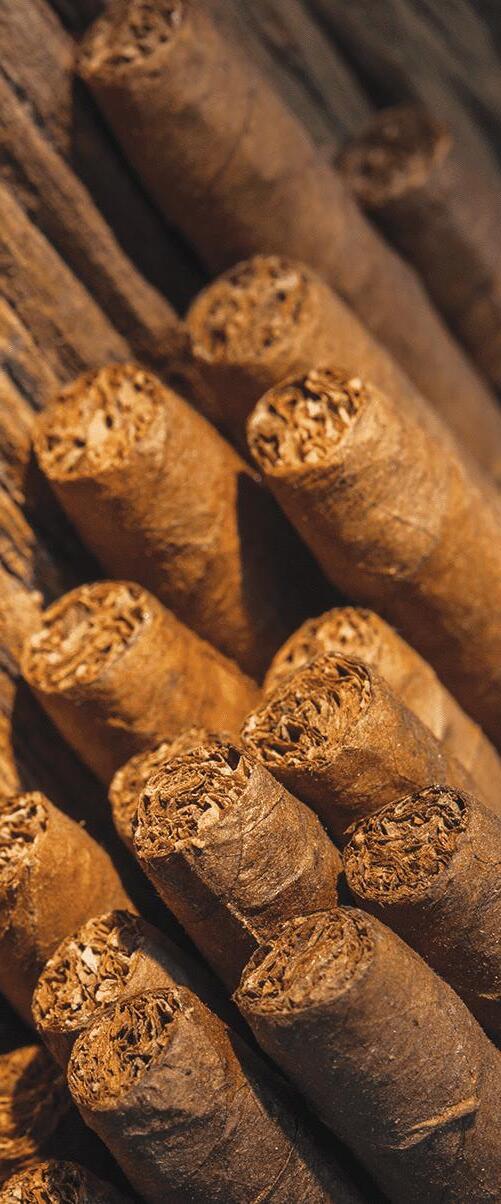
month when he and his wife Leigh recently traveled there for the Bourbon Classic, "the best bourbon event in the world!"
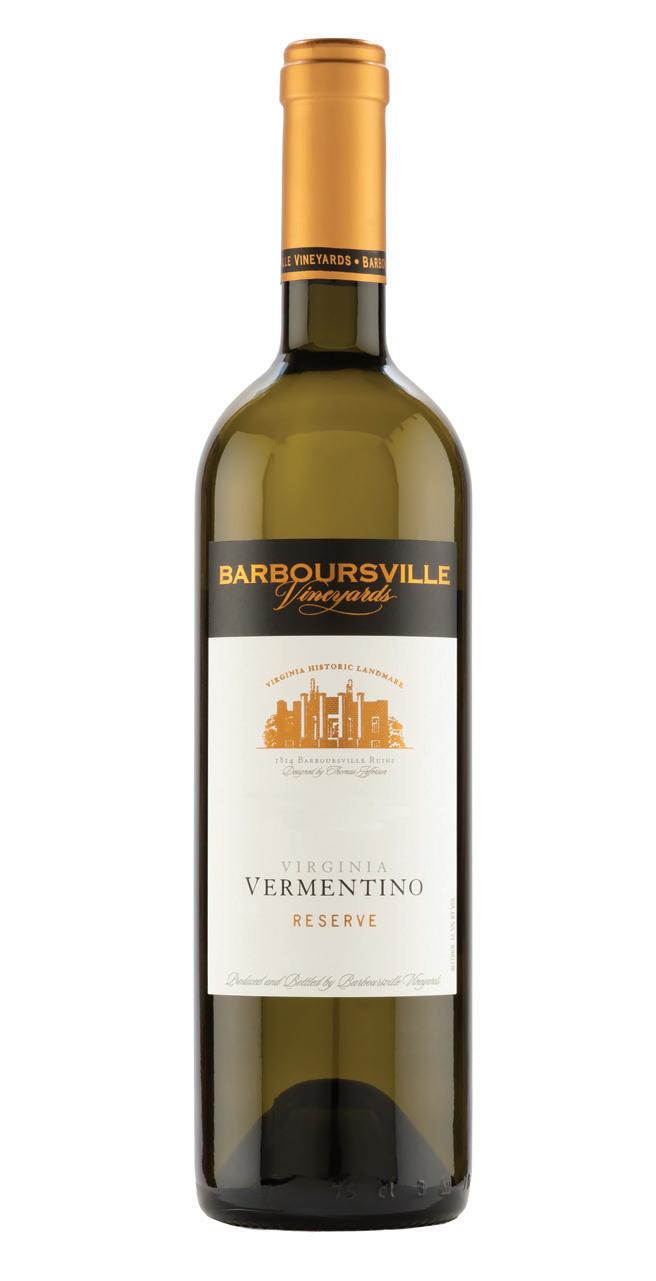
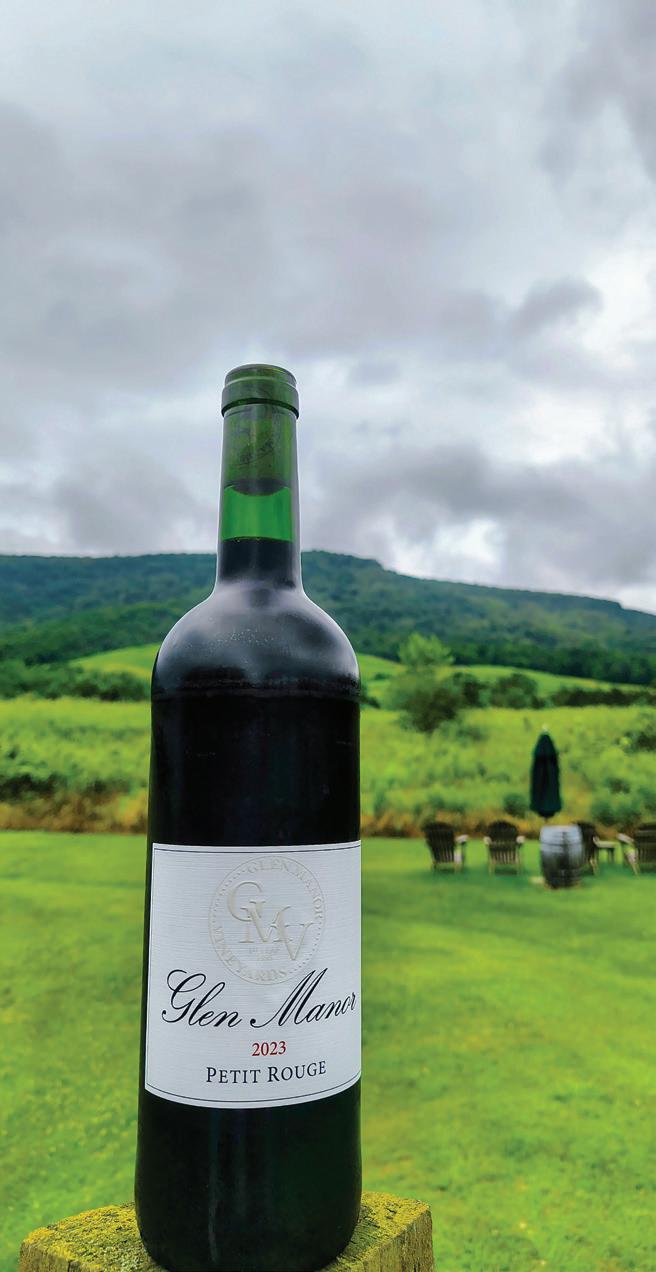
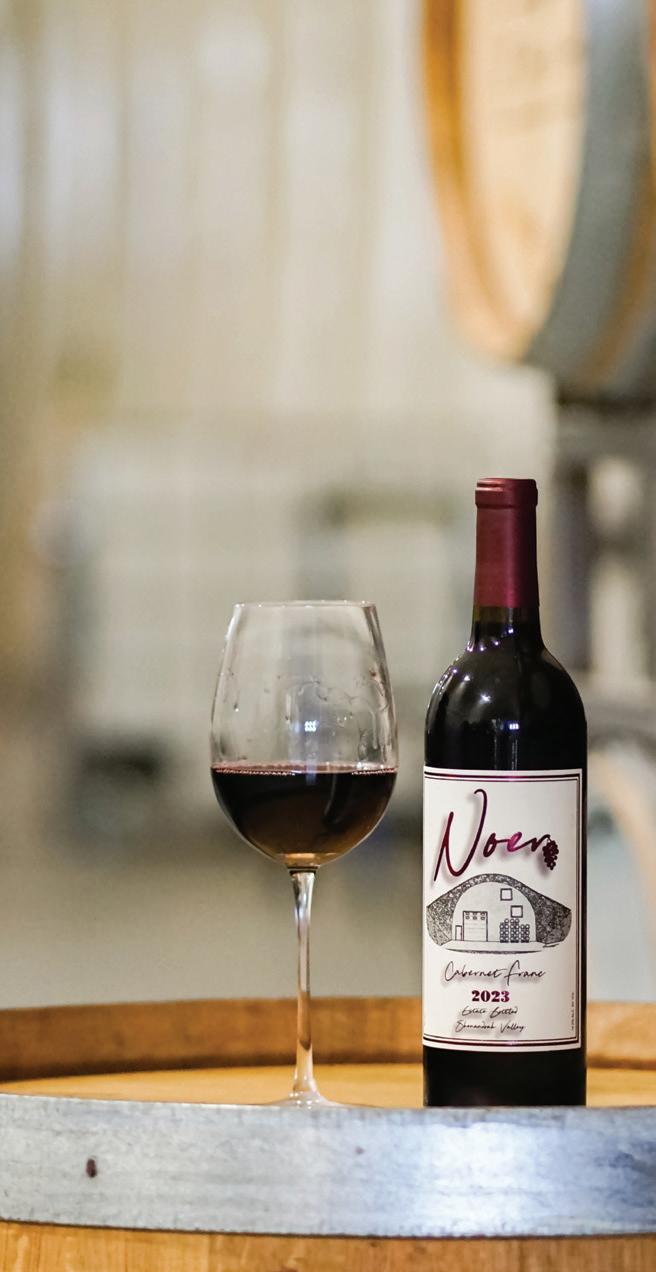
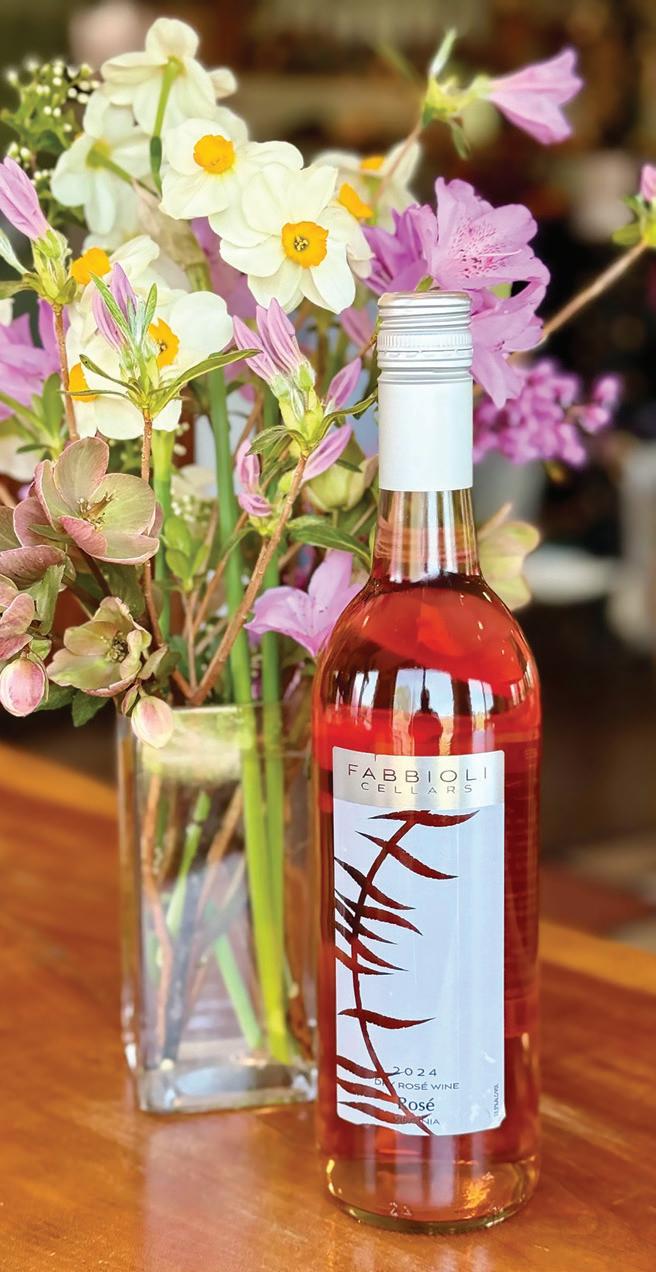
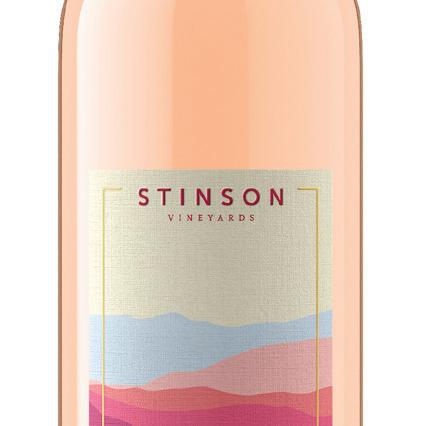
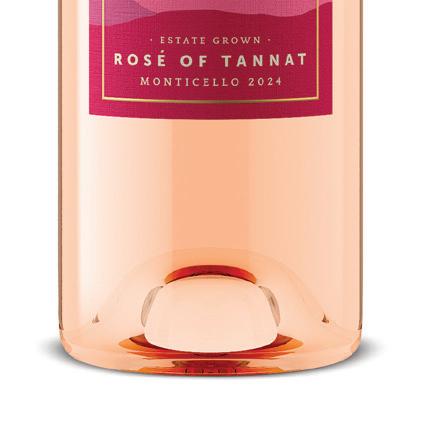
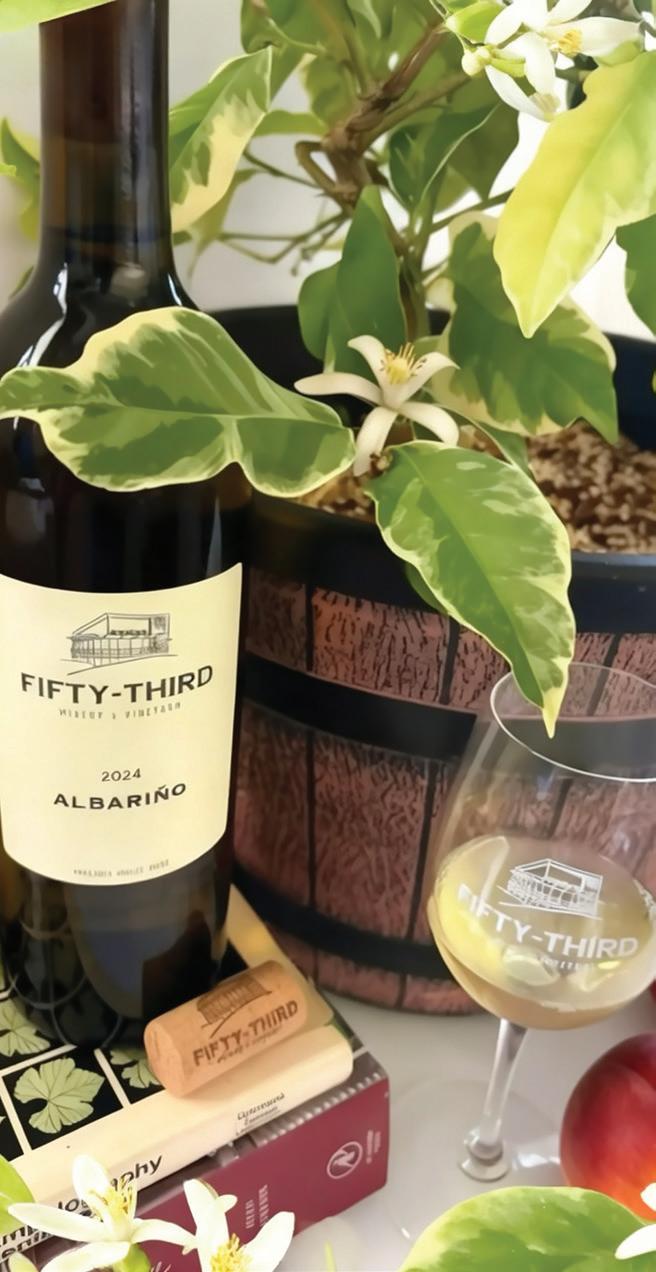
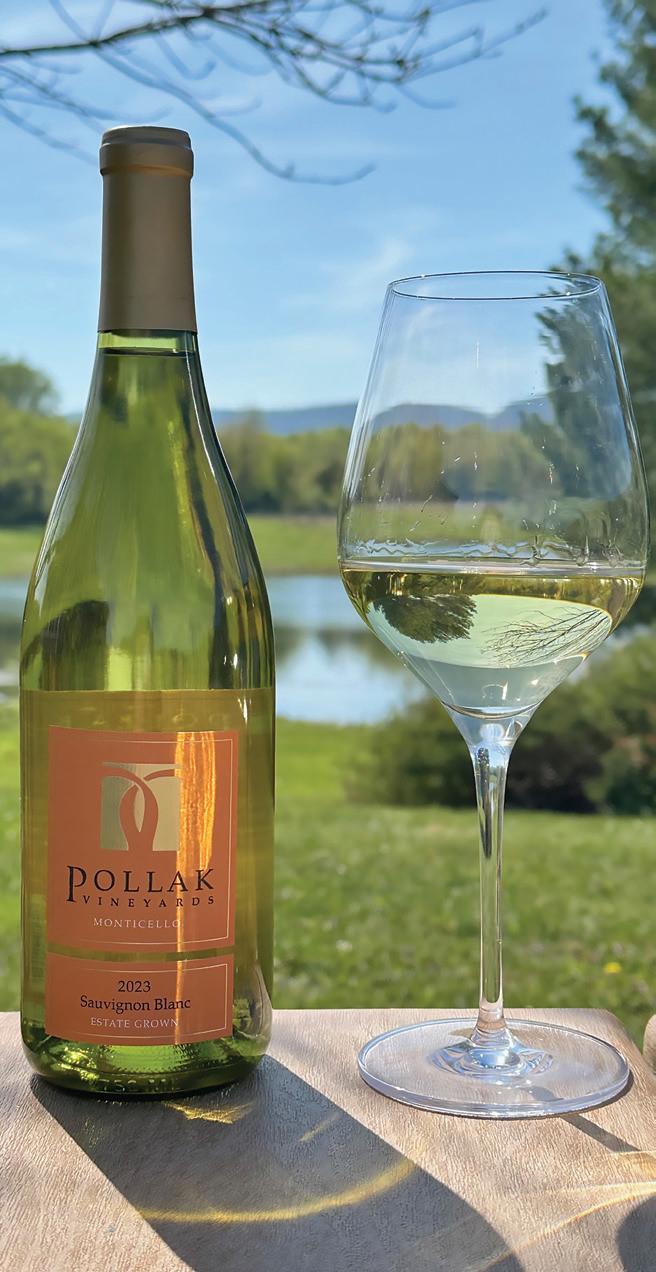
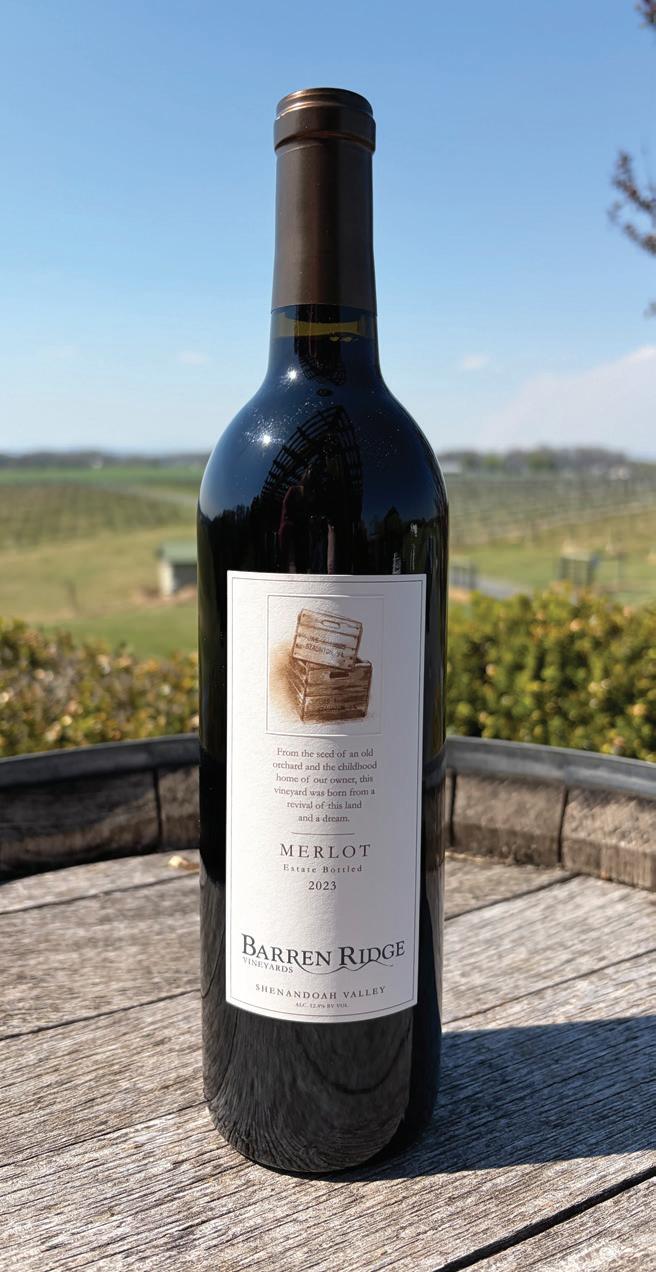
Moving on to wines, Matt Fitzsimmons gives us the low down on some wine deals in Grapevine: Summer Stock Up: 12 Virginia Wines Under $30!
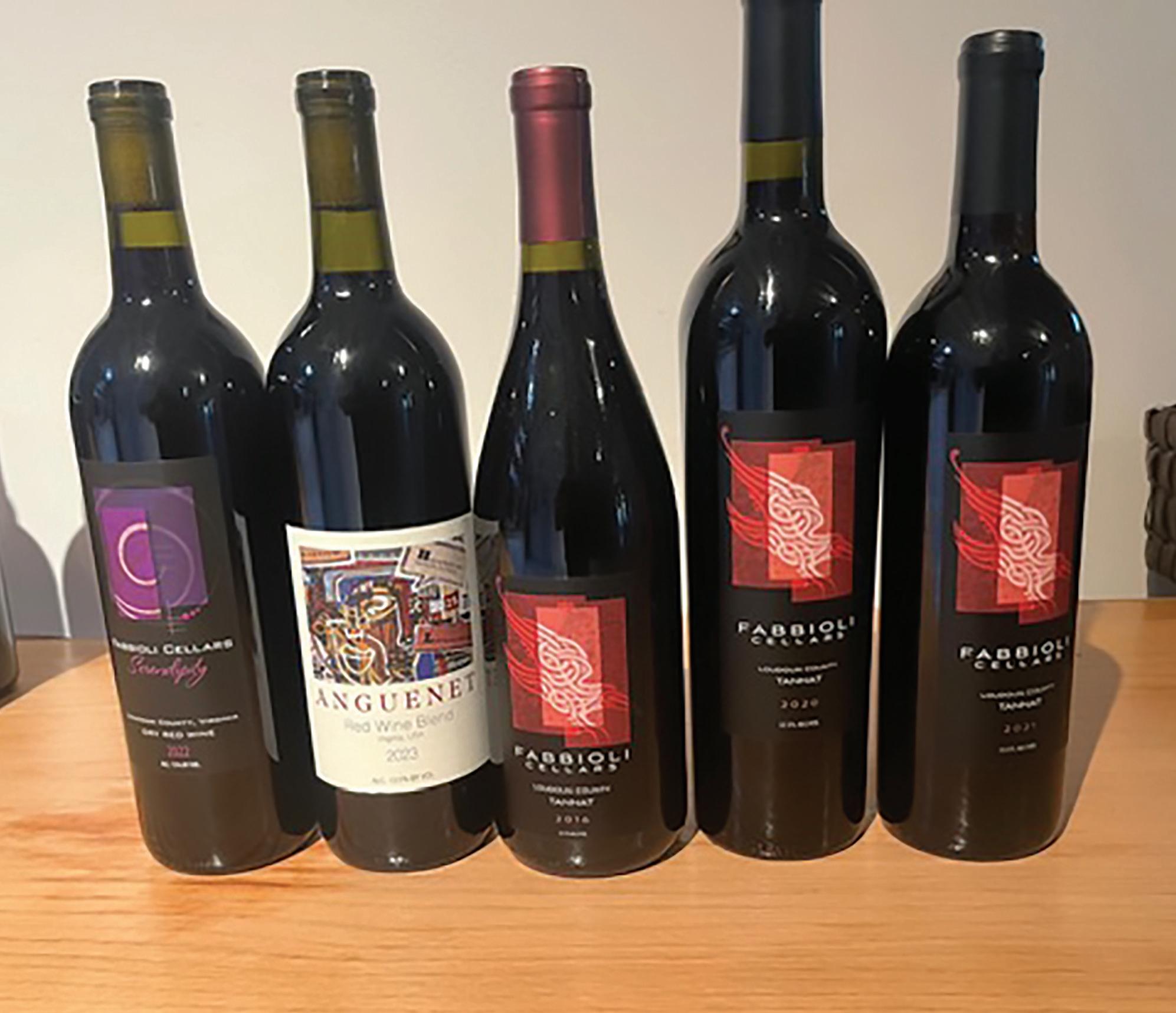
We learn more about the growing Virginia Wine industry in Exploring VA Wines from Doug Fabbioli. He is shifting his focus from Zinfandel to Tannat...read about it to fi nd out why.
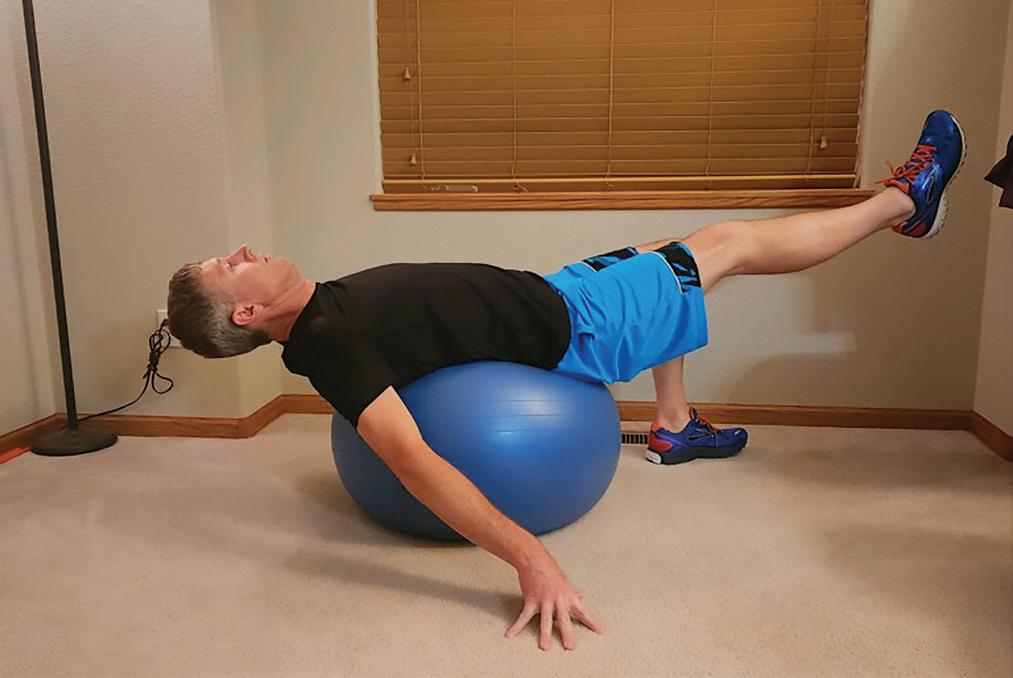
In Fitness, Nicole writes about "Running and drinking beer" the dos and don'ts. If you can't hit the outdoors, Ryan Unverzagt has a great exercise at home for your core in From the Trainer
In Urban Garden Melinda Myers waxes poetic on the beauty and value of Caladiums.
Rounding out the issue in Go Fish this month, Steve Chonas goes "Tech" on us and Lori Welch Brown writes about her take on a ‘Mother’s Love’ in Open Space
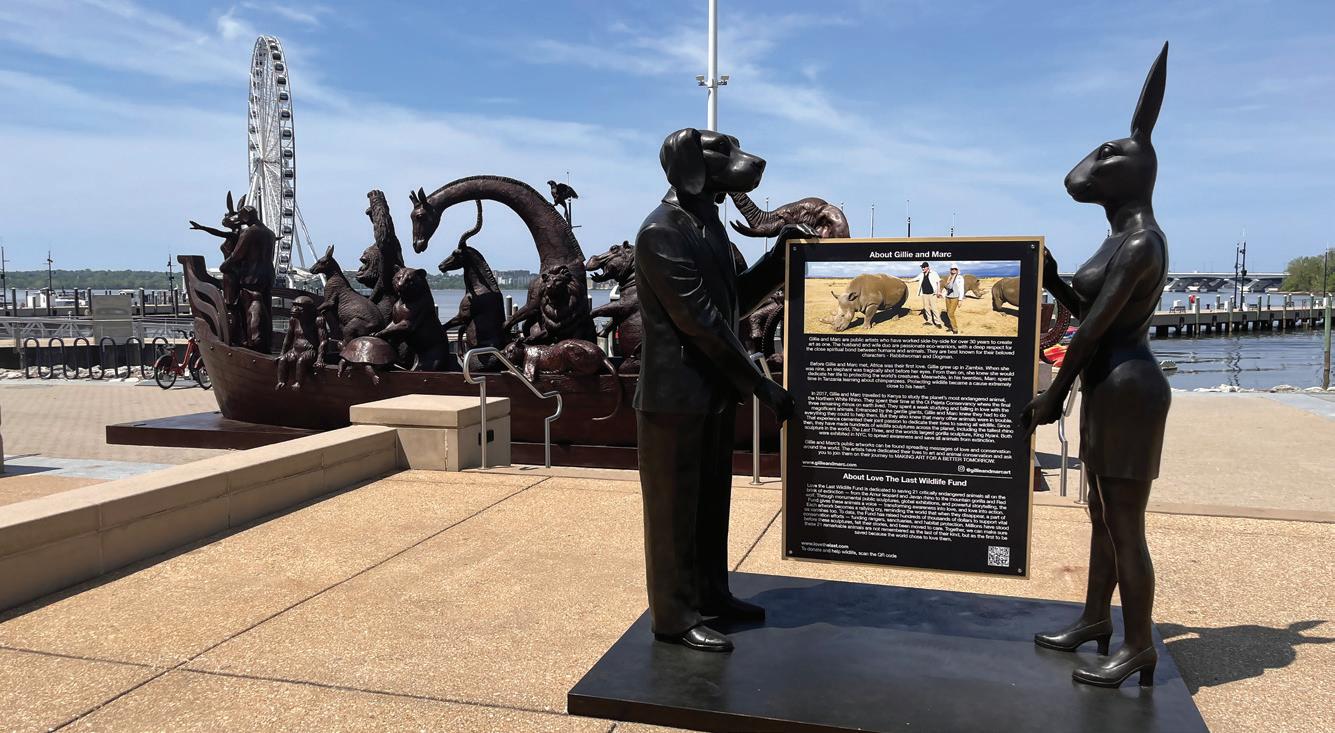
Last, but not least, there is a very impressive new sculpture gracing the shore of Smoots Bay in National Harbor. Directly behind the carousel near Spirit Park, the 36-foot-long Wildlife Wonder Boat has been installed. This piece is dedicated to the preservation of endangered species and will remain in place for the next year. We are hoping it becomes a permanent fi xture. Read about it in the Harbor column.
We hope that you enjoy this month’s issue. It is certainly a labor of love for all of us and as long as it keeps bringing some joy into our readers, we will keep publishing.
While we should celebrate our mothers and honor our deceased Veterans every day, do something special for them on the 10th on the 25th!
Look who found the photo op spot at the Cape May Ferry Dock!
Published
Stephen
ON THE ROAD WITH OTC
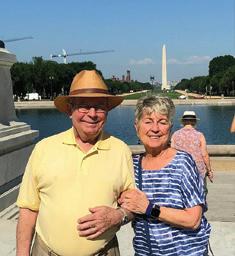
Former California girl and Old Town Alexandria transplant since 2020, Sherri Baffa took her April copy of the OTC with her on her semi-annual trek to Budapest, Hungary last month. She worked in Budapest prior to the pandemic and visits twice a year to catch up with former colleagues and visit friends. Sherri tells us that Old Town reminds her of Budapest – very walkable, good public transportation, family run restaurants and businesses and several cultural events. She is pictured here in front of the Hungarian Parliament building. Photo by Casey Nelson. If you would like to see your photo in this space, take the OTC with you on your next adventure and take a high resolution photo or photos of you and yours checking us out and send it with information for the caption to office@oldtowncrier.com and put “On the Road” in the subject line.
FOLLOW
www.oldtowncrier.com
Instagram: otcregionalmag
Facebook: Old Town Crier
Regional Magazine
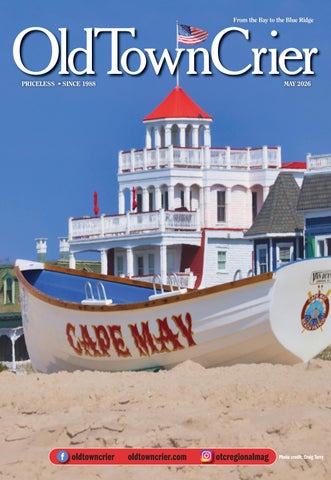
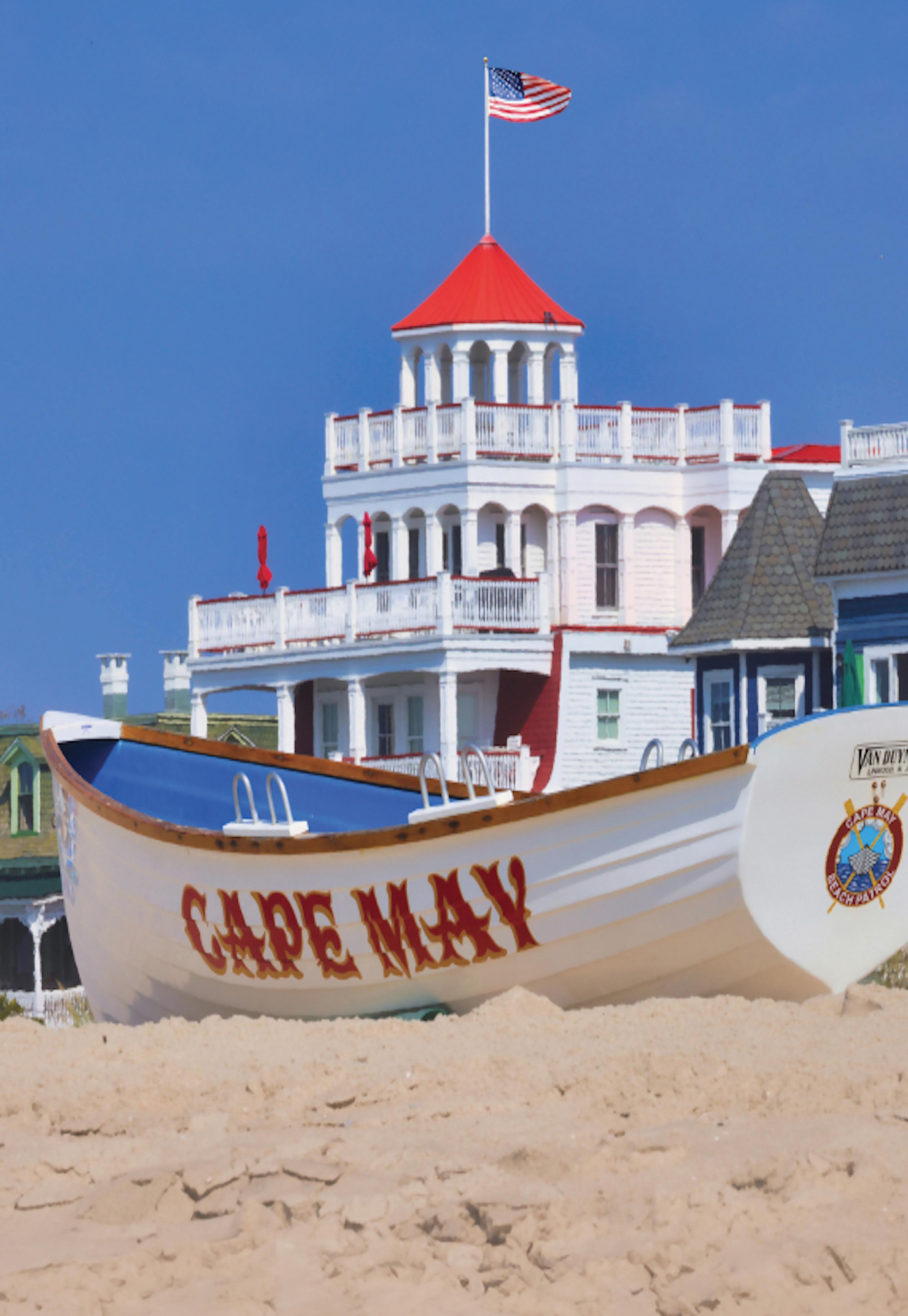
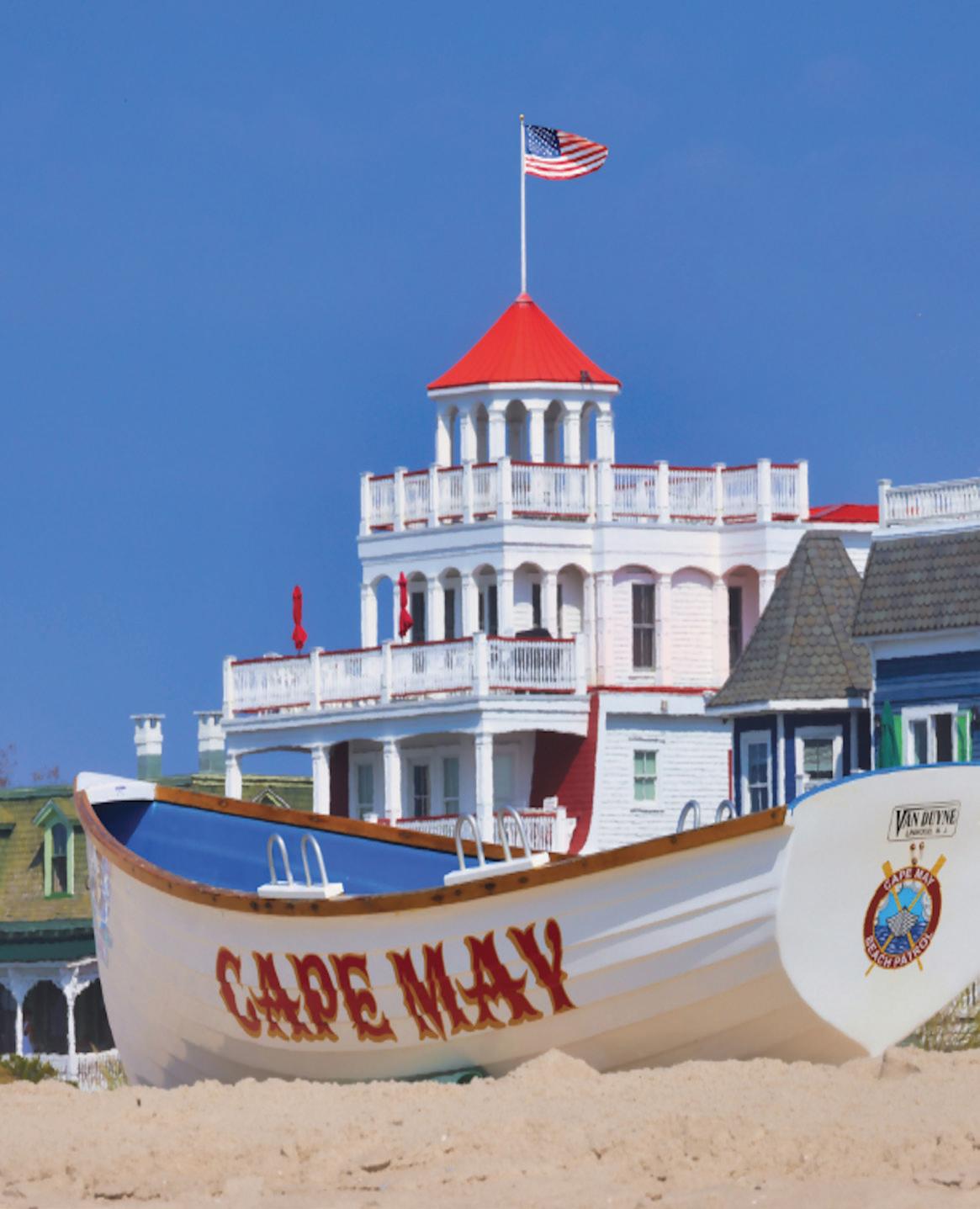
The May Road Trip took us to the beautiful town of Cape May, New Jersey. The photo on the cover – taken by Craig Terry - was provided by the Cape May Chamber of Commerce. All of the life guard boats have the same type of design but differ from boat to boat. Some years boats are all white with different color lettering, other years boat paint colors, besides white, are usually red or green.
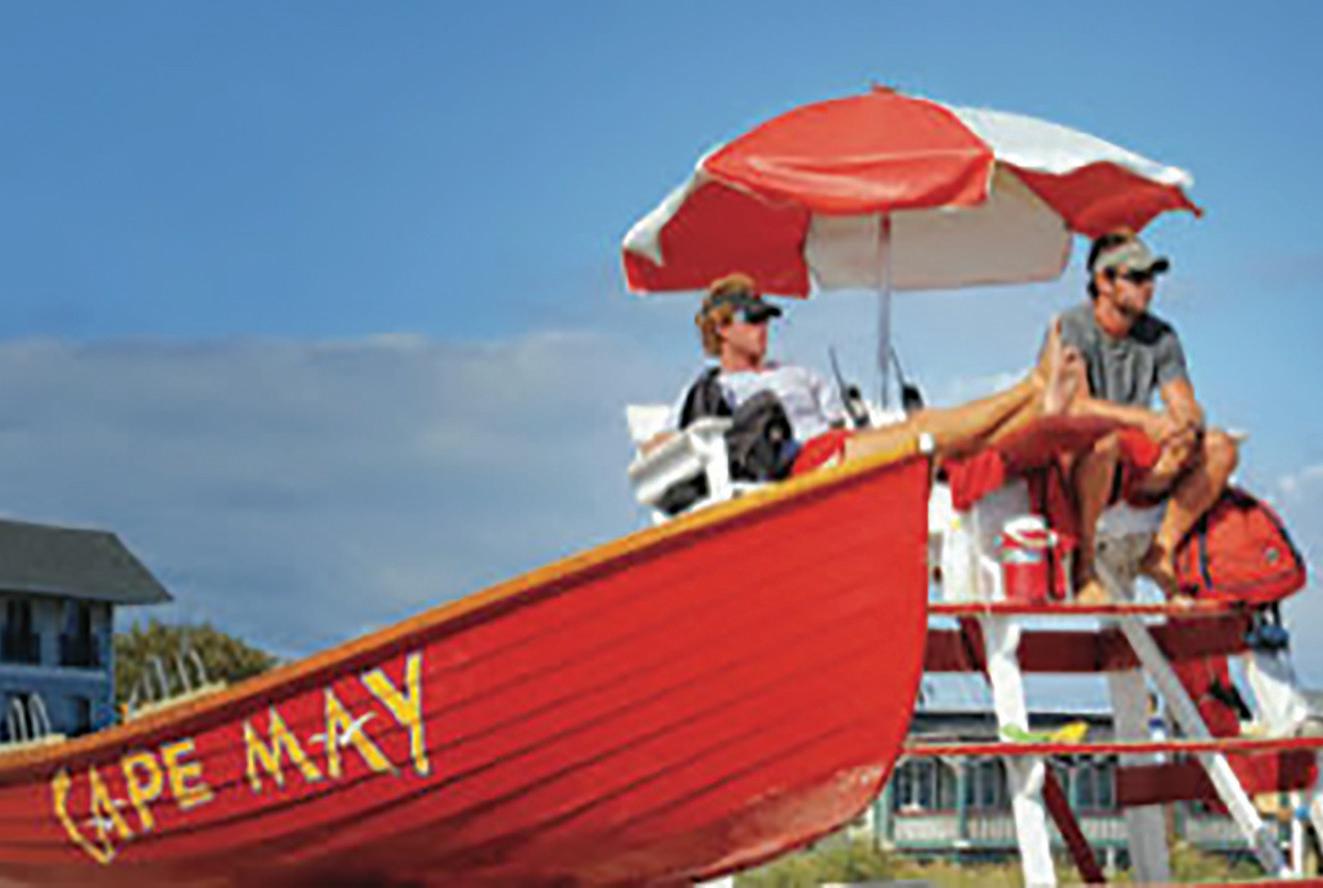
The Cape May Beach Patrol (CMBP) uses these traditional wooden surfboats as a primary tool for guarding and rescue operations along the city's 2.5-mile coastline. These vessels allow lifeguards to monitor swimmers from a higher vantage point further out in the surf than is possible from a stationary beach stand. See below for some interesting facts:
Operational Use and Features
Patrol and Surveillance: Lifeguards use these boats to sit "outside" the break, providing a superior view for guarding large crowds and managing a wider area.
Rescue Capabilities: Surfboats are designed for quick rescues in the surf and are particularly effective for multiple-victim rescues.
Design: They are iconic wooden-hulled rowing vessels, often seen stationed on the sand or being rowed through the breakers during routine patrols.
The boats are more than just equipment, they are a symbol of the local maritime culture and are popular spots for family photos and are frequently featured in local art. Cape May often hosts regional and national lifeguard championships, where surfboat rowing is a key competitive event.
Photo credit: Craig Terry
ELWOOD
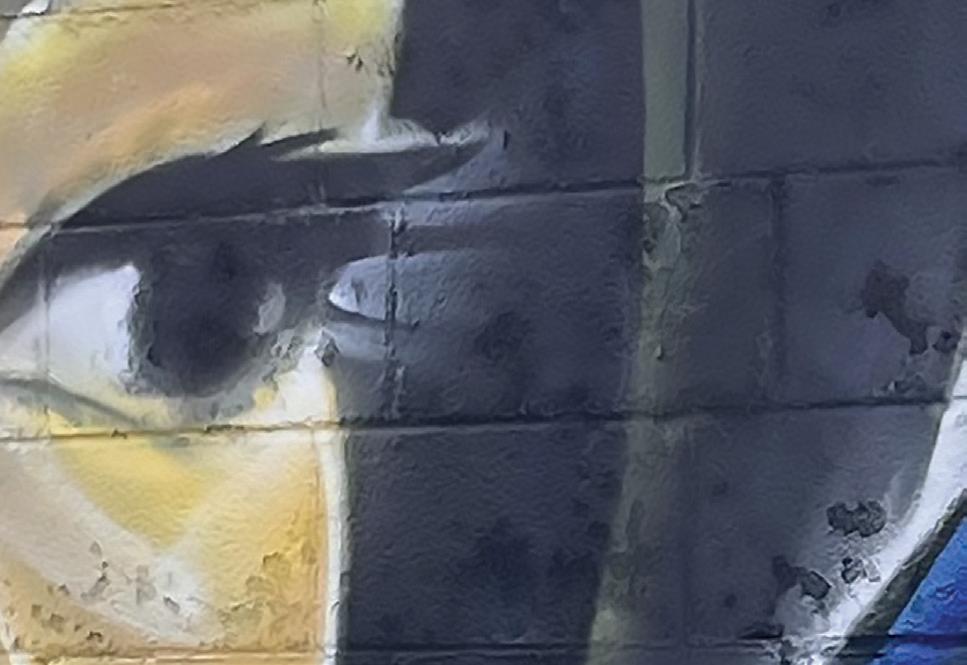
We have actually stumped all of our “mural watchers” for the fi rst time in quite a few months. As there were last month, there have been some very “unusual” guesses for the current one and also like last month, gives us more ideas for future murals.
Remember, we expanded our “reach” to the West End of the city. This mural location is such that it is visible from the road – a very well-traveled road on a daily basis - only one way so we are guessing this remains a challenge. This month’s “snippet” of said mural is a major clue and along with the other two, may garner a winner.
If you are the fi rst person to respond with the correct location, you will receive a $50 gift certificate to one of the best French eateries in the DMV-Bastille Brasserie & Bar
In order to participate and qualify for the gift card, you will have to Like and Follow us: Facebook @oldtowncrier and Instagram @otcregionalmag
Send a PM with your guess and we will contact the winner each month via PM to arrange for prize delivery.
Daily Through December
Patriots Path: A Revolutionary War Encampment
9 AM - 4 PM
George Washington's Mount Vernon
3200 Mount Vernon Memorial Highway
Immerse yourself in the daily life of soldiers, military of cers, and the camp followers who traveled with the army as you explore a Revolutionary War encampment.
At this hands-on attraction, you can touch the items inside the soldiers’ tents and of cer’s tent, wash clothes in the laundry yard, and examine cooking utensils used by camp followers.
See two daily programs about enlisting in General Washington’s army and how soldiers prepared their meals while traveling. This attraction is made possible thanks to Americana Corner.
2nd & 3rd
Revolutionary War Weekend
9 AM - 5 PM
George Washington's Mount Vernon
3200 Mount Vernon Memorial Highway
Step back in time to meet Revolutionary War soldiers and experience what it was like during the American Revolution 250 years ago. See the serene 12-acre eld transforms into a battleground as Continentals and Redcoats conduct military drills, demonstrations, and engage in 18th-century tacticals. Visit with camp followers and walk through a recreation of George Washington’s War Tent. Plus, shop goods such as pottery, soap, artwork, textiles, fresh-baked bread, and more from colonial artisans and craftspeople.
2nd through 23rd
Lost Buildings of Alexandria-Urban Renewal
10 AM - 11 AM
Carlyle House
121 N. Fairfax Street
In honor of National Preservation Month, join Carlyle House on a tour of “Lost Alexandria.” Urban renewal projects across the country took place starting in the 1950s were government and private initiatives aimed at addressing urban decay,
Events Around Town May 2026
upgrading infrastructure and revitalizing city neighborhoods. In the 1960s, the Gadsby Commercial Urban Renewal Project changed and demolished portions of multiple blocks including the 300-500 block of King Street.
During May’s Preservation Tours, tour guides will lead groups through the south side of the 300-500 blocks of King Street and parts of the 100 blocks of N. Fairfax, N. Royal, & N. Pitt Streets to discuss what had been here, why they were destroyed, and how that impacted Alexandria. Tours begin at Carlyle House, 121 N. Fairfax Street. This tour includes walking over many city blocks. South side tours will take place on three Saturdays in May all at 10am. Walking shoes required, bottled water suggested. Held rain or shine. Tickets are required for all tours. Having trouble registering? Please call 703-549-2997 or email carlyle@nvrpa.org
8th
Grown-Up Field Trip to the Black History Museum
6:30 PM - 8 PM
Alexandria Black History Museum 902 Wythe Street
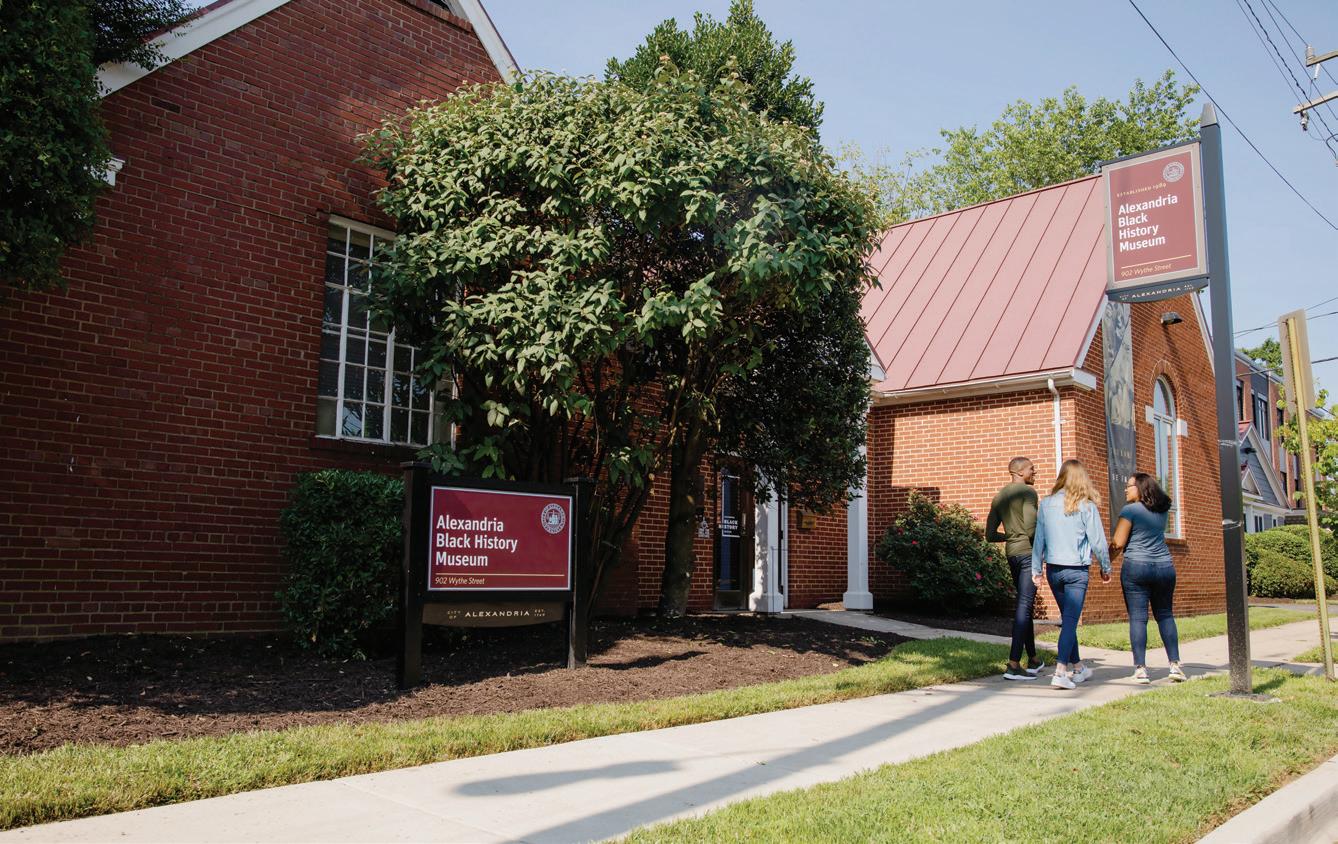
For the100th anniversary of Black History Month, venture out on the last of the fourpart eld trip series for adults highlighting African American history around Alexandria. Explore objects and primary sources, dive into conversations, and be ready to be hands-on as you learn more about Alexandria and American history. This last tour is of the American Stories at Alexandria’s Archives and Records Center. All eld trips are based on ones offered to school-age children, but with extra time, so we can go even deeper! Photo by Adedayo Dayo Kosoko.
Photo by Lee Moody
10th
Victorian Bouquet Making
2 PM - 4 PM
Lee-Fendall House Museum & Garden
614 Oronoco Street
Celebrate Mother’s Day surrounded by nature, orals, and feminine history. The two-hour event will include a mini-lecture on Victorian Flower Language, followed by a bouquet making workshop. Participants will choose focal owers, ller owers, greenery, and wrapping materials to create their unique arrangements. Alongside the lecture and workshop, light refreshments will be provided. Zoe Kobs, the workshop’s host, has led similar events for her local and collegiate level Anthropology Club, blending history with creativity. Tickets are $40 for a pair of participants - this is labeled as the “best buds” option in ticketing. If you would like to add an additional guest, there is an option to do so for $10 per person. Reach out to contact@leefendallhouse.org or (703) 548-1789 with any questions.
15th through 17th Spring Wine Festival
6PM-9PM
George Washington’s Mount Vernon
3200 George Washington Memorial Parkway
Taste unlimited samples of wines from Virginia’s nest wineries at Mount Vernon’s Spring Wine Festival. Relax on the east lawn overlooking the Potomac River as you experience George Washington’s estate after hours. Bottles of wine will be available for purchase. Purchase a VIP table to receive admission for 12 people, three bottles of wine, and private waiter service. No outside food or beverages are allowed, except bottled water. Doors open at 6 p.m. each night. Photo courtesy of Mount Vernon.
17th
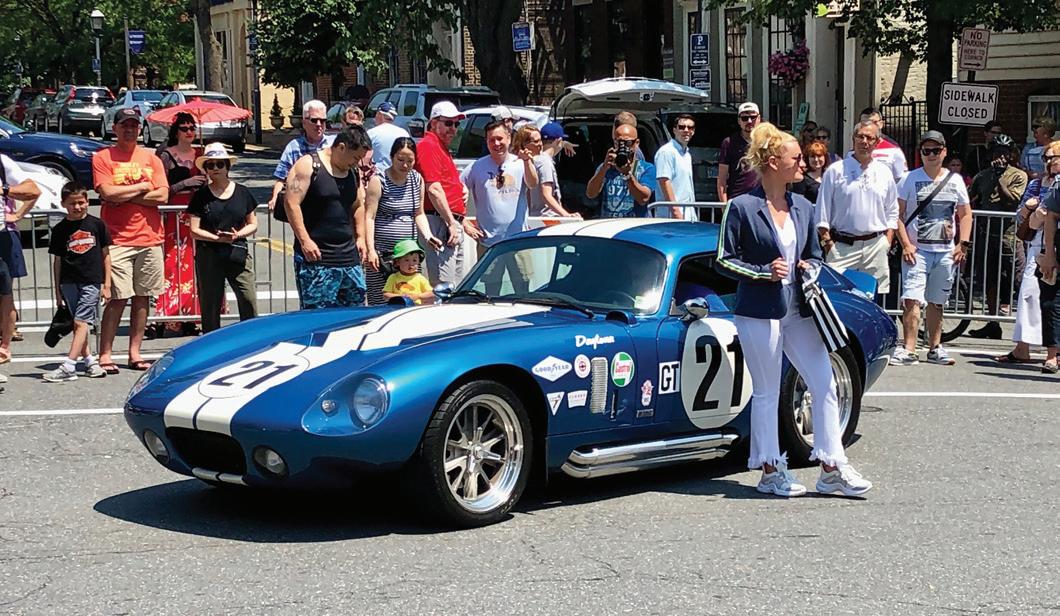
Old Town Festival of Speed & Style
10 AM - 3 PM
Old Town
200-500 blocks of King Street
This high-energy festival is a celebration of speed, style, music, food, and fun—offering a thrilling, immersive experience that is free to the public. Enjoy a fun- lled, day-long concours/car show and a unique and sophisticated fashion show, where models are styled to perfectly complement the character of the cars on display.
Now in its seventh year, the Old Town Festival of Speed & Style, presented by , has grown into one of the premier automotive events on the East Coast, drawing national and international attention to Old Town Alexandria as a destination for exceptional experiences. Plus, the fun begins on Saturday, May 16, with the High-Octane Ball supporting Alexandria charities, lled with delicious hors d’euorves, dinner paired with expertly crafted cocktails and ne wines and delectable deserts setting the stage for an unforgettable evening.
OLD TOWN FARMERS MARKET
Tavern Square
100 Block of N. Royal St.
Saturdays, 7 am – 12 Noon Year Round
The Old Town Market is thought to be the one of nation’s oldest continuing markets operating since 1753. It is said that George Washington sent his products from Mount Vernon to be sold here. Today the plaza is a mecca for farmers and artists to sell their wares. The Market is a primary source for meats, dairy, sh, fruits, vegetables and owers for all those who visit.
DEL RAY FARMERS MARKET
Corner of Mt. Vernon and Oxford Avenues
Saturdays, 8 am to Noon Year Round
This market is strictly a producer grown market. Lots of fresh vegetables, fruits, sh and salmon, fresh mushrooms, baked goods, hard cider. Farmers are within a 150 mile radius of Alexandria. A non-pro t is featured each weekend.
LOCAL FARMERS MARKETS
OLD TOWN NORTH FARMERS & ARTISANS MARKET
Montgomery Park 901 North Royal Street
Thursdays, 3 pm – 7 pm Year Round
Alexandria’s favorite dog friendly market! The Old Town North Thursday Market is a growers only market with a focus on produce from small family farms and local artisans. Products sold at the market include fresh fruits and veggies from Virginia’s Northern Neck, Micro Greens from an urban farm, Empanadas, Fresh baked pastries with a European air and much more.
FOUR MILE RUN FARMERS & ARTISANS MARKET
4109 Mount Vernon Avenue
Sundays, 9 am – 1 pm Year Round
This market offers fresh, nutritious food to people of all income levels and strives to re ect the diversity of Alexandria’s community. Local artisans display their arts and crafts as well.
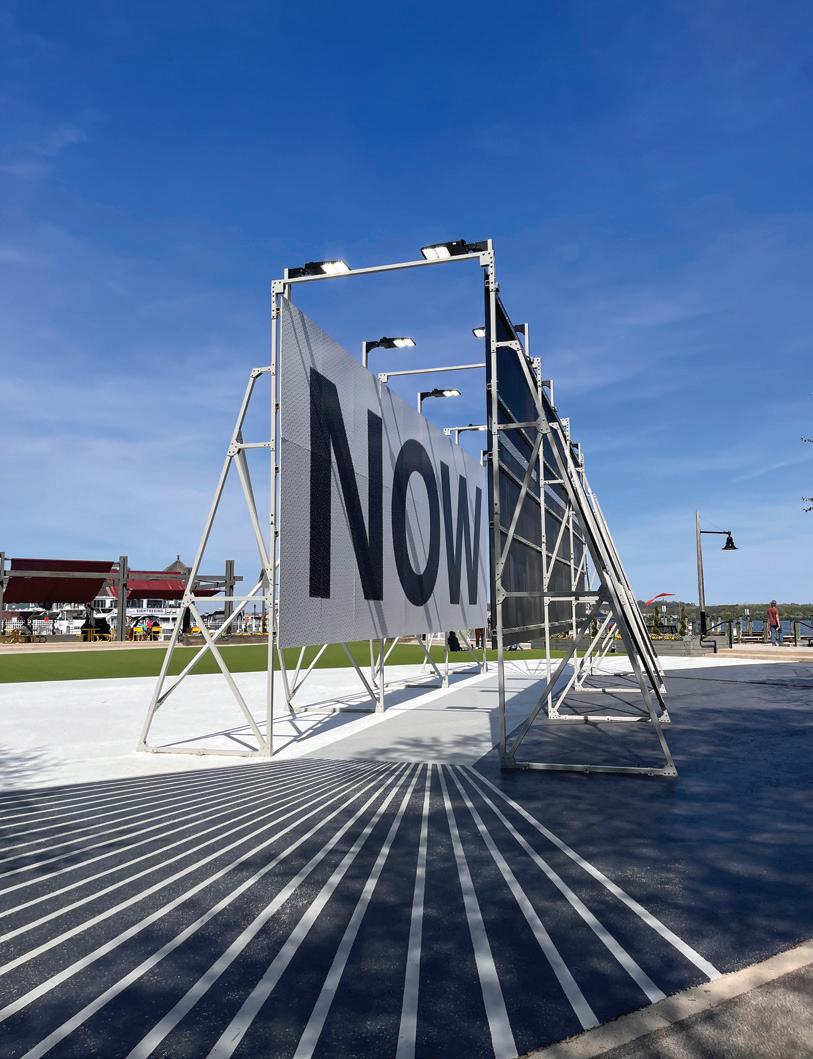
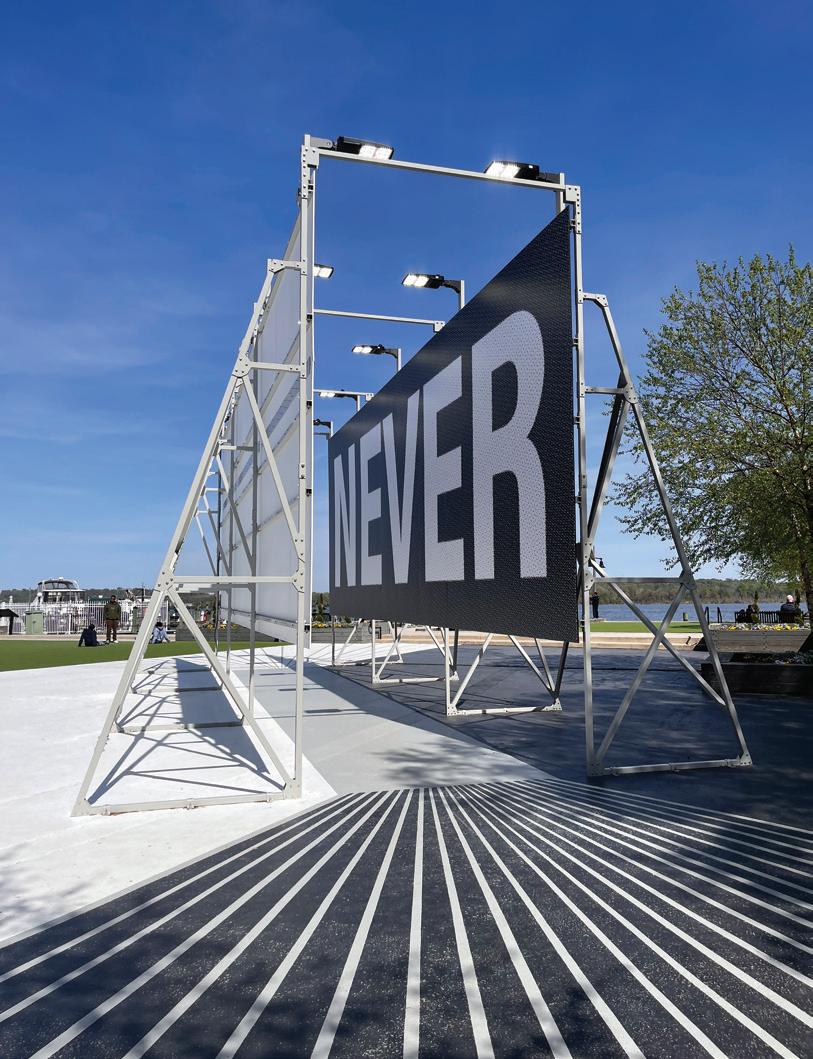
NOW or NEVER - By Alicia Eggert
Completion of the eighth in the City of Alexandria’s Site See: New Views in Old Town Annual Public Art Series, NOW or NEVER took place in mid-March. Sitting at the foot of King Street in Old Town until November is another “interesting” piece of work. It has been met with mixed reviews across the board. Here is the description at the site:
“Eggert’s artwork features two monumental sculptures that echo the visual language of signs and billboards. They stand face to face across a narrow passageway, one declaring NOW and the other replying NEVER.
The phrase “now or never” resonates on multiple levels. Collectively, it speaks to global challenges in which hesitation means opportunity lost. Individually, it reminds us that every moment is a turning point, an opportunity to choose one’s future and to live deliberately from this moment forward. By inviting people to move physically between the structures, the artwork underscores the possibility of nding common ground, even in polarized circumstances.”
We encourage you to take a look for yourselves and see what resonates with you.
Between the Crosses Row on Row
EIn
Flanders Fields
By: Lieutenant Colonel John McCrae, MD (1872-1918)
Canadian Army
In Flanders Fields the poppies blow Between the crosses row on row, That mark our place; and in the sky
The larks, still bravely singing, fly Scarce heard amid the guns below.
We are the Dead. Short days ago We lived, felt dawn, saw sunset glow, Loved and were loved, and now we lie In Flanders fields.
Take up our quarrel with the foe: To you from failing hands we throw The torch; be yours to hold it high. If ye break faith with us who die We shall not sleep, though poppies grow In Flanders fields.
ach year around Memorial Day, Veterans of Foreign Wars members and American Legion Auxiliary volunteers distribute millions of bright red poppies in exchange for contributions to assist disabled and hospitalized veterans. The program provides multiple benefits to the veterans and to the community. The hospitalized veterans who make the flowers are able to earn a small wage, which helps to supplement their incomes and makes them feel more self-sufficient. The physical and mental activity provides many therapeutic benefits as well. Donations are used exclusively to assist and support veterans and their families. The poppy also reminds the community of the past sacrifices and continuing needs of our veterans. The poppy has become a nationally known and recognized symbol of sacrifice and is worn to honor the men and women who served and died for their country in all wars. The poppy movement was inspired by the poem "In Flanders Fields" written by Lieutenant Colonel John McCrae of the Canadian forces in 1915 before the United States entered World War I. By 1918 the poem was well known throughout the allied world. Moina Michael, an American woman, wrote these lines in reply:
We cherish too, the Poppy red
That grows on fields where valor led, It seems to signal to the skies
That blood of heroes never dies
Selling replicas of the original Flanders' poppy originated in some of the allied countries immediately after the Armistice.
A Brief History of the Artificial Poppy
In the World War I battlefields of Belgium, poppies grew wild amid the ravaged landscape. How could such a pretty little flower grow wild while surrounded by death and destruction? The overturned soils of battle enabled the poppy seeds to be covered, thus allowing them to grow and to forever serve as a reminder of the bloodshed during that and future wars.
Madam Guerin, who was recognized as "the poppy lady from France", sought and received the cooperation of the Veterans of Foreign Wars of the U.S. early in 1922, after the Franco-American Children's League was dissolved. The VFW conducted a poppy sale prior to Memorial Day, 1922, using only poppies that were made in France. In the 1923 poppy sale, due to the difficulty and
delay in getting poppies from France, the VFW made use of a surplus of French poppies that were on hand and the balance was provided by a fi rm in New York City manufacturing artificial flowers.
The Veterans of Foreign Wars of the United States was the fi rst veteran organization to promote a nationally organized campaign for the annual distribution of poppies assembled by American disabled and needy veterans. In 1924, the VFW patented the name "Buddy Poppy" for their version of the artificial flower. Buddy Poppy proceeds represents no profit to any VFW unit. All the money contributed by the public for Buddy Poppies is used in the cause of veteran’s welfare, or for the well being of their needy dependents and the orphans of veterans.
Following the 1924 sale, the VFW believed it would stimulate local sales if the poppies they used were assembled by disabled veterans in hospitals within their own jurisdiction. The 1924 encampment of the VFW at Atlantic City granted this privilege, under the provision that all poppies would be produced according to specifications set forth by the National Buddy Poppy Committee, and that all poppies would be assembled by disabled veterans in government hospitals and by needy veterans in workshops supervised by the VFW.
Around the same year, the American Legion Auxiliary adopted the poppy as the organization's memorial flower and pledged its use to benefit our servicemen and their families. Today, the poppy continues to provide a fi nancial and therapeutic benefit to those hospitalized and disabled veterans who construct them, as well as benefiting thousands of other veterans and their families.
Each nine-piece poppy is made by veterans for veterans in Auxiliary sponsored Poppy Shops that supplement physical and psychological therapy needed by hospitalized and disabled veterans. The Auxiliary provides the materials and the volunteers. The veteran makes the poppy and is paid a small amount for each painstakingly made flower. For some it is their only income.
No matter what the cost of maintaining and supplying the “Poppy Shops”, the memorial poppy is never sold, but given in exchange for a contribution. Publishers Notes: Information for this piece was taken from several different sources and is not meant to be a direct quote from the author.
Soles &Suitcases
Old Town Shoe & Luggage Celebrates 30 Years!
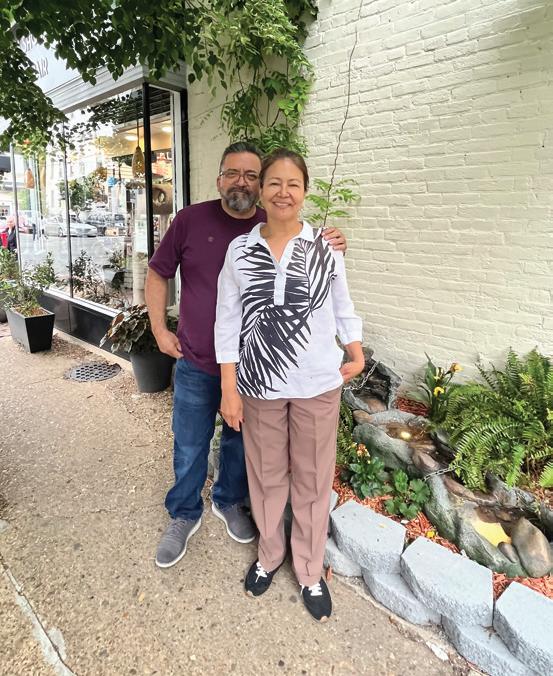
Old Town Shoe & Luggage Repair is an Old Town Alexandria staple, celebrating its 30th year in business this year. The owners, Don and Jenny Restrepo, have worked tirelessly over the years to provide exceptional service to the community. The business has been a consistent fi xture of the frequently changing environment of Old Town and has played an important role in the wider DC-Maryland-Virginia (DMV) area, as well.
In 1995, Don began operating the Shoe Mobile – a mobile shoe repair that serviced many businesses in the DMV area. In May of 1996, however, Don opened a brick-andmortar store at 726 King Street, naming it Old Town Shoe & Luggage Repair. Don and Jenny recall fondly the support received from the Old Town community in the early days of their business – a support that has been unceasing through 30 years of business.
Old Town Shoe & Luggage Repair began doing contracted work for various businesses in the area in 1997, beginning with Nordstrom. The dedication, precision and fairness of pricing that Old Town Shoe & Luggage Repair provides to customers resulted in the business further expanding its client base to many of the area’s favorite performance venues, including the John F. Kennedy Center for the Performing Arts, Washington National Opera, Arena Stage, Folger Theatre, Shakespeare Theatre
Company, National Theatre DC, Signature Theatre, Lincoln Theatre, and Wolf Trap National Park for the Performing Arts.
Old Town Shoe & Luggage Repair’s customer base continued to grow exponentially in 1998, when they began working with additional retailers, such as Salvatore Ferragamo, Saks Fifth Avenue, Bottega Veneta, Bloomingdale’s, Stuart Weitzman, Ermenegildo Zegna, Cole Haan, Johnston & Murphy, and Joan & David. Old Town Shoe & Luggage Repair began contracting with many local drycleaning companies around this time, as well. Additionally, Old Town Shoe & Luggage Repair contracts with various Federal agencies, such as the Coast Guard (c. 1998), Navy (c. 1999), Air Force (c. 2001/2002), and Fort Myer (c. 2007/2008).
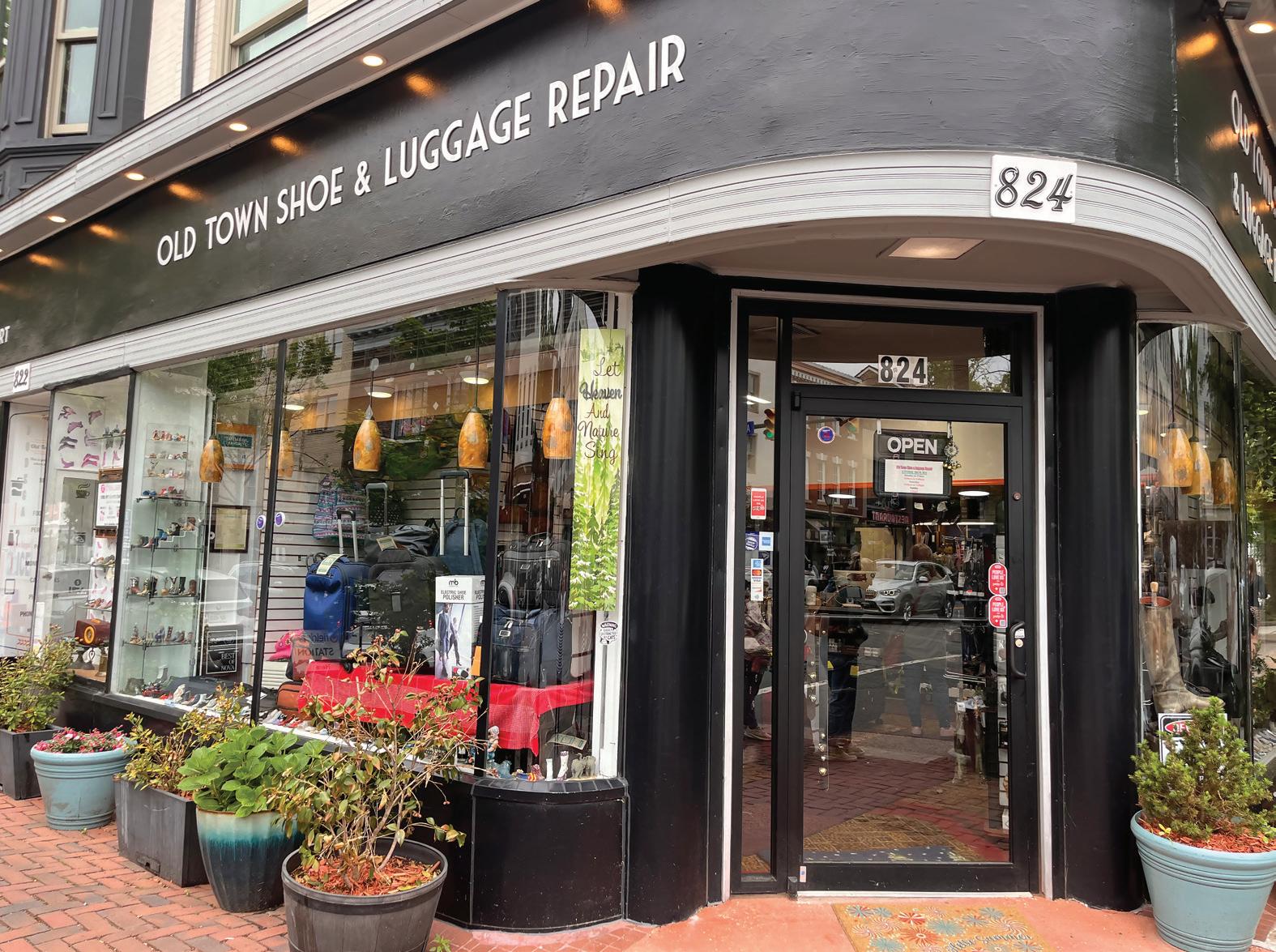
Old Town Shoe & Luggage Repair moved into its current location at 824 King Street in 2010, moving only one block in its 30 years of business. Don and Jenny frequently express their appreciation for the Old Town community and their customers – both new and returning. They have always been concerned with the happiness and success of their employees, as well, which is evidenced by the fact that most of their employees have been with them for more than 10 years. It is familyowned and -operated businesses like Old Town Shoe & Luggage Repair that give Old Town Alexandria its unique personality.
Congratulations on 30 wonderful years of service, Old Town Shoe & Luggage Repair, and cheers to another 30 years!
Publishers Notes: Lani here adding my two cents to Lucy’s write up. We here at the OTC are proud to say that we were around when Don and Jenny embarked on their adventure. It has been a pleasure to watch a couple do so well and hanging in there for the long haul. While I was waiting to get some updates to what we wrote about OTS&L a few years ago and to take some new photos, the place had a steady stream of customers both dropping off and picking up various pieces of luggage and footwear. One woman found the exact pair of shoelaces that she had been in search of for quite some time – I eavesdropped on her conversation. OTS&L has maintained 4-5 star ratings consistently over these 30 years. The quality of the shoe and luggage repair is stellar and they take great pride in their work. They pride themselves not only on their work but on their customer service. I have had them repair several pairs of shoes and purses over the years as well as doing a fabulous job of “patching” up two tears on my favorite leather coat and I can vouch for both the quality and the service on all.
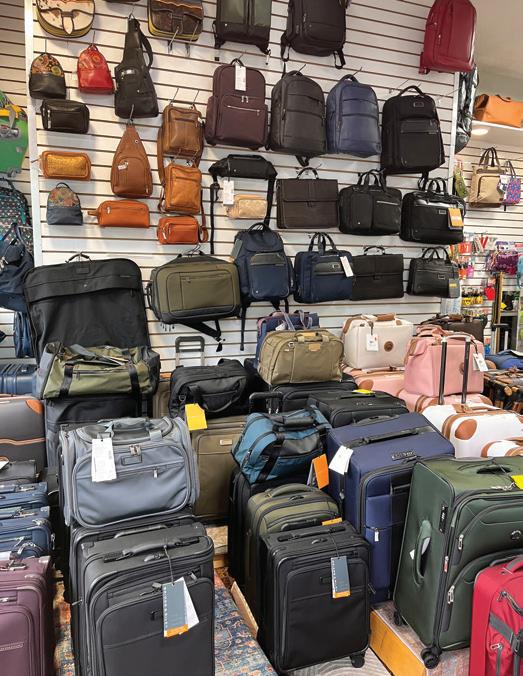
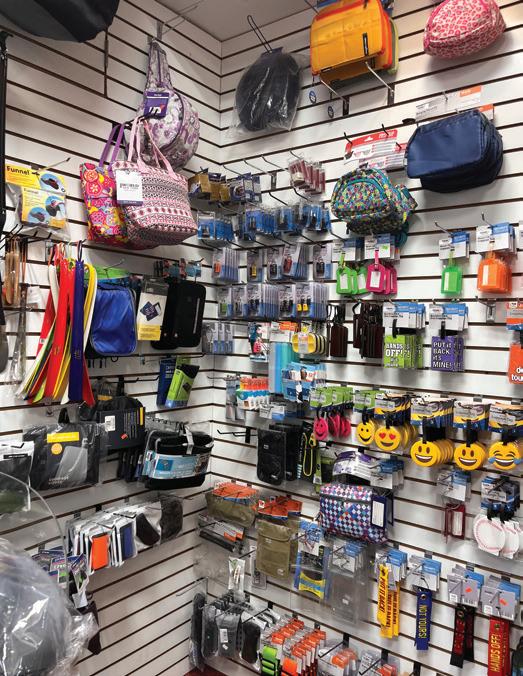
In addition to the repair work, the store also has a large inventory of luggage and travel accessories with every size you can imagine. They also carry a nice line of shoe maintenance products, shoe laces, etc. Among
them are the shoe shine sponges that I couldn’t live without.
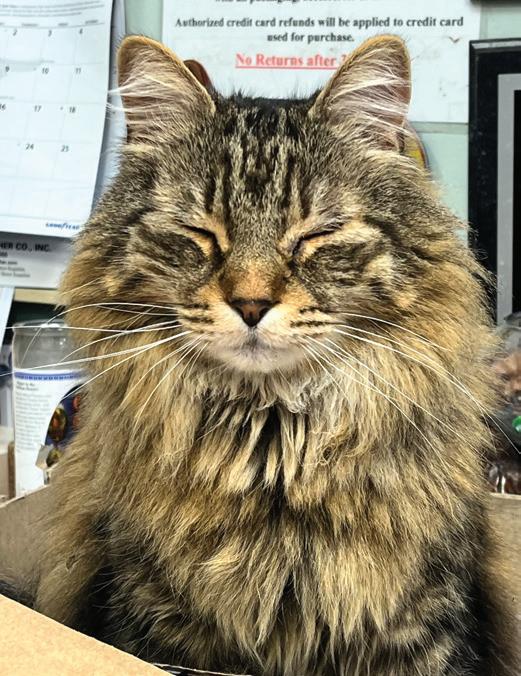
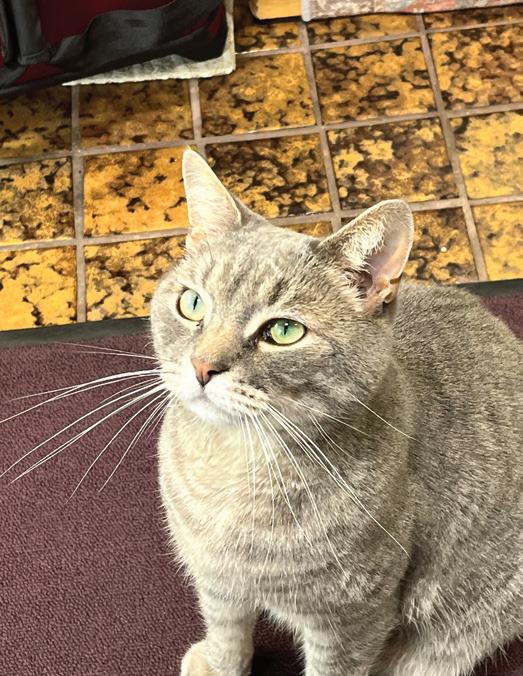
In addition to the business of shoes and luggage, probably one of my favorite things about this store is the fact that they have in-store feline “ambassadors”. They can be seen lounging in the windows or among the many pieces of luggage throughout the store. I always stop and check the windows when I walk by.
Another thing I admire is the care that they give to the exterior of their building. You can always count on them to have amazing flowers and greenery all around the corner of King and South Alfred. They are an example of what more King Street businesses should seek to emulate. We would be remiss if we didn’t mention Old Town Mini-Mart that adjoins the OTS&L. It is relatively the new kid on the block having only been open for a little over 4 years. It is the other arm of the Restrepo enterprise. In addition to groceries, beer, wine and sundries, they also carry cell phone accessories and other electronic necessities. Maybe more importantly, they are the only place in Old Town that sells lottery tickets! Next time you are in Old Town, stop in and check it out!
Old Town Shoe & Luggage 824 King Street
Old Town Alexandria 703-299-0655
oldtownshoe@verizon.com
Understanding Risk for Bond Investors
A primary reason investors own bonds is because their values have historically remained relatively stable over time. In other words, they’ve been less risky than stocks. (Of course, their returns have been lower as well.) So you might want to have bonds in your portfolio in case the stock market takes a hit. If that happens, the bonds could stabilize your portfolio’s overall value. And that may help you avoid making emotional (and sometimes costly) heat-ofthe-moment choices.
Lower risk is different than no risk
Bonds are considered less risky than stocks, but they’re certainly not risk-free (no investment is). Although some investors may believe bonds are as safe as cash, that’s not the case. In fact, bond investors face a number of risks, including:
Interest rate risk. The chance of a change in a bond’s price in response to movements in interest rates. It’s important to understand this risk because bond market prices and interest rates are negatively correlated. In other words, if interest rates increase, existing bond prices are likely to decrease. Conversely, when rates are higher and begin to decrease, bond prices will tend to increase.
Credit risk. The prospect that an issuer may suffer a relative decline in credit quality or outright default. The lower the credit risk, the fewer credit-related price fluctuations there should be.
Default risk. When you purchase a bond, you face the risk that the issuer may be
unable to pay the interest or par value when it’s due.
Opportunity risk. The possibility of missing out on potentially better returns you may be able to get from other investments, like stocks.
Consider your big picture
Whether you’re talking about bonds or stocks or any other investment, it’s important to remember that the amount you own should be determined based on a strategic asset allocation — how your portfolio is divvied up between different investment types — based on your:
• Goals. What you’re investing for, such as being able to afford retirement.
• Time horizon. How long you have before you need to tap into our investments. If you’re 47 and want to retire at 67, you may have a 20-year time horizon.
• Risk tolerance. How comfortable you are with fluctuations in your portfolio’s value. If market volatility makes it difficult for you to get a good night’s sleep, you likely have a relatively low risk tolerance.
If you already invest in bonds or are wondering whether you should, you need to understand their risks and the important role they can play in your overall investment strategy. For help with that, you may want to work with a professional fi nancial advisor Investments in fi xed-income securities are subject to market, interest rate, credit, and other risks. Bond prices fl uctuate inversely to changes
in interest rates. Therefore, a general rise in interest rates can cause a bond’s price to fall. Credit risk is the risk that an issuer will default on payments of interest and/or principal. This risk is heightened in lowerrated bonds. If sold prior to maturity, fi xed-income securities are subject to market risk. All fi xed-income investments may be worth less than their original cost upon redemption or maturity.
This article was written by/ for Wells Fargo Advisors and provided courtesy of Carl M. Trevisan, Managing Director-Investments and Stephen M. Bearce, First Vice President- Investments in Alexandria, VA.
You can contact hin with any questions at 800-247-8602.
Investment and insurance products are not insured by the FDIC or any federal government agency, are not a deposit or other obligation
of, or guaranteed by the bank or any bank affiliate, and are subject to investment risks, including possible loss of the principal amount invested.
Wells Fargo Advisors is a trade name used by Wells Fargo Clearing Services, LLC, Member SIPC, a registered broker-dealer and non-bank affiliate of Wells Fargo & Company.
"Our history...clearly shows that people-powered, morally grounded movements are how we end authoritarianism," No Kings officials explained. "Each time we show up, we disrupt President Trump’s attempts to rule through repression and remind the country, and the world, that people power is our path to a truly free America."
Established in 2025, the No Kings movement was organized by selfdescribed progressives including Indivisible's Leah Greenburg and Ezra Levin; 50501 fifty protests, fifty states, one movement; grantors and donors. The movement's fi rst protest rally was June 14, 2025. Its third: March 28, 2026.
The 2026 protest included 8 million people from 50 states and 3,300 cities. Former U.S Ambassador now U.S. Representative Don Beyer [VA8] was there. As were others from maga-red cities like Renea Gamble's Fairhope, Alabama. NATO countries including France, Italy, Germany, Spain, Portugal, Netherlands, Belgium, Sweden and the United Kingdom protested from afar.
Revolutionary War Commanderin-chief George Washington was among the fi rst to speak to the matter of "people power." It was on the heels of his Continental army's 1781 Yorktown victory that he decided "people power" was indeed "the path to a truly free America." Civility was needed, yes. As was the overdue payment of soldier’s salaries.
"From several conversations I have had with officers, & some I have overheard among soldiers," Colonel Lewis Nicola wrote Washington on May 22, 1782, "I believe it is sincerely intended not to separate after the peace ’till all grievances are redressed, engagements & promises fulfilled, but how this is to be done I am at a loss, as neither officers or soldiers can have any confidence in promises. We have no doubt of Congresses intention to act
uprightly, but greatly fear that, by the interested views of others, their abilities will not be equal to the task."
Lewis Nicola was an Irish-born author, Philadelphia merchant and member of the American Philosophical Society: a military officer who served in a variety of military capacities, "With a British attack on Philadelphia apparently imminent" author James McIntyre explained, "Nicola worked diligently to strengthen the city's defenses." In 1782, while writing to Washington about the overall of Constitutional government, Colonel Nicola penned: “Some people have so connected the ideas of tyranny & monarchy as to fi nd it very difficult to separate them, it may therefore be requisite to give the head of such a constitution as I propose, some title apparently more moderate, but if all other things were once adjusted I believe strong arguments might be produced for admitting the title of king, which I conceive would be attended with some material advantages.”
"With a mixture of great surprise & astonishment I have read with attention the Sentiments you have submitted to my perusal," Washington angrily replied. "Be assured, Sir, no occurrence in the course of the War, has given me more painful sensations than your information of there being such ideas existing in the Army as you have expressed, & I must view with abhorrence, and reprehend with severity."
"I am much at a loss to conceive what part of my conduct could have given encouragement to an address which to me seems big with the greatest mischiefs that can befall my Country," Washington continued. "If I am not deceived in the knowledge of myself, you could not have found a person to whom your schemes are more disagreeable—at the same time in justice to my own feeling I must add, that no man possesses a more sincere wish to see ample
People Power: the Path to a Truly Free America.
Justice done to the Army than I do, and as far as my powers & influence, in a constitution[al] way extend, they shall be employed to the utmost of my abilities to effect it, should there be any occasion— Let me [conj]ure you then, if you have any regard for your Country, concern for yourself or posterity— or respect for me, to banish these thoughts from your Mind, & never communicate, as from yourself, or anyone else, a sentiment of the like nature."
America's war with Britain began with the Battle of Lexington and Concord in Massachusetts in 1775. Not long after, residents in each of the 13 colonies came to despise Parliament's politics. Independence was declared in 1776. To the colonists collective dismay, the war continued and the economic consequences became a burden. The colonies 1781 Articles of Confederation lacked substance, and the June 21, 1788, U.S. Constitution had yet to be ratified.
Wrote Ambassador to France Thomas Jefferson to Washington on May 2, 1788: "There are two things [about the proposed constitution] which I dislike strongly. 1. The want of a declaration of rights. I am in hopes the opposition of Virginia will remedy this, and produce such a declaration. 2. The perpetual reeligibility of the President. This I fear will make that an office for life fi rst, and then hereditary. I was much an enemy to monarchy before I came to Europe. I am ten thousand times more so since I have seen what they are. There is scarcely an evil known in these countries which may not be traced to their king as it’s source, nor a good which is not derived from the small fibres of republicanism existing among them. I can further say with safety there is not a crowned head in Europe whose talents or merit would entitle him to be elected a vestryman by the people of any parish in America. However, I shall hope that before there is danger of this change taking place in the office
of President, the good sense and free spirit of our countrymen will make the changes necessary to prevent it. Under this hope I look forward to the general adoption of the new constitution.”
My question to you, the reader: to what extent, if any, are we citizens of the 50 United States, experiencing a Presidential dilemma, an ongoing Constitutional crisis. Article 2, Section 1, U.S. Constitution: "Before he enters on the Execution of his Office, he shall take the following Oath or Affirmation: “I do solemnly swear (or affirm) that I will faithfully execute the Office of President of the United States, and will to the best of my Ability, preserve, protect and defend the Constitution of the United States."
George Washington became America's fi rst elected President in 1789. In 1969 President Richard Nixon [R-CA, 1969-1974] declared Memorial Day a day of prayer for permanent peace." In this, America's 250th year, take time on May 25th to pay homage to our fallen soldiers. Alexandria's Tomb of the Unknown Revolutionary War Soldier is located on the grounds of the Old Presbyterian Meeting House, 323 S. Fairfax Street, Old Town Alexandra.
About the Author: Sarah Becker started writing for The Economist while a graduate student in England. Similar publications followed. She joined the Crier in 1996 while serving on the Alexandria Convention and Visitors Association Board. Her interest in antiquities began as a World Bank hire, with Indonesia’s need to generate hard currency. Balinese history, i.e. tourism provided the means. The New York Times describes Becker’s book, Off Your Duffs & Up the Assets, as “a blueprint for thousands of nonprofit managers.” A former museum director, SLAM’s saving grace Sarah received Alexandria’s Salute to Women Award in 2007. Email abitofhistory53@gmail.com
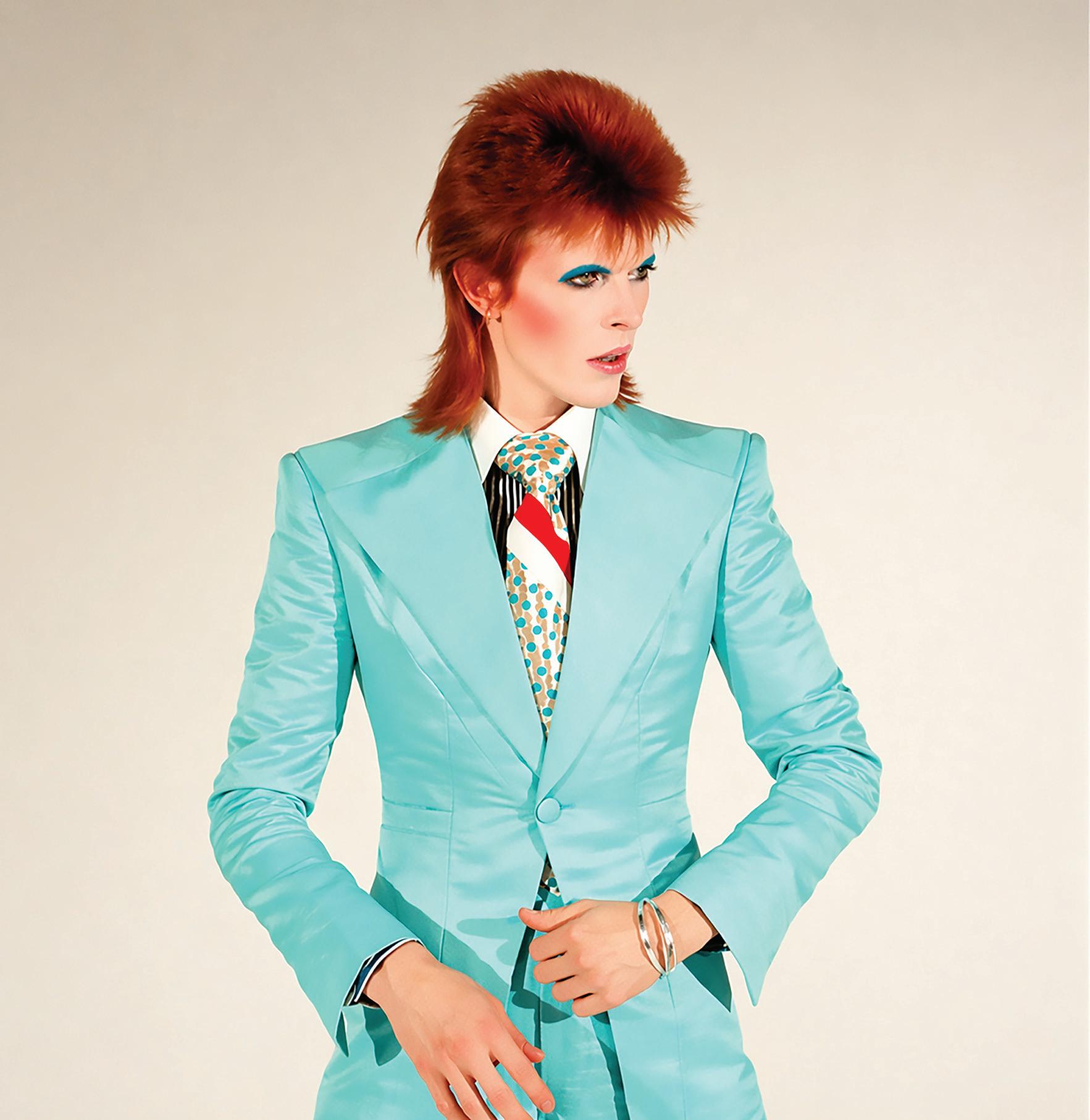
Life on Mars? By David Bowie
In 1971, David Bowie channeled creative frustration into one of the most hauntingly beautiful songs in rock history with "Life on Mars?", a track that would transcend its era to become a cultural monument. Born from Bowie's bruised pride after Frank Sinatra's "My Way" eclipsed his own rejected attempt at the same French source melody, the song found its home on the landmark album Hunky Dory and immediately announced itself as something far beyond ordinary. It’s driven by Rick Wakeman's cascading piano, Mick Ronson's sweeping string arrangement, and Bowie's shape-shifting vocal: moving from nasal detachment in the verses to soaring passion in the choruses. The song follows a disillusioned girl escaping into cinema, painting Hollywood as a dream factory gone stale. Things get started with a minimal arrangement composed of Bowie singing a lonely melody accompanied by a somber piano. Bowie pulls the listener in from the very beginning with a dark, dramatic emotion along with obscure and poetic lines like, “But her friend is nowhere to be seen / Now she walks through her sunken dream / To the seat with the clearest view / And she's hooked to the silver screen”. As the verse progresses, the emotion deepens with a sparse but dramatic string arrangement led by bold and deep cello notes. Finally, we hear a swell of emotion and a brief snare roll as the music swoops into the fi rst chorus. As the chorus gets going, Mick Ronson’s string arrangement comes into full bloom with flurries of violins accentuating the fi rst backbeat of measures one and two while extended notes on cello and viola add weight to the downbeat. Mick Woodmansey’s drum
beat is also added for the chorus bringing a glam rock sparkle through slap back delay processing. For the top line, Bowie continues his iconic vocal performance and lifts the song to an operatic ballad level while maintaining the song’s slightly odd tone with off-center lyrics like: “Take a look at the lawman / Beating up the wrong guy / Oh man! / Wonder if he'll ever know”. The chorus ends with Bowie belting out the line “Is there life on Mars?”. Here he holds the last note for a full one and a half measures, raising the energy of the song to a fever pitch as he passes the baton to a reverb-soaked guitar that hits the ears like a portal to a dream world.
For the second verse, Bowie keeps things fresh with the addition of a synthesizer flute adding new color to the musical palette. Drums are also included here along with a laid-back bass line boosting the energy while maintaining the song’s moody feel. Rick Wakeman's ornate piano performance continues throughout the second verse as well, blending with the new elements, and remains the musical backbone into the fi nal chorus and outro music.
Released as a single in 1973 and since ranked among the greatest songs ever written, "Life on Mars?" helped secure Bowie's place not just as a rock star, but as one of the most singular artistic minds of the twentieth century. If you would like to listen to “Life on Mars?” or any of Bowie's extensive catalog of music, you can fi nd it on Spotify, Apple Music, YouTube, and most other places music is streamed or sold. For more on David Bowie, you can fi nd information on Wikipedia or any of the many books about him.
About the Author: Ron Powers is an independent A&R specialist and music industry consultant and is constantly searching for, discovering and writing about new talent.
AFTER HOURS
Birchmere
703.549.7500
3701 Mt. Vernon Ave. birchmere.com
The Blackwall Hitch
571-982-3577
5 Cameron St. theblackwallhitch.com
Chadwicks
203 S. Strand St.
703.836.4442
Evening Star Cafe
703.549.5051
2000 Mt. Vernon Ave.
The Fish Market
703.836.5676
105 King St. shmarketoldtown.com
La Portas
703.683.6313
1600 Duke St.
The Light Horse
703.549.0533
715 King St. lighthorserestaurant.com
Murphys Irish Pub
703.548.1717
713 King St. murphyspub.com
O’Connell’s
703.739.1124
112 King St.
Rock It Grill
703.739.2274
1319 King St.
Shooter McGees
703.751.9266
5239 Duke St. shootermcgees.com
Southside 815
703.836.6222
ME & MY MAMA
Motherhood is one of the most written-about experiences, yet it never stops feeling fresh because every mother–child relationship is its own universe. Mother Mary Comes to Me by Arundhati Roy, Matriarch: A Memoir by Tina Knowles, and I'm Glad My Mom Died by Jennette McCurdy form a powerful trio about identity, inheritance, and the complicated love that shapes who we become. Our mothers create us and we speak back to this experience, spending our lives figuring out how they made us who we are and vice versa. Together these volumes create a spectrum of maternal love, from distant to devoted to enmeshed.
Writer Arundhati Roy’s Mother Mary Comes to Me is a luminous work that serves as the most brilliantly written of the three. Here the mother–daughter relationship is defi ned in great part by emotional distance and abuse. Roy’s mother, Mary, was a fierce activist who challenged discriminatory inheritance laws in India, founded a school, and built a life centered on independence and social change. As a child, Roy experienced her mother as strong, formidable, and verbally violent as Mary fought to make her own place separate from children or any male guardian figure in a very traditional, sexist world. Brilliant and emotionally mercurial, Mary Roy despised mediocrity and was happy to send her children off to boarding school.
In this memoir, we experience the feeling of growing up in the presence of a powerful figure whose life exists on a larger stage, as her daughter separates from her to match and even surpass her intellectual and political achievement. She notes in her memoir “Perhaps even more than a daughter mourning the passing of her mother, I mourn her as a writer who has lost her most enthralling subject. In these pages, my mother, my gangster, shall live. She was my shelter and my storm.” Roy creates her own legend as an intense writer and political activist against and in reaction to the framework of her mother’s achievements. Their relationship evolves from separation to an intellectual and emotional reunion built on respect and recognition rather than warmth and unconditional love.
By contrast, Matriarch presents a mother–daughter relationship rooted in closeness, mentorship, and generational pride. Businesswoman and philanthropist Tina Knowles, most famously mother of global pop superstar and mononym, Beyoncé, writes about raising daughters in a household where creativity and ambition were nurtured from the beginning. She blends personal stories with broader, heartfelt themes of Black motherhood, resilience, and spiritual inheritance. Her approach is deeply intentional: she wanted to create a home where her daughters felt confident, supported, and encouraged to pursue any dreams. What makes this relationship stand out is the sense of partnership between mother and her daughters: from Beyoncé and famous Solange to her niece, Angie Beyincé, and ersatz daughter, Kelly Rowland. Knowles sees the umbrella of motherhood not only as caregiving but also as active mentorship. She became a stylist, a manager, a supporter, and a guiding force who emphasized emotional closeness and daily involvement. She celebrates the joy of watching her children, biological or not, succeed, and the pride of seeing them carry forward and enrich her family legacy.
Knowles openly discusses the pressures of raising children in the public eye and the challenges of balancing marriage, her own evolving career in entertainment and fashion, and parenting. The love in this relationship is warm and visible, but it also involves sacrifice, and resilience. The mother–daughter bond here is empowering and collaborative, rooted in shared goals and mutual admiration.
I’m Glad My Mom Died presents a relationship that is the most nakedly manipulative of the three: one shaped by control, enmeshment, and fi nal separation. Jennette McCurdy means to shock us with black humor. As a frustrated actress, her mother, Debra, was deeply involved in every aspect of her young daughter’s life, from her acting career to her eating habits to her sense of self.
Jennette details experiences of Debra’s manipulation, erratic mood swings, and invasive control that contributed to her own longterm trauma, including an eating
disorder and other psychological struggles. Her mother’s emotional volatility made daily life feel like “walking a tightrope.” Debra micromanaged Jennette’s career as the ultimate stage mother, controlling her body and enforcing strict rules that blurred the line between parenting and possession. Despite the abuse, Jennette has noted that her family, including her brothers and grandfather, provided support and camaraderie, helping her navigate the aftermath of her mother’s death to fi nd a sense of equilibrium.
Yet McCurdy still portrays her with empathy. She acknowledges her mother’s love alongside the harm she caused, revealing how complicated and contradictory such relationships can be. Her story becomes a common one of reclaiming identity—learning who she is after years of defi ning herself through her mother’s expectations.
Roy’s story explores one brilliant woman’s examination of a mother who broke the boundaries of her place and time in Indian society, discarding traditional versions of motherhood in the process. Knowles’s memoir celebrates the strength of closeness and strong maternal ties helping her daughters rise above and amidst a history of segregation and racism to achieve the mythology of the American dream. McCurdy’s memoir examines how she escaped the boundary blurring caused by a mentally ill stage mother to create her own escape route to a stable sense of self. The journey to understand our mothers, as always, becomes part of the journey to understand ourselves so that we can have agency over our lives and shape our own narratives.
About the Author: Miriam Kramer worked at Olsson’s Books & Records before it closed in 2008, welcoming Old Town, Alexandria, residents to a unique place where employees with encyclopedic knowledge of literature and music enriched the community. As a global nomad, she has lived, studied, or worked in diverse countries overseas. With her experience writing and studying international affairs, she has promoted democracy, international media, the arts, peace building, and citizen diplomacy during her career.
ONSTAGE:
It’s May—the month we celebrate our Mamma Mia’s, who, in most cases, introduced us to the joys of live theater. What better way to say thank you for schlepping us to all of those school matinees than by taking Mom - any momto some of these nurturing plays and musicals this month:
A STREETCAR NAMED DESIRE
DuPont Underground
Now thru May 4
Tennessee Williams’ descent into family dysfunction, sexual obsession, death and decay fi nds itself in the bowels of Connecticut Avenue as the DuPont Underground plays host to this national touring (more like a “pop up”) production guided by director Nick Westrate and an ensemble of four New York-based actors, sans props or set-- who set out to create a “Streetcar” like no other. Tickets at www.thestreetcarproject.com 44: THE MUSICAL
Now thru May 10
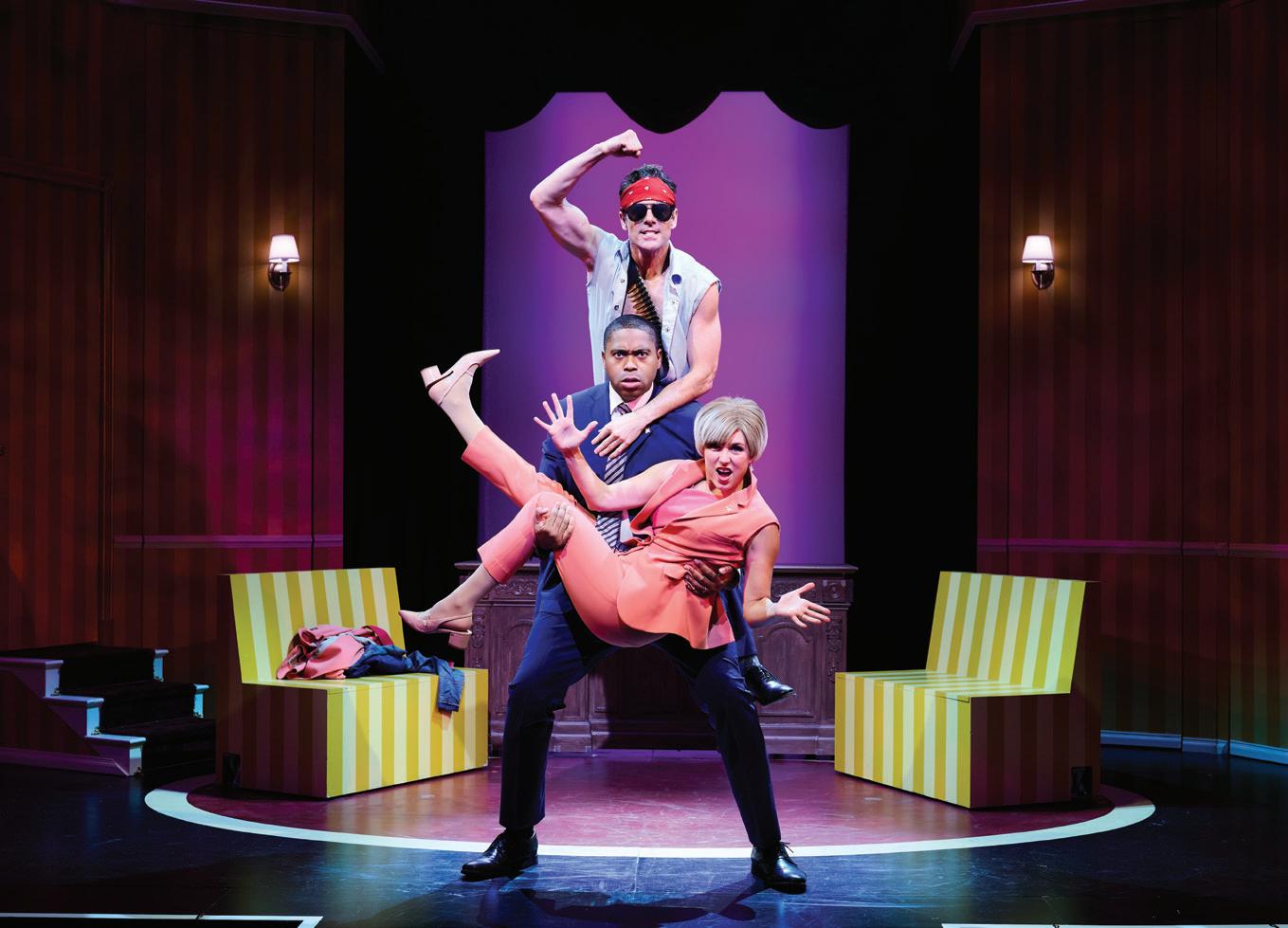
A wacky send-up of our 44th president’s special place in history. If you miss Barak crooning “How Black Is Too Black” over a Motown groove, Sarah Palin screaming “Drill Me Baby” like Ozzy Osbourne, or Mitch McConnell and Ted Cruz rapping “Green Eggs and Ham,” this is the special engagement for you. Not for fans of Alex Jones or Stephen Miller. Tickets at www.44theobamamusical.com
1776
Ford’s Theatre
Now thru May 16
Just in time for the country’s 250th, this musical is an insightful, often humorous take on our founding fathers’ determination to do the right thing for their fledgling nation. As members of the Second Continental Congress struggle to reach consensus, John Adams, Benjamin Franklin and Thomas Jefferson debate the issues that will defi ne our country. Who knew that the composer of “Johnny Get Angry” would win the Tony® Award for Best Musical with this Broadway hit? Tickets at www.fords.org
SPRING AWAKENING
St. Marks Episcopal Church on Capitol Hill
Now thru May 16
This Tony® Award winning Best Musical by Duncan Sheik and Steven Slater boasts a rather unusual pedigree—it’s based on an 1891 work by German playwright Frank Wedekind that follows a group of teenagers confronting their emerging sexuality, oppressive societal norms, and the tragic consequences of seeking knowledge in a world that denies them understanding. Did I mention that it rocks? Tickets at www.stmarksplayers.org.
I & YOU
Olney Theatre Center
Now thru May 24
The indefatigable Lauren Gundersen—arguably the most-produced playwright in America these days—turns her ownr play into a musical with a score by “American Idol” veteran Ari Afsar. Faced with a school assignment she doesn't want, about a poem she hasn't read and a partner she'll never forget. Anthony turns up in Caroline’s bedroom with a school assignment they’re supposed to create together: explore Walt Whitman’s poem “Song of Myself.” As the two get to know each other, they learn the deeper mystery that brought them together. Tickets at www.olneytheatre.org
Klein Theatre
OLD TOWN
THE WIZARD OF OZ
Tobey’s Dinner Theatre
Now thru June 7
Head off to Columbia, MD (not quite as far as the Emerald City) to relive L. Frank Baum’s beloved story of a Kansas farm girl who travels over the rainbow to the Land of Oz Featuring the iconic Harold Arlen-Yip Harburg score from the MGM film, the stage musical follows Dorothy, Toto, and friends down the yellow brick road to discover brains, heart, courage, and the magical power of home were there all the time. Tickets at www.tobysdinnertheatre.com
PURLIE VICTORIOUS
Studio Theatre
May 6 – June 24
Purlie is home on a mission—to buy back his father’s church and liberate the sharecroppers from the brutal segregationist who still runs their plantation. Psalmayene 24 directs this madcap plot, which calls on survival techniques forged in the Jim Crow South while it calls out satiric targets that feel as urgent as they did when the lacerating comedy premiered in 1961. Oh, and there’s a love story, too. Tickets at www.studiotheatre.org.
THE MOTION
Arena Stage
May 8 – June 14
A razor-sharp debate spirals into world-altering chaos as four scholars embark upon a kaleidoscopic odyssey through memory, identity, and the fragile boundaries of belief. As the world around them transforms, they wrestle with profound and unsettling questions about purpose, morality, and what it truly means to be alive. Tickets at www.arenastage.org.
PIPPIN
Signature Theatre
May 12- July 26
Decades before his big score (no pun intended) with “Wicked,” composerlyricist Stephen Schwartz was an undergrad at Carnegie Mellon, working on an odd musical theater hero—Pippin, the son of King Charlemagne, head of the Holy Roman Empire. Years later—and with much gnashing of teeth and venting of spleen, if the movie “All That Jazz” is any indication—director/ choreographer Bob Fosse took hold of the piece and made it a Broadway legend. Now Matthew Gardiner and company in Shirlington make the musical their own. Tickets at www.sigtheatre.org
THE GREAT GATSBY
National Theatre
May 12-24
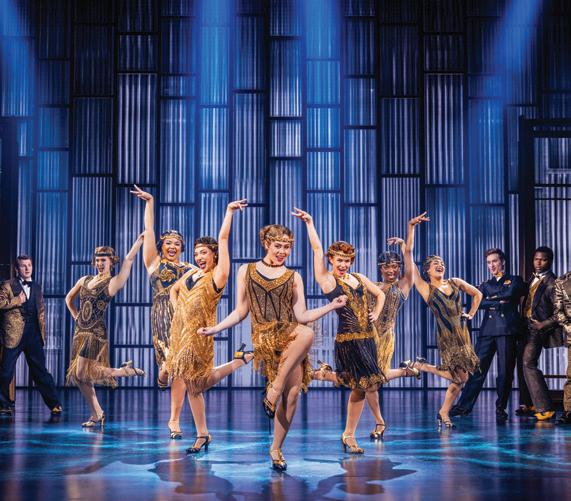
F. Scott Fitzgerald’s Roaring Twenties novel becomes a blockbuster musical in this touring edition of the play that’s still packing them in on Broadway. Tickets at www.broadwayatthenational.com
WEST SIDE STORY
Music Center at Strathmore
May 14 and 15
We get Just two “semi-staged” performances here in the DMV (more fullystaged shows at the Lyric Theatre in Baltimore the preceding week) of this greatest of all musicals, artfully guided by Washington National Opera artistic director Francesca Zambello, who not only kept the art form alive in the DMV but also engineered what couldn’t have been an easy extrication from the now moribund Kennedy Center. Like all WNO productions, this one will be gloriously sung and fully-orchestrated—two more reasons the Opera deserves our support. Tickets at www.washnatopera.org
OR Atlas Performing Arts Center
May 15- June 7
Constellation Theatre lands on H Street with this new musical, a fast-paced comedy that blends romance, feminism, and espionage in 1660s England. It’s all about Aphra Behn—spy, poet, and the fi rst professional female playwright—as she races to fi nish a script, navigate secret missions, and juggle lusty entanglements, all in one chaotic night that’s a celebration of art, passion, and sexual freedom. Tickets at www.constellationtheatre.org
THE DROWSY CHAPERONE
Little Theatre of Alexandria
May 16 – June 6
This loving send-up of the Golden Age of musical theater—winner of five Tony® Awards including Best Score—mashes up a conflicted wedding couple, bumbling best man, desperate theatrical producer, dim-bulb hostess, a pair of gangsters posing as pastry chefs, a misguided Don Juan and the eponymous drunk in two plus hours of musical comedy frivolity. Tickets at www. littletheatre.com.
OTHELLO
Shakespeare Theatre Company
May 19- June 28
Wendell Pierce, star of TV’s The Wire and Suits and arguably one of this country’s five or ten greatest living actors, headlines Shakespeare’s towering tragedy about the power of words to kill. Venice is scandalized when its protector Othello elopes with a nobleman’s daughter, while his most trusted lieutenant, Iago seethes after being passed over for a promotion. Vengeance raises its ugly head, transforming Othello’s faithful wife Desdemona and turning upright men into beasts in this all-too cautionary tale. Tickets at www. shakespearetheatre.org.
SALLY AND TOM
Round House Theatre
May 27 – June 28
Pulitzer Prize-winning playwright Suzan-Lori Parks serves up this thoughtprovoking work about a scrappy theater group staging its own play about Founding Mother Sally Hemings and our third president (and slave owner) Thomas Jefferson. When the playwright takes the role of Sally and her bf directs and plays the eponymous POTUS, art and life collide, rehearsals spiral into chaos and truths about race, power and art are laid bare (the Trump administration be damned). Tickets at www.roundhousetheatre.org
About the Author: Mark Edelman is a playwright who loves writing about theater. He is a lifetime member of the Broadway League and a Tony® voter. Catch his monthly podcast at www.onstagedmv.org.
Photo credits: 44 The Musical by Jenny Anderson; Great Gatsby by Evan Zimmerman; Wizard of Oz by Jeri Tidwell: 1776 by Scott Suchman; Streetcar Named Desire photo by Walls Trimble
Art by Planet Earth Citizens
Last year, when I curated the sprawling “Women Artists of the DMV” survey show, which eventually ended being showcased across the region in 19 different venues, I said to myself something along the lines of “never again am I going to curate such a sprawling show…” Cough… cough… When my family arrived from Cuba to the United States in the 1960s, I was a child. I now realize how that momentous event left a deep footprint on the rest of my life – especially upon my own artistic development. We were part of the historical beginning of the Cuban Diaspora, when eventually nearly a quarter of the island’s population left the island to escape the brutality of a murderous Communist dictatorship, and resettled all over the world, with the largest number in the United States. My family and I settled in Brooklyn, New York, in a neighborhood mostly populated at the time by Italian immigrants. We were immigrants living among other immigrants.
Years later when I attended art school at the University of Washington in Seattle, the impact of that forced migration resurfaced in my own artwork, into what eventually developed into what is now called the “Cuba Series” – a nearly 50-year-old series with the island of Cuba as the focus of the work.
In Washington, most Spanishspeaking people were of Mexican ancestry, and I often joke that I felt that I was the only person of Cuban ancestry in the entire state. “What are you?” would ask wide-eyed Mexican waitresses when I discovered Mexican food and would talk to them in Spanish at any of the many Mexican restaurants in the city – my machine gun rapid-fi re Cuban Spanish so immensely different from their melodious Mexican Spanish Someone once noted that “Cubans use Spanish as a weapon.”
In the nearly 40 years that I have been around the capital region, and with over 200 curated fi ne arts exhibitions under my belt – most recently the aforementioned “Women Artists of the DMV” survey show, which was staged in 19 different fi ne art galleries, venues and museums, and surveyed over 700 artists – I have been lucky enough to meet, curate, and know hundreds of area artists who (like me) are immigrants to this great nation.
And thus, the germ of the idea of organizing a fi ne arts show of 30 or so artists from all over the world to showcase how art can serve not only to preserve one’s own cultural identity, but also paradoxically to tie us together as one… has now emerged.
Over the decades, I was lucky enough to live in many parts of the United States and well as several countries in Europe, the Middle East, and Asia, with the usual wandering life of a Navy officer. Upon arriving to the Washington, DC area, one of my fi rst discoveries was the incredible diversity of people from all over the world who call this area home.
In this show, which I would like to hang salon style, rather than a minimalistichung show, you will see art by artists from Russia, Mexico, Sri Lanka, Holland, Lebanon, Venezuela, England, Canada, Japan, Philippines, Germany, and many other countries.
You will also see these artists challenging you to see their art in the context of the art, rather than the national origin of the artist, while also challenging you to see it also from the exact opposite perspective.
If accepted, I’d like the show hung in a raucous, overhung, salon-style format, to showcase in its own way, the cacophony of immigrating from a birthland to a new land. Be ready to be immersed in art by planet Earth citizens.
I am initially proposing this show in response to the recent Call for Exhibition Proposals by the King Street Gallery of the Montgomery College Department of Visual and Performing Arts, Takoma Park/Silver Spring Campus.
In the event that they decline, I will try to offer it to any of the other great art venues in our area.
Can you “feel” where this is heading?
About the Author: F. Lennox Campello's art news, information, gallery openings, commentary, criticism, happenings, opportunities, and everything associated with the global visual arts scene with a special focus on the Greater Washington, DC area has been a premier source for the art community for over 20 years. Since 2003, his blog has been the 11th highest ranked art blog on the planet with over SIX million visitors.
Lusmerlin (Dominican Republic) - Consecration of Stardust. 48x36. Pastel & Acrylic on Wood. 2025
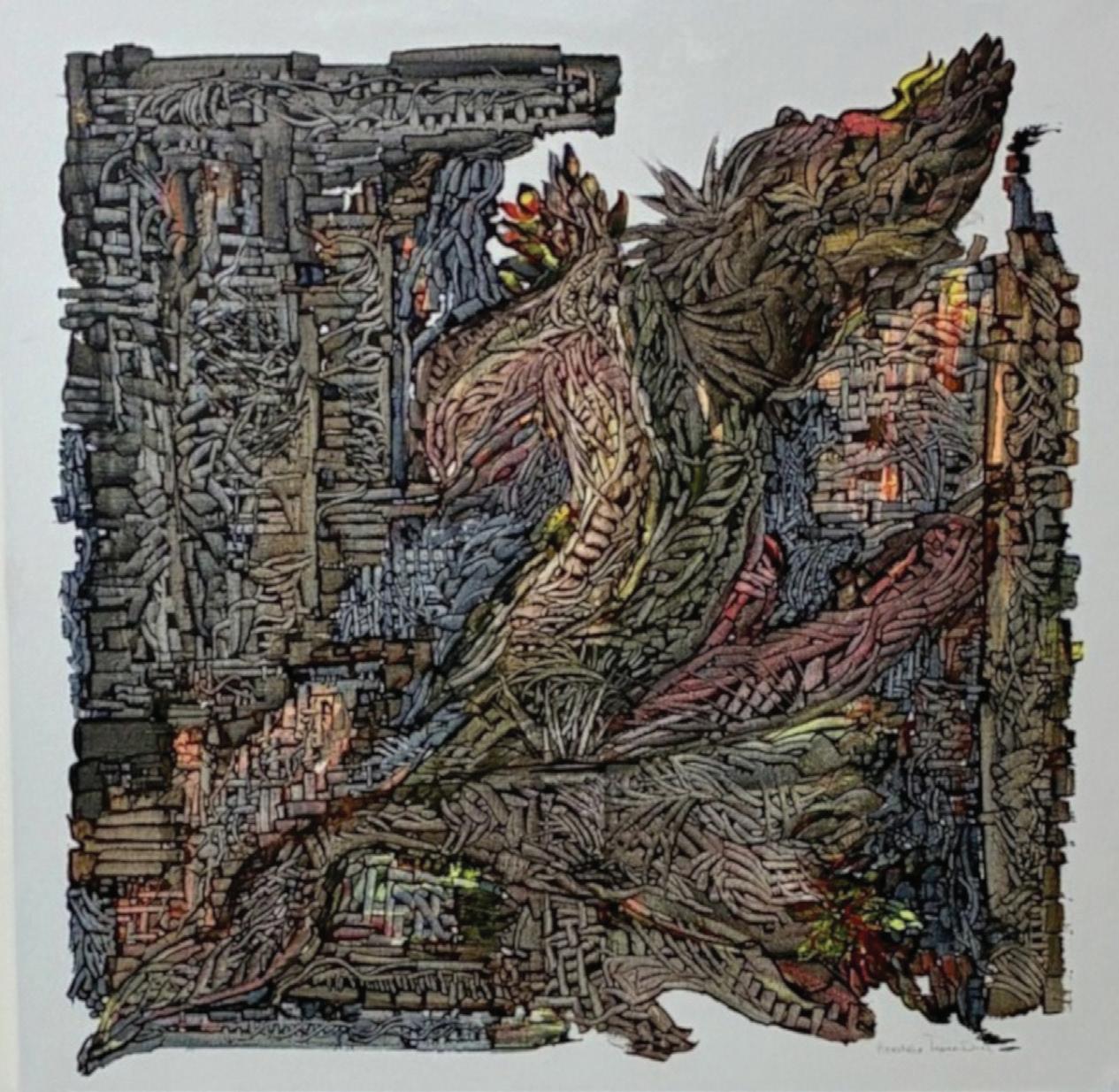
“A woman in love with abstraction” - 2021 16x20 watercolor on paper with embedded electronic images that rotate every 5 seconds.
Spring Forward !
Springtime is coming ... really!
Springtime is coming...really!
Update your wardrobe with classic styles and bold contemporary pieces in beautiful, handmade and eco-friendly natural fabrics.
Check out our online store to see all of our wonderful new collections from all of your favorite artists!
Update your wardrobe with classic styles and bold contemporary pieces in beautiful, handmade and eco-friendly natural fabrics. Our lovely model is wearing the Wilder tunic by Bryn Walker in bambu linen and cotton in the gray and white print “nero.” Paired with a matching pant, this outfit is remarkably modern and comfortable for any warm weather coming your way. Come into the shop to see all of our wonderful new collections from all of your favorite artists.
We
"Woman balancing on a Jackson Pollock landscape", 2026 F. Lennox Campello. 32x40 inches, mixed media original painting on 600 weight paper.
Exclusively representing the works of F. Lennox Campello Price and additional images upon request.
“ONE OF THE MOST INTERESTING PEOPLE OF WASHINGTON, DC” – Washington City Paper
Exclusively representing the works of F. Lennox Campello Price and additional images upon request. Alida Anderson Art Projects, LLC, Washington, DC www.alidaanderson.com / info@alidaanderson.com
Save 25% when Save 25 % when you buy 3+ you buy 3 + flowers! flowers ! May 6-10 May 6 - 10
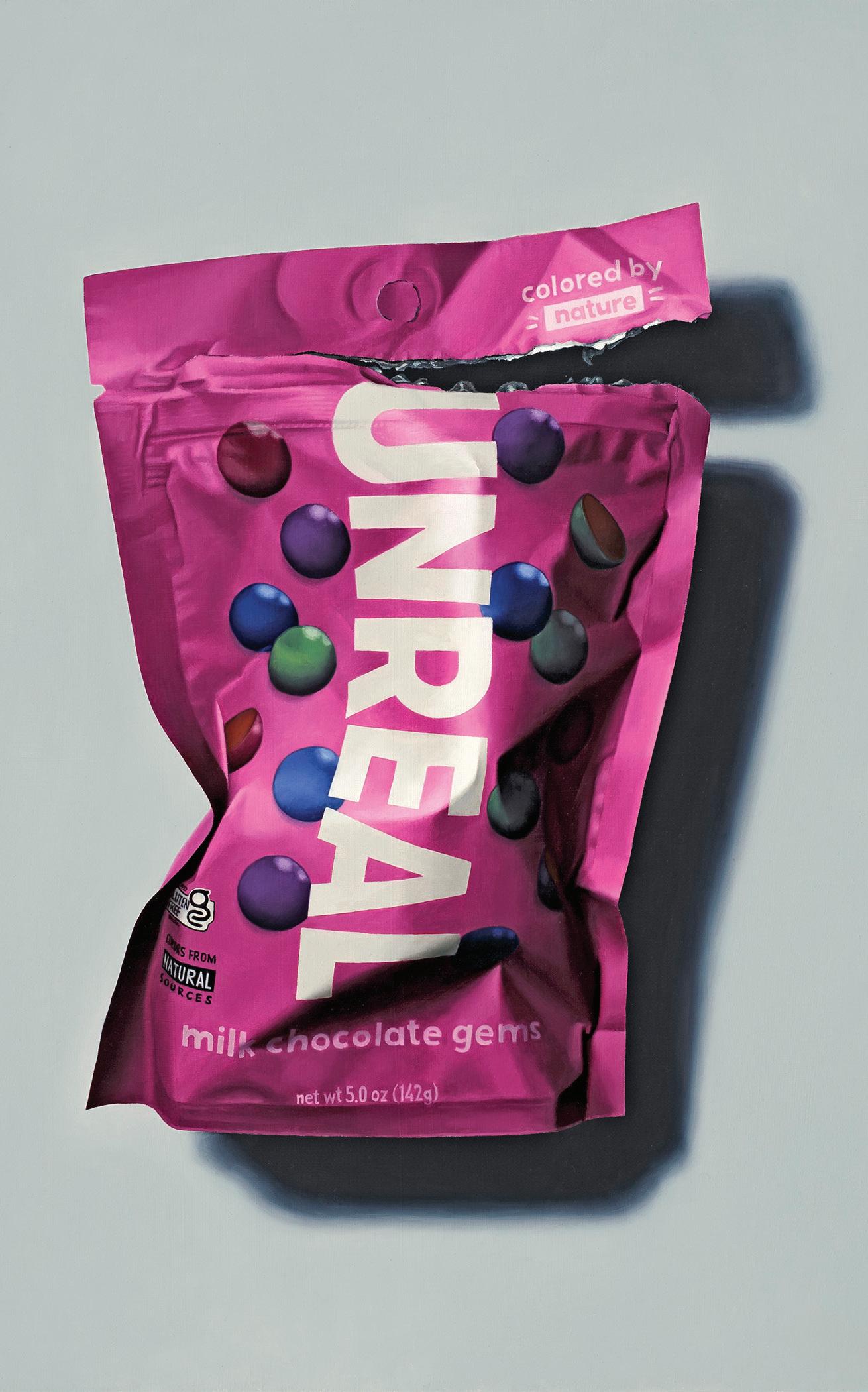
Dora Patin (Hungary) – Unreal. Oil on panel. 16x20".2024
Chawky Frenn (Lebanon) - They Are Not Us. Oil on Canvas, 48x36, 2025.
The Chesapeake Oyster Wars were a series of violent conflicts that took place across the Chesapeake Bay from the mid-1800s into the 1950s. Some might say even later.
Rather than a single war, they were ongoing clashes between local watermen, illegal dredgers often called “oyster pirates,” and Maryland’s enforcement force, the Oyster Police, sometimes nicknamed the “Oyster Navy.”
Armed confrontations were not uncommon. Boats were fi red upon, seized, and in some cases sunk, all over access to the Bay’s lucrative oyster beds.
The reason for the violence was simple, oysters were incredibly valuable. They were one of the most important industries in the region, feeding a growing national demand and supporting entire communities along the water. But as harvesting intensified, especially with the rise of dredging after the Civil War, oyster bars began to decline. Disputes broke out over who had the right to harvest, whether dredging should be allowed, and whether out of state crews were illegally working the Chesapeake waters.
New and changing laws, tensions over unclear boundaries in the Bay between Maryland and Virginia, illegal harvesters from as far away as New England and a dwindling resource across the eastern seaboard all drove this chaos. And at times, it truly was chaos.
The Chesapeake Oyster Wars
These were not just arguments between watermen, they were armed standoffs. Oyster police vessels patrolled the Bay with authority to arrest, seize gear, and destroy illegal dredges. Watermen who felt pushed out or targeted sometimes fought back. Shots were exchanged. Boats rammed. Watermen would attempt to flee enforcement, cutting across shallow bars and hidden channels only locals knew. Others were caught, boarded, and stripped of their catch and equipment.
There are accounts of nighttime raids, warning shots turning into real gunfi re, and vessels riddled with bullets. In some cases, men were wounded or killed.
This was not a distant or romantic conflict, it was raw, local, and personal. These were neighbors, competitors, and sometimes even family lines, all fighting over a resource that was rapidly disappearing.
The chaos forced Maryland and Virginia to strengthen enforcement, clarify oyster laws, and eventually map and protect natural oyster bars. What began as a fight over profit helped shape modern oyster management in the Chesapeake, after it became clear that even a resource as abundant as oysters could be pushed to the brink.
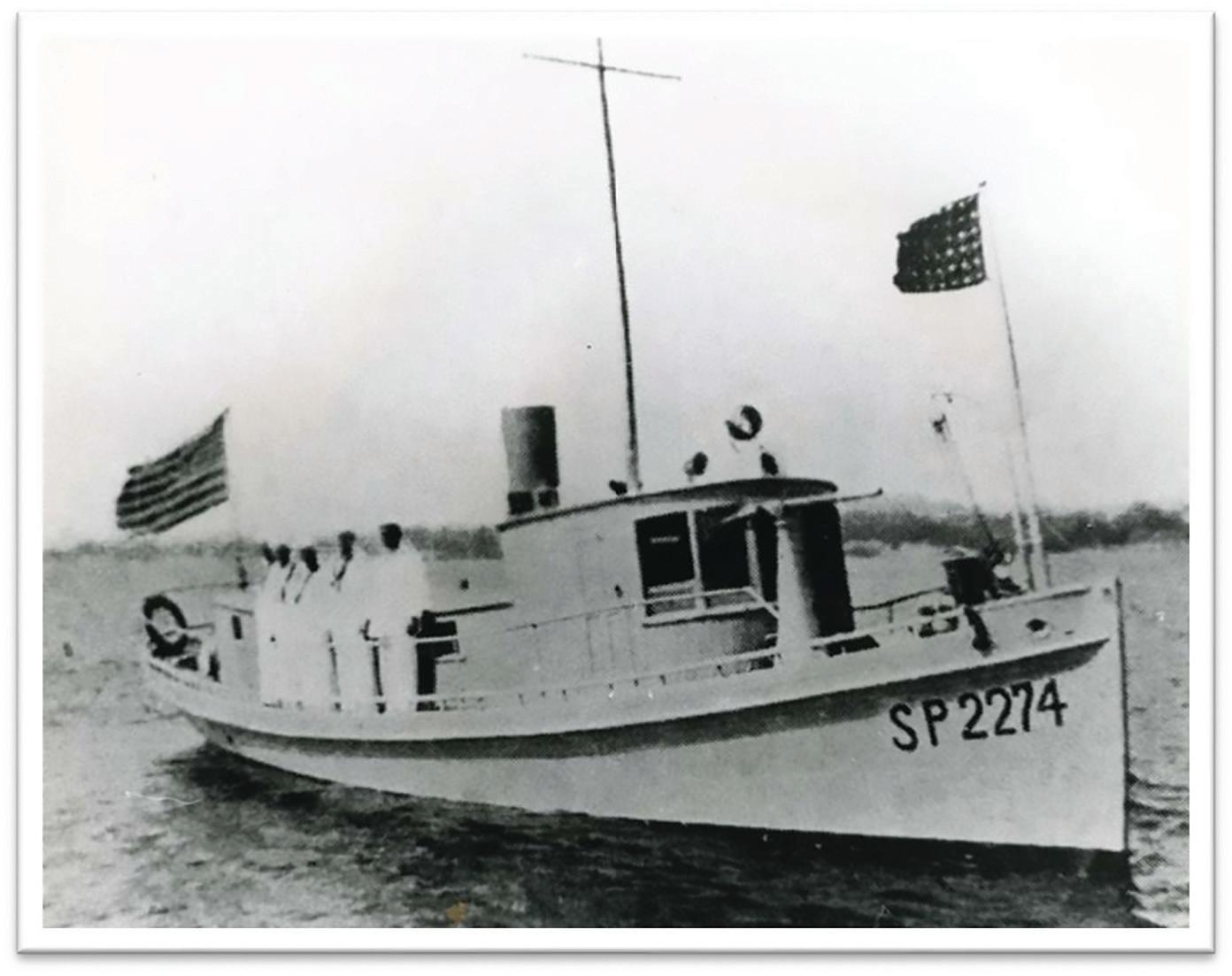
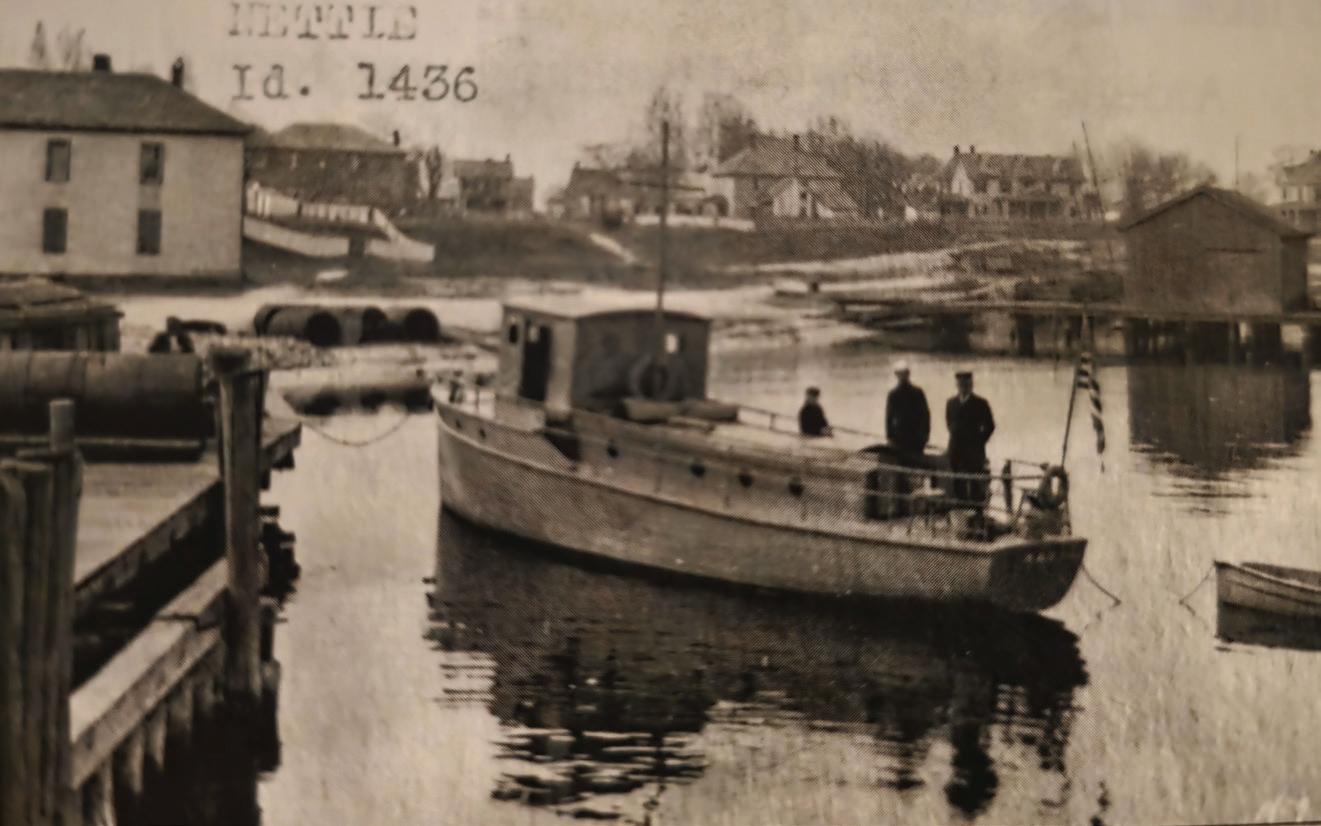
On Solomons Island, Maryland, those tensions were not distant. In the early 1900s, enforcement of oyster laws on the Patuxent River fell to state authorities patrolling these same waters. One of those vessels was the Nettie, operating under the Conservation Commission of Maryland (formed in 1916, absorbing the State Fishery Force, often referred to as the Oyster Navy) and the Maryland State Police.
Under Deputy Commander Andrew La. Johnson, crews chased oyster pirates, investigated illegal dredging, and worked to maintain order during what was, at times, a dangerous and chaotic period on the Bay.
Thankfully today, that chapter has largely closed.
Modern watermen are not just harvesters, they are stewards of the Bay. Over the past several decades, restoration efforts have helped stabilize and, in many areas, improve oyster populations.
Many watermen now work closely with scientists and conservation groups, helping to plant shell, restore reefs, and protect juvenile oyster populations so they can grow and reproduce.
The understanding today is very different from the past, oysters are not an endless resource, and their survival depends on careful management. There is still work to be done, but the mindset has shifted.
Where there was once conflict over taking as much as possible, there is now a growing focus on sustainability and preservation, ensuring that the Chesapeake’s oyster beds remain part of the Bay’s culture, economy, and identity for generations to come.
And perhaps that is the lasting legacy of the Oyster Wars, not just the violence, but the hard lessons that followed.
About the Author: Adam Tremper is the founder of Spooky Solomons Ghost Tours on Solomons Island, Maryland. A local historian and storyteller, he focuses on sharing the region’s rich history, folklore, and maritime heritage through carefully researched narratives. His work highlights the people, industries, and traditions that shaped the Chesapeake Bay community, from the oyster trade to local legends passed down through generations.
His historical ghost tours tell the stories of the people who once lived and worked on beautiful Solomons Island. And how history, legend, and lore can still inform our connection to the past, present and future.
Enforcement officers themselves operated under real danger, outnumbered at times and facing crews who knew the waters intimately and had little to lose.
Faster Horses, Younger Women, Fine Wine & Strawberries
Though it was cowboy songwriter Tom T. Hall that fi rst sang about older whiskey, younger women and faster horses, Kentucky and Virginia surely hold the monopolies on the fi rst Saturday in May. Kentucky’s famous horse race was fi rst run in 1875, and is probably the nation’s best-known equestrian event. Here in suburban Northern Virginia however, the Kentucky Derby is held on Gold Cup day, where it shares top billing with the Virginia Gold Cup steeplechase race meet, held at Great Meadow in The Plains, Va.
Faster Horses
With crowds of up to 60,000 in attendance, the Gold Cup is to Washington D.C. what the Derby is to Kentucky: a premiere social and sporting events. Arrangements and tailgating parties are planned months, even years, in advance; with prime tailgating and parking spaces usually sold out long before race day. You can, however, still get general admission tickets starting at $65 up until race day by contacting www.VAGOLDCUP.com or calling 540-347-2612. The Virginia Gold Cup is where steeplechasing in Virginia reaches its zenith. Unlike the dirt oval track at Churchill Downs, the Virginia Gold Cup racetrack places unique demands on its horses and riders, given that it spans a long and varied terrain with a range of fences. Even though this issue will have only been on the streets for a couple of days, Gold Cup 2026 takes place on the 2nd, you may just get in under the wire for the 101st year the race has been held. Otherwise, you have a whole year to make a plan. Here’s your guide to all things “Virginia Gold Cup”, including its history, what to expect, how to purchase tickets, the iconic hat contest, and a howto guide for placing a wager.
History
Despite drawing annual crowds of more than 60,000 today, the Gold Cup has a humble origin story dating to 1844, when the fi rst organized steeplechase was held in Fauquier County. But it wasn’t until 1922 that a small group of racing enthusiasts decided to establish a 4-mile race through the countryside, an event that has come to be known as the Virginia Gold Cup. A total of nine horses participated in a single race that year. Today, there are seven races.
Two years after it started, the Cup moved locations and was conducted under nationally recognized
steeplechasing regulations. In those early years, it was common for horses and their riders to participate in both the Maryland Hunt Cup and the Virginia Gold Cup, which were held roughly one week apart. Despite the crossover appeal, only one horse, Billy Barton, and one rider, Albert Ober, ever clinched both titles in the same year: 100 years ago in 1926. There are also hat and tailgate contests and weiner dog races—something for everyone. The country’s top steeplechasers aren’t the only fast horses you can see this month. Lighting fast, responsive and keen, able to turn on a dime and anticipate the action, polo horses, called ponies, are just as fun to watch. Polo season in the hunt country gets underway this month also, with the return of the twilight arena polo at Great Meadow Saturday nights and field polo at several locations also starting mid-May. Beginning May 19th, the games—usually two matches each evening— start at 7 pm. Great Meadow is a world class international polo field and during the summer more than 20,000 fans--young professionals as well as families—gather with tailgates and picnics to watch the Twilight Arena Polo program. Running through mid-September, gates open at 6:30 pm each Saturday night and admission is $30 per carload. After the matches, stay for moonlight music and dancing. For tickets or more information, call our event line at (540) 253-5001, or visit: www. greatmeadow.org
Younger women
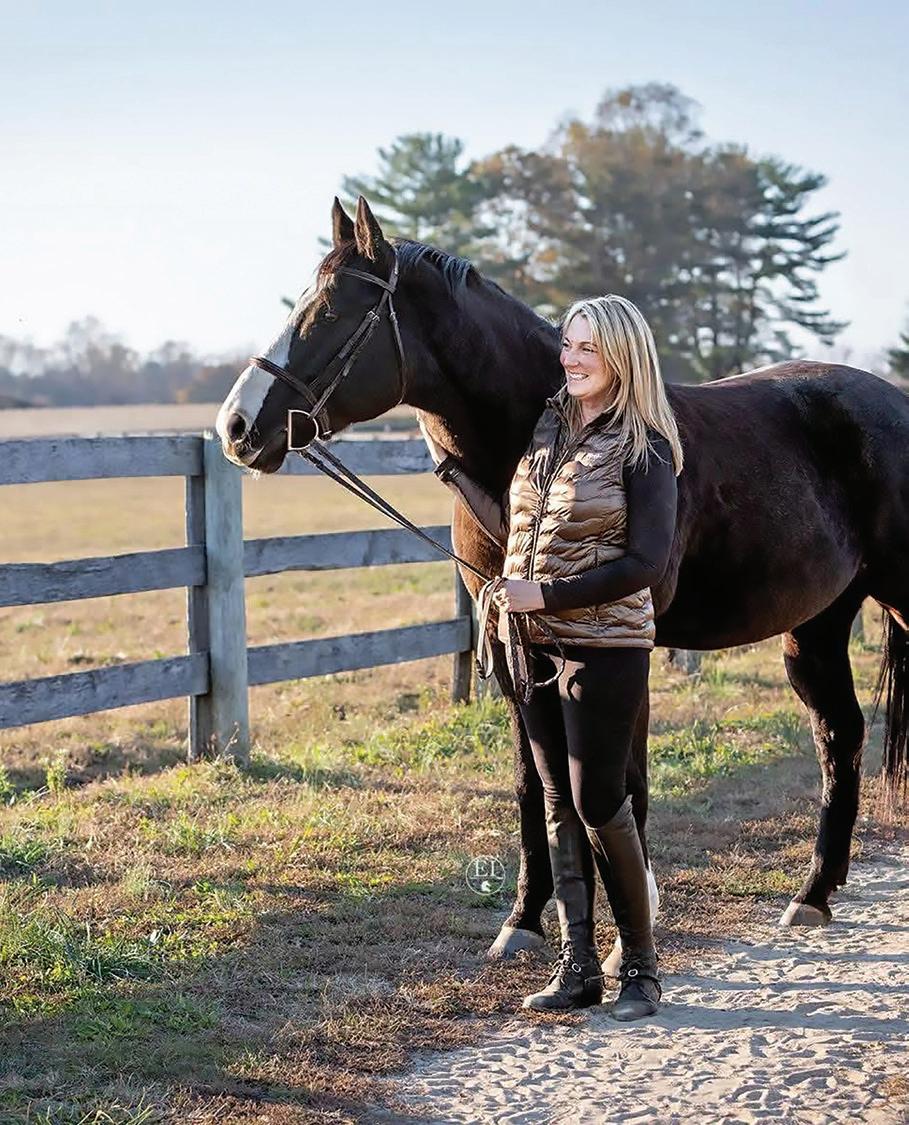
What young woman hasn’t begged for her very own pony at some point in her life? Little and big girls alike, whether they grew up with horses or only wish they had, will enjoy seeing the new spring foals and the blue-blooded horses of the hunt country at the Memorial Day weekend annual Hunt Country Stable Tour. For most people, this is the best way to visit some of the most magnificent privately-owned farms and estates in the heart of the hunt country around Middleburg and Upperville. Begun as a church fundraiser over 40 years ago, selected farms open their doors (well, their barn doors) to the public on Saturday and Sunday of Memorial Day weekend. Featured are breeding farms, training farms, hunt stables, even jousting and polo. You can pack a picnic to enjoy at one of the farms, or buy a ticket package that includes one to be picked up at the church in Upperville. To get a map and a ticket that will get
you in all the farms ($25 per person) go west on Rt. 50 through Middleburg to Upperville. Trinity Episcopal Church is on your right. Tickets can also be purchased at the farms themselves. www. HuntCountryStableTour.org or call 540/592-3711.
Fine Wine
OK, Virginia does have distilleries but it’s better known for its fi ne wines, aged gracefully in some of the most beautiful areas of the state. A good place to sample the best of the state is at one of the many public events the wineries host throughout the season. Billing itself as the ultimate spring picnic, Great Meadow hosts a wine festival on the weekend of June 14th. Taste over 300 artisan wines and enjoy fancy food, fi ne art, and fabulous music all day both days. You'll love the Virginia wine varietal taste-offs and the Virginia Versus the World smackdown, pitting Virginia wines against wines from California, Spain and France. There will be kite flying and draft horse carriage rides both days, twilight polo Saturday evening, and a foxhound parade and NAPPA Steeplechase races Sunday afternoon. We've even heard rumors of elephant polo! Come out and enjoy Great Wine, Great Art, Great Food & Great Entertainment at Great Meadow in The Plains. Tickets start at $25 online; for more information or to purchase tickets contact the Farm Wineries Council, at (540) 9878265, Donna@farmwineriescouncil.org, or visit www.winefestivalattheplains.com there’s plenty to delight the palate this month as well.
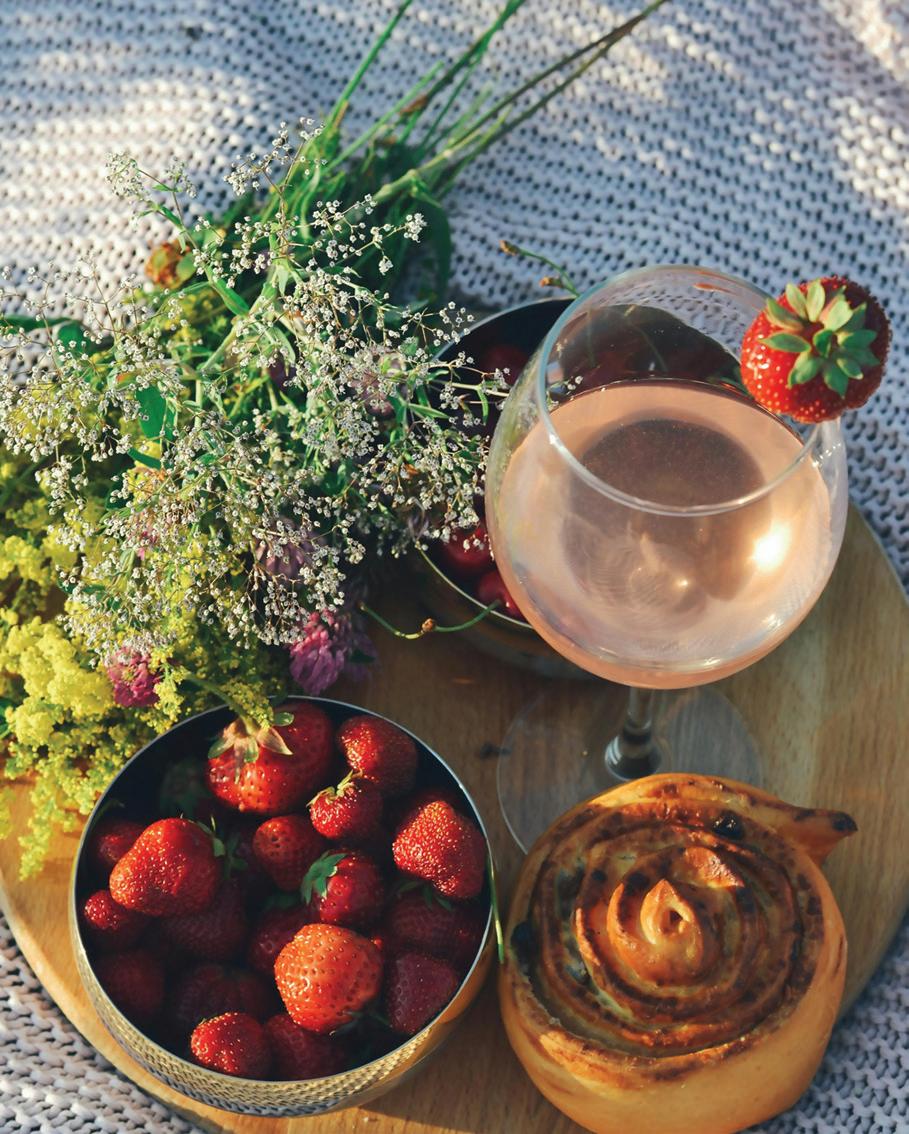
Strawberries
A family favorite in May, on Memorial Day weekend, the Delaplane Strawberry Festival is held at Sky Meadows State Park, Delaplane from 10am - 5pm. Sky Meadows is in the heart of Virginia's beautiful hunt country, only an hour's drive from Washington DC. A weekend of family fun, featuring local crafters, children's games, hayrides, live entertainment, a raffle, an old-fashioned bake sale, antique cars, petting zoo, fresh strawberries, and more. Events include 5K Run/Walk, Strawberry Pie and Jam Contest, and the fi rst-ever National Strawberry Eating Championship! Proceeds from the festival are used to fund the ministries and outreach programs of Emmanuel Episcopal Church, Delaplane. Admission $20/vehicle; more information or to purchase tickets call (540) 592-3556 or visit the www.delaplanestrawberryfestival.com
Juliet Taylor and Allie
HUNT COUNTRY
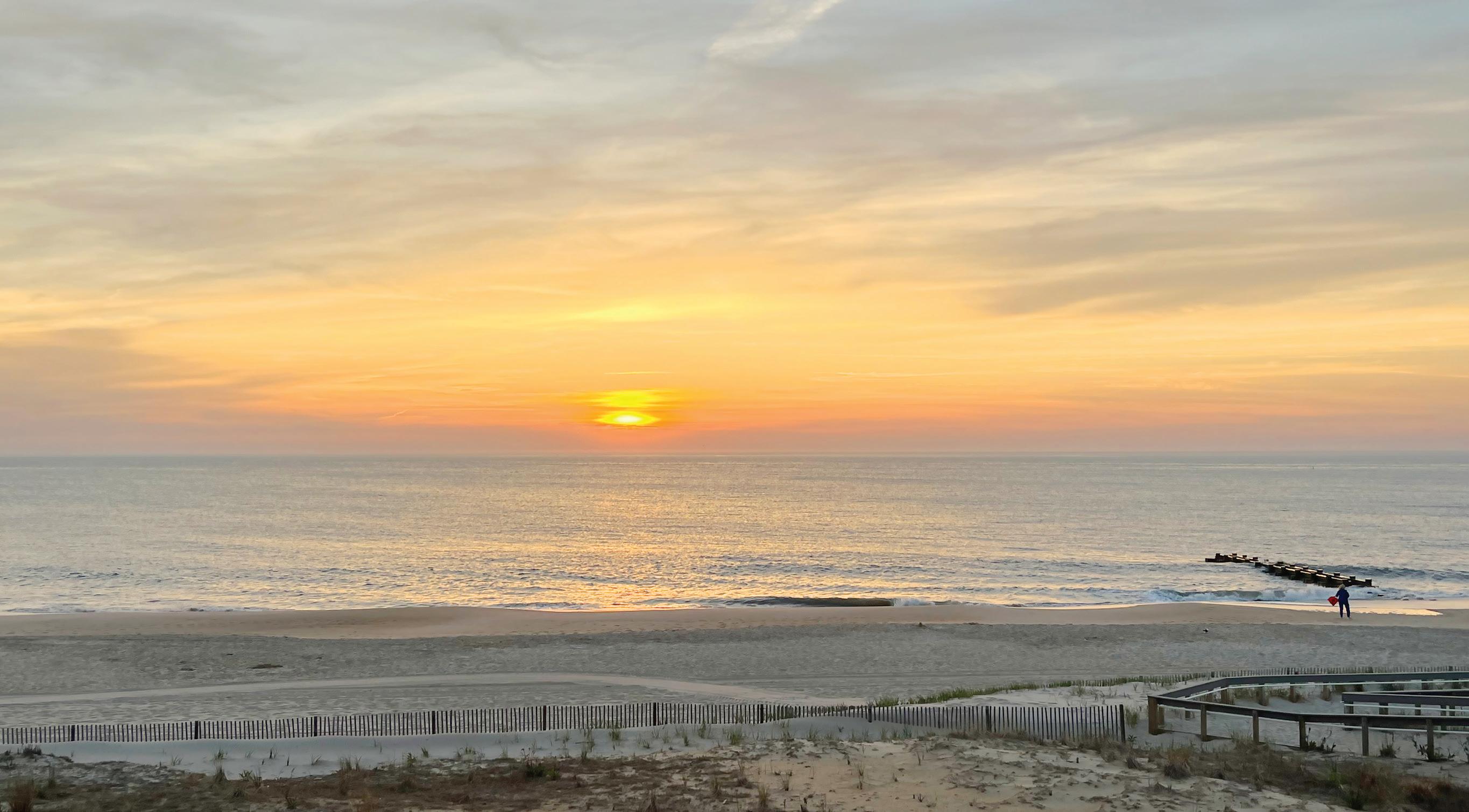
Our Annual Return to Rehoboth…
This past month we decided to return to one of our favorite destinations...Rehoboth Beach, Delaware. As in the past, we chose to go during the shoulder season, before Memorial Day and the beginning of the summer. The weather can be on the chilly side, however this year we hit it right. The temperatures were in the upper 70's and lower 80's and no rain.
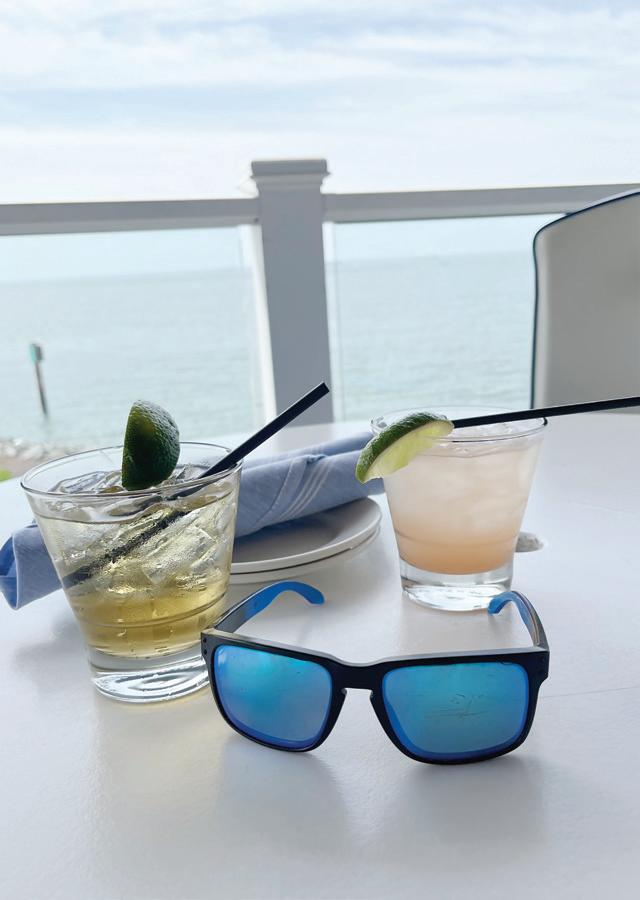
On the drive to the beach, we don’t normally stop until we get to our destination but this time we decided to make a stop for lunch enroute. We chose the new Libbey's Coastal Kitchen & Cocktails that sits right on the Bay once you cross the bridge on Kent Island. For those of you who have made this trek over the years, Libbey's is where
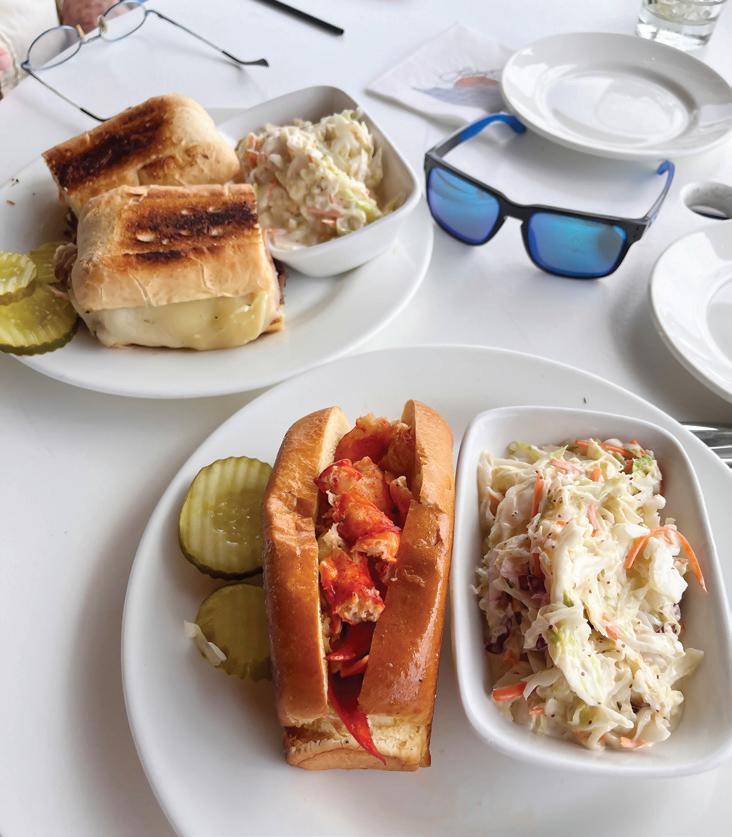
popular Hemingway's restaurant used to be. It is a good stop for a break as we are through with the hysteria of the interstate and will soon be on the back country roads of Delaware. The deck at Libbey's is great for lunch and has a beautiful view of the bridge and the Chesapeake Bay. We could watch small aircraft being buffeted around by the wind as they came into land coming across the Bay. It was a nice respite from the hectic traffic. After beverages, a lobster roll and Cubano sandwich we got back on the road. Highly recommend a stop here.
Going to the beach in the shoulder season's only disadvantage is the uncertainty of the weather. As you just read, we hit the jackpot this past month. Beautiful weather, free parking, less crowded and pretty much the majority of the restaurants and stores are open. When I used to go to the Ocean City, fifty years ago, the towns were somewhat seasonal, but today they are all year-round communities.
Once again, we stayed at the beautiful Boardwalk Plaza Hotel on the boardwalk and two blocks from Rehoboth Avenue, the main drag in town. The Plaza is a Victorian Hotel with Victorian furniture and furnishings and all the rooms that line the boardwalk have a beautiful view of the Ocean and a stunning sunrise every morning. Another bonus of the Plaza is the Grotto, a hot tub type of swimming pool that connects to a hot tub outside
along the boardwalk. One of the best attractions is the beautiful birds that grace the lobby. Emro the Sun Conure, Peanut the African Grey and Moose the Quaker Parrot each have a cage and all three totally different personalities. Unfortunately, on this trip Moose was under the weather so we didn’t get to see him but Peanut did give Lani the old wolf whistle when we left.
The Boardwalk Plaza also has its' own restaurant and pub. In addition, there is a hot tub on the roof that only the fourthfloor guests can access.
That afternoon we visited a few of our favorite places on and around the boardwalk. We fi rst went to Nalu, which is Hawaiian for wave. It is a very good restaurant with a huge bar that opens up to the boardwalk. They refer to it as a surf bar and there are surf images throughout. One of my favorite treats is the bacon wrapped pineapple chunks...delicious. The boardwalk and Rehoboth Avenue is loaded with good restaurants and shops. It is a great destination on cool or rainy days.
We also walked a few blocks west to another favorite watering hole, the Purple Parrot. This place is always busy with great food and cocktails. In the next block as the Parrot is the Summer House, a favorite dining spot for the last 50 years.
Back in the late 60s early 70s the Summer House was everyone's destination from the DC area. Group beach houses and buried kegs were the norm.
Right next to the Purple Parrot is another great place to stay...
The Avenue Inn and Spa. Almost everyone out on this day were in shorts for the balmy temps.
With such beautiful weather we decided the next day to head to Lewes, Delaware and take the auto ferry across the Delaware Bay into Cape May, New Jersey. The ferry ride is always a treat in nice weather. You drive your vehicle on, park it and head to the upper deck for refreshments and wonderful views as you cross the Bay.
The 17-mile boat ride takes about 85 minutes and is the quickest way to get to Cape May. Unfortunately, we didn’t see any dolphins coming or going. We understand that there are regular sitings and head boats that take you out in search of them. Just wasn’t in the cards on our trek.
We decided to take my truck and drive into the heart of CM to the Washington Street Mall. This three-block walking mall is much like the one in downtown Winchester, VA and what we assume what Old Town Alexandria’s 100 & 200 blocks of King Street aspire to be. There are fountains surrounded by beautiful plantings, cleverly designed information kiosks and some of the
most enchanting stores and eateries that we have encountered in a long time. We decided to look for a good place to have lunch and fi rst stopped at the Fish Market Restaurant – a beautiful place for sure - but found out that they didn’t have a liquor license, so we opted for their sister restaurant next door, Delaney's Irish Pub, since they do have a license. It seems that there are a limited number of liquor licenses available in Cape May, however, we were told that some restaurants allow you to go
to the liquor store and buy your own and bring it back and there is a liquor store in the mall but we decided not to go that route. The Pub is very nice and very Irish with very friendly people working the floor and behind the
bar – our girl Vika took very good care of us.
Cape May proudly marks two remarkable milestones this year: the 175th anniversary of their incorporation and the 50th anniversary of their designation as a National Historical Landmark. By comparison, Alexandria celebrated their 250th anniversary in 2025. According to the local Chamber of Commerce, “This anniversary offers Cape May a meaningful opportunity to reflect on where they have been, celebrate who they are, and a look ahead to the future they are building. Throughout 2026, Cape May will be celebrating with events, programs, and activities that honor their city's legacy while engaging residents, businesses and visitors alike.”
without a vehicle, but Cape May is a large town so a form of transportation is important in order to get around. There really isn’t anything but Higby Beach that is walkable from the dock. A lot of folks take their bikes for getting around, and being a coastal town, the landscape is very flat. Cape May spreads from the Atlantic Ocean to the Delaware Bay and canal. Because of our poor planning, we didn’t have time to do anything but explore the Mall. I wanted to show Lani some of the beautiful Victorian homes and more of the scene along Beach Avenue but our return trip departure called us back. Next time we are spending a night there.
Our return trip was on the windy and MUCH cooler side as the sun slowly began to set in the west. It was a good thing Lani had the sense to get a couple of “souvenir” jackets instead of ball caps. I stayed outside for the duration but she went inside and lounged on one of the chairs that look like they belong in the Business Class of an airplane.
Once off of the boat back in Lewes, the temps were back to very pleasant and it was nice to get back to Rehoboth and our room at the Boardwalk to relax and settle in for the evening.
The next day, I opted to skip breakfast while Lani enjoyed hers dining al fresco on the boardwalk at the hotel restaurant, Victoria’s. There was another gorgeous day on the way. We checked out at noon and began our return trip home. We drove to Rehoboth through Delaware on Route 9, but chose Route 50 for our return trip. Since it was Friday midday, traffic was minimal.
As is our custom on our way home, we stopped on Kent Island again to have a late lunch at our favorite joint, The Jetty. This massive open-air bar
Cape May is truly a beautiful coastal city and is quite spread out. Some folks take the ferry
and restaurant out on the water was rocking with a lot of energy since the fi rst day of the Bay Power Boat Show was just getting underway. This stop is always a good place to wrap up the return to the big city.
…With a Side Trip to Cape May
CARIBBEAN CONNECTION
KAREN UDLER
St. Thomas, St. John & St. Croix – No Passport Needed
We are so happy to feature these three islands this month. We are particularly fond of St. John and are hoping to get back to the islands this year. Caribbean Connection’s Karen Udler fills you in on what awaits you when you arrive at these island paradises. – Lani Gering
The white sands of Lindquist Beach. The shimmering turquoise of Sandy Point. The green hills above Magens Bay. The sound of a steel pan carrying across an open shoreline.
This is what travelers are fi nding when they arrive in the U.S. Virgin Islands right now — places that feel unmistakably Caribbean, with deep-rooted culture, local rhythms, and beaches that haven’t been overbuilt. At the same time, getting here stays simple, familiar, and direct for U.S. travelers. In 2026, that combination of authenticity and ease is translating into record demand across the territory.
What’s Driving the Demand Right Now
The entry point stays simple. No passport required for U.S. travelers, the U.S. dollar in circulation, and frequent flights from mainland cities keep the process straightforward from the start. You land, collect your bags, and leave the airport without another checkpoint.
That ease continues once you’re on the ground. Roads connect easily across each island, taxis are readily available, and ferries between St. Thomas and St. John run consistently throughout the day. You can stay in one place or divide your time between islands. What travelers fi nd is comfort: clear water, beaches that remain accessible, and towns where restaurants and bars sit within short distances of each other. It’s easy, and it’s exactly what you want.
St. Thomas: Harbor Activity & Immediate Access
The harbor in Charlotte Amalie fills early, with cruise ships docked along the waterfront and foot traffic moving through the streets. A short drive changes the setting. On the Northside, Magens Bay stretches in a wide arc with calm water and a long shoreline that holds steady even on busy days. On the East End, Lindquist Beach remains more open, with fewer structures along the sand and clear water extending outward.
Sapphire Beach faces toward St. John, with steady wind and anchored boats offshore, while Coki Beach stays active with snorkeling just steps from shore. In Red Hook, restaurants and bars cluster near the ferry terminal, making it easy to transition from a beach day to dinner without long drives. The island keeps everything within reach, allowing you to move through different settings without overplanning. And then there are places like Hull Bay.
Where to Stay in St. Thomas
At Bolongo Bay Beach Resort, rooms open directly toward the water, with the shoreline just steps away. The property centers around Iggies Beach Bar and Oasis Restaurant, both positioned along the sand with open-air seating and steady service throughout the day.
The all-inclusive option covers meals, drinks, and watersports, including kayaking, paddleboarding, and snorkeling. The layout stays compact, so you move easily between your room, the beach, and dining areas, spending most of your time outdoors with the water always in view. Even better? There’s even a unique kind of treasure hunt
St. John: Protected Coastlines and Clear Water
The ferry arrives into Cruz Bay, where boats line the harbor and restaurants fill the waterfront. Within minutes, the road rises and the surroundings change. Much of St. John remains part of Virgin Islands National Park, keeping development limited and preserving long stretches of coastline.
At Trunk Bay, white sand meets clear water, with a marked snorkeling trail just offshore. Cinnamon Bay offers a longer shoreline with more room to spread out, while Maho Bay stays shallow and calm, with water that holds its clarity throughout the day. Roads wind across the island, revealing steady views of the coastline before returning into shaded stretches, keeping each part of the island visually distinct.
Where to Stay in St. John
The Saint is set above Cruz Bay, with open views toward the harbor and surrounding water. The adults-only property centers around a pool and bar area, where cocktails are served throughout the day and into the evening.
Rooms include private terraces, and the layout keeps attention on shared outdoor spaces that face outward toward the water. You can walk into town for dinner, then return to a quieter setting above it, with the property maintaining a controlled, relaxed atmosphere. The eatery is a guest favorite.
St. Croix: Two Towns, Longer Drives, and a Strong Food Scene
In St. Croix, the experience spreads out. The island runs larger, and the difference shows immediately in the longer drives and wider distances between destinations and beaches.
Christiansted carries the historic core, with Danishera buildings lining the waterfront and a boardwalk running along the harbor. Restaurants open directly toward the water, and the dining scene has become one of the island’s strongest draws. You’ll fi nd places like the legendary Savant, known for its
Caribbean-forward, ever-changing menu inside a torch-lit terrace setting, The Mill Boardwalk Bar & Brick Oven Pizza, which stays active along the waterfront, and Rum Runners, where tables face the harbor and the menu leans into fresh seafood and local flavors.
On the west end, Frederiksted opens wider, with quieter streets and direct access to long stretches of beach. The setting feels more residential, with easy access to the shoreline and a slower pace through town. Nearby, beach bars and casual spots serve straightforward food with the water always in sight.
At Sandy Point, white sand runs uninterrupted along the coast, one of the longest beaches in the Caribbean. Offshore, Buck Island Reef National Monument draws boats daily, with clear water and coral formations visible beneath the surface. You spend more time driving here, but each part of the island delivers a different setting, from historic waterfront to open coastline.
Where to Stay in St. Croix
At The Buccaneer, the iconic property extends across a large stretch of coastline east of Christiansted, with multiple beaches including Mermaid’s Beach and Grotto Beach. Rooms are positioned across the grounds, from beachfront locations to higher elevations with wider views. The resort includes a fantastic 18-hole golf course, tennis courts, and several dining venues, including The Terrace and The Mermaid. There’s also a very lovely oceanfront infi nity pool and a beautiful beach.
In Frederiksted, The Fred keeps a smaller footprint along the waterfront, with rooms positioned close to the pool and bar area and the sea directly beyond. The adults-only favorite hosts regular events, including live music and themed nights, bringing both guests and locals into the space. You can walk into town within minutes, with restaurants and historic streets nearby, keeping the experience connected to Frederiksted rather than separate from it.
Why St. Thomas, St. John, and St. Croix
You’re not choosing one version of the Caribbean here. In St. Thomas, you step into a harbor town with immediate access to beaches and dining. In St. John, you reach protected land and quiet shoreline, with limited development and clear water across most of the island. In St. Croix, you cover more ground, with longer drives, stronger town identities, and one of the most compelling food scenes in the region.
The experience changes with each island, but the transition between them stays simple.
The Takeaway
The numbers confi rm what’s already happening on the ground. More travelers are arriving in the U.S. Virgin Islands, and they’re fi nding an experience that stays consistent: clear water, accessible beaches, and three islands that each deliver something distinct within a short distance.
You can arrive without complication, settle in quickly, and spend your time on the shoreline instead of planning around it. Right now, that’s enough to keep the momentum going.
How to Get to the U.S. Virgin Islands
Getting to the U.S. Virgin Islands stays straightforward, and that ease is part of what’s driving the continued surge in arrivals. You don’t need a passport if you’re a U.S. traveler, and flights run daily from multiple mainland cities, particularly along the East Coast. Most travelers arrive through Cyril E. King Airport on St. Thomas, which serves as the primary gateway to the territory. Major carriers including American Airlines, Delta Air Lines, United Airlines, JetBlue Airways, and Spirit Airlines operate regular nonstop and connecting service from cities like Washington DC, Miami, Fort Lauderdale, New York, Atlanta, Charlotte, and Philadelphia. From St. Thomas, you can stay on island or take a short ferry ride — typically 15 to 20 minutes — to reach St. John via Red Hook or Charlotte Amalie.
St. Croix has its own airport, Henry E. Rohlsen Airport, with direct service on American Airlines, Delta Air Lines, and Spirit Airlines, along with connections through mainland hubs and San Juan. Flights into St. Croix tend to be slightly less frequent than St. Thomas, but they offer a direct path if you’re planning to base your stay there.
That’s along with new flights on Southwest Airlines to St Thomas that launched earlier this year. www.caribjournal.com/2026/02/06/ southwest-airlines-caribbean-island-daily-stthomas/
Once you land, getting around stays simple. Taxis are widely available at both airports, and rental cars are easy to arrange if you want to explore more of each island. On St. John, most visitors rely on rental jeeps or taxis due to the terrain. Inter-island travel is handled by ferry between St. Thomas and St. John, and by short flights if you’re connecting to or from St. Croix.
You step off the plane, grab your bags, and you’re already on your way to the beach.
Fares Right Now
You can fi nd flights that are very appealing, especially given the fuel price climate right now. I found flights on Spirit from Miami to St Thomas on Google Flights for $219 in May, and $321 on American. The St Croix story is even better: I found prices at $213 from Miami on Spirit and $347 on AA. From New York to St Thomas, it’s as low as $363 on American.
About the author: Karen Udler is the Deputy Travel Editor of Caribbean Journal. A graduate of Duke University, has been traveling across the Americas for three decades. First an expert on Latin American travel, Karen has been traveling with CJ for more than a decade. She likes to focus on wellness, luxury travel and food.
Publishers Note: This column has been edited for space. We are happy to partner with Alexander Britell, Founder and Editor in Chief of the Miami, Florida based Caribbean Journal and his staff. Check out the popular online magazine/website at caribjournal.com.
DINING GUIDE
AMERICAN
1799 PRIME STEAK & SEAFOOD
110 S. Pitt Street
571-404-6001
ADA'S ON THE RIVER
3 Pioneer Mill Way
703-638-1400
AUGIE’S MUSSEL HOUSE 1106 King Street 703.721.3970
BLACKWALL HITCH
5 Cameron St. 703-739-6090
BOB & EDITHS DINER 1743 King Street
703-664-0043 bobandedithsdiner.com
CHADWICKS 203 Strand St. 703-836-4442
CHART HOUSE One Cameron St. 703-684-5080
CITY KITCHEN
330 South Pickett St. 703-685-9172 fatcitykitchen.com
COOPER MILL 10 Duke St. 703-566-1278
EDDIE'S LITTLE SHOP & DELI 1406 King Street 571-312-8615
EVENING STAR CAFÉ
2000 Mt. Vernon Ave.
703-549-5051
EXECUTIVE DINER & CAFE 1400 Duke Street 703-299-0894
FRANKIE'S KITCHEN & COCKTAIL BAR 823 S. Washington St. 703-512-2118 frankiesoldtown.com
GADSBYS TAVERN 138 N. Royal St. 703-548-1288
HARD TIMES CAFE 1404 King St. 703-837-0050
HEN QUARTER 1404 King St. 703-684-6969
HOME GROWN 1600 King Street 703-705-4955
HOPS 'N SHINE 3410 Mount Vernon Ave. 703-566-1509
HUMMINGBIRD 220 South Union Street 703-566-1355
JACK'S PLACE 222 North Lee St. 703-684-0372
JOE THEISMANNS
1800 Diagonal Rd. 703-739-0777
JULA'S ON THE POTOMAC 44 Canal Center 571-800-6644
JUNCTION BAKERY & BISTRO 1508 Mount Vernon Avenue 703-436-0025 junctionbakery.com
KILN - HOTEL HERON 699 Prince St. 703-662-1900
KINGS RANSOM 728 King Street 571-319-0794
LAPORTAS 1600 Duke St. 703-683-6313
THE LIGHT HORSE 715 King Street 703-549-0533
LOST DOG CAFE
808 North Henry St. 571-970-6511
MACMILLAN'S SPIRIT HOUSE 500 Montgomery St. 703-665-6690
MASON SOCIAL 728 Henry Street 703-548-8800 mason-social.com
MURPHY'S GRAND IRISH PUB 713 King St. 703-548-1717 murphyspub.com
NORTHSIDE 1O 10 East Glebe Rd. 703-888-0032
OAK STEAKHOUSE 901 N. St. Asaph St. 703-840-3395
O'CONNELLS RESTAURANT & BAR 112 King St. 703-739-1124 DanielOconnells.com
PORK BARREL BBQ 2312 Mount Vernon Ave. 703-822-5699
THE PEOPLES DRUG 103 N. Alfred Street 571-257-8851
RAMPARTS 1700 Fern St. 703-998-6616 rampartstavern.com
RIVER BEND BISTRO 7966 Fort Hunt Rd. 703-347-7545 riverbendbistro.com
ROCK IT GRILL 1319 King St. 703-739-2274
ROYAL RESTAURANT 730 N. St. Asaph St. 703-548-1616
RT'S RESTAURANT 3804 Mt. Vernon Ave. 703-684-6010 rtsrestaurant.com
SHOOTER MCGEES 5239 Duke St. 703-751-9266
SLATERS MARKET 1552 Potomac Greens Dr. 703-548-3807
SMOKING KOW BBQ 3250 Duke Sttreet 703-888-2649
SONOMA CELLAR 207 King St. 703-966-3550
SOUTH BLOCK 106 N. Lee Street 703-465-8423
SOUTHSIDE 815 815 S. Washington St. 703-836-6222
SWEET FIRE DONNA'S
510 John Carlyle Street 571-312-7960
THE MAJESTIC 911 King St. 703-837-9117
THE STUDY 116 South Alfred Street 703-838-8000
T.J. STONE'S
GRILL HOUSE & TAP ROOM 608 Montgomery St. 703-548-1004 tjstones.com
TOASTIQUE GOURMET TOAST & JUICE BAR 1605 King Street 571-312-1909
UNION STREET PUBLIC HOUSE
121 South Union St. 703-548-1785 unionstreetpublichouse.com
VIRTUE FEED & GRAIN 106 South Union St. 571-970-3669
VOLA’S DOCKSIDE GRILL & HI-TIDE
LOUNGE
101 North Union St. 703-935-8890
THE WAREHOUSE BAR & GRILL
214 King St. 703-683-6868 warehouseoldtown.com
ASIAN
ASIAN BISTRO
809 King St. 703-836-1515
CAPHE BANH MI VIETNAMESE
407 Cameron St. 703-549-0800
INDOCHEN 1625 King Street (571) 404-6050
KISSO ASIAN BISTRO
300 King Street
703-888-1513
MALAYA 1019 King St. 703-519-3710
MAI THAI 9 King St. 703-548-0600
NASIME 1209 King St. 703-548-1848
RAILBIRD KITCHEN 804 North Henry St. 703-577-9023
SIGNATURE THAI 722 King Street 707-888-2458
SISTERS THAI 503 Montgomery St. 571-777-8154
TOKYO JAPANESE STEAKHOUSE 66 Canal Center Plaza 703-683-8878
UMIYA SUSHI 3000 Duke Street 703-564-1800
CONTINENTAL
ALEXANDRIA BIER GARDEN 710 King Street 703-888-1951
CEDAR KNOLL GW Parkway at Lucia Ln. 703-780-3665
OLD HOUSE COSMOPOLITAN 1024 Cameron Street 703-717-9361
FRENCH
BASTILLE 606 N. Fayette St. 703-519-3776 bastillerestaurant.com
BEN' YAYS 1028 King Street 703-495-3888
LE REFUGE 127 N. Washington St. 703-548-4661
FONTAINE CAFFE & CREPERIE 119 S. Royal St. 703-535-8151
LA MADELEINE 500 King St. 703-729-2854
JOSEPHINE 109 South St. Asaph St. 703-683-1776
TWO NINETEEN RESTAURANT 219 King St. 703-549-1141 ITALIAN
ALDO'S ITALIAN KITCHEN 2850 Eisenhower Avenue 703-888-2243
ANDY’S PIZZA 107 N Fayette St 571-319-0497
BUGSY'S PIZZA RESTAURANT 111 King St. 703-683-0313
EPICURE ON KING 703 King Street 703-838-9090
HANDOVER BY THE SLICE 728 King Street 571-319-0794
IL PORTO RESTAURANT 121 King St. 703-836-8833
LANDINI BROTHERS 115 King St. 703-836-8404 landinibrothers.com
LENA’S WOOD-FIRED PIZZA & TAP 401 East Braddock Rd. 703-960-1086
MIA'S ITALIAN KITCHEN 100 King Street 703-997-5300
PIECE OUT 2419 Mount Vernon Avenue 703-398-1287
REDROCKS NEAPOLITAN BISTRO 904 King St. 703-717-9873
THOMPSON ITALIAN 1026 King Street alexandria@thompsonitalian.com
MEDITERRANEAN
BARCA PIER & WINE BAR 2 Pioneer Mill Way 703-638-1100
DELIA'S MEDITERRANEAN GRILL 209 Swamp Fox Rd. 703-329-0006
ELAINE'S 208 Queen Street 571-970-0517
TAVERNA CRETEKOU 818 King St. 703-548-8688 tavernacretekou.com
PITA HOUSE
719 King St. 703-684-9194
VALLETTA PORT 682 N St Asaph St. 703-512-4122
VASO'S MEDITERRANEAN BISTRO 1118 King Street 703-566-2720
VASO'S KITCHEN 1225 Powhatan Street 703-548-2747
SEAFOOD
HANK'S OYSTER BAR 818 N St. Asaph 703-739-HANK
FISH MARKET 105 King St. 703-836-5676 fishmarketoldva.com
THE WHARF 119 King St. 703-836-2834
WHISKEY & OYSTER 301 John Carlyle 703-567-1533
INDIAN
BOLLYWOOD MASALA 211 King Street 703-512-0175
DISHES OF INDIA 1510A Bellview Blvd. 703-660-6085 DIYA 218 North Lee, 2nd Floor 703-706-5338
KISMET MODERN INDIAN 111 North Pitt Street 703-567-4507
NAMASTE 1504 King St. 703-970-0615
MEXICAN LATIN SOUTHWESTERN CASA TEQUILA 1701 Duke 703-518-5312
CHOP SHOP TACO 1008 Madison Street 571-970-6438
DON TACO TEQUILA BAR 808 King St. 703-988-3144
LOS CUATES 1116 King Street 703-548-2918
LOS TIOS GRILL 2615 Mt. Vernon Ave. 703-299-9290
LOS TOLTECOS 4111 Duke St. 703-823-1167
TAQUERIA POBLANO 2400-B Mt. Vernon Ave. 703-548-TACO (8226)
TEQUILA & TACO 540 John Carlyle Street 703-721-3203
URBANO 116 116 King Street 571-970-5148
Eclairons Old Town –French Inspired with Lebanese Flavors
The quasi-historic site located on the corner of South Washington and Wilkes Streets in Old Town got a bit of a facelift earlier this year but kept held to the same theme as its former predecessors – Schuman’s Bakery (established in Alexandria in 1876) that specialized in the iconic Jelly Cake and the last local brick and mortar location for Firehook Bakery whose specialty was their Mediterranean crackers that are now being produced on a wholesale level elsewhere. Eclairons obviously has some big shoes to fill and it appears that they are on the right track.
This 430 South Washington Street location is the second Eclairons to open in the DMV. Their sister restaurant can be found in Arlington. Both are family owned and operated by Pastry Chef Toni Srour. Many of you may recognize his name as he has been associated with Alexandria-based wholesale bakery Maurice Pastries for several years. We debated about covering a few of the Mother’s Day Specials that will be available on the 10th in this space, but thought it might be fun to check out a casual place that you can treat Mom - or anyone - to without making reservations and breaking the bank and revisit on a regular basis. While we wouldn’t classify the price point at Eclairons as “cheap eats” – our lunch of a
sandwich, a wrap, a soft drink, an espresso, a brownie and a tart topped out at around $55 – we think it is a good value.
While the breakfast and lunch menus are fairly minimal, there is something for just about every palate. All of the items concentrate on being healthy choices. Both of us had our eye on the tuna salad sandwich but we decided we needed to give one of the wraps a test drive. In retrospect, we should have taken a better look at the display case where there were some very tasty looking submarine-style and croissantbased sandwiches and quiches available. Will save those choices for next time.
The tuna sandwich was a good size served on multigrain bread and included a slice of sharp cheddar. It was a good combo. The chicken shawarma wrap was a new experience for us both. The braised chicken shawarma, hummus, pickles, potato, toum (Lebanese garlic sauce) and chopped pickle in a whole wheat wrap was very tasty. We were a bit leery of the potato part but it added another layer and was very good. Neither are served with a side.
We didn’t have room for dessert so we decided to take a chocolate chip cookie brownie and a Key lime tart home to share later. They were both great choices. The brownie is very, very, very chocolaty and
rich and the tart topped with meringue was as close to perfect as you can get with a Key lime infused dessert.
Eclairons clearly prides themselves on their pastries, and it is evident by the extensive choices on both the sweet and savory sides. We refer you to the photos accompanying this write up.
Open daily, they serve breakfast items and sandwiches until 2 pm each day. We stopped in right around noon on our last visit and there were a few people sitting on the patio and the line was forming at a nice pace inside.
The coffee they serve is the very popular illy brand and the espresso bar is impressive. While they don’t have beer or wine, they do have a nice selection of “healthy” soft drinks. I tried my fi rst Olipop vintage cola that is purported to support your digestive health. Tasted great in any case and I may just seek it out the next time I go to the store.
The décor is simple and impressive. The mural at the north end of the room is very inviting as is the one behind the coffee station. There are two patios available for seating outside and each with a decorated pergola surrounding them. It provides for a good place watch all those pour souls traversing Washington Street traffic as you sit and enjoy a beverage, a sandwich or wrap and a sweet treat!
Eclairons
Deep-Fried Soft Shell Crabs
Now that soft shell crab season is upon us, we should be thinking about frying up a few of these fabulous crustaceans. The soft shell crab is one of the South’s greatest contributions to American cuisine. Soft shells are a delicacy in every sense of the word. They can be sautéed or deep fried. A soft shell is a common blue crab that’s harvested during the early stages of molting, when the crab sheds its smaller shell and before a new, larger shell forms. The crab should be cooked before the new shell begins to harden.
Only buy crabs that are alive. If they don’t move when touched, they’re dead and you won’t know when they expired. Smell the crabs. Like other seafood, soft shells should be odorless or smell like the ocean. Avoid buying frozen crabs as they lose most of their body fluid when they thaw out and appendages tend to break off. Soft shells should only be consumed during the season, which varies with the latitude.
A bit of pre-cooking preparation needs to be done:
Cleaning the Crab
1.To clean soft-shell crabs, hold the crab in one hand, and using a pair of kitchen shears, cut off the mouth and eye parts.
2. Lift one pointed end of the crab’s outer shell; remove the gills by pulling them out. Repeat on the other side.
3. Turn the crab over and pull off the small flap known as the apron. Rinse the entire crab well and pat dry. Once cleaned, crabs should be cooked immediately.
Serves: 4 Time: 30 minutes
Ingredients
4 soft shells
2 large eggs
½ cup milk
1 cup all-purpose flour
2-3 cups frying oil, or as needed depending upon the size of pan.
Salt, pepper & seafood seasoning mix such as Old Bay, to taste
Directions
Combine the flour, salt, pepper and Old Bay. Whisk together the milk and eggs to make egg wash. To coat the crabs, dredge them thoroughly in seasoned flour, then dip in egg wash and back into the flour mixture. The crab is now ready for frying.
Heat the frying oil to 350ºF in a sauté pan. Carefully place the crabs into the hot oil. Cook for at least 2 minutes, or until golden brown on one side. With tongs, carefully turn over and cook until golden on the other side. When crabs fry, they tend to explode splashing oil on anyone standing nearby so cover with a frying screen or hold a lid a few inches over the pan. Drain on paper towel. Serve hot while they are still crispy.
Soft shells are great served with a *lemon-dill aioli, remoulade, tartar sauce or a spicy sriracha mayo with French fries and coleslaw as sides. They also make for a very tasty po’ boy sandwich. Any po’ boy should be made on a crunchy French baguette dressed with lettuce and tomato and any of the aforementioned condiments.
*Lemon-Dill Aioli: Combine mayonnaise or Greek yogurt with fresh lemon juice, lemon zest, garlic and chopped fresh dill.
Thieving Bourbon (Part two)
Ihad never spent time in Louisville. I had driven by it. My dad and I once stopped at Churchill Downs to bet on a few races, but that was forever ago. When my wife Leigh and I are in that area, we are usually in Lexington where her brother lives. I love Lexington. It’s a beautiful quaint little city. I’ve written about its charms in this column. However, Louisville is different. It’s also charming, but in its own special way. Plus, the Bourbon Trail begins there. Who could ask for more?
We traveled there recently for the Bourbon Classic, the best bourbon event in the world. We stayed at one of America’s classic hotels, the Seelbach, a beautiful historic hotel right in downtown
Louisville. The Seelbach was a social hub in the early 1900s that attracted celebrities, politicians, and even gangsters. Al Capone is said to have frequented the hotel, using it as a discreet meeting place while conducting bootlegging operations throughout the region. F. Scott Fitzgerald, one of my favorite writers, visited the Seelbach in the early 1920s. The hotel’s opulent Grand Ballroom is widely believed to have inspired scenes in The Great Gatsby
Once we settled in, it was time to check out the bar and have a bourbon. Before you judge, it was well after noon, by at least ten or fifteen minutes. And Louisville is known as Bourbon City. We head downstairs and into the Old Seelbach bar. It’s a beautiful classic bar that feels closer to a preProhibition lounge than a modern cocktail bar. It’s dark woods, polished brass, and slightly hushed ambiance envelope you as you enter. Then you see it, the whiskey selection. As is common in Louisville, the entire back of the bar is row after
The Loveliness of Louisville
row of great whiskeys, mainly bourbons. The fi rst page of their menu clearly states “Pouring 152 Bourbons for 110 Years. Sip some history.” The deep connection to the city’s bourbon culture really defi nes this bar.
We immediately order the Seebach Old Fashion. The old fashion is a staple in Louisville, and it’s our favorite way to begin an evening. This classic drink has an interesting history. In the early 1800s, the word “cocktail” was defi ned as a simple mixture of spirits, sugar, water, and bitters. One of the earliest
printed references to this style appears in 1806 in a publication called The Balance and Columbian Repository. As the 19th century rolled around, bartenders began experimenting—adding liqueurs, absinthe, and other ingredients to cocktails. Traditionalists started asking for their drinks to be made the “old-fashioned way,” and the name stuck. The Seelbach’s version is made with Makers Mark or Bourbon Barrel 14-year bourbon, fresh oranges, cherries, sugar, and bitters. We chose the Bourbon Barrel 14-year. To say it was delicious would be a laughable understatement.
That night’s dinner was at Steak and Bourbon, just a few blocks down the road in the city’s Entertainment District. It was highly recommended by our bartender. By the way, bartenders almost always have great dining recommendations. The atmosphere was great. It was modern but still had that elegant “clubby” classic steak house feel that I love. And of course, a great bourbon selection. As tempting as another bourbon was, I had to take it easy. We were doing a barrel pick the next morning (see last month’s issue). So, I needed to be a good boy. All of their steaks are Certified Angus Beef. We split the NY Strip and a bottle of Stags Leap Cabernet Sauvignon, both of which were fantastic. Friday’s lunch was at Merril’s Country Kitchen. This place has a honkytonk vibe and a menu of great comfort food. If you like fried chicken, Merril’s is a must visit spot. I devoured mine. I also figured it was time to try a local craft beer. I ordered a Goodwood Louisville Lager. The name is an obvious nod to Louisville’s baseball bat heritage. A real land beer, this lager is brewed with 100% Kentucky Grown grains. On the nose,
it has light grain and some corn sweetness. The fi rst sip delivers a crisp, clean body with mild malt sweetness and very low bitterness. At 4.2% ABV, it’s a perfect lunch beer.
Friday evening was The Bourbon Classic’s Culinary Night. It featured top chefs from Louisville pairing their food with drinks made from classic Kentucky bourbons. Almost every big brand name in the bourbon industry was there. We thoroughly enjoyed ourselves. One amusing note, the dress was “business casual.” Leigh was wearing a lovely dress, I was in khaki pants, a polo shirt, and a blue blazer. But some attendees, not all attendees, were wearing blue jeans, t-shirts, ball caps, and work boots that were not in prime condition or cleanliness. I guess “business casual” has a different meaning for some Kentuckians. Saturday, we chose to walk around the city a bit. Lunch was at Doc Crow’s Southern Smokehouse & Raw Bar. Housed in a restored 19th-century warehouse, this place has a warm, historic charm with exposed brick and a buzzing, high-energy atmosphere. The cuisine is southern, with a mix of slow-smoked barbecue and fresh seafood. Our oysters were fantastic. And as we found everywhere, there was a great bourbon program. Needing to try one of their old fashions from their list, we ordered The Greatest Old Fashioned; Four Roses Bourbon, Demerara simple syrup, and their house bitters. It was a wonderful drink.
After lunch, we headed down the street to the Old Forester Distillery. I had to see Big Penny, the massive forty-four-foot-tall copper column still
Tim’s Whiskey and Cigar Recommendations
running vertically through multiple floors of the building. It’s a Louisville legend and is not just for show, it’s a working still where the fermented mash is distilled into new spirits. This is where I discovered the Old Forester 117 Series Bourbon, last month’s featured bourbon.
There are bourbon barrel heads at almost every bar and restaurant in Louisville. Barrel picked bourbons are featured in most establishments. I could write a series of articles on that one great aspect of the city. Prohibition is referred to everywhere. Its repeal is when Louisville started to become the wonderful city that it is. Do yourself a favor and take a trip to Bourbon City. You will not regret it. The flight is short, the people are friendly, and the bourbon is great. Try to go The Bourbon Classic in February. If you are there on Saturday night, you might just see my wife and I tasting great bourbons. And if you do, feel free to join us. We do love good company. Cheers!
About the Author: Timothy Long is an educator, writer, consultant, and experienced restaurant operator. Email: tlong@ belmarinnovations.com . Instagram and Twitter: @wvutimmy. Blog: What is that fl y doing in my soup? whatfl yinmysoup.com
Buffalo Trace Straight Whiskey Bourbon
Buffalo Trace was a bit of a unicorn for years. Finding it was rare and when liquor stores did have it, it was gone within hours. However, it has mysteriously become more available this year, much to the delight of most bourbon lovers. It’s a wonderful bourbon. The nose has red apple and honey up front followed by licorice, marshmallow, and clove. The fi rst sip brings honey, followed by cinnamon and oak notes. This bourbon is smooth and delightful. It fi nishes the same as it starts, with honey and red apple. At 90 proof and $29 in Virginia, it’s a steal and a great addition to any collection.
Perez Carrillo Encore Cigar
A perfect match for the Buffalo Trace Bourbon in your hand. Once lit, this cigar opens with a smooth, medium-to-full-bodied profile with flavors of toasted oak, earth, and subtle spice. Hints of cocoa come through later in the smoke. This cigar’s flavors build gradually, rather than all at once, with a lingering spicy and a slightly creamy fi nish. It’s a refi ned, dependable cigar that would be a perfect day of golfi ng smoke. Enjoy.
This cigar, and many other fine cigars, are available at John Crouch Tobacconist at 215 King St. in Old Town Alexandria. Mention this article and get 10% off the purchase of this month’s recommended cigar.
Summer Stock Up: 12 Virginia Wines Under $30
The $20-30 price range is often cited as the ‘sweet spot’ for wine lovers. These are bottles meant to be splurged on without guilt, rather than saved for a ‘special occasion’. Naysayers may say the under $30 range puts more ‘serious’ Virginia wines out of reach. To an extent that may be true. You’re unlikely to fi nd big bold reds (which require aging in expensive barrels) in this price range, or the flagship bottles from wellknown wineries.
But don’t let anyone tell you that you can’t fi nd great local wine for under $30. Deals can be found if you know where to look. Here are 12 Virginia wines that strike the right balance between quality and affordability.
White Wines
Barboursville Vineyards 2024 Vermentino Reserve ($23): Barboursville’s Vermentino is so good, it’s been selected for the Virginia Governor’s Case (honoring the Top 12 wines in Virginia’s premiere wine event) 7 out the past 8 times its competed. Their 2024 Vermentino is the latest of wins. Vermentino isn’t a variety that comes to mind when thinking of Virginia wine but is very much in keeping with Barboursville’s Italian heritage. This wine has aromas of pear and lemon, followed by a surprising amount of minerality and acidity on the palate.
Chatham Vineyards 2024 Steel Chardonnay ($25): Located along Virginia’s Eastern Shore, Chatham produces some of the most terroirdriven wines in Virginia. I could easily list any of their wines here (their $28 Bordeaux-blend is also a steal), but my favorite is its steelfermented chardonnay.
Chatham’s secret weapon is its soil –a combination of sandy loam mixed with ancient shell deposits. This combination gives its chardonnays a unique minerality that makes them stand out. Make sure to pair this wine with local oysters.
Fifty-Third Winery & Vineyard
2024 Albariño ($29.99): Albariño is an up-and-coming grape for Virginia, having gone from 12 producing acres in 2019 to almost 60 in 2026. FiftyThird produces one of my favorites. This wine is a classic albariño. It’s superbly tropical with a focus on pear and apricot, and the nose perfectly matches the flavors on the palate.
Pollak Vineyards 2023 Sauvignon Blanc ($28): Pollak is another underthe-radar winery in a corner of Virginia full of great options.
Their 2023 Sauvignon Blanc won Gold at the 2026 San Francisco Chronical Wine awards, one of the
most prestigious wine competitions in the US. It has just a touch of oak coupled with 7 months aging in concrete, allowing the wine to express bright acidity and ripeness, along with notes of lemon and grapefruit.
Red Wines
Barren Ridge Vineyards 2023
Merlot ($28): The Shenandoah Valley combines two major advantages. First, limestone soil and limited rainfall make the valley a great location for viticulture. Second, land prices are affordable, making it easy to produce wine at very reasonable prices. This is why Barren Ridge is the fi rst of four Shenandoah-based vineyards to appear on this list.
Barren Ridge’s merlot is only 12.4% alcohol, making it very easy drinking. It has notes of raisinated fruit and caramel on the nose, with berry cobbler and forest floor on the palate.
Glen Manor Vineyards 2023
Petit Rouge ($25): Located outside Front Royal, Glen Manor Vineyards often has an affordable red wine to go alongside their lineup of topnotch Bordeaux blends. This spot is currently occupied by Petit Rouge, a cabernet franc-heavy red blend.
Petit Rouge has notes of plumb, fresh tobacco leaf, and violet. It’s bigger on the palate than you’d expect for a wine with the name “Petit” on it.
Gabriele Rausse Winery 2023
Cabernet Franc ($23): Gabriele offers an array of wallet-friendly wines, typically made in a ‘drink now’ style. One of my current favorites is their cabernet franc.
Cabernet franc thrives in Virginia and arguably could be its signature grape. This wine shows notes of black cherry, strawberry jam, plum, and vanilla on the nose. On the palate you’ll fi nd black raspberry, cola, and black pepper.
Noer Vineyards 2023 Cabernet Franc ($19): I added a second cabernet franc to my lineup because not only are these wines among Virginia’s most affordable reds, but very different expressions can be found across the state. Whereas Gabriele’s wine is juicy, I enjoyed Noer’s cabernet franc for its combination of bright acidity, black cherry notes, and overall approachability.
Noer is one of Virginia’s newest wineries, located not far from Staunton. The Shenandoah Valley already has plenty of budgetfriendly wines, but the price point of Noer’s wines are fantastic when you consider their quality.
Rosé and Sparkling
Fabbioli Cellars 2024 Rosé of Merlot ($26): The film “Sideways” did a disservice to merlot, a strong grape performer in Virginia. This merlot-based rosé is a case-in-point. Doug Fabbioli’s 2024 rosé won Best in Class at the 2025 Loudoun Wine Awards. The judges no doubt appreciated how it nicely balances acidity with a creamy mouthfeel, with notes of strawberries, white peaches, and honeysuckle. Try this wine with a lobster salad or a fresh fruit tart.
Ox-Eye Vineyards “Daily Bubbles” ($29): Owner John Kiers doesn’t believe bubbles should be reserved for special occasions. That’s why he makes “Daily Bubbles”, a Germanstyle sparkling wine designed not to break your budget.
This 50% Riesling/50% Grüner Veltliner blend is lighter and fruitier than most other Méthode Champenoise-style wines It has notes of pear and citrus, with a dryness that brings out its acidity. This makes “Daily Bubbles” both food-friendly and great for everyday quaffing.
Rosemont Vineyards Extra Brut Sparkling ($25): My list focuses on wineries that are under-the-radar and
deliver great value. Rosemont more than qualifies for both descriptions. Rosemont’s Extra Brut is made with chardonel, a hybrid grape with chardonnay DNA. Its zippy acidity makes this grape a great choice for sparkling wine, and it delivers with notes of white peach and grapefruit. Winemaker Justin Rose made this wine in the Charmat method (the same process used for Prosecco), a cost-effective process where the secondary fermentation is done in a large tank vs inside the bottle.
Stinson Vineyards 2024 Rosé of Tannat ($25): I’m a big believer in tannat’s potential in Virginia. This high-acid, high tannin grape has a reputation for making bold red wines, but is less commonly found as a rosé. Stinson’s is one of the few exceptions. I’m a sucker for its salmon color, which just screams ‘rosé’ to me. It’s also highly crushable, with great acidity, white peach and strawberry notes, and a bigger mouthfeel than I’m accustomed to in rosés.
About the Author: Matthew Fitzsimmons is a blogger who has visited nearly every winery in Virginia – most of them twice. Track his progress at https:// winetrailsandwanderlust.com/
Let’s Talk Tannat
As a winemaker, I am often asked about my favorite wine or grape. I love Zinfandel but it is difficult to consistently grow Zinfandel in Virginia. Lately I have been focusing on learning more ways to work with Tannat, so that is my current answer and read on to fi nd out why.
In the past, it has been hard to make a full bodied, high tannin intense red wine in Virginia. Tannat has consistently been my solution with its thick skins, deep color and a fi rm tannin structure. Years ago, I made a conscious decision to lean into Tannat as a grape and wine so I could learn more and share what I’ve learned with customers and other winemakers.
Tannat has its home in the Pyrenees foothills, the mountains between France and Spain. It is mostly a blending grape, usually 30-60% in a wine blend. Uruguay has adopted Tannat as its national grape. Rosé, light reds, full bodied reds and port wines are all made from this grape in Uruguay. Loudoun County has been running a cultural winemaking exchange program with Canelones, Uruguay over the past few years learning about growing and making Tannat. This experience has increased our knowledge and awareness of the versatility of this grape and how to have better wines.
Time is a friend to Tannat. The tannins age nicely over time, making a 10-year-old wine still fresh and youthful. The acid keeps the fruitiness bright,
extending the aging time. Plus, a little Tannat in a blend of other reds can really spark up the fi nished wine.
Part of the challenge of Tannat has been that the tannic structure of it can be too heavy for some folks. I have been learning a few techniques from our winemaking friends in Uruguay to soften the structure a bit. Cooler temperatures during fermentation, harvesting a little earlier and pressing off skins sooner are some of these techniques. The idea is to soften the fi nish from a “bear claw” to a “bear paw,” fi rm but not sharp.
We did a tasting of Tannat with our wine club the other day, “Barrel, Bottle, and Blends.” It is important to taste wines with others and get feedback on styles, flavors and preferences. The attendees of these events know that I want honest feedback and are forthcoming, giving me the information I need to make good choices in the cellar. My question to them was should Tannat stand on its own or be part of a blend. The answer came back as YES to both!
If you are looking to understand wine a little more, and do tastings like this, consider joining a wine club. Some are set up to offer better access to the behind the scenes. At Fabbioli, we had our wine club decide on the fi nal blend of our Serendipity Wine. This is a fun event of blending and deciding on a fi nal fabulous wine. Find a wine club for you!
Also, if Tannat sounds interesting to you, keep buying and trying! Age some wines as they last a long time. Loudoun County is embracing Tannat as a varietal as well as in a blend. Charlottesville, Shenandoah Valley and other Virginia regions are embracing the grape as well. I have even made a sparkling Rosé from Tannat, so anything is possible with this grape! Learn more, taste more, bring more home. This is one of the grapes for our future. Thanks for sharing the journey with us. Salut!
About the Author: Farmer, winemaker, entrepreneur, educator, and leader, Doug Fabbioli has been accelerating the growth and quality of Virginia’s wine industry since 1997. With his wife Colleen, Doug is the owner/operator of Fabbioli Cellars in Leesburg, VA. He is the founder and director of The New Ag School, which focuses on teaching the next generation of farmers and agriculture-related leaders. No wonder they call Doug Fabbioli the Godfather of DC's Wine Country.
OPEN THURSDAY THROUGH MONDAY 11-5 PLEASE CALL FOR RESERVATIONS FOR GROUPS OF SIX OR MORE
Colorful Caladiums Brightening Shade Gardens All Season
Tuck them into the garden, pop some in a container or dress up a window box. Then water as needed, add a bit of fertilizer and wait for the color explosion.
The showy heart-shaped leaves of caladiums come in combinations of pink, red, white and green. These heat-loving plants provide beautiful color all season long. Best of all, no deadheading is needed.
Caladiums can be used to create a stunning garden almost anywhere around your home. These tropical beauties grow well in full to partial shade, and some varieties grow equally well in full sun. Choose varieties that will provide the color, size and look you want to achieve, and that match the light conditions in your yard.
Compact caladiums, such as lime and dark pink Miss Muffet, grow about 12” tall and are perfect for lining a pathway, edging a flowerbed or dressing up a container. Florida Sweetheart’s bright, rose-pink leaves have ruffled green edges, and Gingerland has creamy white leaves that are decorated with splashes of green and red. All of these miniature varieties combine nicely with larger caladiums and elephant ears.
Step up the color impact with caladium Red Flash. This full-size caladium grows about 20” tall and has brilliant red centers, decorated with pink dots that pop against the large, deep green leaves. Use these anywhere you want a big splash of color in a garden bed or container.
Combine caladiums with shade-loving annuals like begonias, coleus, and mildew-resistant impatiens or other summer bulbs like cannas and elephant ears. Visit Longfield Gardens (longfield-gardens.com) for a bit of inspiration and container design ideas. You’ll fi nd simple combinations that provide big impact on a deck, patio or entryway.
When planting caladiums directly into the garden, wait until at least two weeks after all danger of frost has passed. Nights should be warm, and the soil temperature should be at least 65 degrees F. Prepare the soil before planting. Add compost or other organic matter to improve drainage in clay soil and the moisture-holding ability in fast draining soils. Plant tubers about six inches apart and two inches below the soil surface. Water thoroughly and often enough to keep the soil moist, but not soggy.
Those gardening in cooler climates may want to start the tubers indoors for an earlier show outdoors. Plant indoors four to six weeks before moving them into the garden. Set the tubers near the surface of a shallow container filled with a well-drained potting mix. Grow them in a warm sunny spot indoors, keeping the soil barely moist. Move outdoors once the danger of frost has passed and the soil has warmed.
As the summer temperature rises, watch your caladiums shine while many other flowers fade in the summer heat and humidity. Continue to water as
needed and fertilize throughout the summer to encourage new growth.
Those gardening in zones nine through eleven can leave their caladiums in place year-round. Others can either treat these colorful beauties as annuals or dig up the tubers and overwinter them indoors. Dig tubers in early fall when soil temperatures drop to 55 degrees. Spread them out in a warm, dry location for at least a week. Label each variety, remove the foliage and place tubers in a mesh bag or pack loosely in dry peat moss. Store in a cool, dark location at around 60 degrees. Make this the year you add caladiums for beautiful splashes of color throughout your landscape all season long.
About the Author: Melinda Myers has written more than 20 gardening books, including Small Space Gardening She hosts The Great Courses “How to Grow Anything: Food Gardening For Everyone” DVD set and the nationally syndicated Melinda’s Garden Moment TV & radio segments. Myers is a columnist and contributing editor for Birds & Blooms magazine and was commissioned by Longfield Gardens for her expertise to write this article. Myers’s web site is www.melindamyers.com.
The Secrets to a Fool Proof Self Tan
“Every year at about this time, those of us who like that bronzed skin look start thinking about the long Memorial Day Weekend as the beginning of tanning season. We know that too much sun exposure isn’t good for you and that an SPF 30 is recommended from head to toe, however, a tan masks a multitude of sins – cellulite doesn’t look quite as bad, freckles sort of run together, etc. That being said, there is the alternative – self tanners. We try to publish these tips from Kim Puten each year as a refresher. I can tell you from experience DO NOT SKIP STEP 1!” - Lani
Learning to apply self-tanner is as much about patience and perseverance as it is an art form. It does not have to be an uphill battle, like learning how to paint the Mona Lisa. It is achievable and a few tricks of the trade will have you looking as stunningly bronzed as ever.
Even if you seek out a professional for help, it is important to know what and what not to do. Remember, regardless of your self-tanning fate, it is still better to get that fake bake than to bake in the sun or in a wretched tanning bed.
Step 1 – Exfoliate – You must get off all that dead skin before even attempting to point that bronzing bottle at your body. If you do not slough, the tanner will blotch. Pay particular attention to rough spots like knees, elbows, heels, and hands. When choosing an exfoliant, be sure to choose one that is oil-free. Oil prevents tanner from properly penetrating.
Step 2 – Prep Yourself – To avoid turning green, orange or any other color of the rainbow, it is extremely important that you prep your skin. Remove deodorant – it can react to the self-tanner and turn your underarms green. Put moisturizer on your eye brows – the tanner can turn them orange. Finally, rub a thin layer of body lotion onto chronically dry areas such as elbows, hands, heels and hands to keep them from turning darker shades of brown. All this will ensure that the tanner absorbs nicely without splotching or streaking.
Step 3 – Dress Accordingly – Opt for less is more. Choose clothing that is not your Sunday best. Keep in mind these clothing items may or most likely will be slathered in self tanner. If at home, naked is best. If at a professional tanning salon, consider wearing a thong that could get ruined or use the paper ones provided. It’s best to be safe than sorry.
Step 4 – Get to Work – To avoid weird lines from bending over, it is best to work your way up starting with your lower half. Be sure to hold the spray tan can at least eight inches away from you and spray in an up and down motion. Spray from your thighs to calves to feet in slow, steady, even layers. Go easy on typical problem areas - feet, knees and ankles - so they don’t end up darker than the rest of your body.
Next, move to the middle. Spray the front and back of your torso. Then do your arms, armpits, and wrists. Be careful not to overdo the area around your armpits. These should look a little lighter as they naturally would. Go lightly on your wrists and hands so you don’t end up looking like you are wearing dark brown gloves. Finally, face the music. Mist your face lightly. Instead of one fell swoop, mist your face in sections.
Step 5 – Fix Mistakes – You have about 20 minutes before the tanner fully absorbs. So, check your work quickly so you can attend to mistakes. If you fi nd areas that are too dark or splotchy, fi x your mistakes by blotting the dark areas with a make-up sponge. Be sure not to wipe, as you can create streaks.
Step 6 – Let it Set – It takes about 8 hours for self-tanner to fully set. Thus, for this period of time, be sure to wear loose, dark clothing, as it is possible for tanner to rub off on your clothes. Avoid any clingy clothing such as a bra. Avoid showering during this time period as well because it will impact the fate of your tan. If you fi nd that an area looks too dark, rub a slice of lemon over the area. The acid will tone down the color.
Step 7 – Make it Last – Most self-tanning applications last about one to two weeks. To get the maximum out of your self-tanning effort, avoid exfoliating and shave your legs infrequently, if possible. Finally, moisturize your body from head to toe after every shower.
Aside from meeting at the local coffee shop after a long Saturday morning run, meeting at a bar for a pint seems to be equally as popular. And why not hoist a well-earned brew? Beer, like red wine, does provide some health benefits. The malt and hops used to make dark beers contain flavonoids, the same heart-healthy compounds in vegetables and wine that counter cell damage, thus reducing your risk of heart disease and cancer. Beer also contains B vitamins and chromium, which aid in converting carbohydrates to energy. However, because beer is less potent than liquor, it may be too easy for some runners to overlook its five percent alcohol content. Besides causing embarrassing lapses of judgment, too much beer can dehydrate you and slow recovery. The key, as with any indulgence, is moderation. There's no reason for runners to feel like beer can never cross their lips, you just need to drink it at the right time.
The Night Before: Some runners order a beer and joke about carbo-loading. However, it's not so. The idea that be er provides a significant amount of carbs is a misconception, a 12-ounce bottle contains 12 grams of carbohydrates, which is equivalent to about half a slice of bread. What's more, because of the way alcohol is metabolized, most of these excess carbs are stored as fat. So…you're actually fat-loading. And if you're drinking a lot, you may be running to burn off beer calories rather than combusting body fat. Alcohol is also a diuretic, which means drinking too much the night before a run or race could leave you dehydrated in the morning. To avoid the effects of poor hydration-lack of coordination, less oxygen to the muscles, which can slow you down--
drinking beer and running
You can run your race and drink your beer, as long as you are smart about it…
drink water before and after your beer. (That's right, one beer. Unless you're a large guy who drinks beer regularly, in which case, a second should do no harm!
Beer on the Run: While you obviously don't want to replace a mid-marathon sports drink with a beer, a few sips on a short fun run isn't such a big deal. In longer events, you're already partially dehydrated, so even a small amount of alcohol can impair judgment and coordination. Alcohol can also dilate the skin's blood vessels, which promotes heat loss and may make you colder. Hot days are no better; they speed dehydration. And carbonated beverages empty slowly from the stomach, increasing the risk of bloating and cramping.
The Party After: Hooray, you're fi nished! Now you can belly up to the bar. But drink something else fi rst since alcohol can interfere with refueling, which delays recovery. Have eight to 16 ounces of water or other fluids and about 200 carb-and-protein calories before you start toasting. If you've suffered an injury, however, it's best to wait. Alcohol can delay the body's ability to heal - it seems to limit the production of natural anti-inflammatories. After 36 hours, however, the inflammation should have subsided, at which point you're free to head to your favorite pub.
So, while a pint or two won’t cause any ill effects on your running it is still advised to drink plenty of water especially when the weather gets warmer. I am not saying that just because you run you should drink since that is certainly not on everyone’s exercise or social agenda. However, if you do choose to celebrate your long run, fun run, or race with a frosty beverage do so responsibly and be sure to stay well hydrated.
Get on the Ball!
May is the perfect month to initiate an exercise program if you have slacked lately. The weather starts to cooperate better which favors more outdoor activities. Walking, bike riding, hiking, jogging, or even rollerblading are fun things to do this month. I encourage you to get outside but if not, I have a great exercise for your core.
This one’s called the Fit Ball Crossover Crunch. I fi nd it helpful to use a ball that is a size smaller than the one you normally would use. A 65cm ball is my usual size, however, I’m using a 55cm for this exercise because a smaller ball will keep you closer to the ground for stability. You need your opposite hand and foot touching the floor while performing this exercise. If a bigger ball is used, you might not be able to reach the ground and there’s a good chance you’ll fall off !
To start, lay on top of the ball with it placed on your midto-low back. The ball should curve along the lumbar and lower thoracic vertebrae. Keep your opposite foot and hand in contact with the floor while the other leg is straight and parallel to the ground (figure 1). You should have your other elbow bent with the hand behind your head.
Bring your elbow toward the opposite knee (from the straight leg) to “crossover” to the middle. Focus on contracting your abdominals to help bring your shoulder toward the center for a slight rotation (figure 2). During this movement, the ball should not roll. To fi nish, slowly release tension on the abs to bring your elbow and leg back to the start position.
Finish 20 reps with the same side before you switch to the opposite arm/leg combo. Don’t try to alternate sides, this can be unsafe. To progress, you can add more reps or keep your opposite arm and leg straight during the exercise. Keep up the hard work and we’ll see you next month!
About the Author: Unverzagt holds a Bachelor of Science degree in Wellness Management from Black Hills State University. He is a certified Strength & Conditioning Specialist through the National Strength & Conditioning Association and a Registered Diagnostic Cardiac Sonographer through the American Registry for Diagnostic Medical Sonography.
CURIOUS CONDITIONS AND RARE DISEASES IN THE FELINE FAMILY:
WHAT YOU NEED TO KNOW
Most people know many of the conditions and illnesses that cats can suffer from: Feline Acne, Feline Lower Urinary Tract Disease (FLUTD), Diabetes, Fleas, Vomiting (due to hairballs or other issues), and kidney disease. Chronic Kidney Disease, or CKD, is one of the most prevalent diseases in older cats, affecting up to 40% of cats over the age of 10 and 80% of cats over the age of 15. Most, however, are not aware of some of the rarer conditions, syndromes, and diseases that can affect members of the feline family of cats.
Acromegaly is one such disease. Acromegaly is caused by an excess of the growth hormone (GH) in adult animals. In cats, it is caused by GH-secreting tumors of the anterior pituitary. Signs related to diabetes mellitus are typically the fi rst clinical signs of acromegaly to be noticed. Some cats with acromegaly show excess growth of extremities, skull, and muscles. Acromegaly is also a disease found in humans, including the actors Fred Gwynne, who played Herman Munster on the television show “The Munsters,” Kevyn Aucoin, famous make-up artist and founder of his eponymous make-up line, and Richard Kiel, who played the character Jaws in the James Bond movies. While not curable, acromegaly can be treated.
Polycystic Kidney Disease (PDK), unlike Chronic Kidney Disease, is a disease primarily associated with Persian cats. Again, while there is no cure, this disease can be managed with fluid therapy, a specialized diet, and certain medications. It should be noted that this breed, in particular, is prone to numerous diseases with approximately 65% of all Persians suffering from at least one health condition.
Feline Hyperesthesia Syndrome (FHS) —also called twitchy cat syndrome—generally involves
muscle contractions that a cat can’t control, along with changes in their behavior. Feline hyperesthesia syndrome is a disease in cats that remains poorly understood and may have neurological, psychological, or dermatological issues. Feline
hyperesthesia syndrome can happen in any cat, though it may be found more frequently in Abyssinian, Burmese, Persian, and Siamese cats. FHS is also more common among younger cats. Feline Infectious Peritonitis (FIP) is a rare, lifethreatening disease caused by a mutated feline coronavirus, unrelated to the human coronavirus, that triggers a harmful immune response. While once considered fatal, new antiviral treatments have increased chances of survival for cats diagnosed with FIP. The virus is generally spread when a cat ingests something carrying FIP, such
as feces. Less commonly, inhalation or spread through saliva or mucus can occur. This may happen if cats lick or groom one another or share water bowls. Because of this, cats living in close proximity to other cats, in shelters or multi-cat households, are at a higher risk for infection.
FIP affects cats of all ages, but it’s most common in young cats ages six months to two years. Males are also more likely to become infected, especially if they have not been neutered. Purebred cats, such as Himalayans, Persians, and Abyssinians, are at an increased risk of getting FIP, possibly due to a genetic predisposition and unsanitary breeding conditions.
Hemophilia in cats is a group of rare, hereditary bleeding disorders where the cat’s blood doesn’t clot appropriately in case of an injury. Hemophilia in cats is different from human hemophilia. While both conditions involve blood clotting issues, they differ significantly in their causes and implications. Although uncommon, hemophilia is a severe condition that can be congenital or acquired. Best known variants of congenital hemophilia in cats are hemophilia A and B and Hageman deficiency. Some cat breeds have a higher genetic predisposition to these conditions. It is suspected that Maine coon may have such predisposition, and it is confi rmed in British shorthairs and the Devon Rex.
Whisker Fatigue refers not to tiredness but to a condition where a cat’s highly sensitive whiskers become overstimulated, potentially causing stress and/or discomfort, especially during eating or drinking. Whisker fatigue is not caused by an illness, nor is it a disease, and it is debatable within the veterinary community whether it is real. A cat’s behavior at their food and water bowl can be a sign that they are stressed, along with these signs:
Pacing in front of a food or water bowl; acting hungry but appearing not to want to eat from a bowl; pawing food onto the floor and eating it there and/or acting aggressively toward other household pets when eating. It could be attributable to dental or other oral issues as well.
One of the most important preventative measures for safeguarding your cat against rare diseases are regular vet checkups. Schedule routine visits with your veterinarian to ensure that your cat is up to date on vaccinations and screenings. Additionally, be sure to discuss any concerns or potential symptoms with your vet, as, just like with humans, early detection is crucial in preventing the spread of rare diseases. Another vital aspect of preventative care for your cat is maintaining a clean and hygienic environment. Regularly clean and disinfect your cat’s living space, litter box, and feeding areas to minimize the risk of exposure to harmful pathogens and bacteria.
A well-balanced and nutritious diet plays a significant role in boosting your cat’s immune system and overall health. Consult with your veterinarian to determine the most suitable diet for your cat, taking into consideration their age, breed, and any pre-existing conditions. In addition to a nutritious diet, proper grooming and parasite control are essential in preventing rare diseases in cats. Regular grooming, including brushing and bathing, can help identify any abnormalities or signs of illness early.
About the Author: Jaime Stephens lives in Alexandria with her husband and cats. She dedicates this article to her father’s cat, Smokey, who fought a valiant battle with acromegaly and was loved by all. A special thanks to The Regional Veterinary Referral Center for their care of Smokey and all of the well-loved patients who come to them in their time of need.
PETS OF THE MONTH
References:
Five Rare Cat Diseases | PetCareRx
Cat Health Issues by Breed: Common Conditions to Watch For - Complete Cat Guide
Whisker Fatigue in Cats | PetMD
Acromegaly in Cats - Endocrine System - Merck Veterinary Manual
alexandriaanimals.org Mon-Tu-Th-Fri, 12-7 pm
Billie Jean is a ve-year-old cuddle connoisseur who believes people trump everything else. This 63-pound sweetheart with a tan-and-white coat and “feed me early” eyes lives for tug, fetch, and sofa snuggles. She’s lived happily with adults and a teen and is happiest as your oneand-only sidekick. Dream home? One where her human is around a lot, enjoying some quality time. Looking for a loyal, affectionate best friend? Billie Jean is ready to move in. Her adoption fee is waived thanks to Vola's Dockside Grill.
Hannah is a one-year-old dog with a perpetual smile. Her happy-go-lucky nature is contagious! At 39 pounds, she’s the perfect “not too big, not too small” adventure buddy. She loves walks, toys (especially squeaky ones), and greeting everyone like they’re her long-lost bestie. Smart, treat-motivated, and eager to learn, Hannah is ready to grow into an amazing companion with a little guidance. If your life needs more fun and fresh air, Hannah’s your girl.
Want more information? Contact us today!
Crystal is a gentle girl who wishes for a loving home with a doting family. She weighs 56 pounds at three years old, thoroughly enjoys a squeaky toy and is always up for a game of fetch! Crystal will stick by your side when playtime ends, has very good house manners and likes to meet new people of all ages. As a young adult dog, Crystal is past the rambunctious puppy stage and still has plenty of energy for adventures. She would be a great hiking or running buddy. Crystal's adoption fee is waived thanks to Royal Restaurant.
Billie Jean Hannah Crystal
Technology Rules
Fishing fans on social media viewed the recent Bassmaster Classic as divisive due to the use of Forward Facing Sonar (FFS). Reactions ranged from disgust to disinterest in watching or giving credibility to a sport where competitors spent fishing days staring at screens watching fish until they bit. Social media lit up, not with secret lures, techniques, or patterns, but rather on FFS use. Most agreed technology doesn’t make them bite, but it sure shows exactly where big ones are! They compared today’s tournament fishing to video games and say pro level anglers should be able to fish without it. Fans are accusing Bassmaster of selling out to electronics companies and ignoring fans and sportsmanship.
It’s hard enough to convince non anglers how fishing is a sport, then justifying $10,000 in FFS electronics that shows real time images of otherwise hidden fish. Bassmaster is struggling to keep pro anglers, audience, sponsors, and electronics companies satisfied with their product.
Pro fishing is restricting FFS use. Major League Fishing limits to one 3 hour period a day. Bassmaster allows use in only 5 of their 9 events. FFS for next year’s Bassmaster Classic has yet to be determined. Muddying the waters are states considering bans or restrictions due to concerns over fairness in fishing competitions, environmental impacts, and ethical considerations.
As if by plan, the National Professional Fishing League (NPFL) launched their season-opening event as anglers clamored for an end to the forward facing fiasco. Since last season, the NPFL has prohibited FFS use. Fans and anglers took note and sponsors like BassCat Boats, Tackle Warehouse, and others have signed on.
The NPFL policy wasn’t an anti FFS move, rather it was a business decision to attract anglers, fans, and advertisers. One of the few guys who’s done it all with every pro bass organization is Ken Duke, NPFL Communications Manager. “We anticipated that MLF and Bassmasters were losing audience due to lack of interest due to FFS and we could pick up audience by banning it.” Duke says NPFL’s FFS ban evokes hunting’s rule of fair chase as angling fans see technology giving anglers an unfair advantage.
The best in the business along with some of the brightest rising stars are gravitating to the NPFL. Some of the most recognized pro fishing names including Bass Fishing Hall of Famer and 4 time Bassmaster Classic winner Rick Clunn, one of the few to win both the FLW Championship and Bassmaster Classic Luke Clausen, FLW Champion and Elite Series Angler of the Year Greg Hackney, and million dollar FLW winner Scott Suggs are among NPFL’s roster. With nearly 20 former Elite Series anglers, the NPFL field now boasts the biggest pro tour name recognition.
However, the field isn’t based solely on achievements and qualifying events, Duke says anglers fill out a NPFL application. NPFL President, Brad Fuller determines their character. The NPFL doesn’t actively recruit anyone, according to Duke. Anglers are chosen who best represent the pro sport and can produce a relatable product. The upfront goal is to enhance the bottom line for fans and advertisers. Vintage NPFL anglers set the stage for fans and sponsors and the example for upcoming younger pros.
Scoping advocates claim technology is leaving older anglers behind and perhaps a senior league would be better suited for their ancient skills. While it’s true the average NPFL angler age is somewhat higher than other tours, Duke explains their anglers aren’t older, the age in the other tours is falling. Having been in the tournament industry for decades, Duke says the closer your field average age is to 40, the stronger your league is and the average age for Classic competitors has been 38-41, however that has recently fallen.
Duke contends it’s more than the FFS ban that keeps top pros signing up. In addition, the NPFL fishes places others don’t. The NPFL staff launches and pulls pro boats and drives them through the weigh in stage, providing more sponsor and boat rig exposure. A multi-platformed website allows pros to contribute articles and videos, to further enhance their brand and fan base. Each NPFL season brings more polished tournament coverage with more viewers, helping anglers obtain and keep sponsors.
To further establish their roots, the NPFL conducts community outreach efforts. Anglers go to local schools, senior assisted facilities, and local tackle stores to promote their pro fishing tour. These efforts promote tackle and license sales. Photos and videos of anglers serving the communities they fish score points with sponsors and fans, strengthening their brands.
Tournament anglers still need to catch fish and the NPFL field does that with a variety of techniques and tackle, providing viewers with relatable information and tackle companies with ample product exposure. Weekend anglers won’t feel obligated to take out a second mortgage to purchase expensive electronics or abandon angling skills to learn how to video game fish. Advertisers are taking note as this league is growing and reeling in new followers. The NPFL isn’t reinventing the wheel, they’re just rebalancing it and putting it back on track after nearly being derailed by FFS. ming late as overdevelopment isn’t reversable. About the Author: Capt. Steve Chaconas is a Potomac bass fi shing guide & freelance writer. Potomac River reports: nationalbass.com. YouTube channel NationalBassGuide. Photo courtesy of NPFL.
River Bassing in MAY
Water temperatures are in the upper 60s. Bass are in shallow water, moving into spawning grass flats and in various stages. Many techniques will work.
fluorocarbon leaders. Use 2/0 hooks and 3/16 ounce weights. Any 4-5 inch bait will work.
Drop shots work to fish beds and as search baits on 15 pound Gamma Torque braid and 12 pound test Gamma Edge
Lipless crankbaits fi nd scattered grass and bass. Use larger triple grip trebles and 14 pound test Gamma Edge to snap out of grass and to keep baits from running deep. Try red squarebills and Baby 1-Minus crankbaits.
Black/blue as well as green pumpkin jigs and Texas rigged Mizmo tubes can be pitched to grass clumps. grip trebles and 14 pound test
Potomac
A Mother’s Love
April showers bring May flowers, and May brings Mother’s Day. Sadly, my mom passed in 2006. I was on the cusp of 40, but there was still so much I needed her for—so much she missed. She wasn’t there when I bought a house in Del Ray—which she would have loved as she grew up there. I like to think that she helped me land there just months after she passed—which was no easy feat given the real estate market at the time.
She missed meeting my husband, XXL, whom I am pretty confident she would have liked more than me. For sure she would have doted on him and taken his side in every disagreement. I can hear her now. “Lori, he looks hungry. Make him a sandwich.”
I never had kids of my own. Not by choice, but more by circumstance. It’s at the top of my regret list, but as they say, “God has a plan.” I love kids, and in my humble opinion, have been a kick-butt aunt. My nieces and nephews are all fully grown humans now, and my only regret there is that I don’t see them enough. And now the babies are having babies of their own. Which is crazy—wasn’t it just yesterday I was changing their diapers and making them wash my car? Hey—I paid them in chocolate. My fur babies are my children. I realize that might alienate some women who have pushed something the size of a football through their nether regions. I get it. Dogs are not human. Cats are not children. To that I say—no. Of course not. You’re absolutely right. They’re better.
Dogs don’t talk back. Never once has Dozer told me I’m stupid—although there were plenty of legit reasons for him to have done so. Like the time I left his leash on the bumper of my car and then pulled away. Thank God he wasn’t attached to it at the time. Or the time we forgot he was outside, went to dinner, and came home to fi nd him sitting, tapping his paw in a manner that clearly indicated he thought we were stupid, but not once did he say it. He has never slammed a door or muttered something under his breath when I said something he didn’t like. Whenever I told him ‘no,’ his only agenda was to get back in my good graces. He would tuck his tail between his legs and slowly walk back to me begging forgiveness for digging up my plants or chewing up my flip flops. Hey—stop the judging. He was a puppy.
He never once asked for an expensive video game for his birthday or Christmas. He was thrilled with whatever was in his stocking—but especially his
stuffed Lamb Chop which he adored. He didn’t take it back in his room and shut the door. No—he wanted to play with us, even through his teens and into his geriatric years. He never asked to borrow the car and then return it on ‘E.’ No—he preferred to be a passenger, content looking for other doggies with his head hanging out the passenger window. My boy was a good boy. The BEST boy. For 12.5 years he was my studio assistant, co-pilot, protector, loyal sidekick, snuggle buddy, and walking companion. And as I’m writing this, he has been gone a week.
Last July he was diagnosed with prostate cancer. When the doctor came into the room and delivered the news, I howled like an injured animal. No. This couldn’t be happening. XXL and I made an appointment to see a veterinary oncologist. We knew we didn’t want to put him through anything invasive or that required him to be away from home for long periods of time. We opted for chemo treatments. Every 3-5 weeks we took him for his injection. The vet techs loved him. They would come get him from us and lead him through a door which I imagined led to a room with little recliners where the other sick doggies sat drinking OJ and eating cookies while IV’s dripped blue liquid into their veins.
The tech would lead him back to us after about 20 minutes and he’d have a little neon pink gauze wrapped around his ankle. He never once complained. Afterward, we would take him to the Vienna Inn for a hot dog or cheeseburger. While he didn’t complain, he did quickly learn to play the cancer card to his advantage—his extra treats cost almost as much as the chemo.
As time marched on, the weight slipped off. Each and every one of ribs showed. And then his pelvic bones. Our little boy was literally melting away before our very eyes. We called and scheduled Lap of Love to come do the unthinkable on a Thursday. And then we punted it to Monday. We weren’t ready. He wasn’t ready. On Friday, he chased the mailman one last time. Even the mailman was happy for it.
Dozer still had a tiny spark of energy.
And then the weekend came and he was doing his best to rally for a walk. He was happiest and most comfortable lying on the little hammock bed we set up in the living room for him. We were having to give him meds to get him to eat. Quality of life was slipping away.
It was a tough decision to say goodbye, but it was the right decision. I know that. But it was hard with a capital H. Counting down the hours and minutes until the vet got there, but then when the car pulled up, I wanted to jump up and dead bolt the door.
XXL let Dr. Kelly in, and she was lovely. She guided us through the process, allowing us time to say our fi nal goodbyes. She suggested another treat—literally everything was on the table. We opted for vanilla Haagen Dazs and peanut butter. Dozer’s eyes lit up like he was walking through the pearly gates. We told him what a good boy he was, how much we loved him, and how grateful we were for all his hard work protecting us and his kitty sisters. And then it was over.
Our hearts shattered in a million pieces over a patch of fur that loved us unconditionally and brown eyes that understood every thought, feeling, and emotion.
Love. A mother’s love. It comes in all forms. It never goes away.
I am comforted knowing that Dozer is with my mom, running FAST and free. She will take good care of him until I see them both again.
To all the Mother energy out there, I wish you happiness, peace, and joy. Sprinkle that love on everything and everyone. It is what feeds all of our souls and perhaps the only thing capable of nurturing and healing the world.
About the Author: Lori is a local writer, painter and pet lover who loves to share her experiences and expertise with our readers. She has been penning a column for the OTC for over 25 years. Please follow Lori online on Medium for more missives like this.
The Wildlife Wonder Boat Has Arrived
Things like this are what made living at National Harbor such a treat. The artwork that is scattered throughout the property from the time you pass The Beckoning sculpture as you enter the Gaylord resort side - an impressive startwith the sculpture of the bison family on the fringe of Spirit Park rounding out the many other amazing pieces along American Way and The Awakening at the foot of the Plaza.
Enter the Wildlife Wonder Boat interactive bronze sculpture on World Art Day, April 15th. Good to know that the15th is more than just the dreaded tax day deadline.
Designed to raise awareness for endangered species, National Harbor partnered with Australian based artists Gillie and Marc to bring their interactive bronze, Wildlife Wonder Boat, to the Harbor. Standing 10-feet high by 36-feet long and 14-feet wide, the sculpture is located on waterfront near the Spirit Park Carousel (137 National Plaza, National Harbor.)
This monumental sculpture featuring Rabbitwoman, Dogman and a collection of endangered and exotic animals was designed to be interactive while promoting wildlife conservation. It is a captivating ensemble of 24 bronze animal figures and highlights species including an emperor penguin, rhino, chimp, kangaroo, mountain gorilla, Galapagos turtle, Bengal tiger, addax, brown bear, giraffe, hippo, arctic fox, zebra, amur leopard, lion, elephant, panda, orangutan, giant octopus, wombat, spider monkey, pangolin and cheetah creating environmental awareness and encouraging taking a stand against extinction. Rabbitwoman and Dogman who symbolize hope, love and guardianship, proudly display the plaque accompanying the sculpture.
For 30 years, Gillie and Marc have worked side-by-side on their art. They share a deep spiritual bond with wildlife despite their different backgrounds. While Gillie is from England and Catholic; Marc is from Australia and Jewish, they have each spent time in Africa interacting with wildlife. At one point, Marc worked with Dr. Jane Goodall.
With sculptures and exhibitions in more than 250 cities worldwide, Gillie and Marc have transformed city streets, airports, bridges and cultural landmarks into places of connection, compassion and conservation. The New York Times has described them as "the most successful and prolific creators of public art in New York's history." Through their work, they have mobilized petitions, inspired donations and raised hundreds of thousands of dollars for wildlife charities across Africa and Asia.
“Wildlife Wonder Boat is our modern-day Noah’s Ark—a powerful symbol of hope, unity, and the urgent need for conservation,” said Gillie and Marc. “It celebrates love, connection, and our shared responsibility to protect the extraordinary animals we are in danger of losing forever. We wanted to create a work that brings people together in a joyful, uplifting way, while also inspiring reflection on the beauty of wildlife and the role we all play in safeguarding its future. We were deeply honored to bring this sculpture to National Harbor and share its message with the community on World Art Day.”
“We are honored to host this incredible sculpture for the year,” said Deborah Topcik, senior director of marketing at National Harbor. “Over the years, we have curated an art collection for people to engage with and learn from, and Wildlife Wonder Boat is a perfect addition to our National Harbor Art Walk.”
To celebrate the arrival and support wildlife conservation, National Harbor donated $2 from every Spirit Park Carousel ticket sold April 15–19 to the artists' charity, Love the Last Wildlife Fund The nonprofit raises money, awareness, and support for some of the world's most endangered species, while funding critical on-the-ground conservation projects. Money has been used for breeding programs and habitat protection to help endangered species not only survive but flourish. Additionally, The Capital Wheel is offering a $24 kids' package through the end of the year that includes a wheel and carousel ticket, Dippin' Dots and a $2 donation to the fund. This is an excellent opportunity for you to treat your little ones to an incredible afternoon in the Harbor.
I encourage you all to check it out the next time you visit National Harbor. Take a real close look at each animal as you walk around it. It is almost like they are looking back at you. I am very impressed.
Treat yourself to some springtime fun on the Blue Ridge Whisky Wine Loop!