ASPIRE 2025

Page 1


ASPIRE

10

Good Ride, Cowboy

Dean Jon Pedersen looks back on four decades in education as he prepares to retire from OSU’s College of Education and Human Sciences.

20

Sowing Seeds

Dr. Lauren Amaya helps OSU’s youngest learners grow and learn through hands-on gardening at the Cleo L. Craig Child Development Lab.

28

Beyond Borders

OSU alumna Dr. Lakhana

Didyasarin builds a top global school in Thailand, opening doors for Cowboys to study abroad.

42

Nursing the Future

OSU’s BSN program grows to meet health care needs, preparing skilled nurses with hands-on training and expert faculty.

48

Making Their Move

Dr. Tim Passmore leads Parkinson’s research at OSU, building a supportive community and innovative therapies for those affected.

DEAN,

Dr. Jon. E. Pedersen

MARKETING AND COMMUNICATIONS DIRECTOR

Christy Lang

COMMUNICATIONS COORDINATOR

Kirsi McDowell

EDITOR

Jordan Bishop

ART DIRECTOR

Dave Malec

DESIGNER

Cody Giles

WRITERS

Christy Lang, Kirsi McDowell, Brittney Purcell, Annie Ross and Jillian Walker

PHOTOGRAPHERS

Kelly Kerr, Gary Lawson, Ellie Piper and Phil Shockley

ASPIRE Magazine

Oklahoma

Sciences 106 Nancy Randolph Davis Stillwater, OK 74078-4033

405-744-9805 | contact.ehs@okstate.edu education.okstate.edu

On the cover: Nursing students Lexie Graveline, Garrett Miller and Janell Gaddis. (Photo Ellie Piper)

Grade A Growth

CEHS achieves new enrollment records

The Oklahoma State University College of Education and Human Sciences surpassed a total enrollment of more than 5,100 students and achieved new records for the number of undergraduate, freshmen and total students studying in the college this fall.

CEHS set a new high in total enrollment with 5,152 students across all undergraduate and graduate programs. The college welcomed a record number of new freshmen, surpassing 1,000 for the second straight year. With 1,107 freshmen, CEHS has the second-largest incoming class among academic colleges on the Stillwater campus.

“We are proud to continue our trajectory of enrollment growth in the College of Education and Human Sciences. It’s a testament to the strength of our academic programs, great interest in our degrees and the collective efforts of our faculty and staff,” CEHS Dean Jon Pedersen said.

The undergraduate enrollment of 4,125 in CEHS also represents a record. Several undergraduate majors saw significant growth, including Aerospace Administration and Operations, Applied Exercise Science, Human Development and Family Science, Nursing, and Recreational Therapy. CEHS undergraduate

students have the highest average grade point average at 3.49 compared to other academic colleges on the Stillwater campus.

The number of returning and transfer students in CEHS increased by more than 7%.

CEHS is gaining respect and recognition nationally, with several programs rising in the national rankings over the last year. Graduate degree programs climbed to No. 65 in the nation on the U.S. News and World Report list of Best Education Graduate Schools. CEHS online graduate education programs rose 38 spots to No. 104, the best ranking among Oklahoma institutions.

Academic programs in the Department of Design and Merchandising also received national recognition from Fashion-Schools.org. OSU is No. 13 among public fashion schools nationwide. RegisteredNursing. org ranked the online RN to BSN program No. 1 in Oklahoma.

“Each day, we are preparing bold leaders for careers in education, health, human development, aviation, design and more. Everything comes back to improving the lives of individuals, families, schools and communities,” Dr. Pedersen said.

CEHS BY THE NUMBERS

5,152 represents a total enrollment record for CEHS.

1,107 new freshmen is a CEHS record and the second-largest class among academic colleges at OSU.

4,125 undergraduate students is the most ever for CEHS.

8.7% transfer student growth from last year in CEHS.

1,026 graduate students enrolled in CEHS.

1,268

total degrees and certificates awarded in 2024-25.

STORY CHRISTY LANG | PHOTO KELLY KERR
Orange gown honor graduate Victoria Smith celebrates during May 2025 commencement.

Lifelong Learning, Lifelong Community

Inside OSU’s Osher Lifelong Learning Institute

At Oklahoma State University, education doesn’t stop at graduation.

For members of the Osher Lifelong Learning Institute, learning is a lifelong pursuit with no deadlines or limits.

OLLI at OSU offers adults 50 and better opportunities to explore new ideas through non-credit courses. The program’s workshops and discussions spark curiosity while providing a welcoming space for members to exchange ideas, build friendships and find community.

Dr. Robin Fuxa, the newly appointed OLLI director, is leading the program’s next chapter. With a passion for lifelong learning and a commitment to the community, she is working to expand

the program’s impact and strengthen the connections that make OLLI thrive.

Fuxa met with longtime OLLI member and instructor Pam Brown to discuss the program’s significance and impact on members. Brown, a retired OSU faculty member and experienced educator, remains deeply engaged with OLLI as both a participant and an instructor.

After being gifted an OLLI membership for her retirement in 2018, Brown slowly became a regular program member over the years and even took up instructing courses such as Ukulele for Beginners and Intermediates, and Great Decisions — a discussion program overviewing world affairs.

Fuxa: What would be your “over a cup of coffee” pitch to somebody who’s thinking about going to an OLLI event?

Brown: My pitch is simply try it. It’s so inexpensive to try a course and see what you think. Do some different things. I’m trying to talk myself into taking some of the visual arts classes, because I always feel hesitant as any kind of an artist other than music. It would be good for me to expand my thinking and try things out.

OLLI provides a wide variety of learning experiences across its course catalog. Members can attend Town Hall speaker sessions, dissect literature and

OLLI at OSU director Robin Fuxa (left) and member/instructor Pam Brown discuss the value of the OLLI community and the array of courses offered.

participate in scholarly discussions; courses include hands-on crafting, writing and culinary demonstrations, and interactive well-being workshops.

Fuxa: What’s something you’re glad you learned at an OLLI event?

Brown: Oh my. The first thing that pops into my mind is artificial intelligence. But also hearing about some of the new facilities on campus, like the nursing school. Dean Pedersen came the year before last to tell us about a lot of the new things going on within the college. But the one I focused on, that I remember most, was about the nursing school and the nursing degree program, and how that was working. I thought that was brilliant. It was on the horizon when I retired, but it wasn’t very far along yet, so it was so cool to find out about how it’s progressed.

Fuxa: Well, what keeps you coming back?

Brown: The people. The people and the quality. The coursework is high quality, and the people who come in to lead this are just remarkable in what they know. I just learn a lot, and one of my favorite things about coming to OLLI classes is how smart the members are … These people are sharp folks, and the questions are extremely discerning, and sometimes they do it tactfully. I think that comes with age — you sort of learn how to [ask questions] a little bit better.

Beyond the courses themselves, OLLI’s impact is often best seen through the experiences of its members. For Brown, the program has created countless memorable moments, both as a student discovering new perspectives and as an instructor guiding others on their own learning journeys.

Fuxa: Tell me about a favorite time as an OLLI student.

Brown: Well, I love Vickie Sturgeon’s movie classes. She always has a theme every semester for her movies — and they are obscure movies. I see

things with Vickie that I would never even think about watching otherwise. We had “Humor from the British Isles” recently, and Vickie’s idea of humor is probably not our idea of British humor. It is usually incredibly dramatic, with a few funny lines thrown in that are for irony. But she’s so fun, and she brings to the table incredible knowledge. She does a ton of research. She watches every film multiple times before she comes and shows it to us.

Fuxa: Fantastic. Do you want to share a favorite moment for you as an OLLI teacher?

Brown: Last semester in our ukulele class, a local children’s songwriter asked us to film a sing-along … So, the class sang, and they also chose a song as a class that they wanted to learn together and film and have that video. So we did that. They chose “You Are My Sunshine,” which is a three-chord song. We made a flip chart with the chords on it and set it up so we could film them. It was like they had their little teleprompter going on and did the song, and that was just a moment.

I mean, they came to a consensus about what they wanted to do, and we facilitated them doing that, which is what OLLI teaching should be about.

Brown’s experiences highlight how OLLI blends learning with community building, creating moments that stay with members long after class ends.

OLLI at OSU continues to demonstrate that education is not confined to classrooms or limited by age. Guided by Fuxa’s leadership and strengthened by the dedication of members like Brown, the program remains a vibrant community where curiosity is encouraged, knowledge is shared and the love of learning lasts a lifetime.

Scan the code to learn how you can get involved with OLLI as a member or instructor.

degree programs, scholarships and

Class is in Session

College of Education and Human Sciences hosts Future Teacher Day 2025

For some high school students, learning doesn’t stop when the final bell rings.

Those aspiring to teach gathered in the Wes Watkins Center for International Trade Development on April 2 for a keynote address, tour and breakout sessions aimed at showcasing how Oklahoma State University prepares highly qualified educators.

Future Teacher Day allows potential Cowboys to connect with current students, faculty and staff to learn about the OSU experience and exceptional educator preparation programs. They can also see the

state-of-the-art training facilities and resources available to them as College of Education and Human Sciences students.

Bill Cordes, a nationally recognized expert in leadership and team building, presented the keynote speech, challenging the students to embrace responsibility and personal growth.

Each student participated in breakout sessions with topics ranging from broader college expectations, financial aid and scholarships to more major-specific discussions on becoming an effective writing teacher, fostering community in early childhood

education, teaching family and consumer sciences and more.

Dillon Graham, P12 partnerships coordinator for the Office of Educator Support, said that empowering future teachers with knowledge about financial resources early is important to OSU’s mission to build a strong pipeline of passionate, well-prepared educators who will go on to have a lasting impact in their communities.

“Scholarships played a crucial role in my own journey to earn a teaching degree here at OSU, so it’s always a joy to be able to connect aspiring educators with great programs like Oklahoma’s

High school students interested in teaching visited campus to learn more about teacher preparation
resources at OSU.
“Be the teacher you needed when you were in school. Every student deserves a teacher who believes in them, challenges them and supports them. Teaching is a journey of lifelong learning, and the best educators are the ones who never stop growing alongside their students.”
DR. JOLIE HICKS
TEACHING ASSISTANT PROFESSOR OF SECONDARY EDUCATION

Inspired to Teach scholarship,” Graham said.

Events like Future Teacher Day highlight OSU’s highly regarded education programs and give incoming students the opportunity to engage with like-minded peers and faculty members who teach future educators before their admissions. This ensures students feel like they are part of the education community upon arrival at OSU.

Patrick Smith, manager of Prospective Student Services for the Watson Center for Student and Career Development, imparted to the students that choosing to become an educator is more than just selecting a career path — it is embracing a calling to inspire, lead and make a lasting impact on the lives of students.

“Our future teachers will be the ones who spark curiosity, foster growth and create classrooms filled with opportunity and hope,” Smith said.

“The passion for education often begins with an inspiring educator, and we are confident that these students will continue that legacy.”

Dr. Chloe Morris, teaching instructor of early childhood

education in the Department of Human Development and Family Science, emphasized the importance of relationship building as part of the education profession.

“I tell future early childhood educators they are making the best job choice,” Morris said. “They will change lives for the better every day, all while having fun — not many jobs allow for both to be true.”

Teaching is a rewarding yet challenging career. Having a strong support system of professors, fellow students and experienced teachers provides encouragement and practical strategies.

Students were given a glimpse of the power and joy of teaching by Dr. Jolie Hicks, teaching assistant professor of secondary education, through realworld stories and examples of what makes teaching an adventure.

Her presentation helped students see how they can bring their unique skills

and passions into the classroom, noting that teaching isn’t just about lesson plans, but also creativity, fostering relationships and shaping the future.

“The best advice I can give is this,” Hicks said. “Be the teacher you needed when you were in school.

“Every student deserves a teacher who believes in them, challenges them and supports them. Teaching is a journey of lifelong learning, and the best educators are the ones who never stop growing alongside their students.”

Students read books aloud to peers as part of a literacy exercise during a breakout session geared toward writing teachers.
Scan the QR code to learn more about teacher education programs at OSU.

Staying in School

OK-Thrive builds strong foundations for Oklahoma’s new teachers

The Retention of Innovative Educators (OK-Thrive) is making a difference in the teacher shortage crisis across Oklahoma.

With more than one in three new teachers leaving the profession by their third year and nearly half exiting within their first five years, OK-Thrive is working to reverse this trend through a university-based coaching program that provides targeted support to novice teachers.

Initially launched in 2022 as a pilot program focused on Oklahoma State University graduates, OK-Thrive demonstrates OSU’s land-grant mission of service to Oklahoma communities. The program helps new teachers build

solid professional foundations as they navigate challenges, develop healthy teacher identities and grow as leaders in their schools.

Since its inception, OK-Thrive has grown from serving nine teachers in two school districts to now serving 80 teachers across 25 school districts statewide. The program has conducted over 400 coaching sessions.

OK-Thrive director Dr. John Weaver is proud of the program’s growth and impact, including a remarkable 95% retention rate among participating teachers.

“Teachers have expressed higher levels of self-efficacy, lower reports of extreme stressors and higher levels of job satisfaction,” Weaver said.

Caleb Davis is one of those teachers. A fifth-grade teacher at Westwood Elementary in Stillwater, Davis has participated in OK-Thrive from the start. In 2025, he was named Westwood’s Teacher of the Year.

“OK-Thrive provided me with coaching while I navigated those experiences that teacher education could not prepare me for. The program served as guidance that developed and adjusted as my needs and challenges did,” Davis said.

OK-Thrive was designed as a partnership between Oklahoma schools/districts and OSU, functioning as a supplement to local induction efforts. By providing an additional layer of support, OK-Thrive bridges the gap

Caleb Davis leads his fifth grade class at Westwood Elementary School in Stillwater.

Gabbie Brisco talks with a student at Highland Park Elementary School in Stillwater.

between teacher training and classroom practice.

The program’s effective approach includes targeted face-to-face professional development sessions, participation in a professional community focused on collaboration and personalized coaching sessions.

“Through the highs and lows of my first three years of teaching, my coach has been there as a relentless support system, helping to guide my own selfreflection to find solutions to issues that I would have spent weeks or months trying to solve independently,” Davis said.

The non-evaluative nature has proven especially valuable for new teachers.

“To have a person who is completely outside and not attached to your school to use as a sounding board is incredibly helpful,” said Gabbie Briscoe, a third-grade teacher at Highland Park Elementary in Stillwater. “I was offered support and

encouragement from a non-biased, nonevaluatory figure.”

OK-Thrive addresses challenges like isolation and burnout during the early stages of the career head-on through its community-building approach.

“OK-Thrive creates a community of educators who are all on the same page and walking similar paths,” Briscoe said.

For Davis, the impact on his career trajectory has been profound.

“Anyone in or considering the education field knows education is not an easy job,” Davis said. “OK-Thrive has helped me push through these challenges and grow from them instead of dwelling on them. Because of this, I have no doubt that I will continue to be an educator in Oklahoma for years to come.”

Briscoe agreed.

“I was hesitant to join OK-Thrive when it began in 2022. I thought it would be stressful and just another thing for me to juggle during my first year of teaching,” Briscoe said. “I was wrong. OK-Thrive created an opportunity to

TO LEARN MORE

about how you can support OK-Thrive, contact

OSU Foundation Senior Director of Development

SHERI CARTER scarter@osugiving.com 405-612-9637

continue my growth as an educator in a casual space and with no strings attached.”

Both teachers enthusiastically recommend the program to any future educator.

“If I could tell prospective teachers one thing about the OK-Thrive program, it would be to take full advantage of it,” Davis said. “The program is one of the most valuable support systems. It has played a pivotal role in who I am as an educator and where I am headed in my career.”

OK-Thrive demonstrates OSU’s commitment to future teachers.

“Through this program, we are able to say to prospective students that not only will we work to provide you a great undergraduate experience while preparing you for your classroom, but we will go even further. We’re committed to encouraging you as you make the transition from training to practice,” Weaver said.

CEHS alumna Gina Bridwell and her husband, Tucker, have generously supported the OK-Thrive Program Fund because they recognize the importance of retaining quality teachers.

“Teachers are a gift to their state. Tucker and I are pleased to help support the OK-Thrive program, which has proven successful in keeping excellent teachers in their profession during those critical first three years,” Bridwell said.

Looking toward the future, OK-Thrive has ambitious expansion plans to serve in additional districts and expand eligibility to emergency and alternatively certified teachers.

DEAN PEDERSEN REFLECTS ON CAREER OF SERVICE AND LEADERSHIP AHEAD OF HIS RETIREMENT FROM COLLEGE OF EDUCATION AND HUMAN SCIENCES

STORY CHRISTY LANG | PHOTOS KELLY KERR, ELLIE PIPER AND PHIL SHOCKLEY

From his roots in rural Nebraska to serving and leading in universities nationwide, Dr. Jon Pedersen’s life and career have been driven by a desire to make a difference.

Since 2021, Pedersen has served as dean of the Oklahoma State University College of Education and Human Sciences, a role that will serve as an exclamation point on a 40-year career in education when he retires following the 2025-26 school year.

Raised in rural eastern Nebraska, Pedersen was a first-generation college student at the University of NebraskaLincoln. He graduated and began a career in animal science but quickly shifted when he discovered a passion for teaching science to young adults. A desire to reach more students and to help prepare strong teachers led him into a university faculty role and later into administrative leadership roles at UNL and the University of South Carolina before making his way to Stillwater.

Reflecting on his professional career, Pedersen noted alignment between his values and goals, OSU’s land-grant mission and the collective strength of programs in CEHS.

“I’ve worked at public flagship, public regional and land-grant institutions,” he said. “What stands apart about OSU is the land-grant mission and the focus on people, certainly the people of Oklahoma first, but also regionally, nationally and internationally. We are so centrally focused, and not every land-grant university is like that. It’s

where my heart and soul lie in terms of my work for 30 plus years in higher education.”

Promoting interdisciplinary collaborations and partnerships between universities, schools and communities is at the center of Pedersen’s professional work.

“When I think about why we do what we do (in CEHS) — it all revolves around human lives and improving their existence,” he said. “I saw great opportunities with this collection of

academic programs and degrees, the areas of scholarship, activity and outreach.

“Whether we’re talking about a 16-month-old child or an 86-yearold (adult) ... whether it’s designing interior spaces that improve human living, or aviation and safety, workforce development, memory issues and aging, nursing, education — this college comes together to look at transforming completely the lives of human beings.”

Pedersen has the distinction of serving as the inaugural dean of CEHS, which was established in 2020 when the former College of Human Sciences and the College of Education, Health and Aviation unified. He recalls that during the first August Welcome Back meeting for faculty and staff, he communicated a focus on becoming the preeminent College of Education and Human Sciences.

“That means being the best of who we are and utilizing all of the connective spaces we have within the college to transform and impact lives,” he said.

In pursuit of that goal, CEHS has grown in size, strength and stature over the last four years.

Student enrollment has climbed year over year, and this fall, CEHS achieved a new record with 5,152 students across all undergraduate and graduate programs. The college also welcomed a record number of new freshmen, surpassing 1,000 for the secondstraight year. With 1,107 freshmen, CEHS has the second-largest incoming class among academic colleges on the Stillwater campus. Several degree programs have experienced enrollment growth, particularly in aviation and health-related fields.

Respect and recognition for CEHS are also growing nationally. The college’s graduate programs have moved up 25 spots to No. 65 in the U.S. News and World Report rankings for Best Education Graduate Schools. Scholarship support has also increased significantly — the college awarded $1.93 million in student scholarships in 2024-25, doubling the total from four years ago. Pedersen’s vision has led to more than $22 million raised to support CEHS.

From left: Jon Pedersen, Darius Prier, and Renee and Calvin Davis pose at the Nancy Randolph Davis statue on campus.
MY GOAL HAS ALWAYS BEEN, AS A LEADER AND A MEMBER OF THE FACULTY, TO CONTRIBUTE IN A WAY THAT MOVES US FORWARD AND TO LEAVE A SPACE BETTER THAN WHEN I ENTERED.”
DR. JON PEDERSEN
Pedersen (front row center) with College of Education and Human Sciences student award winners.

PEDERSEN’S TENURE

ENROLLMENT GROWTH

Since 2021, the number of undergraduate students in the College of Education and Human Sciences has nearly doubled. The college achieved record freshman (1,107) and overall (5,152) enrollment in Fall 2025.

GRADUATE PROGRAM RANKINGS

The college’s graduate programs have moved up 25 spots to No. 65 in the U.S. News and World Report rankings for Best Education Graduate Schools.

SCHOLARSHIP GROWTH

CEHS awarded $1.93 million in student scholarships in 2024-25, doubling the total from four years ago.

OPENING OF THE RAY AND LINDA BOOKER OSU FLIGHT CENTER (2022)

OPPORTUNITY ORANGE SCHOLARS BEGINS (2022)

The postsecondary program for students with disabilities graduated its first class in 2024.

LAUNCHING OK-THRIVE (2022)

Designed to support early career teachers and boost retention, the first cohort completed the three-year program with a better than 95% retention rate.

NEW BACHELOR OF SCIENCE IN NURSING ON THE STILLWATER CAMPUS INTRODUCED (2023)

CLEO L. CRAIG CHILD DEVELOPMENT LAB CENTENNIAL (2024)

OPENING OF THE MARY K. CHAPMAN NURSING SIMULATION LAB (2025)

New programs, such as the Bachelor of Science in Nursing and Opportunity Orange Scholars, OSU’s postsecondary program for students with intellectual disabilities, are thriving. OK-Thrive (The Retention of Innovative Educators) — an induction program to support early career teachers — recently completed its first three-year cohort with a better than 95% retention rate.

“I consider it both a tremendous honor and responsibility (to have served as the inaugural dean), but it’s really not about me,” he said. “I think the faculty, staff and leadership (in CEHS) have done a phenomenal job in coming together as a singular college. I certainly feel lucky to have worked with the faculty, staff, students and alumni.

“My goal has always been, as a leader and a member of the faculty, to contribute in a way that moves us forward and to leave a space better than when I entered. I think together we’ve accomplished setting a solid foundation and structure. (The college) is wellpositioned in the next phase to be visionary and to think creatively about where we want to go.”

An avid skier, Pedersen and his wife, Conni, plan to relocate to Colorado after retirement, where they expect to spend a lot of time on the slopes as well as biking, hiking and kayaking.

More importantly, they look forward to having the flexibility to spend more time with friends and family, including their daughter, who lives in Brooklyn, New York.

Pedersen said he’s not sure if the reality of wrapping up his time at OSU will hit until his last day of work, but he expects it will be bittersweet.

“The relationships we have developed are so important,” he said. “It’s about the people — whether we’re talking about faculty or staff, our leadership team, students, donors, alumni — those are the special things I’ll get emotional about and really, really miss.”

From Cowgirl to Courtroom

OSU alumna takes on law school

The defense might rest, but Mariah Martin doesn’t.

The College of Education and Human Sciences alumna completed a bachelor’s degree in human development and family science with grand plans for her future.

Equipped with a concentration in child and family services, Martin has tackled her first year at Gonzaga University School of Law in Spokane, Washington.

Martin graduated from Oklahoma State University in May 2024, earning her bachelor’s degree in three short years. Later that fall, she embarked on her new journey.

“Law school is really challenging but also very rewarding,” Martin said. “When people ask me to reflect on my first year, I usually say, ‘That was so much more fun in all the ways I expected it to be difficult, and so much more difficult in ways I was not expecting.”

Martin believes her time as a student in the Department of Human Development and Family Science at OSU helped prepare her for the demanding and rigorous coursework that comes with being a law student.

“The cool thing about law school is that you don’t need a specific undergraduate degree to get in,” Martin said. “I chose HDFS because I knew I wanted to work with people, and learn to understand them and the families that they come from, so I could have that perspective going into law school.”

An OSU Outstanding Senior in 2024, Martin successfully finished her undergraduate program with a solid foundation to pursue a career working with individuals and families.

“The people that I was surrounded by as a student in our college, and OSU overall, helped prepare me for law school, in the sense of networking and making connections, while also learning how to ask for help and help others,” Martin said.

One of the obstacles Martin faced as she entered graduate school was moving from her hometown of Ringling, Oklahoma, to eastern Washington, nearly 1,800 miles away. Traveling out of state for college was something she had long considered, but she fell in love with OSU after touring the Stillwater campus ahead of her freshman year.

“I tell people all the time, ‘There was just something about OSU that made me feel at home,’” Martin said.

“I remember walking through campus, and everyone was smiling and waving. Everybody just seemed really happy.”

While preparing for law school, Martin decided to tour schools before applying. After visiting Gonzaga, Martin felt the same sense of familiarity as she did with OSU.

“Stillwater was a good step up from my hometown, where I graduated (high school) with around 30 people,” Martin said. “Spokane felt like the moderately sized city I was looking for, and though there are many differences between Gonzaga and OSU, it still had that community aspect that drove me to initially pick OSU.”

Martin believes that the best route to take as an aspiring law student is to choose to study something you enjoy.

“I would absolutely recommend the human development and family science program to others who want to pursue law school,” Martin said. “Especially

if it’s something that really interests people, because I was always excited to go to class and as a result I never felt burnt-out as I completed my undergrad.”

Martin offered a piece of advice not only to those choosing to pursue law school, but to all students furthering their education: be gritty, be genuine and be grateful.

“Being gritty means you have to do the work,” Martin said. “No one is going to do it for you, and it’s going to be difficult, but you have to wake up and be excited to do the work.

“Being genuine just means showing up as your true self. I’ve noticed good people gravitate towards that, and I believe that’s why I have ended up in such good environments with good experiences for internships.

“And lastly, be grateful for those people. I have so much gratitude for all of the people who helped me get to this point. I tell people all the time to send handwritten thank you notes — It’s the best way to show your gratitude.”

Martin is on track to graduate in May 2027, ready to step into the courtroom as a licensed attorney.

Mariah Martin’s OSU degree in human development and family science prepared her for law school and a career working with families.

The FACSED of Life

Family and Consumer Sciences Education enhances lives through education and Extension

As a land-grant institution, Oklahoma State University strives to prepare students for real-world success and extend critical knowledge and expertise to address society’s most pressing problems.

OSU’s land-grant mission is built on responsibility, service and a commitment to improving lives and strengthening communities near and far. Through teaching, research and Extension, the impact of OSU’s emerging leaders can be felt in every corner of the state.

Many degree paths within the OSU College of Education and Human Sciences encompass that mission, but the Human Development and Family Science Family and Consumer Sciences Education degree program might be the most powerful example.

Otherwise known as FACSED, the Bachelor of Science program equips

students with the tools to teach reallife skills, build practical and emotional intelligence, and create meaningful change in their communities.

Dr. Paula Tripp, professor and program coordinator, is at the heart of the program. Since 2013, she has mentored students, coordinated coursework and guided each future educator through relevant field experiences.

“In Family and Consumer Sciences, we work with individuals and families to build work-life balance and enhance their relationships, health and life skills,” Tripp said. “When you look at issues going on in society — Family and Consumer Sciences address all of those.”

These topics are applied to the FCS curriculum in junior high and high school, as well as to resources and outreach from Cooperative Extension offices across states and counties.

The FACSED degree program introduces students to classroom teaching and Cooperative Extension as possible career options. By graduation, they not only participate in field experiences for both paths, but also discover where their passion and purpose truly align.

For Stephanie Hall, a 2017 graduate of the OSU FACSED program, that passion has always been teaching.

Hall discovered Family and Consumer Sciences in high school when she joined her school’s Family, Career and Community Leaders of America chapter. The student organization allowed Hall to immerse herself in the leadership opportunities and world skills it provided and discover opportunities in FCS education. She followed her passion for the program and desire to be an educator and pursued a FACSED degree.

Say Yes to FCS Day teaches high school students about degree and career opportunities in family and consumer sciences education.

Attendees pose for a group photo during the 2024 Say Yes to FCS Day event at OSU.

During her final year, the OSU Alumni Association honored Hall as a Senior of Significance. She excelled in her undergraduate career and enjoyed flourishing as an educator.

“You’re having those hands-on experiences in your college days, so once you get into the classroom, you can put all those pieces together and become the teacher you want to be,” Hall said.

In the OSU FACSED program, students must fulfill 200 hours of field experience in addition to a capstone semester internship. To satisfy this requirement, students may complete a semester of student teaching or in a county Extension office.

Many students, like Hall, excel in the classroom and follow the corresponding career path, while others find Extension more compatible with their purpose.

Karlie Thomason graduated from the OSU FACSED program in fall 2024 and has since worked as a 4-H Extension Educator for the Logan County Extension Office in Guthrie, Oklahoma.

She works directly with 4-H youth, including a cross-section of agricultural and FCS education efforts

in local communities, preparing young people with the knowledge and skills for work and life.

Thomason was not always set on being an Extension educator, though. In fact, she was sure she would enter the classroom until Tripp recommended she apply for an Extension internship in addition to a student teaching semester. Thomason found that working in Extension aligned and fulfilled her passion for FCS education better than the classroom environment.

“The reason I wanted to become a Family and Consumer Sciences educator is because I want to teach kids life skills, how to be prepared after high school and how to just be good people,” Thomason said. “I get to do that in Extension.”

Though their career paths differ, Hall and Thomason point to their degree program’s extensive fieldwork requirements as a cornerstone of their success. By observing, practicing and connecting in real-world settings, they built confidence and clarity about their futures as FCS educators.

Additionally, both alumnae credit Tripp’s dedication and commitment to FCS students and education with their success. Hall stated that during

her undergraduate studies, Tripp was “always looking for ways we could achieve better and help us become better educators.”

“She knows the direction to point us, even if we don’t know,” Thomason noted in reference to her own experience.

Tripp carries a unique responsibility as the FACSED program coordinator at OSU. The Oklahoma land-grant university is the only college in the state with an established FACSED degree program.

Every graduate represents an investment in the future of education and community outreach in Oklahoma, and Tripp works continuously on strengthening the FACSED program’s quality and credibility.

Each fall, OSU hosts Say Yes to FCS Education Day, led by Tripp. This event invites high school juniors and seniors to the Stillwater campus. Through workshops and hands-on sessions, it sparks excitement about careers in FCS. Tripp suggests to incoming students considering the FACSED degree option to “Just go for it,” she said. “You’re going to love your classes, the field experiences and the collegiality with your peers.”

SOWING SEEDS

OSU’s littlest learners benefit from professor’s pursuit of Master Gardening Certification

From seed to salad plate, Cleo L. Craig Child Development Laboratory students at Oklahoma State University are gaining hands-on experience in cultivating produce.

Dr. Lauren Amaya, dietetic internship director in the Department of Nutritional Sciences and state diabetes Extension specialist, is providing outreach to CDL students in the Bobby Hayes Family Garden as she works toward completing her Master Gardening Certification.

Amaya — a registered dietitian who has taught courses such as the science of food preparation, culinary principles of nutrition and medical nutrition therapy — began the certification through OSU Extension’s Master Gardener program in early 2025.

The certification offers in-depth training in horticulture, gardening and sustainable practices, and includes a volunteer component to support community education and outreach. The formal coursework requires weekly attendance at a three- to four-hour class taught by OSU Extension subject matter experts.

“The training feels much like a college-level course and covers everything from soil science and composting to pest management and plant health, all grounded in researchbased practices,” Amaya said.

Interns commit to donating between 40 and 56 hours of volunteer time over a year to become Certified Master Gardeners. Many participants continue contributing well beyond the required hours, staying involved with the program annually.

Certified Master Gardeners serve as local horticulture resources for their communities and help extend the reach of OSU Extension programming across the state.

“I chose to pursue the certification because it aligns with my passion for connecting food, health and education. Gardening plays an important role in food access, nutrition education and lifelong health behaviors — all central to my work in nutritional sciences,” Amaya said.

“What stands out most to me about the experience is how enthusiastic the kids are.”

“This training strengthens my ability to support garden-based outreach, teach practical food skills and engage families in hands-on, meaningful ways.”

For the volunteer component of the certification, Amaya chose to volunteer with the CDL, where she already has an established partnership with them through her nutritional science cooking classes.

Amaya’s personal ties to the CDL — her child attended from 2021 to 2024 — sealed the deal.

“I’ve always been impressed with their commitment to early childhood

development and experiential learning. I knew it would be a place where garden education could be meaningful and fun,” Amaya said.

CDL director Sandy Major was thrilled to have Amaya complete her volunteer hours with them, noting the role Amaya is playing in helping to train future gardening experts.

“In 2018, the Bobby Hayes Family Garden in honor of Bobby and Claranne Hayes was installed at the CDL as a part of our outdoor learning environment,” Major said.

“... Dr. Amaya saw or heard about all the different types of plants we were

trying to grow. Our first year was a lot of trial and error on what we could manage in the raised boxes. That experience — and her knowledge of how our classroom environments are set up for observation and teaching through hands-on learning — helped this project to blossom.”

The CDL students have been involved in each phase of the process, starting their own seeds in containers to establish growth ahead of transplanting. Each day, the children help to water the garden with one of the teaching staff and harvest the produce as it’s ready to be picked.

Cleo L. Craig Child Development Laboratory students closely examine the Bobby Hayes Family Garden, part of OSU’s hands-on approach to teaching children about plant lifecycles and healthy eating.

Most excitingly, the students are eating what they grow.

Children pick strawberries, which the kitchen cuts up for a sweet addition to their lunch. Carrots are also picked and taken to the kitchen to prepare a nutritious side dish.

“We may only pick 10 carrots and need 30 more for carrot coins on the next day’s menu, but the children see the items they have grown show up in salads, side dishes and snacks throughout their day — and that is the point of it,” Major said.

“We try to change what we grow each year. Having a fall and spring garden is important. The recently added student farm just west of campus is a great example of the larger-scale production for our children to see.”

The garden project is the type of hands-on learning the CDL strives to provide its students.

“We know that more and more curriculum has been developed

to support classroom gardens or schoolwide gardens. Ag in the Classroom is one example that provides support through the OSU Extension,” Major said.

The project has touched every class at the CDL.

For toddlers, it has become crucial in engaging their senses, allowing them to observe changes, help water plants and otherwise experience valuable hands-on learning.

For the older classes, they are able to observe concepts of plant lifecycles and engage in sensory experiences such as smelling herbs. Later, they eat salads and pizza prepared in the school kitchen using their harvest.

“When the teachers tell the kids that the items from our garden are on their plates, they are more excited to try it,” classroom teacher Shelly Reagin said.

The garden ties in with a curriculum of plant and animal dependency, including the importance of pollination,

The Oklahoma Master Gardeners Program

is a volunteer training program designed to help county Extension centers meet the demands for consumer horticulture information.

Master Gardeners take classroom training coordinated by local Extension staff with the assistance of state Extension specialists at Oklahoma State University.

adding another exciting layer to their usual butterfly and ladybug life cycle unit.

“The children were excited to release the ladybugs in the garden to help eat the aphids that can be harmful. It’s a great place for them to learn where our food comes from and how to care for plants,” Reagin said.

Amaya volunteered weekly at the CDL to complete her certification requirement. She helped maintain their raised garden beds and engaged children in the process — watering, checking on seedlings and talking about what’s growing — eventually advising when crops were ready for harvest along the way.

“What stands out most to me about the experience is how enthusiastic the kids are,” Amaya said.

“They get excited about every little sprout, and it’s a great reminder of how powerful early experiences with nature and food can be. I’m grateful for the chance to give back to a place that meant so much to my family and to support their mission in this small way.”

Scan the QR code for more information on how you could become a Master Gardener.

A young CDL gardener proudly shows off their seedlings, learning the importance of soil, water and sunlight as they prepare to transplant and harvest their own produce.

Designer of Distinction

Chandrasekera named 2025 International Interior Design Association Educator of the Year

Dr. Tilanka Chandrasekera is reshaping the future of design through immersive technology, culturally responsive pedagogy and inclusive practices.

For his work, the Oklahoma State University interior design professor was selected as the 2025 Educator of the Year by the International Interior Design Association.

Chandrasekera was honored at the IIDA Annual Meeting in Chicago on June 8.

The prestigious award reflects Chandrasakera’s demonstrated excellence in teaching, innovation in teaching techniques and subject material, and contribution to the field of interior design through creative scholarship.

Chandrasekera is the interior design program coordinator in the College of Education and Human Sciences’ Department of Design and

Merchandising and holds the Christine Salmon Endowed Professorship.

His courses range from residential interior design studios to the heritage of interior design, sustainable design through study abroad, advanced computer-aided design and more.

As director of the Mixed Reality Lab, Chandrasekera implements his cuttingedge research in virtual and augmented reality, digital prototyping and artificial intelligence applications in design and design education.

This lab is also the hub of his innovative weekend-long Designathons, where student teams are challenged to solve real-world societal issues within a 40-hour timeframe. The annual event has attracted participants from across the university and around the globe, fostering interdisciplinary collaboration and inspiring creative, impactful solutions.

Known across campus as the “Virtual Reality Guru,” Chandrasekera brings students, faculty and external partners together through hands-on experiences that bridge design, science and community needs.

He mentors students in impactful service projects, from creating VR-based training modules for first responders to reimagining museum exhibits and even lunar habitats in collaboration with NASA.

Chandrasekera’s work has led to securing major grants, including a $1.5 million National Science Foundation award to introduce digital design to K-12 students through after-school programs.

Colleague Dr. Aditya Jayadas — associate professor and graduate coordinator in the Department of Design and Merchandising — enthusiastically speaks of Chandrasekera’s impact on the

Dr. Tilanka Chandrasekera accepted the International Interior Design Association’s Educator of the Year Award in June 2025.

department, interior design students and community.

“Three years ago, he shared a bold idea: a master’s program in digital design. Today, that vision is a fully launched graduate degree with a 4+1 option that gives undergraduate students the chance to earn a master’s with just one additional year of study,” Jayadas said. “This has created lifechanging opportunities for many, especially students from Oklahoma. He worked tirelessly behind the scenes to bring it to life, showing not only vision but relentless dedication to student success.”

The hybrid Master of Science in Digital Design is accessible to students across all majors, with a strong emphasis on evidence-based design, 3D environments and interactive media.

Chandrasekera’s deep subject matter expertise, genuine passion for teaching and ability to foster interdisciplinary collaboration set him apart as a leader and mentor in design education. He doesn’t just teach; he inspires. He embodies what it means to be an exceptional educator.

In collaboration with Jayadas, design and merchandising head Lynn Boorady and graduate teaching assistant Zahrasadat Hosseini, Chandrasekera has published work detailing OSU’s PeTe (Peer Teaching) mentors and how “Near Peer Mentoring” (NPM) affects academic success and retention in design education.

The concept is characterized by a more experienced student offering guidance and support to less experienced students — including those from different fields — to help them navigate the complexities of their educational journey.

“I am incredibly proud of Dr. Chandrasekera and his national IIDA Educator of the Year award, but I am not surprised, as his dedication to student learning is unmatched,” Dr. Boorady said.

Chandrasekera is shaping the next generation of interior designers and inspiring fellow faculty members to embrace emerging technologies. He leads by encouraging his peers to explore, create and apply these tools to real-world challenges. He patiently

Chandrasekera

listens to ideas, no matter how small, and then moves forward with impressive speed.

Chandrasekera is honored — and humbled — to receive the title of IIDA Educator of the Year.

“This award is deeply meaningful because it affirms a career dedicated to reimagining design education through innovation, technology and collaboration,” he said.

“Over the years, I’ve had the privilege of helping shape how we teach and learn in the digital age, integrating virtual reality, artificial intelligence and immersive media into the design studio. These tools aren’t just add-ons; they are transforming the way students think, create and engage with the world around them.”

For Chandrasekera, this recognition reflects the collective efforts of a vibrant academic community, students who

bring curiosity and courage into the classroom, colleagues who embrace change and an institution like OSU that has allowed him the freedom to experiment and lead.

“I see this award not as a personal endpoint, but as a shared milestone on an ongoing journey to make design education more inclusive, future-facing and impactful,” he said. “It is a reminder of the responsibility that comes with the privilege of teaching. It motivates me to continue evolving as an educator, to remain open to new ideas, and to keep centering student voices in everything I do.

“At OSU, we are given space to experiment, collaborate and make a difference. I hope to keep using that opportunity to prepare the next generation of designers, thinkers and change-makers.”

Tilanka
holds the Christine Salmon Endowed Professorship at OSU.

What’s in the Wash

Design and merchandising sophomore awarded Wentz Research Grant to research veterinary scrub cleanliness

Hospital workers strive to have clean scrubs to help protect themselves and their patients.

Veterinarians, who treat more than just one species in their realm of health care, also want a clean environment, but how should they sanitize them against the plethora of animal bacteria they encounter?

Jordy Secrest, an apparel design and technology sophomore from Stillwater, hopes to answer that question.

Secrest was awarded the Wentz Research grant in April. Supported by the Lew Wentz Foundation and Oklahoma State University, the Wentz Research program awards undergraduate students a $6,000 scholarship to conduct research in their field of study under the supervision of

a faculty mentor. Secrest’s proposed project will assess bacterial growth on veterinary scrubs.

In addition to being selected as a Wentz Scholar, Secrest also serves as a College of Education and Human Sciences student ambassador peer mentor.

Inspired by her personal experience with a stepmother who is a veterinarian, Secrest has maintained a curiosity

Jordy Secrest poses with Pistol Pete during the university’s Ideal Graduate Celebration in April 2025.
STORY KIRSI MCDOWELL | PHOTOS ELLIE PIPER AND KELLY KERR

TASL

The Department of Design and Merchandising’s Textiles and Apparel Science Laboratory at OSU houses state-of-the-art technology and lab equipment that is utilized to test and research the physical and chemical properties of textiles, polymer materials and apparel to assess their serviceability. A teaching and research-based laboratory, TASL educates and trains approximately 200 undergraduate and graduate students annually.

about the kinds and quantities of bacteria the scrubs worn carry on them within and beyond the clinical setting. Now she will have the opportunity to explore the most effective way to sanitize scrubs, to protect not only vet staff and animals, but also individuals with whom they come into contact.

The primary objective of Secrest’s study is to assess the growth of pathogens on veterinary scrubs and how washing methods affect the rate of bacteria formation when using a home-laundering machine.

Practicing veterinarians will be asked to wear new, unwashed medical scrubs for two full workdays while performing daily tasks with patients, before turning them over to Secrest. She will then begin her experimentation under the supervision of faculty mentor Dr. Sumit Mandal.

Mandal — associate professor and principal investigator for the Department of Design and Merchandising’s Textiles and Apparel Science Laboratory at OSU — will assist Secrest in operating the lab’s bioburden instrument to determine the biological contamination on veterinary scrubs, implementing various washing techniques, and ultimately determining the biological contaminants that remain present on the scrubs after laundering in disinfectant detergents.

Secrest will have full access to the lab’s state-of-the-art technology, which was acquired to study human protection through textiles from different thermal and biological hazards.

Mandal and Secrest have collaborated since fall 2024, when she was a student in his textile science course and participated in a field study opportunity in North Carolina.

“I always found Jordy to have an inquisitive mind and to be very focused while working on a project,” Mandal said. “She is a hardworking student, and I appreciate the passion she displays for textile science research. I feel very pleased that she was selected and look forward to serving as her mentor.”

Surprised and grateful to be a grant recipient, Secrest notes the impact the scholars program will have on her own academic and professional career as well as the lives of those in other fields, saying the award feels like a dream come true.

“This grant will support my research by easing financial pressures, allowing me to focus fully on conducting meaningful work,” Secrest said. “As someone planning to attend graduate school, this opportunity will also provide valuable experience that will help me prepare for the next step in my academic journey.”

Jordy Secrest, OSU Wentz Scholar

BEYOND BORDERS

OSU alumna’s renowned institution in Thailand becomes home for OSU students

Athird-generation educator’s hope for an impactful career has become a legacy of learning, opening the doors for Cowboys to experience academia worldwide.

Dr. Lakhana Didyasarin graduated from high school in Thailand in 1967, then took a leap of faith to pursue a bachelor’s degree in education at Oklahoma State University.

Didyasarin attributes her ability to be successful in studying abroad to a supportive older cousin, who was completing his Ph.D. at OSU at the time.

Following in the footsteps of her father and grandfather, Didyasarin felt a calling and profound connection to education, setting her on a path to Stillwater.

In her first semester at OSU, Didyasarin spoke no English, so she took courses in her strongest subjects first and worked to improve her understanding of the language.

Didyasarin said OSU was influential in her development as an educator, as she still teaches many of the lessons learned at OSU, implementing them at the American School of Bangkok Green Valley (ASB). She established ASB in 1983, and now, the school is globally recognized as a leading educational institution — named a top 50 school worldwide by the Global Forum of Education and Learning in 2019.

“One of the most memorable parts of my time in OSU’s educator preparation program was the guidance I received from my advisor,” Didyasarin said. “He was incredibly supportive and played a key role in helping me transition from being a student to becoming a confident teacher.

“I learned how to structure lessons with a focus on what truly

helps students learn. Thanks to that foundation, I walked into classrooms prepared and excited to teach. ”

As an OSU student in the 1970s, Didyasarin gained a deep understanding of human rights, women’s liberation and the realities of discrimination. These academic concepts challenged her to think critically about belonging and the kind of leader she sought to be.

“I am committed to ensuring that every student feels seen, valued and heard. The values I learned at OSU are embedded into the culture of ASB, where we actively promote fairness, dignity and equal opportunities for all,” Didyasarin said.

Didyasarin became an educator who always puts students first.

“Throughout my time at OSU, I was encouraged to see students not just as learners, but as individuals with dreams, unique challenges and limitless potential — which are all qualities of good leaders. Today, my focus is on both academic achievement and student well-being by doing a lot of mindfulness practices in the school,” she said.

“At ASB, we strive to create a student-centered learning environment where children are successful, happy, supported and empowered.”

The quality and structure of OSU’s education program also played a vital role in preparing her for leadership.

“The knowledge, skills and values I gained there gave me the confidence to build and run my own school,” she said.

Upon graduating from OSU, Didyasarin pursued and completed her master’s degree in education from the University of Nebraska and remained in the United States for 11 years teaching English as a second language. She also received an honorary doctorate from

“Our mission is to empower students to reach their full potential in a nurturing and inclusive environment.”
Dr. Lakhana Didyasarin
Scan to learn more about Dr. Lakhana Didyasarin.

Hatyai University, a private university in southern Thailand.

BUILDING A LEGACY

Although Didyasarin loved being in the classroom, she realized that she could influence more students by creating a school.

Founding ASB allowed her to build a learning environment where the entire school culture supports student growth academically, socially and emotionally. Originally known as the Didyasarin International Kindergarten, it was the first of its kind in Thailand.

By 1997, the school had expanded to include elementary and high school levels, accommodating up to 2,000 students, and changed its name to The American School of Bangkok.

ASB received accreditation by the Western Association of Schools and Colleges of the United States in 2000.

“Coming from a long line of educators instilled in me a sense of purpose, a legacy that transforms lives and shapes the community that we have here right now at ASB today,” she said.

At ASB, educators focus on developing the whole child. Their Expected Schoolwide Learning Results (ESLRs) emphasize global citizenship, critical thinking, communication and lifelong learning.

“Our mission is to empower students to reach their full potential in a nurturing and inclusive environment. By shaping the vision and direction of the school, every decision from curriculum to community engagement aligns with those goals,” Didyasarin said.

The growth of ASB has rightly been one of the most fulfilling experiences of Didyasarin’s life.

“Personally, I feel incredibly proud when I look at how far we’ve come — from campus expansion to the increasing number of students, and most importantly, the students’ achievements. Seeing our students succeed, whether academically, socially, or in their personal growth, brings me joy and purpose,” she said.

“Professionally, it has pushed me to grow as a leader. As the school has expanded, it has been my responsibility to recruit passionate, dedicated

educators who share our vision and will guide our students toward their goals. Building a team that believes in our mission has been essential, and it’s taught me the importance of leadership that is both visionary and grounded in empathy.”

Didyasarin’s pride in her school is apparent when she speaks of ASB’s students and their individual accomplishments.

“I’m also proud of the strong reputation ASB has earned in Thailand and internationally,” she said. “Our graduates have been offered generous scholarships and opportunities because universities recognize the quality of our programs and the wellrounded, capable learners we produce. It’s incredibly rewarding to know that the education they receive here opens their doors to opportunities around the world.”

The 2025 graduating class of high school seniors was offered more than $60 million in scholarships.

In addition to excellent academics, ASB is home to the International Preparatory Golf Academy, one of the best golf academy schools in Asia. Situated within the ASB campus, the academy boasts PGA instructors, the most advanced training technology available in the game and facilities that range from simulations to a sprawling 160-acre, 18-hole championship course.

PASSING THE TORCH

Didyasarin now serves as chairman for the school, handing the reins to her daughter, Nisanart “Gift” Dharmageisirattana, as the director of ASB in 2019.

With an undergraduate degree from New York University, Dharmageisirattana returned home to join her mother’s mission to strengthen the school.

She helped to establish each department — from human resources to IT to business and finance — before becoming fully involved in the academic side of things.

Over the span of 15 years, she became increasingly involved and earned a master’s degree in public educational leadership from Columbia University’s Teachers College.

As the fourth generation in her family to forge a path in education, Dharmageisirattana attributes her current leadership to her mother.

“When I was growing up, I saw how she managed the school — the care and attention to every detail that goes into what’s on the menu, what kind of shows they put on, the kinds of books she selected to teach at each grade level and in the classroom … The way she spoke to parents, knowing how to solve immediate problems, and helping children learn and grow to become young adults with responsibility, care and respect,” she said.

Dharmageisirattana said her mother has always had a vision for students and children to grow up to be responsible adults and world-class citizens, to be successful in their careers, and to have well-being in their lives.

“I cherish the path that my mom laid out and showed me — how wonderful it is to live by sharing the passion for education and leadership in our school and with the outside community,” she said.

COWBOYS IN THAILAND

More than five decades after Didyasarin arrived in Oklahoma, OSU students are now making their way to Thailand to complete their student teaching practicums at her school, a full-circle experience.

Many individuals at ASB and OSU have come together to form a unique partnership.

Ashley Haseley, director of the Global Engagement Office within the College of Education and Human Sciences, said this partnership has been in the making for many years.

“OSU has had a memorandum of understanding with the American School of Bangkok since 2020, where faculty from the School of Teaching, Learning and Educational Sciences (STLES) provided five online professional development sessions on topics selected by the American School of Bangkok, Green Valley Campus,” Haseley said.

In 2023, OSU Global held an alumni event in Southeast Asia. Didyasarin and Dharmageisirattana attended the event

OSU student teaching intern Emma Copeland interacts with Thai children during a festival.

along with Dr. Randy Kluver, associate provost and dean of OSU Global.

His wife, Pam Kluver, is an adjunct professor for STLES, assisting in the supervision of student teachers. After discussing possibilities, the group thought it only made sense to welcome emerging teachers from OSU to the ASB Green Valley campus.

“It was during that conversation that I shared my belief in the value of global exposure for future educators,” Didyasarin said. “I mentioned how impactful it would be for OSU students to complete part of their student teaching abroad, where they could experience diverse cultures and educational settings that would broaden their horizons.”

Haseley said from there, they worked on an agreement and started the recruitment process.

The international student teaching practicum is now offered as an option for students in the CEHS’ teacher preparation programs. After a rigorous application and interview process, students are encouraged to seek scholarships and are supported by a team of faculty and staff to move through the program.

Four students — one majoring in secondary education and three in elementary education — went to Thailand last spring. Three more education students made their way to ASB this fall.

This experience offers students the unique opportunity to explore a range of teaching strategies, from those used in domestic classrooms in Oklahoma

to those applied in an international setting in Thailand. The school follows U.S. educational standards, and Thai and other Asian cultural influences enrich the environment. This blend allows students to reflect on and adapt what they’ve learned in both contexts, ultimately shaping their own teaching approaches.

Not only were students immersed in the classroom, but they also had the chance to experience Thai culture and hospitality.

“The interns told me how welcoming, warm and helpful Thai people were to them. They enjoyed local cuisine so much, and they visited temples as well. They enjoyed taking part in our traditional Thai New Year, or Songkran, celebration. It was wonderful to see them embrace the richness of our community with curiosity. Their presence brought fresh energy to our school, and our students and staff enjoyed learning from them just as much as they learned from us,” Didyasarin said.

“The ASB students were genuinely excited to have intern teachers from overseas. It was more special because they were from the very university where I graduated. Interacting with the OSU interns allowed our students to experience different teaching styles, practice their English in meaningful ways, and learn more about American culture. It was a great opportunity for cultural exchange.

Echoing her mother’s sentiment, Dharmageisirattana noted the positive

Elementary students at ASB have access to various enrichment activities, including this indoor play area.
Scan to to watch the 2025 ASB Green Valley introduction.

impact the intern program had on their students.

“The OSU interns showed a lot of poise and humility, and demonstrated how wonderful American education can be in our school,” Dharmageisirattana said. “They set a great example of what university students should be. Hopefully, in the near future, we will see OSU graduates find placement and perhaps think about living and working at ASB Green Valley.”

Dharmageisirattana calls the partnership between the ASB Green Valley and OSU one of the best she’s experienced in years of partnerships with professional organizations.

“The synergies and our vision in education are so similar and so aligned,” Dharmageisirattana said. “We both have a passion for teaching and learning and want to improve in all aspects of education, whether it be science, engineering, math or any other areas where children can grow.

“We look forward to a continuing partnership and more exchange programs for years to come.”

For OSU and the CEHS, the student teaching program is a great accomplishment, and there is excitement for the opportunities that lie ahead.

“OSU is very proud of the careers of our alumni, Dr. Didyasarin and her late husband, and their legacy of building high-quality education institutions in Thailand. It is a great privilege for OSU students to be able to gain student teaching experience in such a dynamic and culturally enriching environment,” Kluver said.

Like all international study opportunities, this one is filled with day-to-day educational responsibilities, and highlighted by enriching cultural experiences.

“My experience in Thailand opened my eyes to the people and cultures who live beyond our (U.S.) borders. It showed me how amazing and diverse this world is and how much there is to explore. The opportunity to teach abroad has allowed me to fully immerse myself in Thai culture and broaden my knowledge of its people, as well as my (teaching) subject area,” secondary education graduate Katie Etheredge said.

Haseley describes the international student teaching practicum in Thailand as a “middle ground” opportunity for students seeking to expand upon their education through study abroad.

“This program allows students to immerse themselves more deeply in the culture than a five- to 10-day experience, while still being approachable for those who may have never been outside the country,” Haseley said.

Whether it’s a short-term facultyled program or a full semester exchange, any international experience is meaningful for students.

“Traveling abroad is a life-changing experience. It will expand your worldviews, it will strengthen your adaptability skills and boost your confidence,” Haseley said.

Haseley said it’s imperative to conduct research, find a program that aligns with individual goals for short- or long-term study, and explore all available funding opportunities — noting that there are many resources to help get started.

“I often hear, ‘Oh, I wish I would have studied abroad.’ Don’t miss out during your college years to study abroad, and instead think about there being no better time for the experience,” Haseley said.

Elementary education student teacher Madeline Hager said studying abroad has been among the most rewarding aspects of her OSU career.

“Interning in Thailand has not only grown my professional skills, but also expanded my worldview in ways I never expected. I can’t think of a better way to wrap up my time as a Cowboy,” Hager said.

Didyasarin had a message for all aspiring educators.

“At the heart of education are the students. Each child comes with their own story, strengths and challenges. Your role is not just to teach, but to see them, believe in them, and help them grow. Be curious about who they are, listen with empathy and teach with purpose,” she said.

Your greatest impact will often come from the relationships you build and the confidence you inspire, more than any lesson plan.”

Scan for more information about the program.

OSU student teaching intern Madeline Hager worked with students in an interactive bar graph activity.

Feeling Seen

Ph.D. student recognized for his contributions to the field of nutritional sciences

No matter the field Dr. Femi Olawale is studying, his goal is for his research to have a meaningful impact on the world around him.

Olawale, an Oklahoma State University student pursuing his second Ph.D., received multiple awards for his outstanding work during the 2024-25 academic year.

A doctoral student in the nutritional sciences program, Olawale received the 2025 College of Education and Human Sciences’ Outstanding Research by a

Graduate Student award — a prestigious honor highlighting exemplary research from a graduate student.

Olawale completed his bachelor’s degree in biochemistry in 2013 at Ekiti State University in Nigeria, and his master’s degree in nutritional biochemistry in 2017 with the University of Ibadan in Oyo State, Nigeria. Olawale obtained his first Ph.D. in biochemistry from the University of KwaZulu-Natal in Durban, South Africa. He is on track to complete his current Ph.D. program in 2026.

While at OSU, Olawale has connected with others outside the classroom, giving back to the community he said has given him so much.

“I currently serve as a graduate research assistant and teaching assistant in the Department of Nutritional Sciences,” Olawale said. “Beyond that, I’m actively involved in student life — I’m the liaison officer for the International Student Organization, treasurer for the Graduate Nutritional Sciences Club, and one of the graduate

Doctoral student Femi Olawale performs research in a nutritional sciences lab.
“Stay curious, stay open and find mentors who believe in you. Research can be challenging, but when you’re driven by purpose, it becomes a rewarding journey.”
DR. FEMI OLAWALE
DOCTORAL STUDENT NUTRITIONAL SCIENCES

student ambassadors for the College of Education and Human Sciences.”

Olawale said being selected for the Outstanding Research by a Graduate Student award was humbling and affirming.

“It made me feel seen and appreciated for the hard work I’ve poured into my research,” he said. “It also reminded me of how important it is to keep asking meaningful questions and pushing boundaries in our field.”

This wasn’t his only honor during the spring 2025 semester.

Olawale was also selected as a finalist to compete in the Diversity in Nutrition Oral Competition by the American Society of Nutrition and was given the opportunity to present his abstract, “Resistant Starch Supplementation Promotes Brain Health in Estrogen Deficient Mice by Modulating Gut-Derived Enzyme and Metabolites.”

“Being honored by ASN was another proud moment for me,” Olawale said. “Presenting my work on a national stage and connecting with other early career investigators across the country was inspiring. It motivated me to keep going and continue improving.”

Olawale’s research focuses on menopausal women and the connection between metabolic disorders and obesity.

“My research focuses on how pinto bean supplementation affects gut health and microbial diversity in a model of

estrogen deficiency — basically looking at how certain foods can help improve health outcomes in postmenopausal conditions,” Olawale said.

“I’m passionate about how diet, gut health and chronic disease intersect, and my goal is to contribute meaningful findings that can support aging populations.”

Olawale’s research expertise has spanned various subject areas related to human biology.

“Past research areas have included cancer biology, diabetes and nanotechnology, with a focus on natural products and drug delivery systems,” Olawale said.

“That background helped lay a strong foundation and has given me a broader view of how science can be used to solve real-world problems.”

Olawale said what keeps him going is the belief that his research can make a difference.

“Whether it’s improving quality of life, guiding policy or simply advancing our understanding of nutrition and health, knowing that my work might

help someone someday is what fuels me,” he said.

Olawale thanked his professors, friends and OSU faculty for supporting his academic journey. Through mentorship and guidance, Olawale has accomplished many achievements during his time at OSU.

“I’ve been especially fortunate to be mentored by Dr. Edralin Lucas, who has played a key role in my growth,” Olawale said. “Her support, patience and belief in my potential have made a lasting impact on me, and I’m incredibly grateful.”

Olawale believes that having a strong support system, as well as mentors who can guide you through academic research is an essential part of being successful in academic fields similar to his.

“Stay curious, stay open and find mentors who believe in you,” he said. “Research can be challenging, but when you’re driven by purpose, it becomes a rewarding journey.”

HIDDEN HEALTH RISK

Exercise interventions address overlooked body characteristic

Two College of Education and Human Sciences faculty have teamed up to put their expertise in health and human performance to work.

Dr. Sam Emerson, associate professor of nutritional sciences, and Dr. Bree Baker, assistant professor in the School of Kinesiology, Applied Health and Recreation, are studying the effects of exercise on underlying metabolic dysfunction risk factors.

“Dr. Baker and I are interested in how we can improve human health,” Emerson said. “I typically focus on metabolic health, and she focuses on physical function and how to help people be able to continue performing daily living activities even at an older age.”

Funded by the 2026 American Heart Association Institutional Research Enhancement Award, the two-year

project aims to provide students with meritorious research experience in undergraduate and graduate programs.

“Dr. Emerson and I have complementary backgrounds, so collaborating on research is particularly important for Oklahomans’ health, as programs that include both dietary and exercise interventions are most effective,” Baker said.

As just the second study of its kind, the research evaluates Normal Weight Obesity in men — a common but often overlooked clinical population, by both physicians and academics.

Clinical obesity determinations are often derived using the body mass index equation, considering an individual’s height and weight but not the body fat to muscle mass ratio.

It is estimated 30-50% of adults in the United States that have a healthy weight as defined by BMI still have

elevated body fat, placing them in the category of NWO and putting them at risk for developing long-term health implications.

While some effort has been made in understanding the risk profile of this population, including metabolic values, inflammation and gut health, a clear indicator has yet to be found for why NWO is developed. As a result, there is not a widely prescribed treatment plan for restoring body composition and improving overall health. One factor that has been isolated is low muscle mass, which is protective to the body.

Emerson and Baker hypothesize there may be a link between testosterone imbalances and individuals developing this particular profile — and exercise may be implemented as a restorative measure.

Since the group is considered normal weight, weight loss alone would not be

It is estimated 30-50% of adults in the United States that have a healthy weight as defined by BMI still have elevated body fat, placing them in the category of Normal Weight Obesity and putting them at risk for developing long-term health implications.

the best way to reduce risk for future cardiovascular disease. Reducing body fat in tandem with increasing muscle mass may put individuals on the right track.

The aim of the study is to first understand the metabolic component of how someone ends up with elevated body fat and low muscle mass without developing traditional obesity, and secondly to address the body composition imbalance and get them to a healthier state.

Two interventions are being tested. Aerobic exercise is typically more effective in decreasing body fat, and resistance exercise aims to improve muscle mass.

The team is interested in comparing the interventions to see which one not only restores body composition better but improves some of the downstream health outcomes, such as diabetes and heart disease.

“Logic suggests individuals will probably benefit from a combination of aerobic and resistance exercise,” Emerson said. “This is a first step

toward treating this population that will need fine tuning over time. We still have a lot to learn.”

Throughout the study, a total of 32 men with NWO will be recruited.

Control participants without the condition will also be recruited — these individuals will include both lean controls with a normal body weight and body fat ratio, as well as controls with traditional obesity.

The markers being measured are hormone levels, muscle, fat and metabolic health.

Participants with NWO will be randomly assigned to complete 12 weeks of either aerobic or resistance training.

After the completion of training, body fat and muscle improvements will be evaluated to determine which exercise regimen was more effective in balancing hormone profiles. The team will investigate results to identify further markers that may be indicative for the development of NWO.

In a true collaborative effort, the research is being conducted through

Baker’s Musculoskeletal Adaptations to Aging and eXercise (MAAX) Lab and Emerson’s Laboratory for Applied Nutrition and Exercise Science (LANES), playing to the strengths of each. LANES collects metabolic values and MAAX Lab conducts physical function measurements and facilitates the training regimens.

While Emerson and Baker are directing the research project, the day-to-day work is being executed by students.

Representing nutritional sciences are Andrea Aguirre Camorlinga — a master’s student studying dietetics research — and Tyler Godsey, a second year Ph.D. student studying nutritional biochemistry and chronic disease.

Health and human performance doctoral students Nick Spokely and Shawn Allen are working under Baker’s supervision, with Allen serving as lead for their stake in the study.

Godsey conducts study visits for LANES, drawing blood, running dualenergy X-ray absorptiometry (DEXA) scans to measure body composition, and assisting with collection of metabolic

measurements. He is charged with helping participants understand their results collected during appointments.

Godsey said thanks to the complexity of the project and collaboration with KAHR, he’s been able to conduct hands-on research. He encourages students to connect with professors about research opportunities.

“As graduate students, we wish to mentor emerging scientists to prepare them for their future careers — and there’s no better experience than in the lab,” Godsey said.

Aguirre Camorlinga has supported the study by coordinating with participants, assisting in screening protocols, and doing technical work centrifuging, pipetting and analyzing blood samples, running resting metabolic rate tests, and VO2 submaximal tests assessing oxygen uptake.

“These tasks reinforce classroom concepts and expose me to the type of evidence-based practices that dietitians must be familiar with in both clinical and research settings. Overall,

this involvement is helping me become a more competent, detail-oriented and research-informed practitioner,” she said.

On the human performance side of the study, Spokely is interested in how lower-body muscle quality, derived from gray-scale ultrasonography, improves following the interventions.

To analyze this, he collects ultrasound and functional performance data, reads the images and helps in training participants.

“Muscle quality is an emerging measurement that may have significant clinical impact, such as being used as a tool to predict fall-risk in older adults,” Spokely said. “More research is needed, which is why these data sets are important to study.”

Allen aims to be a positive force in this transformation and to help the public understand the physiological shifts underpinning these trends. With plans for a career in academia, his function as the lead researcher on a major project offers him a fresh perspective on his future path after graduation.

Left: Ph.D. candidate Shawn Allen and undergraduate student Bryan Medrano (MAAX Lab) work to set up a participant for muscle strength testing. Right: A study participant demonstrates muscle power with a medicine ball.

His responsibilities in the study encompass end-to-end data management, enhancing his skillset in research, organization and mentorship.

Allen acquires and curates all functional performance datasets; captures and processes ultrasound imaging; designs, implements and oversees participant training programs; and coordinates schedules and logistics.

“I am very excited to be working with Dr. Emerson and his lab,” Allen said. “It is our hope that we will develop a relationship with LANES that can be carried forward and benefit the health and human performance students who come after Nick and me.”

Undergraduate students are directly engaging with participants in pre- and post-testing by taking height, weight and blood pressure measurements, evaluating energy expenditure and observing heart rate throughout training. In the lab, they are inputting and managing data, processing blood samples and conducting metabolic assessments.

Many of these undergraduates are pursuing careers in medicine, and this work provides experience in research and a baseline understanding of conditions they may treat in their futures as health care professionals.

“Our graduate students are the lifeblood of any study and without them research production at OSU would grind to a standstill,” Baker said.

“This

project allows Dr. Emerson and my students to continue gaining valuable scientific experiences while working with research participants across the lifespan as we all aim to improve health outcomes for Oklahomans.”

Current participants in the study report increased motivation to exercise and more energy throughout the day. The study allows for a better understanding of personal body condition and provides detailed health assessments on hemoglobin levels, cholesterol and muscle mass — all free of charge.

The supportive, professional and encouraging team of graduate research students has created a positive experience and a desire to maintain exercise regimens after the program’s end.

Baker hopes by the end of this study there will be better screening practices for Oklahomans who may be at risk for underlying metabolic dysfunction, research-backed potent exercise interventions prescribed to improve current and long-term health outcomes, and data that will allow for the application of larger funding opportunities to help their team expand the impact of the study across Oklahoma.

TO PARTICIPATE

The paid study is actively recruiting men age 40 and older in the Stillwater area for a 12-week program.

Participants who screen for Normal Weight Obesity are incentivized with a total of $485, paid over the course of the 12-week program.

Pre-testing will be completed followed by 12 weeks training for 30-45 minutes three days per week. In addition to the monetary award, participants receive free supervised exercise training and valuable personal health data through DEXA scans evaluating bone density, body fat and muscle mass.

Submitting screening information does not guarantee selection. Qualifying factors must be met.

AHA-NWO Hormone Study Screening Form:

Academics to Athletics

The OSU Center for Developmental Disabilities advances accessibility and opportunity

Oklahoma State University’s Center for Developmental Disabilities aims to expand access to higher education and equal opportunity in Oklahoma for individuals with developmental and intellectual disabilities.

In 2022, the center established an inclusive postsecondary education program, called Opportunity Orange Scholars, that provides students with intellectual disabilities the chance to live on campus, pursue academic and career goals, and fully participate in the OSU Cowboy experience.

OOS students participate in campus life just like their peers, from living in the residence halls to joining student organizations and extracurricular activities.

“With Opportunity Orange Scholars, we’re expanding the Cowboy family and improving the lives of all students,” said Dr. Jennifer Jones, director of OSU’s Center for Developmental Disabilities. “They live, learn, work and play the same as any other OSU student.”

Jones emphasized that educational opportunities for students with intellectual disabilities open doors to greater independence and future employment. OOS faculty and staff work to strengthen students’ independent living skills and provide access to supported local internship opportunities.

The Center for Developmental Disabilities also prioritizes athletic opportunities for individuals across Oklahoma, in addition to social and academic pursuits. The center

founded OSU Unified, also in 2022, in collaboration with the Department of Wellness and OSU Intramurals. The program joins Special Olympics athletes statewide with OSU students, faculty and staff who serve as team partners and volunteer coaches.

In this inclusive program, athletes and partners participate in Unified intramural athletic teams on campus and compete in sports including basketball, bocce, bowling, kickball and flag football. OSU Unified teams even compete in annual regional tournaments with the National Intramural Recreational Sports Association.

“Unified is about building community and friendship,” said Emma Roy, an OSU alumna and Unified partner. “You don’t have to worry about anything else when

Back Row, Left to Right: Chloe Cavins, Wyatt Short, Dr. Jennifer Jones, Carter Backus, Hunter Greenwood, Smitty Copeland, Dr. Emily Tucker. Front Row, Left to Right: Kacey Ward, Gretchen Garrett.

you’re there. The athletes always have the best attitudes and outlooks on life. It’s really encouraging.”

Roy received a Bachelor of Science in Microbiology, Pre-Med, and explained that Unified was a highlight during her college experience.

“Unified has never been a box to check for me. It’s always been my fun, stressreliever thing,” she said. “The people and connections I’ve made have lasted beyond college.”

That community will soon be showcased on the national stage. The OSU Unified flag football team, led by coaches Tim Jones and Dr. Stephen Clarke, has been selected to represent Oklahoma at the 2026 USA Special Olympics Games in Minnesota.

The Unified team consists of athletes — Dominic Adkins, Alex Fruits, Garrett Jones, Jared Lowry and Carter Pfieffer — and OSU partners — Shanovia Forbes, Gracie Maschmeier, Abby McNeely and Emma Roy.

The team has practiced twice a week since spring 2025, focusing on conditioning, drills and team building. Practices include unique traditions such as “Thankful Thursdays,” where teammates share something they are grateful for, helping strengthen bonds on and off the field.

“It’s about building a sense of belonging and learning alongside each other,” Jones said.

She spoke about the dedication and preparation ahead of the USA games.

“Being a part of the USA Games team is an incredible commitment and opportunity,” Jones said. “For most of our athletes, this is their first time traveling away from home for a full 10 days.”

On June 20, 2026, the team will join other Unified teams nationwide for opening ceremonies, followed by a week of competition before wrapping up at the closing ceremony on June 27.

Both the OOS and OSU Unified programs within the Center for Developmental Disabilities reflect OSU’s land-grant mission of providing opportunities that empower individuals and strengthen communities. OOS continues to grow, welcoming each new cohort in the fall, while OSU Unified expands its year-round programming and reaches new heights.

Background: Rylee Moore. Students high fiving: Abby Allison and Maci Hartsell

“Unified is worth your time and what you invest in it,” Roy said. “You’ll make lasting friendships, and it will probably end up being a highlight of your college experience, too.”

As she prepares with her teammates for the 2026 USA Special Olympics Games, Roy reflects on the impact of OSU’s Center for Developmental Disabilities. The opportunity the center provides through programs like OOS and OSU Unified can be life-changing for everyone involved.

“I’m especially excited for the Unified athletes who get to compete at the USA Games,” she said. “It’s a really big deal.”

MTHE

NURSING FUTURE

OSU NURSING PROGRAM GRADUATES ADDRESSING HEALTH CARE SHORTAGES

edical facilities throughout Oklahoma are getting a much-needed shot in the arm. Oklahoma State University’s fouryear Bachelor of Science in Nursing program is making great strides toward closing the gap in the state and national shortage of nursing professionals, producing a new generation of highly qualified nurses equipped to lead with confidence.

Housed within the College of Education and Human Sciences, the BSN program is the culmination of years of dedication and collaboration. From its early planning stages to celebrating the first graduating class, this initiative continues to grow with purpose and momentum.

Now in its third year, the program welcomes 105 aspiring nurses to the Stillwater campus for 2025-26. Since its inception in the fall of 2023, the program has accepted nearly 250 students.

Director of nursing Dr. Alana Cluck says it has been incredibly rewarding to lead and witness the transformation of a vision into a thriving reality.

“I am immensely proud that the BSN program at OSU

is built on a strong foundation of academic excellence, a supportive and compassionate learning environment, and a commitment to high expectations,” Cluck said.

“We strive to empower our students with the knowledge, skills and confidence needed to thrive in today’s health care landscape. Our nursing faculty represents a cohesive, highly experienced, compassionate and exceptionally knowledgeable team of nurse educators whose collective expertise and dedication to student success set them apart.”

Substantial growth has been found in enrollment capacity, faculty size and facilities.

Five new faculty members have joined the team for the 2025-26 academic year.

LEADING EDGE LAB

OSU nursing students can now access a state-of-the-art simulation lab that mirrors real-world clinical environments.

This high-fidelity, hands-on training space allows students to build

confidence, sharpen clinical judgment, and respond to complex health care scenarios long before they step into a hospital or clinic.

The Mary K. Chapman Nursing Simulation Laboratory was dedicated in April 2025 thanks to a $1.5 million gift from the H.A. and Mary K. Chapman Foundation in support of the initiative.

Thanks to the generous support of the Chapman Foundation, the Pedigo family and the Masonic Charity Foundation of Oklahoma, among other donors through the OSU Foundation, students have the opportunity to work in a safe environment to hone their nursing skills with individual attention from their faculty.

Assistant professor Dr. Chris Fisher emphasizes that the training facility is essential to build confidence and competence in new nurses.

“This practice allows them to think and act in an environment that allows for mistakes and real-time adjustments to thoughts and actions, which is the cornerstone for clinical judgement,” Fisher said. “Practicing this in the

“I AM IMMENSELY PROUD THAT THE BSN PROGRAM AT OSU IS BUILT ON A STRONG FOUNDATION OF ACADEMIC EXCELLENCE, A SUPPORTIVE AND COMPASSIONATE LEARNING ENVIRONMENT, AND A COMMITMENT TO HIGH EXPECTATIONS.”
DR. ALANA CLUCK DIRECTOR OF NURSING
Clinical assistant professor Dr. Tracy Kendall and OSU President Jim Hess present Rebecca Gentry with a nursing pin at the inaugural pinning ceremony on May 8, 2025.
Scan to watch the 2025 pinning ceremony.

STATE OF NURSING

46th

IN THE U.S. FOR NURSES PER CAPITA WITH JUST 7.5 NURSES PER 1,000 RESIDENTS

(U.S BUREAU OF LABOR STATISTICS)

6%

INCREASE IN DEMAND FOR REGISTERED NURSES BY 2033

(U.S BUREAU OF LABOR STATISTICS)

52%

TURNOVER RATE OF UNLICENSED NURSES IN OKLAHOMA

22.3%

TURNOVER RATE OF LICENSED NURSES IN OKLAHOMA (2024 OKLAHOMA HOSPITAL ASSOCIATION WORKFORCE SURVEY)

simulation center before having to do it with humans who are in need of specialized care is what sets our students apart when they are working with practicing nurses during their hands-on clinical time.”

QUALITY NURSING

Backed by rigorous courses, hands-on clinicals and statewide support, program graduates are ready to make an impact from day one.

OSU BSN students have the unique experience of being embedded in campus life, like any other student.

Dr. Diane Cannon, assistant professor of nursing, believes this illustrates the well-rounded nature of the program.

“Yes, they’re training to become highly competent, compassionate nurses in an intensive academic program. But they’re also getting the full OSU experience — something many nursing students in other programs simply don’t have,” Cannon said.

“Our students are part of a vibrant, traditional college campus. They cheer

on the Cowboys at Boone Pickens Stadium, join Greek life, attend concerts and cultural events, and make lifelong friendships in student organizations. They study hard but feel connected to a larger community that celebrates who they are and who they’re becoming.”

Just as important, they’re surrounded by top-tier campus resources — from the LASSO Center and the Reboot Center, to mental health support, tutoring, academic coaching and career services. These wraparound supports ensure they don’t just survive nursing school, they thrive.

“It’s not just about becoming a nurse,” Cannon said. “It’s about growing into a well-rounded, resilient and connected leader. That’s the Cowboy way — and it’s a difference you can feel.”

INAUGURAL GRADUATES

The 20 degree candidates from the first class of BSN students were recognized for their achievements in May 2025 during the inaugural

pinning ceremony, marking a historic milestone.

Nurse pinning ceremonies symbolize seasoned nurses welcoming new nurses into the profession. The pin is a symbol worn by nurses to indicate to the public that they have completed the rigorous training required and expected of professional nurses. The inaugural ceremony was a true celebration of the hard work of both the students and the faculty.

And it honored trailblazing students and the official launch of a nursing program rooted in excellence, compassion and innovation. With each pin placed, the graduates joined a global legacy of nurses who heal, lead and advocate.

Each graduate has been hired in nursing positions, and some are continuing their education in graduate school. Most importantly, they are passing the national licensing exam.

This first class has set the tone for generations to come — and they’ve made OSU history.

INVESTING IN THE FUTURE

Tremendous early support by donors and the establishment of endowed scholarships have provided access and support for students who want to pursue

a nursing degree. The availability of scholarships helps alleviate financial barriers they may have otherwise faced.

For supporters Chelsea (a nurse practitioner) and Blake Bixler, that was the driving force in establishing an endowed scholarship fund specifically for students from the rural area of northwest Oklahoma — even more so for those with a passion for returning to serve in their own communities.

From rural communities themselves, they have witnessed how critical access to quality health care is.

“Nursing school is demanding, both academically and financially. For many students from rural areas, even the dream of becoming a nurse can feel out of reach because of cost. We hope these scholarships ease that burden so students can focus on their education rather than how they’ll afford it,” the Bixlers said.

Scholarships send a message to students, saying, “We believe in you” — that there are individuals who want to invest in their success.

“That kind of encouragement can be just as powerful as the dollars themselves, especially for firstgeneration students or those from underserved areas,” the Bixlers added.

OSU alumnus Patrick Wyers was compelled to establish an endowed scholarship in the name of his late wife, Dr. Mary Ellen Wyers, who served on the nursing faculty at the University of Texas at Arlington for 27 years.

Echoing the Bixlers’ sentiment, Wyers hopes to alleviate the stress of trying to fund a college education.

“I hope scholarships in nursing will greatly help young women and men to fully devote their time to their studies, allowing them to be able to earn a good living, and give excellent care to their future patients,” he said.

For more information about the nursing programs offered at OSU, visit nursing.okstate.edu. If you’d like to learn how to support nursing through the OSU Foundation, contact senior director of development Rachel Tribble at rtribble@osugiving.com.

The first Bachelor of Science of Nursing graduating class. Pictured from left: Christian Brashear, Briley Penny, Teigan Denny, Jackalyn Patterson, Carsen Bartmess, Lacie Newnam, Sidney Farr, Kinsley Fitzsimons, Kylee Sumners, Hannah Bradford, Anna Hester, Kaitlyn Root, Vanessa Wright, Mattie Aishman, Megan DeShazo, Rebecca Gentry, MKenzie Wipfli, Grace Adams, Ally Bartley and Tracy Hernon.
Scan to watch an Inside OSU feature on the nursing program.

Full STEM Ahead

Center for Research on STEM Teaching and Learning provides hands-on opportunities for K-12 teachers and students

Oklahoma State University’s Center for Research on STEM Teaching and Learning (CRSTL) has supported educators for over a decade.

The center revolves around three core pillars: research, educational outreach and teacher professional development, with the goal of uplifting STEM education.

Its K–12 STEM Teacher Conference does just that.

“I want people to see CRSTL as the go-to center when they’re looking for STEM education best practices and professional development,” said Dr. Jennifer Cribbs, director of CRSTL.

Cribbs explained that because of OSU’s land-grant status, she believes the center has a responsibility to make a difference in the state through serving communities and helping teachers and students in the classroom.

The annual K-12 STEM Teacher Conference is a resource for Oklahoma STEM educators to find community with one another. It brings them together

to share ideas and explore practical strategies for teaching STEM subjects.

To make the most of the conference, CRSTL hosts professional development workshops during the same week. These sessions, led by experienced faculty and fellow educators, allow teachers to build skills and learn new strategies in their STEM classrooms during one combined visit to OSU.

Cribbs emphasized respecting teachers’ time and ensuring they gain the most value from attending CRSTL’s conference and workshops.

“Our annual conference almost doubled in attendance last year,” Cribbs said. “I’m proud of our faculty. I’m proud of the collaboration with teachers out in the field. It’s great to see that CRSTL is growing our reputation for providing these services.”

The center continues to do a remarkable job building its reputation and further extending its reach in local communities.

In recent years, CRSTL began offering student engagement camps during June to provide hands-on STEM

learning experiences for kids in grades K-12. Students engage in concentrated subjects such as coding, aviation and engineering, intending to spark longterm interest in STEM fields and build confidence in young learners.

As the center continues to grow, its mission remains clear: support educators, inspire students, and strengthen STEM education. Scan the QR code to learn more or explore registration options.

Teachers from across Oklahoma come to the OSU campus for the K-12 STEM Teacher Conference each year in June.
Grade school children launch their own rockets during the STEM Space and Aviation Camp hosted by CRSTL.

MAKING MOVE THEIR

PASSMORE PUSHES FOR PARKINSON’S RESEARCH, STARTS COMMUNITY FOR THOSE AFFECTED

Creating a sense of community for individuals with chronic conditions can be crucial for enhancing overall well-being.

Since 2018, Oklahoma State University professors Dr. Tim Passmore and Dr. Sabiha Parveen have been researching Parkinson’s disease and working through group-based therapies to find solutions for those who experience the symptoms.

Passmore — professor and interim head of the School of Kinesiology, Applied Health and Recreation in the College of Education and Human Sciences — has been working in collaboration with Parveen, an associate professor in the College of Arts and Sciences’ Department of Communication Sciences and Disorders, to improve the well-being of Parkinson’s patients in the Stillwater area.

Passmore and Parveen aim to better understand how Parkinson’s disease (PD) affects individuals and identify solutions to enhance their lives.

PD is a brain disorder that affects movement. Those living with the disease can experience shaking, stiffness and difficulty with balance and coordination. As the disease progresses, people may have difficulty walking and talking.

This project began with a presentation on campus to a group of individuals who either had been diagnosed with PD or were caring for affected family members.

“We addressed potential intervention exercises in areas of balance, fall recovery and prevention, gait patterns, and general strength and endurance,” Passmore said. “We also discussed how participation in these routines could impact and improve self-confidence, symptoms of anxiety and depression, and feelings of belongingness.”

The research project — now more established with several years’ worth of data collected — goes by the name of Stillwater Parkinson’s CANe Project (Communication, Art, Nutrition, Exercise). It is available to participants aged 55 to 85. Research sessions take place at the First Presbyterian Church

PARKINSON’S DISEASE

is a progressive movement disorder of the nervous system. It causes nerve cells in parts of the brain to weaken, become damaged and die, leading to symptoms that include problems with movement, tremor, stiffness and impaired balance.

As symptoms progress, people with PD may have difficulty walking, talking or completing other simple tasks.

-National Institute of Neurological Disorders and Stroke

of Stillwater, which has opened its doors to Passmore and his team.

Assessing individuals’ current physical health and investigating ways to maintain strength and independence — potentially reversing some effects of PD — is the study’s priority.

“The recreational therapy group meets weekly for a boxing class where

participants work on balance drills with focus on foot positioning, and upper and lower body strength exercises while hitting a heavy bag,” Passmore said.

“The primary program being studied is an all-encompassing hourlong PD fitness group, during which the individuals engage in balance and strengthening movements with weighted exercise balls as well as gait pattern training, where they maneuver through cones on the floor or around furniture, and Tai Chi, among other interventions.”

The program is designed to provide purposeful recreational therapy practices that meet the needs of everyone within the group, but also the group as a whole. Each individual’s progress is evaluated monthly in postural stability and balance, which is carefully monitored and assessed, utilizing systematic recreational therapy sessions.

By monitoring each individual in a group format, Passmore and his team have fostered an environment where participants can develop a community of people they connect with while gaining functional skills.

Local resident Michael Ewing has been attending sessions since August 2022.

When relocating from Kansas, Ewing and his family were concerned

PASSMORE RECEIVES PRESTIGIOUS GRANT

The American Parkinson Disease Association has awarded its new SOCIAL SCIENCE RESEARCH GRANT

to Dr. Tim Passmore, a professor at Oklahoma State University.

Passmore will develop an EVIDENCEBASED HOME EXERCISE MANUAL designed to help people with Parkinson’s disease maintain independence and mobility.

The grant supports research into the PSYCHOLOGICAL, SOCIAL AND CULTURAL ASPECTS of Parkinson’s care.

This award is part of APDA’s $4.04 MILLION FUNDING INITIATIVE for 2025–2026 — a 55% increase from last year — aimed at advancing innovative Parkinson’s research across disciplines.

about finding a community in the Stillwater area for people with PD.

Ewing found the CANe project and has been attending weekly therapies and monthly meetings ever since, noting a multitude of benefits. Not only does he enjoy the boxing element incorporated into the exercises, but he has also found a community among the other participants.

Living with PD since 2017, Ewing said one of the biggest misconceptions about the condition is that once you’re diagnosed, you can no longer live an active and fulfilling life.

“Anxiety is a significant issue for a lot of Parkinson’s patients. You almost convince yourself you can’t do a lot of things anymore,” he said.

“When you interact with other patients, you build the belief that you don’t have to live in fear — you can still do things. You may just have to modify your expectations.”

For Ewing, the program has helped prevent his disease from progressing.

“It keeps me at a plateau,” he said. “After starting the program, between six-month checkups with my new neurologist, my doctor noted improvement in my condition.”

Attending group sessions has helped Ewing stay active, live meaningfully with his disease, and meet people who share similar experiences.

“I think the biggest thing that most Parkinson’s patients lack is a sense of community,” he said. “I believe if people are able to exercise or attend events together, where you can joke and laugh, you can build relationships with others living a similar experience.”

Passmore and Parveen connect undergraduate and graduate students with this research to ensure the study moves forward and there is enough support for the group of participants.

Jungyu Lee, a doctoral candidate in the health, leisure and human performance program, received the inaugural Social Sciences in Parkinson’s Disease Research Grant from the American Parkinson’s Disease Association.

The award is a testament to Lee’s dedication to exploring and documenting the effectiveness of

recreational therapy interventions in enhancing patients’ quality of life.

A major driver for Lee’s involvement in this research was addressing the gap in evidence-based recreational therapy interventions for individuals with PD. The CANe Project is unique because it is one of the few longitudinal studies dedicated to recreational therapy specifically designed for patients with Parkinson’s.

“This project develops and implements a recreation therapy-based balance and fall prevention program for people with Parkinson’s living in small cities,” Lee said. “It is designed for continued home therapies as well.”

“I wanted to explore how older adults with chronic illness, both in the U.S. and globally, can improve health and quality of life through recreation and aquatic activities. Rather than a traditional clinical setting, I wanted to pursue research that could be applied in a real

community and daily life — this was the main reason I chose to pursue my Ph.D. at OSU. My goal is to help reduce health disparities in practical and meaningful ways.”

For recreational therapy student Kenna Vaughn, joining the team as a researcher was a natural next step after initially volunteering with the program.

“Dr. Passmore approached me about completing and presenting a research project over the Parkinson’s program that I had been volunteering with for a couple of weeks,” Vaughn said. “This was a great opportunity to learn more about Parkinson’s Disease and the data the program has collected, as well as raise awareness about Parkinson’s disease and its impact on older adults and their communities.”

Vaughn’s project focused on the effects of PD on a single individual and investigated potential symptom

reversal, demonstrating the program’s success.

“Using the data collected by different patient assessments, my research group was able to determine the outcomes of the treatment exercises over the years of the patient’s participation,” Vaughn said.

“The goal was to determine the efficacy of individual and combined recreational therapy exercises in reversing and reducing Parkinson’s disease symptoms for the specific patient. The success of these exercises, and this type of therapy, has and will continue to open up further research of the disease and hopefully help develop better and more long-lasting cures.”

Passmore’s team has published multiple articles highlighting their research and has been featured in multiple scientific journals such as The American Journal of Recreational Therapy, the Online Journal of Complementary and Alternative

Medicine, and the Therapeutic Recreation Journal.

Research remains ongoing. The team plans to expand geographically to enhance participant diversity and broaden the validity of findings.

Passmore, along with the participants in his study, encourages people with PD to join their community. If you or a loved one lives with PD, reach out to Passmore at tim.passmore@ okstate.edu for more information on being a part of the research.

Scan the code for more information on Passmore’s research.

Clear Skies Ahead

College of Education and Human Sciences hosts first Aero Exploration Day

This spring, high school students prepared for liftoff on their future careers.

In a first-of-its-kind event on the Oklahoma State University campus, Aero Exploration Day brought nearly 100 high school students from across the state to the Wes Watkins Center for International Trade Development on March 5 for a glimpse into the world of aerospace and aviation at OSU, and a bit of friendly competition.

Hosted by the College of Education and Human Sciences, Aero Exploration Day was developed to provide firsthand

exposure to degree programs and professional fields in the aviation and aerospace industry that students may not have otherwise had access to. CEHS offers degree programs in aerospace security, aviation management, professional pilot and technical service management.

Throughout the day, teams of students presented during a competition in which judges selected state champions. The teams were prompted with an emergency scenario — in this case, potential tornadoes at Oklahoma City Will Rogers

International Airport — and instructed to develop a plan of action.

Judges evaluated students’ ability to demonstrate critical thinking, clear communication and teamwork skills necessary to work in the industry.

Dr. Chad Depperschmidt, associate professor in the School of Educational Foundations, Leadership and Aviation, led the judging team along with senior academic advisor Madison Hagen; Dr. Amy Gazaway, assistant director of student engagement at OSU Campus Life; and aerospace administration and operations senior Kaylin Klein.

Students representing Chisholm Public Schools’ State Champion team pose with Pistol Pete at Aero Exploration Day.

PARTICIPATING SCHOOLS/ DISTRICTS:

• ADA CITY SCHOOLS

• ALVA PUBLIC SCHOOLS

• BARTLESVILLE PUBLIC SCHOOLS

• BIXBY PUBLIC SCHOOLS

• CHISHOLM PUBLIC SCHOOLS

• MID-DEL TECH CENTER

• MOORE PUBLIC SCHOOLS

• NORMAN PUBLIC SCHOOLS

• PERKINS-TRYON PUBLIC SCHOOLS

• PUTNAM CITY AVIATION ACADEMY

• UNION PUBLIC SCHOOLS

• WEWOKA PUBLIC SCHOOLS

The state champion team and finalists were honored during a ceremony.

Chisholm Public Schools won the State Championships.

Team members :

• Katelynn Elliott, sophomore

• Houston Moore, freshman

• Eli Hisey, junior

• Wyatt Parlan, sophomore

• Travis Buford, instructor

The group members shared that they were thankful to rely on their teammates during their presentation and saw how communication and collaboration translate to an aviation career.

“Knowing that it wasn’t all on me, that I had others here supporting me, allowed me to calm my nerves and focus on the task,” Moore said.

Elliott and Moore said that beyond their win today, knowing that OSU provides an opportunity to attend an in-state university with aviation programs, they have greater excitement about pursuing a degree in the field.

As a senior academic advisor who works closely with the programs, Hagen shared why events like Aero Exploration Day are so impactful.

“Students who have had exposure to the aviation industry have a contagious excitement, and are driven by that excitement to be successful within the aviation field,” Hagen said. “It is exciting to work with aviation students because they are so passionate and enthusiastic. They are typically confident in their major choice, and look forward to beginning their major-specific classes and taking advantage of any opportunities offered to them.”

The event included a presentation by a panel of current students who shared insight with the up-and-coming students. Panelists included Rani Gandhi, an aerospace administration and operations sophomore; Tanner Trout, a professional pilot sophomore; Molly Bond, a professional pilot senior; and James Barrett, a professional pilot sophomore. The panel was moderated by Josh Stephens, a senior in the professional pilot program.

Gandhi shared the importance of highlighting the administration and operations side of aerospace and aviation.

“It takes a team of people on the ground to help plan, coordinate, manage and arrange the ability to get a plane off the ground,” she said.

“There would be little flying taking place if there weren’t a team of people

doing the work that helps people travel quickly, efficiently and safely. The aviation industry is what it is today because of the administration and operations teams that assist in laying the groundwork for flight.”

Hagen said for students looking to pursue a degree in aviation, the best way to set themselves up for success is to continue to take advantage of opportunities like Aero Exploration Day.

“Continue to explore all of the exciting opportunities within the aviation field, take a discovery flight, visit your local airport for shadowing opportunities — ultimately, find what within the field brings you the most joy and excitement!” Hagen said.

All students and instructors in attendance were invited to a tour of the Ray and Linda Booker OSU Flight Center to conclude the day.

Nearly 100 students from aviation programs across the state participated in a competition and learned more about aviation and aerospace programs at OSU.

Preparing Leaders for the Future

Dr. Beulah Adigun’s work with AI in Educational Leadership

Artificial intelligence is rapidly transforming the way people live, work and learn.

For Dr. Beulah Adigun, assistant professor of educational leadership at Oklahoma State University, AI is also reshaping how she prepares current and future educational leaders for success.

Adigun implements and observes AI within her work in educational leadership through three pillars: teaching, research and service. Across each pillar, she has found innovative

ways to integrate AI, while maintaining a cautious, collaborative and transparent approach.

“My goal as an academic is to prepare educational leaders for success,” Adigun said. “AI is just one of the things that has become a significant part of successful preparation, especially in contemporary times.”

When addressing her work and research, she stressed the importance of implementing AI as a supportive tool, rather than a substitutional tool. She

Dr. Beulah Adigun has found innovative ways to integrate artificial intelligence in teaching, research and service in educational leadership.

emphasized the need to keep human evaluation and critical thinking at the forefront of these practices.

TEACHING: THE LEADER CONVERSATION LAB

In the classroom, Adigun’s goal is to help students develop as educational leaders and ensure success by creating realistic interactive learning experiences. With the help of AI tools, she designed what she calls the Leader Conversation Lab to enhance her students’ learning.

The lab introduces a new way of preparing future leaders by seamlessly integrating scholarly insights with interactive simulations. By inputting real-world cultural, demographic and relational contexts into free AI tools, she generates diverse stakeholder personas that students engage with in conversations that mimic realistic school and community engagement scenarios.

The objective of the lab is to enhance students’ sensemaking abilities, to empower leaders to navigate the creation of collaborative spaces and to effectively comprehend their stakeholders’ perspectives.

Students interact with various personas, such as politicians, parents, principals or school mental health counselors, each with their own unique challenges or problems. Through inquiry, they work to understand the problem from the stakeholder’s point of view and evaluate potential solutions.

From there, students move to integrative questions, exploring how they can create an attainable solution by combining the ideas and resources available.

“It takes our work away from just learning for the sake of knowing what to do, to actually practicing how to be in conversations that bring about collaborative action,” Adigun emphasized.

Students are encouraged to share their experiences in post-lab conversation threads, compare notes on AI responses and deficiencies and reflect on how they adapted their learning experience to achieve enriching outcomes.

Beyond the lab, Adigun provides students with opportunities to apply their skills in real-world settings by engaging with visiting stakeholders and collaborators, such as community education and career leaders and even elected officials. These opportunities allow students to gain practical experience in leadership and navigate complex dynamics.

“Educational leadership is one of those things that is not as tangible as the pure sciences,” she said. “We still have to prepare our students the best way possible, and these methods allow us to do that.”

RESEARCH: UNDERSTANDING AI IN LEADERSHIP

Adigun applies her passion as an educational leader to her research as well. Both her individual and collaborative research, past and present, have centered on the psychosocial processes that affect student and teacher engagement and well-being. She intends to conduct research that evaluates the use of AI tools in her teaching by synthesizing students’ experiences with the Leader Conversation Lab. Her goal is to publish insights on the value and process of creating an experiential and experimental space.

Adigun’s broader collaborative research also explores how AI shapes educational leadership, from navigating the integration of AI for educators in marginalized communities to examining the implications of engaging with AI on the well-being of academic leaders.

Her research explores whether educational leaders feel more autonomous in their work when they engage with AI, whether they feel more competent and empowered, and whether it contributes positively to their sense of belonging.

When discussing the integration of AI into education for marginalized communities, Adigun highlights the significance of acknowledging inherent biases and disparities in AI access and utilization between underserved communities and more resourced regions of the world.

“We’re working to bring the perspectives of marginalized educators into the larger discourse of the future of AI in education.”
DR. BEULAH ADIGUN

ASSISTANT PROFESSOR OF EDUCATIONAL LEADERSHIP AT OKLAHOMA STATE UNIVERSITY

“We’re working to bring the perspectives of marginalized educators into the larger discourse of the future of AI in education,” she said.

SERVICE: EXPANDING ACCESS

Adigun’s service work with AI tools takes into account the lack of, or hesitation, in implementing AI resources in marginalized educational communities. Her service extends internationally, particularly to educational leaders in Nigeria, located in western Africa.

In partnership with a postdoctoral fellow and two graduate research associates, Adigun collaboratively leads ECHO Nigeria, a virtual professional development platform for educators

in Nigeria and neighboring regions. Their work has gradually been adapted to be grounded in the context of those educators’ experience as effectively as possible.

Feedback from participants revealed an interest in implementing and understanding AI tools, so Adigun and her team designed a training program for a cohort of Nigerian educators.

“But it wasn’t just AI in general,” Adigun said. “We looked at aspects of AI that were particularly relevant to their context.”

Her team recognized that many educators in these communities are underfunded and under-resourced, so it was essential that they approached the training with careful inquiry and

sense-making, aiming to develop solutions that were practical and contextually meaningful.

They introduced tools such as Plotagon, which allows teachers to create animated lessons offline without paywalls, and CurriAI, a Nigeriandeveloped platform for building curriculum materials like classroom quizzes. These resources gave educators new ways to expand teaching tools while keeping costs low, revealing how AI can become a powerful source of support in educational leadership when thoughtfully applied.

A COLLABORATIVE FUTURE

Adigun emphasizes collaboration and transparency in each stage of AI implementation. She encourages content to be peer-reviewed and human-evaluated, and advocates for clear disclaimers when AI is applied to content production, review or analysis.

“AI is not replacing what I need to do in terms of my due diligence as a scholar,” she said. “I still need to think, deduce and interpret.”

Adigun credits her colleagues and GRAs for their contributions to her research, teaching and service. She explained that her work with AI is intentionally collaborative, fostering shared perspectives and accountability among peers.

“I want to honor the people that I’ve been on this journey with,” she said. “Their insights and engagement make the work stronger and more meaningful.”

While she acknowledges that AI performs phenomenal tasks, Adigun stresses the need for caution and awareness of its limitations.

“The question is not how we feel about it,” she said. “It’s how to use it so that we can feel good about it.”

Adigun’s work as an educational leader involves proactively preparing future educational leaders to approach AI thoughtfully and with confidence. Her long-term hope is to equip leaders who can harness AI responsibly and creatively, making it a tool for meaningful improvement in education while thriving in a rapidly evolving world.

Dr. Beulah Adigun is an assistant professor in educational leadership.

2025 College of Education and Human Sciences Hall of Fame Awards

HONORING

SUCCESS

The Oklahoma State University College of Education and Human Sciences recognizes exemplary alumni with two awards each year — Hall of Fame and Outstanding Alumni — presented at the Hall of Fame Banquet.

For 2025, seven alumni were honored: three Hall of Fame inductees and four Outstanding Alumni recipients.

The banquet is a celebration not only of the exceptional individuals honored but also of the values and principles they embody.

“Our college strives to be the preeminent College of Education and Human Sciences nationally, and our alumni are instrumental in carrying the banner,” CEHS Dean Jon Pedersen said. “These individuals exemplify the importance of hard work, perseverance and resilience in the face of challenges. They show us that success is not just about achieving personal glory, but also about using that success to make a positive impact on the world.

“This year’s honorees truly reflect our college tagline of People. Passion. Purpose.”
— Jon Pedersen, CEHS Dean

awards.

The HALL OF FAME AWARD is the highest honor CEHS bestows. This lifetime achievement award honors alumni who exemplify the Cowboy Code through their service to others, leadership achievements, professional accomplishments, societal contributions and contributions to both CEHS and OSU. Each inductee has not only made the world around them a better place through their personal and professional achievements, but has also brought significant recognition and honor to OSU.

The OUTSTANDING ALUMNI AWARD honors graduates who have established a distinguished career and have made impactful contributions to their profession and beyond. Their quest for excellence is shown through their accomplishments, service to the community and demonstrated leadership. They display an ongoing desire to achieve excellence through their accomplishments, passion and leadership qualities.

2025 Hall of Fame Inductees

CONNIE HULL

BOONE has worked her way from OSU to the forefront of the fashion industry. Boone began her path at OSU with a love for design and a strong sense of purpose, graduating with a degree in design, housing and merchandising in 1988. Boone took her passion for family and the great outdoors and used it as a catalyst in founding Sweet Turns, a lifestyle brand known for its vibrant and cozy winter apparel and accessories, in 2012. The Sweet Turns collection includes knit hats, scarves and gloves for women, men and kids. Under Boone’s leadership, the company has become nationally recognized for its quality and creativity, doubling its business year after year and selling over 50,000 pieces annually to well-respected retailers such as REI, Dillard’s and loyal boutiques across the country. Her achievements earned her recognition in the inaugural Cowboy100, honoring OSU Cowboy-owned businesses — a distinction she has received four times. Boone’s legacy is one of innovation, dedication and inspiration.

B.S., Design, Housing and Merchandising, Oklahoma State University, 1988

DR. DEBBIE

BLANKE is a third-generation Oklahoman and the first in her family to graduate from college. She earned both her bachelor’s and doctoral degrees from OSU, as well as her master’s degree from Cameron University. With a career spanning over 35 years in administration and teaching, Blanke stands as a visionary, advocate and mentor in Oklahoma higher education. As the retired senior vice chancellor for academic and student affairs at the Oklahoma State Regents for Higher Education, Blanke was instrumental in developing statewide initiatives, including Reach Higher, Oklahoma’s statewide adult degree completion initiative, and overseeing UpSkillOK, Oklahoma’s statewide microcredential project for workforce development. Blanke has been recognized by the Journal Record’s Woman of the Year Program as a “50 Making a Difference” honoree, and the Oklahoma Women in Higher Education Executive Board has also recognized her work advancing women’s leadership by creating a scholarship in her name.

B.S., Secondary Social Studies Education, Oklahoma State University, 1985

Ed.D., Higher Education, Oklahoma State University, 1999

TIM MCKAY graduated from OSU in 1984 with a bachelor’s degree in secondary science education. While at OSU, McKay was recognized as one of the College of Education and Human Sciences’ Top 10 Seniors and was inducted into the Blue Key Honor Society. He also served on the OSU Homecoming Committee as executive vice-chair during his membership in FarmHouse Fraternity, and he was honored with the Redskin Congratulate award. After graduation, McKay began his career in the classroom, teaching and coaching, before later returning to serve OSU on staff with the OSU Alumni Association and OSU Athletics. He eventually transitioned into a commercial real estate career, where he has financed over $7 billion in multifamily assets and been recognized multiple times as a recipient of the Commercial Real Estate Council of Oklahoma’s Deal of the Year. McKay has been named a CoStar Power Broker for 10 consecutive years and has been given Newmark Oklahoma’s Chairman’s Circle multiple times. McKay is also heavily involved in the Oklahoma Fellowship of Christian Athletes, where he serves as chair of the Oklahoma State Board.

B.S., Secondary Science Education, Oklahoma State University, 1984

From left: Dr. Jon Pedersen, Dr. Debbie Blanke and Tim McKay.

2025 Outstanding Alumni Award Recipients

DR. DANA MOORE

GRAY is a successful firstgeneration college student who earned her bachelor’s degree in communications from the University of Tulsa and continued her education at OSU, where she earned her master’s degree in telecommunications management and a Ph.D. in occupational and adult education. She spent nearly 20 years in corporate marketing and public relations before transitioning to academia in 2004. Gray is now a professor emerita at Rogers State University, where, throughout her tenure, she received every faculty award, including the prestigious Pixley Award for Outstanding Faculty Member. She authored the marketing option for RSU’s B.S. in Business Administration degree and developed both graduate and undergraduate marketing courses, several of which have earned Quality Matters certifications. Gray has presented her research on adult learning and online course delivery worldwide, including locations such as Poland, Finland, Iceland, Greece and Austria. She has also served as president of the USA chapter of the International Society of Business Educators.

M.S., Telecommunications Management, Oklahoma State University, 1998

Ph.D., Occupational and Adult Education, Oklahoma State University, 2007

DR. JASON

JOHNSON is an accomplished leader and author whose perspective is informed by his experience as a first-generation college student and a former student-athlete, having played football at OSU from 1997 to 2001, Johnson holds a bachelor’s degree in health promotions and a Ph.D. in social foundations of education from OSU, as well as a master’s degree in urban education from Langston University. Johnson is the vice president of student affairs and enrollment services at Oklahoma City Community College. He has been named the Oklahoma Association of Community Colleges’ Outstanding Staff Person of the Year, a Rutgers Center for MinorityServing Institutions Aspiring Leaders Program Fellow, a Clark Atlanta HBCU Executive Leadership Institute Fellow, and a Harvard University Institute of Educational Management Fellow.

Johnson has also been recognized as a Journal Record 40 Under 40 honoree, the University of Oklahoma’s Staff Person of the Year, and OSU’s Advisor of the Year. Johnson is an Oklahoma Policy Institute Fellow and a life member of Alpha Phi Alpha Fraternity Inc., serving as the Oklahoma district director.

B.S., Health Promotions, Oklahoma State University, 2003

Ph.D., Social Foundations of Education, Oklahoma State University, 2018

2025 Outstanding Alumni Award Recipients

DR. BRENDA

SMITH graduated from OSU with a Ph.D. in nutritional sciences after receiving a bachelor’s degree from Oklahoma Baptist University and a master’s degree in clinical exercise physiology from the University of Texas-Tyler. Smith served as a clinical instructor in exercise science at OBU and then spent more than 20 years on the OSU faculty in the Department of Nutritional Sciences. During that time, she earned the title of Regents Professor, received the John and Sue Taylor Professorship and served as associate dean of the Graduate College. Smith relocated to the Indiana University School of Medicine in Indianapolis in 2022, where she serves as a professor and vice chair of translational research in the Department of Obstetrics and Gynecology. Smith oversees a laboratory in the university’s Center for Musculoskeletal Health (ICMH), where her team conducts clinical research focused on muscle, bone and joint health, with an emphasis on women. In addition, she co-directs the ICMH Ph.D. program in Musculoskeletal Health Sciences and co-leads the ICMH Lifestyle Modification Research Team.

Ph.D., Nutritional Sciences, Oklahoma State University, 1999

DR. CHRISTOPHER

TAYLOR received a Ph.D. in nutritional sciences from OSU after earning his B.S. in dietetics from Bowling Green State University and M.S. in family resources and human development at Arizona State University. Taylor is a registered dietitian nutritionist and a professor of medical dietetics with a joint appointment in the Department of Family and Community Medicine in the College of Medicine at Ohio State University, serving as division director of medical dietetics and co-director of the Master of Dietetics and Nutrition Graduate Program. Taylor has focused considerable efforts on professional service, including serving on the 2025 Dietary Guidelines Advisory Committee, as associate editor for the Journal of Nutrition Education and Behavior, and held several roles within the Academy of Nutrition and Dietetics as chair of the Research Dietetic Practice Group and chair of the Academy’s 2020 Dietary Guidelines Collaborative. He has also been recognized as a fellow of the Academy and, in 2024, received the Academy’s Medallion Award.

Ph.D., Nutritional Sciences, Oklahoma State University, 2004

CEHS APPOINTS INTERIM SCHOOL HEADS

Three interim school heads have been appointed for the 2025-26 academic year.

DR. DJ MCMAUGHAN SCHOOL OF COMMUNITY HEALTH SCIENCES, COUNSELING AND COUNSELING PSYCHOLOGY

McMaughan serves as an associate professor of public health and is the director of the Disability and Wellness Research Collaborative at Oklahoma State University.

With a bachelor’s degree in psychology, master’s in education and Ph.D. in health services research from Texas A&M University, and yet another degree in psychology from the University of Amsterdam in the Netherlands, McMaughan is dedicated to ensuring students receive a quality education.

McMaughan’s research focuses on understanding and improving systems of care for specific populations, such as people living with autism, people of old age and gender-diverse people.

They have been recognized for research in peer-reviewed journals such as the Journal of Aging and the Environment, Frontiers in Public Health, and BMC Geriatrics.

In addition, McMaughan serves as an associate editor for Progress in Community Health Partnerships: Research, Education and Action, as well as president of the Oklahoma Public Health Association.

McMaughan is driven by the idea of being a servant-leader for students and colleagues. McMaughn’s research is conducted through data and experience, using justice, advocacy and community engagement and improvement as motivation for the work.

DR. TIM PASSMORE

SCHOOL OF KINESIOLOGY, APPLIED HEALTH AND RECREATION

Dr. Tim Passmore is a professor and a Fellow Distinguished in Recreational Therapy.

He is also involved in numerous organizations in his field, serving as the chair of the International Committee on Accreditation of Recreational Therapy Education (CARTE), chair of the Recreational Therapy Licensing Committee of the Oklahoma Medical Licensing Board, a board member of the American Therapeutic Recreation Association of America (ATRA), co-executive director of the Therapeutic Recreation Association of Oklahoma, chair of the Coalition of the Joint Commission on Accreditation of Health Care Facilities Rehabilitation Therapy Organizations (CRTO) and chair of Group V.

As a professor, Passmore is known to his students as a helpful and understanding presence in the classroom. Beyond teaching, Passmore has been nationally recognized for his expertise on Medicare and Medicaid regulations in relation to inpatient and outpatient health care.

Passmore’s research primarily focuses on recreational therapy and its effects on adults of all ages, as well as the impact of recreational therapy on children with cerebral palsy and adults with Parkinson’s Disease.

DR. MIKE YOUGH SCHOOL OF EDUCATIONAL FOUNDATIONS, LEADERSHIP AND AVIATION

Dr. Mike Yough is an endowed professor and program coordinator for educational psychology, the director of the Motivation in Classrooms lab and the Don and Cathey Humphreys Chair for the School of Global Studies and Partnerships.

During Yough’s nine years at OSU, he has served as a co-editor for Theory to Practice: Educational Psychology for Teachers and Teaching, a member of the review boards for Theory Into Practice, Educational and Developmental Psychologist, and Frontiers in Psychology. Yough is also a Fulbright Scholar, partnering with teachers in Colombia to understand how they relate to their students and the impact on student success.

Yough’s educational background includes a bachelor’s degree in

psychology from Mount Vernon Nazarene University, a master’s degree in psychology from Capella University, as well as a master’s degree in education and a Ph.D. in educational psychology from Ohio State University.

Yough’s research focuses on teacher beliefs and social cognition and their effects on the motivation of students. He is especially interested in students whose linguistic and cultural backgrounds differ from those of their instructors, as well as what schooling may look like for those students.

Yough enjoys studying whether students from differing backgrounds feel as if they belong in their classrooms, what social perspectives are taken into account in educational settings, and teachers’ senses of efficacy and responsibility toward such students. Many of Yough’s studies epistemic beliefs among teachers, the experiences of international students in higher education and the biases and beliefs of students themselves.

Yough is also an active member of the Payne County Audubon Society and a proud owner of a Pete’s Pet Posse dog, Theo.

CEHS HONORS GRADUATE TEACHING AND RESEARCH EXCELLENCE

Three College of Education and Human Sciences students were honored for their outstanding research and teaching during their graduate studies.

Stacie Kelm (M.S. in nutritional sciences) and Zahra Hosseini (Ph.D. in design and merchandising) were recognized with the 2025 Outstanding Teaching by a Graduate Student award. Femi Olawale (Ph.D. student in nutritional sciences) was presented the 2025 Outstanding Research by a Graduate Student award.

STACIE KELM

Kelm served as a graduate teaching assistant in the Department of Nutritional Sciences from fall 2023 through fall 2024, supporting instruction in core undergraduate nutrition courses both in-person and online.

“Receiving this award is an honor and a meaningful acknowledgment of the work I’ve put into my role as a graduate assistant,” Kelm said. “It’s been rewarding to support students and contribute to the learning environment in our department.”

Dr. Jill Joyce said Kelm was an invaluable and dedicated student during their time teaching management in dietetics, a course that makes up a significant portion of the registered dietitian credentialing exam.

“Stacie and I, as a teaching team, played a significant role in exam, internship and job success,” Joyce said. “Stacie was always available for students and graded everything with some of the best and largest amounts of feedback I have seen, which is crucial to learning in this fast-paced and heavy course.”

ZAHRA HOSSEINI

Hosseini’s impressive academic career includes a bachelor’s degree in architecture and two master’s degrees in architecture and interior design.

Hosseini taught Graphics I and Graphics II at OSU for interior design students, introducing innovative digital drawing techniques using tools like Adobe Procreate. She also focused on her own research exploring the integration of digital tools in design education, the use of immersive technologies such as augmented and virtual reality, and the development of inclusive learning methods tailored to neurodiverse learners.

“This award affirms the importance of creating an engaging, inclusive and forward-thinking learning environment,” Hosseini said. “It inspires me to explore innovative teaching approaches and support students in ways that meet their unique learning styles and aspirations.”

Dr. Aditya Jayadas served as Hosseini’s adviser and witnessed her remarkable growth as an instructor.

“Zahra impressed me with her enthusiasm, curiosity and contagious energy. Her dedication to education goes beyond traditional instruction, actively seeking ways to enhance student learning and engagement.”

FEMI OLAWALE

In addition to pursuing his Ph.D. in nutritional sciences at OSU, Olawale holds bachelor’s, master’s and Ph.D. degrees in biochemistry.

Olawale’s research has spanned cancer biology, diabetes, nanomedicine, and, most recently, the impact of pinto bean starch on metabolic health in a menopausal mouse model. He demonstrated his presentation skills and represented CEHS at the universitywide 3-Minute Thesis competition in 2023.

“This award is a profound honor,” Olawale said. “It reaffirms the value of persistence, service and passion for scientific inquiry. It motivates me to keep striving — not just for academic excellence, but for meaningful impact in the communities I serve.”

Dr. Edralin Lucas described Olawale as highly motivated and enthusiastic, with a tenacity for research and learning.

“Femi is not afraid to sacrifice and work extra hours to ensure the successful completion of research projects,” Lucas said. “Femi’s strong passion for science has been demonstrated throughout his career, both in and out of the laboratory.”

Turn static files into dynamic content formats.
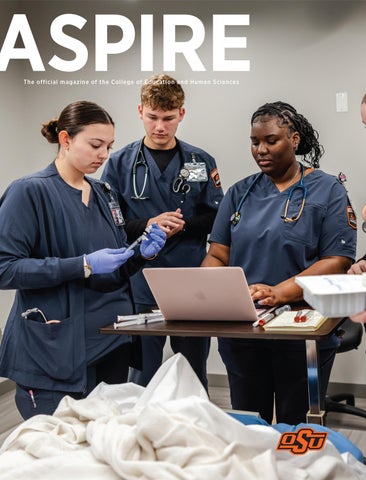
Create a flipbook
Issuu converts static files into: digital portfolios, online yearbooks, online catalogs, digital photo albums and more. Sign up and create your flipbook.
ASPIRE 2025 by Oklahoma State University College of Education and Human Sciences - Issuu