Sustainability Statement 2025
General basis
As Sea1 Offshore Inc. was re-listed to Euronext Growth at Oslo Stock Exchange on the 18th of December 2025, please note that for fiscal year 2025 Sea1 Offshore is no longer within the scope of the EU CSRD legislation.
This sustainability report is still voluntary based on the EU CSRD template with the “Quick-fix” Delegated Act included. This means all key deferrals are utilized, including all phase-ins for companies with below 750 employees. Hence, all financial effects, Scope 3 and Total GHG emissions, and data points under S1 are excluded from the report.
This report and its data have not been audited.
Information for disclosure
The sustainability statement is made on a consolidated basis considering all regions and all subsidiaries, and the scope of consolidation is the same as for the Sea1 Offshore Inc. financial statement FY 2025.
The sustainability statement covers relevant parts of the SEA1 value chain. Reference is made to subchapter Strategy, business model and value chain for information on the Double Materiality Assessment and the SEA1 Value Chain flowchart.
No information is omitted with regards to intellectual property or other sensitive information.
The SEA1 fleet consists at end of 2025 of 15 owned
vessels plus 7 vessels on ship management for Viking Supply Ships (VSS).
During the year 11 vessels owned by the Siem-group have been handed over to new vessel managers, see specified dates below in table.
In addition, subtracting two owned vessels on bareboat contracts in Brazil but including data for Sea1 Spearfish up to date of sale (14th May 2025), this sustainability report for 2025 covers data for 14 owned vessels and 18 vessels on management, part-time or full year, giving 32 relevant vessels in total.
Note on environmental reporting for Scope 1 and 2, GHG emissions data will be presented both combined and separate for the owned vessels and the external vessels on management for the specified period given below.
Note the vessel crew are split into Own employees and Non-employees, where the Own employees being the long-term crew with direct contracts with Sea1 Offshore affiliated companies, and the Non-employees include the short-term or hired crew as provided by external manning agencies, giving a sum of Total workforce.
As per 31.12.2025 there are 562 Own employees and 194 Non-employees in Sea1 Offshore Inc, giving a total workforce of 756.
Value chain estimation and reporting standards
For changes in the preparation and presentation of sustainability information compared to previous reporting period(s), please note 2024 was the first year of sustainability reporting based on ESRS, however due to the “quick fix” there have been no further implementation of CSRD datapoints in chapters from the previous reporting period.
For 2025 the E5 topical standard on waste has been identified as material due to the ST-245 newbuilding project, scrapping of Joides Resolution and the importance of waste management.
Sources of estimation and outcome uncertainty
For Scope 1 and emissions on vessels the level of accuracy is deemed very high, using high resolution sensor data
and daily adjustment by vessel crew for official reporting purposes. The GHG emission factors on fuel consumption are taken from ‘Statistisk Sentralbyrå’ (SSB), 2020.
Use of phase-in provisions in accordance with Appendix C of ESRS 1
Phase-in provisions have been applied for certain metrics in topics E1, E2, E5 and S1, while S2 has in its entirety been set as phase-in in accordance with the “Quick-fix” amendments.
These topics are material to the Company, however for the 2025 reporting period the following sub-topics as listed in the table below will be provisioned as phase-ins and thus omitted in this report, as the average number of own employees in 2025 are below 750.
Phase-in
E1-9
E2-6
E5-6
Financial Effects from Climate related risk and opportunities
Financial Effects from Pollution related risk and opportunities
Financial Effects from Resource use and Circular economy risk and opportunities
S1-7 Characteristics of non-employees in the undertaking’s own workforce
S1-8
S1-12
S1-13
Collective bargaining coverage and social dialogue
Persons with disabilities
Training and Skills development metrics
S1-14 Health and Safety metrics
S1-15
S1-16
Work-life Balance metrics
Remuneration metrics
S2 Workers in Value Chain
<750 own employees
<750 own employees
<750 own employees
<750 own employees
<750 own employees
<750 own employees
<750 own employees
<750 own employees
<750 own employees
<750 own employees
<750 own employees
The composition and diversity of the bodies Sea1 Offshore’s Board of Directors consists of four Directors. Members of the Board are Chairman Christen Sveaas, Celina Midelfart, Rune Magnus Lundetræ and Otto MolkteHansen. There are no non-executive members in the Board of Directors.
The Management team consists of five executive members with long-standing experience and knowledge within their fields, including business compliance and governance. The team consist of Chief Executive Officer Bernt Omdal, Chief Financial Officer Vidar Jerstad, Chief Operating Officer Tore Lillestø, Chief Human Resources Officer Tor Asbjørn Grændsen, and Chief Commercial Officer Andreas Kjøl. Members of the Company’s management are not members of the Board, but they do attend Board meetings.
The Audit Committee consist of Rune Magnus Lundetræ and Otto Molkte-Hansen. There are no non-executive members in the Management team. There are no employee representatives in the Management team, Audit Committee or Board of Directors.
The roles and responsibilities of the administrative, management and supervisory bodies
The Management team in SEA1 are responsible for the oversight of impacts, risks and opportunities (IRO) for all aspects of the daily operations including sustainability. Management receives relevant insights from other responsible bodies within the organisation, such as the Group Accounting Director, Sustainability Director, and the HSEQ and Crewing Directors and their respective departments within the Company (Finance, Sustainability, Crewing and HSEQ).
The responsibilities of ascertaining the sustainability impacts, risks and opportunities of the Company are delegated to the Sustainability Director and the Sustainability Department for gathering the relevant information before presenting it to the Management team for review. There are no strict policies within the Company relevant to the handling and administering of IRO-data, but rather an
aspect of the Sustainability department’s job descriptions. The Sustainability Department works closely with Finance, Operations and HSEQ to gather the relevant IROs. This work is done in correspondence with the Double Materiality Assessment of the Company, which also involves the process of stakeholder engagement.
Once the process is complete, the findings are presented to the Management team who evaluate the IROs and Double Materiality Assessment before presenting for the Board of Directors. Together they evaluate the suggested set targets before implementing them into long-term plans whose progress are monitored by the Management team.
Role of administrative and management bodies
Most members of the management team have 20-30+ years of experience within the maritime industry.
• Our CEO has more than 25 years of experience within the maritime industry, including chartering, operations and shipbroking.
• SEA1’s CFO holds a degree in Executive Master of Business Administration and is an Authorized Financial Analyst (AFA/CEFA) and has experience from various positions in banking.
• The CCO has had positions in Viking Supply Ships as CCO and Project Director and earlier held positions with sale and marketing.
• Our COO previously held the position as General Manager and HR Manager in Sea1 Offshore and HR Director in previous employment.
• The CHRO holds a degree in Master of Science in international shipping, a four-year degree in Economics and Business Administration and a Master in Management. Prior to employment in Sea1 Offshore, he was Marine HR Director.
Description of determination of whether appropriate skills and expertise are available or will be developed
The administrative, management and supervisory have no
specific skills or expertise in regard to sustainability. The Management team has delegated to the Sustainability Department the task of providing the necessary insight and advice on sustainability matters.
The administrative, management and supervisory bodies overview
The global (corporate) organisation chart for Sea1 Offshore Inc. is given below, where the Sustainability Director and
Sustainability Controller have a special responsibility for the sustainability work and focus.
Stig Kristian Fjeldstad Marthinsen Sustainability Controller
Management and sustainability
The Board of Directors and Management team are informed about sustainability matters through various means. For informing the Management team they have access to all Sustainability Department digital files and have bi-weekly meetings between CEO and Sustainability Director.
Members of the Management team have also been kept up to date on all ongoings within the Double Materiality Assessment process and for the annual sustainability statement progression. Hence, all IROs found material have
been addressed and approved by the Management team. Further, for the Board, they are informed by Management during Board meetings as sustainability is on the agenda of every Board meeting and included when relevant in management reports.
Through the Board meetings, the material IROs have been presented and addressed by the Board. This allows both the Board and Management to make informed decisions regarding sustainability matters for Sea1 Offshore.
Incentive scheme
There are no incentive-schemes directly related to sustainability performance at Sea1 Offshore that are offered to members of the administrative, management and supervisory bodies.
There is no renumeration report being made at Sea1 Offshore for 2025 as prescribed in articles 9a and 9b of Directive 2007/36/EC.
Statement on due diligence
As part of the Norwegian Transparency Act, SEA1 performed in 2025 an updated due diligence on human rights in the supply chain. This Sea1 Offshore Account of Transparency Act Due Diligence is published on the company web page. In addition, the overall Risk Assessment of the Company is updated to reflect the aspects and risks of sustainability reporting, resulting in the two documents complementing one another.
In addition to the abovementioned, SEA1 follows up on environmental and administrative due diligence measures through the ISO 9001 and 14001 standards, as well as following the ISM-code. These are followed through the Company’s Environmental Aspect Registers for vessels and office locations.
Further, Sustainability Department has arranged internal workshops following the due diligence process to ensure compliance with relevant standards and frameworks,
including preparations for this sustainability statement.
A due diligence process on climate risk was conducted in 2024 with a detailed climate analysis for two different scenarios and a following company resilience analysis.
Due diligence on human rights in supply chain has been performed in line with UN Guiding Principles and OECD Guidelines.
Due diligence in climate and environment has been followed in accordance with the ISO 14001 standard and IMO & MARPOL-regulations.
Risk management on sustainability reporting
Risk assessment and internal control is a natural part of SEA1’s sustainability reporting. The Company is using the business management system (BMS) software Unisea as the control system where all strategic, operational and sustainability documents and policies are live and updated. This system is applied globally, covering all onshore offices and vessels, ensuring consistency and reliability in our reporting processes.
Key risks identified include data completeness and accuracy, particularly in emission reporting. To mitigate these risks, we have implemented:
• Data Validation Controls: Automated and manual checks to ensure data integrity.
• Competence Development: Targeted training for relevant personnel on sustainability metrics and reporting standards.
The revised document Overall Risk Assessment evaluates severities, likelihood, tasks/activity and those at risk and score their importance, including the Company’s Control Measures and assessment on the sustainability reporting process.
In addition, reference is made to the Environmental Management Plan, the Environmental Aspect Register–Office & Environmental Aspect Register – Vessels. All these documents work in tandem and complement the Overall Risk Assessment and Hazard Identification and Risk Assessment documents.
The handling of the risk assessments and all related work is done by the HSEQ department and is closely linked to the sustainability work. The assessed risks and results from internal controls are handed to the HSEQ Director, and only relayed to the administrative, management and supervisory bodies if the assessed risk and internal control results warrant the attention.
We integrate the findings of our risk assessments and internal controls into relevant internal functions and processes. By integrating risk assessments and internal controls into key functions, the goal is to effectively manage sustainability risks and enhances our resilience. We are committed to continuously improving our risk management and internal control system to ensure the quality and reliability of our sustainability statement.
Sea1 Offshore is a leading vessel provider to clients in oil & gas and renewable energy market. The company’s strategy is to grow within the offshore support vessel market and provide cost efficient solutions in close cooperation with customers by applying state of the art technology and firsthand experience.
Key elements of general strategy that relate or affect sustainability matters
Sea1 Offshore provides vessel activities offshore such as anchor handling and towing, platform supply, well intervention services, subsea operations, walk-to-work and trenching operations for windfarms. Our clients are typically within the offshore oil and gas industry, in addition to the renewable energy sector. SEA1 operates on a global scale with vessel activities in the North Sea, Brazil, West Africa, Australia and South-east Asia.
Of the Sea1 Offshore Inc. total net revenue of 271.5MUSD, see consolidated Income Statement, Note 4 Segment Reporting, there are zero revenue from Taxonomy-aligned economic activities and zero revenue from coal, chemical production, tobaccos and weapons. All revenues derive from the maritime sector.
Two main business segments are identified in the Sea1 Offshore business model:
Vessel Management:
Vessel Management are the onshore staff and departments needed to run the vessels’ operations in accordance with the International Safety Management Code (ISM) by IMO, consisting of different departments such as Operations, CMMS, Supply Chain, Crewing & HR, HSEQ and Chartering.
Vessel Operations:
The vessel activities offshore are typical anchor handling and towing, platform supply, well-intervention services, subsea operations, walk-to-work and trenching operations for windfarms. In 2025 the company has started its newbuilding project of constructing four new OSCV ST-245 vessels from Cosco as announced November 4th, 2024. Expected delivery is in 2027.
The SEA1 value chain is visually presented in the flowchart as follows where the two main business segments are given in bold:
Crew supply (agencies)
Bunkers and lube oil
Material for spare parts and equipment
Vessel Management (ISM DOC):
• Technical
• Supply Chain
• Crewing
• HSEQ
• Commercial
Newbuilding
• Materials
• Shipyards
• Design & Spec
Financing
newbuilds, second hand vessel sale and purchasing, company shareholders, insurance, certeparties and guarantees
Transportation, warehousing and distribution
Supplier services & technology
Suppliers: Due Diligence & Human Rights
Offices & HR
• KRS (HQ)
• RIO, CAN, AUS
IT/OT-services office and Vessels (Cyber)
Business compliance: Code of Conduct – Class / Flag / IMO / EU
Vessel Operations (offshore):
• Anchor Handling
• Supply Services
• Subsea O&G
• Well Intervention
• Walk-to-Work
Crew recruitment, training and logistics
Port services and shore power
Ship maintenance, repair and docking
Waste management and pollution control (MARPOL)
All activities related to use of vessels by and for Clients
Clients and other Owners in business segments:
• Oil & gas
• Renewables
• Scientific drilling
• Ship Management
Ship Recycling (EU SRR & Hong Kong Convention)
Scope of Work by Clients
Offshore workforces from clients and contractors
Clients: Vetting (OVID/CMID), KYC, Sanctions
Key activity is to be an offshore vessel provider, where the vessels are main assets including crew competence and procedures, supporting clients within exploration and production of oil & gas-resources, development of offshore wind farms, including installation and maintenance.
Key suppliers to SEA1 are within crew manning agencies,
bunkers and lube oil providers, spare parts and equipment makers (OEM), transportation and warehousing companies, shipyards and other vessel maintenance facilities.
Main customers are within oil & gas, both energy companies but also subsea EPCI contractors and renewable energy.
For the 2025 reporting period Sea1 Offshore has identified a number of relevant stakeholders across the entirety of its value chain which include banks, customers, suppliers, investors and shareholders, and own employees. Additional key stakeholders added were new bank relations and main shareholder Kistefos AS.
The stakeholder engagement process has included an online questionnaire and internal workshops conducted in 2025.
The online questionnaire on sustainability was sent to top relevant stakeholders, which include main customers and suppliers (sorted by turnover), local communities/ NGOs, Regulators/Policy Makers and Sea1 internal departments.
Under Environmental section, the stakeholder should select the most material topics for Sea1 Offshore, examples being Climate Change (emissions and energy transition), Sustainable sourcing & supply chain, Energy efficiency and cost saving or Renewable energy adoption.
Under Social, Employee well-being, health and safety and human rights in the supply chain were the most important topics. Opportunities for business value from social initiatives had attracting & retaining talent and stronger customer trust / brand reputation as its top choices.
For Governance, the two most important topics were Ethical business conduct & anti-corruption and Transparent reporting & accountability
As last section, on emerging trends or innovations relevant for SEA1, the feedback included digitalisation and AI, decarbonisation through use of green tech and low-emission solutions and fuels, hull performance solutions and energy efficiency.
The questionnaire responses helped our DMA process in selecting material topics which the Sustainability Department had help in verifying and scoring in internal workshops with the relevant Sea1 departments, which were conducted after the questionnaire response deadline.
The purpose of stakeholder engagement is to ensure that SEA1’s sustainability work and strategy reflects stakeholder priorities and societal demands. This helps us identify both sustainability risks and opportunities, while shaping our ESG priorities in a way that will support SEA1’s business model going forward.
On highest level, external stakeholders’ interests are taken into account through Board meetings and Annual Shareholder Meetings (AGM).

The company’s strategy is to grow within the offshore support vessel market and provide cost efficient solutions in close cooperation with customers and by applying state of the art technology and firsthand experience. Our business model is to seize market opportunities where they arise and ensure best service possible.
IROs interacting with strategy and business model
From the Double Materiality Assessment (DMA), the following material impacts, risks and opportunities (IRO’s)
have been identified as imperative for the Company’s business model and strategy. They are listed below and sorted according to the value chain phases; upstream, own operations and downstream.
The list of material impacts from the DMA includes, value-chain stage (upstream, own operations, downstream), IRO description and relevant ESRS topic, sub-topic and sub-sub-topic.
E1 Climate Change Climate Change Mitigation
E2 Pollution Pollution of air
The emissions from Sea1 Offshore’s own fleet negatively impacts the climate during their operational lifespan, as goes for 3rd party vessels under Sea1 management. Vessel crews commuting to and from their respective vessels in the SEA1 fleet make use of varied forms of travel which negatively impacts the climate.
Vessel emissions include SOx and NOx pollution gases which negatively affect local environments and the overall climate. When docked, vessels running on diesel or their own power negatively contribute to emissions pollution in the form of SOx and NOx gases that are emitted into ports and cities.
Operations
Operations
E2 Pollution Pollution of water
E5 Circular economy Waste
S1 Own Workforce Working conditions Health and safety
There is an inherent risk of oil spills to sea accidents occurring when fuelling in port or at sea that can lead to pollution of water. Not only bunkering oil, but also oil leaks from onboard cranes or equipment.
Operations
S1 Own Workforce Equal treatment and opportunities for all
S1 Own Workforce Other workrelated rights
Diversity
There is a potential risk when sorting and handling physical waste from vessels in operation that it is not in accordance with MARPOL. It has a negative effect on resource use and production when waste is not handled sorted for recycling, incineration and for landfill.
Without the proper health and safety measures in place for the offshore employees working on SEA1 vessels, potential serious accidents may occur. The same goes for SEA1 personnel that are important for the proper inspections and oversights of vessel maintenance and dockings. Without proper safety standards at the yards the executed work can be life-threatening. The includes the newbuilding-team situated at the shipyard and its surrounding facilities where there is a potential risk of accidents occurring if the proper health and safety measures are not in place and followed.
The focus area for the Sea1 Offshore’s recruitment program is to have a wide outreach to potential new workers, both male and female and ensure that they have equal opportunities. This is done through investing in programs dedicated towards teaching future generations of seafarers.
Privacy If there is a breach in Company IT-systems onshore and / or onboard vessel systems (OT systems), it may lead to sensitive employee and company information being stolen and / or sold.
S2 Workers in the value chain Working conditions Health and safety
G1 Business Conduct Corporate culture
G1 Business Conduct Management of relationships w. suppliers
The health and safety of value chain workers is important for proper execution of vessel maintenance and dockings. Health and safety measures for workers must be in place at both shipyards, production facilities and onboard SEA1 vessels.
Managing both own and 3rd party vessels at optimal standard is key in ensuring responsible business conduct and continues uptime / onhire time for each vessel.
The vessel technical availability (KPI) ensures good income for the Company and its owners, as well as being a safe employer for seafarers and onshore employees. Should anything cause downtime for vessels, the Company issues circulars which include lessons learned, safety flashes and experience feedback to ensure that mistakes or faults are not repeated.
The management team ensures the smooth running of the Company and enforces a positive working environment and culture through their Managerial Visits to the various offices and vessels away from the main office in Kristiansand. (KPI Managerial Visits)
Low number of findings from client vetting (OVID) and DP (Dynamic Positioning) trials are essential to ensure quality and reliability of vessel’s safety and operational management system. This connects also to the vessel’s technical availability.
To remain a safe employer with good corporate culture and being market competitive, it is important for the Company to provide best possible services to its clients who give crucial customer feedback (KPI). The feedback is needed to ensure a positive trajectory for the Company.
Poor management of suppliers can lead to logistics issues which will affect the Average time it takes from Requisition is received to Request for quote (RFQ) is issued. (KPI)
G1 Business Conduct Corruption and bribery Incidents Having proper flag states and operating in proper areas globally is important to ensure minimal cases of corruption and bribery, as well as Port State Deficiencies (KPI) which are justified observations from Port State control.
Operations / Downstream
/ Own Operations
Upstream / Own Operations
Upstream / Own Operations / Downstream
Upstream / Own Operations / Downstream
Upstream / Own Operations
Upstream / Own Operations / Downstream

Materiality assessment process
The Double Materiality Analysis (DMA) process as headed by the Sustainability Department was an evaluation of the ESRS standards to find most relevant topics to the Company and its operations. The process for 2024 has been replicated for FY 2025.
The primary change in the materiality assessment is the inclusion of ESRS topic E5 due to the ongoing newbuilding project which began in earnest in the latter half of 2025. EFRAG, ISO standards and certifications as well as internal documents and procedures were integral for the early process. Internal consultations with all relevant departments (HR, Marine HR, HSEQ, Operations, Finance and Supply Chain) through workshops helped cement material topics for reporting, as well as external stakeholder engagement via questionnaires.
For FY 2025 through this DMA-process SEA1 has identified the following ESRS topics as material for reporting:
E1 Climate Change
E2 Pollution
E5 Resource Use and Circular Economy
S1 Own Workforce
S2 Workers in the Value Chain
G1 Business Conduct
The ESRS topics E3 Water and Marine Resources, E4 Biodiversity and Ecosystems, S3 Affected Communities and S4 Consumers and End-users are all found nonmaterial for reporting.
Hence, the following sub-topics under each material ESRS standard are found material (see also graphical presentation):
Topic and Sub-Topic Assessed:
Climate change
• Climate change mitigation
Biodiversity and ecosystems
• Impacts on the state of species
Workers in the value chain
• Working conditions
• Other work-related rights
• Equal treatment and opportunities
• Pollution of air
Impact materiality
• Pollution of water
• Microplastics
Resource use and circular economy
• Resource outflows and Waste
• Resource inflow, including resource use
Business conduct
• Corporate culture
• Corruption and bribery
• Management of relationships with supplier including payment practices
Water and marine resources
• Water discharges
Own workforce
• Working conditions
• Equal treatment and opportunities for all
• Other work-related rights
Description of the process
Prior to initiation of the Double Materiality Analysis (DMA) the Company based its assumptions on the previously established standards of the ISO 9001 and 14001 certifications, in addition to work done for the BMS Aspect Register document (ref. due diligence description in chapter 2.14).
The approach taken for the DMA, as described above, was a qualitative data-driven methodology which focused on identifying what KPIs and metrics were already available to the Company and identifying which new ones that could be measured for 2025.
From these findings, the Sustainability department set a series of assessment criteria organised into four categories that address the different aspects of the sustainability reporting:
• Firstly, the General Disclosures as per ESRS 2 give general insight into the Company and its sustainability work and processes.
• Secondly, Environmental Information, focusing on the relevant aspects of ESRS E1, E2 and E5 for the Company, such as GHG emissions in the different scopes (Scope 1 and 2), and effects on climate, pollution and EU Taxonomy alignment.
• Thirdly, Social Information, where the focus is on which metrics and KPIs were available on its own and its value chain workforces. Worker satisfaction, inclusion and workers’ rights, health and safety, etc.
• Finally, Governance Information, looking into business conduct, supplier engagement and corruption & bribery cases.
The Company’s Overall Due Diligence work and documents was a key anchor for the Sustainability department’s continued work. As required by the Norwegian Transparency Act, Sea1 Offshore had conducted a due diligence process primarily focusing on its own workforce and that of
its supply/value chain. The Aspect Register (14001, BMS) was also included as an anchor point for the environmental aspect of the double materiality assessment and analysis.
Key internal and external stakeholders were consulted. Their inputs and guidance helped the Sustainability Department identify the right methods of scoring and setting thresholds for the identified IROs.
All data gathered for the DMA and the final sustainability statement have been taken from the miscellaneous software solutions in the Company. These data sources gather all necessary information from the Company’s global operations and have the documents that aid in the Company’s business conduct.
Material information and thresholds
The material information for disclosure was selected from the Company’s related IROs that were determined material from the set threshold scorings put in place by the Sustainability Department. The three scoring categories are Low, Medium and High, where Medium scored IRO’s are set on a “Watch” list as these IRO’s might change in score over the next reporting period, and High scored IRO’s are all reported here.
For the DMA thresholds in both impact- and financial materiality were set between 1 and 5 in likelihood and severity/magnitude. Similar rankings were set for scale, scope and whether they affect human rights of people involved. The threshold for material IROs is set to a score of 16 and higher.
In addition, Severity, Likelihood and Irremediable character are the primary factors that determine an impact’s materiality score, or Magnitude and Likelihood in the case of financial materiality, ranked from 1-5. Any likelihood that is scored 3 or higher is immediately material if the scoring of severity/magnitude is scored 5, low likelihood score (1-2) with a severity/magnitude score of 5 is placed on watchlist.
While the Company currently has no financial effects mapped towards IROs on sustainability matters, the Sustainability department in concordance with the finance department decided on the following financial thresholds measured in operating margin (EBITDA) on scale 1-5.
Climate Impact, Risks and Opportunities assessment
In addition to the abovementioned double materiality analysis method, SEA1 has built upon the foundation of previous climate analysis in order to identify and assess climate-related impacts. Initially, our GHG inventory provided critical insights into key emission sources across operations and the broader value chain. This was complemented by the structured approach provided by the existing environmental management system aligned with ISO 14000 standards. Additionally, a previously conducted double materiality assessment was revisited and integrated, ensuring continuity and comprehensive understanding of SEA1’s climate impacts.
When identifying climate-related risks and opportunities, SEA1 maintained this comprehensive value chain perspective. The analysis involved evaluating potential financial implications—both negative and positive—that climate change could pose on business operations and market positioning. Following the completion of the 2024
double materiality assessment, SEA1 conducted a further in-depth climate risk and opportunity analysis where the results still apply for 2025.
This has been reviewed and considered valid for FY2025. The detailed Climate Risk Assessment can be found in SEA1’s 2024 Annual Report under the Sustainability Statement.
Below is the conclusion of the beforementioned assessment.
The estimated financial effects of both risks and opportunities increase over time in both scenarios, reflecting the gradual impact of climate policy implementation, technological advancements, and physical climate changes. In a low-emissions scenario, it is estimated that risks slightly outweigh opportunities in the medium term, as evolving regulations, technological progress, and shifting market dynamics create transitional uncertainties.
Market-related risks and opportunities in this scenario are expected to have the most significant financial impact on SEA1, underscoring the need for proactive planning and strategic adaptation to a changing market landscape.
In a high-emissions scenario, the identified risks are not considered significantly disruptive, as SEA1 is wellpositioned to manage them effectively. Our experience in operating under extreme weather conditions and in various parts of the world is expected to mitigate some of the challenges posed by worsening weather patterns and rising temperatures.
Disclosure of metrics and targets
Sea1 Offshore makes use of metrics and targets as required by the ISO 9001, 14001 and 45001 standards as baseline for its internal set of Key Performance Indicators (KPI).
The following KPI’s are related to ESRS standards and linked towards Impact, Risk and Opportunities (IRO) as given by the Double Materiality Assessment (DMA).
SEA1 KPI Goals 2025 -2026 Linked to ESRS Topic
Please note these KPI’s are applicable for all vessels operated by Sea1 Offshore, but the results for 2025 do not include 4 vessels operated by Brazil-office. The plan is to consolidate this in 2026.


Sea1 Offshore is working on a Transition Plan to meet the company climate targets. Sea1 Offshore is not excluded from EU Paris-aligned benchmarks.
SEA1 GHG emission reduction targets and climate change mitigation actions are given in below sub-chapters.
The relevant economic activities as covered by the delegated Taxonomy regulation, and the associated CAPEX and OPEX for FY25, are described below.
Climate change strategy and business model
Resilience to climate change is key to long-term sustainability and competitiveness. Our resilience analysis evaluated how we anticipate, adapt to, and manage climate-related risks while seizing new opportunities. This process strengthens our strategic planning and investment decisions, ensuring we remain agile amid evolving regulatory, technological, and market conditions.
Policies on climate change mitigation
The following table gives overview on the material Disclosure Requirements for E1 Climate Change with applicable Sea1 Offshore policies and procedures:
DR E1-1 Transition Plan
DR E1-2 Policies
DR E1-3 Actions and resources
DR E1-4 Metrics & Targets
DR E1-5 Energy Consumption
DR E1-6 GHG emissions
N/A
- Environmental Policy
- Environmental Management Plan
- Environmental Aspect Register
- Ship Energy Efficiency Management Plan (SEEMP)General
- Key Performance Indicators (KPI)
- HSEQ Improvement Plan
- SEEMP – General
- CSRD Sustainability Statement 2024
No specific procedures or plans in place
There are no policies covering renewable energy deployment or retrofitting to more climate neutral vessels. All policies are signed by the CEO and General Manager. HSEQ Director and other Directors own the operational procedures.
Following climate related high-level policies are implemented in SEA1 as part of the ISO 14001 certification:
- Environmental Policy
- Environmental Management Plan
- Environmental Aspect Register
- In addition to the ISM-related policy: ShipboardEnergyEfficiencyPlan(SEEMP)
Value Chain
Own Operations
Own Operations
Own Operations
Own Operations
Own Operations
Policies on climate risk
Currently no policies in BMS covering climate transition risk and opportunities. The company Emergency Response manual covers different climate emergency scenarios.
Key Actions on Climate change
The company keeps searching for solutions to reduce our GHG emissions and carbon footprint. Through internal Key Performance Indicators, Improvement plans and Ship Energy Efficiency plans, we constantly monitor and find areas for improvement. Current ongoing energy efficiency and climate change mitigation actions are:
Shore power in port: All vessels in NS have a 690V/60Hz shore power system installed which give zero GHG emissions and no local particle emissions when connected. In addition, the noise is considerably reduced for the benefit of crew and the local community. Estimated effect on overall fleet level 1-2%. This action directly impacts the KPI on fuel consumption in port.
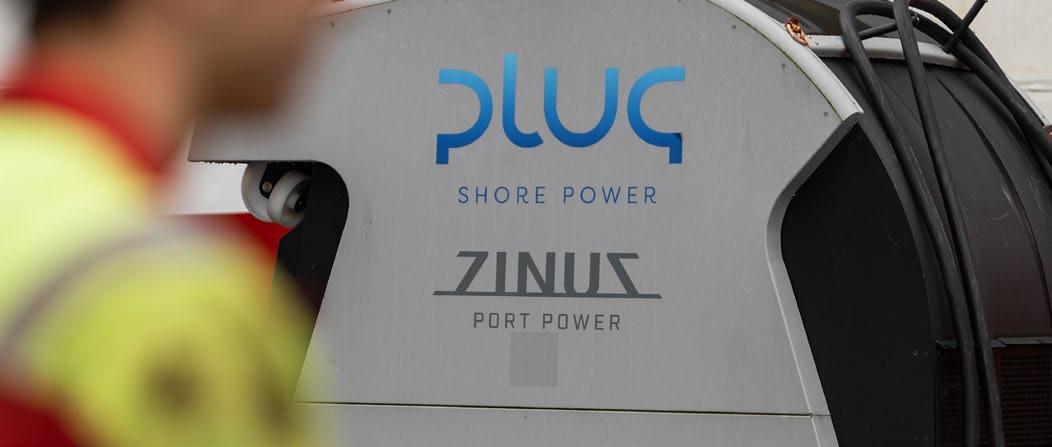
From port, Bergen.
Regular hull cleaning: Service agreement in place with ECOSubsea using state-of-the-art robot cleaning technology and collection of bio-waste to shore. Gives around 4-8% fuel reduction in transit, depending on several variables. Estimated effect on overall fleet level 1-2%.
This action directly impacts the KPI on Carbon Intensity Indicator (CII).
Digitalization: All vessels are using the VPS Maress software which is a web-based tool where the crew on board can see immediate effect on energy efficiency measures, and shore organization can monitor and use data for further efficiency improvement. Most of the fleet are using high-resolution data input from the Høglund SPM sensor system. Gives an estimated effect per vessel of approx. 5-10% and estimated overall effect of approx. 4-6%.
This action directly impacts the KPI on Carbon Intensity Indicator (CII).
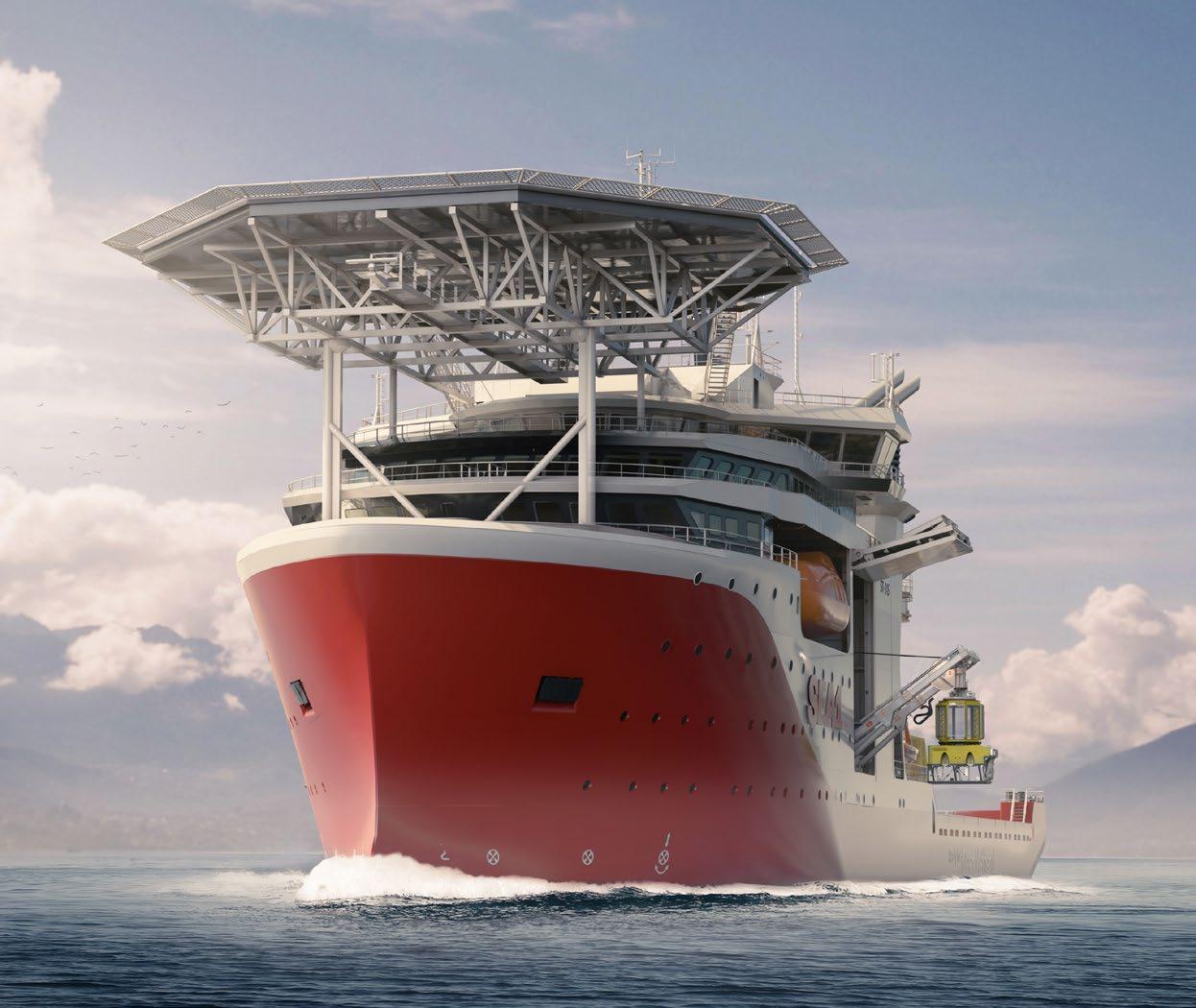
In November 2024 Sea1 Offshore entered into shipbuild-
ing contracts with Cosco Shipping (Qidong) Offshore Co. Ltd. for construction of four high-end Offshore Energy Support Vessels. The vessels are based on ST-245 design and will have capabilities to serve both oil & gas and renewable markets. The vessels are Methanol ready, and the generators can run on 100% biofuel. A fuel efficiency study has been performed together with Kongsberg Maritime (KM) comparing the new design to the existing vessels of Spearfish-class (reference vessel). The results are significant with overall savings above 33%, with even higher numbers in DP-mode.
Scan QR code to view movie about the FO-study:

As given in the introduction, Sea1 Offshore’s high-level goals on environment and climate change align with the targets set by the Norwegian Shipowners Association, which again comply with the overall sustainability goals set by the European Union (EU).
The primary objective is to be climate neutral by 2050 in Scope 1. To achieve the target for 2050 Sea1 Offshore will
cut its greenhouse gas emissions (GHG) intensity by 50 percent per unit by 2030 compared to 2008 for Scope 1. By 2030 and onwards we will only order newbuilds with zero emissions technology to achieve a climate neutral fleet from 2050 and beyond.
For E1 Climate Change we track the effectiveness of our policies and actions in relation to material IROs with the following existing Key Performance Indicators (KPI):
Please note the KPI results for 2025 do not include 4 vessels in Brazil. The plan is to consolidate this in 2026.
The Carbon Intensity Indicator (CII) has been the main KPI to quantify the emission reduction target for 2030 for Scope 1. The CII is defined by Sea1 Offshore as follows:
consumption (CO2)
power installed x hours in operation
The CII gives an expression on how fuel-efficient the vessels are during offshore operations, independent on number and type of vessels. SEA1 Carbon intensity Indicator (CII) is using 2008 as base year.
As seen the CII has a significant increase from 2024, mainly due to change in vessel fleet and operational pattern of the new vessels.

Target for Fuel consumption in port is 2% reduction per year, unit (tons/day) in Scope 1.
As seen, the target is not met even though the consumption was reduced during the year. The result is mainly driven by use and access of shore power. Sea1 Offshore has a policy and standing order to connect to shore power where and when possible.
3.30 3,35 3,40 3,45 3,50 3,55 3,60 3,65 3,70
The following table gives an overview of the energy consumption and energy mix, split between the 14 SEA1 vessels and the 18 vessels on management, part-time and full-time. Energy consumption for our office locations is included in the numbers for SEA1 owned vessels.
The basis for calculating energy consumption is directly linked to our Scope 1 and Scope 2 activity and consumption data, and converted to MWh using conversion factors provided by the Norwegian Ministry of Environment (‘Miljødirektoratet’) for marine gas oil (MGO) (2), and liquefied natural gas (LNG) (3).
Energy consumption and mix
(1) Fuel consumption from coal and coal products (MWh)
For the purchased or acquired electricity in point (5) and (9), values are directly extracted from the Scope 2 activity data, recalculated from kWh to MWh. Please note SEA1 has not purchased any renewable energy certificates on electricity, however the shore power as delivered from Plug AS in Bergen has a Guarantee of Origin (GoO) and is considered 100% renewable.
(2) Fuel consumption from crude oil and petroleum products (MGO) (MWh)
(3)
(5) Consumption of purchased or acquired electricity, heat, steam, and cooling from fossil sources (MWh) (Vessels + office locations)
(6) Total fossil energy consumption (MWh) (calculated as the sum of lines 1 to 5)
(7) Consumption from nuclear sources (MWh)
Share of consumption from nuclear sources in total energy consumption (%)
(8) Fuel consumption for renewable sources, including biomass (also comprising industrial and municipal waste of biologic origin, biogas, renewable hydrogen, etc.) (MWh)
(9) Consumption of purchased or acquired electricity, heat, steam, and cooling from renewable sources (MWh)
(10) The consumption of self-generated non-fuel renewable energy (MWh)
(11) Total renewable energy consumption (MWh) (calculated as the sum of lines 8 to 10)
Share of renewable sources in total energy consumption (%)
Total energy consumption (MWh) (calculated as the sum of lines 6 and 11)
Energy intensity based on net revenue – High Impact sector
As SEA1 falls under the high climate impact sector ‘Maritime Transport’, the energy intensity (Energy in GJ divided by Net Revenue in USD) shall be presented. See table below for calculation of such energy intensity:
Energy intensity per net revenue
Total energy consumption from activities in high climate impact sectors per net revenue from activities in high climate impact sectors (MWh/ MUSD)
The Net Revenue of 271.5MUSD is taken from the SEA1 Offshore Inc. consolidated Income Statement for 2025, Note 4 Segment Reporting.
Accounting policies:
As mentioned in ESRS 2, the climate and emissions data for Scope 1 and 2 will be split between the 14 owned vessels and the 18 external vessels on management. SEA1 will not report on Scope 3 for this report.
Scope 1 are based on actual fuel oil consumption onboard the vessels as taken the Business Management System Unisea, which again are taken from the official vessel logbooks as signed by Captain and Chief Engineer. Then recognised emission factors from Norwegian Ministry of Environment are applied, also considering the CH4 and N2O emission to get the equivalent CO2-emission.
For Scope 2, SEA1 will present only the location-based method based on the emissions intensity of the local grid area where the electricity usage occurs, ref data taken from Norwegian Water Resources and Energy Directorate (NVE), and the mixed emission intensity for EU and other regions, as taken from European Environment Agency (EEA).
Gross emissions in Tonnes
The following table gives an overview of the gross GHG emissions in tonnes for Scope 1 and 2 split between the SEA1 vessels and the vessels on management:
Gross Scope 2 GHG
As seen in table above, the marked-based method is conservatively applied for total sum of emissions.
Complete table on Scope 1 and 2 emissions
See below table for complete overview of Scope 1 and 2 emissions.
Percentage of Scope 1 GHG emissions from regulated emission trading schemes (%)

As E1 Climate Change governs global climate GHG-gases such as CO2, CH4, N2O etc, chapter E2 Pollution to Air addresses the local pollution gases and particles such as nitrates (NOx), sulphurs (SOx) and Particular Matter (PM2.5). and circular economy
As NOx- and SOx-emissions are of significance for the vessels, Pollution to Air is found material to SEA1, and Pollution to Water through accidental oil spills, use of chemicals and not least the vessel emissions to sea as regulated by MARPOL, for example ballast water, bilge water, sewage and washing water.
Our analysis has screened site locations and business activities to identify actual and potential pollution-related impacts, risks, and opportunities, both in our own operations and in the value chain.
Policies
The following table gives overview on the material Disclosure Requirements for E2 Pollution with the
DR E2-1 Policies
DR E2-2 Actions and resources
DR E2-3 Metrics & Targets
DR E2-4 Pollution of Air, Water, Soil
DR E2-6 Financial effects from pollution
Further on plans and procedures
Relevant for Pollution to Air:
applicable Sea1 Offshore policies and procedures. The policies and procedures are implemented as part of the ISO 14001 certification.
- Environmental Policy
- Environmental Management Plan
- Environmental Aspect Register
- Hazardous Substances, Storage and Control
- SEEMP – General
- 2024 CSRD Sustainability Statement
- Key Performance Indicators (KPI)
- IMO Technical File per vessel
- Vessel Ballast Water Management Plans
- Vessel Bilge Water Management Plans
- Vessel Sewage Treatment Management Plans
- SMPEP - General
Not available (phase-in)
IMO Technical File: All vessels operate under the IMO regulations with focus on pollution to air via nitrogen oxides and sulphur content as follows:
The IMO Marine Environment Protection Committee (MEPC) adopted from 2020 progressive reductions of sulphur (SOx) emissions from ships, progressive reductions of nitrate (NOx) emissions from marine engines and revised criteria for Emission Control Areas (ECA). As a result, ships must use marine fuels with a sulphur content of no more than 0.50%, and in Sulphur Emission Control Areas (SECA) maximum 0.10%. Further the IMO - NOx Tier 1-3 (Regulation 13) measure and regulates the NOx-emissions from each engine type and regulates type of component in the engine related to the combustion process.
Relevant for Pollution to Water, following MARPOL regulations that are relevant for the vessels when at sea:
Value Chain
Own Operations
Own Operations
Own Operations
Own Operations
Own Operations
Ballast Water Management Plan:
The vessel ballast water management plans are in accordance with the requirements of the IMO International Convention for the Control and Management of Ships’ Ballast Water and Sediments and the associated Guidelines. From 2017, all ships must manage or clean their ballast water so that aquatic organisms and pathogens are removed or rendered harmless before the ballast water is released into a new location. This will help prevent the spread of invasive species as well as potentially harmful pathogens.
In accordance with MARPOL Annex IV, all sewage discharges whether to sea or to shore based reception facilities shall be recorded with description of date, location and quantity of sewage discharged. In cases where sewage is discharged to sea, the record shall include
information on the ship`s speed and distance to nearest shore at the time of sewage discharge.
For our vessels with CLEAN or CLEAN DESIGN class notation any discharge of untreated sewage is not allowed, except in emergency. Full use of approved sewage treatment systems shall be made, in accordance with MEPC 227(64) and, the effluent produced must not be discharged unless the ship is more than 4 miles from shore.
Bilge water Management Plan:
The main cause of pollution from ships is accidental discharge of oil. The MARPOL Annex 1 regulation requires that the following equipment and systems should be in place:
• Oil Record Book
• Storage of oil onboard
• Oily water separator
• Monitoring of oil discharging
• 5 ppm arrangement
• Standard discharge system
• Loading/discharging system
• Reporting of oil discharged to sea
All activities that involve “bilge water” and “sludge” shall immediately be recorded with the right letter and number codes in the Oil Record Book onboard. All Cargo vessels where MARPOL Convention is applicable must have an oil record book where the duty officer shall record all oil or sludge transfers and discharges within the vessel.
For Pollution to Air following actions have been taken in Sea1 Offshore:
• The VPS Maress software is a web-based tool where the crew on board can see immediate effect on energy efficiency measures, and shore organization can monitor and use data for further efficiency improvement. Reduction in FO-consumption will reduce both GHG-emissions but also local pollution as NOx, SOx and Particular Matters (PM).
• Use of shore power in port, all our vessels in NS have a 690V/60Hz shore power system installed which give zero GHG emissions and no local pollution to air when connected. In addition, the noise is considerably reduced for the benefit of crew and the local community.
• Use of Selective Catalytic Reactor (SCR)-system for NOx-cleaning. Such SCR NOx exhaust cleaning system gives up to 90% reduction of NOx-gases. Use of such systems are supported by the Norwegian NOx-fund.
• As mentioned above, use of Marine Gas Oil (MGO) with low sulphur content as per regulation in ECA-areas (max 0.50% sulphur) and SECA-areas (max 0.10%) gives substantial reductions in sulphur (SOx) emissions from ships.
For Pollution to Water following actions and measures are in place:
• Ballast water cleaning (BWT), all our vessels have
installed a dedicated ballast water treatment system in accordance with the Ballast Water Convention.
• Oily water separator (OWS), all our vessels having either CLEAN or CLEAN DESIGN class notation have an Oily Water Separator onboard, cleaning the bilge or oily water as clean as 5ppm.
• Sewage treatment. All our vessels with CLEAN or CLEAN DESIGN have a sewage treatment plant onboard that is operated in accordance with MARPOL.
• Accidental oil spills. All vessels have a strict maintenance regime on replacement of hydraulic hoses on equipment exposed to open air and deck such as deck cranes and davits, in order to minimize likelihood of accidental oil spill to deck and sea. See also own KPI on this below.
For waste management and reduction on vessels:
• Selection of suppliers who provide refill or replacement services for their products.
• Request bulk packaging of domestic stores when possible.
• Purchase of products in larger packing units.
• Limit use and request for disposable cups, utensils, dishes, towels and rags for convenience and consider replacing these items with washable counterparts.
• Complete emptying of containers and full use of the contents.
• Use products with long lifespan and/or shelf life.
Sea1 Offshore makes use of the existing metrics and targets set by the ISO 9001 & 14001 standards as baseline for its own established set of Key Performance Indicators (KPI), towards which its activities will be measured. 2024 is set as base year.
Measurement and calculation methodology is described above using vessel logbooks, the reporting system in Unisea and manual data collection into spreadsheets.
The following existing Sea1 Offshore KPIs are relevant for E2 Pollution:
SEA1 KPI Goals 2025 -2026 Linked to ESRS Topic
Oil Spill to Sea 0 E2
Consumption in Port 2 % reduction p.a. E1, E2
Please note the KPI results for 2025 do not include 4 vessels in Brazil. The plan is to consolidate this in 2026.
The KPI’s are monitored on quarterly basis and reviewed yearly in the Management Review, in addition to annual review and engagement of the Environmental Aspect register as part of the ISO 14001 certification
Oil spill to sea:
The target for 2025 is zero oil spill to sea. This includes all accidental spills above 10 litres of bunker, diesel, hydraulic and lube oil in addition to chemicals and bulk cargoes.
The results for 2025 were 2 minor oil spill to sea.
Consumption in port:
See above chapter for results.
Fuel consumption in port is mainly regulated by the use of shore power. When connected to shore power there are zero fuel consumption and zero local pollution to air.
Type of Pollutants
Overview of our main pollutants to air and water are given below.
Main pollutants to air:
NOx-emissions are calculated based on the engine emission factor from the IMO Technical File and Engine Air Pollution Prevention Certificate (EIAPP), in addition to account for possible SCR-cleaning of exhaust, ref above. Typical values are around 42kg NOx/Te MGO consumed, without use of SCR.
SOX are calculated as a function between bunkered MGO with given sulphur content and the specific sulphur factor for each engine type, typical value 1.156kg SO2 per tonnes MGO.
PM2.5 is calculated as a factor for vessels operating on MGO-diesel, set to 1.5kg/Te MGO.
For vessels operating on LNG, the methane-slip (CH4) is calculated based on a factor of 48.64kg CH4/Te LNG. Please note this is a highly uncertain number and very much dependant on the relative engine load.
Main pollutants to Water:
In accordance with MARPOL, the different vessel logbooks have information on the different pollutants to sea, from amount of ballast water treated, use of oily water separator (OWS) to quantity of sewage treated.
Similar applies to accidental oil spills where the vessel reports this to both external stakeholders such as Port state and Harbour authorities, but also to the reporting module in the company BMS.
Metrics on Pollutants
Ref Annex II of Regulation (EC) No 166/2006, the table below gives an overview of relevant amounts polluted to air and water in 2025, split between the SEA1-vessels and the vessels on management.

and circular economy
For
FY 2025 resource use and circular economy has become a material topic with the production of newbuilds, planned vessel scrapping and the increased importance of waste monitoring. The combination of the materiality assessment and climate risk & resilience analysis have been vital input in producing the E5 IRO results.
The combination of the materiality assessment and climate risk & resilience analysis have been key in producing the E5 IRO results shown in the General Disclosures chapter above.
From the abovementioned assessments, shipyards both in the upstream and downstream segments are central businesses associated to resource use and circular economy when constructing and recycling vessels. On part of the Company the newbuilding team is essential in supervising the construction process ensuring that vessels are built in accordance with international legislation such as the Hong Kong Convention (The Hong Kong International Convention for the Safe and Environmentally Sound Recycling of Ships (HKC)).
As the newbuilds are still in the early construction phases and the Joides Resolution will not be scrapped until 2026 accurate data reporting on resource use and ship recycling will not be presented for 2025. A full overview will be given in the 2026 sustainability report.
Company policies relevant for E5 are listed in the table below.
E5 Disclosure Requirement (DR)
DR E5-1 Policies
DR E5-3 Targets
DR E5-4 Resource inflows
DR E5-5 Waste and resource outflows
SEA1 Policies and procedures
- Environmental Policy
- Environmental Management Plan
- Environmental Aspect Register
- Hazardous Substances, Storage and Control
- Key Performance Indicators (KPI)
- IMO Technical File per vessel
- Asbestos and Inventory of Hazardous Materials Control Procedure
-Environmental Management Plan
- Environmental Aspect Register – Vessels
- Garbage Management Plan
- Hazardous Substances, Storage and Control
- Office Waste Segregation User Guide
- Vessel Sewage Treatment Management Plans
- Asbestos and Inventory of Hazardous Materials Control Procedure
Value Chain
Own Operations
Own Operations
Upstream Own Operations
Own Operations Downstream
As of FY 2025 there have been no set targets related to resource use and circular economy by the Company.
Resource inflows
As a service provider Sea1 Offshore does not produce products rather constructs vessels that are owned and managed by the Company. The vessels built by the Company have a life cycle of approximately 25 years which is standard for most vessels operating globally. There is no fixed quantity of newbuilds in a series as the Company must build according to its needs and to meet market demands.
By following the Hong Kong Convention Sea1 Offshore contributes to a circular economy through its ship recycling requirements. All SEA1 vessels have an Inventory
of Hazardous Materials onboard, in accordance with the Convention, which helps categorise waste from recyclable materials. As such the primary material, being steel, is fully recyclable after vessel decommissioning at the end of lifecycle.
Waste
For 2025 the total amount of waste generated is 1146 tonnes.
Of the total amount of generated waste, the amount and percentage of non-recycled waste equals to 944 tonnes which is 82,4% of the total amount.
The table below gives a waste disposal breakdown between hazardous and non-hazardous waste, and a breakdown by the following recovery operations.
The below table shows the amount, by weight, directed to disposal by waste treatment type and the total amount summing all three types, with a breakdown between hazardous waste and non-hazardous waste.
They type and materials of waste are categorised in our Garbage Log as follows:
• Cooking Oil
• Domestic Waste
• E-Waste
• Food Waste
• Operational Waste
• Plastics
There is no generation of radioactive waste, however, hazardous waste is present onboard and is handled and disposed of ashore in accordance with relevant legislations.
Hazardous waste may be classified as follows:
• Corrosive
• Oxidizing substances
• Explosive
• Flammable (liquids or solids)
• Toxic or biohazardous
• Radioactive
• Compressed gases or aerosols
• Environmentally hazardous (e.g., oil-contaminated or oily waste)
There is no data on the total amount of hazardous waste generated in 2025.
The information above has been collected from our vessel’s Garbage Logs and Garbage Delivery Receipts which document the different categories and handling of waste which is in accordance with the Company’s Garbage Management Plan.
Company waste management is applicable for all our vessels in accordance with MARPOL ANNEX V including the amendments in MEPC.277 (70), MPEC Resolution 220(63) “2012 Guidelines for the Development of Garbage Management Plans” and MEPC.295 2017 Guidelines for the implementation of MARPOL Annex V.
All data presented above is collected through the Company’s Garbage Log in the BMS Unisea and compiled through generated annual reports of garbage management from all vessels in the Sea1 fleet. The data has been inserted into the BMS by vessel officers responsible for ship manifolds and garbage management. Everything registered and categorised aboard the vessels is in accordance with MARPOL Annex V.
Please note there are currently no KPIs defined for resource use and circular economy.

For the 2025 reporting period Sea1 Offshore has had a workforce of 756 employees where 194 are considered Non-employees, leaving a total of 562 own employees.
The vessel crews of 623 (as per 31.12.2025) are split into 429 Own Employees (permanent crew with direct contracts under SEA1 affiliated companies) and 194 Non-Employees (short-term hired crew from external manning agencies).
Interests and views of stakeholders
Through the Employment Policy Sea1 Offshore seeks to ensure equal opportunities for all employees based on a culture built on respect for individuals and by creating an environment where each employee will have opportunities to realize their full potential. The goal is to attract talented people and maintain these in the Company.
By recruiting, maintaining and developing the best available human resources, the Company strengthens its market position and its reputation.
As per the Personnel & Crew Management Policy the workforce is engaged by the Company through spotsurveys and other means of communication that allow feedback on work environment.
Own workforce affected
All people in own workforce are impacted by the Company, both the seafarers and the office workers.
Currently there are no direct links between strategy & business model and possible impacts on own workforce. Only relevant legislations such as the MLC, CBA and Norwegian Due Diligence Act that the Company must comply with affect the Company’s relationship with its workforce.
A potential negative impact is the inherent dangers of offshore work which can result in serious and potentially lethal accidents. This underscores the importance of comprehensive safety training and
effective emergency procedures.
One possible positive impact is the investment in future generations of seafarers, particularly the inclusion of more women working aboard vessels.
Particular characteristic
There is an inherent risk in the workforce, particularly the offshore segment of a lack of diversity which does potentially lead to bullying and harassment towards particularly female seafarers. However, measures and policies are in place to handle such situations, such as the whistleblower and designated person ashore (DPA) procedures. SEA1 is also working towards resolving this potential issue by investing in future offshore workers, which include having more female seafarers.
Policy overview and cross-references
The following table gives overview on the material Disclosure Requirements for S1 Own Workforce with applicable Sea1 Offshore policies and procedures:
S1 Disclosure Requirement (DR)
DR S1-1 Policies
DR S1-2 Engaging with own workforce
DR S1-3 Remediate negative impacts
DR S1-4 Taking Actions
DR S1-5 Metrics and Targets
DR S1-9 Diversity metrics
DR S1-10 Adequate wages
DR S1-17 Incidents
SEA1 Policies and procedures
- Health and Safety Plan
- Personnel & Crew Management Policy
- Ship Management: Operation, Reporting & Logistics General
- HR – Seafaring Personnel
- HR – Shore Personnel
- Recruiting Principles and Objectives
- Leadership Engagement
- Organization: Leadership, Departmental and Shipboard Responsibility
-Management of Change
- Confidentiality Policy
- Audit procedure
- Progressive Disciplinary Procedure
- Management Review
- ICT Disaster Recovery Plan
- Misc familiarization procedures, seafarers and shore staff
- Correcting and Corrective Actions
- Strategic IT Plan
- Key Performance Indicators (KPI)
- HSEQ Improvement Plan
- Sustainability Statement 2024
- Shore Employee Manual
- Misc Collective Bargaining agreements (CBAs)
- Whistleblower procedure
- Designated Person Ashore/DPA
- Complaints Procedure
- Incidents Reporting and Handling
Sea1 Offshore has a series of policies related to its own on- and offshore workforce that we follow strictly to maintain compliance with regulations and to ensure that
SEA1 is a safe and serious employer for its workers. Among our policies are the Personnel & Crew Management Policy, the Employment Policy, Personnel Policy and Governing
Procedures, Health and Safety Policy, and the Security Policy.
The Company is obliged to always refer to the Code of Conduct. In addition, the Company follows ISO 9001:2015 (International Standard for Quality Management), MLC 2006 (Maritime Labour Convention, STCW 2010 (Standards of Training, Certification and Watchkeeping for Seafarers), UDHR (Universal Declaration of Human Rights).
On continuous improvement for own workforce, the Quality Management Plan, HSEQ Improvement Plan, Health & Safety Plan, ICT Disaster Recovery Plan and the Strategic IT Plan are relevant.
• Quality Management Plan which consists of several other policies and procedures that refer to mitigating actions that handle risks connected to the workforce.
• HSEQ Improvement Plan is an overall improvement plan for all aspects of the Company including its workforce.
• Health & Safety Plan primarily focuses on health and safety of workforce and action and improvements that can be made in case of severe cases.
• ICT Disaster Recovery Plan is in place should an ICT issue occur to one or multiple of Company systems, which includes workforce in onshore facilities or aboard vessels.
For SEA1 the human rights policy commitments that are relevant for our own workforce, according to UN Guiding Principles on Business and Human Rights, ILO Declaration on Fundamental Principles and Rights at Work and the OECD Guidelines for Multinational Enterprises, include the Code of Business Conduct and Human Rights Policy in BMS in addition to Due Diligence Assessment on Transparency Act (human rights in supply chain). For other relevant policies see the table above.
Human trafficking, forced labour, and child labour
The Modern Anti-Slavery Statement Policy in BMS covers human trafficking, forced- and child labour.
Prevention policy
The Health and Safety Policy in BMS covers workplace accidents handling and prevention. It is the foundation for the Company’s accident prevention management system.
Policies aimed at eliminating discrimination, and harassment, promoting equal opportunities
SEA1 follows national and international legislation and does not discriminate in its employment or occupation.
Sea1 Offshore is in compliance with international, national and own regulations and codes that apply to its workforce and their overall welfare, rights, security, rest, etc. SEA1 abides by its own Code of Conduct and employment programme. Further, SEA1 follows the UN’s Human Right Policy, the EU’s Labour Law and the Norwegian WorkingEnvironmentAct(‘Arbeidsmiljøloven’).
Through the Company’s Personnel & Crew Management Policy SEA1 commits to ascertain that all employees, regardless of nationality, are treated with the same respect and fairness, being aware of cultural differences. Further, protecting all employees against workplace violence and harassment, such as physical assault, sexual assault, sexual harassment, threats (verbal and written), emotional/ psychological abuse, coercive and humiliating behaviour.
Sea1 Offshore also has a Working Environment Committee (WEC), representing the employer and the employees from the shore-based staff. The WEC’s task is to create a safe and responsible working environment in the company and its premises.
Engaging with own workforce
SEA1 engages with its own workforce through initiatives such as work environment surveys and more dynamic “spot-surveys” (which are held more frequently) that reach
out to both the onshore and offshore workforces for their feedback on their working environments, Medarbeidersamtale’ (annual employee performance review), Whistleblower procedures for sensitive cases that require

anonymity, and finally the designated person ashore (DPA) procedures. Details of each initiative are given below.
The perspectives and opinions of the workforce relayed through various feedback channels to the Company do help inform some of the decisions and/or activities that aim at managing both actual and potential impacts on the workforce. This engagement between Company and employees occurs directly through the mentioned channels and through its Working Environment Committees both for the onshore and offshore workers. The roles within the Company that have operational responsibilities for such engagements are the HR Director for the onshore workforce, and the Marine HR Director for the offshore workers.
The frequency of the workforce engagement happens at regular quarterly intervals for the WEC meetings, apart from the larger working environment surveys which take place every 3 to 5 years. The spot-surveys are completed at random throughout the year. Ensuring that these take place regularly is the responsibility of the Chief Human Resources Officer (CHRO) who relays the results to the CEO.
The effectiveness of the digital spot-surveys’ have proven favourable for the 2025 period and will be continued in the years to come. The other existing channels remain effective for their respective purposes in engaging the workforce in various methods and situations. The results from the spot-surveys and the working environment surveys are recorded in Simployer HRM, the new HR management system implemented in 2024.
In addition to internal channels of communication, there are also the trade unions on NOR Offshore Service that act as external communication channels for offshore workers. The 4 trade unions are:
• Det Norske Maskinist Forbund (DNMF)
• NorskSjømannsforbund(NSF)
• NorskSjøOffisersforbund(NSOF)
• Sammenslutningen av Fagorganiserte iEnergisektoren(SAFE)
There is also the “voluntary” membership to the International Transport Workers’ Federation (ITF) which in principle is connected to Norsk Sjømannsforbund (Seafarers’ Union) which have international agreements according to the CBA.
Channels and processes
Processes that SEA1 have in place to provide for or cooperate in the remediation of negative impacts on employees, which include channels available to the workforce to raise concerns and have them addressed include the Whistleblower channels, safety representatives for both onshore and offshore, Protection & Environment Committee (PEC), and finally the Designated Person Ashore (DPA). As of 2025 SEA1 will also have vessel captains with leadership training in active duty who will be included in the channels for offshore workers to raise concerns.
Sea1 Offshore is guided by the content of the UN Guiding Principles on Business and Human Rights and the OECD Due Diligence Guidance for Responsible Business Conduct focused on remediation and grievance mechanisms.
Process descriptions
For the abovementioned whistleblower policy, PEC and the DPA channels, they work as the grievance reporting channels that follow up on cases until fully resolved. They can be reached through direct contact information which cannot be disclosed in this report, as well as through anonymous email contact point. The grievance/complaint handling is done by the HSEQ department and safety representatives.
All relevant stakeholders are informed through information meetings held at each vessel by members of the HSEQ department. The Company supports the availability of these channels by allowing workers access in the BMS as well as sharing information on SEA1’s website.
Recorded incidents in the BMS are thoroughly reviewed by relevant department leads, who assess whether measures should be taken to remedy material negative impacts on people and to prevent occurrence.
Whistleblower Policy
Whistleblowing is the reporting of suspected wrongdoing or dangers in relation to our activities. This includes bribery, fraud or other criminal activity, miscarriages of justice,
health and safety risks, damage to the environment and any breach of legal or professional obligations.
As per the ISM-regulation and to provide a direct link between the Company and the personnel on board, the Company has appointed a DPA which has direct access to the highest level of management in the Company. Information on DPAs can be found in internal systems only and is not for disclosure.
The purpose of this procedure is to describe the statutory requirements for setup and work of a Protection & Environment Committee and describe the composition and management of the committee. Finally, it is to ensure a proper and responsible working environment on board all SEA1 vessels.
Actions taken to address and manage material impacts
There are a series of different actions taken to address impacts on/from the workforce which include HSEQ meetings during ship visits, annual Masters Review, PEC meetings (offshore/sea specific) as mentioned in previous subchapter, Unisea reporting, incident reporting, and actions that happen due to events or other initiatives.
On social actions attracting the next generation to the maritime industry is a prominent issue, and SEA1 are contributing to following social and educational initiatives:
In line with our Personnel and Crew Management Policy we continue our effort to give young people an opportunity and recruit young Seafarers to our fleet. Young apprentices serve their sea time on board (mainly two years), in order to receive their Certificate of Proficiency. Related to the Personnel & Crew Management Policy, Recruiting Principles and Objectives among others. In 2025 23 trainees were working on SEA1 vessels.
Every year since 2010 several high school students have had their work placement on board SEA1 vessels. This is a partnership with ‘KvadraturenVideregåendeSkole’, a local high school in Kristiansand, Norway, and is one our initiatives to contribute to recruitment of young people, including female workers, to the maritime industry. In 2025 10 students had a trip to SEA1 vessels.
Sea1 Offshore donates each year funds to Maritim videregåendeskoleSørlandet (Southern Maritime High School) and their training vessel MS Lofoten, dedicated to recruitment of new students, both male and females.
Sea1 Offshore has teamed up with the Christian Radich Sail Training Foundation and the Windjammer Program, intended for unemployed youth facing social exclusion and who wants a career at sea. In 2025 SEA1 funded 2 persons on the Windjammer program.
Sea1 Offshore Canada awards yearly two scholarships to students at the Marine Institute, St. John’s NL and three bursaries to students at Nova Scotia Community College.
As a results of these initiatives, Sea1 Offshore was in 2023 awarded a prize as Norway’s best shipping company
at welcoming and training young seafarers. The award comes from the Norwegian Maritime Competence Foundation, which consists of representatives from the entire maritime industry.
Resources allocated to management of material impacts
Examples of allocated resources to the management of material impacts on the workforce include the Safety Coach from the HSEQ Department who is responsible for vessel crews’ safety awareness, that their work processes being carried out according to the Company’s procedures and policies, and to engage with crew to evaluate improvement potential.
Sea1 Offshore further makes use of managerial visits by Vessel Managers to their respective ships in the fleet as a means of ensuring that the seafarers are satisfied with Company practices onboard.
SEA1 also has its Context of the Organization and Interested Parties document which shows Sea1 Offshore’s context/interested parties and the strength and weakness (internal) and opportunities and threats (external) connected to them. The document is a working document that allows the Company to keep track of the most common material impacts on its workforce and which internal policies that can rapidly resolve impacts.
Lastly, the Management Review, the regularly held Sea1 Offshore review by the Management Team, is a uniform, systematic and regular review of the Business Management System (BMS) to ensure its continuing suitability, adequacy and effectiveness and to assess areas for improvement and need for changes to the BMS.
The process for setting the targets
The company has an established KPI target structure, set by the board and management. Targets are communicated within the organization, with opportunities for input and feedback from employees, through the Management Review. Progress is shared through all-staff meetings and communication platforms that reach all employees.
The following Sea1 Offshore Key Performance Indicators (KPI) are relevant for Own Workforce:
Please note the KPI results for 2025 do not include 4 vessels in Brazil. The plan is to consolidate this in 2026.
A work-related injury which cases the injured person to be absent from work for at least one normal shift after the event because he is unfit to perform any duties.
The LTI Rate is calculated as follows: (No. of LTI x 1.000.000) / Exposure hours (based on 24 hours/day)
Total Recordable Injuries (TRI): the total number of injuries and/or illnesses per million hours worked. Including: Lost Time Injury (LTI), Medical Treatment Injury (MTI) and Restricted Work Case (RWC)
The TRI Rate is calculated as follows: (LTIs + MTIs + RWCs) x 1.000.000 / Exposure hours (based on 24 hours/day)
HSE reporting
HSE reporting in this respect means reporting of HSE Observations and Near miss reports. HSE Observations is defined to include Environmental, Improvement Suggestion, Positive, Behavioural and Safety Observations.
The HSE reporting rate is calculated as follows: (No. of safety obs. / Near miss reports) x 1.000.000 / Exposure hours (based on 24 hrs/day)
Sickness absence
Sickness absence is defined as days away from work due to sickness documented by sick leave report from doctor. The sickness absence percentage is calculated as follows:
Number of sick days x 100 / (Number of workdays x number of employees)
The officer retention rate expresses the Company’s ability to retain officers within the organization. The officer retention rate is calculated as follows:
Retention rate = 100 –(A - B) x 100% E
A = Number of officer terminations from whatever cause
B = Number of unavoidable officer terminations (including retirements, long term illness and organizational changes)
E = Number of all officers who were employed at the beginning of the year
Female Seafarers
Goal: 4% female seafarers in Level 3 & 4 by end of 2024, 6% by end of 2025, 8% by 2026, 10% by 2027.
Level 3: 3rd Officer / 3rd Engineer / Ch Steward (Cook) / Bosun
Level 4: AB / Crane Operator / Fitter
The average percentage of office personnel who leave the company.
The formula to be used: ((TL-UL)/AE)*100, TL = total leavers, UL=unavoidable leavers (retirements, organizational changes, long terms sickness), AE= average number of employees over the period.
The total number of employees in the SEA1 workforce as of 31.12.2025 is 756 workers, comprising of 133 onshore office workers and 623 seafarers working on SEA1 vessels.
Of the 623 seafarers, 429 (own employees) are directly hired by Sea1 Offshore as core crews, 240 seafarers are employed under the NOR Offshore Service agreement, and the remaining 189 employees are connected to Brazil and Canada. Combined with the 124 onshore employees, Sea1 Offshore has a total of 553 own employees. The other 194 seafarers are considered Non-employees.
The number of employees per office location per 31.12.2025 is as follows:
• Kristiansand, Norway (main office): 66
• St Johns & Halifax, Canada: 6
• Rio De Janeiro, Brazil: 50
• Perth, Australia: 11
In total 133 onshore staff worldwide.
As a global enterprise Sea1 Offshore employs workers from all countries in which it operates. In the onshore offices SEA1 employees are primarily of the same nationality as the country the office is located in. In the main office in Kristiansand the employees are mostly Norwegian except for a few who are of other European nationalities. In Brazil the employees are all Brazilian, while in Canada all employees are Canadian. In Australia all employees are Australian apart from one Norwegian.
For the offshore workforce the core employees are of Norwegian or Scandinavian nationalities, while the other seafarers are recruited globally, primarily from Europe.
The employee turnover rate for 2025 is 8,17% based on number of employees who left the Company during the reporting period.
Number of employees (head count)
Country
Norway (Incl. NOR Offshore Service)
seafarers)
Contract
These data have been collected using reports from the personnel system to obtain accurate numbers of employees who are 100% FTE permanent / temporary.
Gender distribution at top management and age distribution amongst employees
Among the top management which consists of 5 officers, including CEO, COO, CHRO, CFO and CCO, there are no female members, resulting in a gender distribution of 100% male.
For the combined Own Employees workforce, distributing them by age group in the categories: under 30 years old, 30-50 years old, and over 50 years old, as illustrated:
Own Employees who receive adequate wages
All Sea1 Offshore employees, both onshore and offshore, receive adequate wages according to national and international legislations as seafarers are covered by the CBA agreement, Maritime Labour Convention (MLC), International Transport Worker’s Federation (ITF).
<30 years old
30 - 50 years old
>50 years old
106
265
191
Number of work-related incidents and/or complaints and severe human rights impacts within own workforce
There have been no reported incidents to HR, Marine HR, HSEQ or the BMS concerning discrimination, harassments, breaches to human rights, or similar work-related incidents. Neither have there been any material fines, sanctions or compensations for the 2025 period.
Cases of severe human rights incidents
For the 2025 period there has not been any number of severe human rights incidents connected to SEA1’s
workforce. As a result, there have been no fines, penalties or compensation for damages for the incident distributed by the Company this year.

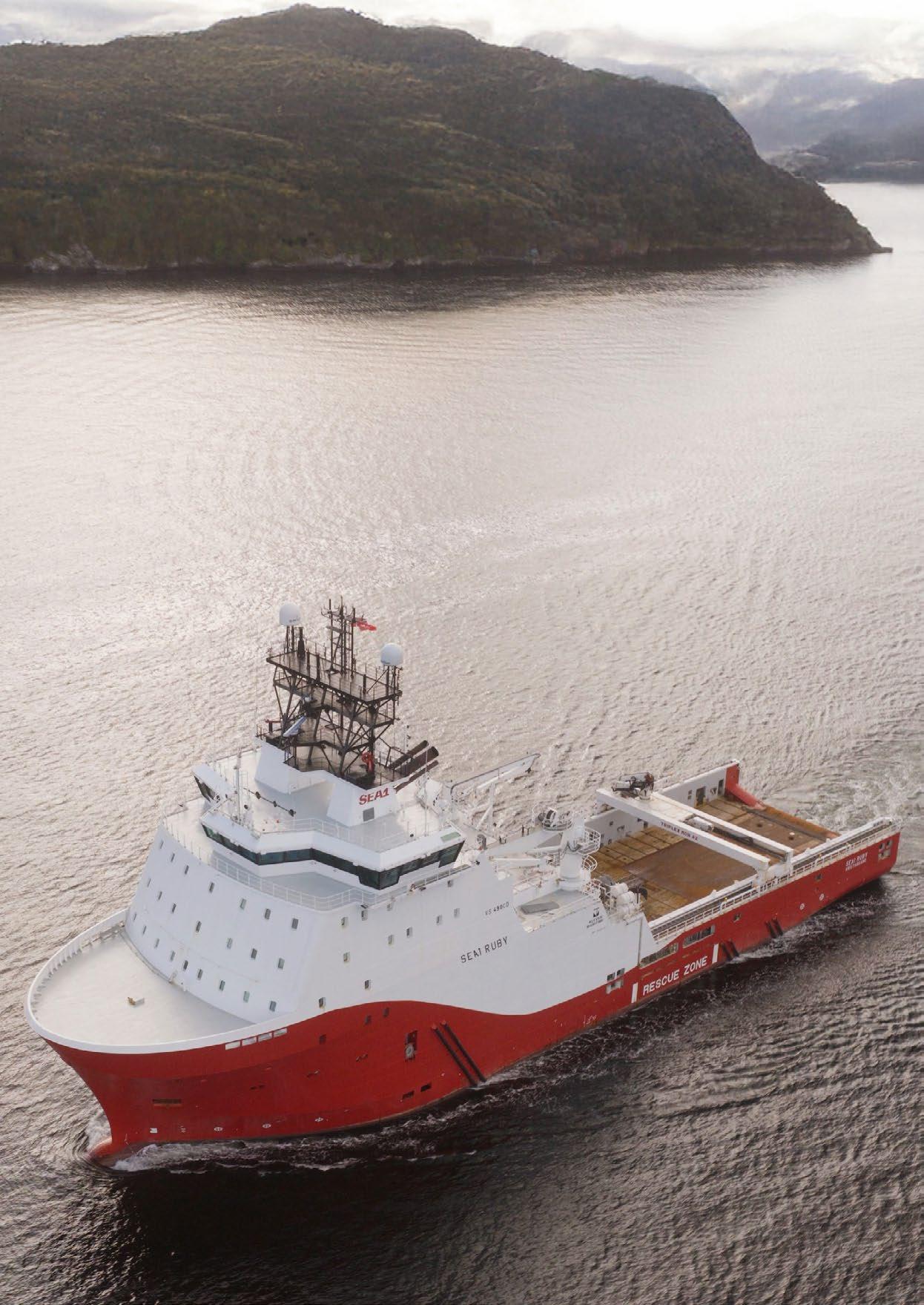
On governance, Sea1 Offshore aims to maintain the highest level of ethical standard in the way we conduct our business. Our Corporate Code of Business Conduct gives guidance on how to behave when conducting our daily business activities related to human rights, sexual harassment, bullying, whistleblowing, fair and equal treatment, conflict of interest, anti-bribery, anti-corruption, antitrust
and competition, trade restrictions, export controls, boycott regulations and insider trading. A revision was made in 2025 including requirements in Transparency Act and the new membership in the Maritime Anti-Corruption Network (MACN).
Policies
The most senior level accountable for the implementation of policies within Sea1 Offshore is the CEO and COO/General Manager.
The following table gives overview on the material Disclosure Requirements for G1 Business Conduct with applicable Sea1 Offshore policies and procedures.
SEA1 Policies and procedures
- Business Code of Conduct
- Evaluation and Selection of Key Suppliers
- Trade Restrictions, Export Controls and Boycott
- Information & Communication Technology Policy
- Cyber Security Management
- Cyber Security Introduction
- Due Diligence and Sanctions
- Business Partners Policy
- Supply Chain Purchasing procedures
- Business Compliance Procedure
- Conflict of interest
- Bribery and Corruption
- Antitrust and Competition
- 2024 CSRD Sustainability Statement
All policies that affect certain groups of stakeholders, such as our onshore and offshore workforce, are made available through the Business Management System (BMS) and through printed copies that are distributed to each of the vessels in the SEA1 fleet.
The Company Values are Caring, Committed, Competitive. We encourage team spirit and knowledge sharing, and strive to perform our daily work correctly, safely and without causing damage to people, environment and equipment. We are driven by integrity and “walk the talk”. Finally, we behave in a pro-active manner and are innovative in our way of thinking as continuous improvement is our key to success.
Sea1 Offshore’s vision is to be a leading vessel provider and the most attractive employer, delivering first class services worldwide.
Internally SEA1 promotes its culture through a culture programme, a varied onshore workforce in terms of backgrounds and skills, officers’ conferences for our vessel crews and its Introduction Programme for New Employees (Land/Sea).
SEA1 evaluates its corporate culture through its stakeholder engagement in the form of “spot-surveys”, WEC, DPA and MAS (employee interviews). For external stakeholders this is done through customer feedback surveys.
Whistleblower & incident reporting procedures
The Company has mechanisms for identifying, reporting and investigating concerns about unlawful behaviour or behaviour in contradiction to our Code of Conduct. This includes cases of corruption and/or bribery. The various incident reporting procedures will be updated to include business conduct incidents.
The procedures include the Complaints Procedure, Whistleblowing procedure, designated person ashore (DPA), Protection & Environment Committee (PEC), Work Environment Committee (WEC). All of these are internal procedures for the Company.
Among the procedures the whistleblower procedure is the most crucial and important one to maintain for the Company.
Sea1 Offshore has a strict policy of ensuring all employees undergo basic online training and Skillcast courses to prepare for compliance with the Company’s Code of Business Conduct and understanding how to identify and understand the risks of corruption and bribery. This is done as part of the introduction course to the Company and is emphasised that employees learn these policies.
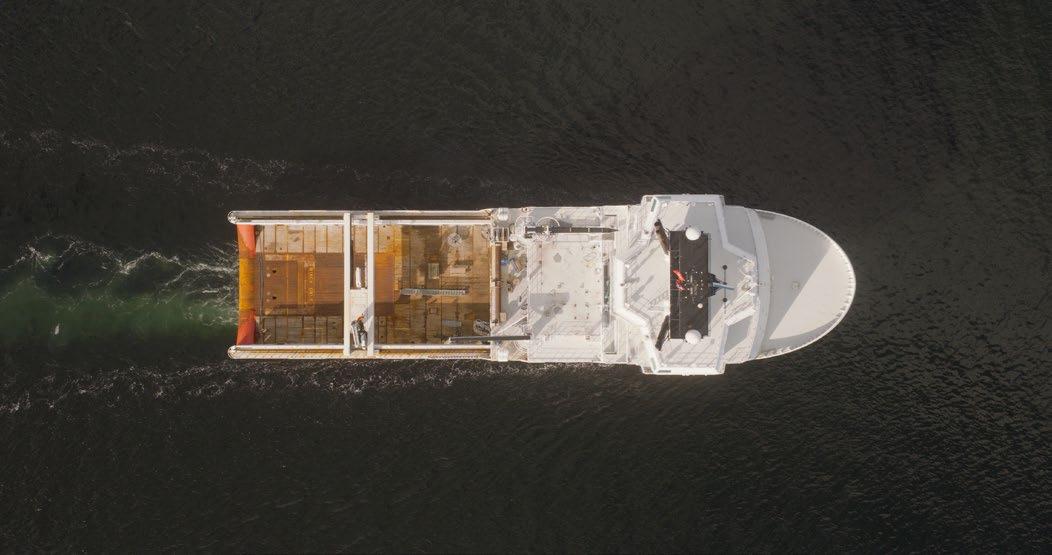
Information on management of supplier relationships and supply chain impact
SEA1 manages its supplier relationship through its Code of Conduct which includes its Policy on Business Suppliers
The Company’s selection of suppliers and business partners are chosen after pre-qualification standards are met, and after audit and purchasing procedures have been conducted by the Company as required by the Management of Contractors procedure and Supply Chain: Purchasing and Sub-Contracting Policy in the BMS. These procedures are enforced by the Quality Management Plan.
No policy on late payments, but remittance stats and business reviews are done and tracked.
Sea1 Offshore’s approach to its relationships with its suppliers, taking account of risks to the Company related to the supply chain and impacts on sustainability matters is done through its Management of Contractors procedure and Policy on Business Suppliers in the Code of Conduct. The policy and procedure entail the use of a pre-qualification scheme, audits, and due diligence procedures before final agreements are made to conduct business.
The Company takes into account social and environmental criteria for the selection of its suppliers via the Transparency Act and its requirement for partners and suppliers to follow the SEA1 Code of Conduct standard, and to have ISO 14001 & 9001 certification. Through these policies and processes ’Vulnerable suppliers’ that are exposed to significant economic, environmental and/or social risks are filtered out and will not be engaged with for business.
The tasks of completing these screenings, audits and due diligence procedures fall on the HR, HSEQ and Procurement departments within SEA1. The Procurement department employees undergo the general training from the Training Matrix – Shore Staff, as well as learning the Purchasing – General and Supply Chain: Purchasing and Sub-contracting procedures and all their connected, underlying documents and procedures.
It is also the Supply Chain: Purchasing and Subcontracting procedure and its underlying policies and procedures, which applies to all Sea1 Offshore regions, that informs which practices and supply chain management methods are best to minimise disruptions to either the Company, supply chain partners or strategy. This includes purchase and payment handling, distribution and supplier handling.

Bribery Prevention & ‘Functions-at-risk’
The Company’s system to prevent and detect, investigate, and respond to allegations or incidents relating to corruption and bribery are done through various channels such as the Whistleblower procedure, the DPA and the Protection & Environment Committee (PEC).
To further emphasize the importance of preventing corruption and bribery incidents from occurring the Company gives online training through the e-learning course ”Bribery Prevention” which is given to all employees in both the onshore and offshore workforces. – The other introductory e-learning courses also emphasize on corruption and bribery prevention and relate high risk corruption areas and functions.
Following functions are identified to be ‘functions-atrisk’ with respect to risk for corruption and bribery: Employees:
• Onshore Supply Chain Workers
• Onshore Vessel Managers
• Offshore Vessel Crews (Incl. Captain, Chief Officer, Chief Engineer, Master, 1st Officer, etc.)
Large acquisitions:
• Risk Management and due diligence process
• Large investments and payments (i.e. newbuild and shipyards contracts)
These ‘functions-at-risk’ are deemed so due to their respective tasks and responsibilities within the Company, which for vessel crews and managers involved travelling to high-risk corruption areas for vessel trading and operating worldwide.
Allegation of Bribery & Internal Control
Whistleblowers and direct contact networks within the Company can take cases further and work towards solutions to remedy the issues and concerns of incidents and those involved. As disclosed above the procedures in place to prevent, detect, and address allegations or incidents of corruption and bribery include the Whistleblower
procedure, the Designated Person Ashore (DPA) and the Protection & Environment Committee (PEC).
Investigators or investigating committee are separate from the chain of management and have their identities kept confidential to all except for involved parties (which does not necessarily include offender) and individuals on a need-to-know involvement basis. These investigators and/or investigating committees report outcomes to the administrative, management and supervisory bodies that present overviews of the incidents.
The Company communicates its main policies through e-learning courses and introduction courses to every employee shortly after hiring them. All policies and procedures are also accessible in the BMS, SEA1’s business management system, which is open for all members of the workforce. Relevant policies are forwarded to suppliers and partners as part of the pre-qualifications process and audits.
The Company has a series of obligatory introduction courses for all new employees when they begin their employment. The SEA1 e-learning courses as made by Skillcast include:
• Code of Business Conduct
• Bribery Prevention
• Economic Sanctions
• SMS Induction Course
• No. 0005 ISM Code
The anti-corruption and anti-bribery training programmes required by the Company come in the form of the Bribery Prevention e-learning course which is given to all employees as part of the Anti-Bribery Policy. This results in the percentage of functions-at-risk covered by the training programmes equals 100%.
All members of the administrative, management and supervisory bodies are all given the same e-learning courses as the rest of the SEA1 workforce.
The nature, scope and depth of the anti-corruption and anti-bribery training programmes in the Anti-Bribery Policy which details the definitions of bribery and acts of bribery with examples attached. The policy also clearly states:
The Group takes bribery and corruption very seriously, and any employee or other person acting on behalf of the Group that is found to be violating this policy will be subject to disciplinary action, which may include termination of their contractual relationship with the Group.
How to raise concerns or report bribery incidents is also included in the document, including how to deal with these incidents.
Finally, the policy details internal reviews and monitoring by the Company to ensure an updated risk assessment and policy on bribery and corruption cases, as well as listing the responsibilities of the relevant individuals in the Company.

Number of incidents of corruption and bribery, and their outcomes
There has been 1 registered case of corruption and bribery for the 2025 reporting period. The captain in cooperation with Compliance team at head office stopped the attempt.
The issue was reported in the Business Management System and MACN reporting system. As such, there have been no convictions or fines for violation of anti-corruption and anti-bribery laws, and no actions have been taken to address such breaches to procedures within the Company.
SEA1 KPI
Managerial Visits
Experience Feedback / Company Circulars
CMID/OVID Inspectio Findings
Port State Deficencies
Goals 2025 – 2026
Vessel Technical Availability
Customer Feedback - Vessel Performance
Procurement Cycle Time
Please note the KPI results for 2025 do not include 4 vessels in Brazil. The plan is to consolidate this in 2026.
Managerial Visits
Number of Management & Leadership Visits to a vessel / site: (ref. IMCA SEL 08/11 for definitions).
Number of Managerial Visits x 200.000 Exposure hours (based on 24 hrs/day)
Experience feedback / Company Circulars
• Experience feedback is defined as Circular Letters issued by the Company.
• Defined to include: Lesson Learned, Safety Flashes and Campaigns, Experience Feedback
• Measured in total number of reports.
CMID/OVID inspection findings
• CMID vetting findings are defined as justified findings that could have been avoided. Design issues are not included.
• OVID vetting findings are defined as justified findings that could have been avoided. Design issues are not included.
Due to the nature of the OVID questionnaire some observations are merely stating an operational practice. These findings are not to be included in the KPI.
• Calculated as average number of findings of all inspections in the period.
Port State deficiencies
• Port State deficiencies are justified observations from a Port State control.
• Calculated as average number of deficiencies from all port side controls in the period.
Vessel technical availability
• Calculated in percentage of time as follows:
Hours in the period – Hours of technical off-hire while on contract x 100 Hours in the period
Technical off hire is defined as a technical breakdown/ failure resulting in the vessel going off-hire.
Customer Feedback - Vessel Performance
• Customer feedback is measured as a result of conducted customer and/or client surveys, ref. Customer Feedback - Vessel Performance, VSP/CHA/CUS 0041
• Calculated as average score (1-6) of received replies.
Procurement cycle time
• Average time it takes from Requisition is received to Request for quote (RFQ) is issued
2022
Calculated as average number of CMID and OVID findings of all inspections in the period. KPI is set to less than 4 findings
2022
Technical off hire: breakdown/failure resulting in the vessel going off-hire. Vessel technical availability is set to be above 98,5%.
Port State deficencies calculated as average number of deficencies from all port side controls in the period. KPI is set to less than 1 deficiency

The EU Taxonomy is a classification system that defines which economic activities are considered environmentally sustainable to guide investments and financial flows. For an economic activity to be considered sustainable (ALIGNED) under the Taxonomy, it must contribute to at least one of the six objectives and do no significant harm to the other five, while complying with minimum social safeguards. The six environmental objectives are as follows:
• Climate Change Mitigation
• Climate Change Adaptation
• Sustainable Use and Protection of Water and Marine Resources
• Transition to a Circular Economy
• Pollution Prevention and Control
• Protection and Restoration of Biodiversity and Ecosystems
After completing a screening analysis of the Company operations and activities, the only relevant environmental objective found is the Climate Change Mitigation. The other objectives are screened to be not relevant.
For Sea1 Offshore following activities are found relevant (ELIGIBLE) and due for a closer alignment analysis:
• Activity CCM 6.10: Sea and coastal freight water transport, vessels for port operations and auxiliary activities. Operation of offshore vessels are assessed to be eligible under the Activity 6.10 in the Taxonomy and covering most of the business activities in Sea1 Offshore, for FY25 estimated to be 266.9MUSD and thus 98.3% of net revenue of 271.5MUSD.
• Activity CCM 4.3: Electricity generation from Wind Power. The activity is described as Construction or operation of electricity generation facilities that produce electricity from wind power. We interpret this activity to be eligible for Sea1 Offshore with Walk-toWork services, seabed ploughing for infield power cables and other contracts for offshore wind farm clients. For 2025, this activity represents 1.5MUSD and 0.5% of the net revenue for SEA1. Hence, this activity is regarded not material for SEA1 in 2025 and disregarded in further analysis.
More details are given below where the KPI-templates for Revenue, CAPEX and OPEX are given, in addition to the assessment done.
Activities that contribute to the reduction of greenhouse gas emissions to help limit global warming (e.g. renewable energy, energy efficiency, carbon capture).
Following Taxonomy-activity is assessed against the technical screening criteria:
CCM 6.10 Sea and coastal freight water transport,
The EU Taxonomy defines a set of Minimum Safeguards as set from defined UN, EU and other international human rights and code of ethics guidelines against which businesses must assess their procedures. Four themes are covered under the Minimum Safeguards criteria: human rights, corruption, taxation and fair competition. In order to meet the requirements, the Company has identified relevant policies and procedures towards the following guidelines and standards:
• The OECD Guidelines for Multinational Enterprises
vessels for port operations and auxiliary activities. Based on not meeting the Substantial Contribution Criteria, this activity is found NOT ALIGNED for Climate Change Mitigation. The Minimum Safeguards Criteria is met, ref below.
Hence, 0% of the SEA1 activities in FY2025 are found aligned.
• The UN Guiding Principles on Business and Human Rights
• The fundamental conventions of the International Labour Organization (ILO)
Because none of our activities comply with the technical screening criteria, a comprehensive assessment of compliance with the minimum safeguards requirement is not yet conducted. However, SEA1 policies and procedures consider human rights and proper business conduct as important elements.
The KPI-templates for Revenue, CapEx and OpEx are given in the spreadsheets below. The disclosures on Revenue, OpEx and CapEx for taxonomy eligible activities are based on our interpretation of the Disclosures Delegated Act annex I (Commission Delegated Regulation (EU) 2021/4987) and additional guidance documents from the European Commission.
Sea1’s activities are related to the boundaries of the reporting entity in accordance with IFRS and as described in the Group financial statements. Information about our consolidation principles can be found under the consolidation and accounting principles section of the annual
report. In our disclosure of the numerator for revenue, OpEx, and CapEx we use an activity-based split to avoid double counting of financial numbers.
Eligible revenue comes from the activities from operation of offshore vessels and Walk-to-Work services related to electricity generation from Wind Power. Revenue from operation of vessels accounts for 98.3%, while Walk-toWork services amounts to 0.5% of our eligible revenues. Please note the revenues from management fee for the externally owned vessels, are screened to be not eligible
under the Taxonomy. This revenue is quantified to 3.1MUSD which is 1.2% of total net revenue. The revenue denominator of 271.5MUSD is derived from financial note 4 Segment Reporting.
OpEx:
OpEx according to the EU Taxonomy represents direct non-capitalized costs related to research and development, building renovation measures, short-term leases and maintenance and repair, and any other direct expenditures relating to the day-to-day servicing of assets of property, plant and equipment that are necessary to ensure the continued and effective operations of such assets.
In the context of Sea1’s operations we interpret this to be:
• Maintenance and repair OpEx for assets or property, plant, and equipment, for FY25 quantified to 25.5MUSD.
The estimated distribution among activities is considered to be 99.5% related to activity 6.10 and 0.5% to activity 4.3.
CapEx:
The capital expenditures (CapEx) KPI entails additions to:
• Vessels under construction
• Vessels and equipment
• Dry docking
Our eligible CapEx is related to assets associated with taxonomy-eligible activities. The CapEx denominator of 31.8MUSD is derived from financial Note 5 Vessel Equipment and Capitalized project cost, where 100% is related to activity 6.10 and 0% to activity 4.3.
Note on exposure to nuclear and fossil gas-related activities:
1 The undertaking carries out, funds or has exposures to research, development, demonstration and deployment of innovative electricity generation facilities that produce energy from nuclear processes with minimal waste from the fuel cycle.
2 The undertaking carries out, funds, or has exposure to the construction and safe operation of new nuclear installations to produce electricity or process heat, including for the purposes of district heating or industrial processes such as hydrogen production, as well as their safety upgrades, using the best available technologies.
3 The undertaking carries out, funds, or has exposure to the safe operation of existing nuclear installations that produce electricity or process heat, including for the purposes of district heating or industrial processes such as hydrogen production from nuclear energy, as well as their safety upgrades.
Fossil gas-related activities
4 The undertaking carries out, funds, or has exposure to the construction or operation of electricity generation facilities that produce electricity using fossil gaseous fuels. No
5 The undertaking carries out, funds, or has exposure to the construction, refurbishment, and operation of combined heat/cool and power generation facilities using fossil gaseous fuels. No
6 The undertaking carries out, funds, or has exposure to the construction, refurbishment and operation of heat generation facilities that produce heat/cool using fossil gaseous fuels. No
A.1.