This publication is copyright. Apart from use permitted under the Copyright Act 1968 and subsequent amendments, no part may be reproduced, stored or transmitted by any means without prior written permission of Orygen.
Orygen ABN 85 098 918 686
Orygen acknowledges the Traditional Owners of the lands we are on and pays respect to their Elders past and present. Orygen recognises and respects their cultural heritage, beliefs and relationships to Country, which continue to be important to the First Nations people living today.
About Orygen
Orygen is Australia’s Centre of Excellence in Youth Mental Health. It is the largest translational mental health research organisation in Australia, and the largest clinical research organisation focused on youth mental health in the world.
Young Australians are facing an escalating mental health crisis, which now impacts two in five young people. Research shows that 75 per cent of all mental ill-health emerges by the age of 25, so Orygen was established to focus on early intervention and evidence-based treatments to improve mental health for young people and across the lifespan.
Our unique approach brings together research, policy development, clinical services and evidence-based training and education with the aim of continuous improvement in the treatments and care provided to young people experiencing mental ill-health.
Orygen operates five headspace centres in Melbourne’s north-west, and is a leader in the development and evaluation of new models of care to support young people. We’re working across the mental health sector to understand gaps in the system and advocate for new and refined approaches to supporting those who are currently missing out.
We know that youth mental health is a global challenge, so Orygen partners with organisations and communities around the world — particularly in low- and middle-income countries — to share knowledge and best practice to improve the quality and value of existing and new systems and services.
We are also harnessing the latest technology for enhanced treatments and supports. Orygen Digital has created the largest network of digitally-enhanced youth mental health services in the world, and is creating accessible, life-changing services to support young people and take the strain off currently stretched mental healthcare services.
Orygen sits at the epicentre of local and global reform, overseen by a team of world leaders in youth mental health. We work with and for young people, and we’re training the next generation of researchers and youth mental health workers to ensure care is holistic, innovative and effective — because that’s what young people need, and what they deserve.
Message from the Chair
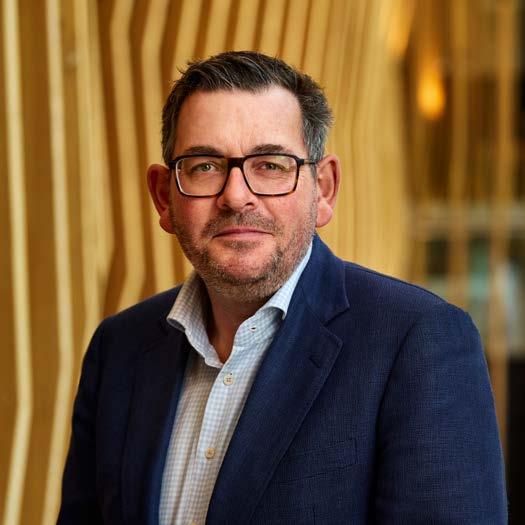
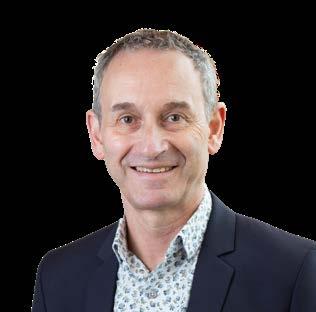
THE HONOURABLE DAN ANDREWS AC
As incoming Chair of the Orygen Board, it is my privilege to reflect on a year of significant progress, renewal and strengthened purpose, and I extend my thanks to the Board, Executive Leadership Team and staff for the opportunity to help shape the next chapter of this vital organisation.
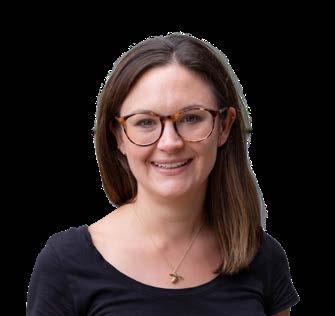
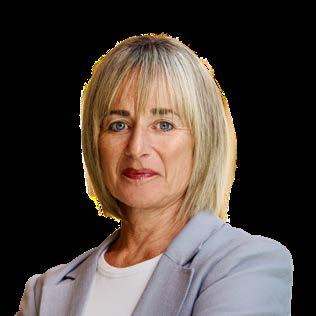
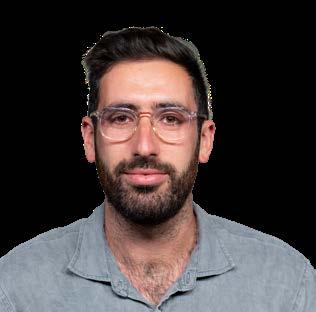
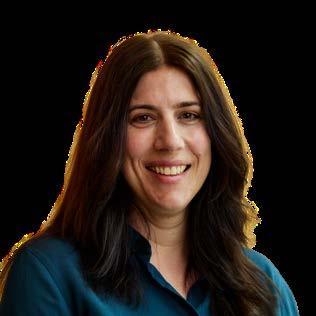
This year we have been proud to welcome four new Board Directors to Orygen: Dr Jasmine Elliott, Julian Maiolo, Anne Murphy Cruise and Marcus Stewart. Their appointments mark an important step forward for Orygen, with Jasmine Elliott joining us as the first Board Director who is a young person with lived experience, and Marcus Stewart bringing important perspective as Orygen’s first First Nations Board Director. While we recognise there is more work to do, these appointments represent a meaningful step towards better reflecting the communities we serve.
My involvement with Orygen stretches back many years, including the opening of our Parkville premises in 2019. It is a profound honour to now serve as Chair, and I am grateful to the Board and Executive for the opportunity to contribute to Orygen’s mission to improve the mental health of young people in Australia and around the world.
This year, the finalisation of the partnership agreement with the Parkville Youth Mental Health and Wellbeing Service marked a milestone in the advancement of youth mental health models of care. We also achieved a budget surplus for the first time in several years — a result of disciplined effort across the entire organisation. While the path to financial stability involved difficult decisions, Orygen now stands on much firmer ground.
The Federal Government’s $1 billion mental health package, including Orygen’s positioning within the forthcoming National Institute for Youth Mental Health, represents another landmark achievement and a testament to the advocacy of our Board, leadership and staff.
As we turn toward 2026, organisational sustainability remains a central priority, supported by our new three-year strategy and operating model. Strengthening commercialisation and embedding a profit-for-purpose mindset will be essential to meeting future challenges and opportunities.
I extend my sincere thanks to our Board, Executive, staff, funders and partners for their dedication and shared commitment to youth mental health this year. With successful clinical accreditation, major new grants, and strong strategic momentum, Orygen enters the new year exceptionally well-positioned to deliver the impact that young people need and deserve.
The Honourable Dan Andrews AC
Message from the Executive Director
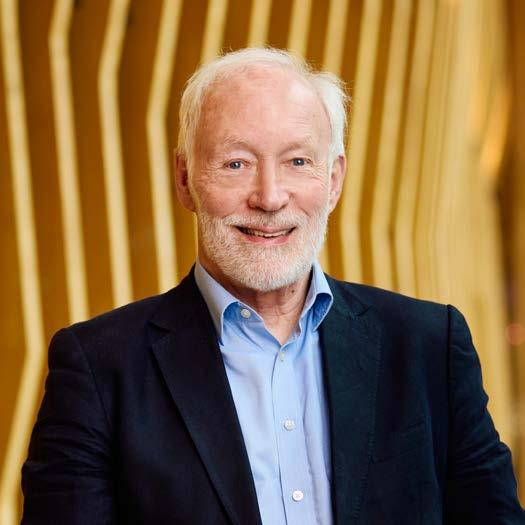
PROFESSOR PATRICK MCGORRY AO
As I reflect on another year of major milestones in building the field of youth mental health, I am once again deeply grateful to every member of the Orygen ecosystem, who in their myriad ways is working to achieve our shared mission of improving the lives and health of young people – now and into the future.
This year marked a significant moment for the global field of youth mental health. The first international Commission on Youth Mental Health, led by Orygen with 54 authors from around the world, including 10 young people and published by The Lancet Psychiatry, identified the political, socioeconomic and structural forces driving the youth mental health crisis and offered a clear blueprint for action. The Commission laid bare the scale of the challenge and the essential role of evidence-informed, youth-specific responses.
For more than 30 years, Orygen has assembled the foundations, building evidence, experience and expertise to further develop the field and amplify our impact. The establishment of the Parkville Youth Mental Health and Wellbeing Service (PYMHWS) this year was the outcome of Orygen's 25-year development of a highly specialised mental health service, now covering the full 12–25 year age range, to provide the next tier of care to reinforce and integrate with our enhanced primary care system of headspace in the north-west region of Melbourne. It represents the culmination of decades of research, knowledge translation and advocacy for a youth-specific, evidence-informed specialist service, a tangible demonstration of Orygen’s leadership in designing, implementing and scaling models of care.
At a national level, this continues via the Federal Government’s $1 billion commitment to mental health. It represents a long-awaited breakthrough in
reform and investment, and the $700 million dedicated specifically to youth mental health is a direct result of Orygen’s advocacy and agenda-setting.
The establishment of 20 new specialist care centres over the next four years, modelled on Orygen’s specialised transdiagnostic early intervention program that has evolved into PYMHWS, will help close the ‘missing middle' and strengthen the youth mental health system. Additional investment in headspace will also increase bandwidth and capacity within primary care to respond to more complex needs.
The Albanese Government’s commitment to establish a National Institute for Youth Mental Health is particularly significant, and will provide the mandate and resources to play an even more central role in driving reform, new paradigms of translational research, high quality care, and national productivity through a national learning health system.
I would like to extend my appreciation to our key government partners, particularly the Prime Minister, the Hon Anthony Albanese, the Minister for Health and Ageing and the NDIS, The Hon Mark Butler, and the Assistant Minister for Mental Health and Suicide Prevention, the Hon Emma McBride. We are grateful for their ongoing trust in us, and their genuine commitment to improving the lives and mental health of all young people.
I would like to congratulate our incoming Chair, the Hon Dan Andrews AC, on an extremely successful first year in the role, and offer my thanks for his insights, support and dedication, which extends back to Orygen’s early days as a new medical research institute. I would also like to thank the Chair of the Foundation Board, Dr Jane Watts, for her wisdom, energy and enthusiasm for ensuring the Foundation supports our mission. I would also like to warmly thank all Board and Foundation Board members for their generous contributions over the past 12 months, supporting our Executive Leadership Team with their invaluable guidance and positive energy.
We are incredibly fortunate to have a talented, dedicated and cohesive executive team at Orygen, and I would like to thank and pay tribute to them for their extraordinary dedication and skill, which has positioned us to meet the challenges and opportunities ahead with renewed vigour and optimism. I would also like to acknowledge the long-term contribution of Kerryn Pennell, who departed Orygen this year after three decades of invaluable contributions to our mission, including her role as Chief of Strategy and Engagement.
Finally, my deepest thanks goes to all of our tremendously talented and hard-working staff, and the young people and families who work alongside us. Their insight, energy and dedication continue to propel our revolutionary work into the future.
Professor Patrick McGorry
Orygen’s impact
2024–25 AT A GLANCE
Research
Orygen’s youth mental health research program continued to lead the way globally, and the research team saw a 47% increase in successful new grants compared to 2023-24.
157 active research projects
28 new grants totalling $18.6m.
275 publications
Care
Orygen is delivering youth-specific mental health care at scale, in our local community and beyond.
5,152
The number of young people who accessed care 30,465 times via our Orygen-run headspace centres in Melbourne’s north-west.
30,465 services provided
187 Admissions to Orygen Recovery.
5,834 new users on MOST in 2024–25, 4,736 coming via service referral.
92%
The percentage of MOST users who said they would recommend MOST to another young person.
2,169 downloads this year for Mello, Orygen Digital’s app to prevent stuck thinking.
Community
Through our Orygen Assist program, a team that included 35 new volunteers contributed 2,132 volunteer hours.
3,281 young people and families assisted.
27,236 items distributed.
Engagement
64k followers on social media.
1.7m views of the Orygen website.
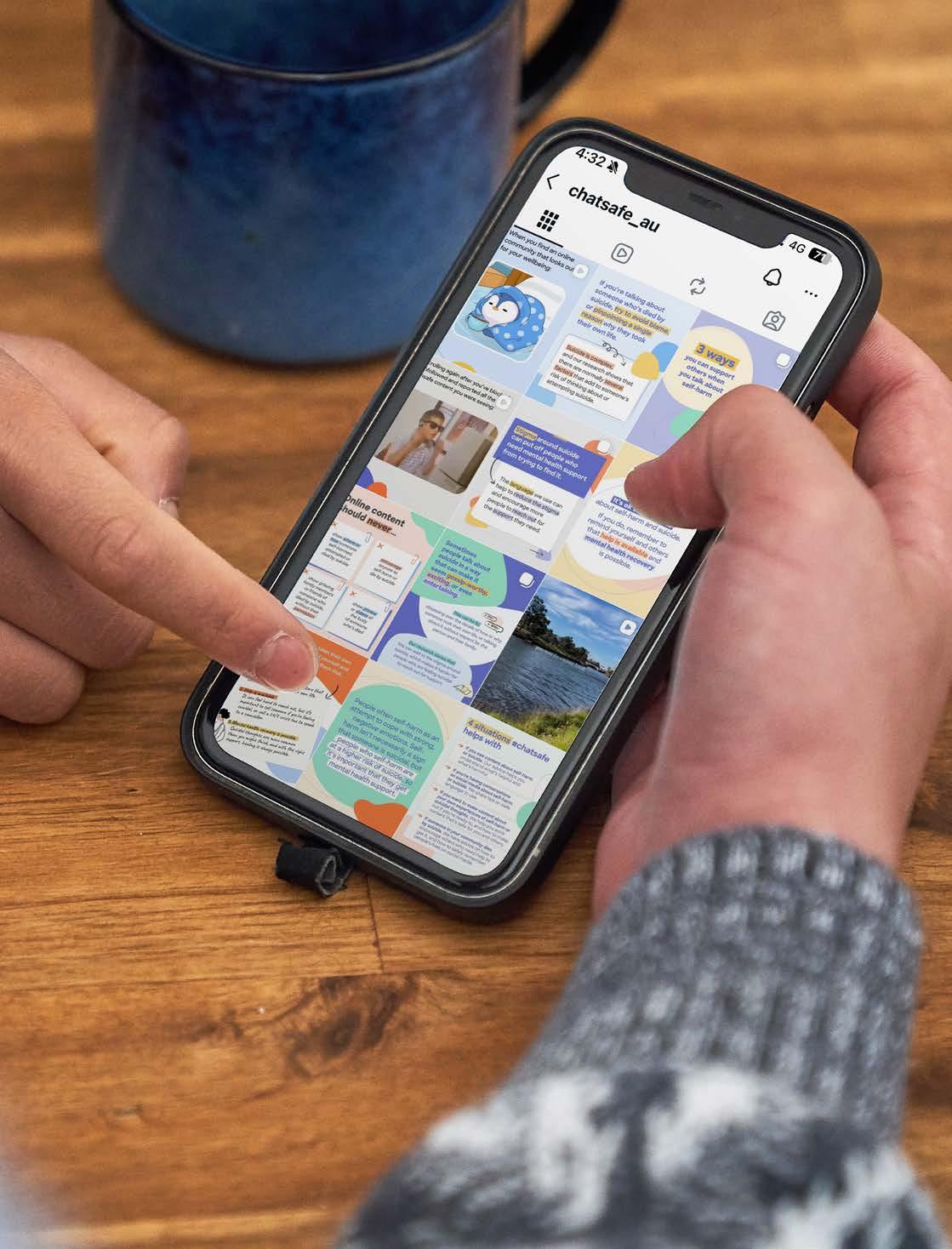
181,807 downloads in 29 countries of the #chatsafe resources, which support prevention of suicide and self-harm.
We’re building the field of youth mental health by teaching future leaders via industry-leading graduate courses, our PhD program and a Certificate IV in Mental Health Peer Work.
407 staff employed at Orygen.
People
2,310
The number of training packages delivered by Orygen’s Workforce Development team in 2024–25 across 266 sessions, covering topics such as trauma-informed care and brief interventions.
102
The number of workshops, consults and site meetings delivered by our Service Implementation and Quality Improvement team.
581 Youth Enhanced Services staff who took part in 12 online communities of practice.
95 young people trained as global advocates through Orygen Global programs.
130+
The number of young people engaged in Orygen’s advisory groups.
Advocacy
$700m+
The Federal Government’s election commitment to address the youth mental health crisis in Australia following Orygen's 2025 election campaign advocacy (page 10).
A watershed moment for youth mental health
The past year has marked a turning point for youth mental health in Australia and abroad — a moment when decades of advocacy, evidence and innovation converged. It became a pivotal year for international recognition that reform is both urgent and achievable.
For Orygen, it has been a year that underscored our role as a driving force behind this global movement to make youth mental health a public health priority.
This publication is the first definitive guide to youth mental health globally, outlining the current state of play and making the economic, moral and political case for investing in better research, models of care and access to youth mental health care for young people everywhere.
Prof. Patrick McGorry AO
A global blueprint for change
In 2024, Orygen led one of the most significant developments the field of youth mental health has seen: The Lancet Psychiatry Commission on youth mental health. The Commission laid bare the state of the youth mental health crisis and provided an evidence-based roadmap for mental health care and prevention for young people around the world.
Prof. Patrick McGorry AO, Executive Director of Orygen, was the Commission’s lead author, with Prof. Eóin Killackey, Orygen’s Chief of Research and Knowledge Translation, serving as the senior author. There were also contributions from several other Orygen-based researchers, policymakers and young people in a global effort that included authors from five continents.
The Commission examined the changing landscape of youth mental health and the global political, socioeconomic and structural megatrends driving psychological distress, and explored the most effective interventions and models of care for young people in high, middle and low-resource countries.
“This publication is the first definitive guide to youth mental health globally,” Prof. McGorry said at the time, “outlining the current state of play and making the economic, moral and political case for investing in better research, models of care and access to youth mental health care for young people everywhere.”
The Commission’s findings resonated globally.
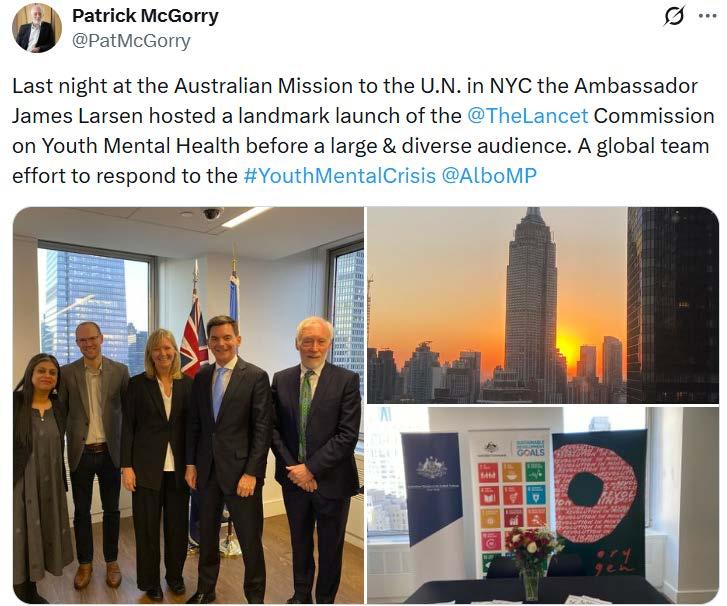
Dozens of news organisations, from the Australian Broadcasting Corporation to the New York Times, amplified the message. Following its publication, launch events were held in Canberra and London before Orygen leaders joined The Lancet representatives to present the Commission to the United Nations in New York at an event hosted by Australia’s Ambassador at the UN, James Larsen.
Beyond its research impact, the Commission re-energised public discourse around youth mental health. It drew attention to the widening treatment gap, the need for investment in prevention, and the importance of youth participation in system design. For Orygen, it was both a scientific milestone and an advocacy tool — one that continues to start and inform conversations today.
Above: Australia’s Ambassador to the United Nations, James Larsen (second from right) launches The Lancet Psychiatry Commission in New York.
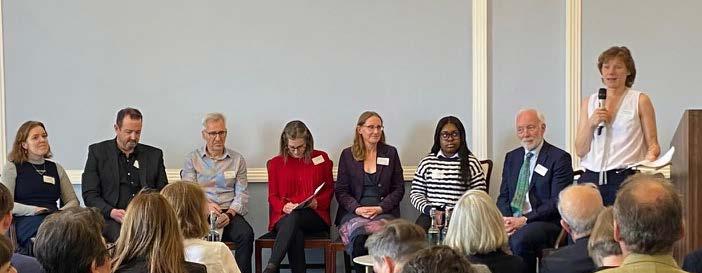
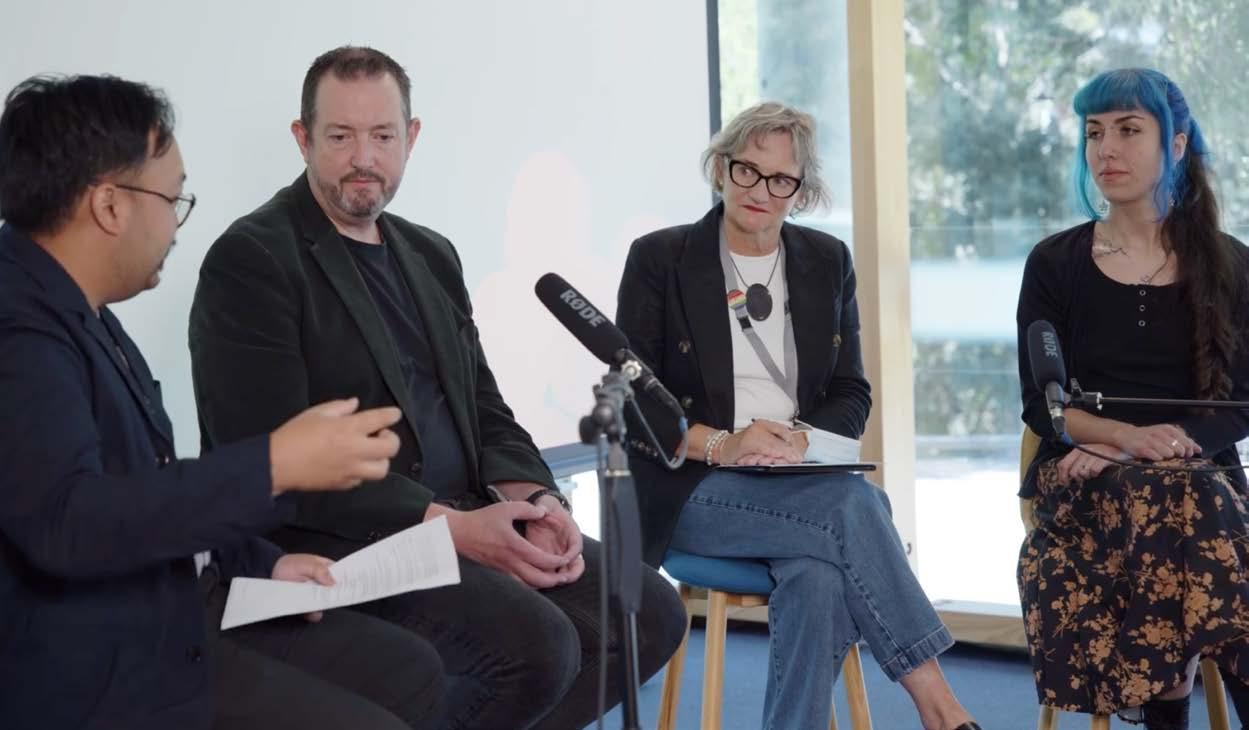
Left: A panel of experts discusses the Commission at an event hosted by The Lancet at the British Academy in London.
Momentum for reform
Just months later, Australia’s 2025 federal election delivered the largest-ever commitment to youth mental health reform. Following a concerted sector campaign led by Orygen, the Albanese Government committed $1 billion to mental health, including more than $700 million towards addressing the youth mental health crisis.
Key commitments included:
• $500 million to establish 20 new youth mental health centres, which will draw on proven early intervention mental health programs, such as those developed by Orygen. Centres will provide longer-term specialist clinical care integrated with psychosocial supports for young people with more complex and/or persistent conditions and their families, carers and supporters.
• More than $200 million to expand the headspace network, including 58 new, upgraded or expanded headspace services to better meet the growing demand and provide free mental health care and rapid access for young people when they need it.
• $91 million to build a skilled youth mental health workforce, ensuring the sector can deliver evidence-based care effectively and sustainably.
Importantly, the government also committed to establishing a National Institute for Youth Mental Health, which would drive and guide the implementation of this reform and lead the development of a ‘Learning Health System’ that integrates translational research, biostatistics and mental health economics.
The record investment confirmed that youth mental health is now firmly established as a national priority in Australia.
Recognition at home
In a year defined by scientific and policy breakthroughs, Orygen also received recognition on its home soil for its contribution to Melbourne’s identity as a city of innovation.
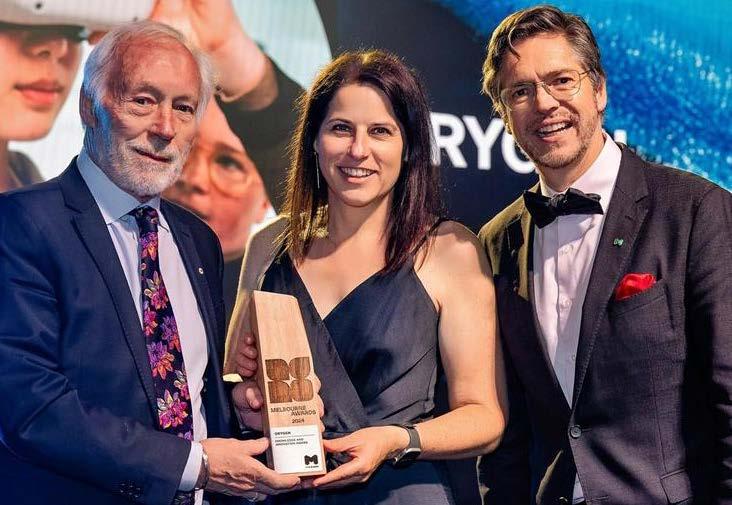
In late 2024, Orygen was named winner of the Knowledge and Innovation prize at the Melbourne Awards, the City of Melbourne’s highest honour, for leadership and innovation in medical research. The award recognised Orygen’s global impact in youth mental health, its role in shaping international policy, and its contribution to Melbourne’s reputation as a hub for world-class science and healthcare.
The accolade carried special meaning beyond acknowledging our work, also validating youth mental health as a vital field of medical research and an important contributor to Melbourne’s world-class biomedical precinct.
“It was deeply meaningful to be recognised by our own city,” said Prof. McGorry. “Melbourne is a global centre of excellence in medical research, and to be honoured within that community reinforces the growing respect and legitimacy of youth mental health as a field.”
The award also highlighted Orygen’s close partnerships across the city, with the University of Melbourne, Melbourne Health, the Victorian Government, and an ecosystem of researchers, clinicians and young people working to improve lives through innovation.
From left: Prof. Patrick McGorry AO, Orygen Director of Employment and Education Partnerships Gina Chinnery and Lord Mayor Nicholas Reece at the Melbourne Awards in November.
Together, these milestones marked 2024–25 as a turning point for youth mental health.
However, they are not endpoints, but platforms for action.
The past year has shown what’s possible when science, advocacy and policy align, but we can’t lose momentum. The next challenge is to turn this moment into sustained reform that reaches every young person.
Prof.
Patrick McGorry AO
Building momentum in the First Nations team
Orygen’s commitment to working in partnership with First Nations young people and communities took significant steps in 2024-25, with the previous year’s period of renewal within our First Nations team setting the groundwork for what was a year of focus and progress.
The year started with an opportunity for reflection and learning, with the Orygen Insights Report evaluating the organisation’s journey towards reconciliation and commitment to centring Aboriginal and Torres Strait Islander perspectives within its work.
The review and subsequent report found that while Orygen's commitment to reconciliation and valuing First Nations’ perspectives is evident, challenges exist in ensuring that this is consistently translated into impactful action. In order to strengthen its efforts and improve outcomes for First Nations young people, Orygen is addressing these challenges, and exploring opportunities to work across divisions to strengthen foundations and build cultural competency.
The process of embedding First Nations’ priorities and thinking across the organisation took a significant step with the appointment of two First Nations Champions within the Executive Leadership Team (ELT) in May. Appointed by First Nations Strategy and Policy Lead, Lineesha Johnson, these roles were established to advocate for and prioritise the work of the First Nations team at an executive level.
A key opportunity identified by the First Nations team is the development of a revised Cultural Strengthening Plan, informed by insights gained through the review and deeply aligned with the perspectives and expertise of First Nations staff across Orygen.
As part of this commitment, the team established a new Cultural Strengthening Committee, with terms of reference developed to guide the group in coordinating activities associated with the Cultural Strengthening Plan 2026-29.
The committee will provide a cross-divisional forum to facilitate shared understanding of Cultural Safety, support collaboration on reconciliation efforts, encourage problemsolving and advocate for funding and resources for Cultural Strengthening initiatives to demonstrate Orygen's organisational commitment.
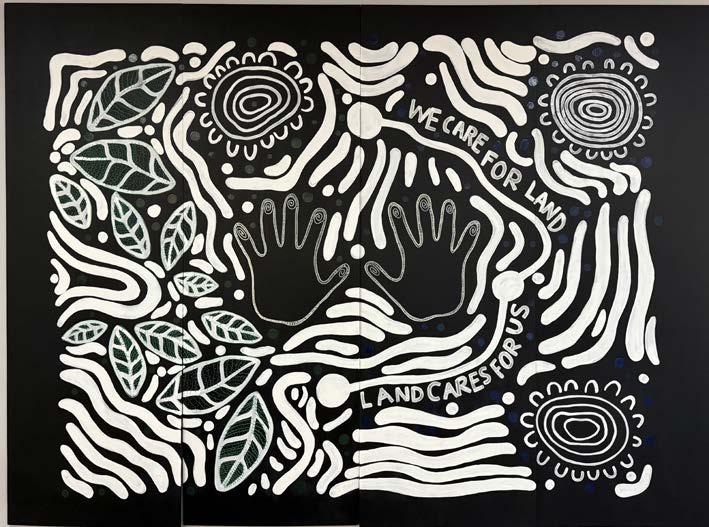
The First Nations Youth Peer Work program continued at Orygen’s headspace centres, particularly at our new Werribee centre, and also through local initiatives such as a special opportunity for connection and storytelling created by peer worker Waari at headspace Melton. Waari brought together a group of young people and staff to create a powerful mural (pictured above) paying tribute to the three First Nations groups surrounding the Melton region (Wurundjeri, Wadawurrung and Bunurong Peoples), and inspired by the Kurung Jang Baluk group of the local area.
Orygen is proud to see strong First Nations representation on the new Youth Advisory Council (YAC), established this year, with three First Nations young people joining the group — Taeg Twist, a proud Birri Gubba Birriah and Ngāpuhi 2Spirit from Waibene in the Zenadth Kes, Brianna Knight, a proud Iningai woman and Jessy Renouf, a proud Gubbi Gubbi woman.
Representation in governance
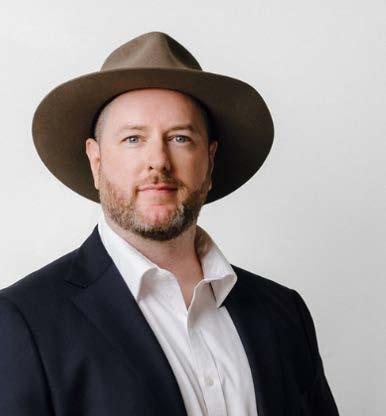
This year has been particularly significant for representation at a leadership level. Orygen’s Board has welcomed its first First Nations Board Director — Marcus Stewart — and its first young person with lived experience, Dr Jasmine Elliott.
This is an important step in better reflecting the communities we serve and promoting Cultural Strengthening at a leadership level, and while there is still more to do, this step is a key achievement for 2024-25.
The mural created by Waari, young people and staff at headspace Melton.
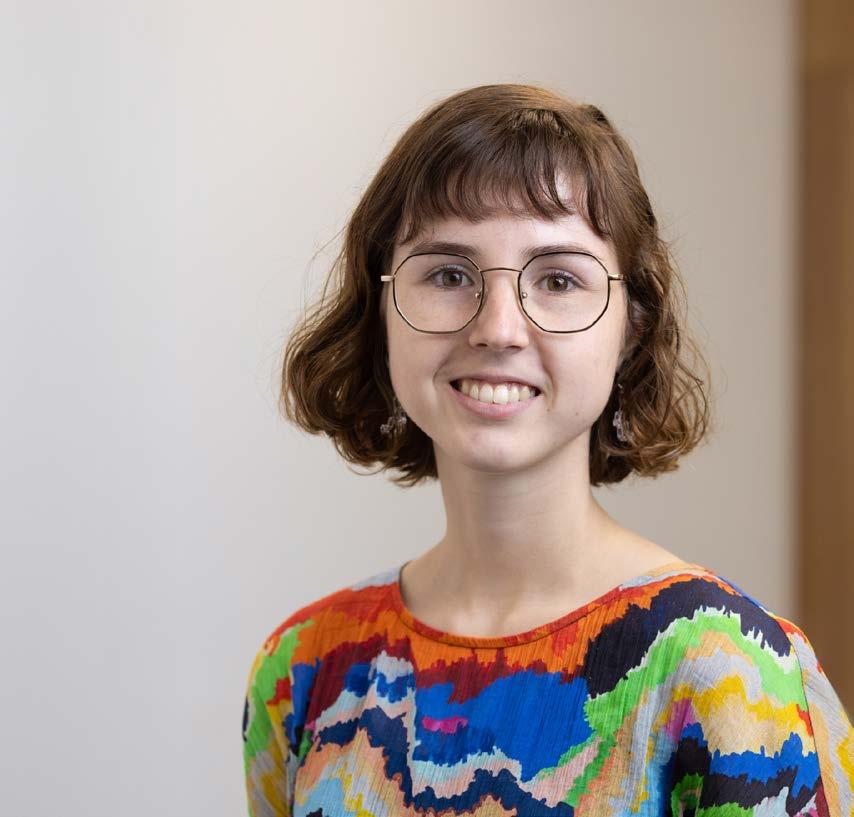
Right: Marcus Stewart (left) and Dr Jasmine Elliott.
Youth voices
Welcoming the new Youth Advisory Council
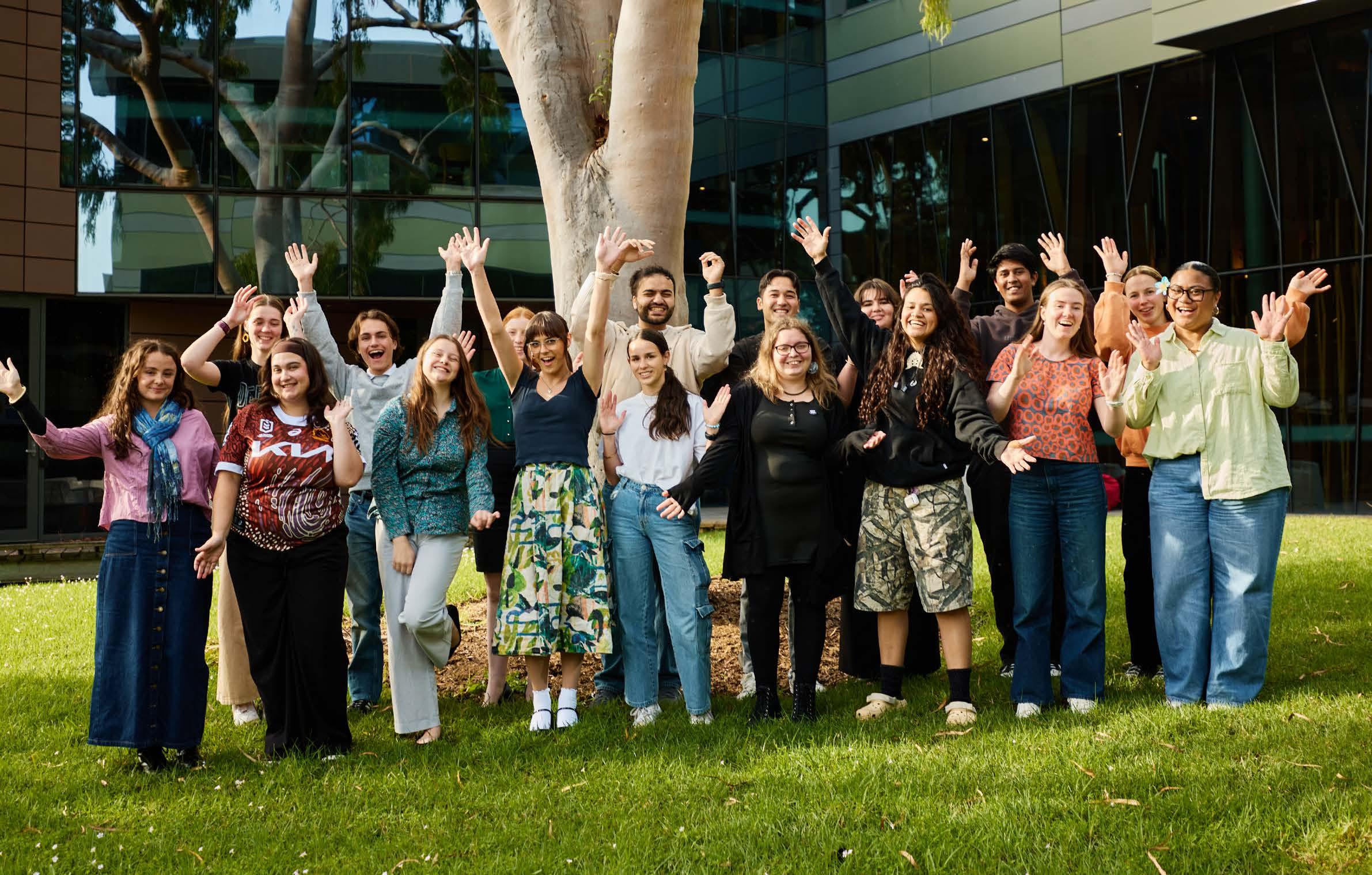
In 2025, Orygen bid farewell to the 2023-25 Youth Advisory Council (YAC), and, after a thorough recruitment process, welcomed 16 new young people to take up positions on the Council.
The YAC advises the organisation on how best to implement its strategic plan, and members represent the ideas and voices of young people by engaging in, expanding on and supporting the services and functions of Orygen.
Their perspectives and insights keep young people at the heart of Orygen’s work and help staff learn how to better work with and for young people.
New YAC members hail from all across Australia, and bring broad new expertise to Orygen, with diverse experience in advocacy and policy, social justice, government, health, cultural safety and inclusivity.
Orygen welcomed new Youth Advisory Council members to Parkville for their first in-person weekend of learning, planning and connection in May.
Youth Advisory Groups shaping and supporting our work
Youth Advisory Groups (YAGs) are also an integral part of Orygen’s work, with YAGs at each Orygen-run headspace centre engaged in a broad range of activities including community events, policy review and promotion. Orygen Digital also has a dedicated Youth Advisory Group, which this year continued to strengthen lived experience collaboration across Orygen Digital research and services.
In 2024–25 Orygen Digital’s lived experience advisors completed co-design work for the VISOR and MIND VR therapies, supported MOST to achieve national digital mental health accreditation and worked with the team to help secure Wellcome Trust funding for the upcoming MOST-Nexus project.
At Craigieburn headspace, the YAG participated in joint trainings and events with the Brotherhood of St. Laurence, Arabic Welfare, Open Door, Banksia Gardens and Hume Youth Services, and are working towards a joint youth forum next year.
Glenroy headspace YAG this year supported a Buddies Program workshop at Gladstone Park Secondary College, with several members helping to facilitate activities and team-building exercises designed to build connections between Year 7 and Year 9 students.
Meanwhile, the Werribee headspace YAG created and presented two mental health presentations to Victoria University TAFE students, covering general mental health, a stress bucket activity, and how to create healthy habits.
A major highlight for the Sunshine headspace YAG was running a 4-week group program for Year 7 and 8 girls at the Keilor Downs College, with the YAG co-designing the workshop and presenting to the group on topics including stress and self-care, confidence and body image.
Melton headspace YAG was proud to deliver their second successful headspace Day in September in partnership with the Melton Library and Learning Hub, attracting more than 50 attendees to enjoy free activities, music and food.
International Association for Youth Mental Health (IAYMH) conference
A strong contingent from Orygen — including youth and lived experience advisors — attended the International Association for Youth Mental Health (IAYMH) conference in Vancouver in March, where 30 per cent of attendees were under the age of 30.
The conference showcased work across the mental health sector — from research to program developments, evaluations, and emerging initiatives from around the world.
Orygen was proud to be part of these important conversations, with staff, youth participants and board members there to exchange ideas, research and expertise with thousands from all over the world.
Raising young people’s voices in Canberra
Orygen’s youth leaders met with parliamentarians and representatives from social media companies in Canberra in October, following a new report which found the majority of young people would suffer if a widespread social media ban was implemented.
Orygen Youth Advisory Council members Amelia Asciutto and Katie Barton, #chatsafe adviser Fiona and Orygen Advocacy and Partnerships Adviser Ella Gow joined ReachOut and Prevention United to attend a day of meetings with representatives from YouTube, TikTok and Snapchat, along with federal ministers and senators.
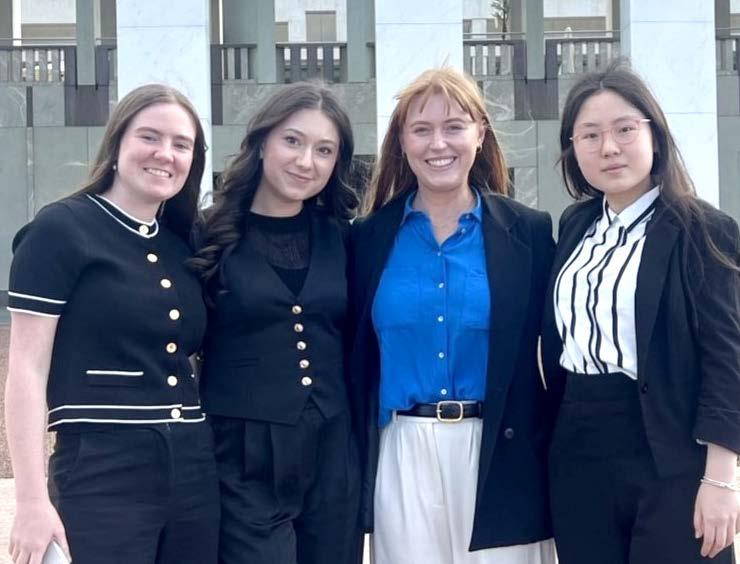
From left: Orygen Youth Advisory Council members Katie Barton and Amelia Asciutto, Orygen Advocacy and Partnerships Adviser Ella Gow and #chatsafe adviser Fiona at Parliament House.
Research with impact
As the largest translational research organisation focused on youth mental health in the world, Orygen is committed to turning research into real-life outcomes and implementing them within care settings. This allows us to establish and champion novel evidence-based practices to address the drivers of youth mental ill-health.
Our research-driven ecosystem means Orygen is uniquely positioned to break through persistent barriers and unlock the next frontier of treatment and care, helping young people to achieve achieve the best possible mental health as they grow into adulthood.
Orygen’s research program covers all aspects of youth mental health, with each area headed by leaders in their field.
Clinical neuroscience
PROF. SARAH WHITTLE
Understanding the biology of mental illness in young people, covering brain imaging (structure, function, and chemistry), cognitive ability (such as memory and attention), and measures such as genetics and immune response.
Clinical staging
PROF. PATRICK MCGORRY AO AND A/PROF. DOM DWYER
Care
Orygen’s Integrated Ecosystem
Scan the QR code to explore Orygen’s Research Spotlight video series.
Clinical staging in youth mental health is an approach that identifies young people at early or at-risk stages of mental ill-health to guide timely interventions that prevent progression to more severe disorders and support recovery.
Cognition
PROF. KELLY ALLOTT
The cognition research team focuses on understanding and supporting cognitive functioning and functional recovery in young people with mental ill-health, investigating how cognition affects and is affected by functional and symptomatic aspects of psychosis and other mental illnesses over time.
Data science and analytical methods
A/PROF. CAROLINE GAO
Using maths and statistics to analyse and better understand health data, our data science experts integrate across specialist research teams to ensure team health policy and practice keeps pace with technology to deliver the best possible care to young people.
Early psychosis: Ultra-high risk
PROF. BARNABY NELSON
Providing insight into risk and protective factors for psychotic disorders, including how to identify young people at risk of progressing to schizophrenia and other psychotic disorders, and the psychosocial and neurobiological mechanisms driving the onset of psychotic disorders.
Eating disorders
A/PROF. ANDREA PHILLIPOU
Improving prevention, identification, intervention and treatment of eating disorders and investigating the biological and psychosocial factors and mechanisms that contribute to the development and maintenance of these disorders — including exploring biomarkers and how brain stimulation could offer a new treatment option.
Early psychosis: First episode psychosis
PROF. ANDY THOMPSON
Elite sport
PROF. ROSEMARY PURCELL
Orygen’s elite sport team works with national and international sporting organisations to help them understand mental health and illhealth in their athletes, coaches and high-performance staff and develop systems to prevent and respond to mental health needs within their sporting environments.
Mood and anxiety
PROF. LIANNE SCHMAAL
Understanding depression and anxiety in young people and how to treat it, including exploring the use of antidepressant and antiinflammatory medications alongside cognitive behavioural therapy, and how brain activity can help us understand depression and its treatment.
Research on first episode psychosis focuses on early detection and targeted interventions to reduce the risk and impact of psychotic illness, support recovery, and help young people maintain their developmental and functional trajectories.
Orygen Digital
PROF. MARIO ALVAREZ-JIMENEZ AND PROF. LUCIA VALMAGGIA
Led by Prof. Alvarez-Jiminez, Orygen Digital translates cutting edge research into real-world tools like the MOST and Mello platforms. The team also investigates how technologies such as apps and AI can deliver mental health support, including our XR (extended reality) Lab, headed by Prof. Valmaggia (more page 28).
Personality disorder
PROF. ANDREW CHANEN
Research focused on understanding, defining, and identifying personality disorder in young people to enable prevention, early intervention, and improved outcomes, and moving from a categorical to a dimensional understanding of the disorder.
Physical health and exercise
DR ELLIE BROWN
Designing physical health interventions for young people with mental ill-health, investigating their effectiveness in preventing or reversing poor physical health and exploring whether interventions for physical health can improve mental health.
Social and functional recovery
PROF. EOIN KILLACKEY AND PROF. KATE FILIA
Research to support young people with mental ill-health to successfully engage in education and employment as part of their recovery, as well as understanding and addressing the role of social inclusion — and exclusion — in youth mental health across prevention, treatment and ongoing care.
Substance use
PROF. GILL BEDI
Investigating how substance use disorders develop in young people, evaluating early interventions and treatments, and exploring the potential therapeutic effects of certain recreational drugs.
Suicide prevention
PROF. JO ROBINSON AM
Orygen is home to Australia’s largest self-harm and suicide prevention program, identifying effective, safe, and accessible interventions for reducing suicide risk among young people, including digital approaches, to inform evidencebased policy and clinical practice.
Trauma and youth mental health
PROF. SARAH BENDALL
Research focused on understanding how trauma contributes to mental ill-health, improving treatment for trauma-exposed young people, and developing evidence-based, trauma-informed models of care and training to enhance youth mental health services.
Young men’s mental health
A/PROF.
ZAC SEIDLER
Focusing on understanding and addressing the unique mental health challenges young men face, the team takes a strengths-based and gender responsive approach to mental healthcare, investigating evidencebased prevention, intervention, and clinical innovation to support young men’s mental health.
Youth involvement research
A/PROF.
MAGENTA SIMMONS
Dedicated to redressing the historical exclusion of young people from making decisions about their own mental health care, the team undertakes research into shared decision-making, peer support and the involvement of young people with lived and living experience.
AEPCC: collaboration to improve understanding and care
Convened by Orygen, and funded by the Wellcome Trust, the Australian Early Psychosis Collaborative Consortium (AEPCC) brings together researchers, clinicians and people with lived experience to improve understanding, treatment and care for psychosis, and to accelerate the translation of research into real-world practice.
In 2024 early psychosis care received a significant boost with a $3 million Medical Research Future Fund grant, which will enable AEPCC to expand its world-first early psychosis Clinical Quality Registry to up to 20 additional early psychosis services nationally. The registry supports clinicians and young people to track outcomes, identify effective approaches, and make shared, evidence-informed treatment decisions.
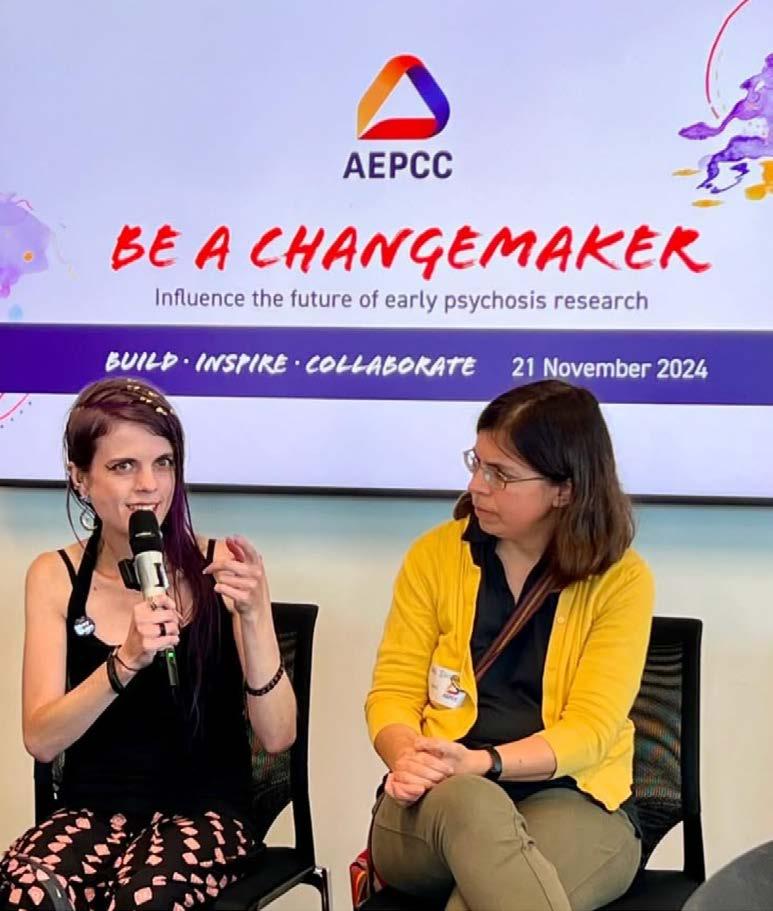
Collaboration across the psychosis community continued through the AEPCC Forum in November 2024, bringing together researchers, clinicians and people with lived experience to address priority issues, including meaningful lived experience engagement. Meanwhile, the AEPCC-supported @psychosis_understood Instagram community continued to grow, creating a trusted space for connection, shared experience and insight.
AEPCC Lived Experience Network Establishment Committee (LENEC) member Rosiel Elwyn with keynote speaker A/Prof. Nev Jones, from the University of Pittsburg, at the Forum.
RESEARCH IN FOCUS Mapping the developing brain
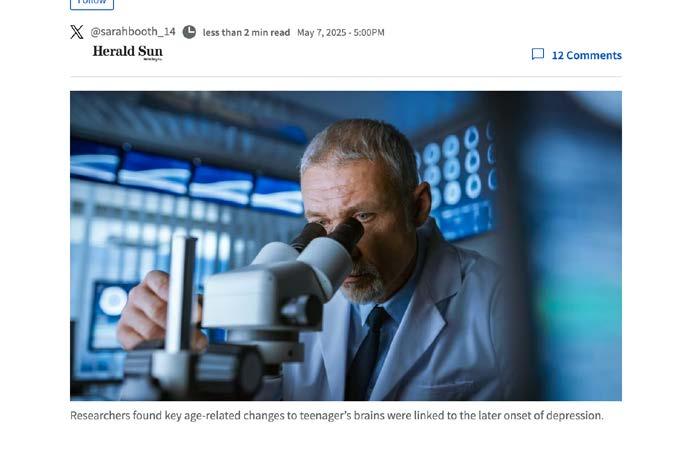
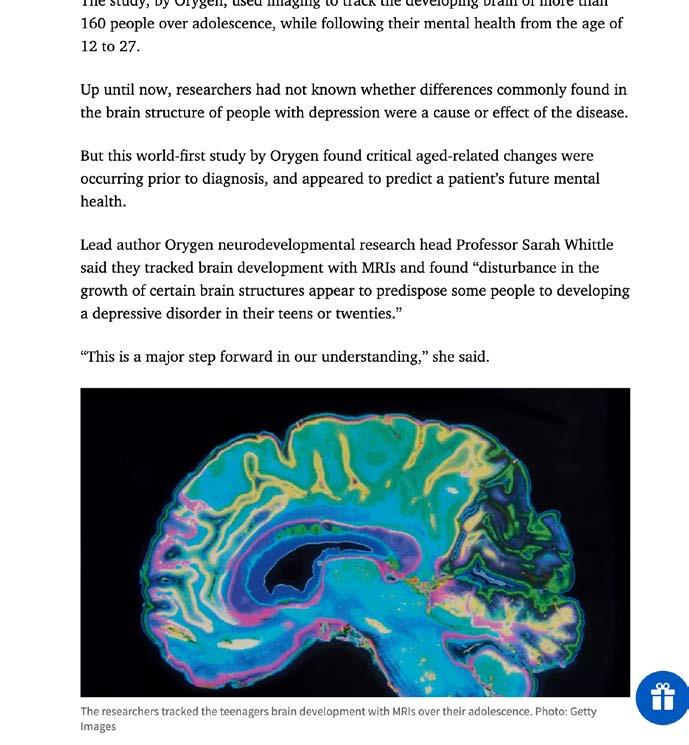
This year, a first-of-its-kind, 15-year longitudinal study revealed that changes in the development of the brain during adolescence could predict the onset of depressive disorders in young people — representing a major step forward in our understanding of depression risk.
The study, led by Professor Whittle at Orygen and published in The American Journal of Psychiatry, was the largest of its kind, and was unique in that it tracked brain changes in a community sample of young people, rather than focusing on people with a family history of mental ill-health.
“We know the brain undergoes a lot of changes as adolescents grow into adulthood — but until now it has been unclear whether certain changes in the structure of the brain happen before or after depression develops,” Professor Whittle said.
“Depressive disorders are the leading cause of global disease burden in young people, so it’s imperative we gain a better understanding of how and why these conditions develop — including the role brain development plays.
“With better understanding of what causes these brain changes — for example, genetics or adverse experiences in childhood — we can work towards better ways of recognising or predicting those at risk of developing a depressive disorder.
“This opens the door to early detection of mental ill-health, and therefore early intervention, which we know gives young people the best chance of recovery, and the best chance to thrive.”
This important work is part of neurodevelopmental research at Orygen, where the team is using longitudinal research and neuroimaging tools to investigate how environmental and biological factors interact to shape brain development, and in turn, risk and resilience for mental health problems such as depression and anxiety.
The team also studies how parenting interventions positively impact brain development in young people at risk of mental health problems.
RESEARCH IN FOCUS
Unlocking digital solutions for youth mental health
As well as building a suite of digital mental health care supports, the Orygen Digital team leads a pioneering research program into the ways technology can reshape, augment and complement mental health care. This was a significant year for publishing research focused on virtual reality (VR), artificial intelligence (AI) and how digital innovation can change the way young people access, engage with and benefit from mental health support.
A major review led by Orygen and published in Nature highlighted the transformative potential of VR in improving the accessibility, engagement and effectiveness of mental health treatment. The review, Advances in the use of virtual reality to treat mental health conditions, underscored VR’s ability to safely simulate real-world environments to help young people manage anxiety, psychosis and eating disorders.
Senior researchers Professor Lucia Valmaggia, Dr Imogen Bell and Dr Roos Pot-Kolder have shown that VR can enhance engagement among young people by offering immersive, gamified environments that feel familiar and motivating. Their work is laying the groundwork for scalable, evidence-based digital therapies that can complement traditional clinical care.
This year also saw the first large-scale evaluation of MOST, published in Acta Psychiatrica Scandinavica, analysing 32 months of service delivery to 5,709 young people across 262 youth mental health clinics across Australia.
The research showed high levels of satisfaction and sustained engagement, with 55 per cent of users remaining active after six weeks (compared with only 3 per cent for commercial apps), and participants experiencing significant improvements in depression and anxiety after only 12 weeks.
As AI becomes more of a feature in our lives, Orygen has led Australia’s first study into the use of AI in mental health, published in JMIR Mental Health. The research, led by Associate Professor Shane Cross, explored how both community members and mental health professionals are using AI tools like ChatGPT.
While participants recognised AI’s potential to improve access, reduce costs and personalise care, they also identified risks around privacy, ethics and the quality of AI-generated advice. The findings highlight the importance of responsible, evidence-based integration of AI into mental health systems.
Together, this latest research reflects Orygen Digital’s global leadership in harnessing innovation to transform youth mental health.
Chief of Orygen Digital, Professor Mario Alvarez-Jimenez, said he was incredibly proud to lead such a skilled and dedicated team.
“We have the best of the best here at Orygen when it comes to digital innovation in youth mental health, and the research we’re doing is making a tangible impact on the lives of young people, both in Australia and globally,” he said.
By combining human insight with technological progress, Orygen Digital is not only creating new ways to deliver care — it’s redefining what the future of mental health support looks like for young people worldwide.
Building the field
Strengthening Australia’s response to youth mental ill-health requires more than growing the workforce alone. It means building a workforce that is skilled, connected, evidence-informed and grounded in lived experience. Across 2024–25, Orygen continued to lead the way in shaping that field by supporting practitioners, services and systems to translate research into real-world impact for young people.
Building national capability
Orygen’s Service Implementation and Quality Improvement (SIQI) team continued to lift capability across youth mental health services nationwide. The team delivered more than 100 workshops, secondary consults and site meetings, while its series of online community of practice events saw more than 500 Youth Enhanced Services (YES) program staff explore topics including alcohol and other drugs, eating disorders, personality disorders and forensic mental health. The team also delivered another 51 sessions to 9 YES programs across Australia as part of the Orygen Connect series, providing specialist input and case-based learning to youth mental health services.
A national YES forum was held in August at Orygen’s Parkville site, with 27 representatives from 23 Primary Health Networks coming together to learn and share knowledge to improve services for young people.
Alongside this, the Australian Early Psychosis Program (AEPP) continued to provide a focal point for early psychosis services across the country. Through regular knowledge-sharing, communities of practice and workforce communications, AEPP supported services to stay connected to evolving evidence, quality standards and one another — reinforcing a nationally coherent approach to early psychosis care.
Orygen’s Service Implementation and Quality Improvement (SIQI) team in Parkville.
Work, recovery and participation
Supporting young people to participate in education and employment remains central to recovery. Orygen’s Youth Individual Placement and Support (IPS) Centre of Excellence continued to strengthen the national IPS workforce, supporting staff in headspace and other services to deliver evidence-based vocational support. Through workforce development, implementation guidance and fidelity support, the program helped services embed IPS as a core component of youth mental health care, ensuring young people are supported to pursue their goals as part of their recovery.
Education for today and tomorrow
Orygen’s formal education offerings continued to build a multidisciplinary pipeline of youth mental health professionals. In partnership with the University of Melbourne, 68 students completed graduate studies across the Graduate Certificate, Graduate Diploma and Master of Youth Mental Health, representing backgrounds ranging from nursing, psychology and social work to education and school wellbeing. A further 33 students undertook the Professional Certificate in Youth Psychiatry from backgrounds such as psychiatry registrars, consultants and GPs.
The Professional Certificate also marked a third consecutive year of partnership with Ireland’s Health Service Executive, attracting 21 international enrolments and generating additional revenue.
Our role in building the field also extends to supporting the next generation of researchers, and in 2024–25 Orygen supported 34 PhD candidates, with a record eight candidates undergoing examination.
Lived experience and peer leadership
In 2024–25, Orygen strengthened its leadership in lived experience practice with the launch of the Orygen Lived Experience Workforce Framework. Developed collaboratively with Orygen’s lived experience workforce, young people and the broader organisation, the framework establishes a shared understanding of lived experience work and clarifies the role of the discipline within Orygen. It articulates lived experience as both a vital source of knowledge and a distinct way of understanding mental ill-health, and outlines the key concepts required to operationalise lived experience practice across settings. The framework was launched at an event in February and will form the foundation of a dedicated Orygen Lived Experience Strategy currently in development.
Orygen also continued to grow its Certificate IV in Mental Health Peer Work (Consumer), designed specifically for people with lived experience. Across the reporting period, 108 students studied with Orygen, with 29 enrolling in the March intake and two students graduating with several more expected to graduate in coming months. The program’s leadership in lived experience education was recognised through invitations to participate in the Pilot Placement Program coordinated by Mind Australia and to consult on the national qualification review led by HumanAbility.
Orygen secured Victorian Government funding for a third consecutive year to support the lived and living experience workforce, including funding to provide Auslan interpreters for scholarship recipients who require them.
From left:
Orygen Head of Lived Experience
Rafi Armanto, Prof. Eoin Killackey, Lived Experience Lead Sue Williams and Peer Worker Kaleigh Freire.
Scaling practice through tools and resources
Beyond training and education, Orygen continued to strengthen the field by producing practical, evidence-based resources that added to a suite of tools that were downloaded from the Orygen website hundreds of times every day. New resources in this period included advice on embedding substance use treatment approaches within mental health care, and an update of the latest developments in the Comprehensive Assessment of At-Risk Mental States (CAARMS).
#chatsafe: Taking a wholeof-community approach
Orygen's mission to build the field of youth mental health includes our vision of systems of care and support that extend beyond the sector and conventional health and education spheres, to take a whole-of-community approach.
Led by Prof. Jo Robinson AM and backed by extensive research, #chatsafe is the first initiative in the world to explore how young people communicate online about suicide and self-harm, and how adults can support those conversations. #chatsafe campaigns have now reached more than 17 million Australians, and 2024-25 saw 181,807 downloads of #chatsafe resources across 29 countries.
This year, a living example of the program’s wholeof-community approach can be found in the new #chatsafe for Communities resource, which provides practical strategies to help communities proactively encourage safe online communication and respond effectively when young people are impacted by suicide.
Another key pillar of #chatsafe is the world-first postvention program, which provides timely, evidenceinformed advice to young people through social media in the immediate aftermath of a suicide in their local community. #chatsafe’s postvention campaigns interrupt harmful content with compassionate, evidence-based messages that encourage safe conversations, help-seeking, and wellbeing.
Champions of care
For decades, Orygen has played a defining role in shaping how youth mental health care is designed, delivered and sustained. From pioneering early intervention models such as EPPIC and HYPE, to leading contemporary reforms and next-generation services, our mission is to develop and support scalable solutions for youth mental health.
That role came into sharper focus in 2024–25.
The transition of the Orygen Specialist Program into the new Parkville Youth Mental Health and Wellbeing Service (PYMHWS) on 1 July 2025 was a significant milestone in the evolution of youth mental health care in Victoria, and a major milestone for Orygen's work in policy and advocacy, spearheaded by its central role in the youth mental health reforms outlined in the final report of the Royal Commission into Victoria's Mental Health System.
For more than 30 years, Orygen — in partnership with Royal Melbourne Hospital and the University of Melbourne — developed, evolved and operated the groundbreaking service as a program of the Royal Melbourne Hospital. Its transformation into PYMHWS — a dedicated, youthspecific specialist service for young people in Melbourne’s north and west — reflects the culmination of Orygen’s clinical leadership and expertise in system design. Orygen recently signed a milestone Partnership Agreement with PYMHWS, maintaining a strong connection as its research partner, while the service's integration with our
Orygen-operated headspace centres creates a unique constellation of resources for youth mental health.
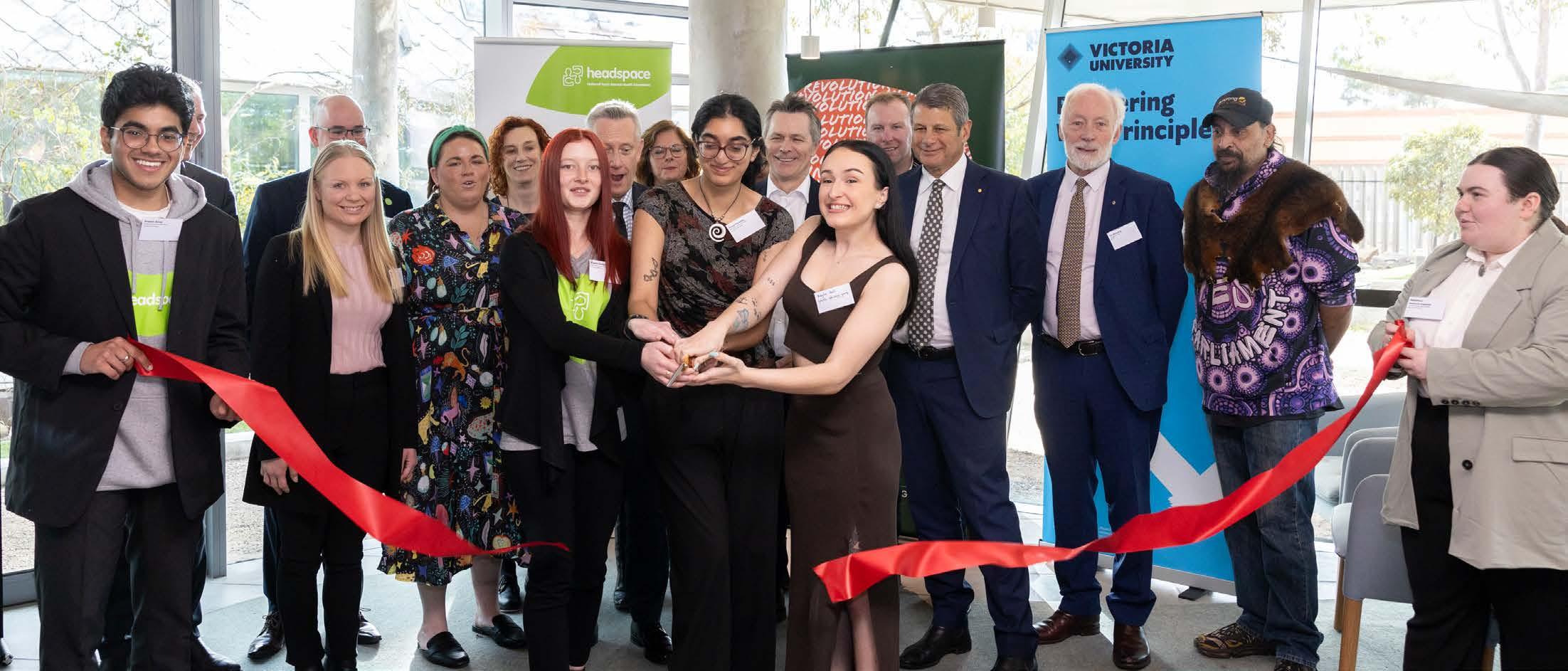
Those five headspace centres across north-west Melbourne — in Craigieburn, Glenroy, Melton, Sunshine and Werribee — continue to provide accessible, community-based primary care for young people aged 12–25. In 2024–25, 5,152 young people accessed care through these Orygen-operated headspace centres, with 30,465 occasions of service delivered at a positive satisfaction rate of 89 per cent. Additionally, Orygen's Trans and Gender Diverse Service, embedded in these headspace centres, provided a primary care pathway for 609 young people. A landmark moment came in August when we partnered with Victoria University (VU), PYMHWS and Royal Melbourne Hospital to open our new headspace Werribee centre, co-located with PYMHWS at the VU Werribee campus. The new centre features Victoria’s first on-campus headspace, and will provide opportunities for practical experience and graduate employment pathways for students studying youth mental health-related courses, as well as much-improved access to care for young people in Melbourne's west.
Together, our headspace centres remain a cornerstone of early intervention in Melbourne’s north-west, helping young people get the right support early and preventing escalation to more acute care.
Celebrating the launch of a landmark new partnership at headspace Werribee, bringing together the best of mental health care, workforce development and research innovation in Melbourne's west.
Orygen also championed recovery-oriented care through Orygen Recovery. Providing both ‘step up’ support from the community and ‘step down’ care following hospital admission, the Parkville-based residential care facility had admissions from 187 young people in 2024–25. This important service will transition to PYMHWS in late 2025.
Beyond the services we develop and operate, our influence is amplified through our leadership in strengthening youth mental health care at a system level. In 2024–25, a successful tender saw Orygen commissioned by the Australian Government Department of Health, Disability and Ageing to lead a national consortium of youth mental health organisations that would provide advice on the current models of care for young people aged 12–25 and identify opportunities for new or refined models.
The consortium consulted with hundreds of stakeholders, including 146 young people with lived experience from around Australia, ensuring that the voices of those most affected helped shape the recommendations. The final advice set out a clear and achievable path forward for reform — one that recognises the urgency of change, centres young people, and strengthens the system’s capacity to respond earlier and more effectively.
Orygen Assist
Orygen Assist is a volunteer-run program providing free essential items — such as food, new clothing, and hygiene products — to young people experiencing mental illness and their families.
We operate a permanent shop at Orygen Parkville and an online ordering and delivery service that supports headspace centres across north-west Melbourne.
An important conduit to support and connect with our north-west community, Orygen Assist was powered by a team that included more than 35 volunteers in 2024–25, who helped 3,281 young people and families, and distributed more than 25,000 essential items
Through this work, Orygen reaffirmed its role as a trusted advisor, convener and champion of evidence-informed care, translating lived experience, research and practice into practical guidance for governments and services nationwide, setting the stage for future national reform.
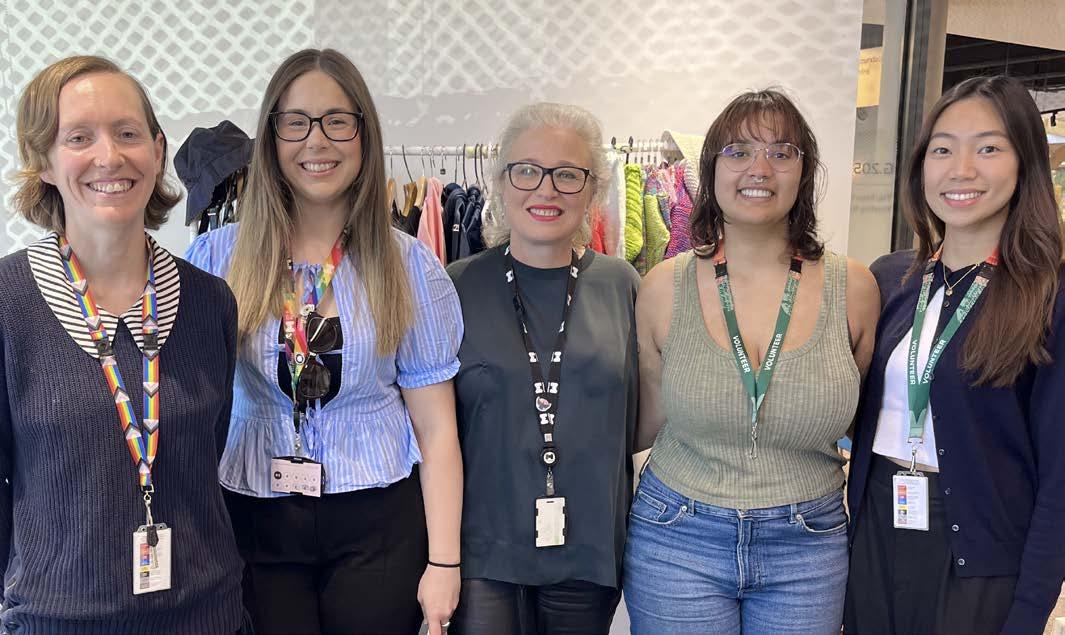
Volunteer engagement coordinator Lauren Cockerell (far left) with Orygen Assist volunteers and representatives from The City of Melbourne, who awarded the program a Community Inclusion Grant to support its expansion.
Youth at the Centre 's Vision for Mental Health Care
@batyraus
Sector led advice on new and/or refined models of youth mental health care
Harnessing technology for healthier minds
Orygen Digital’s work to enhance and expand access to mental health care for all young people accelerated in 2024-25, strengthening Australia’s capacity to offer high-quality support at scale. Through its integrated cycle of innovation, research and service delivery, the team, led by Professor Mario Alvarez-Jimenez, continued its work to bring human and digital excellence together for young people.
hundreds of young people to sign up to MOST and Mello
MOST funded for nationwide access
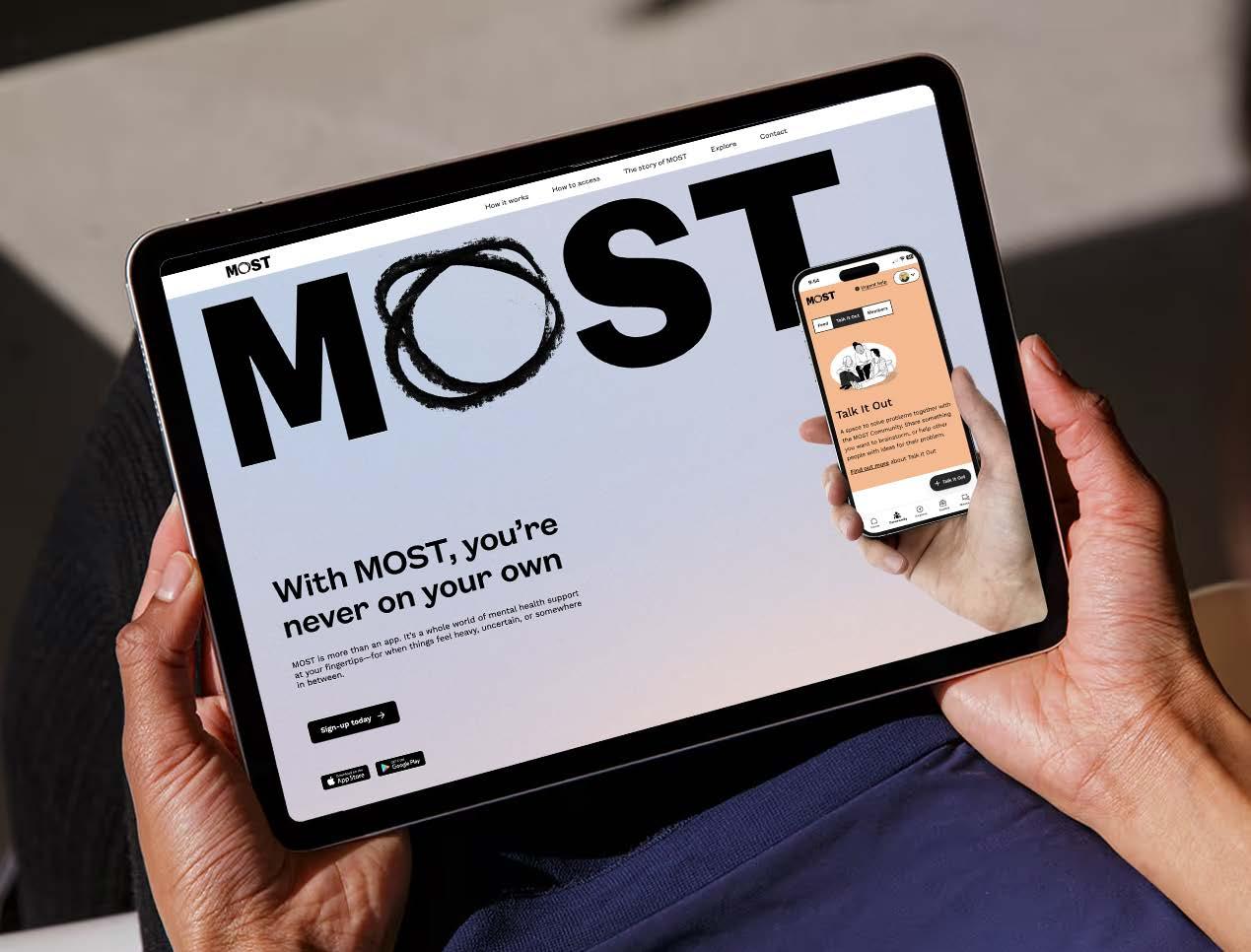
In February, the Australian Government committed $4.6 million over three years to fund the national rollout of our award-winning digital mental health service, MOST, for all young people aged 15–25. This investment is a major step forward for digital youth mental health care, giving young people across Australia who are struggling to find support in an overstretched system free and direct help via their smartphone.
Throughout the year, the Orygen Digital team continued to improve MOST’s clinical model of care, features, safety systems and youth-centred design, with a view to launching nationwide easy-access in early 2025-26. This will sit alongside the referral pathway, which will remain a vital pathway for young people to connect with the MOST service.
“There are many mental health apps out there, but the research has shown that MOST is not only effective, but has remarkable levels of engagement and satisfaction — with 93 per cent of young people saying they would recommend the service to a friend,” Professor Mario Alvarez-Jiminez, Chief of Orygen Digital, said.
“With an escalating youth mental health crisis, and health services struggling to meet demand, MOST can deliver complementary, engaging, and effective support to young people at whatever stage they're at.”
More than 18,000 young people have been supported by MOST since its initial launch in 2020, with an average of 16 new users on-boarded every day in 2024-25.
Mello says ‘hello’ to more young people
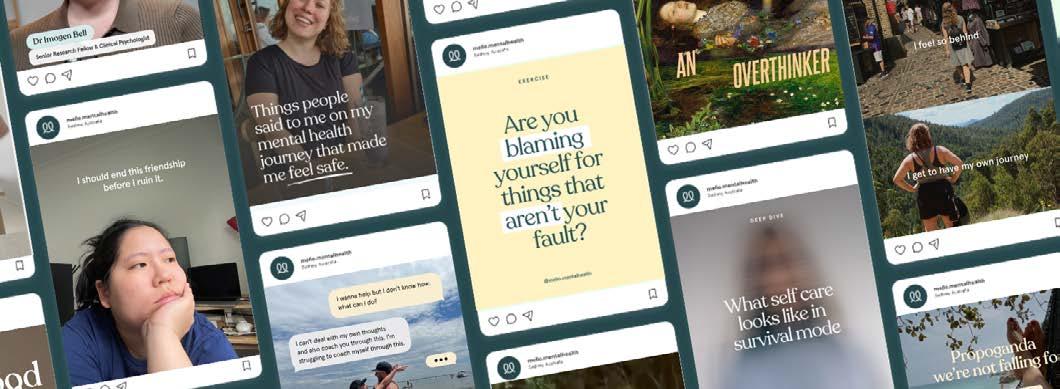
Mello — the evidence-informed wellbeing app designed to support young people to manage stuck thinking — continued to grow its presence and reach. With the support of the Telstra Foundation, 2,169 young people joined the app this year, contributing to a total of 7,111 downloads. All the while, the Orygen Digital team refined Mello’s content library, enhanced user experience features and strengthened its positioning as a practical, approachable tool for tackling rumination, a key driver of depression and anxiety.
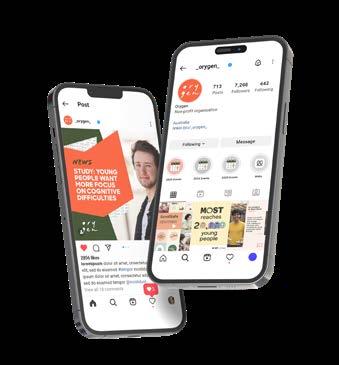
A new Instagram presence launched this year, providing a youth-friendly channel for sharing tips, micro-interventions and content that normalises help-seeking and self-care. This work is building an engaged community and creating opportunities for future co-design and research.
VR and XR: shaping the next frontier
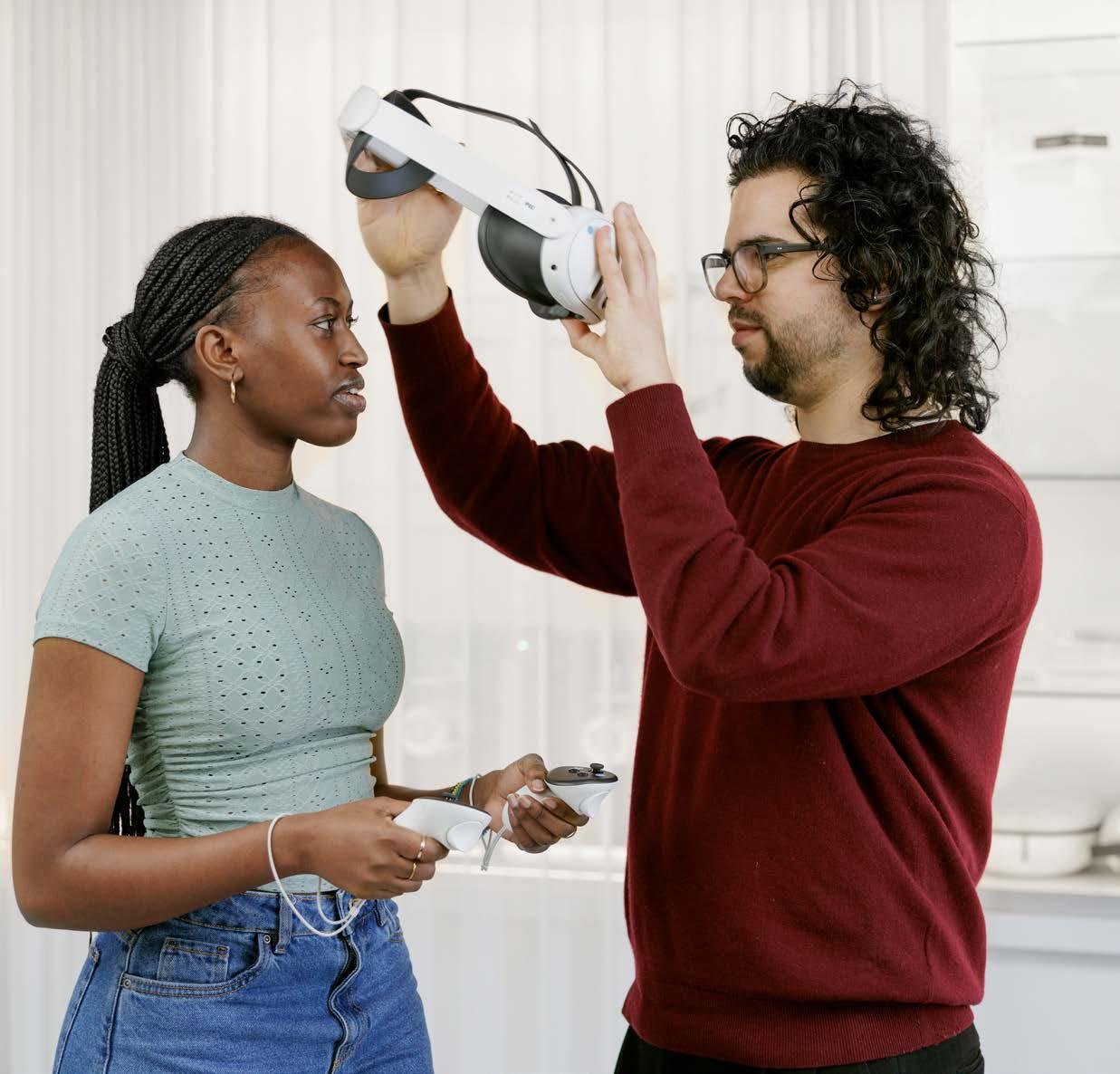
Orygen Digital’s extended reality (XR) Innovation Lab, the world’s first dedicated to youth mental health care, made national headlines in July (pictured above) following the release of a landmark review confirming VR’s potential to transform youth mental health care. The review, published in leading global scientific journal Nature, found strong evidence that immersive therapeutic environments can help young people safely practice coping skills, confront fears and build confidence in real-world situations.
Momentum continued with a new partnership in Queensland, in which young people began benefiting from Orygen’s VR-supported interventions delivered in collaboration with local services. This work reflects a growing appetite across Australia for practical, scalable VR solutions that complement traditional therapy and improve functional recovery.
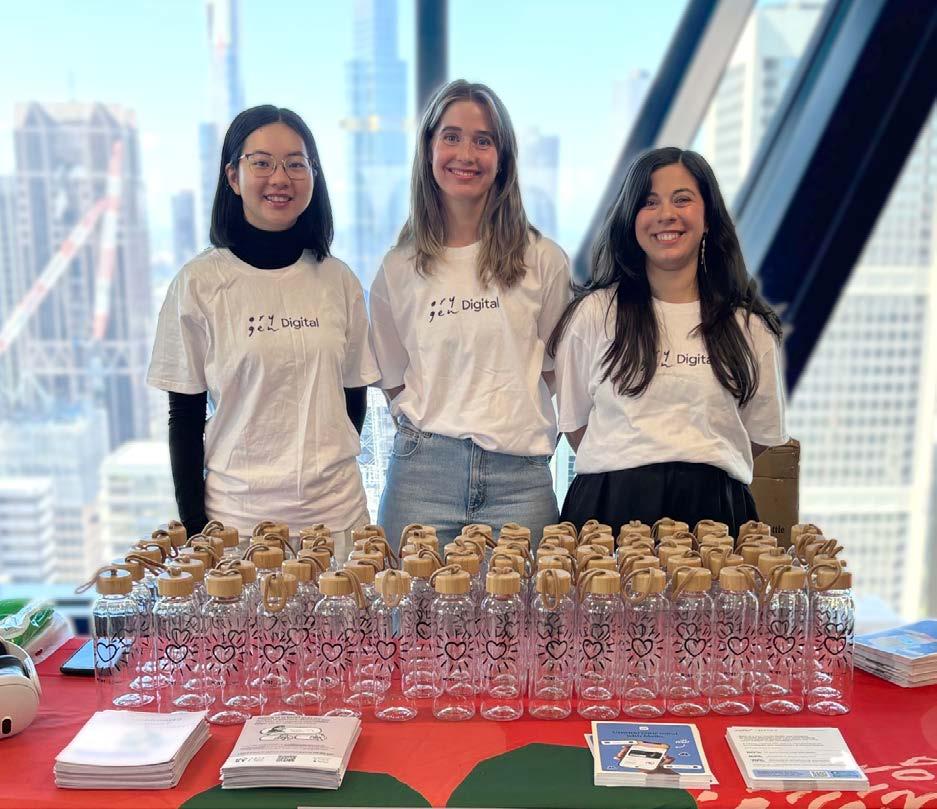
Below: The Orygen Digital team attended University O-Week activities across Victoria, supporting
Policy and advocacy
Shaping evidence-backed policy and advocating for reform are central to Orygen’s mission, and this year we continued to advance critical policy discussions to ensure youth mental health remains a national priority. Through research, collaboration and public advocacy we shone a light on the structural and social drivers impacting mental health — from cost of living and housing, to loneliness and social media.
In September, Orygen partnered with Mission Australia to release Counting the Cost of Living, a report that highlighted the profound impact of the cost of living crisis on young people’s mental health. Drawing on responses from nearly 20,000 participants in the Mission Australia Youth Survey, the research revealed that 55 per cent of young people aged 15-19 were worried about financial security, with concern about the economy tripling in only two years.
The report called for practical solutions — including a social transition passport, improved financial literacy education and more affordable housing options — to ease financial stress and protect youth mental health.
Together with Melbourne City Mission, Orygen published the Home in Mind report, which showed more than half of young people using homelessness services reported selfharm, suicidal ideation, or suicide attempts.
The report urged immediate implementation of the Royal Commission into Victoria’s Mental Health System’s recommendation for 500 supported housing places for young people experiencing homelessness.
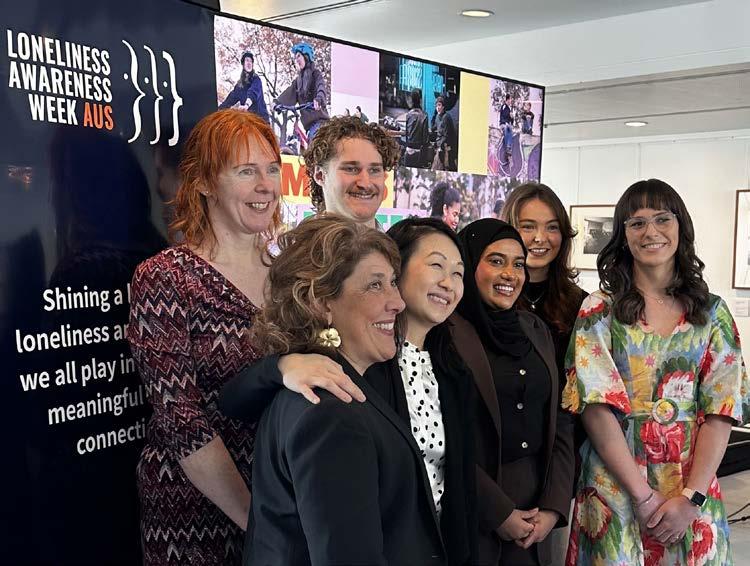
Orygen partnered with Ending Loneliness Together to launch the Young People and Loneliness report, which found Australians aged 15-24 are now the loneliest group in the nation.
Key contributors included life transitions and the digitalisation of social interaction, while recommendations focused on both prevention and intervention, with strategies spanning individual supports and wider societal change.
Orygen’s Policy Lab program continued to bring young people, policymakers, academics and clinicians, services and others together to shape innovative and practical solutions.
Orygen Youth Advisory Council member Lea Gabriel (far right) joined panel discussions at Parliament House in Canberra to highlight the Young People and Loneliness report.
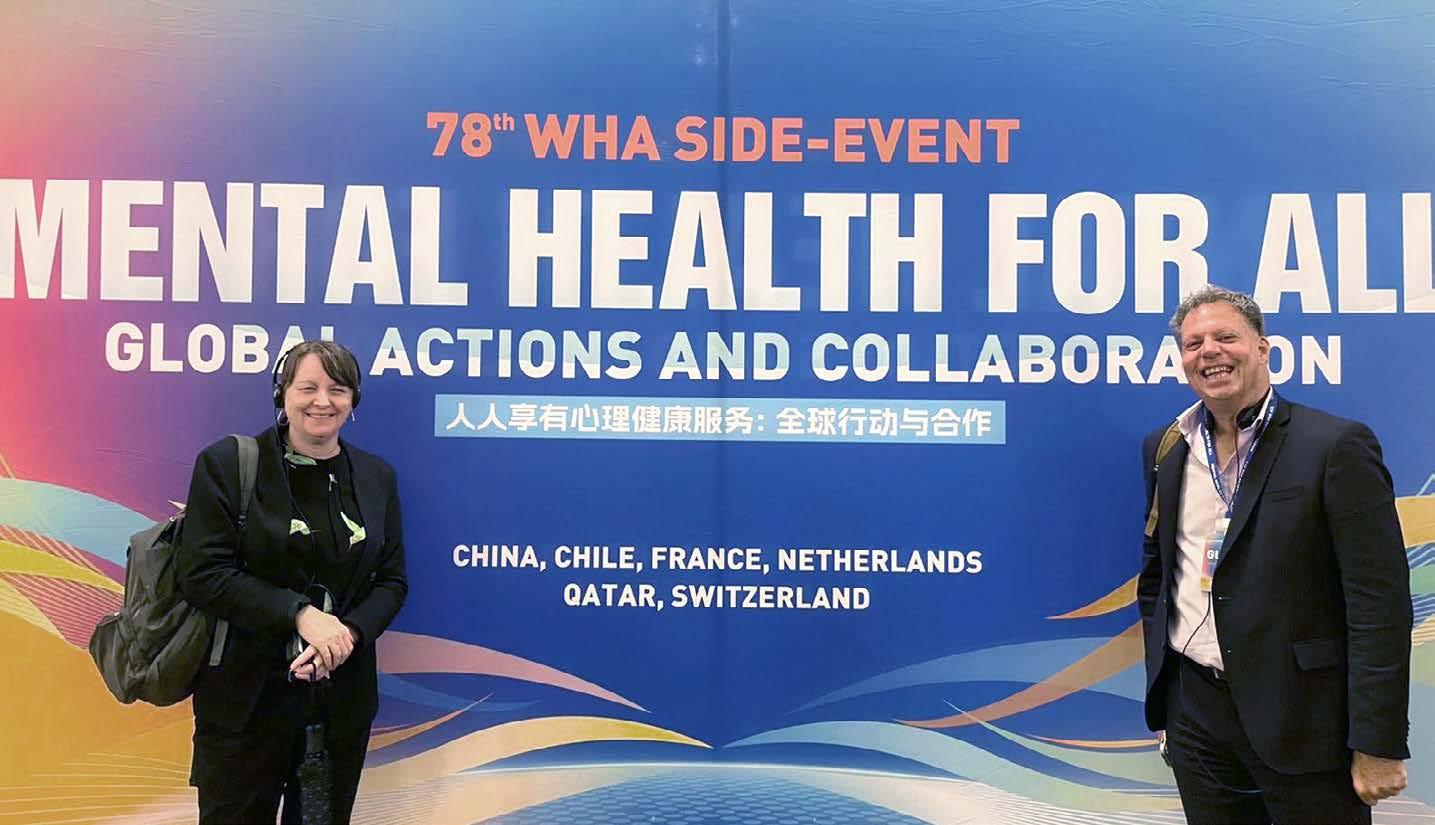
Orygen advocacy, research and policy leaders, including Director of Policy and Engagement Vivienne Browne (left) and Director of Orygen Global Craig Hodges, joined global health experts, government ministers and WHO officials to elevate youth mental health as a priority at the 78th World Health Assembly in Geneva, Switzerland in May.
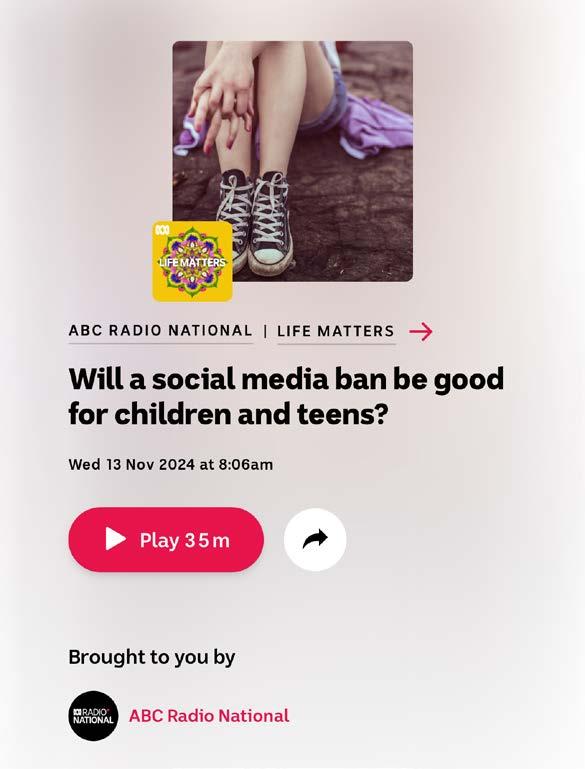
Prof. Jo Robinson AM appeared on ABC Radio National discussing social media restrictions, and was a leading voice for evidence-based reform amidst the social media debate.
In October 2024, the chronic physical conditions and mental health Policy Lab gathered experts and young people with lived experience to develop recommendations for integrated care models addressing the intersection of physical and mental health. After reviewing the evidence and findings from stakeholder consultations, three key policy proposals were developed and reviewed by participants to address the challenges currently faced by young people. Recommendations included better communication and coordination between youth mental health, allied health and primary care providers and bolstering the peer workforce to support young people as they navigate the healthcare system.
Social media dominated public discourse around youth mental health in 2024-25 as the Australian government floated and then announced restrictions on under-16s. Orygen became a leading voice for evidence-based reform, with media appearances by Orygen experts including Prof. Jo Robinson AM on ABC’s Q&A and articles across outlets such as The Guardian, ABC Online and The Conversation
Through policy labs, media commentary and public forums, Orygen consistently advocated for balanced solutions that reflected both the risks and benefits of digital connection and help-seeking. Rather than blanket bans, Orygen urged policymakers to prioritise young people’s perspectives, invest in further research, and implement education and regulation that promote safe, empowering online environments.
As a founding member of the Intergenerational Fairness Coalition, Orygen helped convene a national summit that brought together 120 advocates, policymakers, youth leaders, academics and mental health experts. The event was an opportunity to explore bold solutions for creating a fairer future for young Australians.
Orygen was represented by Youth Advisory Council members Amelia Ascuitto, Katie Barton and Maddie Crothers, alongside Director of Policy and Engagement Vivienne Browne, Advocacy and Partnerships Advisor Ella Gow, and Executive Director Professor Patrick McGorry AO.
Momentum grew in 2024–25 for an AFL mental health round, with Orygen championing the concept as an opportunity to unite sporting communities behind mental health reform. Professor McGorry emphasised that such an initiative should drive grassroots demand for stronger investment in mental health care.
Through policy and advocacy, Orygen continues to challenge inequities, elevate youth voices, and work towards a future where all young people have access to the mental health support they need and deserve.
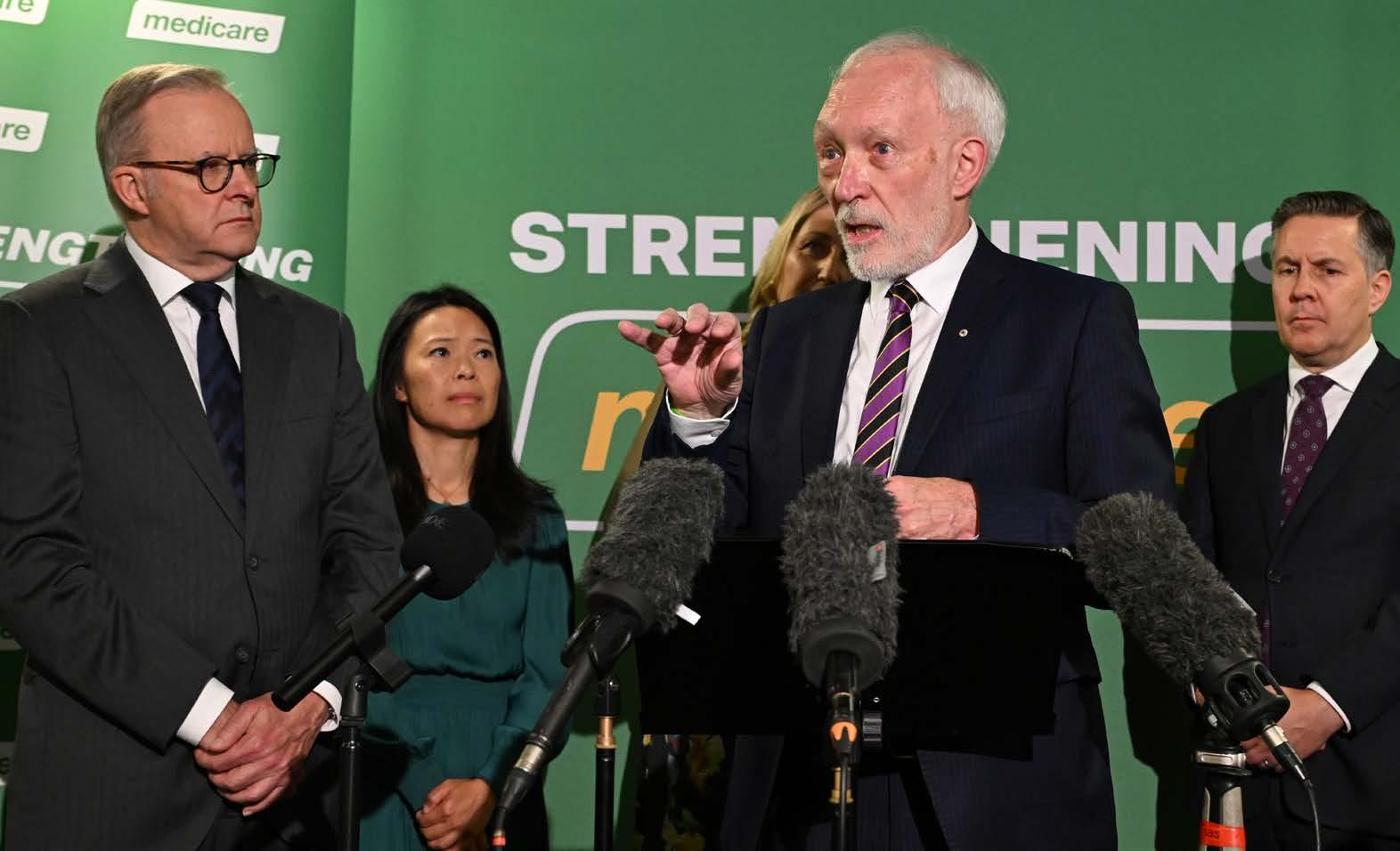
Prof. Patrick McGorry AO speaks to media with Prime Minister Anthony Albanese (left) following the announcement of a $700 million investment in youth mental health, as championed by Orygen during the 2025 federal election campaign (more page 10). Also pictured from left: Sally Sitou MP, Emma McBride MP and Mark Butler MP. (Image: Lukas Coch/AAP)
Global leaders
Orygen continues to strengthen its role as a global leader in youth mental health through international partnerships, research collaborations, and capacity-building initiatives that place young people at the centre of reform. Our work influences mental health systems across the world, ensuring that evidence, innovation and youth perspectives guide the future of care.
In 2024, Orygen led the international launch of The Lancet Psychiatry Commission on Youth Mental Health, a landmark global synthesis of evidence, policy and practice. The Commission — developed by a global consortium over four years and led by Orygen — was launched in London and New York, engaging academic, youth, policy and diplomatic audiences with its bold call for investment, early intervention and system reform.
The Commission reframes youth mental ill-health as not simply a clinical issue but as a socioeconomic and developmental challenge which must be tackled both locally and globally.
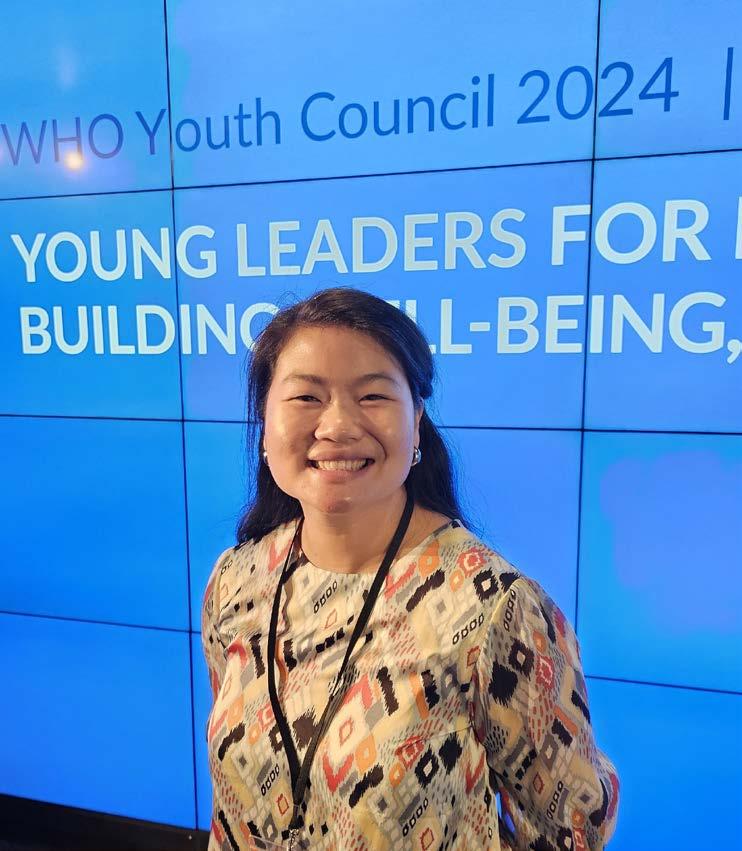
In October, Orygen became the first Australian organisation to join the WHO Youth Council, a network that convenes 24 youth organisations representing over 50 million young people globally to inform health strategies. This membership positions Orygen to directly contribute to WHO health policy discussions and elevate youth mental health within global priorities.
Orygen Global hosted the third ASEAN Australia Youth Mental Health Fellowship Forum in Jakarta in July, bringing together fellows from across ASEAN nations and Australia for a four-day co-design event. Orygen Fellows pitched youth mental health projects to ASEAN representatives, gained feedback from regional policymakers, and exchanged ideas across cultural contexts. As Dr Roger Y. Chao Jr (ASEAN Secretariat) put it, “for initiatives to be sustainable they have to start at the grassroots.”
The Fellowship has now trained 76 youth advocates across 42 countries, equipping fellows with advocacy, policy development, project implementation and peer support skills.
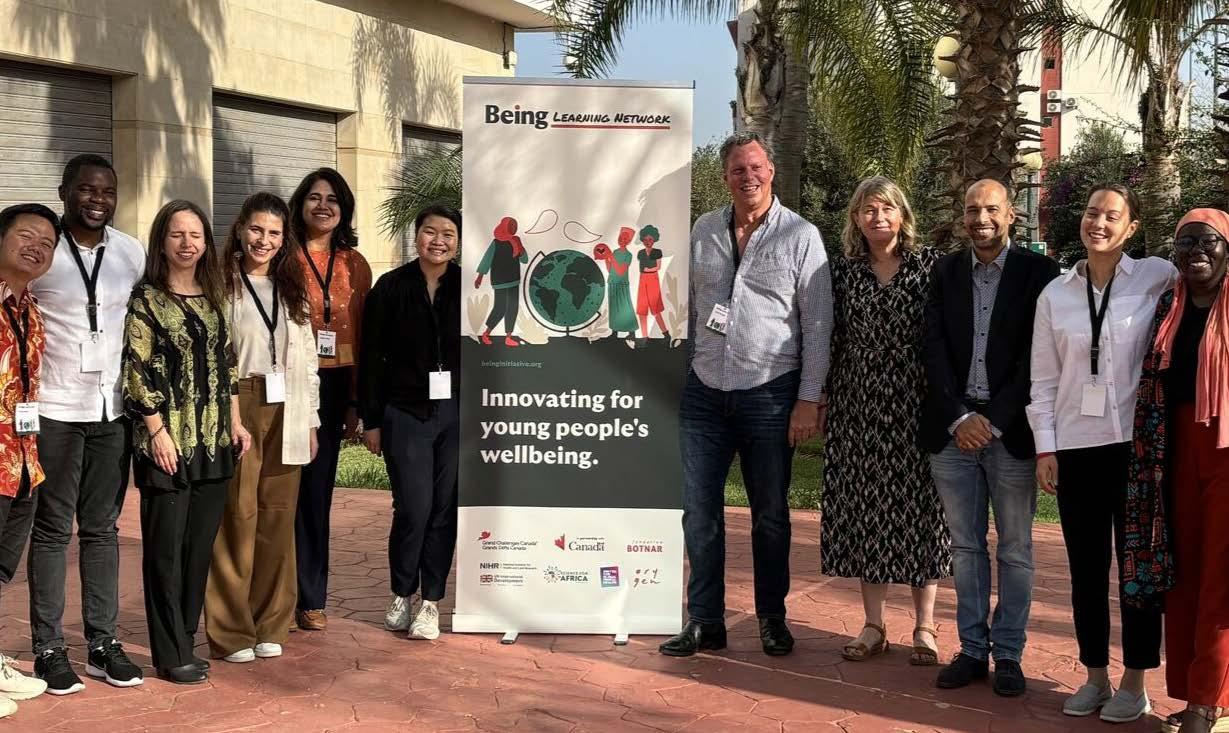
The Orygen Global team at the Being Global Gathering in Rabat, Morocco, part of the initiative’s work advancing youth mental health worldwide.
Orygen Global’s Projects and Partnerships Manager Nataya Branjerdporn at the WHO Youth Council’s annual meeting in Berlin.
Orygen continued to support the Being initiative, an international collaboration targeting youth mental health innovation in low- and middle-income countries. Orygen Global leads the Being Learning & Support Network, supporting youth mental health advocates in 12 priority countries through training, co-design support and ecosystem building.
In Rabat, Morocco, the Being Global Gathering convened 36 youth mental health innovators and key partners for four days of networking, cross-fertilisation and agenda setting. This gathering deepened connections between funders, advocates, and implementers across regions.
In 2024–25, Orygen’s influence in global suicide prevention was further strengthened by the election of Prof. Jo Robinson AM, Orygen’s Head of Suicide Prevention, as President of the International Association for Suicide Prevention (IASP). This role amplifies Orygen’s voice in shaping global suicide prevention policy, best practices, and cross-sector partnerships.
At the IASP World Congress, Orygen contributed to symposiums, presentations and panels, while Prof Robinson used her opening address to stress that evidence-based, rights-based strategies and political commitment are essential to saving lives.
Orygen’s leadership and advocacy were also visible at the 78th World Health Assembly in Geneva, where our research and policy experts joined ministers, WHO officials and youth leaders in pushing for youth mental health inclusion in global health policy and funding priorities.
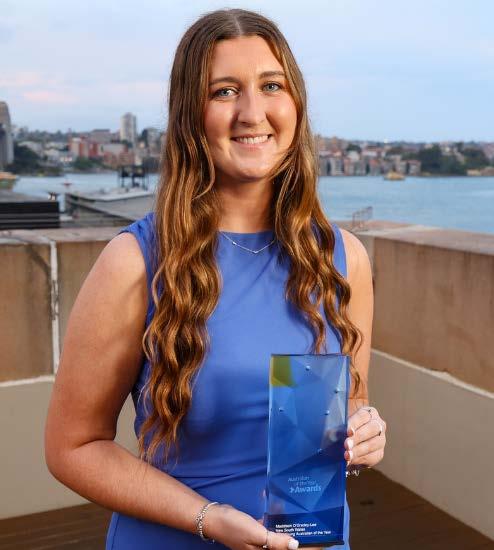
In a very proud moment for Orygen, Maddison O’Gradey-Lee, co-founder (with Nataya Branjerdporn) of the Orygen Global Youth Mental Health Fellowship (now the ASEAN–Australia Fellowship), was named 2025 NSW Young Australian of the Year, reflecting her commitment to building a global community combating taboos around mental health.
Orygen’s global leadership is not symbolic, it is intentional, strategic and sustained. Through dynamic forums, fellowships, policy influence, research translation and youth-centred advocacy, Orygen is helping reshape international norms and practice around youth mental health.
We knew there were so many passionate young people working to make change, and we wanted to ensure they felt supported by a global community and had access to the training and education they needed.
Maddison O’Gradey-Lee
Above: Orygen’s Maddison O’Gradey-Lee was named the 2025 NSW Young Australian of the Year for her achievements as co-founder of the Orygen Global Youth Mental Health Fellowship.
Right: Maddison O’Gradey-Lee (right) with members of the Fellowship program.
Trusts and Foundations
Australian Philanthropic Services (APS) Foundation, BUPA Health Foundation, Creswick Foundation, Matana Foundation for Young People, National Philanthropic Trust, Naylor Stewart Foundation, Nelson Alexander Charitable Foundation, SAT Foundation, Telstra Foundation, The Anika Foundation, The Farmer Family Endowment, The Harold and Cora Brennen Benevolent Trust, The Lansdowne Foundation, The William Angliss Charitable Fund, The William Buckland Foundation, Wilson Asset Management
Thanking our supporters
We thank our community of generous donors, corporate partners, and trusts and foundations who are helping us to find the solutions that are needed to end the youth mental health crisis.
Unfortunately, there remains substantial sector-wide underinvestment into research of mental ill-health. By embedding translational research within our clinical programs, Orygen is the only organisation with the team and integrated approach capable of fast-tracking the innovative new treatments and models of care that are needed.
With a focus on prevention and early intervention, we partner with our supporters to unlock discoveries that improve the lives of young people and their families.
Supporters
7pm Company Pty Ltd, Adrian Marcon, Agnes Wong, Aimee Said, Anthea Jackson, Art Kamateros, Barbara Beynon, Boring Without You, Bruno Dimasi, Cameron Afrasiabi, Cameron Bedford, Catherine Condell, CBA Staff Social and Charity Club, Charles Guest, City of Melbourne, City of Melton, Cynthia Fletcher, David Rogers, Dharmishta Kaushik, Diahann Lombo, Dianne Cuka, Doris Fiorentini, Elizabeth Devlin, EPIC DOT GOV Pty Ltd, Fred & Heather Carrangis, Greenfields Lawyers, Humanity United, Isabel Blackett, J B Lancaster, James Marcon Committee, Joanna Cimino, Judith O’Gorman, Kevin McIntosh, Leonie Kelleher, Lina Pahor, Lions Club of Gympie South Inc, Luxury Homes, Marcon Tedesco O’Neill P/L, Maria Gangemi, Mark Ennio, Mark Prendergast, Michael Swiatkiwsky, Mirella Marcon, Monica Stackpole, Nevenka Bradica, Nuimage Consulting & Engineering, Peter Phibbs, Prudence MacLeod, Rachael Dumonic, Rebecca Davies, Rick Verdino, Roger Ongarato, Ros & Peter McCormick, Rotary Central Melbourne, Stephen Rich, Studiosity, Sue Peacock, TAL, The Resilience Project, V22 PTY LTD, Veronica Kochan, Wyndham City
If you’d like to find out more about how you can support Orygen, please contact Orygen Director of Communications and Fundraising, Hugh Tobin on 0417 303 701 or hugh.tobin@orygen.org.au.
The Orygen Youth Mental Health Foundation Board
Dr Jane Watts (Chair), Andrew Inwood, Joanne Gray, Kellie Robertson, Neale Joseph
The Executive Leadership Team*
Professor Patrick McGorry AO
Executive Director
Professor Mario Alvarez-Jimenez Chief of Orygen Digital
Professor Andrew Chanen
Chief of Clinical Practice
Professor Eóin Killackey Chief of Research and Knowledge Translation
Jane Laidlaw
Chief of Clinical Operations
Christine McCallum
Chief Operating Officer
Sarah Muller Director, Board Governance, Planning and Performance (Company Secretary) Office of the Executive Director
Dr Rachel Tindall Chief of National Programs
Pamela White Chief People Officer
* Note: only presiding Executive Leadership Team members and Orygen Board members current at time of publication are listed.
The Orygen Board
The Honourable Dan Andrews AC (Chair)
Dr Jasmine Elliott
Ellen Flint
Emeritus Professor Helen Herman AO
Adam Horsburgh
Professor Frances Kay-Lambkin
Julian Maiolo
Professor Michael McGuckin
Anne Murphy Cruise
Marcus Stewart
Dr Jane Watts
Professor Patrick McGorry AO
Orygen is a public company limited by guarantee.
Orygen’s key management personnel are made of staff directly employed by Orygen, the University of Melbourne and Melbourne Health. Secondment arrangements are in place where staff are employed by entities other than Orygen, to conduct Orygen work.
Some key management personnel are independently remunerated by the University of Melbourne and Melbourne Health for roles that are adjacent to their responsibilities at Orygen.
Financial statements
Sources of revenue (Year ended 30 June 2025)
Financial statements
Consolidated Statement of Financial Position as at 30 June 2025