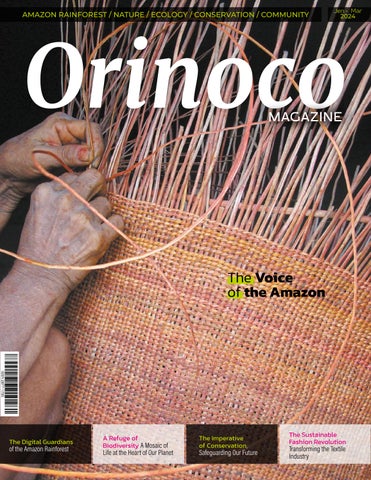

Orinoco
MAGAZINE
The Voice of the Amazon
AMAZON RAINFOREST / NATURE / ECOLOGY / CONSERVATION / COMMUNITY Jen - Mar 2024
The Imperative of Conservation, Safeguarding Our Future
The Digital Guardians of the Amazon Rainforest
A Refuge of Biodiversity A Mosaic of Life at the Heart of Our Planet
The Sustainable Fashion Revolution Transforming the Textile Industry
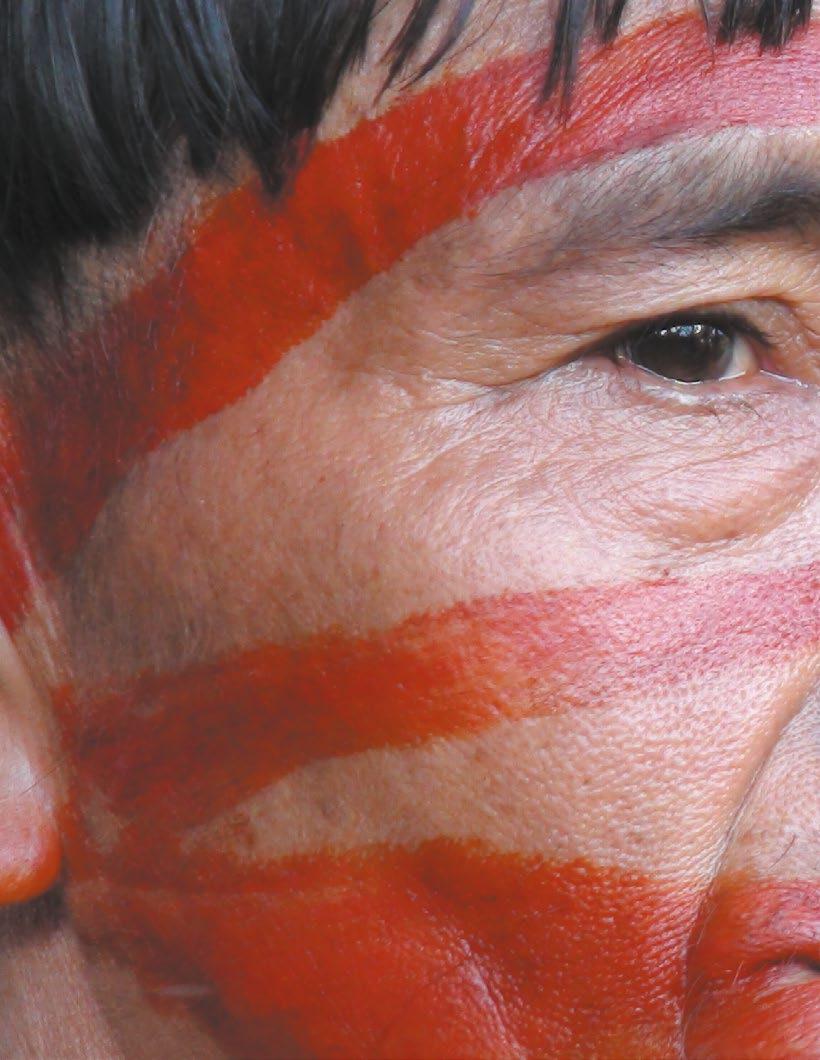
Indigenous peoples are the formidable Guardians of the Amazon, ancestral custodians of its invaluable biodiversity
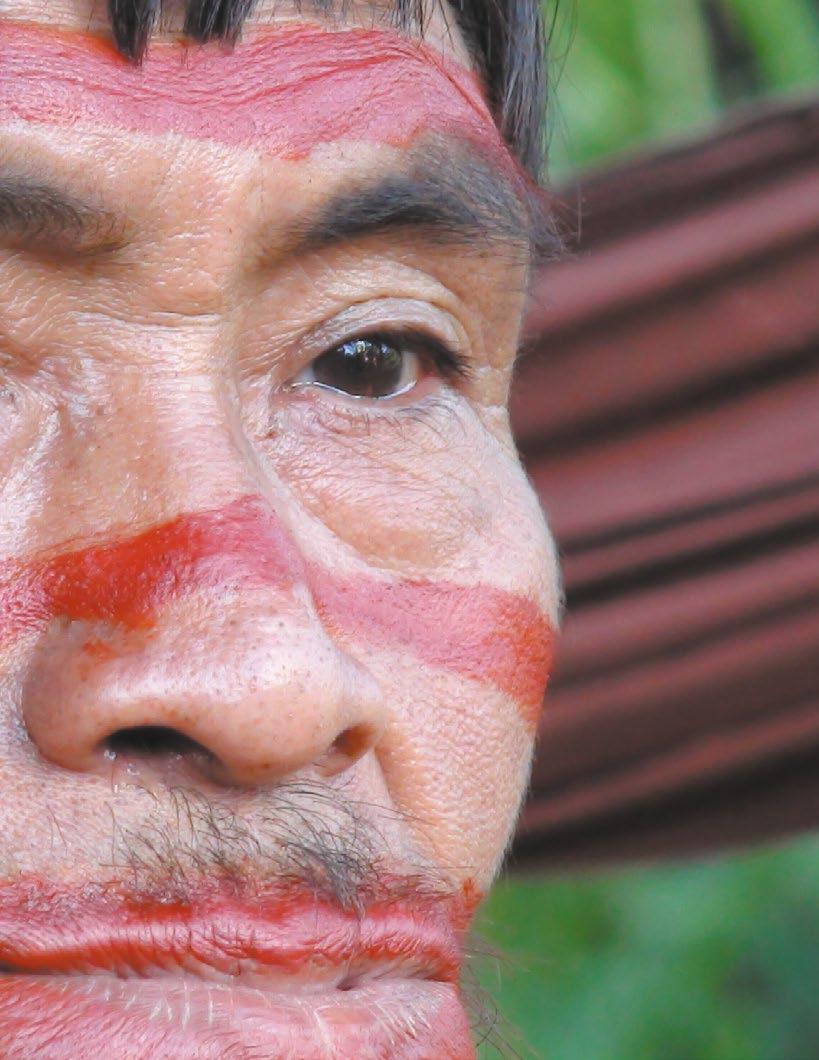 Photo by: E.A
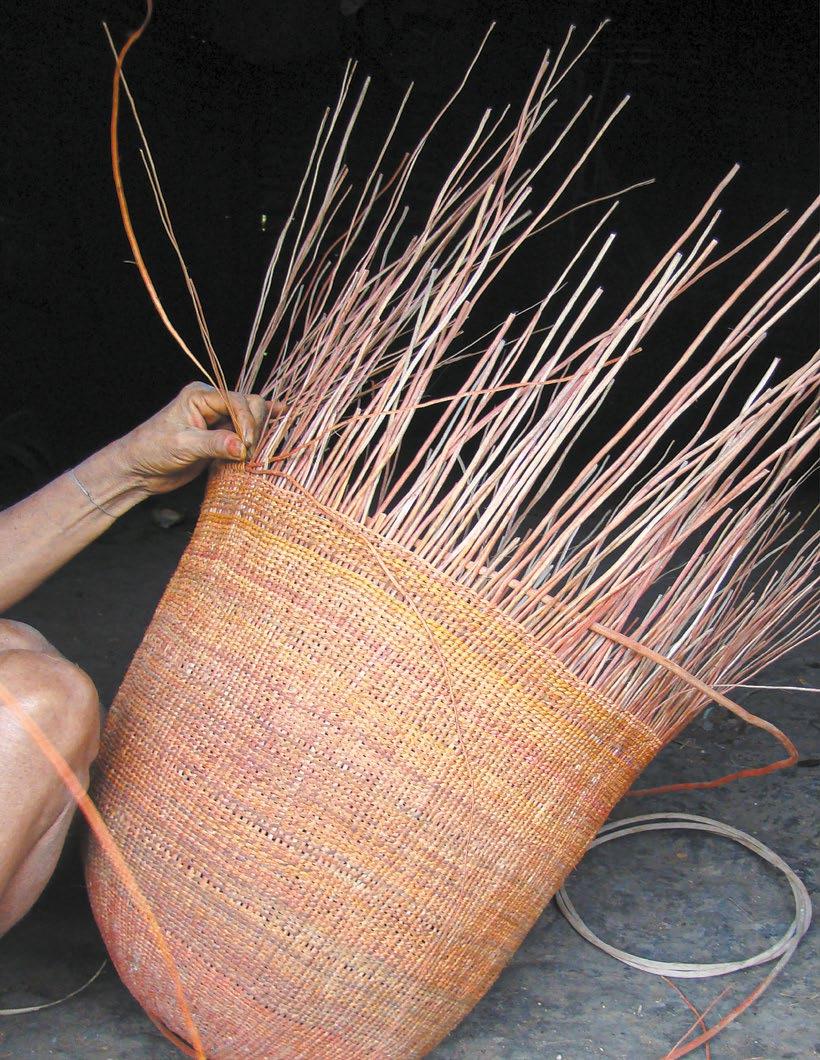
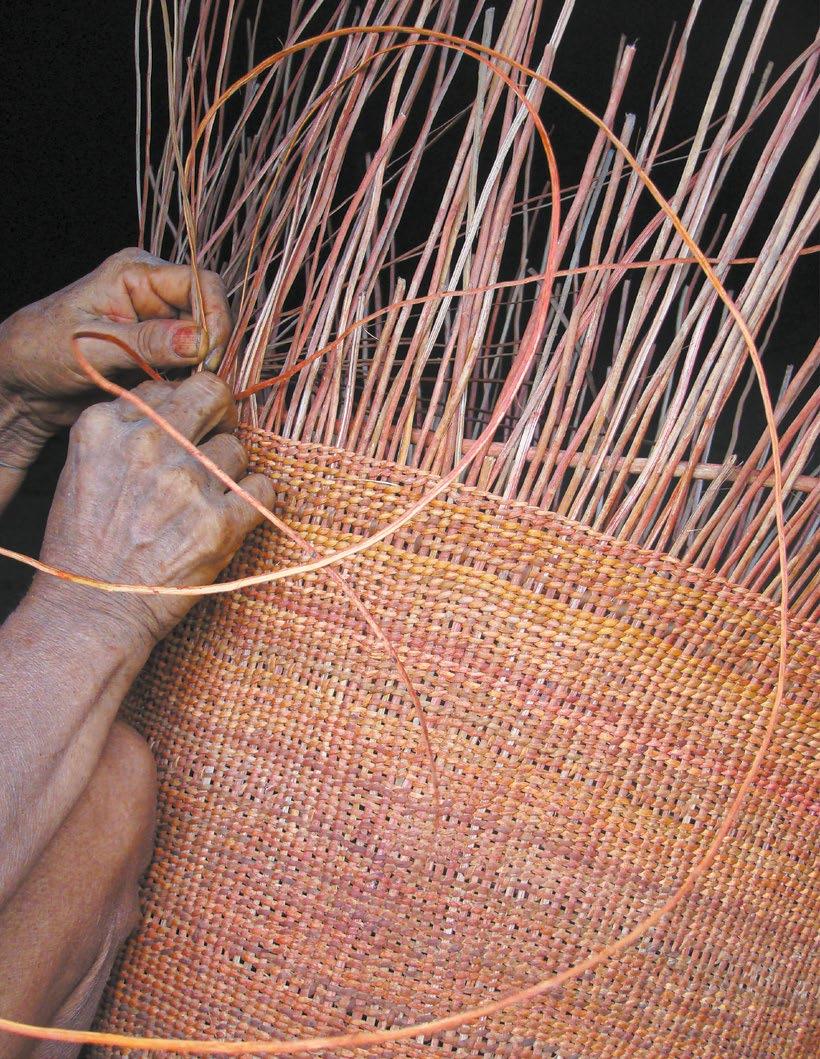
This basket (Wii in the Yanomami language) is a masterpiece handcrafted by the indigenous Yanomami women of the Amazon. Made from the vegetal fibre of the mamure vine (Heteropsis spruceana) , each basket is the outcome of ancestral weaving techniques, rendering it a unique and irreplaceable piece.
More than a mere object, it signifies a deep connection with nature and a rich cultural heritage, reflecting the wisdom and way of life of a civilisation that has found harmony in its jungle environment.
Photo captured within the Yanomami indigenous community in Aweitheri, Amazon, by Edson Acero. Edson Acero Director/Editor
Dear Readers, With great excitement and deep reflection, I address you at the threshold of our first issue of 2024. The start of a new year always brings with it a moment for introspection and renewal, as well as gratitude for what we have achieved together. In this spirit, I am pleased to share with you the January, February, and March edition of Orinoco Magazine.
This issue reflects a melting pot of perspectives, as well as significant and astonishing data about the Amazon and the indigenous cultures that inhabit it. At Orinoco Magazine, we strive to be that bridge spanning great distances to connect you with the Amazon, creating a space where mutual learning and respect for nature and cultures take centre stage.
It is also an occasion to reflect on our broader role in the world. In recent decades, we have witnessed the positive impact that sustainable and ethical practices can have in our day-to-day lives, as well as in projects, businesses, and government policies. Personally, I am convinced of the power of community organisation and the positive change we can achieve when our actions are aligned with our values.
Looking forward to the future, we are excited by the possibilities that 2024 brings. However, we are aware that the challenges we face are complex and require our ongoing commitment. Therefore, I would like to invite you to actively participate in our cause, whether through education, volunteering, or supporting sustainable practices in your daily life.
Our vision for Orinoco Magazine is for it to be more than a publication; we aspire for it to be a community of like-minded individuals, a meeting place for those who share our love and concern for the Amazon and the planet. Therefore, your ideas, stories, and suggestions are always welcome. Together, we can continue to move towards a future where conservation and respect for all forms of life are the norm, not the exception.
Thank you for joining us on this journey. Your support and passion are the source of our inspiration and determination. I hope this edition provides you with both knowledge and hope, reminding you of the beauty and critical importance of the Amazon and its cultures. With appreciation and optimism for what we can achieve together,
From the Orinoco Magazine Team,
In this January, February, and March issue of Orinoco Magazine, we find ourselves reflecting on the path we have travelled and the journeys still to embark upon. The unwavering support and enthusiasm from our readers, contributors, and allies throughout 2023 have been the cornerstone of our efforts, allowing us to bring the wonders and challenges of the Amazon and its indigenous cultures to the forefront of global consciousness.
2023 was a year marked by growth and engagement, with our publication reaching new heights and our involvement in events drawing attention to critical issues of conservation and cultural preservation. The generosity of spirit and commitment to our cause, demonstrated by our diverse community, have been truly inspiring. Your support has fuelled our mission, expanded our reach, and deepened our impact, making each story told and each voice amplified a step towards a more sustainable and equitable future.
Turning the page to 2024, we are excited to embark on this next chapter with an exhilarating addition to our team. It is with great pleasure that we welcome Emilio Alcalá, a dear friend and distinguished visual artist with extensive work in the Venezuelan Amazon, who joins us as Director of Design, Image, and Graphic Content. Emilio’s profound connection to the Amazon and his exceptional talent in capturing its essence will undoubtedly enrich our publication, offering our readers new perspectives and deeper insights into the beauty and complexity of this vital region.
Together, with Emilio’s artistic vision complementing our collective efforts, we look forward to bringing you even more compelling narratives, stunning imagery, and impactful insights into the heart of the Amazon.
Thank you for being an integral part of our journey. Here’s to a year of discoveries, inspiration, and collective action towards a brighter future for the Amazon and its guardians.
With best wishes,
The Orinoco Magazine Team
Cover photo by: E.A Amazon Rainforest 10 The Amazon, A Mosaic of Life at the Heart of Our Planet 14 The Voice of the Amazon, A Defence of Its Languages and Identities 18 The Imperative of Conservation, Safeguarding Our Future 20 The Green Treasure of the Amazon 22 Technological Innovations The Digital Guardians of the Amazon Rainforest World 28 The Sustainable Fashion Revolution: Transforming the Textile Industry 30 Our Hidden Wardrobe The Environmental Impact of the Clothes We Choose 34 The Eden Project 36 10 Astonishing Facts about the Diversity of the Amazon


Stay in touch
Web
www.orinocomagazine.com
Instagram @orinoco_media
Facebook page www.facebook.com/OrinocoMedia
Email info@orinocomagazine.com
Editor
Edson Acero contact@edson-acero.com
Brought to you by
Edson Acero
Founder / Editor / Columnist / Researcher (Totnes, UK)
Emilio Alcalá
Director of Design / Researcher (EspañaVenezuela)
Fabiana A. Orreda
Editorial Advisor / Researcher / collaborator (Brazil)
Fran Yajö Morales
Editorial Advisor / Researcher / collaborator (Venezuela)
Ronny Velásquez Anthropology Advisor / Researcher / collaborator (Honduras)
Karl Rose Proofreader (Uk)
Héctor Pérez Researcher / collaborator (Ecuador)
Orinoco MAGAZINE
The Amazon
A Mosaic of Life at the Heart of
Our Planet
ORINOCO Magazine
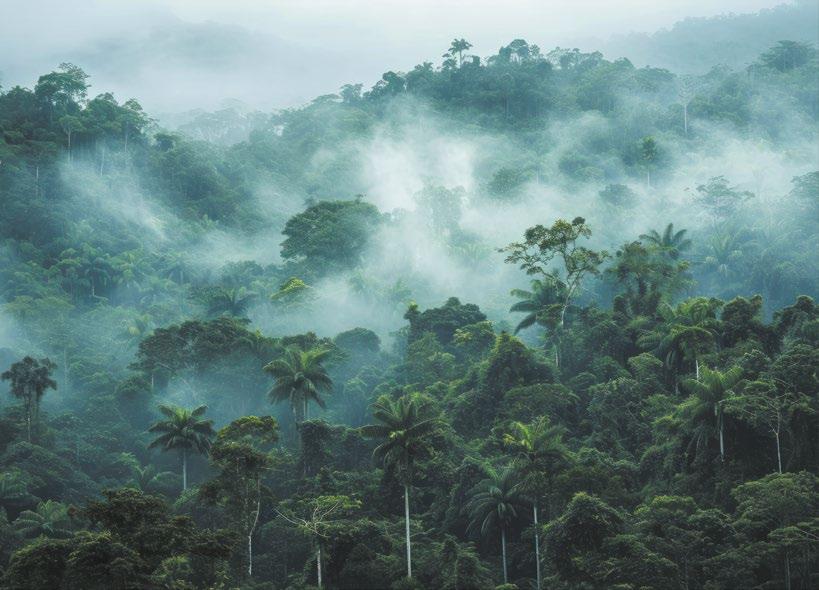
In the vast green heart of our planet stretches the Amazon, an immense territory covering approximately 6.7 million square kilometres across eight countries and one overseas territory. This lung of the world is home to the greatest biodiversity on Earth. According to the World Wildlife Fund (WWF), it harbours close to 10% of all known species. The Amazon is far more than mere figures; it is a complex mosaic of life, cultures, and interconnected ecosystems that play a crucial role in regulating the global climate and in sustaining numerous indigenous communities.
A Refuge of Biodiversity
The Amazon rainforest is a wildlife sanctuary, with over 40,000 plant species, 2,500 fish species, 1,300 birds, 430 mammals, and more than 2.5 million insect species. This extraordinary genetic bank is not just a natural wonder; it is also an invaluable source of knowledge and resources that have sustained indigenous communities and have the potential to benefit all of humanity.
ORINOCO Magazine Rainforest 11
The Voice of the Ancestral Guardians
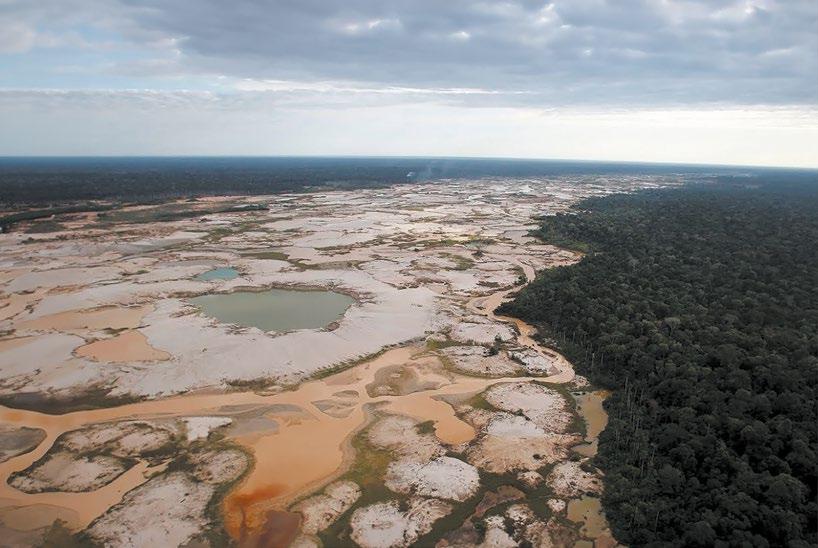
More than 350 indigenous groups call the Amazon home, each with its own language, culture, and relationship with the land. These communities have lived in harmony with the jungle for millennia, developing a deep understanding of its resources. However, their survival is threatened by the increasing pressures of deforestation, illegal mining, and climate change.
An Ecosystem in Peril
Despite its critical importance, the Amazon faces unprecedented threats. “Deforestation has reached alarming levels, with more than 17% of the forest already destroyed,” states the Brazilian National Institute for Space Research (INPE). This loss not only threatens biodiversity and indigenous communities but also compromises the Amazon’s ability to act as a carbon sink, essential in the fight against climate change.
ORINOCO Magazine 12
A Call to Action
The conservation of the Amazon is a shared responsibility. Protecting this ecosystem is not just about preserving the largest collection of life on Earth; it is also about respecting the rights and cultures of its indigenous inhabitants, and it is crucial for combating climate change. This is a decisive moment in our history, an opportunity to come together in defence of our common home and to ensure a sustainable future for coming generations.
The Amazon calls to us, not just to marvel at its diversity, but to act decisively for its preservation. It is time to listen and respond to that call, recognising that the health of our planet depends on the health of the Amazon.
ORINOCO Magazine Rainforest 13
The Voice of the Amazon A Defence of Its Languages and Identities
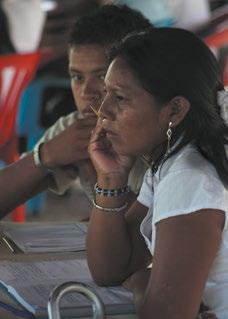
From my perspective, the Amazon is not only the biodiversity heart of our planet but also a centre of cultural and linguistic diversity that cries out for recognition and protection. With each visit, each story shared by its inhabitants, I become more convinced that the indigenous languages of this region are not merely means of communication but true manifestations of the soul of the forest.
Language as a Reflection of the Ecosystem
Every language that echoes through the Amazon is a mirror of its ecosystem: intricate, complex, and wonderfully unique. Through them, the story of the jungle is narrated, the species that inhabit it are named, and the traditions that ensure harmony between humans and nature are transmitted. It’s ancestral knowledge that, in my opinion, holds the key to addressing many of today’s environmental challenges.
In Danger of Silence
However, these voices are in danger of being silenced. The pressure from deforestation, globalisation, and climate change threatens not only the Amazon’s biodiversity but also the survival of its cultures and languages. It’s a reality that deeply concerns me, as every lost language is like a library burning down, a compendium of wisdom disappearing forever.
A Personal Commitment to Preservation
Faced with this scenario, I believe it is essential to intensify efforts to preserve the linguistic richness of the Amazon. From my position, I advocate for the documentation of these languages, support for bilingual education initiatives, and the use of technology for their revitalisation. I firmly believe that protecting indigenous languages is to protect the Amazon itself and, with it, our common future.
ORINOCO Magazine 14
Photo by: E.A
Towards Greater Awareness and Action
My call is for greater awareness of the importance of these languages and for decisive action for their conservation. To value and respect the linguistic diversity of the Amazon is, in essence, an act of respect towards life in all its forms. It’s a task that concerns all of us, from researchers and policymakers to every inhabitant of this planet.
The linguistic diversity of the Amazon is a testament to the human richness it harbours. In it, I see a message of hope and an invitation to learn more sustainable and respectful ways of coexistence with our environment. Preserving the languages of the Amazon is, for me, an ethical and ecological imperative that we must undertake with urgency and dedication.
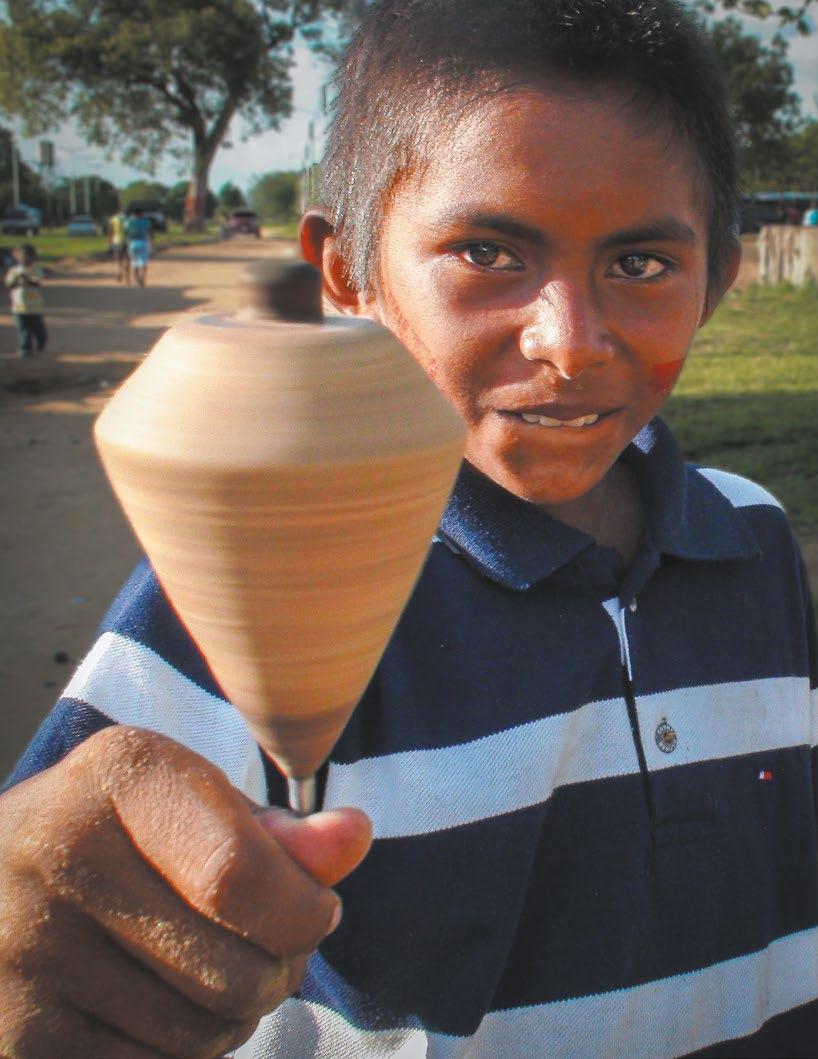 Photo by: E.A
Hamza
Have You Heard About the Amazon’s Subterranean River Hamza?
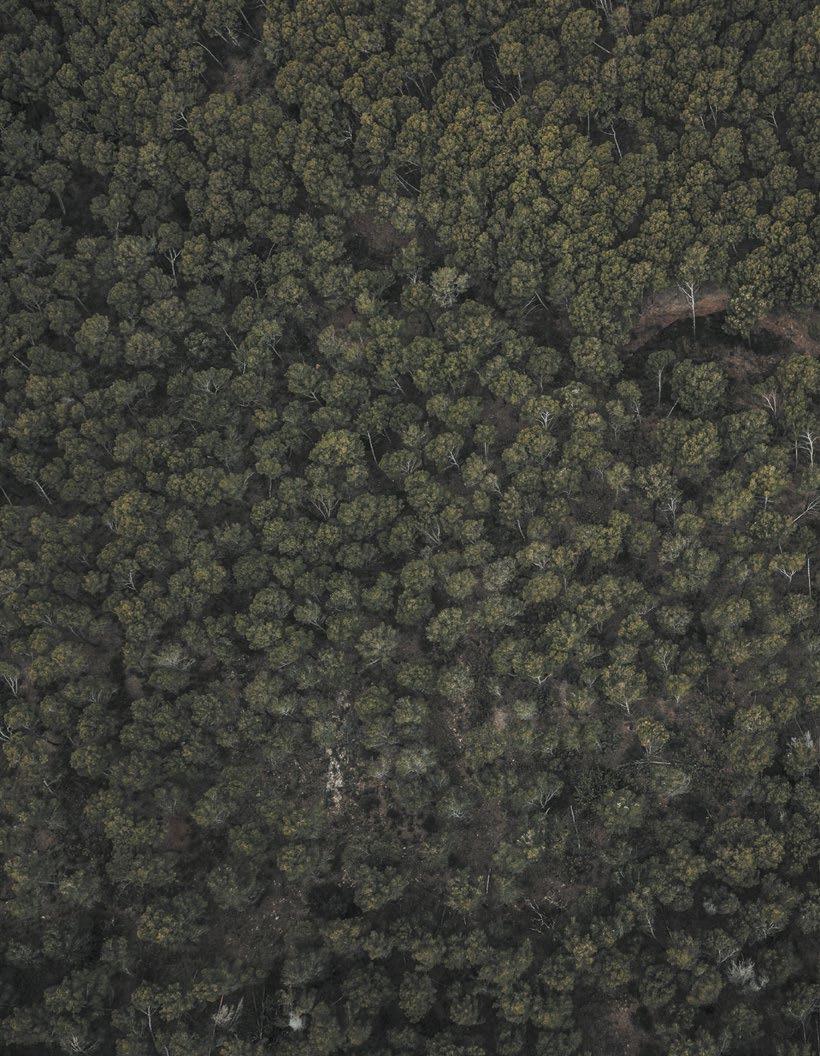
Beneath the lush greenery of the Amazon lies an astonishing secret: the Hamza river, a subterranean giant flowing in the shadows. Recently uncovered, this underground river challenges everything we thought we knew about the Amazon ecosystems, running parallel to the Amazon but at depths reaching up to 4,000 metres.
Imagine a hidden world, deep beneath the earth, where water travels slowly, creating ecosystems in the darkness yet to be discovered. The Hamza not only expands our wonder for the Amazon but also invites us to ponder the unexplored wonders of our planet.
This discovery underscores the immense complexity and richness of the Amazon, reminding us of the urgency to protect this natural treasure from the threats of deforestation and climate change. What mysteries and new life forms await discovery in the depths of the Hamza? The Amazon continues to astonish us, proving there’s much more to explore and preserve in the heart of our planet.
ORINOCO Magazine Rainforest 17
The Imperative of Conservation Safeguarding Our Future
In an era where the natural world faces unprecedented challenges, the importance of conservation cannot be overstated. As stewards of the Earth, our responsibility to protect and preserve its natural beauty and biodiversity is more crucial now than ever before. The survival of countless species, including our own, depends upon our actions today. This article delves into why conservation is imperative for the sustainability of our planet and the well-being of future generations.
A Balancing Act
The Earth’s ecosystems are delicately balanced. From the dense forests of the Amazon to the vast savannahs of Africa, each ecosystem plays a vital role in maintaining the global balance of nature. Conservation efforts aim to protect these ecosystems from the threats of deforestation, pollution, climate change, and habitat destruction. By preserving natural habitats, we ensure the survival of the diverse species that inhabit them, maintaining the intricate web of life that sustains the planet’s health.
Biodiversity
The Backbone of Ecosystem Health
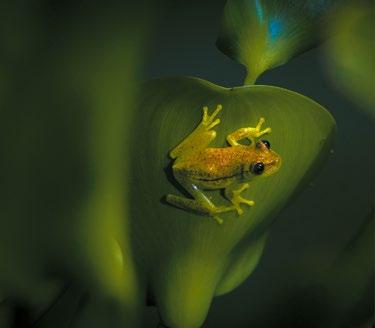
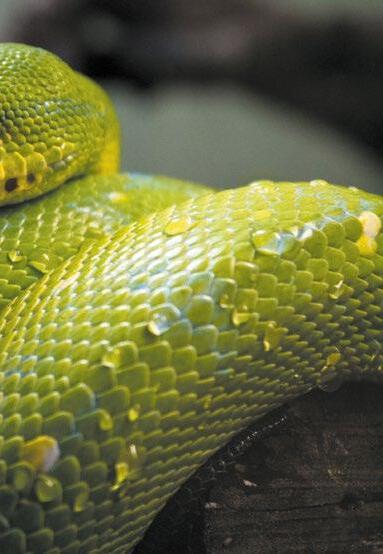
Biodiversity is the foundation upon which ecosystems thrive. The variety of life forms on Earth – from the smallest microorganisms to the largest mammals – contributes to the complexity and resilience of ecosystems. Biodiversity ensures natural sustainability for all life forms and provides us with essential services, including clean air and water, pollination of crops, and regulation of climate. The World Wildlife Fund (WWF) highlights that protecting biodiversity is not a luxury but a necessity for survival.
ORINOCO Magazine 18
Climate Change Mitigation
Conservation is a critical ally in the fight against climate change. Forests, oceans, and wetlands act as carbon sinks, absorbing CO2 from the atmosphere and mitigating the effects of climate change. The preservation of these natural habitats is essential for maintaining the Earth’s carbon balance. Actions such as reforestation and the protection of existing forests are vital steps in reducing the global carbon footprint and combating global warming.
Cultural Heritage and Indigenous Rights
Conservation also encompasses the protection of cultural heritage and the rights of indigenous peoples. Many conservation areas are sacred sites or ancestral lands that hold significant cultural value. Recognising and respecting the knowledge and practices of indigenous communities is essential in conservation efforts. These communities have coexisted with nature for centuries, developing sustainable ways of living that offer valuable lessons in conservation.
A Call to Collective Action
The path to effective conservation requires collective action. Governments, businesses, communities, and individuals must come together to implement sustainable practices that protect our natural world. International cooperation and adherence to environmental agreements are paramount in addressing global challenges such as climate change, biodiversity loss, and pollution.
The imperative of conservation is clear: to safeguard the natural world for future generations. It is a call to action for all of humanity to embrace sustainable living and to commit to the preservation of our planet. As we move forward, let us remember that the health of our planet is intricately linked to our own well-being and survival. The time to act is now.
ORINOCO Magazine Rainforest 19
The Amazon, our planet’s green lung,
Is a vast natural laboratory harbouring one of the world’s highest biodiversities. This ecological treasure is also an inexhaustible source of medicinal knowledge, where each plant, root, and leaf holds secrets that indigenous communities have deciphered and utilised over millennia. This article delves into the ecological and medicinal value of the Amazon, highlighting the crucial role its plants play in modern medicine and pharmacology, as well as the profound botanical knowledge of the region’s indigenous cultures.
The Green Treasure of the Amazon
At the heart of the Amazon, nature has cultivated a living pharmacopoeia that modern science is only beginning to understand. Over 25% of modern medicines originate from plants found in rainforests, yet it’s estimated that only a small percentage of Amazonian species have been studied for their potential healing properties. Plants like the cat’s claw, used in natural treatments against cancer, or dragon’s blood, known for its healing properties, are just examples of how this ecosystem contributes to our health and wellbeing.
ORINOCO Magazine
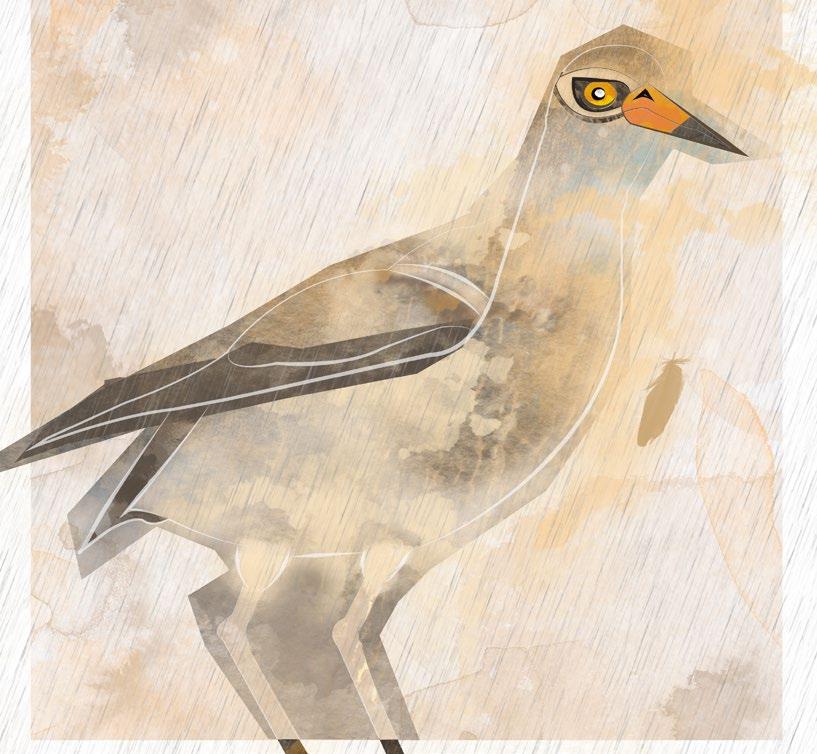
Illustration: alcaraván by Emilio Alcalá
Indigenous Wisdom: Guardians of Ancestral Knowledge
The indigenous communities of the Amazon are the true custodians of this age-old knowledge. Their understanding of the Amazonian flora goes beyond species identification; it encompasses deep wisdom about the medicinal, nutritional, and spiritual properties of plants. This knowledge, passed down through generations, is a living legacy of their intimate connection with nature.
The practice of traditional medicine in these communities is not only focused on curing physical diseases but also on maintaining the individual’s spiritual and emotional balance. Plants like ayahuasca, used in ritual ceremonies, are central to these practices, showcasing a holistic understanding of health that goes beyond the physical.
Bridging Tradition and Modern Science
The collaboration between scientists and indigenous communities promises a path to the discovery of new medicines. This ethnobotanical approach not only accelerates the process of identifying plants with medicinal potential but also promotes more effective conservation of the Amazon rainforest and respect for the rights and wisdom of its native peoples.
Challenges and Hopes
However, this natural and cultural treasure faces ongoing threats from deforestation, illegal mining, and climate change. Habitat loss not only endangers the region’s biodiversity but also the indigenous knowledge accumulated over centuries. It’s imperative that conservation efforts recognise and protect the Amazon’s ecological and medicinal value, as well as the ancestral knowledge of its peoples.
The Amazon is a source of life and health that still has much to offer humanity. Its conservation is not only an ecological imperative but also an ethical one, requiring coordinated global action respectful of the indigenous cultures that inhabit it. By protecting this green treasure, we safeguard the future of our planet and honour the ancestral wisdom that can guide humanity towards a healthier and more sustainable future.
ORINOCO Magazine Rainforest 21
Thechnological

The Digital Guardians of the Amazon Rainforest

In the battle against deforestation and environmental degradation of the Amazon, human ingenuity and emerging technology emerge as beacons of hope. With advancements in science and innovation, new tools are altering the landscape of conservation for one of the planet’s most vital and biodiverse biomes. This piece delves into how drones, artificial intelligence (AI), and digital platforms are playing pivotal roles in safeguarding the vast and essential Amazon rainforest.
The Rise of Drones in Conservation
Drones, with their ability to soar over inaccessible terrains, are providing conservationists with a novel vantage point of the Amazon. Outfitted with high-resolution cameras and sensors, these ‘eyes in the sky’ can map deforestation, identify illegal mining areas, and monitor biodiversity health with unprecedented precision. Initiatives like the “Amazonian Aerial Watchers” project utilise drone fleets to relay real-time alerts about illegal activities to local authorities.
ORINOCO Magazine
Artificial Intelligence The Brain Behind Conservation
Artificial intelligence is revolutionising how we process and analyse environmental data. Machine learning algorithms can sift through vast amounts of information collected by satellites, drones, and ground stations, identifying patterns indicative of critical changes in the ecosystem. At Green Tech University, an interdisciplinary team has developed an AI system capable of predicting future deforestation zones with remarkable accuracy, enabling proactive interventions.
Digital Platforms for Community Engagement
Technology has not only enhanced surveillance and analysis but also bolstered community involvement. Digital platforms like “EcoGuardians of the Amazon” allow citizens and indigenous communities to report instances of deforestation and other environmental crimes directly to authorities and NGOs. This tool empowers local communities, giving them an active role in the conservation of their home and promoting a culture of environmental responsibility and protection.
As the Amazon faces unprecedented pressures, the fusion of technology and conservation offers a glimmer of hope. Innovations in drones, artificial intelligence, and digital platforms are not just tools in the fight against environmental degradation; they are harbingers of a shift towards more informed and participatory management of our natural resources. As these technologies evolve, so too does our capability to defend and preserve the Amazon rainforest for future generations.

ORINOCO Magazine Rainforest 23
Trivia
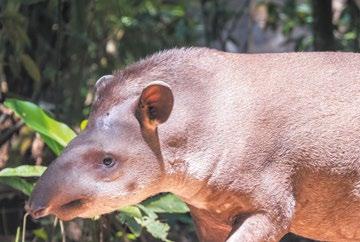
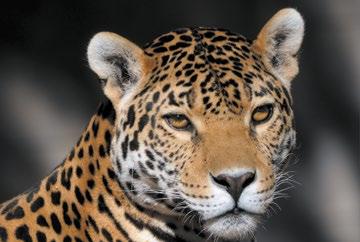
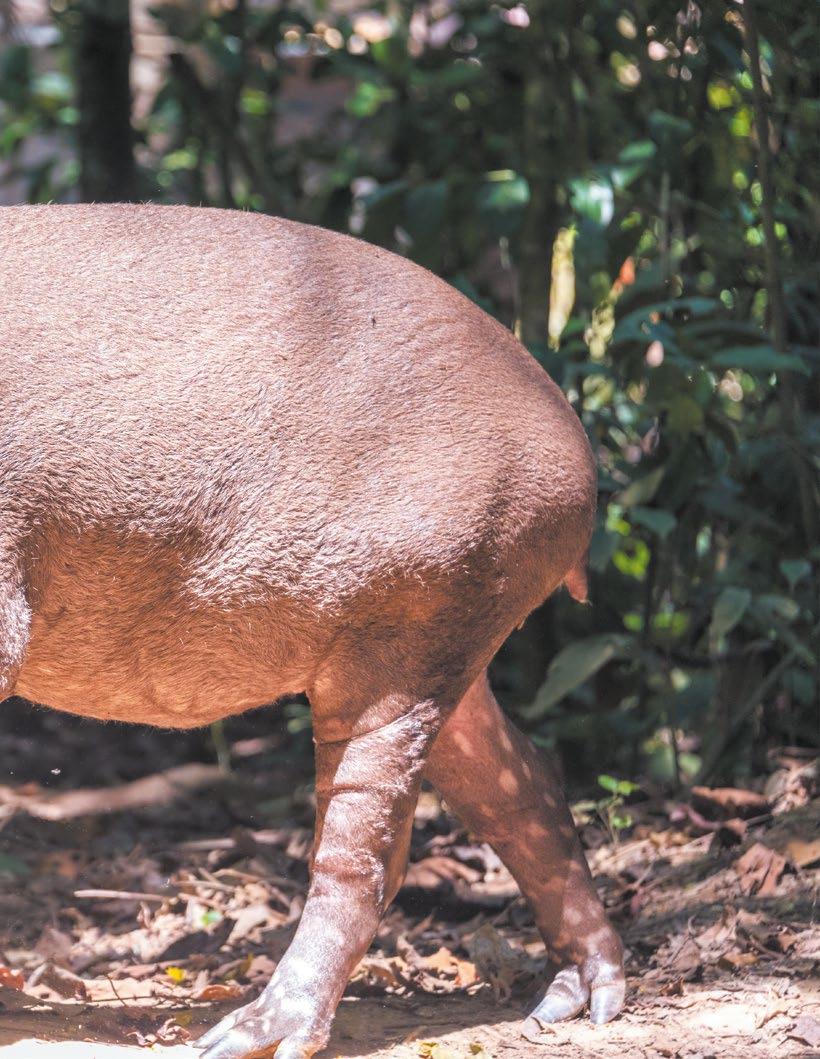
Which animal is known as the “jungle gardener” due to its role in seed dispersion?
A) The jaguar
B) The spider monkey
C) The tapir
D) The pink dolph


ORINOCO Magazine 24
Look for the correct answer on the page 39

ORINOCO Magazine World 25
I Bet You Didn’t Know This About the Amazon
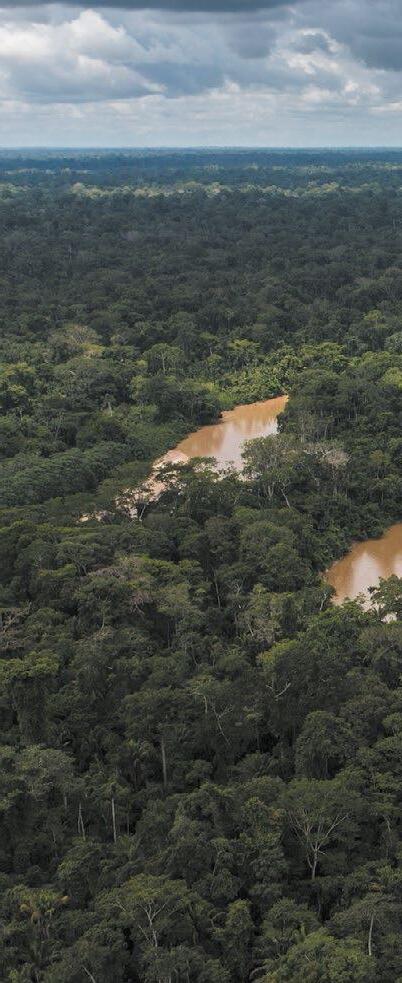
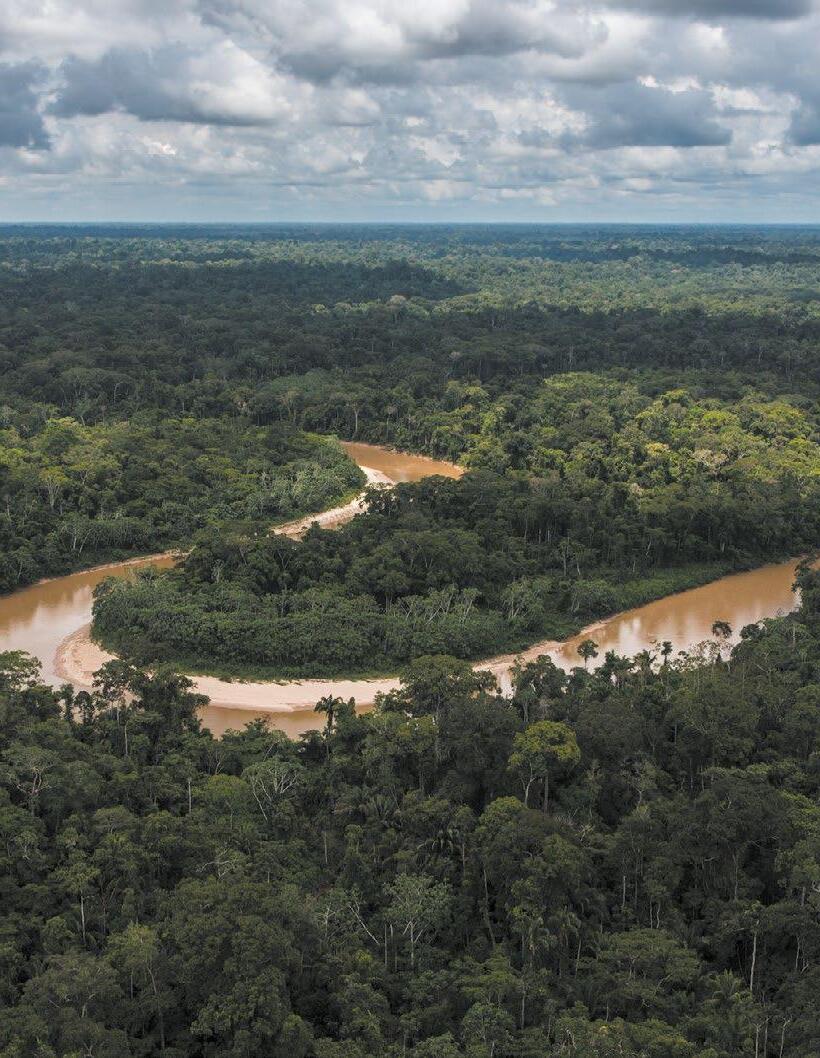
Beneath the dense green canopy of the Amazon lies a riverine treasure as vast as it is enigmatic. Did you know that over 1,100 rivers meander through this immense jungle? Each of these watercourses is a thread in the intricate tapestry of life that makes up the planet’s most biodiverse ecosystem.
From giants that dominate the landscape to secret streams that flow unseen beneath the canopy, the Amazon’s network of rivers is the vital pulse nourishing and sustaining a world brimming with natural wonders. These waters guard age-old secrets, are the home of indigenous legends, and the cradle of unparalleled biodiversity.
But there’s more to these rivers than just water. They are lifelines, essential connections for the communities that dwell along their banks and depend on them for survival. Every turn of the river holds a promise of discovery, every meander a story waiting to be told.
So, the next time you think of the Amazon, remember: it’s not just a forest, but a vast and vibrant aquatic world, where over 1,100 rivers weave together the beating heart of our planet. Ready to dive into its secrets?
ORINOCO Magazine 26
! !
 A Treasure Trove of 1,100 Rivers
The Sustainable Fashion Revolution

Transforming the Textile Industry
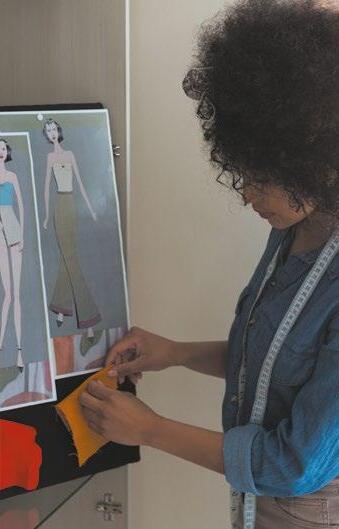
Over the last decade, the fashion industry has come under increasing scrutiny for its environmental and social impact. Fast fashion, with its rapid production and consumption cycle, has been particularly criticised for contributing to pollution, resource waste, and unfair labour conditions. However, a shift towards sustainable fashion is beginning to transform the industry, driven by innovations, brand commitments, and a growing consumer demand for ethical and eco-friendly products. This article explores the importance of sustainable fashion and its progress to date, citing recent examples and successes.
Why is Sustainable Fashion Important?
Sustainable fashion seeks to minimise negative environmental impacts and improve labour conditions throughout the supply chain. This includes the use of eco-friendly materials, ethical production practices, and a focus on garment durability and reuse to reduce waste. By doing so, it not only protects the planet but also promotes a shift towards more conscious and responsible consumption.
ORINOCO Magazine 28
Recent Advances and Successes
Innovative Materials Brands like Stella McCartney have led the way in using alternative and sustainable materials, including vegan leather and recycled fibres. The innovation in fabrics from renewable and recycled sources is booming, with examples like Piñatex (leather made from pineapple leaves) and Econyl (regenerated nylon).
Transparency and Traceability Full product traceability is increasingly important to consumers. Brands such as Patagonia and Everlane stand out for their commitment to transparency, offering consumers detailed information about where and how their products are made.
Circular Economy
The adoption of circular economy models is growing within the industry. The Danish brand Ganni, for example, has launched rental and buy-back programmes to extend the lifespan of its garments and reduce waste.
Sustainable fashion is not just a passing trend but a necessary transformation of one of the world’s largest and most impactful industries. As more brands and consumers join this movement, the potential for positive and lasting change in the fashion industry is greater than ever. With each conscious choice, we are knitting a more sustainable and equitable future for all.
Sustainable Certifications Certifications such as Fair Trade, GOTS (Global Organic Textile Standard), and B Corp are helping consumers identify products that meet high environmental and social standards.
Awareness Campaigns Initiatives like Fashion Revolution promote awareness of industry issues and encourage dialogue and change towards more sustainable practices.
Technology and Digitalisation Technology plays a key role in sustainability, from digital design and 3D printing to reduce material waste to online platforms that facilitate the resale and recycling of clothing.
ORINOCO Magazine World 29

The Environmental Impact of the Clothes We Choose Our Hidden Wardrobe
As the climate crisis deepens, one aspect of our daily lives goes unnoticed: the hidden plastic in our clothes. This form of pollution, less visible but equally harmful, comes from an unexpected source: our wardrobe. Fashion, with its rapid turnover of trends, has fostered the proliferation of synthetic fibres — polyester, nylon, acrylic — which, essentially, are plastic. These fibres, when washed, release microplastics into the environment, which find their way into the oceans, affecting marine life and, eventually, human health.

In light of this issue, a crucial question arises: how can we, as responsible consumers, combat this hidden impact? The solution lies in awareness and individual action.
ORINOCO Magazine 30
Choosing Natural Fibres
Opting for natural fibres is a significant step towards mitigating this problem. By selecting materials like organic cotton, linen, hemp, and wool, we’re not only choosing biodegradable products but also reducing the release of microplastics into our ecosystems.
The Community’s Voice
On the streets of Exeter, we had the chance to speak with Anne Johnson, a dedicated ecologist and local resident, who shared her perspective on this matter:
Conscious Care
Making adjustments in how we care for our garments, such as washing less frequently and using special laundry bags to capture microfibres, can reduce our contribution to plastic pollution.
Saying No to Fast Fashion
Finally, rejecting fast fashion and its disposable consumption cycle is crucial. Choosing quality over quantity and preferring timeless garments over passing trends is not only a style statement but also a commitment to the planet.

“It’s crucial that we become aware of the consequences of our everyday choices, especially regarding fashion. By choosing more sustainable garments, we’re not only taking care of our planet but also promoting positive change in the industry. Personally, I look for brands that value transparency and the use of eco-friendly materials. It’s a small step, but if we all take it, the impact can be enormous.”
Anne, with her positive attitude and professionalism, reminds us of the importance of individual and collective action.
Supporting Responsible Brands
Researching and supporting brands committed to sustainable practices is another way to contribute. These companies tend to be transparent about their production methods and the origin of their materials, enabling consumers to make more informed decisions.
The message is clear the choices we make about our clothing have a direct impact on the environment. Inspired by individuals like Clara, we can begin to make more conscious and sustainable choices. When we dress, we have the opportunity to reflect not just our personal style but also our values and our commitment to a greener future.
ORINOCO Magazine World 31
Did you know...?

The Invisible Engine of the Amazon
The Importance of Microscopic Life Forms
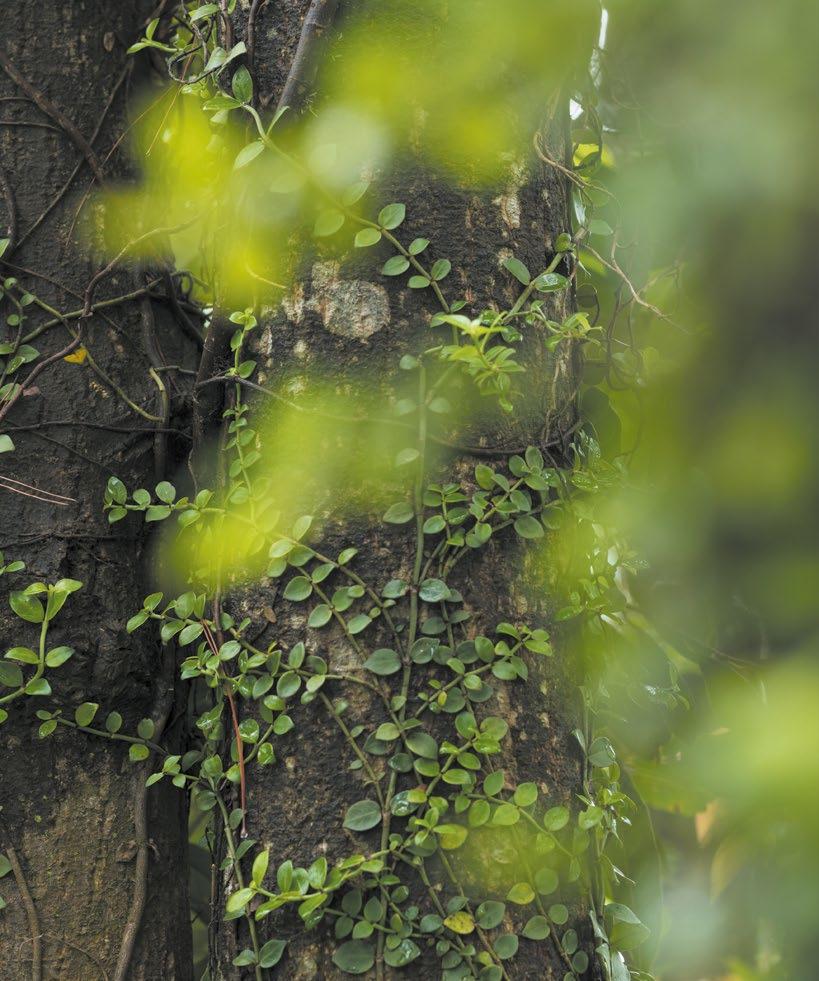
Deep within the Amazon rainforest, beyond its visible diversity of plants and animals, lies a hidden world of microscopic life forms that play a crucial role in the biodiversity and ecological balance of the Amazon. This microcosm, composed of bacteria, fungi, protozoa, and microalgae, is fundamental to vital processes such as the decomposition of organic matter, soil fertilisation, and the nutrient cycle, which in turn supports the life of larger plants and animals.
These tiny creatures are true ecosystem engineers: certain fungi species form symbiosis with plant roots, increasing their ability to absorb water and nutrients, while specific nitrogen-fixing bacteria convert atmospheric nitrogen into a form that plants can use to grow. Moreover, the genetic diversity of these microorganisms is an inexhaustible source of bioactive compounds that could have applications in medicine, agriculture, and biotechnology.
The microbial richness of the Amazon is a reminder that every drop of water and every gram of soil harbour a complexity of life that is essential for the functioning of the forest. These microscopic life forms, though invisible to our eyes, are indispensable in maintaining the health and resilience of one of the planet’s most vital ecosystems.
ORINOCO Magazine World 33
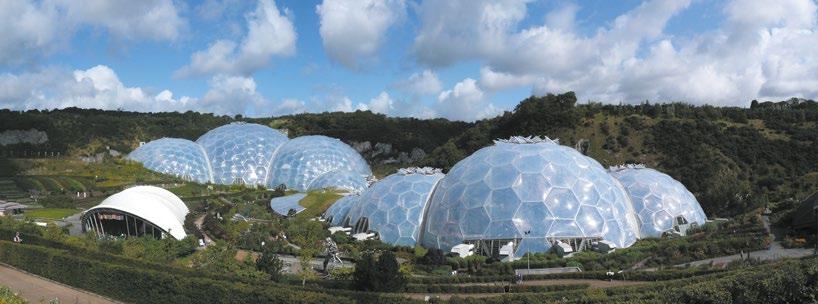
The Eden Project An Oasis of Environmental Awareness in Cornwall
Nestled in the heart of Cornwall, the Eden Project is not just a tourist attraction; it’s a time capsule that transports its visitors across the planet’s varied ecosystems, all the while highlighting a critical message on sustainability and conservation. Since its opening in 2001, this giant greenhouse has captivated millions, educating and entertaining through its unique blend of science, nature, and art.
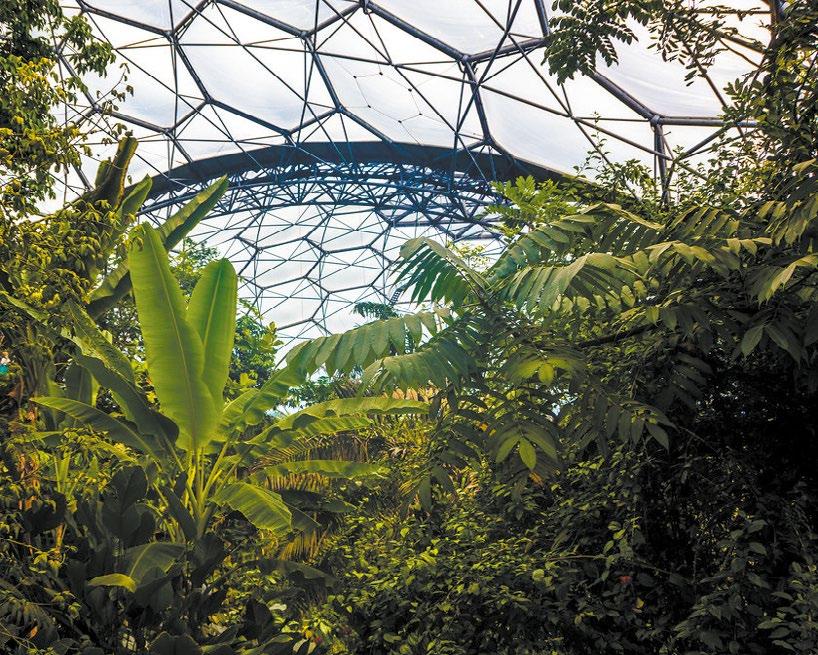 Photo by: Max Siegmayer
Designed to replicate climate conditions from different parts of the world, the Eden Project houses thousands of plant species within its two biomes: the Tropical and the Mediterranean. Furthermore, its commitment to environmental education and sustainability extends beyond its impressive dome structures; the site also serves as a platform for research and conservation projects.
ORINOCO Magazine
A Window to the Natural World
Among the diversity of visitors that walk through its doors, we find Lucas, a 10-year-old boy, whose fascination with nature was magnified by his experience at the Eden Project. “It’s like being on an adventure around the world, but without leaving Cornwall,” he exclaims with bright eyes. “The Tropical biome is my favourite; it’s like walking in a real jungle. I even felt the heat and saw a bird flying over my head!”
Lucas’s perspective reflects the wonder and awe that the Eden Project aims to awaken in young hearts and minds; a reminder of our natural world’s intricate beauty and the importance of protecting it.
Cultivating a Sustainable Future
The Eden Project stands as a testament to human innovation’s power to create spaces that educate, inspire, and foster a sense of responsibility towards our environment. Through its biomes, educational programmes, and sustainability projects, it continues to play a vital role in promoting environmental awareness.
In an era where climate action has become imperative, places like the Eden Project are crucial for fostering a deeper connection with our planet, inspiring present and future generations to advocate for a greener, more sustainable world. In the words of Lucas and Emma, we find an echo of fascination and a unified call to environmental action; a reminder that the future of our planet is indeed in our hands.
A Sanctuary for Reflection
For Emma, a 48-year-old visitor, the Eden Project is more than an attraction; it’s a call to action. “Every time I come here, I’m inspired by the dedication that’s been put into this place,” shares Emma. “It shows us what’s possible when we work together for the planet’s wellbeing. It’s a reminder that each of us has a role to play in environmental conservation.”
Emma’s experience underscores the profound impact the Eden Project has on adults and children alike, serving not only as a learning space but also as a sanctuary of inspiration and hope.
ORINOCO Magazine World 35
Photo by: Big-ashb
10 Astonishing Facts about the Diversity of the Amazon
The Amazon, a natural wonder spanning nine countries in South America, is the largest and most biodiverse tropical forest on the planet. Here are ten astonishing facts that highlight its unparalleled diversity.
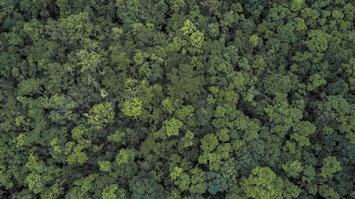
The Planet’s Lungs
This vast forest is a critical source of oxygen and stores between 90-140 billion tonnes of carbon, helping to regulate the global climate.
A Haven for Jaguars
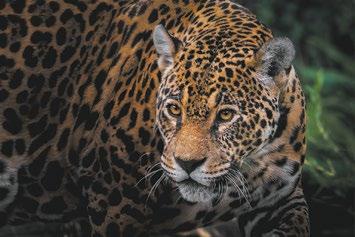
The Amazon rainforest hosts the largest population of jaguars in the world, a key indicator of the ecological health of a habitat.
A Library of Life
1
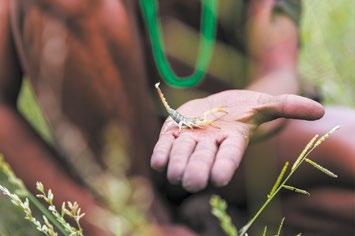
The Amazon is home to approximately 10% of all known species in the world, including species yet to
Flying Rivers
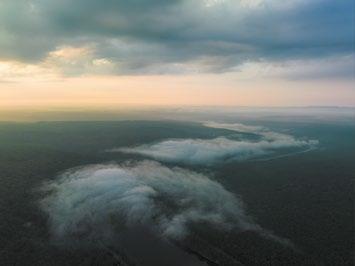
The Amazon generates about 20% of the planet’s non-frozen fresh water, and its “flying rivers”
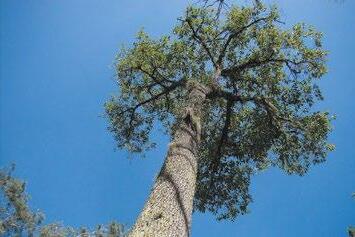
The Tree of Life
The Amazonian Brazil nut tree not only provides food and shelter within the ecosystem but is also a vital source of income for many local communities.
ORINOCO Magazine 36
3
2
4
5
A Natural Pharmacy
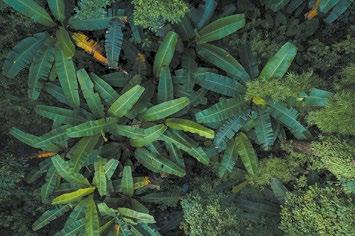
Over 25% of modern medicines originate from tropical plants, many of which are found in the Amazon.
Languages Galore
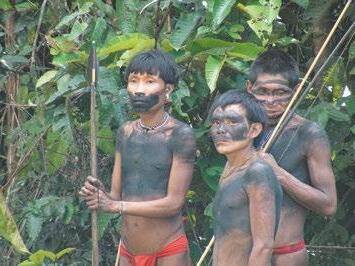
More than 400 indigenous languages are spoken in the Amazon basin, reflecting the rich cultural diversity of its peoples.
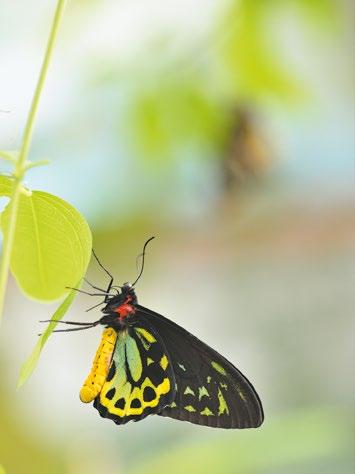
These astonishing facts merely scratch the surface of what the Amazon has to offer. Its conservation is crucial not only for global biodiversity and the climate but also for the future of humanity.
A Parade of Birds
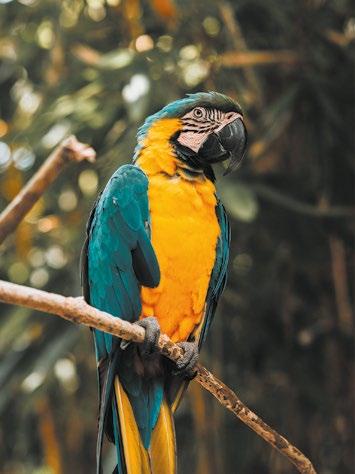
The region is home to over 1,300 bird species, including the magnificent macaw and the powerful harpy
ORINOCO Magazine World 37
10 6 7 9
8
Trivia
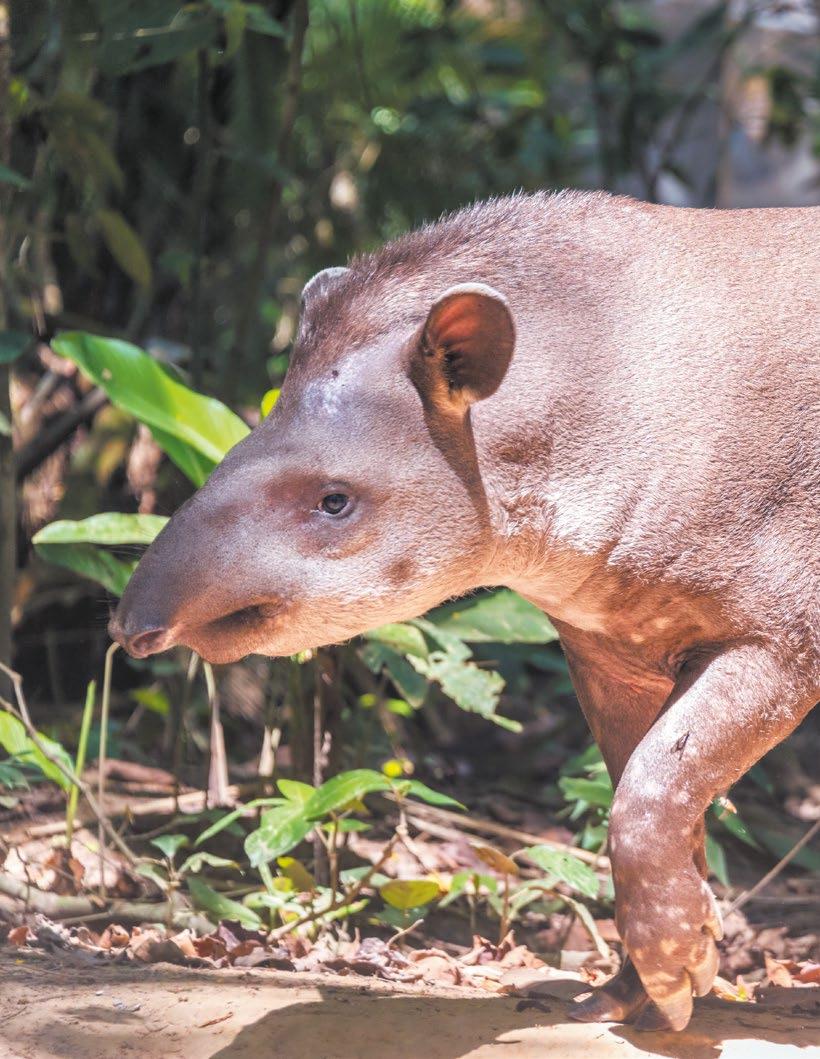
Correct answer: C)
THE TAPIR. Tapirs play a crucial role in the health of the Amazon ecosystem by dispersing the seeds of the fruits they consume, helping to maintain the diversity and richness of the rainforest.

ORINOCO Magazine 40 Web site www.orinocomagazine.com