



As the days grow shorter and the air is filled with the scent of rain and drying leaves, I’m reminded how much our work flows with the rhythms of nature. Fall is a season of gratitude for our farmers and their harvests, our customers and community partners, and for every OGC coworker who helps carry our purpose forward.
Last month, I had the honor of speaking at SO:25, the global Steward Ownership Conference in Berlin, a gathering of visionary leaders exploring new ownership models that put purpose before profit. Sharing OGC’s journey—our trust ownership model, mission and organic roots—was met with excitement and admiration. The response was outstanding and proof that OGC is inspiring people around the world to rethink how businesses can serve both purpose and profit. In a world of growing social and environmental challenges, we are lighting a way forward to a better future.
After the long days of travel, it felt wonderful to come home to Portland. Since I moved here almost four years ago, I have fallen in love with this quirky and beautiful city that is rooted in compassion, creativity, kindness and a love of good food. From farmers’ markets to sustainable grocers and food cart pods to high end restaurants, culinary marvels abound. There’s nothing more satisfying than sitting down to a plate of food that is grown with care for people and the planet. Even in the toughest times, food brings us together. And to riff on a quote from my shero Julia Child, people who love good food are always the best people.
Speaking of the best people, it should be no surprise that OGC’s coworkers continue to live our mission of advancing and promoting the organic agriculture movement. In this newsletter, we share our innovative work on organic radicchio, our support of sustainable food system education with the bagged apple program and our use of “lean principles” to delight our customers with more accurate orders. We do this work as a team in the spirit of respect for all people, with a love of our diverse organic community and with the hope of building a more just world together.
As we head into the season of gathering, may your table be bursting with good food and the bright light of community.
In gratitude,

Brenna Davis CEO

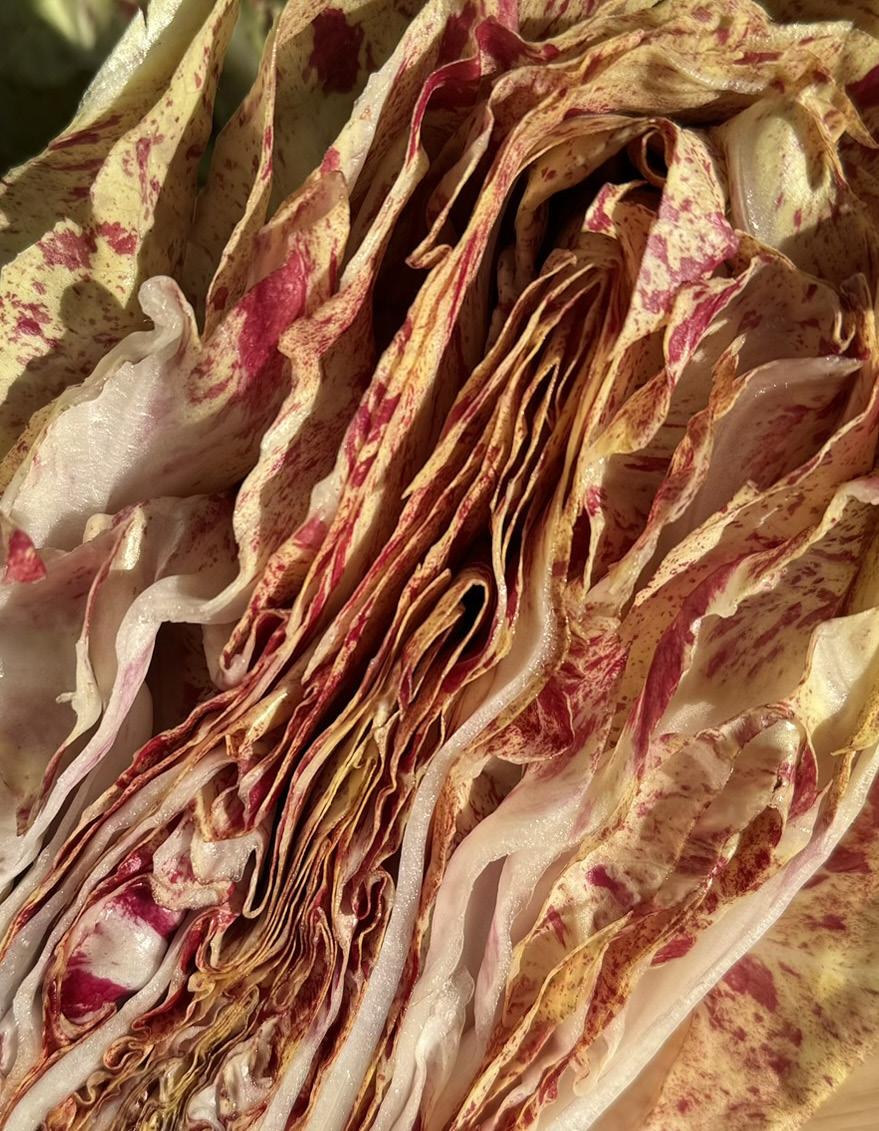
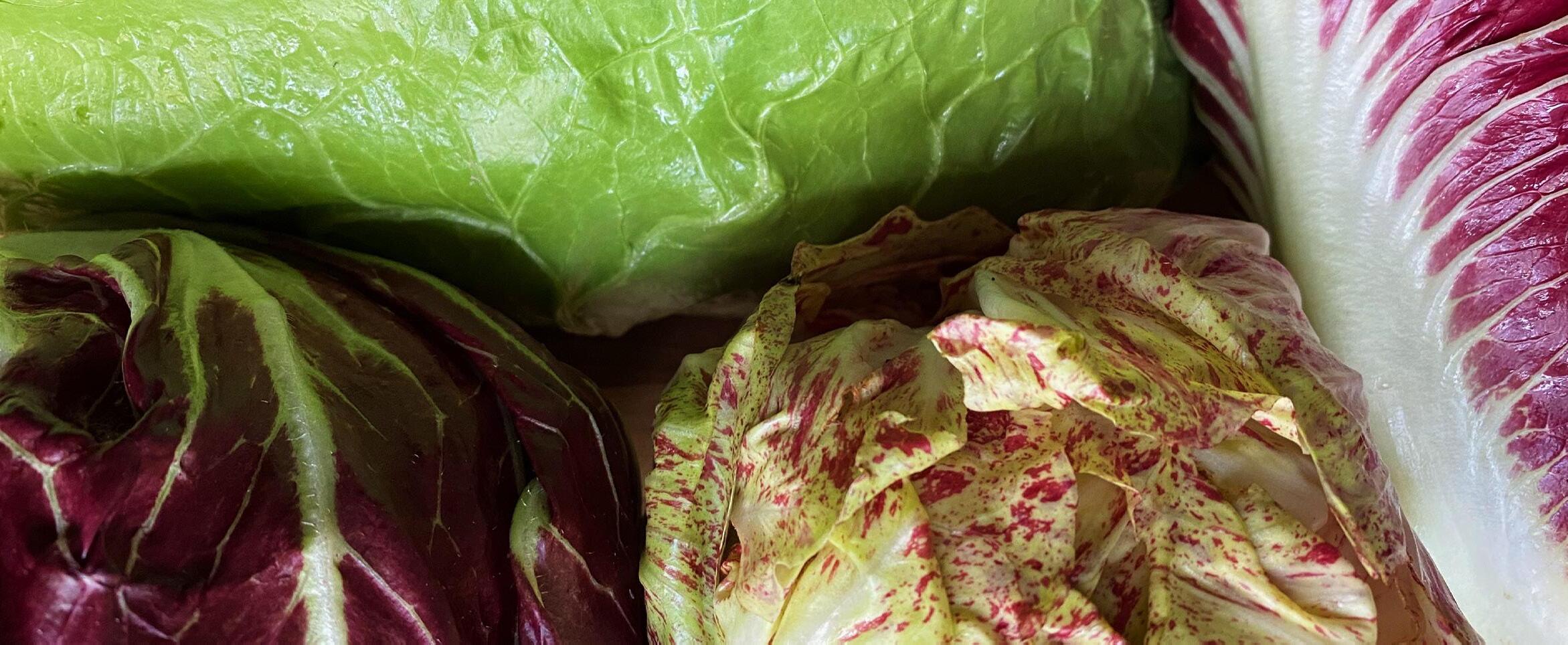
There has been a real radicchio renaissance over the last few years, but the history of radicchio in the United States goes back decades. Up until the 1980s, chicories and radicchios were mainly relegated to the home gardens of Italian Americans. As packaged salads took off, slivers of maroon Chioggia brought a splash of color to the wash of green, but not so much that its bitter flavor could be detected.
In some places, radicchio made its way onto farm to table menus and into boutique seed catalogs. Still, it was mostly round red heads, and not widespread.
Thankfully for the Culinary Breeding Network, as well as farmers and everyone’s taste buds, many more chicory and radicchio varieties have made their way from Northern Italy in the past decade. Now, OGC collaborates with Northwest growers to bring eaters the
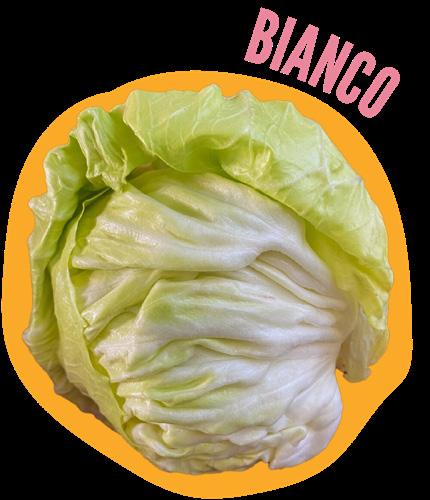
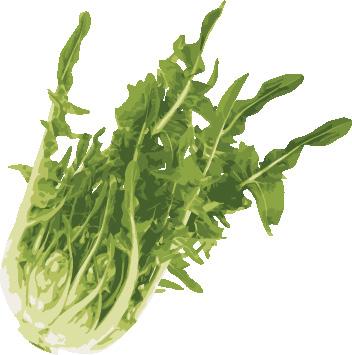
Pale in color with a surprising sweetness, use organic Bianco in place of Romaine for a Northwest grown salad base.
FLAVOR: barely bitter
TEXTURE: supple, tender USES: enjoy raw
widest selection of organic chicories and radicchios on this side of the Atlantic.
The popularity of these hardy “greens” has skyrocketed, and for good reason. From mild to punchy, chicories and radicchios bring bold flavors to the table just when other enticing leaves wrap up.
Some varieties shine in salads, while others take just as well to the grill or even a braise. Chicories and radicchios are also long-lasting and can hang out in cold storage or the back of the fridge for weeks. Delicious, versatile and hardy, these veggies have a lot to offer.
With over a dozen varieties available from OGC from October until January, there’s an option for every produce department, restaurant menu and appetite. While it’s hard to pick a favorite, here are four to try now.
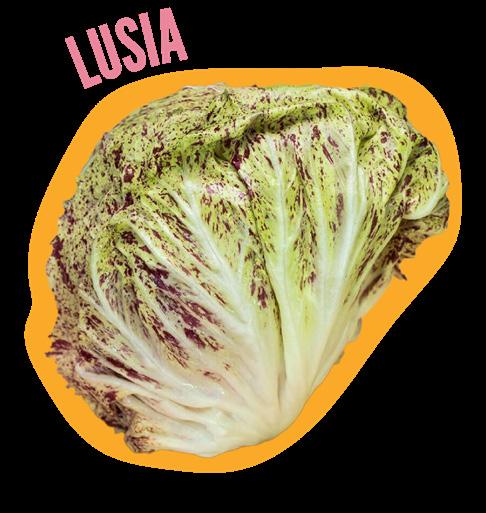
Lusia’s texture resembles lettuce but with a distinctively sharp flavor. Lends a lovely pop of color to salads and is great grilled.
FLAVOR: medium bitter
TEXTURE: supple, tender USES: raw or cooked
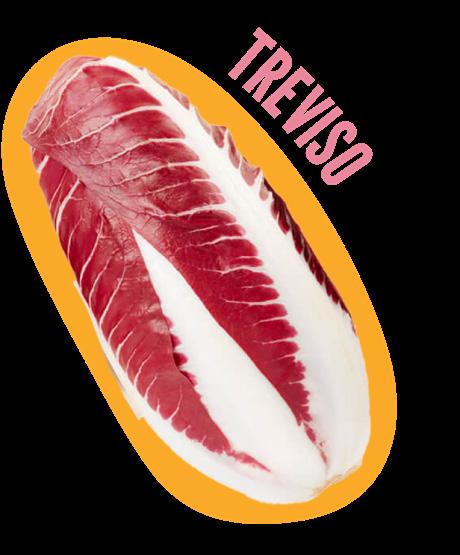
Mild and earthy, organic Treviso’s structured leaves are ideal for scooping up dips, grilling or dicing for fresh eating.
FLAVOR: mildly bitter
TEXTURE: crunchy, robust USES: raw or cooked
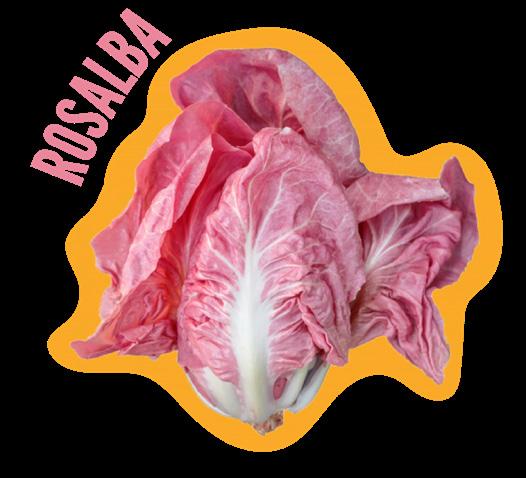
Tender and mild in flavor, organic Rosalba is the perfectly pink pick for adding excitement to seasonal salads.
FLAVOR: mildly bitter
TEXTURE: supple, tender USES: enjoy raw
MEET US AT THE
CIDER!
SUNDAY, DECEMBER 7, 3:00-6:00 PM THE REDD ON SALMON, PORTLAND, OR
The folks behind the Culinary Breeding Network are the ultimate champions of chicories and radicchios, and this incredible event is all the proof you need. Join farmers, seed breeders, chefs and OGC for an afternoon of delicious bites made with radicchio and other winter vegetables, paired with tasty sips of cider. You can count on leaving stuffed and inspired. Grab tickets here before they sell out.
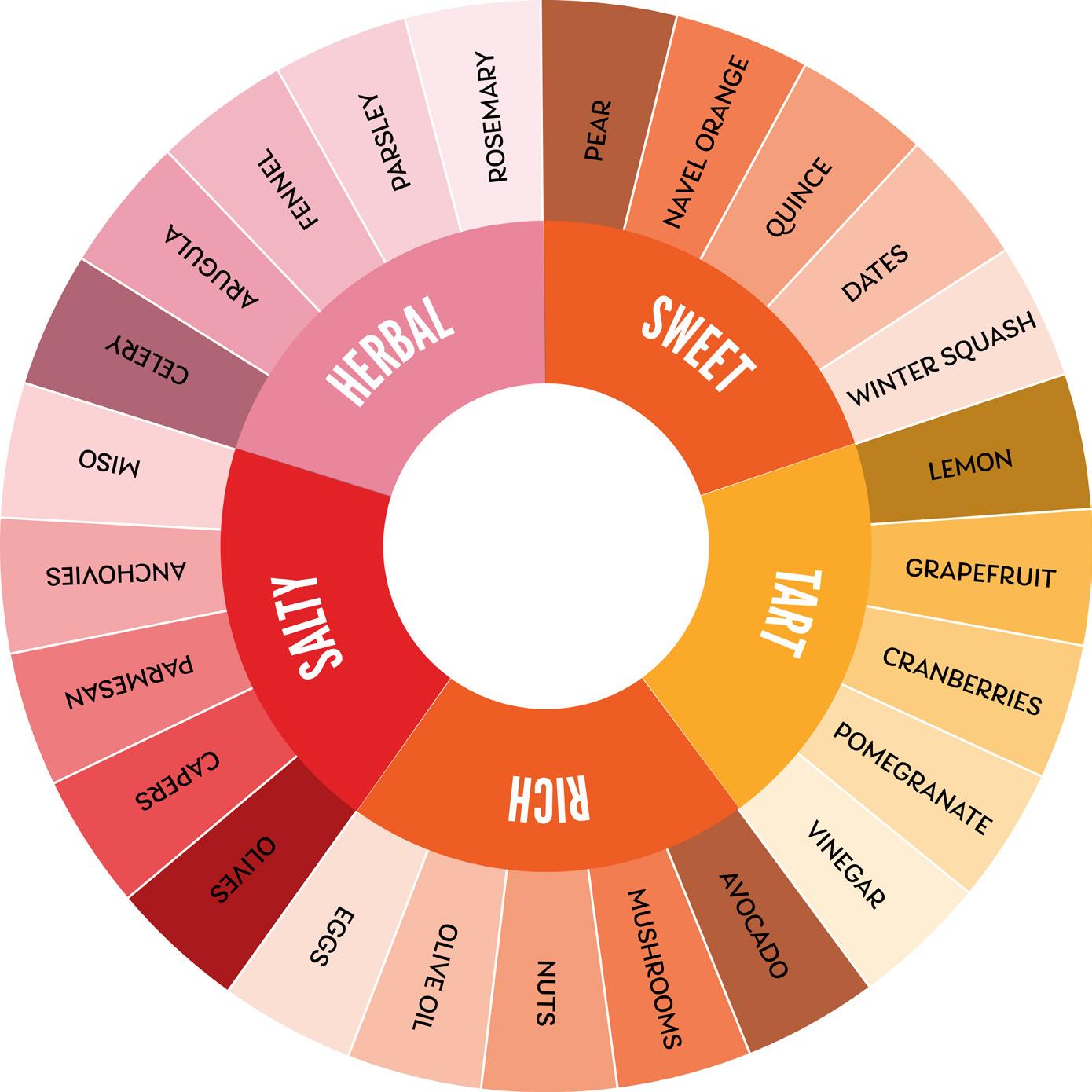
The striking colors, unique textures and complex taste of organic radicchio are a perfect palette to play with in the kitchen. Radicchio holds its own with bold and rich flavors which help tame the bitterness of the leaves. Play with the pairings below to create your ideal radicchio dish.
There’s nothing quite like wild mushrooms. From Northwest’s coastal forests to mountain ridges, these woodland treasures thrive where conditions are just right: cool air, damp soil and plenty of organic matter.
Most wild mushrooms are gathered responsibly by trained foragers who know the land and its rhythms. And one of OGC’s suppliers has taken this commitment to the next level, certifying three forest parcels for organic wildcrafting so they’re able to guarantee pristine, organic wildcrafted mushrooms, just like the cultivated ones they grow on their farm.
Thanks to their effort, we can offer a small but remarkable selection of certified organic wild mushrooms alongside our broader wildcrafted program. OGC currently offers two certified organic wildcrafted mushrooms, as they are available:
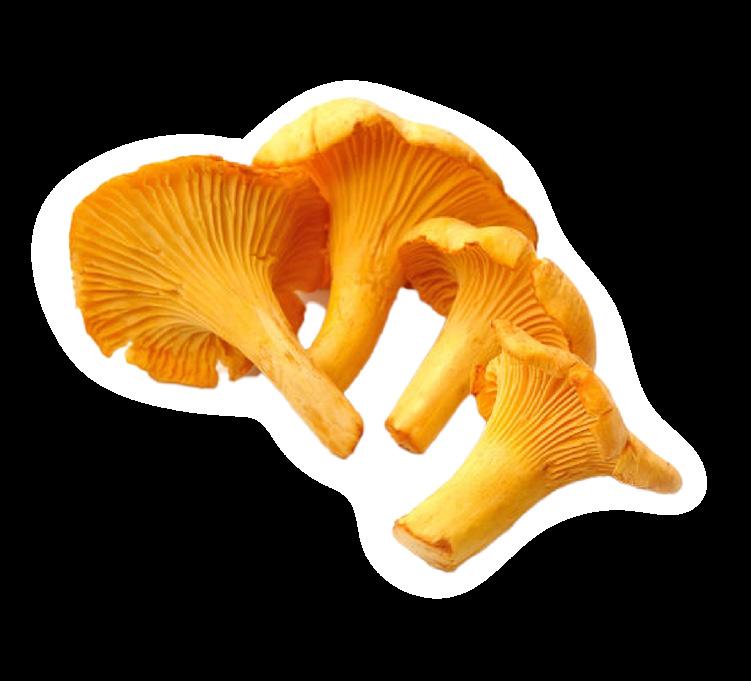

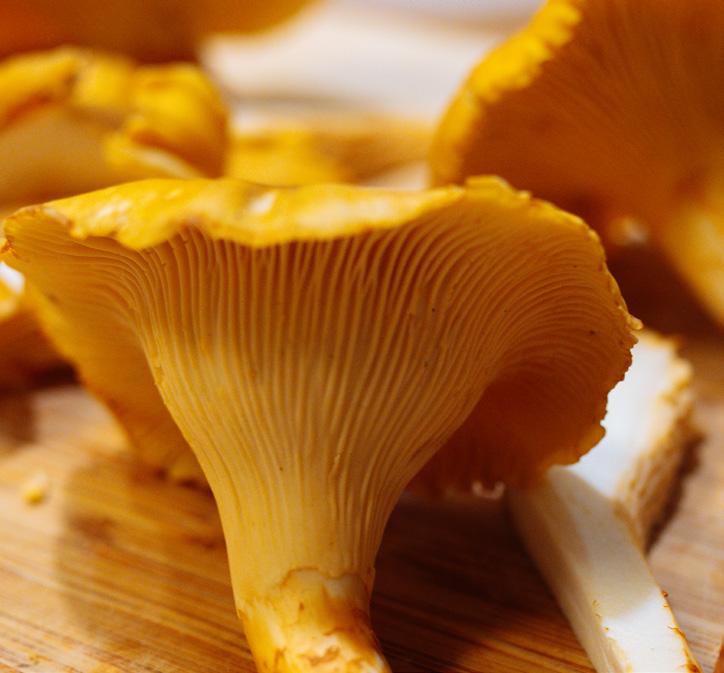
With its gorgeous golden hue and subtly sweet, fruity, forestry flavor, it’s no wonder this versatile mushroom is one of the most popular foraged mushrooms.
FLAVOR: woodsy, fruity
TEXTURE: velvety
With a signature scent that’s mildly reminiscent of the sea, this stunning mushroom is a great meat or seafood alternative. Enjoy it in chowder, pasta or even grilled.
FLAVOR: nutty, sweet
TEXTURE: dense, chewy
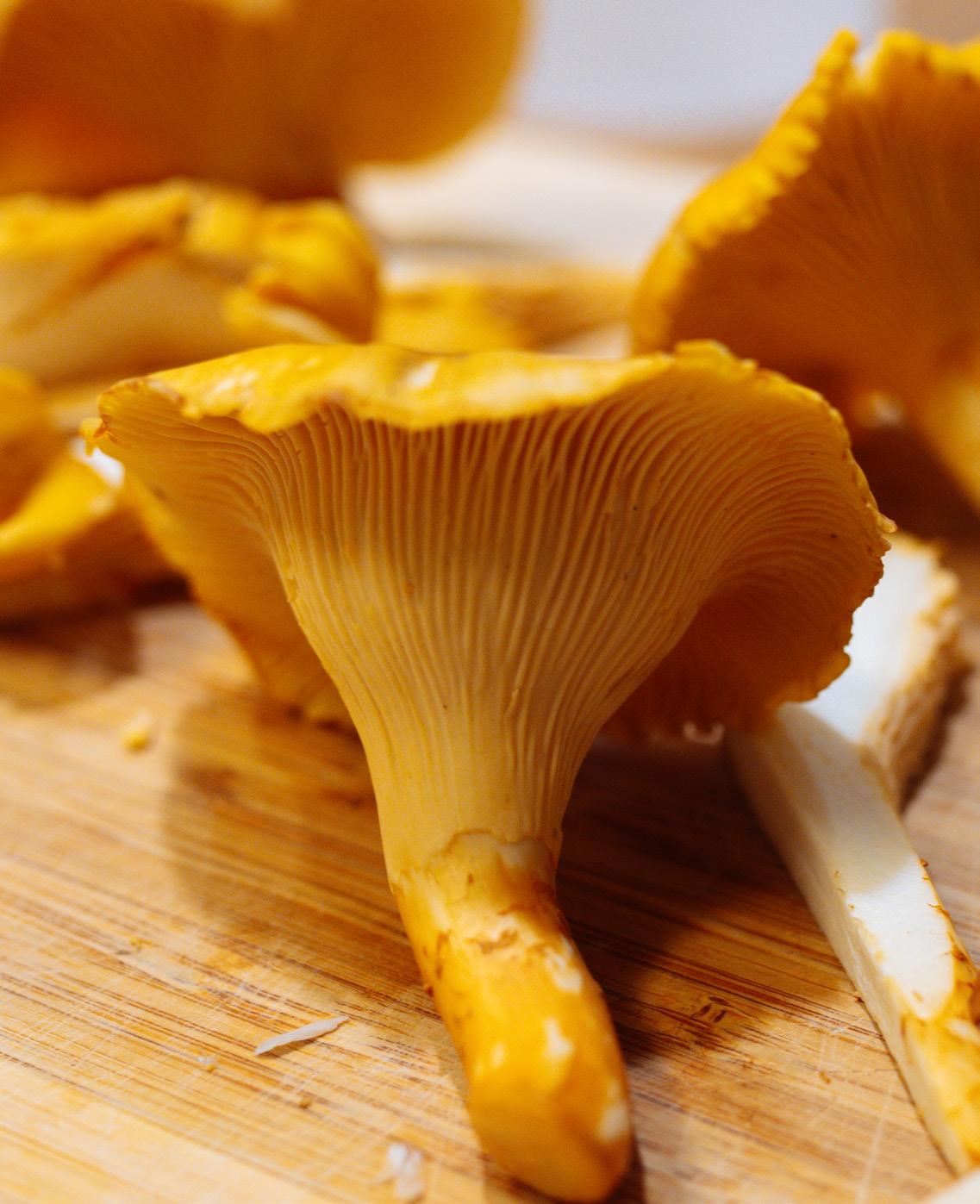
CHECK OUT OGC’S MUSHROOM TOOLKIT TO LEARN ABOUT ALL THE CULTIVATED AND WILDCRAFTED MUSHROOMS AVAILABLE THROUGHOUT THE YEAR.
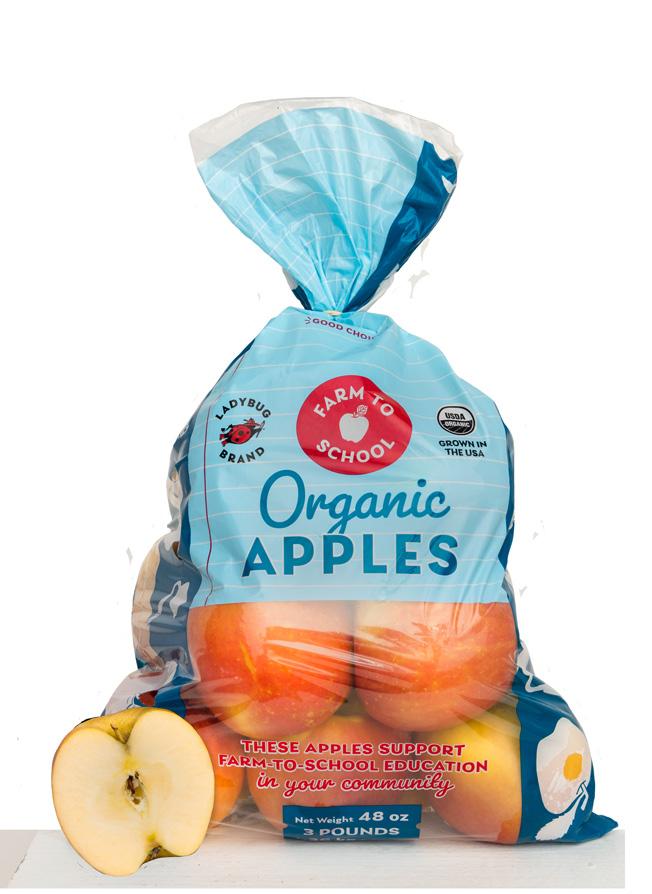

SOMETIMES, SOMETHING AS SIMPLE AS A BAG OF NORTHWEST GROWN, ORGANIC APPLES CAN SPARK LASTING CHANGE.
PCC Community Markets (PCC), one of OGC’s longtime retail partners, has been a steadfast supporter of our Ladybug Brand® Farm to School Apple program, selling three-pound bags of organic Fuji apples every fall and donating the net proceeds to nonprofits and schools teaching kids about food, farming and the environment.
Earlier this year, PCC directed a portion of those funds to support “Recipes for Success,” a new pilot program by Seattle nonprofit Solid Ground. For 12 weeks, a dozen students from the Interagency School met weekly at PCC’s Columbia City Cooking Classroom for hands-on cooking and nutrition education. Guided by Solid Ground’s food educators, they chopped, cooked, measured and experimented, mastering kitchen fundamentals, food safety and time management. At the end of each session, they shared a meal together, a powerful combination of learning, community building and nourishment. Six students even earned high school credits for their participation.
“After a successful pilot, we are already a few weeks into another 12-week series this fall at our Columbia City store,” said Rachel Tefft, RD, senior manager, community food systems at PCC. “Solid Ground and PCC are excited to grow, scale and share this model to reach more young people and more school districts in the years ahead.”
This project is especially timely because Solid Ground’s Community Nutrition Education work had been funded through SNAP-Ed, which has been dramatically cut. This partnership, and funds from Ladybug Brand Farm to School Apple sales, are helping them continue this work. It by no means replaces the federal funding, but it is something.
From one small bag of Farm to School Apples comes something powerful: skills, confidence, nourishment and friendship that ripple through communities. Thanks, PCC!
Want a closer look at this special, educational experience?
Read PCC’s story about the student cooking program, and don’t miss Solid Ground’s video

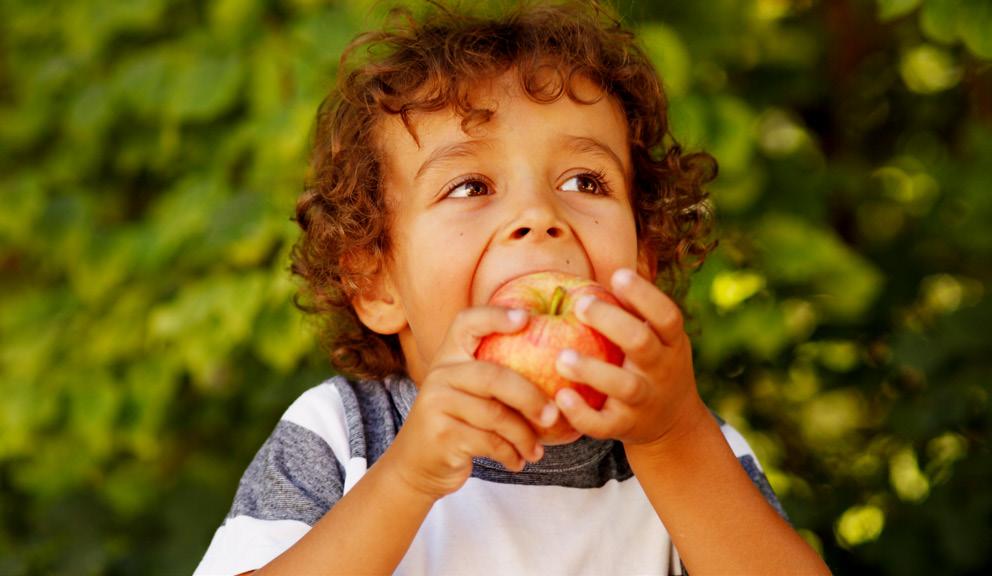


At OGC, every improvement in our warehouse starts with one simple question: How will this help our customers?
That focus is driving a pilot program in our Small Pack (SP) operation—where larger produce cases are repacked into smaller, more flexible sizes for customers who need just the right amount. By rethinking how and where these items are handled, the warehouse team has improved accuracy, reduced waste and made the job easier on our coworkers.
“Small Pack is a critical program,” says Chris Nelson, OGC’s director of warehouse operations. “It helps customers get the quantities they need without compromising freshness, accuracy or timeliness.”
Led by Thomas “TK” Kitzmiller, the pilot is streamlining how SP products are picked, packed and labeled. By consolidating the work area, simplifying the picking path and replacing long back-and-forth routes with logical one-way flows, the team trimmed steps and is keeping movement efficient. Shifting from heavy rider jacks to simple carts and phasing out unnecessary stickers also helped cut labor time nearly in half, while boosting order accuracy to more than 96.5 percent.
“It’s easier on people and it’s more accurate,” Chris says. “And when orders show up right, every time, that’s a win for our customers.”
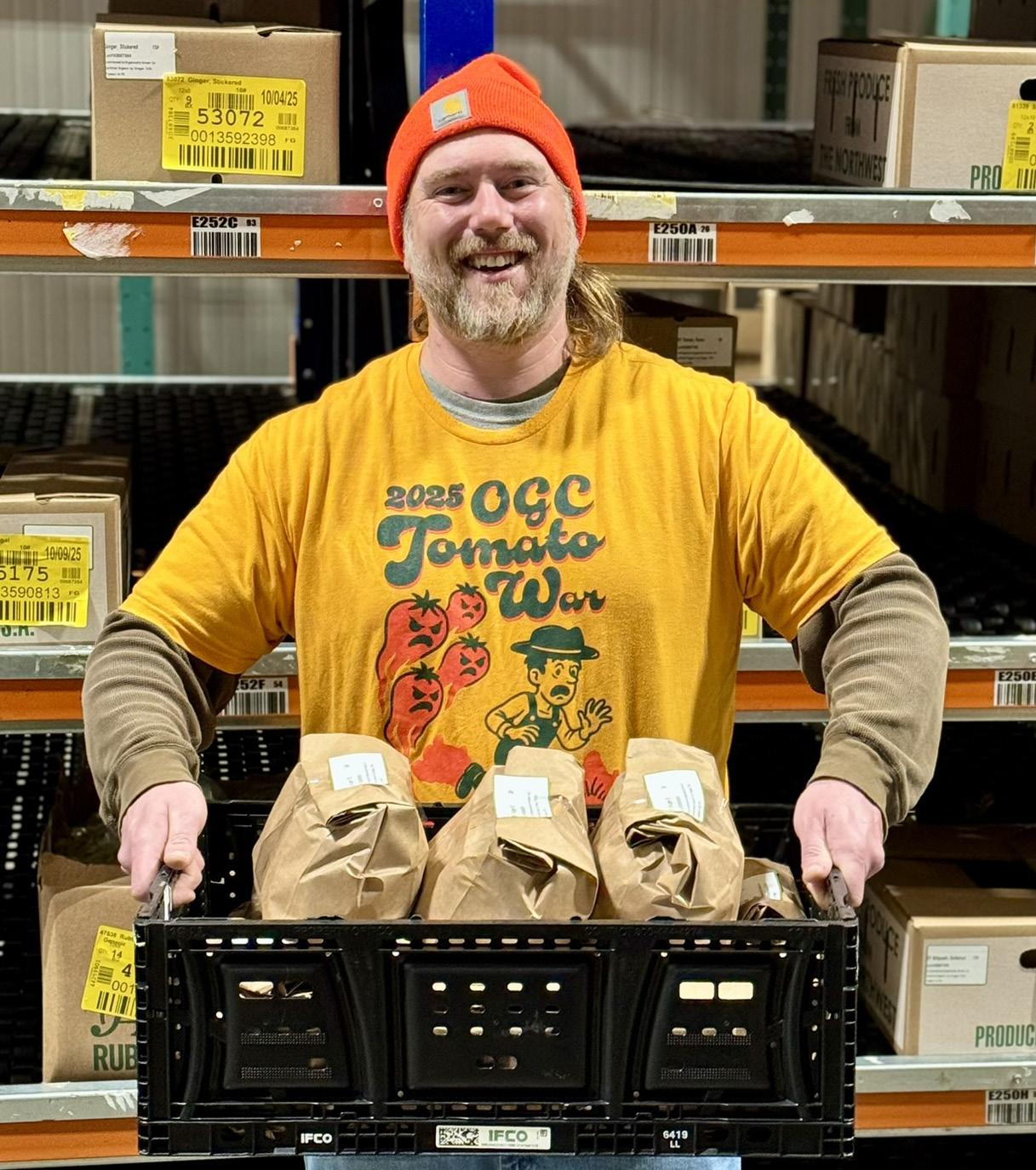
The changes also trimmed materials use, saving the equivalent of five miles of sticker backing, and reduced equipment energy use. Next up: exploring lighter-weight boxes and even researching reusable totes made from recycled plastic, which could shrink our footprint even further and reinforce our commitment to sustainable packaging.
For customers, these updates mean fresher produce, fewer order errors and more reliable delivery windows. For coworkers, it’s a smoother, smarter system built around continuous improvement— proof that small changes can grow big results.
This project is one of many driven by OGC’s lean improvement mindset, a culture of testing, learning and refining in real time. By encouraging teams to start small and build on what works, the warehouse continues to find ways to have less waste and deliver better service, one process at a time.
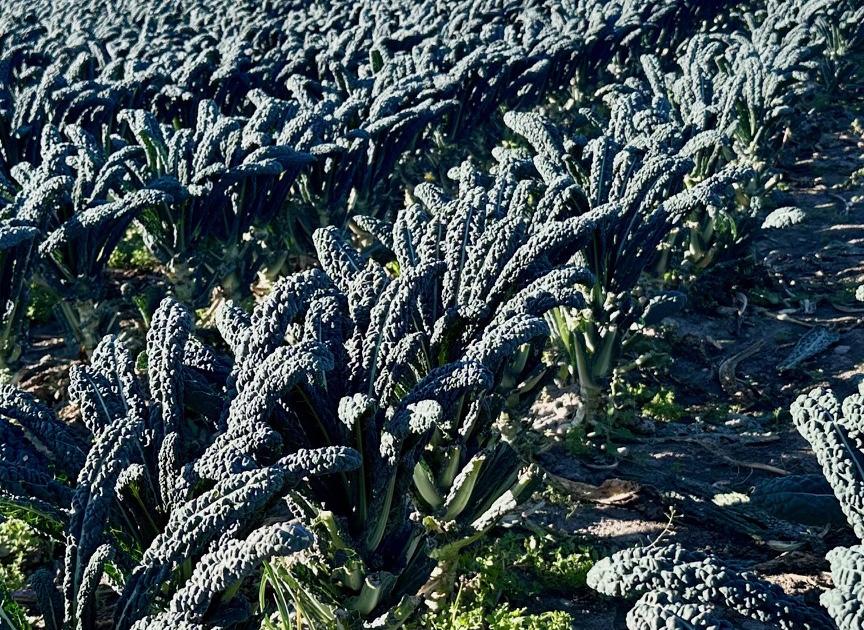
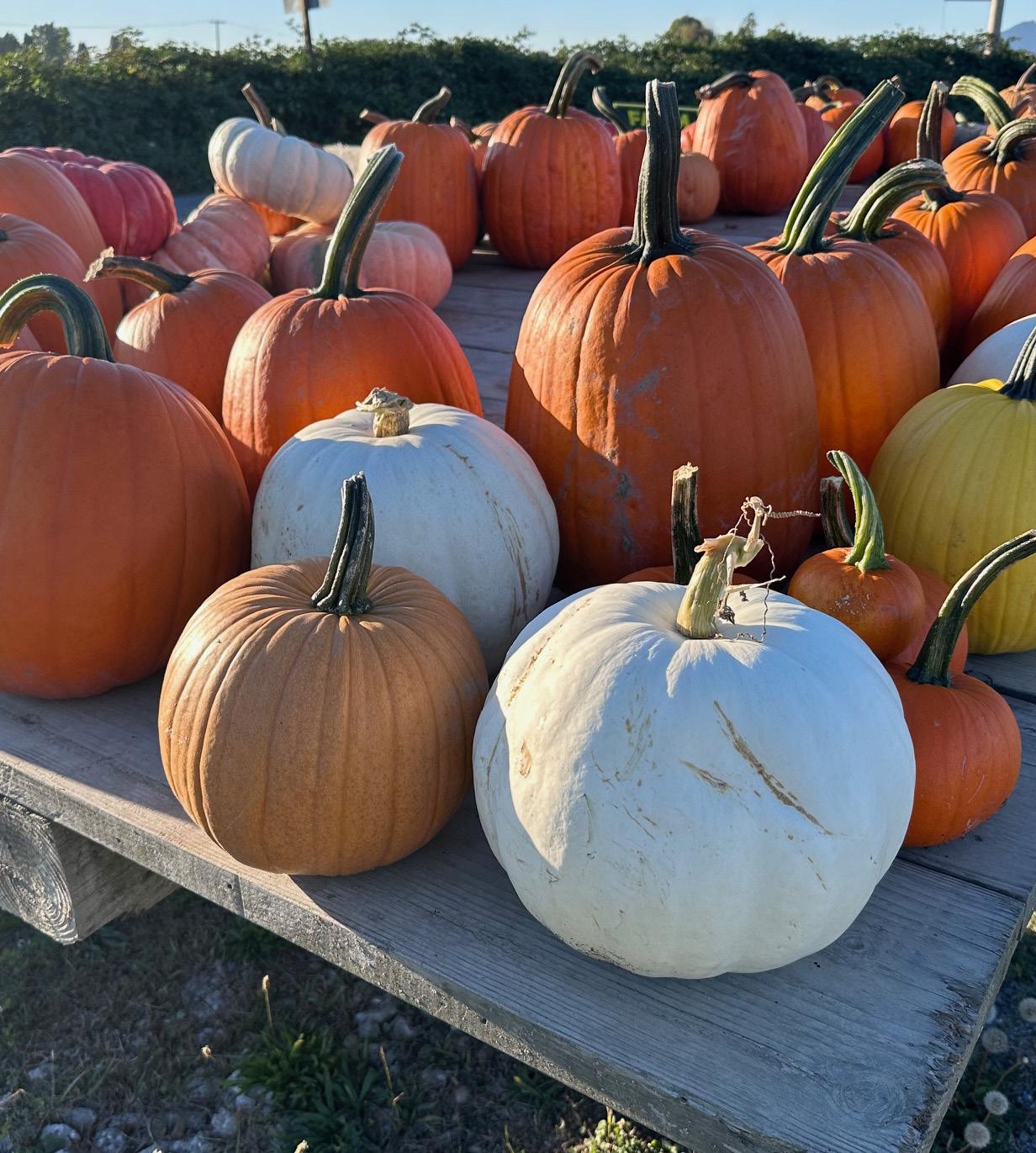
There’s no better way to get a feel for harvest season than to head straight to the source. That’s why in late September, OGC coworkers and friends headed to Washington’s Skagit Valley for a day of farm tours.
Our first stop was Ralph’s Greenhouse, where “Leek King” Ray de Vries told the crowd about the history of his farm, how they settled on their current mix of veggie crops and the importance of all the people who make it happen.
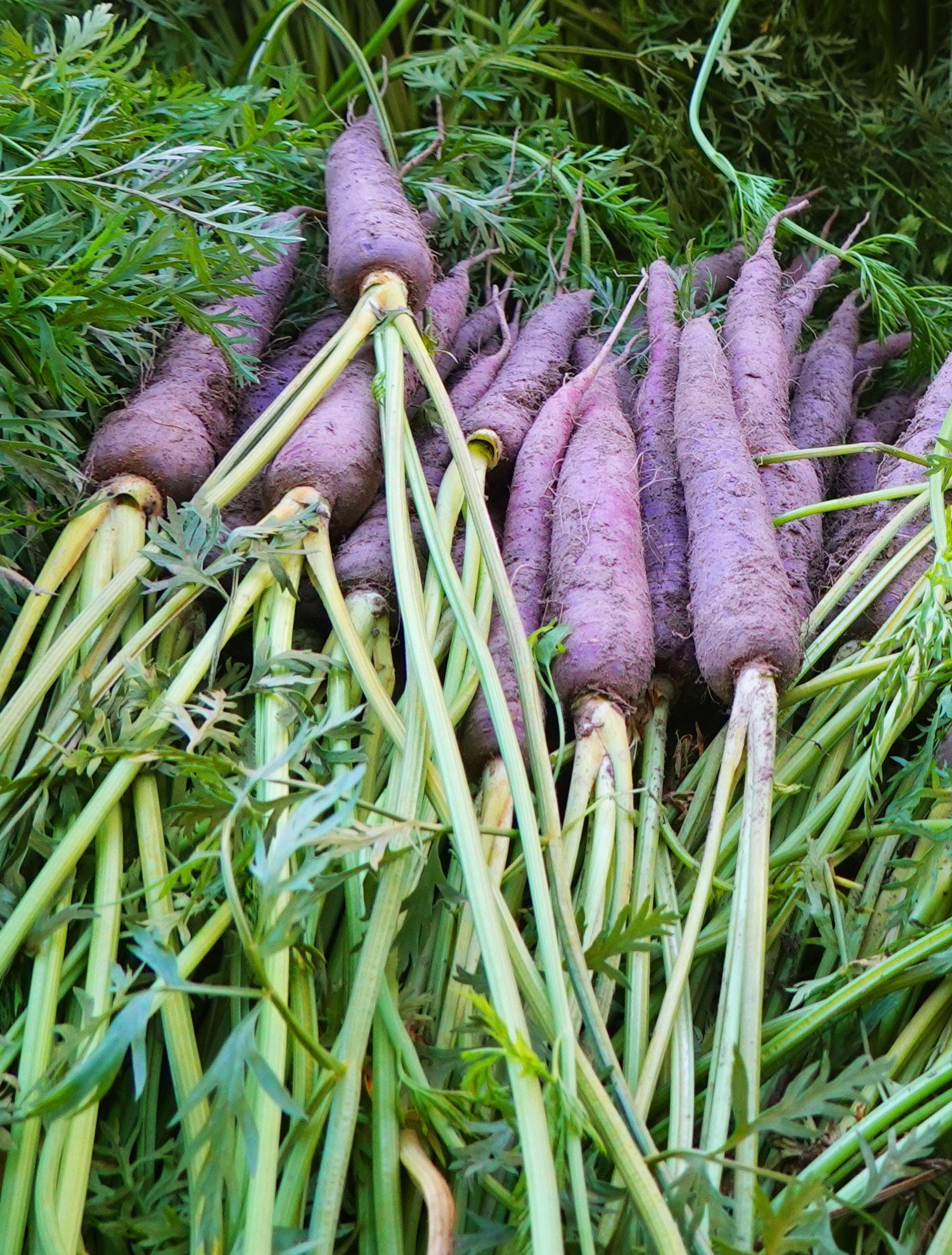
Ray and his family came to the U.S. from the Netherlands in the 1950s, and his father, Ralph, ran a dairy farm in the Skagit Valley until 1980. As a retirement project, he started Ralph’s Greenhouse and grew leeks and Dutch potato varieties organically—because they didn’t use chemicals in the old country. The project got to be too much for him to manage on his own, and in 1988, he asked Ray to come back to the farm to join him. Ray’s been there ever since. Ralph’s Greenhouse is famous for leeks, of course, but also grows incredible carrots, beets and much more on over 250 acres.
There’s one thing Ray isn’t growing this season: “I’ll leave the kale to someone else,” he said.
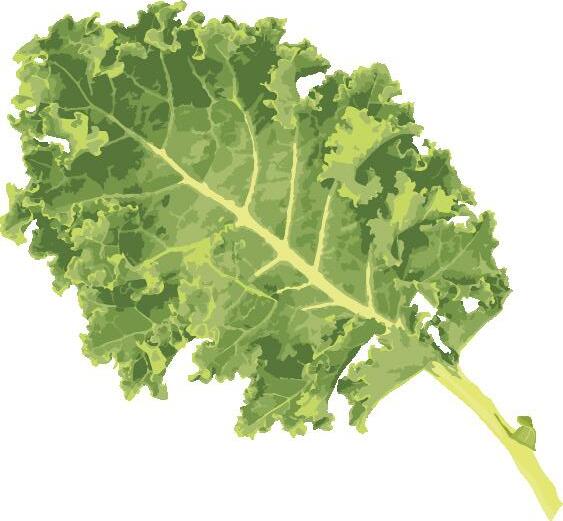
When we arrived at Boldly Grown Farm 20 minutes up the road, it became clear who he was talking about: the first fields we saw were a rainbow of colorful kales. Amy Frye and Jacob Slosberg started Boldly Grown Farm at the nearby Viva Farms incubator in 2015 and grew diversified vegetables on leased land until buying their property in 2021. Ray has been a mentor and resource to them since they moved to the area. In addition to beautiful kale, Amy and Jacob grow a bunch of varieties of radicchio, winter squash, celeriac, onions, shallots, tomatoes, peppers and much more on about 55 acres, leasing land on a few neighboring properties.

On both farms, we heard about the impact of the local ecosystem on how the produce is grown. The rivers in the area mean the land can flood frequently, which requires careful planning and management. Amy and Jacob talked about the wildlife they see every day, including a recent bird survey documenting 38 different bird species and the Salmon Safe certification they pursued because of the fish that spawn in the Samish River next to their property. Ray told us about how much warmer winters are now, and how leek harvest (and revenue) can last into January when it used to end in October.
It’s always a great day when we visit growers, see crops in the field and chat with passionate produce people.


September is celebrated as Organic Harvest Month, a time to honor the people and principles that have grown the organic movement from the ground up. This year, the month truly lived up to its name for OGC. In one incredible stretch, three major honors shone a spotlight on OGC’s founders, the company’s enduring leadership and our commitment to sustainability.
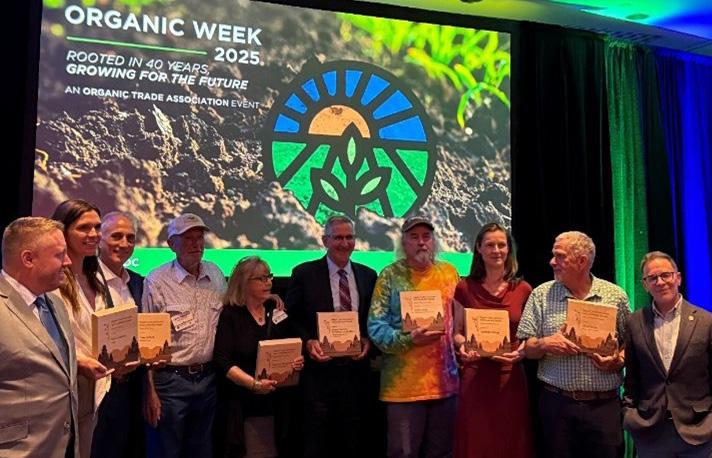
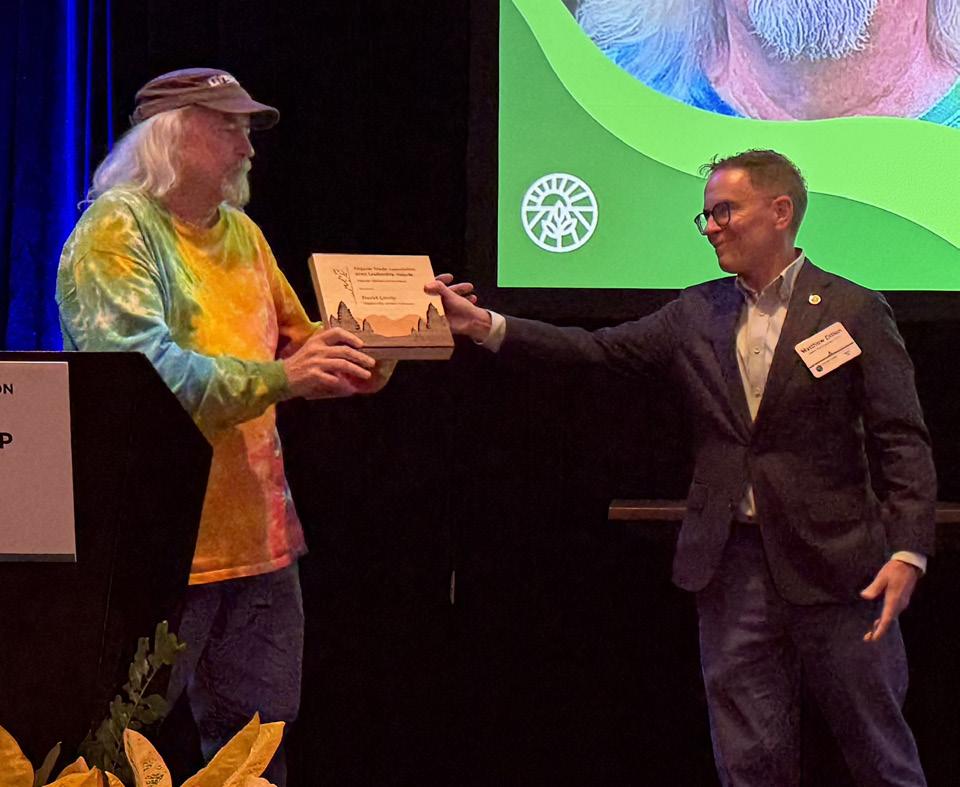
When the Organic Trade Association presented its Lifetime Achievement Award to OGC co-founder David Lively, the Queen anthem “We Will Rock You” rang out, a fitting tribute to an organic rock star, rebel, nurturer and lifelong advocate who has spent nearly five decades advancing organic.
David’s organic journey began on a small Oregon farm in the 1970s, when organic agriculture was still considered radical. He went on to co-found OGC in 1978, helping it grow into the nation’s largest independent organic produce distributor. His influence extends far beyond the company through initiatives like the Oregon Organic Coalition, Organic Produce Wholesalers Coalition and Organicology.
Accepting the award, David reflected on the mix of rebellion and nurturing that has guided his work:
“The desire to drive deep change in the food system must never end,”
he said, urging the next generation to protect the organic spirit of collaboration and care.
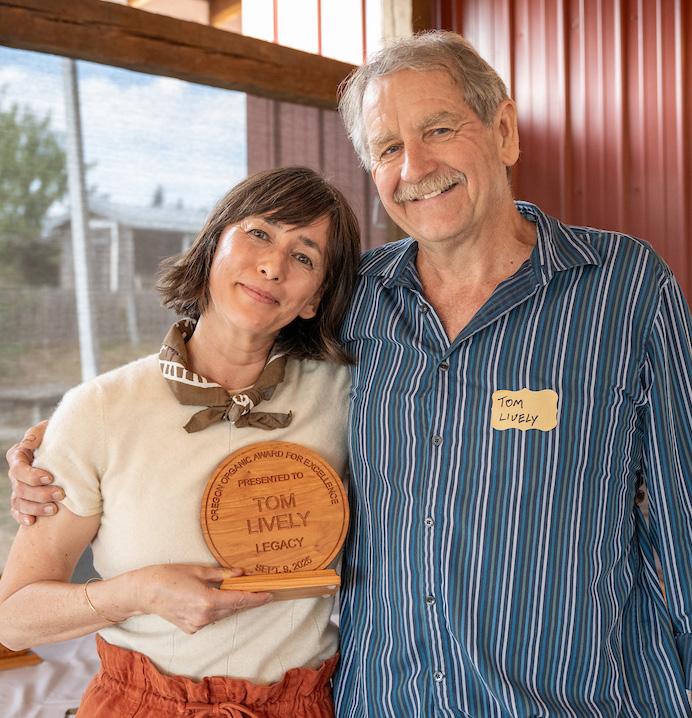
OGC co-founder Tom Lively received the Legacy Award from the Oregon Organic Coalition, honoring individuals whose lifelong contributions have shaped Oregon’s organic sector.
Tom’s career mirrors the movement itself, from his early farming days in Eugene, Oregon, to championing organic produce distribution as both viable and values driven. He’s known for his deep commitment to his fellow farmers and fairness, and for his trademark humility in letting his work speak for itself.
Tom closed his acceptance speech with a shout-out to the Sugar Snap pea, a crop that was new and very popular as he began farming in the late 70s—if only farming could always be that easy.

Capping off the month, OGC received The Shelby Report’s Sustainability in the Food Industry Award, recognizing companies driving meaningful environmental and social impact across the food system.
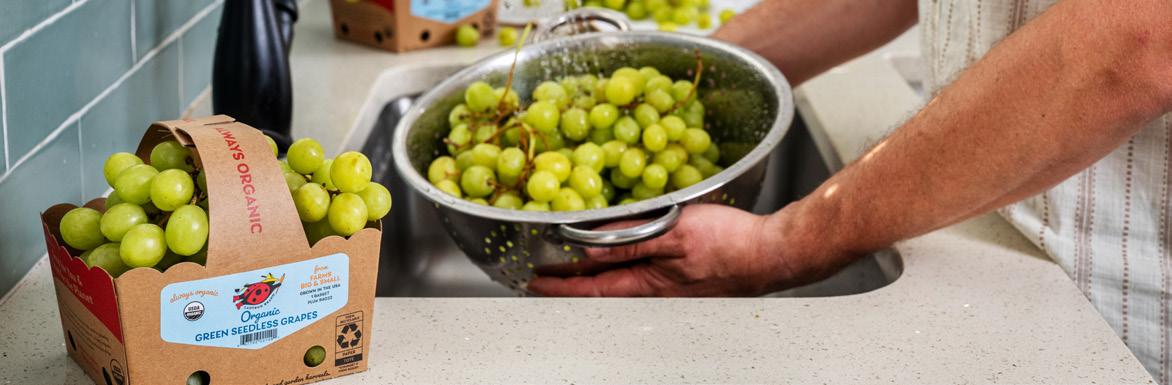
For OGC, sustainability isn’t an initiative; it’s our foundation. Our Portland facility runs on 99% renewable power, achieves a 93% waste diversion rate (97% with pallet recovery) and maintains one of the industry’s longest-running food recovery programs. Our eco-packaging innovations—from plastic-free beechwood net produce bags to recyclable kraft paper bags for potatoes and grapes—are reducing plastic in the produce and on the planet.
Through our trust ownership model, philanthropic giving program and policy advocacy, OGC continues to show that doing business differently can create lasting good.
Together, these honors celebrate the roots and reach of OGC’s mission, one built by visionaries, sustained by stewardship and growing stronger every season.

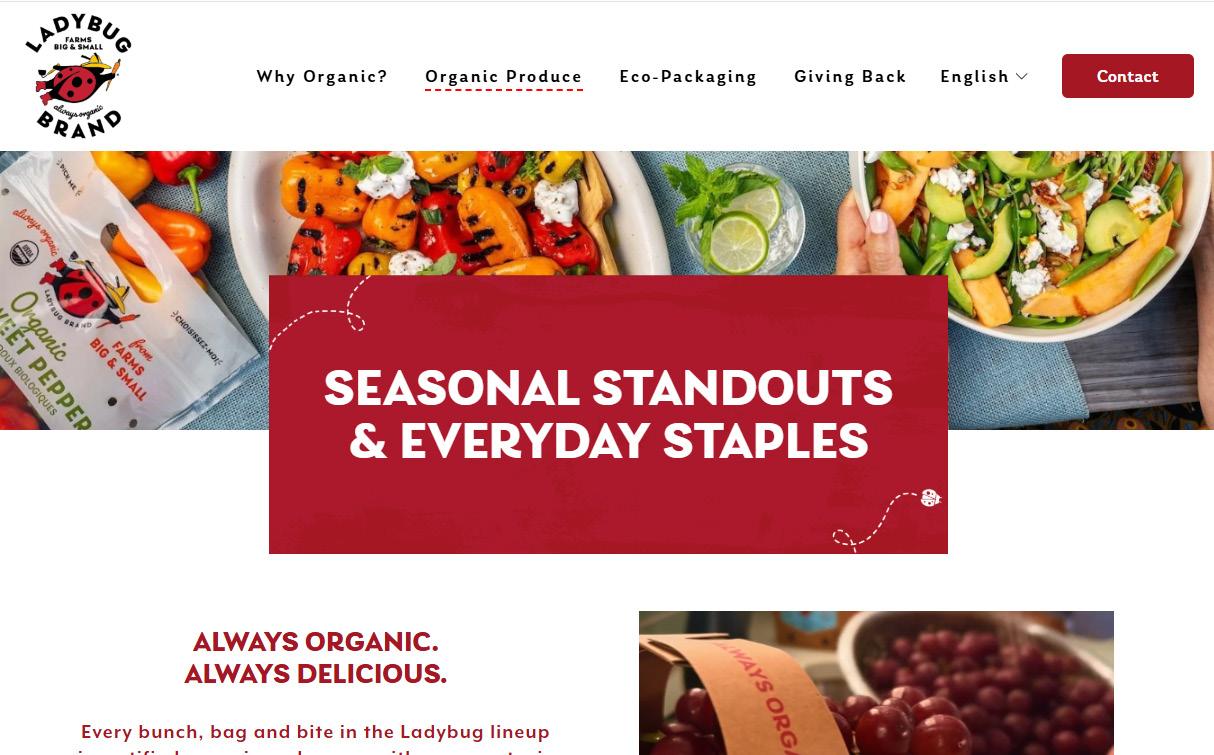

FULL LADYBUG BRAND LINEUP
Ladybug Brand®, OGC’s line of certified organic produce, got a digital refresh this fall. The new site is now a colorful, engaging and information-filled platform that brings the brand’s personality and purpose to life.
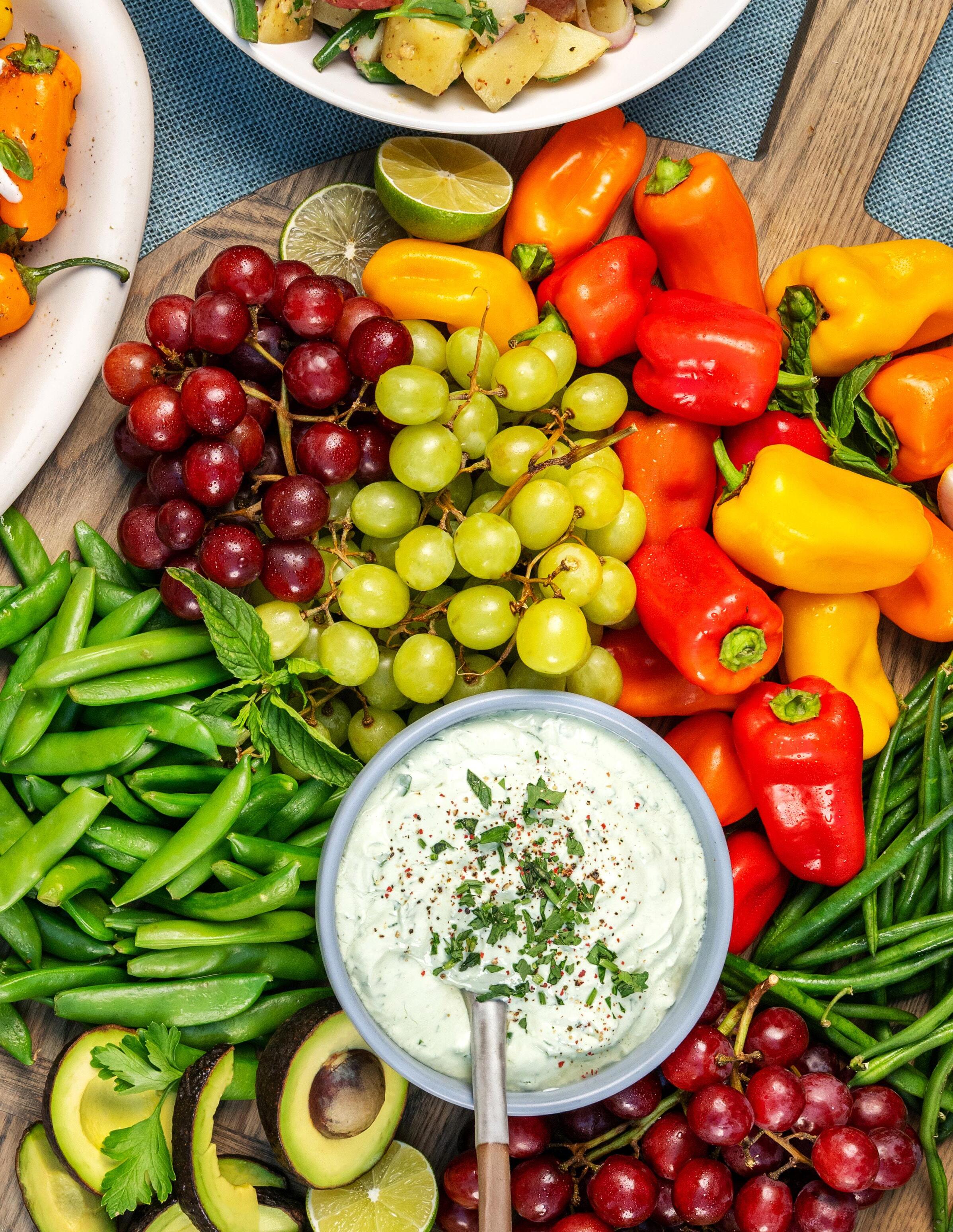
Shoppers can discover the full Ladybug Brand lineup of fruits and veggies, pick up tips on storage and use and find information about the benefits of organic farming practices.
“We wanted to create an inspiring space where eaters and retailers can discover Ladybug and the values behind it,” shared Krista Kinder, OGC’s VP of brand marketing and communications.
The website launch also spotlights the evolution of the line, including produce packed in plastic-free and paper-based packaging. Earlier this year, Ladybug Brand introduced net bags made from sustainably sourced beechwood fibers, an innovative, cellulose-based alternative to plastic mesh that’s breaks down naturally and is free of microplastics.
And as always, Ladybug Brand gives back: 2.5% of net profits to nonprofits that advance organic farming, food access and community well-being.
Ladybug’s new digital home reflects OGC’s ongoing mission to grow the organic movement, from farm to shelf to screen.








In this update, we’re including the annual reports from the Sustainable Food and Agriculture Perpetual Purpose Trust (SFAPPT) committees. When the SFAPPT Gathering happens in 2026, Trust reporting will return to that event. In the meantime, read on to learn what the Trust Protector Committee and Trust Enforcers have been doing this year.
2025 has been a year characterized by reflection on how we can continue to streamline and memorialize processes while maintaining institutional knowledge as current member terms expire. Specifically, here are some of the Trust Protector Committee (TPC)’s key initiatives so far this year:
• Advanced the Perpetual Purpose Trust movement through support of the Purpose Trust Ownership Network.
• Continued refining our Board of Governors (BOG) evaluation process to make it more interactive and constructive.
• Worked with Trust Enforcers, BOG chairs and OGC’s CEO for better communication between governance entities.
• Began planning for the succession of the Chair role and ensuring continued understanding of OGC and the SFAPPT on the TPC.
• Started documenting policies and best practices for sustainability through changing membership.
We are gratified by OGC’s continued excellence in operational performance and its diligent pursuit of purpose. We also believe that the BOG is functioning at a very high level, and that the current mix of experience and skills on the BOG is providing real support to the Mission Team.
The Trust Enforcer (TE) governance body is appointed by the OGC Board of Governors (BOG) and is vested with the right to take legal action as needed to uphold the terms of the trust agreement. Our members serve three-year staggered terms, and we currently have three acting members: Mike Neubeck (chair), Kate Danaher and Andy Westlund.
The TE’s fundamental responsibilities include:
• Reviewing the actions of the trust governance bodies.
• Monitoring the administration of trust assets.
• Responding to stakeholder grievances.
• Qualifying voting stakeholders.
• Overseeing the TPC’s election.
Additional areas of focus and achievement over the past year included:
• Our chair met regularly with the other governance chairs and OGC leadership to align governance processes and identify areas of action or improvement.
• All TE governance members attended the Organicology conference to connect with OGC stakeholders and collectively meet with OGC leadership and the other governance bodies.
• Our goals for this fall and the coming year are to oversee another successful TPC election cycle, continue to actively monitor trust activities and collaborate with the company and the other governance bodies to advance our trust purpose.
Mike Neubeck, on behalf of the Trust Enforcers



Vote by November 7 to shape the future leadership of the SFAPPT. Learn more about the candidates here.






Organically Grown Company appreciates the leadership, experience and guidance provided by our dedicated Board of Governors and the SFAPPT Trust Protector Committee and Trust Enforcers.
Cathy Calfo | Santa Cruz, CA
Brenna Davis | Portland, OR
Bianca Kaprielian | Oakland, CA
Edmund LaMacchia | Soquel, CA
Maia Larson | Eugene, OR
Humberto Maldonado | Portland, OR
Darren Nakata | Portland, OR
Brian Rohter | Hood River, OR
You can learn more about their experience and accomplishments at www.organicgrown.com/ourboard
ARE YOU AN OGC CUSTOMER, GROWER, INVESTOR, COMMUNITY ALLY OR COWORKER?
If you fall into one of these groups, you have the opportunity to influence how our business is run by becoming a Qualified Stakeholder. Learn more and submit an Expression of Interest
TRUST PROTECTOR COMMITTEE
David Lively | Eugene, OR
Natalie Reitman-White | Kimberley, BC
Joe Rogoff | Guerneville, CA
George Siemon | Viroqua, WI

TRUST ENFORCERS
Kate Danaher | Nevada City, CA
Mike Neubeck | Eugene, OR
Andy Westlund | Scio, OR
organicgrown.com