ASSEMBLING INSTRUCTIONS


Lightweight, recycled blocks for walls and water features

Are you a Landscaper, Builder, Architect or Garden Designer looking for a system that will benefit you and your client’s jobs?
What are Clipblox?
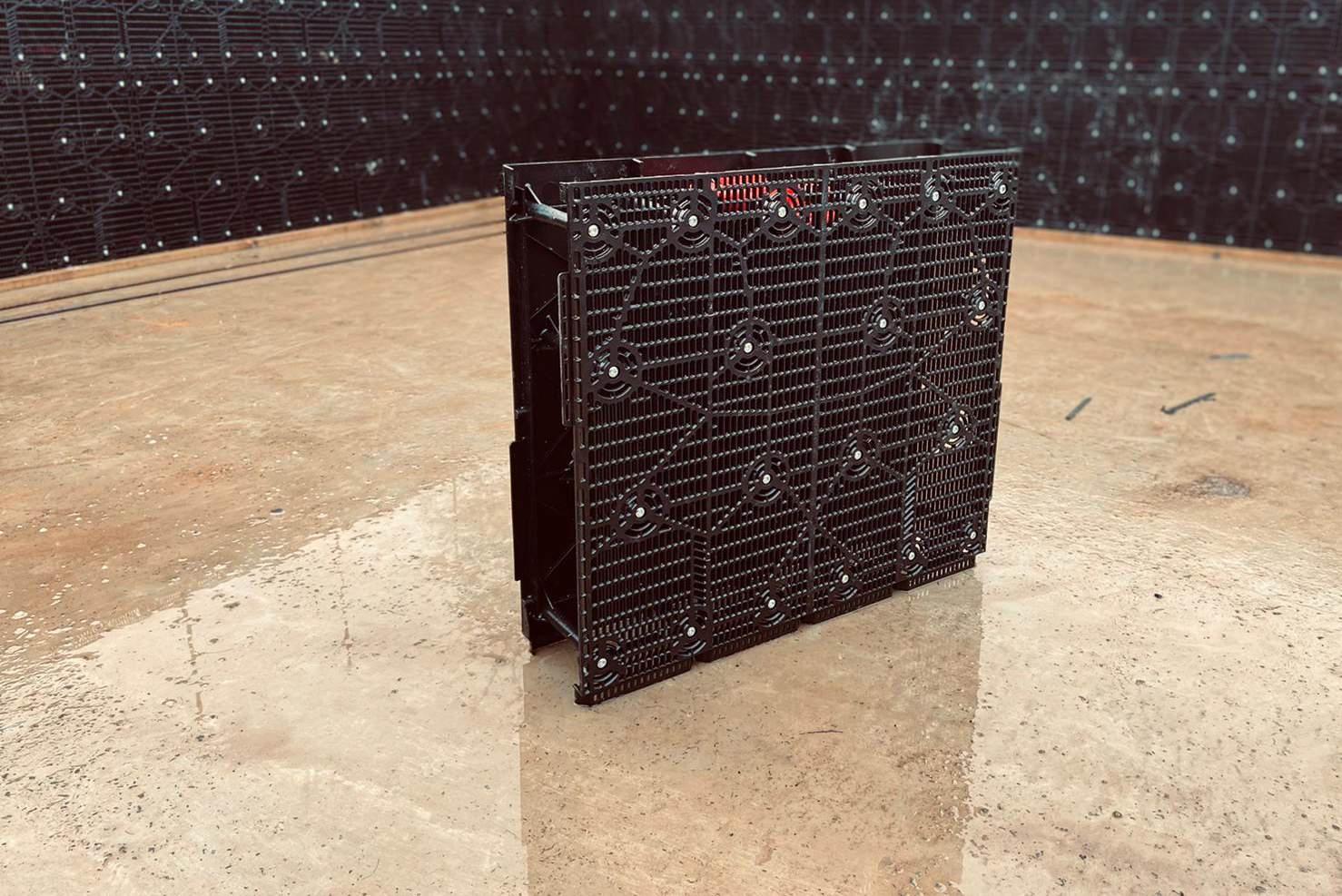
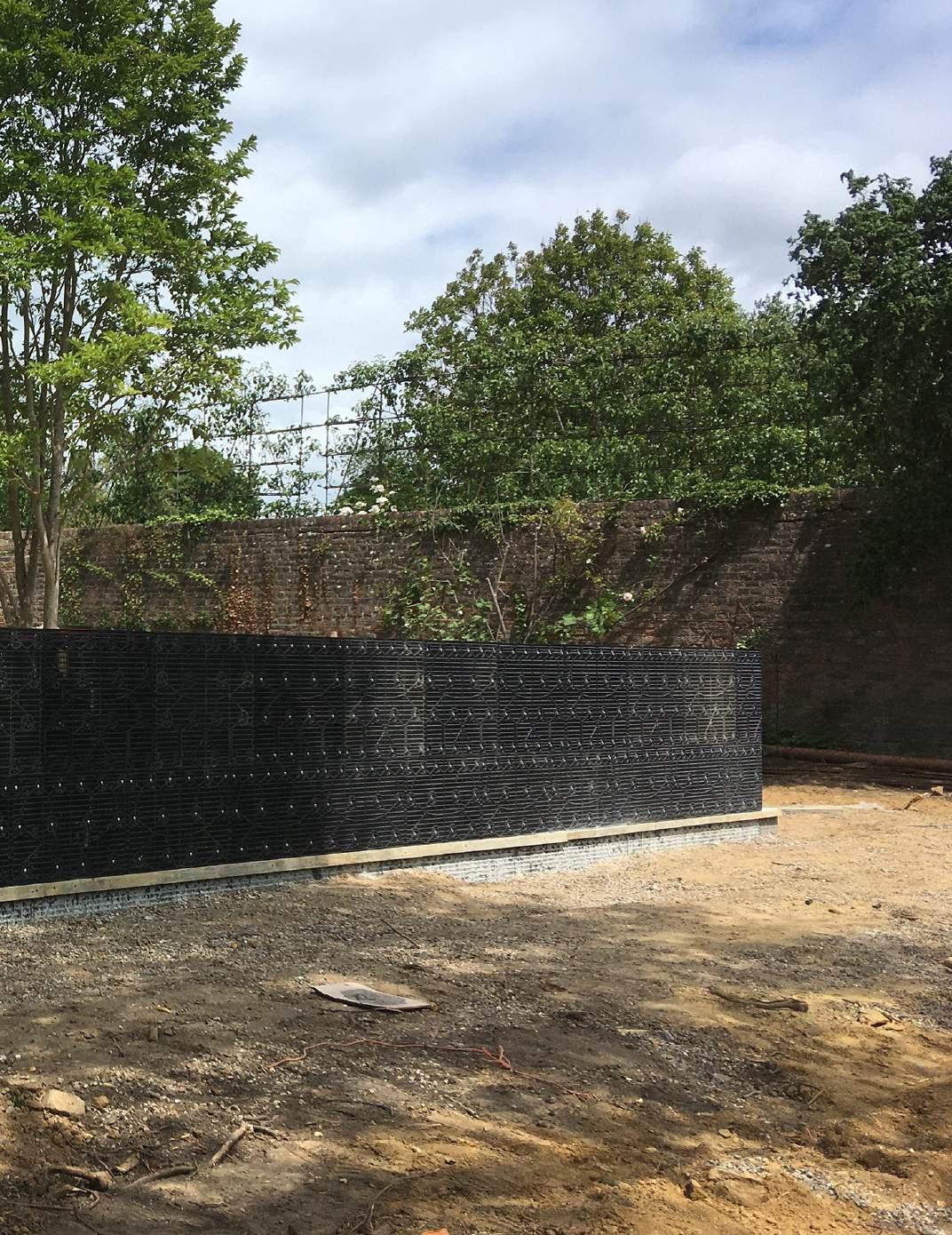
Clipblox offers you an innovative, lightweight, permanent shuttering and construction block system for walls and water features.
The UNIQUE system allows walls to be built quickly, without any specialist training making it ideal for anyone in a company to use.
Used across the world for the last 24 years the system is fast becoming the go to system for walls and water features replacing many traditional construction methods including Blockwork and Sleepers.
Available in both a straight Block or our unique Flex Block for free form walls and features.

Different blocks for different projects
We Supply 3 different types of blocks. All of which are built in exactly the same way.
Smooth blocks.
Used for retaining walls that won’t be seen and don’t need to be finished, or to be clad in timer or composite decking. For water features to receive a liner.
Perforated
blocks.
Used for retaining or feature walls that will be finished with cladding or render.
For water features to receive a tile finish.
Flex blocks.
The flex block creates seamless curves. Available in both Smooth and Perforated options.
Used for retaining or feature walls that will be finished with cladding or render.
For water features to receive a tile finish.
Assembling instructions

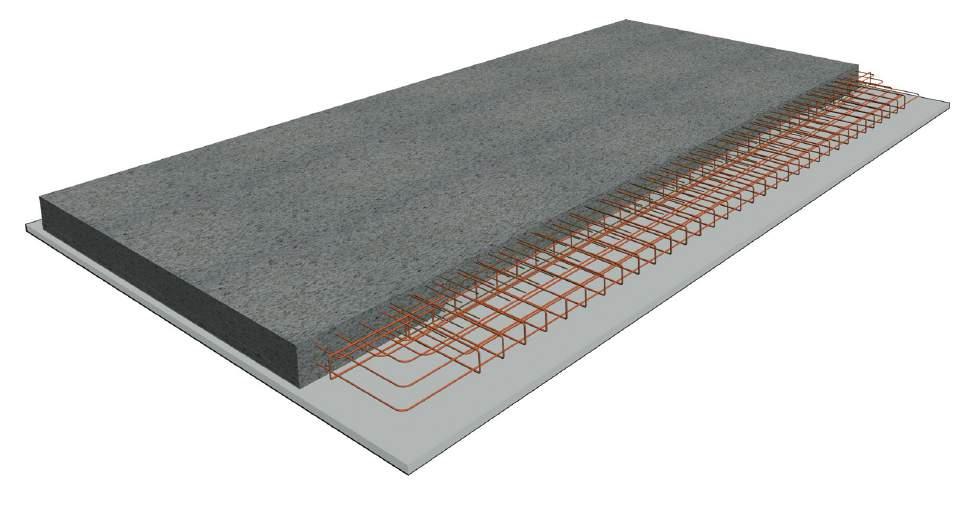
Install a concrete footing, strip footing or raft design depending on the Wall to be built.
2
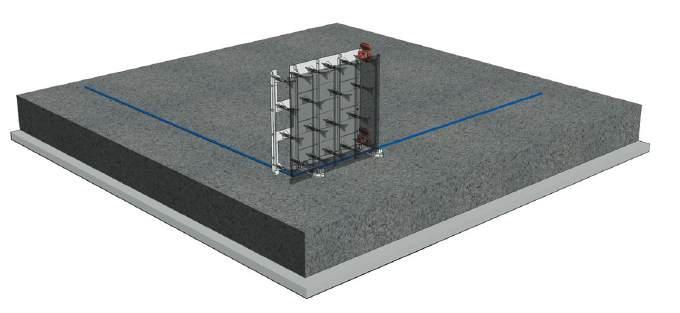
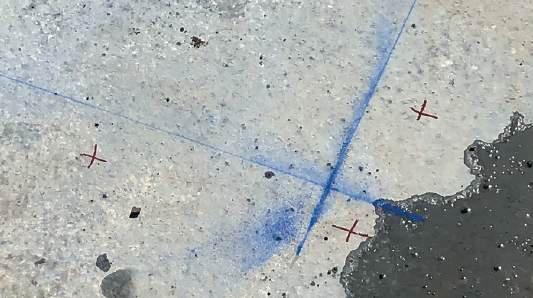
Mark out the line to your wall, starting in the corner
3
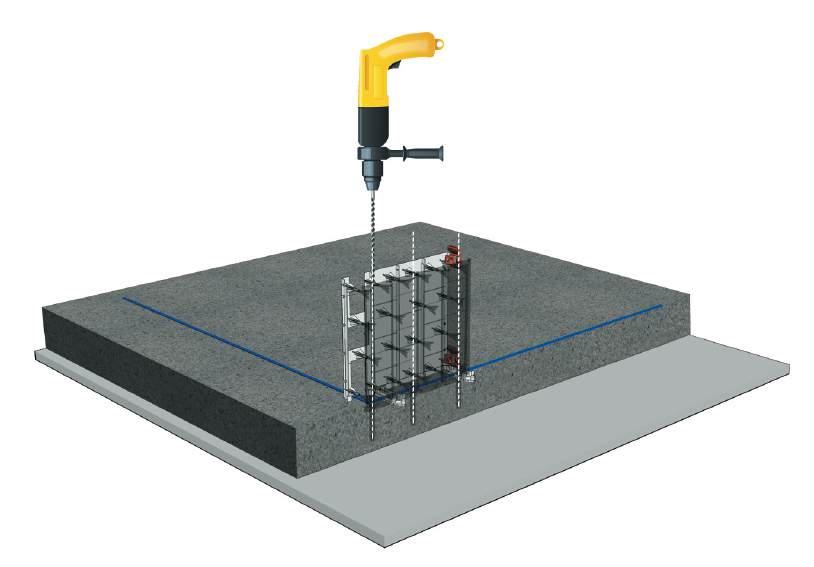
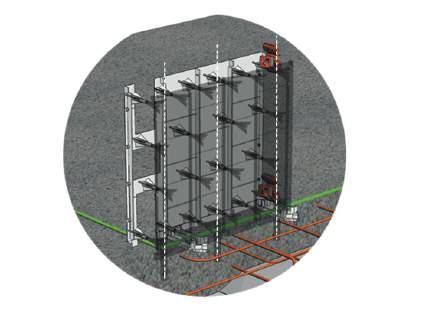
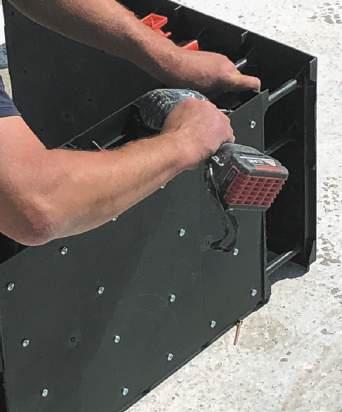
Drill holes at either end of the block and one in the middle
4
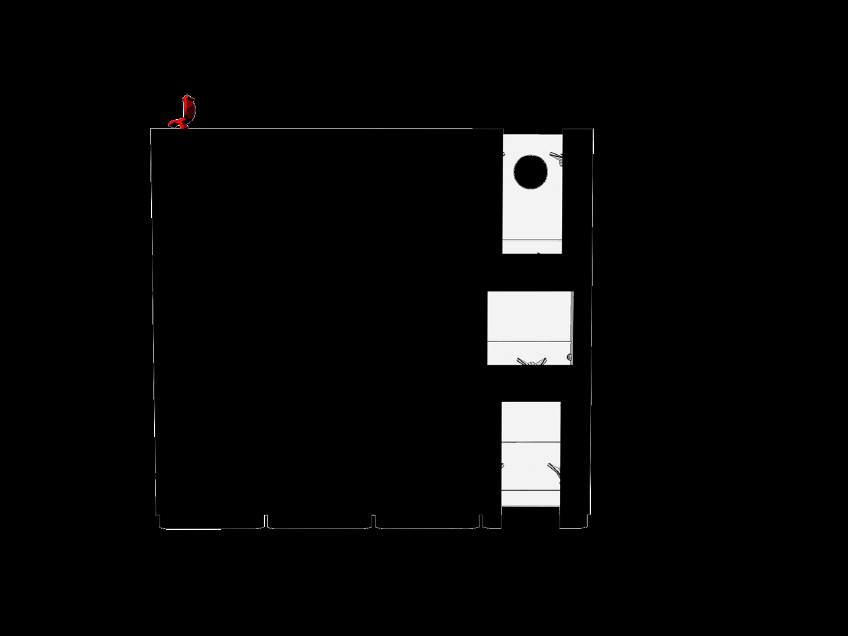
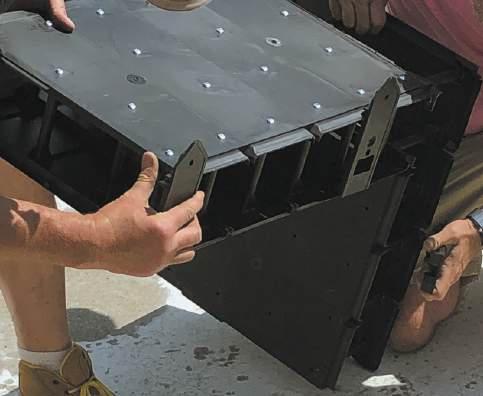
Cut out the end of the block for the corner so the concrete can flow freely
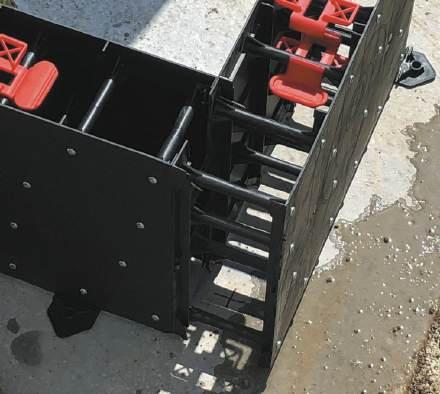
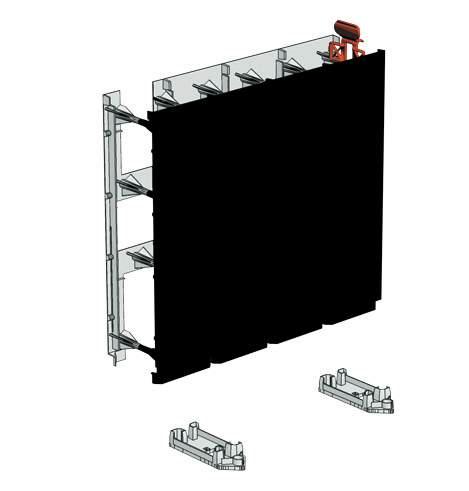
Screw the two corner blocks together
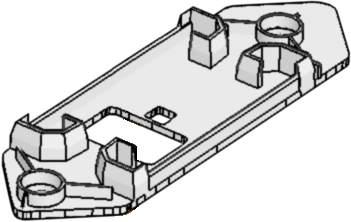
Attach the sole plates
5
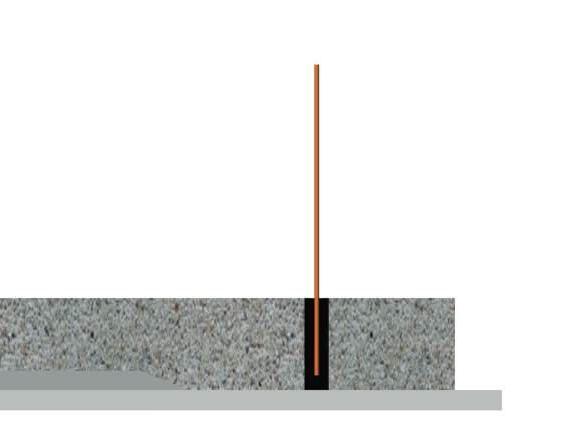
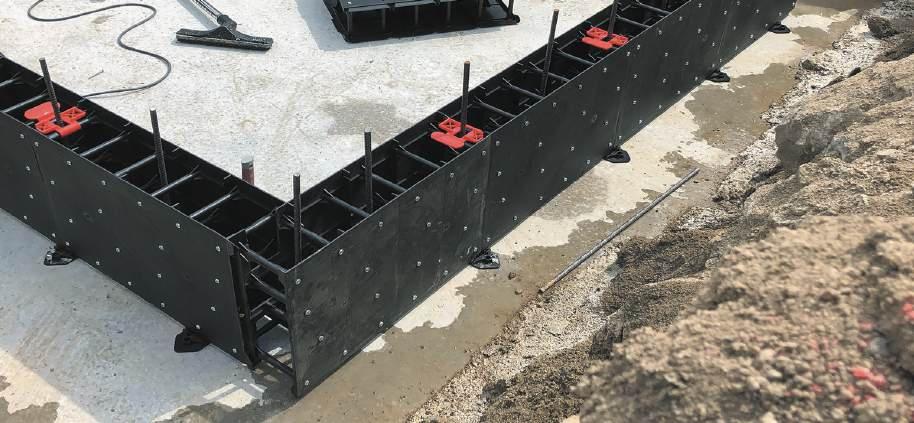
Resin Fix the starter bars into the footing
6
Use the Soles to attach the block to the footing
Fix these in place with concrete screws to keep the wall in a perfect line
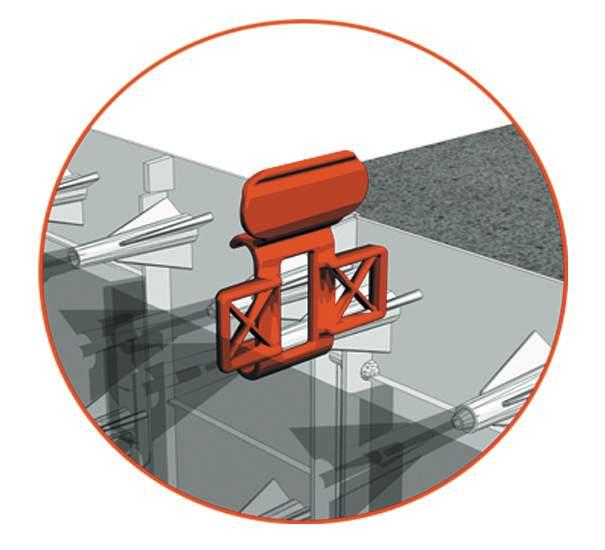
Simply Clip the blocks together as you work your way along the wall using the clips provided.
One clip at the top of the block and one at the bottom.
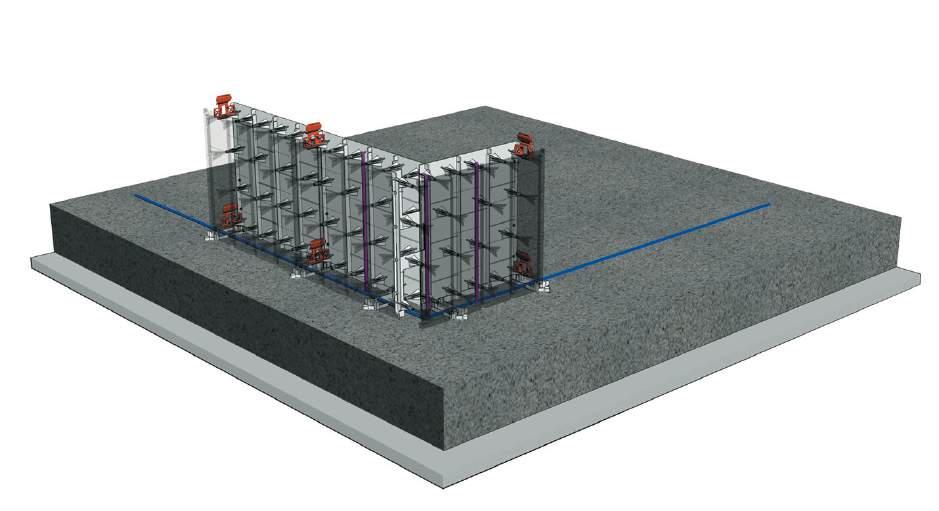
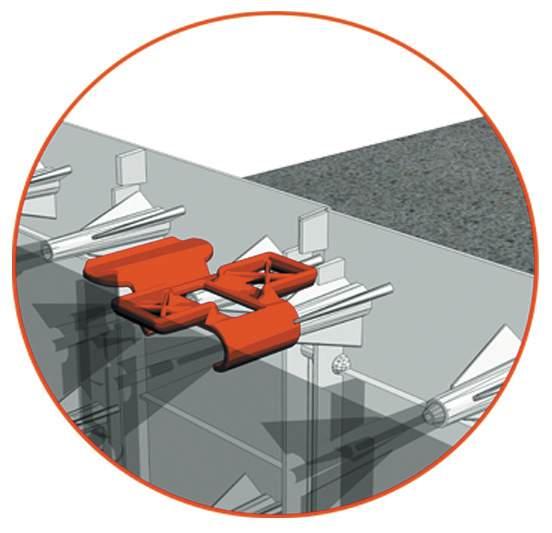
Repeat the drilling process as you work along the wall
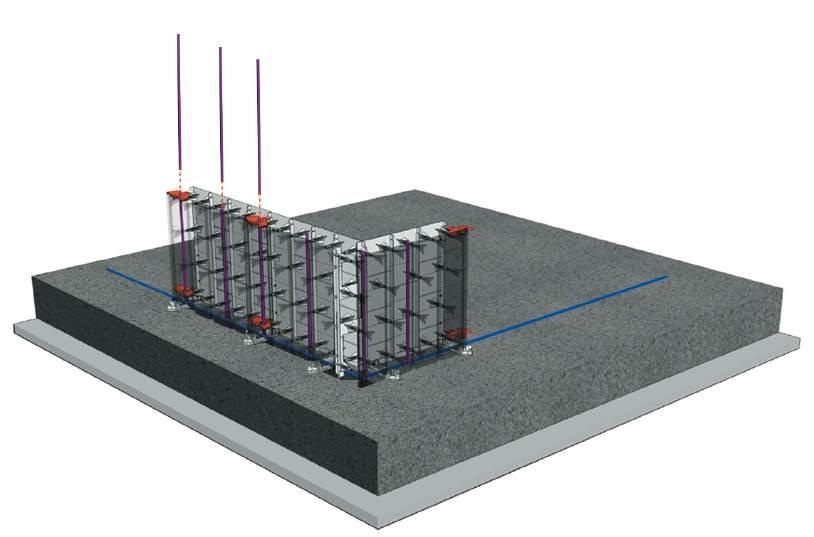
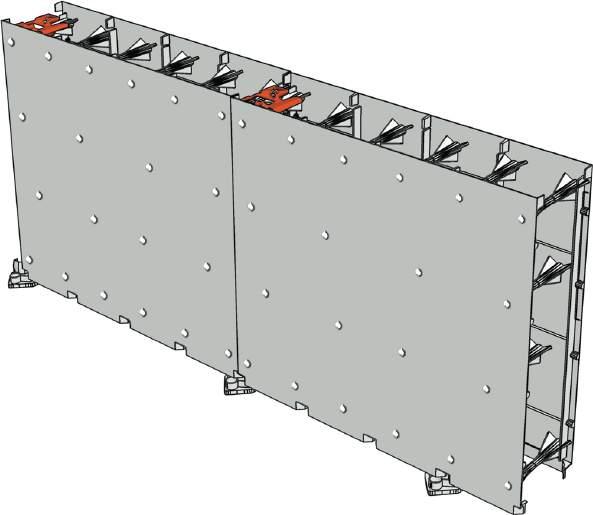
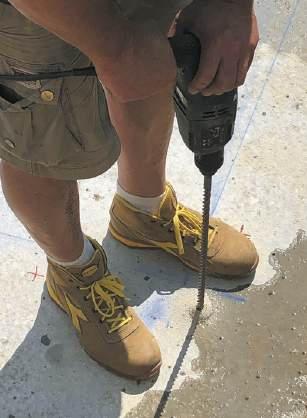
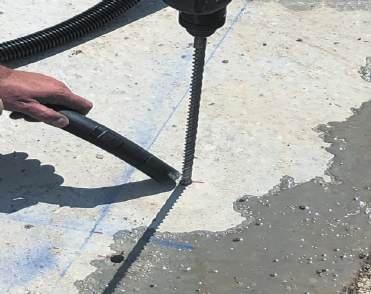
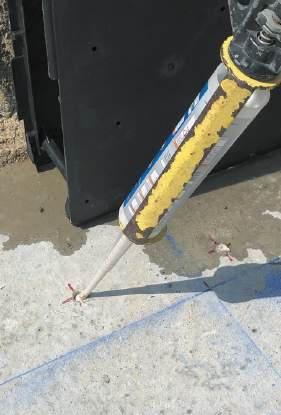
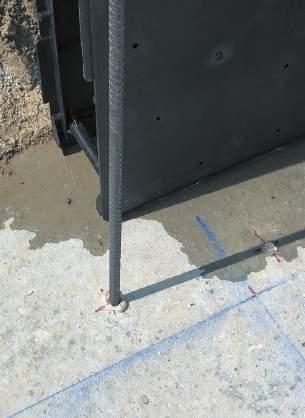
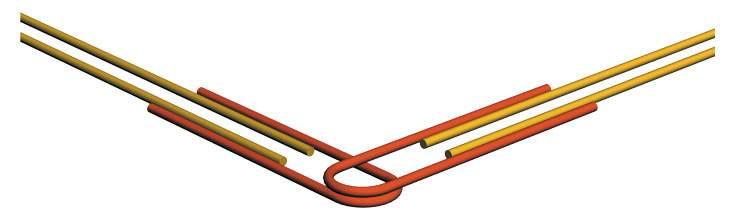
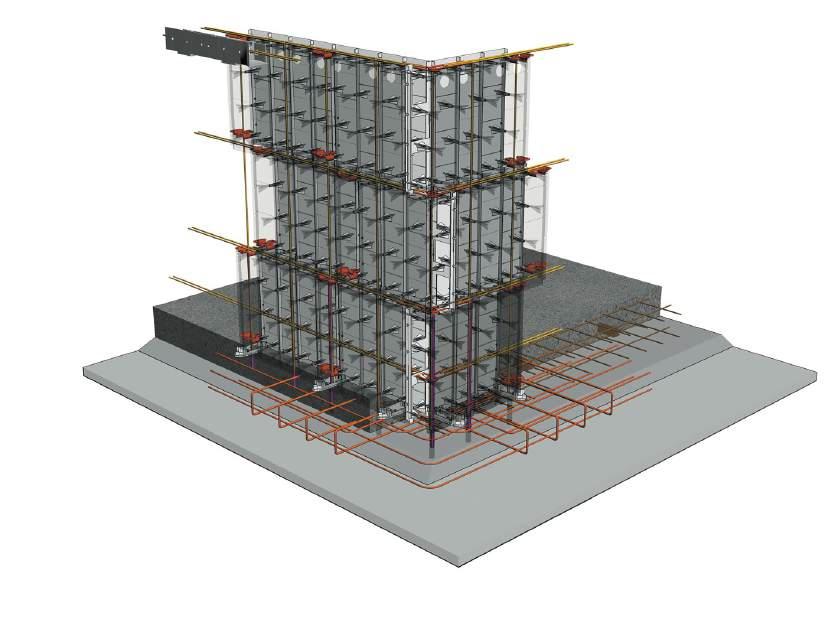
Two lengths of Rebar are then attached to the vertical bars, and one through the middle of the block
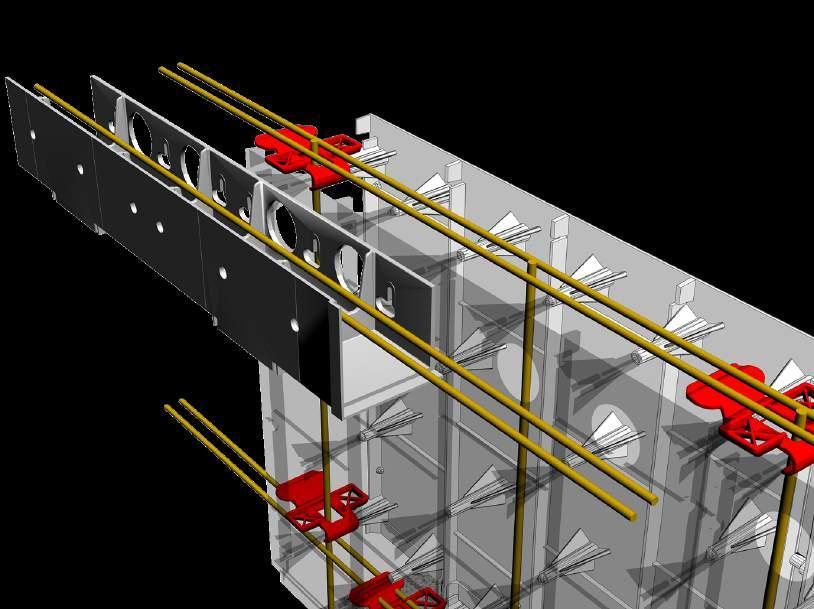

Build the blocks up in courses, with a 150mm brick bond, lifting them over the rebar as you go.
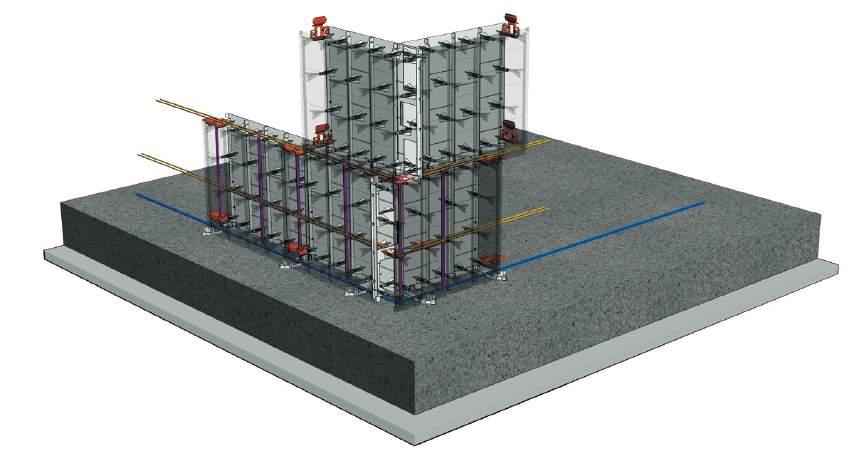

11 0
Once the wall is built check it is straight.
Use timber baton to prop the wall to the exact line.
If your footing is not level and smooth extra propping may be needed.
The props are not to stop the wall from falling over just to keep it straight.
12 0
Close the end blocks off using metal or timber board.
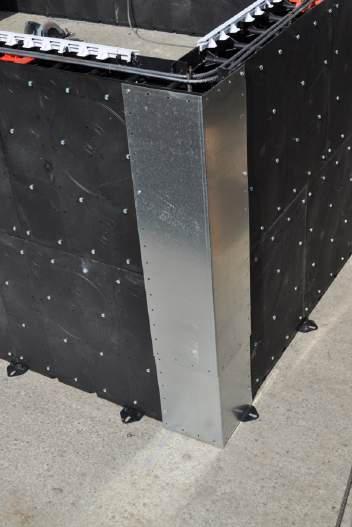
Fill the walls using a pump or by hand.
Use a 10mm Aggregate: S4, Use a 3inch reducer when pumping.
Quantities if hand mixing:
-350kg of CP J 45 Cement
-800kg 10mm gravel
-400kg sharp Sand
-170 litres of water
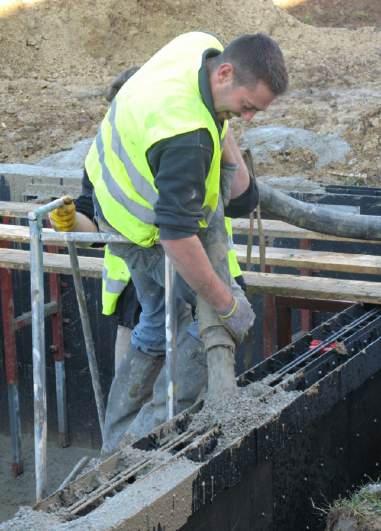
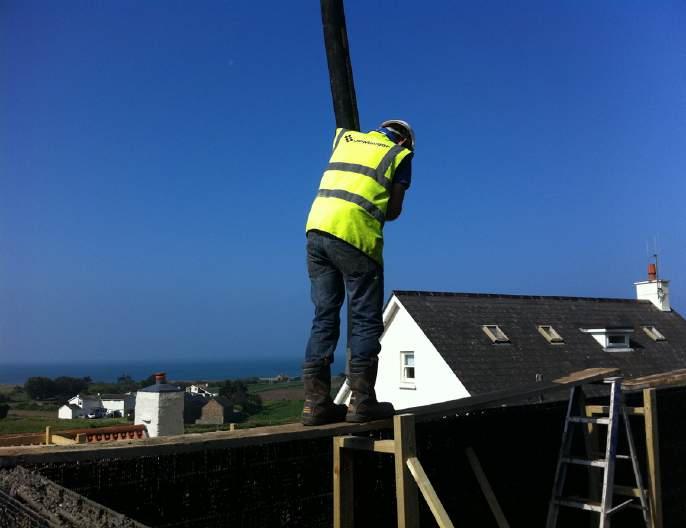
As the concrete is poured the cream will weep through the perforations. When it starts to stiffen rub this back smooth with the block to create a smooth flat finish.
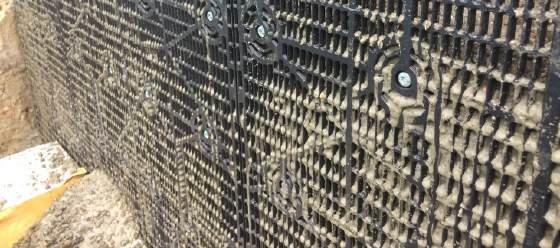
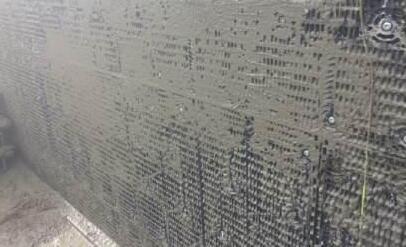
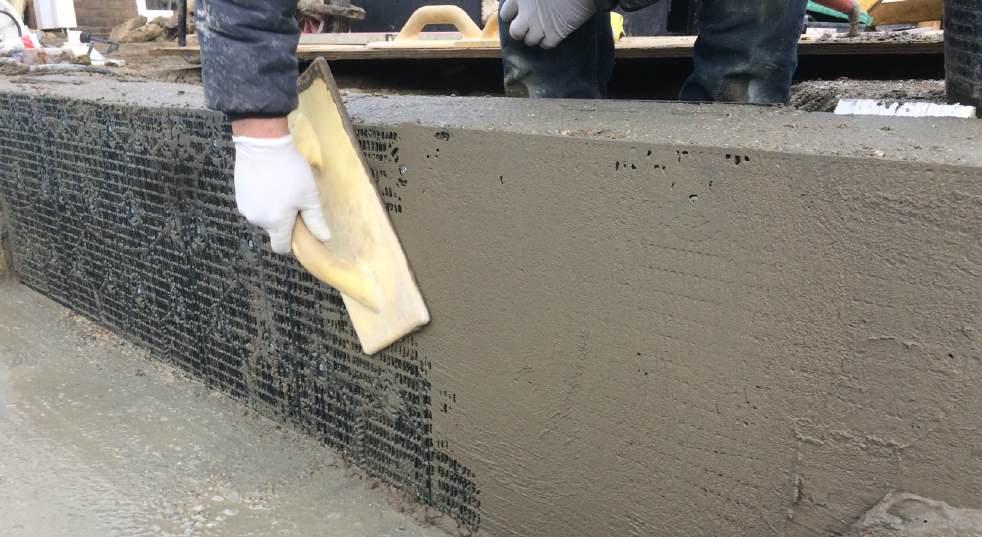
If you find not enough cream weeped through mix up a 3:1 render mix using kiln dried sand to fill any remaining holes.