Chiplet Understanding
Technology and its Impact on Semiconductor Engineering

WHAT ARE CHIPLETS?
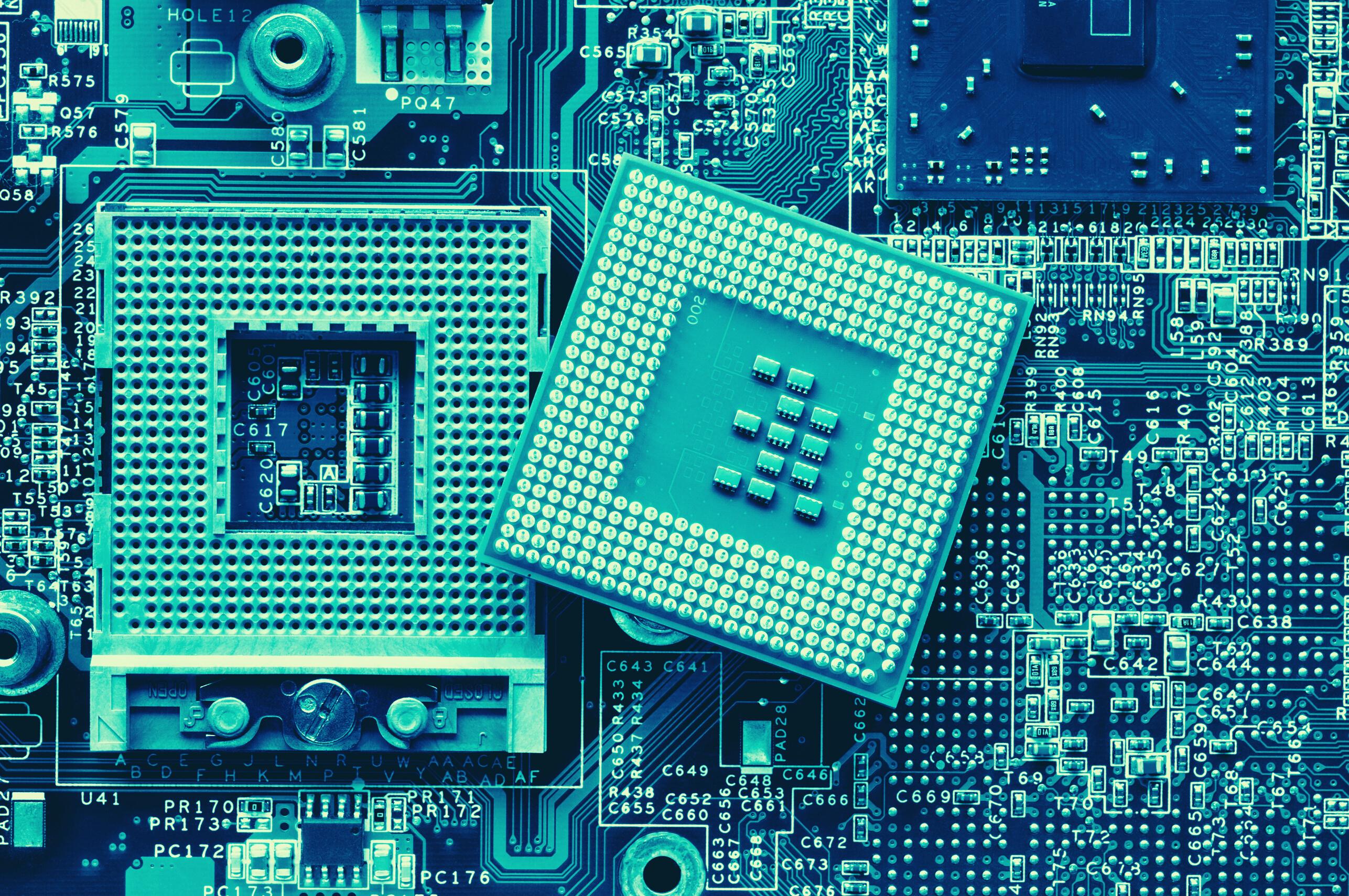
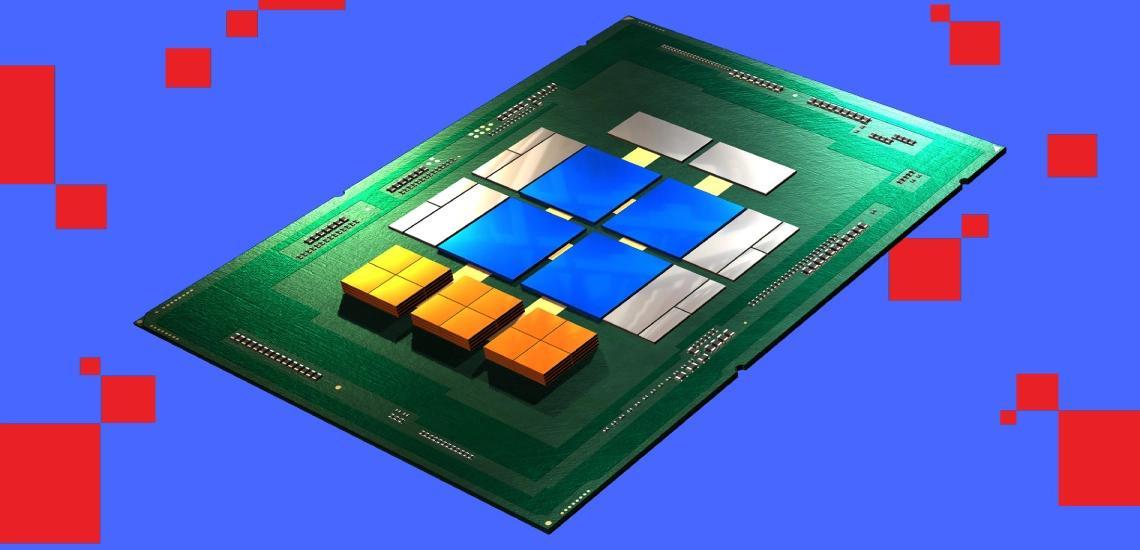
Think of a chiplet as a Lego brick – a selfcontained integrated circuit designed to perform a specific function. But unlike Legos, chiplets are microscopic wonders crafted from silicon, housing complex functionalities like processing cores, memory blocks, or analog converters. Their modular nature allows them to be combined on a single platform, similar to how Legos snap together, creating powerful and versatile systems known as System-inPackages (SiPs).

ADVANTAGES OF Chiplets over traditional monolithic SoCs
Mix and match chiplets from different vendors and processes to create tailor-made solutions for diverse applications. Need more processing power? Add a few extra CPU chiplets. Craving cutting-edge graphics? Swap in the latest GPU chiplet. This modularity opens doors to innovative designs and shorter development cycles.
01
Enhanced Performance: Chiplets allow each function to be built using the most optimized process technology.
Cost-Effectiveness: Smaller chiplets are easier to manufacture, leading to potentially lower yield losses compared to monolithic SoCs.
Scalability: Chiplets offer a modular approach to scaling, allowing designers to add or remove chiplets to achieve the desired level of performance without bumping into these physical constraints.
02 03
CHIPLETS: REMAKING PROCESSORS, FROM EDGE TO CLOUD
Automotive
Different chiplets can handle complex tasks like sensor processing, AI computations, and vehicle control efficiently, contributing to safer and more intelligent vehicles.
Specialized features (e.g., AI for photography), chiplets offer a solution to optimize performance and battery life.
Specialized chiplets for accelerators, network interfaces, and memory can be combined to meet the specific needs of various workloads, leading to more efficient and powerful computation.
Performance Computing(HPC)es
MobileDevices DataCenters&High-
OPPORTUNITIES
CHALLENGES OPPORTUNITIES
Standardization
Interoperability between chiplets from different vendors requires well-defined standards for interfaces and communication protocols.
Design & Integration
Complexity
Managing heat dissipation and ensuring signal integrity across chiplets adds another layer of complexity.
Testing & Validation
New testing methodologies and tools are needed to ensure the functionality and reliability of chipletbased systems.
Advanced Packaging Technologies
New packaging techniques like 3D integration will further enhance chiplet density and performance.
Standardization & Ecosystem
Growth
Continued development of chiplet standards and a thriving chiplet ecosystem will lead to easier design and faster adoption.
AI-powered Design Tools
Artificial intelligence can revolutionize chiplet design by optimizing placement, routing, and power delivery for complex SiPs.
THE FUTURE IS CHIPPED
Despite the challenges, chiplet technology holds immense potential for the future of semiconductor engineering. By embracing this modular approach, we can unlock new levels of performance, flexibility, and efficiency across diverse applications. From high-performance computing to automotive and beyond, chiplets are poised to reshape the future of the semiconductor industry and ultimately, the devices that power our lives.
GET IN TOUCH Orbit & Skyline specializes in providing unique & featurerich solutions that improve the ROI for semiconductor Fabs & tool OEM manufacturers. support@orbitskyline.com +1-510-509-3202 4540 Campus Drive Newport Beach, CA 92660 www.orbitskyline.com